EP3693017A1 - Universal anti-tag chimeric antigen receptor-expressing t cells and methods of treating cancer - Google Patents
Universal anti-tag chimeric antigen receptor-expressing t cells and methods of treating cancer Download PDFInfo
- Publication number
- EP3693017A1 EP3693017A1 EP20161627.3A EP20161627A EP3693017A1 EP 3693017 A1 EP3693017 A1 EP 3693017A1 EP 20161627 A EP20161627 A EP 20161627A EP 3693017 A1 EP3693017 A1 EP 3693017A1
- Authority
- EP
- European Patent Office
- Prior art keywords
- cells
- car
- expressing
- tagged proteins
- formulations
- Prior art date
- Legal status (The legal status is an assumption and is not a legal conclusion. Google has not performed a legal analysis and makes no representation as to the accuracy of the status listed.)
- Withdrawn
Links
Images

Classifications
-
- A—HUMAN NECESSITIES
- A61—MEDICAL OR VETERINARY SCIENCE; HYGIENE
- A61K—PREPARATIONS FOR MEDICAL, DENTAL OR TOILETRY PURPOSES
- A61K39/00—Medicinal preparations containing antigens or antibodies
- A61K39/0005—Vertebrate antigens
- A61K39/0011—Cancer antigens
-
- A—HUMAN NECESSITIES
- A61—MEDICAL OR VETERINARY SCIENCE; HYGIENE
- A61K—PREPARATIONS FOR MEDICAL, DENTAL OR TOILETRY PURPOSES
- A61K35/00—Medicinal preparations containing materials or reaction products thereof with undetermined constitution
- A61K35/12—Materials from mammals; Compositions comprising non-specified tissues or cells; Compositions comprising non-embryonic stem cells; Genetically modified cells
- A61K35/14—Blood; Artificial blood
- A61K35/17—Lymphocytes; B-cells; T-cells; Natural killer cells; Interferon-activated or cytokine-activated lymphocytes
-
- A—HUMAN NECESSITIES
- A61—MEDICAL OR VETERINARY SCIENCE; HYGIENE
- A61K—PREPARATIONS FOR MEDICAL, DENTAL OR TOILETRY PURPOSES
- A61K39/00—Medicinal preparations containing antigens or antibodies
- A61K39/395—Antibodies; Immunoglobulins; Immune serum, e.g. antilymphocytic serum
- A61K39/39533—Antibodies; Immunoglobulins; Immune serum, e.g. antilymphocytic serum against materials from animals
- A61K39/39558—Antibodies; Immunoglobulins; Immune serum, e.g. antilymphocytic serum against materials from animals against tumor tissues, cells, antigens
-
- A—HUMAN NECESSITIES
- A61—MEDICAL OR VETERINARY SCIENCE; HYGIENE
- A61K—PREPARATIONS FOR MEDICAL, DENTAL OR TOILETRY PURPOSES
- A61K40/00—Cellular immunotherapy
- A61K40/10—Cellular immunotherapy characterised by the cell type used
- A61K40/11—T-cells, e.g. tumour infiltrating lymphocytes [TIL] or regulatory T [Treg] cells; Lymphokine-activated killer [LAK] cells
-
- A—HUMAN NECESSITIES
- A61—MEDICAL OR VETERINARY SCIENCE; HYGIENE
- A61K—PREPARATIONS FOR MEDICAL, DENTAL OR TOILETRY PURPOSES
- A61K40/00—Cellular immunotherapy
- A61K40/30—Cellular immunotherapy characterised by the recombinant expression of specific molecules in the cells of the immune system
- A61K40/31—Chimeric antigen receptors [CAR]
-
- A—HUMAN NECESSITIES
- A61—MEDICAL OR VETERINARY SCIENCE; HYGIENE
- A61K—PREPARATIONS FOR MEDICAL, DENTAL OR TOILETRY PURPOSES
- A61K40/00—Cellular immunotherapy
- A61K40/40—Cellular immunotherapy characterised by antigens that are targeted or presented by cells of the immune system
- A61K40/41—Vertebrate antigens
- A61K40/42—Cancer antigens
- A61K40/4202—Receptors, cell surface antigens or cell surface determinants
- A61K40/4203—Receptors for growth factors
- A61K40/4204—Epidermal growth factor receptors [EGFR]
-
- A—HUMAN NECESSITIES
- A61—MEDICAL OR VETERINARY SCIENCE; HYGIENE
- A61K—PREPARATIONS FOR MEDICAL, DENTAL OR TOILETRY PURPOSES
- A61K40/00—Cellular immunotherapy
- A61K40/40—Cellular immunotherapy characterised by antigens that are targeted or presented by cells of the immune system
- A61K40/41—Vertebrate antigens
- A61K40/42—Cancer antigens
- A61K40/4202—Receptors, cell surface antigens or cell surface determinants
- A61K40/4203—Receptors for growth factors
- A61K40/4205—Her-2/neu/ErbB2, Her-3/ErbB3 or Her 4/ ErbB4
-
- A—HUMAN NECESSITIES
- A61—MEDICAL OR VETERINARY SCIENCE; HYGIENE
- A61K—PREPARATIONS FOR MEDICAL, DENTAL OR TOILETRY PURPOSES
- A61K47/00—Medicinal preparations characterised by the non-active ingredients used, e.g. carriers or inert additives; Targeting or modifying agents chemically bound to the active ingredient
- A61K47/50—Medicinal preparations characterised by the non-active ingredients used, e.g. carriers or inert additives; Targeting or modifying agents chemically bound to the active ingredient the non-active ingredient being chemically bound to the active ingredient, e.g. polymer-drug conjugates
- A61K47/51—Medicinal preparations characterised by the non-active ingredients used, e.g. carriers or inert additives; Targeting or modifying agents chemically bound to the active ingredient the non-active ingredient being chemically bound to the active ingredient, e.g. polymer-drug conjugates the non-active ingredient being a modifying agent
- A61K47/54—Medicinal preparations characterised by the non-active ingredients used, e.g. carriers or inert additives; Targeting or modifying agents chemically bound to the active ingredient the non-active ingredient being chemically bound to the active ingredient, e.g. polymer-drug conjugates the non-active ingredient being a modifying agent the modifying agent being an organic compound
- A61K47/555—Medicinal preparations characterised by the non-active ingredients used, e.g. carriers or inert additives; Targeting or modifying agents chemically bound to the active ingredient the non-active ingredient being chemically bound to the active ingredient, e.g. polymer-drug conjugates the non-active ingredient being a modifying agent the modifying agent being an organic compound pre-targeting systems involving an organic compound, other than a peptide, protein or antibody, for targeting specific cells
-
- A—HUMAN NECESSITIES
- A61—MEDICAL OR VETERINARY SCIENCE; HYGIENE
- A61K—PREPARATIONS FOR MEDICAL, DENTAL OR TOILETRY PURPOSES
- A61K47/00—Medicinal preparations characterised by the non-active ingredients used, e.g. carriers or inert additives; Targeting or modifying agents chemically bound to the active ingredient
- A61K47/50—Medicinal preparations characterised by the non-active ingredients used, e.g. carriers or inert additives; Targeting or modifying agents chemically bound to the active ingredient the non-active ingredient being chemically bound to the active ingredient, e.g. polymer-drug conjugates
- A61K47/51—Medicinal preparations characterised by the non-active ingredients used, e.g. carriers or inert additives; Targeting or modifying agents chemically bound to the active ingredient the non-active ingredient being chemically bound to the active ingredient, e.g. polymer-drug conjugates the non-active ingredient being a modifying agent
- A61K47/68—Medicinal preparations characterised by the non-active ingredients used, e.g. carriers or inert additives; Targeting or modifying agents chemically bound to the active ingredient the non-active ingredient being chemically bound to the active ingredient, e.g. polymer-drug conjugates the non-active ingredient being a modifying agent the modifying agent being an antibody, an immunoglobulin or a fragment thereof, e.g. an Fc-fragment
- A61K47/6835—Medicinal preparations characterised by the non-active ingredients used, e.g. carriers or inert additives; Targeting or modifying agents chemically bound to the active ingredient the non-active ingredient being chemically bound to the active ingredient, e.g. polymer-drug conjugates the non-active ingredient being a modifying agent the modifying agent being an antibody, an immunoglobulin or a fragment thereof, e.g. an Fc-fragment the modifying agent being an antibody or an immunoglobulin bearing at least one antigen-binding site
- A61K47/6851—Medicinal preparations characterised by the non-active ingredients used, e.g. carriers or inert additives; Targeting or modifying agents chemically bound to the active ingredient the non-active ingredient being chemically bound to the active ingredient, e.g. polymer-drug conjugates the non-active ingredient being a modifying agent the modifying agent being an antibody, an immunoglobulin or a fragment thereof, e.g. an Fc-fragment the modifying agent being an antibody or an immunoglobulin bearing at least one antigen-binding site the antibody targeting a determinant of a tumour cell
- A61K47/6855—Medicinal preparations characterised by the non-active ingredients used, e.g. carriers or inert additives; Targeting or modifying agents chemically bound to the active ingredient the non-active ingredient being chemically bound to the active ingredient, e.g. polymer-drug conjugates the non-active ingredient being a modifying agent the modifying agent being an antibody, an immunoglobulin or a fragment thereof, e.g. an Fc-fragment the modifying agent being an antibody or an immunoglobulin bearing at least one antigen-binding site the antibody targeting a determinant of a tumour cell the tumour determinant being from breast cancer cell
-
- A—HUMAN NECESSITIES
- A61—MEDICAL OR VETERINARY SCIENCE; HYGIENE
- A61K—PREPARATIONS FOR MEDICAL, DENTAL OR TOILETRY PURPOSES
- A61K47/00—Medicinal preparations characterised by the non-active ingredients used, e.g. carriers or inert additives; Targeting or modifying agents chemically bound to the active ingredient
- A61K47/50—Medicinal preparations characterised by the non-active ingredients used, e.g. carriers or inert additives; Targeting or modifying agents chemically bound to the active ingredient the non-active ingredient being chemically bound to the active ingredient, e.g. polymer-drug conjugates
- A61K47/51—Medicinal preparations characterised by the non-active ingredients used, e.g. carriers or inert additives; Targeting or modifying agents chemically bound to the active ingredient the non-active ingredient being chemically bound to the active ingredient, e.g. polymer-drug conjugates the non-active ingredient being a modifying agent
- A61K47/68—Medicinal preparations characterised by the non-active ingredients used, e.g. carriers or inert additives; Targeting or modifying agents chemically bound to the active ingredient the non-active ingredient being chemically bound to the active ingredient, e.g. polymer-drug conjugates the non-active ingredient being a modifying agent the modifying agent being an antibody, an immunoglobulin or a fragment thereof, e.g. an Fc-fragment
- A61K47/6835—Medicinal preparations characterised by the non-active ingredients used, e.g. carriers or inert additives; Targeting or modifying agents chemically bound to the active ingredient the non-active ingredient being chemically bound to the active ingredient, e.g. polymer-drug conjugates the non-active ingredient being a modifying agent the modifying agent being an antibody, an immunoglobulin or a fragment thereof, e.g. an Fc-fragment the modifying agent being an antibody or an immunoglobulin bearing at least one antigen-binding site
- A61K47/6851—Medicinal preparations characterised by the non-active ingredients used, e.g. carriers or inert additives; Targeting or modifying agents chemically bound to the active ingredient the non-active ingredient being chemically bound to the active ingredient, e.g. polymer-drug conjugates the non-active ingredient being a modifying agent the modifying agent being an antibody, an immunoglobulin or a fragment thereof, e.g. an Fc-fragment the modifying agent being an antibody or an immunoglobulin bearing at least one antigen-binding site the antibody targeting a determinant of a tumour cell
- A61K47/6859—Medicinal preparations characterised by the non-active ingredients used, e.g. carriers or inert additives; Targeting or modifying agents chemically bound to the active ingredient the non-active ingredient being chemically bound to the active ingredient, e.g. polymer-drug conjugates the non-active ingredient being a modifying agent the modifying agent being an antibody, an immunoglobulin or a fragment thereof, e.g. an Fc-fragment the modifying agent being an antibody or an immunoglobulin bearing at least one antigen-binding site the antibody targeting a determinant of a tumour cell the tumour determinant being from liver or pancreas cancer cell
-
- A—HUMAN NECESSITIES
- A61—MEDICAL OR VETERINARY SCIENCE; HYGIENE
- A61K—PREPARATIONS FOR MEDICAL, DENTAL OR TOILETRY PURPOSES
- A61K47/00—Medicinal preparations characterised by the non-active ingredients used, e.g. carriers or inert additives; Targeting or modifying agents chemically bound to the active ingredient
- A61K47/50—Medicinal preparations characterised by the non-active ingredients used, e.g. carriers or inert additives; Targeting or modifying agents chemically bound to the active ingredient the non-active ingredient being chemically bound to the active ingredient, e.g. polymer-drug conjugates
- A61K47/51—Medicinal preparations characterised by the non-active ingredients used, e.g. carriers or inert additives; Targeting or modifying agents chemically bound to the active ingredient the non-active ingredient being chemically bound to the active ingredient, e.g. polymer-drug conjugates the non-active ingredient being a modifying agent
- A61K47/68—Medicinal preparations characterised by the non-active ingredients used, e.g. carriers or inert additives; Targeting or modifying agents chemically bound to the active ingredient the non-active ingredient being chemically bound to the active ingredient, e.g. polymer-drug conjugates the non-active ingredient being a modifying agent the modifying agent being an antibody, an immunoglobulin or a fragment thereof, e.g. an Fc-fragment
- A61K47/6835—Medicinal preparations characterised by the non-active ingredients used, e.g. carriers or inert additives; Targeting or modifying agents chemically bound to the active ingredient the non-active ingredient being chemically bound to the active ingredient, e.g. polymer-drug conjugates the non-active ingredient being a modifying agent the modifying agent being an antibody, an immunoglobulin or a fragment thereof, e.g. an Fc-fragment the modifying agent being an antibody or an immunoglobulin bearing at least one antigen-binding site
- A61K47/6851—Medicinal preparations characterised by the non-active ingredients used, e.g. carriers or inert additives; Targeting or modifying agents chemically bound to the active ingredient the non-active ingredient being chemically bound to the active ingredient, e.g. polymer-drug conjugates the non-active ingredient being a modifying agent the modifying agent being an antibody, an immunoglobulin or a fragment thereof, e.g. an Fc-fragment the modifying agent being an antibody or an immunoglobulin bearing at least one antigen-binding site the antibody targeting a determinant of a tumour cell
- A61K47/6863—Medicinal preparations characterised by the non-active ingredients used, e.g. carriers or inert additives; Targeting or modifying agents chemically bound to the active ingredient the non-active ingredient being chemically bound to the active ingredient, e.g. polymer-drug conjugates the non-active ingredient being a modifying agent the modifying agent being an antibody, an immunoglobulin or a fragment thereof, e.g. an Fc-fragment the modifying agent being an antibody or an immunoglobulin bearing at least one antigen-binding site the antibody targeting a determinant of a tumour cell the tumour determinant being from stomach or intestines cancer cell
-
- A—HUMAN NECESSITIES
- A61—MEDICAL OR VETERINARY SCIENCE; HYGIENE
- A61K—PREPARATIONS FOR MEDICAL, DENTAL OR TOILETRY PURPOSES
- A61K47/00—Medicinal preparations characterised by the non-active ingredients used, e.g. carriers or inert additives; Targeting or modifying agents chemically bound to the active ingredient
- A61K47/50—Medicinal preparations characterised by the non-active ingredients used, e.g. carriers or inert additives; Targeting or modifying agents chemically bound to the active ingredient the non-active ingredient being chemically bound to the active ingredient, e.g. polymer-drug conjugates
- A61K47/51—Medicinal preparations characterised by the non-active ingredients used, e.g. carriers or inert additives; Targeting or modifying agents chemically bound to the active ingredient the non-active ingredient being chemically bound to the active ingredient, e.g. polymer-drug conjugates the non-active ingredient being a modifying agent
- A61K47/68—Medicinal preparations characterised by the non-active ingredients used, e.g. carriers or inert additives; Targeting or modifying agents chemically bound to the active ingredient the non-active ingredient being chemically bound to the active ingredient, e.g. polymer-drug conjugates the non-active ingredient being a modifying agent the modifying agent being an antibody, an immunoglobulin or a fragment thereof, e.g. an Fc-fragment
- A61K47/6891—Pre-targeting systems involving an antibody for targeting specific cells
- A61K47/6897—Pre-targeting systems with two or three steps using antibody conjugates; Ligand-antiligand therapies
-
- A—HUMAN NECESSITIES
- A61—MEDICAL OR VETERINARY SCIENCE; HYGIENE
- A61P—SPECIFIC THERAPEUTIC ACTIVITY OF CHEMICAL COMPOUNDS OR MEDICINAL PREPARATIONS
- A61P35/00—Antineoplastic agents
-
- C—CHEMISTRY; METALLURGY
- C07—ORGANIC CHEMISTRY
- C07K—PEPTIDES
- C07K14/00—Peptides having more than 20 amino acids; Gastrins; Somatostatins; Melanotropins; Derivatives thereof
- C07K14/435—Peptides having more than 20 amino acids; Gastrins; Somatostatins; Melanotropins; Derivatives thereof from animals; from humans
- C07K14/705—Receptors; Cell surface antigens; Cell surface determinants
- C07K14/70503—Immunoglobulin superfamily
- C07K14/7051—T-cell receptor (TcR)-CD3 complex
-
- C—CHEMISTRY; METALLURGY
- C07—ORGANIC CHEMISTRY
- C07K—PEPTIDES
- C07K16/00—Immunoglobulins [IG], e.g. monoclonal or polyclonal antibodies
- C07K16/18—Immunoglobulins [IG], e.g. monoclonal or polyclonal antibodies against material from animals or humans
- C07K16/28—Immunoglobulins [IG], e.g. monoclonal or polyclonal antibodies against material from animals or humans against receptors, cell surface antigens or cell surface determinants
- C07K16/2863—Immunoglobulins [IG], e.g. monoclonal or polyclonal antibodies against material from animals or humans against receptors, cell surface antigens or cell surface determinants against receptors for growth factors, growth regulators
-
- C—CHEMISTRY; METALLURGY
- C07—ORGANIC CHEMISTRY
- C07K—PEPTIDES
- C07K16/00—Immunoglobulins [IG], e.g. monoclonal or polyclonal antibodies
- C07K16/44—Immunoglobulins [IG], e.g. monoclonal or polyclonal antibodies against material not provided for elsewhere, e.g. haptens, metals, DNA, RNA, amino acids
-
- C—CHEMISTRY; METALLURGY
- C12—BIOCHEMISTRY; BEER; SPIRITS; WINE; VINEGAR; MICROBIOLOGY; ENZYMOLOGY; MUTATION OR GENETIC ENGINEERING
- C12N—MICROORGANISMS OR ENZYMES; COMPOSITIONS THEREOF; PROPAGATING, PRESERVING, OR MAINTAINING MICROORGANISMS; MUTATION OR GENETIC ENGINEERING; CULTURE MEDIA
- C12N5/00—Undifferentiated human, animal or plant cells, e.g. cell lines; Tissues; Cultivation or maintenance thereof; Culture media therefor
- C12N5/06—Animal cells or tissues; Human cells or tissues
- C12N5/0602—Vertebrate cells
- C12N5/0634—Cells from the blood or the immune system
- C12N5/0636—T lymphocytes
-
- A—HUMAN NECESSITIES
- A61—MEDICAL OR VETERINARY SCIENCE; HYGIENE
- A61K—PREPARATIONS FOR MEDICAL, DENTAL OR TOILETRY PURPOSES
- A61K39/00—Medicinal preparations containing antigens or antibodies
- A61K2039/51—Medicinal preparations containing antigens or antibodies comprising whole cells, viruses or DNA/RNA
- A61K2039/515—Animal cells
- A61K2039/5156—Animal cells expressing foreign proteins
-
- A—HUMAN NECESSITIES
- A61—MEDICAL OR VETERINARY SCIENCE; HYGIENE
- A61K—PREPARATIONS FOR MEDICAL, DENTAL OR TOILETRY PURPOSES
- A61K39/00—Medicinal preparations containing antigens or antibodies
- A61K2039/57—Medicinal preparations containing antigens or antibodies characterised by the type of response, e.g. Th1, Th2
- A61K2039/572—Medicinal preparations containing antigens or antibodies characterised by the type of response, e.g. Th1, Th2 cytotoxic response
-
- A—HUMAN NECESSITIES
- A61—MEDICAL OR VETERINARY SCIENCE; HYGIENE
- A61K—PREPARATIONS FOR MEDICAL, DENTAL OR TOILETRY PURPOSES
- A61K39/00—Medicinal preparations containing antigens or antibodies
- A61K2039/58—Medicinal preparations containing antigens or antibodies raising an immune response against a target which is not the antigen used for immunisation
- A61K2039/585—Medicinal preparations containing antigens or antibodies raising an immune response against a target which is not the antigen used for immunisation wherein the target is cancer
-
- A—HUMAN NECESSITIES
- A61—MEDICAL OR VETERINARY SCIENCE; HYGIENE
- A61K—PREPARATIONS FOR MEDICAL, DENTAL OR TOILETRY PURPOSES
- A61K2239/00—Indexing codes associated with cellular immunotherapy of group A61K40/00
- A61K2239/31—Indexing codes associated with cellular immunotherapy of group A61K40/00 characterized by the route of administration
-
- A—HUMAN NECESSITIES
- A61—MEDICAL OR VETERINARY SCIENCE; HYGIENE
- A61K—PREPARATIONS FOR MEDICAL, DENTAL OR TOILETRY PURPOSES
- A61K2239/00—Indexing codes associated with cellular immunotherapy of group A61K40/00
- A61K2239/38—Indexing codes associated with cellular immunotherapy of group A61K40/00 characterised by the dose, timing or administration schedule
-
- A—HUMAN NECESSITIES
- A61—MEDICAL OR VETERINARY SCIENCE; HYGIENE
- A61K—PREPARATIONS FOR MEDICAL, DENTAL OR TOILETRY PURPOSES
- A61K2239/00—Indexing codes associated with cellular immunotherapy of group A61K40/00
- A61K2239/46—Indexing codes associated with cellular immunotherapy of group A61K40/00 characterised by the cancer treated
- A61K2239/50—Colon
-
- A—HUMAN NECESSITIES
- A61—MEDICAL OR VETERINARY SCIENCE; HYGIENE
- A61K—PREPARATIONS FOR MEDICAL, DENTAL OR TOILETRY PURPOSES
- A61K2239/00—Indexing codes associated with cellular immunotherapy of group A61K40/00
- A61K2239/46—Indexing codes associated with cellular immunotherapy of group A61K40/00 characterised by the cancer treated
- A61K2239/54—Pancreas
-
- C—CHEMISTRY; METALLURGY
- C07—ORGANIC CHEMISTRY
- C07K—PEPTIDES
- C07K2317/00—Immunoglobulins specific features
- C07K2317/60—Immunoglobulins specific features characterized by non-natural combinations of immunoglobulin fragments
- C07K2317/62—Immunoglobulins specific features characterized by non-natural combinations of immunoglobulin fragments comprising only variable region components
- C07K2317/622—Single chain antibody (scFv)
-
- C—CHEMISTRY; METALLURGY
- C07—ORGANIC CHEMISTRY
- C07K—PEPTIDES
- C07K2319/00—Fusion polypeptide
-
- C—CHEMISTRY; METALLURGY
- C07—ORGANIC CHEMISTRY
- C07K—PEPTIDES
- C07K2319/00—Fusion polypeptide
- C07K2319/01—Fusion polypeptide containing a localisation/targetting motif
- C07K2319/03—Fusion polypeptide containing a localisation/targetting motif containing a transmembrane segment
-
- C—CHEMISTRY; METALLURGY
- C12—BIOCHEMISTRY; BEER; SPIRITS; WINE; VINEGAR; MICROBIOLOGY; ENZYMOLOGY; MUTATION OR GENETIC ENGINEERING
- C12N—MICROORGANISMS OR ENZYMES; COMPOSITIONS THEREOF; PROPAGATING, PRESERVING, OR MAINTAINING MICROORGANISMS; MUTATION OR GENETIC ENGINEERING; CULTURE MEDIA
- C12N2501/00—Active agents used in cell culture processes, e.g. differentation
- C12N2501/50—Cell markers; Cell surface determinants
- C12N2501/515—CD3, T-cell receptor complex
-
- C—CHEMISTRY; METALLURGY
- C12—BIOCHEMISTRY; BEER; SPIRITS; WINE; VINEGAR; MICROBIOLOGY; ENZYMOLOGY; MUTATION OR GENETIC ENGINEERING
- C12N—MICROORGANISMS OR ENZYMES; COMPOSITIONS THEREOF; PROPAGATING, PRESERVING, OR MAINTAINING MICROORGANISMS; MUTATION OR GENETIC ENGINEERING; CULTURE MEDIA
- C12N2510/00—Genetically modified cells
Definitions
- the invention relates to T cell-based anti-cancer therapeutics and methods of using the therapeutics in the treatment of cancer.
- a chimeric antigen receptor CAR
- the extracellular domain of a typical CAR consists of the V H and V L domains -single-chain fragment variable (scFv)- from the antigen binding sites of a monoclonal antibody.
- the scFv is linked to a flexible transmembrane domain followed by a tyrosine-based activation motif such as that from CD3 ⁇ ( Sadelain et al. Curr. Opin. Immunol. 21, 215-223 (2009 ); Gross et al.
- CAR T cells offer the opportunity to seek out and destroy cancer cells by recognizing tumor-associated antigens (TAA) expressed on their surface ( Sadelain et al. Curr. Opin. Immunol. 21, 215-223 (2009 )). As such, the recognition of a tumor cell occurs via an MHC-independent mechanism.
- TAA tumor-associated antigens
- CAR T cells Despite the promise that CAR T cells might have in treating cancer patients there are several limitations to the generalized clinical application of CAR T cells.
- tumor antigens targeted by CAR could be down-regulated or mutated in response to treatment resulting in tumor evasion. Since current CAR T cells recognize only one target antigen, such changes in tumors negate the therapeutic effects. Therefore, the generation of CAR T cells capable of recognizing multiple tumor antigens is highly desired.
- CAR T cells react with target antigen weakly expressed on non-tumor cells, potentially causing severe adverse effects ( Morgan et al. Mol. Ther. 18, 843-851 (2010 )).
- target antigen weakly expressed on non-tumor cells, potentially causing severe adverse effects ( Morgan et al. Mol. Ther. 18, 843-851 (2010 )).
- scFvs with higher specificity to tumor antigen is required.
- ongoing studies are focused on generating methods to shut off CAR T cells in vivo this system has yet to be developed and might pose additional inherent challenges.
- the present invention provides a universal, yet adaptable, anti-tag chimeric antigen receptor (AT-CAR)-expressing T cell system that fully addresses the deficiencies of current systems.
- the system uses a gene therapy platform to generate immune cells capable of recognizing various cancers types and that have broad and valuable clinical implications for the use of T cell-based therapies.
- a versatile AT-CAR system which grants T cells specificity to recognize and bind tagged proteins, such as antibodies, has been developed.
- ⁇ FITC-CAR-expressing human T cells have been developed that specifically recognize various human cancer cells when those cells are bound by cancer-reactive FITC-labeled antibodies.
- the activation of ⁇ FITC-CAR-expressing T cells is shown to induce efficient target lysis, T cell proliferation, and cytokine/chemokine production in vitro and ex vivo.
- ⁇ FITC-CAR-expressing T cells plus FITC-cetuximab (Ctx) are shown to delay colon cancer tumor establishment but lead to the selection of tumor-associated antigen (TAA)-negative cancer cells.
- TAA tumor-associated antigen
- ⁇ FITC-CAR-expressing T cells were observed to eradicate an established tumor and prevent tumor growth.
- This 'off-the-shelf' system advances existing CAR technology through its potential to target various tagged proteins in the treatment of cancer patients.
- the invention is drawn to a method of treating cancer in a subject, comprising: (a) administering a formulation of tagged proteins to a subject in need of treatment, wherein the tagged proteins bind a cancer cell in the subject, and (b) administering a therapeutically-effective population of anti-tag chimeric antigen receptor (AT-CAR)-expressing T cells to the subject, wherein the AT-CAR-expressing T cells bind the tagged proteins and induce cancer cell death, thereby treating cancer in a subject.
- A-CAR anti-tag chimeric antigen receptor
- the invention is drawn to a method of treating cancer in a subject, comprising: (a) administering one or more formulations of tagged proteins to a subject in need of treatment, wherein the tagged proteins bind a cancer cell in the subject, and (b) administering one or more therapeutically-effective populations of AT-CAR-expressing T cells to the subject, wherein the AT-CAR-expressing T cells bind the tagged proteins and induce the same or different and the tag is cancer cell death, thereby treating cancer in a subject.
- the invention is drawn to a method of treating cancer in a subject, comprising: (a) administering at least two formulations of tagged proteins to a subject in need of treatment, wherein the tagged proteins bind a cancer cell in the subject, and (b) administering at least two therapeutically-effective populations of AT-CAR-expressing T cells to the subject, wherein the AT-CAR-expressing T cells bind the tagged proteins and induce cancer cell death, thereby treating cancer in a subject.
- the tag of each formulation of tagged proteins is selected from the group consisting of fluorescein isothiocyanate (FITC), streptavidin, biotin, histidine, dinitrophenol, peridinin chlorophyll protein complex, green fluorescent protein, phycoerythrin (PE), horse radish peroxidase, palmitoylation, nitrosylation, alkalanine phosphatase, glucose oxidase, and maltose binding protein.
- FITC fluorescein isothiocyanate
- streptavidin biotin
- biotin histidine
- dinitrophenol dinitrophenol
- peridinin chlorophyll protein complex dinitrophenol
- peridinin chlorophyll protein complex green fluorescent protein
- PE phycoerythrin
- horse radish peroxidase palmitoylation
- nitrosylation alkalanine phosphatase
- glucose oxidase glucose oxidase
- maltose binding protein
- the protein of each formulation of tagged proteins is the same or different and the protein is an antibody or an antigen-binding fragment thereof.
- the antibody or antigen-binding fragment thereof is cetuximab, nimotuzumab, panitumumab, retuximab, omalizumab, tositumomab, trastuzumab, gemtuzumab, alemtuzumab, bevacuzimab or an antigen-binding fragment of any one thereof.
- the AT-CAR of each population of AT-CAR-expressing T cells is the same or different and the AT-CAR comprises a tag-binding domain, a transmembrane domain, and an activation domain.
- the tag-binding domain is an antibody or an antigen-binding fragment thereof.
- the tag-binding domain specifically binds FITC, biotin, PE, histidine or streptavidin.
- the antigen-binding fragment is a single chain variable fragment (scFv), such as a scFv that specifically binds FITC, biotin, PE, histidine or streptavidin.
- the transmembrane domain is the hinge and transmembrane regions of the human CD8 ⁇ chain.
- the activation domain comprises one or more of the cytoplasmic region of CD28, the cytoplasmic region of CD137 (41BB), OX40, HVEM, CD3 ⁇ and FcR ⁇ .
- the T cells of each population of AT-CAR-expressing T cells are the same or different and wherein the T cells are selected from the group consisting of T cells of any HLA-background from peripheral blood mononuclear cells (PBMC), T cells isolated from a tumor explant of the subject, and intratumoral T cells of the subject.
- PBMC peripheral blood mononuclear cells
- the T cells of each population of AT-CAR-expressing T cells consist of HLA-A2+ peripheral blood mononuclear cells (PBMC).
- PBMC peripheral blood mononuclear cells
- the formulation(s) of tagged proteins are administered to the subject prior to administration of the therapeutically-effective population(s) of AT-CAR-expressing T cells.
- the formulation(s) of tagged proteins are administered to the subject concurrently with administration of the therapeutically-effective population(s) of AT-CAR-expressing T cells.
- the formulation(s) of tagged proteins are administered to the subject after administration of the therapeutically-effective population(s) of AT-CAR-expressing T cells.
- the formulation(s) of tagged proteins and the therapeutically-effective population(s) of AT-CAR-expressing T cells are administered to the subject in any order.
- AT-CAR-expressing T cell binding to the tagged proteins induces cytolytic activation of the T cells.
- the subject is a human.
- “about” refers to a numeric value, including, for example, whole numbers, fractions, and percentages, whether or not explicitly indicated.
- the term “about” generally refers to a range of numerical values (e.g., +/- 5-10% of the recited value) that one of ordinary skill in the art would consider equivalent to the recited value (e.g., having the same function or result). In some instances, the term “about” may include numerical values that are rounded to the nearest significant figure.
- FITC-CAR anti-FITC CAR-CD28-41BB-CD3 ⁇
- This platform takes advantage of the high affinity interaction between the anti-FITC scFv (on the cell's surface) and FITC as well as the ability to cheaply and easily conjugate FITC molecules (or other tags) to any anti-cancer-based monoclonal antibody such as cetuximab (anti-EGFR), rituximab (anti-CD20) and herceptin (anti-Her2) used to treat patients with various types of cancers.
- This system allows for extreme specificity to the antigen and is accompanied by robust effector function and proliferative capacity with no cross-reactivity to 'self-antigens'.
- effector cells may be autologous, syngeneic or allogeneic, with the selection dependent on the disease to be treated and the means available to do so.
- Suitable populations of effector cells that may be used in the methods include any immune cells with cytolytic activity, such as T cells.
- Exemplary subpopulations of T cells include, but are not limited to those expressing CD3 + including CD3 + CD8 + T cells, CD3 + CD4+ T cells, and NKT cells.
- the T cells are HLA-A2+ peripheral blood mononuclear cells (PBMC) but the T cells can be of any HLA background from PBMCs and utilized in an autologous, syngeneic or allogeneic system.
- PBMC peripheral blood mononuclear cells
- T cells may also be isolated from any source, including from a tumor explant of the subject being treated or intratumoral T cells of the subject being treated.
- the effector cells are commonly referred to herein as T cells, but it should be understood that any reference to T cells, unless otherwise indicated, is a reference to all effector cell types as defined herein.
- Anti-tag chimeric antigen receptor (AT-CAR) .
- AT-CAR anti-tag chimeric antigen receptor
- the skilled artisan will appreciate that the anti-tag chimeric antigen receptor (AT-CAR) expressed by the T cells used in the methods of the present invention allow for great flexibility.
- the sole requirements for the AT-CARs used in the methods are (i) that the AT-CAR has binding specificity for a particular tag that can be conjugated to a protein (such as an antibody) that binds to a tumor-associated antigen (TAA), and (ii) that T cells can be engineered to express the AT-CAR.
- Additional features include (i) that the AT-CAR includes an activation domain that induces efficient target lysis upon T cell binding and activation, and (ii) the ability to replace the scFv portion of the AT-CAR with one of specificity to other tags, such as biotin or phycoerythrin, which can be conjugated to target (i.e., tumor)-reactive proteins such as antibodies to be used in vivo.
- target i.e., tumor
- the AT-CAR comprises three domains.
- the first domain is the tag-binding domain.
- This domain is typically present at the amino terminal end of the polypeptide that comprises the AT-CAR. Locating the tag-binding domain at the amino terminus permits the tag-binding domain unfettered access to the tagged protein that is bound to the target cell.
- the tag-binding domain is typically an antibody or an antigen-binding fragment thereof. The identity of the antibody or fragment is only limited by the identity of the tag of the tagged protein.
- the antibodies may be obtained from any species of animal, though preferably from a mammal such as a human, simian, mouse, rat, rabbit, guinea pig, horse, cow, sheep, goat, pig, dog or cat.
- a mammal such as a human, simian, mouse, rat, rabbit, guinea pig, horse, cow, sheep, goat, pig, dog or cat.
- the antibodies are human or humanized antibodies.
- the particular class of antibody including IgG1, IgG2, IgG3, IgG4, IgM, IgA1, IgA2, IgD and IgE antibodies.
- Antibody fragments include single-chain variable fragment (scFv), single chain antibodies, F(ab') 2 fragments, Fab fragments, and fragments produced by an Fab expression library, with the only limitation being that the antibody fragments retain the ability to bind the selected tag.
- scFv single-chain variable fragment
- F(ab') 2 fragments F(ab') 2 fragments
- Fab fragments fragments produced by an Fab expression library
- the antibodies may also be polyclonal, monoclonal, or chimeric antibodies, such as where an antigen binding region (e.g., F(ab')2 or hypervariable region) of a non-human antibody is transferred into the framework of a human antibody by recombinant DNA techniques to produce a substantially human molecule.
- Antigen-binding fragments such as scFv, may be prepared therefrom.
- AT-CARs of the present invention can be produced using commercially-available antibodies.
- antibodies to a selected tag may be produced.
- various hosts including, but not limited to, goats, rabbits, rats, mice, humans, etc., can be immunized by injection with a particular protein or any portion, fragment, or oligopeptide that retains immunogenic properties of the protein.
- various adjuvants can be used to increase the immunological response.
- adjuvants include, but are not limited to, detoxified heat labile toxin from E.
- BCG Bacillus Calmette-Guerin
- Corynebacterium parvum are also potentially useful adjuvants.
- Antibodies and fragments thereof can be prepared using any technique that provides for the production of antibody molecules, such as by continuous cell lines in culture for monoclonal antibody production.
- Such techniques include, but are not limited to, the hybridoma technique originally described by Koehler and Milstein (Nature 256:495-497 (1975 )), the human B-cell hybridoma technique ( Kosbor et al., Immunol Today 4:72 (1983 ); Cote et al., Proc Natl. Acad. Sci 80:2026-2030 (1983 )), and the EBV-hybridoma technique ( Cole et al., Monoclonal Antibodies and Cancer Therapy, Alan R. Liss Inc, New York N.Y., pp 77-96 (1985 )).
- chimeric antibodies i.e., the splicing of mouse antibody genes to human antibody genes to obtain a molecule with appropriate antigen specificity and biological activity, can also be used ( Morrison et al., Proc Natl. Acad. Sci 81:6851-6855 (1984 ); Neuberger et al., Nature 312:604-608(1984 ); Takeda et al., Nature 314:452-454(1985 )).
- techniques described for the production of single chain antibodies such as disclosed in U.S. Patent No. 4,946,778 , incorporated herein by reference in its entirety, can be adapted to produce tag-specific single chain antibodies.
- the tag-binding domain is a single-chain variable fragment (scFv).
- a scFv comprises the variable regions of the heavy (VH) and light chains (VL) of an antibody, typically linked via a short peptide of ten to about 25 amino acids.
- the linker can either connect the N-terminus of the VH with the C-terminus of the VL, or vice versa.
- the binding specificity of the tag-binding domain will depend on the identity of the tag that is conjugated to the protein that is used to bind target cells.
- the tag when the tag is FITC (Fluorescein isothiocyanate), the tag-binding domain may constitute an anti-FITC scFv.
- the tag when the tag is biotin or PE (phycoerythrin), the tag-binding domain may constitute an anti-biotin scFv or an anti-PE scFv.
- the second domain is a transmembrane (TM) domain.
- TM domain allows the CAR to be anchored into the cell membrane of the T cell.
- TM domains include, but are not limited to, the hinge and transmembrane regions of the human CD8 ⁇ chain.
- the third domain when present, is the T cell activation domain.
- This domain aids in T cell activation upon binding of the CAR to the tagged protein that is bound to the target cell.
- T cell activation includes induction of cytokine and chemokine production, as well as activation of the cytolytic activity of the cells.
- Exemplary T cell activation domains include, but are not limited to, the cytoplasmic regions of CD28, CD137 (41BB), OX40 and HVEM which serve to enhance T cell survival and proliferation; and CD3 ⁇ and FcR ⁇ which induce T cell activation.
- One or more than one T cell activation domain may be included in the CAR, such as two, three, four or more T cell activation domains.
- T cells may be engineered to express AT-CARs by means readily known to the skilled artisan.
- a polynucleotide vector is constructed that encodes the AT-CAR and the vector is transfected into a population of T cells. The cells are then grown under conditions promoting expression of the AT-CAR by the T cells.
- Successful transfection (or transduction which refers to viral-mediated gene integration) and display of AT-CARs by T cells is conducted via conventional means, some of which are disclosed in the Examples herein.
- T cells may be engineered to produce AT-CARs by first constructing a retroviral vector encoding a selected AT-CAR.
- An exemplary retroviral vector includes, but is not limited to, the vector backbone pMSGV1-CD8-28BBZ, which is derived from pMSGV (murine stem cell virus-based splice-gag vector). DNA sequencing can be used to confirm proper construction of the vector before transfection of T cells. Retroviral transduction may be performed using known techniques, such as that of Johnson et al. (Blood 114, 535-546 (2009 )).
- AT-CAR on transduced T cells may be determined, for example, by flow cytometry after staining cells with tag-conjugated protein or tag-conjugated dextran beads.
- the tag portion of the protein or beads will be bound by the tag-binding domain of the CAR expressed by the cells.
- AT-CAR T cell administration may be formulated for administration to a subject using techniques known to the skilled artisan.
- Formulations comprising populations of AT-CAR-expressing T cells may include pharmaceutically acceptable excipient(s). Excipients included in the formulations will have different purposes depending, for example, on the nature of the tag-binding domain comprising the AT-CAR, the subpopulation of T cells used, and the mode of administration.
- excipients examples include, without limitation: saline, buffered saline, dextrose, water-for-infection, glycerol, ethanol, and combinations thereof, stabilizing agents, solubilizing agents and surfactants, buffers and preservatives, tonicity agents, bulking agents, and lubricating agents.
- the formulations comprising populations of AT-CAR-expressing T cells will typically have been prepared and cultured in the absence of any non-human components, such as animal serum (e.g., bovine serum albumin).
- a formulation may include one population of AT-CAR-expressing T cells, or more than one, such as two, three, four, five, six or more populations of AT-CAR-expressing T cells.
- the different populations of AT-CAR T cells can vary based on the identity of the tag-binding domain, the identity of the activation domain, the identity of the subpopulation of T cells, or a combination thereof.
- a formulation may comprise populations of AT-CAR-expressing T cells that recognize and bind to one, or more than one, such as two, three, four, five, six or more different tagged proteins.
- a formulation may comprise populations of AT-CAR-expressing T cells that recognize and bind FITC, biotin and PE.
- the formulation comprises three different populations of AT-CAR-expressing T cells that recognize and bind cells tagged by FITC-conjugated antibodies, biotin-conjugated antibodies, and PE-conjugated antibodies.
- This formulation would therefore comprise ⁇ FITC-CAR-expressing T cells, ⁇ biotin-CAR-expressing T cells and ⁇ PE-CAR-expressing T cells.
- the formulations comprising population(s) of AT-CAR T cells may be administered to a subject using modes and techniques known to the skilled artisan.
- Exemplary modes include, but are not limited to, intravenous injection.
- Other modes include, without limitation, intratumoral, intradermal, subcutaneous (s.c., s.q., sub-Q, Hypo), intramuscular (i.m.), intraperitoneal (i.p.), intra-arterial, intramedulary, intracardiac, intra-articular (joint), intrasynovial (joint fluid area), intracranial, intraspinal, and intrathecal (spinal fluids). Any known device useful for parenteral injection or infusion of the formulations can be used to effect such administration.
- compositions comprising population(s) of AT-CAR-expressing T cells that are administered to a subject comprise a number of AT-CAR-expressing T cells that is effective for the treatment and/or prophylaxis of the specific indication or disease.
- therapeutically-effective populations of AT-CAR-expressing T cells are administered to subjects when the methods of the present invention are practiced.
- formulations are administered that comprise between about 1 x 10 4 and about 1 x 10 10 AT-CAR-expressing T cells.
- the formulation will comprise between about 1 x 10 5 and about 1 x 10 9 AT-CAR-expressing T cells, from about 5 x 10 5 to about 5 x 10 8 AT-CAR-expressing T cells, or from about 1 x 10 6 to about 1 x 10 7 AT-CAR-expressing T cells.
- the number of AT-CAR-expressing T cells administered to a subject will vary between wide limits, depending upon the location, source, identity, extent and severity of the cancer, the age and condition of the individual to be treated, etc. A physician will ultimately determine appropriate dosages to be used.
- Tagged proteins are administered to a subject prior to, or concurrent with, or after administration of the AT-CAR-expressing T cells.
- the tagged proteins bind to target cells in the subject.
- the "protein" portion of the tagged protein is the portion of the molecule that binds to the target cell.
- the protein may be an antibody that binds to a tumor-associated antigen (TAA) or a tumor specific antigen (TSA) expressed by the target cell.
- TAA tumor-associated antigen
- TSA tumor specific antigen
- the "protein” may be any molecule that binds to a target cell.
- Exemplary proteins include, but are not limited to, anti-cancer-based monoclonal antibodies such as cetuximab (anti-EGFR), nimotuzumab (anti-EGFR), panitumumab (anti-EGFR), rituximab (anti-CD20), omalizumab (anti-CD20), tositumomab (anti-CD20), trastuzumab (anti-Her2), gemtuzumab (anti-CD33), alemtuzumab (anti-CD52), and bevacuzimab (anti-VEGF).
- anti-EGFR cetuximab
- anti-EGFR nimotuzumab
- panitumab anti-EGFR
- rituximab anti-CD20
- omalizumab anti-CD20
- tositumomab anti-CD20
- trastuzumab anti-Her2
- gemtuzumab anti-CD33
- tags include, but are not limited to, fluorescein isothiocyanate (FITC), dinitrophenol, peridinin chlorophyll protein complex, green fluorescent protein, biotin, phycoerythrin (PE), histidine, streptavidin, horse radish peroxidase, palmitoylation, nitrosylation, alkalanine phosphatase, glucose oxidase, Glutathione S-transferase, maltose binding protein, and any types of fluorescent materials including quantum dot nanocrystals.
- FITC fluorescein isothiocyanate
- PE peridinin chlorophyll protein complex
- green fluorescent protein biotin
- PE phycoerythrin
- histidine streptavidin
- horse radish peroxidase palmitoylation
- nitrosylation alkalanine phosphatase
- glucose oxidase glucose oxidase
- Glutathione S-transferase mal
- the tagged proteins include FITC-conjugated antibodies, biotin-conjugated antibodies, PE-conjugated antibodies, histidine-conjugated antibodies and streptavidin-conjugated antibodies, where the antibody binds to a TAA or a TSA expressed by the target cells.
- the tagged proteins of the present invention include, but are not limited to, FITC-conjugated cetuximab, FITC-conjugated rituximab, FITC-conjugated herceptin, biotin-conjugated cetuximab, biotin-conjugated rituximab, biotin-conjugated herceptin, PE-conjugated cetuximab, PE-conjugated rituximab, PE-conjugated herceptin, histidine-conjugated cetuximab, histidine-conjugated rituximab, histidine-conjugated herceptin, streptavidin-conjugated cetuximab, streptavidin-conjugated rituximab, and streptavidin-conjugated herceptin.
- the AT-CAR cells can be redirected to target and/or destroy vascular cells feeding the tumor.
- T cells expressing ⁇ FITC-VEGF as the AT-CAR can target endothelial vascular cells to which FITC-tagged VEGF is bound, where the FITC-tagged VEGF is bound by the VEGF receptor.
- a protein lacking a tag may be used as the tagged protein.
- a naked (tagless) protein such as an antibody
- the tag-binding domain may be an antibody or antigen-binding fragment thereof that recognizes and binds a second antibody, where the second antibody functions as the tagged protein and where the second antibody lacks a tag.
- the tag may be conjugated to the proteins using techniques such as chemical coupling and chemical cross-linkers.
- polynucleotide vectors can be prepared that encode the tagged proteins as fusion proteins.
- Cell lines can then be engineered to express the tagged proteins, and the tagged proteins can be isolated from culture media, purified and used in the methods disclosed herein.
- the tagged proteins may be formulated for administration to a subject using techniques known to the skilled artisan.
- Formulations of the tagged proteins may include pharmaceutically acceptable excipient(s).
- Excipients included in the formulations will have different purposes depending, for example, on the nature of the tag, the protein, and the mode of administration. Examples of generally used excipients include, without limitation: saline, buffered saline, dextrose, water-for-infection, glycerol, ethanol, and combinations thereof, stabilizing agents, solubilizing agents and surfactants, buffers and preservatives, tonicity agents, bulking agents, and lubricating agents.
- a formulation of tagged proteins may include one type of tagged protein, or more than one, such as two, three, four, five, six or more types of tagged proteins.
- the different types of tagged proteins can vary based on the identity of the tag, the identity of the protein, or both.
- a formulation comprising three types of tagged protein might include FITC-conjugated cetuximab, FITC-conjugated rituximab and FITC-conjugated herceptin, or FITC-conjugated cetuximab, biotin-conjugated cetuximab, and PE-conjugated cetuximab.
- the tagged proteins may be administered to a subject using modes and techniques known to the skilled artisan.
- Exemplary modes include, but are not limited to, intravenous, intraperitoneal, and intratumoral injection.
- Other modes include, without limitation, intradermal, subcutaneous (s.c., s.q., sub-Q, Hypo), intramuscular (i.m.), intra-arterial, intramedulary, intracardiac, intra-articular (joint), intrasynovial (joint fluid area), intracranial, intraspinal, and intrathecal (spinal fluids). Any known device useful for parenteral injection or infusion of the formulations can be used to effect such administration.
- Formulations comprising the tagged proteins are administered to a subject in an amount which is effective for treating and/or prophylaxis of the specific indication or disease.
- formulations comprising at least about 0.1 mg/kg to about 100 mg/kg body weight of the tagged proteins are administered to a subject in need of treatment.
- the dosage is from about 1 mg/kg to about 10 mg/kg body weight of the tagged proteins daily, taking into account the routes of administration, symptoms, etc.
- tagged-bevacizumab is administered in a dosage of from about 2.5 to about 5 mg/kg.
- tagged-cetuximab is administered in a dosage ranging from about 100 to about 400mg/m 2 .
- the amount of tagged protein in formulations administered to a subject will vary between wide limits, depending upon the location, source, identity, extent and severity of the cancer, the age and condition of the individual to be treated, etc. A physician will ultimately determine appropriate dosages to be used.
- the present invention relates to methods of treating a subject having cancer, comprising administering to a subject in need of treatment one or more formulations of tagged proteins, wherein the tagged proteins bind a cancer cell, and administering one or more therapeutically-effective populations of AT-CAR-expressing T cells, wherein the AT-CAR-expressing T cells bind the tagged proteins and induce cancer cell death.
- cancer is intended to be broadly interpreted and it encompasses all aspects of abnormal cell growth and/or cell division.
- carcinoma including but not limited to adenocarcinoma, squamous cell carcinoma, adenosquamous carcinoma, anaplastic carcinoma, large cell carcinoma, small cell carcinoma, and cancer of the skin, breast, prostate, bladder, vagina, cervix, uterus, liver, kidney, pancreas, spleen, lung, trachea, bronchi, colon, small intestine, stomach, esophagus, gall bladder; sarcoma, including but not limited to chondrosarcoma, Ewing's sarcoma, malignant hemangioendothelioma, malignant schwannoma, osteosarcoma, soft tissue sarcoma, and cancers of bone, cartilage, fat, muscle, vascular, and hematopoietic tissues; lymphoma and leukemia, including but not limited to mature B cell neoplasms, such as chronic lymphocytic leukemia/small lymphocytic lymphoma
- the terms “treat”, “treating”, and “treatment” have their ordinary and customary meanings, and include one or more of: blocking, ameliorating, or decreasing in severity and/or frequency a symptom of cancer in a subject, and/or inhibiting the growth, division, spread, or proliferation of cancer cells, or progression of cancer (e.g., emergence of new tumors) in a subject.
- Treatment means blocking, ameliorating, decreasing, or inhibiting by about 1% to about 100% versus a subject in which the methods of the present invention have not been practiced.
- the blocking, ameliorating, decreasing, or inhibiting is about 100%, 99%, 98%, 97%, 96%, 95%, 90%, 80%, 70%, 60%, 50%, 40%, 30%, 20%, 10%, 5% or 1% versus a subject in which the methods of the present invention have not been practiced.
- Administration frequencies of both formulations comprising populations of AT-CAR-expressing T cells and formulations of tagged proteins will vary depending on factors that include the disease being treated, the elements comprising the AT-CAR-expressing T cells and the tagged proteins, and the modes of administration.
- Each formulation may be independently administered 4, 3, 2 or once daily, every other day, every third day, every fourth day, every fifth day, every sixth day, once weekly, every eight days, every nine days, every ten days, bi-weekly, monthly and bi-monthly.
- duration of treatment will be based on the disease being treated and will be best determined by the attending physician. However, continuation of treatment is contemplated to last for a number of days, weeks, or months.
- the formulation(s) of tagged proteins and the population(s) of AT-CAR-expressing T cells may be administered to a subject in any order.
- the formulation(s) of tagged proteins may be administered to a subject before, after or concurrently with the population(s) of AT-CAR-expressing T cells.
- the administration can be staggered. For example, a first formulation of tagged proteins can be administered, followed by a first population of AT-CAR-expressing T cells, which is then followed by a second formulation of tagged proteins and then a second population of AT-CAR-expressing T cells.
- the present invention also includes methods whereby a population of AT-CAR-expressing T cells is coated with tagged proteins prior to administration of the AT-CAR-expressing T cells to the subject.
- the subject receiving treatment is a human or non-human animal, e.g., a non-human primate, bird, horse, cow, goat, sheep, a companion animal, such as a dog, cat or rodent, or other mammal.
- the invention also provides a kit comprising one or more containers filled with one or more populations of AT-CAR-expressing T cells and one or more formulations of tagged proteins.
- the kit may also include instructions for use.
- Associated with the kit may further be a notice in the form prescribed by a governmental agency regulating the manufacture, use or sale of pharmaceuticals or biological products, which notice reflects approval by the agency of manufacture, use or sale for human administration.
- NOD-scid IL2Rgamma null mice were purchased from the Jackson Laboratory (Bar Harbor, ME, USA), housed in the University of Maryland, Baltimore, specific pathogen-free animal facility and used as recipients for adoptive immunotherapy. Experiments were reviewed and approved by the University of Maryland Baltimore Institutional Animal Care and Use Committee.
- the human EGFR+ colon adenocarcinoma cell line SW480 (ATCC, Manassas, VA) was maintained in Dulbecco's modified Eagle's medium (DMEM) (GIBCO brand; Invitrogen, Carlsbad, CA, USA) supplemented with 10% heat inactivated fetal bovine serum (Gemini Bio-Products, West Sacramento, CA, USA), 2 mM L-glutamine (GIBCO brand; Invitrogen) and 1% penicillin-streptomycin (GIBCO brand; Invitrogen).
- DMEM Dulbecco's modified Eagle's medium
- Panc 6.03 The EGFR+ HER2+ pancreatic adenocarcinoma cell line Panc 6.03 was kindly provided by Dr.
- the Phoenix Ampho packaging cell line was purchased from Orbigen (San Diego, CA, USA) and maintained in D10 medium containing DMEM, 10% FBS, 1% sodium pyruvate, 2 mM L-glutamine and 1% penicillin-streptomycin.
- the surface expression of EGFR or HER2 on SW480, Panc 6.03 and AU565 cell lines was determined by flow cytometry using FITC-conjugated Cetuximab (Ctx) or FITC-conjugated Herceptin (Her2).
- Retroviral vector backbone pMSGV1-CD8-28BBZ Hughes M.S. et al., Transfer of a TCR gene derived from a patient with a marked antitumor response conveys highly active T-cell effector functions.
- Hum Gene Ther 2005 Apr;16(4):457-72 was a kind gift from Dr. Richard Morgan (National Cancer Institute) and is derived from pMSGV (murine stem cell virus-based splice-gag vector).
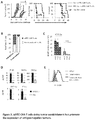
- Figure 1A shows schematically representation of the vector construct, and the order of placement of components in-frame from the 5' to the 3' ends.
- the mouse scFv against FITC is referred to ⁇ FITC-CAR and is linked to the hinge and transmembrane regions of the human CD8 ⁇ chain (nucleotide sequence 1271-1519, Genbank NM 001768.6), and the cytoplasmic regions of the human CD28 (nucleotide sequence 760-882, Genbank NM 006139.2), 4-1BB (nucleotide sequence 886-1026, Genbank NM 001561.5) and CD3 ⁇ (nucleotide sequence 299-637, Genbank NM 000734.3) molecules.
- the ⁇ FITC-CAR sequence was synthesized by BlueHeron (Bothell, WA).
- Retroviral transduction of human T cells HLA-A2+ peripheral blood mononuclear cells (PBMC) from healthy donors were purchased from Biological Specialty Corp (Colmar, PA, USA), and isolated by Ficoll-Pague (GE Healthcare, Piscataway, NJ, USA) density gradient centrifugation.
- PBMC peripheral blood mononuclear cells
- Isolated PBMC were cultured at 3 ⁇ 10 6 per well in 24-well tissue culture plates in AIM V medium (GIBCO brand; Invitrogen) supplemented with 5% human AB serum (Sigma-Aldrich), 1% MEM non-essential amino acids, 1% penicillin-streptomycin and 100 U/ml recombinant human IL-2 (BioLegend, San Diego, CA, USA), and activated with 50 ng/ml OKT3 (eBioscience, San Diego, CA, USA). Two days later, cells were collected for retroviral transduction.
- Transductions were conducted as previously described ( Johnson et al. Blood 114, 535-546 (2009 )). Briefly, approximately 2.5 ml of retroviral supernatant were added to each coated well followed by centrifugation at 2000g for 2 h at 32 °C. 1.5 ml of viral supernatant was removed and 1 ⁇ 10 6 (0.5 ml) activated PBMC were added to each well in the presence of 100 U/ml IL-2. Plates were centrifugated at 1000g for 10 min, and then incubated overnight at 37 °C. After transduction, cells were washed and maintained in the presence of IL-2 (100U/ml) and used in experiments five days after transduction.
- IL-2 100U/ml
- ⁇ FITC-CAR The surface expression of ⁇ FITC-CAR on transduced human T cells was determined by flow cytometry after staining cells with CD3 or CD8 and FITC-conjugated cetuximab. In some experiments, ⁇ FITC-CAR transduced T cells were stained with FITC-conjugated dextran beads. Cells stained with FITC-conjugated purified human IgG (Invitrogen) were used as an isotype control.
- T cell proliferation assay Three to five days after transduction, 1 ⁇ 10 5 T cells were cultured in 96-well round-bottom plates coated with cetuximab, FITC-conjugated cetuximab, or FITC-Dextran for 72 h.
- SW480 cells were pulsed with the indicated concentrations of antibodies for 1 h at 37 °C, washed 3 times.
- 1 ⁇ 10 5 effector T cells and 1 ⁇ 10 5 tumor cells were co-cultured in 200 ⁇ l of culture volume in 96-well round-bottom plates for 72 h.
- Cytotoxicity assay Cytotoxicity assay . Cytotoxic activity against tumor target cells was measured using a standard 51 Cr release assay. 1 ⁇ 10 6 target cells were labeled with 200 ⁇ Ci of 51 Cr for 2 h at 37°C, washed 3 times, and pulsed with anti-human antibodies for 1 h at 37 °C. 1 ⁇ 10 4 labeled target cells were then co-cultured with decreasing numbers of effector T cells at the indicated effector to target (E:T) ratios in 200 ⁇ l of culture volume in 96-well round-bottom plates. Target cells incubated in medium alone were used to determined spontaneous 51 Cr release, and maximal release was determined by incubating labeled target cells in 10% Triton X-100.
- % specific lysis (test release - spontaneous release) / (maximal release - spontaneous release) ⁇ 100. All tests were performed in triplicate wells and results are shown as mean ⁇ SD.
- mice were injected intraperitoneally (i.p.) with FITC-Ctx or Ctx (25 ⁇ g/mouse).
- mice were injected intravenous (i.v.) with 5 ⁇ 10 6 ⁇ FITC-CAR transduced human T cells.
- mice were injected i.p. with antibodies (25 ⁇ g/mouse) weekly for three weeks.
- Tumor area was measured with digital calipers in a blinded manner two to three times per week, and tumor sizes (mm 2 ) were calculated by perpendicular measurement by longitudinal diameter. Mice were euthanized when tumor sizes reach 200 mm 2 or if mice became moribund or had trouble ambulating. All experiments were performed independently at least twice with similar results. Survival data were analyzed with the exact long-rank test.
- ⁇ FITC-CAR or control (mock transduced) T cells were activated using titrating concentrations of plate-bound FITC-Ctx, unbound cetuximab, or FITC-Dex beads.
- ⁇ FITC-CAR T cells proliferated vigorously and in a dose dependent manner following stimulation with FITC-Ctx and FITC-Dex but did not divide in response to stimulation with Ctx alone ( Figure 1C , left panel).
- control T cells did not proliferate to FITC-Ctx or FITC-Dex ( Figure 1C , right panel).
- T cells were also co-cultured with EGFR + colon cancer cells (SW480) which had been stained with titrating concentrations of FITC-Ctx.
- FITC reactivity by ⁇ FITC-CAR T cells was demonstrated by their ability to divide following activation with FITC-Ctx-stained cancer cells, Figure 1D .
- proliferation was similar to that of control at the lowest concentrations of FITC-Ctx.
- Control T cells did not proliferate in response to any concentration of FITC-Ctx-stained cancer cells, Figure 1D .
- ⁇ FITC-CAR T cells were cultured together with FITC-Ctx-stained SW480 colon cancer cells at various effector to target ratios.
- ⁇ FITC-CAR T cells lysed SW480 colon cancer cells at effector to target ratios as low as one T cell to twenty target cells ( Figure 1E , left panel) but did not lyse cancer cells labeled with FITC-mouse IgG ( Figure 1E , right panel).
- control T cells did not show an appreciable level of cytolytic activity against FITC-Ctx-labeled or FITC-IgG-labeled SW480 cancer cells ( Figure IE).
- FITC-CAR T cells were co-cultured with pancreatic cancer cells (Panc 6.03) stained with FITC-Ctx or stained with FITC-Herceptin (anti-Her-2 mAb; FITC-Her2) and breast cancer cells (AU565) stained with FITC-Her2.
- pancreatic cancer cells Pancreatic cancer cells
- FITC-Ctx or stained with FITC-Herceptin (anti-Her-2 mAb; FITC-Her2) and breast cancer cells (AU565) stained with FITC-Her2.
- FITC-CAR T cells efficiently and specifically lysed cancer cells stained with FITC-Ctx or FITC-Her2 ( Figure 1F ) .
- ⁇ FITC-CAR T cells produced a wide array of cytokines beneficial to T cell survival, expansion and chemotaxis (Table 1).
- the background cytokine levels produced by control T cells activated with FITC-Ctx- or Ctx-stained cancer cells were identical to one another.
- mice were injected s.c. with SW840 colon cancer cells followed by the administration of FITC-Ctx or Ctx via i.p. injection.
- FITC-Ctx or Ctx via i.p. injection.
- ⁇ FITC-CAR T cells were administered via i.v. injection into the tail vein.
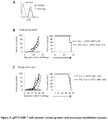
- Tumor growth kinetics was similar between mice receiving ⁇ FITC-CAR T cells plus Ctx and those receiving Ctx alone, Figure 2A left panel. In sharp contrast, tumor growth was greatly suppressed in mice receiving ⁇ FITC-CAR T cells plus FITC-Ctx ( Figure 2A left panel).
- ⁇ FITC-CAR T cells The mechanisms contributing to the failure of ⁇ FITC-CAR T cells in long-term treatment were further investigated. Because T cells were activated with CD3 mAb and IL-2, CAR T cells can display a shortened life despite receiving prosurvival signals from CD28 or 41BB ( Sadelain et al. Curr. Opin. Immunol. 21, 215-223 (2009 ); Brentjens et al. Nat. Med. 9, 279-286 (2003 )). The presence of ⁇ FITC-CAR T cells in various tissues was assayed, including the spleen, liver, bone marrow, circulation and in tumor explants. ⁇ FITC-CAR T cells were found in all tissues analyzed.
- ⁇ FITC-CAR T cells Approximately 10% of all human T cells detected in tumor explants were ⁇ FITC-CAR T cells, Figure 2B . Similar percentages were found in the other tissues (data not shown). However, the overall percentage of ⁇ FITC-CAR T cells at the time of organ collection (between days 38 and 45) was significantly lower than the starting percentage of 60% at infusion. It is also worth noting that 60% to 90% of the T cells recovered from mice were CD8 + , as compared with the starting percentage of 40-50%. These data suggest a potential survival advantage of CD8 + subset over CD4 + T cells in vivo. The frequency or role for CD4 T Regs was not examined but remains a viable option that merits further investigation.
- ⁇ FITC-CAR T cells might not have become sufficiently activated by antigen (FITC) perhaps due to anergy or other suppressive mechanisms.
- Total T cells were enriched from the tumor explant and immediately reactivated using SW480 cells from tissue culture that were stained with FITC-Ctx or Ctx alone.
- ⁇ FITC-CAR T cells proliferated ( Figure 2C ) and produced various effector molecules and chemokines ( Figure 2D ) following stimulation with FITC-Ctx-stained SW480 cells but did not respond to SW480 cells stained with Ctx.
- Figure 2C the numbers of ⁇ FITC-CAR T cells isolated from tumor explants were not sufficient to test their killing aptitude.
- ⁇ -FITC-CAR T cells are clearly capable of responding to FITC stimulation.
- One advantage to the use of an anti-tag CAR T cells is the potential to use several FITC 'tagged' tumor-reactive antibodies simultaneously.
- the use of CARs expressing scFvs specific for biotin or PE-conjugated antibodies would add to the diversity of anti-tag CARs.
- mice receiving ⁇ FITC-CAR T cells plus Ctx succumbed to tumor challenge within 35 days of tumor implantation Figure 3B right panel. It is worth noting that the administration of FITC-Ctx via i.v., i.p., or intratumoral injection all resulted in antibody localization to the tumor (data not shown).
- An alternative method to redirecting T cells to the tumor is to coat ⁇ FITC-CAR T cells with FITC-Ctx prior to adaptive transfer.
Landscapes
- Health & Medical Sciences (AREA)
- Life Sciences & Earth Sciences (AREA)
- Chemical & Material Sciences (AREA)
- General Health & Medical Sciences (AREA)
- Immunology (AREA)
- Engineering & Computer Science (AREA)
- Veterinary Medicine (AREA)
- Public Health (AREA)
- Animal Behavior & Ethology (AREA)
- Epidemiology (AREA)
- Medicinal Chemistry (AREA)
- Cell Biology (AREA)
- Bioinformatics & Cheminformatics (AREA)
- Organic Chemistry (AREA)
- Pharmacology & Pharmacy (AREA)
- Genetics & Genomics (AREA)
- Biomedical Technology (AREA)
- Oncology (AREA)
- Biochemistry (AREA)
- Molecular Biology (AREA)
- Zoology (AREA)
- Biotechnology (AREA)
- Biophysics (AREA)
- Proteomics, Peptides & Aminoacids (AREA)
- Microbiology (AREA)
- Wood Science & Technology (AREA)
- Hematology (AREA)
- Gastroenterology & Hepatology (AREA)
- Mycology (AREA)
- General Engineering & Computer Science (AREA)
- Virology (AREA)
- Developmental Biology & Embryology (AREA)
- Toxicology (AREA)
- Chemical Kinetics & Catalysis (AREA)
- General Chemical & Material Sciences (AREA)
- Nuclear Medicine, Radiotherapy & Molecular Imaging (AREA)
- Medicines Containing Material From Animals Or Micro-Organisms (AREA)
- Medicines Containing Antibodies Or Antigens For Use As Internal Diagnostic Agents (AREA)
- Medicines That Contain Protein Lipid Enzymes And Other Medicines (AREA)
- Micro-Organisms Or Cultivation Processes Thereof (AREA)
Applications Claiming Priority (3)
| Application Number | Priority Date | Filing Date | Title |
|---|---|---|---|
| US42268110P | 2010-12-14 | 2010-12-14 | |
| EP11849221.4A EP2651442B1 (en) | 2010-12-14 | 2011-12-14 | Universal anti-tag chimeric antigen receptor-expressing t cells and methods of treating cancer |
| PCT/US2011/064808 WO2012082841A2 (en) | 2010-12-14 | 2011-12-14 | Universal anti-tag chimeric antigen receptor-expressing t cells and methods of treating cancer |
Related Parent Applications (2)
| Application Number | Title | Priority Date | Filing Date |
|---|---|---|---|
| EP11849221.4A Division-Into EP2651442B1 (en) | 2010-12-14 | 2011-12-14 | Universal anti-tag chimeric antigen receptor-expressing t cells and methods of treating cancer |
| EP11849221.4A Division EP2651442B1 (en) | 2010-12-14 | 2011-12-14 | Universal anti-tag chimeric antigen receptor-expressing t cells and methods of treating cancer |
Publications (1)
| Publication Number | Publication Date |
|---|---|
| EP3693017A1 true EP3693017A1 (en) | 2020-08-12 |
Family
ID=46245339
Family Applications (2)
| Application Number | Title | Priority Date | Filing Date |
|---|---|---|---|
| EP20161627.3A Withdrawn EP3693017A1 (en) | 2010-12-14 | 2011-12-14 | Universal anti-tag chimeric antigen receptor-expressing t cells and methods of treating cancer |
| EP11849221.4A Revoked EP2651442B1 (en) | 2010-12-14 | 2011-12-14 | Universal anti-tag chimeric antigen receptor-expressing t cells and methods of treating cancer |
Family Applications After (1)
| Application Number | Title | Priority Date | Filing Date |
|---|---|---|---|
| EP11849221.4A Revoked EP2651442B1 (en) | 2010-12-14 | 2011-12-14 | Universal anti-tag chimeric antigen receptor-expressing t cells and methods of treating cancer |
Country Status (7)
| Country | Link |
|---|---|
| US (4) | US9233125B2 (enExample) |
| EP (2) | EP3693017A1 (enExample) |
| JP (1) | JP5897035B2 (enExample) |
| AU (1) | AU2011343887B2 (enExample) |
| CA (2) | CA2821080C (enExample) |
| ES (1) | ES2791716T3 (enExample) |
| WO (1) | WO2012082841A2 (enExample) |
Families Citing this family (258)
| Publication number | Priority date | Publication date | Assignee | Title |
|---|---|---|---|---|
| KR100908114B1 (ko) * | 2002-03-09 | 2009-07-16 | 삼성전자주식회사 | 스케일러블 무손실 오디오 부호화/복호화 장치 및 그 방법 |
| PH12013501201A1 (en) | 2010-12-09 | 2013-07-29 | Univ Pennsylvania | Use of chimeric antigen receptor-modified t cells to treat cancer |
| EP3693017A1 (en) | 2010-12-14 | 2020-08-12 | University of Maryland, Baltimore | Universal anti-tag chimeric antigen receptor-expressing t cells and methods of treating cancer |
| AU2012242847B2 (en) | 2011-04-15 | 2017-01-19 | The Johns Hopkins University | Safe sequencing system |
| US9708384B2 (en) | 2011-09-22 | 2017-07-18 | The Trustees Of The University Of Pennsylvania | Universal immune receptor expressed by T cells for the targeting of diverse and multiple antigens |
| WO2013151771A1 (en) | 2012-04-05 | 2013-10-10 | Massachusetts Institute Of Technology | Immunostimulatory compositions and methods of use thereof |
| US20150290244A1 (en) * | 2012-07-13 | 2015-10-15 | The Trustees Of The University Of Pennsylvania | Use of cart19 to deplete normal b cells to induce tolerance |
| WO2014011987A1 (en) * | 2012-07-13 | 2014-01-16 | The Trustees Of The University Of Pennsylvania | Compositions and methods for regulating car t cells |
| ES2701742T3 (es) | 2012-10-29 | 2019-02-25 | Univ Johns Hopkins | Prueba de Papanicolaou para cánceres de ovario y de endometrio |
| EP4282419A1 (en) * | 2012-12-20 | 2023-11-29 | Purdue Research Foundation | Chimeric antigen receptor-expressing t cells as anti-cancer therapeutics |
| LT2958943T (lt) | 2013-02-20 | 2020-01-27 | The Trustees Of The University Of Pennsylvania | Vėžio gydymas, naudojant humanizuotą anti-egfrviii chimerinio antigeno receptorių |
| US9573988B2 (en) | 2013-02-20 | 2017-02-21 | Novartis Ag | Effective targeting of primary human leukemia using anti-CD123 chimeric antigen receptor engineered T cells |
| BR112015020516A2 (pt) | 2013-02-26 | 2017-10-10 | Memorial Sloan Kettering Cancer Center | composições e métodos para imunoterapia |
| EP2968345B1 (en) * | 2013-03-13 | 2017-12-13 | The Regents of The University of Michigan | Dual mek/pi3k inhibitors and their application in the treatment of cancer diseases |
| US9499855B2 (en) | 2013-03-14 | 2016-11-22 | Elwha Llc | Compositions, methods, and computer systems related to making and administering modified T cells |
| US9587237B2 (en) | 2013-03-14 | 2017-03-07 | Elwha Llc | Compositions, methods, and computer systems related to making and administering modified T cells |
| EP2968502B1 (en) * | 2013-03-14 | 2020-08-26 | Bellicum Pharmaceuticals, Inc. | Methods for controlling t cell proliferation |
| EP2970426B1 (en) | 2013-03-15 | 2019-08-28 | Michael C. Milone | Targeting cytotoxic cells with chimeric receptors for adoptive immunotherapy |
| TWI654206B (zh) | 2013-03-16 | 2019-03-21 | 諾華公司 | 使用人類化抗-cd19嵌合抗原受體治療癌症 |
| US10208125B2 (en) | 2013-07-15 | 2019-02-19 | University of Pittsburgh—of the Commonwealth System of Higher Education | Anti-mucin 1 binding agents and uses thereof |
| EP3027204B1 (en) | 2013-07-29 | 2022-01-05 | 2seventy bio, Inc. | Multipartite signaling proteins and uses thereof |
| AU2014337385B2 (en) * | 2013-10-15 | 2020-04-30 | The Scripps Research Institute | Chimeric antigen receptor T cell switches and uses thereof |
| CN105829349B (zh) * | 2013-10-15 | 2023-02-03 | 斯克利普斯研究所 | 肽嵌合抗原受体t细胞开关和其用途 |
| CA2931684C (en) | 2013-12-19 | 2024-02-20 | Novartis Ag | Human mesothelin chimeric antigen receptors and uses thereof |
| AU2014368892B2 (en) | 2013-12-20 | 2019-06-13 | Fred Hutchinson Cancer Center | Tagged chimeric effector molecules and receptors thereof |
| EP3087101B1 (en) | 2013-12-20 | 2024-06-05 | Novartis AG | Regulatable chimeric antigen receptor |
| WO2015112626A1 (en) | 2014-01-21 | 2015-07-30 | June Carl H | Enhanced antigen presenting ability of car t cells by co-introduction of costimulatory molecules |
| US10934346B2 (en) | 2014-02-14 | 2021-03-02 | Bellicum Pharmaceuticals, Inc. | Modified T cell comprising a polynucleotide encoding an inducible stimulating molecule comprising MyD88, CD40 and FKBP12 |
| WO2015143224A1 (en) * | 2014-03-19 | 2015-09-24 | Ambrx, Inc. | Chimeric antigen receptor-modified t-cells |
| IL322264A (en) | 2014-04-07 | 2025-09-01 | Novartis Ag | Cancer treatment using chimeric antigen receptor (CAR) against CD19 |
| US11030531B2 (en) | 2014-06-06 | 2021-06-08 | Trustees Of Boston University | DNA recombinase circuits for logical control of gene expression |
| CN105194661B (zh) * | 2014-06-26 | 2019-05-03 | 科济生物医药(上海)有限公司 | 时空可调性抑制病理性靶细胞的系统 |
| US11542488B2 (en) | 2014-07-21 | 2023-01-03 | Novartis Ag | Sortase synthesized chimeric antigen receptors |
| US9777061B2 (en) | 2014-07-21 | 2017-10-03 | Novartis Ag | Treatment of cancer using a CD33 chimeric antigen receptor |
| JP6736540B2 (ja) | 2014-07-21 | 2020-08-05 | ノバルティス アーゲー | Cll−1キメラ抗原受容体を使用した癌の処置 |
| MY181834A (en) | 2014-07-21 | 2021-01-08 | Novartis Ag | Treatment of cancer using humanized anti-bcma chimeric antigen receptor |
| EP3511413B1 (en) * | 2014-07-25 | 2022-09-07 | Theravectys | Lentiviral vectors for regulated expression of a chimeric antigen receptor molecule |
| SG11201700770PA (en) | 2014-08-19 | 2017-03-30 | Novartis Ag | Anti-cd123 chimeric antigen receptor (car) for use in cancer treatment |
| EP2990416B1 (en) * | 2014-08-29 | 2018-06-20 | GEMoaB Monoclonals GmbH | Universal chimeric antigen receptor expressing immune cells for targeting of diverse multiple antigens and method of manufacturing the same and use of the same for treatment of cancer, infections and autoimmune disorders |
| CA2959168A1 (en) | 2014-09-02 | 2016-03-10 | Bellicum Pharmaceuticals, Inc. | Costimulation of chimeric antigen receptors by myd88 and cd40 polypeptides |
| ES2891332T3 (es) | 2014-09-17 | 2022-01-27 | Novartis Ag | Direccionamiento a células citotóxicas con receptores quiméricos para la inmunoterapia adoptiva |
| AU2015330898B2 (en) | 2014-10-08 | 2022-03-10 | Novartis Ag | Biomarkers predictive of therapeutic responsiveness to chimeric antigen receptor therapy and uses thereof |
| DK3597742T3 (da) * | 2014-10-09 | 2022-10-03 | Univ Yamaguchi | Car-udtrykkende vektor og car-udtrykkende t-celler |
| EP3025719B1 (en) | 2014-11-26 | 2018-09-26 | Miltenyi Biotec GmbH | Combination immunotherapy of antigen-recognizing receptors and hematopoietic cells for the treatment of diseases |
| CN107567461A (zh) | 2014-12-29 | 2018-01-09 | 诺华股份有限公司 | 制备嵌合抗原受体表达细胞的方法 |
| US11459390B2 (en) | 2015-01-16 | 2022-10-04 | Novartis Ag | Phosphoglycerate kinase 1 (PGK) promoters and methods of use for expressing chimeric antigen receptor |
| US11161907B2 (en) | 2015-02-02 | 2021-11-02 | Novartis Ag | Car-expressing cells against multiple tumor antigens and uses thereof |
| EP3261651B1 (en) | 2015-02-27 | 2022-05-04 | iCell Gene Therapeutics LLC | Chimeric antigen receptors (cars) targeting hematologic malignancies, compositions and methods of use thereof |
| WO2016154621A1 (en) | 2015-03-26 | 2016-09-29 | The California Institute For Biomedical Research | SWITCHABLE NON-scFv CHIMERIC RECEPTORS, SWITCHES, AND USES THEREOF |
| CN107530427A (zh) * | 2015-03-27 | 2018-01-02 | 南加利福尼亚大学 | 针对用于实体肿瘤的治疗的lhr的car t细胞疗法 |
| MX2017012939A (es) | 2015-04-08 | 2018-05-22 | Novartis Ag | Terapias cd20, terapias cd22 y terapias de combinacion con una celula que expresa un receptor quimerico de antigeno (car) de cd19. |
| EP3283113A4 (en) * | 2015-04-15 | 2018-12-05 | The California Institute for Biomedical Research | Optimized pne-based chimeric receptor t cell switches and uses thereof |
| AU2016249005B2 (en) | 2015-04-17 | 2022-06-16 | Novartis Ag | Methods for improving the efficacy and expansion of chimeric antigen receptor-expressing cells |
| EP3286211A1 (en) | 2015-04-23 | 2018-02-28 | Novartis AG | Treatment of cancer using chimeric antigen receptor and protein kinase a blocker |
| WO2016176652A2 (en) | 2015-04-29 | 2016-11-03 | Fred Hutchinson Cancer Research Center | Modified stem cells and uses thereof |
| US11173179B2 (en) | 2015-06-25 | 2021-11-16 | Icell Gene Therapeutics Llc | Chimeric antigen receptor (CAR) targeting multiple antigens, compositions and methods of use thereof |
| TW202444897A (zh) | 2015-06-25 | 2024-11-16 | 美商生物細胞基因治療有限公司 | 嵌合抗原受體(car)、組合物及其使用方法 |
| WO2017015427A1 (en) | 2015-07-21 | 2017-01-26 | Novartis Ag | Methods for improving the efficacy and expansion of immune cells |
| US11667691B2 (en) | 2015-08-07 | 2023-06-06 | Novartis Ag | Treatment of cancer using chimeric CD3 receptor proteins |
| WO2017027653A1 (en) | 2015-08-11 | 2017-02-16 | The Johns Hopkins University | Assaying ovarian cyst fluid |
| JP7010487B2 (ja) | 2015-08-17 | 2022-03-03 | ソウル大学校産学協力団 | 抗コチニン抗体が連結したキメラ抗原受容体およびその使用 |
| WO2017035117A1 (en) * | 2015-08-24 | 2017-03-02 | University Of Houston System | Combination therpay combining car + t cells with appropriately timed immunodulatory antibodies |
| CN116334205A (zh) | 2015-09-03 | 2023-06-27 | 诺华股份有限公司 | 预测细胞因子释放综合征的生物标志物 |
| AU2016318230B2 (en) | 2015-09-11 | 2020-05-21 | Biosceptre (Aust) Pty Ltd | Chimeric antigen receptors and uses thereof |
| KR20180053744A (ko) | 2015-09-23 | 2018-05-23 | 사이토이뮨 테라퓨틱스 엘엘씨 | 면역 요법을 위한 flt3 유도된 car 세포 |
| US12241053B2 (en) | 2015-10-09 | 2025-03-04 | The Brigham And Women's Hospital, Inc. | Modulation of novel immune checkpoint targets |
| WO2017075465A1 (en) | 2015-10-28 | 2017-05-04 | The Broad Institute Inc. | Compositions and methods for evaluating and modulating immune responses by detecting and targeting gata3 |
| WO2017075451A1 (en) | 2015-10-28 | 2017-05-04 | The Broad Institute Inc. | Compositions and methods for evaluating and modulating immune responses by detecting and targeting pou2af1 |
| CA3005878A1 (en) | 2015-11-19 | 2017-05-26 | The Brigham And Women's Hospital, Inc. | Lymphocyte antigen cd5-like (cd5l)-interleukin 12b (p40) heterodimers in immunity |
| WO2017091546A1 (en) | 2015-11-23 | 2017-06-01 | Trustees Of Boston University | Methods and compositions relating to chimeric antigen receptors |
| CN108699557B (zh) | 2015-12-04 | 2025-08-15 | 诺华股份有限公司 | 用于免疫肿瘤学的组合物和方法 |
| US20180371052A1 (en) * | 2015-12-22 | 2018-12-27 | Icell Gene Therapeutics Llc | Chimeric antigen receptors and enhancement of anti-tumor activity |
| PT3393504T (pt) | 2015-12-22 | 2025-12-30 | Novartis Ag | Recetor de antigénio quimérico (car) de mesotelina e anticorpo contra o inibidor de pd-l1 para utilização combinada em terapia anticancerígena |
| US11377481B2 (en) * | 2015-12-22 | 2022-07-05 | The Trustees Of The University Of Pennsylvania | SpyCatcher and SpyTag: universal immune receptors for T cells |
| EP3405568A4 (en) | 2016-01-20 | 2019-12-04 | Fate Therapeutics, Inc. | COMPOUNDS AND METHODS FOR IMMUNOCELL MODULATION IN ADOPTIVE IMMUNOTHERAPIES |
| SG11201805186VA (en) * | 2016-01-20 | 2018-07-30 | Fate Therapeutics Inc | Compositions and methods for immune cell modulation in adoptive immunotherapies |
| CA3013479A1 (en) * | 2016-02-16 | 2017-08-24 | Carl NOVINA | Immunotherapy compositions and methods |
| AU2017235116B2 (en) * | 2016-03-17 | 2019-11-07 | Yamaguchi University | Immunocompetent cell and expression vector expressing regulatory factors of immune function |
| US11549099B2 (en) | 2016-03-23 | 2023-01-10 | Novartis Ag | Cell secreted minibodies and uses thereof |
| US12144850B2 (en) * | 2016-04-08 | 2024-11-19 | Purdue Research Foundation | Methods and compositions for car T cell therapy |
| WO2017192536A1 (en) | 2016-05-02 | 2017-11-09 | University Of Kansas | Eliminating mhc restriction from the t cell receptor as a strategy for immunotherapy |
| JP7114490B2 (ja) | 2016-06-24 | 2022-08-08 | アイセル・ジーン・セラピューティクス・エルエルシー | キメラ抗体受容体(CARs)の構成およびその使用方法 |
| US20190262399A1 (en) | 2016-09-07 | 2019-08-29 | The Broad Institute, Inc. | Compositions and methods for evaluating and modulating immune responses |
| WO2018067991A1 (en) | 2016-10-07 | 2018-04-12 | The Brigham And Women's Hospital, Inc. | Modulation of novel immune checkpoint targets |
| WO2018067992A1 (en) | 2016-10-07 | 2018-04-12 | Novartis Ag | Chimeric antigen receptors for the treatment of cancer |
| KR102613430B1 (ko) | 2016-10-19 | 2023-12-18 | 더 스크립스 리서치 인스티튜트 | 인간화된 표적화 모이어티 및/또는 최적화된 키메라 항원 수용체-상호작용 도메인을 갖는 키메라 항원 수용체 효과기 세포 스위치 및 이의 용도 |
| US10617720B2 (en) | 2016-10-20 | 2020-04-14 | Miltenyi Biotech, GmbH | Chimeric antigen receptor specific for tumor cells |
| EP3315511A1 (en) | 2016-10-29 | 2018-05-02 | Miltenyi Biotec GmbH | Adapter chimeric antigen receptor expressing cells for targeting of multiple antigens |
| WO2018089386A1 (en) | 2016-11-11 | 2018-05-17 | The Broad Institute, Inc. | Modulation of intestinal epithelial cell differentiation, maintenance and/or function through t cell action |
| US11332713B2 (en) | 2016-11-16 | 2022-05-17 | KSQ Therapeutics, Inc. | Gene-regulating compositions and methods for improved immunotherapy |
| EP3336107A1 (en) | 2016-12-15 | 2018-06-20 | Miltenyi Biotec GmbH | Immune cells expressing an antigen binding receptor and a chimeric costimulatory receptor |
| EP3567101A4 (en) | 2017-01-05 | 2020-12-02 | Korea Research Institute of Bioscience and Biotechnology | NATURAL KILLER CELL EXPRESSING AN ANTI-COTININ CHEMERIC ANTIGEN RECEPTOR |
| KR102122546B1 (ko) * | 2017-01-05 | 2020-06-15 | 한국생명공학연구원 | 항-코티닌 키메릭 항원 수용체를 발현하는 자연살해 세포 |
| EP3574005B1 (en) | 2017-01-26 | 2021-12-15 | Novartis AG | Cd28 compositions and methods for chimeric antigen receptor therapy |
| AU2018219226B2 (en) | 2017-02-07 | 2024-12-19 | Seattle Children's Hospital (dba Seattle Children's Research Institute) | Phospholipid ether (PLE) CAR T cell tumor targeting (CTCT) agents |
| CA3053539A1 (en) | 2017-02-27 | 2018-08-30 | Juno Therapeutics, Inc. | Compositions, articles of manufacture and methods related to dosing in cell therapy |
| ES3010559T3 (en) | 2017-02-28 | 2025-04-03 | Endocyte Inc | Compositions and methods for car t cell therapy |
| KR20190130608A (ko) | 2017-03-22 | 2019-11-22 | 노파르티스 아게 | 면역종양학을 위한 조성물 및 방법 |
| US11963966B2 (en) | 2017-03-31 | 2024-04-23 | Dana-Farber Cancer Institute, Inc. | Compositions and methods for treating ovarian tumors |
| US11913075B2 (en) | 2017-04-01 | 2024-02-27 | The Broad Institute, Inc. | Methods and compositions for detecting and modulating an immunotherapy resistance gene signature in cancer |
| CA3056261A1 (en) | 2017-04-07 | 2018-10-11 | Juno Therapeutics, Inc. | Engineered cells expressing prostate-specific membrane antigen (psma) or a modified form thereof and related methods |
| WO2018191558A1 (en) | 2017-04-12 | 2018-10-18 | The Broad Institute, Inc. | Modulation of epithelial cell differentiation, maintenance and/or function through t cell action, and markers and methods of use thereof |
| US20200071773A1 (en) | 2017-04-12 | 2020-03-05 | Massachusetts Eye And Ear Infirmary | Tumor signature for metastasis, compositions of matter methods of use thereof |
| CN110709700A (zh) | 2017-04-14 | 2020-01-17 | 朱诺治疗学股份有限公司 | 评估细胞表面糖基化的方法 |
| US11344578B2 (en) | 2017-04-19 | 2022-05-31 | Board Of Regents, The University Of Texas System | Immune cells expressing engineered antigen receptors |
| WO2018209324A2 (en) | 2017-05-11 | 2018-11-15 | The Broad Institute, Inc. | Methods and compositions of use of cd8+ tumor infiltrating lymphocyte subtypes and gene signatures thereof |
| JP7755371B2 (ja) | 2017-06-09 | 2025-10-16 | アヴェンセル ユーロップ ゲー・エム・ベー・ハー | 共通キメラ抗原受容体発現免疫細胞のためのターゲティングモジュールならびに癌、感染および自己免疫障害の処置における使用 |
| WO2018232195A1 (en) | 2017-06-14 | 2018-12-20 | The Broad Institute, Inc. | Compositions and methods targeting complement component 3 for inhibiting tumor growth |
| JP2020524512A (ja) | 2017-06-21 | 2020-08-20 | アイセル・ジーン・セラピューティクス・エルエルシー | キメラ抗体受容体(CARs)の組成物およびその使用方法 |
| US12049643B2 (en) | 2017-07-14 | 2024-07-30 | The Broad Institute, Inc. | Methods and compositions for modulating cytotoxic lymphocyte activity |
| CN120400338A (zh) | 2017-08-07 | 2025-08-01 | 约翰斯霍普金斯大学 | 用于评估和治疗癌症的方法和材料 |
| CN111148533A (zh) * | 2017-09-19 | 2020-05-12 | 麻省理工学院 | 用于嵌合抗原受体t细胞疗法的组合物及其用途 |
| WO2019070755A1 (en) | 2017-10-02 | 2019-04-11 | The Broad Institute, Inc. | METHODS AND COMPOSITIONS FOR DETECTING AND MODULATING A GENETIC SIGNATURE OF IMMUNOTHERAPY RESISTANCE IN CANCER |
| KR20200086278A (ko) | 2017-10-18 | 2020-07-16 | 노파르티스 아게 | 선택적 단백질 분해를 위한 조성물 및 방법 |
| US11732257B2 (en) | 2017-10-23 | 2023-08-22 | Massachusetts Institute Of Technology | Single cell sequencing libraries of genomic transcript regions of interest in proximity to barcodes, and genotyping of said libraries |
| US11117936B2 (en) | 2017-11-10 | 2021-09-14 | University of Pittsburg—Of the Commonwealth System of Higher Education | Affinity-enhanced monomeric streptavidin chimeric antigen receptor (CAR) |
| EP3710039A4 (en) | 2017-11-13 | 2021-08-04 | The Broad Institute, Inc. | METHODS AND COMPOSITIONS FOR TREATMENT OF CANCER BY TARGETING THE CLEC2D-KLRB1 PATH |
| WO2019094955A1 (en) | 2017-11-13 | 2019-05-16 | The Broad Institute, Inc. | Methods and compositions for targeting developmental and oncogenic programs in h3k27m gliomas |
| CA3098330C (en) * | 2017-11-29 | 2024-01-02 | Guangzhou Cas Lamvac Biotech Co., Ltd | Chimeric antigen receptor and application thereof |
| CN111565737A (zh) | 2017-12-14 | 2020-08-21 | 蓝鸟生物公司 | Daric白细胞介素受体 |
| US11701387B2 (en) | 2018-01-04 | 2023-07-18 | Miltenyi Biotec B.V. & Co. KG | Chimeric antigen receptor specific for BDCA2 antigen |
| US11994512B2 (en) | 2018-01-04 | 2024-05-28 | Massachusetts Institute Of Technology | Single-cell genomic methods to generate ex vivo cell systems that recapitulate in vivo biology with improved fidelity |
| CN112218651A (zh) | 2018-01-08 | 2021-01-12 | 诺华公司 | 用于与嵌合抗原受体疗法组合的免疫增强rna |
| CA3088832A1 (en) | 2018-01-19 | 2019-07-25 | Miltenyi Biotec B.V. & Co. KG | Regulatory t cell expressing a chimeric antigen receptor |
| US11311576B2 (en) | 2018-01-22 | 2022-04-26 | Seattle Children's Hospital | Methods of use for CAR T cells |
| WO2019156795A1 (en) * | 2018-02-06 | 2019-08-15 | Seattle Children's Hospital (dba Seattle Children's Research Institute) | Fluorescein-specific cars exhibiting optimal t cell function against fl-ple labelled tumors |
| WO2019165121A1 (en) | 2018-02-21 | 2019-08-29 | Board Of Regents, The University Of Texas System | Methods for activation and expansion of natural killer cells and uses therof |
| CA3091674A1 (en) | 2018-02-23 | 2019-08-29 | Endocyte, Inc. | Sequencing method for car t cell therapy |
| EP3759130A1 (en) | 2018-02-26 | 2021-01-06 | Fred Hutchinson Cancer Research Center | Compositions and methods for cellular immunotherapy |
| CA3092794A1 (en) | 2018-03-01 | 2019-09-06 | University Of Kansas | Techniques for generating cell-based therapeutics using recombinant t cell receptor genes |
| WO2019178420A1 (en) | 2018-03-15 | 2019-09-19 | KSQ Therapeutics, Inc. | Gene-regulating compositions and methods for improved immunotherapy |
| US20190284553A1 (en) | 2018-03-15 | 2019-09-19 | KSQ Therapeutics, Inc. | Gene-regulating compositions and methods for improved immunotherapy |
| CA3095757A1 (en) | 2018-04-06 | 2019-10-10 | The Regents Of The University Of California | Methods of treating glioblastomas |
| EP3773632A4 (en) | 2018-04-06 | 2022-05-18 | The Regents of The University of California | METHODS OF TREATMENT OF EGFRVIII-EXPRESSING GLIOBLASTOMA |
| US20210079384A1 (en) | 2018-04-13 | 2021-03-18 | The Johns Hopkins University | Non-invasive detection of response to a targeted therapy |
| US20210155986A1 (en) | 2018-04-13 | 2021-05-27 | The Johns Hopkins University | Non-invasive detection of response to immunotherapy |
| US11957695B2 (en) | 2018-04-26 | 2024-04-16 | The Broad Institute, Inc. | Methods and compositions targeting glucocorticoid signaling for modulating immune responses |
| US20190345261A1 (en) | 2018-05-10 | 2019-11-14 | Sensei Biotherapeutics, Inc. | Aspartate beta-hydroxylase chimeric antigen receptors and uses thereof |
| WO2019222657A1 (en) | 2018-05-18 | 2019-11-21 | The Johns Hopkins University | Cell-free dna for assessing and/or treating cancer |
| WO2019222642A1 (en) * | 2018-05-18 | 2019-11-21 | Senti Biosciences, Inc. | Engineered immune cells and methods of use |
| US20210371932A1 (en) | 2018-06-01 | 2021-12-02 | Massachusetts Institute Of Technology | Methods and compositions for detecting and modulating microenvironment gene signatures from the csf of metastasis patients |
| US20220403001A1 (en) | 2018-06-12 | 2022-12-22 | Obsidian Therapeutics, Inc. | Pde5 derived regulatory constructs and methods of use in immunotherapy |
| EP3581200A1 (en) | 2018-06-13 | 2019-12-18 | GEMoaB Monoclonals GmbH | Reversed universal chimeric antigen receptor expressing immune cells for targeting of diverse multiple antigens and method of manufacturing the same and use of the same for treatment of cancer, infections and autoimmune disorders |
| AU2019284911B2 (en) | 2018-06-13 | 2026-04-09 | Novartis Ag | BCMA chimeric antigen receptors and uses thereof |
| US12036240B2 (en) | 2018-06-14 | 2024-07-16 | The Broad Institute, Inc. | Compositions and methods targeting complement component 3 for inhibiting tumor growth |
| WO2020006312A1 (en) | 2018-06-28 | 2020-01-02 | Dana-Farber Cancer Institute, Inc. | Targeting of multiple antigens with multiplex car t cells in solid and liquid malignancies |
| US20210283180A1 (en) * | 2018-07-06 | 2021-09-16 | The Arizona Board Of Regents On Behalf Of The University Of Arizona | Car t cell therapy to target t cell specific cancers |
| SG11202101204TA (en) | 2018-08-09 | 2021-03-30 | Juno Therapeutics Inc | Processes for generating engineered cells and compositions thereof |
| CN110856724B (zh) * | 2018-08-24 | 2022-05-27 | 杭州康万达医药科技有限公司 | 包含核酸及car修饰的免疫细胞的治疗剂及其应用 |
| EP3620464A1 (en) | 2018-09-10 | 2020-03-11 | Miltenyi Biotec GmbH | Car cell having crosslinked disulfide bridge on antigen recognizing moiety |
| MX2021002574A (es) | 2018-09-11 | 2021-06-08 | Juno Therapeutics Inc | Metodos para el analisis por espectrometria de masas de composiciones de celulas modificadas. |
| AU2019346335B2 (en) | 2018-09-28 | 2024-07-25 | Massachusetts Institute Of Technology | Collagen-localized immunomodulatory molecules and methods thereof |
| WO2020072700A1 (en) | 2018-10-02 | 2020-04-09 | Dana-Farber Cancer Institute, Inc. | Hla single allele lines |
| EP4588483A3 (en) * | 2018-10-03 | 2025-09-24 | University of Pittsburgh- Of the Commonwealth System of Higher Education | Covalent adaptor synnotch and chimeric antigen receptors (cars) for programmable antigen-targeting |
| WO2020081730A2 (en) | 2018-10-16 | 2020-04-23 | Massachusetts Institute Of Technology | Methods and compositions for modulating microenvironment |
| WO2020086742A1 (en) | 2018-10-24 | 2020-04-30 | Obsidian Therapeutics, Inc. | Er tunable protein regulation |
| WO2020092455A2 (en) * | 2018-10-29 | 2020-05-07 | The Broad Institute, Inc. | Car t cell transcriptional atlas |
| EP3874024A1 (en) | 2018-10-31 | 2021-09-08 | Juno Therapeutics GmbH | Methods for selection and stimulation of cells and apparatus for same |
| EP3895052A4 (en) | 2018-12-14 | 2022-10-26 | 2seventy bio, Inc. | DIMERIZING AGENT REGULATED IMMUNORECEPTOR COMPLEXES |
| WO2020123947A1 (en) | 2018-12-14 | 2020-06-18 | Bluebird Bio, Inc. | Dimerizing agent regulated immunoreceptor complexes |
| US20220062394A1 (en) | 2018-12-17 | 2022-03-03 | The Broad Institute, Inc. | Methods for identifying neoantigens |
| US11739156B2 (en) | 2019-01-06 | 2023-08-29 | The Broad Institute, Inc. Massachusetts Institute of Technology | Methods and compositions for overcoming immunosuppression |
| CN111454909B (zh) * | 2019-01-22 | 2024-12-10 | 北京大学深圳研究生院 | 天然配体介导的多靶点识别可调控基因工程化免疫细胞的制备方法 |
| US20220133791A1 (en) | 2019-01-23 | 2022-05-05 | Miltenyi Biotec B.V. & Co. KG | A Combination of compositions for elimination and enhanced engraftment of hematopoietic stem cells in the bone marrow of a subject |
| WO2020186101A1 (en) | 2019-03-12 | 2020-09-17 | The Broad Institute, Inc. | Detection means, compositions and methods for modulating synovial sarcoma cells |
| EP3942023A1 (en) | 2019-03-18 | 2022-01-26 | The Broad Institute, Inc. | Compositions and methods for modulating metabolic regulators of t cell pathogenicity |
| EP3941511A2 (en) | 2019-03-20 | 2022-01-26 | Massachusetts Institute of Technology | Uses of amphiphiles in immune cell therapy and compositions therefor |
| US20220193137A1 (en) | 2019-04-04 | 2022-06-23 | Umc Utrecht Holding B.V. | Modified immune receptor constructs |
| JPWO2020213724A1 (enExample) | 2019-04-19 | 2020-10-22 | ||
| MX2021013223A (es) | 2019-05-01 | 2022-02-17 | Juno Therapeutics Inc | Celulas que expresan un receptor quimerico de un locus cd247 modificado, polinucleotidos relacionados y metodos. |
| AU2020265741A1 (en) | 2019-05-01 | 2021-11-25 | Editas Medicine, Inc. | Cells expressing a recombinant receptor from a modified TGFBR2 Locus, related polynucleotides and methods |
| CA3138972A1 (en) | 2019-05-04 | 2020-11-12 | Inhibrx, Inc. | Clec12a-binding polypeptides and uses thereof |
| SG11202111927QA (en) | 2019-05-08 | 2021-11-29 | 2Seventy Bio Inc | Cll-1 targeted immunotherapies |
| US20220235340A1 (en) | 2019-05-20 | 2022-07-28 | The Broad Institute, Inc. | Novel crispr-cas systems and uses thereof |
| WO2020243371A1 (en) | 2019-05-28 | 2020-12-03 | Massachusetts Institute Of Technology | Methods and compositions for modulating immune responses |
| KR20220015452A (ko) | 2019-05-28 | 2022-02-08 | 밀테니 비오텍 비.브이. & 씨오. 케이지 | 유전자 변형된 t 세포의 생성 방법 |
| US11642409B2 (en) | 2019-06-26 | 2023-05-09 | Massachusetts Insttute of Technology | Immunomodulatory fusion protein-metal hydroxide complexes and methods thereof |
| WO2021011781A1 (en) * | 2019-07-16 | 2021-01-21 | The Regents Of The University Of California | Universal chimeric antigen receptors and methods for making and using them |
| WO2021030627A1 (en) | 2019-08-13 | 2021-02-18 | The General Hospital Corporation | Methods for predicting outcomes of checkpoint inhibition and treatment thereof |
| US12421557B2 (en) | 2019-08-16 | 2025-09-23 | The Broad Institute, Inc. | Methods for predicting outcomes and treating colorectal cancer using a cell atlas |
| WO2021041922A1 (en) | 2019-08-30 | 2021-03-04 | The Broad Institute, Inc. | Crispr-associated mu transposase systems |
| WO2021046451A1 (en) | 2019-09-06 | 2021-03-11 | Obsidian Therapeutics, Inc. | Compositions and methods for dhfr tunable protein regulation |
| US20220315894A1 (en) | 2019-09-11 | 2022-10-06 | Miltenyi Biotec B.V. & Co. KG | Method for Transduction of T Cells in the Presence of Malignant Cells |
| WO2021061648A1 (en) | 2019-09-23 | 2021-04-01 | Massachusetts Institute Of Technology | Methods and compositions for stimulation of endogenous t cell responses |
| US12297426B2 (en) | 2019-10-01 | 2025-05-13 | The Broad Institute, Inc. | DNA damage response signature guided rational design of CRISPR-based systems and therapies |
| US12394502B2 (en) | 2019-10-02 | 2025-08-19 | The General Hospital Corporation | Method for predicting HLA-binding peptides using protein structural features |
| US11981922B2 (en) | 2019-10-03 | 2024-05-14 | Dana-Farber Cancer Institute, Inc. | Methods and compositions for the modulation of cell interactions and signaling in the tumor microenvironment |
| US12195725B2 (en) | 2019-10-03 | 2025-01-14 | Dana-Farber Cancer Institute, Inc. | Compositions and methods for modulating and detecting tissue specific TH17 cell pathogenicity |
| US11793787B2 (en) | 2019-10-07 | 2023-10-24 | The Broad Institute, Inc. | Methods and compositions for enhancing anti-tumor immunity by targeting steroidogenesis |
| CA3154281A1 (en) | 2019-10-16 | 2021-04-22 | Andrew Scharenberg | Retroviral vector for universal receptor therapy |
| US11723950B2 (en) * | 2019-10-18 | 2023-08-15 | Trustees Of Boston University | CAL-T constructs and uses thereof |
| US11844800B2 (en) | 2019-10-30 | 2023-12-19 | Massachusetts Institute Of Technology | Methods and compositions for predicting and preventing relapse of acute lymphoblastic leukemia |
| EP4065158A2 (en) | 2019-11-26 | 2022-10-05 | Novartis AG | Chimeric antigen receptors binding bcma and cd19 and uses thereof |
| KR20220104217A (ko) | 2019-11-26 | 2022-07-26 | 노파르티스 아게 | Cd19 및 cd22 키메라 항원 수용체 및 이의 용도 |
| US12165747B2 (en) | 2020-01-23 | 2024-12-10 | The Broad Institute, Inc. | Molecular spatial mapping of metastatic tumor microenvironment |
| KR20220146480A (ko) | 2020-01-28 | 2022-11-01 | 주노 쎄러퓨티크스 인코퍼레이티드 | T 세포 형질도입 방법 |
| CN115066249A (zh) | 2020-02-04 | 2022-09-16 | 美天施生物科技有限两合公司 | 表达用于感测可溶性抗原的适体嵌合抗原受体的免疫细胞 |
| KR20220163940A (ko) | 2020-02-04 | 2022-12-12 | 시애틀 칠드런즈 호스피탈 디/비/에이 시애틀 칠드런즈 리서치 인스티튜트 | 항-디니트로페놀 키메라 항원 수용체 |
| IL295297A (en) | 2020-02-14 | 2022-10-01 | Univ Johns Hopkins | Methods and materials for assessing nucleic acids |
| EP3878464A1 (en) | 2020-03-09 | 2021-09-15 | Miltenyi Biotec B.V. & Co. KG | Use of a car cell having crosslinked disulfide bridge on antigen recognizing moiety for targeting cancer cells |
| CA3173527A1 (en) | 2020-03-10 | 2021-09-16 | Massachusetts Institute Of Technology | Methods for generating engineered memory-like nk cells and compositions thereof |
| US11896619B2 (en) | 2020-03-10 | 2024-02-13 | Massachusetts Institute Of Technology | Compositions and methods for immunotherapy of NPM1c-positive cancer |
| EP3881866A1 (en) | 2020-03-16 | 2021-09-22 | GEMoaB GmbH | A targeting module comprising pd-l1 and/or pd-l2 for use in a method for stimulating a chimeric antigen receptor mediated response in a mammal |
| JP2023522330A (ja) | 2020-04-17 | 2023-05-30 | シティ・オブ・ホープ | Flt3陽性悪性腫瘍を処置するためのflt3標的化キメラ抗原受容体改変細胞 |
| WO2021221783A1 (en) | 2020-05-01 | 2021-11-04 | Massachusetts Institute Of Technology | Methods for identifying chimeric antigen receptor-targeting ligands and uses thereof |
| WO2021221782A1 (en) | 2020-05-01 | 2021-11-04 | Massachusetts Institute Of Technology | Chimeric antigen receptor-targeting ligands and uses thereof |
| WO2021234006A1 (en) | 2020-05-20 | 2021-11-25 | Miltenyi Biotec B.V. & Co. KG | Compositions and methods for treating cancer expressing cd90 and cd326 |
| US12286465B2 (en) | 2020-05-28 | 2025-04-29 | Miltenyi Biotec B.V. & Co. KG | Chimeric antigen receptor with a spacer comprising C2-set Ig-like domains |
| WO2021260186A1 (en) | 2020-06-26 | 2021-12-30 | Juno Therapeutics Gmbh | Engineered t cells conditionally expressing a recombinant receptor, related polynucleotides and methods |
| CN116323656A (zh) | 2020-07-16 | 2023-06-23 | 优莫佳生物制药股份有限公司 | 门控衔接子靶向受体 |
| CN116194124A (zh) | 2020-07-31 | 2023-05-30 | 中外制药株式会社 | 包含表达嵌合受体的细胞的药物组合物 |
| WO2022038411A1 (en) | 2020-08-19 | 2022-02-24 | Astellas Pharma, Inc. | Human non-naturally occurring modified fc region of igg specifically binding to non-naturally occurring modified fc receptor |
| EP3964585A1 (en) | 2020-09-03 | 2022-03-09 | Miltenyi Biotec B.V. & Co. KG | Cd62l specific lentiviral vector particle for targeted transduction of t cell subsets |
| JP7795527B2 (ja) * | 2020-09-04 | 2026-01-07 | ミルテニイ ビオテック ベー.ファー. ウント コー.カーゲー | 免疫細胞におけるアダプターの誘導性発現のための系 |
| WO2022081838A1 (en) * | 2020-10-14 | 2022-04-21 | Georgia Tech Research Corporation | Synthetic antigens as chimeric antigen receptor (car) ligands and uses thereof |
| WO2022096425A2 (en) | 2020-11-04 | 2022-05-12 | Miltenyi Biotec B.V. & Co. KG | Chimeric antigen receptor comprising an antigen binding domain specific for msln having a specificity for tumor cells |
| WO2022098787A1 (en) | 2020-11-04 | 2022-05-12 | Juno Therapeutics, Inc. | Cells expressing a chimeric receptor from a modified invariant cd3 immunoglobulin superfamily chain locus and related polynucleotides and methods |
| EP4240404A1 (en) | 2020-11-09 | 2023-09-13 | Miltenyi Biotec B.V. & Co. KG | Methods and compositions for eliminating engineered immune cells |
| JP2024500847A (ja) | 2020-12-18 | 2024-01-10 | センチュリー セラピューティクス,インコーポレイテッド | 適合可能な受容体特異性を有するキメラ抗原受容体システム |
| KR20230158573A (ko) | 2021-03-22 | 2023-11-20 | 주노 쎄러퓨티크스 인코퍼레이티드 | 바이러스 벡터 입자의 효력을 평가하는 방법 |
| KR20230159851A (ko) | 2021-03-22 | 2023-11-22 | 주노 쎄러퓨티크스 인코퍼레이티드 | 치료 세포 조성물의 효력을 결정하는 방법 |
| JP2024517287A (ja) * | 2021-05-07 | 2024-04-19 | ユニバーシティ オブ フロリダ リサーチ ファンデーション インコーポレーティッド | Car t細胞療法の方法 |
| IL309021A (en) * | 2021-06-08 | 2024-01-01 | Biontech Cell & Gene Therapies Gmbh | Agents and methods for activation and targeting of immune effector cells |
| EP4376855A4 (en) * | 2021-07-28 | 2025-10-15 | Prescient Therapeutics Ltd | CELL-BASED THERAPY COMPRISING A UNIVERSAL IMMUNE RECEPTOR |
| EP4413031A1 (en) | 2021-10-06 | 2024-08-14 | Miltenyi Biotec B.V. & Co. KG | Method for targeted gene insertion into immune cells |
| US20240415885A1 (en) | 2021-10-15 | 2024-12-19 | Miltenyi Biotec B.V. & Co. KG | Method for the generation of genetically modified NK cells |
| US20260083848A1 (en) | 2021-11-03 | 2026-03-26 | Viracta Therapeutics, Inc. | Combination of car t-cell therapy with btk inhibitors and methods of use thereof |
| EP4176895A1 (en) | 2021-11-08 | 2023-05-10 | AvenCell Europe GmbH | Targeting modules against il13ra2 or her2 for use in combination with a chimeric antigen receptor |
| KR20240105452A (ko) | 2021-11-15 | 2024-07-05 | 아르셀엑스, 인크. | D-도메인 함유 폴리펩티드 및 그의 용도 |
| WO2023107825A1 (en) * | 2021-12-07 | 2023-06-15 | The Regents Of The University Of California | Synthetic cytokine circuits to promote infiltration and clearance of immune excluded solid tumors by engineered immune cells |
| EP4504243A1 (en) | 2022-04-01 | 2025-02-12 | Miltenyi Biotec B.V. & Co. KG | A system for drug-inducible expression of a polynucleotide |
| EP4522751A1 (en) | 2022-05-10 | 2025-03-19 | Miltenyi Biotec B.V. & Co. KG | Compositions comprising il-15, il-15 receptor alpha and the intracellular signaling domain of cd2 for immune cell therapy |
| US20230372395A1 (en) | 2022-05-19 | 2023-11-23 | Massachusetts Institute Of Technology | Car cells targeting an inserted ligand |
| WO2024077256A1 (en) | 2022-10-07 | 2024-04-11 | The General Hospital Corporation | Methods and compositions for high-throughput discovery ofpeptide-mhc targeting binding proteins |
| WO2024078995A1 (en) | 2022-10-15 | 2024-04-18 | Miltenyi Biotec B.V. & Co. KG | Transduction of gammadelta t cells with pseudotyped retroviral vectors |
| WO2024124044A1 (en) | 2022-12-07 | 2024-06-13 | The Brigham And Women’S Hospital, Inc. | Compositions and methods targeting sat1 for enhancing anti¬ tumor immunity during tumor progression |
| CN116041545A (zh) * | 2022-12-12 | 2023-05-02 | 南方医科大学 | 一种靶向荧光素或生物素的通用型car及其应用 |
| WO2024178397A2 (en) | 2023-02-24 | 2024-08-29 | Elevatebio Technologies, Inc. | Modified immune effector cells and methods of use |
| WO2024191919A1 (en) | 2023-03-10 | 2024-09-19 | The Regents Of The University Of Colorado, A Body Corporate | Anti-cd56 and anti-cd99 logic gated chimeric antigen receptors for the treatment of cancer |
| WO2024191918A1 (en) | 2023-03-10 | 2024-09-19 | The Regents Of The University Of Colorado, A Body Corporate | Anti-cd276 and anti-cd99 logic gated chimeric antigen receptors for the treatment of cancer |
| EP4698902A1 (en) | 2023-04-18 | 2026-02-25 | Juno Therapeutics, Inc. | Cytotoxicity assay for assessing potency of therapeutic cell compositions |
| AU2024261890A1 (en) | 2023-04-27 | 2025-10-09 | Miltenyi Biotec B.V. & Co. KG | Retroviral vector particle pseudotyped with envelope proteins of canine distemper virus |
| KR20260005358A (ko) | 2023-04-27 | 2026-01-09 | 밀테니 비오텍 비.브이. & 씨오. 케이지 | 항-cd3 디스플레이를 갖는 슈도타이핑된 레트로바이러스 벡터 입자 |
| WO2024241205A1 (en) * | 2023-05-19 | 2024-11-28 | Seoul National University R&Db Foundation | Safety control of switchable chimeric antigen receptor t cells using dose-adjustable adaptors |
| EP4716851A2 (en) | 2023-05-23 | 2026-04-01 | Juno Therapeutics, Inc. | Activation markers of t cells and method for assessing t cell activation |
| EP4470555A1 (en) | 2023-05-31 | 2024-12-04 | Miltenyi Biotec B.V. & Co. KG | Anti-tag chimeric antigen receptors with specificity for mutated peptides derived from human fgfr2 |
| EP4471067A1 (en) | 2023-06-01 | 2024-12-04 | Miltenyi Biotec B.V. & Co. KG | A chemically inducible heterodimerizing system and a method for generation thereof |
| WO2025007073A2 (en) | 2023-06-29 | 2025-01-02 | Dispatch Biotherapeutics, Inc. | Synthetic cytokine receptors |
| WO2025059533A1 (en) | 2023-09-13 | 2025-03-20 | The Broad Institute, Inc. | Crispr enzymes and systems |
| WO2025078492A1 (en) | 2023-10-13 | 2025-04-17 | Miltenyi Biotec B.V. & Co. KG | Cd3-targeted nipah-pseudotyped lentiviral vector particles |
| WO2025087935A1 (en) | 2023-10-26 | 2025-05-01 | Miltenyi Biotec B.V. & Co. KG | Chimeric antigen receptor specific for folate receptor 1 |
| WO2025097055A2 (en) | 2023-11-02 | 2025-05-08 | The Broad Institute, Inc. | Compositions and methods of use of t cells in immunotherapy |
| WO2025117544A1 (en) | 2023-11-29 | 2025-06-05 | The Broad Institute, Inc. | Engineered omega guide molecule and iscb compositions, systems, and methods of use thereof |
| WO2025125231A1 (en) | 2023-12-11 | 2025-06-19 | Miltenyi Biotec B.V. & Co. KG | Antigen - induced secretion of effector molecules of car t cells |
| WO2025149431A1 (en) | 2024-01-08 | 2025-07-17 | Miltenyi Biotec B.V. & Co. KG | Anti cd276 adapter chimeric antigen receptor (car) |
| WO2025252326A1 (en) | 2024-06-06 | 2025-12-11 | Miltenyi Biotec B.V. & Co. KG | A human protein scaffold library based on the n-terminal domain of human fact complex subunit ssrp1 |
| WO2025252325A1 (en) | 2024-06-06 | 2025-12-11 | Miltenyi Biotec B.V. & Co. KG | A human protein scaffold library based on the pdz3 domain of the tight junction protein zo-1 |
| WO2026006767A1 (en) | 2024-06-28 | 2026-01-02 | Dispatch Biotherapeutics, Inc. | Tethered il-9/il-9r and related engineered cells and methods |
Citations (2)
| Publication number | Priority date | Publication date | Assignee | Title |
|---|---|---|---|---|
| US4946778A (en) | 1987-09-21 | 1990-08-07 | Genex Corporation | Single polypeptide chain binding molecules |
| EP2651442A2 (en) | 2010-12-14 | 2013-10-23 | University of Maryland, Baltimore | Universal anti-tag chimeric antigen receptor-expressing t cells and methods of treating cancer |
Family Cites Families (20)
| Publication number | Priority date | Publication date | Assignee | Title |
|---|---|---|---|---|
| US5906936A (en) | 1988-05-04 | 1999-05-25 | Yeda Research And Development Co. Ltd. | Endowing lymphocytes with antibody specificity |
| US5861156A (en) | 1993-01-08 | 1999-01-19 | Creative Biomolecules | Methods of delivering agents to target cells |
| US20090011984A1 (en) | 1998-02-23 | 2009-01-08 | Seppo Yla-Herttuala | Biotin-binding receptor molecules |
| CA2323210C (en) | 1998-03-10 | 2013-05-28 | The Trustees Of The University Of Pennsylvania | Enhancement of intracellular delivery and tissue targeting of drugs and genes |
| JP2001213804A (ja) | 2000-01-31 | 2001-08-07 | Chugai Pharmaceut Co Ltd | 抗組織因子抗体の複合体 |
| AU2001271273A1 (en) | 2000-05-24 | 2001-12-03 | Ludwig Institute For Cancer Research | Multicomponent conjugates which bind to target molecules and stimulate cell lysis |
| ATE389668T1 (de) | 2000-07-31 | 2008-04-15 | Greenpeptide Co Ltd | Tumorantigen |
| US7514537B2 (en) * | 2001-04-30 | 2009-04-07 | City Of Hope | Chimeric immunoreceptor useful in treating human gliomas |
| US7446190B2 (en) * | 2002-05-28 | 2008-11-04 | Sloan-Kettering Institute For Cancer Research | Nucleic acids encoding chimeric T cell receptors |
| US20050129671A1 (en) * | 2003-03-11 | 2005-06-16 | City Of Hope | Mammalian antigen-presenting T cells and bi-specific T cells |
| TWI342312B (en) | 2003-10-22 | 2011-05-21 | Theravance Inc | Hydrochloride salts of a glycopeptide phosphonate derivative |
| US20050113564A1 (en) * | 2003-11-05 | 2005-05-26 | St. Jude Children's Research Hospital | Chimeric receptors with 4-1BB stimulatory signaling domain |
| CN100376599C (zh) * | 2004-04-01 | 2008-03-26 | 北京安波特基因工程技术有限公司 | 基因工程重组抗cea抗cd3抗cd28线性单链三特异抗体 |
| JP2009518427A (ja) * | 2005-12-08 | 2009-05-07 | ユニバーシティー オブ ルーイビル リサーチ ファンデーション,インコーポレーテッド | Invivo細胞表面操作 |
| US20080003225A1 (en) | 2006-06-29 | 2008-01-03 | Henri Vie | Method for enhancing the antibody-dependent cellular cytotoxicity (ADCC) and uses of T cells expressing CD16 receptors |
| US8865169B2 (en) | 2007-02-20 | 2014-10-21 | Tufts University | Methods and systems for multi-antibody therapies |
| US8822647B2 (en) * | 2008-08-26 | 2014-09-02 | City Of Hope | Method and compositions using a chimeric antigen receptor for enhanced anti-tumor effector functioning of T cells |
| US20120034223A1 (en) | 2008-11-06 | 2012-02-09 | Hall Christopher J | Methods of improving the therapeutic efficacy and utility of antibody fragments |
| US8465743B2 (en) | 2009-10-01 | 2013-06-18 | The United States Of America, As Represented By The Secretary, Department Of Health And Human Services | Anti-vascular endothelial growth factor receptor-2 chimeric antigen receptors and use of same for the treatment of cancer |
| US9708384B2 (en) | 2011-09-22 | 2017-07-18 | The Trustees Of The University Of Pennsylvania | Universal immune receptor expressed by T cells for the targeting of diverse and multiple antigens |
-
2011
- 2011-12-14 EP EP20161627.3A patent/EP3693017A1/en not_active Withdrawn
- 2011-12-14 WO PCT/US2011/064808 patent/WO2012082841A2/en not_active Ceased
- 2011-12-14 ES ES11849221T patent/ES2791716T3/es active Active
- 2011-12-14 US US13/993,396 patent/US9233125B2/en active Active
- 2011-12-14 AU AU2011343887A patent/AU2011343887B2/en active Active
- 2011-12-14 CA CA2821080A patent/CA2821080C/en active Active
- 2011-12-14 CA CA3102782A patent/CA3102782A1/en active Pending
- 2011-12-14 JP JP2013544725A patent/JP5897035B2/ja active Active
- 2011-12-14 EP EP11849221.4A patent/EP2651442B1/en not_active Revoked
-
2016
- 2016-01-07 US US14/990,514 patent/US10973893B2/en active Active
-
2021
- 2021-04-12 US US17/228,001 patent/US12005103B2/en active Active
-
2024
- 2024-05-22 US US18/671,331 patent/US20240299517A1/en active Pending
Patent Citations (2)
| Publication number | Priority date | Publication date | Assignee | Title |
|---|---|---|---|---|
| US4946778A (en) | 1987-09-21 | 1990-08-07 | Genex Corporation | Single polypeptide chain binding molecules |
| EP2651442A2 (en) | 2010-12-14 | 2013-10-23 | University of Maryland, Baltimore | Universal anti-tag chimeric antigen receptor-expressing t cells and methods of treating cancer |
Non-Patent Citations (31)
| Title |
|---|
| "Genbank", Database accession no. NM 000734.3 |
| "Molecular Biology and Biotechnology: a Comprehensive Desk Reference", 1995, WILEY, JOHN & SONS, INC. |
| "The Encyclopedia of Molecular Biology", 1994, BLACKWELL PUBLISHERS |
| B. CLEMENCEAU ET AL: "Antibody-dependent cellular cytotoxicity (ADCC) is mediated by genetically modified antigen-specific human T lymphocytes", BLOOD, vol. 107, no. 12, 15 June 2006 (2006-06-15), pages 4669 - 4677, XP055163336, ISSN: 0006-4971, DOI: 10.1182/blood-2005-09-3775 * |
| BENJAMIN LEWIN: "Genes VII", 2000, OXFORD UNIVERSITY PRESS |
| BRENTJENS ET AL., NAT. MED., vol. 9, 2003, pages 279 - 286 |
| C.-Y. WU ET AL: "Remote control of therapeutic T cells through a small molecule-gated chimeric receptor", SCIENCE, vol. 350, no. 6258, 16 October 2015 (2015-10-16), US, pages aab4077 - aab4077, XP055260068, ISSN: 0036-8075, DOI: 10.1126/science.aab4077 * |
| CLEMENCEAU BEATRICE ET AL: "Antibody-dependent cellular cytotoxicity (ADCC) is mediated by genetically modified antigen-specific human T lymphocytes", BLOOD, vol. 107, no. 12, 1 June 2006 (2006-06-01), US , pages 4669 - 4677, XP002492490, ISSN: 0006-4971, DOI: 10.1182/blood-2005-09-3775 |
| COTE ET AL., PROC NATL. ACAD. SCI, vol. 80, 1983, pages 2026 - 2030 |
| DAVID T. RODGERS ET AL: "Switch-mediated activation and retargeting of CAR-T cells for B-cell malignancies", PROCEEDINGS OF THE NATIONAL ACADEMY OF SCIENCES, vol. 113, no. 4, 26 January 2016 (2016-01-26), US, pages E459 - E468, XP055260066, ISSN: 0027-8424, DOI: 10.1073/pnas.1524155113 * |
| ERTL ET AL., CANCER RES., vol. 71, 2011, pages 3175 - 3181 |
| GROSS ET AL., PROC. NATL. ACAD. SCI. USA, vol. 86, 1989, pages 10024 - 10028 |
| HUGHES M.S. ET AL.: "Transfer of a TCR gene derived from a patient with a marked antitumor response conveys highly active T-cell effector functions", HUM GENE THER, vol. 16, no. 4, April 2005 (2005-04-01), pages 457 - 72, XP055509137, DOI: 10.1089/hum.2005.16.457 |
| JOHNSON ET AL., BLOOD, vol. 114, 2009, pages 535 - 546 |
| K. URBANSKA ET AL: "A Universal Strategy for Adoptive Immunotherapy of Cancer through Use of a Novel T-cell Antigen Receptor", CANCER RESEARCH, vol. 72, no. 7, 7 February 2012 (2012-02-07), US, pages 1844 - 1852, XP055260058, ISSN: 0008-5472, DOI: 10.1158/0008-5472.CAN-11-3890 * |
| KERSHAW ET AL., CLIN. CANCER RES., vol. 12, 2006, pages 6106 - 6115 |
| KOEHLERMILSTEIN, NATURE, vol. 256, 1975, pages 495 - 497 |
| KOSBOR ET AL., IMMUNOL TODAY, vol. 4, 1983, pages 72 |
| LAMERS ET AL., J. CLIN. ONCOL., vol. 24, 2006, pages e20 - e22 |
| MORGAN ET AL., MOL. THER., vol. 18, 2010, pages 843 - 851 |
| MORRISON ET AL., PROC NATL. ACAD. SCI, vol. 81, 1984, pages 6851 - 6855 |
| NEUBERGER ET AL., NATURE, vol. 312, 1984, pages 604 - 608 |
| PULE ET AL., NAT. MED., vol. 14, 2008, pages 1264 - 1270 |
| RICHARD A MORGAN ET AL: "Case Report of a Serious Adverse Event Following the Administration of T Cells Transduced With a Chimeric Antigen Receptor Recognizing ERBB2", MOLECULAR THERAPY, vol. 18, no. 4, 1 April 2010 (2010-04-01), pages 843 - 851, XP055023624, ISSN: 1525-0016, DOI: 10.1038/mt.2010.24 * |
| SADELAIN ET AL., CURR. OPIN. IMMUNOL., vol. 21, 2009, pages 215 - 223 |
| SADELAIN M ET AL: "The promise and potential pitfalls of chimeric antigen receptors", CURRENT OPINION IN IMMUNOLOGY, ELSEVIER, OXFORD, GB, vol. 21, no. 2, 1 April 2009 (2009-04-01), pages 215 - 223, XP026058399, ISSN: 0952-7915, [retrieved on 20090325], DOI: 10.1016/J.COI.2009.02.009 * |
| SALIL D PATEL ET AL: "T-cell killing of heterogenous tumor or viral targets with bispecific chimeric immune receptors", CANCER GENE THERAPY, vol. 7, no. 8, 1 August 2000 (2000-08-01), GB, pages 1127 - 1134, XP055259929, ISSN: 0929-1903, DOI: 10.1038/sj.cgt.7700213 * |
| TAKEDA ET AL., NATURE, vol. 314, 1985, pages 452 - 454 |
| TILL ET AL., BLOOD, vol. 112, 2008, pages 2261 - 2271 |
| XIAO-SONG ZHONG ET AL: "Chimeric Antigen Receptors Combining 4-1BB and CD28 Signaling Domains Augment PI3kinase/AKT/Bcl-XL Activation and CD8+ T Cell-mediated Tumor Eradication", MOLECULAR THERAPY, vol. 18, no. 2, 1 February 2010 (2010-02-01), pages 413 - 420, XP055023623, ISSN: 1525-0016, DOI: 10.1038/mt.2009.210 * |
| Y. ZHAO ET AL: "A Herceptin-Based Chimeric Antigen Receptor with Modified Signaling Domains Leads to Enhanced Survival of Transduced T Lymphocytes and Antitumor Activity", THE JOURNAL OF IMMUNOLOGY, vol. 183, no. 9, 1 November 2009 (2009-11-01), pages 5563 - 5574, XP055081967, ISSN: 0022-1767, DOI: 10.4049/jimmunol.0900447 * |
Also Published As
| Publication number | Publication date |
|---|---|
| JP2014504294A (ja) | 2014-02-20 |
| EP2651442A4 (en) | 2016-06-01 |
| US20210330769A1 (en) | 2021-10-28 |
| CA3102782A1 (en) | 2012-06-21 |
| ES2791716T3 (es) | 2020-11-05 |
| AU2011343887B2 (en) | 2016-06-16 |
| WO2012082841A2 (en) | 2012-06-21 |
| CA2821080A1 (en) | 2012-06-21 |
| EP2651442B1 (en) | 2020-04-22 |
| US12005103B2 (en) | 2024-06-11 |
| US20240299517A1 (en) | 2024-09-12 |
| WO2012082841A9 (en) | 2012-08-09 |
| JP5897035B2 (ja) | 2016-03-30 |
| US10973893B2 (en) | 2021-04-13 |
| US20160129109A1 (en) | 2016-05-12 |
| EP2651442A2 (en) | 2013-10-23 |
| US20130287752A1 (en) | 2013-10-31 |
| AU2011343887A1 (en) | 2013-07-04 |
| CA2821080C (en) | 2021-02-02 |
| US9233125B2 (en) | 2016-01-12 |
Similar Documents
| Publication | Publication Date | Title |
|---|---|---|
| US20240299517A1 (en) | Universal anti-tag chimeric antigen receptor-expressing t cells and methods of treating cancer | |
| JP7527049B2 (ja) | Car発現ベクター及びcar発現t細胞 | |
| JP7660382B2 (ja) | 多様な多重抗原のターゲティングのための汎用的キメラ抗原受容体を発現する免疫細胞および該免疫細胞の製造方法ならびに該免疫細胞の、癌、感染症および自己免疫疾患の治療のための使用 | |
| US11034763B2 (en) | Flag tagged CD19-CAR-T cells | |
| US10822419B2 (en) | Masking chimeric antigen receptor T cells for tumor-specific activation | |
| ES2905557T3 (es) | Receptor de antígeno quimérico anti-CD30 y su uso | |
| EP3581200A1 (en) | Reversed universal chimeric antigen receptor expressing immune cells for targeting of diverse multiple antigens and method of manufacturing the same and use of the same for treatment of cancer, infections and autoimmune disorders | |
| Wu et al. | HER2-specific chimeric antigen receptor-engineered natural killer cells combined with apatinib for the treatment of gastric cancer | |
| WO2017219936A1 (zh) | 一种高效稳定表达激活型抗体的car-t细胞及其用途 | |
| WO2017219934A1 (zh) | 一种高效稳定表达抗体的杀伤性细胞及其用途 | |
| CN107523547A (zh) | 一种高效稳定表达抑制性抗体的car‑t细胞及其用途 | |
| EP4190804A1 (en) | Chimeric antigen receptor (car) t cell stabilizing immune synapse | |
| HK40015393A (en) | Compositions and methods for treating cancer |
Legal Events
| Date | Code | Title | Description |
|---|---|---|---|
| PUAI | Public reference made under article 153(3) epc to a published international application that has entered the european phase |
Free format text: ORIGINAL CODE: 0009012 |
|
| STAA | Information on the status of an ep patent application or granted ep patent |
Free format text: STATUS: THE APPLICATION HAS BEEN PUBLISHED |
|
| AC | Divisional application: reference to earlier application |
Ref document number: 2651442 Country of ref document: EP Kind code of ref document: P |
|
| AK | Designated contracting states |
Kind code of ref document: A1 Designated state(s): AL AT BE BG CH CY CZ DE DK EE ES FI FR GB GR HR HU IE IS IT LI LT LU LV MC MK MT NL NO PL PT RO RS SE SI SK SM TR |
|
| STAA | Information on the status of an ep patent application or granted ep patent |
Free format text: STATUS: REQUEST FOR EXAMINATION WAS MADE |
|
| 17P | Request for examination filed |
Effective date: 20210209 |
|
| RBV | Designated contracting states (corrected) |
Designated state(s): AL AT BE BG CH CY CZ DE DK EE ES FI FR GB GR HR HU IE IS IT LI LT LU LV MC MK MT NL NO PL PT RO RS SE SI SK SM TR |
|
| STAA | Information on the status of an ep patent application or granted ep patent |
Free format text: STATUS: EXAMINATION IS IN PROGRESS |
|
| 17Q | First examination report despatched |
Effective date: 20230307 |
|
| TPAC | Observations filed by third parties |
Free format text: ORIGINAL CODE: EPIDOSNTIPA |
|
| STAA | Information on the status of an ep patent application or granted ep patent |
Free format text: STATUS: THE APPLICATION IS DEEMED TO BE WITHDRAWN |
|
| 18D | Application deemed to be withdrawn |
Effective date: 20241119 |