EP3546572B9 - Cd19 specific chimeric antigen receptor and uses thereof - Google Patents
Cd19 specific chimeric antigen receptor and uses thereof Download PDFInfo
- Publication number
- EP3546572B9 EP3546572B9 EP19161861.0A EP19161861A EP3546572B9 EP 3546572 B9 EP3546572 B9 EP 3546572B9 EP 19161861 A EP19161861 A EP 19161861A EP 3546572 B9 EP3546572 B9 EP 3546572B9
- Authority
- EP
- European Patent Office
- Prior art keywords
- cell
- cells
- seq
- domain
- car
- Prior art date
- Legal status (The legal status is an assumption and is not a legal conclusion. Google has not performed a legal analysis and makes no representation as to the accuracy of the status listed.)
- Active
Links
Images


Classifications
-
- C—CHEMISTRY; METALLURGY
- C07—ORGANIC CHEMISTRY
- C07K—PEPTIDES
- C07K16/00—Immunoglobulins [IGs], e.g. monoclonal or polyclonal antibodies
- C07K16/18—Immunoglobulins [IGs], e.g. monoclonal or polyclonal antibodies against material from animals or humans
- C07K16/28—Immunoglobulins [IGs], e.g. monoclonal or polyclonal antibodies against material from animals or humans against receptors, cell surface antigens or cell surface determinants
- C07K16/2803—Immunoglobulins [IGs], e.g. monoclonal or polyclonal antibodies against material from animals or humans against receptors, cell surface antigens or cell surface determinants against the immunoglobulin superfamily
-
- A—HUMAN NECESSITIES
- A61—MEDICAL OR VETERINARY SCIENCE; HYGIENE
- A61K—PREPARATIONS FOR MEDICAL, DENTAL OR TOILETRY PURPOSES
- A61K40/00—Cellular immunotherapy
- A61K40/10—Cellular immunotherapy characterised by the cell type used
- A61K40/11—T-cells, e.g. tumour infiltrating lymphocytes [TIL] or regulatory T [Treg] cells; Lymphokine-activated killer [LAK] cells
-
- A—HUMAN NECESSITIES
- A61—MEDICAL OR VETERINARY SCIENCE; HYGIENE
- A61K—PREPARATIONS FOR MEDICAL, DENTAL OR TOILETRY PURPOSES
- A61K40/00—Cellular immunotherapy
- A61K40/30—Cellular immunotherapy characterised by the recombinant expression of specific molecules in the cells of the immune system
- A61K40/31—Chimeric antigen receptors [CAR]
-
- A—HUMAN NECESSITIES
- A61—MEDICAL OR VETERINARY SCIENCE; HYGIENE
- A61K—PREPARATIONS FOR MEDICAL, DENTAL OR TOILETRY PURPOSES
- A61K40/00—Cellular immunotherapy
- A61K40/40—Cellular immunotherapy characterised by antigens that are targeted or presented by cells of the immune system
- A61K40/41—Vertebrate antigens
- A61K40/42—Cancer antigens
- A61K40/4202—Receptors, cell surface antigens or cell surface determinants
- A61K40/421—Immunoglobulin superfamily
- A61K40/4211—CD19 or B4
-
- A—HUMAN NECESSITIES
- A61—MEDICAL OR VETERINARY SCIENCE; HYGIENE
- A61P—SPECIFIC THERAPEUTIC ACTIVITY OF CHEMICAL COMPOUNDS OR MEDICINAL PREPARATIONS
- A61P35/00—Antineoplastic agents
-
- A—HUMAN NECESSITIES
- A61—MEDICAL OR VETERINARY SCIENCE; HYGIENE
- A61P—SPECIFIC THERAPEUTIC ACTIVITY OF CHEMICAL COMPOUNDS OR MEDICINAL PREPARATIONS
- A61P35/00—Antineoplastic agents
- A61P35/02—Antineoplastic agents specific for leukemia
-
- C—CHEMISTRY; METALLURGY
- C07—ORGANIC CHEMISTRY
- C07K—PEPTIDES
- C07K14/00—Peptides having more than 20 amino acids; Gastrins; Somatostatins; Melanotropins; Derivatives thereof
- C07K14/435—Peptides having more than 20 amino acids; Gastrins; Somatostatins; Melanotropins; Derivatives thereof from animals; from humans
- C07K14/705—Receptors; Cell surface antigens; Cell surface determinants
- C07K14/70503—Immunoglobulin superfamily
- C07K14/7051—T-cell receptor (TcR)-CD3 complex
-
- C—CHEMISTRY; METALLURGY
- C07—ORGANIC CHEMISTRY
- C07K—PEPTIDES
- C07K14/00—Peptides having more than 20 amino acids; Gastrins; Somatostatins; Melanotropins; Derivatives thereof
- C07K14/435—Peptides having more than 20 amino acids; Gastrins; Somatostatins; Melanotropins; Derivatives thereof from animals; from humans
- C07K14/705—Receptors; Cell surface antigens; Cell surface determinants
- C07K14/70503—Immunoglobulin superfamily
- C07K14/70517—CD8
-
- C—CHEMISTRY; METALLURGY
- C07—ORGANIC CHEMISTRY
- C07K—PEPTIDES
- C07K14/00—Peptides having more than 20 amino acids; Gastrins; Somatostatins; Melanotropins; Derivatives thereof
- C07K14/435—Peptides having more than 20 amino acids; Gastrins; Somatostatins; Melanotropins; Derivatives thereof from animals; from humans
- C07K14/705—Receptors; Cell surface antigens; Cell surface determinants
- C07K14/70503—Immunoglobulin superfamily
- C07K14/70521—CD28, CD152
-
- C—CHEMISTRY; METALLURGY
- C07—ORGANIC CHEMISTRY
- C07K—PEPTIDES
- C07K14/00—Peptides having more than 20 amino acids; Gastrins; Somatostatins; Melanotropins; Derivatives thereof
- C07K14/435—Peptides having more than 20 amino acids; Gastrins; Somatostatins; Melanotropins; Derivatives thereof from animals; from humans
- C07K14/705—Receptors; Cell surface antigens; Cell surface determinants
- C07K14/70578—NGF-receptor/TNF-receptor superfamily, e.g. CD27, CD30, CD40, CD95
-
- C—CHEMISTRY; METALLURGY
- C07—ORGANIC CHEMISTRY
- C07K—PEPTIDES
- C07K16/00—Immunoglobulins [IGs], e.g. monoclonal or polyclonal antibodies
- C07K16/18—Immunoglobulins [IGs], e.g. monoclonal or polyclonal antibodies against material from animals or humans
- C07K16/28—Immunoglobulins [IGs], e.g. monoclonal or polyclonal antibodies against material from animals or humans against receptors, cell surface antigens or cell surface determinants
-
- C—CHEMISTRY; METALLURGY
- C07—ORGANIC CHEMISTRY
- C07K—PEPTIDES
- C07K19/00—Hybrid peptides, i.e. peptides covalently bound to nucleic acids, or non-covalently bound protein-protein complexes
-
- C—CHEMISTRY; METALLURGY
- C12—BIOCHEMISTRY; BEER; SPIRITS; WINE; VINEGAR; MICROBIOLOGY; ENZYMOLOGY; MUTATION OR GENETIC ENGINEERING
- C12N—MICROORGANISMS OR ENZYMES; COMPOSITIONS THEREOF; PROPAGATING, PRESERVING, OR MAINTAINING MICROORGANISMS; MUTATION OR GENETIC ENGINEERING; CULTURE MEDIA
- C12N15/00—Mutation or genetic engineering; DNA or RNA concerning genetic engineering, vectors, e.g. plasmids, or their isolation, preparation or purification; Use of hosts therefor
- C12N15/09—Recombinant DNA-technology
- C12N15/63—Introduction of foreign genetic material using vectors; Vectors; Use of hosts therefor; Regulation of expression
-
- C—CHEMISTRY; METALLURGY
- C12—BIOCHEMISTRY; BEER; SPIRITS; WINE; VINEGAR; MICROBIOLOGY; ENZYMOLOGY; MUTATION OR GENETIC ENGINEERING
- C12N—MICROORGANISMS OR ENZYMES; COMPOSITIONS THEREOF; PROPAGATING, PRESERVING, OR MAINTAINING MICROORGANISMS; MUTATION OR GENETIC ENGINEERING; CULTURE MEDIA
- C12N5/00—Undifferentiated human, animal or plant cells, e.g. cell lines; Tissues; Cultivation or maintenance thereof; Culture media therefor
- C12N5/06—Animal cells or tissues; Human cells or tissues
- C12N5/0602—Vertebrate cells
- C12N5/0634—Cells from the blood or the immune system
- C12N5/0636—T lymphocytes
-
- C—CHEMISTRY; METALLURGY
- C12—BIOCHEMISTRY; BEER; SPIRITS; WINE; VINEGAR; MICROBIOLOGY; ENZYMOLOGY; MUTATION OR GENETIC ENGINEERING
- C12N—MICROORGANISMS OR ENZYMES; COMPOSITIONS THEREOF; PROPAGATING, PRESERVING, OR MAINTAINING MICROORGANISMS; MUTATION OR GENETIC ENGINEERING; CULTURE MEDIA
- C12N5/00—Undifferentiated human, animal or plant cells, e.g. cell lines; Tissues; Cultivation or maintenance thereof; Culture media therefor
- C12N5/06—Animal cells or tissues; Human cells or tissues
- C12N5/0602—Vertebrate cells
- C12N5/0634—Cells from the blood or the immune system
- C12N5/0636—T lymphocytes
- C12N5/0637—Immunosuppressive T lymphocytes, e.g. regulatory T cells or Treg
-
- C—CHEMISTRY; METALLURGY
- C12—BIOCHEMISTRY; BEER; SPIRITS; WINE; VINEGAR; MICROBIOLOGY; ENZYMOLOGY; MUTATION OR GENETIC ENGINEERING
- C12N—MICROORGANISMS OR ENZYMES; COMPOSITIONS THEREOF; PROPAGATING, PRESERVING, OR MAINTAINING MICROORGANISMS; MUTATION OR GENETIC ENGINEERING; CULTURE MEDIA
- C12N9/00—Enzymes; Proenzymes; Compositions thereof; Processes for preparing, activating, inhibiting, separating or purifying enzymes
- C12N9/14—Hydrolases (3)
- C12N9/16—Hydrolases (3) acting on ester bonds (3.1)
- C12N9/22—Ribonucleases [RNase]; Deoxyribonucleases [DNase]
-
- A—HUMAN NECESSITIES
- A61—MEDICAL OR VETERINARY SCIENCE; HYGIENE
- A61K—PREPARATIONS FOR MEDICAL, DENTAL OR TOILETRY PURPOSES
- A61K38/00—Medicinal preparations containing peptides
-
- C—CHEMISTRY; METALLURGY
- C07—ORGANIC CHEMISTRY
- C07K—PEPTIDES
- C07K2317/00—Immunoglobulins specific features
- C07K2317/10—Immunoglobulins specific features characterized by their source of isolation or production
- C07K2317/14—Specific host cells or culture conditions, e.g. components, pH or temperature
-
- C—CHEMISTRY; METALLURGY
- C07—ORGANIC CHEMISTRY
- C07K—PEPTIDES
- C07K2317/00—Immunoglobulins specific features
- C07K2317/20—Immunoglobulins specific features characterized by taxonomic origin
- C07K2317/24—Immunoglobulins specific features characterized by taxonomic origin containing regions, domains or residues from different species, e.g. chimeric, humanized or veneered
-
- C—CHEMISTRY; METALLURGY
- C07—ORGANIC CHEMISTRY
- C07K—PEPTIDES
- C07K2317/00—Immunoglobulins specific features
- C07K2317/50—Immunoglobulins specific features characterized by immunoglobulin fragments
- C07K2317/56—Immunoglobulins specific features characterized by immunoglobulin fragments variable (Fv) region, i.e. VH and/or VL
- C07K2317/569—Single domain, e.g. dAb, sdAb, VHH, VNAR or nanobody®
-
- C—CHEMISTRY; METALLURGY
- C07—ORGANIC CHEMISTRY
- C07K—PEPTIDES
- C07K2317/00—Immunoglobulins specific features
- C07K2317/60—Immunoglobulins specific features characterized by non-natural combinations of immunoglobulin fragments
- C07K2317/62—Immunoglobulins specific features characterized by non-natural combinations of immunoglobulin fragments comprising only variable region components
- C07K2317/622—Single chain antibody (scFv)
-
- C—CHEMISTRY; METALLURGY
- C07—ORGANIC CHEMISTRY
- C07K—PEPTIDES
- C07K2319/00—Fusion polypeptide
-
- C—CHEMISTRY; METALLURGY
- C07—ORGANIC CHEMISTRY
- C07K—PEPTIDES
- C07K2319/00—Fusion polypeptide
- C07K2319/01—Fusion polypeptide containing a localisation/targetting motif
- C07K2319/02—Fusion polypeptide containing a localisation/targetting motif containing a signal sequence
-
- C—CHEMISTRY; METALLURGY
- C07—ORGANIC CHEMISTRY
- C07K—PEPTIDES
- C07K2319/00—Fusion polypeptide
- C07K2319/01—Fusion polypeptide containing a localisation/targetting motif
- C07K2319/03—Fusion polypeptide containing a localisation/targetting motif containing a transmembrane segment
-
- C—CHEMISTRY; METALLURGY
- C07—ORGANIC CHEMISTRY
- C07K—PEPTIDES
- C07K2319/00—Fusion polypeptide
- C07K2319/70—Fusion polypeptide containing domain for protein-protein interaction
- C07K2319/74—Fusion polypeptide containing domain for protein-protein interaction containing a fusion for binding to a cell surface receptor
-
- C—CHEMISTRY; METALLURGY
- C12—BIOCHEMISTRY; BEER; SPIRITS; WINE; VINEGAR; MICROBIOLOGY; ENZYMOLOGY; MUTATION OR GENETIC ENGINEERING
- C12N—MICROORGANISMS OR ENZYMES; COMPOSITIONS THEREOF; PROPAGATING, PRESERVING, OR MAINTAINING MICROORGANISMS; MUTATION OR GENETIC ENGINEERING; CULTURE MEDIA
- C12N2501/00—Active agents used in cell culture processes, e.g. differentation
- C12N2501/30—Hormones
- C12N2501/38—Hormones with nuclear receptors
- C12N2501/39—Steroid hormones
-
- C—CHEMISTRY; METALLURGY
- C12—BIOCHEMISTRY; BEER; SPIRITS; WINE; VINEGAR; MICROBIOLOGY; ENZYMOLOGY; MUTATION OR GENETIC ENGINEERING
- C12N—MICROORGANISMS OR ENZYMES; COMPOSITIONS THEREOF; PROPAGATING, PRESERVING, OR MAINTAINING MICROORGANISMS; MUTATION OR GENETIC ENGINEERING; CULTURE MEDIA
- C12N2501/00—Active agents used in cell culture processes, e.g. differentation
- C12N2501/50—Cell markers; Cell surface determinants
- C12N2501/51—B7 molecules, e.g. CD80, CD86, CD28 (ligand), CD152 (ligand)
-
- C—CHEMISTRY; METALLURGY
- C12—BIOCHEMISTRY; BEER; SPIRITS; WINE; VINEGAR; MICROBIOLOGY; ENZYMOLOGY; MUTATION OR GENETIC ENGINEERING
- C12N—MICROORGANISMS OR ENZYMES; COMPOSITIONS THEREOF; PROPAGATING, PRESERVING, OR MAINTAINING MICROORGANISMS; MUTATION OR GENETIC ENGINEERING; CULTURE MEDIA
- C12N2501/00—Active agents used in cell culture processes, e.g. differentation
- C12N2501/50—Cell markers; Cell surface determinants
- C12N2501/515—CD3, T-cell receptor complex
-
- C—CHEMISTRY; METALLURGY
- C12—BIOCHEMISTRY; BEER; SPIRITS; WINE; VINEGAR; MICROBIOLOGY; ENZYMOLOGY; MUTATION OR GENETIC ENGINEERING
- C12N—MICROORGANISMS OR ENZYMES; COMPOSITIONS THEREOF; PROPAGATING, PRESERVING, OR MAINTAINING MICROORGANISMS; MUTATION OR GENETIC ENGINEERING; CULTURE MEDIA
- C12N2501/00—Active agents used in cell culture processes, e.g. differentation
- C12N2501/50—Cell markers; Cell surface determinants
- C12N2501/599—Cell markers; Cell surface determinants with CD designations not provided for elsewhere
-
- C—CHEMISTRY; METALLURGY
- C12—BIOCHEMISTRY; BEER; SPIRITS; WINE; VINEGAR; MICROBIOLOGY; ENZYMOLOGY; MUTATION OR GENETIC ENGINEERING
- C12N—MICROORGANISMS OR ENZYMES; COMPOSITIONS THEREOF; PROPAGATING, PRESERVING, OR MAINTAINING MICROORGANISMS; MUTATION OR GENETIC ENGINEERING; CULTURE MEDIA
- C12N2502/00—Coculture with; Conditioned medium produced by
- C12N2502/99—Coculture with; Conditioned medium produced by genetically modified cells
-
- C—CHEMISTRY; METALLURGY
- C12—BIOCHEMISTRY; BEER; SPIRITS; WINE; VINEGAR; MICROBIOLOGY; ENZYMOLOGY; MUTATION OR GENETIC ENGINEERING
- C12N—MICROORGANISMS OR ENZYMES; COMPOSITIONS THEREOF; PROPAGATING, PRESERVING, OR MAINTAINING MICROORGANISMS; MUTATION OR GENETIC ENGINEERING; CULTURE MEDIA
- C12N2510/00—Genetically modified cells
Definitions
- the present invention relates to a composition for use in combination therapy comprising a) an engineered T-cell expressing a CD19-specific Chimeric Antigen Receptor which comprises at least one extracellular ligand binding domain specific for CD19, a transmembrane domain, and at least one intracellular signaling domain; wherein said extracellular domain comprises a single chain FV fragment derived from the monoclonal antibody 4G7, specific for CD19, said single chain FV fragment comprising the variable fragment of the CD19 monoclonal antibody 4G7 immunoglobulin gamma 1 heavy chain of SEQ ID NO: 3 and the variable fragment of the CD19 monoclonal antibody 4G7 immunoglobulin kappa light chain of SEQ ID NO: 4 or SEQ ID NO: 5; and b) the antibody alemtuzumab.
- the present invention is defined in the appended claims.
- Adoptive immunotherapy which involves the transfer of autologous antigen-specific T cells generated ex vivo, is a promising strategy to treat viral infections and cancer.
- the T cells used for adoptive immunotherapy can be generated either by expansion of antigen-specific T cells or redirection of T cells through genetic engineering (Park, Rosenberg et al. 2011). Transfer of viral antigen specific T cells is a well-established procedure used for the treatment of transplant associated viral infections and rare viral-related malignancies. Similarly, isolation and transfer of tumor specific T cells has been shown to be successful in treating melanoma.
- CARs transgenic T cell receptors or chimeric antigen receptors
- CARs are synthetic receptors consisting of a targeting moiety that is associated with one or more signaling domains in a single fusion molecule.
- the binding moiety of a CAR consists of an antigen-binding domain of a single-chain antibody (scFv), comprising the light and variable fragments of a monoclonal antibody joined by a flexible linker. Binding moieties based on receptor or ligand domains have also been used successfully.
- the signaling domains for first generation CARs are derived from the cytoplasmic region of the CD3zeta or the Fc receptor gamma chains.
- First generation CARs have been shown to successfully redirect T cell cytotoxicity, however, they failed to provide prolonged expansion and anti-tumor activity in vivo.
- Signaling domains from co-stimulatory molecules including CD28, OX-40 (CD134), and 4-1BB (CD137) have been added alone (second generation) or in combination (third generation) to enhance survival and increase proliferation of CAR modified T cells.
- CARs have successfully allowed T cells to be redirected against antigens expressed at the surface of tumor cells from various malignancies including lymphomas and solid tumors (Jena, Dotti et al. 2010).
- the inventors have generated a CD19 specific CAR (4G7-CAR) comprising a scFV derived from the CD19 specific monoclonal antibody 4G7, and have surprisingly found that introduction of the resulting 4G7-CAR into primary T cells could confer a prolonged "activated" state on the transduced cell independently of antigen binding.
- these cells displayed an increased cell size (blast formation) as well as the expression of activation markers (CD25) over an extended time period compared to cells transduced with a similar CAR comprising the FMC63 scFV. This long-term activation permits extended proliferation and provides an antigen-independent mechanism for expansion of 4G7-CAR cells in vitro.
- the present invention thus provides a composition for use in combination therapy comprising a) an engineered T-cell expressing a chimeric antigen receptor comprising at least one extracellular ligand binding domain, a transmembrane domain and at least one signal transducing domain, wherein said extracellular ligand binding domain comprises a scFV derived from specific monoclonal antibody 4G7, said single chain FV fragment comprising the variable fragment of the CD19 monoclonal antibody 4G7 immunoglobulin gamma 1 heavy chain of SEQ ID NO: 3 and the variable fragment of the CD19 monoclonal antibody 4G7 immunoglobulin kappa light chain of SEQ ID NO: 4 or SEQ ID NO: 5; and b) the antibody alemtuzumab.
- the CAR employed in accordance with the present invention once transduced into a T cell contributes to antigen independent activation and proliferation of the cell.
- the present invention relates to a composition for use in combination therapy comprising a) a T-cell expressing a chimeric antigen receptor (CAR) comprising an extracellular ligand-binding domain, a transmembrane domain and a signaling transducing domain, wherein said extracellular domain comprises a single chain FV fragment derived from the monoclonal antibody 4G7, specific for CD19, said single chain FV fragment comprising the variable fragment of the CD19 monoclonal antibody 4G7 immunoglobulin gamma 1 heavy chain of SEQ ID NO: 3 and the variable fragment of the CD19 monoclonal antibody 4G7 immunoglobulin kappa light chain of SEQ ID NO: 4 or SEQ ID NO: 5; and b) the antibody alemtuzumab.
- CAR chimeric antigen receptor
- extracellular ligand-binding domain is defined as an oligo- or polypeptide that is capable of binding a ligand.
- the domain will be capable of interacting with a cell surface molecule.
- the extracellular ligand-binding domain may be chosen to recognize a ligand that acts as a cell surface marker on target cells associated with a particular disease state.
- said extracellular ligand-binding domain comprises a single chain antibody fragment (scFv) comprising the variable fragments of the CD19 monoclonal antibody 4G7 immunoglobulin gamma 1 heavy chain of SEQ ID NO: 3 and the variable fragments of the CD19 monoclonal antibody 4G7 immunoglobulin kappa light chain of SEQ ID NO: 4 or SEQ ID NO: 5 linked together by a flexible linker.
- said flexible linker has the amino acid sequence of SEQ ID NO: 6.
- the signal transducing domain or intracellular signaling domain of the CAR according to the present invention is responsible for intracellular signaling following the binding of extracellular ligand binding domain to the target resulting in the activation of the immune cell and immune response.
- the signal transducing domain is responsible for the activation of at least one of the normal effector functions of the immune cell in which the CAR is expressed.
- the effector function of a T cell can be a cytolytic activity or helper activity including the secretion of cytokines.
- the term "signal tansducing domain” refers to the portion of a protein which transduces the effector signal function signal and directs the cell to perform a specialized function.
- Preferred examples of signal transducing domain for use in a CAR can be the cytoplasmic sequences of the T cell receptor and co-receptors that act in concert to initiate signal transduction following antigen receptor engagement, as well as any derivate or variant of these sequences and any synthetic sequence that has the same functional capability.
- Signal transduction domain comprises two distinct classes of cytoplasmic signaling sequence, those that initiate antigen-dependent primary activation, and those that act in an antigen-independent manner to provide a secondary or co-stimulatory signal.
- Primary cytoplasmic signaling sequence can comprise signaling motifs which are known as immunoreceptor tyrosine-based activation motifs of ITAMs.
- ITAMs are well defined signaling motifs found in the intracytoplasmic tail of a variety of receptors that serve as binding sites for syk/zap70 class tyrosine kinases.
- Examples of ITAM used in the invention can include as non limiting examples those derived from TCRzeta, FcRgamma, FcRbeta, FcRepsilon, CD3gamma, CD3delta, CD3epsilon, CD5, CD22, CD79a, CD79b and CD66d.
- the signaling transducing domain of the CAR can comprise the CD3zeta signaling domain which has amino acid sequence with at least 70%, preferably at least 80%, more preferably at least 90 %, 95 % 97 % or 99 % sequence identity with amino acid sequence selected from the group consisting of SEQ ID NO: 10.
- the signal transduction domain of the CAR of the present invention comprises a co-stimulatory signal molecule.
- a co-stimulatory molecule is a cell surface molecule other than an antigen receptor or their ligands that is required for an efficient immune response.
- Co-stimulatory ligand refers to a molecule on an antigen presenting cell that specifically binds a cognate co-stimulatory molecule on a T-cell, thereby providing a signal which, in addition to the primary signal provided by, for instance, binding of a TCR/CD3 complex with an MHC molecule loaded with peptide, mediates a T cell response, including, but not limited to, proliferation activation, differentiation and the like.
- a co-stimulatory ligand can include but is not limited to CD7, B7-1 (CD80), B7-2 (CD86), PD-L1, PD-L2, 4-1BBL, OX40L, inducible costimulatory igand (ICOS-L), intercellular adhesion molecule (ICAM, CD30L, CD40, CD70, CD83, HLA-G, MICA, M1CB, HVEM, lymphotoxin beta receptor, 3/TR6, ILT3, ILT4, an agonist or antibody that binds Toll ligand receptor and a ligand that specifically binds with B7-H3.
- a co-stimulatory ligand also encompasses, inter alia, an antibody that specifically binds with a co-stimulatory molecule present on a T cell, such as but not limited to, CD27, CD28, 4-1BB, OX40, CD30, CD40, PD-1, ICOS, lymphocyte function-associated antigen-1 (LFA-1), CD2, CD7, LTGHT, NKG2C, B7-H3, a ligand that specifically binds with CD83.
- an antibody that specifically binds with a co-stimulatory molecule present on a T cell such as but not limited to, CD27, CD28, 4-1BB, OX40, CD30, CD40, PD-1, ICOS, lymphocyte function-associated antigen-1 (LFA-1), CD2, CD7, LTGHT, NKG2C, B7-H3, a ligand that specifically binds with CD83.
- LFA-1 lymphocyte function-associated antigen-1
- a "co-stimulatory molecule” refers to the cognate binding partner on a T-cell that specifically binds with a co-stimulatory ligand, thereby mediating a co-stimulatory response by the cell, such as, but not limited to proliferation.
- Co-stimulatory molecules include, but are not limited to an MHC class I molecule, BTLA and Toll ligand receptor.
- costimulatory molecules include CD27, CD28, CD8, 4-1BB (CD137), OX40, CD30, CD40, PD-1, ICOS, lymphocyte function-associated antigen-1 (LFA-1), CD2, CD7, LIGHT, NKG2C, B7-H3 and a ligand that specifically binds with CD83 and the like.
- the signal transduction domain of the CAR of the present invention comprises a part of co-stimulatory signal molecule selected from the group consisting of fragment of 4-1BB (GenBank: AAA53133.) and CD28 (NP_006130.1).
- the signal transduction domain of the CAR of the present invention comprises amino acid sequence which comprises at least 70%, preferably at least 80%, more preferably at least 90 %, 95 % 97 % or 99 % sequence identity with amino acid sequence selected from the group consisting of SEQ ID NO: 11 and SEQ ID NO: 12.
- the CAR according to the present invention is expressed on the surface membrane of the cell.
- the CAR can comprise a transmembrane domain.
- the distinguishing features of appropriate transmembrane domains comprise the ability to be expressed at the surface of a cell, preferably in the present invention an immune cell, in particular lymphocyte cells or Natural killer (NK) cells, and to interact together for directing cellular response of immune cell against a predefined target cell.
- the transmembrane domain can be derived either from a natural or from a synthetic source.
- the transmembrane domain can be derived from any membrane-bound or transmembrane protein.
- the transmembrane polypeptide can be a subunit of the T cell receptor such as ⁇ , ⁇ , ⁇ or ⁇ , polypeptide constituting CD3 complex, IL2 receptor p55 ( ⁇ chain), p75 ( ⁇ chain) or ⁇ chain, subunit chain of Fc receptors, in particular Fcy receptor III or CD proteins.
- the transmembrane domain can be synthetic and can comprise predominantly hydrophobic residues such as leucine and valine.
- said transmembrane domain is derived from the human CD8 alpha chain (e.g. NP_001139345.1).
- the transmembrane domain can further comprise a stalk region between said extracellular ligand-binding domain and said transmembrane domain.
- stalk region used herein generally means any oligo- or polypeptide that functions to link the transmembrane domain to the extracellular ligand-binding domain. In particular, stalk region are used to provide more flexibility and accessibility for the extracellular ligand-binding domain.
- a stalk region may comprise up to 300 amino acids, preferably 10 to 100 amino acids and most preferably 25 to 50 amino acids.
- Stalk region may be derived from all or part of naturally occurring molecules, such as from all or part of the extracellular region of CD8, CD4 or CD28, or from all or part of an antibody constant region. Alternatively the stalk region may be a synthetic sequence that corresponds to a naturally occurring stalk sequence, or may be an entirely synthetic stalk sequence.
- said stalk region is a part of human CD8 alpha chain (e.g. NP_001139345.1).
- said transmembrane and hinge domains comprise a part of human CD8 alpha chain, preferably which comprises at least 70%, preferably at least 80%, more preferably at least 90 %, 95 % 97 % or 99 % sequence identity with amino acid sequence selected from the group consisting of SEQ ID NO: 13.
- said Chimeric Antigen Receptor comprises a scFV comprising the variable fragment of the CD19 monoclonal antibody 4G7 immunoglobulin gamma 1 heavy chain of SEQ ID NO: 3 and the variable fragment of the CD19 monoclonal antibody 4G7 immunoglobulin kappa light chain of SEQ ID NO: 4 or SEQ ID NO: 5, a CD8 alpha human hinge and transmembrane domain, the CD3 zeta signaling domain and 4-1BB signaling domain.
- the 4G7 CAR of the present invention comprises at least 70%, preferably at least 80%, more preferably at least 90 %, 95 % 97 % or 99 % sequence identity with amino acid sequence selected from the group consisting of SEQ ID NO: 14 and 15.
- the CD19 specific CAR can comprise another extracellular ligand-binding domains, to simultaneously bind different elements in target thereby augmenting immune cell activation and function.
- the extracellular ligand-binding domains can be placed in tandem on the same transmembrane polypeptide, and optionally can be separated by a linker.
- said different extracellular ligand-binding domains can be placed on different transmembrane polypeptides composing the CAR.
- the present invention relates to a population of CARs comprising each one different extracellular ligand binding domains.
- population of CARs it is meant at least two, three, four, five, six or more CARs each one comprising different extracellular ligand binding domains.
- the different extracellular ligand binding domains can preferably simultaneously bind different elements in target thereby augmenting immune cell activation and function.
- the a polynucleotide comprises the nucleic acid sequence SEQ ID NO: 17.
- the polynucleotide has at least 70%, preferably at least 80%, more preferably at least 90 %, 95 % 97 % or 99 % sequence identity with nucleic acid sequence selected from the group consisting of SEQ ID NO: 17.
- the polynucleotide may consist in an expression cassette or expression vector (e.g. a plasmid for introduction into a bacterial host cell, or a viral vector such as a baculovirus vector for transfection of an insect host cell, or a plasmid or viral vector such as a lentivirus for transfection of a mammalian host cell).
- an expression cassette or expression vector e.g. a plasmid for introduction into a bacterial host cell, or a viral vector such as a baculovirus vector for transfection of an insect host cell, or a plasmid or viral vector such as a lentivirus for transfection of a mammalian host cell.
- the different nucleic acid sequences can be included in one polynucleotide or vector which comprises a nucleic acid sequence encoding ribosomal skip sequence such as a sequence encoding a 2A peptide.
- 2A peptides which were identified in the Aphthovirus subgroup of picornaviruses, causes a ribosomal "skip" from one codon to the next without the formation of a peptide bond between the two amino acids encoded by the codons (see (Donnelly and Elliott 2001; Atkins, Wills et al. 2007; Doronina, Wu et al. 2008)).
- cognate is meant three nucleotides on an mRNA (or on the sense strand of a DNA molecule) that are translated by a ribosome into one amino acid residue.
- two polypeptides can be synthesized from a single, contiguous open reading frame within an mRNA when the polypeptides are separated by a 2A oligopeptide sequence that is in frame.
- Such ribosomal skip mechanisms are well known in the art and are known to be used by several vectors for the expression of several proteins encoded by a single messenger RNA.
- a secretory signal sequence (also known as a leader sequence, prepro sequence or pre sequence) is provided in polynucleotide sequence or vector sequence.
- the secretory signal sequence is operably linked to the transmembrane nucleic acid sequence, i.e., the two sequences are joined in the correct reading frame and positioned to direct the newly synthesized polypeptide into the secretory pathway of the host cell.
- Secretory signal sequences are commonly positioned 5' to the nucleic acid sequence encoding the polypeptide of interest, although certain secretory signal sequences may be positioned elsewhere in the nucleic acid sequence of interest (see, e.g., Welch et al., U.S. Patent No. 5,037,743 ; Holland et al., U.S. Patent No. 5,143,830 ).
- the signal peptide comprises the amino acid sequence SEQ ID NO: 18 and 19.
- the nucleic acid sequences disclosed herein are codon-optimized for expression in mammalian cells, preferably for expression in human cells. Codon-optimization refers to the exchange in a sequence of interest of codons that are generally rare in highly expressed genes of a given species by codons that are generally frequent in highly expressed genes of such species, such codons encoding the amino acids as the codons that are being exchanged.
- the polynucleotide comprises the nucleic acid sequence selected from the group consisting of: SEQ ID NO: 17. Also described are polynucleotides comprising a nucleic acid sequence that has at least 70%, preferably at least 80%, more preferably at least 90 %, 95 % 97 % or 99 % sequence identity with nucleic acid sequence selected from the group consisting of SEQ ID NO: 17.
- Described is a method of preparing T cells for immunotherapy comprising introducing into said T cells the CAR as described above and expanding said cells.
- a method of engineering a T cell comprising providing a T cell and expressing at the surface of said cell at least one CAR as described above.
- the method comprises transforming the cell with at least one polynucleotide encoding CAR as described above, and expressing said polynucleotides into said cell.
- said polynucleotides are included in lentiviral vectors in view of being stably expressed in the cells.
- said method further comprises a step of genetically modifying said cell by inactivating at least one gene expressing one component of the TCR, a target for an immunosuppressive agent, HLA gene and/or an immune checkpoint gene such as PDCD1 or CTLA-4.
- said gene is selected from the group consisting of TCRalpha, TCRbeta, CD52, GR, PD1 and CTLA-4.
- said method further comprises introducing into said T cells a rare-cutting endonuclease able to selectively inactivate by DNA cleavage said genes.
- said rare-cutting endonuclease is TALE-nuclease or Cas9 endonuclease.
- CAR can be introduced as transgenes encoded by one plasmidic vector.
- Said plasmid vector can also contain a selection marker which provides for identification and/or selection of cells which received said vector.
- Polypeptides may be synthesized in situ in the cell as a result of the introduction of polynucleotides encoding said polypeptides into the cell. Alternatively, said polypeptides could be produced outside the cell and then introduced thereto.
- Methods for introducing a polynucleotide construct into cells are known in the art and including as non limiting examples stable transformation methods wherein the polynucleotide construct is integrated into the genome of the cell, transient transformation methods wherein the polynucleotide construct is not integrated into the genome of the cell and virus mediated methods.
- Said polynucleotides may be introduced into a cell by for example, recombinant viral vectors (e.g.
- retroviruses adenoviruses
- liposome adenoviruses
- transient transformation methods include for example microinjection, electroporation or particle bombardment.
- Said polynucleotides may be included in vectors, more particularly plasmids or virus, in view of being expressed in cells.
- the present invention employs a T cell comprising at least one CAR as described above.
- said T cell comprises exogenous polynucleotide sequence encoding CAR.
- Genetically modified T cells employed in accordance with the present invention are activated and proliferate independently of antigen binding mechanisms.
- Said T cell refers to a cell of hematopoietic origin functionally involved in the initiation and/or execution of innate and/or adaptative immune response.
- Said T cell can be derived from a stem cell.
- the stem cells can be adult stem cells, non-human embryonic stem cells, more particularly non-human stem cells, cord blood stem cells, progenitor cells, bone marrow stem cells, induced pluripotent stem cells, or hematopoietic stem cells.
- Representative human cells are CD34+ cells.
- Said T cell can be a T-cell selected from the group consisting of inflammatory T-lymphocytes, cytotoxic T-lymphocytes, regulatory T-lymphocytes or helper T-lymphocytes.
- said cell can be derived from the group consisting of CD4+ T-lymphocytes and CD8+ T-lymphocytes.
- a source of cells Prior to expansion and genetic modification of the cells of the invention, a source of cells can be obtained from a subject through a variety of non-limiting methods. Cells can be obtained from a number of non-limiting sources, including peripheral blood mononuclear cells, bone marrow, lymph node tissue, cord blood, thymus tissue, tissue from a site of infection, ascites, pleural effusion, spleen tissue, and tumors. In certain embodiments of the present invention, any number of T cell lines available and known to those skilled in the art, may be used.
- said T cell can be derived from a healthy donor, from a patient diagnosed with cancer or from a patient diagnosed with an infection.
- said T cell is part of a mixed population of cells which present different phenotypic characteristics. Modified T cells resistant to an immunosuppressive treatment and susceptible to be obtained by the previous method are encompassed in the scope of the present invention.
- said T cell employed according to the present invention comprises a polynucleotide encoding the CAR.
- the immune cells, particularly T-cells of the present invention can be further activated and expanded generally using methods as described, for example, in U.S.
- T cells can be expanded in vitro.
- the T cells employed in accordance with the invention are expanded by contact with an agent that stimulates a CD3 TCR complex and a co-stimulatory molecule on the surface of the T cells to create an activation signal for the T-cell.
- chemicals such as calcium ionophore A23187, phorbol 12-myristate 13-acetate (PMA), or mitogenic lectins like phytohemagglutinin (PHA) can be used to create an activation signal for the T-cell.
- PMA phorbol 12-myristate 13-acetate
- PHA phytohemagglutinin
- Conditions appropriate for T cell culture include an appropriate media (e.g., Minimal Essential Media or RPMI Media 1640 or, X-vivo 5, (Lonza)) that may contain factors necessary for proliferation and viability, including serum (e.g., fetal bovine or human serum), interleukin-2 (IL-2), insulin, IFN-g, 1L-4, 1L-7, GM-CSF, -10, - 2, 1L-15, TGFp, and TNF- or any other additives for the growth of cells known to the skilled artisan.
- Other additives for the growth of cells include, but are not limited to, surfactant, plasmanate, and reducing agents such as N-acetyl-cysteine and 2-mercaptoethanoi.
- Media can include RPMI 1640, A1M-V, DMEM, MEM, a-MEM, F-12, X-Vivo 1, and X-Vivo 20, Optimizer, with added amino acids, sodium pyruvate, and vitamins, either serum-free or supplemented with an appropriate amount of serum (or plasma) or a defined set of hormones, and/or an amount of cytokine(s) sufficient for the growth and expansion of T cells.
- Antibiotics e.g., penicillin and streptomycin, are included only in experimental cultures, not in cultures of cells that are to be infused into a subject.
- the target cells are maintained under conditions necessary to support growth, for example, an appropriate temperature (e.g., 37° C) and atmosphere (e.g., air plus 5% C02). T cells that have been exposed to varied stimulation times may exhibit different characteristics
- the present invention provides an engineered T-cell expressing a CD19-specific chimeric antigen receptor (CAR), which comprises at least one extracellular ligand binding domain specific for CD19, a transmembrane domain, and at least one intracellular signaling domain; wherein said extracellular domain comprises a single chain FV fragment derived from the monoclonal antibody 4G7, specific for CD19, said single chain FV fragment comprising the variable fragment of the CD19 monoclonal antibody 4G7 immunoglobulin gamma 1 heavy chain of SEQ ID NO: 3 and the variable fragment of the CD19 monoclonal antibody 4G7 immunoglobulin kappa light chain of SEQ ID NO: 4 or SEQ ID NO: 5, for use in combination with the antibody alemtuzumab in a methods for treating cancer in a subject in need thereof, said method comprising the following steps:
- Said treatment can be ameliorating, curative or prophylactic. It may be either part of an autologous immunotherapy or part of an allogenic immunotherapy treatment.
- autologous it is meant that cells, cell line or population of cells used for treating patients are originating from said patient or from a Human Leucocyte Antigen (HLA) compatible donor.
- HLA Human Leucocyte Antigen
- allogeneic is meant that the cells or population of cells used for treating patients are not originating from said patient but from a donor.
- Cancers that may be treated may comprise nonsolid tumors (such as hematological tumors, including but not limited to pre-B ALL (pedriatic indication), adult ALL, mantle cell lymphoma, diffuse large B-cell lymphoma and the like.
- Types of cancers to be treated with the CARs of the invention include, but are not limited to certain leukemia or lymphoid malignancies.
- Adult tumors/cancers and pediatric tumors/cancers are also included.
- said treatment can be administrated into patients undergoing an immunosuppressive treatment.
- the present invention preferably relies on cells or population of cells, which have been made resistant to at least one immunosuppressive agent due to the inactivation of a gene encoding a receptor for such immunosuppressive agent.
- the immunosuppressive treatment should help the selection and expansion of the T-cells according to the invention within the patient.
- the administration of the cells or population of cells according to the present invention may be carried out in any convenient manner, including by aerosol inhalation, injection, ingestion, transfusion, implantation or transplantation.
- the compositions described herein may be administered to a patient subcutaneously, intradermaliy, intratumorally, intranodally, intramedullary, intramuscularly, by intravenous or intralymphatic injection, or intraperitoneally.
- the cell compositions of the present invention are preferably administered by intravenous injection.
- the administration of the cells or population of cells can consist of the administration of 10 4 -10 9 cells per kg body weight, preferably 10 5 to 10 6 cells/kg body weight including all integer values of cell numbers within those ranges.
- the cells or population of cells can be administrated in one or more doses. Said effective amount of cells can be administrated as a single dose. Said effective amount of cells can be administrated as more than one dose over a period time. Timing of administration is within the judgment of managing physician and depends on the clinical condition of the patient.
- the cells or population of cells may have been obtained from any source, such as a blood bank or a donor. While individual needs vary, determination of optimal ranges of effective amounts of a given cell type for a particular disease or conditions within the skill of the art.
- An effective amount means an amount which provides a therapeutic or prophylactic benefit.
- the dosage administrated will be dependent upon the age, health and weight of the recipient, kind of concurrent treatment, if any, frequency of treatment and the nature of the effect desired.
- Said effective amount of cells or composition comprising those cells can be administrated parenterally.
- Said administration can be an intravenous administration.
- Said administration can be directly done by injection within a tumor.
- the rare-cutting endonuclease according to the present invention can also be a Cas9 endonuclease.
- RNA-guided Cas9 nuclease Gasiunas, Barrangou et al. 2012; Jinek, Chylinski et al. 2012; Cong, Ran et al. 2013; Mali, Yang et al. 2013
- CRISPR Clustered Regularly Interspaced Short palindromic Repeats
- CRISPR Associated (Cas) system was first discovered in bacteria and functions as a defense against foreign DNA, either viral or plasmid.
- CRISPR-mediated genome engineering first proceeds by the selection of target sequence often flanked by a short sequence motif, referred as the proto-spacer adjacent motif (PAM).
- PAM proto-spacer adjacent motif
- a specific crRNA complementary to this target sequence is engineered.
- Trans-activating crRNA (tracrRNA) required in the CRISPR type II systems paired to the crRNA and bound to the provided Cas9 protein.
- Cas9 acts as a molecular anchor facilitating the base pairing of tracRNA with cRNA (Deltcheva, Chylinski et al. 2011).
- the dual tracrRNA:crRNA structure acts as guide RNA that directs the endonuclease Cas9 to the cognate target sequence.
- Target recognition by the Cas9-tracrRNA:crRNA complex is initiated by scanning the target sequence for homology between the target sequence and the crRNA.
- DNA targeting requires the presence of a short motif adjacent to the protospacer (protospacer adjacent motif - PAM).
- Cas9 subsequently introduces a blunt double strand break 3 bases upstream of the PAM motif (Garneau, Dupuis et al. 2010).
- the homing endonuclease according to the invention may for example correspond to a LAGLIDADG endonuclease, to a HNH endonuclease, or to a GIY-YIG endonuclease.
- Preferred homing endonuclease according to the present invention can be an I- Crel variant.
- Viral vectors include retrovirus, adenovirus, parvovirus (e. g. adenoassociated viruses), coronavirus, negative strand RNA viruses such as orthomyxovirus (e. g., influenza virus), rhabdovirus (e. g., rabies and vesicular stomatitis virus), paramyxovirus (e. g. measles and Sendai), positive strand RNA viruses such as picornavirus and alphavirus, and double-stranded DNA viruses including adenovirus, herpesvirus (e. g., Herpes Simplex virus types 1 and 2, Epstein-Barr virus, cytomegalovirus), and poxvirus (e.
- orthomyxovirus e. g., influenza virus
- rhabdovirus e. g., rabies and vesicular stomatitis virus
- paramyxovirus e. g. measles and Sendai
- viruses include Norwalk virus, togavirus, flavivirus, reoviruses, papovavirus, hepadnavirus, and hepatitis virus, for example.
- retroviruses include: avian leukosis-sarcoma, mammalian C-type, B-type viruses, D type viruses, HTLV-BLV group, lentivirus, spumavirus ( Coffin, J. M., Retroviridae: The viruses and their replication, In Fundamental Virology, Third Edition, B. N. Fields, et al., Eds., Lippincott-Raven Publishers, Philadelphia, 1996 ).
- cell lines can be selected from the group consisting of CHO-K1 cells; HEK293 cells; Caco2 cells; U2-OS cells; NIH 3T3 cells; NSO cells; SP2 cells; CHO-S cells; DG44 cells; K-562 cells, U-937 cells; MRC5 cells; IMR90 cells; Jurkat cells; HepG2 cells; HeLa cells; HT-1080 cells; HCT-116 cells; Hu-h7 cells; Huvec cells; Molt 4 cells.
- All these cell lines can be modified by the method of the present invention to provide cell line models to produce, express, quantify, detect, study a gene or a protein of interest; these models can also be used to screen biologically active molecules of interest in research and production and various fields such as chemical, biofuels, therapeutics and agronomy as non-limiting examples.
- a "co-stimulatory molecule” refers to the cognate binding partner on a Tcell that specifically binds with a co-stimulatory ligand, thereby mediating a co-stimulatory response by the cell, such as, but not limited to proliferation.
- Co-stimulatory molecules include, but are not limited to an MHC class I molecule, BTLA and Toll ligand receptor.
- a "co-stimulatory signal” as used herein refers to a signal, which in combination with primary signal, such as TCR/CD3 ligation, leads to T cell proliferation and/or upregulation or downregulation of key molecules.
- subject or "patient” as used herein includes all members of the animal kingdom including non-human primates and humans.
- Example 1 Proliferation of TCRalpha inactivated cells expressing a 4G7-CAR.
- TALE-nuclease targeting two 17-bp long sequences were designed and produced. Each half target is recognized by repeats of the half TALE-nucleases listed in Table 1.
- Target Target sequence Repeat sequence Half TALE-nuclease TRAC_T01 Repeat TRAC_T01-L (SEQ ID NO: 21) TRAC_T01-L TALEN (SEQ ID NO: 23) Repeat TRAC_T01-R (SEQ ID NO: 22) TRAC_T01-R TALEN (SEQ ID NO: 24)
- TALE-nuclease construct was subcloned using restriction enzyme digestion in a mammalian expression vector under the control of the T7 promoter.
- mRNA encoding TALE-nuclease cleaving TRAC genomic sequence were synthesized from plasmid carrying the coding sequence downstream from the T7 promoter.
- T cells preactivated during 72 hours with antiCD3/CD28 coated beads were transfected with each of the 2 mRNAs encoding both half TRAC_T01 TALE-nucleases.
- T cells 48 hours post-transfection, T cells were transduced with a lentiviral vector encoding 4G7-CAR (SEQ ID NO: 14).
- CD3 NEG cells were purified using anti-CD3 magnetic beads and 5 days post-transduction cells were reactivated with soluble anti-CD28 (5 ⁇ g/ml).
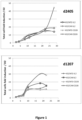
- Cell proliferation was followed for up to 30 days after reactivation by counting cell 2 times per week.
- the Figure 1 shows the fold induction in cell number respect to the amount of cells present at day 2 post reactivation for two different donors. Increased proliferation in TCR alpha inactivated cells expressing the 4G7-CAR, especially when reactivated with anti-CD28, was observed compared to non transduced cells.
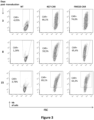
- the expression of the activation marker CD25 was analyzed by FACS 7 days post transduction. As indicated in Figure 2 , purified cells transduced with the lentiviral vector encoding 4G7-CAR expressed considerably more CD25 at their surface than the non transduced cells. Increased CD25 expression is observed both in CD28 reactivation or no reactivation conditions.
- Example 2 Comparison of basal activation of primary human T cells expressing the 4G7-CAR and the classical FMC63-CAR.
- Purified human T cells were transduced according to the following protocol: briefly, 1 ⁇ 10 6 CD3+ cells preactivated during 3 days with anti CD3/CD28 coated beads and recombinant IL2 were transduced with lentiviral vectors encoding the 4G7-CAR (SEQ ID NO: 15) and the FMC63-CAR (SEQ ID NO: 16) at an MOI of 5 in 12-well non tissue culture plates coated with 30 ⁇ g/ml retronectin. 24 hours post transduction the medium was removed and replaced by fresh medium. The cells were then maintained at a concentration of 1 ⁇ 10 6 cells/ml throughout the culture period by cell enumeration every 2-3 days.
- the human T cells expressing the 4G7-CAR exhibited a more activated state than the human T cells expressing the FMC63-CAR.
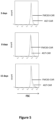
- the expression of the activation marker CD25 was compared at the surface of T cells transduced with the 2 lentiviral vectors at different time points. As indicated in the Figure 4 , 3 and 8 days post transduction, the cells transduced with the lentiviral vector encoding the 4G7-CAR expressed considerably more CD25 at their surface than the cells transduced with the lentiviral vector encoding the FMC63-CAR.
- the size of the 4G7-CAR or FMC63-CAR transduced cells was also assessed by flow cytometry at different time points. It was observed that the cells expressing the 4G7-CAR were bigger than the cells expressing the FMC63-CAR 3, 8 and 15 days post transduction Figure 5 .
- 4G7-CAR transduced cells display an increased cell size (blast formation) as well as the expression of activation markers (CD25) over an extended time period. This long-term activation permits extended proliferation compared to cells transduced with a similar CAR containing the FMC63 ScFv.
- Example 3 Comparison of proliferation of primary human T cells expressing the 4G7-CAR and the classical FMC63-CAR.
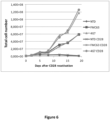
- T-cells expressing the 4G7-CAR were then maintained under classical conditions and were reactivated at Day 12. Cells were seeded at the same density and were counted two times per week during 20 days. As represented in figure 6 , proliferation activity of T-cells expressing the 4G7-CAR is twofold higher compared to those of cells expressing the classical FMC63-CAR.
Landscapes
- Health & Medical Sciences (AREA)
- Life Sciences & Earth Sciences (AREA)
- Chemical & Material Sciences (AREA)
- Organic Chemistry (AREA)
- Immunology (AREA)
- Genetics & Genomics (AREA)
- General Health & Medical Sciences (AREA)
- Engineering & Computer Science (AREA)
- Zoology (AREA)
- Biochemistry (AREA)
- Biomedical Technology (AREA)
- Medicinal Chemistry (AREA)
- Molecular Biology (AREA)
- Bioinformatics & Cheminformatics (AREA)
- Wood Science & Technology (AREA)
- Biotechnology (AREA)
- Biophysics (AREA)
- Proteomics, Peptides & Aminoacids (AREA)
- Cell Biology (AREA)
- Public Health (AREA)
- Animal Behavior & Ethology (AREA)
- Veterinary Medicine (AREA)
- General Engineering & Computer Science (AREA)
- Microbiology (AREA)
- Epidemiology (AREA)
- Gastroenterology & Hepatology (AREA)
- Toxicology (AREA)
- Hematology (AREA)
- Pharmacology & Pharmacy (AREA)
- Nuclear Medicine, Radiotherapy & Molecular Imaging (AREA)
- General Chemical & Material Sciences (AREA)
- Chemical Kinetics & Catalysis (AREA)
- Plant Pathology (AREA)
- Physics & Mathematics (AREA)
- Oncology (AREA)
- Micro-Organisms Or Cultivation Processes Thereof (AREA)
- Medicines Containing Material From Animals Or Micro-Organisms (AREA)
- Peptides Or Proteins (AREA)
- Medicines That Contain Protein Lipid Enzymes And Other Medicines (AREA)
- Developmental Biology & Embryology (AREA)
Priority Applications (4)
| Application Number | Priority Date | Filing Date | Title |
|---|---|---|---|
| HRP20240576TT HRP20240576T1 (hr) | 2013-05-13 | 2014-05-12 | Cd19 specifični kimerni antigenski receptor i njegova upotreba |
| SI201432070T SI3546572T1 (sl) | 2013-05-13 | 2014-05-12 | CD19 specifični himerni antigenski receptor in njegova uporaba |
| RS20240486A RS65484B1 (sr) | 2013-05-13 | 2014-05-12 | Cd19 specifični himerni antigenski receptor i njegove primene |
| EP24163057.3A EP4364809A3 (en) | 2013-05-13 | 2014-05-12 | Cd19 specific chimeric antigen receptor and uses thereof |
Applications Claiming Priority (6)
| Application Number | Priority Date | Filing Date | Title |
|---|---|---|---|
| US13/892,805 US11603539B2 (en) | 2012-05-25 | 2013-05-13 | Methods for engineering allogeneic and immunosuppressive resistant T cell for immunotherapy |
| PCT/US2013/040766 WO2013176916A1 (en) | 2012-05-25 | 2013-05-13 | Use of pre t alpha or functional variant thereof for expanding tcr alpha deficient t cells |
| PCT/US2013/040755 WO2013176915A1 (en) | 2012-05-25 | 2013-05-13 | Methods for engineering allogeneic and immunosuppressive resistant t cell for immunotherapy |
| US201361888259P | 2013-10-08 | 2013-10-08 | |
| EP14723436.3A EP2997141B1 (en) | 2013-05-13 | 2014-05-12 | Cd19 specific chimeric antigen receptor and uses thereof |
| PCT/EP2014/059662 WO2014184143A1 (en) | 2013-05-13 | 2014-05-12 | Cd19 specific chimeric antigen receptor and uses thereof |
Related Parent Applications (2)
| Application Number | Title | Priority Date | Filing Date |
|---|---|---|---|
| EP14723436.3A Division EP2997141B1 (en) | 2013-05-13 | 2014-05-12 | Cd19 specific chimeric antigen receptor and uses thereof |
| EP14723436.3A Division-Into EP2997141B1 (en) | 2013-05-13 | 2014-05-12 | Cd19 specific chimeric antigen receptor and uses thereof |
Related Child Applications (3)
| Application Number | Title | Priority Date | Filing Date |
|---|---|---|---|
| EP24163057.3A Division EP4364809A3 (en) | 2013-05-13 | 2014-05-12 | Cd19 specific chimeric antigen receptor and uses thereof |
| EP24163057.3A Previously-Filed-Application EP4364809A3 (en) | 2013-05-13 | 2014-05-12 | Cd19 specific chimeric antigen receptor and uses thereof |
| EP24163057.3A Division-Into EP4364809A3 (en) | 2013-05-13 | 2014-05-12 | Cd19 specific chimeric antigen receptor and uses thereof |
Publications (3)
| Publication Number | Publication Date |
|---|---|
| EP3546572A1 EP3546572A1 (en) | 2019-10-02 |
| EP3546572B1 EP3546572B1 (en) | 2024-03-13 |
| EP3546572B9 true EP3546572B9 (en) | 2024-06-26 |
Family
ID=51897790
Family Applications (3)
| Application Number | Title | Priority Date | Filing Date |
|---|---|---|---|
| EP24163057.3A Pending EP4364809A3 (en) | 2013-05-13 | 2014-05-12 | Cd19 specific chimeric antigen receptor and uses thereof |
| EP14723436.3A Active EP2997141B1 (en) | 2013-05-13 | 2014-05-12 | Cd19 specific chimeric antigen receptor and uses thereof |
| EP19161861.0A Active EP3546572B9 (en) | 2013-05-13 | 2014-05-12 | Cd19 specific chimeric antigen receptor and uses thereof |
Family Applications Before (2)
| Application Number | Title | Priority Date | Filing Date |
|---|---|---|---|
| EP24163057.3A Pending EP4364809A3 (en) | 2013-05-13 | 2014-05-12 | Cd19 specific chimeric antigen receptor and uses thereof |
| EP14723436.3A Active EP2997141B1 (en) | 2013-05-13 | 2014-05-12 | Cd19 specific chimeric antigen receptor and uses thereof |
Country Status (29)
| Country | Link |
|---|---|
| US (2) | US20210000869A9 (OSRAM) |
| EP (3) | EP4364809A3 (OSRAM) |
| JP (2) | JP6491643B2 (OSRAM) |
| KR (1) | KR102248157B1 (OSRAM) |
| CN (2) | CN105431532B (OSRAM) |
| AU (2) | AU2014267436B2 (OSRAM) |
| BR (1) | BR112015028387B1 (OSRAM) |
| CA (1) | CA2911292C (OSRAM) |
| DK (1) | DK3546572T3 (OSRAM) |
| EA (2) | EA201990575A3 (OSRAM) |
| ES (2) | ES2978123T3 (OSRAM) |
| FI (2) | FI2997141T3 (OSRAM) |
| HR (2) | HRP20221393T1 (OSRAM) |
| HU (2) | HUE067258T2 (OSRAM) |
| LT (2) | LT2997141T (OSRAM) |
| MA (1) | MA38630B2 (OSRAM) |
| MX (1) | MX374681B (OSRAM) |
| MY (1) | MY172897A (OSRAM) |
| PH (1) | PH12015502479B1 (OSRAM) |
| PL (2) | PL2997141T3 (OSRAM) |
| PT (2) | PT2997141T (OSRAM) |
| RS (2) | RS65484B1 (OSRAM) |
| RU (1) | RU2727447C2 (OSRAM) |
| SA (1) | SA515370135B1 (OSRAM) |
| SG (2) | SG11201508805UA (OSRAM) |
| SI (2) | SI2997141T1 (OSRAM) |
| TW (1) | TWI636992B (OSRAM) |
| UA (1) | UA118106C2 (OSRAM) |
| WO (1) | WO2014184143A1 (OSRAM) |
Families Citing this family (112)
| Publication number | Priority date | Publication date | Assignee | Title |
|---|---|---|---|---|
| JP6261500B2 (ja) | 2011-07-22 | 2018-01-17 | プレジデント アンド フェローズ オブ ハーバード カレッジ | ヌクレアーゼ切断特異性の評価および改善 |
| US10704021B2 (en) | 2012-03-15 | 2020-07-07 | Flodesign Sonics, Inc. | Acoustic perfusion devices |
| CN111676196A (zh) | 2012-05-25 | 2020-09-18 | 塞勒克提斯公司 | 工程化异体和免疫抑制耐受性t细胞的方法 |
| US11077144B2 (en) | 2013-05-13 | 2021-08-03 | Cellectis | CD19 specific chimeric antigen receptor and uses thereof |
| US20150044192A1 (en) | 2013-08-09 | 2015-02-12 | President And Fellows Of Harvard College | Methods for identifying a target site of a cas9 nuclease |
| US9359599B2 (en) | 2013-08-22 | 2016-06-07 | President And Fellows Of Harvard College | Engineered transcription activator-like effector (TALE) domains and uses thereof |
| US9228207B2 (en) | 2013-09-06 | 2016-01-05 | President And Fellows Of Harvard College | Switchable gRNAs comprising aptamers |
| US9322037B2 (en) | 2013-09-06 | 2016-04-26 | President And Fellows Of Harvard College | Cas9-FokI fusion proteins and uses thereof |
| US9737604B2 (en) | 2013-09-06 | 2017-08-22 | President And Fellows Of Harvard College | Use of cationic lipids to deliver CAS9 |
| PT3066201T (pt) | 2013-11-07 | 2018-06-04 | Massachusetts Inst Technology | Métodos e composições relacionadas com crispr com arng reguladores |
| US9068179B1 (en) | 2013-12-12 | 2015-06-30 | President And Fellows Of Harvard College | Methods for correcting presenilin point mutations |
| JP2017504601A (ja) * | 2013-12-20 | 2017-02-09 | セレクティスCellectis | 免疫療法のためにマルチインプットシグナル感受性t細胞を操作する方法 |
| WO2015120187A1 (en) | 2014-02-05 | 2015-08-13 | The University Of Chicago | Chimeric antigen receptors recognizing cancer-spevific tn glycopeptide variants |
| GB201405845D0 (en) | 2014-04-01 | 2014-05-14 | Ucl Business Plc | Signalling system |
| US10077453B2 (en) | 2014-07-30 | 2018-09-18 | President And Fellows Of Harvard College | CAS9 proteins including ligand-dependent inteins |
| GB201415347D0 (en) | 2014-08-29 | 2014-10-15 | Ucl Business Plc | Signalling system |
| CA2965224A1 (en) * | 2014-10-24 | 2016-04-28 | Bcrt Holding Bv | T cell-based immunotherapeutics |
| EP3233095A2 (en) * | 2014-12-17 | 2017-10-25 | Cellectis | INHIBITORY CHIMERIC ANTIGEN RECEPTOR (iCAR OR N-CAR) EXPRESSING NON-T CELL TRANSDUCTION DOMAIN |
| PT3560953T (pt) | 2014-12-24 | 2024-03-26 | Autolus Ltd | Célula |
| EP3250611B1 (en) | 2015-01-26 | 2021-04-21 | The University of Chicago | Car t-cells recognizing cancer-specific il 13r-alpha2 |
| HK1245287A1 (zh) | 2015-01-26 | 2018-08-24 | The University Of Chicago | IL13RAα2结合剂和其在癌症治疗中的用途 |
| CA2973529A1 (en) | 2015-01-26 | 2016-08-04 | Cellectis | Cll1-specific multi-chain chimeric antigen receptor |
| IL254141B (en) | 2015-02-27 | 2022-07-01 | Icell Gene Therapeutics Llc | Chimeric antigen receptors (cars) focusing on hematological malignancies, preparations and methods for their use |
| GB201503742D0 (en) * | 2015-03-05 | 2015-04-22 | Ucl Business Plc | Chimeric antigen receptor |
| SG11201707089WA (en) | 2015-04-13 | 2017-10-30 | Pfizer | Chimeric antigen receptors targeting b-cell maturation antigen |
| GB201507115D0 (en) * | 2015-04-27 | 2015-06-10 | Ucl Business Plc | Nucleic Acid Construct |
| US11708572B2 (en) | 2015-04-29 | 2023-07-25 | Flodesign Sonics, Inc. | Acoustic cell separation techniques and processes |
| DK3298033T4 (da) | 2015-05-18 | 2023-10-02 | Tcr2 Therapeutics Inc | Sammensætninger og medicinske anvendelser til tcr-reprogrammering under anvendelse af fusionsproteiner |
| CN104829733B (zh) * | 2015-05-25 | 2018-06-05 | 广州百暨基因科技有限公司 | 抗原结合单元稳定的嵌合抗原受体及制备方法与应用 |
| US11173179B2 (en) | 2015-06-25 | 2021-11-16 | Icell Gene Therapeutics Llc | Chimeric antigen receptor (CAR) targeting multiple antigens, compositions and methods of use thereof |
| TW202444897A (zh) | 2015-06-25 | 2024-11-16 | 美商生物細胞基因治療有限公司 | 嵌合抗原受體(car)、組合物及其使用方法 |
| EP3317399B1 (en) * | 2015-06-30 | 2024-06-26 | Cellectis | Methods for improving functionality in nk cell by gene inactivation using specific endonuclease |
| BR112018002600A2 (pt) | 2015-08-11 | 2018-10-23 | Cellectis | células para imunoterapia modificadas para direcionamento ao antígeno cd38 e para inativação do gene cd38 |
| EP3347056A4 (en) * | 2015-09-11 | 2019-02-27 | The Board of Trustees of the Leland Stanford Junior University | BIOLOGICALLY RELEVANT ORTHOGONAL CYTOKINE / RECEPTOR COUPLES |
| KR20180083313A (ko) | 2015-09-24 | 2018-07-20 | 에이비비트로, 엘엘씨 | Hiv 항체 조성물 및 사용 방법 |
| EP3365356B1 (en) | 2015-10-23 | 2023-06-28 | President and Fellows of Harvard College | Nucleobase editors and uses thereof |
| WO2017075533A1 (en) | 2015-10-30 | 2017-05-04 | Aleta Biotherapeutics Inc. | Compositions and methods for tumor transduction |
| MX2018005315A (es) * | 2015-10-30 | 2018-08-14 | Aleta Biotherapeutics Inc | Composiciones y metodos para el tratamiento del cancer. |
| GB201519900D0 (en) * | 2015-11-11 | 2015-12-23 | Ucl Business Plc | Chimeric antigen receptor |
| EP3405481B1 (en) | 2016-01-21 | 2023-01-18 | Pfizer Inc. | Chimeric antigen receptors targeting epidermal growth factor receptor variant iii |
| CN107298715B (zh) | 2016-04-15 | 2021-05-04 | 阿思科力(苏州)生物科技有限公司 | Slit2D2-嵌合抗原受体及其应用 |
| US11214789B2 (en) | 2016-05-03 | 2022-01-04 | Flodesign Sonics, Inc. | Concentration and washing of particles with acoustics |
| CN107446051B9 (zh) * | 2016-05-31 | 2019-02-22 | 上海恒润达生生物科技有限公司 | 靶向cd19的嵌合抗原受体及其用途 |
| CA3029197A1 (en) * | 2016-06-24 | 2017-12-28 | Icell Gene Therapeutics Llc | Chimeric antigen receptors (cars), compositions and methods thereof |
| AU2017299854A1 (en) | 2016-07-18 | 2019-01-31 | Helix Biopharma Corp. | CAR immune cells directed to carcinoembryonic antigen related cell adhesion molecule 6 to treat cancer |
| JP7109789B2 (ja) | 2016-08-02 | 2022-08-01 | ティーシーアール2 セラピューティクス インク. | 融合タンパク質を使用したtcrの再プログラム化のための組成物及び方法 |
| JP7231935B2 (ja) | 2016-08-03 | 2023-03-08 | プレジデント アンド フェローズ オブ ハーバード カレッジ | アデノシン核酸塩基編集因子およびそれらの使用 |
| EP3497214B1 (en) | 2016-08-09 | 2023-06-28 | President and Fellows of Harvard College | Programmable cas9-recombinase fusion proteins and uses thereof |
| WO2018039438A1 (en) | 2016-08-24 | 2018-03-01 | President And Fellows Of Harvard College | Incorporation of unnatural amino acids into proteins using base editing |
| WO2018045034A1 (en) * | 2016-08-30 | 2018-03-08 | Promab Biotechnologies, Inc. | Chimeric antigen receptors having gitr intracellular domain as co-stimulatory domain |
| MX2019002903A (es) | 2016-09-14 | 2019-07-04 | Janssen Biotech Inc | Receptores de antigeno quimerico que comprenden dominios de tipo iii de fibronectina especificos del bcma y usos de estos. |
| CN108699163B (zh) * | 2016-09-28 | 2021-11-19 | 阿思科力(苏州)生物科技有限公司 | 一种多基因重组嵌合抗原受体分子及其应用 |
| CA3036745A1 (en) | 2016-10-07 | 2018-04-12 | TCR2 Therapeutics Inc. | Compositions and methods for t-cell receptors reprogramming using fusion proteins |
| CA3039797A1 (en) * | 2016-10-11 | 2018-04-19 | Minerva Biotechnologies Corporation | Humanized anti-muc1* antibodies and use of cleavage enzyme |
| EP3526320A1 (en) | 2016-10-14 | 2019-08-21 | President and Fellows of Harvard College | Aav delivery of nucleobase editors |
| JP7778468B2 (ja) | 2016-11-22 | 2025-12-02 | ナショナル ユニバーシティ オブ シンガポール | T細胞悪性腫瘍の免疫療法のためのcd7発現およびキメラ抗原受容体の遮断 |
| CA3044593A1 (en) | 2016-11-22 | 2018-05-31 | TCR2 Therapeutics Inc. | Compositions and methods for tcr reprogramming using fusion proteins |
| US10745677B2 (en) | 2016-12-23 | 2020-08-18 | President And Fellows Of Harvard College | Editing of CCR5 receptor gene to protect against HIV infection |
| TW201839136A (zh) | 2017-02-06 | 2018-11-01 | 瑞士商諾華公司 | 治療血色素異常症之組合物及方法 |
| WO2018165631A1 (en) | 2017-03-09 | 2018-09-13 | President And Fellows Of Harvard College | Cancer vaccine |
| WO2018165504A1 (en) | 2017-03-09 | 2018-09-13 | President And Fellows Of Harvard College | Suppression of pain by gene editing |
| KR20190127797A (ko) | 2017-03-10 | 2019-11-13 | 프레지던트 앤드 펠로우즈 오브 하바드 칼리지 | 시토신에서 구아닌으로의 염기 편집제 |
| KR20240116572A (ko) | 2017-03-23 | 2024-07-29 | 프레지던트 앤드 펠로우즈 오브 하바드 칼리지 | 핵산 프로그램가능한 dna 결합 단백질을 포함하는 핵염기 편집제 |
| EP3592854A1 (en) | 2017-04-13 | 2020-01-15 | Cellectis | New sequence specific reagents targeting ccr5 in primary hematopoietic cells |
| US11560566B2 (en) | 2017-05-12 | 2023-01-24 | President And Fellows Of Harvard College | Aptazyme-embedded guide RNAs for use with CRISPR-Cas9 in genome editing and transcriptional activation |
| SG10202108528QA (en) | 2017-06-02 | 2021-09-29 | Pfizer | Chimeric antigen receptors targeting flt3 |
| WO2018237022A1 (en) | 2017-06-21 | 2018-12-27 | Icell Gene Therapeutics Llc | Chimeric antigen receptors (cars), compositions and methods thereof |
| WO2019002633A1 (en) | 2017-06-30 | 2019-01-03 | Cellectis | CELLULAR IMMUNOTHERAPY FOR REPETITIVE ADMINISTRATION |
| CA3070100A1 (en) | 2017-07-17 | 2019-01-24 | Janssen Biotech, Inc. | Antigen binding regions against fibronectin type iii domains and methods of using the same |
| WO2019023680A1 (en) | 2017-07-28 | 2019-01-31 | President And Fellows Of Harvard College | METHODS AND COMPOSITIONS FOR EVOLUTION OF BASIC EDITORS USING PHAGE-ASSISTED CONTINUOUS EVOLUTION (PACE) |
| EP3676376B1 (en) | 2017-08-30 | 2025-01-15 | President and Fellows of Harvard College | High efficiency base editors comprising gam |
| CN111757937A (zh) | 2017-10-16 | 2020-10-09 | 布罗德研究所股份有限公司 | 腺苷碱基编辑器的用途 |
| CA3079747A1 (en) * | 2017-10-31 | 2019-05-09 | Allogene Therapeutics, Inc. | Methods and compositions for dosing of allogeneic chimeric antigen receptor t cells |
| AU2018359532C9 (en) | 2017-11-01 | 2025-02-13 | Allogene Therapeutics, Inc. | Modified caspase-9 polypeptides and methods of use thereof |
| WO2019106163A1 (en) | 2017-12-01 | 2019-06-06 | Cellectis | Reprogramming of genetically engineered primary immune cells |
| CN111465616B (zh) | 2017-12-06 | 2023-08-01 | 艾克隆株式会社 | 特异性识别恶性b细胞的抗体或其抗原结合片段、包含其的嵌合抗原受体及其用途 |
| WO2019118949A1 (en) | 2017-12-15 | 2019-06-20 | The Broad Institute, Inc. | Systems and methods for predicting repair outcomes in genetic engineering |
| TWI800522B (zh) * | 2017-12-23 | 2023-05-01 | 宇越生醫科技股份有限公司 | 醫藥重組受體組成物及方法 |
| KR102780406B1 (ko) | 2018-02-01 | 2025-03-17 | 화이자 인코포레이티드 | Cd70을 표적으로 하는 키메라 항원 수용체 |
| PE20251579A1 (es) | 2018-02-01 | 2025-06-16 | Pfizer | Anticuerpos especificos para cd70 y sus usos |
| CA3034912A1 (en) | 2018-02-28 | 2019-08-28 | Pfizer Inc. | Il-15 variants and uses thereof |
| US12157760B2 (en) | 2018-05-23 | 2024-12-03 | The Broad Institute, Inc. | Base editors and uses thereof |
| WO2020011706A1 (en) * | 2018-07-09 | 2020-01-16 | Oslo Universitetssykehus Hf | Two chimeric antigen receptors specifically binding cd19 and igkappa |
| JP7490915B2 (ja) | 2018-08-29 | 2024-05-28 | ナンジン レジェンド バイオテック カンパニー,リミテッド | 抗メソテリンキメラ抗原受容体(car)構築物及びその使用 |
| US12454694B2 (en) | 2018-09-07 | 2025-10-28 | Beam Therapeutics Inc. | Compositions and methods for improving base editing |
| US12281338B2 (en) | 2018-10-29 | 2025-04-22 | The Broad Institute, Inc. | Nucleobase editors comprising GeoCas9 and uses thereof |
| WO2020092736A1 (en) | 2018-10-31 | 2020-05-07 | Mayo Foundation For Medical Education And Research | Methods and materials for treating cancer |
| WO2020092839A1 (en) | 2018-10-31 | 2020-05-07 | Mayo Foundation For Medical Education And Research | Methods and materials for treating cancer |
| EP3887507A1 (en) | 2018-11-30 | 2021-10-06 | Janssen Biotech, Inc. | Gamma delta t cells and uses thereof |
| WO2020154500A1 (en) | 2019-01-23 | 2020-07-30 | The Broad Institute, Inc. | Supernegatively charged proteins and uses thereof |
| RU2742000C2 (ru) * | 2019-03-13 | 2021-02-01 | Общество С Ограниченной Ответственностью "Анабион" | Выделенный альтернативный внутриклеточный сигнальный домен химерного антигенного рецептора и включающий его химерный антигенный рецептор |
| MX2021011426A (es) | 2019-03-19 | 2022-03-11 | Broad Inst Inc | Metodos y composiciones para editar secuencias de nucleótidos. |
| EP3956349A1 (en) | 2019-04-17 | 2022-02-23 | The Broad Institute, Inc. | Adenine base editors with reduced off-target effects |
| JP7672343B2 (ja) * | 2019-04-19 | 2025-05-07 | アロジーン セラピューティクス,インコーポレイテッド | 4g7由来キメラ抗原受容体に対する抗体 |
| ES2961314T3 (es) * | 2019-04-26 | 2024-03-11 | Allogene Therapeutics Inc | Receptores quiméricos de antígeno resistentes a rituximab y usos de los mismos |
| CN114514242A (zh) | 2019-08-27 | 2022-05-17 | 詹森生物科技公司 | 嵌合抗原受体系统及其用途 |
| US12435330B2 (en) | 2019-10-10 | 2025-10-07 | The Broad Institute, Inc. | Methods and compositions for prime editing RNA |
| CN112079934B (zh) * | 2019-12-17 | 2021-01-29 | 合源生物科技(天津)有限公司 | 一种靶向cd19的嵌合抗原受体及其用途 |
| BR112022017419A2 (pt) | 2020-03-03 | 2022-10-18 | Janssen Biotech Inc | Células t gama-delta e usos das mesmas |
| EP4114449A2 (en) | 2020-03-05 | 2023-01-11 | Neotx Therapeutics Ltd. | Methods and compositions for treating cancer with immune cells |
| MX2022014008A (es) | 2020-05-08 | 2023-02-09 | Broad Inst Inc | Métodos y composiciones para la edición simultánea de ambas cadenas de una secuencia de nucleótidos de doble cadena objetivo. |
| WO2022020456A2 (en) | 2020-07-21 | 2022-01-27 | Allogene Therapeutics, Inc. | Chimeric antigen receptors with enhanced signaling and activities and uses thereof |
| WO2022031597A1 (en) | 2020-08-03 | 2022-02-10 | Kyverna Therapeutics, Inc. | Methods of producing t regulatory cells, methods of transducing t cells, and uses of the same |
| US20230321239A1 (en) | 2020-08-14 | 2023-10-12 | H. Lee Moffitt Cancer Center And Research Institute Inc. | Chimeric antigen receptor t cells for treating autoimmunity |
| CN111944850B (zh) * | 2020-08-28 | 2023-03-31 | 澳门大学 | 表达抗cd22嵌合抗原受体和pd-l1阻断蛋白的细胞的制备方法、表达载体及应用 |
| CN116635064A (zh) | 2020-12-18 | 2023-08-22 | 世纪治疗股份有限公司 | 具有适应性受体特异性的嵌合抗原受体系统 |
| WO2022165419A1 (en) | 2021-02-01 | 2022-08-04 | Kyverna Therapeutics, Inc. | Methods for increasing t-cell function |
| WO2022234158A1 (es) * | 2021-05-06 | 2022-11-10 | Institut D'investigacions Biomèdiques August Pi I Sunyer (Idibaps) | Terapia de células t con receptor de antígeno quimérico específico de cd19 |
| WO2022266075A1 (en) | 2021-06-14 | 2022-12-22 | Caribou Biosciences, Inc. | Methods and materials for treating cancer using car constructs with an intracellular domain comprising a stap domain and a kinase domain or a stap domain and a phosphatase domain |
| WO2023179766A1 (zh) | 2022-03-24 | 2023-09-28 | 南京传奇生物科技有限公司 | 制备dna文库和检测逆转录病毒整合位点的方法 |
| WO2025051339A1 (en) | 2023-09-05 | 2025-03-13 | Tiber Biotech Srl | SINGLE-CHAIN VARIABLE FRAGMENT AND MOLECULES DERIVING THEREFROM THAT BIND FRAGMENT TRVB5-1 OF THE β CHAIN OF HUMAN T-CELL RECEPTOR |
| EP4574838A1 (en) | 2023-12-21 | 2025-06-25 | Vilnius University | Chimeric antigen receptor (car) with enhanced recruitment of signaling partners |
Family Cites Families (30)
| Publication number | Priority date | Publication date | Assignee | Title |
|---|---|---|---|---|
| US4683195A (en) | 1986-01-30 | 1987-07-28 | Cetus Corporation | Process for amplifying, detecting, and/or-cloning nucleic acid sequences |
| GB8611832D0 (en) | 1986-05-15 | 1986-06-25 | Holland I B | Polypeptide |
| US5037743A (en) | 1988-08-05 | 1991-08-06 | Zymogenetics, Inc. | BAR1 secretion signal |
| US6905680B2 (en) | 1988-11-23 | 2005-06-14 | Genetics Institute, Inc. | Methods of treating HIV infected subjects |
| US6534055B1 (en) | 1988-11-23 | 2003-03-18 | Genetics Institute, Inc. | Methods for selectively stimulating proliferation of T cells |
| US5858358A (en) | 1992-04-07 | 1999-01-12 | The United States Of America As Represented By The Secretary Of The Navy | Methods for selectively stimulating proliferation of T cells |
| US6352694B1 (en) | 1994-06-03 | 2002-03-05 | Genetics Institute, Inc. | Methods for inducing a population of T cells to proliferate using agents which recognize TCR/CD3 and ligands which stimulate an accessory molecule on the surface of the T cells |
| US7175843B2 (en) | 1994-06-03 | 2007-02-13 | Genetics Institute, Llc | Methods for selectively stimulating proliferation of T cells |
| US6692964B1 (en) | 1995-05-04 | 2004-02-17 | The United States Of America As Represented By The Secretary Of The Navy | Methods for transfecting T cells |
| US7067318B2 (en) | 1995-06-07 | 2006-06-27 | The Regents Of The University Of Michigan | Methods for transfecting T cells |
| US6797514B2 (en) | 2000-02-24 | 2004-09-28 | Xcyte Therapies, Inc. | Simultaneous stimulation and concentration of cells |
| KR20030032922A (ko) | 2000-02-24 | 2003-04-26 | 싸이트 테라피스 인코포레이티드 | 세포의 동시 자극 및 농축 |
| US7572631B2 (en) | 2000-02-24 | 2009-08-11 | Invitrogen Corporation | Activation and expansion of T cells |
| US6867041B2 (en) | 2000-02-24 | 2005-03-15 | Xcyte Therapies, Inc. | Simultaneous stimulation and concentration of cells |
| JP5312721B2 (ja) * | 2000-11-07 | 2013-10-09 | シティ・オブ・ホープ | Cd19特異的再指向免疫細胞 |
| ES2402591T3 (es) * | 2006-08-14 | 2013-05-07 | Xencor Inc. | Anticuerpos optimizados que seleccionan como diana CD19 |
| US20080131415A1 (en) * | 2006-11-30 | 2008-06-05 | Riddell Stanley R | Adoptive transfer of cd8 + t cell clones derived from central memory cells |
| SI2211904T1 (sl) * | 2007-10-19 | 2016-12-30 | Seattle Genetics, Inc. | CD19 vezavna sredstva in njihove uporabe |
| WO2009091826A2 (en) * | 2008-01-14 | 2009-07-23 | The Board Of Regents Of The University Of Texas System | Compositions and methods related to a human cd19-specific chimeric antigen receptor (h-car) |
| WO2010025177A1 (en) * | 2008-08-26 | 2010-03-04 | City Of Hope | Method and compositions for enhanced anti-tumor effector functioning of t cells |
| WO2012050374A2 (en) * | 2010-10-13 | 2012-04-19 | Innocell, Inc. | Immunotherapy for solid tumors |
| PH12013501201A1 (en) * | 2010-12-09 | 2013-07-29 | Univ Pennsylvania | Use of chimeric antigen receptor-modified t cells to treat cancer |
| AU2012207356A1 (en) | 2011-01-18 | 2013-08-01 | The Trustees Of The University Of Pennsylvania | Compositions and methods for treating cancer |
| US20120245996A1 (en) | 2011-03-22 | 2012-09-27 | Jonathan Mendez | System and method for intent-based content matching |
| MX359513B (es) * | 2011-03-23 | 2018-10-01 | Hutchinson Fred Cancer Res | Metodo y composiciones para inmunoterapia celular. |
| JP5996630B2 (ja) | 2011-04-05 | 2016-09-21 | セレクティスCellectis | コンパクトtale−ヌクレアーゼを作製する方法及びその使用 |
| US20130071414A1 (en) * | 2011-04-27 | 2013-03-21 | Gianpietro Dotti | Engineered cd19-specific t lymphocytes that coexpress il-15 and an inducible caspase-9 based suicide gene for the treatment of b-cell malignancies |
| EA201490364A1 (ru) * | 2011-07-29 | 2014-08-29 | Дзе Трастиз Оф Дзе Юниверсити Оф Пенсильвания | Костимулирующие рецепторы-переключатели |
| WO2013040557A2 (en) * | 2011-09-16 | 2013-03-21 | The Trustees Of The University Of Pennsylvania | Rna engineered t cells for the treatment of cancer |
| CN104159909A (zh) | 2012-02-22 | 2014-11-19 | 宾夕法尼亚大学董事会 | 产生用于癌症治疗的t细胞持续性群体的组合物和方法 |
-
2014
- 2014-05-12 RU RU2015153250A patent/RU2727447C2/ru active
- 2014-05-12 DK DK19161861.0T patent/DK3546572T3/da active
- 2014-05-12 HU HUE19161861A patent/HUE067258T2/hu unknown
- 2014-05-12 FI FIEP14723436.3T patent/FI2997141T3/fi active
- 2014-05-12 SG SG11201508805UA patent/SG11201508805UA/en unknown
- 2014-05-12 MX MX2015015662A patent/MX374681B/es active IP Right Grant
- 2014-05-12 PT PT147234363T patent/PT2997141T/pt unknown
- 2014-05-12 CN CN201480027071.9A patent/CN105431532B/zh active Active
- 2014-05-12 CN CN201910222072.3A patent/CN109897100A/zh active Pending
- 2014-05-12 ES ES19161861T patent/ES2978123T3/es active Active
- 2014-05-12 EP EP24163057.3A patent/EP4364809A3/en active Pending
- 2014-05-12 AU AU2014267436A patent/AU2014267436B2/en active Active
- 2014-05-12 RS RS20240486A patent/RS65484B1/sr unknown
- 2014-05-12 EA EA201990575A patent/EA201990575A3/ru unknown
- 2014-05-12 PL PL14723436.3T patent/PL2997141T3/pl unknown
- 2014-05-12 ES ES14723436T patent/ES2930431T3/es active Active
- 2014-05-12 HU HUE14723436A patent/HUE060901T2/hu unknown
- 2014-05-12 EP EP14723436.3A patent/EP2997141B1/en active Active
- 2014-05-12 MY MYPI2015703966A patent/MY172897A/en unknown
- 2014-05-12 TW TW103116744A patent/TWI636992B/zh active
- 2014-05-12 CA CA2911292A patent/CA2911292C/en active Active
- 2014-05-12 FI FIEP19161861.0T patent/FI3546572T3/fi active
- 2014-05-12 PL PL19161861.0T patent/PL3546572T3/pl unknown
- 2014-05-12 LT LTEPPCT/EP2014/059662T patent/LT2997141T/lt unknown
- 2014-05-12 BR BR112015028387-0A patent/BR112015028387B1/pt active IP Right Grant
- 2014-05-12 WO PCT/EP2014/059662 patent/WO2014184143A1/en not_active Ceased
- 2014-05-12 RS RS20221084A patent/RS63798B1/sr unknown
- 2014-05-12 MA MA38630A patent/MA38630B2/fr unknown
- 2014-05-12 SI SI201431999T patent/SI2997141T1/sl unknown
- 2014-05-12 KR KR1020157035319A patent/KR102248157B1/ko active Active
- 2014-05-12 SG SG10201708896WA patent/SG10201708896WA/en unknown
- 2014-05-12 EA EA201501109A patent/EA036200B1/ru unknown
- 2014-05-12 HR HRP20221393TT patent/HRP20221393T1/hr unknown
- 2014-05-12 SI SI201432070T patent/SI3546572T1/sl unknown
- 2014-05-12 JP JP2016513321A patent/JP6491643B2/ja active Active
- 2014-05-12 HR HRP20240576TT patent/HRP20240576T1/hr unknown
- 2014-05-12 LT LTEP19161861.0T patent/LT3546572T/lt unknown
- 2014-05-12 PT PT191618610T patent/PT3546572T/pt unknown
- 2014-05-12 EP EP19161861.0A patent/EP3546572B9/en active Active
- 2014-12-05 UA UAA201512065A patent/UA118106C2/uk unknown
-
2015
- 2015-10-27 PH PH12015502479A patent/PH12015502479B1/en unknown
- 2015-11-12 SA SA515370135A patent/SA515370135B1/ar unknown
-
2019
- 2019-03-01 JP JP2019037174A patent/JP6854307B2/ja active Active
- 2019-03-15 AU AU2019201818A patent/AU2019201818B2/en active Active
- 2019-03-26 US US16/365,588 patent/US20210000869A9/en not_active Abandoned
-
2023
- 2023-08-17 US US18/451,816 patent/US20240269178A1/en active Pending
Also Published As
Similar Documents
| Publication | Publication Date | Title |
|---|---|---|
| US20240269178A1 (en) | Cd19 specific chimeric antigen receptor and uses thereof | |
| US11007224B2 (en) | CD19 specific chimeric antigen receptor and uses thereof | |
| US11077144B2 (en) | CD19 specific chimeric antigen receptor and uses thereof | |
| AU2015310897B2 (en) | Trophoblast glycoprotein (5T4, tpbg) specific chimeric antigen receptors for cancer immunotherapy | |
| HK40109143A (en) | Cd19 specific chimeric antigen receptor and uses thereof | |
| NZ714044B2 (en) | Cd19 specific chimeric antigen receptor and uses thereof | |
| HK1222679B (en) | Cd19 specific chimeric antigen receptor and uses thereof | |
| HK40010356A (en) | Cd19 specific chimeric antigen receptor and uses thereof | |
| HK1222678B (zh) | Cd19特异性嵌合抗原受体及其用途 |
Legal Events
| Date | Code | Title | Description |
|---|---|---|---|
| REG | Reference to a national code |
Ref country code: HR Ref legal event code: TUEP Ref document number: P20240576T Country of ref document: HR |
|
| PUAI | Public reference made under article 153(3) epc to a published international application that has entered the european phase |
Free format text: ORIGINAL CODE: 0009012 |
|
| STAA | Information on the status of an ep patent application or granted ep patent |
Free format text: STATUS: THE APPLICATION HAS BEEN PUBLISHED |
|
| AC | Divisional application: reference to earlier application |
Ref document number: 2997141 Country of ref document: EP Kind code of ref document: P |
|
| AK | Designated contracting states |
Kind code of ref document: A1 Designated state(s): AL AT BE BG CH CY CZ DE DK EE ES FI FR GB GR HR HU IE IS IT LI LT LU LV MC MK MT NL NO PL PT RO RS SE SI SK SM TR |
|
| RIN1 | Information on inventor provided before grant (corrected) |
Inventor name: SCHIFFER-MANNIOUI, CECILE Inventor name: GALETTO, ROMAN Inventor name: SCHARENBERG, ANDREW Inventor name: SMITH, JULIANNE |
|
| STAA | Information on the status of an ep patent application or granted ep patent |
Free format text: STATUS: REQUEST FOR EXAMINATION WAS MADE |
|
| 17P | Request for examination filed |
Effective date: 20200402 |
|
| RBV | Designated contracting states (corrected) |
Designated state(s): AL AT BE BG CH CY CZ DE DK EE ES FI FR GB GR HR HU IE IS IT LI LT LU LV MC MK MT NL NO PL PT RO RS SE SI SK SM TR |
|
| STAA | Information on the status of an ep patent application or granted ep patent |
Free format text: STATUS: EXAMINATION IS IN PROGRESS |
|
| 17Q | First examination report despatched |
Effective date: 20200618 |
|
| GRAP | Despatch of communication of intention to grant a patent |
Free format text: ORIGINAL CODE: EPIDOSNIGR1 |
|
| STAA | Information on the status of an ep patent application or granted ep patent |
Free format text: STATUS: GRANT OF PATENT IS INTENDED |
|
| RIC1 | Information provided on ipc code assigned before grant |
Ipc: A61P 35/02 20060101ALI20230905BHEP Ipc: A61P 35/00 20060101ALI20230905BHEP Ipc: C12N 5/0783 20100101ALI20230905BHEP Ipc: C07K 14/705 20060101ALI20230905BHEP Ipc: A61K 35/17 20150101ALI20230905BHEP Ipc: A61K 38/00 20060101ALI20230905BHEP Ipc: C07K 14/725 20060101ALI20230905BHEP Ipc: C07K 19/00 20060101ALI20230905BHEP Ipc: C07K 16/28 20060101ALI20230905BHEP Ipc: C12N 15/63 20060101ALI20230905BHEP Ipc: C12N 9/22 20060101AFI20230905BHEP |
|
| INTG | Intention to grant announced |
Effective date: 20231002 |
|
| GRAS | Grant fee paid |
Free format text: ORIGINAL CODE: EPIDOSNIGR3 |
|
| GRAA | (expected) grant |
Free format text: ORIGINAL CODE: 0009210 |
|
| STAA | Information on the status of an ep patent application or granted ep patent |
Free format text: STATUS: THE PATENT HAS BEEN GRANTED |
|
| AC | Divisional application: reference to earlier application |
Ref document number: 2997141 Country of ref document: EP Kind code of ref document: P |
|
| AK | Designated contracting states |
Kind code of ref document: B1 Designated state(s): AL AT BE BG CH CY CZ DE DK EE ES FI FR GB GR HR HU IE IS IT LI LT LU LV MC MK MT NL NO PL PT RO RS SE SI SK SM TR |
|
| P01 | Opt-out of the competence of the unified patent court (upc) registered |
Effective date: 20240205 |
|
| REG | Reference to a national code |
Ref country code: GB Ref legal event code: FG4D |
|
| REG | Reference to a national code |
Ref country code: CH Ref legal event code: EP |
|
| REG | Reference to a national code |
Ref country code: DE Ref legal event code: R096 Ref document number: 602014089715 Country of ref document: DE |
|
| REG | Reference to a national code |
Ref country code: IE Ref legal event code: FG4D |
|
| REG | Reference to a national code |
Ref country code: FI Ref legal event code: FGE Ref country code: DK Ref legal event code: T3 Effective date: 20240502 |
|
| REG | Reference to a national code |
Ref country code: PT Ref legal event code: SC4A Ref document number: 3546572 Country of ref document: PT Date of ref document: 20240508 Kind code of ref document: T Free format text: AVAILABILITY OF NATIONAL TRANSLATION Effective date: 20240430 |
|
| REG | Reference to a national code |
Ref country code: SE Ref legal event code: TRGR |
|
| REG | Reference to a national code |
Ref country code: CH Ref legal event code: PK Free format text: BERICHTIGUNG B9 |
|
| REG | Reference to a national code |
Ref country code: SK Ref legal event code: T3 Ref document number: E 43966 Country of ref document: SK |
|
| REG | Reference to a national code |
Ref country code: NL Ref legal event code: FP |
|
| REG | Reference to a national code |
Ref country code: GR Ref legal event code: EP Ref document number: 20240401160 Country of ref document: GR Effective date: 20240611 |
|
| REG | Reference to a national code |
Ref country code: HR Ref legal event code: ODRP Ref document number: P20240576T Country of ref document: HR Payment date: 20240509 Year of fee payment: 11 |
|
| REG | Reference to a national code |
Ref country code: EE Ref legal event code: FG4A Ref document number: E024284 Country of ref document: EE Effective date: 20240509 |
|
| REG | Reference to a national code |
Ref country code: HR Ref legal event code: T1PR Ref document number: P20240576 Country of ref document: HR |
|
| REG | Reference to a national code |
Ref country code: ES Ref legal event code: FG2A Ref document number: 2978123 Country of ref document: ES Kind code of ref document: T3 Effective date: 20240905 |
|
| PG25 | Lapsed in a contracting state [announced via postgrant information from national office to epo] |
Ref country code: SM Free format text: LAPSE BECAUSE OF FAILURE TO SUBMIT A TRANSLATION OF THE DESCRIPTION OR TO PAY THE FEE WITHIN THE PRESCRIBED TIME-LIMIT Effective date: 20240313 |
|
| PGFP | Annual fee paid to national office [announced via postgrant information from national office to epo] |
Ref country code: CY Payment date: 20240502 Year of fee payment: 11 |
|
| REG | Reference to a national code |
Ref country code: HU Ref legal event code: AG4A Ref document number: E067258 Country of ref document: HU |
|
| PG25 | Lapsed in a contracting state [announced via postgrant information from national office to epo] |
Ref country code: SM Free format text: LAPSE BECAUSE OF FAILURE TO SUBMIT A TRANSLATION OF THE DESCRIPTION OR TO PAY THE FEE WITHIN THE PRESCRIBED TIME-LIMIT Effective date: 20240313 |
|
| REG | Reference to a national code |
Ref country code: DE Ref legal event code: R097 Ref document number: 602014089715 Country of ref document: DE |
|
| PLBE | No opposition filed within time limit |
Free format text: ORIGINAL CODE: 0009261 |
|
| STAA | Information on the status of an ep patent application or granted ep patent |
Free format text: STATUS: NO OPPOSITION FILED WITHIN TIME LIMIT |
|
| 26N | No opposition filed |
Effective date: 20241216 |
|
| PGFP | Annual fee paid to national office [announced via postgrant information from national office to epo] |
Ref country code: NL Payment date: 20250409 Year of fee payment: 12 |
|
| PGFP | Annual fee paid to national office [announced via postgrant information from national office to epo] |
Ref country code: LU Payment date: 20250429 Year of fee payment: 12 |
|
| REG | Reference to a national code |
Ref country code: HR Ref legal event code: ODRP Ref document number: P20240576 Country of ref document: HR Payment date: 20250411 Year of fee payment: 12 |
|
| PGFP | Annual fee paid to national office [announced via postgrant information from national office to epo] |
Ref country code: MC Payment date: 20250428 Year of fee payment: 12 |
|
| PGFP | Annual fee paid to national office [announced via postgrant information from national office to epo] |
Ref country code: FI Payment date: 20250513 Year of fee payment: 12 |
|
| PGFP | Annual fee paid to national office [announced via postgrant information from national office to epo] |
Ref country code: PL Payment date: 20250424 Year of fee payment: 12 Ref country code: DE Payment date: 20250402 Year of fee payment: 12 |
|
| PGFP | Annual fee paid to national office [announced via postgrant information from national office to epo] |
Ref country code: GB Payment date: 20250401 Year of fee payment: 12 Ref country code: ES Payment date: 20250605 Year of fee payment: 12 Ref country code: DK Payment date: 20250516 Year of fee payment: 12 |
|
| PGFP | Annual fee paid to national office [announced via postgrant information from national office to epo] |
Ref country code: LT Payment date: 20250402 Year of fee payment: 12 |
|
| PGFP | Annual fee paid to national office [announced via postgrant information from national office to epo] |
Ref country code: IS Payment date: 20250429 Year of fee payment: 12 Ref country code: HU Payment date: 20250429 Year of fee payment: 12 Ref country code: RS Payment date: 20250416 Year of fee payment: 12 Ref country code: NO Payment date: 20250509 Year of fee payment: 12 |
|
| PGFP | Annual fee paid to national office [announced via postgrant information from national office to epo] |
Ref country code: BE Payment date: 20250410 Year of fee payment: 12 Ref country code: IT Payment date: 20250422 Year of fee payment: 12 Ref country code: AL Payment date: 20250513 Year of fee payment: 12 |
|
| PGFP | Annual fee paid to national office [announced via postgrant information from national office to epo] |
Ref country code: HR Payment date: 20250411 Year of fee payment: 12 |
|
| PGFP | Annual fee paid to national office [announced via postgrant information from national office to epo] |
Ref country code: PT Payment date: 20250508 Year of fee payment: 12 Ref country code: LV Payment date: 20250403 Year of fee payment: 12 |
|
| PGFP | Annual fee paid to national office [announced via postgrant information from national office to epo] |
Ref country code: EE Payment date: 20250409 Year of fee payment: 12 Ref country code: FR Payment date: 20250526 Year of fee payment: 12 |
|
| PGFP | Annual fee paid to national office [announced via postgrant information from national office to epo] |
Ref country code: MT Payment date: 20250519 Year of fee payment: 12 Ref country code: BG Payment date: 20250415 Year of fee payment: 12 Ref country code: GR Payment date: 20250416 Year of fee payment: 12 |
|
| PGFP | Annual fee paid to national office [announced via postgrant information from national office to epo] |
Ref country code: CH Payment date: 20250601 Year of fee payment: 12 |
|
| PGFP | Annual fee paid to national office [announced via postgrant information from national office to epo] |
Ref country code: RO Payment date: 20250415 Year of fee payment: 12 Ref country code: AT Payment date: 20250425 Year of fee payment: 12 |
|
| PGFP | Annual fee paid to national office [announced via postgrant information from national office to epo] |
Ref country code: TR Payment date: 20250502 Year of fee payment: 12 Ref country code: SK Payment date: 20250416 Year of fee payment: 12 |
|
| PGFP | Annual fee paid to national office [announced via postgrant information from national office to epo] |
Ref country code: CZ Payment date: 20250423 Year of fee payment: 12 |
|
| PGFP | Annual fee paid to national office [announced via postgrant information from national office to epo] |
Ref country code: IE Payment date: 20250402 Year of fee payment: 12 |
|
| PGFP | Annual fee paid to national office [announced via postgrant information from national office to epo] |
Ref country code: SI Payment date: 20250415 Year of fee payment: 12 Ref country code: SE Payment date: 20250411 Year of fee payment: 12 |
|
| PGFP | Annual fee paid to national office [announced via postgrant information from national office to epo] |
Ref country code: MK Payment date: 20250408 Year of fee payment: 12 |