EP3530778B1 - System und verfahren zum recyceln von fasern aus textilabfällen - Google Patents
System und verfahren zum recyceln von fasern aus textilabfällen Download PDFInfo
- Publication number
- EP3530778B1 EP3530778B1 EP19151585.7A EP19151585A EP3530778B1 EP 3530778 B1 EP3530778 B1 EP 3530778B1 EP 19151585 A EP19151585 A EP 19151585A EP 3530778 B1 EP3530778 B1 EP 3530778B1
- Authority
- EP
- European Patent Office
- Prior art keywords
- sanitization
- waste
- color detection
- container
- processing device
- Prior art date
- Legal status (The legal status is an assumption and is not a legal conclusion. Google has not performed a legal analysis and makes no representation as to the accuracy of the status listed.)
- Active
Links
Images

Classifications
-
- D—TEXTILES; PAPER
- D01—NATURAL OR MAN-MADE THREADS OR FIBRES; SPINNING
- D01G—PRELIMINARY TREATMENT OF FIBRES, e.g. FOR SPINNING
- D01G31/00—Warning or safety devices, e.g. automatic fault detectors, stop motions
- D01G31/003—Detection and removal of impurities
-
- B—PERFORMING OPERATIONS; TRANSPORTING
- B09—DISPOSAL OF SOLID WASTE; RECLAMATION OF CONTAMINATED SOIL
- B09B—DISPOSAL OF SOLID WASTE NOT OTHERWISE PROVIDED FOR
- B09B3/00—Destroying solid waste or transforming solid waste into something useful or harmless
-
- D—TEXTILES; PAPER
- D01—NATURAL OR MAN-MADE THREADS OR FIBRES; SPINNING
- D01G—PRELIMINARY TREATMENT OF FIBRES, e.g. FOR SPINNING
- D01G11/00—Disintegrating fibre-containing articles to obtain fibres for re-use
-
- A—HUMAN NECESSITIES
- A61—MEDICAL OR VETERINARY SCIENCE; HYGIENE
- A61L—METHODS OR APPARATUS FOR STERILISING MATERIALS OR OBJECTS IN GENERAL; DISINFECTION, STERILISATION OR DEODORISATION OF AIR; CHEMICAL ASPECTS OF BANDAGES, DRESSINGS, ABSORBENT PADS OR SURGICAL ARTICLES; MATERIALS FOR BANDAGES, DRESSINGS, ABSORBENT PADS OR SURGICAL ARTICLES
- A61L2/00—Disinfection or sterilisation of materials or objects, in general; Accessories therefor
- A61L2/02—Disinfection or sterilisation of materials or objects, in general; Accessories therefor using physical processes
- A61L2/08—Radiation
- A61L2/10—Ultraviolet [UV] radiation
-
- A—HUMAN NECESSITIES
- A61—MEDICAL OR VETERINARY SCIENCE; HYGIENE
- A61L—METHODS OR APPARATUS FOR STERILISING MATERIALS OR OBJECTS IN GENERAL; DISINFECTION, STERILISATION OR DEODORISATION OF AIR; CHEMICAL ASPECTS OF BANDAGES, DRESSINGS, ABSORBENT PADS OR SURGICAL ARTICLES; MATERIALS FOR BANDAGES, DRESSINGS, ABSORBENT PADS OR SURGICAL ARTICLES
- A61L2/00—Disinfection or sterilisation of materials or objects, in general; Accessories therefor
- A61L2/16—Disinfection or sterilisation of materials or objects, in general; Accessories therefor using chemical substances
- A61L2/20—Gaseous substances, e.g. vapours
-
- A—HUMAN NECESSITIES
- A61—MEDICAL OR VETERINARY SCIENCE; HYGIENE
- A61L—METHODS OR APPARATUS FOR STERILISING MATERIALS OR OBJECTS IN GENERAL; DISINFECTION, STERILISATION OR DEODORISATION OF AIR; CHEMICAL ASPECTS OF BANDAGES, DRESSINGS, ABSORBENT PADS OR SURGICAL ARTICLES; MATERIALS FOR BANDAGES, DRESSINGS, ABSORBENT PADS OR SURGICAL ARTICLES
- A61L2/00—Disinfection or sterilisation of materials or objects, in general; Accessories therefor
- A61L2/24—Apparatus using programmed or automatic operation
-
- D—TEXTILES; PAPER
- D01—NATURAL OR MAN-MADE THREADS OR FIBRES; SPINNING
- D01G—PRELIMINARY TREATMENT OF FIBRES, e.g. FOR SPINNING
- D01G11/00—Disintegrating fibre-containing articles to obtain fibres for re-use
- D01G11/04—Opening rags to obtain fibres for re-use
-
- D—TEXTILES; PAPER
- D01—NATURAL OR MAN-MADE THREADS OR FIBRES; SPINNING
- D01G—PRELIMINARY TREATMENT OF FIBRES, e.g. FOR SPINNING
- D01G5/00—Separating, e.g. sorting, fibres
-
- D—TEXTILES; PAPER
- D01—NATURAL OR MAN-MADE THREADS OR FIBRES; SPINNING
- D01G—PRELIMINARY TREATMENT OF FIBRES, e.g. FOR SPINNING
- D01G9/00—Opening or cleaning fibres, e.g. scutching cotton
- D01G9/12—Combinations of opening or cleaning machines
-
- D—TEXTILES; PAPER
- D01—NATURAL OR MAN-MADE THREADS OR FIBRES; SPINNING
- D01G—PRELIMINARY TREATMENT OF FIBRES, e.g. FOR SPINNING
- D01G9/00—Opening or cleaning fibres, e.g. scutching cotton
- D01G9/14—Details of machines or apparatus
-
- D—TEXTILES; PAPER
- D06—TREATMENT OF TEXTILES OR THE LIKE; LAUNDERING; FLEXIBLE MATERIALS NOT OTHERWISE PROVIDED FOR
- D06B—TREATING TEXTILE MATERIALS USING LIQUIDS, GASES OR VAPOURS
- D06B1/00—Applying liquids, gases or vapours onto textile materials to effect treatment, e.g. washing, dyeing, bleaching, sizing or impregnating
- D06B1/02—Applying liquids, gases or vapours onto textile materials to effect treatment, e.g. washing, dyeing, bleaching, sizing or impregnating by spraying or projecting
-
- D—TEXTILES; PAPER
- D06—TREATMENT OF TEXTILES OR THE LIKE; LAUNDERING; FLEXIBLE MATERIALS NOT OTHERWISE PROVIDED FOR
- D06H—MARKING, INSPECTING, SEAMING OR SEVERING TEXTILE MATERIALS
- D06H3/00—Inspecting textile materials
- D06H3/08—Inspecting textile materials by photo-electric or television means
-
- A—HUMAN NECESSITIES
- A61—MEDICAL OR VETERINARY SCIENCE; HYGIENE
- A61L—METHODS OR APPARATUS FOR STERILISING MATERIALS OR OBJECTS IN GENERAL; DISINFECTION, STERILISATION OR DEODORISATION OF AIR; CHEMICAL ASPECTS OF BANDAGES, DRESSINGS, ABSORBENT PADS OR SURGICAL ARTICLES; MATERIALS FOR BANDAGES, DRESSINGS, ABSORBENT PADS OR SURGICAL ARTICLES
- A61L2103/00—Materials or objects being the target of disinfection or sterilisation
- A61L2103/50—Textiles, e.g. bedwear or towels
-
- D—TEXTILES; PAPER
- D01—NATURAL OR MAN-MADE THREADS OR FIBRES; SPINNING
- D01G—PRELIMINARY TREATMENT OF FIBRES, e.g. FOR SPINNING
- D01G15/00—Carding machines or accessories; Card clothing; Burr-crushing or removing arrangements associated with carding or other preliminary-treatment machines
- D01G15/76—Stripping or cleaning carding surfaces; Maintaining cleanliness of carding area
- D01G15/82—Arrangements for confining or removing dust, fly or the like
-
- D—TEXTILES; PAPER
- D04—BRAIDING; LACE-MAKING; KNITTING; TRIMMINGS; NON-WOVEN FABRICS
- D04H—MAKING TEXTILE FABRICS, e.g. FROM FIBRES OR FILAMENTARY MATERIAL; FABRICS MADE BY SUCH PROCESSES OR APPARATUS, e.g. FELTS, NON-WOVEN FABRICS; COTTON-WOOL; WADDING ; NON-WOVEN FABRICS FROM STAPLE FIBRES, FILAMENTS OR YARNS, BONDED WITH AT LEAST ONE WEB-LIKE MATERIAL DURING THEIR CONSOLIDATION
- D04H1/00—Non-woven fabrics formed wholly or mainly of staple fibres or like relatively short fibres
- D04H1/40—Non-woven fabrics formed wholly or mainly of staple fibres or like relatively short fibres from fleeces or layers composed of fibres without existing or potential cohesive properties
- D04H1/42—Non-woven fabrics formed wholly or mainly of staple fibres or like relatively short fibres from fleeces or layers composed of fibres without existing or potential cohesive properties characterised by the use of certain kinds of fibres insofar as this use has no preponderant influence on the consolidation of the fleece
- D04H1/4274—Rags; Fabric scraps
-
- Y—GENERAL TAGGING OF NEW TECHNOLOGICAL DEVELOPMENTS; GENERAL TAGGING OF CROSS-SECTIONAL TECHNOLOGIES SPANNING OVER SEVERAL SECTIONS OF THE IPC; TECHNICAL SUBJECTS COVERED BY FORMER USPC CROSS-REFERENCE ART COLLECTIONS [XRACs] AND DIGESTS
- Y02—TECHNOLOGIES OR APPLICATIONS FOR MITIGATION OR ADAPTATION AGAINST CLIMATE CHANGE
- Y02W—CLIMATE CHANGE MITIGATION TECHNOLOGIES RELATED TO WASTEWATER TREATMENT OR WASTE MANAGEMENT
- Y02W30/00—Technologies for solid waste management
- Y02W30/50—Reuse, recycling or recovery technologies
- Y02W30/66—Disintegrating fibre-containing textile articles to obtain fibres for re-use
Definitions
- the present disclosure relates to the field of fiber recycling, and more specifically, to a system and method for recycling fibers from textiles waste.
- CN-A-107 237 011 discloses a production line for regenerating spinning fibre from general domestic waste textiles comprising a disinfecting device, a sorting device, a cutting device, a button removing device, and a carding device.
- the sorting device comprises several robots for distinguishing the waste in various colours and sorting those out.
- a similar production line is described in CN-A-105 665 299 .
- embodiments of the present disclosure provide a system and method for recycling fibers from textiles waste.
- the technical solutions are as follows.
- a system for recycling fibers from textiles waste includes: a first sanitization device; a pre-processing device; a detection device; a color detection device; a fabric sorting device; a storage device; a fiber processing device; and a second sanitization device mounted in the fiber processing device.
- the first sanitization device, the pre-processing device, the detection device, the color detection device, the fabric sorting device, the storage device and the fiber processing device are sequentially connected along a transmission path of the textiles waste.
- a method for recycling fibers from textiles waste by using the above system includes: initially sanitizing the textiles waste with the first sanitization device; manually removing non-fibrous objects from the sanitized textiles waste at the manual process station of the pre-processing device; detecting pieces attached with metal and removing the pieces attached with metal at the detection device; obtaining a color detection result at the color detecting device and transmitting the color detection result to a robot and an air blower at the fabric sorting device; placing, by the robot and the air blower, the sanitized textiles waste into corresponding category containers according to the color detection result; storing the category containers in the storage device; upon receipt of order from the fiber processing device, transporting the category containers to the fiber processing device; and cutting the sanitized textiles waste from the category containers into smaller pieces for fiber processing, and sanitizing the smaller pieces with the second ultraviolet sanitization device.
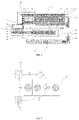
- Fig. 1 is a schematic view of a system for recycling fibers from textiles waste according to an exemplary embodiment.
- the system includes a first sanitization device 100, a pre-processing device 200, a detection device 300, a color detection device 400, a fabric sorting device 500, a storage device 600, a fiber processing device 700 and a second sanitization device 800.
- the first sanitization device 100, the pre-processing device 200, the detection device 300, the color detection device 400, the fabric sorting device 500, the storage device 600 and the fiber processing device 700 are sequentially connected along a transmission path of textiles waste, and the second sanitization device 800 is mounted in the fiber processing device 700.
- the system has two sanitization devices including the first sanitization device 100 and the second sanitization device 800, 90% or more micro-organisms on textiles waste such as used or post-consumer garments can be killed. Further, since the second sanitization device 800 is mounted in the fiber processing device 700, apart from fabric surface, interlayer between fabric surfaces are also sanitized by the first sanitization device 100 and the second sanitization device 800.
- the first sanitization device 100 is a fumigation device.
- the first sanitization device 100 includes an inlet 110, a container 120, a conveyor 130, a fumigation structure 140 and an outlet 150. Referring also to Fig.
- incoming material such as used or post-consumer garments is firstly fed into the container 120 through the inlet 110, then the container 120 loaded with the incoming material is moved by the conveyor 130 to the fumigation structure 140 to perform fumigation operation, and then the container 120 is further moved to the outlet 150 by the conveyor 130, thereby feeding the fumigated material (which has been initially sanitized by the fumigation structure 140 of the first sanitization device 100) to the pre-processing device 200. After that, the empty container 120 is moved by the conveyor 130 back to the inlet 110. In this way, the container 120 is automatically moved in circle by the conveyor 130 as shown in Fig. 2 . Referring to Fig.
- the container 120 is being moved by the conveyor 130 along a path 1->2->3->4->5->6, where 1 represents the inlet 110, 3 represents the fumigation structure 140, 5 represents the outlet 150, and 2, 4 and 6 represent passages, so that the incoming material from the inlet 110 is fumigated in the fumigation structure 140 before being moved to the outlet 150.
- This system allows multiple batches of fumigation to be taken place concurrently.
- Fig. 3 is a schematic enlarged view of the fumigation structure 140 of the first sanitization device 100 shown in Fig. 2 .
- the fumigation structure 140 includes at least one chamber 141, a container cover 143 in each chamber 141, a vacuum line 145, a sanitization gas line 147, a vacuum line valve 149 with a first flexible hose 151 extending through the container cover 143, a sanitization gas line valve 153 with a second flexible hose 155 extending through the container cover 143, a vacuum break valve 157 with a third flexible hose 159 extending through the container cover 143, a pressure gauge 161 mounted in the container cover 143 for detecting pressure in the container 120 when the container 120 is sealed by the container cover 143, and a driving mechanism 163.
- the driving mechanism 163 firstly drives the container cover 143 to move downward (when the fumigation structure 140 is in a position shown in Fig. 3 ) to seal the container 120. Then, the vacuum line valve 149 is turned on, and the sanitization gas line valve 153 and the vacuum break valve 157 are turned off, thereby evacuating the container 120 to a certain vacuum level, e.g., -0.3 barG. After that, the sanitization gas line valve 153 is turned on, and the vacuum line valve 149 and the vacuum break valve 157 are turned off, thereby filling sanitization gas into the container 120 until the pressure in the container 120 is atmospheric pressure and then performing fumigation operation.
- a certain vacuum level e.g., -0.3 barG
- the vacuum line valve 149 is turned on, and the sanitization gas line valve 153 and the vacuum break valve 157 are turned off, thereby evacuating the container 120 to a certain vacuum level, i.e., -0.3 barG.
- the vacuum break valve 157 is turned on, the sanitization gas line valve 153 and the vacuum line valve 149 are turned off, thereby filling air into the container 120 until the pressure in the container 120 is atmospheric pressure.
- the driving mechanism 163 drives the container cover 143 to move upward away from the container 120, and then the fumigated material 900 in the container 120 will be moved to the pre-processing device 200.
- the pre-processing device 200 includes a delivery conveyor 210, a manual processing station 220, a distributor 230, and an indexing conveyor 240.
- the delivery conveyor 210 is adjacent to the output 150 of the first sanitization device 100, so as to receive the fumigated material 900 from the first sanitization device 100.
- non-fibrous objects such as buttons and zips are manually removed, and the fumigated material 900 is transferred from the delivery conveyor 210 to the distributor 230 on the indexing conveyor 240 and then is individually moved towards the detection device 300.
- the detection device 300 such as a metal detection device detects the fumigated material 900 and rejects pieces attached with metal. Then the detected-fumigated material 900 is further individually moved towards the color detection device 400.
- Fig. 4 is a schematic enlarged view of the color detection device 400.
- the color detection device 400 includes a conveyor 410, a conveyor driving motor 420, a motor variable speed driver 430, a light booth 440, a light-booth inlet-output hood 450, a photo sensor 460, a light source 470, a first camera 480 and a second camera 490.
- the conveyor driving motor 420 is connected with the conveyor 410 and is controlled by the motor variable speed driver 430 to drive the conveyor 410 to move along a direction indicated by an arrow shown in Fig. 4 .
- the movement of the conveyor 410 drives the fumigated material 900 to individually move towards the light booth 440.
- the photo sensor 460 may feedback a signal to control the light-booth inlet-output hood 450 to open, thereby allowing the fumigated material 900 to individually move into the light booth 440.
- the light source 470, the first camera 480 and the second camera 490 are disposed in the light booth 440.
- the light source 470 emits light, and the first camera 480 and the second camera 490 receive light reflected by the fumigated material 900, thereby determining color of the fumigated material 900 and then obtaining a color detection result.
- the photo sensor 460 detects the arrival of test subject and triggers camera 480 and 490 to shoot after a certain delay. Positions of the light source 470, the first camera 480 and the second camera 490 are adjusted vertically (when the color detection device 400 is in a position shown in Fig. 4 ), so as to obtain an accurate color detection result.
- the fumigated material 900 is moved out of the light booth 440 and is moved towards the fabric sorting device 500. Meanwhile, the color detection result is transmitted to the fabric sorting device 500.
- the fabric sorting device 500 includes a distributor 510, category containers 520, a robot (not shown) and an air blower (not shown).
- the robot and the air blower receive the color detection result, and then place the fumigated material 900 into corresponding category containers 520 according to the color detection result. Since the fabric sorting device 500 uses the robot and the blower to place sorted fumigated material into category containers 520, thereby eliminating or alleviating the dust problem. Further, the robot of the fabric sorting device 500 receives the color detection result from the color detection device 400 and then automatically places the fumigated material 900 into corresponding category containers 520 according to the color detection result, thus high degree of automation and high accuracy are achieved. When one category container 520 is filled up, the filled category container 520 is transferred by an automated guided vehicle (AGV) 530 along an automated guided vehicle path 540 to the storage device 600.
- AGV automated guided vehicle
- the storage device 600 includes a storage region 610, rows of supporting structures 620 for carrying the category containers 520, a rail 630 between adjacent rows of supporting structures 620, and a cart 640 slidably mounted on the rail 630.
- the cart 640 can automatically store the category containers 520. Upon reception of order from downstream, the cart 640 automatically transports the corresponding category containers 520 to the fiber processing device 700 for production.
- the fiber processing device 700 takes the fumigated material 900 such as color sorted fabrics out of the category containers 520 and cuts them into smaller pieces for fiber processing.
- the fiber processing device 700 includes a feed port 710 and a conveyor 720.
- a dust closure 730 covers the whole fiber processing device 700 except for the feed port 710.
- the fiber processing device 700 may further include a suction nozzle within the dust closure 730 to extract the dust from the operation environment. Since the fumigated material 900 has been color sorted before entering into the fiber processing device 700, subsequent dyeing process and waste water treatment can be eliminated or minimized.
- Fig. 5 is a schematic enlarged view of the fiber processing device 700 with the second sanitization device 800.
- the second sanitization device 800 is an ultraviolet sanitization device which includes UV lighting sources 820.
- the ultraviolet light is an environmentally friendly way to sanitize the fumigated material 900 such as the opened fibers from color sorted fabrics.
- the above description relates to structures of the system for recycling fibers from textiles waste.
- a method for recycling fibers from textiles waste by using the above system for recycling fibers from textiles waste will be described below.
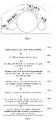
- Fig. 6 is a flow chart showing a method for recycling fibers from textiles waste according to an exemplary embodiment. As shown in Fig. 6 , the method includes the following steps S601-S608.
- the step S601 is to initially sanitize used or post-consumer garments.
- the step S602 is to manually remove non-fibrous objects.
- the step S603 is to detect pieces attached with metal and remove the pieces attached with metal.
- the step S604 is to obtain a color detection result and transmit the color detection result to the robot of the fabric sorting device.
- the step S605 is to place used or post-consumer garments into corresponding category containers 520 according to the color detection result.
- the step S606 is to store the category containers 520 in the storage device.
- the step S607 is to, upon receipt of order from downstream, transport the category containers to the fiber processing device 700 for production.
- the step S608 is to take the used or post-consumer garments such as color sorted fabrics out of the category containers 520 and cut them into smaller pieces for fiber processing, and sanitize the used or post-consumer garments.
- the system and method for recycling fibers from textiles waste according to exemplary embodiments of the present disclosure have following advantages.
- the system includes a first sanitization device 100, which is a sanitization gas fumigation device (Sanitization gas such as Hydrogen Peroxide, Ozone, Ethylene Oxide, etc.) and a second sanitization device 800, which is an ultraviolet sanitization device, 90% or more micro-organisms on textiles waste such as used or post-consumer garments can be killed. Further, since the second sanitization device 800 is mounted in the fiber processing device 700, apart from fabric surface, interlayer between fabric surfaces including the opened fiber structures are also sanitized by the second sanitization device.
- a sanitization gas fumigation device Synitization gas such as Hydrogen Peroxide, Ozone, Ethylene Oxide, etc.
- second sanitization device 800 which is an ultraviolet sanitization device
- the presence of the storage device 600 helps to accumulate the filled category containers 520 so that the filled category containers 520 can be continuously and automatically fed to the fiber processing device 700 to achieve continuous and maximized throughput efficiency.
- the dust closure 730 covers the whole fiber processing device 700 except for the feed port 710, thereby preventing dust or airborne bacteria from spreading to outside of the fiber processing device 700, and then avoiding secondary pollution.
- the fabric sorting device 500 uses the robot and the blower to place sorted material into category containers 520, thereby eliminating or alleviating the dust problem.
- the sliver made from fibers recycled according to the above method by using the above device has adequate physical properties (e.g. good fiber strength and hand feel) for further processing into yarn by spinning, then fabric by knitting or weaving, and then into garments.
Landscapes
- Engineering & Computer Science (AREA)
- Textile Engineering (AREA)
- Health & Medical Sciences (AREA)
- Public Health (AREA)
- Veterinary Medicine (AREA)
- Epidemiology (AREA)
- Life Sciences & Earth Sciences (AREA)
- Animal Behavior & Ethology (AREA)
- General Health & Medical Sciences (AREA)
- Chemical & Material Sciences (AREA)
- Materials Engineering (AREA)
- Chemical Kinetics & Catalysis (AREA)
- General Chemical & Material Sciences (AREA)
- Environmental & Geological Engineering (AREA)
- Processing Of Solid Wastes (AREA)
- Apparatus For Disinfection Or Sterilisation (AREA)
- Sorting Of Articles (AREA)
- Treatment Of Fiber Materials (AREA)
Claims (11)
- System zum Recycling von Fasern aus Textilabfällen, umfassend:eine erste Entkeimungsvorrichtung (100), die eine Entkeimungsgasbegasungsvorrichtung zum Entkeimen des Textilabfalls ist;eine Vorverarbeitungsvorrichtung (200), in welcher der begaste Textilabfall (900) von der ersten Entkeimungsvorrichtung (100) empfangen wird, und die eine manuelle Verarbeitungsstation (220) umfasst, in der nicht-faserige Objekte manuell entfernt werden;eine Erkennungsvorrichtung (300), die konfiguriert ist, um den begasten Textilabfall (900), der von der ersten Entkeimungsvorrichtung (100) bereitgestellt wird, zu detektieren und mit Metall behaftete Stücke auszusondern;eine Farberkennungsvorrichtung (400), die dazu konfiguriert ist, ein Farberkennungsergebnis zu erhalten und zu übertragen;eine Stoffsortiervorrichtung (500), die einen Verteiler (510), Kategoriebehälter (520) und einen Roboter und ein Luftgebläse einschließt, wobei der Roboter und das Luftgebläse konfiguriert sind, um das Farberkennungsergebnis zu empfangen, das von der Farberkennungsvorrichtung (400) übertragen wurde, und um den begasten Textilabfall (900) in die Kategoriebehälter (520) gemäß dem Farberkennungsergebnis zu platzieren;eine Speichervorrichtung (600), die konfiguriert ist, um die Kategoriebehälter (520) zu lagern;eine Faserverarbeitungsvorrichtung (700), die konfiguriert ist, um die begasten Textilabfälle (900) aus den Kategoriebehältern (520) zu entnehmen und sie für die Faserverarbeitung in kleinere Stücke zu schneiden;und eine zweite Entkeimungsvorrichtung (800), die eine Ultraviolett-Entkeimungsvorrichtung (800) ist, die in der Faserverarbeitungsvorrichtung (700) installiert ist;wobei die erste Entkeimungsvorrichtung (100), die Vorverarbeitungsvorrichtung (200), die Erkennungsvorrichtung (300), die Farberkennungsvorrichtung (400), die Stoffsortiervorrichtung (500), die Speichervorrichtung (600) und die Faserverarbeitungsvorrichtung (700) entlang eines Übertragungswegs des Textilabfalls sequentiell verbunden sind.
- System nach Anspruch 1, wobei die erste Entkeimungsvorrichtung (100) eine Entkeimungsgasbegasungsvorrichtung ist, die Entkeimungsgase verwendet, die aus der Liste ausgewählt sind bestehend aus Wasserstoffperoxid, Ozon und Ethylenoxid.
- System nach Anspruch 2, wobei die erste Entkeimungsvorrichtung (100) mindestens eine Kammer (141), einen Behälter (120) zum Tragen der Textilabfälle, eine Behälterabdeckung (143) in jeder Kammer, eine Vakuumleitung (145), eine Entkeimungsgasleitung (147), ein Vakuumleitungsventil (149) mit einem ersten flexiblen Schlauch (151), der sich durch die Behälterabdeckung (143) erstreckt, ein Entkeimungsgasleitungsventil (153) mit einem zweiten flexiblen Schlauch (155), der sich durch die Behälterabdeckung (143) erstreckt, ein Vakuumunterbrechungsventil (157) mit einem dritten flexiblen Schlauch (159), der sich durch die Behälterabdeckung (143) erstreckt, ein Manometer (161), das in der Behälterabdeckung (143) installiert ist, um den Druck in dem Behälter (120) zu erkennen, wenn der Behälter (120) durch die Behälterabdeckung (143) abgedichtet ist, und einen Antriebsmechanismus (163), der konfiguriert ist, um die Behälterabdeckung (143) anzusteuern, um den Behälter (120) abzudichten oder die Behälterabdeckung (143) vom Behälter (120) weg zu entfernen.
- System nach Anspruch 2, ferner umfassend einen Staubverschluss (730), der die gesamte Faserverarbeitungsvorrichtung (700) abdeckt.
- System nach Anspruch 4, wobei die Faserverarbeitungsvorrichtung (700) ferner eine Saugdüse innerhalb des Staubverschlusses (730) einschließt.
- System nach Anspruch 1, wobei die Farberkennungsvorrichtung (400) Folgendes einschließt:eine Lichtkabine (440);einen Förderer (410), der sich durch die Lichtkabine erstreckt;einen Förderer-Antriebsmotor (420), der mit dem Förderer verbunden ist;eine Lichtkabinen-Einlass-Auslass-Haube (550);einen Fotosensor (460) vor der Lichtkabinen-Einlass-Auslass-Haube (450) im Übertragungsweg des Textilabfalls;eine in der Lichtkabine (440) angeordnete Lichtquelle (470);eine in der Lichtkabine (440) angeordnete erste Kamera (480); undeine in der Lichtkabine (440) angeordnete zweite Kamera (490);wobei die Lichtquelle (470), die erste Kamera (480) und die zweite Kamera (490) zusammenwirken, um die Farbe des begasten Textilabfalls (900) zu bestimmen und dann das Farberkennungsergebnis zu erhalten.
- System nach Anspruch 6, wobei eine vertikale Position der Lichtquelle (470) relativ zu der Lichtkabine (440) einstellbar ist.
- System nach Anspruch 6, wobei eine vertikale Position sowohl der ersten Kamera (480) als auch der zweiten Kamera (490) relativ zu der Lichtkabine (440) einstellbar ist.
- System nach Anspruch 6, wobei die Farberkennungsvorrichtung (400) ferner einen Motorantrieb mit variabler Geschwindigkeit (430) einschließt.
- System nach Anspruch 1, wobei die Speichervorrichtung (600) einen Speicherbereich (610), Reihen von Stützstrukturen (620) in dem Speicherbereich (610) zum Tragen der Kategoriebehälter (520) der Stoffsortiervorrichtung (500), eine Schiene (630) zwischen benachbarten Reihen von Stützstrukturen (620) und einen Wagen (640) umfasst, der verschiebbar auf der Schiene (630) installiert ist.
- Verfahren zum Recycling von Fasern aus Textilabfällen unter Verwendung des Systems nach einem der Ansprüche 1 bis 10, umfassend die Schritte:anfängliches Entkeimen (S601) des Textilabfalls mit der ersten Entkeimungsvorrichtung (100); manuelles Entfernen von nicht-faserigen Objekten (S602) aus dem entkeimten Textilabfall an der manuellen Verarbeitungsstation (220) der Vorverarbeitungsvorrichtung (200);Erkennen von mit Metall behafteten Stücken und Entfernen der mit Metall behafteten Stücke (S603) an der Erkennungsvorrichtung (300);Erhalten eines Farberkennungsergebnisses an der Farberkennungsvorrichtung (400) und Übertragen des Farberkennungsergebnisses an den Roboter und das Luftgebläse (S604) an der Stoffsortiervorrichtung (500);Platzieren (S605) des entkeimten Textilabfalls durch den Roboter und das Luftgebläse in entsprechenden Kategoriebehältern (520) gemäß dem Farberkennungsergebnis;Lagern (S606) der Kategoriebehälter (520) in der Speichervorrichtung (600);bei Empfang einer Bestellung von der Faserverarbeitungsvorrichtung (700), Transportieren (S607) der Kategoriebehälter (520) zu der Faserverarbeitungsvorrichtung (700);und Schneiden (S608) des entkeimten Textilabfalls aus den Kategoriebehältern (520) in kleinere Stücke zur Faserverarbeitung und Entkeimen der kleineren Stücke mit der zweiten Ultraviolett-Entkeimungsvorrichtung (800).
Applications Claiming Priority (1)
| Application Number | Priority Date | Filing Date | Title |
|---|---|---|---|
| US15/877,375 US10458047B2 (en) | 2018-01-22 | 2018-01-22 | System and method for recycling fibers from textiles waste |
Publications (2)
| Publication Number | Publication Date |
|---|---|
| EP3530778A1 EP3530778A1 (de) | 2019-08-28 |
| EP3530778B1 true EP3530778B1 (de) | 2022-04-27 |
Family
ID=65023760
Family Applications (1)
| Application Number | Title | Priority Date | Filing Date |
|---|---|---|---|
| EP19151585.7A Active EP3530778B1 (de) | 2018-01-22 | 2019-01-14 | System und verfahren zum recyceln von fasern aus textilabfällen |
Country Status (6)
| Country | Link |
|---|---|
| US (1) | US10458047B2 (de) |
| EP (1) | EP3530778B1 (de) |
| JP (1) | JP2019126806A (de) |
| KR (1) | KR102166651B1 (de) |
| CN (2) | CN110064639A (de) |
| TW (1) | TWI683939B (de) |
Families Citing this family (43)
| Publication number | Priority date | Publication date | Assignee | Title |
|---|---|---|---|---|
| US10458047B2 (en) * | 2018-01-22 | 2019-10-29 | Novetex Textiles Limited | System and method for recycling fibers from textiles waste |
| MX2021002716A (es) * | 2018-09-06 | 2021-08-11 | Tompkins Robotics Inc | Sistema y metodo de ordenamiento de paquetes y articulos con eliminacion de contenedores de destino. |
| CN110191981B (zh) * | 2019-03-29 | 2022-05-31 | 香港纺织及成衣研发中心有限公司 | 用于服装到服装回收的方法和系统 |
| CN111020869A (zh) * | 2019-12-27 | 2020-04-17 | 泉州飞鹰无纺布有限责任公司 | 利用废料制备阻燃无纺布的制作方法 |
| CN111101375B (zh) * | 2020-01-03 | 2022-08-23 | 上海韶涵旅游用品制造有限公司 | 一种利用废旧纺织品生产阻燃包袋的方法 |
| CN111172629B (zh) * | 2020-01-21 | 2022-01-21 | 苏州市纤维检验院 | 一种羽绒组分及含量检测系统、以及羽绒质量检测方法 |
| IT202000015499A1 (it) * | 2020-06-26 | 2021-12-26 | Barbara Biscotti | Utilizzazione di apparecchi con motoventilatori per la sanificazione microbiologica di ambienti chiusi |
| CN112442747A (zh) * | 2020-11-18 | 2021-03-05 | 颍上鑫鸿纺织科技有限公司 | 一种利用废旧纺织品制造再生纤维的方法和再生纤维 |
| CN112316182B (zh) * | 2020-11-24 | 2021-05-28 | 浙江肯特科技股份有限公司 | 一种废弃口罩处理设备及方法 |
| CN113668102B (zh) * | 2020-12-30 | 2022-08-23 | 苏州多道自动化科技有限公司 | 纺纱自动输送机器人 |
| CN113062016B (zh) * | 2021-03-12 | 2022-04-15 | 杭州永信纺织有限公司 | 一种开棉机 |
| KR102501340B1 (ko) * | 2021-05-12 | 2023-02-21 | 한국과학기술연구원 | 축전식 탈염공정의 전처리장치 |
| KR102692291B1 (ko) | 2021-11-25 | 2024-08-05 | 허정 | 폐섬유의 업사이클링 시스템 및 이의 운용 방법 |
| CN114210598B (zh) * | 2021-12-14 | 2023-11-28 | 福建永荣锦江股份有限公司 | 一种锦纶废丝分拣机及其分拣方法 |
| US11655397B1 (en) | 2022-06-30 | 2023-05-23 | CreateMe Technologies LLC | Methods of assembling apparel products having cycloalkene adhesives |
| US11712873B1 (en) | 2022-06-30 | 2023-08-01 | CreateMe Technologies LLC | Boronate adhesives for apparel products |
| US11730217B1 (en) | 2022-06-30 | 2023-08-22 | CreateMe Technologies LLC | Methods of disassembling apparel products having cycloalkene adhesives |
| US11752234B1 (en) | 2022-06-30 | 2023-09-12 | CreateMe Technologies LLC | Shape memory adhesives for apparel products |
| US11857013B1 (en) | 2022-06-30 | 2024-01-02 | Createme Technologies Inc. | Methods of assembling apparel products having shape memory adhesives |
| US11730215B1 (en) | 2022-06-30 | 2023-08-22 | CreateMe Technologies LLC | Thioester adhesives for apparel products |
| US11542413B1 (en) | 2022-06-30 | 2023-01-03 | CreateMe Technologies LLC | Methods of disassembling apparel products having imine adhesives |
| US11542412B1 (en) | 2022-06-30 | 2023-01-03 | CreateMe Technologies LLC | Methods of disassembling apparel products having cyclodextrin-azobenzene adhesives |
| US11849791B1 (en) | 2022-06-30 | 2023-12-26 | Createme Technologies Inc. | Methods of assembling apparel products having imine adhesives |
| US11653709B1 (en) | 2022-06-30 | 2023-05-23 | CreateMe Technologies LLC | Methods of disassembling apparel products having disulfide adhesives |
| US11632995B1 (en) | 2022-06-30 | 2023-04-25 | CreateMe Technologies LLC | Methods of assembling apparel products having disulfide adhesives |
| US11634616B1 (en) | 2022-06-30 | 2023-04-25 | CreateMe Technologies LLC | Methods of assembling apparel products having boronate adhesives |
| US11530340B1 (en) | 2022-06-30 | 2022-12-20 | CreateMe Technologies LLC | Cyclodextrin-azobenzene adhesives for apparel products |
| US11692111B1 (en) * | 2022-06-30 | 2023-07-04 | CreateMe Technologies LLC | Methods of disassembling apparel products having shape memory adhesives |
| US11905440B1 (en) | 2022-06-30 | 2024-02-20 | Createme Technologies Inc. | Disulfide adhesives for apparel products |
| US11732159B1 (en) | 2022-06-30 | 2023-08-22 | CreateMe Technologies LLC | Methods of disassembling apparel products having boronate adhesives |
| US11530336B1 (en) | 2022-06-30 | 2022-12-20 | CreateMe Technologies LLC | Methods of assembling apparel products having cyclodextrin-azobenzene adhesives |
| US11713405B1 (en) | 2022-06-30 | 2023-08-01 | CreateMe Technologies LLC | Methods of disassembling apparel products having thioester adhesives |
| US11629272B1 (en) | 2022-06-30 | 2023-04-18 | CreateMe Technologies LLC | Methods of assembling apparel products having thioester adhesives |
| KR20240027240A (ko) | 2022-08-23 | 2024-03-04 | 주식회사 플러스앤파트너스 | 염색이 필요없는 친환경 원단의 제조방법 |
| KR102845209B1 (ko) * | 2022-10-07 | 2025-08-13 | 주식회사 엘씨벤쳐스 | 폐섬유 재활용 방법 |
| KR102677624B1 (ko) | 2023-02-08 | 2024-06-21 | 이영준 | 폐섬유를 이용한 업사이클 코팅장갑 제조방법 및 이에 의해 제조된 업사이클 코팅장갑 |
| KR102942597B1 (ko) | 2023-03-30 | 2026-03-25 | 박진우 | 폐섬유 재활용 방적사, 이를 포함하는 복합사 및 이를 포함하는 원단 |
| EP4728127A2 (de) * | 2023-06-13 | 2026-04-22 | Looptworks Inc. | Systeme zur entfärbung und wiederverwendung von reinen fasern |
| CN117403353A (zh) * | 2023-10-17 | 2024-01-16 | 江苏康溢臣生命科技有限公司 | 一种絮片生产设备开松装置 |
| CN118007437B (zh) * | 2024-01-24 | 2024-10-11 | 广东润祥精细化学有限公司 | 一种氨基硅油柔软剂及其制备方法和应用 |
| DK202430407A1 (en) * | 2024-07-11 | 2026-01-30 | Universal Textile Sorting Aps | Textile recovering system |
| WO2026079473A1 (ja) * | 2024-10-09 | 2026-04-16 | 株式会社ワークスタジオ | 繊維廃棄物を含有する回収品の再生方法、廃棄物が実質的に生じない資源循環方法、繊維廃棄物の再資源化方法、製品、再生ボード、熱硬化性再生ボード、熱可塑性再生ボード、湿気硬化性再生ボード、建材、加工品及び什器 |
| KR20240165897A (ko) | 2024-11-06 | 2024-11-25 | 박효은 | 업사이클로 제조되는 생활 용품 주문 및 구매 시스템 및 주문 및 구매 방법 |
Family Cites Families (25)
| Publication number | Priority date | Publication date | Assignee | Title |
|---|---|---|---|---|
| JPS61234858A (ja) * | 1986-03-05 | 1986-10-20 | 株式会社 千代田製作所 | ガス滅菌器 |
| JPH0427851A (ja) * | 1990-05-23 | 1992-01-30 | Toyobo Co Ltd | 欠陥検出方法および検出装置 |
| US5471720A (en) * | 1994-01-21 | 1995-12-05 | Burlington Industries, Inc. | Use of at least forty percent recycled denim waste |
| JP3740044B2 (ja) * | 2001-09-19 | 2006-01-25 | 株式会社スリーアロー | 殺菌機能と消臭機能を有する収納庫 |
| US6637085B2 (en) * | 2001-10-26 | 2003-10-28 | E. I. Du Pont De Nemours And Company | Process for recycling articles containing high-performance fiber |
| KR20030047237A (ko) * | 2001-12-08 | 2003-06-18 | 문명곤 | 폐합성섬유를 이용한 섬유판재 제조방법 |
| KR100644099B1 (ko) * | 2005-01-05 | 2006-11-10 | 한택환 | 폐합성섬유를 이용한 다용도 화섬판재 제조방법 |
| KR101158031B1 (ko) * | 2009-07-09 | 2012-06-22 | 박중성 | 폐직물을 이용한 재활용 섬유제품의 제조방법 및 이에 의해 제조된 재활용 섬유제품 |
| FR2963255B1 (fr) * | 2010-07-29 | 2013-10-25 | Cie Continentale Simmons | Procede de recyclage de meubles, notamment de sommiers, nappe de materiau obtenue par un tel procede, et installation de recyclage associee. |
| US9855682B2 (en) * | 2011-06-10 | 2018-01-02 | Columbia Insurance Company | Methods of recycling synthetic turf, methods of using reclaimed synthetic turf, and products comprising same |
| KR20130137747A (ko) * | 2012-06-08 | 2013-12-18 | 이형주 | 폐현수막의 로프 재활용 방법 |
| CN102743773B (zh) * | 2012-07-19 | 2014-05-21 | 武健 | 环氧乙烷预热灭菌解析一体柜及灭菌作业方法 |
| CA2933784C (en) | 2014-02-24 | 2020-12-29 | Cnh Industrial Canada, Ltd. | Method to process oilseed flax fiber for use in biocomposite materials |
| KR101513553B1 (ko) * | 2014-04-25 | 2015-04-22 | 조선옥 | 폐로프를 활용한 필라멘트 제조 방법 |
| CN204803459U (zh) * | 2015-07-08 | 2015-11-25 | 侯林君 | 再生可纺纤维生产设备微金属清理装置 |
| WO2017011722A1 (en) * | 2015-07-15 | 2017-01-19 | Kimberly-Clark Worldwide, Inc. | Method for clean fiber recovery from contaminated articles |
| CN105562361B (zh) * | 2015-12-23 | 2017-12-22 | 西安工程大学 | 一种织物分拣机器人自主分拣方法 |
| CN105665299A (zh) * | 2016-01-25 | 2016-06-15 | 侯林君 | 废旧衣物再生可纺纤维生产设备的自动分类分拣机组的操作方法 |
| CN205833650U (zh) * | 2016-01-25 | 2016-12-28 | 侯林君 | 废旧衣物再生可纺纤维生产设备的自动分类分拣机组 |
| JP6505045B2 (ja) * | 2016-04-11 | 2019-04-24 | ユニ・チャーム株式会社 | 使用済み吸収性物品からパルプ繊維を回収する方法 |
| CN106000917A (zh) * | 2016-07-15 | 2016-10-12 | 安徽东锦资源再生科技有限公司 | 废旧纤维制品智能颜色分拣装置及分拣方法 |
| CN106245125B (zh) * | 2016-09-12 | 2018-12-11 | 安徽新创智能科技有限公司 | 废旧衣物环保高效再生系统及再生方法 |
| CN206278768U (zh) * | 2016-12-12 | 2017-06-27 | 天津市金宝永来制衣有限公司 | 一种新型利用废旧衣服生产涤纶纤维专用纺丝卷绕装置 |
| CN107237011B (zh) * | 2017-03-09 | 2019-04-30 | 林雁 | 通用生活服装类废旧纺织物再生可纺纤维生产线 |
| US10458047B2 (en) * | 2018-01-22 | 2019-10-29 | Novetex Textiles Limited | System and method for recycling fibers from textiles waste |
-
2018
- 2018-01-22 US US15/877,375 patent/US10458047B2/en active Active
- 2018-02-07 CN CN201810124897.7A patent/CN110064639A/zh active Pending
- 2018-02-07 CN CN201820216886.7U patent/CN208450187U/zh active Active
-
2019
- 2019-01-10 KR KR1020190003076A patent/KR102166651B1/ko active Active
- 2019-01-14 EP EP19151585.7A patent/EP3530778B1/de active Active
- 2019-01-18 TW TW108101908A patent/TWI683939B/zh active
- 2019-01-22 JP JP2019008426A patent/JP2019126806A/ja active Pending
Also Published As
| Publication number | Publication date |
|---|---|
| US10458047B2 (en) | 2019-10-29 |
| TWI683939B (zh) | 2020-02-01 |
| KR20190089728A (ko) | 2019-07-31 |
| TW201932673A (zh) | 2019-08-16 |
| CN110064639A (zh) | 2019-07-30 |
| US20190226125A1 (en) | 2019-07-25 |
| KR102166651B1 (ko) | 2020-10-19 |
| CN208450187U (zh) | 2019-02-01 |
| JP2019126806A (ja) | 2019-08-01 |
| EP3530778A1 (de) | 2019-08-28 |
Similar Documents
| Publication | Publication Date | Title |
|---|---|---|
| US10458047B2 (en) | System and method for recycling fibers from textiles waste | |
| MX2008012067A (es) | Sistema de transporte para botellas o envases similares e instalacion para el manejo de botellas o envases similares. | |
| US11084201B2 (en) | Plant and method for processing plastic preforms with pneumatic conveyor or transport shuttle | |
| CN102820242B (zh) | 芯片在线清洗干燥设备 | |
| CN107746036A (zh) | 五加仑桶装纯净水全自动灌装线系统 | |
| SE544165C2 (en) | Waste Sorting Robot | |
| JP2005523858A (ja) | 糸吸取り装置 | |
| HK40012624B (en) | System and method for recycling fibers from textiles waste | |
| US5626237A (en) | Process for the rapid recognition and filtering out of differently colored foreign bodies in fiber processing lines | |
| HK40012624A (en) | System and method for recycling fibers from textiles waste | |
| US11530496B2 (en) | Spinning machine comprising a plurality of adjacently arranged workstations and a displaceable maintenance unit with a pneumatic working element and method for supplying the pneumatic working element with vacuum | |
| US5749682A (en) | Article collection and distribution system | |
| JP2545998Y2 (ja) | 多品種粗糸ボビンの残糸除去装置 | |
| CN115026000B (zh) | 一种快递件智能消杀分拣装置 | |
| CN217350692U (zh) | 移动式抽真空旋盖机 | |
| US4761936A (en) | System for automatically handling roller bottles for cell cultivation | |
| JP3233497U (ja) | 清掃装置を伴う織物ラインの粗紡機 | |
| CN214289474U (zh) | 一种用于单页纸张产品的外观检测及处理设备 | |
| US2172509A (en) | Receptacle cleaning machine | |
| CN216397364U (zh) | 洗碗机去除检测残水装置 | |
| US3784261A (en) | Article transfer apparatus | |
| CN211825753U (zh) | 一次性绿色环保用品视觉检测系统 | |
| US3409332A (en) | Apparatus for collecting hosiery | |
| CN110172755A (zh) | 一种棉纺布加工用混棉装置 | |
| CN107511872B (zh) | 一种橡筋的清洗切料装置 |
Legal Events
| Date | Code | Title | Description |
|---|---|---|---|
| PUAI | Public reference made under article 153(3) epc to a published international application that has entered the european phase |
Free format text: ORIGINAL CODE: 0009012 |
|
| STAA | Information on the status of an ep patent application or granted ep patent |
Free format text: STATUS: REQUEST FOR EXAMINATION WAS MADE |
|
| 17P | Request for examination filed |
Effective date: 20190114 |
|
| AK | Designated contracting states |
Kind code of ref document: A1 Designated state(s): AL AT BE BG CH CY CZ DE DK EE ES FI FR GB GR HR HU IE IS IT LI LT LU LV MC MK MT NL NO PL PT RO RS SE SI SK SM TR |
|
| AX | Request for extension of the european patent |
Extension state: BA ME |
|
| REG | Reference to a national code |
Ref country code: HK Ref legal event code: DE Ref document number: 40012624 Country of ref document: HK |
|
| STAA | Information on the status of an ep patent application or granted ep patent |
Free format text: STATUS: EXAMINATION IS IN PROGRESS |
|
| 17Q | First examination report despatched |
Effective date: 20210826 |
|
| GRAP | Despatch of communication of intention to grant a patent |
Free format text: ORIGINAL CODE: EPIDOSNIGR1 |
|
| STAA | Information on the status of an ep patent application or granted ep patent |
Free format text: STATUS: GRANT OF PATENT IS INTENDED |
|
| INTG | Intention to grant announced |
Effective date: 20220103 |
|
| GRAS | Grant fee paid |
Free format text: ORIGINAL CODE: EPIDOSNIGR3 |
|
| GRAA | (expected) grant |
Free format text: ORIGINAL CODE: 0009210 |
|
| STAA | Information on the status of an ep patent application or granted ep patent |
Free format text: STATUS: THE PATENT HAS BEEN GRANTED |
|
| AK | Designated contracting states |
Kind code of ref document: B1 Designated state(s): AL AT BE BG CH CY CZ DE DK EE ES FI FR GB GR HR HU IE IS IT LI LT LU LV MC MK MT NL NO PL PT RO RS SE SI SK SM TR |
|
| REG | Reference to a national code |
Ref country code: GB Ref legal event code: FG4D |
|
| REG | Reference to a national code |
Ref country code: CH Ref legal event code: EP |
|
| REG | Reference to a national code |
Ref country code: DE Ref legal event code: R096 Ref document number: 602019013999 Country of ref document: DE |
|
| REG | Reference to a national code |
Ref country code: AT Ref legal event code: REF Ref document number: 1486995 Country of ref document: AT Kind code of ref document: T Effective date: 20220515 |
|
| REG | Reference to a national code |
Ref country code: IE Ref legal event code: FG4D |
|
| REG | Reference to a national code |
Ref country code: DE Ref legal event code: R081 Ref document number: 602019013999 Country of ref document: DE Owner name: NOVETEX TEXTILES LIMITED, HK Free format text: FORMER OWNER: NOVETEX TEXTILES LIMITED, KOWLOON, HK |
|
| REG | Reference to a national code |
Ref country code: LT Ref legal event code: MG9D |
|
| REG | Reference to a national code |
Ref country code: NL Ref legal event code: MP Effective date: 20220427 |
|
| REG | Reference to a national code |
Ref country code: AT Ref legal event code: MK05 Ref document number: 1486995 Country of ref document: AT Kind code of ref document: T Effective date: 20220427 |
|
| PG25 | Lapsed in a contracting state [announced via postgrant information from national office to epo] |
Ref country code: NL Free format text: LAPSE BECAUSE OF FAILURE TO SUBMIT A TRANSLATION OF THE DESCRIPTION OR TO PAY THE FEE WITHIN THE PRESCRIBED TIME-LIMIT Effective date: 20220427 |
|
| PG25 | Lapsed in a contracting state [announced via postgrant information from national office to epo] |
Ref country code: SE Free format text: LAPSE BECAUSE OF FAILURE TO SUBMIT A TRANSLATION OF THE DESCRIPTION OR TO PAY THE FEE WITHIN THE PRESCRIBED TIME-LIMIT Effective date: 20220427 Ref country code: PT Free format text: LAPSE BECAUSE OF FAILURE TO SUBMIT A TRANSLATION OF THE DESCRIPTION OR TO PAY THE FEE WITHIN THE PRESCRIBED TIME-LIMIT Effective date: 20220829 Ref country code: NO Free format text: LAPSE BECAUSE OF FAILURE TO SUBMIT A TRANSLATION OF THE DESCRIPTION OR TO PAY THE FEE WITHIN THE PRESCRIBED TIME-LIMIT Effective date: 20220727 Ref country code: LT Free format text: LAPSE BECAUSE OF FAILURE TO SUBMIT A TRANSLATION OF THE DESCRIPTION OR TO PAY THE FEE WITHIN THE PRESCRIBED TIME-LIMIT Effective date: 20220427 Ref country code: HR Free format text: LAPSE BECAUSE OF FAILURE TO SUBMIT A TRANSLATION OF THE DESCRIPTION OR TO PAY THE FEE WITHIN THE PRESCRIBED TIME-LIMIT Effective date: 20220427 Ref country code: GR Free format text: LAPSE BECAUSE OF FAILURE TO SUBMIT A TRANSLATION OF THE DESCRIPTION OR TO PAY THE FEE WITHIN THE PRESCRIBED TIME-LIMIT Effective date: 20220728 Ref country code: FI Free format text: LAPSE BECAUSE OF FAILURE TO SUBMIT A TRANSLATION OF THE DESCRIPTION OR TO PAY THE FEE WITHIN THE PRESCRIBED TIME-LIMIT Effective date: 20220427 Ref country code: ES Free format text: LAPSE BECAUSE OF FAILURE TO SUBMIT A TRANSLATION OF THE DESCRIPTION OR TO PAY THE FEE WITHIN THE PRESCRIBED TIME-LIMIT Effective date: 20220427 Ref country code: BG Free format text: LAPSE BECAUSE OF FAILURE TO SUBMIT A TRANSLATION OF THE DESCRIPTION OR TO PAY THE FEE WITHIN THE PRESCRIBED TIME-LIMIT Effective date: 20220727 Ref country code: AT Free format text: LAPSE BECAUSE OF FAILURE TO SUBMIT A TRANSLATION OF THE DESCRIPTION OR TO PAY THE FEE WITHIN THE PRESCRIBED TIME-LIMIT Effective date: 20220427 |
|
| PG25 | Lapsed in a contracting state [announced via postgrant information from national office to epo] |
Ref country code: RS Free format text: LAPSE BECAUSE OF FAILURE TO SUBMIT A TRANSLATION OF THE DESCRIPTION OR TO PAY THE FEE WITHIN THE PRESCRIBED TIME-LIMIT Effective date: 20220427 Ref country code: PL Free format text: LAPSE BECAUSE OF FAILURE TO SUBMIT A TRANSLATION OF THE DESCRIPTION OR TO PAY THE FEE WITHIN THE PRESCRIBED TIME-LIMIT Effective date: 20220427 Ref country code: LV Free format text: LAPSE BECAUSE OF FAILURE TO SUBMIT A TRANSLATION OF THE DESCRIPTION OR TO PAY THE FEE WITHIN THE PRESCRIBED TIME-LIMIT Effective date: 20220427 Ref country code: IS Free format text: LAPSE BECAUSE OF FAILURE TO SUBMIT A TRANSLATION OF THE DESCRIPTION OR TO PAY THE FEE WITHIN THE PRESCRIBED TIME-LIMIT Effective date: 20220827 |
|
| REG | Reference to a national code |
Ref country code: DE Ref legal event code: R097 Ref document number: 602019013999 Country of ref document: DE |
|
| PG25 | Lapsed in a contracting state [announced via postgrant information from national office to epo] |
Ref country code: SM Free format text: LAPSE BECAUSE OF FAILURE TO SUBMIT A TRANSLATION OF THE DESCRIPTION OR TO PAY THE FEE WITHIN THE PRESCRIBED TIME-LIMIT Effective date: 20220427 Ref country code: SK Free format text: LAPSE BECAUSE OF FAILURE TO SUBMIT A TRANSLATION OF THE DESCRIPTION OR TO PAY THE FEE WITHIN THE PRESCRIBED TIME-LIMIT Effective date: 20220427 Ref country code: RO Free format text: LAPSE BECAUSE OF FAILURE TO SUBMIT A TRANSLATION OF THE DESCRIPTION OR TO PAY THE FEE WITHIN THE PRESCRIBED TIME-LIMIT Effective date: 20220427 Ref country code: EE Free format text: LAPSE BECAUSE OF FAILURE TO SUBMIT A TRANSLATION OF THE DESCRIPTION OR TO PAY THE FEE WITHIN THE PRESCRIBED TIME-LIMIT Effective date: 20220427 Ref country code: DK Free format text: LAPSE BECAUSE OF FAILURE TO SUBMIT A TRANSLATION OF THE DESCRIPTION OR TO PAY THE FEE WITHIN THE PRESCRIBED TIME-LIMIT Effective date: 20220427 Ref country code: CZ Free format text: LAPSE BECAUSE OF FAILURE TO SUBMIT A TRANSLATION OF THE DESCRIPTION OR TO PAY THE FEE WITHIN THE PRESCRIBED TIME-LIMIT Effective date: 20220427 |
|
| PLBE | No opposition filed within time limit |
Free format text: ORIGINAL CODE: 0009261 |
|
| STAA | Information on the status of an ep patent application or granted ep patent |
Free format text: STATUS: NO OPPOSITION FILED WITHIN TIME LIMIT |
|
| PG25 | Lapsed in a contracting state [announced via postgrant information from national office to epo] |
Ref country code: AL Free format text: LAPSE BECAUSE OF FAILURE TO SUBMIT A TRANSLATION OF THE DESCRIPTION OR TO PAY THE FEE WITHIN THE PRESCRIBED TIME-LIMIT Effective date: 20220427 |
|
| 26N | No opposition filed |
Effective date: 20230130 |
|
| PG25 | Lapsed in a contracting state [announced via postgrant information from national office to epo] |
Ref country code: SI Free format text: LAPSE BECAUSE OF FAILURE TO SUBMIT A TRANSLATION OF THE DESCRIPTION OR TO PAY THE FEE WITHIN THE PRESCRIBED TIME-LIMIT Effective date: 20220427 |
|
| P01 | Opt-out of the competence of the unified patent court (upc) registered |
Effective date: 20230529 |
|
| REG | Reference to a national code |
Ref country code: CH Ref legal event code: PL |
|
| PG25 | Lapsed in a contracting state [announced via postgrant information from national office to epo] |
Ref country code: LU Free format text: LAPSE BECAUSE OF NON-PAYMENT OF DUE FEES Effective date: 20230114 |
|
| REG | Reference to a national code |
Ref country code: BE Ref legal event code: MM Effective date: 20230131 |
|
| PG25 | Lapsed in a contracting state [announced via postgrant information from national office to epo] |
Ref country code: LI Free format text: LAPSE BECAUSE OF NON-PAYMENT OF DUE FEES Effective date: 20230131 Ref country code: CH Free format text: LAPSE BECAUSE OF NON-PAYMENT OF DUE FEES Effective date: 20230131 |
|
| PG25 | Lapsed in a contracting state [announced via postgrant information from national office to epo] |
Ref country code: BE Free format text: LAPSE BECAUSE OF NON-PAYMENT OF DUE FEES Effective date: 20230131 |
|
| PG25 | Lapsed in a contracting state [announced via postgrant information from national office to epo] |
Ref country code: IT Free format text: LAPSE BECAUSE OF FAILURE TO SUBMIT A TRANSLATION OF THE DESCRIPTION OR TO PAY THE FEE WITHIN THE PRESCRIBED TIME-LIMIT Effective date: 20220427 Ref country code: IE Free format text: LAPSE BECAUSE OF NON-PAYMENT OF DUE FEES Effective date: 20230114 |
|
| PG25 | Lapsed in a contracting state [announced via postgrant information from national office to epo] |
Ref country code: MC Free format text: LAPSE BECAUSE OF FAILURE TO SUBMIT A TRANSLATION OF THE DESCRIPTION OR TO PAY THE FEE WITHIN THE PRESCRIBED TIME-LIMIT Effective date: 20220427 |
|
| PG25 | Lapsed in a contracting state [announced via postgrant information from national office to epo] |
Ref country code: MC Free format text: LAPSE BECAUSE OF FAILURE TO SUBMIT A TRANSLATION OF THE DESCRIPTION OR TO PAY THE FEE WITHIN THE PRESCRIBED TIME-LIMIT Effective date: 20220427 |
|
| PG25 | Lapsed in a contracting state [announced via postgrant information from national office to epo] |
Ref country code: BG Free format text: LAPSE BECAUSE OF FAILURE TO SUBMIT A TRANSLATION OF THE DESCRIPTION OR TO PAY THE FEE WITHIN THE PRESCRIBED TIME-LIMIT Effective date: 20220427 |
|
| PG25 | Lapsed in a contracting state [announced via postgrant information from national office to epo] |
Ref country code: BG Free format text: LAPSE BECAUSE OF FAILURE TO SUBMIT A TRANSLATION OF THE DESCRIPTION OR TO PAY THE FEE WITHIN THE PRESCRIBED TIME-LIMIT Effective date: 20220427 |
|
| PGFP | Annual fee paid to national office [announced via postgrant information from national office to epo] |
Ref country code: GB Payment date: 20241211 Year of fee payment: 7 |
|
| PGFP | Annual fee paid to national office [announced via postgrant information from national office to epo] |
Ref country code: FR Payment date: 20241223 Year of fee payment: 7 |
|
| PGFP | Annual fee paid to national office [announced via postgrant information from national office to epo] |
Ref country code: DE Payment date: 20241217 Year of fee payment: 7 |
|
| PG25 | Lapsed in a contracting state [announced via postgrant information from national office to epo] |
Ref country code: CY Free format text: LAPSE BECAUSE OF FAILURE TO SUBMIT A TRANSLATION OF THE DESCRIPTION OR TO PAY THE FEE WITHIN THE PRESCRIBED TIME-LIMIT; INVALID AB INITIO Effective date: 20190114 |
|
| PG25 | Lapsed in a contracting state [announced via postgrant information from national office to epo] |
Ref country code: HU Free format text: LAPSE BECAUSE OF FAILURE TO SUBMIT A TRANSLATION OF THE DESCRIPTION OR TO PAY THE FEE WITHIN THE PRESCRIBED TIME-LIMIT; INVALID AB INITIO Effective date: 20190114 |
|
| PG25 | Lapsed in a contracting state [announced via postgrant information from national office to epo] |
Ref country code: TR Free format text: LAPSE BECAUSE OF FAILURE TO SUBMIT A TRANSLATION OF THE DESCRIPTION OR TO PAY THE FEE WITHIN THE PRESCRIBED TIME-LIMIT Effective date: 20220427 |