EP3501498B1 - Composition and methods of treatment - Google Patents
Composition and methods of treatment Download PDFInfo
- Publication number
- EP3501498B1 EP3501498B1 EP19153995.6A EP19153995A EP3501498B1 EP 3501498 B1 EP3501498 B1 EP 3501498B1 EP 19153995 A EP19153995 A EP 19153995A EP 3501498 B1 EP3501498 B1 EP 3501498B1
- Authority
- EP
- European Patent Office
- Prior art keywords
- phmb
- berberine
- topical
- fungal
- infection
- Prior art date
- Legal status (The legal status is an assumption and is not a legal conclusion. Google has not performed a legal analysis and makes no representation as to the accuracy of the status listed.)
- Active
Links
Images




Classifications
-
- A—HUMAN NECESSITIES
- A61—MEDICAL OR VETERINARY SCIENCE; HYGIENE
- A61K—PREPARATIONS FOR MEDICAL, DENTAL OR TOILETRY PURPOSES
- A61K9/00—Medicinal preparations characterised by special physical form
- A61K9/0012—Galenical forms characterised by the site of application
- A61K9/0014—Skin, i.e. galenical aspects of topical compositions
-
- A—HUMAN NECESSITIES
- A61—MEDICAL OR VETERINARY SCIENCE; HYGIENE
- A61K—PREPARATIONS FOR MEDICAL, DENTAL OR TOILETRY PURPOSES
- A61K9/00—Medicinal preparations characterised by special physical form
- A61K9/48—Preparations in capsules, e.g. of gelatin, of chocolate
- A61K9/50—Microcapsules having a gas, liquid or semi-solid filling; Solid microparticles or pellets surrounded by a distinct coating layer, e.g. coated microspheres, coated drug crystals
- A61K9/51—Nanocapsules; Nanoparticles
- A61K9/5107—Excipients; Inactive ingredients
- A61K9/513—Organic macromolecular compounds; Dendrimers
- A61K9/5146—Organic macromolecular compounds; Dendrimers obtained otherwise than by reactions only involving carbon-to-carbon unsaturated bonds, e.g. polyethylene glycol, polyamines, polyanhydrides
-
- A—HUMAN NECESSITIES
- A61—MEDICAL OR VETERINARY SCIENCE; HYGIENE
- A61K—PREPARATIONS FOR MEDICAL, DENTAL OR TOILETRY PURPOSES
- A61K31/00—Medicinal preparations containing organic active ingredients
- A61K31/13—Amines
- A61K31/135—Amines having aromatic rings, e.g. ketamine, nortriptyline
- A61K31/137—Arylalkylamines, e.g. amphetamine, epinephrine, salbutamol, ephedrine or methadone
-
- A—HUMAN NECESSITIES
- A61—MEDICAL OR VETERINARY SCIENCE; HYGIENE
- A61K—PREPARATIONS FOR MEDICAL, DENTAL OR TOILETRY PURPOSES
- A61K31/00—Medicinal preparations containing organic active ingredients
- A61K31/33—Heterocyclic compounds
- A61K31/335—Heterocyclic compounds having oxygen as the only ring hetero atom, e.g. fungichromin
-
- A—HUMAN NECESSITIES
- A61—MEDICAL OR VETERINARY SCIENCE; HYGIENE
- A61K—PREPARATIONS FOR MEDICAL, DENTAL OR TOILETRY PURPOSES
- A61K31/00—Medicinal preparations containing organic active ingredients
- A61K31/33—Heterocyclic compounds
- A61K31/395—Heterocyclic compounds having nitrogen as a ring hetero atom, e.g. guanethidine or rifamycins
- A61K31/435—Heterocyclic compounds having nitrogen as a ring hetero atom, e.g. guanethidine or rifamycins having six-membered rings with one nitrogen as the only ring hetero atom
- A61K31/4353—Heterocyclic compounds having nitrogen as a ring hetero atom, e.g. guanethidine or rifamycins having six-membered rings with one nitrogen as the only ring hetero atom ortho- or peri-condensed with heterocyclic ring systems
- A61K31/4375—Heterocyclic compounds having nitrogen as a ring hetero atom, e.g. guanethidine or rifamycins having six-membered rings with one nitrogen as the only ring hetero atom ortho- or peri-condensed with heterocyclic ring systems the heterocyclic ring system containing a six-membered ring having nitrogen as a ring heteroatom, e.g. quinolizines, naphthyridines, berberine, vincamine
-
- A—HUMAN NECESSITIES
- A61—MEDICAL OR VETERINARY SCIENCE; HYGIENE
- A61K—PREPARATIONS FOR MEDICAL, DENTAL OR TOILETRY PURPOSES
- A61K31/00—Medicinal preparations containing organic active ingredients
- A61K31/33—Heterocyclic compounds
- A61K31/395—Heterocyclic compounds having nitrogen as a ring hetero atom, e.g. guanethidine or rifamycins
- A61K31/435—Heterocyclic compounds having nitrogen as a ring hetero atom, e.g. guanethidine or rifamycins having six-membered rings with one nitrogen as the only ring hetero atom
- A61K31/47—Quinolines; Isoquinolines
- A61K31/4738—Quinolines; Isoquinolines ortho- or peri-condensed with heterocyclic ring systems
- A61K31/4745—Quinolines; Isoquinolines ortho- or peri-condensed with heterocyclic ring systems condensed with ring systems having nitrogen as a ring hetero atom, e.g. phenantrolines
-
- A—HUMAN NECESSITIES
- A61—MEDICAL OR VETERINARY SCIENCE; HYGIENE
- A61K—PREPARATIONS FOR MEDICAL, DENTAL OR TOILETRY PURPOSES
- A61K31/00—Medicinal preparations containing organic active ingredients
- A61K31/33—Heterocyclic compounds
- A61K31/395—Heterocyclic compounds having nitrogen as a ring hetero atom, e.g. guanethidine or rifamycins
- A61K31/495—Heterocyclic compounds having nitrogen as a ring hetero atom, e.g. guanethidine or rifamycins having six-membered rings with two or more nitrogen atoms as the only ring heteroatoms, e.g. piperazine or tetrazines
- A61K31/496—Non-condensed piperazines containing further heterocyclic rings, e.g. rifampin, thiothixene or sparfloxacin
-
- A—HUMAN NECESSITIES
- A61—MEDICAL OR VETERINARY SCIENCE; HYGIENE
- A61K—PREPARATIONS FOR MEDICAL, DENTAL OR TOILETRY PURPOSES
- A61K31/00—Medicinal preparations containing organic active ingredients
- A61K31/70—Carbohydrates; Sugars; Derivatives thereof
- A61K31/7042—Compounds having saccharide radicals and heterocyclic rings
- A61K31/7048—Compounds having saccharide radicals and heterocyclic rings having oxygen as a ring hetero atom, e.g. leucoglucosan, hesperidin, erythromycin, nystatin, digitoxin or digoxin
-
- A—HUMAN NECESSITIES
- A61—MEDICAL OR VETERINARY SCIENCE; HYGIENE
- A61K—PREPARATIONS FOR MEDICAL, DENTAL OR TOILETRY PURPOSES
- A61K9/00—Medicinal preparations characterised by special physical form
- A61K9/0012—Galenical forms characterised by the site of application
- A61K9/0019—Injectable compositions; Intramuscular, intravenous, arterial, subcutaneous administration; Compositions to be administered through the skin in an invasive manner
- A61K9/0021—Intradermal administration, e.g. through microneedle arrays or needleless injectors
-
- A—HUMAN NECESSITIES
- A61—MEDICAL OR VETERINARY SCIENCE; HYGIENE
- A61K—PREPARATIONS FOR MEDICAL, DENTAL OR TOILETRY PURPOSES
- A61K9/00—Medicinal preparations characterised by special physical form
- A61K9/48—Preparations in capsules, e.g. of gelatin, of chocolate
- A61K9/50—Microcapsules having a gas, liquid or semi-solid filling; Solid microparticles or pellets surrounded by a distinct coating layer, e.g. coated microspheres, coated drug crystals
- A61K9/51—Nanocapsules; Nanoparticles
- A61K9/5107—Excipients; Inactive ingredients
- A61K9/5123—Organic compounds, e.g. fats, sugars
-
- A—HUMAN NECESSITIES
- A61—MEDICAL OR VETERINARY SCIENCE; HYGIENE
- A61M—DEVICES FOR INTRODUCING MEDIA INTO, OR ONTO, THE BODY; DEVICES FOR TRANSDUCING BODY MEDIA OR FOR TAKING MEDIA FROM THE BODY; DEVICES FOR PRODUCING OR ENDING SLEEP OR STUPOR
- A61M37/00—Other apparatus for introducing media into the body; Percutany, i.e. introducing medicines into the body by diffusion through the skin
- A61M37/0015—Other apparatus for introducing media into the body; Percutany, i.e. introducing medicines into the body by diffusion through the skin by using microneedles
-
- A—HUMAN NECESSITIES
- A61—MEDICAL OR VETERINARY SCIENCE; HYGIENE
- A61P—SPECIFIC THERAPEUTIC ACTIVITY OF CHEMICAL COMPOUNDS OR MEDICINAL PREPARATIONS
- A61P31/00—Antiinfectives, i.e. antibiotics, antiseptics, chemotherapeutics
- A61P31/10—Antimycotics
-
- A—HUMAN NECESSITIES
- A61—MEDICAL OR VETERINARY SCIENCE; HYGIENE
- A61M—DEVICES FOR INTRODUCING MEDIA INTO, OR ONTO, THE BODY; DEVICES FOR TRANSDUCING BODY MEDIA OR FOR TAKING MEDIA FROM THE BODY; DEVICES FOR PRODUCING OR ENDING SLEEP OR STUPOR
- A61M37/00—Other apparatus for introducing media into the body; Percutany, i.e. introducing medicines into the body by diffusion through the skin
- A61M37/0015—Other apparatus for introducing media into the body; Percutany, i.e. introducing medicines into the body by diffusion through the skin by using microneedles
- A61M2037/0023—Drug applicators using microneedles
-
- B—PERFORMING OPERATIONS; TRANSPORTING
- B82—NANOTECHNOLOGY
- B82Y—SPECIFIC USES OR APPLICATIONS OF NANOSTRUCTURES; MEASUREMENT OR ANALYSIS OF NANOSTRUCTURES; MANUFACTURE OR TREATMENT OF NANOSTRUCTURES
- B82Y5/00—Nanobiotechnology or nanomedicine, e.g. protein engineering or drug delivery
Definitions
- the invention relates to a topical nanoparticle composition (and methods of producing such compositions) for the treatment of a fungal nail or skin nfection comprising polyhexamethylene biguanide (PHMB) and an antifungal agent.
- PHMB polyhexamethylene biguanide
- the major classes of antifungals currently used are polyenes, azoles allyl amines, lipopeptides, and pyrimidines. However, polyenes are toxic to mammalian cells. Azoles are well tolerated topically but have side effects when given systemically and there have been several reports of resistance to azoles. Flucytosin is the most common pyrimidine used. Whilst it has excellent tissue penetration, resistance against flucytosine can develop rapidly and produce gastro intestinal side effects. Lipopetides display low toxicity and several trials are still on going to test efficacy.
- Onychomycosis (more commonly known as fungal nail infection) causes nails to thicken, discolor, disfigure, and split. Without treatment, the nails can become so thick that they press against the inside of the shoes, causing pressure, irritation, and pain. There are risks for further complications especially in patients with diabetes, those with peripheral vascular disease and the immunocompromised patient.
- Fungal nail infection may cause psychological and social problems. The incidence of fungal nail infection increases with age and has a prevalence of -30% of the over 60s with significant incidence in Europe with even higher levels in Asia. Fungal nail infection may affect one or more toenails and/or fingernails and can completely destroy the nail if left untreated.
- the current treatment for fungal nail infection is as topical nail lacquer/paint (such as amorolfine) 1-2 times per week for 6-12 months and/or oral antifungals (such as terbinafine or itraconazole).
- Oral antifungals can have severe side effects such as gastro-intestinal upset and can even result in liver failure. Relapse is commonly reported in 25-50% of cases and many patients will not commit to the treatment course due to predicted side effects and length of treatment time and often only when disease becomes more aggressive will treatment begin.
- Current oral or topical treatments can take 6-12 months to work. Oral treatments have to saturate the systemic circulation to reach the toes and the increased doses increases the risk to the gastro-intestinal and liver complications. Topical treatments are ineffective at penetrating the thickened nail and again require high dosing.
- Athlete's Foot (otherwise known as ringworm of the foot, Tinea pedis or moccasin foot) is a fungal infection of the skin generally caused by fungi in the genus Trichophyton (most commonly T rubrum or T mentagrophytes ).
- the various parasitic fungi that cause athelete's foot also can cause other skin infection such as onychomycosis and Tinea cruris. Whilst distinct from fungal nail infection, athelete's foot also has issue with compliance and duration of treatment.
- Aspergillosis is caused by an infection of the lungs caused by Aspergillus fungi.
- the infection is implicated in a number of conditions such as tuberculosis and chronic obstructive pulmonary disease.
- the infection can often be difficult to treat even when utilising a combination therapy approach.
- Aspergillus infections are resistant to triazoles.
- Fungal keratitis is the inflammation of the cornea caused by a fungal infection. Natamycin ophthalmic suspension is often used for filamentous fungal infection, whereas Fluconazole ophthalmic solution is recommended for Candida infections. Amphotericin B eye drops are used for difficult to treat cases, however, these eye drops can be toxic in an individual.
- Oral candidiasis is a fungal infection of the mucous membranes of the mouth by Candida species. It can be particularly problematic in immuno-deficient patients where it is often difficult to treat successfully.
- An object of the present invention is to address one or more of the above problems associated with current anti-fungal treatments. It is also an object of the present invention to provide a topical anti-fungal treatment. It is additionally an object of the present invention to provide a treatment which allows for better penetration of the anti-fungal agent through a number of body tissues, such as the nail and/or dermis, mucosal membranes, and cornea and/or sclera.
- GERIT D MULDER ET AL (2007) "Polyhexamethylene Biguanide (PHMB): An Addendum to Current Topical Antimicrobials", pages 1 - 11 , discloses a number of uses for polyhexamethylene buguanide (PHMB).
- US2007/0249546 discloses concentrates and aqueous solutions for topical application comprising antifungal additives or agents as well as to preparation and use of such concentrates and solutions. More specifically, the invention relates to preparation and use of solutions that come in contact with the eye lids and/or eyes, such as but not limited to contact lens solutions, aqueous ophthalmic rinse solutions, and aqueous surgical scrubs for ophthalmic use.
- US2010/0021530 discloses a system and method for delivering an anti-infective agent through the nail of a subject having a nail infection.
- the system can comprise a drug delivery mechanism comprising an anti-infective agent and a heating element and a holding mechanism for releasably attaching the drug delivery mechanism to the digit having the infected nail.
- US2008/0312610 discloses a device which is suitable for delivering at least one nanoparticle(s) to a subject.
- the device can be used to deliver a variety of nanoparticles, for example, therapeutic agents, directly through the outer layers of the skin without passing completely through the epidermis of the subject.
- a topical nanoparticle composition for use in the treatment of a fungal nail or skin nfection comprising polyhexamethylene biguanide (PHMB) and an antifungal agent.
- PHMB polyhexamethylene biguanide
- the inventors By forming nanoparticles from polyhexamethylene biguanide (PHMB) and antifungal agents, the inventors have found advantageously that, the antifungal agents are taken up by the cells much more efficiently and thus can be formulated into a topical medicament having not only a slower release profile, but also a reduced therapeutic dose which can be delivered locally rather than systemically thus removing the danger of some orally administered antifungal agents.
- PHMB polyhexamethylene biguanide
- a topical treatment can be provided that can improve efficacy and potentially reduce current treatment timelines for infections from 6 months to 6 weeks.
- topical composition is intended to mean a composition which is (or can be) applied to an exterior surface of the body surface, such as skin, nails, eyes, bronchioles, mucosal membranes, mouth and gastrointestinal tract.
- nanoparticle is intended to mean a structure having an average diameter in the approximate range of 0.5 - 200 nm.
- the nanoparticles will be in the range of 1 to 150 nm, more preferably in the range of 2 to 120nm and most preferably 5 to 120 nm.
- it is preferred that the nanoparticles are in an upper range of around 100 to 120 nm, more preferred in the range of 50 to 175 nm, even more preferred in the range of 75 to 150nm and most preferred in the range of 110 to 140nm.
- the nanoparticles are in a lower range of 0.5 to 10 nm, more preferred in the range of 0.5 to 8 nm, even more preferred 1 to 7 nm and most preferred about 7 nm or lower.
- antifungal agent is intended to cover a range of compounds and molecules which are capable of inhibiting growth and/or survival of fungi causing a fungal infection.
- the nanoparticles may be formed with the presence of the antifungal agent.
- Various methods may be used to form the nanoparticles and it is envisaged that the nanoparticles will be formed as a polymer and antifungal agent complex.
- polymer nanoparticles may be independently formed and then incubated with the antifungal agent so that it is absorbed or attached to the nanoparticles in such a way so as to retain their efficacy against the fungi.
- a usually systemically administered antifungal agent is present in a dosage amount within the composition that is less than the therapeutically effective systemic dose of the antifungal agent.
- the topical composition can more effectively administer the antifungal agent to the site of infection, the dosage can be reduced and this can reduce potential toxicological issues with some agents.
- composition may further comprises one or more of the following component: buffers, excipients, binders, oils, water, emulsifiers, glycerin, antioxidants, preservatives and fragrances or any additional components usually found in topical creams and ointments.
- the composition could be in a number of forms such as a paste or a suspension for use with a spraying device or formulated for use in conjunction with a micro-needle array delivery system. If a micro-needle array is employed then it may be incorporated into an adhesive patch.
- the composition may additionally comprise a permeating agent so as to allow delivery of the antifungal agent to infected area.
- a permeating agent so as to allow delivery of the antifungal agent to infected area.
- urea can be used to allow the nanoparticles breach the nail of an individual suffering from a fungal nail infection where the infection is underneath or in the nail itself.
- composition of the invention may also be administered intranasally or by inhalation and may be conveniently delivered in the form of a dry powder inhaler or an aerosol spray presentation from a pressurised container, pump, spray or nebuliser with the use of a suitable propellant, e.g. dichlorodifluoromethane, trichlorofluoromethane, dichlorotetrafluoro-ethane, a hydrofluoroalkane such as 1,1,1,2-tetrafluoroethane (HFA 134A or 1,1,1,2,3,3,3-heptafluoropropane (HFA 227EA3), carbon dioxide or other suitable gas.
- a suitable propellant e.g. dichlorodifluoromethane, trichlorofluoromethane, dichlorotetrafluoro-ethane, a hydrofluoroalkane such as 1,1,1,2-tetrafluoroethane (HFA 134A or 1,1,1,
- the dosage unit may be determined by providing a valve to deliver a metered amount.
- the pressurised container, pump, spray or nebuliser may contain a solution or suspension of the composition, e.g. using a mixture of ethanol and the propellant as the solvent, which may additionally contain a lubricant, eg sorbitan trioleate.
- a lubricant eg sorbitan trioleate.
- Capsules and cartridges (made, for example, from gelatin) for use in an inhaler or insufflator may be formulated to contain a powder mix of the composition of the invention and a suitable powder base such as lactose or starch.
- Aerosol or dry powder formulations are preferably arranged so that each metered dose or "puff" contains at least 1 ⁇ g of the composition for delivery to the patient. It will be appreciated that he overall daily dose with an aerosol will vary from patient to patient, and may be administered in a single dose or, more usually, in divided doses throughout the day.
- composition of the invention can be administered in the form of a suppository or pessary, or they may be applied topically in the form of a lotion, solution, cream, ointment or dusting powder.
- the composition of the invention may also be transdermally administered, for example, by the use of a skin patch. They may also be administered by the ocular route, particularly for treating diseases of the eye.
- the composition of the invention can be formulated using nanoparticle systems or as micronised suspensions in isotonic, pH adjusted, sterile saline, or, preferably, as solutions in isotonic, pH adjusted, sterile saline, optionally in combination with a preservative such as a benzylalkonium chloride.
- a preservative such as a benzylalkonium chloride.
- they may be formulated in an ointment such as petrolatum.
- the composition of the invention can be formulated as a suitable ointment containing the active compound suspended or dissolved in, for example, a mixture with one or more of the following: mineral oil, liquid petrolatum, white petrolatum, propylene glycol, polyoxyethylene polyoxypropylene compound, emulsifying wax and water.
- they can be formulated as a suitable lotion or cream, suspended or dissolved in, for example, a mixture of one or more of the following: mineral oil, sorbitan monostearate, a polyethylene glycol, liquid paraffin, polysorbate 60, cetyl esters wax, cetearyl alcohol, 2-octyldodecanol, benzyl alcohol and water.
- the topical composition as herein above described can be used to treat a number of fungal infections. However, it is particularly suited to treat fungal nail infection, athlete's foot or other types of fungal skin infection / dermatophyte infections (such as ringworm of the groin (Tinea cruris), ringworm of the body (Tinea corporis), ringworm of the scalp (Tinea capitis), other "ringworm” type infections).
- the invention will also be suited to treating yeast infections such as, but not limited to, intertrigo, pityriasis versicolor, and thrush ( Candida albicans ).
- the antifungal agent employed will of course be largely governed by its efficacy against the fungi causing the infection.
- the antifungal agent may comprise one or more agents selected from the following group: Nystatin, Terbrinafine, Ketoconazole, Amphotericin B, Itraconazole or Berberine.
- the fungal infection may comprise a dermatophytic infection.
- the present invention can also be used to treat yeast infections and/or colonisation.
- a topical medicament comprising a nanoparticulate combination of polyhexamethylene biguanide and an antifungal agent for the treatment of a fungal infection.
- PHMB polyhexamethylene biguanide
- a method of producing a topical nanoparticle composition for use in the treatment of a fungal infection comprising mixing PHMB with one or more antifungal agents under conditions suitable to allow the formation of nanoparticles, wherein the antifungal agent comprises one or more agents selected from the following group: Nystatin, Terbrinafine, Ketoconazole, Amphotericin B, Itraconazole or Berberine.
- a combination of a composition comprising a polymer capable of forming nanoparticles and an antifungal agent and a micro-needle array for use in the treatment of a fungal nail infection.
- the micro-needle array may be incorporated into an adhesive patch.
- the micro-needles may be less than 2mm in length. More preferably, the micro-needles are less than 1.5mm in length. Most preferably, the micro-needles are less than 1mm in length.
- less than 500 ⁇ m of the micro-needles are inserted into the skin. More preferably, less than 400 ⁇ m of the micro-needles are inserted into the skin. Most preferably, about 300 - 200 ⁇ m of the micro-needs are inserted into the skin.
- the micro-needles administer the composition to the dermis and/or epidermis.
- PHMB Polyhexamethylene Biguanide
- the experiments also explored a new strategy of combining antifungals with PHMB which can form nanoparticles with small molecules.
- PHMB is an inexpensive, readily available disinfectant and antiseptic used commonly in dressings, swimming pools and contact lens solutions. It is believed that its antiseptic action works by disrupting cell membranes of organisms and thereby causing leakage of cell contents.
- the experiments also assessed whether the combination of an antifungal agent and PHMB would enable a reduction in dose of drug thus reduction in toxicity and/or increase internalisation of drug the agent and if there was any synergistic effect.
- Nystatin, terbinafine, ketoconazole and berberine were obtained as powder from Sigma-Aldrich, UK.
- Amphotericin B was obtained from Sigma as solution in deionised water.
- Dimethyl sulfoxide (DMSO) was also from Sigma.
- Stock solutions of nystatin (5mg/ml), terbinafine (15mg/ml), ketoconazole (5mg/ml) and amphotericin B (0.2mg/ml) were prepared in DMSO.
- Berberine was dissolved in water to make stock solution of 10mg/ml.
- PHMB stock (5mg/ml) was also made in water. All the stock solutions were made into different aliquots of 500 ⁇ l, kept at -20°C and protected from light.
- S cerevisiae NOD 24 was obtained from Royal Veterinary College and S cerevisiae EBY 100 from Allinson Bread®, UK.
- the clinical isolate of C albicans was also obtained from Royal Veterinary College.
- RPMI 1640 medium was obtained as powder and dissolved in distilled water and buffered with 0.165M morpholino propanesulfonic acid (MOPS) according to standard procedure. The pH was adjusted to 7 using 1M sodium hydroxide solution. Sabouraud's Glucose Agar (SGA) was obtained as powder. All media and chemicals were from Sigma-Aldrich, UK.
- Yeast inoculum was prepared by picking five colonies from 24 hrs grown culture in SGA and mixing in RPMI 1640 with MOPS. The optical density of the mixture was adjusted spectrophotometrically to 1 which is equivalent to 3 X 10 7 Colony Forming Units of yeast/ml. This suspension was further diluted in RPMI 1640 with MOPS to give final inoculum size of 0.5 X 10 4 CFU/ml.
- Chequer board titration test was carried out in sterile 96-well plates as per CLSI recommended standard procedure to test the antifungal effect of drugs alone and in combination with PHMB.
- RPMI 1640 medium buffered with MOPS was used as test medium.
- Dilutions of drug was prepared the test medium if the stock was made in DMSO and in case of stocks made in water further dilutions of drug was in water itself.
- Tested concentrations were: nystatin 0.000039 mg/ml to 0.02 mg/ml, amphotericin B 0.032mg/ml to 0.0000625 mg/ml, berberine 0.01 mg/ml to 0.00002 mg/ml, ketoconazole 0.032mg/ml to 0.0000625 mg/ml and terbinafine 0.16 mg/ml to 0.00031 mg/ml. Growth control and sterility control was present in all plates. All the plates were prepared in triplicates.
- FICI ⁇ 0.5 is 'synergistic effect', > 0.5 but ⁇ 4 is 'no interaction' and > 4 is 'antagonistic effect').
- Dynamic light scattering was used to estimate size of complexes formed. It is based on the principle that by measuring scattered light from particles in motion their size can be determined. Antifungals (100 ⁇ g/ml) and PHMB were thoroughly mixed in w/w ratio 1:3 in PBS and kept for 20 minute at room temperature. Particle size was determined using Zetasizer S (Malvern instruments, UK).
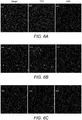
- C albicans cells were treated with berberine alone and also with combinations of berberine and PHMB.
- 50 ⁇ l of 1 ⁇ g/ml, 2 ⁇ g/ml and 3 ⁇ g/ml of Berberine solutions were mixed properly with 50 ⁇ l of 1 ⁇ g/ml and 2.5 ⁇ g/ml of PHMB in sterile 96 well plates by pipetting 3-4 times and was kept at room temperature for 20 minutes.
- 100 ⁇ l of C albicans cells in RPMI 1640 was added to these wells, to 100 ⁇ l of Berberine alone solutions and to 100 ⁇ l of PBS and kept at 37°C for 1hour.
- DAPI diamino-2-phenylindole
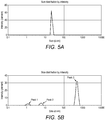
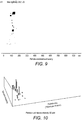
- Size of the complexes formed between PHMB and antifungals was determined using DLS. Nanoparticles were observed in case of ketoconazole and berberine ( Figure 5 ). But in the case of ketoconazole, there were several larger sized particles also. In the case of berberine ( Figure 5 (a) ) 64.5% of particles was around 22.2 ⁇ 1.5 nm. But for ketoconazole ( Figure 5 (b) ) only less than 10% of particles were of size less that 10 nm. The polydispersity index was more than one 1, meaning wider particle size distribution. In the case of other drugs, particles from 50 to ⁇ 1000nm were observed. The results show that PHMB forms particles with all antifungals and nanoparticles with terbinafine, ketoconazole and berberine.
- PHMB is a low toxic, clinically safe antiseptic and the experiments show an enhanced delivery of antifungals by combining them with this cationic polymer.
- the drugs were tested for changes in their antifungal activity against C albicans and S cerevisiae when combined with PHMB. Interaction between the polymer and drugs was tested using fluorescence/absorbance studies and dynamic light scattering. Cell delivery of berberine was studied using flow cytometry and fluorescence microscopy.
- PHMB potentiates action of antifungals, forms nanoparticles and enhance cellular delivery of berberine and it is envisaged that the use of nanoparticles in combination with and antifungal agents will improve antifungal activities in vivo.
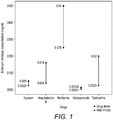
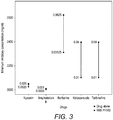
- PHMB enhanced antifungal action of all the drugs studied as there was decrease in MICs of all the drugs which is illustrated in Table 2. Synergistic effect was observed for ketoconazole, terbinafine and amphotericin B.
- PHMB forms nanoparticles with the selected antifungals. Nanoparticles were not detected when nystatin, terbinafine and amphotericin B were combined with PHMB in the ratio 1:3. Larger sized particles within size range of 500 to 1000nm were detected. This could be due to aggregation or precipitation. However, it is believed that combining the drugs and PHMB in different ratios would result in nanoparticle formation in addition to altering the temperature at which particles are formed, changing the medium/solvent of reaction and adjusting the pH.
- the alternative drug delivery technique explored in this study has its potential applications in intracellular and topical fungal infections, and infections with highly resistant fungi. Infections by intracellular fungi like Histoplasma capsulatum and Cryptococcus neoformans are difficult to treat because of difficulty in transport through cell membranes and decreased activity inside the cells. PHMB based drug delivery system offers a less expensive solution compared to the existing ones and allows for lower doses of antifungal agents to be used.
- PHMB or indeed similar polymers capable of forming nanoparticles can be combined with antifungal agents to target the fungi listed in Table 4 below.
- Table 4 GENUS SPECIES Trichophyton mentagrophytes Trichophyton rubrum Epidermophyton floccosum
- Terbinafine was dissolved in DMSO to a stock concentration of 10mg/ml. It was then further diluted to a 1mg/ml concentration in ultrapure water (20ul 10mg/ml Terbinafine was added to 180ul H 2 O) and mixed thoroughly by vortexing).
- PHMB (1mg/ml in water) was heated for 20mins at 60°C and then allowed to cool to room temperature prior to use.
- the ratio of PHMB:Terbinafine was kept constant at 3:1 as this provided the optimum nanoparticle size and numbers in the conditions tested to date.
- a ten times nanoparticle formulation of 30:10 (ug/ml PHMB : Terbinafine) was made up in 300ul. 288 ⁇ l of PBS was added to a 1.5ml sterile tube. 9 ⁇ l 1mg/ml PHMB was added and mixed by pipetting up and down 5 times. 3ul of 1mg/ml Terbinafine was then added slowly and mixed by pipetting up and down 5 times. The incubation was then left for 1 hour at room temperature in the presence of PHMB to form nanoparticles.
- the solution was then further diluted ten fold with PBS for measurement on the Nanosight LM10 nano particle sizing machine (to give a final concentration of 3ug/ml PHMB and 1ug/ml Terbinafine).
- nanoparticles comprising PHMB and Terbinafine and PHMB were produced which could then be used in the preparation of a topical medicament for the subsequent treatment of a range of potential fungal infections.
- Transdermal patches have long been used for the administration of small-molecule lipophilic drugs that can be readily absorbed through the skin.
- This non-invasive delivery route is advantageous for the administration of many drugs incompatible with oral delivery, as it allows for direct absorption of the drug into the systemic circulation, by-passing both the digestive and hepatic portal systems which can also dramatically reduce the bioavailability of many drugs.
- Transdermal delivery also overcomes many of the challenges associated with subcutaneous injection by greatly reducing patient discomfort, needle anxiety, risk of accidental needle stick injury to the administrator and issues surrounding sharps disposal.
- transdermal delivery of drugs is confined to classes of molecules compatible with absorption through the skin. Delivery of small molecule salts and therapeutic proteins are not typically viable with traditional transdermal delivery, as the skin provides an effective protective barrier to these molecules even in the presence of absorption-enhancing excipients.
- micro-needle technology can be employed to deliver the nanoparticles containing antifungal agents directly to the epidermis, dermis and the nail matrix (where the nail and skin meet at the eponychium).
- the nanoparticles will enter the nail matrix and capillary system and deliver the antifungal nanoparticle composition to the nail bed, under the hard nail plate, and into the fungi. In this way the potent antifungal agents can be directly delivered to the site of action thus reducing the treatment time and enhancing the potency.
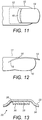
- FIGs 11 and 12 show diagrams of a finger 10 to which a micro-needle patch (illustrated in Figure 13 ) can be applied to a finger within the treatment area 12 shown by a dotted line.
- the treatment area 12 is formed of the dermis behind the nail 14 and also at the nail matrix (eponychium) 16 where the nail and skin meet.
- the nail root 18 is located in the area under the dermis behind the nail and can therefore be treated effectively by applying a micro-needle patch for delivering the composition of the present invention.
- the micro-needle patch could be used for toe nails in addition to finger nails.
- FIG. 13 shows a diagram of a micro-needle patch which can be used to apply the composition of the present invention to an individual suffering from a fungal nail infection.
- the micro-needle patch 20 is formed of a flexible web of material 22 having an adhesive 24 applied to its underside. Centrally located on the underside of the flexible web is an array of downwardly extending micro-needles 26 having a plurality of points 30.
- the points can be formed as needles having conduits which are connected to a reservoir 28 containing the composition or simply have their points coated in the composition.
- a reservoir 28 can expel the composition through holes disposed about the micro-needle arrays so that the composition can continuously coat the points of the array over a pre-determined time frame. It will be apparent to the skilled addressee that a number of different micro-needle patches are currently available and that the composition of the present invention could be adapted for use with a range of them.
- micro-needles can be less than 2 mm in length, and preferably about 250 ⁇ m will be inserted into the skin with minimum patient discomfort and, given the small hole created, with minimal risk of post-injection infection, bleeding, or risk of inadvertent IV injection for an intradermal administration.
- micro-needles reduce risk to the injection administrator, as accidental puncture of the skin is nearly impossible with these small projections.
- the micro-needle patch could be used for a single treatment where all the patient has to do is remove the patch from a wrapper and apply it to the appropriate part of the finger or toe for a given period of time.
- the micro-needle patch could be sold in combination with the composition and the patient would coat a quantity of the composition onto the surface of the micro-needles and apply the patch to the body in the prescribed manner.
- the patch could come with markings on its exterior so as to assist the patient or physician correctly line up the micro-needles with the correct location on the finger or toe to be treated.
- composition of the invention can also be formulated into an aerosol formulation.
- PHMB nanoparticles are formed with caspofungin (a lipopeptide antifungal) and dried.
- the dried nanoparticles are then added to a propellant.
- the propellant provides the force to generate the aerosol cloud and is also the medium in which the caspofungin nanoparticle active component are be suspended or dissolved.
- a range of propellants may be used, but generally speaking must have:
- HFA hydrofluoroalkanes
- HFA 134a 1,1,1,2,-tetrafluoroethane
- HFA 227 1,1,2,3,3,3-heptafluoropropane
- phospholipids that enhance penetration and bioavailability may be utilised.
- the nanoparticles will reconstitute when the moisture is added, for example when the preparation is sprayed into the moist environment of the lungs. It is preferred that preparation is contained in an aluminium alloy vessel which is internally coated with fluoropolymer and sealed with a metering valve so that a metered dose can be dispensed. If required, an atomising nozzle and dustcap may also be fitted.
Landscapes
- Health & Medical Sciences (AREA)
- Life Sciences & Earth Sciences (AREA)
- Chemical & Material Sciences (AREA)
- Veterinary Medicine (AREA)
- Public Health (AREA)
- General Health & Medical Sciences (AREA)
- Animal Behavior & Ethology (AREA)
- Pharmacology & Pharmacy (AREA)
- Medicinal Chemistry (AREA)
- Epidemiology (AREA)
- Dermatology (AREA)
- Engineering & Computer Science (AREA)
- Bioinformatics & Cheminformatics (AREA)
- Biomedical Technology (AREA)
- Physics & Mathematics (AREA)
- Optics & Photonics (AREA)
- Nanotechnology (AREA)
- Organic Chemistry (AREA)
- Nuclear Medicine, Radiotherapy & Molecular Imaging (AREA)
- General Chemical & Material Sciences (AREA)
- Chemical Kinetics & Catalysis (AREA)
- Oncology (AREA)
- Communicable Diseases (AREA)
- Emergency Medicine (AREA)
- Molecular Biology (AREA)
- Medical Informatics (AREA)
- Anesthesiology (AREA)
- Hematology (AREA)
- Heart & Thoracic Surgery (AREA)
- Acyclic And Carbocyclic Compounds In Medicinal Compositions (AREA)
- Pharmaceuticals Containing Other Organic And Inorganic Compounds (AREA)
- Medicinal Preparation (AREA)
- Medicines Containing Material From Animals Or Micro-Organisms (AREA)
Priority Applications (1)
| Application Number | Priority Date | Filing Date | Title |
|---|---|---|---|
| EP20209656.6A EP3854380A1 (en) | 2013-09-25 | 2014-09-25 | Composition and methods of treatment |
Applications Claiming Priority (4)
| Application Number | Priority Date | Filing Date | Title |
|---|---|---|---|
| GBGB1317005.5A GB201317005D0 (en) | 2013-09-25 | 2013-09-25 | Composition and methods of treatment |
| GBGB1320723.8A GB201320723D0 (en) | 2013-09-25 | 2013-11-25 | Composition and methods of treatment |
| EP14781264.8A EP3049056B2 (en) | 2013-09-25 | 2014-09-25 | Antifungal topical composition and methods of treatment |
| PCT/GB2014/052911 WO2015044669A1 (en) | 2013-09-25 | 2014-09-25 | Antifungal topical composition and methods of treatment |
Related Parent Applications (2)
| Application Number | Title | Priority Date | Filing Date |
|---|---|---|---|
| EP14781264.8A Division EP3049056B2 (en) | 2013-09-25 | 2014-09-25 | Antifungal topical composition and methods of treatment |
| EP14781264.8A Division-Into EP3049056B2 (en) | 2013-09-25 | 2014-09-25 | Antifungal topical composition and methods of treatment |
Related Child Applications (1)
| Application Number | Title | Priority Date | Filing Date |
|---|---|---|---|
| EP20209656.6A Division EP3854380A1 (en) | 2013-09-25 | 2014-09-25 | Composition and methods of treatment |
Publications (2)
| Publication Number | Publication Date |
|---|---|
| EP3501498A1 EP3501498A1 (en) | 2019-06-26 |
| EP3501498B1 true EP3501498B1 (en) | 2020-11-25 |
Family
ID=49553377
Family Applications (3)
| Application Number | Title | Priority Date | Filing Date |
|---|---|---|---|
| EP19153995.6A Active EP3501498B1 (en) | 2013-09-25 | 2014-09-25 | Composition and methods of treatment |
| EP14781264.8A Active EP3049056B2 (en) | 2013-09-25 | 2014-09-25 | Antifungal topical composition and methods of treatment |
| EP20209656.6A Pending EP3854380A1 (en) | 2013-09-25 | 2014-09-25 | Composition and methods of treatment |
Family Applications After (2)
| Application Number | Title | Priority Date | Filing Date |
|---|---|---|---|
| EP14781264.8A Active EP3049056B2 (en) | 2013-09-25 | 2014-09-25 | Antifungal topical composition and methods of treatment |
| EP20209656.6A Pending EP3854380A1 (en) | 2013-09-25 | 2014-09-25 | Composition and methods of treatment |
Country Status (17)
| Country | Link |
|---|---|
| US (2) | US11185511B2 (cg-RX-API-DMAC7.html) |
| EP (3) | EP3501498B1 (cg-RX-API-DMAC7.html) |
| JP (2) | JP6581569B2 (cg-RX-API-DMAC7.html) |
| CN (1) | CN105579028B (cg-RX-API-DMAC7.html) |
| CY (1) | CY1123414T1 (cg-RX-API-DMAC7.html) |
| DK (1) | DK3049056T4 (cg-RX-API-DMAC7.html) |
| ES (2) | ES2738662T5 (cg-RX-API-DMAC7.html) |
| GB (2) | GB201317005D0 (cg-RX-API-DMAC7.html) |
| HR (1) | HRP20191304T4 (cg-RX-API-DMAC7.html) |
| HU (1) | HUE044589T2 (cg-RX-API-DMAC7.html) |
| LT (1) | LT3049056T (cg-RX-API-DMAC7.html) |
| PL (1) | PL3049056T5 (cg-RX-API-DMAC7.html) |
| PT (1) | PT3049056T (cg-RX-API-DMAC7.html) |
| RS (1) | RS59211B2 (cg-RX-API-DMAC7.html) |
| SI (1) | SI3049056T2 (cg-RX-API-DMAC7.html) |
| SM (1) | SMT201900437T1 (cg-RX-API-DMAC7.html) |
| WO (1) | WO2015044669A1 (cg-RX-API-DMAC7.html) |
Families Citing this family (27)
| Publication number | Priority date | Publication date | Assignee | Title |
|---|---|---|---|---|
| GB201317005D0 (en) * | 2013-09-25 | 2013-11-06 | Blueberry Therapeutics Ltd | Composition and methods of treatment |
| US11110071B2 (en) * | 2015-06-19 | 2021-09-07 | Global Health Solutions Llc | Petrolatum-based PHMB compositions and methods of treatment for onychomycosis |
| US12290599B2 (en) | 2015-06-19 | 2025-05-06 | Global Health Solutions Llc | Oil-based wound care compositions and methods |
| GB201511799D0 (en) * | 2015-07-06 | 2015-08-19 | Blueberry Therapeutics Ltd | Composition and methods of treatment |
| CA3008930A1 (en) * | 2015-12-23 | 2017-06-29 | Aarhus Universitet | Antifungal agent |
| CA3018629A1 (en) * | 2016-03-24 | 2017-09-28 | Locate Therapeutics Limited | Scaffolding material, methods and uses |
| GB201605127D0 (en) * | 2016-03-25 | 2016-05-11 | Blueberry Therapeutics Ltd | Composition and methods of treatment |
| JP6310977B2 (ja) * | 2016-09-07 | 2018-04-11 | 株式会社日本総合研究所 | 爪用シール及びシールシート |
| WO2018162271A1 (en) | 2017-03-05 | 2018-09-13 | Rita Dobmeyer | Nanoparticles for the treatment of macular degeneration |
| GB201710491D0 (en) | 2017-06-30 | 2017-08-16 | Blueberry Therapeutics Ltd | Composition and methods of treatment |
| KR102060138B1 (ko) * | 2018-05-30 | 2019-12-27 | 연세대학교 산학협력단 | 안구용 마이크로니들 주사의 제조방법 |
| GB201810925D0 (en) * | 2018-07-03 | 2018-08-15 | Blueberry Therapeutics Ltd | Compositions and methods of treatment |
| GB201810923D0 (en) * | 2018-07-03 | 2018-08-15 | Blueberry Therapeutics Ltd | Compositions and method of treatment |
| US12115139B2 (en) * | 2018-08-15 | 2024-10-15 | Todd Alan Weinfield | Treatment methods and processes for an infected nail |
| WO2020150530A1 (en) * | 2019-01-16 | 2020-07-23 | Global Health Solutions Llc | Petrolatum-based phmb compositions and methods of treatment for onychomycosis |
| GB201908229D0 (en) * | 2019-06-10 | 2019-07-24 | Univ College Cork National Univ Of Ireland | Microneedles and methods for the manufacture thereof |
| CN110898075B (zh) * | 2019-12-27 | 2021-08-03 | 温海 | 聚六亚甲基双胍在制备抑制和/或杀灭犬小孢子菌的药物中的应用 |
| CN111067897A (zh) * | 2020-01-20 | 2020-04-28 | 中山大学 | 一种抗真菌的组合物及其应用 |
| CA3172776A1 (en) * | 2020-02-26 | 2021-09-02 | Biosergen As | Pharmaceutical compositions of a therapeutic polyene macrolide and methods of their use |
| CN111588689B (zh) * | 2020-06-20 | 2023-08-11 | 温州医科大学 | 一种角膜微创可溶性微针贴片及其制备方法与应用 |
| CN112168845A (zh) * | 2020-11-13 | 2021-01-05 | 郑虹 | 一种用于治疗手足癣的药物软膏及其制备方法 |
| JP2022118704A (ja) * | 2021-02-02 | 2022-08-15 | 国立大学法人 鹿児島大学 | ナノ粒子組成物、抗菌抗かび抗ウイルス剤、抗菌抗かび抗ウイルス塗料、抗菌抗かび抗ウイルス剤調製キット及びナノ粒子組成物の製造方法 |
| DE102021118997A1 (de) * | 2021-07-22 | 2023-01-26 | Lts Lohmann Therapie-Systeme Ag. | Mikronadelarray mit Antiseptika |
| CN113567217A (zh) * | 2021-07-27 | 2021-10-29 | 肖波 | 一种妇科荧光染色液 |
| EP4475895A4 (en) * | 2022-02-11 | 2026-01-28 | Fairleigh Dickinson Univ | Locally administered compositions and their methods of use |
| KR102597564B1 (ko) * | 2023-03-03 | 2023-11-03 | 장병모 | 조갑 및 피부 백선의 예방 또는 치료용 약학적 조성물 |
| CN117563121A (zh) * | 2023-11-30 | 2024-02-20 | 北京化工大学 | 一种用于治疗趾间型足癣的集成式可分离微针装置 |
Family Cites Families (20)
| Publication number | Priority date | Publication date | Assignee | Title |
|---|---|---|---|---|
| FR2761886B1 (fr) * | 1997-04-14 | 2000-05-05 | Virbac Sa | Compositions contenant au moins un polymere cationique et au moins une molecule active contenue dans au moins un vecteur micro ou nanoparticulaire, et leur utilisation pour le traitement de surfaces vivantes ou inertes |
| US20020009491A1 (en) | 2000-02-14 | 2002-01-24 | Rothbard Jonathan B. | Compositions and methods for enhancing drug delivery across biological membranes and tissues |
| EP1635770B1 (en) * | 2003-03-21 | 2009-05-27 | Nexmed Holdings, Inc. | Antifungal nail coat and method of use |
| BRPI0412675A (pt) * | 2003-07-17 | 2006-10-03 | Univ Columbia | composições antimicrobianas contendo combinações sinergìsticas de compostos de amÈnio quaternário e óleos essenciais e/ou constituintes |
| US20050238672A1 (en) * | 2004-04-27 | 2005-10-27 | Nimni Marcel E | Antifungal drug delivery |
| US20050249818A1 (en) | 2004-05-03 | 2005-11-10 | Sawan Samuel P | Polycationic antimicrobial therapeutic |
| WO2006138719A2 (en) * | 2005-06-17 | 2006-12-28 | Georgia Tech Research Corporation | Coated microstructures and method of manufacture thereof |
| JP2008543528A (ja) | 2005-06-27 | 2008-12-04 | スリーエム イノベイティブ プロパティズ カンパニー | マイクロニードルカートリッジアセンブリ及び適用方法 |
| CA2614927A1 (en) * | 2005-07-25 | 2007-02-01 | Nanotechnology Victoria Pty Ltd | Microarray device |
| US20070249546A1 (en) * | 2006-04-22 | 2007-10-25 | Sawaya Assad S | Ophthalmic and related aqueous solutions containing antifungal agents, uses therefor and methods for preparing them |
| MX2009001533A (es) | 2006-08-11 | 2009-02-18 | Panacea Biotec Ltd | Particulas para el suministro de ingredientes activos, procedimiento de elaboracion y sus composiciones. |
| US8313777B2 (en) * | 2006-10-05 | 2012-11-20 | The Johns Hopkins University | Water-dispersible oral, parenteral, and topical formulations for poorly water soluble drugs using smart polymeric nanoparticles |
| WO2010011354A2 (en) | 2008-07-25 | 2010-01-28 | Innovation Biomedical Devices, Inc. | Enchanced trans-keratin drug delivery |
| CN101724284B (zh) * | 2008-10-31 | 2012-06-27 | 中国石油化工股份有限公司 | 一种抗菌热塑性塑料组合物及其制备方法 |
| JP5408592B2 (ja) | 2010-03-19 | 2014-02-05 | コスメディ製薬株式会社 | マイクロニードルの迅速溶解法 |
| JP2012235899A (ja) * | 2011-05-12 | 2012-12-06 | Bioserentack Co Ltd | 大量の目的物質を皮膚内へデリバリーするためのマイクロニードル・アレイ・チップ |
| CN103857440B (zh) * | 2011-06-22 | 2018-09-25 | 维奥姆生物科学有限公司 | 基于缀合物的抗真菌和抗细菌前药 |
| GB201117538D0 (en) | 2011-10-11 | 2011-11-23 | Royal Veterinary College The | Methods |
| EP2664327A1 (en) * | 2012-05-14 | 2013-11-20 | Almirall S.A. | Topical pharmaceutical compositions comprising terbinafide and urea |
| GB201317005D0 (en) * | 2013-09-25 | 2013-11-06 | Blueberry Therapeutics Ltd | Composition and methods of treatment |
-
2013
- 2013-09-25 GB GBGB1317005.5A patent/GB201317005D0/en not_active Ceased
- 2013-11-25 GB GBGB1320723.8A patent/GB201320723D0/en not_active Ceased
-
2014
- 2014-09-25 DK DK14781264.8T patent/DK3049056T4/da active
- 2014-09-25 HR HRP20191304TT patent/HRP20191304T4/hr unknown
- 2014-09-25 SM SM20190437T patent/SMT201900437T1/it unknown
- 2014-09-25 CN CN201480052228.3A patent/CN105579028B/zh active Active
- 2014-09-25 SI SI201431280T patent/SI3049056T2/sl unknown
- 2014-09-25 EP EP19153995.6A patent/EP3501498B1/en active Active
- 2014-09-25 LT LTEP14781264.8T patent/LT3049056T/lt unknown
- 2014-09-25 WO PCT/GB2014/052911 patent/WO2015044669A1/en not_active Ceased
- 2014-09-25 RS RS20190917A patent/RS59211B2/sr unknown
- 2014-09-25 JP JP2016516087A patent/JP6581569B2/ja active Active
- 2014-09-25 EP EP14781264.8A patent/EP3049056B2/en active Active
- 2014-09-25 PT PT14781264T patent/PT3049056T/pt unknown
- 2014-09-25 ES ES14781264T patent/ES2738662T5/es active Active
- 2014-09-25 EP EP20209656.6A patent/EP3854380A1/en active Pending
- 2014-09-25 ES ES19153995T patent/ES2859518T3/es active Active
- 2014-09-25 PL PL14781264.8T patent/PL3049056T5/pl unknown
- 2014-09-25 US US15/023,602 patent/US11185511B2/en active Active
- 2014-09-25 HU HUE14781264 patent/HUE044589T2/hu unknown
-
2019
- 2019-07-24 CY CY20191100783T patent/CY1123414T1/el unknown
- 2019-08-30 JP JP2019158280A patent/JP7028836B2/ja active Active
-
2021
- 2021-10-27 US US17/512,139 patent/US12161764B2/en active Active
Non-Patent Citations (1)
| Title |
|---|
| None * |
Also Published As
Similar Documents
| Publication | Publication Date | Title |
|---|---|---|
| US12161764B2 (en) | Composition and methods of treatment | |
| Vikas et al. | Mechanistic insights of formulation approaches for the treatment of nail infection: conventional and novel drug delivery approaches | |
| ES2756776T3 (es) | Formulación farmacéutica acuosa de tapentadol para administración oral | |
| JP7320559B2 (ja) | 組成物および治療方法 | |
| JP2013535422A5 (cg-RX-API-DMAC7.html) | ||
| JP2023182607A (ja) | 組成物および治療方法 | |
| US20050238672A1 (en) | Antifungal drug delivery | |
| Gupta et al. | New antifungal agents and new formulations against dermatophytes | |
| JP2022126778A (ja) | ポリマー及びテルビナフィンから形成されるナノ粒子 | |
| Antonissen et al. | Antifungal Drugs |
Legal Events
| Date | Code | Title | Description |
|---|---|---|---|
| PUAI | Public reference made under article 153(3) epc to a published international application that has entered the european phase |
Free format text: ORIGINAL CODE: 0009012 |
|
| STAA | Information on the status of an ep patent application or granted ep patent |
Free format text: STATUS: THE APPLICATION HAS BEEN PUBLISHED |
|
| AC | Divisional application: reference to earlier application |
Ref document number: 3049056 Country of ref document: EP Kind code of ref document: P |
|
| AK | Designated contracting states |
Kind code of ref document: A1 Designated state(s): AL AT BE BG CH CY CZ DE DK EE ES FI FR GB GR HR HU IE IS IT LI LT LU LV MC MK MT NL NO PL PT RO RS SE SI SK SM TR |
|
| STAA | Information on the status of an ep patent application or granted ep patent |
Free format text: STATUS: REQUEST FOR EXAMINATION WAS MADE |
|
| 17P | Request for examination filed |
Effective date: 20191226 |
|
| RBV | Designated contracting states (corrected) |
Designated state(s): AL AT BE BG CH CY CZ DE DK EE ES FI FR GB GR HR HU IE IS IT LI LT LU LV MC MK MT NL NO PL PT RO RS SE SI SK SM TR |
|
| GRAP | Despatch of communication of intention to grant a patent |
Free format text: ORIGINAL CODE: EPIDOSNIGR1 |
|
| STAA | Information on the status of an ep patent application or granted ep patent |
Free format text: STATUS: GRANT OF PATENT IS INTENDED |
|
| INTG | Intention to grant announced |
Effective date: 20200605 |
|
| GRAS | Grant fee paid |
Free format text: ORIGINAL CODE: EPIDOSNIGR3 |
|
| GRAA | (expected) grant |
Free format text: ORIGINAL CODE: 0009210 |
|
| STAA | Information on the status of an ep patent application or granted ep patent |
Free format text: STATUS: THE PATENT HAS BEEN GRANTED |
|
| AC | Divisional application: reference to earlier application |
Ref document number: 3049056 Country of ref document: EP Kind code of ref document: P |
|
| AK | Designated contracting states |
Kind code of ref document: B1 Designated state(s): AL AT BE BG CH CY CZ DE DK EE ES FI FR GB GR HR HU IE IS IT LI LT LU LV MC MK MT NL NO PL PT RO RS SE SI SK SM TR |
|
| REG | Reference to a national code |
Ref country code: GB Ref legal event code: FG4D |
|
| REG | Reference to a national code |
Ref country code: CH Ref legal event code: EP |
|
| REG | Reference to a national code |
Ref country code: AT Ref legal event code: REF Ref document number: 1337458 Country of ref document: AT Kind code of ref document: T Effective date: 20201215 |
|
| REG | Reference to a national code |
Ref country code: DE Ref legal event code: R096 Ref document number: 602014072834 Country of ref document: DE |
|
| REG | Reference to a national code |
Ref country code: IE Ref legal event code: FG4D |
|
| REG | Reference to a national code |
Ref country code: AT Ref legal event code: MK05 Ref document number: 1337458 Country of ref document: AT Kind code of ref document: T Effective date: 20201125 |
|
| REG | Reference to a national code |
Ref country code: NL Ref legal event code: MP Effective date: 20201125 |
|
| PG25 | Lapsed in a contracting state [announced via postgrant information from national office to epo] |
Ref country code: GR Free format text: LAPSE BECAUSE OF FAILURE TO SUBMIT A TRANSLATION OF THE DESCRIPTION OR TO PAY THE FEE WITHIN THE PRESCRIBED TIME-LIMIT Effective date: 20210226 Ref country code: NO Free format text: LAPSE BECAUSE OF FAILURE TO SUBMIT A TRANSLATION OF THE DESCRIPTION OR TO PAY THE FEE WITHIN THE PRESCRIBED TIME-LIMIT Effective date: 20210225 Ref country code: PT Free format text: LAPSE BECAUSE OF FAILURE TO SUBMIT A TRANSLATION OF THE DESCRIPTION OR TO PAY THE FEE WITHIN THE PRESCRIBED TIME-LIMIT Effective date: 20210325 Ref country code: RS Free format text: LAPSE BECAUSE OF FAILURE TO SUBMIT A TRANSLATION OF THE DESCRIPTION OR TO PAY THE FEE WITHIN THE PRESCRIBED TIME-LIMIT Effective date: 20201125 Ref country code: FI Free format text: LAPSE BECAUSE OF FAILURE TO SUBMIT A TRANSLATION OF THE DESCRIPTION OR TO PAY THE FEE WITHIN THE PRESCRIBED TIME-LIMIT Effective date: 20201125 |
|
| PG25 | Lapsed in a contracting state [announced via postgrant information from national office to epo] |
Ref country code: AT Free format text: LAPSE BECAUSE OF FAILURE TO SUBMIT A TRANSLATION OF THE DESCRIPTION OR TO PAY THE FEE WITHIN THE PRESCRIBED TIME-LIMIT Effective date: 20201125 Ref country code: IS Free format text: LAPSE BECAUSE OF FAILURE TO SUBMIT A TRANSLATION OF THE DESCRIPTION OR TO PAY THE FEE WITHIN THE PRESCRIBED TIME-LIMIT Effective date: 20210325 Ref country code: LV Free format text: LAPSE BECAUSE OF FAILURE TO SUBMIT A TRANSLATION OF THE DESCRIPTION OR TO PAY THE FEE WITHIN THE PRESCRIBED TIME-LIMIT Effective date: 20201125 Ref country code: PL Free format text: LAPSE BECAUSE OF FAILURE TO SUBMIT A TRANSLATION OF THE DESCRIPTION OR TO PAY THE FEE WITHIN THE PRESCRIBED TIME-LIMIT Effective date: 20201125 Ref country code: SE Free format text: LAPSE BECAUSE OF FAILURE TO SUBMIT A TRANSLATION OF THE DESCRIPTION OR TO PAY THE FEE WITHIN THE PRESCRIBED TIME-LIMIT Effective date: 20201125 Ref country code: BG Free format text: LAPSE BECAUSE OF FAILURE TO SUBMIT A TRANSLATION OF THE DESCRIPTION OR TO PAY THE FEE WITHIN THE PRESCRIBED TIME-LIMIT Effective date: 20210225 |
|
| REG | Reference to a national code |
Ref country code: LT Ref legal event code: MG9D |
|
| PG25 | Lapsed in a contracting state [announced via postgrant information from national office to epo] |
Ref country code: HR Free format text: LAPSE BECAUSE OF FAILURE TO SUBMIT A TRANSLATION OF THE DESCRIPTION OR TO PAY THE FEE WITHIN THE PRESCRIBED TIME-LIMIT Effective date: 20201125 |
|
| PG25 | Lapsed in a contracting state [announced via postgrant information from national office to epo] |
Ref country code: RO Free format text: LAPSE BECAUSE OF FAILURE TO SUBMIT A TRANSLATION OF THE DESCRIPTION OR TO PAY THE FEE WITHIN THE PRESCRIBED TIME-LIMIT Effective date: 20201125 Ref country code: LT Free format text: LAPSE BECAUSE OF FAILURE TO SUBMIT A TRANSLATION OF THE DESCRIPTION OR TO PAY THE FEE WITHIN THE PRESCRIBED TIME-LIMIT Effective date: 20201125 Ref country code: CZ Free format text: LAPSE BECAUSE OF FAILURE TO SUBMIT A TRANSLATION OF THE DESCRIPTION OR TO PAY THE FEE WITHIN THE PRESCRIBED TIME-LIMIT Effective date: 20201125 Ref country code: EE Free format text: LAPSE BECAUSE OF FAILURE TO SUBMIT A TRANSLATION OF THE DESCRIPTION OR TO PAY THE FEE WITHIN THE PRESCRIBED TIME-LIMIT Effective date: 20201125 Ref country code: SM Free format text: LAPSE BECAUSE OF FAILURE TO SUBMIT A TRANSLATION OF THE DESCRIPTION OR TO PAY THE FEE WITHIN THE PRESCRIBED TIME-LIMIT Effective date: 20201125 Ref country code: SK Free format text: LAPSE BECAUSE OF FAILURE TO SUBMIT A TRANSLATION OF THE DESCRIPTION OR TO PAY THE FEE WITHIN THE PRESCRIBED TIME-LIMIT Effective date: 20201125 |
|
| REG | Reference to a national code |
Ref country code: DE Ref legal event code: R097 Ref document number: 602014072834 Country of ref document: DE |
|
| PG25 | Lapsed in a contracting state [announced via postgrant information from national office to epo] |
Ref country code: DK Free format text: LAPSE BECAUSE OF FAILURE TO SUBMIT A TRANSLATION OF THE DESCRIPTION OR TO PAY THE FEE WITHIN THE PRESCRIBED TIME-LIMIT Effective date: 20201125 |
|
| PLBE | No opposition filed within time limit |
Free format text: ORIGINAL CODE: 0009261 |
|
| STAA | Information on the status of an ep patent application or granted ep patent |
Free format text: STATUS: NO OPPOSITION FILED WITHIN TIME LIMIT |
|
| REG | Reference to a national code |
Ref country code: ES Ref legal event code: FG2A Ref document number: 2859518 Country of ref document: ES Kind code of ref document: T3 Effective date: 20211004 |
|
| PG25 | Lapsed in a contracting state [announced via postgrant information from national office to epo] |
Ref country code: NL Free format text: LAPSE BECAUSE OF FAILURE TO SUBMIT A TRANSLATION OF THE DESCRIPTION OR TO PAY THE FEE WITHIN THE PRESCRIBED TIME-LIMIT Effective date: 20201125 Ref country code: AL Free format text: LAPSE BECAUSE OF FAILURE TO SUBMIT A TRANSLATION OF THE DESCRIPTION OR TO PAY THE FEE WITHIN THE PRESCRIBED TIME-LIMIT Effective date: 20201125 |
|
| 26N | No opposition filed |
Effective date: 20210826 |
|
| PG25 | Lapsed in a contracting state [announced via postgrant information from national office to epo] |
Ref country code: SI Free format text: LAPSE BECAUSE OF FAILURE TO SUBMIT A TRANSLATION OF THE DESCRIPTION OR TO PAY THE FEE WITHIN THE PRESCRIBED TIME-LIMIT Effective date: 20201125 |
|
| REG | Reference to a national code |
Ref country code: CH Ref legal event code: PL |
|
| REG | Reference to a national code |
Ref country code: BE Ref legal event code: MM Effective date: 20210930 |
|
| PG25 | Lapsed in a contracting state [announced via postgrant information from national office to epo] |
Ref country code: IS Free format text: LAPSE BECAUSE OF FAILURE TO SUBMIT A TRANSLATION OF THE DESCRIPTION OR TO PAY THE FEE WITHIN THE PRESCRIBED TIME-LIMIT Effective date: 20210325 Ref country code: MC Free format text: LAPSE BECAUSE OF FAILURE TO SUBMIT A TRANSLATION OF THE DESCRIPTION OR TO PAY THE FEE WITHIN THE PRESCRIBED TIME-LIMIT Effective date: 20201125 |
|
| PG25 | Lapsed in a contracting state [announced via postgrant information from national office to epo] |
Ref country code: LU Free format text: LAPSE BECAUSE OF NON-PAYMENT OF DUE FEES Effective date: 20210925 Ref country code: IE Free format text: LAPSE BECAUSE OF NON-PAYMENT OF DUE FEES Effective date: 20210925 Ref country code: BE Free format text: LAPSE BECAUSE OF NON-PAYMENT OF DUE FEES Effective date: 20210930 |
|
| PG25 | Lapsed in a contracting state [announced via postgrant information from national office to epo] |
Ref country code: LI Free format text: LAPSE BECAUSE OF NON-PAYMENT OF DUE FEES Effective date: 20210930 Ref country code: CH Free format text: LAPSE BECAUSE OF NON-PAYMENT OF DUE FEES Effective date: 20210930 |
|
| P01 | Opt-out of the competence of the unified patent court (upc) registered |
Effective date: 20230523 |
|
| PG25 | Lapsed in a contracting state [announced via postgrant information from national office to epo] |
Ref country code: CY Free format text: LAPSE BECAUSE OF FAILURE TO SUBMIT A TRANSLATION OF THE DESCRIPTION OR TO PAY THE FEE WITHIN THE PRESCRIBED TIME-LIMIT Effective date: 20201125 |
|
| PG25 | Lapsed in a contracting state [announced via postgrant information from national office to epo] |
Ref country code: HU Free format text: LAPSE BECAUSE OF FAILURE TO SUBMIT A TRANSLATION OF THE DESCRIPTION OR TO PAY THE FEE WITHIN THE PRESCRIBED TIME-LIMIT; INVALID AB INITIO Effective date: 20140925 |
|
| PG25 | Lapsed in a contracting state [announced via postgrant information from national office to epo] |
Ref country code: MK Free format text: LAPSE BECAUSE OF FAILURE TO SUBMIT A TRANSLATION OF THE DESCRIPTION OR TO PAY THE FEE WITHIN THE PRESCRIBED TIME-LIMIT Effective date: 20201125 |
|
| PG25 | Lapsed in a contracting state [announced via postgrant information from national office to epo] |
Ref country code: MT Free format text: LAPSE BECAUSE OF FAILURE TO SUBMIT A TRANSLATION OF THE DESCRIPTION OR TO PAY THE FEE WITHIN THE PRESCRIBED TIME-LIMIT Effective date: 20201125 |
|
| PGFP | Annual fee paid to national office [announced via postgrant information from national office to epo] |
Ref country code: DE Payment date: 20250926 Year of fee payment: 12 |
|
| PGFP | Annual fee paid to national office [announced via postgrant information from national office to epo] |
Ref country code: IT Payment date: 20250922 Year of fee payment: 12 |
|
| PGFP | Annual fee paid to national office [announced via postgrant information from national office to epo] |
Ref country code: GB Payment date: 20250909 Year of fee payment: 12 |
|
| PGFP | Annual fee paid to national office [announced via postgrant information from national office to epo] |
Ref country code: FR Payment date: 20250925 Year of fee payment: 12 |
|
| PG25 | Lapsed in a contracting state [announced via postgrant information from national office to epo] |
Ref country code: TR Free format text: LAPSE BECAUSE OF FAILURE TO SUBMIT A TRANSLATION OF THE DESCRIPTION OR TO PAY THE FEE WITHIN THE PRESCRIBED TIME-LIMIT Effective date: 20201125 |
|
| PGFP | Annual fee paid to national office [announced via postgrant information from national office to epo] |
Ref country code: ES Payment date: 20251015 Year of fee payment: 12 |