EP3430141B1 - Oligonucleotides for reduction of pd-l1 expression - Google Patents
Oligonucleotides for reduction of pd-l1 expression Download PDFInfo
- Publication number
- EP3430141B1 EP3430141B1 EP17710874.3A EP17710874A EP3430141B1 EP 3430141 B1 EP3430141 B1 EP 3430141B1 EP 17710874 A EP17710874 A EP 17710874A EP 3430141 B1 EP3430141 B1 EP 3430141B1
- Authority
- EP
- European Patent Office
- Prior art keywords
- oligonucleotide
- nucleosides
- conjugate
- antisense oligonucleotide
- region
- Prior art date
- Legal status (The legal status is an assumption and is not a legal conclusion. Google has not performed a legal analysis and makes no representation as to the accuracy of the status listed.)
- Active
Links
Images





Classifications
-
- C—CHEMISTRY; METALLURGY
- C12—BIOCHEMISTRY; BEER; SPIRITS; WINE; VINEGAR; MICROBIOLOGY; ENZYMOLOGY; MUTATION OR GENETIC ENGINEERING
- C12N—MICROORGANISMS OR ENZYMES; COMPOSITIONS THEREOF; PROPAGATING, PRESERVING, OR MAINTAINING MICROORGANISMS; MUTATION OR GENETIC ENGINEERING; CULTURE MEDIA
- C12N15/00—Mutation or genetic engineering; DNA or RNA concerning genetic engineering, vectors, e.g. plasmids, or their isolation, preparation or purification; Use of hosts therefor
- C12N15/09—Recombinant DNA-technology
- C12N15/11—DNA or RNA fragments; Modified forms thereof; Non-coding nucleic acids having a biological activity
- C12N15/113—Non-coding nucleic acids modulating the expression of genes, e.g. antisense oligonucleotides; Antisense DNA or RNA; Triplex- forming oligonucleotides; Catalytic nucleic acids, e.g. ribozymes; Nucleic acids used in co-suppression or gene silencing
- C12N15/1138—Non-coding nucleic acids modulating the expression of genes, e.g. antisense oligonucleotides; Antisense DNA or RNA; Triplex- forming oligonucleotides; Catalytic nucleic acids, e.g. ribozymes; Nucleic acids used in co-suppression or gene silencing against receptors or cell surface proteins
-
- C—CHEMISTRY; METALLURGY
- C12—BIOCHEMISTRY; BEER; SPIRITS; WINE; VINEGAR; MICROBIOLOGY; ENZYMOLOGY; MUTATION OR GENETIC ENGINEERING
- C12N—MICROORGANISMS OR ENZYMES; COMPOSITIONS THEREOF; PROPAGATING, PRESERVING, OR MAINTAINING MICROORGANISMS; MUTATION OR GENETIC ENGINEERING; CULTURE MEDIA
- C12N15/00—Mutation or genetic engineering; DNA or RNA concerning genetic engineering, vectors, e.g. plasmids, or their isolation, preparation or purification; Use of hosts therefor
- C12N15/09—Recombinant DNA-technology
- C12N15/11—DNA or RNA fragments; Modified forms thereof; Non-coding nucleic acids having a biological activity
- C12N15/113—Non-coding nucleic acids modulating the expression of genes, e.g. antisense oligonucleotides; Antisense DNA or RNA; Triplex- forming oligonucleotides; Catalytic nucleic acids, e.g. ribozymes; Nucleic acids used in co-suppression or gene silencing
- C12N15/1131—Non-coding nucleic acids modulating the expression of genes, e.g. antisense oligonucleotides; Antisense DNA or RNA; Triplex- forming oligonucleotides; Catalytic nucleic acids, e.g. ribozymes; Nucleic acids used in co-suppression or gene silencing against viruses
-
- C—CHEMISTRY; METALLURGY
- C07—ORGANIC CHEMISTRY
- C07K—PEPTIDES
- C07K16/00—Immunoglobulins [IGs], e.g. monoclonal or polyclonal antibodies
- C07K16/18—Immunoglobulins [IGs], e.g. monoclonal or polyclonal antibodies against material from animals or humans
- C07K16/28—Immunoglobulins [IGs], e.g. monoclonal or polyclonal antibodies against material from animals or humans against receptors, cell surface antigens or cell surface determinants
-
- A—HUMAN NECESSITIES
- A61—MEDICAL OR VETERINARY SCIENCE; HYGIENE
- A61K—PREPARATIONS FOR MEDICAL, DENTAL OR TOILETRY PURPOSES
- A61K31/00—Medicinal preparations containing organic active ingredients
- A61K31/70—Carbohydrates; Sugars; Derivatives thereof
- A61K31/7088—Compounds having three or more nucleosides or nucleotides
-
- A—HUMAN NECESSITIES
- A61—MEDICAL OR VETERINARY SCIENCE; HYGIENE
- A61K—PREPARATIONS FOR MEDICAL, DENTAL OR TOILETRY PURPOSES
- A61K38/00—Medicinal preparations containing peptides
- A61K38/16—Peptides having more than 20 amino acids; Gastrins; Somatostatins; Melanotropins; Derivatives thereof
- A61K38/17—Peptides having more than 20 amino acids; Gastrins; Somatostatins; Melanotropins; Derivatives thereof from animals; from humans
- A61K38/1703—Peptides having more than 20 amino acids; Gastrins; Somatostatins; Melanotropins; Derivatives thereof from animals; from humans from vertebrates
- A61K38/1709—Peptides having more than 20 amino acids; Gastrins; Somatostatins; Melanotropins; Derivatives thereof from animals; from humans from vertebrates from mammals
-
- A—HUMAN NECESSITIES
- A61—MEDICAL OR VETERINARY SCIENCE; HYGIENE
- A61K—PREPARATIONS FOR MEDICAL, DENTAL OR TOILETRY PURPOSES
- A61K39/00—Medicinal preparations containing antigens or antibodies
- A61K39/39—Medicinal preparations containing antigens or antibodies characterised by the immunostimulating additives, e.g. chemical adjuvants
-
- A—HUMAN NECESSITIES
- A61—MEDICAL OR VETERINARY SCIENCE; HYGIENE
- A61K—PREPARATIONS FOR MEDICAL, DENTAL OR TOILETRY PURPOSES
- A61K39/00—Medicinal preparations containing antigens or antibodies
- A61K39/395—Antibodies; Immunoglobulins; Immune serum, e.g. antilymphocytic serum
- A61K39/39533—Antibodies; Immunoglobulins; Immune serum, e.g. antilymphocytic serum against materials from animals
- A61K39/39558—Antibodies; Immunoglobulins; Immune serum, e.g. antilymphocytic serum against materials from animals against tumor tissues, cells, antigens
-
- A—HUMAN NECESSITIES
- A61—MEDICAL OR VETERINARY SCIENCE; HYGIENE
- A61K—PREPARATIONS FOR MEDICAL, DENTAL OR TOILETRY PURPOSES
- A61K45/00—Medicinal preparations containing active ingredients not provided for in groups A61K31/00 - A61K41/00
- A61K45/06—Mixtures of active ingredients without chemical characterisation, e.g. antiphlogistics and cardiaca
-
- A—HUMAN NECESSITIES
- A61—MEDICAL OR VETERINARY SCIENCE; HYGIENE
- A61K—PREPARATIONS FOR MEDICAL, DENTAL OR TOILETRY PURPOSES
- A61K47/00—Medicinal preparations characterised by the non-active ingredients used, e.g. carriers or inert additives; Targeting or modifying agents chemically bound to the active ingredient
- A61K47/50—Medicinal preparations characterised by the non-active ingredients used, e.g. carriers or inert additives; Targeting or modifying agents chemically bound to the active ingredient the non-active ingredient being chemically bound to the active ingredient, e.g. polymer-drug conjugates
- A61K47/51—Medicinal preparations characterised by the non-active ingredients used, e.g. carriers or inert additives; Targeting or modifying agents chemically bound to the active ingredient the non-active ingredient being chemically bound to the active ingredient, e.g. polymer-drug conjugates the non-active ingredient being a modifying agent
- A61K47/54—Medicinal preparations characterised by the non-active ingredients used, e.g. carriers or inert additives; Targeting or modifying agents chemically bound to the active ingredient the non-active ingredient being chemically bound to the active ingredient, e.g. polymer-drug conjugates the non-active ingredient being a modifying agent the modifying agent being an organic compound
- A61K47/549—Sugars, nucleosides, nucleotides or nucleic acids
-
- A—HUMAN NECESSITIES
- A61—MEDICAL OR VETERINARY SCIENCE; HYGIENE
- A61K—PREPARATIONS FOR MEDICAL, DENTAL OR TOILETRY PURPOSES
- A61K48/00—Medicinal preparations containing genetic material which is inserted into cells of the living body to treat genetic diseases; Gene therapy
-
- A—HUMAN NECESSITIES
- A61—MEDICAL OR VETERINARY SCIENCE; HYGIENE
- A61P—SPECIFIC THERAPEUTIC ACTIVITY OF CHEMICAL COMPOUNDS OR MEDICINAL PREPARATIONS
- A61P1/00—Drugs for disorders of the alimentary tract or the digestive system
- A61P1/16—Drugs for disorders of the alimentary tract or the digestive system for liver or gallbladder disorders, e.g. hepatoprotective agents, cholagogues, litholytics
-
- A—HUMAN NECESSITIES
- A61—MEDICAL OR VETERINARY SCIENCE; HYGIENE
- A61P—SPECIFIC THERAPEUTIC ACTIVITY OF CHEMICAL COMPOUNDS OR MEDICINAL PREPARATIONS
- A61P29/00—Non-central analgesic, antipyretic or antiinflammatory agents, e.g. antirheumatic agents; Non-steroidal antiinflammatory drugs [NSAID]
-
- A—HUMAN NECESSITIES
- A61—MEDICAL OR VETERINARY SCIENCE; HYGIENE
- A61P—SPECIFIC THERAPEUTIC ACTIVITY OF CHEMICAL COMPOUNDS OR MEDICINAL PREPARATIONS
- A61P31/00—Antiinfectives, i.e. antibiotics, antiseptics, chemotherapeutics
-
- A—HUMAN NECESSITIES
- A61—MEDICAL OR VETERINARY SCIENCE; HYGIENE
- A61P—SPECIFIC THERAPEUTIC ACTIVITY OF CHEMICAL COMPOUNDS OR MEDICINAL PREPARATIONS
- A61P31/00—Antiinfectives, i.e. antibiotics, antiseptics, chemotherapeutics
- A61P31/12—Antivirals
-
- A—HUMAN NECESSITIES
- A61—MEDICAL OR VETERINARY SCIENCE; HYGIENE
- A61P—SPECIFIC THERAPEUTIC ACTIVITY OF CHEMICAL COMPOUNDS OR MEDICINAL PREPARATIONS
- A61P31/00—Antiinfectives, i.e. antibiotics, antiseptics, chemotherapeutics
- A61P31/12—Antivirals
- A61P31/14—Antivirals for RNA viruses
-
- A—HUMAN NECESSITIES
- A61—MEDICAL OR VETERINARY SCIENCE; HYGIENE
- A61P—SPECIFIC THERAPEUTIC ACTIVITY OF CHEMICAL COMPOUNDS OR MEDICINAL PREPARATIONS
- A61P31/00—Antiinfectives, i.e. antibiotics, antiseptics, chemotherapeutics
- A61P31/12—Antivirals
- A61P31/20—Antivirals for DNA viruses
-
- A—HUMAN NECESSITIES
- A61—MEDICAL OR VETERINARY SCIENCE; HYGIENE
- A61P—SPECIFIC THERAPEUTIC ACTIVITY OF CHEMICAL COMPOUNDS OR MEDICINAL PREPARATIONS
- A61P33/00—Antiparasitic agents
-
- A—HUMAN NECESSITIES
- A61—MEDICAL OR VETERINARY SCIENCE; HYGIENE
- A61P—SPECIFIC THERAPEUTIC ACTIVITY OF CHEMICAL COMPOUNDS OR MEDICINAL PREPARATIONS
- A61P33/00—Antiparasitic agents
- A61P33/02—Antiprotozoals, e.g. for leishmaniasis, trichomoniasis, toxoplasmosis
-
- A—HUMAN NECESSITIES
- A61—MEDICAL OR VETERINARY SCIENCE; HYGIENE
- A61P—SPECIFIC THERAPEUTIC ACTIVITY OF CHEMICAL COMPOUNDS OR MEDICINAL PREPARATIONS
- A61P33/00—Antiparasitic agents
- A61P33/02—Antiprotozoals, e.g. for leishmaniasis, trichomoniasis, toxoplasmosis
- A61P33/06—Antimalarials
-
- A—HUMAN NECESSITIES
- A61—MEDICAL OR VETERINARY SCIENCE; HYGIENE
- A61P—SPECIFIC THERAPEUTIC ACTIVITY OF CHEMICAL COMPOUNDS OR MEDICINAL PREPARATIONS
- A61P35/00—Antineoplastic agents
-
- A—HUMAN NECESSITIES
- A61—MEDICAL OR VETERINARY SCIENCE; HYGIENE
- A61P—SPECIFIC THERAPEUTIC ACTIVITY OF CHEMICAL COMPOUNDS OR MEDICINAL PREPARATIONS
- A61P35/00—Antineoplastic agents
- A61P35/04—Antineoplastic agents specific for metastasis
-
- A—HUMAN NECESSITIES
- A61—MEDICAL OR VETERINARY SCIENCE; HYGIENE
- A61P—SPECIFIC THERAPEUTIC ACTIVITY OF CHEMICAL COMPOUNDS OR MEDICINAL PREPARATIONS
- A61P37/00—Drugs for immunological or allergic disorders
- A61P37/02—Immunomodulators
- A61P37/04—Immunostimulants
-
- A—HUMAN NECESSITIES
- A61—MEDICAL OR VETERINARY SCIENCE; HYGIENE
- A61P—SPECIFIC THERAPEUTIC ACTIVITY OF CHEMICAL COMPOUNDS OR MEDICINAL PREPARATIONS
- A61P43/00—Drugs for specific purposes, not provided for in groups A61P1/00-A61P41/00
-
- C—CHEMISTRY; METALLURGY
- C07—ORGANIC CHEMISTRY
- C07K—PEPTIDES
- C07K14/00—Peptides having more than 20 amino acids; Gastrins; Somatostatins; Melanotropins; Derivatives thereof
- C07K14/435—Peptides having more than 20 amino acids; Gastrins; Somatostatins; Melanotropins; Derivatives thereof from animals; from humans
- C07K14/705—Receptors; Cell surface antigens; Cell surface determinants
- C07K14/70503—Immunoglobulin superfamily
-
- C—CHEMISTRY; METALLURGY
- C12—BIOCHEMISTRY; BEER; SPIRITS; WINE; VINEGAR; MICROBIOLOGY; ENZYMOLOGY; MUTATION OR GENETIC ENGINEERING
- C12N—MICROORGANISMS OR ENZYMES; COMPOSITIONS THEREOF; PROPAGATING, PRESERVING, OR MAINTAINING MICROORGANISMS; MUTATION OR GENETIC ENGINEERING; CULTURE MEDIA
- C12N15/00—Mutation or genetic engineering; DNA or RNA concerning genetic engineering, vectors, e.g. plasmids, or their isolation, preparation or purification; Use of hosts therefor
- C12N15/09—Recombinant DNA-technology
- C12N15/11—DNA or RNA fragments; Modified forms thereof; Non-coding nucleic acids having a biological activity
- C12N15/113—Non-coding nucleic acids modulating the expression of genes, e.g. antisense oligonucleotides; Antisense DNA or RNA; Triplex- forming oligonucleotides; Catalytic nucleic acids, e.g. ribozymes; Nucleic acids used in co-suppression or gene silencing
-
- A—HUMAN NECESSITIES
- A61—MEDICAL OR VETERINARY SCIENCE; HYGIENE
- A61K—PREPARATIONS FOR MEDICAL, DENTAL OR TOILETRY PURPOSES
- A61K39/00—Medicinal preparations containing antigens or antibodies
- A61K2039/505—Medicinal preparations containing antigens or antibodies comprising antibodies
-
- A—HUMAN NECESSITIES
- A61—MEDICAL OR VETERINARY SCIENCE; HYGIENE
- A61K—PREPARATIONS FOR MEDICAL, DENTAL OR TOILETRY PURPOSES
- A61K39/00—Medicinal preparations containing antigens or antibodies
- A61K2039/555—Medicinal preparations containing antigens or antibodies characterised by a specific combination antigen/adjuvant
- A61K2039/55511—Organic adjuvants
- A61K2039/55516—Proteins; Peptides
-
- A—HUMAN NECESSITIES
- A61—MEDICAL OR VETERINARY SCIENCE; HYGIENE
- A61K—PREPARATIONS FOR MEDICAL, DENTAL OR TOILETRY PURPOSES
- A61K39/00—Medicinal preparations containing antigens or antibodies
- A61K2039/57—Medicinal preparations containing antigens or antibodies characterised by the type of response, e.g. Th1, Th2
- A61K2039/572—Medicinal preparations containing antigens or antibodies characterised by the type of response, e.g. Th1, Th2 cytotoxic response
-
- C—CHEMISTRY; METALLURGY
- C07—ORGANIC CHEMISTRY
- C07K—PEPTIDES
- C07K2317/00—Immunoglobulins specific features
- C07K2317/70—Immunoglobulins specific features characterized by effect upon binding to a cell or to an antigen
-
- C—CHEMISTRY; METALLURGY
- C12—BIOCHEMISTRY; BEER; SPIRITS; WINE; VINEGAR; MICROBIOLOGY; ENZYMOLOGY; MUTATION OR GENETIC ENGINEERING
- C12N—MICROORGANISMS OR ENZYMES; COMPOSITIONS THEREOF; PROPAGATING, PRESERVING, OR MAINTAINING MICROORGANISMS; MUTATION OR GENETIC ENGINEERING; CULTURE MEDIA
- C12N2310/00—Structure or type of the nucleic acid
- C12N2310/10—Type of nucleic acid
- C12N2310/11—Antisense
-
- C—CHEMISTRY; METALLURGY
- C12—BIOCHEMISTRY; BEER; SPIRITS; WINE; VINEGAR; MICROBIOLOGY; ENZYMOLOGY; MUTATION OR GENETIC ENGINEERING
- C12N—MICROORGANISMS OR ENZYMES; COMPOSITIONS THEREOF; PROPAGATING, PRESERVING, OR MAINTAINING MICROORGANISMS; MUTATION OR GENETIC ENGINEERING; CULTURE MEDIA
- C12N2310/00—Structure or type of the nucleic acid
- C12N2310/30—Chemical structure
- C12N2310/31—Chemical structure of the backbone
- C12N2310/315—Phosphorothioates
-
- C—CHEMISTRY; METALLURGY
- C12—BIOCHEMISTRY; BEER; SPIRITS; WINE; VINEGAR; MICROBIOLOGY; ENZYMOLOGY; MUTATION OR GENETIC ENGINEERING
- C12N—MICROORGANISMS OR ENZYMES; COMPOSITIONS THEREOF; PROPAGATING, PRESERVING, OR MAINTAINING MICROORGANISMS; MUTATION OR GENETIC ENGINEERING; CULTURE MEDIA
- C12N2310/00—Structure or type of the nucleic acid
- C12N2310/30—Chemical structure
- C12N2310/32—Chemical structure of the sugar
- C12N2310/321—2'-O-R Modification
-
- C—CHEMISTRY; METALLURGY
- C12—BIOCHEMISTRY; BEER; SPIRITS; WINE; VINEGAR; MICROBIOLOGY; ENZYMOLOGY; MUTATION OR GENETIC ENGINEERING
- C12N—MICROORGANISMS OR ENZYMES; COMPOSITIONS THEREOF; PROPAGATING, PRESERVING, OR MAINTAINING MICROORGANISMS; MUTATION OR GENETIC ENGINEERING; CULTURE MEDIA
- C12N2310/00—Structure or type of the nucleic acid
- C12N2310/30—Chemical structure
- C12N2310/32—Chemical structure of the sugar
- C12N2310/322—2'-R Modification
-
- C—CHEMISTRY; METALLURGY
- C12—BIOCHEMISTRY; BEER; SPIRITS; WINE; VINEGAR; MICROBIOLOGY; ENZYMOLOGY; MUTATION OR GENETIC ENGINEERING
- C12N—MICROORGANISMS OR ENZYMES; COMPOSITIONS THEREOF; PROPAGATING, PRESERVING, OR MAINTAINING MICROORGANISMS; MUTATION OR GENETIC ENGINEERING; CULTURE MEDIA
- C12N2310/00—Structure or type of the nucleic acid
- C12N2310/30—Chemical structure
- C12N2310/32—Chemical structure of the sugar
- C12N2310/323—Chemical structure of the sugar modified ring structure
- C12N2310/3231—Chemical structure of the sugar modified ring structure having an additional ring, e.g. LNA, ENA
-
- C—CHEMISTRY; METALLURGY
- C12—BIOCHEMISTRY; BEER; SPIRITS; WINE; VINEGAR; MICROBIOLOGY; ENZYMOLOGY; MUTATION OR GENETIC ENGINEERING
- C12N—MICROORGANISMS OR ENZYMES; COMPOSITIONS THEREOF; PROPAGATING, PRESERVING, OR MAINTAINING MICROORGANISMS; MUTATION OR GENETIC ENGINEERING; CULTURE MEDIA
- C12N2310/00—Structure or type of the nucleic acid
- C12N2310/30—Chemical structure
- C12N2310/34—Spatial arrangement of the modifications
- C12N2310/341—Gapmers, i.e. of the type ===---===
-
- C—CHEMISTRY; METALLURGY
- C12—BIOCHEMISTRY; BEER; SPIRITS; WINE; VINEGAR; MICROBIOLOGY; ENZYMOLOGY; MUTATION OR GENETIC ENGINEERING
- C12N—MICROORGANISMS OR ENZYMES; COMPOSITIONS THEREOF; PROPAGATING, PRESERVING, OR MAINTAINING MICROORGANISMS; MUTATION OR GENETIC ENGINEERING; CULTURE MEDIA
- C12N2310/00—Structure or type of the nucleic acid
- C12N2310/30—Chemical structure
- C12N2310/34—Spatial arrangement of the modifications
- C12N2310/346—Spatial arrangement of the modifications having a combination of backbone and sugar modifications
-
- C—CHEMISTRY; METALLURGY
- C12—BIOCHEMISTRY; BEER; SPIRITS; WINE; VINEGAR; MICROBIOLOGY; ENZYMOLOGY; MUTATION OR GENETIC ENGINEERING
- C12N—MICROORGANISMS OR ENZYMES; COMPOSITIONS THEREOF; PROPAGATING, PRESERVING, OR MAINTAINING MICROORGANISMS; MUTATION OR GENETIC ENGINEERING; CULTURE MEDIA
- C12N2310/00—Structure or type of the nucleic acid
- C12N2310/30—Chemical structure
- C12N2310/35—Nature of the modification
- C12N2310/351—Conjugate
-
- G—PHYSICS
- G01—MEASURING; TESTING
- G01N—INVESTIGATING OR ANALYSING MATERIALS BY DETERMINING THEIR CHEMICAL OR PHYSICAL PROPERTIES
- G01N2800/00—Detection or diagnosis of diseases
- G01N2800/26—Infectious diseases, e.g. generalised sepsis
-
- Y—GENERAL TAGGING OF NEW TECHNOLOGICAL DEVELOPMENTS; GENERAL TAGGING OF CROSS-SECTIONAL TECHNOLOGIES SPANNING OVER SEVERAL SECTIONS OF THE IPC; TECHNICAL SUBJECTS COVERED BY FORMER USPC CROSS-REFERENCE ART COLLECTIONS [XRACs] AND DIGESTS
- Y02—TECHNOLOGIES OR APPLICATIONS FOR MITIGATION OR ADAPTATION AGAINST CLIMATE CHANGE
- Y02A—TECHNOLOGIES FOR ADAPTATION TO CLIMATE CHANGE
- Y02A50/00—TECHNOLOGIES FOR ADAPTATION TO CLIMATE CHANGE in human health protection, e.g. against extreme weather
- Y02A50/30—Against vector-borne diseases, e.g. mosquito-borne, fly-borne, tick-borne or waterborne diseases whose impact is exacerbated by climate change
Definitions
- the present invention relates to oligonucleotides (oligomers) that are complementary to programmed death ligand-1 (PD-L1), leading to reduction of the expression of PD-L1 the liver.
- the present invention also relates to a method of alleviating the T cell exhaustion caused by an infection of the liver or cancer in the liver.
- Relevant infections are chronic HBV, HCV and HDV and parasite infections like malaria and toxoplasmosis (e.g. caused by protozoa of the Plasmodium, in particular of the species P. vivax, P. malariae and P. falciparum).
- the costimulatory pathway consisting of the programmed death-1 (PD-1) receptor and its ligand, PD-L1 (or B7-H1 or CD274) is known to contribute directly to T cell exhaustion resulting in lack of viral control during chronic infections of the liver.
- the PD-1 pathway also plays a role in autoimmunity as mice disrupted in this pathway develop autoimmune diseases.
- WO 2006/042237 describes a method of diagnosing cancer by assessing PD-L1 (B7-H1) expression in tumors and suggests delivering an agent, which interferes with the PD-1/PD-L1 interaction, to a patient.
- Interfering agents can be antibodies, antibody fragments, siRNA or antisense oligonucleotides. There are no specific examples of such interfering agents nor is there any mentioning of chronic liver infections.
- RNA interference mediated inhibition of PD-L1 using double stranded RNA (dsRNA, RNAi or siRNA) molecules have also been disclosed in for example WO 2005/007855 , WO 2007/084865 and US 8,507,663 . None of these describes targeted delivery to the liver.
- siRNA approach is significantly different from the single stranded antisense oligonucleotide approach since the biodistribution and the mode of actions is quite different.
- antisense oligonucleotides and siRNAs have different preferences for target sites in the mRNA.
- WO2016/138278 describes inhibition of immune checkpoints including PD-L1, using two or more single stranded antisense oligonucleotides that are linked at their 5' ends.
- the application does not mention HBV or targeted delivery to the liver.
- the present invention identifies novel oligonucleotides and oligonucleotide conjugates which reduce PD-L1 mRNA very efficiently in liver cells, both in parenchymal cells (e.g. hepatocytes) and in non-parenchymal cells such as Kupffer cells and liver sinusoidal endothelial cells (LSECs).
- parenchymal cells e.g. hepatocytes
- non-parenchymal cells e.g. Kupffer cells and liver sinusoidal endothelial cells (LSECs).
- LSECs liver sinusoidal endothelial cells
- Natural killer (NK) cells and natural killer T (NKT) cells may also be activated by the oligonucleotides and oligonucleotide conjugates of the present invention.
- the oligonucleotide conjugates secures local reduction of PD-L1 in liver cells and therefore reduces the risk of autoimmune side effects, such as pneumonitis, non-viral hepatitis and colitis associated with systemic depletion of PD-L1.
- the present invention is an antisense oligonucleotide of formula CCtatttaacatcAGAC, wherein capital letters represent beta-D-oxy LNA nucleosides, lowercase letters represent DNA nucleosides, all LNA C are 5-methyl cytosine and all internucleoside linkages are phosphorothioate internucleoside linkages.
- the present invention is an antisense oligonucleotide conjugate comprising the oligonucleotide of the present invention and a conjugate moiety covalently attached to said oligonucleotide.
- the present invention is a pharmaceutical composition
- a pharmaceutical composition comprising the antisense oligonucleotide of the present invention or the antisense oligonucleotide conjugate of the present invention and a pharmaceutically acceptable diluent, solvent, carrier, salt and/or adjuvant.
- the present invention is an in vitro method for modulating PD-L1 expression in a target cell which is expressing PD-L1, said method comprising administering the antisense oligonucleotide of the present invention, the antisense oligonucleotide conjugate of the present invention or the pharmaceutical composition of any one of the present invention in an effective amount to said cell.
- the present invention is the antisense oligonucleotide of the present invention, the antisense oligonucleotide conjugate of the present invention or the pharmaceutical composition of the present invention for use in restoration of immune response against a virus.
- the present invention is the antisense oligonucleotide of the present invention, the antisense oligonucleotide conjugate of the present invention or the pharmaceutical composition of the present invention for use in restoration of immune response against a parasite.
- the present invention is the antisense oligonucleotide of the present invention, the antisense oligonucleotide conjugate of the present invention or the pharmaceutical composition of the present invention for use as a medicament.
- the present invention is the antisense oligonucleotide of the present invention, the antisense oligonucleotide conjugate of the present invention or the pharmaceutical composition of the present invention for use in the treatment of HBV infection.
- the present invention relates to oligonucleotides or conjugates thereof targeting a nucleic acid capable of modulating the expression of PD-L1 and to treat or prevent diseases related to the functioning of the PD-L1.
- the oligonucleotides or oligonucleotide conjugates may in particular be used to treat diseases where the immune response against an infectious agent has been exhausted.
- oligonucleotides which comprise a contiguous nucleotide sequence of 10 to 30 nucleotides in length with at least 90% complementarity to a PD-L1 target nucleic acid.
- the oligonucleotide can be an antisense oligonucleotide, preferably with a gapmer design.
- the oligonucleotide is capable of inhibiting the expression of PD-L1 by cleavage of a target nucleic acid. The cleavage is preferably achieved via nuclease recruitment.
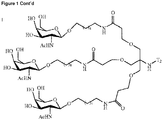
- the oligonucleotide of the present invention is conjugated to at least one asialoglycoprotein receptor targeting conjugate moiety, such as a conjugate moiety comprising at least one N-Acetylgalactosamine (GalNAc) moiety.
- the conjugation moiety and the oligonucleotide may be linked together by a linker, in particular a biocleavable linker.
- the invention provides pharmaceutical compositions comprising the oligonucleotides or oligonucleotide conjugates of the invention and pharmaceutically acceptable diluents, carriers, salts and/or adjuvants.
- Described herein are methods for in vivo or in vitro method for reduction of PD-L1 expression in a target cell which is expressing PD-L1, by administering an oligonucleotide or composition of the invention in an effective amount to said cell.
- the invention provides oligonucleotides, oligonucleotide conjugates or pharmaceutical compositions of the present invention for use in restoration of immunity against a virus or parasite.
- the invention provides oligonucleotides, oligonucleotide conjugates or pharmaceutical compositions of the present invention for use as a medicament.
- oligonucleotide of the invention a subject suffering from or susceptible to the disease, disorder or dysfunction, in particular diseases selected from viral liver infections or parasite infections.
- the oligonucleotide, oligonucleotide conjugates or pharmaceutical composition of the invention is used in the treatment or prevention of viral liver infections such as HBV, HCV and HDV or a parasite infections such as malaria, toxoplasmosis, leishmaniasis and trypanosomiasis or liver cancer or metastases in the liver.
- viral liver infections such as HBV, HCV and HDV
- a parasite infections such as malaria, toxoplasmosis, leishmaniasis and trypanosomiasis or liver cancer or metastases in the liver.
- oligonucleotide as used herein is defined as it is generally understood by the skilled person as a molecule comprising two or more covalently linked nucleosides. Such covalently bound nucleosides may also be referred to as nucleic acid molecules or oligomers. Oligonucleotides are commonly made in the laboratory by solid-phase chemical synthesis followed by purification. When referring to a sequence of the oligonucleotide, reference is made to the sequence or order of nucleobase moieties, or modifications thereof, of the covalently linked nucleotides or nucleosides.
- the oligonucleotide of the invention is man-made, and is chemically synthesized, and is typically purified or isolated.
- the oligonucleotide of the invention may comprise one or more modified nucleosides or nucleotides.
- Antisense oligonucleotide as used herein is defined as oligonucleotides capable of modulating expression of a target gene by hybridizing to a target nucleic acid, in particular to a contiguous sequence on a target nucleic acid.
- the antisense oligonucleotides are not essentially double stranded and are therefore not siRNAs.
- the antisense oligonucleotides of the present invention are single stranded.
- oligonucleotide sequence refers to the region of the oligonucleotide which is complementary to the target nucleic acid.
- the term is used interchangeably herein with the term “contiguous nucleobase sequence” and the term “oligonucleotide motif sequence".
- all the nucleotides of the oligonucleotide constitute the contiguous nucleotide sequence.
- the oligonucleotide comprises the contiguous nucleotide sequence and may optionally comprise further nucleotide(s), for example a nucleotide linker region which may be used to attach a functional group to the contiguous nucleotide sequence.
- the nucleotide linker region may or may not be complementary to the target nucleic acid.
- Nucleotides are the building blocks of oligonucleotides and polynucleotides and for the purposes of the present invention include both naturally occurring and non-naturally occurring nucleotides.
- nucleotides such as DNA and RNA nucleotides comprise a ribose sugar moiety, a nucleobase moiety and one or more phosphate groups (which is absent in nucleosides).
- Nucleosides and nucleotides may also interchangeably be referred to as "units" or "monomers”.
- modified nucleoside or “nucleoside modification” as used herein refers to nucleosides modified as compared to the equivalent DNA or RNA nucleoside by the introduction of one or more modifications of the sugar moiety or the (nucleo)base moiety.
- the modified nucleoside comprise a modified sugar moiety.
- modified nucleoside may also be used herein interchangeably with the term “nucleoside analogue” or modified "units” or modified “monomers”.
- modified internucleoside linkage is defined as generally understood by the skilled person as linkages other than phosphodiester (PO) linkages, that covalently couples two nucleosides together. Nucleotides with modified internucleoside linkage are also termed “modified nucleotides”. In some embodiments, the modified internucleoside linkage increases the nuclease resistance of the oligonucleotide compared to a phosphodiester linkage. For naturally occurring oligonucleotides, the internucleoside linkage includes phosphate groups creating a phosphodiester bond between adjacent nucleosides.
- Modified internucleoside linkages are particularly useful in stabilizing oligonucleotides for in vivo use, and may serve to protect against nuclease cleavage at regions of DNA or RNA nucleosides in the oligonucleotide of the invention, for example within the gap region of a gapmer oligonucleotide, as well as in regions of modified nucleosides.
- the oligonucleotide comprises one or more internucleoside linkages modified from the natural phosphodiester to a linkage that is for example more resistant to nuclease attack.
- Nuclease resistance may be determined by incubating the oligonucleotide in blood serum or by using a nuclease resistance assay (e.g. snake venom phosphodiesterase (SVPD)), both are well known in the art.
- SVPD snake venom phosphodiesterase
- Internucleoside linkages which are capable of enhancing the nuclease resistance of an oligonucleotide are referred to as nuclease resistant internucleoside linkages.
- At least 50% of the internucleoside linkages in the oligonucleotide, or contiguous nucleotide sequence thereof are modified, such as at least 60%, such as at least 70%, such as at least 80 or such as at least 90% of the internucleoside linkages in the oligonucleotide, or contiguous nucleotide sequence thereof, are modified. In some embodiments all of the internucleoside linkages of the oligonucleotide, or contiguous nucleotide sequence thereof, are modified.
- nucleosides which link the oligonucleotide of the invention to a non-nucleotide functional group, such as a conjugate may be phosphodiester.
- all of the internucleoside linkages of the oligonucleotide, or contiguous nucleotide sequence thereof, are nuclease resistant internucleoside linkages.
- Modified internucleoside linkages may be selected from the group comprising phosphorothioate, diphosphorothioate and boranophosphate.
- the modified internucleoside linkages are compatible with the RNaseH recruitment of the oligonucleotide of the invention, for example phosphorothioate, diphosphorothioate or boranophosphate.
- the internucleoside linkage comprises sulphur (S), such as a phosphorothioate internucleoside linkage.
- a phosphorothioate internucleoside linkage is particularly useful due to nuclease resistance, beneficial pharmakokinetics and ease of manufacture.
- at least 50% of the internucleoside linkages in the oligonucleotide, or contiguous nucleotide sequence thereof are phosphorothioate, such as at least 60%, such as at least 70%, such as at least 80 or such as at least 90% of the internucleoside linkages in the oligonucleotide, or contiguous nucleotide sequence thereof, are phosphorothioate.
- all of the internucleoside linkages of the oligonucleotide, or contiguous nucleotide sequence thereof are phosphorothioate.
- the oligonucleotide comprises one or more neutral internucleoside linkage, particularly a internucleoside linkage selected from phosphotriester, methylphosphonate, MMI, amide-3, formacetal or thioformacetal.
- internucleoside linkages are disclosed in WO2009/124238 .
- the internucleoside linkage is selected from linkers disclosed in WO2007/031091 .
- the internucleoside linkage may be selected from -O-P(O) 2 -O-, -O-P(O,S)-O-, -O-P(S) 2 -O-, -S-P(O) 2 -O-, -S-P(O,S)-O-, -S-P(O) 2 -O-, -O-P(O) 2 -S-, -O-P(O,S)-S-, -S-P(O) 2 -S-, -O-PO(R H )-O-, 0-PO(OCH 3 )-0-, -O-PO(NR H )-O-, -O-PO(OCH 2 CH 2 S-R)-O-, -O-PO(BH 3
- Nuclease resistant linkages such as phosphothioate linkages, are particularly useful in oligonucleotide regions capable of recruiting nuclease when forming a duplex with the target nucleic acid, such as region G for gapmers, or the non-modified nucleoside region of headmers and tailmers.
- Phosphorothioate linkages may, however, also be useful in non-nuclease recruiting regions and/or affinity enhancing regions such as regions F and F' for gapmers, or the modified nucleoside region of headmers and tailmers.
- Each of the design regions may however comprise internucleoside linkages other than phosphorothioate, such as phosphodiester linkages, in particularly in regions where modified nucleosides, such as LNA, protect the linkage against nuclease degradation.
- phosphodiester linkages such as one or two linkages, particularly between or adjacent to modified nucleoside units (typically in the non-nuclease recruiting regions) can modify the bioavailability and/or bio-distribution of an oligonucleotide - see WO2008/113832 .
- all the internucleoside linkages in the oligonucleotide are phosphorothioate and/or boranophosphate linkages.
- all the internucleoside linkages in the oligonucleotide are phosphorothioate linkages.
- nucleobase includes the purine (e.g. adenine and guanine) and pyrimidine (e.g. uracil, thymine and cytosine) moiety present in nucleosides and nucleotides which form hydrogen bonds in nucleic acid hybridization.
- pyrimidine e.g. uracil, thymine and cytosine
- nucleobase also encompasses modified nucleobases which may differ from naturally occurring nucleobases, but are functional during nucleic acid hybridization.
- nucleobase refers to both naturally occurring nucleobases such as adenine, guanine, cytosine, thymidine, uracil, xanthine and hypoxanthine, as well as non-naturally occurring variants. Such variants are for example described in Hirao et al (2012) Accounts of Chemical Research vol 45 page 2055 and Bergstrom (2009) Current Protocols in Nucleic Acid Chemistry Suppl. 37 1.4.1 .
- the nucleobase moiety is modified by changing the purine or pyrimidine into a modified purine or pyrimidine, such as substituted purine or substituted pyrimidine, such as a nucleobased selected from isocytosine, pseudoisocytosine, 5-methyl cytosine, 5-thiozolo-cytosine, 5-propynyl-cytosine, 5-propynyl-uracil, 5-bromouracil 5-thiazolo-uracil, 2-thio-uracil, 2'thio-thymine, inosine, diaminopurine, 6-aminopurine, 2-aminopurine, 2,6-diaminopurine and 2-chloro-6-aminopurine.
- a nucleobased selected from isocytosine, pseudoisocytosine, 5-methyl cytosine, 5-thiozolo-cytosine, 5-propynyl-cytosine, 5-propynyl-uracil, 5-brom
- the nucleobase moieties may be indicated by the letter code for each corresponding nucleobase, e.g. A, T, G, C or U, wherein each letter may optionally include modified nucleobases of equivalent function.
- the nucleobase moieties are selected from A, T, G, C, and 5-methyl cytosine.
- 5-methyl cytosine LNA nucleosides may be used.
- modified oligonucleotide describes an oligonucleotide comprising one or more sugar-modified nucleosides and/or modified internucleoside linkages.
- chimeric oligonucleotide is a term that has been used in the literature to describe oligonucleotides with modified nucleosides.
- Watson-Crick base pairs are guanine (G)-cytosine (C) and adenine (A) - thymine (T)/uracil (U).
- oligonucleotides may comprise nucleosides with modified nucleobases, for example 5-methyl cytosine is often used in place of cytosine, and as such the term complementarity encompasses Watson Crick base-paring between non-modified and modified nucleobases (see for example Hirao et al (2012) Accounts of Chemical Research vol 45 page 2055 and Bergstrom (2009) Current Protocols in Nucleic Acid Chemistry Suppl. 37 1.4.1 ).
- % complementary refers to the number of nucleotides in percent of a contiguous nucleotide sequence in a nucleic acid molecule (e.g. oligonucleotide) which, at a given position, are complementary to ( i.e. form Watson Crick base pairs with) a contiguous nucleotide sequence, at a given position of a separate nucleic acid molecule (e.g. the target nucleic acid).
- the percentage is calculated by counting the number of aligned bases that form pairs between the two sequences (when aligned with the target sequence 5'-3' and the oligonucleotide sequence from 3'-5'), dividing by the total number of nucleotides in the oligonucleotide and multiplying by 100. In such a comparison a nucleobase/nucleotide which does not align (form a base pair) is termed a mismatch.
- oligonucleotide SEQ ID NO: 5
- target nucleic acid SEQ ID NO: 772
- Identity refers to the number of nucleotides in percent of a contiguous nucleotide sequence in a nucleic acid molecule (e.g. oligonucleotide) which, at a given position, are identical to ( i.e. in their ability to form Watson Crick base pairs with the complementary nucleoside) a contiguous nucleotide sequence, at a given position of a separate nucleic acid molecule (e.g. the target nucleic acid).
- hybridizing or “hybridizes” as used herein is to be understood as two nucleic acid strands (e.g. an oligonucleotide and a target nucleic acid) forming hydrogen bonds between base pairs on opposite strands thereby forming a duplex.
- the affinity of the binding between two nucleic acid strands is the strength of the hybridization. It is often described in terms of the melting temperature (T m ) defined as the temperature at which half of the oligonucleotides are duplexed with the target nucleic acid. At physiological conditions T m is not strictly proportional to the affinity ( Mergny and Lacroix, 2003, Oligonucleotides 13:515-537 ).
- ⁇ G° is the energy associated with a reaction where aqueous concentrations are 1M, the pH is 7, and the temperature is 37°C.
- ⁇ G° The hybridization of oligonucleotides to a target nucleic acid is a spontaneous reaction and for spontaneous reactions ⁇ G° is less than zero.
- ⁇ G° can be measured experimentally, for example, by use of the isothermal titration calorimetry (ITC) method as described in Hansen et al., 1965, Chem. Comm. 36-38 and Holdgate et al., 2005, Drug Discov Today .
- ITC isothermal titration calorimetry
- ⁇ G° can also be estimated numerically by using the nearest neighbor model as described by SantaLucia, 1998, Proc Natl Acad Sci USA.
- oligonucleotides of the present invention hybridize to a target nucleic acid with estimated ⁇ G° values below -10 kcal for oligonucleotides that are 10-30 nucleotides in length.
- the degree or strength of hybridization is measured by the standard state Gibbs free energy ⁇ G°.
- the oligonucleotides may hybridize to a target nucleic acid with estimated ⁇ G° values below the range of -10 kcal, such as below -15 kcal, such as below -20 kcal and such as below -25 kcal for oligonucleotides that are 8-30 nucleotides in length.
- the oligonucleotides hybridize to a target nucleic acid with an estimated ⁇ G° value of -10 to -60 kcal, such as -12 to -40, such as from -15 to -30 kcal or-16 to -27 kcal such as -18 to -25 kcal.
- the target nucleic acid is a nucleic acid which encodes mammalian PD-L1 and may for example be a gene, a RNA, a mRNA, and pre-mRNA, a mature mRNA or a cDNA sequence.
- the target may therefore be referred to as a PD-L1 target nucleic acid.
- the oligonucleotide as described herein may for example target exon regions of a mammalian PD-L1, or may for example target intron region in the PD-L1 pre-mRNA (see Table 1).
- Table 1 human PD-L1 Exons and Introns Exonic regions in the human PD-L1 premRNA (SEQ ID NO 1) Intronic regions in the human PD-L1 premRNA (SEQ ID NO 1) ID start end ID start end e1 1 94 i1 95 5597 e2 5598 5663 i2 5664 6576 e3 6577 6918 i3 6919 12331 e4 12332 12736 i4 12737 14996 e5 14997 15410 i5 15411 16267 e6 16268 16327 i6 16328 17337 e7 17338 20064
- the target nucleic acid encodes a PD-L1 protein, in particular mammalian PD-L1, such as human PD-L1 (See for example tables 2 and 3, which provide reference to the mRNA and pre-mRNA sequences for human, monkey, and mouse PD-L1).
- pre-mRNA is also considered as a nucleic acid that encodes a protein.
- the target nucleic acid is selected from the group consisting of SEQ ID NO: 1, 2 and 3 or naturally occurring variants thereof (e.g. sequences encoding a mammalian PD-L1 protein).
- the target nucleic acid may be a cDNA or a synthetic nucleic acid derived from DNA or RNA.
- the oligonucleotide of the invention is typically capable of inhibiting the expression of the PD-L1 target nucleic acid in a cell which is expressing the PD-L1 target nucleic acid.
- the contiguous sequence of nucleobases of the oligonucleotide of the invention is typically complementary to the PD-L1 target nucleic acid, as measured across the length of the oligonucleotide, optionally with the exception of one or two mismatches, and optionally excluding nucleotide based linker regions which may link the oligonucleotide to an optional functional group such as a conjugate, or other non-complementary terminal nucleotides (e.g.
- the target nucleic acid may, in some embodiments, be a RNA or DNA, such as a messenger RNA, such as a mature mRNA or a pre-mRNA.
- the target nucleic acid is a RNA or DNA which encodes mammalian PD-L1 protein, such as human PD-L1, e.g. the human PD-L1 premRNA sequence, such as that disclosed as SEQ ID NO 1 or the human mRNA sequence with NCBI reference number NM_014143. Further information on exemplary target nucleic acids is provided in tables 2 and 3. Table 2: Genome and assembly information for PD-L1 across species. Species Chr.
- the genome coordinates provide the pre-mRNA sequence (genomic sequence).
- the NCBI reference provides the mRNA sequence (cDNA sequence).
- RNA type Length SEQ ID NO Human premRNA 20064 1 Monkey Cyno premRNA GCF ref 20261 2 Monkey Cyno premRNA Internal 20340 3 Mouse premRNA 20641 4
- target sequence refers to a sequence of nucleotides present in the target nucleic acid which comprises the nucleobase sequence which is complementary to the oligonucleotide of the invention.
- the target sequence consists of a region on the target nucleic acid which is complementary to the contiguous nucleotide sequence of the oligonucleotide of the invention.
- the target sequence is longer than the complementary sequence of a single oligonucleotide, and may, for example represent a preferred region of the target nucleic acid which may be targeted by several oligonucleotides of the invention.
- the target sequence may be a sub-sequence of the target nucleic acid.
- the sub-sequence is a sequence selected from the group consisting of a1-a149 (see tables 4). In some embodiments the sub-sequence is a sequence selected from the group consisting of a human PD-L1 mRNA exon, such as a PD-L1 human mRNA exon selected from the group consisting of e1, e2, e3, e4, e5, e6, and e7 (see table 1 above).
- the sub-sequence is a sequence selected from the group consisting of a human PD-L1 mRNA intron, such as a PD-L1 human mRNA intron selected from the group consisting of i1, i2, i3, i4, i5 and i6 (see table 1 above).
- the oligonucleotide as described herein comprises a contiguous nucleotide sequence which is complementary to or hybridizes to the target nucleic acid, such as a sub-sequence of the target nucleic acid, such as a target sequence described herein.
- the oligonucleotide as described herein comprises a contiguous nucleotide sequence of at least 8 nucleotides which is complementary to or hybridizes to a target sequence present in the target nucleic acid molecule.
- the contiguous nucleotide sequence (and therefore the target sequence) comprises of at least 8 contiguous nucleotides, such as 9, 10, 11, 12, 13, 14, 15, 16, 17, 18, 19, 20, 21, 22, 23, 24, 25, 26, 27, 28, 29 or 30 contiguous nucleotides, such as from 12-25, such as from 14-18 contiguous nucleotides.
- target cell refers to a cell which is expressing the target nucleic acid. As described herein the target cell may be in vivo or in vitro. In some embodiments the target cell is a mammalian cell such as a rodent cell, such as a mouse cell or a rat cell, or a primate cell such as a monkey cell or a human cell.
- rodent cell such as a mouse cell or a rat cell
- primate cell such as a monkey cell or a human cell.
- the target cell expresses PD-L1 mRNA, such as the PD-L1 pre-mRNA or PD-L1 mature mRNA.
- PD-L1 mRNA such as the PD-L1 pre-mRNA or PD-L1 mature mRNA.
- the poly A tail of PD-L1 mRNA is typically disregarded for antisense oligonucleotide targeting.
- naturally occurring variant refers to variants of PD-L1 gene or transcripts which originate from the same genetic loci as the target nucleic acid, but may differ for example, by virtue of degeneracy of the genetic code causing a multiplicity of codons encoding the same amino acid, or due to alternative splicing of pre-mRNA, or the presence of polymorphisms, such as single nucleotide polymorphisms, and allelic variants. Based on the presence of the sufficient complementary sequence to the oligonucleotide, the oligonucleotide of the invention may therefore target the target nucleic acid and naturally occurring variants thereof.
- the naturally occurring variants have at least 95% such as at least 98% or at least 99% homology to a mammalian PD-L1 target nucleic acid, such as a target nucleic acid selected form the group consisting of SEQ ID NO 1, 2 and 3.
- modulation of expression is to be understood as an overall term for an oligonucleotide's ability to alter the amount of PD-L1 when compared to the amount of PD-L1 before administration of the oligonucleotide.
- modulation of expression may be determined by reference to a control experiment. It is generally understood that the control is an individual or target cell treated with a saline composition or an individual or target cell treated with a non-targeting oligonucleotide (mock). It may however also be an individual treated with the standard of care.
- modulation is an oligonucleotide's ability to inhibit, down-regulate, reduce, suppress, remove, stop, block, prevent, lessen, lower, avoid or terminate expression of PD-L1, e.g. by degradation of mRNA or blockage of transcription.
- modulation is an oligonucleotide's ability to restore, increase or enhance expression of PD-L1, e.g. by repair of splice sites or prevention of splicing or removal or blockage of inhibitory mechanisms such as microRNA repression.
- a high affinity modified nucleoside is a modified nucleotide which, when incorporated into the oligonucleotide enhances the affinity of the oligonucleotide for its complementary target, for example as measured by the melting temperature (T m ).
- a high affinity modified nucleoside of the present invention preferably result in an increase in melting temperature between +0.5 to +12°C, more preferably between +1.5 to +10°C and most preferably between+3 to +8°C per modified nucleoside.
- Numerous high affinity modified nucleosides are known in the art and include for example, many 2' substituted nucleosides as well as locked nucleic acids (LNA) (see e.g. Freier & Altmann; Nucl. Acid Res., 1997, 25, 4429-4443 and Uhlmann; Curr. Opinion in Drug Development, 2000, 3(2), 293-213 ).
- the oligomer of the invention may comprise one or more nucleosides which have a modified sugar moiety, i.e. a modification of the sugar moiety when compared to the ribose sugar moiety found in DNA and RNA.
- nucleosides with modification of the ribose sugar moiety have been made, primarily with the aim of improving certain properties of oligonucleotides, such as affinity and/or nuclease resistance.
- Such modifications include those where the ribose ring structure is modified, e.g. by replacement with a hexose ring (HNA), or a bicyclic ring, which typically have a biradicle bridge between the C2 and C4 carbons on the ribose ring (LNA), or an unlinked ribose ring which typically lacks a bond between the C2 and C3 carbons (e.g. UNA).
- HNA hexose ring
- LNA ribose ring
- UPA unlinked ribose ring which typically lacks a bond between the C2 and C3 carbons
- Other sugar modified nucleosides include, for example, bicyclohexose nucleic acids ( WO2011/017521 ) or tricyclic nucleic acids ( WO2013/154798 ). Modified nucleosides also include nucleosides where the sugar moiety is replaced with a non-sugar moiety, for example
- Sugar modifications also include modifications made via altering the substituent groups on the ribose ring to groups other than hydrogen, or the 2'-OH group naturally found in DNA and RNA nucleosides. Substituents may, for example be introduced at the 2', 3', 4' or 5' positions.
- Nucleosides with modified sugar moieties also include 2' modified nucleosides, such as 2' substituted nucleosides. Indeed, much focus has been spent on developing 2' substituted nucleosides, and numerous 2' substituted nucleosides have been found to have beneficial properties when incorporated into oligonucleotides, such as enhanced nucleoside resistance and enhanced affinity.
- a 2' sugar modified nucleoside is a nucleoside which has a substituent other than H or -OH at the 2' position (2' substituted nucleoside) or comprises a 2' linked biradicle, and includes 2' substituted nucleosides and LNA (2' - 4' biradicle bridged) nucleosides.
- the 2' modified sugar may provide enhanced binding affinity and/or increased nuclease resistance to the oligonucleotide.
- 2' substituted modified nucleosides are 2'-O-alkyl-RNA, 2'-O-methyl-RNA, 2'-alkoxy-RNA, 2'-O-methoxyethyl-RNA (MOE), 2'-amino-DNA, 2'-Fluoro-RNA, and 2'-F-ANA nucleoside.
- MOE 2'-O-methoxyethyl-RNA
- 2'-amino-DNA 2'-Fluoro-RNA
- 2'-F-ANA nucleoside examples of 2' substituted modified nucleosides.
- LNA Locked Nucleic Acid Nucleosides
- LNA nucleosides are modified nucleosides which comprise a linker group (referred to as a biradicle or a bridge) between C2' and C4' of the ribose sugar ring of a nucleotide. These nucleosides are also termed bridged nucleic acid or bicyclic nucleic acid (BNA) in the literature.
- a linker group referred to as a biradicle or a bridge
- BNA bicyclic nucleic acid
- the modified nucleoside or the LNA nucleosides of the oligomer of the invention has a general structure of the formula I or II:
- -X-Y- designates -O-CH 2 - or -O-CH(CH 3 )-.
- Z is selected from -O-, -S-, and -N(R a )-
- R a and, when present R b each is independently selected from hydrogen, optionally substituted C 1-6 -alkyl, optionally substituted C 2-6 -alkenyl, optionally substituted C 2-6 -alkynyl, hydroxy, optionally substituted C 1-6 -alkoxy, C 2-6 -alkoxyalkyl, C 2-6 -alkenyloxy, carboxy, c 1-6 -alkoxycarbonyl, C 1-6 -alkylcarbonyl, formyl, aryl, aryloxy-carbonyl, aryloxy, arylcarbonyl, heteroaryl, heteroaryloxy-carbonyl, heteroaryloxy, heteroarylcarbonyl, amino, mono- and di(C 1-6 -alkyl,
- R 1 , R 2 , R 3 , R 5 and R 5* are independently selected from the group consisting of: hydrogen, optionally substituted C 1-6 -alkyl, optionally substituted C 2-6 -alkenyl, optionally substituted C 2-6 -alkynyl, hydroxy, C 1-6 -alkoxy, C 2-6 -alkoxyalkyl, C 2-6 -alkenyloxy, carboxy, C 1-6 -alkoxycarbonyl, C 1-6 -alkylcarbonyl, formyl, aryl, aryloxy-carbonyl, aryloxy, arylcarbonyl, heteroaryl, heteroaryloxy-carbonyl, heteroaryloxy, heteroarylcarbonyl, amino, mono- and di(C 1-6 -alkyl)amino, carbamoyl, mono- and di(C 1-6 -alkyl)-amino-carbonyl, amino-C 1-6 -alkylaminocarbonyl,
- R 1 , R 2 , R 3 , R 5 and R 5* are independently selected from C 1-6 alkyl, such as methyl, and hydrogen.
- R 1 , R 2 , R 3 , R 5 and R 5* are all hydrogen.
- R 1 , R 2 , R 3 are all hydrogen, and either R 5 and R 5* is also hydrogen and the other of R 5 and R 5* is other than hydrogen, such as C 1-6 alkyl such as methyl.
- R a is either hydrogen or methyl. In some embodiments, when present, R b is either hydrogen or methyl.
- R a and R b is hydrogen
- one of R a and R b is hydrogen and the other is other than hydrogen
- one of R a and R b is methyl and the other is hydrogen
- both of R a and R b are methyl.
- the biradicle -X-Y- is -O-CH 2 -
- W is O
- all of R 1 , R 2 , R 3 , R 5 and R 5* are all hydrogen.
- LNA nucleosides are disclosed in WO99/014226 , WO00/66604 , WO98/039352 and WO2004/046160 and include what are commonly known as beta-D-oxy LNA and alpha-L-oxy LNA nucleosides.
- the biradicle -X-Y- is -S-CH 2 -, W is O, and all of R 1 , R 2 , R 3 , R 5 and R 5* are all hydrogen.
- Such thio LNA nucleosides are disclosed in WO99/014226 and WO2004/046160 .
- the biradicle -X-Y- is -NH-CH 2 -
- W is O
- all of R 1 , R 2 , R 3 , R 5 and R 5* are all hydrogen.
- amino LNA nucleosides are disclosed in WO99/014226 and WO2004/046160 .
- the biradicle -X-Y- is -O-CH 2 -CH 2 - or -O-CH 2 -CH 2 - CH 2 -
- W is O
- all of R 1 , R 2 , R 3 , R 5 and R 5* are all hydrogen.
- LNA nucleosides are disclosed in WO00/047599 and Morita et al, Bioorganic & Med.Chem. Lett. 12 73-76 and include what are commonly known as 2'-O-4'C-ethylene bridged nucleic acids (ENA).
- the biradicle -X-Y- is -O-CH 2 -
- W is O
- all of R 1 , R 2 , R 3 , and one of R 5 and R 5* are hydrogen
- the other of R 5 and R 5* is other than hydrogen such as C 1-6 alkyl, such as methyl.
- Such 5' substituted LNA nucleosides are disclosed in WO2007/134181 .
- the biradicle -X-Y- is -O-CR a R b -, wherein one or both of R a and R b are other than hydrogen, such as methyl, W is O, and all of R 1 , R 2 , R 3 , and one of R 5 and R 5* are hydrogen, and the other of R 5 and R 5* is other than hydrogen such as C 1-6 alkyl, such as methyl.
- R a and R b are other than hydrogen, such as methyl
- W is O
- all of R 1 , R 2 , R 3 , and one of R 5 and R 5* are hydrogen
- the other of R 5 and R 5* is other than hydrogen such as C 1-6 alkyl, such as methyl.
- Such bis modified LNA nucleosides are disclosed in WO2010/077578 .
- the biradicle -X-Y- designate the bivalent linker group -O-CH(CH 2 OCH 3 )- (2' O-methoxyethyl bicyclic nucleic acid - Seth at al., 2010, J. Org. Chem. Vol 75(5) pp. 1569-81 ). In some embodiments, the biradicle -X-Y- designate the bivalent linker group -O-CH(CH 2 CH 3 )- (2'O-ethyl bicyclic nucleic acid - Seth at al., 2010, J. Org. Chem. Vol 75(5) pp. 1569-81 ).
- the biradicle -X-Y- is -O-CHR a -
- W is O
- all of R 1 , R 2 , R 3 , R 5 and R 5* are all hydrogen.
- Such 6' substituted LNA nucleosides are disclosed in WO10036698 and WO07090071 .
- the biradicle -X-Y- is -O-CH(CH 2 OCH 3 )-, W is O, and all of R 1 , R 2 , R 3 , R 5 and R 5* are all hydrogen.
- LNA nucleosides are also known as cyclic MOEs in the art (cMOE) and are disclosed in WO07090071 .
- the biradicle -X-Y- designate the bivalent linker group -O-CH(CH 3 )-. - in either the R- or S- configuration. In some embodiments, the biradicle -X-Y- together designate the bivalent linker group -O-CH 2 -O-CH 2 - ( Seth at al., 2010, J. Org. Chem ). In some embodiments, the biradicle -X-Y- is -O-CH(CH 3 )-, W is O, and all of R 1 , R 2 , R 3 , R 5 and R 5* are all hydrogen.
- Such 6' methyl LNA nucleosides are also known as cET nucleosides in the art, and may be either (S)cET or (R)cET stereoisomers, as disclosed in WO07090071 (beta-D) and WO2010/036698 (alpha-L).
- the biradicle -X-Y- is -O-CR a R b -, wherein in neither R a or R b is hydrogen, W is O, and all of R 1 , R 2 , R 3 , R 5 and R 5* are all hydrogen.
- R a and R b are both methyl.
- Such 6' di-substituted LNA nucleosides are disclosed in WO 2009006478 .
- the biradicle -X-Y- is -S-CHR a -
- W is O
- all of R 1 , R 2 , R 3 , R 5 and R 5* are all hydrogen.
- R a is methyl.
- vinyl carbo LNA nucleosides are disclosed in WO08154401 and WO09067647 .
- the biradicle -X-Y- is -N(-OR a )-, W is O, and all of R 1 , R 2 , R 3 , R 5 and R 5* are all hydrogen.
- R a is C 1-6 alkyl such as methyl.
- Such LNA nucleosides are also known as N substituted LNAs and are disclosed in WO2008/150729 .
- the biradicle -X-Y- together designate the bivalent linker group -O-NR a -CH 3 -( Seth at al., 2010, J. Org. Chem ).
- the biradicle -X-Y- is -N(R a )-, W is O, and all of R 1 , R 2 , R 3 , R 5 and R 5* are all hydrogen.
- R a is C 1-6 alkyl such as methyl.
- R 5 and R 5* is hydrogen and, when substituted the other of R 5 and R 5* is C 1-6 alkyl such as methyl.
- R 1 , R 2 , R 3 may all be hydrogen, and the biradicle -X-Y- may be selected from -O-CH2- or -O-C(HCR a )-, such as -O-C(HCH3)-.
- the biradicle is -CR a R b -O-CR a R b -, such as CH 2 -O-CH 2 -, W is O and all of R 1 , R 2 , R 3 , R 5 and R 5* are all hydrogen.
- R a is C 1-6 alkyl such as methyl.
- LNA nucleosides are also known as conformationally restricted nucleotides (CRNs) and are disclosed in WO2013036868 .
- the biradicle is -O-CR a R b -O-CR a R b -, such as O-CH 2 -O-CH 2 -, W is O and all of R 1 , R 2 , R 3 , R 5 and R 5* are all hydrogen.
- R a is C 1-6 alkyl such as methyl.
- Such LNA nucleosides are also known as COC nucleotides and are disclosed in Mitsuoka et al., Nucleic Acids Research 2009 37(4), 1225-1238 .
- the LNA nucleosides in the oligonucleotides are beta-D-oxy-LNA nucleosides.
- Nuclease mediated degradation refers to an oligonucleotide capable of mediating degradation of a complementary nucleotide sequence when forming a duplex with such a sequence.
- the oligonucleotide may function via nuclease mediated degradation of the target nucleic acid, where the oligonucleotides of the invention are capable of recruiting a nuclease, particularly and endonuclease, preferably endoribonuclease (RNase), such as RNase H.
- RNase endoribonuclease
- oligonucleotide designs which operate via nuclease mediated mechanisms are oligonucleotides which typically comprise a region of at least 5 or 6 DNA nucleosides and are flanked on one side or both sides by affinity enhancing nucleosides, for example gapmers, headmers and tailmers.
- the RNase H activity of an antisense oligonucleotide refers to its ability to recruit RNase H when in a duplex with a complementary RNA molecule.
- WO01/23613 provides in vitro methods for determining RNaseH activity, which may be used to determine the ability to recruit RNaseH.
- an oligonucleotide is deemed capable of recruiting RNase H if it, when provided with a complementary target nucleic acid sequence, has an initial rate, as measured in pmol/l/min, of at least 5%, such as at least 10% or more than 20% of the of the initial rate determined when using a oligonucleotide having the same base sequence as the modified oligonucleotide being tested, but containing only DNA monomers with phosphorothioate linkages between all monomers in the oligonucleotide, and using the methodology provided by Example 91 - 95 of WO01/23613 .
- gapmer refers to an antisense oligonucleotide which comprises a region of RNase H recruiting oligonucleotides (gap) which is flanked 5' and 3' by regions which comprise one or more affinity enhancing modified nucleosides (flanks or wings).
- oligonucleotides capable of recruiting RNase H where one of the flanks is missing, i.e. only one of the ends of the oligonucleotide comprises affinity enhancing modified nucleosides.
- the 3' flank is missing (i.e. the 5' flank comprises affinity enhancing modified nucleosides) and for tailmers the 5' flank is missing (i.e. the 3' flank comprises affinity enhancing modified nucleosides).
- LNA gapmer is a gapmer oligonucleotide wherein at least one of the affinity enhancing modified nucleosides is an LNA nucleoside.
- mixed wing gapmer or mixed flank gapmer refers to a LNA gapmer wherein at least one of the flank regions comprise at least one LNA nucleoside and at least one non-LNA modified nucleoside, such as at least one 2' substituted modified nucleoside, such as, for example, 2'-O-alkyl-RNA, 2'-O-methyl-RNA, 2'-alkoxy-RNA, 2'-O-methoxyethyl-RNA (MOE), 2'-amino-DNA, 2'-Fluoro-RNA and 2'-F-ANA nucleoside(s).
- the mixed wing gapmer has one flank which comprises only LNA nucleosides (e.g. 5' or 3') and the other flank (3' or 5' respectfully) comprises 2' substituted modified nucleoside(s) and optionally LNA nucleosides.
- gapbreaker oligonucleotide is used in relation to a gapmer capable of maintaining RNAseH recruitment even though the gap region is disrupted by a non-RNaseH recruiting nucleoside (a gap-breaker nucleoside, E) such that the gap region comprise less than 5 consecutive DNA nucleosides.
- Non-RNaseH recruiting nucleosides are for example nucleosides in the 3' endo conformation, such as LNA's where the bridge between C2' and C4' of the ribose sugar ring of a nucleoside is in the beta conformation, such as beta-D-oxy LNA or ScET nucleoside.
- gapbreaker oligonucleotide to recruit RNaseH is typically sequence or even compound specific - see Rukov et al. 2015 Nucl. Acids Res. Vol. 43 pp. 8476-8487 , which discloses "gapbreaker" oligonucleotides which recruit RNaseH which in some instances provide a more specific cleavage of the target RNA.
- the oligonucleotide of the invention described herein may be a gapbreaker oligonucleotide.
- the gapbreaker oligonucleotide may comprise a 5'-flank (F), a gap (G) and a 3'-flank (F'), wherein the gap is disrupted by a non-RNaseH recruiting nucleoside (a gap-breaker nucleoside, E) such that the gap contain at least 3 or 4 consecutive DNA nucleosides.
- the gapbreaker nucleoside (E) may be an LNA nucleoside where the bridge between C2' and C4' of the ribose sugar ring of a nucleoside is in the beta conformation and is placed within the gap region such that the gap-breaker LNA nucleoside is flanked 5' and 3' by at least 3 (5') and 3 (3') or at least 3 (5') and 4 (3') or at least 4(5') and 3(3') DNA nucleosides, and wherein the oligonucleotide is capable of recruiting RNaseH.
- the gapbreaker oligonucleotide can be represented by the following formulae:
- the gapbreaker nucleoside (E) is a beta-D-oxy LNA or ScET or another beta-LNA nucleosides shown in Scheme 1).
- conjugate refers to an oligonucleotide which is covalently linked to a non-nucleotide moiety (conjugate moiety or region C or third region), also termed a oligonucleotide conjugate.
- Conjugation of the oligonucleotides of the invention to one or more non-nucleotide moieties may improve the pharmacology of the oligonucleotide, e.g. by affecting the activity, cellular distribution, cellular uptake or stability of the oligonucleotide.
- the conjugate moiety targets the oligonucleotide to the liver. A the same time the conjugate serve to reduce activity of the oligonucleotide in non-target cell types, tissues or organs, e.g. off target activity or activity in non-target cell types, tissues or organs.
- the oligonucleotide conjugate of the invention display improved inhibition of PD-L1 in the target cell when compared to an unconjugated oligonucleotide.
- the oligonucleotide conjugate of the invention has improved cellular distribution between liver and other organs, such as spleen or kidney (i.e. more conjugated oligonucleotide goes to the liver than the spleen or kidney) when compared to an unconjugated oligonucleotide.
- the oligonucleotide conjugate of the invention show improved cellular uptake into the liver of the conjugate oligonucleotide when compared to an unconjugated oligonucleotide.
- WO 93/07883 and WO2013/033230 provides suitable conjugate moieties.
- Further suitable conjugate moieties are those capable of binding to the asialoglycoprotein receptor (ASGPr).
- ASGPr asialoglycoprotein receptor
- tri-valent N-acetylgalactosamine conjugate moieties are suitable for binding to the the ASGPr, see for example WO 2014/076196 , WO 2014/207232 and WO 2014/179620 .
- the conjugate moiety is essentially the part of the antisense oligonucleotides conjugates which is not composed of nucleic acids.
- Oligonucleotide conjugates and their synthesis has also been reported in comprehensive reviews by Manoharan in Antisense Drug Technology, Principles, Strategies, and Applications, S.T. Crooke, ed., Ch. 16, Marcel Dekker, Inc., 2001 and Manoharan, Antisense and Nucleic Acid Drug Development, 2002, 12, 103 .
- the non-nucleotide moiety is selected from the group consisting of carbohydrates, cell surface receptor ligands, drug substances, hormones, lipophilic substances, polymers, proteins, peptides, toxins (e.g. bacterial toxins), vitamins, viral proteins (e.g. capsids) or combinations thereof.
- a linkage or linker is a connection between two atoms that links one chemical group or segment of interest to another chemical group or segment of interest via one or more covalent bonds.
- Conjugate moieties can be attached to the oligonucleotide directly or through a linking moiety (e.g. linker or tether).
- Linkers serve to covalently connect a third region, e.g. a conjugate moiety (Region C), to a first region, e.g. an oligonucleotide or contiguous nucleotide sequence complementary to the target nucleic acid (region A).
- the conjugate or oligonucleotide conjugate of the invention may optionally, comprise a linker region (second region or region B and/or region Y) which is positioned between the oligonucleotide or contiguous nucleotide sequence complementary to the target nucleic acid (region A or first region) and the conjugate moiety (region C or third region).
- a linker region second region or region B and/or region Y
- Region B refers to biocleavable linkers comprising or consisting of a physiologically labile bond that is cleavable under conditions normally encountered or analogous to those encountered within a mammalian body.
- Conditions under which physiologically labile linkers undergo chemical transformation include chemical conditions such as pH, temperature, oxidative or reductive conditions or agents, and salt concentration found in or analogous to those encountered in mammalian cells.
- Mammalian intracellular conditions also include the presence of enzymatic activity normally present in a mammalian cell such as from proteolytic enzymes or hydrolytic enzymes or nucleases.
- the biocleavable linker is susceptible to S1 nuclease cleavage.
- the nuclease susceptible linker comprises between 1 and 10 nucleosides, such as 1, 2, 3, 4, 5, 6, 7, 8, 9 or 10 nucleosides, more preferably between 2 and 6 nucleosides and most preferably between 2 and 4 linked nucleosides comprising at least two consecutive phosphodiester linkages, such as at least 3 or 4 or 5 consecutive phosphodiester linkages.
- the nucleosides are DNA or RNA.
- Phosphodiester containing biocleavable linkers are described in more detail in WO 2014/076195 .
- Region Y refers to linkers that are not necessarily biocleavable but primarily serve to covalently connect a conjugate moiety (region C or third region), to an oligonucleotide or contiguous nucleotide sequence complementary to the target nucleic acid (region A or first region).
- the region Y linkers may comprise a chain structure or an oligomer of repeating units such as ethylene glycol, amino acid units or amino alkyl groups
- the oligonucleotide conjugates of the present invention can be constructed of the following regional elements A-C, A-B-C, A-B-Y-C, A-Y-B-C or A-Y-C.
- the linker (region Y) is an amino alkyl, such as a C2 - C36 amino alkyl group, including, for example C6 to C12 amino alkyl groups. In a preferred embodiment the linker (region Y) is a C6 amino alkyl group.
- treatment refers to both treatment of an existing disease (e.g . a disease or disorder as herein referred to), or prevention of a disease, i.e. prophylaxis. It will therefore be recognized that treatment as referred to herein may, in some embodiments, be prophylactic.
- the immune response is divided into the innate and adaptive immune response.
- the innate immune system provides an immediate, but non-specific response.
- the adaptive immune response is activated by innate immune response and is highly specific to a particular pathogen.
- immune cells of the adaptive immune response i.e. T and B lymphocytes
- T and B lymphocytes Upon presentation of a pathogen-derived antigen on the surface of antigen-presenting cells, immune cells of the adaptive immune response (i.e. T and B lymphocytes) are activated through their antigen-specific receptors leading to a pathogenic-specifc immune response and development of immunological memory.
- Chronic viral infections, such as HBV and HCV are associated with T cell exhaustion characterized by unresponsiveness of the viral-specific T cells. T cell exhaustion is well studied, for a review see for example Yi et al 2010 Immunology129, 474-481 .
- Chronic viral infections are also associated with reduced function of NK cells that are innate immune cells. Enhancing viral immune response is important for clearance of chronic infection. Restoration of immune response against pathogens, mediated by T cells and NK cells, can be assessed by measurement of proliferation, cytokine secretion and cytolytic function ( Dolina et al. 2013 Molecular Therapy-Nucleic Acids, 2 e72 and Example 6 herein).
- the present invention relates to the use of antisense oligonucleotides and conjugates thereof and pharmaceutical compositions comprising these to restore immune response against pathogens that have infected an animal, in particular a human.
- the antisense oligonucleotide conjugates of the present invention are particular useful against pathogens that have infected the liver, in particular chronic liver infections like HBV.
- the conjugates allow targeted distribution of the oligonucleotides and prevents systemic knockdown of the target nucleic acid.
- the invention relates to oligonucleotides capable of modulating expression of PD-L1.
- the modulation is may achieved by hybridizing to a target nucleic acid encoding PD-L1 or which is involved in the regulation of PD-L1.
- the target nucleic acid may be a mammalian PD-L1 sequence, such as a sequence selected from the group consisting of SEQ ID NO: 1, SEQ ID NO: 2 and/or SEQ ID NO: 3.
- the target nucleic acid may be a pre-mRNA, an mRNA or any RNA sequence expressed from a mammalian cell that supports the expression or regulation of PD-L1.
- the oligonucleotide of the invention is an antisense oligonucleotide which targets PD-L1.
- the oligonucleotide of the invention is conjugated to a conjugate moiety, in particular an asialoglycoprotein receptor targeting conjugate moiety.
- the antisense oligonucleotide of the invention is capable of modulating the expression of the target by inhibiting or down-regulating it.
- modulation produces an inhibition of expression of at least 20% compared to the normal expression level of the target, more preferably at least 30%, 40%, 50%, 60%, 70%, 80%, or 90% inhibition compared to the normal expression level of the target.
- such modulation produces an inhibition of expression of at least 20% compared to the expression level when the cell or organism is challenged by an infectious agent, or treated with an agent simulating the challenge by an infectious agent (eg poly I:C or LPS), more preferably at least 30%, 40%, 50%, 60%, 70%, 80%, or 90% inhibition compared to the expression level when the cell or organism is challenged by an infectious agent, or treated with an agent simulating the challenge by an infectious agent (eg poly I:C or LPS).
- the oligonucleotide of the invention may be capable of inhibiting expression levels of PD-L1 mRNA by at least 60% or 70% in vitro using KARPAS-299 or THP1 cells.
- compounds of the invention may be capable of inhibiting expression levels of PD-L1 protein by at least 50% in vitro using KARPAS-299 or THP1 cells.
- the examples provide assays which may be used to measure PD-L1 RNA (e.g. example 1).
- the target modulation is triggered by the hybridization between a contiguous nucleotide sequence of the oligonucleotide and the target nucleic acid.
- the oligonucleotide of the invention comprises mismatches between the oligonucleotide and the target nucleic acid. Despite mismatches, hybridization to the target nucleic acid may still be sufficient to show a desired modulation of PD-L1 expression.
- Reduced binding affinity resulting from mismatches may advantageously be compensated by increased number of nucleotides in the oligonucleotide and/or an increased number of modified nucleosides capable of increasing the binding affinity to the target, such as 2' modified nucleosides, including LNA, present within the oligonucleotide sequence.
- the antisense oligonucleotide of the invention is capable of restoring pathogen-specific T cells. In some embodiments, the oligonucleotide of the invention is capable of increasing the pathogen-specific T cells by at least 40%, 50%, 60% or 70% when compared to untreated controls or controls treated with standard of care. In one embodiment the antisense oligonucleotide or conjugate of the invention is capable increasing HBV-specific T cells when compared to untreated controls or controls treated with standard of care.
- the examples provide assays which may be used to measure the HBV-specific T cells (e.g. T cell proliferation, cytokine secretion and cytolytic activity).
- the antisense oligonucleotide or conjugate of the invention is capable increasing HCV-specific T cells when compared to untreated controls or controls treated with standard of care. In another embodiment the antisense oligonucleotide or conjugate of the invention is capable increasing HDV-specific T cells when compared to untreated controls or controls treated with standard of care.
- the antisense oligonucleotide of the invention is capable reducing HBsAg levels in an animal or human. In some embodiments, the oligonucleotide of the invention is capable of reducing the HBsAg levels by at least 40%, 50%, 60% or 70%, more preferably by at least 80%, 90% or 95% when compared to the level prior to treatment. Most preferably oligonucleotides of the invention are capable of achieving seroconversion of HBsAg in an animal or human infected with HBV.
- an antisense oligonucleotide which comprises a contiguous nucleotide sequence of 10 to 30 nucleotides in length with at least 90% complementarity to a PD-L1 target nucleic acid.
- the oligonucleotide comprises a contiguous sequence which is at least 90% complementary, such as at least 91%, such as at least 92%, such as at least 93%, such as at least 94%, such as at least 95%, such as at least 96%, such as at least 97%, such as at least 98%, or 100% complementary with a region of the target nucleic acid.
- the oligonucleotide of the invention is fully complementary (100% complementary) to a region of the target nucleic acid, or in some embodiments may comprise one or two mismatches between the oligonucleotide and the target nucleic acid.
- the oligonucleotide comprises a contiguous nucleotide sequence of 10 to 30 nucleotides in length with at least 90% complementary, such as fully (or 100%) complementary, to a region target nucleic acid region present in SEQ ID NO: 1 or SEQ ID NO: 2.
- the oligonucleotide sequence is 100% complementary to a corresponding target nucleic acid region present SEQ ID NO: 1 and SEQ ID NO: 2.
- the oligonucleotide sequence is 100% complementary to a corresponding target nucleic acid region present SEQ ID NO: 1 and SEQ ID NO: 3.
- the oligonucleotide or oligonucleotide conjugate comprises a contiguous nucleotide sequence of 10 to 30 nucleotides in length with at least 90% complementary, such as 100% complementarity, to a corresponding target nucleic acid region wherein the contiguous nucleotide sequence is complementary to a sub-sequence of the target nucleic acid selected from the group consisting of position 371-3068, 5467-12107 and 15317-19511 on SEQ ID NO: 1.
- the sub-sequence of the target nucleic acid is selected from the group consisting of position 371-510, 822-1090, 1992-3068, 5467-5606, 6470-12107, 15317-15720, 15317-18083, 18881-19494 and 1881-19494 on SEQ ID NO: 1.
- the sub-sequence of the target nucleic acid is selected from the group consisting of position 7300-7333, 8028-8072, 9812-9859, 11787-11873 and 15690-15735 on SEQ ID NO: 1.
- the oligonucleotide or oligonucleotide conjugate comprises a contiguous nucleotide sequence of 10 to 30 nucleotides in length with at least 90% complementary, such as 100% complementarity, to a corresponding target nucleic acid region present in SEQ ID NO: 1, wherein the target nucleic acid region is selected from the group consisting of region a1 to a449 in table 4.
- Table 4 Regions of SEQ ID NO 1 which may be targeted using oligonucleotide as described herein Reg. a Position in SEQ ID NO 1 Length Reg. a Position in SEQ ID NO 1 Length Reg.
- the oligonucleotide or contiguous nucleotide sequence is complementary to a region of the target nucleic acid, wherein the target nucleic acid region is selected from the group consisting of a7, a26, a43, a119, a142, a159, a160, a163, a169, a178, a179, a180, a189, a201, a202, a204, a214, a221, a224, a226, a243, a254, a258, 269, a274, a350, a360, a364, a365, a370, a372, a381, a383, a386, a389, a400, a427, a435 and a438.
- the oligonucleotide or contiguous nucleotide sequence is complementary to a region of the target nucleic acid, wherein the target nucleic acid region is selected from the group consisting of a160, a180, a221, a269 and a360.
- the oligonucleotide of the invention comprises or consists of 8 to 35 nucleotides in length, such as from 9 to 30, such as 10 to 22, such as from 11 to 20, such as from 12 to 18, such as from 13 to 17 or 14 to 16 contiguous nucleotides in length.
- the oligonucleotide comprises or consists of 16 to 20 nucleotides in length. It is to be understood that any range given herein includes the range endpoints. Accordingly, if an oligonucleotide is said to include from 10 to 30 nucleotides, both 10 and 30 nucleotides are included.
- the contiguous nucleotide sequence comprises or consists of 8, 9, 10, 11, 12, 13, 14, 15, 16, 17, 18, 19, 20, 21, 22, 23, 24, 25, 26, 27, 28, 29 or 30 contiguous nucleotides in length.
- the oligonucleotide comprises or consists of 16, 17, 18, 19 or 20 nucleotides in length.
- the oligonucleotide or contiguous nucleotide sequence comprises or consists of a sequence selected from the group consisting of sequences listed in table 5.
- the antisense oligonucleotide or contiguous nucleotide sequence comprises or consists of 10 to 30 nucleotides in length with at least 90% identity, preferably 100% identity, to a sequence selected from the group consisting of SEQ ID NO: 5 to 743 (see motif sequences listed in table 5).
- the antisense oligonucleotide or contiguous nucleotide sequence comprises or consists of 10 to 30 nucleotides in length with at least 90% identity, preferably 100% identity, to a sequence selected from the group consisting of SEQ ID NO: 5 to 743 and 771.
- the antisense oligonucleotide or contiguous nucleotide sequence comprises or consists of 10 to 30 nucleotides in length with at least 90% identity, preferably 100% identity, to a sequence selected from the group consisting of SEQ ID NO: 6, 8, 9, 13, 41, 42, 58, 77, 92, 111, 128, 151, 164, 166, 169, 171, 222, 233, 245, 246, 250, 251, 252, 256, 272, 273, 287, 292, 303, 314, 318, 320, 324, 336, 342, 343, 344, 345, 346, 349, 359, 360, 374, 408, 409, 415, 417, 424, 429, 430, 458, 464, 466, 474, 490, 493, 512, 519, 519, 529, 533, 534, 547, 566, 567, 578, 582, 601, 619, 620, 636,
- the antisense oligonucleotide or contiguous nucleotide sequence comprises or consists of 10 to 30 nucleotides in length with at least 90% identity, preferably 100% identity, to SEQ ID NO: 287.
- the antisense oligonucleotide or contiguous nucleotide sequence comprises or consists of 10 to 30 nucleotides in length with at least 90% identity, preferably 100% identity, to SEQ ID NO: 342.
- the antisense oligonucleotide or contiguous nucleotide sequence comprises or consists of 10 to 30 nucleotides in length with at least 90% identity, preferably 100% identity, to SEQ ID NO: 640.
- the antisense oligonucleotide or contiguous nucleotide sequence comprises or consists of 10 to 30 nucleotides in length with at least 90% identity, preferably 100% identity, to SEQ ID NO: 466.
- the antisense oligonucleotide or contiguous nucleotide sequence comprises or consists of 10 to 30 nucleotides in length with at least 90% identity, preferably 100% identity, to SEQ ID NO: 566.
- the motif sequences in table 5 form the contigious nucleotide sequence part of the antisense oligonucleotides of the invention.
- the sequence of the oligonucleotide is equivalent to the contigious nucleotide sequence (e.g. if no biocleavable linkers are added).
- contiguous nucleobase sequences can be modified to for example increase nuclease resistance and/or binding affinity to the target nucleic acid. Modifications are described in the definitions and in the "Oligonucleotide design" section. Table 5 lists preferred designs of each motif sequence.
- Oligonucleotide design refers to the pattern of nucleoside sugar modifications in the oligonucleotide sequence.
- the oligonucleotides as described herein comprise sugar-modified nucleosides and may also comprise DNA or RNA nucleosides.
- the oligonucleotide described herein comprises sugar-modified nucleosides and DNA nucleosides. Incorporation of modified nucleosides into the oligonucleotide described herein may enhance the affinity of the oligonucleotide for the target nucleic acid.
- the modified nucleosides can be referred to as affinity enhancing modified nucleotides, the modified nucleosides may also be termed units.
- the oligonucleotide comprises at least 1 modified nucleoside, such as at least 2, at least 3, at least 4, at least 5, at least 6, at least 7, at least 8, at least 9, at least 10, at least 11, at least 12, at least 13, at least 14, at least 15 or at least 16 modified nucleosides.
- the oligonucleotide comprises from 1 to 10 modified nucleosides, such as from 2 to 8 modified nucleosides, such as from 3 to 7 modified nucleosides, such as from 4 to 6 modified nucleosides, such as 3, 4, 5, 6 or 7 modified nucleosides.
- the oligonucleotide comprises one or more sugar modified nucleosides, such as 2' sugar modified nucleosides.
- the oligonucleotide described herein comprise the one or more 2' sugar modified nucleoside independently selected from the group consisting of 2'-O-alkyl-RNA, 2'-O-methyl-RNA, 2'-alkoxy-RNA, 2'-O-methoxyethyl-RNA, 2'-amino-DNA, 2'-fluoro-DNA, arabino nucleic acid (ANA), 2'-fluoro-ANA and LNA nucleosides.
- the one or more modified nucleoside is a locked nucleic acid (LNA).
- the oligonucleotide comprises at least one modified internucleoside linkage.
- all the internucleoside linkages within the contiguous nucleotide sequence are phosphorothioate or boranophosphate internucleoside linkages.
- all the internucleotide linkages in the contiguous sequence of the oligonucleotide are phosphorothioate linkages.
- the oligonucleotide of the invention comprises at least one LNA nucleoside, such as 1, 2, 3, 4, 5, 6, 7, or 8 LNA nucleosides, such as from 2 to 6 LNA nucleosides, such as from 3 to 7 LNA nucleosides, 4 to 6 LNA nucleosides or 3, 4, 5, 6 or 7 LNA nucleosides.
- at least 75% of the modified nucleosides in the oligonucleotide are LNA nucleosides, such as 80%, such as 85%, such as 90% of the modified nucleosides are LNA nucleosides.
- the modified nucleosides in the oligonucleotide are LNA nucleosides.
- the oligonucleotide may comprise both beta-D-oxy-LNA, and one or more of the following LNA nucleosides: thio-LNA, amino-LNA, oxy-LNA, and/or ENA in either the beta-D or alpha-L configurations or combinations thereof.
- all LNA cytosine units are 5-methyl-cytosine.
- the oligonucleotide or contiguous nucleotide sequence has at least 1 LNA nucleoside at the 5' end and at least 2 LNA nucleosides at the 3' end of the nucleotide sequence.
- the oligonucleotide of the invention comprises at least one modified nucleoside which is a 2'-MOE-RNA nucleoside, such as 2, 3, 4, 5, 6, 7, 8, 9 or 10 2'-MOE-RNA nucleosides.
- at least one of said modified nucleoside is 2'-fluoro DNA, such as 2, 3, 4, 5, 6, 7, 8, 9 or 10 2'-fluoro-DNA nucleosides.
- the oligonucleotide as described herein comprises at least one LNA nucleoside and at least one 2' substituted modified nucleoside.
- the oligonucleotide comprise both 2' sugar modified nucleosides and DNA units.
- the oligonucleotide comprises both LNA and DNA nucleosides (units).
- the combined total of LNA and DNA units is 8-30, such as 10 - 25, preferably 12-22, such as 12 - 18, even more preferably 11-16.
- the nucleotide sequence of the oligonucleotide such as the contiguous nucleotide sequence consists of at least one or two LNA nucleosides and the remaining nucleosides are DNA units.
- the oligonucleotide comprises only LNA nucleosides and naturally occurring nucleosides (such as RNA or DNA, most preferably DNA nucleosides), optionally with modified internucleoside linkages such as phosphorothioate.
- the oligonucleotide of the invention is capable of recruiting RNase H.
- the structural design of the oligonucleotide as described herein may be selected from gapmers, gapbreakers, headmers and tailmers.
- the oligonucleotide of the invention has a gapmer design or structure also referred herein merely as "Gapmer".
- Gapmer the oligonucleotide comprises at least three distinct structural regions a 5'-flank, a gap and a 3'-flank, F-G-F' in '5 -> 3' orientation.
- flanking regions F and F' (also termed wing regions) comprise a contiguous stretch of modified nucleosides, which are complementary to the PD-L1 target nucleic acid, while the gap region, G, comprises a contiguous stretch of nucleotides which are capable of recruiting a nuclease, preferably an endonuclease such as RNase, for example RNase H, when the oligonucleotide is in duplex with the target nucleic acid.
- Nucleosides which are capable of recruiting a nuclease, in particular RNase H can be selected from the group consisting of DNA, alpha-L-oxy-LNA, 2'-Flouro-ANA and UNA.
- Regions F and F', flanking the 5' and 3' ends of region G preferably comprise non-nuclease recruiting nucleosides (nucleosides with a 3' endo structure), more preferably one or more affinity enhancing modified nucleosides.
- the 3' flank comprises at least one LNA nucleoside, preferably at least 2 LNA nucleosides.
- the 5' flank comprises at least one LNA nucleoside.
- both the 5' and 3' flanking regions comprise a LNA nucleoside.
- all the nucleosides in the flanking regions are LNA nucleosides.
- flanking regions may comprise both LNA nucleosides and other nucleosides (mixed flanks), such as DNA nucleosides and/or non-LNA modified nucleosides, such as 2' substituted nucleosides.
- the gap is defined as a contiguous sequence of at least 5 RNase H recruiting nucleosides (nucleosides with a 2' endo structure, preferably DNA) flanked at the 5' and 3' end by an affinity enhancing modified nucleoside, preferably LNA, such as beta-D-oxy-LNA. Consequently, the nucleosides of the 5' flanking region and the 3' flanking region which are adjacent to the gap region are modified nucleosides, preferably non-nuclease recruiting nucleosides.
- Region F (5' flank or 5' wing) attached to the '5 end of region G comprises, contains or consists of at least one modified nucleoside such as at least 2, at least 3, at least 4, at least 5, at least 6, at least 7 modified nucleosides.
- region F comprises or consists of from 1 to 7 modified nucleosides, such as from 2 to 6 modified nucleosides, such as from 2 to 5 modified nucleosides, such as from 2 to 4 modified nucleosides, such as from 1 to 3 modified nucleosides, such as 1, 2, 3 or 4 modified nucleosides.
- the F region is defined by having at least on modified nucleoside at the 5' end and at the 3' end of the region.
- the modified nucleosides in region F have a 3' endo structure.
- one or more of the modified nucleosides in region F are 2' modified nucleosides. As described herein all the nucleosides in Region F are 2' modified nucleosides.
- region F comprises DNA and/or RNA in addition to the 2' modified nucleosides.
- Flanks comprising DNA and/or RNA are characterized by having a 2' modified nucleoside in the 5' end and the 3' end (adjacent to the G region) of the F region.
- the region F comprise DNA nucleosides, such as from 1 to 3 contiguous DNA nucleosides, such as 1 to 3 or 1 to 2 contiguous DNA nucleosides.
- the DNA nucleosides in the flanks should preferably not be able to recruit RNase H.
- flanks in the F region alternate with 1 to 3 2' modified nucleosides and 1 to 3 DNA and/or RNA nucleosides.
- flanks can also be termed alternating flanks.
- the length of the 5' flank (region F) in oligonucleotides with alternating flanks may be 4 to 10 nucleosides, such as 4 to 8, such as 4 to 6 nucleosides, such as 4, 5, 6 or 7 modified nucleosides.
- region F with alternating nucleosides are 2' 1-3 -N' 1-4 -2' 1-3 2' 1-2 -N' 1-2 -2' 1-2 -N' 1-2 -2' 1-2 1-2 1-2 1-2 1-2 1-2 1-2 1-2 1-2 1-2 1-2 1-2 1-2 1-2 1-2 1-2 1-2 1-2 1-2 1-2 1-2 1-2 1-2 1-2 1-2 1-2 1-2 1-2 1-2 1-2 1-2 1-2 1-2 1-2 1-2 1-2 1-2 1-2 1-2 1-2 1-2 1-2
- 2' indicates a modified nucleoside and N' is a RNA or DNA.
- all the modified nucleosides in the alternating flanks are LNA and the N' is DNA.
- one or more of the 2' modified nucleosides in region F are selected from 2'-O-alkyl-RNA units, 2'-O-methyl-RNA, 2'-amino-DNA units, 2'-fluoro-DNA units, 2'-alkoxy-RNA, MOE units, LNA units, arabino nucleic acid (ANA) units and 2'-fluoro-ANA units.
- the F region comprises both LNA and a 2' substituted modified nucleoside. These are often termed mixed wing or mixed flank oligonucleotides.
- all the modified nucleosides in region F are LNA nucleosides.
- all the nucleosides in Region F are LNA nucleosides.
- the LNA nucleosides in region F are independently selected from the group consisting of oxy-LNA, thio-LNA, amino-LNA, cET, and/or ENA, in either the beta-D or alpha-L configurations or combinations thereof.
- region F comprise at least 1 beta-D-oxy LNA unit, at the 5' end of the contiguous sequence.
- Region G preferably comprise, contain or consist of at least 4, such as at least 5, such as at least 6, at least 7, at least 8, at least 9, at least 10, at least 11, at least 12, at least 13, at least 14, at least 15 or at least 16 consecutive nucleosides capable of recruiting the aforementioned nuclease, in particular RNaseH.
- region G comprise, contain or consist of from 5 to 12, or from 6 to 10 or from 7 to 9, such as 8 consecutive nucleotide units capable of recruiting aforementioned nuclease.
- the nucleoside units in region G which are capable of recruiting nuclease are as described hereinselected from the group consisting of DNA, alpha-L-LNA, C4' alkylated DNA (as described in PCT/EP2009/050349 and Vester et al., Bioorg. Med. Chem. Lett. 18 (2008) 2296 - 2300 ), arabinose derived nucleosides like ANA and 2'F-ANA ( Mangos et al. 2003 J. AM. CHEM. SOC. 125, 654-661 ), UNA (unlocked nucleic acid) (as described in Fluiter et al., Mol. Biosyst., 2009, 10, 1039 ). UNA is unlocked nucleic acid, typically where the bond between C2 and C3 of the ribose has been removed, forming an unlocked "sugar" residue.
- At least one nucleoside unit in region G is a DNA nucleoside unit, such as from 1 to 18 DNA units, such as 2, 3, 4, 5, 6, 7, 8, 9, 10, 11,12, 13, 14, 15, 16 or 17 DNA units, preferably from 2 to 17 DNA units, such as from 3 to 16 DNA units, such as from 4 to 15 DNA units.
- DNA nucleoside unit such as from 1 to 18 DNA units, such as 2, 3, 4, 5, 6, 7, 8, 9, 10, 11,12, 13, 14, 15, 16 or 17 DNA units, preferably from 2 to 17 DNA units, such as from 3 to 16 DNA units, such as from 4 to 15 DNA units.
- 5 to 14 DNA units such as from 6 to 13 DNA units, such as from 7 to 12 DNA units, such as from 8 to 11 DNA units, more preferably from units 8 to 17 DNA units, or from 9 to 16 DNA units, 10 to 15 DNA units or 11 to 13 DNA units, such as 8, 9, 10, 11, 12, 13, 14, 154, 16, 17 DNA units.
- region G consists of 100% DNA units.
- region G may consist of a mixture of DNA and other nucleosides capable of mediating RNase H cleavage.
- Region G may consist of at least 50% DNA, more preferably 60 %, 70% or 80 % DNA, and even more preferred 90% or 95% DNA.
- At least one nucleoside unit in region G is an alpha-L-LNA nucleoside unit, such as at least one alpha-L-LNA, such as 2, 3, 4, 5, 6, 7, 8 or 9 alpha-L-LNA.
- region G comprises the least one alpha-L-LNA is alpha-L-oxy-LNA.
- region G comprises a combination of DNA and alpha-L-LNA nucleoside units.
- nucleosides in region G have a 2' endo structure.
- region G may comprise a gapbreaker nucleoside, leading to a gapbreaker oligonucleotide, which is capable of recruiting RNase H.
- Region F' (3' flank or 3' wing) attached to the '3 end of region G comprises, contains or consists of at least one modified nucleoside such as at least 2, at least 3, at least 4, at least 5, at least 6, at least 7 modified nucleosides.
- F' comprise or consist of from 1 to 7 modified nucleosides, such as from 2 to 6 modified nucleoside, such as from 2 to 4 modified nucleosides, such as from 1 to 3 modified nucleosides, such as 1, 2, 3 or 4 modified nucleosides.
- the F' region is defined by having at least on modified nucleoside at the 5' end and at the 3' end of the region.
- the modified nucleosides in region F' have a 3' endo structure.
- one or more of the modified nucleosides in region F' are 2' modified nucleosides. As described herein all the nucleosides in Region F' are 2' modified nucleosides.
- one or more of the modified nucleosides in region F' are 2' modified nucleosides.
- region F' comprises DNA or RNA in addition to the 2' modified nucleosides.
- Flanks comprising DNA or RNA are characterized by having a 2' modified nucleoside in the 5' end (adjacent to the G region) and the 3' end of the F' region.
- region F' comprises DNA nucleosides, such as from 1 to 4 contiguous DNA nucleosides, such as 1 to 3 or 1 to 2 contiguous DNA nucleosides.
- the DNA nucleosides in the flanks should preferably not be able to recruit RNase H.
- the 2' modified nucleosides and DNA and/or RNA nucleosides in the F' region alternate with 1 to 3 2' modified nucleosides and 1 to 3 DNA and/or RNA nucleosides, such flanks can also be termed alternating flanks.
- the length of the 3' flank (region F') in oligonucleotides with alternating flanks may be 4 to 10 nucleosides, such as 4 to 8, such as 4 to 6 nucleosides, such as 4, 5, 6 or 7 modified nucleosides.
- region F' with alternating nucleosides are 2' 1-2 -N' 1-4 -2' 1-4 2' 1-2 -N' 1-2 -2' 1-2 -N' 1-2 -2' 1-2 1-2 1-2 1-2 1-2 1-2 1-2 1-2 1-2 1-2 1-2 1-2 1-2 1-2 1-2 1-2 1-2 1-2 1-2 1-2 1-2 1-2 1-2 1-2 1-2 1-2 1-2 1-2 1-2 1-2 1-2 1-2
- modified nucleosides in region F' are selected from 2'-O-alkyl-RNA units, 2'-O-methyl-RNA, 2'-amino-DNA units, 2'-fluoro-DNA units, 2'-alkoxy-RNA, MOE units, LNA units, arabino nucleic acid (ANA) units and 2'-fluoro-ANA units.
- the F' region comprises both LNA and a 2' substituted modified nucleoside. These are often termed mixed wing or mixed flank oligonucleotides.
- all the modified nucleosides in region F' are LNA nucleosides. As described herein all the nucleosides in Region F' are LNA nucleosides. As described herein the LNA nucleosides in region F' are independently selected from the group consisting of oxy-LNA, thio-LNA, amino-LNA, cET and/or ENA, in either the beta-D or alpha-L configurations or combinations thereof. As described herein region F' has at least 2 beta-D-oxy LNA unit, at the 3' end of the contiguous sequence.
- Region D' and D" Region D' and D" can be attached to the 5' end of region F or the 3' end of region F', respectively. Region D' or D" are optional.
- Region D' or D" may independently comprise 0 to 5, such as 1 to 5, such as 2 to 4, such as 0, 1, 2, 3, 4 or 5 additional nucleotides, which may be complementary or non-complementary to the target nucleic acid.
- the oligonucleotide of the invention may in some embodiments comprise a contiguous nucleotide sequence capable of modulating the target which is flanked at the 5' and/or 3' end by additional nucleotides.
- additional nucleotides may serve as a nuclease susceptible biocleavable linker (see definition of linkers).
- the additional 5' and/or 3' end nucleosides are linked with phosphodiester linkages, and may be DNA or RNA.
- the additional 5' and/or 3' end nucleosides are modified nucleosides which may for example be included to enhance nuclease stability or for ease of synthesis.
- the oligonucleotide of the invention comprises a region D' and/or D" at the 5' or 3' end of the contiguous nucleotide sequence.
- the D' and/or D" region is composed of 1 to 5 phosphodiester linked DNA or RNA nucleosides which are not complementary to the target nucleic acid.
- the gapmer oligonucleotide of the present invention can be represented by the following formulae:
- the oligonucleotide conjugates of the present invention have a region C covalently attached to either the 5' or 3' end of the oligonucleotide, in particular the gapmer oligonucleotides presented above.
- the oligonucleotide conjugate of the invention comprises a oligonucleotide with the formula 5'-D'-F-G-F'-3' or 5'-F-G-F'-D"-3', where region F and F' independently comprise 1 - 7 modified nucleosides, G is a region between 6 and 16 nucleosides which are capable of recruiting RNaseH and region D' or D" comprise 1 - 5 phosphodiester linked nucleosides.
- region D' or D" is present in the end of the oligonucleotide where conjugation to a conjugate moiety is contemplated.
- oligonucleotides with alternating flanks can be represented by the following formulae: 2' 1-3 -N' 1-4 -2' 1-3 -G 6-12 -2' 1-2 -N' 1-4 -2' 1-4 2' 1-2 -N' 1-2 -2' 1-2 -N' 1-2 -2' 1-2 -G 6-12 -2' 1-2 -N' 1-2 -2' 1-2 -N' 1-2 -2' 1-2 1-2 F-G 6-12 -2' 1-2 -N' 1-4 -2' 1-4 F-G 6-12 -2' 1-2 -N' 1-2 -2' 1-2 -N' 1-2 -2' 1-2 1-2 1-2 2' 1-3 -N' 1-4 -2' 1-3 -G 6-12 -F' 2' 1-2 -N' 1-2 -2' 1-2 -N 1-2 -2' 1-2 1-2 1-2 1-2 1-2 1-2 1-2 1-2 1-2 2' 1-3 -N' 1-4 -2'
- flank is indicated by F or F' it only contains 2' modified nucleosides, such as LNA nucleosides.
- modified nucleosides such as LNA nucleosides.
- the preferred number and types of nucleosides in the alternating regions, and region F, G and F', D' and D" have been described above.
- the oligonucleotide is a gapmer consisting of 16, 17, 18, 19, 20, 21, 22 nucleotides in length, wherein each of regions F and F' independently consists of 1, 2, 3 or 4 modified nucleoside units complementary to the PD-L1 target nucleic acid and region G consists of 8, 9, 10, 11,12,13,14,15,16,17 nucleoside units, capable of recruiting nuclease when in duplex with the PD-L1 target nucleic acid and region D' consists of 2 phosphodiester linked DNAs.
- the oligonucleotide is a gapmer wherein each of regions F and F' independently consists of 3, 4, 5 or 6 modified nucleoside units, such as nucleoside units containing a 2'-O-methoxyethyl-ribose sugar (2'-MOE) or nucleoside units containing a 2'-fluoro-deoxyribose sugar and/or LNA units, and region G consists of 8, 9, 10, 11, 12, 13, 14, 15, 16 or 17 nucleoside units, such as DNA units or other nuclease recruiting nucleosides such as alpha-L-LNA or a mixture of DNA and nuclease recruiting nucleosides.
- 2'-MOE 2'-O-methoxyethyl-ribose sugar
- region G consists of 8, 9, 10, 11, 12, 13, 14, 15, 16 or 17 nucleoside units, such as DNA units or other nuclease recruiting nucleosides such as alpha-L-LNA or a mixture of DNA
- the oligonucleotide is a gapmer wherein each of regions F and F' region consists of two LNA units each, and region G consists of 12, 13, 14 nucleoside units, preferably DNA units.
- Specific gapmer designs of this nature include 2-12-2, 2-13-2 and 2-14-2.
- the oligonucleotide is a gapmer wherein each of regions F and F' independently consists of three LNA units, and region G consists of 8, 9, 10, 11, 12, 13 or 14 nucleoside units, preferably DNA units.
- Specific gapmer designs of this nature include 3-8-3, 3-9-3 3-10-3, 3-11-3, 3-12-3, 3-13-3 and 3-14-3.
- the oligonucleotide is a gapmer wherein each of regions F and F' consists of four LNA units each, and region G consists of 8 or 9, 10, 11 or 12 nucleoside units, preferably DNA units.
- Specific gapmer designs of this nature include 4-8-4, 4-9-4, 4-10-4, 4-11-4 and 4-12-4.
- gapmer designs of this nature include F-G-F' designs selected from a group consisting of a gap with 6 nucleosides and independently 1 to 4 modified nucleosides in the wings including 1-6-1, 1-6-2, 2-6-1, 1-6-3, 3-6-1, 1-6-4, 4-6-1, 2-6-2, 2-6-3, 3-6-2 2-6-4, 4-6-2, 3-6-3, 3-6-4 and 4-6-3 gapmers.
- gapmer designs of this nature include F-G-F' designs selected from a group consisting of a gap with 7 nucleosides and independently 1 to 4 modified nucleosides in the wings including 1-7-1, 2-7-1, 1-7-2, 1-7-3, 3-7-1, 1-7-4, 4-7-1, 2-7-2, 2-7-3, 3-7-2, 2-7-4, 4-7-2, 3-7-3, 3-7-4, 4-7-3 and 4-7-4 gapmers.
- gapmer designs of this nature include F-G-F' designs selected from a group consisting of a gap with 8 nucleosides and independently 1 to 4 modified nucleosides in the wings including 1-8-1, 1-8-2, 1-8-3, 3-8-1, 1-8-4, 4-8-1,2-8-1, 2-8-2, 2-8-3, 3-8-2, 2-8-4, , 4-8-2, 3-8-3, 3-8-4, 4-8-3 and 4-8-4 gapmers.
- gapmer designs of this nature include F-G-F' designs selected from a group consisting of a gap with 9 nucleosides and independently 1 to 4 modified nucleosides in the wings including, 1-9-1, 2-9-1, 1-9-2, 1-9-3, 3-9-1, 1-9-4, 4-9-1, 2-9-2, 2-9-3, 3-9-2, 2-9-4, 4-9-2, 3-9-3, 3-9-4, 4-9-3 and 4-9-4 gapmers.
- gapmer designs of this nature include F-G-F' designs selected from a group consisting of a gap with 10 nucleosides including, 1-10-1, 2-10-1, 1-10-2, 1-10-3, 3-10-1, 1-10-4, 4-10-1, 2-10-2, 2-10-3, 3-10-2, 2-10-4, 4-10-2, 3-10-3, 3-10-4, 4-10-3 and 4-10-4 gapmers.
- gapmer designs of this nature include F-G-F' designs selected from a group consisting of a gap with 11 nucleosides including, 1-11-1, 2-11-1, 1-11-2, 1-11-3, 3-11-1, 1-11-4, 4-11-1, 2-11-2, 2-11-3, 3-11-2, 2-11-4, 4-11-2, 3-11-3, 3-11-4, 4-11-3 and 4-11-4 gapmers.
- gapmer designs of this nature include F-G-F' designs selected from a group consisting of a gap with 12 nucleosides including, 1-12-1, 2-12-1, 1-12-2, 1-12-3, 3-12-1, 1-12-4, 4-12-1, 2-12-2, 2-12-3, 3-12-2, 2-12-4, 4-12-2, 3-12-3, 3-12-4, 4-12-3 and 4-12-4 gapmers.
- gapmer designs of this nature include F-G-F' designs selected from a group consisting of a gap with 13 nucleosides including, 1-13-1, 2-13-1, 1-13-2, 1-13-3, 3-13-1, 1-13-4, 4-13-1, 2-13-2, 2-13-3, 3-13-2, 2-13-4, 4-13-2, 3-13-3, 3-13-4, 4-13-3 and 4-13-4 gapmers.
- gapmer designs of this nature include F-G-F' designs selected from a group consisting of a gap with 14 nucleosides including, 1-14-1, 2-14-1, 1-14-2, 1-14-3, 3-14-1, 1-14-4, 4-14-1, 2-14-2, 2-14-3, 3-14-2, 2-14-4, 4-14-2, 3-14-3, 3-14-4, 4-14-3 and 4-14-4 gapmers.
- gapmer designs of this nature include F-G-F' designs selected from a group consisting of a gap with 15 nucleosides including, 1-15-1, 2-15-1, 1-15-2, 1-15-3, 3-15-1, 1-15-4, 4-15-1, 2-15-2, 2-15-3, 3-15-2, 2-15-4, 4-15-2 and 3-15-3 gapmers.
- gapmer designs of this nature include F-G-F' designs selected from a group consisting of a gap with 16 nucleosides including, 1-16-1, 2-16-1, 1-16-2, 1-16-3, 3-16-1, 1-16-4, 4-16-1, 2-16-2, 2-16-3, 3-16-2, 2-16-4, 4-16-2 and 3-16-3 gapmers.
- gapmer designs of this nature include F-G-F' designs selected from a group consisting of a gap with 17 nucleosides including, 1-17-1, 2-17-1, 1-17-2, 1-17-3, 3-17-1, 1-17-4, 4-17-1, 2-17-2, 2-17-3 and 3-17-2 gapmers.
- the F-G-F' design may further include region D' and/or D", which may have 1, 2 or 3 nucleoside units, such as DNA units, such as 2 phosphodiester linked DNA units.
- region D' and/or D may have 1, 2 or 3 nucleoside units, such as DNA units, such as 2 phosphodiester linked DNA units.
- the nucleosides in region F and F' are modified nucleosides, while nucleotides in region G are preferably unmodified nucleosides.
- the preferred modified nucleoside is LNA.
- internucleoside linkages in the gap in a gapmer are phosphorothioate and/or boranophosphate linkages.
- all the internucleoside linkages in the flanks (F and F' region) in a gapmer are phosphorothioate and/or boranophosphate linkages.
- all the internucleoside linkages in the D' and D" region in a gapmer are phosphodiester linkages.
- cytosine (C) residues are annotated as 5-methyl-cytosine, as described herein, one or more of the Cs present in the oligonucleotide may be unmodified C residues.
- the oligonucleotide is selected from the group of oligonucleotide compounds with CMP-ID-NO: 5_1 to 743_1 and 771_1.
- the oligonucleotide is selected from the group of oligonucleotide compounds with CMP-ID-NO 6_1, 8_1, 9_1, 13_1, 41_1, 42_1, 58_1, 77_1, 92_1, 111_1, 128_1, 151_1, 164_1, 166_1, 169_1, 171_1, 222_1, 233_1, 245_1, 246_1, 250_1, 251_1, 252_1, 256_1, 272_1, 273_1, 287_1, 292_1, 303_1, 314_1, 318_1, 320_1, 324_1, 336_1, 342_1, 343_1, 344_1, 345_1, 346_1, 349_1, 359_1, 360_1, 374_1, 408_1, 409_1, 415_1, 417_1, 424_1, 429_1, 430_1, 458_1, 464_1, 466_1, 474_1, 490_1, 493_1, 512_
- the oligonucleotide is CMP-ID-NO: 287_1.
- the oligonucleotide is CMP-ID-NO: 342_1.
- the oligonucleotide is CMP-ID-NO: 466_1.
- the oligonucleotide is CMP-ID-NO: 566_1.
- the contiguous nucleotide sequence of the oligonucleotide motifs and oligonucleotide compounds of the invention comprise two to four additional phosphodiester linked nucleosides at the 5' end of the contiguous nucleotide sequence (e.g. region D').
- the nucleosides serve as a biocleavable linker (see sectionon biocleavable linkers).
- a ca (cytidine-adenosine) dinucleotide is linked to the 5' end of contiguous nucleotide sequence (i.e.
- the ca di nucleotide is not complementary to the target sequence at the position where the reminder of the contigious nucleotide is complementary.
- oligonucleotide or contiguous nucleotide sequence is selected from the group consisting of the nucleotide motif sequences with SEQ ID NO: 766, 767, 768, 769 and 770.
- the oligonucleotide is selected from the group consisting of the oligonucleotide compounds with CMP-ID-NO 766_1, 767_1, 768_1, 769_1 and 770_1.
- Carbohydrate conjugate moieties include galactose, lactose, n-acetylgalactosamine, mannose and mannose-6-phosphate. Carbohydrate conjugates may be used to enhance delivery or activity in a range of tissues, such as liver and/or muscle. See, for example, EP1495769 , WO99/65925 , Yang et al., Bioconjug Chem (2009) 20(2): 213-21 . Zatsepin & Oretskaya Chem Biodivers. (2004) 1(10): 1401-17 .
- the carbohydrate conjugate moiety is multivalent, such as, for example 2, 3 or 4 identical or non-identical carbohydrate moieties may be covalently joined to the oligonucleotide, optionally via a linker or linkers.
- the invention provides a conjugate comprising the oligonucleotide of the invention and a carbohydrate conjugate moiety.
- the conjugate moiety is or may comprise mannose or mannose-6-phosphate. This is particular useful for targeting muscle cells, see for example US 2012/122801 .
- Conjugate moieties capable of binding to the asialoglycoprotein receptor are particular useful for targeting hepatocytes in liver.
- the invention provides a oligonucleotide conjugate comprising the oligonucleotide of the invention and an asialoglycoprotein receptor targeting conjugate moiety.
- the asialoglycoprotein receptor targeting conjugate moiety comprises one or more carbohydrate moieties capable of binding to the asialoglycoprotein receptor (ASPGr binding carbohydrate moieties) with affinity equal to or greater than that of galactose.
- the affinities of numerous galactose derivatives for the asialoglycoprotein receptor have been studied (see for example: Jobst, S.T. and Drickamer, K. JB.C. 1996, 271, 6686 ) or are readily determined using methods typical in the art.
- an antisense oligonucleotide conjugate comprising a) an oligonucleotide (Region A) comprising a contiguous nucleotide sequence of 10 to 30 nucleotides in length with at least 90% complementarity to a PD-L1 target nucleic acid; and b) at least one asialoglycoprotein receptor targeting conjugate moiety (Region C) covalently attached to the oligonucleotide in a).
- the oligonucleotide or a contiguous nucleotide sequence can be as described in any of the sections "oligonucleotides of the invention", “oligonucleotide design and "gapmer design”.
- asialoglycoprotein receptor targeting conjugate moiety comprises at least one ASPGr binding carbohydrate moiety selected from the group consisting of galactose, galactosamine, N-formyl-galactosamine, N-acetylgalactosamine, N-propionyl-galactosamine, N-n-butanoyl-galactosamine and N-isobutanoylgalactosamine.
- the asialoglycoprotein receptor targeting conjugate moiety is mono-valent, di-valent, tri-valent or tetra-valent (i.e. containing 1, 2, 3 or 4 terminal carbohydrate moieties capable of binding to the asialoglycoprotein receptor).
- the asialoglycoprotein receptor targeting conjugate moiety is di-valent, even more preferred it is trivalent.
- the asialoglycoprotein receptor targeting conjugate moiety comprises 1 to 3 N-acetylgalactosamine (GalNAc) moieties (also termed a GalNAc conjugate).
- the oligonucleotide conjugate comprises a asialoglycoprotein receptor targeting conjugate moiety that is a tri-valent N-acetylgalactosamine (GalNAc) moiety.
- GalNAc conjugates have been used with phosphodiester, methylphosphonate and PNA antisense oligonucleotides (e.g.
- ASPGr binding carbohydrate moieties preferably GalNAc
- the ASPGr binding carbohydrate moieties are preferably linked to the brancher molecule via spacers.
- a preferred spacer is a flexible hydrophilic spacer ( U.S. Patent 5885968 ; Biessen et al. J. Med. Chern. 1995 Vol. 39 p. 1538-1546 ).
- a preferred flexible hydrophilic spacer is a PEG spacer.
- a preferred PEG spacer is a PEG3 spacer (three ethylene units).
- the brancher molecule can be any small molecule which permits attachment of two or three terminal ASPGr binding carbohydrate moieties and further permits attachment of the branch point to the oligonucleotide.
- An exemplary brancher molecule is a di-lysine.
- a di-lysine molecule contains three amine groups through which three ASPGr binding carbohydrate moieties may be attached and a carboxyl reactive group through which the di-lysine may be attached to the oligonucleotide.
- Alternative brancher molecules may be a doubler or trebler such as those supplied by Glen Research.
- the brancher may be selected from the from the group consisting of 1,3-bis-[5-(4,4'-dimethoxytrityloxy)pentylamido]propyl-2-[(2-cyanoethyl)-(N,N-diisopropyl)] phosphoramidite (Glen Research Catalogue Number: 10-1920-xx), tris-2,2,2-[3-(4,4'-dimethoxytrityloxy)propyloxymethyl]ethyl-[(2-cyanoethyl)-(N,N-diisopropyl)]-phosphoramidite (Glen Research Catalogue Number: 10-1922-xx), tris-2,2,2-[3-(4,4'-dimethoxytrityloxy)propyloxymethyl]methyleneoxypropyl-[(2-cyanoethyl)-(N,N-diisopropyl)]-phosphoramidite and 1-[5-(4,4'-d
- WO 2014/179620 and PCT application No. PCT/EP2015/073331 describes the generation of various GalNAc conjugate moieties.
- One or more linkers may be inserted between the brancher molecule and the oligonucleotide.
- the linker is a biocleavable linker.
- the linker may be selected from the linkers described in the section "Linkers" and its subsections.
- the asialoglycoprotein receptor targeting conjugate moiety in particular the GalNAc conjugate moiety, may be attached to the 3'- or 5'-end of the oligonucleotide using methods known in the art. In preferred embodiments the asialoglycoprotein receptor targeting conjugate moiety is linked to the 5'-end of the oligonucleotide.
- the carbohydrate conjugate moiety comprises a pharmacokinetic modulator selected from the group consisting of a hydrophobic group having 16 or more carbon atoms, hydrophobic group having 16-20 carbon atoms, palmitoyl, hexadec-8-enoyl, oleyl, (9E,12E)-octadeca-9,12dienoyl, dioctanoyl, and C16-C20 acyl, and cholesterol.
- the pharmacokinetic modulator containing carbohydrate conjugate moiety is a GalNAc conjugate.
- Preferred carbohydrate conjugate moieties comprises one to three terminal ASPGr binding carbohydrate moieties, preferably N-acetylgalactosamine moiety(s).
- the carbohydrate conjugate moiety comprises three ASPGr binding carbohydrate moieties, preferably N-acetylgalactosamine moieties, linked via a spacer to a brancher molecule.
- the spacer molecule can be between 8 and 30 atoms long.
- a preferred carbohydrate conjugate moiety comprises three terminal GalNAc moieties linked via a PEG spacer to a di-lysine brancher molecule.
- the PEG spacer is a 3PEG spacer.
- Suitable asialoglycoprotein receptor targeting conjugate moieties are shown in Figure 1 .
- a preferred asialoglycoprotein receptor targeting conjugate moiety is shown in figure 3 .
- GalNAc conjugate moieties can include, for example, small peptides with GalNAc moieties attached such as Tyr-Glu-Glu-(aminohexyl GalNAc)3 (YEE(ahGalNAc)3; a glycotripeptide that binds to asialoglycoprotein receptor on hepatocytes, see, e.g., Duff, et al., Methods Enzymol, 2000, 313, 297 ); lysine-based galactose clusters (e.g., L3G4; Biessen, et al., Cardovasc. Med., 1999, 214 ); and cholane-based galactose clusters (e.g., carbohydrate recognition motif for asialoglycoprotein receptor).
- small peptides with GalNAc moieties attached such as Tyr-Glu-Glu-(aminohexyl GalNAc)3 (YEE(ahGalNAc)3; a glycotripeptide that
- the antisense oligonucleotide conjugate is selected from the group consisting of the following CPM ID NO: 766_2, 767 2, 768_2, 769_2 and 770_2.
- antisense oligonucleotide conjugate corresponds to the compound represented in figure 4 .
- antisense oligonucleotide conjugate corresponds to the compound represented in figure 5 .
- the antisense oligonucleotide conjugate corresponds to the compound represented in figure 6 .
- antisense oligonucleotide conjugate corresponds to the compound represented in figure 7 .
- antisense oligonucleotide conjugate corresponds to the compound represented in figure 8 .
- a conjugate is often associated with enhanced pharmacokinetic or pharmeodynamic dynamic properties.
- the presence of a conjugate moiety may interfere with the activity of the oligonucleotide against its intended target, for example via steric hindrance preventing hybridization or nuclease recruitment (e.g. RNAseH).
- a physiologically labile bond biocleavable linker
- region A or first region the oligonucleotide
- the conjugate moiety region C or third region
- Cleavage of the physiologically labile bond occurs spontaneously when a molecule containing the labile bond reaches an appropriate intra-and/or extra-cellular environment.
- a pH labile bond may be cleaved when the molecule enters an acidified endosome.
- a pH labile bond may be considered to be an endosomal cleavable bond.
- Enzyme cleavable bonds may be cleaved when exposed to enzymes such as those present in an endosome or lysosome or in the cytoplasm.
- a disulfide bond may be cleaved when the molecule enters the more reducing environment of the cell cytoplasm.
- a disulfide may be considered to be a cytoplasmic cleavable bond.
- a pH-labile bond is a labile bond that is selectively broken under acidic conditions (pH ⁇ 7). Such bonds may also be termed endosomally labile bonds, since cell endosomes and lysosomes have a pH less than 7.
- the cleavage rate seen in the target tissue is greater than that found in blood serum.
- Suitable methods for determining the level (%) of cleavage in target tissue versus serum or cleavage by S1 nuclease are described in the "Materials and methods" section.
- the biocleavable linker (also referred to as the physiologically labile linker, or nuclease susceptible linker or region B), in a conjugate of the invention, is at least about 20% cleaved, such as at least about 30% cleaved, such as at least about 40% cleaved, such as at least about 50% cleaved, such as at least about 60% cleaved, such as at least about 70% cleaved, such as at least about 75% cleaved when compared against a standard.
- the oligonucleotide conjugate comprises three regions: i) a first region (region A), which comprises 10 - 25 contiguous nucleotides complementary to the target nucleic acid; ii) a second region (region B) which comprises a biocleavable linker and iii) a third region (region C) which comprises a conjugate moiety, such as an asialoglycoprotein receptor targeting conjugate moiety, wherein the third region is covalent linked to the second region which is covalently linked to the first region.
- region A a first region
- region B which comprises a biocleavable linker
- region C which comprises a conjugate moiety, such as an asialoglycoprotein receptor targeting conjugate moiety
- the oligonucleotide conjugate comprises a biocleavable linker (Region B) between the contiguous nucleotide sequence (region A) and the asialoglycoprotein receptor targeting conjugate moiety (region C).
- the biocleavable linker may be situated either at the 5' end and/or the 3'-end of the contiguous nucleotides complementary to the target nucleic acid (region A). In a preferred embodiment the biocleavable linker is at the 5'-end.
- the cleavable linker is susceptible to nuclease(s) which may for example, be expressed in the target cell.
- the biocleavable linker is composed of 2 to 5 consecutive phosphodiester linkages.
- the linker may be a short region (e.g. 1 - 10 as detailed in the definition of linkers) phosphodiester linked nucleosides.
- the nucleosides in the biocleavable linker region B is (optionally independently) selected from the group consisting of DNA and RNA or modifications thereof which do not interfere with nuclease cleavage.
- Modifications of DNA and RNA nucleosides which do not interfere with nuclease cleavage may be non-naturally occurring nucleobases. Certain sugar-modified nucleosides may also allow nuclease cleavage such as an alpha-L-oxy-LNA.
- all the nucleosides of region B comprise (optionally independently) either a 2'-OH ribose sugar (RNA) or a 2'-H sugar - i.e. RNA or DNA.
- at least two consecutive nucleosides of region B are DNA or RNA nucleosides (such as at least 3 or 4 or 5 consecutive DNA or RNA nucleosides).
- the nucleosides of region B are DNA nucleosides
- region B consists of between 1 to 5, or 1 to 4, such as 2, 3, 4 consecutive phosphodiester linked DNA nucleosides.
- region B is so short that it does not recruit RNAseH.
- region B comprises no more than 3 or no more than 4 consecutive phospodiester linked DNA and/or RNA nucleosides (such as DNA nucleosides).
- region A and B may together form the oligonucleotide that is linked to region C.
- region A can be differentiated from region B in that Region A starts with at least one, preferably at least two, modified nucleosides with increased binding affinity to the target nucleic acid (e.g. LNA or nucleosides with a 2' substituted sugar moiety) and region A on its own is capable of modulation of the expression the target nucleic acid in a relevant cell line.
- region A comprises DNA or RNA nucleosides these are linked with nuclease resistant internucleoside linkage, such phosphorothioate or boranophosphate.
- Region B on the other hand comprises phophodiester linkages between DNA or RNA nucleosides.
- region B is not complementary to or comprises at least 50% mismatches to the target nucleic acid.
- region B is not complementary to the target nucleic acid sequence or to the contiguous nucleotides complementary to the target nucleic acid in region A.
- region B is complementary with the target nucleic acid sequence.
- region A and B together may form a single contiguous sequence which is complementary to the target sequence.
- the internucleoside linkage between the first (region A) and the second region (region B) may be considered part of the second region.
- the sequence of bases in region B is selected to provide an optimal endonuclease cleavage site, based upon the predominant endonuclease cleavage enzymes present in the target tissue or cell or sub-cellular compartment.
- endonuclease cleavage sequences for use in region B may be selected based upon a preferential cleavage activity in the desired target cell (e.g. liver/hepatocytes) as compared to a non-target cell (e.g. kidney).
- the potency of the compound for target down-regulation may be optimized for the desired tissue/cell.
- region B comprises a dinucleotide of sequence AA, AT, AC, AG, TA, TT, TC, TG, CA, CT, CC, CG, GA, GT, GC, or GG, wherein C may be 5-methylcytosine, and/or T may be replaced with U.
- the internucleoside linkage is a phosphodiester linkage.
- region B comprises a trinucleotide of sequence AAA, AAT, AAC, AAG, ATA, ATT, ATC, ATG, ACA, ACT, ACC, ACG, AGA, AGT, AGC, AGG, TAA, TAT, TAC, TAG, TTA, TTT, TTC, TAG, TCA, TCT, TCC, TCG, TGA, TGT, TGC, TGG, CAA, CAT, CAC, CAG, CTA, CTG, CTC, CTT, CCA, CCT, CCC, CCG, CGA, CGT, CGC, CGG, GAA, GAT, GAC, CAG, GTA, GTT, GTC, GTG, GCA, GCT, GCC, GCG, GGA, GGT, GGC, and GGG wherein C may be 5-methylcytosine and/or T may be replaced with U.
- region B comprises a trinucleotide of sequence AAAX, AATX, AACX, AAGX, ATAX, ATTX, ATCX, ATGX, ACAX, ACTX, ACCX, ACGX, AGAX, AGTX, AGCX, AGGX, TAAX, TATX, TACX, TAGX, TTAX, TTTX, TTCX, TAGX, TCAX, TCTX, TCCX, TCGX, TGAX, TGTX, TGCX, TGGX, CAAX, CATX, CACX, CAGX, CTAX, CTGX, CTCX, CTTX, CCAX, CCTX, CCCX, CCGX, CGAX, CGTX, CGCX, CGGX, GAAX, GATX, GACX, CAGX, GTAX, GTTX, GTC
- the internucleoside linkages are phosphodiester linkages. It will be recognized that when referring to (naturally occurring) nucleobases A, T, U, G, C, these may be substituted with nucleobase analogues which function as the equivalent natural nucleobase (e.g. base pair with the complementary nucleoside).
- the linker can have at least two functionalities, one for attaching to the oligonucleotide and the other for attaching to the conjugate moiety.
- Example linker functionalities can be electrophilic for reacting with nucleophilic groups on the oligonucleotide or conjugate moiety, or nucleophilic for reacting with electrophilic groups.
- linker functionalities include amino, hydroxyl, carboxylic acid, thiol, phosphoramidate, phosphorothioate, phosphate, phosphite, unsaturations (e.g., double or triple bonds).
- linkers include 8-amino-3,6-dioxaoctanoic acid (ADO), succinimidyl 4-(N-maleimidomethyl)cyclohexane-l-carboxylate (SMCC), 6- aminohexanoic acid (AHEX or AHA), 6-aminohexyloxy, 4-aminobutyric acid, 4-aminocyclohexylcarboxylic acid, succinimidyl 4-(N-maleimidomethyl)cyclohexane-l-carboxy-(6-amido-caproate) (LCSMCC), succinimidyl m-maleimido-benzoylate (MBS), succinimidyl N-e-maleimido-caproylate (EMCS), succinimidyl 6-(beta - maleimido-propionamido) hexanoate (SMPH), succinimidyl N-(a-maleimido acetate)
- ADO 8-
- the linker (region Y) is an amino alkyl, such as a C2 - C36 amino alkyl group, including, for example C6 to C12 amino alkyl groups. In a preferred embodiment the linker (region Y) is a C6 amino alkyl group.
- the amino alkyl group may be added to the oligonucleotide (region A or region A-B) as part of standard oligonucleotide synthesis, for example using a (e.g. protected) amino alkyl phosphoramidite.
- the linkage group between the amino alkyl and the oligonucleotide may for example be a phosphorothioate or a phosphodiester, or one of the other nucleoside linkage groups referred to herein.
- the amino alkyl group is covalently linked to the 5' or 3'-end of the oligonucleotide.
- Commercially available amino alkyl linkers are for example 3'-Amino-Modifier reagent for linkage at the 3'-end of the oligonucleotide and for linkage at the 5 '-end of an oligonucleotide 5'- Amino-Modifier C6 is available. These reagents are available from Glen Research Corporation (Sterling, Va.).
- Linkers and their use in preparation of conjugates of oligonucleotides are provided throughout the art such as in WO 96/11205 and WO 98/52614 and U.S. Pat. Nos. 4,948,882 ; 5,525,465 ; 5,541,313 ; 5,545,730 ; 5,552,538 ; 5,580,731 ; 5,486,603 ; 5,608,046 ; 4,587,044 ; 4,667,025 ; 5,254,469 ; 5,245,022 ; 5,112,963 ; 5,391,723 ; 5,510475 ; 5,512,667 ; 5,574,142 ; 5,684,142 ; 5,770,716 ; 6,096,875 ; 6,335,432 ; and 6,335,437 , WO 2012/083046 .
- oligonucleotides of the invention comprising reacting nucleotide units and thereby forming covalently linked contiguous nucleotide units comprised in the oligonucleotide.
- the method uses phophoramidite chemistry (see for example Caruthers et al, 1987, Methods in Enzymology vol. 154, pages 287-313 ).
- the method further comprises reacting the contiguous nucleotide sequence with a conjugating moiety (ligand).
- composition of the invention comprising mixing the oligonucleotide or conjugated oligonucleotide of the invention with a pharmaceutically acceptable diluent, solvent, carrier, salt and/or adjuvant.
- the invention provides pharmaceutical compositions comprising any of the aforementioned oligonucleotides and/or oligonucleotide conjugates and a pharmaceutically acceptable diluent, solvent, carrier, salt and/or adjuvant.
- a pharmaceutically acceptable diluent includes phosphate-buffered saline (PBS) and pharmaceutically acceptable salts include sodium and potassium salts.
- the pharmaceutically acceptable diluent is sterile phosphate buffered saline.
- the oligonucleotide is used in the pharmaceutically acceptable diluent at a concentration of 50 - 300 ⁇ M solution.
- Suitable formulations for use in the present invention are found in Remington's Pharmaceutical Sciences, Mack Publishing Company, Philadelphia, Pa., 17th ed., 1985 .
- WO 2007/031091 provides further suitable and preferred examples of pharmaceutically acceptable diluents, carriers and adjuvants.
- Suitable dosages, formulations, administration routes, compositions, dosage forms, combinations with other therapeutic agents, pro-drug formulations are also provided in WO2007/031091 .
- Oligonucleotides or oligonucleotide conjugates of the invention may be mixed with pharmaceutically acceptable active or inert substances for the preparation of pharmaceutical compositions or formulations.
- Compositions and methods for the formulation of pharmaceutical compositions are dependent upon a number of criteria, including route of administration, extent of disease, or dose to be administered.
- compositions may be sterilized by conventional sterilization techniques, or may be sterile filtered.
- the resulting aqueous solutions may be packaged for use as is, or lyophilized, the lyophilized preparation being combined with a sterile aqueous carrier prior to administration.
- the pH of the preparations typically will be between 3 and 11, more preferably between 5 and 9 or between 6 and 8, and most preferably between 7 and 8, such as 7 to 7.5.
- the resulting compositions in solid form may be packaged in multiple single dose units, each containing a fixed amount of the above-mentioned agent or agents, such as in a sealed package of tablets or capsules.
- the composition in solid form can also be packaged in a container for a flexible quantity, such as in a squeezable tube designed for a topically applicable cream or ointment.
- the oligonucleotide or oligonucleotide conjugate of the invention is a prodrug.
- the conjugate moiety is cleaved of the oligonucleotide once the prodrug is delivered to the site of action, e.g. the target cell.
- oligonucleotides or oligonucleotide conjugates of the present invention may be utilized as research reagents for, for example, diagnostics, therapeutics and prophylaxis.
- oligonucleotides or oligonucleotide conjugates may be used to specifically modulate the synthesis of PD-L1 protein in cells (e.g. in vitro cell cultures) and experimental animals thereby facilitating functional analysis of the target or an appraisal of its usefulness as a target for therapeutic intervention.
- the target modulation is achieved by degrading or inhibiting the mRNA producing the protein, thereby prevent protein formation or by degrading or inhibiting a modulator of the gene or mRNA producing the protein.
- the target nucleic acid may be a cDNA or a synthetic nucleic acid derived from DNA or RNA.
- Described herein is an in vivo or in vitro method for modulating PD-L1 expression in a target cell which is expressing PD-L1, said method comprising administering an oligonucleotide or oligonucleotide conjugate of the invention in an effective amount to said cell.
- the target cell is a mammalian cell in particular a human cell.
- the target cell may be an in vitro cell culture or an in vivo cell forming part of a tissue in a mammal.
- the target cell is present in the liver.
- Liver target cell can be selected from parenchymal cells (e.g. hepatocytes) and non-parenchymal cells such as Kupffer cells, LSECs, stellate cells (or Ito cells), cholangiocytes and liver-associated leukocytes (including T cells and NK cells).
- the target cell is an antigen-presenting cell.
- Antigen-presenting cells displays foreign antigens complexed with major histocompatibility complex (MHC) class I or class II on their surfaces.
- MHC major histocompatibility complex
- the antigen-presenting cell expresses MHC class II (i.e. professional antigen-presenting cells such as dendritic cells, macrophages and B cells).
- the oligonucleotides may be used to detect and quantitate PD-L1 expression in cell and tissues by northern blotting, in-situ hybridisation or similar techniques.
- oligonucleotides or oligonucleotide conjugates of the present invention or pharmaceutical compositions thereof may be administered to an animal or a human, suspected of having a disease or disorder, which can be alleviated or treated by reduction of the expression of PD-L1, in particular by reduction of the expression of PD-L1 in liver target cells.
- Described herein are methods for treating or preventing a disease, comprising administering a therapeutically or prophylactically effective amount of an oligonucleotide, an oligonucleotide conjugate or a pharmaceutical composition of the invention to a subject suffering from or susceptible to the disease.
- the invention also relates to an oligonucleotide, oligonucleotide conjugate or a pharmaceutical composition according to the invention for use as a medicament.
- oligonucleotide, oligonucleotide conjugate or a pharmaceutical composition according to the invention is typically administered in an effective amount.
- oligonucleotide or oligonucleotide conjugate or pharmaceutical composition of the invention as described for the manufacture of a medicament for the treatment of a disease or disorder as referred to herein.
- the disease is selected from a) viral liver infections such as HBV, HCV and HDV; b) parasite infections such as malaria, toxoplasmosis, leishmaniasis and trypanosomiasis and c) liver cancer or metastases in the liver.
- oligonucleotides, oligonucleotide conjugates or pharmaceutical compositions for use in the treatment of diseases or disorders selected from viral or parasitic infections.
- the disease is selected from a) viral liver infections such as HBV, HCV and HDV; b) parasite infections such as malaria, toxoplasmosis, leishmaniasis and trypanosomiasis and c) liver cancer or metastases in the liver.
- the disease or disorder is associated with immune exhaustion.
- the disease or disorder is associated with exhaustion of virus-specific T-cell responses.
- the disease or disorder may be alleviated or treated by reduction of PD-L1 expression.
- the methods of the invention are preferably employed for treatment or prophylaxis against diseases associated with immune exhaustion.
- oligonucleotide, oligonucleotide conjugate or pharmaceutical compositions of the invention are used in restoration of immune response against a liver cancer or metastases in the liver.
- the oligonucleotide, oligonucleotide conjugate or pharmaceutical compositions of the invention are used in restoration of immune response against a pathogen.
- the pathogen can be found in the liver.
- the pathogens can be a virus or a parasite, in particular those described herein.
- the pathogen is HBV.
- oligonucleotide oligonucleotide conjugate or a pharmaceutical composition as defined herein for the manufacture of a medicament for the restoration of immunity against a viral or parasite infection as mentioned herein.
- Oligonucleotides or oligonucleotide conjugates or pharmaceutical compositions of the present invention can be used in the treatment of viral infections, in particular viral infections in the liver where the PD-1 patheway is affected (see for example Kapoor and Kottilil 2014 Future Virol Vol. 9 pp. 565-585 and Salem and El-Badawy 2015 World J Hepatol Vol. 7 pp. 2449-2458 ).
- Viral liver infections can be selected from the group consisting of hepatitis viruses, in particular HBV, HCV and HDV, in particular chronic forms of these infections.
- the oligonucleotides or oligonucleotide conjugates or pharmaceutical compositions of the present invention are used to treat HBV, in particular chronic HBV.
- Indicators of chronic HBV infections are high levels of viral load (HBV DNA) and even higher levels of empty HBsAg particles (>100-fold in excess of virions) in the circulation.
- Oligonucleotides or oligonucleotide conjugates of the present invention can also be used to treat viral liver infections that occur as co-infections with HIV.
- Other viral infections which can be treated with the oligonucleotides or oligonucleotide conjugates or pharmaceutical compositions of the present invention are Icmv (Lymphocytic Choriomeningitis Virus), and HIV as a mono infection, HSV-1 and -2, and other herpesviruses. These viruses are not hepatotrophic, however they may be sensitive to PDL1 down regulation.
- the restoration of immunity or immune response involves improvement of the T-cell and/or NK cell response and/or alleviation of the T-cell exhaustion, in particular the HBV-specific T-cell response, the HCV-specific T-cell response and or the HDV-specific T-cell response is restored.
- An improvement of the T cell response can for example be assessed as an increase in T cells in the liver, in particular an increase in CD8+ and/or CD4+ T cells when compared to a control (e.g.
- CD8 + T cells specific for HBV s antigen (HBsAg) and/or CD8 + T cells specific for HBV e antigen (HBeAg) and/or CD8 + T cells specific for HBV core antigen (HBcAg) are increased in subjects treated with an oligonucleotide, oligonucleotide conjugate or pharmaceutical composition of the present invention compared to control.
- the HBV antigen specific CD8 + T cells produce one or more cytokines, such as interferon-gamma (IFN- ⁇ ) or tumor necrosis factor alpha (TNF- ⁇ ).
- cytokines such as interferon-gamma (IFN- ⁇ ) or tumor necrosis factor alpha (TNF- ⁇ ).
- IFN- ⁇ interferon-gamma
- TNF- ⁇ tumor necrosis factor alpha
- the increase in CD8 + T cells described above is in particular observed in the liver.
- the increase described herein should be statistically significant when compared to a control.
- the increase is at least 20%, such as 25%, such as 50% such as 75% when compared to control.
- natural killer (NK) cells and/or natural killer T (NKT) cells are activated by the oligonucleotides or oligonucleotide conjugates of the present invention.
- Oligonucleotides or oligonucleotide conjugates or pharmaceutical compositions of the present invention can be used in the treatment parasite infections, in particular parasite infections where the PD-1 pathway is affected (see for example Bhadra et al. 2012 J Infect Dis vol 206 pp. 125-134 ; Bhadra et al. 2011 Proc Natl Acad Sci U S A Vol. 108 pp. 9196-9201 ; Esch et al. J Immunol vol 191 pp 5542-5550 ; Freeman and Sharpe 2012 Nat Immunol Vol 13 pp. 113-115 ; Gutierrez et al. 2011 Infect Immun Vol 79 pp. 1873-1881 ; Joshi et al.
- Parasite infections can be selected from the group consisting of malaria, toxoplasmosis, leishmaniasis and trypanosomiasis. Malaria infection is caused by protozoa of the genus Plasmodium, in particular of the species P. vivax, P. malariae and P. falciparum. Toxoplasmosis is a parasitic disease caused by Toxoplasma gondii.
- Leishmaniasis is a disease caused by protozoan parasites of the genus Leishmania. Trypanosomiasis is caused by the protozoan of the genus Trypanosoma. Chaga disease which is the tropical form caused by the species Trypanosoma cruzi, and sleeping disease is caused by the species Trypanosoma brucei.
- the restoration of immunity involves restoration of a parasite-specific T cell and NK cell response, in particular a Plasmodium-specific T-cell response, a Toxoplasma gondii -specific T-cell and NK cell response, a Leishmania-specific T-cell and NK cell response, a Trypanosoma cruzi -specific T-cell and NK cell response or a Trypanosoma brucei -specific T-cell and NK cell response.
- a parasite-specific CD8 + T cell and NK cell response that is restored.
- oligonucleotides or pharmaceutical compositions of the present invention may be administered topical (such as, to the skin, inhalation, ophthalmic or otic) or enteral (such as, orally or through the gastrointestinal tract) or parenteral (such as, intravenous, subcutaneous, intra-muscular, intracerebral, intracerebroventricular or intrathecal).
- topical such as, to the skin, inhalation, ophthalmic or otic
- enteral such as, orally or through the gastrointestinal tract
- parenteral such as, intravenous, subcutaneous, intra-muscular, intracerebral, intracerebroventricular or intrathecal.
- the oligonucleotide or pharmaceutical compositions of the present invention are administered by a parenteral route including intravenous, intraarterial, subcutaneous, intraperitoneal or intramuscular injection or infusion, intrathecal or intracranial, e.g. intracerebral or intraventricular, intravitreal administration.
- a parenteral route including intravenous, intraarterial, subcutaneous, intraperitoneal or intramuscular injection or infusion, intrathecal or intracranial, e.g. intracerebral or intraventricular, intravitreal administration.
- the active oligonucleotide or oligonucleotide conjugate is administered intravenously.
- the active oligonucleotide or oligonucleotide conjugate is administered subcutaneously.
- the oligonucleotide, oligonucleotide conjugate or pharmaceutical composition of the invention is administered at a dose of 0.1 - 15 mg/kg, such as from 0.1 - 10 mg/kg, such as from 0.2 - 10 mg/kg, such as from 0.25 - 10 mg/kg, such as from 0.1 - 5 mg/kg, such as from 0.2 - 5 mg/kg, such as from 0.25 - 5 mg/kg.
- the administration can be once a week, every 2 nd week, every third week or even once a month.
- the oligonucleotide, oligonucleotide conjugate or pharmaceutical composition of the invention is for use in a combination treatment with another therapeutic agent.
- the therapeutic agent can for example be the standard of care for the diseases or disorders described above.
- the antiviral drugs effective against HBV are for example nucleos(t)ide analogs.
- nucleos(t)ide analogs licensed for therapy of HBV namely lamivudine (Epivir), adefovir (Hepsera), tenofovir (Viread), telbivudine (Tyzeka), entecavir (Baraclude) these are effective in suppressing viral replication (HBV DNA) but have no effect on HBsAg levels.
- Other antiviral drugs include ribavirin and an HBV antibody therapy (monoclonal or polyclonal).
- the immune system modulators can for example be interferon alpha-2a and PEGylated interferon alpha-2a (Pegasys) or TLR7 agonists (e.g. GS-9620) or therapeutic vaccines.
- IFN- ⁇ treatment show only very modest effect in reducing viral load, but result in some HBsAg decline, albeit very inefficiently ( ⁇ 10% after 48 week therapy).
- oligonucleotide or oligonucleotide conjugates of the present invention may also be combined with other antiviral drugs effective against HBV such as the antisense oligonucleotides described in WO2012/145697 and WO 2014/179629 or the siRNA molecules described in WO 2005/014806 , WO 2012/024170 , WO 2012/2055362 , WO 2013/003520 and WO 2013/159109 .
- compositions according to the present invention may be comprised of a combination of an oligonucleotide or oligonucleotide conjugate of the present invention in association with a pharmaceutically acceptable excipient, as described herein, and another therapeutic or prophylactic agent known in the art.
- Table 5 list of oligonucleotide motif sequences (indicated by SEQ ID NO) targeting the human PD-L1 transcript (SEQ ID NO: 1), designs of these, as well as specific antisense oligonucleotide compounds (indicated by CMP ID NO) designed based on the motif sequence.
- Oligonucleotide compounds represent specific designs of a motif sequence.
- Oligonucleotide compounds represent specific designs of a motif sequence.
- Table 8 GalNAc conjugated antisense oligonucleotide compounds.
- antisense oligonucleotide conjugate CMP ID NO G N2-C6 o c o a o AGTttacattttcTG C 755_2 GN2-C6 o c o a o TATgtgaagaggaGAG 756_2 GN2-C6 o c o a o CACctttaaaaccCCA 757_2 GN2-C6 o c o a o TCCtttataatcaCAC 758_2 G N2-C6 o c o a o ACGgtattttcacAGG 759_2 G N2-C6 o c o a o GACactacaatgaGGA 760_2 G N2-C6 o c o a o TGGtttttaggacTGT 761_2 G N2-C
- HLA-A2.1-/HLA-DR1-transgenic H-2 class I-/class II-knockout mice were created and bred at the Institut Pasteur. These mice represent an in vivo experimental model for human immune function studies without any interference with mouse MHC response (Pajot et al 2004 Eur J Immunol. 34(11):3060-9.
- Adeno-associated virus (AAV) vector AAV serotype 2/8 carrying a replication competent HBV DNA genome was used in these studies.
- the AAV-HBV vector (batch GVPN #6163) was diluted in sterile Phosphate buffered Saline (PBS) to reach a titer of 5 x 10 11 vg/mL.
- Mice were injected intravenously (i.v.) with 100 ⁇ L of this diluted solution (dose/mouse: 5 x 10 10 vg) in a tail vein.
- Complete viral particles containing HBV DNA were detected in the blood of HBV-carrier mice.
- HBcAg was detected for up to one year in the liver together with HBV circulating proteins HBeAg and HBsAg in the blood. In all AAV2/8-HBV-transduced mice, HBsAg, HBeAg, and HBV DNA persisted in serum for at least one year ( Dion et al 2013 J Virol 87:5554-5563 ).
- mice infected with a recombinant adeno-associated virus (AAV) carrying the HBV genome maintains stable viremia and antigenimia for more than 30 weeks ( Dan Yang, et al. 2014 Cellular & Molecular Immunology 11, 71-78 ).
- mice Male C57BL/6 mice (4-6 weeks old), specific pathogen free, were purchased from SLAC (Shanghai Laboratory Animal Center of Chinese Academy of Sciences) and housed in an animal care facility in individually ventilated cages. Guidelines were followed for the care and use of animals as indicated by WuXi IACUC (Institutional Animal Care and Use Committee, WUXI IACUC protocol number R20131126-Mouse). Mice were allowed to acclimate to the new environment for 3 days and are grouped according to the experimental design.
- Recombinant AAV-HBV was diluted in PBS, 200 ⁇ L per injection. This recombinant virus carries 1.3 copies of the HBV genome (genotype D, serotype ayw).
- mice On day 0, all mice were injected through tail vein with 200 ⁇ L AAV-HBV. On days 6, 13 and 20 after AAV injection, all mice in were submandibularly bled (0.1 ml blood/mouse) for serum collection. On day 22 post injection, mice with stable viremia were ready for oligonucleotide treatment.
- the oligonucleotides can be unconjugated or GalNAc conjugated.
- Plasmid DNA were endotoxin-free and manufactured by Plasmid-Factory (Germany).
- pCMV-S2.S ayw encodes the preS2 and S domains of the HBsAg (genotype D), and its expression is controlled by the cytomegalovirus immediate early gene promoter ( Michel et al 1995 Proc Natl Acad Sci U S A 92:5307-5311 ).
- pCMV-HBc encodes the HBV capsid carrying the hepatitis core (HBc) Ag ( Dion et al 2013 J Virol 87:5554-5563 ).
- Treatment with DNA vaccine was conducted as described here. Five days prior to vacciantion cardiotoxine (CaTx, Latoxan refL81-02, 50 ⁇ l/ muscle) was injected into the muscle of the mice. CaTx depolarizees the muscular fibers to induce cell degeneration, 5 days post injection, new muscular fibers will appear and will receive the DNA vaccine for a better efficacy for transfection.
- CaTx vacciantion cardiotoxine
- the antibody was adminstredadministered by intraperitoneal (i.p.) injection at a dose of 12.5 ⁇ g/g.
- Oligonucleotide synthesis is generally known in the art. Below is a protocol which may be applied. The oligonucleotides of the present invention may have been produced by slightly varying methods in terms of apparatus, support and concentrations used.
- Oligonucleotides are synthesized on uridine universal supports using the phosphoramidite approach on an Oligomaker 48 at 1 ⁇ mol scale. At the end of the synthesis, the oligonucleotides are cleaved from the solid support using aqueous ammonia for 5-16hours at 60°C. The oligonucleotides are purified by reverse phase HPLC (RP-HPLC) or by solid phase extractions and characterized by UPLC, and the molecular mass is further confirmed by ESI-MS.
- RP-HPLC reverse phase HPLC
- UPLC UPLC
- the coupling of ⁇ -cyanoethyl- phosphoramidites is performed by using a solution of 0.1 M of the 5'-O-DMT-protected amidite in acetonitrile and DCI (4,5-dicyanoimidazole) in acetonitrile (0.25 M) as activator.
- a phosphoramidite with desired modifications can be used, e.g. a C6 linker for attaching a conjugate group or a conjugate group as such.
- Thiolation for introduction of phosphorthioate linkages is carried out by using xanthane hydride (0.01 M in acetonitrile/pyridine 9:1). Phosphordiester linkages can be introduced using 0.02 M iodine in THF/Pyridine/water 7:2:1. The rest of the reagents are the ones typically used for oligonucleotide synthesis.
- conjugation For post solid phase synthesis conjugation a commercially available C6 amino linker phosphoramidite can be used in the last cycle of the solid phase synthesis and after deprotection and cleavage from the solid support the aminolinked deprotected oligonucleotide is isolated.
- the conjugates are introduced via activation of the functional group using standard synthesis methods.
- the conjugate moiety can be added to the oligonucleotide while still on the solid support by using a GalNAc- or GalNAc-cluster phosphoramidite as described in PCT/EP2015/073331 or in EP appl. NO. 15194811.4 .
- the crude compounds are purified by preparative RP-HPLC on a Phenomenex Jupiter C18 10 ⁇ 150x10 mm column. 0.1 M ammonium acetate pH 8 and acetonitrile is used as buffers at a flow rate of 5 mL/min. The collected fractions are lyophilized to give the purified compound typically as a white solid.
- Oligonucleotide and RNA target (phosphate linked, PO) duplexes are diluted to 3 mM in 500 ml RNase-free water and mixed with 500 ml 2x T m -buffer (200mM NaCl, 0.2mM EDTA, 20mM Naphosphate, pH 7.0). The solution is heated to 95oC for 3 min and then allowed to anneal in room temperature for 30 min.
- the duplex melting temperatures (T m ) is measured on a Lambda 40 UV/VIS Spectrophotometer equipped with a Peltier temperature programmer PTP6 using PE Templab software (Perkin Elmer). The temperature is ramped up from 20oC to 95oC and then down to 25oC, recording absorption at 260 nm. First derivative and the local maximums of both the melting and annealing are used to assess the duplex T m .
- FAM-labeled oligonucleotides with the biocleavable linker to be tested e.g. a DNA phosphodiester linker (PO linker)
- a DNA phosphodiester linker PO linker
- FAM-labeled oligonucleotides with the biocleavable linker to be tested are subjected to in vitro cleavage using homogenates of the relevant tissues (e.g. liver or kidney) and Serum.
- tissue and serum samples are collected from a suitable animal (e.g. mice, monkey, pig or rat) and homogenized in a homogenisation buffer (0,5% Igepal CA-630, 25 mM Tris pH 8.0, 100 mM NaCl, pH 8.0 (adjusted with 1 N NaOH).
- a homogenisation buffer 0,5% Igepal CA-630, 25 mM Tris pH 8.0, 100 mM NaCl, pH 8.0 (adjusted with 1 N NaOH).
- the tissue homogenates and Serum are spiked with oligonucleotide to concentrations of 200 ⁇ g/g tissue.
- the samples are incubated for 24 hours at 37°C and thereafter the samples are extracted with phenol - chloroform.
- the solutions are subjected to AIE HPLC analyses on a Dionex Ultimate 3000 using an Dionex DNApac p-100 column and a gradient ranging from 10mM - 1 M sodium perchlorate at pH 7.5.
- the content of cleaved and non-cleaved oligonucleotide are determined against a standard using both a fluorescence detector at 615 nm and a uv detector at 260 nm.
- FAM-labelled oligonucleotides with S1 nuclease susceptible linkers are subjected to in vitro cleavage in S1 nuclease extract or Serum.
- S1 nuclease susceptible linkers e.g. a DNA phosphodiester linker (PO linker)
- oligonucleotides 100 ⁇ M are subjected to in vitro cleavage by S1 nuclease in nuclease buffer (60 U pr. 100 ⁇ L) for 20 and 120 minutes. The enzymatic activity is stopped by adding EDTA to the buffer solution. The solutions are subjected to AIE HPLC analyses on a Dionex Ultimate 3000 using an Dionex DNApac p-100 column and a gradient ranging from 10mM - 1 M sodium perchlorate at pH 7.5. The content of cleaved and non-cleaved oligonucleotide is determined against a standard using both a fluorescence detector at 615 nm and a uv detector at 260 nm.
- Liver cells from AAV/HBV mice were prepared as described below and according to a method described by Tupin et al 2006 Methods Enzymol 417:185-201 with minor modifications. After mouse euthanasia, the liver was perfused with 10 ml of sterile PBS via hepatic portal vein using syringe with G25 needle. When organ is pale, the organ was harvested in Hank's Balanced Salt Solution (HBSS) (GIBCO® HBSS, 24020) + 5 % decomplemented fetal calf serum (FCS). The harvested liver was gently pressed through 100 ⁇ m cell-strainer (BD Falcon, 352360) and cells were suspended in 30 ml of HBSS + 5 % FCS.
- HBSS Hank's Balanced Salt Solution
- FCS fetal calf serum
- Cells were cultured in complete medium (a-minimal essential medium (Gibco, 22571) supplemented with 10 % FCS (Hyclone, # SH30066, lot APG21570), 100 U/mL penicillin + 100 ⁇ g/mL streptomycin + 0.3 mg/mL L-glutamine (Gibco, 10378), 1X non-essential amino acids (Gibco, 11140), 10 mM Hepes (Gibco, 15630), 1 mM sodium pyruvate (Gibco, 11360) and 50 ⁇ M ⁇ -mercaptoethanol (LKB, 1830)).
- a-minimal essential medium Gibco, 22571
- FCS Hyclone, # SH30066, lot APG21570
- 100 U/mL penicillin + 100 ⁇ g/mL streptomycin + 0.3 mg/mL L-glutamine Gibco, 10378
- 1X non-essential amino acids Gibco
- PBS FACS PBS containing 1 % bovine serum albumin and 0.01% sodium azide. Cells were incubated with 5 ⁇ L of PBS FACS containing a rat anti-mouse CD16/CD32 antibody and a viability marker LD fixable yellow, Thermofisher, L34959 for 10 min in the dark at 4°C.
- NK P46 BV421 Ros Mab anti mouse NK P46, Biolegend, 137612
- F4/80 rat Mab anti-mouse F4/80 FITC, BD Biolegend, 123108
- PD1 rat Mab anti-mouse PD1 PE, BD Biosciences, 551892
- PDL1 rat Mab anti-mouse PDL1 BV711, Biolegend, 124319
- ICS assays were performed on both splenocytes and liver mononuclear cells. Cells were seeded in Ubottom 96-well plates. Plates with cells were incubated overnight at 37 °C either in complete medium alone as negative control or with the peptides described in Table 9 at a concentration of 2 ⁇ g/ml. Brefeldin A at 2 ⁇ g/mL (Sigma, B6542) was added after one hour of incubation.
- the mix was composed of monoclonal antibodies against CD3 (hamster Mab anti-mouse CD3-PerCP, BD Biosciences, 553067), CD8 (rat Mab anti-mouse CD8-APC-H7, BD Biosciences, 560182), CD4 (rat Mab anti-mouse CD4-PE-Cy7, BD Biosciences, 552775), and NK cells (Rat Mab anti mouse NK P46 BV421, Biolegend, 137612). Cells were fixed after several washes and permeabilized for 20 min in the dark at room temperature with Cytofix/Cytoperm, washed with Perm/Wash solution (BD Biosciences, 554714) at 4 °C.
- CD3 hamster Mab anti-mouse CD3-PerCP, BD Biosciences, 553067
- CD8 rat Mab anti-mouse CD8-APC-H7, BD Biosciences, 560182
- CD4 rat Mab anti
- Intracellular cytokine staining with antibodies against IFN ⁇ (rat Mab anti-mouse IFN ⁇ -APC, clone XMG1.2, BD Biosciences, 554413) and tumor necrosis factor alpha (TNF ⁇ ) (rat Mab anti-mouse TNF ⁇ -FITC, clone MP6-XT22; 1/250 (BD Biosciences 554418) was performed for 30 min in the dark at 4 °C. Before analysis by flow cytometry using the MACSQuant Analyzer, cells were washed with Perm/Wash and re-suspended in PBS FACS containing 1% Formaldehyde.
- Live CD3+CD8+CD4- and cells CD3+CD8-CD4+ were gated and presented on dot-plot. Two regions were defined to gate for positive cells for each cytokine. Numbers of events found in these gates were divided by total number of events in parental population to yield percentages of responding T cells. For each mouse, the percentage obtained in medium alone was considered as background and subtracted from the percentage obtained with peptide stimulations.
- Threshold of positivity was defined according to experiment background i.e. the mean percentage of stained cells obtained for each group in medium alone condition plus two standard deviations. Only percentage of cytokine represented at least 5 events were considered as positive.
- Table 9 HLA-A2/DR1 restricted epitopes contained in the HBV Core protein and the Envelope domains of the HBsAg (S2+S).
- a gene walk was performed across the human PD-L1 transcript primarily using 16 to 20mer gapmers. Efficacy testing was performed in an in vitro experiment in the human leukemia monocytic cell line THP1 and in the human non-Hodgkin's K lymphoma cell line (KARPAS-299).
- THP1 and Karpas-299 cell line were originally purchased from European Collection of Authenticated Cell Cultures (ECACC) and maintained as recommended by the supplier in a humidified incubator at 37°C with 5% CO 2 .
- THP-1 cells (3.104 in RPMI-GLutamax, 10% FBS, 1% Pen-Strep (Thermo Fisher Scientific) were added to the oligonucleotides (4-5 ul) into 96-well round bottom plates and cultured for 6 days in a final volume of 100 ⁇ l/well. Oligonucleotides were screened at one single concentration (20 ⁇ M) and in dose-range concentrations from 25 ⁇ M to 0.004 ⁇ M (1:3 dilution in water). Total mRNA was extracted using the MagNA Pure 96 Cellular RNA Large Volume Kit on the MagNA Pure 96 System (Roche Diagnostics) according to the manufacturer's instructions.
- RT-qPCR was performed using the TaqMan RNA-to-ct 1-Step kit (Thermo Fisher Scientific) on the QuantStudio machine (Applied Biosystems) with pre-designed Taqman primers targeting human PDL1 and ACTB used as endogenous control (Thermo Fisher Scientific).
- the relative PD-L1 mRNA expression level was calculated using 2(-Delta Delta C(T)) method and the percentage of inhibition as the % compared to the control sample (non-treated cells).
- Karpas-299 cells were cultured in RPMI 1640, 2 mM Glutamine and 20% FBS (Sigma). The cells were plated at 10000 cell/well in 96 wells plates incubated for 24 hours before addition of oligonucleotides dissolved in PBS. Final concentration of oligonucleotides was in a single dose of 5 ⁇ M, in a final culture volume was 100 ⁇ l/well or added in a dose response ranging from 50 ⁇ M, 15.8 ⁇ M, 5.0 ⁇ M, 1.58 ⁇ M, 0.5 ⁇ M, 0.158 ⁇ M, 0.05 ⁇ M, to 0.0158 ⁇ M in 100 ⁇ L culture volume.
- cDNA was synthesized using M-MLT Reverse Transcriptase, random decamers RETROscript, RNase inhibitor (Ambion) and 100 mM dNTP set (Invitrogen, PCR Grade) according to the manufacturer's instruction.
- qPCR was performed using TaqMan Fast Advanced Master Mix (2X) (Ambion) in a duplex set up with TaqMan primer assays for the PD-L1 (Applied Biosystems; Hs01125299_m1) and TBP (Applied Biosystems; 4325803).
- the relative PD-L1 mRNA expression level is shown in table 10 as % of control sample (PBS-treated cells).
- PD-L1 mRNA levels are normalized to TBP in KARPAS-299 cells or ACTB in THP1 cells and shown as % of control (PBS treated cells).
- CMP ID NO KARPAS-299 cells 5 ⁇ M CMP THP1 cells 20 ⁇ M CMP Compound (CMP) Start on SEQ ID NO 1 % mRNA of control sd % mRNA of control sd 4_1 50 1 32 11 TAattggctctacTGC 236 5_1 25 5 9 6 TCGCataagaatgaCT 371 6_1 29 2 15 5 TGaacacacagtcgCA 382 7_1 27 7 3 1 CTGaacacacagtCGC 383 8_1 23 4 11 3 TCTgaacacacagtCG 384 9_1 32 3 19 6 TTCtgaacacacagTC 385 10_1 57 5 39 16 ACaagtcatgttaCTA 463 11_1 75 5 37 12 ACacaagtcatgttAC 465 12_1 22 2 10 3 CTtacttagatgcTGC 495 13_1 33 4 23 11 ACttacttag
- oligonucleotides from Table 10 were tested in KARPAS-299 cells using half-log serial dilutions in in PBS (50 ⁇ M, 15.8 ⁇ M, 5.0 ⁇ M, 1.58 ⁇ M, 0.5 ⁇ M, 0.158 ⁇ M, 0.05 ⁇ M, to 0.0158 ⁇ M oligonucleotide) in the in vitro efficacy assay described in Example 1. IC 50 and max inhibition (% residual PD-L1 expression) was assessed for the oligonucleotides.
- EC50 calculations were performed in GraphPad Prism6. The IC50 and maximum PD-L1 knock down level is shown in table 11 as % of control (PBS) treated cells. Table 11: Max inhibition as % of saline and EC50 in KARPAS-299 cell line.
- oligonucleotides from Table 6 were tested in THP-1 cells using 1:3 serial in water from 25 ⁇ M to 0.004 ⁇ M in the in vitro efficacy assay described in Example 1. IC 50 and max inhibition (Percent residual PD-L1 expresson) was assessed for the oligonucleotides.
- EC50 calculations were performed in GraphPad Prism6. The IC50 and maximum PD-L1 knock down level is shown in table 12 as % of control (PBS) treated cells. Table 12: Max inhibition as % of saline and EC50 in THP1 cell line.
- Example 3 In vitro potency and efficacy and in vivo PD-L1 reduction in poly(I:C) induced mice using naked and GalNAc conjugated PD-L1 antisense oligonucleotides
- MCP-11 cells (originally purchased from ATCC) suspended in DMEM (Sigma cat. no. D0819) supplemented with 10% horse serum, 2 mM L-glutamine, 0.025 mg/ml gentamicin and 1 mM sodium pyruvate were added at a density of 8000 cells/well to the oligonucleotides (10 ⁇ l) in 96-well round bottom plates and cultured for 3 days in a final volume of 200 ⁇ l/well in a humidified incubator at 37°C with 5% CO 2 .
- Oligonucleotides were screened in dose-range concentrations (50 ⁇ M, 15.8 ⁇ M, 5.0 ⁇ M, 1.58 ⁇ M, 0.5 ⁇ M, 0.158 ⁇ M, 0.05 ⁇ M and 0.0158 ⁇ M).
- qPCR was performed using TaqMan Fast Advanced Master Mix (2X) (Ambion) in a duplex set up with TaqMan primer assays for the PD-L1 (Thermo Fisher Scientific; FAM-MGB Mm00452054-m1) and Gusb (Thermo Fisher Scientific; VIC-MGB-PL Mm01197698-m1).
- the relative PD-L1 mRNA expression level is shown in table 9 as % of residual PD-L1 expression in % of PBS control samples (PBS-treated cells).
- EC50 calculations were performed in GraphPad Prism6.
- the EC50 and maximum PD-L1 knockdown level is shown in table 13 as % of control (PBS) cells.
- mice C57BL/6J female mice (20-23 g; 5 mice per group) were injected s.c. with 5 mg/kg unconjugated oligonucleotides to mouse PD-L1 or 2.8 mg/kg GalNAc-conjugated oligonucleotides to mouse PD-L1.
- mice were injected i.v. with 10 mg/kg poly(I:C) (LWM, Invivogen).
- the mice were sacrificed 5 h after poly(I:C) injection and liver samples were placed in RNAlater (Thermo Fisher Scientific) for RNA extraction or frozen at dry ice for protein extraction.
- qPCR was performed using TaqMan® Fast Advanced Master Mix TaqMan Fast Advanced Master Mix (2X) (Ambion) in a duplex set up with TaqMan primer assays for the PD-L1 mRNA (Thermo Fisher Scientific; FAM-MGB Mm00452054-m1) and TBP (Thermo Fisher Scientific; VIC-MGB-PL Mm00446971_m1).
- the relative PD-L1 mRNA expression level is shown in table 13 as % of control samples from mice injected with saline and poly(I:C).
- Liver homogenates were prepared by homogenizing liver samples in 2 ml per 100 mg tissue T-PER® Tissue Protein Extraction Reagent (Thermo Fisher Scientific) mixed with 1x Halt Protease Inhibitor Cocktail, EDTA-Free (Thermo Fisher Scientific). Protein concentrations in liver homogenates were measured using Coomassie Plus (Bradford) Assay Reagent (Thermo Scientific) according to the manufacturer's instructions. Liver homogenates (40 ⁇ g protein) were separated on 4-12% Bis-Tris Plus polyacrylamide gels (Thermo Fisher Scientific) in 1xMOPS running buffer and transferred to nitrocellulose membranes using iBLOT Dry blotting system (Thermo Fisher Scientific) according to the manufacturer's instructions.
- Each blot was cut in to two parts horizontally at the 64 kDa band.
- the membranes were incubated overnight at 4°C with rabbit monoclonal anti-vinculin (Abcam cat. no. ab129002) diluted 1:10000 (upper membranes) or goat polyclonal anti-mPD-L1 (R&D Systems cat. no. AF1019) diluted 1:1000 (lower membranes) in TBS containing 5% skim milk and 0.05% Tween20.
- the membranes were washed in TBS containing 0.05% Tween20 and exposed for 1 h at room temperature to HRP-conjugated swine anti-rabbit IgG (DAKO) diluted 1:3000 (upper membranes) or HRP-conjugated rabbit anti-goat IgG (DAKO) diluted 1:2000 in TBS containing 5% skim milk and 0.05% Tween20. Following washing of the membranes, the reactivity was detected using ECL select (Amersham GE Healthcare).
- Table 13 In vitro and in vivo efficacy of oligonucleotides to mouse PD-L1 CMP ID NO Compound CMP Max Inhibition (%of PBS) EC50 ( ⁇ M) PD-L1 mRNA (% of control) PD-L1 protein (relative to control) 744_1 AGTttacattttcTGC 9.1 0.56 86 ++ 746_1 CACctttaaaccCCA 5.0 0.46 181 nd 747_1 TCCtttataatcaCAC 4.4 0.52 104 ++ 748_1 ACGgtattttcacAGG 1.8 0.26 102 +++ 749_1 GACactacaatgaGGA 7.6 1.21 104 nd 750_1 TGGtttttaggacTGT 12.4 0.74 84 nd 751_1 CGAcaaattctatCCT 9.9 0.69 112 nd 752_1 TGAtatacaatgcTA
- GalNAc conjugation of the oligonucleotides clearly improves the in vivo PD-L1 reduction.
- the reduction of mRNA generally correlates with a reduction in PD-L1 protein.
- a low in vitro EC50 value generally reflects a good in vivo PD-L1 mRNA reduction once the oligonucleotide is conjugated to GalNAc.
- Example 4 In vivo PK/PD in sorted hepatocytes and non-parenchymal cells from poly(I:C) induced mice
- LWM poly(I:C)
- mice were anesthesized 18-20 h after poly(I:C) injection and the liver was perfused at a flow rate of 7 ml per min through the vena cava using Hank's balanced salt solution containing 15 mM Hepes and 0.38 mM EGTA for 5 min followed by collagenase solution (Hank's balanced salt solution containing 0.17 mg/ml Collagenase type 2 (Worthington 4176), 0.03% BSA, 3.2 mM CaCl 2 and 1.6 g/l NaHCO 3 ) for 12 min.
- Hank's balanced salt solution containing 15 mM Hepes and 0.38 mM EGTA
- collagenase solution Hank's balanced salt solution containing 0.17 mg/ml Collagenase type 2 (Worthington 4176), 0.03% BSA, 3.2 mM CaCl 2 and 1.6 g/l NaHCO 3
- William E medium Sigma cat. no. W1878 complemented with 1x Pen/Strep, 2 mM L-glutamine and 10% FBS (ATCC #30-2030)
- the precipitated hepatocytes were resuspended in Williams E medium.
- the supernant containing non-parenchymal cells was centrifuged at 500xg 7 min and the cells were resuspended in 4 ml RPMI medium and centrifugated through two layers of percoll (25% and 50% percoll) at 1800xg for 30 min. Following collection of the non-parenchymal cells between the two percoll layers, the cells were washed and resuspended in RPMI medium.
- Total mRNA was extracted from purified hepatocytes, non-parenchymal cells and total liver suspension (non-fractionated liver cells) using the PureLink Pro 96 RNA Purification kit (Ambion), according to the manufacturer's instructions.
- cDNA was synthesized using M-MLT Reverse Transcriptase, random decamers RETROscript, RNase inhibitor (Ambion) and 100 mM dNTP set (Invitrogen, PCR Grade) according to the manufacturer's instruction.
- qPCR was performed using TaqMan Fast Advanced Master Mix (2X) (Ambion) in a duplex set up with TaqMan primer assays for the PD-L1 (Thermo Fisher Scientific; FAM-MGB Mm00452054-m1) and TBP (Thermo Fisher Scientific; VIC-MGB-PL Mm00446971_m1).
- the relative PD-L1 mRNA expression level is shown in table 10 as % of control samples from mice injected with saline and poly(I:C).
- Oligonucleotide content analysis was performed using ELISA employing a biotinylated capture probe with the sequence 5'-TACCGT-s-Bio-3' and a digoxigenin conjugated detection probe with the sequence 5'- DIG-C12-S1-CCTGTG - 3'.
- the probes consisted of only LNA with a phosphodiester backbone.
- Liver samples (approximately 50 mg) were homogenized in 1.4 mL MagNa pure lysis buffer (Roche Cat. No 03604721001) in a 2 mL Eppendorf tube containing one 5mm stainless steel bead. Samples were homogenized on Retsch MM400 homogenizer (Merck Eurolab) until a uniform lysate was obtained.
- the homogenized samples were diluted a minimum of 10 times in 5 x SSCT buffer (750 mM NaCl, and 75 mM sodium citrate, containing 0.05 % (v/v) Tween-20, pH 7.0) and a dilution series of 6 times 2 fold dilutions using capture-detection solution (35 nM capture probe and 35 nM detection probe in 5xSSCT buffer) were made and incubated for 30 min at room temperature.
- the samples were transferred to a 96 well streptavidin coated plate (Nunc Cat. No. 436014) with 100 ⁇ L in each well. The plates were incubated for 1 hour at room temperature with gentle agitation.
- Example 5 In vivo PD-L1 knock down in AAV/HBV mice using naked and GalNAc conjugated PD-L1 antisense oligonucleotides
- AAV/HBV mice were treated with naked or conjugated to GalNAc PD-L1 antisense oligonucleotides, and the PD-L1 mRNA expression and HBV gene expression was evaluated in the liver.
- the mice were transduced by 5x 10 10 vg AAV-HBV at week 0 (for further details see description AAV/HBV mouse model in the Materials and Methods section). From W1 post AAV-HBV transduction to W4, mice received 4 additional s.c. injections of PD-L1 oligonucleotides or vehicle (saline solution), given one week apart.
- mice were sacrificed two weeks after the last injections and their liver were removed following PBS perfusion. The liver was cut in smaller pieces and directly frozen.
- F3_core CTG TGC CTT GGG TGG CTT T
- R3_core AAG GAA AGA AGT CAG AAG GCA AAA (SEQ ID NO: 785)
- Probe P3_core:56-FAM-AGC TCC AAA/ZEN/TTC TTT ATA AGG GTC GAT GTC CAT G-3IABkFQ (SEQ ID NO: 786)
- a standard curve using HBV plasmid (Genotype D, GTD) was prepared using 10-fold dilutions starting with 1x10 9 copies/ ⁇ l down to 1 copy/ ⁇ l and used in 5 ⁇ l per reaction.
- PD-L1 mRNA expression was measured using qPCR.
- mRNA was extracted from frozen liver pieces that were added to 2ml tubes containing ceramic beads (Lysing Matrix D tubes, 116913500, mpbio) and 1ml of Trizol.
- the liver piece was homogenized using the Precellys Tissue Disruptor.200 ⁇ l Chloroform was added to the homogenate, vortexed and centrifuged at 4°C for 20min at 10000rpm.
- the RNA containing clear phase (around 500ul) was transferred into a fresh tube and the same volume of 70% EtOH was added. After mixing well the solution was transferred onto a RNeasy spin column and RNA was further extracted following the RNeasy Kit's manual RNeasy Mini Kit, cat.# 74104, Qiagen (including the RNA digestion RNase-free DNase Set, cat.# 79254). Elution in 50 ⁇ l H 2 O. The final RNA concentration was measured and adjusted to 100ng/ul for all samples.
- the qPCR was conducted on 7.5 ⁇ l RNA using the Taqman RNA-to-ct 1-step Kit, cat.# 4392938, Thermo Fisher according to the manufactures instructions.
- the fprimer mixed used contained PD-L1_1-3 (Primer number Mm00452054_m1, Mm03048247_m1 and Mm03048248_m1) and endogounous controls (ATCB Mm00607939_s1, CANX Mm00500330_m1, YWHAZ Mm03950126_s1 and GUSB Mm01197698_m1)
- both naked and GalNAc conjugated oligonucleotides are capable of reducing PD-L1 mRNA expression in the liver of an AAV/HBV mouse, with the GalNAc conjugated oligonucleotide being somewhat better. Both oligonucleotides also resulted in some reduction in HBV DNA in the serum.
- AAV/HBV mice from Pasteur were treated with an antibody or antisense oligonucleotides targeting PD-L1.
- the antisense oligonucleotides were either naked or conjugated to GalNAc.
- the animals were immunized with a DNA vaccine against HBs and HBc antigens (see Materials and Methods section) to ensure efficient T cell priming by the antigen presenting cells. It was evaluated how the treatment affected the cell population in liver and spleen, as well as the PD-L1 expression on these populations and whether a HBV specific T cell response could be identified.
- mice Female HLA-A2/DR1 mice were treated according to the protocols below. The study was conducted in two separate sub-studies, with slight differences in the administration regimens as indicated in Table 16 and 17 below.
- DNA vaccine and anti-PD-L1 antibody was administered as described in the materials and method section.
- the antisense oligonucleotides used were CMP ID NO 748_1 (naked) at 5 mg/kg and CMP ID NO: 759_2 (GalNAc conjugated) at 7mg/kg, both where administered as subcutaneous injections (s.c.).
- liver mononuclear cells of each mouse from each group were collected and depleted of red blood cells (Lysing Buffer, BD biosciences, 555899).
- the liver mononuclear cells required a specific preparation as described in the materials and method section.
- liver mononuclear cells see materials and methods
- Table 18 T-cells in the liver following treatment in millions of cells T-cells (millinons) CD4+ T-cells (millions) CD8+ T-cells (millions) Avg Std Avg Std Avg Std Vehicle (Group 1) 0.77 0.44 0.51 0.35 0.11 0.05 DNA vaccine (Group 2) 0.90 0.24 0.58 0.16 0.16 0.08 DNA vaccine + anti-PD-L1 Ab (Group 13) 1.98 0.90 1.40 0.81 0.41 0.23 Vehicle (Group 10) 1.73 0.87 1.13 0.55 0.40 0.25 DNA vaccine (Group 11) 1.27 0.97 0.79 0.58 0.32 0.32 DNA vaccine + PD-L1 ASO (Group 7) 3.78 1.31 2.46 0.72 0.79 0.39 DNA vaccine + GN-PD-L1 ASO (Group 8) 3.33 0.66 2.18 0.40 0.67 0.17
- PD-L1 protein was evaluated on macrophages, B and T cells from spleen and liver at time of sacrifice.
- the presence of PD-L1 antibody in the surface labeling antibody mix allowed quantification of PD-L1 expressing cells by cytometry.
- PD-L1 was expressed mainly on CD8+ T cells with a mean frequency of 32% and 41% in the control groups (the two vehicle and DNA vaccination groups combined, respectively, figure 11A ).
- Treatment with naked PD-L1 oligonucleotide or GalNAc PD-L1 oligonucleotide resulted in a decrease of the frequency of CD8+ T cells expressing PD-L1 (see table 19 figure 11A ).
- Significant differences in the % of cells expressing PD-L1 were also noticed for B cells and CD4+ T-cells after ASO treatment, although these cell types express significantly less PD-L1 than the CD8+ T cells (see table 19 and figure 11B and C ).
- Treatment with anti-PD-L1 Ab also resulted in an apparent decrease in the PD-L1 expression in all cell types. It is, however, possible that this decrease is due to partly blockage of the PD-L1 epitope by the anti-PD-L1 antibody used for treatment, so that the PD-L1 detection antibody in the surface labeling antibody mix is prevented from binding to PD-L1. Therefore what appears to be a PD-L1 down regulation by the anti-PD-L1 antibody used for treatment may be the result of epitope competition between the treatment antibody and the detection antibody.
- Table 19 % of liver cell population with PD-L1 expression % of CD8+ T-cells % of CD4+ T-cells % of B-cells Avg Std Avg Std Avg Std Vehicle (Group 10) 35.5 4.7 0.75 0.52 5.9 1.5 DNA vaccine (Group 11) 36.8 7.7 0.61 0.08 5.5 1.1 DNA vaccine + anti-PD-L1 Ab (Group 13) 18.6 12.3 0.33 0.10 2.9 1.7 Vehicle (Group 1) 28.5 11.5 0.64 0.21 5.9 1.7 DNA vaccine (Group 2) 44.9 14.4 1.43 0.69 8.7 3.1 DNA vaccine + PD-L1 ASO (Group 7) 9.6 2.4 0.37 0.21 2.9 0.8 DNA vaccine + GN-PD-L1 ASO Group 8) 14.6 3.3 0.31 0.11 2.8 0.8
- NK cells and CD4+ and CD8+ T cells producing pro-inflammatory cytokines were detected using the intracellular cytokine staining assays (see Materials and Methods section) detecting IFN ⁇ and TNF ⁇ production.
- mice In the spleen no NK cells and few CD4+ T cells secreting IFN ⁇ - and TNF ⁇ were detectable (frequency ⁇ 0.1%) at sacrifice. IFN ⁇ -producing CD8+ T cells targeting the two HBV antigens were detected in mice treated with naked PD-L1 oligonucleotide or GalNAc PD-L1 oligonucleotide as well as in mice from this study which received only DNA vaccine (data not shown).
- IFN ⁇ -secreting CD8+ T cells increased in mice treated with combination of DNA vaccine and naked PD-L1 oligonucleotide or GalNAc PD-L1 oligonucleotide, whereas treatment with anti-PD-L1 antibody did not add any apparent additional effect to the DNA vaccination ( figure 12 ).
- IFN ⁇ -producing CD8+ T cells targeting the envelope and core antigens were detected in most DNA-immunized groups (except anti-PD-L1 antibody) ( figure 12B ). Most of the S2-S specific T cells produced both IFN ⁇ and TNF ⁇ ( figure 12C ). The results are also shown in Table 20.
- Table 20 % of HBV antigen (S2-S or core) specific CD8+ T cells from total IFN ⁇ or IFN ⁇ + TNF ⁇ cell population
- PreS2-S specific T cells % of IFN ⁇ cells
- Core specific T cells % of IFN ⁇ cells
- S2-S specific T cells % of IFN ⁇ + TNF ⁇
- Avg Std Avg Std Avg Std Vehicle (Group 10) 0.15 0.37 0.18 0.43 0.00 0.00 0.00 0.00 0.00 DNA vaccine (Group 11) 1.48 1.10 0.47 0.53 0.42 1.02 DNA vaccine + anti-PDL-1 Ab 1.18 0.95 0 0 0.38 0.49 Vehicle (Group 1) 0.17 0.45 0.11 0.28 0.00 0.00 DNA vaccine (Group 2) 1.70 1.02 0.27 0.51 0.98 0.90 DNA vaccine + PDL-1 ASO 2.56 1.60 0.78 0.80 1.44 1.55 DNA vaccine + GN-PDL-1 ASO 3.83 2.18 0.68 1.16 2.62 1.62
- mice infected with recombinant adeno-associated virus (AAV) carrying the HBV genome (AAV/HBV) as described under the Shanghai model in the materials and method section were used in this study.
- the mice (6 mice pr. group) were injected once a week for 8 weeks with the antisense oligonucleotide CMP ID NO: 759_2 at 5 mg/kg or vehicle (saline) both where administered as subcutaneous injections (s.c.).
- Blood samples were collected each week during treatment as well as 6 weeks post treatment.
- HBV DNA, HBsAg and HBeAg levels were measured in the serum samples as described below.
- the results for the first 10 weeks are shown in table 21 and in figure 13 . The study was still ongoing at the time of filing the application therefore data for the remaining 4 weeks have not been obtained.
- Serum HBsAg and HBeAg levels were determined in the serum of infected AAV-HBV mouse using the HBsAg chemoluminescence immunoassay (CLIA) and the HBeAg CLIA kit (Autobio diagnostics Co. Ltd., Zhengzhou,China, Cat. no.CL0310-2 and CL0312-2 respectively), according to the manufacturer's protocol. Briefly, 50 ⁇ l of serum was transferred to the respective antibody coated microtiter plate and 50 ⁇ l of enzyme conjugate reagent was added. The plate was incubated for 60 min on a shaker at room temperature before all wells were washed six times with washing buffer using an automatic washer. 25 ⁇ l of substrate A and then 25 ⁇ l of substrate B was added to each well.
- CLIA chemoluminescence immunoassay
- HBeAg is given in the unit NCU/ml serum.
- mice serum was diluted by a factor of 10 (1:10) with Phosphate buffered saline (PBS).
- DNA was extracted using the MagNA Pure 96 (Roche) robot. 50 ⁇ l of the diluted serum was mixed in a processing cartridge with 200ul MagNA Pure 96 external lysis buffer (Roche, Cat. no. 06374913001) and incubated for 10 minutes. DNA was then extracted using the "MagNA Pure 96 DNA and Viral Nucleic Acid Small Volume Kit" (Roche, Cat. no. 06543588001) and the "Viral NA Plasma SV external lysis 2.0" protocol. DNA elution volume was 50 ⁇ l.
- GalNAc conjugated PD-L1 antisense oligonucleotide CMP NO 759_2 has a significant effect on the reduction of HBV-DNA, HBsAg and HBeAg levels in serum after 6 weeks of treatment, and effect that is sustained for at least 2 weeks after the treatment has ended.
- Example 8 In vitro PD-L1 knock down in human primary hepatocytes using GalNAc conjugated PD-L1 oligonucleotides
- GalNAc conjugated PD-L1 antisense oligonucleotide compounds to reduce the PD-L1 transcript in primary human hepatocytes was investigated using genomics.
- Cryopreserved human hepatocytes were suspended in WME supplemented with 10% fetal calf serum, penicillin (100 U/ml), streptomycin (0.1 mg/ml) and L-glutamine (0.292 mg/ml) at a density of approx. 5 x 10 6 cells/ml and seeded into collagen-coated 24-well plates (Becton Dickinson AG, Allschwil, Switzerland) at a density of 2 x 10 5 cells/well. Cells were pre-cultured for 4h allowing for attachment to cell culture plates before start of treatment with oligonucleotides at a final concentration of 100 ⁇ M. The oligonucleotides used are shown in table 21 and table 8, vehicle was PBS.
- Seeding medium was replaced by 315 ⁇ l of serum free WME (supplemented with penicillin (100 U/ml), streptomycin (0.1 mg/ml), L-glutamine (0.292 mg/ml)) and 35 ⁇ l of 1 mM oligonucleotide stock solutions in PBS were added to the cell culture and left on the cells for 24 hours or 66 hours.
- serum free WME supplemented with penicillin (100 U/ml), streptomycin (0.1 mg/ml), L-glutamine (0.292 mg/ml)
- 35 ⁇ l of 1 mM oligonucleotide stock solutions in PBS were added to the cell culture and left on the cells for 24 hours or 66 hours.
- Transcript expression profiling was performed using Illumina Stranded mRNA chemistry on the Illumina sequencing platform with a sequencing strategy of 2 x 51 bp paired end reads and a minimum read depth of 30M per specimen (Q squared EA). Cells were lysed in the wells by adding 350 ⁇ l of Qiagen RLT buffer and were accessioned in a randomization scheme.
- Sequencing libraries were generated for all samples using the Illumina TruSeq Stranded mRNA Library Preparation, starting with 100 ng of total RNA.
- Final cDNA libraries were analyzed for size distribution and using an Agilent Bioanalyzer (DNA 1000 kit), quantitated by qPCR (KAPA Library Quant Kit) and normalized to 2 nM in preparation for sequencing.
- the Standard Cluster Generation Kit v5 was used to bind the cDNA libraries to the flow cell surface and the cBot isothermally to amplify the attached cDNA constructs up to clonal clusters of ⁇ 1000 copies each.
- the DNA sequence was determined by sequencing-by-synthesis technology using the TruSeq SBS Kit.
- Illumina paired-end sequencing reads of length 2x51bp were mapped on the human reference genome hg19 using the GSNAP short read alignment program. SAM-format alignments were converted into sorted alignment BAM-format files using the SAMTOOLS program. Gene read counts were estimated for PD-L1 based on the exon annotation from NCBI RefSeq, specified by the corresponding GTF file for hg19. A normalization step accounting for the different library size of each sample was applied using the DESeq2 R package.
- Table 22 The reduction in PD-L1 transcript after incubation with GalNAc conjugated PD-L1 antisense oligonucleotide compounds are shown in table 22.
- Example 9 - EC50 of conjugated and naked PD-L1 antisense oligonucleotides in HBV infected ASGPR-HepaRG cells
- HepaRG cells (Biopredic International, Saint-Gregoire, France) were cultured in Williams E medium (supplemented with 10% HepaRG growth supplement (Biopredic). From this cell line a HepaRG cell line stably overexpressing human ASGPR1 and ASGPR2 was generated using a lentiviral method. Proliferating HepaRG cells were transduced at MOI 300 with a lentivirus produced on demand by Sirion biotech (CLV-CMV-ASGPR1-T2a_ASGPR2-IRES-Puro) coding for Human ASGPR1 and 2 under the control of a CMV promoter and a puromycin resistance gene.
- Sirion biotech CLV-CMV-ASGPR1-T2a_ASGPR2-IRES-Puro
- Transduced cells were selected for 11 days with 1 ⁇ g/ml puromycin and then maintained in the same concentration of antibiotic to ensure stable expression of the transgenes.
- ASGPR1/2 overexpression was confirmed both at mRNA level by RT-qPCR (ASGPR1: 8560 fold vs non-transduced, ASGPR2: 2389 fold vs non transduced), and at protein level by flow cytometry analysis.
- HBV genotype D was derived from HepG2.2.15 cell culture supernatant and was concentrated using PEG precipitation.
- differentiated ASGPR-HepaRG cells in 96 well plates were infected with HBV at an MOI of 20 to 30 for 20 h, before the cells were washed 4 times with PBS to remove the HBV inoculum.
- Naked PD-L1 ASO Equivalent GalNAc conjugated PD-L1 ASO CPM ID NO: 640_1 CPM ID NO: 768_2 CPM ID NO: 466_1 CPM ID NO: 769_2 were added to the HBV infected ASGPR-HepaRG cells on day 7 and day 10 post infection using serial dilutions from 25 ⁇ M to 0.4 nM (1:4 dilutions in PBS). Cells were harvested on day 13 post infection.
- RT-qPCR was performed as described in Example 5.
- ActinB was used as the endogenous control to calculate dct values.
- the PD-L1 expression is relative to the endogenous controls and to the saline vehicle.
- Example 10 Stimulation T cell function in PBMCs derived from chronic HBV patients
- PBMCs peripheral blood mononuclear cells
- PBMCs from three chronic HBV infected patients were thawed and seeded at a density of 200'000 cells/well in 100 ⁇ l medium (RPM11640 + GlutaMax+ 8% Human Serum + 25mM Hepes + 1% PenStrep).
- RPM11640 + GlutaMax+ 8% Human Serum + 25mM Hepes + 1% PenStrep The next day, cells were stimulated with 1 ⁇ M PepMix HBV Large Envelope Protein or 1 ⁇ M PepMix HBV Core Protein (see table 9) with or without 5 ⁇ M of CMP ID NO: 466_1 or CMP ID NO: 640_1 in 100 ⁇ l medium containing 100pg/ml IL-12 and 5ng/ml IL-7 (Concanavalin stimulation was only applied at day 8).
- PD-L1 antisense oligonucleotide treatment was renewed with medium containing 50IU IL-2.
- the cells were re-stimulated with PepMix or 5 ⁇ g/ml Concanavalin A plus PD-L1 antisense oligonucleotide for 24h.
- 0.1 ⁇ l Brefeldin A, 0.1 ⁇ l Monensin and 3 ⁇ l anti-human CD-107 (APC) were added.
- FACS measurement was performed on a BD Fortessa (BD Biosciences).
- the whole cell population was first gated on live cells (Live and Death stain, BV510), and then on CD3+ (BV605) cells.
- the CD3+ cells were then graphed as CD107a+ (APC) vs IFN ⁇ + (PE).
- Table 24 Effect of PD-L1 ASO treatment on CD3+ T cell from PBMCs isolated from three chronically HBV infected patients.
- No antigen stimulation Envelope antigen Core antigen Saline CMP 466_1 CMP 640_1 Saline CMP 466_1 CMP 640_1 Saline CMP 466_1 CMP 640_1 INF ⁇ -/CD107+ 1.16 4.95 4.81 4.7 9.12 8.62 3.84 9.66 7.31 2.7 3.59 2.74 2.57 3.69 3.2 3.25 3.34 2.92 3 3.87 3.98 4.59 12.5 10.9 9.23 6.11 6.88 INF ⁇ +/CD107+ 0.12 1.03 1.15 3.19 17.3 18.9 2.38 15.1 5.75 0.49 3.12 1.75 2.73 7 5.34 1.63 2.35 1.9 0.24 1.13 1.5 1.6 8.16 3.06 1.68 1.9 1.91 INF ⁇ +/ CD107- 0.33 1.43 1.08 5.11 7.74 9.47 3.14 7.76 2.83 0.61 2.9 2.26 7.84 5.79
- the addition of PD-L1 antisense oligonucleotide CMP 466_1 or 640_1 resulted in an additional increase of CD3+ T cell response. This increase was mainly observed in the HBV envelop stimulated group.
Landscapes
- Health & Medical Sciences (AREA)
- Life Sciences & Earth Sciences (AREA)
- Chemical & Material Sciences (AREA)
- General Health & Medical Sciences (AREA)
- Organic Chemistry (AREA)
- Veterinary Medicine (AREA)
- Medicinal Chemistry (AREA)
- Engineering & Computer Science (AREA)
- Pharmacology & Pharmacy (AREA)
- Animal Behavior & Ethology (AREA)
- Public Health (AREA)
- Genetics & Genomics (AREA)
- Chemical Kinetics & Catalysis (AREA)
- General Chemical & Material Sciences (AREA)
- Molecular Biology (AREA)
- Nuclear Medicine, Radiotherapy & Molecular Imaging (AREA)
- Bioinformatics & Cheminformatics (AREA)
- Biomedical Technology (AREA)
- Immunology (AREA)
- Biotechnology (AREA)
- Zoology (AREA)
- Virology (AREA)
- Epidemiology (AREA)
- Oncology (AREA)
- General Engineering & Computer Science (AREA)
- Wood Science & Technology (AREA)
- Biochemistry (AREA)
- Microbiology (AREA)
- Biophysics (AREA)
- Communicable Diseases (AREA)
- Tropical Medicine & Parasitology (AREA)
- Gastroenterology & Hepatology (AREA)
- Proteomics, Peptides & Aminoacids (AREA)
- Physics & Mathematics (AREA)
- Plant Pathology (AREA)
- Mycology (AREA)
- Marine Sciences & Fisheries (AREA)
- Cell Biology (AREA)
- Toxicology (AREA)
- Pain & Pain Management (AREA)
Priority Applications (5)
| Application Number | Priority Date | Filing Date | Title |
|---|---|---|---|
| HRP20210315TT HRP20210315T1 (hr) | 2016-03-14 | 2017-03-14 | Oligonukleotidi za smanjenje ekspresije pd-l1 |
| SI201730645T SI3430141T1 (sl) | 2016-03-14 | 2017-03-14 | Oligonukleotidi za zmanjšanje izraženosti PD-L1 |
| EP20201780.2A EP3786297A1 (en) | 2016-03-14 | 2017-03-14 | Oligonucleotides for reduction of pd-l1 expression |
| RS20210240A RS61528B1 (sr) | 2016-03-14 | 2017-03-14 | Oligonukleotidi za smanjenje ekspresije pd-l1 |
| PL17710874T PL3430141T3 (pl) | 2016-03-14 | 2017-03-14 | Oligonukleotydy do obniżenia ekspresji pd-l1 |
Applications Claiming Priority (2)
| Application Number | Priority Date | Filing Date | Title |
|---|---|---|---|
| EP16160149 | 2016-03-14 | ||
| PCT/EP2017/055925 WO2017157899A1 (en) | 2016-03-14 | 2017-03-14 | Oligonucleotides for reduction of pd-l1 expression |
Related Child Applications (2)
| Application Number | Title | Priority Date | Filing Date |
|---|---|---|---|
| EP20201780.2A Division-Into EP3786297A1 (en) | 2016-03-14 | 2017-03-14 | Oligonucleotides for reduction of pd-l1 expression |
| EP20201780.2A Division EP3786297A1 (en) | 2016-03-14 | 2017-03-14 | Oligonucleotides for reduction of pd-l1 expression |
Publications (2)
| Publication Number | Publication Date |
|---|---|
| EP3430141A1 EP3430141A1 (en) | 2019-01-23 |
| EP3430141B1 true EP3430141B1 (en) | 2020-12-30 |
Family
ID=58314191
Family Applications (2)
| Application Number | Title | Priority Date | Filing Date |
|---|---|---|---|
| EP20201780.2A Pending EP3786297A1 (en) | 2016-03-14 | 2017-03-14 | Oligonucleotides for reduction of pd-l1 expression |
| EP17710874.3A Active EP3430141B1 (en) | 2016-03-14 | 2017-03-14 | Oligonucleotides for reduction of pd-l1 expression |
Family Applications Before (1)
| Application Number | Title | Priority Date | Filing Date |
|---|---|---|---|
| EP20201780.2A Pending EP3786297A1 (en) | 2016-03-14 | 2017-03-14 | Oligonucleotides for reduction of pd-l1 expression |
Country Status (30)
| Country | Link |
|---|---|
| US (5) | US20170283496A1 (enExample) |
| EP (2) | EP3786297A1 (enExample) |
| JP (4) | JP6748219B2 (enExample) |
| KR (5) | KR102805002B1 (enExample) |
| CN (5) | CN114736900B (enExample) |
| AR (2) | AR108038A1 (enExample) |
| AU (4) | AU2017235278C1 (enExample) |
| CA (2) | CA3120687A1 (enExample) |
| CL (4) | CL2018002570A1 (enExample) |
| CO (1) | CO2018007761A2 (enExample) |
| CR (2) | CR20200119A (enExample) |
| DK (1) | DK3430141T3 (enExample) |
| ES (1) | ES2857702T3 (enExample) |
| HR (1) | HRP20210315T1 (enExample) |
| HU (1) | HUE053172T2 (enExample) |
| IL (5) | IL303077B2 (enExample) |
| LT (1) | LT3430141T (enExample) |
| MX (2) | MX2018010830A (enExample) |
| MY (1) | MY194912A (enExample) |
| PE (3) | PE20181892A1 (enExample) |
| PH (1) | PH12018501964A1 (enExample) |
| PL (1) | PL3430141T3 (enExample) |
| PT (1) | PT3430141T (enExample) |
| RS (1) | RS61528B1 (enExample) |
| RU (1) | RU2747822C2 (enExample) |
| SG (1) | SG11201807854SA (enExample) |
| SI (1) | SI3430141T1 (enExample) |
| TW (5) | TW202428874A (enExample) |
| UA (1) | UA127432C2 (enExample) |
| WO (1) | WO2017157899A1 (enExample) |
Cited By (1)
| Publication number | Priority date | Publication date | Assignee | Title |
|---|---|---|---|---|
| US11466081B2 (en) | 2016-03-14 | 2022-10-11 | Hoffmann-La Roche Inc. | Oligonucleotides for reduction of PD-L1 expression |
Families Citing this family (41)
| Publication number | Priority date | Publication date | Assignee | Title |
|---|---|---|---|---|
| SG171914A1 (en) | 2008-12-02 | 2011-07-28 | Chiralgen Ltd | Method for the synthesis of phosphorus atom modified nucleic acids |
| IN2012DN00720A (enExample) | 2009-07-06 | 2015-06-19 | Ontorii Inc | |
| WO2012039448A1 (ja) | 2010-09-24 | 2012-03-29 | 株式会社キラルジェン | 不斉補助基 |
| MX347361B (es) | 2011-07-19 | 2017-04-12 | Wave Life Sciences Ltd | Metodos para la sintesis de acidos nucleicos funcionalizados. |
| EP2872147B1 (en) | 2012-07-13 | 2022-12-21 | Wave Life Sciences Ltd. | Method for making chiral oligonucleotides |
| EP2872485B1 (en) | 2012-07-13 | 2020-12-16 | Wave Life Sciences Ltd. | Asymmetric auxiliary group |
| US10144933B2 (en) | 2014-01-15 | 2018-12-04 | Shin Nippon Biomedical Laboratories, Ltd. | Chiral nucleic acid adjuvant having immunity induction activity, and immunity induction activator |
| JPWO2015108048A1 (ja) | 2014-01-15 | 2017-03-23 | 株式会社新日本科学 | 抗腫瘍作用を有するキラル核酸アジュバンド及び抗腫瘍剤 |
| CN106068325B (zh) | 2014-01-16 | 2021-07-09 | 波涛生命科学有限公司 | 手性设计 |
| RU2018106515A (ru) | 2015-07-21 | 2019-08-21 | Зе Чилдрен'С Медикал Сентер Корпорейшн | Pd-l1-экспрессирующие гемопоэтические стволовые клетки и применения |
| CN109477103A (zh) | 2016-06-22 | 2019-03-15 | ProQR治疗上市公司Ⅱ | 单链rna-编辑寡核苷酸 |
| EP3494219A1 (en) * | 2016-08-03 | 2019-06-12 | Aalborg Universitet | ANTISENSE OLIGONUCLEOTIDES (ASOs) DESIGNED TO INHIBIT IMMUNE CHECKPOINT PROTEINS |
| NZ751483A (en) | 2016-09-01 | 2022-07-01 | Proqr Therapeutics Ii Bv | Chemically modified single-stranded rna-editing oligonucleotides |
| US11666595B2 (en) | 2016-10-07 | 2023-06-06 | Secarna Pharmaceuticals Gmbh & Co. Kg | Antisense oligonucleotides for inhibition of PD-L1 expression and treating cancer |
| US11879137B2 (en) | 2017-09-22 | 2024-01-23 | The Children's Medical Center Corporation | Treatment of type 1 diabetes and autoimmune diseases or disorders |
| EP3645723A1 (en) | 2017-10-16 | 2020-05-06 | H. Hoffnabb-La Roche Ag | NUCLEIC ACID MOLECULE FOR REDUCTION OF PAPD5 AND PAPD7 mRNA FOR TREATING HEPATITIS B INFECTION |
| AU2019208011B2 (en) * | 2018-01-12 | 2025-06-05 | Bristol-Myers Squibb Company | Antisense oligonucleotides targeting alpha-synuclein and uses thereof |
| WO2019140231A1 (en) | 2018-01-12 | 2019-07-18 | Bristol-Myers Squibb Company | Antisense oligonucleotides targeting alpha-synuclein and uses thereof |
| GB201808146D0 (en) | 2018-05-18 | 2018-07-11 | Proqr Therapeutics Ii Bv | Stereospecific Linkages in RNA Editing Oligonucleotides |
| BR112020026169A2 (pt) | 2018-06-22 | 2021-04-06 | F. Hoffmann-La Roche Ag | Oligonucleotídeos para modular a expressão de scn9a |
| WO2020007772A1 (en) * | 2018-07-02 | 2020-01-09 | Roche Innovation Center Copenhagen A/S | Antisense oligonucleotides targeting gbp-1 |
| WO2020011653A1 (en) * | 2018-07-09 | 2020-01-16 | Roche Innovation Center Copenhagen A/S | Antisense oligonucleotides targeting kynu |
| AU2019300324A1 (en) | 2018-07-13 | 2021-01-21 | F. Hoffmann-La Roche Ag | Oligonucleotides for modulating RTEL1 expression |
| US20210380978A1 (en) * | 2018-10-15 | 2021-12-09 | The Brigham And Women`S Hospital, Inc. | The long non-coding RNA INCA1 and Homo sapiens heterogeneous nuclear ribonucleoprotein H1 (HNRNPH1) as therapeutic targets for immunotherapy |
| JP2022522898A (ja) * | 2019-03-05 | 2022-04-20 | エフ.ホフマン-ラ ロシュ アーゲー | 分子の細胞内標的化 |
| US20220177894A1 (en) | 2019-04-02 | 2022-06-09 | Proqr Therapeutics Ii B.V. | Antisense oligonucleotides for immunotherapy |
| WO2020219977A1 (en) * | 2019-04-26 | 2020-10-29 | Stoke Therapeutics, Inc. | Methods and compositions for modulating splicing of alternative introns |
| CA3135977A1 (en) * | 2019-05-03 | 2020-11-12 | Secarna Pharmaceuticals Gmbh & Co. Kg | Pd-l1 antisense oligonucleotides for use in tumor treatment |
| EP4077667A1 (en) * | 2019-12-19 | 2022-10-26 | F. Hoffmann-La Roche AG | Use of sept9 inhibitors for treating hepatitis b virus infection |
| CN114829601A (zh) * | 2019-12-19 | 2022-07-29 | 豪夫迈·罗氏有限公司 | Sbds抑制剂用于治疗乙型肝炎病毒感染的用途 |
| TW202136510A (zh) * | 2019-12-20 | 2021-10-01 | 瑞士商赫孚孟拉羅股份公司 | 用於抑制scn9a表現之增強型寡核苷酸 |
| EP4081217A1 (en) * | 2019-12-24 | 2022-11-02 | F. Hoffmann-La Roche AG | Pharmaceutical combination of antiviral agents targeting hbv and/or an immune modulator for treatment of hbv |
| WO2021173812A1 (en) * | 2020-02-28 | 2021-09-02 | Aligos Therapeutics, Inc. | Methods and compositions for targeting pd-l1 |
| CA3190794A1 (en) * | 2020-08-05 | 2022-02-10 | Soren Ottosen | Oligonucleotide treatment of hepatitis b patients |
| CN114507663A (zh) * | 2020-11-16 | 2022-05-17 | 浙江柏拉阿图医药科技有限公司 | 寡核苷酸及其在抗乙型肝炎和丁型肝炎病毒中的应用 |
| CN115216474B (zh) * | 2021-04-15 | 2025-09-30 | 武汉大学 | 促进pd-l1外显子3跳跃的反义寡核苷酸及其应用 |
| WO2023011597A1 (en) * | 2021-08-04 | 2023-02-09 | Hepagene Therapeutics (HK) Limited | Ligand conjugates for delivery of therapeutically active agents |
| CN113789324B (zh) * | 2021-08-17 | 2023-08-25 | 广东省大湾区华南理工大学聚集诱导发光高等研究院 | 一种aie探针及其制备方法与在荧光定量pcr方法中的应用 |
| AU2022384619A1 (en) | 2021-11-11 | 2024-04-11 | F. Hoffmann-La Roche Ag | Pharmaceutical combinations for treatment of hbv |
| WO2024011109A2 (en) * | 2022-07-06 | 2024-01-11 | Adverum Biotechnologies, Inc. | Compositions and methods for treatment of achromotopsia |
| TW202504619A (zh) * | 2023-07-20 | 2025-02-01 | 大陸商上海舶望製藥有限公司 | 用於抑制pd-l1表達的組合物和方法 |
Family Cites Families (98)
| Publication number | Priority date | Publication date | Assignee | Title |
|---|---|---|---|---|
| JPS5927900A (ja) | 1982-08-09 | 1984-02-14 | Wakunaga Seiyaku Kk | 固定化オリゴヌクレオチド |
| US4948882A (en) | 1983-02-22 | 1990-08-14 | Syngene, Inc. | Single-stranded labelled oligonucleotides, reactive monomers and methods of synthesis |
| US4587044A (en) | 1983-09-01 | 1986-05-06 | The Johns Hopkins University | Linkage of proteins to nucleic acids |
| US5430136A (en) | 1984-10-16 | 1995-07-04 | Chiron Corporation | Oligonucleotides having selectably cleavable and/or abasic sites |
| US5525465A (en) | 1987-10-28 | 1996-06-11 | Howard Florey Institute Of Experimental Physiology And Medicine | Oligonucleotide-polyamide conjugates and methods of production and applications of the same |
| DE3738460A1 (de) | 1987-11-12 | 1989-05-24 | Max Planck Gesellschaft | Modifizierte oligonukleotide |
| US5391723A (en) | 1989-05-31 | 1995-02-21 | Neorx Corporation | Oligonucleotide conjugates |
| US5254469A (en) | 1989-09-12 | 1993-10-19 | Eastman Kodak Company | Oligonucleotide-enzyme conjugate that can be used as a probe in hybridization assays and polymerase chain reaction procedures |
| US5486603A (en) | 1990-01-08 | 1996-01-23 | Gilead Sciences, Inc. | Oligonucleotide having enhanced binding affinity |
| US5608046A (en) | 1990-07-27 | 1997-03-04 | Isis Pharmaceuticals, Inc. | Conjugated 4'-desmethyl nucleoside analog compounds |
| US5245022A (en) | 1990-08-03 | 1993-09-14 | Sterling Drug, Inc. | Exonuclease resistant terminally substituted oligonucleotides |
| US5512667A (en) | 1990-08-28 | 1996-04-30 | Reed; Michael W. | Trifunctional intermediates for preparing 3'-tailed oligonucleotides |
| EP0556301B1 (en) | 1990-11-08 | 2001-01-10 | Hybridon, Inc. | Incorporation of multiple reporter groups on synthetic oligonucleotides |
| RU2175657C2 (ru) * | 1990-11-08 | 2001-11-10 | Чирон Корпорейшн | Асиалогликопротеин вируса гепатита c (нсv), иммуногенная композиция, способ индукции иммунного ответа, способ иммуноанализа |
| CA2122030C (en) | 1991-10-24 | 1997-03-04 | Muthiah Manoharan | Derivatized oligonucleotides having improved uptake and other properties |
| NL9201440A (nl) | 1992-08-11 | 1994-03-01 | Univ Leiden | Triantennaire clusterglycosiden, hun bereiding en toepassing. |
| US5574142A (en) | 1992-12-15 | 1996-11-12 | Microprobe Corporation | Peptide linkers for improved oligonucleotide delivery |
| US5580731A (en) | 1994-08-25 | 1996-12-03 | Chiron Corporation | N-4 modified pyrimidine deoxynucleotides and oligonucleotide probes synthesized therewith |
| DK0804456T3 (da) | 1994-10-06 | 2002-12-02 | Isis Pharmaceuticals Inc | Peptid-nukleinsyre-konjugater |
| US5684142A (en) | 1995-06-07 | 1997-11-04 | Oncor, Inc. | Modified nucleotides for nucleic acid labeling |
| JP2000501414A (ja) | 1995-11-22 | 2000-02-08 | ザ・ジョンズ・ホプキンス・ユニバーシティー | 生体分子の細胞取り込みを高めるリガンド |
| JP3756313B2 (ja) | 1997-03-07 | 2006-03-15 | 武 今西 | 新規ビシクロヌクレオシド及びオリゴヌクレオチド類縁体 |
| US5770716A (en) | 1997-04-10 | 1998-06-23 | The Perkin-Elmer Corporation | Substituted propargylethoxyamido nucleosides, oligonucleotides and methods for using same |
| ES2210761T3 (es) | 1997-05-21 | 2004-07-01 | The Board Of Trustees Of The Leland Stanford Junior University | Composicion y procedimiento para mejorar el transporte a traves de las membranas biologicas. |
| WO1999014226A2 (en) | 1997-09-12 | 1999-03-25 | Exiqon A/S | Bi- and tri-cyclic nucleoside, nucleotide and oligonucleotide analogues |
| US6096875A (en) | 1998-05-29 | 2000-08-01 | The Perlein-Elmer Corporation | Nucleotide compounds including a rigid linker |
| US6300319B1 (en) | 1998-06-16 | 2001-10-09 | Isis Pharmaceuticals, Inc. | Targeted oligonucleotide conjugates |
| US6335432B1 (en) | 1998-08-07 | 2002-01-01 | Bio-Red Laboratories, Inc. | Structural analogs of amine bases and nucleosides |
| US6335437B1 (en) | 1998-09-07 | 2002-01-01 | Isis Pharmaceuticals, Inc. | Methods for the preparation of conjugated oligomers |
| ATE287897T2 (de) | 1999-02-12 | 2005-02-15 | Sankyo Co | Analoga von nukleosiden und oligonukleotiden |
| CN102180924A (zh) | 1999-05-04 | 2011-09-14 | 桑塔里斯制药公司 | L-核糖-lna类似物 |
| US6617442B1 (en) | 1999-09-30 | 2003-09-09 | Isis Pharmaceuticals, Inc. | Human Rnase H1 and oligonucleotide compositions thereof |
| WO2005007855A2 (en) | 2003-07-14 | 2005-01-27 | Sirna Therapeutics, Inc. | RNA INTERFERENCE MEDIATED INHIBITION OF B7-H1 GENE EXPRESSION USING SHORT INTERFERING NUCLEIC ACID (siNA) |
| US20060276422A1 (en) | 2001-05-18 | 2006-12-07 | Nassim Usman | RNA interference mediated inhibition of B7-H1 gene expression using short interfering nucleic acid (siNA) |
| US20040142325A1 (en) | 2001-09-14 | 2004-07-22 | Liat Mintz | Methods and systems for annotating biomolecular sequences |
| US7595048B2 (en) * | 2002-07-03 | 2009-09-29 | Ono Pharmaceutical Co., Ltd. | Method for treatment of cancer by inhibiting the immunosuppressive signal induced by PD-1 |
| CA2506576C (en) | 2002-11-18 | 2018-03-06 | Santaris Pharma A/S | Antisense gapmer oligonucleotides |
| AU2004263832B2 (en) | 2003-06-12 | 2010-07-01 | Alnylam Pharmaceuticals, Inc. | Conserved HBV and HCV sequences useful for gene silencing |
| EP1495769B1 (en) | 2003-07-11 | 2008-02-27 | LBR Medbiotech B.V. | Mannose-6-phosphate receptor mediated gene transfer into muscle cells |
| ZA200703482B (en) * | 2004-10-06 | 2008-09-25 | Mayo Foundation | B7-H1 and methods of diagnosis, prognosis, and treatment of cancer |
| CA2943949C (en) | 2004-10-06 | 2020-03-31 | Mayo Foundation For Medical Education And Research | B7-h1 and methods of diagnosis, prognosis, and treatment of cancer |
| US20120122801A1 (en) | 2005-01-05 | 2012-05-17 | Prosensa B.V. | Mannose-6-phosphate receptor mediated gene transfer into muscle cells |
| BRPI0611766A2 (pt) | 2005-06-08 | 2011-12-20 | Dana Farber Cancer Inst Inc | métodos e composições para o tratamento de infecções persistentes e cáncer por inibição da rota de morte celular programada |
| WO2007031091A2 (en) | 2005-09-15 | 2007-03-22 | Santaris Pharma A/S | Rna antagonist compounds for the modulation of p21 ras expression |
| JP5342881B2 (ja) | 2006-01-27 | 2013-11-13 | アイシス ファーマシューティカルズ, インコーポレーテッド | 6−修飾された二環式核酸類似体 |
| EP2505646A1 (en) | 2006-05-05 | 2012-10-03 | Isis Pharmaceuticals, Inc. | Compounds and methods for modulating expression of CRP |
| US7666854B2 (en) | 2006-05-11 | 2010-02-23 | Isis Pharmaceuticals, Inc. | Bis-modified bicyclic nucleic acid analogs |
| US7547684B2 (en) | 2006-05-11 | 2009-06-16 | Isis Pharmaceuticals, Inc. | 5′-modified bicyclic nucleic acid analogs |
| NZ600281A (en) * | 2006-12-27 | 2013-03-28 | Harvard College | Compositions and methods for the treatment of infections and tumors |
| DK2149605T3 (da) | 2007-03-22 | 2013-09-30 | Santaris Pharma As | Korte RNA antagonist forbindelser til modulering af det ønskede mRNA |
| EP2170917B1 (en) | 2007-05-30 | 2012-06-27 | Isis Pharmaceuticals, Inc. | N-substituted-aminomethylene bridged bicyclic nucleic acid analogs |
| EP2173760B2 (en) | 2007-06-08 | 2015-11-04 | Isis Pharmaceuticals, Inc. | Carbocyclic bicyclic nucleic acid analogs |
| CA2692579C (en) | 2007-07-05 | 2016-05-03 | Isis Pharmaceuticals, Inc. | 6-disubstituted bicyclic nucleic acid analogs |
| WO2009067647A1 (en) | 2007-11-21 | 2009-05-28 | Isis Pharmaceuticals, Inc. | Carbocyclic alpha-l-bicyclic nucleic acid analogs |
| WO2009090182A1 (en) | 2008-01-14 | 2009-07-23 | Santaris Pharma A/S | C4'-substituted - dna nucleotide gapmer oligonucleotides |
| WO2009124238A1 (en) | 2008-04-04 | 2009-10-08 | Isis Pharmaceuticals, Inc. | Oligomeric compounds comprising neutrally linked terminal bicyclic nucleosides |
| EP2274425A2 (en) | 2008-04-11 | 2011-01-19 | Alnylam Pharmaceuticals Inc. | Site-specific delivery of nucleic acids by combining targeting ligands with endosomolytic components |
| WO2010036698A1 (en) | 2008-09-24 | 2010-04-01 | Isis Pharmaceuticals, Inc. | Substituted alpha-l-bicyclic nucleosides |
| KR101721707B1 (ko) | 2008-11-28 | 2017-03-30 | 에모리 유니버시티 | 감염 및 종양 치료 방법 |
| HRP20170908T1 (hr) * | 2008-12-09 | 2017-09-22 | F. Hoffmann - La Roche Ag | Protutijela anti-pd-l1 i njihova uporaba za poboljšanje funkcije t-stanice |
| JPWO2010101249A1 (ja) * | 2009-03-06 | 2012-09-10 | 国立大学法人三重大学 | T細胞の機能増強方法 |
| CA2761152A1 (en) * | 2009-05-06 | 2010-11-11 | Opko Curna, Llc | Treatment of lipid transport and metabolism gene related diseases by inhibition of natural antisense transcript to a lipid transport and metabolism gene |
| WO2010138806A2 (en) * | 2009-05-28 | 2010-12-02 | Curna, Inc. | Treatment of antiviral gene related diseases by inhibition of natural antisense transcript to an antiviral gene |
| EP2462153B1 (en) | 2009-08-06 | 2015-07-29 | Isis Pharmaceuticals, Inc. | Bicyclic cyclohexose nucleic acid analogs |
| EP4385568A3 (en) * | 2010-04-06 | 2025-02-12 | Alnylam Pharmaceuticals, Inc. | Compositions and methods for inhibiting expression of cd274/pd-l1 gene |
| JP2013534410A (ja) * | 2010-05-18 | 2013-09-05 | ザ ロイヤル インスティチューション フォー ザ アドバンスメント オブ ラーニング/マクギル ユニバーシティ | 悪性神経膠腫においてdownregulatedinrenalcellcarcinomaの発現を減少させる方法 |
| US8846637B2 (en) | 2010-06-08 | 2014-09-30 | Isis Pharmaceuticals, Inc. | Substituted 2′-amino and 2′-thio-bicyclic nucleosides and oligomeric compounds prepared therefrom |
| RU2624045C2 (ru) | 2010-08-17 | 2017-06-30 | Сирна Терапьютикс,Инк | ОПОСРЕДУЕМОЕ РНК-ИНТЕРФЕРЕНЦИЕЙ ИНГИБИРОВАНИЕ ЭКСПРЕССИИ ГЕНОВ ВИРУСА ГЕПАТИТА B (HBV) С ПРИМЕНЕНИЕМ МАЛОЙ ИНТЕРФЕРИРУЮЩЕЙ НУКЛЕИНОВОЙ КИСЛОТЫ (миНК) |
| KR20180110186A (ko) | 2010-10-28 | 2018-10-08 | 베니텍 바이오파마 리미티드 | Hbv 치료 |
| EP3192800A1 (en) | 2010-12-17 | 2017-07-19 | Arrowhead Pharmaceuticals, Inc. | Galactose cluster-pharmacokinetic modulator targeting moiety for sirna |
| BR122020024394B1 (pt) | 2010-12-29 | 2021-05-11 | F. Hoffmann-La Roche Ag | conjugado e composição farmacêutica |
| ES2856266T3 (es) | 2011-04-21 | 2021-09-27 | Glaxo Group Ltd | Modulación de la expresión del virus de la hepatitis B (VHB) |
| TWI659040B (zh) | 2011-06-30 | 2019-05-11 | 美商艾羅海德製藥公司 | 用於抑制b型肝炎病毒基因表現之組合物及方法 |
| MX347361B (es) | 2011-07-19 | 2017-04-12 | Wave Life Sciences Ltd | Metodos para la sintesis de acidos nucleicos funcionalizados. |
| WO2013033230A1 (en) | 2011-08-29 | 2013-03-07 | Isis Pharmaceuticals, Inc. | Oligomer-conjugate complexes and their use |
| US9751909B2 (en) | 2011-09-07 | 2017-09-05 | Marina Biotech, Inc. | Synthesis and uses of nucleic acid compounds with conformationally restricted monomers |
| WO2013049307A2 (en) | 2011-09-30 | 2013-04-04 | University Of Miami | Enhanced immune memory development by aptamer targeted mtor inhibition of t cells |
| JP6259763B2 (ja) * | 2011-10-17 | 2018-01-10 | ヘルレフ ホスピタルHerlev Hospital | Pd−l1に基づく免疫療法 |
| EP2850092B1 (en) | 2012-04-09 | 2017-03-01 | Ionis Pharmaceuticals, Inc. | Tricyclic nucleic acid analogs |
| WO2013159109A1 (en) | 2012-04-20 | 2013-10-24 | Isis Pharmaceuticals, Inc. | Modulation of hepatitis b virus (hbv) expression |
| JP2016528873A (ja) | 2012-05-16 | 2016-09-23 | ラナ セラピューティクス インコーポレイテッド | 遺伝子発現を調節するための組成物及び方法 |
| EP2850182A4 (en) * | 2012-05-16 | 2016-01-20 | Rana Therapeutics Inc | COMPOSITIONS AND METHODS FOR MODULATING ATP2A2 GENE EXPRESSION |
| EP2872485B1 (en) | 2012-07-13 | 2020-12-16 | Wave Life Sciences Ltd. | Asymmetric auxiliary group |
| RU2015119411A (ru) * | 2012-11-15 | 2017-01-10 | Рош Инновейшен Сентер Копенгаген А/С | Конъюгаты антисмысловых соединений, направленные на аполипопротеин в |
| KR102291355B1 (ko) | 2012-11-30 | 2021-08-19 | 에프. 호프만-라 로슈 아게 | Pd-l1 억제제 공동치료를 필요로 하는 환자의 식별방법 |
| WO2014118267A1 (en) * | 2013-01-30 | 2014-08-07 | Santaris Pharma A/S | Lna oligonucleotide carbohydrate conjugates |
| WO2014118272A1 (en) * | 2013-01-30 | 2014-08-07 | Santaris Pharma A/S | Antimir-122 oligonucleotide carbohydrate conjugates |
| PL2992098T3 (pl) | 2013-05-01 | 2019-09-30 | Ionis Pharmaceuticals, Inc. | Kompozycje i sposoby modulowania ekspresji hbv i ttr |
| SG10201908122XA (en) | 2013-06-27 | 2019-10-30 | Roche Innovation Ct Copenhagen As | Antisense oligomers and conjugates targeting pcsk9 |
| WO2015114146A1 (en) * | 2014-02-03 | 2015-08-06 | Sividon Diagnostics Gmbh | Method for predicting the response to an anti-her2 containing therapy and/or chemotherapy in patients with breast cancer |
| WO2016025645A1 (en) | 2014-08-12 | 2016-02-18 | Massachusetts Institute Of Technology | Synergistic tumor treatment with il-2, a therapeutic antibody, and an immune checkpoint blocker |
| SG11201702877TA (en) | 2014-10-10 | 2017-05-30 | Hoffmann La Roche | Galnac phosphoramidites, nucleic acid conjugates thereof and their use |
| WO2016138278A2 (en) | 2015-02-27 | 2016-09-01 | Idera Pharmaceuticals, Inc. | Compositions for inhibiting checkpoint gene expression and uses thereof |
| GB201507926D0 (en) * | 2015-05-08 | 2015-06-24 | Proqr Therapeutics N V | Improved treatments using oligonucleotides |
| WO2017055423A1 (en) * | 2015-10-02 | 2017-04-06 | Roche Innovation Center Copenhagen A/S | Oligonucleotide conjugation process |
| CN108738321B (zh) | 2015-11-16 | 2021-06-11 | 豪夫迈·罗氏有限公司 | GalNAc簇亚磷酰胺 |
| US10982215B2 (en) | 2015-12-09 | 2021-04-20 | Alnylam Pharmaceuticals, Inc. | Polynucleotide agents targeting programmed cell death 1 ligand 1 (PD-L1) and methods of use thereof |
| PL3430141T3 (pl) | 2016-03-14 | 2022-02-28 | F. Hoffmann-La Roche Ag | Oligonukleotydy do obniżenia ekspresji pd-l1 |
-
2017
- 2017-03-14 PL PL17710874T patent/PL3430141T3/pl unknown
- 2017-03-14 AR ARP170100626A patent/AR108038A1/es unknown
- 2017-03-14 CN CN202210442730.1A patent/CN114736900B/zh active Active
- 2017-03-14 CN CN202210443059.2A patent/CN114736901B/zh active Active
- 2017-03-14 KR KR1020237031671A patent/KR102805002B1/ko active Active
- 2017-03-14 RU RU2018134379A patent/RU2747822C2/ru active
- 2017-03-14 IL IL303077A patent/IL303077B2/en unknown
- 2017-03-14 CN CN201780017220.7A patent/CN108779465B/zh active Active
- 2017-03-14 SG SG11201807854SA patent/SG11201807854SA/en unknown
- 2017-03-14 CR CR20200119A patent/CR20200119A/es unknown
- 2017-03-14 CR CR20180432A patent/CR20180432A/es unknown
- 2017-03-14 CA CA3120687A patent/CA3120687A1/en active Pending
- 2017-03-14 KR KR1020257014623A patent/KR20250065735A/ko active Pending
- 2017-03-14 US US15/458,800 patent/US20170283496A1/en not_active Abandoned
- 2017-03-14 IL IL296483A patent/IL296483B2/en unknown
- 2017-03-14 CA CA3013683A patent/CA3013683C/en active Active
- 2017-03-14 PE PE2018001567A patent/PE20181892A1/es unknown
- 2017-03-14 CN CN202210440723.8A patent/CN114717235A/zh active Pending
- 2017-03-14 ES ES17710874T patent/ES2857702T3/es active Active
- 2017-03-14 AU AU2017235278A patent/AU2017235278C1/en active Active
- 2017-03-14 EP EP20201780.2A patent/EP3786297A1/en active Pending
- 2017-03-14 SI SI201730645T patent/SI3430141T1/sl unknown
- 2017-03-14 WO PCT/EP2017/055925 patent/WO2017157899A1/en not_active Ceased
- 2017-03-14 MX MX2018010830A patent/MX2018010830A/es unknown
- 2017-03-14 RS RS20210240A patent/RS61528B1/sr unknown
- 2017-03-14 EP EP17710874.3A patent/EP3430141B1/en active Active
- 2017-03-14 TW TW113111556A patent/TW202428874A/zh unknown
- 2017-03-14 CN CN202111366505.6A patent/CN114085836B/zh active Active
- 2017-03-14 MY MYPI2018703228A patent/MY194912A/en unknown
- 2017-03-14 TW TW109135755A patent/TWI790485B/zh active
- 2017-03-14 PT PT177108743T patent/PT3430141T/pt unknown
- 2017-03-14 UA UAA201810179A patent/UA127432C2/uk unknown
- 2017-03-14 TW TW111134997A patent/TWI840950B/zh active
- 2017-03-14 HR HRP20210315TT patent/HRP20210315T1/hr unknown
- 2017-03-14 DK DK17710874.3T patent/DK3430141T3/da active
- 2017-03-14 JP JP2018548393A patent/JP6748219B2/ja active Active
- 2017-03-14 KR KR1020187026546A patent/KR102306797B1/ko active Active
- 2017-03-14 TW TW106108305A patent/TWI721128B/zh active
- 2017-03-14 IL IL317818A patent/IL317818A/en unknown
- 2017-03-14 HU HUE17710874A patent/HUE053172T2/hu unknown
- 2017-03-14 PE PE2020000807A patent/PE20201499A1/es unknown
- 2017-03-14 TW TW109135754A patent/TWI794662B/zh active
- 2017-03-14 LT LTEP17710874.3T patent/LT3430141T/lt unknown
- 2017-03-14 KR KR1020217030513A patent/KR102417646B1/ko active Active
- 2017-03-14 KR KR1020227022628A patent/KR102580776B1/ko active Active
- 2017-03-14 PE PE2022000852A patent/PE20230157A1/es unknown
-
2018
- 2018-07-24 IL IL260759A patent/IL260759B/en unknown
- 2018-07-26 CO CONC2018/0007761A patent/CO2018007761A2/es unknown
- 2018-09-07 MX MX2022012221A patent/MX2022012221A/es unknown
- 2018-09-07 CL CL2018002570A patent/CL2018002570A1/es unknown
- 2018-09-12 PH PH12018501964A patent/PH12018501964A1/en unknown
-
2019
- 2019-10-25 US US16/664,749 patent/US10745480B2/en active Active
-
2020
- 2020-03-31 CL CL2020000865A patent/CL2020000865A1/es unknown
- 2020-04-02 US US16/839,025 patent/US10829555B2/en active Active
- 2020-04-17 AR ARP200101090A patent/AR118719A2/es unknown
- 2020-04-28 CL CL2020001126A patent/CL2020001126A1/es unknown
- 2020-04-28 CL CL2020001127A patent/CL2020001127A1/es unknown
- 2020-06-22 JP JP2020106728A patent/JP7002603B2/ja active Active
- 2020-08-21 US US17/000,203 patent/US11466081B2/en active Active
-
2021
- 2021-09-20 AU AU2021236439A patent/AU2021236439B2/en active Active
- 2021-12-27 JP JP2021212541A patent/JP7447073B2/ja active Active
-
2022
- 2022-02-01 IL IL290294A patent/IL290294B2/en unknown
- 2022-04-13 AU AU2022202479A patent/AU2022202479B2/en active Active
- 2022-10-07 US US18/045,109 patent/US20230331837A1/en active Pending
-
2024
- 2024-01-04 JP JP2024000251A patent/JP7791222B2/ja active Active
- 2024-05-29 AU AU2024203581A patent/AU2024203581A1/en active Pending
Non-Patent Citations (1)
| Title |
|---|
| None * |
Cited By (1)
| Publication number | Priority date | Publication date | Assignee | Title |
|---|---|---|---|---|
| US11466081B2 (en) | 2016-03-14 | 2022-10-11 | Hoffmann-La Roche Inc. | Oligonucleotides for reduction of PD-L1 expression |
Also Published As
Similar Documents
| Publication | Publication Date | Title |
|---|---|---|
| US20230331837A1 (en) | Oligonucleotides for reduction of pd-l1 expression | |
| NZ785334A (en) | Oligonucleotides for reduction of pd-l1 expression | |
| NZ785335A (en) | Oligonucleotides for reduction of pd-l1 expression | |
| HK1263057B (en) | Oligonucleotides for reduction of pd-l1 expression | |
| HK1263057A1 (en) | Oligonucleotides for reduction of pd-l1 expression |
Legal Events
| Date | Code | Title | Description |
|---|---|---|---|
| STAA | Information on the status of an ep patent application or granted ep patent |
Free format text: STATUS: UNKNOWN |
|
| STAA | Information on the status of an ep patent application or granted ep patent |
Free format text: STATUS: THE INTERNATIONAL PUBLICATION HAS BEEN MADE |
|
| PUAI | Public reference made under article 153(3) epc to a published international application that has entered the european phase |
Free format text: ORIGINAL CODE: 0009012 |
|
| STAA | Information on the status of an ep patent application or granted ep patent |
Free format text: STATUS: REQUEST FOR EXAMINATION WAS MADE |
|
| 17P | Request for examination filed |
Effective date: 20181015 |
|
| AK | Designated contracting states |
Kind code of ref document: A1 Designated state(s): AL AT BE BG CH CY CZ DE DK EE ES FI FR GB GR HR HU IE IS IT LI LT LU LV MC MK MT NL NO PL PT RO RS SE SI SK SM TR |
|
| AX | Request for extension of the european patent |
Extension state: BA ME |
|
| DAV | Request for validation of the european patent (deleted) | ||
| DAX | Request for extension of the european patent (deleted) | ||
| STAA | Information on the status of an ep patent application or granted ep patent |
Free format text: STATUS: EXAMINATION IS IN PROGRESS |
|
| 17Q | First examination report despatched |
Effective date: 20200122 |
|
| GRAP | Despatch of communication of intention to grant a patent |
Free format text: ORIGINAL CODE: EPIDOSNIGR1 |
|
| STAA | Information on the status of an ep patent application or granted ep patent |
Free format text: STATUS: GRANT OF PATENT IS INTENDED |
|
| INTG | Intention to grant announced |
Effective date: 20200623 |
|
| GRAJ | Information related to disapproval of communication of intention to grant by the applicant or resumption of examination proceedings by the epo deleted |
Free format text: ORIGINAL CODE: EPIDOSDIGR1 |
|
| GRAL | Information related to payment of fee for publishing/printing deleted |
Free format text: ORIGINAL CODE: EPIDOSDIGR3 |
|
| GRAS | Grant fee paid |
Free format text: ORIGINAL CODE: EPIDOSNIGR3 |
|
| STAA | Information on the status of an ep patent application or granted ep patent |
Free format text: STATUS: EXAMINATION IS IN PROGRESS |
|
| GRAR | Information related to intention to grant a patent recorded |
Free format text: ORIGINAL CODE: EPIDOSNIGR71 |
|
| STAA | Information on the status of an ep patent application or granted ep patent |
Free format text: STATUS: GRANT OF PATENT IS INTENDED |
|
| GRAA | (expected) grant |
Free format text: ORIGINAL CODE: 0009210 |
|
| STAA | Information on the status of an ep patent application or granted ep patent |
Free format text: STATUS: THE PATENT HAS BEEN GRANTED |
|
| INTC | Intention to grant announced (deleted) | ||
| AK | Designated contracting states |
Kind code of ref document: B1 Designated state(s): AL AT BE BG CH CY CZ DE DK EE ES FI FR GB GR HR HU IE IS IT LI LT LU LV MC MK MT NL NO PL PT RO RS SE SI SK SM TR |
|
| INTG | Intention to grant announced |
Effective date: 20201124 |
|
| REG | Reference to a national code |
Ref country code: GB Ref legal event code: FG4D |
|
| REG | Reference to a national code |
Ref country code: AT Ref legal event code: REF Ref document number: 1349953 Country of ref document: AT Kind code of ref document: T Effective date: 20210115 |
|
| REG | Reference to a national code |
Ref country code: DE Ref legal event code: R096 Ref document number: 602017030425 Country of ref document: DE |
|
| REG | Reference to a national code |
Ref country code: IE Ref legal event code: FG4D |
|
| REG | Reference to a national code |
Ref country code: RO Ref legal event code: EPE |
|
| REG | Reference to a national code |
Ref country code: HR Ref legal event code: TUEP Ref document number: P20210315 Country of ref document: HR Ref country code: PT Ref legal event code: SC4A Ref document number: 3430141 Country of ref document: PT Date of ref document: 20210225 Kind code of ref document: T Free format text: AVAILABILITY OF NATIONAL TRANSLATION Effective date: 20210218 |
|
| REG | Reference to a national code |
Ref country code: FI Ref legal event code: FGE |
|
| REG | Reference to a national code |
Ref country code: DK Ref legal event code: T3 Effective date: 20210226 |
|
| REG | Reference to a national code |
Ref country code: NO Ref legal event code: T2 Effective date: 20201230 |
|
| REG | Reference to a national code |
Ref country code: SE Ref legal event code: TRGR |
|
| REG | Reference to a national code |
Ref country code: NL Ref legal event code: FP |
|
| REG | Reference to a national code |
Ref country code: HR Ref legal event code: ODRP Ref document number: P20210315 Country of ref document: HR Payment date: 20210226 Year of fee payment: 5 |
|
| REG | Reference to a national code |
Ref country code: SK Ref legal event code: T3 Ref document number: E 36572 Country of ref document: SK |
|
| REG | Reference to a national code |
Ref country code: HR Ref legal event code: T1PR Ref document number: P20210315 Country of ref document: HR |
|
| REG | Reference to a national code |
Ref country code: GR Ref legal event code: EP Ref document number: 20210400519 Country of ref document: GR Effective date: 20210416 |
|
| PG25 | Lapsed in a contracting state [announced via postgrant information from national office to epo] |
Ref country code: LV Free format text: LAPSE BECAUSE OF FAILURE TO SUBMIT A TRANSLATION OF THE DESCRIPTION OR TO PAY THE FEE WITHIN THE PRESCRIBED TIME-LIMIT Effective date: 20201230 |
|
| REG | Reference to a national code |
Ref country code: HU Ref legal event code: AG4A Ref document number: E053172 Country of ref document: HU |
|
| PG25 | Lapsed in a contracting state [announced via postgrant information from national office to epo] |
Ref country code: EE Free format text: LAPSE BECAUSE OF FAILURE TO SUBMIT A TRANSLATION OF THE DESCRIPTION OR TO PAY THE FEE WITHIN THE PRESCRIBED TIME-LIMIT Effective date: 20201230 |
|
| REG | Reference to a national code |
Ref country code: ES Ref legal event code: FG2A Ref document number: 2857702 Country of ref document: ES Kind code of ref document: T3 Effective date: 20210929 |
|
| PG25 | Lapsed in a contracting state [announced via postgrant information from national office to epo] |
Ref country code: IS Free format text: LAPSE BECAUSE OF FAILURE TO SUBMIT A TRANSLATION OF THE DESCRIPTION OR TO PAY THE FEE WITHIN THE PRESCRIBED TIME-LIMIT Effective date: 20210430 |
|
| REG | Reference to a national code |
Ref country code: DE Ref legal event code: R097 Ref document number: 602017030425 Country of ref document: DE |
|
| PG25 | Lapsed in a contracting state [announced via postgrant information from national office to epo] |
Ref country code: AL Free format text: LAPSE BECAUSE OF FAILURE TO SUBMIT A TRANSLATION OF THE DESCRIPTION OR TO PAY THE FEE WITHIN THE PRESCRIBED TIME-LIMIT Effective date: 20201230 Ref country code: MC Free format text: LAPSE BECAUSE OF FAILURE TO SUBMIT A TRANSLATION OF THE DESCRIPTION OR TO PAY THE FEE WITHIN THE PRESCRIBED TIME-LIMIT Effective date: 20201230 |
|
| PLBE | No opposition filed within time limit |
Free format text: ORIGINAL CODE: 0009261 |
|
| STAA | Information on the status of an ep patent application or granted ep patent |
Free format text: STATUS: NO OPPOSITION FILED WITHIN TIME LIMIT |
|
| 26N | No opposition filed |
Effective date: 20211001 |
|
| PG25 | Lapsed in a contracting state [announced via postgrant information from national office to epo] |
Ref country code: LU Free format text: LAPSE BECAUSE OF NON-PAYMENT OF DUE FEES Effective date: 20210314 |
|
| REG | Reference to a national code |
Ref country code: HR Ref legal event code: ODRP Ref document number: P20210315 Country of ref document: HR Payment date: 20220308 Year of fee payment: 6 |
|
| PG25 | Lapsed in a contracting state [announced via postgrant information from national office to epo] |
Ref country code: IS Free format text: LAPSE BECAUSE OF FAILURE TO SUBMIT A TRANSLATION OF THE DESCRIPTION OR TO PAY THE FEE WITHIN THE PRESCRIBED TIME-LIMIT Effective date: 20210430 |
|
| REG | Reference to a national code |
Ref country code: AT Ref legal event code: UEP Ref document number: 1349953 Country of ref document: AT Kind code of ref document: T Effective date: 20201230 |
|
| REG | Reference to a national code |
Ref country code: HR Ref legal event code: ODRP Ref document number: P20210315 Country of ref document: HR Payment date: 20221230 Year of fee payment: 7 |
|
| P01 | Opt-out of the competence of the unified patent court (upc) registered |
Effective date: 20230321 |
|
| P02 | Opt-out of the competence of the unified patent court (upc) changed |
Effective date: 20230322 |
|
| PG25 | Lapsed in a contracting state [announced via postgrant information from national office to epo] |
Ref country code: CY Free format text: LAPSE BECAUSE OF FAILURE TO SUBMIT A TRANSLATION OF THE DESCRIPTION OR TO PAY THE FEE WITHIN THE PRESCRIBED TIME-LIMIT Effective date: 20201230 |
|
| PG25 | Lapsed in a contracting state [announced via postgrant information from national office to epo] |
Ref country code: SM Free format text: LAPSE BECAUSE OF FAILURE TO SUBMIT A TRANSLATION OF THE DESCRIPTION OR TO PAY THE FEE WITHIN THE PRESCRIBED TIME-LIMIT Effective date: 20201230 |
|
| REG | Reference to a national code |
Ref country code: DE Ref legal event code: R082 Ref document number: 602017030425 Country of ref document: DE Representative=s name: KRAUS & LEDERER PARTGMBB, DE |
|
| REG | Reference to a national code |
Ref country code: HR Ref legal event code: ODRP Ref document number: P20210315 Country of ref document: HR Payment date: 20240228 Year of fee payment: 8 |
|
| PGFP | Annual fee paid to national office [announced via postgrant information from national office to epo] |
Ref country code: GR Payment date: 20240222 Year of fee payment: 8 |
|
| PGFP | Annual fee paid to national office [announced via postgrant information from national office to epo] |
Ref country code: LT Payment date: 20240220 Year of fee payment: 8 |
|
| PGFP | Annual fee paid to national office [announced via postgrant information from national office to epo] |
Ref country code: IE Payment date: 20240222 Year of fee payment: 8 Ref country code: NL Payment date: 20240220 Year of fee payment: 8 |
|
| PGFP | Annual fee paid to national office [announced via postgrant information from national office to epo] |
Ref country code: AT Payment date: 20240222 Year of fee payment: 8 |
|
| PG25 | Lapsed in a contracting state [announced via postgrant information from national office to epo] |
Ref country code: MK Free format text: LAPSE BECAUSE OF FAILURE TO SUBMIT A TRANSLATION OF THE DESCRIPTION OR TO PAY THE FEE WITHIN THE PRESCRIBED TIME-LIMIT Effective date: 20201230 |
|
| PGFP | Annual fee paid to national office [announced via postgrant information from national office to epo] |
Ref country code: RO Payment date: 20240301 Year of fee payment: 8 Ref country code: HU Payment date: 20240311 Year of fee payment: 8 Ref country code: FI Payment date: 20240223 Year of fee payment: 8 Ref country code: CZ Payment date: 20240226 Year of fee payment: 8 Ref country code: BG Payment date: 20240227 Year of fee payment: 8 Ref country code: SK Payment date: 20240228 Year of fee payment: 8 Ref country code: PT Payment date: 20240221 Year of fee payment: 8 |
|
| PGFP | Annual fee paid to national office [announced via postgrant information from national office to epo] |
Ref country code: SI Payment date: 20240301 Year of fee payment: 8 |
|
| PGFP | Annual fee paid to national office [announced via postgrant information from national office to epo] |
Ref country code: TR Payment date: 20240304 Year of fee payment: 8 Ref country code: SE Payment date: 20240220 Year of fee payment: 8 Ref country code: RS Payment date: 20240312 Year of fee payment: 8 Ref country code: PL Payment date: 20240226 Year of fee payment: 8 Ref country code: NO Payment date: 20240222 Year of fee payment: 8 Ref country code: HR Payment date: 20240228 Year of fee payment: 8 Ref country code: DK Payment date: 20240220 Year of fee payment: 8 |
|
| PG25 | Lapsed in a contracting state [announced via postgrant information from national office to epo] |
Ref country code: MT Free format text: LAPSE BECAUSE OF FAILURE TO SUBMIT A TRANSLATION OF THE DESCRIPTION OR TO PAY THE FEE WITHIN THE PRESCRIBED TIME-LIMIT Effective date: 20201230 |
|
| PGFP | Annual fee paid to national office [announced via postgrant information from national office to epo] |
Ref country code: DE Payment date: 20250218 Year of fee payment: 9 |
|
| PGFP | Annual fee paid to national office [announced via postgrant information from national office to epo] |
Ref country code: BE Payment date: 20250218 Year of fee payment: 9 |
|
| PGFP | Annual fee paid to national office [announced via postgrant information from national office to epo] |
Ref country code: FR Payment date: 20250218 Year of fee payment: 9 |
|
| PGFP | Annual fee paid to national office [announced via postgrant information from national office to epo] |
Ref country code: IT Payment date: 20250218 Year of fee payment: 9 Ref country code: GB Payment date: 20250221 Year of fee payment: 9 |
|
| PGFP | Annual fee paid to national office [announced via postgrant information from national office to epo] |
Ref country code: ES Payment date: 20250401 Year of fee payment: 9 |
|
| PGFP | Annual fee paid to national office [announced via postgrant information from national office to epo] |
Ref country code: CH Payment date: 20250401 Year of fee payment: 9 |
|
| REG | Reference to a national code |
Ref country code: HR Ref legal event code: PBON Ref document number: P20210315 Country of ref document: HR Effective date: 20250314 |
|
| PG25 | Lapsed in a contracting state [announced via postgrant information from national office to epo] |
Ref country code: PT Free format text: LAPSE BECAUSE OF NON-PAYMENT OF DUE FEES Effective date: 20250915 |
|
| PG25 | Lapsed in a contracting state [announced via postgrant information from national office to epo] |
Ref country code: FI Free format text: LAPSE BECAUSE OF NON-PAYMENT OF DUE FEES Effective date: 20250314 |
|
| REG | Reference to a national code |
Ref country code: LT Ref legal event code: MM4D Effective date: 20250314 |
|
| PG25 | Lapsed in a contracting state [announced via postgrant information from national office to epo] |
Ref country code: BG Free format text: LAPSE BECAUSE OF NON-PAYMENT OF DUE FEES Effective date: 20250314 |
|
| PG25 | Lapsed in a contracting state [announced via postgrant information from national office to epo] |
Ref country code: RS Free format text: LAPSE BECAUSE OF NON-PAYMENT OF DUE FEES Effective date: 20250314 Ref country code: CZ Free format text: LAPSE BECAUSE OF NON-PAYMENT OF DUE FEES Effective date: 20250314 |
|
| PG25 | Lapsed in a contracting state [announced via postgrant information from national office to epo] |
Ref country code: RO Free format text: LAPSE BECAUSE OF NON-PAYMENT OF DUE FEES Effective date: 20250314 |
|
| REG | Reference to a national code |
Ref country code: DK Ref legal event code: EBP Effective date: 20250331 |
|
| REG | Reference to a national code |
Ref country code: SE Ref legal event code: EUG |
|
| REG | Reference to a national code |
Ref country code: SK Ref legal event code: MM4A Ref document number: E 36572 Country of ref document: SK Effective date: 20250314 |
|
| REG | Reference to a national code |
Ref country code: NL Ref legal event code: MM Effective date: 20250401 |
|
| PG25 | Lapsed in a contracting state [announced via postgrant information from national office to epo] |
Ref country code: HU Free format text: LAPSE BECAUSE OF NON-PAYMENT OF DUE FEES Effective date: 20250315 |
|
| REG | Reference to a national code |
Ref country code: AT Ref legal event code: MM01 Ref document number: 1349953 Country of ref document: AT Kind code of ref document: T Effective date: 20250314 |
|
| PG25 | Lapsed in a contracting state [announced via postgrant information from national office to epo] |
Ref country code: NL Free format text: LAPSE BECAUSE OF NON-PAYMENT OF DUE FEES Effective date: 20250401 |