EP3074010B1 - Hydrazinyl-pyrrolo compounds and methods for producing a conjugate - Google Patents
Hydrazinyl-pyrrolo compounds and methods for producing a conjugate Download PDFInfo
- Publication number
- EP3074010B1 EP3074010B1 EP14866158.0A EP14866158A EP3074010B1 EP 3074010 B1 EP3074010 B1 EP 3074010B1 EP 14866158 A EP14866158 A EP 14866158A EP 3074010 B1 EP3074010 B1 EP 3074010B1
- Authority
- EP
- European Patent Office
- Prior art keywords
- substituted
- alkyl
- amino
- certain embodiments
- aryl
- Prior art date
- Legal status (The legal status is an assumption and is not a legal conclusion. Google has not performed a legal analysis and makes no representation as to the accuracy of the status listed.)
- Active
Links
Images




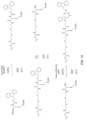
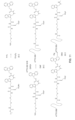

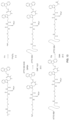
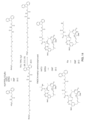
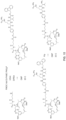

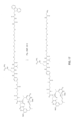

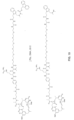
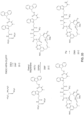





















Classifications
-
- A—HUMAN NECESSITIES
- A61—MEDICAL OR VETERINARY SCIENCE; HYGIENE
- A61K—PREPARATIONS FOR MEDICAL, DENTAL OR TOILETRY PURPOSES
- A61K47/00—Medicinal preparations characterised by the non-active ingredients used, e.g. carriers or inert additives; Targeting or modifying agents chemically bound to the active ingredient
- A61K47/50—Medicinal preparations characterised by the non-active ingredients used, e.g. carriers or inert additives; Targeting or modifying agents chemically bound to the active ingredient the non-active ingredient being chemically bound to the active ingredient, e.g. polymer-drug conjugates
- A61K47/51—Medicinal preparations characterised by the non-active ingredients used, e.g. carriers or inert additives; Targeting or modifying agents chemically bound to the active ingredient the non-active ingredient being chemically bound to the active ingredient, e.g. polymer-drug conjugates the non-active ingredient being a modifying agent
- A61K47/54—Medicinal preparations characterised by the non-active ingredients used, e.g. carriers or inert additives; Targeting or modifying agents chemically bound to the active ingredient the non-active ingredient being chemically bound to the active ingredient, e.g. polymer-drug conjugates the non-active ingredient being a modifying agent the modifying agent being an organic compound
- A61K47/545—Heterocyclic compounds
-
- A—HUMAN NECESSITIES
- A61—MEDICAL OR VETERINARY SCIENCE; HYGIENE
- A61K—PREPARATIONS FOR MEDICAL, DENTAL OR TOILETRY PURPOSES
- A61K31/00—Medicinal preparations containing organic active ingredients
- A61K31/33—Heterocyclic compounds
- A61K31/395—Heterocyclic compounds having nitrogen as a ring hetero atom, e.g. guanethidine or rifamycins
- A61K31/535—Heterocyclic compounds having nitrogen as a ring hetero atom, e.g. guanethidine or rifamycins having six-membered rings with at least one nitrogen and one oxygen as the ring hetero atoms, e.g. 1,2-oxazines
- A61K31/5375—1,4-Oxazines, e.g. morpholine
- A61K31/5386—1,4-Oxazines, e.g. morpholine spiro-condensed or forming part of bridged ring systems
-
- A—HUMAN NECESSITIES
- A61—MEDICAL OR VETERINARY SCIENCE; HYGIENE
- A61K—PREPARATIONS FOR MEDICAL, DENTAL OR TOILETRY PURPOSES
- A61K47/00—Medicinal preparations characterised by the non-active ingredients used, e.g. carriers or inert additives; Targeting or modifying agents chemically bound to the active ingredient
- A61K47/50—Medicinal preparations characterised by the non-active ingredients used, e.g. carriers or inert additives; Targeting or modifying agents chemically bound to the active ingredient the non-active ingredient being chemically bound to the active ingredient, e.g. polymer-drug conjugates
- A61K47/51—Medicinal preparations characterised by the non-active ingredients used, e.g. carriers or inert additives; Targeting or modifying agents chemically bound to the active ingredient the non-active ingredient being chemically bound to the active ingredient, e.g. polymer-drug conjugates the non-active ingredient being a modifying agent
- A61K47/56—Medicinal preparations characterised by the non-active ingredients used, e.g. carriers or inert additives; Targeting or modifying agents chemically bound to the active ingredient the non-active ingredient being chemically bound to the active ingredient, e.g. polymer-drug conjugates the non-active ingredient being a modifying agent the modifying agent being an organic macromolecular compound, e.g. an oligomeric, polymeric or dendrimeric molecule
- A61K47/59—Medicinal preparations characterised by the non-active ingredients used, e.g. carriers or inert additives; Targeting or modifying agents chemically bound to the active ingredient the non-active ingredient being chemically bound to the active ingredient, e.g. polymer-drug conjugates the non-active ingredient being a modifying agent the modifying agent being an organic macromolecular compound, e.g. an oligomeric, polymeric or dendrimeric molecule obtained otherwise than by reactions only involving carbon-to-carbon unsaturated bonds, e.g. polyureas or polyurethanes
- A61K47/60—Medicinal preparations characterised by the non-active ingredients used, e.g. carriers or inert additives; Targeting or modifying agents chemically bound to the active ingredient the non-active ingredient being chemically bound to the active ingredient, e.g. polymer-drug conjugates the non-active ingredient being a modifying agent the modifying agent being an organic macromolecular compound, e.g. an oligomeric, polymeric or dendrimeric molecule obtained otherwise than by reactions only involving carbon-to-carbon unsaturated bonds, e.g. polyureas or polyurethanes the organic macromolecular compound being a polyoxyalkylene oligomer, polymer or dendrimer, e.g. PEG, PPG, PEO or polyglycerol
-
- A—HUMAN NECESSITIES
- A61—MEDICAL OR VETERINARY SCIENCE; HYGIENE
- A61K—PREPARATIONS FOR MEDICAL, DENTAL OR TOILETRY PURPOSES
- A61K47/00—Medicinal preparations characterised by the non-active ingredients used, e.g. carriers or inert additives; Targeting or modifying agents chemically bound to the active ingredient
- A61K47/50—Medicinal preparations characterised by the non-active ingredients used, e.g. carriers or inert additives; Targeting or modifying agents chemically bound to the active ingredient the non-active ingredient being chemically bound to the active ingredient, e.g. polymer-drug conjugates
- A61K47/51—Medicinal preparations characterised by the non-active ingredients used, e.g. carriers or inert additives; Targeting or modifying agents chemically bound to the active ingredient the non-active ingredient being chemically bound to the active ingredient, e.g. polymer-drug conjugates the non-active ingredient being a modifying agent
- A61K47/68—Medicinal preparations characterised by the non-active ingredients used, e.g. carriers or inert additives; Targeting or modifying agents chemically bound to the active ingredient the non-active ingredient being chemically bound to the active ingredient, e.g. polymer-drug conjugates the non-active ingredient being a modifying agent the modifying agent being an antibody, an immunoglobulin or a fragment thereof, e.g. an Fc-fragment
- A61K47/6801—Drug-antibody or immunoglobulin conjugates defined by the pharmacologically or therapeutically active agent
-
- A—HUMAN NECESSITIES
- A61—MEDICAL OR VETERINARY SCIENCE; HYGIENE
- A61K—PREPARATIONS FOR MEDICAL, DENTAL OR TOILETRY PURPOSES
- A61K47/00—Medicinal preparations characterised by the non-active ingredients used, e.g. carriers or inert additives; Targeting or modifying agents chemically bound to the active ingredient
- A61K47/50—Medicinal preparations characterised by the non-active ingredients used, e.g. carriers or inert additives; Targeting or modifying agents chemically bound to the active ingredient the non-active ingredient being chemically bound to the active ingredient, e.g. polymer-drug conjugates
- A61K47/51—Medicinal preparations characterised by the non-active ingredients used, e.g. carriers or inert additives; Targeting or modifying agents chemically bound to the active ingredient the non-active ingredient being chemically bound to the active ingredient, e.g. polymer-drug conjugates the non-active ingredient being a modifying agent
- A61K47/68—Medicinal preparations characterised by the non-active ingredients used, e.g. carriers or inert additives; Targeting or modifying agents chemically bound to the active ingredient the non-active ingredient being chemically bound to the active ingredient, e.g. polymer-drug conjugates the non-active ingredient being a modifying agent the modifying agent being an antibody, an immunoglobulin or a fragment thereof, e.g. an Fc-fragment
- A61K47/6801—Drug-antibody or immunoglobulin conjugates defined by the pharmacologically or therapeutically active agent
- A61K47/6803—Drugs conjugated to an antibody or immunoglobulin, e.g. cisplatin-antibody conjugates
- A61K47/68031—Drugs conjugated to an antibody or immunoglobulin, e.g. cisplatin-antibody conjugates the drug being an auristatin
-
- A—HUMAN NECESSITIES
- A61—MEDICAL OR VETERINARY SCIENCE; HYGIENE
- A61K—PREPARATIONS FOR MEDICAL, DENTAL OR TOILETRY PURPOSES
- A61K47/00—Medicinal preparations characterised by the non-active ingredients used, e.g. carriers or inert additives; Targeting or modifying agents chemically bound to the active ingredient
- A61K47/50—Medicinal preparations characterised by the non-active ingredients used, e.g. carriers or inert additives; Targeting or modifying agents chemically bound to the active ingredient the non-active ingredient being chemically bound to the active ingredient, e.g. polymer-drug conjugates
- A61K47/51—Medicinal preparations characterised by the non-active ingredients used, e.g. carriers or inert additives; Targeting or modifying agents chemically bound to the active ingredient the non-active ingredient being chemically bound to the active ingredient, e.g. polymer-drug conjugates the non-active ingredient being a modifying agent
- A61K47/68—Medicinal preparations characterised by the non-active ingredients used, e.g. carriers or inert additives; Targeting or modifying agents chemically bound to the active ingredient the non-active ingredient being chemically bound to the active ingredient, e.g. polymer-drug conjugates the non-active ingredient being a modifying agent the modifying agent being an antibody, an immunoglobulin or a fragment thereof, e.g. an Fc-fragment
- A61K47/6801—Drug-antibody or immunoglobulin conjugates defined by the pharmacologically or therapeutically active agent
- A61K47/6803—Drugs conjugated to an antibody or immunoglobulin, e.g. cisplatin-antibody conjugates
- A61K47/68033—Drugs conjugated to an antibody or immunoglobulin, e.g. cisplatin-antibody conjugates the drug being a maytansine
-
- A—HUMAN NECESSITIES
- A61—MEDICAL OR VETERINARY SCIENCE; HYGIENE
- A61K—PREPARATIONS FOR MEDICAL, DENTAL OR TOILETRY PURPOSES
- A61K47/00—Medicinal preparations characterised by the non-active ingredients used, e.g. carriers or inert additives; Targeting or modifying agents chemically bound to the active ingredient
- A61K47/50—Medicinal preparations characterised by the non-active ingredients used, e.g. carriers or inert additives; Targeting or modifying agents chemically bound to the active ingredient the non-active ingredient being chemically bound to the active ingredient, e.g. polymer-drug conjugates
- A61K47/51—Medicinal preparations characterised by the non-active ingredients used, e.g. carriers or inert additives; Targeting or modifying agents chemically bound to the active ingredient the non-active ingredient being chemically bound to the active ingredient, e.g. polymer-drug conjugates the non-active ingredient being a modifying agent
- A61K47/68—Medicinal preparations characterised by the non-active ingredients used, e.g. carriers or inert additives; Targeting or modifying agents chemically bound to the active ingredient the non-active ingredient being chemically bound to the active ingredient, e.g. polymer-drug conjugates the non-active ingredient being a modifying agent the modifying agent being an antibody, an immunoglobulin or a fragment thereof, e.g. an Fc-fragment
- A61K47/6801—Drug-antibody or immunoglobulin conjugates defined by the pharmacologically or therapeutically active agent
- A61K47/6803—Drugs conjugated to an antibody or immunoglobulin, e.g. cisplatin-antibody conjugates
- A61K47/6807—Drugs conjugated to an antibody or immunoglobulin, e.g. cisplatin-antibody conjugates the drug or compound being a sugar, nucleoside, nucleotide, nucleic acid, e.g. RNA antisense
- A61K47/6809—Antibiotics, e.g. antitumor antibiotics anthracyclins, adriamycin, doxorubicin or daunomycin
-
- A—HUMAN NECESSITIES
- A61—MEDICAL OR VETERINARY SCIENCE; HYGIENE
- A61K—PREPARATIONS FOR MEDICAL, DENTAL OR TOILETRY PURPOSES
- A61K47/00—Medicinal preparations characterised by the non-active ingredients used, e.g. carriers or inert additives; Targeting or modifying agents chemically bound to the active ingredient
- A61K47/50—Medicinal preparations characterised by the non-active ingredients used, e.g. carriers or inert additives; Targeting or modifying agents chemically bound to the active ingredient the non-active ingredient being chemically bound to the active ingredient, e.g. polymer-drug conjugates
- A61K47/51—Medicinal preparations characterised by the non-active ingredients used, e.g. carriers or inert additives; Targeting or modifying agents chemically bound to the active ingredient the non-active ingredient being chemically bound to the active ingredient, e.g. polymer-drug conjugates the non-active ingredient being a modifying agent
- A61K47/68—Medicinal preparations characterised by the non-active ingredients used, e.g. carriers or inert additives; Targeting or modifying agents chemically bound to the active ingredient the non-active ingredient being chemically bound to the active ingredient, e.g. polymer-drug conjugates the non-active ingredient being a modifying agent the modifying agent being an antibody, an immunoglobulin or a fragment thereof, e.g. an Fc-fragment
- A61K47/6801—Drug-antibody or immunoglobulin conjugates defined by the pharmacologically or therapeutically active agent
- A61K47/6803—Drugs conjugated to an antibody or immunoglobulin, e.g. cisplatin-antibody conjugates
- A61K47/6811—Drugs conjugated to an antibody or immunoglobulin, e.g. cisplatin-antibody conjugates the drug being a protein or peptide, e.g. transferrin or bleomycin
-
- A—HUMAN NECESSITIES
- A61—MEDICAL OR VETERINARY SCIENCE; HYGIENE
- A61K—PREPARATIONS FOR MEDICAL, DENTAL OR TOILETRY PURPOSES
- A61K47/00—Medicinal preparations characterised by the non-active ingredients used, e.g. carriers or inert additives; Targeting or modifying agents chemically bound to the active ingredient
- A61K47/50—Medicinal preparations characterised by the non-active ingredients used, e.g. carriers or inert additives; Targeting or modifying agents chemically bound to the active ingredient the non-active ingredient being chemically bound to the active ingredient, e.g. polymer-drug conjugates
- A61K47/51—Medicinal preparations characterised by the non-active ingredients used, e.g. carriers or inert additives; Targeting or modifying agents chemically bound to the active ingredient the non-active ingredient being chemically bound to the active ingredient, e.g. polymer-drug conjugates the non-active ingredient being a modifying agent
- A61K47/68—Medicinal preparations characterised by the non-active ingredients used, e.g. carriers or inert additives; Targeting or modifying agents chemically bound to the active ingredient the non-active ingredient being chemically bound to the active ingredient, e.g. polymer-drug conjugates the non-active ingredient being a modifying agent the modifying agent being an antibody, an immunoglobulin or a fragment thereof, e.g. an Fc-fragment
- A61K47/6889—Conjugates wherein the antibody being the modifying agent and wherein the linker, binder or spacer confers particular properties to the conjugates, e.g. peptidic enzyme-labile linkers or acid-labile linkers, providing for an acid-labile immuno conjugate wherein the drug may be released from its antibody conjugated part in an acidic, e.g. tumoural or environment
-
- C—CHEMISTRY; METALLURGY
- C07—ORGANIC CHEMISTRY
- C07D—HETEROCYCLIC COMPOUNDS
- C07D209/00—Heterocyclic compounds containing five-membered rings, condensed with other rings, with one nitrogen atom as the only ring hetero atom
- C07D209/02—Heterocyclic compounds containing five-membered rings, condensed with other rings, with one nitrogen atom as the only ring hetero atom condensed with one carbocyclic ring
- C07D209/04—Indoles; Hydrogenated indoles
- C07D209/10—Indoles; Hydrogenated indoles with substituted hydrocarbon radicals attached to carbon atoms of the hetero ring
- C07D209/14—Radicals substituted by nitrogen atoms, not forming part of a nitro radical
-
- C—CHEMISTRY; METALLURGY
- C07—ORGANIC CHEMISTRY
- C07D—HETEROCYCLIC COMPOUNDS
- C07D405/00—Heterocyclic compounds containing both one or more hetero rings having oxygen atoms as the only ring hetero atoms, and one or more rings having nitrogen as the only ring hetero atom
- C07D405/02—Heterocyclic compounds containing both one or more hetero rings having oxygen atoms as the only ring hetero atoms, and one or more rings having nitrogen as the only ring hetero atom containing two hetero rings
- C07D405/12—Heterocyclic compounds containing both one or more hetero rings having oxygen atoms as the only ring hetero atoms, and one or more rings having nitrogen as the only ring hetero atom containing two hetero rings linked by a chain containing hetero atoms as chain links
-
- C—CHEMISTRY; METALLURGY
- C07—ORGANIC CHEMISTRY
- C07D—HETEROCYCLIC COMPOUNDS
- C07D498/00—Heterocyclic compounds containing in the condensed system at least one hetero ring having nitrogen and oxygen atoms as the only ring hetero atoms
- C07D498/12—Heterocyclic compounds containing in the condensed system at least one hetero ring having nitrogen and oxygen atoms as the only ring hetero atoms in which the condensed system contains three hetero rings
- C07D498/18—Bridged systems
Definitions
- the present invention relates to conjugate structures and hydrazinyl-pyrrolo compound structures used to produce these conjugates as well as methods for preparing such conjugates and pharmaceutical compositions comprising such conjugates.
- Protein-conjugate therapeutics can provide several advantages, due to, for example, specificity, multiplicity of functions and relatively low off-target activity, resulting in fewer side effects. Chemical modification of proteins may extend these advantages by rendering them more potent, stable, or multimodal.
- a number of standard chemical transformations are commonly used to create and manipulate post-translational modifications on proteins.
- carboxylic acid side chains (aspartate and glutamate) may be targeted by initial activation with a water-soluble carbodiimide reagent and subsequent reaction with an amine.
- lysine can be targeted through the use of activated esters or isothiocyanates, and cysteine thiols can be targeted with maleimides and ⁇ -halo-carbonyls.
- One significant obstacle to the creation of a chemically altered protein therapeutic or reagent is the production of the protein in a biologically active, homogenous form. Conjugation of a drug or detectable label to a polypeptide can be difficult to control, resulting in a heterogeneous mixture of conjugates that differ in the number of drug molecules attached and in the position of chemical conjugation. In some instances, it may be desirable to control the site of conjugation and/or the drug or detectable label conjugated to the polypeptide using the tools of synthetic organic chemistry to direct the precise and selective formation of chemical bonds on a polypeptide.
- WO 2014/078566 A1 (Redwood Bioscience, Inc.; 22 May 2014 ) describes certain hydrazinyl-indole compounds and conjugates and their use.
- WO 2015/187428 A1 (Redwood Bioscience, Inc.; 10 December 2015 ) describes certain anti-HER2 antibody-maythansin conjugates and their use.
- Gadaginamath et al., 1997, Polish J. Chem., Vol. 71, pp. 923-928 describes studies of the antibacterial properties of certain 1-butyl-2-phenoxy-, 2-phenylthio-, and 2-aminomethyl-5-methoxyindole compounds.
- ES 324609 A1 (Patronato de Investigacien CIE; 24 March 1966 ) describes certain indole compounds which are useful as amino oxidase inhibitors, antagonist of serotonin, and antiinflammatory and analgesic agents.
- EP 1731506 A1 (Shenyang Pharmaceutical University; 13 December 2006 ) describes certain 5-hydroxyindole-3-carboxylates and their use in the treatment and/or prophylaxis of virus infections.
- a FIRST ASPECT of the invention is a conjugate comprising at least one modified amino acid residue of formula (IIIa): wherein:
- the conjugate comprises at least one modified amino acid residue of formula (IIIb):
- W 1 is the drug
- W 2 is the polypeptide
- W 1 is the polypeptide
- W 2 is the drug
- a SECOND ASPECT of the invention is a compound of formula (VIII): wherein:
- the compound is a compound of formula (VIIIa):
- W 1 is a drug
- W 1 is a polypeptide
- T 1 , T 2 , T 3 , T 4 and T 5 and V 1 , V 2 , V 3 , V 4 and V 5 are selected from the following table: T 1 V 1 T 2 V 2 T 3 V 3 T 4 V 4 T 5 V 5 (C 1 -C 12 )alkyl -CO- (AA) p -NR 11 - (PEG) n -CO- - - - - (C 1 -C 12 )alkyl -CO- (AA) p -NR 11 - (PEG) n -NR 11 - - - - - (C 1 -C 12 )alkyl -CONR 11 - (PEG) n -CO- (EDA) w - - - - - (C 1 -C 12 )alkyl -CO- (EDA) w -CO- (CR 13 OH) h -CONR 11 - (C 1 -
- L is described by one of the following structures: wherein:
- m is 1.
- R 2 and R 3 are each independently selected from alkyl and substituted alkyl.
- Y 1 , if present, Y 2 , Y 3 and Y 4 are each H.
- the drug comprises a maytansinoid.
- a THIRD ASPECT of the invention is a method of producing a polypeptide conjugate, the method comprising: combining in a reaction mixture:
- a FOURTH ASPECT of the invention is a pharmaceutical composition comprising:
- the conjugate is of the formula:
- the compound is of the formula:
- conjugate structures and hydrazinyl-pyrrolo compound structures used to produce these conjugates.
- the disclosure also encompasses methods of production of such conjugates, as well as methods of using the same.
- conjugate comprising at least one modified amino acid residue of formula (I): wherein
- the conjugate includes at least one modified amino acid residue of formula (II): wherein m, R 1 , R 2 , R 3, X 5 , L, Q 1 , W 1 , W 2 , Y 5 , Z 1 , Z 2 , Z 3 and Z 4 are as defined in formula (I).
- the conjugate includes at least one modified amino acid residue of formula (III): wherein
- Y 1 and Y 2 , Y 2 and Y 3 , or Y 3 and Y 4 are cyclically linked to form a fused benzo ring.
- the conjugate includes at least one modified amino acid residue of formula (IVa) or (IVb): wherein:
- Y 1 and Y 2 or Y 3 and Y 4 are cyclically linked to form a fused benzo ring.
- a, b, c and d are each 1; and e is 0.
- a, b and c are each 1; and d and e are each 0.
- a and b are each 1; and c, d and e are each 0.
- T 1 , T 2 , T 3 ,T 4 and T 5 and V 1 , V 2 , V 3 ,V 4 and V 5 are selected from the following table: T 1 V 1 T 2 V 2 T 3 V 3 T 4 V 4 T 5 V 5 (C 1 -C 12 )alkyl - CONR 11 - (PEG) n -CO- - - - - - - (C 1 -C 12 )alkyl -CO- (AA) p -NR 11 - (PEG) n -CO- - - - - - (C 1 -C 12 )alkyl -CO- (AA) p - - - - - - - - (C 1 -C 12 )alkyl CONR 11 - (PEG) n NR 11 - - - - - - - - (C 1 -C 12 )alkyl -CO- (AA) p NR 11
- L is described by one of the following structures: wherein:
- Q 1 is a bond to X 4 and Y 4 is absent.
- Q 1 is a bond to X 5 and Y 5 is absent.
- m is 1.
- R 2 and R 3 are each independently selected from alkyl and substituted alkyl.
- R 2 and R 3 are each methyl.
- X 1 , X 2 , X 3 and X 4 are each C.
- Y 1 , Y 2 and Y 3 are each H, and one of either Y 4 or Y 5 is H.
- the conjugate includes at least one modified amino acid residue of formula (IIIa):
- the conjugate includes at least one modified amino acid residue of formula (IIIb):
- the conjugate includes at least one modified amino acid residue of formula (IIId):
- the conjugate comprises at least one modified amino acid residue of formula (IIIe):
- the chemical entity is a drug or a detectable label.
- W 1 is the chemical entity
- W 2 is the polypeptide
- W 1 is the polypeptide
- W 2 is the chemical entity
- the compound is a compound of formula (VI): wherein Q 3 , Q 4 , X 1 , X 2 , X 3 , X 4 , L, W 1 , Y 1 , Y 2 , and Y 3 are as defined in formula (V).
- the compound is a compound of formula (VIIa) or (VIIb): wherein:
- Y 1 and Y 2 or Y 3 and Y 4 are cyclically linked to form a fused benzo ring.
- a, b, c and d are each 1; and e is 0.
- a, b and c are each 1; and d and e are 0.
- a and b are each 1; and c, d and e are 0.
- T 1 , T 2 , T 3 , T 4 and T 5 and V 1 , V 2 , V 3 , V 4 and V 5 are selected from the following table: T 1 V 1 T 2 V 2 T 3 V 3 T 4 V 4 T 5 V 5 (C 1 -C 12 )alkyl - CONR 11 - (PEG) n -CO- - - - - - - (C 1 -C 12 )alkyl -CO- (AA) p -NR1 1 - (PEG) n -CO- - - - - - (C 1 -C 12 )alkyl -CO- (AA) p - - - - - - - - (C 1 -C 12 )alkyl - CONR 11 - (PEG) n -NR 11 - - - - - - - - (C 1 -C 12 )alkyl -CO- (AA) p
- L is described by one of the following structures: wherein:
- Q 3 is -(CH 2 ) m NR 3 NHR 2 and Q 4 is Y 4 .
- Q 4 is -(CH 2 ) m NR 3 NHR 2 and Q 3 is Y 4 .
- m is 1.
- R 2 and R 3 are each independently selected from alkyl and substituted alkyl.
- R 2 and R 3 are each methyl.
- X 1 , X 2 , X 3 and X 4 are each C.
- Y 1 , Y 2 , Y 3 and Y 4 are each H.
- X 1 and X 3 are each S and X 4 is C.
- X 1 and X 3 are each O and X 4 is C.
- X 1 and X 3 are each NR 12 and X 4 is C.
- the compound is a compound of formula (VIII):
- the compound is a compound of formula (VIIIa):
- the compound is a compound of formula (IX):
- the compound is a compound of formula (IXa):
- W 1 is a drug or a detectable label.
- the detectable label comprises a fluorophore.
- Also described herein is a method of producing a polypeptide conjugate.
- the method includes combining in a reaction mixture: a compound as described herein and a second compound comprising a reactive aldehyde group or a reactive ketone group, where the combining is under reaction conditions suitable to promote reaction between the compound and the reactive aldehyde group or reactive ketone group of the second compound to form the conjugate, and isolating the conjugate from the reaction mixture.
- W 1 is the chemical entity
- the second compound comprises the polypeptide
- W 1 is the polypeptide
- the second compound comprises the chemical entity
- the reaction mixture has a pH of 7.
- the reaction conditions are at a temperature of 37 °C.
- the pharmaceutical composition includes a conjugate as described herein and a pharmaceutically acceptable excipient.
- Also described herein is a method of delivering a conjugate to a subject.
- the method includes administering to the subject an effective amount of a conjugate as described herein.
- Also described herein is a method of treating a condition in a subject.
- the method includes administering to the subject having the condition a therapeutically effective amount of a pharmaceutical composition comprising a conjugate as described herein, where the administering is effective to treat the condition in the subject.
- Alkyl refers to monovalent saturated aliphatic hydrocarbyl groups having from 1 to 10 carbon atoms and such as 1 to 6 carbon atoms, or 1 to 5, or 1 to 4, or 1 to 3 carbon atoms. This term includes, by way of example, linear and branched hydrocarbyl groups such as methyl (CH 3 -), ethyl (CH 3 CH 2 -), n-propyl (CH 3 CH 2 CH 2 -), isopropyl ((CH 3 ) 2 CH-), n-butyl (CH 3 CH 2 CH 2 CH 2 -), isobutyl ((CH 3 ) 2 CHCH 2 -), sec-butyl ((CH 3 )(CH 3 CH 2 )CH-), t-butyl ((CH 3 ) 3 C-), n-pentyl (CH 3 CH 2 CH 2 CH 2 CH 2 -), and neopentyl ((CH 3 ) 3 CCH 2 -).
- substituted alkyl refers to an alkyl group as defined herein wherein one or more carbon atoms in the alkyl chain have been optionally replaced with a heteroatom such as -O-, -N-, -S-, -S(O) n - (where n is 0 to 2), -NR- (where R is hydrogen or alkyl) and having from 1 to 5 substituents selected from the group consisting of alkoxy, substituted alkoxy, cycloalkyl, substituted cycloalkyl, cycloalkenyl, substituted cycloalkenyl, acyl, acylamino, acyloxy, amino, aminoacyl, aminoacyloxy, oxyaminoacyl, azido, cyano, halogen, hydroxyl, oxo, thioketo, carboxyl, carboxylalkyl, thioaryloxy, thioheteroaryloxy, thiohetero
- Alkylene refers to divalent aliphatic hydrocarbyl groups preferably having from 1 to 6 and more preferably 1 to 3 carbon atoms that are either straight-chained or branched, and which are optionally interrupted with one or more groups selected from -O-, -NR 10 -, -NR 10 C(O)-, and -C(O)NR 10 -.
- This term includes, by way of example, methylene (-CH 2 -), ethylene (-CH 2 CH 2 -), n-propylene (-CH 2 CH 2 CH 2 -), iso-propylene (-CH 2 CH(CH 3 )-), (-C(CH 3 ) 2 CH 2 CH 2 -), (-C(CH 3 ) 2 CH 2 C(O)-), (-C(CH 3 ) 2 CH 2 C(O)NH-), and (-CH(CH 3 )CH 2 -).
- Substituted alkylene refers to an alkylene group having from 1 to 3 hydrogens replaced with substituents as described for carbons in the definition of “substituted” below.
- alkane refers to alkyl group and alkylene group, as defined herein.
- alkylaminoalkyl refers to the groups R'NHR"- where R' is alkyl group as defined herein and R" is alkylene, alkenylene or alkynylene group as defined herein.
- alkaryl or "aralkyl” refers to the groups -alkylene-aryl and -substituted alkylene-aryl where alkylene, substituted alkylene and aryl are defined herein.
- Alkoxy refers to the group -O-alkyl, wherein alkyl is as defined herein. Alkoxy includes, by way of example, methoxy, ethoxy, n-propoxy, isopropoxy, n-butoxy, t-butoxy, sec-butoxy, and n-pentoxy.
- alkoxy also refers to the groups alkenyl-O-, cycloalkyl-O-, cycloalkenyl-O-, and alkynyl-O-, where alkenyl, cycloalkyl, cycloalkenyl, and alkynyl are as defined herein.
- substituted alkoxy refers to the groups substituted alkyl-O-, substituted alkenyl-O-, substituted cycloalkyl-O-, substituted cycloalkenyl-O-, and substituted alkynyl-O- where substituted alkyl, substituted alkenyl, substituted cycloalkyl, substituted cycloalkenyl and substituted alkynyl are as defined herein.
- alkoxyamino refers to the group -NH-alkoxy, wherein alkoxy is defined herein.
- haloalkoxy refers to the groups alkyl-O- wherein one or more hydrogen atoms on the alkyl group have been substituted with a halo group and include, by way of examples, groups such as trifluoromethoxy.
- alkylalkoxy refers to the groups -alkylene-O-alkyl, alkylene-O-substituted alkyl, substituted alkylene-O-alkyl, and substituted alkylene-O-substituted alkyl wherein alkyl, substituted alkyl, alkylene and substituted alkylene are as defined herein.
- alkylthioalkoxy refers to the group -alkylene-S-alkyl, alkylene-S-substituted alkyl, substituted alkylene-S-alkyl and substituted alkylene-S-substituted alkyl wherein alkyl, substituted alkyl, alkylene and substituted alkylene are as defined herein.
- Alkenyl refers to straight chain or branched hydrocarbyl groups having from 2 to 6 carbon atoms and preferably 2 to 4 carbon atoms and having at least 1 and preferably from 1 to 2 sites of double bond unsaturation. This term includes, by way of example, bi-vinyl, allyl, and but-3-en-1-yl. Included within this term are the cis and trans isomers or mixtures of these isomers.
- substituted alkenyl refers to an alkenyl group as defined herein having from 1 to 5 substituents, or from 1 to 3 substituents, selected from alkoxy, substituted alkoxy, cycloalkyl, substituted cycloalkyl, cycloalkenyl, substituted cycloalkenyl, acyl, acylamino, acyloxy, amino, substituted amino, aminoacyl, aminoacyloxy, oxyaminoacyl, azido, cyano, halogen, hydroxyl, oxo, thioketo, carboxyl, carboxylalkyl, thioaryloxy, thioheteroaryloxy, thioheterocyclooxy, thiol, thioalkoxy, substituted thioalkoxy, aryl, aryloxy, heteroaryl, heteroaryloxy, heterocyclyl, heterocyclooxy, hydroxyamino, alkoxyamino,
- Alkynyl refers to straight or branched monovalent hydrocarbyl groups having from 2 to 6 carbon atoms and preferably 2 to 3 carbon atoms and having at least 1 and preferably from 1 to 2 sites of triple bond unsaturation. Examples of such alkynyl groups include acetylenyl (-C ⁇ CH), and propargyl (-CH 2 C ⁇ CH).
- substituted alkynyl refers to an alkynyl group as defined herein having from 1 to 5 substituents, or from 1 to 3 substituents, selected from alkoxy, substituted alkoxy, cycloalkyl, substituted cycloalkyl, cycloalkenyl, substituted cycloalkenyl, acyl, acylamino, acyloxy, amino, substituted amino, aminoacyl, aminoacyloxy, oxyaminoacyl, azido, cyano, halogen, hydroxyl, oxo, thioketo, carboxyl, carboxylalkyl, thioaryloxy, thioheteroaryloxy, thioheterocyclooxy, thiol, thioalkoxy, substituted thioalkoxy, aryl, aryloxy, heteroaryl, heteroaryloxy, heterocyclyl, heterocyclooxy, hydroxyamino, alkoxyamin
- Alkynyloxy refers to the group -O-alkynyl, wherein alkynyl is as defined herein. Alkynyloxy includes, by way of example, ethynyloxy, and propynyloxy.
- Acyl refers to the groups H-C(O)-, alkyl-C(O)-, substituted alkyl-C(O)-, alkenyl-C(O)-, substituted alkenyl-C(O)-, alkynyl-C(O)-, substituted alkynyl-C(O)-, cycloalkyl-C(O)-, substituted cycloalkyl-C(O)-, cycloalkenyl-C(O)-, substituted cycloalkenyl-C(O)-, aryl-C(O)-, substituted aryl-C(O)-, heteroaryl-C(O)-, substituted heteroaryl-C(O)-, heterocyclyl-C(O)-, and substituted heterocyclyl-C(O)-, wherein alkyl, substituted alkyl, alkenyl, substituted alkenyl, alkynyl, substituted alkynyl, substitute
- Acylamino refers to the groups -NR 20 C(O)alkyl, -NR 20 C(O)substituted alkyl, N R 20 C(O)cycloalkyl, -NR 20 C(O)substituted cycloalkyl, -NR 20 C(O)cycloalkenyl, -NR 20 C(O)substituted cycloalkenyl, -NR 20 C(O)alkenyl, -NR 20 C(O)alkenyl, -NR 20 C(O)substituted alkenyl, -NR 20 C(O)alkynyl, -NR 20 C(O)substituted alkynyl, -NR 20 C(O)aryl, -NR 20 C(O)substituted aryl, -NR 20 C(O)heteroaryl, -NR 20 C(O)substituted heteroaryl, -NR 20 C(O)he
- Aminocarbonyl or the term “aminoacyl” refers to the group -C(O)NR 21 R 22 , wherein R 21 and R 22 independently are selected from the group consisting of hydrogen, alkyl, substituted alkyl, alkenyl, substituted alkenyl, alkynyl, substituted alkynyl, aryl, substituted aryl, cycloalkyl, substituted cycloalkyl, cycloalkenyl, substituted cycloalkenyl, heteroaryl, substituted heteroaryl, heterocyclic, and substituted heterocyclic and where R 21 and R 22 are optionally joined together with the nitrogen bound thereto to form a heterocyclic or substituted heterocyclic group, and wherein alkyl, substituted alkyl, alkenyl, substituted alkenyl, alkynyl, substituted alkynyl, cycloalkyl, substituted cycloalkyl, cycloalkenyl, substituted cycloal
- Aminocarbonylamino refers to the group -NR 21 C(O)NR 22 R 23 where R 21 , R 22 , and R 23 are independently selected from hydrogen, alkyl, aryl or cycloalkyl, or where two R groups are joined to form a heterocyclyl group.
- alkoxycarbonylamino refers to the group -NRC(O)OR where each R is independently hydrogen, alkyl, substituted alkyl, aryl, heteroaryl, or heterocyclyl wherein alkyl, substituted alkyl, aryl, heteroaryl, and heterocyclyl are as defined herein.
- acyloxy refers to the groups alkyl-C(O)O-, substituted alkyl-C(O)O-, cycloalkyl-C(O)O-, substituted cycloalkyl-C(O)O-, aryl-C(O)O-, heteroaryl-C(O)O-, and heterocyclyl-C(O)O- wherein alkyl, substituted alkyl, cycloalkyl, substituted cycloalkyl, aryl, heteroaryl, and heterocyclyl are as defined herein.
- Aminosulfonyl refers to the group -SO 2 NR 21 R 22 , wherein R 21 and R 22 independently are selected from the group consisting of hydrogen, alkyl, substituted alkyl, alkenyl, substituted alkenyl, alkynyl, substituted alkynyl, aryl, substituted aryl, cycloalkyl, substituted cycloalkyl, cycloalkenyl, substituted cycloalkenyl, heteroaryl, substituted heteroaryl, heterocyclic, substituted heterocyclic and where R 21 and R 22 are optionally joined together with the nitrogen bound thereto to form a heterocyclic or substituted heterocyclic group and alkyl, substituted alkyl, alkenyl, substituted alkenyl, alkynyl, substituted alkynyl, cycloalkyl, substituted cycloalkyl, cycloalkenyl, substituted cycloalkenyl, aryl, substituted aryl
- “Sulfonylamino” refers to the group -NR 21 SO 2 R 22 , wherein R 21 and R 22 independently are selected from the group consisting of hydrogen, alkyl, substituted alkyl, alkenyl, substituted alkenyl, alkynyl, substituted alkynyl, aryl, substituted aryl, cycloalkyl, substituted cycloalkyl, cycloalkenyl, substituted cycloalkenyl, heteroaryl, substituted heteroaryl, heterocyclic, and substituted heterocyclic and where R 21 and R 22 are optionally joined together with the atoms bound thereto to form a heterocyclic or substituted heterocyclic group, and wherein alkyl, substituted alkyl, alkenyl, substituted alkenyl, alkynyl, substituted alkynyl, cycloalkyl, substituted cycloalkyl, cycloalkenyl, substituted cycloalkenyl, aryl
- Aryl or “Ar” refers to a monovalent aromatic carbocyclic group of from 6 to 18 carbon atoms having a single ring (such as is present in a phenyl group) or a ring system having multiple condensed rings (examples of such aromatic ring systems include naphthyl, anthryl and indanyl) which condensed rings may or may not be aromatic, provided that the point of attachment is through an atom of an aromatic ring. This term includes, by way of example, phenyl and naphthyl.
- such aryl groups can optionally be substituted with from 1 to 5 substituents, or from 1 to 3 substituents, selected from acyloxy, hydroxy, thiol, acyl, alkyl, alkoxy, alkenyl, alkynyl, cycloalkyl, cycloalkenyl, substituted alkyl, substituted alkoxy, substituted alkenyl, substituted alkynyl, substituted cycloalkyl, substituted cycloalkenyl, amino, substituted amino, aminoacyl, acylamino, alkaryl, aryl, aryloxy, azido, carboxyl, carboxylalkyl, cyano, halogen, nitro, heteroaryl, heteroaryloxy, heterocyclyl, heterocyclooxy, aminoacyloxy, oxyacylamino, thioalkoxy, substituted thioalkoxy, thioaryloxy, thi
- Aryloxy refers to the group -O-aryl, wherein aryl is as defined herein, including, by way of example, phenoxy and naphthoxy, including optionally substituted aryl groups as also defined herein.
- Amino refers to the group -NH 2 .
- substituted amino refers to the group -NRR where each R is independently selected from the group consisting of hydrogen, alkyl, substituted alkyl, cycloalkyl, substituted cycloalkyl, alkenyl, substituted alkenyl, cycloalkenyl, substituted cycloalkenyl, alkynyl, substituted alkynyl, aryl, heteroaryl, and heterocyclyl provided that at least one R is not hydrogen.
- azido refers to the group -N 3 .
- Carboxyl refers to -CO 2 H or salts thereof.
- Carboxyl ester or “carboxy ester” or the terms “carboxyalkyl” or “carboxylalkyl” refers to the groups -C(O)O-alkyl, -C(O)O-substituted alkyl, -C(O)O-alkenyl, -C(O)O-substituted alkenyl, -C(O)O-alkynyl, -C(O)O-substituted alkynyl, -C(O)O-aryl, -C(O)O-substituted aryl, -C(O)O-cycloalkyl, -C(O)O-substituted cycloalkyl, -C(O)O-cycloalkenyl, -C(O)O-substituted cycloalkenyl, -C(O)O-heteroaryl, -C(O)O-
- (Carboxyl ester)oxy refers to the groups -O-C(O)O-alkyl, -O-C(O)O-substituted alkyl, -O-C(O)O-alkenyl, -O-C(O)O-substituted alkenyl, -O-C(O)O-alkynyl, -O-C(O)O-substituted alkynyl, -O-C(O)O-aryl, -O-C(O)O-substituted aryl, -O-C(O)O-cycloalkyl, -O-C(O)O-substituted cycloalkyl, -O-C(O)O-cycloalkenyl, -O-C(O)O-substituted cycloalkenyl, -O-C(O)O-heteroaryl, -O
- Cycloalkyl refers to cyclic alkyl groups of from 3 to 10 carbon atoms having single or multiple cyclic rings including fused, bridged, and spiro ring systems.
- suitable cycloalkyl groups include, for instance, adamantyl, cyclopropyl, cyclobutyl, cyclopentyl, and cyclooctyl.
- Such cycloalkyl groups include, by way of example, single ring structures such as cyclopropyl, cyclobutyl, cyclopentyl, and cyclooctyl, or multiple ring structures such as adamantanyl.
- substituted cycloalkyl refers to cycloalkyl groups having from 1 to 5 substituents, or from 1 to 3 substituents, selected from alkyl, substituted alkyl, alkoxy, substituted alkoxy, cycloalkyl, substituted cycloalkyl, cycloalkenyl, substituted cycloalkenyl, acyl, acylamino, acyloxy, amino, substituted amino, aminoacyl, aminoacyloxy, oxyaminoacyl, azido, cyano, halogen, hydroxyl, oxo, thioketo, carboxyl, carboxylalkyl, thioaryloxy, thioheteroaryloxy, thioheterocyclooxy, thiol, thioalkoxy, substituted thioalkoxy, aryl, aryloxy, heteroaryl, heteroaryloxy, heterocyclyl, heterocyclooxy, hydroxyamin
- Cycloalkenyl refers to non-aromatic cyclic alkyl groups of from 3 to 10 carbon atoms having single or multiple rings and having at least one double bond and preferably from 1 to 2 double bonds.
- substituted cycloalkenyl refers to cycloalkenyl groups having from 1 to 5 substituents, or from 1 to 3 substituents, selected from alkoxy, substituted alkoxy, cycloalkyl, substituted cycloalkyl, cycloalkenyl, substituted cycloalkenyl, acyl, acylamino, acyloxy, amino, substituted amino, aminoacyl, aminoacyloxy, oxyaminoacyl, azido, cyano, halogen, hydroxyl, keto, thioketo, carboxyl, carboxylalkyl, thioaryloxy, thioheteroaryloxy, thioheterocyclooxy, thiol, thioalkoxy, substituted thioalkoxy, aryl, aryloxy, heteroaryl, heteroaryloxy, heterocyclyl, heterocyclooxy, hydroxyamino, alkoxyamino, nitro
- Cycloalkynyl refers to non-aromatic cycloalkyl groups of from 5 to 10 carbon atoms having single or multiple rings and having at least one triple bond.
- Cycloalkoxy refers to -O-cycloalkyl
- Cycloalkenyloxy refers to -O-cycloalkenyl.
- Halo or halogen refers to fluoro, chloro, bromo, and iodo.
- Heteroaryl refers to an aromatic group of from 1 to 15 carbon atoms, such as from 1 to 10 carbon atoms and 1 to 10 heteroatoms selected from the group consisting of oxygen, nitrogen, and sulfur within the ring.
- Such heteroaryl groups can have a single ring (such as, pyridinyl, imidazolyl or furyl) or multiple condensed rings in a ring system (for example as in groups such as, indolizinyl, quinolinyl, benzofuran, benzimidazolyl or benzothienyl), wherein at least one ring within the ring system is aromatic and at least one ring within the ring system is aromatic , provided that the point of attachment is through an atom of an aromatic ring.
- the nitrogen and/or sulfur ring atom(s) of the heteroaryl group are optionally oxidized to provide for the N-oxide (N ⁇ O), sulfinyl, or sulfonyl moieties.
- N ⁇ O N-oxide
- sulfinyl N-oxide
- sulfonyl moieties N-oxide (N ⁇ O), sulfinyl, or sulfonyl moieties.
- This term includes, by way of example, pyridinyl, pyrrolyl, indolyl, thiophenyl, and furanyl.
- heteroaryl groups can be optionally substituted with 1 to 5 substituents, or from 1 to 3 substituents, selected from acyloxy, hydroxy, thiol, acyl, alkyl, alkoxy, alkenyl, alkynyl, cycloalkyl, cycloalkenyl, substituted alkyl, substituted alkoxy, substituted alkenyl, substituted alkynyl, substituted cycloalkyl, substituted cycloalkenyl, amino, substituted amino, aminoacyl, acylamino, alkaryl, aryl, aryloxy, azido, carboxyl, carboxylalkyl, cyano, halogen, nitro, heteroaryl, heteroaryloxy, heterocyclyl, heterocyclooxy, aminoacyloxy, oxyacylamino, thioalkoxy, substituted thioalkoxy, thioaryloxy, thio
- heteroaryl refers to the groups -alkylene-heteroaryl where alkylene and heteroaryl are defined herein. This term includes, by way of example, pyridylmethyl, pyridylethyl, and indolylmethyl.
- Heteroaryloxy refers to -O-heteroaryl.
- Heterocycle refers to a saturated or unsaturated group having a single ring or multiple condensed rings, including fused bridged and spiro ring systems, and having from 3 to 20 ring atoms, including 1 to 10 hetero atoms.
- These ring atoms are selected from the group consisting of nitrogen, sulfur, or oxygen, wherein, in fused ring systems, one or more of the rings can be cycloalkyl, aryl, or heteroaryl, provided that the point of attachment is through the non-aromatic ring.
- the nitrogen and/or sulfur atom(s) of the heterocyclic group are optionally oxidized to provide for the N-oxide, -S(O)-, or -SO 2 - moieties.
- heterocycles and heteroaryls include azetidine, pyrrole, imidazole, pyrazole, pyridine, pyrazine, pyrimidine, pyridazine, indolizine, isoindole, indole, dihydroindole, indazole, purine, quinolizine, isoquinoline, quinoline, phthalazine, naphthylpyridine, quinoxaline, quinazoline, cinnoline, pteridine, carbazole, carboline, phenanthridine, acridine, phenanthroline, isothiazole, phenazine, isoxazole, phenoxazine, phenothiazine, imidazolidine, imidazoline, piperidine, piperazine, indoline, phthalimide, 1,2,3,4-tetrahydroisoquinoline, 4,5,6,7-tetrahydro
- heterocyclic groups can be optionally substituted with 1 to 5, or from 1 to 3 substituents, selected from alkoxy, substituted alkoxy, cycloalkyl, substituted cycloalkyl, cycloalkenyl, substituted cycloalkenyl, acyl, acylamino, acyloxy, amino, substituted amino, aminoacyl, aminoacyloxy, oxyaminoacyl, azido, cyano, halogen, hydroxyl, oxo, thioketo, carboxyl, carboxylalkyl, thioaryloxy, thioheteroaryloxy, thioheterocyclooxy, thiol, thioalkoxy, substituted thioalkoxy, aryl, aryloxy, heteroaryl, heteroaryloxy, heterocyclyl, heterocyclooxy, hydroxyamino, alkoxyamino, nitro,
- heterocyclylthio refers to the group heterocyclic-S-.
- heterocyclene refers to the diradical group formed from a heterocycle, as defined herein.
- hydroxyamino refers to the group -NHOH.
- Niro refers to the group -NO 2 .
- “Sulfonyl” refers to the group SO 2 -alkyl, SO 2 -substituted alkyl, SO 2 -alkenyl, SO 2 -substituted alkenyl, SO 2 -cycloalkyl, SO 2 -substituted cylcoalkyl, SO 2 -cycloalkenyl, SO 2 -substituted cylcoalkenyl, SO 2 -aryl, SO 2 -substituted aryl, SO 2 -heteroaryl, SO 2 -substituted heteroaryl, SO 2 -heterocyclic, and SO 2 -substituted heterocyclic, wherein alkyl, substituted alkyl, alkenyl, substituted alkenyl, alkynyl, substituted alkynyl, cycloalkyl, substituted cycloalkyl, cycloalkenyl, substituted cycloalkenyl,
- “Sulfonyloxy” refers to the group -OSO 2 -alkyl, OSO 2 -substituted alkyl, OSO 2 -alkenyl, OSO 2 -substituted alkenyl, OSO 2 -cycloalkyl, OSO 2 -substituted cylcoalkyl, OSO 2 -cycloalkenyl, OSO 2 -substituted cylcoalkenyl, OSO 2 -aryl, OSO 2 -substituted aryl, OSO 2 -heteroaryl, OSO 2 -substituted heteroaryl, OSO 2 -heterocyclic, and OSO 2 substituted heterocyclic, wherein alkyl, substituted alkyl, alkenyl, substituted alkenyl, alkynyl, substituted alkynyl, cycloalkyl, substituted cycloalkyl, cycloalkeny
- aminocarbonyloxy refers to the group -OC(O)NRR where each R is independently hydrogen, alkyl, substituted alkyl, aryl, heteroaryl, or heterocyclic wherein alkyl, substituted alkyl, aryl, heteroaryl and heterocyclic are as defined herein.
- Thiol refers to the group -SH.
- Alkylthio or the term “thioalkoxy” refers to the group -S-alkyl, wherein alkyl is as defined herein.
- sulfur may be oxidized to -S(O)-.
- the sulfoxide may exist as one or more stereoisomers.
- substituted thioalkoxy refers to the group -S-substituted alkyl.
- heteroaryloxy refers to the group heteroaryl-S- wherein the heteroaryl group is as defined herein including optionally substituted aryl groups as also defined herein.
- heterocyclooxy refers to the group heterocyclyl-S- wherein the heterocyclyl group is as defined herein including optionally substituted heterocyclyl groups as also defined herein.
- substituted when used to modify a specified group or radical, can also mean that one or more hydrogen atoms of the specified group or radical are each, independently of one another, replaced with the same or different substituent groups as defined below.
- Each M + may independently be, for example, an alkali ion, such as K + , Na + , Li + ; an ammonium ion, such as + N(R 60 ) 4 ; or an alkaline earth ion, such as [Ca 2+ ] 0.5 , [Mg 2+ ] 0.5 , or [Ba 2+ ] 0.5
- subscript 0.5 means that one of the counter ions for such divalent alkali earth ions can be an ionized form of a compound described herein and the other a typical counter ion such as chloride, or two ionized compounds disclosed herein can serve as counter ions for such divalent alkali earth ions, or a doubly ionized compound described herein can serve as the counter ion for such divalent alkali earth ions).
- -NR 80 R 80 is meant to include -NH 2 , -NH-alkyl, N -pyrrolidinyl, N -piperazinyl, 4 N -methyl-piperazin-1-yl and N- morpholinyl.
- substituent groups for hydrogens on unsaturated carbon atoms in "substituted" alkene, alkyne, aryl and heteroaryl groups are, unless otherwise specified, -R 60 , halo, -O - M + , -OR 70 , -SR 70 , -S - M + , -NR 80 R 80 , trihalomethyl, -CF 3 , -CN, -OCN, -SCN, -NO, -NO 2 , -N 3 , -SO 2 R 70 , -SO 3 - M + , -SO 3 R 70 , -OSO 2 R 70 , -OSO 3 - M + , -OSO 3 R 70 , -PO 3 -2 (M + ) 2 , -P(O)(OR 70 )O - M + , -P(O)(OR 70 ) 2 , -C(O)R 70 ,
- substituent groups for hydrogens on nitrogen atoms in "substituted" heteroalkyl and cycloheteroalkyl groups are, unless otherwise specified, -R 60 , -O - M + , -OR 70 , -SR 70 , -S - M + , -NR 80 R 80 , trihalomethyl, -CF 3 , -CN, -NO, -NO 2 , -S(O) 2 R 70 , -S(O) 2 O - M + , -S(O) 2 OR 70 , -OS(O) 2 R 70 , -OS(O) 2 O - M + , -OS(O) 2 OR 70 , -P(O)(O - ) 2 (M + ) 2 , -P(O)(OR 70 )O - M + , -P(O)(OR 70 )(OR 70 ), -C
- a group that is substituted has 1, 2, 3, or 4 substituents, 1, 2, or 3 substituents, 1 or 2 substituents, or 1 substituent.
- arylalkyloxycarbonyl refers to the group (aryl)-(alkyl)-O-C(O)-.
- any of the groups disclosed herein which contain one or more substituents it is understood, of course, that such groups do not contain any substitution or substitution patterns which are sterically impractical and/or synthetically non-feasible.
- the subject compounds include all stereochemical isomers arising from the substitution of these compounds.
- “Pharmaceutically acceptable salt” refers to pharmaceutically acceptable salts of a compound, which salts are derived from a variety of organic and inorganic counter ions well known in the art and include, by way of example only, sodium, potassium, calcium, magnesium, ammonium, and tetraalkylammonium; and when the molecule contains a basic functionality, salts of organic or inorganic acids, such as hydrochloride, hydrobromide, formate, tartrate, besylate, mesylate, acetate, maleate, and oxalate.
- salt thereof means a compound formed when a proton of an acid is replaced by a cation, such as a metal cation or an organic cation.
- the salt is a pharmaceutically acceptable salt, although this is not required for salts of intermediate compounds that are not intended for administration to a patient.
- salts of the present compounds include those wherein the compound is protonated by an inorganic or organic acid to form a cation, with the conjugate base of the inorganic or organic acid as the anionic component of the salt.
- solvent refers to a complex formed by combination of solvent molecules with molecules or ions of the solute.
- the solvent can be an organic compound, an inorganic compound, or a mixture of both.
- Some examples of solvents include methanol, N,N- dimethylformamide, tetrahydrofuran, dimethylsulfoxide, and water. When the solvent is water, the solvate formed is a hydrate.
- Stereoisomers refer to compounds that have same atomic connectivity but different atomic arrangement in space. Stereoisomers include cis-trans isomers, E and Z isomers, enantiomers, and diastereomers.
- pyrazoles imidazoles, benzimidazoles, triazoles, and tetrazoles.
- “Pharmaceutically effective amount” and “therapeutically effective amount” refer to an amount of a compound sufficient to treat a specified disorder or disease or one or more of its symptoms and/or to prevent the occurrence of the disease or disorder.
- a pharmaceutically or therapeutically effective amount comprises an amount sufficient to, among other things, cause the tumor to shrink or decrease the growth rate of the tumor.
- Patient refers to human and non-human subjects, especially mammalian subjects.
- treating means the treating or treatment of a disease or medical condition in a patient, such as a mammal (particularly a human) that includes: (a) preventing the disease or medical condition from occurring, such as, prophylactic treatment of a subject; (b) ameliorating the disease or medical condition, such as, eliminating or causing regression of the disease or medical condition in a patient; (c) suppressing the disease or medical condition, for example by, slowing or arresting the development of the disease or medical condition in a patient; or (d) alleviating a symptom of the disease or medical condition in a patient.
- polypeptide polypeptide
- peptide and “protein” are used interchangeably herein to refer to a polymeric form of amino acids of any length. Unless specifically indicated otherwise, “polypeptide,” “peptide,” and “protein” can include genetically coded and non-coded amino acids, chemically or biochemically modified or derivatized amino acids, and polypeptides having modified peptide backbones.
- the term includes fusion proteins, including fusion proteins with a heterologous amino acid sequence, fusions with heterologous and homologous leader sequences, proteins which contain at least one N-terminal methionine residue (e.g., to facilitate production in a recombinant bacterial host cell), and immunologically tagged proteins.
- “Native amino acid sequence” or “parent amino acid sequence” are used interchangeably herein to refer to the amino acid sequence of a polypeptide prior to modification to include a modified amino acid residue.
- amino acid analog and “unnatural amino acid” may be used interchangeably, and include amino acid-like compounds that are similar in structure and/or overall shape to one or more amino acids commonly found in naturally occurring proteins (e.g., Ala or A, Cys or C, Asp or D, Glu or E, Phe or F, Gly or G, His or H, Ile or I, Lys or K, Leu or L, Met or M, Asn or N, Pro or P, Gln or Q, Arg or R, Ser or S, Thr or T, Val or V, Trp or W, Tyr or Y).
- Amino acid analogs also include natural amino acids with modified side chains or backbones.
- Amino acid analogs also include amino acid analogs with the same stereochemistry as in the naturally occurring D-form, as well as the L-form of amino acid analogs.
- the amino acid analogs share backbone structures, and/or the side chain structures of one or more natural amino acids, with difference(s) being one or more modified groups in the molecule.
- modification may include substitution of an atom (such as N) for a related atom (such as S), addition of a group (such as methyl, or hydroxyl, etc.) or an atom (such as Cl or Br, etc.), deletion of a group, substitution of a covalent bond (single bond for double bond, etc.), or combinations thereof.
- amino acid analogs may include ⁇ -hydroxy acids and ⁇ -amino acids.
- carbohydrate may be used to refer to monomers units and/or polymers of monosaccharides, disaccharides, oligosaccharides, and polysaccharides.
- sugar may be used to refer to the smaller carbohydrates, such as monosaccharides, disaccharides.
- carbohydrate derivative includes compounds where one or more functional groups of a carbohydrate of interest are substituted (replaced by any convenient substituent), modified (converted to another group using any convenient chemistry) or absent (e.g., eliminated or replaced by H).
- a variety of carbohydrates and carbohydrate derivatives are available and may be adapted for use in the subject compounds and conjugates.
- antibody is used in the broadest sense and includes monoclonal antibodies (including full length monoclonal antibodies), polyclonal antibodies, and multispecific antibodies (e.g., bispecific antibodies), humanized antibodies, single-chain antibodies, chimeric antibodies, and antibody fragments (e.g., Fab fragments).
- An antibody is capable of binding a target antigen.
- a target antigen can have one or more binding sites, also called epitopes, recognized by complementarity determining regions (CDRs) formed by one or more variable regions of an antibody.
- CDRs complementarity determining regions
- natural antibody refers to an antibody in which the heavy and light chains of the antibody have been made and paired by the immune system of a multi-cellular organism.
- Spleen, lymph nodes, bone marrow and serum are examples of tissues that produce natural antibodies.
- the antibodies produced by the antibody producing cells isolated from a first animal immunized with an antigen are natural antibodies.
- humanized antibody or “humanized immunoglobulin” refers to a non-human (e.g., mouse or rabbit) antibody containing one or more amino acids (in a framework region, a constant region or a CDR, for example) that have been substituted with a correspondingly positioned amino acid from a human antibody.
- humanized antibodies produce a reduced immune response in a human host, as compared to a non-humanized version of the same antibody.
- Antibodies can be humanized using a variety of techniques known in the art including, for example, CDR-grafting ( EP 239,400 ; PCT publication WO 91/09967 ; U.S. Pat. Nos.
- framework substitutions are identified by modeling of the interactions of the CDR and framework residues to identify framework residues important for antigen binding and sequence comparison to identify unusual framework residues at particular positions (see, e.g., U.S. Pat. No.
- a subject rabbit antibody may be humanized according to the methods set forth in US20040086979 and US20050033031 . Accordingly, the antibodies described above may be humanized using methods that are well known in the art.
- chimeric antibodies refer to antibodies whose light and heavy chain genes have been constructed, typically by genetic engineering, from antibody variable and constant region genes belonging to different species.
- variable segments of the genes from a mouse monoclonal antibody may be joined to human constant segments, such as gamma 1 and gamma 3.
- An example of a therapeutic chimeric antibody is a hybrid protein composed of the variable or antigen-binding domain from a mouse antibody and the constant or effector domain from a human antibody, although domains from other mammalian species may be used.
- amino acid sequence of polypeptide, peptide or protein means that the amino acid sequence is composed of amino acid residues that are capable of production by transcription and translation of a nucleic acid encoding the amino acid sequence, where transcription and/or translation may occur in a cell or in a cell-free in vitro transcription/translation system.
- control sequences refers to DNA sequences that facilitate expression of an operably linked coding sequence in a particular expression system, e.g. mammalian cell, bacterial cell, cell-free synthesis, etc.
- the control sequences that are suitable for prokaryote systems include a promoter, optionally an operator sequence, and a ribosome binding site.
- Eukaryotic cell systems may utilize promoters, polyadenylation signals, and enhancers.
- a nucleic acid is "operably linked" when it is placed into a functional relationship with another nucleic acid sequence.
- DNA for a presequence or secretory leader is operably linked to DNA for a polypeptide if it is expressed as a preprotein that participates in the secretion of the polypeptide;
- a promoter or enhancer is operably linked to a coding sequence if it affects the transcription of the sequence; or
- a ribosome binding site is operably linked to a coding sequence if it is positioned so as to facilitate the initiation of translation.
- "operably linked” means that the DNA sequences being linked are contiguous, and, in the case of a secretory leader, contiguous and in reading frame. Linking is accomplished by ligation or through amplification reactions. Synthetic oligonucleotide adaptors or linkers may be used for linking sequences in accordance with conventional practice.
- expression cassette refers to a segment of nucleic acid, usually DNA, that can be inserted into a nucleic acid (e.g., by use of restriction sites compatible with ligation into a construct of interest or by homologous recombination into a construct of interest or into a host cell genome).
- the nucleic acid segment comprises a polynucleotide that encodes a polypeptide of interest, and the cassette and restriction sites are designed to facilitate insertion of the cassette in the proper reading frame for transcription and translation.
- Expression cassettes can also comprise elements that facilitate expression of a polynucleotide encoding a polypeptide of interest in a host cell. These elements may include: a promoter, a minimal promoter, an enhancer, a response element, a terminator sequence, and a polyadenylation sequence.
- isolated is meant to describe a compound of interest that is in an environment different from that in which the compound naturally occurs. “Isolated” is meant to include compounds that are within samples that are substantially enriched for the compound of interest and/or in which the compound of interest is partially or substantially purified.
- substantially purified refers to a compound that is removed from its natural environment and is at least 60% free, at least 75% free, at least 80% free, at least 85% free, at least 90% free, at least 95% free, at least 98% free, or more than 98% free, from other components with which it is naturally associated.
- physiological conditions is meant to encompass those conditions compatible with living cells, e.g., predominantly aqueous conditions of a temperature, pH, salinity, etc. that are compatible with living cells.
- reactive partner is meant a molecule or molecular moiety that specifically reacts with another reactive partner to produce a reaction product.
- exemplary reactive partners include a cysteine or serine of a sulfatase motif and Formylglycine Generating Enzyme (FGE), which react to form a reaction product of a converted aldehyde tag containing a formylglycine (fGly) in lieu of cysteine or serine in the motif.
- FGE Formylglycine Generating Enzyme
- exemplary reactive partners include an aldehyde of an fGly residue of a converted aldehyde tag (e.g., a reactive aldehyde group) and an "aldehyde-reactive reactive partner", which comprises an aldehyde-reactive group and a moiety of interest, and which reacts to form a reaction product of a modified aldehyde tagged polypeptide having the moiety of interest conjugated to the modified polypeptide through a modified fGly residue.
- a converted aldehyde tag e.g., a reactive aldehyde group
- aldehyde-reactive reactive partner which comprises an aldehyde-reactive group and a moiety of interest
- N-terminus refers to the terminal amino acid residue of a polypeptide having a free amine group, which amine group in non-N-terminus amino acid residues normally forms part of the covalent backbone of the polypeptide.
- C-terminus refers to the terminal amino acid residue of a polypeptide having a free carboxyl group, which carboxyl group in non-C-terminus amino acid residues normally forms part of the covalent backbone of the polypeptide.
- internal site as used in referenced to a polypeptide or an amino acid sequence of a polypeptide means a region of the polypeptide that is not at the N-terminus or at the C-terminus.
- conjugates e.g., polypeptide conjugates
- hydrazinyl-pyrrolo compounds for producing the conjugates and methods of making and using the same. Embodiments of each are described in more detail in the sections below.
- the conjugate is a polypeptide conjugate, which includes a polypeptide conjugated to a second moiety.
- the moiety conjugated to the polypeptide can be any of a variety of moieties such as a detectable label, a drug, a water-soluble polymer, or a moiety for immobilization of the polypeptide to a membrane or a surface.
- the moiety of interest can be conjugated to the polypeptide at any desired site of the polypeptide.
- the present disclosure provides, for example, a modified polypeptide having a moiety conjugated at a site at or near the C-terminus of the polypeptide.
- modified polypeptide having a moiety conjugated at a position at or near the N-terminus of the polypeptide examples also include a modified polypeptide having a moiety conjugated at a position between the C-terminus and the N-terminus of the polypeptide (e.g., at an internal site of the polypeptide). Combinations of the above are also possible where the modified polypeptide is conjugated to two or more moieties.
- Embodiments of the present disclosure include conjugates where a polypeptide is conjugated to one or more moieties, such as 2 moieties, 3 moieties, 4 moieties, 5 moieties, 6 moieties, 7 moieties, 8 moieties, 9 moieties, or 10 or more moieties.
- the moieties may be conjugated to the polypeptide at one or more sites in the polypeptide.
- one or more moieties may be conjugated to a single amino acid residue of the polypeptide.
- one moiety is conjugated to an amino acid residue of the polypeptide.
- two moieties may be conjugated to the same amino acid residue of the polypeptide.
- a first moiety is conjugated to a first amino acid residue of the polypeptide and a second moiety is conjugated to a second amino acid residue of the polypeptide.
- Combinations of the above are also possible, for example where a polypeptide is conjugated to a first moiety at a first amino acid residue and conjugated to two other moieties at a second amino acid residue.
- Other combinations are also possible, such as a polypeptide conjugated to first and second moieties at a first amino acid residue and conjugated to third and fourth moieties at a second amino acid residue, etc.
- the one or more amino acid residues that are conjugated to the one or more moieties may be naturally occurring amino acids, unnatural amino acids, or combinations thereof.
- the conjugate may include a moiety conjugated to a naturally occurring amino acid residue of the polypeptide.
- the conjugate may include a moiety conjugated to an unnatural amino acid residue of the polypeptide.
- One or more moieties may be conjugated to the polypeptide at a single natural or unnatural amino acid residue as described above.
- One or more natural or unnatural amino acid residues in the polypeptide may be conjugated to the moiety or moieties as described herein.
- two (or more) amino acid residues (e.g., natural or unnatural amino acid residues) in the polypeptide may each be conjugated to one or two moieties, such that multiple sites in the polypeptide are modified.
- embodiments of the present disclosure also include conjugates where a moiety (e.g., a chemical entity, such as a drug or a detectable label) is conjugated to one or more other moieties (e.g., a chemical entity, a polypeptide, etc.).
- a moiety e.g., a chemical entity, such as a drug or a detectable label
- a drug may be conjugated to one or more other moieties (e.g., a chemical entity, a polypeptide, etc.)
- a detectable label may be conjugated to one or more other moieties (e.g., a chemical entity, a polypeptide, etc.).
- embodiments of the present disclosure include the following: a conjugate of a polypeptide and a drug; a conjugate of a polypeptide and a detectable label; a conjugate of two or more polypeptides; a conjugate of two or more drugs; a conjugate of two of more detectable labels; a conjugate of a drug and a detectable label; a conjugate of a polypeptide, a drug and a detectable label; a conjugate of a polypeptide and two or more drugs; a conjugate of a polypeptide and two or more detectable labels; a conjugate of a drug and two or more polypeptides; and a conjugate of a detectable label and two or more polypeptides.
- the polypeptide and the moiety of interest are conjugated through a coupling moiety.
- the polypeptide and the moiety of interest may each be bound (e.g., covalently bonded) to the coupling moiety, thus indirectly binding the polypeptide and the moiety of interest together through the coupling moiety.
- the coupling moiety includes a hydrazinyl-pyrrolo compound or a derivative of a hydrazinyl-pyrrolo compound.
- a general scheme for coupling a moiety of interest to a polypeptide through a hydrazinyl-pyrrolo coupling moiety is shown in the general reaction scheme below.
- R may be the moiety of interest conjugated to the polypeptide.
- the moiety can be any of a variety of moieties such as chemical entity, such as a detectable label, a drug, a water-soluble polymer, or a moiety for immobilization of the polypeptide to a membrane or a surface of a substrate.
- R' and R'' may each independently be any desired substituent, such as hydrogen, alkyl, substituted alkyl, alkenyl, substituted alkenyl, alkynyl, substituted alkynyl, alkoxy, substituted alkoxy, amino, substituted amino, carboxyl, carboxyl ester, acyl, acyloxy, acyl amino, amino acyl, alkylamide, substituted alkylamide, sulfonyl, thioalkoxy, substituted thioalkoxy, aryl, substituted aryl, heteroaryl, substituted heteroaryl, cycloalkyl, substituted cycloalkyl, heterocyclyl, and substituted heterocyclyl.
- Z 1 , Z 2 , Z 3 and Z 4 may be CR 11 , NR 12 , N, O or S, wherein one of Z 1 , Z 2 , Z 3 and Z 4 is optional and R 11 and R 12 may be any desired substituent.
- hydrazinyl-pyrrolo coupling moieties are also possible.
- Another general scheme for coupling a moiety of interest to a polypeptide through a hydrazinyl-pyrrolo coupling moiety is shown in the general reaction scheme below.
- R may be the moiety of interest conjugated to the polypeptide.
- the moiety can be any of a variety of moieties such as a chemical entity, such as a detectable label, a drug, a water-soluble polymer, or a moiety for immobilization of the polypeptide to a membrane or a surface of a substrate.
- R' and R'' may each independently be any desired substituent, such as hydrogen, alkyl, substituted alkyl, alkenyl, substituted alkenyl, alkynyl, substituted alkynyl, alkoxy, substituted alkoxy, amino, substituted amino, carboxyl, carboxyl ester, acyl, acyloxy, acyl amino, amino acyl, alkylamide, substituted alkylamide, sulfonyl, thioalkoxy, substituted thioalkoxy, aryl, substituted aryl, heteroaryl, substituted heteroaryl, cycloalkyl, substituted cycloalkyl, heterocyclyl, and substituted heterocyclyl.
- substituent such as hydrogen, alkyl, substituted alkyl, alkenyl, substituted alkenyl, alkynyl, substituted alkynyl, alkoxy, substituted alkoxy, amino, substituted amino, carboxyl, carboxyl ester
- Z 1 , Z 2 , Z 3 and Z 4 may be CR 11 , NR 12 , N, O, C or S, wherein one of Z 1 , Z 2 , Z 3 and Z 4 is optional and R 11 and R 12 may be any desired substituent.
- Other coupling moieties are also possible, as shown in the conjugates and compounds described in more detail below.
- the conjugate includes at least one modified amino acid residue of the formula (I): wherein
- n is 0 or 1. In certain embodiments, m is 0. In certain embodiments, m is 1.
- R 1 is selected from hydrogen, alkyl, substituted alkyl, alkenyl, substituted alkenyl, alkynyl, substituted alkynyl, aryl, substituted aryl, heteroaryl, substituted heteroaryl, cycloalkyl, substituted cycloalkyl, heterocyclyl, and substituted heterocyclyl.
- R 1 is hydrogen.
- R 1 is alkyl or substituted alkyl.
- R 1 is alkenyl or substituted alkenyl.
- R 1 is alkynyl or substituted alkynyl.
- R 1 is aryl or substituted aryl.
- R 1 is heteroaryl or substituted heteroaryl.
- R 1 is cycloalkyl or substituted cycloalkyl.
- R 1 is heterocyclyl or substituted heterocyclyl.
- R 2 is selected from hydrogen, alkyl, substituted alkyl, alkenyl, substituted alkenyl, alkynyl, substituted alkynyl, alkoxy, substituted alkoxy, amino, substituted amino, carboxyl, carboxyl ester, acyl, acyloxy, acyl amino, amino acyl, alkylamide, substituted alkylamide, sulfonyl, thioalkoxy, substituted thioalkoxy, aryl, substituted aryl, heteroaryl, substituted heteroaryl, cycloalkyl, substituted cycloalkyl, heterocyclyl, and substituted heterocyclyl.
- R 2 is hydrogen.
- R 2 is alkyl or substituted alkyl. In certain embodiments, R 2 is alkenyl or substituted alkenyl. In certain embodiments, R 2 is alkynyl or substituted alkynyl. In certain embodiments, R 2 is alkoxy or substituted alkoxy. In certain embodiments, R 2 is amino or substituted amino. In certain embodiments, R 2 is carboxyl or carboxyl ester. In certain embodiments, R 2 is acyl or acyloxy. In certain embodiments, R 2 is acyl amino or amino acyl. In certain embodiments, R 2 is alkylamide or substituted alkylamide. In certain embodiments, R 2 is sulfonyl.
- R 2 is thioalkoxy or substituted thioalkoxy. In certain embodiments, R 2 is aryl or substituted aryl. In certain embodiments, R 2 is heteroaryl or substituted heteroaryl. In certain embodiments, R 2 is cycloalkyl or substituted cycloalkyl. In certain embodiments, R 2 is heterocyclyl or substituted heterocyclyl.
- R 2 is alkyl or substituted alkyl.
- R 2 may be alkyl or substituted alkyl, such as, C 1 -C 10 alkyl or C 1 -C 10 substituted alkyl (e.g., C 1 -C 6 alkyl or C 1 -C 6 substituted alkyl).
- R 2 is methyl, ethyl, n-propyl, iso-propyl, n-butyl, sec-butyl, isobutyl, t-butyl, or the like. In certain cases, R 2 is methyl.
- R 3 is selected from hydrogen, alkyl, substituted alkyl, alkenyl, substituted alkenyl, alkynyl, substituted alkynyl, alkoxy, substituted alkoxy, amino, substituted amino, carboxyl, carboxyl ester, acyl, acyloxy, acyl amino, amino acyl, alkylamide, substituted alkylamide, sulfonyl, thioalkoxy, substituted thioalkoxy, aryl, substituted aryl, heteroaryl, substituted heteroaryl, cycloalkyl, substituted cycloalkyl, heterocyclyl, and substituted heterocyclyl.
- R 3 is hydrogen.
- R 3 is alkyl or substituted alkyl. In certain embodiments, R 3 is alkenyl or substituted alkenyl. In certain embodiments, R 3 is alkynyl or substituted alkynyl. In certain embodiments, R 3 is alkoxy or substituted alkoxy. In certain embodiments, R 3 is amino or substituted amino. In certain embodiments, R 3 is carboxyl or carboxyl ester. In certain embodiments, R 3 is acyl or acyloxy. In certain embodiments, R 3 is acyl amino or amino acyl. In certain embodiments, R 3 is alkylamide or substituted alkylamide. In certain embodiments, R 3 is sulfonyl.
- R 3 is thioalkoxy or substituted thioalkoxy. In certain embodiments, R 3 is aryl or substituted aryl. In certain embodiments, R 3 is heteroaryl or substituted heteroaryl. In certain embodiments, R 3 is cycloalkyl or substituted cycloalkyl. In certain embodiments, R 3 is heterocyclyl or substituted heterocyclyl.
- R 3 is alkyl or substituted alkyl.
- R 3 may be alkyl or substituted alkyl, such as, C 1 -C 10 alkyl or C 1 -C 10 substituted alkyl (e.g., C 1 -C 6 alkyl or C 1 -C 6 substituted alkyl).
- R 3 is methyl, ethyl, n-propyl, iso-propyl, n-butyl, sec-butyl, isobutyl, t-butyl, or the like. In certain cases, R 3 is methyl.
- R 2 and R 3 are each independently selected from alkyl and substituted alkyl.
- R 2 may be alkyl or substituted alkyl, such as, C 1 -C 10 alkyl or C 1 -C 10 substituted alkyl (e.g., C 1 -C 6 alkyl or C 1 -C 6 substituted alkyl)
- R 3 may be alkyl or substituted alkyl, such as, C 1 -C 10 alkyl or C 1 -C 10 substituted alkyl (e.g., C 1 -C 6 alkyl or C 1 -C 6 substituted alkyl).
- R 2 and R 3 are each independently selected from methyl, ethyl, n-propyl, iso-propyl, n-butyl, sec-butyl, isobutyl, t-butyl, or the like. In certain cases, R 2 and R 3 are each methyl.
- R 2 and R 3 are optionally cyclically linked to form a 5 or 6-membered heterocyclyl. In some instances, R 2 and R 3 (together with the atoms to which they are attached) may be cyclically linked to form a 5-membered heterocyclyl. In some instances, R 2 and R 3 (together with the atoms to which they are attached) may be cyclically linked to form a 6-membered heterocyclyl.
- R 2 and R 3 may each independently be an alkyl or substituted alkyl, such as, C 1 -C 10 alkyl or C 1 -C 10 substituted alkyl (e.g., C 1 -C 6 alkyl or C 1 -C 6 substituted alkyl), where R 2 and R 3 are optionally cyclically linked to form a 5 or 6-membered heterocyclyl, as described above.
- R 2 and R 3 are optionally cyclically linked to form a 5 or 6-membered heterocyclyl, as described above.
- one or more carbon atoms in R 2 and/or R 3 may be replaced with a heteroatom, such as N, O, or S.
- Z 1 is selected from CR 11 , NR 12 , O, N and S. In certain embodiments, Z 1 is CR 11 . In certain embodiments, Z 1 is NR 12 . In certain embodiments, Z 1 is N. In certain embodiments, Z 1 is O. In certain embodiments, Z 1 is S.
- Z 2 is selected from CR 11 , NR 12 , O, N and S. In certain embodiments, Z 2 is CR 11 . In certain embodiments, Z 2 is NR 12 . In certain embodiments, Z 2 is N. In certain embodiments, Z 2 is O. In certain embodiments, Z 2 is S.
- Z 3 is selected from CR 11 , NR 12 , O, N and S. In certain embodiments, Z 3 is CR 11 . In certain embodiments, Z 3 is NR 12 . In certain embodiments, Z 3 is N. In certain embodiments, Z 3 is O. In certain embodiments, Z 3 is S.
- Z 4 is selected from CR 11 , NR 12 , O, N and S. In certain embodiments, Z 4 is CR 11 . In certain embodiments, Z 4 is NR 12 . In certain embodiments, Z 4 is N. In certain embodiments, Z 4 is O. In certain embodiments, Z 4 is S.
- each of Z 1 , Z 2 , Z 3 and Z 4 is CR 11 .
- three of Z 1 , Z 2 , Z 3 and Z 4 are CR 11 and one of Z 1 , Z 2 , Z 3 and Z 4 is N.
- two of Z 1 , Z 2 , Z 3 and Z 4 are CR 11 and two of Z 1 , Z 2 , Z 3 and Z 4 are N.
- one of Z 1 , Z 2 , Z 3 and Z 4 is CR 11 and three of Z 1 , Z 2 , Z 3 and Z 4 are N.
- one of Z 1 , Z 2 , Z 3 and Z 4 is absent, two of Z 1 , Z 2 , Z 3 and Z 4 are CR 11 and one of Z 1 , Z 2 , Z 3 and Z 4 is NR 12 .
- one of Z 1 , Z 2 , Z 3 and Z 4 is absent, two of Z 1 , Z 2 , Z 3 and Z 4 are CR 11 and one of Z 1 , Z 2 , Z 3 and Z 4 is S.
- one of Z 1 , Z 2 , Z 3 and Z 4 is absent, two of Z 1 , Z 2 , Z 3 and Z 4 are CR 11 and one of Z 1 , Z 2 , Z 3 and Z 4 is O.
- Other combinations of CR 11 , N, O and S are possible for Z 1 , Z 2 , Z 3 and Z 4 as desired.
- X 5 is C.
- each R 11 is independently selected from hydrogen, halogen, alkyl, substituted alkyl, alkenyl, substituted alkenyl, alkynyl, substituted alkynyl, alkoxy, substituted alkoxy, amino, substituted amino, carboxyl, carboxyl ester, acyl, acyloxy, acyl amino, amino acyl, alkylamide, substituted alkylamide, sulfonyl, thioalkoxy, substituted thioalkoxy, aryl, substituted aryl, heteroaryl, substituted heteroaryl, cycloalkyl, substituted cycloalkyl, heterocyclyl, and substituted heterocyclyl.
- R 11 is hydrogen. In certain embodiments, R 11 is halogen, such as F, Cl, Br or I. In certain embodiments, R 11 is F. In certain embodiments, R 11 is Cl. In certain embodiments, R 11 is Br. In certain embodiments, R 11 is I. In certain embodiments, R 11 is alkyl or substituted alkyl. In certain embodiments, R 11 is alkenyl or substituted alkenyl. In certain embodiments, R 11 is alkynyl or substituted alkynyl. In certain embodiments, R 11 is alkoxy or substituted alkoxy. In certain embodiments, R 11 is amino or substituted amino. In certain embodiments, R 11 is carboxyl or carboxyl ester.
- R 11 is acyl or acyloxy. In certain embodiments, R 11 is acyl amino or amino acyl. In certain embodiments, R 11 is alkylamide or substituted alkylamide. In certain embodiments, R 11 is sulfonyl. In certain embodiments, R 11 is thioalkoxy or substituted thioalkoxy. In certain embodiments, R 11 is aryl or substituted aryl. In certain embodiments, R 11 is heteroaryl or substituted heteroaryl. In certain embodiments, R 11 is cycloalkyl or substituted cycloalkyl. In certain embodiments, R 11 is heterocyclyl or substituted heterocyclyl.
- each R 12 is independently selected from hydrogen, halogen, alkyl, substituted alkyl, alkenyl, substituted alkenyl, alkynyl, substituted alkynyl, alkoxy, substituted alkoxy, amino, substituted amino, carboxyl, carboxyl ester, acyl, acyloxy, acyl amino, amino acyl, alkylamide, substituted alkylamide, sulfonyl, thioalkoxy, substituted thioalkoxy, aryl, substituted aryl, heteroaryl, substituted heteroaryl, cycloalkyl, substituted cycloalkyl, heterocyclyl, and substituted heterocyclyl.
- R 12 is hydrogen. In certain embodiments, R 12 is halogen, such as F, Cl, Br or I. In certain embodiments, R 12 is F. In certain embodiments, R 12 is Cl. In certain embodiments, R 12 is Br. In certain embodiments, R 12 is I. In certain embodiments, R 12 is alkyl or substituted alkyl. In certain embodiments, R 12 is alkenyl or substituted alkenyl. In certain embodiments, R 12 is alkynyl or substituted alkynyl. In certain embodiments, R 12 is alkoxy or substituted alkoxy. In certain embodiments, R 12 is amino or substituted amino. In certain embodiments, R 12 is carboxyl or carboxyl ester.
- R 12 is acyl or acyloxy. In certain embodiments, R 12 is acyl amino or amino acyl. In certain embodiments, R 12 is alkylamide or substituted alkylamide. In certain embodiments, R 12 is sulfonyl. In certain embodiments, R 12 is thioalkoxy or substituted thioalkoxy. In certain embodiments, R 12 is aryl or substituted aryl. In certain embodiments, R 12 is heteroaryl or substituted heteroaryl. In certain embodiments, R 12 is cycloalkyl or substituted cycloalkyl. In certain embodiments, R 12 is heterocyclyl or substituted heterocyclyl.
- Y 5 is selected from hydrogen, halogen, alkyl, substituted alkyl, alkenyl, substituted alkenyl, alkynyl, substituted alkynyl, alkoxy, substituted alkoxy, amino, substituted amino, carboxyl, carboxyl ester, acyl, acyloxy, acyl amino, amino acyl, alkylamide, substituted alkylamide, sulfonyl, thioalkoxy, substituted thioalkoxy, aryl, substituted aryl, heteroaryl, substituted heteroaryl, cycloalkyl, substituted cycloalkyl, heterocyclyl, and substituted heterocyclyl.
- Y 5 is hydrogen. In certain embodiments, Y 5 is halogen, such as F, Cl, Br or I. In certain embodiments, Y 5 is F. In certain embodiments, Y 5 is Cl. In certain embodiments, Y 5 is Br. In certain embodiments, Y 5 is I. In certain embodiments, Y 5 is alkyl or substituted alkyl. In certain embodiments, Y 5 is alkenyl or substituted alkenyl. In certain embodiments, Y 5 is alkynyl or substituted alkynyl. In certain embodiments, Y 5 is alkoxy or substituted alkoxy. In certain embodiments, Y 5 is amino or substituted amino.
- Y 5 is carboxyl or carboxyl ester. In certain embodiments, Y 5 is acyl or acyloxy. In certain embodiments, Y 5 is acyl amino or amino acyl. In certain embodiments, Y 5 is alkylamide or substituted alkylamide. In certain embodiments, Y 5 is sulfonyl. In certain embodiments, Y 5 is thioalkoxy or substituted thioalkoxy. In certain embodiments, Y 5 is aryl or substituted aryl. In certain embodiments, Y 5 is heteroaryl or substituted heteroaryl. In certain embodiments, Y 5 is cycloalkyl or substituted cycloalkyl. In certain embodiments, Y 5 is heterocyclyl or substituted heterocyclyl.
- Q 1 is a bond to either Z 4 or X 5 . In certain embodiments, Q 1 is a bond to Z 4 . In certain embodiments, if Q 1 is a bond to Z 4 , then Z 4 is CR 11 and R 11 is absent. In certain embodiments, if Q 1 is a bond to Z 4 , then Z 4 is NR 12 and R 12 is absent. In certain embodiments, Q 1 is a bond to X 5 . In certain embodiments, if Q 1 is a bond to X 5 , then Y 5 is absent.
- R 15 is -L-W 1 or -L-W 1 is attached to one of Z 1 , Z 2 , Z 3 or Z 4 . In certain embodiments, R 15 is -L-W 1 . In certain embodiments, R 15 is not -L-W 1 . In certain embodiments, -L-W 1 is attached to one of Z 1 , Z 2 , Z 3 or Z 4 . In certain embodiments, - L-W 1 is attached to Z 1 . In certain embodiments, -L-W 1 is attached to Z 2 . In certain embodiments, -L-W 1 is attached to Z 3 . In certain embodiments, -L-W 1 is attached to Z 4 .
- R 15 is not -L-W 1 .
- R 15 is selected from hydrogen, alkyl, substituted alkyl, alkenyl, substituted alkenyl, alkynyl, substituted alkynyl, aryl, substituted aryl, heteroaryl, substituted heteroaryl, cycloalkyl, substituted cycloalkyl, heterocyclyl, and substituted heterocyclyl.
- R 15 is hydrogen.
- R 15 is alkyl or substituted alkyl.
- R 15 is alkenyl or substituted alkenyl.
- R 15 is alkynyl or substituted alkynyl. In some instances, R 15 is aryl or substituted aryl. In some instances, R 15 is heteroaryl or substituted heteroaryl. In some instances, R 15 is cycloalkyl or substituted cycloalkyl. In some instances, R 15 is heterocyclyl or substituted heterocyclyl.
- L is an optional linker. In certain embodiments, L is not present, and thus the nitrogen of the indole ring is directly bonded to W 1 . In certain embodiments, L is present, and thus the nitrogen of the indole ring is indirectly bonded to W 1 through the linker L. Further description of the linker, L, is found in the disclosure herein.
- L includes a group selected from alkyl, substituted alkyl, alkenyl, substituted alkenyl, alkynyl, substituted alkynyl, alkoxy, substituted alkoxy, amino, substituted amino, carboxyl, carboxyl ester, acyl amino, alkylamide, substituted alkylamide, aryl, substituted aryl, heteroaryl, substituted heteroaryl, cycloalkyl, substituted cycloalkyl, heterocyclyl, and substituted heterocyclyl.
- L includes an alkyl or substituted alkyl group.
- L includes an alkenyl or substituted alkenyl group.
- L includes an alkynyl or substituted alkynyl group. In certain embodiments, L includes an alkoxy or substituted alkoxy group. In certain embodiments, L includes an amino or substituted amino group. In certain embodiments, L includes a carboxyl or carboxyl ester group. In certain embodiments, L includes an acyl amino group. In certain embodiments, L includes an alkylamide or substituted alkylamide group. In certain embodiments, L includes an aryl or substituted aryl group. In certain embodiments, L includes a heteroaryl or substituted heteroaryl group. In certain embodiments, L includes a cycloalkyl or substituted cycloalkyl group. In certain embodiments, L includes a heterocyclyl or substituted heterocyclyl group.
- L includes a polymer.
- the polymer may include a polyalkylene glycol and derivatives thereof, including polyethylene glycol, methoxypolyethylene glycol, polyethylene glycol homopolymers, polypropylene glycol homopolymers, copolymers of ethylene glycol with propylene glycol (e.g., where the homopolymers and copolymers are unsubstituted or substituted at one end with an alkyl group), polyvinyl alcohol, polyvinyl ethyl ethers, polyvinylpyrrolidone, and combinations thereof.
- the polymer is a polyalkylene glycol.
- the polymer is a polyethylene glycol.
- L is a linker comprising -(L 1 ) a -(L 2 ) b -(L 3 ) c -(L 4 ) d -(L 5 ) e -, wherein L 1 , L 2 , L 3 , L 4 and L 5 are each a linker unit, and a, b, c, d and e are each independently 0 or 1, wherein the sum of a, b, c, d and e is 1 to 5.
- Other linkers are also possible, as shown in the conjugates and compounds described in more detail below.
- W 1 is selected from a polypeptide and a chemical entity. In certain embodiments, W 1 is a chemical entity. In certain embodiments, the chemical entity is a drug. In certain embodiments, the chemical entity is a detectable label. In certain embodiments, W 1 is selected from a detectable label and a polypeptide. In certain embodiments, W 1 is selected from a drug, a detectable label and a polypeptide. In certain embodiments, W 1 is a polypeptide.
- W 2 is selected from a drug and a chemical entity. In certain embodiments, W 2 is a chemical entity. In certain embodiments, the chemical entity is a drug. In certain embodiments, the chemical entity is a detectable label. In certain embodiments, W 2 is selected from a drug, a detectable label and a polypeptide. In certain embodiments, W 2 is a drug. In certain embodiments, W 2 is a detectable label. In certain embodiments, W 2 is a polypeptide.
- one of W 1 and W 2 is a polypeptide and the other is a chemical entity.
- the chemical entity is a drug.
- the chemical entity is a detectable label.
- W 1 is the chemical entity
- W 2 is the polypeptide.
- W 1 is the polypeptide
- W 2 is the chemical entity.
- the conjugate includes at least one modified amino acid residue of the formula (II): wherein m, R 1 , R 2 , R 3, X 5 , L, Q 1 , W 1 , W 2 , Y 5 , Z 1 , Z 2 , Z 3 and Z 4 are as defined in formula (I).
- R 15 is -L-W 1 , which results in a modified amino acid residue of formula (II) as shown above.
- the substituents for formula (II) are the same as for formula (I) described above.
- m is 0 or 1.
- m is 0.
- m is 1.
- the substituents for formula (II), e.g., m, R 1 , R 2 , R 3, X 5 , L, Q 1 , W 1 , W 2 , Y 5 , Z 1 , Z 2 , Z 3 and Z 4 are as defined in formula (I).
- the substituents for formula (III) are the same as for formula (I) described above.
- m is 0 or 1.
- m is 0.
- m is 1.
- the substituents for formula (III), e.g., m, R 1 , R 2 , R 3, X 5 , Y 5 , L, W 1 and W 2 are as defined in formula (I).
- X 1 is selected from C, N, O and S. In certain embodiments, X 1 is C. In certain embodiments, X 1 is N. In certain embodiments, X 1 is O. In certain embodiments, X 1 is S.
- X 2 is selected from C, N, O and S. In certain embodiments, X 2 is C. In certain embodiments, X 2 is N. In certain embodiments, X 2 is O. In certain embodiments, X 2 is S.
- X 3 is selected from C, N, O and S. In certain embodiments, X 3 is C. In certain embodiments, X 3 is N. In certain embodiments, X 3 is O. In certain embodiments, X 3 is S.
- X 4 is selected from C, N, O and S. In certain embodiments, X 4 is C. In certain embodiments, X 4 is N. In certain embodiments, X 4 is O. In certain embodiments, X 4 is S.
- one of X 1 , X 2 , X 3 and X 4 is optional.
- X 1 is absent.
- X 2 is absent.
- X 3 is absent.
- X 4 is absent.
- each of X 1 , X 2 , X 3 and X 4 is C.
- three of X 1 , X 2 , X 3 and X 4 are C and one of X 1 , X 2 , X 3 and X 4 is N.
- two of X 1 , X 2 , X 3 and X 4 are C and two of X 1 , X 2 , X 3 and X 4 are N.
- one of X 1 , X 2 , X 3 and X 4 is C and three of X 1 , X 2 , X 3 and X 4 is are N.
- Other combinations of C, N, O and S are possible for X 1 , X 2 , X 3 and X 4 as desired.
- Y 1 is selected from hydrogen, halogen, alkyl, substituted alkyl, alkenyl, substituted alkenyl, alkynyl, substituted alkynyl, alkoxy, substituted alkoxy, amino, substituted amino, carboxyl, carboxyl ester, acyl, acyloxy, acyl amino, amino acyl, alkylamide, substituted alkylamide, sulfonyl, thioalkoxy, substituted thioalkoxy, aryl, substituted aryl, heteroaryl, substituted heteroaryl, cycloalkyl, substituted cycloalkyl, heterocyclyl, and substituted heterocyclyl.
- Y 1 is hydrogen. In certain embodiments, Y 1 is halogen, such as F, Cl, Br or I. In certain embodiments, Y 1 is F. In certain embodiments, Y 1 is Cl. In certain embodiments, Y 1 is Br. In certain embodiments, Y 1 is I. In certain embodiments, Y 1 is alkyl or substituted alkyl. In certain embodiments, Y 1 is alkenyl or substituted alkenyl. In certain embodiments, Y 1 is alkynyl or substituted alkynyl. In certain embodiments, Y 1 is alkoxy or substituted alkoxy. In certain embodiments, Y 1 is amino or substituted amino.
- Y 1 is carboxyl or carboxyl ester. In certain embodiments, Y 1 is acyl or acyloxy. In certain embodiments, Y 1 is acyl amino or amino acyl. In certain embodiments, Y 1 is alkylamide or substituted alkylamide. In certain embodiments, Y 1 is sulfonyl. In certain embodiments, Y 1 is thioalkoxy or substituted thioalkoxy. In certain embodiments, Y 1 is aryl or substituted aryl. In certain embodiments, Y 1 is heteroaryl or substituted heteroaryl. In certain embodiments, Y 1 is cycloalkyl or substituted cycloalkyl. In certain embodiments, Y 1 is heterocyclyl or substituted heterocyclyl.
- Y 2 is selected from hydrogen, halogen, alkyl, substituted alkyl, alkenyl, substituted alkenyl, alkynyl, substituted alkynyl, alkoxy, substituted alkoxy, amino, substituted amino, carboxyl, carboxyl ester, acyl, acyloxy, acyl amino, amino acyl, alkylamide, substituted alkylamide, sulfonyl, thioalkoxy, substituted thioalkoxy, aryl, substituted aryl, heteroaryl, substituted heteroaryl, cycloalkyl, substituted cycloalkyl, heterocyclyl, and substituted heterocyclyl.
- Y 2 is hydrogen. In certain embodiments, Y 2 is halogen, such as F, Cl, Br or I. In certain embodiments, Y 2 is F. In certain embodiments, Y 2 is Cl. In certain embodiments, Y 2 is Br. In certain embodiments, Y 2 is I. In certain embodiments, Y 2 is alkyl or substituted alkyl. In certain embodiments, Y 2 is alkenyl or substituted alkenyl. In certain embodiments, Y 2 is alkynyl or substituted alkynyl. In certain embodiments, Y 2 is alkoxy or substituted alkoxy. In certain embodiments, Y 2 is amino or substituted amino.
- Y 2 is carboxyl or carboxyl ester. In certain embodiments, Y 2 is acyl or acyloxy. In certain embodiments, Y 2 is acyl amino or amino acyl. In certain embodiments, Y 2 is alkylamide or substituted alkylamide. In certain embodiments, Y 2 is sulfonyl. In certain embodiments, Y 2 is thioalkoxy or substituted thioalkoxy. In certain embodiments, Y 2 is aryl or substituted aryl. In certain embodiments, Y 2 is heteroaryl or substituted heteroaryl. In certain embodiments, Y 2 is cycloalkyl or substituted cycloalkyl. In certain embodiments, Y 2 is heterocyclyl or substituted heterocyclyl.
- Y 3 is selected from hydrogen, halogen, alkyl, substituted alkyl, alkenyl, substituted alkenyl, alkynyl, substituted alkynyl, alkoxy, substituted alkoxy, amino, substituted amino, carboxyl, carboxyl ester, acyl, acyloxy, acyl amino, amino acyl, alkylamide, substituted alkylamide, sulfonyl, thioalkoxy, substituted thioalkoxy, aryl, substituted aryl, heteroaryl, substituted heteroaryl, cycloalkyl, substituted cycloalkyl, heterocyclyl, and substituted heterocyclyl.
- Y 3 is hydrogen. In certain embodiments, Y 3 is halogen, such as F, Cl, Br or I. In certain embodiments, Y 3 is F. In certain embodiments, Y 3 is Cl. In certain embodiments, Y 3 is Br. In certain embodiments, Y 3 is I. In certain embodiments, Y 3 is alkyl or substituted alkyl. In certain embodiments, Y 3 is alkenyl or substituted alkenyl. In certain embodiments, Y 3 is alkynyl or substituted alkynyl. In certain embodiments, Y 3 is alkoxy or substituted alkoxy. In certain embodiments, Y 3 is amino or substituted amino.
- Y 3 is carboxyl or carboxyl ester. In certain embodiments, Y 3 is acyl or acyloxy. In certain embodiments, Y 3 is acyl amino or amino acyl. In certain embodiments, Y 3 is alkylamide or substituted alkylamide. In certain embodiments, Y 3 is sulfonyl. In certain embodiments, Y 3 is thioalkoxy or substituted thioalkoxy. In certain embodiments, Y 3 is aryl or substituted aryl. In certain embodiments, Y 3 is heteroaryl or substituted heteroaryl. In certain embodiments, Y 3 is cycloalkyl or substituted cycloalkyl. In certain embodiments, Y 3 is heterocyclyl or substituted heterocyclyl.
- Y 4 is selected from hydrogen, halogen, alkyl, substituted alkyl, alkenyl, substituted alkenyl, alkynyl, substituted alkynyl, alkoxy, substituted alkoxy, amino, substituted amino, carboxyl, carboxyl ester, acyl, acyloxy, acyl amino, amino acyl, alkylamide, substituted alkylamide, sulfonyl, thioalkoxy, substituted thioalkoxy, aryl, substituted aryl, heteroaryl, substituted heteroaryl, cycloalkyl, substituted cycloalkyl, heterocyclyl, and substituted heterocyclyl.
- Y 4 is hydrogen. In certain embodiments, Y 4 is halogen, such as F, Cl, Br or I. In certain embodiments, Y 4 is F. In certain embodiments, Y 4 is Cl. In certain embodiments, Y 4 is Br. In certain embodiments, Y 4 is I. In certain embodiments, Y 4 is alkyl or substituted alkyl. In certain embodiments, Y 4 is alkenyl or substituted alkenyl. In certain embodiments, Y 4 is alkynyl or substituted alkynyl. In certain embodiments, Y 4 is alkoxy or substituted alkoxy. In certain embodiments, Y 4 is amino or substituted amino.
- Y 4 is carboxyl or carboxyl ester. In certain embodiments, Y 4 is acyl or acyloxy. In certain embodiments, Y 4 is acyl amino or amino acyl. In certain embodiments, Y 4 is alkylamide or substituted alkylamide. In certain embodiments, Y 4 is sulfonyl. In certain embodiments, Y 4 is thioalkoxy or substituted thioalkoxy. In certain embodiments, Y 4 is aryl or substituted aryl. In certain embodiments, Y 4 is heteroaryl or substituted heteroaryl. In certain embodiments, Y 4 is cycloalkyl or substituted cycloalkyl. In certain embodiments, Y 4 is heterocyclyl or substituted heterocyclyl.
- Q 1 is a bond to either X 4 or X 5 , wherein if Q 1 is a bond to X 4 , then Y 4 is absent, or if Q 1 is a bond to X 5 , then Y 5 is absent. In certain embodiments, Q 1 is a bond to X 4 , wherein if Q 1 is a bond to X 4 , then Y 4 is absent. In certain embodiments, Q 1 is a bond to X 5 , wherein if Q 1 is a bond to X 5 , then Y 5 is absent.
- the conjugate includes at least one modified amino acid residue of formula (IVa) or (IVb): wherein m, R 1 , R 2 , R 3, R 12, X 5 Y 5, L, W 1 and W 2 are as defined in formula (I);
- the substituents in formulae (IVa) and (IVb) are as described above for formula (I).
- the substituents m, R 1 , R 2 , R 3, R 12, X 5 , Y 5, L, W 1 and W 2 are as defined in formula (I).
- X 1 is O, S or NR 12 . In certain embodiments of formula (IVa), X 1 is O. In certain embodiments of formula (IVa), X 1 is S. In certain embodiments of formula (IVa), X 1 is NR 12 .
- X 3 is O, S or NR 12 . In certain embodiments of formula (IVb), X 3 is O. In certain embodiments of formula (IVb), X 3 is S. In certain embodiments of formula (IVb), X 3 is NR 12 .
- Y 1 is selected from hydrogen, halogen, alkyl, substituted alkyl, alkenyl, substituted alkenyl, alkynyl, substituted alkynyl, alkoxy, substituted alkoxy, amino, substituted amino, carboxyl, carboxyl ester, acyl, acyloxy, acyl amino, amino acyl, alkylamide, substituted alkylamide, sulfonyl, thioalkoxy, substituted thioalkoxy, aryl, substituted aryl, heteroaryl, substituted heteroaryl, cycloalkyl, substituted cycloalkyl, heterocyclyl, and substituted heterocyclyl.
- Y 1 is hydrogen. In certain embodiments, Y 1 is halogen, such as F, Cl, Br or I. In certain embodiments, Y 1 is F. In certain embodiments, Y 1 is Cl. In certain embodiments, Y 1 is Br. In certain embodiments, Y 1 is I. In certain embodiments, Y 1 is alkyl or substituted alkyl. In certain embodiments, Y 1 is alkenyl or substituted alkenyl. In certain embodiments, Y 1 is alkynyl or substituted alkynyl. In certain embodiments, Y 1 is alkoxy or substituted alkoxy. In certain embodiments, Y 1 is amino or substituted amino.
- Y 1 is carboxyl or carboxyl ester. In certain embodiments, Y 1 is acyl or acyloxy. In certain embodiments, Y 1 is acyl amino or amino acyl. In certain embodiments, Y 1 is alkylamide or substituted alkylamide. In certain embodiments, Y 1 is sulfonyl. In certain embodiments, Y 1 is thioalkoxy or substituted thioalkoxy. In certain embodiments, Y 1 is aryl or substituted aryl. In certain embodiments, Y 1 is heteroaryl or substituted heteroaryl. In certain embodiments, Y 1 is cycloalkyl or substituted cycloalkyl. In certain embodiments, Y 1 is heterocyclyl or substituted heterocyclyl.
- Y 2 is hydrogen. In certain embodiments, Y 2 is halogen, such as F, Cl, Br or I. In certain embodiments, Y 2 is F. In certain embodiments, Y 2 is Cl. In certain embodiments, Y 2 is Br. In certain embodiments, Y 2 is I. In certain embodiments, Y 2 is alkyl or substituted alkyl. In certain embodiments, Y 2 is alkenyl or substituted alkenyl. In certain embodiments, Y 2 is alkynyl or substituted alkynyl. In certain embodiments, Y 2 is alkoxy or substituted alkoxy. In certain embodiments, Y 2 is amino or substituted amino.
- Y 2 is carboxyl or carboxyl ester. In certain embodiments, Y 2 is acyl or acyloxy. In certain embodiments, Y 2 is acyl amino or amino acyl. In certain embodiments, Y 2 is alkylamide or substituted alkylamide. In certain embodiments, Y 2 is sulfonyl. In certain embodiments, Y 2 is thioalkoxy or substituted thioalkoxy. In certain embodiments, Y 2 is aryl or substituted aryl. In certain embodiments, Y 2 is heteroaryl or substituted heteroaryl. In certain embodiments, Y 2 is cycloalkyl or substituted cycloalkyl. In certain embodiments, Y 2 is heterocyclyl or substituted heterocyclyl.
- Y 3 is selected from hydrogen, halogen, alkyl, substituted alkyl, alkenyl, substituted alkenyl, alkynyl, substituted alkynyl, alkoxy, substituted alkoxy, amino, substituted amino, carboxyl, carboxyl ester, acyl, acyloxy, acyl amino, amino acyl, alkylamide, substituted alkylamide, sulfonyl, thioalkoxy, substituted thioalkoxy, aryl, substituted aryl, heteroaryl, substituted heteroaryl, cycloalkyl, substituted cycloalkyl, heterocyclyl, and substituted heterocyclyl.
- Y 3 is hydrogen. In certain embodiments, Y 3 is halogen, such as F, Cl, Br or I. In certain embodiments, Y 3 is F. In certain embodiments, Y 3 is Cl. In certain embodiments, Y 3 is Br. In certain embodiments, Y 3 is I. In certain embodiments, Y 3 is alkyl or substituted alkyl. In certain embodiments, Y 3 is alkenyl or substituted alkenyl. In certain embodiments, Y 3 is alkynyl or substituted alkynyl. In certain embodiments, Y 3 is alkoxy or substituted alkoxy. In certain embodiments, Y 3 is amino or substituted amino.
- Y 3 is carboxyl or carboxyl ester. In certain embodiments, Y 3 is acyl or acyloxy. In certain embodiments, Y 3 is acyl amino or amino acyl. In certain embodiments, Y 3 is alkylamide or substituted alkylamide. In certain embodiments, Y 3 is sulfonyl. In certain embodiments, Y 3 is thioalkoxy or substituted thioalkoxy. In certain embodiments, Y 3 is aryl or substituted aryl. In certain embodiments, Y 3 is heteroaryl or substituted heteroaryl. In certain embodiments, Y 3 is cycloalkyl or substituted cycloalkyl. In certain embodiments, Y 3 is heterocyclyl or substituted heterocyclyl.
- Y 4 is selected from hydrogen, halogen, alkyl, substituted alkyl, alkenyl, substituted alkenyl, alkynyl, substituted alkynyl, alkoxy, substituted alkoxy, amino, substituted amino, carboxyl, carboxyl ester, acyl, acyloxy, acyl amino, amino acyl, alkylamide, substituted alkylamide, sulfonyl, thioalkoxy, substituted thioalkoxy, aryl, substituted aryl, heteroaryl, substituted heteroaryl, cycloalkyl, substituted cycloalkyl, heterocyclyl, and substituted heterocyclyl.
- Y 4 is hydrogen. In certain embodiments, Y 4 is halogen, such as F, Cl, Br or I. In certain embodiments, Y 4 is F. In certain embodiments, Y 4 is Cl. In certain embodiments, Y 4 is Br. In certain embodiments, Y 4 is I. In certain embodiments, Y 4 is alkyl or substituted alkyl. In certain embodiments, Y 4 is alkenyl or substituted alkenyl. In certain embodiments, Y 4 is alkynyl or substituted alkynyl. In certain embodiments, Y 4 is alkoxy or substituted alkoxy. In certain embodiments, Y 4 is amino or substituted amino.
- Y 4 is carboxyl or carboxyl ester. In certain embodiments, Y 4 is acyl or acyloxy. In certain embodiments, Y 4 is acyl amino or amino acyl. In certain embodiments, Y 4 is alkylamide or substituted alkylamide. In certain embodiments, Y 4 is sulfonyl. In certain embodiments, Y 4 is thioalkoxy or substituted thioalkoxy. In certain embodiments, Y 4 is aryl or substituted aryl. In certain embodiments, Y 4 is heteroaryl or substituted heteroaryl. In certain embodiments, Y 4 is cycloalkyl or substituted cycloalkyl. In certain embodiments, Y 4 is heterocyclyl or substituted heterocyclyl.
- Y 1 and Y 2 or Y 3 and Y 4 are cyclically linked to form a fused benzo ring.
- Y 3 and Y 4 are cyclically linked to form a fused benzo ring.
- Y 1 and Y 2 are cyclically linked to form a fused benzo ring.
- Q 1 is a bond to X 4 and Y 4 is absent.
- Q 1 is a bond to X 5 , X 5 is C and Y 5 is absent.
- Q 2 is a bond to X 3 , X 3 is NR 12 and R 12 is absent.
- Q 2 is a bond to X 5 and Y 5 is absent.
- R 2 and R 3 are each independently selected from alkyl and substituted alkyl.
- m is 1.
- R 2 and R 3 are each methyl.
- R 2 and R 3 are optionally cyclically linked to form a 5 or 6-membered heterocyclyl as described above in formula (I).
- X 1 , X 3 , X 4 and X 5 are each C.
- Y 1 , Y 2 and Y 3 are each H, and one of either Y 4 or Y 5 is H.
- the chemical entity is a drug or a detectable label.
- W 1 is the chemical entity
- W 2 is the polypeptide
- W 1 is the polypeptide
- W 2 is the chemical entity
- the conjugate comprises at least one modified amino acid residue of formula (IIIa):
- the conjugate comprises at least one modified amino acid residue of formula (IIIb):
- the conjugate includes at least one modified amino acid residue of formula (IIIc):
- the conjugate comprises at least one modified amino acid residue of formula (IIId):
- the conjugate comprises at least one modified amino acid residue of formula (IIIe):
- the conjugate includes at least one modified amino acid residue of formula (IIIf):
- linkers (L) useful for the conjugates and compounds described herein, such as conjugates and compounds of each of the formulae disclosed herein (e.g., formulae (I), (II), (III), (IIIa), (IIIb), (IIIc), (IIId), (IIIe), (IIIf), (IVa), (IVb), (V), (VI), (VIIa), (VIIb), (VIII), (VIIIa), (VIIIb), (IX), (IXa) and (IXb) as described herein).
- the linkers may be utilized to bind a coupling moiety to one or more moieties of interest and/or one or more polypeptides.
- the linker binds a coupling moiety to either a polypeptide or a chemical entity.
- the linker may be bound (e.g., covalently bounded) to the coupling moiety (e.g., as described herein) at any convenient position.
- the linker (L) is optional. In certain embodiments, L is not present, and thus the polypeptide or the chemical entity is directly bonded to the coupling moiety. In certain embodiments, L is present, and thus the coupling moiety is indirectly bonded to W 1 through the linker L.
- L includes a group selected from alkyl, substituted alkyl, alkenyl, substituted alkenyl, alkynyl, substituted alkynyl, alkoxy, substituted alkoxy, amino, substituted amino, carboxyl, carboxyl ester, acyl amino, alkylamide, substituted alkylamide, aryl, substituted aryl, heteroaryl, substituted heteroaryl, cycloalkyl, substituted cycloalkyl, heterocyclyl, and substituted heterocyclyl.
- L includes an alkyl or substituted alkyl group.
- L includes an alkenyl or substituted alkenyl group. In certain embodiments, L includes an alkynyl or substituted alkynyl group. In certain embodiments, L includes an alkoxy or substituted alkoxy group. In certain embodiments, L includes an amino or substituted amino group. In certain embodiments, L includes a carboxyl or carboxyl ester group. In certain embodiments, L includes an acyl amino group. In certain embodiments, L includes an alkylamide or substituted alkylamide group. In certain embodiments, L includes an aryl or substituted aryl group. In certain embodiments, L includes a heteroaryl or substituted heteroaryl group. In certain embodiments, L includes a cycloalkyl or substituted cycloalkyl group. In certain embodiments, L includes a heterocyclyl or substituted heterocyclyl group.
- L includes a polymer.
- the polymer may include a polyalkylene glycol and derivatives thereof, including polyethylene glycol, methoxypolyethylene glycol, polyethylene glycol homopolymers, polypropylene glycol homopolymers, copolymers of ethylene glycol with propylene glycol (e.g., where the homopolymers and copolymers are unsubstituted or substituted at one end with an alkyl group), polyvinyl alcohol, polyvinyl ethyl ethers, polyvinylpyrrolidone, and combinations thereof.
- the polymer is a polyalkylene glycol.
- the polymer is a polyethylene glycol.
- Other linkers are also possible, as shown in the conjugates and compounds described in more detail below.
- L is a linker described by the formula -(L 1 ) a -(L 2 ) b -(L 3 ) c -(L 4 ) d -(L 5 ) e -, wherein L 1 , L 2 , L 3 , L 4 and L 5 are each independently a linker unit, and a, b, c, d and e are each independently 0 or 1, wherein the sum of a, b, c, d and e is 1 to 5.
- the sum of a, b, c, d and e is 1. In certain embodiments, the sum of a, b, c, d and e is 2. In certain embodiments, the sum of a, b, c, d and e is 3. In certain embodiments, the sum of a, b, c, d and e is 4. In certain embodiments, the sum of a, b, c, d and e is 5. In certain embodiments, a, b, c, d and e are each 1. In certain embodiments, a, b and c are each 1, and d and e are each 0. In certain embodiments, a and b are each 1, and c, d and e are each 0. In certain embodiments, a is 1 and b, c, d and e are each 0.
- Linker units of interest include units of polymers such as polyethylene glycols, polyethylenes and polyacrylates, amino acid residue(s), carbohydrate-based polymers or carbohydrate residues and derivatives thereof, polynucleotides, alkyl groups, aryl groups, heterocycle groups, cleavable linker groups, combinations thereof, and substituted versions thereof.
- each of L 1 , L 2 , L 3 , L 4 and L 5 include one or more groups independently selected from a polyethylene glycol, a modified polyethylene glycol, an amino acid residue, an alkyl group, a substituted alkyl, an aryl group, a substituted aryl group, a diamine (e.g., a linking group that includes an alkylene diamine), and a cleavable moiety (e.g., a chemically cleavable moiety, an enzymatically cleavable moiety (such as a protease cleavable moiety, a glucuronidase cleavable moiety, a beta-lactamase cleavable moiety, etc.), and a photocleavable moiety).
- a cleavable moiety e.g., a chemically cleavable moiety, an enzymatically cleavable moiety (such as a protease
- L 1 (if present) comprises a polyethylene glycol, a modified polyethylene glycol, an amino acid residue, an alkyl group, a substituted alkyl, an aryl group, a substituted aryl group, a diamine or a cleavable moiety.
- L 1 comprises a polyethylene glycol.
- L 1 comprises a modified polyethylene glycol.
- L 1 comprises an amino acid residue.
- L 1 comprises an alkyl group or a substituted alkyl.
- L 1 comprises an aryl group or a substituted aryl group.
- L 1 comprises a diamine.
- L 1 comprises a cleavable moiety.
- L 2 (if present) comprises a polyethylene glycol, a modified polyethylene glycol, an amino acid residue, an alkyl group, a substituted alkyl, an aryl group, a substituted aryl group, a diamine or a cleavable moiety.
- L 2 comprises a polyethylene glycol.
- L 2 comprises a modified polyethylene glycol.
- L 2 comprises an amino acid residue.
- L 2 comprises an alkyl group or a substituted alkyl.
- L 2 comprises an aryl group or a substituted aryl group.
- L 2 comprises a diamine.
- L 2 comprises a cleavable moiety.
- L 3 (if present) comprises a polyethylene glycol, a modified polyethylene glycol, an amino acid residue, an alkyl group, a substituted alkyl, an aryl group, a substituted aryl group, a diamine or a cleavable moiety.
- L 3 comprises a polyethylene glycol.
- L 3 comprises a modified polyethylene glycol.
- L 3 comprises an amino acid residue.
- L 3 comprises an alkyl group or a substituted alkyl.
- L 3 comprises an aryl group or a substituted aryl group.
- L 3 comprises a diamine.
- L 3 comprises a cleavable moiety.
- L 4 (if present) comprises a group independently selected from a polyethylene glycol, a modified polyethylene glycol, an amino acid residue, an alkyl group, a substituted alkyl, an aryl group, a substituted aryl group, a diamine (e.g., a linking group comprising an alkylene diamine), and a cleavable moiety.
- L 4 comprises a polyethylene glycol.
- L 4 comprises a modified polyethylene glycol.
- L 4 comprises an amino acid residue.
- L 4 comprises an alkyl group or a substituted alkyl.
- L 4 comprises an aryl group or a substituted aryl group.
- L 4 comprises a diamine.
- L 4 comprises a cleavable moiety.
- L 5 (if present) comprises a group independently selected from a polyethylene glycol, a modified polyethylene glycol, an amino acid residue, an alkyl group, a substituted alkyl, an aryl group, a substituted aryl group, a diamine (e.g., a linking group comprising an alkylene diamine), and a cleavable moiety.
- L 5 comprises a polyethylene glycol.
- L 5 comprises a modified polyethylene glycol.
- L 5 comprises an amino acid residue.
- L 5 comprises an alkyl group or a substituted alkyl.
- L 5 comprises an aryl group or a substituted aryl group.
- L 5 comprises a diamine.
- L 5 comprises a cleavable moiety.
- the cleavable moiety is a para-amino-benzyloxycarbonyl group (PABC), a meta-amino-benzyloxycarbonyl group (MABC), a para-amino-benzyloxy group (PABO), a meta-amino-benzyloxy group (MABO), para-aminobenzyl, an acetal group, a disulfide, a hydrazine, a protease-cleavable moiety (e.g., a Cat B cleavable moiety), a glucuronidase cleavable moiety, a beta-lactamase cleavable moiety, or an ester.
- PABC para-amino-benzyloxycarbonyl group
- MABC meta-amino-benzyloxycarbonyl group
- PABO para-amino-benzyloxy group
- MABO meta-amino-benzyloxy group
- L is a linker comprising -(L 1 ) a -(L 2 ) b -(L 3 ) c -(L 4 ) d -(L 5 )e-" where: -(L 1 ) a - is -(T 1 -V 1 ) a -; -(L 2 ) b - is -(T 2 -V 2 ) b -; -(L 3 ) c - is -(T 3 -V 3 ) c -; -(L 4 ) d - is -(T 4 -V 4 ) d -; and -(L 5 ) e - is -(T 5 -V 5 ) e -, ,
- T 1 , T 2 , T 3 , T 4 and T 5 any convenient tether groups may be utilized in the subject linkers.
- T 1 , T 2 , T 3 , T 4 and T 5 each comprise one or more groups independently selected from a (C 1 -C 12 )alkyl, a substituted (C 1 -C 12 )alkyl, an (EDA) w , (PEG) n , (AA) p , -(CR 13 OH) h -, piperidin-4-amino (P4A), MABC, MABO, PABO, PABC, para-aminobenzyl, an acetal group, a disulfide, a hydrazine, a protease-cleavable moiety, a glucuronidase cleavable moiety, a beta-lactamase cleavable moiety, and an ester, where w is an integer from
- n is not 6.
- the linker may have the following structure: where n is not 6.
- the linker may have the following structure: where g is not 4.
- the tether group includes an ethylene diamine (EDA) moiety, e.g., an EDA containing tether.
- EDA ethylene diamine
- (EDA) w includes one or more EDA moieties, such as where w is an integer from 1 to 50, such as from 1 to 40, from 1 to 30, from 1 to 20, from 1 to 12 or from 1 to 6, such as 1, 2, 3, 4, 5 or 6).
- the linked ethylene diamine (EDA) moieties may optionally be substituted at one or more convenient positions with any convenient substituents, e.g., with an alkyl, a substituted alkyl, an acyl, a substituted acyl, an aryl or a substituted aryl.
- the EDA moiety is described by the structure: where q is an integer from 1 to 6 and r is 0 or 1 and each R 12 is independently selected from hydrogen, alkyl, substituted alkyl, alkenyl, substituted alkenyl, alkynyl, substituted alkynyl, alkoxy, substituted alkoxy, amino, substituted amino, carboxyl, carboxyl ester, acyl, acyloxy, acyl amino, amino acyl, alkylamide, substituted alkylamide, sulfonyl, thioalkoxy, substituted thioalkoxy, aryl, substituted aryl, heteroaryl, substituted heteroaryl, cycloalkyl, substituted cycloalkyl, heterocyclyl, and substituted heterocyclyl.
- each R 12 is independently selected from hydrogen, an alkyl, a substituted alkyl, an aryl and a substituted aryl.
- any two adjacent R 12 groups of the EDA may be cyclically linked, e.g., to form a piperazinyl ring.
- q is 1 and the two adjacent R 12 groups are an alkyl group, cyclically linked to form a piperazinyl ring.
- q is 1 and the adjacent R 12 groups are selected from hydrogen, an alkyl (e.g., methyl) and a substituted alkyl (e.g., lower alkyl-OH, such as ethyl-OH or propyl-OH).
- an alkyl e.g., methyl
- a substituted alkyl e.g., lower alkyl-OH, such as ethyl-OH or propyl-OH.
- the tether group includes a piperidin-4-amino (P4A) moiety.
- the P4A moiety may optionally be substituted at one or more convenient positions with any convenient substituents, e.g., with an alkyl, a substituted alkyl, a polyethylene glycol moiety, an acyl, a substituted acyl, an aryl or a substituted aryl.
- the P4A moiety is described by the structure: where R 12 is selected from hydrogen, alkyl, substituted alkyl, a polyethylene glycol moiety (e.g., a polyethylene glycol or a modified polyethylene glycol), alkenyl, substituted alkenyl, alkynyl, substituted alkynyl, alkoxy, substituted alkoxy, amino, substituted amino, carboxyl, carboxyl ester, acyl, acyloxy, acyl amino, amino acyl, alkylamide, substituted alkylamide, sulfonyl, thioalkoxy, substituted thioalkoxy, aryl, substituted aryl, heteroaryl, substituted heteroaryl, cycloalkyl, substituted cycloalkyl, heterocyclyl, and substituted heterocyclyl.
- R 12 is a polyethylene glycol moiety.
- R 12 is a carboxy modified polyethylene glycol.
- a tether is (PEG) n where (PEG) n is a polyethylene glycol or a modified polyethylene glycol linking unit.
- (PEG) n is described by the structure: where n is an integer from 1 to 50, such as from 1 to 40, from 1 to 30, from 1 to 20, from 1 to 12 or from 1 to 6, such as 1, 2, 3, 4, 5, 6, 7, 8, 9, 10, 11, 12, 13, 14, 15, 16, 17, 18, 19 or 20.
- n is 3.
- n is 6.
- n is 12.
- a tether group includes (AA) p , where AA is an amino acid residue.
- Any convenient amino acids may be utilized.
- Amino acids of interest include Land D-amino acids, naturally occurring amino acids such as any of the 20 primary alpha-amino acids and beta-alanine, non-naturally occurring amino acids (e.g., amino acid analogs), such as a non-naturally occurring alpha-amino acid or a non-naturally occurring beta-amino acid, etc.
- p is 1.
- p is an integer from 1 to 50, such as from 1 to 40, from 1 to 30, from 1 to 20, from 1 to 12 or from 1 to 6, such as 1, 2, 3, 4, 5, 6, 7, 8, 9, 10, 11, 12, 13, 14, 15, 16, 17, 18, 19 or 20.
- a tether group includes a moiety described by the formula -(CR 13 OH) h -, where h is 0 or n is an integer from 1 to 50, such as from 1 to 40, from 1 to 30, from 1 to 20, from 1 to 12 or from 1 to 6, such as 1, 2, 3, 4, 5, 6, 7, 8, 9, 10, 11 or 12.
- R 13 is selected from hydrogen, alkyl, substituted alkyl, alkenyl, substituted alkenyl, alkynyl, substituted alkynyl, alkoxy, substituted alkoxy, amino, substituted amino, carboxyl, carboxyl ester, acyl, acyloxy, acyl amino, amino acyl, alkylamide, substituted alkylamide, sulfonyl, thioalkoxy, substituted thioalkoxy, aryl, substituted aryl, heteroaryl, substituted heteroaryl, cycloalkyl, substituted cycloalkyl, heterocyclyl, and substituted heterocyclyl. In certain embodiments, R 13 is hydrogen.
- R 13 is alkyl or substituted alkyl. In certain embodiments, R 13 is alkenyl or substituted alkenyl. In certain embodiments, R 13 is alkynyl or substituted alkynyl. In certain embodiments, R 13 is alkoxy or substituted alkoxy. In certain embodiments, R 13 is amino or substituted amino. In certain embodiments, R 13 is carboxyl or carboxyl ester. In certain embodiments, R 13 is acyl or acyloxy. In certain embodiments, R 13 is acyl amino or amino acyl. In certain embodiments, R 13 is alkylamide or substituted alkylamide. In certain embodiments, R 13 is sulfonyl.
- R 13 is thioalkoxy or substituted thioalkoxy. In certain embodiments, R 13 is aryl or substituted aryl. In certain embodiments, R 13 is heteroaryl or substituted heteroaryl. In certain embodiments, R 13 is cycloalkyl or substituted cycloalkyl. In certain embodiments, R 13 is heterocyclyl or substituted heterocyclyl. In certain embodiments, R 13 is selected from hydrogen, an alkyl, a substituted alkyl, an aryl, and a substituted aryl.
- linking functional groups of interest include amino, carbonyl, amido, oxycarbonyl, carboxy, sulfonyl, sulfoxide, sulfonylamino, aminosulfonyl, thio, oxy, phospho, phosphoramidate, and thiophosphoraidate.
- V 1 , V 2 , V 3 , V 4 and V 5 are each independently selected from the group consisting of a covalent bond, -CO-, -NR 11 -, -CONR 11 -, -NR 11 CO-, -C(O)O-, -OC(O)-, -O-, -S-, -S(O)-, -SO 2 -, -SO 2 NR 11 -, -NR 11 SO 2 - and -P(O)OH-.
- R 11 is selected from hydrogen, alkyl, substituted alkyl, alkenyl, substituted alkenyl, alkynyl, substituted alkynyl, alkoxy, substituted alkoxy, amino, substituted amino, carboxyl, carboxyl ester, acyl, acyloxy, acyl amino, amino acyl, alkylamide, substituted alkylamide, sulfonyl, thioalkoxy, substituted thioalkoxy, aryl, substituted aryl, heteroaryl, substituted heteroaryl, cycloalkyl, substituted cycloalkyl, heterocyclyl, and substituted heterocyclyl.
- R 11 is hydrogen.
- R 11 is alkyl or substituted alkyl. In certain embodiments, R 11 is alkenyl or substituted alkenyl. In certain embodiments, R 11 is alkynyl or substituted alkynyl. In certain embodiments, R 11 is alkoxy or substituted alkoxy. In certain embodiments, R 11 is carboxyl or carboxyl ester. In certain embodiments, R 11 is acyl or acyloxy. In certain embodiments, R 11 is acyl amino or amino acyl. In certain embodiments, R 11 is alkylamide or substituted alkylamide. In certain embodiments, R 11 is sulfonyl. In certain embodiments, R 11 is thioalkoxy or substituted thioalkoxy.
- R 11 is aryl or substituted aryl. In certain embodiments, R 11 is heteroaryl or substituted heteroaryl. In certain embodiments, R 11 is cycloalkyl or substituted cycloalkyl. In certain embodiments, R 11 is heterocyclyl or substituted heterocyclyl.
- a tether includes a MABC group described by the following structure:
- a tether includes a MABO group described by the following structure:
- R is selected from hydrogen, halogen, alkyl, substituted alkyl, alkenyl, substituted alkenyl, alkynyl, substituted alkynyl, alkoxy, substituted alkoxy, amino, substituted amino, carboxyl, carboxyl ester, acyl, acyloxy, acyl amino, amino acyl, alkylamide, substituted alkylamide, sulfonyl, thioalkoxy, substituted thioalkoxy, aryl, substituted aryl, heteroaryl, substituted heteroaryl, cycloalkyl, substituted cycloalkyl, heterocyclyl, and substituted heterocyclyl.
- R is a carbohydrate or carbohydrate derivative.
- a tether includes a PABC group described by the following structure:
- a tether includes a PABO group described by the following structure:
- a tether includes a para-aminobenzyl (PAB) group described by the following structure:
- R 12 is selected from hydrogen, alkyl, substituted alkyl, alkenyl, substituted alkenyl, alkynyl, substituted alkynyl, alkoxy, substituted alkoxy, amino, substituted amino, carboxyl, carboxyl ester, acyl, acyloxy, acyl amino, amino acyl, alkylamide, substituted alkylamide, sulfonyl, thioalkoxy, substituted thioalkoxy, aryl, substituted aryl, heteroaryl, substituted heteroaryl, cycloalkyl, substituted cycloalkyl, heterocyclyl, and substituted heterocyclyl.
- R 12 is selected from hydrogen, an alkyl, a substituted alkyl, an aryl and a substituted aryl. In certain embodiments of PABO, PABC, MABO, MABC and PAB, R 12 is selected from hydrogen, an alkyl (e.g., methyl) and a substituted alkyl (e.g., lower alkyl-OH, such as ethyl-OH or propyl-OH). In some embodiments, any of the PABO, PABC, MABO, MABC and PAB tether structures shown above may be further substituted with one or more convenient aryl and/or alkyl substituents.
- R 12 is hydrogen.
- the divalent PABO, PABC, MABO, MABC and PAB tether groups may be covalently bound to adjacent moieties via any convenient chemistries.
- the tether group includes an acetal group, a disulfide, a hydrazine, a glucuronidase cleavable moiety, a beta-lactamase cleavable moiety, or an ester.
- the tether group is an acetal group.
- the tether group is a disulfide.
- the tether group is a hydrazine.
- the tether group is a glucuronidase cleavable moiety.
- the tether group is a beta-lactamase cleavable moiety.
- the tether group is an ester.
- T 1 , T 2 , T 3 , T 4 and T 5 and V 1 , V 2 , V 3 , V 4 and V 5 are selected from the following table, e.g., one row of the following table: T 1 V 1 T 2 V 2 T 3 V 3 T 4 V 4 T 5 V 5 (C 1 -C 12 )alkyl - CONR 11 - (PEG) n -CO- - - - - - - - (C 1 -C 12 )alkyl -CO- (AA) p -NR 11 - (PEG) n -CO- - - - - - (C 1 -C 12 )alkyl -CO- (AA) p - - - - - - - - (C 1 -C 12 )alkyl - CONR 11 - (PEG) n -NR 11 - - - - - - - - (C 1 -C 12
- L is a linker comprising -(L 1 ) a -(L 2 ) b -(L 3 ) c -(L 4 ) d -(L 5 ) e , where -(L 1 ) a - is -(T 1 -V 1 ) a -; -(L 2 ) b - is -(T 2 -V 2 ) b -; -(L 3 ) c - is -(T 3 -V 3 ) c -; -(L 4 ) d - is -(T 4 -V 4 ) d -; and -(L 5 ) e - is -(T 5 -V 5 ) e -.
- T 1 is (C 1 -C 12 )alkyl, V 1 is -CONR 11 -, T 2 is (PEG) n , V 2 is -CO-, T 3 is absent, V 3 is absent, T 4 is absent, V 4 is absent, T 5 is absent and V 5 is absent.
- T 1 is (C 1 -C 12 )alkyl, V 1 is -CO-, T 2 is (AA) p , V 2 is -NR 11 -, T 3 is (PEG) n , V 3 is -CO-, T 4 is absent, V 4 is absent, T 5 is absent and V 5 is absent.
- T 1 is (C 1 -C 12 )alkyl
- V 1 is -CO-
- T 2 is (AA) p
- V 2 is absent
- T 3 is absent
- V 3 is absent
- T 4 is absent
- V 4 is absent
- T 5 is absent and V 5 is absent.
- T 1 is (C 1 -C 12 )alkyl
- V 1 is -CONR 11 -
- T 2 is (PEG) n
- V 2 is -NR 11 -
- T 3 is absent
- V 3 is absent
- T 4 is absent
- V 4 is absent
- T 5 is absent and V 5 is absent.
- T 1 is (C 1 -C 12 )alkyl
- V 1 is -CO-
- T 2 is (AA) p
- V 2 is -NR 11 -
- T 3 is (PEG) n
- V 3 is -NR 11 -
- T 4 is absent
- V 4 is absent
- T 5 is absent and V 5 is absent.
- T 1 is (C 1 -C 12 )alkyl
- V 1 is -CO-
- T 2 is (EDA) w
- V 2 is -CO-
- T 3 is absent
- V 3 is absent
- T 4 is absent
- V 4 is absent
- T 5 is absent and V 5 is absent.
- T 1 is (C 1 -C 12 )alkyl
- V 1 is -CONR 11 -
- T 2 is (C 1 -C 12 )alkyl
- V 2 is -NR 11 -
- T 3 is absent
- V 3 is absent
- T 4 is absent
- V 4 is absent
- T 5 is absent and V 5 is absent.
- T 1 is (C 1 -C 12 )alkyl
- V 1 is -CONR 11 -
- T 2 is (PEG) n
- V 2 is -CO-
- T 3 is (EDA) w
- V 3 is absent
- T 4 is absent
- V 4 is absent
- T 5 is absent and V 5 is absent.
- T 1 is (C 1 -C 12 )alkyl, V 1 is -CO-, T 2 is (EDA) w , V 2 is absent, T 3 is absent, V 3 is absent, T 4 is absent, V 4 is absent, T 5 is absent and V 5 is absent.
- T 1 is (C 1 -C 12 )alkyl, V 1 is -CO-, T 2 is (EDA) w , V 2 is -CO-, T 3 is (CR 13 OH) h , V 3 is -CONR 11 -, T 4 is (C 1 -C 12 )alkyl, V 4 is -CO-, T 5 is absent and V 5 is absent.
- T 1 is (C 1 -C 12 )alkyl
- V 1 is -CO-
- T 2 is (AA) p
- V 2 is -NR 11 -
- T 3 is (C 1 -C 12 )alkyl
- V 3 is -CO-
- T 4 is absent
- V 4 is absent
- T 5 is absent and V 5 is absent.
- T 1 is (C 1 -C 12 )alkyl
- V 1 is -CONR 11 -
- T 2 is (PEG) n
- V 2 is -CO-
- T 3 is (AA) p
- V 3 is absent
- T 4 is absent
- V 4 is absent
- T 5 is absent and V 5 is absent.
- T 1 is (C 1 -C 12 )alkyl
- V 1 is - CO-
- T 2 is (EDA) w
- V 2 is -CO-
- T 3 is (CR 13 OH) h
- V 3 is -CO-
- T 4 is (AA) p
- V 4 is absent
- T 5 is absent and V 5 is absent.
- T 1 is (C 1 -C 12 )alkyl
- V 1 is -CO-
- T 2 is (AA) p
- V 2 is -NR 11 -
- T 3 is (C 1 -C 12 )alkyl
- V 3 is -CO-
- T 4 is (AA) p
- V 4 is absent, T 5 is absent and V 5 is absent.
- T 1 is (C 1 -C 12 )alkyl
- V 1 is -CO-
- T 2 is (AA) p
- V 2 is -NR 11 -
- T 3 is (PEG) n
- V 3 is -CO-
- T 4 is (AA) p -PABC-(AA) p , where each p is independently 0, 1, 2, 3, 4 , 5 or 6, V 4 is absent, T 5 is absent and V 5 is absent.
- T 1 is (C 1 -C 12 )alkyl
- V 1 is -CO-
- T 2 is (AA) p
- V 2 is -NR 11 -
- T 3 is (PEG) n
- V 3 is -CO-
- T 4 is (AA) p -PABO where p is 0, 1, 2, 3, 4 , 5 or 6, V 4 is absent, T 5 is absent and V 5 is absent.
- T 1 is (C 1 -C 12 )alkyl
- V 1 is - CO-
- T 2 is (AA) p
- V 2 is -NR 11 -
- T 3 is (PEG) n
- V 3 is -SO 2 -
- T 4 is (AA) p
- V 4 is absent
- T 5 is absent and V 5 is absent.
- T 1 is (C 1 -C 12 )alkyl
- V 1 is -CONR 11 -
- T 2 is (PEG) n
- V 2 is -CO-
- T 3 is (AA) p
- V 3 is absent
- T 4 is PABC-(AA) p where p is 0, 1, 2, 3, 4, 5 or 6, V 4 is absent, T 5 is absent and V 5 is absent.
- T 1 is (C 1 -C 12 )alkyl
- V 1 is -CO-
- T 2 is (EDA) w
- V 2 is -CO-
- T 3 is (CR 13 OH) h
- V 3 is -CONR 11 -
- T 4 is (PEG) n
- V 4 is - CO-
- T 5 is absent and V 5 is absent.
- T 1 is (C 1 -C 12 )alkyl
- V 1 is -CO-
- T 2 is (AA) p
- V 2 is -NR 11 -
- T 3 is (PEG) n
- V 3 is -CO-
- T 4 is MABC-(AA) p - where p is 0, 1, 2, 3, 4, 5 or 6, V 4 is absent, T 5 is absent and V 5 is absent.
- T 1 is (C 1 -C 12 )alkyl
- V 1 is -CONR 11 -
- T 2 is (PEG) n
- V 2 is -CO-
- T 3 is MABO
- V 3 is absent
- T 4 is absent
- V 4 is absent
- T 5 is absent and V 5 is absent.
- T 1 is (C 1 -C 12 )alkyl
- V 1 is - CO-
- T 2 is (AA) p
- V 2 is -NR 11 -
- T 3 is (PEG) n
- V 3 is -CO-
- T 4 is MABO
- V 4 is absent
- T 5 is absent and V 5 is absent.
- T 1 is (C 1 -C 12 )alkyl
- V 1 is -CONR 11 -
- T 2 is (PEG) n
- V 2 is -CO-
- T 3 is MABC
- V 3 is absent
- T 4 is (AA) p
- V 4 is absent
- T 5 is absent and V 5 is absent.
- T 1 is (C 1 -C 12 )alkyl
- V 1 is -CO-
- T 2 is (CR 13 OH) h
- V 2 is - CO-
- T 3 is absent
- V 3 is absent
- T 4 is absent
- V 4 is absent
- T 5 is absent and V 5 is absent.
- T 1 is (C 1 -C 12 )alkyl
- V 1 is -CONR 11 -
- T 2 is substituted (C 1 -C 12 )alkyl
- V 2 is -NR 11 -
- T 3 is (PEG) n
- V 3 is -CO-
- T 4 is absent
- V 4 is absent
- T 5 is absent and V 5 is absent.
- T 1 is (C 1 -C 12 )alkyl
- V 1 is -SO 2 -
- T 2 is (C 1 -C 12 )alkyl
- V 2 is -CO-
- T 3 is absent
- V 3 is absent
- T 4 is absent
- V 4 is absent
- T 5 is absent and V 5 is absent.
- T 1 is (C 1 -C 12 )alkyl
- V 1 is -CONR 11 -
- T 2 is (PEG) n
- V 2 is -CO-
- T 3 is (AA) p
- V 3 is absent
- T 4 is PABC
- V 4 is -NR 11 -
- T 5 is absent and V 5 is absent.
- T 1 is (C 1 -C 12 )alkyl
- V 1 is -CONR 11 -
- T 2 is (C 1 -C 12 )alkyl
- V 2 is absent
- T 3 is (CR 13 OH) h
- V 3 is - CONR 11 -
- T 4 is absent
- V 4 is absent
- T 5 is absent and V 5 is absent.
- T 1 is (C 1 -C 12 )alkyl
- V 1 is -CO-
- T 2 is P4A
- V 2 is -CO-
- T 3 is (C 1 -C 12 )alkyl
- V 3 is -CO-
- T 4 is (AA) p
- V 4 is absent, T 5 is absent and V 5 is absent.
- T 1 is (C 1 -C 12 )alkyl, V 1 is -CONR 11 -, T 2 is (PEG) n , V 2 is -CO-, T 3 is (AA) p , V 3 is absent, T 4 is MABO, V 4 is absent, T 5 is absent and V 5 is absent.
- T 1 is (C 1 -C 12 )alkyl, V 1 is -CONR 11 -, T 2 is (PEG) n , V 2 is -CO-, T 3 is (AA) p , V 3 is absent, T 4 is PABO, V 4 is absent, T 5 is absent and V 5 is absent.
- T 1 is (C 1 -C 12 )alkyl, V 1 is -CONR 11 -, T 2 is (PEG) n , V 2 is -CO-, T 3 is (AA) p , V 3 is absent, T 4 is PABC, V 4 is absent, T 5 is absent and V 5 is absent.
- T 1 is (C 1 -C 12 )alkyl, V 1 is -CO-, T 2 is (AA) p , V 2 is -NR 11 -, T 3 is (PEG) n , V 3 is -CO-, T 4 is PABO, V 4 is absent, T 5 is absent and V 5 is absent.
- T 1 is (C 1 -C 12 )alkyl
- V 1 is -CO-
- T 2 is (AA) p
- V 2 is -NR 11 -
- T 3 is (PEG) n
- V 3 is - CO-
- T 4 is PABC
- V 4 is absent
- T 5 is absent
- V 5 is absent.
- L is a linker comprising -(L 1 ) a -(L 2 ) b -(L 3 ) c -(L 4 ) a -(L 5 ) e -, where -(L 1 ) a - is -(T 1 -V 1 ) a -; -(L 2 ) b - is -(T 2 -V 2 ) b -; -(L 3 ) c - is -(T 3 -V 3 ) c -; -(L 4 ) d - is -(T 4 -V 4 ) d -; and-(L 5 ) e - is -(T 5 -V 5 ) e -.
- T 1 is (C 1 -C 12 )alkyl
- V 1 is -CO-
- T 2 is (AA) p
- V 2 is -NR 11 -
- T 3 is (PEG) n
- V 3 is -CO-
- T 4 is (AA)p
- V 4 is absent
- T 5 is PABC-(AA)p
- V 5 is absent.
- T 1 is (C 1 -C 12 )alkyl
- V 1 is -CO-
- T 2 is (AA) p
- V 2 is -NR 11 -
- T 3 is (PEG) n
- V 3 is -CO-
- T 4 is (AA)p
- V 4 is absent
- T 5 is PABO
- V 5 is absent.
- T 1 is (C 1 -C 12 )alkyl, V 1 is -CO-, T 2 is (PEG) n , V 2 is -CO-, T 3 is (AA)p, V 3 is absent, T 4 is PABC, V 4 is absent, T 5 is (AA)p, and V 5 is absent.
- T 1 is (C 1 -C 12 )alkyl, V 1 is -CO-, T 2 is (AA) p , V 2 is -NR 11 -, T 3 is (PEG) n , V 3 is -CO-, T 4 is MABC, V 4 is absent, T 5 is (AA)p, and V 5 is absent.
- T 1 is (C 1 -C 12 )alkyl, V 1 is -CO-, T 2 is P4A, V 2 is -CO-, T 3 is (C 1 -C 12 )alkyl, V 3 is -CO-, T 4 is (AA)p, V 4 is absent, T 5 is PABO, and V 5 is -CO-.
- T 1 is (C 1 -C 12 )alkyl, V 1 is -CO-, T 2 is P4A, V 2 is -CO-, T 3 is (C 1 -C 12 )alkyl, V 3 is -CO-, T 4 is (AA)p, V 4 is absent, T 5 is PABO, and V 5 is absent.
- T 1 is (C 1 -C 12 )alkyl
- V 1 is -CO-
- T 2 is P4A
- V 2 is -CO-
- T 3 is (C 1 -C 12 )alkyl
- V 3 is -CO-
- T 4 is (AA)p
- V 4 is absent
- T 5 is PABC-(AA)p
- V 5 is absent.
- T 1 is (C 1 -C 12 )alkyl
- V 1 is -CO-
- T 2 is P4A
- V 2 is -CO-
- T 3 is (C 1 -C 12 )alkyl
- V 3 is -CO-
- T 4 is (AA) p
- V 4 is absent
- T 5 is absent and V 5 is absent.
- the linker is described by one of the following structures:
- each R is independently H, methyl or -(CH 2 ) m -OH where m is 1, 2, 3 or 4 (e.g., 2).
- the linker includes a cleavable group, e.g., as described in the following structures:
- each R is independently H, methyl or - (CH 2 ) m -OH where m is 1, 2, 3 or 4 (e.g., 2).
- the present disclosure provides hydrazinyl-pyrrolo compounds useful for producing the conjugates described herein.
- the hydrazinyl-pyrrolo compound may be a coupling moiety useful for conjugation of a polypeptide and a second moiety.
- the hydrazinyl-pyrrolo compound may be bound to the polypeptide and also bound to the second moiety, thus indirectly binding the polypeptide and the second moiety together.
- the hydrazinyl-pyrrolo compound may be a compound of formula (V): wherein
- L may be a linker such as where:
- one of Q 3 and Q 4 is -(CH 2 ) m NR 3 NHR 2 and the other is Y 4 .
- Q 3 is -(CH 2 ) m NR 3 NHR 2 and Q 4 is Y 4 .
- Q 4 is -(CH 2 ) m NR 3 NHR 2 and Q 3 is Y 4 .
- m is 0 or 1. In certain embodiments, m is 0. In certain embodiments, m is 1.
- R 2 is selected from hydrogen, alkyl, substituted alkyl, alkenyl, substituted alkenyl, alkynyl, substituted alkynyl, alkoxy, substituted alkoxy, amino, substituted amino, carboxyl, carboxyl ester, acyl, acyloxy, acyl amino, amino acyl, alkylamide, substituted alkylamide, sulfonyl, thioalkoxy, substituted thioalkoxy, aryl, substituted aryl, heteroaryl, substituted heteroaryl, cycloalkyl, substituted cycloalkyl, heterocyclyl, and substituted heterocyclyl.
- R 2 is hydrogen.
- R 2 is alkyl or substituted alkyl. In certain embodiments, R 2 is alkenyl or substituted alkenyl. In certain embodiments, R 2 is alkynyl or substituted alkynyl. In certain embodiments, R 2 is alkoxy or substituted alkoxy. In certain embodiments, R 2 is amino or substituted amino. In certain embodiments, R 2 is carboxyl or carboxyl ester. In certain embodiments, R 2 is acyl or acyloxy. In certain embodiments, R 2 is acyl amino or amino acyl. In certain embodiments, R 2 is alkylamide or substituted alkylamide. In certain embodiments, R 2 is sulfonyl.
- R 2 is thioalkoxy or substituted thioalkoxy. In certain embodiments, R 2 is aryl or substituted aryl. In certain embodiments, R 2 is heteroaryl or substituted heteroaryl. In certain embodiments, R 2 is cycloalkyl or substituted cycloalkyl. In certain embodiments, R 2 is heterocyclyl or substituted heterocyclyl.
- R 2 is alkyl or substituted alkyl.
- R 2 may be alkyl or substituted alkyl, such as, C 1 -C 10 alkyl or C 1 -C 10 substituted alkyl (e.g., C 1 -C 6 alkyl or C 1 -C 6 substituted alkyl).
- R 2 is methyl, ethyl, n-propyl, iso-propyl, n-butyl, sec-butyl, isobutyl, t-butyl, or the like. In certain cases, R 2 is methyl.
- R 3 is selected from hydrogen, alkyl, substituted alkyl, alkenyl, substituted alkenyl, alkynyl, substituted alkynyl, alkoxy, substituted alkoxy, amino, substituted amino, carboxyl, carboxyl ester, acyl, acyloxy, acyl amino, amino acyl, alkylamide, substituted alkylamide, sulfonyl, thioalkoxy, substituted thioalkoxy, aryl, substituted aryl, heteroaryl, substituted heteroaryl, cycloalkyl, substituted cycloalkyl, heterocyclyl, and substituted heterocyclyl.
- R 3 is hydrogen.
- R 3 is alkyl or substituted alkyl. In certain embodiments, R 3 is alkenyl or substituted alkenyl. In certain embodiments, R 3 is alkynyl or substituted alkynyl. In certain embodiments, R 3 is alkoxy or substituted alkoxy. In certain embodiments, R 3 is amino or substituted amino. In certain embodiments, R 3 is carboxyl or carboxyl ester. In certain embodiments, R 3 is acyl or acyloxy. In certain embodiments, R 3 is acyl amino or amino acyl. In certain embodiments, R 3 is alkylamide or substituted alkylamide. In certain embodiments, R 3 is sulfonyl.
- R 3 is thioalkoxy or substituted thioalkoxy. In certain embodiments, R 3 is aryl or substituted aryl. In certain embodiments, R 3 is heteroaryl or substituted heteroaryl. In certain embodiments, R 3 is cycloalkyl or substituted cycloalkyl. In certain embodiments, R 3 is heterocyclyl or substituted heterocyclyl.
- R 3 is alkyl or substituted alkyl.
- R 3 may be alkyl or substituted alkyl, such as, C 1 -C 10 alkyl or C 1 -C 10 substituted alkyl (e.g., C 1 -C 6 alkyl or C 1 -C 6 substituted alkyl).
- R 3 is methyl, ethyl, n-propyl, iso-propyl, n-butyl, sec-butyl, isobutyl, t-butyl, or the like. In certain cases, R 3 is methyl.
- R 2 and R 3 are each independently selected from alkyl and substituted alkyl.
- R 2 may be alkyl or substituted alkyl, such as, C 1 -C 10 alkyl or C 1 -C 10 substituted alkyl (e.g., C 1 -C 6 alkyl or C 1 -C 6 substituted alkyl)
- R 3 may be alkyl or substituted alkyl, such as, C 1 -C 10 alkyl or C 1 -C 10 substituted alkyl (e.g., C 1 -C 6 alkyl or C 1 -C 6 substituted alkyl).
- R 2 and R 3 are each independently selected from methyl, ethyl, n-propyl, iso-propyl, n-butyl, sec-butyl, isobutyl, t-butyl, or the like. In certain cases, R 2 and R 3 are each methyl.
- R 2 and R 3 are optionally cyclically linked to form a 5 or 6-membered heterocyclyl. In some instances, R 2 and R 3 (together with the atoms to which they are attached) may be cyclically linked to form a 5-membered heterocyclyl. In some instances, R 2 and R 3 (together with the atoms to which they are attached) may be cyclically linked to form a 6-membered heterocyclyl.
- R 2 and R 3 may each independently be an alkyl or substituted alkyl, such as, C 1 -C 10 alkyl or C 1 -C 10 substituted alkyl (e.g., C 1 -C 6 alkyl or C 1 -C 6 substituted alkyl), where R 2 and R 3 are optionally cyclically linked to form a 5 or 6-membered heterocyclyl, as described above.
- R 2 and R 3 are optionally cyclically linked to form a 5 or 6-membered heterocyclyl, as described above.
- one or more carbon atoms in R 2 and/or R 3 may be replaced with a heteroatom, such as N, O, or S.
- X 1 is selected from C, N, O and S. In certain embodiments, X 1 is C. In certain embodiments, X 1 is N. In certain embodiments, X 1 is O. In certain embodiments, X 1 is S. In certain embodiments, X 1 is absent.
- X 2 is selected from C, N, O and S. In certain embodiments, X 2 is C. In certain embodiments, X 2 is N. In certain embodiments, X 2 is O. In certain embodiments, X 2 is S. In certain embodiments, X 2 is absent.
- X 3 is selected from C, N, O and S. In certain embodiments, X 3 is C. In certain embodiments, X 3 is N. In certain embodiments, X 3 is O. In certain embodiments, X 3 is S. In certain embodiments, X 3 is absent.
- X 4 is selected from C, N, O and S. In certain embodiments, X 4 is C. In certain embodiments, X 4 is N. In certain embodiments, X 4 is O. In certain embodiments, X 4 is S. In certain embodiments, X 4 is absent.
- each of X 1 , X 2 , X 3 and X 4 is C.
- three of X 1 , X 2 , X 3 and X 4 are C and one of X 1 , X 2 , X 3 and X 4 is N.
- two of X 1 , X 2 , X 3 and X 4 are C and two of X 1 , X 2 , X 3 and X 4 are N.
- one of X 1 , X 2 , X 3 and X 4 is C and three of X 1 , X 2 , X 3 and X 4 is are N.
- one of X 1 , X 2 , X 3 and X 4 is absent, two of X 1 , X 2 , X 3 and X 4 are C and one of X 1 , X 2 , X 3 and X 4 is N.
- one of X 1 , X 2 , X 3 and X 4 is absent, two of X 1 , X 2 , X 3 and X 4 are C and one of X 1 , X 2 , X 3 and X 4 is S.
- one of X 1 , X 2 , X 3 and X 4 is absent, two of X 1 , X 2 , X 3 and X 4 are C and one of X 1 , X 2 , X 3 and X 4 is O.
- Other combinations of C, N, O and S are possible for X 1 , X 2 , X 3 and X 4 as desired.
- Y 1 is selected from hydrogen, halogen, alkyl, substituted alkyl, alkenyl, substituted alkenyl, alkynyl, substituted alkynyl, alkoxy, substituted alkoxy, amino, substituted amino, carboxyl, carboxyl ester, acyl, acyloxy, acyl amino, amino acyl, alkylamide, substituted alkylamide, sulfonyl, thioalkoxy, substituted thioalkoxy, aryl, substituted aryl, heteroaryl, substituted heteroaryl, cycloalkyl, substituted cycloalkyl, heterocyclyl, and substituted heterocyclyl.
- Y 1 is hydrogen. In certain embodiments, Y 1 is halogen, such as F, Cl, Br or I. In certain embodiments, Y 1 is F. In certain embodiments, Y 1 is Cl. In certain embodiments, Y 1 is Br. In certain embodiments, Y 1 is I. In certain embodiments, Y 1 is alkyl or substituted alkyl. In certain embodiments, Y 1 is alkenyl or substituted alkenyl. In certain embodiments, Y 1 is alkynyl or substituted alkynyl. In certain embodiments, Y 1 is alkoxy or substituted alkoxy. In certain embodiments, Y 1 is amino or substituted amino.
- Y 1 is carboxyl or carboxyl ester. In certain embodiments, Y 1 is acyl or acyloxy. In certain embodiments, Y 1 is acyl amino or amino acyl. In certain embodiments, Y 1 is alkylamide or substituted alkylamide. In certain embodiments, Y 1 is sulfonyl. In certain embodiments, Y 1 is thioalkoxy or substituted thioalkoxy. In certain embodiments, Y 1 is aryl or substituted aryl. In certain embodiments, Y 1 is heteroaryl or substituted heteroaryl. In certain embodiments, Y 1 is cycloalkyl or substituted cycloalkyl. In certain embodiments, Y 1 is heterocyclyl or substituted heterocyclyl.
- Y 2 is selected from hydrogen, halogen, alkyl, substituted alkyl, alkenyl, substituted alkenyl, alkynyl, substituted alkynyl, alkoxy, substituted alkoxy, amino, substituted amino, carboxyl, carboxyl ester, acyl, acyloxy, acyl amino, amino acyl, alkylamide, substituted alkylamide, sulfonyl, thioalkoxy, substituted thioalkoxy, aryl, substituted aryl, heteroaryl, substituted heteroaryl, cycloalkyl, substituted cycloalkyl, heterocyclyl, and substituted heterocyclyl.
- Y 2 is hydrogen. In certain embodiments, Y 2 is halogen, such as F, Cl, Br or I. In certain embodiments, Y 2 is F. In certain embodiments, Y 2 is Cl. In certain embodiments, Y 2 is Br. In certain embodiments, Y 2 is I. In certain embodiments, Y 2 is alkyl or substituted alkyl. In certain embodiments, Y 2 is alkenyl or substituted alkenyl. In certain embodiments, Y 2 is alkynyl or substituted alkynyl. In certain embodiments, Y 2 is alkoxy or substituted alkoxy. In certain embodiments, Y 2 is amino or substituted amino.
- Y 2 is carboxyl or carboxyl ester. In certain embodiments, Y 2 is acyl or acyloxy. In certain embodiments, Y 2 is acyl amino or amino acyl. In certain embodiments, Y 2 is alkylamide or substituted alkylamide. In certain embodiments, Y 2 is sulfonyl. In certain embodiments, Y 2 is thioalkoxy or substituted thioalkoxy. In certain embodiments, Y 2 is aryl or substituted aryl. In certain embodiments, Y 2 is heteroaryl or substituted heteroaryl. In certain embodiments, Y 2 is cycloalkyl or substituted cycloalkyl. In certain embodiments, Y 2 is heterocyclyl or substituted heterocyclyl.
- Y 3 is selected from hydrogen, halogen, alkyl, substituted alkyl, alkenyl, substituted alkenyl, alkynyl, substituted alkynyl, alkoxy, substituted alkoxy, amino, substituted amino, carboxyl, carboxyl ester, acyl, acyloxy, acyl amino, amino acyl, alkylamide, substituted alkylamide, sulfonyl, thioalkoxy, substituted thioalkoxy, aryl, substituted aryl, heteroaryl, substituted heteroaryl, cycloalkyl, substituted cycloalkyl, heterocyclyl, and substituted heterocyclyl.
- Y 3 is hydrogen. In certain embodiments, Y 3 is halogen, such as F, Cl, Br or I. In certain embodiments, Y 3 is F. In certain embodiments, Y 3 is Cl. In certain embodiments, Y 3 is Br. In certain embodiments, Y 3 is I. In certain embodiments, Y 3 is alkyl or substituted alkyl. In certain embodiments, Y 3 is alkenyl or substituted alkenyl. In certain embodiments, Y 3 is alkynyl or substituted alkynyl. In certain embodiments, Y 3 is alkoxy or substituted alkoxy. In certain embodiments, Y 3 is amino or substituted amino.
- Y 3 is carboxyl or carboxyl ester. In certain embodiments, Y 3 is acyl or acyloxy. In certain embodiments, Y 3 is acyl amino or amino acyl. In certain embodiments, Y 3 is alkylamide or substituted alkylamide. In certain embodiments, Y 3 is sulfonyl. In certain embodiments, Y 3 is thioalkoxy or substituted thioalkoxy. In certain embodiments, Y 3 is aryl or substituted aryl. In certain embodiments, Y 3 is heteroaryl or substituted heteroaryl. In certain embodiments, Y 3 is cycloalkyl or substituted cycloalkyl. In certain embodiments, Y 3 is heterocyclyl or substituted heterocyclyl.
- Y 4 is selected from hydrogen, halogen, alkyl, substituted alkyl, alkenyl, substituted alkenyl, alkynyl, substituted alkynyl, alkoxy, substituted alkoxy, amino, substituted amino, carboxyl, carboxyl ester, acyl, acyloxy, acyl amino, amino acyl, alkylamide, substituted alkylamide, sulfonyl, thioalkoxy, substituted thioalkoxy, aryl, substituted aryl, heteroaryl, substituted heteroaryl, cycloalkyl, substituted cycloalkyl, heterocyclyl, and substituted heterocyclyl.
- Y 4 is hydrogen. In certain embodiments, Y 4 is halogen, such as F, Cl, Br or I. In certain embodiments, Y 4 is F. In certain embodiments, Y 4 is Cl. In certain embodiments, Y 4 is Br. In certain embodiments, Y 4 is I. In certain embodiments, Y 4 is alkyl or substituted alkyl. In certain embodiments, Y 4 is alkenyl or substituted alkenyl. In certain embodiments, Y 4 is alkynyl or substituted alkynyl. In certain embodiments, Y 4 is alkoxy or substituted alkoxy. In certain embodiments, Y 4 is amino or substituted amino.
- Y 4 is carboxyl or carboxyl ester. In certain embodiments, Y 4 is acyl or acyloxy. In certain embodiments, Y 4 is acyl amino or amino acyl. In certain embodiments, Y 4 is alkylamide or substituted alkylamide. In certain embodiments, Y 4 is sulfonyl. In certain embodiments, Y 4 is thioalkoxy or substituted thioalkoxy. In certain embodiments, Y 4 is aryl or substituted aryl. In certain embodiments, Y 4 is heteroaryl or substituted heteroaryl. In certain embodiments, Y 4 is cycloalkyl or substituted cycloalkyl. In certain embodiments, Y 4 is heterocyclyl or substituted heterocyclyl.
- Y 1 and Y 2 or Y 2 and Y 3 are cyclically linked to form a fused benzo ring. In certain embodiments, Y 1 and Y 2 are cyclically linked to form a fused benzo ring. In certain embodiments, Y 2 and Y 3 are cyclically linked to form a fused benzo ring. In certain embodiments, when Q 4 is Y 4 , then Y 3 and Y 4 are optionally cyclically linked.
- one of R 16 , Y 1 , Y 2 , Y 3 or Q 4 is -L-W 1 , wherein if Q 4 is -L-W 1 , then Q 3 is -(CH 2 ) m NR 3 NHR 2 and Y 4 is absent.
- R 16 is -L-W 1 .
- Y 1 is -L-W 1 .
- Y 2 is -L-W 1 .
- Y 3 is -L-W 1 .
- Q 4 is -L-W 1 .
- Q 4 is -(CH 2 ) m NR 3 NHR 2 and Y 4 is absent.
- R 16 is not -L-W 1 .
- R 16 is selected from hydrogen, alkyl, substituted alkyl, alkenyl, substituted alkenyl, alkynyl, substituted alkynyl, aryl, substituted aryl, heteroaryl, substituted heteroaryl, cycloalkyl, substituted cycloalkyl, heterocyclyl, and substituted heterocyclyl.
- R 16 is hydrogen.
- R 16 is alkyl or substituted alkyl.
- R 16 is alkenyl or substituted alkenyl.
- R 16 is alkynyl or substituted alkynyl. In some instances, R 16 is aryl or substituted aryl. In some instances, R 16 is heteroaryl or substituted heteroaryl. In some instances, R 16 is cycloalkyl or substituted cycloalkyl. In some instances, R 16 is heterocyclyl or substituted heterocyclyl.
- L is an optional linker. In certain embodiments, L is not present, and thus the nitrogen of the indole ring is directly bonded to W 1 . In certain embodiments, L is present, and thus the nitrogen of the indole ring is indirectly bonded to W 1 through the linker L. Further description of the linker, L, is found in the disclosure herein.
- L includes a group selected from alkyl, substituted alkyl, alkenyl, substituted alkenyl, alkynyl, substituted alkynyl, alkoxy, substituted alkoxy, amino, substituted amino, carboxyl, carboxyl ester, acyl amino, alkylamide, substituted alkylamide, aryl, substituted aryl, heteroaryl, substituted heteroaryl, cycloalkyl, substituted cycloalkyl, heterocyclyl, and substituted heterocyclyl.
- L includes an alkyl or substituted alkyl group.
- L includes an alkenyl or substituted alkenyl group.
- L includes an alkynyl or substituted alkynyl group. In certain embodiments, L includes an alkoxy or substituted alkoxy group. In certain embodiments, L includes an amino or substituted amino group. In certain embodiments, L includes a carboxyl or carboxyl ester group. In certain embodiments, L includes an acyl amino group. In certain embodiments, L includes an alkylamide or substituted alkylamide group. In certain embodiments, L includes an aryl or substituted aryl group. In certain embodiments, L includes a heteroaryl or substituted heteroaryl group. In certain embodiments, L includes a cycloalkyl or substituted cycloalkyl group. In certain embodiments, L includes a heterocyclyl or substituted heterocyclyl group.
- L includes a polymer.
- the polymer may include a polyalkylene glycol and derivatives thereof, including polyethylene glycol, methoxypolyethylene glycol, polyethylene glycol homopolymers, polypropylene glycol homopolymers, copolymers of ethylene glycol with propylene glycol (e.g., where the homopolymers and copolymers are unsubstituted or substituted at one end with an alkyl group), polyvinyl alcohol, polyvinyl ethyl ethers, polyvinylpyrrolidone, and combinations thereof.
- the polymer is a polyalkylene glycol.
- the polymer is a polyethylene glycol.
- L is a linker comprising -(L 1 ) a -(L 2 ) b -(L 3 ) c -(L 4 ) d -(L 5 ) e -, wherein L 1 , L 2 , L 3 , L 4 and L 5 are each a linker unit, and a, b, c, d and e are each independently 0 or 1, wherein the sum of a, b, c, d and e is 1 to 5.
- Other linkers are also possible, as shown in the conjugates and compounds described in more detail herein.
- W 1 is selected from a chemcial entity and a polypeptide.
- W 1 is a chemical entity (e.g., a drug or a detectable label).
- W 1 is a drug.
- W 1 is a detectable label.
- W 1 is a polypeptide.
- the hydrazinyl-pyrrolo compound is a compound of formula (VI): wherein Q 3 , Q 4 , X 1 , X 2 , X 3 , X 4 , L, W 1 , Y 1 , Y 2 , and Y 3 are as defined in formula (V).
- R 16 is -L-W 1 , which results in a compound of formula (VI) as shown above.
- the substituents for formula (VI) are the same as for formula (V) described above.
- the substituents for formula (VI), e.g., Q 3 , Q 4 , X 1 , X 2 , X 3 , X 4 , L, W 1 , Y 1 , Y 2 , and Y 3 are as defined in formula (V).
- the compound is a compound of formula (VIIa) or (VIIb): wherein:
- X 4 is C, and one of Q 3 and R 12 is -(CH 2 ) m NR 3 NHR 2 and the other is Y 3 .
- X 4 is C, Q 3 is -(CH 2 ) m NR 3 NHR 2 and Q 4 is Y 3 .
- X 4 is C, Q 4 is -(CH 2 ) m NR 3 NHR 2 and Q 3 is Y 3 .
- m is 0 or 1.
- m is 0.
- m is 1.
- X 3 is NR 12 , and one of Q 3 and R 12 is -(CH 2 ) m NR 3 NHR 2 and the other is Y 3 .
- X 3 is NR 12
- Q 3 is -(CH 2 ) m NR 3 NHR 2 and R 12 is Y 3 .
- X 3 is NR 12
- R 12 is -(CH 2 ) m NR 3 NHR 2 and Q 3 is Y 3 .
- m is 0 or 1.
- m is 0.
- m is 1.
- Y 1 and Y 2 are optionally cyclically linked, and wherein when Q 4 is Y 4 , then Y 3 and Y 4 are optionally cyclically linked to form a fused benzo ring.
- Y 1 and Y 2 are cyclically linked to form a fused benzo ring.
- Q 4 is Y 4 and Y 3 and Y 4 are cyclically linked to form a fused benzo ring.
- Q 2 is -(CH 2 ) m NR 3 NHR 2 and Q 3 is Y 4 .
- Q 3 is -(CH 2 ) m NR 3 NHR 2 and Q 2 is Y 4 .
- m is 1.
- R 2 and R 3 are each independently selected from alkyl and substituted alkyl. In certain embodiments, R 2 and R 3 are each methyl.
- X 1 , X 2 , X 3 and X 4 are each C.
- Y 1 , Y 2 , Y 3 and Y 4 are each H.
- X 1 and X 3 are each S and X 4 is C. In some embodiments, X 1 and X 3 are each O and X 4 is C. In some embodiments of formula (VIIa), X 1 is S and X 4 is C. In some embodiments of formula (VIIa), X 1 is O and X 4 is C. In some embodiments of formula (VIIb), X 3 is S. In some embodiments of formula (VIIb), X 3 is O.
- X 1 and X 3 are each NR 12 and X 4 is C. In some embodiments of formula (VIIa), X 1 is NR 12 and X 4 is C. In some embodiments of formula (VIIa), X 1 is NH and X 4 is C. In some embodiments of formula (VIIb), X 3 is NR 12 . In some embodiments of formula (VIIb), X 3 is NH.
- W 1 is a chemical entity. In some embodiments, W 1 is a drug or a detectable label. In certain embodiments, the detectable label comprises a fluorophore. In some embodiments, W 2 is the polypeptide.
- the compound is a compound of formula (VIII): wherein
- the compound is a compound of formula (VIIIa):
- Embodiments of the compound include a compound of formula (VIIIb): where W 1 and L are as as described above for formula (VIII).
- the compound is a compound of formula (IX): wherein
- the substituents in formula (IX) are as described above for formula (V).
- m is 0 or 1.
- m is 0.
- m is 1.
- the compound is a compound of formula (IXa):
- Embodiments of the compound include a compound of formula (IXb):
- the compound is of the following structure:
- the compound is of the following structure:
- the compound is of the following structure:
- the compound is of the following structure:
- the compound is of the following structure:
- the compound is of the following structure:
- the compound is of the following structure:
- the compound is of the following structure:
- the compound is of the following structure:
- the compound is of the following structure:
- the compound is of the following structure:
- the compound is of the following structure:
- the compound is of the following structure:
- the compound is of the following structure:
- the compound is of the following structure:
- the compound is of the following structure:
- the compound is of the following structure:
- the compound is of the following structure:
- the compound is of the following structure:
- the compound is of the following structure:
- the compound is of the following structure:
- the compound is of the following structure:
- the compound is of the following structure:
- the compound is of the following structure:
- the compound is of the following structure:
- the compound is of the following structure:
- the compound is of the following structure:
- the compound is of the following structure:
- the compound is of the following structure:
- the compound is of the following structure:
- the compound is of the following structure:
- the compound is of the following structure:
- the compound is of the following structure:
- the compound is of the following structure:
- the compound is of the following structure:
- the compound is of the following structure:
- the compound is of the following structure:
- the compound is of the following structure:
- the compound is of the following structure:
- the compound is of the following structure:
- the compound is of the following structure:
- the compound is of the following structure:
- the compound is of the following structure:
- the compound is of the following structure:
- the compound is of the following structure:
- the compound is of the following structure:
- the compound is of the following structure:
- the compound is of the following structure:
- the compound is of the following structure:
- the compound is of the following structure:
- the compound is of the following structure:
- the compound is of the following structure:
- the compound is of the following structure:
- the compound is of the following structure:
- the compound is of the following structure:
- the compound is of the following structure:
- the compound is of the following structure:
- the compound is of the following structure:
- the compound is of the following structure:
- the compound is of the following structure:
- the compound is of the following structure:
- the compound is of the following structure:
- the compound is of the following structure:
- the compound is of the following structure:
- the compound is of the following structure:
- the compound is of the following structure:
- the compound is of the following structure:
- the compound is of the following structure:
- the compound is of the following structure:
- the compound is of the following structure:
- polypeptides suitable for modification include both proteins having a naturally-occurring amino acid sequence, fragments of naturally-occurring polypeptides, and non-naturally occurring polypeptides and fragments thereof.
- the methods of producing a conjugate are applied to modification of polypeptides that may provide for a therapeutic benefit, such as those polypeptides for which attachment to a moiety can provide for one or more of, for example, an increase in serum half-life, a decrease in an adverse immune response, and additional or alternate biological activity or functionality, or other benefit or reduction of an adverse side effect.
- modification can provide for an enhanced immunogenicity of the polypeptide.
- EPO erythropoietin
- cytokines cytokines
- chemokines growth factors
- hormones antibodies
- antigens include those that are cytokines, chemokines, growth factors, hormones, antibodies, and antigens.
- Further examples include the following: erythropoietin (EPO, e.g., native EPO or synthetic EPO (see, e.g., US 2003/0191291 ), such as e.g., PROCRIT ® , EPREX ® , or EPOGEN ® (epoetin- ⁇ ), ARANESP ® (darbepoietin- ⁇ ), NEORECORMON ® , and EPOGIN ® (epoetin- ⁇ )); a growth hormone (e.g., a somatotropin, e.g., GENOTROPIN ® , NUTROPIN ® , NORDITROPIN ® , SAIZEN
- antibodies include antibodies that specifically bind to a tumor antigen, an immune cell antigen (e.g., CD4 and CD8), an antigen of a microorganism, particularly a pathogenic microorganism (e.g., a bacterial, viral, fungal, or parasitic antigen).
- an immune cell antigen e.g., CD4 and CD8
- an antigen of a microorganism particularly a pathogenic microorganism (e.g., a bacterial, viral, fungal, or parasitic antigen).
- the methods, conjugates and compounds described herein can be applied to provide for a moiety (e.g., a water-soluble polymer) at a native or engineered site of glycosylation, such as found in hyperglycosylated forms of a therapeutic protein.
- a moiety e.g., a water-soluble polymer
- modified target polypeptide The biological activity of a modified target polypeptide can be assayed according to methods known in the art. Modified polypeptides that retain at least one desired pharmacologic activity of the corresponding parent protein are of interest.
- the methods, conjugates and compounds disclosed herein also find application in production of components of immunogenic compositions (e.g., therapeutic vaccines).
- the compounds can be used to facilitate attachment of moieties that increase serum half-life of a polypeptide antigen, that increase immunogenicity of the polypeptide, or that link a non-amino acid antigen to a polypeptide carrier.
- the compounds can be used to facilitate modification of microbial antigens (e.g., a bacterial, viral, fungal, or parasitic antigen), tumor antigens, and other antigens which are of interest for administration to a subject to elicit an immune response in the subject.
- microbial antigens e.g., a bacterial, viral, fungal, or parasitic antigen
- tumor antigens e.g., a bacterial, viral, fungal, or parasitic antigen
- tumor antigens e.g., a bacterial, viral, fungal, or parasitic antigen
- tumor antigens e
- polypeptides of interest for modification using the compounds disclosed herein include those that are of interest for detection or functional monitoring in an assay (e.g., as a research tool and in a drug screening assay).
- polypeptides of this type include receptors (e.g., G-protein coupled receptors (GPCRs, including orphan GPCRs)), receptor ligands (including naturally-occurring and synthetic), protein channels (e.g., ion channels (e.g., potassium channels, calcium channels, and sodium channels), and other polypeptides.
- GPCRs G-protein coupled receptors
- receptor ligands including naturally-occurring and synthetic
- protein channels e.g., ion channels (e.g., potassium channels, calcium channels, and sodium channels
- modification of cell surface-associated polypeptides such as transmembrane polypeptides
- Methods for modification of a polypeptide under physiological conditions are described further below.
- polypeptides described herein may be expressed in prokaryotes or eukaryotes in accordance with conventional ways, depending upon the purpose for expression.
- a host cell e.g., a genetically modified host cell that comprises a nucleic acid encoding a polypeptide.
- Host cells for production (including large scale production) of an unconjugated or modified polypeptide suitable to form a conjugate as described herein can be selected from any of a variety of available host cells.
- host cells include those of a prokaryotic or eukaryotic unicellular organism, such as bacteria (e.g., Escherichia coli strains, and Bacillus spp. (e.g., B. subtilis)) yeast or fungi (e.g., S. cerevisiae and Pichia spp.), and other such host cells can be used.
- Examples of host cells originally derived from a higher organism such as insects, vertebrates, including mammals, (e.g., CHO and HEK), may be used as the expression host cells.
- Suitable mammalian cell lines include HeLa cells (e.g., American Type Culture Collection (ATCC) No. CCL-2), CHO cells (e.g., ATCC Nos. CRL9618 and CRL9096), CHO DG44 cells ( Urlaub (1983) Cell 33:405 ), CHO-K1 cells (ATCC CCL-61), 293 cells (e.g., ATCC No. CRL-1573), Vero cells, NIH 3T3 cells (e.g., ATCC No. CRL-1658), Huh-7 cells, BHK cells (e.g., ATCC No. CCL10), PC12 cells (ATCC No. CRL1721), COS cells, COS-7 cells (ATCC No. CRL1651), RAT1 cells, mouse L cells (ATCC No. CCLI.3), human embryonic kidney (HEK) cells (ATCC No. CRL1573), and HLHepG2 cells.
- HeLa cells e.g., American Type Culture Collection (ATCC) No. C
- Specific expression systems of interest include bacterial, yeast, insect cell and mammalian cell derived expression systems.
- the expressed polypeptide can be recovered by any appropriate means known in the art. Further, any convenient protein purification procedures may be employed, where suitable protein purification methodologies are described in Guide to Protein Purification, (Deuthser ed.) (Academic Press, 1990 ). For example, a lysate may prepared from a cell comprising the expression vector expressing the desired polypeptide, and purified using high performance liquid chromatography (HPLC), exclusion chromatography, gel electrophoresis, and affinity chromatography.
- HPLC high performance liquid chromatography
- HPLC high performance liquid chromatography
- exclusion chromatography gel electrophoresis
- affinity chromatography affinity chromatography
- the polypeptide may be conjugated to a moiety of interest without first modifying the polypeptide.
- the polypeptide may include one or more reactive groups suitable for conjugation to the moiety of interest (e.g., a moiety comprising a coupling moiety, such as a pyrazolinone or pyrazolinone derivative as described herein).
- the polypeptide may be modified before conjugation to the moiety of interest. Modification of the polypeptide may produce a modified polypeptide that contains one or more reactive groups suitable for conjugation to the moiety of interest.
- the polypeptide may be modified at one or more amino acid residues to provide one or more reactive groups suitable for conjugation to the moiety of interest (e.g., a moiety comprising a coupling moiety, such as a pyrazalinone or pyrazalinone derivative as described herein).
- a moiety comprising a coupling moiety such as a pyrazalinone or pyrazalinone derivative as described herein.
- carbonyls introduced into a polypeptide can be selectively reacted with ⁇ -nucleophiles, such as aminooxy- and hydrazide-bearing compounds. Chemistries selective for carbonyl functional groups on a protein with enhanced kinetics, site selectivity and conjugate stability may result in improved bioconjugates and provide access to new products and therapeutic targets as disclosed herein.
- the polypeptide may be modified to include a reactive aldehyde group (e.g., a reactive aldehyde).
- a reactive aldehyde may be included in an "aldehyde tag" or “aid-tag", which is meant to refer to an amino acid sequence derived from a sulfatase motif that has been converted by action of a formylglycine generating enzyme (FGE) to contain a 2-formylglycine residue (referred to herein as "fGly").
- FGE formylglycine generating enzyme
- the fGly residue generated by an FGE is also referred to in the literature as a "formylglycine”.
- aldehyde tag is used herein to refer to an amino acid sequence comprising a "converted" sulfatase motif (i.e., a sulfatase motif in which the cysteine or the serine residue has been converted to fGly by action of an FGE, e.g., L(fGly)TPSR).
- a "converted" sulfatase motif i.e., a sulfatase motif in which the cysteine or the serine residue has been converted to fGly by action of an FGE, e.g., L(fGly)TPSR.
- conversion as used in the context of action of a formylglycine generating enzyme (FGE) on a sulfatase motif refers to biochemical modification of a cysteine or serine residue in a sulfatase motif to a formylglycine (fGly) residue (e.g., Cys to fGly, or Ser to fGly). Additional aspects of aldehyde tags and uses thereof in site-specific protein modification are described in U.S. 7,985,783 and U.S. Application Publication No. 2011/0117621, filed March 20, 2009 .
- Conversion of a polypeptide to include fGly can be accomplished by cell-based (in vivo) or cell-free methods (in vitro).
- modification of a polypeptide to produce a polypeptide suitable for conjugation e.g., modification to produce a polypeptide containing a reactive group suitable for conjugation
- cell-based (in vivo) or cell-free methods in vitro
- isolated, unmodified polypeptides can be isolated following recombinant production in a host cell lacking a suitable enzyme or by synthetic production.
- the isolated polypeptide may then be contacted with a suitable enzyme under conditions to provide for the desired modification of the polypeptide to include fGly.
- the polypeptide can be unfolded by methods known in the art (e.g., using heat, adjustment of pH, chaotropic agents, (e.g., urea), organic solvents (e.g., hydrocarbons: octane, benzene, chloroform), etc.) and the denatured protein contacted with a suitable enzyme.
- the modified polypeptide can then be refolded under suitable conditions.
- the modified polypeptide containing the fGly residue may be conjugated to the moiety of interest by reaction of the fGly with a compound as described herein (e.g., a compound containing a coupling moiety, such as a pyrazalinone or pyrazalinone derivative as described herein).
- a compound as described herein e.g., a compound containing a coupling moiety, such as a pyrazalinone or pyrazalinone derivative as described herein.
- an fGly-containing polypeptide may be isolated from a production source (e.g., recombinant host cell production, synthetic production), and contacted with a reactive partner-containing drug or other moiety (e.g., detectable label) under conditions suitable to provide for conjugation of the drug or other moiety to the polypeptide.
- the reactive partner-containing drug or other moiety may include a reactive moiety (e.g., a pyrazalinone or pyrazalinone derivative as described herein).
- the pyrazalinone-containing drug or other moiety may be reacted with the polypeptide to produce a polypeptide conjugate as described herein.
- FIG. 1 shows schematic drawings of polypeptide conjugates according to embodiments of the present disclosure.
- FIG. 1A shows a reaction scheme for the production of a polypeptide conjugate that includes a cyclic coupling moiety.
- a polypeptide that includes an fGly is reacted with a cyclic coupling moiety (e.g., a pyrazalinone or pyrazalinone derivative) to produce a polypeptide conjugate that includes the cyclic coupling moiety.
- a cyclic coupling moiety e.g., a pyrazalinone or pyrazalinone derivative
- FIG. 1B shows a reaction scheme for the production of a polypeptide conjugate that includes an acyclic coupling moiety.
- a polypeptide that includes an fGly is reacted with an acyclic coupling moiety to produce a polypeptide conjugate that includes the acyclic coupling moiety.
- the modified polypeptide containing the fGly residue may be conjugated to the moiety of interest by reaction of the fGly with a compound such as one of the following compouds: (dimedone); (Meldrum's acid); (barbituric acid); (tetronic acid); or (4-hydroxy-6-methyl-2H-pyran-2-one).
- a compound such as one of the following compouds: (dimedone); (Meldrum's acid); (barbituric acid); (tetronic acid); or (4-hydroxy-6-methyl-2H-pyran-2-one).
- polypeptides can be subjected to conjugation to provide for attachment of a wide variety of moieties.
- moieties of interest include a drug, a detectable label, a small molecule, a water-soluble polymer, and a peptide (also referred to a "payload” or “cargo” herein).
- the present disclosure provides a polypeptide conjugate as described above.
- the methods of polypeptide conjugation are compatible with reaction conditions suitable for the polypeptide.
- the reaction conditions may include a reaction mixture that includes water.
- the reaction mixture may have a pH compatible with the polypeptide, such as a pH of 4 to 11, or a pH of 5 to 10, or a pH of 6 to 9, or a pH of 6 to 8.
- the reaction mixture has a pH of 7.
- the reaction conditions are performed at a temperature compatible with the polypeptide.
- the reaction conditions may be at a temperature of 20 °C to 45 °C, such as 25 °C to 40 °C, or 30 °C to 40 °C, or 35 °C to 40 °C.
- the reaction conditions are at room temperature (e.g., 25 °C). In some instances, the reaction conditions are at a temperature of 37 °C.
- the ordinarily skilled artisan can readily adapt any of a variety of moieties to provide a reactive partner for conjugation to a polypeptide as contemplated herein.
- the ordinarily skilled artisan will appreciate that factors such as pH and steric hindrance (i.e., the accessibility of the modified amino acid residue to reaction with a reactive partner of interest) are of importance.
- Modifying reaction conditions to provide for optimal conjugation conditions is well within the skill of the ordinary artisan, and is routine in the art. Where conjugation is conducted with a polypeptide present in or on a living cell, the conditions are selected so as to be physiologically compatible.
- the pH can be dropped temporarily for a time sufficient to allow for the reaction to occur but within a period tolerated by the cell (e.g., from about 30 min to 1 hour).
- Physiological conditions for conducting modification of polypeptides on a cell surface can be similar to those used in a ketone-azide reaction in modification of cells bearing cell-surface azides (see, e.g., U.S. 6,570,040 ).
- the present disclosure provides a polypeptide conjugate, where the polypeptide is an antibody.
- an antibody conjugated to a moiety of interest where an antibody conjugated to a moiety of interest is referred to as an "antibody conjugate.”
- An Ig polypeptide generally includes at least an Ig heavy chain constant region or an Ig light chain constant region, and can further include an Ig variable region (e.g., a V L region and/or a V H region).
- Ig heavy chain constant regions include Ig constant regions of any heavy chain isotype, non-naturally occurring Ig heavy chain constant regions (including consensus Ig heavy chain constant regions).
- An Ig constant region can be modified to be conjugated to a moiety of interest, where the moiety of interest is present in or adjacent a solvent-accessible loop region of the Ig constant region.
- an antibody conjugate of the present disclosure can include: 1) Ig heavy chain constant region conjugated to one or more moieties of interest, and an Ig light chain constant region conjugated to one or more moieties of interest; 2) an Ig heavy chain constant region conjugated to one or more moieties of interest, and an Ig light chain constant region that is not conjugated to a moiety of interest; or 3) an Ig heavy chain constant region that is not conjugated to a moiety of interest, and an Ig light chain constant region conjugated to one or more moieties of interest.
- a subject antibody conjugate can also include variable VH and/or VL domains.
- the one or more moieties of interest may be conjugated to the Ig heavy chain constant region or the Ig light chain constant region at a single amino acid residue (e.g., one or two moieties of interest conjugated to a single amino acid residue), or conjugated to the Ig heavy chain constant region and/or the Ig light chain constant region at two or more different amino acid residues.
- An antibody conjugate of the present disclosure can include, as the conjugated moiety, any of a variety of compounds, as described herein, e.g., a drug (e.g., a peptide drug and a small molecule drug), a water-soluble polymer, a detectable label, a synthetic peptide, etc.
- a drug e.g., a peptide drug and a small molecule drug
- a water-soluble polymer e.g., a detectable label, a synthetic peptide, etc.
- An antibody conjugate can have any of a variety of antigen-binding specificities, as described above, including, e.g., an antigen present on a cancer cell; an antigen present on an autoimmune cell; an antigen present on a pathogenic microorganism; an antigen present on a virus-infected cell (e.g., a human immunodeficiency virus-infected cell), e.g., CD4 or gp120; and an antigen present on a diseased cell.
- an antibody conjugate can bind an antigen, as noted above, where the antigen is present on the surface of the cell.
- An antibody conjugate of the present disclosure can bind antigen with a suitable binding affinity, e.g., from 5 x 10 -6 M to 10 -7 M, from 10 -7 M to 5 x 10 -7 M, from 5 x 10 -7 M to 10 -8 M, from 10 -8 M to 5 x 10 -8 M, from 5 x 10 -8 M to 10 -9 M, or a binding affinity greater than 10 -9 M.
- a suitable binding affinity e.g., from 5 x 10 -6 M to 10 -7 M, from 10 -7 M to 5 x 10 -7 M, from 5 x 10 -7 M to 10 -8 M, from 10 -8 M to 5 x 10 -8 M, from 5 x 10 -8 M to 10 -9 M, or a binding affinity greater than 10 -9 M.
- a subject antibody conjugate can bind an antigen present on a cancer cell (e.g., a tumor-specific antigen; an antigen that is over-expressed on a cancer cell; etc.), and the conjugated moiety can be a cytotoxic compound (e.g., a cytotoxic small molecule, a cytotoxic synthetic peptide, etc.).
- a subject antibody conjugate can be specific for an antigen on a cancer cell, where the conjugated moiety is a cytotoxic compound (e.g., a cytotoxic small molecule, a cytotoxic synthetic peptide, etc.).
- a subject antibody conjugate can bind an antigen present on a cell infected with a virus (e.g., where the antigen is encoded by the virus; where the antigen is expressed on a cell type that is infected by a virus; etc.), and the conjugated moiety can be a viral fusion inhibitor.
- a subject antibody conjugate can bind an antigen present on a cell infected with a virus, and the conjugated moiety can be a viral fusion inhibitor.
- Embodiments of the present disclosure also include polypeptide conjugates where the polypeptide is a carrier protein.
- carrier proteins can be covalently and site-specifically bound to drug to provide a drug-containing scaffold.
- a carrier protein can be site-specifically conjugated to a covalently bound molecule of interest, such as a drug (e.g., a peptide and a small molecule drug), detectable label, etc.
- drug-scaffold conjugates can provide for enhanced serum half-life of the drug.
- carrier protein is a protein that is biologically inert, is susceptible to modification as disclosed herein, and which can provide for solvent-accessible presentation of the moiety of interest conjugated to the carrier protein through a modified amino acid residue in the carrier protein (e.g., through an oxime or hydrazone bond within the converted sulfatase motif of an aldehyde tagged carrier protein) in a physiological environment.
- Biologically inert is meant to indicate the carrier protein exhibits clinically insignificant or no detectable biological activity when administered to the appropriate subject, such as when administered to a human subject.
- carrier proteins are biologically inert in that they, for example, are of low immunogenicity, do not exhibit significant or detectable targeting properties (e.g., do not exhibit significant or detectable activity in binding to a specific receptor), and exhibit little or no detectable biological activity that may interfere with activity of the moiety (e.g., drug or detectable label) conjugated to the aldehyde-tagged carrier protein.
- low immunogenicity is meant that the carrier protein elicits little or no detectable immune response upon administration to a subject, such as a mammalian subject, e.g., a human subject.
- Carrier proteins can be provided in monomeric or multimeric (e.g., dimeric) forms.
- Carrier proteins having a three-dimensional structure when folded that provides for multiple different solvent-accessible sites that are amenable to modification (and thus conjugation to a moiety of interest) are of interest.
- carrier proteins of interest are those that are of a size and three-dimensional folded structure so as to provide for presentation of the conjugated moiety of interest on solvent accessible surfaces in a manner that is sufficiently spatially separated so as to provide for activity and bioavailability of the conjugated moiety or moieties of interest.
- the carrier protein may be selected according to a variety of factors including the moiety (e.g., drug or detectable label) to be conjugated to the carrier protein.
- any of a wide variety of polypeptides can be suitable for use as carrier proteins for use in the carrier protein conjugates of the present disclosure.
- carrier proteins can include those having a naturally-occurring amino acid sequence, fragments of naturally-occurring polypeptides, and non-naturally occurring polypeptides and fragments thereof.
- carrier proteins include albumin and fragments thereof (e.g., human serum albumin and bovine serum albumin), transferrin and fragments thereof (e.g. human transferrin), and Fc fragments having reduced binding to a mammalian Fc receptor, particularly a human Fc receptor (e.g., a modified Fc fragment of an antibody (e.g., IgG), such as a mammalian antibody, e.g., a human antibody).
- albumin and fragments thereof e.g., human serum albumin and bovine serum albumin
- transferrin and fragments thereof e.g. human transferrin
- Fc fragments having reduced binding to a mammalian Fc receptor particularly a human Fc receptor (e.g., a modified Fc fragment of an antibody (e.g., IgG), such as a mammalian antibody, e.g., a human antibody).
- modified Fc fragments having reduced Fc receptor binding are exemplified by the Fc fragments of Herceptin (trastuzumab) and Rituxan (Rituximab), which contain point mutations that provide for reduced Fc receptor binding (see, e.g., Clynes et al., Nature Medicine (2000), 6, 443-446 ).
- the isotype of the Fc fragment can be selected according to a desired level of Fc receptor binding (e.g., use of an Fc fragment of an IgG4 isotype human heavy chain constant region rather than from IgG1 or IgG3. (see, e.g., Fridman FASEB J 1991 Sep; 5 (12): 2684-90 ).
- carrier proteins can be at least about 4 kDa (e.g., about 50 amino acid residues in length), usually at least about 25 kDa, and can be larger in size (e.g., transferrin has a molecular weight of 90kDa while Fc fragments can have molecular weights of 30kDa to 50kDa).
- the conjugates described herein can be used for a variety of applications including visualization using fluorescence or epitope labeling (e.g., electron microscopy using gold particles equipped with reactive groups for conjugation to the compounds and conjugates described herein); protein immobilization (e.g., protein microarray production); protein dynamics and localization studies and applications; and conjugation of proteins with a moiety of interest (e.g., moieties that improve a parent protein's half-life (e.g., poly(ethylene glycol)), targeting moieties (e.g., to enhance delivery to a site of action), and biologically active moieties (e.g., a therapeutic moiety).
- a moiety of interest e.g., moieties that improve a parent protein's half-life (e.g., poly(ethylene glycol)), targeting moieties (e.g., to enhance delivery to a site of action), and biologically active moieties (e.g., a therapeutic moiety).
- the polypeptide conjugate may include a polypeptide conjugated to a moiety or moieties that provide for one or more of a wide variety of functions or features.
- moieties include the following: detectable labels (e.g., fluorescent labels); light-activated dynamic moieties (e.g., azobenzene mediated pore closing, azobenzene mediated structural changes, photodecaging recognition motifs); water soluble polymers (e.g., PEGylation); purification tags (e.g., to facilitate isolation by affinity chromatography (e.g., attachment of a FLAG epitope); membrane localization domains (e.g., lipids or glycophosphatidylinositol (GPI)-type anchors); immobilization tags (e.g., to facilitate attachment of the polypeptide to a surface, including selective attachment); drugs (e.g., to facilitate drug targeting, e.g., through attachment of the drug to an antibody); targeted delivery moieties, (e.g.,
- any of a number of drugs are suitable for use, or can be modified to be rendered suitable for use, as a reactive partner to conjugate to a polypeptide.
- examples of drugs include small molecule drugs and peptide drugs.
- the present disclosure provides drug-polypeptide conjugates.
- Small molecule drug refers to a compound, e.g., an organic compound, which exhibits a pharmaceutical activity of interest and which is generally of a molecular weight of 800 Da or less, or 2000 Da or less, but can encompass molecules of up to 5kDa and can be as large as 10 kDa.
- a small inorganic molecule refers to a molecule containing no carbon atoms, while a small organic molecule refers to a compound containing at least one carbon atom.
- Peptide drug refers to amino-acid containing polymeric compounds, and is meant to encompass naturally-occurring and non-naturally-occurring peptides, oligopeptides, cyclic peptides, polypeptides, and proteins, as well as peptide mimetics.
- the peptide drugs may be obtained by chemical synthesis or be produced from a genetically encoded source (e.g., recombinant source).
- Peptide drugs can range in molecular weight, and can be from 200 Da to 10 kDa or greater in molecular weight.
- the drug is a cancer chemotherapeutic agent.
- the polypeptide is an antibody (or fragment thereof) that has specificity for a tumor cell
- the antibody can be modified as described herein to include a modified amino acid, which can be subsequently conjugated to a cancer chemotherapeutic agent.
- Cancer chemotherapeutic agents include non-peptidic (i.e., non-proteinaceous) compounds that reduce proliferation of cancer cells, and encompass cytotoxic agents and cytostatic agents. Examples of chemotherapeutic agents include alkylating agents, nitrosoureas, antimetabolites, antitumor antibiotics, plant (vinca) alkaloids, and steroid hormones. Peptidic compounds can also be used.
- Suitable cancer chemotherapeutic agents include dolastatin and active analogs and derivatives thereof; and auristatin and active analogs and derivatives thereof (e.g., Monomethyl auristatin D (MMAD), monomethyl auristatin E (MMAE), and monomethyl auristatin F (MMAF)). See, e.g., WO 96/33212 , WO 96/14856 , and U.S. 6,323,315 .
- dolastatin 10 or auristatin PE can be included in an antibody-drug conjugate of the present disclosure.
- Suitable cancer chemotherapeutic agents also include maytansinoids and active analogs and derivatives thereof (see, e.g., EP 1391213 ; and Liu et al (1996) Proc. Natl. Acad. Sci. USA 93:8618-8623 ); duocarmycins and active analogs and derivatives thereof (e.g., including the synthetic analogues, KW-2189 and CB 1-TM1); and benzodiazepines and active analogs and derivatives thereof (e.g., pyrrolobenzodiazepine (PBD).
- PBD pyrrolobenzodiazepine
- agents that act to reduce cellular proliferation include alkylating agents, such as nitrogen mustards, nitrosoureas, ethylenimine derivatives, alkyl sulfonates, and triazenes, including mechlorethamine, cyclophosphamide (Cytoxan TM ), melphalan (L-sarcolysin), carmustine (BCNU), lomustine (CCNU), semustine (methyl-CCNU), streptozocin, chlorozotocin, uracil mustard, chlormethine, ifosfamide, chlorambucil, pipobroman, triethylenemelamine, triethylenethiophosphoramine, busulfan, dacarbazine, and temozolomide.
- alkylating agents such as nitrogen mustards, nitrosoureas, ethylenimine derivatives, alkyl sulfonates, and triazenes, including mechlorethamine, cyclophosphamide
- Antimetabolite agents include folic acid analogs, pyrimidine analogs, purine analogs, and adenosine deaminase inhibitors, including cytarabine (CYTOSAR-U), cytosine arabinoside, fluorouracil (5-FU), floxuridine (FudR), 6-thioguanine, 6-mercaptopurine (6-MP), pentostatin, 5-fluorouracil (5-FU), methotrexate, 10-propargyl-5,8-dideazafolate (PDDF, CB3717), 5,8-dideazatetrahydrofolic acid (DDATHF), leucovorin, fludarabine phosphate, pentostatine, and gemcitabine.
- CYTOSAR-U cytarabine
- cytosine arabinoside including fluorouracil (5-FU), floxuridine (FudR), 6-thioguanine, 6-mercaptopurine (6-MP), pentostatin,
- Suitable natural products and their derivatives include Ara-C, paclitaxel (Taxol ® ), docetaxel (Taxotere ® ), deoxycoformycin, mitomycin-C, L-asparaginase, azathioprine; brequinar; alkaloids, e.g. vincristine, vinblastine, vinorelbine, vindesine, etc.; podophyllotoxins, e.g. etoposide, teniposide, etc.; antibiotics, e.g.
- anthracycline daunorubicin hydrochloride (daunomycin, rubidomycin, cerubidine), idarubicin, doxorubicin, epirubicin and morpholino derivatives, etc.; phenoxizone biscyclopeptides, e.g. dactinomycin; basic glycopeptides, e.g. bleomycin; anthraquinone glycosides, e.g. plicamycin (mithramycin); anthracenediones, e.g. mitoxantrone; azirinopyrrolo indolediones, e.g. mitomycin; macrocyclic immunosuppressants, e.g. cyclosporine, FK-506 (tacrolimus, prograf), rapamycin, etc..
- phenoxizone biscyclopeptides e.g. dactinomycin
- basic glycopeptides e.g. bleomycin
- anti-proliferative cytotoxic agents are navelbene, CPT-11, anastrazole, letrazole, capecitabine, reloxafine, cyclophosphamide, ifosamide, and droloxafine.
- Microtubule affecting agents that have antiproliferative activity are also suitable for use and include allocolchicine (NSC 406042), Halichondrin B (NSC 609395), colchicine (NSC 757), colchicine derivatives (e.g., NSC 33410), dolstatin 10 (NSC 376128), maytansine (NSC 153858), rhizoxin (NSC 332598), paclitaxel (Taxol ® ), Taxol ® derivatives, docetaxel (Taxotere ® ), thiocolchicine (NSC 361792), trityl cysterin, vinblastine sulfate, vincristine sulfate, natural and synthetic epothilones including eopthilone A, epothilone B, discodermolide; estramustine, and nocodazole.
- NSC 406042 Halichondrin B (NSC 609395)
- colchicine
- Hormone modulators and steroids that are suitable for use include adrenocorticosteroids, e.g. prednisone, dexamethasone, etc.; estrogens and pregestins, e.g. hydroxyprogesterone caproate, medroxyprogesterone acetate, megestrol acetate, estradiol, clomiphene, tamoxifen; etc.; and adrenocortical suppressants, e.g.
- adrenocorticosteroids e.g. prednisone, dexamethasone, etc.
- estrogens and pregestins e.g. hydroxyprogesterone caproate, medroxyprogesterone acetate, megestrol acetate, estradiol, clomiphene, tamoxifen; etc.
- adrenocortical suppressants e.g.
- estradiosteroids stimulate proliferation and differentiation; therefore compounds that bind to the estrogen receptor are used to block this activity. Corticosteroids may inhibit T cell proliferation.
- chemotherapeutic agents include metal complexes, e.g. cisplatin (cis-DDP), carboplatin, etc.; ureas, e.g. hydroxyurea; and hydrazines, e.g. N-methylhydrazine; epidophyllotoxin; a topoisomerase inhibitor; procarbazine; mitoxantrone; leucovorin; tegafur; etc.
- chemotherapeutic agents include metal complexes, e.g. cisplatin (cis-DDP), carboplatin, etc.; ureas, e.g. hydroxyurea; and hydrazines, e.g. N-methylhydrazine; epidophyllotoxin; a topoisomerase inhibitor; procarbazine; mitoxantrone; leucovorin; tegafur; etc.
- Other anti-proliferative agents of interest include immunosuppressants,
- mycophenolic acid mycophenolic acid, thalidomide, desoxyspergualin, azasporine, leflunomide, mizoribine, azaspirane (SKF 105685); Iressa ® (ZD 1839, 4-(3-chloro-4-fluorophenylamino)-7-methoxy-6-(3-(4-morpholinyl)propoxy)quinazoline); etc.
- Taxanes are suitable for use.
- “Taxanes” include paclitaxel, as well as any active taxane derivative or pro-drug.
- “Paclitaxel” (which should be understood herein to include analogues, formulations, and derivatives such as, for example, docetaxel, TAXOL TM , TAXOTERE TM (a formulation of docetaxel), 10-desacetyl analogs of paclitaxel and 3'N-desbenzoyl-3'N-t-butoxycarbonyl analogs of paclitaxel) may be readily prepared utilizing techniques known to those skilled in the art (see also WO 94/07882 , WO 94/07881 , WO 94/07880 , WO 94/07876 , WO 93/23555 , WO 93/10076 ; U.S.
- Paclitaxel should be understood to refer to not only the common chemically available form of paclitaxel, but analogs and derivatives (e.g., Taxotere TM docetaxel, as noted above) and paclitaxel conjugates (e.g., paclitaxel-PEG, paclitaxel-dextran, or paclitaxelxylose).
- analogs and derivatives e.g., Taxotere TM docetaxel, as noted above
- paclitaxel conjugates e.g., paclitaxel-PEG, paclitaxel-dextran, or paclitaxelxylose.
- Taxane also included within the term “taxane” are a variety of known derivatives, including both hydrophilic derivatives, and hydrophobic derivatives.
- Taxane derivatives include galactose and mannose derivatives described in International Patent Application No. WO 99/18113 ; piperazino and other derivatives described in WO 99/14209 ; taxane derivatives described in WO 99/09021 , WO 98/22451 , and U.S. Patent No. 5,869,680 ; 6-thio derivatives described in WO 98/28288 ; sulfenamide derivatives described in U.S. Patent No. 5,821,263 ; and taxol derivative described in U.S. Patent No. 5,415,869 . It further includes prodrugs of paclitaxel including those described in WO 98/58927 ; WO 98/13059 ; and U.S. Patent No. 5,824,701 .
- Biological response modifiers suitable for use include (1) inhibitors of tyrosine kinase (RTK) activity; (2) inhibitors of serine/threonine kinase activity; (3) tumor-associated antigen antagonists, such as antibodies that bind specifically to a tumor antigen; (4) apoptosis receptor agonists; (5) interleukin-2; (6) IFN- ⁇ ; (7) IFN- ⁇ ; (8) colony-stimulating factors; and (9) inhibitors of angiogenesis.
- RTK tyrosine kinase
- Drugs to be conjugated to a polypeptide may be modified to incorporate a reactive partner for reaction with the polypeptide.
- the drug is a peptide drug
- the reactive moiety e.g., aminooxy or hydrazide can be positioned at an N-terminal region, the N-terminus, a C-terminal region, the C-terminus, or at a position internal to the peptide.
- an example of a method involves synthesizing a peptide drug having an aminooxy group.
- the peptide is synthesized from a Boc-protected precursor.
- An amino group of a peptide can react with a compound comprising a carboxylic acid group and oxy-N-Boc group.
- the amino group of the peptide reacts with 3-(2,5-dioxopyrrolidin-1-yloxy)propanoic acid.
- Other variations on the compound comprising a carboxylic acid group and oxy-N-protecting group can include different number of carbons in the alkylene linker and substituents on the alkylene linker.
- the reaction between the amino group of the peptide and the compound comprising a carboxylic acid group and oxy-N-protecting group occurs through standard peptide coupling chemistry.
- peptide coupling reagents examples include DCC (dicyclohexylcarbodiimide), DIC (diisopropylcarbodiimide), di-p-toluoylcarbodiimide, BDP (1-benzotriazole diethylphosphate-1-cyclohexyl-3-(2-morpholinylethyl)carbodiimide), EDC (1-(3-dimethylaminopropyl-3-ethyl-carbodiimide hydrochloride), cyanuric fluoride, cyanuric chloride, TFFH (tetramethyl fluoroformamidinium hexafluorophosphosphate), DPPA (diphenylphosphorazidate), BOP (benzotriazol-1-yloxytris(dimethylamino)phosphonium hexafluorophosphate), HBTU (O-benzotriazol-1-yl-N,N,N',N'-
- Deprotection to expose the amino-oxy functionality is performed on the peptide comprising an N-protecting group.
- Deprotection of the N-oxysuccinimide group occurs according to standard deprotection conditions for a cyclic amide group. Deprotecting conditions can be found in Greene and Wuts, Protective Groups in Organic Chemistry, 3rd Ed., 1999, John Wiley & Sons, NY and Harrison et al. Certain deprotection conditions include a hydrazine reagent, amino reagent, or sodium borohydride. Deprotection of a Boc protecting group can occur with TFA.
- reagents for deprotection include hydrazine, methylhydrazine, phenylhydrazine, sodium borohydride, and methylamine.
- the product and intermediates can be purified by conventional means, such as HPLC purification.
- Physiological conditions for conducting modification of polypeptides on a cell surface can be similar to those used in a ketone-azide reaction in modification of cells bearing cell-surface azides (see, e.g., U.S. 6,570,040 ).
- Small molecule compounds containing, or modified to contain, an ⁇ -nucleophilic group that serves as a reactive partner with a compound or conjugate disclosed herein are also contemplated for use as drugs in the polypeptide-drug conjugates of the present disclosure.
- General methods are known in the art for chemical synthetic schemes and conditions useful for synthesizing a compound of interest (see, e.g., Smith and March, March's Advanced Organic Chemistry: Reactions, Mechanisms, and Structure, Fifth Edition, Wiley-Interscience, 2001 ; or Vogel, A Textbook of Practical Organic Chemistry, Including Qualitative Organic Analysis, Fourth Edition, New York: Longman, 1978 ).
- the peptide can be chemically synthesized to include a group reactive with an amino acid residue or a modified amino acid residue of the polypeptide.
- a suitable synthetic peptide has a length of from 5 amino acids to 100 amino acids, or longer than 100 amino acids; e.g., a suitable peptide has a length of from 5 amino acids (aa) to 10 aa, from 10 aa to 15 aa, from 15 aa to 20 aa, from 20 aa to 25 aa, from 25 aa to 30 aa, from 30 aa to 40 aa, from 40 aa to 50 aa, from 50 aa to 60 aa, from 60 aa to 70 aa, from 70 aa to 80 aa, from 80 aa to 90 aa, or from 90 aa to 100 aa.
- a peptide can be modified to contain an ⁇ -nucleophile-containing moiety (e.g., an aminooxy or hydrazide moiety), e.g., can be reacted with an fGly-containing polypeptide to yield a conjugate in which the polypeptide and peptide are linked by a hydrazone or oxime bond, respectively.
- an ⁇ -nucleophile-containing moiety e.g., an aminooxy or hydrazide moiety
- an fGly-containing polypeptide e.g., an aminooxy or hydrazide moiety
- Suitable peptides include hLF-11 (an 11-amino acid N-terminal fragment of lactoferrin), an anti-microbial peptide; granulysin, an anti-microbial peptide; Plectasin (NZ2114; SAR 215500), an anti-microbial peptide; viral fusion inhibitors such as Fuzeon (enfuvirtide), TRI-1249 (T-1249; see, e.g., Matos et al. (2010) PLoS One 5:e9830 ), TRI-2635 (T-2635; see, e.g., Eggink et al. (2009) J. Biol. Chem.
- C5a receptor inhibitors such as PMX-53, JPE-1375, and JSM-7717
- POT-4 a human complement factor C3 inhibitor
- Pancreate an INGAP derivative sequence, a HIP-human proislet protein
- somatostatin a somatostatin analog such as DEBIO 8609 (Sanvar), octreotide, octreotide (C2L), octreotide QLT, octreotide LAR, Sandostatin LAR, SomaLAR, Somatuline (lanreotide), see, e.g., Deghenghi et al.
- TH9507 Tesamorelin, a growth hormone-releasing factor
- POL7080 a protegrin analog, an anti-microbial peptide
- relaxin a corticotropin releasing factor agonist such as urotensin and sauvagine
- a heat shock protein derivative such as DiaPep277
- a human immunodeficiency virus entry inhibitor a heat shock protein-20 mimic such as AZX100
- a thrombin receptor activating peptide such as TP508 (Chrysalin)
- a urocortin 2 mimic e.g., a CRF2 agonist
- urocortin-2 an immune activator such as Zadaxin (thymalfasin; thymosin- ⁇ 1), see, e.g., Sjogren (2004) J.
- detectable labels include fluorescent molecules (e.g., autofluorescent molecules, molecules that fluoresce upon contact with a reagent, etc.), radioactive labels (e.g., 111 In, 125 I, 131 I, 212 B, 90 Y, and 186 Rh), biotin (e.g., to be detected through reaction of biotin and avidin), fluorescent tags, and imaging reagents.
- detectable labels also include peptides or polypeptides that can be detected by antibody binding, e.g., by binding of a detectably labeled antibody or by detection of bound antibody through a sandwich-type assay.
- detectable labels include dye labels (e.g., chromophores, fluorophores, such as Alexa Fluor ® fluorescent dyes (e.g., Alexa Fluor ® 350, 405, 430, 488, 532, 546, 555, 568, 594, 595, 610, 633, 635, 647, 660, 680, 700, 750, and 790), coumarins, rhodamines (5-carboxyrhodamine and sulfo derivates thereof, e.g., 5-carboxy-disulfo-rhodamine, carbopyranins and oxazines, such as ATTO dyes (e.g., ATTO 390, 425, 465, 488, 495, 520, 532, 550, 565, 590, 594, 610, 611X, 620, 633, 635, 637, 647, 647N, 655, 665, 680
- Embodiments of the present disclosure also include a polypeptide conjugated to one or more moieties, such as a drug (e.g., a small molecule drug), toxin, or other molecule for delivery to a target site (e.g., a cell) and which can provide for a pharmacological activity or can serve as a target for delivery of other molecules.
- a drug e.g., a small molecule drug
- toxin e.g., toxin
- a target site e.g., a cell
- a target site e.g., a cell
- conjugates that include one of a pair of binding partners (e.g., a ligand, a ligand-binding portion of a receptor, a receptor-binding portion of a ligand, etc.).
- the conjugate can include a polypeptide that serves as a viral receptor and, upon binding with a viral envelope protein or viral capsid protein, facilitates attachment of virus to the cell surface on which the modified polypeptide is expressed.
- the conjugate may include an antigen that is specifically bound by an antibody (e.g., monoclonal antibody), to facilitate detection and/or separation of host cells expressing the modified polypeptide.
- the methods can provide for conjugation of a polypeptide to a moiety to facilitate attachment of the polypeptide to a solid substrate (e.g., to facilitate assays), or to a moiety to facilitate easy separation (e.g., a hapten recognized by an antibody bound to a magnetic bead).
- the methods are used to provide for attachment of a protein to an array (e.g., chip) in a defined orientation.
- a polypeptide modified at a selected site e.g., at or near the N-terminus
- the moiety can then be used as the attachment site for affixing the polypeptide to a support (e.g., solid or semi-solid support, such as a support suitable for use as a microchip in high-throughput assays).
- a conjugate includes a covalently linked water-soluble polymer.
- a moiety of particular interest is a water-soluble polymer.
- a "water-soluble polymer” refers to a polymer that is soluble in water and is usually substantially non-immunogenic, and usually has an atomic molecular weight greater than 1,000 Daltons.
- the methods, conjugates and compounds described herein can be used to attach one or more water-soluble polymers to a polypeptide. Attachment of a water-soluble polymer (e.g., PEG) to a polypeptide, such as a pharmaceutically active (e.g., therapeutic) polypeptide can be desirable as such modification can increase the therapeutic index by increasing serum half-life as a result of increased proteolytic stability and/or decreased renal clearance. Additionally, attachment of one or more polymers (e.g., PEGylation) can reduce immunogenicity of protein pharmaceuticals.
- the water-soluble polymer has an effective hydrodynamic molecular weight of greater than 5,000 Da, greater than 10,000 Da, greater than 20,000 to 500,000 Da, greater than 40,000 Da to 300,000 Da, greater than 50,000 Da to 70,000 Da, such as greater than 60,000 Da. In some embodiments, the water-soluble polymer has an effective hydrodynamic molecular weight of from 10 kDa to 20 kDa, from 20 kDa to 25 kDa, from 25 kDa to 30 kDa, from 30 kDa to 50 kDa, or from 50 kDa to 100 kDa.
- an effective hydrodynamic molecular weight is intended the effective water-solvated size of a polymer chain as determined by aqueous-based size exclusion chromatography (SEC).
- SEC size exclusion chromatography
- each chain can have an atomic molecular weight of 200 Da to 80,000 Da, or 1,500 Da to 42,000 Da, including 2,000 to 20,000 Da.
- molecular weight is intended to refer to atomic molecular weight.
- Linear, branched, and terminally charged water soluble polymers e.g., PEG may be used.
- Polymers useful as moieties to be attached to a polypeptide can have a wide range of molecular weights, and polymer subunits. These subunits may include a biological polymer, a synthetic polymer, or a combination thereof.
- water-soluble polymers include: dextran and dextran derivatives, including dextran sulfate, P-amino cross linked dextrin, and carboxymethyl dextrin, cellulose and cellulose derivatives, including methylcellulose and carboxymethyl cellulose, starch and dextrines, and derivatives and hydroylactes of starch, polyalklyene glycol and derivatives thereof, including polyethylene glycol, methoxypolyethylene glycol, polyethylene glycol homopolymers, polypropylene glycol homopolymers, copolymers of ethylene glycol with propylene glycol, wherein said homopolymers and copolymers are unsubstituted or substituted at one end with an alkyl group, heparin and fragments of
- Water-soluble polymers such as those described above include polyalkylene oxide based polymers, such as polyethylene glycol "PEG” (See. e.g., “ Poly(ethylene glycol) Chemistry: Biotechnical and Biomedical Applications", J. M. Harris, Ed., Plenum Press, New York, N.Y. (1992 ); and “ Poly(ethylene glycol) Chemistry and Biological Applications", J. M. Harris and S.
- PEG polyethylene glycol
- polymers of interest include those containing a polyalkylene oxide, polyamide alkylene oxide, or derivatives thereof, including polyalkylene oxide and polyamide alkylene oxide comprising an ethylene oxide repeat unit of the formula -(CH 2 -CH 2 -O)-.
- polymers of interest include a polyamide having a molecular weight greater than 1,000 Daltons of the formula -[C(O)-X-C(O)-NH-Y-NH]n- or -[NH-Y-NH-C(O)-X-C(O)] n -, where X and Y are divalent radicals that may be the same or different and may be branched or linear, and n is a discrete integer from 2-100, such as from 2 to 50, and where either or both of X and Y comprises a biocompatible, substantially non-antigenic water-soluble repeat unit that may be linear or branched.
- water-soluble repeat units comprise an ethylene oxide of the formula -(CH 2 -CH 2 -O)- or -(O-CH 2 -CH 2 )- .
- the number of such water-soluble repeat units can vary significantly, with the number of such units being from 2 to 500, 2 to 400, 2 to 300, 2 to 200, 2 to 100, for example from 2 to 50.
- An example of an embodiment is one in which one or both of X and Y is selected from: - ((CH 2 ) n1 -(CH 2 -CH 2 -O) n2 -(CH 2 )- or -((CH 2 ) n1 -(O-CH 2 -CH 2 ) n2 -(CH 2 ) n-1 -), where n1 is 1 to 6, 1 to 5, 1 to 4, or 1 to 3, and where n2 is 2 to 50, 2 to 25, 2 to 15, 2 to 10, 2 to 8, or 2 to 5.
- a further example of an embodiment is one in which X is -(CH 2 -CH 2 )-, and where Y is -(CH 2 -(CH 2 -CH 2 -O) 3 -CH 2 -CH 2 -CH 2 )- or -(CH 2 -CH 2 -CH 2 -(O-CH 2 -CH 2 ) 3 -CH 2 )-.
- the polymer can include one or more spacers or linkers.
- spacers or linkers include linear or branched moieties comprising one or more repeat units employed in a water-soluble polymer, diamino and or diacid units, natural or unnatural amino acids or derivatives thereof, as well as aliphatic moieties, including alkyl, aryl, heteroalkyl, heteroaryl, and alkoxy which can contain, for example, up to 18 carbon atoms or even an additional polymer chain.
- the polymer moiety, or one or more of the spacers or linkers of the polymer moiety when present, may include polymer chains or units that are biostable or biodegradable.
- polymers with repeat linkages have varying degrees of stability under physiological conditions depending on bond lability.
- Polymers with such bonds can be categorized by their relative rates of hydrolysis under physiological conditions based on known hydrolysis rates of low molecular weight analogs, e.g., from less stable to more stable, e.g., polyurethanes (-NH-C(O)-O-) > polyorthoesters (-O-C((OR)(R'))-O-) > polyamides (-C(O)-NH-).
- the linkage systems attaching a water-soluble polymer to a target molecule may be biostable or biodegradable, e.g., from less stable to more stable: carbonate (-O-C(O)-O-) > ester (-C(O)-O-) > urethane (-NH-C(O)-O-) > orthoester (-O-C((OR)(R'))-O-) > amide (-C(O)-NH-).
- polycarbonates and polyesters are provided by way of example. Other types of bonds may be employed in the polymer chains or linkage systems of the water-soluble polymers useful in the modified aldehyde tagged polypeptides disclosed herein.
- conjugates can be formulated in a variety of different ways.
- the conjugate is formulated in a manner compatible with the drug conjugated to the polypeptide, the condition to be treated, and the route of administration to be used.
- the conjugate e.g., polypeptide-drug conjugate
- the conjugate is provided as a liquid injectable (such as in those embodiments where they are administered intravenously or directly into a tissue)
- the conjugate can be provided as a ready-to-use dosage form, or as a reconstitutable storage-stable powder or liquid composed of pharmaceutically acceptable carriers and excipients.
- conjugates can be provided in a pharmaceutical composition comprising a therapeutically effective amount of a conjugate and a pharmaceutically acceptable carrier (e.g., saline).
- a pharmaceutically acceptable carrier e.g., saline
- the pharmaceutical composition may optionally include other additives (e.g., buffers, stabilizers, and preservatives).
- the formulations are suitable for administration to a mammal, such as those that are suitable for administration to a human.
- the polypeptide-drug conjugates of the present disclosure find use in treatment of a condition or disease in a subject that is amenable to treatment by administration of the parent drug (i.e., the drug prior to conjugation to the polypeptide).
- treatment is meant that at least an amelioration of the symptoms associated with the condition afflicting the host is achieved, where amelioration is used in a broad sense to refer to at least a reduction in the magnitude of a parameter, e.g. symptom, associated with the condition being treated.
- treatment also includes situations where the pathological condition, or at least symptoms associated therewith, are completely inhibited, e.g., prevented from happening, or stopped, e.g.
- treatment includes: (i) prevention, that is, reducing the risk of development of clinical symptoms, including causing the clinical symptoms not to develop, e.g., preventing disease progression to a harmful state; (ii) inhibition, that is, arresting the development or further development of clinical symptoms, e.g., mitigating or completely inhibiting an active disease; and/or (iii) relief, that is, causing the regression of clinical symptoms.
- treating includes any or all of: reducing growth of a solid tumor, inhibiting replication of cancer cells, reducing overall tumor burden, and ameliorating one or more symptoms associated with a cancer.
- the subject to be treated can be one that is in need of therapy, where the host to be treated is one amenable to treatment using the parent drug. Accordingly, a variety of subjects may be amenable to treatment using the polypeptide-drug conjugates disclosed herein. Generally, such subjects are "mammals", with humans being of interest. Other subjects can include domestic pets (e.g., dogs and cats), livestock (e.g., cows, pigs, goats, and horses), rodents (e.g., mice, guinea pigs, and rats, e.g., as in animal models of disease), as well as non-human primates (e.g., chimpanzees, and monkeys).
- domestic pets e.g., dogs and cats
- livestock e.g., cows, pigs, goats, and horses
- rodents e.g., mice, guinea pigs, and rats, e.g., as in animal models of disease
- non-human primates e
- the amount of polypeptide-drug conjugate administered can be initially determined based on guidance of a dose and/or dosage regimen of the parent drug.
- the polypeptide-drug conjugates can provide for targeted delivery and/or enhanced serum half-life of the bound drug, thus providing for at least one of reduced dose or reduced administrations in a dosage regimen.
- the polypeptide-drug conjugates can provide for reduced dose and/or reduced administration in a dosage regimen relative to the parent drug prior to being conjugated in an polypeptide-drug conjugate of the present disclosure.
- polypeptide-drug conjugates can provide for controlled stoichiometry of drug delivery
- dosages of polypeptide-drug conjugates can be calculated based on the number of drug molecules provided on a per polypeptide-drug conjugate basis.
- multiple doses of a polypeptide-drug conjugate are administered.
- the frequency of administration of a polypeptide-drug conjugate can vary depending on any of a variety of factors, e.g., severity of the symptoms, condition of the subject, etc.
- a polypeptide-drug conjugate is administered once per month, twice per month, three times per month, every other week (qow), once per week (qw), twice per week (biw), three times per week (tiw), four times per week, five times per week, six times per week, every other day (qod), daily (qd), twice a day (qid), or three times a day (tid).
- the present disclosure provides methods for delivering a cancer chemotherapeutic agent to an individual having a cancer.
- the methods are useful for treating a wide variety of cancers, including carcinomas, sarcomas, leukemias, and lymphomas.
- Carcinomas that can be treated using a subject method include esophageal carcinoma, hepatocellular carcinoma, basal cell carcinoma (a form of skin cancer), squamous cell carcinoma (various tissues), bladder carcinoma, including transitional cell carcinoma (a malignant neoplasm of the bladder), bronchogenic carcinoma, colon carcinoma, colorectal carcinoma, gastric carcinoma, lung carcinoma, including small cell carcinoma and non-small cell carcinoma of the lung, adrenocortical carcinoma, thyroid carcinoma, pancreatic carcinoma, breast carcinoma, ovarian carcinoma, prostate carcinoma, adenocarcinoma, sweat gland carcinoma, sebaceous gland carcinoma, papillary carcinoma, papillary adenocarcinoma, cystadenocarcinoma, medullary carcinoma, renal cell carcinoma, ductal carcinoma in situ or bile duct carcinoma, choriocarcinoma, seminoma, embryonal carcinoma, Wilm's tumor, cervical carcinoma, uterine carcinoma, testicular carcinoma, osteogenic carcinoma, epithelial carcinoma, and
- Sarcomas that can be treated using a subject method include fibrosarcoma, myxosarcoma, liposarcoma, chondrosarcoma, chordoma, osteogenic sarcoma, osteosarcoma, angiosarcoma, endotheliosarcoma, lymphangiosarcoma, lymphangioendotheliosarcoma, synovioma, mesothelioma, Ewing's sarcoma, leiomyosarcoma, rhabdomyosarcoma, and other soft tissue sarcomas.
- Leukemias that can be treated using a subject method include a) chronic myeloproliferative syndromes (neoplastic disorders of multipotential hematopoietic stem cells); b) acute myelogenous leukemias (neoplastic transformation of a multipotential hematopoietic stem cell or a hematopoietic cell of restricted lineage potential; c) chronic lymphocytic leukemias (CLL; clonal proliferation of immunologically immature and functionally incompetent small lymphocytes), including B-cell CLL, T-cell CLL prolymphocytic leukemia, and hairy cell leukemia; and d) acute lymphoblastic leukemias (characterized by accumulation of lymphoblasts).
- Lymphomas that can be treated using a subject method include B-cell lymphomas (e.g., Burkitt's lymphoma); Hodgkin's lymphoma; and non-Hodgkin's B cell lympho
- Standard abbreviations may be used, e.g., bp, base pair(s); kb, kilobase(s); pl, picoliter(s); s or sec, second(s); min, minute(s); h or hr, hour(s); aa, amino acid(s); kb, kilobase(s); bp, base pair(s); nt, nucleotide(s); i.m., intramuscular(ly); i.p., intraperitoneal(ly); and s.c., subcutaneous(ly).
- Compounds as described herein can be purified by any purification protocol known in the art, including chromatography, such as HPLC, preparative thin layer chromatography, flash column chromatography and ion exchange chromatography. Any suitable stationary phase can be used, including normal and reversed phases as well as ionic resins.
- the disclosed compounds are purified via silica gel and/or alumina chromatography. See, e.g., Introduction to Modern Liquid Chromatography, 2nd Edition, ed. L. R. Snyder and J. J. Kirkland, John Wiley and Sons, 1979 ; and Thin Layer Chromatography, ed E. Stahl, Springer-Verlag, New York, 1969 .
- the subject compounds can be synthesized via a variety of different synthetic routes using commercially available starting materials and/or starting materials prepared by conventional synthetic methods.
- a variety of examples of synthetic routes that can be used to synthesize the compounds disclosed herein are described in the schemes below.
- HPLC analyses were conducted on an Agilent 1100 Series Analytical HPLC equipped with a Model G1322A Degasser, Model G1311A Quarternary Pump, Model G1329A Autosampler, Model G1314 Variable Wavelength Detector, and Model G1364C Fraction Collector at room temperature according to the methods described below.
- Method B Agilent Poroshell 120 SB C18, 4.6 mm ⁇ 50 mm (2.7 um) (2.5 mL min -1 ).
- Solvent A H 2 O (0.1% HCO 2 H)
- Solvent B CH 3 CN (0.1% HCO 2 H) Time (min)
- Solvent B (%) 0.0 10 5.0 100 6.0 100 6.1 10 7.1 10
- Method D Agilent Zorbax 300 SB CN, 4.6 mm ⁇ 250 mm (5.0 um) (1.0 mL min -1 ).
- Solvent A NH 4 OAc (10 mM)
- Solvent B H 2 O, CH 3 CN (0.05, 0.95) Time (min)
- Solvent B (%) 0.0 10 30.0 100 33.0 100 36.0 10 45.0 10
- FIG. 9 A reaction scheme for the synthesis of compound HIPS Indole Cadaverine Alexa Fluor 555 is shown in FIG. 9 .
- Alexa Fluor 555 Cadaverine 8 mg, 0.01 mmol
- H 2 O 285 uL, 15 uL
- FMOC HIPS Indole CO 2 PFP 36.1 mg, 0.06 mmol
- DIPEA 5.4 mg, 7.3 uL, 0.04 mmol
- N- ⁇ -Fmoc-L-glutamic acid ⁇ -tert-butyl ester pentafluorophenyl ester 296.2 mg, 0.5 mmol
- H 2 N PEG 2 NHBOC 124.5 mg, 0.5 mmol
- DIPEA 129.2 mg, 174.2 uL, 1.0 mmol
- anhydrous DMF 0.5 mL
- FMOC HIPS Indole E CO 2 H
- PEG 2 NH 2 5.3 mg, 7.1 umol
- ATTO 550 NHS 5.0 mg, 6.3 umol
- DIPEA 2.5 mg, 3.4 uL, 19.3 umol
- anhydrous DMF 0.3 mL
- FMOC HIPS Indole C (SO 3 H) PEG 2 NH 2 (5.3 mg, 7.0 umol), ATTO 550 NHS (5.0 mg, 6.3 umol), DIPEA (4.0 mg, 5.5 uL, 31.6 umol), DMF (270.0 uL), and H 2 O (30.0 uL).
- NMC 3 Maytansine 39.8 mg, 0.05 mmol
- FMOC Val Cit PABC PNO 2 P 42.0 mg, 0.06 mmol
- HOAt 12.8 mg, 0.09 mmol
- DIPEA 20.6 mg, 27.8 uL, 0.16 mmol
- anhydrous DMF 0.7 mL
- FIG. 20 A reaction scheme for the synthesis of compound HIPS Indole C (SO 3 H) Maytansine is shown in FIG. 20 .
- FIG. 23 A reaction scheme for the synthesis of compound HIPS Indole N ((OH) 3 AcNH- ⁇ -Glc) PEG 2 Maytansine is shown in FIG. 23 .
- HIPS Indole N ((Ac) 3 AcNH- ⁇ -Glc) PEG 2 Maytansine (7.2 mg, 4.8 umol) and anhydrous MeOH (1.0 mL).
- NH 3 (1.0 mL, 2.0 mmol, 2.0 M solution in anhydrous MeOH) was added by syringe.
- peptoid AB4296 264.0 mg, 0.5 mmol
- FMOC HIPS Indole CO 2 PFP 220.0 mg, 0.3 mmol
- NaHCO 3 120.0 mg, 1.4 mmol
- DMA 5 mL
- peptoid AB4297 50.0 mg, 0.07 mmol
- FMOC HIPS Indole CO 2 PFP 38.6 mg, 0.06 mmol
- NaHCO 3 14.2 mg, 0.2 mmol
- DMA 0.4 mL
- FIG. 27 A reaction scheme for the synthesis of compound HIPS Indole Glycine Trimethoxypeptoid Beta Alanine Maytansine is shown in FIG. 27 .
- peptoid AB4298 (22.0 mg, 0.05 mmol)
- FMOC HIPS Indole CO 2 PFP (33.1 mg, 0.05 mmol)
- NaHCO 3 4.3 mg, 0.05 mmol
- DMA 0.4 mL
- FIG. 28 A reaction scheme for the synthesis of compound HIPS Indole Glycine 3 Maytansine is shown in FIG. 28 .
- the reaction was allowed to stir at 0 °C for 15 min, then warmed to room temperature and stirred for 1 h.
- the reaction mixture was diluted with EtOAc (20 mL), washed with 3 ⁇ 7 mL 0.5 M HCl, 3 ⁇ 7 mL 1.2 M NaHCO 3 , and 3 ⁇ 7 mL 5 M NaCl, dried over MgSO 4 , filtered, and concentrated to a viscous oil.
- the product was adsorbed onto a Biotage SNAP Ultra 3 g samplet and purified on a Biotage SNAP Ultra 25 g cartridge using a gradient of 2-15% MeOH in CH 2 Cl 2 , giving the title compound as a white solid (132.0 mg, 98% yield).
Landscapes
- Health & Medical Sciences (AREA)
- Engineering & Computer Science (AREA)
- Bioinformatics & Cheminformatics (AREA)
- Chemical & Material Sciences (AREA)
- Organic Chemistry (AREA)
- Life Sciences & Earth Sciences (AREA)
- General Health & Medical Sciences (AREA)
- Medicinal Chemistry (AREA)
- Pharmacology & Pharmacy (AREA)
- Epidemiology (AREA)
- Animal Behavior & Ethology (AREA)
- Public Health (AREA)
- Veterinary Medicine (AREA)
- Immunology (AREA)
- Molecular Biology (AREA)
- Biochemistry (AREA)
- Medicinal Preparation (AREA)
- Peptides Or Proteins (AREA)
- Pharmaceuticals Containing Other Organic And Inorganic Compounds (AREA)
- Nitrogen Condensed Heterocyclic Rings (AREA)
- Plural Heterocyclic Compounds (AREA)
- Saccharide Compounds (AREA)
- Nitrogen And Oxygen Or Sulfur-Condensed Heterocyclic Ring Systems (AREA)
- Medicines That Contain Protein Lipid Enzymes And Other Medicines (AREA)
- Polysaccharides And Polysaccharide Derivatives (AREA)
- Indole Compounds (AREA)
- Genetics & Genomics (AREA)
- Medicines Containing Antibodies Or Antigens For Use As Internal Diagnostic Agents (AREA)
- Biophysics (AREA)
- Proteomics, Peptides & Aminoacids (AREA)
- Biotechnology (AREA)
Priority Applications (1)
| Application Number | Priority Date | Filing Date | Title |
|---|---|---|---|
| EP25169508.6A EP4592275A3 (en) | 2013-11-27 | 2014-11-26 | Hydrazinyl-pyrrolo compounds and methods for producing a conjugate |
Applications Claiming Priority (2)
| Application Number | Priority Date | Filing Date | Title |
|---|---|---|---|
| US201361909897P | 2013-11-27 | 2013-11-27 | |
| PCT/US2014/067746 WO2015081282A1 (en) | 2013-11-27 | 2014-11-26 | Hydrazinyl-pyrrolo compounds and methods for producing a conjugate |
Related Child Applications (2)
| Application Number | Title | Priority Date | Filing Date |
|---|---|---|---|
| EP25169508.6A Division EP4592275A3 (en) | 2013-11-27 | 2014-11-26 | Hydrazinyl-pyrrolo compounds and methods for producing a conjugate |
| EP25169508.6A Division-Into EP4592275A3 (en) | 2013-11-27 | 2014-11-26 | Hydrazinyl-pyrrolo compounds and methods for producing a conjugate |
Publications (4)
| Publication Number | Publication Date |
|---|---|
| EP3074010A1 EP3074010A1 (en) | 2016-10-05 |
| EP3074010A4 EP3074010A4 (en) | 2017-10-25 |
| EP3074010C0 EP3074010C0 (en) | 2025-05-14 |
| EP3074010B1 true EP3074010B1 (en) | 2025-05-14 |
Family
ID=53199663
Family Applications (2)
| Application Number | Title | Priority Date | Filing Date |
|---|---|---|---|
| EP14866158.0A Active EP3074010B1 (en) | 2013-11-27 | 2014-11-26 | Hydrazinyl-pyrrolo compounds and methods for producing a conjugate |
| EP25169508.6A Pending EP4592275A3 (en) | 2013-11-27 | 2014-11-26 | Hydrazinyl-pyrrolo compounds and methods for producing a conjugate |
Family Applications After (1)
| Application Number | Title | Priority Date | Filing Date |
|---|---|---|---|
| EP25169508.6A Pending EP4592275A3 (en) | 2013-11-27 | 2014-11-26 | Hydrazinyl-pyrrolo compounds and methods for producing a conjugate |
Country Status (8)
| Country | Link |
|---|---|
| US (5) | US9493413B2 (enExample) |
| EP (2) | EP3074010B1 (enExample) |
| JP (2) | JP6745218B2 (enExample) |
| KR (1) | KR102320019B1 (enExample) |
| CN (2) | CN105744935B (enExample) |
| AU (1) | AU2014354643B2 (enExample) |
| CA (2) | CA3178867A1 (enExample) |
| WO (1) | WO2015081282A1 (enExample) |
Families Citing this family (27)
| Publication number | Priority date | Publication date | Assignee | Title |
|---|---|---|---|---|
| EP2663647A4 (en) | 2011-01-14 | 2015-08-19 | Redwood Bioscience Inc | POLYPEPTIDE IMMUNOGLOBULINS WITH ALDEHYDIC MARKING AND THEIR USE METHOD |
| US9310374B2 (en) | 2012-11-16 | 2016-04-12 | Redwood Bioscience, Inc. | Hydrazinyl-indole compounds and methods for producing a conjugate |
| BR112015022585B1 (pt) | 2013-03-15 | 2023-04-04 | Regeneron Pharmaceuticals, Inc | Composto, composição farmacêutica, conjugado droga-anticorpo, e, uso dos mesmos |
| JP6608823B2 (ja) | 2013-08-26 | 2019-11-20 | レゲネロン ファーマシューティカルス,インコーポレーテッド | マクロライドジアステレオマーを含む医薬組成物、その合成方法、及び治療上の使用 |
| CA3178867A1 (en) * | 2013-11-27 | 2015-06-04 | Redwood Bioscience, Inc. | Hydrazinyl-pyrrolo compounds and methods for producing a conjugate |
| KR102557615B1 (ko) | 2014-06-06 | 2023-07-20 | 레드우드 바이오사이언스 인코포레이티드 | 항-her2 항체-메이탄신 컨쥬게이트 및 이것의 사용 방법 |
| KR20240142591A (ko) | 2015-03-27 | 2024-09-30 | 리제너론 파아마슈티컬스, 인크. | 메이탄시노이드 유도체, 이의 컨주게이트, 및 사용 방법 |
| ES2908470T3 (es) * | 2015-11-09 | 2022-04-29 | Scherer Technologies Llc R P | Conjugados de anticuerpo anti-CD22-maitansina y métodos de uso de los mismos |
| AU2017211120C1 (en) | 2016-01-25 | 2021-10-07 | Regeneron Pharmaceuticals, Inc. | Maytansinoid derivatives, conjugates thereof, and methods of use |
| SMT202100416T1 (it) | 2016-03-02 | 2021-09-14 | Eisai R&D Man Co Ltd | Coniugati anticorpo-farmaco a base di eribulina e metodi di uso |
| US11208632B2 (en) | 2016-04-26 | 2021-12-28 | R.P. Scherer Technologies, Llc | Antibody conjugates and methods of making and using the same |
| CN118436801A (zh) * | 2016-05-20 | 2024-08-06 | 豪夫迈·罗氏有限公司 | Protac抗体缀合物及其使用方法 |
| WO2018169953A1 (en) | 2017-03-17 | 2018-09-20 | R.P. Scherer Technologies, Llc | Antibody conjugates and methods of making and using the same |
| CN108690033B (zh) * | 2017-04-05 | 2021-01-01 | 中国科学院化学研究所 | 含黄酮类药物活性分子的荧光探针及其制备方法和应用 |
| WO2019036417A2 (en) * | 2017-08-14 | 2019-02-21 | University Of North Texas Health Science Center | INHIBITION OF NGLY1 FOR THE TREATMENT OF CANCER |
| AU2018385599A1 (en) * | 2017-12-11 | 2020-06-18 | Triphase Research and Development III Corp. | Anti-CD22 antibody-maytansine conjugates, combinations, and methods of use thereof |
| US11980668B2 (en) | 2018-11-09 | 2024-05-14 | R.P. Scherer Technologies, Llc | Sulfatase-cleavable linkers for antibody-drug conjugates |
| JP7550768B2 (ja) * | 2019-01-23 | 2024-09-13 | アール.ピー.シェーラー テクノロジーズ エルエルシー | 抗体-薬物コンジュゲート用のグリコシド含有ペプチドリンカー |
| EP3946464B1 (en) | 2019-03-29 | 2022-08-31 | MedImmune Limited | Compounds and conjugates thereof |
| WO2020245229A1 (en) * | 2019-06-03 | 2020-12-10 | Synaffix B.V. | Acetal-based cleavable linkers |
| US11833219B2 (en) | 2019-09-29 | 2023-12-05 | Mabplex International Co., Ltd. | Method for producing antibody-drug conjugate intermediate by addition of acid and use thereof |
| CA3155137A1 (en) | 2019-10-04 | 2021-04-08 | R.P. Scherer Technologies, Llc | Anti-cd25 antibody-maytansine conjugates and methods of use thereof |
| CN114599402A (zh) * | 2019-10-31 | 2022-06-07 | R.P.谢勒技术有限责任公司 | 抗cd37抗体-美登素偶联物及其使用方法 |
| JP2023551203A (ja) | 2020-11-20 | 2023-12-07 | アール.ピー.シェーラー テクノロジーズ、エルエルシー | 抗体-薬物コンジュゲートのためのグリコシド二重切断リンカー |
| MX2023008339A (es) | 2021-01-15 | 2023-10-04 | Scherer Technologies Llc R P | Conjugados anticuerpo-fármaco de camptotecina y métodos de uso de estos. |
| JP2024511479A (ja) * | 2021-03-26 | 2024-03-13 | アンジーエックス・インコーポレーテッド | メイタンシン抗体コンジュゲートおよびそれを使用する方法 |
| MX2024001301A (es) * | 2021-07-30 | 2024-04-18 | Scherer Technologies Llc R P | Anticuerpos y conjugados de anticuerpo especificos para nectina 4 y metodos de uso de los mismos. |
Family Cites Families (128)
| Publication number | Priority date | Publication date | Assignee | Title |
|---|---|---|---|---|
| ES324609A1 (es) | 1966-03-24 | 1966-12-16 | Patronato De Investigacien Cie | Procedimiento para la preparaciën de indolil-alquil hidrazinas |
| US4179337A (en) | 1973-07-20 | 1979-12-18 | Davis Frank F | Non-immunogenic polypeptides |
| US4816567A (en) | 1983-04-08 | 1989-03-28 | Genentech, Inc. | Recombinant immunoglobin preparations |
| JPS61134325A (ja) | 1984-12-04 | 1986-06-21 | Teijin Ltd | ハイブリツド抗体遺伝子の発現方法 |
| US5618920A (en) | 1985-11-01 | 1997-04-08 | Xoma Corporation | Modular assembly of antibody genes, antibodies prepared thereby and use |
| GB8607679D0 (en) | 1986-03-27 | 1986-04-30 | Winter G P | Recombinant dna product |
| US5225539A (en) | 1986-03-27 | 1993-07-06 | Medical Research Council | Recombinant altered antibodies and methods of making altered antibodies |
| DE3815826A1 (de) | 1988-05-09 | 1989-11-23 | Henkel Kgaa | Verfahren zur herstellung von vicinal diacyloxysubstituierten verbindungen |
| US5470829A (en) | 1988-11-17 | 1995-11-28 | Prisell; Per | Pharmaceutical preparation |
| CA2006596C (en) | 1988-12-22 | 2000-09-05 | Rika Ishikawa | Chemically-modified g-csf |
| US5530101A (en) | 1988-12-28 | 1996-06-25 | Protein Design Labs, Inc. | Humanized immunoglobulins |
| US5089261A (en) | 1989-01-23 | 1992-02-18 | Cetus Corporation | Preparation of a polymer/interleukin-2 conjugate |
| US5122614A (en) | 1989-04-19 | 1992-06-16 | Enzon, Inc. | Active carbonates of polyalkylene oxides for modification of polypeptides |
| US5324844A (en) | 1989-04-19 | 1994-06-28 | Enzon, Inc. | Active carbonates of polyalkylene oxides for modification of polypeptides |
| HUT64022A (en) | 1989-04-19 | 1993-11-29 | Enzon Inc | Process for producing active polyalkileneoxide carbonates for the modification of polypeptides |
| IL90193A (en) | 1989-05-04 | 1993-02-21 | Biomedical Polymers Int | Polurethane-based polymeric materials and biomedical articles and pharmaceutical compositions utilizing the same |
| US5650388A (en) | 1989-11-22 | 1997-07-22 | Enzon, Inc. | Fractionated polyalkylene oxide-conjugated hemoglobin solutions |
| US5312808A (en) | 1989-11-22 | 1994-05-17 | Enzon, Inc. | Fractionation of polyalkylene oxide-conjugated hemoglobin solutions |
| GB8928874D0 (en) | 1989-12-21 | 1990-02-28 | Celltech Ltd | Humanised antibodies |
| NL194941C (nl) | 1990-02-15 | 2003-08-04 | Cordis Corp | Werkwijze voor het aanbrengen van een fysiologisch actieve verbinding op een substraatoppervlak. |
| US5275838A (en) | 1990-02-28 | 1994-01-04 | Massachusetts Institute Of Technology | Immobilized polyethylene oxide star molecules for bioapplications |
| US5171264A (en) | 1990-02-28 | 1992-12-15 | Massachusetts Institute Of Technology | Immobilized polyethylene oxide star molecules for bioapplications |
| US5219564A (en) | 1990-07-06 | 1993-06-15 | Enzon, Inc. | Poly(alkylene oxide) amino acid copolymers and drug carriers and charged copolymers based thereon |
| WO1992000748A1 (en) | 1990-07-06 | 1992-01-23 | Enzon, Inc. | Poly(alkylene oxide) amino acid copolymers and drug carriers and charged copolymers based thereon |
| JPH0498240A (ja) * | 1990-08-17 | 1992-03-30 | Konica Corp | ハロゲン化銀写真感光材料 |
| FR2672053B1 (fr) | 1991-01-30 | 1993-04-23 | Atochem | Polyether bloc amides, leur procede de synthese. |
| ATE247168T1 (de) | 1991-03-06 | 2003-08-15 | Merck Patent Gmbh | Humanisierte monoklonale antikörper |
| FR2673946B1 (fr) | 1991-03-15 | 1993-05-28 | Atochem | Polyether bloc amides, leur procede de synthese. |
| AU1676992A (en) | 1991-03-18 | 1992-10-21 | Enzon, Inc. | Hydrazine containing conjugates of polypeptides and glycopolypeptides with polymers |
| TW197439B (enExample) | 1991-04-04 | 1993-01-01 | Ueno Pharmaceutics Applic Res Co Ltd | |
| DE69233482T2 (de) | 1991-05-17 | 2006-01-12 | Merck & Co., Inc. | Verfahren zur Verminderung der Immunogenität der variablen Antikörperdomänen |
| US5281698A (en) | 1991-07-23 | 1994-01-25 | Cetus Oncology Corporation | Preparation of an activated polymer ester for protein conjugation |
| AU669124B2 (en) | 1991-09-18 | 1996-05-30 | Kyowa Hakko Kirin Co., Ltd. | Process for producing humanized chimera antibody |
| US5565332A (en) | 1991-09-23 | 1996-10-15 | Medical Research Council | Production of chimeric antibodies - a combinatorial approach |
| US5283253A (en) | 1991-09-23 | 1994-02-01 | Florida State University | Furyl or thienyl carbonyl substituted taxanes and pharmaceutical compositions containing them |
| AU3140093A (en) | 1991-11-22 | 1993-06-15 | University Of Mississippi, The | Synthesis and optical resolution of the taxol side chain and related compounds |
| GB9125979D0 (en) | 1991-12-06 | 1992-02-05 | Wellcome Found | Antibody |
| DE69310148T2 (de) | 1992-02-13 | 1997-07-31 | Carlsberg A/S, Kopenhagen/Koebenhavn | Polyethylenglykol oder polypropylenglykol enthaltend polymer |
| EP0627002B1 (en) | 1992-02-19 | 1998-09-23 | Schering Corporation | Cloning and expression of humanized monoclonal antibodies against human interleukin-4 |
| US5200534A (en) | 1992-03-13 | 1993-04-06 | University Of Florida | Process for the preparation of taxol and 10-deacetyltaxol |
| JPH08500973A (ja) | 1992-05-21 | 1996-02-06 | ザ ペン ステイト リサーチ ファウンデーション | タキソール、関連タキサン及び他の新規な抗癌/抗ウイルス性化合物原料としてのイチイ培養組織 |
| US5274137A (en) | 1992-06-23 | 1993-12-28 | Nicolaou K C | Intermediates for preparation of taxols |
| US5294637A (en) | 1992-07-01 | 1994-03-15 | Bristol-Myers Squibb Company | Fluoro taxols |
| US5202448A (en) | 1992-08-14 | 1993-04-13 | Napro Biotherapeutics, Inc. | Processes of converting taxanes into baccatin III |
| WO1994004193A1 (en) | 1992-08-21 | 1994-03-03 | Enzon, Inc. | Novel attachment of polyalkylene oxides to bio-effecting substances |
| US5614549A (en) | 1992-08-21 | 1997-03-25 | Enzon, Inc. | High molecular weight polymer-based prodrugs |
| US5639641A (en) | 1992-09-09 | 1997-06-17 | Immunogen Inc. | Resurfacing of rodent antibodies |
| CA2100808A1 (en) | 1992-10-01 | 1994-04-02 | Vittorio Farina | Deoxy paclitaxels |
| FR2696463B1 (fr) | 1992-10-05 | 1994-11-25 | Rhone Poulenc Rorer Sa | Procédé d'obtention de la désacétyl-10 baccatine III. |
| FR2696464B1 (fr) | 1992-10-05 | 1994-11-10 | Rhone Poulenc Rorer Sa | Nouveau procédé d'estérification de la baccatine III et de la désacétyl-10 baccatine III. |
| FR2696461B1 (fr) | 1992-10-05 | 1994-11-10 | Rhone Poulenc Rorer Sa | Nouveaux dérivés d'analogues du taxol, leur préparation et les compositions qui les contiennent. |
| FR2696462B1 (fr) | 1992-10-05 | 1994-11-25 | Rhone Poulenc Rorer Sa | Procédé d'obtention de la désacétyl-10 baccatine III. |
| FR2696458B1 (fr) | 1992-10-05 | 1994-11-10 | Rhone Poulenc Rorer Sa | Procédé de préparation de dérivés du taxane. |
| US5279949A (en) | 1992-12-07 | 1994-01-18 | Board Of Trustees Operating Michigan State University | Process for the isolation and purification of taxol and taxanes from Taxus spp |
| US5298643A (en) | 1992-12-22 | 1994-03-29 | Enzon, Inc. | Aryl imidate activated polyalkylene oxides |
| US5349001A (en) | 1993-01-19 | 1994-09-20 | Enzon, Inc. | Cyclic imide thione activated polyalkylene oxides |
| US5321095A (en) | 1993-02-02 | 1994-06-14 | Enzon, Inc. | Azlactone activated polyalkylene oxides |
| AU7109494A (en) | 1993-06-16 | 1995-01-03 | Enzon, Inc. | Conjugated biodhesives |
| US5824701A (en) | 1993-10-20 | 1998-10-20 | Enzon, Inc. | Taxane-based prodrugs |
| US5840900A (en) | 1993-10-20 | 1998-11-24 | Enzon, Inc. | High molecular weight polymer-based prodrugs |
| US5880131A (en) | 1993-10-20 | 1999-03-09 | Enzon, Inc. | High molecular weight polymer-based prodrugs |
| US5965566A (en) | 1993-10-20 | 1999-10-12 | Enzon, Inc. | High molecular weight polymer-based prodrugs |
| US5643575A (en) | 1993-10-27 | 1997-07-01 | Enzon, Inc. | Non-antigenic branched polymer conjugates |
| US5919455A (en) | 1993-10-27 | 1999-07-06 | Enzon, Inc. | Non-antigenic branched polymer conjugates |
| US5605976A (en) | 1995-05-15 | 1997-02-25 | Enzon, Inc. | Method of preparing polyalkylene oxide carboxylic acids |
| US5446090A (en) | 1993-11-12 | 1995-08-29 | Shearwater Polymers, Inc. | Isolatable, water soluble, and hydrolytically stable active sulfones of poly(ethylene glycol) and related polymers for modification of surfaces and molecules |
| US5415869A (en) | 1993-11-12 | 1995-05-16 | The Research Foundation Of State University Of New York | Taxol formulation |
| US5618528A (en) | 1994-02-28 | 1997-04-08 | Sterling Winthrop Inc. | Biologically compatible linear block copolymers of polyalkylene oxide and peptide units |
| US5686110A (en) | 1994-06-02 | 1997-11-11 | Enzon, Inc. | Water soluble complex of an alkyl or olefinic end capped polyalkylene oxide and a water insoluble substance |
| US5730990A (en) | 1994-06-24 | 1998-03-24 | Enzon, Inc. | Non-antigenic amine derived polymers and polymer conjugates |
| US5824784A (en) | 1994-10-12 | 1998-10-20 | Amgen Inc. | N-terminally chemically modified protein compositions and methods |
| US5599902A (en) | 1994-11-10 | 1997-02-04 | Arizona Board Of Regents Acting On Behalf Of Arizona State University | Cancer inhibitory peptides |
| US5932462A (en) | 1995-01-10 | 1999-08-03 | Shearwater Polymers, Inc. | Multiarmed, monofunctional, polymer for coupling to molecules and surfaces |
| US5705154A (en) | 1995-03-08 | 1998-01-06 | Schering Corporation | Humanized monoclonal antibodies against human interleukin-4 |
| EP0831100B1 (en) | 1995-04-21 | 2000-10-11 | Teikoku Hormone Mfg. Co., Ltd. | Novel peptide derivatives |
| US5756593A (en) | 1995-05-15 | 1998-05-26 | Enzon, Inc. | Method of preparing polyalkyene oxide carboxylic acids |
| US5672662A (en) | 1995-07-07 | 1997-09-30 | Shearwater Polymers, Inc. | Poly(ethylene glycol) and related polymers monosubstituted with propionic or butanoic acids and functional derivatives thereof for biotechnical applications |
| WO1997006833A1 (en) | 1995-08-11 | 1997-02-27 | Dendritech, Inc. | Hyper comb-branched polymer conjugates |
| PT2111876E (pt) | 1995-12-18 | 2011-12-23 | Angiodevice Internat Gmbh | Composições de polímero reticulado e seus métodos de utilização |
| RU2199347C2 (ru) | 1996-08-02 | 2003-02-27 | Орто-Макнейл Фармасьютикал, Инк. | Полипептиды, обладающие единственным ковалентно связанным n-концевым водорастворимым полимером |
| US5821263A (en) | 1996-08-26 | 1998-10-13 | Bristol-Myers Squibb Company | Sulfenamide taxane derivatives |
| US6214966B1 (en) | 1996-09-26 | 2001-04-10 | Shearwater Corporation | Soluble, degradable poly(ethylene glycol) derivatives for controllable release of bound molecules into solution |
| CA2264227A1 (en) | 1996-09-27 | 1998-04-02 | Raymond A. Firestone | Hydrolyzable prodrugs for delivery of anticancer drugs to metastatic cells |
| WO1998022451A1 (en) | 1996-11-19 | 1998-05-28 | Daiichi Pharmaceutical Co., Ltd. | Taxol derivatives |
| US5977386A (en) | 1996-12-24 | 1999-11-02 | Bristol-Myers Squibb Company | 6-thio-substituted paclitaxels |
| DK1325932T5 (da) | 1997-04-07 | 2005-10-03 | Genentech Inc | Anti-VEGF antistoffer |
| PT1695985E (pt) | 1997-04-07 | 2011-06-06 | Genentech Inc | Métodos para formar anticorpos humanizados por mutagénese aleatória |
| JP2002505574A (ja) | 1997-04-30 | 2002-02-19 | エンゾン,インコーポレイテッド | ポリアルキレンオキシド修飾された単鎖ポリペプチド |
| US5990237A (en) | 1997-05-21 | 1999-11-23 | Shearwater Polymers, Inc. | Poly(ethylene glycol) aldehyde hydrates and related polymers and applications in modifying amines |
| HUP0002521A3 (en) | 1997-06-20 | 2002-04-29 | Baker Norton Pharma | Onium salts of paclitaxel, process for producing them and medicaments comprising the same |
| US7288665B1 (en) | 1997-08-18 | 2007-10-30 | Florida State University | Process for selective derivatization of taxanes |
| GB9718913D0 (en) | 1997-09-05 | 1997-11-12 | Glaxo Group Ltd | Substituted oxindole derivatives |
| JPH1192468A (ja) | 1997-09-17 | 1999-04-06 | Yakult Honsha Co Ltd | 新規なタキサン誘導体 |
| WO1999018113A1 (fr) | 1997-10-08 | 1999-04-15 | Bio Research Corporation Of Yokohama | Derives taxoides et leur procede de production |
| US6011042A (en) | 1997-10-10 | 2000-01-04 | Enzon, Inc. | Acyl polymeric derivatives of aromatic hydroxyl-containing compounds |
| US6111107A (en) | 1997-11-20 | 2000-08-29 | Enzon, Inc. | High yield method for stereoselective acylation of tertiary alcohols |
| US6180095B1 (en) | 1997-12-17 | 2001-01-30 | Enzon, Inc. | Polymeric prodrugs of amino- and hydroxyl-containing bioactive agents |
| JP4465109B2 (ja) | 1997-12-17 | 2010-05-19 | エンゾン ファーマシューティカルズ,インコーポレーテッド | アミノ及びヒドロキシル含有生物活性剤のポリマープロドラッグ |
| US5985263A (en) | 1997-12-19 | 1999-11-16 | Enzon, Inc. | Substantially pure histidine-linked protein polymer conjugates |
| US5965119A (en) | 1997-12-30 | 1999-10-12 | Enzon, Inc. | Trialkyl-lock-facilitated polymeric prodrugs of amino-containing bioactive agents |
| ES2222689T3 (es) | 1998-03-12 | 2005-02-01 | Nektar Therapeutics Al, Corporation | Derivados del polietilenglicol con grupos reactivos proximales. |
| US6153655A (en) | 1998-04-17 | 2000-11-28 | Enzon, Inc. | Terminally-branched polymeric linkers and polymeric conjugates containing the same |
| ES2244210T3 (es) | 1998-08-27 | 2005-12-01 | Spirogen Limited | Pirrolobenzodiazepinas. |
| US6323315B1 (en) | 1999-09-10 | 2001-11-27 | Basf Aktiengesellschaft | Dolastatin peptides |
| CA2386762C (en) | 1999-10-08 | 2009-06-16 | Shearwater Corporation | Heterobifunctional poly(ethylene glycol) derivatives and methods for their preparation |
| US6570040B2 (en) | 2000-03-16 | 2003-05-27 | The Regents Of The University Of California | Chemoselective ligation |
| JP2004518621A (ja) | 2000-09-08 | 2004-06-24 | グリフォン セラピューティクス,インコーポレーテッド | 「擬似」天然型化学的ライゲーション |
| WO2004016740A2 (en) | 2002-08-15 | 2004-02-26 | Epitomics, Inc. | Humanized rabbit antibodies |
| EP1391213A1 (en) | 2002-08-21 | 2004-02-25 | Boehringer Ingelheim International GmbH | Compositions and methods for treating cancer using maytansinoid CD44 antibody immunoconjugates and chemotherapeutic agents |
| US7754884B2 (en) * | 2005-01-03 | 2010-07-13 | Vanderbilt University | Targeted, NIR imaging agents for therapy efficacy monitoring, deep tissue disease demarcation and deep tissue imaging |
| US8188116B2 (en) * | 2002-09-04 | 2012-05-29 | Vanderbilt University | Agents for therapy efficacy monitoring and deep tissue imaging |
| CA2533830A1 (en) | 2003-08-07 | 2005-02-24 | Epitomics, Inc. | Methods for humanizing rabbit monoclonal antibodies |
| EP1670804A2 (en) * | 2003-09-10 | 2006-06-21 | GPC Biotech AG | Heterobicyclic compounds as pharmaceutically active agents |
| EP1711825A4 (en) * | 2004-01-07 | 2008-01-23 | Ambit Biosciences Corp | SMALL MOLECULES CONJUGATED |
| WO2005067546A2 (en) * | 2004-01-13 | 2005-07-28 | Ambit Biosciences Corporation | Pyrrolopyrimidine derivatives and analogs and their use in the treatment and prevention of diseases |
| CN1560035A (zh) | 2004-03-12 | 2005-01-05 | 沈阳药科大学 | 5-羟基吲哚-3-羧酸脂类衍生物 |
| WO2005112919A2 (en) | 2004-05-19 | 2005-12-01 | Medarex, Inc. | Self-immolative linkers and drug conjugates |
| ATE486859T1 (de) | 2004-10-25 | 2010-11-15 | Ligand Pharm Inc | Verbindungen modulierende thrombopoietinaktivität und verfahren |
| ES2708763T3 (es) | 2005-07-07 | 2019-04-11 | Seattle Genetics Inc | Compuestos de monometilvalina que tienen modificaciones de la cadena lateral de fenilalanina en el extremo C |
| US7985783B2 (en) | 2006-09-21 | 2011-07-26 | The Regents Of The University Of California | Aldehyde tags, uses thereof in site-specific protein modification |
| US8729232B2 (en) | 2008-03-27 | 2014-05-20 | The Regents Of The University Of California | Aldehyde tags, uses thereof in site-specific protein modification |
| JP2009298735A (ja) * | 2008-06-13 | 2009-12-24 | Univ Of Tokyo | 修飾タンパク質の製造方法と該製造方法で得られる修飾タンパク質及びタンパク質修飾キット |
| UY32913A (es) | 2009-10-02 | 2011-04-29 | Sanofi Aventis | Nuevos maitansinoides y el uso de dichos maitansinoides para preparar conjugados con un anticuero |
| KR20110093055A (ko) * | 2010-02-11 | 2011-08-18 | 다우어드밴스드디스플레이머티리얼 유한회사 | 신규한 유기 발광 화합물 및 이를 채용하고 있는 유기 전계 발광 소자 |
| JP2016500058A (ja) * | 2012-11-12 | 2016-01-07 | レッドウッド バイオサイエンス, インコーポレイテッド | 化合物および抱合体を生成するための方法 |
| US9310374B2 (en) * | 2012-11-16 | 2016-04-12 | Redwood Bioscience, Inc. | Hydrazinyl-indole compounds and methods for producing a conjugate |
| CA3178867A1 (en) * | 2013-11-27 | 2015-06-04 | Redwood Bioscience, Inc. | Hydrazinyl-pyrrolo compounds and methods for producing a conjugate |
| KR102557615B1 (ko) * | 2014-06-06 | 2023-07-20 | 레드우드 바이오사이언스 인코포레이티드 | 항-her2 항체-메이탄신 컨쥬게이트 및 이것의 사용 방법 |
-
2014
- 2014-11-26 CA CA3178867A patent/CA3178867A1/en active Pending
- 2014-11-26 CN CN201480063875.4A patent/CN105744935B/zh active Active
- 2014-11-26 KR KR1020167017098A patent/KR102320019B1/ko active Active
- 2014-11-26 AU AU2014354643A patent/AU2014354643B2/en active Active
- 2014-11-26 CN CN202211128425.1A patent/CN115504924A/zh active Pending
- 2014-11-26 JP JP2016533006A patent/JP6745218B2/ja active Active
- 2014-11-26 CA CA2927806A patent/CA2927806C/en active Active
- 2014-11-26 EP EP14866158.0A patent/EP3074010B1/en active Active
- 2014-11-26 WO PCT/US2014/067746 patent/WO2015081282A1/en not_active Ceased
- 2014-11-26 US US14/555,283 patent/US9493413B2/en active Active
- 2014-11-26 EP EP25169508.6A patent/EP4592275A3/en active Pending
-
2016
- 2016-09-26 US US15/276,479 patent/US10464894B2/en active Active
-
2019
- 2019-03-12 JP JP2019045098A patent/JP2019142870A/ja not_active Withdrawn
- 2019-06-07 US US16/435,221 patent/US10604483B2/en active Active
- 2019-12-20 US US16/723,417 patent/US11180451B2/en active Active
-
2021
- 2021-10-08 US US17/497,735 patent/US12215080B2/en active Active
Also Published As
| Publication number | Publication date |
|---|---|
| KR102320019B9 (ko) | 2023-01-13 |
| US20170049907A1 (en) | 2017-02-23 |
| AU2014354643B2 (en) | 2020-03-05 |
| KR102320019B1 (ko) | 2021-11-01 |
| EP3074010C0 (en) | 2025-05-14 |
| JP2017501128A (ja) | 2017-01-12 |
| JP2019142870A (ja) | 2019-08-29 |
| CN115504924A (zh) | 2022-12-23 |
| EP4592275A2 (en) | 2025-07-30 |
| US9493413B2 (en) | 2016-11-15 |
| WO2015081282A1 (en) | 2015-06-04 |
| CN105744935A (zh) | 2016-07-06 |
| US10604483B2 (en) | 2020-03-31 |
| CA3178867A1 (en) | 2015-06-04 |
| US10464894B2 (en) | 2019-11-05 |
| US20200317610A1 (en) | 2020-10-08 |
| CA2927806C (en) | 2023-01-10 |
| CN105744935B (zh) | 2022-09-30 |
| EP3074010A1 (en) | 2016-10-05 |
| AU2014354643A1 (en) | 2016-05-12 |
| US11180451B2 (en) | 2021-11-23 |
| JP6745218B2 (ja) | 2020-08-26 |
| US12215080B2 (en) | 2025-02-04 |
| EP4592275A3 (en) | 2025-10-29 |
| CA2927806A1 (en) | 2015-06-04 |
| EP3074010A4 (en) | 2017-10-25 |
| US20220153696A1 (en) | 2022-05-19 |
| US20150157736A1 (en) | 2015-06-11 |
| KR20160091963A (ko) | 2016-08-03 |
| US20190389800A1 (en) | 2019-12-26 |
Similar Documents
| Publication | Publication Date | Title |
|---|---|---|
| US12215080B2 (en) | Hydrazinyl-pyrrolo compounds and methods for producing a conjugate | |
| US11426465B2 (en) | Hydrazinyl-indole compounds and methods for producing a conjugate | |
| US9579390B2 (en) | Compounds and methods for producing a conjugate | |
| US11376334B2 (en) | Hydrazinyl-substituted heteroaryl compounds and methods for producing a conjugate | |
| HK40087198A (zh) | 肼基-吡咯并化合物及用於生成缀合物的方法 |
Legal Events
| Date | Code | Title | Description |
|---|---|---|---|
| PUAI | Public reference made under article 153(3) epc to a published international application that has entered the european phase |
Free format text: ORIGINAL CODE: 0009012 |
|
| 17P | Request for examination filed |
Effective date: 20160516 |
|
| AK | Designated contracting states |
Kind code of ref document: A1 Designated state(s): AL AT BE BG CH CY CZ DE DK EE ES FI FR GB GR HR HU IE IS IT LI LT LU LV MC MK MT NL NO PL PT RO RS SE SI SK SM TR |
|
| AX | Request for extension of the european patent |
Extension state: BA ME |
|
| DAX | Request for extension of the european patent (deleted) | ||
| RIC1 | Information provided on ipc code assigned before grant |
Ipc: A61K 47/54 20170101AFI20170526BHEP Ipc: C07D 498/18 20060101ALI20170526BHEP Ipc: A61K 47/68 20170101ALI20170526BHEP Ipc: A61K 47/56 20170101ALI20170526BHEP Ipc: C07D 405/12 20060101ALI20170526BHEP Ipc: C07D 209/14 20060101ALI20170526BHEP |
|
| A4 | Supplementary search report drawn up and despatched |
Effective date: 20170927 |
|
| RIC1 | Information provided on ipc code assigned before grant |
Ipc: A61K 47/68 20170101ALI20170921BHEP Ipc: C07D 405/12 20060101ALI20170921BHEP Ipc: C07D 498/18 20060101ALI20170921BHEP Ipc: A61K 47/56 20170101ALI20170921BHEP Ipc: A61K 47/54 20170101AFI20170921BHEP Ipc: C07D 209/14 20060101ALI20170921BHEP |
|
| STAA | Information on the status of an ep patent application or granted ep patent |
Free format text: STATUS: REQUEST FOR EXAMINATION WAS MADE |
|
| RIC1 | Information provided on ipc code assigned before grant |
Ipc: A61K 47/56 20170101ALI20170921BHEP Ipc: C07D 498/18 20060101ALI20170921BHEP Ipc: A61K 47/54 20170101AFI20170921BHEP Ipc: C07D 209/14 20060101ALI20170921BHEP Ipc: A61K 47/68 20170101ALI20170921BHEP Ipc: C07D 405/12 20060101ALI20170921BHEP |
|
| STAA | Information on the status of an ep patent application or granted ep patent |
Free format text: STATUS: EXAMINATION IS IN PROGRESS |
|
| 17Q | First examination report despatched |
Effective date: 20200720 |
|
| RIN1 | Information on inventor provided before grant (corrected) |
Inventor name: MCFARLAND, JESSE M. Inventor name: GAROFALO, ALBERT W. Inventor name: KUDIRKA, ROMAS ALVYDAS Inventor name: ALBERS, AARON EDWARD Inventor name: RABUKA, DAVID |
|
| GRAP | Despatch of communication of intention to grant a patent |
Free format text: ORIGINAL CODE: EPIDOSNIGR1 |
|
| STAA | Information on the status of an ep patent application or granted ep patent |
Free format text: STATUS: GRANT OF PATENT IS INTENDED |
|
| INTG | Intention to grant announced |
Effective date: 20241212 |
|
| GRAS | Grant fee paid |
Free format text: ORIGINAL CODE: EPIDOSNIGR3 |
|
| GRAA | (expected) grant |
Free format text: ORIGINAL CODE: 0009210 |
|
| STAA | Information on the status of an ep patent application or granted ep patent |
Free format text: STATUS: THE PATENT HAS BEEN GRANTED |
|
| P01 | Opt-out of the competence of the unified patent court (upc) registered |
Free format text: CASE NUMBER: APP_14505/2025 Effective date: 20250325 |
|
| AK | Designated contracting states |
Kind code of ref document: B1 Designated state(s): AL AT BE BG CH CY CZ DE DK EE ES FI FR GB GR HR HU IE IS IT LI LT LU LV MC MK MT NL NO PL PT RO RS SE SI SK SM TR |
|
| REG | Reference to a national code |
Ref country code: GB Ref legal event code: FG4D |
|
| REG | Reference to a national code |
Ref country code: CH Ref legal event code: EP |
|
| REG | Reference to a national code |
Ref country code: DE Ref legal event code: R096 Ref document number: 602014091936 Country of ref document: DE |
|
| REG | Reference to a national code |
Ref country code: IE Ref legal event code: FG4D |
|
| U01 | Request for unitary effect filed |
Effective date: 20250605 |
|
| P04 | Withdrawal of opt-out of the competence of the unified patent court (upc) registered |
Free format text: CASE NUMBER: APP_27729/2025 Effective date: 20250610 |
|
| U07 | Unitary effect registered |
Designated state(s): AT BE BG DE DK EE FI FR IT LT LU LV MT NL PT RO SE SI Effective date: 20250613 |
|
| PG25 | Lapsed in a contracting state [announced via postgrant information from national office to epo] |
Ref country code: ES Free format text: LAPSE BECAUSE OF FAILURE TO SUBMIT A TRANSLATION OF THE DESCRIPTION OR TO PAY THE FEE WITHIN THE PRESCRIBED TIME-LIMIT Effective date: 20250514 |
|
| PG25 | Lapsed in a contracting state [announced via postgrant information from national office to epo] |
Ref country code: GR Free format text: LAPSE BECAUSE OF FAILURE TO SUBMIT A TRANSLATION OF THE DESCRIPTION OR TO PAY THE FEE WITHIN THE PRESCRIBED TIME-LIMIT Effective date: 20250815 |
|
| PG25 | Lapsed in a contracting state [announced via postgrant information from national office to epo] |
Ref country code: PL Free format text: LAPSE BECAUSE OF FAILURE TO SUBMIT A TRANSLATION OF THE DESCRIPTION OR TO PAY THE FEE WITHIN THE PRESCRIBED TIME-LIMIT Effective date: 20250514 |
|
| PG25 | Lapsed in a contracting state [announced via postgrant information from national office to epo] |
Ref country code: HR Free format text: LAPSE BECAUSE OF FAILURE TO SUBMIT A TRANSLATION OF THE DESCRIPTION OR TO PAY THE FEE WITHIN THE PRESCRIBED TIME-LIMIT Effective date: 20250514 |
|
| PG25 | Lapsed in a contracting state [announced via postgrant information from national office to epo] |
Ref country code: RS Free format text: LAPSE BECAUSE OF FAILURE TO SUBMIT A TRANSLATION OF THE DESCRIPTION OR TO PAY THE FEE WITHIN THE PRESCRIBED TIME-LIMIT Effective date: 20250814 |
|
| PG25 | Lapsed in a contracting state [announced via postgrant information from national office to epo] |
Ref country code: IS Free format text: LAPSE BECAUSE OF FAILURE TO SUBMIT A TRANSLATION OF THE DESCRIPTION OR TO PAY THE FEE WITHIN THE PRESCRIBED TIME-LIMIT Effective date: 20250914 |