EP3020400A1 - Method of treating an inflammatory-related disease - Google Patents
Method of treating an inflammatory-related disease Download PDFInfo
- Publication number
- EP3020400A1 EP3020400A1 EP15184950.2A EP15184950A EP3020400A1 EP 3020400 A1 EP3020400 A1 EP 3020400A1 EP 15184950 A EP15184950 A EP 15184950A EP 3020400 A1 EP3020400 A1 EP 3020400A1
- Authority
- EP
- European Patent Office
- Prior art keywords
- group
- inflammatory
- cytokine
- meisoindigo
- use according
- Prior art date
- Legal status (The legal status is an assumption and is not a legal conclusion. Google has not performed a legal analysis and makes no representation as to the accuracy of the status listed.)
- Withdrawn
Links
- 0 C*C(*)*(C1C(C2=C(C3C(*4N)[C@](C)C=CC3)*4=O)=SC=CC1)C2=O Chemical compound C*C(*)*(C1C(C2=C(C3C(*4N)[C@](C)C=CC3)*4=O)=SC=CC1)C2=O 0.000 description 1
Images




Classifications
-
- A—HUMAN NECESSITIES
- A61—MEDICAL OR VETERINARY SCIENCE; HYGIENE
- A61K—PREPARATIONS FOR MEDICAL, DENTAL OR TOILETRY PURPOSES
- A61K31/00—Medicinal preparations containing organic active ingredients
- A61K31/33—Heterocyclic compounds
- A61K31/395—Heterocyclic compounds having nitrogen as a ring hetero atom, e.g. guanethidine or rifamycins
- A61K31/40—Heterocyclic compounds having nitrogen as a ring hetero atom, e.g. guanethidine or rifamycins having five-membered rings with one nitrogen as the only ring hetero atom, e.g. sulpiride, succinimide, tolmetin, buflomedil
- A61K31/403—Heterocyclic compounds having nitrogen as a ring hetero atom, e.g. guanethidine or rifamycins having five-membered rings with one nitrogen as the only ring hetero atom, e.g. sulpiride, succinimide, tolmetin, buflomedil condensed with carbocyclic rings, e.g. carbazole
- A61K31/404—Indoles, e.g. pindolol
-
- A—HUMAN NECESSITIES
- A61—MEDICAL OR VETERINARY SCIENCE; HYGIENE
- A61P—SPECIFIC THERAPEUTIC ACTIVITY OF CHEMICAL COMPOUNDS OR MEDICINAL PREPARATIONS
- A61P1/00—Drugs for disorders of the alimentary tract or the digestive system
-
- A—HUMAN NECESSITIES
- A61—MEDICAL OR VETERINARY SCIENCE; HYGIENE
- A61P—SPECIFIC THERAPEUTIC ACTIVITY OF CHEMICAL COMPOUNDS OR MEDICINAL PREPARATIONS
- A61P1/00—Drugs for disorders of the alimentary tract or the digestive system
- A61P1/04—Drugs for disorders of the alimentary tract or the digestive system for ulcers, gastritis or reflux esophagitis, e.g. antacids, inhibitors of acid secretion, mucosal protectants
-
- A—HUMAN NECESSITIES
- A61—MEDICAL OR VETERINARY SCIENCE; HYGIENE
- A61P—SPECIFIC THERAPEUTIC ACTIVITY OF CHEMICAL COMPOUNDS OR MEDICINAL PREPARATIONS
- A61P1/00—Drugs for disorders of the alimentary tract or the digestive system
- A61P1/12—Antidiarrhoeals
-
- A—HUMAN NECESSITIES
- A61—MEDICAL OR VETERINARY SCIENCE; HYGIENE
- A61P—SPECIFIC THERAPEUTIC ACTIVITY OF CHEMICAL COMPOUNDS OR MEDICINAL PREPARATIONS
- A61P1/00—Drugs for disorders of the alimentary tract or the digestive system
- A61P1/16—Drugs for disorders of the alimentary tract or the digestive system for liver or gallbladder disorders, e.g. hepatoprotective agents, cholagogues, litholytics
-
- A—HUMAN NECESSITIES
- A61—MEDICAL OR VETERINARY SCIENCE; HYGIENE
- A61P—SPECIFIC THERAPEUTIC ACTIVITY OF CHEMICAL COMPOUNDS OR MEDICINAL PREPARATIONS
- A61P1/00—Drugs for disorders of the alimentary tract or the digestive system
- A61P1/18—Drugs for disorders of the alimentary tract or the digestive system for pancreatic disorders, e.g. pancreatic enzymes
-
- A—HUMAN NECESSITIES
- A61—MEDICAL OR VETERINARY SCIENCE; HYGIENE
- A61P—SPECIFIC THERAPEUTIC ACTIVITY OF CHEMICAL COMPOUNDS OR MEDICINAL PREPARATIONS
- A61P11/00—Drugs for disorders of the respiratory system
-
- A—HUMAN NECESSITIES
- A61—MEDICAL OR VETERINARY SCIENCE; HYGIENE
- A61P—SPECIFIC THERAPEUTIC ACTIVITY OF CHEMICAL COMPOUNDS OR MEDICINAL PREPARATIONS
- A61P11/00—Drugs for disorders of the respiratory system
- A61P11/02—Nasal agents, e.g. decongestants
-
- A—HUMAN NECESSITIES
- A61—MEDICAL OR VETERINARY SCIENCE; HYGIENE
- A61P—SPECIFIC THERAPEUTIC ACTIVITY OF CHEMICAL COMPOUNDS OR MEDICINAL PREPARATIONS
- A61P11/00—Drugs for disorders of the respiratory system
- A61P11/06—Antiasthmatics
-
- A—HUMAN NECESSITIES
- A61—MEDICAL OR VETERINARY SCIENCE; HYGIENE
- A61P—SPECIFIC THERAPEUTIC ACTIVITY OF CHEMICAL COMPOUNDS OR MEDICINAL PREPARATIONS
- A61P11/00—Drugs for disorders of the respiratory system
- A61P11/08—Bronchodilators
-
- A—HUMAN NECESSITIES
- A61—MEDICAL OR VETERINARY SCIENCE; HYGIENE
- A61P—SPECIFIC THERAPEUTIC ACTIVITY OF CHEMICAL COMPOUNDS OR MEDICINAL PREPARATIONS
- A61P13/00—Drugs for disorders of the urinary system
- A61P13/12—Drugs for disorders of the urinary system of the kidneys
-
- A—HUMAN NECESSITIES
- A61—MEDICAL OR VETERINARY SCIENCE; HYGIENE
- A61P—SPECIFIC THERAPEUTIC ACTIVITY OF CHEMICAL COMPOUNDS OR MEDICINAL PREPARATIONS
- A61P17/00—Drugs for dermatological disorders
-
- A—HUMAN NECESSITIES
- A61—MEDICAL OR VETERINARY SCIENCE; HYGIENE
- A61P—SPECIFIC THERAPEUTIC ACTIVITY OF CHEMICAL COMPOUNDS OR MEDICINAL PREPARATIONS
- A61P17/00—Drugs for dermatological disorders
- A61P17/06—Antipsoriatics
-
- A—HUMAN NECESSITIES
- A61—MEDICAL OR VETERINARY SCIENCE; HYGIENE
- A61P—SPECIFIC THERAPEUTIC ACTIVITY OF CHEMICAL COMPOUNDS OR MEDICINAL PREPARATIONS
- A61P19/00—Drugs for skeletal disorders
-
- A—HUMAN NECESSITIES
- A61—MEDICAL OR VETERINARY SCIENCE; HYGIENE
- A61P—SPECIFIC THERAPEUTIC ACTIVITY OF CHEMICAL COMPOUNDS OR MEDICINAL PREPARATIONS
- A61P19/00—Drugs for skeletal disorders
- A61P19/02—Drugs for skeletal disorders for joint disorders, e.g. arthritis, arthrosis
-
- A—HUMAN NECESSITIES
- A61—MEDICAL OR VETERINARY SCIENCE; HYGIENE
- A61P—SPECIFIC THERAPEUTIC ACTIVITY OF CHEMICAL COMPOUNDS OR MEDICINAL PREPARATIONS
- A61P19/00—Drugs for skeletal disorders
- A61P19/04—Drugs for skeletal disorders for non-specific disorders of the connective tissue
-
- A—HUMAN NECESSITIES
- A61—MEDICAL OR VETERINARY SCIENCE; HYGIENE
- A61P—SPECIFIC THERAPEUTIC ACTIVITY OF CHEMICAL COMPOUNDS OR MEDICINAL PREPARATIONS
- A61P19/00—Drugs for skeletal disorders
- A61P19/06—Antigout agents, e.g. antihyperuricemic or uricosuric agents
-
- A—HUMAN NECESSITIES
- A61—MEDICAL OR VETERINARY SCIENCE; HYGIENE
- A61P—SPECIFIC THERAPEUTIC ACTIVITY OF CHEMICAL COMPOUNDS OR MEDICINAL PREPARATIONS
- A61P19/00—Drugs for skeletal disorders
- A61P19/08—Drugs for skeletal disorders for bone diseases, e.g. rachitism, Paget's disease
-
- A—HUMAN NECESSITIES
- A61—MEDICAL OR VETERINARY SCIENCE; HYGIENE
- A61P—SPECIFIC THERAPEUTIC ACTIVITY OF CHEMICAL COMPOUNDS OR MEDICINAL PREPARATIONS
- A61P21/00—Drugs for disorders of the muscular or neuromuscular system
-
- A—HUMAN NECESSITIES
- A61—MEDICAL OR VETERINARY SCIENCE; HYGIENE
- A61P—SPECIFIC THERAPEUTIC ACTIVITY OF CHEMICAL COMPOUNDS OR MEDICINAL PREPARATIONS
- A61P25/00—Drugs for disorders of the nervous system
-
- A—HUMAN NECESSITIES
- A61—MEDICAL OR VETERINARY SCIENCE; HYGIENE
- A61P—SPECIFIC THERAPEUTIC ACTIVITY OF CHEMICAL COMPOUNDS OR MEDICINAL PREPARATIONS
- A61P25/00—Drugs for disorders of the nervous system
- A61P25/02—Drugs for disorders of the nervous system for peripheral neuropathies
-
- A—HUMAN NECESSITIES
- A61—MEDICAL OR VETERINARY SCIENCE; HYGIENE
- A61P—SPECIFIC THERAPEUTIC ACTIVITY OF CHEMICAL COMPOUNDS OR MEDICINAL PREPARATIONS
- A61P25/00—Drugs for disorders of the nervous system
- A61P25/14—Drugs for disorders of the nervous system for treating abnormal movements, e.g. chorea, dyskinesia
- A61P25/16—Anti-Parkinson drugs
-
- A—HUMAN NECESSITIES
- A61—MEDICAL OR VETERINARY SCIENCE; HYGIENE
- A61P—SPECIFIC THERAPEUTIC ACTIVITY OF CHEMICAL COMPOUNDS OR MEDICINAL PREPARATIONS
- A61P25/00—Drugs for disorders of the nervous system
- A61P25/28—Drugs for disorders of the nervous system for treating neurodegenerative disorders of the central nervous system, e.g. nootropic agents, cognition enhancers, drugs for treating Alzheimer's disease or other forms of dementia
-
- A—HUMAN NECESSITIES
- A61—MEDICAL OR VETERINARY SCIENCE; HYGIENE
- A61P—SPECIFIC THERAPEUTIC ACTIVITY OF CHEMICAL COMPOUNDS OR MEDICINAL PREPARATIONS
- A61P27/00—Drugs for disorders of the senses
- A61P27/02—Ophthalmic agents
-
- A—HUMAN NECESSITIES
- A61—MEDICAL OR VETERINARY SCIENCE; HYGIENE
- A61P—SPECIFIC THERAPEUTIC ACTIVITY OF CHEMICAL COMPOUNDS OR MEDICINAL PREPARATIONS
- A61P27/00—Drugs for disorders of the senses
- A61P27/02—Ophthalmic agents
- A61P27/14—Decongestants or antiallergics
-
- A—HUMAN NECESSITIES
- A61—MEDICAL OR VETERINARY SCIENCE; HYGIENE
- A61P—SPECIFIC THERAPEUTIC ACTIVITY OF CHEMICAL COMPOUNDS OR MEDICINAL PREPARATIONS
- A61P29/00—Non-central analgesic, antipyretic or antiinflammatory agents, e.g. antirheumatic agents; Non-steroidal antiinflammatory drugs [NSAID]
-
- A—HUMAN NECESSITIES
- A61—MEDICAL OR VETERINARY SCIENCE; HYGIENE
- A61P—SPECIFIC THERAPEUTIC ACTIVITY OF CHEMICAL COMPOUNDS OR MEDICINAL PREPARATIONS
- A61P3/00—Drugs for disorders of the metabolism
-
- A—HUMAN NECESSITIES
- A61—MEDICAL OR VETERINARY SCIENCE; HYGIENE
- A61P—SPECIFIC THERAPEUTIC ACTIVITY OF CHEMICAL COMPOUNDS OR MEDICINAL PREPARATIONS
- A61P3/00—Drugs for disorders of the metabolism
- A61P3/08—Drugs for disorders of the metabolism for glucose homeostasis
- A61P3/10—Drugs for disorders of the metabolism for glucose homeostasis for hyperglycaemia, e.g. antidiabetics
-
- A—HUMAN NECESSITIES
- A61—MEDICAL OR VETERINARY SCIENCE; HYGIENE
- A61P—SPECIFIC THERAPEUTIC ACTIVITY OF CHEMICAL COMPOUNDS OR MEDICINAL PREPARATIONS
- A61P31/00—Antiinfectives, i.e. antibiotics, antiseptics, chemotherapeutics
- A61P31/04—Antibacterial agents
-
- A—HUMAN NECESSITIES
- A61—MEDICAL OR VETERINARY SCIENCE; HYGIENE
- A61P—SPECIFIC THERAPEUTIC ACTIVITY OF CHEMICAL COMPOUNDS OR MEDICINAL PREPARATIONS
- A61P31/00—Antiinfectives, i.e. antibiotics, antiseptics, chemotherapeutics
- A61P31/04—Antibacterial agents
- A61P31/08—Antibacterial agents for leprosy
-
- A—HUMAN NECESSITIES
- A61—MEDICAL OR VETERINARY SCIENCE; HYGIENE
- A61P—SPECIFIC THERAPEUTIC ACTIVITY OF CHEMICAL COMPOUNDS OR MEDICINAL PREPARATIONS
- A61P31/00—Antiinfectives, i.e. antibiotics, antiseptics, chemotherapeutics
- A61P31/12—Antivirals
- A61P31/14—Antivirals for RNA viruses
-
- A—HUMAN NECESSITIES
- A61—MEDICAL OR VETERINARY SCIENCE; HYGIENE
- A61P—SPECIFIC THERAPEUTIC ACTIVITY OF CHEMICAL COMPOUNDS OR MEDICINAL PREPARATIONS
- A61P31/00—Antiinfectives, i.e. antibiotics, antiseptics, chemotherapeutics
- A61P31/12—Antivirals
- A61P31/14—Antivirals for RNA viruses
- A61P31/18—Antivirals for RNA viruses for HIV
-
- A—HUMAN NECESSITIES
- A61—MEDICAL OR VETERINARY SCIENCE; HYGIENE
- A61P—SPECIFIC THERAPEUTIC ACTIVITY OF CHEMICAL COMPOUNDS OR MEDICINAL PREPARATIONS
- A61P33/00—Antiparasitic agents
- A61P33/02—Antiprotozoals, e.g. for leishmaniasis, trichomoniasis, toxoplasmosis
- A61P33/06—Antimalarials
-
- A—HUMAN NECESSITIES
- A61—MEDICAL OR VETERINARY SCIENCE; HYGIENE
- A61P—SPECIFIC THERAPEUTIC ACTIVITY OF CHEMICAL COMPOUNDS OR MEDICINAL PREPARATIONS
- A61P35/00—Antineoplastic agents
-
- A—HUMAN NECESSITIES
- A61—MEDICAL OR VETERINARY SCIENCE; HYGIENE
- A61P—SPECIFIC THERAPEUTIC ACTIVITY OF CHEMICAL COMPOUNDS OR MEDICINAL PREPARATIONS
- A61P37/00—Drugs for immunological or allergic disorders
- A61P37/02—Immunomodulators
-
- A—HUMAN NECESSITIES
- A61—MEDICAL OR VETERINARY SCIENCE; HYGIENE
- A61P—SPECIFIC THERAPEUTIC ACTIVITY OF CHEMICAL COMPOUNDS OR MEDICINAL PREPARATIONS
- A61P37/00—Drugs for immunological or allergic disorders
- A61P37/02—Immunomodulators
- A61P37/06—Immunosuppressants, e.g. drugs for graft rejection
-
- A—HUMAN NECESSITIES
- A61—MEDICAL OR VETERINARY SCIENCE; HYGIENE
- A61P—SPECIFIC THERAPEUTIC ACTIVITY OF CHEMICAL COMPOUNDS OR MEDICINAL PREPARATIONS
- A61P37/00—Drugs for immunological or allergic disorders
- A61P37/08—Antiallergic agents
-
- A—HUMAN NECESSITIES
- A61—MEDICAL OR VETERINARY SCIENCE; HYGIENE
- A61P—SPECIFIC THERAPEUTIC ACTIVITY OF CHEMICAL COMPOUNDS OR MEDICINAL PREPARATIONS
- A61P43/00—Drugs for specific purposes, not provided for in groups A61P1/00-A61P41/00
-
- A—HUMAN NECESSITIES
- A61—MEDICAL OR VETERINARY SCIENCE; HYGIENE
- A61P—SPECIFIC THERAPEUTIC ACTIVITY OF CHEMICAL COMPOUNDS OR MEDICINAL PREPARATIONS
- A61P7/00—Drugs for disorders of the blood or the extracellular fluid
-
- A—HUMAN NECESSITIES
- A61—MEDICAL OR VETERINARY SCIENCE; HYGIENE
- A61P—SPECIFIC THERAPEUTIC ACTIVITY OF CHEMICAL COMPOUNDS OR MEDICINAL PREPARATIONS
- A61P7/00—Drugs for disorders of the blood or the extracellular fluid
- A61P7/06—Antianaemics
-
- A—HUMAN NECESSITIES
- A61—MEDICAL OR VETERINARY SCIENCE; HYGIENE
- A61P—SPECIFIC THERAPEUTIC ACTIVITY OF CHEMICAL COMPOUNDS OR MEDICINAL PREPARATIONS
- A61P9/00—Drugs for disorders of the cardiovascular system
-
- A—HUMAN NECESSITIES
- A61—MEDICAL OR VETERINARY SCIENCE; HYGIENE
- A61P—SPECIFIC THERAPEUTIC ACTIVITY OF CHEMICAL COMPOUNDS OR MEDICINAL PREPARATIONS
- A61P9/00—Drugs for disorders of the cardiovascular system
- A61P9/04—Inotropic agents, i.e. stimulants of cardiac contraction; Drugs for heart failure
-
- A—HUMAN NECESSITIES
- A61—MEDICAL OR VETERINARY SCIENCE; HYGIENE
- A61P—SPECIFIC THERAPEUTIC ACTIVITY OF CHEMICAL COMPOUNDS OR MEDICINAL PREPARATIONS
- A61P9/00—Drugs for disorders of the cardiovascular system
- A61P9/10—Drugs for disorders of the cardiovascular system for treating ischaemic or atherosclerotic diseases, e.g. antianginal drugs, coronary vasodilators, drugs for myocardial infarction, retinopathy, cerebrovascula insufficiency, renal arteriosclerosis
-
- Y—GENERAL TAGGING OF NEW TECHNOLOGICAL DEVELOPMENTS; GENERAL TAGGING OF CROSS-SECTIONAL TECHNOLOGIES SPANNING OVER SEVERAL SECTIONS OF THE IPC; TECHNICAL SUBJECTS COVERED BY FORMER USPC CROSS-REFERENCE ART COLLECTIONS [XRACs] AND DIGESTS
- Y02—TECHNOLOGIES OR APPLICATIONS FOR MITIGATION OR ADAPTATION AGAINST CLIMATE CHANGE
- Y02A—TECHNOLOGIES FOR ADAPTATION TO CLIMATE CHANGE
- Y02A50/00—TECHNOLOGIES FOR ADAPTATION TO CLIMATE CHANGE in human health protection, e.g. against extreme weather
- Y02A50/30—Against vector-borne diseases, e.g. mosquito-borne, fly-borne, tick-borne or waterborne diseases whose impact is exacerbated by climate change
Definitions
- the invention relates to pharmaceutical compositions and methods of treating inflammatory-related diseases associated with pro-inflammatory cytokine expression and/or reduced expression of anti-inflammatory cytokines.
- the method typically comprises administration of one or more compounds selected from isoindigo, indigo, indirubin, or derivatives thereof, such as, Meisoindigo and NATURA.
- Irregular and/or abnormal inflammation is a major component of a wide range of human diseases. People suffering from multiple degenerative disorders often exhibit excess levels of pro-inflammatory markers in their blood.
- pro-inflammatory markers include pro-inflammatory mark cytokines including IL- ⁇ , ⁇ , IL-2, IL-3, IL-6, IL-7, IL-9, IL-12, IL-17, IL-18, TNF- ⁇ , LT, LIF, Oncostatin, and IFNc1 ⁇ , ⁇ , ⁇ .
- a non-limiting list of common medical problems that are directly caused by inflammatory cytokines include: arthritis where inflammatory cytokines destroy lead to lesion in the synovial membrane and destruction of joint cartilage and bone; kidney failure where inflammatory cytokines restrict circulation and damage nephrons; lupus wherein inflammatory cytokines induce an autoimmune attack; asthma where inflammatory cytokines close the airway; psoriasis where inflammatory cytokines induce dermatitis; pancreatitis where inflammatory cytokines induce pancreatic cell injury; allergy where inflammatory cytokines induce autoimmune reactions; fibrosis where inflammatory cytokines attack traumatized tissue; surgical complications where inflammatory cytokines prevent healing; anemia where inflammatory cytokines attack erythropoietin production; and fibromyalgia where inflammatory cytokines are elevated in fibromyalgia patients.
- Other diseases associated with chronic inflammation include cancer, which is caused by chronic inflammation; heart attack where chronic inflammation contributes to coronary atherosclerosis; Alzheimer's disease where chronic inflammation destroys brain cells; congestive heart failure where chronic inflammation causes heart muscle wasting; stroke where chronic inflammation promotes thrombo-embolic events; and aortic valve stenosis where chronic inflammation damages heart valves.
- Parkinson's disease, infection, inflammatory bowel disease including Crohn's disease and ulcerative colitis as well as multiple sclerosis (a typical autoimmune inflammatory-related disease) are also related to inflammation (1-18).
- Some diseases in advanced stages can be life threatening.
- Several methodologies are available for the treatment of such inflammatory diseases; the results, however, are generally unsatisfactory as evidenced by a lack of efficacy and drug related side effects associated therewith.
- IBD Inflammatory bowel disease
- CD Crohn's disease
- UC ulcerative colitis
- IBD can involve either or both small and large bowel.
- CD can involve any part of the gastrointestinal tract, but most frequently involves the distal small bowel and colon. It either spares the rectum, or causes inflammation or infection with drainage around the rectum.
- UC usually causes ulcers in the lower part of the large intestine, often starting at the rectum. Symptoms vary but may include diarrhea, fever, and pain. Patients with prolonged UC are at an increased risk of developing colon cancer.
- IBD treatments aim at controlling inflammatory symptoms, conventionally using corticosteroids, aminosalicylates and standard immunosuppressive agents such as azathioprine (6-mer-captopurine), methotrexate and ciclosporine.
- standard immunosuppressive agents such as azathioprine (6-mer-captopurine), methotrexate and ciclosporine.
- the only disease-modifying therapies are the immunosuppressive agents azathioprine and methotrexate, both of which have a slow onset of action and only a moderate efficacy.
- Long-term therapy may cause liver damage (fibrosis or cirrhosis) and bone marrow suppression. Also patients often become refractory to such treatment.
- Other therapeutic regimes merely address symptoms (19, 20).
- Psoriasis is one of the most common immune-mediated chronic skin diseases that come in different forms and varied levels of severity, effecting approximately 2% or more than 4.5 million people in the United States of which 1.5 million are considered to have a moderate to severe form of the disease.
- Ten to thirty percent of patients with psoriasis also develop a form of arthritis-Psoriatic arthritis, which damages the bone and connective tissue around the joints.
- Psoriasis appears as patches of raised red skin covered by a flaky white boxildup. It may also have a pimple-ish (pustular psoriasis) or burned (erythrodermic) appearance. Psoriasis may also cause intense itching and burning. Patients suffer psychologically as well as physically.
- drugs prescribed for psoriasis include those TNF- ⁇ inhibitors initially used for rheumatoid arthritis (RA) treatment, ENBREL® (etanercept), REMICADE ® (infliximab) and HUMIRA® (adalimumab), and T-cell inhibitor AMEVIVE® (alefacept) from Biogen approved in 2002 and RAPTIVA® from (Efalizumab) from Genentech/Xoma approved in 2003 (21).
- RA rheumatoid arthritis
- ENBREL® etanercept
- REMICADE ® infliximab
- HUMIRA® adalimumab
- AMEVIVE® alefacept
- AMEVIVE ALEFACEPT® is an immunoglobulin fusion protein composed of the first extracellular domain of human LFA-3 fused to the hinge, C(H)2 and C(H)3 domains of human IgG(1). It inhibits T cell proliferation through NK cells (22).
- RAPTIVA® is also known as anti-CD11a, a humanized monoclonal antibody which targets the T cell adhesion molecule, leukocyte function-associated antigen-1 (LFA-1).
- LFA-1 leukocyte function-associated antigen-1
- IAM-1 intercellular adhesion molecule-1
- TNF- ⁇ inhibitor potential side effects for TNF- ⁇ inhibitor, however, are severe, including development of lymphoma (24), worsening congestive heart failure, resulting in a serious infection and sepsis, and exacerbations of multiple sclerosis and central nervous system problems (25, 26). While side effects of the T-cell inhibitor of AMEVIVE®/RAPTIVA® may be more tolerable in psoriasis treatment, RAPTIVA® is an immunosuppressive agent. Immunosuppressive agents have the potential to increase the risk of infection, reactivate latent, chronic infections or increase the risk of cancer development.
- Rheumatoid arthritis represents another example of troublesome inflammatory disorders. It is a common chronic inflammatory-related disease characterized by chronic inflammation in the membrane lining (the synovium) of the joints and/or other internal organs. The inflammatory cells can also invade and damage bone and cartilage. The joint involved can lose its shape and alignment, resulting in loss of movement. Patients with RA have pain, stiffness, warmth, redness and swelling in the joint, and other systemic symptoms like fever, fatigue, and anemia. Approximately 1% of the population or 2.1 million in the U.S. are currently affected, of which more are women (1.5 million) than men (0.6 million). The pathology of RA is not fully understood although the cascade of improper immunological reactions has been postulated as a mechanism.
- RA RA
- corticosteroids corticosteroids
- non-steroidal anti-inflammatory drugs NSAIDs
- MTX Methotrexate
- a new class of biologic DMARDs (disease-modifying antirheumatic drugs) for the treatment of RA has recently been developed based on understanding of the role of cytokines, TNF- ⁇ and IL-1, in the inflammatory process.
- the PDA has approved several such DMARDs including ENBREL® (etanercept) from Immunex/Amgen Inc. in 1998, REMICADE ® (infliximab) from Centocor/Johnson & Johnson, HUMIRA ® (adalimumab) from Abbott Laboratories Inc. in 2002, and KINERET ® (anakinra) from Amgen in 2001.
- ENBREL® is a soluble TNF receptor (TNFR) recombinant protein.
- REMICADE® is a humanized mouse (chimeric) anti-TNF- ⁇ monoclonal antibody.
- HUMIRA® is a fully human anti-TNF monoclonal antibody created using phage display technology resulting in an antibody with human-derived heavy and light chain variable regions and human lgG1:k constant regions. All these 3 protein-based drugs target and bind to TNF- ⁇ to block the effects of TNF- ⁇ .
- KINERET® is a recombinant IL-1 receptor antagonist, which is similar to native human IG-1Ra, except for the addition of a single methionine residue at its amino terminus. KINERET® blocks the biologic activity of IL-1 by competitively inhibiting IL-1 binding to the IL-1 type I receptor (IL-1RI) and consequently reducing the pro-inflammatory effects of IL-1.
- IL-1RI IL-1 type I receptor
- the treatment with these biologic DMARDs relieves symptoms, inhibits the progression of structural damage, and improves physical function in patients with moderate to severe active RA.
- the 3 marketed TNF- ⁇ blocking agents have similar efficacy when combined with MTX, a widely used DMARD, in the treatment of patients with RA (30). While providing significant efficacy and a good overall safety profile in the short and medium term in many patients with RA, these biologic treatments may create serious problems and long-term side effects, such as on the liver, and still need to be evaluated.
- ENBREL® or REMICADE® There has been a disturbing association between the use of both of ENBREL® or REMICADE® and the development of lymphoma (24). As described above, several reports have shown that patients treated with EMBREL® or REMICADE® worsen their congestive heart failure and develop serious infection and sepsis, and increase exacerbations of multiple sclerosis and other central nervous system problems (26, 27).
- MS Multiple Sclerosis
- MS is an autoimmune disease diagnosed in 350,000 to 500,000 people in the United States. Multiple areas of inflammation and scarring of the myelin in the brain and spinal cord signify the disease. Patients with MS exhibit varied degrees of neurological impairment depending on the location and extent of the scarring of the myelin. Common symptoms of MS include fatigue, weakness, spasticity, balance problems, bladder and bowel problems, numbness, vision loss, tremors and depression. Current treatment of MS only alleviates symptoms or delays the progression of disability, and several new treatments for MS including stem cell transplantation and gene therapy are conservatory (31, 32). While anti-TNF antibodies have shown protective effects in experimental autoimmune encephalomyelitis (EAE), they aggravate the disease in MS patients, suggesting that inhibition of TNF- ⁇ alone is not sufficient (33).
- EAE experimental autoimmune encephalomyelitis
- AD Alzheimer's disease
- PK Parkinson's disease
- AD is a brain disorder. It seriously affects a person's ability to carry out daily activities. It involves the parts of the brain that control thought, memory, and language. About 4 million Americans, usually after age 60, are estimated to suffer from AD.
- PK is a progressive disorder of the central nervous system affecting over 1.5 million people in the United States. Clinically, the disease is characterized by a decrease in spontaneous movements, gait difficulty, postural instability, rigidity and tremor. PK is caused by the degeneration of the pigmented neurons in the substantia nigra of the brain, resulting in decreased dopamine availability. The causes of these neurodegenerative disorders are unknown and there is currently no cure for the disease.
- Cytokines can be generally classified into 3 types: pro-inflammatory (IL-1 ⁇ , ⁇ , IL-2, IL-3, IL-6, IL-7, IL-9, IL-12, IL-17, IL-18, TNF- ⁇ , LT, LIF, Oncostatin, and IFNc1 ⁇ , ⁇ , ⁇ ,); anti-inflammatory (IL-4, IL-10, IL-11, W-13 and TGF ⁇ ); and chemokines (IL-8, Gro ⁇ , MIP-1, MCP-1, ENA-78, and RANTES).
- pro-inflammatory IL-1 ⁇ , ⁇ , IL-2, IL-3, IL-6, IL-7, IL-9, IL-12, IL-17, IL-18, TNF- ⁇ , LT, LIF, Oncostatin, and IFNc1 ⁇ , ⁇ , ⁇ ,
- anti-inflammatory IL-4, IL-10, IL-11, W-13 and TGF ⁇
- chemokines IL-8, Gro ⁇ , MIP-1, MCP-1
- pro-inflammatory cytokinines especially TNF- ⁇ , IL- ⁇ , and IL-6, as well as anti-inflammatory cytokine IL-10 appear to play an important role in the pathogenesis of various inflammatory-related diseases and therefore may serve as potential therapeutic targets.
- IL-10 has been shown to suppress elevated pro-inflammatory cytokine production both in vitro in LPMC cultures and in vivo in patients (38). Positive response of CD patients treated with IL-10 demonstrates that there might also be an imbalance between the production of pro-inflammatory and anti-inflammatory cytokines in CD.
- chemokines a family of immune molecules related to IL-8 contains approximately 50 ligands and 20 receptors, often acting with redundancy, thus making selection of appropriate specific antagonists not only difficult, but lacking in long-term efficacy.
- chemokines a family of immune molecules related to IL-8 contains approximately 50 ligands and 20 receptors, often acting with redundancy, thus making selection of appropriate specific antagonists not only difficult, but lacking in long-term efficacy.
- currently marketed products or products under development are mainly protein-based agents, which are expensive to produce and inconvenient to administer ( i.e ., infusion).
- modulation of multiple pro/anti-inflammatory cytokines instead of blocking only one particular pro-inflammatory cytokine by small molecules should not only achieve better therapeutic efficacy with less side effects, but will also have the many advantages of small molecule drugs.
- Meisoindigo is an indirubin derivative that has been used for the treatment of chronic myeloid leukemia (CML) in China with minor side effects (47).
- CML chronic myeloid leukemia
- Meisoindigo and its derivatives are active against solid tumors through their ability to inhibit cyclin-dependent kinases, induce cell differentiation and promote apoptosis
- EP 1 079 826 to Eisenbrand et al . titled “Use of Indigoid Bisindole Derivatives for the Manufacture of a Medicament to Inhibit Cyclin Dependent Kinases,” is directed to the use of indigoid bisindole derivatives for the manufacture of a medicament for the treatment of diseases associated with the loss of proliferation control.
- EP 1 079 826 psoriasis, cardiovascular diseases, infectious diseases, nephrology, neurodegenerative disorders and viral infections are all diseases associated with the loss of cell proliferation control.
- EP 1079 826 teaches that the medicament is effective at treating theses diseases associated with the loss of proliferation control by inhibiting cyclin dependent kinases (CDKs).
- CDKs cyclin dependent kinases
- isoindigo, indigo, indirubin, and derivatives thereof can be used to suppress or inhibit expression pro-inflammatory cytokines, e . g ., TNF- ⁇ , IL-1 and IL-6, to treat inflammatory-related diseases associated with cytokine expression.
- pro-inflammatory cytokines e . g ., TNF- ⁇ , IL-1 and IL-6
- the present invention provides pharmaceutical compositions and methods of treating various inflammatory-related diseases associated with cytokine expression levels in animals using Meisoindigo and other derivatives of isoindigo, indigo and indirubin to inhibit expression of pro-inflammatory cytokines. These compositions and methods allow for the treatment of a variety of inflammatory-related diseases with minimal side effects.
- the therapeutic compounds not only address symptoms of various inflammatory-related diseases, but also modify the diseases through suppression of expression/secretion of multiple pro-inflammatory cytokines (IL-1 ⁇ , ⁇ , IL-2, IL-3, IL-6, IL-7, IL-9, IL-12, IL-17, IL-18, TNF- ⁇ , LT, LIF, Oncostatin, or IFNc1 ⁇ , ⁇ , ⁇ ) and/or by stimulation, of expression anti-inflammatory cytokines (IL-4, IL-10, IL-11, W-13 or TGF ⁇ ).
- pro-inflammatory cytokines IL-1 ⁇ , ⁇ , IL-2, IL-3, IL-6, IL-7, IL-9, IL-12, IL-17, IL-18, TNF- ⁇ , LT, LIF, Oncostatin, or IFNc1 ⁇ , ⁇ , ⁇
- anti-inflammatory cytokines IL-4, IL-10, IL-11, W-13 or TGF ⁇
- the present invention often results in a cure instead of simply a temporary remission of the disease symptoms.
- the existing therapies for inflammatory-related diseases in most cases, only relieve the symptoms for a short duration.
- the therapeutic compounds of the present invention are small molecules that are simple, chemically stable, and are substantially easy to produce and administer.
- Applicants have found that comparatively low dosages/concentrations of the compounds are generally sufficient to substantially inhibit the pro-inflammatory cytokines in the patient, reducing the risk of side effects associated with treatment.
- compositions described herein preferably include at least one compound selected from isoindigo, indigo, indirubin or a derivative thereof, an anti-inflammatory agent and a pharmaceutically acceptable carrier.
- the present invention is directed to pharmaceutical compositions and methods of treating inflammatory-related diseases associated diseases associated with pro-inflammatory cytokine expression and/or reduced anti-inflammatory expression.
- a preferred method of the present invention comprises administering to an animal in need of such treatment one or more compound selected from the group consisting of isoindigo, indigo, indirubin, or derivatives thereof.
- the compound being administered is in an amount sufficient to treat the inflammatory-related disease by inhibiting pro-inflammatory cytokine expression and/or by stimulating anti-inflammatory cytokines, but less than sufficient to substantially inhibit cyclin dependent kinases (CDKs).
- CDKs cyclin dependent kinases
- to substantially inhibit CDKs means a concentration sufficient to inhibit 30%, more preferably 40%, and most preferably a concentration equal to or higher than the inhibitory concentration 50% (IC 50 ) for CDKs.
- the CDK that is inhibited is preferably one or more CDK selected from the group consisting of CDK1, CDK2, CDK4 CDK5, and CDK6.
- the present methods includes, but is not limited to, treating the inflammatory-related disease by preventing inflammation associated with the disease by regulating cytokines involved in the pathological progress, thus preventing the onset the inflammatory-related disease.
- the inflammatory-related disease is preferably selected from the group consisting of: arthritis, rheumatoid arthritis, an inflammatory bowel disease; psoriasis; multiple sclerosis; a neurodegenerative disorder; congestive heart failure; stroke; aortic valve stenosis; kidney failure; lupus; pancreatitis; allergy; fibrosis; anemia; atherosclerosis; a metabolic disease; a bone disease; a cardiovascular disease, a chemotherapy/radiation related complication; diabetes type I; diabetes type II; a liver disease; a gastrointestinal disorder, an ophthamological disease; allergic conjunctivitis; diabetic retinopathy; Sjogren's syndrome; uvetitis; a pulmonary disorder, a renal disease; dermatitis; HIV-related cachexia; cerebral malaria; ankylosing spondolytis; leprosy; anemia; and fibromyalgia.
- the neurodegenerative disorder is selected from the group consisting of: Alzheimer's disease and Parkinson disease; the inflammatory bowel disease is selected from the group consisting of: Crohn's disease or uncerative colitis; the gastrointestinal complication is diarrhea; the liver disease is selected from the group consisting of: an autoimmune hepatitis, hepatitis C, primary biliary cirrhosis, primary sclerosing cholangitis, or fulminant liver failure; the gastrointestinal disorder is selected from the group consisting of: celiac disease and non-specific colitis; the bone disease is osteoporosis; the pulmonary disorder is selected from the group consisting of: allergic rihinitis, asthma, chronic obstructive pulmonary disease, chronic granulomatous inflammation, cystic fibrosis, and sarcoidosis; the cardiovascular disease is selected from the group consisting of: atheroscleotic cardiac disease, congestive heart failure and restenosis; and the renal disease is selected from the group consisting of:
- the disease is inflammatory bowel disease (IBD), specifically including Crohn's disease and uncerative colitis.
- IBD inflammatory bowel disease
- the disease being treated is arthritis, rheumatoid arthritis, psoriasis, Alzheimer's disease, or Parkinson disease.
- the disease is post-radiotherapy related disease or atherosclerosis.
- the compound is in an amount to inhibit pro-inflammatory cytokine expression and/or to stimulate anti-inflammatory cytokine expression.
- the compound is preferably in an amount to inhibit at least 30% expression of one or more of the pro-inflammatory cytokines selected from the group consisting of: IL-1 ⁇ , ⁇ , IL-2, IL-3, IL-6, IL-7, IL-9, IL-12, IL-17, IL-18, TNF- ⁇ , LT, LIF, Oncostatin, and IFNc1 ⁇ , ⁇ , ⁇ : More preferably at least 40% expression of the cytokine is inhibited and most preferably 50% or more is inhibited.
- the compound is preferably in an amount to stimulate anti-inflammatory cytokine expression.
- the compound is preferably in an amount to increase the anti-inflammatory cytokine selected from the group consisting of: cytokine IL-4, IL-10, IL-11, W-13 or TGF ⁇ by at least 25%, more preferably at least 50%, and most preferably at least 75%.
- the present invention is directed to a specific group of compounds that include isoindigo, indigo, indirubin and derivatives thereof.
- the compounds are Formulas (I), (II) and (III) wherein R 3 , R 4 , R 5 , R 6 , R 7 , R 8 , R 9 , and R 10 are the same or different and represent a hydrogen atom; a hydroxy group; a nitroso group; a nitro group; a monosaccharide; a disaccharide, a halogen atom; a hydrocarbyl groups; or a functional hydrocarbyl, group unsubstituted or substituted with one or more hydroxy moieties, carboxy moieties, nitroxy moieties, monosaccharides, disaccharides, amines, amides, thiols, sulfates, sulfonates, sulfonamides or halogens, wherein the hydrocarbyl has 1 to 8 carbon
- the groups R 1 and R 2 are the same or different and represent a hydrogen atom; a halogen atom; a hydroxy group; a hydrocarbyl group, or a functional hydrocarbyl group unsubstituted or substituted with one or more hydroxy moieties, carboxy moieties, nitroxy moieties, monosaccharides, disaccharides, amines, amides, thiols, sulfates, sulfonates, sulfonamides or halogens, wherein the hydrocarbyl has 1 to 8 carbon atoms; a mono-, di- or trialkylsilyl group having 1 to 6 carbon atoms independently of each other in each instance in the straight-chain or branched-chain alkyl group; a mono-, di- or triarylsilyl group with substituted or unsubstituted aryl groups independently of each other in each instance; a - NR 17 R 18 group, wherein R 17 and R 18 can be
- Preferred compounds are those in which at least one R 1 , R 2 , R 3 , R 4 , R 5 , R 6 , R 7 , R 8 , R 9 , or R 10 is independently a monosaccharide, a disaccharide, or a hydrocarbyl group or a functional hydrocarbyl group substituted with one or more hydroxy moieties, carboxy moieties, nitroxy moieties, monosaccharides, disaccharides, amines, amides, thiols, or halogens, wherein the hydrocarbyl has 1 to 8 carbon atoms; and at least one of R 1 , R 2 , R 3 , R 4 , R 5 , R 6 , R 7 , R 8 , R 9 , or R 10 enhances the bioactivity or bioavailability of the compound.
- R 1 , R 2 , R 3 , R 4 , R 5 , R 6 , R 7 , R 8 , R 9 , or R 10 enhances the bioactivity or bioavailability of the compound by increasing the solubility of the compound. It is more preferable that both the bioactivity and bioavailability are increased by one or more of R 1 , R 2 , R 3 , R 4 , R 5 , R 6 , R 7 , R 8 , R 9 , or R 10 .
- Preferred compounds are those in which at least R 1 or R 2 is a monosaccharide; a disaccharide unsubstituted or substituted with one or more hydroxy moieties or carboxy moieties; a halogen; a hydrocarbyl group, or a functional hydrocarbyl group unsubstituted or substituted with one or more hydroxy moieties, carboxy moieties, nitroxy moieties, monosaccharides, disaccharides, amines, amides, thiols, sulfates, sulfonates, sulfonamides or halogens, wherein the hydrocarbyl has 1 to 8 carbon atoms.
- R 1 or R 2 needs to be one of the recited moieties, with one of the most preferred substituents being - CH 2 CH 2 OH.
- More Preferred compounds of Formulas (I), (II), and (III) are ones in which R 1 or R 2 is a glycoside molecule, most preferably a monosaccharide, and most preferably an acetylated monosaccharide.
- the compounds are Meisoindigo tri-acetylated glyco-Meisoindigo (pro-drug) and NATURA, shown as Formulas (IV), (V), and (VI) respectively.
- hydrocarbyl in the context of the present invention, and in the above formulas, broadly refers to a monovalent hydrocarbon group in which the valency is derived by abstraction of a hydrogen from a carbon atom.
- Hydrocarbyl includes, for example, aliphatics (straight and branched chain), cycloaliphatics, aromatics and mixed character groups (e.g., aralkyl and alkaryl). Hydrocarbyl also includes such groups with internal unsaturation and activated unsaturation.
- hydrocarbyl includes (but is not limited to) such groups as alkyl, cycloalkyl, aryl, aralkyl, alkaryl, alkenyl, cycloalkenyl, and alkynyl, preferably having up to 12 carbon atoms.
- the preferred embodiments include those in which the hydrobcarbyl group has 1 to 8 carbon atoms.
- These and other hydrocarbyl groups may optionally contain a carbonyl group or groups (which is/are included in the carbon count) and/or a heteroatom or heteroatoms (such as at least one oxygen, sulfur, nitrogen or silicon), in the chain or ring,
- hydrocarbyl in the context of the present invention, and in the above formulas, broadly refers to a hydrocarbyl possessing pendant and/or terminal “reactive” and/or “latent reactive” functionalities and/or leaving groups.
- Reactive functionalities refer to functionalities, which are reactive with common monomer/polymer functionalities under normal conditions well understood by those persons of ordinary skill in the relevant art.
- reactive functionalities are active hydrogen containing groups such as hydroxyl, amino, carboxyl, thio, amido, carbamoyl and activated methylene; isocyanato, cyano and epoxy groups, ethylenically unsaturated groups such as allyl and methallyl; and activated unsaturated groups such as acryloyl and methacryloyl, and maleate and maleimido (including the Diels-Alder adducts thereof with dienes such as butadiene).
- Latent reactive functionalities within the meaning of the present invention and, as would clearly be understood by those persons of ordinary skill in the relevant art,refers to reactive functionalities which are blocked or masked to prevent premature reaction.
- latent reactive functionalities examples include ketimines and aldimines (amines blocked, respectively, with ketones and aldehydes); amine-carboxylate salts; and blocked isocyanates such as alcohol (carbamates), oxime and caprolactam blocked variations.
- leaving groups are halogen atoms such as chlorine, bromine and iodine; quaternary ammonium salts; sulfonium salts; and sulfonates.
- a monosaccharide or disaccharide of the present invention is preferably glucose, fructose, ribulose, galactose, mannose, cellobiose, allose, altrose, ribose, xylose, arabinose, sucrose, or lactose. Most preferably it is D-glucose, D-ribose, D-galactose; D-lactose, D-xylose or D-sucrose.
- the monosaccharide or disaccharide is acetylated, preferably at least di-acetylated and more preferably tri-acetylated.
- halogen indicates fluorine, chlorine, bromine, or iodine. Preferably it is fluorine or chlorine.
- amino acid means an L- or D-amino acid (or a residue thereof), preferably L-, selected from the group consisting of alanine, arginine, asparagine, aspartic acid, cysteine, glutamine, glutamic acid, glycine, histidine, isoleucine, leucine, lysine, methionine, phenylalanine, proline, serine, threonine, tryptophan, tyrosine, or valine.
- the term peptide is two or more amino acids joined by a peptide bond, preferably containing 2 to 8 amino acids, and more preferably containing 2 to 6 amino acids.
- the invention may be used to treat an animal with an inflammatory-related disease, wherein it is preferable that the animal is a mammal and more preferable that the animal is a human.
- therapeutic benefits typically are realized by the administration of at least 1, 2, 3 or more of the compounds concurrently or sequentially.
- the compounds of the invention may also be combined with other therapies to provide combined therapeutically effective amounts.
- the compound can be administered, for example, in combination with additional agents, preferably anti-inflammatory agents.
- the pharmaceutical composition for treating an inflammatory-related disease associated with pro-inflammatory cytokine expression includes one or more compounds selected from isoindigo, indigo, indirubin, or a derivative thereof as described above; an anti-inflammatory agent, and a pharmaceutically acceptable carrier, wherein the anti-inflammatory agent is selected from the group consisting of: an analgesic; an antirheumatic agent; an gastrointestinal agent; a gout preparation; glucocorticoids; opthalmic preparation, respiratory agent; a nasal preparation; and a mucous membrane agent.
- the analgesic is selected from the group consisting of: naproxen, indomethacin, ibuprofen, ketorolac tromethamine, choline magnesium trisalicylate and rofecoxib;
- the antitheumatic agent is selected from the group consisting of: cyclosporine, sulfasalazine, valdecoxib, penicillamine and dexamethasone;
- the gastrointestinal agent is selected from the group consisting of: mesalamine, balsalazide disodium and olsalazine sodium;
- the gout preparation is sulindac;
- the glucocorticoid is selected from the group consisting of dexamethasone, dexamethasone phosphate, methylprednisolone acetate, hydrocortisone and hydrocortisone sodium phosphate;
- the nasal preparation is selected form the group consisting of beclomethasone dipropionate monohydrate
- composition comprises Meisoindigo and/or NATURA.
- pharmaceutically acceptable carrier is an inert diluent.
- the compound-isoindigo, indigo, indirubin, or a derivative thereof- is in an amount sufficient to treat the inflammatory-related disease by inhibiting pro-inflammatorycytokine expression and/or by stimulating anti-inflammatory cytokine expression, but less than sufficient to substantially inhibit cyclin dependent kinases.
- the additional anti-inflammatory agent mentioned above is not required in the composition to be effective, but is advantageous.
- compositions of the invention can take a variety of forms adapted to the chosen route of administration as discussed above.
- Those skilled in the art will recognize various synthetic methodologies that may be employed to prepare non-toxic pharmaceutically acceptable compositions of the compounds described herein.
- Those skilled in the art will recognize a wide variety of non-toxic pharmaceutically acceptable solvents that may be used to prepare solvates of the compounds of the invention, such as water, ethanol, mineral oil, vegetable oil, and dimethylsulfoxide.
- compositions of the invention may be administered orally, topically, parenterally, by inhalation or spray or rectally in dosage unit formulations containing conventional non-toxic pharmaceutically acceptable carriers, adjuvants and vehicles. It is further understood that the best method of administration may be a combination of methods. Oral administration in the form of a pill, capsule, elixir, syrup, lozenge, troche, or the like is particularly preferred.
- parenteral as used herein includes subcutaneous injections, intradermal, intravascular (e.g, intravenous), intramuscular, spinal, intrathecal injection or like injection or infusion techniques.
- compositions containing compounds of the invention are preferably in a form suitable for oral use, for example, as tablets, troches, lozenges, aqueous or oily suspensions, dispersible powders or granules, emulsion, hard or soft capsules, or syrups or elixirs.
- compositions intended for oral use may be prepared according to any method known in the art for the manufacture of pharmaceutical compositions, and such compositions may contain one or more agents selected from the group consisting of sweetening agents, flavoring agents, coloring agents and preserving agents in order to provide pharmaceutically elegant and palatable preparations.
- Tablets may contain the active ingredient in admixture with non-toxic pharmaceutically acceptable excipients that are suitable for the manufacture of tablets.
- excipients may be for example, inert diluents, such as calcium carbonate, sodium carbonate, lactose, calcium phosphate or sodium phosphate; granulating and disintegrating agents, for example, corn starch, or alginic acid; binding agents, for example starch, gelatin or acacia; and lubricating agents, for example magnesium stearate, stearic acid or talc.
- the tablets may be uncoated or they may be coated by known techniques to delay disintegration and absorption in the gastrointestinal tract and thereby provide a sustained action over a longer period.
- a time delay material such as glyceryl monostearate or glyceryl distearate may be employed.
- Formulations for oral use may also be presented as hard gelatin capsules wherein the active ingredient is mixed with an inert solid diluent, for example, calcium carbonate, calcium phosphate or kaolin, or as soft gelatin capsules wherein the active ingredient is mixed with water or an oil medium, for example peanut oil, liquid paraffin or olive oil.
- an inert solid diluent for example, calcium carbonate, calcium phosphate or kaolin
- water or an oil medium for example peanut oil, liquid paraffin or olive oil.
- Aqueous suspensions contain the active materials in admixture with excipients suitable for the manufacture of aqueous suspensions.
- excipients are suspending agents, for example sodium carboxymethylcellulose, methylcellulose, hydroxypropylmethylcellulose, sodium alginate, polyvinylpyrrolidone, gum tragacanth and gum acacia; and dispersing or wetting agents, which may be a naturally-occurring phosphatide, for example, lecithin, or condensation products of an alkylene oxide with fatty acids, for example polyoxyethylene stearate, or condensation products of ethylene oxide with long chain aliphatic alcohols, for example heptadecaethyleneoxycetanol, or condensation products of ethylene oxide with partial esters derived from fatty acids and a hexitol such as polyoxyethylene sorbitol monooleate, or condensation products of ethylene oxide with partial esters derived from fatty acids and hexitol anhydrides, for example polyethylene sorbitan
- the aqueous suspensions may also contain one or more preservatives, for example ethyl, or n-propyl p-hydroxybenzoate, one or more coloring agents, one or more flavoring agents, and one or more sweetening agents, such as sucrose or saccharin.
- preservatives for example ethyl, or n-propyl p-hydroxybenzoate
- coloring agents for example ethyl, or n-propyl p-hydroxybenzoate
- flavoring agents for example ethyl, or n-propyl p-hydroxybenzoate
- sweetening agents such as sucrose or saccharin.
- Oily suspensions may be formulated by suspending the active ingredients in a vegetable oil, for example arachis oil, olive oil, sesame oil or coconut oil, or in a mineral oil such as liquid paraffin.
- the oily suspensions may contain a thickening agent, for example beeswax, hard paraffin or cetyl alcohol Sweetening agents such as those set forth above, and flavoring agents may be added to provide palatable oral preparations.
- a thickening agent for example beeswax, hard paraffin or cetyl alcohol Sweetening agents such as those set forth above, and flavoring agents may be added to provide palatable oral preparations.
- These compositions may be preserved by the addition of an anti-oxidant such as ascorbic acid.
- Dispersible powders and granules suitable for preparation of an aqueous suspension by the addition of water provide the active ingredient in admixture with a dispersing or wetting agent, suspending agent and one or more preservatives.
- a dispersing or wetting agent e.g., glycerol, glycerol, glycerol, glycerol, glycerol, glycerol, glycerin, glycerin, glycerin, glycerin, glycerin, sorbitol, sorbitol, sorbitol, sorbitol, sorbitol, sorbitol, sorbitol, sorbitol, sorbitol, sorbitol, glycerol, glycerol, glycerol, glycerol, glycerol, glycerol, glycerol, glycerol, glycerol
- compositions of the invention may also be in the form of oil-in-water emulsions.
- the oily phase may be a vegetable oil, for example olive oil or arachis oil, or a mineral oil, for example liquid paraffin or mixtures of these.
- Suitable emulsifying agents may be naturally-occurring gums, for example gum acacia or gum tragacanth; naturally-occurring phosphatides, for example soy bean, lecithin, and esters or partial esters derived from fatty acids and hexitol; anhydrides, for example sorbitan monocleate; and condensation products of the said partial esters with ethylene oxide, for example polyoxyethylene sorbitan monooleate.
- the emulsions may also contain sweetening and flavoring agents.
- Syrups and elixirs may be formulated with sweetening agents, for example glycerol, propylene glycol, sorbitol or sucrose. Such formulations may also contain a demulcent, a preservative, and flavoring and coloring agents.
- the pharmaceutical compositions may be in the form of a sterile injectable aqueous or oleaginous suspension. This suspension may be formulated according to the known art using those suitable dispersing or wetting agents and suspending agents, which have been mentioned above.
- the sterile injectable preparation may also be a sterile injectable solution or suspension in a non-toxic parenterally acceptable diluent or solvent, for example as a solution in 1,3-butanediol.
- Suitable vehicles and solvents that may be employed are water, Ringer's solution and isotonic sodium chloride solution.
- sterile, fixed oils are conventionally employed as a solvent or suspending medium.
- any bland fixed oil may be employed including synthetic mono- or diglycerides.
- fatty acids such as oleic acid find use in the preparation of injectables.
- composition of the invention may also be administered in the form of suppositories, e.g., for rectal administration of the drug.
- suppositories e.g., for rectal administration of the drug.
- These compositions can be prepared by mixing the drug with a suitable non-imitating excipient that is solid at ordinary temperatures but liquid at the rectal temperature and will therefore melt in the rectum to release the drug.
- suitable non-imitating excipient that is solid at ordinary temperatures but liquid at the rectal temperature and will therefore melt in the rectum to release the drug.
- Such materials are cocoa butter and polyethylene glycols.
- compositions can be administered parenterally in a sterile medium.
- the drug depending on the vehicle and concentration used, can either be suspended or dissolved in the vehicle.
- adjuvants such as local anesthetics, preservatives and buffering agents can be dissolved in the vehicle.
- the composition containing the therapeutic compound may be added to the animal's feed or drinking water. Also, it will be convenient to formulate animal feed and drinking water products so that the animal takes in an appropriate quantity of the compound in its diet. It will further be convenient to present the compound in a composition as a premix for addition to the feed or drinking water. The composition can also added as a food or drink supplement for humans.
- the amount of active ingredient that may be combined with the carrier materials to produce a single dosage form will vary depending upon the condition being treated and the particular mode of administration.
- Dosage unit forms will generally contain between from about 1 mg to about 500 mg of an active ingredient.
- the dosage will preferably be at least three times less for treating inflammatory diseases via cytokine modulation then that for treating proliferate disorders by inhibiting CDKs.
- a dosage of Meisoindigo to treat CML is generally about 125 mg per day, while the dosage of Meisoindigo to treat IBD is typically only 25 mg per day. This is due to the significant lower amount needed for the regulation of cytokines by this class of molecules, than required to regulates CDKs.
- Frequency of dosage may also vary depending on the compound used and the particular disease treated. However, for treatment of most disorders, a dosage regimen of 4 times daily or less is preferred. It will be understood, however, that the specific dose level for any particular patient will depend upon a variety of factors including the activity of the specific compound employed, the age, body weight, general health, sex, diet, time of administration, route of administration and rate of excretion, drug combination and the severity of the particular disease undergoing therapy.
- Preferred compounds of the invention will have desirable pharmacological properties that include, but are not limited to, oral bioavailability, low toxicity, low serum protein binding and desirable in vitro and in vivo half-lives. Penetration of the blood brain barrier for compounds used to treat CNS disorders is necessary, while low brain levels of compounds used to treat peripheral disorders are often preferred.
- Assays may be used to predict these desirable pharmacological properties. Assays used to predict bioavailability include transport across human intestinal cell monolayers, including Cato-2 cell monolayers. Toxicity to cultured hepatocyctes may be used to predict compound toxicity. Penetration of the blood brain barrier of compounds in humans may be predicted from the brain levels of laboratory animals that receive the compound intravenously.
- Serum protein binding may be predicted from albumin binding assays. Such assays are described in a review by Oravcova, et al. (Journal of Chromatography B (1996) volume 677, pages 1-27 ).
- Compound half-life is inversely proportional to the frequency of dosage of a compound.
- In vitro half-lives of compounds may be predicted from assays of microsomal half-life as described by Kuhnz and Gieschen (Drug Metabolism and Disposition, (1998) volume 26, pages 1120-1137 ).
- compositions required for use in treatment will vary not only with the particular compound selected but also with the route of administration, the nature of the condition being treated and the age and condition of the patient and will ultimately be at the discretion of the attendant physician or clinician.
- This invention provides a method of using a class of small molecules, Meisoindigo and derivatives of isoindigo, indigo and indirubin for the treatment of various inflammatory-related diseases in animals.
- inflammatory-related diseases includes, but are not limited to inflammatory bowel diseases (IBD), psoriasis, rheumatoid arthritis (RA), multiple sclerosis (MS), neurodegenerative disorders, cardiovascular disease (CVD) and atherosclerosis, and metabolic disease (the metabolic syndrome and diabetes,) as well as infection-related inflammation.
- Pro-inflammatory cytokines have been implicated in a wide range of pathological inflammatory processes, as has reduced expression of anti-inflammatory cytokines.
- Fig. 1 shows the schematic representation of pathological processes in human inflammatory-related diseases that involve various cytokines and growth factors providing a schematic representation of roles of pro-/anti-inflammatory cytokines and growth factors, and action sites of derivatives such as Meisoindigo in the pathological process of chronic inflammatory-related diseases:
- Pathological stimulation of inflammation triggers inflammatory responsive cells (lymphocyte, monocytes, neutrophils, endothelial cells, tissue macrophages and mast cells) to release pro-inflammatory cytokines and growth factors.
- inflammatory responsive cells lymphocyte, monocytes, neutrophils, endothelial cells, tissue macrophages and mast cells
- pro-inflammatory cytokines and growth factors in turn, lead to the egress of immune cells, neutrophils and blood monocytes from the blood supply and their subsequent accumulation at the sites of inflammation.
- IBD inflammatory bowel disease
- psoriasis psoriasis
- Rheumatoid arthritis rheumatoid arthritis
- neuro-degeneration e.g., neuro-degeneration
- Meisoindigo at low concentrations (e.g., 30 nM) inhibits production of multiple pro-inflammatory cytokines including IL-1 ⁇ , IL-6, and TNF- ⁇ , and stimulates anti-inflammatory cytokine IL-10.
- Table 1 summarizes the involvement of various cytokines in the pathological process of autoimmune disorders. While significant increases in various pro-inflammatory cytokines are found in the tissues/organs of autoimmunological diseases, some regulatory cytokines are moderately elevated to balance the over-activated pro-inflammatory cytokines. It is also believed autoimmune disorders are caused by an imbalance between the pro-inflammatory and the regulatory cytokines (48).
- TNF- ⁇ IL-1
- IL-6 IL-6
- IL-10 anti-inflammatory cytokines
- sequences of the release of pro-inflammatory cytokines and growth factors refers to epidermotropism of T cells, induction of K6/16 hyperproliferation, lining macrophages, infiltration of activated newtrophils and T cells, mast cell increase and activation, induction of ICAM -1 and MHC class II, angiogenesis, change in vascular permeability, apoptosis, damage to the brain and central nervous system, regulation of synovial cell proliferation, cartilage degradation and bone resorption.
- Table 1 List of cytokines and growth factors involved in the pathological process of various inflammatory disorders Pro-inflammatory Cytokines Regulatory Cytokines Chemokines Growth Factors TNF- ⁇ IL-4 IL-8 FGF LT IL-10 Gro ⁇ PDGF LIF IL-11 MIP-1 VEGF Oncostatin M W-13 MOP-1 GM-CSF W-15 ENA-78 M-CSF IFNcl ⁇ / ⁇ RANTES TGF- ⁇ IFN ⁇ IL-1 ⁇ , ⁇ IL-2 IL-3 IL-6 IL-7 IL-9 IL-12 IL-17 IL-18
- IBD Inflammatory Bowel Disease
- CD Crohn's disease
- UC ulcerative colitis
- Patients with IBD have defective intestinal epithelial barrier function, which allows bacterial colonization of the epithelia.
- bacterial products and pro-inflammatory cytokines (TNF- ⁇ , IL-1 and IL-6) cause persistent inflammatory stimulation.
- Bacterial antigens are introduced into the immune system by mucosal dendritic cells and macrophases.
- intestinal phagocytes mainly monocytes and neutrophils
- Meisoindigo and derivatives of isoindigo, indigo and indirubin will effectively inhibit the overactive proliferation of those inflammatory cells while suppressing their expression/secretion of pro-inflammatory cytokines as demonstrated in Examples 1 to 4. This conclusion has been confirmed in animal models as well as in a patient with IBD as shown in Examples 7-8.
- Cytokines are intercellular messengers that have an important role in the development and maintenance of cutaneous inflammation. A number of cytokines have been reported to play crucial roles in the pathogenesis of inflammatory skin disorders. IL-1, TNF- ⁇ , and IFN- ⁇ induce expression of ICAM-1 and major histocompatibility complex (MHC) class II (48, 49). IL-1, TNF- ⁇ , and granulocyte-macrophage colony-stimulation factor are able to induce activation, maturation, and migration of dendritic cells, and IL-1 activates mast cells (50). IL-6 and TGF- ⁇ enhance keratinocyte proliferation.
- MHC major histocompatibility complex
- IL-1, TNF- ⁇ , TGF- ⁇ , and VEGF induce angiogenesis and attract inflammatory cells (51-53).
- the primacy of cytokines in eliciting cutaneous immune responses makes them a highly attractive target for new biological response modifiers (18). Therefore, as multi-cytokines regulators, the small molecules claimed in this invention, Meisoindigo, and derivatives of isoindigo, indigo and indirubin will be effective against psoriasis.
- Meisoindigo and derivatives of isoindigo, indigo and indirubin will be effective against psoriasis.
- Example 6 we demonstrated in arodent model that Meisoindigo was truly effective in a dose-dependent manner against psoriasis and the effect was better than the positive control MTX.
- RA Rheumatoid arthritis
- IL-1 plays a pivotal role in the pathogenesis and the clinical manifestations ofRA (54).
- the ability of IL-1 to drive inflammation and joint erosion and to inhibit tissue repair processes has been clearly established in in vitro systems and in animal models, and alleviation of inflammatory symptoms in RA patients has been achieved by blockage of IL-1 (55).
- IL-6 is a multifunctional cytokine that regulates the immune response, hematopoiesis, the acute phase response, and inflammation. Deregulation of IL-6 production is implicated in the pathology of several diseases including RA.
- IL-6 is an anti-inflammatory cytokine.
- Expressing IL-10 has been shown to prevent arthritis or ameliorate the disease in animal models (57, 58). While it is obvious that cytokines such as TNF- ⁇ , IL-1, TL-6 and IL-10 have independent roles, they act in concert in mediating certain pathophysiological processes in RA. The finding of a class of molecules described in this invention, which are able to modulate these different cytokines will result in dramatic therapeutic progress in the treatment of RA.
- MS Multiple Sclerosis
- chemokines IL-8 family members
- TNF proinflammatory cytokines
- IL-1 ⁇ proinflammatory cytokines
- IL-6 proinflammatory cytokines
- IL-10 proinflammatory cytokines
- EAE experimental autoimmune encephalomyelitis
- Increased risk of MS has been seen in individuals with High IL-1 (3 over IL-1Ra production ratio and high TNF over IL-10 production ratio (63).
- AD Alzheimer's disease
- PK Parkinson's disease
- AD Alzheimer's disease
- PK Parkinson's disease
- AD Alzheimer's disease
- PK Parkinson's disease
- Neuroinflammation is a characteristic of pathologically affected tissue in several neurodegenerative disorders. These changes are particularly observed in affected brain areas of AD cases (64).
- the role of cytokines has been implicated in the pathogenesis of AD, although the mechanism by which cytokines contribute to the pathogenesis is not fully understood.
- microglia especially those associated with amyloid deposits, have a phenotype that is consistent with a state of activation, including immunoreactivity with antibodies to class II major histocompatibility antigens and to inflammatory cytokines, IL-1 ⁇ and TNF- ⁇ (65).
- AD Alzheimer's disease
- Abeta toxic amyloid beta-peptide
- AbetaPP Abeta containing precursor proteins
- Cytokines have been shown to stimulate gene expression of transcription of AbetaPP (66).
- Analysis of genetic linkage of loci controlling age-at-onset in AD and PK revealed a significant association of AD with glutathione S-transferase, omega-1 and 2 (GSTO1, GSTO2) genes (7).
- the function of GSTO1 appears related to the post-translational processing of pro-inflammatory cytokine IL-1 ⁇ (67).
- Radiation damage related inflammatory diseases to the rectum and sigmoid colon are most common complications with radiation therapy for cancers in the pelvic region, which include cancers of the cervix, uterus, prostate, bladder, and testes. Radiation proctosigmoiditis is the most common clinically apparent form of colonic damage after pelvic irradiation with an incidence of 5% to 20%. Patients typically exhibit symptoms of tenesmus, bleeding, low-volume diarrhea, and rectal pain. Rarely, low-grade obstruction or fistulous tracts into adjacent organs may develop.
- the mechanism of radiation therapy is through its damage to DNA in actively proliferating cells.
- the pathological damages after localized radiation therapy to the intestine/colon can be divided into acute and chronic phases.
- the initial pathological changes include a loss of lymphocytes in the lamina limbal growth factor (IL-12), and vascular endothelial cells. These changes manifest as villous blunting and a decrease in crypt regenerative cells and are followed by marked submucosal edema with increase of vascular permeability.
- cytokines may play a key role among various gastrointestinal diseases in which inflammation exhibits a significant part.
- Recent studies have focused on the crucial role of cytokines in chronic IBD (69-74).
- Indaram et al . (75) examined the colonic mucosal cytokine levels in patients with radiation proctitis and compared these values with those obtained from normal controls and patients with IBD.
- Meisoindigo and its class of small molecules are capable of down-regulation of IL-1 ⁇ , IL-6 and TNF- ⁇ , and up-regulation of regulatory cytokine IL-10, high efficacy and low side effects for this treatment are to be expected.
- Cardiovascular disease CVD
- atherosclerosis the metabolic disease
- metabolic disease the metabolic syndrome
- CVD cardiovascular disease
- pro/anti-inflammatory cytokines 10, 12-14, 76
- Diabetes A fundamental defect in type II diabetes is insulin resistance, by which insulin fails to suppress glucose production from the liver and to promote consumption by peripheral tissues, resulting in hyperglycemia.
- Pancreatic ⁇ cells respond to excess plasma glucose by secreting more insulin to overcome the effects of insulin resistance. As insulin resistance progresses and the ⁇ cells are no longer able to meet the requirement for increasing amount of insulin secretion, plasma glucose levels increase and type II diabetes develops.
- TNF ⁇ insulin-like factor
- IL-6 IL-6
- leptin adiponectin
- resistin a variety of factors have been identified as contributing causes of insulin resistance in obesity and obesity -linked type II diabetes, notable those produced by adipose tissue, FFAs (free fatty acids), TNF ⁇ , IL-6, leptin, adiponectin, and resistin.
- TNF ⁇ mRNA and protein levels of TNF ⁇ are highly increased in the adipose tissues of obese animals (77) and human subjects (78). All different types of cell in the adipose tissue are capable of producing cytokines.
- Adipocytes express TNF ⁇ receptors and are also the major source of TNF ⁇ , which is thought to function predominantly in an autocrine/paracrine manner in adipose tissue.
- TNF ⁇ Long-term exposure of cultured cells (79) or animals (80) to TNF ⁇ induces insulin resistance, whereas neutralization of TNF ⁇ increases insulin sensitivity and reduces hyperglycemia in a type II diabetes animal model (81). Absence of TNF ⁇ or TNF ⁇ receptors by gene knock-out significantly improves insulin sensitivity in obesity animal models (82).
- TNF ⁇ inhibits phosphorylation of insulin receptor and insulin receptor substrate-1 (IRS-1) through the inhibitor kB kinase - ⁇ (IKK- ⁇ ).
- IKK- ⁇ insulin receptor substrate-1
- NF-kB activation by TNF ⁇ is obligatory for repression of adipocyte-aboundant genes essential for adipocyte function, and is also sufficient to inhibit PPAR-gamma -mediated gene transcription.
- TNF ⁇ also stimulate lipolysis and other cytokine expression in adipose tissue, and triggers FFA release. In fact, plasma FFVs levels increase before overt hyperglycemia in some animal models of insulin resistance (83).
- FFAs contribute to excessive glucose and VLDL production.
- high level of FFA impair insulin signaling and promote FFA oxidation leading to greatly decreased glucose ox
- TNF ⁇ -induced adipocytes gene expression profile through NF-kB pathway (84).
- adipocyte-derived TNF ⁇ functions as autocrine or paracrine factor
- systemic delivery of TNF ⁇ antibody may not be effective in blocking the biological activity of locally expressed TNF ⁇ in adipose tissue (85).
- NATURA which represents a new type of small molecule TNF ⁇ inhibitor distributing through simple diffusion, could therefore be effective agent to block the function of locally expressed TNF ⁇ and potentially useful in the treatment of type 2 diabetes.
- Type I diabetes mellitus is an autoimmune disease characterized by mononuclear ceil infiltration in the islets of Langerhans and selective destruction of the insulin producing beta cells. While CD8+ T cells may be important initiators, CD4+ T cells (86) and macrophages (87, 88), are the major cellular effectors of the immune process leading to beta cell death. Activated macrophages directly secrete IL-1beta, IL-6, IL-12, TNFalpha, indirectly trigger INF-gamma production from activated T cells.
- cytokines like TNFalpha, INF-gamma, IL-1beta, IL-6 and I.L-10, in the pathogenesis of type 1 diabetes has been well clarified through correlation studies of cytokine expression and development of type 1 diabetes, cytokine augmentation studies and cytokine deficiency studies (89).
- anti-inflammatory compounds also show the effects of delaying or preventing the onset of type 1 diabetes in animal models.
- Diabetes pathogenesis from insulitis to complete destruction of the beta cells, is a relatively Chronic process.
- Meisoindigo, NATURA and other derivatives inhibit proinflammatory cytokines and stimulates ant-inflammatory cytokines and so can be used as agents to prevent or delay the onset of the disease, as well as to treat them,
- dysregulation of cytokines is involved in a variety of diseases, including inflammatory-related diseases and those normally not considered inflammatory-related diseases.
- a molecule that is capable of modulating both pro- and anti-inflammatory cytokines should provide therapeutic benefits with minimal side effects for all types of diseases related to dysfunction of these inflammation components.
- Meisoindigo a representative small molecule of derivatives of isoindigo, indigo and indirubin, on the regulation of expression/secretion of multiple pro/anti-inflammatory cytokines, allows this class of compounds to be effectively used two treat of various inflammatory-related disorders associated with pro-inflammatory cytokine expression.
- Example 1 Meisoindigo Reduces the Secretion of IL- ⁇ in Human Monocytic Cell Line THP-1 Cells
- Meisoindigo and NATURA were synthesized by Natrogen Therapeutics; Inc, purified by high performance liquid chromatography (HPLC) with a purity of 98,5%, and their structures confirmed by mass spectrometry and nuclear magnetic resonance (NMR).
- Meisoindigo is a dark-reddish crystal, with a molecular weight of 376. It was prepared in a solution of dimethyl sulfoxide (DMSO), and stored under -20° C for the experiments in vitro.
- DMSO dimethyl sulfoxide
- Human monocytic cell line, THP-1 (90) was purchased from ATCC. The cells were maintained according to the supplier's instructions. Approximately 1x10 5 cells/ml were cultured at 37°C, 5% CO 2 for 24 hours in Modified RPMI-1640 Medium (Invitrogen) supplemented with 10% FBS.
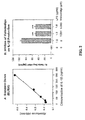
- Methods The cells were stimulated with or without 1 ⁇ M of lipopolysaccharide (LPS, Sigma), and exposed for 24 hours to different concentrations of Meisoindigo (from 31.25 nM to 16,000 nM). Viability of cells was examined under microscope after trypan blue staining. Protein levels of IL-1 ⁇ secreted into the culture media by the cells were then measured by ELISA and calculated from its standard curve using an assay Kit from R&D Systems according to instructions provided by the supplier. The method was established and validated by a good standard curve obtained. An example of the standard curve is shown in Fig. 2 , panel A.
- IL-1 ⁇ is a pleiotropic pro-inflammatory cytokine involved in the pathological process of various inflammatory-related diseases.
- Meisoindigo a representational small molecule of derivatives of indigo, isoindigo and indirubin, against inflammation, we examined the activity of Meisoindigo on the secretion of IL-1 ⁇ in human monocytic THP-1 cells.
- Fig. 2 panel B, the basal level of IL-1 ⁇ in human monocytic THP-1 cells was found to be undetectable.
- This characteristic will be an advantage to patients for high efficacy with lesser side effects when it is used for the treatment of inflammatory disorders, Potent, because over 50% reduction of the LPS mediated IL-1 ⁇ secretion was repeatedly achieved when the cells were exposed to Meisoindigo at concentrations as low as 31.25 nM; moderate, because increasing the concentration of Meisoindigo up to 8 ⁇ M did not result in further reduction of the secretion, indicating that the activity reached was maximal.
- CDKs cyclin-dependent kinases
- Example 2 Meisoindigo, Inhibits the Secretion and Expression of IL-6 in Human monocytic Cell Line THP-1 Cells
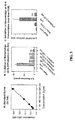
- RNA levels The effect of Meisoindigo on the transcription of IL-6 (RNA levels) was determined by a technique of real time polymerase chain reaction (real time PCR). Total RNA was extracted using a Qiagen Rneasy minit kit, and the HPRT gene was used as internal control.
- RNA extracted for real time PCR assay Total RNA (300 ng) was treated with DNase I (Promega, Madison, WI), and SuperScript IL (Invitrogen, Carlsbad, CA) and oligo(dT) were used for reverse transcription according to the manufacturers' instructions.
- Real-time PCR reactions were performed in a 25- ⁇ L volume containing diluted cDNA, Sybr Green PCR Master Mix (Applied Biosystems), and 2.5 ⁇ M each IL-6 gene-specific primer: R: 5'- TCAATTCGTTCTGAAGAGG (SEQ ID NO. 1) and F: 5'- CCCCCAGGAGAAGATTCC (SEQ. ID NO. 2).
- An ABI Suds7700 analyzer (Applied Biosystems) was used at 50°C for 2 minutes and 95°C for 10 minutes, followed by 40 cycles at 95°C for 15 seconds and 60°C for 1 minute. Test cDNA results were normalized to HPRT internal control measured on the same plate. After cycling, the specificity of amplification was validated by the generation of a melting curve through slow denaturation of the PCR products and then by gel electrophoresis.
- IL-6 is another key pro-inflammatory cytokine involved in inflammation. Therefore, the effect of Meisoindigo on the secretion/expression was examined. Similar to IL-1 ⁇ , the basal level of IL-6 was undetectable in human monocytic THP-1 Cells. Upon stimulation with 1 ⁇ g/ml LPS, the cells moderately secreted IL-6 into the media (33.64 ⁇ 3,29 pglml). Meisoindigo was found to strongly inhibit the secretion of IL-6 in the LPS stimulated THP-1 cells. Approximately 85% of the reduction of secretion was observed when the stimulated cells were exposed to Meisoindigo at the lowest concentration of 31.25 nM of the experiment (P ⁇ 0.001) ( Fig. 3 , panel B).
- LPS binding protein LPS binding protein
- the representative derivative Meisoindigo was used.
- the cell line and the procedure of ELISA to measure secretion of TNF- ⁇ were the same as described in Example 1, except the standard TNF- ⁇ protein was used to establish a standard curve for the calculation of the protein secreted in the medium by the cells (LPS-stimulated or non-stimulated cells in the presence or absence of Meisoindigo).
- a typical standard curve is shown in Fig. 4 , panel A.
- RNA levels The effect of Meisoindigo on the transcription of TNF- ⁇ (RNA levels) was determined by a technique of real time PCR using the same procedures described in Example 2, except the specific primers for TNF- ⁇ were used as follows: 5'-GCCCAG-ACTCGGCAAAG (SEQ. ID NO. 3), and 5'GGAGAAGGGTGACCGACT (SEQ. ID ht3. 4).
- Total RNA was extracted using a Qiagen Rneasy minit kit, and the HPRT gene was used as internal control.
- Human monocytic THP-1 cells grown exponentially were exposed to 0.1 1 ⁇ g/ml of LPS, 4 ⁇ M of Meisoindigo, or 1 ⁇ g/ml of LPS plus 4 ⁇ M of Meisoindigo for 24 hours. The cells were then harvested, washed and total RNA extracted for real time PCR assay as described in Example 2.
- TNF- ⁇ is a crucial pro-inflammatory cytokine investigated extensively during the past decade due to its important biological functions against cancer and its pathological role in the inflammatory disorders.
- Several inhibitors of TNF- ⁇ have been marketed for the treatment of various inflammatory-related diseases.
- As a potential anti-inflammatory agent we explored a role of Meisoindigo in the regulation of TNF- ⁇ in this invention.
- Meisoindigo Increasing the concentration of Meisoindigo up to 8 ⁇ M did not cause further reduction of TNF- ⁇ secretion while no cell deaths were observed. A complete inhibition was obtained however when the stimulated cells were treated with 16 ⁇ M of Meisoindigo at which approximately only 20% apoptotic cells appeared.
- TNF- ⁇ mRNA Maturation of TNF- ⁇ mRNA is affected by a cis-element (2-APRE) in the 3' UTR, which renders splicing of TNF- ⁇ precursor transcripts dependent on activation of RNA-activated protein kinase (PKR) (98).
- 2-APRE RNA-activated protein kinase
- Meisoindigo inhibits the secretion of TNF- ⁇ in LPS-stimulated THP-1 cells need to be established, Meisoindigo is a novel small molecule inhibiting TNF- ⁇ without cytotoxicities, which would make it an ideal medicine for the treatment of various inflammatory-related diseases,
- Example 4 Meisoindigo Stimulates the Secretion of IL-10 in Human Monocytic THP-1 Cells
- Meisoindigo and the THP-1 cell line used in this Example were the same as described in Example 1.
- the procedures of ELISA to measure the secretion of IL-10 also followed the procedures described in Example 1, except the standard IL-10 protein was used to establish the standard curve ( fig. 5 , panel A) for the calculation of the protein secreted in the medium by the cells (LPS-stimulated or non-stimulated cells in the presence or absence of Meisoindigo).
- Example 5 Meisoindigo and its derivatives, at low concentrations, select Cytokines, rather than CDKs as primary molecular targets
- Meisoindigo and NATURA were synthesized by Natrogen Therapeutics, Inc, as described in above examples.
- THP-1 Human monocytic cell line, THP-1 (90), was purchased from ATCC. The cells were maintained according to the supplier's instructions. Approximately 1x10 5 cells/ml were cultured at 37°C, 5% CO 2 for 24 hours in Modified RPMI-1640 Medium (Invitrogen) supplemented with 10% FBS.
- NATURA glycogen synthase kinase-3 ⁇
- Meisoindigo and related class of molecules is able to significantly modulate various cytokines, (inhibits pro-inflammatory cytokines, and stimulate anti-inflammatory cytokines) at remarkably low concentration; where no any inhibitory effects on CDK activity is achieved.
- cytokines inhibits pro-inflammatory cytokines, and stimulate anti-inflammatory cytokines
- Indirubin and its derivatives are not truly biological CDK inhibitors since the inhibition of CDK by those compounds are through physical aggregation rather than biological reaction (103).
- THP-1 cells secreted IL-1 ⁇ , IL-6, IL-8 and TNF- ⁇ , but no IL-2, IL-4, IL-10 and IL-12 after 24 hours of the stimulation of LPS while the basal levels of these cytokines were undetectable by ELISA, which is consistent with the previous reports (93,105),
- a class of small molecules of derivative of isoindigo, indigo, and indirubin structures shown as Formulas I, II, and III
- Meisoindigo as examples on the secretion and expression of pro- and anti-inflammatory cytokines in a human monocytic THP-1 cell model. The data is summarized in Table 2.
- Table 2 The maximal reductions or stimulations of the secretions of these cytokines are summarized in Table 2, Table 2.
- Reduction of IL-6 secretion by Meisoindigo in LPS stimulated THP-1 cells may be a resuit of the down-regulation of transcription of the cytokine gene by using a real time PCR technique.
- Real time PCR assay also showed a moderate inhibition of Meisoindigo on IL-15 in the LPS-stimulated THP-1 cells (data not shown). No such down-regulation was observed for TNF- ⁇ gene using the same technology.
- our data in the present invention demonstrates that this class of small molecules is capable of modulating important cytokines related to various inflammatory-related diseases.
- TNF- ⁇ inhibitors etaercept ENBREL ®
- infliximan REMICADE ® Centocor
- adalimumab HUMIRA ®; Abbott
- KINERET ® IL-1 receptor antagonist
- the molecules claimed in the invention not only concurrently suppress various pro-inflammatory cytokines, i.e., IL-1 ⁇ , IL-6, and TNF- ⁇ , but also stimulate anti-inflammatory cytokine IL-10.
- these molecules have been demonstrated in our previous patent to induce cell differentiation and inhibit cell proliferation at higher concentration. Thus, they provide greater clinical activity. This conclusion has been supported by remarkable outcomes of the efficacy achieved using Meisoindigo for the treatment of a patient with IBD without any side effects. This demonstration is given in Example 7 of this invention.
- Example 6 Meisoindigo Enhances Epidermal Cell Differentiation and Inhibits Hyperplasia and Hyperkeratosis in Rodents
- Meisoindigo was synthesized, purified and its structure characterized by Natrogen Therapeutics, Inc. The purity of the compound was 98.5% as described in the Examples above. A suspension of Meisoindigo was freshly prepared in 0.5% sodium methylcellulose and given orally for the animal tests described below. Other chemicals used in the following experiments were purchased from Sigma.
- Meisoindigo was freshly prepared as a suspension in 0.5% of sodium methylcellulose. The drug was given orally at doses of 50, 100, any 200 mg/kg, respectively, once a day for 13 days. Methotrexate (MTX) was used as a positive control at a dose of 1 mg/kg, i.p. once every 2 days, for the same period of time. The same volume and vehicle for Meisoindigo suspension were used as a negative control. Twenty-four hours after the last administration, the animals were sacrificed and their tails cut 1.5 cm from the base.
- MTX Methotrexate
- Slides were prepared for histological examination as originally described by Bosman et. al.,(106). The slides were prepared by cutting the tails into longitudinal sections, and Hematoxylin and Eosin (H&E) stained. The slides were then examined with a light microscope to evaluate the degree of orthokeratosis (OK) and epidermal hyperplasia. The former was done by measuring the horizontal length of the fully developed granular layer stratum granulosum within an individual scale in relation to its total length. Drug activity was defined by the increase of the positive scale cells containing granular layer stratum granulosum between two folliculus pili.
- mice Sixty Kunming female mice were randomly divided into 5 groups, 20 in one control group, and 10 in 4 drug-tested groups. All mice were given estrogen at a dose of 0.2 mg/animal for 3 days to allow vaginal epithelial cells to develop under the stimulation of estrogen hormone, Meisoindigo was freshly prepared as a suspension in 0,5% of sodium methylcellulose. The drug was given orally at doses of 50,100, and 200 mg/kg, respectively, once a day for 3 days. Methotrexate (MTX) was used as a positive control at a dose of 1 mg/kg, i.p. once a day for the same period of time.
- MTX methotrexate
- the same volume and vehicle used for the Meisoindigo suspension were used as a negative control.
- the animals were given colchicines, i.p. 2 mg/kg to arrest the cells at M phase.
- the animals were sacrificed, and the vaginal tissues were fixed in 10% Formalin, embedded in paraffin, and the slides prepared.
- the slides were stained with H&E, and at least 500 fundus cells examined under a microscope. The mitotic index (percent of mitotic cells) was calculated.
- the common mouse-tail model was used in this Example to measure quantitatively whether compounds claimed in this invention are able to enhance epidermal cell differentiation, thereby decreasing hyperplasia and hyperkeratosis.
- This model was originally described by Jarrett A (107), and modified by Bosman et. al. (106) as well as being currently used by others (108-110).
- MTX is an immuno-suppressive chemotherapeutic agent that significantly .inhibits cell mitosis.
- Meisoindigo enhances epidermal cell differentiation, thereby decreasing hyperplasia and hyperkeratosis via the similar mechanism to that of MTX
- MI mitotic index
- Table 4 the treatment of mice with MTX for 3 days resulted in a significant decrease in the MI as compared with the untreated control (14.76 ⁇ 4.29 of MTX treated group vs. 20.04 ⁇ 3.71 of the control, P ⁇ 0.001).
- the mouse-tail model used in this Example is a commonly used in vivo model to evaluate therapeutic value of agents for the treatment of psoriasis.
- the small molecules claimed in this invention are capable of treating the inflammatory-related disease psoriasis.
- the mechanisms of anti-psoriasis activity of these small molecules are different from the immuno-suppressive and chemotherapeutic agent, MTX, since no direct effect of Meisoindigo on cell mitosis was observed. Instead, modulating secretion/expression of various different types of cytokines demonstrated in Examples 1-4 in this invention plus the ability of these molecules to induce cell differentiation is probably the molecular basis of the anti-psoriasis action.
- Example 7 Meisoindigo Suppresses induced Acute Ulcerative Colitis in Balb/c Mice
- Meisoindigo was synthesized, purified and its structure characterized by Natrogen Therapeutics, Inc. as described in the Examples above. A suspension of Meisoindigo was freshly prepared in 0.5% sodium methylcellulose and given orally for the animal tests described below. DSS (Dextran Sulfate Sodium salt, molecular weight: 36,000-44,000) was purchased from ICN Biomedicals. Other chemicals used in the following experiments were purchased from Sigma.
- Colitis was induced by DSS in drinking water (MW 36,000 - 50,000, ICN biochemicals) as described previously (112). Briefly, the mice were randomly divided into 3 groups composed of 10 mice each. In the negative control group (Group 1), mice were given fresh tap water ad libitum and MF pellets, freshly changed twice a week, for 7 days. In the positive control group (DSS group, or Group 2), 5% DSS in tap water was given for 7 days to induce colitis, and the mice were fed with MF pellets.
- mice were given 5% DSS drinking water and given Meisoindigo orally once a day at a dose of 50 mg/kg for 7 consecutive days. Fecal indications of colitis were recorded daily, including body weight and nature of feces (loose and/or bleeding or occult blood). Mice were then sacrificed. Colon tissues were taken, fixed in 10% formalin/PBS, and embedded in paraffin. To minimize physical artifacts, the removed colon was put onto a thick qualitative filter paper without stretching. The colon was then exposed inside out by cutting it longitudinally. The slides were stained with H&E and blindly examined histochemically by 3 technician/pathologists.
- FIG. 7 panel C shows the colonic wall from a Meisoindigo treated mouse with acute ulcerative colitis induced by 5% DSS. The morphology is similar to that shown in the normal control (panel A), indicating Meisoindigo is effective against DSS-induced acute ulcerative colitis in mice.
- Example 8 Meisoindigo Completely Halted Idiopathic Inflammatory Bowel Disease. In a. Patients
- Meisoindigo was suggested as a potential treatment based on our findings that several pro-inflammatory cytokines could be suppressed Meisoindigo and that antiinflammatory cytokines, such as cytokine IL-I0, can be stimulated. Because of the very minor side effects were reported at a dose of 150 mg per day of this medicine in China for the treatment of chronic myeloid leukemia, Meisoindigo was suggested.
- the patient voluntarily administered Meisoindigo at a recommended dose of 25 mg, once a day for a scheduled three weeks of treatment. After the first three doses, the patient obtained complete remission (three days after the treatment) and all inflammatory symptoms disappeared. This resulted in a zero score using the Clinical Activity Index (Table 5). After nine weeks of remission (three weeks on the medicine, three weeks off of the medicine, and three weeks on the medicine again), the patient again visited her physician and requested a Flexible Sigmoidoscopy to determine if her remission was subjective or objective. The Flexible Sigmoidoscopy was performed on November 4, 2003. After reviewing the results her physician concluded that her inflammation completely arrested.
- FIG. 7 shows the photo before (panel A, October 2002) and after the treatment (panel B, November 4, 2003) from the same inflammatory site in the colon-scope examinations performed by the same physician.
- Meisoindigo has been shown to be a regulator of multiple cytokines IL-1 ⁇ , IL-6, IL-10 and TNF- ⁇ , which are known to be involved in the pathological processes and maintenance of various inflammatory diseases. Meisoindigo has also been shown to be a cytostatic agent that inhibits fast growing cell proliferation and promotes cell differentiation and maturation.
- Meisoindigo has a healing effect in dextran sulfate sodium (DSS)-induced acute, aggressive, ulcerative colitis in Balb/c mice. These results show that Meisoindigo is an effective agent against various chronic inflammatory diseases, including inflammatory bowel disease (IBD).
- DSS dextran sulfate sodium
- Meisoindigo was been synthesized, purified and structure-characterized by the Natrogen Therapeutics, Inc. A suspension of Meisoindigo was freshly prepared in 0.5% sodium methylcellulose and stored at 4° C. The drug suspension was orally administered for purposes of the animal tests described below.
- 5-Aminosalicylicacid (5-ASA) was purchased from Sigma.
- DSS Extran Sulfate Sodium salt, molecular weight: 36,000-44,000
- Other chemicals used in following experiments were purchased from Sigma.
- mice 12 weeks old, with body weights ranging from 22 to 25 grams, were housed five per cage and fed, ad libitum, fresh tap water and commercial rodent pellets. Animal rooms were controlled at 24 ⁇ 2° C with a relative humidity of 60 ⁇ 5% and a 12 hr light/dark cycle (07:00-19:00 hr).
- Animals in Groups 2-5 were fed normally, as was the negative control group, and were also given drinking water containing 5% DSS (MW 36,000 - 44,000) for 7 days, followed by distilled water for a subsequent 10 days. The animals were again given drinking water containing 5% DSS for 7 days, followed by distilled water for another 10 days. This procedure was repeated for a total of 3 cycles.
- DSS MW 36,000 - 44,000
- Group 2 (positive control group) were fed with saline, and group 3 were treated with 5-ASA at 50mg/kg/d by gavage as a positive drug based control.
- Group 4 and 5 were treated with Meisoindigo at dosages of 25 and 75 mg/kg, once a day for 12 days.
- DAI disease activity indexes
- DAI Disease Activity Index
- Table 7 shows the hemoccult scores in all groups of treated or untreated animals. Twelve days after cessation of DSS-feeding, the animals in vehicle treated group showed a slight recovery (27.2%), which was consistent with the chronic nature of colitis induced by 3 consecutive DSS-feeding cycles, as reported previously [4]. In contrast, a significant improvement was observed in both 5-ASA and Meisoindigo treated groups. The animals in the low dose Meisoindigo group showed the best therapeutic response (87%) as compared with 75.7% in the high dose group. The low dose was also better than the positive control 5-ASA with an 80% recovery. The Meisoindigo healing of the bleeding in DSS induced IBD in animals is also consistent with a previous observation that the Meisoindigo treatment produced a speedy termination of bleeding in a patient with ulcerative colitis.
- the traverse (mid) sections of colons from mice were prepared in formalin for paraffin embedding. Slides were stained with H&E. Two mice from each group were used for slide preparation, and for examination of the quality of the slide preparation and the staining.
Landscapes
- Health & Medical Sciences (AREA)
- Life Sciences & Earth Sciences (AREA)
- Veterinary Medicine (AREA)
- Pharmacology & Pharmacy (AREA)
- Animal Behavior & Ethology (AREA)
- Public Health (AREA)
- General Health & Medical Sciences (AREA)
- Medicinal Chemistry (AREA)
- Chemical & Material Sciences (AREA)
- Nuclear Medicine, Radiotherapy & Molecular Imaging (AREA)
- Organic Chemistry (AREA)
- General Chemical & Material Sciences (AREA)
- Chemical Kinetics & Catalysis (AREA)
- Engineering & Computer Science (AREA)
- Bioinformatics & Cheminformatics (AREA)
- Neurology (AREA)
- Biomedical Technology (AREA)
- Physical Education & Sports Medicine (AREA)
- Immunology (AREA)
- Diabetes (AREA)
- Neurosurgery (AREA)
- Pulmonology (AREA)
- Communicable Diseases (AREA)
- Hematology (AREA)
- Rheumatology (AREA)
- Virology (AREA)
- Cardiology (AREA)
- Oncology (AREA)
- Heart & Thoracic Surgery (AREA)
- Tropical Medicine & Parasitology (AREA)
- Orthopedic Medicine & Surgery (AREA)
- Obesity (AREA)
- Dermatology (AREA)
- Epidemiology (AREA)
- Ophthalmology & Optometry (AREA)
- Pain & Pain Management (AREA)
- Urology & Nephrology (AREA)
- Molecular Biology (AREA)
- Hospice & Palliative Care (AREA)
- Vascular Medicine (AREA)
Applications Claiming Priority (3)
| Application Number | Priority Date | Filing Date | Title |
|---|---|---|---|
| US10/754,547 US20050154046A1 (en) | 2004-01-12 | 2004-01-12 | Methods of treating an inflammatory-related disease |
| EP11157590.8A EP2351564B1 (en) | 2004-01-12 | 2005-01-06 | Methods of treating an inflammatory-related disease |
| EP05704992.6A EP1706112B1 (en) | 2004-01-12 | 2005-01-06 | Methods of treating an inflammatory-related disease |
Related Parent Applications (3)
| Application Number | Title | Priority Date | Filing Date |
|---|---|---|---|
| EP11157590.8A Division-Into EP2351564B1 (en) | 2004-01-12 | 2005-01-06 | Methods of treating an inflammatory-related disease |
| EP11157590.8A Division EP2351564B1 (en) | 2004-01-12 | 2005-01-06 | Methods of treating an inflammatory-related disease |
| EP05704992.6A Division EP1706112B1 (en) | 2004-01-12 | 2005-01-06 | Methods of treating an inflammatory-related disease |
Publications (1)
| Publication Number | Publication Date |
|---|---|
| EP3020400A1 true EP3020400A1 (en) | 2016-05-18 |
Family
ID=34739408
Family Applications (3)
| Application Number | Title | Priority Date | Filing Date |
|---|---|---|---|
| EP15184950.2A Withdrawn EP3020400A1 (en) | 2004-01-12 | 2005-01-06 | Method of treating an inflammatory-related disease |
| EP11157590.8A Expired - Lifetime EP2351564B1 (en) | 2004-01-12 | 2005-01-06 | Methods of treating an inflammatory-related disease |
| EP05704992.6A Expired - Lifetime EP1706112B1 (en) | 2004-01-12 | 2005-01-06 | Methods of treating an inflammatory-related disease |
Family Applications After (2)
| Application Number | Title | Priority Date | Filing Date |
|---|---|---|---|
| EP11157590.8A Expired - Lifetime EP2351564B1 (en) | 2004-01-12 | 2005-01-06 | Methods of treating an inflammatory-related disease |
| EP05704992.6A Expired - Lifetime EP1706112B1 (en) | 2004-01-12 | 2005-01-06 | Methods of treating an inflammatory-related disease |
Country Status (15)
| Country | Link |
|---|---|
| US (2) | US20050154046A1 (enExample) |
| EP (3) | EP3020400A1 (enExample) |
| JP (3) | JP5383977B2 (enExample) |
| CA (2) | CA2871459A1 (enExample) |
| CY (1) | CY1115289T1 (enExample) |
| DK (1) | DK1706112T3 (enExample) |
| ES (2) | ES2459365T3 (enExample) |
| HK (1) | HK1220612A1 (enExample) |
| HR (1) | HRP20140536T1 (enExample) |
| ME (1) | ME01878B (enExample) |
| PL (1) | PL1706112T3 (enExample) |
| PT (1) | PT1706112E (enExample) |
| RS (1) | RS53372B (enExample) |
| SI (1) | SI1706112T1 (enExample) |
| WO (1) | WO2005069933A2 (enExample) |
Families Citing this family (44)
| Publication number | Priority date | Publication date | Assignee | Title |
|---|---|---|---|---|
| US7148197B2 (en) * | 2000-08-24 | 2006-12-12 | The Regents Of The University Of California | Orally administered small peptides synergize statin activity |
| US7199102B2 (en) | 2000-08-24 | 2007-04-03 | The Regents Of The University Of California | Orally administered peptides synergize statin activity |
| US8568766B2 (en) | 2000-08-24 | 2013-10-29 | Gattadahalli M. Anantharamaiah | Peptides and peptide mimetics to treat pathologies associated with eye disease |
| US7723303B2 (en) * | 2000-08-24 | 2010-05-25 | The Regents Of The University Of California | Peptides and peptide mimetics to treat pathologies characterized by an inflammatory response |
| US8563525B2 (en) | 2004-01-12 | 2013-10-22 | Natrogen Therapeutics International, Inc. | Methods of treating an inflammatory-related disease |
| US20050154046A1 (en) * | 2004-01-12 | 2005-07-14 | Longgui Wang | Methods of treating an inflammatory-related disease |
| US7582670B2 (en) * | 2001-12-13 | 2009-09-01 | Natrogen Therapeutics, Inc. | Methods of treating an inflammatory-related disease |
| AU2005287004B2 (en) * | 2004-09-16 | 2011-03-17 | The Regents Of The University Of California | G-type peptides and other agents to ameliorate atherosclerosis and other pathologies |
| KR20070089996A (ko) | 2004-12-06 | 2007-09-04 | 더 리전트 오브 더 유니버시티 오브 캘리포니아 | 세동맥의 구조 및 기능의 개선 방법 |
| MX2007013430A (es) * | 2005-04-29 | 2008-03-19 | Univ California | Peptidos y peptidos mimeticos para tratar patologias caracterizadas por una respuesta inflamatoria. |
| US20080293639A1 (en) * | 2005-04-29 | 2008-11-27 | The Regents Of The University Of California | Peptides and peptide mimetics to treat pathologies characterized by an inflammatory response |
| US20080199460A1 (en) | 2005-09-01 | 2008-08-21 | Schering Corporation | Use of IL-23 and IL-17 antagonists to treat autoimmune ocular inflammatory disease |
| WO2007033208A2 (en) * | 2005-09-12 | 2007-03-22 | University Of Maryland Biotechnology Institute Off. Of Research Admin/Tech. Dev. | Use of indirubin and its derivatives in the treatments of hiv infection and heart failure |
| US20090325931A1 (en) * | 2006-07-28 | 2009-12-31 | University Court Of The University Of Edinburgh | Use of cdk inhibitors for the treatment of granulocyte mediated disorders |
| WO2009032702A2 (en) | 2007-08-28 | 2009-03-12 | Uab Research Foundation | Synthetic apolipoprotein e mimicking polypeptides and methods of use |
| EP2195331B1 (en) | 2007-08-28 | 2013-11-20 | Uab Research Foundation | Synthetic apolipoprotein e mimicking polypeptides and methods of use |
| CN101426268B (zh) * | 2007-11-02 | 2010-08-25 | 大唐移动通信设备有限公司 | 导频资源分配方法、系统和设备 |
| CA2725143A1 (en) * | 2008-05-21 | 2009-11-26 | Neurotez, Inc. | Methods for treating progressive cognitive disorders related to neurofibrillary tangles |
| EP2193790A1 (en) | 2008-12-04 | 2010-06-09 | Klinikum der Universität Regensburg | IL-3 Inhibitors in use for treatment of rheumatoid arthritis in an early stage |
| US20100209341A1 (en) * | 2009-02-18 | 2010-08-19 | Csl Limited | Treatment of chronic inflammatory conditions |
| WO2011127175A1 (en) * | 2010-04-06 | 2011-10-13 | Isis Pharmaceuticals, Inc. | Modulation of cd130 (gp130) expression |
| CN102614122B (zh) * | 2011-01-28 | 2013-10-16 | 上海现代药物制剂工程研究中心有限公司 | 酮咯酸氨丁三醇鼻腔喷雾剂及其制备方法 |
| US8632827B2 (en) | 2011-12-13 | 2014-01-21 | Avon Products, Inc | Modulation of thymosin beta-4 in skin |
| EP2863897B1 (en) * | 2012-06-21 | 2019-06-19 | Phosphorex Inc. | Nanoparticles of indirubin, derivatives thereof and methods of making and using same |
| WO2014093053A1 (en) * | 2012-12-11 | 2014-06-19 | Avon Products, Inc. | Modulation of thymosin beta-4 in skin |
| CA2902914A1 (en) | 2013-03-14 | 2014-09-25 | City Of Hope | 5-bromo-indirubins |
| CN103333161B (zh) * | 2013-05-28 | 2015-09-30 | 滁州市洛达生物科技有限公司 | 1’-氧代靛玉红的制备和用途 |
| CA3042642A1 (en) | 2013-08-12 | 2015-02-19 | Pharmaceutical Manufacturing Research Services, Inc. | Extruded immediate release abuse deterrent pill |
| EP3065861A2 (en) | 2013-11-06 | 2016-09-14 | Watt Fuel Cell Corp. | Chemical reactor with manifold for management of a flow of gaseous reaction medium thereto |
| US10172797B2 (en) | 2013-12-17 | 2019-01-08 | Pharmaceutical Manufacturing Research Services, Inc. | Extruded extended release abuse deterrent pill |
| US9492444B2 (en) | 2013-12-17 | 2016-11-15 | Pharmaceutical Manufacturing Research Services, Inc. | Extruded extended release abuse deterrent pill |
| US20150259288A1 (en) | 2014-03-14 | 2015-09-17 | City Of Hope | 5-bromo-indirubins |
| CA2955229C (en) | 2014-07-17 | 2020-03-10 | Pharmaceutical Manufacturing Research Services, Inc. | Immediate release abuse deterrent liquid fill dosage form |
| WO2016018665A1 (en) | 2014-07-31 | 2016-02-04 | Uab Research Foundation | Apoe mimetic peptides and higher potency to clear plasma cholesterol |
| AU2015336065A1 (en) | 2014-10-20 | 2017-05-04 | Pharmaceutical Manufacturing Research Services, Inc. | Extended release abuse deterrent liquid fill dosage form |
| JP7325753B2 (ja) | 2018-01-18 | 2023-08-15 | 慶應義塾 | 潰瘍性大腸炎治療カプセル剤 |
| JP2022511554A (ja) * | 2018-12-07 | 2022-01-31 | ナトロジェン・セラピューティクス・インターナショナル,インコーポレーテッド | メイソインジゴの多形体およびメイソインジゴの改変された製剤 |
| MX2021012548A (es) * | 2019-04-17 | 2023-01-05 | Azora Therapeutics Inc | Composiciones topicas y metodos para el tratamiento de enfermedades inflamatorias de la piel. |
| WO2021146850A1 (en) * | 2020-01-20 | 2021-07-29 | Tsinghua University | A critical role of febrile temperature in regulating interleukin (il) -17 producing cells via smad4 |
| WO2021207489A1 (en) * | 2020-04-08 | 2021-10-14 | Rtu Pharmaceuticals, Llc | Methods and pharmaceutical compositions to treat pulmonary inflammation in infected patients |
| US11345818B1 (en) | 2020-12-29 | 2022-05-31 | Industrial Technology Research Institute | Dye for fiber and dyeing method |
| WO2023286694A1 (ja) * | 2021-07-13 | 2023-01-19 | 国立大学法人東海国立大学機構 | 炎症性腸疾患を治療するための医薬組成物 |
| CN118317948A (zh) | 2021-10-08 | 2024-07-09 | 阿佐拉治疗股份有限公司 | 芳烃受体激动剂的衍生物 |
| CN116270616A (zh) * | 2023-03-24 | 2023-06-23 | 上海交通大学医学院附属仁济医院 | Carquinostatin A化合物在制备治疗炎症性肠病的药物中的应用 |
Citations (3)
| Publication number | Priority date | Publication date | Assignee | Title |
|---|---|---|---|---|
| EP1079826A2 (en) | 1998-05-29 | 2001-03-07 | CNRS, Centre National de la Recherche Scientifique | Use of indigoid bisindole derivatives for the manufacture of a medicament to inhibit cyclin dependent kinases |
| US6566341B1 (en) | 2001-12-13 | 2003-05-20 | Natrogen Therapeutics, Inc. | Derivative of isoindigo, indigo and indirubin for the treatment of cancer |
| WO2003051900A1 (en) * | 2001-12-13 | 2003-06-26 | Natrogen Therapeutics, Inc. | Derivatives of isoindigo, indigo and indirubin and use in treating cancer |
Family Cites Families (68)
| Publication number | Priority date | Publication date | Assignee | Title |
|---|---|---|---|---|
| US3995030A (en) * | 1971-01-06 | 1976-11-30 | Robert Daniels & Company, Inc. | Composition and method for treating arthritis |
| US4172889A (en) * | 1976-03-29 | 1979-10-30 | The Upjohn Company | Method of treating rheumatoid arthritis |
| US4118484A (en) * | 1976-03-29 | 1978-10-03 | The Upjohn Company | Method of treating rheumatoid arthritis |
| US4049824A (en) * | 1976-05-03 | 1977-09-20 | Harry Weldon Diehl | Cetyl myristoleate |
| US4176179A (en) * | 1978-04-17 | 1979-11-27 | The University Of Virginia Alumni Patents Foundation | Method for treating arthritis |
| US4468398A (en) * | 1978-08-11 | 1984-08-28 | Johnson Lewis A | Method for treatment of rheumatoid arthritis |
| US4322405A (en) * | 1981-04-06 | 1982-03-30 | Laboratoires Om Societe Anonyme | Method for treating rheumatoid arthritis |
| US4375468A (en) * | 1981-07-13 | 1983-03-01 | Verex Laboratories, Inc. | Constant order release aspirin composition and method of treating arthritis |
| FR2516368B1 (fr) | 1981-11-13 | 1985-06-21 | Pigeon Daniel | Meuble assemblable et demontable manuellement |
| US4525345A (en) * | 1981-12-24 | 1985-06-25 | Verex Laboratories, Inc. | Constant order release, solid dosage indomethacin formulation and method of treating arthritis and other inflammatory conditions |
| US4500533A (en) * | 1983-06-22 | 1985-02-19 | Eli Lilly And Company | 2,4,5-Triaryl pyrimidines and a method of treating pain, fever, thrombosis, inflammation and arthritis |
| US4533551A (en) * | 1984-02-17 | 1985-08-06 | American Home Products Corporation | Method of treating arthritis with etodolac |
| JPS617254A (ja) | 1984-06-20 | 1986-01-13 | Isukura Sangyo Kk | ビスインドリノンおよびそれを主成分とする制癌剤 |
| MX168552B (es) * | 1985-02-19 | 1993-05-31 | Jensen Charles A | Procedimiento para la preparacion de polvo mineral inorganico |
| US5026538A (en) * | 1985-06-07 | 1991-06-25 | Cadema Medical Products, Inc. | Method of treating arthritis, including rheumatoid arthritis, with 166 Holmium radionuclide |
| US5061475A (en) * | 1985-06-07 | 1991-10-29 | Cadema Medical Products, Inc. | Composition and method of treatment of arthritis and related diseases with holmium-166 radionuclides |
| US5008374A (en) * | 1986-03-14 | 1991-04-16 | Otsuka Pharmaceutical Co., Ltd. | IL-1α derivatives and drugs |
| US4732752A (en) * | 1986-10-23 | 1988-03-22 | Peter Stephan Center, Ltd. | Polyvalent equine immune serum composition and method for treating rheumatoid arthritis |
| US5782792A (en) * | 1986-11-21 | 1998-07-21 | Cypress Bioscience, Inc. | Method for treatment of rheumatoid arthritis |
| US5399347A (en) * | 1987-06-24 | 1995-03-21 | Autoimmune, Inc. | Method of treating rheumatoid arthritis with type II collagen |
| US5843445A (en) * | 1987-06-24 | 1998-12-01 | Autoimmune, Inc. | Method of treating rheumatoid arthritis with type II collagen |
| US5098899A (en) * | 1989-03-06 | 1992-03-24 | Trustees Of Boston University | Method for therapeutically treating psoriatic arthritis using vitamin D analogues and metabolites |
| US5061724A (en) * | 1989-07-18 | 1991-10-29 | Sheldon Gertner | Method for treating arthritically inflamed body joints, particularly joints having gouty arthritis |
| US5149688A (en) * | 1990-04-24 | 1992-09-22 | Cetus Corporation | Methods, compounds, and compositions for immunosuppression |
| US5511563A (en) * | 1991-06-21 | 1996-04-30 | Diamond; Donald A. | Apparatus and method for treating rheumatoid and psoriatic arthritis |
| CA2087147A1 (en) * | 1992-01-17 | 1993-07-18 | William Drell | Method for administration of azauridine for the treatment of rheumatoid arthritis |
| US5696128A (en) * | 1994-07-07 | 1997-12-09 | The Board Of Supervisors Of Louisiana University And Agricultural And Mechanical College | Method of regulating immune function |
| JP3565442B2 (ja) * | 1993-04-22 | 2004-09-15 | 新日本石油化学株式会社 | 哺乳類の関節炎の診断剤および/または治療剤 |
| US6242566B1 (en) * | 1994-02-10 | 2001-06-05 | Board Of Trustees Of The Leland Stanford Junior University | Ligand (ACT-4-L) to a receptor on the surface of activated CD4+ T-cells |
| US5696092A (en) * | 1995-03-07 | 1997-12-09 | George Washington University | Methods and compositions for inhibiting metastasis of epithelial cell-derived cancers |
| US5856446A (en) * | 1995-07-07 | 1999-01-05 | Autoimmune Inc. | Method of treating rheumatoid arthritis with low dose type II collagen |
| US6033672A (en) * | 1996-03-15 | 2000-03-07 | University Of Southern California | Method of stimulating an immune response to caprine arthritis-encephalitis virus (CAEV) in humans through the administration of CAEV immunogens |
| US5770357A (en) * | 1996-03-15 | 1998-06-23 | Univ Southern California | Method of diagnosing caprine arthritis-encephalitis virus infection |
| US5843919A (en) * | 1996-11-25 | 1998-12-01 | Burger; John A. | Composition and method for the treatment of arthritis |
| WO1998023284A1 (en) * | 1996-11-27 | 1998-06-04 | Immunex Corporation | Method of regulating nitric oxide production |
| US5952367A (en) * | 1997-04-25 | 1999-09-14 | Pak; Kyoungsik | Method of treating pain cause by bursitis tendinitis arthritis |
| JP2002511852A (ja) * | 1997-05-07 | 2002-04-16 | スージェン・インコーポレーテッド | 蛋白質キナーゼ活性の調節剤としての2−インドリノン誘導体 |
| US5849323A (en) * | 1997-06-12 | 1998-12-15 | A. Glenn Braswell | Collagen mimetic and method of treating rheumatoid arthritis using same |
| US5849336A (en) * | 1997-07-02 | 1998-12-15 | Abbott Laboratories | Method using sturgeon notochord for alleviating the symptoms of arthritis |
| JP2001513555A (ja) * | 1997-08-28 | 2001-09-04 | イーライ・リリー・アンド・カンパニー | 非リウマチ様関節炎の処置方法 |
| US6040306A (en) * | 1997-11-18 | 2000-03-21 | Pharmacia & Upjohn Company | Method of treating psoriasis, arthritis and reducing the toxicity of cancer chemotherapy |
| AU747705C (en) * | 1997-12-13 | 2004-09-23 | Bristol-Myers Squibb Company | Use of pyrazolo (3,4-b) pyridine as cyclin dependent kinase inhibitors |
| KR100261114B1 (ko) * | 1998-01-24 | 2000-07-01 | 박종헌 | 히스톤을 함유하는 류마티스 관절염 치료제 조성물 |
| EP1087951B9 (en) * | 1998-06-18 | 2006-09-13 | Bristol-Myers Squibb Company | Carbon substituted aminothiazole inhibitors of cyclin dependent kinases |
| US6524625B2 (en) | 1998-06-30 | 2003-02-25 | Kabushiki Kaisha Hayashibara Seibutsu Kagaku Kenkyuto | Physiologically active extract obtained from indigo plant polygonum tinctorium |
| US6346519B1 (en) * | 1998-09-09 | 2002-02-12 | Advanced Medical Instruments | Method and composition for treating arthritis |
| US6656925B2 (en) * | 1998-09-09 | 2003-12-02 | Advanced Medical Instruments | Composition and method of treating arthritis |
| HK1044334A1 (zh) * | 1999-02-01 | 2002-10-18 | Cv治疗公司 | 依赖细胞周期蛋白的激酶2和IκB-α的嘌呤抑制剂 |
| US6197776B1 (en) * | 1999-03-17 | 2001-03-06 | Ernest L. Bonner, Jr. | Method for treatment of reactive arthritis or bursitis |
| US6087382A (en) * | 1999-03-17 | 2000-07-11 | Bonner, Jr.; Ernest L. | Method for treatment of reactive arthritis or bursitis |
| EA200101046A1 (ru) | 1999-04-12 | 2002-04-25 | Герхард Айзенбранд | Производные индигоидных бис-индолов |
| AU775633B2 (en) | 1999-04-12 | 2004-08-05 | Heinz Herbert Fiebig | Use of cell membrane penetrating indigoid bisindole derivatives |
| US6372794B1 (en) * | 1999-08-26 | 2002-04-16 | Marcel E. Nimni | Method for alleviating arthritis in mammals |
| JP2003509420A (ja) * | 1999-09-14 | 2003-03-11 | メルク フロスト カナダ アンド カンパニー | カルボン酸類およびアシルスルホンアミド類、そのような化合物を含む組成物、ならびに治療方法 |
| EP1110549A1 (en) * | 1999-12-23 | 2001-06-27 | Warner-Lambert Company | Use of trimebutine for treating pain |
| EP1280789A1 (en) * | 2000-05-03 | 2003-02-05 | LG Life Sciences Ltd. | Cdk inhibitors having 3-hydroxychromen-4-one structure |
| AU2001290316A1 (en) * | 2000-10-02 | 2002-04-15 | Mochida Pharmaceutical Co., Ltd. | Gata-3 expression inhibitor and method of screening the same |
| DE10053474A1 (de) * | 2000-10-24 | 2002-05-02 | Schering Ag | Schwefelhaltige Indirubinderivate, deren Herstellung und Verwendung |
| DE10061162A1 (de) * | 2000-11-30 | 2002-07-11 | Schering Ag | Aryl-substituierte Indirubinderivate, deren Herstellung und Verwendung |
| DE10114138C2 (de) * | 2001-03-16 | 2003-03-27 | Schering Ag | Cdk-inhibitorische Indirubinderivate mit erhöhter Löslichkeit |
| DE10125763A1 (de) * | 2001-05-17 | 2002-11-28 | Schering Ag | Verwendung selektiver Indirubinderivate als VEGF-R Inhibitoren |
| DE10129028A1 (de) * | 2001-06-11 | 2003-01-02 | Schering Ag | Lösliche Cdk-inhibitorische Indirubinderivate |
| US6613800B1 (en) * | 2001-12-03 | 2003-09-02 | Steven A. Smith | Method and compositions for treating psoriasis, eczema, seborrhea and arthritis |
| US7582670B2 (en) * | 2001-12-13 | 2009-09-01 | Natrogen Therapeutics, Inc. | Methods of treating an inflammatory-related disease |
| US20050154046A1 (en) * | 2004-01-12 | 2005-07-14 | Longgui Wang | Methods of treating an inflammatory-related disease |
| MXPA04005939A (es) * | 2002-01-22 | 2005-01-25 | Warner Lambert Co | 2-(piridin-2-ilamino)-pirido[2,3-d]pirimidin-7-onas. |
| ATE478872T1 (de) * | 2002-03-28 | 2010-09-15 | Ustav Ex Botan Av Cr V V I I O | Pyrazoloä4,3-düpyrimidine, verfahren zu ihrer herstellung und therapeutische anwendung |
| US20050090426A1 (en) * | 2003-03-24 | 2005-04-28 | Blumberg Richard S. | Methods of inhibiting inflammation |
-
2004
- 2004-01-12 US US10/754,547 patent/US20050154046A1/en not_active Abandoned
-
2005
- 2005-01-06 ME MEP-2014-52A patent/ME01878B/me unknown
- 2005-01-06 ES ES05704992.6T patent/ES2459365T3/es not_active Expired - Lifetime
- 2005-01-06 PT PT57049926T patent/PT1706112E/pt unknown
- 2005-01-06 WO PCT/US2005/000169 patent/WO2005069933A2/en not_active Ceased
- 2005-01-06 PL PL05704992T patent/PL1706112T3/pl unknown
- 2005-01-06 EP EP15184950.2A patent/EP3020400A1/en not_active Withdrawn
- 2005-01-06 SI SI200531858T patent/SI1706112T1/sl unknown
- 2005-01-06 CA CA2871459A patent/CA2871459A1/en not_active Abandoned
- 2005-01-06 HR HRP20140536TT patent/HRP20140536T1/hr unknown
- 2005-01-06 EP EP11157590.8A patent/EP2351564B1/en not_active Expired - Lifetime
- 2005-01-06 JP JP2006549356A patent/JP5383977B2/ja not_active Expired - Fee Related
- 2005-01-06 RS RS20140241A patent/RS53372B/sr unknown
- 2005-01-06 CA CA2547963A patent/CA2547963C/en not_active Expired - Fee Related
- 2005-01-06 EP EP05704992.6A patent/EP1706112B1/en not_active Expired - Lifetime
- 2005-01-06 ES ES11157590.8T patent/ES2559183T3/es not_active Expired - Lifetime
- 2005-01-06 DK DK05704992.6T patent/DK1706112T3/da active
-
2006
- 2006-07-26 US US11/494,362 patent/US7855223B2/en not_active Expired - Fee Related
-
2012
- 2012-04-16 JP JP2012092614A patent/JP5969255B2/ja not_active Expired - Fee Related
-
2014
- 2014-06-12 CY CY20141100432T patent/CY1115289T1/el unknown
- 2014-11-28 JP JP2014240778A patent/JP2015071626A/ja active Pending
-
2016
- 2016-07-20 HK HK16108637.4A patent/HK1220612A1/en unknown
Patent Citations (3)
| Publication number | Priority date | Publication date | Assignee | Title |
|---|---|---|---|---|
| EP1079826A2 (en) | 1998-05-29 | 2001-03-07 | CNRS, Centre National de la Recherche Scientifique | Use of indigoid bisindole derivatives for the manufacture of a medicament to inhibit cyclin dependent kinases |
| US6566341B1 (en) | 2001-12-13 | 2003-05-20 | Natrogen Therapeutics, Inc. | Derivative of isoindigo, indigo and indirubin for the treatment of cancer |
| WO2003051900A1 (en) * | 2001-12-13 | 2003-06-26 | Natrogen Therapeutics, Inc. | Derivatives of isoindigo, indigo and indirubin and use in treating cancer |
Non-Patent Citations (123)
| Title |
|---|
| ANDREAKOS, E. T.; FOXWELL, B. M.; BRENNAN, F. M.; MAINI, R N.; FELDMANN, M.: "Cytokines and anti-cytokine biologicals in autoimmunity: present and future", CYTOLDNE GROWTH FACTOR REV, vol. 13, 2002, pages 299 - 313 |
| ANTONI, C.; BRAUN, J: "Side effects of anti-TNF therapy: current knowledge", CLIN EXP RHEUMATOL, vol. 20, 2002, pages S1S2 - 157 |
| AUTSCHBACH, F.; BRAUNSTEIN, J.; HELMKE, B.; ZUNA, 1; SCHURMANN, G.; NIEMIR, Z. I.; WAILICH, R.; OTTO, H. F.; MEUER, S. C.: "In situ expression of interleukin-10 in noninflamed human gut and in inflammatory bowel disease", AM J PATBOL, vol. 153, 1998, pages 121 - 130 |
| BAUGH, J. A.; BUCALA, R: "Mechanisms for modulating TNF alpha in immune and inflammatory disease", CURR OPIN DRUG DISCOV DEVEL, vol. 4, 2001, pages 635 - 650 |
| BEAGLEY, K. W.; ELSON, C. O.: "Cells and cytokines in mucosal immunity and inflammation", GASTROENTEROL CLIN NORTH AM, vol. 21, 1992, pages 347 - 366 |
| BEBO, B. F., JR.; YONG, T.; ORR, E. L.; LINTHICUM, D. S.: "Hypothesis: a possible role for mast cells and their inflammatory mediators in the pathogenesis of autoimmune encephalomyelitis", J NEUROSCI RES, vol. 45, 1996, pages 340 - 348 |
| BESSIS, N.; DOUCET, C.; COTTARD, V.; DOUAR, A. M.; FIRAT, H.; JORGENSEN, C.; MEZZMA, M.; BOISSIER, M. C.: "Gene therapy for rheumatoid arthritis", J GENE MED, vol. 4, 2002, pages 581 - 591 |
| BOSMAN, B.; MATTHIESEN, T.; HESS, V.; FRIDERICHS, E.: "A quantitative method for measuring antipsoriatic activity of drugs by the mouse tail test", SKIN PHARMACOL, vol. 5, 1992, pages 41 - 48 |
| BRESNIHAN, B.; ALVARO-GRACIA, J. M.; COBBY, M.; DOHERTY, M.; DOMLJAN, Z.; EMERY, P.; NUKI, G.; PAVELKA, K.; RAU, R.; ROZMAN, B: "Treatment of rheumatoid arthritis with recombinant human interleukin-1 receptor antagonist", ARTHRITIS RHEUM, vol. 41, 1998, pages 2196 - 2204 |
| BROWN, S. L.; GREENE, M. H.; GERSHON, S. K; EDWARDS, E. T.; BRAUN, M. M.: "Tumor necrosis factor antagonist therapy and lymphoma development: twenty-six cases reported to the Food and Drug Administration", ARTHRITIS RHEUM, vol. 46, 2002, pages 3151 - 3158 |
| BRYNSKOV, J.; TVEDE, N.; ANDERSEN, C. B.; VILIEN, M: "lncreased concentrations of interleukin 1 beta, interleukin-2, and soluble interleukin-2 receptors in endoscopical mucosal biopsy specimens with active inflammatory bowel disease", GUT, vol. 33, 1992, pages 55 - 58 |
| CAMPION, G. V.; LEBSACK, M. E.; LOOKABAUGB, J.; GORDON, G.; CATALANO, M: "Dose-range and dose-frequency study of recombinant human interleukin-1 receptor antagonist in patients with rheumatoid arthritis. The IL-1Ra Arthritis Study Group", ARTHRITIS RHEUM, vol. 39, 1996, pages 1092 - 1101 |
| CAROSELLA E D ET AL: "HLA-G: a shield against inflammatory aggression", TRENDS IN IMMUNOLOGY, ELSEVIER LTD. * TRENDS JOURNALS, GB, vol. 22, no. 10, 1 October 2001 (2001-10-01), pages 553 - 555, XP004357502, ISSN: 1471-4906, DOI: 10.1016/S1471-4906(01)02007-5 * |
| CATHER, J. C.; MENTER, A.: "Modulating T cell responses for the treatment of psoriasis: a focus on efalizumab", EXPERT OPIN BIOL THER, vol. 3, 2003, pages 361 - 370 |
| COOPER, H.S.: "Clinicopathologic study of dextran sulfate sodium experimental murine colitis", LAB INVEST, vol. 69, 1993, pages 238 - 249 |
| COOPER, J. C.; MORGAN, G.; HARDING, S.; SUBRAMANYAM, M.; MAJEAU, G. R; MOULDER, K.; ALEXANDER, D. R: "Alefacept selectively promotes NK cell-mediated deletion of CD45R0+ human T cells", EUR J IMMUNOL, vol. 33, 2003, pages 666 - 675 |
| DAYER, J. M.: "The pivotal role of interleukin-1 in the clinical manifestations of rheumatoid arthritis", RHEUMATOLOGY (OXFORD, vol. 42, 2003, pages 3 - 10 |
| DE JONG, B. A.; HUIZINGA, T. W.; BOLLEN, E. L.; UITDEHAAG, B. M.; BOSMA, G. P.; VAN BUCHEM, M. A.; REMARQUE, E.J.; BURGMANS, A. C.: "Production. of IL-1beta and IL-1Ra as risk factors for susceptibility and progression of relapse-onset multiple sclerosis", J NEUROIMMUNOL, vol. 126, 2002, pages 172 - 179 |
| DEAN, J. L.; WAIT, R; MAHTANI, K. R.; SULLY, G.; CLARK, A. R; SAKLATVALA, J: "The 3' untranslated region of tumor necrosis factor alpha mRNA is a target of the mRNA-stabilizing factor HuR", MOL CELL BIOL, vol. 21, 2001, pages 721 - 730 |
| DEGRABA, T. J.: "The role of inflammation in atherosclerosis", ADV NEURAL, vol. 92, 2003, pages 29 - 42 |
| DETMAR, M.; BROWN, L. F.; CLAFFEY, K. P.; YEO, K. T.; KOCHER, O.; JACKMAN, R. W.; BERSE, B.; DVORAK, H. F: "Overexpression of vascular permeability factor/vascular endothelial growth factor and its receptors in psoriasis", J EXP MED, vol. 180, 1994, pages 1141 - 1146 |
| DIAB, A; ZHU, J.; XIAO, B. G.; MUSTAFA, M.; LINK, H: "High IL-6 and low IL-10 in the central nervous system are associated with protracted relapsing EAE in DA rats", J NEUROPATHOLEXP NEUROL, vol. 56, 1997, pages 641 - 650 |
| DICKSON, D. W.; LEE, S. C.; MATTIACE, L. A; YEN, S. H.; BROSNAN, C: "Microglia and cytokines in neurological disease, with special reference to AIDS and Alzheimer's disease", GLIA, vol. 7, 1993, pages 75 - 83 |
| DUSTIN, M, L.; ROTHLEIN, R; BHAN, A. K.; DINARELLO, C. A.; SPRINGER, T. A: "Induction by IL 1 and interferon-gamma: tissue distribution, biochemistry, and function of a natural adherence molecule (ICAM-1", J IMMUNOL, vol. 137, 1986, pages 245 - 254 |
| ELLIOTT, M. J.; MAINI, R. N.; FELDMANN, M.; LONG-FOX, A; CHARLES, P.; BIJL, H.; WOODY, J. N: "Repeated therapy with monoclonal antibody to tumour necrosis factor alpha (cA2) in patients with rheumatoid arthritis", LANCET, vol. 344, 1994, pages 1125 - 1127 |
| FASSAS, A; KIMISKIDIS, V. K: "Stem cell transplantation for multiple sclerosis: What is the evidence?", BLOOD REV, vol. 17, 2003, pages 233 - 240 |
| FELDMAN, S. R.; GARTON, R.; AVERETT, W.; BALKRISHNAN, R.; VALLEE, J: "Strategy to manage the treatment of severe psoriasis: considerations of efficacy, safety and cost", EXPERT OPINPHARMACOTHER, vol. 4, 2003, pages 1525 - 1533 |
| FELDMANN, M: "Pathogenesis of arthritis: recent research progress", NAT IMMUNOL, vol. 2, 2001, pages 771 - 773 |
| FRANCESCHI, C.; BONAFE, M.; VALENSIN, S.; OLIVIERI, F.; DE LUCA, M.; OTTAVIANI, E.; DE BENECLICTIS: "G. Inflamm-aging. An evolutionary perspective on immunosenescence", ANN N Y ACAD SCI, vol. 908, 2000, pages 244 - 254 |
| FURLAN, R.; PLUCHINO, S.; MARTINO, G.: "Gene therapy-mediated modulation of immune processes in the central nervous system", CURR PHARMDES, vol. 9, 2003, pages 2002 - 2008 |
| GABAY, C: "IL-1 trap. Regeneron/Novartis", CURR OPIN INVESTIG DRUGS, vol. 4, 2003, pages 593 - 597 |
| GHEZZI, P.; MENNINI, T: "Tumor necrosis factor and motoneuronal degeneration: an open problem", NEUROIMMUNOMODULATION, vol. 9, 2001, pages 178 - 182 |
| GIROLOMONI, G.; PASTORE, S.; ALBANESI, C.; CAVANI, A: "Targeting tumor necrosis factor-alpha as a potential therapy in inflammatory skin diseases", CURR OPIN INVESTIG DRUGS, vol. 3, 2002, pages 1590 - 1595 |
| GLABINSKI, A. R.; BIELECKI, B.; RANSOHOFF, R. M.: "Chemokine upregulation follows cytokine expression in chronic relapsing experimental autoimmune encephalomyelitis", SCAND J IMMUNOL, vol. 58, 2003, pages 81 - 88 |
| GROSSMAN, R.M.; KRUEGER, J.; YOURISH, D.; GRANELLI-PIPERNO, A.; MURPHY, D. P.; MAY, L. T.; KUPPER, T, S.; SEHGAL, P. B.; GOTTLIEB,: "Interleukin 6 is expressed in high levels in psoriatic skin and stimulates proliferation of cultured human keratinocytes", PROCNATL ACAD SCI USA, vol. 86, 1989, pages 6367 - 6371 |
| GROUP, C.: "Phase III clinical trials ofMeisoindigo on the treatment of chronic myeloid leukemia", J. CHINESE HEMATOLOGY, vol. 18, 1997, pages 69 - 72 |
| GUBA, M.; MACKMAN, N.: "LPS induction of gene expression in human monocytes", CELL SIGNAL, vol. 13, 2001, pages 85 - 94 |
| GUBA, M.; O'CONNELL, M. A; PAWLINSKI, R; HOLLIS, A.; MCGOVEM, P; YAN, S. F.; STERN, D.; MACKMAN, N.: "Lipopolysaccharide activation of the MEK-ERK1/2 pathway in human monocytic cells mediates tissue factor and tumor necrosis factor alpha expression by inducing Elk-1 phosphorylation and Egr-1 expression", BLOOD, vol. 98, 2001, pages 1429 - 1439 |
| HABOUBI, N. Y.; KAFTAN, S. M.; SCHOFIELD, P. F.: "Radiation colitis is another mimic of chronic inflammatory bowel disease", J CLIN PATHOL, vol. 45, 1992, pages 272 |
| HATAMISLIGIL, G. S.; AMER, P.; CARO, J. F.; ATKINSON, R. L.; SPIEGELMAN, B. M.: "Increased adipose tissue expression of tumor necrosis factor-alpha in human obesity and insulin resistance", J CLIN INVEST, vol. 95, 1995, pages 2409 - 2415 |
| HAUGEBERG, G.; ORSTAVIK, R. E.; KVIEN, T. K: "Effects of rheumatoid arthritis on bone", CURR OPIN RHEUMATOL, vol. 15, 2003, pages 469 - 475 |
| HAVERSEN, L.; OHLSSON, B. G.; HAHN-ZORIC, M.; HANSON, L. A; MATTSBY-BALTZER: "I. Lactoferrin down-regulates the LPS-induced cytokine production in monocytic cells via NF-kappa B", CELL IMMUNOL, vol. 220, 2002, pages 83 - 95 |
| HOCHBERG, M. C.; TRACY, J. K.; HAWKINS-HOLT, M.; FLORES, R. H.: "Comparison of the efficacy of the tumour necrosis factor alpha blocking agents adalimumab, etanercept, and infliximabwhen added to methotrexate in patients with active rheumatoid arthritis", ANN RHEUM DIS, vol. 62, no. 2, 2003, pages 13 - 16 |
| HOTAMISLIGIL, G. S.; MURRAY, D. L.; CHOY, L. N.; SPIEGELMAN, B. M: "Tumor necrosis factor alpha inhibits signaling from the insulin receptor", PROC NATL ACAD SCI US A, vol. 91, 1994, pages 4854 - 4858 |
| HOTAMISLIGIL, G. S.; SHARGILL, N. S.; SPIEGELMAN, B. M: "Adipose expression of tumor necrosis factor-alpha: direct role in obesity-linked insulin resistance", SCIENCE, vol. 259, 1993, pages 87 - 91 |
| HOTAMISLIGIL, G. S.; SPIEGELMAN, B. M.: "Tumor necrosis factor alpha: a key component of the obesity-diabetes link", DIABETES, vol. 43, 1994, pages 1271 - 1278 |
| INDARAM, A V; NANDI, S.; WEISSMAN, S.; LAM, S.; BAILEY, B.; BLUMSTEIN, M.; GREENBERG, R; BANK, S: "Elevated basal intestinal mucosal cytokine Levels in asymptomatic first-degree relatives of patients with Crobn's disease", WORLD J GASTROENTEROL, vol. 6, 2000, pages 49 - 52 |
| INDARAM, A. V.; VISVALINGAM, V.; LOCKE, M; BANK, S: "Mucosal cytokine production in radiation-induced proctosigmoiditis compared with inflammatory bowel disease", AM J GASTROENTEROL, vol. 95, 2000, pages 1221 - 1225 |
| ISAACS, K. L.; SARTOR, R. B.; HASKILL, S.: "Cytokine messenger RNA profiles in inflammatory bowel disease mucosa detected by polymerase chain reaction amplification", GASTROENTEROLOGY, vol. 103, 1992, pages 1587 - 1595 |
| ISHIHARA, K; HIRANO, T: "IL-6 in autoimmune disease and chronic inflammatory proliferative disease", CYTOKINE GROWTH FACTOR REV, vol. 13, 2002, pages 357 - 368 |
| ITO, H.: "IL-6 and Crohn's disease", CURR DRUG TARGETS INFLAMM ALLERGY, vol. 2, 2003, pages 125 - 130 |
| ITO, T.; IKEDA, U: "Inflammatory cytokines and cardiovascu ar disease", CURR DRUG TARGETS INFLAMM ALLERGY, vol. 2, 2003, pages 257 - 265 |
| JARRETT: "A The physiology and pathophysiology of the skin", LANCET, vol. 2, 1973, pages 445 |
| JI, X.J.; LIU, X. M.; LI,K; CHEN, R. H.; WANG, L. G: "Pharmacological studies of meisoindigo: absorption and mechanism of action", BIOMED ENVIRON SCI, vol. 4, 1991, pages 332 - 337 |
| JUN, H. S.; SANTAMARIA, P.; LIM, H. W.; ZHANG, M. L.; YOON, J. W: "Absolute requirement of macrophages far the development and activation of beta-cell cytotoxic CD8+ T-cells in T-cell receptor transgenic NOD mice", DIABETES, vol. 48, 1999, pages 34 - 42 |
| KONG, M.; BARNES, E. A.; OLLENDORFF, V.; DONOGHUE, D. J.: "Cyclin F regulates the nuclear localization of cyclin B1 through a cyclin-cyclin interaction", EMBO J, vol. 19, 2000, pages 1378 - 1388 |
| KU NZ; GIESCHEN, DRUG METABOLISM AND DISPOSITION, vol. 26, 1998, pages 1120 - 1127 |
| KUNIKATA T ET AL: "Indirubin inhibits inflammatory reactions in delayed-type hypersensitivity", EUROPEAN JOURNAL OF PHARMACOLOGY, ELSEVIER SCIENCE, vol. 410, 1 January 2000 (2000-01-01), pages 93 - 100, XP002988912, ISSN: 0014-2999, DOI: 10.1016/S0014-2999(00)00879-7 * |
| LAHIRI, D. K.; CHEN, D.; VIVIEN, D.; GE, Y. W; GREIG, N. H.; ROGERS, J. T: "Role of cytokines in the gene expression of amyloid beta-protein precursor: identification of a 5'-UTR-binding nuclear factor and its implications in Alzheimer's disease", J ALZHEIMERS DIS, vol. 5, 2003, pages 81 - 90 |
| LALIBERTE, R E.; PERREGAUX,D. G.; HOTH, L. R.; ROSNER, P. J.; JORDAN, C. K.; PEESE, K. M.; EGGLER, J. F.; DOMBROSKI, M. A; GEOGHEG: "Glutathione s-transferase omega 1-1 is a target of cytokine release inhibitory drugs and may be responsible for their effect on interleukin-1beta posttranslational processing", J BIOL CHEM, vol. 278, 2003, pages 16567 - 16578 |
| LANG, C. H.; DOBRESCU, C.; D BAGBY, G. J.: "Tumor necrosis factor impairs insulin action on peripheral glucose disposal and hepatic glucose output", ENDOCRINOLOGY, vol. 130, 1992, pages 43 - 52 |
| LECHMAN, E. R.; JAFFURS, D.; GHIVIZZANI, S. C.; GAMBOTTO, A; KOVESDI,I.; MI, Z.; EVANS, C. H.; ROBBINS, P. D: "Direct adenoviral gene transfer of viral IL-10 to rabbit knees with experimental arthritis ameliorates disease in both injected and contralateral control knees", J IMMUNOL, vol. 163, 1999, pages 2202 - 2208 |
| LI, Y. J.; OLIVEIRA, S. A.; XU, P.; MARTIN, E. R.; STENGER, J. E.; SCHERZER, C. R.; HAUSER, M. A.; SCOTT, W. K.; SMALL, G. W.; NAN: "Glutathione S-Transferase Omega 1 modifies age-at-onset of Alzheimer Disease and Parkinson Disease", HUM MOL GENET, vol. 12, 2003, pages 3259 - 3267 |
| LICHTIGER, S.; PRESENT, D. H.; KOMBLUTH, A.; GELERNT, I.; BAUER, J.; GALLER, G.; MICHELASSI, F.; HANAUER, S.: "Cyclosporine in severe ulcerative colitis refractory to steroid therapy", N ENGL J MED, vol. 330, 1994, pages 1841 - 1845 |
| LINDSBERG, P. J.; GRAU, A J.: "Inflammation and infections as risk factors for ischemic stroke", STROKE, vol. 34, 2003, pages 2518 - 2532 |
| LIO D ET AL: "Tumor necrosis factor-alpha-308A/G polymorphism is associated with age at onset of Alzheimer's disease", MECHANISMS OF AGEING AND DEVELOPMENT, ELSEVIER SEQUOIA, LAUSANNE, CH, vol. 127, no. 6, 1 June 2006 (2006-06-01), pages 567 - 571, XP025071547, ISSN: 0047-6374, [retrieved on 20060601], DOI: 10.1016/J.MAD.2006.01.015 * |
| LIU, J. H.; WEI, S.; BURNETTE, P. K.; GAMERO, A M.; HUTTON, M.; DJEU, J. Y: "Functional association ofTGF-beta receptor II with cyclin B", ONCOGENE, vol. 18, 1999, pages 269 - 275 |
| LIU, X. M.; WANG, L. G.; LI, H. Y.; JI, X. J: "Induction of differentiation and down-regulation of c-myb gene expression in ML-1 human myeloblastic leukemia cells by the clinically effective anti-leukemia agent meisoindigo", BIOCHEM PHARMACOL, vol. 51, 1996, pages 1545 - 1551 |
| MACCARRONE, M.; BARI, M.; BATTISTA, N.; FINAZZI-AGRO, A: "Endocannabinoid degradation, endotoxic shock and inflammation", CURR DRUG TARGETS INFLAMM ALLERGY, vol. 1, 2002, pages 53 - 63 |
| MACDERMOTT, R. P.: "Alterations in the mucosal immune system in ulcerative colitis and Crohn's disease", MED CLIN NORTH AM, vol. 78, 1994, pages 1207 - 1231 |
| MATSUURA, T.; WEST, G.A.; YOUNGMAN, K. R.; KLEIN, J. S.; FIOCCHI, C.: "Immune activation genes in inflammatory bowel disease", GASTROENTEROLOGY, vol. 104, 1993, pages 448 - 458 |
| MCGEER, E. G.; MCGEER, P. L: "Inflammatory processes in Alzheimer's disease", PROG NEUROPSYCHOPHARMACOL BIOL PSYCHIATRY, vol. 27, 2003, pages 741 - 749 |
| MCGOVERN, S. L.; SHOICHET, B. K.: "Kinase inhibitors: not just for kinases anymore", J MED CHEM, vol. 46, 2003, pages 1478 - 1483 |
| MENDONCA, C. O.; BURDEN, A D: "Current concepts in psoriasis and its treatment", PHARMACOL THER, vol. 99, 2003, pages 133 - 147 |
| MENNICKEN, F.; MAKI, R.; DE SOUZA, E. B.; QUIRION, R.: "Chemokines and chemokine receptors in the CNS: a possible role in neuroinflammation and patterning", TRENDS PHARMACOL SCI, vol. 20, 1999, pages 73 - 78 |
| MORELAND, L. W.; BAUMGARTNER, S. W.; SCHIFF, M. H.; TINDALL, E. A.; FLEISCHMANN, R. M.; WEAVER, A. L.; ETTLINGER, R. E.; COHEN, S.: "Treatment of rheumatoid arthritis with a recombinant human tumor necrosis factor receptor (p75)-Fc fusion protein", N ENGL J MED, vol. 337, 1997, pages 141 - 147 |
| MURTHY, S. ET AL.: "The efficacy of BATy1015 indextran sulfate model of mouse colitis", INFLAMM RES, vol. 46, no. 6, 1997, pages 224 - 233 |
| MURTHY, S.N. ET AL.: "Treatment Of Dextran Sulfate Sodium-Induced Murine Colitis By Intracolonic Cyclosporine", DIGESTIVE DISEASES AND SCIENCES, vol. 38, no. 9, 1993, pages 1722 - 1734 |
| NAJARIAN, D, J.; GOTTLIEB, A B.: "Connections between psoriasis and Crohn's disease", J AM ACAD DERMATOL, vol. 48, 2003, pages 805 - 821 |
| NOGUCHI, M.; HIWATASHI, N.; LIU, Z.; TOYOTA, T: "Secretion imbalance between tumour necrosis factor and its inhibitor in inflammatory bowel disease", GUT, vol. 43, 1998, pages 203 - 209 |
| OFEI, F.; HUREL, S; NEWKIRK, J; SOPWITH, M.; TAYLOR, R: "Effects of an engineered human anti-TNF-alpha antibody (CDP571) on insulin sensitivity and glycemic control in patients with NIDDM", DIABETES, vol. 45, 1996, pages 881 - 885 |
| OKAYASU, I. ET AL.: "A novel method in induction or reliable experimental acute and chronic colitis in mice", GASTROENTEROLOGY, vol. 98, 1990, pages 694 - 702 |
| OKAYASU, I.; HATAKEYAMA, S.; YAMADA, M.; OHKUSA, T.; INAGAKI, Y.; NAKAYA, R: "A novel method in the induction of reliable experimental acute and chronic ulcerative colitis in mice", GASTROENTEROLOGY, vol. 98, 1990, pages 694 - 702 |
| ORAVCOVA ET AL., JOURNAL OF CHROMATOGRAPHY B, vol. 677, 1996, pages 1 - 27 |
| OSMAN, F.; JARROUS, N.; BEN-ASOULI, Y.; KAEMPFER, R. A: "cis-acting element in the 3'-untranslated region of human TNF-alpha mRNA renders splicing dependent on the activation of protein kinase PKR", GENES DEV, vol. 13, 1999, pages 3280 - 3293 |
| PALLADINO, M. A; BAHJAT, F. R.; THEODORAKIS, E. A.; MOLDAWER, L. L: "Anti-TNF-alpha therapies: the next generation", NAT REV DRUG DISCOV, vol. 2, 2003, pages 736 - 746 |
| RABINOVITCH, A; SUAREZ-PINZON, W. L.: "Role ofcytokines in the pathogenesis of autoimmune diabetes mellitus", REV ENDOCR METAB DISORD, vol. 4, 2003, pages 291 - 299 |
| ROBERTSON, J.; BEAULIEU, J. M.; DOROUDCHI, M. M.; DURHAM, H. D.; JULIEN, J. P.; MUSHYNSKI, W. E: "Apoptotic death of neurons exhibiting peripherin aggregates is mediated by the proinflammatory cytokine tumor necrosis factor-alpha", J CELL BIOL, vol. 155, 2001, pages 217 - 226 |
| ROGERS, J.; SHEN, Y.: "A perspective on inflammation in Alzheimer's disease", ANN N Y ACAD SCI, vol. 924, 2000, pages 132 - 135 |
| RUAN, H.; LODIAH, H. F: "Insulin resistance in adipose tissue: direct and indirect effects of tumor necrosis factor-alpha", CYTOKINE GROWTH FACTOR REV, vol. 14, 2003, pages 447 - 455 |
| RUAN, H.; POWNALL, H. J.; LODISH, H. F.: "Troglitazone antagonizes tumor necrosis factor-alpha-induced reprogramming of adipocyte gene expression by inhibiting the transcriptional regulatory functions of NF-kappaB", J BIOL CHEM, vol. 278, 2003, pages 28181 - 28192 |
| RUTGEERTS, P.: "A critical assessment of new therapies in inflammatory bowel disease", J GASTROENTEROL HEPATOL, vol. 17, 2002, pages 176 - 185 |
| RUTGEERTS, P.; LEMMENS, L.; VAN ASSCHE, G.; NOMAN, M.; BORGHINI-FUHRER, I.; GOEDKOOP, R.: "Treatment of active Crohn's disease with onercept (recombinant human soluble p55 tumour necrosis factor receptor): results of a randomized, open-label, pilot study", ALIMENT PHARMACOL THER, vol. 17, 2003, pages 185 - 192 |
| SAMOILOVA, E. B.; HORTON, J. L.; HILLIARD, B.; LIU, T. S.; CHEN, Y: "IL-6-deficient mice are resistant to experimental autoimmune encep alomyelitis: roles of IL-6 in the activation and differentiation of autoreactive T cells", J IMMUNOL, vol. 161, 1998, pages 6480 - 6486 |
| SCHMIDT, M.I.; DUNCAN, B. B: "Diabesity: an inflammatory metabolic condition", CLIN CHEM LAB MED, vol. 41, 2003, pages 1120 - 1130 |
| SCHON, M. P.: "Animal models of psoriasis - what can we learn from them?", J INVEST DERMATOL, vol. 112, 1999, pages 405 - 410 |
| SCHREIBER, A. B.; WINKLER, M. E.; DERYNCK, R: "Transforming growth factor-alpha: a more potent angiogenic mediator than epidennal growth factor", SCIENCE, vol. 232, 1986, pages 1250 - 1253 |
| SCHREIBER, S.; HEINIG, T.; THIELE, H. G.; RAEDLER, A: "Immunoregulatory role of interleukin 10 in patients with inflammatory bowel disease", GASTROENTEROLOGY, vol. 108, 1995, pages 1434 - 1444 |
| SCHUMANN, R. R.; BELKA, C; REUTER, D.; LAMPING, N; KIRSCHNING, C. J.; WEBER, J. R; PFEIL, D.: "Lipopolysaccharide activates caspase-1 (interleukin-1-converting enzyme) in cultured monocytic and endothelial cells", BLOOD, vol. 91, 1998, pages 577 - 584 |
| SEBOK, B.; BONNEKOH, B.; KERENYI, M.; GOLLNICK, H: "Tazarotene induces epidermal cell differentiation in the mouse tail test used as an animal model for psoriasis", SKINPHARMACOL APPL SKIN PHYSIOL, vol. 13, 2000, pages 285 - 291 |
| SEBOK, B.; SZABADOS, T.; KERENYI, M.; SCHNEIDER, L.; MAHRLE, G: "Effect of fumaric acid, its dimethylester, and topical antipsoriatic drugs on epidermal differentiation in the mouse tail model", SKIN PHARMACOL, vol. 9, 1996, pages 99 - 103 |
| STRANGE, P.; SKOV, L.; BAADSGAARD, 0: "Interferon gamma-treated keratinocytes activate T cells in the presence of superantigens: involvement of major histocompatibility complex class II molecules", J INVEST DERMATOL, vol. 102, 1994, pages 150 - 154 |
| SUBRAMANIAN, N.; BRAY, M. A: "Interleukin 1 releases histamine from human basophils and mast cells in vitro", J IMMUNOL, vol. 138, 1987, pages 271 - 275 |
| SULLIVAN, G. W.; SAREMBOCK, I.J.; LINDEN, J: "The role of inflammation in vascular diseases", J LEUKOC BIOL, vol. 67, 2000, pages 591 - 602 |
| SURI, A; KATZ, J. D.: "Dissecting the role of CD4+ T cells in autoimmune diabetes through the use of TCR transgenic mice", IMMUNOL REV, vol. 169, 1999, pages 55 - 65 |
| TANAKA, Y.; OKADA, Y.; NAKAMURA, T: "Inter- and intracellular signaling in secondary osteoporosis", J BONE MINER METAB, vol. 21, 2003, pages 61 - 66 |
| TANG, X; FENTON, M. J.; AMAR, S.: "Identification and functional characterization of a novel binding site on TNF-alpha promoter", PROC NATL ACAD SCI U S A, vol. 100, 2003, pages 4096 - 4101 |
| THUSEN, J. H.; KUIPER, J.; VAN BERKEL, T. J.; BIESSEN, E. A.: "Interleukins in atherosclerosis: molecular pathways and therapeutic potential", PHARMACOL REV, vol. 55, 2003, pages 133 - 166 |
| TOMOTAKA MABUCHI ET AL: "Chemokine receptors in the pathogenesis and therapy of psoriasis", JOURNAL OF DERMATOLOGICAL SCIENCE, ELSEVIER SCIENCE PUBLISHERS, SHANNON, IE, vol. 65, no. 1, 14 November 2011 (2011-11-14), pages 4 - 11, XP028351471, ISSN: 0923-1811, [retrieved on 20111125], DOI: 10.1016/J.JDERMSCI.2011.11.007 * |
| TRACY, R P.: "Inflammation, the metabolic syndrome and cardiovascular risk", INT J CLIN PRACT, 2003, pages 10 - 17 |
| TSUCHIYA, S.; YAMABE, M.; YAMAGUCHI, Y.; KOBAYASHI, Y; KONNO, T.; TADA, K.: "Establishment and characterization of a human acute monocytic leukemia cell line (THP-1", INT J CANCER, vol. 26, 1980, pages 171 - 176 |
| UYSAL, K. T; WIESBROCK, S. M.; MARINO, M. W.; HOTAMISLIGIL, G. S: "Protection from obesity-induced insulin resistance in mice lacking TNF-alpha function", NATURE, vol. 389, 1997, pages 610 - 614 |
| VIRDIS, A; SCHIFFRIN, E. L: "Vascular inflammation: a role in vascular disease in hypertension?", CURR OPIN NEPHROL HYPERTENS, vol. 12, 2003, pages 181 - 187 |
| WANG, E.; MA, W. J.; AGHAJANIAN, C.; SPRIGGS, D. R: "Posttranscriptional regulation of protein expression in human epithelial carcinoma cells by adenine-uridine-rich elements in the 3'-untranslated region of tumor necrosis factor-alpha messenger RNA", CANCER RES, vol. 57, 1997, pages 5426 - 5433 |
| WANG, L. G.; LIU, X M.; KREIS, W.; BUDMAN, D. R: "Down-regulation of prostate-specific antigen expression by finasteride through inhibition of complex formation between androgen receptor and steroid receptor-binding consensus in the promoter of the PSA gene in LNCaP cells", CANCER RES, vol. 57, 1997, pages 714 - 719 |
| WANG, L. G.; LIU, X. M.; WIKIEL, H.; BLOCH, A: "Activation of casein kinase 11 in ML-1 human myeloblastic leukemia cells requires IGF-1 and transferrin", J LEUKOC BIOL, vol. 57, 1995, pages 332 - 334 |
| WATANABE, T.; FAN, J.: "Atherosclerosis and inflammation mononuclearcell recruitment and adhesion molecules with reference to the implication ofICAM-1/LFA-1 pathway in atherogenesis", LINT J CARDIOL, vol. 66, no. 1, 1998, pages 45 - 53,S55 |
| WEINBERG, J. M.; SAINI, R.; TUTRONE, W. D.: "Biologic therapy for psoriasis--the first wave: infliximab, etanercept, efalizumab, and alefacept", J DRUGS DERMATOL, vol. 1, 2002, pages 303 - 310 |
| WEISMAN, M. H.: "What are the risks of biologic therapy in rheumatoid arthritis? An update on safety", J RHEUMATOL, vol. 65, 2002, pages 33 - 38 |
| WHALEN, J. D.; LECHMAN, E. L.; CARLOS, C. A; WEISS, K.; KOVESDI, I.; GLORIOSO, J. C.; ROBBINS, P. D.; EVANS, C. H: "Adenoviral transfer of the viral IL-10 gene periarticularly to mouse paws suppresses development of collagen-induced arthritis in both injected and uninjected paws", J IMMUNOL, vol. 162, 1999, pages 3625 - 3632 |
| WILLIAMS, J. D.; GRIFFITHS, C. E: "Cytokine blocking agents in dermatology", CLIN EXP DERMATOL, vol. 27, 2002, pages 585 - 590 |
| YOON, J. W.; JUN, H. S.; SANTAMARIA, P: "Cellular and molecularmechanisms for the initiation and progression of beta", AUTOIMMUNITY, vol. 27, 1998, pages 109 - 122 |
| YOZA, B. K; HU, J. Y; MCCALL, C. E: "Protein-tyrosine kinase activation is required for lipopolysaccharide induction of interleukin 1 beta and NFkappaB activation, but not NFkappaB nuclear translocation", J BIOL CHEM, vol. 271, 1996, pages 18306 - 18309 |
Also Published As
| Publication number | Publication date |
|---|---|
| EP2351564B1 (en) | 2015-11-11 |
| ES2459365T3 (es) | 2014-05-09 |
| HK1220612A1 (en) | 2017-05-12 |
| DK1706112T3 (da) | 2014-04-22 |
| RS53372B (sr) | 2014-10-31 |
| JP5969255B2 (ja) | 2016-08-17 |
| WO2005069933A2 (en) | 2005-08-04 |
| PL1706112T3 (pl) | 2014-08-29 |
| EP1706112B1 (en) | 2014-03-12 |
| HK1096603A1 (en) | 2007-06-08 |
| EP2351564A1 (en) | 2011-08-03 |
| EP1706112A4 (en) | 2008-12-10 |
| ES2559183T3 (es) | 2016-02-10 |
| PT1706112E (pt) | 2014-05-02 |
| JP5383977B2 (ja) | 2014-01-08 |
| HRP20140536T1 (hr) | 2014-07-04 |
| CA2871459A1 (en) | 2005-08-04 |
| EP1706112A2 (en) | 2006-10-04 |
| US20050154046A1 (en) | 2005-07-14 |
| CA2547963A1 (en) | 2005-08-04 |
| CY1115289T1 (el) | 2017-01-04 |
| JP2007522114A (ja) | 2007-08-09 |
| HK1160393A1 (en) | 2012-08-17 |
| JP2015071626A (ja) | 2015-04-16 |
| US7855223B2 (en) | 2010-12-21 |
| WO2005069933A3 (en) | 2005-09-09 |
| JP2012176956A (ja) | 2012-09-13 |
| SI1706112T1 (sl) | 2014-07-31 |
| ME01878B (me) | 2014-12-20 |
| CA2547963C (en) | 2015-02-10 |
| US20070027203A1 (en) | 2007-02-01 |
Similar Documents
| Publication | Publication Date | Title |
|---|---|---|
| EP2351564B1 (en) | Methods of treating an inflammatory-related disease | |
| US9023885B2 (en) | Methods of treating an inflammatory-related disease | |
| Lee et al. | CYCLOSPORINE A INHIBITS THE EXPRESSION OF COSTIMULATORY MOLECULES ON IN VITRO-GENERATED DENDRITIC CELLS: Association with Reduced Nuclear Translocation of Nuclear Factor Kappa B: 1 | |
| Varga et al. | The cause and pathogenesis of the eosinophilia-myalgia syndrome | |
| Mencarelli et al. | The plant sterol guggulsterone attenuates inflammation and immune dysfunction in murine models of inflammatory bowel disease | |
| US8563525B2 (en) | Methods of treating an inflammatory-related disease | |
| Paltsev et al. | Morphofunctional and signaling molecules overlap of the pineal gland and thymus: role and significance in aging | |
| Schattenberg et al. | Diabetes and apoptosis: liver | |
| Conlon et al. | Amphibian host-defense peptides with potential for Type 2 diabetes therapy–an updated review | |
| HK1160393B (en) | Methods of treating an inflammatory-related disease | |
| HK1096603B (en) | Methods of treating an inflammatory-related disease | |
| JPH0224250B2 (enExample) | ||
| US9962400B2 (en) | Methods and compositions for treating lupus | |
| NO331715B1 (no) | Anvendelse av 4-(4-metylpiperazin-1-ylmetyl)-N-[4-metyl-3-(4-pyridin-3-yl)pyrimidin-2-ylamino)fenyl]-benzamid eller et farmasoytisk akseptabelt salt derav for fremstilling av et medikament for terapi eller prevensjon av diabetes | |
| Tsushida et al. | The Nuclear Factor (Erythroid-Derived 2)-Like 2 Activator TBE-31 Influences Body Weight by Affecting White Adipose Tissue in High Fat Diet-Induced Obesity Mice | |
| CN121511084A (zh) | 用1h-吲哚-3-甲醛或1-甲基吲哚-3-甲酸治疗原发性ctla-4检查点相关免疫缺陷 | |
| Panés et al. | ICAM-1 expression in the splanchnic organs in vivo: Effects of endotoxin |
Legal Events
| Date | Code | Title | Description |
|---|---|---|---|
| PUAI | Public reference made under article 153(3) epc to a published international application that has entered the european phase |
Free format text: ORIGINAL CODE: 0009012 |
|
| 17P | Request for examination filed |
Effective date: 20150916 |
|
| AC | Divisional application: reference to earlier application |
Ref document number: 1706112 Country of ref document: EP Kind code of ref document: P Ref document number: 2351564 Country of ref document: EP Kind code of ref document: P |
|
| AK | Designated contracting states |
Kind code of ref document: A1 Designated state(s): AT BE BG CH CY CZ DE DK EE ES FI FR GB GR HU IE IS IT LI LT LU MC NL PL PT RO SE SI SK TR |
|
| AX | Request for extension of the european patent |
Extension state: AL BA HR LV MK YU |
|
| REG | Reference to a national code |
Ref country code: HK Ref legal event code: DE Ref document number: 1220612 Country of ref document: HK |
|
| STAA | Information on the status of an ep patent application or granted ep patent |
Free format text: STATUS: EXAMINATION IS IN PROGRESS |
|
| 17Q | First examination report despatched |
Effective date: 20170726 |
|
| STAA | Information on the status of an ep patent application or granted ep patent |
Free format text: STATUS: THE APPLICATION IS DEEMED TO BE WITHDRAWN |
|
| 18D | Application deemed to be withdrawn |
Effective date: 20190516 |
|
| REG | Reference to a national code |
Ref country code: HK Ref legal event code: WD Ref document number: 1220612 Country of ref document: HK |