EP2878684A2 - Verfahren zur Steuerung des Entkohlungsreaktionspotentials einer kohlenstoffhaltigen Metallschmelze während einer Sauerstoff-Inertgas-Blas- und Vakuumbehandlung - Google Patents
Verfahren zur Steuerung des Entkohlungsreaktionspotentials einer kohlenstoffhaltigen Metallschmelze während einer Sauerstoff-Inertgas-Blas- und Vakuumbehandlung Download PDFInfo
- Publication number
- EP2878684A2 EP2878684A2 EP14188732.3A EP14188732A EP2878684A2 EP 2878684 A2 EP2878684 A2 EP 2878684A2 EP 14188732 A EP14188732 A EP 14188732A EP 2878684 A2 EP2878684 A2 EP 2878684A2
- Authority
- EP
- European Patent Office
- Prior art keywords
- decarburization
- molten metal
- inert gas
- oxygen
- rate
- Prior art date
- Legal status (The legal status is an assumption and is not a legal conclusion. Google has not performed a legal analysis and makes no representation as to the accuracy of the status listed.)
- Granted
Links
Images



Classifications
-
- C—CHEMISTRY; METALLURGY
- C21—METALLURGY OF IRON
- C21C—PROCESSING OF PIG-IRON, e.g. REFINING, MANUFACTURE OF WROUGHT-IRON OR STEEL; TREATMENT IN MOLTEN STATE OF FERROUS ALLOYS
- C21C5/00—Manufacture of carbon-steel, e.g. plain mild steel, medium carbon steel or cast steel or stainless steel
- C21C5/28—Manufacture of steel in the converter
- C21C5/30—Regulating or controlling the blowing
- C21C5/35—Blowing from above and through the bath
-
- C—CHEMISTRY; METALLURGY
- C21—METALLURGY OF IRON
- C21C—PROCESSING OF PIG-IRON, e.g. REFINING, MANUFACTURE OF WROUGHT-IRON OR STEEL; TREATMENT IN MOLTEN STATE OF FERROUS ALLOYS
- C21C7/00—Treating molten ferrous alloys, e.g. steel, not covered by groups C21C1/00 - C21C5/00
- C21C7/04—Removing impurities by adding a treating agent
- C21C7/068—Decarburising
-
- C—CHEMISTRY; METALLURGY
- C21—METALLURGY OF IRON
- C21C—PROCESSING OF PIG-IRON, e.g. REFINING, MANUFACTURE OF WROUGHT-IRON OR STEEL; TREATMENT IN MOLTEN STATE OF FERROUS ALLOYS
- C21C7/00—Treating molten ferrous alloys, e.g. steel, not covered by groups C21C1/00 - C21C5/00
- C21C7/10—Handling in a vacuum
Definitions
- the invention is directed to a method for controlling the decarburization rate in a converter during the refining of a carbon-containing molten metal, in particular molten iron, preferably of a FeCr or FeMn alloy by means of a combined oxygen-inert gas blowing and vacuum process, in particular a vacuum Oxygen-Decarburisation converter process.
- the invention has for its object to provide a solution that allows efficient and advantageous control of the blowing and vacuum process when refining a carbonaceous molten metal.
- this object is achieved in that during the decarburization during the decarburization in the molten metal parallel an inert gas, in particular the inert gas flow, are set and adjusted in the molten metal and a vessel pressure and by these two parameters, the decarburization of the Metal melt is controlled indirectly via each resulting decarburization reaction potential.
- a first aspect of the invention thus resides in the control of decarburization process kinetics by means of the decarburization reaction potential, i. by the difference between the actual carbon content in the molten metal and the equilibrium content of carbon in the molten metal depending on the melting temperature and both the chemical composition of the melt and the partial pressure of carbon monoxide in the vessel.
- the invention is characterized in an advantageous embodiment in that the decarburization reaction potential is determined as the difference between the actual carbon content in the molten metal and the respective equilibrium content of carbon in the molten metal.
- the carbon balance in the molten metal is expediently controlled, which the invention also provides.
- the duration of the main period depends on the blowing parameters and the duration of the dynamic period depends on the thermodynamic potential of carbon oxidation.
- the oxygen blowing rates in the main period determine the decarburization rate level, but lose that property after the critical moment has been exceeded.
- Me is the main component of the melt
- V * a complex function which depends on the metal chemistry, the temperature and the slag oxide activity
- X the supplementary elements such as Si, P, S, Mn, Cr etc.
- T the melting temperature
- a Me n O m the oxide activity of the main elements
- p CO denote the carbon monoxide partial pressure.
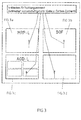
- This graph shows the equilibrium carbon concentration C * in weight percent plotted against the inert gas flow rate Q IG in Nm 3 / min for a molten steel at a temperature of 1700 ° C and a vessel pressure of 1 bar and a critical carbon concentration of 0.68 wt .-% for a 18 wt .-% chromium and 8 wt .-% nickel-containing melt in a molten bath with a weight from 100 t.
- the decarburization ie, the decarburization rate
- the vacuum pressure in the vessel that is, the vessel pressure p, as shown in FIG. 2 is shown.
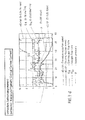
- the FIG. 2 shows the equilibrium carbon concentration C * as a function of tank pressure.
- the equilibrium carbon concentration C * in weight percent is plotted against the vessel pressure in bar.
- the illustrated case also relates to a molten steel with a weight of 100 t at a temperature of 1700 ° C, this molten metal also in turn relates to a melt with a share of 18 wt .-% chromium and 8 wt .-% nickel and the critical carbon concentration in the molten metal again at 0.68 wt .-% is.
- an inert gas flow rate Q IG of 20 Nm 3 / min is used.
- inert gas flow rate Q IG and vessel pressure p results in an extremely low carbon equilibrium and, as a consequence, a low carbon content in the molten metal to adjust. Besides this effect, in standard decarburization operations in molten metals, the inert gas consumption can be significantly reduced as the pressure level in the vacuum system is lowered.
- the control thus comprises a two-dimensional shape at a constant temperature and this combination then represents at the respective temperature an optimal solution for achieving the maximum decarburization rate.
- Table 1 shows the two-dimensional dependence of the carbon equilibrium C * of a molten metal by way of example.
- the invention also provides that the method according to the invention is used when refining a carbon steel or an unalloyed steel or an alloyed steel.
Landscapes
- Chemical & Material Sciences (AREA)
- Engineering & Computer Science (AREA)
- Materials Engineering (AREA)
- Metallurgy (AREA)
- Organic Chemistry (AREA)
- Manufacturing & Machinery (AREA)
- Treatment Of Steel In Its Molten State (AREA)
Abstract
Description
- Die Erfindung richtet sich auf ein Verfahren zur Steuerung der Entkohlungsgeschwindigkeit in einem Konverter beim Frischen einer kohlenstoffhaltigen Metallschmelze, insbesondere Eisenschmelze, aus vorzugsweise einer FeCr- oder FeMn- Legierung mittels der Durchführung eines kombinierten Sauerstoff-Inertgas-Blas- und Vakuumverfahrens, insbesondere eines Vacuum-Oxygen-Decarburisation-Converter-Verfahrens.
- Um den in den letzten Jahren gestiegenen Anforderungen bei der Stahlherstellung, insbesondere der Herstellung von nicht rostenden, hitze- und säurebeständigen Stählen, vorzugsweise hochchromhaltigen Stählen, genügen zu können, ist u.a. das Frischen von Metallschmelzen, insbesondere von hochchromhaltigen Stählen, in einem evakuierten oder evakuierbaren Konverter, einem sogenannten Vacuum-Oxygen-Decarburisation-Converter entwickelt worden. Dieses Verfahren vereinigt die thermodynamischen Vorteile beim Frischen nicht rostender, hitze- und säurebeständiger Stähle in der Pfanne bei Unterdruck (VOD-[Vacuum-Oxygen-Decarburisation-]Verfahren) mit der einfachen Handhabung der Konverterverfahren wie z.B. dem AOD-(Argon-Oxygen-Decarburisation-)Verfahren. Aber auch bei derartigen kombinierten Blas- und Vakuumverfahren besteht die Notwendigkeit, den Entkohlungsprozess einer kohlenstoffhaltigen Metallschmelze beim Frischen zu steuern.
- Der Erfindung liegt die Aufgabe zugrunde, eine Lösung zu schaffen, die eine effiziente und vorteilhafte Steuerung des Blas- und Vakuumverfahrens beim Frischen einer kohlenstoffhaltigen Metallschmelze ermöglicht.
- Bei einem Verfahren der eingangs näher bezeichneten Art wird diese Aufgabe erfindungsgemäß dadurch gelöst, dass beim Frischen während des Entkohlungsvorganges in der Metallschmelze parallel ein Inertgaseintrag, insbesondere die Inertgasflussrate, in die Metallschmelze und ein Gefäßdruck eingestellt und eingeregelt werden und mittels dieser beiden Parameter die Entkohlungsgeschwindigkeit der Metallschmelze indirekt über das sich jeweils ergebende Entkohlungsreaktionspotential gesteuert wird.
- Ein erster Aspekt der Erfindung liegt somit in der Steuerung der Entkohlungsprozesskinetik mittels des Entkohlungsreaktionspotentials, d.h. mittels der Differenz zwischen dem aktuellen Kohlenstoffgehalt in der Metallschmelze und dem von der Schmelztemperatur und sowohl der chemischen Zusammensetzung der Schmelze als auch dem Partialdruck des Kohlenmonoxids in dem Behälter abhängenden Gleichgewichtsgehalt an Kohlenstoff in der Metallschmelze. Aus diesem Grund zeichnet sich die Erfindung in vorteilhafter Ausgestaltung dadurch aus, dass das Entkohlungsreaktionspotential als die Differenz zwischen dem aktuellen Kohlenstoffgehalt in der Metallschmelze und dem jeweiligen Gleichgewichtsgehalt an Kohlenstoff in der Metallschmelze bestimmt wird.
- Insbesondere wird daher zweckmäßigerweise das Kohlenstoffgleichgewicht in der Metallschmelze gesteuert, was die Erfindung ebenfalls vorsieht.
- Alle gängigen Aufzeichnungen der Entkohlungsrate in Abhängigkeit von der Zeit bestätigen bei verschiedenen Vakuum- und Konverterprozessen die theoretische Annahme, dass der Prozess aus zwei kontinuierlich ineinander übergehenden Zeitabschnitten oder Perioden besteht, nämlich einer konstanten Entkohlungsperiode als Hauptperiode und einer quasi exponentialen Periode als dynamische Periode. Beide Perioden sind durch ein kritisches Moment voneinander getrennt, welches in den Darstellungen der
Fig. 3 sowie 3a -3d als kritisches Entkohlungsmoment gekennzeichnet ist. DieFig. 3a -3d zeigen jeweils die durch das kritische Entkohlungsmoment voneinander getrennte Hauptperiode und dynamische Periode. - Die Dauer der Hauptperiode hängt von den Blasparametern und die Dauer der dynamischen Periode hängt von dem thermodynamischen Potential der Kohlenstoffoxidation ab.
- Die Sauerstoffblasraten in der Hauptperiode bestimmen den Level der Entkohlungsgeschwindigkeit und verlieren diese Eigenschaft aber nach dem Überschreiten des kritischen Momentes. In dieser Hauptperiode bestimmt sich die Entkohlungsgeschwindigkeit nach folgender Gleichung:

wobei in der Gleichung Q O2 C die Sauerstoffdurchflussrate bedeutet, die mit dem Kohlenstoff reagiert und W das Metallgewicht bedeutet. - Bei Erreichen des kritischen Momentes kann die Entkohlungsrate annähernd durch folgende Gleichung ausgedrückt werden:

wobei in der Gleichung kC den Stoffübergangskoeffizienten, A die Reaktionsoberfläche, V das Metallvolumen und C, C* die aktuelle Kohlenstoffkonzentration (C) und die Gleichgewichtskohlenstoffkonzentration (C*) in der Metallschmelze bedeuten. - Die Bedeutung des kritischen Momentes wird bei der Betrachtung der Metalloxidation während der dynamischen Periode deutlich. Nicht an die thermodynamisch-dynamischen Bedingungen angepasstes Sauerstoffblasen führt zu einer hohen Metalloxidation mit einem extremen Temperaturanstieg. Um solche Effekte zu vermeiden benötigt die Prozesssteuerung eine Blasmusteranpassung. Diese Anpassung ändert die Sauerstoffversorgung an den Entkohlungsprozess und führt zu einer nur minimalen Oxidation der metallischen Komponenten in der Metallschmelze, was indirekt einen exzessiven Temperaturanstieg vermeidet. Es kann daher festgestellt werden, dass erst die optimale Prozesssteuerung während der Stufe der dynamischen Periode die Effektivität und Wirtschaftlichkeit des Gesamtprozesses bestimmt. Diese wirtschaftliche und effektive Steuerung insbesondere während der dynamischen Periode wird durch die vorliegende Erfindung bereitgestellt. Basis hierfür ist die Analyse der Prozesskinetik und der Prinzipien des Entkohlungsprozesses beim Frischen von kohlenstoffhaltigen Metallschmelzen. Der Entkohlungsmechanismus ist durch die folgenden Gleichungen bestimmt:


- Aus der Gleichung (5) kann das Prozessgleichgewicht ausgedrückt werden als

und die Kohlenstofifaktivität als
so dass das Kohlenstofifgleichgewicht ausgedrückt werden kann als
wobei Me die Hauptkomponente der Schmelze, V* eine komplexe Funktion, die von der Metallchemie, der Temperatur und der Schlackenoxidaktivität abhängt, X die ergänzend vorhandenen Elemente, wie Si, P, S, Mn, Cr etc., T die Schmelztemperatur, aMen Om die Oxidaktivität der Hauptelemente und pCO den Kohlenstoffmonoxidpartialdruck bedeuten. - Der Kohlenstoffmonoxidpartialdruck ist definiert als

wobei
ist, mit NCO der Anzahl an aus der Metallschmelze entfernten CO-Molekülen und
- Aus der Kombination der Gleichungen (2) und (8) kann die Entkohlungssteuerung ausgedrückt als

abgeleitet werden. - Daraus ist ersichtlich, dass in der dynamischen Entkohlungsperiode zwei Parameter die Entkohlungsgeschwindigkeit beeinflussen und forcieren, der Außendruck p und die Inertgasflussrate QIG. In Extremfällen, beispielsweise wenn der Außendruck oder der Gefäßdruck p gleich dem Atmosphärendruck ist, besteht die einzige Möglichkeit die Entkohlung zu steuern darin, die Inertgasflussrate QIG zu steuern, was typisch für einen reinen AOD-(Argon-Oxygen-Decarburisation-)Prozess ist. Eine solche allein durch die Inertgasflussrate gesteuertes C-Gleichgewicht ist in der
Figur 1 dargestellt. Die Entkohlungsgeschwindigkeit wird damit durch folgende Gleichung ausgedrückt:
- Dieses Diagramm zeigt die Gleichgewichtskohlenstoffkonzentration C* in Gewichtsprozent aufgetragen über der Inertgasdurchflussrate QIG in Nm3/min für eine Stahlschmelze bei einer Temperatur von 1700 °C und einem Gefäßdruck von 1 bar sowie einer kritischen Kohlenstoffkonzentration von 0,68 Gew.-% für eine 18 Gew.-% Chrom und 8 Gew.-% Nickel enthaltende Schmelze bei einem Schmelzbad mit einem Gewicht von 100 t.
- In anderen Fällen, wenn die Inertgasdurchflussrate auf eine reine Rührrate reduziert ist, die relativ gering ist im Vergleich zu der CO-Flussrate, die durch den Term
k1(-dC/dt) ausgedrückt ist, kann die Entkohlung, d.h. die Entkohlungsgeschwindigkeit, durch den Vakuumdruck im Gefäß, also den Gefäßdruck p, gesteuert werden, wie dies in derFigur 2 gezeigt ist. In diesem Fall lässt sich die Entkohlungsgeschwindigkeit ausdrücken als
- Die
Figur 2 zeigt die Gleichgewichtskohlenstoffkonzentration C* als Funktion des Behälterdruckes. Hier ist die Gleichgewichtskohlenstoffkonzentration C* in Gewichtsprozent über dem Gefäßdruck in bar aufgetragen. Der dargestellte Fall betrifft ebenfalls eine Stahlschmelze mit einem Gewicht von 100 t bei einer Temperatur von 1700 °C, wobei diese Metallschmelze ebenfalls wiederum eine Schmelze mit einem Anteil von 18 Gew.-% Chrom und 8 Gew.-% Nickel betrifft und die kritische Kohlenstoffkonzentration in der Metallschmelze wiederum bei 0,68 Gew.-% liegt. In diesem Fall ist eine Inertgasdurchflussrate QIG von 20 Nm3/min zugrunde gelegt. - Durch Kombination dieser beiden Parameter Inertgasdurchflussrate QIG und Gefäßdruck p lässt sich ein extrem niedriges Kohlenstoffgleichgewicht und als Konsequenz daraus ein niedriger Kohlenstoffgehalt in der Metallschmelze einstellen. Neben diesem Effekt kann bei Standardentkohlungsvorgängen in Metallschmelzen der Inertgasverbrauch signifikant reduziert werden, wenn das Druckniveau in dem Vakuumsystem gesenkt wird. Die Steuerung umfasst somit eine zweidimensionale Form bei einer konstanten Temperatur und diese Kombination stellt dann bei der jeweiligen Temperatur eine optimale Lösung zur Erreichung der maximalen Entkohlungsgeschwindigkeit dar. Die Tabelle 1 zeigt die zweidimensionale Abhängigkeit des Kohlenstoffgleichgewichtes C* einer Metallschmelze beispielhaft.
Tabelle 1 p QIG C* (p, QIG) bar Nm3/min % 0,890 5 0,3 0,899 7 0,3 0,909 9 0,3 0,918 11 0,3 0,927 13 0,3 0,937 15 0,3 0,946 17 0,3 0,955 19 0,3 0,964 21 0,3 0,974 23 0,3 0,983 25 0,3 - Aus der Tabelle 1 ist ersichtlich, dass das Kohlenstoffgleichgewicht C* in der Metallschmelze derart gesteuert einstellbar ist, dass bei unterschiedlichen Inertgasflussraten und Gefäßdrücken immer dasselbe Kohlenstoffgleichgewicht von 0,3 % in der Metallschmelze eingestellt wird.
- Wenn man die Gleichung (12) nach (-dC/dt) auflöst, erhält man die Entkohlungsrate oder Entkohlungsgeschwindigkeit explizit in der Form der Gleichung

- Die Erfindung zeichnet sich daher in weiterer Ausgestaltung auch dadurch aus, dass die Entkohlungsgeschwindigkeit in der Metallschmelze auf Basis der Gleichung

gesteuert wird. - Dies erlaubt die Darstellung einer komplexen Entkohlungssimulation und bietet die Basis für eine optimale Prozesssteuerung. Diese optimale Prozesssteuerung lässt sich als maximale Entkohlungsgeschwindigkeit bei gegebenen metallurgischen Bedingungen ausdrücken und beschrieben als

als Lösung des Gleichgewichtssystems
ausdrücken. - Die Erfindung zeichnet sich daher in weiterer Ausgestaltung auch dadurch aus, dass die maximale Entkohlungsgeschwindigkeit der Metallschmelze auf Basis und mittels der Lösung des Gleichungssystems

gesteuert wird. - Schließlich sieht die Erfindung auch noch vor, dass das erfindungsgemäße Verfahren beim Frischen eines Kohlenstofifstahls oder eines unlegierten Stahls oder eines legierten Stahls verwendet wird.
Claims (6)
- Verfahren zur Steuerung der Entkohlungsgeschwindigkeit in einem Konverter beim Frischen einer kohlenstoffhaltigen Metallschmelze, insbesondere Eisenschmelze, aus vorzugsweise einer FeCr- oder FeMn- Legierung mittels der Durchführung eines kombinierten Sauerstoff-Inertgas-Blas- und Vakuumverfahrens, insbesondere eines Vacuum-Oxygen-Decarburisation-Converter-Verfahrens,
dadurch gekennzeichnet,
dass beim Frischen während des Entkohlungsvorgangs in der Metallschmelze parallel ein Inertgaseintrag, insbesondere die Inertgasdurchflussrate (QIG), in die Metallschmelze und ein Gefäßdruck (p) eingestellt und eingeregelt werden und mittels dieser beiden Parameter die Entkohlungsgeschwindigkeit der Metallschmelze indirekt über das sich jeweils ergebende Entkohlungsreaktionspotential gesteuert wird. - Verfahren nach Anspruch 1, dadurch gekennzeichnet, dass das Entkohlungsreaktionspotential als die Differenz zwischen dem aktuellen Kohlenstoffgehalt in der Metallschmelze und dem jeweiligen Gleichgewichtsgehalt an Kohlenstoff in der Metallschmelze bestimmt wird.
- Verfahren nach Anspruch 1 oder 2, dadurch gekennzeichnet, dass das Kohlenstoffgleichgewicht in der Metallschmelze gesteuert wird.
- Verfahren nach einem der vorhergehenden Ansprüche, dadurch gekennzeichnet, dass die Entkohlungsgeschwindigkeit in der Metallschmelze auf Basis der Gleichung

gesteuert wird. - Verfahren nach einem der vorhergehenden Ansprüche, dadurch gekennzeichnet, dass die maximale Entkohlungsgeschwindigkeit der Metallschmelze auf Basis und mittels der Lösung des Gleichungssystems

gesteuert wird. - Verfahren nach einem der vorhergehenden Ansprüche, dadurch gekennzeichnet, dass es beim Sauerstofffrischen eines Stahls verwendet wird.
Applications Claiming Priority (2)
| Application Number | Priority Date | Filing Date | Title |
|---|---|---|---|
| DE102013224187 | 2013-11-27 | ||
| DE102014201827.7A DE102014201827A1 (de) | 2013-11-27 | 2014-02-03 | Verfahren zur Steuerung des Entkohlungsreaktionspotentials einer kohlenstoffhaltigen Metallschmelze während einer Sauerstoff-Inertgas-Blas- und Vakuumbehandlung |
Publications (3)
| Publication Number | Publication Date |
|---|---|
| EP2878684A2 true EP2878684A2 (de) | 2015-06-03 |
| EP2878684A3 EP2878684A3 (de) | 2015-08-26 |
| EP2878684B1 EP2878684B1 (de) | 2017-03-01 |
Family
ID=51730376
Family Applications (1)
| Application Number | Title | Priority Date | Filing Date |
|---|---|---|---|
| EP14188732.3A Active EP2878684B1 (de) | 2013-11-27 | 2014-10-14 | Verfahren zur steuerung des entkohlungsreaktionspotentials einer kohlenstoffhaltigen metallschmelze während einer sauerstoff-inertgas-blas- und vakuumbehandlung |
Country Status (2)
| Country | Link |
|---|---|
| EP (1) | EP2878684B1 (de) |
| DE (1) | DE102014201827A1 (de) |
Cited By (1)
| Publication number | Priority date | Publication date | Assignee | Title |
|---|---|---|---|---|
| EP3617332A1 (de) * | 2018-08-30 | 2020-03-04 | SMS Group GmbH | Verfahren zur analytischen bestimmung eines kritischen prozessmoments bei der entkohlung von stahl- und legierungsschmelzen |
Families Citing this family (4)
| Publication number | Priority date | Publication date | Assignee | Title |
|---|---|---|---|---|
| EP4056721A1 (de) | 2021-03-08 | 2022-09-14 | SMS Group GmbH | Verfahren zum herstellen einer ferrolegierung mit niedrigem kohlenstoffgehalt |
| DE102021214218A1 (de) | 2021-03-08 | 2022-09-08 | Sms Group Gmbh | Verfahren zum Herstellen einer Ferrolegierung mit niedrigem Kohlenstoffgehalt |
| DE102021214220A1 (de) | 2021-03-08 | 2022-09-08 | Sms Group Gmbh | Verfahren zum Herstellen einer Ferrolegierung mit niedrigem Kohlenstoffgehalt |
| EP4056720A1 (de) | 2021-03-08 | 2022-09-14 | SMS Group GmbH | Verfahren zum herstellen einer ferrolegierung mit niedrigem kohlenstoffgehalt |
Family Cites Families (2)
| Publication number | Priority date | Publication date | Assignee | Title |
|---|---|---|---|---|
| US3854932A (en) * | 1973-06-18 | 1974-12-17 | Allegheny Ludlum Ind Inc | Process for production of stainless steel |
| BRPI0216050B1 (pt) * | 2001-09-20 | 2015-12-29 | Nippon Steel & Sumitomo Metal Corp | aparelho de refino para aços ao cromo fundidos |
-
2014
- 2014-02-03 DE DE102014201827.7A patent/DE102014201827A1/de not_active Withdrawn
- 2014-10-14 EP EP14188732.3A patent/EP2878684B1/de active Active
Non-Patent Citations (1)
| Title |
|---|
| None |
Cited By (1)
| Publication number | Priority date | Publication date | Assignee | Title |
|---|---|---|---|---|
| EP3617332A1 (de) * | 2018-08-30 | 2020-03-04 | SMS Group GmbH | Verfahren zur analytischen bestimmung eines kritischen prozessmoments bei der entkohlung von stahl- und legierungsschmelzen |
Also Published As
| Publication number | Publication date |
|---|---|
| EP2878684B1 (de) | 2017-03-01 |
| EP2878684A3 (de) | 2015-08-26 |
| DE102014201827A1 (de) | 2015-05-28 |
Similar Documents
| Publication | Publication Date | Title |
|---|---|---|
| EP2878684B1 (de) | Verfahren zur steuerung des entkohlungsreaktionspotentials einer kohlenstoffhaltigen metallschmelze während einer sauerstoff-inertgas-blas- und vakuumbehandlung | |
| EP2135961A2 (de) | Verfahren und Einrichtung zur Wärmebehandlung von metallischen Werkstoffen unter Schutzgasatmosphäre | |
| DE3940438C1 (de) | ||
| DE1458829B1 (de) | Verfahren zur Herstellung von legiertem korrosionsbestaendigem Stahl | |
| DE2061122C3 (de) | Verfahren zur kontrollierten Entkohlung von Metall-, insbesondere Stahlschmelzen unter vermindertem Druck in geschlossenen Gefäßen | |
| DE112022003281T5 (de) | Verfahren zur Herstellung eines titanhaltigen Stahls mit ultraniedrigem Kohlenstoffgehalt | |
| DE2425032B2 (de) | Verfahren und Vorrichtung zur Herstellung von Gußblöcken aus hochschmelzenden Eisen- und Metallegierungen mit guter Verformbarkeit nach dem Elektroschlacke-Umschmelzverfahren | |
| DE10019042A1 (de) | Stickstofflegierter, sprühkompaktierter Stahl, Verfahren zu seiner Herstellung und Verbundwerkstoff hergestellt aus dem Stahl | |
| DE69528728T2 (de) | Verfahren zum Entkohlen chromhaltiger Stahlschmelzen | |
| EP2986743B1 (de) | Verfahren zur hersteilung von ferrolegierungen mit niedrigem kohlenstoffgehalt in einem vakuum-konverter | |
| DE2803239C2 (de) | Verfahren zur Herstellung von nichtrostendem Stahl mit extrem niedrigem Kohlenstoffgehalt | |
| DE1918176B2 (de) | Niedriglegiertes homogenes eisenpulver zur herstellung von haertbaren sinterstaehlen | |
| DE2820555A1 (de) | Verfahren zur behandlung von roheisen- und stahlschmelzen bzw. legierungen | |
| DE3428732C2 (de) | Verfahren zur Herstellung von Stählen mit niedrigem Kohlenstoffgehalt | |
| DE69116233T2 (de) | Verfahren zum Herstellen kohlenstoffarmer Stähle | |
| EP3617332A1 (de) | Verfahren zur analytischen bestimmung eines kritischen prozessmoments bei der entkohlung von stahl- und legierungsschmelzen | |
| DE3918155A1 (de) | Verfahren zum entkohlen von chromhaltigen stahlschmelzen mit ueber 10% cr-gehalt | |
| DE3624622C2 (de) | ||
| DE10255590A1 (de) | Verfahren zum kleberfreien Glühen von Metallteilen | |
| DE2114600B2 (de) | Verfahren zur gezielten Vakuumentkohlung hochlegierter Stähle | |
| EP4056720A1 (de) | Verfahren zum herstellen einer ferrolegierung mit niedrigem kohlenstoffgehalt | |
| EP4056721A1 (de) | Verfahren zum herstellen einer ferrolegierung mit niedrigem kohlenstoffgehalt | |
| DE3306782C2 (de) | Verfahren zur Behandlung von Stahlschmelzen | |
| DE2237498A1 (de) | Verfahren zum aufsticken von stahlschmelzen | |
| DE4401244A1 (de) | Verfahren zur Entkohlung von Stahlschmelzen |
Legal Events
| Date | Code | Title | Description |
|---|---|---|---|
| PUAI | Public reference made under article 153(3) epc to a published international application that has entered the european phase |
Free format text: ORIGINAL CODE: 0009012 |
|
| 17P | Request for examination filed |
Effective date: 20141014 |
|
| AK | Designated contracting states |
Kind code of ref document: A2 Designated state(s): AL AT BE BG CH CY CZ DE DK EE ES FI FR GB GR HR HU IE IS IT LI LT LU LV MC MK MT NL NO PL PT RO RS SE SI SK SM TR |
|
| AX | Request for extension of the european patent |
Extension state: BA ME |
|
| PUAL | Search report despatched |
Free format text: ORIGINAL CODE: 0009013 |
|
| RAP1 | Party data changed (applicant data changed or rights of an application transferred) |
Owner name: SMS GROUP GMBH |
|
| AK | Designated contracting states |
Kind code of ref document: A3 Designated state(s): AL AT BE BG CH CY CZ DE DK EE ES FI FR GB GR HR HU IE IS IT LI LT LU LV MC MK MT NL NO PL PT RO RS SE SI SK SM TR |
|
| AX | Request for extension of the european patent |
Extension state: BA ME |
|
| RIC1 | Information provided on ipc code assigned before grant |
Ipc: C21C 5/35 20060101AFI20150723BHEP Ipc: C21C 7/068 20060101ALI20150723BHEP Ipc: C21C 7/10 20060101ALI20150723BHEP |
|
| 17Q | First examination report despatched |
Effective date: 20151002 |
|
| RBV | Designated contracting states (corrected) |
Designated state(s): AL AT BE BG CH CY CZ DE DK EE ES FI FR GB GR HR HU IE IS IT LI LT LU LV MC MK MT NL NO PL PT RO RS SE SI SK SM TR |
|
| GRAP | Despatch of communication of intention to grant a patent |
Free format text: ORIGINAL CODE: EPIDOSNIGR1 |
|
| INTG | Intention to grant announced |
Effective date: 20161005 |
|
| GRAS | Grant fee paid |
Free format text: ORIGINAL CODE: EPIDOSNIGR3 |
|
| GRAA | (expected) grant |
Free format text: ORIGINAL CODE: 0009210 |
|
| AK | Designated contracting states |
Kind code of ref document: B1 Designated state(s): AL AT BE BG CH CY CZ DE DK EE ES FI FR GB GR HR HU IE IS IT LI LT LU LV MC MK MT NL NO PL PT RO RS SE SI SK SM TR |
|
| REG | Reference to a national code |
Ref country code: GB Ref legal event code: FG4D Free format text: NOT ENGLISH |
|
| REG | Reference to a national code |
Ref country code: CH Ref legal event code: EP Ref country code: AT Ref legal event code: REF Ref document number: 871421 Country of ref document: AT Kind code of ref document: T Effective date: 20170315 |
|
| REG | Reference to a national code |
Ref country code: IE Ref legal event code: FG4D Free format text: LANGUAGE OF EP DOCUMENT: GERMAN |
|
| REG | Reference to a national code |
Ref country code: SE Ref legal event code: TRGR |
|
| REG | Reference to a national code |
Ref country code: DE Ref legal event code: R096 Ref document number: 502014002822 Country of ref document: DE |
|
| REG | Reference to a national code |
Ref country code: NO Ref legal event code: T2 Effective date: 20170301 |
|
| REG | Reference to a national code |
Ref country code: NL Ref legal event code: MP Effective date: 20170301 |
|
| REG | Reference to a national code |
Ref country code: LT Ref legal event code: MG4D |
|
| PG25 | Lapsed in a contracting state [announced via postgrant information from national office to epo] |
Ref country code: GR Free format text: LAPSE BECAUSE OF FAILURE TO SUBMIT A TRANSLATION OF THE DESCRIPTION OR TO PAY THE FEE WITHIN THE PRESCRIBED TIME-LIMIT Effective date: 20170602 Ref country code: HR Free format text: LAPSE BECAUSE OF FAILURE TO SUBMIT A TRANSLATION OF THE DESCRIPTION OR TO PAY THE FEE WITHIN THE PRESCRIBED TIME-LIMIT Effective date: 20170301 Ref country code: LT Free format text: LAPSE BECAUSE OF FAILURE TO SUBMIT A TRANSLATION OF THE DESCRIPTION OR TO PAY THE FEE WITHIN THE PRESCRIBED TIME-LIMIT Effective date: 20170301 |
|
| PG25 | Lapsed in a contracting state [announced via postgrant information from national office to epo] |
Ref country code: RS Free format text: LAPSE BECAUSE OF FAILURE TO SUBMIT A TRANSLATION OF THE DESCRIPTION OR TO PAY THE FEE WITHIN THE PRESCRIBED TIME-LIMIT Effective date: 20170301 Ref country code: BG Free format text: LAPSE BECAUSE OF FAILURE TO SUBMIT A TRANSLATION OF THE DESCRIPTION OR TO PAY THE FEE WITHIN THE PRESCRIBED TIME-LIMIT Effective date: 20170601 Ref country code: ES Free format text: LAPSE BECAUSE OF FAILURE TO SUBMIT A TRANSLATION OF THE DESCRIPTION OR TO PAY THE FEE WITHIN THE PRESCRIBED TIME-LIMIT Effective date: 20170301 Ref country code: LV Free format text: LAPSE BECAUSE OF FAILURE TO SUBMIT A TRANSLATION OF THE DESCRIPTION OR TO PAY THE FEE WITHIN THE PRESCRIBED TIME-LIMIT Effective date: 20170301 |
|
| PG25 | Lapsed in a contracting state [announced via postgrant information from national office to epo] |
Ref country code: NL Free format text: LAPSE BECAUSE OF FAILURE TO SUBMIT A TRANSLATION OF THE DESCRIPTION OR TO PAY THE FEE WITHIN THE PRESCRIBED TIME-LIMIT Effective date: 20170301 |
|
| PG25 | Lapsed in a contracting state [announced via postgrant information from national office to epo] |
Ref country code: EE Free format text: LAPSE BECAUSE OF FAILURE TO SUBMIT A TRANSLATION OF THE DESCRIPTION OR TO PAY THE FEE WITHIN THE PRESCRIBED TIME-LIMIT Effective date: 20170301 Ref country code: CZ Free format text: LAPSE BECAUSE OF FAILURE TO SUBMIT A TRANSLATION OF THE DESCRIPTION OR TO PAY THE FEE WITHIN THE PRESCRIBED TIME-LIMIT Effective date: 20170301 Ref country code: RO Free format text: LAPSE BECAUSE OF FAILURE TO SUBMIT A TRANSLATION OF THE DESCRIPTION OR TO PAY THE FEE WITHIN THE PRESCRIBED TIME-LIMIT Effective date: 20170301 Ref country code: SK Free format text: LAPSE BECAUSE OF FAILURE TO SUBMIT A TRANSLATION OF THE DESCRIPTION OR TO PAY THE FEE WITHIN THE PRESCRIBED TIME-LIMIT Effective date: 20170301 |
|
| PG25 | Lapsed in a contracting state [announced via postgrant information from national office to epo] |
Ref country code: PL Free format text: LAPSE BECAUSE OF FAILURE TO SUBMIT A TRANSLATION OF THE DESCRIPTION OR TO PAY THE FEE WITHIN THE PRESCRIBED TIME-LIMIT Effective date: 20170301 Ref country code: SM Free format text: LAPSE BECAUSE OF FAILURE TO SUBMIT A TRANSLATION OF THE DESCRIPTION OR TO PAY THE FEE WITHIN THE PRESCRIBED TIME-LIMIT Effective date: 20170301 Ref country code: PT Free format text: LAPSE BECAUSE OF FAILURE TO SUBMIT A TRANSLATION OF THE DESCRIPTION OR TO PAY THE FEE WITHIN THE PRESCRIBED TIME-LIMIT Effective date: 20170703 Ref country code: IS Free format text: LAPSE BECAUSE OF FAILURE TO SUBMIT A TRANSLATION OF THE DESCRIPTION OR TO PAY THE FEE WITHIN THE PRESCRIBED TIME-LIMIT Effective date: 20170701 |
|
| REG | Reference to a national code |
Ref country code: DE Ref legal event code: R097 Ref document number: 502014002822 Country of ref document: DE |
|
| PLBE | No opposition filed within time limit |
Free format text: ORIGINAL CODE: 0009261 |
|
| STAA | Information on the status of an ep patent application or granted ep patent |
Free format text: STATUS: NO OPPOSITION FILED WITHIN TIME LIMIT |
|
| PG25 | Lapsed in a contracting state [announced via postgrant information from national office to epo] |
Ref country code: DK Free format text: LAPSE BECAUSE OF FAILURE TO SUBMIT A TRANSLATION OF THE DESCRIPTION OR TO PAY THE FEE WITHIN THE PRESCRIBED TIME-LIMIT Effective date: 20170301 |
|
| 26N | No opposition filed |
Effective date: 20171204 |
|
| PG25 | Lapsed in a contracting state [announced via postgrant information from national office to epo] |
Ref country code: SI Free format text: LAPSE BECAUSE OF FAILURE TO SUBMIT A TRANSLATION OF THE DESCRIPTION OR TO PAY THE FEE WITHIN THE PRESCRIBED TIME-LIMIT Effective date: 20170301 |
|
| PG25 | Lapsed in a contracting state [announced via postgrant information from national office to epo] |
Ref country code: MC Free format text: LAPSE BECAUSE OF FAILURE TO SUBMIT A TRANSLATION OF THE DESCRIPTION OR TO PAY THE FEE WITHIN THE PRESCRIBED TIME-LIMIT Effective date: 20170301 |
|
| REG | Reference to a national code |
Ref country code: CH Ref legal event code: PL |
|
| REG | Reference to a national code |
Ref country code: IE Ref legal event code: MM4A |
|
| REG | Reference to a national code |
Ref country code: FR Ref legal event code: ST Effective date: 20180629 |
|
| PG25 | Lapsed in a contracting state [announced via postgrant information from national office to epo] |
Ref country code: CH Free format text: LAPSE BECAUSE OF NON-PAYMENT OF DUE FEES Effective date: 20171031 Ref country code: LI Free format text: LAPSE BECAUSE OF NON-PAYMENT OF DUE FEES Effective date: 20171031 Ref country code: LU Free format text: LAPSE BECAUSE OF NON-PAYMENT OF DUE FEES Effective date: 20171014 |
|
| REG | Reference to a national code |
Ref country code: BE Ref legal event code: MM Effective date: 20171031 |
|
| PG25 | Lapsed in a contracting state [announced via postgrant information from national office to epo] |
Ref country code: FR Free format text: LAPSE BECAUSE OF NON-PAYMENT OF DUE FEES Effective date: 20171031 Ref country code: BE Free format text: LAPSE BECAUSE OF NON-PAYMENT OF DUE FEES Effective date: 20171031 |
|
| PG25 | Lapsed in a contracting state [announced via postgrant information from national office to epo] |
Ref country code: MT Free format text: LAPSE BECAUSE OF FAILURE TO SUBMIT A TRANSLATION OF THE DESCRIPTION OR TO PAY THE FEE WITHIN THE PRESCRIBED TIME-LIMIT Effective date: 20170301 |
|
| PG25 | Lapsed in a contracting state [announced via postgrant information from national office to epo] |
Ref country code: IE Free format text: LAPSE BECAUSE OF NON-PAYMENT OF DUE FEES Effective date: 20171014 |
|
| PG25 | Lapsed in a contracting state [announced via postgrant information from national office to epo] |
Ref country code: HU Free format text: LAPSE BECAUSE OF FAILURE TO SUBMIT A TRANSLATION OF THE DESCRIPTION OR TO PAY THE FEE WITHIN THE PRESCRIBED TIME-LIMIT; INVALID AB INITIO Effective date: 20141014 |
|
| PG25 | Lapsed in a contracting state [announced via postgrant information from national office to epo] |
Ref country code: CY Free format text: LAPSE BECAUSE OF FAILURE TO SUBMIT A TRANSLATION OF THE DESCRIPTION OR TO PAY THE FEE WITHIN THE PRESCRIBED TIME-LIMIT Effective date: 20170301 |
|
| PG25 | Lapsed in a contracting state [announced via postgrant information from national office to epo] |
Ref country code: MK Free format text: LAPSE BECAUSE OF FAILURE TO SUBMIT A TRANSLATION OF THE DESCRIPTION OR TO PAY THE FEE WITHIN THE PRESCRIBED TIME-LIMIT Effective date: 20170301 |
|
| PGFP | Annual fee paid to national office [announced via postgrant information from national office to epo] |
Ref country code: TR Payment date: 20221013 Year of fee payment: 9 Ref country code: GB Payment date: 20221020 Year of fee payment: 9 |
|
| P01 | Opt-out of the competence of the unified patent court (upc) registered |
Effective date: 20230707 |
|
| PGFP | Annual fee paid to national office [announced via postgrant information from national office to epo] |
Ref country code: AL Payment date: 20221007 Year of fee payment: 9 |
|
| GBPC | Gb: european patent ceased through non-payment of renewal fee |
Effective date: 20231014 |
|
| PG25 | Lapsed in a contracting state [announced via postgrant information from national office to epo] |
Ref country code: GB Free format text: LAPSE BECAUSE OF NON-PAYMENT OF DUE FEES Effective date: 20231014 |
|
| PG25 | Lapsed in a contracting state [announced via postgrant information from national office to epo] |
Ref country code: GB Free format text: LAPSE BECAUSE OF NON-PAYMENT OF DUE FEES Effective date: 20231014 |
|
| PGFP | Annual fee paid to national office [announced via postgrant information from national office to epo] |
Ref country code: NO Payment date: 20241023 Year of fee payment: 11 |
|
| PGFP | Annual fee paid to national office [announced via postgrant information from national office to epo] |
Ref country code: FI Payment date: 20241025 Year of fee payment: 11 |
|
| PGFP | Annual fee paid to national office [announced via postgrant information from national office to epo] |
Ref country code: DE Payment date: 20251021 Year of fee payment: 12 |
|
| PGFP | Annual fee paid to national office [announced via postgrant information from national office to epo] |
Ref country code: AT Payment date: 20251022 Year of fee payment: 12 |
|
| PGFP | Annual fee paid to national office [announced via postgrant information from national office to epo] |
Ref country code: IT Payment date: 20251024 Year of fee payment: 12 |
|
| PGFP | Annual fee paid to national office [announced via postgrant information from national office to epo] |
Ref country code: SE Payment date: 20251021 Year of fee payment: 12 |