EP2841443B1 - SERPINC1 IRNA COMPOSITIONS AND METHOD OF USING THEREOF - Google Patents
SERPINC1 IRNA COMPOSITIONS AND METHOD OF USING THEREOF Download PDFInfo
- Publication number
- EP2841443B1 EP2841443B1 EP13782531.1A EP13782531A EP2841443B1 EP 2841443 B1 EP2841443 B1 EP 2841443B1 EP 13782531 A EP13782531 A EP 13782531A EP 2841443 B1 EP2841443 B1 EP 2841443B1
- Authority
- EP
- European Patent Office
- Prior art keywords
- dsrna
- seq
- serpinc1
- sequence
- ligand
- Prior art date
- Legal status (The legal status is an assumption and is not a legal conclusion. Google has not performed a legal analysis and makes no representation as to the accuracy of the status listed.)
- Active
Links
Images

















Classifications
-
- A—HUMAN NECESSITIES
- A61—MEDICAL OR VETERINARY SCIENCE; HYGIENE
- A61K—PREPARATIONS FOR MEDICAL, DENTAL OR TOILETRY PURPOSES
- A61K31/00—Medicinal preparations containing organic active ingredients
- A61K31/70—Carbohydrates; Sugars; Derivatives thereof
- A61K31/7088—Compounds having three or more nucleosides or nucleotides
-
- A—HUMAN NECESSITIES
- A61—MEDICAL OR VETERINARY SCIENCE; HYGIENE
- A61K—PREPARATIONS FOR MEDICAL, DENTAL OR TOILETRY PURPOSES
- A61K31/00—Medicinal preparations containing organic active ingredients
- A61K31/70—Carbohydrates; Sugars; Derivatives thereof
- A61K31/7088—Compounds having three or more nucleosides or nucleotides
- A61K31/713—Double-stranded nucleic acids or oligonucleotides
-
- A—HUMAN NECESSITIES
- A61—MEDICAL OR VETERINARY SCIENCE; HYGIENE
- A61P—SPECIFIC THERAPEUTIC ACTIVITY OF CHEMICAL COMPOUNDS OR MEDICINAL PREPARATIONS
- A61P43/00—Drugs for specific purposes, not provided for in groups A61P1/00-A61P41/00
-
- A—HUMAN NECESSITIES
- A61—MEDICAL OR VETERINARY SCIENCE; HYGIENE
- A61P—SPECIFIC THERAPEUTIC ACTIVITY OF CHEMICAL COMPOUNDS OR MEDICINAL PREPARATIONS
- A61P7/00—Drugs for disorders of the blood or the extracellular fluid
- A61P7/04—Antihaemorrhagics; Procoagulants; Haemostatic agents; Antifibrinolytic agents
-
- C—CHEMISTRY; METALLURGY
- C07—ORGANIC CHEMISTRY
- C07H—SUGARS; DERIVATIVES THEREOF; NUCLEOSIDES; NUCLEOTIDES; NUCLEIC ACIDS
- C07H21/00—Compounds containing two or more mononucleotide units having separate phosphate or polyphosphate groups linked by saccharide radicals of nucleoside groups, e.g. nucleic acids
- C07H21/04—Compounds containing two or more mononucleotide units having separate phosphate or polyphosphate groups linked by saccharide radicals of nucleoside groups, e.g. nucleic acids with deoxyribosyl as saccharide radical
-
- C—CHEMISTRY; METALLURGY
- C12—BIOCHEMISTRY; BEER; SPIRITS; WINE; VINEGAR; MICROBIOLOGY; ENZYMOLOGY; MUTATION OR GENETIC ENGINEERING
- C12N—MICROORGANISMS OR ENZYMES; COMPOSITIONS THEREOF; PROPAGATING, PRESERVING, OR MAINTAINING MICROORGANISMS; MUTATION OR GENETIC ENGINEERING; CULTURE MEDIA
- C12N15/00—Mutation or genetic engineering; DNA or RNA concerning genetic engineering, vectors, e.g. plasmids, or their isolation, preparation or purification; Use of hosts therefor
- C12N15/09—Recombinant DNA-technology
- C12N15/11—DNA or RNA fragments; Modified forms thereof; Non-coding nucleic acids having a biological activity
- C12N15/113—Non-coding nucleic acids modulating the expression of genes, e.g. antisense oligonucleotides; Antisense DNA or RNA; Triplex- forming oligonucleotides; Catalytic nucleic acids, e.g. ribozymes; Nucleic acids used in co-suppression or gene silencing
-
- C—CHEMISTRY; METALLURGY
- C12—BIOCHEMISTRY; BEER; SPIRITS; WINE; VINEGAR; MICROBIOLOGY; ENZYMOLOGY; MUTATION OR GENETIC ENGINEERING
- C12N—MICROORGANISMS OR ENZYMES; COMPOSITIONS THEREOF; PROPAGATING, PRESERVING, OR MAINTAINING MICROORGANISMS; MUTATION OR GENETIC ENGINEERING; CULTURE MEDIA
- C12N2310/00—Structure or type of the nucleic acid
- C12N2310/10—Type of nucleic acid
- C12N2310/14—Type of nucleic acid interfering nucleic acids [NA]
-
- C—CHEMISTRY; METALLURGY
- C12—BIOCHEMISTRY; BEER; SPIRITS; WINE; VINEGAR; MICROBIOLOGY; ENZYMOLOGY; MUTATION OR GENETIC ENGINEERING
- C12N—MICROORGANISMS OR ENZYMES; COMPOSITIONS THEREOF; PROPAGATING, PRESERVING, OR MAINTAINING MICROORGANISMS; MUTATION OR GENETIC ENGINEERING; CULTURE MEDIA
- C12N2310/00—Structure or type of the nucleic acid
- C12N2310/30—Chemical structure
- C12N2310/31—Chemical structure of the backbone
- C12N2310/315—Phosphorothioates
-
- C—CHEMISTRY; METALLURGY
- C12—BIOCHEMISTRY; BEER; SPIRITS; WINE; VINEGAR; MICROBIOLOGY; ENZYMOLOGY; MUTATION OR GENETIC ENGINEERING
- C12N—MICROORGANISMS OR ENZYMES; COMPOSITIONS THEREOF; PROPAGATING, PRESERVING, OR MAINTAINING MICROORGANISMS; MUTATION OR GENETIC ENGINEERING; CULTURE MEDIA
- C12N2310/00—Structure or type of the nucleic acid
- C12N2310/30—Chemical structure
- C12N2310/32—Chemical structure of the sugar
- C12N2310/321—2'-O-R Modification
-
- C—CHEMISTRY; METALLURGY
- C12—BIOCHEMISTRY; BEER; SPIRITS; WINE; VINEGAR; MICROBIOLOGY; ENZYMOLOGY; MUTATION OR GENETIC ENGINEERING
- C12N—MICROORGANISMS OR ENZYMES; COMPOSITIONS THEREOF; PROPAGATING, PRESERVING, OR MAINTAINING MICROORGANISMS; MUTATION OR GENETIC ENGINEERING; CULTURE MEDIA
- C12N2310/00—Structure or type of the nucleic acid
- C12N2310/30—Chemical structure
- C12N2310/32—Chemical structure of the sugar
- C12N2310/322—2'-R Modification
-
- C—CHEMISTRY; METALLURGY
- C12—BIOCHEMISTRY; BEER; SPIRITS; WINE; VINEGAR; MICROBIOLOGY; ENZYMOLOGY; MUTATION OR GENETIC ENGINEERING
- C12N—MICROORGANISMS OR ENZYMES; COMPOSITIONS THEREOF; PROPAGATING, PRESERVING, OR MAINTAINING MICROORGANISMS; MUTATION OR GENETIC ENGINEERING; CULTURE MEDIA
- C12N2310/00—Structure or type of the nucleic acid
- C12N2310/30—Chemical structure
- C12N2310/33—Chemical structure of the base
- C12N2310/335—Modified T or U
-
- C—CHEMISTRY; METALLURGY
- C12—BIOCHEMISTRY; BEER; SPIRITS; WINE; VINEGAR; MICROBIOLOGY; ENZYMOLOGY; MUTATION OR GENETIC ENGINEERING
- C12N—MICROORGANISMS OR ENZYMES; COMPOSITIONS THEREOF; PROPAGATING, PRESERVING, OR MAINTAINING MICROORGANISMS; MUTATION OR GENETIC ENGINEERING; CULTURE MEDIA
- C12N2310/00—Structure or type of the nucleic acid
- C12N2310/30—Chemical structure
- C12N2310/35—Nature of the modification
- C12N2310/351—Conjugate
-
- C—CHEMISTRY; METALLURGY
- C12—BIOCHEMISTRY; BEER; SPIRITS; WINE; VINEGAR; MICROBIOLOGY; ENZYMOLOGY; MUTATION OR GENETIC ENGINEERING
- C12N—MICROORGANISMS OR ENZYMES; COMPOSITIONS THEREOF; PROPAGATING, PRESERVING, OR MAINTAINING MICROORGANISMS; MUTATION OR GENETIC ENGINEERING; CULTURE MEDIA
- C12N2310/00—Structure or type of the nucleic acid
- C12N2310/30—Chemical structure
- C12N2310/35—Nature of the modification
- C12N2310/351—Conjugate
- C12N2310/3515—Lipophilic moiety, e.g. cholesterol
-
- C—CHEMISTRY; METALLURGY
- C12—BIOCHEMISTRY; BEER; SPIRITS; WINE; VINEGAR; MICROBIOLOGY; ENZYMOLOGY; MUTATION OR GENETIC ENGINEERING
- C12N—MICROORGANISMS OR ENZYMES; COMPOSITIONS THEREOF; PROPAGATING, PRESERVING, OR MAINTAINING MICROORGANISMS; MUTATION OR GENETIC ENGINEERING; CULTURE MEDIA
- C12N2310/00—Structure or type of the nucleic acid
- C12N2310/30—Chemical structure
- C12N2310/35—Nature of the modification
- C12N2310/352—Nature of the modification linked to the nucleic acid via a carbon atom
- C12N2310/3521—Methyl
-
- C—CHEMISTRY; METALLURGY
- C12—BIOCHEMISTRY; BEER; SPIRITS; WINE; VINEGAR; MICROBIOLOGY; ENZYMOLOGY; MUTATION OR GENETIC ENGINEERING
- C12N—MICROORGANISMS OR ENZYMES; COMPOSITIONS THEREOF; PROPAGATING, PRESERVING, OR MAINTAINING MICROORGANISMS; MUTATION OR GENETIC ENGINEERING; CULTURE MEDIA
- C12N2310/00—Structure or type of the nucleic acid
- C12N2310/30—Chemical structure
- C12N2310/35—Nature of the modification
- C12N2310/352—Nature of the modification linked to the nucleic acid via a carbon atom
- C12N2310/3523—Allyl
-
- C—CHEMISTRY; METALLURGY
- C12—BIOCHEMISTRY; BEER; SPIRITS; WINE; VINEGAR; MICROBIOLOGY; ENZYMOLOGY; MUTATION OR GENETIC ENGINEERING
- C12N—MICROORGANISMS OR ENZYMES; COMPOSITIONS THEREOF; PROPAGATING, PRESERVING, OR MAINTAINING MICROORGANISMS; MUTATION OR GENETIC ENGINEERING; CULTURE MEDIA
- C12N2310/00—Structure or type of the nucleic acid
- C12N2310/30—Chemical structure
- C12N2310/35—Nature of the modification
- C12N2310/352—Nature of the modification linked to the nucleic acid via a carbon atom
- C12N2310/3525—MOE, methoxyethoxy
-
- C—CHEMISTRY; METALLURGY
- C12—BIOCHEMISTRY; BEER; SPIRITS; WINE; VINEGAR; MICROBIOLOGY; ENZYMOLOGY; MUTATION OR GENETIC ENGINEERING
- C12N—MICROORGANISMS OR ENZYMES; COMPOSITIONS THEREOF; PROPAGATING, PRESERVING, OR MAINTAINING MICROORGANISMS; MUTATION OR GENETIC ENGINEERING; CULTURE MEDIA
- C12N2310/00—Structure or type of the nucleic acid
- C12N2310/30—Chemical structure
- C12N2310/35—Nature of the modification
- C12N2310/353—Nature of the modification linked to the nucleic acid via an atom other than carbon
- C12N2310/3533—Halogen
-
- C—CHEMISTRY; METALLURGY
- C12—BIOCHEMISTRY; BEER; SPIRITS; WINE; VINEGAR; MICROBIOLOGY; ENZYMOLOGY; MUTATION OR GENETIC ENGINEERING
- C12N—MICROORGANISMS OR ENZYMES; COMPOSITIONS THEREOF; PROPAGATING, PRESERVING, OR MAINTAINING MICROORGANISMS; MUTATION OR GENETIC ENGINEERING; CULTURE MEDIA
- C12N2320/00—Applications; Uses
- C12N2320/30—Special therapeutic applications
Definitions
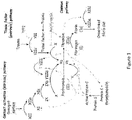
- Serpinc1 is a member of the serine proteinase inhibitor (serpin) superfamily. Serpinc1 is a plasma protease inhibitor that inhibits thrombin as well as other activated serine proteases of the coagulation system, such as factors X, IX, XI, XII and VIIand, thus, regulates the blood coagulation cascade (see, e.g., Figure 1 ).
- the anticoagulant activity of Serpinc1 is enhanced by the presence of heparin and other related glycosaminoglycans which catalyze the formation of a thrombin:antithrombin (TAT) complexes.
- TAT thrombin:antithrombin
- hemophilia is a group of hereditary genetic bleeding disorders that impair the body's ability to control blood clotting or coagulation.
- Hemophilia A is a recessive X-linked genetic disorder involving a lack of functional clotting Factor VIII and represents 80% of hemophilia cases.
- Hemophilia B is a recessive X-linked genetic disorder involving a lack of functional clotting Factor IX. It comprises approximately 20% of haemophilia cases.
- Hemophilia C is an autosomal genetic disorder involving a lack of functional clotting Factor XI. Hemophilia C is not completely recessive, as heterozygous individuals also show increased bleeding.
- hemophilia Although, at present there is no cure for hemophilia, it can be controlled with regular infusions of the deficient clotting factor, e.g., factor VIII in hemophilia A. However, some hemophiliacs develop antibodies (inhibitors) against the replacement factors given to them and, thus, become refractory to replacement coagulation factor. Accordingly, bleeds in such subjects cannot be properly controlled.
- the deficient clotting factor e.g., factor VIII in hemophilia A.
- some hemophiliacs develop antibodies (inhibitors) against the replacement factors given to them and, thus, become refractory to replacement coagulation factor. Accordingly, bleeds in such subjects cannot be properly controlled.
- WO 2010/130825 describes new targets for cancer therapy.
- E.K. Waters et at. (BLOOD, vol. 117, no. 20, 19 May 2011, pages 5514-5522 ) describes that Aptamer ARC 19499 mediates a procoagulant hemostatic effect by inhibiting tissue factor pathway inhibitor.
- L.A. Parunov et al. JOURNAL OF THROMBOSIS AND HAEMOSTASIS, vol. 9, no. 9, 1 September 2011, pages 1825-1834 ) describes Improvement of spatial fibrin formation by the anti-TFPI aptamer BAX499.
- Prochownik E.V. et al. (THE JOURNAL OF BIOLOGICAL CHEMISTRY, vol. 258, no. 13, 10 July 1983, pages 8389-8394 ) describes Isolation of a cDNA clone for human antithrombin III.
- dsRNA double-stranded ribonucleic acid
- said dsRNA comprises a sense strand and an antisense strand
- said sense strand comprises at least 15 contiguous nucleotides differing by no more than 3 nucleotides from the nucleotide sequence of SEQ ID NO: 1
- said antisense strand comprises at least 15 contiguous nucleotides differing by no more than 3 nucleotides from the nucleotide sequence of SEQ ID NO: 5
- the antisense strand comprises the sequence of SEQ ID NO: 960 and the sense strand comprises the sequence of SEQ ID NO: 941
- the antisense strand comprises at least 15 contiguous nucleobases of the sequence of SEQ ID NO: 960
- the sense strand comprises at least 15 contiguous nucleobases of the sequence of SEQ ID NO: 941, a
- RNA-induced silencing complex RISC
- the Serpinc1 gene may be within a cell, e.g., a cell within a subject, such as a human.
- the present disclosure also provides methods of using and uses of the iRNA compositions of the invention for inhibiting the expression of a Serpinc1 gene and/or for treating a subject having a disorder that would benefit from inhibiting or reducing the expression of a Serpinc1 gene, e.g., a bleeding disorder, such as hemophilia.
- the present disclosure provides double-stranded ribonucleic acids (dsRNAs) for inhibiting expression of Serpinc1.
- the dsRNAs comprise a sense strand and an antisense strand, wherein the sense strand comprises at least 15 contiguous nucleotides differing by no more than 3 nucleotides from the nucleotide sequence of SEQ ID NO:1 and the antisense strand comprises at least 15 contiguous nucleotides differing by no more than 3 nucleotides from the nucleotide sequence of SEQ ID NO:5.
- the present disclosure provides double-stranded ribonucleic acids (dsRNAs) for inhibiting expression of Serpinc1.
- the dsRNAs comprise a sense strand and an antisense strand, the antisense strand comprising a region of complementarity which comprises at least 15 contiguous nucleotides differing by no more than 3 nucleotides from any one of the antisense sequences listed in any one of Tables 3, 4, 8, 11, 12, 14, 15, 20, and 21.
- the sense and antisense strands comprise sequences selected from the group consisting of AD-50487.1, AD-50477.1, AD-50483.1, AD-50475.1, AD-50495.1, AD-50476.1, AD-50499.1, AD-50478.1, AD-50489.1, AD-50501.1, AD-50507.1, AD-50484.1, AD-50515.1, AD-50540.1, AD-50528.1, AD-50549.1, AD-50539.1, AD-50534.1, AD-50527.1, AD-50514.1, AD-50509.1, AD-50529.1, AD-54944.
- the sense and antisense strands comprise sequences selected from the group consisting of AD-56813, AD-57205, AD-57214, and AD-57213, and any of the sequences listed in any one of Tables 3, 4, 8, 11, 12, 14, 15, 20, and 21, or sequences which are at least 95%, 96%, 97%, 98%, or 99% identical to those sequences.
- the dsRNAs comprise at least one modified nucleotide.
- At least one of the modified nucleotides is selected from the group consisting of a 2'-O-methyl modified nucleotide, a nucleotide comprising a 5'-phosphorothioate group, and a terminal nucleotide linked to a cholesteryl derivative or a dodecanoic acid bisdecylamide group.
- the modified nucleotide is selected from the group consisting of a 2'-deoxy-2'-fluoro modified nucleotide, a 2'-deoxy-modified nucleotide; a locked nucleotide, an abasic nucleotide, a 2'-amino-modified nucleotide, a 2'-alkyl-modified nucleotide, a morpholino nucleotide, a phosphoramidate, and a non-natural base comprising nucleotide.
- the region of complementarity of the dsRNAs may be at least 17 nucleotides in length, between 19 and 21 nucleotides in length, or 19 nucleotides in length.
- each strand of a dsRNA is no more than 30 nucleotides in length.
- At least one strand of a dsRNA may comprise a 3' overhang of at least 1 nucleotide or at least 2 nucleotides.
- a dsRNA further comprises a ligand.
- the ligand is conjugated to the 3' end of the sense strand of the dsRNA.
- the ligand is one or more N-acetylgalactosamine (GalNAc) derivatives attached through a bivalent or trivalent branched linker.
- the ligand is N-acetylgalactosamine (GalNAc) derivatives attached through a bivalent or trivalent branched linker.
- the ligand is N-acetylgalactosamine (GalNAc) derivatives attached through a bivalent or trivalent branched linker.
- the ligand is N-acetylgalactosamine
- the RNAi agent is conjugated to the ligand as shown in the following schematic
- RNAi agent is conjugated to the ligand as shown in the following schematic, wherein X is O or S.
- the region of complementarity of a dsRNA consists of one of the antisense sequences of any one of Tables 3, 4, 8, 11, 12, 14, 15, 20, and 21.
- a dsRNA comprises a sense strand consisting of a sense strand sequence selected from the sequences of any one of Tables 3, 4, 8, 11, 12, 14, 15, 20, and 21, and an antisense strand consisting of an antisense sequence selected from the sequences of any one of Tables 3, 4, 8, 11, 12, 14, 15, 20, and 21.
- the present invention provides an in vitro cell containing a dsRNA of the invention.
- the present disclosure provides a vector encoding at least one strand of a dsRNA, wherein the dsRNA comprises a region of complementarity to at least a part of an mRNA encoding Serpinc1, wherein the dsRNA is 30 base pairs or less in length, and wherein the dsRNA targets the mRNA for cleavage.
- the region of complementarity may be least 15 nucleotides in length or 19 to 21 nucleotides in length.
- the present disclosure provides a cell comprising a vector encoding at least one strand of a dsRNA, wherein the dsRNA comprises a region of complementarity to at least a part of an mRNA encoding Serpinc1, wherein the dsRNA is 30 base pairs or less in length, and wherein the dsRNA targets the mRNA for cleavage.
- the present invention provides a pharmaceutical composition for inhibiting expression of a Serpinc1 gene comprising a dsRNA or vector of the invention.
- the pharmaceutical composition further comprises a lipid formulation, such as an MC3, SNALP, or XTC formulation.
- a lipid formulation such as an MC3, SNALP, or XTC formulation.
- the present invention provides in vitro methods of inhibiting Serpinc1 expression in a cell.
- the methods include contacting the cell with the dsRNA of the invention, and maintaining the cell produced for a time sufficient to obtain degradation of the mRNA transcript of a Serpinc1 gene, thereby inhibiting expression of the Serpinc1 gene in the cell.
- the cell may be within a subject, such as a human subject, for example a human subject suffering from a bleeding disorder, e.g., a hemophilia.
- a bleeding disorder e.g., a hemophilia.
- Serpinc1 expression is inhibited by at least about 30%, at least about 35%,at least about 40%, at least about 45%, at least about 50%, at least about 55%, at least about 60%, at least about 65%, at least about 70%, at least about 75%, at least about 80%, at least about 85%, at least about 90%, at least about 91%, at least about 92%, at least about 93%, at least about 94%, at least about 95%, at least about 96%, at least about 97%, at least about 98%, or at least about 99%.
- the present disclosure provides methods of treating a subject having a disorder that would benefit from reduction in Serpinc1 expression, e.g., a bleeding disorder, such as a hemophilia.
- the methods include administering to the subject a therapeutically effective amount of the dsRNA or vector of the invention, thereby treating the subject.
- the disclosure provides methods of preventing at least one symptom, e.g., bleeding, in a subject having a disorder that would benefit from reduction in Serpinc1 expression, e.g., hemophilia.
- the methods include administering to the subject a therapeutically effective amount of thei RNA, e.g., dsRNA, or vector of the invention, thereby preventing at least one symptom in the subject having a disorder that would benefit from reduction in Serpinc1 expression.
- the disorder may be a breeding disorder, such as a hemophilia.
- the administration of the dsRNA to the subject causes an increase in blood clotting and/or a decrease in Serpinc1 protein expression and/or accumulation.
- the dsRNA is conjugated to a ligand, e.g., at the 3'- end of the sense strand of the dsRNA.
- the ligand is an N-acetylgalactosamine (GalNAc) derivative.
- the dsRNA is administered at a dose of about 0.01 mg/kg to about 10 mg/kg, e.g., about 0.05 mg/kg to about 5 mg/kg, about 0.05 mg/kg to about 10 mg/kg, about 0.1 mg/kg to about 5 mg/kg, about 0.1 mg/kg to about 10 mg/kg, about 0.2 mg/kg to about 5 mg/kg, about 0.2 mg/kg to about 10 mg/kg, about 0.3 mg/kg to about 5 mg/kg, about 0.3 mg/kg to about 10 mg/kg, about 0.4 mg/kg to about 5 mg/kg, about 0.4 mg/kg to about 10 mg/kg, about 0.5 mg/kg to about 5 mg/kg, about 0.5 mg/kg to about 10 mg/kg, about 1 mg/kg to about 5 mg/kg, about 1 mg/kg to about 10 mg/kg, about 1.5 mg/kg to about 5 mg/kg, about 1.5 mg/kg to about 10 mg/kg, about 2 mg/kg to about 2.5 mg/kg, about 2 mg/kg to about
- the dsRNA may be administered at a dose of about 0.01, 0.02, 0.03, 0.04, 0.05, 0.06, 0.07, 0.08, 0.09, 0.1, 0.2, 0.3, 0.4, 0.5, 0.6, 0.7, 0.8, 0.9, 1, 1.1, 1.2, 1.3, 1.4, 1.5, 1.6, 1.7, 1.8, 1.9, 2, 2.1, 2.2, 2.3, 2.4, 2.5, 2.6, 2.7, 2.8, 2.9, 3, 3.1, 3.2, 3.3, 3.4, 3.5, 3.6, 3.7, 3.8, 3.9, 4, 4.1, 4.2, 4.3, 4.4, 4.5, 4.6, 4.7, 4.8, 4.9, 5, 5.1, 5.2, 5.3, 5.4, 5.5, 5.6, 5.7, 5.8, 5.9, 6, 6.1, 6.2, 6.3, 6.4, 6.5, 6.6, 6.7, 6.8, 6.9, 7, 7.1, 7.2, 7.3, 7.4, 7.5, 7.6, 7.7,
- the dsRNA is administered at a dose of about 0.5 to about 50 mg/kg, about 0.75 to about 50 mg/kg, about 1 to about 50 mg/kg, about 1.5 to about 50 mg/kg, about 2 to about 50 mg/kg, about 2.5 to about 50 mg/kg, about 3 to about 50 mg/kg, about 3.5 to about 50 mg/kg, about 4 to about 50 mg/kg, about 4.5 to about 50 mg/kg, about 5 to about 50 mg/kg, about 7.5 to about 50 mg/kg, about 10 to about 50 mg/kg, about 15 to about 50 mg/kg, about 20 to about 50 mg/kg, about 20 to about 50 mg/kg, about 25 to about 50 mg/kg, about 25 to about 50 mg/kg, about 30 to about 50 mg/kg, about 35 to about 50 mg/kg, about 40 to about 50 mg/kg, about 45 to about 50 mg/kg, about 0.5 to about 45 mg/kg, about 0.75 to about 45 mg/kg, about 1 to about 45 mg/kg, about 1.5 to about 45 mg/kg, about
- subjects can be administered a therapeutic amount of iRNA, such as about 0.5, 0.6, 0.7, 0.8, 0.9, 1, 1.1, 1.2, 1.3, 1.4, 1.5, 1.6, 1.7, 1.8, 1.9, 2, 2.1, 2.2, 2.3, 2.4, 2.5, 2.6, 2.7, 2.8, 2.9, 3, 3.1, 3.2, 3.3, 3.4, 3.5, 3.6, 3.7, 3.8, 3.9, 4, 4.1, 4.2, 4.3, 4.4, 4.5, 4.6, 4.7, 4.8, 4.9, 5, 5.1, 5.2, 5.3, 5.4, 5.5, 5.6, 5.7, 5.8, 5.9, 6, 6.1, 6.2, 6.3, 6.4, 6.5, 6.6, 6.7, 6.8, 6.9, 7, 7.1, 7.2, 7.3, 7.4, 7.5, 7.6, 7.7, 7.8, 7.9, 8, 8.1, 8.2, 8.3, 8.4, 8.5, 8.6, 8.7, 8.8, 8.9, 9, 9.1, 9.2, 9.3, 9.4,
- the dsRNA e.g., conjugated to a ligand, may be administered to the subject once a week or twice a month.
- the present disclosure provides methods of inhibiting the expression of Serpinc1 in a subject.
- the methods include administering to the subject a therapeutically effective amount of the dsRNA or a vector of the invention, thereby inhibiting the expression of Serpinc1 in the subject.
- the dsRNA is conjugated to a ligand, e.g., at the 3'- end of the sense strand of the dsRNA.
- the ligand is an N-acetylgalactosamine (GalNAc) derivative.
- the dsRNA is administered at a dose of about 0.01 mg/kg to about 10 mg/kg, e.g., about 0.05 mg/kg to about 5 mg/kg, about 0.05 mg/kg to about 10 mg/kg, about 0.1 mg/kg to about 5 mg/kg, about 0.1 mg/kg to about 10 mg/kg, about 0.2 mg/kg to about 5 mg/kg, about 0.2 mg/kg to about 10 mg/kg, about 0.3 mg/kg to about 5 mg/kg, about 0.3 mg/kg to about 10 mg/kg, about 0.4 mg/kg to about 5 mg/kg, about 0.4 mg/kg to about 10 mg/kg, about 0.5 mg/kg to about 5 mg/kg, about 0.5 mg/kg to about 10 mg/kg, about 1 mg/kg to about 5 mg/kg, about 1 mg/kg to about 10 mg/kg, about 1.5 mg/kg to about 5 mg/kg, about 1.5 mg/kg to about 10 mg/kg, about 2 mg/kg to about 2.5 mg/kg, about 2 mg/kg to about
- the dsRNA may be administered at a dose of about 0.01, 0.02, 0.03, 0.04, 0.05, 0.06, 0.07, 0.08, 0.09, 0.1, 0.2, 0.3, 0.4, 0.5, 0.6, 0.7, 0.8, 0.9, 1, 1.1, 1.2, 1.3, 1.4, 1.5, 1.6, 1.7, 1.8, 1.9, 2, 2.1, 2.2, 2.3, 2.4, 2.5; 2.6, 2.7, 2.8, 2.9, 3, 3.1, 3.2, 3.3, 3.4, 3.5, 3.6, 3.7, 3.8, 3.9, 4, 4.1, 4.2, 4.3, 4.4, 4.5, 46, 4.7; 4.8, 4.9, 5, 5.1, 5.2, 5.3, 5.4, 5.5, 5.6, 5.7, 5.8, 5.9, 6, 6.1, 6.2, 6.3, 6.4, 6.5, 6.6, 6.7, 6.8, 6:9, 7, 7.1, 7.2, 7.3, 7.4, 7.5, 7.6, 7.7,
- the dsRNA is administered at a dose of about 0.5 to about 50 mg/kg, about 0.75 to about 50 mg/kg, about 1 to about 50 mg/kg, about 1.5 to about 50 mg/kg, about 2 to about 50 mg/kg, about 2.5 to about 50 mg/kg, about 3 to about 50 mg/kg, about 3.5 to about 50 mg/kg, about 4 to about 50 mg/kg, about 4.5 to about 50 mg/kg, about 5 to about 50 mg/kg, about 7.5 to about 50 mg/kg, about 10 to about 50 mg/kg, about 15 to about 50 mg/kg, about 20 to about 50 mg/kg, about 20 to about 50 mg/kg, about 25 to about 50 mg/kg, about 25 to about 50 mg/kg, about 30 to about 50 mg/kg, about 35 to about 50 mg/kg, about 40 to about 50 mg/kg, about 45 to about 50 mg/kg, about 0.5 to about 45 mg/kg, about 0.75 to about 45 mg/kg, about 1 to about 45 mg/kg, about 1.5 to about 45 mg/kg, about
- subjects can be administered a therapeutic amount of iRNA, such as about 0.5, 0.6, 0.7. 0.8, 0.9, 1, 1.1, 1.2, 1.3, 1.4, 1.5, 1.6, 1.7, 1.8, 1.9, 2, 2.1, 2.2, 2.3, 2.4, 2.5, 2.6, 2.7, 2.8, 2.9, 3, 3.1, 3.2, 3.3, 3.4, 3.5, 3.6, 3.7, 3.8, 3.9, 4, 4.1, 4.2, 4.3, 4.4, 4.5, 4.6, 4.7, 4.8, 4.9, 5, 5.1, 5.2, 5.3, 5.4, 5.5, 5.6, 5.7, 5.8, 5.9, 6, 6.1, 6.2, 6.3, 6.4, 6.5, 6.6, 6:7, 6.8, 6.9, 7, 7.1, 7.2, 7.3, 7.4, 7.5, 7.6, 7.7, 7.8, 7.9, 8, 8.1, 8.2, 8.3, 8.4, 8.5, 8.6, 8.7, 8.8, 8.9, 9, 9.1, 9.2, 9.3, 9.
- the dsRNA e.g., conjugated to a ligand, may be administered to the subject once a week or twice a month.
- kits for performing the methods of the invention Described are kits for performing the methods of the invention. Described is a kit for performing a method of inhibiting expression of Serpinc1 in a cell by contacting a cell with a double stranded RNAi agent in an amount effective to inhibit expression of the Serpinc1 gene in the cell.
- the kit comprises an RNAi agent and instructions for use and, optionally, means for administering the RNAi agent to a subject.
- the present disclosure provides iRNA compositions which effect the RNA-induced silencing complex (RISC)-mediated cleavage of RNA transcripts of a Serpinc1 gene.
- the Serpinc1 gene may be within a cell, e.g., a cell within a subject, such as a human.
- the present disclosure also provides methods of using the iRNA compositions of the invention for inhibiting the expression of a Serpinc1 gene and/or for treating a subject having a disorder that would benefit from inhibiting or reducing the expression of a Serpinc1 gene, e.g., a bleeding disorder, such as hemophilia.
- the present disclosure further provides methods for preventing at least one symptom, e.g., bleeding, in a subject having a disorder that would benefit from inhibiting or reducing the expression of a Serpinc1 gene, e.g., a bleeding disorder, such as hemophilia.
- a Serpinc1 gene e.g., a bleeding disorder, such as hemophilia.
- the described iRNAs include an RNA strand (the antisense strand) having a region which is about 30 nucleotides or less in length, e.g., 15-30, 15-29, 15-28, 15-27, 15-26, 15-25, 15-24, 15-23, 15-22, 15-21, 15-20, 15-19, 15-18, 15-17, 18-30, 18-29, 18-28, 18-27, 18-26, 18-25, 18-24, 18-23, 18-22, 18-21, 18-20,19-30, 19-29, 19-28, 19-27, 19-26, 19-25, 19-24, 19-23, 19-22, 19-21, 19-20, 20-30, 20-29, 20-28, 20-27, 20-26, 20-25, 20-24,20-23, 20-22, 20-21, 21-30, 21-29, 21-28, 21-27, 21-26, 21-25, 21-24, 21-23, or 21-22 nucleotides in length, which region is substantially complementary to at least part of an m
- RNAi RNA interference
- the use of these iRNAs enables the targeted degradation of mRNAs of a Serpinc1 gene in mammals.
- Very low dosages of Serpinc1 iRNAs in particular, can specifically and efficiently mediate RNA interference (RNAi), resulting in significant inhibition of expression of a Serpinc1 gene.
- RNAi RNA interference
- the present inventors have demonstrated that iRNAs targeting Serpinc1 can mediate RNAi in vitro and in vivo, resulting in significant inhibition of expression of a Serpinc1 gene.
- methods and compositions including these iRNAs are useful for treating a subject who would benefit by a reduction in the levels and/or activity of a Serpinc1 protein, such as a subject having a bleeding disorder, e.g., hemophilia.
- compositions containing iRNAs to inhibit the expression of a Serpinc1 gene as well as compositions, uses, and methods for treating subjects having diseases and disorders that would benefit from inhibition and/or reduction of the expression of this gene.
- an element means one element or more than one element, e.g., a plurality of elements.
- Serpinc1 refers to a particular polypeptide expressed in a cell. Serpinc1 is also known as serpin peptidase inhibitor, clade C (antithrombin), member 1; antithrombin III; AT3; antithrombin; and heparin cofactor 1.
- serpin peptidase inhibitor clade C (antithrombin), member 1; antithrombin III; AT3; antithrombin; and heparin cofactor 1.
- the sequence of a human Serpinc1 mRNA transcript can be found at, for example, GenBank Accession No. GI:254588059 (NM_000488; SEQ ID NO:1).
- the sequence of rhesus Serpinc1 mRNA can be found at, for example, GenBank Accession No. GI:157167169 (NM001104583; SEQ ID NO:2).
- mouse Serpinc1 mRNA can be, found at, for example, GenBank Accession No. GI:237874216 (NM_080844; SEQ ID NO:3).
- sequence of rat Serpinc1 mRNA can be found at, for example, GenBank Accession No. GI:58865629 (NM_001012027; SEQ ID NO:4).
- Serpinc1 also refers to a particular polypeptide expressed in a cell by naturally occurring DNA sequence variations of the Serpinc1 gene, such as a single nucleotide polymorphism in the Serpinc1 gene. Numerous SNPs within the Serpinc1 gene have been identified and may be found at, for example, NCBI dbSNP (see, e.g., www.ncbi.nlm.nih.gov/snp ). Non-limiting examples of SNPs within the Serpinc1 gene may be found at, NCBI dbSNP Accession Nos.
- target sequence refers to a contiguous portion of the nucleotide sequence of an mRNA molecule formed during the transcription of a Serpinc1 gene, including mRNA that is a product of RNA processing of a primary transcription product.
- the target portion of the sequence will be at least long enough to serve as a substrate for iRNA-directed cleavage at or near that portion of the nucleotide sequence of an mRNA molecule formed during the transcription of a Serpinc1 gene.
- the target sequence may be from about 9-36 nucleotides in length, e.g., about 15-30 nucleotides in length.
- the target, sequence can be from about 15-30 nucleotides, 15-29, 15-28, 15-27, 15-26, 15-25, 15-24, 15-23, 15-22, 15-21, 15-20, 15-19, 15-18, 15-17, 18-30, 18-29, 18-28, 18-27, 18-26, 18-25, 18-24, 18-23, 18-22, 18-21, 18-20, 19-30, 19-29, 19-28, 19-27, 19-26, 19-25, 19-24, 19-23, 19-22, 19-21, 19-20, 20-30, 20-29, 20-28, 20-27, 20-26, 20-25, 20-24,20-23, 20-22, 20-21, 21-30, 21-29, 21-28, 21-27, 21-26, 21-25, 21-24, 21-23, or 21-22 nucleotides in length. Ranges and lengths intermediate to
- strand comprising a sequence refers to an oligonucleotide comprising a chain of nucleotides that is described by the sequence referred to using the standard nucleotide nomenclature.
- G,” “C,” “A,” “T” and “U” each generally stand for a nucleotide that contains guanine, cytosine, adenine, thymidine and uracil as a base, respectively.
- ribonucleotide or “nucleotide” can also refer to a modified nucleotide, as further detailed below, or a surrogate replacement moiety (see, e.g., Table 2).
- nucleotide comprising inosine as its base can base pair with nucleotides containing adenine, cytosine, or uracil.
- nucleotides containing uracil, guanine, or adenine can be replaced in the nucleotide sequences of dsRNA featured in the invention by a nucleotide containing, for example, inosine.
- adenine and cytosine anywhere in the oligonucleotide can be replaced with guanine and uracil, respectively to form G-U Wobble base pairing with the target mRNA. Sequences containing such replacement moieties are suitable for the compositions and methods featured.
- RNAi agent refers to an agent that contains RNA as that term is defined herein, and which mediates the targeted cleavage of an RNA transcript via an RNA-induced silencing complex (RISC) pathway.
- RISC RNA-induced silencing complex
- iRNA directs the sequence-specific degradation of mRNA through a process known as RNA interference (RNAi).
- RNAi RNA interference
- the iRNA modulates, e.g., inhibits, the expression of Serpinc1 in a cell, e.g., a cell within a subject, such as a mammalian subject.
- an RNAi agent of the invention includes a single stranded RNA that interacts with a target RNA sequence, e.g., a Serpinc1 target mRNA sequence, to direct the cleavage of the target RNA,
- a target RNA sequence e.g., a Serpinc1 target mRNA sequence
- Dicer Type III endonuclease
- Dicer a ribonuclease-III-like enzyme, processes the dsRNA into 19-23 base pair short interfering RNAs with characteristic two base 3' overhangs ( Bernstein, et al., (2001) Nature 409:363 ).
- the siRNAs are then incorporated into an RNA-induced silencing complex (RISC) where one or more helicases unwind the siRNA duplex, enabling the complementary antisense strand to guide target recognition ( Nykanen, et al., (2001) Cell 107:309 ).
- RISC RNA-induced silencing complex
- the invention Upon binding to the appropriate target mRNA, one or more endonucleases within the RISC cleave the target to induce silencing ( Elbashir, et al., (2001) Genes Dev. 15:188 ).
- siRNA single stranded RNA
- the term "siRNA” is also used herein to refer to an RNAi as described above.
- the RNAi agent may be a single-stranded siRNA that is introduced into a cell or organism to inhibit a target mRNA.
- the single-stranded siRNAs are generally 15-30 nucleotides and are chemically, modified.
- the design and testing of single-stranded siRNAs are described in U.S. Patent No. 8,101,348 and in Lima et al., (2012) Cell 150: 883-894 , the entire contents of each of which are hereby incorporated herein by reference. Any of the antisense nucleotide sequences described herein may be used as a single-stranded siRNA as described herein or as chemically modified by the methods described in Lima et al., (2012) Cell 150;:883-894 .
- the agent is a single-stranded antisense RNA molecule that inhibits a target via an antisense inhibition mechanism.
- the single-stranded antisense RNA molecule is complementary to a sequence within the target mRNA.
- Antisense RNA can inhibit translation in a stoichiometric manner by base pairing to the mRNA and physically obstructing the translation machinery, see Dias, N. et al., (2002) Mol Cancer Ther 1:347-355 .
- the single-stranded antisense RNA molecule inhibits a target mRNA by hydridizing to the target and cleaving the target through an RNaseH cleavage event.
- the single-stranded antisense RNA molecule may be about 15 to about 30 nucleotides in length and have a sequence that is complementary to a target sequence.
- the single-stranded antisense RNA molecule may comprise a sequence that is at least about 15, 16, 17, 18, 19, 20, or more contiguous nucleotides from any one of the antisense sequences in any one of Tables 3, 4, 8, 11, 12, 14, 15, 20, and 21.
- an "iRNA” for use in the compositions, uses, and methods of the invention is a double-stranded RNA and is referred to herein as a “double stranded RNAi agent,” “double-stranded RNA (dsRNA) molecule,” “dsRNA agent,” or “dsRNA”.
- dsRNA refers to a complex of ribonucleic acid molecules, having a duplex structure comprising two anti-parallel and substantially complementary nucleic acid strands, referred to as having "sense” and “antisense” orientations with respect to a target RNA, i.e., a Serpinc1 gene.
- a double-stranded RNA triggers the degradation of a target RNA, e.g., an mRNA, through a post-transcriptional gene-silencing mechanism referred to herein as RNA interference or RNAi.
- the duplex region may be of any length that permits specific degradation of a desired target RNA through a RISC pathway, and may range from about 9 to 36 base pairs in length, e.g., about 15-30 base pairs in length, for example, about 9, 10, 11, 12, 13, 14, 15, 16, 17, 18, 19, 20, and 21, 22, 23, 24, 25, 26, 27, 28, 29, 30, 31, 32, 33, 34, 35, or 36 base pairs in length, such as about 15-30, 15-29, 15-28, 15-27, 15-26, 15-25, 15-24, 15-23, 15-22, 15-21, 15-20, 15-19, 15-18, 15-17, 18-30, 18-29, 18-28, 18-27, 18-26, 18-25, 18-24, 18-23, 18-22, 18-21, 18-20, 19-30, 19-29, 19-28, 19-27, 19-26, 19-25, 19-24, 19-23, 19-22, 19-21, 19-20, 20-30, 20-29, 20-28, 20-27, 20-26, 20-25, 20-24,20-23, 20-22
- the two strands forming the duplex structure may be different portions of one larger RNA molecule, or they may be separate RNA molecules. Where the two strands are part of one larger molecule, and therefore are connected by an uninterrupted chain of nucleotides between the 3'-end of one strand and the 5'-end of the respective other strand forming the duplex structure, the connecting RNA chain is referred to as a "hairpin loop."
- a hairpin loop can comprise at least one unpaired nucleotide. In some cases, the hairpin loop can comprise at least 2, at least 3, at least 4, at least 5, at least 6, at least 7, at least 8, at least 9, at least 10, at least 20, at least 23 or more unpaired nucleotides.
- RNA molecules where the two substantially complementary strands of a dsRNA are comprised by separate RNA molecules, those molecules need not, but can be covalently connected.
- the connecting structure is referred to as a "linker.”
- the RNA strands may have the same or a different number of nucleotides. The maximum number of base pairs is the number of nucleotides in the shortest strand of the dsRNA minus any overhangs that are present in the duplex.
- an RNAi may comprise one or more nucleotide overhangs.
- nucleotide overhang refers to at least one unpaired nucleotide that protrudes from the duplex structure of an iRNA, e.g., a dsRNA.
- a dsRNA can comprise an overhang of at least one nucleotide; alternatively the overhang can comprise at least two nucleotides, at least three nucleotides, at least four nucleotides, at least five nucleotides or more.
- a nucleotide overhang can comprise or consist of a nucleotide/nucleoside analog, including a deoxynucleotide/nucleoside.
- the overhang(s) can be on the sense strand, the antisense strand or any combination thereof.
- the nucleotide(s) of an overhang can be present on the 5'-end, 3'-end or both ends of either- an antisense or sense strand of a dsRNA.
- the antisense strand of a dsRNA has a 1-10 nucleotide, e.g., a 1, 2, 3, 4, 5, 6, 7, 8, 9, or 10 nucleotide, overhang at the 3'-end and/or the 5'-end.
- the sense strand of a dsRNA has a 1-10 nucleotide, e.g., a 1, 2, 3, 4, 5, 6, 7, 8, 9, or 10 nucleotide, overhang at the 3'-end and/or the 5'-end.
- one or more of the nucleotides in the overhang is replaced with a nucleoside thiophosphate.
- dsRNA dsRNA that there are no unpaired nucleotides or nucleotide analogs at a given terminal end of a dsRNA, i.e., no nucleotide overhang.
- One or both ends of a dsRNA can be blunt. Where both ends of a dsRNA are blunt, the dsRNA is said to be blunt ended.
- a "blunt ended" dsRNA is a dsRNA that is blunt at both ends, i.e., no nucleotide overhang at either end of the molecule. Most often such a molecule will be double-stranded over its entire length.
- antisense strand or "guide strand” refers to the strand of an iRNA, e.g., a dsRNA, which includes a region that is substantially complementary to a target sequence, e.g., a Serpinc1 mRNA.
- region of complementarity refers to the region on the antisense strand that is substantially complementary to a sequence, for example a target sequence, e.g., a Serpinc1 nucleotide sequence, as defined herein.
- the mismatches can be in the internal or terminal regions of the molecule.
- the most tolerated mismatches are in the terminal regions, e.g., within 5, 4, 3, or 2 nucleotides of the 5'- and/or 3'-terminus of the iRNA.
- sense strand refers to the strand of an iRNA that includes a region that is substantially complementary to a region of the antisense strand as that term is defined herein.
- the term "complementary,” when used to describe a first nucleotide sequence in relation to a second nucleotide sequence, refers to the ability of an oligonucleotide or polynucleotide comprising the first nucleotide sequence to hybridize and form a duplex structure under certain conditions with an oligonucleotide or polynucleotide comprising the second nucleotide sequence, as will be understood by the skilled person.
- Such conditions can, for example, be stringent conditions, where stringent conditions can include: 400 mM NaCl, 40 mM PIPES pH 6.4, 1 mM EDTA, 50°C or 70°C for 12-16 hours followed by washing (see, e.g., " Molecular Cloning: A Laboratory Manual, Sambrook, et al. (1989) Cold Spring Harbor Laboratory Press ).
- Other conditions such as physiologically relevant conditions as can be encountered inside an organism, can apply. The skilled person will be able to determine the set of conditions most appropriate for a test of complementarity of two sequences in accordance with the ultimate application of the hybridized nucleotides.
- Complementary sequences within an iRNA include base-pairing of the oligonucleotide or polynucleotide comprising a first nucleotide sequence to an oligonucleotide or polynucleotide comprising a second nucleotide sequence over the entire length of one or both nucleotide sequences.
- Such sequences can be referred to as "fully complementary” with respect to each other herein.
- first sequence is referred to as “substantially complementary” with respect to a second sequence herein
- the two sequences can be fully complementary, or they can form one or more, but generally not more than 5, 4, 3 or 2 mismatched base pairs upon hybridization for a duplex up to 30 base pairs, while retaining the ability to hybridize under the conditions most relevant to their ultimate application, e.g., inhibition of gene expression via a RISC pathway.
- two oligonucleotides are designed to form, upon hybridization, one or more single stranded overhangs, such overhangs shall not be regarded as mismatches with regard to the determination of complementarity.
- a dsRNA comprising one oligonucleotide 21 nucleotides in length and another oligonucleotide 23 nucleotides in length, wherein the longer oligonucleotide comprises a sequence of 21 nucleotides that is fully complementary to the shorter oligonucleotide, can yet be referred to as "fully complementary" for the purposes described herein.
- “Complementary” sequences can also include, or be formed entirely from, non-Watson-Crick base pairs and/or base pairs formed from non-natural and modified nucleotides, in so far as the above requirements with respect to their ability to hybridize are fulfilled.
- Such non-Watson-Crick base pairs include, but are not limited to, G:U Wobble or Hoogsteen base pairing.
- a polynucleotide that is "substantially complementary to at least part of" a messenger RNA (mRNA) refers to a polynucleotide that is substantially complementary to a contiguous portion of the mRNA of interest (e.g., an mRNA encoding Serpinc1).
- mRNA messenger RNA
- a polynucleotide is complementary to at least a part of a Serpinc1 mRNA if the sequence is substantially complementary to a non-interrupted portion of an mRNA encoding Serpinc1.
- each or both strands can also include one or more non-ribonucleotides, e.g., a deoxyribonucleotide and/or a modified nucleotide.
- an "iRNA” may include ribonucleotides with chemical modifications. Such modifications may include all types of modifications disclosed herein or known in the art. Any such modifications, as used in an iRNA molecule, are encompassed by "iRNA" for the purposes of this specification and claims.
- inhibitor as used herein, is used interchangeably with “reducing,” “silencing,” “downregulating,” “suppressing” and other similar terms, and includes any level of inhibition.
- inhibitors expression of a Serpinc1 includes inhibition of expression of any Serpinc1 gene (such as, e.g., a mouse Serpinc1 gene, a rat Serpinc1 gene, a monkey Serpinc1 gene, or a human Serpinc1 gene) as well as variants or mutants of a Serpinc1 gene that encodes a Serpinc1 protein.
- Serpinc1 gene such as, e.g., a mouse Serpinc1 gene, a rat Serpinc1 gene, a monkey Serpinc1 gene, or a human Serpinc1 gene
- “Inhibiting expression of a Serpinc1 gene” includes any level of inhibition of a Serpinc1 gene, e.g., at least partial suppression of the expression of a Serpinc1 gene, such as an inhibition by at least about 5%, at least about 10%, at least about 15%, at least about 20%, at least about 25%, at least about 30%, at least about 35%,at least about 40%, at least about 45%, at least about 50%, at least about 55%, at least about 60%, at least about 65%, at least about 70%, at least about 75%, at least about 80%, at least about 85%, at least about 90%, at least about 91%, at least about 92%, at least about 93%, at least about 94%, at least about 95%, at least about 96%, at least about 97%, at least about 98%, or at least about 99%.
- Serpinc1 gene may be assessed based on the level of any variable associated with Serpinc1 gene expression, e.g., Serpinc1 mRNA level, Serpinc1 protein level, or, for example, thrombin:antithrombin complex levels as a measure of thrombin generation portential, bleeding time, prothrombin time (PT), platelet count, and/or activated partial thromboplastin time (aPTT). Inhibition may be assessed by a decrease in an absolute or relative level of one or more of these variables compared with a control level.
- Serpinc1 mRNA level e.g., Serpinc1 mRNA level, Serpinc1 protein level
- thrombin:antithrombin complex levels as a measure of thrombin generation portential, bleeding time, prothrombin time (PT), platelet count, and/or activated partial thromboplastin time (aPTT).
- Inhibition may be assessed by a decrease in an absolute or relative level of one or more of these variables
- the control level may be any type of control level that is utilized in the art, e.g., a pre-dose baseline level, or a level determined from a similar subject, cell, or sample that is untreated or treated with a control (such as, e.g., buffer only control or inactive agent control).
- At least partial suppression of the expression of a Serpinc1 gene is assessed by a reduction of the amount of Serpinc1 mRNA which can be isolated from or detected in a first cell or group of cells in which a Serpinc1 gene is transcribed and which has or have been treated such that the expression of a Serpinc1 gene is inhibited, as compared to a second cell or group of cells substantially identical to the first cell or group of cells but which has or have not been so treated (control cells).
- the degree of inhibition may be expressed in terms of mRNA in control cells ⁇ mRNA in treated cells mRNA in control cells • 100 %
- contacting a cell with an RNAi agent includes contacting a cell by any possible means.
- Contacting a cell with an RNAi agent includes contacting a cell in vitro with the iRNA or contacting a cell in vivo with the iRNA.
- the contacting may be done directly or indirectly.
- the RNAi agent may be put into physical contact with the cell by the individual performing the method, or alternatively, the RNAi'agent may be put into a situation that will permit or cause it to subsequently come into contact with the cell.
- Contacting a cell in vitro may be done, for example, by incubating the cell with the RNAi agent.
- Contacting a cell in vivo may be done, for example, by injecting the RNAi agent into or near the tissue where the cell is located, or by injecting the RNAi agent into another area, e.g., the bloodstream or the subcutaneous space, such that the agent will subsequently reach the tissue where the cell to be contacted is located.
- the RNAi agent may contain and/or be coupled to a ligand, e.g., GalNAc3, that directs the RNAi agent to a site of interest, e.g., the liver.
- a ligand e.g., GalNAc3
- Combinations of in vitro and in vivo methods of contacting are also possible.
- a cell may also be contacted in vitro with an RNAi agent and subsequently transplanted into a subject.
- contacting a cell with an iRNA includes "introducing" or “delivering the iRNA into the cell” by facilitating or effecting uptake or absorption into the cell.
- Absorption or uptake of an iRNA can occur through unaided diffusive or active cellular processes, or by auxiliary agents or devices.
- Introducing an iRNA into a cell may be in vitro and/or in vivo.
- iRNA can be injected into a tissue site or administered systemically.
- In vivo delivery can also be done by a beta-glucan delivery system, such as those described in U.S. Patent Nos. 5,032,401 and 5,607,677 , and U.S. Publication No.
- lipid nanoparticle is a vesicle comprising a lipid layer encapsulating a pharmaceutically active molecule, such as a nucleic acid molecule, e.g., an iRNA or a plasmid from which an iRNA is transcribed.
- a pharmaceutically active molecule such as a nucleic acid molecule, e.g., an iRNA or a plasmid from which an iRNA is transcribed.
- LNPs are described in, for example, U.S. Patent Nos. 6,858,225 , 6,815,432 , 8,158,601 , and 8,058,069 .
- SNALP refers to a stable nucleic acid-lipid particle.
- a SNALP is a vesicle of lipids coating a reduced aqueous interior comprising a nucleic acid such as an iRNA or a plasmid from which an iRNA is transcribed.
- SNALPs are described, e.g., in U.S. Patent Application Publication Nos. 20060240093 , 20070135372 , and in International Application No. WO 2009082817 . Examples of "SNALP" formulations are described below.
- a "subject” is an animal, such as a mammal, including a primate (such as a human, a non-human primate, e.g., a monkey, and a chimpanzee), a non-primate (such as a cow, a pig, a camel, a llama, a horse, a goat, a rabbit, a sheep, a hamster, a guinea pig, a cat, a dog, a rat, a mouse, a horse, and a whale), or a bird (e.g., a duck or a goose).
- a primate such as a human, a non-human primate, e.g., a monkey, and a chimpanzee
- a non-primate such as a cow, a pig, a camel, a llama, a horse, a goat, a rabbit, a sheep, a hamster,
- the subject is a human, such as a human being treated or assessed for a disease, disorder or condition that would benefit from reduction in Serpinc1 expression; a human at risk for a disease, disorder or condition that would benefit from reduction in Serpinc1 expression; a human having a disease, disorder or condition that would benefit from reduction in Serpinc1 expression; and/or human being treated for a disease, disorder or condition that would benefit from reduction in Serpinc1 expression as described herein.
- treating refers to a beneficial or desired result including, but not limited to, alleviation or amelioration of one or more symptoms, diminishing the extent of bleeding, stabilized (i.e., not worsening) state of bleeding, amelioration or palliation of the bleeding, whether detectable or undetectable.
- Treatment can also mean prolonging survival as compared to expected survival in the absence of treatment.
- lower in the context of a disease marker or symptom is meant a statistically significant decrease in such level.
- the decrease can be, for example, at least 10%, at least 20%, at least 30%, at least 40% or more, and is preferably down to a level accepted as within the range of normal for an individual without such disorder.
- prevention when used in reference to a disease, disorder or condition thereof, that would benefit from a reduction in expression of a Sertpinc1 gene, refers to a reduction in the likelihood that a subject will develop a symptom associated with a such a disease, disorder, or condition, e.g., a symptom such as a bleed.
- the likelihood of developing a bleed is reduced, for example, when an individual having one or more risk factors for a bleed either fails to develop a bleed or develops a bleed with less severity relative to a population having the same risk factors and not receiving treatment as described herein.
- the failure to develop a disease, disorder or condition, or the reduction in the development of a symptom associated with such a disease, disorder or condition e.g ., by at least about 10% on a clinically accepted scale for that disease or disorder
- the exhibition of delayed symptoms delayed e.g., by days, weeks, months or years
- bleeding disorder is a disease or disorder that results in poor blood clotting and/or excessive bleeding.
- a bleeding disorder may be an inherited disorder, such as a hemophilia or von Willebrand's disease, or an acquired disorder, associated with, for example, disseminated intravascular coagulation, pregnancy-associated eclampsia, vitamin K deficiency, an autoimmune disorder, inflammatory bowel disease, ulcerative colitis, a dermatologic disorder (e.g., psoriasis, pemphigus), a respiratory disease (e.g., asthma, chronic obstructive pulmonary disease), an allergic drug reaction, e.g., the result of medications, such as aspirin, heparin, and warfarin, diabetes, acute hepatitis B infection, acute hepatitis C infection, a malignancy or solid tumor (e.g., prostate, lung, colon, pancreas, stomach, bile duct, head and neck, cervix
- an inherited bleeding disorder is a hemophilia, e.g., hemophilia A, B, or C.
- a subject having an inherited bleeding disorder e.g., a hemophilia
- has developed inhibitors e.g., alloantibody inhibitors, to replacement coagulation therapies and is referred to herein as an "inhibitor subject.”
- the inhibitor subject has hemophilia A.
- the inhibitor subject has hemophilia B.
- the inhibitor subject has hemophilia C.
- Therapeutically effective amount is intended to include the amount of an RNAi agent that, when administered to a subject having a bleeding disorder and bleeding, is sufficient to effect treatment of the disease (e.g., by diminishing, ameliorating or maintaining the existing disease or one or more symptoms of disease).
- the "therapeutically effective amount” may vary depending on the RNAi agent, how the agent is administered, the disease and its severity and the history, age, Weight, family history, genetic makeup, the types of preceding or concomitant treatments, if any, and other individual characteristics of the subject to be treated.
- “Prophylactically effective amount,” as used herein, is intended to include the amount of an iRNA that, when administered to a subject having a bleeding disorder but not bleeding, e.g., a subject having a bleeding disorder and scheduled for surgery, is sufficient to prevent or ameliorate the disease or one or more symptoms of the disease. Ameliorating the disease includes slowing the course of the disease or reducing the severity of later-developing disease.
- the “prophylactically effective amount” may vary depending on the iRNA, how the agent is administered, the degree of risk of disease, and the history, age, weight, family history, genetic makeup, the types of preceding or concomitant treatments, if any, and other individual characteristics of the patient to be treated.
- a “therapeutically effective amount” or “prophylactically effective amount” also includes an amount of an RNAi agent that produces some desired local or systemic effect at a reasonable benefit/risk ratio applicable to any treatment.
- iRNA employed in the methods of the present invention may be administered in a sufficient amount to produce a reasonable benefit/risk ratio applicable to such treatment.
- phrases "pharmaceutically acceptable” is employed herein to refer to those compounds, materials, compositions, and/or dosage forms which are, within the scope of sound medical judgment, suitable for use in contact with the tissues of human subjects and animal subjects without excessive toxicity, irritation, allergic response, or other problem or complication, commensurate with a reasonable benefit/risk ratio.
- pharmaceutically-acceptable carrier means a pharmaceutically-acceptable material, composition or vehicle, such as a liquid or solid filler, diluent, excipient, manufacturing aid (e.g., lubricant, talc magnesium, calcium or zinc stearate, or steric acid), or solvent encapsulating material, involved in carrying or transporting the subject compound from one organ, or portion of the body, to another organ, or portion of the body.
- manufacturing aid e.g., lubricant, talc magnesium, calcium or zinc stearate, or steric acid
- solvent encapsulating material involved in carrying or transporting the subject compound from one organ, or portion of the body, to another organ, or portion of the body.
- Each carrier must be “acceptable” in the sense of being compatible with the other ingredients of the formulation and not injurious to the subject being treated.
- materials which can serve as pharmaceutically-acceptable carriers include: (1) sugars, such as lactose, glucose and sucrose; (2) starches, such as corn starch and potato starch; (3) cellulose, and its derivatives, such as sodium carboxymethyl cellulose, ethyl cellulose and cellulose acetate; (4) powdered tragacanth; (5) malt; (6) gelatin; (7) lubricating agents, such as magnesium state, sodium lauryl sulfate and talc; (8) excipients, such as cocoa butter and suppository waxes; (9) oils, such as peanut oil, cottonseed oil, safflower oil, sesame oil, olive oil, corn oil and soybean oil; (10) glycols, such as propylene glycol; (11) polyols, such as glycerin, sorbitol, mannitol and polyethylene glycol; (12) esters, such as ethyl oleate and ethyl laureate; (1
- sample includes a collection of similar fluids, cells, or tissues isolated from a subject, as well as fluids, cells, or tissues present within a subject.
- biological fluids include blood, serum and serosal fluids, plasma, cerebrospinal fluid, ocular fluids, lymph, urine, saliva, and the like.
- Tissue samples may include samples from tissues, organs or localized regions. For example, samples may be derived from particular organs, parts of organs, or fluids or cells within those organs. In certain cases, samples may be derived from the liver (e.g., whole liver or certain segments of liver or certain types of cells in the liver, such as, e.g., hepatocytes). In some embodiments, a "sample derived from a subject” refers to blood or plasma drawn from the subject.
- the iRNA agent includes double-stranded ribonucleic acid (dsRNA) molecules for inhibiting the expression of a Serpinc1 gene in a cell, such as a cell within a subject, e.g., a mammal, such as a human having a bleeding disorder, e.g., an inherited bleeding disorder.
- dsRNA double-stranded ribonucleic acid
- the dsRNA includes an antisense strand having a region of complementarity which is complementary to at least a part of an mRNA formed in the expression of a Serpinc1 gene.
- the region of complementarity is about 30 nucleotides or less in length (e.g., about 30, 29, 28, 27, 26, 25, 24, 23, 22, 21, 20, 19, or 18 nucleotides or less in length).
- the iRNA Upon contact with a cell expressing the Serpinc1 gene, the iRNA inhibits the expression of the Serpinc1 gene (e.g., a human, a primate, a non-primate, or a bird Sertpinc1 gene) by at least about 10% as assayed by, for example, a PCR or branched DNA (bDNA)-based method, or by a protein-based method, such as by immunofluorescence analysis, using, for example, Western Blotting or flowcytometric techniques.
- the Serpinc1 gene e.g., a human, a primate, a non-primate, or a bird Sertpinc1 gene
- a dsRNA includes two RNA strands that are complementary and hybridize to form a duplex structure under conditions in which the dsRNA will be used.
- One strand of a dsRNA (the antisense strand) includes a region of complementarity that is substantially complementary, and generally fully complementary, to a target sequence.
- the target sequence can be derived from the sequence of an mRNA formed during the expression of a Serpinc1 gene.
- the other strand includes a region that is complementary to the antisense strand, such that the two strands hybridize and form a duplex structure when combined under suitable conditions.
- the complementary sequences of a dsRNA can also be contained as self-complementary regions of a single nucleic acid molecule, as opposed to being on separate oligonucleotides.
- the duplex structure is between 15 and 30 base pairs in length, e.g., between, 15-29, 15-28, 15-27, 15-26, 15-25; 15-24, 15-23, 15-22, 15-21, 15-20, 15-19, 15-18, 15-17, 18-30, 18-29, 18-28, 18-27, 18-26, 18-25, 18-24, 18-23, 18-22, 18-21, 18-20, 19-30, 19-29, 19-28, 19-27, 19-26, 19-25, 19-24, 19-23, 19-22, 19-21, 19-20, 20-30, 20-29, 20-28, 20-27, 20-26, 20-25, 20-24,20-23, 20-22, 20-21, 21-30, 21-29, 21-28, 21-27, 21-26, 21-25, 21-24, 21-23, or 21-22 base pairs in length. Ranges and lengths intermediate to the above recited ranges and lengths are also contemplated.
- the region of complementarity to the target sequence is between 15 and 30 nucleotides in length, e.g., between 15-29, 15-28, 15-27, 15-26, 15-25, 15-24, 15-23, 15-22, 15-21, 15-20, 15-19, 15-18, 15-17, 18-30, 18-29, 18-28, 18-27, 18-26, 18-25, 18-24, 18-23, 18-22, 18-21, 18-20, 19-30, 19-29, 19-28, 19-27, 19-26, 19-25, 19-24, 19-23, 19-22, 19-21, 19-20, 20-30, 20-29, 20-28; 20-27, 20-26, 20-25, 20-24,20-23, 20-22, 20-21, 21-30, 21-29, 21-28, 21-27, 21-26, 21-25, 21-24, 21-23, or 21-22 nucleotides in length. Ranges and lengths intermediate to the above-recited ranges and lengths are also contemplated.
- the dsRNA is between about 15 and about 20 nucleotides in length, or between about 25 and about 30 nucleotides in length.
- the dsRNA is long enough to serve as a substrate for the Dicer enzyme.
- dsRNAs longer than about 21-23 nucleotides in length may serve as substrates for Dicer.
- the region of an RNA targeted for cleavage will most often be part of a larger RNA molecule, often an mRNA molecule.
- a "part" of an mRNA target is a contiguous sequence of an mRNA target of sufficient length to allow it to be a substrate for RNAi-directed cleavage (i.e., cleavage through a RISC pathway).
- the duplex region is a primary functional portion of a dsRNA, e.g., a duplex region of about 9 to 36 base pairs, e.g., about 10-36, 11-36, 12-36, 13-36, 14-36, 15-36, 9-35, 10-35, 11-35, 12-35, 13-35, 14-35, 15-35, 9-34, 10-34, 11-34, 12-34, 13-34, 14-34, 15-34, 9-33, 10-33, 11-33, 12-33, 13-33, 14-33, 15-33, 9-32, 10-32, 11-32, 12-32, 13-32, 14-32, 15-32, 9-31, 10-31, 11-31, 12-31, 13-32, 14-31, 15-31, 15-30, 15-29, 15-28, 15-27, 15-26, 15-25, 15-24, 15-23, 15-22, 15-21, 15-20, 15-19, 15-18, 15-17, 18-30,
- an RNA molecule or complex of RNA molecules having a duplex region greater than 30 base pairs is a dsRNA.
- a miRNA is a dsRNA.
- a dsRNA is not a naturally occurring miRNA.
- an iRNA agent useful to target Serpinc1 expression is not generated in the target cell by cleavage of a larger dsRNA.
- a dsRNA as described herein can further include one or more single-stranded nucleotide overhangs e.g., 1, 2, 3, or 4 nucleotides. dsRNAs having at least one nucleotide overhang can have unexpectedly superior inhibitory properties relative to their blunt-ended counterparts.
- a nucleotide overhang can comprise or consist of a nucleotide/nucleoside analog, including a deoxynucleotide/nucleoside.
- the overhang(s) can be on the sense strand, the antisense strand or any combination thereof.
- the nucleotide(s) of an overhang can be present on the 5'-end, 3'-end or both ends of either an antisense or sense strand of a dsRNA.
- a dsRNA can be synthesized by standard methods known in the art as further discussed below, e.g., by use of an automated DNA synthesizer, such as are commercially available from, for example, Biosearch, Applied Biosystems, Inc.
- iRNA compounds may be prepared using a two-step procedure. First, the individual strands of the double-stranded RNA molecule are prepared separately. Then, the component strands are annealed. The individual strands of the siRNA compound can be prepared using solution-phase or solid-phase organic synthesis or both. Organic synthesis offers the advantage that the oligonucleotide strands comprising unnatural or modified nucleotides can be easily prepared. Single-stranded oligonucleotides of the invention can be prepared using solution-phase or solid-phase organic synthesis or both.
- a dsRNA includes at least two nucleotide sequences, a sense sequence and an anti-sense sequence.
- the sense strand is selected from the group of sequences provided in any one of Tables 3, 4, 8, 11, 12, 14, 15, 20, and 21, and the corresponding antisense strand of the sense strand is selected from the group of sequences of any one of Tables 3, 4, 8, 11, 12, 14, 15, 20, and 21.
- one of the two sequences is complementary to the other of the two sequences, with one of the sequences being substantially complementary to a sequence of an mRNA generated in the expression of a Serpinclgene.
- a dsRNA will include two oligonucleotides, where one oligonucleotide is described as the sense strand in any one of Tables 3, 4, 8, 11, 12, 14, 15, 20, and 21, and the second oligonucleotide is described as the corresponding antisense strand of the sense strand in any one of Tables 3, 4, 8, 11, 12, 14, 15, 20, and 21.
- the substantially complementary sequences of the dsRNA are contained on separate oligonucleotides.
- the substantially complementary sequences of the dsRNA are contained on a single oligonucleotide.
- RNA of the iRNA e.g., a dsRNA
- the RNA of the iRNA may comprise any one of the sequences set forth in Tables 3, 4, 8, 11, 12, 14, 15, 20, and 21 that is un-modified, un-conjugated, and/or modified and/or conjugated differently than described therein.
- dsRNAs having a duplex structure of between about 20 and 23 base pairs, e.g., 21, base pairs have been hailed as particularly effective in inducing RNA interference ( Elbashir et al., EMBO 2001, 20:6877-6888 ).
- RNA duplex structures can also be effective ( Chu and Rana (2007) RNA 14:1714-1719 ; Kim et al. (2005) Nat Biotech 23:222-226 ).
- dsRNAs described herein can include at least one strand of a length of minimally 21 nucleotides. It can be reasonably expected that shorter duplexes having one of the sequences of any one of Tables 3, 4, 8, 11, 12, 14, 15, 20, and 21 minus only a few nucleotides on one or both ends can be similarly effective as compared to the dsRNAs described above.
- dsRNAs having a sequence of at least 15, 16, 17, 18, 19, 20, or more contiguous nucleotides derived from one of the sequences of any one of Tables 3, 4, 8, 11, 12, 14, 15, 20, and 21, and differing in their ability to inhibit the expression of a Serpinc1 gene by not more than about 5, 10, 15, 20, 25, or 30 % inhibition from a dsRNA comprising the full sequence, are contemplated.
- RNAs provided in any one of Tables 3, 4, 8, 11, 12, 14, 15, 20, and 21 identify a site(s) in a Serpinc1 transcript that is susceptible to RISC-mediated cleavage.
- the present disclosure further features iRNAs that target within one of these sites.
- an iRNA is said to target within a particular site of an RNA transcript if the iRNA promotes cleavage of the transcript anywhere within that particular site.
- Such an iRNA will generally include at least about 15 contiguous nucleotides from one of the sequences provided in any one of Tables 3, 4, 8, 11, 12, 14, 15, 20, and 21 coupled to additional nucleotide sequences taken from the region contiguous to the selected sequence in a Serpinc1 gene.
- target sequence is generally about 15-30 nucleotides in length, there is wide variation in the suitability of particular sequences in this range for directing cleavage of any given target RNA.
- Various software packages and the guidelines set out herein provide guidance for the identification of optimal target sequences for any given gene target, but an empirical approach can also be taken in which a "window” or “mask” of a given size (as a non-limiting example, 21 nucleotides) is literally or figuratively (including, e.g., in silico) placed on the target RNA sequence to identify sequences in the size range that can serve as target sequences.
- the next potential target sequence can be identified, until the complete set of possible sequences is identified for any given target size selected.
- This process coupled with systematic synthesis and testing of the identified sequences (using assays as described herein or as known in the art) to identify those sequences that perform optimally can identify those RNA sequences that, when targeted with an iRNA agent, mediate the best inhibition of target gene expression.
- sequences identified for example, in any one of Tables 3, 4, 8, 11, 12, 14, 15, 20, and 21 represent effective target sequences, it is contemplated that further optimization of inhibition efficiency can be achieved by progressively "walking the window" one nucleotide upstream or downstream of the given sequences to identify sequences with equal or better inhibition characteristics.
- optimized sequences can be adjusted by, e.g., the introduction of modified nucleotides as described herein or as known in the art, addition or changes in overhang, or other modifications as known in the art and/or discussed herein to further optimize the molecule (e.g., increasing serum stability or circulating half-life, increasing thermal stability, enhancing transmembrane delivery, targeting to a particular location or cell type, increasing interaction with silencing pathway enzymes, increasing release from endosomes) as an expression inhibitor.
- modified nucleotides as described herein or as known in the art, addition or changes in overhang, or other modifications as known in the art and/or discussed herein to further optimize the molecule (e.g., increasing serum stability or circulating half-life, increasing thermal stability, enhancing transmembrane delivery, targeting to a particular location or cell type, increasing interaction with silencing pathway enzymes, increasing release from endosomes) as an expression inhibitor.
- An iRNA as described herein can contain one or more mismatches to the target sequence. In one case; an iRNA as described herein contains no more than 3 mismatches. If the antisense strand of the iRNA contains mismatches to a target sequence, it is preferable that the area of mismatch is not located in the center of the region of complementarity. If the antisense strand of the iRNA contains mismatches to the target sequence, it is preferable that the mismatch be restricted to be within the last 5 nucleotides from either the 5'- or 3'-end of the region of complementarity.
- the strand which is complementary to a region of a Serpinc1 gene generally does not contain any mismatch within the central 13 nucleotides.
- the methods described herein or methods known in the art can be used to determine whether an iRNA containing a mismatch to a target sequence is effective in inhibiting the expression of a Serpinc1 gene. Consideration of the efficacy of iRNAs with mismatches in inhibiting expression of a Serpinc1 gene is important, especially if the particular region of complementarity in a Serpinc1 gene is known to have polymorphic sequence variation within the population.
- the RNA of the iRNA e.g., a dsRNA
- the RNA of an iRNA is un-modified, and does not comprise, e.g., chemical modifications and/or conjugations known in the art and described herein.
- the RNA of an iRNA e.g., a dsRNA
- the nucleic acids featured in the invention can be synthesized and/or modified by methods well established in the art, such as those described in " Current protocols in nucleic acid chemistry," Beaucage, S.L. et al. (Edrs.), John Wiley & Sons, Inc., New York, NY, USA , which is hereby incorporated herein by reference.
- Modifications include, for example, end modifications, e.g., 5'-end modifications (phosphorylation, conjugation, inverted linkages) or 3'-end modifications (conjugation, DNA nucleotides, inverted linkages, etc.); base modifications, e.g., replacement with stabilizing bases, destabilizing bases, or bases that base pair with an expanded repertoire of partners, removal of bases (abasic nucleotides), or conjugated bases; sugar modifications (e.g., at the 2'-position or 4'-position) or replacement of the sugar; and/or backbone modifications, including modification or replacement of the phosphodiester linkages.
- end modifications e.g., 5'-end modifications (phosphorylation, conjugation, inverted linkages) or 3'-end modifications (conjugation, DNA nucleotides, inverted linkages, etc.
- base modifications e.g., replacement with stabilizing bases, destabilizing bases, or bases that base pair with an expanded repertoire of partners, removal of bases (abasic nucle
- RNAs having modified backbones include, among others, those that do not have a phosphorus atom in the backbone.
- modified RNAs that do not have a phosphorus atom in their internucleoside backbone can also be considered to be oligonucleosides.
- a modified iRNA will have a phosphorus atom in its internucleoside backbone.
- Modified RNA backbones include, for example, phosphorothioates, chiral phosphorothioates, phosphorodithioates, phosphotriesters, aminoalkylphosphotriesters, methyl and other alkyl phosphonates including 3'-alkylene phosphonates and chiral phosphonates, phosphinates, phosphoramidates including 3'-amino phosphoramidate and aminoalkylphosphoramidates, thionophosphoramidates, thionoalkylphosphonates, thionoalkylphosphotriesters, and boranophosphates having normal 3'-5' linkages, 2'-5'-linked analogs of these, and those having inverted polarity wherein the adjacent pairs of nucleoside units are linked 3'-5' to 5'-3' or 2'-5' to 5'-2'.
- Various salts, mixed salts and free acid forms are also included.
- Modified RNA backbones that do not include a phosphorus atom therein have backbones that are formed by short chain alkyl or cycloalkyl internucleoside linkages, mixed heteroatoms and alkyl or cycloalkyl internucleoside linkages, or one or more short chain heteroatomic or heterocyclic internucleoside linkages.
- morpholino linkages formed in part from the sugar portion of a nucleoside
- siloxane backbones sulfide, sulfoxide and sulfone backbones
- formacetyl and thioformacetyl backbones methylene formacetyl and thioformacetyl backbones
- alkene containing backbones sulfamate backbones
- sulfonate and sulfonamide backbones amide backbones; and others having mixed N, O, S and CH 2 component parts.
- RNA mimetics are contemplated for use in iRNAs, in which both the sugar and the internucleoside linkage, i.e., the backbone, of the nucleotide units are replaced with novel groups.
- the base units are maintained for hybridization with an appropriate nucleic acid target compound.
- a peptide nucleic acid PNA
- PNA peptide nucleic acid
- the sugar backbone of an RNA is replaced with an amide containing backbone, in particular an aminoethylglycine backbone.
- the nucleobases are retained and are bound directly or indirectly to aza nitrogen atoms of the amide portion of the backbone.
- RNAs with phosphorothioate backbones and oligonucleosides with heteroatom backbones and in particular --CH 2 --NH--CH 2 -, --CH 2 --N(CH 3 )--O--CH 2 -[known as a methylene (methylimino) or MMI backbone], --CH 2 --O--N(CH 3 )--CH 2 --, --CH 2 --N(CH 3 )--N(CH 3 )--CH 2 -- and --N(CH 3 )--C.B 2 --CH 2 --[wherein the native phosphodiester backbone is represented as --O--P--O--CH 2 --] of the above-referenced U.S. Patent No.
- RNAs featured herein have morpholino backbone structures of the above-referenced U.S. Patent No. 5,034,506 .
- Modified RNAs can also contain one or more substituted sugar moieties.
- the iRNAs, e.g., dsRNAs, featured herein can include one of the following at the 2'-position: OH; F; O-, S-, or N-alkyl; O-, S-, or N-alkenyl; O-, S- or N-alkynyl; or O-alkyl-O-alkyl, wherein the alkyl, alkenyl and alkynyl can be substituted or unsubstituted C 1 to C 10 alkyl or C 2 to C 10 alkenyl and alkynyl.
- Exemplary suitable modifications include O[(CH 2 ) n O] m CH 3 , O(CH 2 ) n OCH 3 , O(CH 2 ) n NH 2 , O(CH 2 ) n CH 3 , O(CH 2 ) n ONH 2 , and O(CH 2 ) n ON[(CH 2 ) n CH 3 )] 2 , where n and m are from 1 to about 10.
- dsRNAs include one of the following at the 2' position: C 1 to C 10 lower alkyl, substituted lower alkyl, alkaryl, aralkyl, O-alkaryl or O-aralkyl, SH, SCH 3 , OCN, Cl, Br, CN, CF 3 , OCF 3 , SOCH 3 , SO 2 CH 3 , ONO 2 , NO 2 , N 3 , NH 2 , heterocycloalkyl, heterocycloalkaryl, aminoalkylamino, polyalkylamino, substituted silyl, an RNA cleaving group, a reporter group, an intercalator, a group for improving the pharmacokinetic properties of an iRNA, or a group for improving the pharmacodynamic properties of an iRNA, and other substituents having similar properties.
- the modification includes a 2'-methoxyethoxy (2'-O--CH 2 CH 2 OCH 3 , also known as 2'-O-(2-methoxyethyl) or 2'-MOE) ( Martin et al., Helv. Chim. Acta, 1995, 78:486-504 ) i.e., an alkoxy-alkoxy group.
- 2'-methoxyethoxy 2'-O--CH 2 CH 2 OCH 3
- 2'-MOE 2'-methoxyethoxy
- 2'-dimethylaminooxyethoxy i.e., a O(CH 2 ) 2 ON(CH 3 ) 2 group, also known as 2'-DMAOE, as described in examples herein below
- 2'-dimethylaminoethoxyethoxy also known in the art as 2'-O-dimethylaminoethoxyethyl or 2'-DMAEOE
- 2'-O--CH 2 --O--CH 2 --N(CH 2 ) 2 i.e. , 2'-O--CH 2 --O---CH 2 --N(CH 2 ) 2 .
- modifications include 2'-methoxy (2'-OCH 3 ), 2'-aminopropoxy (2'-OCH 2 CH 2 CH 2 NH 2 ) and 2'-fluoro (2'-F). Similar modifications can also be made at other positions on the RNA of an iRNA, particularly the 3' position of the sugar on the 3' terminal nucleotide or in 2'-5' linked dsRNAs and the 5' position of 5' terminal nucleotide. iRNAs can also have sugar mimetics such as cyclobutyl moieties in place of the pentofuranosyl sugar. Representative U.S. patents that teach the preparation of such modified sugar structures include, but are not limited to, U.S. Pat. Nos.
- nucleobase can also include nucleobase (often referred to in the art simply as “base”) modifications or substitutions.
- base nucleobase
- unmodified or “natural” nucleobases include the purine bases adenine (A) and guanine (G); and the pyrimidine bases thymine (T), cytosine (C) and uracil (U).
- Modified nucleobases include other synthetic and natural nucleobases such as 5-methylcytosine (5-me-C), 5-hydroxymethyl cytosine, xanthine, hypoxanthine, 2-aminoadenine, 6-methyl and other alkyl derivatives of adenine and guanine, 2-propyl and other alkyl derivatives of adenine and guanine, 2-thiouracil, 2-thiothymine and 2-thiocytosine, 5-halouracil and cytosine, 5-propynyl uracil and cytosine, 6-azo uracil, cytosine and thymine, 5-uracil (pseudouracil), 4-thiouracil, 8-halo, 8-amino, 8-thiol, 8-thioalkyl, 8-hydroxyl anal other 8-substituted'adenines and guanines, 5-halo, particularly 5-bromo, 5-trifluoromethyl and other 5-substi
- nucleobases include those disclosed in U.S. Pat. No. 3,687,808 , those disclosed in Modified Nucleosides in Biochemistry, Biotechnology and Medicine, Herdewijn, P. ed. Wiley-VCH, 2008 ; those disclosed in The Concise Encyclopedia Of Polymer Science And Engineering, pages 858-859 , Kroschwitz, J. L, ed. John Wiley & Sons, 1990, these disclosed by Englisch et al., Angewandte Chemie, International Edition, 1991, 30, 613 , and those disclosed by Sanghvi, Y S., Chapter 15, dsRNA Research and Applications, pages 289-302, Crooke, S. T.
- nucleobases are particularly useful for increasing the binding affinity of the oligomeric compounds featured in the invention.
- These include 5-substituted pyrimidines, 6-azapyrimidines and N-2, N-6 and 0-6 substituted purines, including 2-aminopropyladenine, 5-propynyluracil and 5-propynylcytosine.
- 5-methylcytosine substitutions have been shown to increase nucleic acid duplex stability by 0.6-1.2°C ( Sanghvi, Y. S., Crooke, S. T. and Lebleu, B., Eds., dsRNA Research and Applications, CRC Press, Boca Raton, 1993, pp. 276-278 ) and are exemplary base substitutions, even more particularly when combined with 2'-O-methoxyethyl sugar modifications.
- RNA of an iRNA can also be modified to include one or more locked nucleic acids (LNA).
- LNA locked nucleic acids
- a locked nucleic acid is a nucleotide having a modified ribose moiety in which the ribose moiety comprises an extra bridge connecting the 2' and 4' carbons. This structure effectively "locks" the ribose in the 3'-endo structural conformation.
- the addition of locked nucleic acids to siRNAs has been shown to increase siRNA stability in serum, and to reduce off-target effects ( Elmen, J. et al., (2005) Nucleic Acids Research 33(1):439-447 ; Mook, OR. et al., (2007) Mol Canc Ther 6(3):833-843 ; Grunweller, A. et al., (2003) Nucleic Acids Research 31(12):3185-3193 ).
- U.S. Patents that teach the preparation of locked nucleic acid nucleotides include, but are not limited to; the following: U.S. Patent Nos. 6,268,490 ; 6,670,461 ; 6,794,499 ; 6,998,484 ; 7,053,207 ; 7,084,125 ; and 7,399,845 .
- RNA molecules can include N-(acetylaminocaproyl)-4-hydroxyprolinol (Hyp-C6-NHAc), N-(caproyl-4-hydroxyprolinol (Hyp-C6), N-(acetyl-4-hydroxyprolinol (Hyp-NHAc), thymidine-2'-0-deoxythymidine (ether), N-(aminocaproyl)-4-hydroxyprolinol (Hyp-C6-amino), 2-docosanoyl-uridine-3"-phosphate, inverted base dT(idT) and others. Disclosure of this modification can be found in PCT Publication No. WO 2011/005861 .
- RNA of an iRNA of the invention involves chemically linking to the RNA one or more ligands, moieties or conjugates that enhance the activity, cellular distribution or cellular uptake of the iRNA.
- moieties include but are not limited to lipid moieties such as a cholesterol moiety;( Letsinger et al., Proc. Natl. Acid. Sci. USA, 1989, 86: 6553-6556 ), cholic acid ( Manoharan et al., Biorg. Med. Chem. Let., 1994, 4:1053-1060 ), a thioether, e.g., beryl-S-tritylthiol ( Manoharan et al., Ann. N.Y.
- Acids Res., 1990, 18:3777-3783 a polyamine or a polyethylene glycol chain ( Manoharan et al., Nucleosides & Nucleotides, 1995, 14:969-973 ), or adamantane acetic acid ( Manoharan et al., Tetrahedron Lett., 1995, 36:3651-3654 ), a palmityl moiety ( Mishra et al., Biochim. Biophys. Acta, 1995, 1264:229-237 ), or an octadecylamine or hexylamino-carbonyloxycholesterol moiety ( Crooke et al., J. Pharmacol. Exp. Ther., 1996, 277:923-937 ).
- a ligand alters the distribution, targeting or lifetime of an iRNA agent into which it is incorporated.
- a ligand may provide an enhanced affinity for a selected target, e.g., molecule, cell or cell type, compartment, e.g., a cellular or organ compartment, tissue, organ or region of the body, as, e.g., compared to a species absent such a ligand.
- Preferred ligands will not take part in duplex pairing in a duplexed nucleic acid.
- Ligands can include a naturally occurring substance, such as a protein (e.g., human serum albumin (HSA), low-density lipoprotein (LDL), or globulin); carbohydrate (e.g., a dextran, pullulan, chitin, chitosan, inulin, cyclodextrin, N-acetylgalactosamine, or hyaluronic acid); or a lipid.
- the ligand can also be a recombinant or synthetic molecule, such as a synthetic polymer, e.g., a synthetic polyamino acid.
- polyamino acids examples include polyamino acid is a polylysine (PLL), poly L-aspartic acid, poly L-glutamic acid, styrenemaleic acid anhydride copolymer, poly(L-lactide-co-glycolied) copolymer, divinyl ether-maleic anhydride copolymer, N-(2-hydroxypropyl)methacrylamide copolymer (HMPA), polyethylene glycol (PEG), polyvinyl alcohol (PVA), polyurethane, poly(2-ethylacrylic acid), N-isopropylacrylamide polymers, or polyphosphazine.
- PLL polylysine
- poly L-aspartic acid poly L-glutamic acid
- styrenemaleic acid anhydride copolymer poly(L-lactide-co-glycolied) copolymer
- divinyl ether-maleic anhydride copolymer divinyl ether-maleic
- polyamines include: polyethylenimine, polylysine (PLL), spermine, spermidine, polyamine, pseudopeptide-polyamine, peptidomimetic polyamine, dendrimer polyamine, arginine, amidine, protamine, cationic lipid, cationic porphyrin, quaternary salt of a polyamine, or an alpha helical peptide.
- Ligands can also include targeting groups, e.g., a cell or tissue targeting agent, e.g., a lectin, glycoprotein, lipid or protein, e.g., an antibody, that binds to a specified cell type such as a kidney cell.
- a cell or tissue targeting agent e.g., a lectin, glycoprotein, lipid or protein, e.g., an antibody, that binds to a specified cell type such as a kidney cell.
- a targeting group can be a thyrotropin, melanotropin, lectin, glycoprotein, surfactant protein A, Mucin carbohydrate; multivalent lactose, multivalent galactose, N-acetyl-galactosamine, N-acetyl-gulucoseamine multivalent mannose, multivalent fucose, glycosylated polyaminoacids, multivalent galactose, transferrin, bisphosphonate, polyglutamate, polyaspartate, a lipid, cholesterol, a steroid, bile acid, folate, vitamin B12, vitamin A, biotin, or an RGD peptide or RGD peptide mimetic.
- ligands include dyes, intercalating agents (e.g. acridines), crosslinkers (e.g. psoralene, mitomycin C), porphyrins (TPPC4, texaphyrin, Sapphyrin), polycyclic aromatic hydrocarbons (e.g., phenazine, dihydrophenazine), artificial endonucleases (e.g.
- intercalating agents e.g. acridines
- crosslinkers e.g. psoralene, mitomycin C
- porphyrins TPPC4, texaphyrin, Sapphyrin
- polycyclic aromatic hydrocarbons e.g., phenazine, dihydrophenazine
- artificial endonucleases e.g.
- EDTA lipophilic molecules, e.g., cholesterol, cholic acid, adamantane acetic acid, 1-pyrene butyric acid, dihydrotestosterone, 1,3-Bis-O(hexadecyl)glycerol, geranyloxyhexyl group, hexadecylglycerol, borneol, menthol, 1,3-propanediol, heptadecyl group, palmitic acid, myristic acid,O3-(oleoyl)lithocholic acid, O3-(oleoyl)cholenic acid, dimethoxytrityl, or phenoxazine)and peptide conjugates (e.g., cholesterol, cholic acid, adamantane acetic acid, 1-pyrene butyric acid, dihydrotestosterone, 1,3-Bis-O(hexadecyl)glycerol, geranyl
- alkylating agents phosphate, amino, mercapto, PEG (e.g., PEG-40K), MPEG, [MPEG] 2 , polyamino, alkyl, substituted alkyl, radiolabeled markers, enzymes, haptens (e.g.
- biotin e.g ., aspirin, vitamin E, folic acid
- transport/absorption facilitators e.g ., aspirin, vitamin E, folic acid
- synthetic ribonucleases e.g., imidazole, bisimidazole, histamine, imidazole clusters, acridine-imidazole conjugates, Eu3+ complexes of tetraazamacrocycles), dinitrophenyl, HRP, or AP.
- Ligands can be proteins, e.g., glycoproteins, or peptides, e.g., molecules having a specific affinity for a co-ligand, or antibodies e.g., an antibody, that binds to a specified cell type such as a hepatic cell.
- Ligands can also include hormones and hormone receptors. They can also include non-peptidic species, such as lipids, lectins, carbohydrates, vitamins, cofactors, multivalent lactose, multivalent galactose, N-acetyl-galactosamine, N-acetyl-gulucosamine multivalent mannose, or multivalent fucose.
- the ligand can be, for example, a lipopolysaccharide, an activator of p38 MAP kinase, or an activator of NF- ⁇ B.
- the ligand can be a substance, e.g., a drug, which can increase the uptake of the iRNA agent into the cell, for example, by disrupting the cell's cytoskeleton, e.g., by disrupting the cell's microtubules, microfilaments, and/or intermediate filaments.
- the drug can be, for example, taxon, vincristine, vinblastine, cytochalasin, nocodazole, japlakinolide, latrunculin A, phalloidin, swinholide A, indanocine, or myoseverin.
- a ligand attached to an iRNA as described herein acts as a pharmacokinetic modulator (PK modulator).
- PK modulators include lipophiles, bile acids, steroids, phospholipid analogues, peptides, protein binding agents, PEG, vitamins etc.
- Exemplary PK modulators include, but are not limited to, cholesterol, fatty acids, cholic acid, lithocholic acid, dialkylglycerides, diacylglyceride, phospholipids, sphingolipids, naproxen, ibuprofen, vitamin E, biotin etc.
- Oligonucleotides that comprise a number of phosphorothioate linkages are also known to bind to serum protein, thus short oligonucleotides, e.g., oligonucleotides of about 5 bases, 10 bases, 15 bases or 20 bases, comprising multiple of phosphorothioate linkages in the backbone are also amenable to the present invention as ligands (e.g. as PK modulating ligands).
- ligands e.g. as PK modulating ligands
- aptamers that bind serum components are also suitable for use as PK modulating ligands in the embodiments described herein.
- Ligand-conjugated oligonucleotides may be synthesized by the use of an oligonucleotide that bears a pendant reactive functionality, such as that derived from the attachment of a linking molecule onto the oligonucleotide (described below). This reactive oligonucleotide may be reacted directly with commercially-available ligands, ligands that are synthesized bearing any of a variety of protecting groups, or ligands that have a linking moiety attached thereto.
- oligonucleotides used in the conjugates of the present invention may be conveniently and routinely made through the well-known technique of solid-phase synthesis.
- Equipment for such synthesis is sold by several vendors including, for example, Applied Biosystems (Foster City, Calif.). Any other means for such synthesis known in the art may additionally or alternatively be employed. It is also known to use similar techniques to prepare other oligonucleotides, such as the phosphorothioates and alkylated derivatives.
- the oligonucleotides and oligonucleosides may be assembled on a suitable DNA synthesizer utilizing standard nucleotide or nucleoside precursors, or nucleotide or nucleoside conjugate precursors that already bear the linking moiety, ligand-nucleotide or nucleoside-conjugate precursors that already bear the ligand molecule, or non-nucleoside ligand-bearing building blocks.
- the synthesis of the sequence-specific linked nucleosides is typically completed, and the ligand molecule is then reacted with the linking moiety to form the ligand-conjugated oligonucleotide.
- the oligonucleotides or linked nucleosides of the present invention are synthesized by an automated synthesizer using phosphoramidites derived from ligand-nucleoside conjugates in addition to the standard phosphoramidites and non-standard phosphoramidites that are commercially available and routinely used in oligonucleotide synthesis.
- the ligand or conjugate is a lipid or lipid-based molecule.
- a lipid or lipid-based molecule preferably binds a serum protein, e.g., human serum albumin (HSA).
- HSA binding ligand allows for distribution of the conjugate to a target tissue, e.g., a non-kidney target tissue of the body.
- the target tissue can be the liver, including parenchymal cells of the liver.
- Other molecules that can bind HSA can also be used as ligands. For example, naproxen or aspirin can be used.
- a lipid or lipid-based ligand can (a) increase resistance to degradation of the conjugate, (b) increase targeting or transport into a target cell or cell membrane, and/or (c) can be used to adjust binding to a serum protein, e.g., HSA.
- a serum protein e.g., HSA.
- a lipid based ligand can be used to inhibit, e.g., control the binding of the conjugate to a target tissue.
- a lipid or lipid-based ligand that binds to HSA more strongly will be less likely to be targeted to the kidney and therefore less likely to be cleared from the body.
- a lipid or lipid-based ligand that binds to HSA less strongly can be used to target the conjugate to the kidney.
- the lipid based ligand may bind HSA.
- it binds HSA with a sufficient affinity such that the conjugate will be preferably distributed to a non-kidney tissue.
- the affinity it is preferred that the affinity not be so strong that the HSA-ligand binding cannot be reversed.
- the lipid based ligand binds HSA weakly or not at all, such that the conjugate will be preferably distributed to the kidney.
- Other moieties that target to kidney cells can also be used in place of or in addition to the lipid based ligand.
- the ligand is a moiety, e.g., a vitamin, which is taken up by a target cell, e.g., a proliferating cell.
- a target cell e.g., a proliferating cell.
- vitamins include vitamin A, E, and K.
- Other exemplary vitamins include are B vitamin, e.g., folic acid, riboflavin, biotin, pyridoxal or other vitamins or nutrients taken up by target cells such as liver cells.
- the ligand is a cell-permeation agent, preferably a helical cell-permeation agent.
- the agent is amphipathic.
- An exemplary agent is a peptide such as tat or antennopedia. If the agent is a peptide, it can be modified, including a peptidylmimetic, invertomers, non-peptide or pseudo-peptide linkages, and use of D-amino acids.
- the helical agent is preferably an alpha-helical agent, which preferably has a lipophilic and a lipophobic phase.
- the ligand can be a peptide or peptidomimetic.
- a peptidomimetic also referred to herein as an oligopeptidomimetic is a molecule capable of folding into a defined three-dimensional structure similar to a natural peptide.
- the attachment of peptide and peptidomimetics to iRNA agents can affect pharmacokinetic distribution of the iRNA, such as by enhancing cellular recognition and absorption.
- the peptide or peptidomimetic moiety can be about 5-50 amino acids long, e.g., about 5, 10, 15, 20, 25, 30, 35, 40, 45, or 50 amino acids long.
- a peptide or peptidomimetic can be, for example, a cell permeation peptide, cationic peptide, amphipathic peptide, or hydrophobic peptide (e.g., consisting primarily of Tyr, Trp or Phe).
- the peptide moiety can be a dendrimer peptide, constrained peptide or crosslinked peptide.
- the peptide moiety can include a hydrophobic membrane translocation sequence (MTS).
- An exemplary hydrophobic MTS-containing peptide is RFGF having the amino acid sequence AAVALLPAVLLALLAP (SEQ ID NO: 9).
- An RFGF analogue e.g.
- amino acid sequence AALLPVLLAAP (SEQ ID NO: 10) containing a hydrophobic MTS can also be a targeting moiety.
- the peptide moiety can be a "delivery" peptide, which can carry large polar molecules including peptides, oligonucleotides, and protein across cell membranes.
- sequences from the HIV Tat protein (GRKKRRQRRRPPQ (SEQ ID NO: 11) and the Drosophila Antennapedia protein (RQIKIWFQNRRMKWKK (SEQ ID NO: 12) have been found to be capable of functioning as delivery peptides.
- a peptide or peptidomimetic can be encoded by a random sequence of DNA, such as a peptide identified from a phage-display library, or one-bead-one-compound (OBOC) combinatorial library ( Lam et al., Nature, 354:82-84, 1991 ).
- Examples of a peptide or peptidomimetic tethered to a dsRNA agent via an incorporated monomer unit for cell targeting purposes is an arginine-glycine-aspartic acid (RGD)-peptide, or RGD mimic.
- a peptide moiety can range in length from about 5 amino acids to about 40 amino acids.
- the peptide moieties can have a structural modification, such as to increase stability or direct conformational properties. Any of the structural modifications described below can be utilized.
- RGD peptide for use in the compositions and methods of the invention may be linear or cyclic, and may be modified, e.g., glycosylated or methylated, to facilitate targeting to a specific tissue(s).
- RGD-containing peptides and peptidomimetics may include D-amino acids, as well as synthetic RGD mimics.
- a "cell permeation peptide” is capable of permeating a cell, e.g., a microbial cell, such as a bacterial or fungal cell, or a mammalian cell, such as a human cell.
- a microbial cell-permeating peptide can be, for example, a ⁇ -helical linear peptide (e.g., LL-37 or Ceropin P1), a disulfide bond-containing peptide (e.g., ⁇ -defensin, ⁇ -defensin or bactenecin), or a peptide containing only one or two dominating amino acids (e.g., PR-39 or indolicidin).
- a cell permeation peptide can also include a nuclear localization signal (NLS).
- NLS nuclear localization signal
- a cell permeation peptide can be a bipartite amphipathic peptide, such as MPG, which is derived from the fusion peptide domain of HIV-1 gp41 and the NLS of SV40 large T antigen ( Simeoni et al., Nucl. Acids Res. 31:2717-2724, 2003 ).
- An iRNA oligonucleotide may further comprise a carbohydrate.
- the carbohydrate conjugated iRNA are advantageous for the in vivo delivery of nucleic acids, as well as compositions suitable for in vivo therapeutic use, as described herein.
- carbohydrate refers to a compound which is either a carbohydrate per se made up of one or more monosaccharide units having at least 6 carbon atoms (which can be linear, branched or cyclic) with an oxygen, nitrogen or sulfur atom bonded to each carbon atom; or a compound having as a part thereof a carbohydrate moiety made up of one or more monosaccharide units each having at least six carbon atoms (which can be linear, branched or cyclic), with an oxygen, nitrogen or sulfur atom bonded to each carbon atom.
- Representative carbohydrates include the sugars (mono-, di-, tri- and oligosaccharides containing from about 4, 5, 6, 7, 8, or 9 monosaccharide units), and polysaccharides such as starches, glycogen, cellulose and polysaccharide gums.
- Specific monosaccharides include C5 and above (e.g., C5, C6, C7, or C8) sugars; di- and trisaccharides include sugars having two or three monosaccharide units (e.g., C5, C6, C7, or C8).
- a carbohydrate conjugate for use in the compositions and methods of the invention is a monosaccharide.
- the monosaccharide is an N-acetylgalactosamine, such as
- a carbohydrate conjugate for use in the compositions and methods of the invention may be selected from the group consisting of:
- Another representative carbohydrate conjugate for use in the embodiments described herein includes, but is not limited to, (Formula XXIII), when one of X or Y is an oligonucleotide, the other is a hydrogen.
- the carbohydrate conjugate further comprises one or more additional ligands as described above, such as, but not limited to, a PK modulator and/or a cell permeation peptide.
- the conjugate or ligand described herein can be attached to an iRNA oligonucleotide with various linkers that can be cleavable or non-cleavable.
- linker or “linking group” means an organic moiety that connects two parts of a compound, e.g., covalently attaches two parts of a compound.
- Linkers typically comprise a direct bond or an atom such as oxygen or sulfur, a unit such as NR8, C(O), C(O)NH, SO, SO 2 , SO 2 NH or a chain of atoms, such as, but not limited to, substituted or unsubstituted alkyl, substituted or unsubstituted alkenyl, substituted or unsubstituted alkynyl, arylalkyl, arylalkenyl, arylalkynyl, heteroarylalkyl, heteroarylalkenyl, heteroarylalkynyl, heterocyclylalkyl, heterocyclylalkenyl, heterocyclylalkynyl, aryl, heteroaryl, heterocyclyl, cycloalkyl, cycloalkenyl, alky
- a cleavable linking group is one which is sufficiently stable outside the cell, but which upon entry into a target cell is cleaved to release the two parts the linker is holding together.
- the cleavable linking group is cleaved at least about 10 times, 20, times, 30 times, 40 times, 50 times, 60 times, 70 times, 80 times, 90 times or more, or at least about 100 times faster in a target cell or under a first reference condition (which can, e.g., be selected to mimic or represent intracellular conditions) than in the blood of a subject, or under a second reference condition (which can, e.g., be selected to mimic or represent conditions found in the blood or serum).
- a first reference condition which can, e.g., be selected to mimic or represent intracellular conditions
- a second reference condition which can, e.g., be selected to mimic or represent conditions found in the blood or serum.
- Cleavable linking groups are susceptible to cleavage agents, e.g., pH, redox potential or the presence of degradative molecules. Generally, cleavage agents are more prevalent or found at higher levels or activities inside cells than in serum or blood. Examples of such degradative agents include: redox agents which are selected for particular substrates or which have no substrate specificity, including, e.g., oxidative or reductive enzymes or reductive agents such as mercaptans, present in cells, that can degrade a redox cleavable linking group by reduction; esterases; endosomes or agents that can create an acidic environment, e.g., those that result in a pH of five or lower; enzymes that can hydrolyze or degrade an acid cleavable linking group by acting as a general acid, peptidases (which can be substrate specific), and phosphatases.
- redox agents which are selected for particular substrates or which have no substrate specificity, including, e.g.,
- a cleavable linkage group such as a disulfide bond can be susceptible to pH.
- the pH of human serum is 7.4, while the average intracellular pH is slightly lower, ranging from about 7.1-7.3.
- Endosomes have a more acidic pH, in the range of 5.5-6.0, and lysosomes have an even more acidic pH at around 5.0.
- Some linkers will have a cleavable linking group that is cleaved at a preferred pH, thereby releasing a cationic lipid from the ligand inside the cell, or into the desired compartment of the cell.
- a linker can include a cleavable linking group that is cleavable by a particular enzyme.
- the type of cleavable linking group incorporated into a linker can depend on the cell to be targeted.
- a liver-targeting ligand can be linked to a cationic lipid through a linker that includes an ester group.
- Liver cells are rich in esterases, and therefore the linker will be cleaved more efficiently in liver cells than in cell types that are not esterase-rich.
- Other cell-types rich in esterases include cells of the lung, renal cortex, and testis.
- Linkers that contain peptide bonds can be used when targeting cell types rich in peptidases, such as liver cells and synoviocytes.
- the suitability of a candidate cleavable linking group can be evaluated by testing the ability of a degradative agent (or condition) to cleave the candidate linking group. It will also be desirable to also test the candidate cleavable linking group for the ability to resist cleavage in the blood or when in contact with other non-target tissue.
- a degradative agent or condition
- the candidate cleavable linking group for the ability to resist cleavage in the blood or when in contact with other non-target tissue.
- the evaluations can be carried out in cell free systems, in cells, in cell culture, in organ or tissue culture, or in whole animals.
- useful candidate compounds are cleaved at least about 2, 4, 10, 20, 30, 40, 50, 60, 70, 80, 90, or about 100 times faster in the cell (or under in vitro conditions selected to mimic intracellular conditions) as compared to blood or serum (or under in vitro conditions selected to mimic extracellular conditions).
- a cleavable linking group is a redox cleavable linking group that is cleaved upon reduction or oxidation.
- An example of reductively cleavable linking group is a disulphide linking group (-S-S-).
- a candidate can be evaluated by incubation with dithiothreitol (DTT), or other reducing agent using reagents know in the art, which mimic the rate of cleavage which would be observed in a cell, e.g., a target cell.
- the candidates can also be evaluated under conditions which are selected to mimic blood or serum conditions.
- candidate compounds are cleaved by at most about 10% in the blood.
- useful candidate compounds are degraded at least about 2, 4, 10, 20, 30, 40, 50, 60, 70, 80, 90, or about 100 times faster in the cell (or under, in vitro conditions selected to mimic intracellular conditions) as compared to blood (or urider in vitro conditions selected to mimic extracellular conditions).
- the rate of cleavage of candidate compounds can be determined using standard enzyme kinetics assays under conditions chosen to mimic intracellular media and compared to conditions chosen to mimic extracellular media.
- a cleavable linker comprises a phosphate-based cleavable linking group.
- a phosphate-based cleavable linking group is cleaved by agents that degrade or hydrolyze the phosphate group.
- An example of an agent that cleaves phosphate groups in cells are enzymes such as phosphatases in cells.
- phosphate-based linking groups are -O-P(O)(ORk)-O-, -O-P(S)(ORk)-O-, -O-P(S)(SRk)-O-, -S-P(O)(ORk)-O-, -OP(O)(ORk)-S-, -S-P(O)(ORk)-S-, -O-P(S)(ORk)-S-, -S-P(S)(ORk)-O-, -O-P(O)(Rk)-O-, -OP(S)(Rk)-O-, -S-P(O)(Rk)-O-, -S-P(S)(Rk)-O-, -S-P(O)(Rk)-S-, -O-P(S)(Rk)-S-.
- Preferred embodiments are -O-P(O)(OH)-O-, -O-P(S)(OH)-O-, -O-P(S)(SH)-O-, -S-P(O)(OH)-O-, -OP(O)(OH)-S-, -S-P(O)(OH)-S-, -O-P(S)(OH)-S-, -S-P(S)(OH)-O-, -O-P(O)(H)-O-, -OP(S)(H)-O-, -S-P(O)(H)-O, -S-P(S)(H)-O-, -S-P(O)(H)-S-, -O-P(S)(H)-S-.
- a preferred embodiment is -O-P(O)(OH)-O-.
- a cleavable linker comprises an acid cleavable linking group.
- An acid cleavable linking group is a linking group that is cleaved under acidic conditions.
- acid cleavable linking groups are cleaved in an acidic environment with a pH of about 6.5 or lower (e.g., about 6.0, 5.75, 5:5, 5.25, 5.0, or lower), or by agents such as enzymes that can act as a general acid.
- specific low pH organelles such as endosomes and lysosomes can provide a cleaving environment for acid cleavable linking groups.
- Acid cleavable linking groups include but are not limited to hydrazones, esters, and esters of amino acids.
- a preferred case is when the carbon attached to the oxygen of the ester (the alkoxy group) is an aryl group, substituted alkyl group, or tertiary alkyl group such as dimethyl pentyl or t-butyl.
- a cleavable linker comprises an ester-based cleavable linking group.
- An ester-based cleavable linking group is cleaved by enzymes such as esterases and amidases in cells.
- Examples of ester-based cleavable linking groups include but are not limited to esters of alkylene, alkenylene and alkynylene groups.
- Ester cleavable linking groups have the general formula -C(O)O-, or -OC(O)-. These candidates can be evaluated using methods analogous to those described above.
- a cleavable linker comprises a peptide-based cleavable linking group.
- a peptide-based cleavable linking group is cleaved by enzymes such as peptidases and proteases in cells.
- Peptide-based cleavable linking groups are peptide bonds formed between amino acids to yield oligopeptides (e.g., dipeptides, tripeptides etc.) and polypeptides.
- Peptide-based cleavable groups do not include the amide group (-C(O)NH-).
- the amide group can be formed between any alkylene, alkenylene or alkynelene.
- a peptide bond is a special type of amide bond formed between amino acids to yield peptides and proteins.
- the peptide based cleavage group is generally limited to the peptide bond (i.e., the amide bond) formed between amino acids yielding peptides and proteins and does not include the entire amide functional group.
- Peptide-based cleavable linking groups have the general formula - NHCHRAC(O)NHCHRBC(O)-, where RA and RB are the R groups of the two adjacent amino acids. These candidates can be evaluated using methods analogous to those described above.
- an iRNA of the invention is conjugated to a carbohydrate through a linker.
- iRNA carbohydrate conjugates with linkers of the compositions and methods of the invention include, but are not limited to, (Formula XXX), when one of X or Y is an oligonucleotide, the other is a hydrogen.
- a ligand may be one or more "GalNAc” (N-acetylgalactosamine) derivatives attached through a bivalent or trivalent branched linker.
- GalNAc N-acetylgalactosamine
- a dsRNA of the invention is conjugated to a bivalent or trivalent branched linker selected from the group of structures shown in any of formula (XXXI) - (XXXIV): wherein:
- Suitable bivalent and trivalent branched linker groups conjugating GalNAc derivatives include, but are not limited to, the structures recited above as formulas II, VII, XI, X, and XIII.
- RNA conjugates include, but are not limited to, U.S. Pat. Nos. 4,828,979 ; 4,948,882 ; 5,218,105 ; 5,525,465 ; 5,541,313 ; 5,545,730 ; 5,552,538 ; 5,578,717 , 5,580,731 ; 5,591,584 ; 5,109,124 ; 5,118,802 ; 5,138,045 ; 5,414,077 ; 5,486,603 ; 5,512,439 ; 5,578,718 ; 5,608,046 ; 4,587,044 ; 4,605,735 ; 4,667,025 ; 4,762,779 ; 4,789,737 ; 4,824,941 ; 4,835,263 ; 4,876,335 ; 4,904,582 ; 4,958,013 ; 5,082,830 ; 5,112,963 ; 5,214,136 ; 5,082,830 ;
- iRNA compounds that are chimeric compounds.
- iRNA compounds preferably dsRNAs, which contain two or more chemically distinct regions, each made up of at least one monomer unit, i.e. , a nucleotide in the case of a dsRNA compound.
- dsRNAs typically contain at least one region wherein the RNA is modified so as to confer upon the iRNA increased resistance to nuclease degradation, increased cellular uptake, and/or increased binding affinity for the target nucleic acid.
- An additional region of the iRNA can serve as a substrate for enzymes capable of cleaving RNA:DNA or RNA:RNA hybrids.
- RNase H is a cellular endonuclease which cleaves the RNA strand of an RNA:DNA duplex. Activation of RNase H, therefore, results in cleavage of the RNA target, thereby greatly enhancing the efficiency of iRNA inhibition of gene expression. Consequently, comparable results can often be obtained with shorter iRNAs when chimeric dsRNAs are used, compared to phosphorothioate deoxy dsRNAs hybridizing to the same target region. Cleavage of the RNA target can be routinely detected by gel electrophoresis and, if necessary, associated nucleic acid hybridization techniques known in the art.
- the RNA of an iRNA can be modified by a non-ligand group.
- non-ligand molecules have been conjugated to iRNAs in order to enhance the activity, cellular distribution or cellular uptake of the iRNA, and procedures for performing such conjugations are available in the scientific literature.
- Such non-ligand moieties have included lipid moieties, such as cholesterol ( Kubo, T. et al., Biochem. Biophys. Res. Comm., 2007, 365(1):54-61 ; Letsinger et al., Proc. Natl. Acad. Sci. USA, 1989, 86:6553 ), cholic acid ( Manoharan et al., Bioorg. Med. Chem.
- a thioether e.g., hexyl-S-tritylthiol
- a thiocholesterol Oberhauser et al., Nucl.
- Acids Res., 1990, 18:3777 a polyamine or a polyethylene glycol chain ( Manoharan et al., Nucleosides & Nucleotides, 1995, 14:969 ), or adamantane acetic acid ( Manoharan et al., Tetrahedron Lett., 1995, 36:3651 ), a palmityl moiety ( Mishra et al., Biochim. Biophys. Acta, 1995, 1264:229 ), or an octadecylamine or hexylamino-carbonyl-oxycholesterol moiety ( Crooke et al., J. Pharmacol. Exp.
- RNA conjugation protocols involve the synthesis of an RNAs bearing an aminolinker at one or more positions of the sequence. The amino group is then reacted with the molecule being conjugated using appropriate coupling or activating reagents. The conjugation reaction can be performed either with the RNA still bound to the solid support or following cleavage of the RNA, in solution phase. Purification of the RNA conjugate by HPLC typically affords the pure conjugate.
- an iRNA of the invention to a cell e.g., a cell within a subject, such as a human subject (e.g., a subject in need thereof, such as a subject having a bleeding disorder) can be achieved in a number of different ways.
- delivery may be performed by contacting a cell with an iRNA of the invention either in vitro or in vivo.
- In vivo delivery may also be performed directly by administering a composition comprising an iRNA, e.g., a dsRNA, to a subject.
- in vivo delivery may be performed indirectly by administering one or more vectors that encode and direct the expression of the iRNA.
- any method of delivering a nucleic acid molecule can be adapted for use with an iRNA of the invention (see e.g., Akhtar S. and Julian RL. (1992) Trends Cell. Biol. 2(5):139-144 and WO94/02595 ).
- factors to consider in order to deliver an iRNA molecule include, for example, biological stability of the delivered molecule, prevention of non-specific effects, and accumulation of the delivered molecule in the target tissue.
- the non-specific effects of an iRNA can be minimized by local administration, for example, by direct injection or implantation into a tissue or topically administering the preparation.
- VEGF dsRNA intraocular delivery of a VEGF dsRNA by intravitreal injection in cynomolgus monkeys ( Tolentino, MJ., et al (2004) Retina 24:132-138 ) and subretinal injections in mice ( Reich, SJ., et al (2003) Mol. Vis.
- RNA interference has also shown success with local delivery to the CNS by direct injection ( Dorn, G., et al.
- the RNA can be modified or alternatively delivered using a drug delivery system; both methods act to prevent the rapid degradation of the dsRNA by endo- and exo-nucleases in vivo. Modification of the RNA or the pharmaceutical carrier can also permit targeting of the iRNA composition to the target tissue and avoid undesirable off-target effects. iRNA molecules can be modified by chemical conjugation to lipophilic groups such as cholesterol to enhance cellular uptake and prevent degradation.
- an iRNA directed against ApoB conjugated to a lipophilic cholesterol moiety was injected systemically into mice and resulted in knockdown of apoB mRNA in both the liver and jejunum ( Soutschek, J., et al (2004) Nature 432:173-178 ).
- Conjugation: of an iRNA to an aptamer has been shown to inhibit tumor growth and mediate tumor regression in a mouse model of prostate cancer ( McNamara, JO., et al (2006) Nat. Biotechnol. 24:1005-1015 ).
- the iRNA can be delivered using drug delivery systems such as a nanoparticle, a dendrimer, a polymer, liposomes, or a cationic delivery system.
- Positively charged cationic delivery systems facilitate binding of an iRNA molecule (negatively charged) and also enhance interactions at the negatively charged cell membrane to permit efficient uptake of an iRNA by the cell.
- Cationic lipids, dendrimers, or polymers can either be bound to an iRNA, or induced to form a vesicle or micelle (see e.g., Kim SH., et al (2008) Journal of Controlled Release 129(2):107-116 ) that encases an iRNA.
- vesicles or micelles further prevents degradation of the iRNA when administered systemically.
- Methods for making and administering cationic- iRNA complexes are well within the abilities of one skilled in the art (see e.g., Sorensen, DR., et al (2003) J. Mol. Biol 327:761-766 ; Verma, UN., et al (2003) Clin. Cancer Res. 9:1291-1300 ; Arnold, AS et al (2007) J. Hypertens. 25:197-205 , which are incorporated herein by reference in their entirety).
- Some non-limiting examples of drug delivery systems useful for systemic delivery of iRNAs include DOTAP (Sorensen, DR., et al (2003), supra; Verma, UN., et al (2003), supra ), Oligofectamine, "solid nucleic acid lipid particles" ( Zimmermann, TS., et al (2006) Nature 441:111-114 ), cardiolipin ( Chien, PY., et al (2005) Cancer Gene Ther. 12:321-328 ; Pal, A., et al (2005) Int J. Oncol. 26:1087-1091 ), polyethyleneimine ( Bonnet ME., et al (2008) Pharm. Res. Aug 16 Epub ahead of print; Aigner, A. (2006) J. Biomed.
- an iRNA forms a complex with cyclodextrin for systemic administration.
- Methods for administration and pharmaceutical compositions of iRNAs and cyclodextrins can be found in U.S. Patent No. 7,427,605 .
- iRNA targeting the Serpinc1 gene can be expressed from transcription units inserted into DNA or RNA vectors (see, e.g., Couture, A, et al., TIG. (1996), 12:5-10 ; Skillern, A., et al., International PCT Publication No. WO 00/22113 , Conrad, International PCT Publication No. WO 00/22114 , and Conrad, U.S. Pat. No. 6,054,299 ). Expression can be transient (on the order of hours to weeks) or sustained (weeks to months or longer), depending upon the specific construct used and the target tissue or cell type.
- transgenes can be introduced as a linear construct, a circular plasmid, or a viral vector, which can be an integrating or non-integrating vector.
- the transgene can also be constructed to permit it to be inherited as an extrachromosomal plasmid ( Gassmann, et at., Proc. Natl. Acad. Sci. USA (1995) 92:1292 ).
- the individual strand or strands of an iRNA can be transcribed from a promoter on an expression vector.
- two separate expression vectors can be co-introduced (e.g., by transfection or infection) into a target cell.
- each individual strand of a dsRNA can be transcribed by promoters both of which are located on the same expression plasmid.
- a dsRNA is expressed as inverted repeat polynucleotides joined by a linker polynucleotide sequence such that the dsRNA has a stem and loop structure.
- iRNA expression vectors are generally DNA plasmids or viral vectors. Expression vectors compatible with eukaryotic cells, preferably those compatible with vertebrate cells, can be used to produce recombinant constructs for the expression of an iRNA as described herein. Eukaryotic cell expression vectors are well known in the art and are available from a number of commercial sources. Typically, such vectors are provided containing convenient restriction sites for insertion of the desired nucleic acid segment. Delivery of iRNA expressing vectors can be systemic, such as by intravenous or intramuscular administration, by administration to target cells ex-planted from the patient followed by reintroduction into the patient, or by any other means that allows for introduction into a desired target cell.
- iRNA expression plasmids can be transfected into target cells as a complex with cationic lipid carriers (e.g., Oligofectamine) or non-cationic lipid-based carriers (e.g., Transit-TKO TM ). Multiple lipid transfections for iRNA-mediated knockdowns targeting different regions of a target RNA over a period of a week or more are also contemplated by the invention.
- Successful introduction of vectors into host cells can be monitored using various known methods. For example, transient transfection can be signaled with a reporter, such as a fluorescent marker, such as Green Fluorescent Protein (GFP). Stable transfection of cells ex vivo can be ensured using markers that provide the transfected cell with resistance to specific environmental factors (e.g ., antibiotics and drugs), such as hygromycin B resistance.
- a reporter such as a fluorescent marker, such as Green Fluorescent Protein (GFP).
- Viral vector systems which can be utilized with the methods and compositions described herein include, but are not limited to, (a) adenovirus vectors; (b) retrovirus vectors, including but not limited to lentiviral vectors, moloney murine leukemia virus, etc. ; (c) adeno- associated virus vectors; (d). herpes simplex virus vectors; (e) SV 40 vectors; (f) polyoma virus vectors; (g) papilloma virus vectors; (h) picornavirus vectors; (i) pox virus vectors such as an orthopox, e.g., vaccinia virus vectors or avipox, e.g.
- the constructs can include viral sequences for transfection, if desired.
- the construct can be incorporated into vectors capable of episomal replication, e . g . EPV and EBV vectors.
- Constructs for the recombinant expression of an iRNA will generally require regulatory elements, e.g., promoters, enhancers, etc., to ensure the expression of the iRNA in target cells. Other aspects to consider for vectors and constructs are further described below.
- Vectors useful for the delivery of an iRNA will include regulatory elements (promoter, enhancer, etc. ) sufficient for expression of the iRNA in the desired target cell or tissue.
- the regulatory elements can be chosen to provide either constitutive or regulated/inducible expression.
- Expression of the iRNA can be precisely regulated, for example, by using an inducible regulatory sequence that is sensitive to certain physiological regulators, e.g., circulating glucose levels, or hormones ( Jardinerty et al., 1994, FASEB J. 8:20-24 ).
- inducible expression systems suitable for the control of dsRNA expression in cells or in mammals include, for example, regulation by ecdysone, by estrogen, progesterone, tetracycline, chemical inducers of dimerization, and isopropyl-beta-Dl - thiogalactopyranoside (IPTG).
- IPTG isopropyl-beta-Dl - thiogalactopyranoside
- Viral vectors that contain nucleic acid sequences encoding an iRNA can be used.
- a retroviral vector can be used (see Miller et al., Meth. Enzymol. 217:581-599 (1993 )). These retroviral vectors contain the components necessary for the correct packaging of the viral genome and integration into the host cell DNA.
- the nucleic acid sequences encoding an iRNA are cloned into one or more vectors, which facilitate delivery of the nucleic acid into a patient.
- retroviral vectors can be found, for example, in Boesen et al., Biotherapy 6:291-302 (1994 ), which describes the use of a retroviral vector to deliver the mdr1 gene to hematopoietic stem cells in order to make the stem cells more resistant to chemotherapy.
- Other references illustrating the use of retroviral vectors in gene therapy are: Clowes et al., J. Clin. Invest. 93:644-651 (1994 ); Kiem et al., Blood 83:1467-1473 (1994 ); Salmons and Gunzberg, Human Gene Therapy 4:129-141 (1993 ); and Grossman and Wilson, Curr. Opin. in Genetics and Devel. 3:110-114 (1993 ).
- Lentiviral vectors contemplated for use include, for example, the HIV based vectors described in U.S. Patent Nos. 6,143,520 ; 5,665,557 ; and 5,981,276 .
- Adenoviruses are also contemplated for use in delivery of iRNAs of the invention.
- Adenoviruses are especially attractive vehicles, e.g., for delivering genes to respiratory epithelia. Adenoviruses naturally infect respiratory epithelia where they cause a mild disease. Other targets for adenovirus-based delivery systems are liver, the central nervous system, endothelial cells, and muscle. Adenoviruses have the advantage of being capable of infecting non-dividing cells. Kozarsky and Wilson, Current Opinion in Genetics and Development 3:499-503 (1993 ) present a review of adenovirus-based gene therapy.
- a suitable AV vector for expressing an iRNA featured in the invention a method for constructing the recombinant AV vector, and a method for delivering the vector into target cells, are described in Xia H et al. (2002), Nat. Biotech. 20: 1006-1010 .
- Adeno-associated virus (AAV) vectors may also be used to delivery an iRNA of the invention ( Walsh et al., Proc. Soc. Exp. Biol. Med. 204:289-300 (1993 ); U.S. Pat. No. 5,436,146 ).
- the iRNA can be expressed as two separate, complementary single-stranded RNA molecules from a recombinant AAV vector having, for example, either the U6 or H1 RNA promoters, or the cytomegalovirus (CMV) promoter.
- CMV cytomegalovirus
- Suitable AAV vectors for expressing the dsRNA featured in the invention, methods for constructing the recombinant AV vector, and methods for delivering the vectors into target cells are described in Samulski R et al. (1987), J. Virol. 61: 3096-3101 ; Fisher K J et al. (1996), J. Virol, 70: 520-532 ; Samulski R et al. (1989), J. Virol. 63: 3822-3826 ; U.S. Pat. No. 5,252,479 ; U.S. Pat. No. 5,139,941 ; International Patent Application No. WO 94/13788 ; and International Patent Application No. WO 93/24641 .
- a pox virus such as a vaccinia virus, for example an attenuated vaccinia such as Modified Virus Ankara (MVA) or NYVAC, an avipox such as fowl pox or canary pox.
- a pox virus such as a vaccinia virus, for example an attenuated vaccinia such as Modified Virus Ankara (MVA) or NYVAC, an avipox such as fowl pox or canary pox.
- viral vectors can be modified by pseudotyping the vectors with envelope proteins or other surface antigens from other viruses, or by substituting different viral capsid proteins, as appropriate.
- lentiviral vectors can be pseudotyped with surface proteins from vesicular stomatitis virus (VSV), rabies, Ebola, Mokola, and the like.
- AAV vectors can be made to target different cells by engineering the vectors to express different capsid protein serotypes; see, e.g ., Rabinowitz J E et al. (2002), J Virol 76:791-801 .
- the pharmaceutical preparation of a vector can include the vector in an acceptable diluent, or can include a slow release matrix in which the gene delivery vehicle is imbedded.
- the pharmaceutical preparation can include one or more cells which produce the gene delivery system.
- the present invention also includes pharmaceutical compositions and formulations which include the iRNAs of the invention.
- pharmaceutical compositions containing an iRNA, as described herein, and a pharmaceutically acceptable carrier are useful for treating a disease or disorder associated with the expression or activity of a Serpinc1 gene, e.g. a bleeding disorder.
- Such pharmaceutical compositions are formulated based on the mode of delivery.
- IV intravenous
- compositions that are formulated for direct delivery into the brain parenchyma e.g., by infusion into the brain, such as by continuous pump infusion.
- compositions of the invention may be administered in dosages sufficient to inhibit expression of a Serpinc1 gene.
- a suitable dose of an iRNA of the invention will be in the range of about 0.001 to about 200.0 milligrams per kilogram body weight of the recipient per day, generally in the range of about 1 to 50 mg per kilogram body weight per day.
- the dsRNA can be administered at about 0.01 mg/kg, about 0.05 mg/kg, about 0.5 mg/kg, about 1 mg/kg, about 1:5 mg/kg, about 2 mg/kg, about 3 mg/kg, about 10 mg/kg, about 20 mg/kg, about 30 mg/kg, about 40 mg/kg, or about 50 mg/kg per single dose.
- the dsRNA may be administered at a dose of about 0.1, 0.2, 0.3, 0.4, 0.5, 0.6, 0.7, 0.8, 0.9, 1, 1.1, 1.2, 1.3, 1.4, 1.5, 1.6, 1.7, 1.8, 1.9, 2, 2.1, 2.2, 2.3, 2.4, 2.5, 2.6, 2.7, 2.8, 2.9, 3, 3.1, 3.2, 3.3, 3.4, 3.5, 3.6, 3.7, 3.8, 3.9, 4, 4.1, 4.2, 4.3, 4.4, 4.5, 4.6, 4.7, 4.8, 4.9, 5, 5.1, 5.2, 5.3, 5.4, 5.5, 5.6, 5.7, 5.8, 5.9, 6, 6.1, 6.2, 6.3, 6.4, 6.5, 6.6, 6.7, 6.8, 6.9, 7, 7.1, 7.2, 7.3, 7.4, 7.5, 7.6, 7.7, 7.8, 7.9, 8, 8.1, 8.2, 8.3, 8.4, 8.5, 8.6, 8.7, 8.8, 8.9,
- the dsRNA is administered at a dose of about 0.1 to about 50 mg/kg, about 0.25 to about 50 mg/kg, about 0.5 to about 50 mg/kg, about 0.75 to about 50 mg/kg, about 1 to about 50 mg/kg, about 1.5 to about 50 mg/kg, about 2 to about 50 mg/kg, about 2.5 to about 50 mg/kg, about 3 to about 50 mg/kg, about 3.5 to about 50 mg/kg, about 4 to about 50 mg/kg, about 4.5 to about 50 mg/kg, about 5 to about 50 mg/kg, about 7.5 to about 50 mg/kg, about 10 to about 50 mg/kg, about 15 to about 50 mg/kg, about 20 to about 50 mg/kg, about 20 to about 50 mg/kg, about 25 to about 50 mg/kg, about 25 to about 50 mg/kg, about 30 to about 50 mg/kg, about 35 to about 50 mg/kg, about 40 to about 50 mg/kg, about 45 to about 50 mg/kg, about 0.1 to about 45 mg/kg, about 0.25 to about 45
- the dsRNA may be administered at a dose of about 0..01, 0.02, 0.03, 0.04, 0.05, 0.06, 0.07, 0.08, 0.09, 0.1, 0.2, 0.3, 0.4, 0.5, 0.6, 0.7, 0.8, 0.9, 1, 1.1, 1.2, 1.3, 1.4, 1.5, 1.6, 1.7, 1.8, 1.9, 2, 2.1, 2.2, 2.3, 2.4, 2.5, 2.6, 2.7, 2.8, 2.9, 3, 3.1, 3.2, 3.3, 3.4, 3.5, 3.6, 3.7, 3.8, 3.9, 4, 4.1, 4.2, 4.3, 4.4, 4.5, 4.6, 4.7, 4.8, 4.9, 5, 5.1, 5.2, 5.3, 5.4, 5.5, 5.6, 5.7, 5.8, 5.9, 6, 6.1, 6.2, 6.3, 6.4, 6.5, 6.6, 6.7, 6.8, 6.9, 7, 7.1, 7.2, 7.3, 7.4, 7.5, 7.6, 7.7
- the dsRNA is administered at a dose of about 0.5 to about 50 mg/kg, about 0.75 to about 50 mg/kg, about 1 to about 50 mg/kg, about 1.5 to about 50 mg/kg, about 2 to about 50 mg/kg, about 2.5 to about 50 mg/kg, about 3 to about 50 mg/kg, about 3.5 to about 50 mg/kg, about 4 to about 50 mg/kg, about 4.5 to about 50 mg/kg, about 5 to about 50 mg/kg, about 7.5 to about 50 mg/kg, about 10 to about 50 mg/kg, about 15 to about 50 mg/kg, about 20 to about 50 mg/kg, about 20 to about 50 mg/kg, about 25 to about 50 mg/kg, about 25 to about 50 mg/kg, about 30 to about 50 mg/kg, about 35 to about 50 mg/kg, about 40 to about 50 mg/kg, about 45 to about 50 mg/kg, about 0.5 to about 45 mg/kg, about 0.75 to about 45 mg/kg, about 1 to about 45 mg/kg, about 1.5 to about 45 mg/kg, about
- subjects can be administered a therapeutic amount of iRNA, such as about 0.5, 0.6, 0.7, 0.8, 0.9, 1, 1.1, 1.2, 1.3, 1.4, 1.5, 1.6, 1.7, 1.8, 1.9, 2, 2.1, 2.2, 2.3, 2.4, 2.5, 2.6, 2.7, 2.8, 2.9, 3, 3.1, 3.2, 3.3, 3.4, 3.5, 3.6; 3.7, 3.8, 3.9, 4, 4.1, 4.2, 4.3, 4.4, 4.5, 4.6, 4.7, 4.8, 4.9, 5, 5.1, 5.2, 5.3, 5.4, 5.5, 5.6, 5.7, 5.8, 5.9, 6, 6.1, 6.2, 6.3, 6.4, 6.5, 6.6, 6.7, 6.8, 6.9, 7, 7.1, 7.2, 7.3, 7.4, 7.5, 7.6, 7.7, 7.8, 7.9, 8, 8.1, 8.2, 8.3, 8.4, 8.5, 8.6, 8.7, 8.8, 8.9, 9, 9.1, 9.2, 9.3, 9.4,
- the pharmaceutical composition can be administered once daily, or the iRNA can be administered as two, three, or more sub-doses at appropriate intervals throughout the day or even using continuous infusion or delivery through a controlled release formulation. In that case, the iRNA contained in each sub-dose must be correspondingly smaller in order to achieve the total daily dosage.
- the dosage unit can also be compounded for delivery over several days, e.g., using a conventional sustained release formulation which provides sustained release of the iRNA over a several day period. Sustained release formulations are well known in the art and are particularly useful for delivery of agents at a particular site, such as could be used with the agents of the present invention. In this embodiment, the dosage unit contains a corresponding multiple of the daily dose.
- a single dose of the pharmaceutical compositions can be long lasting, such that subsequent doses are administered at not more than 3, 4, or 5 day intervals, or at not more than 1, 2, 3, or 4 week intervals.
- a single dose of the pharmaceutical compositions of the invention is administered once per week.
- a single dose of the pharmaceutical compositions of the invention is administered bi-monthly.
- treatment of a subject with a therapeutically effective amount of a composition can include a single treatment or a series of treatments.
- Estimates of effective dosages and in vivo half-lives for the individual iRNAs encompassed by the invention can be made using conventional methodologies or on the basis of in vivo testing using an appropriate animal model, as described elsewhere herein.
- mouse models for the study of various human diseases, such as a bleeding disorder that would benefit from reduction in the expression of Serpinc1. Such models can be used for in vivo testing of iRNA, as well as for determining a therapeutically effective dose.
- Suitable mouse models are known in the art and include, for example, Hemophilia A mouse models and Hemohphilia B mouse models, e.g., mice containing a knock-out of a clotting factor gene, such as those described in Bolliger, et al. (2010) Thromb Haemost 103:1233-1238 , Bi L, et al. (1995) Nat Genet 10: 119-21 , Lin et al.
- compositions of the present invention can be administered in a number of ways depending upon whether local or systemic treatment is desired and upon the area to be treated. Administration can be topical (e.g., by a transdermal patch), pulmonary, e.g., by inhalation or insufflation of powders or aerosols, including by nebulizer; intratracheal, intranasal, epidermal and transdermal, oral or parenteral.
- Administration can be topical (e.g., by a transdermal patch), pulmonary, e.g., by inhalation or insufflation of powders or aerosols, including by nebulizer; intratracheal, intranasal, epidermal and transdermal, oral or parenteral.
- Parenteral administration includes intravenous, intraarterial, subcutaneous, intraperitoneal or intramuscular injection or infusion; subdermal, e.g., via an implanted device; or intracranial, e.g., by intraparenchymal, intrathecal or intraventricular, administration
- the iRNA can be delivered in a manner to target a particular tissue, such as the liver (e.g., the hepatocytes of the liver).
- Pharmaceutical compositions and formulations for topical administration can include transdermal patches, ointments, lotions, creams, gels, drops, suppositories, sprays, liquids and powders. Conventional pharmaceutical carriers, aqueous, powder or oily bases, thickeners and the like can be necessary or desirable.
- Suitable topical formulations include those in which the iRNAs featured in the invention are in admixture with a topical delivery agent such as lipids, liposomes, fatty acids, fatty acid esters, steroids, chelating agents and surfactants.
- a topical delivery agent such as lipids, liposomes, fatty acids, fatty acid esters, steroids, chelating agents and surfactants.
- Suitable lipids and liposomes include neutral (e.g., dioleoylphosphatidyl DOPE ethanolamine, dimyristoylphosphatidyl choline DMPC, distearoylphosphatidyl choline) negative (e.g., dimyristoylphosphatidyl glycerol DMPG) and cationic (e.g., dioleoyltetramethylaminopropyl DOTAP and dioleoylphosphatidyl ethanolamine DOTMA).
- iRNAs featured in the invention can be encapsulated within liposomes or can form complexes thereto, in particular to cationic liposomes.
- iRNAs can be complexed to lipids, in particular to cationic lipids.
- Suitable fatty acids and esters include but are not limited to arachidonic acid, oleic acid, eicosanoic acid, lauric acid, caprylic acid, capric acid, myristic acid, palmitic acid, stearic acid, linoleic acid, linolenic acid, dicaprate, tricaprate, monoolein, dilaurin, glyceryl 1-monocaprate, 1-dodecylazacycloheptan-2-one, an acylcarnitine, an acylcholine, or a C 1-20 alkyl ester (e.g., isopropylmyristate IPM), monoglyceride, diglyceride or pharmaceutically acceptable salt thereof).
- Topical formulations are described in detail in U.S. Patent No. 6,747,014 .
- iRNA for use in the compositions and methods of the invention can be formulated for delivery in a membranous molecular assembly, e.g., a liposome or a micelle.
- liposome refers to a vesicle composed of amphiphilic lipids arranged in at least one bilayer, e.g., one bilayer or a plurality of bilayers. Liposomes include unilamellar and multilamellar vesicles that have a membrane formed from a lipophilic material and an aqueous interior. The aqueous portion contains the iRNA composition.
- the lipophilic material isolates the aqueous interior from an aqueous exterior, which typically does not include the iRNA composition, although in some examples, it may.
- Liposomes are useful for the transfer and delivery of active ingredients to the site of action. Because the liposomal membrane is structurally similar to biological membranes, when liposomes are applied to a tissue, the liposomal bilayer fuses with bilayer of the cellular membranes. As the merging of the liposome and cell progresses, the internal aqueous contents that include the iRNA are delivered into the cell where the iRNA can specifically bind to a target RNA and can mediate RNAi. In some cases the liposomes are also specifically targeted, e.g., to direct the iRNA to particular cell types.
- a liposome containing a RNAi agent can be prepared by a variety of methods.
- the lipid component of a liposome is dissolved in a detergent so that micelles are formed with the lipid component.
- the lipid component can be an amphipathic cationic lipid or lipid conjugate.
- the detergent can have a high critical micelle concentration and may be nonionic. Exemplary detergents include cholate, CHAPS, octylglucoside, deoxycholate, and lauroyl sarcosine.
- the RNAi agent preparation is then added to the micelles that include the lipid component.
- the cationic groups on the lipid interact with the RNAi agent and condense around the RNAi agent to form a liposome.
- the detergent is removed, e.g., by dialysis, to yield a liposomal preparation of RNAi agent.
- a carrier compound that assists in condensation can be added during the condensation reaction, e.g., by controlled addition.
- the carrier compound can be a polymer other than a nucleic acid (e.g., spermine or spermidine). pH can also adjusted to favor condensation.
- Liposome formation can also include one or more aspects of exemplary methods described in Felgner, P. L. et al., Proc. Natl. Acad. Sci., USA 8:7413-7417, 1987 ; U.S. Pat. No. 4,897,355 ; U.S. Pat. No. 5,171,678 ; Bangham, et al. M. Mol. Biol. 23:238, 1965 ; Olson, et al. Biochim. Biophys.
- Microfluidization can be used when consistently small (50 to 200 nm) and relatively uniform aggregates are desired ( Mayhew, et al. Biochim. Biophys. Acta 775:169, 1984 ). These methods are readily adapted to packaging RNAi agent preparations into liposomes.
- Liposomes fall into two broad classes. Cationic liposomes are positively charged liposomes which interact with the negatively charged nucleic acid molecules to form a stable complex. The positively charged nucleic acid/liposome complex binds to the negatively charged cell surface and is internalized in an endosome. Due to the acidic pH within the endosome, the liposomes are ruptured, releasing their contents into the cell cytoplasm ( Wang et al., Biochem. Biophys. Res. Commun., 1987, 147, 980-985 ).
- Liposomes which are pH-sensitive or negatively-charged, entrap nucleic acids rather than complex with it. Since both the nucleic acid and the lipid are similarly charged, repulsion rather than complex formation occurs. Nevertheless, some nucleic acid is entrapped within the aqueous interior of these liposomes. pH-sensitive liposomes have been used to deliver nucleic acids encoding the thymidine kinase gene to cell monolayers in culture. Expression of the exogenous gene was detected in the target cells ( Zhou et al., Journal of Controlled Release, 1992, 19, 269-274 ).
- liposomal composition includes phospholipids other than naturally-derived phosphatidylcholine.
- Neutral liposome compositions can be formed from dimyristoyl phosphatidylcholine (DMPC) or dipalmitoyl phosphatidylcholine (DPPC).
- Anionic liposome compositions generally are formed from dimyristoyl phosphatidylglycerol, while anionic fusogenic liposomes are formed primarily from dioleoyl phosphatidylethanolamine (DOPE).
- DOPE dioleoyl phosphatidylethanolamine
- Another type of liposomal composition is formed from phosphatidylcholine (PC) such as, for example, soybean PC, and egg PC.
- PC phosphatidylcholine
- Another type is formed from mixtures of phospholipid and/or phosphatidylcholine and/or cholesterol.
- Examples of other methods to introduce liposomes into cells in vitro and in vivo include U.S. Pat. No. 5,283,185 ; U.S. Pat. No. 5,171,678 ; WO 94/00569 ; WO 93/24640 ; WO 91/16024 ; Felgner, J. Biol. Chem. 269:2550, 1994 ; Nabel, Proc. Natl. Acad. Sci. 90:11307, 1993 ; Nabel, Human Gene Ther. 3:649, 1992 ; Gershon, Biochem. 32:7143, 1993 ; and Strauss EMBO J. 11:417, 1992 .
- Non-ionic liposomal systems have also been examined to determine their utility in the delivery of drugs to the skin, in particular systems comprising non-ionic surfactant and cholesterol.
- Non-ionic liposomal formulations comprising Novasome TM I (glyceryl dilaurate/cholesterol/polyoxyethylene-10-stearyl ether) and Novasome TM II (glyceryl distearate/cholesterol/polyoxyethylene-10-stearyl ether) were used to deliver cyclosporin-A into the dermis of mouse skin. Results indicated that such non-ionic liposomal systems were effective in facilitating the deposition of cyclosporine A into different layers of the skin ( Hu et al. S.T.P.Pharma. Sci., 1994, 4(6) 466 ).
- Liposomes also include "sterically stabilized" liposomes, a term which, as used herein, refers to liposomes comprising one or more specialized lipids that, when incorporated into liposomes, result in enhanced circulation lifetimes relative to liposomes lacking such specialized lipids.
- sterically stabilized liposomes are those in which part of the vesicle-forming lipid portion of the liposome (A) comprises one or more glycolipids, such as monosialoganglioside G M1 , or (B) is derivatized with one or more hydrophilic polymers, such as a polyethylene glycol (PEG) moiety.
- PEG polyethylene glycol
- liposomes comprising (1) sphingomyelin and (2) the ganglioside G M1 or a galactocerebroside sulfate ester.
- U.S. Pat. No. 5,543,152 discloses liposomes comprising sphingomyelin. Liposomes comprising 1,2-sn-dimyristoylphosphatidylcholine are disclosed in WO 97/13499 (Lim et al ) .
- cationic liposomes are used.
- Cationic liposomes possess the advantage of being able to fuse to the cell membrane.
- Non-cationic liposomes although not able to fuse as efficiently with the plasma membrane, are taken up by macrophages in vivo and can be used to deliver RNAi agents to macrophages.
- liposomes obtained from natural phospholipids are biocompatible and biodegradable; liposomes can incorporate a wide range of water and lipid soluble drugs; liposomes can protect encapsulated RNAi agents in their internal compartments from metabolism and degradation ( Rosoff, in "Pharmaceutical Dosage Forms," Lieberman, Rieger and.Banker (Eds.), 1988, volume 1, p. 245 ).
- Important considerations in the preparation of liposome formulations are the lipid surface charge, vesicle size and the aqueous volume of the liposomes.
- a positively charged synthetic cationic lipid, N-[1-(2,3-dioleyloxy)propyl]-N,N,N-trimethylammonium chloride can be used to form small liposomes that interact spontaneously with nucleic acid to form lipid-nucleic acid complexes which are capable of fusing with the negatively charged lipids of the cell membranes of tissue culture cells, resulting in delivery of RNAi agent (see, e.g., Felgner, P. L. et al., Proc. Natl. Acad. Sci., USA 8:7413-7417, 1987 and U.S. Pat. No. 4,897,355 for a description of DOTMA and its use with DNA).
- RNAi agent see, e.g., Felgner, P. L. et al., Proc. Natl. Acad. Sci., USA 8:7413-7417, 1987 and U.S. Pat. No. 4,897,355 for
- a DOTMA analogue, 1,2-bis(oleoyloxy)-3-(trimethylammonia)propane (DOTAP) can be used in combination with a phospholipid to form DNA-complexing vesicles.
- Lipofectin TM Bethesda Research Laboratories, Gaithersburg, Md. is an effective agent for the delivery of highly anionic nucleic acids into living tissue culture cells that comprise positively charged DOTMA liposomes which interact spontaneously with negatively charged polynucleotides to form complexes. When enough positively charged liposomes are used, the net charge on the resulting complexes is also positive.
- DOTAP 1,2-bis(oleoyloxy)-3,3-(trimethylammonia)propane
- cationic lipid compounds include those that have been conjugated to a variety of moieties including, for example, carboxyspermine which has been conjugated to one of two types of lipids and includes compounds such as 5-carboxyspermylglycine dioctaoleoylamide (“DOGS”) (Transfectam TM , Promega, Madison, Wisconsin) and dipalmitoylphosphatidylethanolamine 5-carboxyspermyl-amide (“DPPES”) (see, e.g., U.S. Pat. No. 5,171,678 ).
- DOGS 5-carboxyspermylglycine dioctaoleoylamide
- DPES dipalmitoylphosphatidylethanolamine 5-carboxyspermyl-amide
- Another cationic lipid conjugate includes derivatization of the lipid with cholesterol ("DC-Chol") which has been formulated into liposomes in combination with DOPE (See, Gao, X. and Huang, L., Biochim. Biophys. Res. Commun. 179:280, 1991 ). Lipopolylysine, made by conjugating polylysine to DOPE, has been reported to be effective for transfection in the presence of serum ( Zhou, X. et al., Biochim. Biophys. Acta 1065:8, 1991 ). For certain cell lines, these liposomes containing conjugated cationic lipids, are said to exhibit lower toxicity and provide more efficient transfection than the DOTMA-containing compositions.
- DC-Chol lipid with cholesterol
- cationic lipids suitable for the delivery of oligonucleotides are described in WO 98/39359 and WO 96/37194 .
- Liposomal formulations are particularly suited for topical administration, liposomes present several advantages over other formulations. Such advantages include reduced side effects related to high systemic absorption of the administered drug, increased accumulation of the administered drug at the desired target, and the ability to administer RNAi agent into the skin.
- liposomes are used for delivering RNAi agent to epidermal cells and also to enhance the penetration of RNAi agent into dermal tissues, e.g., into skin.
- the liposomes can be applied topically. Topical delivery of drugs formulated as liposomes to the skin has been documented (see, e.g., Weiner et al., Journal of Drug Targeting, 1992, vol.
- Non-ionic liposomal systems have also been examined to determine their utility in the delivery of drugs to the skin, in particular systems comprising non-ionic surfactant and cholesterol.
- Non-ionic liposomal formulations comprising Novasome I (glyceryl dilaurate/cholesterol/polyoxyethylene-10-stearyl ether) and Novasome II (glyceryl distearate/ cholesterol/polyoxyethylene-10-stearyl ether) were used to deliver a drug into the dermis of mouse skin.
- Such formulations with RNAi agent are useful for treating a dermatological disorder.
- Liposomes that include iRNA can be made highly deformable. Such deformability can enable the liposomes to penetrate through pore that are smaller than the average radius of the liposome.
- transfersomes are a type of deformable liposomes. Transferosomes can be made by.adding surface edge activators, usually surfactants, to a standard liposomal composition. Transfersomes that include RNAi agent can be delivered, for example, subcutaneously by infection in order to deliver RNAi agent to keratinocytes in the skin. In order to cross intact mammalian skin, lipid vesicles must pass through a series of fine pores, each with a diameter less than 50 nm, under the influence of a suitable transdermal gradient. In addition, due to the lipid properties, these transferosomes can be self-optimizing (adaptive to the shape of pores, e.g ., in the skin), self-repairing, and can frequently reach their targets without fragmenting, and often self-loading.
- Transfersomes are yet another type of liposomes, and are highly deformable lipid aggregates which are attractive candidates for drug delivery vehicles. Transfersomes can be described as lipid droplets which are so highly deformable that they are easily able to penetrate through pores which are smaller than the droplet. Transfersomes are adaptable to the environment in which they are used, e.g., they are self-optimizing (adaptive to the shape of pores in the skin), self-repairing, frequently reach their targets without fragmenting, and often self-loading. To make transfersomes it is possible to add surface edge-activators, usually surfactants, to a standard liposomal composition. Transfersomes have been used to deliver serum albumin to the skin. The transfersome-mediated delivery of serum albumin has been shown to be as effective as subcutaneous injection of a solution containing serum albumin.
- HLB hydrophile/lipophile balance
- Nonionic surfactants find wide application in pharmaceutical and cosmetic products and are usable over a wide range of pH values. In general their HLB values range from 2 to about 18 depending on their structure.
- Nonionic surfactants include nonionic esters such as ethylene glycol esters, propylene glycol esters, glyceryl esters, polyglyceryl esters, sorbitan esters, sucrose esters, and ethoxylated esters.
- Nonionic alkanolamides and ethers such as fatty alcohol ethoxylates, propoxylated alcohols, and ethoxylated/propoxylated block polymers are also included in this class.
- the polyoxyethylene surfactants are the most popular members of the nonionic surfactant class.
- Anionic surfactants include carboxylates such as soaps, acyl lactylates, acyl amides of amino acids, esters of sulfuric acid such as alkyl sulfates and ethoxylated alkyl sulfates, sulfonates such as alkyl benzene sulfonates, acyl isethionates, acyl taurates and sulfosuccinates, and phosphates.
- the most important members of the anionic surfactant class are the alkyl sulfates and the soaps.
- Cationic surfactants include quaternary ammonium salts and ethoxylated amines. The quaternary ammonium salts are the most used members of this class.
- amphoteric surfactants include acrylic acid derivatives, substituted alkylamides, N-alkylbetaines and phosphatides.
- micellar formulations are defined herein as a particular type of molecular assembly in which amphipathic molecules are arranged in a spherical structure such that all the hydrophobic portions of the molecules are directed inward, leaving the hydrophilic portions in contact with the surrounding aqueous phase. The converse arrangement exists if the environment is hydrophobic.
- a mixed micellar formulation suitable for delivery through transdermal membranes may be prepared by mixing an aqueous solution of the siRNA composition, an alkali metal C 8 to C 22 alkyl sulphate, and a micelle forming compounds.
- Exemplary micelle forming compounds include lecithin, hyaluronic acid, pharmaceutically acceptable salts of hyaluronic acid, glycolic acid, lactic acid, chamomile extract, cucumber extract, oleic acid, linoleic acid, linolenic acid, monoolein, monooleates, monolaurates, borage oil, evening of primrose oil, menthol, trihydroxy oxo cholanyl glycine and pharmaceutically acceptable salts thereof, glycerin, polyglycerin, lysine, polylysine, triolein, polyoxyethylene ethers and analogues thereof, polidocanol alkyl ethers and analogues thereof, chenodeoxycholate, deoxy
- a first micellar composition which contains the siRNA composition and at least the alkali metal alkyl sulphate.
- the first micellar composition is then mixed with at least three micelle forming compounds to form a mixed micellar composition.
- the micellar composition is prepared by mixing the siRNA composition, the alkali metal alkyl sulphate and at least one of the micelle forming compounds, followed by addition of the remaining micelle forming compounds, with vigorous mixing.
- Phenol and/or m-cresol may be added to the mixed micellar composition to stabilize the formulation and protect against bacterial growth.
- phenol and/or m-cresol may be added with the micelle forming ingredients.
- An isotonic agent such as glycerin may also be added after formation of the mixed micellar composition.
- the formulation can be put into an aerosol dispenser and the dispenser is charged with a propellant.
- the propellant which is under pressure, is in liquid form in the dispenser.
- the ratios of the ingredients are adjusted so that the aqueous and propellant phases become one, i.e., there is one phase. If there are two phases, it is necessary to shake the dispenser prior to dispensing a portion of the contents, e.g., through a metered valve.
- the dispensed dose of pharmaceutical agent is propelled from the metered valve in a fine spray.
- Propellants may include: hydrogen-containing chlorofluorocarbons, hydrogen-containing fluorocarbons, dimethyl ether and diethyl ether.
- HFA 134a (1,1,1,2 tetrafluoroethane) may be used.
- the specific concentrations of the essential ingredients can be determined by relatively straightforward experimentation.
- iRNAs e.g., dsRNAs of in the invention may be fully encapsulated in a lipid formulation, e.g., a LNP, e.g., to form a SPLP, pSPLP, SNALP, or other nucleic acid-lipid particle.
- a lipid formulation e.g., a LNP, e.g., to form a SPLP, pSPLP, SNALP, or other nucleic acid-lipid particle.
- SNALP refers to a stable nucleic acid-lipid particle, including SPLP.
- SPLP refers to a nucleic acid-lipid particle comprising plasmid DNA encapsulated within a lipid vesicle.
- SNALPs and SPLPs typically contain a cationic lipid, a non-cationic lipid, and a lipid that prevents aggregation of the particle (e.g., a PEG-lipid conjugate).
- SNALPs and SPLPs are extremely useful for systemic applications, as they exhibit extended circulation lifetimes following intravenous (i.v.) injection and accumulate at distal sites (e.g., sites physically separated from the administration site).
- SPLPs include "pSPLP," which include an encapsulated condensing agent-nucleic acid complex as set forth in PCT Publication No. WO 00/03683 .
- the particles of the present invention typically have a mean diameter of about 50 nm to about 150 nm, more typically about 60 nm to about 130 nm, more typically about 70 nm to about 110 nm, most typically about 70 nm to about 90 nm, and are substantially nontoxic.
- the nucleic acids when present in the nucleic acid- lipid particles of the present invention are resistant in aqueous solution to degradation with a nuclease. Nucleic acid-lipid particles and their method of preparation are disclosed in, e.g., U.S.
- the lipid to drug ratio (mass/mass ratio) (e.g., lipid to dsRNA ratio) will be in the range of from about 1:1 to about 50:1, from about 1:1 to about 25:1, from about 3:1 to about 15:1, from about 4:1 to about 10:1, from about 5:1 to about 9:1, or about 6:1 to about 9:1. Ranges intermediate to the above recited ranges are also contemplated to be part of the invention.
- the cationic lipid can be, for example, N,N-dioleyl-N,N-dimethylammonium chloride (DODAC), N,N-distearyl-N,N-dimethylammonium bromide (DDAB), N-(I -(2,3-dioleoyloxy)propyl)-N,N,N-trimethylammonium chloride (DOTAP), N-(I -(2,3-dioleyloxy)propyl)-N,N,N-trimethylammonium chloride (DOTMA), N,N-dimethyl-2,3-dioleyloxy)propylamine (DODMA), 1,2-DiLinoleyloxy-N,N-dimethylaminopropane (DLinDMA), 1,2-Dilinolenyloxy-N,N-dimethylaminopropane (DLenDMA), 1,2-Dilinoleylcarbamoyloxy-3-dimethyla
- the compound 2,2-Dilinoleyl-4-dimethylaminoethyl-[1,3]-dioxolane can be used to prepare lipid-siRNA nanoparticles. Synthesis of 2,2-Dilinoleyl-4-dimethylaminoethyl-[1,3]-dioxolane is described in United States provisional patent application number 61/107,998 filed on October 23, 2008 .
- the lipid-siRNA particle includes 40% 2, 2-Dilinoleyl-4-dimethylaminoethyl-[1,3]-dioxolane: 10% DSPC: 40% Cholesterol: 10% PEG-C-DOMG (mole percent) with a particle size of 63.0 ⁇ 20 nm and a 0.027 siRNA/Lipid Ratio.
- the ionizable/non-cationic lipid can be an anionic lipid or a neutral lipid including, but not limited to, distearoylphosphatidylcholine (DSPC), dioleoylphosphatidylcholine (DOPC), dipalmitoylphosphatidylcholine (DPPC), dioleoylphosphatidylglycerol (DOPG), dipalmitoylphosphatidylglycerol (DPPG), dioleoyl-phosphatidylethanolamine (DOPE), palmitoyloleoylphosphatidylcholine (POPC), palmitoyloleoylphosphatidylethanolamine (POPE), dioleoyl- phosphatidylethanolamine 4-(N-maleimidomethyl)-cyclohexane-1-carboxylate (DOPE-mal), dipalmitoyl phosphatidyl ethanolamine (DPPE), dimyristoylphosphoethanolamine (
- the conjugated lipid that inhibits aggregation of particles can be, for example, a polyethyleneglycol (PEG)-lipid including, without limitation, a PEG-diacylglycerol (DAG), a PEG-dialkyloxypropyl (DAA), a PEG-phospholipid, a PEG-ceramide (Cer), or a mixture thereof.
- the PEG-DAA conjugate can be, for example, a PEG-dilauryloxypropyl (Ci 2 ), a PEG-dimyristyloxypropyl (Ci 4 ), a PEG-dipalmityloxypropyl (Ci 6 ), or a PEG-distearyloxypropyl (C)8.
- the conjugated lipid that prevents aggregation of particles can be from 0 mol % to about 20 mol % or about 2 mol % of the total lipid present in the particle.
- the nucleic acid-lipid particle further includes cholesterol at, e.g., about 10 mol % to about 60 mol % or about 48 mol % of the total lipid present in the particle.
- the lipidoid ND98 ⁇ 4HCl (MW 1487) (see U.S. Patent Application No. 12/056,230, filed 3/26/2008 ), Cholesterol (Sigma-Aldrich), and PEG-Ceramide C16 (Avanti Polar Lipids) can be used to prepare lipid-dsRNA nanoparticles (i.e., LNP01 particles).
- Stock solutions of each in ethanol can be prepared as follows: ND98, 133 mg/ml; Cholesterol, 25 mg/ml, PEG-Ceramide C16, 100 mg/ml.
- the ND98, Cholesterol, and PEG-Ceramide C16 stock solutions can then be combined in a, e.g., 42:48:10 molar ratio.
- the combined lipid solution can be mixed with aqueous dsRNA (e.g., in sodium acetate pH 5) such that the final ethanol concentration is about 35-45% and the final sodium acetate concentration is about 100-300 mM.
- aqueous dsRNA e.g., in sodium acetate pH 5
- Lipid-dsRNA nanoparticles typically form spontaneously upon mixing.
- the resultant nanoparticle mixture can be extruded through a polycarbonate membrane (e.g., 100 nm cutoff) using, for example, a thermobarrel extruder, such as Lipex Extruder (Northern Lipids, Inc).
- a thermobarrel extruder such as Lipex Extruder (Northern Lipids, Inc).
- the extrusion step can be omitted.
- Ethanol removal and simultaneous buffer exchange can be accomplished by, for example, dialysis or tangential flow filtration.
- Buffer can be exchanged with, for example, phosphate buffered saline (PBS) at about pH 7, e.g., about pH 6.9, about pH 7.0, about pH 7.1, about pH 7.2, about pH 7.3, or about pH 7.4.
- PBS phosphate buffered saline
- LNP01 formulations are described, e.g., in International Application Publication No. WO 2008/042973 .
- lipid-dsRNA formulations are described in Table 1.
- Table 1 Ionizable/Cationic Lipid cationic lipid/non-cationic lipid/cholesterol/PEG-lipid conjugate Lipid:siRNA ratio SNALP-1 1,2-Dilinolenyloxy-N,N-dimethylaminopropane (DLinDMA) DLinDMA/DPPC/Cholesterol/PEG-cDMA (57.1/7.1/34.4/1.4) lipid:siRNA ⁇ 7:1 2-XTC 2,2-Dilinoleyl-4-dimethylaminoethyl-[1,3]-dioxolane (XTC) XTC/DPPC/Cholesterol/PEG-cDMA 57.1/7.1/34.4/1.4 lipid:siRNA ⁇ 7:1 LNP05 2,2-Dilinoleyl-4-dimethylaminoethyl-[1,3]-dioxolane (XTC) XTC/DS
- WO2009/127060 filed April 15, 2009 .
- XTC comprising formulations are described, e.g., in U.S. Provisional Serial No. 61/148,366, filed January 29, 2009 ; U.S. Provisional Serial No. 61/156,851, filed March 2, 2009 ; U.S. Provisional Serial No. filed June 10, 2009; U.S. Provisional Serial No. 61/228,373, filed July 24, 2009 ; U.S. Provisional Serial No. 61/239,686, filed September 3, 2009 , and International Application No. PCT/US2010/022614, filed January 29, 2010 .
- MC3 comprising formulations are described, e.g., in U.S. Publication No. 2010/0324120, filed June 10, 2010 .
- ALNY-100 comprising formulations are described, e.g., International patent application number PCT/US09/63933, filed on November 10, 2009 .
- C12-200 comprising formulations are described in U.S. Provisional Serial No. 61/175,770, filed May 5, 2009 and International Application No. PCT/US10/33777, filed May 5, 2010 .
- any of the compounds, e.g., cationic lipids and the like, used in the nucleic acid-lipid particles can be prepared by known organic synthesis techniques, including the methods described in more detail in the Examples. All substituents are as defined below unless indicated otherwise.
- Alkyl means a straight chain or branched, noncyclic or cyclic, saturated aliphatic hydrocarbon containing from 1 to 24 carbon atoms.
- Representative saturated straight chain alkyls include methyl, ethyl, n-propyl, n-butyl, n-pentyl, n-hexyl, and the like; while saturated branched alkyls include isopropyl, sec-butyl, isobutyl, tert-butyl, isopentyl, and the like.
- saturated cyclic alkyls include cyclopropyl, cyclobutyl, cyclopentyl, cyclohexyl, and the like; while unsaturated cyclic alkyls include cyclopentenyl and cyclohexenyl, and the like.
- Alkenyl means an alkyl, as defined above, containing at least one double bond between adjacent carbon atoms. Alkenyls include both cis and trans isomers. Representative straight chain and branched alkenyls include ethylenyl, propylenyl, 1-butenyl, 2-butenyl, isobutylenyl, 1-pentenyl, 2-pentenyl, 3-methyl-1-butenyl, 2-methyl-2-butenyl, 2,3-dimethyl-2-butenyl, and the like.
- Alkynyl means any alkyl or alkenyl, as defined above, which additionally contains at least one triple bond between adjacent carbons.
- Representative straight chain and branched alkynyls include acetylenyl, propynyl, 1-butynyl, 2-butynyl, 1-pentynyl, 2-pentynyl, 3-methyl-1 butynyl, and the like.
- Acyl means any alkyl, alkenyl, or alkynyl wherein the carbon at the point of attachment is substituted with an oxo group, as defined below.
- Heterocycle means a 5- to 7-membered monocyclic, or 7- to 10-membered bicyclic, heterocyclic ring which is either saturated, unsaturated, or aromatic, and which contains from 1 or 2 heteroatoms independently selected from nitrogen, oxygen and sulfur, and wherein the nitrogen and sulfur heteroatoms can be optionally oxidized, and the nitrogen heteroatom can be optionally quaternized, including bicyclic rings in which any of the above heterocycles are fused to a benzene ring.
- the heterocycle can be attached via any heteroatom or carbon atom.
- Heterocycles include heteroaryls as defined below.
- Heterocycles include morpholinyl, pyrrolidinonyl, pyrrolidinyl, piperidinyl, piperazinyl, hydantoinyl, valerolactamyl, oxiranyl, oxetanyl, tetrahydrofuranyl, tetrahydropyranyl, tetrahydropyridinyl, tetrahydropyrimidinyl, tetrahydrothiophenyl, tetrahydrothiopyranyl, tetrahydropyrimidinyl, tetrahydrothiophenyl, tetrahydrothiopyranyl, and the like.
- Halogen means fluoro, chloro, bromo and iodo.
- the methods of the invention can require the use of protecting groups.
- protecting group methodology is well known to those skilled in the art (see, for example, Protective Groups in Organic Synthesis, Green, T.W. et al., Wiley-Interscience, New York City, 1999 ).
- protecting groups within the context of this invention are any group that reduces or eliminates unwanted reactivity of a functional group.
- a protecting group can be added to a functional group to mask its reactivity during certain reactions and then removed to reveal the original functional group.
- an "alcohol protecting group” is used.
- An “alcohol protecting group” is any group which decreases or eliminates unwanted reactivity of an alcohol functional group.
- Protecting groups can be added and removed using techniques well known in the art.
- nucleic acid-lipid particles are formulated using a cationic lipid of formula A: where R1 and R2 are-independently alkyl, alkenyl or-alkynyl, each can be optionally substituted, and R3 and R4 are independently lower alkyl or R3 and R4 can be taken together to form an optionally substituted heterocyclic ring.
- the cationic lipid is XTC (2,2-Dilinoleyl-4-dimethylaminoethyl-[1,3]-dioxolane).
- the lipid of formula A above can be made by the following Reaction Schemes 1 or 2, wherein all substituents are as defined above unless indicated otherwise.
- Lipid A where R1 and R2 are independently alkyl, alkenyl or alkynyl, each can be optionally substituted, and R3 and R4 are independently lower alkyl or R3 and R4 can be taken together to form an optionally substituted heterocyclic ring, can be prepared according to Scheme 1.
- Ketone 1 and bromide 2 can be purchased or prepared according to methods known to those of ordinary skill in the art. Reaction of 1 and 2 yields ketal 3. Treatment of ketal 3 with amine 4 yields lipids of formula A.
- the lipids of formula A can be converted to the corresponding ammonium salt with an organic salt of formula 5, where X is anion counter ion selected from halogen, hydroxide, phosphate, sulfate, or the like.
- the ketone 1 starting material can be prepared according to Scheme 2.
- Grignard reagent 6 and cyanide 7 can be purchased or prepared according to methods known to those of ordinary skill in the art. Reaction of 6 and 7 yields ketone 1. Conversion of ketone 1 to the corresponding lipids of formula A is as described in Scheme 1.
- the cyclopentene 516 (5 g, 0.02164 mol) was dissolved in a solution of 220 mL acetone and water (10:1) in a single neck 500 mL RBF and to it was added N-methyl morpholine-N-oxide (7.6 g, 0.06492 mol) followed by 4.2 mL of 7.6% solution of OsO4 (0.275 g, 0.00108 mol) in tert-butanol at room temperature. After completion of the reaction ( ⁇ 3 h), the mixture was quenched with addition of solid Na2SO3 and resulting mixture was stirred for 1.5 h at room temperature.
- Formulations prepared by either the standard or extrusion-free method can be characterized in similar manners.
- formulations are typically characterized by visual inspection. They should be whitish translucent solutions free from aggregates or sediment. Particle size and particle size distribution of lipid-nanoparticles can be measured by light scattering using, for example, a Malvern Zetasizer Nano ZS (Malvern, USA). Particles should be about 20-300 nm, such as 40-100 nm in size. The particle size distribution should be unimodal. The total dsRNA concentration in the formulation, as well as the entrapped fraction, is estimated using a dye exclusion assay.
- a sample of the formulated dsRNA can be incubated with an RNA-binding dye, such as Ribogreen (Molecular Probes) in the presence or absence of a formulation disrupting surfactant, e.g., 0.5% Triton-XlOO.
- a formulation disrupting surfactant e.g. 0.5% Triton-XlOO.
- the total dsRNA in the formulation can be determined by the signal from the sample containing the surfactant, relative to a standard curve.
- the entrapped fraction is determined by subtracting the "free" dsRNA content (as measured by the signal in the absence of surfactant) from the total dsRNA content. Percent entrapped dsRNA is typically >85%.
- the particle size is at least 30 nm, at least 40 nm, at least 50 nm, at least 60 nm, at least 70 nm, at least 80 nm, at least 90 nm, at least 100 nm, at least 110 nm, and at least 120 nm.
- the suitable range is typically about at least 50 nm to about at least 110 nm, about at least 60 nm to about at least 100 nm, or about at least 80 nm to about at least 90 nm.
- compositions and formulations for oral administration include powders or granules, microparticulates, nanoparticulates, suspensions or solutions in water or non-aqueous media, capsules, gel capsules, sachets, tablets or minitablets. Thickeners, flavoring agents, diluents, emulsifiers, dispersing aids or binders can be desirable.
- oral formulations are those in which dsRNAs featured in the invention are administered in conjunction with one or more penetration enhancer surfactants and chelators.
- Suitable surfactants include fatty acids and/or esters or salts thereof, bile acids and/or salts thereof.
- Suitable bile acids/salts include chenodeoxycholic acid (CDCA) and ursodeoxychenodeoxycholic acid (UDCA), cholic acid, dehydrocholic acid, deoxycholic acid, glucholic acid, glycholic acid, glycodeoxycholic acid, taurocholic acid, taurodeoxycholic acid, sodium tauro-24,25-dihydro-fusidate and sodium glycodihydrofusidate.
- DCA chenodeoxycholic acid
- UDCA ursodeoxychenodeoxycholic acid
- cholic acid dehydrocholic acid
- deoxycholic acid deoxycholic acid
- glucholic acid glycholic acid
- glycodeoxycholic acid taurocholic acid
- taurodeoxycholic acid sodium tauro-24,25-dihydro-fusidate and sodium glycodihydrofusidate.
- Suitable fatty acids include arachidonic acid, undecanoic acid, oleic acid, lauric acid, caprylic acid, capric acid, myristic acid, palmitic acid, stearic acid, linoleic acid, linolenic acid, dicaprate, tricaprate, monoolein, dilaurin, glyceryl 1-monocaprate, 1-dodecylazacycloheptan-2-one, an acylcarnitine, an acylcholine, or a monoglyceride, a diglyceride or a pharmaceutically acceptable salt thereof (e.g., sodium).
- arachidonic acid arachidonic acid, undecanoic acid, oleic acid, lauric acid, caprylic acid, capric acid, myristic acid, palmitic acid, stearic acid, linoleic acid, linolenic acid, dicaprate, tricaprate, monoolein, dilaurin, gly
- penetration enhancers for example, fatty acids/salts in combination with bile acids/salts.
- One exemplary combination is the sodium salt of lauric acid, capric acid and UDCA.
- Further penetration enhancers include polyoxyethylene-9-lauryl ether, polyoxyethylene-20-cetyl ether.
- DsRNAs featured in the invention can be delivered orally, in granular form including sprayed dried particles, or complexed to form micro or nanoparticles.
- DsRNA complexing agents include poly-amino acids; polyimines; polyacrylates; polyalkylacrylates, polyoxyethanes, polyalkylcyanoacrylates; cationized gelatins, albumins, starches, acrylates, polyethyleneglycols (PEG) and starches; polyalkylcyanoacrylates; DEAE-derivatized polyimines, Pullulans, celluloses and starches.
- Suitable complexing agents include chitosan, N-trimethylchitosan, poly-L-lysine, polyhistidine, polyornithine, polyspermines, protamine, polyvinylpyridine, polythiodiethylaminomethylethylene P(TDAE), polyaminostyrene (e.g., p-amino), poly(methylcyanoacrylate), poly(ethylcyanoacrylate), poly(butylcyanoacrylate), poly(isobutylcyanoacrylate), poly(isohexylcyanoacrylate), DEAE-methacrylate, DEAE-hexylacrylate, DEAE-acrylamide, DEAE-albumin and DEAE-dextran, polymethylacrylate, polyhexylacrylate, poly(D,L-lactic acid), poly(DL-lactic-co-glycolic acid (PLGA), alginate, and polyethyleneglycol (PEG).
- TDAE polythiodiethylaminomethylethylene P
- compositions and formulations for parenteral, intraparenchymal (into the brain), intrathecal, intraventricular or intrahepatic administration can include sterile aqueous solutions which can also contain buffers, diluents and other suitable additives such as, but not limited to, penetration enhancers, carrier compounds and other pharmaceutically acceptable carriers or excipients.
- compositions include, but are not limited to, solutions, emulsions, and liposome-containing formulations. These compositions can be generated from a variety of components that include, but are not limited to, preformed liquids, self-emulsifying solids and self-emulsifying semisolids. Particularly preferred are formulations that target the liver when treating hepatic disorders such as hepatic carcinoma.
- the pharmaceutical formulations of the present invention can be prepared according to conventional techniques well known in the pharmaceutical industry. Such techniques include the step of bringing into association the active ingredients with the pharmaceutical carrier(s) or excipient(s). In general, the formulations are prepared by uniformly and intimately bringing into association the active ingredients with liquid carriers or finely divided solid carriers or both, and then, if necessary, shaping the product.
- compositions of the present invention can be formulated into any of many possible dosage forms such as, but not limited to, tablets, capsules, gel capsules, liquid syrups, soft gels, suppositories, and enemas.
- the compositions of the present invention can also be formulated as suspensions in aqueous, non-aqueous or mixed media.
- Aqueous suspensions can further contain substances which increase the viscosity of the suspension including, for example, sodium carboxymethylcellulose, sorbitol and/or dextran.
- the suspension can also contain stabilizers.
- compositions of the present invention can be prepared and formulated as emulsions.
- Emulsions are typically heterogeneous systems of one liquid dispersed in another in the form of droplets usually exceeding 0.1 ⁇ m in diameter (see e.g., Ansel's Pharmaceutical Dosage Forms and Drug Delivery Systems, Allen, LV., Popovich NG., and Ansel HC., 2004, Lippincott Williams & Wilkins (8th ed.), New York, NY ; Idson, in Pharmaceutical Dosage Forms, Lieberman, Rieger and Banker (Eds.), 1988, Marcel Dekker, Inc., New York, N.Y., volume 1, p.
- Emulsions are often biphasic systems comprising two immiscible liquid phases intimately mixed and dispersed with each other.
- emulsions can be of either the water-in-oil (w/o) or the oil-in-water (o/w) variety.
- aqueous phase When an aqueous phase is finely divided into and dispersed as minute droplets into a bulk oily phase, the resulting composition is called a water-in-oil (w/o) emulsion.
- oil-in-water (o/w) emulsion When an oily phase is finely divided into and dispersed as minute droplets into a bulk aqueous phase, the resulting composition is called an oil-in-water (o/w) emulsion.
- Emulsions can contain additional components in addition to the dispersed phases, and the active drug which can be present as a solution in either the aqueous phase, oily phase or itself as a separate phase.
- compositions can also be present in emulsions as needed.
- Pharmaceutical emulsions can also be multiple emulsions that are comprised of more than two phases such as, for example, in the case of oil-in-water-in-oil (o/w/o) and water-in-oil-in-water (w/o/w) emulsions.
- Such complex formulations often provide certain advantages that simple binary emulsions do not.
- Multiple emulsions in which individual oil droplets of an o/w emulsion enclose small water droplets constitute a w/o/w emulsion.
- a system of oil droplets enclosed in globules of water stabilized in an oily continuous phase provides an o/w/o emulsion.
- Emulsions are characterized by little or no thermodynamic stability. Often, the dispersed or discontinuous phase of the emulsion is well dispersed into the external or continuous phase and maintained in this form through the means of emulsifiers or the viscosity of the formulation. Either of the phases of the emulsion can be a semisolid or a solid, as is the case of emulsion-style ointment bases and creams. Other means of stabilizing emulsions entail the use of emulsifiers that can be incorporated into either phase of the emulsion.
- Emulsifiers can broadly be classified into four categories: synthetic surfactants, naturally occurring emulsifiers, absorption bases, and finely dispersed solids (see e.g., Ansel's Pharmaceutical Dosage Forms and Drug Delivery Systems, Allen, LV., Popovich NG., and Ansel HC., 2004, Lippincott Williams & Wilkins (8th ed.), New York, NY ; Idson, in Pharmaceutical Dosage Forms, Lieberman, Rieger and Banker (Eds.), 1988, Marcel Dekker, Inc., New York, N.Y., volume 1, p. 199 ).
- Synthetic surfactants also known as surface active agents, have found wide applicability in the formulation of emulsions and have been reviewed in the literature (see e.g., Ansel's Pharmaceutical Dosage Forms and Drug Delivery Systems, Allen, LV., Popovich NG., and Ansel HC., 2004, Lippincott Williams & Wilkins (8th ed.), New York, NY ; Rieger, in Pharmaceutical Dosage Forms, Lieberman, Rieger and Banker (Eds.), 1988, Marcel Dekker, Inc., New York, N.Y., volume 1, p.
- HLB hydrophile/lipophile balance
- Surfactants can be classified into different classes based on the nature of the hydrophilic group: nonionic, anionic, cationic and amphoteric (see e.g., Ansel's Pharmaceutical Dosage Forms and Drug Delivery Systems, Allen, LV., Popovich NG., and Ansel HC., 2004, Lippincott Williams & Wilkins (8th ed.), New York, NY Rieger, in Pharmaceutical Dosage Forms, Lieberman, Rieger and Banker (Eds.), 1988, Marcel Dekker, Inc., New York, N.Y., volume 1, p. 285 ).
- Naturally occurring emulsifiers used in emulsion formulations include lanolin, beeswax, phosphatides, lecithin and acacia.
- Absorption bases possess hydrophilic properties such that they can soak up water to form w/o emulsions yet retain their semisolid consistencies, such as anhydrous lanolin and hydrophilic petrolatum. Finely divided solids have also been used as good emulsifiers especially in combination with surfactants and in viscous preparations.
- polar inorganic solids such as heavy metal hydroxides, nonswelling clays such as bentonite, attapulgite, hectorite, kaolin, montmorillonite, colloidal aluminum silicate and colloidal magnesium aluminum silicate, pigments and nonpolar solids such as carbon or glyceryl tristearate.
- non-emulsifying materials are also included in emulsion formulations and contribute to the properties of emulsions. These include fats, oils, waxes, fatty acids, fatty alcohols, fatty esters, humectants, hydrophilic colloids, preservatives and antioxidants ( Block, in Pharmaceutical Dosage Forms, Lieberman, Rieger and Banker (Eds.), 1988, Marcel Dekker, Inc., New York, N.Y., volume 1, p. 335 ; Idson, in Pharmaceutical Dosage Forms, Lieberman, Rieger and Banker (Eds.), 1988, Marcel Dekker, Inc., New York, N.Y., volume 1, p. 199 ).
- Hydrophilic colloids or hydrocolloids include naturally occurring gums and synthetic polymers such as polysaccharides (for example, acacia, agar, alginic acid, carrageenan, guar gum, karaya gum, and tragacanth), cellulose derivatives (for example, carboxymethylcellulose and carboxypropylcellulose), and synthetic polymers (for example, carbomers, cellulose ethers, and carboxyvinyl polymers). These disperse or swell in water to form colloidal solutions that stabilize emulsions by forming strong interfacial films around the dispersed-phase droplets and by increasing the viscosity of the external phase.
- polysaccharides for example, acacia, agar, alginic acid, carrageenan, guar gum, karaya gum, and tragacanth
- cellulose derivatives for example, carboxymethylcellulose and carboxypropylcellulose
- synthetic polymers for example, carbomers, cellulose ethers, and
- emulsions often contain a number of ingredients such as carbohydrates, proteins, sterols and phosphatides that can readily support the growth of microbes, these formulations often incorporate preservatives.
- preservatives included in emulsion formulations include methyl paraben, propyl paraben, quaternary ammonium salts, benzalkonium chloride, esters of p-hydroxybenzoic acid, and boric acid.
- Antioxidants are also commonly added to emulsion formulations to prevent deterioration of the formulation.
- Antioxidants used can be free radical scavengers such as tocopherols, alkyl gallates, butylated hydroxyanisole, butylated hydroxytoluene, or reducing agents such as ascorbic acid and sodium metabisulfite, and antioxidant synergists such as citric acid, tartaric acid, and lecithin.
- free radical scavengers such as tocopherols, alkyl gallates, butylated hydroxyanisole, butylated hydroxytoluene, or reducing agents such as ascorbic acid and sodium metabisulfite
- antioxidant synergists such as citric acid, tartaric acid, and lecithin.
- Emulsion formulations for oral delivery have been very widely used because of ease of formulation, as well as efficacy from an absorption and bioavailability standpoint (see e.g., Ansel's Pharmaceutical Dosage Forms and Drug Delivery Systems, Allen, LV., Popovich NG., and Ansel HC., 2004, Lippincott Williams & Wilkins (8th ed.), New York, NY ; Rosoff, in Pharmaceutical Dosage Forms, Lieberman, Rieger and Banker (Eds.), 1988, Marcel Dekker, Inc., New York, N.Y., volume 1, p.
- compositions of iRNAs and nucleic acids are formulated as microemulsions.
- a microemulsion can be defined as a system of water, oil and amphiphile which is a single optically isotropic and thermodynamically stable liquid solution (see e.g., Ansel's Pharmaceutical Dosage Forms and Drug Delivery Systems, Allen, LV., Popovich NG., and Ansel HC., 2004, Lippincott Williams & Wilkins (8th ed.), New York, NY ; Rosoff, in Pharmaceutical Dosage Forms, Lieberman, Rieger and Banker (Eds.), 1988, Marcel Dekker, Inc., New York, N.Y., volume 1, p. 245 ).
- microemulsions are systems that are prepared by first dispersing an oil in an aqueous surfactant solution and then adding a sufficient amount of a fourth component, generally an intermediate chain-length alcohol to form a transparent system. Therefore, microemulsions have also been described as thermodynamically stable, isotropically clear dispersions of two immiscible liquids that are stabilized by interfacial films of surface-active molecules ( Leung and Shah, in: Controlled Release of Drugs: Polymers and Aggregate Systems, Rosoff, M., Ed., 1989, VCH Publishers, New York, pages 185-215 ). Microemulsions commonly are prepared via a combination of three to five components that include oil, water, surfactant, cosurfactant and electrolyte.
- microemulsion is of the water-in-oil (w/o) or an oil-in-water (o/w) type is dependent on the properties of the oil and surfactant used and on the structure and geometric packing of the polar heads and hydrocarbon tails of the surfactant molecules ( Schott, in Remington's Pharmaceutical Sciences, Mack Publishing Co., Easton, Pa., 1985, p. 271 ).
- microemulsions offer the advantage of solubilizing water-insoluble drugs in a formulation of thermodynamically stable droplets that are formed spontaneously.
- Surfactants used in the preparation of microemulsions include, but are not limited to, ionic surfactants, non-ionic surfactants, Brij 96, polyoxyethylene oleyl ethers, polyglycerol fatty acid esters, tetraglycerol monolaurate (ML310), tetraglycerol monooleate (MO310), hexaglycerol monooleate (PO310), hexaglycerol pentaoleate (PO500), decaglycerol monocaprate (MCA750), decaglycerol monooleate (MO750), decaglycerol sesquioleate (SO750), decaglycerol decaoleate (DAO750), alone or in combination with cosurfactants.
- ML310 tetraglycerol monolaurate
- MO310 tetraglycerol monooleate
- PO310 hexaglycerol monooleate
- PO500 hexaglyce
- the cosurfactant usually a short-chain alcohol such as ethanol, 1-propanol, and 1-butanol, serves to increase the interfacial fluidity by penetrating into the surfactant film and consequently creating a disordered film because of the void space generated among surfactant molecules.
- Microemulsions can, however, be prepared without the use of cosurfactants and alcohol-free self-emulsifying microemulsion systems are known in the art.
- the aqueous phase can typically be, but is not limited to, water, an aqueous solution of the drug, glycerol, PEG300, PEG400, polyglycerols, propylene glycols, and derivatives of ethylene glycol.
- the oil phase can include, but is not limited to, materials such as Captex 300, Captex 355, Capmul MCM, fatty acid esters, medium chain (C8-C12) mono, di, and tri-glycerides, polyoxyethylated glyceryl fatty acid esters, fatty alcohols, polyglycolized glycerides, saturated polyglycolized C8-C10 glycerides, vegetable oils and silicone oil.
- materials such as Captex 300, Captex 355, Capmul MCM, fatty acid esters, medium chain (C8-C12) mono, di, and tri-glycerides, polyoxyethylated glyceryl fatty acid esters, fatty alcohols, polyglycolized glycerides, saturated polyglycolized C8-C10 glycerides, vegetable oils and silicone oil.
- Microemulsions are particularly of interest from the standpoint of drug solubilization and the enhanced absorption of drugs.
- Lipid based microemulsions both o/w and w/o have been proposed to enhance the oral bioavailability of drugs, including peptides (see e.g., U.S. Patent Nos. 6,191,105 ; 7,063,860 ; 7,070,802 ; 7,157,099 ; Constantinides et al., Pharmaceutical Research, 1994, 11, 1385-1390 ; Ritschel, Meth. Find. Exp. Clin. Pharmacol., 1993, 13, 205 ).
- Microemulsions afford advantages of improved drug solubilization, protection of drug from enzymatic hydrolysis, possible enhancement of drug absorption due to surfactant-induced alterations in membrane fluidity and permeability, ease of preparation, ease of oral administration over solid dosage forms, improved clinical potency, and decreased toxicity (see e.g., U.S. Patent Nos. 6,191,105 ; 7,063,860 ; 7,070,802 ; 7,157,099 ; Constantinides et al., Pharmaceutical Research, 1994, 11, 1385 ; Ho et al., J. Pharm. Sci., 1996, 85, 138-143 ). Often microemulsions can form spontaneously when their components are brought together at ambient temperature.
- thermolabile drugs, peptides or iRNAs This can be particularly advantageous when formulating thermolabile drugs, peptides or iRNAs.
- Microemulsions have also been effective in the transdermal delivery of active components in both cosmetic and pharmaceutical applications. It is expected that the microemulsion compositions and formulations of the present invention will facilitate the increased systemic absorption of iRNAs and nucleic acids from the gastrointestinal tract, as well as improve the local cellular uptake of iRNAs and nucleic acids.
- Microemulsions can also contain additional components and additives such as sorbitan monostearate (Grill 3), Labrasol, and penetration enhancers to improve the properties of the formulation and to enhance the absorption of the iRNAs and nucleic acids of the present invention.
- Penetration enhancers used in the microemulsions of the present invention can be classified as belonging to one of five broad categories-surfactants, fatty acids, bile salts, chelating agents, and non-chelating non-surfactants ( Lee et al., Critical Reviews in Therapeutic Drug Carrier Systems, 1991, p. 92 ). Each of these classes has been discussed above.
- an RNAi agent of the invention may be incorporated into a particle, e.g., a microparticle.
- Microparticles can be produced by spray-drying, but may also be produced by other methods including lyophilization, evaporation, fluid bed drying, vacuum drying, or a combination of these techniques.
- Various penetration enhancers may be employed to effect the efficient delivery of nucleic acids, particularly iRNAs, to the skin of animals.
- Most drugs are present in solution in both ionized and nonionized forms. However, usually only lipid soluble or lipophilic drugs readily cross cell membranes. It has been discovered that even non-lipophilic drugs can cross cell membranes if the membrane to be crossed is treated with a penetration enhancer.
- penetration enhancers also enhance the permeability of lipophilic drugs.
- Penetration enhancers can be classified as belonging to one of five broad categories, i.e., surfactants, fatty acids, bile salts, chelating agents, and non-chelating non-surfactants (see e.g ., Malmsten, M. Surfactants and polymers in drug delivery, Informa Health Care, New York, NY, 2002 ; Lee et al., Critical Reviews in Therapeutic Drug Carrier Systems, 1991, p.92 ). Each of the above mentioned classes of penetration enhancers are described below in greater detail.
- Surfactants are chemical entities which, when dissolved in an aqueous solution, reduce the surface tension of the solution or the interfacial tension between the aqueous solution and another liquid, with the result that absorption of iRNAs through the mucosa is enhanced.
- these penetration enhancers include, for example, sodium lauryl sulfate, polyoxyethylene-9-lauryl ether and polyoxyethylene-20-cetyl ether) (see e.g ., Malmsten, M.
- fatty acids and their derivatives which act as penetration enhancers include, for example, oleic acid, lauric acid, capric acid (n-decanoic acid), myristic acid, palmitic acid, stearic acid, linoleic acid, linolenic acid, dicaprate, tricaprate, monoolein (1-monooleoyl-rac-glycerol), dilaurin, caprylic acid, arachidonic acid, glycerol 1-monocaprate, 1-dodecylazacycloheptan-2-one, acylcarnitines, acylcholines, C 1-20 alkyl esters thereof (e.g., methyl, isopropyl and t-butyl), and mono- and di-glycerides thereof (i.e., oleate, laurate, caprate, myristate, palmitate, stearate, linoleate, etc.
- capric acid n-decano
- bile salts include any of the naturally occurring components of bile as well as any of their synthetic derivatives.
- Suitable bile salts include, for example, cholic acid (or its pharmaceutically acceptable sodium salt, sodium cholate), dehydrocholic acid (sodium dehydrocholate), deoxycholic acid (sodium deoxycholate), glucholic acid (sodium glucholate), glycholic acid (sodium glycocholate), glycodeoxycholic acid (sodium glycodeoxycholate), taurocholic acid (sodium taurocholate), taurodeoxycholic acid (sodium taurodeoxycholate), chenodeoxycholic acid (sodium chenodeoxycholate), ursodeoxycholic acid (UDCA), sodium tauro-24,25-dihydro-fusidate (STDHF), sodium glycodihydrofusidate and polyoxyethylene-9-lauryl ether (POE) (see e.g., Malmsten, M.
- POE polyoxyethylene-9-lauryl ether
- Chelating agents can be defined as compounds that remove metallic ions from solution by forming complexes therewith, with the result that absorption of iRNAs through the mucosa is enhanced. With regards to their use as penetration enhancers in the present invention, chelating agents have the added advantage of also serving as DNase inhibitors, as most characterized DNA nucleases require a divalent metal ion for catalysis and are thus inhibited by chelating agents ( Jarrett, J. Chromatogr., 1993, 618, 315-339 ).
- Suitable chelating agents include but are not limited to disodium ethylenediaminetetraacetate (EDTA), citric acid, salicylates (e.g., sodium salicylate, 5-methoxysalicylate and homovanillate), N-acyl derivatives of collagen, laureth-9 and N-amino acyl derivatives of beta-diketones (enamines)(see e.g., Katdare, A.
- EDTA disodium ethylenediaminetetraacetate
- citric acid e.g., citric acid
- salicylates e.g., sodium salicylate, 5-methoxysalicylate and homovanillate
- N-acyl derivatives of collagen e.g., laureth-9 and N-amino acyl derivatives of beta-diketones (enamines)(see e.g., Katdare, A.
- non-chelating non-surfactant penetration enhancing compounds can be defined as compounds that demonstrate insignificant activity as chelating agents or as surfactants but that nonetheless enhance absorption of iRNAs through the alimentary mucosa (see e.g., Muranishi, Critical Reviews in Therapeutic Drug Carrier Systems, 1990, 7, 1-33 ).
- This class of penetration enhancers includes, for example, unsaturated cyclic ureas, 1-alkyl- and 1-alkenylazacyclo-alkanone derivatives ( Lee et al., Critical Reviews in Therapeutic Drug Carrier Systems, 1991, page 92 ); and non-steroidal anti-inflammatory agents such as diclofenac sodium, indomethacin and phenylbutazone ( Yamashita et al., J. Pharm. Pharmacol., 1987, 39, 621-626 ).
- Agents that enhance uptake of iRNAs at the cellular level can also be added to the pharmaceutical and other compositions of the present invention.
- cationic lipids such as lipofectin ( Junichi et al, U.S. Pat. No. 5,705,188 ), cationic glycerol derivatives, and polycationic molecules, such as polylysine ( Lollo et al., PCT Application WO 97/30731 ), are also known to enhance the cellular uptake of dsRNAs.
- transfection reagents examples include, for example Lipofectamine TM (Invitrogen; Carlsbad, CA), Lipofectamine 2000 TM (Invitrogen; Carlsbad, CA), 293fectin TM (Invitrogen; Carlsbad, CA), Cellfectin TM (Invitrogen; Carlsbad, CA), DMRIE-C TM (Invitrogen; Carlsbad, CA), FreeStyle TM MAX (Invitrogen; Carlsbad, CA), Lipofectamine TM 2000 CD (Invitrogen; Carlsbad, CA), Lipofectamine TM (Invitrogen; Carlsbad, CA), RNAiMAX (Invitrogen; Carlsbad, CA), Oligofectamine TM (Invitrogen; Carlsbad, CA), Optifect TM (Invitrogen; Carlsbad, CA), X-tremeGENE Q2 Transfection Reagent (Roche; Grenzacherstrasse, Switzerland), DOTAP Liposomal Transfection Reagent (Roche;
- agents can be utilized to enhance the penetration of the administered nucleic acids, including glycols such as ethylene glycol and propylene glycol, pyrrols such as 2-pyrrol, azones, and terpenes such as limonene and menthone.
- glycols such as ethylene glycol and propylene glycol
- pyrrols such as 2-pyrrol
- azones such as 2-pyrrol
- terpenes such as limonene and menthone.
- compositions also incorporate carrier compounds in the formulation.
- carrier compound or “carrier” can refer to a nucleic acid, or analog thereof, which is inert (i.e., does not possess biological activity per se ) but is recognized as a nucleic acid by in vivo processes that reduce the bioavailability of a nucleic acid having biological activity by, for example, degrading the biologically active nucleic acid or promoting its removal from circulation.
- a nucleic acid and a carrier compound can result in a substantial reduction of the amount of nucleic acid recovered in the liver, kidney or other extracirculatory reservoirs, presumably due to competition between the carrier compound and the nucleic acid for a common receptor.
- the recovery of a partially phosphorothioate dsRNA in hepatic tissue can be reduced when it is coadministered with polyinosinic acid, dextran sulfate, polycytidylic acid or 4-acetamido-4'isothiocyano-stilbene-2,2'-disulfonic acid ( Miyao et al., DsRNA Res. Dev., 1995, 5, 115-121 ; Takakura et al., DsRNA & Nucl. Acid Drug Dev., 1996, 6, 177-183 .
- a "pharmaceutical carrier” or “excipient” is a pharmaceutically acceptable solvent, suspending agent or any other pharmacologically inert vehicle for delivering one or more nucleic acids to an animal.
- the excipient can be liquid or solid and is selected, with the planned manner of administration in mind, so as to provide for the desired bulk, consistency, etc., when combined with a nucleic acid and the other components of a given pharmaceutical composition.
- Typical pharmaceutical carriers include, but are not limited to, binding agents (e.g., pregelatinized maize starch, polyvinylpyrrolidone or hydroxypropyl methylcellulose, etc.
- fillers e.g., lactose and other sugars, microcrystalline cellulose, pectin, gelatin, calcium sulfate, ethyl cellulose, polyacrylates or calcium hydrogen phosphate, etc.
- lubricants e.g ., magnesium stearate, talc, silica, colloidal silicon dioxide, stearic acid, metallic stearates, hydrogenated vegetable oils, corn starch, polyethylene glycols, sodium benzoate, sodium acetate, etc.
- disintegrants e.g., starch, sodium starch glycolate, etc.
- wetting agents e.g ., sodium lauryl sulphate, etc ) .
- compositions of the present invention can also be used to formulate the compositions of the present invention.
- suitable pharmaceutically acceptable carriers include, but are not limited to, water, salt solutions, alcohols, polyethylene glycols, gelatin, lactose, amylose, magnesium stearate, talc, silicic acid, viscous paraffin, hydroxymethylcellulose, polyvinylpyrrolidone and the like.
- Formulations for topical administration of nucleic acids can include sterile and non-sterile aqueous solutions, non-aqueous solutions in common solvents such as alcohols, or solutions of the nucleic acids in liquid or solid oil bases.
- the solutions can also contain buffers, diluents and other suitable additives.
- Pharmaceutically acceptable organic or inorganic excipients suitable for non-parenteral administration which do not deleteriously react with nucleic acids can be used.
- Suitable pharmaceutically acceptable excipients include, but are not limited to, water, salt solutions, alcohol, polyethylene glycols, gelatin, lactose, amylose, magnesium stearate, talc, silicic acid, viscous paraffin, hydroxymethylcellulose, polyvinylpyrrolidone and the like.
- compositions of the present invention can additionally contain other adjunct components conventionally found in pharmaceutical compositions, at their art-established usage levels.
- the compositions can contain additional, compatible, pharmaceutically-active materials such as, for example, antipruritics, astringents, local anesthetics or anti-inflammatory agents, or can contain additional materials useful in physically formulating various dosage forms of the compositions of the present invention, such as dyes, flavoring agents, preservatives, antioxidants, opacifiers, thickening agents and stabilizers.
- additional materials useful in physically formulating various dosage forms of the compositions of the present invention such as dyes, flavoring agents, preservatives, antioxidants, opacifiers, thickening agents and stabilizers.
- such materials when added, should not unduly interfere with the biological activities of the components of the compositions of the present invention.
- the formulations can be sterilized and, if desired, mixed with auxiliary agents, e.g., lubricants, preservatives, stabilizers, wetting agents, emulsifiers, salts for influencing osmotic pressure, buffers, colorings, flavorings and/or aromatic substances and the like which do not deleteriously interact with the nucleic acid(s) of the formulation.
- auxiliary agents e.g., lubricants, preservatives, stabilizers, wetting agents, emulsifiers, salts for influencing osmotic pressure, buffers, colorings, flavorings and/or aromatic substances and the like which do not deleteriously interact with the nucleic acid(s) of the formulation.
- Aqueous suspensions can contain substances which increase the viscosity of the suspension including, for example, sodium carboxymethylcellulose, sorbitol and/or dextran.
- the suspension can also contain stabilizers.
- compositions include (a) one or more iRNA compounds and (b) one or more agents which function by a non-RNAi mechanism and which are useful in treating a bleeding disorder.
- agents include, but are not lmited to an anti-inflammatory agent, anti-steatosis agent, anti-viral, and/or anti-fibrosis agent.
- other substances commonly used to protect the liver such as silymarin, can also be used in conjunction with the iRNAs described herein.
- Other agents useful for treating liver diseases include telbivudine, entecavir, and protease inhibitors such as telaprevir and other disclosed, for example, in Tung et al., U.S. Application Publication Nos. 2005/0148548 , 2004/0167116 , and 2003/0444217 ; and in Hale et al., U.S. Application Publication No. 2004/0127488 .
- Toxicity and therapeutic efficacy of such compounds can be determined by standard pharmaceutical procedures in cell cultures or experimental animals, e.g., for determining the LD50 (the dose lethal to 50% of the population) and the ED50 (the dose therapeutically effective in 50% of the population).
- the dose ratio between toxic and therapeutic effects is the therapeutic index and it can be expressed as the ratio LD50/ED50.
- Compounds that exhibit high therapeutic indices are preferred.
- the data obtained from cell culture assays and animal studies can be used in formulating a range of dosage for use in humans.
- the dosage of compositions featured herein in the invention lies generally within a range of circulating concentrations that include the ED50 with little or no toxicity.
- the dosage can vary within this range depending upon the dosage form employed and the route of administration utilized.
- the therapeutically effective dose can be estimated initially from cell culture assays.
- a dose can be formulated in animal models to achieve a circulating plasma concentration range of the compound or, when appropriate, of the polypeptide product of a target sequence (e.g ., achieving a decreased concentration of the polypeptide) that includes the IC50 (i.e., the concentration of the test compound which achieves a half-maximal inhibition of symptoms) as determined in cell culture.
- a target sequence e.g ., achieving a decreased concentration of the polypeptide
- IC50 i.e., the concentration of the test compound which achieves a half-maximal inhibition of symptoms
- levels in plasma can be measured, for example, by high performance liquid chromatography.
- the iRNAs featured in the invention can be administered in combination with other known agents effective in treatment of pathological processes mediated by Serpinc1 expression.
- the administering physician can adjust the amount and timing of iRNA administration on the basis of results observed using standard measures of efficacy known in the art or described herein.
- the present disclosure also provides methods of using an iRNA of the invention and/or a composition containing an iRNA of the invention to reduce and/or inhibit Serpinc1 expression in a cell.
- the present disclosure provides an iRNA of the invention and/or a composition comprising an iRNA of the invention for use in reducing and/or inhibiting Serpinc1 expression in a cell.
- use of an iRNA of the invention and/or a composition comprising an iRNA of the invention for the manufactrind of a medicament for reducing and/or inhibiting Serpinc1 expression in a cell are provided.
- the described methods and uses include contacting the cell with an iRNA, e.g., a dsRNA, of the invention and maintaining the cell for a time sufficient to obtain degradation of the mRNA transcript of a Serpinc1 gene, thereby inhibiting expression of the Serpinc1 gene in the cell.
- an iRNA e.g., a dsRNA
- Reduction in gene expression can be assessed by any methods known in the art.
- a reduction in the expression of Serpinc1 may be determined by determining the mRNA expression level of Serpinc1 using methods routine to one of ordinary skill in the art, e.g., Northern blotting, qRT-PCR, by determining the protein level of Serpinc1 using methods routine to one of ordinary skill in the art, such as Western blotting, immunological techniques, and/or by determining a biological activity of Serpinc1, such as affecting one or more molecules associated with the cellular blood clotting mechanism (or in an in vivo setting, blood clotting itself).
- the cell may be contacted in vitro or in vivo, i.e., the cell may be within a subject.
- a cell suitable for treatment using the methods of the invention may be any cell that expresses a Serpinc1 gene.
- a cell suitable for use in the methods and uses of the invention may be a mammalian cell, e.g., a primate cell (such as a human cell or a non-human primate cell, e.g., a monkey cell or a chimpanzee cell), a non-primate cell (such as a cow cell, a pig cell, a camel cell, a llama cell, a horse cell, a goat cell, a rabbit cell, a sheep cell, a hamster, a guinea pig cell, a cat cell, a dog cell, a rat cell, a mouse cell, a lion cell, a tiger cell, a bear cell, or a buffalo cell), a bird cell (e.g., a duck cell or a goose cell), or a whale cell.
- the cell is a human cell, e
- Serpinc1 expression may be inhibited in the cell by at least about 5, 6, 7, 8, 9, 10, 11, 12, 13, 14, 15, 16, 17, 18, 19, 20, and 21, 22, 23, 24, 25, 26, 27, 28, 29, 30, 31, 32, 33, 34, 35, 36, 37, 38, 39, 40, 41, 42, 43, 45, 46, 47, 48, 49, 50, 51, 52, 53, 54, 55, 56, 57, 58, 59, 60, 61, 62, 63, 64, 65, 66, 67, 68, 69, 70, 71, 72, 73, 74, 75, 76, 77, 78, 79, 80, 81, 82, 83, 84, 85, 86, 87, 88, 89, 90, 91, 92, 93, 94, 95, 96, 97, 98, 99, or about 100%.
- the described in vivo methods and uses of the invention may include administering to a subject a composition containing an iRNA, where the iRNA includes a nucleotide sequence that is complementary to at least a part of an RNA transcript of the Serpinc1 gene of the mammal to be treated.
- the composition can be administered by any means known in the art including, but not limited to oral, intraperitoneal, or parenteral routes, including intracranial (e.g., intraventricular, intraparenchymal and intrathecal), intravenous, intramuscular, subcutaneous, transdermal, airway (aerosol), nasal, rectal, and topical (including buccal and sublingual) administration.
- the compositions are administered by intravenous infusion or injection.
- the administration is via a depot injection.
- a depot injection may release the iRNA in a consistent way over a prolonged time period.
- a depot injection may reduce the frequency of dosing needed to obtain a desired effect, e.g., a desired inhibition of Serpincl, or a therapeutics or prophylactic effect.
- a depot injection may also provide more consistent serum concentrations.
- Depot injections may include subcutaneous injections or intramuscular injections. In preferred cases, the depot injection is a subcutaneous injection.
- the administration is via a pump.
- the pump may be an external pump or a surgically implanted pump.
- the pump is a subcutaneously implanted osmotic pump.
- the pump is an infusion pump.
- An infusion pump may be used for intravenous, subcutaneous, arterial, or epidural infusions.
- the infusion pump is a subcutaneous infusion pump.
- the pump is a surgically implanted pump that delivers the iRNA to the liver.
- the mode of administration may be chosen based upon whether local or systemic treatment is desired and based upon the area to be treated.
- the route and site of administration may be chosen to enhance targeting.
- the present disclosure also provides a composition comprising an iRNA, e.g., a dsRNA, that targets a Serpinc1 gene in a cell of a mammal for use in inhibiting expression of the Serpinc1 gene in the mammal.
- an iRNA e.g., a dsRNA
- targets a Serpincl gene in a cell of a mammal in the manufacture of a medicament for inhibiting expression of the Serpinc1 gene in the mammal.
- the methods and uses include administering to the mammal, e.g., a human, a composition comprising an iRNA, e.g., a dsRNA, that targets a Serpinc1 gene in a cell of the mammal and maintaining the mammal for a time sufficient to obtain degradation of the mRNA transcript of the Serpincl gene, thereby inhibiting expression of the Serpincl gene in the mammal.
- a composition comprising an iRNA, e.g., a dsRNA, that targets a Serpinc1 gene in a cell of the mammal and maintaining the mammal for a time sufficient to obtain degradation of the mRNA transcript of the Serpincl gene, thereby inhibiting expression of the Serpincl gene in the mammal.
- Reduction in gene expression can be assessed by any methods known it the art and by methods, e.g. qRT-PCR, described herein.
- Reduction in protein production can be assessed by any methods known it the art and by methods, e.g. ELISA, described herein.
- a puncture liver biopsy sample serves as the tissue material for monitoring the reduction in Serpincl gene and/or protein expression.
- a blood sample serves as the tissue material for monitoring the reduction in Serpincl gene and/or protein expression.
- inhibition of the expression of a Serpinc1 gene is monitored indirectly by, for example, determining the expression and/or activity of a gene in a Serpinc1 pathway (see, e.g., Figure 1 ).
- the activity of factor Xa may be monitored to determine the inhibition of expression of a Serpinc1 gene.
- Antithrombin levels, clot formation, and/or endogenous thrombin potential, in a sample may also be measured. Suitable assays are further described in the Examples section below.
- the present disclosure further provides methods of treating a subject having a disorder that would benefit from reduction in Serpinc1 expression, e.g., hemophilia.
- the treatment methods include administering to the subject, e.g., a human, a therapeutically effective amount of an iRNA targeting a Serpincl gene or a pharmaceutical composition comprising an iRNA targeting a Serpinc1 gene, thereby treating the subject having a disorder that would benefit from reduction in Serpincl expression.
- the disclosure provides methods of preventing at least one symptom in a subject having a disorder that would benefit from reduction in Serpinc1 expression.
- the methods include administering to the subject a therapeutically effective amount of the iRNA, e.g., dsRNA, or vector of the invention, thereby preventing at least one symptom in the subject having a disorder that would benefit from reduction in Serpincl expression.
- the invention provides methods for preventing bleeding in a subject suffering from a disorder that would benefit from reduction in Serpinc1 expression, e.g., a hemophilia.
- the present disclosure provides use of a therapeutically effective amount of an iRNA of the invention for treating a subject, e.g., a subject that would benefit from a reduction and/or inhibition of Serpinc1 expression.
- the iRNA includes iRNA targeting a Serpinc1 gene or a pharmaceutical composition comprising an iRNA targeting a Serpinc1 gene.
- the present disclosure provides use of an iRNA of the invention targeting a Serpinc1 gene or a pharmaceutical composition comprising an iRNA targeting a Serpincl gene in the manufacture of a medicament for treating a subject, e.g., a subject that would benefit from a reduction and/or inhibition of Serpincl expression.
- the disclosure provides uses of an iRNA, e.g., a dsRNA, of the invention for preventing at least one symptom in a subject suffering from a disorder that would benefit from a reduction and/or inhibition of Serpinc1 expression, such as a bleeding disorder, e.g., a hemophilia.
- a dsRNA a dsRNA
- the present disclosure provides uses of an iRNA of the invention in the manufacture of a medicament for preventing at least one symptom in a subject suffering from a disorder that would benefit from a reduction and/or inhibition of Serpincl expression, such as a bleeding disorder, e.g., a hemophilia.
- An iRNA of the invention may be administered in "naked” form, or as a "free iRNA.”
- a naked iRNA is administered in the absence of a pharmaceutical composition.
- the naked iRNA may be in a suitable buffer solution.
- the buffer solution may comprise acetate, citrate, prolamine, carbonate, or phosphate, or any combination thereof.
- the buffer solution is phosphate buffered saline (PBS).
- PBS phosphate buffered saline
- the pH and osmolarity of the buffer solution containing the iRNA can be adjusted such that it is suitable for administering to a subject.
- an iRNA of the invention may be administered as a pharmaceutical composition, such as a dsRNA liposomal formulation.
- Subjects that would benefit from a reduction and/or inhibition of Serpinclgene expression are those having a bleeding disorder, e.g ., an inherited bleeding disorder or an acquired bleeding disorder as described herein.
- a subject having an inherited bleeding disorder has a hemophilia, e.g ., hemophilia A, B, or C.
- a subject having an inherited bleeding disorder, e.g ., a hemophilia is an inhibitor subject.
- the inhibitor subject has hemophilia A.
- the inhibitor subject has hemophilia B.
- the inhibitor subject has hemophilia C.
- Treatment of a subject that would benefit from a reduction and/or inhibition of Serpinc1 gene expression includes therapeutic (e.g., on-demand, e.g., the subject is bleeding (spontaneous bleeding or bleeding as a result of trauma) and failing to clot) and prophylactic (e.g ., the subject is not bleeding and/or is to undergo surgery) treatment.
- therapeutic e.g., on-demand, e.g., the subject is bleeding (spontaneous bleeding or bleeding as a result of trauma) and failing to clot
- prophylactic e.g ., the subject is not bleeding and/or is to undergo surgery
- the disclosure further provides methods and uses for the use of an iRNA or a pharmaceutical composition thereof, e.g ., for treating a subject that would benefit from reduction and/or inhibition of Serpinc1 expression, e.g ., a subject having a bleeding disorder, in combination with other pharmaceuticals and/or other therapeutic methods, e.g., with known pharmaceuticals and/or known therapeutic methods, such as, for example, those which are currently employed for treating these disorders.
- an iRNA targeting Serpinc1 is administered in combination with, e.g., an agent useful in treating a bleeding disorder as described elsewhere herein.
- additional therapeutics and therapeutic methods suitable for treating a subject that would benefit from reducton in Serpinc1 expression include fresh-frozen plasma (FFP); recombinant FVIIa; recombinant FIX; FXI concentrates; virus-inactivated, vWF-containing FVIII concentrates; desensitization therapy which may include large doses of FVIII or FIX, along with steroids or intravenous immunoglobulin (IVIG) and cyclophosphamide; plasmapheresis in conjunction with immunosuppression and infusion of FVIII or FIX, with or without anti fibrinolytic therapy; immune tolerance induction (ITI), with or without immunosuppressive therapy (e.g., cyclophosphamide, prednisone, and/or anti-CD20) ; desmopressin acetate [DDAVP]; antifibrinolytics, such as aminocaproic acid
- iRNA and an additional therapeutic agent and/or treatment may be administered at the same time and/or in the same combination, e.g., parenterally, or the additional therapeutic agent can be administered as part of a separate composition or at separate times and/or by another method known in the art or described herein.
- the methods and uses include administering a composition featured herein such that expression of the target Serpinc1 gene is decreased , such as for about 1, 2, 3, 4, 5, 6, 7, 8, 12, 16, 18, 24, 28, 32, 36, 40, 44, 48, 52, 56, 60, 64, 68, 72, 76, or about 80 hours.
- expression of the target Serpinc1 gene is decreased for an extended duration, e.g., at least about two, three, four, five, six, seven days or more, e.g., about one week, two weeks, three weeks, or about four weeks or longer.
- the iRNAs useful for the methods, uses, and compositions featured herein specifically target RNAs (primary or processed) of the target Serpinc1 gene.
- Compositions, uses, and methods for inhibiting the expression of these genes using iRNAs can be prepared and performed as described herein.
- Administration of the dsRNA according to the methods and uses of the invention may result in a reduction of the severity, signs, symptoms, and/or markers of such diseases or disorders in a patient with a bleeding disorder.
- reduction in this context is meant a statistically significant decrease in such level.
- the reduction can be, for example, at least about 5%, 10%, 15%, 20%, 25%, 30%, 35%, 40%, 45%, 50%, 55%, 60%, 65%, 70%, 75%, 80%, 85%, 90%, 95%, or about 100%.
- Efficacy of treatment or prevention of disease can be assessed, for example by measuring disease progression, disease remission, symptom severity, frequency of bleeds, reduction in pain, quality of life, dose of a medication required to sustain a treatment effect, level of a disease marker or any other measurable parameter appropriate for a given disease being treated or targeted for prevention. It is well within the ability of one skilled in the art to monitor efficacy of treatment or prevention by measuring any one of such parameters, or any combination of parameters.
- efficacy of treatment of a bleeding disorder may be assessed, for example, by periodic monitoring of thrombin:anti-thrombin levels. Comparisons of the later readings with the initial readings provide a physician an indication of whether the treatment is effective.
- a treatment or preventive effect is evident when there is a statistically significant improvement in one or more parameters of disease status, or by a failure to worsen or to develop symptoms where they would otherwise be anticipated.
- a favorable change of at least 10% in a measurable parameter of disease, and preferably at least 20%, 30%, 40%, 50% or more can be indicative of effective treatment.
- Efficacy for a given iRNA drug or formulation of that drug can also be judged using an experimental animal model for the given disease as known in the art. When using an experimental animal model, efficacy of treatment is evidenced when a statistically significant reduction in a marker or symptom is observed.
- the efficacy can be measured by a reduction in the severity of disease as determined by one skilled in the art of diagnosis based on a clinically accepted disease severity grading scale, as but one example the Child-Pugh score (sometimes the Child-Turcotte-Pugh score). Any positive change resulting in e.g., lessening of severity of disease measured using the appropriate scale, represents adequate treatment using an iRNA or iRNA formulation as described herein.
- Subjects can be administered a therapeutic amount of iRNA, such as about 0.01 mg/kg, 0.02 mg/kg, 0.03 mg/kg, 0.04 mg/kg, 0.05 mg/kg, 0.1 mg/kg, 0.15 mg/kg, 0.2 mg/kg, 0.25 mg/kg, 0.3 mg/kg, 0.35 mg/kg, 0.4 mg/kg, 0.45 mg/kg, 0.5 mg/kg, 0.55 mg/kg, 0.6 mg/kg, 0.65 mg/kg, 0.7 mg/kg, 0.75 mg/kg, 0.8 mg/kg, 0.85 mg/kg, 0.9 mg/kg, 0.95 mg/kg, 1.0 mg/kg, 1.1 mg/kg, 1.2 mg/kg, 1.3 mg/kg, 1.4mg/kg, 1.5 mg/kg, 1.6 mg/kg, 1.7 mg/kg, 1.8 mg/kg, 1.9 mg/kg, 2.0 mg/kg, 2.1mg/kg, 2.2mg/kg, 2.3 mg/kg, 2.4 mg/kg, 2.5 mg/kg dsRNA
- a composition of the invention comprises a dsRNA as described herein and a lipid
- subjects can be administered a therapeutic amount of iRNA, such as about 0.01 mg/kg to about 5 mg/kg, about 0.01 mg/kg to about 10 mg/kg, about 0.05 mg/kg to about 5 mg/kg, about 0.05 mg/kg to about 10 mg/kg, about 0.1 mg/kg to about 5 mg/kg, about 0.1 mg/kg to about 10 mg/kg, about 0.2 mg/kg to about 5 mg/kg, about 0.2 mg/kg to about 10 mg/kg, about 0.3 mg/kg to about 5 mg/kg, about 0.3 mg/kg to about 10 mg/kg, about 0.4 mg/kg to about 5 mg/kg, about 0.4 mg/kg to about 10 mg/kg, about 0.5 mg/kg to about 5 mg/kg, about 0.5 mg/kg to about 10 mg/kg, about 1 mg/kg to about 5 mg/kg, about 1 mg/kg to about 10 mg/kg, about 1.5 mg
- the dsRNA may be administered at a dose of about 0.1, 0.2, 0.3, 0.4, 0.5, 0.6, 0.7, 0.8, 0.9, 1, 1.1, 1.2, 1.3, 1.4, 1.5, 1.6, 1.7, 1.8, 1.9, 2, 2.1, 2.2, 2.3, 2.4, 2.5, 2.6, 2.7, 2.8, 2.9, 3, 3.1, 3.2, 3.3, 3.4, 3.5, 3.6, 3.7, 3.8, 3.9, 4, 4.1, 4.2, 4.3, 4.4, 4.5, 4.6, 4.7, 4.8, 4.9, 5, 5.1, 5.2, 5.3, 5.4, 5.5, 5.6, 5.7, 5.8, 5.9, 6, 6.1, 6.2, 6.3, 6.4, 6.5, 6.6, 6.7, 6.8, 6.9, 7, 7.1, 7.2, 7.3, 7.4, 7.5, 7.6, 7.7, 7.8, 7.9, 8, 8.1, 8.2, 8.3, 8.4, 8.5, 8.6, 8.7, 8.8, 8.9,
- a composition of the invention comprises a dsRNA as described herein and an N-acetylgalactosamine
- subjects can be administered a therapeutic amount of iRNA, such as a dose of about 0.1 to about 50 mg/kg, about 0.25 to about 50 mg/kg, about 0.5 to about 50 mg/kg, about 0.75 to about 50 mg/kg, about 1 to about 50 mg/kg, about 1.5 to about 50 mg/kg, about 2 to about 50 mg/kg, about 2.5 to about 50 mg/kg, about 3 to about 50 mg/kg, about 3.5 to about 50 mg/kg, about 4 to about 50 mg/kg, about 4.5 to about 50 mg/kg, about 5 to about 50 mg/kg, about 7.5 to about 50 mg/kg, about 10 to about 50 mg/kg, about 15 to about 50 mg/kg, about 20 to about 50 mg/kg, about 20 to about 50 mg/kg, about 25 to about 50 mg/kg, about 25 to about 50 mg/kg, about 30 to about 50 mg/kg, about
- subjects can be administered a therapeutic amount of iRNA, such as about 0.1, 0.2, 0.3, 0.4, 0.5, 0.6, 0.7, 0.8, 0.9, 1, 1.1, 1.2, 1.3, 1.4, 1.5, 1.6, 1.7, 1.8, 1.9, 2, 2.1, 2.2, 2.3, 2.4, 2.5, 2.6, 2.7, 2.8, 2.9, 3, 3.1, 3.2, 3.3, 3.4, 3.5, 3.6, 3.7, 3.8, 3.9, 4, 4.1, 4.2, 4.3, 4.4, 4.5, 4.6, 4.7, 4.8, 4.9, 5, 5.1, 5.2, 5.3, 5.4, 5.5, 5.6, 5.7, 5.8, 5.9, 6, 6.1, 6.2, 6.3, 6.4, 6.5, 6.6, 6.7, 6.8, 6.9, 7, 7.1, 7.2, 7.3, 7.4, 7.5, 7.6, 7.7, 7.8, 7.9, 8, 8.1, 8.2, 8.3, 8.4, 8.5, 8.6, 8.7, 8.8,
- the iRNA can be administered by intravenous infusion over a period of time, such as over a 5, 6, 7, 8, 9, 10, 11, 12, 13, 14, 15, 16, 17, 18, 19, 20, and 21, 22, 23, 24, or about a 25 minute period.
- the administration may be repeated, for example, on a regular basis, such as weekly, biweekly (i.e., every two weeks) for one month, two months, three months, four months or longer.
- the treatments can be administered on a less frequent basis. For example, after administration weekly or biweekly for three months, administration can be repeated once per month, for six months or a year or longer.
- the present invention provides methods for treating a subject suffering from a bleeding disorder, e.g., a hemophilia, by subcutaneously administering to said subject compound AD-57213 at a cumulative weekly dose of about 0.5 mg/kg to about 5 mg/kg, or about 1 mg/kg to about 3 mg/kg.
- a bleeding disorder e.g., a hemophilia
- the methods may include subcutaneously administering to the subject a cumulative weekly dose of about 0.5 mg/kg.
- the methods may include administering to the subject a cumulative weekly dose of about 0.5 mg/kg as 0.5.mg/kg every week.
- the methods may include administering to the subject a cumulative weekly dose of about 0.5 mg/kg as 1 mg/kg every two weeks.
- the methods may include subcutaneously administering to the subject a cumulative weekly dose of about 1.5 mg/kg.
- the methods may include administering to the subject a cumulative weekly dose of about 1.5 mg/kg as 1.5.mg/kg every week.
- the methods may include administering to the subject a cumulative weekly dose of about 1.5 mg/kg as 3 mg/kg every two weeks.
- the methods may include subcutaneously administering to the subject a cumulative weekly dose of about 2 mg/kg.
- the methods may include administering to the subject a cumulative weekly dose of about 2 mg/kg as 2 mg/kg every week.
- the methods may include administering to the subject a cumulative weekly dose of about 2 mg/kg as 4 mg/kg every two weeks.
- the methods may include subcutaneously administering to the subject a cumulative weekly dose of about 3 mg/kg.
- the methods may include administering to the subject a cumulative weekly dose of about 3 mg/kg as 3 mg/kg every week.
- the methods may include administering to the subject a cumulative weekly dose of about 3 mg/kg as 6 mg/kg every two weeks.
- the present disclosure provides methods for preventing in a subject at least one symptom of a bleeding disorder, e.g., a hemophilia, by subcutaneously administering to the subject compound AD-57213 at a cumulative weekly dose of about 0.5 mg/kg to about 5 mg/kgor about 1 mg/kg to about 3 mg/kg.
- a bleeding disorder e.g., a hemophilia
- the methods may include subcutaneously administering to the subject a cumulative weekly dose of about 0.5 mg/kg.
- the methods may include administering to the subject a cumulative weekly dose of about 0.5 mg/kg as 0.5.mg/kg every week.
- the methods may include administering to the subject a cumulative weekly dose of about 0.5 mg/kg as 1 mg/kg every two weeks.
- the methods may include subcutaneously administering to the subject a cumulative weekly dose of about 1.5 mg/kg.
- the methods may include administering to the subject a cumulative weekly dose of about 1.5 mg/kg as 1.5.mg/kg every week.
- the methods may include administering to the subject a cumulative weekly dose of about 1.5 mg/kg as 3 mg/kg every two weeks.
- the methods may include subcutaneously administering to the subject a cumulative weekly dose of about 2 mg/kg.
- the methods may include administering to the subject a cumulative weekly dose of about 2 mg/kg as 2 mg/kg every week.
- the methods may include administering to the subject a cumulative weekly dose of about 2 mg/kg as 4 mg/kg every two weeks.
- the methods may include subcutaneously administering to the subject a cumulative weekly dose of about 3 mg/kg.
- the methods may include administering to the subject a cumulative weekly dose of about 3 mg/kg as 3 mg/kg every week.
- the methods may include administering to the subject a cumulative weekly dose of about 3 mg/kg as 6 mg/kg every two weeks.
- Administration of the iRNA can reduce Serpinc1 levels, e.g., in a cell, tissue, blood, urine or other compartment of the patient by at least about 5%, 6, 7, 8, 9, 10, 11, 12, 13, 14, 15, 16, 17, 18, 19, 20, and 21, 22, 23, 24, 25,: 26, 27, 28, 29, 30, 31, 32, 33, 34, 35, 36, 37, 38, 39, 40, 41, 42, 43, 44, 45, 46, 47, 48, 39, 50, 51, 52, 53, 54, 55, 56, 57, 58, 59, 60, 61, 62, 63, 64, 65, 66, 67, 68, 69, 70, 71, 72, 73, 74, 75, 76, 77, 78, 79, 80, 81, 82, 83, 84, 85, 86, 87, 88, 89, 90, 91, 92, 93, 94, 95, 96, 97, 98, or at least about 99% or more.
- the treatment and/or preventive methods include subcutaneously administering to a subject compound AD-57213 at a dose sufficient to inhibit reduce Serpinc1 levels, e.g., in a cell, tissue, blood, urine or other compartment of the patient by at least about by about 40, 41, 42, 43, 44, 45, 46, 47, 48, 49, 50, 51, 52, 53, 54, 55, 56, 57, 58, 69, 60, 61, 62, 63, 64, 65, 66, 67, 68, 69, 70, 71, 72, 73, 74, 75, 76, 77, 78, 79, or about 80%.
- patients Before administration of a full dose of the iRNA, patients can be administered a smaller dose, such as a 5% infusion reaction, and monitored for adverse effects, such as an allergic reaction.
- a smaller dose such as a 5% infusion reaction
- adverse effects such as an allergic reaction.
- the patient can be monitored for unwanted immunostimulatory effects, such as increased cytokine (e.g., TNF-alpha or INF-alpha) levels.
- cytokine e.g., TNF-alpha or INF-alpha
- a composition according to the invention or a pharmaceutical composition prepared therefrom can enhance the quality of life.
- such reagent can be obtained from any supplier of reagents for molecular biology at a quality/purity standard for application in molecular biology.
- siRNA design was carried out to identify siRNAs targeting human, rhesus (Macaca mulatta), dog, mouse, and rat SERPINC1 transcripts annotated in the NCBI Gene database (http://www.ncbi.nlm.nih.gov/gene/). Design used the following transcripts from the NCBI RefSeq collection: Human - NM_000488.2, NM_000488.3; Rhesus - NM_001104583.1; Dog - XM_856414.1; Mouse - NM_080844.4; Rat - NM_001012027.1.
- siRNA duplexes were designed in several separate batches, including but not limited to batches containing duplexes matching human and rhesus transcripts only; human, rhesus, and dog transcripts only; human, rhesus, mouse, and rat transcripts only; and mouse and rat transcripts only. All siRNA duplexes were designed that shared 100% identity the listed human transcript and other species transcripts considered in each design batch (above).
- the script next parsed the transcript-oligo alignments to generate a score based on the position and number of mismatches between the siRNA and any potential 'off-target' transcript.
- the off-target score is weighted to emphasize differences in the 'seed' region of siRNAs, in positions 2-9 from the 5'-end of the molecule.
- Each oligo-transcript pair from the brute-force search was given a mismatch score by summing the individual mismatch scores; mismatches in the position 2-9 were counted as 2.8, mismatches in the cleavage site positions 10-11 were counted as 1.2, and mismatches in region 12-19 counted as 1.0.
- An additional off-target prediction was carried out by comparing the frequency of heptamers and octomers derived from 3 distinct, seed-derived hexamers of each oligo. The hexamers from positions 2-7 relative to the 5' start were used to create 2 heptamers and one octamer.
- 'Heptamer1' was created by adding a 3'-A to the hexamer; heptamer2 was created by adding a 5'-A to the hexamer; the octomer was created by adding an A to both 5'- and 3'-ends of the hexamer.
- the frequency of octamers and heptamers in the human, rhesus, mouse, or rat 3'-UTRome (defined as the subsequence of the transcriptome from NCBI's Refseq database where the end of the coding region, the 'CDS', is clearly defined) was pre-calculated.
- the octamer frequency was normalized to the heptamer frequency using the median value from the range of octamer frequencies.
- a 'mirSeedScore' was then calculated by calculating the sum of ((3 X normalized octamer count) + ( 2 X heptamer2 count) + (1 X heptamerl count)).
- siRNAs strands were assigned to a category of specificity according to the calculated scores: a score above 3 qualifies as highly specific, equal to 3 as specific and between 2.2 and 2.8 as moderately specific.
- the duplexes were sorted by the specificity of the antisense strand and those duplexes whose antisense oligos lacked GC at the first position, lacked G at both positions 13 and 14, and had 3 or more Us or As in the seed region were selected.
- a total of 66 sense and 66 antisense derived human/rhesus, 6 sense and 6 antisense derived human/rhesus/mouse, 12 human/rhesus/mouse/rat, and 21 sense and 21 antisense derived mouse/rat siRNA oligos were synthesized and formed into duplexes.
- a detailed list of Sepincl sense and antisense strand sequences is shown in Tables 3 and 4.
- RNA oligonucleotides were synthesized at scales between 0.2-500 ⁇ mol using commercially available 5'- O -(4,4'-dimethoxytrityl)-2'- O -t-butyldimethylsilyl-3'- O -(2-cyanoethyl -N,N -diisopropyl)phosphoramidite monomers of uridine, 4- N -acetylcytidine, 6- N- benzoyladenosine and 2- N -isobutyrylguanosine and the corresponding 2'- O -methyl and 2'-fluoro phosphoramidites according to standard solid phase oligonucleotide synthesis protocols.
- the amidite solutions were prepared at 0.1-0.15 M concentration and 5-ethylthio-1H-tetrazole (0.25-0.6 M in acetonitrile) was used as the activator.
- Phosphorothioate backbone modifications were introduced during synthesis using 0.2 M phenylacetyl disulfide (PADS) in lutidine:acetonitrile (1:1) (v;v) or 0.1 M 3-(dimethylaminomethylene) amino-3H-1,2,4-dithiazole-5-thione (DDTT) in pyridine for the oxidation step.
- PADS phenylacetyl disulfide
- DDTT 3-(dimethylaminomethylene) amino-3H-1,2,4-dithiazole-5-thione
- oligonucleotides For synthesis scales-between 5-500 ⁇ mol and fully 2' modified sequences (2'-fluoro and/ or 2'- O -methyl or combinations thereof) the oligonucleotides where deprotected using 3:1 (v/v) ethanol and concentrated (28-32%) aqueous ammonia either at 35°C 16 h or 55°C for 5.5 h. Prior to ammonia deprotection the oligonucleotides where treated with 0.5 M piperidine in acetonitrile for 20 min on the solid support. The crude oligonucleotides were analyzed by LC-MS and anion-exchange HPLC (IEX-HPLC).
- synthesis was performed on a MerMade 192 synthesizer in a 96 well format.
- the oligonucleotides where deprotected using methylamine at room temperature for 30-60 min followed by incubation at 60°C for 30 min or using 3:1 (v/v) ethanol and concentrated (28-32%) aqueous ammonia at room temperature for 30-60 min followed by incubation at 40°C for 1.5 hours.
- the crude oligonucleotides were then precipitated in a solution of acetonitrile:acetone (9:1) and isolated by centrifugation and decanting the supernatant.
- the crude oligonucleotide pellet was re-suspended in 20 mM NaOAc buffer and analyzed by LC-MS and anion exchange HPLC.
- the crude oligonucleotide sequences were desalted in 96 deep well plates on a 5 mL HiTrap Sephadex G25 column (GE Healthcare). In each well about 1.5 mL samples corresponding to an individual sequence was collected. These purified desalted oligonucleotides were analyzed by LC-MS and anion exchange chromatography.
- Duplexes were prepared by annealing equimolar amounts of sense and antisense sequences on a Tecan robot. Concentration of duplexes was adjusted to 10 ⁇ M in 1x PBS buffer.
- Oligonucleotides conjugated with GalNAc ligand at their 3'-terminus were synthesized at scales between 0.2-500 ⁇ mol using a solid support pre-loaded with a Y-shaped linker bearing a 4,4'-dimethoxytrityl (DMT)-protected primary hydroxy group for oligonucleotide synthesis and a GalNAc ligand attached through a tether.
- DMT 4,4'-dimethoxytrityl
- RNA For synthesis of GalNAc conjugates in the scales between 5-500 ⁇ mol, the above synthesis protocol for RNA was followed with the following adaptions: For polystyrene-based synthesis supports'5% dichloroacetic acid in toluene was used for DMT-cleavage during synthesis. Cleavage from the support and deprotection was performed as described above.
- Phosphorothioate-rich sequences (usually > 5 phorphorothioates) were synthesized without removing the final 5'-DMT group ("DMT-on") and, after cleavage and deprotection as described above, purified by reverse phase HPLC using 50 mM ammonium acetate in water (buffer A) and 50 mM ammoniumacetate in 80% acetonitirile (buffer B). Fractions were analyzed for purity by analytical HPLC and/or LC-MS. The product-containing fractions with suitable purity were pooled and concentrated on a rotary evaporator. The DMT-group was removed using 20%-25% acetic acid in water until completion. The samples were desalted by size exclusion chromatography and lyophilized to dryness. Equal molar amounts of sense and antisense strands were annealed in 1x PBS buffer to prepare the corresponding siRNA duplexes.
- Hep3B cells (ATCC, Manassas, VA) were grown to near confluence at 37°C in an atmosphere of 5% CO2 in Eagle's Minimum Essential Medium (ATCC) supplemented with 10% FBS, streptomycin, and glutamine (ATCC) before being released from the plate by trypsinization.
- ATCC Eagle's Minimum Essential Medium
- FBS FBS
- streptomycin Septomycin
- glutamine ATCC
- PMH primary mouse hepatocytes
- transfection was carried out by adding 14.8 ⁇ l of Opti-MEM plus 0.2 ⁇ l of Lipofectamine RNAiMax per well (Invitrogen, Carlsbad CA.
- Cells were harvested and lysed in 150 ⁇ l of Lysis/Binding Buffer then mixed for 5 minutes at 850 rpm using an Eppendorf Thermomixer (the mixing speed was the same throughout the process).
- Ten microliters of magnetic beads and 80 ⁇ l Lysis/Binding Buffer mixture were added to a round bottom plate and mixed for 1 minute. Magnetic beads were captured using a magnetic stand and the supernatant was removed without disturbing the beads. After removing the supernatant, the lysed cells were added to the remaining beads and mixed for 5 minutes. After removing the supernatant, magnetic beads were washed 2 times with 150 ⁇ l Wash Buffer A and mixed for 1 minute. The beads were capturedagain and the supernatant was removed.
- the beads were then washed with 150 ⁇ l Wash Buffer B, captured and the supernatant was removed. The beads were next washed with 150 ⁇ l Elution Buffer, captured and the supernatant removed. Finally, the beads were allowed to dry for 2 minutes. After drying, 50 ⁇ l of Elution Buffer was added and mixed for 5 minutes at 70°C. The beads were captured on magnet for 5 minutes. 40 ⁇ l of supernatant was removed and added to another 96 well plate.
- RNA samples were added into 10 ⁇ l total RNA.
- cDNA was generated using a Bio-Rad C-1000 or S-1000 thermal cycler (Hercules, CA) through the following steps: 25°C for 10 minutes, 37°C for 120 minutes, 85°C for 5 seconds, and 4°C hold.
- Two ⁇ l of cDNA were added to a master mix containing 0.5 ⁇ l human GAPDH TaqMan Probe (Applied Biosystems Cat #4326317E), 0.5 ⁇ l human SERPINC1 TaqMan probe (Applied Biosystems cat # Hs00892758_ml) for human cells or 0.5 ⁇ l mouse GAPDH TaqMan Probe (Applied Biosystems Cat #4308313), 0.5 ⁇ l mouse SERPINC1 TaqMan probe (Applied Biosystems cat # Mm00446573_m1) for mouse cells and 5 ⁇ l Lightcycler 480 probe master mix (Roche Cat #04887301001) per well in a 384 well plates.
- a master mix containing 0.5 ⁇ l human GAPDH TaqMan Probe (Applied Biosystems Cat #4326317E), 0.5 ⁇ l human SERPINC1 TaqMan probe (Applied Biosystems cat # Hs00892758_ml) for human cells or 0.5 ⁇ l mouse GAPDH TaqMan Probe (Applied Bio
- the sense and antisense sequences of AD-1955 are:
- siRNAs were also synthesized with 2'-OMe modifications, and duplexes of these siRNAs in lipofectamine formulations were used to transfect Hep3B cells.
- the results of the single dose screen of the modified duplexes are shown in Table 7. Table 7.
- Table 8 is a detailed list of sequences of duplex siRNAs targeting Serpinc1 that were formulated as a lipid nanoparticle (LNP) (i.e., with MC3) or conjugated to GalNAc for lead optimization and in vivo delivery.
- LNP lipid nanoparticle
- Table 8 Sense and antisense strand sequences of Serpinc1 dsRNAs for lead optimization (The "Sense Sequence” column sequences are disclosed as SEQ ID NOS 243-510, respectively, in order of appearance, and the "Antisense Sequence” column sequences are disclosed as SEQ ID NOS 511-778, respectively, in order of appearance) Duplex Name Sense Name Sense Sequence Antisense Name Antisense Sequences AD-50477.1 A-104665.1 cuAucGAAAAGccAAcAAAdTsdT A-104666.1 UUUGUUGGCUUUUCGAuAGdTsdT AD-55025.1 A-113301.1 cuAucGAAAAGccAAcAAAdTdT A-113302.1 UUUGUUGGCUUUcGAuAGdTdT AD-55031.1 A-113301.2 cuAucGAAAAGccAAcAAAdTdT A-113303.1 UUUGUUGGCUUuUcGAuAGdTdT AD-550
- modified AD-50509 was selected for formulation in a lipid nanoparticle (LNP).
- LNP lipid nanoparticle
- CD1 mice were intravenously injected with a single dose of an LNP formulation (AF-011) of AD-50509 siRNA at 0.003, 0.01, 0.03, 0.1, 0.3, or 1.0 mg/kg. Animals were sacrificied 48 hours later and the level of Serpinc1 mRNA relative to GAPDH and the level of Serpinc1 protein were determined as described herein.
- Figure 4B demonstrates that AF-011 formulated AD-50509 achieved Serpincl protein silencing of about 90% within about 72 hours of administration and that there was approximately a 50% recovery in the relative amount of Serpinc1 protein by about two weeks after administration.
- Serpinc1 activity was also determined by measuring Factor Xa activity using a commercially available kit (Aniara) in CD1 mice following a single 1 mg/kg intravenous injection of the LNP formulated AD-50509 siRNA. Animals were sacrificed at Day 1, 2, 3, 7, 14, 21, or 28 after administration and the relative activity level of Serpinc1 protein and the relative; Serpinc1 protein level were determined.
- Figure 4C shows that there is good correlation between the level of Serpinc1 protein level and Serpinc1 activity.
- duplexes were also assayed for dose response in free uptake and transfection assays.
- Table 10 shows the results of these assays and the rank order of the duplexes for both free uptake and transfection.
- the 5 duplexes with the best IC 50 are shaded in light gray and the bottom 5 duplexes are shaded in dark gray.
- the IC 50 rank order of the duplexes is well conserved between free uptake and transfection-mediated uptake of GalNAc conjugates.
- AD-54944 was among the most active GalNAc-conjugated siRNA duplex as determined by both free uptake and transfection assays and was, thus, selected for further, optimization and in vivo testing.
- Twenty-nine compounds were prepared based on the same AD-54944 parent sequence and screened for in vivo efficacy using a single 10 mg/kg dose.
- Animals (C57BL/6) were injected subcutaneously at Day 0 and sacrificed at Day 3.
- Serum Serpinc1 protein levels were determined by ELISA assay and the level of Serpinc1 mRNA was determined by QRT-PCR using liver samples from the animals.
- Tables 11 and 12 show the sequences of the duplexes and the results of the single dose screen with these duplexes as a percent knock-down of Serpinc1 protein levels from PBS.
- Figure 5 shows the results of the single dose screen as a percent knock-down of Serpince mRNA and protein levels from PBS.
- Table 11 AD-54944 optimized sequences and protein levels. (The "Sense Sequence” column sequences are disclosed as SEQ ID NOS 779-808, respectively, in order of appearance, and the “Antisense Sequence” column sequences are disclosed as SEQ ID NOS 809-838, respectively, in order of appearance) Duplex Name Sense Sequence Antisense Sequence %PBS Std Dev AD-54944 GfgUfuAfaCfaCfCfAfuUfuAfcUfuCfaAfL96 uUfgAfaGfuAfaAfuggUfgUfuAfaCfcsAfsg 66.8 4.8 AD-56345 GfgUfuAfaCfaCfCfAfuUfuAfcUfuCfaAfL96 uUfgaaGfuAfaAfuggUfguuAfaCfcsasg 83.6 19.2 AD-56351 Gfgu
- a single subcutaneous dose of AD-54944 conjugated to GalNAc resulted in a protein EC 50 of about 10 mg/kg and a 5 X 5 mg/kg daily, repeat dose resulted in about a 75% protein silencing.
- the results of the one-time per week split-dose screen as a percent knock-down of Serpinc1 protein levels from pre-dose levels are shown in Figure 8 and the results of the three-time per week screen as a percent knock-down of Serpinc1 protein levels from pre-dose levels are shown in Figure 9 .
- the results demonstrate that there is a dose response effect with AD-54944 conjugated to GalNAc in both groups and that doages at both 30 mg/kg one time per week and at 10 mg/kg three times per week lead to long-term silencing of Serpinc1.
- AD-54944 additional compounds were prepared based on the AD-54944 parent sequence.
- the modifications included the addition of phosphorothiate linkages, C16(hexadecyl) modifications, 5'-end-caps, and 2'-methyls.
- the new compounds were screened for in vivo efficacy using both a single 3 mg/kg dose and a single 10 mg/kg dose.
- Animals (C57BL/6) were injected subcutaneously at Day 0 and sacrificed at Day 3.
- Serum Serpinc1 protein levels were determined by ELISA assay.
- the ELISA assay was performed using an Antithrombin III Mouse ELISA kit purchased from Abcam. Briefly, serum was diluted ( e.g ., about 1:10,000) and used accordingly to manufacturers instructions. The plates were read at 450 nm at the end of the assay.
- Table 14 shows the sequences of the duplexes and the results of the single dose screens with these duplexes as a percent knock-down of Serpinc1 protein levels from PBS.
- Figures 10A and 10B show the results of the single dose screen as a percent knock-down of Serpinc1 protein levels from PBS.
- compound AD-56813 emerged as a new lead based on the level of knock-down of Serpinc1 protein levels.
- AD-57213 maintained knockdown of Serpinc1 expression and activity and, thus, emerged as a new lead.
- a single 10 mg/kg dose of AD-57213 led to an ED 90 and a single 3 mg/kg dose led to an ED 50 .
- Table 14 AD-54944 optimized sequences and protein levels. (The "Sense Sequence” column sequences are disclosed as SEQ ID NOS 899-919, respectively, in order of appearance, and the “Antisense Sequence” column sequences are disclosed as SEQ ID NOS 920-940, respectively, in order of appearance) Duplex ID Sense strand Sense sequence.
- mice having a targeted deletion of Factor VIII Male and female mice having a targeted deletion of Factor VIII (C57BL/6/129 hybrids) and recapitulating the hemophilia
- a phenotype and control or wild-type mice were subcutaneously injected With a single dose of compound AD-57213 conjugated to GalNAc at 30 mg/kg, 10 mg/kg, 3 mg/kg, or 1 mg/kg at Day 0, animals were sacrificed at Day 3 and Serpinc1 activity was determined as described above.
- Figure 13 shows that, not only does a single dose of AD-57213 effectively knock-down Serpinc1 activity, but there is also a dose response to AD-57213.
- thrombin generation studies were performed on Factor IX (FIX) and Anthithrombin- (AT-) depleted human plasma.
- FIX depletion recapitulates the hemophilia B phenotype.
- Control plasma was generated by adding back 1 IU/ml antithrombin and 5 ⁇ g/ml FIX (100%) to the double-depleted plasma.
- antithrombin reduction increases thrombin generation in Factor IX-depleted human plasma in vitro.
- mice were subcutaneously injected with compounds AD-57214, AD-57205, or AD-57213 or PBS.
- Whole blood was collected retroorbitally and assayed for Serpinc1 mRNA levels and Serpinc1 activity.
- the results of the single dose screen for compound AD-57213 administered at 10 mg/kg, 3 mg/kg, or 1 mg/kg as a percent knock-down of Serpinc1 activity from PBS at Days 3, 7, 10, 14, 17, 21, 28, and 36 are depicted in Figure 14 .
- Figure 16 shows the results of the single dose screen for compounds AD-57213, AD-57205, and AD-57214 administered at the doses indicated in the Figures as a percent knock-down of Serpinc1 activity from PBS at Days 3, 7, 10, 14, 17, 21, and 25.
- FIG. 15 shows the results of the single dose screen as a percent knock-down of Serpinc1 mRNA levels from PBS, as a percent knock-down of Serpinc1 antigen levels from PBS, and as a percent knock-down of Serpinc1 activity from PBS at Day 3 for AD-57213.
- Figure 20 shows the results of the single dose screen for all compounds tested as a group average of the relative serum Serpinc1 levels compared to pre-dosing Serpinc1 levels and demonstrates that all of the siRNAs tested effectively knock-down Serpincl protein levels.
- Figure 21 shows the results of the single dose screen for compound AD-57213 as a group average of the relative serum Serpinc1 ,levels compared to pre-dosing Serpinc1 levels.
- Figure 22 shows the results of the single dose screen for all compounds tested as a group average of the relative serum Serpinc1 levels compared to pre-dosing Serpinc1 levels on Day 8.
- Compound AD-57213 was tested for efficacy in non-human primates. Cynomolgus monkeys were administered compound AD-57213 as outlined in Table 18 below. Plasma was collected at various time points after administration of AD-57213 and analyzed for antithrombin protein (Serpinc1) levels by ELISA. Table 18: Study Design: AD-57213 pharmacology in non-human primates Group Number Test Article N Dose Level (mg/kg) Route of Administration Sample Collection 1 AD-57213 3 1 SC Plasma for AT protein and thrombin generation 2 3 3 SC 3 3 10 SC 4 3 30 SC
- Figure 23 shows the results of the single dose screen for compound AD-57213 as a group average of the relative serum Serpinc1 levels compared to the average of three pre-dose measurements.
- the results demonstrate dose dependent Serpinc1 silencing with approximately 50, 70, 80 and >90% silencing at 1, 3, 10 and 30 mg/kg, respectively. Data points represent group mean and error bars represent standard deviation.
- Figures 24A-D show the relationship between relative serum Serpinc1 level and fold change in peak plasma thrombin level at a single A) 1 mg/kg, B) 3 mg/kg, C) 10 mg/kg, and D) 30 mg/kg dose of compound AD57213.
- Serpinc1 levels are represented relative to the average of three pre-dose measurements.
- Figure 25 shows a consolidated scatterplot of fold change increase in peak thrombin as a function of relative Serpinc1 silencing.
- Compound AD-57213 was tested for efficacy and to evaluate the cumulative effect of the compound in non-human primates with a repeat administration protocol. Cynomolgus monkeys were administered compound AD-57213 at 0.5mg/kg qlw; 1mg/kg q2w (every other week), for 2 months and 1.5mg/kg qlw; 3mg/kg q2w for 6 weeks. Serum was collected at various time points as illustrated in Figure 27 and analyzed for antithrombin protein level (SerpinC1) by ELISA. Antithrombin levels were represented relative to the average of three pre-dose measurements.
- SerpinC1 antithrombin protein level
- Figure 27A shows the data from the latter two groups. Animals receiving the 3mg/kg dose were euthanized on Day 54 and animals receiving the 1.5mg/kg qlw dose were administered an additional 6th weekly dose on day 36 and are being monitored for recovery to base line levels.
- Figure 27B shows AT levels after 0.5mg/kg cumulative weekly dose.
- Hemophilic animals have less thrombin generation potential and cannot form stable clots. Reduction of antithrombin protein in these animals should help rebalance the hemostasis, increase the endogenous thrombin generating potential, and enable clot formation.
- This hypothesis was tested in hemophilia A and hemophilia B mice in the microvessel laser injury model accompanied with intravital imaging. Mice were injected with compound AD-57213 and injury was induced 10 days post-treatment. Accumulation of platelets and fibrin at the site of injury were visualized, recorded and quantified.
- Figure 28A shows the median values of platelet accululation over time after laser surgery and
- Figure 28B shows the median fibrin values from all inflicted injuries over time after laser surgery.
- SiRNA duplexes 19 nucleotides long for both the sense and antisense strand, were designed using the human SERPINC1 mRNA sequence set forth in GenBank Accession No. NM_000488.3. One thousand five hundred and eighty-one duplexes were initially identified that did not contain repeats longer than 7 nucleotides, spanning the entire 1599 nucleotide transcript. All 1581 duplexes were then scored for predicted efficacy according to a linear model that evaluates the nucleotide pair at each duplex position, and the dose and cell line to be used for screening.
- duplexes were also matched against all transcripts in the human RefSeq collection using a custom brute force algorithm, and scored for lowest numbers of mismatches (per strand) to transcripts other than SERPINC1.
- Duplexes to be synthesized and screened were then selected from the 1581, according to the following scheme: Beginning at the 5' end of the transcript, a duplex was selected within a "window" of every 10 ⁇ 2 nucleotides that
- Sepinc1 sense and antisense strand sequences are shown in Tables 20 and 21.
- Table 20 AT3 (SERPINC1) unmodified sequences (The "Sense Sequence” column sequences are disclosed as SEQ ID NOS 979-1141, respectively, in order of appearance, and the "Antisense Sequence” column sequences are disclosed as SEQ ID NOS 1142-1304, respectively, in order of appearance)
- Duplex Name Sense Oligo Name Sense Sequence Antis Oligo Name Antisense Sequence Position in NM_000488.3 AD-59267.1 A-120250.1 GGAGAAGAAGGCAACUGAG A-120251.1 CUCAGUUGCCUUCUUCUCC 293-311 AD-59268.1 A-120266.1 UGACCAAGCUGGGUGCCUG A-120267.1 CAGGCACCCAGCUUGGUCA 481-499 AD-59269.1
- A-120282.1 GGUUAACACCAUUUACUUC A-120283.1 GAAGUAAAUGGUGUUAACC 860-878
- HepG2 cells (ATCC, Manassas, VA) were grown to near confluence at 37°C in an atmosphere of 5% CO2 in Eagle's Minimum Essential Medium (ATCC) supplemented with 10% FBS, streptomycin, and glutamine (ATCC) before being released from the plate by trypsinization. Transfection was carried out by adding 14.8 ⁇ l of Opti-MEM plus 0.2 ⁇ l of Lipofectamine RNAiMax per well (Invitrogen, Carlsbad CA. cat # 13778-150) to 5 ⁇ l of each of the 164 siRNA duplexes to an individual well in a 96-well plate. The mixture was then incubated at room temperature for 15 minutes.
- Cells were harvested and lysed in 150 ⁇ l of Lysis/Binding Buffer then mixed for 5 minute at 700 rpm on a platform shaker (the mixing speed was the same throughout the process).
- Ten microliters of magnetic beads and 80 ⁇ l Lysis/Binding Buffer mixture were added to a round bottom plate and mixed for 1 minute. Magnetic beads were captured using magnetic stand and the supernatant was removed without disturbing the beads. After removing supernatant, the lysed cells were added to the remaining beads and mixed for 5 minutes. After removing supernatant, magnetic beads were washed 2 times with 150 ⁇ l Wash Buffer A and mixed for 1 minute. Beads were capture again and supernatant removed.
- Beads were then washed with 150 ⁇ l Wash Buffer B, captured and supernatant was removed. Beads were next washed with 150 ⁇ l Elution Buffer, captured and supernatant removed. Beads were allowed to dry for 2 minutes. After drying, 50 ⁇ l of Elution Buffer was added and mixed for 5 minutes at 70°C. Beads were captured on magnet for 5 minutes. Forty ⁇ l of supernatant, containg the isolated RNA was removed and added to another 96 well plate.
- RNA samples were added into 10 ⁇ l total RNA.
- cDNA was generated using a Bio-Rad C-1000 or S-1000 thermal cycler (Hercules, CA) through the following steps: 25°C 10 min, 37°C 120 min, 85°C 5 sec, 4°C hold.
- Table 22 shows the results of a single dose screen in HepG2 of the indicated iRNAs.
- Table 22 2 20nM single dose screen of the indicated iRNAs Duplex ID 20nM Average Standard Deviation AD1955 100.4 9.1 AD-59267.1 9.3 2.7 AD-59268.1 72.2 20.3 AD-59269.1 6.9 0.4 AD-59270.1 18.3 5.2 AD-59271.1 27.9 7.6 AD-59272.1 13.0 1.1 AD-59273.1 79.4 10.9 AD-59274.1 5.9 1.1 AD-59275.1 16.1 5.5 AD-59276.1 6.1 2.2 AD-59277.1 4.4 0.9 AD-59278.1 9.3 0.4 AD-59279.1 12.7 4.7 AD-59280.1 4.5 1.7 AD-59281.1 15.7 5.6 AD-59282.1 25.9 6.9 AD-59283.1 27.0 18.9 AD-59284.1 8.6 3.7 AD-59285.1 11.2 3.7 AD-59286.1 15.2 5.0 AD-59287.1 6.9 1.9
Landscapes
- Health & Medical Sciences (AREA)
- Life Sciences & Earth Sciences (AREA)
- Chemical & Material Sciences (AREA)
- Engineering & Computer Science (AREA)
- Genetics & Genomics (AREA)
- Molecular Biology (AREA)
- Organic Chemistry (AREA)
- Biomedical Technology (AREA)
- General Health & Medical Sciences (AREA)
- Bioinformatics & Cheminformatics (AREA)
- Biotechnology (AREA)
- Biochemistry (AREA)
- General Engineering & Computer Science (AREA)
- Zoology (AREA)
- Wood Science & Technology (AREA)
- Medicinal Chemistry (AREA)
- Veterinary Medicine (AREA)
- Public Health (AREA)
- Animal Behavior & Ethology (AREA)
- Pharmacology & Pharmacy (AREA)
- Physics & Mathematics (AREA)
- Biophysics (AREA)
- Microbiology (AREA)
- Plant Pathology (AREA)
- Epidemiology (AREA)
- Chemical Kinetics & Catalysis (AREA)
- Nuclear Medicine, Radiotherapy & Molecular Imaging (AREA)
- General Chemical & Material Sciences (AREA)
- Diabetes (AREA)
- Hematology (AREA)
- Pharmaceuticals Containing Other Organic And Inorganic Compounds (AREA)
- Medicines That Contain Protein Lipid Enzymes And Other Medicines (AREA)
- Medicinal Preparation (AREA)
- Micro-Organisms Or Cultivation Processes Thereof (AREA)
- Measuring Or Testing Involving Enzymes Or Micro-Organisms (AREA)
- Medicines Containing Material From Animals Or Micro-Organisms (AREA)
Priority Applications (4)
| Application Number | Priority Date | Filing Date | Title |
|---|---|---|---|
| SI201332025T SI2841443T1 (sl) | 2012-04-26 | 2013-04-25 | Spojina serpinc1 IRNA in postopki njihove uporabe |
| EP22198113.7A EP4209592A1 (en) | 2012-04-26 | 2013-04-25 | Serpinc1 irna compositions and methods of use thereof |
| RS20221175A RS63838B1 (sr) | 2012-04-26 | 2013-04-25 | Kompozicije serpinc1 irnk i postupci za njihovu upotrebu |
| HRP20221498TT HRP20221498T1 (hr) | 2012-04-26 | 2013-04-25 | Pripravci serpinc1 irnk i postupci njihove upotrebe |
Applications Claiming Priority (5)
| Application Number | Priority Date | Filing Date | Title |
|---|---|---|---|
| US201261638952P | 2012-04-26 | 2012-04-26 | |
| US201261669249P | 2012-07-09 | 2012-07-09 | |
| US201261734573P | 2012-12-07 | 2012-12-07 | |
| US13/837,129 US9127274B2 (en) | 2012-04-26 | 2013-03-15 | Serpinc1 iRNA compositions and methods of use thereof |
| PCT/US2013/038218 WO2013163430A2 (en) | 2012-04-26 | 2013-04-25 | Serpinc1 irna compositions and methods of use thereof |
Related Child Applications (2)
| Application Number | Title | Priority Date | Filing Date |
|---|---|---|---|
| EP22198113.7A Division EP4209592A1 (en) | 2012-04-26 | 2013-04-25 | Serpinc1 irna compositions and methods of use thereof |
| EP21204831.8 Division-Into | 2021-10-26 |
Publications (3)
| Publication Number | Publication Date |
|---|---|
| EP2841443A2 EP2841443A2 (en) | 2015-03-04 |
| EP2841443A4 EP2841443A4 (en) | 2015-10-28 |
| EP2841443B1 true EP2841443B1 (en) | 2022-09-28 |
Family
ID=49484030
Family Applications (2)
| Application Number | Title | Priority Date | Filing Date |
|---|---|---|---|
| EP13782531.1A Active EP2841443B1 (en) | 2012-04-26 | 2013-04-25 | SERPINC1 IRNA COMPOSITIONS AND METHOD OF USING THEREOF |
| EP22198113.7A Pending EP4209592A1 (en) | 2012-04-26 | 2013-04-25 | Serpinc1 irna compositions and methods of use thereof |
Family Applications After (1)
| Application Number | Title | Priority Date | Filing Date |
|---|---|---|---|
| EP22198113.7A Pending EP4209592A1 (en) | 2012-04-26 | 2013-04-25 | Serpinc1 irna compositions and methods of use thereof |
Country Status (24)
| Country | Link |
|---|---|
| US (6) | US9127274B2 (enExample) |
| EP (2) | EP2841443B1 (enExample) |
| JP (5) | JP6466832B2 (enExample) |
| KR (5) | KR102375607B1 (enExample) |
| CN (4) | CN110295167A (enExample) |
| AR (1) | AR090869A1 (enExample) |
| AU (5) | AU2013251494A1 (enExample) |
| CA (1) | CA2869922A1 (enExample) |
| CL (1) | CL2016000188A1 (enExample) |
| CO (1) | CO7240361A2 (enExample) |
| ES (1) | ES2934152T3 (enExample) |
| FI (1) | FI2841443T3 (enExample) |
| HR (1) | HRP20221498T1 (enExample) |
| HU (1) | HUE060846T2 (enExample) |
| IL (4) | IL234941B (enExample) |
| LT (1) | LT2841443T (enExample) |
| MX (2) | MX365419B (enExample) |
| PL (1) | PL2841443T3 (enExample) |
| PT (1) | PT2841443T (enExample) |
| RS (1) | RS63838B1 (enExample) |
| RU (1) | RU2691580C2 (enExample) |
| SI (1) | SI2841443T1 (enExample) |
| WO (1) | WO2013163430A2 (enExample) |
| ZA (2) | ZA201407293B (enExample) |
Families Citing this family (71)
| Publication number | Priority date | Publication date | Assignee | Title |
|---|---|---|---|---|
| IL303831A (en) * | 2011-11-18 | 2023-08-01 | Alnylam Pharmaceuticals Inc | Adapted RNAI factors |
| US9127274B2 (en) | 2012-04-26 | 2015-09-08 | Alnylam Pharmaceuticals, Inc. | Serpinc1 iRNA compositions and methods of use thereof |
| US9703335B2 (en) * | 2013-01-14 | 2017-07-11 | Dell Products L.P. | Information handling system chassis with anisotropic conductance |
| GB201322091D0 (en) | 2013-12-13 | 2014-01-29 | Cambridge Entpr Ltd | Modified serpins for the treatment of bleeding disorders |
| AU2015217301A1 (en) * | 2014-02-11 | 2016-08-25 | Alnylam Pharmaceuticals, Inc. | Ketohexokinase (KHK) iRNA compositions and methods of use thereof |
| DK3628334T5 (da) | 2014-03-21 | 2024-09-02 | Genzyme Corp | Genterapi til behandling af retinitis pigmentosa |
| WO2015175510A1 (en) * | 2014-05-12 | 2015-11-19 | Alnylam Pharmaceuticals, Inc. | Methods and compositions for treating a serpinc1-associated disorder |
| BR122020023687B1 (pt) * | 2014-05-22 | 2023-03-07 | Alnylam Pharmaceuticals, Inc | Agente de ácido ribonucleico (rnai) de fita dupla, seus usos e composição farmacêutica |
| IL316808A (en) | 2014-08-20 | 2025-01-01 | Alnylam Pharmaceuticals Inc | Modified double-stranded RNA materials and their uses |
| TWI864340B (zh) * | 2014-10-10 | 2024-12-01 | 美商艾爾妮蘭製藥公司 | 用於抑制hao1(羥酸氧化酶1(乙醇酸鹽氧化酶))基因表現的組合物及方法 |
| EP3904519A1 (en) * | 2014-10-30 | 2021-11-03 | Genzyme Corporation | Polynucleotide agents targeting serpinc1 (at3) and methods of use thereof |
| WO2016183009A2 (en) * | 2015-05-08 | 2016-11-17 | Dicerna Pharmaceuticals, Inc. | Methods and compositions for the specific inhibition of antithrombin 3 (at3) by double-stranded rna |
| SG11201804729RA (en) * | 2015-12-07 | 2018-07-30 | Genzyme Corp | Methods and compositions for treating a serpinc1-associated disorder |
| US10020886B2 (en) * | 2016-10-17 | 2018-07-10 | Panduit Corp. | Methods and systems for fiber optic communication |
| AU2017368050A1 (en) | 2016-11-29 | 2019-06-20 | Puretech Lyt, Inc. | Exosomes for delivery of therapeutic agents |
| RS63836B1 (sr) | 2017-04-05 | 2023-01-31 | Silence Therapeutics Gmbh | Proizvodi i sastavi |
| JP2020530442A (ja) | 2017-07-10 | 2020-10-22 | ジェンザイム・コーポレーション | 血友病を有する対象の出血事象を処置するための方法および組成物 |
| CA3075205A1 (en) | 2017-09-08 | 2019-03-14 | Mina Therapeutics Limited | Stabilized hnf4a sarna compositions and methods of use |
| EP4219715A3 (en) | 2017-09-08 | 2023-09-06 | MiNA Therapeutics Limited | Stabilized cebpa sarna compositions and methods of use |
| EP4242307A3 (en) | 2018-04-12 | 2023-12-27 | MiNA Therapeutics Limited | Sirt1-sarna compositions and methods of use |
| EP3790970A1 (en) | 2018-05-07 | 2021-03-17 | Alnylam Pharmaceuticals Inc. | Extrahepatic delivery |
| TWI851574B (zh) | 2018-05-14 | 2024-08-11 | 美商阿尼拉製藥公司 | 血管收縮素原(AGT)iRNA組成物及其使用方法 |
| WO2020097044A1 (en) | 2018-11-09 | 2020-05-14 | Alnylam Pharmaceuticals, Inc. | Modified double stranded oligonucleotides |
| CR20210393A (es) * | 2018-12-19 | 2021-10-27 | Alnylam Pharmaceuticals Inc | COMPOSICIONES DE AGENTE DE ARNi DE PROTEÍNA PRECURSORA DE AMILOIDE (APP) Y MÉTODO DE USO DE LAS MISMAS |
| CN113557023A (zh) * | 2019-01-16 | 2021-10-26 | 建新公司 | Serpinc1 iRNA组合物及其使用方法 |
| WO2020208361A1 (en) | 2019-04-12 | 2020-10-15 | Mina Therapeutics Limited | Sirt1-sarna compositions and methods of use |
| EP4017539A1 (en) | 2019-08-19 | 2022-06-29 | MiNA Therapeutics Limited | Oligonucleotide conjugate compositions and methods of use |
| GB2627644B (en) * | 2020-03-04 | 2024-11-20 | Verve Therapeutics Inc | Method for the preparation of GalNAc-lipid nanoparticle |
| US20230203496A1 (en) * | 2020-06-09 | 2023-06-29 | Alnylam Pharmaceuticals, Inc. | Sirna compositions and methods for silencing gpam (glycerol-3-phosphate acyltransferase 1, mitochondrial) expression |
| JP2023531679A (ja) | 2020-06-22 | 2023-07-25 | ジェンザイム・コーポレーション | 血友病を処置するための方法および組成物 |
| WO2022120291A1 (en) | 2020-12-06 | 2022-06-09 | Genzyme Corporation | Treatment of hemophilia with fitusiran |
| WO2022120292A1 (en) | 2020-12-06 | 2022-06-09 | Genzyme Corporation | Treatment of hemophilia with fitusiran |
| JP2024515423A (ja) | 2021-02-26 | 2024-04-10 | アルナイラム ファーマシューティカルズ, インコーポレイテッド | ケトヘキソキナーゼ(KHK)iRNA組成物およびその使用方法 |
| CA3214137A1 (en) | 2021-03-26 | 2022-09-29 | Mina Therapeutics Limited | Tmem173 sarna compositions and methods of use |
| WO2023099884A1 (en) | 2021-12-01 | 2023-06-08 | Mina Therapeutics Limited | Pax6 sarna compositions and methods of use |
| TW202342065A (zh) | 2021-12-22 | 2023-11-01 | 美商健臻公司 | 治療血友病的方法和組成物 |
| WO2023170435A1 (en) | 2022-03-07 | 2023-09-14 | Mina Therapeutics Limited | Il10 sarna compositions and methods of use |
| TW202417014A (zh) | 2022-06-08 | 2024-05-01 | 美商健臻公司 | 於小兒患者中以非妥西蘭治療血友病 |
| TW202417015A (zh) | 2022-06-08 | 2024-05-01 | 美商健臻公司 | 以非妥西蘭治療血友病 |
| WO2024094699A1 (en) | 2022-10-31 | 2024-05-10 | Sanofi | Container holder and drug delivery device comprising the container holder |
| EP4611848A1 (en) | 2022-10-31 | 2025-09-10 | Sanofi | Device body for a drug delivery device, assembly for a drug delivery device and drug delivery device |
| WO2024094705A1 (en) | 2022-10-31 | 2024-05-10 | Sanofi | Drug delivery device having a two-part user indicator |
| CN120187475A (zh) | 2022-10-31 | 2025-06-20 | 赛诺菲 | 用于药物递送装置的组件 |
| CN120129548A (zh) | 2022-10-31 | 2025-06-10 | 赛诺菲 | 用于药物递送装置的布置、药物递送装置和组装方法 |
| EP4611846A1 (en) | 2022-10-31 | 2025-09-10 | Sanofi | Plunger for expelling a drug, drug delivery device, rear sub-assembly and corresponding methods |
| WO2024094706A1 (en) | 2022-10-31 | 2024-05-10 | Sanofi | Audible indicator, indicator holder and method of assembling an audible indicator |
| EP4611852A1 (en) | 2022-10-31 | 2025-09-10 | Sanofi | Front sub-assembly for a drug delivery device |
| EP4611849A1 (en) | 2022-10-31 | 2025-09-10 | Sanofi | Method for assembling an assembly for a drug delivery device and drug delivery device |
| CN120500361A (zh) | 2022-10-31 | 2025-08-15 | 赛诺菲 | 具有反馈元件的药物递送装置以及用于向药物递送装置的用户提供关于剂量分配过程的反馈的方法 |
| JP2025537695A (ja) | 2022-11-02 | 2025-11-20 | ジェンザイム・コーポレーション | トロンビン-アンチトロンビンをモデリングするためのシステム及び方法 |
| WO2024134199A1 (en) | 2022-12-22 | 2024-06-27 | Mina Therapeutics Limited | Chemically modified sarna compositions and methods of use |
| CN121240902A (zh) | 2023-06-05 | 2025-12-30 | 赛诺菲 | 自驱动药剂容器和药剂递送装置 |
| CN121443338A (zh) | 2023-06-05 | 2026-01-30 | 赛诺菲 | 药物递送装置 |
| WO2024251795A1 (en) | 2023-06-05 | 2024-12-12 | Sanofi | Drug delivery device |
| CN121263160A (zh) | 2023-06-05 | 2026-01-02 | 赛诺菲 | 刺孔封闭辅助构件、药物递送装置和方法 |
| EP4719538A1 (en) | 2023-06-05 | 2026-04-08 | Sanofi | Drug delivery device |
| EP4719536A1 (en) | 2023-06-05 | 2026-04-08 | Sanofi | Drug delivery device |
| CN121240901A (zh) | 2023-06-05 | 2025-12-30 | 赛诺菲 | 具有侧向柔性针头套筒的药物递送装置 |
| CN121285406A (zh) | 2023-06-05 | 2026-01-06 | 赛诺菲 | 药物递送装置 |
| WO2024251798A1 (en) | 2023-06-05 | 2024-12-12 | Sanofi | Drug delivery device |
| CN121358513A (zh) | 2023-06-05 | 2026-01-16 | 赛诺菲 | 具有两个药物递送布置的药物递送装置 |
| WO2024251802A1 (en) | 2023-06-05 | 2024-12-12 | Sanofi | Drug delivery device and method for decoupling a drug administration element and at least one part of a drug delivery device |
| CN121816187A (zh) | 2023-09-15 | 2026-04-07 | 建新公司 | 用非妥西兰治疗血友病a |
| WO2025162927A1 (en) | 2024-01-29 | 2025-08-07 | Sanofi | Purifying device, system and method for purifying a needle for delivering a medicament |
| WO2025162926A1 (en) | 2024-01-29 | 2025-08-07 | Sanofi | Needle arrangement, drug delivery device comprising the needle arrangement and method for operating the drug delivery device |
| WO2025162928A1 (en) | 2024-01-29 | 2025-08-07 | Sanofi | Needle shroud unlock device for a medicament delivery device |
| TW202547533A (zh) | 2024-02-09 | 2025-12-16 | 美商健臻公司 | 用非妥西蘭治療血友病 |
| WO2025212516A1 (en) | 2024-04-01 | 2025-10-09 | Genzyme Corporation | Treatment of factor x deficiency with fitusiran |
| CN118557756B (zh) * | 2024-05-24 | 2025-04-29 | 华中科技大学同济医学院附属协和医院 | 一种基于aav的遗传性抗凝血酶缺乏的基因疗法 |
| WO2026012399A1 (zh) * | 2024-07-10 | 2026-01-15 | 正大天晴药业集团股份有限公司 | 靶向serpinc1的双链核糖核酸 |
| WO2026027887A2 (en) | 2024-08-02 | 2026-02-05 | Mina Therapeutics Limited | Hbg1/2-sarna compositions and methods of use |
Family Cites Families (240)
| Publication number | Priority date | Publication date | Assignee | Title |
|---|---|---|---|---|
| US3687808A (en) | 1969-08-14 | 1972-08-29 | Univ Leland Stanford Junior | Synthetic polynucleotides |
| US4469863A (en) | 1980-11-12 | 1984-09-04 | Ts O Paul O P | Nonionic nucleic acid alkyl and aryl phosphonates and processes for manufacture and use thereof |
| US5023243A (en) | 1981-10-23 | 1991-06-11 | Molecular Biosystems, Inc. | Oligonucleotide therapeutic agent and method of making same |
| US4476301A (en) | 1982-04-29 | 1984-10-09 | Centre National De La Recherche Scientifique | Oligonucleotides, a process for preparing the same and their application as mediators of the action of interferon |
| JPS5927900A (ja) | 1982-08-09 | 1984-02-14 | Wakunaga Seiyaku Kk | 固定化オリゴヌクレオチド |
| FR2540122B1 (fr) | 1983-01-27 | 1985-11-29 | Centre Nat Rech Scient | Nouveaux composes comportant une sequence d'oligonucleotide liee a un agent d'intercalation, leur procede de synthese et leur application |
| US4605735A (en) | 1983-02-14 | 1986-08-12 | Wakunaga Seiyaku Kabushiki Kaisha | Oligonucleotide derivatives |
| US4948882A (en) | 1983-02-22 | 1990-08-14 | Syngene, Inc. | Single-stranded labelled oligonucleotides, reactive monomers and methods of synthesis |
| US4824941A (en) | 1983-03-10 | 1989-04-25 | Julian Gordon | Specific antibody to the native form of 2'5'-oligonucleotides, the method of preparation and the use as reagents in immunoassays or for binding 2'5'-oligonucleotides in biological systems |
| US4587044A (en) | 1983-09-01 | 1986-05-06 | The Johns Hopkins University | Linkage of proteins to nucleic acids |
| US5118802A (en) | 1983-12-20 | 1992-06-02 | California Institute Of Technology | DNA-reporter conjugates linked via the 2' or 5'-primary amino group of the 5'-terminal nucleoside |
| US5118800A (en) | 1983-12-20 | 1992-06-02 | California Institute Of Technology | Oligonucleotides possessing a primary amino group in the terminal nucleotide |
| US5550111A (en) | 1984-07-11 | 1996-08-27 | Temple University-Of The Commonwealth System Of Higher Education | Dual action 2',5'-oligoadenylate antiviral derivatives and uses thereof |
| FR2567892B1 (fr) | 1984-07-19 | 1989-02-17 | Centre Nat Rech Scient | Nouveaux oligonucleotides, leur procede de preparation et leurs applications comme mediateurs dans le developpement des effets des interferons |
| US5430136A (en) | 1984-10-16 | 1995-07-04 | Chiron Corporation | Oligonucleotides having selectably cleavable and/or abasic sites |
| US5258506A (en) | 1984-10-16 | 1993-11-02 | Chiron Corporation | Photolabile reagents for incorporation into oligonucleotide chains |
| US5367066A (en) | 1984-10-16 | 1994-11-22 | Chiron Corporation | Oligonucleotides with selectably cleavable and/or abasic sites |
| US4828979A (en) | 1984-11-08 | 1989-05-09 | Life Technologies, Inc. | Nucleotide analogs for nucleic acid labeling and detection |
| US4897355A (en) | 1985-01-07 | 1990-01-30 | Syntex (U.S.A.) Inc. | N[ω,(ω-1)-dialkyloxy]- and N-[ω,(ω-1)-dialkenyloxy]-alk-1-yl-N,N,N-tetrasubstituted ammonium lipids and uses therefor |
| FR2575751B1 (fr) | 1985-01-08 | 1987-04-03 | Pasteur Institut | Nouveaux nucleosides de derives de l'adenosine, leur preparation et leurs applications biologiques |
| US5405938A (en) | 1989-12-20 | 1995-04-11 | Anti-Gene Development Group | Sequence-specific binding polymers for duplex nucleic acids |
| US5166315A (en) | 1989-12-20 | 1992-11-24 | Anti-Gene Development Group | Sequence-specific binding polymers for duplex nucleic acids |
| US5235033A (en) | 1985-03-15 | 1993-08-10 | Anti-Gene Development Group | Alpha-morpholino ribonucleoside derivatives and polymers thereof |
| US5034506A (en) | 1985-03-15 | 1991-07-23 | Anti-Gene Development Group | Uncharged morpholino-based polymers having achiral intersubunit linkages |
| US5185444A (en) | 1985-03-15 | 1993-02-09 | Anti-Gene Deveopment Group | Uncharged morpolino-based polymers having phosphorous containing chiral intersubunit linkages |
| US4762779A (en) | 1985-06-13 | 1988-08-09 | Amgen Inc. | Compositions and methods for functionalizing nucleic acids |
| US5139941A (en) | 1985-10-31 | 1992-08-18 | University Of Florida Research Foundation, Inc. | AAV transduction vectors |
| US5130300A (en) | 1986-03-07 | 1992-07-14 | Monsanto Company | Method for enhancing growth of mammary parenchyma |
| US5317098A (en) | 1986-03-17 | 1994-05-31 | Hiroaki Shizuya | Non-radioisotope tagging of fragments |
| JPS638396A (ja) | 1986-06-30 | 1988-01-14 | Wakunaga Pharmaceut Co Ltd | ポリ標識化オリゴヌクレオチド誘導体 |
| US4837028A (en) | 1986-12-24 | 1989-06-06 | Liposome Technology, Inc. | Liposomes with enhanced circulation time |
| US4920016A (en) | 1986-12-24 | 1990-04-24 | Linear Technology, Inc. | Liposomes with enhanced circulation time |
| US5264423A (en) | 1987-03-25 | 1993-11-23 | The United States Of America As Represented By The Department Of Health And Human Services | Inhibitors for replication of retroviruses and for the expression of oncogene products |
| US5276019A (en) | 1987-03-25 | 1994-01-04 | The United States Of America As Represented By The Department Of Health And Human Services | Inhibitors for replication of retroviruses and for the expression of oncogene products |
| US4904582A (en) | 1987-06-11 | 1990-02-27 | Synthetic Genetics | Novel amphiphilic nucleic acid conjugates |
| DE3851889T2 (de) | 1987-06-24 | 1995-04-13 | Florey Howard Inst | Nukleosid-derivate. |
| US5585481A (en) | 1987-09-21 | 1996-12-17 | Gen-Probe Incorporated | Linking reagents for nucleotide probes |
| US4924624A (en) | 1987-10-22 | 1990-05-15 | Temple University-Of The Commonwealth System Of Higher Education | 2,',5'-phosphorothioate oligoadenylates and plant antiviral uses thereof |
| US5188897A (en) | 1987-10-22 | 1993-02-23 | Temple University Of The Commonwealth System Of Higher Education | Encapsulated 2',5'-phosphorothioate oligoadenylates |
| US5525465A (en) | 1987-10-28 | 1996-06-11 | Howard Florey Institute Of Experimental Physiology And Medicine | Oligonucleotide-polyamide conjugates and methods of production and applications of the same |
| DE3738460A1 (de) | 1987-11-12 | 1989-05-24 | Max Planck Gesellschaft | Modifizierte oligonukleotide |
| US5082830A (en) | 1988-02-26 | 1992-01-21 | Enzo Biochem, Inc. | End labeled nucleotide probe |
| WO1989009221A1 (en) | 1988-03-25 | 1989-10-05 | University Of Virginia Alumni Patents Foundation | Oligonucleotide n-alkylphosphoramidates |
| US5278302A (en) | 1988-05-26 | 1994-01-11 | University Patents, Inc. | Polynucleotide phosphorodithioates |
| US5109124A (en) | 1988-06-01 | 1992-04-28 | Biogen, Inc. | Nucleic acid probe linked to a label having a terminal cysteine |
| US5216141A (en) | 1988-06-06 | 1993-06-01 | Benner Steven A | Oligonucleotide analogs containing sulfur linkages |
| US5175273A (en) | 1988-07-01 | 1992-12-29 | Genentech, Inc. | Nucleic acid intercalating agents |
| US5262536A (en) | 1988-09-15 | 1993-11-16 | E. I. Du Pont De Nemours And Company | Reagents for the preparation of 5'-tagged oligonucleotides |
| US5512439A (en) | 1988-11-21 | 1996-04-30 | Dynal As | Oligonucleotide-linked magnetic particles and uses thereof |
| US5599923A (en) | 1989-03-06 | 1997-02-04 | Board Of Regents, University Of Tx | Texaphyrin metal complexes having improved functionalization |
| US5457183A (en) | 1989-03-06 | 1995-10-10 | Board Of Regents, The University Of Texas System | Hydroxylated texaphyrins |
| FR2645866B1 (fr) | 1989-04-17 | 1991-07-05 | Centre Nat Rech Scient | Nouvelles lipopolyamines, leur preparation et leur emploi |
| US5391723A (en) | 1989-05-31 | 1995-02-21 | Neorx Corporation | Oligonucleotide conjugates |
| US4958013A (en) | 1989-06-06 | 1990-09-18 | Northwestern University | Cholesteryl modified oligonucleotides |
| US5032401A (en) | 1989-06-15 | 1991-07-16 | Alpha Beta Technology | Glucan drug delivery system and adjuvant |
| US5451463A (en) | 1989-08-28 | 1995-09-19 | Clontech Laboratories, Inc. | Non-nucleoside 1,3-diol reagents for labeling synthetic oligonucleotides |
| US5134066A (en) | 1989-08-29 | 1992-07-28 | Monsanto Company | Improved probes using nucleosides containing 3-dezauracil analogs |
| US5436146A (en) | 1989-09-07 | 1995-07-25 | The Trustees Of Princeton University | Helper-free stocks of recombinant adeno-associated virus vectors |
| US5254469A (en) | 1989-09-12 | 1993-10-19 | Eastman Kodak Company | Oligonucleotide-enzyme conjugate that can be used as a probe in hybridization assays and polymerase chain reaction procedures |
| US5591722A (en) | 1989-09-15 | 1997-01-07 | Southern Research Institute | 2'-deoxy-4'-thioribonucleosides and their antiviral activity |
| US5399676A (en) | 1989-10-23 | 1995-03-21 | Gilead Sciences | Oligonucleotides with inverted polarity |
| DK0942000T3 (da) | 1989-10-24 | 2004-11-01 | Isis Pharmaceuticals Inc | 2'-modificerede oligonukleotider |
| US5264564A (en) | 1989-10-24 | 1993-11-23 | Gilead Sciences | Oligonucleotide analogs with novel linkages |
| US5292873A (en) | 1989-11-29 | 1994-03-08 | The Research Foundation Of State University Of New York | Nucleic acids labeled with naphthoquinone probe |
| US5177198A (en) | 1989-11-30 | 1993-01-05 | University Of N.C. At Chapel Hill | Process for preparing oligoribonucleoside and oligodeoxyribonucleoside boranophosphates |
| CA2029273A1 (en) | 1989-12-04 | 1991-06-05 | Christine L. Brakel | Modified nucleotide compounds |
| US5486603A (en) | 1990-01-08 | 1996-01-23 | Gilead Sciences, Inc. | Oligonucleotide having enhanced binding affinity |
| US6783931B1 (en) | 1990-01-11 | 2004-08-31 | Isis Pharmaceuticals, Inc. | Amine-derivatized nucleosides and oligonucleosides |
| US5681941A (en) | 1990-01-11 | 1997-10-28 | Isis Pharmaceuticals, Inc. | Substituted purines and oligonucleotide cross-linking |
| US5646265A (en) | 1990-01-11 | 1997-07-08 | Isis Pharmceuticals, Inc. | Process for the preparation of 2'-O-alkyl purine phosphoramidites |
| US7037646B1 (en) | 1990-01-11 | 2006-05-02 | Isis Pharmaceuticals, Inc. | Amine-derivatized nucleosides and oligonucleosides |
| US5459255A (en) | 1990-01-11 | 1995-10-17 | Isis Pharmaceuticals, Inc. | N-2 substituted purines |
| US5852188A (en) | 1990-01-11 | 1998-12-22 | Isis Pharmaceuticals, Inc. | Oligonucleotides having chiral phosphorus linkages |
| US5587470A (en) | 1990-01-11 | 1996-12-24 | Isis Pharmaceuticals, Inc. | 3-deazapurines |
| US5578718A (en) | 1990-01-11 | 1996-11-26 | Isis Pharmaceuticals, Inc. | Thiol-derivatized nucleosides |
| US5587361A (en) | 1991-10-15 | 1996-12-24 | Isis Pharmaceuticals, Inc. | Oligonucleotides having phosphorothioate linkages of high chiral purity |
| US5670633A (en) | 1990-01-11 | 1997-09-23 | Isis Pharmaceuticals, Inc. | Sugar modified oligonucleotides that detect and modulate gene expression |
| AU7579991A (en) | 1990-02-20 | 1991-09-18 | Gilead Sciences, Inc. | Pseudonucleosides and pseudonucleotides and their polymers |
| US5214136A (en) | 1990-02-20 | 1993-05-25 | Gilead Sciences, Inc. | Anthraquinone-derivatives oligonucleotides |
| US5321131A (en) | 1990-03-08 | 1994-06-14 | Hybridon, Inc. | Site-specific functionalization of oligodeoxynucleotides for non-radioactive labelling |
| US5470967A (en) | 1990-04-10 | 1995-11-28 | The Dupont Merck Pharmaceutical Company | Oligonucleotide analogs with sulfamate linkages |
| US5264618A (en) | 1990-04-19 | 1993-11-23 | Vical, Inc. | Cationic lipids for intracellular delivery of biologically active molecules |
| GB9009980D0 (en) | 1990-05-03 | 1990-06-27 | Amersham Int Plc | Phosphoramidite derivatives,their preparation and the use thereof in the incorporation of reporter groups on synthetic oligonucleotides |
| ATE167523T1 (de) | 1990-05-11 | 1998-07-15 | Microprobe Corp | Teststreifen zum eintauchen für nukleinsäure- hybridisierungsassays und verfahren zur kovalenten immobilisierung von oligonucleotiden |
| US5981276A (en) | 1990-06-20 | 1999-11-09 | Dana-Farber Cancer Institute | Vectors containing HIV packaging sequences, packaging defective HIV vectors, and uses thereof |
| US5677437A (en) | 1990-07-27 | 1997-10-14 | Isis Pharmaceuticals, Inc. | Heteroatomic oligonucleoside linkages |
| US5618704A (en) | 1990-07-27 | 1997-04-08 | Isis Pharmacueticals, Inc. | Backbone-modified oligonucleotide analogs and preparation thereof through radical coupling |
| US5623070A (en) | 1990-07-27 | 1997-04-22 | Isis Pharmaceuticals, Inc. | Heteroatomic oligonucleoside linkages |
| US5688941A (en) | 1990-07-27 | 1997-11-18 | Isis Pharmaceuticals, Inc. | Methods of making conjugated 4' desmethyl nucleoside analog compounds |
| US5489677A (en) | 1990-07-27 | 1996-02-06 | Isis Pharmaceuticals, Inc. | Oligonucleoside linkages containing adjacent oxygen and nitrogen atoms |
| DE69126530T2 (de) | 1990-07-27 | 1998-02-05 | Isis Pharmaceutical, Inc., Carlsbad, Calif. | Nuklease resistente, pyrimidin modifizierte oligonukleotide, die die gen-expression detektieren und modulieren |
| US5602240A (en) | 1990-07-27 | 1997-02-11 | Ciba Geigy Ag. | Backbone modified oligonucleotide analogs |
| US5610289A (en) | 1990-07-27 | 1997-03-11 | Isis Pharmaceuticals, Inc. | Backbone modified oligonucleotide analogues |
| US5218105A (en) | 1990-07-27 | 1993-06-08 | Isis Pharmaceuticals | Polyamine conjugated oligonucleotides |
| US5608046A (en) | 1990-07-27 | 1997-03-04 | Isis Pharmaceuticals, Inc. | Conjugated 4'-desmethyl nucleoside analog compounds |
| US5138045A (en) | 1990-07-27 | 1992-08-11 | Isis Pharmaceuticals | Polyamine conjugated oligonucleotides |
| US5541307A (en) | 1990-07-27 | 1996-07-30 | Isis Pharmaceuticals, Inc. | Backbone modified oligonucleotide analogs and solid phase synthesis thereof |
| JPH06502300A (ja) | 1990-08-03 | 1994-03-17 | サノフィ | 遺伝子発現の抑制のための化合物及び方法 |
| US5245022A (en) | 1990-08-03 | 1993-09-14 | Sterling Drug, Inc. | Exonuclease resistant terminally substituted oligonucleotides |
| US5512667A (en) | 1990-08-28 | 1996-04-30 | Reed; Michael W. | Trifunctional intermediates for preparing 3'-tailed oligonucleotides |
| US5214134A (en) | 1990-09-12 | 1993-05-25 | Sterling Winthrop Inc. | Process of linking nucleosides with a siloxane bridge |
| US5561225A (en) | 1990-09-19 | 1996-10-01 | Southern Research Institute | Polynucleotide analogs containing sulfonate and sulfonamide internucleoside linkages |
| EP0549686A4 (en) | 1990-09-20 | 1995-01-18 | Gilead Sciences Inc | Modified internucleoside linkages |
| US5432272A (en) | 1990-10-09 | 1995-07-11 | Benner; Steven A. | Method for incorporating into a DNA or RNA oligonucleotide using nucleotides bearing heterocyclic bases |
| EP0556301B1 (en) | 1990-11-08 | 2001-01-10 | Hybridon, Inc. | Incorporation of multiple reporter groups on synthetic oligonucleotides |
| GB9100304D0 (en) | 1991-01-08 | 1991-02-20 | Ici Plc | Compound |
| US7015315B1 (en) | 1991-12-24 | 2006-03-21 | Isis Pharmaceuticals, Inc. | Gapped oligonucleotides |
| US5719262A (en) | 1993-11-22 | 1998-02-17 | Buchardt, Deceased; Ole | Peptide nucleic acids having amino acid side chains |
| US5714331A (en) | 1991-05-24 | 1998-02-03 | Buchardt, Deceased; Ole | Peptide nucleic acids having enhanced binding affinity, sequence specificity and solubility |
| US5539082A (en) | 1993-04-26 | 1996-07-23 | Nielsen; Peter E. | Peptide nucleic acids |
| US5371241A (en) | 1991-07-19 | 1994-12-06 | Pharmacia P-L Biochemicals Inc. | Fluorescein labelled phosphoramidites |
| US5571799A (en) | 1991-08-12 | 1996-11-05 | Basco, Ltd. | (2'-5') oligoadenylate analogues useful as inhibitors of host-v5.-graft response |
| US5283185A (en) | 1991-08-28 | 1994-02-01 | University Of Tennessee Research Corporation | Method for delivering nucleic acids into cells |
| ES2103918T3 (es) | 1991-10-17 | 1997-10-01 | Ciba Geigy Ag | Nucleosidos biciclicos, oligonucleotidos, procedimiento para su obtencion y productos intermedios. |
| US5594121A (en) | 1991-11-07 | 1997-01-14 | Gilead Sciences, Inc. | Enhanced triple-helix and double-helix formation with oligomers containing modified purines |
| US5252479A (en) | 1991-11-08 | 1993-10-12 | Research Corporation Technologies, Inc. | Safe vector for gene therapy |
| US6235887B1 (en) | 1991-11-26 | 2001-05-22 | Isis Pharmaceuticals, Inc. | Enhanced triple-helix and double-helix formation directed by oligonucleotides containing modified pyrimidines |
| US5484908A (en) | 1991-11-26 | 1996-01-16 | Gilead Sciences, Inc. | Oligonucleotides containing 5-propynyl pyrimidines |
| US5359044A (en) | 1991-12-13 | 1994-10-25 | Isis Pharmaceuticals | Cyclobutyl oligonucleotide surrogates |
| US6277603B1 (en) | 1991-12-24 | 2001-08-21 | Isis Pharmaceuticals, Inc. | PNA-DNA-PNA chimeric macromolecules |
| KR940703846A (ko) | 1991-12-24 | 1994-12-12 | 비. 린네 파샬 | 갭(gap)이 형성된 2′ 변성된 올리고뉴클레오티드(gapped 2′ modifed oligonucleotides) |
| US5565552A (en) | 1992-01-21 | 1996-10-15 | Pharmacyclics, Inc. | Method of expanded porphyrin-oligonucleotide conjugate synthesis |
| US5595726A (en) | 1992-01-21 | 1997-01-21 | Pharmacyclics, Inc. | Chromophore probe for detection of nucleic acid |
| FR2687679B1 (fr) | 1992-02-05 | 1994-10-28 | Centre Nat Rech Scient | Oligothionucleotides. |
| DE4203923A1 (de) | 1992-02-11 | 1993-08-12 | Henkel Kgaa | Verfahren zur herstellung von polycarboxylaten auf polysaccharid-basis |
| US5633360A (en) | 1992-04-14 | 1997-05-27 | Gilead Sciences, Inc. | Oligonucleotide analogs capable of passive cell membrane permeation |
| US5434257A (en) | 1992-06-01 | 1995-07-18 | Gilead Sciences, Inc. | Binding compentent oligomers containing unsaturated 3',5' and 2',5' linkages |
| US5587308A (en) | 1992-06-02 | 1996-12-24 | The United States Of America As Represented By The Department Of Health & Human Services | Modified adeno-associated virus vector capable of expression from a novel promoter |
| WO1993024640A2 (en) | 1992-06-04 | 1993-12-09 | The Regents Of The University Of California | Methods and compositions for in vivo gene therapy |
| CA2135313A1 (en) | 1992-06-18 | 1994-01-06 | Theodore Choi | Methods for producing transgenic non-human animals harboring a yeast artificial chromosome |
| EP0577558A2 (de) | 1992-07-01 | 1994-01-05 | Ciba-Geigy Ag | Carbocyclische Nukleoside mit bicyclischen Ringen, Oligonukleotide daraus, Verfahren zu deren Herstellung, deren Verwendung und Zwischenproduckte |
| US5272250A (en) | 1992-07-10 | 1993-12-21 | Spielvogel Bernard F | Boronated phosphoramidate compounds |
| EP1251170A3 (en) | 1992-07-17 | 2002-10-30 | Ribozyme Pharmaceuticals, Inc. | Method and reagent for treatment of NF-kappaB dependent animal diseases |
| US6346614B1 (en) | 1992-07-23 | 2002-02-12 | Hybridon, Inc. | Hybrid oligonucleotide phosphorothioates |
| US5783701A (en) | 1992-09-08 | 1998-07-21 | Vertex Pharmaceuticals, Incorporated | Sulfonamide inhibitors of aspartyl protease |
| JPH08503855A (ja) | 1992-12-03 | 1996-04-30 | ジェンザイム・コーポレイション | 嚢胞性線維症に対する遺伝子治療 |
| US5478745A (en) | 1992-12-04 | 1995-12-26 | University Of Pittsburgh | Recombinant viral vector system |
| US5574142A (en) | 1992-12-15 | 1996-11-12 | Microprobe Corporation | Peptide linkers for improved oligonucleotide delivery |
| US5476925A (en) | 1993-02-01 | 1995-12-19 | Northwestern University | Oligodeoxyribonucleotides including 3'-aminonucleoside-phosphoramidate linkages and terminal 3'-amino groups |
| AU6045094A (en) | 1993-02-19 | 1994-09-14 | Nippon Shinyaku Co. Ltd. | Drug composition containing nucleic acid copolymer |
| GB9304618D0 (en) | 1993-03-06 | 1993-04-21 | Ciba Geigy Ag | Chemical compounds |
| WO1994022864A1 (en) | 1993-03-30 | 1994-10-13 | Sterling Winthrop Inc. | Acyclic nucleoside analogs and oligonucleotide sequences containing them |
| CA2159629A1 (en) | 1993-03-31 | 1994-10-13 | Sanofi | Oligonucleotides with amide linkages replacing phosphodiester linkages |
| DE4311944A1 (de) | 1993-04-10 | 1994-10-13 | Degussa | Umhüllte Natriumpercarbonatpartikel, Verfahren zu deren Herstellung und sie enthaltende Wasch-, Reinigungs- und Bleichmittelzusammensetzungen |
| US6191105B1 (en) | 1993-05-10 | 2001-02-20 | Protein Delivery, Inc. | Hydrophilic and lipophilic balanced microemulsion formulations of free-form and/or conjugation-stabilized therapeutic agents such as insulin |
| US5955591A (en) | 1993-05-12 | 1999-09-21 | Imbach; Jean-Louis | Phosphotriester oligonucleotides, amidites and method of preparation |
| US6015886A (en) | 1993-05-24 | 2000-01-18 | Chemgenes Corporation | Oligonucleotide phosphate esters |
| US6294664B1 (en) | 1993-07-29 | 2001-09-25 | Isis Pharmaceuticals, Inc. | Synthesis of oligonucleotides |
| US5502177A (en) | 1993-09-17 | 1996-03-26 | Gilead Sciences, Inc. | Pyrimidine derivatives for labeled binding partners |
| IL111659A0 (en) | 1993-11-16 | 1995-01-24 | Genta Inc | Synthetic oligomers having chirally pure phosphonate internucleosidyl linkages mixed with non-phosphonate internucleosidyl linkages |
| US5457187A (en) | 1993-12-08 | 1995-10-10 | Board Of Regents University Of Nebraska | Oligonucleotides containing 5-fluorouracil |
| US5446137B1 (en) | 1993-12-09 | 1998-10-06 | Behringwerke Ag | Oligonucleotides containing 4'-substituted nucleotides |
| US5519134A (en) | 1994-01-11 | 1996-05-21 | Isis Pharmaceuticals, Inc. | Pyrrolidine-containing monomers and oligomers |
| US5599922A (en) | 1994-03-18 | 1997-02-04 | Lynx Therapeutics, Inc. | Oligonucleotide N3'-P5' phosphoramidates: hybridization and nuclease resistance properties |
| US5596091A (en) | 1994-03-18 | 1997-01-21 | The Regents Of The University Of California | Antisense oligonucleotides comprising 5-aminoalkyl pyrimidine nucleotides |
| US5627053A (en) | 1994-03-29 | 1997-05-06 | Ribozyme Pharmaceuticals, Inc. | 2'deoxy-2'-alkylnucleotide containing nucleic acid |
| US5625050A (en) | 1994-03-31 | 1997-04-29 | Amgen Inc. | Modified oligonucleotides and intermediates useful in nucleic acid therapeutics |
| WO2000022114A1 (en) | 1998-10-09 | 2000-04-20 | Ingene, Inc. | PRODUCTION OF ssDNA $i(IN VIVO) |
| US6054299A (en) | 1994-04-29 | 2000-04-25 | Conrad; Charles A. | Stem-loop cloning vector and method |
| US5525711A (en) | 1994-05-18 | 1996-06-11 | The United States Of America As Represented By The Secretary Of The Department Of Health And Human Services | Pteridine nucleotide analogs as fluorescent DNA probes |
| US5543152A (en) | 1994-06-20 | 1996-08-06 | Inex Pharmaceuticals Corporation | Sphingosomes for enhanced drug delivery |
| US5597696A (en) | 1994-07-18 | 1997-01-28 | Becton Dickinson And Company | Covalent cyanine dye oligonucleotide conjugates |
| US5580731A (en) | 1994-08-25 | 1996-12-03 | Chiron Corporation | N-4 modified pyrimidine deoxynucleotides and oligonucleotide probes synthesized therewith |
| US5597909A (en) | 1994-08-25 | 1997-01-28 | Chiron Corporation | Polynucleotide reagents containing modified deoxyribose moieties, and associated methods of synthesis and use |
| US6608035B1 (en) | 1994-10-25 | 2003-08-19 | Hybridon, Inc. | Method of down-regulating gene expression |
| US5665557A (en) | 1994-11-14 | 1997-09-09 | Systemix, Inc. | Method of purifying a population of cells enriched for hematopoietic stem cells populations of cells obtained thereby and methods of use thereof |
| JP3269301B2 (ja) | 1994-12-28 | 2002-03-25 | 豊田合成株式会社 | ガラスラン用ゴム配合物 |
| EP0813539B1 (en) | 1995-03-06 | 2006-05-24 | Isis Pharmaceuticals, Inc. | Improved process for the synthesis of 2'-o-substituted pyrimidines and oligomeric compounds therefrom |
| US6166197A (en) | 1995-03-06 | 2000-12-26 | Isis Pharmaceuticals, Inc. | Oligomeric compounds having pyrimidine nucleotide (S) with 2'and 5 substitutions |
| US5645620A (en) | 1995-05-25 | 1997-07-08 | Foster Wheeler Development Corp. | System for separating particulates and condensable species from a gas stream |
| AU5799996A (en) | 1995-05-26 | 1996-12-11 | Cell Genesys, Inc. | Delivery vehicles comprising stable lipid/nucleic acid compl exes |
| US5981501A (en) | 1995-06-07 | 1999-11-09 | Inex Pharmaceuticals Corp. | Methods for encapsulating plasmids in lipid bilayers |
| US7422902B1 (en) | 1995-06-07 | 2008-09-09 | The University Of British Columbia | Lipid-nucleic acid particles prepared via a hydrophobic lipid-nucleic acid complex intermediate and use for gene transfer |
| CA2222328C (en) | 1995-06-07 | 2012-01-10 | Inex Pharmaceuticals Corporation | Lipid-nucleic acid particles prepared via a hydrophobic lipid-nucleic acid complex intermediate and use for gene transfer |
| US5858397A (en) | 1995-10-11 | 1999-01-12 | University Of British Columbia | Liposomal formulations of mitoxantrone |
| DE69634606D1 (de) | 1995-10-16 | 2005-05-19 | Dana Farber Cancer Inst Inc | Neue expressionsvektoren und verfahren zu deren verwendung |
| US6160109A (en) | 1995-10-20 | 2000-12-12 | Isis Pharmaceuticals, Inc. | Preparation of phosphorothioate and boranophosphate oligomers |
| US5858401A (en) | 1996-01-22 | 1999-01-12 | Sidmak Laboratories, Inc. | Pharmaceutical composition for cyclosporines |
| US5994316A (en) | 1996-02-21 | 1999-11-30 | The Immune Response Corporation | Method of preparing polynucleotide-carrier complexes for delivery to cells |
| US6444423B1 (en) | 1996-06-07 | 2002-09-03 | Molecular Dynamics, Inc. | Nucleosides comprising polydentate ligands |
| US6576752B1 (en) | 1997-02-14 | 2003-06-10 | Isis Pharmaceuticals, Inc. | Aminooxy functionalized oligomers |
| US6639062B2 (en) | 1997-02-14 | 2003-10-28 | Isis Pharmaceuticals, Inc. | Aminooxy-modified nucleosidic compounds and oligomeric compounds prepared therefrom |
| US6172209B1 (en) | 1997-02-14 | 2001-01-09 | Isis Pharmaceuticals Inc. | Aminooxy-modified oligonucleotides and methods for making same |
| US6034135A (en) | 1997-03-06 | 2000-03-07 | Promega Biosciences, Inc. | Dimeric cationic lipids |
| JP3756313B2 (ja) | 1997-03-07 | 2006-03-15 | 武 今西 | 新規ビシクロヌクレオシド及びオリゴヌクレオチド類縁体 |
| WO1998051278A2 (en) | 1997-05-14 | 1998-11-19 | Inex Pharmaceuticals Corporation | High efficiency encapsulation of charged therapeutic agents in lipid vesicles |
| WO1999001579A1 (en) | 1997-07-01 | 1999-01-14 | Isis Pharmaceuticals, Inc. | Compositions and methods for the delivery of oligonucleotides via the alimentary canal |
| US6794499B2 (en) | 1997-09-12 | 2004-09-21 | Exiqon A/S | Oligonucleotide analogues |
| US6528640B1 (en) | 1997-11-05 | 2003-03-04 | Ribozyme Pharmaceuticals, Incorporated | Synthetic ribonucleic acids with RNAse activity |
| US6617438B1 (en) | 1997-11-05 | 2003-09-09 | Sirna Therapeutics, Inc. | Oligoribonucleotides with enzymatic activity |
| US6320017B1 (en) | 1997-12-23 | 2001-11-20 | Inex Pharmaceuticals Corp. | Polyamide oligomers |
| US6436989B1 (en) | 1997-12-24 | 2002-08-20 | Vertex Pharmaceuticals, Incorporated | Prodrugs of aspartyl protease inhibitors |
| BR9814484A (pt) | 1997-12-24 | 2000-10-10 | Vertex Pharma | "pró-drogas de inibidores de aspartil protease" |
| US7273933B1 (en) | 1998-02-26 | 2007-09-25 | Isis Pharmaceuticals, Inc. | Methods for synthesis of oligonucleotides |
| US7045610B2 (en) | 1998-04-03 | 2006-05-16 | Epoch Biosciences, Inc. | Modified oligonucleotides for mismatch discrimination |
| US6531590B1 (en) | 1998-04-24 | 2003-03-11 | Isis Pharmaceuticals, Inc. | Processes for the synthesis of oligonucleotide compounds |
| US6867294B1 (en) | 1998-07-14 | 2005-03-15 | Isis Pharmaceuticals, Inc. | Gapped oligomers having site specific chiral phosphorothioate internucleoside linkages |
| WO2000003683A2 (en) | 1998-07-20 | 2000-01-27 | Inex Pharmaceuticals Corporation | Liposomal encapsulated nucleic acid-complexes |
| BR9914772A (pt) | 1998-10-09 | 2001-12-11 | Ingene Inc | Conjunto de elementos genéticos, vetor, célulahospedeira, conjunto para a produção de umasequência de ácido nucléico, método para aprodução in vivo ou in vitro de uma sequência deácido nucléico, transcrição de cdna, molécula deácido nucléico inibidor, transcrição de mrna,molécula heteroduplex e composiçãofarmacêutica |
| US6465628B1 (en) | 1999-02-04 | 2002-10-15 | Isis Pharmaceuticals, Inc. | Process for the synthesis of oligomeric compounds |
| TWI260322B (en) | 1999-02-12 | 2006-08-21 | Vertex Pharma | Inhibitors of aspartyl protease |
| AU3243300A (en) | 1999-02-23 | 2000-09-14 | Isis Pharmaceuticals, Inc. | Multiparticulate formulation |
| US7084125B2 (en) | 1999-03-18 | 2006-08-01 | Exiqon A/S | Xylo-LNA analogues |
| NZ514348A (en) | 1999-05-04 | 2004-05-28 | Exiqon As | L-ribo-LNA analogues |
| US6593466B1 (en) | 1999-07-07 | 2003-07-15 | Isis Pharmaceuticals, Inc. | Guanidinium functionalized nucleotides and precursors thereof |
| US6147200A (en) | 1999-08-19 | 2000-11-14 | Isis Pharmaceuticals, Inc. | 2'-O-acetamido modified monomers and oligomers |
| US7321029B2 (en) | 2000-01-21 | 2008-01-22 | Geron Corporation | 2′-arabino-fluorooligonucleotide N3′→P5′ phosphoramidates: their synthesis and use |
| US20050020525A1 (en) * | 2002-02-20 | 2005-01-27 | Sirna Therapeutics, Inc. | RNA interference mediated inhibition of gene expression using chemically modified short interfering nucleic acid (siNA) |
| IT1318539B1 (it) | 2000-05-26 | 2003-08-27 | Italfarmaco Spa | Composizioni farmaceutiche a rilascio prolungato per lasomministrazione parenterale di sostanze idrofile biologicamente |
| WO2002028875A2 (en) | 2000-10-04 | 2002-04-11 | Cureon A/S | Improved synthesis of purine locked nucleic acid analogues |
| AU2002323151A1 (en) | 2001-08-13 | 2003-03-03 | University Of Pittsburgh | Application of lipid vehicles and use for drug delivery |
| US8101348B2 (en) | 2002-07-10 | 2012-01-24 | Max-Planck-Gesellschaft Zur Foerderung Der Wissenschaften E.V. | RNA-interference by single-stranded RNA molecules |
| US6878805B2 (en) | 2002-08-16 | 2005-04-12 | Isis Pharmaceuticals, Inc. | Peptide-conjugated oligomeric compounds |
| JP2006507841A (ja) * | 2002-11-14 | 2006-03-09 | ダーマコン, インコーポレイテッド | 機能的siRNAおよび超機能的siRNA |
| BRPI0412282A (pt) * | 2003-07-02 | 2006-09-19 | Musc Found For Res Dev | imunidade especìfica e não-especìfica induzida de dsrna em crustáceos e outros invertebrados, e veìculos de bioliberação para uso nestes |
| SG190613A1 (en) | 2003-07-16 | 2013-06-28 | Protiva Biotherapeutics Inc | Lipid encapsulated interfering rna |
| EP1661905B9 (en) | 2003-08-28 | 2012-12-19 | IMANISHI, Takeshi | Novel artificial nucleic acids of n-o bond crosslinkage type |
| EP1676860B1 (en) * | 2003-10-09 | 2012-04-18 | Kyowa Hakko Kirin Co., Ltd. | Process for producing antithrombin III composition |
| US7740861B2 (en) | 2004-06-16 | 2010-06-22 | University Of Massachusetts | Drug delivery product and methods |
| ATE541928T1 (de) | 2005-03-31 | 2012-02-15 | Calando Pharmaceuticals Inc | Inhibitoren der untereinheit 2 der ribonukleotidreduktase und ihre verwendungen |
| WO2007051303A1 (en) | 2005-11-02 | 2007-05-10 | Protiva Biotherapeutics, Inc. | MODIFIED siRNA MOLECULES AND USES THEREOF |
| ES2351674T3 (es) | 2006-01-27 | 2011-02-09 | Isis Pharmaceuticals, Inc. | Análogos de ácidos nucleicos bicíclicos modificados en la posición 6. |
| BRPI0715375A2 (pt) | 2006-08-18 | 2013-06-18 | Hoffmann La Roche | policonjugados para distribuiÇço in vivo de polinucleotÍdeos |
| WO2008036933A2 (en) | 2006-09-21 | 2008-03-27 | Alnylam Pharmaceuticals, Inc. | Compositions and methods for inhibiting expression of the hamp gene |
| WO2008042973A2 (en) | 2006-10-03 | 2008-04-10 | Alnylam Pharmaceuticals, Inc. | Lipid containing formulations |
| US20100112687A1 (en) * | 2007-03-02 | 2010-05-06 | Mdrna, Inc. | Nucleic acid compounds for inhibiting erbb family gene expression and uses thereof |
| JP2010144740A (ja) | 2007-03-13 | 2010-07-01 | Edwards Kk | 真空ポンプ防振構造 |
| DK2175877T3 (da) * | 2007-07-20 | 2012-04-16 | Univ Paris Sud Xi | Anvendelse af muterede antitrombiner til behandling eller forebyggelse af koagulationssygdomme |
| CN102006890A (zh) * | 2007-12-04 | 2011-04-06 | 阿尔尼拉姆医药品有限公司 | 靶向脂质 |
| JP5697988B2 (ja) | 2007-12-27 | 2015-04-08 | プロチバ バイオセラピューティクス インコーポレイティッド | 干渉rnaを使用したポロ様キナーゼ発現のサイレンシング方法 |
| BRPI0907008A2 (pt) * | 2008-01-31 | 2015-07-07 | Alnylam Pharmaceuticals Inc | Métodos otimizados para liberação de dsrna alvejando o gene pcsk9 |
| EP2276855B1 (en) | 2008-03-13 | 2016-05-11 | Celera Corporation | Genetic polymorphisms associated wiith venous thrombosis, methods of detection and uses thereof |
| NZ588583A (en) | 2008-04-15 | 2012-08-31 | Protiva Biotherapeutics Inc | Novel lipid formulations for nucleic acid delivery |
| WO2010081878A1 (en) | 2009-01-16 | 2010-07-22 | Universite Paris-Sud Xi | Mutated antithrombins, a process for preparing the same and their use as drugs |
| EP2253715A1 (en) * | 2009-05-14 | 2010-11-24 | RWTH Aachen | New targets for cancer therapy and/or diagnosis |
| TR201811076T4 (tr) * | 2009-06-10 | 2018-08-27 | Arbutus Biopharma Corp | Geliştirilmiş lipit formulasyonu. |
| AU2010260148A1 (en) * | 2009-06-15 | 2012-02-02 | Alnylam Pharmaceuticals, Inc. | Lipid formulated dsRNA targeting the PCSK9 gene |
| WO2011005861A1 (en) | 2009-07-07 | 2011-01-13 | Alnylam Pharmaceuticals, Inc. | Oligonucleotide end caps |
| EP3023495B1 (en) * | 2010-02-24 | 2019-05-08 | Arrowhead Pharmaceuticals, Inc. | Compositions for targeted delivery of sirna |
| US9127274B2 (en) | 2012-04-26 | 2015-09-08 | Alnylam Pharmaceuticals, Inc. | Serpinc1 iRNA compositions and methods of use thereof |
-
2013
- 2013-03-15 US US13/837,129 patent/US9127274B2/en active Active
- 2013-04-25 EP EP13782531.1A patent/EP2841443B1/en active Active
- 2013-04-25 LT LTEPPCT/US2013/038218T patent/LT2841443T/lt unknown
- 2013-04-25 ES ES13782531T patent/ES2934152T3/es active Active
- 2013-04-25 KR KR1020217014582A patent/KR102375607B1/ko active Active
- 2013-04-25 WO PCT/US2013/038218 patent/WO2013163430A2/en not_active Ceased
- 2013-04-25 CN CN201910499255.XA patent/CN110295167A/zh active Pending
- 2013-04-25 AU AU2013251494A patent/AU2013251494A1/en not_active Abandoned
- 2013-04-25 SI SI201332025T patent/SI2841443T1/sl unknown
- 2013-04-25 EP EP22198113.7A patent/EP4209592A1/en active Pending
- 2013-04-25 KR KR1020147032288A patent/KR102139918B1/ko active Active
- 2013-04-25 KR KR1020257029360A patent/KR20250134150A/ko active Pending
- 2013-04-25 CN CN202310902524.9A patent/CN117025600A/zh active Pending
- 2013-04-25 JP JP2015509141A patent/JP6466832B2/ja active Active
- 2013-04-25 HR HRP20221498TT patent/HRP20221498T1/hr unknown
- 2013-04-25 CN CN201910499935.1A patent/CN110272901B/zh active Active
- 2013-04-25 HU HUE13782531A patent/HUE060846T2/hu unknown
- 2013-04-25 KR KR1020227008361A patent/KR20220038521A/ko active Pending
- 2013-04-25 PT PT137825311T patent/PT2841443T/pt unknown
- 2013-04-25 FI FIEP13782531.1T patent/FI2841443T3/fi active
- 2013-04-25 RU RU2014147563A patent/RU2691580C2/ru active
- 2013-04-25 CA CA2869922A patent/CA2869922A1/en active Pending
- 2013-04-25 PL PL13782531.1T patent/PL2841443T3/pl unknown
- 2013-04-25 RS RS20221175A patent/RS63838B1/sr unknown
- 2013-04-25 MX MX2014012946A patent/MX365419B/es active IP Right Grant
- 2013-04-25 KR KR1020207021811A patent/KR102254380B1/ko active Active
- 2013-04-25 CN CN201380034051.XA patent/CN104520310B/zh active Active
- 2013-04-26 AR ARP130101440 patent/AR090869A1/es active IP Right Grant
-
2014
- 2014-10-02 IL IL234941A patent/IL234941B/en active IP Right Grant
- 2014-10-08 ZA ZA2014/07293A patent/ZA201407293B/en unknown
- 2014-10-24 MX MX2019006413A patent/MX2019006413A/es unknown
- 2014-11-25 CO CO14259376A patent/CO7240361A2/es unknown
-
2015
- 2015-07-22 US US14/806,084 patent/US9376680B2/en active Active
-
2016
- 2016-01-25 CL CL2016000188A patent/CL2016000188A1/es unknown
- 2016-03-15 US US15/070,358 patent/US20160257954A1/en not_active Abandoned
-
2018
- 2018-01-19 AU AU2018200469A patent/AU2018200469B2/en active Active
- 2018-12-14 US US16/220,157 patent/US20200216844A1/en not_active Abandoned
-
2019
- 2019-01-10 JP JP2019002713A patent/JP6933670B2/ja active Active
- 2019-01-20 IL IL264335A patent/IL264335A/en active IP Right Grant
-
2020
- 2020-04-22 AU AU2020202705A patent/AU2020202705B2/en active Active
- 2020-05-04 ZA ZA2020/02019A patent/ZA202002019B/en unknown
- 2020-11-26 IL IL279012A patent/IL279012B/en unknown
- 2020-12-21 US US17/129,761 patent/US20210254063A1/en not_active Abandoned
-
2021
- 2021-08-19 JP JP2021134158A patent/JP7478121B2/ja active Active
- 2021-10-10 IL IL287151A patent/IL287151A/en unknown
-
2022
- 2022-11-28 AU AU2022279381A patent/AU2022279381B2/en active Active
-
2023
- 2023-01-17 US US18/155,655 patent/US20230365965A1/en active Pending
-
2024
- 2024-04-19 JP JP2024068113A patent/JP2024099663A/ja active Pending
-
2025
- 2025-10-15 JP JP2025173621A patent/JP2026012766A/ja active Pending
- 2025-10-30 AU AU2025259924A patent/AU2025259924A1/en active Pending
Non-Patent Citations (1)
| Title |
|---|
| None * |
Also Published As
Similar Documents
| Publication | Publication Date | Title |
|---|---|---|
| US20230365965A1 (en) | SERPINC1 iRNA COMPOSITIONS AND METHODS OF USE THEREOF | |
| US20230123192A1 (en) | ANGIOTENSINOGEN (AGT) iRNA COMPOSITIONS AND METHODS OF USE THEREOF | |
| EP3105331B1 (en) | Ketohexokinase (khk) irna compositions and methods of use thereof | |
| HK40098867A (en) | Serpinc1 irna compositions and methods of use thereof | |
| RU2832033C2 (ru) | КОМПОЗИЦИИ i-РНК ДЛЯ СЕРПИНА c1 И СПОСОБЫ ИХ ПРИМЕНЕНИЯ | |
| HK40039857A (en) | Angiotensinogen (agt) irna compositions and methods of use thereof | |
| HK1204336B (en) | Serpinc1 irna compositions and methods of use thereof | |
| HK1235829A1 (en) | Angiotensinogen (agt) irna compositions and methods of use thereof | |
| HK1235829B (en) | Angiotensinogen (agt) irna compositions and methods of use thereof |
Legal Events
| Date | Code | Title | Description |
|---|---|---|---|
| REG | Reference to a national code |
Ref country code: HR Ref legal event code: TUEP Ref document number: P20221498T Country of ref document: HR |
|
| PUAI | Public reference made under article 153(3) epc to a published international application that has entered the european phase |
Free format text: ORIGINAL CODE: 0009012 |
|
| 17P | Request for examination filed |
Effective date: 20141126 |
|
| AK | Designated contracting states |
Kind code of ref document: A2 Designated state(s): AL AT BE BG CH CY CZ DE DK EE ES FI FR GB GR HR HU IE IS IT LI LT LU LV MC MK MT NL NO PL PT RO RS SE SI SK SM TR |
|
| AX | Request for extension of the european patent |
Extension state: BA ME |
|
| A4 | Supplementary search report drawn up and despatched |
Effective date: 20150928 |
|
| RIC1 | Information provided on ipc code assigned before grant |
Ipc: C07H 21/04 20060101AFI20150922BHEP Ipc: C12N 15/113 20100101ALI20150922BHEP |
|
| REG | Reference to a national code |
Ref country code: HK Ref legal event code: DE Ref document number: 1204336 Country of ref document: HK |
|
| STAA | Information on the status of an ep patent application or granted ep patent |
Free format text: STATUS: EXAMINATION IS IN PROGRESS |
|
| 17Q | First examination report despatched |
Effective date: 20170419 |
|
| RAP1 | Party data changed (applicant data changed or rights of an application transferred) |
Owner name: GENZYME CORPORATION |
|
| GRAP | Despatch of communication of intention to grant a patent |
Free format text: ORIGINAL CODE: EPIDOSNIGR1 |
|
| STAA | Information on the status of an ep patent application or granted ep patent |
Free format text: STATUS: GRANT OF PATENT IS INTENDED |
|
| INTG | Intention to grant announced |
Effective date: 20190402 |
|
| GRAJ | Information related to disapproval of communication of intention to grant by the applicant or resumption of examination proceedings by the epo deleted |
Free format text: ORIGINAL CODE: EPIDOSDIGR1 |
|
| STAA | Information on the status of an ep patent application or granted ep patent |
Free format text: STATUS: EXAMINATION IS IN PROGRESS |
|
| INTC | Intention to grant announced (deleted) | ||
| REG | Reference to a national code |
Ref country code: DE Ref legal event code: R079 Ref document number: 602013079818 Country of ref document: DE Free format text: PREVIOUS MAIN CLASS: C07H0021040000 Ipc: C12N0015113000 |
|
| RIC1 | Information provided on ipc code assigned before grant |
Ipc: C07H 21/04 20060101ALI20200807BHEP Ipc: C12N 15/113 20100101AFI20200807BHEP |
|
| GRAP | Despatch of communication of intention to grant a patent |
Free format text: ORIGINAL CODE: EPIDOSNIGR1 |
|
| STAA | Information on the status of an ep patent application or granted ep patent |
Free format text: STATUS: GRANT OF PATENT IS INTENDED |
|
| INTG | Intention to grant announced |
Effective date: 20200918 |
|
| GRAJ | Information related to disapproval of communication of intention to grant by the applicant or resumption of examination proceedings by the epo deleted |
Free format text: ORIGINAL CODE: EPIDOSDIGR1 |
|
| STAA | Information on the status of an ep patent application or granted ep patent |
Free format text: STATUS: EXAMINATION IS IN PROGRESS |
|
| INTC | Intention to grant announced (deleted) | ||
| GRAP | Despatch of communication of intention to grant a patent |
Free format text: ORIGINAL CODE: EPIDOSNIGR1 |
|
| STAA | Information on the status of an ep patent application or granted ep patent |
Free format text: STATUS: GRANT OF PATENT IS INTENDED |
|
| INTG | Intention to grant announced |
Effective date: 20210310 |
|
| GRAJ | Information related to disapproval of communication of intention to grant by the applicant or resumption of examination proceedings by the epo deleted |
Free format text: ORIGINAL CODE: EPIDOSDIGR1 |
|
| STAA | Information on the status of an ep patent application or granted ep patent |
Free format text: STATUS: EXAMINATION IS IN PROGRESS |
|
| INTC | Intention to grant announced (deleted) | ||
| GRAS | Grant fee paid |
Free format text: ORIGINAL CODE: EPIDOSNIGR3 |
|
| STAA | Information on the status of an ep patent application or granted ep patent |
Free format text: STATUS: GRANT OF PATENT IS INTENDED |
|
| GRAP | Despatch of communication of intention to grant a patent |
Free format text: ORIGINAL CODE: EPIDOSNIGR1 |
|
| GRAA | (expected) grant |
Free format text: ORIGINAL CODE: 0009210 |
|
| STAA | Information on the status of an ep patent application or granted ep patent |
Free format text: STATUS: THE PATENT HAS BEEN GRANTED |
|
| INTG | Intention to grant announced |
Effective date: 20210914 |
|
| PUAC | Information related to the publication of a b1 document modified or deleted |
Free format text: ORIGINAL CODE: 0009299EPPU |
|
| STAA | Information on the status of an ep patent application or granted ep patent |
Free format text: STATUS: GRANT OF PATENT IS INTENDED |
|
| APAF | Appeal reference modified |
Free format text: ORIGINAL CODE: EPIDOSCREFNE |
|
| APBK | Appeal reference recorded |
Free format text: ORIGINAL CODE: EPIDOSNREFNE |
|
| AK | Designated contracting states |
Kind code of ref document: B1 Designated state(s): AL AT BE BG CH CY CZ DE DK EE ES FI FR GB GR HR HU IE IS IT LI LT LU LV MC MK MT NL NO PL PT RO RS SE SI SK SM TR |
|
| REG | Reference to a national code |
Ref country code: GB Ref legal event code: FG4D |
|
| APBV | Interlocutory revision of appeal recorded |
Free format text: ORIGINAL CODE: EPIDOSNIRAPE |
|
| REG | Reference to a national code |
Ref country code: CH Ref legal event code: PK Free format text: DIE ERTEILUNG WURDE VOM EPA WIDERRUFEN. Ref country code: CH Ref legal event code: EP |
|
| REG | Reference to a national code |
Ref country code: AT Ref legal event code: REF Ref document number: 1441836 Country of ref document: AT Kind code of ref document: T Effective date: 20211115 |
|
| DB1 | Publication of patent cancelled |
Effective date: 20211015 |
|
| REG | Reference to a national code |
Ref country code: DE Ref legal event code: R096 Ref document number: 602013079818 Country of ref document: DE |
|
| REG | Reference to a national code |
Ref country code: IE Ref legal event code: FG4D |
|
| REG | Reference to a national code |
Ref country code: DE Ref legal event code: R107 Ref document number: 602013079818 Country of ref document: DE |
|
| REG | Reference to a national code |
Ref country code: AT Ref legal event code: REZ Ref document number: 1441836 Country of ref document: AT Kind code of ref document: T Effective date: 20211027 |
|
| GRAJ | Information related to disapproval of communication of intention to grant by the applicant or resumption of examination proceedings by the epo deleted |
Free format text: ORIGINAL CODE: EPIDOSDIGR1 |
|
| GRAL | Information related to payment of fee for publishing/printing deleted |
Free format text: ORIGINAL CODE: EPIDOSDIGR3 |
|
| STAA | Information on the status of an ep patent application or granted ep patent |
Free format text: STATUS: EXAMINATION IS IN PROGRESS |
|
| GRAP | Despatch of communication of intention to grant a patent |
Free format text: ORIGINAL CODE: EPIDOSNIGR1 |
|
| STAA | Information on the status of an ep patent application or granted ep patent |
Free format text: STATUS: GRANT OF PATENT IS INTENDED |
|
| INTC | Intention to grant announced (deleted) | ||
| INTG | Intention to grant announced |
Effective date: 20220221 |
|
| GRAA | (expected) grant |
Free format text: ORIGINAL CODE: 0009210 |
|
| STAA | Information on the status of an ep patent application or granted ep patent |
Free format text: STATUS: THE PATENT HAS BEEN GRANTED |
|
| AK | Designated contracting states |
Kind code of ref document: B1 Designated state(s): AL AT BE BG CH CY CZ DE DK EE ES FI FR GB GR HR HU IE IS IT LI LT LU LV MC MK MT NL NO PL PT RO RS SE SI SK SM TR |
|
| REG | Reference to a national code |
Ref country code: GB Ref legal event code: FG4D |
|
| REG | Reference to a national code |
Ref country code: CH Ref legal event code: EP |
|
| REG | Reference to a national code |
Ref country code: AT Ref legal event code: REF Ref document number: 1441836 Country of ref document: AT Kind code of ref document: T Effective date: 20221015 |
|
| REG | Reference to a national code |
Ref country code: DE Ref legal event code: R096 Ref document number: 602013079818 Country of ref document: DE |
|
| PG25 | Lapsed in a contracting state [announced via postgrant information from national office to epo] |
Ref country code: AL Free format text: LAPSE BECAUSE OF FAILURE TO SUBMIT A TRANSLATION OF THE DESCRIPTION OR TO PAY THE FEE WITHIN THE PRESCRIBED TIME-LIMIT Effective date: 20220928 |
|
| REG | Reference to a national code |
Ref country code: CH Ref legal event code: PK Free format text: DIE ERTEILUNG VOM 27.10.2021 WURDE VOM EPA WIDERRUFEN. |
|
| REG | Reference to a national code |
Ref country code: PT Ref legal event code: SC4A Ref document number: 2841443 Country of ref document: PT Date of ref document: 20230102 Kind code of ref document: T Free format text: AVAILABILITY OF NATIONAL TRANSLATION Effective date: 20221227 Ref country code: DK Ref legal event code: T3 Effective date: 20221222 Ref country code: NO Ref legal event code: T2 Effective date: 20220928 |
|
| REG | Reference to a national code |
Ref country code: NL Ref legal event code: FP |
|
| REG | Reference to a national code |
Ref country code: SE Ref legal event code: TRGR |
|
| PG25 | Lapsed in a contracting state [announced via postgrant information from national office to epo] |
Ref country code: LV Free format text: LAPSE BECAUSE OF FAILURE TO SUBMIT A TRANSLATION OF THE DESCRIPTION OR TO PAY THE FEE WITHIN THE PRESCRIBED TIME-LIMIT Effective date: 20220928 |
|
| REG | Reference to a national code |
Ref country code: HR Ref legal event code: T1PR Ref document number: P20221498 Country of ref document: HR |
|
| REG | Reference to a national code |
Ref country code: EE Ref legal event code: FG4A Ref document number: E022971 Country of ref document: EE Effective date: 20221221 |
|
| REG | Reference to a national code |
Ref country code: ES Ref legal event code: FG2A Ref document number: 2934152 Country of ref document: ES Kind code of ref document: T3 Effective date: 20230217 |
|
| REG | Reference to a national code |
Ref country code: SK Ref legal event code: T3 Ref document number: E 41120 Country of ref document: SK |
|
| REG | Reference to a national code |
Ref country code: GR Ref legal event code: EP Ref document number: 20220402538 Country of ref document: GR Effective date: 20230210 |
|
| PG25 | Lapsed in a contracting state [announced via postgrant information from national office to epo] |
Ref country code: SM Free format text: LAPSE BECAUSE OF FAILURE TO SUBMIT A TRANSLATION OF THE DESCRIPTION OR TO PAY THE FEE WITHIN THE PRESCRIBED TIME-LIMIT Effective date: 20220928 |
|
| REG | Reference to a national code |
Ref country code: HR Ref legal event code: ODRP Ref document number: P20221498 Country of ref document: HR Payment date: 20230321 Year of fee payment: 11 Ref country code: HU Ref legal event code: AG4A Ref document number: E060846 Country of ref document: HU |
|
| P01 | Opt-out of the competence of the unified patent court (upc) registered |
Effective date: 20230424 |
|
| REG | Reference to a national code |
Ref country code: DE Ref legal event code: R097 Ref document number: 602013079818 Country of ref document: DE |
|
| PG25 | Lapsed in a contracting state [announced via postgrant information from national office to epo] |
Ref country code: MC Free format text: LAPSE BECAUSE OF FAILURE TO SUBMIT A TRANSLATION OF THE DESCRIPTION OR TO PAY THE FEE WITHIN THE PRESCRIBED TIME-LIMIT Effective date: 20220928 |
|
| PLBE | No opposition filed within time limit |
Free format text: ORIGINAL CODE: 0009261 |
|
| STAA | Information on the status of an ep patent application or granted ep patent |
Free format text: STATUS: NO OPPOSITION FILED WITHIN TIME LIMIT |
|
| 26N | No opposition filed |
Effective date: 20230629 |
|
| REG | Reference to a national code |
Ref country code: HR Ref legal event code: ODRP Ref document number: P20221498 Country of ref document: HR Payment date: 20240312 Year of fee payment: 12 |
|
| REG | Reference to a national code |
Ref country code: HR Ref legal event code: ODRP Ref document number: P20221498 Country of ref document: HR Payment date: 20250312 Year of fee payment: 13 |
|
| PGFP | Annual fee paid to national office [announced via postgrant information from national office to epo] |
Ref country code: LU Payment date: 20250416 Year of fee payment: 13 |
|
| PGFP | Annual fee paid to national office [announced via postgrant information from national office to epo] |
Ref country code: FI Payment date: 20250421 Year of fee payment: 13 |
|
| PGFP | Annual fee paid to national office [announced via postgrant information from national office to epo] |
Ref country code: DE Payment date: 20250305 Year of fee payment: 13 |
|
| PGFP | Annual fee paid to national office [announced via postgrant information from national office to epo] |
Ref country code: DK Payment date: 20250411 Year of fee payment: 13 Ref country code: ES Payment date: 20250509 Year of fee payment: 13 |
|
| PGFP | Annual fee paid to national office [announced via postgrant information from national office to epo] |
Ref country code: HU Payment date: 20250327 Year of fee payment: 13 Ref country code: RS Payment date: 20250411 Year of fee payment: 13 Ref country code: NO Payment date: 20250409 Year of fee payment: 13 |
|
| PGFP | Annual fee paid to national office [announced via postgrant information from national office to epo] |
Ref country code: PT Payment date: 20250424 Year of fee payment: 13 |
|
| PGFP | Annual fee paid to national office [announced via postgrant information from national office to epo] |
Ref country code: CH Payment date: 20250501 Year of fee payment: 13 |
|
| PGFP | Annual fee paid to national office [announced via postgrant information from national office to epo] |
Ref country code: AT Payment date: 20250325 Year of fee payment: 13 |
|
| PG25 | Lapsed in a contracting state [announced via postgrant information from national office to epo] |
Ref country code: CY Free format text: LAPSE BECAUSE OF FAILURE TO SUBMIT A TRANSLATION OF THE DESCRIPTION OR TO PAY THE FEE WITHIN THE PRESCRIBED TIME-LIMIT; INVALID AB INITIO Effective date: 20130425 |
|
| PGFP | Annual fee paid to national office [announced via postgrant information from national office to epo] |
Ref country code: TR Payment date: 20250410 Year of fee payment: 13 |
|
| PGFP | Annual fee paid to national office [announced via postgrant information from national office to epo] |
Ref country code: CZ Payment date: 20250422 Year of fee payment: 13 |
|
| REG | Reference to a national code |
Ref country code: AT Ref legal event code: UEP Ref document number: 1441836 Country of ref document: AT Kind code of ref document: T Effective date: 20220928 |
|
| PGFP | Annual fee paid to national office [announced via postgrant information from national office to epo] |
Ref country code: SE Payment date: 20260312 Year of fee payment: 14 |
|
| PGFP | Annual fee paid to national office [announced via postgrant information from national office to epo] |
Ref country code: GB Payment date: 20260313 Year of fee payment: 14 Ref country code: LT Payment date: 20260319 Year of fee payment: 14 |
|
| PGFP | Annual fee paid to national office [announced via postgrant information from national office to epo] |
Ref country code: IE Payment date: 20260310 Year of fee payment: 14 |
|
| PGFP | Annual fee paid to national office [announced via postgrant information from national office to epo] |
Ref country code: HR Payment date: 20260311 Year of fee payment: 14 |
|
| PGFP | Annual fee paid to national office [announced via postgrant information from national office to epo] |
Ref country code: RO Payment date: 20260330 Year of fee payment: 14 Ref country code: BE Payment date: 20260317 Year of fee payment: 14 Ref country code: IT Payment date: 20260320 Year of fee payment: 14 |
|
| PGFP | Annual fee paid to national office [announced via postgrant information from national office to epo] |
Ref country code: NL Payment date: 20260317 Year of fee payment: 14 |
|
| PGFP | Annual fee paid to national office [announced via postgrant information from national office to epo] |
Ref country code: FR Payment date: 20260309 Year of fee payment: 14 |
|
| PGFP | Annual fee paid to national office [announced via postgrant information from national office to epo] |
Ref country code: GR Payment date: 20260310 Year of fee payment: 14 Ref country code: PL Payment date: 20260316 Year of fee payment: 14 |
|
| PGFP | Annual fee paid to national office [announced via postgrant information from national office to epo] |
Ref country code: EE Payment date: 20260323 Year of fee payment: 14 Ref country code: SK Payment date: 20260312 Year of fee payment: 14 |
|
| PGFP | Annual fee paid to national office [announced via postgrant information from national office to epo] |
Ref country code: SI Payment date: 20260316 Year of fee payment: 14 |
|
| PGFP | Annual fee paid to national office [announced via postgrant information from national office to epo] |
Ref country code: BG Payment date: 20260316 Year of fee payment: 14 |
|
| REG | Reference to a national code |
Ref country code: CH Ref legal event code: U11 Free format text: ST27 STATUS EVENT CODE: U-0-0-U10-U11 (AS PROVIDED BY THE NATIONAL OFFICE) Effective date: 20260501 |
|
| REG | Reference to a national code |
Ref country code: HR Ref legal event code: ODRP Ref document number: P20221498 Country of ref document: HR Payment date: 20260311 Year of fee payment: 14 |