EP2590938B1 - Neue sulfonamidverbindungen zur hemmung des wachstums von tumormetastasen - Google Patents
Neue sulfonamidverbindungen zur hemmung des wachstums von tumormetastasen Download PDFInfo
- Publication number
- EP2590938B1 EP2590938B1 EP11817596.7A EP11817596A EP2590938B1 EP 2590938 B1 EP2590938 B1 EP 2590938B1 EP 11817596 A EP11817596 A EP 11817596A EP 2590938 B1 EP2590938 B1 EP 2590938B1
- Authority
- EP
- European Patent Office
- Prior art keywords
- mst
- cells
- caix
- benzenesulfonamide
- dmso
- Prior art date
- Legal status (The legal status is an assumption and is not a legal conclusion. Google has not performed a legal analysis and makes no representation as to the accuracy of the status listed.)
- Active
Links
- 0 *c(cc1)ccc1NC(Nc1csccc1C1=CC=CC=I1)=O Chemical compound *c(cc1)ccc1NC(Nc1csccc1C1=CC=CC=I1)=O 0.000 description 2
Images










Classifications
-
- A—HUMAN NECESSITIES
- A61—MEDICAL OR VETERINARY SCIENCE; HYGIENE
- A61K—PREPARATIONS FOR MEDICAL, DENTAL OR TOILETRY PURPOSES
- A61K31/00—Medicinal preparations containing organic active ingredients
- A61K31/63—Compounds containing para-N-benzenesulfonyl-N-groups, e.g. sulfanilamide, p-nitrobenzenesulfonyl hydrazide
-
- A—HUMAN NECESSITIES
- A61—MEDICAL OR VETERINARY SCIENCE; HYGIENE
- A61K—PREPARATIONS FOR MEDICAL, DENTAL OR TOILETRY PURPOSES
- A61K31/00—Medicinal preparations containing organic active ingredients
- A61K31/16—Amides, e.g. hydroxamic acids
- A61K31/18—Sulfonamides
-
- A—HUMAN NECESSITIES
- A61—MEDICAL OR VETERINARY SCIENCE; HYGIENE
- A61K—PREPARATIONS FOR MEDICAL, DENTAL OR TOILETRY PURPOSES
- A61K31/00—Medicinal preparations containing organic active ingredients
- A61K31/275—Nitriles; Isonitriles
- A61K31/277—Nitriles; Isonitriles having a ring, e.g. verapamil
-
- A—HUMAN NECESSITIES
- A61—MEDICAL OR VETERINARY SCIENCE; HYGIENE
- A61K—PREPARATIONS FOR MEDICAL, DENTAL OR TOILETRY PURPOSES
- A61K45/00—Medicinal preparations containing active ingredients not provided for in groups A61K31/00 - A61K41/00
- A61K45/06—Mixtures of active ingredients without chemical characterisation, e.g. antiphlogistics and cardiaca
-
- A—HUMAN NECESSITIES
- A61—MEDICAL OR VETERINARY SCIENCE; HYGIENE
- A61P—SPECIFIC THERAPEUTIC ACTIVITY OF CHEMICAL COMPOUNDS OR MEDICINAL PREPARATIONS
- A61P35/00—Antineoplastic agents
-
- A—HUMAN NECESSITIES
- A61—MEDICAL OR VETERINARY SCIENCE; HYGIENE
- A61P—SPECIFIC THERAPEUTIC ACTIVITY OF CHEMICAL COMPOUNDS OR MEDICINAL PREPARATIONS
- A61P35/00—Antineoplastic agents
- A61P35/04—Antineoplastic agents specific for metastasis
-
- A—HUMAN NECESSITIES
- A61—MEDICAL OR VETERINARY SCIENCE; HYGIENE
- A61P—SPECIFIC THERAPEUTIC ACTIVITY OF CHEMICAL COMPOUNDS OR MEDICINAL PREPARATIONS
- A61P43/00—Drugs for specific purposes, not provided for in groups A61P1/00-A61P41/00
-
- C—CHEMISTRY; METALLURGY
- C07—ORGANIC CHEMISTRY
- C07C—ACYCLIC OR CARBOCYCLIC COMPOUNDS
- C07C311/00—Amides of sulfonic acids, i.e. compounds having singly-bound oxygen atoms of sulfo groups replaced by nitrogen atoms, not being part of nitro or nitroso groups
- C07C311/30—Sulfonamides, the carbon skeleton of the acid part being further substituted by singly-bound nitrogen atoms, not being part of nitro or nitroso groups
- C07C311/45—Sulfonamides, the carbon skeleton of the acid part being further substituted by singly-bound nitrogen atoms, not being part of nitro or nitroso groups at least one of the singly-bound nitrogen atoms being part of any of the groups, X being a hetero atom, Y being any atom, e.g. N-acylaminosulfonamides
- C07C311/47—Y being a hetero atom
-
- C—CHEMISTRY; METALLURGY
- C07—ORGANIC CHEMISTRY
- C07C—ACYCLIC OR CARBOCYCLIC COMPOUNDS
- C07C2601/00—Systems containing only non-condensed rings
- C07C2601/06—Systems containing only non-condensed rings with a five-membered ring
- C07C2601/08—Systems containing only non-condensed rings with a five-membered ring the ring being saturated
-
- C—CHEMISTRY; METALLURGY
- C07—ORGANIC CHEMISTRY
- C07C—ACYCLIC OR CARBOCYCLIC COMPOUNDS
- C07C2602/00—Systems containing two condensed rings
- C07C2602/02—Systems containing two condensed rings the rings having only two atoms in common
- C07C2602/04—One of the condensed rings being a six-membered aromatic ring
- C07C2602/08—One of the condensed rings being a six-membered aromatic ring the other ring being five-membered, e.g. indane
-
- C—CHEMISTRY; METALLURGY
- C07—ORGANIC CHEMISTRY
- C07C—ACYCLIC OR CARBOCYCLIC COMPOUNDS
- C07C2603/00—Systems containing at least three condensed rings
- C07C2603/02—Ortho- or ortho- and peri-condensed systems
- C07C2603/04—Ortho- or ortho- and peri-condensed systems containing three rings
- C07C2603/06—Ortho- or ortho- and peri-condensed systems containing three rings containing at least one ring with less than six ring members
- C07C2603/10—Ortho- or ortho- and peri-condensed systems containing three rings containing at least one ring with less than six ring members containing five-membered rings
- C07C2603/12—Ortho- or ortho- and peri-condensed systems containing three rings containing at least one ring with less than six ring members containing five-membered rings only one five-membered ring
- C07C2603/18—Fluorenes; Hydrogenated fluorenes
Definitions
- the invention is in the field of novel sulfonamide compounds, particularly for use as inhibitors of carbonic anhydrase IX and XII, in the treatment of hypoxic and metastatic cancer, and the depletion of cancer stem cells in mammals.
- CA ⁇ -carbonic anhydrase
- CA inhibitors are the primary sulfonamides, RSO 2 NH 2 , which have been in clinical use for more than 50 years as diuretics and antiglaucoma drugs.
- RSO 2 NH 2 The classical CA inhibitors are the primary sulfonamides, RSO 2 NH 2 , which have been in clinical use for more than 50 years as diuretics and antiglaucoma drugs.
- CA inhibitors have potential as, inter alia, anticancer drugs.
- critical barriers to the design of CA inhibitors as therapeutic agents are related to the high number of isoforms in humans (i.e., 16 CAs, of which 13 have catalytic activity), their rather diffuse localization in many tissues/organs, and the lack of isozyme selectivity of the presently available inhibitors of the sulfonamide/sulfamate class.
- there are no compounds which selectively inhibit CA isoforms with therapeutic value inhibitortion data of 1-25 sulfonamide compounds against all human (h) CA isoforms are provided in Supuran,C. (2008) Nature 7: 168-181 .
- CAIX and CAXII are predominantly found in tumor cells and show a restricted expression in normal tissues.
- a helpful overview of the limitations of current CAI is provided in Poulsen, Expert Opin. Ther. Patents (2010) 20(6):795-806 . It is clear from this review that the use of CAIX inhibitors for cancer and metastasis has not been demonstrated effectively, due to the limitations of the compounds available.
- ureido-sulfonamides compositions comprising:
- compositions for suppressing tumor growth, invasion and/or tumor metastases in a mammal by treating said mammal with a composition according to the invention.
- compositions for use in a method of reducing breast cancer cells number or mass in a mammal by treating said mammal with a composition according to the invention are provided.
- compositions for use in a method of inducing cell death in hypoxic cancer cells using a composition provided by the invention are provided.
- the mammal is also treated with additional anticancer agents.
- a mammal so treated according to the invention may be treated with additional chemotherapeutic or other anticancer agents.
- Any cancer or tumor or cell population treated herein may express CAIX or CAXII over and above the normal level for non-cancerous like-originated tissues.
- the tumors treated may be of the breast, lung, pancreatic, renal, prostate, cervical, colorectal cancer, or glioblastoma according to embodiments of the invention.
- the use of the compositions to treat a mammal having cancer or a tumor may reduce or eliminate metastases.
- the mammal may be human.
- R may be an aryl, hetaryl, alkyl or cycloalkyl group with or without a charge
- Ar may be a C 6 -C 10 aromatic or a heteroaromatic group that contains at least one heteroatom of oxygen, nitrogen or sulphur, or wherein Q may be -NHCONH-, Ar is phenyl, and R may be PhCH 2 , Ph 2 CH, 4-FC 6 H 4 , 4-ClC 6 H 5 , 4-BrC 6 H 4 , C 6 F 5 , 2-MeOC 6 H 4 , 4-AcC 6 H 4
- compositions according to the invention are characterized in that they inhibit the activity of tumor-related CAIX and CAXII to a greater degree than they inhibit the activity of CAI and CAII in vitro.
- compositions and their use to inhibit invasion, and/or induce cell death of human breast cancer cells in hypoxia are further provided.
- compositions and their use to impair maintenance of breast cancer stem cells through the inhibition of CAIX activity are further provided.
- compositions and their use to deplete the cancer stem cell population in human breast cancer by inhibiting CAIX activity are further provided.
- composition for use in a method of treating metastatic or hypoxic cancer according the present invention comprises MST-119, or MST-104.
- compositions that comprise the compounds of the invention are also provided.
- Ureido-sulfonamides compositions suitable for the treatment of metastatic cancer are synthesized and utilized as herein described. They are comprised.of Formula (I) R-Q-Ar-SO 2 NH 2
- Q may be the group of -NHCONH-
- Ar may be phenyl and R may be PhCH 2 , Ph 2 CH, 4-FC 6 H 4 , 4-ClC 6 H 5 , 4-BrC 6 H 4 , C 6 F 5 , 2-MeOC 6 H 4 , 4-AcC 6 H 4 , 2-i-PrC 6 H 4 , 4-i-PrC 6 H 4 , 4-n-BuC 6 H 4 , 4-n-BuOC 6 H 4 , 4-n-octyl-C 6 H 4 , 4-NCC 6 H 4 , 2-NCC 6 H 4 , 4-PhOC 6 H 4 , 2-PhC 6 H 4 , 3-O 2 NC 6 H 4 , 4-MeO-2-MeC 6 H 3 , Cyclopentyl, Indan-5-yl, 3,5-Me 2 C 6 H 3 , 4-CF 3 C 6 H 4 , 3,5-(CF 3 ) 2 C 6 H 3 useful in methods of the invention.
- the C 6 -C 10 aromatic group means phenyl or 1, or 2-naphthyl
- a heteroaromatic group means a C 2 -C 12 heterocyclic aromatic compound that contains at least one heteroatom of oxygen, nitrogen or sulphur.
- 1,3,4-Thiadiazole is a preferred heterocyclic group.
- Another object of the present disclosure is a process for the preparation of the compounds of formula (I).
- One preferred reaction is carried out between a compound of formula R-NCX, wherein R and X are as defined above, and a compound of formula NH 2 -Ar-SO 2 NH 2 or NH 2 CSNH-Ar-SO 2 NH 2 , wherein Ar as defined above.
- Reaction conditions are those known to those skilled in the art, see for example, A. Scozzafava and C.T. Supuran Bioorg. Med. Chem. Lett. 2000, 10, 1117-1120 ; C.T. Supuran; F. Briganti; S. Tilli; W.R. Chegwidden; A. Scozzafava Bioorg. Med. Chem. 2001, 9, 703-714 ; C.T. Supuran; A. Scozzafava; B.C. Jurca; M.A. Ilies Eur. J. Med. Chem. 1998, 33, 83-93 .
- the compounds are selective CAIX and CAXII inhibitors.
- compounds of Formula (I) wherein the compounds inhibit the activity of tumor-related CAIX and CAXII to a greater degree than they inhibits the activity of CAI and CAII as measured in vitro.
- Cancer stem cells are defined as a subpopulation of cancer cells that have the properties of self renewal potential, the ability to give rise to non-CSC progeny, and greatly enhanced tumor-initiating potential relative to other cancer cells within the tumor ( Chaffer and Weinberg, (2011) Science 331:1559-1564 ; Clevers, (2011) Nat. Med. 17: 313-319 ; Hanahan and Weinberg, (2011) Cell. 144: 646-674 ).
- CSCs are defined experimentally as cells that have the ability to seed new tumors when implanted into an appropriate animal host (Chaffer and Weinberg, 2011; Hanahan and Weinberg, 2011). They are believed to be a component of cancer therapy resistance.
- Table 1 Inhibition of hCAI, hCAII (cytosolic isoforms) and hCAIX and HCAXII (transmembrane, tumor-associated enzymes) with ureido sulfonamides. MST-101 to MST-127.
- the compounds of the invention are useful for the preparation of medicaments as well as in a method for the treatment of a hypoxic tumor that has CAIX or CAXII highly overexpressed.
- “Overexpression” means the excessive expression of a gene, usually by producing too much of its effect or product.
- the medicaments have inhibiting action toward CAIX , and are particularly effective for reversing acidification of a hypoxic tumor and its surrounding environment.
- the compounds of the invention are also capable of impairing and/or eradicating cancer stem cells.
- Cancer stem cells are thought to be a basis of resistance by tumors to traditional therapeutic agents or techniques, such as chemotherapeutics or radiation.
- compositions of this invention may be used in such cocktail that may contain one or more additional antineoplastic agents depending on the nature of the cancer being treated.
- chemotherapeutic agents such as antimetabolites (i.e., 5-fluorouracil, floxuradine, thioguanine, cytarabine, fludarabine, 6-mercaptopurine, methotrexate, gemcitabine, capacitabine, pentostatin, trimetrexate, or cladribine); DNA crosslinking and alkylating agents (i.e., cisplatin, carboplatin, streptazoin, melphalan, chlorambucil, carmustine, methclorethamine, lomustine, bisulfan, thiotepa, ifofamide, or cyclophosphamide); hormonal agents (i.e., tamoxifen, roloxifen, toremifene, anastrozole, or letrozole); antibiotics (i.e., plicamycin, bleomycin, mitoxantrone, idarubicin, dactinomycin, mito
- the molecules may be compounded with known pharmaceutical excipients such as salts, water, lipids, and/or simple sugars to arrive at a formulation suitable for injection, topical application, or ingestion.
- known pharmaceutical excipients such as salts, water, lipids, and/or simple sugars to arrive at a formulation suitable for injection, topical application, or ingestion.
- composition involves developing a preparation of the compound which is both stable and acceptable for human use. Formulations of the compounds will have been tested to ensure that the drug is compatible with any solubilizing, stabilizing, lyophilizing, or hydrating agents.
- the drug must be combined with inactive additives by a method which ensures that the quantity of drug present is consistent in each dosage unit e.g. each tablet.
- phase III clinical trials the formulation of the drug should have been developed to be close to the preparation that will ultimately be used in the market. Stability studies are carried out to test whether temperature, humidity, oxidation, or photolysis (ultraviolet light or visible light) have any effect, and the preparation is analysed to see if any degradation products have been formed.
- Stability studies are carried out to test whether temperature, humidity, oxidation, or photolysis (ultraviolet light or visible light) have any effect, and the preparation is analysed to see if any degradation products have been formed.
- the compounds of the invention are formulated in polyethyleneglycol with ethanol and saline.
- the formulation consists of 37.5% PEG400, 12.5% ethanol and 50% saline.
- tumor may be taken to mean any primary or metastatic cancer, hypoxic tumor tissue, or malignant growth.
- Any tumor susceptible to hypoxia and/or metastases, particularly breast, lung, renal cancers, cervical, pancreatic, colorectal, glioblastoma, prostate and ovarian cancer may be treated according to embodiments of the invention.
- Methods are available to determine additional suitable cancer types for treatment with the compositions of the invention, namely methods are available and known to one of skill in the art for detecting hypoxic tissues. See, for example, U.S. Pat. Nos. 5,401,490 and 5,843,404 which disclose methods of detecting hypoxia or hypoxic tissues. Any of these techniques or others known to those skilled in the art may be used to identify hypoxic tissues.
- CAIX and CAXII are predominantly found in tumor cells and show a restricted expression in normal tissues. It has been recently proven that by efficiently hydrating carbon dioxide to protons and bicarbonate, these CAs contribute significantly to the extracellular acidification of solid tumors, whereas their inhibition reverses this phenomenon to a certain extent. CAIX and CAXII are overexpressed in many such tumors in response to the hypoxia inducible factor (HIF) pathway.
- HIF hypoxia inducible factor
- CAIX and CAXII are associated with hypoxia and metastases. Thus a hypoxic and metastatic tumor would not need to be tested to prove elevated levels of CAIX and CAXII to indicate treatment using the compounds of the invention because of the data already supporting the supposition.
- US Patent No. US7378091 by Gudas et al. discloses CAIX antibodies useful in detection and diagnosis. Antibodies against CAXII, as well as RNA probes, can be used to assess overexpression of CAXII in biopsied tumor samples.
- CA XII is also assessed in Battke et al., (2011) Cancer Immunol Immunother. May;60(5):649-58 .
- Tumor growth, persistence and/or spread may be said to be suppressed by compounds of the invention, or by their use in treating mammals so afflicted.
- "Suppression” in this application may mean induction of regression, inhibition of growth, and inhibition of spread, especially as these terms relate to tumors and cancers suffered by mammals, particularly humans.
- chemotherapeutic agents including, but not limited to docetaxel, vinca alkaloids, mitoxanthrone, cisplatin, paclitaxel, 5-FU, Herceptin, Avastin, Gleevec may be used in combination with the compounds of the invention.
- radiation therapy may be combined with administration schedules including the compounds of the invention.
- the compounds and compositions of the invention may be used preoperatively, perioperatively, or post-operatively. Dosage is typically determined by dosing schemes which use patient size and weight to calculate the patient's body surface area, which correlates with blood volume, to determine initial dosing. Starting dosages are generally worked out during clinical testing of therapeutic compounds.
- Elution of the plates was carried out using ethyl acetate - petroleum ether as eluting system. Visualization was achieved with UV light at 254 nm, by dipping into a ninhydrin TLC stain solution and heating with a hot air gun. Flash column chromatography was carried out using silica gel (obtained from Aldrich Chemical Co., Milan, Italy) as the adsorbent. The crude product was introduced into the column as a solution in the same elution solvent system. Solvents and chemicals were used as supplied from Aldrich Chemical Co., Milan, Italy.
- 4-Aminobenzenesulfonamide (2.9 mmole) was dissolved in acetonitrile (20-30 mL) and then treated with a stoichiometric amount of an isocyanide. The mixture was stirred at r.t. or heated at 50°C for 2 hours, until completion (TLC monitoring). The heavy precipitate formed was filtered-off, washed with diethyl ether and dried under vacuum.
- Splitting patterns are designated as follows: s, singlet; d, doublet; sept, septet; t, triplet; q, quadruplet; m, multiplet; brs, broad singlet; dd, double of doubles,appt, aparent triplet, appq, aparent quartet.
- the assignment of exchangeable protons (O H and N H ) was confirmed by the addition of D 2 O.
- Analytical thin-layer chromatography (TLC) was carried out on Merck silica gel F-254 plates. Flash chromatography purifications were performed on Merck Silica gel 60 (230-400 mesh ASTM) as the stationary phase and ethylacetate/ n -hexane or MeOH/DCM were used as eluents. Melting points (mp) were carried out in open capillary tubes and are uncorrected.
- shRNAmir vectors targeting mouse CAIX and a non-silencing sequence were transfected into 90% confluent cells using LipofectAMINEPLUSTM (Invitrogen Life Technologies) according to the manufacturer's instructions. Due to the previous utilization of puromycin, transfected cells were selected using hygromycin. Stable shCAIX clones were derived by limited dilution cloning. For (re-)introduction of CAIX into cells, human CAIX (gift from Dr. Jacques Pouysségur, University of Nice) was transfected into 4T1 cells following the same procedure and Zeocin was used for selection.
- MST-017 The chemical properties of the sulfonamide, MST-017, have been described previously under the name CAI 17 ( Supuran, C. 2008, Nature. Vol 7: 168-181 ). Ureido sulfonamides are new.
- the compounds were dissolved in DMSO, stored at -80°C and diluted into culture medium just prior to application. Subconfluent cells were incubated with MST-017 for 72 hours in normoxia or hypoxia, washed 3x in PBS and imaged using a Zeiss AxioplanTM epifluorescence microscope.
- the MST-017 inhibitor was administered by i.p.
- Quantitative Real-Time PCR was conducted in 384-well plates on an Applied Biosystems instrument using a Roche Universal Probe Library (UPL) according to the manufacturer's instructions. Briefly, 1 ⁇ g of total RNA from either subconfluent cells or snap frozen tissue was used to make cDNA. 10 ⁇ l of qRT-PCR mixture containing 100nM UPL probe, 200 nM of each primer (Invitrogen) and TaqManTM PCR master mix (Applied Biosystems) was loaded into each well for 40 cycles of PCR (44).
- UPL Roche Universal Probe Library
- Relative gene expression quantification data were acquired and analysed using an ABI Prism 7900HT Sequence Detection System and the standard 2 - ⁇ ct method using ⁇ - actin as the housekeeping gene.
- To enhance the detection of HIF-1 ⁇ before degradation cells at equal densities were directly lysed in 4x SDS loading buffer in hypoxia.
- Western blots were performed using mouse CAIX (1:500), HIF-1 ⁇ (1:250), human CAIX (1:1000) (all from R&D Systems) and ⁇ -actin (1:10,000, Sigma) antibodies.
- 4T1 or 67NR cells were injected directly into the tail vein of 7-9 week-old female BALB/c mice. Mice were imaged once per week to follow the growth of metastases. Mice were euthanized 20 days post-injection and lungs were resected for further analysis. Tumor burden in the lung was quantified by manually counting nodules visible on the lung surface.
- 4T1 cells (1-5x10 5 ) were injected as described above ( Pacchiano et al, (2011) J Med Chem 54:1896-1902 ).
- a 3D "on-top" matrigel culture assay was performed as described previously ( Lee et al, (2007) Nat Methods 4:359-365 ). Briefly, MDA-231 LM2-4 Luc+ cells (1.5x10 4 cells/cm 2 ) were resuspended in 100 ⁇ l/well growth media containing 2x the final concentration of inhibitor and plated into 8-well chamber slides precoated with matrigel. Cells were allowed to attach for 45 minutes with side-to-side agitation every 10-15 minutes to prevent clumping of cells in the center of the well. An additional 100 ⁇ l/well media containing 10% matrigel was added to the cells and cultures were incubated in hypoxia for 4 days. Images were acquired and cultures were fixed for TUNEL using the "whole culture fixation" methology outlined in Lee et al, (2007) Nat Methods 4:359-365 ).
- 4T1 cells were grown as monolayers with twice weekly sub-cultivation in DMEM (Gibco) containing 5% fetal bovine serum (FBS) (Sigma). Subsequently, shNS and shCAIX 4T1 were cultured as tumorspheres in mammocult media (StemCell Technologies, Vancouver, B.C., Canada) as per the manufacturer's instructions.
- DMEM Gibco
- FBS fetal bovine serum
- Tumorspheres are 3-dimensional structures (often spherical in shape) composed of adherent cancer cells that form when tumor cells are cultured in vitro under specific growth conditions ( Fillmore and Kuperwasser, (2008) Breast Cancer Res. 10: R25 ). Tumorspheres generally grow in suspension culture and are considered the in vitro surrogate to in vivo tumors.)
- 4T1 tumorspheres were incubated with trypsin, washed once in HF buffer (HBSS containing 2% Fetal Bovine Serum), then stained with anti-CD24-APC and anti-CD44-PECy7 using 0.3 ⁇ l of antibody per 106 cells in 100ul HF, and incubated on ice for 10 min. Following incubation, cells were washed once with HF buffer and resuspended in 300ul HF buffer containing 4',6-diamidino-2-phenylindole (DAPI; final concentration, 1 ⁇ g/ml). Cells were separated on an Aria cell sorter (BD Biosciences, San Jose, CA, USA).
- DAPI 4',6-diamidino-2-phenylindole
- Live cells were gated on the basis of forward and side scatter, and single cells were gated on the basis of forward scatter and pulse width. Gates were determined by analysis of unstained cells, isotype specific controls, and single stains. The CD44+CD24-/low or CD44+CD24+ cells were not assessed for purity due to the low numbers of cells obtained. The cell counter of the flow cytometers was used to determine cell numbers. Cells were collected into DMEM media or HF buffer.
- the staining was performed using anti-PECAM/CD31 antibody (1:2000 clone, 2H8, BD Pharmingen) and Alexa 647 anti-hamster secondary (1:200, Invitrogen) for vasculature, polyclonal rabbit-anti-pimonidazole (1:2000, Hydroxyprobe Inc.) and Alexa 488 anti-rabbit secondary (1:200, Molecular Probes) for hypoxia, TUNEL (Roche Diagnostics) with a TMR red tagged dUTP for apoptosis. After fluorescence imaging slides were transferred to distilled water for 10 min followed by 1 h treatment with 2 M HCl and 5 min neutralization with 0.1 M sodium borate.
- DNA incorporated BrdUrd was detected using monoclonal rat anti-BrdUrd (1:500, clone BU1/75, Sigma) and anti-mouse peroxidase conjugate antibody (1:200, Sigma) and a metal enhanced DAB substrate (1:10, Pierce). haematoxylin counterstained slides were dehydrated and mounted using Permount (Fisher Scientific) before imaging. Image acquisition and analysis was done as previously described ( Kyle, AH., Huxham, LA., Yeoman, DM., et al 2007. Clin Cancer Res 13:2804-2810 ).
- Paraffin embedded tumor sections were also stained for CAIX (1:100 for primary tumors, 1:50 for lung metastases, Santa Cruz Biotechnology) and HIF-1 ⁇ (1:100, R&D Systems) as previously described (Luo et al.).
- frozen tissue sections were fixed with 2% PFA for 20 min, and stained with rabbit anti-LYVE-1 (1:100, R&D Systems) and rat anti-CD31 (1:100, BD Pharmigen) dissolved in PBS containing 10% bovine serum albumin and 2% goat serum for 1 h at room temperature in a humidified container.
- Alexa 488 anti-rabbit and Alexa 546 anti-rat antibodies were used as secondary antibodies for 1 h followed by Vectashield mounting medium (Vector Laboratories) containing DAPI nuclear counter stain for mounting.
- Cell growth was measured using an MTT cell proliferation kit (Roche Applied Science) according to the manufacturer's instructions. In brief, cells were plated in 96-well plates at a density of 5x10 3 cells/cm 2 and allowed to recover overnight. Parallel samples were then incubated in normoxia and hypoxia for 48 to 72 h prior to performing the assay.
- MTT cell proliferation kit Roche Applied Science
- TUNEL labeling (Roche Applied Science) was employed for analysis of apoptosis mostly according to the manufacturer's instructions. Briefly, subconfluent cells grown on coverslips were incubated for 48 h under normoxia or hypoxia in 1% serum, air-dried, fixed in 4% paraformaldehyde for 60 min and permeabilized for 10 min in PBS and 0.1% Triton-X-100 at room temperature. Cell layers were 27 then incubated with the TUNEL reagents for 60 min at 37°C, washed in PBS and counterstained with a 1:10,000 dilution of H33342.
- a tissue microarray of 4,444 patients with a new diagnosis of invasive breast cancer in the province of British Columbia from 1986 to 1992 was created from tumor specimens submitted to a central estrogen receptor laboratory.
- the methods used to create the TMAs have been described ( Cheang, MD., Chia, SK., Vodu, D et al. 2009. J Natl Cancer Inst 101:736-750 ).
- Immunohistochemistry for ER, PR, HER2, CK 5/6, EGFR and Ki67 was performed concurrently on serial sections and scored as described previously (Cheang MD et al.).
- CAIX expression was assessed using a murine monoclonal antibody (M75; 1:50) ( Choi, SW., Kim, JY., Park, JY. 2008 Hum Pathol 39:1317-1322 ). Scoring of CAIX expression was either 0: no staining or 1: any staining and performed independently and blindly by 2 pathologists. Prior approval of the study was obtained from the Ethics Committee of the University of British Columbia.
- Results were subjected to statistical analysis using the Data Analysis ToolPackTM in Excel software. Two-tailed p values were calculated using student's t-test. Data were considered significant for p ⁇ 0.05.
- Statistical analysis for the clinical outcomes was performed using SPSS 13.0 (Chicago, IL), S-Plus 6.2 (Seattle, WA) and R 2.1.1 (http://www.r-project.org).
- BCSS date of diagnosis of primary breast cancer to date of death with breast cancer as the primary or underlying cause
- RFS date of diagnosis of primary breast cancer to the date of a local, regional or distant recurrence
- distant RFS date of diagnosis of primary breast cancer to the date of a distant recurrence
- CAIX is a prognostic marker in a large cohort of breast cancer patients
- the methods used to create the TMAs have been described ( Cheang, MD., Chia, SK., Vodu, D et al. 2009. J Natl Cancer Inst 101:736-750 ).
- CAIX expression was assessed using a murine monoclonal antibody (M75; 1:50) ( Choi, SW., Kim, JY, Park, JY. 2008 Hum Pathol 39:1317-1322 ). Scoring of CAIX expression was either 0: no staining or 1: any staining and performed independently and blindly by two pathologists. Prior approval of the study was obtained from the Ethics Committee of the University of British Columbia.
- Results were subjected to statistical analysis using the Data Analysis ToolPackTM in Excel software. Two-tailed p values were calculated using student's t-test. Data were considered significant for p ⁇ 0.05.
- Statistical analysis for the clinical outcomes was performed using SPSS 13.0 (Chicago, IL), S-Plus 6.2 (Seattle, WA) and R 2.1.1 (http://www.r-project.org).
- BCSS date of diagnosis of primary breast cancer to date of death with breast cancer as the primary or underlying cause
- RFS date of diagnosis of primary breast cancer to the date of a local, regional or distant recurrence
- distant RFS date of diagnosis of primary breast cancer to the date of a distant recurrence
- CAIX expression was seen in 15.6% of assessable tumors and CAIX was differentially expressed among the biological subtypes, with the highest correlation in the basal breast cancers (51%) and the lowest proportion in the luminal A subtype (8%) (Table 5 below).
- CAIX expression was significantly associated with worse relapse free survival ( Figure 1 A) , distant relapse free survival ( Figure 1B ) and breast cancer specific survival ( Figure 1C ), achieving very high levels of statistical significance (p ⁇ 10-17, p ⁇ 10-16, and p ⁇ 10-13, respectively).
- the 10 year distant relapse free survival and breast cancer specific survival rates in the CAIX positive versus CAIX negative groups were 57% compared to 73%, and 62% compared to 78%, respectively.
- CAIX expression remained a strong independent poor prognostic factor with a hazard ratio of 1.4.
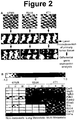
- Figure 2 shows cell cultures, mouse models with bioluminescent labeling, and a hypoxia-induced gene expression table for three tumor cell lines.
- metastatic (4T1, 66cl4) and non-metastatic (67NR) mouse mammary tumor cell lines stably expressing luciferase were inoculated into the mammary fat pad of mice. Tumor formation and metastatic progression were monitored by bioluminescent imaging. Primary tumor cells were isolated by laser microdissection and differential gene expression analysis was performed on isolated tumor cells.
- B Tumor tissue from three mice from each cell model was analyzed for expression of hypoxia-induced genes (high expression, dark; low expression, light).
- Non-metastatic 67NR tumors exhibited high vascular density, were largely devoid of hypoxia, and had low numbers of apoptotic cells.
- primary tumors derived from the metastatic cell lines, especially the 4T1 cell line were poorly vascularized, and had large areas of hypoxia and necrosis with high numbers of apoptotic cells ( Figure 2 ).
- the expression of CAIX in particular, was elevated in both metastatic variants ( Figure 2 and 2 ).
- a Western blot showing CAIX overexpression in the primary tumors is reproduced in Figure 3 .
- NMG normal mammary gland. Beta-actin served as a loading control.
- hypoxia-induced CAIX expression may be critical for increasing the metastatic potential of primary breast tumors.
- CAIX gene expression in the 4T1 cells was silenced by stably expressing constructs targeting mouse CAIX and cultured the cells in hypoxia to determine the efficacy of the shRNA to inhibit hypoxia-induced expression of CAIX.
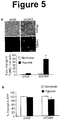
- metastatic cell lines especially the 4T1 cell line, induced CAIX expression in response to hypoxia ( Figure 4A ).
- culture in hypoxia did not induce CAIX expression in the non-metastatic cell line 67NR.
- 4T1 Cells expressing a non-silencing control shRNA (shNS) dramatically upregulated the expression of CAIX in hypoxia ( Figure 4B ), whereas hypoxia-induced CAIX expression was markedly attenuated in two independent clones (C2, C5) expressing shRNA targeting CAIX (shCAIX; Figure 4B ).
- CAIX is functionally linked to the control of tumor pH through its regulation of the intracellular and extracellular pH. Hypoxia-induced extracellular acidosis is a measure of the biological activity of CAIX. Acidification of the extracellular medium in hypoxia is blocked in the shCAIX-expressing 4T1 clones relative to the parental and shNS expressing 4T1 cells, suggesting that silencing CAIX gene expression induces functional inhibition of pH regulation in the metastatic 4T1 cells.
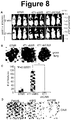
- Stable depletion of CAIX in the 4T1 mouse breast tumor model inhibits primary tumor growth and metastasis as shown in Figure 6 .
- representative bioluminescent images of spontaneous metastasis using the 4T1 tumor model are used to demonstrate this finding.
- Pseudo-color heat maps (light, least intense; dark, most intense;) are shown overlaid on murine body images.
- CAIX expression is downregulated in the tumors derived from CAIX-depleted 4T1 cells. There is no difference in the expression levels of CAXII between the shCAIX 4T1 tumors and the control tumors, suggesting that tumor growth suppression in this model occurs in the presence of CAXII, and that CAIX is the critical enzyme for survival and growth of hypoxic breast tumors.
- CAIX depletion in human breast cancer MDA-MB-231 cell line with CAIX shRNA shows significant inhibition of hypoxia-induced CAIX expression in these cells relative to parental and non-silencing control cells ( Figure 7 ).
- depletion of CAIX dramatically attenuates tumor growth of MDA-MB-231 xenografts .
- Figure 7 illustrates the evidence that stable depletion of CAIX in a human breast tumor model inhibits primary tumor growth.
- MDA-MB-231 cells expressing shRNAmir targeting human CAIX (shCAIX) or a non-silencing control sequence (shNS) were cultured in normoxia or hypoxia for 72 h and analyzed for hypoxia-induced CAIX expression. Western blot is shown. ⁇ -actin served as a loading control.
- Cells were cultured for 72 h in the presence of 10 ⁇ M MST-017. Shown in Figure 9 are representative images of the FITC-tagged inhibitor bound to the cell lines in the indicated conditions.
- C Cells were cultured for 72 h with or without MST-017 (400, 600 and 400 ⁇ M for the 4T1, 66cl4 and 67NR cells, respectively).
- n 3. The mean changes in extracellular pH ⁇ s.e.m. are shown. For each cell line, changes in the extracellular pH in hypoxia were assessed relative to the baseline extracellular pH measured in parallel cultures grown in normoxia. *P ⁇ 0.001 with a two-sided Student's t -test, compared to cells cultured without inhibitor.
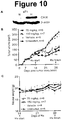
- FIG. 10 Targeting CAIX activity with a specific small molecule inhibitor attenuates the growth of 4T1 primary tumors ( Figure 10 ).
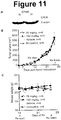
- Figure 10(A) 4T1 Cells were cultured in normoxia or hypoxia and levels of CAIX expression were analyzed by Western blot. Animals were inoculated orthotopically with 4T1 cells. Tumors were allowed to establish for 14 days. Mice were injected with the indicated doses of MST-017 3X per week for 2 weeks. Left panel, tumor growth was monitored by caliper-based measurement. Treatment initiation and termination are indicated by arrows ( Figure 10B ). Vehicle-treated and untreated animals served as controls. *P ⁇ 0.02, **P ⁇ 0.01 using a 2-sided Student's t -test, compared to vehicle controls.
- mice harboring established 4T1 tumors with MST-017 showed significant inhibition of tumor growth in treated mice compared to vehicle controls.
- the inhibitor concentrations and the dosing schedule were well-tolerated, as no significant weight reduction was noted in the treated mice.
- Treated mice harbouring established 67NR-derived tumors with identical concentrations of MST-017 showed no significant effect of the inhibitor relative to the vehicle control ( Figure 11 ) and no significant weight reduction was observed.
- Novel CAIX inhibitor MST-119 reduces the formation of metastases by 4T1 mammary tumor cells.
- the chemical structure of CAIX inhibitor MST-119 is Shown in Figure 12A .
- Representative bioluminescent images of metastases established following intravenous injection of 4T1 cells and treatment with MST-119 is shown in 12B. Animals were treated 24 hours post inoculation of cells. Three doses were administered by i.p. injection over 6 days and the mice were imaged 24 hours following the third dose of inhibitor.
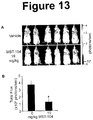
- Novel CAIX inhibitor MST-104 reduces formation of metastases by 4T1 mammary tumor cells ( Figure 13 ).
- 4T1 cells were injected directly into the tail vein of BALB/c mice.
- Daily treatment for 5 days with vehicle or MST-104 was initiated 24 hours post inoculation of cells and mice were imaged 24 hours following the final dose.
- Vehicle and inhibitor were administered by i.p. injection.
- Novel CAIX inhibitor MST-104 reduces the growth of human primary breast cancer xenografts.
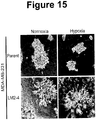
- MDA-MB-231 LM2-4 Luc+ cells grown in 3D MatrigelTM cultures are invasive in hypoxia ( Figure 15 ).
- Cells were cultured in a 3D "on-top" MatrigelTMassay for 4 days in normoxia and hypoxia as described in the methods. Representative phase-contrast images of 3D cultures are shown.
- Hypoxia induced invasion by the LM2-4 variant, but not by the parental MDA-231 cells.
- Ureido sulfonamide inhibitors of CAIX show differential effects on cell death of human breast cancer cells in hypoxia ( Figure 17 ).
- Cells were cultured in 3D "on-top" MatrigelTM assays. Cells were growth in the presence of inhibitors for 4 days in hypoxia.
- DMSO-treated cell cultures served as controls.
- A Representative images of TUNEL-positive cells (arrows).
- B Graph showing quantification of TUNEL +ve cells by counting 5 random fields per condition. Data are expressed as the average number of TUNEL-positive cells/20x field of view (FOV).
- MST-104 can deplete the cancer stem cell population in human breast orthotopic tumors in vivo
- FIG 19 shows that treatment of human primary breast cancer xenografts with CAIX inhibitor MST-104 targets the cancer stem cell population in vivo.
- MDA-MB-231 LM2-4 luc+ were implanted orthotopically into NOD/SCID mice. When tumors reached an average of 200 mm 2 , animals received either vehicle or 38mg/kg MST-104 daily by i.p. administration.
- A Primary tumors were removed, dissociated and ESA+ cell population assessed by FACS analysis. Representative FACS plots demonstrating the percentage of ESA+ cells are shown.
- B Data shown are the mean changes in ESA+ cells ⁇ SEM, from 3 mice. **P ⁇ 0.0224.
- Vehicle treated tumors contained a mean 10% ESA+ cell population.
- tumors treated with sulfonamide CAIX inhibitor MST-104 also displayed a significantly reduced ESA+ cell population, compared to vehicle-treated control tumors.
Landscapes
- Health & Medical Sciences (AREA)
- Chemical & Material Sciences (AREA)
- Animal Behavior & Ethology (AREA)
- Pharmacology & Pharmacy (AREA)
- Life Sciences & Earth Sciences (AREA)
- General Health & Medical Sciences (AREA)
- Public Health (AREA)
- Veterinary Medicine (AREA)
- Medicinal Chemistry (AREA)
- Organic Chemistry (AREA)
- Epidemiology (AREA)
- Chemical Kinetics & Catalysis (AREA)
- General Chemical & Material Sciences (AREA)
- Nuclear Medicine, Radiotherapy & Molecular Imaging (AREA)
- Oncology (AREA)
- Engineering & Computer Science (AREA)
- Bioinformatics & Cheminformatics (AREA)
- Pharmaceuticals Containing Other Organic And Inorganic Compounds (AREA)
- Acyclic And Carbocyclic Compounds In Medicinal Compositions (AREA)
- Organic Low-Molecular-Weight Compounds And Preparation Thereof (AREA)
- Medicines That Contain Protein Lipid Enzymes And Other Medicines (AREA)
Claims (15)
- Pharmazeutische Zusammensetzung, die Folgendes umfasst:a. 4-{[(4'-Fluorphenyl)carbamoyl]amino}benzolsulfonamid (MST-104) oderb. 4-{[(3'-Nitrophenyl)carbamoyl]amino}benzolsulfonamid (MST-119), zur Verwendung in der Therapie.
- Pharmazeutische Zusammensetzung zur Verwendung nach Anspruch 1, wobei die Zusammensetzung 4-{[(4'-Fluorphenyl)carbamoyl]amino}benzolsulfonamid (MST-104) umfasst.
- Pharmazeutische Zusammensetzung zur Verwendung nach Anspruch 1, wobei die Zusammensetzung 4-{[(3'-Nitrophenyl)carbamoyl]amino}benzolsulfonamid (MST-119) umfasst.
- Pharmazeutische Zusammensetzung zur Verwendung nach einem der Ansprüche 1 bis 3, wobei die Zusammensetzung die Aktivität von mit einem Tumor zusammenhängender CAIX in einem größeren Ausmaß hemmt, als sie die Aktivität von CAI und CAII in vitro hemmt.
- Pharmazeutische Zusammensetzung zur Verwendung nach einem der Ansprüche 1 bis 3, wobei die Zusammensetzung die Aktivität von mit einem Tumor zusammenhängender CAXII in einem größeren Ausmaß hemmt, als sie die Aktivität von CAI und CAII in vitro hemmt.
- Verwendung der pharmazeutischen Zusammensetzung nach einem der Ansprüche 1 bis 3 zur Herstellung eines Arzneimittels zum Supprimieren von Tumormetastasen, Verringern der Brustkrebszellenanzahl oder - masse, Abreichern von Krebsstammzellen in einer Säugerkrebsstammzellenpopulation oder Induzieren von Zelltod in hypoxischen Krebszellen bei einem Säuger.
- Verwendung nach Anspruch 6, wobei der Säuger zudem mit zusätzlichen Krebswirkstoffen behandelt wird.
- Verwendung nach Anspruch 6, wobei der Tumor CAIX oder CAXII überexprimiert.
- Verwendung nach Anspruch 6, wobei der Tumor ein Brustkarzinom ist.
- Verwendung der pharmazeutischen Zusammensetzung nach einem der Ansprüche 1 bis 3 zur Herstellung eines Arzneimittels zum Behandeln von Krebs, um Metastasen bei einem Säuger zu verhindern oder zu verringern, wobei der Säuger Brustkrebs, ein Lungenkarzinom, ein Pankreaskarzinom, ein Nierenkarzinom, ein Ovarialkarzinom, ein Prostatakarzinom, ein Zervixkarzinom, ein Glioblastom oder ein kolorektales Karzinom hat.
- Verwendung der pharmazeutischen Zusammensetzung nach einem der Ansprüche 1 bis 3 zur Herstellung eines Arzneimittels zur Behandlung von Tumoren und Metastasen bei einem Säuger.
- Verwendung nach einem der Ansprüche 6 bis 11, wobei der Säuger ein Mensch ist.
- Pharmazeutische Zusammensetzung nach einem der Ansprüche 1 bis 3 zur Verwendung beim Supprimieren von Tumormetastasen, Verringern der Brustkrebszellenanzahl oder -masse, Abreichern von Krebsstammzellen in einer Säugerkrebsstammzellenpopulation oder Induzieren von Zelltod in hypoxischen Krebszellen bei einem Säuger.
- Pharmazeutische Zusammensetzung nach einem der Ansprüche 1 bis 3 zur Verwendung beim Behandeln von Krebs, um Metastasen bei einem Säuger zu verhindern oder zu verringern, wobei der Säuger Brustkrebs, ein Lungenkarzinom, ein Pankreaskarzinom, ein Nierenkarzinom, ein Ovarialkarzinom, ein Prostatakarzinom, ein Zervixkarzinom, ein Glioblastom oder ein kolorektales Karzinom hat.
- Pharmazeutische Zusammensetzung nach einem der Ansprüche 1 bis 3 zur Verwendung bei der Behandlung von Tumoren und Metastasen bei einem Säuger.
Applications Claiming Priority (2)
| Application Number | Priority Date | Filing Date | Title |
|---|---|---|---|
| US36319610P | 2010-07-09 | 2010-07-09 | |
| PCT/CA2011/000727 WO2012021963A1 (en) | 2010-07-09 | 2011-06-22 | Novel sulfonamide compounds for inhibition of metastatic tumor growth |
Publications (3)
| Publication Number | Publication Date |
|---|---|
| EP2590938A1 EP2590938A1 (de) | 2013-05-15 |
| EP2590938A4 EP2590938A4 (de) | 2014-01-01 |
| EP2590938B1 true EP2590938B1 (de) | 2017-06-07 |
Family
ID=45604643
Family Applications (1)
| Application Number | Title | Priority Date | Filing Date |
|---|---|---|---|
| EP11817596.7A Active EP2590938B1 (de) | 2010-07-09 | 2011-06-22 | Neue sulfonamidverbindungen zur hemmung des wachstums von tumormetastasen |
Country Status (7)
| Country | Link |
|---|---|
| US (2) | US9463171B2 (de) |
| EP (1) | EP2590938B1 (de) |
| JP (1) | JP5918227B2 (de) |
| CN (1) | CN103221388B (de) |
| CA (1) | CA2841217C (de) |
| ES (1) | ES2628459T3 (de) |
| WO (1) | WO2012021963A1 (de) |
Families Citing this family (11)
| Publication number | Priority date | Publication date | Assignee | Title |
|---|---|---|---|---|
| CN103687854A (zh) | 2011-05-09 | 2014-03-26 | 文森医学公司 | 碳酸酐酶靶向剂及其使用方法 |
| EP2771488B1 (de) | 2011-10-24 | 2018-03-28 | SignalChem Lifesciences Corporation | Carboanhydrase-ix-assoziierte marker und ihre verwendung |
| CN102702057A (zh) * | 2012-06-15 | 2012-10-03 | 华东理工大学 | 磺酰胺类化合物及其用途 |
| ITRM20130138A1 (it) | 2013-03-07 | 2014-09-08 | Consiglio Nazionale Ricerche | Assemblato comprendente un assorbitore della luce nel vicino infrarosso legato covalentemente ad un inibitore dell'anidrasi carbonica |
| WO2015025283A2 (en) * | 2013-08-20 | 2015-02-26 | Stichting Maastricht Radiation Oncology "Maastro-Clinic" | Dual action carbonic anhydrase inhibitors |
| WO2016154524A1 (en) * | 2015-03-26 | 2016-09-29 | Emory University | Carbonic anhydrase inhibitors and uses related thereto |
| US10772859B2 (en) * | 2015-05-21 | 2020-09-15 | Indiana University Research And Technology Corporation | Methods of targeting APE/Ref-1 to inhibit hypoxia signaling genes |
| US10562859B2 (en) | 2015-07-01 | 2020-02-18 | Signalchem Lifesciences Corporation | Aryl sulfonamide compounds as carbonic anhydrase inhibitors and their therapeutic use |
| JP7092356B2 (ja) * | 2016-06-22 | 2022-06-28 | フーダン ユニヴァーシティ | ビアリール尿素誘導体またはそれらの塩、およびそれらの調製方法および使用 |
| CN107522641B (zh) * | 2016-06-22 | 2020-05-05 | 复旦大学 | 联芳基脲类衍生物或其盐及其制备方法和用途 |
| CN110128483B (zh) * | 2019-05-30 | 2021-01-15 | 中山大学 | 一种碳酸酐酶靶向的四价铂配合物及其制备方法和应用 |
Family Cites Families (21)
| Publication number | Priority date | Publication date | Assignee | Title |
|---|---|---|---|---|
| FR3361M (fr) * | 1962-04-02 | 1965-06-08 | Ciba Geigy | Nouveau médicament anthelmintique. |
| GB976528A (en) * | 1962-06-01 | 1964-11-25 | Ciba Ltd | Treatment of synthetic products for rendering them antibacterial and antimycotic |
| CA1339130C (en) | 1989-08-18 | 1997-07-29 | Leonard Irving Wiebe | Markers of tissue hypoxia |
| EP0669913B1 (de) | 1992-11-19 | 2003-03-05 | The Trustees Of The University Of Pennsylvania | Nachweis von hypoxia |
| US5665675A (en) * | 1994-07-21 | 1997-09-09 | Nippon Paper Industries Co., Ltd. | Aminobenzenesulfonamide derivative and recording medium using the same |
| CA2161376C (en) * | 1994-10-27 | 2005-01-11 | Toshiaki Minami | Reversible multi-color thermal recording medium |
| US5919816A (en) * | 1994-11-14 | 1999-07-06 | Bionumerik Pharmaceuticals, Inc. | Formulations and methods of reducing toxicity of antineoplastic agents |
| JP2819546B2 (ja) * | 1994-11-21 | 1998-10-30 | 日本製紙株式会社 | 感熱記録シート |
| JP2856094B2 (ja) * | 1995-03-06 | 1999-02-10 | 日本製紙株式会社 | 感熱記録シート |
| JP3029010B2 (ja) * | 1995-04-26 | 2000-04-04 | 日本製紙株式会社 | 感熱記録シート |
| CA2255858C (en) * | 1996-05-24 | 2007-09-11 | Neurosearch A/S | Phenyl derivatives containing an acidic group, their preparation and their use as chloride channel blockers |
| AU2785199A (en) * | 1998-03-11 | 1999-09-27 | Warner-Lambert Company | Polyvinyl alcohol compositions |
| US20030100594A1 (en) * | 2001-08-10 | 2003-05-29 | Pharmacia Corporation | Carbonic anhydrase inhibitor |
| US20030220376A1 (en) * | 2001-08-10 | 2003-11-27 | Pharmacia Corporation | Methods for treating carbonic anhydrase mediated disorders |
| AU2002351208A1 (en) | 2001-12-03 | 2003-06-17 | Abgenix, Inc. | Antibodies against carbonic anhydrase IX (CA IX) tumor antigen |
| US7550424B2 (en) * | 2002-11-26 | 2009-06-23 | Institute Of Virology Slovak Academy Of Sciences | CA IX-specific inhibitors |
| US7833734B2 (en) * | 2002-11-26 | 2010-11-16 | Institute Of Virology Of The Slovak Academy Of Sciences | CA IX-specific inhibitors |
| WO2005044194A2 (en) * | 2003-10-28 | 2005-05-19 | Pharmacia Corporation | TREATMENT OR PREVENTION OF NEOPLASIA BY USE OF AN Hsp90 INHIBITOR |
| CA2664365A1 (en) * | 2006-09-28 | 2008-04-03 | Arete Therapeutics, Inc. | Soluble epoxide hydrolase inhibitors |
| RU2498798C2 (ru) * | 2008-01-09 | 2013-11-20 | Моликьюлар Инсайт Фармасьютикалз, Инк. | Ингибиторы карбоангидразы iх |
| CA2763589A1 (en) * | 2009-05-28 | 2010-12-02 | President And Fellows Of Harvard College | N,n'-diarylurea compounds and n,n'-diarylthiourea compounds as inhibitors of translation initiation |
-
2011
- 2011-06-22 EP EP11817596.7A patent/EP2590938B1/de active Active
- 2011-06-22 ES ES11817596.7T patent/ES2628459T3/es active Active
- 2011-06-22 CA CA2841217A patent/CA2841217C/en active Active
- 2011-06-22 JP JP2013516924A patent/JP5918227B2/ja active Active
- 2011-06-22 CN CN201180043339.4A patent/CN103221388B/zh active Active
- 2011-06-22 WO PCT/CA2011/000727 patent/WO2012021963A1/en not_active Ceased
-
2013
- 2013-01-09 US US13/737,704 patent/US9463171B2/en active Active
-
2016
- 2016-09-20 US US15/270,742 patent/US9962398B2/en active Active
Also Published As
| Publication number | Publication date |
|---|---|
| US9962398B2 (en) | 2018-05-08 |
| EP2590938A1 (de) | 2013-05-15 |
| CN103221388A (zh) | 2013-07-24 |
| CA2841217C (en) | 2018-09-25 |
| JP2013532158A (ja) | 2013-08-15 |
| US20170007627A1 (en) | 2017-01-12 |
| EP2590938A4 (de) | 2014-01-01 |
| US20130190396A1 (en) | 2013-07-25 |
| JP5918227B2 (ja) | 2016-05-18 |
| CN103221388B (zh) | 2016-09-28 |
| CA2841217A1 (en) | 2012-02-23 |
| US9463171B2 (en) | 2016-10-11 |
| WO2012021963A1 (en) | 2012-02-23 |
| ES2628459T3 (es) | 2017-08-02 |
Similar Documents
| Publication | Publication Date | Title |
|---|---|---|
| EP2590938B1 (de) | Neue sulfonamidverbindungen zur hemmung des wachstums von tumormetastasen | |
| Gieling et al. | Antimetastatic effect of sulfamate carbonic anhydrase IX inhibitors in breast carcinoma xenografts | |
| Touisni et al. | Glycosyl coumarin carbonic anhydrase IX and XII inhibitors strongly attenuate the growth of primary breast tumors | |
| US10385005B2 (en) | Compositions and methods for glucose transport inhibition | |
| Neri et al. | Interfering with pH regulation in tumours as a therapeutic strategy | |
| Cecchi et al. | Carbonic anhydrase inhibitors. Design of fluorescent sulfonamides as probes of tumor-associated carbonic anhydrase IX that inhibit isozyme IX-mediated acidification of hypoxic tumors | |
| Akocak et al. | PEGylated bis-sulfonamide carbonic anhydrase inhibitors can efficiently control the growth of several carbonic anhydrase IX-expressing carcinomas | |
| TW201726169A (zh) | Pd-1訊息抑制劑之併用療法 | |
| US20110212911A1 (en) | Transcription factor inhibitors and related compositions, formulations and methods | |
| US20080138291A1 (en) | Sulfonamide Derivatives Having Carbonic Anhydrase Inhibiting Activity and their Use as Therapeutic and Diagnostic Agents | |
| JP2026053561A (ja) | 循環からミトコンドリアdna又はゲノムdnaを枯渇させることにより疾患及び症状を治療する組成物及び方法 | |
| WO2019028343A1 (en) | SMALL MOLECULE INHIBITORS OF SLC25A1 | |
| US20230277536A1 (en) | Methods and compositions for treating ewing family of tumors | |
| Wang et al. | Novel metronidazole-sulfonamide derivatives as potent and selective carbonic anhydrase inhibitors: design, synthesis and biology analysis | |
| EP3487490A1 (de) | Verbindungen zum targeting von krebsstammzellen | |
| Wu et al. | Unveiling the anticancer potential of plumbagin: targeting pyruvate kinase M2 to induce oxidative stress and apoptosis in hepatoma cells | |
| EP4178588B1 (de) | Antikrebswirkung von perboratsalzen | |
| JP7541512B2 (ja) | プロドラッグおよびその医学的使用 | |
| KR102939983B1 (ko) | 1,1-다이에톡시에떼인을 유효성분으로 포함하는 항암제 | |
| Kinnaird | Metabolic Reprogramming and Epigenetic Regulation in Renal Cell Carcinoma | |
| US20030212037A1 (en) | Use of bvdu for inhibiting the growth of hyperproliferative cells | |
| Delaney | The role of Mcl-1 in the response of human colorectal cancer cells to treatment with dichloroacetate | |
| Kyalangalilwa | A Fructose Transporter (GLUT 5) as a Target for Breast Cancer Therapy and Imaging | |
| Zobalova | Novel Treatment of Breast and Prostate Cancer, and Mesothelioma by Targeting Cancer Stem Cells | |
| JP2008291017A (ja) | Wip1発現増強剤及び癌治療増感剤 |
Legal Events
| Date | Code | Title | Description |
|---|---|---|---|
| PUAI | Public reference made under article 153(3) epc to a published international application that has entered the european phase |
Free format text: ORIGINAL CODE: 0009012 |
|
| 17P | Request for examination filed |
Effective date: 20130206 |
|
| AK | Designated contracting states |
Kind code of ref document: A1 Designated state(s): AL AT BE BG CH CY CZ DE DK EE ES FI FR GB GR HR HU IE IS IT LI LT LU LV MC MK MT NL NO PL PT RO RS SE SI SK SM TR |
|
| DAX | Request for extension of the european patent (deleted) | ||
| A4 | Supplementary search report drawn up and despatched |
Effective date: 20131204 |
|
| RIC1 | Information provided on ipc code assigned before grant |
Ipc: A61P 35/00 20060101ALI20131128BHEP Ipc: A61K 31/18 20060101ALI20131128BHEP Ipc: A61K 31/63 20060101ALI20131128BHEP Ipc: C07C 311/47 20060101AFI20131128BHEP |
|
| RAP1 | Party data changed (applicant data changed or rights of an application transferred) |
Owner name: SIGNALCHEM LIFESCIENCES CORPORATION |
|
| RAP1 | Party data changed (applicant data changed or rights of an application transferred) |
Owner name: WELICHEM BIOTECH INC. |
|
| 17Q | First examination report despatched |
Effective date: 20151207 |
|
| REG | Reference to a national code |
Ref country code: DE Ref legal event code: R079 Ref document number: 602011038587 Country of ref document: DE Free format text: PREVIOUS MAIN CLASS: C07C0311470000 Ipc: A61K0031630000 |
|
| GRAP | Despatch of communication of intention to grant a patent |
Free format text: ORIGINAL CODE: EPIDOSNIGR1 |
|
| STAA | Information on the status of an ep patent application or granted ep patent |
Free format text: STATUS: GRANT OF PATENT IS INTENDED |
|
| RIC1 | Information provided on ipc code assigned before grant |
Ipc: A61K 31/63 20060101AFI20161202BHEP Ipc: C07C 311/47 20060101ALI20161202BHEP Ipc: A61P 35/00 20060101ALI20161202BHEP Ipc: A61K 31/18 20060101ALI20161202BHEP Ipc: A61K 45/06 20060101ALI20161202BHEP |
|
| INTG | Intention to grant announced |
Effective date: 20161222 |
|
| GRAS | Grant fee paid |
Free format text: ORIGINAL CODE: EPIDOSNIGR3 |
|
| GRAA | (expected) grant |
Free format text: ORIGINAL CODE: 0009210 |
|
| STAA | Information on the status of an ep patent application or granted ep patent |
Free format text: STATUS: THE PATENT HAS BEEN GRANTED |
|
| AK | Designated contracting states |
Kind code of ref document: B1 Designated state(s): AL AT BE BG CH CY CZ DE DK EE ES FI FR GB GR HR HU IE IS IT LI LT LU LV MC MK MT NL NO PL PT RO RS SE SI SK SM TR |
|
| REG | Reference to a national code |
Ref country code: GB Ref legal event code: FG4D |
|
| GRAA | (expected) grant |
Free format text: ORIGINAL CODE: 0009210 |
|
| REG | Reference to a national code |
Ref country code: CH Ref legal event code: EP Ref country code: AT Ref legal event code: REF Ref document number: 898695 Country of ref document: AT Kind code of ref document: T Effective date: 20170615 |
|
| REG | Reference to a national code |
Ref country code: IE Ref legal event code: FG4D |
|
| REG | Reference to a national code |
Ref country code: CH Ref legal event code: NV Representative=s name: GACHNANG AG PATENTANWAELTE, CH Ref country code: FR Ref legal event code: PLFP Year of fee payment: 7 |
|
| REG | Reference to a national code |
Ref country code: ES Ref legal event code: FG2A Ref document number: 2628459 Country of ref document: ES Kind code of ref document: T3 Effective date: 20170802 |
|
| REG | Reference to a national code |
Ref country code: DE Ref legal event code: R096 Ref document number: 602011038587 Country of ref document: DE |
|
| REG | Reference to a national code |
Ref country code: NL Ref legal event code: MP Effective date: 20170607 |
|
| REG | Reference to a national code |
Ref country code: LT Ref legal event code: MG4D |
|
| PG25 | Lapsed in a contracting state [announced via postgrant information from national office to epo] |
Ref country code: LT Free format text: LAPSE BECAUSE OF FAILURE TO SUBMIT A TRANSLATION OF THE DESCRIPTION OR TO PAY THE FEE WITHIN THE PRESCRIBED TIME-LIMIT Effective date: 20170607 Ref country code: NO Free format text: LAPSE BECAUSE OF FAILURE TO SUBMIT A TRANSLATION OF THE DESCRIPTION OR TO PAY THE FEE WITHIN THE PRESCRIBED TIME-LIMIT Effective date: 20170907 Ref country code: FI Free format text: LAPSE BECAUSE OF FAILURE TO SUBMIT A TRANSLATION OF THE DESCRIPTION OR TO PAY THE FEE WITHIN THE PRESCRIBED TIME-LIMIT Effective date: 20170607 Ref country code: HR Free format text: LAPSE BECAUSE OF FAILURE TO SUBMIT A TRANSLATION OF THE DESCRIPTION OR TO PAY THE FEE WITHIN THE PRESCRIBED TIME-LIMIT Effective date: 20170607 Ref country code: GR Free format text: LAPSE BECAUSE OF FAILURE TO SUBMIT A TRANSLATION OF THE DESCRIPTION OR TO PAY THE FEE WITHIN THE PRESCRIBED TIME-LIMIT Effective date: 20170908 |
|
| REG | Reference to a national code |
Ref country code: AT Ref legal event code: MK05 Ref document number: 898695 Country of ref document: AT Kind code of ref document: T Effective date: 20170607 |
|
| PG25 | Lapsed in a contracting state [announced via postgrant information from national office to epo] |
Ref country code: BG Free format text: LAPSE BECAUSE OF FAILURE TO SUBMIT A TRANSLATION OF THE DESCRIPTION OR TO PAY THE FEE WITHIN THE PRESCRIBED TIME-LIMIT Effective date: 20170907 Ref country code: SE Free format text: LAPSE BECAUSE OF FAILURE TO SUBMIT A TRANSLATION OF THE DESCRIPTION OR TO PAY THE FEE WITHIN THE PRESCRIBED TIME-LIMIT Effective date: 20170607 Ref country code: LV Free format text: LAPSE BECAUSE OF FAILURE TO SUBMIT A TRANSLATION OF THE DESCRIPTION OR TO PAY THE FEE WITHIN THE PRESCRIBED TIME-LIMIT Effective date: 20170607 Ref country code: NL Free format text: LAPSE BECAUSE OF FAILURE TO SUBMIT A TRANSLATION OF THE DESCRIPTION OR TO PAY THE FEE WITHIN THE PRESCRIBED TIME-LIMIT Effective date: 20170607 Ref country code: RS Free format text: LAPSE BECAUSE OF FAILURE TO SUBMIT A TRANSLATION OF THE DESCRIPTION OR TO PAY THE FEE WITHIN THE PRESCRIBED TIME-LIMIT Effective date: 20170607 |
|
| PG25 | Lapsed in a contracting state [announced via postgrant information from national office to epo] |
Ref country code: EE Free format text: LAPSE BECAUSE OF FAILURE TO SUBMIT A TRANSLATION OF THE DESCRIPTION OR TO PAY THE FEE WITHIN THE PRESCRIBED TIME-LIMIT Effective date: 20170607 Ref country code: SK Free format text: LAPSE BECAUSE OF FAILURE TO SUBMIT A TRANSLATION OF THE DESCRIPTION OR TO PAY THE FEE WITHIN THE PRESCRIBED TIME-LIMIT Effective date: 20170607 Ref country code: AT Free format text: LAPSE BECAUSE OF FAILURE TO SUBMIT A TRANSLATION OF THE DESCRIPTION OR TO PAY THE FEE WITHIN THE PRESCRIBED TIME-LIMIT Effective date: 20170607 Ref country code: CZ Free format text: LAPSE BECAUSE OF FAILURE TO SUBMIT A TRANSLATION OF THE DESCRIPTION OR TO PAY THE FEE WITHIN THE PRESCRIBED TIME-LIMIT Effective date: 20170607 Ref country code: RO Free format text: LAPSE BECAUSE OF FAILURE TO SUBMIT A TRANSLATION OF THE DESCRIPTION OR TO PAY THE FEE WITHIN THE PRESCRIBED TIME-LIMIT Effective date: 20170607 |
|
| PG25 | Lapsed in a contracting state [announced via postgrant information from national office to epo] |
Ref country code: IS Free format text: LAPSE BECAUSE OF FAILURE TO SUBMIT A TRANSLATION OF THE DESCRIPTION OR TO PAY THE FEE WITHIN THE PRESCRIBED TIME-LIMIT Effective date: 20171007 Ref country code: SM Free format text: LAPSE BECAUSE OF FAILURE TO SUBMIT A TRANSLATION OF THE DESCRIPTION OR TO PAY THE FEE WITHIN THE PRESCRIBED TIME-LIMIT Effective date: 20170607 Ref country code: PL Free format text: LAPSE BECAUSE OF FAILURE TO SUBMIT A TRANSLATION OF THE DESCRIPTION OR TO PAY THE FEE WITHIN THE PRESCRIBED TIME-LIMIT Effective date: 20170607 |
|
| REG | Reference to a national code |
Ref country code: DE Ref legal event code: R097 Ref document number: 602011038587 Country of ref document: DE |
|
| REG | Reference to a national code |
Ref country code: IE Ref legal event code: MM4A |
|
| PG25 | Lapsed in a contracting state [announced via postgrant information from national office to epo] |
Ref country code: MC Free format text: LAPSE BECAUSE OF FAILURE TO SUBMIT A TRANSLATION OF THE DESCRIPTION OR TO PAY THE FEE WITHIN THE PRESCRIBED TIME-LIMIT Effective date: 20170607 |
|
| PLBE | No opposition filed within time limit |
Free format text: ORIGINAL CODE: 0009261 |
|
| STAA | Information on the status of an ep patent application or granted ep patent |
Free format text: STATUS: NO OPPOSITION FILED WITHIN TIME LIMIT |
|
| PG25 | Lapsed in a contracting state [announced via postgrant information from national office to epo] |
Ref country code: IE Free format text: LAPSE BECAUSE OF NON-PAYMENT OF DUE FEES Effective date: 20170622 Ref country code: LU Free format text: LAPSE BECAUSE OF NON-PAYMENT OF DUE FEES Effective date: 20170622 Ref country code: DK Free format text: LAPSE BECAUSE OF FAILURE TO SUBMIT A TRANSLATION OF THE DESCRIPTION OR TO PAY THE FEE WITHIN THE PRESCRIBED TIME-LIMIT Effective date: 20170607 |
|
| 26N | No opposition filed |
Effective date: 20180308 |
|
| PG25 | Lapsed in a contracting state [announced via postgrant information from national office to epo] |
Ref country code: SI Free format text: LAPSE BECAUSE OF FAILURE TO SUBMIT A TRANSLATION OF THE DESCRIPTION OR TO PAY THE FEE WITHIN THE PRESCRIBED TIME-LIMIT Effective date: 20170607 |
|
| REG | Reference to a national code |
Ref country code: BE Ref legal event code: MM Effective date: 20170630 |
|
| REG | Reference to a national code |
Ref country code: FR Ref legal event code: PLFP Year of fee payment: 8 |
|
| PG25 | Lapsed in a contracting state [announced via postgrant information from national office to epo] |
Ref country code: BE Free format text: LAPSE BECAUSE OF NON-PAYMENT OF DUE FEES Effective date: 20170630 |
|
| PG25 | Lapsed in a contracting state [announced via postgrant information from national office to epo] |
Ref country code: MT Free format text: LAPSE BECAUSE OF NON-PAYMENT OF DUE FEES Effective date: 20170622 |
|
| PG25 | Lapsed in a contracting state [announced via postgrant information from national office to epo] |
Ref country code: HU Free format text: LAPSE BECAUSE OF FAILURE TO SUBMIT A TRANSLATION OF THE DESCRIPTION OR TO PAY THE FEE WITHIN THE PRESCRIBED TIME-LIMIT; INVALID AB INITIO Effective date: 20110622 |
|
| PG25 | Lapsed in a contracting state [announced via postgrant information from national office to epo] |
Ref country code: CY Free format text: LAPSE BECAUSE OF NON-PAYMENT OF DUE FEES Effective date: 20170607 |
|
| PG25 | Lapsed in a contracting state [announced via postgrant information from national office to epo] |
Ref country code: MK Free format text: LAPSE BECAUSE OF FAILURE TO SUBMIT A TRANSLATION OF THE DESCRIPTION OR TO PAY THE FEE WITHIN THE PRESCRIBED TIME-LIMIT Effective date: 20170607 |
|
| PG25 | Lapsed in a contracting state [announced via postgrant information from national office to epo] |
Ref country code: TR Free format text: LAPSE BECAUSE OF FAILURE TO SUBMIT A TRANSLATION OF THE DESCRIPTION OR TO PAY THE FEE WITHIN THE PRESCRIBED TIME-LIMIT Effective date: 20170607 |
|
| PG25 | Lapsed in a contracting state [announced via postgrant information from national office to epo] |
Ref country code: PT Free format text: LAPSE BECAUSE OF FAILURE TO SUBMIT A TRANSLATION OF THE DESCRIPTION OR TO PAY THE FEE WITHIN THE PRESCRIBED TIME-LIMIT Effective date: 20170607 |
|
| PG25 | Lapsed in a contracting state [announced via postgrant information from national office to epo] |
Ref country code: AL Free format text: LAPSE BECAUSE OF FAILURE TO SUBMIT A TRANSLATION OF THE DESCRIPTION OR TO PAY THE FEE WITHIN THE PRESCRIBED TIME-LIMIT Effective date: 20170607 |
|
| REG | Reference to a national code |
Ref country code: GB Ref legal event code: 732E Free format text: REGISTERED BETWEEN 20230525 AND 20230601 |
|
| REG | Reference to a national code |
Ref country code: DE Ref legal event code: R081 Ref document number: 602011038587 Country of ref document: DE Owner name: SIGNALCHEM LIFESCIENCES CORP., RICHMOND, CA Free format text: FORMER OWNER: WELICHEM BIOTECH INC., BURNABY, CA |
|
| P01 | Opt-out of the competence of the unified patent court (upc) registered |
Effective date: 20230609 |
|
| P02 | Opt-out of the competence of the unified patent court (upc) changed |
Effective date: 20230619 |
|
| REG | Reference to a national code |
Ref country code: CH Ref legal event code: PK Free format text: BERICHTIGUNGEN |
|
| PGFP | Annual fee paid to national office [announced via postgrant information from national office to epo] |
Ref country code: DE Payment date: 20250627 Year of fee payment: 15 |
|
| PGFP | Annual fee paid to national office [announced via postgrant information from national office to epo] |
Ref country code: GB Payment date: 20250627 Year of fee payment: 15 |
|
| PGFP | Annual fee paid to national office [announced via postgrant information from national office to epo] |
Ref country code: FR Payment date: 20250625 Year of fee payment: 15 |
|
| PGFP | Annual fee paid to national office [announced via postgrant information from national office to epo] |
Ref country code: ES Payment date: 20250701 Year of fee payment: 15 |
|
| PGFP | Annual fee paid to national office [announced via postgrant information from national office to epo] |
Ref country code: IT Payment date: 20250619 Year of fee payment: 15 |
|
| PGFP | Annual fee paid to national office [announced via postgrant information from national office to epo] |
Ref country code: CH Payment date: 20250701 Year of fee payment: 15 |