EP2318552B1 - Procédés pour la stratification et l'annotation des options de traitement médicamenteux contre le cancer - Google Patents
Procédés pour la stratification et l'annotation des options de traitement médicamenteux contre le cancer Download PDFInfo
- Publication number
- EP2318552B1 EP2318552B1 EP09812316.9A EP09812316A EP2318552B1 EP 2318552 B1 EP2318552 B1 EP 2318552B1 EP 09812316 A EP09812316 A EP 09812316A EP 2318552 B1 EP2318552 B1 EP 2318552B1
- Authority
- EP
- European Patent Office
- Prior art keywords
- subject
- sample
- drug treatment
- cancer
- status
- Prior art date
- Legal status (The legal status is an assumption and is not a legal conclusion. Google has not performed a legal analysis and makes no representation as to the accuracy of the status listed.)
- Revoked
Links
Images





Classifications
-
- C—CHEMISTRY; METALLURGY
- C12—BIOCHEMISTRY; BEER; SPIRITS; WINE; VINEGAR; MICROBIOLOGY; ENZYMOLOGY; MUTATION OR GENETIC ENGINEERING
- C12Q—MEASURING OR TESTING PROCESSES INVOLVING ENZYMES, NUCLEIC ACIDS OR MICROORGANISMS; COMPOSITIONS OR TEST PAPERS THEREFOR; PROCESSES OF PREPARING SUCH COMPOSITIONS; CONDITION-RESPONSIVE CONTROL IN MICROBIOLOGICAL OR ENZYMOLOGICAL PROCESSES
- C12Q1/00—Measuring or testing processes involving enzymes, nucleic acids or microorganisms; Compositions therefor; Processes of preparing such compositions
- C12Q1/68—Measuring or testing processes involving enzymes, nucleic acids or microorganisms; Compositions therefor; Processes of preparing such compositions involving nucleic acids
-
- C—CHEMISTRY; METALLURGY
- C12—BIOCHEMISTRY; BEER; SPIRITS; WINE; VINEGAR; MICROBIOLOGY; ENZYMOLOGY; MUTATION OR GENETIC ENGINEERING
- C12Q—MEASURING OR TESTING PROCESSES INVOLVING ENZYMES, NUCLEIC ACIDS OR MICROORGANISMS; COMPOSITIONS OR TEST PAPERS THEREFOR; PROCESSES OF PREPARING SUCH COMPOSITIONS; CONDITION-RESPONSIVE CONTROL IN MICROBIOLOGICAL OR ENZYMOLOGICAL PROCESSES
- C12Q1/00—Measuring or testing processes involving enzymes, nucleic acids or microorganisms; Compositions therefor; Processes of preparing such compositions
- C12Q1/68—Measuring or testing processes involving enzymes, nucleic acids or microorganisms; Compositions therefor; Processes of preparing such compositions involving nucleic acids
- C12Q1/6876—Nucleic acid products used in the analysis of nucleic acids, e.g. primers or probes
- C12Q1/6883—Nucleic acid products used in the analysis of nucleic acids, e.g. primers or probes for diseases caused by alterations of genetic material
- C12Q1/6886—Nucleic acid products used in the analysis of nucleic acids, e.g. primers or probes for diseases caused by alterations of genetic material for cancer
-
- G—PHYSICS
- G01—MEASURING; TESTING
- G01N—INVESTIGATING OR ANALYSING MATERIALS BY DETERMINING THEIR CHEMICAL OR PHYSICAL PROPERTIES
- G01N33/00—Investigating or analysing materials by specific methods not covered by groups G01N1/00 - G01N31/00
- G01N33/48—Biological material, e.g. blood, urine; Haemocytometers
- G01N33/50—Chemical analysis of biological material, e.g. blood, urine; Testing involving biospecific ligand binding methods; Immunological testing
- G01N33/53—Immunoassay; Biospecific binding assay; Materials therefor
- G01N33/575—Immunoassay; Biospecific binding assay; Materials therefor for cancer
- G01N33/5758—Immunoassay; Biospecific binding assay; Materials therefor for cancer involving compounds serving as markers for tumours, cancers or neoplasias, e.g. cellular determinants, receptors, heat shock/stress proteins, A-protein, oligosaccharides or metabolites
-
- C—CHEMISTRY; METALLURGY
- C12—BIOCHEMISTRY; BEER; SPIRITS; WINE; VINEGAR; MICROBIOLOGY; ENZYMOLOGY; MUTATION OR GENETIC ENGINEERING
- C12Q—MEASURING OR TESTING PROCESSES INVOLVING ENZYMES, NUCLEIC ACIDS OR MICROORGANISMS; COMPOSITIONS OR TEST PAPERS THEREFOR; PROCESSES OF PREPARING SUCH COMPOSITIONS; CONDITION-RESPONSIVE CONTROL IN MICROBIOLOGICAL OR ENZYMOLOGICAL PROCESSES
- C12Q2600/00—Oligonucleotides characterized by their use
- C12Q2600/106—Pharmacogenomics, i.e. genetic variability in individual responses to drugs and drug metabolism
-
- C—CHEMISTRY; METALLURGY
- C12—BIOCHEMISTRY; BEER; SPIRITS; WINE; VINEGAR; MICROBIOLOGY; ENZYMOLOGY; MUTATION OR GENETIC ENGINEERING
- C12Q—MEASURING OR TESTING PROCESSES INVOLVING ENZYMES, NUCLEIC ACIDS OR MICROORGANISMS; COMPOSITIONS OR TEST PAPERS THEREFOR; PROCESSES OF PREPARING SUCH COMPOSITIONS; CONDITION-RESPONSIVE CONTROL IN MICROBIOLOGICAL OR ENZYMOLOGICAL PROCESSES
- C12Q2600/00—Oligonucleotides characterized by their use
- C12Q2600/112—Disease subtyping, staging or classification
-
- C—CHEMISTRY; METALLURGY
- C12—BIOCHEMISTRY; BEER; SPIRITS; WINE; VINEGAR; MICROBIOLOGY; ENZYMOLOGY; MUTATION OR GENETIC ENGINEERING
- C12Q—MEASURING OR TESTING PROCESSES INVOLVING ENZYMES, NUCLEIC ACIDS OR MICROORGANISMS; COMPOSITIONS OR TEST PAPERS THEREFOR; PROCESSES OF PREPARING SUCH COMPOSITIONS; CONDITION-RESPONSIVE CONTROL IN MICROBIOLOGICAL OR ENZYMOLOGICAL PROCESSES
- C12Q2600/00—Oligonucleotides characterized by their use
- C12Q2600/136—Screening for pharmacological compounds
-
- C—CHEMISTRY; METALLURGY
- C12—BIOCHEMISTRY; BEER; SPIRITS; WINE; VINEGAR; MICROBIOLOGY; ENZYMOLOGY; MUTATION OR GENETIC ENGINEERING
- C12Q—MEASURING OR TESTING PROCESSES INVOLVING ENZYMES, NUCLEIC ACIDS OR MICROORGANISMS; COMPOSITIONS OR TEST PAPERS THEREFOR; PROCESSES OF PREPARING SUCH COMPOSITIONS; CONDITION-RESPONSIVE CONTROL IN MICROBIOLOGICAL OR ENZYMOLOGICAL PROCESSES
- C12Q2600/00—Oligonucleotides characterized by their use
- C12Q2600/142—Toxicological screening, e.g. expression profiles which identify toxicity
-
- C—CHEMISTRY; METALLURGY
- C12—BIOCHEMISTRY; BEER; SPIRITS; WINE; VINEGAR; MICROBIOLOGY; ENZYMOLOGY; MUTATION OR GENETIC ENGINEERING
- C12Q—MEASURING OR TESTING PROCESSES INVOLVING ENZYMES, NUCLEIC ACIDS OR MICROORGANISMS; COMPOSITIONS OR TEST PAPERS THEREFOR; PROCESSES OF PREPARING SUCH COMPOSITIONS; CONDITION-RESPONSIVE CONTROL IN MICROBIOLOGICAL OR ENZYMOLOGICAL PROCESSES
- C12Q2600/00—Oligonucleotides characterized by their use
- C12Q2600/154—Methylation markers
-
- C—CHEMISTRY; METALLURGY
- C12—BIOCHEMISTRY; BEER; SPIRITS; WINE; VINEGAR; MICROBIOLOGY; ENZYMOLOGY; MUTATION OR GENETIC ENGINEERING
- C12Q—MEASURING OR TESTING PROCESSES INVOLVING ENZYMES, NUCLEIC ACIDS OR MICROORGANISMS; COMPOSITIONS OR TEST PAPERS THEREFOR; PROCESSES OF PREPARING SUCH COMPOSITIONS; CONDITION-RESPONSIVE CONTROL IN MICROBIOLOGICAL OR ENZYMOLOGICAL PROCESSES
- C12Q2600/00—Oligonucleotides characterized by their use
- C12Q2600/156—Polymorphic or mutational markers
-
- C—CHEMISTRY; METALLURGY
- C12—BIOCHEMISTRY; BEER; SPIRITS; WINE; VINEGAR; MICROBIOLOGY; ENZYMOLOGY; MUTATION OR GENETIC ENGINEERING
- C12Q—MEASURING OR TESTING PROCESSES INVOLVING ENZYMES, NUCLEIC ACIDS OR MICROORGANISMS; COMPOSITIONS OR TEST PAPERS THEREFOR; PROCESSES OF PREPARING SUCH COMPOSITIONS; CONDITION-RESPONSIVE CONTROL IN MICROBIOLOGICAL OR ENZYMOLOGICAL PROCESSES
- C12Q2600/00—Oligonucleotides characterized by their use
- C12Q2600/158—Expression markers
-
- C—CHEMISTRY; METALLURGY
- C12—BIOCHEMISTRY; BEER; SPIRITS; WINE; VINEGAR; MICROBIOLOGY; ENZYMOLOGY; MUTATION OR GENETIC ENGINEERING
- C12Q—MEASURING OR TESTING PROCESSES INVOLVING ENZYMES, NUCLEIC ACIDS OR MICROORGANISMS; COMPOSITIONS OR TEST PAPERS THEREFOR; PROCESSES OF PREPARING SUCH COMPOSITIONS; CONDITION-RESPONSIVE CONTROL IN MICROBIOLOGICAL OR ENZYMOLOGICAL PROCESSES
- C12Q2600/00—Oligonucleotides characterized by their use
- C12Q2600/16—Primer sets for multiplex assays
Definitions
- Personalized medicine involves the use of molecular markers that characterize a patient's disease to direct the medical care the patient receives.
- the scientific literature provides examples where the efficacy of a cancer drug can be correlated with the status of a molecular marker.
- Another issue surrounding cancer treatment is the reimbursement of fees associated with treatments.
- Medicare can reimburse for off-label use of cancer drugs included in certain medical compendia.
- peer-reviewed medical journals can provide guidance to Medicare contractors with respect to medically appropriate off-label uses of cancer drugs supported by results of clinical trials.
- There is a need to ensme the latest peer-reviewed information regarding off-label use of cancer drugs and information about experimental drugs supported by results of clinical trials is readily accessible to physicians and patients when a cancer drug treatment decision is made or when reimbursement from an insurance company is being sought.
- WO 01/75160 A1 describes a method of stratification of a cancer patient population into various cancer therapy patient groups based on analysis by genomic microarray of multiple gene amplifications or deletions present of absent in the diseased tissue of each patient.
- a method for generating a personalized cancer drug treatment option report including obtaining a sample from a subject, determining the status of one or more molecular markers in the sample, stratifying one or more cancer drug treatment options in the report based on the status of the one or more molecular markers, and annotating the report based on the status of the one or more molecular markers.
- the cancer patient can be a colon cancer patient.
- the sample can be a tumor biopsy.
- the sample can be preserved by formalin-fixing and paraffin-embedding.
- the determining can include nucleic acid amplification, DNA sequencing, FISH, qPCR, and/or IHC.
- the DNA sequencing includes de novo DNA sequencing.
- the de novo DNA sequencing can include bridge amplification of DNA.
- the sample can include genomic DNA from an FFPE sample and the determining can include bridge amplification and DNA sequencing.
- the method can further include purifying cancer cells from the sample.
- the purifying can include flow sorting or laser capture microdissection.
- the sample can be a tumor biopsy obtained by fine needle aspiration, the sample can be frozen, and the purifying can include flow sorting.
- the stratifying can include stratifying the drug treatment options for a condition in the NCCN Clinical Practice Guidelines in OncologyTM or the American Society of Clinical Oncology (ASCO) clinical practice guidelines.
- the condition can be colon cancer.
- the stratifying can be based on information in scientific literature.
- the stratifying can take into account the status of one or more molecular markers in drug absorption, distribution, metabolism, or excretion genes in a sample from the subject.
- the determining can include analyzing the sequence of UGT1A1 for one or more SNPs.
- the stratifying can take into account whether the subject is hypermetabolic.
- the stratifying can take into account the CYP450 status of the subject.
- the stratifying and/or the annotating can be based on clinical information for the subject.
- the stratifying can include ranking drug treatment options with a higher likelihood of efficacy higher than drug treatment options with a lower likelihood of efficacy or for which no information exists with regard to treating subjects with the determined status of the one or more molecular markers.
- the stratifying can include indicating on the report one or more drug treatment options for which scientific information suggests the one or more drug treatment options will be efficacious in a subject, based on the status of one or more molecular markers in the sample from the subject.
- the stratifying can include indicating on a report one or more drug treatment options for which some scientific information suggests the one or more drug treatment options will be efficacious in the subject, and some scientific information suggests the one or more drug treatment options will not be efficacious in the subject, based on the status of one or more molecular markers in the sample from the subject.
- the stratifying can include indicating on a report one or more drug treatment options for which scientific information indicates the one or more drug treatment options will not be efficacious for the subject, based on the status of one or more molecular markers in the sample from the subject.
- the stratifying can include color coding the listed drug treatment options on the report based on the rank of the predicted efficacy of the drug treatment options.
- the annotating can include annotating a report for a condition in the NCCN Clinical Practice Guidelines in OncologyTM or the American Society of Clinical Oncology (ASCO) clinical practice guidelines.
- the annotating can include listing one or more FDA-approved drugs for off-label use, one or more drugs listed in a Centers for Medicare and Medicaid Services (CMS) anti-cancer treatment compendia, and/or one or more experimental drugs found in scientific literature, in the report.
- CMS Centers for Medicare and Medicaid Services
- the annotating can include connecting a listed drug treatment option to a reference containing scientific information regarding the drug treatment option.
- the scientific information can be from a peer-reviewed article from a medical journal.
- the annotating can include using information provided by Ingenuity® Systems.
- the annotating can include providing a link to information on a clinical trial for a drug treatment option in the report.
- the annotating can include presenting information in a pop-up box or fly-over box near provided drug treatment options in an electronic based report.
- the annotating can include adding information to a report selected from the group consisting of one or more drug treatment options, scientific information concerning one or more drug treatment options, one or more links to scientific information regarding one or more drug treatment options, one or more links to citations for scientific information regarding one or more drug treatment options, and clinical trial information regarding one or more drug treatment options.
- the sample can include colon cancer cells, the one or more molecular markers can include c-kit, and the one or more drug treatment options can include imatinib mesylate.
- the sample can include colon cancer cells, the one or more molecular markers can include Kras, and the one or more drug treatment options can include cetuximab, panitumumab, or bevacizumab. If exon 2 of Kras does not have a mutation, the stratifying and/or annotating can include recommending cetuximab or panitumumab monotherapy for the subject. If exon 2 of Kras has a mutation, the stratifying and/or annotating can include recommending cetuximab or panitumumab monotherapy not be given to the subject.
- the sample can include colon cancer cells, the one or more molecular markers can include BRAF, and the one or more drug treatment options can include cetuximab or panitumumab.
- the determining can include determining the presence or absence of the BRAF V600E mutation. If BRAF sequence encodes a V600E mutation, the stratifying and/or annotating can include providing a recommendation in the report to the treat the subject with sorafenib and cetuximab and/or panitumumab.
- the determining can include determining the status of microsatellite sequences. If the microsatellite sequences display low-frequency microsatellite instability, and the sample is a stage II or stage III colon cancer, the stratifying and/or annotating can include recommending fluorouracil-based adjuvant chemotherapy for the subject. If the microsatellite sequences display high-frcquency microsatellite instability, and the sample is a stage II or stage III colon cancer, the stratifying and/or annotating can include making a recommendation to not administer fluorouracil-based adjuvant chemotherapy for the subject.
- the determining can include determining EGFR copy number. If EGFR copy number is increased relative to normal, the stratifying and/or annotating can include recommending cetuximab or panitumumab monotherapy to the subject.
- the determining can include determining if the sample has 18q chromosome loss. If the subject is a stage II colorectal cancer patient with chromosome 18q allelic loss the stratifying and/or annotating can include recommending adjuvant therapy for the subject.
- the determining can include determining thymidylate synthase levels. If thymidylate synthase levels are high, the stratifying and/or annotating can include recommending adjuvant 5-FU-based chemotherapy not be given to the subject in the report. If thymidylate synthase levels are low, the stratifying and/or annotating can include recommending to treat the subject with adjuvant 5-FU-based chemotherapy.
- the sample can include colon cancer cells, the one or more molecular markers can include Topo1, and the one or more drug treatment options can include 5-FU, irinotecan, or capecitabine. If Topo1 expression is low, the stratifying and/or annotating can include making a recommendation to not treat the subject with irinotecan. If Topo1 expression is moderate to high, the stratifying and/or annotating can include making a recommendation to treat the subject with irinotecan.
- the method can further include sending a kit to a health care provider that provides health care to the subject.
- the kit can include RNA later ® .
- the method can further include establishing an in vitro culture using the sample.
- the method can further include high-throughput screening of FDA approved off-label drugs or experimental drugs using the in vitro culture.
- the method can further include establishing a xenograft model using the sample.
- the method can further include high-throughput screening of FDA approved off-label drugs or experimental drugs using the xenograft model.
- the sample can be a tumor biopsy, the subject can be a cancer patient with end stage cancer, and results of the high-throughput screening can be used to determine an adjuvant therapy for administration to the cancer patient.
- the method can further include monitoring tumor antigen for recurrence detection.
- the determining includes de novo DNA sequencing and the stratifying can be based on analysis of a Kaplan-Meier survival curve.
- the method can further include charging a fee for generating the report.
- a method for generating a personalized cancer drug treatment option report including: a) obtaining a sample from a subject; b) determining the status of one or more molecular markers in the sample; c) stratifying drug treatment options listed in a clinical practice guideline for a condition based on the status of the one or more molecular markers in the sample; and d) optionally annotating the report with information comprising information regarding one or more additional drug treatment options not listed in the clinical practice guideline for the condition, wherein the information is included based on the status of the one or more molecular markers in the sample.
- the clinical practice guideline can be the NCCN Clinical Practice Guidelines in Oncology or the American Society of Clinical Oncology (ASCO) clinical practice guidelines.
- the one or more additional drug treatment options can be described in National Comprehensive Cancer Network (NCCN) Drugs and Biologics CompendiumTM, Thomson Micromedex DrugDex®, Elsevier Gold Standard's Clinical Pharmacology, or American Hospital Formulary Semice - Drug Information Compendium .
- the one or more additional drug treatment options can include a drug used in a clinical trial.
- the one or more additional drug treatment options can include a drug described in a scientific journal article.
- the annotating can further include listing information in the report referencing one or more scientific jomnal articles that describe the use of one or more additional drug treatment options.
- the one or more additional drug treatment options can target a molecular marker that is in a pathway for which the status of another molecular marker indicates that targeting the pathway would be efficacious for treating the subject.
- the stratifying can be indicated by color coding drug treatment options listed on the report.
- the color code can include a shade of green, a shade of yellow, and a shade of red.
- the drug treatment options associated with a green shade can be drugs that are recommended to the subject based on the status of the one or more molecular markers.
- the drug treatment options associated with a yellow shade can be drugs that have some information that supports recommending the drug as a treatment option to the subject based on the status of the one or more molecular markers and at least one piece of information does not support recommending the drug as a treatment option.
- the drug treatment options associated with a red shade can be drugs for which the status of the one or more molecular markers does not support recommending the drug treatment option to the subject.
- methods are disclosed herein for a service that provides personalized cancer drug treatment options based on the status of one or more molecular markers in a patient's sample, e.g., a tumor biopsy.
- the disclosed methods can include stratifying cancer drug treatment options and/or annotating cancer drug treatment options with scientific information on a report, e.g., a printed form.
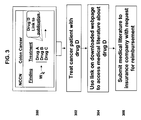
- the scientific information can be made accessible to a patient or one or more health care providers and can be used for insurance reimbursement purposes to aid selection of one or more drug treatment options.
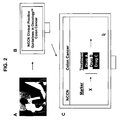
- FIG. 1 provides an overview of one aspect of the provided method.
- a cancer patient ( 100 ) visits a health care provider, and the health care provider performs a tumor biopsy ( 102 ) and potentially begins a first line drug treatment ( 104 ).
- the tumor biopsy is then sent to a personalized medicine business for analysis and testing.
- the tumor is used to establish an in vitro culture and/or xenograft model for future drug testing.
- the tumor cells can be isolated from non-tumor cells in the biopsy ( 108 ) and used to identify (determine the status of) molecular markers ( 110 ).
- the molecular markers are sequenced by de novo sequencing.
- the status of one or more molecular markers can be determined by comparative genomic hybridization (CGH), high density expression, de novo sequencing, or genotyping.
- CGH comparative genomic hybridization
- the molecular markers can then be used to stratify a list of cancer drug treatments ( 112 ).
- the identified molecular markers can also be used as the basis for annotating the drug treatment options by, for example, providing links to scientific information for experimental drugs and FDA-approved drugs for off-label use ( 114 ).
- the links to scientific literature can be used to send literature to insurance companies for reimbursement purposes.
- the stratified and annotated cancer drug treatment options can then be provided in the form of a report to the health care provider and/or patient ( 116 ), who can use the information to select a second line drug treatment therapy, for example, if the first line therapy fails.
- the stratified and annotated drug treatment options can be tested in high-throughput screens using the established in vitro cultures or xenograft models ( 118 ). Results of the screens can be given to the physician ( 120 ), who can use the information to select adjuncts for end stage administration, for example. One or more fees can be charged by the personalized medicine business in exchange for any of the services.
- a method that provides personalized cancer drug treatment options, including a) receiving an order, b) obtaining a sample from a subject, c) purifying cancer cells from the sample, d) identifying (determining the status of) one or more molecular markers in the cancer cells, e) stratifying one or more drug treatment options in a report, f) annotating one or more drug treatment options in a report, and g) charging a fee for one or more of steps (a)-(f).
- a method for generating a personalized cancer drug treatment option report including a) obtaining a sample from a subject; b) determining the status of one or more molecular markers in the sample; c) stratifying drug treatment options listed in a clinical practice guideline for a condition based on the status of the one or more molecular markers in the sample; and d) optionally annotating the report with information comprising information regarding one or more additional drug treatment options not listed in the clinical practice guideline for the condition, wherein the information is included based on the status of the one or more molecular markers in the sample.
- FIG. 5 Another aspect of a method of the provided disclosure is shown in FIG. 5 , in which a patient or physician interfaces with a personalized medicine business ( 500 ), a biopsy is performed ( 502 ), a molecular analysis is performed ( 504 ), and information is analyzed to provide recommendations to the patient or physician ( 506 ) based on the status of one or more molecular markers.
- the information can be scientific literature and/or clinical trial information.
- the analysis can include annotating a clinical practice guideline for a condition (e.g., NCCN Clinical Practice Guidelines in Oncology) with information (e.g., references to scientific journal articles; other drug treatment options).
- the analysis can include analysis of molecular pathways that include drug targets, e.g., drug targets not recommended in the clinical practice guideline for the condition, that may be efficacious for the patient based on the status of one or more molecular markers in the biopsy.
- the subject from whom a sample is taken can be a patient, for example, a cancer patient or a patient suspected of having cancer.
- the subject can be a mammal, e.g., a human, and can be male or female.
- the sample can be a tumor biopsy.
- the biopsy can be performed by, for example, a health care provider, including a physician, physician assistant, nurse, veterinarian, dentist, chiropractor, paramedic, dermatologist, oncologist, gastroenterologist, or surgeon.
- the methods of the provided invention can include a step in which a personalized medicine business receives an order.
- the order received by the personalized medicine business can be placed by a health care provider, including, for example, a physician, physician assistant, nurse, veterinarian, dentist, chiropractor, paramedic, dermatologist, oncologist, gastroenterologist, or surgeon.
- the order can be placed on behalf of a subject from whom a sample is taken, e.g., a cancer patient.
- the order can be placed by the subject from whom a sample has been or will be taken, and the subject can place the order with the guidance or supervision of a health care provider.
- the order can be submitted to the personalized medicine business using any of a variety of means.
- an order can be placed using a computer website (a web interface), by sending an email, a facsimile, or a text message, or by placing a phone call to the personalized medicine business.
- a website or web interface is used, the website or web interface can be maintained by the personalized medicine business.
- the person placing the order can create or be given a usemame and/or password.
- An order form can be downloaded from a website, sent through the mail, sent using email, or sent by facsimile.
- the order can be placed by filling out one or more forms and submitting it (them) to the personalized medicine business using a computer (e.g., web interface, email) or through a mail or other delivery service, for example, the U.S. Postal Service, a courier service, Federal-Express, DHL, or UPS.
- a diagnostic biopsy of a primary tumor can be taken before or after an order is placed.
- the status of one or more molecular markers in a tumor of the subject can be identified (determined) before or after an order is placed.
- the subject from whom the sample is taken can be provided one or more therapies before or after an order is placed.
- the order can include information regarding a sample or subject.
- the information can include a description of the sample, e.g., the date the sample was taken, type of sample, or other properties of the sample.
- the order can include information regarding the subject from whom the sample is taken. For example, this information can include height, weight, eye color, hair color, age, ethnicity, gender; clinical information, e.g., blood pressure, LDL cholesterol levels, HDL cholesterol levels, and triglyceride levels, heart rate; personal medical history, including cancer treatments already received; family medical history of the subject; and information on molecular markers.
- the order can include billing information and/or insurance information.
- the order can contain a barcode that identifies the order.
- the order can contain comments or notes about the sample and/or the subject (e.g., patient). This information can be sent with the sample to the personalized medicine business.
- a customer service representative employed by the personalized medicine business can process the order (e.g., enter information in the order into a database operated by the personalized medicine business).
- An employee of the personalized medicine business for example, a research nurse, can review and process the clinical information.
- a fee can be charged by the personalized medicine business in exchange for receiving and/or processing the clinical information.
- the personalized medicine business can provide a kit to a health care provider (e.g., a surgeon, pathologist, oncologist) involved in the care of a subject from whom a sample will be taken.
- a kit can contain contents that can be used to process or transport a sample from the subject.
- a kit can include a reagent that protects RNA in fresh specimens including, e.g., RNA later ® Tissue Collection: RNA Stabilization Solution (Applied Biosystems) or RNASaferTM RNA Stabilization Reagent (SABiosciences). Compositions for preserving RNA in cells and tissues are described, for example, in U.S. Patent Nos. 6,204,375 , 7,056,673 , and 7,138,226 .
- a kit of the disclosure can contain instruments or tools for processing a sample.
- a kit can contain instructions for processing a sample.
- the kit can contain instructions for performing a biopsy.
- the kit can contain instructions for performing fine needle aspiration.
- the kit can include instructions and/or reagents for preparing formalin-fixed, paraffin-embedded tissue or for freezing (e.g., fresh frozen) a sample.
- the kit can contain dry ice (e.g., pelleted dry ice)
- a kit can contain one or more pre-paid shipping labels.
- a kit can contain educational materials (e.g., a pamphlet containing information about a specific cancer).
- a kit can contain instructions for shipping a sample, for example, to an entity that will analyze the sample.
- a kit can include one or more containers, e.g., an envelope, a box, and/or a tube that can be used to transport one or more samples to the personalized medicine business.
- the one or more containers can be provided with identifying information, e.g., information identifying the subject from whom a sample is taken, information identifying a health care provider that will perform/has performed a biopsy, information identifying the sample type to be sent to the personalized medicine business, and information regarding a shipping address to which the sample can be sent (e.g., address of the personalized medicine business).
- a kit can contain logistics information; for example, the kit can contain preprinted information that can be attached to the one or more sample containers that can be returned to the personalized medicine business.
- the shipping information can contain a barcode for tracking the shipment or for identifying the sample.
- the preprinted information can contain an adhesive that permits the information to adhere to a container.
- One or more logistics and operation personnel employed by the personalized medicine business can send a kit to and/or receive a kit from a health care provider.
- a fee can be charged by the personalized medicine business in exchange for sending a kit.
- Multiple individuals can be informed when a kit has been sent by the personalized medicine business; for example, the subject from whom the sample is taken (e.g., cancer patient) or an oncologist that will review the subject's information, can be informed by the personalized medicine business that a kit has been sent to a health care provider.
- a kit can be sent to a pathologist and/or pathology laboratory for preparing a diagnostic paraffin primary biopsy, and the subject (e.g., cancer patient) and an oncologist can be notified that the kit has been sent to the pathologist.
- the pathology laboratory can be a College of American Pathologists (CAP) accredited laboratory.
- the laboratory can be a Clinical Laboratory Improvement Amendments (CLIA) certified laboratory.
- a kit for processing a biopsy can be sent to the person who will perform the biopsy (e.g., surgeon), and the subject (e.g., patient) and an oncologist can be notified that the kit was sent.
- a kit can be sent to a person (e.g., a surgeon), for example, after surgery, for processing a second biopsy.
- the biopsy can be an open biopsy, in which general anesthesia is used or a closed biopsy, in which a smaller cut is made than in an open biopsy.
- the biopsy can be a core or incisional biopsy, in which part of the tissue is removed; an excisional biopsy, in which attempts to remove an entire lesion are made; or a needle aspiration (percutaneous) biopsy (fine needle aspiration biopsy), in which a sample of tissue or fluid is removed with a needle.
- the needle can be a thin, hollow needle, and it can be inserted into a mass to extract cells from the mass.
- Tissue can be obtained by lumpectomy or mastectomy.
- Tissue can be obtained by colectomy (e.g., a total colectomy or partial colectomy).
- Tissue can be obtained by a prostatectomy.
- the biopsy can be performed by a health care provider, including, for example, a physician, physician assistant, nurse, veterinarian, dentist, chiropractor, paramedic, dermatologist, oncologist, gastroenterologist, or surgeon.
- a health care provider including, for example, a physician, physician assistant, nurse, veterinarian, dentist, chiropractor, paramedic, dermatologist, oncologist, gastroenterologist, or surgeon.
- the biopsy can be processed.
- the biopsy can be preserved by formalin-fixing and paraffinembedding (FFPE) the tissue.
- FFPE formalin-fixing and paraffinembedding
- the biopsy can be processed into smaller pieces.
- the biopsy can be treated to preserve RNA, e.g., with RNA later ® or RNASaferTM.
- the biopsy can be stored on wet ice (approximately 4°C), at room temperature (approximately 25°C), stored at approximately -20°C, or at approximately -80°C, e.g., stored on dry ice, or frozen in liquid nitrogen or a dry ice/alcohol slurry.
- the tissue can be frozen within 0.5, 1, 5, 10, 15, 30, 60, 120, or 240 minutes of surgical resection.
- Fixative agents that can be used on the biopsy tissue include, for example, methanol-acetone, Carnoy's fixative (60% ethanol, 30% chloroform, 10% glacial acetic acid), Bouin's fixative, ethanol, acetone, formalin, methacam (substitute 60% methanol for the ethanol in Camoy), UMFIX (universal molecular fixative), Omnifix, and FINEfix.
- the sample can be one or more cells or tissue from, e.g., liver, lung, colon, pancreas, bladder, brain, breast, cervix, esophagus, eye, gallbladder, kidney, stomach, ovary, penis, prostate, pituitary, salivary gland, skin, testicle, uterus, and vagina.
- the sample can be, for example, blood or urine.
- the sample can contain nucleic acid, for example, genomic DNA, amplified genomic DNA, cDNA, amplified cDNA, RNA, amplified RNA, unspliced RNA, spliced RNA, messenger RNA, or microRNA.
- the sample can be a cell-free sample that contains nucleic acid, for example, DNA or RNA.
- the sample can be a bone marrow core or clot.
- the clot can be decalcified.
- the sample can be one or more unstained slides from an FFPE block.
- the one or more slides can be air-dried (unbaked).
- the slides can be charged or uncharged.
- the sample can be a pleural/ascitic fluid.
- the pleural/ascitic fluid can be formalin fixed and parafilm-embedded in a cell block.
- the sample can contain greater than 10% tumor, greater than 15% tumor, greater than 20% tumor, greater than 25% tumor, greater than 30% tumor, greater than 35% tumor, greater than 40% tumor, greater than 45% tumor, greater than 50% tumor, greater than 55% tumor, greater than 60% tumor, greater than 65% tumor, greater than 70% tumor, greater than 75% tumor, greater than 80% tumor, greater than 85% tumor, greater than 90% tumor, greater than 95% tumor, or greater than 99% tumor.
- the sample can contain 100% tumor.
- the type of sample submitted to a personalized medicine business can depend on the type of molecular analysis to be performed on the sample (e.g., DNA microarray, DNA sequencing, IHC).
- the sample (e.g., biopsy) can be obtained by a personalized medicine business by receiving it from, for example, the health care provider who removed the sample from the subject.
- the sample can be obtained by a personalized medicine business through a mail or delivery service; for example, a physician can perform a tumor biopsy and arrange to send the tumor biopsy.
- Parafilm-embedded tissue can be sent to a personalized medicine business in an envelope.
- the paraffin embedded sample can be a diagnostic primary biopsy.
- a fresh-frozen sample can be sent to a personalized medicine business in a container, and the container can include dry ice.
- a blood sample can be sent in a container, e.g., a tube.
- a sample can be sent in a container with an ice-water mixture.
- a sample can be sent to a personalized medicine business in a container provided by the personalized medicine business.
- One or more employees of a personalized medicine business can review the samples that are obtained by the personalized medicine business.
- the samples can be reviewed by a pathologist employed by the personalized medicine business.
- the personalized medicine business can request that one or more additional samples be sent to the personalized medicine business, for example, after receiving an initial sample from the subject.
- the methods of the provided invention can include a step in which primary tumor cells are separated/purified from non-tumor cells in a sample, e.g., a biopsy sample. Any technique used by those skilled in the art can be appropriate for isolating primary tumor cells from non-tumor cells in the tumor biopsy.
- the tumor cells can be isolated using techniques that include optical cell sorting, flow-cytometry, flow-sorting, fluorescence activated cell sorting (FACS), magnetic cell sorting (MACS; e.g., using antibody coated magnetic particles), size-based separation (e.g., using a sieve, an array of obstacles, a filter), sorting in a microfluidics device, antibody-based separation, sedimentation, affinity adsorption, affinity extraction, or density gradient centrifugation. Fresh-frozen or FFPE samples can be used for flow-sorting. Sorting can be based on cell size, morphology, or intracellular or extracellular markers. Methods for isolating or sorting tumor cells are described, for example, in Nagrath S. et al.
- Fluorescence-activated cell sorting uses light scattering and fluorescent characteristics to sort cells.
- a fluorescent property can be imparted on a cell using, e.g., nucleic acid probes or antibodies conjugated to a fluorescent dye.
- a cell suspension can form a stream of flowing liquid. The stream of cells forms drops that contain approximately one cell per drop. Before the stream forms drops, a fluorescent characteristic of each cell is measured.
- a charge is placed on an electrical charging ring prior to fluorescence intensity measurement and the opposite charge is carried on the drop as it breaks from the stream.
- the charged drops pass through two high voltage deflection plates that divert drops into different containers based upon their charge. The charge can be directly applied to the stream and the drop breaking off retains the charge of the same sign as the stream. The stream is then returned to neutral after the drop breaks off.
- Direct or indirect immunofluorescence can be used in FACS.
- direct immunofluorescence an antibody is directly conjugated to a fluorescent dye.
- indirect immunofluorescence the primary antibody is not labeled, and a secondary antibody is conjugated to a fluorescent dye.
- Different types of cancer cells can be sorted based on one or more different molecular markers, and these markers can be on the surface of the cancer cells.
- Cells e.g., circulating tumor cells, can be isolated from a sample, e.g., blood, using technology from, e.g., CELLective Dx Corporation.
- a sample can be obtained from a subject, e.g., a colon cancer patient, by fine needle aspiration biopsy, the sample can be stored fresh-frozen, and the cancer cells in the sample can be isolated by flow-sorting.
- Cancer cells can be purified by laser capture microdissection.
- laser capture microdissection a transparent transfer film is applied on the surface of a tissue section. Cells to be removed are identified using a microscope, and a near infrared (IR) laser diode is activated. The laser beam fuses the transfer film to the underlying cells. The film can then be removed with the desired cells attached. Fresh-frozen and paraffin embedded tissue may be used for laser capture microdissection.
- IR near infrared
- Cancer cells can be purified using Panomics (Affymetrix®) Cancer Cell Isolation Kit (Catalog number CI0002, CI0004, or CI0010). Cancer cells can be isolated using CytoSelectTM Clonogenic Tumor Cell Isolation Kit (Catalog number CBA-155 or CBA-155-5) from Cell Biolabs, Inc.
- Panomics Affymetrix® Cancer Cell Isolation Kit
- CytoSelectTM Clonogenic Tumor Cell Isolation Kit Catalog number CBA-155 or CBA-155-5) from Cell Biolabs, Inc.
- a fee can be charged by a personalized medicine business in exchange for purifying cancer cells from a sample.
- the methods disclosed herein can include analyzing a sample for the status of one or more molecular markers.
- the sample can be analyzed for one or more molecular markers that can include, for example, nucleic acids, including DNA and RNA, proteins, including antibodies, autoantibodies, and cell surface receptors, gene or protein expression profiles, carbohydrates, and lipids.
- the status of one or more molecular markers in the sample can be identified (determined) using techniques that include, for example, comparative genomic hybridization (CGH) or chromosomal microarray analysis (CMA), in which copy number changes of DNA in a tumor are detected, expression profiling, DNA microarray, high-density oligonucleotide microarray, whole-genome RNA expression array, peptide microarray, enzyme-linked immunosorbent assay (ELISA), genome sequencing, de novo sequencing, 454 sequencing, pyrosequencing, Helicos True Single Molecule Sequencing, SOLiDTM sequencing, SOLEXA sequencing, nanosequencing, chemical-sensitive field effect transistor (chemFET) array sequencing, polony sequencing, copy number variation (CNV) analysis sequencing, small nucleotide polymorphism (SNP) analysis, immunohistochemistry (IHC), immunoctyochemistry (ICC), mass spectrometry, tandem mass spectrometry, matrix-assisted laser desorption
- the status of one or more molecular markers corresponding to genetic polymorphisms between members of a population can be detected by numerous methods well-established in the art e.g., PCR-based sequence specific amplification, restriction fragment length polymorphisms (RFLPs), isozyme markers, northern analysis, allele specific hybridization (ASH), array based hybridization, amplified variable sequences of the genome, self-sustained sequence replication, simple sequence repeat (SSR), single nucleotide polymorphism (SNP), random amplified polymorphic DNA (“RAPD”) or amplified fragment length polymorphisms (AFLP).
- PCR-based sequence specific amplification e.g., restriction fragment length polymorphisms (RFLPs), isozyme markers, northern analysis, allele specific hybridization (ASH), array based hybridization, amplified variable sequences of the genome, self-sustained sequence replication, simple sequence repeat (SSR), single nucleotide polymorphism (SNP), random amplified polymorphic
- Techniques for determining the status of one or more molecular markers can use hybridization of a probe nucleic acid to nucleic acids corresponding to the molecular marker (e.g., amplified nucleic acids produced using genomic DNA as a template).
- Hybridization formats for allele detection can include, for example, solution phase, solid phase, mixed phase, or in situ hybridization assays.
- a guide to the hybridization of nucleic acids is found in Tijssen (1993) Laboratory Techniques in Biochemistry and Molecular Biology--Hybridization with Nucleic Acid Probes Elsevier, N.Y .
- the status of a molecular marker can include, for example, gene expression level (e.g., messenger RNA level) or protein expression level.
- the expression level can be, for example, higher than normal, normal, or below normal.
- the status of a molecular marker can include absence of a mutation (e.g., wild-type) or presence of one or more mutations (e.g., de novo mutation, nonsense mutation, missense mutation, silent mutation, frameshift mutation, insertion, substitution, point mutation, single nucleotide polymorphism (SNP), deletion, rearrangement, amplification, chromosomal translocation, interstitial deletion, chromosomal inversion, loss of heterozygosity, loss of function, gain of function, dominant negative, or lethal); nucleic acid modification (e.g., methylation); or presence or absence of a post-translational modification on a protein (e.g., acetylation, alkylation, amidation, biotinylation, glutamylation
- the methods of the provided invention use de novo sequencing to determine the status of validated and non-validated molecular markers in a sample, e.g., a sample from a colon cancer patient.
- De novo sequencing techniques include, for example, Helicos True Single Molecule Sequencing (tSMS) ( Harris T.D. et al. (2008) Science 320:106-109 ).
- tSMS Helicos True Single Molecule Sequencing
- a DNA sample is cleaved into strands of approximately 100 to 200 nucleotides, and a polyA sequence is added to the 3' end of each DNA strand. Each strand is labeled by the addition of a fluorescently labeled adenosine nucleotide.
- the DNA strands are then hybridized to a flow cell, which contains millions of oligo-T capture sites that are immobilized to flow cell surface.
- the templates can be at a density of about 100 million templates/cm 2 .
- the flow cell is then loaded into an instrument, e.g., HeliScopeTM sequencer, and a laser illuminates the surface of the flow cell, revealing the position of each template.
- a CCD camera can map the position of the templates on the flow cell surface.
- the template fluorescent label is then cleaved and washed away.
- the sequencing reaction begins by introducing a DNA polymerase and a fluorescently labeled nucleotide.
- the oligo-T nucleic acid serves as a primer.
- the polymerase incorporates the labeled nucleotides to the primer in a template directed manner.
- the polymerase and unincorporated nucleotides are removed.
- the templates that have directed incorporation of the fluorescently labeled nucleotide are detected by imaging the flow cell surface. After imaging, a cleavage step removes the fluorescent label, and the process is repeated with other fluorescently labeled nucleotides until the desired read length is achieved. Sequence information is collected with each nucleotide addition step.
- 454 sequencing involves two steps. In the first step, DNA is sheared into fragments of approximately 300-800 base pairs, and the fragments are blunt ended. Oligonucleotide adaptors are then ligated to the ends of the fragments. The adaptors serve as primers for amplification and sequencing of the fragments.
- the fragments can be attached to DNA capture beads, e.g., streptavidin-coated beads using, e.g., Adaptor B, which contains 5'-biotin tag.
- the fragments attached to the beads are PCR amplified within droplets of an oil-water emulsion. The result is multiple copies of clonally amplified DNA fragments on each bead.
- the beads are captured in wells (picoliter sized). Pyrosequencing is performed on each DNA fragment in parallel. Addition of one or more nucleotides generates a light signal that is recorded by a CCD camera in a sequencing instrument. The signal strength is proportional to the number of nucleotides incorporated.
- Pyrosequencing makes use of pyrophosphate (PPi) which is released upon nucleotide addition.
- PPi is converted to ATP by ATP sulfurylase in the presence of adenosine 5' phosphosulfate.
- Luciferase uses ATP to convert luciferin to oxyluciferin, and this reaction generates light that is detected and analyzed.
- SOLiD sequencing genomic DNA is sheared into fragments, and adaptors are attached to the 5' and 3' ends of the fragments to generate a fragment library.
- internal adaptors can be introduced by ligating adaptors to the 5' and 3' ends of the fragments, circularizing the fragments, digesting the circularized fragment to generate an internal adaptor, and attaching adaptors to the 5' and 3' ends of the resulting fragments to generate a mate-paired library.
- clonal bead populations are prepared in microreactors containing beads, primers, template, and PCR components. Following PCR, the templates are denatured and beads are enriched to separate the beads with extended templates. Templates on the selected beads are subjected to a 3' modification that permits bonding to a glass slide.
- the sequence can be determined by sequential hybridization and ligation of partially random oligonucleotides with a central determined base (or pair of bases) that is identified by a specific fluorophore. After a color is recorded, the ligated oligonucleotide is cleaved and removed and the process is then repeated.
- SOLEXA sequencing is based on the amplification of DNA on a solid surface using fold-back PCR and anchored primers. Genomic DNA is fragmented, and adapters are added to the 5' and 3' ends of the fragments. DNA fragments that are attached to the surface of flow cell channels are extended and bridge amplified. The fragments become double stranded, and the double stranded molecules are denatured. Multiple cycles of the solid-phase amplification followed by denaturation can create several million clusters of approximately 1,000 copies of single-stranded DNA molecules of the same template in each channel of the flow cell.
- Primers DNA polymerase and four fluorophore-labeled, reversibly terminating nucleotides are used to perform sequential sequencing. After nucleotide incorporation, a laser is used to excite the fluorophores, and an image is captured and the identity of the first base is recorded. The 3' terminators and fluorophores from each incorporated base are removed and the incorporation, detection and identification steps are repeated.
- SMRT single molecule, real-time
- each of the four DNA bases is attached to one of four different fluorescent dyes. These dyes are phospholinked.
- a single DNA polymerase is immobilized with a single molecule of template single stranded DNA at the bottom of a zero-mode waveguide (ZMW).
- ZMW zero-mode waveguide
- a ZMW is a confinement structure which enables observation of incorporation of a single nucleotide by DNA polymerase against the background of fluorescent nucleotides that rapidly diffuse in an out of the ZMW (in microseconds).
- nanopore sequencing Soni GV and Meller A. (2007) Clin Chem 53: 1996-2001 .
- a nanopore is a small hole, of the order of 1 nanometer in diameter. Immersion of a nanopore in a conducting fluid and application of a potential across it results in a slight electrical current due to conduction of ions through the nanopore. The amount of current which flows is sensitive to the size of the nanopore. As a DNA molecule passes through a nanopore, each nucleotide on the DNA molecule obstructs the nanopore to a different degree. Thus, the change in the current passing through the nanopore as the DNA molecule passes through the nanopore represents a reading of the DNA sequence.
- de novo sequencing that can be used to determine the status of one or more molecular markers in a sample involves using a chemical-sensitive field effect transistor (chemFET) array to sequence DNA (as described in US Patent Application Publication No. 20090026082 ).
- chemFET chemical-sensitive field effect transistor
- DNA molecules can be placed into reaction chambers, and the template molecules can be hybridized to a sequencing primer bound to a polymerase.
- Incorporation of one or more triphosphates into a new nucleic acid strand at the 3' end of the sequencing primer can be detected by a change in current by a chemFET.
- An array can have mulitiple chemFET sensors.
- single nucleic acids can be attached to beads, and the nucleic acids can be amplified on the bead, and the individual beads can be transferred to individual reaction chambers on a chemFET array, with each chamber having a chemFET sensor, and the nucleic acids can be sequenced.
- Any one of the de novo sequencing techniques described herein can be used to determine the status of the validated and non-validated molecular markers in the methods of the provided invention.
- DNA can be extracted from an FFPE sample and the DNA can be bridge amplified and sequenced.
- the sequences generated can be used to determine the status (e.g., wild-type or mutant) of one or more molecular markers (e.g., genes).
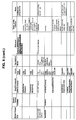
- An example of the process is illustrated in FIG. 9 .
- Greater than 1 ⁇ g of DNA can be extracted (902) from an FFPE sample ( 900 ).
- Adaptor sequences can be ligated to the DNA in an in vitro ligation reaction (904).
- the extracted DNA can be bridge amplified to generate a library of single molecules that are spatially clustered ( 906 ).
- the bridge amplified DNA can then be sequenced by serial extension of primed templates ( 908 ).
- the accuracy of sequence reads can be up to 35 bp ( 910 ).
- the sequences can be used to determine the status (e.g., wild-type or mutant) of one or more genes in the sample.
- DNA from an FFPE tissue sample can be sequenced, for example using 454 sequencing, to determine the status of one or more molecular markers ( Thomas RK et al. (2006) Nature Medicine 12:852-855 ).
- Sequences from one or more historic samples can be compared to sequences from a sample from a subject, e.g., a cancer patient.
- the status of one or more molecular markers in a historic sample can be correlated with one or more treatment outcomes, and the correlation of a treatment outcome with molecular marker status in one or more historic samples can be used to predict treatment outcomes for the subject, e.g., a cancer patient. These predictions can be the basis for determining whether or not to recommend a drug treatment option to the subject.
- the status of one or more molecular markers can be determined by de novo DNA sequencing of samples from cancer patients, and cancer patients can be grouped based on the status of the one or more molecular markers. For instance, cancer patients with wild-type Kras can be grouped together, and patients with mutant Kras can be grouped together.
- the survival of untreated patients in each group can be followed over time, and patient survival can be plotted to generate a Kaplan-Meier curve.
- a Kaplan-Meier plot can be used to illustrate the fraction of patients alive after a certain amount of time.
- the survival of cancer patients in each group after treatment with a drug can be followed over time, and patient survival can be plotted to generate a Kaplan-Meier curve.
- Analysis of a previously generated Kaplan-Meier curve can be used to recommend one or more drug treatment options to a subject (e.g., a cancer patient), based on the status of one or more molecular markers in a sample from the subject (e.g., a cancer patient).
- a personalized medicine business can outsource or sub-contract the determining of the status of one or more molecular markers to a Clinical Laboratory Improvement Amendments (CLIA) certified laboratory.
- the personalized medicine business can outsource or sub-contract the determining of the status of one or more molecular markers, for example, whole genome analysis, to another company, for example, Illumia® or Affymetrix®.
- Mass spectrometry e.g., matrix-assisted laser desorption ionization time of flight mass spectrometry (MALDI-TOF MS)
- MALDI-TOF MS matrix-assisted laser desorption ionization time of flight mass spectrometry
- Only a portion of the whole genome analysis data can be reported to a patient and/or health care provider, and the rest of the data can be stored by the personalized medicine business. The stored data can be sent to the subject and/or health care provider at a later date.
- in vitro or in vivo tests can be performed on a sample.
- the personalized medicine business can outsource or sub-contract another company to perform the in vitro or in vivo tests.
- a fee can be charged by the personalized medicine business in exchange for performing the techniques and/or identifying (determining the status of) one or more molecular markers.
- the molecular marker analysis can be performed by one or more employees of the personalized medicine business, for example, one or more laboratory technicians.
- the methods of the provided disclosure can include analyzing a sample from a subject for the status of one more markers related to drug absorption, distribution, metabolism, and excretion.
- the sample to be analyzed can be, for example, a tumor biopsy, blood, cheek (buccal) swab, or other fluid or tissue taken from the subject. Any test known by those skilled in the art to investigate drug absorption, distribution, metabolism, or excretion genes can be used.
- the Affymetrix® Drug Metabolizing Enzymes and Transporters (DMET) -Early Access Solution can be used to analyze drug metabolism biomarkers.
- CYP450 status can be assessed using the Roche® AmpliChip CYP450 Test, which tests for gene variations in CYP2D6 and CYP2C19.
- the Human1M BeadChip from Illumina®, Human1M-Duo DNA Analysis BeadChip from Illumina®, and HumanExon510S-Duo DNA Analysis BeadChip from Illumina® can be used to identify SNPs in ADME (absorption, distribution, metabolism, and excretion) genes.
- ADME absorption, distribution, metabolism, and excretion
- the status of ADME associated genes can be investigated using DTExTM Gene Expression Analysis from NoAb BioDiscoveries.
- a sample can be analyzed for one or more SNPs in the UGT1A1 gene, which encodes UDP-glucuronosyltransferase.
- Identification of UGT1A1 promoter polymorphisms can be used to predict the toxicity of treatment with CPT-111 (irinotecan).
- Irinotecan is a topoisomerase I inhibitor that can be used for treating colon cancer. Irinotecan is activated by hydrolysis to SN-38, and SN-38 is inactivated by glucuronidation by UGT1A1.
- Subjects with the *28 variant ((TA) 7 allele) of UGT1A1 express reduced amounts of UGT1A1 in their liver, and they do not clear irinotecan as rapidly as others.
- a fee can be charged by the personalized medicine business for analyzing one or more molecular markers related to absorption, distribution, metabolism, or excretion of one or more drugs.
- the analysis of one or more molecular markers related to drug absorption, distribution, metabolism, or excretion can be performed by one or more laboratory technicians employed by the personalized medicine business.
- Stratifying drug treatment options and annotating drug treatment options in a report regarding the use of a drug treatment option can be done based on the status of one or more molecular markers that regulate drug absorption, distribution, metabolism, or excretion in a sample from a subject.
- the methods of the provided invention use the status of validated and non-validated molecular markers identified in a sample to stratify (rank) drug treatment options for the subject from whom the sample was taken (target-drug approach).
- the stratifying of drug treatments is based on scientific information regarding the molecular markers.
- the scientific information can be data from one or more studies published in one or more scientific journals (e.g., New England Journal of Medicine (NEJM), Lancet , etc.).
- the scientific information can be data provided in a commercial database (e.g., data stored in a database provided by Ingenuity® Systems).
- One or more pieces of scientific information can be used to stratify the treatments.
- Drug treatment options can be stratified into classes based on the status of one or more molecular markers in a sample.
- a first class of drug treatment options can be those for which scientific information predicts a drug will be efficacious for a subject whose sample has one or more molecular markers of a particular status. Drugs in this first class can be a recommended drug treatment option for a subject.
- a second class of drug treatment options can be those for which some scientific information predicts a drug will be efficacious for a subject with one or more molecular markers of a particular status, and some scientific information does not support use of the drug for the subject, based on one or more molecular markers of a particular status in a sample from a subject.
- a sample may contain a marker whose status indicates the drug will be efficacious in the subject and another marker (e.g., a mutant version of a drug metabolism gene) that indicates the drug would also have a toxic affect on the subject.
- molecular markers in a sample from a patient can indicate that a drug is likely to be efficacious for treating a subject from whom the sample was taken, and one molecular marker, for instance a drug metabolism marker, can indicate that the drug would have a high level of toxicity in the subject.
- This second class can also include drugs for which there is indirect scientific support for drug efficacy in a subject (e.g., the drug targets a protein that is in the same molecular pathway as a molecular marker in a sample).
- a drug in this class could target a kinase that functions downstream of an overexpressed cell surface receptor that is known to be targeted by an efficacious drug.
- a drug in this second class can be a recommended drug treatment option for a subject.
- a third class of drugs can be those for which scientific information indicates the drug will not be efficacious in the subject based on the status of one or more molecular markers in a sample from the subject. For example, a drug that targets a cell surface receptor may not display efficacy if a downstream kinase is mutated. It can be recommended that a subject not be treated with a drug in this third class.
- the drug treatment options can be stratified using an algorithm-based approach.
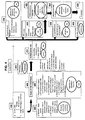
- An example of an algorithm for selecting a marker is shown in FIG. 7 .
- the status of one or more molecular markers in a patient sample is determined ( 700 ).
- the scientific literature is analyzed for information related to the status of the molecular marker and the efficacy of one or more different drugs ( 702, 704 ). If the status of a molecular marker correlates with efficacy of a drug, then a recommendation can be made to treat the subject with that drug (706). If the status of a molecular marker does not correlate with efficacy of a drug, then a recommendation can be made not to treat a subject with the drug ( 708 ).
- a computer and computer readable medium can be used to stratify the drug treatment options.
- a list of stratified drug treatment options can be presented in the form of a report.
- the stratification of drug treatment options can be indicated by color coding.
- drugs in the first class can be color coded in green
- drugs in the second class can be color coded in yellow
- drugs in the third class can be color coded in red.
- the recommendation of a drug treatment option for a subject can be based on the stage of the cancer of the subject, e.g., a late stage cancer.
- Drug treatment options can also be stratified based on other factors, e.g., the type of cancer, age of the subject, status of drug metabolism genes (genes involved in absorption, distribution, metabolism, and excretion), efficacy of other drugs the patient has received, clinical information regarding the subject, and family medical history.
- a fee can be charged by the personalized medicine business in exchange for stratifying the drug treatment options.
- the drug treatment options can be stratified by one or more employees of the personalized medicine business, for example, a molecular pathologist and research nurse.
- Drug treatment options can be stratified based on a relationship between the status of one or more molecular markers in the sample and the efficacy of a drug treatment used on other subjects with the one or more molecular markers of a particular status.
- the scientific literature contains multiple examples of drugs that have efficacy in treating subjects with tumors with certain molecular markers.
- the status of c-kit (also known as CD117, KIT, PBT, SCFR) in a sample from a subject can be determined by, e.g., expression or DNA sequencing, and can be used to determine whether to recommend imatinib mesylate (Gleevec) as a drug treatment option for the subject, e.g., a gastrointestinal tumor patient with a metastatic and/or unresectable malignant tumor ( NCCN Clinical Practice Guidelines in Oncology; Henrich MC et al. (2003) J. Clin. Oncol. 21:4342-4349 ).
- C-kit is a receptor for cytokine stem cell factor (SCF, steel factor, or c-kit ligand).
- Imatinib mesylate is an inhibitor of receptor tyrosine kinases. If a sample from a subject with a metastatic and/or unresectable malignant gastrointestinal stromal tumor expresses c-kit or c-kit with activating mutations, a recommendation can be made to treat the subject with imatinib mesylate (Gleevec).
- Imatinib mesylate is efficacious in GIST patients with activating mutations in the juxtamembrane (JM) domain of c-kit.
- the presence of Bcr-Abl in a sample from a subject can be used to determine whether to recommend imatinib mesylate (Gleevec) as a drug treatment option to the subject, e.g., a chronic myeloid leukemia (CML) patient.
- CML chronic myeloid leukemia
- a patient with CML with the Philadelphia chromosome (Philadelphia translocation) that produces the Bcr-Abl protein, a tyrosine kinase can be recommended to be treated with imatinib mesylate (Gleevec).
- Imatinib mesylate (Gleevec) can be recommended as an initial therapy for a CML patient.
- Imatinib mesylate can be recommended for use while a CML patient is in the first phase of CML (the chronic phase) ( Kantarjian H. et al. (2002) NEJM 356:645-652 ). Imatinib mesylate (Gleevec) can be recommended to a CML patient if interferon alpha therapy fails ( Druker BJ et al. (2001) NEJM 344:1031-1037 ).
- the status of PDGFR in a sample can be used to determine whether to recommend imatinib mesylate (Gleevec) as a drug treatment option to a subject, e.g., a cancer patient.
- Cancer cells overexpressing platelet derived growth factor receptor (PDGFR), a tyrosine kinase, or with activating mutations in PDGFR can be targeted with imatinib mesylate (Gleevec) ( Heinrich MC et al. (2003) J. Clin. Oncol. 21:4342-4349 ).
- a subject with renal cell carinoma (RCC) or imatinib-resistant GIST that expresses the marker PDGFR can be treated with Sutent (Sunitib or SU11248), a receptor tyrosine kinase inhibitor. If a sample from a subject with RCC or imatinib-resistant GIST expresses PDGFR, a recommendation can be made to treat the subject with Sutent (Sunitib).
- SPARC secreted protein acidic and rich in cysteine
- ECM extracellular matrix
- HSP90 also known as HSPN; LAP2; HSP86; HSPC1; HSPCA; Hsp89; HSP89A; HSP90A; HSP90N; HSPCAL1; HSPCAL4; FLJ31884; HSP90AA1
- Hsp90 is a molecular chaperone that can facilitate the maturation and stabilization of mutated, overexpressed and constitutively or persistently active oncoproteins ( Taldone T, Curr Opin Pharmacol. (2008) Aug;8(4):370-374 ).
- a patient with GIST expressing heat shock protein 90 can be targeted with CNF2024 (BIIB021), an oral inhibitor of HSP90. If a sample from a subject expresses HSP90, a recommendation can be made to treat the subject with CNF2024 (BIIB021). If a sample from a subject does not express HSP90, a recommendation can be made to not treat the subject with CNF2024 (BIIB021).
- the status of MGMT (O-6-methylguanine-DNA methyltransferase) promoter methylation in a sample can be used to determine whether to recommend temozolomide (Temodar, Temodal) as a drug treatment option for a subject, e.g., a glioblastoma patient.
- the MGMT gene is located on chromosome 10q26.
- MGMT encodes a DNA-repair protein that removes alkyl groups from the 06 position of guanine, a site of DNA alkylation.
- 06-methylguanine lesions induced by chemotherapy that remain unrepaired can trigger cytotoxicity and apoptosis.
- High levels of MGMT activity in cancer cells can reduce the therapeutic effect of an alkylating agent.
- Temozolomide (Temodar, Temodal) is an alkylating agent. Data suggest that MGMT promoter methylation is associated with a favorable outcome after temozolomide chemotherapy in patients with recently diagnosed glioblastoma ( Hegi ME et al. (2005) NEJM 352:997-1003 ). If a sample from a subject has MGMT promoter methylation, a recommendation can be made to treat the subject with temozolomide. If a sample from a subject does not have MGMT promoter methylation, a recommendation can be made to not treat the subject with temozolomide.
- HER2 also known as ERBB2, NEU, NGL, TKR1, CD340, HER-2, HER-2/neu
- HER2 is an epidermal growth factor receptor.
- HER2 can bind to other ligand-bound EGF receptor family members to form a heterodimer.
- This binding can stabilize ligand binding and enhance kinase-mediated activation of downstream signaling pathways, such as those involving mitogen-activated protein kinase and phosphatidylinositol-3 kinase.
- Amplification and/or overexpression of HER2 is reported in numerous cancers, including breast and ovarian tumors.
- Breast cancer patients that overexpress the HER2 receptor can be treated with trastuzumab (Herceptin), a monoclonal antibody that can bind to the domain IV of the extracellular segment of HER2.
- Herceptin is approved for adjuvant treatment of HER2-overexpressing metastatic breast cancer.
- Herceptin is approved for treatment of HER2-overexpressing breast cancer in patients who have received one or more chemotherapy regimens for metastatic disease. If a sample from a subject (e.g., a breast cancer patient) overexpresses HER2, a recommendation can be made to treat the subject with trastuzumab (Herceptin). If a sample from a subject (e.g., a breast cancer patient) does not overexpress HER2, a recommendation can be made to not treat the subject with trastuzumab (Herceptin).
- human epidermal growth factor receptor 1 also known as HER1, EGFR, ERBB, mENA, ERBB1, PIG61
- EGFR is a transmembrane glycoprotein receptor for epidermal growth factor family members. Binding of the EGFR to a ligand induces receptor dimerization and tyrosine autophosphorylation and leads to cell proliferation. Mutations in HER1 are associated with lung cancer. Erlotinib (Tarceva) binds to the ATP binding site of the EGFR tyrosine kinase.
- Tarceva monotherapy is indicated for the treatment of patients with locally advanced or metastatic non-small cell lung cancer after failure of at least one prior chemotherapy regimen.
- Tarceva in combination with gemcitabine is indicated for the first-line treatment of patients with locally advanced, unresectable or metastatic pancreatic cancer.
- Erlotinib (Tarceva) is efficacious in patients with pancreatic cancer and non-small cell lung cancer that are positive by immunohistochemistry (IHC) for EGFR. If a sample from a subject expresses EGFR, erlotinib (Tarceva) can be recommended as a drug treatment option for the subject. If a sample from a subject does not express EGFR, a recommendation can be made to not treat the subject with erlotinib (Tarceva).
- IHC immunohistochemistry
- VEGF vascular endothelial growth factor
- Bevacizumab Avastin
- VEGF is a glycosylated mitogen that can act on endothelial cells. VEGF can mediate increased vascular permeability, inducing angiogenesis, vasculogenesis and endothelial cell growth, promote cell migration, and inhibit apoptosis.
- Bevacizumab Avastin
- Bevacizumab is a recombinant humanized monoclonal antibody directed to VEGF. Bevacizumab (Avastin) can block tumor growth by inhibiting the formation of new blood vessels.
- Bevacizumab (Avastin) is indicated for first or second-line treatment of patients with metastatic carcinoma of the colon or rectum in combination with intravenous 5-fluorouracil-based chemotherapy. Bevacizumab (Avastin) is also indicated for the first-line treatment of unresectable, locally advanced, recurrent or metastatic non-squamous non-small cell lung cancer in combination with carboplatin and paclitaxel. Bevacizumab (Avastin) is also indicated for the treatment of patients who have not received chemotherapy for metastatic HER2-negative breast cancer in combination with paclitaxel. Bevacizumab (Avastin) is indicated for the treatment of metastatic renal cell carcinoma in combination with interferon alpha.
- Bevacizumab (Avastin) can be recommended as a drug treatment option. If a sample from a subject does not express VEGF, a recommendation can be made to not treat the subject with Bevacizumab (Avastin).
- ER also known as estrogen receptor; ESR; Era; ESRA; NR3A1; DKFZp686N23123; ESR1
- IHC intracellular hormone receptor
- ER is a ligand-activated transcription factor that includes domains for hormone binding, DNA binding, and activation of transcription.
- ER can localize to the nucleus and can form a homodimer or a heterodimer with estrogen receptor 2.
- a sample e.g., a biopsy from a breast cancer patient
- IHC receives a score that establishes it as ER-positive
- a recommendation can be made to treat the subject with hormonal therapeutics. If the sample from a subject (e.g., a breast cancer patient) is determined to be ER-negative, a recommendation can be made to not treat the subject with hormonal therapeutics.
- the status of PR in a sample from a subject can be determined by, e.g., IHC, and can be used to determine whether to recommend hormonal therapeutics to the subject, e.g., a subject with breast cancer.
- PR is a member of the steroid receptor superfamily and mediates the physiological effects of progesterone. If a sample, e.g., a biopsy from a breast cancer patient, is analyzed by IHC and receives a score that establishes it as PR-positive, a recommendation can be made to treat the subject with hormonal therapeutics. If the sample from a subject (e.g., a breast cancer patient) is determined to be PR-negative (by, e.g., IHC), a recommendation can be made to not treat the subject with hormonal therapeutics.
- the expression status of 21 genes in a sample from a subject can be determined using the Onco type Dx assay (Genomic Health Inc.), which involves reverse transcription followed by RT-PCR of FFPE samples from primary breast cancer.
- the levels of expression are used to calculate an RS (Recurrence Score®), which can be used to assign a patient to a treatment group.
- the score generated from the analysis can be used to determine whether to recommend tamoxifen as a drug treatment option for a breast cancer patient.
- Tamoxifen is a selective estrogen receptor modulator (SERM).
- SERM selective estrogen receptor modulator
- the Onco type Dx test can be used after surgery (e.g., lumpectomy or mastectomy) but before a decision on adjuvant therapy is made.
- the status of the PAM 50 expression signature in sample from a subject can be determined by, e.g., RT-PCR, and can be used to determine whether to recommend endocrine therapy for the subject, e.g., a breast cancer patient ( Parker JS et al. (2009) J Clin Oncol. 27:1160-1167 ).
- the 50-gene PAM50 subtype predictor can be used to assign intrinsic subtypes to tumor samples and can be used to assess the likelihood of efficacy from neoadjuvant chemotherapy.
- vras and Kras in a sample from a subject can be used to determine whether to recommend bevacizumab (Avastin) as a drug treatment option to the subject, e.g., a colon cancer patient or a patient with metastatic colon cancer.
- bevacizumab Asvastin
- Capecitabine can be recommended as an adjuvant to a subject with colorectal cancer Stage III (Dukes' C) colon cancer ( Twelves C. et al. (2005) NEJM 352:2696-2704 ) or as a first-line monotherapy for metastatic colorectal cancer.
- Capecitabine (Xeloda) is a prodrug that can be converted to 5-fluorouracil (5-FU) in a tumor. 5-FU inhibits DNA synthesis, thereby slowing tumor growth.
- the status of a VeriStrat® (Biodesix) serum protein signature in a sample from a subject can be determined by, e.g., matrix-assisted laser desorption ionization time of flight mass spectrometry (MALDI-TOF MS), and can be used to determine whether to recommend cetuximab (Erbitux) as a drug treatment option for the subject, e.g., a colon cancer patient.
- MALDI-TOF MS matrix-assisted laser desorption ionization time of flight mass spectrometry
- the VeriStrat® test can predict the response to EGFR tyrosine kinase inhibitors (e.g., gefitinib or erlotinib) for patients with non-small cell lung cancer (NSCLC), and can be used to determine whether to recommend erlobtinib (Tarceva) or gefitinib (Iressa) to a subject, e.g., a metastatic lung cancer patient, non-small-cell lung cancer patient, adenocarinoma (ADC) patient, or squamous cell carcinoma (SCC) patient.
- Erlotinib (Tarceva) can target the epidermal growth factor receptor (EGFR) tyrosine kinase.
- the status of EGFR expression in a sample from a subject can be used to determine whether to recommend cetuximab (Erbitux) as a drug treatment option for a subject, e.g., a colon cancer patient with an irinotecan resistant tumor (irinotecan (Camptosar) is a topoisomerase 1 inhibitor).
- cetuximab a drug treatment option for a subject
- irinotecan Camptosar
- a recommendation can be made to treat the subject with cetuximab (Erbitux).
- the status of TOPO1 (also known as DNA topoisomerase; TOPI; TOP1) expression in a sample from a subject can be determined by, e.g., IHC, and can be used to determine whether to recommend fluorouracil (5-FU; F5U; Adrucil) with or without irinotecan or oxaliplatin for the subject, e.g., a colon cancer patient ( Braun M.S. et al. (2008) J Clin Oncol. 26:2690-2698 ).
- TOPO1 can alter the topologic states of DNA by catalyzing the transient breaking and rejoining of a single strand of DNA which allows the strands to pass through one another.
- Fluorouracil is a pyrimidine analog that can act as an inhibitor of thymidylate synthase, which makes thymidine for DNA replication. If a biopsy from a colon cancer patient is determined to have low TOPO1 expression by, e.g., IHC, 5-FU (Adrucil) can be recommended as a drug treatment option without irinotecan or oxaliplatin. If a biopsy from a colon cancer patient is determined to have moderate or high TOPO1 expression by, e.g., IHC, 5-FU (Adrucil) treatment with irinotecan or oxaliplatin can be recommended as a drug treatment option for the colon cancer patient.
- the status of TOPO1 in a sample from a subject can be used to determine whether to recommend irinotecan (Camptosar) as a drug treatment option for the subject, e.g., a metastatic colon cancer patient.
- Irinotecan can be recommended to a metastatic colon cancer patient after recurrence of colon cancer or progression after 5-FU therapy.
- PTEN Phosphatase and Tensin Homolog
- a sample from a subject can be used to determine whether to recommend cetuximab (Erbitux) or panitumumab (Vectibix) for the subject, e.g., a metastatic colorectal cancer patient ( Frattini M. et al. (2007) Br J Cancer 97:1139-1145 ).
- PTEN can regulate the cell cycle. PTEN dephosphorylates phosphoinositide substrates. PTEN can regulate the intracellular levels of phosphatidylinositol-3,4,5-triphosphate and can act as a tumor suppressor by negatively regulating the Akt/PKB signalling pathway.
- PIK3CA encodes the 110 kDa catalytic subunit or phosphatidylinositol 3-kinase (which is also composed of an 85 kDa regulatory subunit).
- the catalytic subunit can phosphorylate PtdIns, PtdIns4P and PtdIns(4,5)P2.
- Membrane localization of PIK3CA inhibits PTEN and promotes AKT1 phosphorylation. If a sample from a subject has wild-type PIK3CA, a recommendation can be made to treat the subject with cetuximab (Erbitux) or panitumumab (Vectibix). If a sample from a subject has mutations in PIK3CA, a recommendation can be made to not treat the subject with cetuximab (Erbitux) or panitumumab (Vectibix).
- Leucovorin (Wellcovorin, folinic acid) can be recommended as a drug treatment option for a subject, e.g., a colon cancer patient, in combination with 5-FU to prolong survival and promote palliative care.
- Leucovorin enhances the binding of 5-FU to thymidylate synthase and as a result prolongs the life span of 5-FU. This results in an anti-cancer effect of 5-FU.
- Levamisole (Ergamisol) can be recommended as a drug treatment option for a subject, e.g., a patient with Dukes' Stage C colon cancer, in combination with 5-FU after surgical resection.
- Oxaliplatin (Eloxatin) can be recommended as a drug treatment option for a subject, e.g., a patient with metastatic colon cancer, in combination with 5-FU and leucovorin (LV).
- Oxaliplatin (Eloxatin) is a platinum-based chemotherapy drug thought to inhibit DNA synthesis.
- Oxaliplatin (Eloxatin) used in combination with infusional 5-FU/LV is indicated for adjuvant treatment of stage III colon cancer patients who have undergone complete resection of the primary tumor and for treatment of advanced carcinoma of the colon or rectum.
- Celecoxib can be recommended as a drug treatment option for a subject, e.g., a colon cancer patient, a patient with familial adenomatous polyposis (FAP), a patient with colonic polyps, or a patient with colonic polyposis syndrome (FAPC) ( Bertagnolli MM et al. (2006) NEJM 355:873-884 ; Arber N et al. (2006) NEJM 355:885-895 ).
- Celecoxib (Celebrex) is a nonsteroidal anti-inflammatory drug (NSAID) that is a specific COX-2 inhibitor.
- NSAID nonsteroidal anti-inflammatory drug
- Kras also known as v-Ki-ras2 Kirsten rat sarcoma viral oncogene homolog; NS3; KRAS1; KRAS2; RASK2; KI-RAS; C-K-RAS; K-RAS2A; K-RAS2B; K-RAS4A; K-RAS4B
- cetuximab Erbitux
- Kras is a member of the small GTPase superfamily.
- Cetuximab (Erbitux), a monoclonal antibody that targets the epidermal growth factor receptor (EGFR), is efficacious in colorectal cancer patients with wild-type Kras ( Karapetis CS et al. NEJM 359, 1757-1765 ). Cetuximab is indicated for treatment of locally or regionally advanced squamous cell carcinoma of the head and neck in combination with radiation therapy and recurrent or metastatic squamous cell carcinoma of the head and neck progressing after platinum-based therapy. If a sample from a subject has wild-type Kras, a recommendation can be made to treat the subject with cetuximab (Erbitux).
- EGFR epidermal growth factor receptor
- a recommendation can be made to not treat the subject with cetuximab (Erbitux). If a sample from a subject has mutations in Kras in codon 12 or 13, a recommendation can be made to not treat the subject with cetuximab (Erbitux).
- a recommendation can be made to treat a subject, e.g., a colon or rectal cancer patient, with cetuximab (Erbitux) if the patient is not able to tolerate cetuximab and irinotecan.
- Irinotecan can be recommended as a drug treatment option for a subject, e.g., a colon or rectal cancer patient (NCCN Clinical Practice Guidelines in Oncology).
- Irinotecan (Camptosar) is indicated as a component of first-line therapy in combination with 5-fluorouracil and leucovorin for patients with metastatic carcinoma of the colon or rectum.
- Irinotecan (Camptosar) is also indicated for patients with metastatic carcinoma of the colon or rectum whose disease has recurred or progressed following initial fluorouracil-based therapy.
- panitumumab (Vectibix) is a human monoclonal antibody that can target epidermal growth factor receptor (EGFR).
- Panitumumab (Vectibix) is indicated as a single agent for the treatment of EGFR-expressing metastatic colorectal carcinoma (mCRC) with disease progression on or following fluoropyrimidine-, oxaliplatin-, and irinotecan-containing chemotherapy regimens.
- mCRC metastatic colorectal carcinoma
- panitumumab (Vectibix) can be recommended as a drug treatment option for the subject. If a sample from a subject is not an EGFR-expressing metastatic colorectal cancer, a recommendation can be made to not treat the subject with panitumumab (Vectibix).
- the status of Kras in a sample from a subject can be used to determine whether to recommend panitumumab (Vectibix) as a drug treatment option for the subject, e.g., a metastatic colon or rectal cancer patient with stage IV disease (COL-5, COL-9, COL-10) (NCCN Clinical Practice Guidelines in Oncology). If a metastatic colorectal cancer sample from a subject has wild-type Kras, a recommendation can be made to treat the subject with panitumumab (Vectibix). If a metastatic colorectal cancer sample from a subject has mutated Kras, a recommendation can be made not to treat the subject with panitumumab (Vectibix).
- a metastatic colorectal cancer sample from a subject has mutations in Kras in codons 12 or 13
- a recommendation can be made to not treat the subject with panitumumab (Vectibix).
- a recommendation can be made to treat a subject, e.g., a colon or rectal cancer patient, with panitumumab (Vectibix) if the subject is not able to tolerate cetuximab and irinotecan.
- Mitomycin C can be recommended as a drug treatment option for a subject, e.g., a gastrointestinal cancer patient, for palliative treatment of disseminated adenocarcinoma of the stomach or pancreas.
- Mitomycin C is a DNA crosslinker.
- Cyclophosphamide (Neosar, Cytoxan) can be recommended as a drug treatment option for treating a subject, e.g., a lung cancer patient.
- Cyclophosphamide is a nitrogen mustard alkylating agent.
- Nrf2 nuclear factor (erythroid-derived 2)-like 2; NFE2L2
- doxorubicin a drug treatment option for the subject, e.g., a lung cancer patient ( Wang et al. (2008) Carcinogenesis 29:1235-1243 ).
- Overexpression of Nrf2 resulted in enhanced resistance of cancer cells to doxorubicin (Adriamycin).
- NFE2, NFE2L 1, and NFE2L2 comprise a family of human genes encoding basic leucine zipper (bZIP) transcription factors.
- Doxorubicin (Adriamycin) can intercalate DNA.
- a recommendation can be made to not treat the subject with doxorubicin (Adriamycin). If a sample from a subject does not overexpress Nrf2, a recommendation can be made to treat the subject with doxorubicin (Adriamycin).
- DPD dihydropyrimidine dehydrogenase
- DHP dihydropyrimidine dehydrogenase
- DHPDHASE DHG
- MGC70799 MGC132008
- DPYD DPYD
- DPD protein is a pyrimidine catabolic enzyme and the initial and rate-limiting factor in the pathway of uracil and thymidine catabolism.
- DPD dihydropyrimidine dehydrogenase deficiency
- an error in pyrimidine metabolism associated with thymine-uraciluria an error in pyrimidine metabolism associated with thymine-uraciluria and an increased risk of toxicity in cancer patients receiving 5-fluorouracil chemotherapy.
- a recommendation can be made to treat the subject with 5-FU.
- a sample from a subject is positive for DPD expression
- a recommendation can be made to not treat the subject with 5-FU.
- 5-FU is a pyrimidine analog that can act as a thymidylate synthase inhibitor.
- a dose of 5-FU can be recommended based on the level of DPD expression in a sample from a subject.
- OPRT also known as uridine monophosphate synthetase; UMPS midine monophosphate synthase; OPRtase; OMPdecase; UMP synthase; orotidine 5'-phosphate decarboxylase; orotate phosphoribosyltransferase phosphoribosyltransferase; orotate phosphoribosyl transferase; orotidine-5'-decarboxylase
- 5-FU a drug treatment option for the subject, e.g., a lung cancer patient or a non-small-cell lung cancer patient ( Nakano J et al.
- a recommendation can be made to treat the subject with 5-FU. If a sample from a subject is negative for OPRT expression, a recommendation can be made to not treat the subject with 5-FU.
- TS also known as thymidylate synthetase
- TMS thymidylate synthetase
- TSase HsT422
- MGC88736 TYMS
- 5-FU thymidylate synthetase
- a lung cancer patient or a non-small-cell lung cancer patient Nakano J et al. (2006) Brutish Journal of Cancer 95:607-615 ; Cascinu S et al. (2001) Ann Oncol 2:239-244 ).
- Thymidylate synthase catalyzes the methylation of deoxyuridylate to deoxythymidylate using 5,10-methylenetetrahydrofolate (methylene-THF) as a cofactor. This function maintains the dTMP (thymidine-5-prime monophosphate) pool critical for DNA replication and repair.
- TS is considered to be the primary site of action for 5-fluorouracil, 5-fluoro-2-prime-deoxyuridine, and some folate analogs. If a sample from a subject is negative for TS expression (or has low TS expression), a recommendation can be made to treat the subject with 5-FU. If a sample from a subject is positive for TS expression (or has high TS expression), a recommendation can be made to not treat the subject with 5-FU.
- Bevacizumab (Avastin) can be recommended as a drug treatment option for a subject, e.g., a lung or NSCLC patient.
- Docetaxel (Taxotere) can be recommended as a drug treatment option for a subject, e.g., a metastatic lung cancer patient, a non-small-cell lung cancer patient, a breast cancer patient, a prostate cancer patient, a gastric cancer patient, or a head and neck cancer patient.
- Docetaxel (Taxotere) an anti-mitotic that stabilizes microtubules.
- Docetaxel (Taxotere) is indicated for the treatment of patients with locally advanced or metastatic breast cancer after failure of prior chemotherapy, and it is indicated in combination with doxorubicin and cyclophosphamide for the adjuvant treatment of patients with operable node-positive breast cancer.
- Docetaxel (Taxotere) as a single agent is indicated for the treatment of patients with locally advanced or metastatic non-small cell lung cancer (NSCLC) after failure of prior platinum-based chemotherapy.
- Docetaxel (Taxotere) in combination with cisplatin is indicated for the treatment of patients with unresectable, locally advanced or metastatic NSCLC who have not previously received chemotherapy for this condition.
- Docetaxel (Taxotere) in combination with prednisone is indicated for the treatment of patients with androgen independent (hormone refractory) metastatic prostate cancer.
- Docetaxel (Taxotere) in combination with cisplatin and fluoromacil is indicated for the treatment of patients with advanced gastric adenocarcinoma, including adenocarcinoma of the gastroesophageal junction, who have not received prior chemotherapy for advanced disease.
- Docetaxel (Taxotere) in combination with cisplatin and fluorouracil is indicated for the induction treatment of patients with locally advanced squamous cell carcinoma of the head and neck (SCCHN).
- the status of Kras in a sample from a subject can be used to determine whether to recommend gefitinib (Iressa) as a drug treatment option for the subject, e.g., a lung cancer patient or a non-small-cell lung cancer patient ( Carbone DP (2004) Nature Clinical Practice Oncology 1:66-67 ). For example, if a sample from a subject expresses wild-type Kras, a recommendation can be made to treat the subject with gefitinib (Iressa). If a sample from a subject expresses mutated Kras, a recommendation can be made to not treat the subject with gefitinib (Iressa).
- Gefitinib is an anticancer drug that can inhibit tyrosine kinase activity of EGFR.
- Gemcitabine can be recommended as a drug treatment option for a subject, e.g., a lung cancer patient, a ovarian cancer patient, a pancreatic cancer patient, or a NSCLC patient.
- Gemcitabine is a nucleoside analog in which the hydrogen atoms on the 2' carbons of deoxycytidine are replaced by fluorine atoms.
- Gemcitabine can be recommended as a first line drug treatment option for inoperable stage IIIA, IIIB, or metastatic stage IV lung cancer.
- Gemcitabine (Gemzar) is indicated in combination with carboplatin for a patient with ovarian cancer that has returned at least 6 months after the patient had finished platinum-based therapy.
- Gemcitabine is indicated in combination with cisplatin for the first-line treatment of patients with locally advanced (Stage IIIA or Stage IIIB) or metastatic (Stage IV or cancer that has spread) non-small cell lung cancer for whom surgery is not possible.
- Gemcitabine (Gemzar) in combination with paclitaxel is approved by the FDA for the first-line treatment of patients with metastatic breast cancer after they have received anthracycline, unless their medical condition did not allow them to receive an anthracycline.
- Gemcitabine is indicated as a single agent first-line treatment for patients with locally advanced (Stage II or Stage III when surgery is not an option) or metastatic (Stage IV) adenocarcinoma of the pancreas. Gemcitabine (Gemzar) is also indicated for pancreatic cancer patients previously treated with 5-FU.
- Vinorelbine can be recommended as a drug treatment option for a subject, e.g., a lung cancer patient, a breast cancer patient, or NSCLC patient with and unresectable advanced tumor.
- Vinorelbine can be recommended as a drug treatment option alone or in combination with cisplatin.
- Vinorelbine can be recommended as a drug treatment option for a patient with Stage III or Stage IV lung cancer or NSCLC.
- Vinorelbine (Navelbine) is a 5'NOR semi-synthetic vinca alkaloid that can interfere with microtubule assembly.
- the status of Kras or EGFR in a sample from a subject can be used to determine whether to recommend erlotinib (Tarceva) as a drug treatment option for the subject, e.g., a lung cancer patient, non-small-cell lung cancer patient, adenocarinoma (ADC) patient, or squamous cell carcinoma (SCC) patient ( Pao W. et al. (2005) PLOS Medicine 2(1):e17 ).
- erlotinib a drug treatment option for the subject
- ADC adenocarinoma
- SCC squamous cell carcinoma
- Topotecan (Hycamtin) is a topoisomerase 1 inhibitor.
- Pemetrexed disodium can be recommended as a drug treatment option for a subject, e.g., a lung cancer patient or non-small-cell lung cancer patient that has locally advanced or metastatic cancer.
- Pemetrexed disodium is a member of the folate antimetabolite class of chemotherapy drugs.
- Pemetrexed can inhibit three enzymes used in purine and pyrimidine synthesis: thymidylate synthase (TS), dihydrofolate reductase (DHFR), and glycinamide ribonucleotide formyltransferase (GARFT).
- TS thymidylate synthase
- DHFR dihydrofolate reductase
- GARFT glycinamide ribonucleotide formyltransferase
- Pemetrexed for injection is approved by the FDA in combination with cisplatin for the initial treatment of advanced nonsquamous non-small cell lung cancer (NSCLC).
- Pemetrexed for injection as a single agent is approved for maintaining the initial treatment effect of chemotherapy in patients with advanced nonsquamous non-small cell lung cancer whose disease has not worsened after initial therapy.
- Pemetrexed for injection is approved by the FDA as a single agent for the treatment of patients with advanced nonsquamous non-small cell lung cancer (NSCLC) after prior chemotherapy.
- Pemetrexed for injection is a treatment for malignant pleural mesothelioma (MPM), a cancer that affects the inside lining of the chest cavity.
- Pemetrexed for injection can be given with cisplatin when surgery is not an option.
- Porfimer sodium can be recommended as a drug treatment option for a subject, e.g., a lung cancer patient or non-small-cell lung cancer patient who is undergoing photodynamic therapy.
- Porfimer sodium is a sensitizer that can be administered intravenously for use in photodynamic therapy.
- Photofrin is indicated for palliation of patients with completely obstructing esophageal cancer, or of patients with partially obstructing esophageal cancer who, in the opinion of their physician, cannot be satisfactorily treated with Nd:YAG laser therapy.
- Photofrin is indicated for treatment of microinvasive endobronchial non-small-cell lung cancer (NSCLC) in patients for whom surgery and radiotherapy are not indicated.
- Photofrin is indicated for reduction of obstruction and palliation of symptoms in patients with completely or partially obstructing endobronchial NSCLC.
- NSCLC microinvasive endobronchial non-small-cell lung cancer
- Paclitaxel can be recommended as a drug treatment option for a subject, e.g., a lung cancer patient or non-small-cell lung cancer patient, as a first line therapy and/or in combination with cisplatin.
- Paclitaxel is a mitotic inhibitor that stabilizes microtubules.
- Bleomycin can be recommended as a drug treatment option for a subject, e.g., a patient with pleural effusion or malignant pleural effusion (MPE), the accumulation of fluid in the pleural space that can result from cancer metastasis.
- MPE malignant pleural effusion
- Bleomycin can be recommended to be used in the management of the following conditions as either a single agent or in combination with other chemotherapeutic agents: squamous cell carcinoma (head and neck, including: mouth, tongue, tonsil, nasopharynx, oropharynx, sinus, palate, lip, buccal mucosa, gingivae, epiglottis, skin, larynx; penis, cervix, and vulva); Hodgkin's Disease and non-Hodgkin's lymphoma; and testicular carcinoma (embryonal cell, choriocarcinoma, and teratocarcinoma).
- Bleomycin (Blenoxane) is a glycopeptide that can induce DNA strand breaks.
- Leucovorin (folinic acid, Wellcovorin) can be recommended as a drug treatment option for a subject, e.g., a prostate cancer patient, in combination with 5-FU to prolong survival or provide palliative care.
- the status of EGFR can be determined by, e.g., sequencing or detection of expression, and be used to determine whether to recommend lapatinib as a drug treatment option ( Trowe T. et al. (2008) Clinical Cancer. Research 14:2465-2475 ).
- Lapatinib is a tyrosine kinase inhibitor. If a sample overexpresses EGFR, a recommendation can be made to treat the subject with lapatinib. If a sample does not overexpress EGFR, a recommendation can be made to not treat the subject with lapatinib.
- ErbB2 also known as HER2, NEU, NGL, TKR1, CD340, HER-2, HER-2/neu
- a subject e.g, a cancer patient (NCCN).
- the status of TOPO1 can be determined by, e.g., IHC, and can be used to determine whether to recommend oxaliplatin as a drug treatment option for a subject, e.g., a colon cancer patient ( Braun M.S. et al. (2008) J Clin Oncol 26:2690-2698 ). Oxaliplatin is thought to inhibit DNA synthesis.
- Etoposide phosphate can be recommended as a drug treatment option for a subject, e.g., a lung cancer or small cell lung cancer patient.
- Etoposide phosphate is an inhibitor of topoisomerase II.
- one or more recommendations in a report for treating or not treating a subject with one or more drugs can be made based on one or more correlations between one or more molecular markers of a particular status and one or more drugs.
- a recommendation in a report e.g., treat with a drug or do not treat with a drug
- a drug can be recommended as a treatment option (first class or second class) or recommended not to be used as a treatment option (third class) based on the status of one or more molecular markers in a sample in a subject, e.g., a colon cancer patient.
- the status of c-kit (CD117) in a sample from a colon cancer patient can be determined by, e.g., flow cytometry and/or sequencing, and imatinib mesylate (Gleevec) can be recommended for the subject based on the status of c-kit. For example, if flow cytometry indicates the expression of c-kit in the sample, and the protein sequence has key mutations, imatinib mesylate (Gleevec) can be recommended for the subject as a drug treatment option. If a sample from a colon cancer patient does not express c-kit or have c-kit with key mutations, a recommendation can be made to not treat the subject with imatinib mesylate (Gleevec).
- the status of the Kras in a sample from a subject can be determined by, e.g., sequencing, and cetuximab (Erbitux) or panitumumab (Vectibix) monotherapy can be recommended for the subject based on the status of the Kras sequence. For example, if the sample from a colon cancer patient has a wild type Kras sequence (e.g., as determined by exon 2 genotyping or sequencing), cetuximab (Erbitux) or panitumumab (Vectibix) monotherapy can be recommended as a drug treatment option for the colon cancer patient.
- a recommendation can be made not to treat the colon cancer patient with cetuximab (Erbitux) or panitumumab (Vectibix) monotherapy.
- cetuximab Erbitux
- panitumumab Vectibix
- the status of BRAF in a sample from a colon cancer patient can be determined by, e.g., sequencing, and cetuximab (Erbitux) or panitumumab (Vectibix) can be recommended to a subject based on the status of BRAF ( Nicolantonio D et al. (2008) J. Clin. Oncol. 26:5705-5712 ; Cappuzzo F et al. (2008) Br J Cancer 99:83-89 ).
- cetuximab Erbitux
- panitumumab Vectibix
- a recommendation can be made not to treat the patient with cetuximab (Erbitux) or Panitumumab (Vectibix).
- Treatment of subjects with the BRAF V600E mutation with the BRAF inhibitor sorafenib can restore sensitivity to cetuximab (Erbitux) or panitumumab (Vectibix) monotherapy. If a sample from a subject has a V600E mutation in its BRAF sequence, then a recommendation can be made to treat the subject with sorafenib and cetuximab (Erbitux) and/or panitumumab (Vectibix).
- microsatellite stability in a sample from a subject can be used to determine whether or not to recommend fluorouracil-based adjuvant chemotherapy to the subject.
- Fluoromacil-based adjuvant chemotherapy benefited patients with stage II or stage III colon cancer with microsatellite-stable tumors or tumors exhibiting low-frequency microsatellite instability but not those with tumors exhibiting high-frequency microsatellite instability ( Ribic CM et al. (2003) NEJM 349:247-257 ).
- a recommendation can be made to treat the subject with fluorouracil-based adjuvant chemotherapy. If a subject with stage II or stage III colon cancer has a tumor that exhibits high-frequency microsatellite instability, a recommendation can be made not to treat the subject with fluorouracil-based adjuvant chemotherapy.
- Microsatellite stability can be determined by DNA sequencing.
- the status of EGFR copy number in a sample from a subject can be determined by, e.g., FISH or qPCR, and can be used to determine whether to recommend cetuximab (Erbitux) or panitumumab (Vectibix) to the subject.
- An increased copy number of EGFR correlates with a good response to cetuximab (Erbitux) or panitumumab (Vectibix) monotherapy ( Cappuzzo F et al. (2007) Annals of Oncology 19:717-723 ).
- a recommendation can be made to treat the subject with cetuximab (Erbitux) or panitumumab (Vectibix) monotherapy.
- the status of the 18q chromosome in a sample from a subject can be determined by, e.g., qPCR, and can be used to determine whether to treat the subject with adjuvant therapy ( Jen J. et al. (1994) NEJM 331:213-221
- the status of chromosome 18q has prognostic value in patients with stage II colorectal cancer.
- Stage II colorectal cancer patients with chromosome 18q allelic loss have a prognosis that is similar to that in patients with stage III cancer, who are thought to benefit from adjuvant therapy.
- stage II colorectal cancer patients who do not have chromosome 18q allelic loss in their tumor have a survival rate similar to that of patients with stage I disease and may not require additional therapy. If a sample from a subject (e.g., a stage II colon cancer patient) has chromosome 18q allelic loss, then a recommendation can be made to treat the subject with adjuvant therapy as if the patient were a stage III cancer patient. If a sample from a subject (e.g., a stage II colon cancer patient) does not have chromosome 18q allelic loss, a recommendation can be made to not treat the subject with adjuvant therapy.
- a sample from a subject e.g., a stage II colon cancer patient
- a recommendation can be made to not treat the subject with adjuvant therapy.
- the status of thymidylate synthase levels in a sample from a subject can be determined by, e.g., IHC, and can be used to determine whether to treat the subject with 5-FU-based chemotherapy ( Elder D. (2002) J. Clin. Oncol. 20:1721-1728 ; Cascinu S et al. (2001) Ann Oncol 2:239-244 ; Ciaparrone M. et al. (2006) Oncology 70:366-377 ).
- a recommendation can be made to treat or to not treat the subject with adjuvant 5-FU-based chemotherapy. If a sample from a subject (e.g., a colon cancer patient) has a low TS level, a recommendation can be made to treat or to not treat the subject with adjuvant 5-FU-based chemotherapy.
- the status of Topo1 expression levels in a sample from a subject can be determined by, e.g., IHC, and can be used to determine whether to treat the subject with irinotecan.
- Progression-free survival (PFS) was not improved in patients with low Topo1 by the addition of irinotecan, but patients with moderate/high Topo1 benefited from the addition of irinotecan ( Braun MS et al. (2008) J. Clin. Oncol. 26:2690-2698 ).
- a recommendation can be made to not treat the subject with irinotecan.
- a recommendation can be made to treat the subject with irinotecan.
- the status of Kras in a sample from a colon cancer patient can be determined by, e.g., sequencing, and bevacizumab (Avastin) can be recommended as a drug treatment option based on the status of Kras.
- bevacizumab Avastin
- the status of TOPO1 in a sample from a colon cancer patient can be determined by, e.g., immunohistochemistry (IHC) and/or sequencing, and can be used to determine whether to recommend 5-FU or capecitabine (Xeloda) as a drug treatment option. For example, if TOPO1 expression can be detected by IHC or if TOPO1 has a certain sequence, then capecitabine (Xeloda), or fluorouracil (5-FU) with or without irinotecan (Camptosar), can be recommended as a drug treatment option.
- IHC immunohistochemistry
- Xeloda fluorouracil
- Camptosar fluorouracil
- FOLFOX is a chemotherapy regimen that can be used to treat colorectal cancer.
- the FOLFOX regimen includes folinic acid (leucovorin), fluorouracil (5-FU), and oxaliplatin (Eloxatin).
- 5-FU can act as an inhibitor of thymidylate synthase, which can block synthesis of thymidine, which can affect DNA replication.
- Capecitabine Xeloda
- Xeloda is a prodrug that can be converted enzymatically to 5-FU.
- Capecitabine can be used to treat metastatic breast cancer and colorectal cancer.
- Irinotecan (Camptosar) is an inhibitor of topoisomerase 1 that can be used for treatment of colon cancer.
- FOLFIRI is a chemotherapy regimen that can be used to treat colorectal cancer.
- the FOLFIRI regimen includes folinic acid (leucovorin), fluorouracil (5-FU), irinotecan (Camptosar).
- CapeOx is a chemotherapy regimen that includes capecitabine (Xeloda) and oxaliplatin (Eloxatin).
- the stratifying of cancer drug treatments can take into account the role of genes that affect drug absorption, distribution, metabolism, and excretion (the pharmacokinetics and pharmacodynamics of the drug treatment).
- the stratifying of drug treatments can take into account whether the subject or patient is hypermetabolic.
- the stratifying of drug treatments can take into account the cytochrome P450 (CYP450) status of said subject or patient.
- CYP450 status of a subject or a patient can be determined, for example, from assessments made by genotyping genes encoding CYP450 (e.g., CYP2D6, CYP2C19, and CYP2C9).
- the CYP450 status can be assessed using the Roche® AmpliChip CYP450 Test, which tests for gene variations in CYP2D6 and CYP2C19.
- the stratifying of one or more drug treatment options can be based on tests for defects in the enzyme thiopurine methyltransferase (TMPT), which can prevent metabolism of the anti-cancer drug 6-mercaptopurine (6MP).
- TMPT thiopurine methyltransferase
- Results from Affymetrix® Drug Metabolizing Enzymes and Transporters (DMET) -Early Access Solution The Human1M BeadChip from Illumina®, Human1M-Duo DNA Analysis BeadChip from Illumine®, and HumanExon510S-Duo DNA Analysis BeadChip from Illumine®, can be used to stratify the cancer drug treatment options.
- the list of drug treatments to be stratified can be compiled from information sources available to those skilled in the art.
- the drugs can be described in scientific literature, and the drugs can be those used in unpublished clinical trials (http://clinicaltrials.gov/).
- CMS Centers for Medicare and Medicaid Services
- the drugs can be listed in the Centers for Medicare and Medicaid Services (CMS) anti-cancer treatment compendia for determining which drugs may be covered under Medicare Part B to treat cancer patients, including the National Comprehensive Cancer Network (NCCN) Drugs and Biologics CompendiumTM, Thomson Micromedex DrugDex®, and Elsevier Gold Standard's Clinical Pharmacology compendium, and American Hospital Formulary Service - Drug Information Compendium.
- NCCN National Comprehensive Cancer Network
- the drugs can be those listed for a specific cancer on the NCCN Clinical Practice Guidelines in OncologyTM website or in the American Society of Clinical Oncology (ASCO) clinical practice guidelines.
- NCCN Clinical Practice Guidelines in OncologyTM website provides clinical practice guidelines for treating a variety of cancers. These clinical practice guidelines can be downloaded. The guidelines provide information regarding care options that take into account risks and benefits associated with a procedure.
- the condition for which one or more drug treatment options can be stratified and/or annotated can include a cancer listed on the NCCN website.
- the conditions or cancers can include, for example, acute myeloid leukemia; bladder cancer, including upper tract tumors and urothelial carcinoma of the prostate; bone cancer, including chondrosarcoma, Ewing's sarcoma, and osteosarcoma; breast cancer, including noninvasive, invasive, phyllodes tumor, Paget's disease, and breast cancer during pregnancy; central nervous system cancers, adult low-grade infiltrative supratentorial astrocytoma/oligodendroglioma, adult intracranial ependymoma, anaplastic astrocytoma/anaplastic oligodendroglioma/glioblastoma multiforme, limited (1-3) metastatic lesions, multiple (>3) metastatic lesions, carcinomatous lymphomatous meningitis, nonimmunosuppressed primary CNS lymphoma
- the stratifying of drug treatment options can be indicated by markings on a form downloaded from a website, for example, the NCCN Clinical Practice Guidelines in OncologyTM or in the American Society of Clinical Oncology (ASCO) clinical practice guidelines, or on a printed report.
- color coding of drug treatment options can be used to indicate stratification of drug treatment options on information downloaded or printed, for example, from the NCCN Clinical Practice Guidelines in OncologyTM website.
- the drug treatment options that can be stratified include those found in the American Society of Clinical Oncology (ASCO) clinical practice guidelines.
- the drug treatment options can be stratified such that drug treatment options most likely to be efficacious (first class; recommend the subject be treated with the drug), based on the status of one of more molecular markers of the sample or tumor, are highlighted or written in green or a shade of green; drugs that may have some efficacy are highlighted or written in yellow or a shade of yellow (second class; recommend the subject be treated with the drug with some caution or caveat), and drugs for which no information is available or for which the scientific literature indicates the drug will not be efficacious or will be toxic in light of the status of the subject's one or more molecular markers are highlighted or written in red or a shade of red (third class; recommend the subject not be treated with the drug).
- first class recommend the subject be treated with the drug
- drugs that may have some efficacy are highlighted or written in yellow or a shade of yellow
- FIG. 2 illustrates an example in which A ) a health care provider accesses a report on a computer based on B ) the NCCN Clinical Practice Guidelines in Oncology related to colon cancer, and C ) drugs treatment options are classified (stratified) by colors.
- FIG. 8 illustrates a printed hard copy example of a report in which drug, target (molecular marker), and status of a target (molecular marker) are indicated.
- Other identifiers such as number ranking, separate groups, asterisks, etc., can be used to indicate stratification of the drug treatment options for a condition.
- the report can contain other information, including, e.g., type of assay or technique used for determining the status of a molecular marker, different type of molecular marker status (e.g., wild-type or mutant sequence; e.g., DNA, RNA, or protein sequence; high expression or low expression levels, e.g., mRNA expression or protein expression; etc.).
- the report can contain information on a drug dosing recommendation based on the status of one or molecular markers.
- the report with the stratified treatment options can be provided by the personalized medicine business to a health care professional (e.g., oncologist) and/or the subject for whom the report is prepared.
- the report can be made available online or be delivered in hardcopy form by a delivery service.
- An alert such as an email, text message, phone call, facsimile, etc. can be sent to a subject or health care provider indicating that the report is available.
- a fee can be charged by the personalized medicine business in exchange for preparing and/or sending the report.
- a molecular marker to be validated for a particular cancer can be selected by analyzing the literature. Stored samples from subjects whose treatment outcome is known (retrospective sample) can be used to validate a molecular marker of a condition, e . g ., a cancer. Validating a tumor marker can include determining a DNA sequence variation and correlating the variation to RNA expression. Hundreds of markers can be validated in parallel. Quantitative cellular heterogeneity can be used as a measure of survival.
- a validation study can be a FFPE retrospective validation study.
- a validation study can be a prospective validation study.
- a validation study can be a multi-marker retrospective correlation study.
- the methods of the provided disclosure can include obtaining a sample, determining the status of one or more molecular markers, stratifying one or more drug treatment options based on the status of the one or more molecular markers, and annotating drug treatment options in a report based on the status of the one or more molecular markers.
- the annotated information can be used by a health care provider to select other drug treatment options and/or provide information about drug treatment options to an insurance company.
- the method can include annotating the drug treatment options for a condition in, for example, the NCCN Clinical Practice Guidelines in OncologyTM or the American Society of Clinical Oncology (ASCO) clinical practice guidelines.
- the drug treatment options that are stratified in a report can be annotated in the report by listing additional drug treatment options.
- An additional drug treatment can be an FDA-approved drug for an off-label use.
- OBRA Omnibus Budget Reconciliation Act
- the drugs used for annotating lists can be found in CMS approved compendia, including the National Comprehensive Cancer Network (NCCN) Drugs and Biologics CompendiumTM, Thomson Micromedex DrugDex®, Elsevier Gold Standard's Clinical Pharmacology compendium , and American Hospital Formulary Service - Drug Information Compendium®.
- NCCN National Comprehensive Cancer Network
- the drug treatment options can be annotated by listing an experimental drug that may be useful in treating a cancer with one or more molecular markers of a particular status.
- the experimental drug can be a drug for which in vitro data, in vivo data, animal model data, pre-clinical trial data, or clinical-trial data are available.
- the drug treatment options can be annotated by providing a link on an electronic based report connecting a listed drug to scientific information regarding the drug.
- a link can be provided to information regarding a clinical trial for a drug (http://clinicaltrials.gov). If the report is provided via a computer or computer website, the link can be a footnote, a hyperlink to a website, a pop-up box, or a fly-over box with information, etc.
- the annotated information can become available when a computer user clicks on a condition or a treatment option on the downloaded and annotated Clinical Practice Guidelines in OncologyTM ( FIG. 3 ).
- the report and the annotated information can be provided on a printed form, and the annotations can be, for example, a footnote to a reference.
- the information for annotating one or more drug treatment options in a report can be provided by a commercial entity that stores scientific information, for example, Ingenuity® Systems.
- a health care provider can treat a subject, such as a cancer patient, with an experimental drug listed in the annotated information, and the health care provider can access the annotated drug treatment option, retrieve the scientific information (e.g., print a medical journal article) and submit it (e.g., a printed journal article) to an insurance company along with a request for reimbursement for providing the drug treatment.
- Physicians can use any of a variety of Diagnosis-related group (DRG) codes to enable reimbursement.
- DSG Diagnosis-related group
- a drug treatment option in a report can also be annotated with information regarding other molecular components in a pathway that a drug affects (e.g., information on a drug that targets a kinase downstream of a cell-surface receptor that is a drug target).
- the drug treatment option can be annotated with information on drugs that target one or more other molecular pathway components.
- the identification and/or annotation of information related to pathways can be outsourced or subcontracted to another company, for example Ingenuity®.
- the annotated information can be, for example, a drug name (e.g., an FDA approved drug for off-label use; a drug found in a CMS approved compendium, and/or a drug described in a scientific (medical) journal article), scientific information concerning one or more drug treatment options, one or more links to scientific information regarding one or more drugs, clinical trial information regarding one or more drugs (e.g., information from http://clinicaltrials.gov/), one or more links to citations for scientific information regarding drugs, etc.
- a drug name e.g., an FDA approved drug for off-label use; a drug found in a CMS approved compendium, and/or a drug described in a scientific (medical) journal article
- scientific information concerning one or more drug treatment options e.g., an FDA approved drug for off-label use; a drug found in a CMS approved compendium, and/or a drug described in a scientific (medical) journal article
- scientific information concerning one or more drug treatment options e.
- the annotated information can be inserted into any location in a report.
- Annotated information can be inserted in multiple locations on a report.
- Annotated information can be inserted in a report near a section on stratified drug treatment options.
- Annotated information can be inserted into a report on a separate page from stratified drug treatment options.
- a report that does not contain stratified drug treatment options can be annotated with information.
- the provided methods can also include means for investigating the effects of drugs on sample (e.g. tumor cells) isolated from a subject (e.g. cancer patient).
- sample e.g. tumor cells
- a subject e.g. cancer patient
- An in vitro culture using a tumor from a cancer patient can be established using techniques known to those skilled in the art.
- the provided method can also include establishing a xenograft model using said sample.
- the sample can be a tumor biopsy from a human subject. Cells from tumor biopsy can be transplanted to a species that includes, for example, a pig, mouse, severe combined immunodeficiency (SCID) mouse, rat, nude rat, etc.
- SCID severe combined immunodeficiency
- the provided method can also include high-throughput screening of FDA approved off-label drugs or experimental drugs using said in vitro culture and/or xenograft model.
- the provided method can also include monitoring tumor antigen for recurrence detection.
- a colon cancer patient visits a physician, and the physician performs a tumor biopsy.
- the physician arranges to submit the tumor biopsy to a personalized medicine business for characterization of molecular markers.
- the physician prescribes a first line drug treatment for the cancer patient selected from those disclosed in the NCCN Clinical Practice Guidelines in OncologyTM guidelines for Colon Cancer.
- the tumor biopsy is obtained by the personalized medicine business, and primary tumor cells are separated from non-tumor cells by flow-sorting.
- the isolated primary tumor cells are tested for the status of one or more molecular marker(s) by comparative genomic hydridization (CGH), DNA sequencing, and high density expression.
- CGH comparative genomic hydridization
- the status of the one or more molecular markers is used to analyze scientific publications for literature related to responses of tumors with molecular markers of a similar status to drug treatment options.
- the analysis is completed by one or more individuals with knowledge or expertise in colon cancer treatment employed by the personalized medicine business or outsourced or subcontracted to another company.
- the treatment options listed in the NCCN Clinical Practice Guidelines in OncologyTM guidelines for Colon Cancer are evaluated in light of the status of the one or more molecular markers identified in the tumor cells and in light of available scientific information regarding those markers and colon or other cancer drug treatment options.
- An individual or teams ranks or classifies the drug treatment options based on predicted efficacy given the status of the molecular markers in the cancer patient's sample. Those drug treatment options predicted to have the highest efficacy are highlighted in green, those predicted to have lower efficacy are highlighted in yellow, and those for which a marker indicates a drug will not be efficacious or will be toxic are indicated in red.
- NCCN Clinical Practice Guidelines in OncologyTM guidelines for Colon Cancer Based on these information sources, a report containing the NCCN Clinical Practice Guidelines in OncologyTM guidelines for Colon Cancer is annotated by listing other drug treatment options that include FDA-approved drugs for an off-label use and/or experimental drugs. The downloaded version of the guidelines lists the annotated drug, and a link is provided from each listed drug treatment option to scientific information related to the use of that drug.
- the stratified drugs treatment options and annotated drug treatment options are shared with the patient and/or the physician in the form of an electronic or hard copy report.
- the physician and/or patient make a second line treatment decision to use an experimental drug based on the molecular marker data.
- the health care provide can access the modified NCCN Clinical Practice Guidelines in OncologyTM guidelines for Colon Cancer on a computer, point to the annotated drug, which brings up a pop-box with a link to a journal article concerning the experimental drug.
- the health care provider can submit the journal article to an insurance provider to seek reimbursement for the treatment.
- a colon cancer patient visits a physician, and the physician performs a tumor biopsy.
- the physician submits the biopsy to a personalized medicine business for molecular characterization.
- an in vitro culture and nude rat xenograft model are established.
- a series of experimental drugs are identified as described in Prophetic Example 1 that may be helpful for the patient. While the patient is in a first line drug therapy, a high-throughput screen is performed with the experimental drugs and the in vitro culture and xenograft models. Results of the high-throughput screen are reported to the patient and the physician, who use the information in deciding on a second-line therapy if the first line therapy fails or an adjunct in the end stage administration if appropriate.
- treatment Y is useful in treating cancer B, but the affect of treatment Y on cancer A, however, is not known or studied.
- a report with the NCCN Clinical Practice Guidelines in OncologyTM on a website is annotated with information describing the relationship between treatment Y and cancer B and treatment X and cancers A and B, and a note is added that treatment Y may be effective for off-label use in treating cancer A.
- FIG. 2A A physician accesses a NCCN Clinical Practice Guidelines in OncologyTM file on Colon Cancer ( FIG. 2B ) in which a patient's treatment options have been stratified based on the status of the patient's molecular markers ( FIG. 2C ).
- the next ranked drug is marked in yellow (Drug B).
- the drug marked in red (Drug C) does not display efficacy based on the status of the molecular marker X.
- a physician accesses a NCCN Clinical Practice Guidelines in OncologyTM file on Colon Cancer that has been annotated with an additional drug treatment option D ( FIG. 3 ; 300 ).
- Option D is an experimental drug with published data in vitro on treating a tumor with a marker whose status is shared with the physician's patient.
- the physician treats the patient with drug D ( 302 ).
- the physician follows the link on the page to a medical journal article on the use of drug D in the in vitro study ( 304 ) and submits the article to an insurance company with a request for reimbursement ( 306 ).
- FIG. 8 depicts a report with annotated treatment options.
- the markers (targets), status of the markers (targets), and drugs are listed.
- Annotated information appears in multiple places on the report.
- FOLFOX is a chemotherapy regimen that can be used to treat colorectal cancer.
- the FOLFOX treatment regimen includes the drugs folinic acid (leucovorin), fluorouracil (5-FU), and oxaliplatin (Eloxatin).
- the molecular marker information in the sample from a colon cancer patient indicates that two of the drugs in FOLFOX will be efficacious, while the molecular marker information indicates that one of the drugs will not.
- the personalized medicine business highlights the drug in yellow in the list of drug treatment options, and annotates the report with scientific information.
- a computer downloadable report is prepared by the personalized medicine business and transmitted to the subject and the subject's oncologist with the FOLFOX drug listing highlighted in yellow.
- the subject or the oncologist click on the FOLFOX drug listing a pop-up box appears that indicates the two drugs in the FOLFOX regimen that are likely to be efficacious and the one drug that is not likely to be efficacious in treating the subject.
- Platinum-based drug treatment options include cisplatin, caroplatin, picoplatin, satraplatin, oxaliplatin.
- the efficacy or resistance of some platinum-based therapies can be correlated with certain expression profiles.
- a platinum-based drug is listed as a drug treatment option in a report and is annotated to indicate which expression profiles are correlated with efficacy or resistance.
- a health care provider performs a diagnostic biopsy of a primary tumor in a subject.
- a therapy is begun, and the tumor is tested for the status of one or more molecular markers ( 402 ).
- An order is placed to the personalized medicine business ( 404 ).
- a physician places the order, or assists the subject (e.g., cancer patient) in placing the order.
- the order can contain clinical information and molecular information regarding the subject and the tumor of the subject at the time the order is placed ( 404 ).
- the order can be placed on a website ( 404 ).
- the clinical and/or molecular information is transmitted to the personalized medicine business via one or more paper documents, emails, or facsimiles.
- a customer service representative employed by the personalized medicine business processes the order and a research nurse processes the clinical and molecular information ( 404 ).
- kits are sent by the personalized medicine business before the second biopsy ( 406 ).
- the patient and an oncologist are notified that a kit is sent to a pathologist, and the patient and the oncologist are notified that a kit is sent to a surgeon ( 406 ).
- the kit sent to the pathologist contains instructions for preparing a diagnostic paraffin primary biopsy, an envelope for sending the sample to the personalized medicine business, and identifier information ( 406 ).
- the kit sent to the surgeon contains RNA later ® and instructions for freezing the sample ( 406 ).
- a kit is presented to the pathologist after the surgery ( 406 ).
- a logistics and operations team employed by the personalized medicine business sends the kits ( 406 ), and a fee is charged for sending the kits ( 406 ).
- a biopsy of the sample is performed by a surgeon and the sample is frozen ( 408 ).
- the frozen sample is sent by FedEx in a box with dry ice ( 406 ).
- the frozen tissue is sent in a tube, and a blood sample from the patient is sent to the personalized medicine business for analyzing metabolism genes ( 406 ). Specific directions are provided for sending the sample ( 406 ).
- Parafilm embedded, frozen, and/or fine needle biopsies are sent to the personalized medicine business ( 406 ).
- Cancer cells are purified from a sample that is sent (412).
- the cancer cells are purified by flow sorting (using markers and/or ploidy) or by laser capture microscopy (412).
- Two full-time employees (FTE) of the personalized medicine business are available to purify the cancer cells. A fee is charged in exchange for purifying the cancer cells.
- Cells e.g., circulating tumor cells
- a sample e.g., blood
- technology from, e.g., CELLective Dx Corporation.
- the purified cancer cells are analyzed by a variety of assays by the personalized medicine business.
- the personalized medicine business performs targeted assays dependent on the tumor type ( 414 ).
- a logistics and operations employee and two laboratory technicians perform these services ( 414 ).
- a fee is charged for the services (414).
- Some of the targeted assays are outsourced ( 414 ).
- the personalized medicine business performs whole genome analysis assays ( 416 ). These assays include comparative genomic hybridization (CGH), high density expression, analysis for small nucleotide polymorphisms (SNPs), proteins assays, and sequencing ( 416 ). Up to six laboratory technicians perform these tests, and a fee is charged in exchange for performing these tests.
- CGH comparative genomic hybridization
- SNPs small nucleotide polymorphisms
- sequencing 416 . Up to six laboratory technicians perform these tests, and a fee is charged in exchange for performing these tests.
- Molecular tests are performed to analyze drug metabolism genes ( 418 ). These tests include the Affymetrix® Drug Metabolizing Enzymes and Transporters (DMET) -EarlyAccess Solution, Human1M BeadChip from Illumina®, Human1M-Duo DNA Analysis BeadChip from Illumina®, HumanExon510S-Duo DNA Analysis BeadChip from Illumina®, and the Roche® AmpliChip CYP450 Test ( 418 ). Laboratory technicians employed by the personalized medicine business perform the tests. The personalized medicine business charges a fee in exchange for performing the tests.
- DMET Affymetrix® Drug Metabolizing Enzymes and Transporters
- Ingenuity® The information from the targeted assays, whole genome assays, drug metabolism tests, and/or in vitro and in vivo assays are provided to Ingenuity®.
- Ingenuity® as well as bioinformatics employees of the personalized medicine business identify scientific information related to cancer drugs and the status of the molecular markers in the patient's sample(s) ( 422 ).
- a molecular pathologist and research nurse annotate the drug information with links to appropriate scientific literature ( 424 ).
- a report is sent to an oncologist ( 426 ).
- a cancer patient contacts a personalized medicine business to obtain a report regarding personalized drug treatment options based on the status of molecular markers in his tumor.
- the cancer patient submits a sample to the personalized medicine business.
- DNA is extracted from the sample and is subjected to massively parallel DNA sequencing.
- the sample is also subjected to qPCR.
- the sequence of Kras is determined and EGFR copy number is determined.
- the Kras sequence is determined to be wild-type, and EGFR copy number is determined to be higher than normal.
- a report is prepared in which cetuximab (Erbitux) and panitumumab (Vectibix) are recommended for the colon cancer patient.
- the drug treatment option names are highlighted in green on the report.
- Each drug treatment option is annotated with a number for a footnote, which list references that support the use of cetuximab (Erbitux) and panitumumab (Vectibix) for cancer patients with tumors with wild-type Kras and increased EGFR copy number.
- cetuximab Erbitux
- panitumumab Vectibix
Landscapes
- Chemical & Material Sciences (AREA)
- Life Sciences & Earth Sciences (AREA)
- Health & Medical Sciences (AREA)
- Organic Chemistry (AREA)
- Engineering & Computer Science (AREA)
- Proteomics, Peptides & Aminoacids (AREA)
- Immunology (AREA)
- Wood Science & Technology (AREA)
- Zoology (AREA)
- Analytical Chemistry (AREA)
- Genetics & Genomics (AREA)
- Pathology (AREA)
- Molecular Biology (AREA)
- Biochemistry (AREA)
- Biotechnology (AREA)
- Physics & Mathematics (AREA)
- Microbiology (AREA)
- General Health & Medical Sciences (AREA)
- Biophysics (AREA)
- General Engineering & Computer Science (AREA)
- Bioinformatics & Cheminformatics (AREA)
- Oncology (AREA)
- Hospice & Palliative Care (AREA)
- Hematology (AREA)
- Biomedical Technology (AREA)
- Urology & Nephrology (AREA)
- Cell Biology (AREA)
- Food Science & Technology (AREA)
- General Physics & Mathematics (AREA)
- Medicinal Chemistry (AREA)
- Measuring Or Testing Involving Enzymes Or Micro-Organisms (AREA)
- Investigating Or Analysing Biological Materials (AREA)
- Medicines Containing Plant Substances (AREA)
Claims (13)
- Procédé de détermination d'options de traitement médicamenteux du cancer ordonnées pour un sujet comprenant un séquençage d'ADN de novo de marqueurs moléculaires validés et non validés dans un échantillon issu du sujet pour déterminer leur statut et corréler le statut desdits marqueurs avec des données d'efficacité connues pour les options de traitement médicamenteux du cancer, ladite corrélation avec des données d'efficacité connuesi) comprend l'identification de toutes options de traitement médicamenteux pour laquelle des informations scientifiques suggèrent que les options de traitement médicamenteux seront efficaces chez un sujet, d'après le statut desdits marqueurs moléculaires dans l'échantillon issu du sujet ; etii) comprend l'identification de toutes options de traitement médicamenteux pour lesquelles certaines informations scientifiques suggèrent que les options de traitement médicamenteux seront efficaces chez le sujet, et certaines informations scientifiques suggèrent que les options de traitement médicamenteux ne seront pas efficaces chez le sujet d'après le statut desdits marqueurs moléculaires dans l'échantillon issu du sujet ; etiii) comprend l'identification de toutes options de traitement médicamenteux pour lesquelles des informations scientifiques indiquent que les options de traitement médicamenteux ne seront pas efficaces pour le sujet, d'après le statut desdits marqueurs moléculaires dans l'échantillon issu du sujet.
- Procédé selon la revendication 1, dans lequel ledit sujet est un patient atteint du cancer du côlon.
- Procédé selon la revendication 1 ou 2, dans lequel ledit échantillon soit :i) est une biopsie de tumeur ; soitii) est préservé par fixation à la formaline et imprégnation à la paraffine ; soitiii) comprend de l'ADN génomique issu d'un échantillon FFPE et ladite détermination comprend une amplification en pont et un séquençage d'ADN.
- Procédé selon la revendication 1, dans lequel ledit séquençage d'ADN de novo comprend une amplification en pont d'ADN.
- Procédé selon la revendication 1, comprenant en outre la purification de cellules cancéreuses issues de l'échantillon, de préférence dans lequel la purification comprend la séparation des microsomes par cytofluorométrie de flux ou la microdissection par capture laser, et en outre de préférence dans lequel l'échantillon est une biopsie de tumeur obtenue par cytoponction, l'échantillon est congelé, et la purification comprend une séparation des microsomes par cytofluorométrie de flux.
- Procédé selon la revendication 1, dans lequel ladite corrélation avec des données d'efficacité connues soiti) prend en compte le statut de marqueurs moléculaires dans l'absorption, la distribution, le métabolisme de médicament, soit des gènes d'excrétion dans un échantillon issu du sujet, de préférence dans lequel ladite détermination comprend l'analyse de la séquence d'UGT1A1 pour un ou plusieurs SNP ; soitii) prend en compte le fait de savoir si le sujet est hypermétabolique ; soitiii) prend en compte le statut CYP450 du sujet ; soitiv) est en outre basé sur des informations cliniques pour le sujet.
- Procédé selon la revendication 1, dans lequel ledit échantillon comprend des cellules du cancer du côlon, lesdits marqueurs moléculaires comprennent c-kit, et lesdites options de traitement médicamenteux comprennent du mésylate d'imatinib.
- Procédé selon la revendication 1, dans lequel ledit échantillon comprend des cellules de cancer du côlon, lesdits marqueurs moléculaires comprennent Kras, et lesdites options de traitement médicamenteux comprennent cétuximab, panitumumab ou bévacizumab et facultativement soiti) dans lequel l'exon 2 de Kras n'a pas de mutation, et ledit ordre comprend la recommandation d'une monothérapie par cétuximab ou panitumumab pour le sujet soitii) dans lequel l'exon 2 de Kras comporte une mutation, et ledit ordre comprend le fait de faire une recommandation de ne pas donner une monothérapie par cétuximab ou panitumumab au sujet.
- Procédé selon la revendication 1, dans lequel ledit séquençage d'ADN comprend la détermination du statut de séquences microsatellites, et facultativement soiti) dans lequela. lesdites séquences microsatellites affichent une instabilité de microsatellite basse fréquence, etb. dans lequel ledit échantillon est un cancer du côlon de stade II ou de stade III, etc. dans lequel ledit ordre comprend la recommandation d'une chimiothérapie d'appoint à base de fluorouracile pour le sujet, soitii) dans lequela. lesdites séquences microsatellites affichent une instabilité de microsatellite haute fréquence, etb. dans lequel ledit échantillon est un cancer du côlon de stade II ou de stade III, etc. dans lequel ledit ordre comprend le fait de faire une recommandation de ne pas administrer de chimiothérapie d'appoint à base de fluorouracile pour le sujet.
- Procédé selon la revendication 1, dans lequel ledit séquençage d'ADN comprend soiti) la détermination d'un numéro de copie EGFR, et facultativement dans lequel ledit numéro de copie EGFR est augmenté par rapport à la normale, et ledit programme de traitement médicamenteux du cancer comprend la recommandation d'une monothérapie par cétuximab ou panitumumab au sujet ; soitii) le fait de déterminer si l'échantillon a une perte de chromosome 18q, et facultativement dans lequel le sujet est un patient atteint du cancer colorectal de stade II avec une perte allélique du chromosome 18q, et ledit programme de traitement médicamenteux du cancer comprend la recommandation d'une thérapie d'appoint pour le sujet ; soitiii) ladite corrélation est basée sur une analyse de courbe de survie de Kaplan-Meier.
- Procédé selon la revendication 1, dans lequel ledit échantillon comprend des cellules de cancer du côlon, lesdits marqueurs moléculaires comprennent Topol, et lesdites options de traitement médicamenteux comprennent 5-FU, irinotécan ou capécitabine, et facultativement dans lequel soiti) l'expression de Topol est basse, et ledit ordre comprend le fait de faire une recommandation de ne pas traiter le sujet avec de l'irinotécan ; soitii) dans lequel l'expression de Topol est modérée à élevée, et ledit ordre comprend le fait de faire une recommandation pour traiter le sujet avec de l'irinotécan.
- Procédé selon la revendication 1, comprenant en outre la surveillance d'un antigène de tumeur pour une détection de récurrence.
- Procédé selon la revendication 1, dans lequel les options de traitement médicamenteux du cancer comprennent des options de traitement médicamenteux du cancer énumérées dans une directive de pratique clinique.
Priority Applications (1)
| Application Number | Priority Date | Filing Date | Title |
|---|---|---|---|
| EP16198444.8A EP3216874A1 (fr) | 2008-09-05 | 2009-09-04 | Procédés pour la stratification et l'annotation des options de traitement médicamenteux contre le cancer |
Applications Claiming Priority (5)
| Application Number | Priority Date | Filing Date | Title |
|---|---|---|---|
| US9485508P | 2008-09-05 | 2008-09-05 | |
| US15547709P | 2009-02-25 | 2009-02-25 | |
| US17317909P | 2009-04-27 | 2009-04-27 | |
| US23128709P | 2009-08-04 | 2009-08-04 | |
| PCT/US2009/056101 WO2010028288A2 (fr) | 2008-09-05 | 2009-09-04 | Procédés pour la stratification et l’annotation des options de traitement médicamenteux contre le cancer |
Related Child Applications (1)
| Application Number | Title | Priority Date | Filing Date |
|---|---|---|---|
| EP16198444.8A Division EP3216874A1 (fr) | 2008-09-05 | 2009-09-04 | Procédés pour la stratification et l'annotation des options de traitement médicamenteux contre le cancer |
Publications (3)
| Publication Number | Publication Date |
|---|---|
| EP2318552A2 EP2318552A2 (fr) | 2011-05-11 |
| EP2318552A4 EP2318552A4 (fr) | 2012-02-01 |
| EP2318552B1 true EP2318552B1 (fr) | 2016-11-23 |
Family
ID=41797892
Family Applications (2)
| Application Number | Title | Priority Date | Filing Date |
|---|---|---|---|
| EP16198444.8A Withdrawn EP3216874A1 (fr) | 2008-09-05 | 2009-09-04 | Procédés pour la stratification et l'annotation des options de traitement médicamenteux contre le cancer |
| EP09812316.9A Revoked EP2318552B1 (fr) | 2008-09-05 | 2009-09-04 | Procédés pour la stratification et l'annotation des options de traitement médicamenteux contre le cancer |
Family Applications Before (1)
| Application Number | Title | Priority Date | Filing Date |
|---|---|---|---|
| EP16198444.8A Withdrawn EP3216874A1 (fr) | 2008-09-05 | 2009-09-04 | Procédés pour la stratification et l'annotation des options de traitement médicamenteux contre le cancer |
Country Status (4)
| Country | Link |
|---|---|
| US (16) | US8583380B2 (fr) |
| EP (2) | EP3216874A1 (fr) |
| GB (1) | GB2467691A (fr) |
| WO (1) | WO2010028288A2 (fr) |
Families Citing this family (100)
| Publication number | Priority date | Publication date | Assignee | Title |
|---|---|---|---|---|
| US12366585B2 (en) | 2006-05-18 | 2025-07-22 | Caris Mpi, Inc. | Molecular profiling of tumors |
| US8768629B2 (en) | 2009-02-11 | 2014-07-01 | Caris Mpi, Inc. | Molecular profiling of tumors |
| US8700335B2 (en) | 2006-05-18 | 2014-04-15 | Caris Mpi, Inc. | System and method for determining individualized medical intervention for a disease state |
| EP2508531B1 (fr) | 2007-03-28 | 2016-10-19 | President and Fellows of Harvard College | Polypeptides piqués |
| SI2297359T1 (sl) | 2008-05-30 | 2014-05-30 | The University Of North Carolina At Chapel Hill | Profili genskega izraĹľanja za napovedovanje izida raka dojke |
| EP3216874A1 (fr) | 2008-09-05 | 2017-09-13 | TOMA Biosciences, Inc. | Procédés pour la stratification et l'annotation des options de traitement médicamenteux contre le cancer |
| IL313131A (en) | 2009-02-11 | 2024-07-01 | Caris Mpi Inc | Molecular characterization of tumors |
| GB201004147D0 (en) * | 2010-03-12 | 2010-04-28 | Dna Electronics Ltd | Method and apparatus for sensing methylation |
| US8548937B2 (en) * | 2010-08-17 | 2013-10-01 | Wisercare Llc | Medical care treatment decision support system |
| AU2011305445B2 (en) | 2010-09-24 | 2017-03-16 | The Board Of Trustees Of The Leland Stanford Junior University | Direct capture, amplification and sequencing of target DNA using immobilized primers |
| AU2011352167A1 (en) * | 2010-12-28 | 2013-07-11 | Caris Mpi, Inc. | Molecular profiling for cancer |
| US10068200B1 (en) * | 2011-01-22 | 2018-09-04 | Mass Insight, Inc. | Business and data processing system for providing mass spectrometric services |
| US9260753B2 (en) | 2011-03-24 | 2016-02-16 | President And Fellows Of Harvard College | Single cell nucleic acid detection and analysis |
| ES2768344T3 (es) | 2011-06-17 | 2020-06-22 | Myriad Genetics Inc | Métodos y materiales para evaluar el desequilibrio alélico |
| EP2554551A1 (fr) * | 2011-08-03 | 2013-02-06 | Fundacio Institut mar d'Investigacions Médiques (IMIM) | Mutations du gène du récepteur de facteur de croissance épidermique |
| TW201806968A (zh) | 2011-10-18 | 2018-03-01 | 艾利倫治療公司 | 擬肽巨環化合物 |
| WO2013082440A2 (fr) * | 2011-11-30 | 2013-06-06 | The University Of North Carolina At Chapel Hill | Procédés de traitement du cancer du sein avec une thérapie au taxane |
| US9852261B1 (en) * | 2011-12-28 | 2017-12-26 | Express Scripts Strategic Development, Inc. | Methods and systems for graphical medicine display |
| KR102112373B1 (ko) | 2012-02-15 | 2020-05-18 | 에일러론 테라퓨틱스 인코포레이티드 | 펩티드모방체 마크로사이클 |
| HK1205454A1 (en) | 2012-02-15 | 2015-12-18 | Aileron Therapeutics, Inc. | Triazole-crosslinked and thioether-crosslinked peptidomimetic macrocycles |
| US9624473B2 (en) | 2012-02-23 | 2017-04-18 | Subhra Mohapatra | Three-dimensional fibrous scaffolds for cell culture |
| US9618501B2 (en) | 2012-02-23 | 2017-04-11 | University Of South Florida | Three-dimensional fibrous scaffolds for cell culture |
| US10077474B2 (en) | 2012-05-29 | 2018-09-18 | Abbott Molecular, Inc. | Method of designing primers, method of detecting single nucleotide polymorphisms (SNPs), method of distinguishing SNPs, and related primers, detectable oligonucleotides, and kits |
| US9890430B2 (en) | 2012-06-12 | 2018-02-13 | Washington University | Copy number aberration driven endocrine response gene signature |
| PL2893040T3 (pl) | 2012-09-04 | 2019-05-31 | Guardant Health Inc | Sposoby wykrywania rzadkich mutacji i wariantu liczby kopii |
| US10876152B2 (en) | 2012-09-04 | 2020-12-29 | Guardant Health, Inc. | Systems and methods to detect rare mutations and copy number variation |
| US11913065B2 (en) | 2012-09-04 | 2024-02-27 | Guardent Health, Inc. | Systems and methods to detect rare mutations and copy number variation |
| US20160040229A1 (en) | 2013-08-16 | 2016-02-11 | Guardant Health, Inc. | Systems and methods to detect rare mutations and copy number variation |
| WO2014071241A1 (fr) | 2012-11-01 | 2014-05-08 | Aileron Therapeutics, Inc. | Acides aminés disubstitués et procédés de préparation et d'utilisation de ceux-ci |
| KR101327533B1 (ko) * | 2012-12-11 | 2013-11-08 | 사회복지법인 삼성생명공익재단 | 환자 맞춤형 항암제 선별용 시스템 |
| WO2014139131A1 (fr) * | 2013-03-14 | 2014-09-18 | Crown Bioscience, Inc. | Utilisation de biomarqueurs egfr pour le traitement du cancer gastrique à l'aide d'agents anti-egfr |
| WO2014141221A2 (fr) * | 2013-03-15 | 2014-09-18 | Moshe Rogosnitzky | Procédés professionnels de fourniture d'un portail à usage médical signalé sur étiquette |
| EP2970959B1 (fr) | 2013-03-15 | 2018-05-30 | Lineage Biosciences, Inc. | Procédés et compositions d'étiquetage et d'analyse d'échantillons |
| ES2832886T3 (es) | 2013-08-19 | 2021-06-11 | Cipherome Inc | Método y sistema para seleccionar un fármaco sobre la base de la información del daño de proteína individual para prevenir los efectos secundarios de un fármaco |
| US10241115B2 (en) | 2013-12-10 | 2019-03-26 | Merck Sharp & Dohme Corp. | Immunohistochemical proximity assay for PD-1 positive cells and PD-ligand positive cells in tumor tissue |
| CN111534580B (zh) | 2013-12-28 | 2024-06-04 | 夸登特健康公司 | 用于检测遗传变异的方法和系统 |
| JP6384930B2 (ja) * | 2014-03-25 | 2018-09-05 | ファイブスリー ジェノミックス, エルエルシーFive3 Genomics, Llc | がん遺伝子変異の機能確認におけるrna解析のためのシステムおよび方法 |
| EP3129507A4 (fr) * | 2014-04-10 | 2017-12-06 | Yissum Research Development Company of the Hebrew University of Jerusalem Ltd. | Méthodes et trousses pour déterminer un schéma thérapeutique personnalisé pour un patient atteint d'un trouble pathologique |
| RU2552483C1 (ru) * | 2014-08-11 | 2015-06-10 | Федеральное Государственное Бюджетное Учреждение Науки Институт Молекулярной Биологии Им. В.А. Энгельгардта Российской Академии Наук (Имб Ран) | Способ анализа соматических мутаций в генах egfr, kras и braf с использованием lna-блокирующей мультиплексной пцр и последующей гибридизацией с олигонуклеотидным биологическим микрочипом (биочипом) |
| DK3686288T3 (da) | 2014-08-15 | 2023-05-22 | Myriad Genetics Inc | Fremgangsmåder og materialer til analyse af homolog rekombinationsdeficiens |
| BR112017005598A2 (pt) | 2014-09-24 | 2017-12-12 | Aileron Therapeutics Inc | macrociclos peptidomiméticos e usos dos mesmos |
| JP2018503595A (ja) | 2014-09-24 | 2018-02-08 | エルロン・セラピューティクス・インコーポレイテッドAileron Therapeutics,Inc. | ペプチド模倣大環状分子およびその製剤 |
| ES2891903T3 (es) | 2015-02-17 | 2022-01-31 | Cipherome Inc | Método para seleccionar agente antineoplásico basado en información de daño proteínico de individuos para evitar los efectos secundarios del agente antineoplásico |
| WO2016154058A1 (fr) | 2015-03-20 | 2016-09-29 | Aileron Therapeutics, Inc. | Macrocycles peptidomimétiques et leurs utilisations |
| US20170000905A1 (en) * | 2015-06-30 | 2017-01-05 | Mousera, Inc | Device and method of personalized medicine |
| US20170000906A1 (en) * | 2015-06-30 | 2017-01-05 | Mousera, Inc | System and method of measuring efficacy of cancer therapeutics |
| EP3347720A1 (fr) | 2015-09-09 | 2018-07-18 | Somalogic, Inc. | Méthodes destinées à développer des plans de traitements médicamenteux personnalisés et développement de médicaments ciblés basés sur des profils protéomiques |
| US11241412B2 (en) | 2015-10-12 | 2022-02-08 | Hk Pharma | Tumescent infiltration drug delivery of cannabinoids |
| US10493024B2 (en) | 2015-10-12 | 2019-12-03 | Hk Tumescent Pharma Corporation | Tumescent infiltration drug delivery of high subcutaneous drug concentrations with prolonged local and systemic effects and minimal local or systemic toxicity |
| JP6780910B2 (ja) | 2015-10-23 | 2020-11-04 | ノバルティス・エイジーNovartis AG | 細胞間空間的近接を導き出すためのコンピュータ方法及びシステム |
| JP7114477B2 (ja) | 2015-12-16 | 2022-08-08 | グリットストーン バイオ インコーポレイテッド | 新生抗原の特定、製造、および使用 |
| SG11201805119QA (en) | 2015-12-17 | 2018-07-30 | Guardant Health Inc | Methods to determine tumor gene copy number by analysis of cell-free dna |
| EP4779643A2 (fr) | 2016-02-02 | 2026-07-22 | Guardant Health, Inc. | Détection et diagnostic de l'évolution du cancer |
| MX2019002731A (es) | 2016-09-08 | 2019-10-02 | Curematch Inc | Optimizacion de opciones terapeuticas en medicina perzonalizada. |
| EP3559271A1 (fr) * | 2016-12-22 | 2019-10-30 | Ventana Medical Systems, Inc. | Procédé entièrement automatisé d'extraction d'acide nucléique destiné à des échantillons de tissu |
| CN107132088B (zh) * | 2017-04-28 | 2020-07-17 | 上海市松江区中心医院 | 把体液标本沉淀物即刻凝固的试剂 |
| EP3432176A1 (fr) * | 2017-07-20 | 2019-01-23 | Siemens Healthcare GmbH | Scansoft : procédé de détection de suppressions génomiques et de duplications en données de séquençage parallèle massif |
| WO2019043059A1 (fr) * | 2017-08-30 | 2019-03-07 | Symphogen A/S | Compositions et procédés pour le traitement du cancer par des anticorps anti-egfr |
| CN111465989B (zh) | 2017-10-10 | 2024-06-25 | 磨石生物公司 | 使用热点进行的新抗原鉴别 |
| US11153156B2 (en) | 2017-11-03 | 2021-10-19 | Vignet Incorporated | Achieving personalized outcomes with digital therapeutic applications |
| US10521557B2 (en) | 2017-11-03 | 2019-12-31 | Vignet Incorporated | Systems and methods for providing dynamic, individualized digital therapeutics for cancer prevention, detection, treatment, and survivorship |
| AU2018373154B2 (en) | 2017-11-22 | 2025-08-07 | Seattle Project Corp. | Reducing junction epitope presentation for neoantigens |
| US20190191665A1 (en) * | 2017-12-21 | 2019-06-27 | Mousera, Inc | System and method of measured drug efficacy using non-invasive testing |
| US10957452B2 (en) | 2018-06-28 | 2021-03-23 | International Business Machines Corporation | Therapy recommendation |
| JP6920251B2 (ja) * | 2018-06-29 | 2021-08-18 | シスメックス株式会社 | 解析方法、情報処理装置、プログラム |
| US10978196B2 (en) * | 2018-10-17 | 2021-04-13 | Tempus Labs, Inc. | Data-based mental disorder research and treatment systems and methods |
| US11158423B2 (en) | 2018-10-26 | 2021-10-26 | Vignet Incorporated | Adapted digital therapeutic plans based on biomarkers |
| US12362038B2 (en) * | 2019-01-10 | 2025-07-15 | Travera, Inc. | Identifying cancer therapies |
| US11721441B2 (en) * | 2019-01-15 | 2023-08-08 | Merative Us L.P. | Determining drug effectiveness ranking for a patient using machine learning |
| US10762990B1 (en) | 2019-02-01 | 2020-09-01 | Vignet Incorporated | Systems and methods for identifying markers using a reconfigurable system |
| CN110760582A (zh) * | 2019-07-10 | 2020-02-07 | 中山大学 | 二甲双胍在治疗kras突变型结直肠癌中的应用 |
| EP4018393A4 (fr) * | 2019-08-20 | 2023-04-05 | Technion Research & Development Foundation Limited | Méta-analyse de documentation automatisée utilisant des générateurs d'hypothèses et une recherche automatisée |
| US11694815B2 (en) | 2019-10-22 | 2023-07-04 | International Business Machines Corporation | Intelligent ranking of sections of clinical practical guidelines |
| US12300370B2 (en) * | 2019-12-18 | 2025-05-13 | OptimDosing, LLC | Smart dosing for cancer therapy |
| US11211144B2 (en) | 2020-02-18 | 2021-12-28 | Tempus Labs, Inc. | Methods and systems for refining copy number variation in a liquid biopsy assay |
| US11211147B2 (en) | 2020-02-18 | 2021-12-28 | Tempus Labs, Inc. | Estimation of circulating tumor fraction using off-target reads of targeted-panel sequencing |
| US11475981B2 (en) | 2020-02-18 | 2022-10-18 | Tempus Labs, Inc. | Methods and systems for dynamic variant thresholding in a liquid biopsy assay |
| US12642498B2 (en) | 2020-06-15 | 2026-06-02 | Eosdx Inc. | X-ray system and method for tissue structural analysis and imaging |
| US12588883B2 (en) | 2020-06-15 | 2026-03-31 | Eosdx Inc. | X-ray system and method for tissue structural analysis and imaging |
| US12599349B2 (en) | 2020-06-15 | 2026-04-14 | Arion Diagnostics, Inc. | Determining a therapy efficacy |
| US11127506B1 (en) | 2020-08-05 | 2021-09-21 | Vignet Incorporated | Digital health tools to predict and prevent disease transmission |
| US12230406B2 (en) | 2020-07-13 | 2025-02-18 | Vignet Incorporated | Increasing diversity and engagement in clinical trails through digital tools for health data collection |
| US11056242B1 (en) | 2020-08-05 | 2021-07-06 | Vignet Incorporated | Predictive analysis and interventions to limit disease exposure |
| US11504011B1 (en) | 2020-08-05 | 2022-11-22 | Vignet Incorporated | Early detection and prevention of infectious disease transmission using location data and geofencing |
| US11456080B1 (en) | 2020-08-05 | 2022-09-27 | Vignet Incorporated | Adjusting disease data collection to provide high-quality health data to meet needs of different communities |
| US20230392209A1 (en) * | 2020-10-21 | 2023-12-07 | Prelude Corporation | Methods for treating a subject with local invasive breast cancer based on pdgfrb levels |
| EP4256075A4 (fr) * | 2020-12-03 | 2024-10-23 | Foundation Medicine, Inc. | Modèle arborescent pour sélectionner des traitements et déterminer des résultats de traitement attendus |
| US11281553B1 (en) | 2021-04-16 | 2022-03-22 | Vignet Incorporated | Digital systems for enrolling participants in health research and decentralized clinical trials |
| US11789837B1 (en) | 2021-02-03 | 2023-10-17 | Vignet Incorporated | Adaptive data collection in clinical trials to increase the likelihood of on-time completion of a trial |
| US11586524B1 (en) | 2021-04-16 | 2023-02-21 | Vignet Incorporated | Assisting researchers to identify opportunities for new sub-studies in digital health research and decentralized clinical trials |
| US12211594B1 (en) | 2021-02-25 | 2025-01-28 | Vignet Incorporated | Machine learning to predict patient engagement and retention in clinical trials and increase compliance with study aims |
| US12248384B1 (en) | 2021-02-25 | 2025-03-11 | Vignet Incorporated | Accelerated clinical trials using patient-centered, adaptive digital health tools |
| US12248383B1 (en) | 2021-02-25 | 2025-03-11 | Vignet Incorporated | Digital systems for managing health data collection in decentralized clinical trials |
| AU2022249152A1 (en) * | 2021-04-01 | 2023-10-26 | Prelude Corporation | Pd-l1 as a predictive marker for therapy in cancer |
| US11705230B1 (en) | 2021-11-30 | 2023-07-18 | Vignet Incorporated | Assessing health risks using genetic, epigenetic, and phenotypic data sources |
| US11901083B1 (en) | 2021-11-30 | 2024-02-13 | Vignet Incorporated | Using genetic and phenotypic data sets for drug discovery clinical trials |
| WO2023234648A1 (fr) * | 2022-05-30 | 2023-12-07 | 연세대학교 원주산학협력단 | Méthode personnalisée de traitement du cancer pour des patients atteints d'un cancer à l'aide d'une pcr numérique |
| US12315604B2 (en) * | 2022-06-02 | 2025-05-27 | Evernorth Stragic Development, Inc. | Recurring remote monitoring with real-time exchange to analyze health data and generate action plans |
| US12706215B2 (en) * | 2023-11-02 | 2026-08-11 | Eosdx Inc. | Diagnostic systems and methods with global data center and local autonomous cell |
| GB2642533A (en) | 2024-07-12 | 2026-01-14 | Eosdx Uk Ltd | Tissue diffractometer for determining a diagnostic indicator |
Citations (9)
| Publication number | Priority date | Publication date | Assignee | Title |
|---|---|---|---|---|
| WO2001075160A1 (fr) | 2000-03-31 | 2001-10-11 | Vysis, Inc. | Stratification de patients a des fins de therapie du cancer sur la base de l'analyse de micro-reseaux d'adn genomique |
| US20010034023A1 (en) | 1999-04-26 | 2001-10-25 | Stanton Vincent P. | Gene sequence variations with utility in determining the treatment of disease, in genes relating to drug processing |
| US20020012921A1 (en) | 2000-01-21 | 2002-01-31 | Stanton Vincent P. | Identification of genetic components of drug response |
| US20050021240A1 (en) | 2000-11-02 | 2005-01-27 | Epigenomics Ag | Systems, methods and computer program products for guiding selection of a therapeutic treatment regimen based on the methylation status of the DNA |
| WO2006012361A2 (fr) * | 2004-07-01 | 2006-02-02 | University Of Southern California | Marqueurs genetiques de prediction de maladies et resultat therapeutique |
| WO2006128463A2 (fr) | 2005-05-31 | 2006-12-07 | Dako Denmark A/S | Compositions et procedes de prediction du resultat de traitement |
| US20070087394A1 (en) | 2005-04-01 | 2007-04-19 | Salvatore Siena | Epidermal growth factor receptor gene copy number |
| US20070092902A1 (en) | 1999-02-16 | 2007-04-26 | Anna Di Rienzo | Methods for Detection of Promoter Polymorphism in UGT Gene Promoter |
| US20080131887A1 (en) | 2006-11-30 | 2008-06-05 | Stephan Dietrich A | Genetic Analysis Systems and Methods |
Family Cites Families (266)
| Publication number | Priority date | Publication date | Assignee | Title |
|---|---|---|---|---|
| US1833624A (en) | 1930-12-20 | 1931-11-24 | Case Co J I | Wheeled cultivator |
| US3575220A (en) | 1968-08-12 | 1971-04-20 | Scientific Industries | Apparatus for dispensing liquid sample |
| US3996345A (en) | 1974-08-12 | 1976-12-07 | Syva Company | Fluorescence quenching with immunological pairs in immunoassays |
| US4351760A (en) | 1979-09-07 | 1982-09-28 | Syva Company | Novel alkyl substituted fluorescent compounds and polyamino acid conjugates |
| US4458066A (en) | 1980-02-29 | 1984-07-03 | University Patents, Inc. | Process for preparing polynucleotides |
| US4683202A (en) | 1985-03-28 | 1987-07-28 | Cetus Corporation | Process for amplifying nucleic acid sequences |
| US4739044A (en) | 1985-06-13 | 1988-04-19 | Amgen | Method for derivitization of polynucleotides |
| US4757141A (en) | 1985-08-26 | 1988-07-12 | Applied Biosystems, Incorporated | Amino-derivatized phosphite and phosphate linking agents, phosphoramidite precursors, and useful conjugates thereof |
| US4889818A (en) | 1986-08-22 | 1989-12-26 | Cetus Corporation | Purified thermostable enzyme |
| US6127155A (en) | 1986-08-22 | 2000-10-03 | Roche Molecular Systems, Inc. | Stabilized thermostable nucleic acid polymerase compositions containing non-ionic polymeric detergents |
| US5618711A (en) | 1986-08-22 | 1997-04-08 | Hoffmann-La Roche Inc. | Recombinant expression vectors and purification methods for Thermus thermophilus DNA polymerase |
| US6090591A (en) | 1987-07-31 | 2000-07-18 | The Board Of Trustees Of The Leland Stanford Junior University | Selective amplification of target polynucleotide sequences |
| US5231191A (en) | 1987-12-24 | 1993-07-27 | Applied Biosystems, Inc. | Rhodamine phosphoramidite compounds |
| US4997928A (en) | 1988-09-15 | 1991-03-05 | E. I. Du Pont De Nemours And Company | Fluorescent reagents for the preparation of 5'-tagged oligonucleotides |
| AU4128089A (en) * | 1988-09-15 | 1990-03-22 | Rorer International (Overseas) Inc. | Monoclonal antibodies specific to human epidermal growth factor receptor and therapeutic methods employing same |
| WO1990015065A1 (fr) | 1989-06-05 | 1990-12-13 | Gilead Sciences, Inc. | Oligonucleotides resistant a l'exonuclease, et procedes pour leur preparation |
| US6040138A (en) | 1995-09-15 | 2000-03-21 | Affymetrix, Inc. | Expression monitoring by hybridization to high density oligonucleotide arrays |
| US5210015A (en) | 1990-08-06 | 1993-05-11 | Hoffman-La Roche Inc. | Homogeneous assay system using the nuclease activity of a nucleic acid polymerase |
| US5994056A (en) | 1991-05-02 | 1999-11-30 | Roche Molecular Systems, Inc. | Homogeneous methods for nucleic acid amplification and detection |
| US7223833B1 (en) | 1991-05-24 | 2007-05-29 | Isis Pharmaceuticals, Inc. | Peptide nucleic acid conjugates |
| US5981179A (en) | 1991-11-14 | 1999-11-09 | Digene Diagnostics, Inc. | Continuous amplification reaction |
| CA2134552A1 (fr) * | 1992-04-27 | 1993-11-11 | George D. Sorenson | Detection de sequences geniques dans des liquides biologiques |
| DE69429038T2 (de) | 1993-07-28 | 2002-03-21 | Pe Corporation (Ny), Norwalk | Vorrichtung und Verfahren zur Nukleinsäurevervielfältigung |
| US5925517A (en) | 1993-11-12 | 1999-07-20 | The Public Health Research Institute Of The City Of New York, Inc. | Detectably labeled dual conformation oligonucleotide probes, assays and kits |
| US5538848A (en) | 1994-11-16 | 1996-07-23 | Applied Biosystems Division, Perkin-Elmer Corp. | Method for detecting nucleic acid amplification using self-quenching fluorescence probe |
| CH686982A5 (fr) | 1993-12-16 | 1996-08-15 | Maurice Stroun | Méthode pour le diagnostic de cancers. |
| US5539083A (en) | 1994-02-23 | 1996-07-23 | Isis Pharmaceuticals, Inc. | Peptide nucleic acid combinatorial libraries and improved methods of synthesis |
| US5604097A (en) | 1994-10-13 | 1997-02-18 | Spectragen, Inc. | Methods for sorting polynucleotides using oligonucleotide tags |
| US5585069A (en) | 1994-11-10 | 1996-12-17 | David Sarnoff Research Center, Inc. | Partitioned microelectronic and fluidic device array for clinical diagnostics and chemical synthesis |
| US6312894B1 (en) | 1995-04-03 | 2001-11-06 | Epoch Pharmaceuticals, Inc. | Hybridization and mismatch discrimination using oligonucleotides conjugated to minor groove binders |
| US5750341A (en) | 1995-04-17 | 1998-05-12 | Lynx Therapeutics, Inc. | DNA sequencing by parallel oligonucleotide extensions |
| US5789206A (en) | 1995-07-07 | 1998-08-04 | Myriad Genetics, Inc. | Method for ligating adaptors to nucleic acids which methods are useful for obtaining the ends of genes |
| US5773258A (en) | 1995-08-25 | 1998-06-30 | Roche Molecular Systems, Inc. | Nucleic acid amplification using a reversibly inactivated thermostable enzyme |
| NO954667D0 (no) | 1995-11-17 | 1995-11-17 | Dagfinn Oegreid | Fremgangsmåte til deteksjon av Ki-ras mutasjoner |
| EP0929694A4 (fr) | 1996-03-15 | 2002-05-02 | Penn State Res Found | Detection d'acide nucleique extracellulaire lie a des tumeurs dans le plasma ou le serum sanguin a l'aide d'essais d'amplification d'acide nucleique |
| JP2000505312A (ja) | 1996-03-18 | 2000-05-09 | モレキュラー バイオロジー リソーシーズ,インコーポレイテッド | 標的核酸配列増幅 |
| US6759217B2 (en) | 1996-03-26 | 2004-07-06 | Oncomedx, Inc. | Method enabling use of extracellular RNA extracted from plasma or serum to detect, monitor or evaluate cancer |
| US6458530B1 (en) | 1996-04-04 | 2002-10-01 | Affymetrix Inc. | Selecting tag nucleic acids |
| SE9602829D0 (sv) | 1996-07-19 | 1996-07-19 | Yngve Johnsson | Förfarande och anordning för betalningsmedelshantering jämte betalningsmedel |
| US5998140A (en) | 1996-07-31 | 1999-12-07 | The Scripps Research Institute | Complex formation between dsDNA and oligomer of cyclic heterocycles |
| US6482795B1 (en) * | 1997-01-30 | 2002-11-19 | Myriad Genetics, Inc. | Tumor suppressor designated TS10q23.3 |
| US6262242B1 (en) * | 1997-01-30 | 2001-07-17 | Board Of Regents, The University Of Texas System | Tumor suppressor designated TS10Q23.3 |
| EP2327797B1 (fr) | 1997-04-01 | 2015-11-25 | Illumina Cambridge Limited | Methode de séquençage d'acide nucléique |
| US6143496A (en) | 1997-04-17 | 2000-11-07 | Cytonix Corporation | Method of sampling, amplifying and quantifying segment of nucleic acid, polymerase chain reaction assembly having nanoliter-sized sample chambers, and method of filling assembly |
| JPH10341047A (ja) | 1997-06-06 | 1998-12-22 | Sony Corp | 磁気トンネル素子 |
| ATE358177T1 (de) | 1997-07-07 | 2007-04-15 | Medical Res Council | Ein in vitro sortierverfahren |
| JP2001510057A (ja) | 1997-07-17 | 2001-07-31 | ティーエム テクノロジーズ, インク. | 核酸の融解温度を調節する方法及び組成 |
| EP1015469B2 (fr) | 1997-09-12 | 2015-11-18 | Exiqon A/S | Analogues d'oligonucleotides |
| US6008002A (en) * | 1997-09-29 | 1999-12-28 | Bodey; Bela | Immunomagnetic detection and isolation of cancer cells |
| WO1999041613A1 (fr) | 1998-02-12 | 1999-08-19 | Immunivest | Methodes et reactifs pour l'isolation rapide et efficace de cellules cancereuses circulantes |
| JPH11355695A (ja) | 1998-06-10 | 1999-12-24 | Sony Corp | 映像信号処理装置 |
| DE19833738A1 (de) | 1998-07-27 | 2000-02-03 | Michael Giesing | Verfahren zur Isolierung von Krebszellen aus zellhaltigen Körperflüssigkeiten sowie Sets zur Durchführung dieses Verfahrens |
| US6787308B2 (en) | 1998-07-30 | 2004-09-07 | Solexa Ltd. | Arrayed biomolecules and their use in sequencing |
| US6204375B1 (en) | 1998-07-31 | 2001-03-20 | Ambion, Inc. | Methods and reagents for preserving RNA in cell and tissue samples |
| AR021833A1 (es) | 1998-09-30 | 2002-08-07 | Applied Research Systems | Metodos de amplificacion y secuenciacion de acido nucleico |
| US6086740A (en) | 1998-10-29 | 2000-07-11 | Caliper Technologies Corp. | Multiplexed microfluidic devices and systems |
| US6429027B1 (en) | 1998-12-28 | 2002-08-06 | Illumina, Inc. | Composite arrays utilizing microspheres |
| EP1144684B1 (fr) | 1999-01-06 | 2009-08-19 | Callida Genomics, Inc. | Sequencage par hybridation, ameliore, utilisant des groupes de sondes |
| US6565727B1 (en) | 1999-01-25 | 2003-05-20 | Nanolytics, Inc. | Actuators for microfluidics without moving parts |
| US6410231B1 (en) | 1999-02-26 | 2002-06-25 | Incyte Genomics, Inc. | SNP detection |
| US7324926B2 (en) * | 1999-04-09 | 2008-01-29 | Whitehead Institute For Biomedical Research | Methods for predicting chemosensitivity or chemoresistance |
| US6492161B1 (en) | 1999-06-02 | 2002-12-10 | Prokaria Ltd. | Bacteriophage RM 378 of a thermophilic host organism |
| US6300070B1 (en) | 1999-06-04 | 2001-10-09 | Mosaic Technologies, Inc. | Solid phase methods for amplifying multiple nucleic acids |
| US6524456B1 (en) | 1999-08-12 | 2003-02-25 | Ut-Battelle, Llc | Microfluidic devices for the controlled manipulation of small volumes |
| WO2001016378A2 (fr) | 1999-09-01 | 2001-03-08 | Whitehead Institute For Biomedical Research | Analyse s'etendant aux chromosomes des interactions entre une proteine et l'adn |
| US6586177B1 (en) | 1999-09-08 | 2003-07-01 | Exact Sciences Corporation | Methods for disease detection |
| US6849403B1 (en) | 1999-09-08 | 2005-02-01 | Exact Sciences Corporation | Apparatus and method for drug screening |
| US7244559B2 (en) | 1999-09-16 | 2007-07-17 | 454 Life Sciences Corporation | Method of sequencing a nucleic acid |
| US7211390B2 (en) | 1999-09-16 | 2007-05-01 | 454 Life Sciences Corporation | Method of sequencing a nucleic acid |
| US7205105B2 (en) | 1999-12-08 | 2007-04-17 | Epoch Biosciences, Inc. | Real-time linear detection probes: sensitive 5′-minor groove binder-containing probes for PCR analysis |
| AU3653701A (en) * | 2000-01-26 | 2001-08-07 | Ventana Medical Systems, Inc. | A system for developing assays for personalized medicine |
| AU2001241939A1 (en) | 2000-02-28 | 2001-09-12 | Maxygen, Inc. | Single-stranded nucleic acid template-mediated recombination and nucleic acid fragment isolation |
| EP1995330A1 (fr) | 2000-03-01 | 2008-11-26 | Epoch Biosciences, Inc. | Oligonucléotides modifiées pour discrimination de désadaptation |
| US20020120409A1 (en) | 2000-05-19 | 2002-08-29 | Affymetrix, Inc. | Methods for gene expression analysis |
| WO2001096382A2 (fr) | 2000-06-15 | 2001-12-20 | Prokaria Ehf. | Cellulase thermostable |
| US6773566B2 (en) | 2000-08-31 | 2004-08-10 | Nanolytics, Inc. | Electrostatic actuators for microfluidics and methods for using same |
| US7294503B2 (en) | 2000-09-15 | 2007-11-13 | California Institute Of Technology | Microfabricated crossflow devices and methods |
| US7105293B2 (en) * | 2000-09-19 | 2006-09-12 | Whitehead Institute For Biomedical Research | Genetic markers for tumors |
| DE60131903T2 (de) | 2000-10-24 | 2008-11-27 | The Board of Trustees of the Leland S. Stanford Junior University, Palo Alto | Direkte multiplex charakterisierung von genomischer dna |
| EP1349924A2 (fr) | 2000-11-03 | 2003-10-08 | Dana Farber Cancer Institute | Procedes et compositions pour le diagnostic des sensibilites aux cancers et mecanismes de reparation d'adn defectueux et traitement correspondant |
| EP1207209A3 (fr) | 2000-11-09 | 2002-09-11 | Agilent Technologies, Inc. (a Delaware corporation) | Procédés de détection de polymorphismes mononucléotidiques utilisant des réseaux |
| NZ546251A (en) | 2000-12-01 | 2008-01-31 | Response Genetics Inc | Method of determining epidermal growth factor receptor gene expression in a parafin embedded tiasue sample and correlation of levels thereof with survival rates |
| US6582919B2 (en) * | 2001-06-11 | 2003-06-24 | Response Genetics, Inc. | Method of determining epidermal growth factor receptor and HER2-neu gene expression and correlation of levels thereof with survival rates |
| US6958217B2 (en) | 2001-01-24 | 2005-10-25 | Genomic Expression Aps | Single-stranded polynucleotide tags |
| US20020115073A1 (en) * | 2001-02-16 | 2002-08-22 | Nickolas Papadopoulos | Genome-based personalized medicine |
| EP1721658B2 (fr) | 2001-02-23 | 2020-08-05 | Japan Science and Technology Agency | Procédé et appareil pour la production de micro-capsules |
| US6632611B2 (en) | 2001-07-20 | 2003-10-14 | Affymetrix, Inc. | Method of target enrichment and amplification |
| US20040110193A1 (en) * | 2001-07-31 | 2004-06-10 | Gene Logic, Inc. | Methods for classification of biological data |
| US20030165940A1 (en) | 2001-12-06 | 2003-09-04 | The Johns Hopkins University | Disease detection by digital protein truncation assays |
| AU2002359645A1 (en) * | 2001-12-07 | 2003-07-09 | University Of Massachusetts | Targeted genetic risk-stratification using microarrays |
| EP1456364B1 (fr) | 2001-12-21 | 2011-03-23 | The Wellcome Trust | Mutations du gene b-raf |
| US6949342B2 (en) * | 2001-12-21 | 2005-09-27 | Whitehead Institute For Biomedical Research | Prostate cancer diagnosis and outcome prediction by expression analysis |
| US7730063B2 (en) * | 2002-12-10 | 2010-06-01 | Asset Trust, Inc. | Personalized medicine service |
| ATE441107T1 (de) | 2002-03-01 | 2009-09-15 | Siemens Healthcare Diagnostics | Assays zur überwachung von krebspatienten auf grundlage der spiegel des analyten für die extrazelluläre domäne (ecd) des epidermalen wachstumsfaktor-rezeptors (egfr), allein oder in kombination mit anderen analyten, in proben von kírperflüssigkeiten |
| AU2003213836A1 (en) | 2002-03-11 | 2003-09-29 | Epoch Biosciences, Inc. | Negatively charged minor groove binders |
| US7081340B2 (en) | 2002-03-13 | 2006-07-25 | Genomic Health, Inc. | Gene expression profiling in biopsied tumor tissues |
| US7427480B2 (en) * | 2002-03-26 | 2008-09-23 | Perlegen Sciences, Inc. | Life sciences business systems and methods |
| US7138226B2 (en) | 2002-05-10 | 2006-11-21 | The University Of Miami | Preservation of RNA and morphology in cells and tissues |
| US7291460B2 (en) | 2002-05-31 | 2007-11-06 | Verenium Corporation | Multiplexed systems for nucleic acid sequencing |
| US9388459B2 (en) | 2002-06-17 | 2016-07-12 | Affymetrix, Inc. | Methods for genotyping |
| TWI266907B (en) | 2002-07-24 | 2006-11-21 | Nitto Denko Corp | Polarizing device, optical thin film using the same, and image display device using the same |
| WO2004011625A2 (fr) * | 2002-07-31 | 2004-02-05 | University Of Southern California | Polymorphismes de prediction de maladies et resultat therapeutique |
| US7153658B2 (en) | 2002-09-19 | 2006-12-26 | Applera Corporation | Methods and compositions for detecting targets |
| AU2003260946A1 (en) | 2002-09-20 | 2004-04-08 | Prokaria Ehf. | Thermostable rna ligase from thermus phage |
| US6911132B2 (en) | 2002-09-24 | 2005-06-28 | Duke University | Apparatus for manipulating droplets by electrowetting-based techniques |
| US7822555B2 (en) | 2002-11-11 | 2010-10-26 | Affymetrix, Inc. | Methods for identifying DNA copy number changes |
| US8008003B2 (en) | 2002-11-15 | 2011-08-30 | Genomic Health, Inc. | Gene expression profiling of EGFR positive cancer |
| US8275554B2 (en) | 2002-12-20 | 2012-09-25 | Caliper Life Sciences, Inc. | System for differentiating the lengths of nucleic acids of interest in a sample |
| JP4395133B2 (ja) | 2002-12-20 | 2010-01-06 | カリパー・ライフ・サイエンシズ・インク. | Dnaの単一分子増幅および検出 |
| US20040137539A1 (en) | 2003-01-10 | 2004-07-15 | Bradford Sherry A. | Cancer comprehensive method for identifying cancer protein patterns and determination of cancer treatment strategies |
| DE602004026033D1 (de) | 2003-01-29 | 2010-04-29 | 454 Corp | Zweiendige sequenzierung |
| US20090124514A1 (en) | 2003-02-26 | 2009-05-14 | Perlegen Sciences, Inc. | Selection probe amplification |
| US7041481B2 (en) | 2003-03-14 | 2006-05-09 | The Regents Of The University Of California | Chemical amplification based on fluid partitioning |
| WO2004083460A1 (fr) | 2003-03-20 | 2004-09-30 | Csi Biotech Oy | Essai de ligature amp (ala) |
| WO2004092333A2 (fr) * | 2003-04-09 | 2004-10-28 | Omicia Inc. | Procedes de selection, report et analyse de marqueurs genetiques a l'aide d'applications a profil genetique large |
| AU2004235298A1 (en) * | 2003-04-25 | 2004-11-11 | Janssen Pharmaceutica N.V. | Preservation of RNA in a biological sample |
| CA2527285A1 (fr) | 2003-05-28 | 2004-12-23 | Genomic Health, Inc. | Marqueurs de l'expression genetique permettant de predire la reponse une chimiotherapie |
| BRPI0415468A (pt) | 2003-10-24 | 2007-03-27 | Mmi Genomics Inc | métodos e sistemas para inferir caracterìsticas para controlar criação não de gado |
| DK1687609T3 (en) | 2003-10-28 | 2015-01-12 | Epoch Biosciences Inc | Fluorescent probes for DNA detection by hybridization with improved sensitivity and low background |
| EP1756137A4 (fr) | 2003-11-05 | 2007-10-31 | Univ Texas | Methodes diagnostiques et therapeutiques et compositions impliquant des pten et le cancer du sein |
| US7439341B2 (en) | 2003-11-14 | 2008-10-21 | Integrated Dna Technologies, Inc. | Fluorescence quenching azo dyes, their methods of preparation and use |
| US20050181377A1 (en) | 2004-02-13 | 2005-08-18 | Markovic Svetomir N. | Targeted cancer therapy |
| US20060195266A1 (en) * | 2005-02-25 | 2006-08-31 | Yeatman Timothy J | Methods for predicting cancer outcome and gene signatures for use therein |
| US20060046258A1 (en) | 2004-02-27 | 2006-03-02 | Lapidus Stanley N | Applications of single molecule sequencing |
| US20100216153A1 (en) * | 2004-02-27 | 2010-08-26 | Helicos Biosciences Corporation | Methods for detecting fetal nucleic acids and diagnosing fetal abnormalities |
| CA2558753A1 (fr) | 2004-03-01 | 2005-09-15 | University Of Chicago | Polymorphismes du promoteur du gene du recepteur du facteur de croissance epidermique |
| EP1730312B1 (fr) | 2004-03-24 | 2008-07-02 | Applera Corporation | Reactions de codage et de decodage permettant de determiner des polynucleotides cibles |
| EP2439284B1 (fr) | 2004-03-31 | 2019-05-08 | The General Hospital Corporation | Procédé pour déterminer la réactivité du cancer aux traitements de ciblage de récepteur de facteur de croissance épidermique |
| US20080176209A1 (en) | 2004-04-08 | 2008-07-24 | Biomatrica, Inc. | Integration of sample storage and sample management for life science |
| CA2563074C (fr) | 2004-04-09 | 2014-05-20 | Genomic Health, Inc. | Marqueurs d'expression genique permettant de predire la reponse a la chimiotherapie |
| WO2005108583A1 (fr) | 2004-05-06 | 2005-11-17 | Prokaria Ehf. | Polypeptide thermostable a activite polynucleotide kinase et/ou activite phosphatase |
| US7622281B2 (en) | 2004-05-20 | 2009-11-24 | The Board Of Trustees Of The Leland Stanford Junior University | Methods and compositions for clonal amplification of nucleic acid |
| AU2005250484B2 (en) * | 2004-06-04 | 2011-08-11 | Genentech, Inc. | EGFR mutations |
| US7329495B2 (en) * | 2004-06-09 | 2008-02-12 | Board Of Regents, The University Of Texas System | Mutations in KIT confer imatinib resistance in gastrointestinal stromal tumors |
| CA2576702C (fr) | 2004-08-11 | 2016-10-04 | Albert Einstein College Of Medicine Of Yeshiva University | Isolation, expression genique et resistance chimiotherapeutique de cellules cancereuses motiles |
| KR20070073917A (ko) | 2004-10-21 | 2007-07-10 | 뉴 잉글랜드 바이오랩스, 인크 | 개선된 증폭을 위한 핵산 복구 |
| WO2006047787A2 (fr) | 2004-10-27 | 2006-05-04 | Exact Sciences Corporation | Methode de surveillance de la progression ou la recurrence d'une maladie |
| US20060278241A1 (en) | 2004-12-14 | 2006-12-14 | Gualberto Ruano | Physiogenomic method for predicting clinical outcomes of treatments in patients |
| US20060184489A1 (en) | 2004-12-17 | 2006-08-17 | General Electric Company | Genetic knowledgebase creation for personalized analysis of medical conditions |
| WO2006079087A2 (fr) * | 2005-01-21 | 2006-07-27 | Gene Express, Inc. | Compositions et procedes d'utilisation de melanges normalises |
| US7442507B2 (en) | 2005-01-24 | 2008-10-28 | New York University School Of Medicine | Methods for detecting circulating mutant BRAF DNA |
| CA2594483C (fr) | 2005-01-28 | 2014-08-26 | Duke University | Appareils et procedes de manipulation de gouttelettes sur une carte de circuits imprimes |
| DE602005009324D1 (de) | 2005-04-06 | 2008-10-09 | Maurice Stroun | Methode zur Krebsdiagnose mittels Nachweis von DNA und RNA im Kreislauf |
| AU2006233675A1 (en) | 2005-04-14 | 2006-10-19 | Merck Patent Gmbh | Anti-EGFR antibody therapy based on an increased copy number of the EGFR gene in tumor tissues |
| JP4547301B2 (ja) | 2005-05-13 | 2010-09-22 | 株式会社日立ハイテクノロジーズ | 液体搬送デバイス及び分析システム |
| US20070020657A1 (en) | 2005-05-20 | 2007-01-25 | Grebe Stefan K | Methods for detecting circulating tumor cells |
| SI1913157T2 (sl) | 2005-06-28 | 2017-02-28 | Genentech, Inc. | EGFR in KRAS mutacije za napoved bolnikovega odziva na zdravljenje z EGFR inhibitorjem |
| GB0514909D0 (en) | 2005-07-20 | 2005-08-24 | Solexa Ltd | Methods of nucleic acid amplification and sequencing |
| US7993821B2 (en) | 2005-08-11 | 2011-08-09 | University Of Washington | Methods and apparatus for the isolation and enrichment of circulating tumor cells |
| US7666593B2 (en) * | 2005-08-26 | 2010-02-23 | Helicos Biosciences Corporation | Single molecule sequencing of captured nucleic acids |
| CN101263227A (zh) | 2005-09-16 | 2008-09-10 | 454生命科学公司 | cDNA文库制备 |
| EP1946114A4 (fr) | 2005-09-21 | 2010-05-26 | Ccc Diagnostics Llc | Procedures de test diagnostique exhaustives pour chimiotherapies anticancereuses personnalisees |
| US20070172844A1 (en) | 2005-09-28 | 2007-07-26 | University Of South Florida | Individualized cancer treatments |
| EP1948816B1 (fr) | 2005-10-24 | 2011-12-07 | The Johns Hopkins University | Procedes ameliores de transformation beam |
| KR101388320B1 (ko) | 2005-12-15 | 2014-04-22 | 뽈리쁠뤼스-트랑스펙씨옹 | 양이온성 올리고뉴클레오티드, 이를 제조하기 위한 자동화방법 및 이의 용도 |
| US20090247415A1 (en) | 2005-12-22 | 2009-10-01 | Keygene N.V. | Strategies for trranscript profiling using high throughput sequencing technologies |
| EP1991357B1 (fr) | 2006-02-07 | 2016-09-14 | Stokes Bio Limited | Système d'analyse microfluidique |
| EP2298438A1 (fr) | 2006-02-07 | 2011-03-23 | Stokes Bio Limited | Réseau de mise en file d'attente de gouttelettes microfluidiques |
| US20100304446A1 (en) | 2006-02-07 | 2010-12-02 | Stokes Bio Limited | Devices, systems, and methods for amplifying nucleic acids |
| ES2354181T3 (es) | 2006-02-16 | 2011-03-10 | Ventana Medical Systems, Inc. | Reactivos y métodos para el pronóstico y estadificación patológica del cáncer. |
| DK1991698T3 (en) * | 2006-03-01 | 2014-03-10 | Keygene Nv | "High-throughput" -sekvensbaseret detection of SNPs using ligeringsassays |
| US8165367B2 (en) | 2006-03-08 | 2012-04-24 | Olympus Medical Systems Corp. | Medical image processing apparatus and medical image processing method having three-dimensional model estimating |
| WO2007106432A2 (fr) | 2006-03-10 | 2007-09-20 | George Mason Intellectual Properties, Inc. | Statut du recepteur de l'egf pour le traitement des maladies |
| US7908091B2 (en) | 2006-03-17 | 2011-03-15 | Prometheus Laboratories Inc. | Methods of predicting and monitoring tyrosine kinase inhibitor therapy |
| WO2007111937A1 (fr) | 2006-03-23 | 2007-10-04 | Applera Corporation | enrichissement dirige d'adn genomique pour un sequencage a haut rendement |
| TW200806789A (en) * | 2006-03-27 | 2008-02-01 | Globeimmune Inc | RAS mutation and compositions and methods related thereto |
| TWI395754B (zh) | 2006-04-24 | 2013-05-11 | Amgen Inc | 人類化之c-kit抗體 |
| US8380539B2 (en) * | 2006-05-09 | 2013-02-19 | University Of Louisville Research Foundation, Inc. | Personalized medicine management software |
| WO2007133710A2 (fr) | 2006-05-11 | 2007-11-22 | Raindance Technologies, Inc. | Dispositifs microfluidiques et leurs procédés d'utilisation |
| US8700335B2 (en) | 2006-05-18 | 2014-04-15 | Caris Mpi, Inc. | System and method for determining individualized medical intervention for a disease state |
| US8768629B2 (en) * | 2009-02-11 | 2014-07-01 | Caris Mpi, Inc. | Molecular profiling of tumors |
| US20080262062A1 (en) * | 2006-11-20 | 2008-10-23 | Bipar Sciences, Inc. | Method of treating diseases with parp inhibitors |
| WO2008111990A1 (fr) | 2006-06-14 | 2008-09-18 | Cellpoint Diagnostics, Inc. | Analyse de cellules rares par division d'échantillon et utilisation de marqueurs d'adn |
| US9328378B2 (en) | 2006-07-31 | 2016-05-03 | Illumina Cambridge Limited | Method of library preparation avoiding the formation of adaptor dimers |
| US20080065411A1 (en) * | 2006-09-08 | 2008-03-13 | Diaceutics | Method and system for developing a personalized medicine business plan |
| EP2074226A2 (fr) | 2006-09-19 | 2009-07-01 | Novartis AG | Biomarqueurs de modulation cible, efficacité, diagnostic et/ou pronostic pour les inhibiteurs de la raf |
| WO2008038259A1 (fr) | 2006-09-28 | 2008-04-03 | Stokes Bio Limited | Appareil d'analyse par pcr quantitative (qpcr) |
| US8568979B2 (en) | 2006-10-10 | 2013-10-29 | Illumina, Inc. | Compositions and methods for representational selection of nucleic acids from complex mixtures using hybridization |
| JP5631000B2 (ja) | 2006-10-27 | 2014-11-26 | デコード・ジェネティクス・イーエイチエフ | Chr8q24.21上の癌感受性変異体 |
| WO2008057329A2 (fr) | 2006-11-01 | 2008-05-15 | George Mason Intellectual Properties, Inc. Of Fairfax, Virginia | Procédé de détection et de contrôle du cancer |
| US20100196889A1 (en) | 2006-11-13 | 2010-08-05 | Bankaitis-Davis Danute M | Gene Expression Profiling for Identification, Monitoring and Treatment of Colorectal Cancer |
| WO2008115300A1 (fr) * | 2006-12-01 | 2008-09-25 | Apocell, Inc. | Phosphorylation de c-kit dans les cas de cancer |
| US8262900B2 (en) * | 2006-12-14 | 2012-09-11 | Life Technologies Corporation | Methods and apparatus for measuring analytes using large scale FET arrays |
| EP2677309B9 (fr) * | 2006-12-14 | 2014-11-19 | Life Technologies Corporation | Procédé pour le séquençage d'un acide nucléique en utilisant des grandes matrices à FET, adapté à la détection dans une gamme de pH limitée |
| US20080177608A1 (en) * | 2007-01-19 | 2008-07-24 | Diaceutics | Business method for enabling personalized medicine |
| AU2008221468A1 (en) | 2007-02-26 | 2008-09-04 | John Wayne Cancer Institute | Utility of B-RAF DNA mutation in diagnosis and treatment of cancer |
| ES2707551T3 (es) * | 2007-03-02 | 2019-04-04 | Amgen Inc | Métodos y composiciones para tratar enfermedades tumorales |
| PL2412828T3 (pl) | 2007-03-13 | 2013-11-29 | Amgen Inc | Mutacje K-ras i B-raf i terapia przeciwciałami anty-EGFr |
| US20080293055A1 (en) | 2007-03-13 | 2008-11-27 | Daniel Freeman | K-ras mutations and anti-EGFr antibody therapy |
| EP2140020A2 (fr) | 2007-03-15 | 2010-01-06 | Genomic Health, Inc. | Marqueurs d'expression de gène pour la prévision de la réponse d'un patient à une chimiothérapie |
| US20080242622A1 (en) | 2007-03-19 | 2008-10-02 | Cold Spring Harbor Laboratory | Identification of genetic alterations that modulate drug sensitivity in cancer treatments |
| WO2008127716A2 (fr) * | 2007-04-13 | 2008-10-23 | George Mason Intellectual Properties, Inc. | Stat3 comme indicateur théranostique |
| WO2008127707A1 (fr) * | 2007-04-13 | 2008-10-23 | Dana Farber Cancer Institute, Inc. | Établissement du profil de récepteurs tyrosine kinases |
| WO2008147879A1 (fr) | 2007-05-22 | 2008-12-04 | Ryan Golhar | Procede et dispositif automatises d'identification et d'isolement d'adn et de definition de sequences |
| WO2008148072A2 (fr) * | 2007-05-24 | 2008-12-04 | The Brigham And Women's Hospital, Inc. | Variations genetiques liees a une maladies et methodes de detection et d'utilisation de ces variations |
| JP5745842B2 (ja) * | 2007-06-19 | 2015-07-08 | ストラトス ゲノミクス インコーポレイテッド | 拡張によるハイスループット核酸配列決定 |
| GB0712882D0 (en) | 2007-07-03 | 2007-08-15 | Leicester University Of | Nucleic acid amplification |
| NZ582618A (en) | 2007-07-13 | 2012-07-27 | Prometheus Lab Inc | Drug selection for lung cancer therapy using antibody-based arrays |
| US12054776B2 (en) | 2007-07-23 | 2024-08-06 | The Chinese University Of Hong Kong | Diagnosing fetal chromosomal aneuploidy using massively parallel genomic sequencing |
| WO2009021019A1 (fr) * | 2007-08-06 | 2009-02-12 | Health Research Inc. | Procédés d'analyse du pdef et de la survivine en tant que biomarqueurs interconnectés du cancer et cibles pour une médecine personnalisée |
| US20090062138A1 (en) | 2007-08-31 | 2009-03-05 | Curry Bo U | Array-based method for performing SNP analysis |
| US20110212991A1 (en) | 2007-09-11 | 2011-09-01 | Roche Molecular Systems, Inc. | Diagnostic Test for Susceptibility to B-RAF Kinase Inhibitors |
| US20100173294A1 (en) * | 2007-09-11 | 2010-07-08 | Roche Molecular Systems, Inc. | Diagnostic test for susceptibility to b-raf kinase inhibitors |
| US9388457B2 (en) | 2007-09-14 | 2016-07-12 | Affymetrix, Inc. | Locus specific amplification using array probes |
| EA201000427A1 (ru) | 2007-10-04 | 2010-10-29 | Хэлсион Молекулар | Секвенирование нуклеиново-кислотных полимеров с использованием электронной микроскопии |
| EP2053132A1 (fr) | 2007-10-23 | 2009-04-29 | Roche Diagnostics GmbH | Enrichissement et analyse de séquence de régions génomiques |
| US20090264298A1 (en) * | 2007-11-06 | 2009-10-22 | Ambergen, Inc. | Methods for enriching subpopulations |
| WO2009089384A1 (fr) | 2008-01-09 | 2009-07-16 | Life Technologies | Procédé de fabrication d'une banque de marqueurs appariés pour le séquençage d'acides nucléiques |
| EP4450642A3 (fr) | 2008-01-17 | 2025-01-08 | Sequenom, Inc. | Procédés d'analyse de séquence unique d'acide nucléique et compositions |
| US11051733B2 (en) * | 2008-01-18 | 2021-07-06 | Wake Forest University Health Sciences | Isolating and purifying cells for therapy |
| AU2009212543B2 (en) | 2008-02-01 | 2015-07-09 | The General Hospital Corporation | Use of microvesicles in diagnosis, prognosis and treatment of medical diseases and conditions |
| WO2009099602A1 (fr) | 2008-02-04 | 2009-08-13 | Massachusetts Institute Of Technology | Sélection d'acides nucléiques par hybridation en solution en amorces oligonucléotidiques |
| CA2714521A1 (fr) * | 2008-02-14 | 2009-08-20 | Decode Genetics Ehf | Variants de sensibilite pour le cancer du poumon |
| WO2009102957A2 (fr) | 2008-02-14 | 2009-08-20 | The Johns Hopkins University | Procédés d’association de profils d’expression génétique à une sensibilité à un médicament |
| ES2553390T3 (es) | 2008-02-25 | 2015-12-09 | Nestec S.A. | Método para la detección de receptores truncados intracelulares |
| US20090226975A1 (en) | 2008-03-10 | 2009-09-10 | Illumina, Inc. | Constant cluster seeding |
| US8067178B2 (en) | 2008-03-14 | 2011-11-29 | Genomic Health, Inc. | Gene expression markers for prediction of patient response to chemotherapy |
| US20090307181A1 (en) | 2008-03-19 | 2009-12-10 | Brandon Colby | Genetic analysis |
| US7842248B2 (en) | 2008-06-20 | 2010-11-30 | Silverbrook Research Pty Ltd | Microfluidic system comprising microfluidic pump, mixer or valve |
| US8198028B2 (en) | 2008-07-02 | 2012-06-12 | Illumina Cambridge Limited | Using populations of beads for the fabrication of arrays on surfaces |
| US20100041048A1 (en) | 2008-07-31 | 2010-02-18 | The Johns Hopkins University | Circulating Mutant DNA to Assess Tumor Dynamics |
| WO2010021936A1 (fr) | 2008-08-16 | 2010-02-25 | The Board Of Trustees Of The Leland Stanford Junior University | Étalonnage par pcr numérique pour un séquençage à rendement élevé |
| JP2010041985A (ja) | 2008-08-18 | 2010-02-25 | Hitachi Plant Technologies Ltd | 核酸配列増幅方法、核酸配列の検出方法及び核酸増幅・検出用基板 |
| EP3216874A1 (fr) | 2008-09-05 | 2017-09-13 | TOMA Biosciences, Inc. | Procédés pour la stratification et l'annotation des options de traitement médicamenteux contre le cancer |
| US20110159499A1 (en) | 2009-11-25 | 2011-06-30 | Quantalife, Inc. | Methods and compositions for detecting genetic material |
| GB2502409B8 (en) | 2008-09-23 | 2014-10-15 | Bio Rad Laboratories | Droplet-based assay system |
| EP3075864A1 (fr) | 2008-10-14 | 2016-10-05 | Caris MPI, Inc. | Gène et protéine exprimées par des gènes cibles représentant des profils de biomarqueurs et ensembles de signature par type de tumeurs |
| US20100137143A1 (en) | 2008-10-22 | 2010-06-03 | Ion Torrent Systems Incorporated | Methods and apparatus for measuring analytes |
| WO2010059742A1 (fr) * | 2008-11-18 | 2010-05-27 | Collabrx, Inc. | Traitement du cancer individualisé |
| US8349563B2 (en) | 2008-11-18 | 2013-01-08 | Life Technologies Corporation | Sequence amplification with target primers |
| US9534255B2 (en) | 2008-12-17 | 2017-01-03 | Life Technologies Corporation | Methods, compositions, and kits for detecting allelic variants |
| US8790873B2 (en) | 2009-01-16 | 2014-07-29 | Affymetrix, Inc. | DNA ligation on RNA template |
| AU2010213510B2 (en) | 2009-02-16 | 2014-05-01 | Epicentre Technologies Corporation | Template-independent ligation of single-stranded DNA |
| US20100286143A1 (en) | 2009-04-24 | 2010-11-11 | Dora Dias-Santagata | Methods and materials for genetic analysis of tumors |
| EP2511843B1 (fr) * | 2009-04-29 | 2016-12-21 | Complete Genomics, Inc. | Procédé et système pour appeler des variations dans une séquence polynucléotidique d'échantillon par rapport à une séquence polynucléotidique de référence |
| US20120156728A1 (en) | 2010-12-17 | 2012-06-21 | Life Technologies Corporation | Clonal amplification of nucleic acid on solid surface with template walking |
| CN102597256B (zh) | 2009-08-25 | 2014-12-03 | 伊鲁米那股份有限公司 | 选择和扩增多核苷酸的方法 |
| CN102858995B (zh) | 2009-09-10 | 2016-10-26 | 森特瑞隆技术控股公司 | 靶向测序方法 |
| US20110157322A1 (en) | 2009-12-31 | 2011-06-30 | Broadcom Corporation | Controlling a pixel array to support an adaptable light manipulator |
| EP4435111A1 (fr) | 2010-02-12 | 2024-09-25 | Bio-Rad Laboratories, Inc. | Analyse numérique d'analyte |
| JP5882234B2 (ja) | 2010-02-25 | 2016-03-09 | アドバンスト リキッド ロジック インコーポレイテッドAdvanced Liquid Logic, Inc. | 核酸ライブラリーの作製方法 |
| US20130143276A1 (en) | 2010-04-01 | 2013-06-06 | New England Biolabs, Inc. | Compositions and Methods for Adenylating Oligonucleotides |
| US9255291B2 (en) | 2010-05-06 | 2016-02-09 | Bioo Scientific Corporation | Oligonucleotide ligation methods for improving data quality and throughput using massively parallel sequencing |
| US20110299645A1 (en) | 2010-06-07 | 2011-12-08 | Korea Hydro & Nuclear Power Co., Ltd. | Breeding Nuclear Fuel Mixture Using Metallic Thorium |
| WO2012003374A2 (fr) | 2010-07-02 | 2012-01-05 | The Board Of Trustees Of The Leland Stanford Junior University | Préparation d'une bibliothèque de séquençage ciblé par recircularisation de l'adn génomique |
| US9376709B2 (en) | 2010-07-26 | 2016-06-28 | Biomatrica, Inc. | Compositions for stabilizing DNA and RNA in blood and other biological samples during shipping and storage at ambient temperatures |
| AU2011305445B2 (en) | 2010-09-24 | 2017-03-16 | The Board Of Trustees Of The Leland Stanford Junior University | Direct capture, amplification and sequencing of target DNA using immobilized primers |
| US9353406B2 (en) | 2010-10-22 | 2016-05-31 | Fluidigm Corporation | Universal probe assay methods |
| EP3225697A3 (fr) | 2010-12-30 | 2017-11-22 | Foundation Medicine, Inc. | Optimisation d'une analyse multigénique d'échantillons tumoraux |
| WO2012103154A1 (fr) | 2011-01-24 | 2012-08-02 | Nugen Technologies, Inc. | Amorces/adaptateurs arn/adn composites à boucle-tige : compositions et méthodes de génération de bibliothèques, d'amplification et autres manipulations en aval |
| EP3246416B1 (fr) | 2011-04-15 | 2024-06-05 | The Johns Hopkins University | Système de séquençage sûr |
| DK2748357T3 (en) | 2011-09-07 | 2018-07-16 | X Chem Inc | Methods for labeling DNA-encoded libraries |
| WO2013066641A1 (fr) | 2011-10-21 | 2013-05-10 | Chronix Biomedical | Biomarqueurs des acides nucléiques circulants associés au cancer colorectal |
| CN105861487B (zh) | 2012-01-26 | 2020-05-05 | 纽亘技术公司 | 用于靶向核酸序列富集和高效文库产生的组合物和方法 |
| EP3584327A1 (fr) | 2012-01-27 | 2019-12-25 | The Board of Trustees of the Leland Stanford Junior University | Procédés de profilage et de quantification d'arn acellulaire |
| WO2013119690A1 (fr) | 2012-02-06 | 2013-08-15 | Wisconsin Alumni Research Foundation | Procédé de ligature d'acides nucléiques |
| WO2013173472A1 (fr) | 2012-05-15 | 2013-11-21 | Predictive Biosciences, Inc. | Procédés d'évaluation d'instabilités chromosomiques |
| US11261494B2 (en) | 2012-06-21 | 2022-03-01 | The Chinese University Of Hong Kong | Method of measuring a fractional concentration of tumor DNA |
| US9816120B2 (en) | 2013-01-09 | 2017-11-14 | The Penn State Research Foundation | Low sequence bias single-stranded DNA ligation |
| US9683230B2 (en) | 2013-01-09 | 2017-06-20 | Illumina Cambridge Limited | Sample preparation on a solid support |
| HK1217971A1 (zh) | 2013-02-21 | 2017-01-27 | Toma Biosciences Inc | 用於核酸分析的方法、組合物和試劑盒 |
| US20140287937A1 (en) | 2013-02-21 | 2014-09-25 | Toma Biosciences, Inc. | Methods for assessing cancer |
| US9217167B2 (en) | 2013-07-26 | 2015-12-22 | General Electric Company | Ligase-assisted nucleic acid circularization and amplification |
| IL274464B2 (en) | 2013-12-11 | 2023-08-01 | Accuragen Holdings Ltd | Preparations and methods for the detection of rare sequence variants |
| US20170101674A1 (en) | 2015-08-21 | 2017-04-13 | Toma Biosciences, Inc. | Methods, compositions, and kits for nucleic acid analysis |
| CN108885648A (zh) | 2016-02-09 | 2018-11-23 | 托马生物科学公司 | 用于分析核酸的系统和方法 |
-
2009
- 2009-09-04 EP EP16198444.8A patent/EP3216874A1/fr not_active Withdrawn
- 2009-09-04 EP EP09812316.9A patent/EP2318552B1/fr not_active Revoked
- 2009-09-04 US US13/060,425 patent/US8583380B2/en active Active
- 2009-09-04 WO PCT/US2009/056101 patent/WO2010028288A2/fr not_active Ceased
- 2009-09-04 GB GB1008930A patent/GB2467691A/en not_active Withdrawn
-
2013
- 2013-09-13 US US14/027,102 patent/US20140080733A1/en not_active Abandoned
- 2013-11-08 US US14/075,996 patent/US20140141980A1/en not_active Abandoned
- 2013-11-08 US US14/075,984 patent/US20140141426A1/en not_active Abandoned
-
2015
- 2015-10-28 US US14/925,910 patent/US20160122830A1/en not_active Abandoned
- 2015-10-28 US US14/925,911 patent/US20160115553A1/en not_active Abandoned
- 2015-10-29 US US14/927,254 patent/US20160115554A1/en not_active Abandoned
-
2016
- 2016-06-15 US US15/183,655 patent/US20160362749A1/en not_active Abandoned
-
2018
- 2018-10-08 US US16/154,307 patent/US11965211B2/en active Active
-
2023
- 2023-07-21 US US18/356,906 patent/US12209288B2/en active Active
- 2023-07-21 US US18/356,900 patent/US12018336B2/en active Active
- 2023-12-08 US US18/533,538 patent/US12241129B2/en active Active
-
2024
- 2024-01-22 US US18/418,781 patent/US12258635B2/en active Active
- 2024-01-22 US US18/418,774 patent/US12241127B2/en active Active
-
2025
- 2025-01-17 US US19/028,916 patent/US12467099B2/en active Active
- 2025-10-14 US US19/358,238 patent/US20260139321A1/en active Pending
Patent Citations (9)
| Publication number | Priority date | Publication date | Assignee | Title |
|---|---|---|---|---|
| US20070092902A1 (en) | 1999-02-16 | 2007-04-26 | Anna Di Rienzo | Methods for Detection of Promoter Polymorphism in UGT Gene Promoter |
| US20010034023A1 (en) | 1999-04-26 | 2001-10-25 | Stanton Vincent P. | Gene sequence variations with utility in determining the treatment of disease, in genes relating to drug processing |
| US20020012921A1 (en) | 2000-01-21 | 2002-01-31 | Stanton Vincent P. | Identification of genetic components of drug response |
| WO2001075160A1 (fr) | 2000-03-31 | 2001-10-11 | Vysis, Inc. | Stratification de patients a des fins de therapie du cancer sur la base de l'analyse de micro-reseaux d'adn genomique |
| US20050021240A1 (en) | 2000-11-02 | 2005-01-27 | Epigenomics Ag | Systems, methods and computer program products for guiding selection of a therapeutic treatment regimen based on the methylation status of the DNA |
| WO2006012361A2 (fr) * | 2004-07-01 | 2006-02-02 | University Of Southern California | Marqueurs genetiques de prediction de maladies et resultat therapeutique |
| US20070087394A1 (en) | 2005-04-01 | 2007-04-19 | Salvatore Siena | Epidermal growth factor receptor gene copy number |
| WO2006128463A2 (fr) | 2005-05-31 | 2006-12-07 | Dako Denmark A/S | Compositions et procedes de prediction du resultat de traitement |
| US20080131887A1 (en) | 2006-11-30 | 2008-06-05 | Stephan Dietrich A | Genetic Analysis Systems and Methods |
Non-Patent Citations (23)
| Title |
|---|
| AXEL GROTHEY, JOLEEN H. TURJA: "The Role of Biomarkers in Targeted Therapy for Colorectal Cancer", MEDSCAPE, 18 July 2008 (2008-07-18), pages 1 - 7, XP055415219, Retrieved from the Internet <URL:http://www.medscape.org/viewarticle/577606> [retrieved on 20170816] |
| BRAUN M S; RICHMAN S D; QUIRKE P; DALY C; ADLARD J W; ELLIOTT F; BARRETT J H; SELBY P; MEADE A M; STEPHENS R J; PARMAR M K B;: "Predictive Biomarkers of Chemotherapy Efficacy in Colorectal Cancer: Results From the UK MRC FOCUS Trial", JOURNAL OF CLINICAL ONCOLOGY,, vol. 26, no. 16, June 2008 (2008-06-01), pages 2690 - 2698, XP055082184 |
| CAPPUZZO ET AL.: "EGFR FISH assay predicts for response to cetuximab in chemotherapy refractory colorectal cancer patients", ANNALS OF ONCOLOGY, vol. 19, no. 4, 2008, pages 717 - 723, XP002547805 |
| CARLINI ET AL.: "UGT1A7 and UGT1A9 polymorphisms predict response and toxicity in colorectal cancer patients treated with capecitabine/irinotecan", CLINICAL CANCER RESEARCH, vol. 11, no. 3, 2005, pages 1226 - 1236, XP055014491 |
| CARLINI: "UGT1A7 and UGT1A9 polymorphisms predict response and toxicity in colorectal cancer patients treated with capecitabine/irinotecan", CLINICAL CANCER RESEARCH, vol. 11, no. 3, 1 January 2005 (2005-01-01), pages 1226, XP055014491, ISSN: 1078-0432 * |
| CHRISTINE M. RIBIC, M.SC., DANIEL J. SARGENT, MALCOLM J. MOORE, STEPHEN N.THIBODEAU,: "Tumor Microsatellite-lnstability Status as a Predictor of Benefit from Fluorouracil-Based Adjuvant Chemotherapy for Colon Cancer /NIH Author Manuscript/", N ENGL J MED AUTHOR MANUSCRIPT IN PMC, 28 February 2013 (2013-02-28), pages 1 - 16, XP055415297 |
| HOLT ROBERT A ET AL: "The new paradigm of flow cell sequencing", GENOME RESEARCH, COLD SPRING HARBOR LABORATORY PRESS, vol. 18, no. 6, 1 June 2008 (2008-06-01), pages 839 - 846, XP002666035, ISSN: 1088-9051, DOI: 10.1101/GR.073262.107 * |
| HOLT ROBERT A; JONES STEVEN J M: "The new paradigm of flow cell sequencing", GENOME RESEARCH, vol. 18, no. 6, June 2008 (2008-06-01), pages 839 - 846, XP002666035 |
| HONG-GUANG XIE, FELIX W FRUEH: "Pharmacogenomics steps toward personalized medicine", PERSONALIZED MEDICINE, vol. 2, no. 4, 2005, pages 325 - 337, XP055415191, ISSN: 1741-0541 |
| IQBAL S; LENZ HEINZ-JOSEF: "Determinants of prognosis and response to therapy in colorectal cancer", CURRENT ONCOLOGY REPORTS, vol. 3, no. 2, March 2001 (2001-03-01), pages 102 - 108, XP002586334 |
| JIN JEN, HOGUEN KIM, STEVEN PIANTADOSI ET AL.,: "Allelic Loss of Chromosome 18q and Prognosis in Colorectal Cancer", THE NEW ENGLAND JOURNAL OF MEDICINE, vol. 331, no. 4, 28 July 1994 (1994-07-28), pages 213 - 221, XP055415292 |
| JOSEPH D. GROWNEY ET AL.: "Activation mutations of human c-KIT resistant to imatinib mesylate are sensitive to the tyrosine kinase inhibitor PKC412", BLOOD, vol. 106, no. 2, 15 July 2005 (2005-07-15), pages 721 - 724, XP055415284, Retrieved from the Internet <URL:https://www.ncbi.nlm.nih.gov/pmc/articles/PMC1895184/> |
| L NADAULD ET AL: "Implementation of a precision cancer program in an integrated health care system", JOURNAL OF CLINICAL ONCOLOGY, 1 January 2015 (2015-01-01), pages e17647, XP055276209, Retrieved from the Internet <URL:http://hwmaint.meeting.ascopubs.org/cgi/content/abstract/33/15_suppl/e17647> [retrieved on 20160530] * |
| L NADAULD ET AL: "Precision medicine to improve survival without increasing costs in advanced cancer patients", JOURNAL OF CLINICAL ONCOLOGY, 1 January 2015 (2015-01-01), pages e17641, XP055276208, Retrieved from the Internet <URL:http://hwmaint.meeting.ascopubs.org/cgi/content/abstract/33/15_suppl/e17641> [retrieved on 20160530] * |
| MAITLAND M L; VASISHT K; RATAIN M J: "TPMT, UGT1A1 and DPYD: genotyping to ensure safer cancer therapy?", TRENDS IN PHARMACOLOGICAL SCIENCES, vol. 27, no. 8, August 2006 (2006-08-01), pages 432 - 437, XP025029524 |
| MARDIS ELAINE R: "Next-generation DNA sequencing methods", ANNUAL REVIEW OF GENOMICS AND HUMAN GENETICS, ANNUAL REVIEWS, US, vol. 9, 1 January 2008 (2008-01-01), pages 387 - 402, XP002512993, ISSN: 1527-8204, [retrieved on 20080624], DOI: 10.1146/ANNUREV.GENOM.9.081307.164359 * |
| MARDIS ET AL.: "Next-generation DNA sequencing methods", ANNUAL REVIEW OF GENOMICS AND HUMAN GENETICS, vol. 9, 2008, pages 387 - 402, XP002512993 |
| MICHAEL W.N. DEININGER, MICHAEL J. MAURO, YOUSIF MATLOUB, RITWIK SINHA, LYNN PLOUGHMAN, DAVID LIU AND JERALD RADICH: "Prevalence of T315I, Dasatinib-Specific Resistant Mutations (F317L, V299L, and T315A), and Nilotinib-Specific Resistant Mutations (P-loop and F359) at the Time of Imatinib Resistance in Chronic-Phase Chronic Myeloid Leukemia (CP-CML) /Abstract/", BLOOD, vol. 112, 2008, pages 3236, XP055415203, Retrieved from the Internet <URL:http://www.bloodjournal.org/content/112/11/3236?sso-checked=true> |
| NADAULD L. ET AL.: "Implementation of a precision cancer program in an integrated health care system", JOURNAL OF CLINICAL ONCOLOGY, 2015, pages e17647, XP055276209, Retrieved from the Internet <URL:http://hwmaint.meeting.ascopubs.org/cgi/content/abstract/33/15_suppl/e17647> |
| NADAULD L. ET AL.: "Precision medicine to improve survival without increasing costs in advanced cancer patients", JOURNAL OF CLINICAL ONCOLOGY, 2015, pages e17641, XP055276208, Retrieved from the Internet <URL:http://hwmaint.meeting.ascopubs.org/cgi/content/abstract/33/15_suppl/e17641> |
| O'DWYER PETER J; CATALANO ROBERT B: "Uridine diphosphate glucuronosyltransferase (UGT) 1A1 and irinotecan: practical pharmacogenomics arrives in cancer therapy", JOURNAL OF CLINICAL ONCOLOGY, vol. 24, no. 28, October 2006 (2006-10-01), pages 4534 - 4538, XP002665591 |
| SARA REDAELLI ET AL.: "Activity of Bosutinib, Dasatinib, and Nilotinib Against 18 ImatinibResistant BCR/ ABL Mutants", JOURNAL OF CLINICAL ONCOLOGY, vol. 27, no. 3, 2008, pages 469 - 471, XP055415210 |
| VON BUBNOFF A.: "Next-generation sequencing: the race is on", CELL, vol. 132, no. 5, 2008, pages 721 - 723, XP055485153 |
Also Published As
| Publication number | Publication date |
|---|---|
| US20160362749A1 (en) | 2016-12-15 |
| US20140141980A1 (en) | 2014-05-22 |
| US20260139321A1 (en) | 2026-05-21 |
| US12018336B2 (en) | 2024-06-25 |
| US20240102109A1 (en) | 2024-03-28 |
| US20160115554A1 (en) | 2016-04-28 |
| US12241129B2 (en) | 2025-03-04 |
| WO2010028288A3 (fr) | 2010-07-01 |
| US20140080733A1 (en) | 2014-03-20 |
| US20190271044A1 (en) | 2019-09-05 |
| US20140141426A1 (en) | 2014-05-22 |
| WO2010028288A2 (fr) | 2010-03-11 |
| US11965211B2 (en) | 2024-04-23 |
| US12241127B2 (en) | 2025-03-04 |
| GB201008930D0 (en) | 2010-07-14 |
| US20160115553A1 (en) | 2016-04-28 |
| US12258635B2 (en) | 2025-03-25 |
| EP3216874A1 (fr) | 2017-09-13 |
| US20240158868A1 (en) | 2024-05-16 |
| US20240158867A1 (en) | 2024-05-16 |
| US12467099B2 (en) | 2025-11-11 |
| US12209288B2 (en) | 2025-01-28 |
| US8583380B2 (en) | 2013-11-12 |
| US20250163517A1 (en) | 2025-05-22 |
| EP2318552A4 (fr) | 2012-02-01 |
| US20230407408A1 (en) | 2023-12-21 |
| US20230357864A1 (en) | 2023-11-09 |
| EP2318552A2 (fr) | 2011-05-11 |
| US20160122830A1 (en) | 2016-05-05 |
| US20110230360A1 (en) | 2011-09-22 |
| GB2467691A (en) | 2010-08-11 |
Similar Documents
| Publication | Publication Date | Title |
|---|---|---|
| US12467099B2 (en) | Methods for sequencing samples | |
| AU2018240195B2 (en) | Genomic stability profiling | |
| Crowley et al. | Liquid biopsy: monitoring cancer-genetics in the blood | |
| Tejpar et al. | Prognostic and predictive biomarkers in resected colon cancer: current status and future perspectives for integrating genomics into biomarker discovery | |
| Hlavata et al. | The role of ABC transporters in progression and clinical outcome of colorectal cancer | |
| EP3301446B1 (fr) | Profilage moléculaire de tumeurs | |
| Lyberopoulou et al. | Mutational analysis of circulating tumor cells from colorectal cancer patients and correlation with primary tumor tissue | |
| Kulasinghe et al. | Highly multiplexed digital spatial profiling of the tumor microenvironment of head and neck squamous cell carcinoma patients | |
| WO2014089241A9 (fr) | Profilage moléculaire pour cancer | |
| Susmi et al. | Prognostic and clinicopathological insights of phosphodiesterase 9A gene as novel biomarker in human colorectal cancer | |
| US9963745B2 (en) | Hematological disorder diagnosis by 3D q-FISH | |
| Chen et al. | Patient-derived malignant effusion organoids guide tailored therapy and dissect third-generation EGFR-tyrosine kinase inhibitor resistance mechanisms in lung cancer | |
| JPWO2017212734A1 (ja) | 癌に対する薬物療法の効果の予測方法 | |
| Mehmood et al. | Transforming diagnosis and therapeutics using cancer genomics | |
| WO2026089611A1 (fr) | Catalogue des cancers circulants | |
| Dracopoli et al. | Genomic Biomarkers for Pharmaceutical Development: Chapter 2. Personalized Health Care (PHC) in Cancer | |
| Nik‑Zainal et al. | as a comparative model for human breast cancer Marine Inglebert1, 2, Martina Dettwiler1, 8, Kerstin Hahn1, 9, Anna Letko3, Cord Drogemuller3, John Doench4, Adam Brown4, Yasin Memari5, 10, Helen R. Davies5, 10, Andrea Degasperi5, 10 |
Legal Events
| Date | Code | Title | Description |
|---|---|---|---|
| PUAI | Public reference made under article 153(3) epc to a published international application that has entered the european phase |
Free format text: ORIGINAL CODE: 0009012 |
|
| 17P | Request for examination filed |
Effective date: 20110125 |
|
| AK | Designated contracting states |
Kind code of ref document: A2 Designated state(s): AT BE BG CH CY CZ DE DK EE ES FI FR GB GR HR HU IE IS IT LI LT LU LV MC MK MT NL NO PL PT RO SE SI SK SM TR |
|
| AX | Request for extension of the european patent |
Extension state: AL BA RS |
|
| RIN1 | Information on inventor provided before grant (corrected) |
Inventor name: STEPHAN, DIETRICH Inventor name: WARRINGTON, JANET Inventor name: DOLGINOW, DOUG Inventor name: NORVIEL, VERN |
|
| DAX | Request for extension of the european patent (deleted) | ||
| RIC1 | Information provided on ipc code assigned before grant |
Ipc: G01N 33/15 20060101ALI20111219BHEP Ipc: C12Q 1/68 20060101AFI20111219BHEP |
|
| A4 | Supplementary search report drawn up and despatched |
Effective date: 20120102 |
|
| 17Q | First examination report despatched |
Effective date: 20121210 |
|
| RAP1 | Party data changed (applicant data changed or rights of an application transferred) |
Owner name: TOMA BIOSCIENCES, INC. |
|
| REG | Reference to a national code |
Ref country code: DE Ref legal event code: R079 Ref document number: 602009042672 Country of ref document: DE Free format text: PREVIOUS MAIN CLASS: C12Q0001680000 Ipc: G01N0033574000 |
|
| GRAP | Despatch of communication of intention to grant a patent |
Free format text: ORIGINAL CODE: EPIDOSNIGR1 |
|
| RIC1 | Information provided on ipc code assigned before grant |
Ipc: G01N 33/574 20060101AFI20160523BHEP Ipc: C12Q 1/68 20060101ALI20160523BHEP |
|
| INTG | Intention to grant announced |
Effective date: 20160610 |
|
| GRAS | Grant fee paid |
Free format text: ORIGINAL CODE: EPIDOSNIGR3 |
|
| GRAA | (expected) grant |
Free format text: ORIGINAL CODE: 0009210 |
|
| RIN1 | Information on inventor provided before grant (corrected) |
Inventor name: WARRINGTON, JANET Inventor name: DOLGINOW, DOUG Inventor name: STEPHAN, DIETRICH Inventor name: NORVIEL, VERN |
|
| RAP1 | Party data changed (applicant data changed or rights of an application transferred) |
Owner name: TOMA BIOSCIENCES, INC. |
|
| AK | Designated contracting states |
Kind code of ref document: B1 Designated state(s): AT BE BG CH CY CZ DE DK EE ES FI FR GB GR HR HU IE IS IT LI LT LU LV MC MK MT NL NO PL PT RO SE SI SK SM TR |
|
| REG | Reference to a national code |
Ref country code: GB Ref legal event code: FG4D |
|
| REG | Reference to a national code |
Ref country code: CH Ref legal event code: EP |
|
| REG | Reference to a national code |
Ref country code: IE Ref legal event code: FG4D |
|
| REG | Reference to a national code |
Ref country code: AT Ref legal event code: REF Ref document number: 848375 Country of ref document: AT Kind code of ref document: T Effective date: 20161215 |
|
| REG | Reference to a national code |
Ref country code: DE Ref legal event code: R096 Ref document number: 602009042672 Country of ref document: DE |
|
| REG | Reference to a national code |
Ref country code: NL Ref legal event code: FP |
|
| PG25 | Lapsed in a contracting state [announced via postgrant information from national office to epo] |
Ref country code: LV Free format text: LAPSE BECAUSE OF FAILURE TO SUBMIT A TRANSLATION OF THE DESCRIPTION OR TO PAY THE FEE WITHIN THE PRESCRIBED TIME-LIMIT Effective date: 20161123 |
|
| REG | Reference to a national code |
Ref country code: LT Ref legal event code: MG4D |
|
| REG | Reference to a national code |
Ref country code: AT Ref legal event code: MK05 Ref document number: 848375 Country of ref document: AT Kind code of ref document: T Effective date: 20161123 |
|
| PG25 | Lapsed in a contracting state [announced via postgrant information from national office to epo] |
Ref country code: SE Free format text: LAPSE BECAUSE OF FAILURE TO SUBMIT A TRANSLATION OF THE DESCRIPTION OR TO PAY THE FEE WITHIN THE PRESCRIBED TIME-LIMIT Effective date: 20161123 Ref country code: LT Free format text: LAPSE BECAUSE OF FAILURE TO SUBMIT A TRANSLATION OF THE DESCRIPTION OR TO PAY THE FEE WITHIN THE PRESCRIBED TIME-LIMIT Effective date: 20161123 Ref country code: GR Free format text: LAPSE BECAUSE OF FAILURE TO SUBMIT A TRANSLATION OF THE DESCRIPTION OR TO PAY THE FEE WITHIN THE PRESCRIBED TIME-LIMIT Effective date: 20170224 Ref country code: NO Free format text: LAPSE BECAUSE OF FAILURE TO SUBMIT A TRANSLATION OF THE DESCRIPTION OR TO PAY THE FEE WITHIN THE PRESCRIBED TIME-LIMIT Effective date: 20170223 |
|
| PG25 | Lapsed in a contracting state [announced via postgrant information from national office to epo] |
Ref country code: AT Free format text: LAPSE BECAUSE OF FAILURE TO SUBMIT A TRANSLATION OF THE DESCRIPTION OR TO PAY THE FEE WITHIN THE PRESCRIBED TIME-LIMIT Effective date: 20161123 Ref country code: PT Free format text: LAPSE BECAUSE OF FAILURE TO SUBMIT A TRANSLATION OF THE DESCRIPTION OR TO PAY THE FEE WITHIN THE PRESCRIBED TIME-LIMIT Effective date: 20170323 Ref country code: ES Free format text: LAPSE BECAUSE OF FAILURE TO SUBMIT A TRANSLATION OF THE DESCRIPTION OR TO PAY THE FEE WITHIN THE PRESCRIBED TIME-LIMIT Effective date: 20161123 Ref country code: PL Free format text: LAPSE BECAUSE OF FAILURE TO SUBMIT A TRANSLATION OF THE DESCRIPTION OR TO PAY THE FEE WITHIN THE PRESCRIBED TIME-LIMIT Effective date: 20161123 Ref country code: HR Free format text: LAPSE BECAUSE OF FAILURE TO SUBMIT A TRANSLATION OF THE DESCRIPTION OR TO PAY THE FEE WITHIN THE PRESCRIBED TIME-LIMIT Effective date: 20161123 Ref country code: FI Free format text: LAPSE BECAUSE OF FAILURE TO SUBMIT A TRANSLATION OF THE DESCRIPTION OR TO PAY THE FEE WITHIN THE PRESCRIBED TIME-LIMIT Effective date: 20161123 |
|
| PG25 | Lapsed in a contracting state [announced via postgrant information from national office to epo] |
Ref country code: EE Free format text: LAPSE BECAUSE OF FAILURE TO SUBMIT A TRANSLATION OF THE DESCRIPTION OR TO PAY THE FEE WITHIN THE PRESCRIBED TIME-LIMIT Effective date: 20161123 Ref country code: DK Free format text: LAPSE BECAUSE OF FAILURE TO SUBMIT A TRANSLATION OF THE DESCRIPTION OR TO PAY THE FEE WITHIN THE PRESCRIBED TIME-LIMIT Effective date: 20161123 Ref country code: SK Free format text: LAPSE BECAUSE OF FAILURE TO SUBMIT A TRANSLATION OF THE DESCRIPTION OR TO PAY THE FEE WITHIN THE PRESCRIBED TIME-LIMIT Effective date: 20161123 Ref country code: CZ Free format text: LAPSE BECAUSE OF FAILURE TO SUBMIT A TRANSLATION OF THE DESCRIPTION OR TO PAY THE FEE WITHIN THE PRESCRIBED TIME-LIMIT Effective date: 20161123 Ref country code: RO Free format text: LAPSE BECAUSE OF FAILURE TO SUBMIT A TRANSLATION OF THE DESCRIPTION OR TO PAY THE FEE WITHIN THE PRESCRIBED TIME-LIMIT Effective date: 20161123 |
|
| REG | Reference to a national code |
Ref country code: DE Ref legal event code: R026 Ref document number: 602009042672 Country of ref document: DE |
|
| PLBI | Opposition filed |
Free format text: ORIGINAL CODE: 0009260 |
|
| PG25 | Lapsed in a contracting state [announced via postgrant information from national office to epo] |
Ref country code: BG Free format text: LAPSE BECAUSE OF FAILURE TO SUBMIT A TRANSLATION OF THE DESCRIPTION OR TO PAY THE FEE WITHIN THE PRESCRIBED TIME-LIMIT Effective date: 20170223 Ref country code: SM Free format text: LAPSE BECAUSE OF FAILURE TO SUBMIT A TRANSLATION OF THE DESCRIPTION OR TO PAY THE FEE WITHIN THE PRESCRIBED TIME-LIMIT Effective date: 20161123 Ref country code: BE Free format text: LAPSE BECAUSE OF FAILURE TO SUBMIT A TRANSLATION OF THE DESCRIPTION OR TO PAY THE FEE WITHIN THE PRESCRIBED TIME-LIMIT Effective date: 20161123 Ref country code: IT Free format text: LAPSE BECAUSE OF FAILURE TO SUBMIT A TRANSLATION OF THE DESCRIPTION OR TO PAY THE FEE WITHIN THE PRESCRIBED TIME-LIMIT Effective date: 20161123 |
|
| 26 | Opposition filed |
Opponent name: JAMES POOLE LIMITED Effective date: 20170823 |
|
| PLAX | Notice of opposition and request to file observation + time limit sent |
Free format text: ORIGINAL CODE: EPIDOSNOBS2 |
|
| REG | Reference to a national code |
Ref country code: FR Ref legal event code: PLFP Year of fee payment: 9 |
|
| PGFP | Annual fee paid to national office [announced via postgrant information from national office to epo] |
Ref country code: GB Payment date: 20170929 Year of fee payment: 9 |
|
| PG25 | Lapsed in a contracting state [announced via postgrant information from national office to epo] |
Ref country code: SI Free format text: LAPSE BECAUSE OF FAILURE TO SUBMIT A TRANSLATION OF THE DESCRIPTION OR TO PAY THE FEE WITHIN THE PRESCRIBED TIME-LIMIT Effective date: 20161123 |
|
| PGFP | Annual fee paid to national office [announced via postgrant information from national office to epo] |
Ref country code: DE Payment date: 20170929 Year of fee payment: 9 Ref country code: FR Payment date: 20171002 Year of fee payment: 9 |
|
| PLBB | Reply of patent proprietor to notice(s) of opposition received |
Free format text: ORIGINAL CODE: EPIDOSNOBS3 |
|
| PGFP | Annual fee paid to national office [announced via postgrant information from national office to epo] |
Ref country code: NL Payment date: 20171010 Year of fee payment: 9 Ref country code: CH Payment date: 20171002 Year of fee payment: 9 |
|
| PG25 | Lapsed in a contracting state [announced via postgrant information from national office to epo] |
Ref country code: MC Free format text: LAPSE BECAUSE OF FAILURE TO SUBMIT A TRANSLATION OF THE DESCRIPTION OR TO PAY THE FEE WITHIN THE PRESCRIBED TIME-LIMIT Effective date: 20161123 |
|
| REG | Reference to a national code |
Ref country code: IE Ref legal event code: MM4A |
|
| PG25 | Lapsed in a contracting state [announced via postgrant information from national office to epo] |
Ref country code: LU Free format text: LAPSE BECAUSE OF NON-PAYMENT OF DUE FEES Effective date: 20170904 |
|
| PG25 | Lapsed in a contracting state [announced via postgrant information from national office to epo] |
Ref country code: IE Free format text: LAPSE BECAUSE OF NON-PAYMENT OF DUE FEES Effective date: 20170904 |
|
| RDAF | Communication despatched that patent is revoked |
Free format text: ORIGINAL CODE: EPIDOSNREV1 |
|
| STAA | Information on the status of an ep patent application or granted ep patent |
Free format text: STATUS: THE PATENT HAS BEEN GRANTED |
|
| REG | Reference to a national code |
Ref country code: DE Ref legal event code: R064 Ref document number: 602009042672 Country of ref document: DE Ref country code: DE Ref legal event code: R103 Ref document number: 602009042672 Country of ref document: DE |
|
| PG25 | Lapsed in a contracting state [announced via postgrant information from national office to epo] |
Ref country code: MT Free format text: LAPSE BECAUSE OF NON-PAYMENT OF DUE FEES Effective date: 20170904 |
|
| RDAG | Patent revoked |
Free format text: ORIGINAL CODE: 0009271 |
|
| STAA | Information on the status of an ep patent application or granted ep patent |
Free format text: STATUS: PATENT REVOKED |
|
| REG | Reference to a national code |
Ref country code: CH Ref legal event code: PL |
|
| 27W | Patent revoked |
Effective date: 20180818 |
|
| GBPR | Gb: patent revoked under art. 102 of the ep convention designating the uk as contracting state |
Effective date: 20180818 |
|
| PG25 | Lapsed in a contracting state [announced via postgrant information from national office to epo] |
Ref country code: MK Free format text: LAPSE BECAUSE OF FAILURE TO SUBMIT A TRANSLATION OF THE DESCRIPTION OR TO PAY THE FEE WITHIN THE PRESCRIBED TIME-LIMIT Effective date: 20161123 |
|
| PG25 | Lapsed in a contracting state [announced via postgrant information from national office to epo] |
Ref country code: CY Free format text: LAPSE BECAUSE OF FAILURE TO SUBMIT A TRANSLATION OF THE DESCRIPTION OR TO PAY THE FEE WITHIN THE PRESCRIBED TIME-LIMIT Effective date: 20161123 |
|
| PG25 | Lapsed in a contracting state [announced via postgrant information from national office to epo] |
Ref country code: IS Free format text: LAPSE BECAUSE OF FAILURE TO SUBMIT A TRANSLATION OF THE DESCRIPTION OR TO PAY THE FEE WITHIN THE PRESCRIBED TIME-LIMIT Effective date: 20170323 |
|
| PG25 | Lapsed in a contracting state [announced via postgrant information from national office to epo] |
Ref country code: TR Free format text: LAPSE BECAUSE OF FAILURE TO SUBMIT A TRANSLATION OF THE DESCRIPTION OR TO PAY THE FEE WITHIN THE PRESCRIBED TIME-LIMIT Effective date: 20161123 |