EP1799665B1 - Verfahren zur reinigung von 3-hydroxy-amidino-phenylalanin-derivaten durch ausfällung und umkristallisation eines salzes mit einer aromatischen sulfonsäure - Google Patents
Verfahren zur reinigung von 3-hydroxy-amidino-phenylalanin-derivaten durch ausfällung und umkristallisation eines salzes mit einer aromatischen sulfonsäure Download PDFInfo
- Publication number
- EP1799665B1 EP1799665B1 EP05790930A EP05790930A EP1799665B1 EP 1799665 B1 EP1799665 B1 EP 1799665B1 EP 05790930 A EP05790930 A EP 05790930A EP 05790930 A EP05790930 A EP 05790930A EP 1799665 B1 EP1799665 B1 EP 1799665B1
- Authority
- EP
- European Patent Office
- Prior art keywords
- alkyl
- formula
- compound
- alkoxy
- cyano
- Prior art date
- Legal status (The legal status is an assumption and is not a legal conclusion. Google has not performed a legal analysis and makes no representation as to the accuracy of the status listed.)
- Expired - Lifetime
Links
Images


Classifications
-
- C—CHEMISTRY; METALLURGY
- C07—ORGANIC CHEMISTRY
- C07D—HETEROCYCLIC COMPOUNDS
- C07D295/00—Heterocyclic compounds containing polymethylene-imine rings with at least five ring members, 3-azabicyclo [3.2.2] nonane, piperazine, morpholine or thiomorpholine rings, having only hydrogen atoms directly attached to the ring carbon atoms
- C07D295/16—Heterocyclic compounds containing polymethylene-imine rings with at least five ring members, 3-azabicyclo [3.2.2] nonane, piperazine, morpholine or thiomorpholine rings, having only hydrogen atoms directly attached to the ring carbon atoms acylated on ring nitrogen atoms
- C07D295/20—Heterocyclic compounds containing polymethylene-imine rings with at least five ring members, 3-azabicyclo [3.2.2] nonane, piperazine, morpholine or thiomorpholine rings, having only hydrogen atoms directly attached to the ring carbon atoms acylated on ring nitrogen atoms by radicals derived from carbonic acid, or sulfur or nitrogen analogues thereof
- C07D295/205—Radicals derived from carbonic acid
-
- C—CHEMISTRY; METALLURGY
- C07—ORGANIC CHEMISTRY
- C07D—HETEROCYCLIC COMPOUNDS
- C07D295/00—Heterocyclic compounds containing polymethylene-imine rings with at least five ring members, 3-azabicyclo [3.2.2] nonane, piperazine, morpholine or thiomorpholine rings, having only hydrogen atoms directly attached to the ring carbon atoms
- C07D295/16—Heterocyclic compounds containing polymethylene-imine rings with at least five ring members, 3-azabicyclo [3.2.2] nonane, piperazine, morpholine or thiomorpholine rings, having only hydrogen atoms directly attached to the ring carbon atoms acylated on ring nitrogen atoms
- C07D295/20—Heterocyclic compounds containing polymethylene-imine rings with at least five ring members, 3-azabicyclo [3.2.2] nonane, piperazine, morpholine or thiomorpholine rings, having only hydrogen atoms directly attached to the ring carbon atoms acylated on ring nitrogen atoms by radicals derived from carbonic acid, or sulfur or nitrogen analogues thereof
Definitions
- the present invention relates to the preparation of 3-hydroxyamidinophenylalanine derivatives in highly pure form, which are e.g. can be used as urokinase inhibitors. Furthermore, the present invention relates to the use of highly pure 3-hydroxyamidinophenylalanine derivatives for the preparation of 3-amidinophenylalanine derivatives.
- the urokinase plasminogen activator system plays a central role in metastasis and, moreover, in the growth of primary tumors such as breast, stomach, colon, pancreatic, ovarian and other solid tumors.
- An inhibition of the UPA system can have a medicinal effect on two levels: first, the blockage of metastasis and, secondly, the reduction of primary tumor growth.
- 3-amidinophenylalanine derivatives represent a class of potent urokinase inhibitors.
- WO 2004/067522 and WO 02/074756 disclose processes for the preparation and purification of 3-hydroxyamidinophenylalanine derivatives. A purification via chromatographic separation is described.
- EP 0 861 826 discloses a method for purifying an amino acid, wherein the amino acid is an aliphatic amino acid having a branched chain of amino acids.
- EP 0 074 249 describes a process for purifying L-asparagine-p-amino acid dipeptide amides wherein the dipeptides are selectively crystallized in the form of a salt with an aromatic sulfonic acid from an aqueous solvent.
- PCT / EP03 / 08230 describes methods for preparing 3-amidinophenylalanine derivatives via a 3-hydroxyamidinophenylalanine intermediate. These oxamidine derivatives are highly specific and selective urokinase inhibitors and also offer the advantage of oral bioavailability. In the out PCT / EP03 / 08230 However, known manufacturing processes, there is the problem that the oxamidine intermediates are not obtained in a pure form and complex purification processes are required to separate, for example, amide by-products.
- aromatic sulfonic acid is understood as meaning an aromatic or heteroaromatic monocyclic or oligocyclic ring system which is substituted by at least one sulfonic acid group and / or sulfonate group.
- the aromatic or heteroaromatic ring system may also carry further substituents, which may be selected, for example, from C 1 -C 6 -alkyl, C 1 -C 3 - Alkoxy, hydroxyl, carboxyl, sulfonyl, nitro, cyano, oxo or / and halogen.
- Suitable aromatic or heteroaromatic ring systems include, for example, mono- and bicycles having 6 to 20 carbon atoms and 0 to 4 heteroatoms, which may be preferably selected from N, O and S.
- aromatic sulfonic acids examples include toluene and benzene mono- and / or disulfonic acids and naphthalene mono- and / or disulfonic acid derivatives. Preference is given to disulfonic acids with good crystallization tendency, for example naphthalene disulfonic acids. Most preferred is naphthalene-1,5-disulfonic acid (Armstrong acid). Aromatic disulfonic acids are frequently used in the dye industry and are there intermediates and coupling reagents of various, especially naphthalene-based dyes.
- aromatic sulfonic acids and in particular Armstrong acid are particularly suitable for the precipitation of a compound of the formula (I) or of 3-hydroxyamidinophenylalanine derivatives (oxamidines) in the form of a corresponding salt. Salts thus formed precipitate crude products from a solution of possibly contaminated 3-hydroxyamidinophenylalanine derivative.
- Suitable solvents are e.g.
- Ketones such as acetone and pentanone
- esters such as ethyl acetate
- polar ethers such as tetrahydrofuran, bis (2-methoxyethyl) ethers (DiGlyme), dioxane and methyltertbuthyl ether
- halogenated solvents such as dichloromethane, but also nitriles and nonpolar alcohols.
- the precipitates can be separated from the solution in a simple manner in a subsequent step (b), for example by filtration.
- the separated salt may then be further purified and dried by conventional cleaning techniques.
- the purity of the compound of the formula (I) or of the 3-hydroxyamidino-phenylalanine derivative can be improved even further.
- step (c) the compound of formula (I) or the 3-Hydroxyamidinophenylalanin derivative
- the corresponding sulfonic acid salt may be exemplified by bases which are more basic than the hydroxyamidinophenylalanine derivatives, e.g. be reacted with sodium bicarbonate, but also with inorganic and organic bases.
- the present invention enables simple and elegant manner to separate contaminated starting materials, intermediates and undesired products, especially unwanted amide contaminants, from the oxamidine.
- N- ⁇ - (2,4,6-triisopropylphenylsulfonyl) -3-hydroxyamidino- (L) -phenylalanine-4-ethoxycarbonyl-piperazide in a highly purified form.
- the oxamidine compound is formed in a low degree of purity and has a large proportion of up to 30% amide contamination and further impurities by reactants and unknown compounds.
- the process of the present invention makes it possible to obtain pure oxamidine.
- the oxamidine is formed in greater than 90%, more preferably greater than 95%, and most preferably greater than 99% purity.
- no racemization takes place in the purification process according to the invention, so that enantiomerically pure oxamidine products are obtained.
- step (i) of the process according to the invention the reaction of an N-protected 3-cyanophenylalanine with a piperazine derivative takes place.
- piperazine derivative in the context of the present invention comprises piperazine and its derivatives, it being possible where appropriate for up to four carbon positions of the cycle and / or not more than one nitrogen atom of the ring to be substituted. Preference is given to using piperazine derivatives which have a substituent on one of the two nitrogen atoms of the ring.
- substituents include C 1 -C 6 alkyl radicals, saturated or unsaturated branched or unbranched C 1 -C 6 alkoxy radicals, phenoxy or phenyloxycarbonyl radicals, and aryl radicals such as, for example, phenyl, p-halophenyl and naphthyl. This in turn may each independently be optionally substituted, for example with C 1 -C 6 alkyl, C 1 - C 3 alkoxy, hydroxyl, carboxyl, sulfonyl, nitro, cyano, oxo or / and halogen.
- any protecting group can be used to protect the amino nitrogen atom of the 3-cyanophenylalanine used in step (i).
- suitable protecting groups for amino functions include, for example, Cbz (benzyloxycarbonyl), Boc (T-butyloxycarbonyl), DIMOZ (dimethoxybenzyloxycarbonyl), Tfac (trifluoroacetyl), CyOC (cyano-t-butyloxycarbonyl), Phth (phthaloyl) , Bpoc (2-biphenyl-4-isopropoxycarbonyl), Ddz (3,5-dimethoxyphenylisopropoxycarbonyl), Fmoc (fluorenyl-9-methyloxycarbonyl), PALOC (3- (3-pyridyl) -allyloxycarbonyl), Tos (p-toluenesulfonyl), NPS (2-nitrophenylsulfenyl), DNPS (2,4-din
- step (i) of the process according to the invention an N-protected 3-cyanophenylalanine piperazide is formed.
- the N-protective group can be removed again.
- the conditions necessary for the removal of the respective protective group are known to a person skilled in the art.
- the protecting group Boc particularly preferably used according to the invention can be obtained, for example, in acidic medium, e.g. in an organic solvent such as dioxane or methanol saturated with HCl gas or trifluoroacetate, more preferably with 4M HCl (g) in dioxane.
- the conditions can be selected such that deprotection takes place in situ.
- step (ii) the 3-cyanophenylalanine piperazide formed in step (i) is reacted with a phenylsulfonyl halide, which may optionally be substituted.
- Preferred halides are fluoride, chloride, bromide and iodide.
- substituents on the phenylsulfonyl halide include C 1 -C 6 Alkyl, C 1 -C 3 alkoxy, hydroxyl, carboxyl, sulfonyl, nitro, cyano, oxo and halogen.
- Preferred phenylsulfonyl halides are phenyl, 4-methylphenyl, 2,4,6-trimethylphenyl, 4-methoxy-2,3,6-trimethylphenyl and in particular 2,4,6-triisopropylphenylsulfonyl (TIPPS) halides.
- step (iii) the cyano group is converted to the hydroxyamidino function.
- This conversion can be carried out, for example, by means of hydroxylamine hydrochloride in the presence of sodium carbonate or triethylamine. Suitable methods for such reactions are known in the art and are described, for example, in WO03 / 072559 described.
- step (iii) The 3-hydroxyamidino-phenylalanine derivative formed in step (iii) is then obtained in a highly purified form according to the purification method described above by means of an organic sulfonic acid. It is not necessary to first isolate the 3-hydroxyamidino-phenylalanine derivative from step (iii).
- oxamidine compounds obtained by the process according to the invention in a highly pure form can e.g. be used as orally available urokinase inhibitors.
- the oxamidine compounds can be further reacted to 3-amidinophenylalanine derivatives. Since, according to the present invention, oxamidine is present in a highly pure form, the yield of amidino end product in the further course of the synthesis is also markedly increased.
- the hydroxyamidino group can be converted by reduction into the amidine derivative. This is usually carried out by catalytic hydrogenation according to reactions which are familiar to the person skilled in the art, for example as in WO 03/076391 . WO 03/072559 . EP 1 294 742 , just like Steinmetzer et al., J. Enzyme Inhibition, 16, 2001, 241-249 . Kent et al., J. Peptide Res., 52, 1998, 201-207 and Stüber et al., Peptide Res., 8, 1995, 78-85 , stated.
- the corresponding 3-amidinophenylalanine derivative can be isolated with a markedly improved yield and in a highly pure form compared with the known processes of the prior art.
- FIG. 1 Figure 9 shows an HPLC profile of the product mixture obtained in a conventional synthesis of N-alpha- (2,4,6-triisopropylphenylsulfonyl) -3-hydroxyamidino- (L) -phenylalanine-4-ethoxycarbonylpiperazide.
- the oxamidine is detected at a retention time of about 21.4 minutes, at 24.3 minutes follows the amide contamination.
- FIG. 2 shows an HPLC profile of the oxamidine prepared by the process according to the invention N-alpha- (2,4,6-triisopropylphenylsulfonyl) -3-hydroxyamidino- (L) -phenylalanine-4-ethoxycarbonylpiperazid.
- Diethyl acetamidomalonate (407 g) is added to ethanol (1 L) at room temperature in a nitrogen atmosphere. The suspension is heated to about 70 ° C and a solution of sodium ethoxide (130 g) in ethanol (900 ml) is added. The reaction mixture is stirred for a further 30 minutes at this temperature. Subsequently, a suspension of 3-bromomethylbenzonitrile (300 g) in ethanol (1.4 L) is added to the reaction vessel. The temperature in the reaction vessel is maintained at about 70 ° C for a further 2.5 hours. Then dilute sodium hydroxide solution (2N, 2.2 l) is added dropwise within 1.5 hours.
- the desired product is extracted with ethyl acetate (3 extractions with 1.2 l each of ethyl acetate).
- the combined organic phases are concentrated under reduced pressure.
- the desired product precipitates as a white solid.
- the crystals are collected at 5 ° C in a suction funnel, washed with small amounts of ethyl acetate and dried at 45 ° C in a nitrogen atmosphere. Amount: 243 g (68%).
- Acetyl cyanophenyl alanine (940 g) is dissolved in 1 N NaOH (4 L) at 37 ° C.
- the initial pH of 12.8 is lowered to 7.2 by the addition of 4N HCl (about 120 ml).
- Acylase I 37.8 g is added.
- NaOH (1N) is added continuously to the reaction mixture.
- the precipitated product is isolated by filtration at 20 ° C. The crystals are washed with water and dried under reduced pressure at about 40 ° C. If the filtrate is concentrated under reduced pressure to one third of the original volume, further product precipitates. Total yield: 261 g (34%).
- Step 3 Protecting the NH 2 functionality with Boc
- Boc-Cyanophenylalanine (554 g) and HOBT (52 g) are suspended in dichloromethane (2.7 L).
- a solution of DCC (453 g) in dichloromethane (1 L) is added.
- the suspension is cooled to 10 - 15 ° C and it is added dropwise within 30 minutes Ethoxycarbonylpiperazin (347 g), while maintaining the above temperature range.
- the reaction mixture is stirred overnight.
- the urea is filtered off and discarded.
- Saturated NaHCO 3 solution (1.8 L) is added to the filtrate.
- the heterogeneous mixture is stirred for 30 minutes and then the phases are separated.
- the organic phase is extracted with water (2 L) and then dried with MgSO 4 .
- the MgSO 4 is filtered off and the solution is concentrated under reduced pressure at 30 ° C.
- the remaining oil is dissolved in ethyl acetate (300 ml).
- the solution is heated to the boiling point.
- Diisopropyl ether (750 ml) is added slowly until the solution becomes cloudy.
- the temperature is lowered to 50 ° C and the mixture is allowed to settle. Within 5 hours, the temperature is then lowered to 25 ° C.
- the product is filtered off and washed with diisopropyl ether and then dried under nitrogen at 40 ° C. Yield: 660 g (80%)
- Boc-L-cyanophenylalanine-pipamide (442 g) is dissolved in a solution of HCl in dioxane (4N, 1.2 L). The temperature rises during the addition of 25 ° C to 32 ° C. After 3 hours, the reaction is complete and dichloromethane (1 L) is added to the solution. The desired product begins to fail. The suspension is stirred overnight. Excess HCl is removed by evacuating the mixture. The product is isolated by filtration, washed with diisopropyl ether (0.7 L) and dried under high vacuum at 45 ° C. Yield: 552 g (98%)
- 2,4,6-Triisopropylphenylsulfonyl chloride (212 g) is added to a suspension of cyanophenyl-L-alanine-pipamide-HCl (257 g) in dichloromethane (1.6 L) at 25 ° C. After addition of N-ethyl-diisopropylamine (238 ml), a clear solution is obtained. The addition is exothermic (temperature increase from 25 ° C to 35 ° C). Water (1.1 L) is added to the reaction mixture after being stirred for 2 hours at room temperature. The phases are separated and the organic phase is extracted once with saturated NaHCO 3 solution (1.6 L) and once with water (0.5 L). The organic phase is dried with MgSO 4 , filtered and concentrated under reduced pressure. A colorless oil is obtained, which slowly crystallizes on standing at room temperature. Yield: 423 g ( ⁇ 100%)
- Step 7 Amidoxime Formation; N-alpha- (2,4,6-triisopropylphenylsulfonyl) -3-hydroxyamidino (L) -phenylalanine-4-ethoxycarbonylpiperazide
- TIP-L-Cyanophenylalanine-pipamide 50 g is dissolved in ethanol (350 ml). Hydroxylamine HCl (7.3 g) and triethylamine (14.5 ml) are added successively. The reaction mixture is heated to the boiling point ( ⁇ 75 ° C) and heated to reflux for 6 hours. It is then cooled to 40 ° C and the solvent is exchanged. Ethanol is removed under reduced pressure and to the residue are added dichloromethane (300 ml) and water (100 ml). One performs a phase separation by. The organic phase is dried with MgSO 4 . After filtration, the solvent is removed under reduced pressure.
- a white solid (57 g) is obtained which is dissolved in acetone (200 ml).
- a solution of Armstrong acid (15 g) in acetone (150 ml) is added.
- the mixture is heated to the boiling point of acetone for 30 minutes.
- the Armstrong salt of the desired product crystallizes as a white solid.
- the suspension is cooled to room temperature and stirred for 1 hour before filtration is then carried out.
- the crystals are washed with acetone (75 ml), dried and then dissolved in dichloromethane (600 ml).
- Saturated NaHCO 3 solution (400 ml) is added.
- the heterogeneous mixture is stirred vigorously for 20 minutes and then the phases are separated.
Landscapes
- Chemical & Material Sciences (AREA)
- Organic Chemistry (AREA)
- Organic Low-Molecular-Weight Compounds And Preparation Thereof (AREA)
- Pharmaceuticals Containing Other Organic And Inorganic Compounds (AREA)
- Preparation Of Compounds By Using Micro-Organisms (AREA)
- Peptides Or Proteins (AREA)
- Detergent Compositions (AREA)
Description
- Die vorliegende Erfindung betrifft die Herstellung von 3-Hydroxyamidinophenylalanin-Derivaten in hochreiner Form, welche z.B. als Urokinase-Inhibitoren verwendet werden können. Ferner betrifft die vorliegende Erfindung die Verwendung hochreiner 3-Hydroxyamidinophenylalanin-Derivate zur Herstellung von 3-Amidinophenylalanin-Derivaten.
- Das Urokinaseplasminogen-Aktivatorsystem (UPA-System) spielt eine zentrale Rolle bei der Metastasierung und darüber hinaus beim Wachstum von Primärtumoren, beispielsweise bei Brust-, Magen-, Darm-, Pankreas-, Eierstockkrebs und anderen soliden Tumoren. Durch eine Inhibierung des UPA-Systems kann sich eine medizinische Wirkung auf zwei Ebenen entfalten: zum einen die Blockierung der Metastasierung sowie zum anderen die Reduzierung des Primärtumorwachstums. 3-Amidinophenylalanin-Derivate stellen eine Klasse von hochwirksamen Urokinase-Inhibitoren dar.
- Die Herstellung von 3-Amidinophenylalanin-Derivaten, insbesondere von N-α-(2,4,6-Triisopropyl-phenylsulfonyl)-3-amidino-(L)-phenylalanin-4-ethoxycarbonyl-piperazid (WX-UK1), und deren Verwendung als Urokinase-Inhibitoren ist beispielsweise in
CH-A-689611 WO 00/04954 WO 00/17158 -
WO 2004/067522 undWO 02/074756 -
EP 0 861 826 offenbart ein Verfahren zur Reinigung einer Aminosäure,
wobei es sich bei der Aminosäure um eine aliphatische Aminosäure mit einer verzweigten Aminosäurekette handelt. -
EP 0 074 249 beschreibt ein Verfahren zur Reinigung von L-Asparagin-p-aminosäuredipeptidamiden, wobei die Dipeptide in Form eines Salzes mit einer aromatischen Sulfonsäure aus einem wässrigen Lösungsmittel selektiv kristallisiert werden. -
PCT/EP03/08230 beschreibt Verfahren zur Herstellung von 3-Amidinophenylalanin-Derivaten über eine 3-Hydroxyamidinophenylalanin-Zwischenverbindung. Diese Oxamidin-Derivate stellen hochspezifische und selektive Urokinase-Inhibitoren dar und bieten zudem den Vorteil oraler Bioverfügbarkeit. In dem ausPCT/EP03/08230 bekannten Herstellungsverfahren besteht jedoch das Problem, dass die Oxamidin-Zwischenverbindungen nicht in reiner Form erhalten werden und aufwändige Reinigungsverfahren erforderlich sind, um beispielsweise Amid-Nebenprodukte abzutrennen. Sowohl für die weitere Synthese von 3-Amidinophenylalanin-Derivaten, als auch für eine pharmazeutische Verwendung der Oxamidin-Derivate selbst wäre es jedoch vorteilhaft, ein Verfahren zur Verfügung zu haben, mit dem diese Oxamidin-Derivate in guter Ausbeute und mit hoher Reinheit hergestellt werden können. - Es war daher die Aufgabe der vorliegenden Erfindung, ein solches Verfahren bereitzustellen, um Oxamidin-Derivate in hochreiner Form zu erhalten.
- Diese Aufgabe wird gelöst durch ein Verfahren zur Reinigung einer Verbindung der Formel (I), umfassend die Schritte:
- (a) Zugeben einer aromatischen Sulfonsäure zu einer Lösung eines ggf. verunreinigten 3-Hydroxyamidinophenylalanin-Derivates um ein Präzipitat zu bilden,
- (b) Abtrennen des in Schritt (a) gebildeten Präzipitats, und
- (c) Zurückgewinnen des freien 3-Hydroxyamidinophenylalanin-Derivates aus dem Präzipitat,
wobei die Verbindung die Formel (I) aufweist

- (i) einen gegebenenfalls z.B. mit C1-C6-Alkyl-, C1-C3-Alkoxy-, Hydroxyl-, Carboxyl-, Sulfonyl-, Nitro-, Cyano-, Oxo- oder/und Halogen-substitierten C1-C6-Alkylrest, wie z.B. Ethoxycarbonyl- oder Arylrest, wie z.B. Phenyl, p-Halogenphenyl, Naphtyl,
- (ii) einen gesättigten oder ungesättigten verzweigten oder unverzweigtenC1-C6-Alkoxyrest oder
- (iii) einen gegebenenfalls z.B. mit C1-C6-Alkyl-, C1-C3-Alkoxy, Hydroxyl-, Carboxyl-, Sulfonyl-, Nitro-, Cyano-, Oxo- oder/und Halogen-substituierten Phenoxy- bzw. Benzyloxycarbonylrest bedeutet,
R2 einen gegebenenfalls z.B. mit C1-C6-Alkyl-, C1-C3-Alkoxy-, Hydroxyl-, Carboxyl, Sulfonyl-, Nitro-, Cyano-, Oxo- oder/und Halogen-substituierten Phenylrest, wie beispielsweise Phenyl, 4-Methyl-phenyl, 2,4,6-Trimethylphenyl, 2,4,6-Triisopropylphenyl, 4-Methoxy-2,3,6-trimethylphenyl darstellt,
R3 H oder verzweigtes bzw. unverzweigtes C1-C4-Alkyl ist,
n 0 oder 1 bedeutet,
Z N oder CR9 bedeutet, wobei R9 H oder verzweigtes oder unverzweigtes C1-C4 Alkyl ist.
- Im Sinn der vorliegenden Erfindung versteht man unter "aromatische Sulfonsäure" ein aromatisches oder heteroaromatisches mono- oder oligocyclisches Ringsystem, das mit mindestens einer Sulfonsäure-Gruppe und/oder Sulfonat-Gruppe substituiert ist. Das aromatische bzw. heteroaromatische Ringsystem kann außerdem weitere Substituenten tragen, die beispielsweise ausgewählt sein können aus C1-C6-Alkyl, C1-C3- Alkoxy, Hydroxyl, Carboxyl, Sulfonyl, Nitro, Cyano, Oxo oder/und Halogen. Geeignete aromatische bzw. heteroaromatische Ringsysteme umfassen z.B. Mono- und Bicyclen mit 6 bis 20 Kohlenstoffatomen und 0 bis 4 Heteroatomen, die vorzugsweise ausgewählt sein können aus N, O und S.
- Beispiele für geeignete aromatische Sulfonsäuren sind Toluol- und Benzol-Mono- oder/und -Disulfonsäuren sowie Naphthalin-Mono- oder/und -Disulfonsäure-Derivate. Bevorzugt sind Disulfonsäuren mit guter Kristallisationsneigung, beispielsweise Naphtalindisulfonsäuren. Am meisten bevorzugt ist Naphthalin-1,5-disulfonsäure (Armstrong-Säure). Aromatische Disulfonsäuren werden häufig in der Farbstoffindustrie eingesetzt und stellen dort Intermediate und Kupplungsreagenzien verschiedener, insbesondere Naphthalin-basierter Farbstoffe dar.
- Überraschenderweise wurde nun gefunden, dass sich aromatische Sulfonsäuren und insbesondere Armstrong-Säure besonders gut zur Fällung von einer Verbindung der Formel (I) bzw. von 3-Hydroxyamidinophenylalanin-Derivaten (Oxamidinen) in Form eines entsprechenden Salzes eignen. So gebildete Salze präzipitieren aus einer Lösung von ggf. verunreinigten 3-Hydroxyamidinophenylalanin-Derivat Rohprodukten. Als Lösungsmittel eignen sich dabei z.B. Ketone, wie Aceton und Pentanon, Ester wie Ethylacetat, polare Ether wie Tetrahydrofuran, Bis-(2-methoxyethyl)-ether (DiGlyme), Dioxan und Methyltertbuthylether, halogenierte Lösungsmittel wie Dichlormethan, aber auch Nitrile und unpolare Alkohole. Die Präzipitate können auf einfache Weise in einem darauffolgenden Schritt (b) von der Lösung abgetrennt werden, beispielsweise durch Filtration.
- Das abgetrennte Salz kann anschließend durch im Stand der Technik übliche Reinigungsverfahren weiter gereinigt und getrocknet werden. Auf diese Weise kann erfindungsgemäß die Reinheit der Verbindung der Formel (I) bzw. des 3-Hydroxyamidino-phenylalanin-Derivates noch weiter verbessert werden.
- Anschließend wird in Schritt (c) die Verbindung der Formel (I) bzw. das 3-Hydroxyamidinophenylalanin-Derivat
- zurückgewonnen. Hierfür kann gemäß der vorliegenden Erfindung das entsprechende Sulfonsäuresalz beispielsweise mit Basen, welche basischer sind als die Hydroxyamidinophenylalanin-Derivate, so z.B. mit Natriumhydrogencarbonat, aber auch mit anorganischen und organischen Basen umgesetzt werden.
- Somit ermöglicht die vorliegende Erfindung, auf einfache und elegante Art und Weise verunreinigte Edukte, Zwischenverbindungen und unerwünschte Produkte, vor allem unerwünschte Amidverunreinigungen, von dem Oxamidin abzutrennen.
- Das Verfahren der vorliegenden Erfindung ist zur Reinigung von Oxamidin-Verbindungen der Formel (I)

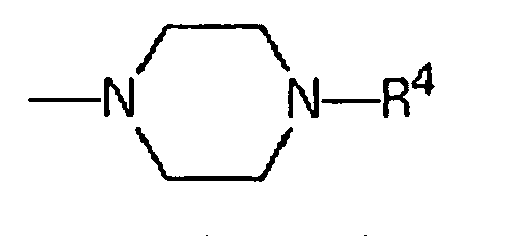
- (i) einen gegebenenfalls z.B. mit C1-C6-Alkyl-, C1-C3-Alkoxy-, Hydroxyl-, Carboxyl-, Sulfonyl-, Nitro-, Cyano-, Oxo- oder/und Halogen-substituierten C1-C6-Alkylrest, wie z.B. Ethoxycarbonyl- oder Arylrest, wie z.B. Phenyl, p-Halogenphenyl, Naphthyl,
- (ii) einen gesättigten oder ungesättigten verzweigten oder unverzweigten C1-C6-Alkoxyrest oder
- (iii) einen gegebenenfalls z.B. mit C1-C6-Alkyl-, C1-C3-Alkoxy-, Hydroxyl-, Carboxyl-, Sulfonyl-, Nitro-, Cyano-, Oxo- oder/und Halogensubstituieren Phenoxy- bzw. Benzyloxycarbonylrest bedeutet,
R2 einen gegebenenfalls z.B. mit C1-C6-Alkyl-, C1-C3-Alkoxy-, Hydroxyl-, Carboxyl-, Sulfonyl-, Nitro-, Cyano-, Oxo- oder/und Halogen-substituierten Phenylrest, wie beispielsweise Phenyl, 4-Methyl-phenyl, 2,4,6-Trimethylphenyl, 2,4,6-Triisopropylphenyl, 4-Methoxy-2,3,6-trimethylphenyl
darstellt,
R3 H oder verzweigtes bzw. unverzweigtes C1-C4-Alkyl ist und
n 0 oder 1 bedeutet,
Z N oder CR9 bedeutet, wobei R9 H oder verzweigtes oder unverzweigtes C1-C4-Alkyl ist, geeignet. - Gemäß einem Aspekt der Erfindung kann es bevorzugt eingesetzt werden, um N-α-(2,4,6-triisopropylphenylsulfonyl)-3-hydroxyamidino-(L)-phenylalanin-4-ethoxy-carbonyl-piperazid in hochreiner Form zu isolieren.
- Bei den bisher bekannten Syntheseverfahren zur Herstellung von Oxamidin-Derivaten entsteht die Oxamidin-Verbindung in einem niedrigen Reinheitsgrad und weist einen großen Anteil von bis zu 30 % Amidverunreinigung sowie weitere Verunreinigungen durch Edukte und unbekannte Verbindungen auf. Mit dem Verfahren der vorliegenden Erfindung gelingt es, reines Oxamidin zu erhalten. Bevorzugt entsteht das Oxamidin in mehr als 90 %, weiter bevorzugt mehr als 95 % und am meisten bevorzugt mehr als 99 % Reinheit.
- Gemäß einem weiteren Aspekt der vorliegenden Erfindung erfolgt bei dem erfindungsgemäßen Reinigungsverfahren keine Racemisierung, sodass enantiomerenreine Oxamidin-Produkte erhalten werden.
- Gemäß einer Ausführungsform der Erfindung kann die erfindungsgemäße Reinigung Teil eines Verfahrens zur Herstellung einer Verbindung der Formel (I) bzw. von 3-Hydroxyamidino-phenylalanin-Derivaten sein. Ein bevorzugtes Herstellungsverfahren umfasst die Schritte:
- (i) Umsetzung eines N-geschützten 3-Cyanophenylalanins mit einem Piperazin-Derivat unter Bildung eines N-geschützten 3-Cyanophenylalanin-Piperazids;
- (ii) Umsetzung mit einem gegebenenfalls substituierten Phenylsulfonylhalogenid;
- (iii) Umwandlung der Cyano-Gruppe in eine Hydroxyamidino-Gruppe
- (iv) Reinigung des gebildeten 3-Hydroxyamidinophenylalanin-Derivates nach einem Verfahren gemäß einem der Ansprüche 1 bis 10, wobei die Verbindung die Formel (I) aufweist:

- (i) einen gegebenenfalls z.B. mit C1-C6-Alkyl-, C1-C3-Alkoxy-, Hydroxyl-, Carboxyl-, Sulfonyl-, Nitro-, Cyano-, Oxo- oder/und Halogensubstitierten C1-C6-Alkylrest, wie z.B. Ethoxycarbonyl- oder Arylrest, wie z.B. Phenyl, p-Halogenphenyl, Naphtyl,
- (ii) einen gesättigten oder ungesättigten verzweigten oder unverzweigtenC1-C6-Alkoxyrest oder
- (iii) einen gegebenenfalls z.B. mit C1-C6-Alkyl-, C1-C3-Alkoxy, Hydroxyl-, Carboxyl-, Sulfonyl-, Nitro-, Cyano-, Oxo- oder/und Halogen-substituierten Phenoxy- bzw. Benzyloxycarbonylrest bedeutet,
R2 einen gegebenenfalls z.B. mit C1-C6-Alkyl-, C1-C3-Alkoxy-, Hydroxyl-, Carboxyl, Sulfonyl-, Nitro-, Cyano-, Oxo- oder/und Halogen-substituierten Phenylrest, wie beispielsweise
Phenyl, 4-Methyl-phenyl, 2,4,6-Trimethylphenyl, 2,4,6-Triisopropylphenyl, 4-Methoxy-2,3,6-trimethylphenyl darstellt,
R3 H oder verzweigtes bzw. unverzweigtes C1-C4-Alkyl ist,
n 0 oder 1 bedeutet,
Z N oder CR9 bedeutet, wobei R9 H oder verzweigtes oder unverzweigtes C1-C4 Alkyl ist. - Gemäß Schritt (i) des erfindungsgemäßen Verfahrens erfolgt die Umsetzung eines N-geschützten 3-Cyanophenylalanins mit einem Piperazin-Derivat. Die Bezeichnung "Piperazin-Derivat" umfasst im Sinne der vorliegenden Erfindung Piperazin und dessen Derivate, wobei gegebenenfalls bis zu vier Kohlenstoffpositionen des Zyklus und/oder nicht mehr als ein Stickstoffatom des Ringes substituiert sein können. Bevorzugt werden Piperazin-Derivate eingesetzt, die an einem der beiden Stickstoffatome des Ringes einen Substituenten tragen.
- Beispiele für geeignete Substituenten umfassen C1-C6 Alkylreste, gesättigte oder ungesättigte verzweigte oder unverzweigte C1-C6 Alkoxyreste, Phenoxy- bzw. Phenyloxycarbonylreste, und Arylreste wie beispielsweise Phenyl, p-Halogenphenyl und Naphtyl. Diese können ihrerseits jeweils unabhängig gegebenenfalls substituiert sein, zum Beispiel mit C1-C6 Alkyl, C1- C3 Alkoxy-, Hydroxyl, Carboxyl, Sulfonyl, Nitro, Cyano, Oxo oder/und Halogen.
- Gemäß der vorliegenden Erfindung kann eine beliebige Schutzgruppe eingesetzt werden, um das Aminostickstoffatom des in Schritt (i) eingesetzten 3-Cyanophenylalanins zu schützen. Beispiele für geeignete Schutzgruppen für Aminofunktionen sind im Stand der Technik bekannt und umfassen beispielsweise Cbz (Benzyloxycarbonyl), Boc (T-Butyloxycarbonyl), DIMOZ (Dimetoxybenzyloxycarbonyl), Tfac (Trifluoracetyl), CyOC (Cyan-t-butyloxycarbonyl), Phth (Phthaloyl), Bpoc (2-Biphenyl-4-isopropoxycarbonyl), Ddz (3,5-Dimethoxyphenylisopropoxycarbonyl), Fmoc (Fluorenyl-9-methyloxycarbonyl), PALOC (3-(3-Pyridyl)-allyloxycarbonyl), Tos (p-Toluolsulfonyl), NPS (2-Nitrophenylsulfenyl), DNPS (2,4-Dinitrophenylsulfenyl). Gemäß der vorliegenden Erfindung wird besonders bevorzugt die Schutzgruppe Boc eingesetzt.
- Bei der Umsetzung in Schritt (i) des erfindungsgemäßen Verfahrens wird ein N-geschütztes 3-Cyanophenylalanin-Piperazid gebildet.
- Anschließend kann gemäß einer Ausführungsform der Erfindung die N-Schutzgruppe wieder entfernt werden. Die zur Abspaltung der jeweiligen Schutzgruppe erforderlichen Bedingungen sind einem Fachmann bekannt. Die erfindungsgemäß besonders bevorzugt verwendete Schutzgruppe Boc kann beispielsweise in saurem Medium, z.B. in einem organischen Lösungsmittel wie Dioxan oder Methanol, das mit HCl-Gas oder Trifluoracetat gesättigt ist, besonders bevorzugt mit 4M HCl (g) in Dioxan, abgespalten werden. Alternativ können in dem darauffolgenden Reaktionsschritt (ii) die Bedingungen so gewählt werden, dass in situ eine Abspaltung der Schutzgruppe erfolgt.
- In Schritt (ii) wird das in Schritt (i) gebildete 3-Cyanophenylalanin-Piperazid mit einem Phenylsulfonylhalogenid, das gegebenenfalls substituiert sein kann, umgesetzt.
- Bevorzugte Halogenide sind dabei Fluorid, Chlorid, Bromid und Jodid. Beispiele für Substituenten an dem Phenylsulfonylhalogenid umfassen C1-C6 Alkyl, C1-C3 Alkoxy, Hydroxyl, Carboxyl, Sulfonyl, Nitro, Cyano, Oxo und Halogen. Bevorzugt eingesetzte Phenylsulfonylhalogenide sind Phenyl-, 4-Methyl-phenyl-, 2,4,6-Trimethylphenyl-, 4-Methoxy-2,3,6-trimethylphenyl- und insbesondere 2,4,6-Triisopropylphenylsulfonyl (TIPPS)- Halogenide.
- In Schritt (iii) erfolgt die Umwandlung der Cyano-Gruppe in die Hydroxyamidinofunktion. Diese Umwandlung kann beispielsweise mittels Hydroxylamin-Hydrochlorid in Gegenwart von Natriumcarbonat oder Triethylamin durchgeführt werden. Geeignete Verfahren für derartige Umsetzungen sind im Stand der Technik bekannt und werden z.B. in
WO03/072559 - Das in Schritt (iii) gebildete 3-Hydroxyamidino-phenylalanin-Derivat wird anschließend entsprechend dem oben beschriebenen Reinigungsverfahren mittels einer organischen Sulfonsäure in hochreiner Form erhalten. Es ist dabei nicht erforderlich, das 3-Hydroxyamidino-phenylalanin-Derivat aus Schritt (iii) zunächst zu isolieren.
- Auf diese Weise werden 3-Hydroxyamidino-phenylalanin-Derivate unter einem geringen apparativen Aufwand in hoher chemischer Ausbeute und Reinheit erhalten.
- Die mit dem erfindungsgemäßen Verfahren in hochreiner Form erhaltenen Oxamidin-Verbindungen können z.B. als oral verfügbare Urokinase-Inhibitoren eingesetzt werden.
- Gemäß einem weiteren Aspekt der vorliegenden Erfindung können die Oxamidin-Verbindungen weiter umgesetzt werden zu 3-Amidinophenylalanin-Derivaten. Da gemäß der vorliegenen Erfindung Oxamidin in hochreiner Form vorliegt, ist auch die Ausbeute an Amidino-Endprodukt im weiteren Syntheseverlauf deutlich erhöht.
- Die vorliegende Erfindung stellt somit ein Verfahren zur Herstellung von 3-Amidinophenylalanin-Derivaten bereit, umfassend die Schritte:
- (i) Herstellung eines 3-Hydroxyamidinophenylalanin-Derivats gemäß einem oben beschriebenen Verfahren, und
- (ii) Umwandlung der Hydroxyamidino-Gruppe in eine Amidino-Gruppe.
- Die Hydroxyamidinogruppe kann durch Reduktion in das Amidinoderivat überführt werden. Dies erfolgt üblicherweise durch katalytische Hydrierung gemäß Reaktionen die dem Fachmann geläufig sind, bspw. wie in
WO 03/076391 WO 03/072559 EP 1 294 742 , sowie bei Steinmetzer et al., J. Enzyme Inhibition, 16, 2001, 241-249, Kent et al., J. Peptide Res., 52, 1998, 201-207 und Stüber et al., Peptide Res., 8, 1995, 78-85, angegeben. - Durch das Verfahren der Erfindung kann somit das entsprechende 3-Amidinophenylalanin-Derivat mit gegenüber den bekannten Verfahren des Stands der Technik deutlich verbesserter Ausbeute und in hochreiner Form isoliert werden.
-
Figur 1 zeigt ein HPLC-Profil des bei einer herkömmlichen Synthese von N-alpha-(2,4,6-triisopropylphenylsulfonyl)-3-hydroxyamidino-(L)-phenylalanin-4-ethoxycarbonylpiperazid erhaltenen Produktgemisches. Das Oxamidin wird bei einer Retentionszeit von ca. 21,4 Minuten detektiert, bei 24,3 Minuten folgt die Amidverunreinigung. -
Figur 2 zeigt ein HPLC-Profil des nach dem erfindungsgemäßen Verfahren hergestellten Oxamidins N-alpha-(2,4,6-triisopropylphenylsulfonyl)-3-hydroxyamidino-(L)-phenylalanin-4-ethoxycarbonylpiperazid. -

- Diethylacetamidomalonat (407 g) wird bei Raumtemperatur in einer Stickstoffatmosphäre zu Ethanol (1 l) zugegeben. Die Suspension wird auf ca. 70 °C erwärmt und es wird eine Lösung von Natriumethoxid (130 g) in Ethanol (900 ml) zugegeben. Die Reaktionsmischung wird für weitere 30 Minuten bei dieser Temperatur gerührt. Anschließend wird eine Suspension von 3-Brommethylbenzonitril (300 g) in Ethanol (1,4 l) zu dem Reaktionsgefäß hinzugefügt. Die Temperatur in dem Reaktionsgefäß wird für weitere 2,5 Stunden bei ca. 70 °C gehalten. Anschließend wird innerhalb 1,5 Stunden verdünnte Natriumhydroxidllösung (2N; 2,2 l) zugetropft. Es wird weitere 30 Minuten bei ca. 70 °C gerührt und anschließend wird die Suspension auf Raumtemperatur gekühlt. Bei Raumtemperatur wird der pH-Wert der Reaktionsmischung langsam auf ca. 7 erniedrigt durch die Zugabe von konzentrierter Salzsäure (innerhalb ca. 1 Stunde). Das organische Lösungsmittel wird durch Destillation unter vermindertem Druck (< 100 mbar; Tmax = 60 °C) entfernt. Der verbleibende Rückstand wird in 1 N NaOH (1 l) gelöst. Die wässrige Lösung wird 3 mal mit Ethylacetat (jeweils 350 ml) extrahiert. Anschließend wird auf 10 °C gekühlt. Die wässrige Lösung wird mit konz. HCl angesäuert (pH = 1). Das gewünschte Produkt wird mit Ethylacetat extrahiert (3 Extraktionen mit jeweils 1,2 l Ethylacetat). Die vereinigten organischen Phasen werden unter vermindertem Druck aufkonzentriert. Das gewünschte Produkt fällt als weißer Feststoff aus. Die Kristalle werden bei 5 °C in einem Saugtrichter gesammelt, mit kleinen Mengen an Ethylacetat gewaschen und bei 45 °C in einer Stickstoffatmosphäre getrocknet. Aubeute: 243 g (68 %).
-

- Acetyl-Cyanophenyl-Alanin (940 g) wird in 1 N NaOH (4 l) bei 37 °C gelöst. Der anfängliche pH-Wert von 12,8 wird durch Zugabe von 4N HCl (ungefähr 120 ml) auf 7,2 erniedrigt. Acylase I (37,8 g) wird hinzugefügt. Um den pH-Wert der Reaktionsmischung konstant bei ca. 7,2 zu halten, wird kontinuierlich NaOH (1N) zu der Reaktionsmischung gegeben. Nach 72 Stunden bei 37 °C wird das präzipitierte Produkt durch Filtration bei 20 °C isoliert. Die Kristalle werden mit Wasser gewaschen und bei vermindertem Druck bei ca. 40 °C getrocknet. Wenn das Filtrat unter vermindertem Druck auf ein Drittel des Ursprungsvolumens konzentriert wird, fällt weiteres Produkt aus. Gesamtausbeute: 261 g (34 %).
-

- Zu einer Suspension von Cyanophenyl-L-Alanin (425 g) in Methanol (4,5 l) wird Triethylamin (310 ml) hinzugefügt. Bei 25 °C wird Di-tert.-butyldicarbonat (488 g) zugegeben. Die Reaktionsmischung wird über Nacht gerührt. Das organische Lösungsmittel wird bei vermindertem Druck bei 40 ° C entfernt. Das verbleibende orange-farbene Öl wird mit Ethylacetat (3 l) verdünnt. 1N HCl (2,3 l) wird zugegeben und die heterogene Lösung wird für 30 Minuten stark gerührt. Man führt eine Phasentrennung durch. Die organische Phase wird isoliert, mit Wasser extrahiert und mit MgSO4 getrocknet. Nach Filtration wird die organische Phase bei 40 °C unter vermindertem Druck zur Trockene verdampft. Es werden Kristalle erhalten, wenn Dichlormethan zu dem Rückstand zugegeben wird. Die Kristalle werden durch Filtration gesammelt und unter Stickstoff bei 45 °C getrocknet. Aubeute: 554 g (85 %)
-

- Boc-Cyanophenylalanin (554 g) und HOBT (52 g) werden in Dichlormethan (2,7 l) suspendiert. Eine Lösung von DCC (453 g) in Dichlormethan (1 l) wird zugegeben. Anschließend wird die Suspension auf 10 - 15 °C gekühlt und es wird innerhalb 30 Minuten Ethoxycarbonylpiperazin (347 g) zugetropft, während der obige Temperaturbereich beibehalten wird. Die Reaktionsmischung wird über Nacht gerührt. Der Harnstoff wird abfiltriert und verworfen. Gesättigte NaHCO3-Lösung (1,8l) wird zu dem Filtrat zugegeben. Die heterogene Mischung wird für 30 Minuten gerührt und anschließend werden die Phasen getrennt. Die organische Phase wird mit Wasser (2 l) extrahiert und anschließend mit MgSO4 getrocknet. Das MgSO4 wird abfiltriert und die Lösung wird unter vermindertem Druck bei 30 °C konzentriert. Das verbleibende Öl wird in Ethylacetat (300 ml) gelöst. Die Lösung wird zum Siedepunkt erhitzt. Diisopropylether (750 ml) wird langsam zugegeben, bis die Lösung sich trübt. Die Temperatur wird auf 50 °C erniedrigt und die Mischung wird absitzen gelassen. Innerhalb von 5 Stunden wird die Temperatur anschließend auf 25 °C erniedrigt. Das Produkt wird abfiltriert und mit Diisopropylether gewaschen und anschließend unter Stickstoff bei 40 °C getrocknet. Ausbeute: 660 g (80 %)
-

- Boc-L-Cyanophenylalanin-Pipamid (442 g) wird in einer Lösung von HCl in Dioxan (4N; 1,2 l) gelöst. Die Temperatur steigt während der Zugabe von 25 °C auf 32 °C. Nach 3 Stunden ist die Reaktion beendet und Dichlormethan (1 l) wird zu der Lösung zugegeben. Das gewünschte Produkt beginnt auszufallen. Die Suspension wird über Nacht gerührt. Ein Überschuss an HCl wird durch Evakuieren der Mischung entfernt. Das Produkt wird durch Filtration isoliert, mit Diisopropylether (0,7 l) gewaschen und im Hochvakuum bei 45 °C getrocknet. Ausbeute: 552 g (98 %)
-

- 2,4,6-Triisopropylphenylsulfonylchlorid (212 g) wird zu einer Suspension von Cyanophenyl-L-Alanin-Pipamid-HCl (257 g) in Dichlormethan (1,6 l) bei 25 ° C zugegeben. Nach Zugabe von N-Ethyl-diisopropylamin (238 ml) wird eine klare Lösung erhalten. Die Zugabe verläuft exotherm (Temperaturerhöhung von 25 °C auf 35 °C). Wasser (1,1 l) wird zu der Reaktionsmischung hinzugefügt, nachdem sie für 2 Stunden bei Raumtemperatur gerührt wurde. Die Phasen werden getrennt und die organische Phase wird einmal mit gesättigter NaHCO3-Lösung (1,6 l) und einmal mit Wasser (0,5 l) extrahiert. Die organische Phase wird mit MgSO4 getrocknet, filtriert und bei vermindertem Druck konzentriert. Es wird ein farbloses Öl erhalten, das beim Stehen an Raumtemperatur langsam auskristallisiert. Ausbeute: 423 g (∼ 100 %)
-

- TIPPS-L-Cyanophenylalanin-Pipamid (50 g) wird in Ethanol (350 ml) gelöst. Es werden nacheinander Hydroxylamin-HCl (7,3 g) und Triethylamin (14,5 ml) hinzugefügt. Die Reaktionsmischung wird zum Siedepunkt erwärmt (∼ 75 °C) und für 6 Stunden unter Rückfluss erhitzt. Anschließend wird auf 40 °C gekühlt und das Lösungsmittel wird ausgetauscht. Ethanol wird unter vermindertem Druck entfernt und zu dem Rückstand werden Dichlormethan (300 ml) und Wasser (100 ml) zugegeben. Man führt eine Phasentrennung durch. Die organische Phase wird mit MgSO4 getrocknet. Nach einer Filtration wird das Lösungsmittel unter vermindertem Druck entfernt.
- Es wird ein weißer Feststoff (57 g) erhalten, der in Aceton (200 ml) gelöst wird. Es wird eine Lösung von Armstrong-Säure (15 g) in Aceton (150 ml) zugegeben. Die Mischung wird für 30 Minuten auf den Siedepunkt von Aceton erwärmt. Das Armstrong-Salz des gewünschten Produkts kristallisiert als weißer Feststoff. Die Suspension wird auf Raumtemperatur gekühlt und für 1 Stunde gerührt, bevor anschließend eine Filtration durchgeführt wird. Die Kristalle werden mit Aceton (75 ml) gewaschen, getrocknet und anschließend in Dichlormethan (600 ml) gelöst. Es wird gesättigte NaHCO3-Lösung (400 ml) zugegeben. Die heterogene Mischung wird für 20 Minuten stark gerührt und anschließend werden die Phasen getrennt. Die organische Phase wird mit Wasser (400 ml) extrahiert, anschließend wird das Dichlormethan durch Destillation entfernt. Ein weißer Feststoff (45 g) wird erhalten. Das Produkt wird aus Ethylacetat/Diisopropylether umkristallisiert, 45 g sind in Ethylacetat (60 ml) gelöst. Diisopropylether (250 ml) wird zugegeben. Die so gebildete Suspension wird für 30 Minuten zum Siedepunkt erhitzt und anschließend langsam auf Raumtemperatur gekühlt. Der amorphe weiße Feststoff wird abfiltriert, mit Diisopropylether gewaschen und bei 45 °C im Vakuum getrocknet. Ausbeute: 34 g (65 %)


Claims (20)
- Verfahren zur Reinigung einer Verbindung der Formel (I), umfassend die Schritte:(a) Zugeben einer aromatischen Sulfonsäure zu einer Lösung eines ggf. verunreinigten 3-Hydroxyamidinophenylalanin-Derivates um ein Präzipitat zu bilden,(b) Abtrennen des in Schritt (a) gebildeten Präzipitats, und(c) Zurückgewinnen des freien 3-Hydroxyamidinophenylalanin-Derivates aus dem Präzipitat,
wobei die Verbindung die Formel (I) aufweist
 (i) einen gegebenenfalls z.B. mit C1-C6-Alkyl-, C1-C3-Alkoxy-, Hydroxyl-, Carboxyl-, Sulfonyl-, Nitro-, Cyano-, Oxo- oder/und Halogensubstitierten C1-C6-Alkylrest, wie z.B. Ethoxycarbonyl- oder Arylrest, wie z.B. Phenyl, p-Halogenphenyl, Naphtyl,(ii) einen gesättigten oder ungesättigten verzweigten oder unverzweigtenC1-C6-Alkoxyrest oder(iii) einen gegebenenfalls z.B. mit C1-C6-Alkyl-, C1-C3-Alkoxy, Hydroxyl-, Carboxyl-, Sulfonyl-, Nitro-, Cyano-, Oxo- oder/und Halogen-substituierten Phenoxy- bzw. Benzyloxycarbonylrest bedeutet,
R2 einen gegebenenfalls z.B. mit C1-C6-Alkyl-, C1-C3-Alkoxy-, Hydroxyl-, Carboxyl, Sulfonyl-, Nitro-, Cyano-, Oxo- oder/und Halogen-substituierten Phenylrest, wie beispielsweise Phenyl, 4-Methyl-phenyl, 2,4,6-Trimethylphenyl, 2,4,6-Triisopropylphenyl, 4-Methoxy-2,3,6-trimethylphenyl darstellt,
R3 H oder verzweigtes bzw. unverzweigtes C1-C4-Alkyl ist,
n 0 oder 1 bedeutet,
Z N oder CR9 bedeutet, wobei R9 H oder verzweigtes oder unverzweigtes C1-C4 Alkyl ist. - Verfahren nach Anspruch 1,
worin
die aromatische Sulfonsäure in Schritt (a) Armstrongsäure ist. - Verfahren nach einem der vorhergehenden Ansprüche,
worin
die Verbindung der Formel (I) ein N-α-(2,4,6-Triisopropyl-phenylsulfonyl-3-hydroxyamidino-(D,L)-phenylalanin-Derivat, oder das L-Enantiomer davon ist. - Verfahren nach einem der vorhergehenden Ansprüche,
worin
die Verbindung der Formel (I) N-α-TIPPS-3-hydroxyamidino-(D,L)-phenylalanin-4-ethoxy-carbonylpiperazid, oder das L-Enantiomer davon ist. - Verfahren nach einem der vorhergehenden Ansprüche,
worin
in Schritt (a) eine Lösung der Verbindung der Formel (I) in Aceton eingesetzt wird. - Verfahren nach einem der vorhergehenden Ansprüche,
worin
die Abtrennung des Präzipitats in Schritt (b) durch Filtration erfolgt. - Verfahren nach einem der vorhergehenden Ansprüche,
worin
die Rückgewinnung in Schritt (c) durch Umsetzung mit NaHCO3 erfolgt. - Verfahren nach einem der vorhergehenden Ansprüche,
worin
die Verbindung der Formel (I) in mehr als 90%-iger Reinheit erhalten wird. - Verfahren nach einem der vorhergehenden Ansprüche,
worin
die Verbindung der Formel (I) in mehr als 95%-iger Reinheit erhalten wird. - Verfahren nach einem der vorhergehenden Ansprüche,
worin
das Hydroxyamidinophenylalanin-Derivat in mehr als 99%-iger Reinheit erhalten wird. - Verfahren zur Herstellung einer Verbindung der Formel (I) umfassend die Schritte:(i) Umsetzung eines N-geschützten 3-Cyanophenylalanins mit einem Piperazin-Derivat unter Bildung eines N-geschützten 3-Cyanophenylalanin-Piperazids;(ii) Umsetzung mit einem gegebenenfalls substituierten Phenylsulfonylhalogenid;(iii) Umwandlung der Cyano-Gruppe in eine Hydroxyamidino-Gruppe(iv) Reinigung des gebildeten 3-Hydroxyamidinophenylalanin-Derivates nach einem Verfahren gemäß einem der Ansprüche 1 bis 10, wobei die Verbindung die Formel (I) aufweist:

 (i) einen gegebenenfalls z.B. mit C1-C6-Alkyl-, C1-C3-Alkoxy-, Hydroxyl-, Carboxyl-, Sulfonyl-, Nitro-, Cyano-, Oxo- oder/und Halogensubstitierten C1-C6-Alkylrest, wie z.B. Ethoxycarbonyl- oder Arylrest, wie z.B. Phenyl, p-Halogenphenyl, Naphtyl,(ii) einen gesättigten oder ungesättigten verzweigten oder unverzweigtenC1-C6-Alkoxyrest oder(iii) einen gegebenenfalls z.B. mit C1-C6-Alkyl-, C1-C3-Alkoxy, Hydroxyl-, Carboxyl-, Sulfonyl-, Nitro-, Cyano-, Oxo- oder/und Halogen-substituierten Phenoxy- bzw. Benzyloxycarbonylrest bedeutet,
R2 einen gegebenenfalls z.B. mit C1-C6-Alkyl-, C1-C3-Alkoxy-, Hydroxyl-, Carboxyl, Sulfonyl-, Nitro-, Cyano-, Oxo- oder/und Halogen-substituierten Phenylrest, wie beispielsweise Phenyl, 4-Methyl-phenyl, 2,4,6-Trimethylphenyl, 2,4,6-Triisopropylphenyl, 4-Methoxy-2,3,6-trimethylphenyl darstellt,
R3 H oder verzweigtes bzw. unverzweigtes C1-C4-Alkyl ist,
n 0 oder 1 bedeutet,
Z N oder CR9 bedeutet, wobei R9 H oder verzweigtes oder unverzweigtes C1-C4 Alkyl ist. - Verfahren nach Anspruch 11,
worin
in Schritt (i) ein mit Boc N-geschütztes 3-Cyanophenylalanin-Derivat eingesetzt wird. - Verfahren nach Anspruch 11 oder 12,
worin
das Piperazin-Derivat in Schritt (i) Ethoxycarbonylpiperazin ist. - Verfahren nach einem der Ansprüche 11 bis 13,
worin
in Schritt (ii) Umsetzung mit 2,4,6-Triisopropylbenzolsulfonylchlorid erfolgt. - Verfahren nach einem der Ansprüche 11 bis 14,
worin
die Cyano-Gruppe in Schritt (iii) mittels Hydroxylamin-Hydrochlorid in Gegenwart von Natriumcarbonat oder Triethylamin in eine Hydroxyamidino-Gruppe umgewandelt wird. - Verfahren nach einem der Ansprüche 11 bis 15,
worin
die Verbindung der Formel (I) in mehr als 90%-iger Reinheit entsteht. - Verfahren nach einem der Ansprüche 11 bis 16,
worin
die Verbindung der Formel (I) in mehr als 95%-iger Reinheit entsteht. - Verfahren nach einem der Ansprüche 6 bis 10,
worin
die Verbindung der Formel (I) in mehr als 99%-iger Reinheit entsteht. - Verfahren zur Herstellung von 3-Amidinophenylalanin-Derivaten umfassend die Schritte:(i) Herstellung einer Verbindung der Formel (I) gemäß einem Verfahren nach einem der Ansprüche 8 bis 18, und(ii) Umwandlung der Hydroxyamidino-Gruppe in eine Amidino-Gruppe.
- Verfahren nach Anspruch 19,
worin
die Hydroxyamidino-Gruppe in Schritt (ii) durch Umsetzung mit Acetanhydrid und anschließende katalytische Hydrierung in eine Amidino-Gruppe umgewandelt wird.
Priority Applications (1)
| Application Number | Priority Date | Filing Date | Title |
|---|---|---|---|
| EP05790930A EP1799665B1 (de) | 2004-10-14 | 2005-10-14 | Verfahren zur reinigung von 3-hydroxy-amidino-phenylalanin-derivaten durch ausfällung und umkristallisation eines salzes mit einer aromatischen sulfonsäure |
Applications Claiming Priority (3)
| Application Number | Priority Date | Filing Date | Title |
|---|---|---|---|
| EP04024553 | 2004-10-14 | ||
| PCT/EP2005/010970 WO2006042678A1 (de) | 2004-10-14 | 2005-10-14 | Verfahren zur reinigung von 3-hydroxy-amidino-phenylalanin-derivaten durch ausfällung und umkristallisation eines salzes mit einer aromatischen sulfonsäure |
| EP05790930A EP1799665B1 (de) | 2004-10-14 | 2005-10-14 | Verfahren zur reinigung von 3-hydroxy-amidino-phenylalanin-derivaten durch ausfällung und umkristallisation eines salzes mit einer aromatischen sulfonsäure |
Publications (2)
| Publication Number | Publication Date |
|---|---|
| EP1799665A1 EP1799665A1 (de) | 2007-06-27 |
| EP1799665B1 true EP1799665B1 (de) | 2009-08-19 |
Family
ID=35462142
Family Applications (1)
| Application Number | Title | Priority Date | Filing Date |
|---|---|---|---|
| EP05790930A Expired - Lifetime EP1799665B1 (de) | 2004-10-14 | 2005-10-14 | Verfahren zur reinigung von 3-hydroxy-amidino-phenylalanin-derivaten durch ausfällung und umkristallisation eines salzes mit einer aromatischen sulfonsäure |
Country Status (15)
| Country | Link |
|---|---|
| US (1) | US7951943B2 (de) |
| EP (1) | EP1799665B1 (de) |
| JP (1) | JP5096157B2 (de) |
| KR (1) | KR101106652B1 (de) |
| CN (1) | CN101039928B (de) |
| AT (1) | ATE440092T1 (de) |
| AU (1) | AU2005297610B2 (de) |
| BR (1) | BRPI0516106B1 (de) |
| CA (1) | CA2583771C (de) |
| DE (1) | DE502005007959D1 (de) |
| ES (1) | ES2328052T3 (de) |
| MX (1) | MX2007004191A (de) |
| RU (1) | RU2391336C2 (de) |
| SG (1) | SG156645A1 (de) |
| WO (1) | WO2006042678A1 (de) |
Families Citing this family (2)
| Publication number | Priority date | Publication date | Assignee | Title |
|---|---|---|---|---|
| IL295658A (en) | 2020-03-10 | 2022-10-01 | Redhill Biopharma Ltd | Treatment of coronavirus infection |
| US11471448B2 (en) | 2020-12-15 | 2022-10-18 | Redhill Biopharma Ltd. | Sphingosine kinase 2 inhibitor for treating coronavirus infection in moderately severe patients with pneumonia |
Family Cites Families (6)
| Publication number | Priority date | Publication date | Assignee | Title |
|---|---|---|---|---|
| US4375430A (en) * | 1981-09-08 | 1983-03-01 | Pfizer Inc. | Processes for preparation, isolation and purification of dipeptide sweeteners |
| JPH10237030A (ja) | 1997-02-26 | 1998-09-08 | Ajinomoto Co Inc | 分岐鎖アミノ酸の精製法 |
| DE19743435A1 (de) * | 1997-10-01 | 1999-04-08 | Merck Patent Gmbh | Benzamidinderivate |
| WO2002074756A2 (de) | 2001-03-21 | 2002-09-26 | Pentapharm Ag | Urokinase-inhibitoren |
| SI21137A (sl) * | 2002-01-24 | 2003-08-31 | LEK, tovarna farmacevtskih in kemičnih izdelkov, d.d. | Derivati azafenilalanina |
| CH695999A5 (de) * | 2002-02-28 | 2006-11-15 | Wilex Ag | Verfahren zur Herstellung von 3- Amidinophenylalanin-Derivaten. |
-
2005
- 2005-10-14 ES ES05790930T patent/ES2328052T3/es not_active Expired - Lifetime
- 2005-10-14 EP EP05790930A patent/EP1799665B1/de not_active Expired - Lifetime
- 2005-10-14 BR BRPI0516106-1A patent/BRPI0516106B1/pt not_active IP Right Cessation
- 2005-10-14 CA CA2583771A patent/CA2583771C/en not_active Expired - Fee Related
- 2005-10-14 US US11/576,978 patent/US7951943B2/en not_active Expired - Fee Related
- 2005-10-14 SG SG200906861-0A patent/SG156645A1/en unknown
- 2005-10-14 KR KR1020077010741A patent/KR101106652B1/ko not_active Expired - Fee Related
- 2005-10-14 DE DE502005007959T patent/DE502005007959D1/de not_active Expired - Lifetime
- 2005-10-14 WO PCT/EP2005/010970 patent/WO2006042678A1/de not_active Ceased
- 2005-10-14 AU AU2005297610A patent/AU2005297610B2/en not_active Ceased
- 2005-10-14 JP JP2007536080A patent/JP5096157B2/ja not_active Expired - Fee Related
- 2005-10-14 RU RU2007117751/04A patent/RU2391336C2/ru active
- 2005-10-14 MX MX2007004191A patent/MX2007004191A/es active IP Right Grant
- 2005-10-14 CN CN2005800350199A patent/CN101039928B/zh not_active Expired - Fee Related
- 2005-10-14 AT AT05790930T patent/ATE440092T1/de active
Also Published As
| Publication number | Publication date |
|---|---|
| AU2005297610B2 (en) | 2011-05-19 |
| JP2008516908A (ja) | 2008-05-22 |
| RU2391336C2 (ru) | 2010-06-10 |
| US7951943B2 (en) | 2011-05-31 |
| US20090099360A9 (en) | 2009-04-16 |
| ATE440092T1 (de) | 2009-09-15 |
| WO2006042678A1 (de) | 2006-04-27 |
| MX2007004191A (es) | 2007-06-11 |
| BRPI0516106A (pt) | 2008-08-26 |
| ES2328052T3 (es) | 2009-11-06 |
| JP5096157B2 (ja) | 2012-12-12 |
| SG156645A1 (en) | 2009-11-26 |
| US20080039626A1 (en) | 2008-02-14 |
| CN101039928A (zh) | 2007-09-19 |
| EP1799665A1 (de) | 2007-06-27 |
| AU2005297610A1 (en) | 2006-04-27 |
| RU2007117751A (ru) | 2008-11-20 |
| BRPI0516106B1 (pt) | 2021-08-24 |
| DE502005007959D1 (de) | 2009-10-01 |
| HK1101170A1 (zh) | 2007-10-12 |
| CA2583771A1 (en) | 2006-04-27 |
| KR20070063591A (ko) | 2007-06-19 |
| KR101106652B1 (ko) | 2012-01-18 |
| CN101039928B (zh) | 2010-12-08 |
| CA2583771C (en) | 2013-08-27 |
Similar Documents
| Publication | Publication Date | Title |
|---|---|---|
| EP2387556B1 (de) | Trennung eines enantiomerengemischs von (r)- und (s)-3-amino-1-butanol | |
| EP0217018B1 (de) | Verfahren zur Herstellung von 3-Aminoacrylsäureestern | |
| DE112011101112T5 (de) | Verfahren zur Herstellung von 1-[4-(1,1-Dimethylethyl)phenyl]-4-[4-(diphenylmethoxy)-1-piperidinyl]-1-butanon und Säureadditionssalzen davon | |
| CN107337628B (zh) | 一种制备左乙拉西坦的方法 | |
| EP1799665A1 (de) | Verfahren zur reinigung von 3-hydroxy-amidino-phenylalanin-derivaten durch ausfällung und umkristallisation eines salzes mit einer aromatischen sulfonsäure | |
| DE60015177T2 (de) | Verfahren zur herstellung von 2-[4-(alpha-phenyl-p-chlorobenzyl)piperazin-1-yl]ethoxyessigsäure und zwischenprodukte dafür | |
| EP0542099B1 (de) | Verfahren zur Herstellung optisch aktiver 1,3-Imidazolidin-4-one | |
| EP1525195A2 (de) | Verfahren zur herstellung von phenylalanin-derivaten | |
| DE60031299T2 (de) | Verfahren zur industriellen Herstellung von (Aminomethyl)trifluormethlcarbinol-Derivaten | |
| DE2400489B2 (de) | Salze aus D- oder L-N-Methylephedrin und Enamin-Derivaten von a -Aminomonocarbonsäuren, Verfahren zu deren Herstellung und deren Verwendung | |
| US8541578B2 (en) | Process for the production of n-(2,6-dimethyl-phenyl)-2-piperazin-1-yl-acetamide | |
| DE3641605A1 (de) | Verfahren zur darstellung von acetalen der formylessigsaeureester | |
| DE69604247T2 (de) | 2-Cyanopiperazin und ihre Verwendung für die Synthese von biologisch wirksamen Stoffen | |
| JP3911302B2 (ja) | 光学活性2−メチルピペラジンの製造法 | |
| AT395008B (de) | Verfahren zur herstellung von ace-inhibitoren | |
| EP3326999B1 (de) | Salicyloylcarnitin sulfonate | |
| DE1260468B (de) | Verfahren zur Herstellung von Aminonitrophenolen | |
| AT399717B (de) | Verfahren zur herstellung von (2,5-dihydro-2-oxo- 5-phenyl-3-furanyl)aminen | |
| DE10238048A1 (de) | Verfahren zur Herstellung von Phenylalanin-Derivaten | |
| HK1101170B (en) | Method for cleaning 3-hydroxyamidinophenylalanine derivatives by the precipitation and recrystallisation of a salt and an aromatic sulphonic acid | |
| EP1046638A2 (de) | Verfahren zur Herstellung von Aminosäurederivaten | |
| DE1768246B2 (de) | Tert.-alkylpentachlorphenylcarbonate, ihre herstellung sowie die herstellung von tert.-alkoxycarbonylaminen | |
| DE3032681A1 (de) | Verfahren zur herstellung von d-pnicillamin und dessen salzen | |
| JPH06256298A (ja) | フエニルジアゾホルムアミド誘導体 | |
| DD294487A5 (de) | Verfahren zur herstellung von neuen heterocyclisch substituierten chiralen 1-amino-1-desoxy-zucker-alkohol-derivaten |
Legal Events
| Date | Code | Title | Description |
|---|---|---|---|
| PUAI | Public reference made under article 153(3) epc to a published international application that has entered the european phase |
Free format text: ORIGINAL CODE: 0009012 |
|
| 17P | Request for examination filed |
Effective date: 20070321 |
|
| AK | Designated contracting states |
Kind code of ref document: A1 Designated state(s): AT BE BG CH CY CZ DE DK EE ES FI FR GB GR HU IE IS IT LI LT LU LV MC NL PL PT RO SE SI SK TR |
|
| REG | Reference to a national code |
Ref country code: HK Ref legal event code: DE Ref document number: 1101170 Country of ref document: HK |
|
| 17Q | First examination report despatched |
Effective date: 20071024 |
|
| DAX | Request for extension of the european patent (deleted) | ||
| RAP1 | Party data changed (applicant data changed or rights of an application transferred) |
Owner name: WILEX AG |
|
| GRAP | Despatch of communication of intention to grant a patent |
Free format text: ORIGINAL CODE: EPIDOSNIGR1 |
|
| GRAS | Grant fee paid |
Free format text: ORIGINAL CODE: EPIDOSNIGR3 |
|
| GRAA | (expected) grant |
Free format text: ORIGINAL CODE: 0009210 |
|
| AK | Designated contracting states |
Kind code of ref document: B1 Designated state(s): AT BE BG CH CY CZ DE DK EE ES FI FR GB GR HU IE IS IT LI LT LU LV MC NL PL PT RO SE SI SK TR |
|
| REG | Reference to a national code |
Ref country code: GB Ref legal event code: FG4D Free format text: NOT ENGLISH |
|
| REG | Reference to a national code |
Ref country code: CH Ref legal event code: NV Representative=s name: BOHEST AG Ref country code: CH Ref legal event code: EP |
|
| REG | Reference to a national code |
Ref country code: IE Ref legal event code: FG4D |
|
| REF | Corresponds to: |
Ref document number: 502005007959 Country of ref document: DE Date of ref document: 20091001 Kind code of ref document: P |
|
| REG | Reference to a national code |
Ref country code: ES Ref legal event code: FG2A Ref document number: 2328052 Country of ref document: ES Kind code of ref document: T3 |
|
| REG | Reference to a national code |
Ref country code: HK Ref legal event code: GR Ref document number: 1101170 Country of ref document: HK |
|
| LTIE | Lt: invalidation of european patent or patent extension |
Effective date: 20090819 |
|
| PG25 | Lapsed in a contracting state [announced via postgrant information from national office to epo] |
Ref country code: IS Free format text: LAPSE BECAUSE OF FAILURE TO SUBMIT A TRANSLATION OF THE DESCRIPTION OR TO PAY THE FEE WITHIN THE PRESCRIBED TIME-LIMIT Effective date: 20091219 Ref country code: FI Free format text: LAPSE BECAUSE OF FAILURE TO SUBMIT A TRANSLATION OF THE DESCRIPTION OR TO PAY THE FEE WITHIN THE PRESCRIBED TIME-LIMIT Effective date: 20090819 Ref country code: LT Free format text: LAPSE BECAUSE OF FAILURE TO SUBMIT A TRANSLATION OF THE DESCRIPTION OR TO PAY THE FEE WITHIN THE PRESCRIBED TIME-LIMIT Effective date: 20090819 Ref country code: SE Free format text: LAPSE BECAUSE OF FAILURE TO SUBMIT A TRANSLATION OF THE DESCRIPTION OR TO PAY THE FEE WITHIN THE PRESCRIBED TIME-LIMIT Effective date: 20090819 |
|
| NLV1 | Nl: lapsed or annulled due to failure to fulfill the requirements of art. 29p and 29m of the patents act | ||
| PG25 | Lapsed in a contracting state [announced via postgrant information from national office to epo] |
Ref country code: NL Free format text: LAPSE BECAUSE OF FAILURE TO SUBMIT A TRANSLATION OF THE DESCRIPTION OR TO PAY THE FEE WITHIN THE PRESCRIBED TIME-LIMIT Effective date: 20090819 Ref country code: SI Free format text: LAPSE BECAUSE OF FAILURE TO SUBMIT A TRANSLATION OF THE DESCRIPTION OR TO PAY THE FEE WITHIN THE PRESCRIBED TIME-LIMIT Effective date: 20090819 Ref country code: LV Free format text: LAPSE BECAUSE OF FAILURE TO SUBMIT A TRANSLATION OF THE DESCRIPTION OR TO PAY THE FEE WITHIN THE PRESCRIBED TIME-LIMIT Effective date: 20090819 Ref country code: PL Free format text: LAPSE BECAUSE OF FAILURE TO SUBMIT A TRANSLATION OF THE DESCRIPTION OR TO PAY THE FEE WITHIN THE PRESCRIBED TIME-LIMIT Effective date: 20090819 |
|
| REG | Reference to a national code |
Ref country code: IE Ref legal event code: FD4D |
|
| PG25 | Lapsed in a contracting state [announced via postgrant information from national office to epo] |
Ref country code: BG Free format text: LAPSE BECAUSE OF FAILURE TO SUBMIT A TRANSLATION OF THE DESCRIPTION OR TO PAY THE FEE WITHIN THE PRESCRIBED TIME-LIMIT Effective date: 20091119 Ref country code: CY Free format text: LAPSE BECAUSE OF FAILURE TO SUBMIT A TRANSLATION OF THE DESCRIPTION OR TO PAY THE FEE WITHIN THE PRESCRIBED TIME-LIMIT Effective date: 20090819 Ref country code: PT Free format text: LAPSE BECAUSE OF FAILURE TO SUBMIT A TRANSLATION OF THE DESCRIPTION OR TO PAY THE FEE WITHIN THE PRESCRIBED TIME-LIMIT Effective date: 20091221 |
|
| BERE | Be: lapsed |
Owner name: WILEX A.G. Effective date: 20091031 |
|
| PG25 | Lapsed in a contracting state [announced via postgrant information from national office to epo] |
Ref country code: IE Free format text: LAPSE BECAUSE OF FAILURE TO SUBMIT A TRANSLATION OF THE DESCRIPTION OR TO PAY THE FEE WITHIN THE PRESCRIBED TIME-LIMIT Effective date: 20090819 Ref country code: CZ Free format text: LAPSE BECAUSE OF FAILURE TO SUBMIT A TRANSLATION OF THE DESCRIPTION OR TO PAY THE FEE WITHIN THE PRESCRIBED TIME-LIMIT Effective date: 20090819 Ref country code: DK Free format text: LAPSE BECAUSE OF FAILURE TO SUBMIT A TRANSLATION OF THE DESCRIPTION OR TO PAY THE FEE WITHIN THE PRESCRIBED TIME-LIMIT Effective date: 20090819 Ref country code: EE Free format text: LAPSE BECAUSE OF FAILURE TO SUBMIT A TRANSLATION OF THE DESCRIPTION OR TO PAY THE FEE WITHIN THE PRESCRIBED TIME-LIMIT Effective date: 20090819 Ref country code: RO Free format text: LAPSE BECAUSE OF FAILURE TO SUBMIT A TRANSLATION OF THE DESCRIPTION OR TO PAY THE FEE WITHIN THE PRESCRIBED TIME-LIMIT Effective date: 20090819 |
|
| PG25 | Lapsed in a contracting state [announced via postgrant information from national office to epo] |
Ref country code: MC Free format text: LAPSE BECAUSE OF NON-PAYMENT OF DUE FEES Effective date: 20091031 Ref country code: SK Free format text: LAPSE BECAUSE OF FAILURE TO SUBMIT A TRANSLATION OF THE DESCRIPTION OR TO PAY THE FEE WITHIN THE PRESCRIBED TIME-LIMIT Effective date: 20090819 |
|
| PLBE | No opposition filed within time limit |
Free format text: ORIGINAL CODE: 0009261 |
|
| STAA | Information on the status of an ep patent application or granted ep patent |
Free format text: STATUS: NO OPPOSITION FILED WITHIN TIME LIMIT |
|
| 26N | No opposition filed |
Effective date: 20100520 |
|
| PG25 | Lapsed in a contracting state [announced via postgrant information from national office to epo] |
Ref country code: GR Free format text: LAPSE BECAUSE OF FAILURE TO SUBMIT A TRANSLATION OF THE DESCRIPTION OR TO PAY THE FEE WITHIN THE PRESCRIBED TIME-LIMIT Effective date: 20091120 Ref country code: BE Free format text: LAPSE BECAUSE OF NON-PAYMENT OF DUE FEES Effective date: 20091031 |
|
| PG25 | Lapsed in a contracting state [announced via postgrant information from national office to epo] |
Ref country code: LU Free format text: LAPSE BECAUSE OF NON-PAYMENT OF DUE FEES Effective date: 20091014 |
|
| PG25 | Lapsed in a contracting state [announced via postgrant information from national office to epo] |
Ref country code: HU Free format text: LAPSE BECAUSE OF FAILURE TO SUBMIT A TRANSLATION OF THE DESCRIPTION OR TO PAY THE FEE WITHIN THE PRESCRIBED TIME-LIMIT Effective date: 20100220 |
|
| PG25 | Lapsed in a contracting state [announced via postgrant information from national office to epo] |
Ref country code: TR Free format text: LAPSE BECAUSE OF FAILURE TO SUBMIT A TRANSLATION OF THE DESCRIPTION OR TO PAY THE FEE WITHIN THE PRESCRIBED TIME-LIMIT Effective date: 20090819 |
|
| REG | Reference to a national code |
Ref country code: CH Ref legal event code: PCAR Free format text: NEW ADDRESS: HOLBEINSTRASSE 36-38, 4051 BASEL (CH) |
|
| REG | Reference to a national code |
Ref country code: FR Ref legal event code: PLFP Year of fee payment: 11 |
|
| REG | Reference to a national code |
Ref country code: FR Ref legal event code: PLFP Year of fee payment: 12 |
|
| REG | Reference to a national code |
Ref country code: FR Ref legal event code: PLFP Year of fee payment: 13 |
|
| PGFP | Annual fee paid to national office [announced via postgrant information from national office to epo] |
Ref country code: PL Payment date: 20171013 Year of fee payment: 13 |
|
| REG | Reference to a national code |
Ref country code: FR Ref legal event code: PLFP Year of fee payment: 14 |
|
| REG | Reference to a national code |
Ref country code: AT Ref legal event code: MM01 Ref document number: 440092 Country of ref document: AT Kind code of ref document: T Effective date: 20181014 |
|
| PG25 | Lapsed in a contracting state [announced via postgrant information from national office to epo] |
Ref country code: AT Free format text: LAPSE BECAUSE OF NON-PAYMENT OF DUE FEES Effective date: 20181014 |
|
| PGFP | Annual fee paid to national office [announced via postgrant information from national office to epo] |
Ref country code: FR Payment date: 20210913 Year of fee payment: 17 Ref country code: CH Payment date: 20210928 Year of fee payment: 17 Ref country code: IT Payment date: 20210910 Year of fee payment: 17 |
|
| PGFP | Annual fee paid to national office [announced via postgrant information from national office to epo] |
Ref country code: GB Payment date: 20210907 Year of fee payment: 17 |
|
| PGFP | Annual fee paid to national office [announced via postgrant information from national office to epo] |
Ref country code: ES Payment date: 20211108 Year of fee payment: 17 Ref country code: DE Payment date: 20210831 Year of fee payment: 17 |
|
| REG | Reference to a national code |
Ref country code: DE Ref legal event code: R119 Ref document number: 502005007959 Country of ref document: DE |
|
| REG | Reference to a national code |
Ref country code: CH Ref legal event code: PL |
|
| P01 | Opt-out of the competence of the unified patent court (upc) registered |
Effective date: 20230510 |
|
| GBPC | Gb: european patent ceased through non-payment of renewal fee |
Effective date: 20221014 |
|
| PG25 | Lapsed in a contracting state [announced via postgrant information from national office to epo] |
Ref country code: LI Free format text: LAPSE BECAUSE OF NON-PAYMENT OF DUE FEES Effective date: 20221031 Ref country code: FR Free format text: LAPSE BECAUSE OF NON-PAYMENT OF DUE FEES Effective date: 20221031 Ref country code: DE Free format text: LAPSE BECAUSE OF NON-PAYMENT OF DUE FEES Effective date: 20230503 Ref country code: CH Free format text: LAPSE BECAUSE OF NON-PAYMENT OF DUE FEES Effective date: 20221031 |
|
| PG25 | Lapsed in a contracting state [announced via postgrant information from national office to epo] |
Ref country code: IT Free format text: LAPSE BECAUSE OF NON-PAYMENT OF DUE FEES Effective date: 20221014 Ref country code: GB Free format text: LAPSE BECAUSE OF NON-PAYMENT OF DUE FEES Effective date: 20221014 |
|
| REG | Reference to a national code |
Ref country code: ES Ref legal event code: FD2A Effective date: 20231130 |
|
| PG25 | Lapsed in a contracting state [announced via postgrant information from national office to epo] |
Ref country code: ES Free format text: LAPSE BECAUSE OF NON-PAYMENT OF DUE FEES Effective date: 20221015 |
|
| PG25 | Lapsed in a contracting state [announced via postgrant information from national office to epo] |
Ref country code: ES Free format text: LAPSE BECAUSE OF NON-PAYMENT OF DUE FEES Effective date: 20221015 |