EP1761639B1 - Analysis of methylated nucleic acid - Google Patents
Analysis of methylated nucleic acid Download PDFInfo
- Publication number
- EP1761639B1 EP1761639B1 EP05707697A EP05707697A EP1761639B1 EP 1761639 B1 EP1761639 B1 EP 1761639B1 EP 05707697 A EP05707697 A EP 05707697A EP 05707697 A EP05707697 A EP 05707697A EP 1761639 B1 EP1761639 B1 EP 1761639B1
- Authority
- EP
- European Patent Office
- Prior art keywords
- nucleic acid
- methylated
- sample
- acid fragments
- methylation
- Prior art date
- Legal status (The legal status is an assumption and is not a legal conclusion. Google has not performed a legal analysis and makes no representation as to the accuracy of the status listed.)
- Expired - Lifetime
Links
- 150000007523 nucleic acids Chemical class 0.000 title claims description 129
- 108020004707 nucleic acids Proteins 0.000 title claims description 76
- 102000039446 nucleic acids Human genes 0.000 title claims description 76
- 238000004458 analytical method Methods 0.000 title description 10
- 238000000034 method Methods 0.000 claims description 79
- 108020004414 DNA Proteins 0.000 claims description 48
- 230000011987 methylation Effects 0.000 claims description 45
- 238000007069 methylation reaction Methods 0.000 claims description 45
- 108700028369 Alleles Proteins 0.000 claims description 31
- 230000027455 binding Effects 0.000 claims description 26
- 239000012634 fragment Substances 0.000 claims description 25
- 239000002777 nucleoside Substances 0.000 claims description 21
- 150000003833 nucleoside derivatives Chemical class 0.000 claims description 20
- 201000010099 disease Diseases 0.000 claims description 19
- 208000037265 diseases, disorders, signs and symptoms Diseases 0.000 claims description 19
- 239000000758 substrate Substances 0.000 claims description 15
- 238000001514 detection method Methods 0.000 claims description 14
- 239000007787 solid Substances 0.000 claims description 14
- 206010028980 Neoplasm Diseases 0.000 claims description 13
- 108091028043 Nucleic acid sequence Proteins 0.000 claims description 13
- ZAYHVCMSTBRABG-UHFFFAOYSA-N 5-Methylcytidine Natural products O=C1N=C(N)C(C)=CN1C1C(O)C(O)C(CO)O1 ZAYHVCMSTBRABG-UHFFFAOYSA-N 0.000 claims description 9
- ZAYHVCMSTBRABG-JXOAFFINSA-N 5-methylcytidine Chemical group O=C1N=C(N)C(C)=CN1[C@H]1[C@H](O)[C@H](O)[C@@H](CO)O1 ZAYHVCMSTBRABG-JXOAFFINSA-N 0.000 claims description 9
- 239000011324 bead Substances 0.000 claims description 8
- 201000011510 cancer Diseases 0.000 claims description 8
- 208000024891 symptom Diseases 0.000 claims description 6
- 238000003745 diagnosis Methods 0.000 claims description 5
- 238000004393 prognosis Methods 0.000 claims description 4
- YUDSCJBUWTYENI-VPCXQMTMSA-N 4-amino-1-[(2r,3r,4s,5r)-3,4-dihydroxy-5-(hydroxymethyl)-2-methyloxolan-2-yl]pyrimidin-2-one Chemical group C1=CC(N)=NC(=O)N1[C@]1(C)O[C@H](CO)[C@@H](O)[C@H]1O YUDSCJBUWTYENI-VPCXQMTMSA-N 0.000 claims description 3
- 239000007791 liquid phase Substances 0.000 claims description 3
- 108091005804 Peptidases Proteins 0.000 claims description 2
- 102000035195 Peptidases Human genes 0.000 claims description 2
- 235000019833 protease Nutrition 0.000 claims description 2
- 108090000623 proteins and genes Proteins 0.000 description 52
- 239000000523 sample Substances 0.000 description 44
- 210000004027 cell Anatomy 0.000 description 34
- 102000004169 proteins and genes Human genes 0.000 description 14
- 230000007067 DNA methylation Effects 0.000 description 12
- 230000001594 aberrant effect Effects 0.000 description 12
- 230000008775 paternal effect Effects 0.000 description 12
- 241000699666 Mus <mouse, genus> Species 0.000 description 11
- 108091029523 CpG island Proteins 0.000 description 10
- 239000000725 suspension Substances 0.000 description 10
- LFQSCWFLJHTTHZ-UHFFFAOYSA-N Ethanol Chemical compound CCO LFQSCWFLJHTTHZ-UHFFFAOYSA-N 0.000 description 9
- 208000029742 colonic neoplasm Diseases 0.000 description 9
- 230000014509 gene expression Effects 0.000 description 9
- 238000002493 microarray Methods 0.000 description 9
- 108090000765 processed proteins & peptides Proteins 0.000 description 9
- 239000000126 substance Substances 0.000 description 9
- FAPWRFPIFSIZLT-UHFFFAOYSA-M Sodium chloride Chemical compound [Na+].[Cl-] FAPWRFPIFSIZLT-UHFFFAOYSA-M 0.000 description 8
- 230000008774 maternal effect Effects 0.000 description 8
- XAUDJQYHKZQPEU-KVQBGUIXSA-N 5-aza-2'-deoxycytidine Chemical compound O=C1N=C(N)N=CN1[C@@H]1O[C@H](CO)[C@@H](O)C1 XAUDJQYHKZQPEU-KVQBGUIXSA-N 0.000 description 7
- 206010009944 Colon cancer Diseases 0.000 description 7
- 238000003556 assay Methods 0.000 description 7
- 229920001184 polypeptide Polymers 0.000 description 7
- 102000004196 processed proteins & peptides Human genes 0.000 description 7
- 210000001519 tissue Anatomy 0.000 description 7
- WSFSSNUMVMOOMR-UHFFFAOYSA-N Formaldehyde Chemical compound O=C WSFSSNUMVMOOMR-UHFFFAOYSA-N 0.000 description 6
- 239000000872 buffer Substances 0.000 description 6
- 210000001072 colon Anatomy 0.000 description 6
- 230000000694 effects Effects 0.000 description 6
- 125000003729 nucleotide group Chemical group 0.000 description 6
- KCXVZYZYPLLWCC-UHFFFAOYSA-N EDTA Chemical compound OC(=O)CN(CC(O)=O)CCN(CC(O)=O)CC(O)=O KCXVZYZYPLLWCC-UHFFFAOYSA-N 0.000 description 5
- 241000699658 Mus musculus domesticus Species 0.000 description 5
- 230000029087 digestion Effects 0.000 description 5
- 238000000605 extraction Methods 0.000 description 5
- 238000001415 gene therapy Methods 0.000 description 5
- 238000009396 hybridization Methods 0.000 description 5
- 102100029457 Adenine phosphoribosyltransferase Human genes 0.000 description 4
- 108010024223 Adenine phosphoribosyltransferase Proteins 0.000 description 4
- HEDRZPFGACZZDS-UHFFFAOYSA-N Chloroform Chemical compound ClC(Cl)Cl HEDRZPFGACZZDS-UHFFFAOYSA-N 0.000 description 4
- 102000007354 PAX6 Transcription Factor Human genes 0.000 description 4
- 108010032788 PAX6 Transcription Factor Proteins 0.000 description 4
- ISWSIDIOOBJBQZ-UHFFFAOYSA-N Phenol Chemical compound OC1=CC=CC=C1 ISWSIDIOOBJBQZ-UHFFFAOYSA-N 0.000 description 4
- 239000000427 antigen Substances 0.000 description 4
- 108091007433 antigens Proteins 0.000 description 4
- 102000036639 antigens Human genes 0.000 description 4
- 238000013459 approach Methods 0.000 description 4
- 230000006870 function Effects 0.000 description 4
- 230000006607 hypermethylation Effects 0.000 description 4
- 238000001727 in vivo Methods 0.000 description 4
- 230000004048 modification Effects 0.000 description 4
- 238000012986 modification Methods 0.000 description 4
- 125000003835 nucleoside group Chemical group 0.000 description 4
- 239000002773 nucleotide Substances 0.000 description 4
- 238000003753 real-time PCR Methods 0.000 description 4
- 108091008146 restriction endonucleases Proteins 0.000 description 4
- 238000000926 separation method Methods 0.000 description 4
- 239000011780 sodium chloride Substances 0.000 description 4
- 108091032973 (ribonucleotides)n+m Proteins 0.000 description 3
- OGHAROSJZRTIOK-KQYNXXCUSA-O 7-methylguanosine Chemical compound C1=2N=C(N)NC(=O)C=2[N+](C)=CN1[C@@H]1O[C@H](CO)[C@@H](O)[C@H]1O OGHAROSJZRTIOK-KQYNXXCUSA-O 0.000 description 3
- 241000206602 Eukaryota Species 0.000 description 3
- 102100020856 Forkhead box protein F1 Human genes 0.000 description 3
- 108091092584 GDNA Proteins 0.000 description 3
- 101000931494 Homo sapiens Forkhead box protein F1 Proteins 0.000 description 3
- 241000699667 Mus spretus Species 0.000 description 3
- 229910019142 PO4 Inorganic materials 0.000 description 3
- DBMJMQXJHONAFJ-UHFFFAOYSA-M Sodium laurylsulphate Chemical compound [Na+].CCCCCCCCCCCCOS([O-])(=O)=O DBMJMQXJHONAFJ-UHFFFAOYSA-M 0.000 description 3
- 108700025695 Suppressor Genes Proteins 0.000 description 3
- 108091035715 XIST (gene) Proteins 0.000 description 3
- 230000004075 alteration Effects 0.000 description 3
- 210000002950 fibroblast Anatomy 0.000 description 3
- 238000010438 heat treatment Methods 0.000 description 3
- 238000000338 in vitro Methods 0.000 description 3
- 239000003446 ligand Substances 0.000 description 3
- 239000002502 liposome Substances 0.000 description 3
- 229940126619 mouse monoclonal antibody Drugs 0.000 description 3
- 239000010452 phosphate Substances 0.000 description 3
- 238000002360 preparation method Methods 0.000 description 3
- 238000003757 reverse transcription PCR Methods 0.000 description 3
- 235000019333 sodium laurylsulphate Nutrition 0.000 description 3
- 238000000527 sonication Methods 0.000 description 3
- 238000003786 synthesis reaction Methods 0.000 description 3
- QKNYBSVHEMOAJP-UHFFFAOYSA-N 2-amino-2-(hydroxymethyl)propane-1,3-diol;hydron;chloride Chemical compound Cl.OCC(N)(CO)CO QKNYBSVHEMOAJP-UHFFFAOYSA-N 0.000 description 2
- FZWGECJQACGGTI-UHFFFAOYSA-N 2-amino-7-methyl-1,7-dihydro-6H-purin-6-one Chemical compound NC1=NC(O)=C2N(C)C=NC2=N1 FZWGECJQACGGTI-UHFFFAOYSA-N 0.000 description 2
- LRSASMSXMSNRBT-UHFFFAOYSA-N 5-methylcytosine Chemical compound CC1=CNC(=O)N=C1N LRSASMSXMSNRBT-UHFFFAOYSA-N 0.000 description 2
- 108091007507 ADAM12 Proteins 0.000 description 2
- 108090000565 Capsid Proteins Proteins 0.000 description 2
- 238000000018 DNA microarray Methods 0.000 description 2
- 102100031112 Disintegrin and metalloproteinase domain-containing protein 12 Human genes 0.000 description 2
- 108010067770 Endopeptidase K Proteins 0.000 description 2
- 108090000790 Enzymes Proteins 0.000 description 2
- 102000004190 Enzymes Human genes 0.000 description 2
- 101000658654 Homo sapiens Tetratricopeptide repeat protein 23-like Proteins 0.000 description 2
- 101000781608 Homo sapiens WSC domain-containing protein 2 Proteins 0.000 description 2
- 101000743808 Homo sapiens Zinc finger protein 677 Proteins 0.000 description 2
- OAKJQQAXSVQMHS-UHFFFAOYSA-N Hydrazine Chemical compound NN OAKJQQAXSVQMHS-UHFFFAOYSA-N 0.000 description 2
- 108060003951 Immunoglobulin Proteins 0.000 description 2
- 102000001706 Immunoglobulin Fab Fragments Human genes 0.000 description 2
- 108010054477 Immunoglobulin Fab Fragments Proteins 0.000 description 2
- 108010052285 Membrane Proteins Proteins 0.000 description 2
- 102000018697 Membrane Proteins Human genes 0.000 description 2
- VQAYFKKCNSOZKM-IOSLPCCCSA-N N(6)-methyladenosine Chemical compound C1=NC=2C(NC)=NC=NC=2N1[C@@H]1O[C@H](CO)[C@@H](O)[C@H]1O VQAYFKKCNSOZKM-IOSLPCCCSA-N 0.000 description 2
- 108091034117 Oligonucleotide Proteins 0.000 description 2
- 241000283973 Oryctolagus cuniculus Species 0.000 description 2
- 102000052575 Proto-Oncogene Human genes 0.000 description 2
- 108700020978 Proto-Oncogene Proteins 0.000 description 2
- 108020001027 Ribosomal DNA Proteins 0.000 description 2
- 102100034910 Tetratricopeptide repeat protein 23-like Human genes 0.000 description 2
- 241000053227 Themus Species 0.000 description 2
- 239000007983 Tris buffer Substances 0.000 description 2
- 229920004890 Triton X-100 Polymers 0.000 description 2
- 239000013504 Triton X-100 Substances 0.000 description 2
- 102100036847 WSC domain-containing protein 2 Human genes 0.000 description 2
- 108091007416 X-inactive specific transcript Proteins 0.000 description 2
- 102100039055 Zinc finger protein 677 Human genes 0.000 description 2
- JLCPHMBAVCMARE-UHFFFAOYSA-N [3-[[3-[[3-[[3-[[3-[[3-[[3-[[3-[[3-[[3-[[3-[[5-(2-amino-6-oxo-1H-purin-9-yl)-3-[[3-[[3-[[3-[[3-[[3-[[5-(2-amino-6-oxo-1H-purin-9-yl)-3-[[5-(2-amino-6-oxo-1H-purin-9-yl)-3-hydroxyoxolan-2-yl]methoxy-hydroxyphosphoryl]oxyoxolan-2-yl]methoxy-hydroxyphosphoryl]oxy-5-(5-methyl-2,4-dioxopyrimidin-1-yl)oxolan-2-yl]methoxy-hydroxyphosphoryl]oxy-5-(6-aminopurin-9-yl)oxolan-2-yl]methoxy-hydroxyphosphoryl]oxy-5-(6-aminopurin-9-yl)oxolan-2-yl]methoxy-hydroxyphosphoryl]oxy-5-(6-aminopurin-9-yl)oxolan-2-yl]methoxy-hydroxyphosphoryl]oxy-5-(6-aminopurin-9-yl)oxolan-2-yl]methoxy-hydroxyphosphoryl]oxyoxolan-2-yl]methoxy-hydroxyphosphoryl]oxy-5-(5-methyl-2,4-dioxopyrimidin-1-yl)oxolan-2-yl]methoxy-hydroxyphosphoryl]oxy-5-(4-amino-2-oxopyrimidin-1-yl)oxolan-2-yl]methoxy-hydroxyphosphoryl]oxy-5-(5-methyl-2,4-dioxopyrimidin-1-yl)oxolan-2-yl]methoxy-hydroxyphosphoryl]oxy-5-(5-methyl-2,4-dioxopyrimidin-1-yl)oxolan-2-yl]methoxy-hydroxyphosphoryl]oxy-5-(6-aminopurin-9-yl)oxolan-2-yl]methoxy-hydroxyphosphoryl]oxy-5-(6-aminopurin-9-yl)oxolan-2-yl]methoxy-hydroxyphosphoryl]oxy-5-(4-amino-2-oxopyrimidin-1-yl)oxolan-2-yl]methoxy-hydroxyphosphoryl]oxy-5-(4-amino-2-oxopyrimidin-1-yl)oxolan-2-yl]methoxy-hydroxyphosphoryl]oxy-5-(4-amino-2-oxopyrimidin-1-yl)oxolan-2-yl]methoxy-hydroxyphosphoryl]oxy-5-(6-aminopurin-9-yl)oxolan-2-yl]methoxy-hydroxyphosphoryl]oxy-5-(4-amino-2-oxopyrimidin-1-yl)oxolan-2-yl]methyl [5-(6-aminopurin-9-yl)-2-(hydroxymethyl)oxolan-3-yl] hydrogen phosphate Polymers Cc1cn(C2CC(OP(O)(=O)OCC3OC(CC3OP(O)(=O)OCC3OC(CC3O)n3cnc4c3nc(N)[nH]c4=O)n3cnc4c3nc(N)[nH]c4=O)C(COP(O)(=O)OC3CC(OC3COP(O)(=O)OC3CC(OC3COP(O)(=O)OC3CC(OC3COP(O)(=O)OC3CC(OC3COP(O)(=O)OC3CC(OC3COP(O)(=O)OC3CC(OC3COP(O)(=O)OC3CC(OC3COP(O)(=O)OC3CC(OC3COP(O)(=O)OC3CC(OC3COP(O)(=O)OC3CC(OC3COP(O)(=O)OC3CC(OC3COP(O)(=O)OC3CC(OC3COP(O)(=O)OC3CC(OC3COP(O)(=O)OC3CC(OC3COP(O)(=O)OC3CC(OC3COP(O)(=O)OC3CC(OC3COP(O)(=O)OC3CC(OC3CO)n3cnc4c(N)ncnc34)n3ccc(N)nc3=O)n3cnc4c(N)ncnc34)n3ccc(N)nc3=O)n3ccc(N)nc3=O)n3ccc(N)nc3=O)n3cnc4c(N)ncnc34)n3cnc4c(N)ncnc34)n3cc(C)c(=O)[nH]c3=O)n3cc(C)c(=O)[nH]c3=O)n3ccc(N)nc3=O)n3cc(C)c(=O)[nH]c3=O)n3cnc4c3nc(N)[nH]c4=O)n3cnc4c(N)ncnc34)n3cnc4c(N)ncnc34)n3cnc4c(N)ncnc34)n3cnc4c(N)ncnc34)O2)c(=O)[nH]c1=O JLCPHMBAVCMARE-UHFFFAOYSA-N 0.000 description 2
- 230000015572 biosynthetic process Effects 0.000 description 2
- 230000005754 cellular signaling Effects 0.000 description 2
- 238000005119 centrifugation Methods 0.000 description 2
- 239000013043 chemical agent Substances 0.000 description 2
- 238000006243 chemical reaction Methods 0.000 description 2
- 239000002299 complementary DNA Substances 0.000 description 2
- 230000003247 decreasing effect Effects 0.000 description 2
- 238000004925 denaturation Methods 0.000 description 2
- 230000036425 denaturation Effects 0.000 description 2
- 231100000673 dose–response relationship Toxicity 0.000 description 2
- 239000003814 drug Substances 0.000 description 2
- 238000005516 engineering process Methods 0.000 description 2
- 238000002825 functional assay Methods 0.000 description 2
- 102000018358 immunoglobulin Human genes 0.000 description 2
- 239000012742 immunoprecipitation (IP) buffer Substances 0.000 description 2
- NOESYZHRGYRDHS-UHFFFAOYSA-N insulin Chemical compound N1C(=O)C(NC(=O)C(CCC(N)=O)NC(=O)C(CCC(O)=O)NC(=O)C(C(C)C)NC(=O)C(NC(=O)CN)C(C)CC)CSSCC(C(NC(CO)C(=O)NC(CC(C)C)C(=O)NC(CC=2C=CC(O)=CC=2)C(=O)NC(CCC(N)=O)C(=O)NC(CC(C)C)C(=O)NC(CCC(O)=O)C(=O)NC(CC(N)=O)C(=O)NC(CC=2C=CC(O)=CC=2)C(=O)NC(CSSCC(NC(=O)C(C(C)C)NC(=O)C(CC(C)C)NC(=O)C(CC=2C=CC(O)=CC=2)NC(=O)C(CC(C)C)NC(=O)C(C)NC(=O)C(CCC(O)=O)NC(=O)C(C(C)C)NC(=O)C(CC(C)C)NC(=O)C(CC=2NC=NC=2)NC(=O)C(CO)NC(=O)CNC2=O)C(=O)NCC(=O)NC(CCC(O)=O)C(=O)NC(CCCNC(N)=N)C(=O)NCC(=O)NC(CC=3C=CC=CC=3)C(=O)NC(CC=3C=CC=CC=3)C(=O)NC(CC=3C=CC(O)=CC=3)C(=O)NC(C(C)O)C(=O)N3C(CCC3)C(=O)NC(CCCCN)C(=O)NC(C)C(O)=O)C(=O)NC(CC(N)=O)C(O)=O)=O)NC(=O)C(C(C)CC)NC(=O)C(CO)NC(=O)C(C(C)O)NC(=O)C1CSSCC2NC(=O)C(CC(C)C)NC(=O)C(NC(=O)C(CCC(N)=O)NC(=O)C(CC(N)=O)NC(=O)C(NC(=O)C(N)CC=1C=CC=CC=1)C(C)C)CC1=CN=CN1 NOESYZHRGYRDHS-UHFFFAOYSA-N 0.000 description 2
- 230000003834 intracellular effect Effects 0.000 description 2
- 238000002372 labelling Methods 0.000 description 2
- 238000000670 ligand binding assay Methods 0.000 description 2
- 238000010369 molecular cloning Methods 0.000 description 2
- 238000001556 precipitation Methods 0.000 description 2
- 230000007420 reactivation Effects 0.000 description 2
- 108020003175 receptors Proteins 0.000 description 2
- 102000005962 receptors Human genes 0.000 description 2
- 238000011160 research Methods 0.000 description 2
- 238000012552 review Methods 0.000 description 2
- 238000012216 screening Methods 0.000 description 2
- 238000010008 shearing Methods 0.000 description 2
- 239000007790 solid phase Substances 0.000 description 2
- 230000009870 specific binding Effects 0.000 description 2
- 229940124597 therapeutic agent Drugs 0.000 description 2
- 238000001890 transfection Methods 0.000 description 2
- 238000012546 transfer Methods 0.000 description 2
- LENZDBCJOHFCAS-UHFFFAOYSA-N tris Chemical compound OCC(N)(CO)CO LENZDBCJOHFCAS-UHFFFAOYSA-N 0.000 description 2
- -1 5-methyl cytidine) Chemical class 0.000 description 1
- CKOMXBHMKXXTNW-UHFFFAOYSA-N 6-methyladenine Chemical compound CNC1=NC=NC2=C1N=CN2 CKOMXBHMKXXTNW-UHFFFAOYSA-N 0.000 description 1
- 108091093088 Amplicon Proteins 0.000 description 1
- 108020004491 Antisense DNA Proteins 0.000 description 1
- 108020000948 Antisense Oligonucleotides Proteins 0.000 description 1
- 108020005544 Antisense RNA Proteins 0.000 description 1
- 241000894006 Bacteria Species 0.000 description 1
- LSNNMFCWUKXFEE-UHFFFAOYSA-M Bisulfite Chemical compound OS([O-])=O LSNNMFCWUKXFEE-UHFFFAOYSA-M 0.000 description 1
- 206010006187 Breast cancer Diseases 0.000 description 1
- 208000026310 Breast neoplasm Diseases 0.000 description 1
- BHPQYMZQTOCNFJ-UHFFFAOYSA-N Calcium cation Chemical compound [Ca+2] BHPQYMZQTOCNFJ-UHFFFAOYSA-N 0.000 description 1
- 241000283707 Capra Species 0.000 description 1
- 201000009030 Carcinoma Diseases 0.000 description 1
- 102100023321 Ceruloplasmin Human genes 0.000 description 1
- 241001161843 Chandra Species 0.000 description 1
- IVOMOUWHDPKRLL-KQYNXXCUSA-N Cyclic adenosine monophosphate Chemical compound C([C@H]1O2)OP(O)(=O)O[C@H]1[C@@H](O)[C@@H]2N1C(N=CN=C2N)=C2N=C1 IVOMOUWHDPKRLL-KQYNXXCUSA-N 0.000 description 1
- 230000008836 DNA modification Effects 0.000 description 1
- 229920002307 Dextran Polymers 0.000 description 1
- 206010061818 Disease progression Diseases 0.000 description 1
- 101150060333 GATA3 gene Proteins 0.000 description 1
- 108700039691 Genetic Promoter Regions Proteins 0.000 description 1
- NYHBQMYGNKIUIF-UUOKFMHZSA-N Guanosine Chemical class C1=NC=2C(=O)NC(N)=NC=2N1[C@@H]1O[C@H](CO)[C@@H](O)[C@H]1O NYHBQMYGNKIUIF-UUOKFMHZSA-N 0.000 description 1
- 108700005087 Homeobox Genes Proteins 0.000 description 1
- 101000677110 Homo sapiens Ras-like protein family member 11A Proteins 0.000 description 1
- 101000635958 Homo sapiens Transforming growth factor beta-2 proprotein Proteins 0.000 description 1
- 102000008394 Immunoglobulin Fragments Human genes 0.000 description 1
- 108010021625 Immunoglobulin Fragments Proteins 0.000 description 1
- 102000006496 Immunoglobulin Heavy Chains Human genes 0.000 description 1
- 108010019476 Immunoglobulin Heavy Chains Proteins 0.000 description 1
- 102000013463 Immunoglobulin Light Chains Human genes 0.000 description 1
- 108010065825 Immunoglobulin Light Chains Proteins 0.000 description 1
- 102000017727 Immunoglobulin Variable Region Human genes 0.000 description 1
- 108010067060 Immunoglobulin Variable Region Proteins 0.000 description 1
- 102000004877 Insulin Human genes 0.000 description 1
- 108090001061 Insulin Proteins 0.000 description 1
- 241000713321 Intracisternal A-particles Species 0.000 description 1
- 241001465754 Metazoa Species 0.000 description 1
- 241000699670 Mus sp. Species 0.000 description 1
- 239000000020 Nitrocellulose Substances 0.000 description 1
- 238000012408 PCR amplification Methods 0.000 description 1
- 241001494479 Pecora Species 0.000 description 1
- 238000011530 RNeasy Mini Kit Methods 0.000 description 1
- 102100021586 Ras-like protein family member 11A Human genes 0.000 description 1
- 238000012300 Sequence Analysis Methods 0.000 description 1
- 102100030737 Transforming growth factor beta-2 proprotein Human genes 0.000 description 1
- IVOMOUWHDPKRLL-UHFFFAOYSA-N UNPD107823 Natural products O1C2COP(O)(=O)OC2C(O)C1N1C(N=CN=C2N)=C2N=C1 IVOMOUWHDPKRLL-UHFFFAOYSA-N 0.000 description 1
- 101710100170 Unknown protein Proteins 0.000 description 1
- 230000002159 abnormal effect Effects 0.000 description 1
- 238000009825 accumulation Methods 0.000 description 1
- 208000009956 adenocarcinoma Diseases 0.000 description 1
- 150000003838 adenosines Chemical class 0.000 description 1
- 239000011543 agarose gel Substances 0.000 description 1
- 230000032683 aging Effects 0.000 description 1
- 230000000692 anti-sense effect Effects 0.000 description 1
- 239000002246 antineoplastic agent Substances 0.000 description 1
- 229940041181 antineoplastic drug Drugs 0.000 description 1
- 239000000074 antisense oligonucleotide Substances 0.000 description 1
- 238000012230 antisense oligonucleotides Methods 0.000 description 1
- 230000006907 apoptotic process Effects 0.000 description 1
- 239000008346 aqueous phase Substances 0.000 description 1
- 230000008827 biological function Effects 0.000 description 1
- 230000033228 biological regulation Effects 0.000 description 1
- 230000000903 blocking effect Effects 0.000 description 1
- 229940098773 bovine serum albumin Drugs 0.000 description 1
- 238000010804 cDNA synthesis Methods 0.000 description 1
- 229910001424 calcium ion Inorganic materials 0.000 description 1
- 239000001506 calcium phosphate Substances 0.000 description 1
- 229910000389 calcium phosphate Inorganic materials 0.000 description 1
- 235000011010 calcium phosphates Nutrition 0.000 description 1
- 230000036952 cancer formation Effects 0.000 description 1
- 230000006369 cell cycle progression Effects 0.000 description 1
- 230000032823 cell division Effects 0.000 description 1
- 230000003915 cell function Effects 0.000 description 1
- 230000007910 cell fusion Effects 0.000 description 1
- 230000008619 cell matrix interaction Effects 0.000 description 1
- 210000000170 cell membrane Anatomy 0.000 description 1
- 230000030570 cellular localization Effects 0.000 description 1
- 230000008859 change Effects 0.000 description 1
- 239000003795 chemical substances by application Substances 0.000 description 1
- 230000002759 chromosomal effect Effects 0.000 description 1
- 210000000349 chromosome Anatomy 0.000 description 1
- 238000010367 cloning Methods 0.000 description 1
- 150000001875 compounds Chemical class 0.000 description 1
- 238000004624 confocal microscopy Methods 0.000 description 1
- 238000007796 conventional method Methods 0.000 description 1
- 210000004748 cultured cell Anatomy 0.000 description 1
- 229940095074 cyclic amp Drugs 0.000 description 1
- 230000001351 cycling effect Effects 0.000 description 1
- UHDGCWIWMRVCDJ-ZAKLUEHWSA-N cytidine Chemical class O=C1N=C(N)C=CN1[C@H]1[C@H](O)[C@@H](O)[C@H](CO)O1 UHDGCWIWMRVCDJ-ZAKLUEHWSA-N 0.000 description 1
- OPTASPLRGRRNAP-UHFFFAOYSA-N cytosine Chemical class NC=1C=CNC(=O)N=1 OPTASPLRGRRNAP-UHFFFAOYSA-N 0.000 description 1
- SUYVUBYJARFZHO-RRKCRQDMSA-N dATP Chemical compound C1=NC=2C(N)=NC=NC=2N1[C@H]1C[C@H](O)[C@@H](COP(O)(=O)OP(O)(=O)OP(O)(O)=O)O1 SUYVUBYJARFZHO-RRKCRQDMSA-N 0.000 description 1
- SUYVUBYJARFZHO-UHFFFAOYSA-N dATP Natural products C1=NC=2C(N)=NC=NC=2N1C1CC(O)C(COP(O)(=O)OP(O)(=O)OP(O)(O)=O)O1 SUYVUBYJARFZHO-UHFFFAOYSA-N 0.000 description 1
- RGWHQCVHVJXOKC-SHYZEUOFSA-J dCTP(4-) Chemical compound O=C1N=C(N)C=CN1[C@@H]1O[C@H](COP([O-])(=O)OP([O-])(=O)OP([O-])([O-])=O)[C@@H](O)C1 RGWHQCVHVJXOKC-SHYZEUOFSA-J 0.000 description 1
- HAAZLUGHYHWQIW-KVQBGUIXSA-N dGTP Chemical compound C1=NC=2C(=O)NC(N)=NC=2N1[C@H]1C[C@H](O)[C@@H](COP(O)(=O)OP(O)(=O)OP(O)(O)=O)O1 HAAZLUGHYHWQIW-KVQBGUIXSA-N 0.000 description 1
- NHVNXKFIZYSCEB-XLPZGREQSA-N dTTP Chemical compound O=C1NC(=O)C(C)=CN1[C@@H]1O[C@H](COP(O)(=O)OP(O)(=O)OP(O)(O)=O)[C@@H](O)C1 NHVNXKFIZYSCEB-XLPZGREQSA-N 0.000 description 1
- 230000002950 deficient Effects 0.000 description 1
- 239000012649 demethylating agent Substances 0.000 description 1
- 238000010586 diagram Methods 0.000 description 1
- 239000000539 dimer Substances 0.000 description 1
- 230000005750 disease progression Effects 0.000 description 1
- 230000003828 downregulation Effects 0.000 description 1
- 238000007876 drug discovery Methods 0.000 description 1
- 238000007877 drug screening Methods 0.000 description 1
- 239000003596 drug target Substances 0.000 description 1
- 238000004520 electroporation Methods 0.000 description 1
- 230000012202 endocytosis Effects 0.000 description 1
- 238000010201 enrichment analysis Methods 0.000 description 1
- 230000001973 epigenetic effect Effects 0.000 description 1
- 238000012869 ethanol precipitation Methods 0.000 description 1
- ZMMJGEGLRURXTF-UHFFFAOYSA-N ethidium bromide Chemical compound [Br-].C12=CC(N)=CC=C2C2=CC=C(N)C=C2[N+](CC)=C1C1=CC=CC=C1 ZMMJGEGLRURXTF-UHFFFAOYSA-N 0.000 description 1
- 229960005542 ethidium bromide Drugs 0.000 description 1
- 238000001914 filtration Methods 0.000 description 1
- 230000004927 fusion Effects 0.000 description 1
- 230000002068 genetic effect Effects 0.000 description 1
- 238000011331 genomic analysis Methods 0.000 description 1
- 239000011521 glass Substances 0.000 description 1
- 239000003102 growth factor Substances 0.000 description 1
- 239000001963 growth medium Substances 0.000 description 1
- 238000010166 immunofluorescence Methods 0.000 description 1
- 238000001114 immunoprecipitation Methods 0.000 description 1
- 238000011534 incubation Methods 0.000 description 1
- 239000003112 inhibitor Substances 0.000 description 1
- 229940125396 insulin Drugs 0.000 description 1
- 230000002045 lasting effect Effects 0.000 description 1
- 239000007788 liquid Substances 0.000 description 1
- 235000011475 lollipops Nutrition 0.000 description 1
- 210000004072 lung Anatomy 0.000 description 1
- 238000012423 maintenance Methods 0.000 description 1
- 230000003211 malignant effect Effects 0.000 description 1
- 210000004962 mammalian cell Anatomy 0.000 description 1
- 210000000415 mammalian chromosome Anatomy 0.000 description 1
- 239000003550 marker Substances 0.000 description 1
- 239000000463 material Substances 0.000 description 1
- 230000001404 mediated effect Effects 0.000 description 1
- 239000002609 medium Substances 0.000 description 1
- 108020004999 messenger RNA Proteins 0.000 description 1
- 238000010208 microarray analysis Methods 0.000 description 1
- 238000000520 microinjection Methods 0.000 description 1
- 238000002715 modification method Methods 0.000 description 1
- 239000013642 negative control Substances 0.000 description 1
- 229920001220 nitrocellulos Polymers 0.000 description 1
- 238000002966 oligonucleotide array Methods 0.000 description 1
- 230000037361 pathway Effects 0.000 description 1
- 239000008188 pellet Substances 0.000 description 1
- NBIIXXVUZAFLBC-UHFFFAOYSA-K phosphate Chemical compound [O-]P([O-])([O-])=O NBIIXXVUZAFLBC-UHFFFAOYSA-K 0.000 description 1
- 150000004713 phosphodiesters Chemical group 0.000 description 1
- 239000013641 positive control Substances 0.000 description 1
- 230000037452 priming Effects 0.000 description 1
- 230000008569 process Effects 0.000 description 1
- 230000004952 protein activity Effects 0.000 description 1
- 230000010837 receptor-mediated endocytosis Effects 0.000 description 1
- 230000009467 reduction Effects 0.000 description 1
- 230000037425 regulation of transcription Effects 0.000 description 1
- 230000000754 repressing effect Effects 0.000 description 1
- 230000001177 retroviral effect Effects 0.000 description 1
- 230000002441 reversible effect Effects 0.000 description 1
- 150000003839 salts Chemical class 0.000 description 1
- 210000002966 serum Anatomy 0.000 description 1
- 239000001488 sodium phosphate Substances 0.000 description 1
- 229910000162 sodium phosphate Inorganic materials 0.000 description 1
- 238000011895 specific detection Methods 0.000 description 1
- 230000008685 targeting Effects 0.000 description 1
- 230000001225 therapeutic effect Effects 0.000 description 1
- 230000002103 transcriptional effect Effects 0.000 description 1
- 230000037426 transcriptional repression Effects 0.000 description 1
- QORWJWZARLRLPR-UHFFFAOYSA-H tricalcium bis(phosphate) Chemical compound [Ca+2].[Ca+2].[Ca+2].[O-]P([O-])([O-])=O.[O-]P([O-])([O-])=O QORWJWZARLRLPR-UHFFFAOYSA-H 0.000 description 1
- RYFMWSXOAZQYPI-UHFFFAOYSA-K trisodium phosphate Chemical compound [Na+].[Na+].[Na+].[O-]P([O-])([O-])=O RYFMWSXOAZQYPI-UHFFFAOYSA-K 0.000 description 1
- 230000036325 urinary excretion Effects 0.000 description 1
- 238000010200 validation analysis Methods 0.000 description 1
- 239000013598 vector Substances 0.000 description 1
- 230000003612 virological effect Effects 0.000 description 1
Images

Classifications
-
- C—CHEMISTRY; METALLURGY
- C12—BIOCHEMISTRY; BEER; SPIRITS; WINE; VINEGAR; MICROBIOLOGY; ENZYMOLOGY; MUTATION OR GENETIC ENGINEERING
- C12N—MICROORGANISMS OR ENZYMES; COMPOSITIONS THEREOF; PROPAGATING, PRESERVING, OR MAINTAINING MICROORGANISMS; MUTATION OR GENETIC ENGINEERING; CULTURE MEDIA
- C12N15/00—Mutation or genetic engineering; DNA or RNA concerning genetic engineering, vectors, e.g. plasmids, or their isolation, preparation or purification; Use of hosts therefor
- C12N15/09—Recombinant DNA-technology
- C12N15/10—Processes for the isolation, preparation or purification of DNA or RNA
- C12N15/1003—Extracting or separating nucleic acids from biological samples, e.g. pure separation or isolation methods; Conditions, buffers or apparatuses therefor
-
- A—HUMAN NECESSITIES
- A61—MEDICAL OR VETERINARY SCIENCE; HYGIENE
- A61P—SPECIFIC THERAPEUTIC ACTIVITY OF CHEMICAL COMPOUNDS OR MEDICINAL PREPARATIONS
- A61P35/00—Antineoplastic agents
Definitions
- the present invention relates generally to methods and materials for use in the enrichment and analysis of methylated DNA and identification of aberrantly methylated sites in disease.
- Methylated nucleotide bases have been found in both prokaryotes and eukaryotes (Achwal et al., 1983). Those found in eukaryotes include 5-methylcytosine, 6-methyladenine and 7-methylguanine in DNA (Achwal et al., 1983) and 5-methylcytosine (Hernandez-Blazquez et al., 2000) and 7-methylguanosine (Tebib et al., 1997) in RNA.
- the reversible methylation of cytosines, usually at CpG dinucleotides, is a common DNA modification in higher eukaryotes including plants and animals.
- DNA methylation can lead to transcriptional repression and thus is involved in gene regulation and imprinting of mammalian genes such as those for insulin growth factor and its receptor, and the Xist gene.
- DNA methylation is an epigenetic regulator since the modification does not change the DNA sequence but is inherited through cell division. Aberrant DNA methylation can cause disease. In particular, aberrant DNA methylation may result in increased expression of proto-oncogenes or decreased expression of tumour suppressor genes. Thus, misregulation of DNA methylation is a phenotypical hallmark of many human cancers (Jones and Baylin, 2002).
- the emerging picture is that of a global reduction in the amount of methylated cytosine with coinciding hypermethylation of a subset of promoters, which in some cases are linked to inactive tumour suppressor genes.
- the genomic location of this hypomethylation is unknown, as is the frequency and specificity of aberrant promoter methylation.
- MSRE modification-sensitive restriction endonucleases
- differential base modification methods can map a methylated base to a precise nucleotide position in a stretch of DNA, these methods are too laborious to be applied to large-scale (genome-wide) analysis.
- the use of methylation sensitive restriction enzymes can be used for genome-wide analysis but the number of sites that can be examined is limited by the number of appropriate restriction sites in the nucleic acid. This means that such methods cannot map the location of a modified base on a chromosome so precisely.
- the current chemical and enzymatical detection methods can only be performed with relatively high quality DNA.
- the present inventors have demonstrated that antibodies specific for methylated nucleosides can be utilised in methods for efficiently enriching and identifying specific methylated nucleic acids in samples of nucleic acid fragments. Using this novel approach the inventors have observed up to 120 fold enrichment of methylated sequences over an unmethylated control as detected by Real-time-PCR. The methods are independent of the sequence of the nucleic acid fragments, do not require a high quality of nucleic acid, and are readily susceptible to large scale genomic analysis, for instance when combined with conventional DNA sequence detection methods. In addition to permitting the determination of which sequences in a sample are methylated, the inventors have also demonstrated that enrichment by the immunoprecipitation-based methods of the invention is dose dependent and can thus be used to quantify the extent of methylation of a sequence.
- Antibodies specific to modified bases have previously been used for detection the overall amount and general location of modified bases. For example, antibodies specific to 5-methylcytidine (m 5 C) have been shown to react with m 5 C in mammalian DNA bound to nitrocellulose paper (Achwal et al., 1983; Achwal & Chandra, 1982). Immunofluorescence has also been used to determine chromosomal regions with a high frequency of m 5 C (Barbin et al., 1994).
- m 5 C 5-methylcytidine
- Mouse monoclonal antibody against 5-methylcytidine has also been used previously to detect alterations in the urinary excretion of nucleosides by cancer patients (Tebib et al., 1997) and to visualize the distribution of methylated sequences along mammalian chromosomes in normal and malignant cells (Hernandez-Blazquez et al., 2000; Mayer et al., 2000).
- Such antibodies have not previously been taught or suggested for enrichment of methylated nucleic acids in samples of nucleic acid.
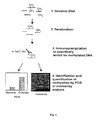
- the present invention provides a method for enriching methylated nucleic acid fragments in a sample of nucleic acid fragments comprising the steps of:
- the methylated and non-methylated fragments Prior to selecting the nucleic acid fragments bound to the antibody specific to a methylated nucleoside, the methylated and non-methylated fragments may be separated on the basis of binding of the methylated fragments to the antibody.
- the invention further comprises a step of separating the strands of any double-stranded nucleic acid fragments in the sample to form a sample of single-stranded nucleic acid fragments, before contacting the sample of single-stranded nucleic acid fragments with an antibody specific to a methylated nucleoside.
- the invention provides a method for characterising or identifying methylated nucleic acid fragments from a sample of nucleic acid fragments, the method further including the step of:
- enrichment is meant an increase in the proportion of a particular category of nucleic acid fragment in or from a sample of nucleic acid fragments. Preferably the enrichment is at least 5, 10, 20, 30, 50, or 100 fold.
- the invention provides the distribution of DNA methylation in disease and thereby targets for therapeutic intervention as well as diagnostics, prognostics and surrogate markers useful in the fight against cancer and other diseases.
- nucleic acid is DNA
- methylated nucleosides examples include methylated cytidine (e.g. 5-methyl cytidine), methylated adenosine (e.g. 6-methyl adenosine) and methylated guanosine (7-methyl guanosine).
- the methylated nucleoside is methyl cytidine. More particularly preferred, the methylated nucleoside is 5-methyl cytidine.
- the sample may be any which it is desired to analyse.
- nucleic acid methylation The low requirement on the quality of the nucleic acid to be tested makes this protocol suitable for the study of formalin fixed specimens, whose nucleic acid is partly degraded by the formalin.
- the method may be used to relate changes in nucleic acid methylation to clinical history.
- genomic DNA may be fragmented using shearing (e.g. by sonication) or digestion with restriction enzymes such as Alu I.
- the sample of nucleic acid fragments is preferably suspended in a liquid (e.g. a buffer suitable for antibody binding).
- a liquid e.g. a buffer suitable for antibody binding
- Denaturation (separating the strands of a double-stranded molecule) is most readily done by heating the nucleic acid.
- the skilled person can readily determine a temperature and length of heating time suitable for denaturing the nucleic acid that they are interested in. Heating to 95°C for 10 minutes has been found to be effective for DNA for use in the present invention.
- Antibodies specific to many methylated bases are available commercially.
- a mouse monoclonal antibody against m 5 C is available from Eurogentec S.A. (Belgium) and a rabbit polyclonal serum is available from Megabase Research Products (USA).
- Polyclonal rabbit antisera against other methylated bases (6-methyladenosine and 7-methylguanosine) are available (Megabase Research Products, USA).
- antibodies specific to methylated bases can be made using conventional techniques (see e.g. Roitt et al. in "Immunology 5th edition” - Pub. 1997 by Moseby International Ltd, Lond on).
- antibody as used herein should be construed as covering any specific binding substance having a binding domain with the required specificity. Thus, this term covers antibody fragments, derivatives, functional equivalents and homologues of antibodies, including any polypeptide comprising an immunoglobulin binding domain, whether natural or synthetic. Chimaeric molecules comprising an immunoglobulin binding domain, or equivalent, fused to another polypeptide are therefore included. Cloning and expression of chimaeric antibodies are described in EP-A-0120694 and EP-A-0125023 .
- binding fragments are (i) the Fab fragment consisting of VL, VH, CL and CH1 domains; (ii) the Fd fragment consisting of the VH and CH1 domains; (iii) the Fv fragment consisting of the VL and VH domains of a single antibody; (iv) the dAb fragment ( Ward, E.S.
- Diabodies are multimers of polypeptides, each polypeptide comprising a first domain comprising a binding region of an immunoglobulin light chain and a second domain comprising a binding region of an immunoglobulin heavy chain, the two domains being linked (e.g. by a peptide linker) but unable to associate with each other to form an antigen binding site: antigen binding sites are formed by the association of the first domain of one polypeptide within the multimer with the second domain of another polypeptide within the multimer ( WO94/13804 ).
- the antibody is specific for methylcytidine. More preferably, 5-methylcytidine.
- the skilled person can readily determine the conditions suitable for binding of the first antibody to the methylated nucleoside in a liquid phase.
- the pH of the sample can be controlled by addition of suitable buffers such as sodium phosphate, which will maintain the pH at approximately 7.0. Salts, such as sodium chloride may also be added to the buffer and/or the sample.
- methylated and non-methylated nucleic acid fragments are separated on the basis of binding of the first antibody to the methylated nucleoside. This may be done by any method known to those skilled in the art.
- the separation is performed by attaching or binding the antibodies to a solid phase or substrate (the terms are used interchangeably) and separating this solid phase from the sample liquid phase.
- a solid substrate that binds specifically to the first antibody facilitates the separation of methylated nucleic acid from non-methylated nucleic acid.
- Specific binding of the solid substrate to the first antibody can be achieved by using a solid substrate that comprises a second antibody specific for the first antibody.
- the first antibody i.e. the antibody specific to a methylated nucleoside
- a goat anti-mouse antibody would be suitable.
- a solid substrate in the form of beads is particularly useful as this gives a large surface area over which binding can occur.
- Magnetic beads such as Dynabeads (Dynal Biotech) allow simple separation of methylated and non-methylated nucleic acid as the beads (and therefore the nucleic acid bound to them) can be easily removed from a sample using a magnet.
- the solid substrate could be separated from the non-bound nucleic acid using techniques such as centrifugation and/or filtration. The skilled person can readily determine a suitable way to separate the solid substrate he is using from non-bound (i.e. non-methylated) nucleic acid.
- methylated nucleic acid Prior to characterising the methylated nucleic acid fragments, it is desirable to detach the methylated nucleic acid from the first antibody (and the solid substrate if used). The skilled person can readily determine such detaching methods in which nucleic acid is not damaged during the detaching process.
- a nucleic acid fragment may be detached from an antibody by digesting the antibody. This may be achieved by incubating the nucleic acid fragments bound to the first antibody with a proteinase such as Proteinase K.
- a proteinase such as Proteinase K.
- Slightly altering the pH around the nucleic acid bound to the first antibody may weaken the binding between the antibody and methylated nucleic acid, further facilitating detachment.
- This may be achieved by adding a suitable buffer (e.g. 50mM Tris pH 8.0) to the methylated nucleic acid and antibody bound to it.
- a suitable buffer e.g. 50mM Tris pH 8.0
- EDTA Ethylenediaminetetraacetic acid
- SDS sodium dodecyl sulphate
- the methylated nucleic acid can be analysed further - for example to determine the amount present, all or part of the sequence of the methylated fragment and ⁇ or the sequence or position of the methylation site.
- This step may be preceded by further treatment of the nucleic acid.
- the methylated nucleic acid is DNA it may be extracted (e.g. in phenol and chloroform) and subsequently precipitated (e.g. with ethanol).
- nucleic acid analysis techniques are then applied to the methylated nucleic acid.
- the presence of sequences of interest in the methylated nucleic acid may be determined using techniques such as PCR, slot blots, microarrays etc. such as are well known to those skilled in the art.
- sample nucleic acid e.g. fluorescently labelled
- sequence specific hybridisation may be detected by scanning confocal microscopy and analysed automatically (see Marshall & Hodgson, Nature Biotechnology 16: 27-31, 1998 ; also Nature Cell Biology August 2001 volume 3 issue 8 pp E190 - E195 "Navigating gene expression using microarrays - a technology review” Almut Schulze and Julian Downward ).
- a list of currently used techniques in microarray assembly and DNA detection can be found in the book " DNA Microarrays: A Molecular Cloning Manual", eds. Bowtell and Sambrook, CSHL 2002 .
- nucleic acid fragments isolated using the methods described above can be analysed by either standard PCR or slot blot hybridisation this method can be applied to large-scale (genome-wide) analysis using microarrays.
- the invention provides a method of characterising the methylation status of a DNA sample (for example from an organism genome) comprising:
- methylation status is meant whether, and/or to what extent, the nucleic acid sequence is methylated.
- the extent of methylation may be measured as which nucleotides in the sequence are methylated and/or the proportion of nucleotides in the sequence which are methylated.
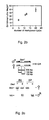
- the enrichment is dose dependent (i.e. the enrichment is proportional to the number of methylated nucleosides) (see Example 2 and Figure 2B ). This means that not only can the invention be used to determine if a gene is methylated, it can be used to quantify or compare the extent of methylation of that gene.
- the invention provides a method of comparing the methylation of different, corresponding, nucleic acids or nucleic acid samples, comprising:
- nucleic acids may be distinguished by sequence markers or labels.
- the invention may be used for detecting differentially methylated alleles in a sample - for example of imprinted genes.
- Imprinted genes are genes whose alleles have different expressivity or penetrance depending on whether they are inherited from the male or the female parent. Imprinting can be both developmental-stage specific or tissue specific. If the maternal and paternal alleles of a gene are differentially methylated, they will be enriched to differing extents in a sample of nucleic acid subjected to the methods of the present invention.
- An example of an imprinted gene whose alleles are differentially methylated is the H19 ICR in mice (see Example 3 and Figure 2C ).
- This locus contains a CpG island.
- CpG islands are stretches of sequences around lkb long, often occurring at the 5' ends of genes, that contain a high density of CpG dinucleotides.
- This CpG island is not methylated in the maternal allele, but methylated in the paternal allele (see Example 3 and Figure 2C ).
- the methods of the present invention will enrich the paternal allele but not the maternal allele.
- the skilled person can readily determine a suitable technique for determining whether the maternal or paternal allele that has been enriched in the sample.
- the use of a 'marker' for either the maternal or the paternal allele is particularly useful.
- the H19 ICR allele from Mus spretus contains a polymorphic Sac I restriction site that is not present in the Mus musculus domesticus H19 ICR allele.
- a domesticus x spretus hybrid will have one allele with the Sac I restriction site and one without.
- PCR amplification using primers for the H19 ICR followed by treatment of the PCR product with Sac I results in a single 200bp fragment for the domesticus allele and two 100bp fragments for the spretus allele.
- the size of the fragments obtained from an 'enriched' sample therefore shows whether the maternal, paternal or both alleles have been enriched.
- aberrant DNA methylation can cause disease.
- aberrant DNA methylation may result in increased expression of proto-oncogenes or decreased expression of tumour suppressor genes and is associated with many human carcinomas.
- the methods of the invention may be used to screen and identify aberrant nucleic acid methylation sites associated with disease states, or for diagnosis or prognosis of disease or disease progression e.g. in cancer.
- Novel aberrant nucleic acid methylation sites associated with disease states may be identified by performing the method of the invention on nucleic acid samples from diseased and non-diseased individuals and comparing the results.
- the invention further provides a method of diagnosis in an individual of a disease associated with methylation of a specific nucleic acid sequence, comprising:
- the invention further provides for the detection of changes in nucleic acid methylation over time (e.g. to relate this to clinical history, and hence the diagnosis or prognosis of a disease associated with alterations in methylation of a nucleic acid sequence).
- Such a method may include the steps of:
- sample of nucleic acid fragments is obtained from a patient using the following protocol:
- the method for detection of changes in nucleic acid methylation over time may also further comprise
- the method for detection of changes in nucleic acid methylation may be carried out in any appropriate order.
- the extraction and analysis steps may be carried out at or shortly after each time point.
- the specimens or samples may be stored and extraction of nucleic acid and ⁇ or comparison of the recorded clinical symptoms with methylation status carried out for a plurality of samples together.
- tissue specimens may be frozen or fixed in formalin for storage.
- the disease associated with methylation of a specific nucleic acid sequence or alterations in methylation of a nucleic acid sequence is cancer.
- target gene Once a target gene has been identified it may be used for drug screening purposes to seek to identify potential anti-cancer drug. Such screens may involve the expression of the protein encoded by the target gene and chemical agents contacted with the protein in order to ascertain whether or not the chemical agent has any effect on the proteins activity.
- Assays for protein activities of known function are know in the art. Generally such assays are termed functional assays and may be conducted in vitro in a cell free or cell based system. Where a functional assay is available, it is to be preferred to a ligand binding assay.
- candidate chemicals for use in the present invention are well known to those skilled in the art.
- libraries of compounds can be easily synthesised and tested. This is well described for example in: Applications of combinatorial technologies to drug discovery, 2. Combinatorial organic synthesis, library screening techniques, and future direction, J. Med. Chem., 1994, 37, 1385-1401 .
- the ligand binding assays outlined herein will also define a group of candidate chemicals. However, this group is likely to be large, since binding may occur to a number of different sites on the exposed surface of the protein, and binding alone does hot predict the effect of ligand binding on the activity of the protein. Stringent selection among the candidate chemicals for those with the greatest affinity will define a set of chemicals small enough to be tested.
- An alternative or additional procedure is to express the protein target in a cell which has been manipulated genetically to contain a sensor for calcium ions, cyclic AMP or other components of cell signalling pathways.
- a sensor for calcium ions, cyclic AMP or other components of cell signalling pathways For example, permanent cell lines of any suitably origin may be transfected, and lines expressing the protein permanently selected.
- expression of an unknown protein will cause a shift in the level of cell signalling components, which will be detected by the sensor and can be read, for example, as a fluorescent or luminescent signal.
- the difference between the protein-expressing cells and control cells forms the basis of the assay. Effects of chemicals on the difference between protein expressing and control lines are assessed.
- Nucleic acid encoding polypeptides according to the invention may also be used in gene therapy.
- genes are introduced into cells in order to achieve in vivo synthesis of a therapeutically effective genetic product, for example for replacement of a defective gene.
- Gene therapy includes both conventional gene therapy where a lasting effect is achieved by a single treatment, and the administration of gene therapeutic agents, which involves the one time or repeated administration of a therapeutically effective DNA or mRNA.
- Antisense RNAs and DNAs can be used as therapeutic agents for blocking the expression of certain genes in viva. It has already been shown that short antisense oligonucleotides can be imported into cells where they act as inhibitors, despite their low intracellular concentrations caused by their restricted uptake by the cell membrane.
- oligonucleotides can be modified to enhance their uptake, e.g., by substituting their negatively charged phosphodiester groups by uncharged groups.
- nucleic acids there are a variety of techniques available for introducing nucleic acids into viable cells.
- the techniques vary depending upon whether the nucleic acid is transferred into cultured cells in vitro, or in vivo in the cells of 1 the intended host.
- Techniques suitable for the transfer of nucleic acid into mammalian cells in vitro include the use of liposomes, electroporation, microinjection, cell fusion, DEAE-dextran, the calcium phosphate precipitation method, etc.
- the currently preferred in vivo gene transfer techniques include transfection with viral (typically retroviral) vectors and viral coat protein-liposome mediated transfection ( Dzau et al., Trends in Biotechnology, 11: 205-20, 1993 ).
- the nucleic acid source with an agent that targets the target cells, such as an antibody specific for a cell surface membrane protein or the target cell, a ligand for a receptor on the target cell, etc.
- an agent that targets the target cells such as an antibody specific for a cell surface membrane protein or the target cell, a ligand for a receptor on the target cell, etc.
- proteins which bind to a cell surface membrane protein associated with endocytosis may be used for targeting and/or to facilitate uptake, e.g., capsid proteins or fragments thereof tropic for a particular cell type, antibodies for proteins which undergo internalization in cycling, proteins that target intracellular localization and enhance intracellular half-life.
- the technique of receptor mediated endocytosis is described, for example, by Wu et al., J. Biol.
- the beads were washed three times with 700 ⁇ L of 1x IP buffer (10mM Na-Phosphate pH7.0, 0.14M NaCl, 0.05% Triton X-100) and resuspended in 250 ⁇ L digestion buffer (50mM Tris pH 8.0, 10mM EDTA, 0.5% SDS).
- 1x IP buffer 10mM Na-Phosphate pH7.0, 0.14M NaCl, 0.05% Triton X-100
- 250 ⁇ L digestion buffer 50mM Tris pH 8.0, 10mM EDTA, 0.5% SDS.
- DNA was extracted from the bead suspension by organic extraction followed by ethanol precipitation. This was done as follows:
- Mouse (Mus musculus domesticus) genomic DNA was fragmented by digestion with Alu I. 4 ⁇ g of the fragmented DNA was subjected to enrichment as described in Example 1.
- Hybrid mouse Mus musculus domesticus x Mus spretus . genomic DNA was fragmented by sonication.
- 4 ⁇ g of the fragmented DNA was diluted in 450 ⁇ L TE (10 mM Tris-Hcl pH 7.5, 1mM EDTA) to make a DNA suspension and heated to 95°C for 10 minutes to denature the DNA.
- the suspension was split into two samples (IN and IP). Sample IP was subjected to enrichment as described in Example 1. Sample IN was not subjected to enrichment.
- Both IN and IP samples were amplified by PCR using primers for the H19 ICR allele which result in a 200 bp PCR product.
- the H19 ICR allele from Mus spretus contains a polymorphic Sac I restriction site that is not present in the Mus musculus domesticus H19 ICR allele.
- Treatment of the PCR product from the domesticus allele with Sac I leaves the 200bp fragment uncut, whereas treatment of the PCR product from the spretus allele with Sac I gives two 100bp fragments.
- IN and IP PCR products were each split into two sub-samples. The four sub-samples are denoted IN-, IN+, IP-, IP+. IN+ and IP+ were treated with Sac I after PCR. IN- and IP- were not treated with Sac I.
- Figure 2C is a picture of an ethidium-bromide agarose gel showing the DNA fragments found in each sub-sample.
- both the paternal (spretus) allele and maternal (domesticus) alleles are present in the sample.
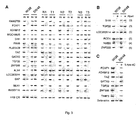
- Colon cancer cell line SW48 (ATTC, Rockville, MD) was enriched for methylated DNA as described above an the sample the resulting samples subjected to hybridization to a micorarray representing approximately 12000 CpG island probes (UHN Microarray Centre, Ontario) as described the manufacturer, in comparison with human lung fibroblast HFL-1 (ATTC, Rockville, MD) and WI-38 (ATTC, Rockville, MD).
- CpG island array hybridization 2 ⁇ g of sonicated input DNA was labeled with Cy5-dCTP and the product of one enrichement assay with Cy3-dCTP.
- SW48 cells (1 ⁇ 10 6 ) were seeded in culture medium and maintained for 24 h before treatment. Cells were then treated with 5 ⁇ M 5-Aza-dC (Sigma) for 4 days. The medium containing 5-Aza-dC was exchanged 24 h after the beginning of the treatment. Control cells were handled the same way without the addition of 5-Aza-dC.
- Total RNA was prepared using the RNeasy Mini Kit (Quiagen) and cDNA synthesis was performed on 2 ⁇ g of total RNA using the Superscipt first-strand synthesis system (Invitrogen) and oligo-dT primers. PCR reactions were performed on 1/20 of the cDNA preparation. Controls without the RT enzyme were all negative.
- genomic DNA 2 ⁇ g was either digested with Xba I and Hpa II or with XbaI alone.
- PCR reactions were performed on 25 ng of digested DNA using primers spanning over fragments that contain several Hpa II restriction sites. Primers sequences and PCR conditions are available upon request.
- genes are involved in a wide variety of biological functions that include regulation of transcription (FOXF1-accession no. NM_001451-, PAX6, TAZ-accession no. NM_015472-, GATA3-accession no. NM_001002295-), cell cycle progression (TGFB2-accession no. NM_003238-), cell-matrix interactions (ADAM12-accession no. NM_003474-) and apoptosis (DAP-accession no. NM_004394-).
Landscapes
- Health & Medical Sciences (AREA)
- Chemical & Material Sciences (AREA)
- Engineering & Computer Science (AREA)
- Life Sciences & Earth Sciences (AREA)
- Genetics & Genomics (AREA)
- Biomedical Technology (AREA)
- Organic Chemistry (AREA)
- Bioinformatics & Cheminformatics (AREA)
- Wood Science & Technology (AREA)
- Zoology (AREA)
- General Engineering & Computer Science (AREA)
- Biotechnology (AREA)
- General Health & Medical Sciences (AREA)
- Molecular Biology (AREA)
- Analytical Chemistry (AREA)
- Biochemistry (AREA)
- Crystallography & Structural Chemistry (AREA)
- Physics & Mathematics (AREA)
- Biophysics (AREA)
- Plant Pathology (AREA)
- Microbiology (AREA)
- Chemical Kinetics & Catalysis (AREA)
- Veterinary Medicine (AREA)
- General Chemical & Material Sciences (AREA)
- Nuclear Medicine, Radiotherapy & Molecular Imaging (AREA)
- Public Health (AREA)
- Pharmacology & Pharmacy (AREA)
- Animal Behavior & Ethology (AREA)
- Medicinal Chemistry (AREA)
- Measuring Or Testing Involving Enzymes Or Micro-Organisms (AREA)
- Medicines Containing Material From Animals Or Micro-Organisms (AREA)
- Peptides Or Proteins (AREA)
- Medicines That Contain Protein Lipid Enzymes And Other Medicines (AREA)
- Pharmaceuticals Containing Other Organic And Inorganic Compounds (AREA)
Applications Claiming Priority (2)
| Application Number | Priority Date | Filing Date | Title |
|---|---|---|---|
| GBGB0413688.3A GB0413688D0 (en) | 2004-06-18 | 2004-06-18 | Analysis of methylated nucleic acid |
| PCT/EP2005/002251 WO2005123942A2 (en) | 2004-06-18 | 2005-03-03 | Analysis of methylated nucleic acid |
Publications (2)
| Publication Number | Publication Date |
|---|---|
| EP1761639A2 EP1761639A2 (en) | 2007-03-14 |
| EP1761639B1 true EP1761639B1 (en) | 2013-01-02 |
Family
ID=32750180
Family Applications (1)
| Application Number | Title | Priority Date | Filing Date |
|---|---|---|---|
| EP05707697A Expired - Lifetime EP1761639B1 (en) | 2004-06-18 | 2005-03-03 | Analysis of methylated nucleic acid |
Country Status (8)
| Country | Link |
|---|---|
| US (2) | US20090270482A1 (enExample) |
| EP (1) | EP1761639B1 (enExample) |
| JP (1) | JP2008502332A (enExample) |
| AU (2) | AU2005254616A1 (enExample) |
| CA (1) | CA2568575A1 (enExample) |
| ES (1) | ES2401110T3 (enExample) |
| GB (1) | GB0413688D0 (enExample) |
| WO (1) | WO2005123942A2 (enExample) |
Cited By (1)
| Publication number | Priority date | Publication date | Assignee | Title |
|---|---|---|---|---|
| US11021703B2 (en) | 2012-02-16 | 2021-06-01 | Cornell University | Methods and kit for characterizing the modified base status of a transcriptome |
Families Citing this family (18)
| Publication number | Priority date | Publication date | Assignee | Title |
|---|---|---|---|---|
| DE102005034628B4 (de) * | 2005-07-19 | 2007-08-23 | Epigenomics Ag | Verfahren zur Untersuchung von Cytosin-Methylierungen in DNA |
| EP1862555A1 (en) * | 2006-05-29 | 2007-12-05 | Klinikum der Universität Regensburg | Means and methods for diagnosing cancer or a corresponding predisposition |
| US20120196827A1 (en) * | 2006-06-12 | 2012-08-02 | Oncomethylome Sciences S.A. | Methylation markers for early detection and prognosis of colon cancers |
| AU2008316313B2 (en) * | 2007-10-23 | 2015-04-16 | Clinical Genomics Pty. Ltd. | A method of diagnosing neoplasms - II |
| JP2009247260A (ja) * | 2008-04-04 | 2009-10-29 | Sumitomo Chemical Co Ltd | Dnaメチル化測定方法 |
| BRPI0924013A2 (pt) * | 2009-04-17 | 2015-11-24 | Hung-Cheng Lai | método para o exame de câncer |
| EP2529032B1 (en) * | 2010-01-26 | 2017-01-25 | Nipd Genetics Ltd | Methods and compositions for noninvasive prenatal diagnosis of fetal aneuploidies |
| US8278049B2 (en) | 2010-04-26 | 2012-10-02 | Ann & Robert H. Lurie Children's Hospital of Chicago | Selective enrichment of CpG islands |
| US20120004132A1 (en) * | 2010-07-02 | 2012-01-05 | Affymetrix, Inc. | Detection of Nucleic Acids and Proteins |
| JP5916058B2 (ja) * | 2011-08-26 | 2016-05-11 | 国立大学法人東北大学 | 細胞ストレス状態のバイオマーカー |
| WO2015025864A1 (ja) * | 2013-08-21 | 2015-02-26 | 富士レビオ株式会社 | 吸収剤ポリヌクレオチドを用いた修飾核酸塩基の測定方法およびそのキット |
| ES2790533T3 (es) | 2015-05-22 | 2020-10-28 | Nipd Genetics Public Company Ltd | Análisis paralelo múltiplex de regiones genómicas blanco para análisis prenatales no invasivos |
| KR101735415B1 (ko) * | 2015-07-31 | 2017-05-16 | 한국과학기술연구원 | 헥산알 노출 특이적 메틸화 마커 유전자 및 이를 이용한 확인 방법 |
| JP6900325B2 (ja) * | 2016-01-27 | 2021-07-07 | 住友化学株式会社 | センサーチップ及びセンシングシステム |
| US10975417B2 (en) | 2016-02-23 | 2021-04-13 | Dovetail Genomics, Llc | Generation of phased read-sets for genome assembly and haplotype phasing |
| EP3606550A2 (en) | 2017-04-03 | 2020-02-12 | Neon Therapeutics, Inc. | Protein antigens and uses thereof |
| TW201930340A (zh) | 2017-12-18 | 2019-08-01 | 美商尼恩醫療公司 | 新抗原及其用途 |
| SG11202012653XA (en) | 2018-06-19 | 2021-01-28 | Biontech Us Inc | Neoantigens and uses thereof |
Family Cites Families (17)
| Publication number | Priority date | Publication date | Assignee | Title |
|---|---|---|---|---|
| US5654183A (en) * | 1992-07-27 | 1997-08-05 | California Institute Of Technology | Genetically engineered mammalian neural crest stem cells |
| US5518901A (en) * | 1993-04-19 | 1996-05-21 | Murtagh; James J. | Methods for adapting nucleic acid for detection, sequencing, and cloning using exonuclease |
| US5714325A (en) * | 1993-09-24 | 1998-02-03 | New England Medical Center Hospitals | Prenatal diagnosis by isolation of fetal granulocytes from maternal blood |
| US5866323A (en) * | 1995-04-07 | 1999-02-02 | Case Western Reserve University | Cancer diagnosis prognosis and therapy based on mutation of receptors for transforming growth factor β and homologous growth controlling factors |
| AU7829398A (en) * | 1997-06-09 | 1998-12-30 | University Of Southern California | A cancer diagnostic method based upon dna methylation differences |
| US6337392B1 (en) * | 1998-05-07 | 2002-01-08 | The Rockefeller University | Lens transcriptional control elements and methods of use thereof |
| US6994971B1 (en) * | 1999-10-08 | 2006-02-07 | University Of Utah Research Foundation | Particle analysis assay for biomolecular quantification |
| AU784504B2 (en) * | 1999-11-19 | 2006-04-13 | Thomas V. Tittle | TR3-specific binding agents and methods for their use |
| AU2001271383B2 (en) * | 2000-06-23 | 2007-05-24 | The University Of Chicago | Methods for isolating centromere DNA |
| US20030157481A1 (en) * | 2001-12-10 | 2003-08-21 | Benjamin Thomas L. | Diagnosing and treating cancer cells using T-HR mutants and their targets |
| US20020197639A1 (en) * | 2001-06-08 | 2002-12-26 | Shia Michael A. | Methods and products for analyzing nucleic acids based on methylation status |
| AU2003206443A1 (en) * | 2002-02-20 | 2003-09-09 | Academisch Ziekenhuis Bij De Universiteit Van Amsterdam | Hedgehog-related prophylaxis, therapy and diagnosis of gi tract carcinogenesis |
| ATE335816T1 (de) * | 2002-09-18 | 2006-09-15 | Sirs Lab Gmbh | Verfahren zum nachweis prokaryontischer dna |
| AU2003900368A0 (en) * | 2003-01-24 | 2003-02-13 | Human Genetic Signatures Pty Ltd | Assay for nucleic acid molecules |
| JP3854943B2 (ja) * | 2003-05-23 | 2006-12-06 | 独立行政法人科学技術振興機構 | Dnaメチル化率の測定方法 |
| EP1524523A1 (en) * | 2003-10-17 | 2005-04-20 | Deutsches Krebsforschungszentrum Stiftung Des Öffentlichen Rechts | Use of ADAM 12 for diagnosis and therapy of preeclampsia |
| JP4688792B2 (ja) * | 2004-02-20 | 2011-05-25 | 独立行政法人科学技術振興機構 | Dnaメチル化分析用dnaアレイ及びその製造方法並びにdnaメチル化分析方法 |
-
2004
- 2004-06-18 GB GBGB0413688.3A patent/GB0413688D0/en not_active Ceased
-
2005
- 2005-03-03 JP JP2007515787A patent/JP2008502332A/ja active Pending
- 2005-03-03 ES ES05707697T patent/ES2401110T3/es not_active Expired - Lifetime
- 2005-03-03 US US11/571,026 patent/US20090270482A1/en not_active Abandoned
- 2005-03-03 CA CA002568575A patent/CA2568575A1/en not_active Abandoned
- 2005-03-03 EP EP05707697A patent/EP1761639B1/en not_active Expired - Lifetime
- 2005-03-03 WO PCT/EP2005/002251 patent/WO2005123942A2/en not_active Ceased
- 2005-03-03 AU AU2005254616A patent/AU2005254616A1/en not_active Abandoned
-
2009
- 2009-07-07 AU AU2009202745A patent/AU2009202745A1/en not_active Ceased
-
2012
- 2012-05-03 US US13/463,570 patent/US20120288509A1/en not_active Abandoned
Cited By (1)
| Publication number | Priority date | Publication date | Assignee | Title |
|---|---|---|---|---|
| US11021703B2 (en) | 2012-02-16 | 2021-06-01 | Cornell University | Methods and kit for characterizing the modified base status of a transcriptome |
Also Published As
| Publication number | Publication date |
|---|---|
| US20090270482A1 (en) | 2009-10-29 |
| JP2008502332A (ja) | 2008-01-31 |
| EP1761639A2 (en) | 2007-03-14 |
| AU2005254616A1 (en) | 2005-12-29 |
| CA2568575A1 (en) | 2005-12-29 |
| WO2005123942A2 (en) | 2005-12-29 |
| WO2005123942A3 (en) | 2006-04-13 |
| GB0413688D0 (en) | 2004-07-21 |
| ES2401110T3 (es) | 2013-04-17 |
| AU2009202745A1 (en) | 2009-07-30 |
| US20120288509A1 (en) | 2012-11-15 |
Similar Documents
| Publication | Publication Date | Title |
|---|---|---|
| US20120288509A1 (en) | Analysis of methylated nucleic acid | |
| CN107586835B (zh) | 一种基于单链接头的下一代测序文库的构建方法及其应用 | |
| Cools et al. | Identification of novel fusion partners of ALK, the anaplastic lymphoma kinase, in anaplastic large‐cell lymphoma and inflammatory myofibroblastic tumor | |
| EP3132054B1 (en) | Met fusions | |
| US10370725B2 (en) | FGR fusions | |
| CN109837273B (zh) | 一种crispr辅助dna靶向富集方法及其应用 | |
| AU2017200138A1 (en) | Compositions and methods of nucleic acid-targeting nucleic acids | |
| JP2002539801A (ja) | 特異的lnaプライマによる遺伝子内における突然変異の検出 | |
| US20210284996A1 (en) | Methods and kit for characterizing the modified base status of a transcriptome | |
| KR20010043339A (ko) | 유전자 전사 패턴의 식별방법 | |
| JP4669614B2 (ja) | 多型dnaフラグメントおよびその使用 | |
| Keuthan et al. | Alternative RNA splicing in the retina: insights and perspectives | |
| US20060166206A1 (en) | Methods and compositions for analysis of regulatory sequences | |
| AU2003276609B2 (en) | Qualitative differential screening for the detection of RNA splice sites | |
| AU783310B2 (en) | Genetic markers of toxicity, preparation and uses thereof | |
| AU2011203953B2 (en) | Analysis of methylated nucleic acid | |
| WO2005079357A2 (en) | Nucleic acid representations utilizing type iib restriction endonuclease cleavage products | |
| Nishizuka et al. | Detection of differentially expressed genes in HeLa× fibroblast hybrids using subtractive suppression hybridization | |
| CN120350068B (zh) | 一种可诱导靶向基因组dna双链断裂的质粒载体及细胞系 | |
| Liu | Study of transcription-replication conflict and its role in genomic instability and cancer development | |
| Engelhard et al. | System-Wide Investigation of Hydroxymethylcytosine Recognition and Distribution in the Mammalian Genome | |
| Ye | Serial analysis of gene expression in human diseases | |
| Schrier | Regulation of Multiple Cellular Processes by the Long Noncoding RNA LINC00662 | |
| Ichino | Characterization of the role of Arabidopsis methyl-readers MBD5 and MBD6 in transcriptional silencing | |
| Zhivkova et al. | Cytocompatibility assessment of amorphous calcium phosphates modified with tartaric or citric acid |
Legal Events
| Date | Code | Title | Description |
|---|---|---|---|
| PUAI | Public reference made under article 153(3) epc to a published international application that has entered the european phase |
Free format text: ORIGINAL CODE: 0009012 |
|
| 17P | Request for examination filed |
Effective date: 20070118 |
|
| AK | Designated contracting states |
Kind code of ref document: A2 Designated state(s): AT BE BG CH CY CZ DE DK EE ES FI FR GB GR HU IE IS IT LI LT LU MC NL PL PT RO SE SI SK TR |
|
| 17Q | First examination report despatched |
Effective date: 20070702 |
|
| DAX | Request for extension of the european patent (deleted) | ||
| GRAP | Despatch of communication of intention to grant a patent |
Free format text: ORIGINAL CODE: EPIDOSNIGR1 |
|
| GRAS | Grant fee paid |
Free format text: ORIGINAL CODE: EPIDOSNIGR3 |
|
| GRAA | (expected) grant |
Free format text: ORIGINAL CODE: 0009210 |
|
| AK | Designated contracting states |
Kind code of ref document: B1 Designated state(s): AT BE BG CH CY CZ DE DK EE ES FI FR GB GR HU IE IS IT LI LT LU MC NL PL PT RO SE SI SK TR |
|
| REG | Reference to a national code |
Ref country code: GB Ref legal event code: FG4D |
|
| REG | Reference to a national code |
Ref country code: CH Ref legal event code: EP Ref country code: AT Ref legal event code: REF Ref document number: 591671 Country of ref document: AT Kind code of ref document: T Effective date: 20130115 |
|
| REG | Reference to a national code |
Ref country code: IE Ref legal event code: FG4D |
|
| REG | Reference to a national code |
Ref country code: DE Ref legal event code: R096 Ref document number: 602005037697 Country of ref document: DE Effective date: 20130314 |
|
| REG | Reference to a national code |
Ref country code: CH Ref legal event code: NV Representative=s name: E. BLUM AND CO. AG PATENT- UND MARKENANWAELTE , CH |
|
| REG | Reference to a national code |
Ref country code: ES Ref legal event code: FG2A Ref document number: 2401110 Country of ref document: ES Kind code of ref document: T3 Effective date: 20130417 |
|
| REG | Reference to a national code |
Ref country code: AT Ref legal event code: MK05 Ref document number: 591671 Country of ref document: AT Kind code of ref document: T Effective date: 20130102 |
|
| REG | Reference to a national code |
Ref country code: NL Ref legal event code: VDEP Effective date: 20130102 |
|
| PG25 | Lapsed in a contracting state [announced via postgrant information from national office to epo] |
Ref country code: SI Free format text: LAPSE BECAUSE OF FAILURE TO SUBMIT A TRANSLATION OF THE DESCRIPTION OR TO PAY THE FEE WITHIN THE PRESCRIBED TIME-LIMIT Effective date: 20130102 |
|
| REG | Reference to a national code |
Ref country code: LT Ref legal event code: MG4D |
|
| PG25 | Lapsed in a contracting state [announced via postgrant information from national office to epo] |
Ref country code: BE Free format text: LAPSE BECAUSE OF FAILURE TO SUBMIT A TRANSLATION OF THE DESCRIPTION OR TO PAY THE FEE WITHIN THE PRESCRIBED TIME-LIMIT Effective date: 20130102 Ref country code: BG Free format text: LAPSE BECAUSE OF FAILURE TO SUBMIT A TRANSLATION OF THE DESCRIPTION OR TO PAY THE FEE WITHIN THE PRESCRIBED TIME-LIMIT Effective date: 20130402 Ref country code: CZ Free format text: LAPSE BECAUSE OF FAILURE TO SUBMIT A TRANSLATION OF THE DESCRIPTION OR TO PAY THE FEE WITHIN THE PRESCRIBED TIME-LIMIT Effective date: 20130102 Ref country code: IS Free format text: LAPSE BECAUSE OF FAILURE TO SUBMIT A TRANSLATION OF THE DESCRIPTION OR TO PAY THE FEE WITHIN THE PRESCRIBED TIME-LIMIT Effective date: 20130502 Ref country code: SE Free format text: LAPSE BECAUSE OF FAILURE TO SUBMIT A TRANSLATION OF THE DESCRIPTION OR TO PAY THE FEE WITHIN THE PRESCRIBED TIME-LIMIT Effective date: 20130102 Ref country code: LT Free format text: LAPSE BECAUSE OF FAILURE TO SUBMIT A TRANSLATION OF THE DESCRIPTION OR TO PAY THE FEE WITHIN THE PRESCRIBED TIME-LIMIT Effective date: 20130102 Ref country code: CY Free format text: LAPSE BECAUSE OF FAILURE TO SUBMIT A TRANSLATION OF THE DESCRIPTION OR TO PAY THE FEE WITHIN THE PRESCRIBED TIME-LIMIT Effective date: 20130102 Ref country code: AT Free format text: LAPSE BECAUSE OF FAILURE TO SUBMIT A TRANSLATION OF THE DESCRIPTION OR TO PAY THE FEE WITHIN THE PRESCRIBED TIME-LIMIT Effective date: 20130102 |
|
| PG25 | Lapsed in a contracting state [announced via postgrant information from national office to epo] |
Ref country code: GR Free format text: LAPSE BECAUSE OF FAILURE TO SUBMIT A TRANSLATION OF THE DESCRIPTION OR TO PAY THE FEE WITHIN THE PRESCRIBED TIME-LIMIT Effective date: 20130403 Ref country code: FI Free format text: LAPSE BECAUSE OF FAILURE TO SUBMIT A TRANSLATION OF THE DESCRIPTION OR TO PAY THE FEE WITHIN THE PRESCRIBED TIME-LIMIT Effective date: 20130102 Ref country code: NL Free format text: LAPSE BECAUSE OF FAILURE TO SUBMIT A TRANSLATION OF THE DESCRIPTION OR TO PAY THE FEE WITHIN THE PRESCRIBED TIME-LIMIT Effective date: 20130102 Ref country code: PL Free format text: LAPSE BECAUSE OF FAILURE TO SUBMIT A TRANSLATION OF THE DESCRIPTION OR TO PAY THE FEE WITHIN THE PRESCRIBED TIME-LIMIT Effective date: 20130102 Ref country code: PT Free format text: LAPSE BECAUSE OF FAILURE TO SUBMIT A TRANSLATION OF THE DESCRIPTION OR TO PAY THE FEE WITHIN THE PRESCRIBED TIME-LIMIT Effective date: 20130502 |
|
| PG25 | Lapsed in a contracting state [announced via postgrant information from national office to epo] |
Ref country code: RO Free format text: LAPSE BECAUSE OF FAILURE TO SUBMIT A TRANSLATION OF THE DESCRIPTION OR TO PAY THE FEE WITHIN THE PRESCRIBED TIME-LIMIT Effective date: 20130102 Ref country code: SK Free format text: LAPSE BECAUSE OF FAILURE TO SUBMIT A TRANSLATION OF THE DESCRIPTION OR TO PAY THE FEE WITHIN THE PRESCRIBED TIME-LIMIT Effective date: 20130102 Ref country code: EE Free format text: LAPSE BECAUSE OF FAILURE TO SUBMIT A TRANSLATION OF THE DESCRIPTION OR TO PAY THE FEE WITHIN THE PRESCRIBED TIME-LIMIT Effective date: 20130102 Ref country code: DK Free format text: LAPSE BECAUSE OF FAILURE TO SUBMIT A TRANSLATION OF THE DESCRIPTION OR TO PAY THE FEE WITHIN THE PRESCRIBED TIME-LIMIT Effective date: 20130102 Ref country code: MC Free format text: LAPSE BECAUSE OF NON-PAYMENT OF DUE FEES Effective date: 20130331 |
|
| PLBE | No opposition filed within time limit |
Free format text: ORIGINAL CODE: 0009261 |
|
| STAA | Information on the status of an ep patent application or granted ep patent |
Free format text: STATUS: NO OPPOSITION FILED WITHIN TIME LIMIT |
|
| 26N | No opposition filed |
Effective date: 20131003 |
|
| REG | Reference to a national code |
Ref country code: IE Ref legal event code: MM4A |
|
| REG | Reference to a national code |
Ref country code: DE Ref legal event code: R097 Ref document number: 602005037697 Country of ref document: DE Effective date: 20131003 |
|
| PG25 | Lapsed in a contracting state [announced via postgrant information from national office to epo] |
Ref country code: IE Free format text: LAPSE BECAUSE OF NON-PAYMENT OF DUE FEES Effective date: 20130303 |
|
| PG25 | Lapsed in a contracting state [announced via postgrant information from national office to epo] |
Ref country code: TR Free format text: LAPSE BECAUSE OF FAILURE TO SUBMIT A TRANSLATION OF THE DESCRIPTION OR TO PAY THE FEE WITHIN THE PRESCRIBED TIME-LIMIT Effective date: 20130102 |
|
| PG25 | Lapsed in a contracting state [announced via postgrant information from national office to epo] |
Ref country code: HU Free format text: LAPSE BECAUSE OF FAILURE TO SUBMIT A TRANSLATION OF THE DESCRIPTION OR TO PAY THE FEE WITHIN THE PRESCRIBED TIME-LIMIT; INVALID AB INITIO Effective date: 20050303 Ref country code: LU Free format text: LAPSE BECAUSE OF NON-PAYMENT OF DUE FEES Effective date: 20130303 |
|
| REG | Reference to a national code |
Ref country code: FR Ref legal event code: PLFP Year of fee payment: 12 |
|
| PGFP | Annual fee paid to national office [announced via postgrant information from national office to epo] |
Ref country code: ES Payment date: 20160211 Year of fee payment: 12 Ref country code: DE Payment date: 20160223 Year of fee payment: 12 Ref country code: CH Payment date: 20160311 Year of fee payment: 12 |
|
| PGFP | Annual fee paid to national office [announced via postgrant information from national office to epo] |
Ref country code: GB Payment date: 20160302 Year of fee payment: 12 Ref country code: FR Payment date: 20160208 Year of fee payment: 12 |
|
| PGFP | Annual fee paid to national office [announced via postgrant information from national office to epo] |
Ref country code: IT Payment date: 20160324 Year of fee payment: 12 |
|
| REG | Reference to a national code |
Ref country code: DE Ref legal event code: R119 Ref document number: 602005037697 Country of ref document: DE |
|
| REG | Reference to a national code |
Ref country code: CH Ref legal event code: PL |
|
| GBPC | Gb: european patent ceased through non-payment of renewal fee |
Effective date: 20170303 |
|
| REG | Reference to a national code |
Ref country code: FR Ref legal event code: ST Effective date: 20171130 |
|
| PG25 | Lapsed in a contracting state [announced via postgrant information from national office to epo] |
Ref country code: FR Free format text: LAPSE BECAUSE OF NON-PAYMENT OF DUE FEES Effective date: 20170331 Ref country code: DE Free format text: LAPSE BECAUSE OF NON-PAYMENT OF DUE FEES Effective date: 20171003 |
|
| PG25 | Lapsed in a contracting state [announced via postgrant information from national office to epo] |
Ref country code: GB Free format text: LAPSE BECAUSE OF NON-PAYMENT OF DUE FEES Effective date: 20170303 Ref country code: LI Free format text: LAPSE BECAUSE OF NON-PAYMENT OF DUE FEES Effective date: 20170331 Ref country code: CH Free format text: LAPSE BECAUSE OF NON-PAYMENT OF DUE FEES Effective date: 20170331 Ref country code: IT Free format text: LAPSE BECAUSE OF NON-PAYMENT OF DUE FEES Effective date: 20170303 |
|
| REG | Reference to a national code |
Ref country code: ES Ref legal event code: FD2A Effective date: 20180704 |
|
| PG25 | Lapsed in a contracting state [announced via postgrant information from national office to epo] |
Ref country code: ES Free format text: LAPSE BECAUSE OF NON-PAYMENT OF DUE FEES Effective date: 20170304 |