EP1699421B1 - Lactate salts of quinolinone compounds and their pharmaceutical use - Google Patents
Lactate salts of quinolinone compounds and their pharmaceutical use Download PDFInfo
- Publication number
- EP1699421B1 EP1699421B1 EP04816941.1A EP04816941A EP1699421B1 EP 1699421 B1 EP1699421 B1 EP 1699421B1 EP 04816941 A EP04816941 A EP 04816941A EP 1699421 B1 EP1699421 B1 EP 1699421B1
- Authority
- EP
- European Patent Office
- Prior art keywords
- amino
- benzimidazol
- fluoro
- quinolin
- methylpiperazin
- Prior art date
- Legal status (The legal status is an assumption and is not a legal conclusion. Google has not performed a legal analysis and makes no representation as to the accuracy of the status listed.)
- Expired - Lifetime
Links
- 0 CN(CC1)CCN1*1cc(N)c(*)cc1 Chemical compound CN(CC1)CCN1*1cc(N)c(*)cc1 0.000 description 1
- ZCWXYZBQDNFULS-UHFFFAOYSA-N Nc(cc(cc1)Cl)c1[N+]([O-])=O Chemical compound Nc(cc(cc1)Cl)c1[N+]([O-])=O ZCWXYZBQDNFULS-UHFFFAOYSA-N 0.000 description 1
Images







Classifications
-
- C—CHEMISTRY; METALLURGY
- C07—ORGANIC CHEMISTRY
- C07D—HETEROCYCLIC COMPOUNDS
- C07D401/00—Heterocyclic compounds containing two or more hetero rings, having nitrogen atoms as the only ring hetero atoms, at least one ring being a six-membered ring with only one nitrogen atom
- C07D401/02—Heterocyclic compounds containing two or more hetero rings, having nitrogen atoms as the only ring hetero atoms, at least one ring being a six-membered ring with only one nitrogen atom containing two hetero rings
- C07D401/04—Heterocyclic compounds containing two or more hetero rings, having nitrogen atoms as the only ring hetero atoms, at least one ring being a six-membered ring with only one nitrogen atom containing two hetero rings directly linked by a ring-member-to-ring-member bond
-
- A—HUMAN NECESSITIES
- A61—MEDICAL OR VETERINARY SCIENCE; HYGIENE
- A61K—PREPARATIONS FOR MEDICAL, DENTAL OR TOILETRY PURPOSES
- A61K31/00—Medicinal preparations containing organic active ingredients
- A61K31/33—Heterocyclic compounds
- A61K31/395—Heterocyclic compounds having nitrogen as a ring hetero atom, e.g. guanethidine or rifamycins
- A61K31/435—Heterocyclic compounds having nitrogen as a ring hetero atom, e.g. guanethidine or rifamycins having six-membered rings with one nitrogen as the only ring hetero atom
- A61K31/4353—Heterocyclic compounds having nitrogen as a ring hetero atom, e.g. guanethidine or rifamycins having six-membered rings with one nitrogen as the only ring hetero atom ortho- or peri-condensed with heterocyclic ring systems
-
- A—HUMAN NECESSITIES
- A61—MEDICAL OR VETERINARY SCIENCE; HYGIENE
- A61K—PREPARATIONS FOR MEDICAL, DENTAL OR TOILETRY PURPOSES
- A61K31/00—Medicinal preparations containing organic active ingredients
- A61K31/33—Heterocyclic compounds
- A61K31/395—Heterocyclic compounds having nitrogen as a ring hetero atom, e.g. guanethidine or rifamycins
- A61K31/435—Heterocyclic compounds having nitrogen as a ring hetero atom, e.g. guanethidine or rifamycins having six-membered rings with one nitrogen as the only ring hetero atom
- A61K31/4353—Heterocyclic compounds having nitrogen as a ring hetero atom, e.g. guanethidine or rifamycins having six-membered rings with one nitrogen as the only ring hetero atom ortho- or peri-condensed with heterocyclic ring systems
- A61K31/4375—Heterocyclic compounds having nitrogen as a ring hetero atom, e.g. guanethidine or rifamycins having six-membered rings with one nitrogen as the only ring hetero atom ortho- or peri-condensed with heterocyclic ring systems the heterocyclic ring system containing a six-membered ring having nitrogen as a ring heteroatom, e.g. quinolizines, naphthyridines, berberine, vincamine
-
- A—HUMAN NECESSITIES
- A61—MEDICAL OR VETERINARY SCIENCE; HYGIENE
- A61K—PREPARATIONS FOR MEDICAL, DENTAL OR TOILETRY PURPOSES
- A61K31/00—Medicinal preparations containing organic active ingredients
- A61K31/33—Heterocyclic compounds
- A61K31/395—Heterocyclic compounds having nitrogen as a ring hetero atom, e.g. guanethidine or rifamycins
- A61K31/435—Heterocyclic compounds having nitrogen as a ring hetero atom, e.g. guanethidine or rifamycins having six-membered rings with one nitrogen as the only ring hetero atom
- A61K31/47—Quinolines; Isoquinolines
- A61K31/4709—Non-condensed quinolines and containing further heterocyclic rings
-
- A—HUMAN NECESSITIES
- A61—MEDICAL OR VETERINARY SCIENCE; HYGIENE
- A61K—PREPARATIONS FOR MEDICAL, DENTAL OR TOILETRY PURPOSES
- A61K31/00—Medicinal preparations containing organic active ingredients
- A61K31/33—Heterocyclic compounds
- A61K31/395—Heterocyclic compounds having nitrogen as a ring hetero atom, e.g. guanethidine or rifamycins
- A61K31/495—Heterocyclic compounds having nitrogen as a ring hetero atom, e.g. guanethidine or rifamycins having six-membered rings with two or more nitrogen atoms as the only ring heteroatoms, e.g. piperazine or tetrazines
- A61K31/496—Non-condensed piperazines containing further heterocyclic rings, e.g. rifampin, thiothixene or sparfloxacin
-
- A—HUMAN NECESSITIES
- A61—MEDICAL OR VETERINARY SCIENCE; HYGIENE
- A61K—PREPARATIONS FOR MEDICAL, DENTAL OR TOILETRY PURPOSES
- A61K31/00—Medicinal preparations containing organic active ingredients
- A61K31/33—Heterocyclic compounds
- A61K31/395—Heterocyclic compounds having nitrogen as a ring hetero atom, e.g. guanethidine or rifamycins
- A61K31/535—Heterocyclic compounds having nitrogen as a ring hetero atom, e.g. guanethidine or rifamycins having six-membered rings with at least one nitrogen and one oxygen as the ring hetero atoms, e.g. 1,2-oxazines
- A61K31/5375—1,4-Oxazines, e.g. morpholine
- A61K31/5377—1,4-Oxazines, e.g. morpholine not condensed and containing further heterocyclic rings, e.g. timolol
-
- A—HUMAN NECESSITIES
- A61—MEDICAL OR VETERINARY SCIENCE; HYGIENE
- A61K—PREPARATIONS FOR MEDICAL, DENTAL OR TOILETRY PURPOSES
- A61K31/00—Medicinal preparations containing organic active ingredients
- A61K31/33—Heterocyclic compounds
- A61K31/395—Heterocyclic compounds having nitrogen as a ring hetero atom, e.g. guanethidine or rifamycins
- A61K31/54—Heterocyclic compounds having nitrogen as a ring hetero atom, e.g. guanethidine or rifamycins having six-membered rings with at least one nitrogen and one sulfur as the ring hetero atoms, e.g. sulthiame
- A61K31/541—Non-condensed thiazines containing further heterocyclic rings
-
- A—HUMAN NECESSITIES
- A61—MEDICAL OR VETERINARY SCIENCE; HYGIENE
- A61P—SPECIFIC THERAPEUTIC ACTIVITY OF CHEMICAL COMPOUNDS OR MEDICINAL PREPARATIONS
- A61P19/00—Drugs for skeletal disorders
-
- A—HUMAN NECESSITIES
- A61—MEDICAL OR VETERINARY SCIENCE; HYGIENE
- A61P—SPECIFIC THERAPEUTIC ACTIVITY OF CHEMICAL COMPOUNDS OR MEDICINAL PREPARATIONS
- A61P25/00—Drugs for disorders of the nervous system
- A61P25/28—Drugs for disorders of the nervous system for treating neurodegenerative disorders of the central nervous system, e.g. nootropic agents, cognition enhancers, drugs for treating Alzheimer's disease or other forms of dementia
-
- A—HUMAN NECESSITIES
- A61—MEDICAL OR VETERINARY SCIENCE; HYGIENE
- A61P—SPECIFIC THERAPEUTIC ACTIVITY OF CHEMICAL COMPOUNDS OR MEDICINAL PREPARATIONS
- A61P3/00—Drugs for disorders of the metabolism
- A61P3/08—Drugs for disorders of the metabolism for glucose homeostasis
- A61P3/10—Drugs for disorders of the metabolism for glucose homeostasis for hyperglycaemia, e.g. antidiabetics
-
- A—HUMAN NECESSITIES
- A61—MEDICAL OR VETERINARY SCIENCE; HYGIENE
- A61P—SPECIFIC THERAPEUTIC ACTIVITY OF CHEMICAL COMPOUNDS OR MEDICINAL PREPARATIONS
- A61P35/00—Antineoplastic agents
-
- A—HUMAN NECESSITIES
- A61—MEDICAL OR VETERINARY SCIENCE; HYGIENE
- A61P—SPECIFIC THERAPEUTIC ACTIVITY OF CHEMICAL COMPOUNDS OR MEDICINAL PREPARATIONS
- A61P43/00—Drugs for specific purposes, not provided for in groups A61P1/00-A61P41/00
-
- A—HUMAN NECESSITIES
- A61—MEDICAL OR VETERINARY SCIENCE; HYGIENE
- A61P—SPECIFIC THERAPEUTIC ACTIVITY OF CHEMICAL COMPOUNDS OR MEDICINAL PREPARATIONS
- A61P9/00—Drugs for disorders of the cardiovascular system
-
- C—CHEMISTRY; METALLURGY
- C07—ORGANIC CHEMISTRY
- C07C—ACYCLIC OR CARBOCYCLIC COMPOUNDS
- C07C51/00—Preparation of carboxylic acids or their salts, halides or anhydrides
- C07C51/41—Preparation of salts of carboxylic acids
- C07C51/412—Preparation of salts of carboxylic acids by conversion of the acids, their salts, esters or anhydrides with the same carboxylic acid part
-
- C—CHEMISTRY; METALLURGY
- C07—ORGANIC CHEMISTRY
- C07C—ACYCLIC OR CARBOCYCLIC COMPOUNDS
- C07C59/00—Compounds having carboxyl groups bound to acyclic carbon atoms and containing any of the groups OH, O—metal, —CHO, keto, ether, groups, groups, or groups
- C07C59/01—Saturated compounds having only one carboxyl group and containing hydroxy or O-metal groups
- C07C59/08—Lactic acid
-
- C—CHEMISTRY; METALLURGY
- C07—ORGANIC CHEMISTRY
- C07D—HETEROCYCLIC COMPOUNDS
- C07D401/00—Heterocyclic compounds containing two or more hetero rings, having nitrogen atoms as the only ring hetero atoms, at least one ring being a six-membered ring with only one nitrogen atom
- C07D401/14—Heterocyclic compounds containing two or more hetero rings, having nitrogen atoms as the only ring hetero atoms, at least one ring being a six-membered ring with only one nitrogen atom containing three or more hetero rings
Definitions
- the invention pertains generally to the preparation of a lactate salt of 4-amino-5-fluoro-3-[6-methylpiperazin-1-yl) -1H-benzimidazol-2-yl]quinolin-2(1H)-one or a tautomer thereof having improved aqueous solubility and other desirable physicochemical properties (e.g., stability, hygroscopicity, crystallinity, and compactibility).
- the quinolinone compound is useful in treating diseases characterized by angiogenesis including cancer. More specifically, the invention described herein pertains to a pharmaceutically acceptable salt of a specific protein kinase inhibiting quinolinone compound which has improved aqueoussolubility and desirable drug substance properties.
- the present invention provides salts which are useful as inhibitors of vascular endothelial growth factor receptor tyrosine kinase and can be used in methods of treating patients wherein inhibition of vascular andothelial growth factor receptor tyrosine kinase is indicated.
- Changing a drug substance form from its free base or acid to a salt form is one technique that may be employed to improve its pharmacokinetics or physicochemical properties such as absorption, bioavailability, aqueous solubility, stability, hygroscopicity, crystallinity, and processability ( Handbook of Pharmaceutical Salts Properties, Selection, and Use; P. H. Stahl, C.G. Wermuth (Eds.): Chapter 5 Biological effects of the drug salt form ; F. Pfannkuch, H. Rettig, P.H. Stahl. Preservation of Pharmaceutical Products to Salt Forms of Drugs and Absorption, Encyclopedia of Pharmaceutical Technology; J. Swarbick, J.C. Boylan; Vol. 13, p. 433-476 ).
- a salt may be manufactured by mixing an acid and a base in a suitable media (solution or resin). Typical approaches to induce the salt to crystallize from the medium include cooling, evaporation, pH shift, and addition of anti-solvent among others.
- a salt of a basic compound may be prepared by reacting this compound with an inorganic acid, an organic acid, an acidic amino acid. Salts formed by adding inorganic bases and organic bases, such as amine cation, ammonium, and quaternary ammonium compounds to a drug substance are also included in the definition of "pharmaceutically acceptable salts.”
- the selected salt ion can significantly influence the pharmacokinetics of a drug, especially the absorption or membrane-transfer process.
- the salt form of a drug substance is known to influence the factors that affect bioavailability. Salts differ in their solubility profiles and dissolution rates which affects the rate of absorption of the drug and its bioavailability.
- the solubility of a drug substance can be improved by converting the free base or acid into a salt form.
- the solubility of a drug substance affects the pharmacokinetic profile, chemical stability, and final formulation of the ultimate dosage composition.
- the solubility of a compound depends upon the physical and chemical properties of the drug substance and other factors such as temperature, pressure and solvent properties (such as pH). The physical and chemical properties can vary from one salt form to another.
- the particular salt form of a drug substance can affect its stability which can significantly affect the choice of the dosage form, the manufacturing process, packaging, and the ultimate therapeutic benefit of the finished drug product.
- Factors that influence stability include hygroscopicity and crystallinity.
- Non hygroscopic salts as well as crystalline, non-amorphous salts are generally preferred for developing formulations with optimal storage, handling, and processing properties.
- Processability i.e., crystal morphology and compactibility
- plate-shaped crystals are preferred over needle-shaped crystals because of their better bulk powder flow properties.
- Compactibility is defined as the ability of the powdered material to be compressed into a tablet of specified tensile strength and is of particular importance in a high dose drug.
- the ability to form a salt from the free acid or base of a drug substance provides a means for altering the chemical, physical, and/or biological characteristics of a drug product without modifying its chemical formula. Such changes allow formulations to be developed which have increased solubility, stability, processability, and bioavailability over the parent drug substance.
- Capillaries reach into almost all tissues of the human body and supply tissues with oxygen and nutrients as well as removing waste products. Under typical conditions, the endothelial cells lining the capillaries do not divide, and capillaries, therefore, do not normally increase in number or size in a human adult. Under certain normal conditions, however, such as when a tissue is damaged, or during certain parts of the menstrual cycle, the capillaries begin to proliferate rapidly. This process of forming new capillaries from pre-existing blood vessels is known as angiogenesis or neovascularization. See Folkman, J. Scientific American 275, 150-154 (1996 ). Angiogenesis during wound healing is an example of pathophysiological neovascularization during adult life.
- the additional capillaries provide a supply of oxygen and nutrients, promote granulation tissue, and aid in waste removal. After termination of the healing process, the capillaries normally regress. Lymboussaki, A. "Vascular Endothelial Growth Factors and their Receptors in Embryos, Adults, and in Tumors" Academic Dissertation, University of Helsinki, Molecular/Cancer Biology Laboratory and Department of Pathology, Haartman Institute, (1999 ).
- Angiogenesis also plays an important role in the growth of cancer cells. It is known that once a nest of cancer cells reaches a certain size, roughly 1 to 2 mm in diameter, the cancer cells must develop a blood supply in order for the tumor to grow larger as diffusion will not be sufficient to supply the cancer cells with enough oxygen and nutrients. Thus, inhibition of angiogenesis is expected to halt the growth of cancer cells.
- Receptor tyrosine kinases are transmembrane polypeptides that regulate developmental cell growth and differentiation, remodeling and regeneration of adult tissues. Mustonen, T. et al., J. Cell Biology 129, 895-898 (1995 ); van der Geer, P. et al. Ann Rev. Cell Biol. 10, 251-337 (1994 ). Polypeptide ligands known as growth factors or cytokines, are known to activate RTKs. Signaling RTKs involves ligand binding and a shift in conformation in the external domain of the receptor resulting in its dimerization. Lymboussaki, A.
- FLT-3 is a receptor tyrosine kinase belonging to the PDGF Receptor family expressed on acute myelogenous leukemia (AML) cells in a majority of patients and can be present in wildtype form or have activating mutations that result in constitutively active kinase function.
- An internal tandem repeat (ITD) mutation is expressed in about 25% of AML patients and has been associated with poor prognosis in AML patients. Levis, M. et al., Blood 99, 11; 2002 .
- c-Kit is another receptor tyrosine kinase belonging to the PDGF Receptor family and is normally expressed in hematopoietic progenitor, mast and germ cells.
- C-kit expression has been implicated in a number of cancers including mast cell leukemia, germ cell tumors, small-cell lung carcinoma, gastroinstestinal stromal tumors, acute myelogenous leukemia (AML), neuroblastoma, melanoma, ovarian carcinoma, breast carcinoma. Heinrich, M. C. et al., J. Clin. Onc. 20, 6 1692-1703, 2002 (review article); Smolich, B. D. et al., Blood, 97, 5; 1413-1421 .
- c-ABL is a tyrosine kinase that was originally identified as an oncogene product from the genome of the Abelson murine leukemia virus.
- CML chronic myelogenous leukemia
- ALL acute lymphoblastic leukemia
- AML acute myeloblastic leukemia
- FGFR3 is a tyrosine kinase associated with various cancers. Fibroblast growth factor receptor 3 (FGFR3) is a class IV receptor tyrosine kinase. FGFR3 is deregulated due to a t(4,14) translocation in about 15-20% of multiple myeloma patients. This translocation causes the expression of a functional FGFR3 that can respond to FGF1 in e.g., the bone microenvironment. In some cases, activating mutations that make FGFR3 ligand independent have been identified. These activating FGFR3 mutations have been found to cause Ras-like tumor progression and evidence exists that similar signaling pathways are utilized ( Chesi, et al., Blood 2001 97 729-736 .).
- CSF-1 colony-stimulating factor-1
- Fms Macrophage CSFR-1
- C-Met is a receptor tyrosine kinase that binds HGF (hepatocyte growth factor).
- HGF hepatocyte growth factor
- C-Met is implicated in tumorigenesis, tumor progression and metastasis of multiple tumors including colon cancer, multiple myeloma, small and non small cell lung cancer and renal cell carcinoma.
- C-Met has been found mutated, amplified, and overexpressed in multiple cancers.
- RTKs Two subfamilies of RTKs are specific to the vascular endothelium. These include the vascular endothelial growth factor (VEGF) subfamily and the Tie receptor subfamily. Class V RTKs include VEGFR-1, VEGFR-2, and VEGFR-3. Shibuya, M. et al., Oncogene 5, 519-525 (1990 ); Terman, B. et al., Oncogene 6, 1677-1683 (1991 ); Aprelikova, O. et al., Cancer Res. 52, 746-748 (1992 ).
- VEGF vascular endothelial growth factor
- VEGF vascular permeability and endothelial cell proliferation and further identified as a major inducer of angiogenesis and vasculogenesis.
- Ferrara N. et al., Endocrinol. Rev. 18, 4-25 (1997 ).
- VEGF is known to specifically bind to RTKs including VEGFR-1 and VEGFR-2. DeVries, C. et al., Science 255, 989-991 (1992 ); Quinn, T. et al., Proc. Natl. Acad. Sci. 90, 7533-7537 (1993 ).
- VEGF stimulates the migration and proliferation of endothelial cells and induces angiogenesis both in vitro and in vivo.
- angiogenesis is known to be critical to the growth of cancer and to be controlled by VEGF and VEGF-RTK, substantial efforts have been undertaken to develop therapeutics that are antagonists of VEGF-RTK to thereby inhibit or retard angiogenesis, and, hopefully, interfere or stop tumor proliferation.
- Class III RTKs are characterized by an extracellular region composed of five immunoglobulin-like domains and by a split tyrosine kinase domain. Some of the Class III RTKs which are inhibited by the compounds of Formula I include, but are not limited to, KIT, FMS, FLT3, PDGFR ⁇ , and PDGFR ⁇ .
- Class IV RTKs contain three immunoglobulin-like domains in their extracellular regions.
- FGFR is a class IV RTK which is inhibited by the compounds of Formula 1.
- Class V RTKs that are inhibited by the compound of Formula I include, but are not limited to, VEGFR-1, VEGFR-2, and VEGFR-3.
- VEGF-RTKs A wide variety of chemical compounds and compositions have been reported as having activity against one of more the VEGF-RTKs. Examples include quinoline derivatives such as described in WO 98/13350 , aminonicotinamide derivatives (see, e.g., WO 01/55114 ), antisense compounds (see, e.g., WO 01/52904 ), peptidomimetics (see, e.g., WO 01/52875 ), quinazoline derivatives (see, e.g., U.S. Patent No.
- indolyl substituted compounds have recently been disclosed in WO 01/29025 , WO 01/62251 , and WO 01/62252 , and various benzimidazolyl compounds have recently been disclosed in WO 01/28993 . These compounds are reportedly capable of inhibiting, modulating, and/or regulating signal transduction of both receptor-type and non-receptor tyrosine kinases. Some of the disclosed compounds contain a quinolone fragment bonded to the indolyl or benzimidazolyl group.
- Ukrainets has also disclosed the synthesis, anticonvulsive and antithyroid activity of other 4-hydroxy quinolones and thio analogs such as 1H-2-oxo-3-(2-benzimidazolyl)-4-hydroxyquinolinine.
- Ukrainets I. et al., Khimiya Geterotsiklicheskikh Soedinii, 1, 105-108 (1993 ); Ukrainets, I. et al., Khimiya Geterotsiklicheskikh Soedinii, 8, 1105-1108 (1993 ); Ukrainets, I. et al., Chem. Heterocyclic Comp. 33, 600-604, (1997 ).
- WO 97/48694 The synthesis of various quinoline derivatives is disclosed in WO 97/48694 . These compounds are disclosed as capable of binding to nuclear hormone receptors and being useful for stimulating osteoblast proliferation and bone growth. The compounds are also disclosed as being useful in the treatment or prevention of diseases associated with nuclear hormone receptor families.
- RTKs As a result of inhibition of various RTKs, other ligand-stimulated cellular functions are blocked, including activation of downstream signaling molecules, cellular proliferation and survival.
- Agents which act as inhibitors of specific RTKs are useful in the treatment of disseminated disease and leukemia, as well as solid tumors, outside of the agent's antiangiogenic activity. That is, compounds such as those described in WO 01/60814 , which have a broad range of activity at different RTKs and PTKs, are antiangiogenic agents as well as antitumor agents.
- MM Multiple myeloma
- BM bone marrow
- ASCT Autologous stem cell transplant
- translocations likely represent an early and possibly seminal event in the development of MM. More recently, it has become clear that these specific IgH translocations impart prognostic significance. Particularly, the t(4;14) translocation with occurs in approximately 20% of patients appears to confer a particularly poor prognosis for MM, with no apparent therapeutic benefit to ASCT. Fonseca, R. et al., Blood, 2003; 101:4569-4575 ; Keats, J. J. et al., Blood, 2003; 101:1520-1529 ; Moreau, P. et al., Blood, 2002; 100:1579-1583 ; and Chang, H. et al., Br. J. Haematol., 2004; 125:64-68 . Clearly, novel treatment approaches are required for these patients.
- the t(4;14) translocation is unusual in that it appears to dysregulate two potential oncogenes, MMSET on der(4) and FGFR3 on der(14). Chesi, M. et al., Nat. Genet., 1997; 16:260-265 ; and Chesi, M. et al., Blood, 1998; 92:3025-3034 . Whether dysregulation of either or both of these genes is critical for MM pathogenesis is not known, however several lines of evidence support a role for FGFR3 in tumor initiation and progression. Activation of WT FGFR3, a RTK, promotes proliferation and survival in myeloma cells and is weakly transforming in a hematepoetic mouse model. Plowright, E.
- US 2002/107192 discloses pharmaceutical formulations comprising quinolinone derivatives and methods of preparing the pharmaceutical formulations comprising quinolinone derivatives.
- the pharmaceutical formulations are said to be useful in that inhibiting the proliferation of capillaries, inhibiting the growth of tumors, and/or inhibiting vascular endothelial growth factor receptor tyrosine kinase.
- WO 2004/043389 discloses methods of treating cancer using 4-amino-5-fluoro-3-[6-(4-methylpiperazin-1-yl)-1H-benzimidazol-2-yl]quinolin-2(1H)-one.
- the methods are said to be effective for the treatment of solid tumors or leukemias, including prostate, colorectal, breast multiple myeloma, pancreatic, small cell carcinoma, acute myelogenous leukemia, chronic myelogenous leukemia, or myclo-proliferative disease.
- This document also discloses methods of measuring amounts of 4-amino-5-fluoro-3-[6-(4-methylpiperazin-1-yl)-1H-benzimidazol-2-yl]quinolin-2(1H)-one and determining a metabolic profiles.
- the invention provides pharmaceutically acceptable lactate salts of 4-amino-5-fluoro-3-[6-(4-methypiperazin-1-yl)-1H-benzimidazol-2-yl]quinolin-2(1H)-one, or a tautomer thereof, methods for making such salts, pharmaceutical formulations and medicaments that include such salts, uses of the salts in preparing medicaments and pharmaceutical formulations for use in treating various conditions, and uses in methods of treating that use the pharmaceutically acceptable salt or pharmaceutical formulations of the invention.
- lactate salt refers to a lactate salt of 4-amino-5-fluoro-3-[6-methylpiperazin-1-yl)-1H-benzimidazol-2-yl]quinolin-2(1H)-one, or to a lactate salt of tautomer of 4-amino-5-fluoro-3-[6-(4-methylpiperazin-1-yl)-1H-benzimidazol-2-yl]quinolin-2(1H)-one.
- the lactate salt has a water solubility at 22°C of from about 5 mg/mL to about 400 mg/mL. In some embodiments, the lactate salt has a water solubility from about 100 mg/mL to about 400 mg/mL. In other embodiments, the lactate salt has a water solubility from about 200 mg/mL to about 400 mg/mL. In some embodiments, the lactate salt has a water solubility of greater than 30 mg/mL. In other embodiments, the lactate salt has a water solubility from about 150 mg/mL to about 250 mg/mL.
- the lactate salt is capable of dissolution in an aqueous medium below about pH 7, such as from pH 1-7, from pH 3-7, or from pH 4-7.
- the lactate salt is crystalline and in some such embodiments comprises plate-shaped crystals.
- the lactate salt is a DL-lactate salt. In other embodiments the lactate salt is an L-lactate salt. In still other embodiments the lactate salt is a D-lactate salt. In still other embodiments, the lactate salt is a mixture of the D-lactate salt and the L-lactate salts.
- the salts can be present in more than one form. According to the present invention, the racemate or a specific enantiomer can be used to prepare the inventive salts.
- the lactate salt is a salt of 4-amino-5-fluoro-3-[6-(4-methylpiperazin-1-yl)-1H-benzimidazol-2-yl]quinolin-2(1H)-one or a tautomer thereof.
- the salt is a mono-lactate or bis-lactate salt of 4-amino-5-fluoro-3-[6-(4-methylpiperazin-1-yl)-1H-benzimidazol-2-yl]quinolin-2(1H)-one, or a tautomer thereof.
- the salt is a DL-lactate salt of 4-amino-5-fluoro-3-[6-(4-methylpiperazin-1-yl)-1H-benzimidazol-2-yl]quinolin-2(1H)-one, or a tautomer thereof.
- the salt is an L-lactate salt of 4-amino-5-fluoro-3-[6-(4-methylpipera-1-yl)-1H-benzimidazol-2-yl]quinolin-2(1H)-one, or a tautomer thereof.
- the salt is a D-lactate salt of 4-amino-5-fluoro-3-[6-(4-methylpiperazin-1-yl)-1H-benzimidazol-2-yl]quinolin-2(1H)-one, or a tautomer thereof.
- the invention provides a method for preparing a lactate salt.
- Such methods typically include:
- the mixture is cooled and the salt is precipitated out of the solution.
- the mixture is heated and refluxed prior to cooling.
- the solvent is a protic solvent.
- the solvent is selected from methanol, ethanol, propanol, isopropanol, butanol, 2-butanol, acetone, butanone, dioxanes, water, tetrahydrofuran, or combinations of these.
- the isolating step includes filtering the mixture.
- the invention further provides a composition comprising a tablet of the lactate salt.
- the invention further provides pharmaceutical formulations and medicaments.
- formulations and medicaments include the lactate salt in combination with a pharmaceutically acceptable carrier.
- the invention also provides uses in methods of treating cancer or inhibiting the proliferation of capillaries. Such methods include administering an effective amount of a lactate salt of the invention or a pharmaceutical formation or medicament that includes the lactate salt of the invention to a patient in need thereof.
- the present invention provides novel lactate salts of a quinolinone compound, or a tautomer thereof, that acts as an antagonist of receptor tyrosine kinases, and, more particularly, as an inhibitor of FGFR1 and FGFR3, PDGFR ⁇ and PDGFR ⁇ , macrophage CSFR-1, FLT-3, c-KIT and/or VEGF-RTK function.
- kinases may also include IGFR1, EphA2, FGFR2, and FGFR4.
- the salts provided herein can be formulated into pharmaceutical formulations that are useful in treating patients with a need for an inhibitor of VEGF-RTK, especially, in particular embodiments, to provide compositions and uses in methods for reducing capillary proliferation and in the treatment of cancer.
- lactate salts include solubility, hygroscopicity, crystallinity, compactibility, and morphology.
- the salts of compounds of 4-amino-5-fluoro-3-[6-(4-methylpiperazin-1-yl)-1H-benzimidazol-2-yl]-1H-quinolin-2-one with lactic acid can be prepared by dissolving 4-amino-5-fluoro-3-[6-(4-methylpiperazin-1-yl)-1H-benzimidazol-2-yl]-1H-quinolin-2-one in a suitable organic solven or a mixture of solvents together with one, two, or more equivalents, of lactic acid. The mixture is heated, usually refluxed, and then cooled. The formed salt is typically recovered by filtering or by evaporating to dryness.
- Suitable organic solvents include, but are not limited to, lower alcohols and ethers, preferably methanol, ethanol, diethyl ether, and combinations of these.
- the salts can be formulated into any one of a number of known dosage forms or delivery systems by means known in the art e.g., for oral, parenteral, transdermal or topical use.
- the salt is crystalline and in some embodiments, the crystals are plate-shaped or needles.
- the salts may be compressed to form tablets.
- the salts of the invention are used for preparing aqueous formulations of 4-amino-5-fluoro-3-[6-(4-methylpiperazin-1-yl)-1H-benzimidazol-2-yl]-1H-quinolin-2-one.
- the salts of the invention have generally improved water solubility over the free base or acid.
- the solubility of the lactate salt of 4-amino-5-fluoro-3-[6-(4-methylpiperazin-1-yl)-1H-benzimidazol-2-yl]-1H-quinolin-2-one in distilled water is about 330 mg/mL.
- the compound of the invention is a lactate salt of 4-amino-5-fluoro-3-[6-(4-methylpiperazin-1-yl)-1H-benzimidazol-2-yl]quinolin-2(1H)-one or a tautomer thereof.
- the lactate salt has a water solubility at 22°C of from about 5 mg/mL to about 400 mg/mL. In some embodiments, the salt has a water solubility from about 100 mg/mL to about 400 mg/mL. In other embodiments, the salt has a water solubility from about 200 mg/mL to about 400 mg/mL. In some embodiments, the salt has a water solubility of greater than 30 mg/mL. In other embodiments, the salt has a water solubility from about 150 mg/mL to about 250mg/mL. In another embodiment, the pharmaceutically acceptable lactate salt is capable of dissolution in an aqueous medium below about pH 7, such as from pH 1-7, from pH 3-7, or from pH 4-7.
- the invention further provides pharmaceutical formulations and medicaments.
- formulations and medicaments include the lactate salt in combination with a pharmaceutically acceptable carrier.
- the disclosure also provides methods of treating cancer or inhibiting the proliferation of capillaries. Such methods include administering an effective amount of a pharmaceutically acceptable salt or a pharmaceutical formulation or medicament that includes the pharmaceutically acceptable salt to a patient in need thereof.
- the invention also relates to a method of preparing a pharmaceutically acceptable salt of 4-amino-5-fluoro-3-[6-(4-methylpiperazin-1-yl)-1H-benzimidazol-2-yl]-1H-quinolin-2-one.
- the method includes:
- the isolating step includes filtering the mixture.
- the acid is lactic acid and may be a mixture of the D and L forms of lactic acid or may be the D lactic acid or the L lactic acid.
- the solvent used in the method of preparing the salt is a protic solvent.
- the solvent used in the method of preparing the salt is selected from the group consisting of methanol, ethanol, propanol, isopropanol, butanol, 2-butanol, acetone, butanone, dioxanes, water, tetrahydrofuran, and combinations of these.
- Compounds are readily synthesized from simple starting molecules as shown in the following Examples. Compounds may generally be prepared using benzene substituted with nitrile or carboxylic acid groups in addition to other optional groups.
- a method for preparing 4-amino substituted compounds is shown in Schema 2.
- aromatic compounds substituted with amine and nitrile groups may be used to synthesize 4-amino substituted compounds.
- a compound such as ethyl 2-cyanoacetate may be reacted with ethanol to produce ethyl 3-ethoxy-3-immopropanoate hydrochloride.
- Subsequent reaction with a substituted or unsubstituted 1,2-phenylenediamine provides substituted or unsubstituted ethyl 2-benzimidazol-2-ylacetate.
- compositions which may be prepared by mixing one or more salts, with pharmaceutically acceptable carriers, excipients, binders, diluents or the like, to treat or ameliorate a variety of disorders related to the activity of VEGF-RTK, more particularly angiogenesis associated with cancer.
- Excipients, diluents, binders, carriers and the like include, but are not limited to, microcrystalline cellulose, lactose, dibasic calcium phosphate, tribasic calcium phosphate, sodium starch glycolate (NaSG), crospovidone, crosscarmellose (CC), sodium lauryl sulfate (SLS), Tween, polyethylene glycol (PEG), povidone, hydroxypropyl cellulose (HPMC), Mg stearate, Ca stearate, stearic acid, sodium stearate fumarate, and silicon dioxide.
- microcrystalline cellulose lactose, dibasic calcium phosphate, tribasic calcium phosphate, sodium starch glycolate (NaSG), crospovidone, crosscarmellose (CC), sodium lauryl sulfate (SLS), Tween, polyethylene glycol (PEG), povidone, hydroxypropyl cellulose (HPMC), Mg stearate, Ca stearate, ste
- a therapeutically effective dose further refers to that amount of one or more salts sufficient to result in amelioration of symptoms of the disorder.
- the pharmaceutical compositions of the instant invention can be manufactured by methods well known in the art such as conventional granulating, mixing, dissolving, encapsulating, lyophilizing, emulsifying or levigating processes, among others.
- the compositions can be in the form of, for example, granules, powders, tablets, capsules, syrup, suppositories, injections, emulsions, elixirs, suspensions or solutions.
- compositions can be formulated for various routes of administration, for example, by oral administration, by transmucosal administration, by rectal administration, or subcutaneous administration as well as intrathecal, intravenous, intramuscular, intraperitoneal, intranasal, intraocular or intraventricular injection.
- the salts of the compound or compounds of Formula I and Formula II can also be administered in a local rather than a systemic fashion, such as injection as a sustained release formulation.
- the following dosage forms are given by way of example and should not be construed as limiting the instant invention.
- Oral, buccal, and sublingual administration powders, suspensions, granules, tablets, pills, capsules, gelcaps, and caplets are acceptable as solid dosage forms. These can be prepared, for example, by mixing one or more salts, with at least one additive or excipient such as a starch or other additive.
- Suitable additives or excipients are sucrose, lactose, cellulose sugar, mannitol, maltitol, dextran, sorbitol, starch, agar, alginates, chitins, chitosans, pectins, tragacanth gum, gum arabic, gelatins, collagens, casein, albumin, synthetic or semi-synthetic polymers or glycerides, methyl cellulose, hydroxypropylmethyl-cellulose, and/or polyvinylpyrrolidone.
- oral dosage forms can contain other ingredients to aid in administration, such as an inactive diluent, or lubricants such as magnesium stearate, or preservatives such as paraben or sorbic acid, or anti-oxidants such as ascorbic acid, tocopherol or cysteine, a disintegrating agent, or chelating agents such as EDTA, binders, thickeners, buffers, sweeteners, flavoring agents or perfuming agents. Additionally, dyestuffs or pigments may be added for identification. Tablets and pills may be further treated with suitable coating materials known in the art, such as moisture protective, enteric, or sustained release coatings.
- suitable coating materials known in the art, such as moisture protective, enteric, or sustained release coatings.
- Liquid dosage forms for oral administration may be in the form of pharmaceutically acceptable emulsions, syrups, elixirs, suspensions, slurries and solutions, which may contain an inactive diluent, such as water.
- Pharmaceutical formulations may be prepared as liquid suspensions or solutions using a sterile liquid, such as, but not limited to, an oil, water, an alcohol, and combinations of these.
- Pharmaceutically suitable surfactants, suspending agents, emulsifying agents, sweeteners, flavoring agents, chelating agents, preservatives, antioxidants, solubilizers such as propylene glycol and glycerin and sorbitol may be added for oral or parenteral administration.
- suspensions may include oils. Such oil include, but are not limited to, peanut oil, sesame oil, cottonseed oil, corn oil and olive oil. Suspension preparation may also contain esters of fatty acids such as ethyl oleate, isopropyl myristate, fatty acid glycerides and acetylated fatty acid glycerides. Suspension formulations may include alcohols, such as, but not limited to, ethanol, isopropyl alcohol, hexadecyl alcohol, glycerol and propylene glycol. Ethers, such as but not limited to, poly(ethyleneglycol), petroleum hydrocarbons such as mineral oil and petrolatum; and water may also be used in suspension formulations. Furthermore suspension formulations may also include stabilizers, preservatives, antioxidants, surfactants, dyes, sweeteners, flavoring agents, solubilizers, thickeners, and emulsifying agents.
- oils include, but are not limited to, peanut oil,
- the pharmaceutical formulations may be a spray or aerosol containing and appropriate solvents and optionally other compounds such as, but not limited to, stabilizers, antimicrobial agents, antioxidants, pH modifiers, surfactants, bioavailability modifiers and combinations of these.
- a propellent for an aerosol formulation may include compressed air, nitrogen, carbon dioxide, or a hydrocarbon based low boiling solvent.
- the lactate salt is conveniently delivered in the form of an aerosol spray presentation from a nebulizer or the like.
- Injectable dosage forms generally include aqueous suspensions or oil suspensions which may be prepared using a suitable dispersant or wetting agent and a suspending agent. Injectable forms may be in solution phase or in the form of a suspension, which is prepared with a solvent or diluent. Acceptable solvents or vehicles include sterilized water, Ringer's solution, or an isotonic aqueous saline solution. Alternatively, sterile oils may be employed as solvents or suspending agents.
- the oil or fatty acid is non-volatile, including natural or synthetic oils, fatty acids, mono-, di- or tri-glycerides.
- the pharmaceutical formulation may be a powder suitable for reconstitution with an appropriate solution as described above. Examples of these include, but are not limited to, freeze dried, rotary dried or spray dried powders, amorphous powders, granules, precipitates, or particulates.
- the formulations may optionally contain stabilizers, pH modifiers, surfactants, bioavailability modifiers and combinations of these.
- the lactate salt may be formulated for parenteral administration by injection such as by bolus injection or continuous infusion.
- a unit dosage form for injection may be in ampoules or in multi-dose containers.
- the pharmaceutical formulations may be in the form of a suppository, an ointment, an enema, a tablet or a cream for release of compound in the intestines, sigmoid flexure and/or rectum.
- Rectal suppositories are prepared by mixing the lactate salt with acceptable vehicles, for example, cocoa butter or polyethylene glycol, which is present in a solid phase at normal storing temperatures, and present in a liquid phase at those temperatures suitable to release a drug inside the body, suchas in the rectum. Oils may also be employed in the preparation of formulations of the soft gelatin type and suppositories.
- suspension formulations which may also contain suspending agents such as pectins, carbomers, methyl cellulose, hydroxypropyl cellulose or carboxymethyl cellulose, as well as buffers and preservatives.
- suspending agents such as pectins, carbomers, methyl cellulose, hydroxypropyl cellulose or carboxymethyl cellulose, as well as buffers and preservatives.
- the salt is supplied in a powder form in a storage container such as a vial
- a storage container such as a vial
- the vial is closed and in other embodiments the vial can be evacuated with an inert gas and stoppered.
- excipients and carriers are generally known to those skilled in the art and are thus included in the instant invention. Such excipients and carriers are described, for example, in " Remingtons Pharmaceutical Sciences” Mack Pub. Co., New Jersey (1991 ).
- the formulations of the invention may be designed for to be short-acting, fast-releasing, long-acting, and sustained-releasing as described below.
- the pharmaceutical formulations may also be formulated for controlled release or for slow release.
- compositions may also comprise, for example, micelles or liposomes, or some other encapsulated form, or may be administered in an extended release form to provide a prolonged storage and/or delivery effect Therefore, the pharmaceutical formulations may be compressed into pellets or cylinders and implanted intramuscularly or subcutaneously as depot injections or as implants such as stents. Such implants may employ known inert materials such as silicones and biodegradable polymers.
- Specific dosages may be adjusted depending on conditions of disease, the age, body weight, general health conditions, sex, and diet of the subject, dose intervals, administration routes, excretion rate, and combinations of drugs. Any of the above dosage forms containing effective amounts are well within the bounds of routine experimentation and therefore, well within the scope of the instant invention.
- a therapeutically effective dose may vary depending upon the route of administration and dosage form.
- the lactate salt is in a formulation that exhibits a high therapeutic index.
- the therapeutic index is the dose ratio between toxic and therapeutic effects which can be expressed as the ratio between LD 50 and ED 50 .
- the LD 50 is the dose lethal to 50% of the population and the ED 50 is the dose therapeutically effective in 50% of the population.
- the LD 50 and ED 50 are determined by standard pharmaceutical procedures in animal cell cultures or experimental animals.
- Treating within the context of the instant invention, means an alleviation of symptoms associated with a disorder or disease, or halt of further progression or worsening of those symptoms, or prevention or prophylaxis of the disease or disorder.
- successful treatment may include a reduction in the proliferation of capillaries feeding a tumor or diseased tissue, an alleviation of symptoms related to a cancerous growth or tumor, proliferation of capillaries, or diseased tissue, a halting in capillary proliferation, or a halting in the progression of a disease such as cancer or in the growth of cancerous cells.
- Treatment may also include administering the pharmaceutical formulations of the present invention in combination with other therapies.
- the compounds and pharmaceutical formulations of the present invention may be administered before, during, or after surgical procedure and/or radiation therapy.
- the compounds of the invention can also be administered in conjunction with other anti-cancer drugs including those used in antisense and gene therapy.
- One embodiment of the disclosure is a use in a method for inhibiting tumor growth in a patient which includes administering an effective amount of a lactate salt of 4-amino-5-fluoro-3-[6-(4-methylpiperazin-1-yl)-1H-benzimidazol-2-yl]quinolin-2(1H)-one, or a tautomer thereof, to a patient having a tumor.
- One embodiment of the disclosure is a use in a method for inhibiting the proliferation of capillaries in a patient which includes administering an effective amount of a salt of 4-amino-5-fluoro-3-[6-(4-methylpiperazin-1-yl)-1H-benzimidazol-2-yl]quinolin-2(1H)-one, or a tautomer thereof, to a patient in need.
- the invention also provides a lactate salt of 4-amino-5-fluoro-3-[6-(4-methylpiperazin-1-yl)-1H-benzimidazol-2-yl]quinolin-2(1H)-one, or a tautomer thereof, or a pharmaceutical formulation comprising 4-amino-5-fluoro-3-[6-(4-methylpiperazin-1-yl)-1H-benzimidazol-2-yl]quinolin-2(1H)-one, or a tautomer thereof, for use in a method of inhibiting the proliferation of capillaries, or for use in a method of treating cancer.
- One embodiment of the invention is a method of preparing pharmaceutical formulations which includes mixing any of the above-described salts with a pharmaceutically acceptable carrier and water or an aqueous solution.
- the compounds were named using Nomenclator (v. 3.0 & v. 5.0) from CmemInovation Software, Inc. and ACD/Name v. 4.53.
- aryl diamine starting materials used to synthesize benzimidazole acetates may be obtained from commercial sources, prepared by methods know to one of skill in the art, or prepared by the following general Methods 1-15.
- 2,4-Difluoronitrobenzene (1.0 equivalent) was placed in a dry roundbottomed flask equipped with a dry ice condenser charged with acetone and dry ice. Ammonia was condensed into the flask and the resulting solution was stirred at reflux for 7 hours. A yellow precipitate formed within 1 hour. After 7 hours, the condenser was removed and the liquid ammonia was allowed to evaporate over several hours.
- the displacement on either 5-fluoro-2-nitrophenylamine or 5-chloro-2-nitrophenylamine can be conducted in neat amine (5 equivalents) at 100°C or 130 °C, respectively.
- the product is isolated in an identical manner. LC/MS m/z 237.1 (MH+), R t 1.304 minutes.
- the nitroamine (1.0 equivalent) and 10% Pd/C (0.1 equivalents) was suspended in anhydrous ethanol at room temperature.
- the reaction flask was evacuated and subsequently filled with H 2 .
- the resulting mixture was then stirred under a hydrogen atmosphere overnight.
- the resulting solution was filtered through Celite and concentrated under vacuum to provide the crude product which was used without further purification.
- Diisopropyl azodicarboxylate (1.1 equivalents) was added dropwise to a stirred solution of 4-amino-3-nitrophenol (1.0 equivalent), triphenylphosphine (1.1 equivalents), and an alcohol, e.g., N-(2-hydroxyethyl)morpholine (1.0 equivalent), in tetrahydrofuran at 0°C.
- the mixture was allowed to warm to room temperature and stirred for 18 hours.
- the solvent was evaporated, and the product was purified by silica gel chromatography (98:2 CH 2 Cl 2 :methanol) to yield 4-(2-morpholin-4-ylethoxy)-2-nitrophenylamine as a dark reddish-brown oil.
- substituents on the benzimidazole ring need not be limited to the early stages of the synthesis and may arise after formation of the quinolinone ring.
- the crude methyl ester shown in the figure above was dissolved in a 1:1 mixture of EtOH and 30% aqueous KOH and stirred overnight at 70°C. The reaction mixture was then cooled and acidified with 1N HCl to give a precipitate.
- the various 2-amino benzoic acid starting materials used to synthesize isatoic anhydrides may be obtained from commercial sources, prepared by methods known to one of skill in the art, or prepared by the following general Methods 10-11.
- General isatoic anhydride synthesis methods are described in J. Med. Chem. 1981, 24 (6), 735 and J. Heterocycl. Chem. 1975, 12(3), 565 .
- Compounds 1-3 were made using similar procedures as found in U.S. Patent No. 4,287,341 .
- Compound 3 was reduced using standard hydrogenation conditions of 10% Pd/C in NH 4 OH at 50°C over 48 hours.
- the product was precipitated by neutralizing with glacial acetic acid, filtering, and washing with water and ether. Yields were about 50%.
- Compound 5 was prepared in a manner similar to that disclosed in U.S. Patent No. 5,716,993 .
- Iodination of aniline containing compounds was accomplished using various procedures. Iodination was accomplished using a procedure similar to that described in J. Med. Chem. 2001, 44, 6, 917-922 .
- the anthranilic ester in EtOH was added to a mixture of silver sulfate (1 equivalent) and I 2 (1 equivalent). The reaction was typically done after 3 hours at room temperature. The reaction was filtered through celite and concentrated. The residue was taken up in EtOAc and washed with aqueous saturated NaHCO 3 (3x), water (3x), brine (1x), dried (MgSO 4 ), filtered, and concentrated.
- the crude product ( ⁇ 5 g) was dissolved in MeOH (60-100 mL), NaOH 6N (25 mL), and water (250 mL). The reactions were typically done after heating at 70-80°C for 4 hours. The reaction mixture was extracted with EtOAc (2x), neutralized with aqueous HCl, filtered to collect the solids, and the solid products were washed with water. The products were dried in vacuo.
- substitutions on the quinolinone ring may also be introduced after coupling as shown in the general methods 12-15.
- Stille Method To a 1 dram (4 mL) vial was added sequentially the quinolone (1 equivalent), tin reagent (1.8 equivalent), Pd(dppf)Cl 2 . Cl 2 CH 2 (0.2 equivalents), and DMF (0.5 - 1 mL). The reaction was flushed with argon, capped and heated at 60-85°C for 4 hours. Once done, the reaction was cooled to room temperature, and filtered with a syringe filter disk. The clear solution was then neutralized with TFA (a couple of drops) and injected directly onto a preparative HPLC. The products were lyophilized to dryness.
- a dihaloquinolone such as a difluoroquinolone (12-15 mg) was placed in a 1 dram (2 mL) vial. NMP (dry and pre-purged with argon for 5 minutes) was added to the vial (0.5 mL). The amine reagent (40-50 mg) was added next. If the amine was an HCl salt, the reaction was neutralized with TEA ( ⁇ 1.2-1.5 equivalents). The reaction was purged again with argon for about 5 seconds, and immediately capped. The reaction was typically heated in a heating block at 90-95°C for 18 hours. The reaction was followed by HPLC or LCMS. After taking samples for HPLC, the vial was purged with argon again and capped.
- the yellow solid thus obtained was added to 1000 mL of water and stirred for 30 minutes.
- the resulting mixture was filtered, and the resulting solid was washed with TBME (500 mL, 2X) and then was dried under vacuum for one hour using a rubber dam.
- the resulting solid was transferred to a drying tray and dried in a vacuum oven at 50°C to a constant weight to yield 670 g (97.8%) of the title compound as a yellow powder.
- the flask was heated in a heating mantle to an internal temperature of 97°C (+/- 5°C) and maintained at that temperature until the reaction was complete (typically about 40 hours) as determined by HPLC. After the reaction was complete, heating was discontinued and the reaction was cooled to an internal temperature of about 20°C to 25°C with stirring, and the reaction was stirred for 2 to 3 hours. Seed crystals (0.20 g, 0.85 mmol) of 5-(4-methyl-piperazin-1-yl)-2-nitroaniline were added to the reaction mixture unless precipitation had already occurred. Water (2,450 mL) was added to the stirred reaction mixture over a period of about one hour while the internal temperature was maintained at a temperature ranging from about 20°C to 30°C.
- a 5000 mL, 4-neck flask was fitted with a stirrer, thermometer, condenser, and gas inlet/outlet.
- the equipped flask was charged with 265.7 g (1.12 mol. 1.0 eq) of 5-(4-methyl-piperazin-1-yl)-2-nitroaniline and 2125 mL of 200 proof EtOH.
- the resulting solution was purged with N 2 for 15 minutes.
- 20.0 g of 5% Pd/C (50% H 2 O w/w) was added.
- the reaction was vigorously stirred at 40-50°C (internal temperature) while H 2 was bubbled through the mixture.
- the reaction was monitored hourly for the disappearance of 5-(4-methyl-piperazin-1-yl)-2-nitroaniline by HPLC.
- the typical reaction time was 6 hours.
- a 5000 mL, 4-neck jacketed flask was fitted with a mechanical stirrer, condenser, temperature probe, gas inlet, and oil bubbler.
- the equipped flask was charged with 300 g (1.27 mol) of 5-(4-methyl-piperazin-1-yl)-2-nitroaniline and 2400 mL of 200 proof EtOH (the reaction may be and has been conducted with 95% ethanol and it is not necessary to use 200 proof ethanol for this reaction).
- the resulting solution was stirred and purged with N 2 for 15 minutes.
- 22.7 g of 5% Pd/C (50% H 2 O w/w) was added to the reaction flask.
- the reaction vessel was purged with N 2 for 15 minutes.
- reaction vessel was purged with H 2 by maintaining a slow, but constant flow of H 2 through the flask.
- the reaction was stirred at 45-55°C (internal temperature) while H 2 was bubbled through the mixture until the 5-(4-methyl-piperazin-1-yl)-2-nitroaniline was completely consumed as determined by HPLC.
- the typical reaction time was 6 hours.
- the bright yellow solid was placed in a drying tray and dried in a vacuum oven at 50°C overnight providing 155.3 g (47.9%) of the desired 4-amino-5-fluoro-3-[6-(4-methyl-piperazin-1-yl)-1H-benzimidazol-2-yl]-1H-quinolin-2-one.
- the reaction was stirred for 3.5 to 4.5 hours (in some examples it was stirred for 30 to 60 minutes and the reaction may be complete within that time) while maintaining the internal temperature at from 38-42°C. A sample of the reaction was then removed and analyzed by HPLC. If the reaction was not complete, additional KHMDS solution was added to the flask over a period of 5 minutes and the reaction was stirred at 38-42°C for 45-60 minutes (the amount of KHMDS solution added was determined by the following: If the IPC ratio is ⁇ 3.50, then 125 mL was added; if 10.0 ⁇ IPC ratio ⁇ 3.50, then 56 mL was added; if 20.0 ⁇ IPC ratio ⁇ 10, then 30 mL was added.
- the IPC ratio is equal to the area corresponding to 4-amino-5-fluoro-3-[6-(4-methyl-piperazin-1-yl)-1H-benzimidazol-2-yl]-1H-quinolin-2-one) divided by the area corresponding to the uncyclized intermediate).
- the reflux condenser was then replaced with a distillation apparatus and solvent was removed by distillation (vacuum or atmospheric) using heat as required. After 1500 mL of solvent had been removed, distillation was discontinued and the reaction was purged with N 2 . Water (1660 mL) was then added to the reaction flask while maintaining the internal temperature at 20-30°C. The reaction mixture was then stirred at 20-30°C for 30 minutes before cooling it to an internal temperature of 5-10°C and then stirring for 1 hour. The resulting suspension was filtered, and the flask and filter cake were washed with water (3 x 650 mL).
- the internal temperature of the mixture was raised until a temperature of 63°C (+/- 3°C) was achieved.
- the reaction was then monitored for completion using HPLC to check for consumption of the starting materials (typically in 2-3 hours, both starting materials were consumed (less than 0.5% by area % HPLC)). If the reaction was not complete after 2 hours, another 0.05 equivalents of potassium t-butoxide was added at a time, and the process was completed until HPLC showed that the reaction was complete. After the reaction was complete, 650 mL of water was added to the stirred reaction mixture. The reaction was then warmed to an internal temperature of 50°C and the THF was distilled away (about 3 L by volume) under reduced pressure from the reaction mixture. Water (2.6 L) was then added dropwise to the reaction mixture using an addition funnel. The mixture was then cooled to room temperature and stirred for at least 1 hour.
- a 3000 mL 4-necked jacketed flask was fitted with a condenser, a temperature probe, a N 2 gas inlet, and a mechanical stirrer.
- the reaction vessel was purged with N 2 for at least 15 minutes and then charged with 4-amino-5-fluoro-3-[6-(4-methyl-piperazin-1-yl)-1H-benzimidazol-2-yl]-1H-quinolin-2-one (484 g, 1.23 mol).
- a solution of D,L-Lactic acid 243.3 g,1.72 mol of monomer-see the following paragraph
- water 339 mL
- ethanol (1211 mL) was prepared and then charged to the reaction flask.
- the reaction flask was then cooled to an internal temperature ranging from about 64-70°C within 15-25 minutes and this temperature was maintained for a period of about 30 minutes.
- the reactor was inspected for crystals. If no crystals were present, then crystals of the lactic acid salt of 4-amino-5-fluoro-3-[6-(4-methyl-piperazin-1-yl)-1H-benzimidazol-2-yl]-1H-quinolin-2-one (484 mg, 0.1 mole %) were added to the flask, and the reaction was stirred at 64-70°C for 30 minutes before again inspecting the flask for crystals. Once crystals were present, stirring was reduced to a low rate and the reaction was stirred at 64-70°C for an additional 90 minutes.
- the reaction was then cooled to about 0°C over a period of about 2 hours, and the resulting mixture was filtered through a 25-50 micron fritted filter.
- the reactor was washed with ethanol (484 mL) and stirred until the internal temperature was about 0°C. The cold ethanol was used to wash the filter cake, and this procedure was repeated 2 more times.
- the collected solid was dried to a constant weight at 50°C under vacuum in a vacuum oven yielding 510.7 g (85.7%) of the crystalline yellow lactic acid salt of 4-amino-5-fluoro-3-[6-(4-methyl-piperazin-1-yl)-1H-benzimidazol-2-yl]-1H-quinolin-2-one.
- a rubber dam or inert conditions were typically used during the filtration process. While the dry solid did not appear to be very hygroscopic, the wet filter cake tends to pick up water and become sticky. Precautions were taken to avoid prolonged exposure of the wet filter cake to the atmosphere.
- lactic acid generally contains about 8-12% w/w water, and contains dimers and trimers in addition to the monomeric lactic acid.
- the mole ratio of lactic acid dimer to monomer is generally about 1.0:4.7.
- Commercial grade lactic acid may be used in the process described in the preceding paragraph as the monolactate salt preferentially precipitates from the reaction mixture.
- Physiochemical property screening techniques including equilibrium solubility, XRPD, hygroscopicity, compactibility, morphology, and solid-state stability were utilized to evaluate the free base and salts.
- aqueous solubility of compounds of Formula I and Formula II and their salts was determined by equilibrating excess solid with 1 mL of water for 24 hours at 22°C. A 200 uL aliquot was centrifuged at 15,000 rpm for 15 minutes. The supernatant was analyzed by HPLC and the solubility is expressed as its free base equivalent (mg FB/mL). For example, salts of 4-amino-5-fluoro-3-[6-(4-methylpiperazin-1-yl)-1H-benzimidazol-2-yl]-1H-quinolin-2-one were prepared and the solubility and solution pH was measured.
- XRPD analyses were carried out on a Shimadzu XRD-6000 X-ray powder diffractometer using Cu K ⁇ radiation.
- the instrument is equipped with a fine focus X-ray tube.
- the tube voltage and amperage were set to 40 kV and 40 mA, respectively.
- the divergence and scattering slits were set at 1° and the receiving slit was set at 0.15 mm.
- Diffracted radiation was detected by a NaI scintillation detector.
- a theta-two theta continuous scan at 3°/minute (0.4 seconds/0.02° step) from 2.5 to 40 °C was used.
- salts of 4-amino-5-fluoro-3-[6-(4-methylpiperazin-1-yl)-1H-benzimidazol-2-yl]-1H-quinolin-2-one were prepared and the degree of crystallinity observed.
- Several of the salt forms in the above table were found to exhibit a high degree of crystallinity and have distinct powder X-ray diffraction patterns.
- Moisture sorption/desorption data were collected on a VTI SGA-100 moisture balance system or equivalent. For sorption isotherms, a sorption range of 5 to 95% relative humidity (RH) and a desorption range of 95 to 5% RH in 10% RH increments at 25°C were used for each analysis. For example, salts of 4-amino-5-fluoro-3-[6-(4-methylpiperazin-1-yl)-1H-benzimidazol-2-yl]-1H-quinolin-2-one were prepared and the moisture induced weight change was measured. Table 2.
- lactate and mesylate salts of 4-amino-5-fluoro-3-[6-(4-methylpiperazin-1-yl)-1H-benzimidazol-2-yl]-1H-quinolin-2-one was prepared and compaction studies were performed. When compressed under the same applied pressure, lactate, malate, and mesylate salts form compacts; the lactate salt generally forms stronger compacts without a tendency to cap or chip. Table 5.
- the salt forms of the compound which exhibited solubilities in water generally between about 20 mg/mL and 330 mg/mL yielding a final water pH approximately between pH 3 to 6 without gelling were acetate, tartrate, malate, lactate, bis-acetate, mesylate, citrate, and bismesylate.
- the XRPD pattern of acetate salt suggests that the sample is amorphous in nature.
- the malate, lactate, mesylate, and bis-mesylate salts exhibited solubilities in water generally between about 50 mg/mL and 330 mg/mL yielding a final water pH near pH 4 to 6.
- the degree of crystallinity of the free base or salt form can significantly impact its solubility and rate of dissolution.
- the following crystalline salts of 4-amino-5-fluoro-3-[6-(4-methylpiperazin-1-yl)-1H-benzimidazol-2-yl]-1H-quinolin-2-one were analyzed for hygroscopicity.
- lactate and malate salts are considered non-hygroscopic. Stability data demonstrated that 4-amino-5-fluoro-3-[6-(4-methylpiperazin-1-yl)-1H-benzimidazol-2-yl]-1H-quinolin-2-one free base and selected salts exhibited adequate chemical stability.
- the lactate salts have plate shape crystal morphology, whereas the mesylate varies from plate to needle, and the malate shows needle shape crystal morphology. Plates are preferred to needle shape crystals because of their better flow properties, which are critical for efficient formulation blending, filling, and tableting.
- lactate, malate, and mesylate salts When compressed under the same applied pressure, lactate, malate, and mesylate salts form compacts; the lactate salt generally forms stronger compacts without tendency to cap or chip.
- the data generated from this example indicates that the lactate, acetate, malate, tartrate, mesylate, and citrate salts have improved aqueous solubility over the corresponding free base form.
- the lactate, malate, tartrate, mesylate, and citrate, bis-mesylate salts are crystalline in nature.
- the malate and lactate salts can be considered non-hygroscopic thus minimizing the risk of chemical instability.
- the lactate salt shows good processability characteristics and is suitable for the development of tablets.
- the kinase activity of various protein tyrosine kinases can be measured by providing ATP and a suitable peptide or protein tyrosine-containing substrate, and assaying the transfer of phosphate moiety to the tyrosine residue.
- Recombinant proteins corresponding to the cytoplasmic domains of the flt-1 (VEGFR1), KDR (VEGFR2), PDGF, and bFGF receptors were expressed in Sf9 insect cells using a Baculovirus expression system (InVitrogen) and purified via Glu antibody interaction (for Glu-epitope tagged constructs) or by Metal Ion Chromatography (for His 6 (SEQ ID NO: 1) tagged constructs).
- test compounds were serially diluted in DMSO then mixed with an appropriate kinase reaction buffer plus ATP.
- Kinase protein and an appropriate biotinylated peptide substrate were added to give a final volume of 100 ⁇ L, reactions were incubated for 1-2 hours at room temperature and stopped by the addition of 50 ⁇ L of 45 mM EDTA, 50 mM Hepes pH 7.5. Stopped reaction mix (75 ⁇ L) was transferred to a streptavidin coated microtiter plate (Boehringer Mannheim) and incubated for 1 hour.
- Phosphorylated peptide product was measured with the DELFIA time-resolved fluorescence system (Wallac), using a Eu-labeled anti-phosphotyrosine antibody PT66 with the modification that the DELFIA assay buffer was supplemented with 1 mM MgCl 2 for the antibody dilution.
- Time resolved fluorescence was read on a Wallac 1232 DELFIA fluorometer.
- concentration of each compound for 50% inhibition (IC 50 ) was calculated by nonlinear regression using XL Fit data analysis software.
- Flt-1, KDR, PDGF, c-KIT, FLT-3 and bFGFR kinases were assayed in 50 mM Hepes pH 7.0, 2 mM MgCl 2 , 10 mM MnCl 2 , 1 mM NaF, 1 mM DTT, 1 mg/mL BSA, 2 ⁇ M ATP, and 0.42 ⁇ M biotin-GGGGQDGKDYIVLPI-NH 2 (SEQ ID NO: 2).
- Flt-1, KDR, and bFGFR kinases were added at 0.1 ⁇ g/mL, 0.05 ⁇ g/mL, or 0.1 ⁇ g/mL respectively.
- the antiproliferative activity of 4-amino-5-fluoro-3-[6-(4-methylpiperazin-1-yl)-1H-benzimidazol-2-yl]-1H-quinolin-2-one was shown to inhibit CSF-1 (Colony Stimulating Factor-1) mediated proliferation of M-NFS-60 cells (mouse myeloblast cell line) with an EC 50 of 300 nM.
- CSF-1 Coldy Stimulating Factor-1
- the assay was run by plating 5000 cells/well in 50 uL assay media (growth media without 67.1 ng/ml GM-CSF: RPMI-1640+10% FBS+0.044 mM beta Mercaptoethanol+2 mM L-Glut+Pen/Strep) in a 96 well plate.
- MM myeloma
- RTK receptor tyrosine kinase
- the EC 50 for 4-amino-5-fluoro-3-[6-(4-methylpiperazin-1-yl)-1H-benzimidazol-2-yl]-1H-quinolin-2-one in the H929 cell line (IMDM+10%FBS+Pen/Strep) that expresses WT FGFR3 receptor was 0.63 ⁇ M.
- the EC 50 was determined as described above using assay media that contained 50 ng/ml aFGF, 10 ⁇ g/ml Heparin and 1% FBS).
- the EC 50 was calculated using nonlinear regression from the ODs at 490 nm which were determined after adding MTS tetrazolium reagent (Promega) for 4 hours.
- Phosphorylated peptide substrate was measured with the DELPHIA time resolved fluorescence system, and the IC 50 was calculated employing non-linear regression using XL Fit data analysis software.
- C-MET was constitutively activated in KM12L4A cells which is one of the most sensitive cell lines with respect to inhibition of proliferation by 4-amino-5-fluoro-3-[6-(4-methylpiperazin-1-yl)-1H-benzimidazol-2-yl]-1H-quinolin-2-one (EC 50 20 ⁇ M).
- Example Compound 60 4-amino-5-fluoro-3-[6-(4-methylpiperazin-1-yl)-1H-benzimidazol-2-yl]quinolin-2(1H)-one 393.1
- Example displayed an IC 50 value of less than 10 ⁇ M with respect to Flt-1, KDR, PDGF, c-KIT, FLT-3, VEGFR1, VEGFR2, c-Met, CSF-1, FGFR3 and/or bFGFR. Additionally, above Example displayed an IC 50 value of less than 10 ⁇ M with respect to PDGFR.
- 4-Amino substituted quinolinone benzimidazolyl compounds such as 4-amino-5-fluoro-3-[6-(4-methylpiperazin-1-yl)-1H-benzimidazol-2-yl]quinolin-2(1H)-one and tautomers and salts thereof are potent inhibitors of various kinases such as VEGFR2 (KDR, Flk-1), FGFR1 and PDGFR ⁇ with IC 50 s ranging from 10-27 nM. See U.S. Patent No. 6,605,617 , U.S. Patent Application No. 10/644,055 , and U.S. Patent Application No.
- M-CSF has a role in recruitment of osteoclast precursors and may promote their survival. Blocking signaling through the CSF-1R may thus provide additional benefit to multiple myeloma patients. Inhibition of M-CSF mediated proliferation of the murine myeloid cell line M-NFS-60 correlated with inhibition of in vitro kinase activity against c-fms/CSF-1R.
- 4-amino substituted quinolinone benzimidazolyl compounds such as 4-amino-5-fluoro-3-[6-(4-methylpiperazin-1-yl)-1H-benzimidazol-2-yl]quinolin-2(1H)-one and tautomers and salts thereof act as potent inhibitors of Class III-V RTKs.
- IC 50 values of 4-amino-5-fluoro-3-[6-(4-methylpiperazin-1-yl)-1H-benzimidazol-2-yl]quinolin-2(1H)-one are presented in the following table. Table 9.
- ⁇ -P 33 ATP was incubated with the enzyme and the radioactivity of phosphorylated peptide substrate was quantified in the presence of various concentration of 4-amino-5-fluoro-3-[6-(4-methylpiperazin-1-yl)-1H-benzimidazol-2-yl]quinolin-2(1H)-one and used to calculate the IC 50 .
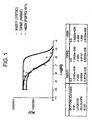
- FIG. 1 shows that 4-amino-5-fluoro-3-[6-(4-methylpiperazin-1-yl)-1H-benzimidazol-2-yl]quinolin-2(1H)-one inhibits proliferation of multiple myeloma cell lines.
- KMS11, OPM-2, and H929 are multiple myeloma cell lines that were incubated with serial dilutions of 4-amino-5-fluoro-3-[6-(4-methylpiperazin-1-yl)-1H-benzimidazol-2-yl]quinolin-2(1H)-one. After 72 hours, the number of viable cells left was determined using the CellTiter-GloTM Assay (Promega).
- KMS 11 and OPM-2 have activating mutations in the FGFR3 receptor, and H929 expresses WT FGFR3.
- FGFR3 tyrosine phosphorylation was inhibited by 4-amino-5-fluoro-3-[6-(4-methylpiperazin-1-yl)-1H-benzimidazol-2-yl]quinolin-2(1H)-one at 0.5 ⁇ M in KMS11 cells (see FIG. 2 ). KMS11 cells were starved for two hours in growth media containing 1% FBS.
- the cells were then incubated with different concentrations of 4-amino-5-fluoro-3-[6-(4-methylpiperazin-1-yl)-1H-benzimidazol-2-yl]quinolin-2(1H)-one for two hours in growth media without FBS, washed and lysed for immunoprecipitation with FGFR3 Ab (sc123 Santa Cruz Biotech). Lysates were analyzed by western blotting and probed with anti-phosphotyrosine Antibody 4G10 (Upstate Biotech). The lower panel showed total FGFR3 after stripping the western blot and reprobing with FGFR3 Ab (See FIG. 2 ).
- the cells were then incubated with different concentrations of 4-amino-5-fluoro-3-[6-(4-methylpiperazin-1-yl)-1H-benzimidazol-2-yl]quinolin-2(1H)-one for two hours in growth media without FBS, washed, lysed, and analyzed by western blotting and probed with anti phospho-ERK Antibody (Cell Signaling).
- the lower panel of FIG. 3A shows cyclophilin protein (Upstate Biotech) as a loading control.
- 3B shows 14-3-3 protein (Santa Cruz Biotech) as a loading control.
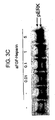
- ERK in the MAPK pathway is a downstream FGFR3 signaling component and phosphorylation of ERK was inhibited in both OPM-2 and KMS11 cells at 0.5 ⁇ M 4-amino-5-fluoro-3-[6-(4-methylpiperazin-1-yl)-1H-benzimidazol-2-yl]quinolin-2(1H)-one (See FIGS. 3A and 3B ).
- the compound had no effect on phospho-ERK levels up to 5 ⁇ M in H929 cells.
- H929 cells were starved for two days in growth media without FBS.
- the cells were then incubated with different concentrations of 4-amino-5-fluoro-3-[6-(4-methylpiperazin-1-yl)-1H-benzimidazol-2-yl]quinolin-2(1H)-one for one hour in growth media without FBS, washed, stimulated for 5 minutes with 50 ng/mL aFGF and 10 ⁇ g/mL Heparin, lysed, and analyzed by western blotting and probed with anti phospho-ERK Ab (Cell Signaling). Only a minor change in phospho-ERK in response to stimulation with aFGF after two days of serum starvation indicated that the pathway is constitutively activated due to the Ras mutation (See FIG. 3C ).
- KMS11 cells were incubated with 4-amino-5-fluoro-3-[6-(4-methylpiperazin-1-yl)-1H-benzimidazol-2-yl]quinolin-2(1H)-one at various concentrations for 96 hours.
- the incubated KMS11 cells were washed and stained with AnnexinVPE and 7AAD according to the Nexin assay protocol (Guava Technologies). Samples were run on Guava PCATM instrument and percentage of cells in each category were analyzed with the Guava NexinTM software.
- OPM-2 cells were incubated with 4-amino-5-fluoro-3-[6-(4-methylpiperazin-1-yl)-1H-benzimidazol-2-yl]quinolin-2(1H)-one at various concentrations for 72 hours.
- the incubated OPM-2 cells were washed and stained with AnnexinVPE and 7AAD according to the Nexin assay protocol (Guava Technologies). Samples were run on Guava PCATM instrument and percentage of cells in each category were analyzed with the Guava NexinTM software.
- KMS 11 cells were incubated with 4-amino-5-fluoro-3-[6-(4-methylpiperazin-1-yl)-1H-benzimidazol-2-yl]quinolin-2(1H)-one at concentrations of 0.001 ⁇ M, 0.01 ⁇ M, 0.1 ⁇ M, and 1 ⁇ M for 72 hours. Cells were then fixed and stained with propidium iodide before analyzing the samples by FACS (See FIG. 5 ). These results showed that the compound has minor effects on the cell cycle, but induced apoptosis in KMS 11 cells at 0.1 ⁇ M.
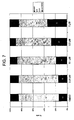
- OPM-2 cells were also incubated with 4-amino-5-fluoro-3-[6-(4-methylpiperazin-1-yl)-1H-benzimidazol-2-yl]quinolin-2(1H)-one at concentrations of 0.001 ⁇ M, 0.01 ⁇ M, 0.1 ⁇ M, and 1 ⁇ M for, 72 hours. Cells were similarly fixed and stained with propidium iodide before analyzing the samples by FACS (See FIG. 7 ). These results showed that the compound has minor effects on the cell cycle, but induced apoptosis in OPM-2 cells at 0.5 ⁇ M. Other effects on the cell cycle by the compound were minor e.g., there was no significant G1 arrest. Increases in the sub G1 population were less significant in the OPM-2 cell line compared to the KMS 11 cells and started at 0.5 ⁇ M ( FIG. 7 ).
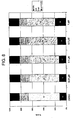
- H929 cells were incubated with 4-amino-5-fluoro-3-[6-(4-methylpiperazin-1-yl)-1H-benzimidazol-2-yl]quinolin-2(1H)-one at concentrations of 0.01 ⁇ M, 0.1 ⁇ M, 0.5 ⁇ M, and 1 ⁇ M for 72 hours. Cells were then fixed and stained with propidium iodide before analyzing the samples by FACS (See FIG. 8 ).
- Osteolytic bone loss is one of the major complications in multiple myeloma disease.
- the major cytokines involved in bone resorption are IL1 ⁇ and IL6.
- increased serum concentrations of M-CSF have been detected in patients.
- 4-Amino-5-fluoro-3-[6-(4-methylpiperazin-1-yl)-1H-benzimidazol-2-yl]quinolin-2(1H)-one inhibits CSF-1R activity, the only known receptor for M-CSF with an IC 50 of 36 nM (See Table 9).
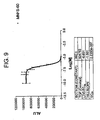
- M-CSF mediated proliferation of a mouse myeloblastic cell line M-NFS-60 was inhibited with an EC 50 of 220 nM ( FIG. 9 ).
- Murine M-NFS-60 cells were incubated with serial dilutions of 4-amino-5-fluoro-3-[6-(4-methylpiperazin-1-yl)-1H-benzimidazol-2-yl]quinolin-2(1H)-one in assay media with 10 ng/mL M-CSF and without GM-CSF. Cells in control wells were incubated with assay media only. After 72 hours incubation time, the number of viable cells left was determined using the CellTiter-GloTM Assay (Promega). EC 50 values were determined using nonlinear regression ( FIG. 9 ).
- the invention provides a method for inhibiting FGFR3 receptor phosphorylation and ERK phosphorylation in multiple myeloma cell lines with activating FGFR3 mutations which includes administering an effective amount of a 4-amino substituted quinolinone benzimidazolyl compound, a tautomer thereof, a salt of the 4-amino substituted quinolinone benzimidazolyl compound, a salt of the tautomer, a combination thereof, or a pharmaceutical formulation comprising the 4-amino substituted quinolinone benzimidazolyl compound, the tautomer thereof, the salt of the 4-amino substituted quinolinone benzimidazolyl compound, the salt of the tautomer, or the combination thereof to a subject with a multiple myeloma cell line with activating FGFR3 mutations, wherein inhibition of FGFR3 receptor phosphorylation and/or ERK phosphorylation is inhibited after administration of the compound or the pharmaceutical formulation
- the 4-amino substituted quinolinone benzimidazolyl compound is 4-amino-5-fluoro-3-[6-(4-methylpiperazin-1-yl)-1H-benzimidazol-2-yl]quinolin-2(1H)-one.
- the subject is a mammal such as a rodent or primate. In some such embodiments, the subject is a mouse, whereas in other embodiments the subject is a human.
- the invention further provides the use of a 4-amino substituted quinolinone benzimidazolyl compound, a tautomer thereof, a salt of the 4-amino substituted quinolinone benzimidazolyl compound, a salt of the tautomer, or a combination thereof, in the preparation of a medicament for inhibiting the FGFR3 receptor phosphorylation and/or ERK phosphorylation.
- the 4-amino substituted quinolinone benzimidazolyl compound is 4-amino-5-fluoro-3-[6-(4-methylpiperazin-1-yl)-1H-benzimidazol-2-yl]quinolin-2(1H)-one.
- the invention provides a method of inducing apoptosis in FGFR3 mutant cell lines which, in some embodiments, is not accompanied by a large effect on the cell cycle.
- the method includes administering an effective amount of an effective amount of a 4-amino substituted quinolinone benzimidazolyl compound, a tautomer thereof, a salt of the 4-amino substituted quinolinone benzimidazolyl compound, a salt of the tautomer, a combination thereof, or a pharmaceutical formulation comprising the 4-amino substituted quinolinone benzimidazolyl compound, the tautomer thereof, the salt of the 4-amino substituted quinolinone benzimidazolyl compound, the salt of the tautomer, or the combination thereof to a subject with a multiple myeloma cell line with activating FGFR3 mutations, wherein apoptosis in FGFR3 mutant cell lines is induced following administration.
- the 4-amino substituted quinolinone benzimidazolyl compound is 4-amino-5-fluoro-3-[6-(4-methylpiperazin-1-yl)-1H-benzimidazol-2-yl]quinolin-2(1H)-one.
- the subject is a mammal such as a rodent or primate. In some such embodiments, the subject is a mouse, whereas in other embodiments the subject is a human.
- the invention further provides the use of a 4-amino substituted quinolinone benzimidazolyl compound, a tautomer thereof, a salt of the 4-amino substituted quinolinone benzimidazolyl compound, a salt of the tautomer, or a combination thereof, in the preparation of a medicament for inducing apoptosis in FGFR3 mutant cell lines, which in some embodiments, is not accompanied by a large effect on the cell cycle when incubated for the indicated times.
- the 4-amino substituted quinolinone benzimidazolyl compound is 4-amino-5-fluoro-3-[6-(4-methylpiperazin-1-yl)-1H-benzimidazol-2-yl]quinolin-2(1H)-one.
- the invention provides a method of inhibiting M-CSF mediated proliferation of myeloid cell lines and inhibiting CSF-1R activity.
- the method comprises administering an effective amount of an effective amount of a 4-amino substituted quinolinone benzimidazolyl compound, a tautomer thereof, a salt of the 4-amino substituted quinolinone benzimidazolyl compound, a salt of the tautomer, a combination thereof, or a pharmaceutical formulation comprising the 4-amino substituted quinolinone benzimidazolyl compound, the tautomer thereof, the salt of the 4-amino substituted quinolinone benzimidazolyl compound, the salt of the tautomer, or the combination thereof to a subject with a myeloid cell line, wherein M-CSF mediated proliferation of myeloid cell lines and/or CSF-1R activity is inhibited.
- the 4-amino substituted quinolinone benzimidazolyl compound is 4-amino-5-fluoro-3-[6-(4-methylpiperazin-1-yl)-1H-benzimidazol-2-yl]quinolin-2(1H)-one.
- the invention further provides the use of a 4-amino substituted quinolinone benzimidazolyl compound, a tautomer thereof, a salt of the 4-amino substituted quinolinone benzimidazolyl compound, a salt of the tautomer, or a combination thereof, in the preparation of a medicament for inhibiting M-CSF mediated proliferation of myeloid cell lines and/or CSF-1R activity.
- the 4-amino substituted quinolinone benzimidazolyl compound is 4-amino-5-fluoro-3-[6-(4-methylpiperazin-1-yl)-1H-benzimidazol-2-yl]quinolin-2(1H)-one.
- the invention also provides a method of reducing osteolytic bone loss or lesions in subjects with multiple myeloma, the method comprising administering effective amount of an effective amount of a 4-amino substituted quinolinone benzimidazolyl compound, a tautomer thereof, a salt of the 4-amino substituted quinolinone benzimidazolyl compound, a salt of the tautomer, a combination thereof, or a pharmaceutical formulation comprising the 4-amino substituted quinolinone benzimidazolyl compound, the tautomer thereof, the salt of the 4-amino substituted quinolinone benzimidazolyl compound, the salt of the tautomer, or the combination thereof to a subject with multiple myeloma, wherein a reduction in osteolytic bone loss or lesions is observed in the subject after administration.
- the 4-amino substituted quinolinone benzimidazolyl compound is 4-amino-5-fluoro-3-[6-(4-methylpiperazin-1-yl)-1H-benzimidazol-2-yl]quinolin-2(1H)-one.
- the subject is a mammal such as a rodent or primate. In some such embodiments, the subject is a mouse, whereas in other embodiments the subject is a human.
- the invention further provides the use of a 4-amino substituted quinolinone benzimidazolyl compound, a tautomer thereof, a salt of the 4-amino substituted quinolinone benzimidazolyl compound, a salt of the tautomer, or a combination thereof, in the preparation of a medicament for reducing osteolytic bone loss or lesions in subjects with multiple myeloma.
- the 4-amino substituted quinolinone benzimidazolyl compound is 4-amino-5-fluoro-3-[6-(4-methylpiperazin-1-yl)-1H-benzimidazol-2-yl]quinolin-2(1H)-one.
- MM multiple myeloma
- RTK receptor tyrosine kinase
- FGFR3 fibroblast growth factor receptor 3
- 4-Amino substituted quinolinone benzimidazolyl compounds such as 4-amino-5-fluoro-3-[6-(4-methylpiperazin-1-yl)-1H-benzimidazol-2-yl]quinolin-2(1H)-one, act as inhibitors of FGFR3.
- 4-Amino-5-fluoro-3-[6-(4-methylpiperazin-1-yl)-1H-benzimidazol-2-yl]quinolin-2(1H)-one potently inhibits FGFR3 with IC 50 of 5 nM in in vitro kinase assays and selectively inhibited the growth of B9 cells and human myeloma cell lines expressing wild-type (WT) or activated mutant FGFR3.
- WT wild-type
- 4-amino-5-fluoro-3-[6-(4-methylpiperazin-1-yl)-1H-benzimidazol-2-yl]quinolin-2(1H)-one induced cytostatic and cytotoxic effects.
- interleukin-6 interleukin-6
- IGF-1 insulin growth factor 1
- co-culture on stroma did not confer resistance to 4-amine-5-fluoro-3-[6-(4-methylpiperazin-1-yl)-1H-benzimidazol-2-yl]quinolin-2(1H)-one.
- 4-amino-5-fluoro-3-[6-(4-methylpiperazin-1-yl)-1H-benzimidazol-2-yl]quinolin-2(1H)-one inhibited downstream ERK1/2 phosphorylation with an associated cytotoxic response.
- 4-Amino substituted quinolinone benzimidazolyl compounds such as 4-amino-5-fluoro-3-[6-(4-methylpiperazin-1-yl)-1H-benzimidazol-2-yl]quinolin-2(1H)-one are potent inhibitors of FGFR3-transformed hematopoietic cell lines and human multiple myeloma cell lines expressing either WT or mutant FGFR3.
- these compounds are potent inhibitors in a mouse model of FGFR3-mediated MM and are cytotoxic to primary myeloma cells from t(4;14) patients.
- 4-Amino-5-fluoro-3-[6-(4-methylpiperazin-1-yl)-1H-benzimidazol-2-yl]quinolin-2(1H)-one was dissolved in DMSO at a stock concentration of 20 mM.
- 4-amino-5-fluoro-3-[6-(4-methylpiperazin-1-yl)-1H-benzimidazol-2-yl]quinolin-2(1H)-one was formulated in 5 mM citrate buffer.
- Acidic FGF (aFGF) and heparin were purchased from R&D Systems (Minneapolis, MN) and Sigma (Ontario, Canada), respectively.
- FGFR3 antibodies (C15, H100 and B9) were obtained from Santa Cruz Biotechnology (Santa Cruz, CA), and 4G10 from Upstate Biotechnology (Lake Placid, NY).
- IC 50 values for the inhibition of RTKs by 4-amino-5-fluoro-3-[6-(4-methylpiperazin-1-yl)-1H-benzimidazol-2-yl]quinolin-2(1H)-one were determined in a time resolved fluorescence (TRF) or radioactive format, measuring the inhibition by 4-amino-5-fluoro-3-[6-(4-methylpiperazin-1-yl)-1H-benzimidazol-2-yl]quinolin-2(1H)-one of phosphate transfer to a substrate by the respective enzyme.
- TRF time resolved fluorescence
- the respective RTK domain was expressed or purchased as recombinant protein and incubated with serial dilutions of 4-amino-5-fluoro-3-[6-(4-methylpiperazin-1-yl)-1H-benzimidazol-2-yl]quinolin-2(1H)-one in the presence of substrate and ATP concentrations within 2-3 times the K m of the enzyme.
- IC 50 values were calculated using non-linear regression and represent the average of at least 2 experiments.
- B9 cells expressing WT FGFR3 (B9-WT), FGFR3-K650E (B9-K650E) and empty retrovirus (B9-MINV) have been described previously. Plowright, E. E. et al., Blood, 2000; 95:992-998 .
- Full-length FGFR3 cDNAs, containing F384L, Y373C, or J807C (gift of Marta Chesi, Weill Medical College of Cornell, New York, NY) were cloned into an MSCV-based retroviral vector containing a green fluorescent protein (GFP) cassette.
- GFP green fluorescent protein
- a construct carrying the G384D mutation was created from the FGFR3-WT by replacing the PmlI-BglII fragment between amino acid 290 and 413 with the same fragment obtained from the KMS 18 as previously described. Ronchetti, D. et al., Oncogene, 2001; 20:3553-3562 .
- the constructed retroviral vectors were transfected into GP-E ecotropic packaging cells.
- the resulting retroviruses were used to introduce FGFR3 into the IL-6 dependent murine myeloma cell line, B9.
- a limiting cell dilution was further performed to generate single cell clones.
- a high-expressing clone for each construct (B9-F384L, B9-Y373C, B9-G384D and B9-J807C) was cryopreserved.
- BMSCs BM stroma cells
- Cell viability was assessed by 3-(4,5-dimethylthiazol)-2,5-diphenyl tetrazolium (MTT) dye absorbance.
- MTT 3-(4,5-dimethylthiazol)-2,5-diphenyl tetrazolium (MTT) dye absorbance.
- Cells were seeded in 96-well plates at a density of 5,000 (B9 cells) or 20,000 (MM cell lines) cells per well in IMDM with 5% FCS. Cells were incubated with 30 ng/ml aFGF and 100 ⁇ g/ml heparin or 1% IL-6 where indicated and increasing concentrations of 4-amino-5-fluoro-3-[6-(4-methylpiperazin-1-yl)-1H-benzimidazol-2-yl]quinolin-2(1H)-one.
- MTT assay was performed according to the manufacturer's instruction (Boehringer Mannheim, Mannheim, Germany).
- M-CSF macrophage-colony stimulating factor
- 5000 M-NFS-60 cells per well were incubated with serial dilutions of 4-amino-5-fluoro-3-[6-(4-methylpiperazin-1-yl)-1H-benzimidazol-2-yl]quinolin-2(1H)-one in media with 10 ng/ml M-CSF and without granulocytemacrophage-colony stimulating factor (GM-CSF).
- GM-CSF granulocytemacrophage-colony stimulating factor
- the cells were permeabilized by adding ice-cold methanol (final concentration of 90%) and incubated on ice for 30 minutes.
- Cells were stained with anti-ERK1/2 (Cell Signaling Technology, Beverly, MA) for 15 minutes and labeled with FITC-conjugated goat anti-rabbit and anti-CD138-PE (PharMinogen, San Diego, CA) where indicated.
- Malignant cells were identified as cells that express high levels of CD138.
- Flow cytometry was performed on a FACS Caliber flow cytometer (BD Biosciences, San Jose, CA) and analyzed using Cellquest software (Becton Dickinson).
- cells were seeded at an initial density of 2 x 10 5 /ml medium supplemented with DMSO, 100 nM or 500 nM 4-amino-5-fluoro-3-[6-(4-methylpiperazin-1-yl)-1H-benzimidazol-2-yl]quinolin-2(1H)-one and cultured for up to 6 days.
- the medium and drug were replenished every 3 days, and the cell density was adjusted to 2 x 10 5 /ml.
- Apoptosis was determined by Annexin V staining (Boehringer Mannheim, Indianapolis, IN) and analyzed by flow cytometry.
- FISH fluorescence in situ hybridization
- t(4;14) positive samples were further analyzed for the presence of FGFR3 or Ras mutations.
- Four pairs of primers were designed to amplify the regions of FGFR3-containing codons of the extracellular (EC) domain, transmembrane (TM) domain tyrosine kinase (TK) domain and stop codon (SC), known hot spots for activating mutations.
- Two pairs of primers were designed to amplify regions of codons 12, 13, and 61 of N- ras and K- ras. Chesi, M. et al., Blood, 2001; 97:729-736 .
- a first PCR reaction was performed on genomic DNA extracted from CD138 purified myeloma cells and amplicons were used for DHPLC analysis. Results were confirmed by sequence analysis of the PCR products.
- the xenograft mouse model was prepared as previously described. Mohammadi, M. et a.,l Embo. J., 1998; 17:5896-5904 . Briefly, six to eight week old female BNX mice obtained from Frederick Cancer Research and Development Centre (Frederick, MD) were inoculated s.c. into the right flank with 3 x 10 7 KMS11 cells in 150 ⁇ l of IMDM, together with 150 ⁇ l of matrigel basement membrane matrix (Becton Dickinson, Bedford, MA).
- Treatment was initiated when tumors reached volumes of approximately 200 mm 3 at which time mice were randomized to receive 10, 30 or 60 mg/kg 4-amino-5-fluoro-3-[6-(4-methylpiperazin-1-yl)-1H-benzimidazol-2-yl]quinolin-2(1H)-one or 5 mM citrate buffer. Dosing was performed daily by gavage and continued for 21 days. Eight to 10 mice were included in each treatment group. Calliper measurements were performed twice weekly to estimate tumor volume, using the formula: 4 ⁇ /3 x (width/2) 2 x (length/2).
- Immunoprecipitation and immunoblotting were performed as described previously. LeBlanc, R. et al., Cancer Res., 2002; 62:4996-5000 . Briefly, tumors from sacrificed mice were immediately homogenized on ice and lysed in detergent buffer. Clarified cell extracts (1 mg/sample) were incubated for 6 hours with C 15 FGFR3 antibody, then protein A/G agarose (Santa Cruz) was added for an additional 2 hours. Immunoblotting was performed with anti-phosphotyrosine antibody, 4G10 to assess phosphorylated FGFR3, or with anti-FGFR3 (B9) to measure total FGFR3.
- Tissue samples were fixed in 10% formalin and embedded in paraffin, from which 5 ⁇ m histologic sections were cut and stained with hematoxylin and eosin.
- Immunohistochemistry (IHC) studies were performed by indirect immunoperoxidase staining of paraffin tissue sections using a TechMate500TM BioTek automated immunostainer (Ventana Medical Systems, Inc., Arlington, AZ) and antibodies recognizing FGFR3 (C15), Ki-67 (Zymed, San Francisco, CA), and cleaved caspase 3 (Signaling Cell Technology) as previously described.
- 4-amino-5-fluoro-3-[6-(4-methylpiperazin-1-yl)-1H-benzimidazol-2-yl]quinolin-2(1H)-one potently inhibited the FGF-stimulated growth of WT and F384L-FGFR3 expressing B9 cells with IC 50 values of 25 nM.
- 4-amino-5-fluoro-3-[6-(4-methylpiperazin-1-yl)-1H-benzimidazol-2-yl]quinolin-2(1H)-one inhibited proliferation of B9 cells expressing each of the various activated mutants of FGFR3.
- B9-MINV cells were resistant to the inhibitory activity of 4-amino-5-fluoro-3-[6-(4-methylpiperazin-1-yl)-1H-benzimidazol-2-yl]quinolin-2(1H)-one at concentrations up to 1 ⁇ M.
- These data further confirm the in vitro kinase data demonstrating inhibition of FGFR3 by 4-amino-5-fluoro-3-[6-(4-methylpiperazin-1-yl)-1H-benzimidazol-2-yl]quinolin-2(1H)-one and indicate that nonspecific cytotoxic effects are not observed within the effective range of drug concentration.
- FGFR3 positive cell lines KMS11, KMS18, OPM2, H929
- FGFR3 negative cell lines U266 and 8226 were incubated with increasing concentrations of 4-amino-5-fluoro-3-[6-(4-methylpiperazin-1-yl)-1H-benzimidazol-2-yl]quinolin-2(1H)-one and cell viability was monitored (Table 10).
- H929 cells which displayed minimal cytostatic response to 4-amino-5-fluoro-3-[6-(4-methylpiperazin-1-yl)-1H-benzimidazol-2-yl]quinolin-2(1H)-one, demonstrated high basal levels of MAP kinase activation as a result of constitutive Ras activation and showed no change in ERK1/2 phosphorylation, indicating that 4-amino-5-fluoro-3-[6-(4-methylpiperazin-1-yl)-1H-benzimidazol-2-yl]quinolin-2(1H)-one is acting upstream of Ras.
- Table 10 10.
- WT denotes the wild-type genotype and N/D means not determined.
- the cytotoxic potential of 4-amino-5-fluoro-3-[6-(4-methylpiperazin-1-yl)-1H-benzimidazol-2-yl]quinolin-2(1H)-one was assessed against primary human myeloma cells. Freshly isolated BM mononuclear cells were obtained from patients previously identified by FISH as t(4;14) positive or negative. Chang, H. et al., Br. J. Haematol., 2004; 125:64-68 . The presence or absence of FGFR3 expression was confirmed by flow cytometry ( FIG. 12A ).
- KMS 11 cells were then cultured with or without BMSCs in the presence or absence of 4-amino-5-fluoro-3-[6-(4-methylpiperazin-1-yl)-1H-benzimidazol-2-yl]quinolin-2(1H)-one.
- BMSCs did confer a modest degree of resistance with 44.6% growth inhibition for cells treated with 500 nM 4-amino-5-fluoro-3-[6-(4-methylpiperazin-1-yl)-1H-benzimidazol-2-yl]quinolin-2(1H)-one and cultured on stroma compared to with 71.6% growth inhibition for cells grown without BMSCs.
- FGFR3 expression results in increased STAT3 phosphorylation and higher levels of Bcl-XL expression than that observed in parental B9 cells after IL-6 withdrawas.
- These findings were associated with inhibition of dexamethasone-induced apoptosis, a phenomenon that was reversed by Bcl-XL antisense oligonucleotide.
- Treatment of FGFR3 expressing MM cells may, thus overcome resistance to dexamethasone.
- KMS11 cells are relatively resistant to dexamethasone; however, when combined with 4-amino-5-fluoro-3-[6-(4-methylpiperazin-1-yl)-1H-benzimidazol-2-yl]quinolin-2(1H)-one, synergistic inhibitory effects were observed.
- Table 12 shows the usefulness of combining dexamethasone with 4-amino-5-fluoro-3-[6-(4-methylpiperazin-1-yl)-1H-benzimidazol-2-yl]quinolin-2(1H)-one as a therapeutic strategy.
- Osteolytic bone loss is one of the major complications in MM.
- the major osteoclast activating factors involved in bone resorption are IL-1 ⁇ , IL-6, RANK-L and M-CSF.
- MM cells, osteoblasts and stromal cells in the BM express M-CSF which together with RANK-L is essential for osteoclast formation.
- Quinn, J. M. et al., Endocrinology, 1998; 139:4424-4427 Increased serum concentrations of MCSF have been detected in MM patients. Janowska-Wieczorek, A.
- 4-Amino-5-fluoro-3-[6-(4-methylpiperazin-1-yl)-1H-benzimidazol-2-yl]quinolin-2(1H)-one inhibited proliferation of M-NFS-60, a M-CSF growth driven mouse myeloblastic cell line with an EC 50 of 220 nM ( FIG. 14 ). It would appear, therefore, that in addition to inhibiting MM cell growth, 4-amino-5-fluoro-3-[6-(4-methylpiperazin-1-yl)-1H-benzimidazol-2-yl]quinolin-2(1H)-one has the advantage of potentially inhibiting tumor-associated osteolysis.
- mice were injected in the flank with 3 x 10 7 KMS11 cells together with matrigel by s.c. injection.
- mice were sacrificed 4 hours after receiving the last dose of 4-amino-5-fluoro-3-[6-(4-methylpiperazin-1-yl)-1H-benzimidazol-2-yl]quinolin-2(1H)-one and tumors were harvested for analysis of in vivo inhibition of FGFR3 phosphorylation.
- FGFR3 was immunoprecipitated from tumor cell lysates and the level of expression and phosphorylation was determined on immunoblots.
- In vivo inhibition of FGFR3 was observed, with complete inhibition of FGFR3 occurring at the 60 mg/kg dose. Inhibition of FGFR3 phosphorylation was dose dependent and correlated with the anti-tumor response.
- FGFR3 is expressed in approximately 70% ( Keats, J. J. et al., Blood, 2003; 101:1520-1529 ; and Quinn, J. M. et al., Endocrinology, 1998; 139:4424-4427 ) of these cases and 10% ( Intini, D. et al., Br. J. Haematol., 2001; 114:362-364 ) of patients will acquire an activating mutation of FGFR3 with disease progression.
- CML chronic myelogenous leukemia
- Druker, B. J. et al., N. Engl. J. Med., 2001; 344:1031-1037 Inhibition of activated c-Kit in gastrointestinal stromal tumors by STI571 has also been effective against this chemoresistant tumor.
- Demetri, G. D. et al., N. Engl. J. Med., 2002; 347:472-480 has resulted in improved chemotherapy responses and prolonged survival of breast cancer patients.
- 4-Amino-5-fluoro-3-[6-(4-methylpiperazin-1-yl)-1H-benzimidazol-2-yl]quinolin-2(1H)-one is a potent inhibitor of FGFR3 and class III, IV and V RTKs including, FLT3, c-Kit, c-Fms, PDGFR and VEGFR.
- 4-amino-5-fluoro-3-[6-(4-methylpiperazin-1-yl)-1H-benzimidazol-2-yl]quinolin-2(1H)-one was demonstrated to be a highly active inhibitor of both WT and mutant FGFR3 17 tyrosine kinases.
- 4-amino-3-fluoro-3-[6-(4-methylpiperazin-1-yl)-1H-benzimidazol-2-yl]quinolin-2(1H)-one may also impact host-derived tumor-associated cells within the BM that have implications in supporting tumor growth.
- 4-Amino-5-fluoro-3-[6-(4-methylpiperazin-1-yl)-1H-benzimidazol-2-yl]quinolin-2(1H)-one exhibits potent anti-angiogenic activity in several angiogenesis assays including endothelial cell migration and tube formation on fibrin gels as well as in the ex vivo rat aortic ring assay. Wiesmann, M.
- 4-amino-5-fluoro-3-[6-(4-methylpiperazin-1-yl)-1H-benzimidazol-2-yl]quinolin-2(1H)-one represents a novel and potent small molecule inhibitor of FGFR3 for the treatment of t(4;14) myeloma.
- organic compound of example 60 may exhibit the phenomenon of tautomerism.
- the chemical structures within this specification can only represent one of the possible tautomeric forms at a time, it should be understood that the invention encompasses a lactate salt of any tautomeric form of the drawn structure.
- the compound of formula IIIB is shown below with one tautomer, Tautomer IIIBa:
Landscapes
- Health & Medical Sciences (AREA)
- Chemical & Material Sciences (AREA)
- Organic Chemistry (AREA)
- Life Sciences & Earth Sciences (AREA)
- Veterinary Medicine (AREA)
- Public Health (AREA)
- General Health & Medical Sciences (AREA)
- Medicinal Chemistry (AREA)
- Animal Behavior & Ethology (AREA)
- Pharmacology & Pharmacy (AREA)
- Epidemiology (AREA)
- Engineering & Computer Science (AREA)
- General Chemical & Material Sciences (AREA)
- Chemical Kinetics & Catalysis (AREA)
- Bioinformatics & Cheminformatics (AREA)
- Nuclear Medicine, Radiotherapy & Molecular Imaging (AREA)
- Diabetes (AREA)
- Biomedical Technology (AREA)
- Neurosurgery (AREA)
- Neurology (AREA)
- Oil, Petroleum & Natural Gas (AREA)
- Hospice & Palliative Care (AREA)
- Cardiology (AREA)
- Hematology (AREA)
- Endocrinology (AREA)
- Emergency Medicine (AREA)
- Psychiatry (AREA)
- Heart & Thoracic Surgery (AREA)
- Obesity (AREA)
- Physical Education & Sports Medicine (AREA)
- Pharmaceuticals Containing Other Organic And Inorganic Compounds (AREA)
- Plural Heterocyclic Compounds (AREA)
- Nitrogen Condensed Heterocyclic Rings (AREA)
- Nitrogen And Oxygen Or Sulfur-Condensed Heterocyclic Ring Systems (AREA)
- Medicinal Preparation (AREA)
- Low-Molecular Organic Synthesis Reactions Using Catalysts (AREA)
Priority Applications (1)
| Application Number | Priority Date | Filing Date | Title |
|---|---|---|---|
| SI200432176T SI1699421T1 (sl) | 2003-11-07 | 2004-11-05 | Laktatne soli kinolinonskih spojin in njihova farmacevtska uporaba |
Applications Claiming Priority (5)
| Application Number | Priority Date | Filing Date | Title |
|---|---|---|---|
| US51791503P | 2003-11-07 | 2003-11-07 | |
| US52642603P | 2003-12-02 | 2003-12-02 | |
| US52642503P | 2003-12-02 | 2003-12-02 | |
| US54601704P | 2004-02-19 | 2004-02-19 | |
| PCT/US2004/036941 WO2005046589A2 (en) | 2003-11-07 | 2004-11-05 | Pharmaceutically acceptable salts of quinolinone compounds having improved pharmaceutical properties |
Related Child Applications (2)
| Application Number | Title | Priority Date | Filing Date |
|---|---|---|---|
| EP14165975.5A Division EP2762475A1 (en) | 2003-11-07 | 2004-11-05 | Pharmaceutically acceptable salts of quinolinone compounds and their medical use |
| EP14164077 Division-Into | 2014-04-09 |
Publications (3)
| Publication Number | Publication Date |
|---|---|
| EP1699421A2 EP1699421A2 (en) | 2006-09-13 |
| EP1699421A4 EP1699421A4 (en) | 2010-02-17 |
| EP1699421B1 true EP1699421B1 (en) | 2014-05-21 |
Family
ID=34596121
Family Applications (4)
| Application Number | Title | Priority Date | Filing Date |
|---|---|---|---|
| EP04816941.1A Expired - Lifetime EP1699421B1 (en) | 2003-11-07 | 2004-11-05 | Lactate salts of quinolinone compounds and their pharmaceutical use |
| EP14165975.5A Withdrawn EP2762475A1 (en) | 2003-11-07 | 2004-11-05 | Pharmaceutically acceptable salts of quinolinone compounds and their medical use |
| EP04810468A Withdrawn EP1682529A4 (en) | 2003-11-07 | 2004-11-05 | PROCESS FOR SYNTHESIS OF CHINOLINONE COMPOUNDS |
| EP04810419A Withdrawn EP1692085A4 (en) | 2003-11-07 | 2004-11-05 | INHIBITION OF FGFR3 AND TREATMENT OF MULTIPLE MYELOMA |
Family Applications After (3)
| Application Number | Title | Priority Date | Filing Date |
|---|---|---|---|
| EP14165975.5A Withdrawn EP2762475A1 (en) | 2003-11-07 | 2004-11-05 | Pharmaceutically acceptable salts of quinolinone compounds and their medical use |
| EP04810468A Withdrawn EP1682529A4 (en) | 2003-11-07 | 2004-11-05 | PROCESS FOR SYNTHESIS OF CHINOLINONE COMPOUNDS |
| EP04810419A Withdrawn EP1692085A4 (en) | 2003-11-07 | 2004-11-05 | INHIBITION OF FGFR3 AND TREATMENT OF MULTIPLE MYELOMA |
Country Status (14)
| Country | Link |
|---|---|
| US (7) | US20050137399A1 (cg-RX-API-DMAC7.html) |
| EP (4) | EP1699421B1 (cg-RX-API-DMAC7.html) |
| JP (5) | JP4823914B2 (cg-RX-API-DMAC7.html) |
| KR (3) | KR101167573B1 (cg-RX-API-DMAC7.html) |
| CN (1) | CN102225926A (cg-RX-API-DMAC7.html) |
| AU (3) | AU2004288709B2 (cg-RX-API-DMAC7.html) |
| BR (1) | BRPI0416143A (cg-RX-API-DMAC7.html) |
| CA (3) | CA2544492C (cg-RX-API-DMAC7.html) |
| EA (1) | EA012621B1 (cg-RX-API-DMAC7.html) |
| ES (1) | ES2486240T3 (cg-RX-API-DMAC7.html) |
| IL (5) | IL174471A (cg-RX-API-DMAC7.html) |
| MX (1) | MXPA06004194A (cg-RX-API-DMAC7.html) |
| TW (1) | TWI347940B (cg-RX-API-DMAC7.html) |
| WO (3) | WO2005046589A2 (cg-RX-API-DMAC7.html) |
Families Citing this family (97)
| Publication number | Priority date | Publication date | Assignee | Title |
|---|---|---|---|---|
| JP4341949B2 (ja) | 2000-09-01 | 2009-10-14 | ノバルティス バクシンズ アンド ダイアグノスティックス,インコーポレーテッド | アザ複素環式誘導体およびその治療的使用 |
| US20030028018A1 (en) * | 2000-09-11 | 2003-02-06 | Chiron Coporation | Quinolinone derivatives |
| BRPI0113757B8 (pt) | 2000-09-11 | 2017-11-07 | Chiron Corp | derivados de quinolinona como inibidores de tirosina quinase |
| EP2573079A3 (en) | 2002-08-23 | 2015-03-11 | Novartis AG | Benzimidazole quinolinones and uses thereof |
| US7825132B2 (en) * | 2002-08-23 | 2010-11-02 | Novartis Vaccines And Diagnostics, Inc. | Inhibition of FGFR3 and treatment of multiple myeloma |
| SG148864A1 (en) * | 2002-11-13 | 2009-01-29 | Chiron Corp | Methods of treating cancer and related methods |
| JP4823914B2 (ja) * | 2003-11-07 | 2011-11-24 | ノバルティス バクシンズ アンド ダイアグノスティックス,インコーポレーテッド | Fgfr3の阻害および多発性骨髄腫の治療 |
| EP1718306A2 (en) * | 2004-02-20 | 2006-11-08 | Chiron Corporation | Modulation of inflammatory and metastatic processes |
| DK1845990T3 (da) * | 2005-01-27 | 2012-01-02 | Novartis Vaccines & Diagnostic | Behandling af metastaserede tumorer |
| US8034823B2 (en) * | 2005-02-22 | 2011-10-11 | Savvipharm Inc | Method of increasing drug oral bioavailability and compositions of less toxic orotate salts |
| US7981876B2 (en) * | 2005-04-25 | 2011-07-19 | Ohr Pharmaceuticals, Inc. | Polymorphic and amorphous salt forms of squalamine dilactate |
| AU2006247803B2 (en) * | 2005-05-13 | 2011-12-22 | Novartis Ag | Methods for treating drug resistant cancer |
| CA2608087C (en) * | 2005-05-17 | 2013-12-10 | Gabriel Calvin | Methods for synthesizing heterocyclic compounds |
| AU2012258324B2 (en) * | 2005-05-17 | 2014-07-24 | Novartis Ag | Methods for synthesizing heterocyclic compounds |
| EP2270000B1 (en) * | 2005-05-23 | 2015-07-29 | Novartis AG | Crystalline and other forms of 4-amino-5-fluoro-3-[6-(4-methylpiperazin-1-yl)-1H-benzimidazol-2-yl]-1H-quinolin-2-one lactic acid salts |
| EP1904065A2 (en) * | 2005-07-14 | 2008-04-02 | AB Science | Use of dual c-kit/fgfr3 inhibitors for treating multiple myeloma |
| CN101316593B (zh) * | 2005-11-29 | 2012-05-02 | 诺瓦提斯公司 | 喹啉酮类的制剂 |
| KR20080074143A (ko) * | 2005-11-29 | 2008-08-12 | 노파르티스 아게 | 퀴놀리논 제제 |
| WO2007067968A2 (en) | 2005-12-08 | 2007-06-14 | Novartis Ag | Effects of inhibitors of fgfr3 on gene transcription |
| CN100488960C (zh) * | 2006-03-09 | 2009-05-20 | 中国药科大学 | 2-位取代的喹诺酮类化合物及其在制药中的应用 |
| US8916552B2 (en) | 2006-10-12 | 2014-12-23 | Astex Therapeutics Limited | Pharmaceutical combinations |
| US8883790B2 (en) | 2006-10-12 | 2014-11-11 | Astex Therapeutics Limited | Pharmaceutical combinations |
| JP2010520881A (ja) * | 2007-03-09 | 2010-06-17 | ノバルティス アーゲー | 黒色腫の処置 |
| EP2170859A1 (en) | 2007-06-25 | 2010-04-07 | F. Hoffmann-Roche AG | Benzimidazole amido derivatives as kinase inhibitors |
| GB0800855D0 (en) | 2008-01-17 | 2008-02-27 | Syngenta Ltd | Herbicidal compounds |
| JPWO2009113436A1 (ja) * | 2008-03-14 | 2011-07-21 | 国立大学法人 千葉大学 | Fgfr3遺伝子阻害剤の放射線照射併用による放射線の抗癌作用増強法および副作用軽減法 |
| AR070924A1 (es) * | 2008-03-19 | 2010-05-12 | Novartis Ag | Formas cristalinas y dos formas solvatadas de sales del acido lactico de 4- amino -5- fluoro-3-(5-(4-metilpiperazin-1-il ) -1h- bencimidazol-2-il) quinolin -2-(1h) - ona |
| EP2370417A2 (en) * | 2008-11-21 | 2011-10-05 | Millennium Pharmaceuticals, Inc. | Lactate salt of 4-[6-methoxy-7-(3-piperidin-1-yl-propoxy)quinazolin-4-yl]piperazine-1-carboxylic acid(4-isopropoxyphenyl)-amide and pharmaceutical compositions thereof for the treatment of cancer and other diseases or disorders |
| JP2012513411A (ja) * | 2008-12-22 | 2012-06-14 | サンフォード−バーンハム メディカル リサーチ インスティテュート | Aktの選択的阻害剤およびその使用方法 |
| TW201920110A (zh) | 2009-01-16 | 2019-06-01 | 美商艾克塞里克斯公司 | 包含n-(4-{[6,7-雙(甲氧基)喹啉-4-基]氧基}苯基)-n'-(4-氟苯基)環丙烷-1,1-二甲醯胺之蘋果酸鹽之醫藥組合物及其用途 |
| UA108618C2 (uk) | 2009-08-07 | 2015-05-25 | Застосування c-met-модуляторів в комбінації з темозоломідом та/або променевою терапією для лікування раку | |
| US8987448B2 (en) | 2010-03-26 | 2015-03-24 | Novartis Ag | Preparation of anhydrous and hydrated polymorphs 4-amino-5-fluoro-3-[6-(4-methylpiperazin-1-YL)-1H-benzimidazol-2-YL]-1H-quinolin-2-one-lactic acid salt |
| WO2011128405A1 (en) * | 2010-04-16 | 2011-10-20 | Novartis Ag | Combination of organic compounds |
| GB201007286D0 (en) | 2010-04-30 | 2010-06-16 | Astex Therapeutics Ltd | New compounds |
| WO2012009722A1 (en) * | 2010-07-16 | 2012-01-19 | Exelixis, Inc. | C-met modulator pharmaceutical compositions |
| GB201020179D0 (en) | 2010-11-29 | 2011-01-12 | Astex Therapeutics Ltd | New compounds |
| TW201309650A (zh) | 2011-02-10 | 2013-03-01 | 艾克塞里克斯公司 | 製造喹啉化合物之方法及包含該化合物之醫藥組合物 |
| EP2524915A1 (en) * | 2011-05-20 | 2012-11-21 | Sanofi | 2-Amino-3-(imidazol-2-yl)-pyridin-4-one derivatives and their use as VEGF receptor kinase inhibitors |
| GB201118675D0 (en) | 2011-10-28 | 2011-12-14 | Astex Therapeutics Ltd | New compounds |
| GB201118652D0 (en) | 2011-10-28 | 2011-12-07 | Astex Therapeutics Ltd | New compounds |
| WO2013063003A1 (en) | 2011-10-28 | 2013-05-02 | Novartis Ag | Method of treating gastrointestinal stromal tumors |
| GB201118656D0 (en) | 2011-10-28 | 2011-12-07 | Astex Therapeutics Ltd | New compounds |
| GB201118654D0 (en) | 2011-10-28 | 2011-12-07 | Astex Therapeutics Ltd | New compounds |
| WO2013088191A1 (en) | 2011-12-12 | 2013-06-20 | Institut National De La Sante Et De La Recherche Medicale (Inserm) | Antagonist of the fibroblast growth factor receptor 3 (fgfr3) for use in the treatment or the prevention of skeletal disorders linked with abnormal activation of fgfr3 |
| MX2014009303A (es) | 2012-01-31 | 2014-10-14 | Novartis Ag | Combinacion de un inhibidor de rtk con un anti-estrogeno y uso del mismo para el tratamiento de cancer. |
| KR20220017512A (ko) | 2012-03-08 | 2022-02-11 | 아스테라스 세이야쿠 가부시키가이샤 | 신규 fgfr3 융합체 |
| GB201209613D0 (en) | 2012-05-30 | 2012-07-11 | Astex Therapeutics Ltd | New compounds |
| GB201209609D0 (en) | 2012-05-30 | 2012-07-11 | Astex Therapeutics Ltd | New compounds |
| AU2013289175A1 (en) | 2012-07-11 | 2015-01-22 | Novartis Ag | Method of treating gastrointestinal stromal tumors |
| JP6226981B2 (ja) * | 2012-07-17 | 2017-11-08 | サノフイ | 肝細胞癌を処置するためのvegfr−3阻害剤の使用 |
| EA031631B1 (ru) * | 2012-09-27 | 2019-01-31 | Чугаи Сеияку Кабушики Каиша | Способ лечения или предупреждения злокачественного новообразования, способ отбора пациента, способ тестирования предрасположенности к злокачественному новообразованию у субъекта, гибридный полипептид и его применения |
| WO2014058785A1 (en) | 2012-10-10 | 2014-04-17 | Novartis Ag | Combination therapy |
| CN103804305A (zh) * | 2012-11-05 | 2014-05-21 | 韩文毅 | 一类治疗湿疹的化合物及其用途 |
| WO2014110200A1 (en) | 2013-01-10 | 2014-07-17 | Zisman Lawrence S | Non-selective kinase inhibitors |
| BR122021012629B1 (pt) | 2013-02-01 | 2022-06-07 | Wellstat Therapeutics Corporation | Compostos de amina, composição compreendendo os referidos compostos e usos dos mesmos |
| US9353122B2 (en) | 2013-02-15 | 2016-05-31 | Kala Pharmaceuticals, Inc. | Therapeutic compounds and uses thereof |
| US9688688B2 (en) | 2013-02-20 | 2017-06-27 | Kala Pharmaceuticals, Inc. | Crystalline forms of 4-((4-((4-fluoro-2-methyl-1H-indol-5-yl)oxy)-6-methoxyquinazolin-7-yl)oxy)-1-(2-oxa-7-azaspiro[3.5]nonan-7-yl)butan-1-one and uses thereof |
| US9353123B2 (en) | 2013-02-20 | 2016-05-31 | Kala Pharmaceuticals, Inc. | Therapeutic compounds and uses thereof |
| GB201307577D0 (en) | 2013-04-26 | 2013-06-12 | Astex Therapeutics Ltd | New compounds |
| ES2959419T3 (es) | 2013-10-11 | 2024-02-26 | Pulmokine Inc | Formulaciones secas por aspersión |
| ES2670550T3 (es) | 2013-10-14 | 2018-05-30 | Eisai R&D Management Co., Ltd. | Derivados de quinolina selectivamente sustituidos |
| KR101823488B1 (ko) | 2013-10-14 | 2018-01-30 | 에자이 알앤드디 매니지먼트 가부시키가이샤 | 선택적으로 치환된 퀴놀린 화합물 |
| KR20160099084A (ko) | 2013-11-01 | 2016-08-19 | 칼라 파마슈티컬스, 인크. | 치료 화합물의 결정질 형태 및 그의 용도 |
| US9890173B2 (en) | 2013-11-01 | 2018-02-13 | Kala Pharmaceuticals, Inc. | Crystalline forms of therapeutic compounds and uses thereof |
| TWI541022B (zh) * | 2013-12-18 | 2016-07-11 | 應克隆公司 | 針對纖維母細胞生長因子受體-3(fgfr3)之化合物及治療方法 |
| US10736900B2 (en) | 2014-03-26 | 2020-08-11 | Astex Therapeutics Ltd | Combinations of an FGFR inhibitor and an IGF1R inhibitor |
| BR112016022056B1 (pt) | 2014-03-26 | 2023-04-11 | Astex Therapeutics Limited | Combinação, composição farmacêutica, uso de uma combinação ou uma composição farmacêutica, e, produto farmacêutico |
| JO3512B1 (ar) | 2014-03-26 | 2020-07-05 | Astex Therapeutics Ltd | مشتقات كينوكسالين مفيدة كمعدلات لإنزيم fgfr كيناز |
| EP2977374A1 (en) * | 2014-07-21 | 2016-01-27 | Université de Strasbourg | Molecules presenting dual emission properties |
| SG10201900631TA (en) | 2014-08-01 | 2019-02-27 | Nuevolution As | Compounds active towards bromodomains |
| TWI719960B (zh) | 2015-02-10 | 2021-03-01 | 英商阿斯迪克治療公司 | 新穎組成物 |
| WO2016139227A1 (en) | 2015-03-03 | 2016-09-09 | INSERM (Institut National de la Santé et de la Recherche Médicale) | Fgfr3 antagonists |
| US10478494B2 (en) | 2015-04-03 | 2019-11-19 | Astex Therapeutics Ltd | FGFR/PD-1 combination therapy for the treatment of cancer |
| GB201506660D0 (en) | 2015-04-20 | 2015-06-03 | Cellcentric Ltd | Pharmaceutical compounds |
| GB201506658D0 (en) | 2015-04-20 | 2015-06-03 | Cellcentric Ltd | Pharmaceutical compounds |
| HUE050567T2 (hu) | 2015-09-23 | 2020-12-28 | Janssen Pharmaceutica Nv | Triciklusos heterociklusok rák kezelésére |
| WO2017050865A1 (en) | 2015-09-23 | 2017-03-30 | Janssen Pharmaceutica Nv | Bi-heteroaryl substituted 1,4-benzodiazepines and uses thereof for the treatment of cancer |
| RS59956B1 (sr) * | 2015-10-23 | 2020-03-31 | Esteve Pharmaceuticals Sa | Oksa-diazaspiro jedinjenja koja imaju aktivnost protiv bola |
| ES2877799T3 (es) * | 2015-12-31 | 2021-11-17 | Shanghai Pharmaceuticals Holding Co Ltd | Sal de derivado de quinolina, formas polimórficas de la misma, métodos de preparación de la misma, composición y aplicaciones |
| MX382436B (es) * | 2016-01-11 | 2025-03-13 | Merck Patent Gmbh | Derivados de quinolin-2-ona. |
| TWI590475B (zh) * | 2016-06-17 | 2017-07-01 | 財團法人工業技術研究院 | 堆疊型太陽能電池模組 |
| US10253036B2 (en) | 2016-09-08 | 2019-04-09 | Kala Pharmaceuticals, Inc. | Crystalline forms of therapeutic compounds and uses thereof |
| WO2018048750A1 (en) | 2016-09-08 | 2018-03-15 | Kala Pharmaceuticals, Inc. | Crystalline forms of therapeutic compounds and uses thereof |
| EP3509421A4 (en) | 2016-09-08 | 2020-05-20 | Kala Pharmaceuticals, Inc. | CRYSTALLINE FORMS OF THERAPEUTIC COMPOUNDS AND USES THEREOF |
| CN107935858B (zh) * | 2016-10-12 | 2020-09-08 | 利尔化学股份有限公司 | 5-氟-2-硝基苯酚的制备方法 |
| RU2763525C2 (ru) | 2016-10-27 | 2021-12-30 | Пульмокин, Инк. | Комбинированная терапия для лечения легочной гипертензии |
| EP3645526B1 (en) * | 2017-06-27 | 2024-09-04 | Janssen Pharmaceutica NV | New quinolinone compounds |
| EP3461480A1 (en) | 2017-09-27 | 2019-04-03 | Onxeo | Combination of a dna damage response cell cycle checkpoint inhibitors and belinostat for treating cancer |
| AU2018370904B2 (en) | 2017-11-24 | 2023-09-21 | Janssen Pharmaceutica Nv | Pyrazolopyridinone compounds |
| BR112020010012A2 (pt) | 2017-11-24 | 2020-10-13 | Janssen Pharmaceutica Nv | compostos de pirazolopiridinona |
| IL280395B2 (en) | 2018-07-31 | 2025-04-01 | Univ Princeton | History of tetrahydroquinolino for the treatment of metastatic and chemotherapy-resistant cancer |
| US12398155B2 (en) | 2018-12-26 | 2025-08-26 | Janssen Pharmaceutica Nv | Thienopyridinone compounds |
| WO2021113479A1 (en) | 2019-12-04 | 2021-06-10 | Incyte Corporation | Tricyclic heterocycles as fgfr inhibitors |
| BR112023011284A2 (pt) | 2020-12-09 | 2024-02-06 | Wellstat Therapeutics Corp | Composto de imidazoquinolina com atividade anti-inflamatória, antifúngica, antiparasítica e antineoplásica |
| JP7781391B2 (ja) | 2021-04-22 | 2025-12-08 | カヨセラ インコーポレイテッド | 複素環式化合物及びその使用 |
| TW202313610A (zh) | 2021-06-09 | 2023-04-01 | 美商英塞特公司 | 作為fgfr抑制劑之三環雜環 |
| WO2023147513A2 (en) * | 2022-01-28 | 2023-08-03 | Washington University | Compositions of autophagy modulating agents and uses thereof |
Family Cites Families (76)
| Publication number | Priority date | Publication date | Assignee | Title |
|---|---|---|---|---|
| US3663606A (en) * | 1966-06-21 | 1972-05-16 | Mitsui Toatsu Chemicals | Organic imino-compounds |
| DE2363459A1 (de) | 1973-12-20 | 1975-06-26 | Basf Ag | Neue fluoreszierende chinolinverbindungen |
| US4287341A (en) | 1979-11-01 | 1981-09-01 | Pfizer Inc. | Alkoxy-substituted-6-chloro-quinazoline-2,4-diones |
| US4659657A (en) * | 1982-12-24 | 1987-04-21 | Bayer Aktiengesellschaft | Chromogenic and fluorogenic esters for photometric or fluorimetric determination of phosphatases or sulphatases |
| DE3634066A1 (de) * | 1986-10-07 | 1988-04-21 | Boehringer Mannheim Gmbh | Neue 5-alkylbenzimidazole, verfahren zu ihrer herstellung sowie arzneimittel |
| US5073492A (en) * | 1987-01-09 | 1991-12-17 | The Johns Hopkins University | Synergistic composition for endothelial cell growth |
| JPH0699497B2 (ja) | 1987-04-16 | 1994-12-07 | 富士写真フイルム株式会社 | 光重合性組成物 |
| DE3932953A1 (de) * | 1989-10-03 | 1991-04-11 | Boehringer Mannheim Gmbh | Neue 2-bicyclo-benzimidazole, verfahren zu ihrer herstellung und diese verbindungen enthaltende arzneimittel |
| US5151360A (en) * | 1990-12-31 | 1992-09-29 | Biomembrane Institute | Effect of n,n,n-trimethylsphingosine on protein kinase-c activity, melanoma cell growth in vitro, metastatic potential in vivo and human platelet aggregation |
| GB9108547D0 (en) | 1991-04-22 | 1991-06-05 | Fujisawa Pharmaceutical Co | Quinoline derivatives |
| US5480883A (en) * | 1991-05-10 | 1996-01-02 | Rhone-Poulenc Rorer Pharmaceuticals Inc. | Bis mono- and bicyclic aryl and heteroaryl compounds which inhibit EGF and/or PDGF receptor tyrosine kinase |
| US5710158A (en) * | 1991-05-10 | 1998-01-20 | Rhone-Poulenc Rorer Pharmaceuticals Inc. | Aryl and heteroaryl quinazoline compounds which inhibit EGF and/or PDGF receptor tyrosine kinase |
| USRE37650E1 (en) * | 1991-05-10 | 2002-04-09 | Aventis Pharmacetical Products, Inc. | Aryl and heteroaryl quinazoline compounds which inhibit CSF-1R receptor tyrosine kinase |
| US5856115A (en) * | 1991-05-24 | 1999-01-05 | Fred Hutchinson Cancer Research Center | Assay for identification therapeutic agents |
| EP1306095A3 (en) * | 1992-03-05 | 2003-06-25 | Board Of Regents, The University Of Texas System | Methods and compositions for targeting the vasculature of solid tumors |
| JP3142378B2 (ja) | 1992-06-22 | 2001-03-07 | ティーディーケイ株式会社 | 有機el素子 |
| US5330992A (en) * | 1992-10-23 | 1994-07-19 | Sterling Winthrop Inc. | 1-cyclopropyl-4-pyridyl-quinolinones |
| US5981569A (en) * | 1992-11-13 | 1999-11-09 | Yissum Research Development Company Of The Hebrew University Of Jerusalem | Substituted phenylacrylonitrile compounds and compositions thereof for the treatment of disease |
| US5763441A (en) * | 1992-11-13 | 1998-06-09 | Sugen, Inc. | Compounds for the treatment of disorders related to vasculogenesis and/or angiogenesis |
| US5792771A (en) * | 1992-11-13 | 1998-08-11 | Sugen, Inc. | Quinazoline compounds and compositions thereof for the treatment of disease |
| JPH0743896A (ja) | 1993-07-28 | 1995-02-14 | Toyobo Co Ltd | 光重合性組成物 |
| CA2155662A1 (en) | 1993-12-27 | 1995-07-06 | Fumihiro Ozaki | Anthranilic acid derivative |
| JPH0829973A (ja) | 1994-07-11 | 1996-02-02 | Toyobo Co Ltd | 光重合性組成物 |
| JP3441246B2 (ja) | 1995-06-07 | 2003-08-25 | 富士写真フイルム株式会社 | 光重合性組成物 |
| GB9624482D0 (en) * | 1995-12-18 | 1997-01-15 | Zeneca Phaema S A | Chemical compounds |
| US6010711A (en) * | 1996-01-26 | 2000-01-04 | University Of Rochester | Methods, articles and compositions for the pharmacologic inhibition of bone resorption with phosphodiesterase inhibitors |
| EP0888310B1 (en) | 1996-03-15 | 2005-09-07 | AstraZeneca AB | Cinnoline derivatives and use as medicine |
| DE19610723A1 (de) | 1996-03-19 | 1997-09-25 | Bayer Ag | Elektrolumineszierende Anordnungen unter Verwendung von Blendsystemen |
| US5942385A (en) * | 1996-03-21 | 1999-08-24 | Sugen, Inc. | Method for molecular diagnosis of tumor angiogenesis and metastasis |
| CA2258728C (en) * | 1996-06-19 | 2011-09-27 | Rhone Poulenc Rorer Limited | Substituted azabicylic compounds and their use as inhibitors of the production of tnf and cyclic amp phosphodiesterase |
| IL127559A0 (en) | 1996-06-20 | 1999-10-28 | Univ Texas | Compounds and methods for providing pharmacologically active preparations and uses thereof |
| CN1252054C (zh) * | 1996-09-25 | 2006-04-19 | 曾尼卡有限公司 | 抑制生长因子的作用的喹啉衍生物 |
| US6111110A (en) * | 1996-10-30 | 2000-08-29 | Eli Lilly And Company | Synthesis of benzo[f]quinolinones |
| GB9716557D0 (en) * | 1997-08-06 | 1997-10-08 | Glaxo Group Ltd | Benzylidene-1,3-dihydro-indol-2-one derivatives having anti-cancer activity |
| DE69838172T2 (de) | 1997-08-22 | 2008-04-10 | Astrazeneca Ab | Oxindolylchinazolinderivate als angiogenesehemmer |
| DE19756235A1 (de) * | 1997-12-17 | 1999-07-01 | Klinge Co Chem Pharm Fab | Neue piperidinylsubstituierte Pyridylalkan- alken- und -alkincarbonsäureamide |
| CA2328893A1 (en) | 1998-05-20 | 1999-11-25 | Kyowa Hakko Kogyo Co., Ltd. | Vegf activity inhibitors |
| US6174912B1 (en) * | 1998-08-21 | 2001-01-16 | Dupont Pharmaceuticals Company | Nitrogen substituted imidazo[4,5-C]pyrazoles as corticotropin releasing hormone antagonists |
| DE19841985A1 (de) | 1998-09-03 | 2000-03-09 | Schering Ag | Dialkylsulfonsäure- und Dialkylcarbonsäure-Derivate |
| IL126953A0 (en) | 1998-11-08 | 1999-09-22 | Yeda Res & Dev | Pharmaceutical compositions comprising porphyrins and some novel porphyrin derivatives |
| US20030087854A1 (en) * | 2001-09-10 | 2003-05-08 | Isis Pharmaceuticals Inc. | Antisense modulation of fibroblast growth factor receptor 3 expression |
| JP2002531549A (ja) * | 1998-12-04 | 2002-09-24 | ブリストル−マイヤーズ スクイブ カンパニー | カリウムチャネル・モジュレーターとしての3−置換−4−アリールキノリン−2−オン誘導体 |
| PE20010306A1 (es) | 1999-07-02 | 2001-03-29 | Agouron Pharma | Compuestos de indazol y composiciones farmaceuticas que los contienen utiles para la inhibicion de proteina kinasa |
| KR100298572B1 (ko) * | 1999-08-19 | 2001-09-22 | 박찬구 | 카바아닐라이드로부터 4-니트로디페닐아민과 4-니트로소디페닐아민의 제조방법 |
| AU778042B2 (en) | 1999-10-19 | 2004-11-11 | Merck & Co., Inc. | Tyrosine kinase inhibitors |
| WO2001029025A2 (en) * | 1999-10-19 | 2001-04-26 | Merck & Co., Inc. | Tyrosine kinase inhibitors |
| WO2001052875A1 (en) | 2000-01-18 | 2001-07-26 | Ludwig Institute For Cancer Research | Vegf-d/vegf-c/vegf peptidomimetic inhibitor |
| YU54202A (sh) | 2000-01-18 | 2006-01-16 | Agouron Pharmaceuticals Inc. | Jedinjenja indazola, farmaceutske smeše i postupci za stimulisanje i inhibiranje ćelijske proliferacije |
| AU2925401A (en) | 2000-01-19 | 2001-07-31 | Parkash S Gill | Methods and compositions for antisense vegf oligonucleotides |
| GB0001930D0 (en) | 2000-01-27 | 2000-03-22 | Novartis Ag | Organic compounds |
| HRP20020751B1 (hr) | 2000-02-15 | 2011-01-31 | Sugen | Pirolom supstituirani 2-indolinoni kao inhibitori protein kinaze |
| US6420382B2 (en) * | 2000-02-25 | 2002-07-16 | Merck & Co., Inc. | Tyrosine kinase inhibitors |
| US6313138B1 (en) * | 2000-02-25 | 2001-11-06 | Merck & Co., Inc. | Tyrosine kinase inhibitors |
| AU778417B2 (en) | 2000-02-25 | 2004-12-02 | Merck & Co., Inc. | Tyrosine kinase inhibitors |
| AU2001243431B2 (en) * | 2000-03-07 | 2006-05-25 | Rush University Medical Center | Compositions and methods for trapping and inactivating pathogenic microbes and spermatozoa |
| US6257320B1 (en) * | 2000-03-28 | 2001-07-10 | Alec Wargo | Heat sink device for power semiconductors |
| WO2002020500A2 (en) * | 2000-09-01 | 2002-03-14 | Icos Corporation | Materials and methods to potentiate cancer treatment |
| JP4341949B2 (ja) * | 2000-09-01 | 2009-10-14 | ノバルティス バクシンズ アンド ダイアグノスティックス,インコーポレーテッド | アザ複素環式誘導体およびその治療的使用 |
| BRPI0113757B8 (pt) * | 2000-09-11 | 2017-11-07 | Chiron Corp | derivados de quinolinona como inibidores de tirosina quinase |
| US20030028018A1 (en) * | 2000-09-11 | 2003-02-06 | Chiron Coporation | Quinolinone derivatives |
| EP1188751A1 (en) * | 2000-09-13 | 2002-03-20 | Casale Chemicals SA | Process for the production of high purity melamine from urea |
| JP2004536113A (ja) * | 2001-07-03 | 2004-12-02 | カイロン コーポレイション | チロシンキナーゼおよびセリン/スレオニンキナーゼのインヒビターとしてのインダゾールベンズイミダゾール化合物 |
| JP4383870B2 (ja) * | 2001-10-17 | 2009-12-16 | 協和発酵キリン株式会社 | 線維芽細胞増殖因子受容体自己リン酸化を阻害するキノリン誘導体およびキナゾリン誘導体並びにそれらを含有する医薬組成物 |
| US6476068B1 (en) * | 2001-12-06 | 2002-11-05 | Pharmacia Italia, S.P.A. | Platinum derivative pharmaceutical formulations |
| US20030159702A1 (en) * | 2002-01-21 | 2003-08-28 | Lindell Katarina E.A. | Formulation and use manufacture thereof |
| US6822097B1 (en) * | 2002-02-07 | 2004-11-23 | Amgen, Inc. | Compounds and methods of uses |
| EP2573079A3 (en) * | 2002-08-23 | 2015-03-11 | Novartis AG | Benzimidazole quinolinones and uses thereof |
| US7825132B2 (en) * | 2002-08-23 | 2010-11-02 | Novartis Vaccines And Diagnostics, Inc. | Inhibition of FGFR3 and treatment of multiple myeloma |
| US20050256157A1 (en) * | 2002-08-23 | 2005-11-17 | Chiron Corporation | Combination therapy with CHK1 inhibitors |
| EP1545529A4 (en) * | 2002-09-30 | 2010-03-03 | Bristol Myers Squibb Co | NEW TYROSINE KINASE HEMMER |
| SG148864A1 (en) * | 2002-11-13 | 2009-01-29 | Chiron Corp | Methods of treating cancer and related methods |
| US6774327B1 (en) * | 2003-09-24 | 2004-08-10 | Agilent Technologies, Inc. | Hermetic seals for electronic components |
| SI1680140T1 (sl) * | 2003-10-16 | 2011-08-31 | Imclone Llc | Inhibitorji receptorja-1 za fibroblastni rastni faktor in metode za zdravljenje z le-temi |
| JP4823914B2 (ja) * | 2003-11-07 | 2011-11-24 | ノバルティス バクシンズ アンド ダイアグノスティックス,インコーポレーテッド | Fgfr3の阻害および多発性骨髄腫の治療 |
| EP1718306A2 (en) * | 2004-02-20 | 2006-11-08 | Chiron Corporation | Modulation of inflammatory and metastatic processes |
| US20060261307A1 (en) * | 2005-05-18 | 2006-11-23 | Black D J | Water Activated Organic Scavenger |
-
2004
- 2004-11-05 JP JP2006538512A patent/JP4823914B2/ja not_active Expired - Fee Related
- 2004-11-05 CA CA2544492A patent/CA2544492C/en not_active Expired - Fee Related
- 2004-11-05 EP EP04816941.1A patent/EP1699421B1/en not_active Expired - Lifetime
- 2004-11-05 KR KR1020067011003A patent/KR101167573B1/ko not_active Expired - Fee Related
- 2004-11-05 EA EA200600928A patent/EA012621B1/ru not_active IP Right Cessation
- 2004-11-05 EP EP14165975.5A patent/EP2762475A1/en not_active Withdrawn
- 2004-11-05 WO PCT/US2004/036941 patent/WO2005046589A2/en not_active Ceased
- 2004-11-05 EP EP04810468A patent/EP1682529A4/en not_active Withdrawn
- 2004-11-05 CA CA002544186A patent/CA2544186A1/en not_active Abandoned
- 2004-11-05 JP JP2006538526A patent/JP4724665B2/ja not_active Expired - Fee Related
- 2004-11-05 ES ES04816941.1T patent/ES2486240T3/es not_active Expired - Lifetime
- 2004-11-05 CA CA2543820A patent/CA2543820C/en not_active Expired - Fee Related
- 2004-11-05 TW TW093133800A patent/TWI347940B/zh not_active IP Right Cessation
- 2004-11-05 KR KR1020067007021A patent/KR101224410B1/ko not_active Expired - Fee Related
- 2004-11-05 AU AU2004288709A patent/AU2004288709B2/en not_active Ceased
- 2004-11-05 WO PCT/US2004/037051 patent/WO2005046590A2/en not_active Ceased
- 2004-11-05 CN CN2011100963250A patent/CN102225926A/zh active Pending
- 2004-11-05 US US10/982,757 patent/US20050137399A1/en not_active Abandoned
- 2004-11-05 US US10/982,543 patent/US20050209247A1/en not_active Abandoned
- 2004-11-05 JP JP2006538509A patent/JP4890255B2/ja not_active Expired - Fee Related
- 2004-11-05 BR BRPI0416143-2A patent/BRPI0416143A/pt not_active IP Right Cessation
- 2004-11-05 KR KR1020067009999A patent/KR20060111520A/ko not_active Abandoned
- 2004-11-05 EP EP04810419A patent/EP1692085A4/en not_active Withdrawn
- 2004-11-05 WO PCT/US2004/036956 patent/WO2005047244A2/en not_active Ceased
- 2004-11-05 MX MXPA06004194A patent/MXPA06004194A/es active IP Right Grant
- 2004-11-05 AU AU2004289672A patent/AU2004289672C1/en not_active Ceased
-
2006
- 2006-03-22 IL IL174471A patent/IL174471A/en not_active IP Right Cessation
- 2006-04-04 IL IL174767A patent/IL174767A0/en unknown
- 2006-05-02 IL IL175385A patent/IL175385A/en not_active IP Right Cessation
-
2009
- 2009-03-04 US US12/398,130 patent/US20090181979A1/en not_active Abandoned
-
2010
- 2010-11-18 JP JP2010258402A patent/JP2011042687A/ja not_active Withdrawn
-
2011
- 2011-05-16 AU AU2011202249A patent/AU2011202249B2/en not_active Ceased
- 2011-05-26 JP JP2011118515A patent/JP5214768B2/ja not_active Expired - Fee Related
- 2011-12-02 US US13/309,879 patent/US20130018058A1/en not_active Abandoned
- 2011-12-21 IL IL217114A patent/IL217114A/en not_active IP Right Cessation
-
2012
- 2012-05-16 IL IL219818A patent/IL219818A0/en unknown
- 2012-07-02 US US13/539,872 patent/US20120277434A1/en not_active Abandoned
-
2013
- 2013-08-01 US US13/956,463 patent/US20130338171A1/en not_active Abandoned
-
2014
- 2014-03-17 US US14/215,437 patent/US20140303182A1/en not_active Abandoned
Also Published As
Similar Documents
| Publication | Publication Date | Title |
|---|---|---|
| KR101167573B1 (ko) | 개선된 약학적 성질을 갖는 퀴놀리논 화합물의 약학적으로허용가능한 염 | |
| AU2006249847B2 (en) | Crystalline and other forms of 4-amino-5-fluoro-3-[6-(4-methylpiperazin-1-yl)-1H-benzimidazol-2-yl]-1H-quinolin-2-one lactic acid salts | |
| US20050261307A1 (en) | Inhibition of FGFR3 and treatment of multiple myeloma | |
| ZA200503598B (en) | Bicomponent monofilament | |
| US20100173873A1 (en) | Treatment of metastasized tumors | |
| CN101160308B (zh) | 具有改进药物特性的喹啉酮类化合物的药学上可接受的盐 | |
| AU2004288692B2 (en) | Pharmaceutically acceptable salts of quinolinone compounds having improved pharmaceutical properties | |
| HK1097444B (en) | Lactate salts of quinolinone compounds and their pharmaceutical use | |
| MXPA06004981A (en) | Pharmaceutically acceptable salts of quinolinone compounds having improved pharmaceutical properties | |
| AU2012254862A1 (en) | Crystalline and other forms of 4-amino-5-fluoro-3-[6- (4-methylpiperazin-1-yl)-1H- benzimidazol-2-yl]-1H- quinolin-2-one lactic acid salts |
Legal Events
| Date | Code | Title | Description |
|---|---|---|---|
| PUAI | Public reference made under article 153(3) epc to a published international application that has entered the european phase |
Free format text: ORIGINAL CODE: 0009012 |
|
| 17P | Request for examination filed |
Effective date: 20060607 |
|
| AK | Designated contracting states |
Kind code of ref document: A2 Designated state(s): AT BE BG CH CY CZ DE DK EE ES FI FR GB GR HU IE IS IT LI LU MC NL PL PT RO SE SI SK TR |
|
| AX | Request for extension of the european patent |
Extension state: AL HR LT LV MK YU |
|
| RAP1 | Party data changed (applicant data changed or rights of an application transferred) |
Owner name: NOVARTIS VACCINES AND DIAGNOSTICS, INC. |
|
| DAX | Request for extension of the european patent (deleted) | ||
| REG | Reference to a national code |
Ref country code: HK Ref legal event code: DE Ref document number: 1097444 Country of ref document: HK |
|
| PUAK | Availability of information related to the publication of the international search report |
Free format text: ORIGINAL CODE: 0009015 |
|
| A4 | Supplementary search report drawn up and despatched |
Effective date: 20100114 |
|
| RIC1 | Information provided on ipc code assigned before grant |
Ipc: C07D 453/02 20060101ALI20100108BHEP Ipc: C07D 401/04 20060101AFI20100108BHEP Ipc: A61K 6/00 20060101ALI20100108BHEP |
|
| 17Q | First examination report despatched |
Effective date: 20111129 |
|
| REG | Reference to a national code |
Ref country code: DE Ref legal event code: R079 Ref document number: 602004045183 Country of ref document: DE Free format text: PREVIOUS MAIN CLASS: A61K0006000000 Ipc: C07D0401040000 |
|
| GRAP | Despatch of communication of intention to grant a patent |
Free format text: ORIGINAL CODE: EPIDOSNIGR1 |
|
| RIC1 | Information provided on ipc code assigned before grant |
Ipc: A61P 35/00 20060101ALI20120507BHEP Ipc: A61K 31/4709 20060101ALI20120507BHEP Ipc: C07D 401/04 20060101AFI20120507BHEP |
|
| GRAS | Grant fee paid |
Free format text: ORIGINAL CODE: EPIDOSNIGR3 |
|
| GRAP | Despatch of communication of intention to grant a patent |
Free format text: ORIGINAL CODE: EPIDOSNIGR1 |
|
| INTG | Intention to grant announced |
Effective date: 20130617 |
|
| RIN1 | Information on inventor provided before grant (corrected) |
Inventor name: RYCKMAN, DAVID Inventor name: TESCONI, MARC, S. Inventor name: HARWOOD, ERIC Inventor name: SHANG, XIAO Inventor name: CAI, SHAOPEI Inventor name: OKHAMAFE, AUGUSTUS, O. Inventor name: MACHAJEWSKI, TIMOTHY D. Inventor name: CHOU, JOYCE Inventor name: ZHU, SHUGUANG |
|
| GRAP | Despatch of communication of intention to grant a patent |
Free format text: ORIGINAL CODE: EPIDOSNIGR1 |
|
| INTG | Intention to grant announced |
Effective date: 20131212 |
|
| GRAA | (expected) grant |
Free format text: ORIGINAL CODE: 0009210 |
|
| AK | Designated contracting states |
Kind code of ref document: B1 Designated state(s): AT BE BG CH CY CZ DE DK EE ES FI FR GB GR HU IE IS IT LI LU MC NL PL PT RO SE SI SK TR |
|
| REG | Reference to a national code |
Ref country code: GB Ref legal event code: FG4D |
|
| REG | Reference to a national code |
Ref country code: CH Ref legal event code: EP |
|
| REG | Reference to a national code |
Ref country code: AT Ref legal event code: REF Ref document number: 669534 Country of ref document: AT Kind code of ref document: T Effective date: 20140615 |
|
| REG | Reference to a national code |
Ref country code: IE Ref legal event code: FG4D |
|
| REG | Reference to a national code |
Ref country code: DE Ref legal event code: R096 Ref document number: 602004045183 Country of ref document: DE Effective date: 20140703 |
|
| RAP2 | Party data changed (patent owner data changed or rights of a patent transferred) |
Owner name: NOVARTIS AG |
|
| REG | Reference to a national code |
Ref country code: ES Ref legal event code: FG2A Ref document number: 2486240 Country of ref document: ES Kind code of ref document: T3 Effective date: 20140818 |
|
| REG | Reference to a national code |
Ref country code: EE Ref legal event code: FG4A Ref document number: E009508 Country of ref document: EE Effective date: 20140814 Ref country code: NL Ref legal event code: VDEP Effective date: 20140521 Ref country code: AT Ref legal event code: MK05 Ref document number: 669534 Country of ref document: AT Kind code of ref document: T Effective date: 20140521 |
|
| PG25 | Lapsed in a contracting state [announced via postgrant information from national office to epo] |
Ref country code: GR Free format text: LAPSE BECAUSE OF FAILURE TO SUBMIT A TRANSLATION OF THE DESCRIPTION OR TO PAY THE FEE WITHIN THE PRESCRIBED TIME-LIMIT Effective date: 20140822 Ref country code: FI Free format text: LAPSE BECAUSE OF FAILURE TO SUBMIT A TRANSLATION OF THE DESCRIPTION OR TO PAY THE FEE WITHIN THE PRESCRIBED TIME-LIMIT Effective date: 20140521 |
|
| PG25 | Lapsed in a contracting state [announced via postgrant information from national office to epo] |
Ref country code: PL Free format text: LAPSE BECAUSE OF FAILURE TO SUBMIT A TRANSLATION OF THE DESCRIPTION OR TO PAY THE FEE WITHIN THE PRESCRIBED TIME-LIMIT Effective date: 20140521 Ref country code: AT Free format text: LAPSE BECAUSE OF FAILURE TO SUBMIT A TRANSLATION OF THE DESCRIPTION OR TO PAY THE FEE WITHIN THE PRESCRIBED TIME-LIMIT Effective date: 20140521 Ref country code: SE Free format text: LAPSE BECAUSE OF FAILURE TO SUBMIT A TRANSLATION OF THE DESCRIPTION OR TO PAY THE FEE WITHIN THE PRESCRIBED TIME-LIMIT Effective date: 20140521 |
|
| REG | Reference to a national code |
Ref country code: HK Ref legal event code: GR Ref document number: 1097444 Country of ref document: HK |
|
| PG25 | Lapsed in a contracting state [announced via postgrant information from national office to epo] |
Ref country code: PT Free format text: LAPSE BECAUSE OF FAILURE TO SUBMIT A TRANSLATION OF THE DESCRIPTION OR TO PAY THE FEE WITHIN THE PRESCRIBED TIME-LIMIT Effective date: 20140922 |
|
| PG25 | Lapsed in a contracting state [announced via postgrant information from national office to epo] |
Ref country code: RO Free format text: LAPSE BECAUSE OF FAILURE TO SUBMIT A TRANSLATION OF THE DESCRIPTION OR TO PAY THE FEE WITHIN THE PRESCRIBED TIME-LIMIT Effective date: 20140521 Ref country code: DK Free format text: LAPSE BECAUSE OF FAILURE TO SUBMIT A TRANSLATION OF THE DESCRIPTION OR TO PAY THE FEE WITHIN THE PRESCRIBED TIME-LIMIT Effective date: 20140521 Ref country code: BE Free format text: LAPSE BECAUSE OF FAILURE TO SUBMIT A TRANSLATION OF THE DESCRIPTION OR TO PAY THE FEE WITHIN THE PRESCRIBED TIME-LIMIT Effective date: 20140521 Ref country code: CZ Free format text: LAPSE BECAUSE OF FAILURE TO SUBMIT A TRANSLATION OF THE DESCRIPTION OR TO PAY THE FEE WITHIN THE PRESCRIBED TIME-LIMIT Effective date: 20140521 Ref country code: SK Free format text: LAPSE BECAUSE OF FAILURE TO SUBMIT A TRANSLATION OF THE DESCRIPTION OR TO PAY THE FEE WITHIN THE PRESCRIBED TIME-LIMIT Effective date: 20140521 |
|
| REG | Reference to a national code |
Ref country code: DE Ref legal event code: R097 Ref document number: 602004045183 Country of ref document: DE |
|
| PG25 | Lapsed in a contracting state [announced via postgrant information from national office to epo] |
Ref country code: NL Free format text: LAPSE BECAUSE OF FAILURE TO SUBMIT A TRANSLATION OF THE DESCRIPTION OR TO PAY THE FEE WITHIN THE PRESCRIBED TIME-LIMIT Effective date: 20140521 |
|
| PLBE | No opposition filed within time limit |
Free format text: ORIGINAL CODE: 0009261 |
|
| STAA | Information on the status of an ep patent application or granted ep patent |
Free format text: STATUS: NO OPPOSITION FILED WITHIN TIME LIMIT |
|
| 26N | No opposition filed |
Effective date: 20150224 |
|
| REG | Reference to a national code |
Ref country code: DE Ref legal event code: R097 Ref document number: 602004045183 Country of ref document: DE Effective date: 20150224 |
|
| PG25 | Lapsed in a contracting state [announced via postgrant information from national office to epo] |
Ref country code: MC Free format text: LAPSE BECAUSE OF FAILURE TO SUBMIT A TRANSLATION OF THE DESCRIPTION OR TO PAY THE FEE WITHIN THE PRESCRIBED TIME-LIMIT Effective date: 20140521 Ref country code: LU Free format text: LAPSE BECAUSE OF FAILURE TO SUBMIT A TRANSLATION OF THE DESCRIPTION OR TO PAY THE FEE WITHIN THE PRESCRIBED TIME-LIMIT Effective date: 20141105 |
|
| REG | Reference to a national code |
Ref country code: CH Ref legal event code: PL |
|
| PG25 | Lapsed in a contracting state [announced via postgrant information from national office to epo] |
Ref country code: CH Free format text: LAPSE BECAUSE OF NON-PAYMENT OF DUE FEES Effective date: 20141130 Ref country code: LI Free format text: LAPSE BECAUSE OF NON-PAYMENT OF DUE FEES Effective date: 20141130 |
|
| REG | Reference to a national code |
Ref country code: IE Ref legal event code: MM4A |
|
| REG | Reference to a national code |
Ref country code: FR Ref legal event code: PLFP Year of fee payment: 12 |
|
| PG25 | Lapsed in a contracting state [announced via postgrant information from national office to epo] |
Ref country code: IE Free format text: LAPSE BECAUSE OF NON-PAYMENT OF DUE FEES Effective date: 20141105 |
|
| PGFP | Annual fee paid to national office [announced via postgrant information from national office to epo] |
Ref country code: DE Payment date: 20151028 Year of fee payment: 12 Ref country code: GB Payment date: 20151104 Year of fee payment: 12 Ref country code: IT Payment date: 20151124 Year of fee payment: 12 Ref country code: EE Payment date: 20151026 Year of fee payment: 12 |
|
| PGFP | Annual fee paid to national office [announced via postgrant information from national office to epo] |
Ref country code: ES Payment date: 20151014 Year of fee payment: 12 Ref country code: FR Payment date: 20151008 Year of fee payment: 12 Ref country code: IS Payment date: 20151012 Year of fee payment: 12 Ref country code: SI Payment date: 20151014 Year of fee payment: 12 |
|
| PG25 | Lapsed in a contracting state [announced via postgrant information from national office to epo] |
Ref country code: BG Free format text: LAPSE BECAUSE OF FAILURE TO SUBMIT A TRANSLATION OF THE DESCRIPTION OR TO PAY THE FEE WITHIN THE PRESCRIBED TIME-LIMIT Effective date: 20140521 |
|
| PG25 | Lapsed in a contracting state [announced via postgrant information from national office to epo] |
Ref country code: CY Free format text: LAPSE BECAUSE OF FAILURE TO SUBMIT A TRANSLATION OF THE DESCRIPTION OR TO PAY THE FEE WITHIN THE PRESCRIBED TIME-LIMIT Effective date: 20140521 |
|
| PG25 | Lapsed in a contracting state [announced via postgrant information from national office to epo] |
Ref country code: TR Free format text: LAPSE BECAUSE OF FAILURE TO SUBMIT A TRANSLATION OF THE DESCRIPTION OR TO PAY THE FEE WITHIN THE PRESCRIBED TIME-LIMIT Effective date: 20140521 Ref country code: HU Free format text: LAPSE BECAUSE OF FAILURE TO SUBMIT A TRANSLATION OF THE DESCRIPTION OR TO PAY THE FEE WITHIN THE PRESCRIBED TIME-LIMIT; INVALID AB INITIO Effective date: 20041105 |
|
| REG | Reference to a national code |
Ref country code: DE Ref legal event code: R119 Ref document number: 602004045183 Country of ref document: DE |
|
| REG | Reference to a national code |
Ref country code: EE Ref legal event code: MM4A Ref document number: E009508 Country of ref document: EE Effective date: 20161130 |
|
| GBPC | Gb: european patent ceased through non-payment of renewal fee |
Effective date: 20161105 |
|
| PG25 | Lapsed in a contracting state [announced via postgrant information from national office to epo] |
Ref country code: EE Free format text: LAPSE BECAUSE OF NON-PAYMENT OF DUE FEES Effective date: 20161130 Ref country code: IS Free format text: LAPSE BECAUSE OF FAILURE TO SUBMIT A TRANSLATION OF THE DESCRIPTION OR TO PAY THE FEE WITHIN THE PRESCRIBED TIME-LIMIT Effective date: 20170531 |
|
| REG | Reference to a national code |
Ref country code: FR Ref legal event code: ST Effective date: 20170731 |
|
| PG25 | Lapsed in a contracting state [announced via postgrant information from national office to epo] |
Ref country code: SI Free format text: LAPSE BECAUSE OF NON-PAYMENT OF DUE FEES Effective date: 20161106 |
|
| REG | Reference to a national code |
Ref country code: SI Ref legal event code: KO00 Effective date: 20170804 |
|
| PG25 | Lapsed in a contracting state [announced via postgrant information from national office to epo] |
Ref country code: FR Free format text: LAPSE BECAUSE OF NON-PAYMENT OF DUE FEES Effective date: 20161130 Ref country code: IT Free format text: LAPSE BECAUSE OF NON-PAYMENT OF DUE FEES Effective date: 20161105 |
|
| PG25 | Lapsed in a contracting state [announced via postgrant information from national office to epo] |
Ref country code: DE Free format text: LAPSE BECAUSE OF NON-PAYMENT OF DUE FEES Effective date: 20170601 Ref country code: GB Free format text: LAPSE BECAUSE OF NON-PAYMENT OF DUE FEES Effective date: 20161105 |
|
| PG25 | Lapsed in a contracting state [announced via postgrant information from national office to epo] |
Ref country code: ES Free format text: LAPSE BECAUSE OF NON-PAYMENT OF DUE FEES Effective date: 20161106 |
|
| REG | Reference to a national code |
Ref country code: ES Ref legal event code: FD2A Effective date: 20181122 |