EP1538211B1 - Neue glycerinkinase, deren gen sowie verfahren zur herstellung der glycerinkinase unter verwendung des gens - Google Patents
Neue glycerinkinase, deren gen sowie verfahren zur herstellung der glycerinkinase unter verwendung des gens Download PDFInfo
- Publication number
- EP1538211B1 EP1538211B1 EP03795305A EP03795305A EP1538211B1 EP 1538211 B1 EP1538211 B1 EP 1538211B1 EP 03795305 A EP03795305 A EP 03795305A EP 03795305 A EP03795305 A EP 03795305A EP 1538211 B1 EP1538211 B1 EP 1538211B1
- Authority
- EP
- European Patent Office
- Prior art keywords
- glycerol kinase
- glycerol
- activity
- gene
- dna
- Prior art date
- Legal status (The legal status is an assumption and is not a legal conclusion. Google has not performed a legal analysis and makes no representation as to the accuracy of the status listed.)
- Expired - Lifetime
Links
Images




Classifications
-
- C—CHEMISTRY; METALLURGY
- C12—BIOCHEMISTRY; BEER; SPIRITS; WINE; VINEGAR; MICROBIOLOGY; ENZYMOLOGY; MUTATION OR GENETIC ENGINEERING
- C12N—MICROORGANISMS OR ENZYMES; COMPOSITIONS THEREOF; PROPAGATING, PRESERVING, OR MAINTAINING MICROORGANISMS; MUTATION OR GENETIC ENGINEERING; CULTURE MEDIA
- C12N9/00—Enzymes; Proenzymes; Compositions thereof; Processes for preparing, activating, inhibiting, separating or purifying enzymes
- C12N9/10—Transferases (2.)
- C12N9/12—Transferases (2.) transferring phosphorus containing groups, e.g. kinases (2.7)
- C12N9/1205—Phosphotransferases with an alcohol group as acceptor (2.7.1), e.g. protein kinases
Definitions
- the present invention relates to a gene encoding a novel glycerol kinase and a method for preparing the enzyme by a gene recombination technique.
- a glycerol kinase (EC 2. 7. 1. 30) is an enzyme catalyzing the reaction for modifying glycerol into glycerol-3-phosphoric acid via phosphorylation reaction depending on magnesium and ATP. Since a glycerol kinase had discovered in liver by Kalckar in 1937 (see for example non-patent reference 1), it has been reported the purification of glycerol kinase from such as rat liver, pigeon liver, Candida mycoderma, Cellulomonas flavigena, Thermus flavus (see for example non-patent references 2 to 5 and patent reference 1). It has been known that the glycerol kinase exists widely in general biological organisms.
- the glycerol kinase is now used as a raw material enzyme for clinical laboratory agents.
- neutral fat (triglyceride) in a sample is hydrolyzed with lipase to prepare glycerol, which is then modified into glycerol-3-phosphoric acid with the enzyme.
- the resulting glycerol-3-phosphoric acid is used for assaying blood neutral lipid by colorimetric analysis using an oxidase of glycerol-3-phosphoric acid and ultraviolet absorptiometry using dehydrogenase of glycerol-3-phosphoric acid.
- thermophilic bacteria such as Bacillus stearothermophilus and Thermus flavus
- glycerol kinase has a problem of low resistance against preservative.
- Patent reference 1 JP-A-56-121484
- Non-patent reference 1 H. Kalckar, eds., "Enzymologia", Vol.2, p. 47, 1937
- Non-patent reference 2 C. Bublitz, et al., "J. Biol. Chem.”, Vol. 211, p. 951, 1954
- Non-patent reference 3 E. P. Kennedy, "Methods Enzymol.”, Vol. 5, p. 476, 1962
- Non-patent reference 4 H. U. Bergmeyer, et al., "Biochem.”, Vol. 333, p. 471, 1961
- Non-patent reference 5 H. S. Huang, et al., "J. Ferment. Bioeng.”, No. 83, p. 328, 1997
- Non-patent reference 6 C. A. Sargent, et al., "Hum. Mol. Genet.”, Vol. 3, p. 1317, 1994
- Non-patent reference 7 C. Holmberg, et al., "J. Gen. Microbiol.”, Vol. 136, p. 2367, 1990
- Non-patent reference 8 P. Pavlik, et al., "Curr. Genet.”, Vol. 24, p. 21, 1993
- Non-patent reference 9 H. S. Huang, et al., "Biochim. Biophys. Acta", Vol. 1382, p. 186, 1998
- Non-patent reference 10 S. Hayashi, et al., "J. Biol. Chem.”, Vol. 242, p. 1030, 1967
- Non-patent reference 11 D. W. Pettigrew, et al., "J. Biol. Chem.”, Vol. 263, p. 135, 1988
- the enzyme can be applied to the quantitative assay of neutral lipid and glycerol.
- the inventors of the present invention made investigations. Consequently, the novel glycerol kinase which has high resistance against preservative could successfully be isolated.
- Cellulomonas sp. JCM2471 was isolated as a bacterium which produces such glycerol kinase.
- the glycerol kinase gene was successfully isolated from the chromosomal DNA extracted from the bacterium, to determine the whole nucleotide sequence of the DNA.
- glycerol kinase was highly produced in a transformant by gene recombination technique to enable large-scale supply of glycerol kinase of high purity at low cost.
- the bacterial strain can be purchased from Riken Bioresource Center in Bioscience Technology Center, Riken.
- the present invention provides glycerol kinase and the like as described below.
- Item 1 A Glycerol kinase which has high resistance against preservative.
- Item 2. The glycerol kinase according to item 1, wherein the resistance against preservative expressed as a remaining activity ratio is 70% or more when the glycerol kinase coexists with the 100 mg/L concentration of preservative at 25°C for one week.
- Item 3 The glycerol kinase according to item 1 or 2, in which the preservative is N-methylisothiazolone and/or a derivative thereof.
- Item 4 The glycerol kinase according to item 1, which is a protein of (a) or (b) below:
- the glycerol kinase of the present invention comprises a glycerol kinase which has high resistance against preservative.
- the present invention relates to glycerol kinase wherein the resistance against preservative, expressed as a remaining activity ratio is 70% or more, preferably 80% or more, more preferably 90% or more, when the glycerol kinase coexists preservative in concentration of 100 mg/L at 25°C for one week.
- the resistance against preservative in the present invention can be evaluated on the basis of the remaining activity ratio when about 5 U/mL glycerol kinase coexists with preservative at 25°C for one week in 50 mM potassium phosphate buffer of pH 7.5.
- preservative means a substance which is added to a reagent during storage for the purpose of suppressing the growth of microorganisms therein.
- concentration of the preservative added is not specifically limited, and preferably concentration which gives sufficient effect.
- concentration of a preservative to be added varies depending on the type of the preservative and the composition of a reagent to be added. A person skilled in the art can appropriately determine suitable concentration of the preservative to be added.
- a preservative which can act on protein directly is more preferable, since it is difficult for microorganisms to acquire resistance against such preservative. Therefore, there is high possibility that such preservative may be used commonly in future.
- Such preservatives include such as N-methylisothiazolone (abbreviated as MIT) and/or a derivative thereof. Since such preservative which has direct actions on protein also work spontaneously coexisting enzyme protein, there is possibility that the preservative may make the enzyme protein unstable, depending on the structure thereof. As described above, the resistance against preservative may be derived from both the function mechanism of the preservative and the protein structure.
- the gene encoding the glycerol kinase of the present invention may be extracted from microorganisms which produce glycerol kinase, for example Cellulomonas sp. JCM2471 or may chemically be synthesized.
- the gene includes such as (a) a DNA encoding the protein consisting of the amino acid sequence represented by SEQ ID NO:1, or (b) a DNA encoding the protein comprising an amino acid sequence in which one or several amino acids in the amino acid sequence (a) is deleted, substituted or added and having glycerol kinase activity.
- the degree of the deletion, substitution or addition in the DNA the resulting DNAs should have the fundamental characteristic properties of the intact DNA without any modification or should have improvement in the characteristic properties of the intact DNA.
- the method for preparing such variants is according to traditionally known methods.
- the gene includes for example (c) a DNA consisting of the nucleotide sequence of SEQ ID NO:2, or (d) a DNA comprising a nucleotide sequence in which one or several nucleotides in the nucleotide sequence (c) is deleted, substituted or added and encoding a protein which has glycerol kinase activity.
- the method for obtaining the gene encoding the glycerol kinase of the present invention is described below as example.
- the DNA is fragmented using ultrasonic disruption or restriction treatment or the like and ligated with a linear expression vector at the cohesive ends or adhesive ends of the both DNA fragments, by closing ring to construct a recombinant vector.
- the resulting recombinant vector thus obtained is transfected into a replicable host microorganism.
- the resulting transformants are screened using the expression of glycerol kinase activity to obtain a microorganism carrying the recombinant vector.
- the microorganism is cultured to separate and purify the recombinant vector from the cultured microorganism and isolate the glycerol kinase gene from the recombinant vector.
- the DNA from Cellulomonas sp. JCM2471 as a donor of the gene is specifically collected as described below. Namely, the donor microorganism is for example cultured under shaking for one day to three day(s) and collected by the centrifugation. The resulting microorganism is subjected to lysis, to prepare a lytic material containing the glycerol kinase gene.
- the microorganism is treated with for example lytic enzymes such as lysozyme and ⁇ -glucanase, in combination with protease, other enzymes and detergents such as sodium lauryl sulfate (SDS), if necessary, and also in combination with physical disruption processes such as freeze thawing and French press process.
- lytic enzymes such as lysozyme and ⁇ -glucanase
- protease other enzymes and detergents
- SDS sodium lauryl sulfate
- a separation and purification of the DNA from the lytic material thus obtained can be carried out by for example, appropriate combinations of conventional processes including deproteinization such as phenol treatment and protease treatment, ribonuclease treatment, and alcohol precipitation treatment.
- the DNA can efficiently be obtained at high purify, using various DNA extraction kits which is currently commercially available.
- ultrasonification and restriction enzyme treatment can be carried out.
- Type II restriction enzymes which act on specific nucleotide sequences are preferable.
- vectors constructed from phage or plasmid autonomously replicable in host microorganisms for gene recombination are suitable.
- phage for example, lambda ZAPII (manufactured by Stratagene), ⁇ gt•10, and ⁇ gt•11 can be used when Escherichia coli is a host microorganism.
- plasmid for example, pBR322, pUC19, pBluescript, pUCBM20, pUCBM21, pSE280 and pSE380 can be used when Escherichia coli ( E. coli ) is a host microorganism.
- Such vector can be obtained by cleavage with restriction enzymes used for the cleavage of the microbial DNA as a donor of the glycerol kinase gene to prepare a vector fragment.
- restriction enzymes used for the cleavage of the microbial DNA as a donor of the glycerol kinase gene
- the same restriction enzyme of the restriction enzyme used for cleaving the microbial DNA is not necessarily used.
- a known method using DNA ligase can be carried out. For example, after annealing with the adhesive end of the microbial DNA fragment, a recombinant vector of the microbial DNA fragment and the vector DNA fragment is prepared by the use of an appropriate DNA ligase. After annealing, if necessary, the vector DNA fragment is transfected in a host microorganism to prepare a recombinant vector using a biological DNA ligase.
- any microorganism can be used, as long as the resulting recombinant vector is stable and autonomously replicable to express an exogenous gene.
- Escherichia coli ( E. coli ) strain K-12 Escherichia coli (E. coli) strain W3110, Escherichia coli ( E. coli ) strain C600, Escherichia coli ( E. coli ) strain HB101, and Escherichia coli ( E . coli) strain JM109 can be used.
- a variant in which glycerol kinase is deficient is more preferably used as a host, although the activity of glycerol kinase derived from the host is as low as negligible in a glycerol-free culture medium.
- Escherichia coli ( E. coli ) strain KM1 may also be used.
- competent cell method with calcium treatment and electroporation can be used when Escherichia coli ( E. coli ) is a host microorganism. Additionally, commercially available various Escherichia coli -competent cells can also be used. By culturing the microorganism thus obtained as a transformant in a nutritious culture medium a great amount of glycerol kinase is produced stably.
- a microorganism simultaneously expressing drug resistant markers of the vector carrying the intended DNA and glycerol kinase activity can be screened for.
- a microorganism growing on a selective culture medium based on the drug resistant markers and producing glycerol kinase may be selected.
- the nucleotide sequence of the glycerol kinase gene thus obtained by the method can be analyzed by commercially available reagents and automatic sequencers based on the dideoxy method described in Science ( Science, 214, 1205-1210, 1981 ) and improved methods thereof. Additionally, the amino acid sequence of glycerol kinase was assumed on the basis of the determined nucleotide sequence.
- the recombinant vector carrying the glycerol kinase gene as once selected can be recovered from the transformant microorganism, which can easily be transfected into another microorganism.
- DNA as the glycerol kinase gene can be recovered from the recombinant vector carrying the glycerol kinase gene by restriction enzyme and PCR method, which is then conjugated to another vector fragment and transfected into a host microorganism easily.
- the culture conditions therefore can be selected, taking account of the nutritional and physiological properties of the host.
- the host microorganism is cultured in liquid.
- such host microorganism is advantageously aeration cultured with aeration and shaking.
- carbon sources usually used for microbial culture are widely used. Any carbon sources assimilable by host microorganisms can be used and include such as glucose, sucrose, lactose, maltose, fructose, molasses, and pyruvic acid.
- nitrogen compounds which can be used by the host microorganism can be used and include such as organic nitrogen compounds such as peptone, meat extract, casein hydrolysate, and soybean bran alkali extracts; and inorganic nitrogen compounds such as ammonium sulfate and ammonium chloride.
- organic nitrogen compounds such as peptone, meat extract, casein hydrolysate, and soybean bran alkali extracts
- inorganic nitrogen compounds such as ammonium sulfate and ammonium chloride.
- salts such as phosphate salts, carbonate salts, sulfate salts, salts of magnesium, calcium, potassium, iron, manganese and zinc, specific amino acids, and specific vitamins can be used if necessary.
- the culture temperature can appropriately be changed within a range wherein the host microorganism grows and glycerol kinase is produced.
- the culture temperature is preferably about 20 to 42°C.
- the culturing time changes more or less, depending on the culture conditions. Culturing may be terminated in appropriate timing when the yield of glycerol kinase is estimated to reach maximum. Generally, the time is about 20 to 48 hours.
- the pH of the culture medium can appropriately be changed within a range wherein the host microorganism to grow and for glycerol kinase is produced. Generally, preferably, the pH is about 6.0 to 9.0.
- the method for recovering the bacterial cell from the liquid culture is in accordance with methods generally used.
- the bacterial cell can be recovered by centrifugation or filtration.
- a solution separated from the bacterial cell may be used.
- glycerol kinase can be separated and purified.
- glycerol kinase exists intracellularly, glycerol kinase can be extracted via enzymatic or physical disruption methods as described above.
- a fraction of glycerol kinase is recovered from the crude enzyme extract solution thus obtained by for example ammonium sulfate precipitation.
- the crude enzyme solution is generally desalted by routine purification methods, for example dialysis using semi-permeable membrane or gel filtration on Sephadex G-25 (Amersham Biosciences).
- a crude enzyme specimen can be obtained by separation and purification with phenyl Sepharose First Flow (Amersham Biosciences) column chromatography and DEAE-Sepharose First Flow (Amersham Biosciences) column chromatography.
- the resulting purified enzyme specimen is purified at such a degree that the specimen shows an almost single band by electrophoresis (SDS-PAGE).
- the protein which has glycerol kinase activity obtained by the method of the present invention has the following physico-chemical properties described below.
- the glycerol kinase of the present invention may exist in any form, with no specific limitation. If necessary, the glycerol kinase of the present invention may be in a freeze-dried form, a liquid form or any other forms. In case of freeze-drying, additionally, suitable excipients, stabilizers and the like may be added. In case of the liquid form, furthermore, suitable buffers and/or other ingredients may be added.
- glycerol kinase activity was assayed as follows.
- ATP was purchased from Oriental Yeast Co., Ltd.
- Bovine serum albumin was purchased from Sigma Aldrich.
- Oxidase of glycerol-3-phosphoric acid (Code No. G30-301) and peroxidase (Code No. PEO-301) manufactured by Toyobo Co., Ltd. were used.
- Other reagents were purchased from Nakarai Tesque for use.
- ⁇ Assay method 1 Method for assaying glycerol kinase activity by rate assay>
- the activity was assayed by the method.
- glycerol as substrate, the enzyme activity was assayed on the basis of the amount of produced glycerol-3-phosphoric acid.
- 0.1 M HEPES buffer of pH 7.9 0.1 M HEPES buffer of pH 7.9
- 0.2 ml of 0.5% 4-aminoantipyrine solution 0.2 ml of 1.5% phenol solution
- 200 U of the oxidase of glycerol-3-phosphoric acid 80 U of peroxidase
- 48.4 mg of ATP a total volume is adjusted to be 21 ml.
- the resulting solution was used as the stock solution for the following assays.
- the enzyme activity of glycerol kinase was calculated according to the following formula. Additionally, one unit (1 U) of the enzyme was defined as an amount thereof required for the phosphorylation of 1 ⁇ mol glycerol per minute under the aforementioned conditions.
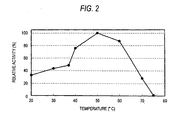
- the method was used so as to find the optimal temperature for the enzyme.
- reaction-terminated solution After adding 0.15 ml of the reaction-terminated solution to 3 ml of a chromogenic solution (0.2 M HEPES buffer of pH 7.9 containing 0.01% 4-aminoantipyrin, 0.02% phenol, 5 U/ml peroxidase and 16 U/ml glycerol-3-phosphoric acid oxidase) and mixing, reaction at 37°C for about 5 minutes was carried out to measure the absorbance at 500 nm. Then, the absorbance of 1 mM L-glycerol-3-phosphoric acid solution was simultaneously measured. The amount of L-glycerol-3-phosphoric acid produced via each of the reactions was determined. Herein, a blank test was carried out by determining the amount of L-glycerol-3-phosphoric acid produced in an unspecific manner at each reaction temperature, using the diluted enzyme solution instead of the glycerol kinase solution.
- a chromogenic solution 0.2 M HEPES buffer of pH 7.9 containing 0.01%
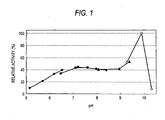
- the method was used so as to examine the optimal pH of the enzyme.
- reaction-terminated solution After adding 0.15 ml of the reaction-terminated solution to 3 ml of a chromogenic solution (0.2 M HEPES buffer of pH 7.9 containing 0.01 % 4-aminoantipyrin, 0.02% phenol, 5 U/ml peroxidase and 16 U/ml glycerol-3-phosphoric acid oxidase) and mixing, reaction at 37°C for about 5 minutes was carried out to measure the absorbance at 500 nm. Then, the absorbance of 1 mM L-glycerol-3-phosphoric acid solution was simultaneously measured. The amount of L-glycerol-3-phosphoric acid produced via each enzyme reaction was determined.
- a chromogenic solution 0.2 M HEPES buffer of pH 7.9 containing 0.01 % 4-aminoantipyrin, 0.02% phenol, 5 U/ml peroxidase and 16 U/ml glycerol-3-phosphoric acid oxidase
- a blank test was carried out by determining the amount of L-glycerol-3-phosphoric acid produced in the buffer at each pH in an unspecific manner without any enzymatic reaction, using the diluted enzyme solution instead of the glycerol kinase solution.
- the liquid culture was wholly inoculated in a 6 L of culture medium for glycerol kinase production (10 L-jar fermenter, 2% glycerol, 2% polypeptone (manufactured by Nihon Pharmaceutical Co., Ltd.), 0.2% yeast extract (manufactured by Oriental Yeast Co., Ltd.), 0.2% NaCl, 0.02% magnesium sulfate, 0.7% dipotassium phosphate, pH 7.3) and cultured with shaking and aeration at 35°C for about 20 hours.
- the amount of glycerol kinase produced per the culture medium was about 3 U/ml.
- the bacterial cell was recovered by centrifugation from the liquid culture, suspended in 50 mM potassium phosphate buffer of pH 7.5 and disrupted with glass beads using a Dinomill disruptor to extract glycerol kinase, which was used as crude enzyme solution. Ammonium sulfate was added to the crude enzyme solution, from which a 35-55 % saturated fraction was recovered.
- This fraction after salting out was desalted by gel filtration with Sephadex G -25 (Amersham Biosciences), and subjected sequentially to DEAE Sepharose CL-6B (Amersham Biosciences) column chromatography, phenyl Sepharose CL-6B (Amersham Biosciences) column chromatography, gel filtration with Sephadex G-25 and DEAE Sepharose CL-6B column chromatography, to recover a purified enzyme specimen.
- the purification results are shown in Fig. 8 .
- the protein purified by the aforementioned method shows an almost uniform band on SDS-PAGE, and had a relative activity of about 40.9 U/mg protein. Additionally, the protein concentration was approximately calculated by defining that 1 mg/ml protein concentration corresponded to 1 Abs absorbance of the enzyme solution at 280 nm.
- the molecular weight of the subunit estimated by SDS-PAGE was about 55,000.
- the N-terminal amino acid sequence was analyzed by an amino acid sequencer based on the principle Edman degradation method. The sequence from the N terminus was Ala-Asp-Tyr-Val-Leu-Ara-Ile.
- the chromosomal DNA of Cellulomonas sp. JCM2471 was separated by the following method.
- One platinum loop of the bacterial strain was inoculated in an LB culture broth (5 ml charged amount/30-ml test tube; 1.0% polypeptone, 0.5% yeast extract, 1.0% NaCl, pH 7.4) and cultured with shaking at 30°C for overnight.
- the bacterial cell was recovered from 1 ml of the bacterial cell by centrifugation (12,000 rpm, 10 minutes, 4°C).
- the chromosomal DNA was extracted from the recovered bacterial cell, using MagExtractor-genome kit (manufactured by Toyobo Co., Ltd.) according to the procedures described in the manual.
- the chromosomal DNA was obtained at about 20 ⁇ g from 1 ml of the bacterial cell.
- PCR polymerase chain reaction
- Example 2 About 2 ⁇ g of the chromosomal DNA obtained in Example 1 was digested with various restriction enzymes, separated by 0.7% agarose gel electrophoresis and transferred onto a nitrocellulose filter. The filter was subjected to Southern hybridization according to the protocol attached to the reagents, using the PCR product obtained in Example 2 as probe and ECL direct nucleic acid labeling and detection system (Amersham Biosciences), to screen for fragments of the glycerol kinase gene.
- the DNA fragment containing the full-length glycerol kinase gene was detected as a fragment of about 6.5 kb after cleavage with KPn I (manufactured by Toyobo Co., Ltd.) and Not I (manufactured by Toyobo Co., Ltd.).
- the DNA fragment was recovered from the agarose gel using MagExtractor-PCR & gel clean up-kit (manufactured by Toyobo Co., Ltd.) according to the procedures described in the manual.
- MagExtractor-PCR & gel clean up-kit manufactured by Toyobo Co., Ltd.
- 0.5 ⁇ g of puCBM21 was similarly cleaved with Kpn I and Not I, for dephosphorylation treatment with bacterial alkali phosphatase (manufactured by Toyobo Co., Ltd.).
- both the DNA fragments reacted together at 16°C for one hour using Ligation High kit (manufactured by Toyobo Co., Ltd.) for ligation to transform the competent cell of Escherichia coli JM 109 (manufactured by Toyobo Co., Ltd.).
- the transformant was obtained by spreading the resulting mixture on an LB agar culture medium containing 100 ⁇ g/ml ampicillin and culturing overnight at 37°C.
- This recombinant vector was designated as pCGK1.
- the DNA sequence was determined starting from both the ends of the inserted gene using common primers for sequencing of pUC-series vectors and big diterminator cycle sequencing FS ready reaction kit (manufactured by Applied BioSystems) and ABI PRISM 310 Genetic Analyzer (manufactured by Perkin Elmer). Further, additional primers were prepared on the basis of the determined sequence to determine the full-length inserted DNA sequence by primer walking.
- the DNA sequence corresponding to the open reading frame of the determined glycerol kinase gene and the amino acid sequence speculated on the basis of the DNA sequence are shown as SEQ ID NO:2 in the sequence listing. Additionally, the sequence of seven residues in the amino acid sequence including Ala in the second residue speculated from the DNA sequence was completely corresponds to the result of the amino acid sequencing of the purified enzyme. Furthermore, the molecular weight of glycerol kinase as calculated on the basis of the speculated amino acid sequence from which methionine as the initiation codon was eliminated was 55,142. The molecular weight corresponds well with the molecular weight of the enzyme purified from Cellulomonas sp. JCM2471 which is determined by SDS-PAGE analysis.
- Primers of SEQ ID NO:5 in the sequence listing and SEQ ID NO:6 in the sequence listing were prepared on the basis of the nucleotide sequence of glycerol kinase derived from Escherichia coli ( E. coli ) which is registered on the GenBank database. Furthermore, the chromosomal DNA of Escherichia coli ( E. coli ) strain K12 was obtained by the same method as in Example 1.
- the reaction of the PCR product of about 0.2 ⁇ g with 0.5 ⁇ g of pUC19 cleaved with a restriction enzyme SmaI was carried out at 16°C for one hour using Ligation High kit to transform the competent cell of Escherichia coli ( E. coli ) JM 109.
- the transformant was obtained by spreading the resulting mixture on an LB agar culture medium containing 100 ⁇ g/ml ampicillin and cultured overnight at 37°C. This recombinant vector was designated as pUCGK.
- the pUCGK was cleaved with a restriction enzyme BstEII (manufactured by Toyobo Co., Ltd.). The cleavage ends thereof were made to be blunt ended using Blunting High kit (manufactured by Toyobo Co., Ltd.), according to the procedures described in the manual.
- pUCK4 manufactured by Amersham Biosciences was cleaved with Hin cII. After separating DNA fragments containing the kanamycin resistant gene by agarose gel electrophoresis, the DNA fragments was purified and recovered by using MagExtractor-PCR & gel clean up-kit.
- Reaction of the both fragments was carried out at 16°C for one hour, using Ligation High kit to transform the competent cell of E. coli JM 109.
- the transformant was obtained by spreading the resulting mixture on an LB agar culture medium containing 100 ⁇ g/ml ampicillin and 50 ⁇ g/ml kanamycin for overnight culturing at 37°C.
- the resulting recombinant vector was designated as pUCGKm.
- pUCGKm was cleaved with restriction enzymes EcoRI (manufactured by Toyobo Co., Ltd.) and SalI (manufactured by Toyobo Co., Ltd.) to separate a fragment containing the glycerol kinase gene and the kanamycin resistant gene by agarose gel electrophoresis. The fragment was purified and recovered by using MagExtractor-PCR & gel clean up-kit.
- pCH02 a derivative from pSC101 plasmid; S. Matsuyama, et al., J. Mol.
- Biol., 175, 331 (1984 )) was also cleaved with EcoRI (manufactured by Toyobo Co., Ltd.) and SalI (manufactured by Toyobo Co., Ltd.), and then reacted with the fragment containing the glycerol kinase gene and the kanamycin resistant gene at 16°C for one hour with Ligation High kit to transform Escherichia coli ( E. coli ) strain K-12 by electroporation using Gene Pulsar (manufactured by Bio-Rad).
- the conditions for the electroporation is in accordance with the conditions for Escherichia coli ( E. coli ) which is described in the manual for Gene Pulsar.
- the transformant was obtained by spreading the resulting mixture on an LB agar culture medium containing 100 ⁇ g/ml ampicillin and 50 ⁇ g/ml kanamycin for overnight culturing at 30°C.
- the resulting transformant was inoculated in an LB culture broth containing 50 ⁇ g/ml kanamycin (5 ml charged volume/20 ml-test tube) and cultured with shaking at 37°C for 24 hours.
- the liquid culture was subcultured in a fresh LB culture broth containing kanamycin, repeatedly four times.
- the liquid culture was diluted with sterile physiological saline, spreaded on an LB agar culture medium containing 50 ⁇ g/ml kanamycin to separate single colonies, from which a colony sensitive to ampicillin and resistant against kanamycin was separated and defined as Escherichia coli ( E. coli ) strain KM1 ( E. coli KM1).
- the Escherichia coli strain KM1 ( E. coli KM1) was inoculated in Traffic Broth containing 50 ⁇ g/ml kanamycin (5 ml charged volume/20-ml test tube; 1.2 % polypeptone, 2.4 % yeast extract, 0.5 % glycerol, 0.231 % monopotassium phosphate, 1.254 % dipotassium phosphate), for shaking culture at 37°C for 24 hours.
- Bacterial cells were recovered from 1 ml of the liquid culture by centrifugation and suspended in 1 ml of 50 mM potassium phosphate buffer of pH 7.5. The bacterial cells in the resulting suspension were disrupted with an ultrasonic disrupter, and centrifuged. Although the resulting supernatant was used as a crude enzyme to assay the activity of glycerol kinase, no significant enzyme activity was detected.
- pCGK1 was cleaved with restriction enzymes NcoI (manufactured by Toyobo Co., Ltd.) and NotI, to separate a DNA fragment of about 2 kb by 1% agarose gel electrophoresis, which contained the glycerol kinase gene. Subsequently, the DNA fragment was recovered from the agarose gel using MagExtractor-PCR & gel clean up-kit according to the procedures described in the manual.
- NcoI manufactured by Toyobo Co., Ltd.
- pSE380 manufactured by Invitrogen
- Nco I and Not I treated with bacterial alkali phosphatase (manufactured by Toyobo Co., Ltd.) for dephosphorylation.
- both the DNA fragments reacted with Ligation High kit at 16°C for one hour for ligation, to transform the competent cell of Escherichia coli ( E. coli ) strain JM109.
- the transformant was obtained by spreading the resulting mixture on an LB agar culture medium containing 100 ⁇ g/ml ampicillin and cultured overnight at 37°C. This recombinant vector was designated as pCGK2.
- Escherichia coli strain JM109 E. coli JM109 transformed with pCGK12 was inoculated in an LB culture broth (5 ml/30-ml charged into test tube) containing 100 ⁇ g/ml ampicillin and cultured with shaking at 37°C overnight. After completion of the culturing, the liquid culture was centrifuged to recover bacterial cells, from which pCGK12 was purified using MagExtractor-Plasmid-kit (manufactured by Toyobo Co., Ltd.). The purified plasmid of about 20 ⁇ g was recovered from 5 ml of the bacterial cells.
- pCGK12 was adjusted to a concentration of 0.05 g/ ⁇ l and introduced into Escherichia coli strain KM1 ( E. coli KM1) which is a glycerol kinase-deficient strain as a host, by electroporation using Gene Pulsar.
- the transformant was selected in an LB agar culture medium containing 100 ⁇ g/ml ampicillin and 50 ⁇ g/ml kanamycin, to screen for a colony which is simultaneously resistant against the two types of antibiotics as a transformant after overnight culturing at 30°C.
- the efficiency of transformation then was about 1 ⁇ 10 6 cfu/ ⁇ g-DNA.
- Escherichia coli strain KM1 (pCGK12) ( E. coli KM1 (pCGK12)) as the transformant was deposited under an accession number of FERM P-18992 at International Patent Organism Depository, National Institute of Advanced Industrial Science and Technology on September 3, 2002.
- One platinum loop of the transformant obtained in Example 6 was inoculated in an LB culture medium (5 ml charged volume/20-ml test tube) containing 100 ⁇ g/ml ampicillin and 50 ⁇ g/ml kanamycin and cultured with shaking at 30°C overnight, to obtain a seed liquid culture.
- the liquid culture was inoculated at 1% in 1 L-Traffic Broth (250 ml charged volume)/2 L-Sakaguchi's flask per one bottle) containing 100 ⁇ g/ml ampicillin and 50 ⁇ g/ml kanamycin, and cultured with shaking at 37°C for 20 hours.
- the glycerol kinase activity was about 6.8 U/ml of liquid culture.
- the bacterial cells were suspended in 50 mM potassium phosphate buffer of pH 7.5 and homogenized with French press. Subsequently, NaCl was dissolved in the solution of the homogenized bacterial cells to become 0.1 M to which 5% polyethylene imine solution was added to 0.5% of the solution. Then, insoluble matters were removed from the resulting mixture by centrifugation. The resulting supernatant was defined as crude enzyme solution.
- ammonium sulfate was added to the crude enzyme solution to 60-% saturation for salting out.
- the resulting precipitate was recovered by centrifugation, and then dissolved again in 50 mM potassium phosphate buffer, pH 7.5.
- the resulting solution was subjected to desalting process by gel filtration by Sephadex G-25 (Amersham Biosciences). Thereafter, the resulting solution was applied to HiTrap Q HP column (Amersham Biosciences), rinsed with 0.2 M NaCl, and eluted on a linear 0.2 M-0.6 M NaCl gradient.
- the protein purified by the method indicated an almost uniform band with a relative activity of about 41.2 U/mg-protein.
- the concentration of the protein was calculated approximately in the same manner as in Reference Example 1.
- the molecular weight of the subunit estimated by SDS-PAGE was about 55,000, while the molecular weight of the intact enzyme after gel filtration with TSK-G3000 SW (7.6-mm diameter and 30-cm height manufactured by Tosoh Corporation) was about 176,000.
- the glycerol kinase obtained by the method had the following characteristic features.
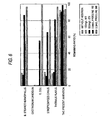
- the remaining activity ratios were almost 100% after storage at 4°C for one week and about 92% after storage at 25°C for one week. The remaining activity ratio in coexistence with other preservatives are also shown.
- Glycerol kinase from other origins as comparative subject was purchased from Sigma Aldrich Japan, except for glycerol kinase from Thermus flavus (manufactured by Toyobo Co., Ltd.). Additionally, N-methylisothiazolone (abbreviated as MIT) and imidazolidinylurea (abbreviated as IZU) among the preservatives used were purchased from Roche Diagnostics, while ProClin 150 and ProClin 300 were purchased from Sigma Aldrich, Japan.
- MIT N-methylisothiazolone
- IZU imidazolidinylurea
- the glycerol kinase of the present invention kept a remaining activity ratio of 90% or more even after storage at 25°C for one week.
- Fig.7 shows comparative thermal stability data with that from Thermus flavus as comparative example.
- the glycerol kinase derived from Thermus flavus had apparently high thermal stability compared with the glycerol kinase of the present invention
- the glycerol kinase of the present invention is shown to have high stability in the coexistence of preservatives. It is thus indicated that the glycerol kinase of the present invention has high resistance against preservatives.
- the gene encoding new glycerol kinase which has high resistance against preservatives compared with known glycerol kinase was isolated, to establish a method for preparing the enzyme by gene recombination technique, which can be applied to glycerol assay.
Landscapes
- Life Sciences & Earth Sciences (AREA)
- Health & Medical Sciences (AREA)
- Chemical & Material Sciences (AREA)
- Wood Science & Technology (AREA)
- Molecular Biology (AREA)
- Engineering & Computer Science (AREA)
- Bioinformatics & Cheminformatics (AREA)
- Organic Chemistry (AREA)
- Zoology (AREA)
- Genetics & Genomics (AREA)
- Medicinal Chemistry (AREA)
- Microbiology (AREA)
- Biotechnology (AREA)
- Biochemistry (AREA)
- General Engineering & Computer Science (AREA)
- General Health & Medical Sciences (AREA)
- Biomedical Technology (AREA)
- Enzymes And Modification Thereof (AREA)
- Micro-Organisms Or Cultivation Processes Thereof (AREA)
Claims (7)
- Protein mit Glycerinkinase-Aktivität, umfassend die folgenden physikalischen und chemischen Eigenschaften:(1) Funktion: Glycerin + ATP ↔ Glycerin-3-phosphorsäure + ADP;(2) Optimaler pH-Wert: etwa 10.0;(3) Optimale Temperatur: etwa 50°C (Reaktion in 20 mM HEPES-Puffer mit pH-Wert 7,9 für 5 Minuten);(4) pH-Wert-Stabilität: stabil bei etwa 6,0 bis 10,0 (innerhalb des Bereichs verbleiben 90% oder mehr an Aktivität, sogar bei 25°C für 20 Stunden);(5) Thermische Stabilität: stabil bei etwa 45°C oder weniger (innerhalb des Bereichs verbleiben 90% oder mehr an Aktivität, sogar nach 15-minütigem Behandeln in 50 mM Kalciumphosphat-Puffer mit pH-Wert 7,5);(6) Molekulargewicht: etwa 55000 (SDS-PAGE), etwa 176000 (Gel-Filtration);(7) Km-Wert: etwa 6,9 x 10⁻⁶ M (Glycerin), etwa 1,11 x 10⁻⁴ M (ATP);(8) Relative Aktivität: etwa 41,2 U/mg;(9) Widerstand gegen die Gegenwart eines Konservierungsmittels: das verbleibende Aktivitätsverhältnis beträgt 70% oder mehr, wenn die Glycerinkinase mit 100 mg/L N-Methylisothiazolon und/oder Derivaten davon bei 25°C für eine Woche koexistiert.
- Protein nach Anspruch 1, welches ein Protein ist, das aus einer in dem Sequenzprotokoll durch die SEQ ID NR: 1 dargestellten Aminosäuresequenz besteht.
- Gen, welches eine Glycerinkinase kodiert, die ein Protein ist, das aus einer in dem Sequenzprotokoll durch die SEQ ID NR: 1 dargestellten Aminosäuresequenz besteht.
- Gen, welches eine Glycerolkinase kodiert, bestehend aus DNS, die aus einer in dem Sequenzprotokoll durch die SEQ ID NR: 2 dargestellten Nukleinsäuresequenz besteht.
- Rekombinanter Vektor, umfassend ein Gen, welches das Protein nach Anspruch 1 oder 2 kodiert.
- Nicht-humane Transformante, umfassend eine mit dem rekombinanten Vektor nach Anspruch 5 transformierte Wirtszelle.
- Verfahren zur Herstellung eines Proteins nach Anspruch 1, umfassend
das Züchten der Transformante nach Anspruch 6, um eine Glycerinkinase herzustellen, und
das Sammeln der Glycerinkinase.
Applications Claiming Priority (3)
| Application Number | Priority Date | Filing Date | Title |
|---|---|---|---|
| JP2002264466 | 2002-09-10 | ||
| JP2002264466 | 2002-09-10 | ||
| PCT/JP2003/011411 WO2004024923A1 (ja) | 2002-09-10 | 2003-09-08 | 新規なグリセロールキナーゼ、該遺伝子及び該遺伝子を用いたグリセロールキナーゼの製造法 |
Publications (3)
| Publication Number | Publication Date |
|---|---|
| EP1538211A1 EP1538211A1 (de) | 2005-06-08 |
| EP1538211A4 EP1538211A4 (de) | 2006-05-17 |
| EP1538211B1 true EP1538211B1 (de) | 2009-03-04 |
Family
ID=31986526
Family Applications (1)
| Application Number | Title | Priority Date | Filing Date |
|---|---|---|---|
| EP03795305A Expired - Lifetime EP1538211B1 (de) | 2002-09-10 | 2003-09-08 | Neue glycerinkinase, deren gen sowie verfahren zur herstellung der glycerinkinase unter verwendung des gens |
Country Status (6)
| Country | Link |
|---|---|
| US (1) | US7618800B2 (de) |
| EP (1) | EP1538211B1 (de) |
| CN (1) | CN100434525C (de) |
| AU (1) | AU2003261985A1 (de) |
| DE (1) | DE60326467D1 (de) |
| WO (1) | WO2004024923A1 (de) |
Families Citing this family (2)
| Publication number | Priority date | Publication date | Assignee | Title |
|---|---|---|---|---|
| CN112941047A (zh) * | 2019-12-10 | 2021-06-11 | 深圳先进技术研究院 | 一种甘油激酶高密度发酵方法 |
| CN119876076B (zh) * | 2024-12-09 | 2025-12-12 | 湖北擎科生物科技有限公司 | 一种重组甘油激酶及其生产方法和应用 |
Family Cites Families (3)
| Publication number | Priority date | Publication date | Assignee | Title |
|---|---|---|---|---|
| JPS5852632B2 (ja) * | 1979-06-06 | 1983-11-24 | 東洋醸造株式会社 | 新規なグリセロ−ルキナ−ゼおよびその製造法 |
| JPS6016233B2 (ja) | 1980-02-27 | 1985-04-24 | 東洋紡績株式会社 | グリセロ−ルキナ−ゼの製造法 |
| AU7073994A (en) * | 1993-07-02 | 1995-01-24 | Quest International B.V. | Packaging of enzymes |
-
2003
- 2003-09-08 AU AU2003261985A patent/AU2003261985A1/en not_active Abandoned
- 2003-09-08 US US10/527,370 patent/US7618800B2/en not_active Expired - Lifetime
- 2003-09-08 WO PCT/JP2003/011411 patent/WO2004024923A1/ja not_active Ceased
- 2003-09-08 CN CNB038215136A patent/CN100434525C/zh not_active Expired - Lifetime
- 2003-09-08 EP EP03795305A patent/EP1538211B1/de not_active Expired - Lifetime
- 2003-09-08 DE DE60326467T patent/DE60326467D1/de not_active Expired - Lifetime
Also Published As
| Publication number | Publication date |
|---|---|
| AU2003261985A1 (en) | 2004-04-30 |
| DE60326467D1 (de) | 2009-04-16 |
| EP1538211A4 (de) | 2006-05-17 |
| CN100434525C (zh) | 2008-11-19 |
| EP1538211A1 (de) | 2005-06-08 |
| WO2004024923A1 (ja) | 2004-03-25 |
| US20060166313A1 (en) | 2006-07-27 |
| CN1681929A (zh) | 2005-10-12 |
| US7618800B2 (en) | 2009-11-17 |
Similar Documents
| Publication | Publication Date | Title |
|---|---|---|
| CN102292439B (zh) | 黄素结合型葡萄糖脱氢酶 | |
| US9260699B2 (en) | Glucose dehydrogenase | |
| US8394615B2 (en) | Glucose dehydrogenase | |
| Wiese et al. | Hydantoin racemase from Arthrobacter aurescens DSM 3747: heterologous expression, purification and characterization | |
| US5137821A (en) | Gene and process of making glucose-6-phosphate dehydrogenase | |
| CA2045839C (en) | Cloned n-methylhydantoinase | |
| US7618800B2 (en) | Glycerol kinase, which has high resistance against preservative | |
| EP1132467B1 (de) | Neue Creatin-amidinohydrolase, ihre Herstellung und Verwendung | |
| JP2000135079A (ja) | 1,5―アンヒドログルシト―ル脱水素酵素 | |
| JP4415247B2 (ja) | 新規なグリセロールキナーゼ、該遺伝子及び該遺伝子を用いたグリセロールキナーゼの製造法 | |
| JP3117709B2 (ja) | 新規コレステロール・オキシダーゼ | |
| CN1711353B (zh) | 修饰的肌氨酸氧化酶,制备方法及其试剂组合物 | |
| US5686294A (en) | Protein having heat-resistant malate dehydrogenase activity | |
| JP3904098B2 (ja) | 改変ザルコシンオキシダーゼおよびその用途 | |
| JP2003339385A (ja) | 新規3−ヒドロキシ酪酸脱水素酵素遺伝子、新規3−ヒドロキシ酪酸脱水素酵素の製造法、ならびに、新規3−ヒドロキシ酪酸脱水素酵素を用いたケトン体の測定方法および測定用組成物 | |
| JP4816103B2 (ja) | グリセロールキナーゼ改変体 | |
| US7037698B2 (en) | Pyrroloquinoline quinone-dependent glucose dehydrogenase | |
| JPH1033180A (ja) | 組換えフルクトシルアミノ酸オキシダーゼ | |
| EP2202304B1 (de) | Modifizierte kreatininamidohydrolase | |
| JPH05317056A (ja) | コリンオキシダーゼをコードするdnaおよびその用途 | |
| JP3829950B2 (ja) | 新規なクレアチニンアミドヒドロラーゼ | |
| JP3358686B2 (ja) | 新規なグルタミン酸デヒドロゲナーゼをコードする遺伝子及び該遺伝子を用いたグルタミン酸デヒドロゲナーゼの製造法 | |
| JP3743534B2 (ja) | 新規な塩素イオン測定方法およびその試薬 | |
| JP2000175685A (ja) | ザルコシンオキシダーゼ及びその製造法 | |
| JP3113947B2 (ja) | 胆汁酸硫酸サルファターゼ遺伝子、新規な組み換え体dna及び胆汁酸硫酸サルファターゼの製造法 |
Legal Events
| Date | Code | Title | Description |
|---|---|---|---|
| PUAI | Public reference made under article 153(3) epc to a published international application that has entered the european phase |
Free format text: ORIGINAL CODE: 0009012 |
|
| 17P | Request for examination filed |
Effective date: 20050310 |
|
| AK | Designated contracting states |
Kind code of ref document: A1 Designated state(s): AT BE BG CH CY CZ DE DK EE ES FI FR GB GR HU IE IT LI LU MC NL PT RO SE SI SK TR |
|
| AX | Request for extension of the european patent |
Extension state: AL LT LV MK |
|
| DAX | Request for extension of the european patent (deleted) | ||
| RBV | Designated contracting states (corrected) |
Designated state(s): DE FR GB IT |
|
| A4 | Supplementary search report drawn up and despatched |
Effective date: 20060330 |
|
| GRAP | Despatch of communication of intention to grant a patent |
Free format text: ORIGINAL CODE: EPIDOSNIGR1 |
|
| GRAS | Grant fee paid |
Free format text: ORIGINAL CODE: EPIDOSNIGR3 |
|
| GRAA | (expected) grant |
Free format text: ORIGINAL CODE: 0009210 |
|
| AK | Designated contracting states |
Kind code of ref document: B1 Designated state(s): DE FR GB IT |
|
| REG | Reference to a national code |
Ref country code: GB Ref legal event code: FG4D |
|
| REF | Corresponds to: |
Ref document number: 60326467 Country of ref document: DE Date of ref document: 20090416 Kind code of ref document: P |
|
| REG | Reference to a national code |
Ref country code: DE Ref legal event code: R096 Ref document number: 60326467 Country of ref document: DE Effective date: 20090416 |
|
| PLBE | No opposition filed within time limit |
Free format text: ORIGINAL CODE: 0009261 |
|
| STAA | Information on the status of an ep patent application or granted ep patent |
Free format text: STATUS: NO OPPOSITION FILED WITHIN TIME LIMIT |
|
| 26N | No opposition filed |
Effective date: 20091207 |
|
| REG | Reference to a national code |
Ref country code: DE Ref legal event code: R097 Ref document number: 60326467 Country of ref document: DE Effective date: 20091207 |
|
| PGFP | Annual fee paid to national office [announced via postgrant information from national office to epo] |
Ref country code: GB Payment date: 20130904 Year of fee payment: 11 Ref country code: FR Payment date: 20130910 Year of fee payment: 11 |
|
| PGFP | Annual fee paid to national office [announced via postgrant information from national office to epo] |
Ref country code: IT Payment date: 20130909 Year of fee payment: 11 |
|
| GBPC | Gb: european patent ceased through non-payment of renewal fee |
Effective date: 20140908 |
|
| REG | Reference to a national code |
Ref country code: FR Ref legal event code: ST Effective date: 20150529 |
|
| PG25 | Lapsed in a contracting state [announced via postgrant information from national office to epo] |
Ref country code: GB Free format text: LAPSE BECAUSE OF NON-PAYMENT OF DUE FEES Effective date: 20140908 |
|
| PG25 | Lapsed in a contracting state [announced via postgrant information from national office to epo] |
Ref country code: IT Free format text: LAPSE BECAUSE OF NON-PAYMENT OF DUE FEES Effective date: 20140908 Ref country code: FR Free format text: LAPSE BECAUSE OF NON-PAYMENT OF DUE FEES Effective date: 20140930 |
|
| PGFP | Annual fee paid to national office [announced via postgrant information from national office to epo] |
Ref country code: DE Payment date: 20220621 Year of fee payment: 20 |
|
| P01 | Opt-out of the competence of the unified patent court (upc) registered |
Effective date: 20230517 |
|
| REG | Reference to a national code |
Ref country code: DE Ref legal event code: R071 Ref document number: 60326467 Country of ref document: DE |