EP1406643B1 - Zusammensetzung zur Wundbehandlung - Google Patents
Zusammensetzung zur Wundbehandlung Download PDFInfo
- Publication number
- EP1406643B1 EP1406643B1 EP02744740.8A EP02744740A EP1406643B1 EP 1406643 B1 EP1406643 B1 EP 1406643B1 EP 02744740 A EP02744740 A EP 02744740A EP 1406643 B1 EP1406643 B1 EP 1406643B1
- Authority
- EP
- European Patent Office
- Prior art keywords
- oil
- cells
- composition
- specified
- wound
- Prior art date
- Legal status (The legal status is an assumption and is not a legal conclusion. Google has not performed a legal analysis and makes no representation as to the accuracy of the status listed.)
- Expired - Lifetime
Links
Images

















Classifications
-
- A—HUMAN NECESSITIES
- A61—MEDICAL OR VETERINARY SCIENCE; HYGIENE
- A61K—PREPARATIONS FOR MEDICAL, DENTAL OR TOILETRY PURPOSES
- A61K31/00—Medicinal preparations containing organic active ingredients
- A61K31/185—Acids; Anhydrides, halides or salts thereof, e.g. sulfur acids, imidic, hydrazonic or hydroximic acids
- A61K31/19—Carboxylic acids, e.g. valproic acid
- A61K31/20—Carboxylic acids, e.g. valproic acid having a carboxyl group bound to a chain of seven or more carbon atoms, e.g. stearic, palmitic, arachidic acids
-
- A—HUMAN NECESSITIES
- A61—MEDICAL OR VETERINARY SCIENCE; HYGIENE
- A61K—PREPARATIONS FOR MEDICAL, DENTAL OR TOILETRY PURPOSES
- A61K31/00—Medicinal preparations containing organic active ingredients
- A61K31/185—Acids; Anhydrides, halides or salts thereof, e.g. sulfur acids, imidic, hydrazonic or hydroximic acids
- A61K31/19—Carboxylic acids, e.g. valproic acid
- A61K31/20—Carboxylic acids, e.g. valproic acid having a carboxyl group bound to a chain of seven or more carbon atoms, e.g. stearic, palmitic, arachidic acids
- A61K31/201—Carboxylic acids, e.g. valproic acid having a carboxyl group bound to a chain of seven or more carbon atoms, e.g. stearic, palmitic, arachidic acids having one or two double bonds, e.g. oleic, linoleic acids
-
- A—HUMAN NECESSITIES
- A61—MEDICAL OR VETERINARY SCIENCE; HYGIENE
- A61K—PREPARATIONS FOR MEDICAL, DENTAL OR TOILETRY PURPOSES
- A61K31/00—Medicinal preparations containing organic active ingredients
- A61K31/56—Compounds containing cyclopenta[a]hydrophenanthrene ring systems; Derivatives thereof, e.g. steroids
-
- A—HUMAN NECESSITIES
- A61—MEDICAL OR VETERINARY SCIENCE; HYGIENE
- A61K—PREPARATIONS FOR MEDICAL, DENTAL OR TOILETRY PURPOSES
- A61K31/00—Medicinal preparations containing organic active ingredients
- A61K31/56—Compounds containing cyclopenta[a]hydrophenanthrene ring systems; Derivatives thereof, e.g. steroids
- A61K31/575—Compounds containing cyclopenta[a]hydrophenanthrene ring systems; Derivatives thereof, e.g. steroids substituted in position 17 beta by a chain of three or more carbon atoms, e.g. cholane, cholestane, ergosterol, sitosterol
-
- A—HUMAN NECESSITIES
- A61—MEDICAL OR VETERINARY SCIENCE; HYGIENE
- A61K—PREPARATIONS FOR MEDICAL, DENTAL OR TOILETRY PURPOSES
- A61K35/00—Medicinal preparations containing materials or reaction products thereof with undetermined constitution
- A61K35/56—Materials from animals other than mammals
- A61K35/63—Arthropods
- A61K35/64—Insects, e.g. bees, wasps or fleas
- A61K35/644—Beeswax; Propolis; Royal jelly; Honey
-
- A—HUMAN NECESSITIES
- A61—MEDICAL OR VETERINARY SCIENCE; HYGIENE
- A61K—PREPARATIONS FOR MEDICAL, DENTAL OR TOILETRY PURPOSES
- A61K36/00—Medicinal preparations of undetermined constitution containing material from algae, lichens, fungi or plants, or derivatives thereof, e.g. traditional herbal medicines
- A61K36/13—Coniferophyta (gymnosperms)
- A61K36/15—Pinaceae (Pine family), e.g. pine or cedar
-
- A—HUMAN NECESSITIES
- A61—MEDICAL OR VETERINARY SCIENCE; HYGIENE
- A61K—PREPARATIONS FOR MEDICAL, DENTAL OR TOILETRY PURPOSES
- A61K36/00—Medicinal preparations of undetermined constitution containing material from algae, lichens, fungi or plants, or derivatives thereof, e.g. traditional herbal medicines
- A61K36/18—Magnoliophyta (angiosperms)
- A61K36/185—Magnoliopsida (dicotyledons)
-
- A—HUMAN NECESSITIES
- A61—MEDICAL OR VETERINARY SCIENCE; HYGIENE
- A61K—PREPARATIONS FOR MEDICAL, DENTAL OR TOILETRY PURPOSES
- A61K36/00—Medicinal preparations of undetermined constitution containing material from algae, lichens, fungi or plants, or derivatives thereof, e.g. traditional herbal medicines
- A61K36/18—Magnoliophyta (angiosperms)
- A61K36/185—Magnoliopsida (dicotyledons)
- A61K36/28—Asteraceae or Compositae (Aster or Sunflower family), e.g. chamomile, feverfew, yarrow or echinacea
- A61K36/286—Carthamus (distaff thistle)
-
- A—HUMAN NECESSITIES
- A61—MEDICAL OR VETERINARY SCIENCE; HYGIENE
- A61K—PREPARATIONS FOR MEDICAL, DENTAL OR TOILETRY PURPOSES
- A61K36/00—Medicinal preparations of undetermined constitution containing material from algae, lichens, fungi or plants, or derivatives thereof, e.g. traditional herbal medicines
- A61K36/18—Magnoliophyta (angiosperms)
- A61K36/185—Magnoliopsida (dicotyledons)
- A61K36/48—Fabaceae or Leguminosae (Pea or Legume family); Caesalpiniaceae; Mimosaceae; Papilionaceae
-
- A—HUMAN NECESSITIES
- A61—MEDICAL OR VETERINARY SCIENCE; HYGIENE
- A61K—PREPARATIONS FOR MEDICAL, DENTAL OR TOILETRY PURPOSES
- A61K36/00—Medicinal preparations of undetermined constitution containing material from algae, lichens, fungi or plants, or derivatives thereof, e.g. traditional herbal medicines
- A61K36/18—Magnoliophyta (angiosperms)
- A61K36/185—Magnoliopsida (dicotyledons)
- A61K36/53—Lamiaceae or Labiatae (Mint family), e.g. thyme, rosemary or lavender
- A61K36/539—Scutellaria (skullcap)
-
- A—HUMAN NECESSITIES
- A61—MEDICAL OR VETERINARY SCIENCE; HYGIENE
- A61K—PREPARATIONS FOR MEDICAL, DENTAL OR TOILETRY PURPOSES
- A61K36/00—Medicinal preparations of undetermined constitution containing material from algae, lichens, fungi or plants, or derivatives thereof, e.g. traditional herbal medicines
- A61K36/18—Magnoliophyta (angiosperms)
- A61K36/185—Magnoliopsida (dicotyledons)
- A61K36/577—Malvaceae (Mallow family)
-
- A—HUMAN NECESSITIES
- A61—MEDICAL OR VETERINARY SCIENCE; HYGIENE
- A61K—PREPARATIONS FOR MEDICAL, DENTAL OR TOILETRY PURPOSES
- A61K36/00—Medicinal preparations of undetermined constitution containing material from algae, lichens, fungi or plants, or derivatives thereof, e.g. traditional herbal medicines
- A61K36/18—Magnoliophyta (angiosperms)
- A61K36/185—Magnoliopsida (dicotyledons)
- A61K36/61—Myrtaceae (Myrtle family), e.g. teatree or eucalyptus
-
- A—HUMAN NECESSITIES
- A61—MEDICAL OR VETERINARY SCIENCE; HYGIENE
- A61K—PREPARATIONS FOR MEDICAL, DENTAL OR TOILETRY PURPOSES
- A61K36/00—Medicinal preparations of undetermined constitution containing material from algae, lichens, fungi or plants, or derivatives thereof, e.g. traditional herbal medicines
- A61K36/18—Magnoliophyta (angiosperms)
- A61K36/185—Magnoliopsida (dicotyledons)
- A61K36/63—Oleaceae (Olive family), e.g. jasmine, lilac or ash tree
-
- A—HUMAN NECESSITIES
- A61—MEDICAL OR VETERINARY SCIENCE; HYGIENE
- A61K—PREPARATIONS FOR MEDICAL, DENTAL OR TOILETRY PURPOSES
- A61K36/00—Medicinal preparations of undetermined constitution containing material from algae, lichens, fungi or plants, or derivatives thereof, e.g. traditional herbal medicines
- A61K36/18—Magnoliophyta (angiosperms)
- A61K36/185—Magnoliopsida (dicotyledons)
- A61K36/73—Rosaceae (Rose family), e.g. strawberry, chokeberry, blackberry, pear or firethorn
- A61K36/738—Rosa (rose)
-
- A—HUMAN NECESSITIES
- A61—MEDICAL OR VETERINARY SCIENCE; HYGIENE
- A61K—PREPARATIONS FOR MEDICAL, DENTAL OR TOILETRY PURPOSES
- A61K36/00—Medicinal preparations of undetermined constitution containing material from algae, lichens, fungi or plants, or derivatives thereof, e.g. traditional herbal medicines
- A61K36/18—Magnoliophyta (angiosperms)
- A61K36/185—Magnoliopsida (dicotyledons)
- A61K36/75—Rutaceae (Rue family)
- A61K36/756—Phellodendron, e.g. corktree
-
- A—HUMAN NECESSITIES
- A61—MEDICAL OR VETERINARY SCIENCE; HYGIENE
- A61K—PREPARATIONS FOR MEDICAL, DENTAL OR TOILETRY PURPOSES
- A61K36/00—Medicinal preparations of undetermined constitution containing material from algae, lichens, fungi or plants, or derivatives thereof, e.g. traditional herbal medicines
- A61K36/18—Magnoliophyta (angiosperms)
- A61K36/185—Magnoliopsida (dicotyledons)
- A61K36/82—Theaceae (Tea family), e.g. camellia
-
- A—HUMAN NECESSITIES
- A61—MEDICAL OR VETERINARY SCIENCE; HYGIENE
- A61K—PREPARATIONS FOR MEDICAL, DENTAL OR TOILETRY PURPOSES
- A61K36/00—Medicinal preparations of undetermined constitution containing material from algae, lichens, fungi or plants, or derivatives thereof, e.g. traditional herbal medicines
- A61K36/18—Magnoliophyta (angiosperms)
- A61K36/88—Liliopsida (monocotyledons)
- A61K36/899—Poaceae or Gramineae (Grass family), e.g. bamboo, corn or sugar cane
-
- A—HUMAN NECESSITIES
- A61—MEDICAL OR VETERINARY SCIENCE; HYGIENE
- A61P—SPECIFIC THERAPEUTIC ACTIVITY OF CHEMICAL COMPOUNDS OR MEDICINAL PREPARATIONS
- A61P1/00—Drugs for disorders of the alimentary tract or the digestive system
-
- A—HUMAN NECESSITIES
- A61—MEDICAL OR VETERINARY SCIENCE; HYGIENE
- A61P—SPECIFIC THERAPEUTIC ACTIVITY OF CHEMICAL COMPOUNDS OR MEDICINAL PREPARATIONS
- A61P1/00—Drugs for disorders of the alimentary tract or the digestive system
- A61P1/04—Drugs for disorders of the alimentary tract or the digestive system for ulcers, gastritis or reflux esophagitis, e.g. antacids, inhibitors of acid secretion, mucosal protectants
-
- A—HUMAN NECESSITIES
- A61—MEDICAL OR VETERINARY SCIENCE; HYGIENE
- A61P—SPECIFIC THERAPEUTIC ACTIVITY OF CHEMICAL COMPOUNDS OR MEDICINAL PREPARATIONS
- A61P17/00—Drugs for dermatological disorders
- A61P17/02—Drugs for dermatological disorders for treating wounds, ulcers, burns, scars, keloids, or the like
-
- A—HUMAN NECESSITIES
- A61—MEDICAL OR VETERINARY SCIENCE; HYGIENE
- A61P—SPECIFIC THERAPEUTIC ACTIVITY OF CHEMICAL COMPOUNDS OR MEDICINAL PREPARATIONS
- A61P17/00—Drugs for dermatological disorders
- A61P17/14—Drugs for dermatological disorders for baldness or alopecia
-
- A—HUMAN NECESSITIES
- A61—MEDICAL OR VETERINARY SCIENCE; HYGIENE
- A61P—SPECIFIC THERAPEUTIC ACTIVITY OF CHEMICAL COMPOUNDS OR MEDICINAL PREPARATIONS
- A61P17/00—Drugs for dermatological disorders
- A61P17/16—Emollients or protectives, e.g. against radiation
-
- A—HUMAN NECESSITIES
- A61—MEDICAL OR VETERINARY SCIENCE; HYGIENE
- A61P—SPECIFIC THERAPEUTIC ACTIVITY OF CHEMICAL COMPOUNDS OR MEDICINAL PREPARATIONS
- A61P19/00—Drugs for skeletal disorders
-
- A—HUMAN NECESSITIES
- A61—MEDICAL OR VETERINARY SCIENCE; HYGIENE
- A61P—SPECIFIC THERAPEUTIC ACTIVITY OF CHEMICAL COMPOUNDS OR MEDICINAL PREPARATIONS
- A61P25/00—Drugs for disorders of the nervous system
- A61P25/28—Drugs for disorders of the nervous system for treating neurodegenerative disorders of the central nervous system, e.g. nootropic agents, cognition enhancers, drugs for treating Alzheimer's disease or other forms of dementia
-
- A—HUMAN NECESSITIES
- A61—MEDICAL OR VETERINARY SCIENCE; HYGIENE
- A61P—SPECIFIC THERAPEUTIC ACTIVITY OF CHEMICAL COMPOUNDS OR MEDICINAL PREPARATIONS
- A61P31/00—Antiinfectives, i.e. antibiotics, antiseptics, chemotherapeutics
- A61P31/04—Antibacterial agents
-
- A—HUMAN NECESSITIES
- A61—MEDICAL OR VETERINARY SCIENCE; HYGIENE
- A61P—SPECIFIC THERAPEUTIC ACTIVITY OF CHEMICAL COMPOUNDS OR MEDICINAL PREPARATIONS
- A61P31/00—Antiinfectives, i.e. antibiotics, antiseptics, chemotherapeutics
- A61P31/12—Antivirals
-
- A—HUMAN NECESSITIES
- A61—MEDICAL OR VETERINARY SCIENCE; HYGIENE
- A61P—SPECIFIC THERAPEUTIC ACTIVITY OF CHEMICAL COMPOUNDS OR MEDICINAL PREPARATIONS
- A61P35/00—Antineoplastic agents
-
- A—HUMAN NECESSITIES
- A61—MEDICAL OR VETERINARY SCIENCE; HYGIENE
- A61P—SPECIFIC THERAPEUTIC ACTIVITY OF CHEMICAL COMPOUNDS OR MEDICINAL PREPARATIONS
- A61P7/00—Drugs for disorders of the blood or the extracellular fluid
- A61P7/02—Antithrombotic agents; Anticoagulants; Platelet aggregation inhibitors
Definitions
- the present applicantion generally relates to uses and compositions for tissue engineering and organ regeneration, and more particularly to uses and compositions for physiological repair of human tissues and regeneration of fully functional human organs through induction and propagation of multipotent, regenerative stem cells in vivo and in situ.
- the present invention relates to a process for manufacturing a composition for promoting cell growth, tissue repair and/or organ regeneration in vivo, comprising: a) heating a mixture of an fatty acid-containing oil and huangqin at a weight ratio between 70:30 and 98:2 at a temperature between 150-190°C for 30-120 min; b) filtering the mixture to obtain an oil filtrate; c) cooling the oil filtrate to below 150°C; d) mixing a sterol compound with the oil filtrate of step b) at a weight ratio between 1:99-20:80; e) heating the mixture of step d) with stirring at a temperature between 100-150°C for 20-60 min; and f) heating beeswax to 70-80°C; g) mixing beeswax with the mixture of step d) at a weight ratio between 1:99-20:80, preferably 10:90, and stirring at a temperature of 100-150°C for 10-60 min; and h)
- the present invention relates to a composition obtainable by said process for use in a method for treating a wound of the skin, bone, mucus, tendons, muscles or connective tissue in a mammal, the composition comprising: a fatty acid-containing oil at a concentration at least 10% by weight based on the total weight of the composition; a sterol compound added to and dissolved in said oil at a concentration at least 1% by weight based on the total weight of the composition; and beeswax at a concentration ranging from about 1 % to 20% by weight, wherein the beeswax forms a pigeon-hole like structure at ambient temperature or below; wherein the dimension of at least 50% of the holes in the pigeon-hole like structure is between 10-50 micron; wherein in the pigeon-hole like structure oil drops containing the sterol compound are enclosed; wherein the oil drops are separately enclosed in the holes and not contacting each other.
- tissue engineering industry is growing at an accelerated pace owing to technological advancements in producing large scale cell culture products and biomaterials. These products are produced or synthesized ex vivo, i.e., outside an animal or human body, and then transplanted to the host for tissue repair or other therapeutic purposes.
- ⁇ -BSMO from Etex Corp
- ⁇ -BSM® is a nano-crystalline calcium phosphate that mimics the composition and structure of the mineral content of bone.
- saline When mixed with saline, it becomes a paste that can be either injected into a void or implanted as moldable putty. Once the material is in place, the hardening process is initiated by the heat of body temperature. As a result, the implant becomes a scaffold that is eventually absorbed and replaced with new bone tissue.
- Acellular dermal matrix is produced from fresh human cadaver skin by control process that removes the epidermis and the cells from the dermis without altering the structure of the extracellular matrix and the basement membrane complex. Wainwiright (1995) Burns 21: 243-248 . Acellular dermal matrix from fresh porcine skin has also been developed using a similar process in order to compensate for the lack of cadaver skin availability. Liversey et al. (1995) Transplantation 60:1-9 . Recently methods have been developed by LifeCell Corp (Branchburg, NJ) for chemically processing human skin to produce a human skin matrix.
- the cellular human skin matrix serves as an allograft, i.e., graft from a donor other than the host him/herself.
- the matrix is frozen in liquid nitrogen and then fractured into 100 micron particles.
- Wound healing of the skin represents a major target for tissue engineering. Repair of wound of the skin involves the timed and balanced activity of inflammatory, vascular, connective, tissue, and epithelial cells. Traditional management of large-surface or deep wounds employs the so-called dry therapy which allows the wounds to be left in a warm, dry environment to crust over. Current methods involve covering the wounds with temporary dressings and topical treatment, including antibiotics. Secondary invention, such as surgical debridement, is usually employed to remove scab or the dead tissue.
- An autograft is harvested from the host him/herself and used as a permanent cover for the patient's own wound(s). Since the skin graft is donated by and transplanted to the patient him/herself the problems associated with immunogenicity can be avoided.
- the graft can be harvested from an adjacent undamaged area of the patient that matches closely in terms of texture, color, and thickness. For a small-area wound, autograft was shown to achieve good quality of healed skin by expanding the surface of the skin graft with a mesh apparatus. Tanner et al (1964) Plastic Reconstr. Surg. 34: 287-292 ; and Richard et al. (1993) J. Burn Care Rehabil. 14: 690-695 .
- the autograft method faces a few challenges and limitation in the treatment of patients with large surface area wounds.
- Such a graft consists of a skin allograft which has its epidermis removed to serve as a dermis substitution for the patient, and autologous epidermis reconstructed in vitro with the patient's own keratinocytes.
- the autologous epidermis is usually constructed in vitro by using the technique developed by Rheinwald and Green (1975) Cell 6: 331-344 .
- This technique consists of digesting a small biopsy of healthy skin in trypsin or in thermolysin in order to isolate keratinocytes from the basal layer of the epidermis. By culturing the autologous keratinocytes in vitro a large number of cells are available for generate enough epidermis for grafting.
- the epidermal sheet can attach to the dermis, the conjunction between these two layers is artificial relative to the natural skin. Since the regeneration of the dermal compartment underneath the epidermis is a lengthy process the skin remains fragile for at least three years and usually blisters. In addition, the aesthetic effect is usually not as good as with one obtained with a split-thickness graft.
- cadaver allograft is used to over the wound and the allogeneic epidermis is excised in order to maintain the allogeneic dermis on the wound.
- the cultured epidermal sheet is then grafted on the de-epidermized cadaver allograft.
- the cadaver allograft is non-vital and thus has a much-reduced antigenicity.
- Xenogeneic grafts i.e., tissues of other animal origin, have also been used to cover extensive wounds. Porcine skin is the most common source of xenograft because of its high similarity to human skin. Sterilization (e.g., ionizing radiation) coupled with freeze-drying seems to decrease the antigenic properties of the pigskin graft and increase its potential to inhibit bacterial growth.
- the xenografts are used mostly as a temporary dressing for the coverage of second-degree burns, especially after early excision. Pellet et al. (1984) in Burn Wound Coverings, Wise DL, ed., Boca Raton, CRC Press, Florida, 1: 85-114 .
- Artificial dermal matrices have been developed to cover wounds in order to facilitate graft take of cultured epidermal sheets and to prevent rejection of xenogeneic tissues. They are used to prompt coverage of large excised full-thickness wounds, control fluid loss, and prevent infection.
- Examples of such artificial dermal matrices include 1) synthetic mesh composed of nylon or a polyglactic acid mesh on which fibroblasts are cultured ( Rennekampff et al. (1996) J. Surg. Res. 62: 288295 ); 2) collagen gel made of a mixture of fibroblasts and bovine collagen ( Yanna et al. (1981) Trans. Am. Soc. Artif. Intern.
- the xenogeneic graft approach has a few limitations in clinical treatment of wounds, most prominent being immunogenicity and biocompatibility.
- the level of natural antibodies of the transplant host which react with organ xenotransplants increases proportionally with phylogenic distance between the xenogeneic species involved. In organ transplantation, the presence of such antibodies leads to hyperacute rejection, which occurs within minutes to hours after revascularization, and to the loss of the transplanted tissue.
- keratinocyte stem cells can divide to generate transient amplifying cells which can differentiate into one or more specialized cell types.
- Keratinocyte stem and transient amplifying cells are located both in the epidermal basal layer and in the hair matrix.
- basal keratinocytes are cultivated in culture to produce large numbers of progeny. Maintaining these stem cells in culture conditions can be challenging.
- the quality of the keratinocyte culture system must be carefully monitored by directly demonstrating the presence of holoclones in culture, periodical clonal analysis of a reference strain of keratinocyte both in terms of clonogenic and growth potential, and monitoring the percentage of aborted colonies. Inappropriate culture conditions can irreversibly accelerate the clonal conversion and can rapidly cause the disappearance of stem cells, rendering the cultured autograft or allograft transplantation useless.
- Embryonic stem (ES) cells can be cultured under proper conditions.
- ICM inner cell mass
- blastocysts can be maintained in tissue culture under conditions where they can be propagated indefinitely as pluripotent embryonic stem cells.
- Thomson et al. (1998) Science 282: 1145-1147 . Primate blastocysts were isolated from the ICM from the blastocysts and plated on a fibroblast layer wherein ICM-derived cell masses are formed.
- the ICM-derived cell mass were removed and dissociated into dissociated cells which were replated on embryonic feeder cells.
- the colonies with compact morphology containing cells with a high nucleus/cytoplasm ratio, and prominent nucleoli were selected and the cells of the selected colonies were then cultured.
- a primate embryonic stem cell line was established. It was observed that after undifferentiated proliferation in vitro for 4 to 5 months, these cells still maintained the developmental potential to form trophoblast and derivatives of all three embryonic germ layers, including gut epithelium (endoderm); cartilage, bone, smooth muscle, and striated muscle (mesoderm); and neural epithelium, embryonic ganglia, and stratified squamous epithelium (ectoderm).
- these ES cells can be cultured and regulated under suitable conditions to coax the pluripotent cell to differentiate into cells of a particular tissue type and/or to form various organs in vitro.
- These cells and organs wishfully, could be used as transplants to cure various diseases and replace dysfunctional body parts.
- ES cells differentiate into a specific type of cell or organ are elusive. It has been found that to maintain cultured ES cells in their relatively undifferentiated, pluripotent state, they must both express the intrinsic transcription factor Oct4, and constitutively receive the extrinsic signal from the cytokine leukemia inhibitor (LIF). Nichols et al. (1998) Cell 95: 379-391 . Upon withdrawal of LIF, cultured ES cells spontaneously aggregate into a mass of cells of various tissue types. Although the programs of gene expression in these cells somewhat resemble the differentiation pathways typical of developing animals, the triggering of these programs is chaotic.
- LIF cytokine leukemia inhibitor
- Stem cells cultured in vitro must be directed to differentiate into site-specific phenotypes once they are transplanted into the lesion site. Complete deciphering of the signal needed for this process is required to guide the design of the in vitro tissue culturing conditions.
- Experimental data obtained by others in the art show that although multipotent human mesenchymal, mouse neural stem cells, and mouse embryonic stem cells can be grown in vitro through the addition of leukemia inhibitory factor (LIF) to the culture medium, mouse ESCs differentiate randomly in vitro and in vivo.
- LIF leukemia inhibitory factor
- US-Patent No. 5,817,322 discloses an oil extract generated by heating sesame oil to 150°C, adding ⁇ -sitosterol under mixing, and adding beeswax heated to 70°C (see US-Patent No. 5,817,322 , col. 4-5, example 2). This mixture is stirred to cool down to 60°C. In the resulting composition, beeswax forms a netted framework (see US-Patent No. 5,817,322 , col. 2, I. 6-20; figure 1 ).
- US-Patent No. 3,865,939 discloses edible oils with hypocholesterolemic properties comprising 2-6% by weight of a sterol, e.g. ⁇ -sitosterol, ⁇ -sitosterol, stigmasterol, egosterol, campesterol or mixtures thereof, and 0.5-15% by weight of steroid solubilizing agents consisting of fatty acids, which encompass free fatty acids, alkanols, and esterified fatty acids, e.g. oleic acid or lauric acid (see US-Patent No. 3,865,939 , col. 1-2, bridging para.; col. 4, I. 21-23, 39-41; col. 6, Table II), wherein the food composition of US-Patent No. 3,865,939 does not contain any beeswax.
- a sterol e.g. ⁇ -sitosterol, ⁇ -sitosterol, stigmasterol, egosterol, campesterol or
- US-Patent No. 5,405,608 discloses a pharmaceutical composition for a moist therapy for treating thermal injuries comprising 3-15% by weight of beeswax; 85-97% by weight of a sesame oil extract; wherein Huangqin, Huangbai, earthworm, and poppy capsule account for 2-10% of the total weight of the total sesame oil, respectively, and 0.2-1% by weight of ⁇ -sitosterol (see US-Patent No. 5,405,608 , col. 2, I. 22-24 and col. 4, I. 56-69).
- the pharmaceutical composition of US-Patent No. 5,405,608 was administered locally four times a day, wherein the wounds healed in 15 to 20 days (see US-Patent No. 5,405,608 , col. 9, I. 32-35).
- US-Patent No. 5,466,452 (Phytopharm Ltd., North Humberside, GB; Nov. 14, 1995) relates to extracts of herbal compositions for use in the treatment of skin disorders such as, for example eczema and psoriasis, and to processes for their preparation, wherein US-Patent No. 5,466,452 teaches the incorporation of the He Shou Wu extract in said pharmaceutical composition with anti-bacterial effects (see US-Patent No. 5,466,452 , col. 1, I. 4-7 and Table I).
- US-Patent No. 6,087,353 (Forbes Medi-Tech Inc., Vancouver, CA; Jul. 11, 2000) relates to the field of phytosterol-based compositions suitable for incorporation into foods, pharmaceuticals, nutraceuticals and the like and to methods of making same, wherein the method of preparing the oil-based composition of US-Patent No. 6,087,353 comprises selecting one or more phytosterols such as sitosterol, stigmasterol, brassicasterol in a suitable oil including oils such as palmitic, linoleic, oleic oils (see US-Patent No. 6,087,353 , col. 1, I. 7-9; col. 4, I. 18-37 and col. 6, I. 50-52).
- phytosterols such as sitosterol, stigmasterol, brassicasterol in a suitable oil including oils such as palmitic, linoleic, oleic oils
- US-Patent No. 6,113,909 (Kim, Y. H., Santa Monica, California, US and Han, Y. B., Seoul, KR; Sep. 5, 2000) relates to a pharmaceutical composition for the treatment of Hepatitis C which comprises a mixed extract of Phellodendron amurense RUPRECHT cortex and Patrinia scabiosaefolia FISCH as an active ingredient, wherein in respect of the present invention, US-Patent No. 6,113,909 teaches that amino acids can be contained in plant extracts, especially in huangbai.
- the present invention provides novel methods or rather processes for manufacturing compositions for pharmaceutical use in an animal, preferably in a human.
- compositions obtainable by the processes are also provided.
- the present invention relates to a process for manufacturing a composition for promoting cell growth, tissue repair and/or organ regeneration in vivo, comprising: a) heating a mixture of an fatty acid-containing oil and huangqin at a weight ratio between 70:30 and 98:2 at a temperature between 150-190°C for 30-120 min; b) filtering the mixture to obtain an oil filtrate; c) cooling the oil filtrate to below 150°C; d) mixing a sterol compound with the oil filtrate of step b) at a weight ratio between 1:99-20:80; e) heating the mixture of step d) with stirring at a temperature between 100-150°C for 20-60 min; and f) heating beeswax to 70-80°C; g) mixing beeswax with the mixture of step d) at a weight ratio between 1:99-20:80, preferably 10:90, and stirring at a temperature of 100-150°C for 10-60 min; and h)
- the present invention relates to a composition obtainable by said process, i.e. by the process of the present invention for use in a method for treating a wound of the skin, bone, mucus, tendons, muscles or connective tissue in a mammal, the composition comprising: a fatty acid-containing oil at a concentration at least 10% by weight based on the total weight of the composition; a sterol compound added to and dissolved in said oil at a concentration at least 1% by weight based on the total weight of the composition; and beeswax at a concentration ranging from about 1% to 20% by weight, wherein the beeswax forms a pigeon-hole like structure at ambient temperature or below; wherein the dimension of at least 50% of the holes in the pigeon-hole like structure is between 10-50 micron; wherein in the pigeon-hole like structure oil drops containing the sterol compound are enclosed; wherein the oil drops are separately enclosed in the holes and not contacting each other.
- compositions obtainable by the process of the present invention are provided for promoting cell growth, tissue repair and organ regeneration, preferably in vivo and in situ.
- the composition comprises a sterol compound dissolved in oil at a concentration at least 0.5% by weight based on the total weight of the composition, preferably a sterol compound dissolved in a fatty acid-containing oil at a concentration at least 1% by weight based on the total weight of the composition.
- the sterol compound preferably forms ester with the fatty acid in the oil under suitable conditions such as high temperature (e.g., >100 C).
- the concentration of the sterol compound preferably ranges from about 1.2% to 40% by weight, more preferably about 1.2% to 20% by weight, and most preferably about 2% to 6% by weight.
- the fatty acid-containing oil is preferably vegetable oil, more preferably vegetable oil selected from the group consisting of corn oil, peanut oil, cottonseed oil, rice bran oil, safflower oil, tea tree oil, pine nut oil, macadamia nut oil, camellia seed oil, rose hip oil, sesame oil, olive oil, soybean oil and combinations thereof, and most preferably sesame oil.
- the fatty-acid is preferably selected from the group consisting of palmitic acid, linoleic acid, oleic acid, trans-oleic acid, stearic acid, arachidic acid, and tetracosanoic acid.
- the composition comprises a wax at a concentration ranging from about 1 % to 20% by weight, more preferably from about 2% to 10% by weight, and most preferably from about 3% to 6% by weight based on the total weight of the composition.
- the wax is beeswax.
- Beeswax in the composition forms a pigeon-hole like structure at ambient temperature or below.
- the dimension of at least 50% of the holes in the pigeon-hole like structure is between 10-50 micron.
- a composition suitable for oral administration comprises: a sterol compound dissolved in edible oil, the concentration of the sterol ranging from about 0.5% to 20% by weight.
- composition of the present invention may further comprise propolis at a concentration ranging from about 0.1 % to 30% by weight, more preferably from about 1 % to 20% by weight, and most preferably from about 5% to 10% by weight based on the total weight of the composition.
- the composition preferably contains minimum amount of water, preferably contains less than 10% of water by weight, more preferably contains less than 1 % of water by weight, and most preferably contains less than 0.1 % water by weight based on the total weight of the composition.
- the inventive composition may be formulated readily by combining with pharmaceutically acceptable carriers that are well known in the art.
- Such carriers enable the compounds to be formulated as tablets, pills, dragees, capsules, emulsions, lipophilic and hydrophilic suspensions, liquids, gels, syrups, slurries, suspensions and the like, for oral ingestion by a patient to be treated.
- the inventive composition may be contained in capsules.
- Capsules suitable for oral administration include push-fit capsules made of gelatin, as well as soft, sealed capsules made of gelatin and a plasticizer, such as glycerol or sorbitol. More preferably, the inventive composition may be contained in soft capsules.
- the inventive composition may be dissolved or suspended in suitable liquids, such as fatty oils or liquid polyethylene glycols. In addition, stabilizers may be added.
- the inventive composition may be obtained for oral use by mixing the inventive composition with a solid excipient, optionally grinding a resulting mixture, and processing the mixture of granules, after adding suitable auxiliaries, if desired, to obtain tablets or dragee cores.
- composition suitable for parenteral administration in the clinic may be provided.
- the composition may comprise: a sterol compound dissolved in an injectable oil at a concentration at least 0.5% by weight.
- concentration of the sterol compound preferably ranges from about 0.5% to 40% by weight, more preferably about 1% to 10% by weight, and most preferably about 2% to 6% by weight.
- the injectable oil is preferably vegetable oil that has been processed to render it suitable for clinical injection into a human, preferably selected from the group consisting of corn oil, peanut oil, cottonseed oil, safflower oil, tea tree oil, sesame oil, pine nut oil, macadamia nut oil, camellia seed oil, grape seed oil, rose hip oil, olive oil or soybean oil, and most preferable soybean oil.
- composition suitable for parental administration may comprise: a clinically accepted fatty emulsion having an oil phase and a sterol compound dissolved in the oil phase at a concentration at least 0.5% by weight.
- concentration of the sterol compound preferably ranges from about 0.5% to 20% by weight, more preferably about 1 % to 10% by weight, and most preferably about 2% to 6% by weight.
- the clinically accepted fatty emulsion may comprise at least one vegetable oil, preferably corn oil, peanut oil, safflower oil, sesame oil, olive oil or soybean oil.
- Clinically accepted fatty emulsions usable in the practice of the present invention may include emulsions such as LIPOSYN, SOYACAL, INTRALIPID or TRAVEMULSION, for example.
- the formulation of the present invention is preferably essentially free of exogenous detergent.
- the sterol compound may be an animal sterol or a plant sterol (also called phytosterol).
- animal sterol include cholesterol and all natural or synthesized, isomeric forms and derivatives thereof.
- the sterol compound is selected from the group consisting of stigmasterol, campesterol, ⁇ -sitosterol, chalinosterol, clionasterol, brassicasterol, ⁇ -spinasterol, daucosterol, avenasterol, cycloartol, desmosterol, poriferasterol, and all natural or synthesized, isomeric forms and derivatives thereof.
- the sterol compound is a combination of stigmasterol, ⁇ -sitosterol, and campesterol, collectively referred to herein as "sitosterol".
- the sterol compound is a combination of stigmasterol and ⁇ -sitosterol.
- the sterol compound is a combination of brassicasterol and ⁇ -sitosterol.
- the sterol compound is a combination of brassicasterol, stigmasterol and ⁇ -sitosterol.
- the sterol compound is a combination of campesterol, stigmasterol and ⁇ -sitosterol.
- the sterol compound may be dissolved in a pharmaceutically-acceptable, water-miscible, non-fatty acid solvent and used for parental administration.
- a pharmaceutically-acceptable, water-miscible, non-fatty acid solvent examples include, but are not limited to, N-methyl pyrrolidone (NMP); propylene glycol; ethyl acetate; dimethyl sulfoxide; dimethyl acetamide; benzyl alcohol; 2-pyrrolidone; benzyl benzoate; C 2-6 alkanols ; 2-ethoxyethanol; alkyl esters such as 2-ethoxyethyl acetate, methyl acetate, ethyl acetate, ethylene glycol diethyl ether, or ethylene glycol dimethyl ether; (s)-(-)-ethyl lactate; acetone; glycerol; alkyl ketones such as methylethyl ketone or dimethyl sulfone; t
- Solubilizers may also be used in conjunction with this type of solvent to render the sterol compound more soluble in solution.
- Solubilizers useful in the practice of this invention include, but are not limited to, triacetin, polyethylene glycols (such as PEG 300, PEG 400, or their blend with 3350), polysorbates (such as Polysorbate 20, Polysorbate 40, Polysorbate 60, Polysorbate 65, or Polysorbate 80), poloxamers (such as Poloxamer 124, Poloxamer 188, Poloxamer 237, Poloxamer 338, or Poloxamer 407), polyoxyethylene ethers (such as Polyoxyl 2 cetyl ether, Polyoxyl 10 cetyl ether, and Polyoxyl 20 cetyl ether, Polyoxyl 4 lauryl ether, Polyoxyl 23 lauryl ether, Polyoxyl 2 oleyl ether, Polyoxyl 10 oleyl ether, Polyoxyl 20 oleyl ether, Polyoxyl 2 stearyl ether
- the inventive composition may further comprise baicalin, preferably at a concentration ranging from about 0.001 to 2% by weight, more preferably about 0.02 to 1 % by weight, and most preferably about 0.02% to 0.5 % by weight based on the total weight of the composition.
- the inventive composition may further comprise an extract of huangqin in an amount of 10-90% by weight based on the total weight of the composition, wherein the amount of huangqin is 2-60% by weight based on the total weight of the oil.
- the inventive composition may further comprise obaculactone, preferably at a concentration ranging from about 0.001 to 2% by weight, more preferably about 0.02 to 1 % by weight, and most preferably about 0.02% to 0.5 % by weight based on the total weight of the composition.
- the inventive composition may further comprise an extract of huangbai in an amount of 10-90% by weight based on the total weight of the composition, wherein the amount of huangqin is 2-60% by weight based on the total weight of the oil.
- the inventive composition may further comprise obabenine, preferably at a concentration ranging from about 0.001% to 2% by weight, more preferably about 0.002% to 0.5% by weight, and most preferably about 0.003% to 0.1 % by weight.
- the inventive composition may further comprise an extract of huanglian in an amount of 10-90% by weight based on the total weight of the composition, wherein the amount of huangqin is 2-60% by weight based on the total weight of the oil.
- the inventive composition may further comprise berberine, preferably at a concentration ranging from about 0.001 % to 2% by weight, more preferably about 0.002% to 0.5 % by weight, and most preferably about 0.003% to 0.1 % by weight.
- the inventive composition may further comprise narcotoline, preferably at a concentration ranging from about 0.001% to 2% by weight, more preferably about 0.002% to 0.5 % by weight, and most preferably about 0.003% to 0.1 % by weight.
- the inventive composition further comprises an extract of huangqin in the oil containing baicalin at a concentration ranging from about 0.001 to 2% by weight based on the total weight of the oil, wherein the sterol compound is a phytosterol and the oil is sesame oil.
- the inventive composition may further comprise an extract of heshouwu in the oil, preferably in an amount of 10-90% by weight based on the total weight of the composition, wherein the amount of heshouwu is 2-60% by weight based on the total weight of the oil.
- the inventive composition may further comprise various amino acids, preferably all 20 natural amino acids (e.g., alanine, asparagines, aspartic acid, cysteine, glutamic acid, glutamine, glycine, phenylalanine, histidine, isoleucine, lysine, leucine, methionine, proline, arginine, serine, threonine, valine, tryptophan, and tyrosine), for providing nutrition support to cell growth.
- the amino acids may be chemically synthesized or obtained from natural sources. For example, a full spectrum of natural amino acids may be obtained by extracting earthworms, a rich source of protein/amino acids, in oil or alcohol.
- the inventive composition may further comprise an extract of earthworm in an amount of 10-90% by weight based on the total weight of the composition, wherein the amount of earthworm is 2-60% by weight based on the total weight of the oil.
- a composition obtainable by the process of the present invention for use in a method of repairing a damaged tissue or an organ comprises: administering to a mammal having a damaged or diseased tissue or organ a pharmaceutical acceptable composition comprising a sterol compound dissolved in oil at a concentration at least 0.5% by weight, such that the physiological structure and function of the tissue or organ are substantially restored.
- a composition obtainable by the process of the present invention for use in a method for treating a wound of the skin, bone, mucus, tendons, muscles or connective tissue in a mammal, preferably a human is provided.
- the method comprises: administering in vivo to said mammal at the site of the wound a composition comprising a fatty acid-containing oil at a concentration at least 10% by weight based on the total weight of the composition; and a sterol compound added to and dissolved in said oil at a concentration at least 1% by weight based on the total weight of the composition.
- the concentration of the sterol compound preferably ranges from about 1.2% to 40% by weight, more preferably about 1.2% to 20% by weight, and most preferably about 2% to 6% by weight based on the total weight of the composition.
- the pharmaceutically acceptable composition may be any of the inventive compositions described above.
- the method may further comprise: liquefying a necrotic tissue of the wound; and removing the liquefied necrotic tissues from the wound site without surgical debridement.
- the method may be used to treat acute wounds such as a wound resulted from physical trauma, thermal, wind, frost, optical or electric injury.
- the method may also be used to treat chronic wounds such as chronic surface ulcer, diabetic ulcer, decubital ulcer, chronic wound as a result of a lower limb vascular disease, chronic wound as a result of poor blood flow, wound due to cancer or cancer metastasis, erosion caused by bacterial or viral infection, herpes simplex corneal ulcer, subcutaneous tissue ulcer, radiation-caused skin ulcer, vaginitis, cervical erosion, gingivitis, wounds due to dilation and enlargement of veins, and hemorrhoid.
- chronic wounds such as chronic surface ulcer, diabetic ulcer, decubital ulcer, chronic wound as a result of a lower limb vascular disease, chronic wound as a result of poor blood flow, wound due to cancer or cancer metastasis, erosion caused by bacterial or viral infection, herpes simplex corneal ulcer, subcutaneous tissue ulcer, radiation-caused skin ulcer, vaginitis, cervical erosion, gingivitis, wounds due to dilation and enlargement of veins, and hemorrh
- the method may further comprise: debriding the chronic wound before administering the composition to the wound.
- the debridement may include surgically removing necrotic tissues from the wound or chemically removing necrotic tissues from the wound, while avoiding injury to the viable tissue surrounding the wound site.
- the composition may be administered topically to the wound, for example, at least three times a day in a sufficient amount to such that the wound site is maintained moist.
- the moist level is preferably maintained between 1-5 folds of the physiological moist level of a normal human body.
- the composition is in a form of ointment and is administered in a sufficient amount to cover the wound at a thickness of 0.5-5 mm of the ointment, preferably a thickness of 1-3 mm of the ointment.
- the composition further comprises beeswax at a concentration ranging from about 1% to 20% by weight based on the total weight of the composition.
- the beeswax in the composition forms a pigeon-hole like structure at ambient temperature or below to allow effective debridement of necrotic tissues without causing substantial damages to the viable tissues immediately adjacent to the wound site and/or a timed delivery of active ingredients in the composition to the wound.
- the dimension of at least 50% of the holes in the pigeon-hole like structure is between 10-50 micron.
- the composition may further comprise baicalin or an extract of huangqin in an amount of 10-90% by weight based on the total weight of the composition, wherein the amount of huangqin is 2-60% by weight based on the total weight of the oil.
- the present disclosure provides a method for cultivating stem cells in vivo and in situ, for example, at the site of a dysfunctional tissue or organ of an adult mammal, preferably an adult human (i.e., a non-fetus).
- the method comprises:
- the stem cells may be adult stem cells existing before the dysfunction of the tissue or organ, or adult stem cells generated after the administration of the composition.
- the stem cells may be fetal stem cells generated by an adult mammal after the administration of the composition.
- the stem cells may include epidermal stem cells expressing keratin-19.
- the stem cells may include epidermal stem cells expressing keratin-19.
- the method may further comprise: drilling one or more holes in a bone adjacent to the injured connective tissue to release bone marrow, wherein cells from the bone marrow are cultivated in the presence of the composition to become epidermal stem cells expressing keratin-19.
- the dysfunctional tissue or organ may be a wound tissue or organ resulted from physical trauma, thermal, wind, frost, optical or electric injury.
- the dysfunctional tissue or organ is due to a chronic wound selected from the group consisting of chronic surface ulcer, diabetic ulcer, decubital ulcer, chronic wound as a result of a lower limb vascular disease, chronic wound as a result of poor blood flow, wound due to cancer or cancer metastasis, erosion caused by bacterial or viral infection, herpes simplex corneal ulcer, subcutaneous tissue ulcer, radiation-caused skin ulcer, vaginitis, cervical erosion, gingivitis, wounds due to dilation and enlargement of veins, and hemorrhoid.
- physiologically functional tissues and organs such as blood vessels, nerves, and skin at the site of the injured tissue can be regenerated via cultivation of the adult mammal's own stem cells in vivo and in situ.
- a non-invasive use in a method for debriding a necrotic tissue in a mammal, preferably a human comprises:
- the necrotic tissue may be liquefied without substantially damaging the viable tissues in the mammal.
- at least 80% of the viable tissues immediately adjacent to the necrotic tissue is still viable after liquefaction of the necrotic tissue. More preferably, at least 90% of the viable tissues immediately adjacent to the necrotic tissue is still viable after liquefaction of the necrotic tissue.
- the step of liquefying the necrotic tissue may include: enclosing granules of the necrotic tissue with the oil, wherein the enclosed necrotic tissue undergoes hydrolysis of the cells therein to release enzymes to digest the necrotic tissue, and rancidity and saponification between the digested tissue and the oil, resulting in liquefaction of the necrotic tissue; and discharging the liquefied necrotic tissue without substantially reducing viability of the viable tissues immediate adjacent to the necrotic tissue.
- the method may further comprise: removing the liquefied necrotic tissue such as absorbing the liquefied tissue by using an absorbent material such as tissue paper or cloth.
- the dimension of at least 50% of the holes in the pigeon-hole like structure is between 10-50 micron.
- the composition is administered in a sufficient amount such that the site of the necrotic tissue is maintained moist.
- the moist level is preferably maintained between 1-5 folds of the physiological moist level of a normal human body.
- the composition is in a form of ointment and is administered in a sufficient amount to cover the wound at a thickness of 0.5-5 mm of the ointment, preferably a thickness of 1-3 mm of the ointment.
- the necrotic tissue may be one existing in an acute wound such as a wound resulted from physical trauma, thermal, wind, frost, optical or electric injury, or a chronic wound such as chronic surface ulcer, diabetic ulcer, decubital ulcer, chronic wound as a result of a lower limb vascular disease, chronic wound as a result of poor blood flow, wound due to cancer or cancer metastasis, erosion caused by bacterial or viral infection, herpes simplex corneal ulcer, subcutaneous tissue ulcer, radiation-caused skin ulcer, vaginitis, cervical erosion, gingivitis, wounds due to dilation and enlargement of veins, and hemorrhoid.
- an acute wound such as a wound resulted from physical trauma, thermal, wind, frost, optical or electric injury
- a chronic wound such as chronic surface ulcer, diabetic ulcer, decubital ulcer, chronic wound as a result of a lower limb vascular disease, chronic wound as a result of poor blood flow, wound due to cancer or cancer metastasis, erosion caused by
- the present disclosure also provides a use in a method for controlling microbial infection in the skin or mucosal tissue of a mammal, preferably a human.
- the method comprises: administering in vivo to said mammal at the site suspected of infection a composition comprising a fatty acid-containing oil at a concentration at least 10% by weight based on the total weight of the composition; and a sterol compound added to and dissolved in said oil at a concentration at least 1% by weight based on the total weight of the composition.
- the sterol compound may be esterified by the fatty acid in the oil in the composition.
- concentration of the sterol compound is preferably 1.2-40% by weight, more preferably about 1.2-20% by weight, and most preferably 2-6% by weight.
- the sterol compound is preferably a phytosterol.
- the phytosterol compound include, stigmasterol, campesterol, ⁇ -sitosterol, chalinosterol, clionasterol, brassicasterol, ⁇ -spinasterol, daucosterol, desmosterol, avenasterol, cycloartenol, poriferasterol, and natural or synthesized, isomeric forms and derivatives thereof.
- the sterol compound is more preferably a combination of stigmasterol and ⁇ -sitosterol, a combination of brassicasterol and ⁇ -sitosterol, a combination of brassicasterol, stigmasterol and ⁇ - sitosterol, or a combination of campesterol, stigmasterol and ⁇ -sitosterol.
- the microbial infection may be infection of bacteria, fungus, virus, or a combination thereof.
- bacteria include, Bacilius tetani, Bacteroides fragilis, Propionibacterium acne, Candida albicans, Bacillus proteus, E. coli, or Pseudomonas aeruginosa.
- the composition is administered in a sufficient amount such that the cell wall of the bacteria is substantially intact.
- a method for culturing stem cells in vitro comprises:
- the method may further comprise: removing waste in the cell culture after at least 1 day of culturing in the presence of the composition; and adding the composition to the culture again to maintain the growth of the stem cells.
- the stem cells may be included in one or more tissue pieces (e. g., skin pieces) immersed in the culture.
- tissue e. g., skin pieces
- the tissue may be isolated from an adult or fetal mammal, or from human foreskin.
- the stem cells may be embryonic stem cells of a vertebrate, preferably a mammal, wherein the mammal is non-human.
- the composition may further comprise baicalin, preferably at a concentration ranging from about 0.001 to 2% by weight based on the total weight of the composition, or an extract of huangqin huangqin in an amount of 10-90% by weight based on the total weight of the composition, wherein the amount of huangqin is 2-60% by weight based on the total weight of the oil.
- a method or rather process for manufacturing a composition for promoting cell growth, tissue repair and/or organ regeneration in vivo.
- the process comprises:
- the fatty acid-containing oil is preferably a vegetable oil such as corn oil, peanut oil, cottonseed oil, rice bran oil, safflower oil, tea tree oil, pine nut oil, macadamia nut oil, camellia seed oil, rose hip oil, sesame oil, olive oil, soybean oil and combinations thereof.
- the sterol compound is preferably a phytosterol such as stigmasterol, campesterol, ⁇ -sitosterol, chalinosterol, clionasterol, brassicasterol, ⁇ -spinasterol, daucosterol, desmosterol, avenasterol, cycloartenol, poriferasterol, and natural or synthesized, isomeric forms and derivatives thereof.
- a phytosterol such as stigmasterol, campesterol, ⁇ -sitosterol, chalinosterol, clionasterol, brassicasterol, ⁇ -spinasterol, daucosterol, desmosterol, avenasterol, cycloartenol, poriferasterol, and natural or synthesized, isomeric forms and derivatives thereof.
- the sterol compound is more preferably a combination of stigmasterol and ⁇ -sitosterol, a combination of brassicasterol and ⁇ -sitosterol, a combination of brassicasterol, stigmasterol and ⁇ -sitosterol, or a combination of campesterol, stigmasterol and ⁇ -sitosterol.
- the mixture of step a) may further comprise huangbai, earthworm, rice capsule, huanglian, or a combination thereof, each at a weight between 1:99-30:70.
- a method for preparing a stable and non-toxic formulation suitable for parenteral administration to an animal.
- This method involves thoroughly mixing a clinically accepted fatty emulsion having an oil phase with an amount of the sterol compound sufficient to result in a formulation at the concentration ranging from about 0.1% to 20% by weight, preferably from about 0.2% to 15%, more preferably from about 1% to 10%, and most preferably about 3% to 6%.
- the thorough mixing may be accomplished by many means well-known in the field and may, for example, involve sonication or repeated passage through a small orifice such as that of a syringe needle.
- compositions described above and the compositions of the present disclosure may be administered or coadministered orally, topically, parenterally, intraperitoneally, intravenously, intraarterially, transdermally, sublingually, intramuscularly, rectally, transbuccally, intranasally, via inhalation, vaginally, intraoccularly, via local delivery (for example by catheter or stent), subcutaneously, intraadiposally, intraarticularly, or intrathecally.
- compositions may be administered locally to a site where the damaged or diseased tissue/organ is located via various routes of administration, such as transdermally, intramuscularly, by catheter or stent, intraperitoneally, intraarterially and vaginally.
- routes of administration such as transdermally, intramuscularly, by catheter or stent, intraperitoneally, intraarterially and vaginally.
- inventive composition may also be administered or coadministered in slow release dosage forms.
- compositions may be administered directly and locally to the tissues of the diseased or damaged organ.
- inventive composition comprising sterol dissolved in injectable oil may be directly injected into heart muscles and be directly taken up by the cells of these tissues without going through blood vessels.
- hydrophobic pharmaceutical compounds may be employed to deliver the compositions.
- Liposomes and emulsions are well known examples of delivery vehicles or carriers for hydrophobic drugs.
- long-circulating, i.e., stealth liposomes are employed.
- the inventive composition may be administered in a targeted drug delivery system, for example, in a liposome coated with an antibody targeting the tissue/organ to be repaired or regenerated, such as a tumor-specific antibody.
- a targeted drug delivery system for example, in a liposome coated with an antibody targeting the tissue/organ to be repaired or regenerated, such as a tumor-specific antibody.
- liposomes will be targeted to and taken up selectively by the site of interest (e.g., tumor cell).
- compositions may be delivered using a sustained-release system, such as semipermeable matrices of solid hydrophobic polymers containing the therapeutic agent.
- compositions and methods described above have a wide variety of applications in biology and medicine.
- compositions may be adapted for use in vitro as cell growth culture media or in ex vivo reconstruction of tissues and/or organs.
- compositions and methods may be used to activate dormant adult stem cells (ASCs) or to induce transformation of adult tissue cells into ASCs in vivo, as well as in vitro. Further, these compositions may be used to induce tissue-specific morphogenesis of cells to render morphological changes of the cells, which may lead to dedifferentiation of cells, i.e., reversion of a differentiated cell to a non-differentiated cell (stem cell). In addition, they can also be used to inhibit toxicity of bacteria, presumably through modulation the structure and function of the bacterial membrane and alteration of the bacterial cell cycle.
- ASCs dormant adult stem cells
- these compositions may be used to induce tissue-specific morphogenesis of cells to render morphological changes of the cells, which may lead to dedifferentiation of cells, i.e., reversion of a differentiated cell to a non-differentiated cell (stem cell).
- they can also be used to inhibit toxicity of bacteria, presumably through modulation the
- compositions may be used to activate various enzymes such as kinases and phosphatases and signaling molecules such as cAMP which play important roles in cell growth and differentiation, and thus support the growth of cells and maintain the balance of various types of cells to ensure repair and regeneration of physiologically functional tissues and organs.
- enzymes such as kinases and phosphatases
- signaling molecules such as cAMP
- compositions may be used to promote tissue-specific association of cells of the same or different type, presumably through stimulation of expression and activation of various cell adhesion molecules (CAM) such as connexin and cadherin to form various physiological junctions.
- CAM cell adhesion molecules
- compositions may be used to promote organ-specific assembly of tissues by promoting formation of physiological junctions between these tissues.
- compositions may be used in the treatment of various conditions caused by injury, diseases and aging.
- the methodology disclosed in the present invention was used to regenerate or clone a new organ through cultivation of regenerative stem cells in vivo and in situ.
- the present invention provides novel methods or rather processes for manufacturing compositions for pharmaceutical use in an animal, preferably in a human.
- compositions obtainable by the processes are also provided.
- the present invention provides novel processes and compositions obtainable by the processes for physiological tissue repair and functional organ regeneration of animals, in particular, humans.
- the technological innovation is multi-facet in both the conceptual and practical aspects, with a primary focus on the techniques for tissue repair and organ regeneration through induction and propagation of regenerative stem cells in situ and in vivo.
- the present invention relates to a process for manufacturing a composition for promoting cell growth, tissue repair and/or organ regeneration in vivo, comprising: a) heating a mixture of an fatty acid-containing oil and huangqin at a weight ratio between 70:30 and 98:2 at a temperature between 150-190°C for 30-120 min; b) filtering the mixture to obtain an oil filtrate; c) cooling the oil filtrate to below 150°C; d) mixing a sterol compound with the oil filtrate of step b) at a weight ratio between 1:99-20:80; e) heating the mixture of step d) with stirring at a temperature between 100-150°C for 20-60 min; and f) heating beeswax to 70-80°C; g) mixing beeswax with the mixture of step d) at a weight ratio between 1:99-20:80, preferably 10:90, and stirring at a temperature of 100-150°C for 10-60 min; and h)
- the present invention relates to a composition obtainable by said process for use in a method for treating a wound of the skin, bone, mucus, tendons, muscles or connective tissue in a mammal, the composition comprising: a fatty acid-containing oil at a concentration at least 10% by weight based on the total weight of the composition; a sterol compound added to and dissolved in said oil at a concentration at least 1% by weight based on the total weight of the composition; and beeswax at a concentration ranging from about 1 % to 20% by weight, wherein the beeswax forms a pigeon-hole like structure at ambient temperature or below; wherein the dimension of at least 50% of the holes in the pigeon-hole like structure is between 10-50 micron; wherein in the pigeon-hole like structure oil drops containing the sterol compound are enclosed; wherein the oil drops are separately enclosed in the holes and not contacting each other.
- a fully functional organ can be regenerated for the first time with human intervention.
- Various tissues constituting the organ can be regenerated or repaired physiologically, i.e., with a complete restoration of their physiological structures and functions.
- wounds that are treated by using other approaches often if not most of the time, heal pathologically, i.e., with abnormal or impaired functions of the skin.
- Observed macroscopically such a dysfunction manifests as scars; and microscopically alternations of skin texture, color, vascularity, nerve supply, reflectance and biochemical properties.
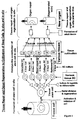
- the present invention reveals the fundamental principle of adult tissue repair and regeneration in vivo and in situ, which is illustrated in Figure 1 .
- an adult, fully developed body has the ability to repair its damaged tissue and regenerate its organ in situ if the regenerative environment is provided.
- ASCs adult stem cells
- embryonic stem cells the counterpart of which are embryonic stem cells.
- these nascent stem cells are quite fragile and are prone to death caused by cytotoxic effects exerted by various environmental elements, and by uncontrolled cellular responses to injury.
- inventive compositions As illustrated in Figure 1 , under suitable culturing conditions provided by the inventive compositions these adult stem cells proliferate and develop into various multipotent tissue stem cells by following the directions which are already genetically programmed at the embryonic development stages. Generation of such a multiple functional tissue stem cell assures ample supply of various types of cells that are needed for forming a physiologically functional tissue.
- tissue stem cells proliferate and differentiate into specific types of cells for particular kinds of tissues.
- Specific types of differentiated cells associate with each other through tissue-specific cell adhesion and form a nascent tissue.
- tissue conjunction Such modes of tissue-specific cell association are collectively referred to herein as "cell conjunction”.
- the newly regenerated tissues then assemble into a nascent organ by forming organ-specific tissue-tissue junctions, mimicking the tissue assembly process in a developing fetus.
- tissue constitution Such a mode of organ specific tissue association in an adult is collectively referred to herein as "tissue constitution”.
- the nascent tissues within the reconstituted organ develop and mature into individual, functional tissues with physiologically balanced cell types and numbers under the regulation of inventive composition. Meanwhile, these tissues undergo further remodeling through communications of tissues within the network of the live organ and eventually form a fully functional, mature organ ( Figure 1 ).
- damaged or lost tissues can be repaired to regain their physiological structure and function.
- patients with severed damaged skin were treated with the inventive methodology without suffering through skin grafting and could recover with a completely new skin without loss of physiological structure and function of the skin, including various appendages of the skin.
- the inventor believes that by in situ cultivation of regenerative stem cells within a live body under an optimum developmental condition, the damaged organ can be regenerated with a complete restoration of its physiological structures and functions. This regeneration process takes place spontaneously within the body under the regulation of both endogenous and exogenous materials provided in the present invention. Ultimately, successful organ regeneration depends on physiologically proper tissue-specific multi-cell adhesion, organ-specific multi-tissue assembly, and homeostatically balanced and immunologically compatible coexistence of multi-organs within a live body.
- stem cell Based on this fundamental principle and its successful application in organ regeneration in the clinic, the meaning of a stem cell is redefined in the present invention.
- a classic definition of a stem cell is that a stem cell should have the following properties: 1) It is not itself terminally differentiated, i.e., at the end of a pathway of differentiation; 2) It can divide without limit or at least for the life time of the animal; and 3) When it divides, each daughter cell can either remain a stem cell, or embark on a course leading irreversibly to terminal differentiation.
- Molecular Biology of the Cell Alberts et al., eds, 3rd ed. (1994), pp. 1155-1156, Garland Publishing Inc., New York and Lond on.
- stem cells isolated from human tissue such as the embryonic stem cells isolated from the inner cell mass of human blastocysts, are still stem cells even if they are completely isolated from a live human body and reside in culture medium in vitro.
- stem cells although capable of divide without limit and differentiate into cells of various tissue types, have not been shown to be able to regenerate a fully functional human organ, let alone a live human in vitro.
- the stem cell according to the present invention is termed as a "regenerative stem cell”.
- This regenerative stem cell has the following characteristics: 1) it resides in a live body; 2) it is under the physiological control and regulation of the body; 3) it co-exists with the tissues and organs of the body, 4) it is capable of continuous cell division within the live body; 5) it is capable of repairing tissues, regenerating organs, and restoring physiological structures and functions to the regenerated organs.
- Tissues with high rates of cell turnover such as blood and epithelia
- Other Tissues such as liver, bone, muscle, blood vessels, and adrenal cortex regenerate in response to injure.
- the liver regenerates by compensatory hyperplasia
- other tissues regenerate by the activation of reserve stem or progenitor cells perhaps by augmenting the regeneration of mesenchymally-derived tissues, or within the regenerating tissue.
- hematopoietic cells such as T cells, B cells, neurotrophils, and erythrocytes are regenerated from hematopoietic stem cells in the bone marrow.
- Finger tips will regenerate if amputated distal to the terminal phalangeal joint.
- neither bone nor muscle will regenerate across a gap, and other organs as skin, pancreas, heart, and spinal cord respond to injury by the formation of scar tissue.
- the distinct, novel approach disclosed in the present invention focuses on harnessing the body's inherent ability to repair and regenerate itself. Under optimum physiological conditions, such as bathing in the warm, sterile amniotic fluid, a fetus could heal its wound spontaneously without scar and loss of function. Unfortunately, a fully developed human is exposed to a completely different, more hostile environment. Under the influence of both endogenous and exogenous conditions, spontaneous adult wound healing and organ generation go through somewhat different pathways and end up with scars and dysfunction of organs. This spontaneous healing process is totally passive, uncontrolled by therapeutic interventions by embarking on a course of chaotic cell proliferation and differentiation and reconstitution of regenerated tissues.
- the present invention provides methods and compositions to actively control the whole process of tissue repair and organ regeneration.
- cells the smallest unit of life, are stimulated, propagate, differentiate, integrate with each other to physiologically repair the damaged tissues or to regenerate the tissue destroyed in various courses, such as trauma and diseases. These nascent tissues then conjoin together to form a fully functional organ.
- the general guidance for this intervention revealed in the present invention is that 1) for injured or damaged tissues, the viable cells in the remaining tissues should be preserved to a maximum extent; 2) necrotic cells or tissues should be removed as early as possible; 3) the regenerative cells should be activated and propagated in an environment mimicking the their own native physiological conditions; and 4) regulators for cell growth and differentiation are administered to the regenerating organ to direct proper, physiological repair of tissues.
- ASCs adult stem cells
- Multipotent adult stem cells are produced in vivo and in situ by i) activating dormant tissue stem cells such as epithelial stem cells putative residing in the bulge of a hair follicle, and/or ii) inducing dedifferentiation of fully dedifferentiated cells and converting them into ASCs.
- dormant tissue stem cells such as epithelial stem cells putative residing in the bulge of a hair follicle
- the fragile, nascent ASCs are cultured in a physiologically moist environment to allow rapid growth and directionally differentiation;
- necrotic tissues of the wounded skin are removed without using a traditional method of debridement involving invasive surgical excision; the necrotic tissues are liquefied by an inventive composition from outside-in and exudate from the wound automatically, thus greatly reducing the risk of physical or chemical injury to residual viable tissue;
- ASCs and their differentiated cells are cultured in an exogenous culture medium provided by the present invention to allow rapid cell growth, integration and migration to physiologically repair the damaged tissue or regenerate lost tissue;
- Toxicity of bacteria infecting the wound are inhibited not by topically applying antibiotics to kill the bacterial cells, rather by allowing a bacterial cell to replicate genetically and change its morphology under a condition provided by an inventive composition, leading to reduced production of toxin; and thus greatly reduce inflammation caused by the body's immune response to bacterial toxin.
- an inventive composition to the wound results in formation of an opaque membrane which isolates the wound from the exterior environment and yet allows permeation of nutrients and oxygen to the tissues beneath.
- This semipermeable membrane may mimic the amniotic membrane enclosed within which is a relatively sterile environment for regeneration of tissues enclosed. As a result, tissues are regenerated and reconstitute to form a fully functional organ following an embryonic development-like scheme.
- Oxygen required for cell growth can permeate through this membrane to reach the tissues beneath. Meanwhile, bacteria and other environmental contaminates are separated from the tissues undergoing wound healing.
- organ transplantation and implantation of bionic device Clinical approaches currently available to replace failing organs and tissues are organ transplantation and implantation of bionic device.
- organ transplantation are donor shortages and immunosuppressive side effects.
- the drawback to the approach of implantation of bionic device is the inability to manufacture artificial materials that duplicate the durability, strength, form, function, and biocompatibility of natural tissues.
- Transplantation of cells involves ex vivo culturing and propagation of stem cells and then transplanting them or their differentiated products to the site where the damaged organ resides.
- progress in biology has made it possible for apply the cell transplantation in the clinic, multiple practical limitations still exist and the clinical results are not physiological or cosmetically satisfactory.
- One of the limitations associated with this approach is the difficulties with identification and isolation of multipotent stem cells from various tissues.
- pluripotent human embryonic stem cell (ESC) lines have been cultured recently, directional differentiation of the ESCs remains a mystery.
- mice neuronal and glial cells derived from neural stem cells in vitro, and cardiomyocytes derived from ESCs in vitro integrate into the surrounding tissue when injected into an adult brain and heart, respectively.
- Multipotent human neural stem cells injected into the developing brain of mouse embryos migrate throughout the brain and differentiate site-specifically.
- Stem cells cultured in vitro must be directed to differentiate into site-specific phenotypes once they are transplanted into the lesion site. Complete deciphering of the signal needed for this process is required to guide the design of the in vitro tissue culturing conditions.
- Experimental data obtained by others in the art show that although multipotent human mesenchymal, mouse neural stem cells, and mouse embryonic stem cells can be grown in vitro through the addition of leukemia inhibitory factor (LIF) to the culture medium, mouse ESCs differentiate randomly in vitro and in vivo.
- LIF leukemia inhibitory factor
- Immuno-rejection of the transplant is another major problem associated with cell transplantation. While autogeneic cells can be used in some instances (e.g., mesenchymal stem cells from bone marrow), most transplanted cells will be allogeneic. Attempts have been made to use genetic modification and cell biological strategies to promote host tolerance of allogeneic or xenogeneic transplants, such as fusing diploid somatic cells to an enucleated human or other mammalian egg and using the resultant blastocyst to make the stem cells. Such approaches trigger bioethical concerns, a problem even harder to solve.
- Implantation of bioartificial tissues constructed in vitro also faces a few obstacles. For example, it remains a major challenge to synthesize scaffolding material for bionic implants that have the requisite topography, surface properties, and growth and differentiative signals to facilitate cell migration, adhesion, proliferation and differentiation, as well as being moldable into the shape of various tissues and organs.
- Examples of artificial biomaterials currently being used or tested include various ceramics, polyurethane elastomers, polyesters, polyanhydrides, and polyphosphazenes. These materials provide mechanical support, migration channels, and adhesive surfaces for cells.
- the present invention provides an innovative methodology for adult tissue repair and organ regeneration.
- the methodology is focused on the activation and cultivation of adult stem cells in vivo and in situ.
- the methodology has been developed to provide optimum conditions for the body's spontaneous regeneration, a regenerative environment mimicking that needed for healthy fetal development.
- Inventive compositions are provided to activate dormant stem cells to proliferate or to induce conversion of adult tissue cells into regenerative stem cells, and to maintain active proliferation and directional differentiation of these stem cells into all cells needed for regeneration in vivo and in situ.
- Novel formulation of the active ingredients also facilitates a physiologically moist, nutritious, homeostatically balanced environment to ensure repair and regeneration of tissues and organs with complete restoration of their physiological structures and functions.
- this methodology has been successfully used in the clinic to treat patients with lost or dysfunctional organs, such as patients with deeply burned skin, chronic ulcer, trauma wounds, Gl tract ulcer and baldness. Patients can recover with repaired tissue and regenerated organs without substantial loss in their physiological structures and functions.
- tissue cells in any organ of a human body can be activated to produce regenerative stem cells in response to signals of tissue repair, e.g., wounds, as long as proper regenerative conditions are provided.
- tissue repair and functional organ regeneration in a fully developed adult is achievable only by providing an exogeneous culture media in vivo and in situ to stimulate and maintain rapid proliferation and directional differentiation of the adult stem cells and to ensure proper assembly of various tissues organ-specifically without substantial loss in their structures and functions.
- ASCs adult stems cells
- ASCs have been discovered recently in the liver, pancreas, and central nervous system. Mesenchymal stem cells have been isolated from the bone marrow, and there is some evidence that similar cells may even reside in the connective tissue compartments of tissues throughout the body. The locations of ASCs have been searched extensively and speculated by others to be residing in specific niches. As shown in detail in the Example section, mesenchymal cells in the fat layer of the hypodermis can be induced to produce regenerative ACSs for skin regeneration in response to full-thickness burns under the conditions provided by using the methodology of the present invention.
- the methods and compositions provided by the present invention can be used to activate ACSs in the body to repair damaged tissues and to regenerate dysfunctional organ in situ and in vivo. It is envisioned that this innovative methodology can be used for restoring the physiological structure and function of any tissue and any organ of the body of a mammal, preferably a human. The following section lays out several exemplary applications.
- Skin is the largest organ of an animal, consisting of outer epidermis, dermis, and hypodermis. Normal, physiologically functional skin has these three layer of tissues interact with each other in structurally distinctive patterns.
- the epidermis is a continually renewing, stratified, squamous epithelium. Most of the cells in the epidermis are keratinocytes arranged in layers that represent different stages of their differentiation. The outer layer, the horny layer, functions as a barrier. It protects the body from the environment and helps maintain the internal milieu.
- the dermis the connective tissue matrix of the skin, gives the skin its structural strength, protects the body from injury, stores water, and interacts with the epidermis.
- the papillae of the dermis mirror the contours of the epidermis, i.e., the alternating ridges and valleys of the underside of the epidermis.
- Skin as a fully functionally organ includes components, comprising nerves, blood vessels, hair follicles, and glands as appendages of the skin.
- the numerous components of skin are responsible for its varied functions. These functions include protection from the external environment, inhibition of water loss, absorption and blockage of radiation, temperature regulation, sensory perception, and immunological surveillance.
- the kinds of cutaneous vascular beds present are determined by the kinds of skin they perfuse, the types and numbers of appendages present, and the thickness of the dermal and hypoderma layers.
- Cutaneous nerves contain sensory and sympathetic (autonomic) never fibers.
- the sympathetic motor fibers mixed with sensory fibers in the dermis, eventually send branches to the sweat glands, blood vessels, and arrectores pilorum muscles.
- the sensory fibers and their specialized corpuscular end organs are receptors for touch, pain, temperature, itch and physical and chemical stimuli.
- a large portion of the human sensory cortex receives sensory messages from the skin of the face and the hands.
- the glands, appendages of the skin include apocrine glands, eccrine sweat glands, mixed glands, buccal glands, and sebaceous glands. Each type of gland has unique morphological characteristics and functions. All of these cutaneous appendages arise from the embryonic epidermis.
- Hairs are complex keratinous cylinders packed inside a tight girdle of imbricated cortical scale. Hairs can be divided into (1) vellus hairs, which are fine, unmedullated, soft, unpigmented, and relatively short, and (2) terminal hairs, which are coarse, longer, and mostly pigmented and medullated. There are also intermediate hairs. All fetal hairs are called lanugo hairs.
- Hair follicle is the principal epidermal appendage and, together with the epidermis, derived from a common embryonic origin and located at the on the skin surface.
- the hair follicle is composed of an outer root sheath (ORS) that is contiguous with the epidermis, an inner root sheath (IRS), and the hair shaft itself.
- ORS outer root sheath
- IRS inner root sheath
- the actively dividing cells that give rise to the IRS and hairshaft are called matrix cells.
- the dermal papilla which are a population of transiently dividing epithelial cells.
- the lower segment undergoes periods of active growth (anagen), and destruction (catagen/telogen).
- anagen active growth
- destruction catagen/telogen
- the follicle regresses, dragging the pocket of dermal papilla cells up to the permanent epithelial portion of the follicle, called the bulge.
- the bulge has been considered to be putative home of follicle stem cells.
- one or more stem cells in the bulge commit to regenerating the follicle.
- the hypodermis also called the fatty layer, has a layer of fat.
- the primary functions of the hypodermis are thermoregulation, cushioning against mechanical trauma, contouring the body, filling space, and most importantly, serving as a readily available source of energy.
- the hypodermis consists of three fatty layers separated by connective tissue sheaths (retinocula cutis).
- the dermis is divided into a papillary layer that follows the contours of the epidermis and a reticular layer that extends from the bottom of the papillary dermis to the hypodermis.
- the papillary dermis has a high content of type III collagen, which consists of small-diameter fibrils organized into small fiber bundles (1-10 ⁇ m in width).
- the reticular dermis is composed primarily of type I collagen, which consists of large-diameter fibrils woven into large fiber bundles (more than 40 ⁇ m in width).
- collagen fiber bundles are arranged in a somewhat orthogonal pattern, i.e., each layer is at right angles to the one above and the one below.
- Cutaneous scarring may be defined as macroscopic disturbance of normal architecture, resulting from the end product of a healed wound, and may manifest itself as an elevated or depressed site with an alteration of skin texture, color, vascularity, nerve supply, reflectance, and biochemical properties. Ferguson et al. (1996) Plast. Reconstr. Surg. 97: 854 . Histologically, scarring may be defined as the microscopic alteration of tissue architecture, with collagen deposition and organization that differ from the surrounding unwounded tissues.
- the present invention provides innovative methodology for tissue repair and organ regeneration of an animal, especially of a human, through cultivation of regenerative stem cells in vivo and in situ.
- a new skin was regenerated from the site suffering from deep, extensive burns through induction of adult stem cells which developed into embryonic epidermal stem cells and various other tissue stem cells needed for skin regeneration.
- the regenerated skin retains its normal structure and function and contains a full set of appendages.
- the methodology of the present invention may be used to physiologically repair damaged tissue(s) of the skin without scars, such as the skin of a deep second degree burn (or partial thickness burn) that has destroyed the epidermis, the basal layer, and severely damaged the dermis. However, part of the dermis remains viable in the skin.
- the methodology may also be used to regenerate skin with restoration of structures and functions of the epidermis, dermis and various appendages of the skin. For example, a patient with both epidermis and dermis destroyed by fire or chemical, i.e., superficial third degree burn or full thickness burn, can be treated with the methodology without substantial loss of physiological functions of the skin, including those of the appendages.
- the methodology of the present invention may also be used for regenerating skin that has been damaged by other types of wounds including but not limited to trauma, surgical and infected wounds; surface ulcers including but not limited to chronic ulcers, diabetic ulcers, decubital ulcer, and lower limb vascular disease, and other non-healing wounds as result of poor blood flow; wounds and/or erosions caused by bacterial and viral infection, such as vaginitis, cervical erosion, gingivitis; wounds due to dilation and enlargement of veins such as hemorrhoids; herpes simplex corneal ulcer, subcutaneous tissue ulcer, radiation-caused skin ulcer, wounds caused by wind and cold such as chilblain and chapped skin.
- these types of wounds can be treated and heal physiologically without disfigurement and disablement.
- the inventive composition is applied to the damaged skin in situ and asserts its therapeutic activity through activation of regenerative stem cells, tissue-specific cell adhesion, and organ-specific assembly of regenerated tissues.
- the regenerative stem cells for skin may reside in the viable tissues of the skin.
- damaged epidermis may be repaired by activating the epidermal stem cells residing in the epidermal basal layer.
- the inventive composition may be used as a therapeutic to promote physiological healing of the damaged epidermis without scarring.
- the inventive composition may be used as a cosmetic to enhance aesthetic appearance of the skin.
- the composition may be delivered to the basal layer via chemical delivery vehicles such as liposomes or oil, or physical means such as ultrasonic delivery.
- chemical delivery vehicles such as liposomes or oil
- physical means such as ultrasonic delivery.
- partial or the entire epidermis may be removed chemically (e.g., by glycolic acid or enzyme) or physically (by thermal or optical energy).
- the inventive composition is then applied to the skin with viable dermis where residual basal layer epidermal stem cells and the regenerative stem cells in other tissues of the skin may be activated to promote regeneration of younger looking skin without scarring.
- regenerative stem cells may be stimulated in various skin tissues such as the hair follicles.
- the bulge of a hair follicle has been proposed to be the niche harboring both epidermal and follicle stem cells based on lines of evidence obtained in experimental animals and humans.
- Bulge cells have a long cell circle ( Morris and Potten (1994) Cell Prolif. 27: 279-289 ), and also yields the best outgrowth of hair follicle keratinocytes in culture ( Yang et al. (1993) J. Invest. Dermatol. 101: 652-659 ).
- Other tissues of the skin such as the blood vessels and eccrine sweat glands may also harbor regenerative stem cells that are activated and different into various cells types needed for the repair of dermis and regeneration of the epidermis.
- the inventive composition may be used to activate or induce regenerative stem cells residing in the hypodermis, such as the mesenchymal cells in the soft tissue.
- the inventive composition may be used to activate regenerative stem cells from the connective tissues in the muscle layer, as well as mesenchymal stem cells from bone marrow.
- inventive method and composition may also be used to promote dedifferentiation of cells, i.e., to convert a differentiated cell into an adult stem cells that then serve as the regenerative stem cells in the process of the tissue repair and organ regeneration.
- the methodology described in the present invention may also be used to prevent and treat various forms of cancer.
- Cancer is generally viewed as the result of disrupted intra-and intercellular homeostatic regulation. Once the homeostatic balance is lost and malignant transformation has occurred, microenvironment factors such as degradation of matrix components and host-tumor interactions are essential for survival and growth of the malignant cells.
- compositions and methods of the present invention and of the present disclosure show that the homeostatic balance of tissues can be restored without loss of physiological functions.
- the compositions can regulate intercellular communication and promote cell-cell interactions by stimulating cross-talk mediated by various cell membrane proteins such as connexins and cadherins. This results in a coordinated regulation of cell growth, differentiation, apoptosis and migration.
- compositions may assert their function of restoring tissue homeostatic balance through promoting the formation of gap junctions between precancerous or cancer cells and the host cells.
- Gap junctions are a unique type of intercellular junction found in most animal cell types. Two adjacent cells interact with each other through the cell membrane proteins, connexins, which form the gap junction. Six identical connexins from a connexon; two connexons join across the intercellular gap to form a continuous aqueous channel connecting the two cells. Each gap junction is a cluster of homogeneous intramembrane particles associated with the cytoplasmic fracture face of the plasma membrane. Each intramembrane particle corresponds to a connexon. Gap junctions permit the intercellular passage of small molecules and have been implicated in diverse biological processes, such as development, cellular metabolism, and cellular growth control.
- connexins are modified posttranslationally by phosphorylation, primarily on serine amino acids.
- Connexins are targeted by numerous protein kinases, of which some have been identified: protein kinase C, mitogen-activated protein kinase, and the v-Src tyrosine protein kinase.
- Phosphorylation has been implicated in the regulation of a broad variety of connexin processes, such as the trafficking, assembly/disassembly, degradation, as well as the gating of gap junction channels.
- cadherin also plays important role in cell-cell adhesion and migration. It has been found that cadherin-mediated cell-cell adhesion is perturbed in protein tyrosine kinase (PTK)-transformed cells. While cadherins themselves appear to be poor PTK substrates, their cytoplasmic binding partners, the Arm catenins, are excellent PTK substrates and therefore good candidates for mediating PTK-induced changes in cadherin behavior. For example, beta-catenin binds to the cytoplasmic region of classical cadherins and function to modulate adhesion and/or bridge cadherins to the actin cytoskeleton.
- PTK protein tyrosine kinase
- the inventive composition activates these kinases which then phosphorylate connexins and the cellular binding partners of cadherins such as catenins.
- the communication channels between the tumor cells and the host cells are restored.
- the tumor cells are subjected to the regulation of the host.
- the tumor cells may be induced to undergo apoptosis (programmed cell death) or differentiate to become non-tumorigenic.
- apoptosis programmeed cell death
- the methodology of the present invention may be used for treating or preventing hyperproliferative diseases or pre-cancerous conditions affecting epithelial cells of the skin, such as psoriasis or other skin diseases, including hyperproliferative, precancerous or UV-induced dermatoses.
- the methodology of the present invention may also be used as prophylaxis against skin cancer or reduction in the likelihood of development of skin cancer, as well as reduction of severity of photoaging resulting from sun exposure.
- the methodology of the present invention may be used for treating or preventing hyperproliferative diseases or pre-cancerous conditions affecting epithelial cells of the internal organs, such as organs in the gastrointestinal (Gl) tract.
- Administration of the inventive composition orally or via local injection may restore the homeostatic balance of these organs by reestablishing the cell-cell cross-talk between the precancerous cells with the healthy cells of the host.
- the methodology of the present invention may also be used for treating cancer in the upper and lower Gl tract.
- upper Gl cancer include, but are not limited to, 1) esophagus cancer caused by excessive alcohol use, lye ingestion, achalasia, cigarette smoking, exposure to nitroamine, Barrett's mucosa, tylosis, mycotoxin, infection with transforming viruses such as human pappillomavirus (HPV), herpes simplex virus (HSV), cytomegalovirus (CMV) and Epstein-Barr virus (EBV), Plummer Vinson Syndrome; 2) stomach cancer caused by achlorhydria, Helicobacter pylori infection, previous gastrectomy, and Billroth II procedure; 3) pancreas cancer caused by cigarette smoking, exposure to beta-naphthylamine, benzidine, and chronic pancreatitis; 4) liver cancer caused by hepatitis B virus, chronic liver diseases such as chronic active hepatitis and cirrhosis,
- Examples of lower Gl cancer include cancers of the large bowel such as colorectal carcinoma, primary lymphomas, melanoma, and sarcoma of the large bowel.
- Adenocarcinoma account for more than 90% of large bowel cancers.
- Carcinoid tumors account for most of the rest of malignant neoplasma arising in the colorectum.
- the methodology of the present invention may be used to activate or induce regenerative stem cells in tissues in the Gl tract so as to repair diseased or damaged mucosa of the organs in the tract.
- each crypt is composed of about 250 epithelial cells among which epithelial stem cells are included. These multipotent stem cells are located near or at the base of each crypt. Loeffler et al. (1993) J. Theor. Biol. 160: 471-491 .
- the intestinal epithelial stem cells response to mesenchymal cues for survive and differentiation. Normally, these cells are slowly recycling, much like the hair follicle stem cells. Some of them are converted to rapidly but transiently proliferating cells that move to the midsegment and subsequently differentiate into either the absorptive brush-border enterocytes, mucus-secreting goblet cells, or enteroendocrine cells of the villi. To maintain homeostasis, the differentiated cells then die and are shed from the villi into the lumen of the gut.
- the present invention provides methods and compositions for treating digestive disorders in a human patient, which method involves administering to the digestive tract the patient a composition comprising a sterol compound dissolved in oil, the concentration of the sterol ranging from about 0.5% to 20% by weight.
- the oil is edible oil
- the composition further comprises beeswax at a concentration ranging from about 1% to 20% by weight.
- Digestive disorders may be a condition of a human as a result of disorders of and damage to the organs of the digestive tract or the alimentary canal, including the mouth, esophagus, stomach, and large and small intestine.
- Disorders of the digestive tract include peptic ulcer diseases, inflammatory bowel diseases and other insults.
- H. pylori Helicobacter pylori
- Infection of H. pylori leads to active, chronic gastritis and frequently to associated syndromes such as duodenal ulcer, gastric ulcer, gastric cancer, MALT lymphom, or Menetrier's syndrome. Eradication or inhibition of H. pylori should reduce the recurrence of duodenal and gastric ulcers.
- IM intestinal metaplasia
- the inventive composition can effectively repair the damaged mucosa by providing regenerative condition in the Gl tract, especially in the stomach.
- the inventive composition Upon administration to the Gl tract, the inventive composition is mixed with mucus of the stomach and forms a protective membrane containing mucin, separating the mucosa from further irritation of food and other materials contained in the stomach. Under these conditions the sterol compound and other optional active ingredients in the composition are released to the site and activate the regenerative stem cells there to promote fast repair of the mucosa.
- the inventive composition successfully cured gastric ulcer in animal models (compared with Figure 3A , without the treatment).
- the inventive composition may also effectively inhibit the toxicity of the bacteria H. pylori by changing its morphology. With the regeneration of a healthy Gl tract, the ulcerous conditions that are favorable for H. pylori are improved and therefore indirectly inhibit the growth of the bacteria.
- the methods and composition of the present disclosure and of the present invention may be used in the treatment of H. pylori infection and conditions associated with H. pylori infection (e.g., ulcers, gastric carcinoma, non-ulcer dyspepsia, gastritis, and esophageal lesions associated with gastroesophageal reflux disease).
- the inventive composition may be useful for treatment of these conditions because of its generally protective effect on the gastrointestinal (Gl) tract. In addition, it promotes the maintenance of mucosal integrity.
- the inventive composition of the present invention may be used to inhibit adhesion to or colonization of the mucosa by H. pylori.
- the inventive composition may be used promote healing of tissues damaged by conditions associated with H. pylori infection.
- it is important that addition of the inventive composition to wounded monolayers of confluent intestinal epithelial cells activates epithelial stem cells in the crypts and increases the rate of epithelial cell migration into the wound.
- the inventive composition can be used to protect other parts of the gastrointestinal tract or alimentary canal, such as the intestine, it may be used to protect the mouth and esophagus from damage caused by radiation therapy or chemotherapy.
- the inventive composition may also be used to protect against and/or to treat damage caused by alcohol or drugs generally.
- the methodology of the present invention may also be used to promote hair growth and restore physiological functions to hair follicles and their surrounding tissues such as blood vessels and the sebaceous gland.
- Hairs are filamentous, keratinized structures derived from the epidermis. Two broad categories of hairs are recognized: vellus hairs are short and narrow, and are present over most of the body surface; terminal hairs are longer, thicker, and often heavily pigmented. Terminal hairs include those of the scalp, eyebrows and eyelashes, post-pubertal hair of the axillae and pubis, and the facial and body hair of many men.
- Each hair consists of a shaft and a root.
- the shaft is composed of specialized keratinocytes.
- the root lies within the hair follicle, which can extend deeply into the hypodermis or lie more superficially in the dermis.
- the hair follicle is composed of an outer root sheath (ORS) that is contiguous with the epidermis, and an inner root sheath (IRS).
- ORS outer root sheath
- IRS inner root sheath
- the actively dividing cells that give rise to the IRS and hair shaft are called matrix cells.
- the proximal end of the root is expanded to form the hair bulb, which is indented on its deep surface by a conical vascular dermal papilla.
- the bulb comprises the germinative matrix and the keratogenous zone.
- the dermal papilla In the follicle bulb there is a pocket of specialized mesenchymal cells, called the dermal papilla, which are a population of transiently dividing epithelial cells. This mass of pluripotent cells capping the dermal papilla is characterized by mitotic activity giving rise to the hair and its surrounding inner root sheath. Cells arising mitotically from this group move apically and differentiate along several different routes.
- the lower segment undergoes periods of active growth (anagen), and destruction (catagen/telogen).
- anagen active growth
- destruction catagen/telogen
- the follicle regresses, dragging the pocket of dermal papilla cells up to the permanent epithelial portion of the follicle, called the bulge.
- the bulge has been considered to be putative home of follicle stem cells.
- one or more stem cells in the bulge commit to regenerating the follicle.
- Follicular development relies on a series of messages between dermis and epidermis.
- the dermal components of the hair follicle i.e., the dermal papilla and dermal sheath
- the dermal components of the hair follicle are derived from an aggregate of mesenchymal cells.
- Follicle initiation and development begin with the aggregation of dermal fibroblasts and epidermal keratinocytes.
- the epidermal cells proliferate and penetrate the dermis as plugs.
- the epidermally derived cells encircle a dermal aggregation and incorporate it into a pocket of tissue, the dermal papilla. It is generally understood that the population of hair follicles and dermal papillae is established during embryogenesis with no significant postpartum development.
- Hair growth is affected by proliferation of hair follicle matrix cells.
- Three distinct stages in the hair growth cycle are recognized: anagen, an active phase when hair growth occurs; catagen, the transition stage during which follicle activity declines; and telogen, the resting phase when no cell proliferation occurs.
- anagen In the typical human scalp, anagen lasts several years, catagen lasts a few weeks, and the quiescent telogen phase lasts a few months ( Bertolino et al. (1993) "Biology of Hair Follicles" in Dermatology in General Medicine, pp. 289-93, Fitzpatrick et al., eds. McGraw-Hill ).
- the timing of this renewal cycle differs between species and location within an animal.
- the hair falls out and another cycle begins.
- the various phases of the hair growth cycle are accompanied by characteristic changes in the thickness of the epidermis, dermis, and adipose layer. Additionally, in terminal hairs, anagen is accompanied by increasing melanogenesis as melanocytes in the hair follicle produce melanin that is incorporated into the hair shaft. Danilenko et al. (1996) Mol. Med. Today 2:460-67 .
- Baldness may be localized to the front and top of the head, as in the very common type of male-pattern baldness; baldness may be patchy, a condition called alopecia areata; or it may involve the entire head, as in alopecia capitis totals.
- the various forms of baldness can be categorized as follows : 1) Alopecia capitis totalis which is loss of all of the scalp hair, i.e., a total baldness of the scalp with normal hair elsewhere on the body; 2) Alopecia universalis which is loss of all of the hair, not only on the scalp, but also on the entire body; 3) Alopecia areata which is a condition with patchy areas of baldness, and for women, the hair loss usually happens following childbirth or stopping the contraceptive pill ; 4) Hair loss as a result of chemotherapy, the resultant hair loss usually being temporary; 5) Hair loss as a result of radiation therapy administered to the head, the hair loss usually being permanent, due to irreversible damage to the hair follicles ; and 6) Male pattern baldness (also referred to as bald pate) with the common male-pattern baldness localized to the front and top of the head, due to genetic (hereditary) factors.
- Alopecia capitis totalis which is loss of all of the
- Hair loss is a naturally occurring process in mammals; indeed, it is extremely common among healthy adult humans, especially men. Alopecia also can be induced by chemical agents or physical agents (e.g., during anti-cancer chemotherapy), and the condition also results from specific disease states and with increasing age. Alopecia typically is attributable to a disturbance in the hair renewal cycle, leading, at first, to acceleration of the frequency of the cycles, resulting in a shift in the population of follicles from the anagen phase to telogen. Normally, of the approximately 150,000 hairs on the typical human head, about 10% of them are in telogen at any given time; in skin undergoing alopecia, significantly more follicles are in telogen.
- the hair follicles degenerate. This process manifests itself as a progressive thinning of the hair, first as a change of hair quality (i.e., more vellus and less terminal hair) and ultimately in a decrease in the number hairs in the affected area of skin.
- inventive composition As shown in Figure 4B , topical administration of the inventive composition to the scalp result in regrowth of hair in a bald male (compared with Figure 4A , before the treatment).
- inventive composition effectively activates hair follicle stem cells, likely the stem cells residing the bulge of a hair follicle. Proliferation and differentiation of the regenerative stem cells provides enough hair cells for forming strong, healthy hair shafts.
- the inventive methodology can also be used to repair tissues of or regenerate other organs of the body through cultivation of regenerative stem cells in vivo and in situ, including but not limited to muscles, mucus, tendons, connective tissue, heart, kidney, lung, liver, pancreas, eyes, brain, arteries, nerves, and bones.
- the inventive composition has been successfully used to regenerate muscles, connective tissues, tendons, blood vessels, and nerves by cultivating multipotent or pluripotent stem cells from bone marrow.
- FIG 4C on a leg of a patient who suffered from severe burn in the leg and all of the skin as well as the flesh attached to the skin was burned away, revealing the bone of the burned leg.
- Figure 4D shows expansive growth of flesh on the wound in the patient described in Figure 4C with continuous application of the inventive composition.
- the inventive composition may also be administered by local injection to the heart muscle to directly activate/induce ASCs of the heart for treating various heart disorders and cardiovascular diseases, as well as regeneration of the heart post heart attack. Further, the inventive composition may be administered locally to the liver to activate/induce hepatocyte stem cells to repair the liver damaged in various courses such as over consumption of alcohol. Moreover, the inventive composition may be administered to the lung locally to repair or regenerate tissues therein such as lung alveolus.
- the inventive composition may be used to repair damaged renal glomerulus and other glomerulous disease, the major causes of chronic renal failure.
- the glomeruli are small structures (100-200 ⁇ m in diameter) scattered throughout the renal cortex (3x10 4 -1x10 6 glomeruli/kidney) and, therefore, are difficult to be targeted by conventional approaches such as implantation.
- Direct injection of the inventive composition should provide sufficient stimuli to the glomerulus and activate/induce regenerative stem cells therein.
- inventive compositions and methods may be used to treat other disorders resulting from a loss or reduction of a renewable cell population through activation or induction of regenerative stem cells, including blood disorders and diseases involving impaired or lost immune function.
- inventive composition may be used to stimulate the growth and maintain the physiological balance of differentiated cells, inducing existing differentiated cells to continue expressing their phenotype and to reverse from an aged phenotype to a youthful one. This is particularly useful in the treatment of tissue disorders where loss of function is caused by reduced or lost metabolic function and cells become senescent or quiescent, such as may occur in aging cells and/or may be manifested in osteoporosis and a number of nerve degenerative diseases, including Alzheimer's disease.
- the present invention provides a novel approach to tissue repair and organ regeneration.
- This approach is against the current mainstream school of thoughts that complete organ regeneration can only be achieved by transplantation of autografts or allografts that are reconstructed ex vivo.
- the fundamental concept proposed in the present invention is that a fully developed, adult human with severely damaged tissues and/or organs possesses an intrinsic ability of self-repair and organ regeneration in a suitable environment and in response to endogenous and exogenous signals.
- Such a regenerative environment must be supported by substances provided exogenously in order to promote the organ regeneration without substantial loss of physiological structures and functions.
- the target organ Under the conditions created by applying the inventive composition in vivo and situ, the target organ could regenerate spontaneously with a restoration of its physiological structure and function by following an embryonic development-like process.
- the inventor reveals the fundamental principle behind adult tissue repair and organ regeneration in response to endogenous and exogenous signal.
- novel cellular responses and intercellular interactions were observed on organs undergoing spontaneous regeneration. These phenomena could only be observed when the inventive composition is applied.
- skin with deep second degree burn healed with scars in the control group or in a group treated with conventional drug SD-AG; and wounds caused by superficial third degree burns could only be closed by skin grafts.
- the cellular and tissue interactions in the wounds treated by using these traditional methods are chaotic, leading to pathological healing of the skin with disfiguring scars, disablement and dysfunction.
- exogenous substance must be applied to the site to provide a regenerative environment and to regulate cellular activity in vivo and in situ.
- the inventor proposes in the present invention the plausible molecular and cellular mechanisms based on 1) the understanding of embryonic development and the difference between fetal and adult wound healing process; 2) the knowledge of the physical, chemical and pharmacokinetical properties of the ingredients; and 3) the preclinical and clinical observations of the cell growth, tissue repair and organ regeneration under the regulation of the inventive composition.
- a human like other multicellular animal or plant, is an ordered clone of cells which contain the same genome but specializes in different ways. Although the final structure may be vastly complex, a human life is generated by a limited repertoire of cell activities: cell growth, division and death. Human cells differentiate by switching on or off the production of specific sets of proteins, a process controlled by the intrinsic program of the human genome and influenced by various environmental elements. Cells produce molecular signals to influence neighboring cells and they respond to signals that neighboring cells deliver to them. It is generally believed that the genome, repeated identically in every cell, defines the rules of cellular response to various stimuli and guides the whole intricate multicellular process of development by which an adult organism is generated from an embryo.
- the single large egg cell subdivides by repeated mitosis into many small cells, termed blastomeres, without change in total mass. This process is called the cleavage of the egg cell.
- DNA replication and mitosis occur at a very high rate and the cleaving embryo is almost entirely dependent on reserves of RNA, protein, membrane, and other materials that accumulated in the egg.
- the cell division rate slows down and transcription of the embryo's genome begins. This change is known as the mid-blastula transition.
- the cells of embryo are not only coupled bound together mechanically, they are also coupled by gap junctions through which ion and other small molecules can pass. This feature enables efficient conveyance of messages that may help to coordinate the behavior of the cells.
- tight junctions between the blastomeres create a seal, isolating the interior of the embryo from the external medium.
- Na + begins to be pumped across the cell membranes into the spaces between cells in the interior of the embryo, and water follows because of the resulting osmotic pressure gradient.
- the intercellular crevices deep inside the embryo enlarge to form a single cavity, termed the blastocoel.
- the embryo is termed a blastula.
- the cells that form the exterior of the blastula become organized as an epithelial sheet, setting the stage of the coordinated movements of gastrulation. This dramatic process transforms the simple hollow ball of cells into a multilayered structure.
- the multilayered structure of blastula consists of three layers: inner, outer, and middle layers.
- a central gut tube forms the inner layer by tucking cells from the exterior of the early embryo into the interior.
- the innermost layer In the three-layered structure created by gastrulation, the innermost layer, the tube of the primitive gut, is the endoderm.
- the outermost layer the epithelium that has remained external, is the ectoderm.
- the looser layer of tissue composed of mesenchyme cells is the mesoderm.
- a mammalian embryo Early development of a mammalian embryo is highly regulative. The fate of each cell is governed by interaction with its neighbors. However, when the circumstances of development are more grossly abnormal, the embryonic cells can go wildly out of control. For example, when a normal early mouse embryo is grafted into the kidney or testis of an adult, it rapidly becomes disorganized, and the normal controls on cell proliferation break down. The result is a strange growth known as a teratoma.
- the teratoma consists of a disorganized mass of cells which contain various differentiated tissues such as skin, bone, glandular epithelium. These differentiated cells are mixed with undifferentiated stem cells that continue to divide and generate yet more of these differentiated tissues.
- Embryonic stem (ES) cells are extraordinarily adaptable to environmental cues that guide choices between different pathways of differentiation. Under appropriate conditions, ES cells can also stop or start the development clock-the processes that drive a cell to progress from an embryonic to an adult state.
- stem cells with very similar properties can be derived by placing a normal inner cell mass in culture and disperse the cells as soon as they proliferate. Once dispersed, some of the cells, if kept in suitable culture conditions, will continue dividing indefinitely without altering their character. The resulting ES cell lines can divide infinitely without differentiating. The presence in the medium of a protein growth factor or cytokine known as leukemia inhibitory factor (LIF) seems to be critical for this suspension of developmental progress.
- LIF leukemia inhibitory factor
- the present invention demonstrates clinically that severely damaged organ of human body can be regenerated in vivo and in situ without transplantation.
- a significant contributory factor is that by using the inventive composition and methods, adult stem cells (ASCs) are induced and propagated to provide various types of regenerative cells which reconstitute to form various tissues. Since these regenerative cells grow from the body itself in situ, instead of being transplanted ex vivo, their growth and differentiation follow the genetic programs set up during the body's embryonic development. However, since these regenerative ACS are exposed to a completely different, more hostile environment than those in a fetus, the fate of the ASCs is not only controlled by endogenous regulatory mechanisms but also by exogenous interference such as bacterial infection and air pollutants.
- exogenous substances must be provided to promote proliferation of the ASCs so as to produce large numbers of tissue cells required for regeneration.
- the differentiation of the ASCs should be regulated by providing a favorable environment mimicking that for embryonic development.
- the interactions between cells of the same or different types should be regulated so as to promote tissue-specific homing and adhesion. So are the interactions between tissues so as to promote organ-specific assembly of regenerated tissues into a functional organ within the body.
- the inventor Using wound healing in burned skin as a model for organ regeneration in adults, the inventor has tested the effects of the inventive composition on stem cell growth and differentiation as well as on specific cell-cell, cell-tissue, and tissue-tissue interactions. In addition, these effects were also observed in in vitro models treated with the inventive compositions.
- Stem cells are required wherever there is a recurring need to replace differentiated cells that cannot themselves divide. As cells in the outermost layers of skin (epidermis) are terminally differentiated and can no longer divide to replenish the dead keratinocytes, the epidermal stem cells located at the basal layer in the junction between the epidermis and the dermis constantly divide and provide daughter cells that differentiate into various types of keratinocytes to renew the skin.
- the epidermis is a multilayered epithelium composed largely of keratinocytes. Keratinocytes are cells that differentiate with characteristic activity of synthesis of intermediate filament proteins called keratin. Keratinocytes express keratin of different types depending on their stages of differentiation, such as keratin-1, -9,-10 and -16. In particular, keratin-19 (K-19) is found to be expressed in the basal cell layer of fetal epidermis and in the bulge of the developing hair of human fetuses. Dale et al. (1985) J. Cell Biol. 101: 1257-1269 ; and Moll et al. (1982) Differentiation 23: 170-178 ; and Akiyama et al. (2000) J. Invest. Dermatol. 114: 321-327 . K-19 expressing keratinocytes have been recognized as the putative epidermal stem cells.
- Keratinocytes differentiated from the epidermal stem cells change their appearance from one layer to the next. Those in the innermost layer and attached to an underlying basal lamina are basal cells that undergo mitosis to produce more epithelial cells. Above the basal cells are several layers of larger prickle cells whose numerous desmosomes provide sites of anchorage for keratin filaments. Beyond the prickle cells lies the thin granular cell layer which marks the boundary between the inner, metabolically active strata and the outermost layer, consisting of dead cells whose intracellular organelles have disappeared. These outermost cells are reduced to flattened scales, or squames, filled with densely packed keratin.
- basal cells When some basal cells are dividing and adding to the population in the basal layer, others types of keratinocytes are slipping out of the basal cell layer into the prickle cell layer. When they reach the granular layer, the cells start to lose their nuclei and cytoplasmic organelles and are transformed into the keratinized squames of the keratinized layer. These finally flake off from the surface of the skin.
- the period from the time a cell is born by the epidermal stem cell in the basal layer of the human skin to the time it is shed from the surface varies from 2 to 4 weeks, depending on the region of the body.
- an epidermal stem cell could generate two initially similar daughter cells whose different fates would be governed by subsequent circumstances.
- each self-renewing patch of epidermis must contain in each cell generation at least on "immortal" stem cell, whose descendants will still be present in the patch in the distant future.
- production of stem cells may increase depending on the circumstance. For example, when a patch of epidermis is destroyed, the damage is repaired by surrounding healthy epidermal cells that migrate and proliferate to cover the denuded area. In this process, a new self-renewing patch of epidermis is established, implying that additional stem cells have been generated to make up for the loss.
- the daughter cells of a stem cell may themselves be stems cells and not embark on the path leading to terminal differentiation.
- the fate of these daughter cells is governed by the circumstances.
- One possible determining factor might be contact with the basal lamina or with the exposed connective tissue at a wound. Loss of contact triggering the start of terminal differentiation and maintenance of contact tending to preserve stem cell potential. It has been found that contact with extracellular matrix has a critical influence on the choice of cell fate. If the cells are held in suspension, instead of being allowed to settle and attach to the bottom of the culture dish, they all stop dividing and differentiate.
- stem cells physiological interactions between cells and between cells and tissues are important for stem cells to maintain their undifferentiated state.
- adult stem cells were activated, interact with each other in a tissue-specific manner, and differentiate directionally into various types of cells required for regeneration of all tissues of the skin, including its appendages. These specific interactions were observed in the wound healing process of deeply and extensively burned skin under the treatment with the inventive composition.
- hair follicle stem cells from rats could not undergo clonal proliferation to form skin tissues.
- Wound healing in an adult is a complicated process that typically goes through four phases: coagulation, inflammation, proliferation and remodeling.
- the initial coagulation process involves the exposure of platelets to fibrin and collagen and the deposit of a prominent layer of fibrin.
- the first stimulus to wound healing is most commonly the injury induced, arachidonic acid-mediated activation of tissue complement. This stimulation attracts polymorphonuclear granulocytes to the injury site and serves as a defense against infection. If blood vessels have been ruptured during injury, subendothelial collagen is exposed to platelets, resulting in the initiation of the coagulation cascade.
- the activated platelets initially release biochemical mediators that cause vasoconstriction and consequently minimize blood loss.
- Platelets also interact with the injured tissues, causing the release of thrombin, which converts soluble, circulating fibrinogen to fibrin, which in turn traps and activates platelets and forms the physical entity of the hmostatic "plug". As these activated platelets degranulate, their ⁇ -granules release a variety of cytokines and growth factors that are largely chemoattractants (chemotaxis) for the inflammatory cells such as neutrophils and monocytes and mitogens for the noninflammatory cells such as fibroblasts and endothelial cells that are involved in subsequent wound healing.
- the fibrin clot also serves as scaffolding upon which and through which these cells can proliferate and migrate.
- the activated platelets participate in the regulation of extracellular matrix (ECM) synthesis needed for wound healing.
- ECM extracellular matrix
- cytokines and growth factors secreted by platelets include platelet-derived growth factor (PDGF), transforming growth factor ⁇ 1 and ⁇ 2 (TGF- ⁇ 1 and TGF- ⁇ 2 ), platelet-derived epidermal growth factor (PDEGF), platelet-activating factor (PAF), insulin-like growth factor-1 (IGF-1), fibronectin, and serotonin.
- PDGF platelet-derived growth factor
- TGF- ⁇ 1 and TGF- ⁇ 2 transforming growth factor ⁇ 1 and ⁇ 2
- PEGF platelet-derived epidermal growth factor
- PAF platelet-activating factor
- IGF-1 insulin-like growth factor-1
- fibronectin fibronectin
- the inflammatory phase begins within a few hours of the initiation of coagulation. This process is a defense against infections and a bridge between tissue injury and new cells growth. During this phase, inflammatory cells are attracted to the injury site and undergo activation. Once the bleeding has ceased at the end of the coagulation (or hemostasis) phase, vasodilation and increased capillary permeability follow.
- Neutrophiles then macrophages, migrate into the wound, characterizing acute inflammation. These inflammatory cells provide phagocytosis of bacteria and debridement of injured tissue. This is proceeded by chronic inflammation where lymphocytes and monocytes infiltrate the wound site. The latter become macrophages, which are considered the main coordinators of adult wound healing.
- FGF fibroblast growth factors
- EGF epidermal growth factor
- VEGF vascular endothelial growth factor
- TNF- ⁇ tumor necrosis factor
- IFN- ⁇ interleukin-1
- fibroblasts enter the wound site to replace the existing fibrin matrix with glycosaminoglycans and proteoglycans.
- the healing ECM also contains many glycoproteins, including fibronectin, and tenascin. Fibronectin promotes substrate adhesion, whereas tenascin facilitates substrate migration by antagonizing fibronectin.
- fibroblasts and endothelial cells convert dissolved molecular oxygen to superoxide, which is important in resistance to wound infection as well as oxidative signaling in further stimulation of growth factor production.
- a wide variety of cells increase proliferation and migrate to the wound, including macrophages, lymphocytes, fibroblasts, epithelial cells (i.e., keratinocytes), and endothelial cells for constructing blood vessels.
- macrophages lymphocytes
- fibroblasts fibroblasts
- epithelial cells i.e., keratinocytes
- endothelial cells for constructing blood vessels.
- these cells that are recruited into the healing wound undergo rapid mitosis and begin to define the ultimate structure of the scar.
- epithelization occurs in order to re-epithelialize the wound edges.
- an epidermal covering composed predominantly keratinocytes begins to migrate and undergo stratification and differentiation to reconstitute the barrier function of epidermis.
- This process also promotes extracellular matrix (ECM) production, growth factor and cytokine expression and angiogenesis through the release of growth factors such as keratinocyte growth factor (KGF).
- Keratinocytes stimulate angiogenesis by releasing basic fibroblast growth factor (FGF) and vascular endothelial growth factor (VEGF). They also secrete TGF- ⁇ which acts as a chemoattractant and mitogen, and PDGF which is involved in matrix production. Further migration and proliferation of fibroblasts lead to the replacement of proteoglycan in the ECM with collagen deposition.
- endothelial cell proliferation creates neovascularization, i.e., angiogenesis.
- Scarring is greater when the connective tissue continues to accumulate without contracting.
- eschars form when wounds are exposed to dry air and are incapable of supporting overlying cells. Consistently, adult wounds treated by conventional dry therapy heal with contracting scars and severe disfigurement.
- tissue remodeling begins as the level of proliferative and migratory activity begins to slow down.
- This phase involves synthesis of extracellular proteins and proteoglycans and a balance of collagen lysis and collagen synthesis.
- macrophages and lymphocytes are involved in the process, the predominant cell types undergoing proliferation and migration include epithelial cells, fibroblasts, and endothelial cells.
- the processes are dependent on the nature of available metabolic substrates, oxygen concentration, and growth factors. Remodeling may last for a period of several weeks, months, or even years.
- fibroblasts are the predominantly active cells as they combine to deposit a new matrix, reestablish tissue continuity, and determine the extent of scar formation. Therefore, the growth and differentiation of fibroblasts should be specifically regulated in order to prevent their hyperactivity of collagen deposition.
- TGF- ⁇ is the most studied since it is directly related to fibrosis. It is released by a number of cells involved in inflammation including platelets, monocytes, and macrophages and is involved in all most all stages of wound healing. It is known to chemoattract inflammatory cells, stimulate collagen deposition, inhibit collagenase, mediate extracellular matrix components, block plasminogen inhibitors, and promote angiogenesis. Chang et al. (1995) Aesth. Plast. Surg. 19: 237-241 . Elimination of the effects of results in reduction of excessive amount of angiogenesis, inflammatory cell infiltration, and upregulation of other growth factors.
- TGF- ⁇ thelial growth factor- ⁇
- the administered exogenous TGF- ⁇ results in increased inflammatory cell and fibrolast levels, collagen deposition, and fibrosis.
- the balance of growth factors may play a crucial part in wound healing.
- fetal wound healing is marked by significant differences in inflammatory response and growth factor profiles. There is decreased infiltration of endogenous immunoglobulins in fetal wound. Longaker et al. (1990) J. Pediatr Surg. 25: 63-69 . This reduced neutrophil infiltration is not due to the inability of the fetus to produce neotrophils. Further, direct correlation has been reported between increased macrophage recruitment in older fetuses and the development of increased scarring. Hopkinson-Woolley et al. (1994) J. Cell. Sci. 107: 1159-1167 .
- the growth factor profile of fetal healing also differs from adult healing.
- TGF- ⁇ and basic FGF are minimally detectable in fetal wounds by immunohistochemical techniques. Whitby and Ferguson (1991) Dev. Biol. 147: 207-215 .
- PDGFs are initially present in both adult and fetal wounds, they disappear more rapidly in the fetal wounds. This may be explained by the lower macrophage infiltration associated with fetal wounds. Thus, lack of growth factor degranulation can explain the decreased inflammatory cell recruitment. This may further contribute to lower levels of other growth factors in fetal wound.
- a fetus could heal its wound spontaneously under such a physiological moist, isolated environment without scar and loss of function.
- the wound healing process in an adult with fully developed organs is carried out in a relatively more hostile environment than that for a fetus.
- the wound is susceptible to adverse effects caused by "normal" inflammatory response of the body to wounding and by exogenous agents such as bacteria that causes infection and further inflammation systemically and on the site.
- exogenous agents such as bacteria that causes infection and further inflammation systemically and on the site.
- the prevailing thought in the art is that adult wound healing must be scarring healing because the adult-type, "normal" inflammatory wound healing is evolved to reduce the risk of infection at the expense of healing quality.
- the present invention changes this dogma by showing that a fully developed adult possesses an inherent ability of self-repair and regeneration in response to wounding if suitable conditions are provided exogenously, and the wound healing process can mimic that occurring in a fetus at the early gestation stage to result in scarless healing in severely damaged skin.
- Figures 5A-C show the changes in the cells and tissues in a wound caused by deep second degree burn in the first ten days of the injury.
- FIG 5A on day 1 post injury there was coagulation and necrosis of epidermis and degradation of collagenous fibrous in superficial layer of the dermis. At this stage, there was activation or induction of ASCs in response to wounding (to be shown in later part of this section).
- the necrotic tissues in the superficial layer was liquefied and discharged gradually ( Figure 5B ). Because the necrotic tissues are liquefied instead of being surgically removed, theremaining viable tissues are protected from secondary injury caused by surgery.
- tissue stem cells needed for regeneration of skin, such as blood vessels, hair follicles, collagenous fiber, interstitium and nerves.
- FIG 5C on day 10 post burn there was already high activity of regeneration at the wound site.
- FIG 6 at this stage of wound healing, there were a lot of tissue stem cells actively proliferating at the site. At a higher magnification, tissue-specific conjunctions between such regenerative stem cells were observed ( Figure 7 ).
- tissue stem cells then differentiate directionally into various types of cells which migrate and associate with each other by following the genetic programs already set up at the embryonic stage.
- FIG 8 there was a dynamic movement of cells of various types towards the direction where their cognate tissues originally reside.
- cells belonging to the dermis began to move downward (indicated by gray arrows) and epidermal cells upward (indicated by black arrows).
- active anabolism of fibroblasts was observed ( Figure 9 ). Fibroblasts play important roles in wound healing by producing collagen needed for maintaining the structure of the skin.
- inventive composition has unique activities in promoting proliferation and tissue-specific adhesion of normal differentiated mammalian cells and mammalian stem cells, as well as maintaining the integrity of organ structure.
- Figures 15A-D show the results of the in vitro experiments on mouse skin cell culture in the presence and absence of the inventive composition.
- Figure 15B cells in the treatment group survived and retained normal morphology
- Figure 15C On day 49 there was more cell death in the control group whereas the cells in the treatment continued to proliferate actively ( Figure 15C ).
- Figure 15D On day 70 cells in the control group all died.
- cells in the treatment group still grew strongly and almost reached confluency ( Figure 15D ).
- inventive composition is capable of promoting the growth of primary cell, presumably by transforming primary skin cells into epidermal stem cells with a potential of continual proliferation. This is consistent with the effects on adult cells in human treated with the inventive composition.
- Figures 16A-C show the results of the in vitro experiments on rat hair follicle stem cell culture in the presence and absence of the inventive composition.
- the stem cells in the control group survived but grew as individual cells.
- stem cells in the treatment group proliferated and started to adhere to each other and form clones (left column of Figure 16 ).
- inventive composition is capable of promoting not only proliferation but also tissue-specific adhesion of stem cells. This is also consistent with the effects on adult cells in human treated with the inventive composition.
- Figures 17A-C show the results of the in vitro experiments on mouse skin tissue culture in the presence and absence of the inventive composition. As shown in pictures in the right column of Figure 17 , there was migration and scattering of cells in the control group. In contrast, there was little migration and scattering of cells in the treatment group and the newly generated cells remained adhered to the skin pieces (left column of Figure 17 ). On day 44 cells in the treatment group continued to proliferate and integrated into the skin pieces which showed clear margins under microscope. In contrast, the cells continued to dislodge from the skin pieces and scattered in the culture of the control group.
- inventive composition is capable of promoting adhesion of cells to its cognate tissue and maintaining the integrity of a normal skin structure. This is also consistent with the effects on adult cells in human treated with the inventive composition.
- the present invention demonstrates for the first time that embryonic epidermal stem cells are induced or activated and able to proliferate in adult human under conditions favorable for physiological tissue repair and organ regeneration.
- Such regenerative conditions are provided by applying the methodology and compositions disclosed in the present invention.
- regenerative stem cells needed for regenerating various skin tissues were activated under the optimal condition provided by the inventive composition.
- embryonic epidermal stem cells expressing the marker keratin-19, i.e., K-19 keratinocytes were specifically detected by using immunohistochemical and immunofluorescence techniques. Dynamic changes in the level of K-19 expressing regenerative cells were also monitored at different time points during the period of skin regeneration of this patient.
- the present invention provides the answer herein by demonstrating clinically that at least part, if not all, of the epidermal cells are originated from regenerative epidermal stem cells.
- these stem cells were stained positive for K-19 while the body underwent active tissue repair and skin regeneration.
- These regenerative epidermal stem cells proliferated and differentiated to produce specific types of keratinocytes capable of synthesizing other types of keratin, e.g., keratin type 9 and 16, which moved upward towards the epidermis.
- These differentiated cells continued to move upward and further differentiated to produce keratinocytes capable of synthesizing harder keratin (e.g., keratin type 1 and 10), which is the typical keratin of mature epidermal cells.
- regenerative epidermal stem cells were labeled here by using K-19 as a detectable marker.
- Regenerative stem cells for other tissues such as blood vessels, hair follicles, collagenous fiber, interstitium and nerves, were also activated, proliferate, and differentiate to produce all cells needed for regeneration of a fully functional organ in vivo and in situ ( Figures 6 and 11 ).
- epidermis and dermis deep layers are injured, and stem cells in the basal layer of epidermis are destroyed.
- the inventor believes that the residual surviving mesenchymal cells around the follicles, sweat glands and capillaries in subdermal tissue may provide most, if not all, of the regenerative stem cells, including the multipotent epidermal stem cells.
- FIG. 31 the mesenchymal cells in the remaining viable tissues in the fatty layer of the hypodermis were activated and converted to adult stem cells (ASCs) in response to injury of the body and/or by the stimulation of the active ingredients in the inventive composition.
- ASCs adult stem cells
- These ASCs are multipotent, and under the regenerative conditions provided by the inventive composition can be induced to differentiate directionally into various tissue stem cells for tissues, such as dermis, epidermis, blood vessels, hair follicles, collagenous fiber, interstitium and nerves ( Figure 32 ).
- the tissue stem cells from their cognate organ communicate with each other following the genetic programs set up at the embryonic development stage and associate with each other in an organ-specific manner ( Figures 33 A and B).
- tissue stem cells are cultivated under the regenerative conditions provided by the inventive composition to produce daughter stem cells, part of which are induced to differentiate tissue-specifically into various cells needed for regeneration of a fully functional organ in vivo and in situ.
- These cells communicate with each other by forming junctions specific and characteristic for their cognate tissue (e.g., the desmosome junctions between two echinocytes as shown in Figure 28 ), which results in the regeneration of the nascent tissue.
- Figure 34 shows the organ-specific association of blood vessels and nerves; and Figure 35 shows the formation of a hair follicle during the skin regeneration process under the conditions provided by using the methodology of the present invention.
- the regenerated nascent tissues are cultivated under the favorable conditions provided by the inventive composition and communicate with each other by forming junctions specific and characteristic for their cognate organ, such as the hemidesmosome injunction between epithelial cells and the basement membrane as showed in Figure 29 . Further, these nascent tissues are assembled organ-specifically to constitute a nascent organ. As shown in Figure 36 , appendages of the skin including blood vessels, nerves and various glands were regenerated and assembled into the nascent skin. Finally the tissues in the nascent organ mature into their corresponding adult tissues which constitute the regenerated, fully functional organ.
- junctions between cells in the same tissue and between neighboring tissues are restored structurally and functionally to the full physiological extent.
- junctions between tissues repaired by using other methods in the art are reconstructed pathologically, manifesting abnormal structures and functions.
- the present invention provides novel compositions obtainable by the process of the present invention for pharmaceutical use in an animal, preferably in a human.
- compositions are provided for promoting cell growth, tissue repair and organ regeneration, preferably in vivo. It should be noted the compositions may be adapted for use in vitro as cell growth culture media or in ex vivo reconstruction of tissues and/or organs.
- the present invention relates to a process for manufacturing a composition for promoting cell growth, tissue repair and/or organ regeneration in vivo, comprising: a) heating a mixture of an fatty acid-containing oil and huangqin at a weight ratio between 70:30 and 98:2 at a temperature between 150-190°C for 30-120 min; b) filtering the mixture to obtain an oil filtrate; c) cooling the oil filtrate to below 150°C; d) mixing a sterol compound with the oil filtrate of step b) at a weight ratio between 1:99-20:80; e) heating the mixture of step d) with stirring at a temperature between 100-150°C for 20-60 min; and f) heating beeswax to 70-80°C; g) mixing beeswax with the mixture of step d) at a weight ratio between 1:99-20:80, preferably 10:90, and stirring at a temperature of 100-150°C for 10-60 min; and h)
- the present invention relates to a composition obtainable by said process for use in a method for treating a wound of the skin, bone, mucus, tendons, muscles or connective tissue in a mammal, the composition comprising: a fatty acid-containing oil at a concentration at least 10% by weight based on the total weight of the composition; a sterol compound added to and dissolved in said oil at a concentration at least 1% by weight based on the total weight of the composition; and beeswax at a concentration ranging from about 1% to 20% by weight, wherein the beeswax forms a pigeon-hole like structure at ambient temperature or below; wherein the dimension of at least 50% of the holes in the pigeon-hole like structure is between 10-50 micron; wherein in the pigeon-hole like structure oil drops containing the sterol compound are enclosed; wherein the oil drops are separately enclosed in the holes and not contacting each other.
- compositions for promoting cell growth, tissue repair and organ regeneration, preferably in vivo and in situ.
- the composition comprises a sterol compound dissolved in oil at a concentration at least 0.5% by weight based on the total weight of the composition, preferably a sterol compound dissolved in a fatty acid-containing oil at a concentration at least 1 % by weight based on the total weight of the composition.
- the sterol compound preferably forms ester with the fatty acid in the oil under suitable conditions such as high temperature (e.g., >100°C).
- the concentration of the sterol compound preferably ranges from about 1.2% to 40% by weight, more preferably about 1.2% to 20% by weight, and most preferably about 2% to 6% by weight.
- the fatty acid-containing oil is preferably vegetable oil, more preferably vegetable oil selected from the group consisting of corn oil, peanut oil, cottonseed oil, rice bran oil, safflower oil, tea tree oil, pine nut oil, macadamia nut oil, camellia seed oil, rose hip oil, sesame oil, olive oil, soybean oil and combinations thereof, and most preferably sesame oil.
- the fatty-acid is preferably selected from the group consisting of palmitic acid, linoleic acid, oleic acid, trans-oleic acid, stearic acid, arachidic acid, and tetracosanoic acid.
- the sterol compound may be an animal sterol or a plant sterol (also called phytosterol).
- animal sterol include cholesterol and all natural or synthesized, isomeric forms and derivatives thereof.
- the sterol compound is selected from the group consisting of stigmasterol, campesterol, ⁇ -sitosterol, chalinosterol, clionasterol, brassicasterol, ⁇ -spinasterol, daucosterol, avenasterol, cycloartenol, desmosterol, poriferasterol, and all natural or synthesized, isomeric forms and derivatives thereof. More preferably, the sterol compound is a combination of stigmasterol, ⁇ -sitosterol, and campesterol, collectively referred to herein as "sitosterol".
- the sterol compound is a combination of stigmasterol and ⁇ -sitosterol; a combination of brassicasterol and ⁇ -sitosterol; a combination of brassicasterol, stigmasterol and ⁇ -sitosterol; or a combination of campesterol, stigmasterol and ⁇ -sitosterol.
- the inventor believes that the sterol compound may play important roles in inducing morphogenesis of the cells by changing the fluidity and permeability of the cell membrane. As a result, many cell membrane-associated proteins such as kinases and phosphotases may be activated to stimulate cell growth. It is also plausible that dormant stem cells may be activated due to morphogenic changes in the membrane. Further, differentiated adult tissue cells may also be induced to undergo transformation into a non-differentiated phenotype, i.e., the process called "dedifferentiation".
- CAMs cell adhesion molecules
- the composition further comprises beeswax at a concentration ranging from about 1% to 20% by weight, more preferably from about 2% to 10% by weight, and most preferably from about 3% to 6% by weight.
- Beeswax has long been used as an excipient for manufacturing drugs for external use.
- beeswax is a drug for detoxication, granulation promotion, for relieving pain and cardialgia and treating diarrhea, pus and bloody stool, threatened abortion with vaginal bleeding, septicemia, refractory ulcer and thermal injury
- a Dictionary of Chinese Materia Medica in Chinese, “Zhong Yao Da Ci Dian”, Science and Technology Press, Shanghai, 1986, page 2581 .
- beeswax can be grouped into four categories, i.e., esters, free acids, free alcohols and paraffins.
- Beeswax also contains trace amount of essential oil and pigment.
- esters there are myricyl palmitat, myricyl cerotate, and myricyl hypogaeate.
- free acids there are cerotic acid, lignoceric acid, montanic acid, melissic acid, psyllic acid, hypogaeic acid and neocerotic acid.
- n-octacosanol and myricyl alcohol and in the paraffins, pentacosane, heptacosane, nonacosane and hentriacontane, and an olefin called melene.
- An aromatic substance called cerolein is also found in beeswax.
- Beeswax in the inventive composition provides structural support to the sterol compound dissolved in oil.
- beeswax can form a pigeonhole-like threedimensional structure within which oil drops containing the sterol compound are enclosed.
- the dimension of at least 50% of the holes in the pigeon-hole like structure of beeswax formed in the composition is between 10-50 micron.
- the inventive composition may be suitable for oral administration.
- beeswax When administered in an oral dosage form such as a soft gel capsule, beeswax may form a protection membrane on the mucosa of the Gl tract and the oil drops contained in the "pigeonholes" may be released into the damaged site in a timed-release manner as the pigeonhole-structure collapses gradually.
- the composition may further comprise propolis at a concentration ranging from about 0.1% to 30% by weight, more preferably from about 1% to 20% by weight, and most preferably from about 5% to 10% by weight.
- Propolis is known as a sticky, gum-like substance which is used to build the beehives.
- intact propolis a variety of trace ingredients in form of a homogenous mixture with resins, beeswax, essential oils and pollens as predominant ingredients, as well as other ingredients such as flavonoids and phenol carboxylic acids.
- Natural propolis hardly dissolves in water and has a peculiar odor.
- Propolis can be prepared from beehives by extraction with organic solvents such as ethonol, ether and chloroform.
- the composition preferably contains minimum amount of water, more preferably containing less than 0.5% of water by weight, and most preferably containing less than 0.1 % water by weight.
- the inventive composition may be formulated readily by combining with pharmaceutical acceptable carriers that are well known in the art.
- pharmaceutical acceptable carriers enable the compounds to be formulated as tablets, pills, dragees, capsules, emulsions, lipophilic and hydrophilic suspensions, liquids, gels, syrups, slurries, suspensions and the like, for oral ingestion by a patient to be treated.
- the inventive composition may be contained in capsules.
- Capsules suitable for oral administration include push-fit capsules made of gelatin, as well as soft, sealed capsules made of gelatin and a plasticizer, such as glycerol or sorbitol.
- the push-fit capsules can contain the active ingredients in admixture with filler such as lactose, binders such as starches, and/or lubricants such as talc or magnesium stearate and, optionally, stabilizers.
- the inventive composition is contained in soft capsules.
- the inventive composition may be dissolved or suspended in suitable liquids, such as fatty oils or liquid polyethylene glycols. In addition, stabilizers may be added. All formulations for oral administration should be in dosages suitable for such administration.
- the inventive composition may be obtained for oral use by mixing the inventive composition with a solid excipient, optionally grinding a resulting mixture, and processing the mixture of granules, after adding suitable auxiliaries, if desired, to obtain tablets or dragee cores.
- suitable excipients are, in particular, fillers such as sugars, including lactose, sucrose, mannitol, or sorbitol ; cellulose preparations such as, for example, maize starch, wheat starch, rice starch, potato starch, gelatin, gum tragacanth, methyl cellulose, hydroxypropylmethylcellulose, sodium carboxymethylcellulose, and/or polyvinylpyrrolidone (PVP).
- disintegrating agents may be added, such as the cross-linked polyvinyl pyrrolidone, agar, or alginic acid or a salt thereof such as sodium alginate.
- Dragee cores are provided with suitable coatings.
- suitable coatings For this purpose, concentrated sugar solutions may be used, which may optionally contain gum arabic, talc, polyvinyl pyrrolidone, carbopol gel, polyethylene glycol, and/or titanium dioxide, lacquer solutions, and suitable organic solvents or solvent mixtures.
- Dyestuffs or pigments may be added to the tablets or dragee coatings for identification or to characterize different combinations of active compound doses.
- the inventive composition may be suitable for buccal administration.
- the inventive compositions may take the form of tablets or lozenges formulated in conventional manner.
- the inventive composition may be suitable for administration by inhalation.
- the inventive composition for use according to the present invention may be conveniently delivered in the form of an aerosol spray presentation from pressurized packs or a nebulizer, with the use of a suitable propellant, e.g., dichlorodifluoromethane, trichlorofluoromethane, dichlorotetrafluoroethane, carbon dioxide or other suitable gas, or from propellant-free, dry-powder inhalers.
- a suitable propellant e.g., dichlorodifluoromethane, trichlorofluoromethane, dichlorotetrafluoroethane, carbon dioxide or other suitable gas, or from propellant-free, dry-powder inhalers.
- a suitable propellant e.g., dichlorodifluoromethane, trichlorofluoromethane, dichlorotetrafluoroethane, carbon dioxide or other suitable gas
- a pharmaceutical acceptable composition of the present disclosure may comprise: a sterol compound dissolved in an injectable oil at a concentration at least 0.5% by weight.
- concentration of the sterol compound preferably ranges from about 0.5% to 20% by weight, more preferably about 1% to 10% by weight, and most preferably about 2% to 6% by weight.
- the injectable oil is preferably vegetable oil that has been processed to render it suitable for clinical injection into a human, preferably selected from the group consisting of corn oil, peanut oil, cottonseed oil, safflower oil, tea tree oil, sesame oil, olive oil or soybean oil, and most preferable soybean oil.
- Examples of the processed vegetable oil are described in US Patent Nos. 3, 798, 246 (using silica gel in combination with an eluting organic solvent), 4,101, 673 (using silica gel or silicic acid), and 4,588, 745 ; and in Min et al. (1972) J. Am. Oil Chem. Soc. 49: 675-677 , and Singleton et al. (1966) J. Am. Oil Chem. Soc. 43: 592-595 .
- the vegetable oil may be deodorized by passing it through silica gel, or acid clay, and then filtered.
- the injectable oil may be triglycerides obtained from the vegetable oil by following the method described in US Patent No: 4,588, 745 .
- Such an injectable oil is a triglyceride with each fatty acid in the ester having from 12 to 20 carbon atoms; having higher free fatty acid content; having reduced trilinolenin content; having reduced diglyceride content and reduced natural tocopherol content based on the starting oil.
- the inventive composition may be suitable for parenteral administration, wherein the composition may comprises: a clinically accepted fatty emulsion having an oil phase and a sterol,compound dissolved in the oil phase, the concentration of the sterol compound ranging from about 0.1 % to 20% by weight.
- the sterol compound for use in this invention may be procured from a variety of natural sources.
- phytosterol may be obtained from the processing of plant oils (including aquatic plants) such as corn oil, wheat germ oil, soy extract, rice extract, rice bran, rapeseed oil, sesame oil, and other vegetable oils, and fish oil.
- plant oils including aquatic plants
- phytosterols such as marine animals from which the composition of the present invention may be prepared.
- phytosterols may be prepared from vegetable oil sludge using solvents such as methanol.
- phytosterols may be obtained from tall oil pitch or soap, by-products of the forestry practice.
- the clinically accepted fatty emulsion comprises at least one vegetable oil, preferably corn oil, peanut oil, safflower oil, sesame oil, olive oil or soybean oil.
- Clinically accepted fatty emulsions usable in the practice of the present invention include emulsions such as Liposyn, Soyacal, Intralipid or Travemulsion, for example.
- the formulation of the present invention is preferably essentially free of exogenous detergent.
- Such emulsions were exemplified by INTRALIPID (Kabi-Vitrum of Emoryville, Calif. and Sweden); LIPOSYN (Abbott Laboratories, North Chicago, III.); SOYACAL (Alpha Therapeutic Corp., 555 Valley Blvd., Los Angeles, Calif.); and TRAVEMULSION (Travenol Labs, Inc., 1 Baxter Parkway, Deerfield, III.).
- INTRALIPID Korean-Vitrum of Emoryville, Calif. and Sweden
- LIPOSYN Abbott Laboratories, North Chicago, III.
- SOYACAL Alpha Therapeutic Corp., 555 Valley Blvd., Los Angeles, Calif.
- TRAVEMULSION Travenol Labs, Inc., 1 Baxter Parkway, Deerfield, III.
- Such medically useful and marketed fat emulsions generally contain 10-20% of a vegetable oil, which is commonly soybean oil, although safflower oil and other vegetable oils may be correspondingly useful and practical.
- the sterol compound may be dissolved in a pharmaceutically-acceptable, water-miscible, non-fatty acid solvent and used for parental administration.
- a pharmaceutically-acceptable, water-miscible, non-fatty acid solvent examples include, but are not limited to, N-methyl pyrrolidone (NMP); propylene glycol; ethyl acetate; dimethyl sulfoxide; dimethyl acetamide; benzyl alcohol; 2-pyrrolidone; benzyl benzoate; C 2-6 alkanols; 2-ethoxyethanol; alkyl esters such as 2-ethoxyethyl acetate, methyl acetate, ethyl acetate, ethylene glycol diethyl ether, or ethylene glycol dimethyl ether; (s)-(-)-ethyl lactate; acetone; glycerol; alkyl ketones such as methylethyl ketone or dimethyl sulfone; te
- Solubilizers may also be used in conjunction with this type of solvent to render the sterol compound more soluble in solution.
- the solubilizers are typically amphiphiles-those molecules that have the dual properties of being both polar and non-polar--in the solution that have the ability to increase the solubility of materials that are normally insoluble or only slightly soluble, in the dispersion medium.
- Solubilizers often have surfactant properties. Their function may be to enhance the solubility of a solute in a solution, rather than acting as a solvent, although in exceptional circumstances, a single compound may have both solubilizing and solvent characteristics.
- Solubilizers useful in the practice of this invention include, but are not limited to, triacetin, polyethylene glycols (such as PEG 300, PEG 400, or their blend with 3350), polysorbates (such as Polysorbate 20, Polysorbate 40, Polysorbate 60, Polysorbate 65, or Polysorbate 80), poloxamers (such as Poloxamer 124, Poloxamer 188, Poloxamer 237, Poloxamer 338, or Poloxamer 407), polyoxyethylene ethers (such as Polyoxyl 2 cetyl ether, Polyoxyl 10 cetyl ether, and Polyoxyl 20 cetyl ether, Polyoxyl 4 lauryl ether, Polyoxyl 23 lauryl ether, Polyoxyl 2 oleyl ether, Polyoxyl 10 oleyl ether, Polyoxyl 20 oleyl ether, Polyoxyl 2 stearyl ether, Polyoxyl 10 stearyl ether, Polyoxyl 20 stearyl ether, Polyoxyl 100 steary
- the inventive composition may further comprise baicalin, preferably at a concentration ranging from about 0.1 to 2% by weight, more preferably about 0.2 to 1% by weight, and most preferably about 0.5% to 1% by weight.
- Baicalin may have anti-inflammatory effects on the damaged or diseased tissue, which helps providing a low inflammation environment for organ regeneration, mimicking that in scarless wound healing of a fetus at its early gestation stage. It might also be possible that baicalin might bind to cell membrane receptors for polysaccharides such as selectin and further promote cell adhesion.
- Baicalin may be obtained by extracting huangqin (Scutellaria baicalensis Georgi) in oil, alcohol or other organic solvent, preferably in oil at temperature higher than 100°C, more preferably between about 120-200°C, and most preferably between about 160-180°C.
- the root of huangqin is used and may be obtained from the plant selected from one or more members of the group of Scutellaria viscidula Bge, Scutellaria amoena C. H. Wright, Scutellaria rehderiana Diels, Scutellaria ikonnikovii Juz, Scutellaria likiangensis Diels and Scutellaria hypericifolia LevI of Labiatae Family. Dictionary of Chinese Materia Medica, Shanghai Science and Technology Press, 1988, pages 2017 to 2021 .
- the inventive composition may further comprise obaculactone (also called limonaic acid), preferably at a concentration ranging from about 0.1 to 2% by weight, more preferably about 0.2 to 1% by weight, and most preferably about 0.5% to 1% by weight.
- Obaculactone may be obtained by extracting huangbai (Phellodendron amurense Rupr) in oil, alcohol or other organic solvent, preferably in oil at temperature higher than 100°C, more preferably between about 120-200°C, and most preferably between about 160-180°C.
- obaculactone may also be obtained by extracting huangbai in alcohol such as ethanol.
- the bark of huangbai is used and may be obtained from the plant selected from one or more members of the group of Phellodendron chinense Schneid, Plellodendron chinense Scheid var. glabriusculum Schneid, Phellodendron chinense Schneid var. omeiense Huang, Phellodendron Schneid var. yunnanense Huang and Phellodendron chinense Schneid var. falcutum Huang.
- Phellodendron chinense Schneid Plellodendron chinense Scheid var. glabriusculum Schneid
- Phellodendron chinense Schneid var. omeiense Huang Phellodendron Schneid var. yunnanense Huang
- Phellodendron chinense Schneid var. falcutum Huang A Dictionary of Chinese Materia Medica, Shanghai Science and Technology Press, 1988, pages 2031 to 2035 .
- the inventive composition may further comprise obabenine, preferably at a concentration ranging from about 0.001 % to 2% by weight, more preferably about 0.002% to 0.5% by weight, and most preferably about 0.003% to 0.1 % by weight.
- Obabenine may be obtained by extracting huangqin, huangbai, and/or huanglian (coptis chinensis Franch) in oil, alcohol or other organic solvent. Root of huanglian is preferably used.
- Huanglian may be selected one or more from the group of Coptis deltoidea C. Y. Cheng et Hsiao, Coptis omeiensis (Chen) C. Y. Cheng, and Coptis teetoides C. Y. Cheng of Ranunculaceae Family. A Dictionary of Chinese Materia Medica, Shanghai Science and Technology Press, 1988, pages 2022 to 2030 .
- the inventive composition may further comprise an extract of heshouwu (Polygonum multiflorum Thunb which belongs to the family of Polygonacea ), preferably the root tuber of heshouwu ( Radix polygoni multiflori ). Its common name in English-speaking countries is Fleeceflower Root and is known in China as Heshouwu, Shouwu, or Chishouwu.
- heshouwu Polygonum multiflorum Thunb which belongs to the family of Polygonacea
- heshouwu Radix polygoni multiflori
- Heshouwu can be harvested in autumn and winter when leaves wither, washed clean, and the large one cut into pieces, and then dried to produce a dried heshouwu.
- Heshouwu can also be prepared by steaming (e.g., for 3 hr) to produce a steamed heshouwu, optionally in the presence of wine to produced the so-called wine-processed heshouwu.
- the slices or pieces of heshouwu may be mixed with thoroughly with black bean juice and stewed in a suitable non-ferrous container until the juice is exhausted. The mixture is dried to solidify and then cut into slices to produce the so-called prepared heshouwu.
- Crude heshouwu and prepared heshouwu may differ in the composition. It is known that all kinds of heshouwu contain free phosphatidylcholine (lecithin), phosphatidylinositol, phosphatidylcholine, phosphatidylethanolamine (cephalin), N-free phosphatidylethanolamine and sphingolipids. Crude heshouwu usually contains 3.7% phospholipids, and higher than processed heshouwu.
- Heshouwu also contains emodins such as anthraquinones or anthrones which mainly glycoside with glucose and rhamnose to form mono-or di-glycoside, chrysophanol, emodin, rhein, chrysophanol ester, and chrysophanin acid anthrone.
- emodins such as anthraquinones or anthrones which mainly glycoside with glucose and rhamnose to form mono-or di-glycoside, chrysophanol, emodin, rhein, chrysophanol ester, and chrysophanin acid anthrone.
- Processed heshouwu has a lower concentration of anthraquinones.
- Heshouwu also contains tetrahydroxystilbene glycoside and its analogues, and the processed heshouwu have slight higher concentration.
- Heshouwu is abundant of trace elements, such as calcium, iron, manganese, copper, and zinc at a concentration of about 421 ug/g, tens times higher than most herb.
- heshouwu has high concentration of starch, soluble amylose, vitamins, amino acids, and coarse fat.
- the inventive composition may further comprise berberine, preferably at a concentration ranging from about 0.001 % to 2% by weight, more preferably about 0.002% to 0.5 % by weight, and most preferably about 0.003% to 0.1 % by weight.
- the inventive composition may further comprise narcotoline, preferably at a concentration ranging from about 0.001 % to 2% by weight, more preferably about 0.002% to 0.5 % by weight, and most preferably about 0.003% to 0.1 % by weight.
- Obabenine, berberine and narcotoline alone or in combination may suppress pain in the damaged tissue by inhibiting smooth muscle contraction.
- the inventive composition may further comprise various amino acids, preferably all 20 natural amino acids (e.g., alanine, asparagines, aspartic acid, cysteine, glutamic acid, glutamin, glycine, phenylalanine, histidine, isoleucine, lysine, leucine, methionine, proline, arginine, serine, threonine, valine, tryptophan, and tyrosine), for providing nutrition support to cell growth.
- the amino acids may be chemically synthesized or obtained from natural sources. For example, a full spectrum of natural amino acids may be obtained by extracting earthworms, a rich source of protein/amino acids, in oil or alcohol.
- the inventive composition may further comprise an extract of earthworm in an amount of 10-90% by weight based on the total weight of the composition, wherein the amount of earthworm is 2-60% by weight based on the total weight of the oil.
- the inventive composition may further comprise nucleic acid bases such as adenine, cytidine, guanine, thymine and uridine.
- nucleic acid bases such as adenine, cytidine, guanine, thymine and uridine.
- a composition obtainable by the process of the present invention for use in a method of repairing a damaged tissue or organ is provided.
- the method may comprise: administering to a mammal having a damaged or diseased tissue or organ a pharmaceutical acceptable composition comprising a sterol compound dissolved in oil at a concentration at least 0.5% by weight, such that the physiological structure and function of the tissue or organ are substantially restored.
- a method for treating a wound of the skin, bone, mucus, tendons, muscles or connective tissue in a mammal, preferably a human.
- the method comprises: administering in vivo to said mammal at the site of the wound a composition comprising a fatty acid-containing oil at a concentration at least 10% by weight based on the total weight of the composition; and a sterol compound added to and dissolved in said oil at a concentration at least 1% by weight based on the total weight of the composition.
- the concentration of the sterol compound preferably ranges from about 1.2% to 40% by weight, more preferably about 1.2% to 20% by weight, and most preferably about 2% to 6% by weight based on the total weight of the composition.
- the pharmaceutical acceptable composition may be any of the inventive compositions described above.
- the method may further comprise: liquefying a necrotic tissue of the wound; and removing the liquefied necrotic tissues from the wound site without surgical debridement.
- the method may be used to treat acute wounds such as a wound resulted from physical trauma, thermal, wind, frost, optical or electric injury.
- the method may also be used to treat chronic wounds such as chronic surface ulcer, diabetic ulcer, decubital ulcer, chronic wound as a result of a lower limb vascular disease, chronic wound as a result of poor blood flow, wound due to cancer or cancer metastasis, erosion caused by bacterial or viral infection, herpes simplex corneal ulcer, subcutaneous tissue ulcer, radiation-caused skin ulcer, vaginitis, cervical erosion, gingivitis, wounds due to dilation and enlargement of veins, and hemorrhoid.
- chronic wounds such as chronic surface ulcer, diabetic ulcer, decubital ulcer, chronic wound as a result of a lower limb vascular disease, chronic wound as a result of poor blood flow, wound due to cancer or cancer metastasis, erosion caused by bacterial or viral infection, herpes simplex corneal ulcer, subcutaneous tissue ulcer, radiation-caused skin ulcer, vaginitis, cervical erosion, gingivitis, wounds due to dilation and enlargement of veins, and hemorrh
- the method may further comprise: debriding the chronic wound before administering the composition to the wound.
- the debridement may include surgically removing necrotic tissues from the wound or chemically removing necrotic tissues from the wound, while avoiding injury to the viable tissue surrounding the wound site.
- the composition may be administered topically to the wound, for example, at least three times a day in a sufficient amount to such that the wound site is maintained moist.
- the moist level is preferably maintained between 1-5 folds of the physiological moist level of a normal human body.
- the composition is in a form of ointment and is administered in a sufficient amount to cover the wound at a thickness of 0.5-5 mm of the ointment, preferably a thickness of 1-3 mm of the ointment.
- the present disclosure also comprises a method or rather process for preparing a stable and non-toxic formulation suitable for parenteral administration to an animal.
- This process involves thoroughly mixing a clinically accepted fatty emulsion having an oil phase with an amount of the sterol compound sufficient to result in a formulation at the concentration ranging from about 0.1% to 20% by weight, preferably from about 0.2% to 15%, more preferably from about 1% to 10%, and most preferably about 3% to 6%.
- the thorough mixing may be accomplished by many means well-known in the field and may, for example, involve sonication or repeated passage through a small orifice such as that of a syringe needle.
- compositions obtainable by the process of the present invention may be suitable for parenteral administration by injection, e.g., by bolus injection or continuous infusion.
- Formulations for injection may be presented in unit dosage form, e.g., in ampules or in multidose containers, with an added preservative.
- the compositions may take such forms as suspensions, solutions or emulsions in oily or aqueous vehicles, and may contain formulatory agents such as suspending, stabilizing and/or dispersing agents.
- the present disclosure provides a method reducing pain in an animal by a novel mechanism of action. It has been discovered that reversible inhibition of the contraction of smooth muscles can reduce pain caused by various reasons, such as trauma and burns.
- small intestines from a mouse were obtained immediately after beheading, cut into to 7 1-cm fragments, and immersed in normal saline. The rate of contraction of the intestine fragments was at 6 times/min in average.
- contraction of the intestine fragments gradually slowed down, eventually stopped.
- inventive composition may also inhibit contraction of arrectores pilorum connected to the upper part of a vellus hair follicle and located in the area of dermis close to the basal layer. In the clinic, application of inventive composition may effectively reduce the pain of patients suffering from trauma and burns.
- the inventive composition for pain reduction may comprise alkaloid selected from the group consisting of narcotoline, papaverine, coptisine, phellodendrine, obabenine, berberine, lumbricin and combinations thereof.
- narcotoline and papaverine may be obtained by extracting dry capsules of poppy (Papaver somniferam L.) in alcohol, oil, or other solvents.
- Coptisine may be obtained by extracting the root of huanglian in alcohol, oil, or other solvents.
- Phellodendrine and berberine may be obtained by extracting the bark of huangbai in alcohol, oil, or other solvents.
- Obabenine may be obtained by extracting huanglian, huangbai, and/or huangqin in alcohol, oil, or other solvents.
- Lumbricin may be obtained by extracting the root of huanglian in alcohol, oil, or other solvents.
- this composition comprises alkaloid extracted from huanglian, huangbai, and huangqin.
- the composition may further comprise narcotoline extracted from poppy capsule.
- the composition is substantially free of narcotoline, e.g., contains less than 0.01%, preferably less than 0.001% of narcotoline.
- the inventive composition may be used to reduce pain in various part of the body.
- it may be applied topically to reduce pain of the skin caused by trauma, bruise, burns and various other assaults through inhibition or relaxation of the contraction of arrectores pilorum in the injured dermis. It may also be administered locally to internal organs suffering from pain caused by infection, trauma and other reason through inhibition or relaxation of the contraction of smooth muscles.
- compositions and the compositions of the present disclosure may be administered or coadministered orally, topically, parenterally, intraperitoneally, intravenously, intraarterially, transdermally, sublingually, intramuscularly, rectally, transbuccally, intranasally, via inhalation, vaginally, intraoccularly, via local delivery (for example by catheter or stent), subcutaneously, intraadiposally, intraarticularly, or intrathecally.
- compositions may be administered locally to a site where the damaged or diseased tissue/organ is located via various routes of administration, such as transdermally, intramuscularly, by catheter or stent, intraperitoneally, intraarterially and vaginally.
- routes of administration such as transdermally, intramuscularly, by catheter or stent, intraperitoneally, intraarterially and vaginally.
- the composition may also be administered or coadministered in slow release dosage forms.
- compositions may be administered directly and locally to the tissues of the diseased or damaged organ.
- the compositions comprising sterol dissolved in injectable oil may be directly injected into heart muscles and be directly taken up by the cells of these tissues without going through blood vessels. This approach is similar to the nerve block therapy where local anesthetics such as lidocaine are injected directly to the target tissue via a block needle.
- liposomes and emulsions are well known examples of delivery vehicles or carriers for hydrophobic drugs.
- long-circulating liposomes are employed.
- Such liposomes are generally described in Woodle et al., U.S. Pat. No. 5,013,556 .
- compositions may be administered in a targeted drug delivery system, for example, in a liposome coated with an antibody targeting the tissue/organ to be repaired or regenerated, such as a tumor-specific antibody.
- a targeted drug delivery system for example, in a liposome coated with an antibody targeting the tissue/organ to be repaired or regenerated, such as a tumor-specific antibody.
- liposomes will be targeted to and taken up selectively by the site of interest (e.g., tumor cell).
- compositions may be delivered using a sustained-release system, such as semipermeable matrices of solid hydrophobic polymers containing the therapeutic agent.
- sustained-release materials have been established and are well known by those skilled in the art.
- Sustained-release capsules may, depending on their chemical nature, release the inventive compositions for a few weeks up to over 100 days.
- compositions and methods described above may have a wide variety of applications in biology and medicine.
- compositions and methods may be used to activate dormant adult stem cells (ASCs) or to induce transformation of adult tissue cells into ASCs in vivo, as well as in vitro.
- inventive compositions may be used to induce tissue-specific morphogenesis of cells to render morphological changes of the cells, which may lead to dedifferentiation of cells, i.e., reversion of a differentiated cell to a non-differentiated cell (stem cell).
- they can also be used to inhibit toxicity of bacteria, presumably through modulation the structure and function of the bacterial membrane and alteration of the bacterial cell cycle.
- compositions may be used to activate various enzymes such as kinases and phosphatases and signaling molecules such as cAMP which play important roles in cell growth and differentiation, and thus support the growth of cells and maintain the balance of various types of cells to ensure repair and regeneration of physiologically functional tissues and organs.
- enzymes such as kinases and phosphatases
- signaling molecules such as cAMP
- compositions may be used to promote tissue-specific association of cells of the same or different type, presumably through stimulation of expression and activation of various cell adhesion molecules (CAM) such as connexin and cadherin to form various physiological junctions.
- CAM cell adhesion molecules
- compositions may be used to promote organ-specific assembly of tissues by promoting formation of physiological junctions between these tissues.
- compositions may be used in the treatment of various conditions caused by injury, diseases and aging.
- the methodology disclosed in the present invention was used to regenerate or clone a new organ through cultivation of regenerative stem cells in vivo and in situ, i.e., the site where the original organ resides.
- Such an innovative approach promises to revolutionize the field of regenerative medicine, benefit the human health and improve the quality of life.
- the present invention also provides methods and compositions for removing necrotic tissues or cells with minimum injury to remaining viable cells in the diseased or damaged tissue or organ.
- necrosis is the common mode of death for cells that are wounded by physical forces such as thermal injury or by acute, exogenenous chemical damage to the tissue.
- Apoptosis or programmed cell death is the mode of death taken by cells in through their intrinsic genetic programs of suicide in response to signals such as chemotherapeutics and expression of apoptosis regulatory proteins.
- the dead cells in the tissue need to be discharged in order to promote regeneration of tissue. If the necrotic cells remain in the diseased or the wounded site, various biochemical products from these cells will trigger inflammatory response of the body, which in turn inhibits the tissue regeneration and induces damage to the remaining viable cells.
- the present invention provides an innovative approach to solving the problems faced by many physicians in treating wounds and ulcers.
- Traditional surgical debridement often leads to secondary surgical injury to the viable tissues which are critical for tissue repair and organ regeneration according to the present invention.
- Enzymatic debridement with proteases also has cytotoxic effects on viable cells in general.
- necrotic tissues are removed through liquefaction and subsequent exudation out of the damaged site.
- novel compositions with unique 3-dimensional (3D) physical structure are provided.
- composition obtainable by the process of the present invention for use in a non-invasive method for debriding a necrotic tissue in a mammal, preferably a human, is provided.
- the method comprises:
- the necrotic tissue may be liquefied without substantially damaging the viable tissues in the mammal.
- at least 80% of the viable tissues immediately adjacent to the necrotic tissue is still viable after liquefaction of the necrotic tissue. More preferably, at least 90% of the viable tissues immediately adjacent to the necrotic tissue is still viable after liquefaction of the necrotic tissue.
- the inventor has designed the pigeonhole-like structure by exploiting the differential thermo-physical properties of beeswax and oil.
- Beeswax melts when heated to about 70-80°C.
- the melted beexwax is then mixed with oil such as animal or vegetable oil (e.g., sesame, and corn oil) and allowed to gradually cool down to ambient temperature (i.e. 20-25°C). Since beeswax cools down much faster than oil the solidified wax forms a 3-dimensional structure with small "pigeonholes" within which oil drops are enclosed.
- Figure 37 illustrates a model structure with beeswax forming the pigeonholes and oil drops enclosed therein. Ideally, the oil drops are separately enclosed in the holes and not contacting each other.
- the dimension of the holes in average is preferably 5-50 ⁇ m, more preferably 10-30 ⁇ m, and most preferably 15-20 ⁇ m.
- Figure 38 shows an electronograph of an embodiment of the composition comprising about 10% beeswax and about 90% sesame oil. As shown in Figure 38 , beeswax indeed forms a pigeonhole structure in 3D and has individual oil drops enclosed therein.
- the composition contains minimum amount of water, preferably less than 1% by weight, more preferably less than 0.1% by weight, and most preferably less than 0.01% by weight.
- the unique structure of the composition plays significant roles in its use for removing necrotic tissues through liquefaction.
- a serious of biochemical reactions occur as a result of the release of the oil from the pigeonholes formed by beeswax ( Figure 39 ).
- the inventors believes that at least five types of biochemical reactions between the oil and the necrotic tissues occur at the wound site, including hydrolysis, enzymolysis, rancidity, saponification, and esterification.
- the part of the structure contacting the wound is warmed up by the body temperature (about 37°C) and started to break down to release the enclosed oil drops ( Figure 40 ).
- the released oil penetrates into the tissues of the wound site and encloses the granules of necrotic tissues within.
- the solid necrotic tissues that are difficult to be removed by following traditional methods such as surgical debridement are transformed into liquid that is automatically drained out of the wound sit, leaving the viable tissues intact.
- necrotic tissues are quickly removed and thereby are prevented from inducing inflammatory response of the body.
- the remaining viable tissues are not enclosed by the oil; instead, are protected by a layer of almost transparent membrane formed on their surface when the necrotic tissues are completely removed.
- a transparent proteinous membrane forms on the surface of the viable skin tissues, through which active ingredients in the composition can permeate into the viable tissue to promote regeneration while the metabolic wastes and other exrecta can be discharged.
- This membrane acts as a protective layer isolating the fragile, nascent tissues that are undergoing active regeneration from the hostile environment outside. In a way, it serves as a substitute for the epidermis to protect the vital tissues in the dermis from environmental assaults.
- this membrane has a "respiratory" function which allows active discharging of metabolic waste and intaking of nutrients and oxygen into the regenerating cells and tissues.
- the wound site is kept in a physiological moist environment due to the unique structure formed by beeswax having oil drops enclosed therein.
- the structure with tiny pigeonholes isolates the wound from the environment, prevents the wound from overdrying and yet allows active "breathing" of the viable tissues underneath.
- burn wounds of rabbits that were exposed to open air undergo active evaporation of water, causing overdrying of the wound.
- evaporation of the wound treated by the inventive composition was much less and was kept at a physiologically lower level. Similar to the auto-control group, evaporation of wounds treated by using the conventional dry therapy, i.e., with exposure to heat to hasten drying, was at much higher levels than those treated with IC ( Figure 48 ).
- the inventive composition while keeps the wound site in a physiologically moist environment, does not cause excess drenching of the tissues as Vaseline does.
- evaporation of the wounds covered with Vaseline was inhibited at levels twice as low as those covered by the IC.
- the burn wound of a rabbit treated with the IC was moist and liquefied within 48 hours gradually from the outer layer to the inner layers ( Figure 50A ).
- the burn wound of the rabbit covered by Vaseline is drenched, showing signs of dislodging of tissues; and the normal skin surround the wound also suffered excessive drenching.
- compositions that are made with material other than beeswax to adopt a pigeonhole structure that enclose oil drops therein are also within the purview of the present invention.
- the inventive composition serves as a base for a wide variety of pharmaceuticals and may serve as a basis for a wide variety of nutraceuticals and cosmetics.
- Many active ingredients may be dissolved or suspended in oil, the drops of which are then enclosed in the pigeonholes formed by beeswax.
- the resultant dosage forms may be administered topically, orally, via inhalation or other suitable routes of administration.
- the present disclosure also provides a method for controlling microbial infection in the skin or mucosal tissue of a mammal, preferably a human.
- the method comprises: administering in vivo to said mammal at the site suspected of infection a composition comprising a fatty acid-containing oil at a concentration at least 10% by weight based on the total weight of the composition; and a sterol compound added to and dissolved in said oil at a concentration at least 1% by weight based on the total weight of the composition.
- the sterol compound may be esterified by the fatty acid in the oil in the composition.
- concentration of the sterol compound is preferably 1.2-40% by weight, more preferably about 1.2-20% by weight, and most preferably 2-6% by weight.
- the sterol compound is preferably a phytosterol.
- the phytosterol compound include, stigmasterol, campesterol, ⁇ -sitosterol, chalinosterol, clionasterol, brassicasterol, ⁇ -spinasterol, daucosterol, desmosterol, avenasterol, cycloartenol, poriferasterol, and natural or synthesized, isomeric forms and derivatives thereof.
- the sterol compound is more preferably a combination of stigmasterol and ⁇ -sitosterol, a combination of brassicasterol and ⁇ -sitosterol, a combination of brassicasterol, stigmasterol and ⁇ -sitosterol, or a combination of campesterol, stigmasterol and ⁇ -sitosterol.
- the microbial infection may be infection of bacteria, fungus, virus, or a combination thereof.
- the method may be used for inhibiting toxicity of a wide spectrum of bacteria.
- the present inventive approach is directed toward a completely different mode of bacteria inhibition.
- the bacterial cells may undergo cell death immediately following application of the inventive composition. Instead, bacterial cells are still capable of genetic replication and yet the toxicity of bacteria may be severely inhibited by the inventive composition's intervention with the bacterial cell division and thus the production of toxin. According to extensive cell biological and microscopic studies, this inhibitory effect is achieved by modulating the morphology and cellular structures of bacterial cells and by changing the ecology of bacterial growth.
- Bacterial cells are prokaryotic cells that form the simples organisms found in most natural environments. Typical bacterial cells adopt spherical or rod shapes, usually several microns (i.e., micrometers) in linear dimension. The structure of a bacterial cell is quite simple. Beneath a protective coat called cell wall, a plasma membrane encloses a single cytoplasmic compartment containing DNA, RNA, protein, and small molecules.
- Bacteria can replicate rapidly following a mode of cell replication called binary fission.
- a single bacterial cell can divide every twenty minutes and thereby give rise to 5 billion cells in less than 11 hours.
- Certain types of bacteria exert their toxicity to animal through production of bacterial toxin which triggers the infected host animal's immune response, causing inflammation and damage of organs. Bacterial infection, if not controlled timely, can result in severe organ damage and sometimes death of the infected host.
- antibiotics are made by fungi in order to prevent bacterial infection. Almost all of the known antibiotics exert their bactericidal effects through interference with bacterial cell cycle at the gene replication level.
- Rifamycin for example, inhibits bacterial gene replication at the stage of transcription from DNA to RNA. Rifamycin can block initiation of RNA chains by binding to RNA polymerase.
- most of the antibiotics interfere with bacteria growth at the translation stage of gene replication. These antibiotics bind to different regions of bacterial ribosome, thereby inhibiting different steps in the protein synthetic process. For example, streptomycin prevents the transition from translational initiation complex to chain elongating ribosome and also causes miscoding.
- Tetracycline blocks binding aminoacyl-tRNA to the A-site of ribosome.
- the carboxyl end of the polypeptide chain is uncoupled from the tRNA molecule in the P-site of the small ribosomal subunit and joined by a peptide bond to an amino acid linked to the tRNA molecule in the A-site.
- This central reaction of protein synthesis is catalyzed by a peptidyl transferase. Chloramphenicol can block the peptidyl transferase reaction on ribosomes.
- antibiotics can act on both prokaryotes such as bacteria and eukaryotes such as mammal at the stage of gene translation.
- puromycin can cause premature release of nascent polypeptide chains by its addition to growing chains end.
- Actinomycin D interferes with gene transcription by binding to DNA and blocking the movement of RNA polymerase in order to inhibit RNA synthesis.
- Alcohol such as ethanol or isopropanol
- Alcohol can be very effective in killing bacteria, probably by causing instant, necrotic cell death through complete disruption of bacterial cell wall.
- alcoholic reagents are not selective in terms of cell killing and can be too harsh as to injure the nascent, fragile regenerative cells in the wound site.
- compositions that comprise an animal sterol or phytosterol dissolved in oil at a concentration at least 0.5% by weight.
- concentration of the sterol compound preferably ranges from about 0.5% to 20% by weight, more preferably about 1 % to 10% by weight, and most preferably about 2% to 6% by weight.
- an animal sterol or phytosterol once incorporated into the membranes of bacterial cells, may change the structure and fluidity of the bacterial membranes, leading to morphologically changes of the cells. Morphogenesis of the bacterial cells causes a serious of biophysical and biochemical changes in the bacteria, possible by inhibition of cell division and production of bacterial toxin.
- Figures 53 A-C show the morphological changes of the cells of Bacilius tetani growing in a culture medium containing the inventive composition.
- Figure 53A shows the normal morphology of Bacillus tetani cells adopting a slender rod-like shape.
- the 1-2 generation of Bacillus tetani cells cultured in the medium containing the inventive composition adopted a long rod or filament shape ( Figure 53B ).
- the 3-4 generation of Bacillus tetani cells showed greater variation in length, many having spores of drumstick shape (indicated by arrows), and a few long rod or filament shape ( Figure 53C ).
- Figures 54 A-C show the morphological changes of the cells of Bacteroides fragilis growing in a culture medium containing the inventive composition.
- Figure 54A shows the normal morphology of Bacteroides fragilis cells with a moderate size.
- the 3-4 generation of Bacteroides fragilis cells cultured in the medium containing the inventive composition had various lengths and the colonies fused together ( Figure 54B ).
- the 5-6 generation of Bacteroides fragilis cells adopted a sphere or egg shape and many colonies fused to from irregular spheres ( Figure 54C ).
- Figures 55 A and B show the morphological changes of the cells of Propionibacterium acne growing in a culture medium containing the inventive composition.
- Figure 55A shows the normal morphology of Propionibacterium acne cells adopting a slend, short rod shape.
- Figure 55B shows the 3-4 generation of Propionibacterium acne cells cultured in the medium containing the inventive composition adopted various longer, bulkier rod or filament shapes.
- Figures 56 A-C show the morphological changes of the cells of Candida albicans growing in a culture medium containing the inventive composition.
- Figure 56A shows the normal morphology of Candida albicans cells in egg shape and with many blastospores.
- the 3-4 generation of Candida albicans cells cultured in the medium containing the inventive composition adopted a rounder shape in various sizes and there were some stick-shaped fungi with few blastospores observed ( Figure 56B ).
- the 5-6 generation of Candida albicans cells adopted a stick or long rod shape and bacterial filaments had various lengths and few blastospores were observed ( Figure 56C ).
- Figure 56 D and E show the results of germ tubes tests conducted on Candida albicans cells. Normal Candida albicans cells produced germ tubes at a rate of 90% ( Figure 56D ). In contrast, the germ tube production rate of the 5-6 generation of Candida albicans cells grown in a culture medium containing the inventive composition was only 0.5-2% ( Figure 56E ).
- Figures 57 A and B show the morphological changes of the cells of Bacillus proteus growing in a culture medium containing the inventive composition.
- Figure 57A shows the normal morphology of Propionibacterium acne cells adopting a slend, short rod shape.
- the 1-2 generation of Bacillus proteus cells cultured in the medium containing the inventive composition adopted a much longer, bulkier rod or filament shape ( Figure 57B ).
- Figures 58 A and B show the morphological changes of the cells of E. coli growing in a culture medium containing the inventive composition.
- Figure 58A shows the normal morphology of E. coli cells adopting a short rod shape.
- the 5-6 generation of E. coli cells cultured in the medium containing the inventive composition adopted a much longer, bulkier rod or filament shape ( Figure 58B ).
- Figures 59 A and B show the morphological changes of the cells of Pseudomonas aeruginosa growing in a culture medium containing the inventive composition.
- Figure 59A shows the normal morphology of Pseudomonas aeruginosa cells adopting a short rod shape.
- the 5-6 generation of Pseudomonas aeruginosa cells cultured in the medium containing the inventive composition adopted various longer rod or filament shapes ( Figure 59B ).
- inventive composition may be capable of inducing morphological changes of bacterial cells while not causing immediate death of the cells.
- the cells continued to replicate genetically and yet appeared to change the invasiveness of the bacteria. This mode of action is in sharp contrast with those by antibiotics which generally inhibit genetic replication at the transcription and translation levels.
- inventive composition containing sterol in oil is capable of not only inducing dramatic changes of the morphology of bacteria and but also significantly reducing the toxicity and invasiveness of the bacteria with killing them.
- inventive compositions containing sterol toxicity of bacteria on the wound was dramatically inhibited while nascent, regenerative animal cells could coexist with the bacteria and still grew rapidly to ensure speedy tissue repair and organ regeneration in vivo.
- the inventor believes that a bacterial cell has a differential response to the incorporation of sterol into its membrane.
- the difference in membrane composition and fluidity may account for the differential responses in morphological changes and the cell cycle between eukaryotic and prokaryotic cells.
- Gram-negative bacteria such as E. coli
- E. coli have double membranes: the inner plasma membrane and the outer membrane. Between the inner and outer lipid bilayer membranes there is highly porous, rigid peptidoglycan composed of protein and polysaccharide that constitutes the bacterial cell wall; it is attached to lipoprotein molecules in the outer membrane and fills the periplasmic space. This space also contains a variety of soluble protein molecules.
- Gram-positive bacteria such as staphylococci and streptococci have single membranes but thicker cell walls. Their single membrane is analogous to the inner (plasma) membrane of gram-negative bacteria.
- the bacterial membrane is formed by lipid layers, the universal basis for cell-membrane structure.
- Membrane lipids are amphiphilic molecules that are insoluble in water but dissolve readily in organic solvents. They constitute about 50% of the mass of most animal cell membranes, nearly all of the remainder being protein. The most abundant are the phospholipids that have a polar head group and two hydrophobic hydrocarbon tails.
- the tails are usually fatty acids, and they can differ in length (normally containing 14-24 carbon atoms). Differences in the length and saturation of the fatty acid tails are important because they influence the ability of phospholipid molecules to pack against one another, and for this reason they affect the fluidity of the membrane.
- the lipid bilayer is a two-dimensional fluid which allows individual lipid molecules to diffuse freely within lipid layers.
- the precise fluidity of cell membranes is biologically important. Certain membrane transport processes and enzymatic activities, for example, can be shown to cease when the bilayer viscosity is increased beyond a threshold level.
- the fluidity of a lipid bilayer depends on both its composition and temperature. Bacteria, yeast, and other organisms whose temperatures fluctuate with that of their environment adjust the fatty acid composition of their membrane lipids so as to maintain a relatively constant fluidity.
- Eucaryotic plasma membrane contains especially large amounts of cholesterol - up to one molecule for every phospholipid molecule.
- the cholesterol molecules enhance the permeability-barrier properties of the lipid bilayer. They orient themselves in the bilayer with their hydroxyl groups close to the polar head groups of the phospholipid molecules; their rigid, plate-like steroid rings interact with and partly immobilize those regions of the hydrocarbon chains that are closest to the polar head groups.
- cholesterol makes the lipid bilayer less deformable in this region and thereby decreases the permeability of the bilayer to small water-soluble molecules.
- the plasma membranes of most eucaryotic cells are varied, not only in containing large amounts of cholesterol, but also in containing a mixture of different phospholipids.
- Four major phospholipids predominate in the plasma membrane of many mammalian cells: phosphatidylcholine, sphingomyelin, phosphatidylserine, and phosphatidylethanolamine.
- bacterial plasma membranes are often composed of one main type of phospholipid and contain no cholesterol.
- the mechanical stability of these membranes is enhanced by the overlying cell wall.
- animal sterol such as cholesterol or phytosterol such as sitosterol changes the normal composition and structure of the bacterial membrane, resulting changes in fluidity and permeability.
- Bacterial cell division may be inhibited as a result of changes in fluidity, manifesting as the growth of giant or elongated cells without reduction in DNA replication.
- This unique mechanism exerted by the sterol may be exploited to provide novel antibacterial compositions having a wide variety of uses in pharmaceutical, nutraceutical, cosmetics and regular household reagents such as mouthwash, toothpaste without causing side effects as an antibiotic often does.
- the present disclosure also provides methods and compositions for culturing eukaryotic cells in vitro, such as human cells.
- a method is provided for culturing stem cells in vitro. The method comprises: contacting a culture of stem cells with a composition comprising a fatty acid-containing oil at a concentration at least 10% by weight based on the total weight of the composition; and a sterol compound added to and dissolved in said oil at a concentration at least 1% by weight based on the total weight of the composition.
- the method may further comprise: removing waste in the cell culture after at least 1 day of culturing in the presence of the composition; and adding the composition to the culture again to maintain the growth of the stem cells.
- the stem cells may be included in one or more tissue pieces (e.g., skin pieces) immersed in the culture.
- tissue e.g., skin pieces
- the tissue may be isolated from an adult or fetal mammal, or from human foreskin.
- the stem cells may be embryonic stem cells of a vertebrate, preferably a mammal, and more preferably a human.
- the composition may further comprise baicalin, preferably at a concentration ranging from about 0.001 to 2% by weight based on the total weight of the composition, or an extract of huangqin in an amount of 10-90% by weight based on the total weight of the composition, wherein the amount of huangqin is 2-60% by weight based on the total weight of the oil.
- the culture of stem cell may further include a regular tissue culture medium such as DMEM, MEM, etc.
- compositions and methods may be used to promote cell growth without involvement of mutagenesis or the action of transforming genes.
- the cells in the culture may divide without limit and are prevented from differentiation.
- compositions and methods may also be used to establish primary cell lines with transferring heterologous genes into the cells.
- Primary cultures are prepared from the tissue of an organism, either with or without an initial cell-fractionation step. In most cases, cells in primary cultures can be removed from the culture dish and used to form a large number of secondary cultures; they may be repeatedly subcultured in this way for weeks or months. Such cells often display many of the differentiated properties appropriate to their origin: fibroblasts continue to secrete collagen; cells derived from embryonic skeletal muscles fuse to form giant muscle fibers that spontaneously contract in the culture dish; nerve cells extend axons that are electrically excitable and make synapses with other nerve cells; and epithelial cells form extensive sheets with many of the properties of an intact epithelium. However, primary cultures usually die after 50 generations under normal conditions. As demonstrated in the experiment on mouse skin cells growing in a culture medium containing the inventive composition (Example 2, Figures 15 A-D ), the cells could proliferate without showing any abnormal or transformed phenotype.
- the composition may be added to the regular tissue culture medium at an amount suitable for grow a specific type of cells or tissue(s).
- tissue culture media contain specified quantities of small molecules such as salts, glucose, amino acids and vitamins, most media also include a poorly defined mixture of macromolecules in the form of horse serum or fetal calf serum or a crude extract made from chick embryos.
- Serum-free, chemically-defined media include various growth factors for cell survival and proliferation in culture. This type of media also includes transferrin which carries iron into cells. Also other protein signaling molecules are essential for the survival, development, and proliferation of specific cell types.
- the inventive composition may further some or all of the compositions of a typical medium suitable for the cultivation of mammalian cells.
- these reagents for tissue culture include, a) Amino acids such as arginine, cystine, glutamine, histidine, isoleucine, leucine, lysine, methionine, phenylalanine, threonine, tryptophan, tyrosine, and valine ; b) Vitamins such as biotin, choline, folate, nicotinamide, pantothenate, pyridoxal, thiamine, and riboflavin ; c) Salts such as NaCl, KCl, NaH 2 PO 4 NaHCO 3 CaCl 2 , and MgCl 2 , d) Proteins such as insulin, transferrin, specific growth factors; and e) Miscellaneous : glucose, penicillin, streptomycin, phenol red, whole serum.
- Amino acids such as arg
- raw materials for the production of the composition were purified according to industrial standards. Sesame oil was filtered and transferred to an oil tank. Roots of the plant huangqin (Radix Scutellariae) were washed, cut into small pieces, pulverized, sieved, and transferred into a stock tank. Beeswax was purified by aqueous decoction.
- the purified sesame oil was added to a reaction tank and heated at 140-160°C for 20 minutes with stirring, and huangqin prepared above, huangbai, and earthworm was added to the reaction tank containing sesame oil, each at a weight ratio of 10 kg:100 kg.
- the mixture of huangqin and sesame oil was stirred and heated at 150-160°C for 20-30 minutes.
- the dreg was filtered and discarded, and the clear oil filtrate was retained.
- sitosterol isolated from rice bran oil with 85-90% purity was added to the oil filtrate prepared above at a weight ratio of 5:95 and stirred at 140-150°C for 15-20 minutes.
- in vitro experiments were designed to demonstrate that the inventive composition has unique activities in promoting proliferation and tissue-specific adhesion of normal differentiated mammalian cells and mammalian stem cells, as well as maintaining the integrity of skin structure.
- Skin tissue cells, hair follicle stem cells and skin pieces were sampled from rats or mice and cultured in vitro.
- the cell or tissue culture is divided into two groups: the control group cultured in normal cell culture media (complete MEM) and the treatment group cultured in complete MEM with the addition of the inventive composition.
- Mouse skin cells were harvested from fresh skin of mice immediately after sacrifice and cultured in MEM in 6-well culture plates (about 10 4 cells/ml, 7 ml/well). After three days, the cells appeared to grow normally and adhered to the substrate of the cell culture plates at the 8 th day of culture. About 3 g of the inventive composition was added to the treatment group and 2 ml of MEM was added to the control group. Growth media in the cultures in both groups were changed every 4-5 days and microscopic appearance of cultures was recorded every 2-3 days.
- Figures 15A-D show the results of the in vitro experiments on mouse skin cell culture in the presence and absence of the inventive composition.
- Pictures of the right column were obtained from the control group and those of the left column from the treatment group.
- Figure 15B On day 49 there was more cell death in the control group whereas the cells in the treatment continued to proliferate actively ( Figure 15C ).
- Figure 15C On day 70 cells in the control group all died.
- cells in the treatment group still grew strongly and almost reached confluency ( Figure 15D ).
- During the observation period of 6 months cells in the treatment group still kept proliferation without showing abnormal morphology.
- inventive composition is capable of promoting the growth of primary cell, presumably by transforming primary skin cells into epidermal stem cells with a potential of continual proliferation. This is consistent with the effects on adult cells in human treated with the inventive composition.
- Rat hair follicle stem cells were obtained from the bulge of hair follicles in the rats immediately after sacrifice and cultured in MEM in culture plates and cultured in MEM/5% FCS in 24-well culture plates (about 2 ml/well). After 5 days, the cells appeared to grow normally and adhered to the substrate of the cell culture plates. About 1 g of the inventive composition was added to the treatment group and 1 ml of MEM was added to the control group. The cultures were observed for 41 days and microscopic appearance of cultures was recorded.
- Figures 16A-C show the results of the in vitro experiments on rat hair follicle stem cell culture in the presence and absence of the inventive composition.
- Pictures of the right column were obtained from the control group and those of the left column from the treatment group.
- the stem cells in the control group survived but grew as individual cells.
- stem cells in the treatment group proliferated and started to adhere to each other and form clones (left column of Figure 16 ).
- inventive composition is capable of promoting not only proliferation but also tissue-specific adhesion of stem cells. This is also consistent with the effects on adult cells in human treated with the inventive composition.
- Mouse skin were obtained from fresh skin of mice immediately after sacrifice, cut into small pieces and cultured in MEM in culture plates and cultured in MEM/15% FCS in 6-well culture plates (5ml/well containing 3 skin pieces). After 4 days, the skin pieces adhered to the substrate of the cell culture plates. About 6 g of the inventive composition was added to the treatment group and 6 ml of MEM was added to the control group. The cultures were observed for 44 days and microscopic appearance of cultures was recorded.
- Figures 17A-C show the results of the in vitro experiments on mouse skin tissue culture in the presence and absence of the inventive composition.
- Pictures of the right column were obtained from the control group and those of the left column from the treatment group.
- inventive composition is capable of promoting adhesion of cells to its cognate tissue and maintaining the integrity of a normal skin structure. This is also consistent with the effects on adult cells in human treated with the inventive composition.
- Necrotic tissues were surgically debrided with scissors while avoiding injury to the viable tissue surrounding the ulceric area.
- the IC was applied topically to the ulceric area 3-5 times a day in a sufficient amount to cover the area at about 1 mm thickness.
- Four patients with smaller ulceric areas healed within 1 week of the treatment; two patients with deep ulcer (which caused exposure of the tendon ligaments) healed within 2 weeks of treatment; one patient with a large surface ulcer in the buttocks (about 2% of the body surface area) healed within 3 weeks of treatment; and one patient with a large surface ulcer in the left lower limb (about 3% of the body surface area) healed within 4 weeks of treatment.
- Twenty-six patients (17 males and 9 females, age 3 mon-56 yr) suffering from skin ulcer after radiation treatment of tumors or cancer.
- the area of the ulcers ranged from 3x2 cm 2 to 13x4 cm 2 .
- the IC was applied topically to the ulceric area every 1-2 days in a sufficient amount to cover the area at about 4 mm thickness.
- necrotic tissues in the ulceric area were removed with sterile gauze while avoiding injury to the viable tissue the surrounding area.
- the ulceric area covered by the IC was dressed with sterile bandages. All of the 26 patients healed within 10-75 days of the treatment.
- the following example demonstrates for the first time that embryonic epidermal stem cells are induced or activated and able to proliferate in adult human under conditions favorable for physiological tissue repair and organ regeneration.
- Such regenerative conditions are provided by applying the methodology and compositions disclosed in the present invention. Further, dynamic changes in the level of these embryonic epidermal stem cells were detected in the skin undergoing skin regeneration in response to the treatment using the methodology and the composition.
- regenerative stem cells needed for regenerating various skin tissues were activated under the optimal condition provided by the inventive composition.
- embryonic epidermal stem cells expressing the marker keratin-19, i.e., K-19 keratinocytes were specifically detected by using immunohistochemical and immunofluorescence techniques. Dynamic changes in the level of K-19 expressing regenerative cells were also monitored at different time points during the period of skin regeneration of this patient.
- Skin and tissue of the injured areas were taken from the patient at 24 hour and on days 4,7, 14, 21 and 28 post burn and were preserved in tubes frozen with liquid nitrogen and then were embedded in Tissue-Tek OCT Compound and frozen with liquid nitrogen. Sections of a thickness of 10 ⁇ m, were made in a thermostatic freezing chamber.
- Indirect immunofluorescence staining was performed on the sections using a biotin-avidin DCS system.
- the frozen sections were incubated with 10% horse serum at 4°C for 20 min, then a diluted (1:20) solution of mouse anti-human keratin type 19 monoclone antibody (the 1 st antibody) was added in.
- the sections were incubated again at 4°C overnight.
- 5 pg/ml of biotinized horse anti-mouse IgG antibody, (the 2 nd antibody) (Vector Laboratories Burlingame, CA, USA) was added to the sections, which were then incubated at 4°C for one hour.
- the present invention provides the answer herein by demonstrating clinically that at least part, if not all, of the epidermal cells are originated from regenerative epidermal stem cells.
- these stem cells were stained positive for K-19 while the body underwent active tissue repair and skin regeneration.
- These regenerative epidermal stem cells proliferated and differentiated to produce specific types of keratinocytes capable of synthesizing other types of keratin, e.g., keratin type 9 and 16, which moved upward towards the epidermis.
- These differentiated cells continued to move upward and further differentiated to produce keratinocytes capable of synthesizing harder keratin (e.g., keratin type 1 and 10), which is the typical keratin of mature epidermal cells.
- regenerative epidermal stem cells were labeled here by using K-19 as a detectable marker.
- Regenerative stem cells for other tissues such as blood vessels, hair follicles, collagenous fiber, interstitium and nerves, were also activated, proliferate, and differentiate to produce all cells needed for regeneration of a fully functional organ in vivo and in situ ( Figures 6 and 11 ).
- the inventor believes that the residual surviving mesenchymal cells around the follicles, sweat glands and capillaries in subdermal tissue ( Figure 31 ) may provide most, if not all, of the regenerative stem cells, including the multipotent epidermal stem cells.
- the mesenchymal cells in the remaining viable tissues are activated and converted to adult stem cells (ASCs) in response to injury of the body and/or by the stimulation of the active ingredients in the inventive composition.
- ASCs adult stem cells
- ASCs are multipotent, and under the regenerative conditions provided by the inventive composition can be induced to differentiate directionally into various tissue stem cells for tissues, such as dermis, epidermis, blood vessels, hair follicles, collagenous fiber, interstitium and nerves.
- tissue stem cells for tissues, such as dermis, epidermis, blood vessels, hair follicles, collagenous fiber, interstitium and nerves.
- tissue stem cells are cultivated under the regenerative conditions provided by the inventive composition to produce daughter stem cells, part of which are induced to differentiate tissue-specifically into various cells needed for regeneration of a fully functional organ in vivo and in situ.
- epidermal stem cells that supply various types of keratinocytes may be originated from the mesenchymal cells.
- the mesenchymal cells in the residual viable tissues at the injured site are converted to ASCs, part of which then directionally differentiate into regenerative epidermal stem cells.
- Such epidermal stem cells can synthesize specific cellular keratin type 19, therefore can be identified by immunocytochemical method.
- anti-human keratin type 19 monoclone antibody regenerative epidermal stem cells were specifically detected in the hypoderma tissue in deep second and superficial third degree burn wounds.
- the regenerative stem cells of the body were activated and proliferate to ensure the spontaneous, physiological regeneration of healthy skin without scars for deep second degree burns, and with only smooth and soft scars for superficial third degree burns.
- embryonic epidermal stem cells K-19 keratinocytes
- the amount of these stem cells changed dynamically in the course of skin regeneration, revealing for the first time in vivo and in situ how an adult body conducted self-tissue repair and organ regeneration through activation and proliferation of its own stem cells under favorable conditions provided exogenously.
- These regenerative stem cells are believed to provide the source of epidermal cells, if not all, needed for regenerating skin.
- tissue stem cells of a specific tissue type e.g. an epidermal stem cell
- various types of cells needed for regenerating their cognate tissue e.g., keratinocytes of various types such as K-1, -9,-10 and -16.
- These cells communicate with each other by forming junctions specific and characteristic for their cognate tissue (e.g., the desmosome junctions between two echinocytes as shown in Figure 28 ), which results in the regeneration of the nascent tissue.
- the regenerated nascent tissues are cultivated under the favorable conditions provided by the inventive composition and communicate with each other by forming junctions specific and characteristic for their cognate organ, such as the hemidesmosome injunction between epithelial cells and the basement membrane as showed in Figure 29 . Further, these nascent tissues are assembled organ-specifically to constitute a nascent organ. Finally the tissues in the nascent organ mature into their corresponding adult tissues which constitute the regenerated, fully functional organ. Through these cell-cell, cell-tissue and tissue-tissue communications within a live body, tissues and organs can be regenerated with restoration of their physiological structures and functions. For example, as demonstrated above, an adult who lost the epidermis and dermis in a significantly large area of her body can recover with new skin that is normal in both structure and function ( Figures 23 and 24 ).
- junctions between cells in the same tissue and between neighboring tissues are restored structurally and functionally to the full physiological extent.
- junctions between tissues repaired by using other methods in the art are reconstructed pathologically, manifesting abnormal structures and functions.
Landscapes
- Health & Medical Sciences (AREA)
- Natural Medicines & Medicinal Plants (AREA)
- Life Sciences & Earth Sciences (AREA)
- General Health & Medical Sciences (AREA)
- Veterinary Medicine (AREA)
- Public Health (AREA)
- Medicinal Chemistry (AREA)
- Animal Behavior & Ethology (AREA)
- Chemical & Material Sciences (AREA)
- Pharmacology & Pharmacy (AREA)
- Epidemiology (AREA)
- Engineering & Computer Science (AREA)
- Biotechnology (AREA)
- Medical Informatics (AREA)
- Botany (AREA)
- Alternative & Traditional Medicine (AREA)
- Microbiology (AREA)
- Mycology (AREA)
- General Chemical & Material Sciences (AREA)
- Chemical Kinetics & Catalysis (AREA)
- Nuclear Medicine, Radiotherapy & Molecular Imaging (AREA)
- Organic Chemistry (AREA)
- Bioinformatics & Cheminformatics (AREA)
- Neurosurgery (AREA)
- Insects & Arthropods (AREA)
- Dermatology (AREA)
- Biomedical Technology (AREA)
- Communicable Diseases (AREA)
- Zoology (AREA)
- Oncology (AREA)
- Neurology (AREA)
- Animal Husbandry (AREA)
- Diabetes (AREA)
- Hematology (AREA)
- Hospice & Palliative Care (AREA)
- Virology (AREA)
- Toxicology (AREA)
- Psychiatry (AREA)
- Physical Education & Sports Medicine (AREA)
- Medicines Containing Material From Animals Or Micro-Organisms (AREA)
Claims (51)
- Verfahren zur Herstellung einer Zusammensetzung zur Förderung von Zellwachstum, Wundheilung und/oder Organregenerierung in vivo, umfassend:a) Erwärmung einer Mischung aus einem Fettsäure-enthaltenden Öl und Huang Qin in einem Gewichtsverhältnis zwischen 70:30 und 98:2 bei einer Temperatur zwischen 150-190°C für 30-120 min;b) Filtrierung der Mischung, um ein Ölfiltrat zu erhalten;c) Abkühlen des Ölfiltrats bis unter 150°C;d) Mischen einer Sterolverbindung mit dem Ölfiltrat aus Schritt b) in einem Gewichtsverhältnis zwischen 1:99-20:80;e) Erwärmen der Mischung aus Schritt (d) unter Rühren bei einer Temperatur zwischen 100-150°C für 20-60 min; undf) Erwärmen von Bienenwachs auf 70-80°C;g) Mischen des Bienenwachs mit der Mischung aus Schritt (d) in einem Gewichtsverhältnis zwischen 1:99-20:80, vorzugsweise 10:90, und Rühren bei einer Temperatur von 100-150°C für 10-60 min;undh) Abkühlen der Mischung aus Schritt (g) auf 20-25°C.
- Verfahren nach Anspruch 1, wobei das Fettsäure-enthaltende Öl ein pflanzliches Öl ist, das aus der Gruppe bestehend aus Maisöl, Erdnussöl, Baumwollkernöl, Reiskleieöl, Färberdistelöl, Teebaumöl, Pinienkernöl, Macadamianussöl, Kameliesamennöl, Hagebuttenöl, Sesamöl, Olivenöl, Sojabohnenöl und aus Kombinationen davon ausgewählt ist.
- Verfahren nach Anspruch 1 oder 2, wobei die Sterolverbindung aus der Gruppe bestehend aus Stigmasterol, Campesterol, Sitosterol, Chalinosterol, Clionasterol, Brassicasterol, α-Spinasterol, Daucosterol, Desmosterol, Avenasterol, Cycloartenol, Poriferasterol und aus natürlichen oder synthetisierten, isomeren Formen und Derivaten davon ausgewählt ist.
- Verfahren nach Anspruch 1, 2 oder 3, wobei die Sterolverbindung eine Kombination von Stigmasterol und β-Sitosterol, eine Kombination von Brassicasterol und β-Sitosterol, eine Kombination von Brassicasterol, Stigmasterol und β-Sitosterol, oder eine Kombination von Campesterol, Stigmasterol und β-Sitosterol ist.
- Verfahren nach Anspruch 1, wobei die Mischung aus Schritt (a) weiterhin Huang Bai, Regenwurm, Reiskapsel, Huang Lian oder eine Kombination davon, jedes in einem Gewichtsverhältnis zwischen 1:99-30:70, umfasst.
- Zusammensetzung erhältlich durch das Verfahren nach einem der Ansprüche 1-5 zur Verwendung in einem Verfahren zur Behandlung einer Wunde der Haut, der Knochen, des Mucus, der Sehnen, der Muskeln oder des Bindegewebes in einem Säuger, die Zusammensetzung umfassend:ein Fettsäure-enthaltendes Öl in einer Konzentration von mindestens 10 Gewichts-%, basierend auf dem Gesamtgewicht der Zusammensetzung;eine Sterolverbindung, die dem Öl zugegeben und in ihm aufgelöst ist, in einer Konzentration von mindestens 1 Gewichts-%, basierend auf dem Gesamtgewicht der Zusammensetzung;Bienenwachs in einer Konzentration, die von 1 Gewichts-% bis 20 Gewichts-% reicht, wobei das Bienenwachs bei Raumtemperatur oder darunter eine fachartige Struktur bildet;wobei die Dimension von mindestens 50% der Fächer in der fachartigen Struktur zwischen 10-50 Mikrometern liegt;
wobei in der fachartigen Struktur Öltropfen, die die Sterolverbindung enthalten, eingeschlossen sind;
wobei die Öltropfen in den Fächern voneinander getrennt eingeschlossen sind und sich gegenseitig nicht berühren. - Zusammensetzung gemäß Anspruch 6 für eine der hier angeführten Verwendungen, wobei die Sterolverbindung mit der Fettsäure im Öl in der Zusammensetzung verestert ist.
- Zusammensetzung nach Anspruch 6 oder 7 für eine der hier angeführten Verwendungen, wobei ein Fettsäure-enthaltendes Öl in einer Konzentration von mindestens 50 Gewichts-%, basierend auf dem Gesamtgewicht der Zusammensetzung, vorzugsweise von mindestens 80 Gewichts-% vorliegt.
- Zusammensetzung nach Anspruch 6, 7 oder 8 für eine der hier angeführten Verwendungen, wobei die Konzentration der Sterolverbindung bei 1,2-40 Gewichts-%, vorzugsweise bei 1,2-20 Gewichts-%, vorzugsweise bei 1-20 Gewichts-%, vorzugsweise bei 1,5-15 Gewichts-%, vorzugsweise bei 2-6 Gewichts-% liegt.
- Zusammensetzung nach einem der vorangegangenen Ansprüche für eine der hier angeführten Verwendungen, wobei das Öl ein tierisches oder pflanzliches Öl ist, das aus der Gruppe bestehend aus Maisöl, Erdnussöl, Baumwollkernöl, Reiskleieöl, Färberdistelöl, Teebaumöl, Pinienkernöl, Macadamianussöl, Kameliesamenöl, Hagebuttenöl, Sesamöl, Olivenöl, Sojabohnenöl und aus Kombinationen davon ausgewählt ist.
- Zusammensetzung nach einem der vorangegangenen Ansprüche für eine der hier angeführten Verwendungen, wobei das Öl ein pharmazeutisch verträgliches Öl, vorzugsweise ein injizierbares Öl ist.
- Zusammensetzung nach einem der vorangegangenen Ansprüche für eine der hier angeführten Verwendungen, wobei die Fettsäure aus der Gruppe bestehend aus Palmitinsäure, Linolsäure, Ölsäure, trans-Ölsäure, Stearinsäure, Arachinsäure und Tetracosansäure ausgewählt ist.
- Zusammensetzung nach einem der vorangegangenen Ansprüche für eine der hier angeführten Verwendungen, wobei die Sterolverbindung ein tierisches Sterol oder Phytosterol, vorzugsweise ein Phytosterol ist, das aus der Gruppe bestehend aus Stigmasterol, Campesterol, β-Sitosterol, Chalinosterol, Clionasterol, Brassicasterol, α-Spinasterol, Daucosterol, Desmosterol, Avenasterol, Cycloartenol, Poriferasterol und aus natürlichen oder synthetisierten, isomeren Formen und Derivaten davon ausgewählt ist.
- Zusammensetzung nach einem der vorangegangenen Ansprüche für eine der hier angeführten Verwendungen, wobei die Sterolverbindung eine Kombination von Stigmasterol und β-Sitosterol, eine Kombination von Brassicasterol und β-Sitosterol, eine Kombination von Brassicasterol und β-Sitosterol, oder eine Kombination von Campesterol, Stigmasterol und β-Sitosterol ist.
- Zusammensetzung nach einem der vorangegangenen Ansprüche für eine der hier angeführten Verwendungen, weiterhin umfassend Propolis.
- Zusammensetzung nach einem der vorangegangenen Ansprüche für eine der hier angeführten Verwendungen, weiterhin umfassend Wasser, in einer Konzentration von geringer als 10 Gewichts-%, vorzugsweise von geringer als 1 Gewichts-%, mehr bevorzugt von geringer als 0,1 Gewichts-%, basierend auf dem Gesamtgewicht der Zusammensetzung.
- Zusammensetzung nach einem der vorangegangenen Ansprüche für eine der hier angeführten Verwendungen, weiterhin umfassend Baicalin, vorzugsweise in einer Konzentration, die von 0,001 bis 2 Gewichts-% reicht.
- Zusammensetzung nach einem der vorangegangenen Ansprüche für eine der hier angeführten Verwendungen, wobei die Zusammensetzung im Öl einen Extrakt von Huang Qin enthält, wobei der Extrakt Baicalin enthält.
- Zusammensetzung nach einem der vorangegangenen Ansprüche für eine der hier angeführten Verwendungen, weiterhin umfassend einen Extrakt von Huang Qin in einer Menge von 10-90 Gewichts-%, basierend auf dem Gesamtgewicht der Zusammensetzung, wobei die Menge von Huang Qin 2-60 Gewichts-%, basierend auf dem Gesamtgewicht des Öls, ausmacht.
- Zusammensetzung nach einem der vorangegangenen Ansprüche für eine der hier angeführten Verwendungen, weiterhin umfassend Obaculacton, vorzugsweise in einer Konzentration, die von 0,001 bis 2 Gewichts-% reicht.
- Zusammensetzung nach einem der vorangegangenen Ansprüche für eine der hier angeführten Verwendungen, wobei die Zusammensetzung im Öl einen Extrakt von Huang Bai enthält, wobei der Extrakt Obaculacton enthält.
- Zusammensetzung nach einem der vorangegangenen Ansprüche für eine der hier angeführten Verwendungen, weiterhin umfassend ein Extrakt von Huang Bai in einer Menge von 10-90 Gewichts-%, basierend auf dem Gesamtgewicht der Zusammensetzung, wobei die Menge von Huang Bai 2-60 Gewichts-%, basierend auf dem Gesamtgewicht des Öls, ausmacht.
- Zusammensetzung nach einem der vorangegangenen Ansprüche für eine der hier angeführten Verwendungen, im Öl weiterhin umfassend einen Extrakt von Heshouwu.
- Zusammensetzung nach einem der vorangegangenen Ansprüche für eine der hier angeführten Verwendungen, weiterhin umfassend einen Extrakt von Heshouwu in einer Menge von 10-90 Gewichts-%, basierend auf dem Gesamtgewicht der Zusammensetzung, wobei die Menge von Heshouwu 2-60 Gewichts-%, basierend auf dem Gesamtgewicht des Öls, ausmacht.
- Zusammensetzung nach einem der vorangegangenen Ansprüche für eine der hier angeführten Verwendungen, wobei die Zusammensetzung im Wesentlichen frei von Narkotolin oder im Wesentlichen frei von Papaverin oder frei von Beiden ist.
- Zusammensetzung nach einem der vorangegangenen Ansprüche für eine der hier angeführten Verwendungen, wobei die Sterolverbindung ein Phytosterol ist und das Öl Sesamöl ist.
- Zusammensetzung nach einem der vorangegangenen Ansprüche für eine der hier angeführten Verwendungen, weiterhin umfassend Bienenwachs in einer Konzentration, die von 1 Gewichts-% bis 20 Gewichts-% reicht, und im Baicalinenthaltenden Öl einen Extrakt von Huang Qin in einer Konzentration von 0,1-2 Gewichts-%, basierend auf dem Gesamtgewicht des Öls, wobei die Sterolverbindung ein Phytosterol in einer Konzentration von 1,5-15%, basierend auf dem Gesamtgewicht des Öls, ist und das Öl Sesamöl ist.
- Zusammensetzung nach einem der vorangegangenen Ansprüche für eine der hier angeführten Verwendungen, wobei das Öl Sesamöl ist und die Sterolverbindung Sitosterol ist, das aus einem pflanzlichen Öl, das sich von Sesamöl unterscheidet, vorzugsweise aus Reiskleieöl, isoliert ist.
- Zusammensetzung nach einem der vorangegangenen Ansprüche für eine der hier angeführten Verwendungen, wobei die Zusammensetzung in einer Form ist, die sich für die nasale, vaginale oder topische Anwendung eignet, vorzugsweise ausgewählt aus der Gruppe bestehend aus Flüssigkeit, Lotion, Creme oder Salbe.
- Zusammensetzung nach einem der vorangegangenen Ansprüche für eine der hier angeführten Verwendungen, weiterhin umfassend einen Lösungsvermittler, der aus der Gruppe bestehend aus Triacetin, Polyethylenglycolen, Polysorbaten, Poloxameren, Polyoxyethylenethern, Polyoxylstearaten, polyethoxylierten Stearaten und Tributyrin ausgewählt ist.
- Zusammensetzung nach einem der vorangegangenen Ansprüche für eine der hier angeführten Verwendungen, weiterhin umfassend eine veresterte, langkettige Fettsäure, die aus der Gruppe bestehend aus Laurinsäure, Palmitinsäure, Stearinsäure, Ölsäure, Arachinsäure und Linolsäure ausgewählt ist.
- Zusammensetzung nach einem der vorangegangenen Ansprüche für eine der hier angeführten Verwendungen, weiterhin umfassend eine oder mehrere Aminosäure(n), vorzugsweise eine oder mehrere natürliche Aminosäure(n), die vorzugsweise aus der Gruppe bestehend aus Alanin, Asparagin, Asparaginsäure, Cystein, Glutaminsäure, Glutamin, Glycin, Phenylalanin, Histidin, Isoleucin, Lysin, Leucin, Methionin, Prolin, Arginin, Serin, Threonin, Valin, Tryptophan und Tyrosin oder aus einer Kombination davon ausgewählt ist/sind.
- Zusammensetzung nach einem der vorangegangenen Ansprüche für eine der hier angeführten Verwendungen, weiterhin umfassend einen Extrakt vom Regenwurm in einer Menge von 10-90 Gewichts-%, basierend auf dem Gesamtgewicht der Zusammensetzung, wobei die Menge von Regenwurm 2-60 Gewichts-%, basierend auf dem Gesamtgewicht des Öls, ausmacht.
- Zusammensetzung nach einem der vorangegangenen Ansprüche, wobei das Verfahren die in vivo Verabreichung der Zusammensetzung an den Säuger an die Wundstelle umfasst.
- Zusammensetzung nach Anspruch 34 für eine der hier angeführten Verwendungen, wobei die Wunde eine akute Wunde ist, die auf ein physikalisches Trauma, thermale, Wind-, Kälte-, optische oder elektrische Verletzung zurückzuführen ist.
- Zusammensetzung nach Anspruch 34 oder 35 für eine der hier angeführten Verwendungen, wobei das Verfahren weiterhin das Verflüssigen eines nekrotischen Gewebes von der Wunde; und das Entfernen des verflüssigten nekrotischen Gewebes von der Wundstelle ohne chirurgische Wundausschneidung umfasst.
- Zusammensetzung nach Anspruch 34 für eine der hier angeführten Verwendungen, wobei die Wunde eine chronische Wunde ist, die vorzugweise aus der Gruppe, die aus einem chronischen Oberflächengeschwür, einem diabetischen Ulkus, Dekubitalulcera, einer chronischen Wunde, die auf eine Gefäßerkrankung der unteren Gliedmaßen zurückzuführen ist, einer chronischen Wunde, die auf einen schlechten Blutfluss zurückzuführen ist, einer Wunde aufgrund von Krebs oder Krebsmetastasen, Erosion verursacht durch bakterielle oder virale Infektion, einem Herpes-simplex-Hornhautgeschwür, einer subkutanen Gewebsverletzung, einem strahlungsbedingtem Hautgeschwür, Vaginitis, Zervixerosion, Gingivitis, einer Wunde aufgrund von Ausdehnungen und Erweiterungen von Venen und Hämorrhoiden besteht, ausgewählt ist.
- Zusammensetzung nach Anspruch 34 oder 37 für eine der hier angeführten Verwendungen, wobei das Verfahren vor der Verabreichung der Zusammensetzung an die Wunde weiterhin das Lösen der Wundbeläge der chronischen Wunde umfasst.
- Zusammensetzung nach Anspruch 38 für eine der hier angeführten Verwendungen, wobei das Lösen der Wundbeläge der Wunde das chirurgische oder chemische Entfernen nekrotischen Gewebes von der Wunde umfasst.
- Zusammensetzung nach einem der Ansprüche 34 bis 39 für eine der hier angeführten Verwendungen, wobei der Säuger ein Mensch ist und die Zusammensetzung der Wunde topisch verabreicht wird.
- Zusammensetzung nach einem der Ansprüche 34 bis 40 für eine der hier angeführten Verwendungen, wobei der Säuger ein Mensch ist und die Zusammensetzung der Wunde mindestens dreimal täglich verabreicht wird.
- Zusammensetzung nach einem der Ansprüche 34 bis 41 für eine der hier angeführten Verwendungen, wobei die Zusammensetzung zu der Wunde in einer ausreichenden Menge verabreicht wird, so dass die Wundstelle feucht gehalten wird, vorzugsweise zwischen 1-5-fach des physiologischen Feuchtigkeitslevels eines normalen menschlichen Körpers.
- Zusammensetzung nach einem der Ansprüche 34 bis 42 für eine der hier angeführten Verwendungen, wobei die Zusammensetzung in Form einer Salbe vorliegt und in einer ausreichenden Menge verabreicht wird, um die Wunde mit einer 0,5-5 mm dicken Salbenschicht, vorzugsweise mit einer 1-3 mm dicken Salbenschicht zu bedecken.
- Zusammensetzung nach einem der Ansprüche 34 bis 42 für eine der hier angeführten Verwendungen, wobei das Verfahren weiterhin das Verflüssigen von mindestens 20% des nekrotischen Gewebes der Wunde; und das Entfernen des verflüssigten nekrotischen Gewebes vom Säuger ohne chirurgische Wundausschneidung umfasst.
- Zusammensetzung nach Anspruch 44 für eine der hier angeführten Verwendungen, wobei der Schritt der Verflüssigung des nekrotischen Gewebes das Verflüssigen des nekrotischen Gewebes ohne eine wesentliche Zerstörung von gesundem Gewebe im Säuger umfasst.
- Zusammensetzung nach einem der Ansprüche 44 oder 45 für eine der hier angeführten Verwendungen, wobei mindestens 80%, vorzugsweise mindestens 90% des gesunden Gewebes, das an das nekrotische Gewebe direkt angrenzt, nach der Verflüssigung des nekrotischen Gewebes noch gesund sind.
- Zusammensetzung nach Anspruch 44, 45 oder 46 für eine der hier angeführten Verwendungen, wobei der Schritt der Verflüssigung des nekrotischen Gewebes das Einschließen von Granula von nekrotischem Gewebe mit dem Öl, wobei im eingeschlossenen nekrotischen Gewebe eine Zellhydrolyse, um die Enzyme freizusetzen, die das nekrotische Gewebe verdauen, und Ranzigwerden und Verseifung zwischen dem verdauten Gewebe und dem Öl stattfindet, was eine Verflüssigung des nekrotischen Gewebes ergibt; und das Entfernen des verflüssigten nekrotischen Gewebes ohne eine wesentliche Verminderung der Lebensfähigkeit des gesunden Gewebes, das an das nekrotische Gewebe direkt angrenzt, umfasst.
- Zusammensetzung nach einem der Ansprüche 44 bis 47 für eine der hier angeführten Verwendungen, wobei das Wachs ein essbares Wachs ist, das vorzugsweise aus der Gruppe bestehend aus Bienenwachs, Rizinuswachs, Glycowachs und Carnaubawachs ausgewählt ist.
- Zusammensetzung nach einem der Ansprüche 44 bis 48 für eine der hier angeführten Verwendungen, wobei die Zusammensetzung in einer ausreichenden Menge verabreicht wird, so dass die Stelle des nekrotischen Gewebes physiologisch feucht gehalten wird.
- Zusammensetzung nach einem der Ansprüche 44 bis 49 für eine der hier angeführten Verwendungen, wobei sich das nekrotische Gewebe in einer chronischen Wunde befindet, die vorzugweise aus der Gruppe, die aus einem chronischen Oberflächengeschwür, einem diabetischen Ulkus, Dekubitalulcera, einer chronischen Wunde, die auf eine Gefäßerkrankung der unteren Gliedmaßen zurückzuführen ist, einer chronischen Wunde, die auf einen schlechten Blutfluss zurückzuführen ist, einer Wunde aufgrund von Krebs oder Krebsmetastasen, Erosion verursacht durch bakterielle oder virale Infektion, einem Herpes-simplex-Hornhautgeschwür, einer subkutanen Gewebsverletzung, einem strahlungsbedingtem Hautgeschwür, Vaginitis, Zervixerosion, Gingivitis, einer Wunde aufgrund von Ausdehnungen und Erweiterungen von Venen und Hämorrhoiden besteht, ausgewählt ist.
- Zusammensetzung nach einem der Ansprüche 44 bis 50 für eine der hier angeführten Verwendungen, wobei das Entfernen des verflüssigten nekrotischen Gewebes das Absorbieren des verflüssigten Gewebes mit einem Papier- oder Stofftaschentuch umfasst.
Applications Claiming Priority (3)
| Application Number | Priority Date | Filing Date | Title |
|---|---|---|---|
| US30196101P | 2001-06-28 | 2001-06-28 | |
| US301961P | 2001-06-28 | ||
| PCT/US2002/020643 WO2003001982A2 (en) | 2001-06-28 | 2002-06-28 | Physiological tissue repair and functional organ regeneration by cultivation of regenerative stem cells in vivo and in situ |
Publications (3)
| Publication Number | Publication Date |
|---|---|
| EP1406643A2 EP1406643A2 (de) | 2004-04-14 |
| EP1406643A4 EP1406643A4 (de) | 2006-07-19 |
| EP1406643B1 true EP1406643B1 (de) | 2016-09-21 |
Family
ID=23165655
Family Applications (1)
| Application Number | Title | Priority Date | Filing Date |
|---|---|---|---|
| EP02744740.8A Expired - Lifetime EP1406643B1 (de) | 2001-06-28 | 2002-06-28 | Zusammensetzung zur Wundbehandlung |
Country Status (6)
| Country | Link |
|---|---|
| US (5) | US6991813B2 (de) |
| EP (1) | EP1406643B1 (de) |
| CN (3) | CN1827766B (de) |
| AU (1) | AU2002345991A1 (de) |
| CA (1) | CA2451324A1 (de) |
| WO (1) | WO2003001982A2 (de) |
Families Citing this family (103)
| Publication number | Priority date | Publication date | Assignee | Title |
|---|---|---|---|---|
| US6685971B2 (en) * | 2001-06-28 | 2004-02-03 | Rongxiang Xu | Method and composition for repairing and promoting regeneration of mucosal tissue in the gastrointestinal tract |
| CN1827766B (zh) * | 2001-06-28 | 2010-08-25 | 徐荣祥 | 体外细胞的培养方法 |
| US6972195B2 (en) * | 2002-09-27 | 2005-12-06 | Rongxiang Xu | Composition and method for culturing potentially regenerative cells and functional tissue-organs in vitro |
| US7291699B2 (en) * | 2003-03-18 | 2007-11-06 | The Regents Of The University Of Colorado | Product and methods for diagnosis and therapy for cardiac and skeletal muscle disorders |
| US7416756B2 (en) * | 2003-09-10 | 2008-08-26 | Eastman Chemical Company | Process for the recovery of a phytolipid composition |
| FR2859629B1 (fr) * | 2003-09-11 | 2008-05-16 | Jean Noel Thorel | Utilisation d'un compose de la famille des cycloartenols pour la preparation d'une composition destinee au traitement des rides et a l'amelioration ou au traitement du relief cutane |
| ES2733455T3 (es) * | 2004-03-29 | 2019-11-29 | Pf Consumer Healthcare 1 Llc | Suplementos nutricionales multivitamínicos y minerales |
| US7407511B2 (en) * | 2004-05-13 | 2008-08-05 | Wright Medical Technology Inc | Methods and materials for connective tissue repair |
| US9408381B2 (en) | 2004-12-21 | 2016-08-09 | Musc Foundation For Research Development | Alpha Connexin c-Terminal (ACT) peptides for use in transplant |
| DK2377546T3 (en) | 2004-12-21 | 2017-02-13 | Musc Found For Res Dev | Compositions and Methods to Promote Wound Healing and Tissue Regeneration |
| AU2006235200A1 (en) * | 2005-04-15 | 2006-10-19 | Regenertech Pty Limited | Use of Neuropeptide Y (NPY) and agonists and antagonists thereof for tissue regeneration |
| DE102005031361A1 (de) * | 2005-06-30 | 2007-01-04 | Biotronik Vi Patent Ag | Verwendung von Propolis als Beschichtungsmaterial für medizinische Implantate |
| US8123760B2 (en) * | 2005-08-05 | 2012-02-28 | Plexus Biomedical, Inc. | Method, apparatus and system for preventing or reducing the severity of hemorrhoids |
| EP1971365A4 (de) * | 2005-12-20 | 2010-01-13 | Swiss American Products Inc | Proteasezusammensetzungen zur behandlung von geschädigtem gewebe |
| KR100830048B1 (ko) * | 2005-12-22 | 2008-05-15 | 이금희 | 에센스 화장료 조성물 |
| WO2007131109A2 (en) * | 2006-05-03 | 2007-11-15 | Plexus Biomedical, Inc. | Apparatus and method of inhibiting perianal tissue damage |
| US8318490B2 (en) * | 2006-05-26 | 2012-11-27 | The Regents Of The University Of Colorado, A Body Corporate | Prelamin A pre peptide as a universal stem cell differentiation signal |
| ITMI20070561A1 (it) * | 2007-03-21 | 2008-09-22 | Codex V Srl | Composizioni transdermiche o transmucosali contenenti composti a struttura steroidea |
| DK2166845T3 (en) * | 2007-06-21 | 2016-02-01 | Musc Found For Res Dev | ALFA-connexin C-terminal (ACT) peptides FOR THE TREATMENT OF AGE-related macular degeneration |
| KR101022032B1 (ko) * | 2007-07-20 | 2011-03-16 | 동국대학교 산학협력단 | 중간엽 줄기세포를 이용하여 모유두 조직을 제조하는 방법 |
| EP2299998B1 (de) * | 2007-11-02 | 2018-01-03 | Prometic Pharma Smt Limited | Mittelkettige fettalkohole und glyzeride als nierenschutzmittel |
| CA2747741A1 (en) * | 2007-12-19 | 2009-06-25 | Her Majesty The Queen In Right Of The Province Of Nova Scotia, As Repres Ented By The Nova Scotia Agricultural College (Nsac) On Behalf Of The Mi | Antioxidant extract from fruit skins |
| US20090264520A1 (en) * | 2008-04-21 | 2009-10-22 | Asha Lipid Sciences, Inc. | Lipid-containing compositions and methods of use thereof |
| US8748177B2 (en) * | 2008-09-30 | 2014-06-10 | The Hospital For Sick Children | Compositions for proliferation of cells and related methods |
| US9050317B2 (en) | 2008-10-31 | 2015-06-09 | The Invention Science Fund I, Llc | Compositions and methods for therapeutic delivery with frozen particles |
| US8725420B2 (en) | 2008-10-31 | 2014-05-13 | The Invention Science Fund I, Llc | Compositions and methods for surface abrasion with frozen particles |
| US8762067B2 (en) | 2008-10-31 | 2014-06-24 | The Invention Science Fund I, Llc | Methods and systems for ablation or abrasion with frozen particles and comparing tissue surface ablation or abrasion data to clinical outcome data |
| US8731841B2 (en) | 2008-10-31 | 2014-05-20 | The Invention Science Fund I, Llc | Compositions and methods for therapeutic delivery with frozen particles |
| US8721583B2 (en) | 2008-10-31 | 2014-05-13 | The Invention Science Fund I, Llc | Compositions and methods for surface abrasion with frozen particles |
| US8603494B2 (en) | 2008-10-31 | 2013-12-10 | The Invention Science Fund I, Llc | Compositions and methods for administering compartmentalized frozen particles |
| US8731842B2 (en) | 2008-10-31 | 2014-05-20 | The Invention Science Fund I, Llc | Compositions and methods for biological remodeling with frozen particle compositions |
| US9050251B2 (en) | 2008-10-31 | 2015-06-09 | The Invention Science Fund I, Llc | Compositions and methods for delivery of frozen particle adhesives |
| US8788211B2 (en) | 2008-10-31 | 2014-07-22 | The Invention Science Fund I, Llc | Method and system for comparing tissue ablation or abrasion data to data related to administration of a frozen particle composition |
| US20100111857A1 (en) | 2008-10-31 | 2010-05-06 | Boyden Edward S | Compositions and methods for surface abrasion with frozen particles |
| US8545855B2 (en) | 2008-10-31 | 2013-10-01 | The Invention Science Fund I, Llc | Compositions and methods for surface abrasion with frozen particles |
| US8551505B2 (en) | 2008-10-31 | 2013-10-08 | The Invention Science Fund I, Llc | Compositions and methods for therapeutic delivery with frozen particles |
| US8793075B2 (en) | 2008-10-31 | 2014-07-29 | The Invention Science Fund I, Llc | Compositions and methods for therapeutic delivery with frozen particles |
| US8485861B2 (en) | 2008-10-31 | 2013-07-16 | The Invention Science Fund I, Llc | Systems, devices, and methods for making or administering frozen particles |
| US9060931B2 (en) | 2008-10-31 | 2015-06-23 | The Invention Science Fund I, Llc | Compositions and methods for delivery of frozen particle adhesives |
| US8603495B2 (en) | 2008-10-31 | 2013-12-10 | The Invention Science Fund I, Llc | Compositions and methods for biological remodeling with frozen particle compositions |
| US9072799B2 (en) | 2008-10-31 | 2015-07-07 | The Invention Science Fund I, Llc | Compositions and methods for surface abrasion with frozen particles |
| US9060926B2 (en) | 2008-10-31 | 2015-06-23 | The Invention Science Fund I, Llc | Compositions and methods for therapeutic delivery with frozen particles |
| US8545857B2 (en) | 2008-10-31 | 2013-10-01 | The Invention Science Fund I, Llc | Compositions and methods for administering compartmentalized frozen particles |
| US9050070B2 (en) | 2008-10-31 | 2015-06-09 | The Invention Science Fund I, Llc | Compositions and methods for surface abrasion with frozen particles |
| US8731840B2 (en) | 2008-10-31 | 2014-05-20 | The Invention Science Fund I, Llc | Compositions and methods for therapeutic delivery with frozen particles |
| US8784385B2 (en) | 2008-10-31 | 2014-07-22 | The Invention Science Fund I, Llc | Frozen piercing implements and methods for piercing a substrate |
| US9072688B2 (en) | 2008-10-31 | 2015-07-07 | The Invention Science Fund I, Llc | Compositions and methods for therapeutic delivery with frozen particles |
| US8409376B2 (en) | 2008-10-31 | 2013-04-02 | The Invention Science Fund I, Llc | Compositions and methods for surface abrasion with frozen particles |
| CN101991688A (zh) | 2009-08-20 | 2011-03-30 | 徐荣祥 | 药物组合物在制备治疗糖尿病溃疡药物中的用途 |
| AU2010289856B2 (en) * | 2009-09-02 | 2015-02-12 | Lifecell Corporation | Vascular grafts derived from acellular tissue matrices |
| CN106236708B (zh) * | 2009-11-17 | 2020-06-26 | 迈克尔·A·福兰 | 含游离脂肪酸的抗微生物组合物 |
| JP2013526487A (ja) | 2010-05-10 | 2013-06-24 | ダルハウジー、ユニバーシティー | リンゴの皮由来のフェノール組成物およびその使用 |
| AU2011276479B2 (en) | 2010-06-28 | 2015-06-25 | Stemtech International, Inc. | Methods and compositions for enhancing stem cell mobilization |
| WO2012048275A2 (en) | 2010-10-08 | 2012-04-12 | Caridianbct, Inc. | Configurable methods and systems of growing and harvesting cells in a hollow fiber bioreactor system |
| WO2013062995A1 (en) | 2011-10-25 | 2013-05-02 | Biomimetic Therapeutics, Inc. | Compositions and methods for treating deep partial and full thickness wounds and injuries |
| WO2013062994A1 (en) | 2011-10-25 | 2013-05-02 | Biomimetic Therapeutics, Inc. | Compositions and methods for treating full thickness burn injuries |
| US8741360B2 (en) | 2011-10-26 | 2014-06-03 | Javad Ghoreishi | Topical therapeutic composition and palliative treatment method |
| US8475852B2 (en) | 2011-10-26 | 2013-07-02 | Javad Ghoreishi | Topical therapeautic composition and palliative treatment method |
| EA201490995A1 (ru) | 2011-11-18 | 2014-08-29 | Стемтек Интернэшнл, Инк. | Использование фо-ти для усиления мобилизации и пролиферации стволовых клеток |
| AU2013225716B2 (en) | 2012-03-01 | 2017-10-12 | Xequel Bio, Inc. | Topical gels containing alpha connexin C-terminal (ACT) peptides |
| CN102920826B (zh) * | 2012-11-22 | 2013-09-11 | 刘晓静 | 一种治疗痔疮的中药组合物 |
| CN103961445B (zh) * | 2013-01-24 | 2018-04-17 | 徐荣祥 | 治疗热损伤、创疡合并骨损伤的药物组合物 |
| US8684954B1 (en) | 2013-03-14 | 2014-04-01 | Plexus Biomedical, Inc. | Labor management devices for decreasing the incidence of Cesarean childbirth |
| EP2848251B1 (de) * | 2013-09-12 | 2017-04-19 | King Saud University | Auszüge und isolierte Verbindungen von Cakile arabica für die Behandlung von Geschwüren |
| JP6612227B2 (ja) | 2013-11-16 | 2019-11-27 | テルモ ビーシーティー、インコーポレーテッド | バイオリアクターにおける細胞増殖 |
| EP3613841B1 (de) | 2014-03-25 | 2022-04-20 | Terumo BCT, Inc. | Passives ersetzen von medien |
| AU2014392629B2 (en) | 2014-04-30 | 2021-04-01 | Kimberly-Clark Worldwide, Inc. | Use of Undaria extract to reduce signs of skin aging |
| MX2016013135A (es) | 2014-04-30 | 2017-01-20 | Kimberly Clark Co | Composiciones y metodos para reducir el estres oxidativo. |
| BR112016023890B1 (pt) * | 2014-04-30 | 2020-12-01 | Kimberly-Clark Worldwide, Inc | métodos para reduzir sinais de envelhecimento da pele, para aumentar a adipogênese da face e do corpo e para aumentar a lipogênese da face e do corpo |
| KR102232374B1 (ko) | 2014-04-30 | 2021-03-26 | 킴벌리-클라크 월드와이드, 인크. | 피부 노화의 징후를 감소시키기 위해 지방생성 및 지질생성을 자극하기 위한 국소 조성물 |
| CN114010788A (zh) | 2014-08-22 | 2022-02-08 | 奥克兰联合服务有限公司 | 通道调节剂 |
| WO2016049421A1 (en) | 2014-09-26 | 2016-03-31 | Terumo Bct, Inc. | Scheduled feed |
| MX2017004520A (es) | 2014-10-14 | 2018-03-15 | Lynch Samuel | Composiciones para tratar heridas. |
| US9801898B2 (en) | 2015-02-06 | 2017-10-31 | Emory University | Glutamate dehydrogenase 1 inhibitors and methods of treating cancer |
| US10080520B2 (en) | 2015-02-27 | 2018-09-25 | Stetrix, Inc. | Labor monitoring of pelvic floor |
| JP6529791B2 (ja) * | 2015-03-11 | 2019-06-12 | 日本メナード化粧品株式会社 | 幹細胞の未分化状態維持剤及び増殖促進剤 |
| CN104814788A (zh) * | 2015-03-21 | 2015-08-05 | 李玉欣 | 外科整形治疗装置 |
| WO2017004592A1 (en) | 2015-07-02 | 2017-01-05 | Terumo Bct, Inc. | Cell growth with mechanical stimuli |
| CN105535026A (zh) * | 2016-01-08 | 2016-05-04 | 中国人民解放军第二军医大学 | 地龙在用于制备抗辐射产品中的用途 |
| CN105995192B (zh) * | 2016-05-17 | 2019-05-10 | 长沙学院 | 一种草鱼饲料用纳米缓释丁酸钠的制备方法及应用 |
| CN109415696A (zh) | 2016-05-25 | 2019-03-01 | 泰尔茂比司特公司 | 细胞扩增 |
| US11685883B2 (en) | 2016-06-07 | 2023-06-27 | Terumo Bct, Inc. | Methods and systems for coating a cell growth surface |
| US11104874B2 (en) | 2016-06-07 | 2021-08-31 | Terumo Bct, Inc. | Coating a bioreactor |
| WO2018057624A1 (en) * | 2016-09-21 | 2018-03-29 | Mount Desert Island Biological Laboratory | Methods and compositions for stimulation and enhancement of regeneration of tissues |
| CN110612344B (zh) | 2017-03-31 | 2023-09-12 | 泰尔茂比司特公司 | 细胞扩增 |
| US11624046B2 (en) | 2017-03-31 | 2023-04-11 | Terumo Bct, Inc. | Cell expansion |
| US12234441B2 (en) | 2017-03-31 | 2025-02-25 | Terumo Bct, Inc. | Cell expansion |
| CN108992468A (zh) * | 2017-06-06 | 2018-12-14 | 李俐 | 药物组合物在制备用于抗幽门螺杆菌的药物中的用途 |
| CN107899015A (zh) * | 2017-11-14 | 2018-04-13 | 李俐 | 药物组合物在调节成纤维细胞生长中的用途 |
| CN108853050A (zh) * | 2018-08-29 | 2018-11-23 | 北京荣祥再生医学研究所有限公司 | 一种药物载体在制备抗糖尿病药物组合物中的应用 |
| KR102857041B1 (ko) * | 2018-09-20 | 2025-09-09 | 노바딥 바이오사이언시스 에스에이 | 지방 유래 줄기 세포 및 젤라틴을 포함하는 생체물질 및 이의 제조방법 |
| WO2020206187A1 (en) * | 2019-04-02 | 2020-10-08 | Centagen, Inc | Engineered system of stem cell rejuvenation to treat aging and disease |
| CN110426259A (zh) * | 2019-08-14 | 2019-11-08 | 武汉赛维尔生物科技有限公司 | 聚乙二醇用于动物组织切片油脂染色的应用 |
| WO2022007894A1 (zh) * | 2020-07-08 | 2022-01-13 | 北京荣祥再生医学研究所有限公司 | 一种调节musashi1在细胞中表达水平的方法 |
| US12138293B2 (en) | 2020-10-22 | 2024-11-12 | Xequel Bio, Inc. | Peptide formulations and ophthalmic uses thereof |
| CN112220885B (zh) * | 2020-11-18 | 2022-10-11 | 生升美高科技(武汉)有限责任公司 | 一种保护胃黏膜的中药组合物及其制备方法和应用 |
| IT202000029480A1 (it) * | 2020-12-02 | 2022-06-02 | Teia Research Soc A Responsabilita Limitata Semplificata | Composizione farmaceutica per il trattamento delle ragadi anali e delle emorroidi |
| WO2022204315A1 (en) | 2021-03-23 | 2022-09-29 | Terumo Bct, Inc. | Cell capture and expansion |
| CN113322225A (zh) * | 2021-05-31 | 2021-08-31 | 郑州优倍得生物科技有限公司 | 一种人胚胎干细胞体外扩增用添加剂及扩增方法 |
| US12329669B2 (en) | 2021-10-27 | 2025-06-17 | Stetrix, Inc. | Perianal support device with flexible side supports |
| US12152699B2 (en) | 2022-02-28 | 2024-11-26 | Terumo Bct, Inc. | Multiple-tube pinch valve assembly |
| WO2023205406A1 (en) * | 2022-04-21 | 2023-10-26 | Restoration Biologics Llc | Nutritional or dietary supplement to enhance regenerative medicine therapies |
| USD1099116S1 (en) | 2022-09-01 | 2025-10-21 | Terumo Bct, Inc. | Display screen or portion thereof with a graphical user interface for displaying cell culture process steps and measurements of an associated bioreactor device |
Family Cites Families (40)
| Publication number | Priority date | Publication date | Assignee | Title |
|---|---|---|---|---|
| US4588A (en) | 1846-06-20 | Improvement in the induction and eduction of steam | ||
| US745A (en) | 1838-05-25 | Truss for hernia | ||
| FR2041594A5 (de) * | 1969-04-30 | 1971-01-29 | Expanscience | |
| US3798246A (en) | 1972-03-10 | 1974-03-19 | Ajinomoto Kk | Process for preparing soybean phosphatides |
| US3865939A (en) | 1973-02-23 | 1975-02-11 | Procter & Gamble | Edible oils having hypocholesterolemic properties |
| DE2533612A1 (de) | 1974-08-19 | 1976-03-04 | Pharmacia Ab | Parenteral verabreichbares oel und verfahren zu seiner herstellung |
| US4016273A (en) * | 1975-07-16 | 1977-04-05 | American Cyanamid Company | Sustained release forms of certain oxazepines for parenteral administration |
| US4382886A (en) * | 1981-04-13 | 1983-05-10 | Sosnowski Zenon M | Method for extracting propolis and water soluble dry propolis powder |
| US4588745A (en) | 1984-04-17 | 1986-05-13 | A. E. Staley Manufacturing Company | Treatment of vegetable oils |
| JPS6150919A (ja) | 1984-08-20 | 1986-03-13 | Tenkoushiya:Kk | 人間及び動物用の便秘解消剤 |
| CN85102899B (zh) * | 1985-04-01 | 1988-06-08 | 江西工业大学 | 从蜂蜡中提取油菜素甾醇类物的方法 |
| CA1285874C (en) | 1985-08-23 | 1991-07-09 | Thomas Harry Ferguson | Injectable sustained release formulation |
| US5804178A (en) * | 1986-11-20 | 1998-09-08 | Massachusetts Institute Of Technology | Implantation of cell-matrix structure adjacent mesentery, omentum or peritoneum tissue |
| CN86108951A (zh) * | 1986-12-31 | 1988-08-24 | 徐荣祥 | 低熔点软膏剂型及湿润烧伤膏的制作工艺 |
| US5372943A (en) * | 1987-07-24 | 1994-12-13 | Cetus Corporation | Lipid microemulsions for culture media |
| US5013556A (en) | 1989-10-20 | 1991-05-07 | Liposome Technology, Inc. | Liposomes with enhanced circulation time |
| CH681153A5 (de) * | 1991-01-28 | 1993-01-29 | Marigen S.A. | Neue sterolester- und sterolphosphorverbindungen. |
| GB9104286D0 (en) * | 1991-02-28 | 1991-04-17 | Phytopharm Ltd | Pharmaceutical compositions for the treatment of skin disorders |
| ATE142883T1 (de) * | 1991-03-28 | 1996-10-15 | Rooperol Na Nv | Zusammensetzungen von phytosterolen mit phytosterolinen als immunmodulatoren |
| CN1045059C (zh) * | 1993-01-15 | 1999-09-15 | 徐荣祥 | 一种治疗温血动物或人类热损伤的药用组合物及其制法 |
| US5853755A (en) * | 1993-07-28 | 1998-12-29 | Pharmaderm Laboratories Ltd. | Biphasic multilamellar lipid vesicles |
| JP3126583B2 (ja) * | 1994-01-13 | 2001-01-22 | ロンシャン シュ | 熱傷治療剤、その製造方法及びそれを用いた治療方法 |
| US5531991A (en) * | 1994-05-04 | 1996-07-02 | The Board Of Regents Of Oklahoma State University | Composition and method for treating hyperglycemia utilizing an extract of Polygonum multiflorum |
| US5466443A (en) * | 1994-05-31 | 1995-11-14 | Shu K. Ho | Herbal-based oral composition and process for producing the same |
| US5552148A (en) * | 1995-06-07 | 1996-09-03 | Chesebrough-Pond's Usa Co., Division Of Conopco, Inc. | Petroleum jelly with inositol phosphates |
| CN1062129C (zh) | 1995-09-14 | 2001-02-21 | 徐荣祥 | 药物基质及其用途 |
| AU7068896A (en) * | 1995-11-09 | 1997-05-15 | Corunum Corporation | Protein composition derived from sesame seed and use thereof |
| JPH09208598A (ja) * | 1995-11-30 | 1997-08-12 | Nippon Mektron Ltd | 抗潰瘍剤 |
| US6833271B2 (en) * | 1996-12-04 | 2004-12-21 | Medi-Cult A/S | Serum-free cell culture media |
| US5800477A (en) | 1997-02-20 | 1998-09-01 | Allied Health Association, Inc. | Hair growth method and apparatus |
| KR19990015612A (ko) | 1997-08-07 | 1999-03-05 | 한영복 | 황백피와 마타리 식물의 혼합추출물을 함유하는 c형 간염 치료제조성물 |
| US6087353A (en) * | 1998-05-15 | 2000-07-11 | Forbes Medi-Tech Inc. | Phytosterol compositions and use thereof in foods, beverages, pharmaceuticals, nutraceuticals and the like |
| KR19990078610A (ko) * | 1999-07-03 | 1999-11-05 | 김현준 | 피부보호용조성물 |
| US6306435B1 (en) * | 2000-06-26 | 2001-10-23 | Yung Shin Pharmaceutical Industrial Co. Ltd. | Oral pharmaceutical preparation embedded in an oily matrix and methods of making the same |
| US6365198B1 (en) * | 2001-01-28 | 2002-04-02 | Gulf Pharmaceutical Industries | Pharmaceutical preparation for the treatment of gastrointestinal ulcers and hemorrhoids |
| US6555118B1 (en) * | 2001-02-22 | 2003-04-29 | Sarfaraz K Niazi | Pharmaceutical preparation for the treatment of topical wounds and ulcers |
| US6972195B2 (en) * | 2002-09-27 | 2005-12-06 | Rongxiang Xu | Composition and method for culturing potentially regenerative cells and functional tissue-organs in vitro |
| US6685971B2 (en) * | 2001-06-28 | 2004-02-03 | Rongxiang Xu | Method and composition for repairing and promoting regeneration of mucosal tissue in the gastrointestinal tract |
| CN1827766B (zh) * | 2001-06-28 | 2010-08-25 | 徐荣祥 | 体外细胞的培养方法 |
| JP4868215B2 (ja) * | 2006-01-13 | 2012-02-01 | 株式会社ジェイテクト | 電動パワーステアリング装置 |
-
2002
- 2002-01-29 CN CN2006100003819A patent/CN1827766B/zh not_active Expired - Lifetime
- 2002-04-16 CN CNB2006100935279A patent/CN100548382C/zh not_active Expired - Lifetime
- 2002-04-16 CN CNB021055416A patent/CN100444844C/zh not_active Expired - Lifetime
- 2002-06-28 WO PCT/US2002/020643 patent/WO2003001982A2/en not_active Ceased
- 2002-06-28 AU AU2002345991A patent/AU2002345991A1/en not_active Abandoned
- 2002-06-28 EP EP02744740.8A patent/EP1406643B1/de not_active Expired - Lifetime
- 2002-06-28 CA CA002451324A patent/CA2451324A1/en not_active Abandoned
- 2002-06-28 US US10/187,268 patent/US6991813B2/en not_active Expired - Lifetime
-
2005
- 2005-12-15 US US11/303,474 patent/US7972631B2/en not_active Expired - Lifetime
-
2007
- 2007-12-07 US US11/952,870 patent/US20080089945A1/en not_active Abandoned
- 2007-12-07 US US11/952,812 patent/US20080131528A1/en not_active Abandoned
- 2007-12-07 US US11/952,904 patent/US8093048B2/en not_active Expired - Lifetime
Non-Patent Citations (2)
| Title |
|---|
| SMITH D ET AL: "Selective growth inhibition of a human malignant melanoma cell line by sesame oil in vitro", PROSTAGLANDINS LEUKOTRIENES AND ESSENTIAL FATTY ACIDS, CHURCHILL LIVINGSTONE, EDINBURGH, vol. 46, no. 2, 1 June 1992 (1992-06-01), pages 145 - 150, XP026315574, ISSN: 0952-3278, [retrieved on 19920601], DOI: 10.1016/0952-3278(92)90221-4 * |
| WEICHSELGARTNER-SCHROEDER C: "MIT DEM KITTHARZ DER BIENEN ZU NEUER GESUNDHEIT//HEALING NATURALLY WITH PROPOLIS. WITH BEE PROPOLIS TO NEW HEALTH", PFLEGEZEITSCHRIFT, W. KOHLHAMMER GMBH, DE, vol. 50, no. 3, 1 March 1997 (1997-03-01), pages 98 - 102, XP009080090, ISSN: 0945-1129 * |
Also Published As
| Publication number | Publication date |
|---|---|
| US20030021850A1 (en) | 2003-01-30 |
| CN1891302A (zh) | 2007-01-10 |
| EP1406643A4 (de) | 2006-07-19 |
| WO2003001982A2 (en) | 2003-01-09 |
| CN1404835A (zh) | 2003-03-26 |
| US7972631B2 (en) | 2011-07-05 |
| CN1827766B (zh) | 2010-08-25 |
| US8093048B2 (en) | 2012-01-10 |
| CN1827766A (zh) | 2006-09-06 |
| EP1406643A2 (de) | 2004-04-14 |
| US20080085322A1 (en) | 2008-04-10 |
| US20080131528A1 (en) | 2008-06-05 |
| US6991813B2 (en) | 2006-01-31 |
| WO2003001982A3 (en) | 2003-11-20 |
| US20060153927A1 (en) | 2006-07-13 |
| CN100444844C (zh) | 2008-12-24 |
| CN100548382C (zh) | 2009-10-14 |
| CA2451324A1 (en) | 2003-01-09 |
| AU2002345991A1 (en) | 2003-03-03 |
| US20080089945A1 (en) | 2008-04-17 |
Similar Documents
| Publication | Publication Date | Title |
|---|---|---|
| EP1406643B1 (de) | Zusammensetzung zur Wundbehandlung | |
| CN1955280B (zh) | 潜能再生细胞及其培养方法 | |
| US7550294B2 (en) | Tissue culture medium for culturing potentially regenerative cells and functional tissue-organs in vitro | |
| KR100853761B1 (ko) | 노각나무 추출물 및 그 용도 | |
| KR100950437B1 (ko) | 발모, 양모 촉진 및 탈모 방지를 위한 생약 조성물 및 이의제조방법 | |
| TW201201864A (en) | Preparation derived from an in vitro culture of dedifferentiated non-elicited argan cells, their use for the treatment of skin aging, inflammation and healing, and method for obtaining them | |
| KR101721685B1 (ko) | 비듬제거와 탈모방지 개선 및 모발성장 촉진을 위한 조성물 | |
| KR102684266B1 (ko) | 섬유아세포 성장의 조절에서 약학적 조성물의 용도 | |
| KR20210021165A (ko) | 지방줄기세포 유래 스페로이드를 포함하는 조건 배지를 유효성분으로 포함하는 상처 치유용 약학 조성물 | |
| JP4498145B2 (ja) | ダイコンソウの有機抽出物を含む治療用組成物およびダイコンソウの有機抽出物の使用 | |
| CN1393222B (zh) | 一种溶解在油脂中的甾醇化合物的组合物的新用途 | |
| JP6545856B2 (ja) | 狼毒抽出物またはその分画物を含む、傷を治療するための組成物、及び個体の傷を治療する方法 | |
| KR20170098145A (ko) | 피뿌리풀 추출물 또는 그의 분획물을 포함하는 화장 조성물 및 그의 용도 | |
| JP6159183B2 (ja) | 幹細胞由来成長因子産生促進剤 | |
| KR101679391B1 (ko) | 피뿌리풀 추출물 또는 그의 분획물을 포함하는 상처를 치료하기 위한 조성물 및 개체의 상처를 치료하는 방법 | |
| KR101597762B1 (ko) | 피뿌리뿔 추출물 또는 그의 분획물을 포함하는 상처를 치료하기 위한 조성물 및 개체의 상처를 치료하는 방법 | |
| KR102547244B1 (ko) | 쿠민 추출물을 유효성분으로 포함하는 줄기세포의 연골세포로의 분화 유도용 조성물 | |
| Alabassi et al. | Therapeutic Effect of Pumpkin (Cucurbita pepo L.) on Post Burn Injury in White Mice | |
| JP6200713B2 (ja) | 幹細胞由来成長因子産生促進剤 | |
| JP6200714B2 (ja) | 幹細胞由来成長因子産生促進剤 | |
| JP2025129063A (ja) | 免疫寛容化された胎児幹細胞由来の細胞外小胞体の製造方法及びその変形性関節症治療のための用途 | |
| HK1232470B (zh) | 经刺激的干细胞的培养基的毛发生长促进功能及其用途 |
Legal Events
| Date | Code | Title | Description |
|---|---|---|---|
| PUAI | Public reference made under article 153(3) epc to a published international application that has entered the european phase |
Free format text: ORIGINAL CODE: 0009012 |
|
| 17P | Request for examination filed |
Effective date: 20040113 |
|
| AK | Designated contracting states |
Kind code of ref document: A2 Designated state(s): AT BE CH CY DE DK ES FI FR GB GR IE IT LI LU MC NL PT SE TR |
|
| AX | Request for extension of the european patent |
Extension state: AL LT LV MK RO SI |
|
| A4 | Supplementary search report drawn up and despatched |
Effective date: 20060619 |
|
| 17Q | First examination report despatched |
Effective date: 20061109 |
|
| REG | Reference to a national code |
Ref country code: DE Ref legal event code: R079 Ref document number: 60248361 Country of ref document: DE Free format text: PREVIOUS MAIN CLASS: A61K0035780000 Ipc: A61P0017020000 |
|
| RIC1 | Information provided on ipc code assigned before grant |
Ipc: A61K 36/899 20060101ALI20151216BHEP Ipc: A61K 36/539 20060101ALI20151216BHEP Ipc: A61K 36/286 20060101ALI20151216BHEP Ipc: A61K 36/82 20060101ALI20151216BHEP Ipc: A61K 36/63 20060101ALI20151216BHEP Ipc: A61K 36/185 20060101ALI20151216BHEP Ipc: A61K 31/201 20060101ALI20151216BHEP Ipc: A61K 36/61 20060101ALI20151216BHEP Ipc: A61K 35/56 20060101ALI20151216BHEP Ipc: A61K 36/756 20060101ALI20151216BHEP Ipc: A61K 35/644 20150101ALI20151216BHEP Ipc: A61K 31/575 20060101ALI20151216BHEP Ipc: A61K 31/20 20060101ALI20151216BHEP Ipc: A61K 36/48 20060101ALI20151216BHEP Ipc: A61K 36/15 20060101ALI20151216BHEP Ipc: A61P 17/02 20060101AFI20151216BHEP Ipc: A61K 36/738 20060101ALI20151216BHEP |
|
| GRAP | Despatch of communication of intention to grant a patent |
Free format text: ORIGINAL CODE: EPIDOSNIGR1 |
|
| INTG | Intention to grant announced |
Effective date: 20160311 |
|
| GRAS | Grant fee paid |
Free format text: ORIGINAL CODE: EPIDOSNIGR3 |
|
| GRAA | (expected) grant |
Free format text: ORIGINAL CODE: 0009210 |
|
| AK | Designated contracting states |
Kind code of ref document: B1 Designated state(s): AT BE CH CY DE DK ES FI FR GB GR IE IT LI LU MC NL PT SE TR |
|
| REG | Reference to a national code |
Ref country code: GB Ref legal event code: FG4D |
|
| REG | Reference to a national code |
Ref country code: DE Ref legal event code: R081 Ref document number: 60248361 Country of ref document: DE Owner name: XU, KEVIN PENG, ARCADIA, US Free format text: FORMER OWNER: XU, RONGXIANG, ARCADIA, CALIF., US |
|
| REG | Reference to a national code |
Ref country code: CH Ref legal event code: EP |
|
| REG | Reference to a national code |
Ref country code: AT Ref legal event code: REF Ref document number: 830571 Country of ref document: AT Kind code of ref document: T Effective date: 20161015 |
|
| REG | Reference to a national code |
Ref country code: IE Ref legal event code: FG4D |
|
| REG | Reference to a national code |
Ref country code: DE Ref legal event code: R096 Ref document number: 60248361 Country of ref document: DE |
|
| REG | Reference to a national code |
Ref country code: NL Ref legal event code: FP |
|
| REG | Reference to a national code |
Ref country code: SE Ref legal event code: TRGR |
|
| REG | Reference to a national code |
Ref country code: AT Ref legal event code: MK05 Ref document number: 830571 Country of ref document: AT Kind code of ref document: T Effective date: 20160921 |
|
| REG | Reference to a national code |
Ref country code: DE Ref legal event code: R082 Ref document number: 60248361 Country of ref document: DE Representative=s name: HUBER & SCHUESSLER, DE Ref country code: DE Ref legal event code: R081 Ref document number: 60248361 Country of ref document: DE Owner name: XU, KEVIN PENG, ARCADIA, US Free format text: FORMER OWNER: XU, RONGXIANG, ARCADIA, CALIF., US |
|
| PG25 | Lapsed in a contracting state [announced via postgrant information from national office to epo] |
Ref country code: GR Free format text: LAPSE BECAUSE OF FAILURE TO SUBMIT A TRANSLATION OF THE DESCRIPTION OR TO PAY THE FEE WITHIN THE PRESCRIBED TIME-LIMIT Effective date: 20161222 |
|
| PG25 | Lapsed in a contracting state [announced via postgrant information from national office to epo] |
Ref country code: ES Free format text: LAPSE BECAUSE OF FAILURE TO SUBMIT A TRANSLATION OF THE DESCRIPTION OR TO PAY THE FEE WITHIN THE PRESCRIBED TIME-LIMIT Effective date: 20160921 Ref country code: AT Free format text: LAPSE BECAUSE OF FAILURE TO SUBMIT A TRANSLATION OF THE DESCRIPTION OR TO PAY THE FEE WITHIN THE PRESCRIBED TIME-LIMIT Effective date: 20160921 Ref country code: PT Free format text: LAPSE BECAUSE OF FAILURE TO SUBMIT A TRANSLATION OF THE DESCRIPTION OR TO PAY THE FEE WITHIN THE PRESCRIBED TIME-LIMIT Effective date: 20170123 |
|
| REG | Reference to a national code |
Ref country code: DE Ref legal event code: R097 Ref document number: 60248361 Country of ref document: DE |
|
| REG | Reference to a national code |
Ref country code: FR Ref legal event code: PLFP Year of fee payment: 16 |
|
| REG | Reference to a national code |
Ref country code: CH Ref legal event code: NV Representative=s name: ING. MARCO ZARDI C/O M. ZARDI AND CO. S.A., CH Ref country code: CH Ref legal event code: PUE Owner name: XU, KEVIN PENG, US Free format text: FORMER OWNER: XU, RONGXIANG, US |
|
| RAP2 | Party data changed (patent owner data changed or rights of a patent transferred) |
Owner name: XU, KEVIN PENG |
|
| RIN2 | Information on inventor provided after grant (corrected) |
Inventor name: XU, KEVIN PENG |
|
| PLBE | No opposition filed within time limit |
Free format text: ORIGINAL CODE: 0009261 |
|
| STAA | Information on the status of an ep patent application or granted ep patent |
Free format text: STATUS: NO OPPOSITION FILED WITHIN TIME LIMIT |
|
| PG25 | Lapsed in a contracting state [announced via postgrant information from national office to epo] |
Ref country code: DK Free format text: LAPSE BECAUSE OF FAILURE TO SUBMIT A TRANSLATION OF THE DESCRIPTION OR TO PAY THE FEE WITHIN THE PRESCRIBED TIME-LIMIT Effective date: 20160921 |
|
| 26N | No opposition filed |
Effective date: 20170622 |
|
| REG | Reference to a national code |
Ref country code: GB Ref legal event code: 732E Free format text: REGISTERED BETWEEN 20170831 AND 20170906 |
|
| REG | Reference to a national code |
Ref country code: NL Ref legal event code: PD Owner name: XU, KEVIN PENG; US Free format text: DETAILS ASSIGNMENT: CHANGE OF OWNER(S), ASSIGNMENT; FORMER OWNER NAME: XU, RONGXIANG Effective date: 20170807 |
|
| REG | Reference to a national code |
Ref country code: BE Ref legal event code: FP Effective date: 20161219 Ref country code: BE Ref legal event code: PD Owner name: XU, KEVIN PENG; US Free format text: DETAILS ASSIGNMENT: CHANGE OF OWNER(S), AFFECTATION / CESSION; FORMER OWNER NAME: XU, RONGXIANG Effective date: 20170808 |
|
| PG25 | Lapsed in a contracting state [announced via postgrant information from national office to epo] |
Ref country code: MC Free format text: LAPSE BECAUSE OF FAILURE TO SUBMIT A TRANSLATION OF THE DESCRIPTION OR TO PAY THE FEE WITHIN THE PRESCRIBED TIME-LIMIT Effective date: 20160921 |
|
| PG25 | Lapsed in a contracting state [announced via postgrant information from national office to epo] |
Ref country code: LU Free format text: LAPSE BECAUSE OF NON-PAYMENT OF DUE FEES Effective date: 20170628 |
|
| REG | Reference to a national code |
Ref country code: FR Ref legal event code: PLFP Year of fee payment: 17 |
|
| PG25 | Lapsed in a contracting state [announced via postgrant information from national office to epo] |
Ref country code: CY Free format text: LAPSE BECAUSE OF NON-PAYMENT OF DUE FEES Effective date: 20160921 |
|
| PG25 | Lapsed in a contracting state [announced via postgrant information from national office to epo] |
Ref country code: TR Free format text: LAPSE BECAUSE OF FAILURE TO SUBMIT A TRANSLATION OF THE DESCRIPTION OR TO PAY THE FEE WITHIN THE PRESCRIBED TIME-LIMIT Effective date: 20160921 |
|
| PGFP | Annual fee paid to national office [announced via postgrant information from national office to epo] |
Ref country code: FR Payment date: 20210527 Year of fee payment: 20 Ref country code: FI Payment date: 20210609 Year of fee payment: 20 Ref country code: DE Payment date: 20210602 Year of fee payment: 20 Ref country code: IT Payment date: 20210526 Year of fee payment: 20 Ref country code: NL Payment date: 20210615 Year of fee payment: 20 |
|
| PGFP | Annual fee paid to national office [announced via postgrant information from national office to epo] |
Ref country code: BE Payment date: 20210527 Year of fee payment: 20 Ref country code: SE Payment date: 20210610 Year of fee payment: 20 Ref country code: IE Payment date: 20210610 Year of fee payment: 20 Ref country code: CH Payment date: 20210616 Year of fee payment: 20 Ref country code: GB Payment date: 20210603 Year of fee payment: 20 |
|
| REG | Reference to a national code |
Ref country code: DE Ref legal event code: R071 Ref document number: 60248361 Country of ref document: DE |
|
| REG | Reference to a national code |
Ref country code: NL Ref legal event code: MK Effective date: 20220627 |
|
| REG | Reference to a national code |
Ref country code: BE Ref legal event code: MK Effective date: 20220628 |
|
| REG | Reference to a national code |
Ref country code: FI Ref legal event code: MAE |
|
| REG | Reference to a national code |
Ref country code: CH Ref legal event code: PL |
|
| REG | Reference to a national code |
Ref country code: GB Ref legal event code: PE20 Expiry date: 20220627 |
|
| PG25 | Lapsed in a contracting state [announced via postgrant information from national office to epo] |
Ref country code: GB Free format text: LAPSE BECAUSE OF EXPIRATION OF PROTECTION Effective date: 20220627 |
|
| REG | Reference to a national code |
Ref country code: SE Ref legal event code: EUG |
|
| REG | Reference to a national code |
Ref country code: IE Ref legal event code: MK9A |
|
| PG25 | Lapsed in a contracting state [announced via postgrant information from national office to epo] |
Ref country code: IE Free format text: LAPSE BECAUSE OF EXPIRATION OF PROTECTION Effective date: 20220628 |