EP0161604A2 - Neue Aminotetralinderivate, diese Verbindungen enthaltende Arzneimittel und Verfahren zu ihrer Herstellung - Google Patents
Neue Aminotetralinderivate, diese Verbindungen enthaltende Arzneimittel und Verfahren zu ihrer Herstellung Download PDFInfo
- Publication number
- EP0161604A2 EP0161604A2 EP85105485A EP85105485A EP0161604A2 EP 0161604 A2 EP0161604 A2 EP 0161604A2 EP 85105485 A EP85105485 A EP 85105485A EP 85105485 A EP85105485 A EP 85105485A EP 0161604 A2 EP0161604 A2 EP 0161604A2
- Authority
- EP
- European Patent Office
- Prior art keywords
- group
- amino
- general formula
- dimethoxy
- methyl
- Prior art date
- Legal status (The legal status is an assumption and is not a legal conclusion. Google has not performed a legal analysis and makes no representation as to the accuracy of the status listed.)
- Withdrawn
Links
- 0 C[C@@](*)(C=CC)C=CC(N)=CC=CI Chemical compound C[C@@](*)(C=CC)C=CC(N)=CC=CI 0.000 description 3
Classifications
-
- C—CHEMISTRY; METALLURGY
- C07—ORGANIC CHEMISTRY
- C07D—HETEROCYCLIC COMPOUNDS
- C07D223/00—Heterocyclic compounds containing seven-membered rings having one nitrogen atom as the only ring hetero atom
- C07D223/14—Heterocyclic compounds containing seven-membered rings having one nitrogen atom as the only ring hetero atom condensed with carbocyclic rings or ring systems
- C07D223/16—Benzazepines; Hydrogenated benzazepines
-
- C—CHEMISTRY; METALLURGY
- C07—ORGANIC CHEMISTRY
- C07D—HETEROCYCLIC COMPOUNDS
- C07D237/00—Heterocyclic compounds containing 1,2-diazine or hydrogenated 1,2-diazine rings
- C07D237/02—Heterocyclic compounds containing 1,2-diazine or hydrogenated 1,2-diazine rings not condensed with other rings
- C07D237/06—Heterocyclic compounds containing 1,2-diazine or hydrogenated 1,2-diazine rings not condensed with other rings having three double bonds between ring members or between ring members and non-ring members
- C07D237/10—Heterocyclic compounds containing 1,2-diazine or hydrogenated 1,2-diazine rings not condensed with other rings having three double bonds between ring members or between ring members and non-ring members with hetero atoms or with carbon atoms having three bonds to hetero atoms with at the most one bond to halogen, e.g. ester or nitrile radicals, directly attached to ring carbon atoms
- C07D237/20—Nitrogen atoms
-
- A—HUMAN NECESSITIES
- A61—MEDICAL OR VETERINARY SCIENCE; HYGIENE
- A61P—SPECIFIC THERAPEUTIC ACTIVITY OF CHEMICAL COMPOUNDS OR MEDICINAL PREPARATIONS
- A61P9/00—Drugs for disorders of the cardiovascular system
- A61P9/06—Antiarrhythmics
-
- A—HUMAN NECESSITIES
- A61—MEDICAL OR VETERINARY SCIENCE; HYGIENE
- A61P—SPECIFIC THERAPEUTIC ACTIVITY OF CHEMICAL COMPOUNDS OR MEDICINAL PREPARATIONS
- A61P9/00—Drugs for disorders of the cardiovascular system
- A61P9/08—Vasodilators for multiple indications
-
- A—HUMAN NECESSITIES
- A61—MEDICAL OR VETERINARY SCIENCE; HYGIENE
- A61P—SPECIFIC THERAPEUTIC ACTIVITY OF CHEMICAL COMPOUNDS OR MEDICINAL PREPARATIONS
- A61P9/00—Drugs for disorders of the cardiovascular system
- A61P9/10—Drugs for disorders of the cardiovascular system for treating ischaemic or atherosclerotic diseases, e.g. antianginal drugs, coronary vasodilators, drugs for myocardial infarction, retinopathy, cerebrovascula insufficiency, renal arteriosclerosis
-
- C—CHEMISTRY; METALLURGY
- C07—ORGANIC CHEMISTRY
- C07C—ACYCLIC OR CARBOCYCLIC COMPOUNDS
- C07C205/00—Compounds containing nitro groups bound to a carbon skeleton
- C07C205/49—Compounds containing nitro groups bound to a carbon skeleton the carbon skeleton being further substituted by carboxyl groups
- C07C205/56—Compounds containing nitro groups bound to a carbon skeleton the carbon skeleton being further substituted by carboxyl groups having nitro groups bound to carbon atoms of six-membered aromatic rings and carboxyl groups bound to acyclic carbon atoms of the carbon skeleton
-
- C—CHEMISTRY; METALLURGY
- C07—ORGANIC CHEMISTRY
- C07C—ACYCLIC OR CARBOCYCLIC COMPOUNDS
- C07C45/00—Preparation of compounds having >C = O groups bound only to carbon or hydrogen atoms; Preparation of chelates of such compounds
-
- C—CHEMISTRY; METALLURGY
- C07—ORGANIC CHEMISTRY
- C07C—ACYCLIC OR CARBOCYCLIC COMPOUNDS
- C07C45/00—Preparation of compounds having >C = O groups bound only to carbon or hydrogen atoms; Preparation of chelates of such compounds
- C07C45/51—Preparation of compounds having >C = O groups bound only to carbon or hydrogen atoms; Preparation of chelates of such compounds by pyrolysis, rearrangement or decomposition
- C07C45/511—Preparation of compounds having >C = O groups bound only to carbon or hydrogen atoms; Preparation of chelates of such compounds by pyrolysis, rearrangement or decomposition involving transformation of singly bound oxygen functional groups to >C = O groups
- C07C45/513—Preparation of compounds having >C = O groups bound only to carbon or hydrogen atoms; Preparation of chelates of such compounds by pyrolysis, rearrangement or decomposition involving transformation of singly bound oxygen functional groups to >C = O groups the singly bound functional group being an etherified hydroxyl group
-
- C—CHEMISTRY; METALLURGY
- C07—ORGANIC CHEMISTRY
- C07C—ACYCLIC OR CARBOCYCLIC COMPOUNDS
- C07C49/00—Ketones; Ketenes; Dimeric ketenes; Ketonic chelates
- C07C49/587—Unsaturated compounds containing a keto groups being part of a ring
- C07C49/753—Unsaturated compounds containing a keto groups being part of a ring containing ether groups, groups, groups, or groups
- C07C49/755—Unsaturated compounds containing a keto groups being part of a ring containing ether groups, groups, groups, or groups a keto group being part of a condensed ring system with two or three rings, at least one ring being a six-membered aromatic ring
-
- C—CHEMISTRY; METALLURGY
- C07—ORGANIC CHEMISTRY
- C07C—ACYCLIC OR CARBOCYCLIC COMPOUNDS
- C07C57/00—Unsaturated compounds having carboxyl groups bound to acyclic carbon atoms
- C07C57/52—Unsaturated compounds having carboxyl groups bound to acyclic carbon atoms containing halogen
- C07C57/58—Unsaturated compounds having carboxyl groups bound to acyclic carbon atoms containing halogen containing six-membered aromatic rings
-
- C—CHEMISTRY; METALLURGY
- C07—ORGANIC CHEMISTRY
- C07C—ACYCLIC OR CARBOCYCLIC COMPOUNDS
- C07C59/00—Compounds having carboxyl groups bound to acyclic carbon atoms and containing any of the groups OH, O—metal, —CHO, keto, ether, groups, groups, or groups
- C07C59/40—Unsaturated compounds
- C07C59/58—Unsaturated compounds containing ether groups, groups, groups, or groups
- C07C59/64—Unsaturated compounds containing ether groups, groups, groups, or groups containing six-membered aromatic rings
-
- C—CHEMISTRY; METALLURGY
- C07—ORGANIC CHEMISTRY
- C07D—HETEROCYCLIC COMPOUNDS
- C07D231/00—Heterocyclic compounds containing 1,2-diazole or hydrogenated 1,2-diazole rings
- C07D231/02—Heterocyclic compounds containing 1,2-diazole or hydrogenated 1,2-diazole rings not condensed with other rings
- C07D231/10—Heterocyclic compounds containing 1,2-diazole or hydrogenated 1,2-diazole rings not condensed with other rings having two or three double bonds between ring members or between ring members and non-ring members
- C07D231/12—Heterocyclic compounds containing 1,2-diazole or hydrogenated 1,2-diazole rings not condensed with other rings having two or three double bonds between ring members or between ring members and non-ring members with only hydrogen atoms, hydrocarbon or substituted hydrocarbon radicals, directly attached to ring carbon atoms
-
- C—CHEMISTRY; METALLURGY
- C07—ORGANIC CHEMISTRY
- C07D—HETEROCYCLIC COMPOUNDS
- C07D233/00—Heterocyclic compounds containing 1,3-diazole or hydrogenated 1,3-diazole rings, not condensed with other rings
- C07D233/54—Heterocyclic compounds containing 1,3-diazole or hydrogenated 1,3-diazole rings, not condensed with other rings having two double bonds between ring members or between ring members and non-ring members
- C07D233/56—Heterocyclic compounds containing 1,3-diazole or hydrogenated 1,3-diazole rings, not condensed with other rings having two double bonds between ring members or between ring members and non-ring members with only hydrogen atoms or radicals containing only hydrogen and carbon atoms, attached to ring carbon atoms
-
- C—CHEMISTRY; METALLURGY
- C07—ORGANIC CHEMISTRY
- C07D—HETEROCYCLIC COMPOUNDS
- C07D237/00—Heterocyclic compounds containing 1,2-diazine or hydrogenated 1,2-diazine rings
- C07D237/26—Heterocyclic compounds containing 1,2-diazine or hydrogenated 1,2-diazine rings condensed with carbocyclic rings or ring systems
-
- C—CHEMISTRY; METALLURGY
- C07—ORGANIC CHEMISTRY
- C07D—HETEROCYCLIC COMPOUNDS
- C07D243/00—Heterocyclic compounds containing seven-membered rings having two nitrogen atoms as the only ring hetero atoms
- C07D243/04—Heterocyclic compounds containing seven-membered rings having two nitrogen atoms as the only ring hetero atoms having the nitrogen atoms in positions 1 and 3
-
- C—CHEMISTRY; METALLURGY
- C07—ORGANIC CHEMISTRY
- C07D—HETEROCYCLIC COMPOUNDS
- C07D249/00—Heterocyclic compounds containing five-membered rings having three nitrogen atoms as the only ring hetero atoms
- C07D249/02—Heterocyclic compounds containing five-membered rings having three nitrogen atoms as the only ring hetero atoms not condensed with other rings
- C07D249/08—1,2,4-Triazoles; Hydrogenated 1,2,4-triazoles
Definitions
- the present invention relates to new aminotetralin derivatives of the general formula their acid addition salts, in particular their physiologically tolerable acid addition salts with inorganic or organic acids, processes for their preparation and medicaments containing these compounds.
- the new compounds have valuable pharmacological properties, particularly long-lasting heart rate lowering effect and a disparaging effect on the 0 2 demand of the heart.
- B is a methylene, carbonyl or thiocarbonyl group
- E is a straight-chain alkylene group with 2 to 4 carbon atoms optionally substituted by an alkyl group with 1 to 3 carbon atoms, a 2-hydroxy-n-propylene, 2-hydroxy-n-butylene or 3-hydroxy-n-butylene group,
- R 1 is a hydrogen, fluorine, chlorine or bromine atom, a trifluoromethyl, nitro, amino, alkylamino, dialkylamino, alkyl, alkylthio, hydroxy, alkoxy or phenylalkoxy group, each alkyl part in each case 1 to Can contain 3 carbon atoms,
- R 2 is a hydrogen, chlorine or bromine atom, a hydroxyl, alkoxy, phenylalkoxy or alkyl group, where each alkyl part can contain 1 to 3 carbon atoms, or
- R 1 and R 2 together represent an alkylenedioxy group with 1 or 2 carbon atoms
- R 3 and R 4 which may be the same or different, are hydrogen, fluorine, chlorine or bromine atoms, alkyl, hydroxy, alkoxy, nitro, amino, alkylamino or dialkylamino groups or together a methylenedioxy group, each Alkyl part can contain 1 to 3 carbon atoms, and R 5 is a hydrogen atom, an alkenyl group with 3 to 5 carbon atoms, an alkyl or phenylalkyl group, where the alkyl part can each contain 1 to 3 carbon atoms.
- the reaction is advantageously carried out in a solvent or solvent mixture such as acetone, diethyl ether, methylformamide, dimethylformamide, dimethyl sulfoxide, benzene, chlorobenzene, tetrahydrofuran, benzene / tetrahydrofuran, dioxane or in an excess of the compounds of general formulas II and / or III used and, if appropriate, in the presence an acid binding agent, e.g.
- a solvent or solvent mixture such as acetone, diethyl ether, methylformamide, dimethylformamide, dimethyl sulfoxide, benzene, chlorobenzene, tetrahydrofuran, benzene / tetrahydrofuran, dioxane or in an excess of the compounds of general formulas II and / or III used and, if appropriate, in the presence an acid binding agent, e.g.
- an alcoholate such as potassium tert-butylate, an alkali metal hydroxide such as sodium or potassium hydroxide, an alkali metal carbonate such as potassium carbonate, an alkali metal amide such as sodium amide, an alkali metal hydride such as sodium hydride, a tertiary organic base such as triethylamine or pyridine, the latter also serving as solvents at the same time , or a reaction accelerator such as potassium iodide, depending on the reactivity of the nucleophilically exchangeable radical, expediently at temperatures between 0 and 150 ° C., preferably at temperatures between 50 and 120 ° C., for example at the boiling point of the solvent used.
- the reaction can also be carried out without a solvent.
- the reaction is particularly advantageously carried out in the presence of a tertiary organic base or an excess of the amine of the general formula III used.
- Any subsequent removal of a protective radical used is preferably carried out hydrolytically in an aqueous solvent, for example in water, isopropanol / water, tetrahydrofuran / water or dioxane / water, in the presence of an acid such as hydrochloric acid or sulfuric acid or in the presence of an alkali base such as sodium hydroxide or potassium hydroxide at temperatures between 0 and 100 ° C, preferably at the boiling point of the reaction mixture.
- an aqueous solvent for example in water, isopropanol / water, tetrahydrofuran / water or dioxane / water, in the presence of an acid such as hydrochloric acid or sulfuric acid or in the presence of an alkali base such as sodium hydroxide or potassium hydroxide at temperatures between 0 and 100 ° C, preferably at the boiling point of the reaction mixture.
- a benzyl radical is preferably hydrogenolytically, for example using hydrogen in the presence of a catalyst such as palladium / carbon in a solvent such as methanol, ethanol, ethyl acetate or glacial acetic acid, optionally with the addition of an acid such as hydrochloric acid at temperatures between 0 and 50 ° C., but preferably at room temperature , and a hydrogen pressure of 1 to 7 bar, but preferably from 3 to 5 bar.
- a catalyst such as palladium / carbon in a solvent such as methanol, ethanol, ethyl acetate or glacial acetic acid
- an acid such as hydrochloric acid
- the hydrogenation is carried out in a solvent or solvent mixture such as methanol, ethanol, ethyl acetate or glacial acetic acid with catalytically excited hydrogen, e.g. with hydrogen in the presence of platinum or palladium / carbon, at a hydrogen pressure of 1 to 7 bar, but preferably from 3 to 5 bar, and at temperatures between 0 and 75 ° C, but preferably at temperatures between 20 and 50 ° C .
- a solvent or solvent mixture such as methanol, ethanol, ethyl acetate or glacial acetic acid with catalytically excited hydrogen, e.g. with hydrogen in the presence of platinum or palladium / carbon, at a hydrogen pressure of 1 to 7 bar, but preferably from 3 to 5 bar, and at temperatures between 0 and 75 ° C, but preferably at temperatures between 20 and 50 ° C .
- an alkenyl group in a compound of the general formula IR 5 means that during the reduction this is simultaneously converted into the corresponding alkyl group or R 1 and / or R 2 is a benzyloxy group, this is converted into the corresponding hydroxy group during the reduction.
- the reaction is conveniently carried out in a sulfur-introducing agent such as phosphorus pentasulfide or 2,4-bis (4-methoxyphenyl) -1,3-di-thia-2,4-diphosphetane-2,4-disulfide in a solvent such as toluene or xylene at temperatures between 50 and 150 ° C, e.g. at the boiling point of the reaction mixture.
- a sulfur-introducing agent such as phosphorus pentasulfide or 2,4-bis (4-methoxyphenyl) -1,3-di-thia-2,4-diphosphetane-2,4-disulfide
- a solvent such as toluene or xylene
- the reaction is carried out in the presence of a suitable reducing agent such as a metal hydride, e.g. Sodium borohydride, in a suitable solvent such as water / methanol or methanol / ether, at temperatures between 0 and 80 ° C, but preferably at temperatures between 15 and 40 ° C.
- a suitable reducing agent such as a metal hydride, e.g. Sodium borohydride
- a suitable solvent such as water / methanol or methanol / ether
- the reduction is preferably carried out with a metal hydride such as lithium aluminum hydride or diborane or with a complex of borane and a thioether, e.g. with borane-dimethyl sulfide complex, in a suitable solvent such as diethyl ether or tetrahydrofuran at temperatures between 0 and 50 ° C., but preferably at temperatures between 10 and 25 ° C.
- a metal hydride such as lithium aluminum hydride or diborane or with a complex of borane and a thioether, e.g. with borane-dimethyl sulfide complex
- a suitable solvent such as diethyl ether or tetrahydrofuran
- the oxidation is preferably carried out with an oxidizing agent such as potassium permanganate, selenium dioxide or sodium dichromate in a suitable solvent or solvent mixture such as water, water / dioxane, glacial acetic acid, water / acetic acid or acetic anhydride at temperatures between 0 and 100 ° C, preferably at temperatures between 20 and 80 ° C, performed.
- an oxidizing agent such as potassium permanganate, selenium dioxide or sodium dichromate
- a suitable solvent or solvent mixture such as water, water / dioxane, glacial acetic acid, water / acetic acid or acetic anhydride at temperatures between 0 and 100 ° C, preferably at temperatures between 20 and 80 ° C, performed.
- the reaction is advantageously carried out in a solvent or solvent mixture such as ethyl acetate, methylene chloride, carbon tetrachloride, benzene, tetrahydrofuran, benzene / tetrahydrofuran, dioxane or acetonitrile, advantageously at temperatures between 0 and 150 ° C, but preferably at the boiling point of the solvent used, e.g. at temperatures between 40 and 100 ° C, and optionally in the presence of an acid-binding agent such as potassium carbonate, sodium hydroxide, potassium hydroxide, pyridine or triethylamine, the latter also being able to serve as a solvent.
- the reaction can also be carried out without a solvent. If in a compound of the general formula X used at least one of the radicals W denotes an alkoxy group with 1 to 3 carbon atoms, the reaction is preferably carried out in an excess of the ester used as solvent.
- the optional subsequent removal of a protective radical used is preferably carried out hydrolytically in an aqueous solvent, for example in water, isopropanol / water, tetrahydrofuran / water or dioxane / water, in the presence of an acid such as hydrochloric acid or sulfuric acid or in the presence of an alkali base such as sodium hydroxide or potassium hydroxide at temperatures between 0 and 100 ° C, preferably at the boiling point of the reaction mixture.
- an aqueous solvent for example in water, isopropanol / water, tetrahydrofuran / water or dioxane / water, in the presence of an acid such as hydrochloric acid or sulfuric acid or in the presence of an alkali base such as sodium hydroxide or potassium hydroxide at temperatures between 0 and 100 ° C, preferably at the boiling point of the reaction mixture.
- a benzyl radical can also be split off hydrogenolytically, for example using hydrogen in the presence of a catalyst tors such as palladium / carbon, in a solvent such as methanol, ethanol, ethyl acetate or glacial acetic acid, optionally with the addition of an acid such as hydrochloric acid at temperatures between 0 and 50 ° C, but preferably at room temperature, and a hydrogen pressure of 1 to 7 bar, but preferably of 3 to 5 bar.
- a catalyst tors such as palladium / carbon
- a solvent such as methanol, ethanol, ethyl acetate or glacial acetic acid
- an acid such as hydrochloric acid
- reaction is expediently carried out in a suitable solvent or solvent mixture such as methanol, ethanol, ethanol / ethyl acetate or dioxane at temperatures between 0 and 100 ° C., but preferably at temperatures between 20 and 80 ° C.
- a suitable solvent or solvent mixture such as methanol, ethanol, ethanol / ethyl acetate or dioxane at temperatures between 0 and 100 ° C., but preferably at temperatures between 20 and 80 ° C.
- the reductive amination in the presence of a complex metal hydride such as lithium or sodium cyanoborohydride is particularly advantageous, preferably at a pH of 6-7 and at room temperature or for the preparation of compounds of the general formula I in which R 5 represents a hydrogen atom in the presence of Palladium / carbon carried out at a hydrogen pressure of 5 bar.
- a complex metal hydride such as lithium or sodium cyanoborohydride
- R 5 represents a hydrogen atom in the presence of Palladium / carbon carried out at a hydrogen pressure of 5 bar.
- any benzyl groups which may be present can be split off hydrogenolytically and / or double bonds hydrated.
- the compounds of general formula I obtained can furthermore be converted into their acid addition salts, in particular into their physiologically compatible acid addition salts with inorganic or organic acids.
- suitable acids here are hydrochloric acid, hydrobromic acid, sulfuric acid, phosphoric acid, acetic acid, lactic acid, citric acid, tartaric acid, succinic acid, maleic acid or fumaric acid.
- a starting compound of the general formula II is obtained by reacting a corresponding benzazepine with a corresponding halogen compound and optionally by subsequent reaction with a corresponding amine.
- the corresponding benzazepine which is unsubstituted in the 3-position is obtained by cyclization of a corresponding compound, for example by cyclization of a compound of the general formula or the general formula optionally subsequent catalytic hydrogenation and / or reduction of the carbonyl group, for example with sodium borohydride / glacial acetic acid (see EP-A1 0.007.070) and / or oxidation, for example with selenium dioxide.
- a compound of the general formulas IV to VIII used as the starting material is preferably obtained by reacting a corresponding halogen compound with a corresponding amine and, if appropriate, subsequently splitting off protective residues which are used to protect hydroxyl and / or amino groups.
- a compound of general formula IX used as a starting material is obtained, for example, by reducing an appropriate nitro compound.
- a compound of the general formulas III or XII is obtained, for example, by reacting an appropriate tetralone with an appropriate amine and then reducing it.
- a compound of the general formula XI is obtained, for example, by reacting a corresponding benzazepine which is unsubstituted in the 3-position with a corresponding halogen acetal or halogen ketal and subsequent hydrolysis.
- the new compounds of the general formula I and their physiologically tolerable acid addition salts with inorganic or organic acids have valuable pharmacological properties, in particular with minor central side effects, a long-lasting heart rate-lowering effect and a reduction in the heart's 0 2 requirement .
- the effect of the substances to be examined on the heart rate was examined per dose in 2 rats with an average weight of 250-300 g.
- the rats were anesthetized with pentobarbital (50 mg / kg i.p. and 20 mg / kg s.c.).
- pentobarbital 50 mg / kg i.p. and 20 mg / kg s.c.
- the substances to be examined were injected into the jugular vein in aqueous solution (0.1 ml / 100 g).
- the blood pressure was measured via a cannula embedded in a carotid artery and the heart rate was recorded from an EKG (II or III lead) derived with needle electrodes.
- the heart rate of the animals in the control period was between 350 and 400 beats / minutes (bpm).
- the effect of the substances to be examined on the heart rate was examined per dose in 7 cats of both sexes with an average weight of 2.5-3.5 kg.
- the cats were anesthetized with chloralose (80 mg / kg).
- the substance to be examined was injected into the saphenous vein in aqueous solution.
- the heart rate was recorded before and after substance administration using a Grass tachograph from the electrocardiogram (chest wall lead) on a Grass polygraph:
- the compounds produced according to the invention have no toxic side effects in therapeutic doses. For example, with intravenous application of substances A and B even in a high dose of 20 mg / kg to mice, apart from a small sedation, no toxic side effects were observed.
- the compounds produced according to the invention are suitable for the treatment of sinus tachycardias of various origins and for the prophylaxis and therapy of ischemic heart diseases.
- the dosage required to achieve a corresponding effect is expediently once or twice a day 0.03 to 0.4 mg / kg body weight, preferably 0.07 to 0.25 mg / kg body weight.
- a boiling suspension of 0.8 g of lithium aluminum hydride in 100 ml of absolute dioxane is mixed with 2.2 g (0.01 mol) of 7,8-dimethoxy-1,3-dihydro-2H-3-benzazepin-2-one and then 3 Heated under reflux for hours.
- 10% ammonium chloride solution is added while cooling with ice water and the precipitate formed is suction filtered.
- the filtrate is concentrated in vacuo to a volume of about 20 ml, the precipitated white precipitate is suction filtered and washed with a little dioxane.
- the residue is purified on a silica gel column using ethyl acetate as the eluent.
- the reaction mixture is adjusted to pH 2 with concentrated hydrochloric acid and the solvent is distilled off in vacuo.
- the residue is dissolved in ethyl acetate / water.
- the aqueous phase is separated off, made alkaline with cooling using 50% sodium hydroxide solution and extracted twice with methylene chloride.
- the extract is dried, treated with bleaching earth / activated carbon and evaporated.
- the residue is dissolved in acetone and the hydrochloride is precipitated with ethereal hydrochloric acid.
- Example H / a Prepared analogously to Example H / a by reacting 7,8-dimethoxy-1,3-dihydro-2H-3-benzazepin-2-one with 3-chloro-propionaldehyde diethylacetal.
- the cooled reaction mixture is dissolved in 0.5 molar sodium hydroxide solution / ethyl acetate, the organic phase is washed with water, dried over magnesium sulfate, evaporated in vacuo and over 300 g of aluminum oxide neutral activity II with methylene chloride and then with increasing proportions of ethanol (up to 20%) cleaned).
- the hydrochloride is precipitated from a solution in acetone using ethereal hydrochloric acid.
- the catalyst is filtered off with suction, the glacial acetic acid is distilled off in vacuo, the residue is taken up in methylene chloride / saturated potassium carbonate solution, the organic phase is washed with water, dried over magnesium sulfate, spun in again and over 100 g
- the hydrochloride is precipitated from a solution in acetone using ethereal hydrochloric acid.
- Example 2 Prepared analogously to Example 1 by reacting 1- (7,8-dimethoxy-1,3,4,5-tetrahydro-2H-3-benzazepin-2-one-3-yl) -3-chloropropane, triethylamine and 2 -Methylamino-1,2,3,4-tetrahydronaphthalene.
- Example 2 Prepared analogously to Example 1 by reacting 1- (7,8-dimethoxy-1,3,4,5-tetrahydro-2H-3-benzazepin-2-one-3-yl) -3-chloropropane, triethylamine and 5 -Methoxy-2-methylamino-1,2,3,4-tetrahydronaphthalene.
- Example 2 Prepared analogously to Example 1 by reacting 1- (7,8-dimethoxy-1,3,4,5-tetrahydro-2H-3-benzazepin-2-one-3-yl) -3-chloropropane, triethylamine and 6 -Methoxy-2-methylamino-1,2,3,4-tetrahydronaphthalene.
- Example 2 Prepared analogously to Example 1 by reacting 1- (7,8-dimethoxy-1,3,4,5-tetrahydro-2H-3-benzazepin-2-one-3-yl) -3-chloropropane, triethylamine and 8 -Methoxy-2-methylamino-1,2,3,4-tetrahydronaphthalene.
- Example 2 Prepared analogously to Example 1 by reacting 1- (7,8-dimethoxy-1,3,4,5-tetrahydro-2H-3-benzazepin-2-one-3-yl) -3-chloropropane, triethylamine and 5 , 6-Dimethoxy-2-methylamino-1,2,3,4-tetrahydronaphthalene.
- the product is filtered off with suction, evaporated in vacuo and purified over 40 g of silica gel (32-63 ⁇ m) with methylene chloride and increasing amounts of ethanol (up to 40%). The clean fractions are evaporated and the hydrochloride is precipitated from acetone.
- the residue is purified by column chromatography (80 g of aluminum oxide N, activity II, mobile phase: methylene chloride and increasing proportions of ethanol (up to 3%)).
- the product is dissolved in methylene chloride and precipitated with petroleum ether.
- Ethyldiisopropylamine is distilled off in vacuo, the residue is taken up in ethyl acetate, shaken out several times with water, dried over magnesium sulfate and concentrated in vacuo. The residue is dissolved in a little methylene chloride and precipitated with petroleum ether.
- the active ingredient, corn starch, milk sugar and polyvinyl pyrrolidone are mixed and moistened with water.
- the moist mixture is pressed through a sieve with a mesh size of 1.5 mm and dried at approx. 45 ° C.
- the dry granules are passed through a sieve with a mesh size of 1.0 mm and mixed with magnesium stearate.
- the finished mixture is pressed into tablets on a tablet press with stamps of 7 mm in diameter, which are provided with a partial notch. Tablet weight: 120 mg
- the active ingredient, corn starch, milk sugar and polyvinylpyrrolidone are mixed well and moistened with water.
- the moist mass is pressed through a sieve with a 1 mm mesh size, dried at approx. 45 ° C and then the granules are passed through the same sieve.
- domed dragee cores with a diameter of 6 mm are pressed on a tablet machine.
- the dragee cores thus produced are coated in a known manner with a layer consisting essentially of sugar and talc.
- the finished coated tablets are polished with wax.
- 1 ampoule contains:
- the active substance is dissolved in water for injection purposes in a suitable preparation vessel and the solution is made isotonic with sorbitol.
- the solution After filtration through a membrane filter, the solution is poured into cleaned and sterilized ampoules with N 2 gassing and autoclaved in flowing steam for 20 minutes.
- 1 suppository contains:
- the hard fat is melted.
- the ground active substance is homogeneously dispersed in the melt at 38 ° C. It is cooled to 35 ° C and poured into weakly pre-cooled suppository molds.
- Dest. Water is heated to 70 ° C. Hydroxyethyl cellulose, benzoic acid and tartaric acid are dissolved therein with stirring. It is cooled to room temperature and the glycerin and the sorbitol solution are added with stirring. The active ingredient is added at room temperature and stirred until completely dissolved. Subsequently, the juice is evacuated with stirring.
Landscapes
- Organic Chemistry (AREA)
- Chemical & Material Sciences (AREA)
- Health & Medical Sciences (AREA)
- Engineering & Computer Science (AREA)
- Bioinformatics & Cheminformatics (AREA)
- Heart & Thoracic Surgery (AREA)
- Life Sciences & Earth Sciences (AREA)
- Veterinary Medicine (AREA)
- Chemical Kinetics & Catalysis (AREA)
- General Chemical & Material Sciences (AREA)
- Medicinal Chemistry (AREA)
- Nuclear Medicine, Radiotherapy & Molecular Imaging (AREA)
- Public Health (AREA)
- Pharmacology & Pharmacy (AREA)
- Cardiology (AREA)
- Animal Behavior & Ethology (AREA)
- General Health & Medical Sciences (AREA)
- Urology & Nephrology (AREA)
- Vascular Medicine (AREA)
- Pharmaceuticals Containing Other Organic And Inorganic Compounds (AREA)
- Organic Low-Molecular-Weight Compounds And Preparation Thereof (AREA)
- Acyclic And Carbocyclic Compounds In Medicinal Compositions (AREA)
- Other In-Based Heterocyclic Compounds (AREA)
- Indole Compounds (AREA)
- Plural Heterocyclic Compounds (AREA)
Abstract


Description
- Gegenstand der vorliegenden Erfindung sind neue Aminotetralinderivate der allgemeinen Formel

- Die neuen Verbindungen weisen wertvolle pharmakologische Eigenschaften auf, insbesondere eine langanhaltende herzfrequenzsenkende Wirkung und eine herabsetzende Wirkung auf den 02-Bedarf des Herzens.
- In der obigen allgemeinen Formel I bedeutet
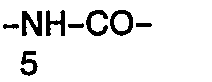
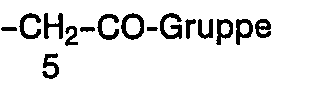
- A eine -CH2-CH2-, -CH=CH-, -NH-CO- oder -CH2-CO-Gruppe 5 5 und
- B eine Methylen-, Carbonyl- oder Thiocarbonylgruppe oder
- A eine -CO-CO- oder

- E eine gegebenenfalls durch eine Alkylgruppe mit 1 bis 3 Kohlenstoffatomen substituierte geradkettige Alkylengruppe mit 2 bis 4 Kohlenstoffatomen, eine 2-Hydroxy-n-propylen-, 2-Hydroxy-n-butylen- oder 3-Hydroxy-n-butylengruppe,
- R1 ein Wasserstoff-, Fluor-, Chlor- oder Bromatom, eine Trifluormethyl-, Nitro-, Amino-, Alkylamino-, Dialkylamino-, Alkyl-, Alkylthio-, Hydroxy-, Alkoxy- oder Phenylalkoxygruppe, wobei jeder Alkylteil jeweils 1 bis 3 Kohlenstoffatome enthalten kann,
- R2 ein Wasserstoff-, Chlor- oder Bromatom, eine Hydroxy-, Alkoxy-, Phenylalkoxy- oder Alkylgruppe, wobei jeder Alkylteil jeweils 1 bis 3 Kohlenstoffatome enthalten kann, oder
- R1 und R2 zusammen eine Alkylendioxygruppe mit 1 oder 2 Kohlenstoffatomen,
- R3 und R4, die gleich oder verschieden sein können, Wasserstoff-, Fluor-, Chlor- oder Bromatome, Alkyl-, Hydroxy-, Alkoxy-, Nitro-, Amino-, Alkylamino- oder Dialkylaminogruppen oder zusammen eine Methylendioxygruppe, wobei jeder Alkylteil 1 bis 3 Kohlenstoffatome enthalten kann, und R5 ein Wasserstoffatom, eine Alkenylgruppe mit 3 bis 5 Kohlenstoffatomen, eine Alkyl- oder Phenylalkylgruppe, wobei der Alkylteil jeweils 1 bis 3 Kohlenstoffatomen enthalten kann.
- Für die bei der Definition der Reste eingangs erwähnten Bedeutungen kommt beispielsweise
- für R1 die des Wasserstoff-, Fluor-, Chlor- oder Bromatoms, der Methyl-, Ethyl-, n-Propyl-, Isopropyl-, Trifluormethyl-, Hydroxy-, Methoxy-, Ethoxy-, n-Propoxy-, Isopropoxy-, Methylthio-, Ethylthio-, Isopropylthio-, Nitro-, Amino-, Methylamino-, Ethylamino-, n-Propylamino-, Isopropylamino-, Dimethylamino-, Diethylamino-, Di-n-propylamino-, Diisopropylamino-, Methyl-ethylamino-, Methyl-n-propylamino-, Methyl-isopropylamino-, Ethyl-n-propylamino-, Benzyloxy-, 1-Phenylethoxy-, 1-Phenylpropoxy-, 2-Phenylethoxy-oder 3-Phenylpropoxygruppe,
- für R2 die des Wasserstoff-, Chlor- oder Bromatoms, der Methyl-, Ethyl-, n-Propyl-, Isopropyl-, Hydroxy-, Methoxy-, Ethoxy-, n-Propoxy-, Isopropoxy-, Benzyloxy-, 1-Phenylethoxy-, 2-Phenylethoxy-, 2-Phenylpropoxy- oder 3-Phenylpropoxygruppe oder zusammen mit R1 die der Methylendioxy- oder Ethylendioxygruppe,
- für R3 und R4, die gleich oder verschieden sein können, jeweils die des Wasserstoff-, Fluor-, Chlor- oder Bromatoms, der Methyl-, Ethyl-, n-Propyl-, Isopropyl-, Hydroxy-, Methoxy-, Ethoxy-, n-Propoxy-, Isopropxy-, Amino-, Methylamino-, Ethylamino-, n-Propylamino-, Isopropylamino-, Dimethylamino-, Diethylamino-, Di-n-propylamino-, Diisopropylamino- oder N-Ethyl-methylaminogruppe,
- für R5 die des Wasserstoffatoms, der Methyl-, Ethyl-, n-Propyl-, Isopropyl-, Benzyl-, 1-Phenylethyl-, 2-Phenylethyl-, 1-Phenylpropyl-, 1-Methyl-l-phenylethyl-, 3-Phenylpropyl-, Allyl-, n-Buten-(2)-yl- oder n-Penten-(2)-ylgruppe und
- für E die der Ethylen-, n-Propylen-, n-Butylen-, 1-Methylethylen-, 2-Ethyl-ethylen-, 1-Propyl-ethylen-, 1-Methyl-n-propylen-, 2-Methyl-n-propylen-, 1-Ethyl-n-propylen-, 3-Ethyl-n-propylen-, 2-Propyl-n-propylen-, 2-Methyl-n-butylen-, 2-Hydroxy-n-propylen-, 2-Hydroxy-n-butylen- oder 3-Hydroxy-n-butylengruppe.
- Bevorzugte Verbindungen sind jedoch die Verbindungen der allgemeinen Formel

- A eine -CH2-CH2-, -CH=CH-, -NH-CO-, -CH2-CO-, -CO-CO-oder

- A eine -CH2-CH2- oder -CH=CH-Gruppe und B eine Carbonyl-oder Thiocarbonylgruppe sind,
- E eine n-Propylengruppe,
- R1 ein Chloratom- oder Bromatom, eine Methyl-, Methoxy-, Nitro-, Amino-, Methylamino- oder Dimethylaminogruppe,
- R2 ein Chlor- oder Bromatom, eine Methyl- oder Methoxygruppe oder R1 und R2 zusammen eine Methylendioxy- oder Ethylendioxygruppe, R3 ein Wasserstoff-, Chlor- oder Bromatom, eine Hydroxy-, Methoxy-, Amino-, Methylamino- oder Dimethylaminogruppe,
- R4 ein Wasserstoff- oder Chloratom oder eine Methoxygruppe zusammen mit R3 eine Methylendioxygruppe und und
- R5 ein Wasserstoffatom, eine Methyl- oder Allylgruppe bedeuten, und deren Säureadditionssalze, insbesondere deren physiologisch verträgliche Säureadditionssalze mit anorganischen oder organischen Säuren.
- Besonders bevorzugte Verbindungen der obigen allgemeinen Formel Ia sind jedoch diejenigen, in denen
- A eine -CH2-CH2- und B eine Carbonyl- oder Thiocarbonylgruppe oder
- A eine -NH-CO-Gruppe und
- B eine Methylengruppe,
- E eine n-Propylengruppe,
- R1 und R2 jeweils eine Methoxygruppe oder R1 und R2 zusammen eine Methylendioxygruppe,
- R3 und R4 jeweils eine Methoxygruppe oder R3 und R4 zusammen eine Methylendioxygruppe und
- R5 ein Wasserstoffatom oder eine Methylgruppe bedeuten, und deren Säureadditionssalze, insbesondere deren physiologisch verträgliche Säureadditionssalze mit anorganischen oder organischen Säuren.
- Erfindungsgemäß erhält man die neuen Verbindungen nach folgenden Verfahren:
- a) Umsetzung einer Verbindung der allgemeinen Formel


- A, B und E wie eingangs definiert sind,
- R1' eine durch einen Schutzrest geschützte Hydroxy-, Amino- oder Alkylaminogruppe darstellt oder die für R1 eingangs erwähnten Bedeutungen besitzt,
- R2' eine durch einen Schutzrest geschützte Hydroxygruppe darstellt oder die für R2 eingangs erwähnten Bedeutungen besitzt,
- R3 9 eine durch einen Schutzrest geschützte Hydroxy-, Amino- oder Alkylaminogruppe darstellt oder die für R3 eingangs erwähnten Bedeutungen besitzt,
- R4' eine durch einen Schutzrest geschützte Hydroxy-, Amino- oder Alkylaminogruppe darstellt oder die für R4 eingangs erwähnten Bedeutungen besitzt,
- R5' eine Schutzgruppe für eine Aminogruppe darstellt oder die für R5 eingangs erwähnten Bedeutungen besitzt, und
- U eine nukleophile Austrittsgruppe wie ein Halogenatom oder eine Sulfonyloxygruppe, z.B. ein Chlor-, Brom- oder Jodatom, die Methansulfonyloxy-, p-Toluolsulfonyloxy- oder Ethoxysulfonyloxygruppe, darstellt und gegebenenfalls anschließende Abspaltung eines verwendeten Schutzrestes.
- Als Schutzrest für eine Hydroxygruppe kommt beispielsweise die Trimethylsilyl-, Acetyl-, Benzoyl-, Benzyl- oder Tetrahydropyranylgruppe und als Schutzrest für eine Amino- oder Alkylaminogruppe die Acetyl-, Benzoyl-, Ethoxycaronyl- oder Benzylgruppe in Betracht.
- Die Umsetzung wird zweckmäßigerweise in einem Lösungsmittel oder Lösungsmittelgemisch wie Aceton, Diethylether, Methylformamid, Dimethylformamid, Dimethylsulfoxid, Benzol, Chlorbenzol, Tetrahydrofuran, Benzol/Tetrahydrofuran, Dioxan oder in einem Überschuß der eingesetzten Verbindungen der allgemeinen Formeln II und/oder III und gegebenenfalls in Gegenwart eines säurebindenden Mittels, z.B. eines Alkoholats wie Kalium-tert.butylat, eines Alkalihydroxids wie Natrium- oder Kaliumhydroxid, eines Alkalicarbonats wie Kaliumcarbonat, eines Alkaliamids wie Natriumamid, eines Alkalihydris wie Natriumhydrid, einer tertiären organischen Base wie Triethylamin oder Pyridin, wobei die letzteren gleichzeitig auch als Lösungsmittel dienen können, oder eines Reaktionsbeschleunigers wie Kaliumjodid je nach der Reaktionsfähigkeit des nukleophil austauschbaren Restes zweckmäßigerweise bei Temperaturen zwischen 0 und 150°C, vorzugsweise bei Temperaturen zwischen 50 und 120°C, z.B. bei der Siedetemperatur des verwendeten Lösungsmittels, durchgeführt. Die Umsetzung kann jedoch auch ohne Lösungsmittel durchgeführt werden. Besonders vorteilhaft wird die Umsetzung jedoch in Gegenwart einer tertiären organischen Base oder eines Überschusses des eingesetzten Amins der allgemeinen Formel III durchgeführt.
- Die gegebenenfalls anschließende Abspaltung eines verwendeten Schutzrestes erfolgt vorzugsweise hydrolytisch in einem wässrigen Lösungsmittel, z.B. in Wasser, Isopropanol/Wasser, Tetrahydrofuran/Wasser oder Dioxan/Wasser, in Gegenwart einer Säure wie Salzsäure oder Schwefelsäure oder in Gegenwart einer Alkalibase wie Natriumhydroxid oder Kaliumhydroxid bei Temeraturen zwischen 0 und 100°C, vorzugsweise bei der Siedetemperatur des Reaktionsgemisches. Die Abspaltung eines Benzylrestes erfolgt jedoch vorzugsweise hydrogenolytisch, z.B. mit Wasserstoff in Gegenwart eines Katalysators wie Palladium/Kohle in einem Lösungsmittel wie Methanol, Ethanol, Essigsäureethylester oder Eisessig gegebenenfalls unter Zusatz einer Säure wie Salzsäure bei Temperaturen zwischen 0 und 50°C, vorzugsweise jedoch bei Raumtemperatur, und einem Wasserstoffdruck von 1 bis 7 bar, vorzugsweise jedoch von 3 bis 5 bar.
- b) Zur Herstellung von Verbindungen der allgemeinen Formel I, in der A die -CH2-CH2-Gruppe, B die Methylen- oder Carbonylgruppe und R5 keine Alkenylgruppe mit 3 bis 5 Kohlenstoffatomen darstellen:
- Hydrierung einer Verbindung der allgemeinen Formel

- R1 bis R5 und E wie eingangs definiert sind und
- BI die Methylen- oder Carbonylgruppe darstellt.
- Die Hydrierung wird in einem Lösungsmittel oder Lösungsmittelgemisch wie Methanol, Ethanol, Essigsäureethylester oder Eisessig mit katalytisch angeregtem Wasserstoff, z.B. mit Wasserstoff in Gegenwart von Platin oder Palladium/Kohle, bei einem Wasserstoffdruck von 1 bis 7 bar, vorzugsweise jedoch von 3 bis 5 bar, und bei Temperaturen zwischen 0 und 75°C, vorzugsweise jedoch bei Temeraturen zwischen 20 und 50°C, durchgeführt.
- Bedeutet in einer Verbindung der allgemeinen Formel I R5 eine Alkenylgruppe, so wird diese bei der Reduktion gleichzeitig in die entsprechende Alkylgruppe bzw. R1 und/oder R2 eine Benzyloxygruppe, so wird diese bei der Reduktion in die entsprechende Hydroxygruppe überführt.
- c) Zur Herstellung von Verbindungen der allgemeinen Formel I, in der B eine Thiocarbonylgruppe darstellt:
- Umsetzung einer Verbindung der allgemeinen Formel

- Die Umsetzung wird in einem schwefeleinführenden Mittel wie Phosphorpentasulfid oder 2,4-Bis(4-methoxyphenyl)-1,3-di- thia-2,4-diphosphetan-2,4-disulfid zweckmäßigerweise in einem Lösungsmittel wie Toluol oder Xylol bei Temperaturen zwischen 50 und 150°C, z.B. bei der Siedetemperatur des Reaktionsgemisches, durchgeführt.
- d) Zur Herstellung von Verbindungen der allgemeinen Formel I, in der A eine

- Reduktion einer Verbindung der allgemeinen Formel

- Die Umsetzung wird in Gegenwart eines geeigneten Reduktionsmittels wie einem Metallhydrid, z.B. Natriumborhydrid, in einem geeigneten Lösungsmittel wie Wasser/Methanol oder Methanol/Ether, bei Temperaturen zwischen 0 und 80°C, vorzugsweise jedoch bei Temperaturen zwischen 15 und 40°C, durchgeführt.
- e) Zur Herstellung von Verbindungen der allgemeinen Formel I, in der A eine -CH2-CH2- oder -CH=CH- und B eine Methylengruppe darstellen:
- Reduktion einer Verbindung der allgemeinen Formel

- R1 bis R5 und E wie eingangs definiert sind und A' eine -CH2-CH2- oder -CH=CH-Gruppe darstellt.
- Die Reduktion wird vorzugsweise mit einem Metallhydrid wie Lithiumaluminiumhydrid oder Diboran oder mit einem Komplex aus Boran und einem Thioäther, z.B. mit Boran-Dimethylsulfid-Komplex, in einem geeigneten Lösungsmittel wie Diäthyl- äther oder Tetrahydrofuran bei Temperaturen zwischen 0 und 50°C, vorzugsweise jedoch bei Temperaturen zwischen 10 und 25°C, durchgeführt.
- f) Zur Herstellung von Verbindungen der allgemeinen Formel I, in der A die -COCO-Gruppe darstellt:
- Oxidation einer Verbindung der allgemeinen Formel

- Die Oxidation wird vorzugsweise mit einem Oxidationsmittel wie Kaliumpermanganat, Selendioxid oder Natriumdichromat in einem geeigneten Lösungsmittel oder Lösungsmittelgemisch wie Wasser, Wasser/Dioxan, Eisessig, Wasser/Essigsäure oder Acetanhydrid bei Temperaturen zwischen 0 und 100°C, vorzugsweise bei Temperaturen zwischen 20 und 80°C, durchgeführt.
- g) Zur Herstellung von Verbindungen der allgemeinen Formel I, in der A die -NH-CO-Gruppe und E eine gegebenenfalls durch eine Alkylgruppe mit 1 bis 3 Kohlenstoffatomen substituierte Alkylengruppe mit 2 bis 4 Kohlenstoffatomen darstellen:
- Umsetzung einer Verbindung der allgemeinen Formel

- B und E wie eingangs definiert sind,
- R1' eine durch eine Schutzgruppe geschützte Hydroxy-, Amino- oder Alkylaminogruppe darstellt oder die für Rl eingangs erwähnten Bedeutungen besitzt,
- R2' eine durch eine Schutzgruppe geschützte Hydroxygruppe darstellt oder die für R2 eingangs erwähnten Bedeutungen besitzt,
- R3' und R4', die gleich oder verschieden sein können, jeweils eine durch eine Schutzgruppe geschützte Hydroxy-, Amino- oder Alkylaminogruppe darstellen oder die für R3 bzw. R4 eingangs erwähnten Bedeutungen besitzen,
- R5" eine Schutzgruppe für eine Aminogruppe darstellt oder mit Ausnahme von Wasserstoff die für R5 eingangs erwähnten Bedeutungen besitzt, mit einem Kohlensäurederivat der allgemeinen Formel

- W, die gleich oder verschieden sein können, jeweils eine nukleophile Austrittsgruppe, z.B. ein Chlor- oder Bromatom, eine Alkoxygruppe mit 1 bis 3 Kohlenstoffatomen, eine Imidazolyl-(1)-gruppe oder auch eine Trichlormethoxygruppe, wenn der andere der Reste W ein Chlor- oder Bromatom darstellt, bedeuten, und gegebenenfalls anschließende Abspaltung eines verwendeten Schutzrestes.
- Als Schutzrest für eine Hydroxygruppe kommt beispielsweise die Trimethylsilyl-, Acetyl-, Benzoyl-, Benzyl- oder Tetrahydropyranylgruppe und
als Schutzrest für eine Amino- oder Alkylaminogruppe die Acetyl-, Benzoyl-, Ethoxycarbonyl- oder Benzylgruppe in Betracht. - Die Umsetzung wird zweckmäßigerweise in einem Lösungsmittel oder Lösungsmittelgemisch wie Essigester, Methylenchlorid, Tetrachlorkohlenstoff, Benzol, Tetrahydrofuran, Benzol/ Tetrahydrofuran, Dioxan oder Acetonitril zweckmäßigerweise bei Temperaturen zwischen 0 und 150°C, vorzugsweise jedoch bei der Siedetemperatur des verwendeten Lösungsmittels, z.B. bei Temperaturen zwischen 40 und 100°C, und gegebenenfalls in Gegenwart eines säurebindenden Mittels wie Kaliumcarbonat, Natriumhydroxid, Kaliumhydroxid, Pyridin oder Triethylamin, wobei die letzteren gleichzeitig auch als Lösungsmittel dienen können, durchgeführt. Die Umsetzung kann jedoch auch ohne Lösungsmittel durchgeführt werden. Bedeutet in einer eingesetzten Verbindung der allgemeinen Formel X mindestens einer der Reste W eine Alkoxygruppe mit 1 bis 3 Kohlenstoffatomen, so wird die Umsetzung vorzugsweise in einem Überschuß des eingesetzten Esters als Lösungsmittel durchgeführt.
- Die gegebenenfalls anschließende Abspaltung eines verwendeten Schutzrestes erfolgt vorzugsweise hydrolytisch in einem wässrigen Lösungsmittel, z.B. in Wasser, Isopropanol/ Wasser, Tetrahydrofuran/Wasser oder Dioxan/Wasser, in Gegenwart einer Säure wie Salzsäure oder Schwefelsäure oder in Gegenwart einer Alkalibase wie Natriumhydroxid oder Kaliumhydroxid bei Temperaturen ziwschen 0 und 100°C, vorzugsweise bei der Siedetemperatur des Reaktionsgemisches. Die Abspaltung eines Benzylrestes kann jedoch auch hydrogenolytisch erfolgen, z.B. mit Wasserstoff in Gegenwart eines Katalysators wie Palladium/Kohle, in einem Lösungsmittel wie Methanol, Ethanol, Essisäureethylester oder Eisessig gegebenenfalls unter Zusatz einer Säure wie Salzsäure bei Temperaturen zwischen 0 und 50°C, vorzugsweise jedoch bei Raumtemperatur, und einem Wasserstoffdruck von 1 bis 7 bar, vorzugsweise jedoch von 3 bis 5 bar.
-

- A, B, E, R1 und R2 wie eingangs definiert sind, wobei jedoch im Rest E zwei Wasserstoffatome in einer -CH2- oder CH3-Gruppe des Restes E durch ein Sauerstoffatom ersetzt sind, mit einer Verbindung der allgemeinen Formel

- R3 bis R5 wie eingangs definiert sind, in Gegenwart eines Reduktionsmittels.
- Die Umsetzung wird zweckmäßigerweise in einem geeigneten Lösungsmittel oder Lösungsmittelgemisch wie Methanol, Ethanol, Ethanol/Essigsäureethylester oder Dioxan bei Temperaturen zwischen 0 und 100°C, vorzugsweise jedoch bei Temperaturen zwischen 20 und 80°C, durchgeführt.
- Besonders vorteilhaft wird die reduktive Aminierung in Gegenwart eines komplexen Metallhydrids wie Lithium- oder Natriumcyanborhydrid vorzugsweise bei einem pH-Wert von 6-7 und bei Raumtemperatur oder zur Herstellung von Verbindungen der allgemeinen Formel I, in der R5 ein Wasserstoffatom darstellt, in Gegenwart von Palladium/Kohle bei einem Wasserstoffdruck von 5 bar, durchgeführt. Hierbei können gegebenenfalls vorhandene Benzylgruppen gleichzeitig hydrogenolytisch abgespalten und/oder Doppelbindungen aufhydriert werden.
- Die erhaltenen Verbindungen der allgemeinen Formel I lassen sich ferner in ihre Säureadditionssalze, insbesondere in ihre physiologisch verträgliche Säureadditionssalze mit anorganischen oder organischen Säuren überführen. Als Säuren kommen hierbei beispielsweise Salzäure, Bromwasserstoffsäure, Schwefelsäure, Phosphorsäure, Essigsäure, Milchsäure, Zitronensäure, Weinsäure, Bernsteinsäure, Maleinsäure oder Fumarsäure in Betracht.
- Die als Ausgansstoffe verwendeten Verbindungen der allgemeinen Formeln II bis XII sind teilweise literaturbekannt bzw. man erhält sie nach an sich bekannten Verfahren.
- So erhält man beispielsweise eiue Ausgangsverbindung der allgemeinen Formel II durch Umsetzung eines entsprechenden Benzazepins mit einer entsprechenden Halogenverbindung und gegebenenfalls durch anschließende Umsetzung mit einem entsprechenden Amin. Das hierfür erforderliche in 3-Stellung unsubstituierte entsprechende Benzazepin erhält man durch Cyclisierung einer entsprechenden Verbindung, z.B. durch Cyclisierung einer Verbindung der allgemeinen Formel


gegebenenfalls anschließender katalytischer Hydrierung und/oder Reduktion der Carbonylgruppe beispielsweise mit Natriumborhydrid/Eisessig (siehe EP-A1 0.007.070) und/oder Oxidation, z.B. mit Selendioxid. - Eine als Ausgangsstoff verwendete Verbindung der allgemeinen Formeln IV bis VIII erhält man vorzugsweise durch Umsetzung einer entsprechenden Halogenverbindung mit einem entsprechenden Amin und gegebenenfalls anschließende Abspaltung von Schutzresten, die zum Schutz von Hydroxy- und/oder Aminogruppen verwendet werden.
- Eine als Ausgangsstoff verwendete Verbindung der allgemeinen Formel IX erhält man beispielsweise durch Reduktion einer entsprechenden Nitroverbindung.
- Eine Verbindung der allgemeinen Formeln III oder XII erhält man beispielsweise durch Umsetzung eines entsprechenden Tetralons mit einem entsprechenden Amin und anschließender Reduktion.
- Eine Verbindung der allgemeinen Formel XI erhält man beispielsweise durch Umsetzung eines in 3-Stellung unsubstituierten entsprechenden Benzazepins mit einem entsprechenden Halogenacetal bzw. Halogenketal und anschließende Hydrolyse.
- Wie bereits eingangs erwähnt, weisen die neuen Verbindungen der allgemeinen Formel I und deren physiologisch verträgliche Säureadditionssalze mit anorganischen oder organischen Säuren wertvolle pharmakologische Eigenschaften auf, insbesondere bei geringen zentralen Nebenwirkungen, eine lang anhaltende herzfrequenzsenkende Wirkung sowie eine Herabsetzung des 02-Bedarfs des Herzens auf.
-
- A = 1-(7,8-Dimethoxy-1,3,4,5-tetrahydro-2H-3-benzazepin-2-on-3-yl)-3-[N-methyl-N-(6,7-dimethoxy-1,2,3,4-tetrahydronaphthyl-2)-amino]-propan-hydrochlorid,
- B = 1-(7,8-Dimethoxy-1,3,4,5-tetrahydro-2H-3-benzazepin-2-on-3-yl)-3-[N-(6,7-dimethoxy-l,2,3,4-tetrahydronaphthyl-2)-amino]-propan-hydrochlorid,
- C = 1-(7,8-Dimethoxy-1,3,4,5-tetrahydro-2H-3-benzazepin-2-on-3-yl)-3-[N-methyl-N-(7-methoxy-l,2,3,4-tetrahydronaphthyl-2)-amino]-propan-hydrochlorid und
- D = 1-(7,8-Dimethoxy-1,3,4,5-tetrahydro-2H-3-benzazepin-2-on-3-yl)-3-[N-methyl-N-(6-methoxy-1,2,3,4-tetrahydronaphthyl-2)-amino]-propan-hydrochlorid
- Die Wirkung der zu untersuchenden Substanzen auf die Herzfrequenz wurde pro Dosis an 2 Ratten mit einem durchschnittlichen Gewicht von 250-300 g untersucht. Hierzu wurden die Ratten mit Pentobarbital (50 mg/kg i.p. und 20 mg/kg s.c.) narkotisiert. Die zu untersuchenden Substanzen wurden in wäßriger Lösung in die Vena jugularis injiziert (0,1 ml/ 100 g).
- Der Blutdruck wurde über in eine A. carotis eingebundene Kanüle gemessen und die Herzfrequenz wurde aus einem mit Nadelelektroden abgeleiteten EKG (II. oder III. Ableitung) registriert. Die Herzfrequenz der Tiere in der Kontrollperiode lagen zwischen 350 und 400 Schlägen/Minuten (S/min).
- Die nachfolgende Tabelle enthält die gefundenen Werte:

- Die Wirkung der zu untersuchenden Substanzen auf die Herzfrequenz wurde pro Dosis an 7 Katzen beiderlei Geschlechts mit einem durchschnittlichen Gewicht von 2,5 - 3,5 kg untersucht. Hierzu wurden die Katzen mit Chloralose (80 mg/kg) narkotisiert. Die zu untersuchende Substanz wurde in wäßriger Lösung in die Vene saphena injiziert.
- Die Herzfrequenz wurde vor und nach Substanzgabe mit Hilfe eines Grass-Tachographen aus dem Elektrocardiogramm (Brustwandableitung) auf einem Grass-Polygraphen registriert:
- Die nachfolgende Tabelle enthält die gefundenen Werte:

- Die erfindungsgemäß hergestellten Verbindungen weisen in therapeutischen Dosen keinerlei toxische Nebenwirkungen auf. So konnten beipielsweise bei einer intravenösen Applikation der Substanz A und B auch in einer hohen Dosis von 20 mg/kg an Mäusen, außer einer geringen Sedation keine toxischen Nebenwirkungen beobachtet werden.
- Aufgrund ihrer pharmakologischen Eigenschaften eignen sich die erfindungsgemäß hergestellen Verbindungen zur Behandlung von Sinustachykardien verschiedener Genese und zur Prophylaxe und Therapie ischämischer Herzerkrankungen.
- Die zur Erzielung einer entsprechenden Wirkung erforderlichen Dosierung beträgt zweckmäßigerweise ein- bis zweimal täglich 0,03 bis 0,4 mg/kg Körpergewicht, vorzugsweise 0,07 bis 0,25 mg/kg Körpergewicht. Hierzu lassen sich die erfindungsgemäß hergestellten Verbindungen der allgemeinen Formel I sowie ihre physiologisch verträglichen Säureadditionssalze mit anorganischen oder organischen Säuren, gegebenenfalls in Kombination mit anderen Wirksubstanzen, zusammen mit einem oder mehreren inerten üblichen Trägerstoffen und/oder Verdünnungsmitteln, z.B. mit Maisstärke, Milchzucker, Rohrzucker, mikrokristalliner Zellulose, Magnesiumstearat, Polyvinylpyrrolidon, Zitronensäure, Weinsäure, Wasser, Wasser/ Äthanol, Wasser/Glycerin, Wasser/Sorbit, Wasser/ Polyäthylenglykol, Propylenglykol, Carboxymethylcellulose oder fetthaltige Substanzen wie Hartfett oder deren geeignete Gemische, in übliche galenische Zubereitungen wie Tabletten, Dragees, Kapseln, Pulver, Suspensionen, Tropfen, Ampullen, Säfte oder Zäpfchen einarbeiten.
- Die nachfolgenden Beispiele sollen die Erfindung näher erläutern:
- Zu einer Suspension von 549,4 g 3,4-Dimethoxy-phenylessigsäure in 600 ml Methylenchlorid werden während 2 Stunden 600 ml Thionylchlorid unter Rühren zugetropft. Nach beendeter Gasentwicklung (16 Stunden) wird noch eine Stunde am Rückfluß gekocht. Nach dem Entfernen der leicht flüchtigen Komponenten wird der Rückstand im Vakuum destilliert.
- Ausbeute: 486 g (80,8 % der Theorie), Kp: 134-136°C/1,95 mbar
- Unter Eiskühlung wird eine Lösung von 485,2 g 3,4-Dimethoxy- phenylessigsäurechlorid in 1,1 1 Methylenchlorid bei 15-20°C zu einer Lösung von 246,2 ml Aminoacetaldehyddimethylacetal und 315 ml Triäthylamin in 2,2 1 Methylenchlorid zugetropft und eine Stunde bei 16-18°C nachgerührt. Anschließend wird mehrfach mit Wasser extrahiert, über Magnesiumsulfat getrocknet und eingedampft. Das erhaltende Öl kristallisiert langsam durch.
- Ausbeute: 608 g (95 % der Theorie), Schmelzpunkt: 66-69°C.
- Eine Lösung von 600,6 g N-(2,2-Dimethoxyethyl)-3,4-dimethoxy-phenylacetamid in 3 1 konzentrierter Salzsäure wird mit 3 1 Eisessig versetzt. Nach 17-stündigem Stehenlassen bei Raumtemperatur wird der Ansatz auf Eis gegossen. Die ausgefallenen Kristalle werden abgesaugt, mit Wasser neutral gewaschen und getrocknet.
- Ausbeute: 350 g (75,4 % der Theorie), Schmelzpunkt: 234-237°C.
- Eine Suspension von 21,9 g (0,1 Mol) 7,8-Dimethoxy-1,3-di- hydro-2H-3-benzazepin-2-on und 1,5 g Palladium/Kohle (10%ig) in 200 ml Eisessig wird bei 50°C und einem Wasserstoffdruck von 5 bar hydriert. Nach Abfiltrieren des Katalysators wird das Lösungsmittel im Vakuum eingedampft und der Rückstand in Methylenchlorid aufgenommen. Nach Extraktion mit Natriumbicarbonat-Lösung und Waschen mit Wasser wird über Magnesiumsulfat getrocknet, eingeengt und über Kieselgel mit Methylenchlorid und anschließend mit steigenden Anteilen von Methanol (bis 10 % ) gereinigt.
- Ausbeute: 12,6 g (57 % der Theorie), Schmelzpunkt: 188-191°C.
- Zu einer Suspension von 1,3 g (6 mMol) 7,8-Dimethoxy- l,3,4,5-tetrahydro-2H-3-benzazepin-2-on und 1,1 g (3 mMol) Natriumborhydrid in 20 ml Dioxan wird eine Lösung von 1,8 g Eisessig in 10 ml Dioxan getropft, 3 Stunden unter Rückfluß gekocht, eingeengt und mit Wasser zersetzt. Das Gemisch wird 2 mal mit Methylenchlorid ausgeschüttelt, der Extrakt eingeengt und der Rückstand in Ether aufgenommen. Nach Filtration wird der Ether im Vakuum entfernt.
- Ausbeute : l,l g (92,7 % der Theorie), Schmelzpunkt: 86-89°C.
- 2,0 g (0,007 Mol) N-(2,2-Dimethoxyethyl)-2,5-dimethoxyphenyl-acetamid werden mit 3 ml Polyphosphorsäure übergossen und 60 Minuten bei 90°C gerührt. Anschließend wird mit Eiswasser versetzt, das ausgefallene Produkt abgesaugt und getrocknet.
- Ausbeute: 0,98 g (64 % der Theorie), Schmelzpunkt: 188-191°C
- Hergestellt analog Beispiel D aus N-(2,2-Dimethoxyethyl)-3,4-dimethyl-phenylacetamid und Polyphosphorsäure.
- Ausbeute: 40,1 % der Theorie, Schmelzpunkt: 220-224°C.
- 3,7 g (0,017 Mol) 3,4-Dimethoxy-o-phenylen-diacetonitril werden in 10 ml Eisessig suspendiert und bei 20°C mit 12 ml 30%iger Bromwasserstoffsäure in Eisessig versetzt. 3 Stunden wird bei Raumtemperatur nachgerührt, der ausgefallene Niederschlag abgesaugt, mit Eisessig und anschließend mit Aceton/Ether gewaschen und getrocknet.
- 'Ausbeute: 5,3 g (82,8 % der Theorie), Schmelzpunkt: 210-211°C (Zers.).
- 5,3 g (0,014 Mol) 7,8-Dimethoxy-2-amino-4-brom-lH-3-benzazepin-hydrobromid werden in 100 ml 85°C heißem Wasser gelöst, mit 1,3 g wasserfreiem Natriumacetat versetzt und eine Stunde auf 90°C erhitzt. Das Reaktionsgemisch wird abgekühlt, abgesaugt, mit kaltem Wasser nachgewaschen und getrocknet.
- Ausbeute: 2,9 g (88 % der Theorie), Schmelzpunkt: 235°C (Zers.).
- Eine siedende Suspension von 0,8 g Lithiumaluminiumhydrid in 100 ml absolutem Dioxan wird mit 2,2g (0,01 Mol) 7,8-Dimethoxy-l,3-dihydro-2H-3-benzazepin-2-on versetzt und anschließend 3 Stunden unter Rückfluß erhitzt. Unter Eiswasserkühlung wird mit 10%iger Ammoniumchlorid-Lösung versetzt und der gebildete Niederschlag abgesaugt. Das Filtrat wird im Vakuum auf ein Volumen von etwa 20 ml eingeengt, der ausgefallene weiße Niederschlag abgesaugt und mit wenig Dioxan nachgewaschen.
- Ausbeute: 0,9 g (43,8 % der Theorie), Schmelzpunkz: 162-163°C.
- 131,5 g (0,6 Mol) 7,8.Dimethoxy-I,3-dihydro-2H-3-benzazepin-2-on werden in 900 ml Dimethylsulfoxid suspendiert und unter Rühren mit 80,8 g (0,72 Mol) Kalium-tert.butylat versetzt. Nach 10 Minuten wird die erhaltene Lösung unter Kühlung mit Eiswasser zu 77 ml (0,72 Mol) l-Brom-3-chlorpropan in 300 ml Dimethylsulfoxid getropft. Nach einer Stunde gießt man auf Eiswasser. Nach kurzer Zeit beginnt die schmierige Fällung zu kristallisieren. Der Niederschlag wird abgesaugt, in Aceton gelöst, mit Wasser nochmals ausgefällt, abgesaugt und getrocknet.
- Ausbeute: 155,5 g (87,3 % der Theorie), Schmelzpunkt: 101-103°C
- 59,2 g (0,2 Mol) 1-(7,8-Dimethoxy-1,3-dihydro-2H-3-benzazepin-2-on-3-yl)-3-chlor-propan werden in 500 ml Eisessig in Anwesenheit von 5 g 10%iger Palladium-Kohle 6 Stunden bei 50°C und 5 bar hydriert. Der Katalysator wird abgesaugt, der Eisessig im Vakuum abdestilliert und der Rückstand nach Zugabe von Wasser mit Kaliumcarbonat neutralisiert. Der Niederschlag wird abgesaugt, mit Wasser salzfrei gewaschen und getrocknet.
- Ausbeute: 53 g (89 % der Theorie), Schmelzpunkt: 85-86°C
- 56,8 g (0,3 Mol) 8-Methoxy-l,3-dihydro-2H-3-benzazepin-2-on (Schmelzpunkt: 190-191°C), gelöst in 600 ml Eisessig, werden in Anwesenheit von 5 g 10%iger Palladiumkohle bei 80°C und 5 bar 12 Stunden hydriert. Der Katalysator wird abgesaugt und die Essigsäure im Vakuum abdestilliert. Der Rückstand wird mit Wasser versetzt, mit Kaliumcarbonat neutralisiert, der ausgefallene Niederschlag abgesaugt, mit Wasser gewaschen und getrocknet.
- Ausbeute: 51,1 g (89,1 % der Theorie), Schmelzpunkt: 160-161°C.
- Zu 7,4 g (0,04 Mol) 8-Methoxy-l,3,4,5-tetrahydro-2H-3-benzazepin-2-on in 100 ml 80%iger Essigsäure werden bei 3-5°C unter Rühren 6,4 g = 2,03 ml (0,04 Mol) Brom in 10 ml Eisessig getropft. Nach 15 Minuten wird auf Eiswasser gegossen, mit Kaliumcarbonat neutralisiert, der Niederschlag abgesaugt, mit wenig Wasser gewaschen und getrocknet. Das erhaltene Isomerengemisch wird über eine Kieselgelsäule chromatographisch getrennt (Elutionsmittel: Essigester).
- Ausbeute: 5,7 g (52,8 % der Theorie) 9-Brom-Isomeres IR-Spektrum (Methylenchlorid): 3400 cm-1 (NH) 1660 cm-1 (C=O) 4,1 g (39 % der Theorie) 7-Brom-Isomeres IR-Spektrum (Kaliumbromid): 3220 cm-1 (NH) 1665 cm-1 (CO)
- Zu 1,35 g (5 mMol) 7-Brom-8-methoxy-1,3,4,5-tetrahydro-2H-3-benzazepin-2-on in 15 ml Dimethylsulfoxid werden 0,24 g (5,5 mMol) Natriumhydrid-Dispersion in Öl (55%ig) zugesetzt und 1/2 Stunde bei Raumtemperatur und 10 Minuten bei 35-40°C gerührt. Die Lösung wird zu 0,79 g (5,5 mMol) l-Brom-3- chlorpropan in 5 ml Dimethylsulfoxid unter Rühren getropft. Anschließend rührt man 2 Stunden bei Raumtemperatur, gießt auf Eiswasser und extrahiert 4 mal mit Methylenchlorid. Die Methylenchlorid-Extrakte werden mehrmals mit Wasser gewaschen, getrocknet und im Vakuum eingeengt.
- Der Rückstand wird über eine Kieselgelsäule mit Essigester als Elutionsmittel gereinigt.
- Ausbeute: 210 mg (12 % der Theorie), Schmelzpunkt: l19-120°C.
- 3,1 g (0,0136 Mol) N-Chloracetyl-N-(2-(3-methoxy-phenyl)-ethyl)-amin werden in 270 ml Ethanol und 1530 ml Wasser gelöst und 10 Stunden unter Stickstoffatmosphäre bei 20-25°C mit einer Quecksilber-Hochdrucklampe belichtet. Die Lösung wird auf ein Volumen von ca. 400 ml eingeengt, mit Natriumbicarbonat versetzt und mehrmals mit Essigester ausgeschüttelt. Die Extrakte werden über Magnesiumsulfat getrocknet, eingeengt und der Rückstand über eine Kieselgelsäule mit Essigester als Elutionsmittel gereinigt.
- Ausbeute: 820 mg (31,5 % der Theorie), Schmelzpunkt: 152-154°C.
- 1,15 g (6 mMol) 7-Methoxy-1,3,4,5-tetrahydro-2H-3-benzazepin-2-on werden in 30 ml absolutem Tetramethylharnstoff gelöst, mit 300 mg 55%iger Natriumhydrid-Dispersion (in Öl) versetzt und unter einer Stickstoff-Atmosphäre 2 Stunden bei 20-25°C gerührt. Das erhaltene Reaktionsgemisch wird unter
- Rühren bei 15-20°C unter Stickstoff zu 1,6 g (7,8 mMol) l-chlor-3-jodpropan, gelöst in 20 ml Tetramethylharnstoff, getropft und 3 Stunden bei Raumtemperatur gerührt. Anschließend wird mit ca. 300 ml Essigester versetzt und 6 mal mit Wasser extrahiert. Die organische Lösung wird über Magnesiumsulfat getrocknet, eingeengt und der Rückstand über eine Kieselgelsäule mit Methylenchlorid und steigenden Anteilen Ethanol (bis 2 %) gereinigt.
- Ausbeute: 410 mg (25,5 % der Theorie), IR-Spektrum (Methylenchlorid): 1650 cm-1 (CO).
- 28,5 g (0,106 Mol) 1-(8-Methoxy-1,3,4,5-tetrahydro-2H-3- benzazepin-2-on-3-yl)-3-chlor-propan werden in 350 ml konzentrierter Salpetersäure 1/2 Stunde bei 20-25°C gerührt. Die Lösung wird auf Eiswasser gegosen, mit Kaliumcarbonat neutralisiert und 2 mal mit Methylenchlorid extrahiert. Der Extrakt wird über Magnesiumsulfat getrocknet, im Vakuum eingeengt und der Rückstand über eine Kieselgelsäule mit Essigester als Elutionsmittel gereinigt.
- Ausbeute: 11 g (33,2 % der Theorie), Schmelzpunkt: 127-128°C.
- 49,2 g (0,229 Mol) 3,4-Dimethoxyphenylessigsäurechlorid werden in 500 ml Methylenchlorid gelöst, zu einer Suspension von 123 g (0,923 Mol) Aluminiumchlorid in 3800 ml Methylenchlorid bei -5°C getropft. Nach einstündigem Einleiten von Ethylen wird der Ansatz mit Eiswasser zersetzt, mit 2n Salzsäure und mit gesättigter Natriumhydrogencarbonatlösung extrahiert. Die organische Phase wird über Magnesiumsulfat getrocknet, eingedampft und mit gesättigter Natriumhydrogensulfit-Lösung versetzt.
- Ausbeute: 28,2 g (39,7 % der Theorie), Schmelzpunkt: ab 160°C (Zers.).
- 92,8 g (0,45 Mol) 6,7-Dimethoxy-l,2,3,4-tetrahydronaphtha- linon-2 werden unter Stickstoffbegasung als teilweise Suspension in 1125 ml absolutem Ethanol mit 77,1 ml (1.35 Mol) Essigsäure und 112,5 g Molekularsieb 3A versetzt. Nach Einleitung von 42,5 g (1,35 Mol) Methylamin bei Raumtemperatur wird die Lösung von Molekularsieb abdekantiert, 4,65 g Platin (IV)-oxid zugegeben und 40 Minuten bei Raumtemperatur und einem Wasserstoffdruck von 5 bar hydriert. Nach Abfiltrieren des Katalysators wird das Lösungsmittel im Vakuum bis auf ein Volumen von 500 ml eingedampft und mit etherischer Salzsäure das Hydrochlorid gefällt.
- Ausbeute: 75,2 g (64,8 % der Theorie), Schmelzpunkt: 256-258°C.
- Hergestellt analog Beispiel L durch Umsetzung von 6,7-Dimethoxy-l,2,3,4-tetrahydronaphthalinon-2 mit Benzylamin.
- Ausbeute: 75,4 % der Theorie, Schmelzpunkt: 237-238°C.
- Zu 12 g (0,055 Mol) 2,5,6-Trimethoxynaphthalin in 220 ml absolutem Ethanol werden unter Rühren innerhalb 45 Minuten portionsweise 16,4 g (0,715 Mol) Natrium gegeben. Zur Vervollständigung der Reaktion wird anschließend noch 1 Stunde unter Rückfluß gekocht. Nach Abkühlung im Eisbad wird das ausgefallene Natriumchlorid abgesaugt und mit Methylenchlorid nachgewaschen. Das Filtrat wird nach Zugabe von weiterem Methylenchlorid kurz verrührt, die organische Phase abgetrennt und die wässrig-saure Lösung nochmals mit Methylenchlorid ausgeschüttelt. Die organischen Lösungen werden vereinigt, 1 mal mit Wasser gewaschen, über Magnesiumsulfat getrocknet und eingedampft. Der Rückstand wird mit einer Lösung von 25 g Natriumhydrogensulfit in 80 ml Wasser und 20 ml Ethanol versetzt.
- Ausbeute: 12,5 g (73,2 % der Theorie).
- Hergestellt analog Beispiel L. Ausbeute: 45,6 % der Theorie, Schmelzpunkt: 203-204°C.
- Analog Beispiel N wurden folgende Verbindungen hergestellt:
- 2-Methylamino-1,2,3,4-tetrahydronaphthalin-hydrochlorid Ausbeute: 69,8 % der Theorie, Schmelzpunkt: 180-181°C
- 5-Methoxy-2-methylamino-1,2,3,4-tetrahydro-naphthalinhydro- chlorid Ausbeute: 20,6 % der Theorie, Schmelzpunkt: 205-206°C
- 7-Methoxy-2-methylamino-l,2,3,4-tetrahydronaphthalin-hydrochlorid Ausbeute: 48,7 % der Theorie, Schmelzpunkt: 216-219°C
- 6-Methoxy-2-methylamino-l,2,3,4-tetrahydronaphthalin-hydrochlorid Ausbeute: 50,6 % der Theorie, Schmelzpunkt: 167-168°C
- 8-Methoxy-2-methylamino-1,2,3,4-tetrahydronaphthalin-hydrochlorid Ausbeute: 41,5 % der Theorie, Schmelzpunkt: 145-146°C
- 17,6 g (0,1 Mol) 5-Methoxy-1,2,3,4-tetrahydronaphthalin- on-(2) werden in 800 ml Methanol und 200 ml 1,2-Dichloräthan gelöst, mit 77 g Ammoniumacetat und 5,4 g Natriumcyanborhydrid versetzt und 2 Tage bei Labortemperatur gerührt. Das
- Reaktionsgemisch wird mit konzentrierter Salzsäure auf pH 2 eingestellt und das Lösungsmittel im Vakuum abdestilliert. Der Rückstand wird in Essigester/Wasser gelöst. Die wässrige Phase wird abgetrennt, unter Kühlung mit 50%iger Natronlauge alkalisch gestellt und 2 mal mit Methylenchlorid extrahiert. Der Extrakt wird getrocknet, mit Bleicherde/A-Kohle behandelt und eingedampft. Der Rückstand wird in Aceton gelöst und mit etherischer Salzsäure das Hydrochlorid gefällt.
- Ausbeute: 2 g (94, % der Theorie), Schmelzpunkt: 260-262°C (Zers.)
- Hergestellt analog Beispiel H/a durch Umsetzung von 7,8-Dimethoxy-l,3-dihydro-2H-3-benzazepin-2-on mit 3-Chlor-propionaldehyddiethylacetal.
- Ausbeute: 93,3 % der Theorie.
- 3,5 g (0,1 Mol) 3-(7,8-Dimethoxy-1,3-dihydro-2H-3-benzazepin-2-on-3-yl)-propionaldehyd-diäthylacetal werden in 50 ml 2 n Schwefelsäure und 50 ml Ethanol 2 Stunden auf 40°C erwärmt. Im Vakuum wird der Alkohol abdestilliert, der Rück- stand unter Kühlung mit gesättigter Kaliumcarbonat-Lösung alkalisch gestellt und mehrmals mit Essigester ausgeschüttelt. Der Essigester-Extrakt wird 2 mal mit 5%iger Natriumhydrogensulfit-Lösung ausgeschüttelt. Der Bisulfit-Extrakt wird mit konzentrierter Salzsäure angesäuert und zur Entfernung des Schwefeldioxids 1/2 Stunde auf 40°C im Vakuum erhitzt. Anschließend wird mit gesättigter Kaliumcarbonat-Lösung versetzt, mehrmals mit Methylenchlorid extrahiert; über Magnesiumsulfat getrocknet und eingedampft.
- Schmelzpunkt: 95-96°C Ausbeute: 1,7 g (61,8 % der Theorie),
- 5,76 g (0,0253 Mol) 7-Methoxy-2-methylamino-1,2,3,4-tetra- hydro-naphthalin werden unter Rühren in 100 ml Methanol gelöst. 2,07 ml (0,0316 Mol) Acrylnitril werden zugegeben und das Gemisch wird 3 Stunden auf 50-55°C erhitzt. Anschließend wird das Lösungsmittel abdestilliert.
- Ausbeute: 6,2 g (100 % der Theorie), Rf-Wert: 0,75 (Aluminiumoxyd, Laufmittel: Methylenchlorid)
- 6,7 g (0,0274 Mol) 2-[N-Methyl-N-(2-cyano-ethyl)-amino]-7-methoxy-1,2,3,4-tetrahydronaphthalin werden in 80 ml bei 20°C mit Ammoniak gesättigtem Methanol gelöst, mit 0,8 g Raney-Nickel versetzt und bei 50°C und 5 bar Wasserstoff- überdruck 3 Stunden hydriert. Der Katalysator wird abfiltriert und das Filtrat einrotiert.
- Ausbeute: 5,4 g (79,4 % der Theorie), Rf-Wert: 0,25 (Aluminiumoxyd, Laufmittel: 95 Volumenteile Methylenchlorid + 5 Volumenteile Ethanol)
- Analog Beispiel Q wird folgende Verbindung hergestellt:
- l-Amino-3-[N-methyl-N-(6,7-dimethoxy-l,2,3,4-tetrahydronaphthyl-2)-amino]-propan Ausbeute: 100 % der Theorie, Rf-Werte: 0,27 (Aluminiumoxyd, Laufmittel: 95 Volumenteile Methylenchlorid + 5 Volumenteile Ethanol)
- 65,1 g (0,35 Mol) 3,4-Dichlor-benzylcyanid werden in 700 ml 2 m Natronlauge 2 Stunden unter Rückfluß gekocht, anschließend mit Aktivkohle versetzt und filtriert. Das Filtrat wird unter Eiswasser-Kühlung mit konzentrierter Salzsäure angesäuert, der ausgefallene Niederschlag abgesaugt, mit Wasser neutral gewaschen und getrocknet.
- Ausbeute: 71 g (99 % der Theorie), Schmelzpunkt: 82-84°C
- 66,7 g (0,325 Mol) 3,4-Dichlorphenylessigsäure werden unter Rühren bei 5°C portionsweise in ein Gemisch von 600 ml rauchender Salpetersäure und 300 ml konzentrierter Salpetersäure eingetragen. Eine Stunde wird unter weiterer Kühlung
- nachgerührt und während weiterer 1,5 Stunden läßt man die Lösung auf 20°C ansteigen. Das Reaktionsgemisch wird auf Eis gegossen, der ausgefallene Niederschlag abgesaugt, mit Eiswasser neutral gewaschen und getrocknet.
- Ausbeute: 54,2 g (66,7 % der Theorie), Schmelzpunkt: 119-120°C
- 10 g (0,04 Mol) 3,4-Dichlor-2-nitro-phenylessigsäure werden in 150 ml absolutem Essigester suspendiert und unter Rühren bei Raumtemperatur mit 8,1 g (0,05 Mol) N,N'-Carbonyldiimidazol versetzt. Der anfänglich ausgefallene Niederschlag ist nach 3 Stunden aufgelöst. In diese Lösung wird eine Lösung von 11,1 g (0,04 Mol) 1-Amino-3-[N-methyl-N-(6,7-dimethoxy-1,2,3,4-tetrahydronaphthyl-2)-amino]-propan in 150 ml absolutem Essigester zugetropft. Das erhaltene Reaktionsgemisch wird 2 Stunden bei 20°C nachgerührt und über Nacht stehen gelassen. 2 mal wird mit 2 m Natronlauge und 1 mal mit Wasser ausgeschüttelt, über Magnesiumsulfat getrocknet und das Lösungsmittel im Vakuum abdestilliert. Der Rückstand wird säulenchromatographisch über 900 g Aluminiumoxid N (Aktivität II, Elutionsmittel: Methylenchlorid + l % Äthanol) gereinigt.
- Ausbeute: 18,2 g (89,2 % der Theorie), IR-Spektrum (Methylenchlorid): 1670 cm-1CO
- 15,8 g (0,031 Mol) 1-[2-(4,5-Dichlor-2-nitro-phenyl)-1-oxo- ethylamino]-3-[N-methyl-N-(6,7-dimethoxy-l,2,3,4-tetrahydronaphthyl-2)-amino]-propan werden in 300 ml Methanol gelöst und mit 4,65 ml 98%igem Hydrazinhydrat versetzt. Unter Rüh-
- ren werden portionsweise 2 g Raney-Nickel zugegeben. Anschließend wird 2 Stunden bei Raumtemperatur gerührt, der Katalysator abgesaugt und das Filtrat im Vakuum eingeengt. Der viskose Rückstand wird säulenchromatographisch über 400 g Aluminiumoxid N (Aktivität II, Laufmittel: Methylenchlorid und steigenden Anteilen von Ethanol (bis 1 %)) gereinigt.
- Ausbeute: 13,9 g (93,3 % der Theorie), IR-Spektrum (Methylenchlorid): 1660 cm-1 CO 1515 cm-1 Amid-II
- 4,8 g (0,01 Mol) 1-[2-(2-Amino-4,5-dichlorphenyl)-1-oxo- ethylamino]-3-[.N-methyl-N-(6,7-dimethoxy-l,2,3,4-tetrahydronaphthyl-2)-amino]-propan werden in 100 ml absolutem Tetrahydrofuran gelöst und mit 1,25 g (1,1 ml) Bortrifluorid-di- äthyläther-Komplex versetzt. Anschließend gibt man zu der Reaktionsmischung unter Rühren, unter Stickstoff-Atmosphäre und unter Erhitzen auf Rückflußtemperatur 1,6 ml einer 10 molaren Toluollösung des Boran-Dimethylsulfid-Komplexes, welche mit 20 ml absolutem Tetrahydrofuran verdünnt ist, und kocht weitere 8 Stunden unter Rückfluß. Das Lösungsmittel wird im Vakuum abdestilliert, der Rückstand in 100 ml 6 molarer Salzsäure eine Stunde auf 80°C erwärmt, abgekühlt und 2 mal mit Essigester ausgeschüttelt. Die salzsaure Lösung wird anschließend unter Eiswasserkühlung mit 50%iger Natronlauge alkalisch gestellt und mehrmals mit Methylenchlorid ausgeschüttelt. Der Extrakt wird über Magnesiumsulfat getrocknet, im Vakuum eingeengt und der Rückstand säulenchromatographisch über 170 g Aluminiumoxid N (Aktivität II, Laufmittel: Methylenchlorid und steigenden Anteilen von Ethanol (bis 5 %)) gereinigt.
- Ausbeute: 1 g (21,4 % der Theorie).
- 49,05 g (0,25 Mol) 3,4-Dimethoxyphenylessigsäure werden unter Kühlen bei 30°C portionsweise in 500 ml konzentrierte Salpetersäure eingetragen und 15 Minuten unter weiterer Kühlung nachgerührt. Das Reaktionsgemisch wird auf 1,5 1 Eiswasser gegossen, der ausgefallene Niederschlag abgesaugt, mit Eiswasser neutral gewaschen und getrocknet.
- Ausbeute: 56,4 g (93,4 % der Theorie), Schmelzpunkt: 209-211°C
- Hergestellt aus 5,25 g (0,0217 Mol) 4,5-Dimethoxy-2-nitro- phenylessigsäure und 6,04 g (0,0218 Mol) l-Amino-3-[N-methyl-N-(6,7-dimethoxy-l,2,3,4-tetrahydronaphthyl-2)-amino]-propan analog Beispiel Rc.
- Ausbeute: 8,6 g (79 % der Theorie), Rf-Wert: 0,8 (Aluminiumoxyd, Laufmittel: 95 Volumenteile Methylenchlorid + 5 Volumenteile Ethanol).
- 8,5 g (0,017 Mol) 1-[2-(4,5-Dimethoxy-2-nitro-phenyl)-1-oxo- ethylamino]-3-[N-methyl-N-(6,7-dimethoxy-1,2,3,4-tetrahydronaphthyl-2)-amino]-propan werden in 100 ml Methanol gelöst, mit 9,8 g 10%igem Palladium auf Kohle versetzt und bei 20°C und 5 bar Wasserstoffdruck eine Stunde hydriert. Der Katalysator wird abfiltriert und das Filtrat einrotiert.
- Ausbeute: 7,8 g (97,6 % der Theorie), Rf-Wert: 0,2 (Aluminiumoxyd, Laufmittel: 98 Volumenteile Methylenchlorid + 2 Volumenteile Ethanol)
- Hergestellt aus 7,8 g (0,0165 Mol) l-[2-(2-Amino-4,5-dimethoxyphenyl)-1-oxo-ethylamino]-3-[N-methyl-N-(6,7-dimethoxy- l,2,3,4-tetrahydronaphthyl-2)-amino]-propan analog Beispiel Re.
- Ausbeute: 2,7 g (35,8 % der Theorie), Rf-Wert: 0,2 (Aluminiumoxyd, Laufmittel: 95 Volumenteile Methylenchlorid + 5 Volumenteile Ethanol).
- Hergestellt aus 49,05 g (0,25 Mol) 3,4-Dimethoxyphenylessigsäure analog Beispiel Sa.
- Ausbeute: 56,4 g (93,4 % der Theorie), Schmelzpunkt: 209-211°C
- Hergestellt aus 5,25 g (0,0217 Mol) 4,5-Dimethoxy-2-nitro- phenylessigsäure und 5,4 g (0,0217 Mol) l-Amino-3-[N-methyl-N-(7-methoxy-1,2,3,4-tetrahydronaphthyl-2)-amino]-propan analog Beispiel Rc.
- Ausbeute: 8,2 g (80,4 % der Theorie), Schmelzpunkt: 116-118°C
- Hergestellt aus 8,2 g (0,0174 Mol) 1-[2-(4,5-Dimethoxy-2-nitro-phenyl)-1-oxo-ethylamino]-3-[N-methyl-N-(7-methoxy- l,2,3,4-tetrahydro-naphthyl-2)-amino]-propan analog Beispiel Sc.
- Ausbeute: 7,4 g (96,7 % der Theorie). Rf-Wert: 0,2 (Aluminiumoxid, Laufmittel: 98 Volumenteile Methylenchlorid + 2 Volumenteile Ethanol)
- Hergestellt aus 6,73 g (0,0153 Mol) 1-[2-(2-Amino-4,5-dimethoxyphenyl)-l-oxo-ethylamino]-3-[N-methyl-N-(7-methoxy-1,2,3,4-tetrahydronaphthyl-2)-amino]-propan analog Beispiel Re.
- Ausbeute: 4,2 g (64,5 % der Theorie), Rf-Wert: 0,2 (Aluminiumoxyd, Laufmittel: 95 Volumenteile Methylenchlorid + 5 Volumenteile Ethanol)
- Ein Gemisch von 1,72 g (0,0078 Mol) 2-Methylamino-6,7-dimethoxy-l,2,3,4-tetrahydronaphthalin, 1,09 ml (0,0078 Mol) Triethylamin und 2,3 g (0,0078 Mol) 1-(7,8-dimethoxy-1,3-dihydro-2H-3-benzazepin-2-on-3-yl)-3-chlor-propan wird innerhalb von 1 Stunde stufenweise auf 90°C Reaktionstemperatur gebracht und 2 Stunden bei dieser Temperatur erhitzt. Die anfängliche Suspendion geht langsam in eine klare Lösung über und beginnt nach etwa 30 Minuten gallertartig auszufallen. Das abgekühlte Reaktionsgemisch wird in 0,5 molarer Natronlauge/Essigester gelöst, die organische Phase mit Wasser gewaschen, über Magnesiumsulfat getrocknet, im Vakuum eingedampft und über 300 g Aluminiumoxid neutral Aktivität II mit Methylenchlorid und anschließend mit steigenden Anteilen von Ethanol (bis 20 %) gereinigt). Aus einer Lösung in Aceton wird mit etherischer Salzsäure das Hydrochlorid gefällt.
- Ausbeute: 1,39 g (34,6 % der Theorie), Schmelzpunkt: > 125°C (Zers.).
- Hergestellt analog Beispiel 1 durch Umsetzung von 2-Methylamino-6,7-dimethoxy-1,2,3,4-tetrahydronaphthalin mit 1-(7,8-Dimethoxy-l,3,4,5-tetrahydro-2H-3-benzazepin-2-on-3-yl)-3-chlor-propan.
- Ausbeute: 44,5 % der Theorie, Schmelzpunkt: 236-238°C.
- Hergestellt analog Beispiel 1 durch Umsetzung von 2-Benzyl- amino-6,7-dimethoxy-l,2,3,4-tetrahydronaphthalin mit 1-(7,8-Dimethoxy-1,3,4,5-tetrahydro-2H-3-benzazepin-2-on-3-yl)-3-chlor-propan
- Ausbeute: 39,6 % der Theorie, IR-Spektrum (Methylenchlorid): 1645 cm-1 (CO)
- 0,78 g (0,0014 Mol) 1-[7,8-Dimethoxy-1,3,4,5-tetrahydro-2H-3-benzazepin-2-on-3-yl]-3-[N-benzyl-N-(6,7-dimethoxy-1,2,3,4-tetrahydronaphthyl-2)-amino]-propan werden in 20 ml Eisessig in Anwesenheit von 0,1 g 10%iger Palladium-Kohie 3 Stunden bei Raumtemperatur und 5 bar hydriert. Der Katalysator wird abgesaugt, der Eisessig im Vakuum abdestilliert, der Rückstand in Methylenchlorid/gesättigter Kaliumcarbonat-Lösung aufgenommen, die organische Phase mit Wasser gewaschen, über Magnesiumsulfat getrocknet, erneut einrotiert und über 100 g
- Aluminiumoxid neutral Aktivität II mit Methylenchlorid und anschließend mit steigenden Anteilen von Ethanol (bis 40 %) gereinigt. Aus einer Lösung in Aceton wird mit etherischer Salzsäure das Hydrochlorid gefällt.
- Ausbeute: 0,45 g (63,4 % der Theorie), Schmelzpunkt: 222-223°C
- Hergestellt analog Beispiel 1 durch Umsetzung von 1-(7,8-Dimethoxy-1,3,4,5-tetrahydro-2H-3-benzazepin-2-on-3-yl)-3-chlor-propan, Triäthylamin und 2-Methylamino-1,2,3,4-tetrahydronaphthalin.
- Ausbeute: 29,6 % der Theorie, Schmelzpunkt: 140-142°C (Zers.)
- Hergestellt analog Beispiel 1 durch Umsetzung von 1-(7,8-Dimethoxy-1,3,4,5-tetrahydro-2H-3-benzazepin-2-on-3-yl)-3-chlor-propan, Triethylamin und 5-Methoxy-2-methylamino-1,2,3,4-tetrahydronaphthalin.
- Ausbeute: 28,6 % der Theorie, Schmelzpunkt: 149-150°C (Zers.)
- Hergestellt analog Beispiel 1 durch Umsetzung von l-(7,8-Dimethoxy-l,3,4,5-tetrahydro-2H-3-benzazepin-2-on-3-yl)-3-chlor-propan, Triethylamin und 7-Methoxy-2-methylamino-1,2,3,4-tetrahydronaphthalin.
- Ausbeute: 40,9 % der Theorie, Schmelzpunkt: 189-190°C (Zers.).
- Hergestellt analog Beispiel 1 durch Umsetzung von 1-(7,8-Dimethoxy-1,3,4,5-tetrahydro-2H-3-benzazepin-2-on-3-yl)-3-chlor-propan, Triethylamin und 6-Methoxy-2-methylamino-1,2,3,4-tetrahydronaphthalin.
- Ausbeute: 57,3 % der Theorie, Schmelzpunkt: 122-123°C.
- Hergestellt analog Beispiel 1 durch Umsetzung von 1-(7,8-Dimethoxy-1,3,4,5-tetrahydro-2H-3-benzazepin-2-on-3-yl)-3-chlor-propan, Triethylamin und 8-Methoxy-2-methylamino-1,2,3,4-tetrahydronaphthalin.
- Ausbeute: 35,4 % der Theorie, Schmelzpunkt: 141-143°C.
- Hergestellt analog Beispiel 1 durch Umsetzung von 1-(7,8-Dimethoxy-1,3,4,5-tetrahydro-2H-3-benzazepin-2-on-3-yl)-3-chlor-propan, Triethylamin und 5,6-Dimethoxy-2-methylamino-1,2,3,4-tetrahydronaphthalin.
- Ausbeute: 17,3 % der Theorie, Schmelzpunkt: 216-217°C
- 1,5 g (0,0054 Mol) 3-(7,8-Dimethoxy-1,3-dihydro-2H-3- benzazepin-2-on-3-yl)-propionaldehyd und 0,8 g (0,0054 Mol) 2-Amino-l,2,3,4-tetrahydronaphthalin werden in 150 ml Äthanol in Anwesenheit von 0,5 g 10 %iger Palladiumkohle 15 Stunden bei 5 bar und 60°C hydriert. Der Katalysator wird abgesaugt, das Filtrat im Vakuum eingedampft und der Rückstand über Kieselgel säulenchromatographisch mit Methylenchlorid und steigenden Anteilen von Ethanol (bis 4 %) gereinigt. Die sauberen Fraktionen werden eingedampft und aus Aceton das Hydrochlorid gefällt.
- Ausbeute: 1,35 g (56,3 % der Theorie), Schmelzpunkt: 229-230°C.
- Hergestellt analog Beispiel 11 aus 3-(7,8-Dimethoxy-l,3-di- hydro-2H-3-benzazepin-2-on-3-yl)-propionaldehyd und 2-Amino-5-methoxy-l,2,3,4-tetrahydronaphthalin.
- Ausbeute: 46,3 % der Theorie, Schmelzpunkt: 190°C
- 1,4 g (0,0027 Mol) 1-[7,8-Dimethoxy-1,3,4,5-tetrahydro-2H-3-benzazepin-2-on-3-yl]-3-[N-methyl-N-(6,7-dimethoxy-1,2,3,4-tetrahydro-naphthyl-2)-amino]-propan-hydrochlorid werden zu einer Suspension von 0,24 g (0,0062 Mol) Lithiumaluminiumhydrid in 50 ml Diethylether gegeben und 7 Stunden am Rückfluß gekocht. Anschließend wird mit Wasser und 15%iger Natronlauge versetzt, im Vakuum eingeengt und über 50 g Kieselgel (32-63 µm) mit Methylenchlorid und steigenden Anteilen von Ethanol (bis 15 %) als Elutionsmittel gereinigt.
- Ausbeute: 0,6 g (47,2 % der Theorie), Schmelzpunkt: 92-93°C
- 1,64 g (0,0034 Mol) 1-[7,8-Dimethoxy-1,3,4,5-tetrahydro-2H-3-benzazepin-2-on-3-yl]-3-[N-methyl-N-(6,7-dimethoxy-1,2,3,4-tetrahydro-naphthyl-2)-amino]-propan werden bei 70°C zu einer Suspension von 0,41 g (0,0036 Mol) Selendioxid und 0,34 g Celite in 17 ml 1,4-Dioxan und 0,68 ml Wasser gegeben und 40 Stunden am Rückfluß gekocht. Nach dem Abkühlen wird abgesaugt, im Vakuum einrotiert und über 40 g Kieselgel (32-63 µm) mit Methylenchlorid und steigenden Anteilen von Ethanol (bis 40 %) gereinigt. Die sauberen Fraktionen werden eingedampft und aus Aceton das Hydrochlorid gefällt.
- Ausbeute: 0,6 g (35 % der Theorie), Schmelzpunkt: > 145°C (Zers.).
- 2,97 g (0,006 Mol) 1-[7,8-Dimethoxy-1,3,4,5-tetrahydro-2H-3-benzazepin-2-on-3-yl]-3-[N-methyl-N-(6,7-dimethoxy-l,2,3,4-tetrahydro-naphthyl-2)-amino]-propan und 1,21 g (0,003 Mol) 2,4-Bis-(4-methoxyphenyl)-1,3-dithia-2,4-diphosphetan-2,4-disulfid werden in 12 ml Toluol 2 Stunden unter Rückfluß erhitzt. Nach Einengung im Vakuum wird über 240 g neutrales Aluminiumoxid mit der Aktivität II-III mit Methylenchlorid und steigenden Anteilen von Ethanol (bis 2 %) gereinigt.
- Ausbeute: 1,4 g (46,3 % der Theorie), Schmelzpunkt: 70-75°C
- 1,6 g (0,0033 Mol) 1-[7,8-Dimethoxy-1,3-dihydro-2H-3-benzazepin-2-on-3-yl]-3-[N-methyl-N-(6,7-dimethoxy-l,2,3,4-tetra- hydro-naphthyl-2)-amino]-propan werden in 20 ml Eisessig in Anwesenheit von 50 mg 10%iger Palladium-Kohle 6 Stunden bei 50°C und 5 bar hydriert. Der Katalysator wird abgesaugt, der Eisessig im Vakuum abdestilliert und der Rückstand nach Zugabe von Wasser und Kaliumcarbonat neutralisiert. Der Niederschlag wird abgesaugt, mit Wasser salzfrei gewaschen und getrocknet. Aus einer Lösung in Aceton wird mit etherischer Salzsäure das Hydrochlorid gefällt.
- Ausbeute: 1,2 g (70 % der Theorie), Schmelzpunkt: 236-238°C
- 0,70 g (0,0014 Mol) 1-[7,8-Dimethoxy-1,3,4,5-tetrahydro-2H-3-benzazepin-l,2-dion-3-yl]-3-[N-methyl-N-(6,7-dimethoxy-1,2,3,4-tetrahydro-naphthyl-2)-amino]-propan werden in 21 ml eines Gemisches aus Methanol/Wasser = 95:5 gelöst, mit 0,060 g (0,0016 Mol) Natriumborhydrid versetzt und bei Raumtemperatur 20 Minuten gerührt. Danach wird mit Salzsäure (2 Mol/l) angesäuert, mit methanolischem Ammoniak alkalisch gestellt und mit Methylenchlorid extrahiert, über Magnesiumsulfat getrocknet, eingeengt und der Rückstand über eine Säule (50 g Aluminiumoxid N, Aktivität II, Laufmittel: Methylenchlorid und anschließend mit steigenden Anteilen von Ethanol (bis 3 %)) gereinigt. Der Rückstand wird in Aceton gelöst und mit etherischer Salzsäure versetzt. Der ausgefallene Niederschlag wird abgesaugt, mit Ether gewaschen und getrocknet.
- Ausbeute: 0,18 g (23,9 % der Theorie), Schmelzpunkt: 141-143°C.
- 2,0 g (0,005 Mol) 1-[2-(2-Amino-4,5-dimethoxyphenyl)-ethylamino]-3-[N-methyl-N-(7-methoxy-1,2,3,4-tetrahydronaphthyl-2)-amino]propan und 1 g (0,006 Mol) N,N'-Carbonyldiimidazol werden 60 Minuten in 40 ml absolutem Essigester unter Rückfluß gekocht. Nach Extraktion mit gesättigter Kaliumcarbonat-lösung und mit Wasser wird das im Vakuum eingeengte Produkt in Methylenchlorid gelöst und mit Petroläther ausgefällt.
- Ausbeute: 1,2 g (55 % der Theorie), Schmelzpunkt: 163-165°C
- 1 g (0,0021 Mol) 1-[2-(2-Amino-4,5-dichlorphenyl)-ethylamino]-3-[N-methyl-N-(6,7-dimethoxy-l,2,3,4-tetrahydronaphthyl-2)-amino]-propan werden in 50 ml absolutem Essigester gelöst, mit 0,42 g (0,0026 Mol) N,N'-Carbonyldiimidazol versetzt und unter Stickstoffatmosphären eine Stunde am Rückfluß gekocht. Das Gemisch wird abgekühlt, zwei Mal mit 2N Natronlauge und zwei Mal mit Wasser ausgeschüttelt, über Magnesiumsulfat getrocknet und im Vakuum eingeengt. Der Rückstand wird säulenchromatographisch (80 g Aluminiumoxid N, Aktivität II, Laufmittel: Methylenchlorid und steigenden Anteilen von Ethanol (bis 3 %)) gereinigt. Zur weiteren Reinigung wird das Produkt in Methylenchlorid gelöst und mit Petroläther gefällt.
- Ausbeute: 480 mg (40,8 % der Theorie), Schmelzpunkt: 178°C.
- 0,3 g (0,61 Mol) 1-[2-(2-Amino-4,5-dichlorphenyl)-N-carbonyl-imidazolyl-ethylamino]-3-[N-methyl-N-(6,7-dimethoxy- l,2,3,4-tetrahydronaphthyl-2)-amino]-propan werden in 10 ml Tetramethylharnstoff und 10 ml Ethyldiisopropylamin 3 Stunden unter Rückfluß gekocht. Im Vakuum wird Ethyldiisopropylamin abdestilliert, der Rückstand in Essigester aufgenommen, mehrmals mit Wasser ausgeschüttelt, über Magnesiumsulfat getrocknet und im Vakuum eingeengt. Der Rückstand wird in wenig Methylenchlorid gelöst und mit Petrolether gefällt.
- Ausbeute: 190 mg (63,3 % der Theorie), Schmelzpunkt: 195-197°C.
- Hergestellt aus l-[2-(2-Amino-4,5-dimethoxy-phenyl)-ethylamino]-3-[N-methyl-N-(6,7-dimethoxy-1,2,3,4-tetrahydro-naphthyl-2)-amino]-propan und N,N'-Carbonyldiimidazol analog Beispiel 18.
- Ausbeute: 63 % der Theorie, Schmelzpunkt: 187-188°C Ber.: C 67,06 H 7,71 N 8,69 Gef.: 66,91 7,83 8,61
- Hergestellt aus 1-[7,8-Dimethoxy-1,3-dihydro-2H-3-benzazepin-2-on-3-yl]-3-[N-methyl-N-(6,7-dimethoxy-1,2,3,4-tetrahy- dro-naphthyl-2)-amino]-propan und Lithiumaluminiumhydrid analog Beispiel 13.
- Ausbeute: 59,9 % der Theorie, Schmelzpunkt: 115-116°C Ber.: C 72,07 H 8,21 N 6,00 Gef.: 71,80 8,10 5,88
- Hergestellt aus 1-[7,8-Dimethoxy-1,3,4,5-tetrahydro-2H-3- benzazepin-2-on-3-yl]-3-chlorpropan und 2-Allylamino-6,7-dimethoxy-1,2,3,4-tetrahydronaphthalin analog Beispiel 1.
- Ausbeute: 26 % der Theorie, Schmelzpunkt: 226-228°C Ber.: C 66,10 H 7,58 Cl 6,50 N 5,14 Gef.: 65,89 7,44 6,54 5,25
- Hergestellt aus 1-[7,8-Ethylendioxy-1,3,4,5-tetrahydro-2H-3-benzazepin-2-on-3-yl]-3-chlorpropan und 6,7-Dimethoxy-2-methylamino-l,2,3,4-tetrahydronaphthalin analog Beispiel 1. Ausbeute: 32 % der Theorie,
- Schmelzpunkt: 152-157°C Ber.: C 65,04 H 7,21 Cl 6,86 N 5,42 Gef.: 64,81 7,15 6,94 5,40
- Hergestellt aus 1-[7,8-Methylendioxy-1,3,4,5-tetrahydro-2H-3-benzazepin-2-on-3-yl]-3-chlorpropan und 6,7-Dimethoxy-2- methyiamino-1,2,3,4-tetrahydro-napthalin analog Beispiel 1. Ausbeute: 42 % der Theorie,
- Schmelzpunkt: 158°C (Zers.) Ber.: C 64,67 H 7,01 Cl 7,05 N 5,57 Gef.: 64,50 7,16 7,14 5,91
- Hergestellt aus 1-[7,8-Dimethoxy-1,3,4,5-tetrahydro-2H-3-benzazepin-2-on-3-yl]-3-chlor-propan und 6,7-Dichlor-2-methylamino-l,2,3,4-tetrahydro-napthalin analog Beispiel 1.
- Ausbeute: 8,8 % der Theorie, Schmelzpunkt: 130°C Ber.: C 59,15 H 6,30 Cl 20,15 N 5,31 Gef.: 58,37 6,56 20,38 5,28
- Hergestellt aus 1-[7,8-Dimethoxy-1,3,4,5-tetrahydro-2H-3-benzazepin-2-on-3-yl]-3-chlorpropan und 2-Methylamino-6,7-methylendioxy-1,2,3,4-tetrahydro-naphthalin analog Beispiel l.
- Ausbeute: 12 % der Theorie, Schmelzpunkt: > 148°C (Zers.) Ber.: C 64,47 H 7,01 Cl 7,05 N 5,57 Gef.: 64,50 7,39 7,02 5,22
- Analog den vorstehenden Beispielen werden folgende Verbindungen erhalten:
- 1-[7,8-Methylendioxy-1,3,4,5-tetrahydro-2H-3-benzazepin-2- on-3-yl]-3-[N-methyl-N-(6,7-methylendioxy-1,2,3,4-tetrahy- dro-naphthyl-2)-amino]-propan
- 1-(7-Brom-8-methoxy-1,3,4,5-tetrahydro-2H-3-benzazepin-2-on-3-yl)-3-[N-methyl-N-(6,7-dimethoxy-1,2,3,4-tetrahydronaphthyl-2)-amino]-gropan
- 1-(7-Chlor-8-methoxy-1,3,4,5-tetrahydro-2H-3-benzazepin-2-on-3-yl)-3-[N-methyl-N-(6,7-dimethoxy-1,2,3,4-tetrahydronaphthyl-2)-amino]-propan
- 1-(7-Nitro-8-methoxy-1,3,4,5-tetrahydro-2H-3-benzazepin-2-on-3-yl)-3-[N-methyl-N-(6,7-dimethoxy-1,2,3,4-tetrahydronaphthyl-2)-amino]-propan
- 1-(7-Amino-8-methaxy-1,3,4,5-tetrahydro-2H-3-benzazepin-2-on-3-yl)-3-[N-methyl-N-(6,7-dimethoxy-l,2,3,4-tetrahydronaphthyl-2)-amino]-propan
- 1-(7,8-Dimethoxy-1,3,4,5-tetrahydro-2H-1,3-benzodiazepin-2-on-3-yl)-3-[N-methyl-N-(6-methoxy-l,2,3,4-tetrahydronaphthyl-2)-amino]-propan
- Tabletten zu 10 mg 1-(7,8-Dimethoxy-1,3,4,5-tetrahydro-2H-3- benzazepin-2-on-3-yl)-3-[N-methyl-N-(6,7-dimethoxy-l,2,3,4-tetrahydronaphthyl-2)-amino]-propan-hydrochlorid
- Zusammensetzung:

- Der Wirkstoff, Maisstärke, Milchzucker und Polyvinylpyrrolidon werden gemischt und mit Wasser befeuchtet. Die feuchte Mischung wird durch ein Sieb mit 1,5 mm-Maschenweite gedrückt und bei ca. 45°C getrocknet. Das trockene Granulat wird durch ein Sieb mit 1,0 mm-Maschenweite geschlagen und mit Magnesiumstearat vermischt. Die fertige Mischung preßt man auf einer Tablettenpresse mit Stempeln von 7 mm Durchmesser, die mit einer Teilkerbe versehen sind, zu Tabletten. Tablettengewicht: 120 mg
- Dragees zu 5 mg 1-(7,8-Dimethoxy-1,3,4,5-tetrahydro-2H-3- benzazepin-2-on-3-yl)-3-[N-methyl-N-(6,7-dimethoxy-l,2,3,4-tetrahydronaphthyl-2)-amino]-propan-hydrochlorid


- Der Wirkstoff, Maisstärke, Milchzucker und Polyvinylpyrrolidon werden gut gemischt und mit Wasser befeuchtet. Die feuchte Masse drückt man durch ein Sieb mit 1 mm-Maschenweite, trocknet bei ca. 45°C und schlägt das Granulat anschließend durch dasselbe Sieb. Nach dem Zumischen von Magnesiumstearat werden auf einer Tablettiermaschine gewölbte Drageekerne mit einem Durchmesser von 6 mm gepreßt. Die so hergestellten Drageekerne werden auf bekannte Weise mit einer Schicht überzogen, die im wesentlichen aus Zucker und Talkum besteht. Die fertigen Dragees werden mit Wachs poliert.
- Amullen zu 5 mg 1-(7,8-Dimethoxy-1,3,4,5-tetrahydro-2H-3- benzazepin-2-on-3-yl)-3-[N-methyl-N-(6,7-dimethoxy-l,2,3,4-tetrahydronaphthyl-2) -aminoj -propan-hydrochlorid
-

- In einem geeigneten Ansatzgefäß wird der Wirkstoff in Wasser für Injektionszwecke gelöst und die Lösung mit Sorbit isotonisch gestellt.
- Nach Filtration über einem Membranfilter wird die Lösung unter N2-Begasung in gereinigte und sterilisierte Ampullen abgefüllt und 20 Minuten im strömenden Wasserdampf autoklaviert.
- Suppositorien zu 15 mg 1-(7,8-Dimethoxy-1,3,4,5-tetrahydro-2H-3-benzazepin-2-on-3-yl)-3-[N-methyl-N-(6,7-dimethoxy-1,2,3,4-tetrahydronaphthyl-2)-amino)-propan-hydrochlorid
-

- Das Hartfett wird geschmolzen. Bei 38°C wird die gemahlene Wirksubstanz in der Schmelze homogen dispergiert. Es wird auf 35°C abgekühlt und in schwach vorgekühlte Suppositorienformen ausgegossen.
- Tropfenlösung mit 10 mg 1-(7,8-Dimethoxy-1,3,4,5-tetrahydro-2H-3-benzazepin-2-on-3-yl)-3-[N-methyl-N-(6,7-dimethoxy-1,2,3,4-tetrahydronaphthyl-2)-amino]-propan-hydrochlorid


- Dest.Wasser wird auf 70°C erhitzt. Hierin wird unter Rühren Hydroxyäthylcellulose, Benzoesäure und Weinsäure gelöst. Es wird auf Raumtemperatur abgekühlt und hierbei das Glycerin und die Sorbitlösung unter Rühren zugegeben. Bei Raumtemperatur wird der Wirkstoff zugegeben und bis zur völligen Auflösung gerührt. Anschließend wird zur Entlüftung des Saftes unter Rühren evakuiert.
in der
auf ihre biologischen Eigenschaften wie folgt untersucht:
Claims (10)

und


R1 bis R5, A und E wie eingangs definiert sind, mit einem schwefeleinführenden Mittel umgesetzt wird oder


R1 bis R5 und E wie eingangs definiert sind, reduziert wird oder

R1 bis R5 und E wie eingangs definiert sind und A' eine -CH2-CH2- oder -CH=CH-Gruppe darstellt, reduziert wird oder

R1 bis R5 und E wie eingangs definiert sind, oxidiert wird oder


gewünschtenfalls anschließend eine so erhaltende Verbindung der allgemeinen Formel I in ihr Säureadditionssalz, insbesondere in ihr physiologisch verträgliches Säureadditionssalz mit einer anorganischen oder organischen Säure übergeführt wird.
Applications Claiming Priority (2)
| Application Number | Priority Date | Filing Date | Title |
|---|---|---|---|
| DE3418270 | 1984-05-17 | ||
| DE19843418270 DE3418270A1 (de) | 1984-05-17 | 1984-05-17 | Neue aminotetralinderivate, diese verbindungen enthaltende arzneimittel und verfahren zu ihrer herstellung |
Publications (2)
| Publication Number | Publication Date |
|---|---|
| EP0161604A2 true EP0161604A2 (de) | 1985-11-21 |
| EP0161604A3 EP0161604A3 (de) | 1986-10-08 |
Family
ID=6236070
Family Applications (1)
| Application Number | Title | Priority Date | Filing Date |
|---|---|---|---|
| EP85105485A Withdrawn EP0161604A3 (de) | 1984-05-17 | 1985-05-06 | Neue Aminotetralinderivate, diese Verbindungen enthaltende Arzneimittel und Verfahren zu ihrer Herstellung |
Country Status (17)
| Country | Link |
|---|---|
| US (1) | US4584293A (de) |
| EP (1) | EP0161604A3 (de) |
| JP (1) | JPS60255769A (de) |
| KR (1) | KR850008162A (de) |
| AU (1) | AU577855B2 (de) |
| CA (1) | CA1241326A (de) |
| DE (1) | DE3418270A1 (de) |
| DK (1) | DK213085A (de) |
| ES (3) | ES8605488A1 (de) |
| FI (1) | FI79841C (de) |
| GR (1) | GR851175B (de) |
| IL (1) | IL75197A (de) |
| NO (1) | NO164165C (de) |
| NZ (1) | NZ212104A (de) |
| PH (1) | PH22939A (de) |
| PT (1) | PT80476B (de) |
| ZA (1) | ZA853729B (de) |
Cited By (15)
| Publication number | Priority date | Publication date | Assignee | Title |
|---|---|---|---|---|
| EP0270947A3 (en) * | 1986-12-10 | 1988-12-28 | Bayer Ag | Substituted basic 2-aminotetralines |
| EP0292840A3 (en) * | 1987-05-25 | 1990-04-11 | Dr. Karl Thomae Gmbh | Cyclic amine derivatives, medicaments containing these compounds and procedure for their preparation |
| US5153225A (en) * | 1986-12-10 | 1992-10-06 | Bayer Aktiengesellschaft | Substituted basic 2-aminotetralin in pharmaceuticals |
| EP0534859A1 (de) * | 1991-09-27 | 1993-03-31 | Adir Et Compagnie | Benzocyclobutyl- oder Indanyl-Alkyl-Amino-Alkyl substituierte 3-Benzazepin-2-ones, verwendbar in der Behandlung von kardiovaskularen Krankheiten |
| FR2715658A1 (fr) * | 1994-02-03 | 1995-08-04 | Synthelabo | Dérivés de N-(3-aminopropyl)-N-phényl-5,6,7,8-tétrahydronaphtalène-2-carboxamide, leur préparation et leur application en thérapeutique. |
| EP0666250A1 (de) * | 1994-02-03 | 1995-08-09 | Synthelabo | Derivate des N-(3-Aminopropyl)-N-phenyl-5,6,7,8-tetrahydronaphthalen-2-carboxamides mit neuroprotektiven und antischaemischen Eigenschaften, ihre Herstellung und ihre therapeutische Verwendung |
| FR2868776A1 (fr) * | 2004-04-13 | 2005-10-14 | Servier Lab | Nouveau procede de synthese de derives de la 1,3-dihydro- 2h-3-benzazepin-2-one, et application a la synthese de l'ivabradine et de ses sels d'addition a un acide pharmaceutiquement acceptable |
| EA008466B1 (ru) * | 2005-02-28 | 2007-06-29 | Ле Лаборатуар Сервье | βd-КРИСТАЛЛИЧЕСКАЯ ФОРМА ГИДРОХЛОРИДА ИВАБРАДИНА, СПОСОБ ЕЁ ПОЛУЧЕНИЯ И ФАРМАЦЕВТИЧЕСКИЕ КОМПОЗИЦИИ, КОТОРЫЕ ЕЁ СОДЕРЖАТ |
| EA008532B1 (ru) * | 2005-02-28 | 2007-06-29 | Ле Лаборатуар Сервье | γd-КРИСТАЛЛИЧЕСКАЯ ФОРМА ГИДРОХЛОРИДА ИВАБРАДИНА, СПОСОБ ЕЕ ПОЛУЧЕНИЯ И ФАРМАЦЕВТИЧЕСКИЕ КОМПОЗИЦИИ, КОТОРЫЕ ЕЕ СОДЕРЖАТ |
| WO2007109577A1 (en) * | 2006-03-17 | 2007-09-27 | Kalypsys, Inc. | Alkylamine-substituted bicyclic aryl compounds useful as modulators of ppar |
| CN100348585C (zh) * | 2004-04-13 | 2007-11-14 | 瑟维尔实验室 | 1,3,4,5-四氢-2h-3-苯并氮杂䓬-2-酮化合物的合成方法及其应用 |
| EA010286B1 (ru) * | 2005-10-11 | 2008-08-29 | Ле Лаборатуар Сервье | δd-КРИСТАЛЛИЧЕСКАЯ ФОРМА ГИДРОХЛОРИДА ИВАБРАДИНА, СПОСОБ ЕЁ ПОЛУЧЕНИЯ И ФАРМАЦЕВТИЧЕСКИЕ КОМПОЗИЦИИ, КОТОРЫЕ ЕЁ СОДЕРЖАТ |
| EA010296B1 (ru) * | 2005-10-11 | 2008-08-29 | Ле Лаборатуар Сервье | δ-КРИСТАЛЛИЧЕСКАЯ ФОРМА ГИДРОХЛОРИДА ИВАБРАДИНА, СПОСОБ ЕЁ ПОЛУЧЕНИЯ И ФАРМАЦЕВТИЧЕСКИЕ КОМПОЗИЦИИ, КОТОРЫЕ ЕЁ СОДЕРЖАТ |
| FR2920773A1 (fr) * | 2007-09-11 | 2009-03-13 | Servier Lab | Derives de 1,2,4,5-tetrahydro-3h-benzazepines, leur procede de preparation et les compositions pharmaceutiques qui les contiennent |
| EP2135861A1 (de) * | 2008-06-20 | 2009-12-23 | Les Laboratoires Servier | Verfahren zur Herstellung von 7,8-Dimethoxy-1,3-Dihydro-2H-3-Benzazepin-2-on und seine Anwendung bei der Synthese von Ivabradin sowie dessen Additionssalze einer pharmazeutisch unbedenklichen Säure |
Families Citing this family (19)
| Publication number | Priority date | Publication date | Assignee | Title |
|---|---|---|---|---|
| DE3631013A1 (de) * | 1986-09-12 | 1988-03-24 | Thomae Gmbh Dr K | Neue naphthylderivate, diese verbindungen enthaltende arzneimittel und verfahren zu ihrer herstellung |
| CN1187342C (zh) | 2000-05-25 | 2005-02-02 | 弗·哈夫曼-拉罗切有限公司 | 取代的1-氨基烷基内酰胺化合物及其作为毒蕈碱受体拮抗剂的用途 |
| US8367657B2 (en) | 2003-06-17 | 2013-02-05 | Arena Pharmaceuticals, Inc. | Processes for preparing 3-benzazepines |
| CN1805938B (zh) | 2003-06-17 | 2010-06-16 | 艾尼纳制药公司 | 用于治疗5ht2c受体相关疾病的苯并氮杂卓衍生物 |
| FR2868777B1 (fr) * | 2004-04-13 | 2006-05-26 | Servier Lab | Nouveau procede de synthese de l'ivabradine et de ses sels d'addition a un acide pharmaceutiquement acceptable |
| NZ589951A (en) | 2004-12-23 | 2012-11-30 | Arena Pharm Inc | 5HT2C receptor modulator compositions and methods of use |
| CA2646044A1 (en) | 2006-04-03 | 2007-10-25 | Arena Pharmaceuticals, Inc. | Processes for the preparation of 8-chloro-1-methyl-2,3,4,5-tetrahydro-1h-3-benzazepine and intermediates related thereto |
| EP2099743B1 (de) | 2006-12-05 | 2014-08-27 | Arena Pharmaceuticals, Inc. | Verfahren zur herstellung von (r)-8-chlor-1-methyl-2,3,4,5-tetrahydro-1h-3-benzazepin und zwischenprodukten davon |
| US8822727B2 (en) | 2008-03-04 | 2014-09-02 | Arena Pharmaceuticals, Inc. | Processes for the preparation of intermediates related to the 5-HT2C agonist (R)-8-chloro-1-methyl-2,3,4,5-tetrahydro-1H-3-benzazepine |
| WO2010148207A2 (en) | 2009-06-18 | 2010-12-23 | Arena Pharmaceuticals, Inc. | Processes for the preparation of 5-ht2c receptor agonists |
| WO2011153206A1 (en) | 2010-06-02 | 2011-12-08 | Arena Pharmaceuticals, Inc. | Processes for the preparation of 5-ht2c receptor agonists |
| EA201390335A1 (ru) | 2010-09-01 | 2013-09-30 | Арена Фармасьютикалз, Инк. | Введение лоркасерина индивидуумам с почечной недостаточностью |
| JP2013539470A (ja) | 2010-09-01 | 2013-10-24 | アリーナ ファーマシューティカルズ, インコーポレイテッド | ロルカセリンと光学活性な酸との塩 |
| KR20130101524A (ko) | 2010-09-01 | 2013-09-13 | 아레나 파마슈티칼스, 인크. | 5-ht2c 아고니스트의 비-흡습성 염 |
| KR20180118801A (ko) | 2010-09-01 | 2018-10-31 | 에자이 알앤드디 매니지먼트 가부시키가이샤 | 체중 관리에 유용한 5-ht2c 작동제의 변형-방출 투여 형태 |
| CN102424670A (zh) * | 2011-10-31 | 2012-04-25 | 江苏阿尔法药业有限公司 | 一种合成3-(3-氯丙基)-1,3,4,5-四氢-7,8-二甲氧基-2h-3-苯并氮杂卓-2-酮的方法 |
| RU2674670C1 (ru) | 2012-10-09 | 2018-12-12 | Арена Фармасьютикалз, Инк. | Способ коррекции массы тела |
| FR3003859B1 (fr) * | 2013-03-26 | 2015-03-13 | Servier Lab | "procede de synthese de derives de la 7,8-dimethoxy-1,3-dihydro-2h-3-benzazepin-2-one et application a la synthese de l'ivabradine" |
| HU230826B1 (hu) | 2014-11-19 | 2018-07-30 | Richter Gedeon Nyrt. | Eljárás benzazepin származékok előállítására |
Family Cites Families (4)
| Publication number | Priority date | Publication date | Assignee | Title |
|---|---|---|---|---|
| US3981872A (en) * | 1972-10-06 | 1976-09-21 | A. Christiaens Societe Anonyme | Derivatives of 2-amino-(1,2,3,4-tetrahydronaphthalene) |
| US4490369A (en) * | 1981-05-19 | 1984-12-25 | Dr. Karl Thomae Gesellschaft Mit Beschrankter Haftung | Benzazepine derivatives, their pharmaceutical compositions and method of use |
| DE3119874A1 (de) * | 1981-05-19 | 1982-12-09 | Dr. Karl Thomae Gmbh, 7950 Biberach | "benzazepinderivate, ihre herstellung und ihre verwendung als arzneimittel" |
| DE3418271A1 (de) * | 1984-05-17 | 1985-11-21 | Dr. Karl Thomae Gmbh, 7950 Biberach | Neue benzazepinderivate, diese verbindungen enthaltende arzneimittel und verfahren zu ihrer herstellung |
-
1984
- 1984-05-17 DE DE19843418270 patent/DE3418270A1/de not_active Withdrawn
-
1985
- 1985-05-06 EP EP85105485A patent/EP0161604A3/de not_active Withdrawn
- 1985-05-08 US US06/732,199 patent/US4584293A/en not_active Expired - Fee Related
- 1985-05-14 GR GR851175A patent/GR851175B/el unknown
- 1985-05-14 DK DK213085A patent/DK213085A/da not_active Application Discontinuation
- 1985-05-15 IL IL75197A patent/IL75197A/xx unknown
- 1985-05-15 NO NO851949A patent/NO164165C/no unknown
- 1985-05-15 FI FI851923A patent/FI79841C/fi not_active IP Right Cessation
- 1985-05-16 AU AU42636/85A patent/AU577855B2/en not_active Ceased
- 1985-05-16 JP JP60102829A patent/JPS60255769A/ja active Pending
- 1985-05-16 CA CA000481658A patent/CA1241326A/en not_active Expired
- 1985-05-16 NZ NZ212104A patent/NZ212104A/xx unknown
- 1985-05-16 PT PT80476A patent/PT80476B/de not_active IP Right Cessation
- 1985-05-16 PH PH32278A patent/PH22939A/en unknown
- 1985-05-16 KR KR1019850003351A patent/KR850008162A/ko not_active Withdrawn
- 1985-05-16 ES ES543186A patent/ES8605488A1/es not_active Expired
- 1985-05-17 ZA ZA853729A patent/ZA853729B/xx unknown
- 1985-11-15 ES ES548922A patent/ES8701731A1/es not_active Expired
- 1985-11-15 ES ES548921A patent/ES8607245A1/es not_active Expired
Cited By (32)
| Publication number | Priority date | Publication date | Assignee | Title |
|---|---|---|---|---|
| EP0270947A3 (en) * | 1986-12-10 | 1988-12-28 | Bayer Ag | Substituted basic 2-aminotetralines |
| US4880802A (en) * | 1986-12-10 | 1989-11-14 | Bayer Aktiengesellschaft | Substituted basic 2-aminotetralin useful as cardiotonic agents |
| US5026857A (en) * | 1986-12-10 | 1991-06-25 | Bayer Aktiengesellschaft | Substituted basic 2-aminotetralin in pharmaceuticals |
| US5153225A (en) * | 1986-12-10 | 1992-10-06 | Bayer Aktiengesellschaft | Substituted basic 2-aminotetralin in pharmaceuticals |
| EP0292840A3 (en) * | 1987-05-25 | 1990-04-11 | Dr. Karl Thomae Gmbh | Cyclic amine derivatives, medicaments containing these compounds and procedure for their preparation |
| EP0534859A1 (de) * | 1991-09-27 | 1993-03-31 | Adir Et Compagnie | Benzocyclobutyl- oder Indanyl-Alkyl-Amino-Alkyl substituierte 3-Benzazepin-2-ones, verwendbar in der Behandlung von kardiovaskularen Krankheiten |
| FR2681862A1 (fr) * | 1991-09-27 | 1993-04-02 | Adir | Nouvelles (benzocycloalkyl)alkylamines, leur procede de preparation, et les compositions pharmaceutiques qui les contiennent. |
| US5296482A (en) * | 1991-09-27 | 1994-03-22 | Adir Et Compagnie | (Benzocycloalkyl) alkylamines |
| FR2715658A1 (fr) * | 1994-02-03 | 1995-08-04 | Synthelabo | Dérivés de N-(3-aminopropyl)-N-phényl-5,6,7,8-tétrahydronaphtalène-2-carboxamide, leur préparation et leur application en thérapeutique. |
| EP0666250A1 (de) * | 1994-02-03 | 1995-08-09 | Synthelabo | Derivate des N-(3-Aminopropyl)-N-phenyl-5,6,7,8-tetrahydronaphthalen-2-carboxamides mit neuroprotektiven und antischaemischen Eigenschaften, ihre Herstellung und ihre therapeutische Verwendung |
| FR2868776A1 (fr) * | 2004-04-13 | 2005-10-14 | Servier Lab | Nouveau procede de synthese de derives de la 1,3-dihydro- 2h-3-benzazepin-2-one, et application a la synthese de l'ivabradine et de ses sels d'addition a un acide pharmaceutiquement acceptable |
| EP1589014A1 (de) * | 2004-04-13 | 2005-10-26 | Les Laboratoires Servier | Verfahren zur Herstellung von 1,3-Dihydro-2H-3-Benzazepin-2-on und Anwendung zur Herstellung von Ivabradine und ihren pharmazeutischen annehmbaren Salzen |
| WO2005111026A1 (fr) * | 2004-04-13 | 2005-11-24 | Les Laboiratoires Servier | Procede de synthese de derives de la 1,3-dihydro-2h-3-benzazepin-2-one, et application a la synthese de l'ivabradine et de ses sels d'addition a un acide pharmaceutiquement acceptable |
| US7074920B2 (en) | 2004-04-13 | 2006-07-11 | Les Laboratories Servier | Process for the synthesis of 1,3-dihydro-2H-3-benzazepin-2-one compounds, and to the application thereof in the synthesis of ivabradine and addition salts thereof with a pharmaceutically acceptable acid |
| AU2005200860B2 (en) * | 2004-04-13 | 2010-08-05 | Les Laboratories Servier | New process for the synthesis of 1,3-dihydro-2H-3-benzepin-2-one compounds, and application in the synthesis of ivabradine and addition salts thereof with a pharmaceutically acceptable acid |
| CN100348585C (zh) * | 2004-04-13 | 2007-11-14 | 瑟维尔实验室 | 1,3,4,5-四氢-2h-3-苯并氮杂䓬-2-酮化合物的合成方法及其应用 |
| EA008466B1 (ru) * | 2005-02-28 | 2007-06-29 | Ле Лаборатуар Сервье | βd-КРИСТАЛЛИЧЕСКАЯ ФОРМА ГИДРОХЛОРИДА ИВАБРАДИНА, СПОСОБ ЕЁ ПОЛУЧЕНИЯ И ФАРМАЦЕВТИЧЕСКИЕ КОМПОЗИЦИИ, КОТОРЫЕ ЕЁ СОДЕРЖАТ |
| EA008532B1 (ru) * | 2005-02-28 | 2007-06-29 | Ле Лаборатуар Сервье | γd-КРИСТАЛЛИЧЕСКАЯ ФОРМА ГИДРОХЛОРИДА ИВАБРАДИНА, СПОСОБ ЕЕ ПОЛУЧЕНИЯ И ФАРМАЦЕВТИЧЕСКИЕ КОМПОЗИЦИИ, КОТОРЫЕ ЕЕ СОДЕРЖАТ |
| EA010286B1 (ru) * | 2005-10-11 | 2008-08-29 | Ле Лаборатуар Сервье | δd-КРИСТАЛЛИЧЕСКАЯ ФОРМА ГИДРОХЛОРИДА ИВАБРАДИНА, СПОСОБ ЕЁ ПОЛУЧЕНИЯ И ФАРМАЦЕВТИЧЕСКИЕ КОМПОЗИЦИИ, КОТОРЫЕ ЕЁ СОДЕРЖАТ |
| EA010296B1 (ru) * | 2005-10-11 | 2008-08-29 | Ле Лаборатуар Сервье | δ-КРИСТАЛЛИЧЕСКАЯ ФОРМА ГИДРОХЛОРИДА ИВАБРАДИНА, СПОСОБ ЕЁ ПОЛУЧЕНИЯ И ФАРМАЦЕВТИЧЕСКИЕ КОМПОЗИЦИИ, КОТОРЫЕ ЕЁ СОДЕРЖАТ |
| WO2007109577A1 (en) * | 2006-03-17 | 2007-09-27 | Kalypsys, Inc. | Alkylamine-substituted bicyclic aryl compounds useful as modulators of ppar |
| EP2036892A1 (de) * | 2007-09-11 | 2009-03-18 | Les Laboratoires Servier | 1,2,4,5-Tetrahydro-3H-Benzazepinderivate, Verfahren zu ihrer Herstellung und diese enthaltende pharmazeutische Zusammensetzungen |
| WO2009066041A3 (fr) * | 2007-09-11 | 2009-12-17 | Les Laboratoires Servier | Derives de 1,2,4,5-tetrahydro-3h-benzazepines, leur procede de preparation et les compositions pharmaceutiques qui les contiennent |
| FR2920773A1 (fr) * | 2007-09-11 | 2009-03-13 | Servier Lab | Derives de 1,2,4,5-tetrahydro-3h-benzazepines, leur procede de preparation et les compositions pharmaceutiques qui les contiennent |
| US8076325B2 (en) | 2007-09-11 | 2011-12-13 | Les Laboratoires Servier | 1,2,4,5-tetrahydro-3H-benzazepine compounds, a process for their preparation and pharmaceutical compositions containing them |
| AP2384A (en) * | 2007-09-11 | 2012-03-21 | Servier Lab | 1,2,4,5-tetrahydro-3H-benzazepine compounds, a process for their preparation and pharmaceutical compositions containing them. |
| CN101386594B (zh) * | 2007-09-11 | 2012-05-16 | 瑟维尔实验室 | 1,2,4,5-四氢-3h-苯并氮杂*化合物、其制备方法与包含它们的药物组合物 |
| EP2135861A1 (de) * | 2008-06-20 | 2009-12-23 | Les Laboratoires Servier | Verfahren zur Herstellung von 7,8-Dimethoxy-1,3-Dihydro-2H-3-Benzazepin-2-on und seine Anwendung bei der Synthese von Ivabradin sowie dessen Additionssalze einer pharmazeutisch unbedenklichen Säure |
| FR2932800A1 (fr) * | 2008-06-20 | 2009-12-25 | Servier Lab | Nouveau procede de synthese de la 7,8-dimethoxy-1,3-dihydro- 2h-3-benzazepin-2-one, et application a la synthese de l'ivabradine et de ses sels d'addition a un acide pharmaceutiquement acceptable |
| WO2009153461A3 (fr) * | 2008-06-20 | 2010-04-29 | Les Laboratoires Servier | Nouveau procede de synthese de la 7,8-dimethoxy-1,3-dihydro-2h-3- benzazepin-2-one, et application a la synthese de l'ivabradine et de ses sels d'addition a un acide pharmaceutiquement acceptable |
| US7928223B2 (en) | 2008-06-20 | 2011-04-19 | Les Laboratoires Servier | Process for the synthesis of 7,8-dimethoxy-1,3-dihydro-2H-3-benzazepin-2-one, and application in the synthesis of ivabradine and addition salts thereof with a pharmaceutically acceptable acid |
| AU2009202314B2 (en) * | 2008-06-20 | 2013-01-24 | Les Laboratoires Servier | New process for the synthesis of 7,8-dimethoxy-1,3-dihydro-2H-3-benzazepin-2-one, and application in the synthesis of ivabradine and addition salts thereof with a pharmaceutically acceptable acid |
Also Published As
| Publication number | Publication date |
|---|---|
| ES548922A0 (es) | 1986-12-01 |
| AU4263685A (en) | 1985-11-21 |
| ZA853729B (en) | 1987-01-28 |
| DK213085A (da) | 1985-11-18 |
| US4584293A (en) | 1986-04-22 |
| DK213085D0 (da) | 1985-05-14 |
| FI79841C (fi) | 1990-03-12 |
| AU577855B2 (en) | 1988-10-06 |
| IL75197A (en) | 1989-02-28 |
| JPS60255769A (ja) | 1985-12-17 |
| CA1241326A (en) | 1988-08-30 |
| NO164165C (no) | 1990-09-05 |
| KR850008162A (ko) | 1985-12-13 |
| NO851949L (no) | 1985-11-18 |
| ES548921A0 (es) | 1986-05-16 |
| PT80476B (de) | 1987-04-13 |
| PT80476A (de) | 1985-06-01 |
| ES543186A0 (es) | 1986-03-16 |
| EP0161604A3 (de) | 1986-10-08 |
| ES8701731A1 (es) | 1986-12-01 |
| NZ212104A (en) | 1989-01-06 |
| FI851923L (fi) | 1985-11-18 |
| ES8607245A1 (es) | 1986-05-16 |
| ES8605488A1 (es) | 1986-03-16 |
| FI851923A0 (fi) | 1985-05-15 |
| DE3418270A1 (de) | 1985-11-21 |
| NO164165B (no) | 1990-05-28 |
| IL75197A0 (en) | 1985-09-29 |
| FI79841B (fi) | 1989-11-30 |
| GR851175B (de) | 1985-11-25 |
| PH22939A (en) | 1989-02-03 |
Similar Documents
| Publication | Publication Date | Title |
|---|---|---|
| DE3418270A1 (de) | Neue aminotetralinderivate, diese verbindungen enthaltende arzneimittel und verfahren zu ihrer herstellung | |
| EP0065229B1 (de) | Neue Benzazepinderivate, ihre Herstellung und ihre Verwendung als Arzneimittel | |
| EP0204349A2 (de) | Neue heteroaromatische Aminderivate, diese Verbindungen enthaltende Arzneimittel und Verfahren zu ihrer Herstellung | |
| EP0270947B1 (de) | Substituierte basische 2-Aminotetraline | |
| EP0292840B1 (de) | Neue cyclische Aminderivate, diese Verbindungen enthaltende Arzneimittel und Verfahren zu ihrer Herstellung | |
| EP0269968A2 (de) | Heteroaromatische Aminderivate, diese Verbindungen enthaltende Arzneimittel und Verfahren zu ihrer Herstellung | |
| EP0161599A2 (de) | Neue Benzazepinderivate, diese Verbindungen enthaltende Arzneimittel und Verfahren zu ihrer Herstellung | |
| EP0259782B1 (de) | Neue Naphtalin- und Indanderivate, diese Verbindungen enthaltende Arzneimittel und Verfahren zu deren Herstellung | |
| EP0259793B1 (de) | Neue Naphthylderivate, diese Verbindungen enthaltende Arzneimittel und Verfahren zu ihrer Herstellung | |
| CH620680A5 (de) | ||
| EP0224794B1 (de) | Neue cyclische Aminderivate, diese Verbindungen enthaltende Arzneimittel und Verfahren zu ihrer Herstellung | |
| EP0146787B1 (de) | Indolderivate, diese Verbindungen enthaltende Arzneimittel und Verfahren zu ihrer Herstellung | |
| EP0332064A2 (de) | Neue Benzocycloheptenderivate, diese Verbindungen enthaltende Arzneimittel und Verfahren zu deren Herstellung | |
| EP0000693B1 (de) | Aminophenoxymethyl-2-morpholinderivate, ihre Herstellung und sie enthaltende Arzneimittel | |
| EP0109636B1 (de) | Benzazepinderivate, ihre Herstellung und ihre Verwendung als Arzneimittel | |
| EP0225543A1 (de) | Basisch substituierte Phenylacetaldehyde, ihre Herstellung und diese enthaltende Arzneimittel | |
| DE3519735A1 (de) | Neue heteroaromatische aminderivate, diese verbindungen enthaltende arzneimittel und verfahren zu ihrer herstellung | |
| DD210266A5 (de) | Verfahren zur herstellung von 3-(ureidocyclohexylamino)-propan-1,2-diolderivaten | |
| EP0254179A2 (de) | Neue Tetrahydrobenzothiazolo-chinoline ihre Herstellung und Verwendung | |
| DE3522552A1 (de) | Neue heteroaromatische aminderivate, diese verbindungen enthaltende arzneimittel und verfahren zu ihrer herstellung |
Legal Events
| Date | Code | Title | Description |
|---|---|---|---|
| PUAI | Public reference made under article 153(3) epc to a published international application that has entered the european phase |
Free format text: ORIGINAL CODE: 0009012 |
|
| AK | Designated contracting states |
Designated state(s): AT BE CH DE FR GB IT LI LU NL SE |
|
| PUAL | Search report despatched |
Free format text: ORIGINAL CODE: 0009013 |
|
| AK | Designated contracting states |
Kind code of ref document: A3 Designated state(s): AT BE CH DE FR GB IT LI LU NL SE |
|
| 17P | Request for examination filed |
Effective date: 19870130 |
|
| 17Q | First examination report despatched |
Effective date: 19880629 |
|
| STAA | Information on the status of an ep patent application or granted ep patent |
Free format text: STATUS: THE APPLICATION IS DEEMED TO BE WITHDRAWN |
|
| 18D | Application deemed to be withdrawn |
Effective date: 19901201 |
|
| RIN1 | Information on inventor provided before grant (corrected) |
Inventor name: HEIDER, JOACHIM, DR. DIPL.-CHEM. Inventor name: LILLIE, CHRISTIAN, DR. Inventor name: KOBINGER, WALTER, PROF. DR. Inventor name: AUSTEL, VOLKHARD, DR. DIPL.-CHEM. Inventor name: REIFFEN, MANFRED, DR. DIPL.-CHEM. Inventor name: HAUEL, NORBERT, DR. DIPL.-CHEM. |