WO2022201508A1 - エレベーターの制御システム、およびセキュリティシステム - Google Patents
エレベーターの制御システム、およびセキュリティシステム Download PDFInfo
- Publication number
- WO2022201508A1 WO2022201508A1 PCT/JP2021/012916 JP2021012916W WO2022201508A1 WO 2022201508 A1 WO2022201508 A1 WO 2022201508A1 JP 2021012916 W JP2021012916 W JP 2021012916W WO 2022201508 A1 WO2022201508 A1 WO 2022201508A1
- Authority
- WO
- WIPO (PCT)
- Prior art keywords
- car
- user
- call
- hall
- floor
- Prior art date
- Legal status (The legal status is an assumption and is not a legal conclusion. Google has not performed a legal analysis and makes no representation as to the accuracy of the status listed.)
- Ceased
Links
Images




Classifications
-
- B—PERFORMING OPERATIONS; TRANSPORTING
- B66—HOISTING; LIFTING; HAULING
- B66B—ELEVATORS; ESCALATORS OR MOVING WALKWAYS
- B66B1/00—Control systems of elevators in general
- B66B1/02—Control systems without regulation, i.e. without retroactive action
- B66B1/06—Control systems without regulation, i.e. without retroactive action electric
- B66B1/14—Control systems without regulation, i.e. without retroactive action electric with devices, e.g. push-buttons, for indirect control of movements
Definitions
- the present disclosure relates to elevator control systems and security systems.
- Patent Document 1 discloses an example of a security system.
- Security systems include elevators.
- registration of a car call from a car operating panel provided in the car is normally disabled.
- a hall call for the entrance floor is registered at the elevator when the elevator visitor is authenticated through the intercom by the resident.
- the invalidation of the registration of the car call from the car operating panel is temporarily canceled.
- the present disclosure relates to solving such problems.
- the present disclosure provides a control system and a security system that are less likely to degrade security in elevators.
- An elevator control system includes a hall call registration unit that registers a hall call for the departure floor based on authentication information of a user on the departure floor;
- the detection unit and the registration of car calls from the car operation panel provided in the car are restricted in normal times, and after the car arrives at the departure floor in response to the hall call registered by the hall call registration unit.
- a car call registration unit for registering a car call of the user in the car when the boarding detection unit detects that the user has boarded the car.
- the security system reads the above-described elevator control system and information specifying the user on the departure floor, and if the read information is registered in advance as information that can be authenticated, the user's a reader for outputting authentication information to the control system.
- the security system according to the present disclosure includes the above elevator control system, a reception device that transmits an authentication request by the operation of the user on the departure floor, and a reception device that is provided on the destination floor of the user and receives the authentication request from the reception device. an authentication operation panel for outputting the information of the authentication of the user to the control system when receiving the authentication operation of the authenticator in response to the authentication request of the user.
- FIG. 1 is a configuration diagram of a security system according to Embodiment 1;
- FIG. FIG. 2 is a configuration diagram of a security system according to a modification of Embodiment 1;
- FIG. 4 is a flow chart showing an example of the operation of the security system according to Embodiment 1;
- 4 is a flow chart showing an example of the operation of the security system according to Embodiment 1;
- 4 is a flow chart showing an example of the operation of the security system according to Embodiment 1;
- 2 is a hardware configuration diagram of main parts of the security system according to the first embodiment;
- FIG. 1 is a configuration diagram of a security system 1 according to Embodiment 1. As shown in FIG. 1
- the security system 1 is applied to buildings with multiple floors.
- one of the floors is the entrance floor leading to the exterior of the building.
- the entrance floor is the lowest floor.
- the building is, for example, an apartment complex having a plurality of dwelling units.
- at least one floor is a residential floor on which dwelling units are provided.
- the security system 1 includes an electric lock 2, a reader 3, and a lock control device 4.
- the electric lock 2 is installed at the entrance door 5 of the building.
- the entrance door 5 is a door that separates the inside and outside of the building on the entrance floor.
- the electric lock 2 is normally locked.
- the reader 3 is placed outside the building from the entrance door 5 on the entrance floor.
- the reading device 3 is a device for reading information for specifying a user of the building.
- a user of a building is, for example, a resident or a visitor.
- Information identifying a user is read from, for example, a key such as a hardware key or card key possessed by the user, a wireless tag, or a mobile terminal.
- the reading device 3 reads information identifying a user by, for example, short-range wireless communication in a non-contact manner.
- the information specifying the user may be biometric information of the user.
- Biometric information includes, for example, patterns such as iris, fingerprints, or veins, or information such as facial images.
- the reading device 3 When the reading device 3 reads the information that identifies the user, the reading device 3 collates the information with the pre-registered information that can be authenticated. The reading device 3 determines whether or not the read information is included in pre-registered certifiable information. When the reading device 3 determines that the read user information is included in the certifiable information, the reading device 3 authenticates the user. When authenticating the user, the reading device 3 outputs the authentication information of the user.
- the lock control device 4 is a device that controls locking and unlocking of the electric lock 2 .
- the lock control device 4 receives, for example, user authentication information output by the reading device 3 .
- the lock control device 4 unlocks the electric lock 2 when accepting user authentication information. This allows building users to enter the building.
- the security system 1 includes an entrance intercom 6 and an authentication operation panel 7.
- the entrance intercom 6 and the authentication operation panel 7 are, for example, security intercom devices.
- the entrance intercom 6 is arranged outside the building from the entrance door 5 on the entrance floor.
- the entrance intercom 6 is a device that enables voice communication with a resident in the dwelling unit by designating the dwelling unit in the building by, for example, a room number.
- the entrance intercom 6 is an example of a reception device. Designation of a dwelling unit of a building in the entrance intercom 6 is an example of an authentication request.
- the authentication operation panel 7 is provided in each dwelling unit.
- the authentication operation panel 7 includes a dwelling unit intercom 8 and an unlock button 9.
- the dwelling unit intercom 8 is a device that enables voice communication with a visitor or the like at the entrance when designated by the entrance intercom 6.
- the unlock button 9 is a button for instructing the lock control device 4 to unlock the electric lock 2 .
- the unlock button 9 is operated when the resident authenticates the visitor who made the voice call as a visitor who can enter the building.
- the authentication operation panel 7 outputs information for authentication of the visitor at the entrance as the user of the building.
- the operation of the unlocking button 9 is an example of an authentication operation by a resident as an authenticator.
- the lock control device 4 receives, for example, user authentication information output by the authentication operation panel 7 .
- the lock control device 4 unlocks the electric lock 2 when accepting user authentication information. This allows building users to enter the building.
- the security system 1 includes an elevator 10.
- a hoistway 11 for an elevator 10 is provided in a building.
- the hoistway 11 is a space spanning multiple floors.
- a landing 12 is provided on each floor of the building.
- the landing 12 is a place adjacent to the hoistway 11 .
- Elevator 10 comprises one or more elevator units 13 .
- Each elevator unit 13 is a device for transporting building users and the like between floors of the building.
- Each elevator unit 13 comprises a car 14 and a unit control board 15 .
- the car 14 a space is provided inside for building users and the like to board.
- the car 14 is a device that transports users and the like in the interior space of the building by running vertically on the hoistway 11 .
- the unit control panel 15 is a device that controls the operation of the elevator unit 13.
- the operations of the elevator unit 13 controlled by the unit control panel 15 include, for example, starting, accelerating, running at a constant speed, decelerating, and stopping the car 14 traveling vertically.
- Control system 16 is applied in the elevator 10 .
- Control system 16 is a system that controls the operation of elevator 10 .
- a control system 16 includes a unit control panel 15 for each elevator unit 13 .
- an indicator 17 of the control system 16 is provided.
- the indicator 17 is a device that displays information to building users at the hall 12 .
- a plurality of indicators 17 may be provided, for example, so as to correspond to each elevator unit 13 .
- the indicator 17 displays the floor on which the corresponding car 14 is currently located, the running direction of the corresponding car 14, and the like.
- the indicator 17 displays information by means of a luminous body such as a lamp or a liquid crystal display.
- a hall control panel 18 of the control system 16 is provided at the hall 12 of each floor.
- the hall operation panel 18 is a device that receives operations for registering hall calls.
- the hall call is a call to run the car 14 of one of the elevators 10 to the departure floor of the elevator 10 user.
- the hall call may be a call registered through a device or the like that is not provided in another hall 12 on the hall operating panel 18 .
- the hall call is registered by selecting the direction of travel from the departure floor, either upward or downward.
- a hall control panel 18 is provided with direction buttons 19 corresponding to the direction of the hall call.
- the direction button 19 is a button for registering a hall call in the corresponding direction when operated by the user.
- Direction button 19 incorporates a lamp.
- the direction button 19 indicates that the hall call is registered by light emission of the built-in lamp when the hall call in the corresponding direction is registered. In normal times, registration of hall calls by the hall operation panel 18 provided on the entrance floor or the like is subject to restrictions such as invalid
- a car operating panel 20 of the control system 16 is provided in the car 14 of each elevator unit 13 .
- the car operating panel 20 is a device that receives an operation for registering a car call.
- the car call is a call to run the car 14 on which the user is riding to the target floor of the building.
- the car call may be a call registered through a device or the like that is not provided in another car 14 on the car operating panel 20 .
- a car call is registered specifying a destination floor.
- a floor button 21 for designating a destination floor is provided on the car operating panel 20 .
- the floor button 21 is a button for registering a car call whose destination floor is the corresponding floor when operated by a user.
- the floor button 21 incorporates a lamp.
- the floor button 21 indicates that the car call is registered by light emission of a built-in lamp when a car call whose destination floor is the corresponding floor is registered. It should be noted that registration of a car call through the car operating panel 20 is subject to restrictions such as invalidation during normal operation.
- a boarding detector 22 of the control system 16 is provided in the car 14 of each elevator unit 13 .
- the boarding detection unit 22 provided in the car 14 is a part that detects the boarding of the user on the car 14 .
- the boarding detection unit 22 includes, for example, a photoelectric sensor provided in an opening leading from the outside to the inside of the car 14 .
- the boarding detection unit 22 detects the boarding of the user when, for example, the user passes through the opening toward the inside of the car 14 .
- the boarding detection unit 22 may detect the boarding of the user by, for example, a scale provided in the car 14, a camera, or other sensors.
- the control system 16 of the elevator 10 includes a group control panel 23.
- the group management board 23 is a device that controls the operation of the elevator 10 .
- the group management board 23 manages, for example, calls for the elevator 10 .
- the elevator 10 calls include, for example, hall calls and car calls.
- the group management board 23 includes a hall call registration section 24 , an allocation section 25 and a car call registration section 26 .
- the platform call registration unit 24 is a part that performs processing for registering platform calls.
- the allocation unit 25 is a part that allocates a registered hall call to one of the cars 14 .
- the car call registration unit 26 is a part that performs car call registration processing. In normal times, the hall call registering unit 24 disables registration of hall calls by the hall operating panel 18 . In normal times, the car call registration unit 26 disables car call registration by the car operating panel 20 .
- the control system 16 of the elevator 10 cooperates with the reader 3 of the security system 1, etc., and operates, for example, as follows.
- the reading device 3 When a user of the building such as a resident returns to the dwelling unit from the outside of the building, the reading device 3 reads information identifying the user. At this time, the reading device 3 authenticates the user based on the read information. The reading device 3 outputs the authentication information of the user to the lock control device 4 and the group control panel 23 of the elevator 10 .
- the user authentication information output here includes, for example, information specifying the user and the time when the user was authenticated.
- the lock control device 4 unlocks the electric lock 2 provided on the entrance door 5 when receiving the user authentication information.
- a user enters the building through an open entrance door 5 .
- the hall call registration unit 24 of the group control board 23 registers a hall call with the entrance floor as the departure floor of the user when accepting user authentication information.
- the allocation unit 25 allocates the hall call registered by the hall call registration unit 24 to one of the cars 14 based on the evaluation value of the operation efficiency of the elevator 10 or the like.
- the registered landing call is a call to move the car 14 upward from the entrance floor which is the lowest floor.
- the group control panel 23 outputs a command for lighting the built-in lamp to the direction button 19 corresponding to the upper side of the hall operating panel 18 provided on the entrance floor.
- the unit control panel 15 corresponding to the car 14 to which the hall call is assigned causes the car 14 to travel to the entrance floor, which is the departure floor, so as to respond to the hall call.
- the indicator 17 displays the floor on which the car 14 is currently located, the traveling direction of the car 14, and the like. During this time, the user moves inside the building to the landing 12 on the entrance floor.
- the boarding detection unit 22 provided in the car 14 detects boarding of the user.
- the boarding detection unit 22 outputs information on the detection result to the group control panel 23 .
- the car call registration unit 26 of the group control board 23 operates so as to register the car call of the user when receiving the detection result of the boarding of the user from the boarding detection unit 22 .
- the car call registration unit 26 automatically registers the car call of the user. to register. That is, the car call registering unit 26 detects a car call to the destination floor corresponding to the information specifying the user included in the user authentication information, and the boarding detection unit 22 detects the boarding of the user. Register in the car 14 provided.
- the car call registration unit 26 may temporarily cancel the restriction on car call registration by the car operating panel 20 .
- the user who has boarded the car 14 registers a car call through the car operation panel 20.
- the user registers a car call for which the floor is the destination floor by operating the floor button 21 for designating his/her living floor.
- the removal of restrictions on car call registration ends, for example, when the car call is registered.
- the group control panel 23 outputs a command to light the built-in lamp to the floor button 21 corresponding to the destination floor of the car call on the car operation panel 20 provided in the car 14 in which the car call is registered.
- the unit control panel 15 corresponding to the car 14 to which the car call is assigned makes the car 14 travel to the destination floor with the user on board so as to respond to the car call.
- the indicator 17 displays the floor on which the car 14 is currently located, the traveling direction of the car 14, and the like.
- the user gets off from the car 14 that has arrived at the destination floor in response to the car call.
- control system 16 of the elevator 10 cooperates with the entrance intercom 6 and the authentication operation panel 7 of the security system 1, and operates, for example, as follows.
- a building user such as a visitor designates the room number of the resident's dwelling unit on the entrance intercom 6 when visiting the resident of the building.
- a user on the entrance floor makes a voice call with a visiting resident through an entrance intercom 6, a dwelling unit intercom 8, or the like.
- the resident operates the unlock button 9 when authenticating the visitor by telephone.
- the authentication operation panel 7 outputs the authentication information of the user on the entrance floor to the lock control device 4 and the group control panel 23 of the elevator 10 .
- the user authentication information output here is, for example, the user's destination floor, which is the residential floor where the user designates the room number, and the user's operation of the unlock button 9. including the time when was authenticated.
- the lock control device 4 unlocks the electric lock 2 provided on the entrance door 5 when receiving the user authentication information.
- a user enters the building through an open entrance door 5 .
- the hall call registration unit 24 of the group control board 23 registers a hall call with the entrance floor as the departure floor of the user when accepting user authentication information.
- the allocation unit 25 allocates the hall call registered by the hall call registration unit 24 to one of the cars 14 .
- the unit control panel 15 corresponding to the car 14 to which the hall call is assigned causes the car 14 to travel to the entrance floor, which is the departure floor, so as to respond to the hall call.
- the user moves inside the building to the landing 12 on the entrance floor.
- the indicator 17 displays the floor on which the car 14 is currently located, the traveling direction of the car 14, and the like.
- the boarding detection unit 22 provided in the car 14 detects boarding of the user.
- the boarding detection unit 22 outputs information on the detection result to the group control panel 23 .
- the car call registration unit 26 of the group control board 23 operates so as to register the car call of the user when receiving the detection result of the boarding of the user from the boarding detection unit 22 .
- the car call registration unit 26 registers the car call to the destination floor of the user included in the user authentication information in the car 14 provided with the boarding detection unit 22 that detected the boarding of the user. do.
- the unit control panel 15 corresponding to the car 14 to which the car call is assigned makes the car 14 travel to the destination floor with the user on board so as to respond to the car call.
- the indicator 17 displays the floor on which the car 14 is currently located, the traveling direction of the car 14, and the like.
- the user gets off from the car 14 that has arrived at the destination floor in response to the car call.
- User A and User B may enter the building one after another.
- User A is the user who was authenticated after User B entered the building.
- User A does not accompany user B.
- the other user B who had previously entered the building, is in the car to which user A's hall call has been assigned.
- you will get on the 14th At this time, a car call to the destination floor of user A may be registered in the car 14 when user B gets on the car 14 .
- the restriction on car call registration for user A may be lifted when user B enters the car 14 . In such a case, the user A may try to refrain from boarding the car 14 .
- the user A performs a cancellation operation on the hall operating panel 18 .
- the canceling operation is a preset operation for canceling the automatic registration of the car call performed immediately before or the cancellation of the restriction on the registration of the car call.
- the user A operates the direction button 19 corresponding to the upper direction where the built-in lamp is emitting light on the hall operating panel 18 provided on the entrance floor.
- the direction button 19 corresponds to the direction of the hall call of the user A registered by the hall call registration unit 24 .
- the lamps built into the directional buttons 19 are illuminated until the car 14 that has responded to the hall call departs from the departure floor.
- the operation of the direction button 19 corresponding to the direction of the hall call until the car 14 that responds to the hall call departs from the departure floor is an example of the canceling operation.
- the car call registering unit 26 automatically registers the car call immediately before the user B boarded, or cancels the restriction on the car call registration. cancel. As a result, the car call to the destination floor of the user A is cancelled, so that the user A can refrain from boarding the car 14 .
- the elevator 10 may be frequently used by a worker for the moving work.
- the work efficiency of the worker may be impaired.
- the resident may feel annoyed if the resident's authentication operation with the unlock button 9 is required every time the worker uses the elevator 10 . Therefore, the group control panel 23 continuously cancels the restriction on the call registration through the hall operating panel 18 and the car operating panel 20 when a preset continuation canceling operation is performed.
- the continuous release operation is performed, for example, on the entrance floor, which is the departure floor for the worker using the elevator 10, and the residential floor, which is the destination floor for the worker.
- the worker who performs the continuation cancellation operation has a specific key.
- a specific key is, for example, a key managed by a building administrator. In this example, the worker is given a specific key for the duration of the work with manager's permission.
- the specific key stores specific information indicating that it is a specific key.
- the entrance intercom 6 has a function of reading specific information from a specific key. In addition, the entrance intercom 6 may read the specific information from the specific key through the reading device 3 .
- a worker at the entrance makes a voice call with the visiting resident through the entrance intercom 6, the dwelling unit intercom 8, and the like. At this time, the worker causes the entrance intercom 6 to read the specific information of the specific key. Reading the specific information of the specific key on the entrance floor is an example of the continuous canceling operation on the user side.
- a resident in a dwelling unit has a voice call with a worker at the entrance through the dwelling unit intercom 8 and the entrance intercom 6.
- a resident operates the unlocking button 9 when a worker causes the entrance intercom 6 to read the specific information of the specific key.
- Operating the unlock button 9 on the residential floor is an example of the continuous release operation on the side of the authenticator.
- the resident performs the continuation cancellation operation on the verifier side in accordance with the timing of the continuation cancellation operation on the user side, for example, by voice communication.
- the group control panel 23 continuously restricts the call registration through the hall operating panel 18 and the car operating panel 20. Release.
- the group control panel 23 receives calls through the hall operating panel 18 and the car operating panel 20. Continuously remove restrictions on registration for a second time period.
- the first time and the second time are preset times.
- the first time is, for example, a time on the order of seconds.
- the first time is set by a parameter in seconds, for example.
- the second time is, for example, a time on the order of several hours.
- the second time is set in the group control panel 23 by an hourly variable parameter.
- the parameter takes an integer or real value, for example.
- the second time may be set by the entrance intercom 6 or the authentication operation panel 7 before the continuation release operation.
- the group control panel 23 While the group control panel 23 is continuously releasing the call registration restriction, the hall call registration unit 24 releases the hall call registration restriction through the hall operating panel 18 on the entrance floor. While the group control panel 23 continuously releases the call registration restriction, the car call registration unit 26 releases the hall call registration restriction for the entrance floor or residential floor through the car operating panel 20. do. As a result, while the group control panel 23 continuously cancels the call registration restriction, the worker can use the elevator 10 for movement between the entrance floor and the destination floor without requiring authentication. Become. Moreover, the resident does not need to perform the authentication operation with the unlocking button 9 every time the worker uses the elevator 10 .
- the indicator 17 indicates that the car 14 traveling in response to the car call registered through the car operating panel 20 is 14 does not display the current floor. At this time, the indicator 17 displays the running direction of the car 14, for example.
- the group control panel 23 is continuously canceling the call registration restriction, the floor button 21 corresponding to the floor other than the residential floor for which the authenticator's continued cancellation operation has been performed is operated. At that time, the group management board 23 does not register the car call to the floor. At this time, the car operating panel 20 may emit a warning sound such as a buzzer.
- the reader 3 or the like can respond to calls from other users who use the elevator 10 through normal authentication procedures.
- the indicator 17 may display the floor on which the car 14 is currently located, the running direction of the car 14, and the like.
- the group management board 23 registers the other user's departure floor hall call and destination floor car call in the same manner as in normal times.
- the group management board 23 may accept an operation to cancel the continuous cancellation of the call registration restriction.
- the group management board 23 when the continuous cancellation operation on the user side and the continuous cancellation operation on the authenticator side are continuously performed while the call registration restriction is continuously canceled, It is determined that a cancel operation has been performed.
- the group management board 23 cancels the continuous cancellation of the call registration restriction. That is, the registration of the hall call by the hall operating panel 18 and the registration of the car call by the car operating panel 20 are subject to restrictions such as invalidation, as in the normal case.
- the user may be authenticated as a user who can enter the building through a mobile terminal such as a smartphone owned by the user.
- a mobile terminal such as a smartphone owned by the user.
- the authenticator may authenticate a user who can enter the building through a mobile terminal such as a smartphone possessed by the authenticator.
- the authenticator may make a voice call with the user who is a visitor through the mobile terminal and the entrance intercom 6.
- the authenticator may operate the unlocking button 9 through the operation of the portable terminal.
- the user's departure floor is not limited to the entrance floor.
- the living floor of the resident who is the visitor may be the starting floor.
- the resident who is the visitor may make a voice call with the resident of the visiting destination through the dwelling unit intercom 8 of his/her own dwelling unit and the dwelling unit intercom 8 of the visited dwelling unit, for example.
- the dwelling unit intercom 8 of the resident who is the visitor is another example of the reception device.
- FIG. 2 is a configuration diagram of the security system 1 according to the modified example of the first embodiment.
- the building to which the security system 1 is applied may be, for example, an office building.
- the entrance door 5 may be, for example, a gate-like device inside a building.
- the hall operation panel 18 installed on floors such as the entrance floor accepts operations for registering hall calls specifying destination floors.
- the hall operating panel 18 is provided with an input panel 27 for inputting a floor.
- the input panel 27 is, for example, a numeric keypad or a touch panel.
- the user's destination floor is specified through the input panel 27 on the hall operating panel 18 . It should be noted that registration of a hall call through the hall operating panel 18 is subject to restrictions such as invalidation during normal operation.
- the security system 1 includes a plurality of platform readers 28.
- Each hall reader 28 corresponds to one of the floors.
- Each hall reader 28 is provided in the hall 12 of the corresponding floor.
- Each hall reading device 28 is a device for reading information specifying a user, for example, like the reading device 3 at the entrance. For example, when the hall reader 28 provided in the hall 12 of each floor authenticates the user, the restriction on registration of the hall call through the hall operating panel 18 of the hall 12 is temporarily lifted.
- the user who performs the cancellation operation performs the following operations, for example.
- the user manually inputs information identifying the user through the input panel 27 of the hall operating panel 18 on the entrance floor.
- the information specifying the user is, for example, a readable identifier such as an employee number.
- the identifier is information read by the reader 3 at the entrance.
- An operation of manually inputting the identifier read by the reader 3 at the entrance to the input panel 27 of the hall operating panel 18 on the entrance floor is an example of a canceling operation.
- the user may perform the cancellation operation by having the hall reader 28 read the identifier.
- the car call registering unit 26 When the user performs a cancellation operation through the hall operating panel 18, the car call registering unit 26 automatically registers the car call immediately before by boarding another user or cancels the restriction on car call registration. cancel. Since the identifier of the user is entered in the cancellation operation, it is possible to prevent calls of other users from being erroneously canceled.
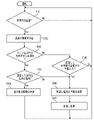
- FIG. 3 to 5 are flowcharts showing an example of the operation of the security system 1 according to the first embodiment.
- FIG. 3 shows an example of the operation of the security system 1 regarding detection of events such as user authentication and cancellation operations.
- step S101 the security system 1 determines whether the user has been authenticated.
- the security system 1 determines that the user is authenticated, for example, when the reader 3 authenticates the user. Alternatively, the security system 1 determines that the user has been authenticated when the unlock button 9 is operated on the authentication operation panel 7, for example. If the determination result is No, the security system 1 proceeds to the process of step S101 again. If the determination result is Yes, the security system 1 proceeds to the process of step S102.
- step S102 the device of the security system 1, such as the reading device 3 or the authentication operation panel 7, which has determined the authentication of the user, transmits the user authentication information to the group control panel 23. After that, the security system 1 proceeds to the process of step S103.
- step S103 the security system 1 determines whether the direction button 19 with the built-in lamp lit is operated on the hall control panel 18.
- the direction button 19 is a button corresponding to the direction of the hall call until the car 14 that has responded to the hall call departs from the departure floor. If the determination result is Yes, the security system 1 proceeds to the process of step S104. If the determination result is No, the security system 1 proceeds to the process of step S108.
- step S104 the security system 1 determines whether the user who operated the hall operating panel 18 is different from the user authenticated in step S101.
- the security system 1 identifies the user who operated the hall operation panel 18 based on the information read by the hall reading device 28, for example. Incidentally, when the hall operation panel 18 of the hall 12 where the hall reading device 28 is not provided is operated, it is necessary to determine whether the user who operated the hall operation panel 18 and the authenticated user are different users. Sometimes I can't. In such a case, the security system 1 may determine that the user who operated the hall operating panel 18 is an authenticated user. If the determination result of step S104 is Yes, the security system 1 proceeds to the process of step S105. On the other hand, when the determination result is No, the security system 1 proceeds to the process of step S106.
- step S105 the security system 1 transmits information for authentication of the user who operated the hall control panel 18 to the group control panel 23. After that, the security system 1 proceeds to the process of step S101.
- step S106 the security system 1 transmits information on the cancellation operation to the group management board 23. After that, the security system 1 proceeds to the process of step S107.
- step S107 the group management board 23 performs cancellation processing. For example, when the car call registration unit 26 automatically registers a car call for the car 14 for which boarding detection unit 22 has detected boarding, the car call registration unit 26 cancels the immediately preceding automatic registration as cancellation processing. Further, when the car call registration restriction is canceled in the car 14 whose boarding detection part 22 has detected boarding, the car call registration part 26 cancels the release of the registration restriction performed immediately before as cancellation processing. Further, when the boarding detection unit 22 does not detect boarding, the hall call registering unit 24 may cancel the registration of the hall call based on the authentication information as cancellation processing. After that, the security system 1 proceeds to the process of step S101.
- step S108 the security system 1 determines whether the identifier of the user authenticated in step S101 has been entered on the input panel 27 of the hall control panel 18.
- the security system 1 determines No as the determination result when the user's identifier is not input.
- the security system 1 determines No as a determination result when the input user identifier is different from the authenticated user identifier. Further, the security system 1 may set the determination result as No when the input panel 27 is not provided on the hall control panel 18 of the departure floor of the authenticated user. If the determination result is No, the security system 1 proceeds to the process of step S101. If the determination result is Yes, the security system 1 proceeds to the process of step S106.
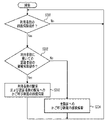
- FIG. 4 an example of the operation of the control system 16, such as for call registration, is shown.
- the group management board 23 starts the operation shown in FIG. 4, for example, when receiving authentication information transmitted in FIG.
- the group management board 23 starts the process of step S201 when accepting user authentication information.
- step S201 the hall call registration unit 24 registers the hall call for the user's departure floor based on the user's authentication information. After that, the security system 1 proceeds to the process of step S202.
- step S202 the allocation unit 25 allocates hall calls for users. After that, the security system 1 proceeds to the process of step S203.
- step S203 the group control panel 23 outputs a command to light the built-in lamp to the direction button 19 corresponding to the direction of the hall call assigned by the hall operating panel 18 provided on the departure floor of the user. do.
- the security system 1 proceeds to the process of step S204.
- step S204 the unit control panel 15 corresponding to the car 14 to which the hall call has been assigned causes the car 14 to travel to the departure floor. After that, the security system 1 proceeds to the process of step S205.
- step S205 the boarding detection unit 22 of the car 14 to which the hall call has been assigned determines whether boarding of a user has been detected after the car 14 has stopped at the departure floor. If the determination result is Yes, the security system 1 proceeds to the process of step S206. On the other hand, if boarding of the user is not detected within the preset time after the car 14 stops, the boarding detection unit 22 determines No as the determination result. In this case, the security system 1 proceeds to the process of step S208.
- step S206 the car call registration unit 26 automatically registers a car call to the destination floor based on the user authentication information in the car 14 that has detected the boarding of the user. Alternatively, when the user's destination floor cannot be acquired, the car call registration unit 26 cancels the restriction on registering car calls through the car operation panel 20 of the car 14 in which boarding of the user is detected. After that, the security system 1 proceeds to the process of step S207.
- step S207 the car call registering unit 26, after detecting the operation of the car operating panel 20, cancels the registration of the car call through the car operating panel 20. Resume restrictions. After that, the operation of the security system 1 relating to call registration ends.
- step S208 the car call registration unit 26 discards the stored information based on the user authentication information such as the car call as timeout processing. After that, the operation of the security system 1 relating to call registration ends.
- FIG. 5 shows an example of the operation of the security system 1 related to continuous cancellation of call registration restrictions.
- step S301 the security system 1 determines whether the user has performed a continuation cancellation operation.
- the security system for example, when the entrance intercom 6 or the reading device 3 reads the specific information from the specific key, determines that the continuation release operation has been performed by the user. If the determination result of step S301 is No, the security system 1 proceeds to the process of step S301 again. If the determination result is Yes, the security system 1 proceeds to the process of step S302.
- step S302 the security system 1 determines whether or not there has been a continuation cancellation operation on the authenticator's side following the user's continuation cancellation operation. For example, the security system 1 sets the determination result to Yes when there is a continuation cancellation operation by the authenticator before the first time elapses from the continuation cancellation operation by the user. If the determination result is Yes, the security system 1 proceeds to the process of step S303. If the determination result is No, the security system 1 proceeds to the process of step S304.
- step S303 the group control panel 23 continuously cancels the restriction on call registration through the hall operating panel 18 and the car operating panel 20 for the second time.
- the hall call registering unit 24 cancels the restriction on registration of the hall call by the hall operation panel 18 of the floor on which the continuous cancellation operation is performed by the user.
- a car call registering unit 26 registers a car call by the car operation panel 20 with the destination floor being the floor for which the continuous cancellation operation has been performed by the user and the floor for which the continuous cancellation operation has been performed by the authenticator. remove restrictions.
- the security system 1 proceeds to the process of step S301.
- step S304 the group control panel 23 continuously cancels the restriction on call registration through the hall operating panel 18 and the car operating panel 20 for the second time.
- the hall call registering unit 24 cancels the restriction on registration of the hall call by the hall operation panel 18 of the floor on which the continuous cancellation operation is performed by the user.
- the car call registration unit 26 cancels the restriction on registration of car calls by the car operating panel 20 with all floors as destination floors.
- the security system 1 may proceed to the process of step S302 even if, for example, the continuation cancellation operation is performed by the user before the first time elapses from the continuation cancellation operation by the authenticator.
- the control system 16 of the elevator 10 includes the hall call registration unit 24 , the boarding detection unit 22 , and the car call registration unit 26 .
- the hall call registration unit 24 registers the hall call for the departure floor based on the authentication information of the user on the departure floor.
- the boarding detection unit 22 detects boarding of the user into the car 14 .
- a car call registration unit 26 normally restricts the registration of car calls from the car operation panel 20 provided in the car 14 .
- the car call registration unit 26 detects the boarding of the car 14. The user's car call is registered in the car 14.
- the security system 1 also includes a control system 16 for the elevator 10 and a reader 3 .
- the reading device 3 reads information specifying the user on the departure floor.
- the reading device 3 outputs information for authentication of the user to the control system 16 when the read information is registered in advance as information that can be authenticated.
- the security system 1 also includes a control system 16 for the elevator 10 , an entrance intercom 6 , and an authentication operation panel 7 .
- the entrance intercom 6 transmits an authentication request by the operation of the user on the departure floor.
- the authentication operation panel 7 is provided on the user's destination floor.
- the authentication operation panel 7 outputs the authentication information of the user to the control system 16 when receiving the authentication operation of the authenticator in response to the authentication request of the user received from the entrance intercom 6 .
- the timing of automatic car call registration or the timing of canceling the car call registration restriction is separated from the timing of hall call registration. Processing for car calls is performed upon detection of boarding of the car 14 by the user. Therefore, it is possible to prevent a decrease in security due to another user interrupting the car 14 after the user is authenticated until the user gets on the car 14. ⁇
- the car call registering unit 26 after registering the car call of the user in the car 14, when a cancellation operation is performed on the hall control panel 18 provided in the boarding hall 12 of the departure floor, the car call to the car 14 Cancel the registration just before the call. Further, the car call registering unit 26, after registering the car call of the user in the car 14, when a cancellation operation is performed on the hall control panel 18 provided in the boarding hall 12 of the departure floor, the car call to the car 14 Cancel the last release of call registration restrictions.
- the hall control panel 18 may be provided with a direction button 19 corresponding to the direction of the hall call.
- the car call registration unit 26 determines that a cancel operation has been performed when the direction button 19 corresponding to the direction of the hall call registered by the hall call registration unit 24 is operated.
- an input panel 27 for inputting a floor may be provided on the hall control panel 18.
- the car call registration unit 26 determines that the cancellation operation has been performed when the information identifying the user is manually input through the input panel 27 by the user.
- the authentication request sent by the user through the entrance intercom 6 is authenticated by the authenticator through the authentication operation panel 7 to authenticate the user.
- the car call registration unit 26 determines that the continuous cancellation operation by the user through the entrance intercom 6 and the continuous cancellation operation by the authenticator through the authentication operation panel 7 are performed for the first time. Determine whether the When these operations are performed during the first time, the car call registration unit 26 limits the registration of car calls to the departure floor or the destination floor from the car operating panel 20 in the car 14 during the second time. continuously for a while. Also, in the car call registration unit 26, the second time is set by a variable parameter in units of hours.
- the car call registration unit 26 continues to release the restriction on car call registration, the continuous release operation on the user side and the continuous release operation on the authenticator side are performed during the first time period. determine whether When these operations are performed during the first period of time, the car call registration unit 26 cancels the continued cancellation of the car call registration restriction.
- the building may be provided with an indicator 17 that displays the position of the car 14 in normal times.
- the car call registering unit 26 keeps canceling the restriction on the car call registration, while the car is running due to a car call to the departure floor or the destination floor from the car operating panel 20. The position of the car 14 is not displayed on the indicator 17.
- FIG. 6 is a hardware configuration diagram of main parts of the security system 1 according to the first embodiment.
- the processing circuitry comprises at least one processor 100a and at least one memory 100b.
- the processing circuitry may include at least one piece of dedicated hardware 200 in conjunction with, or as an alternative to, processor 100a and memory 100b.
- each function of the security system 1 is realized by software, firmware, or a combination of software and firmware. At least one of software and firmware is written as a program.
- the program is stored in memory 100b.
- the processor 100a realizes each function of the security system 1 by reading and executing the programs stored in the memory 100b.
- the processor 100a is also called a CPU (Central Processing Unit), a processing device, an arithmetic device, a microprocessor, a microcomputer, or a DSP.
- the memory 100b is composed of, for example, nonvolatile or volatile semiconductor memory such as RAM, ROM, flash memory, EPROM, and EEPROM.
- the processing circuit may be implemented, for example, as a single circuit, multiple circuits, a programmed processor, a parallel programmed processor, an ASIC, an FPGA, or a combination thereof.
- Each function of the security system 1 can be implemented by a processing circuit. Alternatively, each function of the security system 1 can be collectively realized by a processing circuit. A part of each function of the security system 1 may be realized by dedicated hardware 200 and the other part may be realized by software or firmware. Thus, the processing circuitry implements each function of the security system 1 with dedicated hardware 200, software, firmware, or a combination thereof.
- the security system according to the present disclosure can be applied to buildings with elevators.
- a control system according to the present disclosure can be applied to the elevator.
Landscapes
- Engineering & Computer Science (AREA)
- Automation & Control Theory (AREA)
- Elevator Control (AREA)
- Maintenance And Inspection Apparatuses For Elevators (AREA)
Abstract
Description
本開示に係るセキュリティシステムは、上記のエレベーターの制御システムと、前記出発階にいる利用者の操作によって認証要求を送信する受付装置と、前記利用者の目的階に設けられ、前記受付装置から受信した前記利用者の認証要求に対する認証者の認証操作を受け付ける場合に、前記利用者の認証の情報を前記制御システムに出力する認証操作盤と、を備える。
図1は、実施の形態1に係るセキュリティシステム1の構成図である。
図3から図5は、実施の形態1に係るセキュリティシステム1の動作の例を示すフローチャートである。
群管理盤23は、例えば図3などにおいて送信される認証の情報などを受け付けるときに、図4における動作を開始する。
また、実施の形態1に係るセキュリティシステム1は、エレベーター10の制御システム16と、読取装置3と、を備える。読取装置3は、出発階にいる利用者を特定する情報を読み込む。読取装置3は、読み込んだ情報が認証可能な情報として予め登録されている場合に、当該利用者の認証の情報を制御システム16に出力する。
また、実施の形態1に係るセキュリティシステム1は、エレベーター10の制御システム16と、玄関インターホン6と、認証操作盤7と、を備える。玄関インターホン6は、出発階にいる利用者の操作によって認証要求を送信する。認証操作盤7は、利用者の目的階に設けられる。認証操作盤7は、玄関インターホン6から受信した利用者の認証要求に対する認証者の認証操作を受け付ける場合に、当該利用者の認証の情報を制御システム16に出力する。
また、かご呼び登録部26は、かご14に利用者のかご呼びを登録した後に、出発階の乗場12に設けられた乗場操作盤18において取消し操作が行われる場合に、当該かご14へのかご呼びの登録の制限についての直前の解除を取り消す。
また、かご呼び登録部26において、第2時間は、時単位の可変なパラメータによって設定される。
図6は、実施の形態1に係るセキュリティシステム1の主要部のハードウェア構成図である。
Claims (13)
- 出発階にいる利用者の認証の情報に基づいて前記出発階の乗場呼びを登録する乗場呼び登録部と、
前記利用者のかごへの乗車を検出する乗車検出部と、
前記かごに設けられたかご操作盤からのかご呼びの登録を通常時において制限し、前記乗場呼び登録部が登録した乗場呼びに応答して前記かごが前記出発階に到着した後に前記利用者の前記かごへの乗車を前記乗車検出部が検出するときに、前記かごに前記利用者のかご呼びを登録するかご呼び登録部と、
を備えるエレベーターの制御システム。 - 前記かご呼び登録部は、前記かごに前記利用者のかご呼びを登録した後に、前記出発階の乗場に設けられた乗場呼びの登録を受け付ける乗場操作盤において取消し操作が行われる場合に、前記かごへのかご呼びの直前の登録を取り消す
請求項1に記載のエレベーターの制御システム。 - 前記かご呼び登録部は、前記乗場呼び登録部が登録した乗場呼びに応答して前記かごが前記出発階に到着した後に前記利用者の前記かごへの乗車を前記乗車検出部が検出するときに、前記かごにおいて前記かご操作盤からのかご呼びの登録の制限を解除する
請求項1または請求項2に記載のエレベーターの制御システム。 - 出発階にいる利用者の認証の情報に基づいて前記出発階の乗場呼びを登録する乗場呼び登録部と、
前記利用者のかごへの乗車を検出する乗車検出部と、
前記かごに設けられたかご操作盤からのかご呼びの登録を通常時において制限し、前記乗場呼び登録部が登録した乗場呼びに応答して前記かごが前記出発階に到着した後に前記利用者の前記かごへの乗車を前記乗車検出部が検出するときに、前記かごにおいて前記かご操作盤からのかご呼びの登録の制限を解除にするかご呼び登録部と、
を備えるエレベーターの制御システム。 - 前記かご呼び登録部は、前記かごに前記利用者のかご呼びを登録した後に、前記出発階の乗場に設けられた乗場呼びの登録を受け付ける乗場操作盤において取消し操作が行われる場合に、前記かごへのかご呼びの登録の制限についての直前の解除を取り消す
請求項3または請求項4に記載のエレベーターの制御システム。 - 前記乗場操作盤において乗場呼びの方向に対応する方向ボタンが設けられている場合に、
前記かご呼び登録部は、前記乗場呼び登録部が登録した乗場呼びの方向に対応する方向ボタンが操作されたときに、前記取消し操作が行われたと判定する
請求項2または請求項5に記載のエレベーターの制御システム。 - 前記乗場操作盤において階床を入力する入力パネルが設けられている場合に、
前記かご呼び登録部は、前記利用者を識別する情報が前記利用者によって前記入力パネルを通じて手動入力されたときに、前記取消し操作が行われたと判定する
請求項2または請求項5に記載のエレベーターの制御システム。 - 前記出発階に設けられた受付装置を通じて前記利用者が送信する認証要求を、前記利用者の目的階に設けられた認証操作盤を通じて認証者が認証操作を行うことで前記利用者の認証が行われる場合に、
前記かご呼び登録部は、前記利用者による前記受付装置を通じた前記利用者側の継続解除操作、および前記認証者による前記認証操作盤を通じた前記認証者側の継続解除操作が予め設定された第1時間の間に行われるときに、前記かごにおいて前記かご操作盤からの前記出発階または前記目的階へのかご呼びの登録の制限を予め設定された第2時間の間継続して解除する
請求項1から請求項7のいずれか一項に記載のエレベーターの制御システム。 - 前記かご呼び登録部において、前記第2時間は、時単位の可変なパラメータによって設定される
請求項8に記載のエレベーターの制御システム。 - 前記かご呼び登録部は、かご呼びの登録の制限について継続して解除している間に、前記利用者による前記受付装置を通じた前記利用者側の継続解除操作、および前記認証者による前記認証操作盤を通じた前記認証者側の継続解除操作が前記第1時間の間に行われるときに、かご呼びの登録の制限についての継続した解除を取り消す
請求項8または請求項9に記載のエレベーターの制御システム。 - 通常時において前記かごの位置を表示するインジケータが設けられている場合に、
前記かご呼び登録部は、かご呼びの登録の制限について継続して解除している間に、前記かご操作盤からの前記出発階または前記目的階へのかご呼びによって走行しているときの前記かごの位置を前記インジケータに表示させない
請求項8から請求項10のいずれか一項に記載のエレベーターの制御システム。 - 請求項1から請求項7のいずれか一項に記載のエレベーターの制御システムと、
前記出発階にいる利用者を特定する情報を読み込み、読み込んだ情報が認証可能な情報として予め登録されている場合に前記利用者の認証の情報を前記制御システムに出力する読取装置と、
を備えるセキュリティシステム。 - 請求項1から請求項11のいずれか一項に記載のエレベーターの制御システムと、
前記出発階にいる利用者の操作によって認証要求を送信する受付装置と、
前記利用者の目的階に設けられ、前記受付装置から受信した前記利用者の認証要求に対する認証者の認証操作を受け付ける場合に、前記利用者の認証の情報を前記制御システムに出力する認証操作盤と、
を備えるセキュリティシステム。
Priority Applications (3)
| Application Number | Priority Date | Filing Date | Title |
|---|---|---|---|
| JP2023508383A JP7416329B2 (ja) | 2021-03-26 | 2021-03-26 | エレベーターの制御システム、およびセキュリティシステム |
| PCT/JP2021/012916 WO2022201508A1 (ja) | 2021-03-26 | 2021-03-26 | エレベーターの制御システム、およびセキュリティシステム |
| CN202180089922.2A CN116963981A (zh) | 2021-03-26 | 2021-03-26 | 电梯的控制系统以及安全系统 |
Applications Claiming Priority (1)
| Application Number | Priority Date | Filing Date | Title |
|---|---|---|---|
| PCT/JP2021/012916 WO2022201508A1 (ja) | 2021-03-26 | 2021-03-26 | エレベーターの制御システム、およびセキュリティシステム |
Publications (1)
| Publication Number | Publication Date |
|---|---|
| WO2022201508A1 true WO2022201508A1 (ja) | 2022-09-29 |
Family
ID=83396522
Family Applications (1)
| Application Number | Title | Priority Date | Filing Date |
|---|---|---|---|
| PCT/JP2021/012916 Ceased WO2022201508A1 (ja) | 2021-03-26 | 2021-03-26 | エレベーターの制御システム、およびセキュリティシステム |
Country Status (3)
| Country | Link |
|---|---|
| JP (1) | JP7416329B2 (ja) |
| CN (1) | CN116963981A (ja) |
| WO (1) | WO2022201508A1 (ja) |
Cited By (3)
| Publication number | Priority date | Publication date | Assignee | Title |
|---|---|---|---|---|
| CN118255218A (zh) * | 2022-12-26 | 2024-06-28 | 三菱电机楼宇解决方案株式会社 | 电梯系统 |
| JP7653067B1 (ja) | 2023-11-21 | 2025-03-28 | フジテック株式会社 | エレベータシステム |
| JP7761110B1 (ja) * | 2024-10-04 | 2025-10-28 | 三菱電機ビルソリューションズ株式会社 | エレベータシステム、呼び制御方法、乗場制御装置、及び、呼びプログラム |
Citations (5)
| Publication number | Priority date | Publication date | Assignee | Title |
|---|---|---|---|---|
| JPS6155074A (ja) * | 1984-08-24 | 1986-03-19 | 株式会社東芝 | 群管理エレベ−タシステム |
| JP2004051342A (ja) * | 2002-07-23 | 2004-02-19 | Mitsubishi Electric Corp | エレベータ制御装置 |
| JP2005280882A (ja) * | 2004-03-29 | 2005-10-13 | Toshiba Elevator Co Ltd | エレベータシステム |
| JP2008074585A (ja) * | 2006-09-22 | 2008-04-03 | Toshiba Elevator Co Ltd | エレベータ運転制御システム |
| JP2010018371A (ja) * | 2008-07-09 | 2010-01-28 | Hitachi Ltd | エレベーターの制御装置 |
Family Cites Families (8)
| Publication number | Priority date | Publication date | Assignee | Title |
|---|---|---|---|---|
| JP2559466B2 (ja) * | 1988-06-27 | 1996-12-04 | 株式会社日立ビルシステムサービス | エレベ−タの制御システム |
| JP2646886B2 (ja) * | 1991-05-23 | 1997-08-27 | 三菱電機株式会社 | エレベーターの運転装置 |
| JP2005170529A (ja) * | 2003-12-08 | 2005-06-30 | Mitsubishi Electric Corp | エレベータの制御装置 |
| JP5284102B2 (ja) * | 2006-10-25 | 2013-09-11 | 三菱電機株式会社 | エレベータシステム |
| JP4489065B2 (ja) * | 2006-10-30 | 2010-06-23 | 株式会社クマリフト技術研究所 | 荷物用昇降装置 |
| WO2009116129A1 (ja) * | 2008-03-18 | 2009-09-24 | 三菱電機株式会社 | エレベータ制御装置、エレベータ装置、エレベータ制御装置のエレベータ制御方法およびエレベータ制御プログラム |
| JP5159723B2 (ja) * | 2009-08-10 | 2013-03-13 | 株式会社日立製作所 | エレベータの乗り場操作装置 |
| EP3253701B1 (en) * | 2015-02-04 | 2021-03-31 | KONE Corporation | Elevator operating panel comprising touch screen |
-
2021
- 2021-03-26 WO PCT/JP2021/012916 patent/WO2022201508A1/ja not_active Ceased
- 2021-03-26 JP JP2023508383A patent/JP7416329B2/ja active Active
- 2021-03-26 CN CN202180089922.2A patent/CN116963981A/zh active Pending
Patent Citations (5)
| Publication number | Priority date | Publication date | Assignee | Title |
|---|---|---|---|---|
| JPS6155074A (ja) * | 1984-08-24 | 1986-03-19 | 株式会社東芝 | 群管理エレベ−タシステム |
| JP2004051342A (ja) * | 2002-07-23 | 2004-02-19 | Mitsubishi Electric Corp | エレベータ制御装置 |
| JP2005280882A (ja) * | 2004-03-29 | 2005-10-13 | Toshiba Elevator Co Ltd | エレベータシステム |
| JP2008074585A (ja) * | 2006-09-22 | 2008-04-03 | Toshiba Elevator Co Ltd | エレベータ運転制御システム |
| JP2010018371A (ja) * | 2008-07-09 | 2010-01-28 | Hitachi Ltd | エレベーターの制御装置 |
Cited By (5)
| Publication number | Priority date | Publication date | Assignee | Title |
|---|---|---|---|---|
| CN118255218A (zh) * | 2022-12-26 | 2024-06-28 | 三菱电机楼宇解决方案株式会社 | 电梯系统 |
| JP7653067B1 (ja) | 2023-11-21 | 2025-03-28 | フジテック株式会社 | エレベータシステム |
| JP2025083869A (ja) * | 2023-11-21 | 2025-06-02 | フジテック株式会社 | エレベータシステム |
| JP7761110B1 (ja) * | 2024-10-04 | 2025-10-28 | 三菱電機ビルソリューションズ株式会社 | エレベータシステム、呼び制御方法、乗場制御装置、及び、呼びプログラム |
| WO2026074735A1 (ja) * | 2024-10-04 | 2026-04-09 | 三菱電機ビルソリューションズ株式会社 | エレベータシステム、呼び制御方法、乗場制御装置、及び、呼びプログラム |
Also Published As
| Publication number | Publication date |
|---|---|
| CN116963981A (zh) | 2023-10-27 |
| JPWO2022201508A1 (ja) | 2022-09-29 |
| JP7416329B2 (ja) | 2024-01-17 |
Similar Documents
| Publication | Publication Date | Title |
|---|---|---|
| JP5630502B2 (ja) | エレベーターの乗場呼び登録装置 | |
| JP5354014B2 (ja) | エレベーターシステム | |
| CN102414108B (zh) | 用于在建筑物中根据位置管理人员的方法 | |
| JP5660142B2 (ja) | エレベーターの群管理システム | |
| KR101286320B1 (ko) | 엘레베이터 시스템에 사용자를 할당하는 방법 | |
| JP6007984B2 (ja) | エレベータの乗場装置 | |
| JP7416329B2 (ja) | エレベーターの制御システム、およびセキュリティシステム | |
| WO2007052336A1 (ja) | エレベーター制御システム | |
| JPWO2006043324A1 (ja) | エレベータの制御装置 | |
| JP5182695B2 (ja) | エレベータ | |
| CN115028031B (zh) | 移动体的管理系统以及电梯 | |
| EP2527280A1 (en) | Elevator group management system | |
| JPWO2022201508A5 (ja) | ||
| JP2009208900A (ja) | エレベータの防犯システム | |
| JP6532796B2 (ja) | エレベータ制御システム及びエレベータ制御装置 | |
| JP2005112586A (ja) | エレベーター制御装置 | |
| JP6977851B1 (ja) | エレベータ制御装置およびエレベータシステム | |
| KR100817369B1 (ko) | 엘리베이터의 제어 장치 | |
| JP5199644B2 (ja) | エレベータ制御システム | |
| JP5172172B2 (ja) | エレベータの運転制御システム | |
| JP2023060742A (ja) | エレベーターの制御装置およびエレベーターシステム |
Legal Events
| Date | Code | Title | Description |
|---|---|---|---|
| 121 | Ep: the epo has been informed by wipo that ep was designated in this application |
Ref document number: 21933113 Country of ref document: EP Kind code of ref document: A1 |
|
| ENP | Entry into the national phase |
Ref document number: 2023508383 Country of ref document: JP Kind code of ref document: A |
|
| WWE | Wipo information: entry into national phase |
Ref document number: 202180089922.2 Country of ref document: CN |
|
| NENP | Non-entry into the national phase |
Ref country code: DE |
|
| 122 | Ep: pct application non-entry in european phase |
Ref document number: 21933113 Country of ref document: EP Kind code of ref document: A1 |