WO2022070969A1 - 酸化ガリウム基板用洗浄剤 - Google Patents
酸化ガリウム基板用洗浄剤 Download PDFInfo
- Publication number
- WO2022070969A1 WO2022070969A1 PCT/JP2021/034212 JP2021034212W WO2022070969A1 WO 2022070969 A1 WO2022070969 A1 WO 2022070969A1 JP 2021034212 W JP2021034212 W JP 2021034212W WO 2022070969 A1 WO2022070969 A1 WO 2022070969A1
- Authority
- WO
- WIPO (PCT)
- Prior art keywords
- polishing
- cleaning
- less
- gallium oxide
- cleaning agent
- Prior art date
- Legal status (The legal status is an assumption and is not a legal conclusion. Google has not performed a legal analysis and makes no representation as to the accuracy of the status listed.)
- Ceased
Links
Images



Classifications
-
- B—PERFORMING OPERATIONS; TRANSPORTING
- B24—GRINDING; POLISHING
- B24B—MACHINES, DEVICES, OR PROCESSES FOR GRINDING OR POLISHING; DRESSING OR CONDITIONING OF ABRADING SURFACES; FEEDING OF GRINDING, POLISHING, OR LAPPING AGENTS
- B24B55/00—Safety devices for grinding or polishing machines; Accessories fitted to grinding or polishing machines for keeping tools or parts of the machine in good working condition
- B24B55/06—Dust extraction equipment on grinding or polishing machines
-
- C—CHEMISTRY; METALLURGY
- C11—ANIMAL OR VEGETABLE OILS, FATS, FATTY SUBSTANCES OR WAXES; FATTY ACIDS THEREFROM; DETERGENTS; CANDLES
- C11D—DETERGENT COMPOSITIONS; USE OF SINGLE SUBSTANCES AS DETERGENTS; SOAP OR SOAP-MAKING; RESIN SOAPS; RECOVERY OF GLYCEROL
- C11D1/00—Detergent compositions based essentially on surface-active compounds; Use of these compounds as a detergent
- C11D1/02—Anionic compounds
-
- C—CHEMISTRY; METALLURGY
- C11—ANIMAL OR VEGETABLE OILS, FATS, FATTY SUBSTANCES OR WAXES; FATTY ACIDS THEREFROM; DETERGENTS; CANDLES
- C11D—DETERGENT COMPOSITIONS; USE OF SINGLE SUBSTANCES AS DETERGENTS; SOAP OR SOAP-MAKING; RESIN SOAPS; RECOVERY OF GLYCEROL
- C11D1/00—Detergent compositions based essentially on surface-active compounds; Use of these compounds as a detergent
- C11D1/38—Cationic compounds
-
- C—CHEMISTRY; METALLURGY
- C11—ANIMAL OR VEGETABLE OILS, FATS, FATTY SUBSTANCES OR WAXES; FATTY ACIDS THEREFROM; DETERGENTS; CANDLES
- C11D—DETERGENT COMPOSITIONS; USE OF SINGLE SUBSTANCES AS DETERGENTS; SOAP OR SOAP-MAKING; RESIN SOAPS; RECOVERY OF GLYCEROL
- C11D1/00—Detergent compositions based essentially on surface-active compounds; Use of these compounds as a detergent
- C11D1/66—Non-ionic compounds
-
- C—CHEMISTRY; METALLURGY
- C11—ANIMAL OR VEGETABLE OILS, FATS, FATTY SUBSTANCES OR WAXES; FATTY ACIDS THEREFROM; DETERGENTS; CANDLES
- C11D—DETERGENT COMPOSITIONS; USE OF SINGLE SUBSTANCES AS DETERGENTS; SOAP OR SOAP-MAKING; RESIN SOAPS; RECOVERY OF GLYCEROL
- C11D1/00—Detergent compositions based essentially on surface-active compounds; Use of these compounds as a detergent
- C11D1/88—Ampholytes; Electroneutral compounds
-
- H—ELECTRICITY
- H10—SEMICONDUCTOR DEVICES; ELECTRIC SOLID-STATE DEVICES NOT OTHERWISE PROVIDED FOR
- H10P—GENERIC PROCESSES OR APPARATUS FOR THE MANUFACTURE OR TREATMENT OF DEVICES COVERED BY CLASS H10
- H10P52/00—Grinding, lapping or polishing of wafers, substrates or parts of devices
Definitions
- the present invention relates to a cleaning agent, and more particularly to a cleaning agent for a gallium oxide substrate.
- Materials for compound semiconductor substrates such as substrates for optical devices and substrates for power devices include, for example, oxides such as aluminum oxide (typically sapphire), silicon oxide, gallium oxide, and zirconium oxide, aluminum nitride, silicon nitride, and nitrides.
- oxides such as aluminum oxide (typically sapphire), silicon oxide, gallium oxide, and zirconium oxide, aluminum nitride, silicon nitride, and nitrides.
- Nitridees such as gallium and carbides such as silicon carbide are known.
- These substrate materials are processed into a predetermined shape, the surface thereof is flattened and smoothed by polishing, and after being further washed, they are used as a substrate for a device. Examples of the technical documents disclosing the cleaning of the polished substrate include Patent Documents 1 to 3.
- the gallium oxide substrate has advantages such as high durability and easy crystal growth as compared with a substrate made of other materials.
- the gallium oxide substrate is still in the research stage, and it is required to establish a production technology for realizing a high quality gallium oxide substrate surface.
- an object of the present invention is to provide a cleaning agent capable of exerting an excellent cleaning effect on a gallium oxide substrate after polishing.
- a cleaning agent used for cleaning a gallium oxide substrate after polishing contains a surfactant.
- the above-mentioned cleaning agent can exert an excellent cleaning effect on the gallium oxide substrate after polishing. By using the above-mentioned cleaning agent, it is possible to realize a gallium oxide substrate having high surface quality with few deposits.
- the surfactant comprises an anionic surfactant.
- a surfactant that exhibits excellent detergency on the gallium oxide substrate after polishing can be preferably selected from among anionic surfactants.
- Examples of the surfactant preferably used in the technique disclosed herein include compounds having an oxyalkylene unit.
- the concentration of the surfactant in the above-mentioned cleaning agent is preferably 10% by weight or more. By increasing the concentration of the surfactant, the effect of adding the surfactant can be better exhibited, and an excellent cleaning effect can be suitably exhibited.
- the cleaning agent may contain water in addition to the surfactant. According to a cleaning agent containing water (which may be a cleaning liquid), the effect of the surfactant can be more exerted.
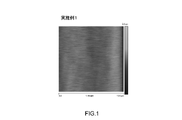
- FIG. It is an AFM image of the substrate surface after cleaning with the cleaning agent which concerns on Example 1.
- FIG. It is an AFM image of the substrate surface after cleaning with the cleaning agent which concerns on Example 2.
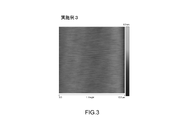
- FIG. It is an AFM image of the substrate surface after cleaning with the cleaning agent which concerns on Example 3.
- FIG. It is an AFM image of the substrate surface after cleaning with the cleaning agent which concerns on Example 4.
- FIG. It is an AFM image of the substrate surface after cleaning with the cleaning agent which concerns on Comparative Example 1.
- the cleaning agent disclosed herein is a cleaning agent used for cleaning a gallium oxide substrate after polishing, and is characterized by containing a surfactant. Cleaning with a cleaning agent containing a surfactant realizes an excellent cleaning effect on the gallium oxide substrate after polishing. Specifically, it is possible to remove deposits such as particles adhering to the surface of the substrate after polishing from the surface of the substrate while preventing surface roughness.
- the surfactant used for the cleaning agent is not particularly limited, and any of anionic, cationic, nonionic, and amphoteric ones can be used.
- a surfactant that exhibits excellent detergency on the surface of the gallium oxide substrate after polishing can be preferably selected from among anionic surfactants.
- a nonionic surfactant is preferably used from the viewpoint of low foaming property and ease of pH adjustment.
- the surfactant may be used alone or in combination of two or more.
- anionic surfactants include alkane sulfonates, alkylbenzene sulfonates (eg nonylbenzene sulfonates, decylbenzene sulfonates, dodecylbenzene sulfonates, etc.), naphthalene sulfonates, alkyl sulphates, etc.
- lauryl sulfate, octadecyl sulfate, etc. polyoxyalkylene sulfate, ⁇ -olefin sulfonate, ⁇ -sulfo fatty acid salt, ⁇ -sulfo fatty acid alkyl ester salt, alkyl sulfosuccinate, dialkyl sulfosuccinate, etc.
- Sulfonic acid compounds alkyl sulfates, alkenyl sulfates, polyoxyalkylene alkyl ether sulfates (eg polyoxyethylene octadecyl ether sulfates, polyoxyethylene lauryl ether sulfates), polyoxyalkylene alkenyl ether sulfates
- Sulfonic acid ester compounds such as: alkyl ether carboxylates, amide ether carboxylates, sulfosuccinates, carboxylic acid compounds such as amino acid surfactants; phosphoric acids such as alkyl phosphate ester salts and alkyl ether phosphate ester salts. Ester compounds; and the like.
- the salt may be, for example, a metal salt such as a sodium salt, a potassium salt, a calcium salt or a magnesium salt (preferably a monovalent metal salt), an ammonium salt or an amine salt. And so on.
- the anionic surfactant may be used alone or in combination of two or more.
- nonionic surfactants are oxyalkylene polymers such as polyethylene glycol, polypropylene glycol and polytetramethylene glycol; polyoxyethylene alkyl ethers, polyoxyethylene alkyl phenyl ethers, polyoxyethylene alkyl amines and polyoxyethylene fatty acids.
- Polyoxyalkylene derivatives such as esters, polyoxyethylene glyceryl ether fatty acid esters, polyoxyethylene sorbitan fatty acid esters (eg, polyoxyalkylene adducts); copolymers of multiple oxyalkylenes (eg, diblock type copolymers). , Triblock type copolymer, random type copolymer, alternate copolymer); and the like.
- the nonionic surfactant may be used alone or in combination of two or more.
- cationic surfactants are amine-type cationic surfactants such as alkylamidoamine and alkylamine; tetraalkyl (1 to 4 carbon atoms) ammonium salt (for example, tetramethylammonium salt), monolong-chain alkyl (carbon). Number 8-18) Tri-short chain alkyl (1 to 2 carbon atoms) ammonium salt (eg, lauryltrimethylammonium salt, palmityltrimethylammonium salt, stearyltrimethylammonium salt), dilong chain alkyl (8-18 carbon atoms) dishort Quaternary ammonium salt-type cationic surfactants such as chain alkyl (1 to 2 carbon atoms) ammonium salts; and the like.
- amine-type cationic surfactants such as alkylamidoamine and alkylamine; tetraalkyl (1 to 4 carbon atoms) ammonium salt (for example, tetramethylammonium salt), monolong-chain alkyl
- the salt may be, for example, a halide such as chlorine, bromine or iodine; a hydroxide; a sulfonic acid ester having 1 to 5 carbon atoms, a sulfate ester, a nitrate ester or the like.
- a quaternary ammonium salt-type cationic surfactant preferably a mono-long-chain alkyltri short-chain alkylammonium salt, a di-long-chain alkyldi-short-chain alkylammonium salt, etc.
- the cationic surfactant may be used alone or in combination of two or more.
- amphoteric surfactant is not particularly limited, and examples thereof include an amine alkylene oxide type surfactant and an amine oxide type surfactant. These can be used alone or in combination of two or more.
- the surfactant used in some preferred embodiments can be a compound having an oxyalkylene unit. Typically, it can be a compound having a polyoxyalkylene structure.
- the oxyalkylene unit may be composed of one oxyalkylene group or may have a repeating structure of two or more oxyalkylene units. Examples of the oxyalkylene unit include an oxyethylene unit (EO) and an oxypropylene unit (PO). Of these, the oxyethylene unit (EO) is preferable.
- the oxyalkylene units may be of the same type (that is, one type) or may be composed of two or more types of oxyalkylene units.
- the total number of moles of alkylene oxide contained in the surfactant may be 1 or more, 3 or more, 5 or more, 10 or more, 15 or more, 20 or more, and also. It may be 50 or less, 30 or less, 22 or less, 16 or less, 12 or less, 8 or less, or 4 or less (for example, 3 or less).
- the surfactant used in some embodiments has a hydrocarbon group.
- the hydrocarbon group may be composed of a saturated hydrocarbon such as an alkyl group, or may contain an unsaturated bond such as a carbon-carbon double bond. Further, the hydrocarbon group (typically an alkyl group) may be linear or branched.
- the hydrocarbon group (for example, an alkyl group) has 8 or more carbon atoms, 10 or more, 12 or more, 24 or less, 20 or less, and 18 or less. However, it may be 16 or less, or 12 or less.
- hydrocarbon group typically, an alkyl group
- hydrocarbon group typically, an alkyl group
- examples of the hydrocarbon group include an octyl group, a decyl group, a lauryl group, a myristyl group, a palmityl group, a stearyl group and the like.
- the pH of the surfactant (pH of 100% by weight of the surfactant or pH of the surfactant (which may contain an appropriate amount of water or the like) available as a product) is not particularly limited, and is not particularly limited, for example, 5. 9.0 or more is suitable, preferably 6.0 or more (for example, more than 6.0), 6.5 or more, 7.0 or more, 7.5 or more, 8. It may be more than 0 (for example, 8.2 or more).
- the pH of the surfactant is preferably, for example, less than 11.0, preferably less than 9.5, more preferably less than 9.0 (eg, less than 9.0), and even less than 8.0. It may be less than 7.0, less than 6.0, or less than 5.0.
- the above pH range is preferably applied to gallium oxide substrates having higher chemical reactivity than other compound semiconductor substrates such as sapphire substrates and silicon carbide substrates. It is considered that the surface roughness of the gallium oxide substrate can be prevented and good surface quality can be realized by performing cleaning using a surfactant in a region close to neutral.
- the pH of a liquid surfactant or cleaning agent is a pH meter (for example, a glass electrode type hydrogen ion concentration indicator (model number F-23) manufactured by Horiba Seisakusho).
- Standard buffer phthalate pH buffer pH: 4.01 (25 ° C), neutral phosphate pH buffer pH: 6.86 (25 ° C), carbonate pH buffer pH: 10. It can be grasped by calibrating at three points using 0.01 (25 ° C.)), putting the glass electrode in the cleaning agent to be measured, and measuring the value after it has stabilized after 2 minutes or more. ..
- the concentration of the surfactant in the cleaning agent is appropriately set within the range in which the effect of containing the surfactant is exhibited, and is not limited to a specific range.
- the concentration of the surfactant in the cleaning agent can be 0.01% by weight or more, and 0.1% by weight or more is suitable.
- the surfactant concentration in the cleaning agent is 1% by weight or more, preferably 3% by weight or more, more preferably 10% by weight or more, still more preferably 20% by weight or more, and 30% by weight. % Or more, and 40% by weight or more (for example, 50% by weight or more) may be used.
- the upper limit of the surfactant concentration in the cleaning agent can be less than 90% by weight, may be less than 70% by weight, may be less than 50% by weight, or may be less than 35% by weight.
- a cleaning agent may be in the form of a cleaning liquid containing a surfactant and water.
- the concentration of the surfactant in the cleaning agent can be approximately 90% by weight or more (eg 90-100% by weight), 95% by weight or more is appropriate, 99% by weight or more. May be.
- Such cleaning agents may be substantially composed of a surfactant.
- the cleaning agent comprises water in addition to the surfactant.
- a cleaning agent can be a cleaning liquid that is liquid at room temperature. In this specification, room temperature means 23 ° C.
- water used as the cleaning agent ion-exchanged water (deionized water), pure water, ultrapure water, distilled water and the like are suitable.
- the cleaning agent disclosed herein may further contain an organic solvent (lower alcohol, lower ketone, etc.) that can be uniformly mixed with water, if necessary. It is preferable that 90% by volume or more of the solvent contained in the cleaning agent is water, and more preferably 95% by volume or more (for example, 99 to 100% by volume) is water.
- the detergents disclosed herein are known and can be used as detergents such as chelating agents, pH regulators (acids, basic compounds, etc.), antioxidants, antifoaming agents, preservatives, antifungal agents, and the like. If necessary, one or more of the additives of the above may be further contained.
- Examples of chelating agents include aminocarboxylic acid-based chelating agents and organic phosphonic acid-based chelating agents.
- Examples of aminocarboxylic acid-based chelating agents include ethylenediamine tetraacetic acid, sodium ethylenediamine tetraacetate, nitrilotriacetic acid, sodium nitrilotriacetate, ammonium nitrilotriacetic acid, hydroxyethylethylenediamine triacetic acid, sodium hydroxyethylethylenediamine triacetate, and diethylenetriaminepentaacetic acid. , Diethylenetriamine pentaacetate sodium, triethylenetetramine hexaacetic acid and triethylenetetramine hexaacetate sodium.
- organic phosphonic acid-based chelating agents examples include 2-aminoethylphosphonic acid, 1-hydroxyethylidene-1,1-diphosphonic acid, aminotri (methylenephosphonic acid), ethylenediaminetetrakis (methylenephosphonic acid), and diethylenetriaminepenta (methylenephosphonic acid).
- Etan-1,1-diphosphonic acid Etan-1,1,2-triphosphonic acid, Etan-1-hydroxy-1,1-diphosphonic acid, Etan-1-hydroxy-1,1,2-triphosphonic acid , Etan-1,2-dicarboxy-1,2-diphosphonic acid, methanehydroxyphosphonic acid, 2-phosphonobutane-1,2-dicarboxylic acid, 1-phosphonobutane-2,3,4-tricarboxylic acid and ⁇ -methylphospho Contains nosuccinic acid.
- the chelating agent may be used alone or in combination of two or more.
- the cleaning agent disclosed here may be substantially free of a chelating agent.
- the fact that the cleaning agent does not substantially contain the chelating agent means that the concentration of the chelating agent in the cleaning agent is less than 1% by weight.
- the concentration of the chelating agent in the cleaning agent may be less than 0.3% by weight, less than 0.1% by weight, less than 0.01% by weight, or less than 0.005% by weight.
- the technique disclosed herein can also be preferably carried out in an embodiment in which the cleaning agent does not contain a chelating agent.
- the content of the above-mentioned optional additive can be set to an appropriate range in which the effect of the present invention is not significantly impaired.
- the content of the optional additive in the cleaning agent is preferably less than 30% by weight, may be less than 10% by weight, may be less than 1% by weight, or may be less than 0.1% by weight. It may be less than 0.01% by weight.
- the techniques disclosed herein are preferably carried out in a manner in which the cleaning agent does not contain any additives.
- the optional additive is defined as a component different from a solvent such as water.
- the amount of the optional additive used can also be specified by the relative relationship with the surfactant.
- the content of the optional additive with respect to 1 part by weight of the surfactant can be less than 3 parts by weight, and it is appropriate that it is less than 1 part by weight.
- the content of the optional additive with respect to 1 part by weight of the surfactant may be, for example, less than 0.3 parts by weight or less than 0.1 parts by weight. , Less than 0.03 parts by weight, or less than 0.01 parts by weight.
- the content of the optional additive with respect to 1 part by weight of the surfactant can be 0.00001 parts by weight or more, 0.001 part by weight or more is appropriate, and 0. .1 part by weight or more, 0.5 parts by weight or more, or 1 part by weight or more.
- the cleaning agent (which may be a cleaning liquid) is substantially composed of a surfactant and water.
- cleaning agents may be in the form of an aqueous surfactant solution.
- the total ratio of the surfactant and water in the cleaning agent is, for example, 90% by weight or more (for example, 90 to 100% by weight), preferably 95% by weight or more, and more preferably 99% by weight or more. be.
- the effect of the surfactant tends to be more exerted.
- the pH of the cleaning agents disclosed herein is not particularly limited.
- the pH of the cleaning agent may be 0.5 or more, 1.0 or more, 2.0 or more, or 3.0 or more. It may be 0 or more.
- the pH of the cleaning agent is preferably 5.0 or higher, preferably 6.0 or higher (eg, greater than 6.0), and may be 6.5 or higher, 7.0 or higher. However, it may be 7.5 or more, or 8.0 or more.
- the pH of the cleaning agent may be, for example, 13.0 or less, 12.5 or less, 12.0 or less, or less than 12.0.
- the pH of the cleaning agent is, for example, less than 11.0, preferably less than 9.5, more preferably less than 9.0 (eg, less than 9.0), and may be less than 8.0. , Less than 7.0, less than 6.0, less than 5.0.
- the above pH range is preferably applied to gallium oxide substrates having higher chemical reactivity than other compound semiconductor substrates such as sapphire substrates and silicon carbide substrates. It is considered that the surface of the gallium oxide substrate can be prevented from being roughened and good surface quality can be achieved by performing cleaning using a cleaning agent in a region close to neutral.
- the cleaning agent disclosed herein is used for cleaning a gallium oxide substrate after polishing.
- the gallium oxide substrate to be cleaned is a substrate substantially made of gallium oxide (Ga 2 O 3 ), and is a substrate that has been subjected to a polishing treatment, which will be described in detail later.
- the gallium oxide substrate can typically have a wafer shape. Therefore, it can be a gallium oxide wafer.
- the gallium oxide substrate may contain an impurity element in addition to the gallium oxide single crystal.
- This impurity element can be, for example, an element doped for controlling conductivity or the like.
- the gallium oxide substrate may have a layer substantially made of gallium oxide formed on an appropriate base layer. Examples of such a base layer include a sapphire substrate, a silicon substrate, a SiC substrate and the like.
- substantially composed of X or “substantially composed of X” with respect to the composition of the substrate means that the ratio of X to the substrate (purity of X) is based on the weight. It means that it is 90% or more (preferably 95% or more, more preferably 97% or more, still more preferably 98% or more, for example 99% or more).
- the surface (polishing target surface) of the gallium oxide substrate may be a surface other than the (100) surface, for example, a (-201) surface, a (101) surface, or a (001) surface. ..
- the Vickers hardness on the (-201) plane of the gallium oxide substrate is about 12.5 GPa
- the Vickers hardness on the (101) plane is about 9.7 GPa.
- a method for cleaning a gallium oxide substrate (a substrate to be cleaned, also simply referred to as a target substrate) is provided.
- the cleaning method disclosed herein includes a step (cleaning step) of cleaning the gallium oxide substrate after polishing with a cleaning agent.
- the cleaning agent the above-mentioned cleaning agent is used.
- the cleaning method is not particularly limited, and can be carried out by an appropriate means according to the purpose. For example, one or more cleaning processes selected from immersion cleaning, spray cleaning, scrub cleaning, ultrasonic cleaning and the like may be employed. Scrub cleaning is preferable from the viewpoint of detergency.
- scrub cleaning refers to cleaning in which the surface of the substrate is wiped or rubbed with a cleaning tool such as a sponge, a brush, or a non-woven fabric.
- a cleaning tool such as a sponge, a brush, or a non-woven fabric.
- particles and the like attached to the surface of a substrate by applying a cleaning agent to the surface of a cleaning tool such as a sponge, a brush, or a non-woven fabric, and moving the cleaning tool to which the cleaning agent is applied in contact with the surface of the substrate.
- Detergents can be removed.
- the cleaning step is preferably performed before the surface of the substrate after polishing is dried from the viewpoint of removing the adhered particles. It should be noted that the cleaning step disclosed herein can be preferably performed in a manner that does not include ultrasonic cleaning or microwave cleaning.
- a sponge for example, polyvinyl alcohol (PVA) sponge
- PVA polyvinyl alcohol
- Such cleaning is also referred to as sponge cleaning.
- water deionized water, pure water, ultrapure water, distilled water, etc.
- organic solvent lower alcohol, lower ketone, etc.
- the time of the cleaning step using the cleaning agent is not particularly limited, and is preferably 10 seconds or longer, preferably 30 seconds or longer, more preferably 1 minute or longer, from the viewpoint of particle removal property of the substrate surface. be. Further, from the viewpoint of cleaning efficiency, it is appropriate to set it to about 30 minutes or less, preferably 10 minutes or less, and more preferably 3 minutes or less (for example, 1 to 2 minutes).
- the temperature of the cleaning agent in the cleaning step can usually be normal temperature (typically 10 ° C. or higher and lower than 40 ° C., for example, about 20 to 30 ° C.).
- the cleaning agent may be heated (for example, heated to 40 ° C. or higher or 50 ° C. to 80 ° C.) for cleaning.
- pre-cleaning is performed prior to the cleaning step using the cleaning agent.
- the pre-cleaning is a cleaning that does not use the above-mentioned detergent, and for example, one or two or more selected from cleaning by immersion, cleaning by running water, cleaning by spray spraying, scrub cleaning, ultrasonic cleaning, and the like can be adopted.
- immersion in water deionized water, pure water, ultrapure water, distilled water, etc.
- running water cleaning water spray spray cleaning
- water were used. It may be scrub cleaning, ultrasonic cleaning in a water tank containing water, or the like.
- the immersion in water may be a batch immersion in which the substrate is immersed in a water tank in which water is stored, an overflow immersion performed while overflowing the water in the water tank, or a quick dump immersion.
- Scrub cleaning is preferable from the viewpoint of detergency. Scrub cleaning with water is preferably carried out while supplying (running water) water to the substrate surface. As the scrub cleaning in the pre-cleaning, scrub cleaning using a sponge (for example, PVA sponge) is preferable. From the viewpoint of removing adhered particles, the pre-cleaning step is preferably performed before the surface of the substrate after polishing is dried, and the above-mentioned cleaning step is performed after the pre-cleaning step is completed and before the surface of the substrate is dried. Is preferable.
- the above-mentioned water may contain an appropriate amount of an organic solvent (lower alcohol, lower ketone, etc.).
- the time of the pre-cleaning step is not particularly limited, and from the viewpoint of detergency, it is appropriate to be 10 seconds or more, preferably 30 seconds or more. Further, from the viewpoint of cleaning efficiency, it is appropriate to set it to about 10 minutes or less, preferably 3 minutes or less (for example, 1 to 2 minutes).
- post-cleaning is performed after the cleaning step using the cleaning agent. Since the post-cleaning can be performed by the same method as the pre-cleaning described above except that the post-cleaning is performed after the cleaning step, duplicate description will be omitted.
- a method of combining running water cleaning and immersion cleaning for example, overflow immersion
- the time of the post-cleaning step is preferably 1 minute or more, preferably 10 minutes or more (for example, about 10 to 30 minutes).
- the cleaning method disclosed herein can achieve an excellent cleaning effect on a gallium oxide substrate by scrubbing with a surfactant and, in a preferred embodiment, with a sponge, and thus, as a whole, conventional cleaning. It can be preferably carried out in an embodiment that does not include ultrasonic cleaning or microwave cleaning, which are often used in the method.
- the washed gallium oxide substrate is used as a semiconductor substrate material for various device applications such as optical devices and power devices after being naturally dried or forcibly dried using a dryer or the like.
- a method for manufacturing a gallium oxide substrate including the above-mentioned cleaning method is provided.
- the techniques disclosed herein may include a method of making a gallium oxide substrate and the provision of a gallium oxide substrate made by that method. That is, according to the technique disclosed herein, a method for manufacturing a gallium oxide substrate and the method including a cleaning step of supplying any of the cleaning agents disclosed herein to the gallium oxide substrate to clean the gallium oxide substrate.
- the gallium oxide substrate manufactured by is provided. The manufacturing method can be carried out by preferably applying the contents of any of the cleaning methods disclosed herein.
- the method for manufacturing a gallium oxide substrate may include a step (polishing step) of polishing the gallium oxide substrate to be polished before the cleaning step.
- the polishing step is a step of polishing the surface of the gallium oxide substrate using a polishing composition described later.
- the cleaning agent and cleaning method disclosed herein can be suitably used to achieve a desired effect by being applied to a gallium oxide substrate after polishing that has undergone a polishing step described later.
- the cleaning agents and cleaning methods disclosed herein are preferably carried out in combination with polishing described below.
- the polishing composition and the polishing method will be described.
- the polishing composition for a gallium oxide substrate disclosed herein preferably contains abrasive grains. By polishing with such a polishing composition, it is possible to improve the polishing rate for the gallium oxide substrate and realize good surface quality.
- the abrasive grains can be appropriately selected and used from among the abrasive grains that can be used for polishing other compound semiconductor substrates.
- the abrasive grains include, for example, oxides of silicon oxide (silica), aluminum oxide (alumina), zirconium oxide, cerium oxide, titanium oxide, chromium oxide, magnesium oxide, manganese oxide, zinc oxide, iron oxide and the like; silicon nitride, Abrasive grains substantially composed of any of nitrides such as boron nitride; carbides such as silicon carbide and boron carbide; and the like can be mentioned.
- the various abrasive grains described above can be used alone or in combination of two or more.
- silica abrasive grains substantially made of silica and alumina abrasive grains substantially made of alumina are relatively easy to obtain and are suitable for polishing a gallium oxide substrate. It can be preferably used because it is easy to obtain good surface quality.
- the technique disclosed herein is suitable for an embodiment containing a polishing composition containing silica particles. In polishing a gallium oxide substrate using silica particles, when the silica particles adhere to the surface of the substrate, the removal thereof is often not easy as compared with other particles. According to the technique disclosed herein, silica particles adhering to the surface of such a substrate can be preferably removed by using the above-mentioned cleaning agent.
- silica abrasive grains examples include colloidal silica and dry method silica. Of these, the use of colloidal silica is preferred. With abrasive grains containing colloidal silica, high polishing rates and good surface quality can be suitably achieved.
- colloidal silica here include silica manufactured using an alkali silicate-containing liquid containing an alkali metal such as Na and K and SiO 2 (for example, a sodium silicate-containing liquid) as a raw material, and tetraethoxy.
- Silica (alkoxide method silica) produced by a hydrolysis condensation reaction of an alkoxysilane such as silane or tetramethoxysilane is included.
- dry silica examples include silica (fumed silica) obtained by burning a silane compound such as silicon tetrachloride or trichlorosilane typically in a hydrogen flame, or the reaction between metallic silicon and oxygen. Includes silica to produce. These can be used alone or in combination of two or more.
- the alumina abrasive grains include abrasive grains containing ⁇ -alumina, ⁇ -alumina, ⁇ -alumina, ⁇ -alumina and the like.
- the alumina abrasive grains containing ⁇ -alumina as a main component can easily realize a high polishing rate.
- the pregelatinization rate of alumina in the abrasive grains is preferably 20% or more, and more preferably 40% or more.
- the pregelatinization rate of alumina in the alumina abrasive grains is obtained from the integrated intensity ratio of the (113) plane diffraction line by the X-ray diffraction measurement.
- alumina called fumed alumina may be used based on the classification according to the production method.
- alumina called colloidal alumina or alumina sol for example, alumina hydrate such as boehmite
- colloidal alumina or alumina sol for example, alumina hydrate such as boehmite
- surface-modified abrasive grains may be used.
- the surface modification of the abrasive grains is performed by attaching or binding a substance having a potential different from that of the abrasive grains surface to the surface of the abrasive grains and changing the potential of the surface of the abrasive grains.
- the substance used to change the potential of the surface of the abrasive grains but for example, when the abrasive grains are silica abrasive grains, a surfactant, an inorganic acid, an organic acid, alumina, etc.
- Metal oxides can be used.
- the average primary particle diameter DP1 of the abrasive grains in the polishing composition can be appropriately adjusted. As the average primary particle diameter DP1 of the abrasive grains increases, the polishing rate tends to improve. From such a viewpoint, the average primary particle diameter DP1 of the abrasive grains may be approximately 5 nm or more, 10 nm or more, 15 nm or more, or 18 nm or more. , 20 nm or more. Further, as the average primary particle diameter DP1 of the abrasive grains becomes smaller, it tends to be easier to obtain good surface quality.
- the average primary particle diameter DP1 of the abrasive grains may be approximately 1000 nm or less, less than 1000 nm, 500 nm or less, or 200 nm or less. , 100 nm or less, or 90 nm or less.
- the specific surface area can be measured, for example, by using a surface area measuring device manufactured by Micromeritex, trade name "Flow Sorb II 2300".
- the average secondary particle diameter DP2 of the abrasive grains may be approximately 10 nm or more, 20 nm or more, 30 nm or more, or 40 nm or more. good.
- the average secondary particle diameter DP2 of the abrasive grains may be approximately 5000 nm or less, 1000 nm or less, 500 nm or less, or 400 nm or less.
- the average secondary particle diameter D P2 means a volume average particle diameter (volume average diameter D50) based on a dynamic light scattering method.
- the average secondary particle diameter DP2 of the abrasive grains can be measured using a commercially available dynamic light scattering particle size analyzer, for example, using the model "UPA- UT151 " manufactured by Nikkiso Co., Ltd. or an equivalent product thereof. Can be measured.
- the average secondary particle diameter D P2 of the abrasive grains is generally equal to or higher than the average primary particle diameter D P1 of the abrasive grains (D P2 / D P1 ⁇ 1), and is typically larger than D P1 (D).
- P2 / D P1 > 1) is preferable.
- the polishing rate tends to improve as the DP2 / DP1 of the abrasive grains increases.
- the D P2 / D P1 of the abrasive grains may be 1.05 or more, 1.1 or more, 1.2 or more, and 1.3 or more. May be.
- the D P2 / D P1 of the abrasive grains may be 10 or less, 5 or less, 3 or less, or 2.5 or less. It may be 2.3 or less, or 2.2 or less.
- the shape (outer shape) of the abrasive grains may be spherical or non-spherical.
- Specific examples of the non-spherical abrasive grains include a peanut shape (that is, a peanut shell shape), a cocoon shape, a konpeito shape, a rugby ball shape, and the like.
- the polishing composition disclosed herein typically comprises water.
- water ion-exchanged water (deionized water), pure water, ultrapure water, distilled water and the like can be preferably used.
- the polishing composition disclosed herein may further contain an organic solvent (lower alcohol, lower ketone, etc.) that can be uniformly mixed with water, if necessary.
- 90% by volume or more of the solvent contained in the polishing composition is preferably water, and 95% by volume or more (typically 99 to 100% by volume) is more preferably water.
- the polishing composition disclosed herein may contain an acid.
- the acids used include sulfuric acid, nitric acid, hydrochloric acid, chloric acid, bromic acid, phosphoric acid, phosphonic acid, phosphinic acid, boric acid and other inorganic acids; acetic acid, itaconic acid, succinic acid, tartrate acid, citric acid, maleic acid, etc.
- examples thereof include organic acids such as glycolic acid, malonic acid, methanesulfonic acid, formic acid, malic acid, gluconic acid, alanine, glycine, lactic acid, trifluoroacetic acid and trifluoromethanesulfonic acid.
- nitric acid, hydrochloric acid, chloric acid, bromic acid, and phosphoric acid can be preferably used.
- various acids described above can be used alone or in combination of two or more. These acids can be used as a means of adjusting the pH of the polishing composition.
- the polishing composition disclosed herein can be carried out in an embodiment containing at least one acid selected from the group consisting of nitric acid, hydrochloric acid, chloric acid and bromic acid as the acid. Further, the polishing composition disclosed herein can be carried out in an embodiment containing at least phosphoric acid as the acid.
- the polishing composition disclosed here may contain an alkali.
- the alkali used is an inorganic alkali compound derived from an alkali metal such as lithium hydroxide, sodium hydroxide, potassium hydroxide, lithium carbonate, sodium carbonate, potassium carbonate, lithium hydrogen carbonate, sodium hydrogen carbonate, potassium hydrogen carbonate, or ammonia.
- Organic alkaline compounds such as amines can be used.
- the above-mentioned various alkalis may be used alone or in combination of two or more. These alkalis can be used as a means for adjusting the pH of the polishing composition.
- the pH of the polishing composition disclosed herein is not particularly limited.
- the pH of the polishing composition may be 0.5 or higher, 1.0 or higher, 2.0 or higher, or 3.0 or higher. It may be 4.0 or more.
- the polishing composition disclosed herein may also be preferably carried out in an embodiment having a pH of 5.0 or higher, 6.0 or higher or 6.5 or higher.
- the pH of the polishing composition may be, for example, 13.0 or less, 12.5 or less, 12.0 or less, or less than 12.0.
- the pH of the polishing composition may be, for example, less than 11.0, less than 9.5, less than 8.0, less than 7.0, less than 6.0. However, it may be less than 5.0.
- the pH of the liquid composition is determined by using a pH meter (for example, a glass electrode type hydrogen ion concentration indicator (model number F-23) manufactured by Horiba Seisakusho). Used, standard buffer (phthalate pH buffer pH: 4.01 (25 ° C), neutral phosphate pH buffer pH: 6.86 (25 ° C), carbonate pH buffer pH: 10. It can be grasped by calibrating at three points using 01 (25 ° C.)), placing the glass electrode in the composition to be measured, and measuring the value after stabilizing after 2 minutes or more.
- a pH meter for example, a glass electrode type hydrogen ion concentration indicator (model number F-23) manufactured by Horiba Seisakusho. Used, standard buffer (phthalate pH buffer pH: 4.01 (25 ° C), neutral phosphate pH buffer pH: 6.86 (25 ° C), carbonate pH buffer pH: 10. It can be grasped by calibrating at three points using 01 (25 ° C.)), placing the glass electrode in the composition to be measured, and measuring the value after stabilizing after
- the pH of the polishing composition is preferably 4.0 or more and 12.0 or less, for example 4 or more and less than 12, and more preferably 4.0 or more and less than 12.0.
- the polishing rate for the gallium oxide substrate can be more preferably improved, and good surface quality can be easily realized. ..
- the reason why such an effect can be obtained is considered to be as follows, for example.
- the gallium oxide substrate has higher chemical reactivity than other compound semiconductor substrates such as sapphire substrate and silicon carbide substrate, and is easily affected by the chemical properties of the polishing composition.
- polishing when polishing is performed using a strongly acidic or strongly alkaline polishing composition, the surface of the substrate becomes rough, which causes deterioration of the smoothness of the surface of the substrate after polishing and generation of minute defects such as pits. It becomes.
- a polishing composition having a pH adjusted to 4.0 or more and 12.0 or less it is possible to prevent surface roughness of the gallium oxide substrate and realize good surface quality. Conceivable. Further, by adjusting the pH of the polishing composition to 4.0 or more and 12.0 or less, aggregation of the abrasive grains is promoted, and a large number of secondary particles of the abrasive grains having a suitable particle size are formed.
- Some preferred embodiments include an embodiment comprising at least one acid selected from the group consisting of nitric acid, hydrochloric acid, chloric acid and bromic acid and having a pH in any of the above ranges.
- the pH of the polishing composition is preferably 0.5 or more and 12.0 or less, more preferably 0.5 or more and less than 8, for example 0.5 or more and less than 7.0.
- any of the above-mentioned pHs can be preferably adopted.
- the polishing composition disclosed herein requires additives such as a chelating agent, a thickener, a dispersant, a surface protective agent, a wetting agent, a surfactant, a rust preventive, a preservative, and an antifungal agent. It may be further contained depending on the circumstances.
- the method for producing the polishing composition disclosed here is not particularly limited.
- the mode in which these components are mixed is not particularly limited, and for example, all the components may be mixed at once, or may be mixed in an appropriately set order.
- the polishing composition disclosed here may be a one-dosage form or a multi-dosage form including a two-dosage form.
- a liquid A containing a part of the constituents of the polishing composition and a liquid B containing the remaining components may be mixed and used for polishing.
- liquid A containing abrasive grains and various additives and liquid B containing a pH adjuster such as acid or alkali are separately prepared, and these are prepared so that the pH is 4.0 or more and less than 12.0. It is preferable to mix.
- the polishing composition disclosed herein may be in a concentrated form (that is, in the form of a concentrated solution of the polishing solution) before being supplied to the gallium oxide substrate.
- the polishing composition in such a concentrated form is advantageous from the viewpoint of convenience and cost reduction in manufacturing, distribution, storage and the like.
- the concentration ratio can be, for example, about 1.2 times to 50 times in terms of volume.
- the polishing composition in the form of a concentrated liquid as described above can be used in an embodiment in which a polishing liquid is prepared by diluting it at a desired timing and the polishing liquid is supplied to the gallium oxide substrate.
- the dilution can be typically carried out by adding the above-mentioned solvent (for example, water) to the above-mentioned concentrate and mixing them.
- the solvent is a mixed solvent, only some of the constituents of the solvent may be added and diluted, and a mixed solvent containing those constituents in an amount ratio different from that of the solvent is added. May be diluted.
- a polishing solution may be prepared by diluting some of them and then mixing them with other agents, or mixing a plurality of agents and then diluting the mixture. You may prepare the polishing liquid.
- the content of the abrasive grains in the polishing liquid may be approximately 1% by weight or more, 5% by weight or more, or 7.5% by weight or more. It may be 10% by weight or more.
- the content of abrasive grains in the polishing liquid decreases, it tends to be easier to obtain good surface quality. From such a viewpoint, the content may be approximately 50% by weight or less, 45% by weight or less, 40% by weight or less, and 35% by weight or less. It may be 30% by weight or less (for example, 25% by weight or less).
- a polishing and cleaning set used for polishing and cleaning a gallium oxide substrate.
- This polishing and cleaning set includes a polishing composition and a cleaning agent.
- the polishing composition is used for polishing a gallium oxide substrate, and the cleaning agent is used for cleaning a gallium oxide substrate after polishing using the polishing composition. More specifically, the polishing and cleaning set is used in a method for manufacturing a gallium oxide substrate.
- the polishing composition the above-mentioned polishing composition disclosed herein is used.
- the cleaning agent the above-mentioned cleaning agent disclosed herein is used.
- the polishing composition may contain, for example, abrasive grains and water.
- the above-mentioned cleaning agent contains a surfactant.
- the polishing composition and the cleaning agent are typically stored separately from each other.
- the gallium oxide substrate manufactured by using the above-mentioned polishing and cleaning set can have high surface quality after polishing and can have a clean surface after being cleaned.
- the details of the polishing composition and the cleaning agent are as described above, and thus the description thereof will be omitted.
- the polishing composition disclosed herein can be used for polishing a gallium oxide substrate, for example, in an embodiment including the following operations. That is, a polishing liquid containing any of the polishing compositions disclosed herein is prepared. Preparing the polishing liquid may include diluting the polishing composition. Alternatively, the above-mentioned polishing composition may be used as it is as a polishing liquid. Further, in the case of a multi-dosage type polishing composition, in order to prepare the above-mentioned polishing liquid, those agents are mixed, one or more agents are diluted before the mixing, and after the mixing. Diluting the mixture, etc. may be included.
- the polishing liquid is supplied to the object to be polished, and polishing is performed by a conventional method.
- an object to be polished is set in a general polishing device, and the polishing liquid is supplied to the surface of the object to be polished (the surface to be polished) through the polishing pad of the polishing device.
- the polishing pad is pressed against the surface of the object to be polished to move them relatively (for example, rotational movement).
- a polishing method for polishing a gallium oxide substrate and a method for manufacturing a gallium oxide substrate using the polishing method includes a step of polishing the surface of a gallium oxide substrate using the polishing composition disclosed herein.
- the polishing method includes a rough polishing step (wrapping step) and a finish polishing step (polishing step).
- the rough polishing step referred to here is a polishing step arranged before the finish polishing step, and is carried out in order to adjust the thickness of the gallium oxide substrate. For example, in this rough polishing step, polishing using a polishing composition containing diamond abrasive grains is performed.
- the finish polishing step referred to here refers to a polishing step arranged at the end (that is, on the most downstream side) of the polishing step performed by using the polishing composition containing the abrasive grains.
- the polishing method disclosed herein may include additional steps such as a cleaning step and a pre-polishing step before the rough polishing step and between the rough polishing step and the finish polishing step.
- the cleaning step may be a cleaning method disclosed herein (a cleaning method using a cleaning agent containing a surfactant), or may be a conventionally known cleaning method.
- the polishing composition disclosed herein can be particularly preferably used in a finish polishing step located at the end of the polishing step.
- the above description is not limited to the use of the polishing composition disclosed herein in the finish polishing step. That is, the polishing composition disclosed herein may be used in the rough polishing step, or may be used in both the rough polishing step and the finish polishing step. Further, when a polishing step (for example, a preliminary polishing step) is arranged in addition to the rough polishing step and the finish polishing step, the polishing composition disclosed here can also be used for the other polishing steps.
- the finish polishing process can be applied to both polishing with a single-sided polishing device and polishing with a double-sided polishing device.
- the object to be polished (gallium oxide substrate) is attached to a ceramic plate with wax, or the object to be polished is held using a holder called a carrier, and one side of the object to be polished is supplied while supplying a polishing composition.
- One side of the object to be polished is polished by pressing the polishing pad against the surface and moving the two relative to each other (for example, rotational movement).
- a holder called a carrier is used to hold the object to be polished, and while supplying the polishing composition from above, the polishing pad is pressed against the facing surface of the object to be polished, and they are rotated in a relative direction. By doing so, both sides of the object to be polished are polished at the same time.
- the polishing pad used in the finish polishing process is not particularly limited.
- a flexible polyurethane foam type, a rigid polyurethane foam type, and a non-woven fabric type polishing pad can be used.
- a flexible polyurethane foam type polishing pad can be preferably used.
- the soft foamed polyurethane type polishing pad is a polishing pad in which at least the side pressed against the object to be polished is made of soft foamed polyurethane, and examples thereof include a suede type polishing pad.
- a polishing pad having a shore A hardness of 60 or less can be preferably used.
- the shore A hardness is a value measured using a rubber hardness tester (A type) conforming to JIS K6253 after the polishing pad is left at room temperature for 60 minutes or more in a dry state with a humidity of 20 to 60%.
- aqueous solution containing the above-mentioned surfactant at a concentration of 27% is prepared by using polyoxyethylene laureth ether sodium sulfate (number of moles of ethylene oxide added: average 3, number of carbon atoms of alkyl group: 12 to 14) as the surfactant A. Obtained. This was used as a cleaning agent. The pH of this cleaning agent was 8.6.
- a polyoxyethylene alkyl ether (ethylene oxide addition mole number: 9, alkyl group: isotridecyl group (carbon number 13)) was prepared and used as a detergent.
- the pH of this cleaning agent was 6.6.
- Alkyltrimethylammonium chloride (alkyl group: hexadecyl group, stearyl group (16 to 18 carbon atoms)) was used as the surfactant C to obtain an aqueous solution containing the above surfactant at a concentration of 28%. This was used as a cleaning agent. The pH of this cleaning agent was 7.1.
- Example 4 As the surfactant D, sodium linear alkylbenzene sulfonate (alkyl group having 12 to 14 carbon atoms) was used to obtain an aqueous solution containing the above-mentioned surfactant at a concentration of 51%. This was used as a cleaning agent. The pH of this cleaning agent was 7.0.
- the ⁇ gallium oxide substrate was polished using a polishing solution.
- a polishing liquid a mixed liquid containing colloidal silica (average primary particle size: 35 nm) and deionized water having an abrasive grain concentration of 20% was prepared, and nitric acid was added to the mixed liquid to adjust the pH to 7.0.
- the polishing liquid obtained in the above process was used.
- a ⁇ -gallium oxide substrate (wafer) having a surface (polishing target surface) of 1.5 cm 2 was used, and the surface of this substrate was polished under the following polishing conditions.
- Polishing equipment Single-sided polishing equipment manufactured by Nippon Engis Co., Ltd., model "EJ-380IN” Polishing load: 280 g / cm 2 Surface plate rotation speed: 60 rpm Head (carrier) rotation speed: 60 rpm Polishing pad: "SURFIN 019-3" manufactured by Fujimi Incorporated Co., Ltd.
- Abrasive liquid supply rate 10 mL / min Abrasive liquid temperature: 20 ° C
- AFM observation The surface of the ⁇ -gallium oxide substrate that had been air-dried overnight in a clean room was observed at three locations of 10 ⁇ m ⁇ 10 ⁇ m using AFM (Bruker, device model: Nanoscope V). As a result, no particles were confirmed to adhere to the surface of the ⁇ -gallium oxide substrate that was washed using the cleaning agents according to Examples 1 to 4.
- the AFM images of the surface of the ⁇ -gallium oxide substrate after cleaning according to Examples 1 to 4 are shown in FIGS. 1 to 4, respectively.
- FIG. 5 shows an AFM image of the surface of the ⁇ -gallium oxide substrate after cleaning according to Comparative Example 1.
Landscapes
- Chemical & Material Sciences (AREA)
- Engineering & Computer Science (AREA)
- Life Sciences & Earth Sciences (AREA)
- Chemical Kinetics & Catalysis (AREA)
- Oil, Petroleum & Natural Gas (AREA)
- Wood Science & Technology (AREA)
- Organic Chemistry (AREA)
- Mechanical Engineering (AREA)
- Cleaning Or Drying Semiconductors (AREA)
Abstract
研磨後の酸化ガリウム基板に対して優れた洗浄効果を発揮することができる洗浄剤を提供すること。研磨後の酸化ガリウム基板の洗浄に用いられる洗浄剤が提供される。この洗浄剤は界面活性剤を含む。
Description
本発明は、洗浄剤に関し、詳しくは酸化ガリウム基板用洗浄剤に関する。
本出願は、2020年9月30日に出願された日本国特許出願2020-164594に基づく優先権を主張しており、その出願の全内容は本明細書中に参照として組み入れられている。
本出願は、2020年9月30日に出願された日本国特許出願2020-164594に基づく優先権を主張しており、その出願の全内容は本明細書中に参照として組み入れられている。
光学デバイス用基板やパワーデバイス用基板などの化合物半導体基板の材料として、例えば、酸化アルミニウム(典型的にはサファイア)、酸化ケイ素、酸化ガリウム、酸化ジルコニウムなどの酸化物、窒化アルミニウム、窒化ケイ素、窒化ガリウムなどの窒化物、炭化ケイ素などの炭化物が知られている。これらの基板材料は、所定の形状に加工された後、その表面を研磨により平坦化、平滑化し、さらに洗浄された後、デバイス用基板として用いられる。研磨した基板の洗浄を開示する技術文献としては、例えば特許文献1~3が挙げられる。
上述の化合物半導体基板のなかでも、酸化ガリウム基板は、他の材料からなる基板と比較して、耐久性が高い、結晶成長が容易であるなどの利点を有している。しかし、酸化ガリウム基板は未だ研究段階であり、高品質な酸化ガリウム基板表面を実現する生産技術の確立が求められている。
本発明者らは、酸化ガリウム基板の面品質向上につき鋭意検討を行った結果、AFM(原子間力顕微鏡)等による観察から、研磨後の面品質が研磨残渣(研磨屑や研磨成分の付着等)によって損なわれている事象が明らかになった。そこで、研磨後の基板表面の付着物を除去するべくさらに検討を進めた結果、本発明を完成するに至った。すなわち、本発明は、研磨後の酸化ガリウム基板に対して優れた洗浄効果を発揮することができる洗浄剤を提供することを目的とする。
この明細書によると、研磨後の酸化ガリウム基板の洗浄に用いられる洗浄剤が提供される。この洗浄剤は界面活性剤を含む。上記洗浄剤は、研磨後の酸化ガリウム基板に対して優れた洗浄効果を発揮することができる。上記洗浄剤を用いることで、付着物の少ない高い面品質を有する酸化ガリウム基板を実現することができる。
いくつかの態様では、前記界面活性剤はアニオン性界面活性剤を含む。研磨後の酸化ガリウム基板に対して優れた洗浄性を発揮する界面活性剤は、アニオン性界面活性剤のなかから好ましく選択され得る。
ここに開示される技術において好ましく使用される界面活性剤として、オキシアルキレン単位を有する化合物が挙げられる。
上記洗浄剤における界面活性剤の濃度は10重量%以上であることが好ましい。界面活性剤の濃度を増大することで、界面活性剤の添加効果がよりよく発揮されて、優れた洗浄効果が好適に発揮され得る。
いくつかの態様において、洗浄剤は、界面活性剤に加えて水を含み得る。水を含有する洗浄剤(洗浄液であり得る。)によると、界面活性剤の効果がよりよく発揮され得る。
以下、本発明の好適な実施形態を説明する。なお、本明細書において特に言及している事項以外の事柄であって本発明の実施に必要な事柄は、当該分野における従来技術に基づく当業者の設計事項として把握され得る。本発明は、本明細書に開示されている内容と当該分野における技術常識とに基づいて実施することができる。
<洗浄剤>
(界面活性剤)
ここに開示される洗浄剤は、研磨後の酸化ガリウム基板の洗浄に用いられる洗浄剤であり、界面活性剤を含むことによって特徴づけられる。界面活性剤を含む洗浄剤を用いた洗浄によると、研磨後の酸化ガリウム基板に対して優れた洗浄効果が実現される。具体的には、面荒れを防止しつつ、研磨後の基板表面に付着した粒子等の付着物を基板表面から除去することができる。
(界面活性剤)
ここに開示される洗浄剤は、研磨後の酸化ガリウム基板の洗浄に用いられる洗浄剤であり、界面活性剤を含むことによって特徴づけられる。界面活性剤を含む洗浄剤を用いた洗浄によると、研磨後の酸化ガリウム基板に対して優れた洗浄効果が実現される。具体的には、面荒れを防止しつつ、研磨後の基板表面に付着した粒子等の付着物を基板表面から除去することができる。
洗浄剤に用いられる界面活性剤としては、特に限定されず、アニオン性、カチオン性、ノニオン性、両性のいずれのものも使用可能である。研磨後の酸化ガリウム基板表面に対して優れた洗浄性を発揮する界面活性剤は、アニオン性界面活性剤のなかから好ましく選択され得る。あるいは、低起泡性やpH調整の容易性の観点から、ノニオン性の界面活性剤が好ましく用いられる。界面活性剤は、一種を単独でまたは二種以上を組み合わせて用いることができる。
アニオン性界面活性剤の例としては、例えばアルカンスルホン酸塩、アルキルベンゼンスルホン酸塩(例えばノニルベンゼンスルホン酸塩、デシルベンゼンスルホン酸塩、ドデシルベンゼンスルホン酸塩等)、ナフタレンスルホン酸塩、アルキル硫酸塩(例えばラウリル硫酸塩、オクタデシル硫酸塩等)、ポリオキシアルキレン硫酸塩、α-オレフィンスルホン酸塩、α-スルホ脂肪酸塩、α-スルホ脂肪酸アルキルエステル塩、アルキルスルホコハク酸塩、ジアルキルスルホコハク酸塩等のスルホン酸系化合物;アルキル硫酸エステル塩、アルケニル硫酸エステル塩、ポリオキシアルキレンアルキルエーテル硫酸エステル塩(例えばポリオキシエチレンオクタデシルエーテル硫酸塩、ポリオキシエチレンラウリルエーテル硫酸塩)、ポリオキシアルキレンアルケニルエーテル硫酸エステル塩等の硫酸エステル化合物;アルキルエーテルカルボン酸塩、アミドエーテルカルボン酸塩、スルホコハク酸塩、アミノ酸系界面活性剤等のカルボン酸系化合物;アルキルリン酸エステル塩、アルキルエーテルリン酸エステル塩等のリン酸エステル化合物;等が挙げられる。アニオン性界面活性剤が塩を形成している場合、該塩は、例えば、ナトリウム塩、カリウム塩、カルシウム塩、マグネシウム塩等の金属塩(好ましくは一価金属の塩)、アンモニウム塩、アミン塩等であり得る。アニオン性界面活性剤は、一種を単独でまたは二種以上を組み合わせて用いることができる。
ノニオン性界面活性剤の例としては、ポリエチレングリコール、ポリプロピレングリコール、ポリテトラメチレングリコール等のオキシアルキレン重合体;ポリオキシエチレンアルキルエーテル、ポリオキシエチレンアルキルフェニルエーテル、ポリオキシエチレンアルキルアミン、ポリオキシエチレン脂肪酸エステル、ポリオキシエチレングリセリルエーテル脂肪酸エステル、ポリオキシエチレンソルビタン脂肪酸エステル等のポリオキシアルキレン誘導体(例えば、ポリオキシアルキレン付加物);複数種のオキシアルキレンの共重合体(例えば、ジブロック型共重合体、トリブロック型共重合体、ランダム型共重合体、交互共重合体);等が挙げられる。ノニオン性界面活性剤は、一種を単独でまたは二種以上を組み合わせて用いることができる。
カチオン性界面活性剤の例としては、アルキルアミドアミン、アルキルアミン等のアミン型カチオン性界面活性剤;テトラアルキル(炭素数1~4)アンモニウム塩(例えばテトラメチルアンモニウム塩)、モノ長鎖アルキル(炭素数8~18)トリ短鎖アルキル(炭素数1~2)アンモニウム塩(例えばラウリルトリメチルアンモニウム塩、パルミチルトリメチルアンモニウム塩、ステアリルトリメチルアンモニウム塩)、ジ長鎖アルキル(炭素数8~18)ジ短鎖アルキル(炭素数1~2)アンモニウム塩等の四級アンモニウム塩型カチオン性界面活性剤;等が挙げられる。カチオン性界面活性剤が塩を形成している場合、該塩は、例えば、塩素、臭素、ヨウ素等のハロゲン化物;水酸化物;炭素数1~5のスルホン酸エステル、硫酸エステル、硝酸エステル等であり得る。なかでも、四級アンモニウム塩型カチオン性界面活性剤(好適にはモノ長鎖アルキルトリ短鎖アルキルアンモニウム塩、ジ長鎖アルキルジ短鎖アルキルアンモニウム塩等)から好ましく選択される。カチオン性界面活性剤は、一種を単独でまたは二種以上を組み合わせて用いることができる。
両性界面活性剤としては、特に限定されず、例えばアミンアルキレンオキサイド型界面活性剤、アミンオキシド型界面活性剤等が挙げられる。これらは、一種を単独でまたは二種以上を組み合わせて用いることができる。
いくつかの好ましい態様において用いられる界面活性剤(好適にはアニオン性界面活性剤)は、オキシアルキレン単位を有する化合物であり得る。典型的には、ポリオキシアルキレン構造を有する化合物であり得る。上記オキシアルキレン単位は、1つのオキシアルキレン基で構成されてもよく、2以上のオキシアルキレン単位の繰り返し構造であってもよい。オキシアルキレン単位の例としては、オキシエチレン単位(EO)やオキシプロピレン単位(PO)が挙げられる。なかでも、オキシエチレン単位(EO)が好ましい。界面活性剤が、複数のオキシアルキレン単位を有する場合、当該オキシアルキレン単位は、同種(すなわち一種類)であってもよく、二種以上のオキシアルキレン単位を含んで構成されていてもよい。界面活性剤中に含まれるアルキレンオキシドの合計付加モル数は、1以上であってもよく、3以上でもよく、5以上でもよく、10以上でもよく、15以上でもよく、20以上でもよく、また50以下であってもよく、30以下でもよく、22以下でもよく、16以下でもよく、12以下でもよく、8以下でもよく、4以下(例えば3以下)でもよい。
いくつかの態様において用いられる界面活性剤(例えばアニオン性界面活性剤)は、炭化水素基を有する。炭化水素基は、アルキル基等の飽和炭化水素から構成されていてもよく、炭素-炭素二重結合等の不飽和結合を含むものであってもよい。また、炭化水素基(典型的にはアルキル基)は、直鎖状および分岐状のいずれであってもよい。上記炭化水素基(例えばアルキル基)が有する炭素原子数は、8以上であってもよく、10以上でもよく、12以上でもよく、また24以下であってもよく、20以下でもよく、18以下でもよく、16以下でもよく、12以下でもよい。炭化水素基(典型的にはアルキル基)の具体例としては、オクチル基、デシル基、ラウリル基、ミリスチル基、パルミチル基、ステアリル基等が挙げられる。
界面活性剤のpH(界面活性剤100重量%濃度のpH、または、製品として入手可能な界面活性剤(適当量の水等を含み得る。)のpH)は、特に制限されず、例えば、5.0以上が適当であり、好ましくは6.0以上(例えば6.0超)であり、6.5以上であってもよく、7.0以上でもよく、7.5以上でもよく、8.0超(例えば8.2以上)でもよい。上記界面活性剤のpHは、例えば11.0未満であることが適当であり、好ましくは9.5未満、より好ましくは9.0以下(例えば9.0未満)であり、8.0未満でもよく、7.0未満でもよく、6.0未満でもよく、5.0未満でもよい。上記のpH範囲は、サファイア基板や炭化ケイ素基板などの他の化合物半導体基板よりも化学的な反応性が高い酸化ガリウム基板に対して好ましく適用される。中性に近い領域の界面活性剤を用いた洗浄を実施することにより、酸化ガリウム基板の表面の荒れを防止し、良好な面品質を実現できると考えられる。
なお、本明細書において、液状の界面活性剤や洗浄剤(典型的には洗浄液)のpHは、pHメーター(例えば、堀場製作所製のガラス電極式水素イオン濃度指示計(型番F-23))を使用し、標準緩衝液(フタル酸塩pH緩衝液 pH:4.01(25℃)、中性リン酸塩pH緩衝液 pH:6.86(25℃)、炭酸塩pH緩衝液 pH:10.01(25℃))を用いて3点校正した後で、ガラス電極を測定対象の洗浄剤に入れて、2分以上経過して安定した後の値を測定することにより把握することができる。
洗浄剤における界面活性剤の濃度は、界面活性剤含有の効果が発揮される範囲で適切に設定され、特定の範囲に限定されない。洗浄剤における界面活性剤の濃度は、0.01重量%以上とすることができ、0.1重量%以上が適当である。いくつかの態様において、洗浄剤中の界面活性剤濃度は、1重量%以上であり、好ましくは3重量%以上、より好ましくは10重量%以上、さらに好ましくは20重量%以上であり、30重量%以上であってもよく、40%重量以上(例えば50重量%以上)でもよい。かかる態様において、洗浄剤中の界面活性剤濃度の上限は、90重量%未満とすることができ、70重量%未満であってもよく、50重量%未満でもよく、35重量%未満でもよい。このような洗浄剤は、界面活性剤と水とを含む洗浄液の形態であり得る。他のいくつかの態様では、洗浄剤における界面活性剤の濃度は、凡そ90重量%以上(例えば90~100重量%)とすることができ、95重量%以上が適当であり、99重量%以上であってもよい。このような洗浄剤は、界面活性剤から実質的に構成されたものであり得る、
(水)
いくつかの態様において、洗浄剤は、界面活性剤に加えて水を含む。水を含有する洗浄剤によると、界面活性剤の効果がよりよく発揮され得る。そのような洗浄剤は、室温で液状である洗浄液であり得る。なお、本明細書において室温とは、23℃をいうものとする。洗浄剤に用いられる水としては、イオン交換水(脱イオン水)、純水、超純水、蒸留水等が好適である。なお、ここに開示される洗浄剤は、必要に応じて、水と均一に混合し得る有機溶剤(低級アルコール、低級ケトン等)をさらに含有してもよい。洗浄剤に含まれる溶媒の90体積%以上が水であることが好ましく、95体積%以上(例えば99~100体積%)が水であることがより好ましい。
いくつかの態様において、洗浄剤は、界面活性剤に加えて水を含む。水を含有する洗浄剤によると、界面活性剤の効果がよりよく発揮され得る。そのような洗浄剤は、室温で液状である洗浄液であり得る。なお、本明細書において室温とは、23℃をいうものとする。洗浄剤に用いられる水としては、イオン交換水(脱イオン水)、純水、超純水、蒸留水等が好適である。なお、ここに開示される洗浄剤は、必要に応じて、水と均一に混合し得る有機溶剤(低級アルコール、低級ケトン等)をさらに含有してもよい。洗浄剤に含まれる溶媒の90体積%以上が水であることが好ましく、95体積%以上(例えば99~100体積%)が水であることがより好ましい。
(任意添加剤)
ここに開示される洗浄剤は、例えば、キレート剤、pH調整剤(酸や塩基性化合物等)、酸化防止剤、消泡剤、防腐剤、防カビ剤等の、洗浄剤に用いられ得る公知の添加剤の一種または二種以上を、必要に応じてさらに含有してもよい。
ここに開示される洗浄剤は、例えば、キレート剤、pH調整剤(酸や塩基性化合物等)、酸化防止剤、消泡剤、防腐剤、防カビ剤等の、洗浄剤に用いられ得る公知の添加剤の一種または二種以上を、必要に応じてさらに含有してもよい。
キレート剤の例としては、アミノカルボン酸系キレート剤および有機ホスホン酸系キレート剤が挙げられる。アミノカルボン酸系キレート剤の例には、エチレンジアミン四酢酸、エチレンジアミン四酢酸ナトリウム、ニトリロ三酢酸、ニトリロ三酢酸ナトリウム、ニトリロ三酢酸アンモニウム、ヒドロキシエチルエチレンジアミン三酢酸、ヒドロキシエチルエチレンジアミン三酢酸ナトリウム、ジエチレントリアミン五酢酸、ジエチレントリアミン五酢酸ナトリウム、トリエチレンテトラミン六酢酸およびトリエチレンテトラミン六酢酸ナトリウムが含まれる。有機ホスホン酸系キレート剤の例には、2-アミノエチルホスホン酸、1-ヒドロキシエチリデン-1,1-ジホスホン酸、アミノトリ(メチレンホスホン酸)、エチレンジアミンテトラキス(メチレンホスホン酸)、ジエチレントリアミンペンタ(メチレンホスホン酸)、エタン-1,1-ジホスホン酸、エタン-1,1,2-トリホスホン酸、エタン-1-ヒドロキシ-1,1-ジホスホン酸、エタン-1-ヒドロキシ-1,1,2-トリホスホン酸、エタン-1,2-ジカルボキシ-1,2-ジホスホン酸、メタンヒドロキシホスホン酸、2-ホスホノブタン-1,2-ジカルボン酸、1-ホスホノブタン-2,3,4-トリカルボン酸およびα-メチルホスホノコハク酸が含まれる。キレート剤は、一種を単独でまたは二種以上を組み合わせて用いることができる。
なお、ここに開示される洗浄剤は、キレート剤を実質的に含まないものであってもよい。ここで、洗浄剤がキレート剤を実質的に含まないとは、洗浄剤中のキレート剤の濃度が1重量%未満であることをいう。洗浄剤中のキレート剤の濃度は0.3重量%未満であってもよく、0.1重量%未満でもよく、0.01重量%未満でもよく、0.005重量%未満でもよい。ここに開示される技術は、洗浄剤がキレート剤を含有しない態様でも好ましく実施することができる。
上記任意添加剤の含有量は、本発明の効果が著しく妨げられない適当な範囲とすることができる。例えば、洗浄剤中の任意添加剤の含有量は、30重量%未満とすることが適当であり、10重量%未満であってもよく、1重量%未満でもよく、0.1重量%未満でもよく、0.01重量%未満でもよい。ここに開示される技術は、洗浄剤が任意添加剤を含有しない態様で好ましく実施される。なお、任意添加剤は、水等の溶媒とは異なる成分として定義される。
上記任意添加剤の使用量は、界面活性剤との相対的関係によっても特定され得る。洗浄剤において、界面活性剤1重量部に対する任意添加剤の含有量は、3重量部未満とすることができ、1重量部未満とすることが適当である。界面活性剤含有の効果を好適に発揮する観点から、界面活性剤1重量部に対する任意添加剤の含有量は、例えば0.3重量部未満であってもよく、0.1重量部未満でもよく、0.03重量部未満でもよく、0.01重量部未満でもよい。添加剤の効果を好ましく発揮する観点から、界面活性剤1重量部に対する任意添加剤の含有量は、0.00001重量部以上とすることができ、0.001重量部以上が適当であり、0.1重量部以上であってもよく、0.5重量部以上でもよく、1重量部以上でもよい。
いくつかの態様において、洗浄剤(洗浄液であり得る。)は、界面活性剤と水とから実質的に構成されている。このような洗浄剤は、界面活性剤水溶液の形態であり得る。この態様において、洗浄剤中の界面活性剤と水との合計割合は、例えば90重量%以上(例えば90~100重量%)であり、好ましくは95重量%以上、より好ましくは99重量%以上である。このように、実質的に界面活性剤と水とから構成された洗浄剤を用いることで、界面活性剤の効果がよりよく発揮される傾向がある。
(pH)
ここに開示される洗浄剤のpHは特に制限されない。例えば、洗浄剤のpHは、0.5以上であってもよく、1.0以上であってもよく、2.0以上であってもよく、3.0以上であってもよく、4.0以上であってもよい。いくつかの好ましい態様において、洗浄剤のpHは5.0以上が適当であり、好ましくは6.0以上(例えば6.0超)であり、6.5以上であってもよく、7.0でもよく、7.5以上でもよく、8.0以上でもよい。また、洗浄剤のpHは、例えば13.0以下であってよく、12.5以下であってもよく、12.0以下でもよく、12.0未満でもよい。いくつかの態様において、洗浄剤のpHは、例えば11.0未満であり、好ましくは9.5未満、より好ましくは9.0以下(例えば9.0未満)であり、8.0未満でもよく、7.0未満でもよく、6.0未満でもよく、5.0未満でもよい。上記のpH範囲は、サファイア基板や炭化ケイ素基板などの他の化合物半導体基板よりも化学的な反応性が高い酸化ガリウム基板に対して好ましく適用される。中性に近い領域の洗浄剤を用いた洗浄を実施することにより、酸化ガリウム基板の表面の荒れを防止し、良好な面品質を実現できると考えられる。
ここに開示される洗浄剤のpHは特に制限されない。例えば、洗浄剤のpHは、0.5以上であってもよく、1.0以上であってもよく、2.0以上であってもよく、3.0以上であってもよく、4.0以上であってもよい。いくつかの好ましい態様において、洗浄剤のpHは5.0以上が適当であり、好ましくは6.0以上(例えば6.0超)であり、6.5以上であってもよく、7.0でもよく、7.5以上でもよく、8.0以上でもよい。また、洗浄剤のpHは、例えば13.0以下であってよく、12.5以下であってもよく、12.0以下でもよく、12.0未満でもよい。いくつかの態様において、洗浄剤のpHは、例えば11.0未満であり、好ましくは9.5未満、より好ましくは9.0以下(例えば9.0未満)であり、8.0未満でもよく、7.0未満でもよく、6.0未満でもよく、5.0未満でもよい。上記のpH範囲は、サファイア基板や炭化ケイ素基板などの他の化合物半導体基板よりも化学的な反応性が高い酸化ガリウム基板に対して好ましく適用される。中性に近い領域の洗浄剤を用いた洗浄を実施することにより、酸化ガリウム基板の表面の荒れを防止し、良好な面品質を実現できると考えられる。
(洗浄対象)
ここに開示される洗浄剤は、研磨後の酸化ガリウム基板の洗浄に用いられる。洗浄対象である酸化ガリウム基板は、実質的に酸化ガリウム(Ga2O3)からなる基板であり、詳しくは後述する研磨処理が施された基板である。酸化ガリウム基板は、典型的にはウェーハ形状を有するものであり得る。したがって、酸化ガリウムウェーハであり得る。酸化ガリウムには、α、β、γ、δ、εの構造の異なる5つの形態が存在し、典型的には、最も安定な構造である単斜晶系のβ-Ga2O3が用いられる。また、酸化ガリウム基板には、酸化ガリウム単結晶の他に不純物元素が含まれていてもよい。この不純物元素は、例えば、導電性の制御等のためにドープされた元素であり得る。また、酸化ガリウム基板は、適宜の下地層の上に、実質的に酸化ガリウムからなる層が形成されたものであってもよい。そのような下地層の例としては、サファイア基板、シリコン基板、SiC基板等が挙げられる。
なお、本明細書において、基板の組成について「実質的にXからなる」または「実質的にXから構成される」とは、当該基板に占めるXの割合(Xの純度)が、重量基準で90%以上(好ましくは95%以上、より好ましくは97%以上、さらに好ましくは98%以上、例えば99%以上)であることをいう。
ここに開示される洗浄剤は、研磨後の酸化ガリウム基板の洗浄に用いられる。洗浄対象である酸化ガリウム基板は、実質的に酸化ガリウム(Ga2O3)からなる基板であり、詳しくは後述する研磨処理が施された基板である。酸化ガリウム基板は、典型的にはウェーハ形状を有するものであり得る。したがって、酸化ガリウムウェーハであり得る。酸化ガリウムには、α、β、γ、δ、εの構造の異なる5つの形態が存在し、典型的には、最も安定な構造である単斜晶系のβ-Ga2O3が用いられる。また、酸化ガリウム基板には、酸化ガリウム単結晶の他に不純物元素が含まれていてもよい。この不純物元素は、例えば、導電性の制御等のためにドープされた元素であり得る。また、酸化ガリウム基板は、適宜の下地層の上に、実質的に酸化ガリウムからなる層が形成されたものであってもよい。そのような下地層の例としては、サファイア基板、シリコン基板、SiC基板等が挙げられる。
なお、本明細書において、基板の組成について「実質的にXからなる」または「実質的にXから構成される」とは、当該基板に占めるXの割合(Xの純度)が、重量基準で90%以上(好ましくは95%以上、より好ましくは97%以上、さらに好ましくは98%以上、例えば99%以上)であることをいう。
特に限定されるものではないが、この酸化ガリウム基板の表面(研磨対象面)は、(100)面以外の面、例えば(-201)面、(101)面、または(001)面であり得る。例えば、酸化ガリウム基板の(-201)面におけるビッカース硬度は12.5GPa程度であり、(101)面におけるビッカース硬度は9.7GPa程度である。
<洗浄方法>
また、本明細書によると、酸化ガリウム基板(洗浄対象基板、単に対象基板ともいう。)を洗浄する方法が提供される。ここに開示される洗浄方法は、洗浄剤を用いて研磨後の酸化ガリウム基板を洗浄する工程(洗浄工程)を含む。洗浄剤としては、上述の洗浄剤が用いられる。洗浄方法は、特に限定されず、目的に応じて適当な手段で実施することができる。例えば、浸漬による洗浄や、スプレー噴射による洗浄、スクラブ洗浄、超音波洗浄等から選択される1または2以上の洗浄プロセスが採用され得る。洗浄性の観点からスクラブ洗浄が好ましい。なお、スクラブ洗浄とは、スポンジやブラシ、不織布等の洗浄具を用いて、基板表面を拭く、あるいは擦る操作を行う洗浄のことをいう。例えば、スポンジやブラシ、不織布等の洗浄具の表面に洗浄剤を付与し、当該洗浄剤が付与された洗浄具を基板表面に当接させて相対移動させることにより、基板表面に付着した粒子等の付着物は除去され得る。また、洗浄工程は、付着した粒子の除去性の観点から、研磨後の基板表面が乾燥する前に実施することが好ましい。なお、ここに開示される洗浄工程は、超音波洗浄やマイクロ波洗浄を含まない態様で、好ましく実施され得る。
また、本明細書によると、酸化ガリウム基板(洗浄対象基板、単に対象基板ともいう。)を洗浄する方法が提供される。ここに開示される洗浄方法は、洗浄剤を用いて研磨後の酸化ガリウム基板を洗浄する工程(洗浄工程)を含む。洗浄剤としては、上述の洗浄剤が用いられる。洗浄方法は、特に限定されず、目的に応じて適当な手段で実施することができる。例えば、浸漬による洗浄や、スプレー噴射による洗浄、スクラブ洗浄、超音波洗浄等から選択される1または2以上の洗浄プロセスが採用され得る。洗浄性の観点からスクラブ洗浄が好ましい。なお、スクラブ洗浄とは、スポンジやブラシ、不織布等の洗浄具を用いて、基板表面を拭く、あるいは擦る操作を行う洗浄のことをいう。例えば、スポンジやブラシ、不織布等の洗浄具の表面に洗浄剤を付与し、当該洗浄剤が付与された洗浄具を基板表面に当接させて相対移動させることにより、基板表面に付着した粒子等の付着物は除去され得る。また、洗浄工程は、付着した粒子の除去性の観点から、研磨後の基板表面が乾燥する前に実施することが好ましい。なお、ここに開示される洗浄工程は、超音波洗浄やマイクロ波洗浄を含まない態様で、好ましく実施され得る。
基板の破損防止や付着粒子の除去性等の観点から、洗浄手段として、スポンジ(例えばポリビニルアルコール(PVA)スポンジ)を用いたスクラブ洗浄が好ましい。このような洗浄をスポンジ洗浄ともいう。また、洗浄工程(典型的にはスクラブ洗浄)においては、必要に応じて基板表面に水(脱イオン水、純水、超純水、蒸留水等)や有機溶剤(低級アルコール、低級ケトン等)を追加的に供給してもよく、あるいは供給しなくてもよい。
洗浄剤を用いた洗浄工程の時間は、特に限定されず、基板表面の粒子除去性の観点から、10秒以上とすることが適当であり、好ましくは30秒以上、より好ましくは1分以上である。また、洗浄効率の観点から、30分以下程度とすることが適当であり、好ましくは10分以下、より好ましくは3分以下(例えば1~2分)である。
洗浄工程における洗浄剤の温度は、通常、常温(典型的には10℃以上40℃未満、例えば20~30℃程度)とすることができる。洗浄剤を加温(例えば40℃以上または50℃~80℃程度に加温)して洗浄を実施してもよい。
いくつかの好ましい態様において、上記洗浄剤を用いた洗浄工程の前に予備洗浄(プレ洗浄ともいう。)を実施する。予備洗浄は、上記洗浄剤を用いない洗浄であり、例えば、浸漬による洗浄や、流水洗浄、スプレー噴射による洗浄、スクラブ洗浄、超音波洗浄等から選択される1または2以上が採用され得る。例えば、予備洗浄は、水(脱イオン水、純水、超純水、蒸留水等。特に断りがないかぎり以下同じ。)への浸漬、流水洗浄、水をスプレー噴射する洗浄、水を用いたスクラブ洗浄、水を含む水槽での超音波洗浄等であり得る。水への浸漬は、水を溜めた水槽内に基板を浸漬するバッチ浸漬であってもよく、水槽に水をオーバーフローさせながら行うオーバーフロー浸漬であってもよく、クイックダンプ浸漬であってもよい。洗浄性の観点からスクラブ洗浄が好ましい。水を用いたスクラブ洗浄は、基板表面に水を供給(流水)しながら実施することが好ましい。予備洗浄におけるスクラブ洗浄としては、スポンジ(例えばPVAスポンジ)を用いたスクラブ洗浄が好ましい。予備洗浄工程は、付着した粒子の除去性の観点から、研磨後の基板表面が乾燥する前に実施することが好ましく、予備洗浄工程終了後、基板表面が乾燥する前に上記洗浄工程を実施することが好ましい。なお、上述の水には、適当量の有機溶剤(低級アルコール、低級ケトン等)が含まれていてもよい。
予備洗浄工程の時間は、特に限定されず、洗浄性の観点から、10秒以上とすることが適当であり、好ましくは30秒以上である。また、洗浄効率の観点から、10分以下程度とすることが適当であり、好ましくは3分以下(例えば1~2分)である。
いくつかの態様において、上記洗浄剤を用いた洗浄工程の後に後洗浄を実施する。後洗浄は、上記洗浄工程の後に実施する他は上述の予備洗浄と同様の方法で実施され得るので、重複する説明は省略する。後洗浄では、流水洗浄と浸漬洗浄(例えばオーバーフロー浸漬)とを組み合わせる方法を採用してもよい。浸漬洗浄が採用される場合、後洗浄工程の時間は、1分以上とすることが適当であり、10分以上(例えば10~30分程度)することが好ましい。
ここに開示される洗浄方法は、界面活性剤を用いて、また好ましい態様においてスポンジを用いたスクラブ洗浄によって、酸化ガリウム基板に対して優れた洗浄効果を実現できるので、その全体において、従来の洗浄方法においてよく利用されている超音波洗浄やマイクロ波洗浄を含まない態様で好ましく実施することができる。
洗浄された酸化ガリウム基板は、自然乾燥や、乾燥機等を用いて強制乾燥させた後、半導体基板材料として、光学デバイスやパワーデバイス等の各種デバイス用途に用いられる。
<酸化ガリウム基板の製造方法>
また、本明細書によると、上記洗浄方法を含む酸化ガリウム基板の製造方法が提供される。ここに開示される技術には、酸化ガリウム基板の製造方法および該方法により製造された酸化ガリウム基板の提供が含まれ得る。すなわち、ここに開示される技術によると、ここに開示されるいずれかの洗浄剤を酸化ガリウム基板に供給して該酸化ガリウム基板を洗浄する洗浄工程を含む、酸化ガリウム基板の製造方法および該方法により製造された酸化ガリウム基板が提供される。上記製造方法は、ここに開示されるいずれかの洗浄方法の内容を好ましく適用することにより実施され得る。
また、本明細書によると、上記洗浄方法を含む酸化ガリウム基板の製造方法が提供される。ここに開示される技術には、酸化ガリウム基板の製造方法および該方法により製造された酸化ガリウム基板の提供が含まれ得る。すなわち、ここに開示される技術によると、ここに開示されるいずれかの洗浄剤を酸化ガリウム基板に供給して該酸化ガリウム基板を洗浄する洗浄工程を含む、酸化ガリウム基板の製造方法および該方法により製造された酸化ガリウム基板が提供される。上記製造方法は、ここに開示されるいずれかの洗浄方法の内容を好ましく適用することにより実施され得る。
また、酸化ガリウム基板の製造方法は、上記洗浄工程の前に、研磨対象である酸化ガリウム基板を研磨する工程(研磨工程)を含み得る。上記研磨工程は、具体的には、後述する研磨用組成物を用いて酸化ガリウム基板の表面を研磨する工程である。ここに開示される洗浄剤および洗浄方法は、後述する研磨工程を経た研磨後の酸化ガリウム基板に対して適用されることで、所望の効果を好適に実現することができる。ここに開示される洗浄剤および洗浄方法は、後述の研磨と組み合わせる態様で好ましく実施される。以下、研磨用組成物および研磨方法について説明する。
<研磨用組成物>
(砥粒)
ここに開示される酸化ガリウム基板用の研磨用組成物は砥粒を含むことが好ましい。かかる研磨用組成物を用いた研磨によると、酸化ガリウム基板に対する研磨レートを向上し、かつ、良好な面品質を実現することができる。砥粒は、他の化合物半導体基板の研磨で用いられ得る砥粒のなかから適宜選択して使用することができる。砥粒としては、例えば、酸化ケイ素(シリカ)、酸化アルミニウム(アルミナ)、酸化ジルコニウム、酸化セリウム、酸化チタニウム、酸化クロム、酸化マグネシウム、酸化マンガン、酸化亜鉛、酸化鉄等の酸化物;窒化ケイ素、窒化ホウ素等の窒化物;炭化ケイ素、炭化ホウ素等の炭化物;等のいずれかから実質的に構成される砥粒が挙げられる。また、上記した各種の砥粒は、一種を単独でまたは二種以上を組み合わせて用いることができる。なお、本明細書において、砥粒の組成について「実質的にXからなる」または「実質的にXから構成される」とは、当該砥粒に占めるXの割合(Xの純度)が、重量基準で90%以上(好ましくは95%以上、より好ましくは97%以上、さらに好ましくは98%以上、例えば99%以上)であることをいう。
(砥粒)
ここに開示される酸化ガリウム基板用の研磨用組成物は砥粒を含むことが好ましい。かかる研磨用組成物を用いた研磨によると、酸化ガリウム基板に対する研磨レートを向上し、かつ、良好な面品質を実現することができる。砥粒は、他の化合物半導体基板の研磨で用いられ得る砥粒のなかから適宜選択して使用することができる。砥粒としては、例えば、酸化ケイ素(シリカ)、酸化アルミニウム(アルミナ)、酸化ジルコニウム、酸化セリウム、酸化チタニウム、酸化クロム、酸化マグネシウム、酸化マンガン、酸化亜鉛、酸化鉄等の酸化物;窒化ケイ素、窒化ホウ素等の窒化物;炭化ケイ素、炭化ホウ素等の炭化物;等のいずれかから実質的に構成される砥粒が挙げられる。また、上記した各種の砥粒は、一種を単独でまたは二種以上を組み合わせて用いることができる。なお、本明細書において、砥粒の組成について「実質的にXからなる」または「実質的にXから構成される」とは、当該砥粒に占めるXの割合(Xの純度)が、重量基準で90%以上(好ましくは95%以上、より好ましくは97%以上、さらに好ましくは98%以上、例えば99%以上)であることをいう。
また、上述した砥粒のなかでも、実質的にシリカからなるシリカ砥粒や、実質的にアルミナからなるアルミナ砥粒は、入手が比較的容易であることに加え、酸化ガリウム基板の研磨を好適に行うことができ、良好な面品質を得られやすいため好ましく用いることができる。なかでも、ここに開示される技術は、シリカ粒子を含む研磨用組成物を使用する態様に好適である。シリカ粒子を用いた酸化ガリウム基板の研磨において、シリカ粒子が基板表面に付着した場合、その除去は、他の粒子と比べて容易でないことが多い。ここに開示される技術によると、そのような基板表面に付着したシリカ粒子を、上述の洗浄剤を用いて好ましく除去することができる。
シリカ砥粒としては、例えば、コロイダルシリカ、乾式法シリカ等が挙げられる。なかでも、コロイダルシリカの使用が好ましい。コロイダルシリカを含む砥粒によると、高い研磨レートと良好な面品質とが好適に達成され得る。ここでいうコロイダルシリカの例には、Na、K等のアルカリ金属とSiO2とを含有するケイ酸アルカリ含有液(例えばケイ酸ナトリウム含有液)を原料に用いて製造されるシリカや、テトラエトキシシランやテトラメトキシシラン等のアルコキシシランの加水分解縮合反応により製造されるシリカ(アルコキシド法シリカ)が含まれる。また、乾式法シリカの例には、四塩化ケイ素やトリクロロシラン等のシラン化合物を典型的には水素火炎中で燃焼させることで得られるシリカ(フュームドシリカ)や、金属シリコンと酸素の反応により生成するシリカが含まれる。これらは一種を単独でまたは二種以上を組み合わせて用いることができる。
アルミナ砥粒としては、例えば、α-アルミナ、δ-アルミナ、θ-アルミナ、κ-アルミナ等を含む砥粒が挙げられる。これらのなかでも、α-アルミナを主成分とするアルミナ砥粒によると、高い研磨レートを容易に実現し得る。このα-アルミナを主成分とするアルミナ砥粒は、砥粒中のアルミナのα化率が20%以上であると好ましく、40%以上であるとより好ましい。なお、アルミナ砥粒中のアルミナのα化率は、X線回折測定による(113)面回折線の積分強度比から求められる。また、製法による分類に基づきフュームドアルミナと称されるアルミナ(典型的にはアルミナ塩を高温焼成する際に生産されるアルミナ微粒子)を使用してもよい。さらに、コロイダルアルミナまたはアルミナゾルと称されるアルミナ(例えばベーマイト等のアルミナ水和物)も好ましく用いることができる。これらは一種を単独でまたは二種以上を組み合わせて用いることができる。
なお、ここに開示される研磨用組成物では、表面改質した砥粒を使用してもよい。砥粒の表面改質は、具体的には、砥粒表面に砥粒表面とは異なる電位を有する物質を付着または結合させ、砥粒表面の電位を変えることにより行われる。砥粒表面の電位を変えるために使用される物質には制限はないが、例えば砥粒がシリカ砥粒であった場合には、界面活性剤や、無機酸、有機酸の他、アルミナなどの金属酸化物を使用することができる。
また、研磨用組成物中の砥粒の平均一次粒子径DP1は適宜調整することができる。砥粒の平均一次粒子径DP1が大きくなるにつれて、研磨レートが向上する傾向がある。そのような観点から、砥粒の平均一次粒子径DP1は、凡そ、5nm以上であってもよく、10nm以上であってもよく、15nm以上であってもよく、18nm以上であってもよく、20nm以上であってもよい。また、砥粒の平均一次粒子径DP1が小さくなるにつれて、良好な面品質を得られやすくなる傾向がある。そのような観点から、砥粒の平均一次粒子径DP1は、凡そ、1000nm以下であってもよく、1000nm未満であってもよく、500nm以下であってもよく、200nm以下であってもよく、100nm以下であってもよく、90nm以下であってもよい。
なお、本明細書において平均一次粒子径DP1とは、BET法により測定される比表面積(BET値)から、BET径(nm)=6000/(真密度(g/cm3)×BET値(m2/g))の式により算出される粒子径をいう。例えばシリカ砥粒の場合、BET径(nm)=2727/BET値(m2/g)によりBET径を算出することができる。比表面積の測定は、例えば、マイクロメリテックス社製の表面積測定装置、商品名「Flow Sorb II 2300」を用いて行うことができる。
なお、本明細書において平均一次粒子径DP1とは、BET法により測定される比表面積(BET値)から、BET径(nm)=6000/(真密度(g/cm3)×BET値(m2/g))の式により算出される粒子径をいう。例えばシリカ砥粒の場合、BET径(nm)=2727/BET値(m2/g)によりBET径を算出することができる。比表面積の測定は、例えば、マイクロメリテックス社製の表面積測定装置、商品名「Flow Sorb II 2300」を用いて行うことができる。
また、砥粒の平均二次粒子径DP2が大きくなるにつれて、研磨レートが向上する傾向がある。そのような観点から、砥粒の平均二次粒子径DP2は、凡そ、10nm以上であってもよく、20nm以上であってもよく、30nm以上であってもよく、40nm以上であってもよい。一方、砥粒の平均二次粒子径DP2が小さくなるにつれて、良好な面品質を得られやすくなる傾向がある。そのような観点から、砥粒の平均二次粒子径DP2は、凡そ、5000nm以下であってもよく、1000nm以下であってもよく、500nm以下であってもよく、400nm以下であってもよく、300nm以下であってもよく、200nm以下であってもよい。
なお、本明細書において平均二次粒子径DP2とは、動的光散乱法に基づく体積平均粒子径(体積平均径D50)をいう。砥粒の平均二次粒子径DP2は、市販の動的光散乱法式粒度分析計を用いて測定することができ、例えば、日機装社製の型式「UPA-UT151」またはその相当品を用いて測定することができる。
なお、本明細書において平均二次粒子径DP2とは、動的光散乱法に基づく体積平均粒子径(体積平均径D50)をいう。砥粒の平均二次粒子径DP2は、市販の動的光散乱法式粒度分析計を用いて測定することができ、例えば、日機装社製の型式「UPA-UT151」またはその相当品を用いて測定することができる。
また、砥粒の平均二次粒子径DP2は、一般に砥粒の平均一次粒子径DP1と同等以上(DP2/DP1≧1)であり、典型的にはDP1よりも大きい(DP2/DP1>1)と好ましい。特に限定するものではないが、砥粒のDP2/DP1が大きくなるにつれて、研磨レートが向上する傾向がある。そのような観点から、砥粒のDP2/DP1は、1.05以上であってもよく、1.1以上であってもよく、1.2以上であってもよく、1.3以上であってもよい。また、砥粒のDP2/DP1が小さくなるにつれて、良好な面品質を得られやすくなる傾向がある。そのような観点から、砥粒のDP2/DP1は、10以下であってもよく、5以下であってもよく、3以下であってもよく、2.5以下であってもよく、2.3以下であってもよく、2.2以下であってもよい。
砥粒の形状(外形)は、球形であってもよく、非球形であってもよい。非球形をなす砥粒の具体例としては、ピーナッツ形状(すなわち、落花生の殻の形状)、繭型形状、金平糖形状、ラグビーボール形状等が挙げられる。
(水)
ここに開示される研磨用組成物は、典型的には水を含む。水としては、イオン交換水(脱イオン水)、純水、超純水、蒸留水等を好ましく用いることができる。ここに開示される研磨用組成物は、必要に応じて、水と均一に混合し得る有機溶剤(低級アルコール、低級ケトン等)をさらに含有してもよい。通常は、研磨用組成物に含まれる溶媒の90体積%以上が水であることが好ましく、95体積%以上(典型的には99~100体積%)が水であることがより好ましい。
ここに開示される研磨用組成物は、典型的には水を含む。水としては、イオン交換水(脱イオン水)、純水、超純水、蒸留水等を好ましく用いることができる。ここに開示される研磨用組成物は、必要に応じて、水と均一に混合し得る有機溶剤(低級アルコール、低級ケトン等)をさらに含有してもよい。通常は、研磨用組成物に含まれる溶媒の90体積%以上が水であることが好ましく、95体積%以上(典型的には99~100体積%)が水であることがより好ましい。
(酸)
ここに開示される研磨用組成物は酸を含んでいてもよい。使用する酸としては、硫酸、硝酸、塩酸、塩素酸、臭素酸、リン酸、ホスホン酸、ホスフィン酸、ホウ酸等の無機酸;酢酸、イタコン酸、コハク酸、酒石酸、クエン酸、マレイン酸、グリコール酸、マロン酸、メタンスルホン酸、ギ酸、リンゴ酸、グルコン酸、アラニン、グリシン、乳酸、トリフルオロ酢酸、トリフルオロメタンスルホン酸等の有機酸;等が挙げられる。なお、上記酸のなかでも、硝酸、塩酸、塩素酸、臭素酸、リン酸を好ましく用いることができる。また、上記した各種の酸は、一種を単独でまたは二種以上を組み合わせて用いることができる。これらの酸は、研磨用組成物のpHを調整する手段として用いることができる。ここに開示される研磨用組成物は、上記酸として、硝酸、塩酸、塩素酸および臭素酸からなる群から選択される少なくとも一種の酸を含む態様で実施することができる。また、ここに開示される研磨用組成物は、上記酸として少なくともリン酸を含む態様で実施することができる。
ここに開示される研磨用組成物は酸を含んでいてもよい。使用する酸としては、硫酸、硝酸、塩酸、塩素酸、臭素酸、リン酸、ホスホン酸、ホスフィン酸、ホウ酸等の無機酸;酢酸、イタコン酸、コハク酸、酒石酸、クエン酸、マレイン酸、グリコール酸、マロン酸、メタンスルホン酸、ギ酸、リンゴ酸、グルコン酸、アラニン、グリシン、乳酸、トリフルオロ酢酸、トリフルオロメタンスルホン酸等の有機酸;等が挙げられる。なお、上記酸のなかでも、硝酸、塩酸、塩素酸、臭素酸、リン酸を好ましく用いることができる。また、上記した各種の酸は、一種を単独でまたは二種以上を組み合わせて用いることができる。これらの酸は、研磨用組成物のpHを調整する手段として用いることができる。ここに開示される研磨用組成物は、上記酸として、硝酸、塩酸、塩素酸および臭素酸からなる群から選択される少なくとも一種の酸を含む態様で実施することができる。また、ここに開示される研磨用組成物は、上記酸として少なくともリン酸を含む態様で実施することができる。
(アルカリ)
また、ここで開示される研磨用組成物はアルカリを含んでいてもよい。使用するアルカリとしては、水酸化リチウム、水酸化ナトリウム、水酸化カリウム、炭酸リチウム、炭酸ナトリウム、炭酸カリウム、炭酸水素リチウム、炭酸水素ナトリウム、炭酸水素カリウム等のアルカリ金属由来の無機アルカリ化合物、またはアンモニア、アミン等の有機アルカリ化合物を用いることができる。なお、上記した各種のアルカリは、一種を単独でまたは二種以上を組み合わせて用いることができる。これらのアルカリは、研磨用組成物のpHを調整する手段として用いることができる。
また、ここで開示される研磨用組成物はアルカリを含んでいてもよい。使用するアルカリとしては、水酸化リチウム、水酸化ナトリウム、水酸化カリウム、炭酸リチウム、炭酸ナトリウム、炭酸カリウム、炭酸水素リチウム、炭酸水素ナトリウム、炭酸水素カリウム等のアルカリ金属由来の無機アルカリ化合物、またはアンモニア、アミン等の有機アルカリ化合物を用いることができる。なお、上記した各種のアルカリは、一種を単独でまたは二種以上を組み合わせて用いることができる。これらのアルカリは、研磨用組成物のpHを調整する手段として用いることができる。
(pH)
ここに開示される研磨用組成物のpHは特に制限されない。例えば、研磨用組成物のpHは、0.5以上であってもよく、1.0以上であってもよく、2.0以上であってもよく、3.0以上であってもよく、4.0以上であってもよい。ここに開示される研磨用組成物は、pHが5.0以上、6.0以上または6.5以上である態様でも好ましく実施され得る。また、研磨用組成物のpHは、例えば13.0以下であってよく、12.5以下であってもよく、12.0以下でもよく、12.0未満でもよい。いくつかの態様において、該研磨用組成物のpHは、例えば11.0未満であってよく、9.5未満でもよく、8.0未満でもよく、7.0未満でもよく、6.0未満でもよく、5.0未満でもよい。
なお、本明細書において、液状の組成物(研磨用組成物、研磨液等)のpHは、pHメーター(例えば、堀場製作所製のガラス電極式水素イオン濃度指示計(型番F-23))を使用し、標準緩衝液(フタル酸塩pH緩衝液 pH:4.01(25℃)、中性リン酸塩pH緩衝液 pH:6.86(25℃)、炭酸塩pH緩衝液 pH:10.01(25℃))を用いて3点校正した後で、ガラス電極を測定対象の組成物に入れて、2分以上経過して安定した後の値を測定することにより把握することができる。
ここに開示される研磨用組成物のpHは特に制限されない。例えば、研磨用組成物のpHは、0.5以上であってもよく、1.0以上であってもよく、2.0以上であってもよく、3.0以上であってもよく、4.0以上であってもよい。ここに開示される研磨用組成物は、pHが5.0以上、6.0以上または6.5以上である態様でも好ましく実施され得る。また、研磨用組成物のpHは、例えば13.0以下であってよく、12.5以下であってもよく、12.0以下でもよく、12.0未満でもよい。いくつかの態様において、該研磨用組成物のpHは、例えば11.0未満であってよく、9.5未満でもよく、8.0未満でもよく、7.0未満でもよく、6.0未満でもよく、5.0未満でもよい。
なお、本明細書において、液状の組成物(研磨用組成物、研磨液等)のpHは、pHメーター(例えば、堀場製作所製のガラス電極式水素イオン濃度指示計(型番F-23))を使用し、標準緩衝液(フタル酸塩pH緩衝液 pH:4.01(25℃)、中性リン酸塩pH緩衝液 pH:6.86(25℃)、炭酸塩pH緩衝液 pH:10.01(25℃))を用いて3点校正した後で、ガラス電極を測定対象の組成物に入れて、2分以上経過して安定した後の値を測定することにより把握することができる。
いくつかの態様において、研磨用組成物のpHは、好ましくは4.0以上12.0以下、例えば4以上12未満であり、より好ましくは4.0以上12.0未満である。pHが4.0以上12.0以下である研磨用組成物を用いた研磨によると、酸化ガリウム基板に対する研磨レートをより好適に向上させ、かつ、良好な面品質を容易に実現することができる。特に限定的に解釈されるものではないが、このような効果が得られる理由は、例えば以下のように考えられる。酸化ガリウム基板は、サファイア基板や炭化ケイ素基板などの他の化合物半導体基板よりも化学的な反応性が高く、研磨用組成物の化学的性質の影響を受け易い。このため、強酸性や強アルカリ性の研磨用組成物を用いて研磨を行うと、基板表面が荒れて、研磨後の基板表面の平滑性の低下や、ピットなどの微小な欠陥の発生などの原因となる。ここに開示される技術では、pHが4.0以上12.0以下に調整された研磨用組成物を用いることによって、酸化ガリウム基板の表面の荒れを防止し、良好な面品質を実現できると考えられる。また、研磨用組成物のpHを4.0以上12.0以下に調整することにより、砥粒の凝集が促進されて、好適な粒子径を有する砥粒の二次粒子が多数形成されるため、研磨レートを向上できると考えられる。いくつかの好ましい態様として、硝酸、塩酸、塩素酸および臭素酸からなる群から選択される少なくとも一種の酸を含み、かつpHが上述したいずれかの範囲にある態様が挙げられる。
他のいくつかの態様において、研磨用組成物のpHは、好ましくは0.5以上12.0以下であり、より好ましくは0.5以上8未満であり、例えば0.5以上7.0未満であり得る。例えば、酸として少なくともリン酸を含む態様の研磨用組成物において、上述したいずれかのpHを好ましく採用し得る。
(その他の成分)
ここに開示される研磨用組成物は、キレート剤、増粘剤、分散剤、表面保護剤、濡れ剤、界面活性剤、防錆剤、防腐剤、防カビ剤等の添加剤を、必要に応じてさらに含有してもよい。
ここに開示される研磨用組成物は、キレート剤、増粘剤、分散剤、表面保護剤、濡れ剤、界面活性剤、防錆剤、防腐剤、防カビ剤等の添加剤を、必要に応じてさらに含有してもよい。
ここに開示される研磨用組成物の製造方法は特に限定されない。例えば、翼式攪拌機、超音波分散機、ホモミキサー等の周知の混合装置を用いて、研磨用組成物に含まれる各成分を混合するとよい。これらの成分を混合する態様は特に限定されず、例えば全成分を一度に混合してもよく、適宜設定した順序で混合してもよい。
ここに開示される研磨用組成物は、一剤型であってもよいし、二剤型を始めとする多剤型であってもよい。例えば、該研磨用組成物の構成成分のうち一部の成分を含むA液と、残りの成分を含むB液とが混合されて研磨に用いられるように構成されていてもよい。例えば、砥粒や種々の添加剤を含むA液と、酸やアルカリなどのpH調整剤を含むB液とを別途調製し、pHが4.0以上12.0未満になるように、これらを混合すると好ましい。
ここに開示される研磨用組成物は、酸化ガリウム基板に供給される前には濃縮された形態(すなわち、研磨液の濃縮液の形態)であってもよい。このように濃縮された形態の研磨用組成物は、製造、流通、保存等の際における利便性やコスト低減等の観点から有利である。濃縮倍率は、例えば、体積換算で、1.2倍~50倍程度とすることができる。
このように濃縮液の形態にある研磨用組成物は、所望のタイミングで希釈して研磨液を調製し、その研磨液を酸化ガリウム基板に供給する態様で使用することができる。上記希釈は、典型的には、上記濃縮液に前述の溶媒(例えば、水)を加えて混合することにより行うことができる。また、上記溶媒が混合溶媒である場合、該溶媒の構成成分のうち一部の成分のみを加えて希釈してもよく、それらの構成成分を上記溶媒とは異なる量比で含む混合溶媒を加えて希釈してもよい。多剤型の研磨用組成物においては、それらのうち一部の剤を希釈した後に他の剤と混合して研磨液を調製してもよく、複数の剤を混合した後にその混合物を希釈して研磨液を調製してもよい。
このとき、研磨液における砥粒の含有量が多くなるにつれて、研磨レートが向上する傾向がある。そのような観点から、研磨液における砥粒の含有量は、凡そ、1重量%以上であってもよく、5重量%以上であってもよく、7.5重量%以上であってもよく、10重量%以上であってもよい。研磨液における砥粒の含有量が少なくなるにつれて、良好な面品質を得られやすくなる傾向がある。そのような観点から、上記含有量は、凡そ、50重量%以下であってもよく、45重量%以下であってもよく、40重量%以下であってもよく、35重量%以下であってもよく、30重量%以下(例えば25重量%以下)であってもよい。
このとき、研磨液における砥粒の含有量が多くなるにつれて、研磨レートが向上する傾向がある。そのような観点から、研磨液における砥粒の含有量は、凡そ、1重量%以上であってもよく、5重量%以上であってもよく、7.5重量%以上であってもよく、10重量%以上であってもよい。研磨液における砥粒の含有量が少なくなるにつれて、良好な面品質を得られやすくなる傾向がある。そのような観点から、上記含有量は、凡そ、50重量%以下であってもよく、45重量%以下であってもよく、40重量%以下であってもよく、35重量%以下であってもよく、30重量%以下(例えば25重量%以下)であってもよい。
<研磨洗浄用セット>
上記より、本明細書によると、酸化ガリウム基板の研磨および洗浄に用いられる研磨洗浄用セットが提供される。この研磨洗浄用セットは、研磨用組成物と洗浄剤とを含む。上記研磨用組成物は酸化ガリウム基板の研磨に用いられ、上記洗浄剤は上記研磨用組成物を用いた研磨後の酸化ガリウム基板の洗浄に用いられる。上記研磨洗浄用セットは、より具体的には、酸化ガリウム基板の製造方法に用いられる。研磨用組成物としては、ここに開示される上述の研磨用組成物が用いられる。洗浄剤としては、ここに開示される上述の洗浄剤が用いられる。具体的には、上記研磨用組成物は、例えば砥粒と水とを含むものであり得る。また、上記洗浄剤は界面活性剤を含む。上記研磨用組成物と上記洗浄剤とは、典型的には互いに分けて保管されている。上記研磨洗浄用セットを用いて製造される酸化ガリウム基板は、研磨後、高い面品質を有し、かつ洗浄されてクリーンな表面を有するものとなり得る。研磨用組成物および洗浄剤の詳細については、上述のとおりであるので、説明は省略する。
上記より、本明細書によると、酸化ガリウム基板の研磨および洗浄に用いられる研磨洗浄用セットが提供される。この研磨洗浄用セットは、研磨用組成物と洗浄剤とを含む。上記研磨用組成物は酸化ガリウム基板の研磨に用いられ、上記洗浄剤は上記研磨用組成物を用いた研磨後の酸化ガリウム基板の洗浄に用いられる。上記研磨洗浄用セットは、より具体的には、酸化ガリウム基板の製造方法に用いられる。研磨用組成物としては、ここに開示される上述の研磨用組成物が用いられる。洗浄剤としては、ここに開示される上述の洗浄剤が用いられる。具体的には、上記研磨用組成物は、例えば砥粒と水とを含むものであり得る。また、上記洗浄剤は界面活性剤を含む。上記研磨用組成物と上記洗浄剤とは、典型的には互いに分けて保管されている。上記研磨洗浄用セットを用いて製造される酸化ガリウム基板は、研磨後、高い面品質を有し、かつ洗浄されてクリーンな表面を有するものとなり得る。研磨用組成物および洗浄剤の詳細については、上述のとおりであるので、説明は省略する。
<研磨方法>
ここに開示される研磨用組成物は、例えば以下の操作を含む態様で、酸化ガリウム基板の研磨に使用することができる。すなわち、ここに開示されるいずれかの研磨用組成物を含む研磨液を用意する。上記研磨液を用意することには、研磨用組成物を希釈することが含まれ得る。あるいは、上記研磨用組成物をそのまま研磨液として使用してもよい。また、多剤型の研磨用組成物の場合、上記研磨液を用意することには、それらの剤を混合すること、該混合の前に1または複数の剤を希釈すること、該混合の後にその混合物を希釈すること、等が含まれ得る。次いで、その研磨液を研磨対象物に供給し、常法により研磨する。例えば、一般的な研磨装置に研磨対象物をセットし、該研磨装置の研磨パッドを通じて研磨対象物の表面(研磨対象面)に上記研磨液を供給する。典型的には、上記研磨液を連続的に供給しつつ、研磨対象物の表面に研磨パッドを押しつけて両者を相対的に移動(例えば回転移動)させる。
ここに開示される研磨用組成物は、例えば以下の操作を含む態様で、酸化ガリウム基板の研磨に使用することができる。すなわち、ここに開示されるいずれかの研磨用組成物を含む研磨液を用意する。上記研磨液を用意することには、研磨用組成物を希釈することが含まれ得る。あるいは、上記研磨用組成物をそのまま研磨液として使用してもよい。また、多剤型の研磨用組成物の場合、上記研磨液を用意することには、それらの剤を混合すること、該混合の前に1または複数の剤を希釈すること、該混合の後にその混合物を希釈すること、等が含まれ得る。次いで、その研磨液を研磨対象物に供給し、常法により研磨する。例えば、一般的な研磨装置に研磨対象物をセットし、該研磨装置の研磨パッドを通じて研磨対象物の表面(研磨対象面)に上記研磨液を供給する。典型的には、上記研磨液を連続的に供給しつつ、研磨対象物の表面に研磨パッドを押しつけて両者を相対的に移動(例えば回転移動)させる。
この明細書によると、酸化ガリウム基板を研磨する研磨方法および該研磨方法を用いた酸化ガリウム基板の製造方法が提供される。上記研磨方法は、ここに開示される研磨用組成物を用いて酸化ガリウム基板の表面を研磨する工程を含む。いくつかの好ましい態様に係る研磨方法は、粗研磨工程(ラッピング工程)と、仕上げ研磨工程(ポリシング工程)と、を含んでいる。ここでいう粗研磨工程とは、仕上げ研磨工程の前に配置される研磨工程であり、酸化ガリウム基板の厚みを調整するために実施される。例えば、この粗研磨工程では、ダイヤモンド砥粒を含む研磨用組成物を使用した研磨が行われる。また、ここでいう仕上げ研磨工程は、砥粒を含む研磨用組成物を用いて行われる研磨工程の最後に(すなわち、最も下流側に)配置される研磨工程のことをいう。なお、ここに開示される研磨方法は、粗研磨工程の前や、粗研磨工程と仕上げ研磨工程との間に、洗浄工程や予備研磨工程等の追加の工程を含んでもよい。上記洗浄工程は、ここに開示される洗浄方法(界面活性剤を含む洗浄剤を用いた洗浄方法)であってもよく、従来公知の洗浄方法であってもよい。
ここに開示される研磨用組成物を用いた研磨によると、表面粗さRa[nm]が0.1nm以下という平滑性の高い表面を有する酸化ガリウム基板を得ることができる。このため、ここに開示される研磨用組成物は、研磨工程の最後に配置される仕上げ研磨工程に特に好ましく使用され得る。なお、上記の記載は、ここに開示される研磨用組成物を仕上げ研磨工程で使用することに限定するものではない。すなわち、ここに開示される研磨用組成物は、粗研磨工程で用いられてもよいし、粗研磨工程および仕上げ研磨工程の両方で用いられてもよい。また、粗研磨工程と仕上げ研磨工程の他に研磨工程(例えば、予備研磨工程)を配置した場合には、当該他の研磨工程に、ここで開示される研磨用組成物を用いることもできる。
なお、仕上げ研磨工程は、片面研磨装置による研磨、両面研磨装置による研磨のいずれにも適用可能である。片面研磨装置では、セラミックプレートにワックスで研磨対象物(酸化ガリウム基板)を貼りつけたり、キャリアと呼ばれる保持具を用いて研磨対象物を保持し、研磨用組成物を供給しながら研磨対象物の片面に研磨パッドを押しつけて両者を相対的に移動(例えば回転移動)させることにより研磨対象物の片面を研磨する。両面研磨装置では、キャリアと呼ばれる保持具を用いて研磨対象物を保持し、上方より研磨用組成物を供給しながら、研磨対象物の対向面に研磨パッドを押しつけ、それらを相対方向に回転させることにより研磨対象物の両面を同時に研磨する。
また、仕上げ研磨工程に使用される研磨パッドは、特に限定されない。例えば、軟質発泡ポリウレタンタイプ、硬質発泡ポリウレタンタイプ、不織布タイプの研磨パッドを用いることができる。これらのなかでも、軟質発泡ポリウレタンタイプの研磨パッドを好ましく用いることができる。この軟質発泡ポリウレタンタイプの研磨パッドとしては、少なくとも研磨対象物に押しつけられる側が軟質発泡ポリウレタンにより構成されている研磨パッドであり、例えばスウェードタイプの研磨パッドが挙げられる。また、スウェードタイプの研磨パッドのなかでも、ショアA硬度が60以下の研磨パッドを好ましく用いることができる。なお、ショアA硬度は、研磨パッドを湿度20~60%の乾燥状態で室温に60分以上置いた後に、JIS K6253に準拠したゴム硬度計(A型)を用いて測定された値である。
以下、本発明に関するいくつかの実施例を説明するが、本発明を実施例に示すものに限定することを意図したものではない。なお、以下の説明において「%」は、特に断りがない限り重量基準である。
≪実験1≫
<実施例1>
界面活性剤Aとして、ポリオキシエチレンラウリルエーテル硫酸ナトリウム(エチレンオキサイド付加モル数:平均3、アルキル基の炭素数:12~14)を用いて、上記界面活性剤を27%の濃度で含む水溶液を得た。これを洗浄剤として用いた。この洗浄剤のpHは8.6であった。
<実施例1>
界面活性剤Aとして、ポリオキシエチレンラウリルエーテル硫酸ナトリウム(エチレンオキサイド付加モル数:平均3、アルキル基の炭素数:12~14)を用いて、上記界面活性剤を27%の濃度で含む水溶液を得た。これを洗浄剤として用いた。この洗浄剤のpHは8.6であった。
<実施例2>
界面活性剤Bとして、ポリオキシエチレンアルキルエーテル(エチレンオキサイド付加モル数:9、アルキル基:イソトリデシル基(炭素数13))を用意し、洗浄剤として用いた。この洗浄剤のpHは6.6であった。
界面活性剤Bとして、ポリオキシエチレンアルキルエーテル(エチレンオキサイド付加モル数:9、アルキル基:イソトリデシル基(炭素数13))を用意し、洗浄剤として用いた。この洗浄剤のpHは6.6であった。
<実施例3>
界面活性剤Cとして、塩化アルキルトリメチルアンモニウム(アルキル基:ヘキサデシル基、ステアリル基(炭素数16~18))を用いて、上記界面活性剤を28%の濃度で含む水溶液を得た。これを洗浄剤として用いた。この洗浄剤のpHは7.1であった。
界面活性剤Cとして、塩化アルキルトリメチルアンモニウム(アルキル基:ヘキサデシル基、ステアリル基(炭素数16~18))を用いて、上記界面活性剤を28%の濃度で含む水溶液を得た。これを洗浄剤として用いた。この洗浄剤のpHは7.1であった。
<実施例4>
界面活性剤Dとして、直鎖アルキルベンゼンスルホン酸ナトリウム(アルキル基の炭素数12~14)を用いて、上記界面活性剤を51%の濃度で含む水溶液を得た。これを洗浄剤として用いた。この洗浄剤のpHは7.0であった。
界面活性剤Dとして、直鎖アルキルベンゼンスルホン酸ナトリウム(アルキル基の炭素数12~14)を用いて、上記界面活性剤を51%の濃度で含む水溶液を得た。これを洗浄剤として用いた。この洗浄剤のpHは7.0であった。
<評価試験>
[研磨試験]
研磨液を使用してβ酸化ガリウム基板に対する研磨を行った。研磨液としては、コロイダルシリカ(平均一次粒子径:35nm)と脱イオン水とを含む砥粒濃度20%の混合液を調製し、この混合液に硝酸を添加してpHを7.0に調整して得た研磨液を使用した。研磨対象物としては、表面(研磨対象面)の面積が1.5cm2のβ酸化ガリウム基板(ウェーハ)を使用し、この基板の表面を以下の研磨条件で研磨した。
(条件)
研磨装置:日本エンギス株式会社製の片面研磨装置、型式「EJ-380IN」
研磨荷重:280g/cm2
定盤の回転速度:60rpm
ヘッド(キャリア)の回転速度:60rpm
研磨パッド:フジミインコーポレーテッド株式会社製 「SURFIN 019-3」
研磨液の供給レート:10mL/min
研磨液の温度:20℃
定盤冷却水の温度:20℃
研磨時間:5~10分
[研磨試験]
研磨液を使用してβ酸化ガリウム基板に対する研磨を行った。研磨液としては、コロイダルシリカ(平均一次粒子径:35nm)と脱イオン水とを含む砥粒濃度20%の混合液を調製し、この混合液に硝酸を添加してpHを7.0に調整して得た研磨液を使用した。研磨対象物としては、表面(研磨対象面)の面積が1.5cm2のβ酸化ガリウム基板(ウェーハ)を使用し、この基板の表面を以下の研磨条件で研磨した。
(条件)
研磨装置:日本エンギス株式会社製の片面研磨装置、型式「EJ-380IN」
研磨荷重:280g/cm2
定盤の回転速度:60rpm
ヘッド(キャリア)の回転速度:60rpm
研磨パッド:フジミインコーポレーテッド株式会社製 「SURFIN 019-3」
研磨液の供給レート:10mL/min
研磨液の温度:20℃
定盤冷却水の温度:20℃
研磨時間:5~10分
[洗浄試験]
研磨後のβ酸化ガリウム基板を研磨装置から取り外し、室温環境下において、市販のPVAスポンジを用いて流水(純水)による洗浄を30秒間行った。上記基板をクリーンルームに移し、洗浄剤を付与したPVAスポンジを用いて1分間のスクラブ洗浄を実施した。次いで、流水(純水)で1分間の洗浄を行った。
研磨後のβ酸化ガリウム基板を研磨装置から取り外し、室温環境下において、市販のPVAスポンジを用いて流水(純水)による洗浄を30秒間行った。上記基板をクリーンルームに移し、洗浄剤を付与したPVAスポンジを用いて1分間のスクラブ洗浄を実施した。次いで、流水(純水)で1分間の洗浄を行った。
[AFM観察]
クリーンルーム内で一晩自然乾燥したβ酸化ガリウム基板の表面を、AFM(Bruker社製、装置型式:Nanoscope V)を用いて、10μm×10μmの領域を3か所観察した。その結果、実施例1~4に係る洗浄剤を使用して洗浄を行ったβ酸化ガリウム基板の表面に粒子の付着は確認されなかった。実施例1~4に係る洗浄後のβ酸化ガリウム基板表面のAFM画像を図1~4にそれぞれ示す。
クリーンルーム内で一晩自然乾燥したβ酸化ガリウム基板の表面を、AFM(Bruker社製、装置型式:Nanoscope V)を用いて、10μm×10μmの領域を3か所観察した。その結果、実施例1~4に係る洗浄剤を使用して洗浄を行ったβ酸化ガリウム基板の表面に粒子の付着は確認されなかった。実施例1~4に係る洗浄後のβ酸化ガリウム基板表面のAFM画像を図1~4にそれぞれ示す。
≪実験2≫
<比較例1>
[研磨試験]
実験1と同様の方法および条件で、研磨液を使用してβ酸化ガリウム基板に対する研磨を行った。
<比較例1>
[研磨試験]
実験1と同様の方法および条件で、研磨液を使用してβ酸化ガリウム基板に対する研磨を行った。
[洗浄試験]
研磨後のβ酸化ガリウム基板を研磨装置から取り外し、室温環境下において、市販のPVAスポンジを用いて流水(純水)による洗浄を1分間行った。次いで、純水中に浸漬して超音波洗浄を1分間行った後、流水(純水)で1分間の洗浄を行った。さらに流水(純水)で15分以上の洗浄を行った。
研磨後のβ酸化ガリウム基板を研磨装置から取り外し、室温環境下において、市販のPVAスポンジを用いて流水(純水)による洗浄を1分間行った。次いで、純水中に浸漬して超音波洗浄を1分間行った後、流水(純水)で1分間の洗浄を行った。さらに流水(純水)で15分以上の洗浄を行った。
[AFM観察]
実験1と同様の方法で、β酸化ガリウム基板の表面に対してAFM観察を行ったところ、全面に粒子の付着も認められた。比較例1に係る洗浄後のβ酸化ガリウム基板表面のAFM画像を図5に示す。
実験1と同様の方法で、β酸化ガリウム基板の表面に対してAFM観察を行ったところ、全面に粒子の付着も認められた。比較例1に係る洗浄後のβ酸化ガリウム基板表面のAFM画像を図5に示す。
実験1~2の結果を表1にまとめた。表1中、「粒子除去」の欄において、粒子の付着がなかったものを「◎」、洗浄時間の延長で粒子の付着を解消できたものを「〇」、粒子の付着が全面に確認されたものを「×」とした。

上記実験1~2の結果から、界面活性剤を含む洗浄剤は、研磨後の酸化ガリウム基板に対して優れた洗浄性を発揮し得ることが確認された。
以上、本発明の具体例を詳細に説明したが、これらは例示にすぎず、請求の範囲を限定するものではない。請求の範囲に記載の技術には、以上に例示した具体例を様々に変形、変更したものが含まれる。
Claims (5)
- 研磨後の酸化ガリウム基板の洗浄に用いられる、界面活性剤を含む洗浄剤。
- 前記界面活性剤はアニオン性界面活性剤を含む、請求項1に記載の洗浄剤。
- 前記界面活性剤は、オキシアルキレン単位を有する化合物である、請求項1または2に記載の洗浄剤。
- 前記界面活性剤の濃度は10重量%以上である、請求項1から3のいずれか一項に記載の洗浄剤。
- さらに水を含む、請求項1から4のいずれか一項に記載の洗浄剤。
Applications Claiming Priority (2)
| Application Number | Priority Date | Filing Date | Title |
|---|---|---|---|
| JP2020-164594 | 2020-09-30 | ||
| JP2020164594 | 2020-09-30 |
Publications (1)
| Publication Number | Publication Date |
|---|---|
| WO2022070969A1 true WO2022070969A1 (ja) | 2022-04-07 |
Family
ID=80950313
Family Applications (1)
| Application Number | Title | Priority Date | Filing Date |
|---|---|---|---|
| PCT/JP2021/034212 Ceased WO2022070969A1 (ja) | 2020-09-30 | 2021-09-17 | 酸化ガリウム基板用洗浄剤 |
Country Status (2)
| Country | Link |
|---|---|
| TW (1) | TW202219264A (ja) |
| WO (1) | WO2022070969A1 (ja) |
Citations (8)
| Publication number | Priority date | Publication date | Assignee | Title |
|---|---|---|---|---|
| JP2008105883A (ja) * | 2006-10-24 | 2008-05-08 | Nippon Light Metal Co Ltd | 酸化ガリウム単結晶基板及びその製造方法 |
| JP2008537343A (ja) * | 2005-04-15 | 2008-09-11 | アドバンスド テクノロジー マテリアルズ,インコーポレイテッド | マイクロエレクトロニクスデバイスからイオン注入フォトレジスト層をクリーニングするための配合物 |
| JP2009124170A (ja) * | 2003-10-20 | 2009-06-04 | Air Products & Chemicals Inc | 化学機械平坦化後の処理剤として使用される界面活性剤を含有するプロセス溶液 |
| JP2010171362A (ja) * | 2008-12-26 | 2010-08-05 | Fujifilm Corp | 半導体デバイス用洗浄剤及びそれを用いた半導体デバイスの製造方法 |
| JP2012074678A (ja) * | 2010-08-31 | 2012-04-12 | Mitsubishi Chemicals Corp | 半導体デバイス用基板洗浄液及び洗浄方法 |
| WO2014077370A1 (ja) * | 2012-11-16 | 2014-05-22 | ライオン株式会社 | 半導体基板の洗浄方法、及び半導体基板の製造方法 |
| JP2014526153A (ja) * | 2011-08-22 | 2014-10-02 | イー.ケー.シー.テクノロジー.インコーポレーテッド | 化学機械研磨後に基板をクリーニングするための組成物 |
| JP2019117959A (ja) * | 2011-05-18 | 2019-07-18 | 住友電気工業株式会社 | エピタキシャル成長用の化合物半導体基板の製造方法、化合物半導体基板上のエピタキシャル成長方法および化合物半導体基板。 |
-
2021
- 2021-09-17 WO PCT/JP2021/034212 patent/WO2022070969A1/ja not_active Ceased
- 2021-09-30 TW TW110136402A patent/TW202219264A/zh unknown
Patent Citations (8)
| Publication number | Priority date | Publication date | Assignee | Title |
|---|---|---|---|---|
| JP2009124170A (ja) * | 2003-10-20 | 2009-06-04 | Air Products & Chemicals Inc | 化学機械平坦化後の処理剤として使用される界面活性剤を含有するプロセス溶液 |
| JP2008537343A (ja) * | 2005-04-15 | 2008-09-11 | アドバンスド テクノロジー マテリアルズ,インコーポレイテッド | マイクロエレクトロニクスデバイスからイオン注入フォトレジスト層をクリーニングするための配合物 |
| JP2008105883A (ja) * | 2006-10-24 | 2008-05-08 | Nippon Light Metal Co Ltd | 酸化ガリウム単結晶基板及びその製造方法 |
| JP2010171362A (ja) * | 2008-12-26 | 2010-08-05 | Fujifilm Corp | 半導体デバイス用洗浄剤及びそれを用いた半導体デバイスの製造方法 |
| JP2012074678A (ja) * | 2010-08-31 | 2012-04-12 | Mitsubishi Chemicals Corp | 半導体デバイス用基板洗浄液及び洗浄方法 |
| JP2019117959A (ja) * | 2011-05-18 | 2019-07-18 | 住友電気工業株式会社 | エピタキシャル成長用の化合物半導体基板の製造方法、化合物半導体基板上のエピタキシャル成長方法および化合物半導体基板。 |
| JP2014526153A (ja) * | 2011-08-22 | 2014-10-02 | イー.ケー.シー.テクノロジー.インコーポレーテッド | 化学機械研磨後に基板をクリーニングするための組成物 |
| WO2014077370A1 (ja) * | 2012-11-16 | 2014-05-22 | ライオン株式会社 | 半導体基板の洗浄方法、及び半導体基板の製造方法 |
Also Published As
| Publication number | Publication date |
|---|---|
| TW202219264A (zh) | 2022-05-16 |
Similar Documents
| Publication | Publication Date | Title |
|---|---|---|
| JP5935865B2 (ja) | 炭化ケイ素単結晶基板の製造方法 | |
| JP6375623B2 (ja) | 研磨剤、研磨剤セット及び基体の研磨方法 | |
| TWI719023B (zh) | 研磨用組成物 | |
| JP7645682B2 (ja) | 表面処理組成物、表面処理組成物の製造方法、表面処理方法、及び半導体基板の製造方法 | |
| WO2022070970A1 (ja) | ポリシングおよび洗浄方法、洗浄剤ならびに研磨洗浄用セット | |
| TWI878613B (zh) | 用於碳基薄膜之選擇性拋光之以二氧化矽為主的漿料 | |
| JP2008270584A5 (ja) | 半導体ウエハ研磨用組成物及び研磨方法 | |
| JPWO2019188747A1 (ja) | ガリウム化合物系半導体基板研磨用組成物 | |
| TW201137095A (en) | Polishing composition and polishing method using the same | |
| CN108699425A (zh) | 研磨用组合物及硅基板的研磨方法 | |
| JP7455066B2 (ja) | 酸化ガリウム基板研磨用組成物 | |
| TWI890766B (zh) | 研磨用組成物 | |
| JP2020191365A (ja) | 半導体デバイス用基板に用いる洗浄剤組成物 | |
| JP7440423B2 (ja) | 研磨用組成物 | |
| JP7237933B2 (ja) | 研磨用組成物 | |
| JP6513454B2 (ja) | 研磨物の製造方法 | |
| JP7356932B2 (ja) | 研磨用組成物及び研磨方法 | |
| WO2022070969A1 (ja) | 酸化ガリウム基板用洗浄剤 | |
| JP2018053138A (ja) | 金属酸化物粒子分散液 | |
| TWI917583B (zh) | 表面處理組合物、表面處理組合物之製造方法、表面處理方法、及半導體基板之製造方法 | |
| JP2025510186A (ja) | ガラス基板のためのデュアル添加研磨組成物 | |
| WO2024202613A1 (ja) | 研磨および洗浄方法、洗浄剤、ならびに研磨用組成物と洗浄剤とのセット | |
| TW202342711A (zh) | 表面處理組合物、表面處理方法、及半導體基板之製造方法 | |
| JP2025007049A (ja) | 研磨用組成物および研磨方法 | |
| JP2004291232A (ja) | 酸化セリウム研磨剤及び基板の研磨法 |
Legal Events
| Date | Code | Title | Description |
|---|---|---|---|
| 121 | Ep: the epo has been informed by wipo that ep was designated in this application |
Ref document number: 21875271 Country of ref document: EP Kind code of ref document: A1 |
|
| NENP | Non-entry into the national phase |
Ref country code: DE |
|
| 122 | Ep: pct application non-entry in european phase |
Ref document number: 21875271 Country of ref document: EP Kind code of ref document: A1 |
|
| NENP | Non-entry into the national phase |
Ref country code: JP |