WO2021144926A1 - 冷蔵庫 - Google Patents
冷蔵庫 Download PDFInfo
- Publication number
- WO2021144926A1 WO2021144926A1 PCT/JP2020/001309 JP2020001309W WO2021144926A1 WO 2021144926 A1 WO2021144926 A1 WO 2021144926A1 JP 2020001309 W JP2020001309 W JP 2020001309W WO 2021144926 A1 WO2021144926 A1 WO 2021144926A1
- Authority
- WO
- WIPO (PCT)
- Prior art keywords
- temperature
- control unit
- door
- special
- time zone
- Prior art date
- Legal status (The legal status is an assumption and is not a legal conclusion. Google has not performed a legal analysis and makes no representation as to the accuracy of the status listed.)
- Ceased
Links
Images





Classifications
-
- F—MECHANICAL ENGINEERING; LIGHTING; HEATING; WEAPONS; BLASTING
- F25—REFRIGERATION OR COOLING; COMBINED HEATING AND REFRIGERATION SYSTEMS; HEAT PUMP SYSTEMS; MANUFACTURE OR STORAGE OF ICE; LIQUEFACTION SOLIDIFICATION OF GASES
- F25D—REFRIGERATORS; COLD ROOMS; ICE-BOXES; COOLING OR FREEZING APPARATUS NOT OTHERWISE PROVIDED FOR
- F25D11/00—Self-contained movable devices, e.g. domestic refrigerators
-
- F—MECHANICAL ENGINEERING; LIGHTING; HEATING; WEAPONS; BLASTING
- F25—REFRIGERATION OR COOLING; COMBINED HEATING AND REFRIGERATION SYSTEMS; HEAT PUMP SYSTEMS; MANUFACTURE OR STORAGE OF ICE; LIQUEFACTION SOLIDIFICATION OF GASES
- F25D—REFRIGERATORS; COLD ROOMS; ICE-BOXES; COOLING OR FREEZING APPARATUS NOT OTHERWISE PROVIDED FOR
- F25D11/00—Self-contained movable devices, e.g. domestic refrigerators
- F25D11/02—Self-contained movable devices, e.g. domestic refrigerators with cooling compartments at different temperatures
-
- F—MECHANICAL ENGINEERING; LIGHTING; HEATING; WEAPONS; BLASTING
- F25—REFRIGERATION OR COOLING; COMBINED HEATING AND REFRIGERATION SYSTEMS; HEAT PUMP SYSTEMS; MANUFACTURE OR STORAGE OF ICE; LIQUEFACTION SOLIDIFICATION OF GASES
- F25D—REFRIGERATORS; COLD ROOMS; ICE-BOXES; COOLING OR FREEZING APPARATUS NOT OTHERWISE PROVIDED FOR
- F25D29/00—Arrangement or mounting of control or safety devices
Definitions
- This disclosure relates to a refrigerator equipped with a control unit.
- refrigerators for storing foods and the like in a supercooled state have been known. Further, it is known that the lower the average value of the storage temperature of foods and the like during the storage period, the longer the storage period. For this reason, foods and the like stored in such a refrigerator can be stored for a long period of time, take less time and effort for thawing, and are less likely to deteriorate due to thawing such as nutrient outflow.
- the supercooled state is an unstable state. That is, foods and the like may be released from the supercooled state due to vibration caused by opening and closing the refrigerator door, and may freeze.
- Patent Document 1 discloses a refrigerator in which a cushioning member is provided between an inner wall of the refrigerator and a storage portion that is stored inside the refrigerator and on which food or the like is placed.
- the refrigerator of Patent Document 1 suppresses the transmission of vibration when the door is opened and closed to the stored food or the like.
- Patent Document 1 attempts to maintain the supercooled state of the stored food or the like by suppressing the transmission of vibration to the food or the like.
- the refrigerator disclosed in Patent Document 1 is operated so that the food or the like is in a supercooled state even during the time when the user uses the refrigerator.
- the refrigerator of Patent Document 1 sends cold air to the storage chamber when the door is opened in order to cope with the temperature rise due to the inflow of air outside the refrigerator. That is, a sudden temperature change is brought about in the storage chamber.
- the supercooled state of foods and the like may be released by a sudden temperature change. Therefore, the refrigerator disclosed in Patent Document 1 is liable to cause a sudden temperature change due to the opening and closing of the door, and freezes the stored food or the like.
- This disclosure is made to solve the above-mentioned problems, and provides a refrigerator that maintains the supercooled state of stored foods and the like and operates so that the foods and the like do not freeze.
- a storage chamber for storing the object to be cooled is formed inside, and a box-shaped heat insulating box body whose front surface is covered with a door and a heat insulating box body are provided to adjust the temperature of the storage room. It is provided with a temperature control unit for controlling the temperature and a control unit provided on the heat insulating box to control the temperature control unit, and the control unit is cooled in an unused time zone indicating a time zone in which the door is opened and closed infrequently.
- Overcooling which is a temperature lower than the normal temperature, which is a predetermined temperature, is the target temperature when the temperature controller adjusts the temperature of the storage chamber so that the temperature of the object is below the freezing point. Set to temperature.
- the refrigerator cools the object to be cooled such as food to a temperature below the freezing point during the non-use time.
- the refrigerator can maintain the supercooled state of the stored food or the like and operate so that the food or the like does not freeze.
- FIG. 1 It is a front view which shows the refrigerator 1 which concerns on Embodiment 1.
- FIG. It is a block diagram which shows the chilled chamber 32 which concerns on Embodiment 1.
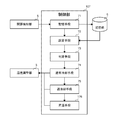
- FIG. It is a functional block diagram which shows the control part 7 which concerns on Embodiment 1.
- FIG. It is a flowchart which shows the operation of the control part 7 which concerns on Embodiment 1.
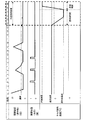
- FIG. It is a graph which shows the number of door opening and the temperature of a storage chamber 22 which concerns on Embodiment 1.
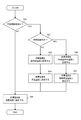
- FIG. It is a flowchart which shows the operation of the control part 7 which concerns on Embodiment 1.
- FIG. It is a functional block diagram which shows the control part 107 which concerns on Embodiment 2.
- FIG. 1 It is a front view which shows the refrigerator 1 which concerns on Embodiment 1.
- FIG. is a block diagram which shows the chilled chamber 32 which concerns on Embodiment 1.
- FIG. It is a functional block diagram which shows the control part 7 which concerns on Em
- FIG. It is a flowchart which shows the operation of the control part 107 which concerns on Embodiment 2.
- FIG. It is a graph which shows the number of times of door opening and the temperature of a storage chamber 22 which concerns on Embodiment 2.
- FIG. It is a functional block diagram which shows the control part 207 which concerns on Embodiment 3.
- FIG. It is a flowchart which shows the operation of the control unit 207 which concerns on Embodiment 3.
- FIG. 1 is a front view showing the refrigerator 1 according to the first embodiment.
- FIG. 2 is a configuration diagram showing a chilled chamber 32 according to the first embodiment.
- the refrigerator 1 includes a heat insulating box 2, a temperature adjusting unit 3, a temperature detecting unit 4, a door opening detecting unit 5, a storage unit 6, and a control unit 7.
- the heat insulating box 2 has a substantially rectangular parallelepiped box shape, and is filled between the outer box 11 constituting the outer shell, the inner box 12 provided inside the outer box 11, and the outer box 11 and the inner box 12. It is made of a heat insulating material 13.
- the outer box 11 is made of steel, for example.
- the inner box 12 is made of, for example, a thin-walled and hard ABS resin.
- the heat insulating material 13 is, for example, a rigid urethane foam. Further, the inside of the heat insulating box 2 is divided into a storage space 17, a cooling chamber (not shown), and an air passage 16 by a partition plate 15.
- the storage space 17 is divided into a plurality of storage chambers 22 by partition members 21 extending in the horizontal direction and the vertical direction.
- the storage chamber 22 is a space in which foods and other objects to be cooled are stored, and includes a refrigerator compartment 31, a chilled chamber 32, a switching chamber 33, an ice making chamber 34, a vegetable compartment 35, and a freezer compartment 36.
- the front surface of the heat insulating box 2 is covered with a plurality of doors 14 that open and close each storage chamber 22.
- the door 14 includes a refrigerating room door 41, a switching room door 43, an ice making room door 44, a vegetable room door 45, and a freezing room door 46.
- the refrigerating chamber 31 is formed at the top of the refrigerator 1 to cool and store food and the like.
- the refrigerating chamber 31 is maintained in a refrigerating temperature range of, for example, about 3 ° C. by the temperature adjusting unit 3.
- a food storage shelf 42 is installed in the horizontal direction. Food or the like is placed on the food storage shelf 42 and refrigerated.
- a refrigerating room door 41 is located in front of the refrigerating room 31.
- the refrigerating room door 41 is a double door that opens and closes the refrigerating room 31. Further, the refrigerating room door 41 is provided with a setting operation unit 51 in which the user performs operations such as temperature setting in the storage room 22.
- the chilled chamber 32 is formed as a part of the refrigerating chamber 31, and is surrounded by a box-shaped food storage case 52 having an open upper surface.
- the food storage case 52 is made of polystyrene, for example.
- the chilled chamber 32 is maintained in a chilled temperature range of, for example, about 0 ° C. by the temperature adjusting unit 3.
- the chilled temperature range may be -3 ° C to 3 ° C.
- the switching chamber 33 is formed below the refrigerating chamber 31.
- the switching chamber 33 is maintained in a temperature zone selected from, for example, a freezing temperature zone of about ⁇ 18 ° C. or a soft freezing temperature zone of about ⁇ 7 ° C. by the temperature adjusting unit 3.
- the soft freezing temperature range may be a temperature of ⁇ 10 ° C. to -4 ° C.
- the switching chamber door 43 is located in front of the switching chamber 33.
- the switching chamber door 43 is a pull-out type door that opens and closes the switching chamber 33.
- the ice making chamber 34 is formed on the side of the switching chamber 33 to manufacture and store ice.
- the ice making chamber 34 is maintained in a freezing temperature range of, for example, about -18 ° C. by the temperature adjusting unit 3.
- the ice making chamber door 44 is located in front of the ice making chamber 34.
- the ice making chamber door 44 is a pull-out type door that opens and closes the ice making chamber 34.
- the vegetable compartment 35 is formed below the switching chamber 33 and the ice making chamber 34, and mainly stores vegetables.
- the vegetable compartment 35 is maintained in a refrigerated temperature range of, for example, about 6 ° C. by the temperature adjusting unit 3. Further, the humidity of the vegetable compartment 35 may be adjusted in addition to the temperature.
- the vegetable room door 45 is located in front of the vegetable room 35.
- the vegetable compartment door 45 is a drawer-type door that opens and closes the vegetable compartment 35.
- the freezing chamber 36 is formed below the vegetable compartment 35 to freeze and store foods and the like.
- the freezing chamber 36 is maintained in a freezing temperature range of, for example, about -18 ° C. by the temperature adjusting unit 3.
- a freezing room door 46 is located in front of the freezing room 36.
- the freezing room door 46 is a pull-out type door that opens and closes the freezing room 36.
- the number and arrangement of the storage chambers 22 are not limited to the above configuration.
- the cooling chamber is a space formed behind the heat insulating box 2 and in which a blower fan (not shown), a cooler (not shown), and the like included in the temperature adjusting unit 3 described later are arranged.
- the air passage 16 is a space formed behind the heat insulating box 2 and through which the cool air generated by the cooler and sent by the blower fan passes.
- the temperature adjusting unit 3 is a device that adjusts the temperature of the storage chamber 22.
- the temperature control unit 3 includes a compressor (not shown), a condenser (not shown), an expansion unit (not shown), a cooler (not shown), a blower fan (not shown), and a damper 61. ..
- the compressor sucks in a low-temperature and low-pressure refrigerant, compresses the sucked refrigerant into a high-temperature and high-pressure refrigerant, and discharges the sucked refrigerant.
- the condenser exchanges heat between high-temperature and high-pressure refrigerant and air.
- the expansion portion is a pressure reducing valve or an expansion valve that decompresses and expands the refrigerant.
- the cooler is provided upstream of the air passage 16 and exchanges heat between low-temperature and low-pressure refrigerant and air as an evaporator to cool the air.
- the blower fan blows the cold air generated by the cooler into the storage space 17.
- the damper 61 controls the amount of cold air sent to the storage space 17 by adjusting the opening degree.
- the refrigerant sucked into the compressor is compressed by the compressor and discharged in a high-temperature and high-pressure gas state.
- the high-temperature and high-pressure gas-like refrigerant discharged from the compressor flows into the condenser.
- the refrigerant that has flowed into the condenser exchanges heat with air, condenses, and liquefies.
- the liquid-state refrigerant flows into the expansion portion, is depressurized and expanded, and becomes a low-temperature and low-pressure gas-liquid two-phase state refrigerant.
- the gas-liquid two-phase refrigerant flows into a cooler that acts as an evaporator.
- the refrigerant that has flowed into the cooler exchanges heat with air, evaporates, and gasifies. At this time, the inside of the heat insulating box 2 is cooled by the cooled air. After that, the evaporated low-temperature and low-pressure gas-like refrigerant is sucked into the compressor.
- the temperature detection unit 4 is provided in each storage chamber 22 and detects the temperature of each storage chamber 22.
- the temperature detection unit 4 is, for example, a thermistor.
- the door opening detection unit 5 is provided on each door 14 and detects that each door 14 has been opened.
- the storage unit 6 stores the number of times the door is opened, which is the number of times the door opening detecting unit 5 detects the opening of the door 14, at predetermined time intervals.
- the predetermined time is, for example, one hour.
- Control unit 7 The control unit 7 is provided inside the heat insulating box 2.
- the control unit 7 sets a target temperature and controls the temperature adjusting unit 3 so that the temperature detected by the temperature detecting unit 4 in the chilled chamber 32 reaches the target temperature.
- the control unit 7 controls, for example, the opening degree of the damper 61, the output of the compressor, the amount of air blown by the blower fan, and the like.
- the control unit 7 may control the temperature adjustment unit 3 so that the temperature detected by the temperature detection unit 4 in the storage chamber 22 other than the chilled chamber 32 reaches the target temperature.
- FIG. 3 is a functional block diagram showing the control unit 7 according to the first embodiment.
- the control unit 7 includes a storage means 71, a setting means 72, a determination means 73, a normal cooling means 74, and a supercooling means 75.
- the storage means 71, the setting means 72, the determination means 73, the normal cooling means 74, and the supercooling means 75 are made of an algorithm.
- the storage means 71 stores the number of times the door is opened in the storage unit 6 at predetermined time intervals. For example, the storage means 71 is executed every time the door opening detection unit 5 detects the opening / closing of the door 14.
- the setting means 72 sets a time zone in which the number of times the door is opened in each predetermined time stored in the storage unit 6 is less than the threshold value as an unused time zone.
- the non-use time zone is a time zone indicating a time zone in which the door 14 is opened and closed infrequently. That is, it is assumed that the user is not active in the house due to going to bed or going out during the non-use time.
- As the number of door openings for example, a value obtained by averaging the number of door openings in the same time zone on each day of the most recent week excluding the current day is used.
- the setting means 72 updates the unused time zone based on the average number of door openings in the last week including the number of door openings for the previous day.
- the threshold value is a predetermined number of times, for example, 0.3 times.
- the unused time zone may be set in advance.
- the determination means 73 determines whether or not the time zone in which the control unit 7 is performing processing corresponds to the unused time zone.
- the normal cooling means 74 sets the target temperature to the normal temperature in a time zone other than the non-use time zone.
- the normal temperature is, for example, a predetermined temperature of about 0 ° C.
- the supercooling means 75 sets the target temperature to the supercooling temperature so that the object to be cooled is below the freezing point during the non-use time zone.
- the supercooling temperature is a temperature lower than the normal temperature, for example, about -3 ° C.
- the setting of the supercooling temperature is continued for the supercooling time.
- the supercooling time is a predetermined time that is equal to or less than the length of the unused time zone.
- FIG. 4 is a flowchart showing the operation of the control unit 7 according to the first embodiment.
- FIG. 5 is a graph showing the number of times the door is opened and the temperature of the storage chamber 22 according to the first embodiment.
- the upper graph of FIG. 5 shows the transition of the average number of door openings in the last week excluding the current day.
- the graph in the middle shows the transition of the number of detected door openings on the day.
- the lower graph shows the transition of the temperature in the chilled chamber 32.
- a procedure for the control unit 7 to set an unused time zone will be described with reference to FIG.
- the storage means 71 stores the number of times the door is opened in the storage unit 6 at predetermined time intervals (step S1).
- the setting means 72 sets the unused time zone (step S2). In the first embodiment, as shown in FIG. 5, the period from 18:00 to 24:00 is set as the non-use time zone.
- FIG. 6 is a flowchart showing the operation of the control unit 7 according to the first embodiment.
- the determination means 73 determines whether or not the time zone during processing corresponds to the unused time zone (step S5).
- the normal cooling means 74 sets the target temperature to the normal temperature (step S6).
- the supercooling means 75 sets the target temperature to the supercooling temperature (step S7).
- the control unit 7 repeatedly executes such a procedure at regular intervals.
- the refrigerator 1 cools the object to be cooled such as food to a temperature below the freezing point during the non-use time.
- the user has few opportunities to use the refrigerator 1. Therefore, the supercooled state of the food or the like stored in the refrigerator 1 is not released due to the temperature change caused by opening and closing the door 14 of the refrigerator 1. Therefore, the refrigerator 1 can maintain the supercooled state of the stored food or the like and operate so that the food or the like does not freeze.
- the control unit 7 sets the non-use time zone by using the door opening detection unit 5. Therefore, the control unit 7 sets the non-use time zone according to the usage situation of the refrigerator 1 based on the real life of the user. That is, the door 14 of the refrigerator 1 is more difficult to open and close during the non-use time zone. Therefore, the refrigerator 1 can maintain the supercooled state of the stored foods and the like, and can more reliably perform the operation so that the foods and the like do not freeze.
- FIG. 7 is a functional block diagram showing the control unit 107 according to the second embodiment. As shown in FIG. 7, the second embodiment is different from the first embodiment in that the control unit 107 further includes the temperature raising means 176.
- the same parts as those in the first embodiment are designated by the same reference numerals, the description thereof will be omitted, and the differences from the first embodiment will be mainly described.
- Control unit 107 In the refrigerator 101, the control unit 107 further includes a temperature raising means 176.
- the heating means 176 comprises an algorithm.
- the temperature raising means 176 sets the target temperature to the temperature rising temperature during the non-use time zone.
- the temperature rise temperature is a temperature exceeding the normal temperature, for example, 2 ° C.
- the setting of the temperature rise temperature is continued for the temperature rise time after the lapse of the supercooling time.
- the temperature rising time is a predetermined time that is equal to or less than the length of the unused time zone.
- FIG. 8 is a flowchart showing the operation of the control unit 107 according to the second embodiment.
- FIG. 9 is a graph showing the number of times the door is opened and the temperature of the storage chamber 22 according to the second embodiment.
- the upper to lower graphs in FIG. 9 correspond to those shown in the upper to lower graphs of FIG.
- the procedure in which the control unit 107 cools the chilled chamber 32 will be described with reference to FIG.
- the determination means 73 determines whether or not the time zone during processing corresponds to the unused time zone (step S15). When it is not in the unused time zone (NO in step S15), the normal cooling means 74 sets the target temperature to the normal temperature (step S16).
- the supercooling means 75 sets the target temperature to the supercooling temperature (step S17). At this time, as shown in the lower part of FIG. 9, the temperature inside the chilled chamber 32 drops to the supercooling temperature during the non-use time zone. After the lapse of the supercooling time, the temperature raising means 176 sets the target temperature to the temperature rising temperature (step S18). At this time, as shown in the lower part of FIG. 9, the temperature in the chilled chamber 32 rises to the temperature rising temperature during the non-use time zone. Further, after the elapse of the temperature rising time, the normal cooling means 74 sets the target temperature to the normal temperature (step S16). The control unit 107 repeatedly executes such a procedure at regular intervals.
- the control unit 107 has a temperature raising means 176. Therefore, the refrigerator 101 raises the temperature of food or the like by the end of the non-use time zone. That is, the foods and the like stored in the refrigerator 101 outside the non-use time zone are not frozen or have a low freezing rate. Therefore, the refrigerator 101 can further eliminate the trouble of thawing foods and the like.
- FIG. 10 is a functional block diagram showing the control unit 207 according to the third embodiment.
- the third embodiment is the second embodiment in that the control unit 207 further includes a special setting means 277, a special determination means 278, a special supercooling means 279, and a special temperature raising means 280. Is different from.
- the same parts as those in the second embodiment are designated by the same reference numerals, and the description thereof will be omitted, and the differences from the second embodiment will be mainly described.
- control unit 207 In the refrigerator 201, the control unit 207 further includes a special setting means 277, a special determination means 278, a special supercooling means 279, and a special temperature raising means 280.
- the special setting means 277, the special determination means 278, the special supercooling means 279, and the special heating means 280 are made of algorithms.
- the special setting means 277 sets a day having a time zone in which the number of door openings stored in the storage unit 6 is within a predetermined special threshold range other than the unused time zone as a special control day.
- the special control day indicates the day when a special temperature is set as the target temperature. Holidays are assumed as special control days.
- the special threshold range is a predetermined number of times, for example, 0.5 times or less.
- the special setting means 277 is executed at predetermined time intervals. The special setting means 277 may be executed every time the door opening detection unit 5 detects the opening / closing of the door 14. Further, the special control date may be set in advance.
- the special determination means 278 determines whether or not the date on which the control unit 207 is processing corresponds to the special control date.
- the special determination means 278 is executed when the determination means 73 determines that the time zone in which the control unit 207 is performing processing corresponds to the unused time zone.
- the special determination means 278 may be executed after the special setting means 277 at predetermined time intervals.
- the special supercooling means 279 sets the target temperature to the special supercooling temperature so that the object to be cooled is below the freezing point during the non-use time zone on the special control day.
- the special supercooling temperature is a temperature above the supercooling temperature and below the normal temperature.
- the setting of the special supercooling temperature is continued for the special supercooling time.
- the special supercooling time is a predetermined time that is equal to or less than the length of the unused time zone.
- the special temperature rise means 280 sets the target temperature to the special temperature rise temperature during the non-use time zone on the special control day.
- the special temperature rise temperature is a temperature above the normal temperature and below the temperature rise temperature.
- the setting of the special temperature rise temperature is continued for the special temperature rise time after the lapse of the special supercooling time.
- the special temperature rise time is a predetermined time that is equal to or less than the length of the unused time zone.
- FIG. 11 is a flowchart showing the operation of the control unit 207 according to the third embodiment.
- FIG. 12 is a graph showing the number of times the door is opened and the temperature of the storage chamber 22 according to the third embodiment.
- the upper to lower graphs in FIG. 12 correspond to those shown in the upper to lower graphs of FIGS. 5 and 9.
- a procedure for the control unit 207 to set an unused time zone and a special control date will be described with reference to FIG.
- the storage means 71 stores the number of times the door is opened in the storage unit 6 at predetermined time intervals (step S21).
- the special setting means 277 sets a special control date (step S22). As shown in the middle part of FIG.
- the door is opened 0 times in each time zone on that day, so that it is set as a special control day.
- the setting means 72 sets the unused time zone (step S23). At this time, as shown in FIG. 12, the period from 18:00 to 24:00 is set as the non-use time zone.
- FIG. 13 is a flowchart showing the operation of the control unit 207 according to the third embodiment. The procedure in which the control unit 207 cools the chilled chamber 32 will be described with reference to FIG. First, the determination means 73 determines whether or not the time zone during processing corresponds to the unused time zone (step S15). When it is not in the non-use time zone (NO in step S25), the normal cooling means 74 sets the target temperature to the normal temperature (step S26).
- the special determination means 278 determines whether the current day is a special control day (step S27). If it is not a special control day (NO in step S27), the supercooling means 75 sets the target temperature to the supercooling temperature (step S28). As a result, as shown in FIG. 12, the temperature inside the chilled chamber 32 drops to the supercooling temperature during the non-use time zone. After the lapse of the supercooling time, the temperature raising means 176 sets the target temperature to the temperature rising temperature (step S29). As a result, as shown in FIG. 12, the temperature inside the chilled chamber 32 rises to the temperature rising temperature during the non-use time zone. Further, after the elapse of the temperature rising time, the normal cooling means 74 sets the target temperature to the normal temperature (step S26).
- the special supercooling means 279 sets the target temperature to the special supercooling temperature (step S30).
- the temperature inside the chilled chamber 32 drops to the special supercooling temperature during the non-use time zone.
- the special heating means 280 sets the target temperature to the special heating temperature (step S31).
- the temperature inside the chilled chamber 32 rises to the special temperature rise temperature during the non-use time zone.
- the normal cooling means 74 sets the target temperature to the normal temperature (step S26).
- the control unit 207 repeatedly executes such a procedure at regular intervals.
- the control unit 207 has a special supercooling means 279 that sets the target temperature to a special supercooling temperature exceeding the supercooling temperature.
- a special supercooling temperature exceeding the supercooling temperature. Therefore, foods and the like stored in the refrigerator 201 are unlikely to freeze even when the door 14 is opened and closed. Therefore, the refrigerator 201 can maintain the supercooled state of the stored foods and the like, and can more reliably perform the operation so that the foods and the like do not freeze.
- the control unit 207 has a special temperature raising means 280 that sets the target temperature to a special temperature rising temperature lower than the temperature rising temperature.
- a special temperature raising means 280 that sets the target temperature to a special temperature rising temperature lower than the temperature rising temperature.
- the door 14 is more likely to be opened and closed during non-use hours than on normal days.
- the target temperature is set to a special temperature rise temperature lower than the temperature rise temperature. Therefore, the refrigerator 201 can suppress the temperature rise of the stored foods and the like and maintain the storage quality even when the door 14 is opened and closed.
- the control unit 7, the control unit 107, and the control unit 207 are CPUs (Central Processing Units, Central Processing Units, Processing Units, Arithmetic Logic Units, Microprocessors, etc.) that execute programs stored in dedicated hardware or storage units 6. It is composed of a microcomputer or a processor).
- Control unit 7, control unit 107 and control unit 207 When is a dedicated hardware, the control unit 7, the control unit 107, and the control unit 207 may be, for example, a single circuit, a composite circuit, an ASIC (Application Specific Integrated Circuit), an FPGA (Field-Programmable Gate Array), or A combination of these is applicable.
- Each of the functional units realized by the control unit 7, the control unit 107, and the control unit 207 may be realized by individual hardware, or each functional unit may be realized by one hardware.
- control unit 7, the control unit 107, and the control unit 207 are CPUs
- each function executed by the control unit 7, the control unit 107, and the control unit 207 is realized by software, firmware, or a combination of software and firmware.
- the software and firmware are described as programs and stored in the storage unit 6.
- the CPU realizes each function by reading and executing the program stored in the storage unit 6.
- the storage unit 6 is, for example, a non-volatile or volatile semiconductor memory such as a RAM, a ROM, a flash memory, an EPROM, or an EEPROM.
- a part of the functions of the control unit 7, the control unit 107, and the control unit 207 may be realized by dedicated hardware, and a part may be realized by software or firmware.
Landscapes
- Engineering & Computer Science (AREA)
- Chemical & Material Sciences (AREA)
- Combustion & Propulsion (AREA)
- Physics & Mathematics (AREA)
- Mechanical Engineering (AREA)
- Thermal Sciences (AREA)
- General Engineering & Computer Science (AREA)
- Devices That Are Associated With Refrigeration Equipment (AREA)
Priority Applications (6)
| Application Number | Priority Date | Filing Date | Title |
|---|---|---|---|
| AU2020421719A AU2020421719B2 (en) | 2020-01-16 | 2020-01-16 | Refrigerator |
| CN202080092338.8A CN114930101B (zh) | 2020-01-16 | 2020-01-16 | 冰箱 |
| PCT/JP2020/001309 WO2021144926A1 (ja) | 2020-01-16 | 2020-01-16 | 冷蔵庫 |
| JP2021570573A JP7262622B2 (ja) | 2020-01-16 | 2020-01-16 | 冷蔵庫 |
| MYPI2022003609A MY199123A (en) | 2020-01-16 | 2020-01-16 | Refrigerator |
| TW109146178A TWI779439B (zh) | 2020-01-16 | 2020-12-25 | 冰箱 |
Applications Claiming Priority (1)
| Application Number | Priority Date | Filing Date | Title |
|---|---|---|---|
| PCT/JP2020/001309 WO2021144926A1 (ja) | 2020-01-16 | 2020-01-16 | 冷蔵庫 |
Publications (1)
| Publication Number | Publication Date |
|---|---|
| WO2021144926A1 true WO2021144926A1 (ja) | 2021-07-22 |
Family
ID=76864386
Family Applications (1)
| Application Number | Title | Priority Date | Filing Date |
|---|---|---|---|
| PCT/JP2020/001309 Ceased WO2021144926A1 (ja) | 2020-01-16 | 2020-01-16 | 冷蔵庫 |
Country Status (6)
| Country | Link |
|---|---|
| JP (1) | JP7262622B2 (https=) |
| CN (1) | CN114930101B (https=) |
| AU (1) | AU2020421719B2 (https=) |
| MY (1) | MY199123A (https=) |
| TW (1) | TWI779439B (https=) |
| WO (1) | WO2021144926A1 (https=) |
Cited By (2)
| Publication number | Priority date | Publication date | Assignee | Title |
|---|---|---|---|---|
| CN116182504A (zh) * | 2023-03-08 | 2023-05-30 | 广东哈士奇制冷科技股份有限公司 | 一种冰箱制冷量控制方法、智能冰箱及可读存储介质 |
| CN116857892A (zh) * | 2023-07-18 | 2023-10-10 | 珠海格力电器股份有限公司 | 温度控制方法、装置、电子设备及存储介质 |
Citations (7)
| Publication number | Priority date | Publication date | Assignee | Title |
|---|---|---|---|---|
| JPH05149657A (ja) * | 1991-04-01 | 1993-06-15 | Samsung Electronics Co Ltd | 冷蔵庫の温度調整装置 |
| JP2003322447A (ja) * | 2002-04-30 | 2003-11-14 | Jinichi Fujiya | 生鮮食品の冷蔵装置 |
| JP2009024951A (ja) * | 2007-07-20 | 2009-02-05 | Mitsubishi Electric Corp | 冷蔵庫、冷凍保存方法 |
| JP2009222245A (ja) * | 2008-03-13 | 2009-10-01 | Mitsubishi Electric Corp | 冷蔵庫 |
| JP2010261677A (ja) * | 2009-05-11 | 2010-11-18 | Mitsubishi Electric Corp | 冷蔵庫 |
| JP2013250006A (ja) * | 2012-05-31 | 2013-12-12 | Mitsubishi Electric Corp | 冷蔵庫 |
| JP2015218987A (ja) * | 2014-05-20 | 2015-12-07 | 三菱電機株式会社 | 冷蔵庫 |
Family Cites Families (7)
| Publication number | Priority date | Publication date | Assignee | Title |
|---|---|---|---|---|
| JPH117576A (ja) * | 1997-06-17 | 1999-01-12 | Matsushita Refrig Co Ltd | 自動販売機の庫内温度制御装置 |
| US20100083687A1 (en) * | 2007-04-17 | 2010-04-08 | Mitsubishi Electric Corporation | Refrigerator and frozen food preservation method |
| JP4840469B2 (ja) * | 2009-03-27 | 2011-12-21 | パナソニック株式会社 | 過冷却制御冷蔵庫 |
| JP2013148326A (ja) * | 2011-12-20 | 2013-08-01 | Sharp Corp | 冷蔵庫 |
| JP2015183863A (ja) * | 2014-03-20 | 2015-10-22 | 三菱電機株式会社 | 冷蔵庫 |
| JP6305305B2 (ja) * | 2014-10-14 | 2018-04-04 | 三菱電機株式会社 | 冷蔵庫 |
| SG11201906625TA (en) * | 2017-04-10 | 2019-10-30 | Mitsubishi Electric Corp | Refrigerator |
-
2020
- 2020-01-16 JP JP2021570573A patent/JP7262622B2/ja active Active
- 2020-01-16 MY MYPI2022003609A patent/MY199123A/en unknown
- 2020-01-16 AU AU2020421719A patent/AU2020421719B2/en active Active
- 2020-01-16 WO PCT/JP2020/001309 patent/WO2021144926A1/ja not_active Ceased
- 2020-01-16 CN CN202080092338.8A patent/CN114930101B/zh active Active
- 2020-12-25 TW TW109146178A patent/TWI779439B/zh active
Patent Citations (7)
| Publication number | Priority date | Publication date | Assignee | Title |
|---|---|---|---|---|
| JPH05149657A (ja) * | 1991-04-01 | 1993-06-15 | Samsung Electronics Co Ltd | 冷蔵庫の温度調整装置 |
| JP2003322447A (ja) * | 2002-04-30 | 2003-11-14 | Jinichi Fujiya | 生鮮食品の冷蔵装置 |
| JP2009024951A (ja) * | 2007-07-20 | 2009-02-05 | Mitsubishi Electric Corp | 冷蔵庫、冷凍保存方法 |
| JP2009222245A (ja) * | 2008-03-13 | 2009-10-01 | Mitsubishi Electric Corp | 冷蔵庫 |
| JP2010261677A (ja) * | 2009-05-11 | 2010-11-18 | Mitsubishi Electric Corp | 冷蔵庫 |
| JP2013250006A (ja) * | 2012-05-31 | 2013-12-12 | Mitsubishi Electric Corp | 冷蔵庫 |
| JP2015218987A (ja) * | 2014-05-20 | 2015-12-07 | 三菱電機株式会社 | 冷蔵庫 |
Cited By (3)
| Publication number | Priority date | Publication date | Assignee | Title |
|---|---|---|---|---|
| CN116182504A (zh) * | 2023-03-08 | 2023-05-30 | 广东哈士奇制冷科技股份有限公司 | 一种冰箱制冷量控制方法、智能冰箱及可读存储介质 |
| CN116857892A (zh) * | 2023-07-18 | 2023-10-10 | 珠海格力电器股份有限公司 | 温度控制方法、装置、电子设备及存储介质 |
| CN116857892B (zh) * | 2023-07-18 | 2026-01-20 | 珠海格力电器股份有限公司 | 温度控制方法、装置、电子设备及存储介质 |
Also Published As
| Publication number | Publication date |
|---|---|
| AU2020421719B2 (en) | 2023-09-14 |
| AU2020421719A1 (en) | 2022-08-04 |
| TW202129209A (zh) | 2021-08-01 |
| JP7262622B2 (ja) | 2023-04-21 |
| MY199123A (en) | 2023-10-16 |
| CN114930101B (zh) | 2024-05-28 |
| TWI779439B (zh) | 2022-10-01 |
| JPWO2021144926A1 (https=) | 2021-07-22 |
| CN114930101A (zh) | 2022-08-19 |
Similar Documents
| Publication | Publication Date | Title |
|---|---|---|
| CN111854281B (zh) | 冰箱 | |
| KR20180055242A (ko) | 냉장고 및 그 제어방법 | |
| TWI779439B (zh) | 冰箱 | |
| US20090113902A1 (en) | Control method for a refrigerator | |
| JP2012042143A (ja) | 冷蔵庫 | |
| TWI747106B (zh) | 冰箱 | |
| WO2022172317A1 (ja) | 冷蔵庫 | |
| JP2007107815A (ja) | 冷却貯蔵庫及びその運転方法 | |
| KR20200000089A (ko) | 냉장고의 제어방법 | |
| JP2015036600A (ja) | 冷蔵庫 | |
| JP2008292060A (ja) | 冷蔵庫 | |
| HK40078469A (en) | Refrigerator | |
| JP7286008B2 (ja) | 冷蔵庫 | |
| JP5579290B1 (ja) | 冷蔵庫 | |
| HK40078469B (zh) | 冰箱 | |
| JP5791425B2 (ja) | 冷凍冷蔵庫 | |
| JP2024070708A (ja) | 冷蔵庫及び判定方法 | |
| JP2009222244A (ja) | 冷凍冷蔵庫 | |
| KR100678777B1 (ko) | 냉장고 | |
| TWI636226B (zh) | Refrigerator with independent greenhouse | |
| JP7389709B2 (ja) | 冷蔵庫 | |
| JP7387024B2 (ja) | 冷蔵庫 | |
| JP2002228322A (ja) | 冷蔵庫のヒータ制御方法 | |
| JP2022090530A (ja) | 冷蔵庫 | |
| KR100614314B1 (ko) | 냉장고의 냉동 시스템 및 냉동 시스템의 운전방법 |
Legal Events
| Date | Code | Title | Description |
|---|---|---|---|
| 121 | Ep: the epo has been informed by wipo that ep was designated in this application |
Ref document number: 20913411 Country of ref document: EP Kind code of ref document: A1 |
|
| ENP | Entry into the national phase |
Ref document number: 2021570573 Country of ref document: JP Kind code of ref document: A |
|
| ENP | Entry into the national phase |
Ref document number: 2020421719 Country of ref document: AU Date of ref document: 20200116 Kind code of ref document: A |
|
| NENP | Non-entry into the national phase |
Ref country code: DE |
|
| 122 | Ep: pct application non-entry in european phase |
Ref document number: 20913411 Country of ref document: EP Kind code of ref document: A1 |