WO2020009015A1 - 硬化性組成物、膜、近赤外線カットフィルタ、固体撮像素子、画像表示装置、赤外線センサ及びカメラモジュール - Google Patents
硬化性組成物、膜、近赤外線カットフィルタ、固体撮像素子、画像表示装置、赤外線センサ及びカメラモジュール Download PDFInfo
- Publication number
- WO2020009015A1 WO2020009015A1 PCT/JP2019/025810 JP2019025810W WO2020009015A1 WO 2020009015 A1 WO2020009015 A1 WO 2020009015A1 JP 2019025810 W JP2019025810 W JP 2019025810W WO 2020009015 A1 WO2020009015 A1 WO 2020009015A1
- Authority
- WO
- WIPO (PCT)
- Prior art keywords
- group
- compound
- formula
- ring
- curable composition
- Prior art date
- Legal status (The legal status is an assumption and is not a legal conclusion. Google has not performed a legal analysis and makes no representation as to the accuracy of the status listed.)
- Ceased
Links
- 0 CC(C)(C(*1CC2)=C2C(C(C2=C(CC3)C(C4(C)C)=*3c3c4cccc3)=O)=C2O)c2c1cccc2 Chemical compound CC(C)(C(*1CC2)=C2C(C(C2=C(CC3)C(C4(C)C)=*3c3c4cccc3)=O)=C2O)c2c1cccc2 0.000 description 1
Images

Classifications
-
- G—PHYSICS
- G02—OPTICS
- G02B—OPTICAL ELEMENTS, SYSTEMS OR APPARATUS
- G02B5/00—Optical elements other than lenses
- G02B5/20—Filters
- G02B5/208—Filters for use with infrared or ultraviolet radiation, e.g. for separating visible light from infrared and/or ultraviolet radiation
-
- C—CHEMISTRY; METALLURGY
- C08—ORGANIC MACROMOLECULAR COMPOUNDS; THEIR PREPARATION OR CHEMICAL WORKING-UP; COMPOSITIONS BASED THEREON
- C08F—MACROMOLECULAR COMPOUNDS OBTAINED BY REACTIONS ONLY INVOLVING CARBON-TO-CARBON UNSATURATED BONDS
- C08F20/00—Homopolymers and copolymers of compounds having one or more unsaturated aliphatic radicals, each having only one carbon-to-carbon double bond, and only one being terminated by only one carboxyl radical or a salt, anhydride, ester, amide, imide or nitrile thereof
- C08F20/02—Monocarboxylic acids having less than ten carbon atoms, Derivatives thereof
- C08F20/10—Esters
- C08F20/26—Esters containing oxygen in addition to the carboxy oxygen
- C08F20/28—Esters containing oxygen in addition to the carboxy oxygen containing no aromatic rings in the alcohol moiety
-
- C—CHEMISTRY; METALLURGY
- C08—ORGANIC MACROMOLECULAR COMPOUNDS; THEIR PREPARATION OR CHEMICAL WORKING-UP; COMPOSITIONS BASED THEREON
- C08F—MACROMOLECULAR COMPOUNDS OBTAINED BY REACTIONS ONLY INVOLVING CARBON-TO-CARBON UNSATURATED BONDS
- C08F12/00—Homopolymers and copolymers of compounds having one or more unsaturated aliphatic radicals, each having only one carbon-to-carbon double bond, and at least one being terminated by an aromatic carbocyclic ring
- C08F12/02—Monomers containing only one unsaturated aliphatic radical
- C08F12/04—Monomers containing only one unsaturated aliphatic radical containing one ring
- C08F12/06—Hydrocarbons
- C08F12/08—Styrene
-
- C—CHEMISTRY; METALLURGY
- C08—ORGANIC MACROMOLECULAR COMPOUNDS; THEIR PREPARATION OR CHEMICAL WORKING-UP; COMPOSITIONS BASED THEREON
- C08F—MACROMOLECULAR COMPOUNDS OBTAINED BY REACTIONS ONLY INVOLVING CARBON-TO-CARBON UNSATURATED BONDS
- C08F2/00—Processes of polymerisation
- C08F2/44—Polymerisation in the presence of compounding ingredients, e.g. plasticisers, dyestuffs, fillers
-
- C—CHEMISTRY; METALLURGY
- C08—ORGANIC MACROMOLECULAR COMPOUNDS; THEIR PREPARATION OR CHEMICAL WORKING-UP; COMPOSITIONS BASED THEREON
- C08F—MACROMOLECULAR COMPOUNDS OBTAINED BY REACTIONS ONLY INVOLVING CARBON-TO-CARBON UNSATURATED BONDS
- C08F20/00—Homopolymers and copolymers of compounds having one or more unsaturated aliphatic radicals, each having only one carbon-to-carbon double bond, and only one being terminated by only one carboxyl radical or a salt, anhydride, ester, amide, imide or nitrile thereof
- C08F20/02—Monocarboxylic acids having less than ten carbon atoms, Derivatives thereof
- C08F20/10—Esters
-
- C—CHEMISTRY; METALLURGY
- C08—ORGANIC MACROMOLECULAR COMPOUNDS; THEIR PREPARATION OR CHEMICAL WORKING-UP; COMPOSITIONS BASED THEREON
- C08F—MACROMOLECULAR COMPOUNDS OBTAINED BY REACTIONS ONLY INVOLVING CARBON-TO-CARBON UNSATURATED BONDS
- C08F20/00—Homopolymers and copolymers of compounds having one or more unsaturated aliphatic radicals, each having only one carbon-to-carbon double bond, and only one being terminated by only one carboxyl radical or a salt, anhydride, ester, amide, imide or nitrile thereof
- C08F20/02—Monocarboxylic acids having less than ten carbon atoms, Derivatives thereof
- C08F20/52—Amides or imides
- C08F20/54—Amides, e.g. N,N-dimethylacrylamide or N-isopropylacrylamide
- C08F20/56—Acrylamide; Methacrylamide
-
- C—CHEMISTRY; METALLURGY
- C08—ORGANIC MACROMOLECULAR COMPOUNDS; THEIR PREPARATION OR CHEMICAL WORKING-UP; COMPOSITIONS BASED THEREON
- C08F—MACROMOLECULAR COMPOUNDS OBTAINED BY REACTIONS ONLY INVOLVING CARBON-TO-CARBON UNSATURATED BONDS
- C08F220/00—Copolymers of compounds having one or more unsaturated aliphatic radicals, each having only one carbon-to-carbon double bond, and only one being terminated by only one carboxyl radical or a salt, anhydride ester, amide, imide or nitrile thereof
- C08F220/02—Monocarboxylic acids having less than ten carbon atoms; Derivatives thereof
- C08F220/10—Esters
- C08F220/12—Esters of monohydric alcohols or phenols
- C08F220/16—Esters of monohydric alcohols or phenols of phenols or of alcohols containing two or more carbon atoms
- C08F220/18—Esters of monohydric alcohols or phenols of phenols or of alcohols containing two or more carbon atoms with acrylic or methacrylic acids
- C08F220/1807—C7-(meth)acrylate, e.g. heptyl (meth)acrylate or benzyl (meth)acrylate
-
- C—CHEMISTRY; METALLURGY
- C08—ORGANIC MACROMOLECULAR COMPOUNDS; THEIR PREPARATION OR CHEMICAL WORKING-UP; COMPOSITIONS BASED THEREON
- C08F—MACROMOLECULAR COMPOUNDS OBTAINED BY REACTIONS ONLY INVOLVING CARBON-TO-CARBON UNSATURATED BONDS
- C08F220/00—Copolymers of compounds having one or more unsaturated aliphatic radicals, each having only one carbon-to-carbon double bond, and only one being terminated by only one carboxyl radical or a salt, anhydride ester, amide, imide or nitrile thereof
- C08F220/02—Monocarboxylic acids having less than ten carbon atoms; Derivatives thereof
- C08F220/10—Esters
- C08F220/22—Esters containing halogen
- C08F220/24—Esters containing halogen containing perhaloalkyl radicals
-
- C—CHEMISTRY; METALLURGY
- C08—ORGANIC MACROMOLECULAR COMPOUNDS; THEIR PREPARATION OR CHEMICAL WORKING-UP; COMPOSITIONS BASED THEREON
- C08F—MACROMOLECULAR COMPOUNDS OBTAINED BY REACTIONS ONLY INVOLVING CARBON-TO-CARBON UNSATURATED BONDS
- C08F220/00—Copolymers of compounds having one or more unsaturated aliphatic radicals, each having only one carbon-to-carbon double bond, and only one being terminated by only one carboxyl radical or a salt, anhydride ester, amide, imide or nitrile thereof
- C08F220/02—Monocarboxylic acids having less than ten carbon atoms; Derivatives thereof
- C08F220/10—Esters
- C08F220/40—Esters of unsaturated alcohols, e.g. allyl (meth)acrylate
-
- C—CHEMISTRY; METALLURGY
- C08—ORGANIC MACROMOLECULAR COMPOUNDS; THEIR PREPARATION OR CHEMICAL WORKING-UP; COMPOSITIONS BASED THEREON
- C08F—MACROMOLECULAR COMPOUNDS OBTAINED BY REACTIONS ONLY INVOLVING CARBON-TO-CARBON UNSATURATED BONDS
- C08F265/00—Macromolecular compounds obtained by polymerising monomers on to polymers of unsaturated monocarboxylic acids or derivatives thereof as defined in group C08F20/00
- C08F265/04—Macromolecular compounds obtained by polymerising monomers on to polymers of unsaturated monocarboxylic acids or derivatives thereof as defined in group C08F20/00 on to polymers of esters
- C08F265/06—Polymerisation of acrylate or methacrylate esters on to polymers thereof
-
- C—CHEMISTRY; METALLURGY
- C08—ORGANIC MACROMOLECULAR COMPOUNDS; THEIR PREPARATION OR CHEMICAL WORKING-UP; COMPOSITIONS BASED THEREON
- C08K—Use of inorganic or non-macromolecular organic substances as compounding ingredients
- C08K5/00—Use of organic ingredients
- C08K5/0008—Organic ingredients according to more than one of the "one dot" groups of C08K5/01 - C08K5/59
- C08K5/0041—Optical brightening agents, organic pigments
-
- C—CHEMISTRY; METALLURGY
- C08—ORGANIC MACROMOLECULAR COMPOUNDS; THEIR PREPARATION OR CHEMICAL WORKING-UP; COMPOSITIONS BASED THEREON
- C08K—Use of inorganic or non-macromolecular organic substances as compounding ingredients
- C08K5/00—Use of organic ingredients
- C08K5/16—Nitrogen-containing compounds
- C08K5/34—Heterocyclic compounds having nitrogen in the ring
-
- C—CHEMISTRY; METALLURGY
- C08—ORGANIC MACROMOLECULAR COMPOUNDS; THEIR PREPARATION OR CHEMICAL WORKING-UP; COMPOSITIONS BASED THEREON
- C08L—COMPOSITIONS OF MACROMOLECULAR COMPOUNDS
- C08L101/00—Compositions of unspecified macromolecular compounds
-
- C—CHEMISTRY; METALLURGY
- C09—DYES; PAINTS; POLISHES; NATURAL RESINS; ADHESIVES; COMPOSITIONS NOT OTHERWISE PROVIDED FOR; APPLICATIONS OF MATERIALS NOT OTHERWISE PROVIDED FOR
- C09D—COATING COMPOSITIONS, e.g. PAINTS, VARNISHES OR LACQUERS; FILLING PASTES; CHEMICAL PAINT OR INK REMOVERS; INKS; CORRECTING FLUIDS; WOODSTAINS; PASTES OR SOLIDS FOR COLOURING OR PRINTING; USE OF MATERIALS THEREFOR
- C09D151/00—Coating compositions based on graft polymers in which the grafted component is obtained by reactions only involving carbon-to-carbon unsaturated bonds; Coating compositions based on derivatives of such polymers
- C09D151/003—Coating compositions based on graft polymers in which the grafted component is obtained by reactions only involving carbon-to-carbon unsaturated bonds; Coating compositions based on derivatives of such polymers grafted on to macromolecular compounds obtained by reactions only involving unsaturated carbon-to-carbon bonds
-
- G—PHYSICS
- G02—OPTICS
- G02B—OPTICAL ELEMENTS, SYSTEMS OR APPARATUS
- G02B5/00—Optical elements other than lenses
- G02B5/20—Filters
-
- G—PHYSICS
- G02—OPTICS
- G02B—OPTICAL ELEMENTS, SYSTEMS OR APPARATUS
- G02B5/00—Optical elements other than lenses
- G02B5/20—Filters
- G02B5/22—Absorbing filters
- G02B5/223—Absorbing filters containing organic substances, e.g. dyes, inks or pigments
-
- G—PHYSICS
- G03—PHOTOGRAPHY; CINEMATOGRAPHY; ANALOGOUS TECHNIQUES USING WAVES OTHER THAN OPTICAL WAVES; ELECTROGRAPHY; HOLOGRAPHY
- G03F—PHOTOMECHANICAL PRODUCTION OF TEXTURED OR PATTERNED SURFACES, e.g. FOR PRINTING, FOR PROCESSING OF SEMICONDUCTOR DEVICES; MATERIALS THEREFOR; ORIGINALS THEREFOR; APPARATUS SPECIALLY ADAPTED THEREFOR
- G03F7/00—Photomechanical, e.g. photolithographic, production of textured or patterned surfaces, e.g. printing surfaces; Materials therefor, e.g. comprising photoresists; Apparatus specially adapted therefor
- G03F7/0005—Production of optical devices or components in so far as characterised by the lithographic processes or materials used therefor
- G03F7/0007—Filters, e.g. additive colour filters; Components for display devices
-
- G—PHYSICS
- G03—PHOTOGRAPHY; CINEMATOGRAPHY; ANALOGOUS TECHNIQUES USING WAVES OTHER THAN OPTICAL WAVES; ELECTROGRAPHY; HOLOGRAPHY
- G03F—PHOTOMECHANICAL PRODUCTION OF TEXTURED OR PATTERNED SURFACES, e.g. FOR PRINTING, FOR PROCESSING OF SEMICONDUCTOR DEVICES; MATERIALS THEREFOR; ORIGINALS THEREFOR; APPARATUS SPECIALLY ADAPTED THEREFOR
- G03F7/00—Photomechanical, e.g. photolithographic, production of textured or patterned surfaces, e.g. printing surfaces; Materials therefor, e.g. comprising photoresists; Apparatus specially adapted therefor
- G03F7/004—Photosensitive materials
- G03F7/09—Photosensitive materials characterised by structural details, e.g. supports, auxiliary layers
- G03F7/105—Photosensitive materials characterised by structural details, e.g. supports, auxiliary layers having substances, e.g. indicators, for forming visible images
-
- H—ELECTRICITY
- H10—SEMICONDUCTOR DEVICES; ELECTRIC SOLID-STATE DEVICES NOT OTHERWISE PROVIDED FOR
- H10F—INORGANIC SEMICONDUCTOR DEVICES SENSITIVE TO INFRARED RADIATION, LIGHT, ELECTROMAGNETIC RADIATION OF SHORTER WAVELENGTH OR CORPUSCULAR RADIATION
- H10F39/00—Integrated devices, or assemblies of multiple devices, comprising at least one element covered by group H10F30/00, e.g. radiation detectors comprising photodiode arrays
- H10F39/10—Integrated devices
- H10F39/12—Image sensors
- H10F39/18—Complementary metal-oxide-semiconductor [CMOS] image sensors; Photodiode array image sensors
- H10F39/182—Colour image sensors
-
- H—ELECTRICITY
- H10—SEMICONDUCTOR DEVICES; ELECTRIC SOLID-STATE DEVICES NOT OTHERWISE PROVIDED FOR
- H10F—INORGANIC SEMICONDUCTOR DEVICES SENSITIVE TO INFRARED RADIATION, LIGHT, ELECTROMAGNETIC RADIATION OF SHORTER WAVELENGTH OR CORPUSCULAR RADIATION
- H10F39/00—Integrated devices, or assemblies of multiple devices, comprising at least one element covered by group H10F30/00, e.g. radiation detectors comprising photodiode arrays
- H10F39/80—Constructional details of image sensors
- H10F39/805—Coatings
-
- H—ELECTRICITY
- H10—SEMICONDUCTOR DEVICES; ELECTRIC SOLID-STATE DEVICES NOT OTHERWISE PROVIDED FOR
- H10F—INORGANIC SEMICONDUCTOR DEVICES SENSITIVE TO INFRARED RADIATION, LIGHT, ELECTROMAGNETIC RADIATION OF SHORTER WAVELENGTH OR CORPUSCULAR RADIATION
- H10F39/00—Integrated devices, or assemblies of multiple devices, comprising at least one element covered by group H10F30/00, e.g. radiation detectors comprising photodiode arrays
- H10F39/80—Constructional details of image sensors
- H10F39/805—Coatings
- H10F39/8053—Colour filters
-
- H—ELECTRICITY
- H10—SEMICONDUCTOR DEVICES; ELECTRIC SOLID-STATE DEVICES NOT OTHERWISE PROVIDED FOR
- H10F—INORGANIC SEMICONDUCTOR DEVICES SENSITIVE TO INFRARED RADIATION, LIGHT, ELECTROMAGNETIC RADIATION OF SHORTER WAVELENGTH OR CORPUSCULAR RADIATION
- H10F39/00—Integrated devices, or assemblies of multiple devices, comprising at least one element covered by group H10F30/00, e.g. radiation detectors comprising photodiode arrays
- H10F39/80—Constructional details of image sensors
- H10F39/806—Optical elements or arrangements associated with the image sensors
- H10F39/8063—Microlenses
Definitions
- the present invention relates to a curable composition containing a squarylium compound or a croconium compound.
- the present invention relates to a film, a near-infrared cut filter, a solid-state imaging device, an image display device, an infrared sensor, and a camera module.
- Video cameras, digital still cameras, mobile phones with a camera function, etc. use CCDs (charge-coupled devices) or CMOSs (complementary metal oxide semiconductors), which are solid-state image pickup devices for color images. Since these solid-state imaging devices use silicon photodiodes having sensitivity to infrared rays in their light receiving sections, it is necessary to perform visibility correction, and a near-infrared cut filter is often used for this.
- CCDs charge-coupled devices
- CMOSs complementary metal oxide semiconductors
- Patent Documents 1 and 2 describe manufacturing a near-infrared cut filter or the like using a curable composition containing a squarylium compound or a croconium compound.
- Non-Patent Document 1 is a document that describes the relationship between physical property values of squarylium compounds and solar cell characteristics, and describes solar cell characteristics of compounds having the following structures.
- the present inventors have conducted various studies on a film obtained by using a curable composition containing a squarylium compound or a croconium compound, and found that there is room for further improvement in light resistance and moisture resistance.
- Non-Patent Document 1 is a document that describes the relationship between physical property values of squarylium compounds and solar cell characteristics.
- a solar cell characteristic is evaluated by forming a dye vapor-deposited film on aluminum oxide.
- Non-Patent Literature 1 does not disclose the use of a squarylium compound in a curable composition containing a solvent and a curable compound, nor does it suggest that it is used.
- an object of the present invention is to provide a curable composition capable of forming a film having excellent light resistance and moisture resistance.
- Another object of the present invention is to provide a film, a near-infrared cut filter, a solid-state imaging device, an image display device, an infrared sensor, and a camera module.
- the present invention provides the following. ⁇ 1> a compound represented by the following formula (1) or the following formula (2), A curable compound; A solvent, A curable composition comprising: In the formula (1), X 1 and X 2 each independently represent O, S or a dicyanomethylene group, and R 1 and R 2 each independently represent an aryl group, a heterocyclic group, or a group represented by the formula (R1).
- X 3 to X 5 each independently represent O, S, or a dicyanomethylene group, and R 3 and R 4 each independently represent an aryl group, a heterocyclic group, a compound represented by the formula (R1) Or a group represented by the formula (R2), wherein at least one of R 3 and R 4 is a group represented by the formula (R2);
- * represents a bond
- Rs 1 to Rs 3 each independently represent a hydrogen atom or an alkyl group;
- As 3 represents a heterocyclic group
- ns1 represents an integer of 0 or more;
- Rs 1 and Rs 2 may combine with each other to form a ring, Rs 1 and As 3 may combine with each other to form a ring, Rs 2 and Rs 3 may combine with each other to form a ring, If n s1 is 2 or more, plural Rs 2 and Rs 3 may be
- Rt 2 , Rt 11 and Rt 12 each independently represent a substituent
- Rt 13 to Rt 20 each independently represent a hydrogen atom or a substituent
- B2 represents a monocyclic or condensed-ring aromatic ring
- t2 represents an integer of 0 or more
- t11 and t12 each independently represent an integer of 0 to 4
- t11 is 2 or more, a plurality of Rt 11 may be the same or different, may form a ring by bonding two Rt 11 between among the plurality of Rt 11, If t11 is 2 or more, a plurality of Rt 11 may be the same or different, may form a ring by bonding two Rt 11 between among the plurality of Rt 11, If t11 is 2 or more, a plurality of Rt 11 may be the same or different, may form a ring by bonding two Rt 11 between among the plurality of Rt 11,
- the monocyclic or condensed aromatic ring represented by B2 in the formula (R2) is an imidazole ring, an oxazole ring, a thiazole ring, a pyridine ring, a pyrazine ring or a condensed ring containing at least one of these rings.
- ⁇ 5> The compound according to any one of ⁇ 1> to ⁇ 4>, wherein the compound represented by the formula (1) or the formula (2) has a maximum absorption wavelength in a wavelength range of 600 to 1300 nm in a chloroform solution.
- Curable composition. ⁇ 6> When a film having a thickness of 1.0 ⁇ m is formed using the curable composition, the film is formed of a compound represented by the formula (1) or the formula (2) contained in the curable composition.
- the curable composition according to any one of ⁇ 1> to ⁇ 5> which has a maximum absorption wavelength on the longer wavelength side than the maximum absorption wavelength in a chloroform solution.
- ⁇ 7> When a film having a thickness of 1.0 ⁇ m is formed using the curable composition, the film has a maximum absorption wavelength in the range of 700 to 1400 nm, and is one of ⁇ 1> to ⁇ 6>.
- a curable composition according to any one of the above. ⁇ 8> A film obtained from the curable composition according to any one of ⁇ 1> to ⁇ 7>.
- ⁇ 9> A near-infrared cut filter having the film according to ⁇ 8>.
- ⁇ 10> A solid-state imaging device having the film according to ⁇ 8>.
- An image display device comprising the film according to ⁇ 8>.
- ⁇ 12> An infrared sensor having the film according to ⁇ 8>.
- a camera module including a solid-state imaging device and the near-infrared cut filter according to ⁇ 9>.
- a curable composition capable of forming a film having excellent light resistance and moisture resistance can be provided. Further, a film, a near-infrared cut filter, a solid-state imaging device, an image display device, an infrared sensor, and a camera module can be provided.
- the notation that does not indicate substituted or unsubstituted includes a group (atomic group) having a substituent as well as a group (atomic group) having no substituent.
- the “alkyl group” includes not only an alkyl group having no substituent (unsubstituted alkyl group) but also an alkyl group having a substituent (substituted alkyl group).
- the term “exposure” includes not only exposure using light but also drawing using a particle beam such as an electron beam or an ion beam, unless otherwise specified.
- Examples of light used for exposure include an emission line spectrum of a mercury lamp, deep ultraviolet rays represented by an excimer laser, extreme ultraviolet rays (EUV light), X-rays, and active rays such as electron beams or radiation.
- EUV light extreme ultraviolet rays
- active rays such as electron beams or radiation.
- “(meth) acrylate” represents both or either acrylate and methacrylate
- (meth) acryl” represents both or either acryl and methacryl
- Acryloyl represents both acryloyl and methacryloyl, or either.
- the weight average molecular weight and the number average molecular weight are defined as values in terms of polystyrene measured by gel permeation chromatography (GPC).
- the weight average molecular weight (Mw) and the number average molecular weight (Mn) are, for example, HLC-8220GPC (manufactured by Tosoh Corporation) and TOSOH TSKgel Super HZM-H and TOSOH TSKgel Super HZ4000 as columns. It can be determined by using a column connected to TOSOH TSKgel Super HZ2000 and using tetrahydrofuran as a developing solvent.
- Me in the chemical formula represents a methyl group
- Et represents an ethyl group
- Bu represents a butyl group
- Ph represents a phenyl group.
- near-infrared rays refer to light (electromagnetic waves) having a wavelength of 700 to 2500 nm.
- total solids refers to the total mass of components excluding the solvent from all components of the composition.
- step is included not only in an independent step but also in the case where the intended action of the step is achieved even if it cannot be clearly distinguished from other steps. .
- the curable composition of the present invention is characterized by containing a compound represented by the formula (1) or (2) described below, a curable compound, and a solvent.
- the compound represented by the formula (1) is also referred to as compound (1).
- the compound represented by the formula (2) is also referred to as a compound (2).
- Compound (1) and compound (2) are also referred to as compound A.
- the compound A has a group represented by the following formula (R2) by having a group represented by the formula (R2) described below, and the vicinity of a partial structure represented by the following formula (1-a) of the compound (1) or the following formula ( It is estimated that the steric hindrance near the partial structure represented by 2-a) is increased. As a result, it is presumed that the compound A is less likely to be hydrolyzed and excellent moisture resistance was obtained.
- the compound A is represented by the formula (R2) with respect to the dye plane (the site of the formula (1-a) in the compound (1) or the site of the formula (2-a) in the compound (2)). It has a structure where the base overhangs. For this reason, at the time of film formation, compounds A are likely to overlap with each other so as to avoid steric hindrance, and it is assumed that the J-associated sequence of compound A in the film is stable. For this reason, it is presumed that excellent light resistance was obtained.
- the maximum absorption wavelength can be shifted to a longer wavelength side to have absorption at a longer wavelength side. Therefore, by including the compound A in the curable compound, a film having excellent spectral characteristics (for example, a film having spectral characteristics excellent in near-infrared shielding property and visible transparency) can be formed. Further, since the compound A has a group represented by the formula (R2) which is a group having high steric hindrance, it is possible to suppress the particles from being coarsened due to the aggregation of the compounds A at the time of film formation. It is also possible to form a film having better visible transparency.
- R2 which is a group having high steric hindrance
- Patent Document 2 compounds having the following structures are described. According to the study of the present inventors, when the compounds described in Patent Document 2 are used, sufficient light resistance is obtained. Is estimated to be difficult to obtain. It is presumed that the compounds described in Patent Document 2 are likely to form hydrogen bonds at sites surrounded by broken lines in the following structural formula. When the compound has such a hydrogen bonding site, the compound easily interacts with the solvent or the curable compound in the curable composition, and the association formation of the compound is inhibited at the time of film formation, and the J aggregate is formed. It is presumed that it is difficult to form.
- the curable composition of the present invention contains a compound (Compound A) represented by the following formula (1) or (2).
- Compound A is preferably used as a near-infrared absorbing agent.
- X 1 and X 2 each independently represent O, S or a dicyanomethylene group
- R 1 and R 2 each independently represent an aryl group, a heterocyclic group, or a group represented by the formula (R1).
- X 3 to X 5 each independently represent O, S, or a dicyanomethylene group, and R 3 and R 4 each independently represent an aryl group, a heterocyclic group, a compound represented by the formula (R1) Or a group represented by the formula (R2), wherein at least one of R 3 and R 4 is a group represented by the formula (R2);
- * represents a bond
- Rs 1 to Rs 3 each independently represent a hydrogen atom or an alkyl group;
- As 3 represents a heterocyclic group
- ns1 represents an integer of 0 or more;
- Rs 1 and Rs 2 may combine with each other to form a ring, Rs 1 and As 3 may combine with each other to form a ring, Rs 2 and Rs 3 may combine with each other to form a ring, If n s1 is 2 or more, plural Rs 2 and Rs 3 may be
- Compound A (compound represented by the above formula (1) or formula (2)) is preferably a compound having a maximum absorption wavelength in a wavelength range of 600 to 1300 nm in a chloroform solution, and a wavelength range of 650 to 1200 nm. More preferably, the compound has a maximum absorption wavelength in the range of 700 to 1100 nm.
- the maximum absorption wavelength of the compound A in a chloroform solution can be calculated by preparing a chloroform solution of the compound A and measuring the absorbance of the chloroform solution.
- the cation exists in a delocalized manner as described below.
- X 1 and X 2 each independently represent O, S or a dicyanomethylene group, and is preferably O.
- R 1 and R 2 represent each independently an aryl group, a heterocyclic group, group represented by the formula (R1) or a group represented by the formula (R2),
- R 1 and At least one of R 2 is a group represented by the formula (R2), and both R 1 and R 2 are groups represented by the formula (R2) because the effect of the present invention is more easily obtained.
- the carbon number of the aryl group represented by R 1 and R 2 is preferably 6 to 48, more preferably 6 to 22, and particularly preferably 6 to 12.
- the heterocyclic group represented by R 1 and R 2 is preferably a 5- or 6-membered heterocyclic group. Further, the heterocyclic group is preferably a monocyclic heterocyclic group or a condensed ring heterocyclic group having 2 to 8 condensed numbers, and a monocyclic heterocyclic group or a condensed ring heterocyclic group having 2 to 4 condensed numbers.
- a monocyclic heterocyclic group or a condensed ring heterocyclic group having 2 or 3 condensed numbers is more preferable, and a monocyclic heterocyclic group or a condensed ring heterocyclic group having 2 condensed numbers is particularly preferable.
- the hetero atom constituting the ring of the heterocyclic group include a nitrogen atom, an oxygen atom and a sulfur atom, and a nitrogen atom and a sulfur atom are preferred.
- the number of heteroatoms constituting the ring of the heterocyclic group is preferably from 1 to 3, more preferably from 1 to 2.
- Rs 1 to Rs 3 in the formula (R1) each independently represent a hydrogen atom or an alkyl group.
- the carbon number of the alkyl group represented by Rs 1 to Rs 3 is preferably 1 to 20, more preferably 1 to 15, and still more preferably 1 to 8.
- the alkyl group may be linear, branched, or cyclic, and is preferably linear or branched.
- Rs 1 to Rs 3 are preferably hydrogen atoms.
- As 3 in the formula (R1) represents a heterocyclic group. Examples of the heterocyclic group represented by As 3 include the heterocyclic groups described in the section of R 1 and R 2 , and the preferable range is also the same.
- Ns1 in the formula (R1) represents an integer of 0 or more.
- n s1 is preferably an integer of 0 to 2, more preferably 0 or 1, and still more preferably 0.
- R1 In the formula (R1), Rs 1 and Rs 2 may be bonded to each other to form a ring, Rs 1 and As 3 may be bonded to each other to form a ring, and Rs 2 and Rs 3 are May be combined with each other to form a ring.
- the linking group for forming the above ring is preferably a divalent linking group selected from the group consisting of —CO—, —O—, —NH—, an alkylene group having 1 to 10 carbon atoms, and a combination thereof. .
- the alkylene group as the linking group may be unsubstituted or may have a substituent. Examples of the substituent include a substituent T described later and a solubilizing group described later.
- Rt 1 and Rt 2 in the formula (R2) each independently represent a substituent.
- the substituent include a substituent T described later and a solubilizing group described later.
- t1 and t2 each independently represent an integer of 0 or more. If t1 is 2 or more, a plurality of Rt 1 may be the same or different, they may form a ring two Rt 1 between among the plurality of Rt 1 is attached, If t2 is 2 or more, a plurality of Rt 2 may be identical or different, may form a ring two Rt 2 together among the plurality of Rt 2 is bonded to.
- the linking group for forming the above ring is preferably a divalent linking group selected from the group consisting of —CO—, —O—, —NH—, an alkylene group having 1 to 10 carbon atoms, and a combination thereof. .
- the alkylene group as the linking group may be unsubstituted or may have a substituent. Examples of the substituent include a substituent T described later and a solubilizing group described later.
- the nitrogen-containing heterocyclic ring represented by A1 is preferably a 5- to 7-membered ring, more preferably a 5- or 6-membered ring.
- B2 represents a monocyclic or condensed aromatic ring, and is preferably an imidazole ring, an oxazole ring, a thiazole ring, a pyridine ring, a pyrazine ring, or a condensed ring containing at least one of these rings.
- the condensed ring examples include a condensed ring of one or more rings selected from an imidazole ring, an oxazole ring, a thiazole ring, a pyridine ring and a pyrazine ring, and a benzene ring or a naphthalene ring; an imidazole ring, an oxazole ring, a thiazole ring, And a condensed ring of two or more rings selected from a pyridine ring and a pyrazine ring.
- the number of condensed rings is preferably from 2 to 6, more preferably from 2 to 4, because more excellent spectral characteristics are easily obtained.
- the group represented by the formula (R2) is preferably a group represented by any of the following formulas (R2-1) to (R2-4), and the group represented by the formula (R2) is excellent in light resistance. More preferably, it is a group represented by formula (R2-3) or formula (R2-4), and more preferably a group represented by formula (R2-3) because of its excellent light resistance and moisture resistance. preferable.
- Rt 2 , Rt 11 and Rt 12 each independently represent a substituent
- Rt 13 to Rt 20 each independently represent a hydrogen atom or a substituent
- B2 represents a monocyclic or condensed-ring aromatic ring
- t2 represents an integer of 0 or more
- a plurality of Rt 2 may be identical or different, may form a ring two Rt 2 together among the plurality of Rt 2 is attached
- t11 and t12 each independently represent an integer of 0 to 4, If t11 is 2 or more, a plurality of Rt 11 may be the same or different, may form a ring by bonding two Rt 11 between among the plurality of Rt 11, If t12 is 2 or more, a plurality of Rt 12 may be the same or different, may form a ring by bonding two Rt 12 between among the plurality of Rt 12, n1
- Examples of the substituent represented by Rt 2 and Rt 11 to Rt 20 in the above formula include a substituent T described later and a solubilizing group described later.
- the substituent represented by Rt 13 to Rt 20 is preferably an alkyl group.
- BB2 in the above formula represents a monocyclic or condensed-ring aromatic ring.
- B2 has the same meaning as B2 in formula (R2), and the preferred range is also the same.
- the t2 in the above formula represents an integer of 0 or more, when the t2 is 2 or more, each of the plurality of Rt 2 may be the same or different, two Rt 2 together among the plurality of Rt 2 is They may combine to form a ring.
- the linking group for forming the above ring is preferably a divalent linking group selected from the group consisting of —CO—, —O—, —NH—, an alkylene group having 1 to 10 carbon atoms, and a combination thereof. .
- the alkylene group as the linking group may be unsubstituted or may have a substituent. Examples of the substituent include a substituent T described later and a solubilizing group described later.
- T11 and t12 in the above formula each independently represent an integer of 0 to 4, preferably an integer of 0 to 3, more preferably an integer of 0 to 2, and further preferably 0 or 1. preferable. If t11 is 2 or more, a plurality of Rt 11 may be the same or different, may form a ring by bonding two Rt 11 between among the plurality of Rt 11, If t12 is 2 or more, a plurality of Rt 12 may be the same or different, two Rt 12 between may be bonded to form a ring of the plurality of Rt 12.
- the linking group for forming the above ring is preferably a divalent linking group selected from the group consisting of —CO—, —O—, —NH—, an alkylene group having 1 to 10 carbon atoms, and a combination thereof.
- the alkylene group as the linking group may be unsubstituted or may have a substituent. Examples of the substituent include a substituent T described later and a solubilizing group described later.
- n1 represents an integer of 0 to 4
- n2 and n3 each independently represent an integer of 1 to 3, provided that n2 + n3 is an integer of 2 to 4.
- n1 is preferably an integer of 1 to 4, more preferably an integer of 1 to 3, and still more preferably 1 or 2.
- n2 and n3 each independently represent an integer of 1 to 3, preferably 1 or 2, more preferably 1.
- the group represented by the formula (R2) is more preferably a group represented by any of the following formulas (R2-11) to (R2-14). More preferably, it is a group represented by any of the following formulas (R2-11) and (R2-13). According to this embodiment, an effect of excellent moisture resistance can be expected. Further, in the case of the group represented by the following formula (R2-11), an effect that the light resistance is excellent can be expected. Further, in the case of the group represented by the following formula (R2-13), an effect of excellent spectral characteristics can be expected.
- Rt 13 to Rt 20 each independently represent a hydrogen atom or a substituent
- Rt 31 and Rt 32 each independently represent a substituent
- Z 1 represents O, S, NR z1 or CR z2 R z3
- R z1 to R z3 each independently represent a hydrogen atom or a substituent
- t31 represents an integer of 0 to 4
- t32 represents an integer of 0 to 6
- a plurality of Rt 31 may be the same or different, may form a ring by bonding two Rt 31 between among the plurality of Rt 31, If t32 is 2 or more, a plurality of Rt 32 may be the same or different, may form a ring by bonding two Rt 32 between among the plurality of Rt 32
- n1 represents an integer of 0 to 4
- n2 and n3 each independently represent an integer of 1 to 3; provided that n
- Examples of the substituent represented by Rt 13 to Rt 20 , Rt 31 , and Rt 32 in the above formula include a substituent T described later and a solubilizing group described later.
- the substituent represented by Rt 13 to Rt 20 is preferably an alkyl group.
- Z 1 represents O, S, NR z1 or CR z2 R z3 , and R z1 to R z3 each independently represent a hydrogen atom or a substituent.
- Z 1 is preferably O, S or NR z 1 , and more preferably O or S because more excellent light resistance is easily obtained.
- the substituent represented by R z1 to R z3 include a substituent T and a solubilizing group described below.
- R z1 to R z3 are preferably a hydrogen atom, an alkyl group or a solubilizing group described later.
- t31 represents an integer of 0 to 4, preferably an integer of 0 to 3, more preferably an integer of 0 to 2, and still more preferably 0 or 1.
- t32 represents an integer of 0 to 6, preferably an integer of 0 to 5, more preferably an integer of 0 to 4, more preferably an integer of 0 to 3, more preferably an integer of 0 to 2, and 0 or 1 is more preferable. Particularly preferred.
- a plurality of Rt 31 may be the same or different, may form a ring by bonding two Rt 31 between among the plurality of Rt 31, If t32 is 2 or more, a plurality of Rt 32 may be the same or different, two Rt 32 may be bonded to each other to form a ring of the plurality of Rt 32.
- the linking group for forming the above ring is preferably a divalent linking group selected from the group consisting of —CO—, —O—, —NH—, an alkylene group having 1 to 10 carbon atoms, and a combination thereof. .
- the alkylene group as the linking group may be unsubstituted or may have a substituent. Examples of the substituent include a substituent T described later and a solubilizing group described later.
- substituent T examples include a halogen atom, a cyano group, a nitro group, an alkyl group, an alkenyl group, an alkynyl group, an aryl group, a heteroaryl group, -ORt 1 , -CORt 1 , -COORt 1 , -OCORt 1 , -NRt 1 Rt 2 , —NHCORt 1 , —CONRt 1 Rt 2 , —NHCONRt 1 Rt 2 , —NHCOORt 1 , —SRt 1 , —SO 2 Rt 1 , —SO 2 ORt 1 , —NHSO 2 Rt 1, or —SO 2 NRt 1 Rt 2, and the like.
- Rt 1 and Rt 2 each independently represent a hydrogen atom, an alkyl group, an alkenyl group, an alkynyl group, an aryl group or a heteroaryl group. Rt 1 and Rt 2 may combine to form a ring.
- halogen atom examples include a fluorine atom, a chlorine atom, a bromine atom, and an iodine atom.
- the carbon number of the alkyl group is preferably 1 to 20, more preferably 1 to 15, and still more preferably 1 to 8.
- the alkyl group may be linear, branched, or cyclic, and is preferably linear or branched.
- the carbon number of the alkenyl group is preferably 2 to 20, more preferably 2 to 12, and particularly preferably 2 to 8.
- the alkenyl group may be linear, branched, or cyclic, and is preferably linear or branched.
- the carbon number of the alkynyl group is preferably 2 to 40, more preferably 2 to 30, and particularly preferably 2 to 25.
- the alkynyl group may be linear, branched or cyclic, and is preferably linear or branched.
- the carbon number of the aryl group is preferably from 6 to 30, more preferably from 6 to 20, and even more preferably from 6 to 12.
- the heteroaryl group is preferably a monocyclic heteroaryl group or a condensed ring heteroaryl group having 2 to 8 condensed rings, more preferably a monocyclic heteroaryl group or a condensed ring heteroaryl group having 2 to 4 condensed rings. preferable.
- the number of hetero atoms constituting the ring of the heteroaryl group is preferably from 1 to 3.
- the hetero atom constituting the ring of the heteroaryl group is preferably a nitrogen atom, an oxygen atom or a sulfur atom.
- the heteroaryl group is preferably a 5- or 6-membered ring.
- the number of carbon atoms constituting the ring of the heteroaryl group is preferably from 3 to 30, more preferably from 3 to 18, and even more preferably from 3 to 12.
- the alkyl group, alkenyl group, alkynyl group, aryl group and heteroaryl group may have a substituent or may be unsubstituted. Examples of the substituent include the substituents described for the substituent T described above.
- solubilizing group examples include a group represented by the following formula (W). -S 100 -L 100 -T 100 ... (W)
- S 100 represents a single bond, an arylene group or a heteroarylene group, and a single bond is preferable.
- the arylene group may be monocyclic or polycyclic. Monocyclic is preferred.
- the carbon number of the arylene group is preferably from 6 to 20, and more preferably from 6 to 12.
- the heteroarylene group may be monocyclic or polycyclic. Monocyclic is preferred.
- the number of hetero atoms constituting the ring of the heteroarylene group is preferably from 1 to 3.
- the hetero atom constituting the ring of the heteroarylene group is preferably a nitrogen atom, an oxygen atom, a sulfur atom or a selenium atom.
- the number of carbon atoms constituting the ring of the heteroarylene group is preferably from 3 to 30, more preferably from 3 to 18, and still more preferably from 3 to 12.
- L 100 represents an alkylene group, alkenylene group, alkynylene group, —O—, —S—, —NR L1 —, —CO—, —COO—, —OCO—, —CONR L1 —, — NR L1 CO—, —SO 2 —, —OR L2 —, or a group formed by combining these, R L1 represents a hydrogen atom or an alkyl group, and R L2 represents an alkylene group.
- L 100 represents an alkylene group, alkenylene group, alkynylene group, —O—, —S—, —NR L1 —, —COO—, —OCO—, —CONR L1 —, —SO 2 —, —OR L2 —, or It is preferably a group formed by combining these, and more preferably an alkylene group, alkenylene group, —O—, —OR L2 —, or a group formed by combining these from the viewpoint of flexibility and solvent solubility.
- the alkylene group represented by L 100 preferably has 1 to 40 carbon atoms.
- the lower limit is more preferably 3 or more, still more preferably 5 or more, still more preferably 10 or more, and particularly preferably 13 or more.
- the upper limit is more preferably 35 or less, and still more preferably 30 or less.
- the alkylene group may be linear, branched or cyclic, but is preferably a linear or branched alkylene group, and particularly preferably a branched alkylene group.
- the number of branches of the alkylene group is, for example, preferably 2 to 10, more preferably 2 to 8. When the number of branches is within the above range, the solvent solubility is good.
- the alkenylene group and the alkynylene group represented by L 100 preferably have 2 to 40 carbon atoms.
- the lower limit is, for example, preferably 3 or more, more preferably 5 or more, still more preferably 8 or more, and particularly preferably 10 or more.
- the upper limit is more preferably 35 or less, and still more preferably 30 or less.
- the alkenylene group and the alkynylene group may be linear or branched, but are preferably linear or branched, and particularly preferably branched.
- the number of branches is preferably 2 to 10, more preferably 2 to 8. When the number of branches is within the above range, the solvent solubility is good.
- R L1 represents a hydrogen atom or an alkyl group, and is preferably a hydrogen atom.
- the carbon number of the alkyl group is preferably from 1 to 20, more preferably from 1 to 10, still more preferably from 1 to 4, and particularly preferably from 1 to 2.
- the alkyl group may be linear or branched.
- R L2 represents an alkylene group.
- the alkylene group represented by R L2 has the same meaning as the alkylene group described for L 100 , and the preferred range is also the same.
- T 100 represents an alkyl group, a cyano group, a hydroxy group, a formyl group, a carboxyl group, an amino group, a thiol group, a sulfo group, a phosphoryl group, a boryl group, a vinyl group, an ethynyl group, an aryl group, a hetero group.
- the alkyl group, the alkyl group of the trialkylsilyl group and the alkyl group of the trialkoxysilyl group preferably have 1 to 40 carbon atoms.
- the lower limit is more preferably 3 or more, still more preferably 5 or more, still more preferably 10 or more, and particularly preferably 13 or more.
- the upper limit is more preferably 35 or less, and still more preferably 30 or less.
- the alkyl group may be linear, branched or cyclic, but is preferably linear or branched.
- the aryl group and the heteroaryl group have the same meaning as the aryl group and the heteroaryl group described for R Z , and the preferred range is also the same.
- the total number of carbon atoms contained in L 100 and T 100 is preferably 3 or more. From the viewpoint of solvent solubility, 6 or more is more preferable, and 8 or more is more preferable.
- the upper limit is, for example, preferably 40 or less, more preferably 35 or less.
- S 100 is an arylene group or a heteroarylene group
- the total number of carbon atoms contained in L 100 and T 100 is preferably 3 or more, more preferably 6 or more from the viewpoint of solvent solubility, and more preferably 8 or more. preferable.
- the upper limit is, for example, preferably 40 or less, more preferably 35 or less.
- the number of carbon atoms in the -L 100 -T 100 portion is 3 or more, the solvent solubility is good, the generation of defects derived from insolubles and the like can be suppressed, and a uniform film having good film quality can be manufactured. Further, by setting the number of carbon atoms in the -L 100 -T 100 portion to 3 or more, crystallinity can be suppressed. In general, when the crystallinity of a compound is high, the crystallization of the compound proceeds when the film is heated, and the absorption characteristics of the film may change.However, in the present invention, the crystallization of the compound during heating can be suppressed. In addition, fluctuations in the absorption characteristics of the film after heating can be suppressed.
- S 100 is a single bond
- L 100 is an alkylene group, alkenylene group, alkynylene group, —O—, —S—, —NR L 1 —, —COO—, —OCO—. , —CONR L1 —, —SO 2 —, —OR L2 —, or a combination thereof, and a combination in which T 100 is an alkyl group or a trialkylsilyl group.
- L 100 represents an alkylene group, an alkenylene group, -O -, - OR L2 - or group is more preferably made of a combination of these, an alkylene group, an alkenylene group, -O- or -OR L2 - more preferably, an alkylene group , -O-, or -OR L2 -are particularly preferred.
- T 100 is more preferably an alkyl group.
- the -L 100 -T 100 portion contains a branched alkyl structure.
- the —L 100 —T 100 portion is particularly preferably a branched alkyl group or a branched alkoxy group.
- the number of branches of -L 100 -T 100 is preferably 2 to 10, more preferably 2 to 8.
- the carbon number of the -L 100 -T 100 portion is preferably 3 or more, more preferably 6 or more, and still more preferably 8 or more.
- the upper limit is, for example, preferably 40 or less, more preferably 35 or less.
- the -L 100 -T 100 portion contains an asymmetric carbon.
- compound A can contain a plurality of optical isomers, and as a result, the solvent solubility of compound A can be further improved.
- the number of asymmetric carbon atoms is preferably one or more.
- the upper limit of the asymmetric carbon is not particularly limited, but is preferably, for example, 4 or less.
- Specific examples of the compound (1) include a compound having the following structure.
- X 3 to X 5 each independently represent O, S, or a dicyanomethylene group, and is preferably O.
- R 3 and R 4 represent each independently an aryl group, a heterocyclic group, group represented by the formula (R1) or a group represented by the formula (R2),
- R 3 and At least one of R 4 is a group represented by the formula (R2), and both R 3 and R 4 are groups represented by the formula (R2) because the effect of the present invention is more easily obtained.
- heterocyclic group group represented by formula (R1) and group represented by formula (R2) represented by R 3 and R 4
- the aryl group represented by R 1 and R 2 in formula (1) A heterocyclic group, a group represented by the formula (R1) and a group represented by the formula (R2), and the preferred range is also the same.
- Specific examples of the compound (2) include a compound having the following structure.
- the content of the compound A is preferably 0.1 to 70% by mass based on the total solid content of the curable composition of the present invention.
- the lower limit is preferably at least 0.5% by mass, more preferably at least 1.0% by mass.
- the upper limit is preferably equal to or less than 60% by mass, and more preferably equal to or less than 50% by mass.
- the total amount thereof is preferably within the above range.
- the curable composition of the present invention can contain a near-infrared absorbing agent (other near-infrared absorbing agent) other than the compound A described above.
- Other near-infrared absorbing agents include pyrrolopyrrole compounds, cyanine compounds, squarylium compounds, phthalocyanine compounds, naphthalocyanine compounds, quaterylene compounds, merocyanine compounds, croconium compounds, oxonol compounds, iminium compounds, dithiol compounds, triarylmethane compounds, pyromethene Compounds, azomethine compounds, anthraquinone compounds, dibenzofuranone compounds, metal oxides, metal borides and the like, pyrrolopyrrole compounds, cyanine compounds, squarylium compounds, croconium compounds, phthalocyanine compounds, naphthalocyanine compounds and diimonium compounds are more preferable.
- Pyrrolopyrrole compounds, cyanine compounds, squarylium compounds and croconium compounds are more preferred.
- Examples of the pyrrolopyrrole compound include compounds described in paragraphs 0016 to 0058 of JP-A-2009-263614, compounds described in paragraphs 0037 to 0052 of JP-A-2011-068731, and WO 2015/166873.
- Compounds described in paragraphs 0010 to 0033 are exemplified.
- Examples of the squarylium compound include the compounds described in paragraphs 0044 to 0049 of JP-A-2011-208101, the compounds described in paragraphs 0060 to 0061 of Japanese Patent No. 6065169, and the paragraph 0040 of WO 2016/181987.
- Examples of the cyanine compound include the compounds described in paragraphs 0044 to 0045 of JP-A-2009-108267, the compounds described in paragraphs 0026 to 0030 of JP-A-2002-194040, and described in JP-A-2015-172004. And the compounds described in JP-A-2015-172102, the compounds described in JP-A-2008-088426, and the compounds described in paragraph No. 0090 of WO2016 / 190162. Examples of the croconium compound include the compounds described in JP-A-2017-082029.
- Examples of the iminium compound include compounds described in JP-T-2008-528706, compounds described in JP-A-2012-012399, compounds described in JP-A-2007-092060, and WO2018 / 043564. And the compounds described in paragraphs [0048] to [0063].
- Examples of the phthalocyanine compound include compounds described in Paragraph No. 0093 of JP-A-2012-077153, oxytitanium phthalocyanine described in JP-A-2006-343631, and paragraphs 0013 to 0029 of JP-A-2013-195480.
- Examples of the naphthalocyanine compound include compounds described in paragraph No. 0093 of JP-A-2012-077153.
- Examples of the metal oxide include indium tin oxide, antimony tin oxide, zinc oxide, Al-doped zinc oxide, fluorine-doped tin dioxide, niobium-doped titanium dioxide, and tungsten oxide.
- Examples of the metal boride include lanthanum boride. Examples of commercially available lanthanum boride include LaB 6 -F (manufactured by Nippon Shinkin Co., Ltd.). Further, as the metal boride, a compound described in WO 2017/119394 can also be used. Commercial products of indium tin oxide include F-ITO (manufactured by DOWA Hi-Tech Corporation).
- Examples of the near-infrared absorbing agent include squarylium compounds described in JP-A-2017-197439, squarylium compounds described in paragraphs 0090 to 0107 of WO2017 / 213047, and JP-A-2018-054760. Pyrrole ring-containing compounds described in paragraphs [0019] to [0075], pyrrole ring-containing compounds described in paragraphs [0078] to [0082] of JP-A-2018-040955, and paragraphs [0043] to [0069] of JP-A-2018-002773.
- a pyrrole ring-containing compound a squarylium compound having an aromatic ring at the amide ⁇ -position described in paragraphs 0024 to 1986 of JP-A-2018-041047, an amide-linked squarylium compound described in JP-A-2017-179131, Open 2017- Compounds having a pyrrole bis-type squarylium skeleton or croconium skeleton described in JP-A-41215, dihydrocarbazole bis-type squarylium compounds described in JP-A-2017-082029, and paragraphs 0027 to 0114 of JP-A-2017-068120.
- asymmetric compound described a pyrrole ring-containing compound (carbazole type) described in JP-A-2017-067963, a phthalocyanine compound described in JP-A-6251530, and the like can also be used.
- the content of the other near-infrared absorbent is 0.1 to 70% by mass based on the total solid content of the curable composition of the present invention.
- % Is preferred.
- the lower limit is preferably 0.5% by mass or more, and more preferably 1.0% by mass or more.
- the upper limit is preferably equal to or less than 60% by mass, and more preferably equal to or less than 50% by mass.
- the total amount of the other near-infrared absorbing agent and the compound A is preferably 0.1 to 70% by mass based on the total solid content of the curable composition of the present invention.
- the lower limit is preferably 0.5% by mass or more, and more preferably 1.0% by mass or more.
- the upper limit is preferably equal to or less than 60% by mass, and more preferably equal to or less than 50% by mass.
- the curable composition of the present invention contains two or more other near-infrared absorbers, the total amount thereof is preferably within the above range.
- the curable composition of the present invention may be in an embodiment that does not substantially contain another near-infrared absorber.
- the curable composition of the present invention is substantially free from other near-infrared absorbers when the content of the other near-infrared absorber is 0.05% by mass based on the total solid content of the curable composition. Or less, more preferably 0.01% by mass or less, and even more preferably no other near-infrared absorber.
- the curable composition of the present invention can contain a chromatic colorant.
- the chromatic colorant means a colorant other than a white colorant and a black colorant.
- the chromatic colorant include a yellow colorant, an orange colorant, a red colorant, a green colorant, a purple colorant, and a blue colorant.
- the chromatic colorant may be a pigment or a dye. Preferably it is a pigment.
- the pigment is preferably an organic pigment, and examples thereof include the following. However, the present invention is not limited to these.
- Pigment C. I. Pigment Green 7, 10, 36, 37, 58, 59, 62, 63, etc. (these are green pigments), C. I. Pigment Violet 1, 19, 23, 27, 32, 37, 42, etc. (above, purple pigment), C. I. Pigment Blue 1,2,15,15: 1,15: 2,15: 3,15: 4,15: 6,16,22,60,64,66,79,80, etc. (all blue pigments).
- a halogenated zinc phthalocyanine pigment having an average of 10 to 14 halogen atoms, an average of 8 to 12 bromine atoms, and an average of 2 to 5 chlorine atoms in one molecule.
- a compound described in CN106909097A, a phthalocyanine compound having a phosphate as a ligand, or the like can also be used.
- an aluminum phthalocyanine compound having a phosphorus atom can be used as the blue pigment.
- examples of such a compound include an aluminum phthalocyanine compound in which a ligand is a phosphoric acid ester.
- Specific examples of the aluminum phthalocyanine compound having a phosphorus atom include compounds described in paragraphs 0022 to 0030 of JP-A-2012-247593 and paragraph 0047 of JP-A-2011-157478.
- yellow pigment a pigment described in JP-A-2017-201003 and a pigment described in JP-A-2017-197719 can be used.
- a metal containing at least one anion, two or more metal ions, and a melamine compound selected from an azo compound represented by the following formula (I) and an azo compound having a tautomeric structure thereof: Azo pigments can also be used.
- R 1 and R 2 are each independently —OH or —NR 5 R 6
- the alkyl group represented by R 5 to R 7 preferably has 1 to 10 carbon atoms, more preferably 1 to 6, and still more preferably 1 to 4.
- the alkyl group may be linear, branched or cyclic, preferably linear or branched, and more preferably linear.
- the alkyl group may have a substituent.
- the substituent is preferably a halogen atom, a hydroxy group, an alkoxy group, a cyano group or an amino group.
- JP-A-2017-171912 paragraphs 0011 to 0062 and 0137 to 0276, JP-A-2017-171913, paragraphs 0010 to 0062, 0138 to 0295, and JP-A-2017-171914.
- the description of paragraph numbers 0011 to 0062 and 0139 to 0190 of the gazette, and the description of paragraph numbers 0010 to 0065 and 0142 to 0222 of JP-A-2017-171915 can be referred to, and the contents thereof are incorporated herein.
- red pigments diketopyrrolopyrrole-based pigments in which at least one bromine atom is substituted in the structure described in JP-A-2017-2013384, diketopyrrolopyrrole-based pigments described in paragraphs 0016 to 0022 of Japanese Patent No. 6248838 Pigments and the like can also be used.
- the dye is not particularly limited, and a known dye can be used.
- the dye may be a chromatic dye or a near infrared absorbing dye.
- chromatic dyes pyrazole azo compounds, anilino azo compounds, triarylmethane compounds, anthraquinone compounds, anthrapyridone compounds, benzylidene compounds, oxonol compounds, pyrazolotriazole azo compounds, pyridone azo compounds, cyanine compounds, phenothiazine compounds, pyrrolopyrazole azomethine compounds , A xanthene compound, a phthalocyanine compound, a benzopyran compound, an indigo compound and a pyrromethene compound.
- thiazole compounds described in JP-A-2012-158649, azo compounds described in JP-A-2011-184493, and azo compounds described in JP-A-2011-145540 can be used.
- yellow dye quinophthalone compounds described in paragraphs 0011 to 0034 of JP-A-2013-054339, quinophthalone compounds described in paragraphs 0013 to 0058 of JP-A-2014-026228, and the like can be used.
- the content of the chromatic colorant is preferably from 0.1 to 70% by mass based on the total solid content of the curable composition of the present invention.
- the lower limit is preferably 0.5% by mass or more, and more preferably 1.0% by mass or more.
- the upper limit is preferably equal to or less than 60% by mass, and more preferably equal to or less than 50% by mass.
- the content of the chromatic colorant is preferably from 10 to 1,000 parts by mass, more preferably from 50 to 800 parts by mass, per 100 parts by mass of the compound A.
- the total amount of the chromatic colorant, the compound A and the above-mentioned other near-infrared absorbing agent is preferably 1 to 80% by mass based on the total solid content of the curable composition of the present invention.
- the lower limit is preferably 5% by mass or more, more preferably 10% by mass or more.
- the upper limit is preferably at most 70% by mass, more preferably at most 60% by mass.
- the total amount is preferably within the above range.
- the curable composition of the present invention does not substantially contain a chromatic colorant.
- the phrase "contains substantially no chromatic colorant” means that the content of the chromatic colorant is preferably 0.05% by mass or less based on the total solid content of the curable composition, and 0.01% by mass or less. It is more preferable that the content is not more than that, and it is further preferable that no chromatic colorant is contained.
- the curable composition of the present invention may also contain a coloring material that transmits infrared light and blocks visible light (hereinafter, also referred to as a coloring material that blocks visible light).
- a coloring material that blocks visible light is preferably a color material that absorbs light in a violet to red wavelength region.
- the color material that blocks visible light is preferably a color material that blocks light in a wavelength range of 450 to 650 nm.
- the color material that blocks visible light is preferably a color material that transmits light having a wavelength of 900 to 1300 nm.
- the coloring material that blocks visible light satisfies at least one of the following requirements (A) and (B).
- Examples of the chromatic colorant include those described above.
- Examples of the organic black colorant include a bisbenzofuranone compound, an azomethine compound, a perylene compound, and an azo compound, and a bisbenzofuranone compound and a perylene compound are preferable.
- Examples of the bisbenzofuranone compound include those described in JP-T-2010-534726, JP-T-2012-515233, JP-T-2012-515234, WO 2014/208348, JP-T-2015-525260, and the like.
- Compounds are available, for example, available as “Irgaphor @ Black” manufactured by BASF.
- Examples of the perylene compound include compounds described in Paragraph Nos.
- azomethine compound examples include compounds described in JP-A-01-170601 and JP-A-02-034664, and for example, it can be obtained as "Chromofine Black A1103" manufactured by Dainichi Seika.
- examples of the combination of chromatic colorants include the following. (1) An embodiment containing a yellow colorant, a blue colorant, a purple colorant, and a red colorant. (2) An embodiment containing a yellow colorant, a blue colorant and a red colorant. (3) An embodiment containing a yellow colorant, a purple colorant, and a red colorant. (4) An embodiment containing a yellow colorant and a purple colorant. (5) An embodiment containing a green colorant, a blue colorant, a purple colorant, and a red colorant. (6) An embodiment containing a purple colorant and an orange colorant. (7) An embodiment containing a green colorant, a purple colorant, and a red colorant. (8) An embodiment containing a green colorant and a red colorant.
- the content of the coloring material that blocks visible light is preferably 60% by mass or less based on the total solid content of the curable composition. , 50% by mass or less, more preferably 30% by mass or less, even more preferably 20% by mass or less, and particularly preferably 15% by mass or less.
- the lower limit can be, for example, 0.1% by mass or more, and can also be 0.5% by mass or more.
- the curable composition of the present invention does not substantially contain a coloring material that blocks visible light.
- the phrase "substantially contains no coloring material that blocks visible light” means that the content of the coloring material that blocks visible light is preferably 0.05% by mass or less based on the total solid content of the curable composition. , 0.01 mass% or less, and further preferably does not contain a coloring material that blocks visible light.
- Pigment derivative When the curable composition of the present invention contains a pigment, it preferably further contains a pigment derivative.
- the pigment derivative include a compound having a structure in which a part of a pigment is substituted with an acidic group or a basic group. It is preferable that the pigment derivative contains a pigment derivative having an acidic group or a basic group from the viewpoint of dispersibility and dispersion stability.
- the content of the pigment derivative is preferably 1 to 50 parts by mass based on 100 parts by mass of the pigment.
- the lower limit is preferably 3 parts by mass or more, more preferably 5 parts by mass or more.
- the upper limit is preferably 40 parts by mass or less, more preferably 30 parts by mass or less.
- the content of the pigment derivative is in the above range, the dispersibility of the pigment is enhanced, and the aggregation of the pigment can be efficiently suppressed.
- Only one pigment derivative may be used, or two or more pigment derivatives may be used.
- the total amount is preferably within the above range.
- the curable composition of the present invention contains a curable compound.
- the curable compound include a crosslinkable compound and a resin.
- the resin may be a non-crosslinkable resin (a resin having no crosslinkable group) or a crosslinkable resin (a resin having a crosslinkable group).
- the crosslinkable group include an ethylenically unsaturated bond group, a cyclic ether group, a methylol group, an alkoxymethyl group, an alkoxysilyl group, a chlorosilyl group, and the like, and an ethylenically unsaturated bond group and a cyclic ether group are preferable. Unsaturated bonding groups are more preferred.
- Examples of the ethylenically unsaturated bonding group include a vinyl group, a (meth) allyl group, and a (meth) acryloyl group.
- Examples of the cyclic ether group include an epoxy group and an oxetanyl group, and an epoxy group is preferable.
- Examples of the alkoxysilyl group include a monoalkoxysilyl group, a dialkoxysilyl group, and a trialkoxysilyl group, and a dialkoxysilyl group and a trialkoxysilyl group are preferable.
- the number of carbon atoms of the alkoxy group in the alkoxysilyl group is preferably 1 to 5, more preferably 1 to 3, and particularly preferably 1 or 2.
- chlorosilyl group examples include a monochlorosilyl group, a dichlorosilyl group, and a trichlorosilyl group.
- a dichlorosilyl group and a trichlorosilyl group are preferable, and a trichlorosilyl group is more preferable.
- the curable compound it is preferable to use one containing at least a resin, more preferably to use a resin and a monomer-type crosslinkable compound, and to use a resin and a monomer type containing an ethylenically unsaturated bond group. It is more preferable to use a crosslinking compound of the formula (I).
- the content of the curable compound is preferably from 0.1 to 80% by mass based on the total solid content of the curable composition.
- the lower limit is preferably 0.5% by mass or more, and more preferably 1% by mass or more.
- the upper limit is preferably 70% by mass or less, more preferably 60% by mass or less, still more preferably 50% by mass or less, and particularly preferably 40% by mass or less.
- the curable composition of the present invention may contain only one kind of curable compound, or may contain two or more kinds of curable compounds. When two or more curable compounds are contained, the total amount thereof is preferably within the above range.
- crosslinkable compound examples include a compound having an ethylenically unsaturated bond group, a compound having a cyclic ether group, a compound having a methylol group, a compound having an alkoxymethyl group, a compound having an alkoxysilyl group, a compound having a chlorosilyl group, and the like.
- the crosslinkable compound may be a monomer or a resin.
- a compound containing an ethylenically unsaturated bond group (preferably a monomer-type crosslinkable compound containing an ethylenically unsaturated bond group) can be preferably used as a radical polymerizable compound.
- a compound having a cyclic ether group, a compound having a methylol group, and a compound having an alkoxymethyl group can be preferably used as the cationically polymerizable compound.
- the molecular weight of the monomer-type crosslinkable compound (crosslinkable monomer) is preferably less than 2,000, more preferably 100 or more and less than 2,000, and even more preferably 200 or more and less than 2,000.
- the upper limit is preferably, for example, 1500 or less.
- the weight average molecular weight (Mw) of the resin type (polymer type) crosslinkable compound is preferably 2,000 to 2,000,000.
- the upper limit is preferably 1,000,000 or less, more preferably 500,000 or less.
- the lower limit is preferably 3000 or more, and more preferably 5000 or more.
- Examples of the resin-type crosslinkable compound include an epoxy resin and a resin containing a repeating unit having a crosslinkable group.
- Examples of the repeating unit having a crosslinkable group include the following (A2-1) to (A2-4).
- R 1 represents a hydrogen atom or an alkyl group.
- the number of carbon atoms in the alkyl group is preferably 1 to 5, more preferably 1 to 3, and particularly preferably 1.
- R 1 is preferably a hydrogen atom or a methyl group.
- L 51 represents a single bond or a divalent linking group.
- the divalent linking group include an alkylene group, an arylene group, —O—, —S—, —CO—, —COO—, —OCO—, —SO 2 —, —NR 10 — (R 10 is a hydrogen atom or An alkyl group, preferably a hydrogen atom), or a combination thereof.
- the number of carbon atoms of the alkylene group is preferably 1 to 30, more preferably 1 to 15, and still more preferably 1 to 10.
- the alkylene group may have a substituent, but is preferably unsubstituted.
- the alkylene group may be linear, branched, or cyclic. Further, the cyclic alkylene group may be monocyclic or polycyclic.
- the carbon number of the arylene group is preferably from 6 to 18, more preferably from 6 to 14, and even more preferably from 6 to 10.
- P 1 represents a crosslinkable group.
- the crosslinkable group include an ethylenically unsaturated bond group, a cyclic ether group, a methylol group, an alkoxymethyl group, an alkoxysilyl group, and a chlorosilyl group.
- the compound containing an ethylenically unsaturated bonding group as a monomer-type crosslinkable compound is preferably a 3- to 15-functional (meth) acrylate compound, more preferably a 3- to 6-functional (meth) acrylate compound. preferable.
- Specific examples include paragraphs 0095 to 0108 of JP-A-2009-288705, paragraph 0227 of JP-A-2013-29760, paragraphs 0254 to 0257 of JP-A-2008-292970, and JP-A-2013-253224.
- the compounds described in paragraph Nos. 0034 to 0038 of JP-A No. 2012-208494, paragraph No. 0477 of JP-A No. 2012-208494, JP-A No. 2017-048367, Japanese Patent No. 6057891, and Japanese Patent No. 6031807 are exemplified. Is incorporated herein.
- Examples of the compound containing an ethylenically unsaturated bond group include dipentaerythritol triacrylate (KAYARAD @ D-330 as a commercial product; Nippon Kayaku Co., Ltd.) and dipentaerythritol tetraacrylate (KAYARAD @ D-320 as a commercial product).
- Examples of the compound containing an ethylenically unsaturated bond group include diglycerin EO (ethylene oxide) -modified (meth) acrylate (commercially available M-460; manufactured by Toagosei Co., Ltd.) and pentaerythritol tetraacrylate (Shin-Nakamura Chemical Co., Ltd.
- NK Ester A-TMMT 1,6-hexanediol diacrylate
- RP-1040 manufactured by Nippon Kayaku Co., Ltd.
- Aronix TO-2349 Toa) NK Oligo UA-7200 (Shin-Nakamura Chemical Co., Ltd.), 8UH-1006, 8UH-1012 (Taisei Fine Chemical Co., Ltd.), Light Acrylate POB-A0 (Kyoeisha Chemical Co., Ltd.) Manufactured) can also be used.
- Examples of the compound containing an ethylenically unsaturated bonding group include trimethylolpropane tri (meth) acrylate, trimethylolpropanepropyleneoxy-modified tri (meth) acrylate, trimethylolpropaneethyleneoxy-modified tri (meth) acrylate, and ethylene isocyanurate. It is also preferable to use a trifunctional (meth) acrylate compound such as oxy-modified tri (meth) acrylate and pentaerythritol tri (meth) acrylate.
- trifunctional (meth) acrylate compounds include Aronix M-309, M-310, M-321, M-350, M-360, M-313, M-315, M-306, and M-305. , M-303, M-452, M-450 (manufactured by Toagosei Co., Ltd.), NK ester # A9300, A-GLY-9E, A-GLY-20E, A-TMM-3, A-TMM-3L, A -TMM-3LM-N, A-TMPT, TMPT (manufactured by Shin-Nakamura Chemical Co., Ltd.), KAYARAD @ GPO-303, TMPTA, THE-330, TPA-330, PET-30 (manufactured by Nippon Kayaku Co., Ltd.) And the like.
- the compound containing an ethylenically unsaturated bond group may further have an acid group such as a carboxyl group, a sulfo group, and a phosphoric acid group.
- an acid group such as a carboxyl group, a sulfo group, and a phosphoric acid group.
- Commercial products of such compounds include Aronix M-510, M-520, Aronix TO-2349 (manufactured by Toagosei Co., Ltd.) and the like.
- the compound containing an ethylenically unsaturated bond group is also preferably a compound having a caprolactone structure.
- the compound having a caprolactone structure the description in paragraphs 0042 to 0045 of JP-A-2013-253224 can be referred to, and the contents thereof are incorporated herein.
- Examples of the compound having a caprolactone structure include DPCA-20, DPCA-30, DPCA-60, and DPCA-120, which are commercially available from Nippon Kayaku Co., Ltd. as KAYARAD @ DPCA series.
- a compound having an ethylenically unsaturated bond group and an alkyleneoxy group can also be used.
- Such a compound is preferably a compound having an ethylenically unsaturated bond group and an ethyleneoxy group and / or a propyleneoxy group, and a compound having an ethylenically unsaturated bond group and an ethyleneoxy group. Is more preferable, and a 3-6 functional (meth) acrylate compound having 4-20 ethyleneoxy groups is further preferable.
- Examples of commercially available products include SR-494, a tetrafunctional (meth) acrylate having four ethyleneoxy groups, and KAYARAD @ TPA-330, a trifunctional (meth) acrylate having three isobutyleneoxy groups, manufactured by Sartomer. No.
- a polymerizable compound having a fluorene skeleton can be used.
- examples of commercially available products include Ogusol EA-0200 and EA-0300 (manufactured by Osaka Gas Chemical Co., Ltd., (meth) acrylate monomers having a fluorene skeleton).
- a compound containing substantially no environmentally regulated substances such as toluene as the compound containing an ethylenically unsaturated bond group.
- Commercially available products of such compounds include KAYARAD @ DPHA @ LT and KAYARAD @ DPEA-12 @ LT (manufactured by Nippon Kayaku Co., Ltd.).
- Compounds containing an ethylenically unsaturated bond group include UA-7200 (manufactured by Shin-Nakamura Chemical Co., Ltd.), DPHA-40H (manufactured by Nippon Kayaku Co., Ltd.), UA-306H, UA-306T, and UA-200.
- the content of the compound containing an ethylenically unsaturated bonding group is 0.1 to the total solid content of the curable composition. It is preferably from 1 to 50% by mass.
- the lower limit is, for example, preferably 0.5% by mass or more, and more preferably 1% by mass or more.
- the upper limit is, for example, preferably 40% by mass or less, and more preferably 30% by mass or less.
- the content of the monomer-type compound containing an ethylenically unsaturated bond group is preferably 0.1 to 50% by mass based on the total solid content of the curable composition.
- the lower limit is, for example, preferably 0.5% by mass or more, and more preferably 1% by mass or more.
- the upper limit is, for example, preferably 40% by mass or less, and more preferably 30% by mass or less.
- Examples of the compound having a cyclic ether group include a compound having an epoxy group and a compound having an oxetanyl group, and a compound having an epoxy group is preferable.
- Examples of the compound having an epoxy group include a compound having 1 to 100 epoxy groups in one molecule.
- the upper limit of the epoxy group can be, for example, 10 or less, or 5 or less.
- the lower limit of the epoxy group is preferably two or more.
- Examples of the compound having an epoxy group include paragraphs 0034 to 0036 of JP-A-2013-01869, paragraphs 0147 to 0156 of JP-A-2014-043556, and paragraphs 0085 to 0092 of JP-A-2014-089408.
- the compounds described and the compounds described in JP-A-2017-179172 can also be used. These contents are incorporated herein.
- the compound having an epoxy group may be a low molecular weight compound (for example, a molecular weight of less than 2,000, and further, a molecular weight of less than 1,000) or a macromolecular compound (for example, a molecular weight of 1,000 or more, and in the case of a polymer, a weight average molecular weight of 1000 or more).
- the weight average molecular weight of the compound having an epoxy group is preferably from 200 to 100,000, more preferably from 500 to 50,000.
- the upper limit of the weight average molecular weight is preferably 10,000 or less, more preferably 5000 or less, and still more preferably 3000 or less.
- EHPE3150 manufactured by Daicel Corporation
- EPICLON @ N-695 manufactured by DIC Corporation
- Marproof G-0150M Marproof G-0105SA, G-0130SP, G -0250SP, G-1005S, G-1005SA, G-1010S, G-2050M, G-01100, G-01758 (both manufactured by NOF Corporation, epoxy group-containing polymer) and the like.
- the content of the compound having a cyclic ether group is 0.1 to 50% by mass based on the total solid content of the curable composition.
- the lower limit is, for example, preferably 0.5% by mass or more, and more preferably 1% by mass or more.
- the upper limit is, for example, more preferably 40% by mass or less, and still more preferably 30% by mass or less.
- Examples of the compound having a methylol group include compounds in which a methylol group is bonded to a nitrogen atom or a carbon atom forming an aromatic ring.
- Examples of the compound having an alkoxymethyl group include a compound in which an alkoxymethyl group is bonded to a nitrogen atom or a carbon atom forming an aromatic ring.
- Examples of the compound in which an alkoxymethyl group or a methylol group is bonded to a nitrogen atom include alkoxymethylated melamine, methylolated melamine, alkoxymethylated benzoguanamine, methylolated benzoguanamine, alkoxymethylated glycoluril, methylolated glycoluril, and alkoxymethyl.
- Urea and methylolated urea are preferred.
- compounds described in paragraphs 0134 to 0147 of JP-A-2004-295116 and paragraphs 0095 to 0126 of JP-A-2014-089408 can also be used.
- the content of the methylol compound is preferably from 0.1 to 50% by mass based on the total solid content of the curable composition.
- the lower limit is, for example, preferably 0.5% by mass or more, and more preferably 1% by mass or more.
- the upper limit is, for example, more preferably 40% by mass or less, and still more preferably 30% by mass or less.
- the content of the alkoxymethyl compound is preferably 0.1 to 50% by mass based on the total solid content of the curable composition.
- the lower limit is, for example, preferably 0.5% by mass or more, and more preferably 1% by mass or more.
- the upper limit is, for example, more preferably 40% by mass or less, and still more preferably 30% by mass or less.
- the compound having an alkoxysilyl group and the compound having a chlorosilyl group include compounds described in paragraph Nos. 0123 to 0125 of WO2017 / 104283.
- the content of the compound having an alkoxysilyl group is preferably from 0.1 to 50% by mass based on the total solid content of the curable composition. .
- the lower limit is, for example, preferably 0.5% by mass or more, and more preferably 1% by mass or more.
- the upper limit is, for example, more preferably 40% by mass or less, and still more preferably 30% by mass or less.
- the content of the compound having a chlorosilyl group is 0.1 to 50% by mass based on the total solid content of the curable composition.
- the lower limit is, for example, preferably 0.5% by mass or more, and more preferably 1% by mass or more.
- the upper limit is, for example, more preferably 40% by mass or less, and still more preferably 30% by mass or less.
- the curable composition of the present invention can use a resin as the curable compound. It is preferable to use a curable compound containing at least a resin. Resins can also be used as dispersants. Note that a resin used for dispersing a pigment or the like is also referred to as a dispersant. However, such a use of the resin is an example, and the resin may be used for a purpose other than the use. In addition, the resin having a crosslinkable group also corresponds to a crosslinkable compound.
- the resin examples include a compound having a repeating unit.
- Specific examples of the resin include (meth) acrylic resin, epoxy resin, ene thiol resin, polycarbonate resin, polyether resin, polyarylate resin, polysulfone resin, polyethersulfone resin, polyphenylene resin, polyarylene ether phosphine oxide resin, Examples include a polyimide resin, a polyamide imide resin, a polyolefin resin, a cyclic olefin resin, a polyester resin, a styrene resin, a siloxane resin, and a urethane resin. One of these resins may be used alone, or two or more thereof may be used in combination.
- a norbornene resin can be preferably used from the viewpoint of improving heat resistance.
- Examples of commercially available norbornene resins include ARTON series (for example, ARTON F4520) manufactured by JSR Corporation.
- Commercially available polyimide resins include Neoprim (registered trademark) series (for example, C3450) manufactured by Mitsubishi Gas Chemical Company, Ltd.
- Examples of the epoxy resin include an epoxy resin which is a glycidyl etherified product of a phenol compound, an epoxy resin which is a glycidyl etherified product of various novolak resins, an alicyclic epoxy resin, an aliphatic epoxy resin, a heterocyclic epoxy resin, and a glycidyl ester type.
- Epoxy resin glycidylamine epoxy resin, epoxy resin obtained by glycidylation of halogenated phenols, condensate of silicon compound having epoxy group and other silicon compound, polymerizable unsaturated compound having epoxy group and other Copolymers with other polymerizable unsaturated compounds and the like can be mentioned.
- Epoxy resins include Marproof G-0150M, G-0105SA, G-0130SP, G-0250SP, G-1005S, G-1005SA, G-1010S, G-2050M, G-01100, G-01758 (JP Oil-containing polymers manufactured by Yui Co., Ltd.) can also be used.
- Examples of the urethane resin include 8UH-1006 and 8UH-1012 (manufactured by Taisei Fine Chemical Co., Ltd.).
- resins described in Examples of International Publication No. WO 2016/088645 resins described in JP-A-2017-057265, resins described in JP-A-2017-032685, and resins described in JP-A-2017-032685.
- No. 075248 resin described in JP-A-2017-066240, resin described in JP-A-2017-167513, paragraphs 0041 to 0060 of JP-A-2017-206689.
- the resins described in paragraphs 0022 to 007 of JP-A-2018-010856 can also be used.
- a resin having a fluorene skeleton can be preferably used as the resin.
- the resin having a fluorene skeleton include resins having the following structure.
- A is a residue of a carboxylic acid dianhydride selected from pyromellitic dianhydride, benzophenone tetracarboxylic dianhydride, biphenyl tetracarboxylic dianhydride and diphenyl ether tetracarboxylic dianhydride.
- M is a phenyl group or a benzyl group.
- the weight average molecular weight (Mw) of the resin is preferably 2,000 to 2,000,000.
- the upper limit is preferably 1,000,000 or less, more preferably 500,000 or less.
- the lower limit is preferably 3000 or more, more preferably 5000 or more.
- the resin used in the present invention may have an acid group.
- the acid group include a carboxyl group, a phosphoric acid group, a sulfo group, and a phenolic hydroxy group, and a carboxyl group is preferable. These acid groups may be used alone or in combination of two or more. Resins having an acid group can also be used as alkali-soluble resins.
- the resin having an acid group is preferably a resin containing a repeating unit having a carboxyl group in a side chain.
- the resin having a diacid group may further contain a repeating unit having a crosslinkable group.
- the content of the repeating unit having a crosslinkable group in all the repeating units is preferably 10 to 90 mol%, and 20 to 90 mol%.
- the content is more preferably 90 mol%, and further preferably 20 to 85 mol%.
- the content of the repeating unit having an acid group in all the repeating units is preferably 1 to 50 mol%, more preferably 5 to 40 mol%, and more preferably 5 to 30 mol%. More preferred.
- the resin having an acid group is a monomer containing a compound represented by the following formula (ED1) and / or a compound represented by the following formula (ED2) (hereinafter, these compounds may be referred to as “ether dimers”). It is also preferable to include a repeating unit derived from a component.
- R 1 and R 2 each independently represent a hydrogen atom or a hydrocarbon group having 1 to 25 carbon atoms which may have a substituent.
- R represents a hydrogen atom or an organic group having 1 to 30 carbon atoms.
- the description in JP-A-2010-168538 can be referred to.
- ether dimer for example, paragraph No. 0317 of JP-A-2013-029760 can be referred to, and the contents thereof are incorporated in the present specification.
- the ether dimer may be only one kind or two or more kinds.
- the resin having an acid group also preferably contains a repeating unit derived from a compound represented by the following formula (X).
- R 1 represents a hydrogen atom or a methyl group
- R 2 represents an alkylene group having 2 to 10 carbon atoms
- R 3 represents a C 1 to 20 carbon atom which may contain a hydrogen atom or a benzene ring.
- n represents an integer of 1 to 15.
- the resin having an acid group is described in JP-A-2012-208494, paragraphs 0558 to 0571 (corresponding to U.S. Patent Application Publication No. 2012/0235099, paragraphs 0685 to 0700) and JP-A-2012-198408.
- the description of paragraphs [0076] to [0099] can be referred to, and the contents thereof are incorporated in the present specification.
- a commercially available resin having an acid group can also be used.
- Acrybase FF-426 manufactured by Fujikura Kasei Co., Ltd.
- the like can be mentioned.
- the acid value of the resin having an acid group is preferably from 30 to 200 mgKOH / g.
- the lower limit is preferably at least 50 mgKOH / g, more preferably at least 70 mgKOH / g.
- the upper limit is preferably equal to or less than 150 mgKOH / g, and more preferably equal to or less than 120 mgKOH / g.
- Examples of the resin having an acid group include a resin having the following structure.
- Me represents a methyl group.
- the curable composition of the present invention can also contain a resin as a dispersant.
- the dispersant include an acidic dispersant (acidic resin) and a basic dispersant (basic resin).
- the acidic dispersant (acidic resin) refers to a resin in which the amount of an acid group is larger than the amount of a basic group.
- the acid dispersant (acid resin) is preferably a resin in which the amount of the acid group accounts for 70 mol% or more, when the total amount of the acid group and the amount of the basic group is 100 mol%. More preferred are resins consisting only of groups.
- the acid group of the acidic dispersant (acidic resin) is preferably a carboxyl group.
- the acid value of the acidic dispersant is preferably from 30 to 500 mgKOH / g.
- the lower limit is preferably at least 50 mgKOH / g, more preferably at least 70 mgKOH / g.
- the upper limit is preferably equal to or less than 400 mgKOH / g, more preferably equal to or less than 300 mgKOH / g, and still more preferably equal to or less than 200 mgKOH / g.
- the basic dispersant (basic resin) refers to a resin in which the amount of a basic group is larger than the amount of an acid group.
- the basic dispersant (basic resin) is preferably a resin in which the amount of the basic group exceeds 50 mol% when the total amount of the acid group and the amount of the basic group is 100 mol%.
- the basic group of the basic dispersant is preferably an amino group.
- the resin used as the dispersant is also preferably a graft copolymer. Since the graft copolymer has an affinity for a solvent due to the graft chain, it is excellent in pigment dispersibility and dispersion stability after aging.
- the details of the graft copolymer can be referred to the description in paragraphs 0025 to 0094 of JP-A-2012-255128, the contents of which are incorporated herein.
- the resin used as the dispersant is also preferably a polyimine-based dispersant containing a nitrogen atom in at least one of the main chain and the side chain.
- the polyimine-based dispersant includes a main chain having a partial structure having a functional group of pKa14 or less, a side chain having 40 to 10,000 atoms, and a basic nitrogen atom in at least one of the main chain and the side chain. Is preferred.
- the basic nitrogen atom is not particularly limited as long as it is a basic nitrogen atom.
- the description in paragraphs 0102 to 0166 of JP-A-2012-255128 can be referred to, and the contents thereof are incorporated herein.
- the resin used as the dispersant is also preferably a resin having a structure in which a plurality of polymer chains are bonded to a core.
- a resin include a dendrimer (including a star polymer).
- specific examples of the dendrimer include polymer compounds C-1 to C-31 described in paragraph numbers 0196 to 0209 of JP-A-2013-043962.
- the resin used as the dispersant is preferably a resin containing a repeating unit having an ethylenically unsaturated bond group in a side chain.
- the content of the repeating unit having an ethylenically unsaturated bonding group in the side chain is preferably at least 10 mol%, more preferably from 10 to 80 mol%, and more preferably from 20 to 70 mol%, based on all repeating units of the resin. % Is more preferable.
- the dispersant is also available as a commercial product.
- a dispersant include DISPERBYK series (for example, DISPERBYK-111 and 161) manufactured by BYK Chemie, and Solsperse series (manufactured by Lubrizol Japan Ltd.). For example, Solsperse 76500).
- pigment dispersants described in paragraphs 0041 to 0130 of JP-A-2014-130338 can also be used, and the contents thereof are incorporated herein.
- the above-described resin having an acid group (alkali-soluble resin) or the like can be used as a dispersant.
- the content of the resin is preferably 1 to 80% by mass based on the total solid content of the curable composition.
- the lower limit is preferably 5% by mass or more, more preferably 10% by mass or more, still more preferably 15% by mass or more, and particularly preferably 20% by mass or more.
- the upper limit is preferably 70% by mass or less, more preferably 60% by mass or less, still more preferably 50% by mass or less, and particularly preferably 40% by mass or less.
- the content of the resin containing an acid group is preferably 0.1 to 50% by mass based on the total solid content of the curable composition.
- the lower limit is preferably 0.5% by mass or more, more preferably 1% by mass or more, still more preferably 2% by mass or more, and particularly preferably 3% by mass or more.
- the upper limit is more preferably 30% by mass or less, and even more preferably 20% by mass or less.
- the content of the dispersant is preferably 0.1 to 40% by mass based on the total solid content of the curable composition.
- the upper limit is preferably 20% by mass or less, more preferably 10% by mass or less.
- the lower limit is preferably 0.5% by mass or more, and more preferably 1% by mass or more.
- the content of the dispersant is preferably 1 to 100 parts by mass with respect to 100 parts by mass of the pigment.
- the upper limit is preferably 80 parts by mass or less, more preferably 75 parts by mass or less.
- the lower limit is preferably at least 2.5 parts by mass, more preferably at least 5 parts by mass.
- the curable composition of the present invention may include only one type of resin, or may include two or more types of resins. When two or more resins are contained, the total amount thereof is preferably within the above range.
- the curable composition of the present invention can contain a photopolymerization initiator.
- the curable composition of the present invention contains a radical polymerizable compound as a curable compound
- the curable composition of the present invention preferably further contains a photopolymerization initiator.
- the photopolymerization initiator can be appropriately selected from known photopolymerization initiators.
- the photopolymerization initiator is preferably a photoradical polymerization initiator.
- photopolymerization initiator examples include halogenated hydrocarbon derivatives (for example, compounds having a triazine skeleton, compounds having an oxadiazole skeleton), acylphosphine compounds, hexaarylbiimidazole, oxime compounds, organic peroxides, and thio compounds. , Ketone compounds, aromatic onium salts, ⁇ -hydroxyketone compounds, ⁇ -aminoketone compounds and the like.
- the photopolymerization initiator may be a trihalomethyltriazine compound, a benzyldimethylketal compound, an ⁇ -hydroxyketone compound, an ⁇ -aminoketone compound, an acylphosphine compound, a phosphine oxide compound, a metallocene compound, an oxime compound, a triarylimidazole.
- the description in paragraphs 0065 to 0111 of JP-A-2014-130173 can be referred to, and the contents thereof are incorporated herein.
- ⁇ -hydroxyketone compounds include IRGACURE-184, DAROCUR-1173, IRGACURE-500, IRGACURE-2959, and IRGACURE-127 (all manufactured by BASF).
- commercially available ⁇ -aminoketone compounds include IRGACURE-907, IRGACURE-369, IRGACURE-379, and IRGACURE-379EG (all manufactured by BASF).
- commercially available acylphosphine compounds include IRGACURE-819 and DAROCUR-TPO (all manufactured by BASF).
- Examples of the oxime compound include compounds described in JP-A-2001-233842, compounds described in JP-A-2000-080068, compounds described in JP-A-2006-342166, and J.I. C. S. Compounds described in Perkin II (1979, pp. 1653-1660); C. S. A compound described in Perkin II (1979, pp. 156-162), a compound described in Journal of Photopolymer, Science and technology (1995, pp.
- oxime compound examples include 3-benzoyloxyiminobutan-2-one, 3-acetoxyimiminobtan-2-one, 3-propionyloxyimiminobtan-2-one, 2-acetoxyiminopentan-3-one, 2-acetoxyimino-1-phenylpropan-1-one, 2-benzoyloxyimino-1-phenylpropan-1-one, 3- (4-toluenesulfonyloxy) iminobutan-2-one, and 2-ethoxycarbonyloxy And imino-1-phenylpropan-1-one.
- IRGACURE-OXE01 IRGACURE-OXE02, IRGACURE-OXE03, IRGACURE-OXE04 (all manufactured by BASF), TR-PBG-304 (manufactured by Changzhou Strong Electronics New Materials Co., Ltd.), and Adeka Optomer N-1919.
- Photopolymerization initiator 2 manufactured by ADEKA Corporation and described in JP-A-2012-014052.
- the oxime compound it is also preferable to use a compound having no coloring property or a compound having high transparency and hardly discoloring.
- Commercially available products include ADEKA ARKULS NCI-730, NCI-831, and NCI-930 (all manufactured by ADEKA Corporation).
- an oxime compound having a fluorene ring can be used as the photopolymerization initiator.
- Specific examples of the oxime compound having a fluorene ring include compounds described in JP-A-2014-137466. This content is incorporated herein.
- an oxime compound having a fluorine atom can be used as the photopolymerization initiator.
- Specific examples of the oxime compound having a fluorine atom include compounds described in JP-A-2010-262028, compounds 24 and 36 to 40 described in JP-T-2014-500852, and JP-A-2013-164471. (C-3). This content is incorporated herein.
- an oxime compound having a nitro group can be used as a photopolymerization initiator.
- the oxime compound having a nitro group is preferably a dimer.
- Specific examples of the oxime compound having a nitro group include compounds described in paragraphs 0031 to 0047 of JP-A-2013-114249, paragraphs 0008 to 0012 of JP-A-2014-137466, and 0070 to 0079. And the compounds described in Paragraph Nos. 0007 to 0025 of Japanese Patent No. 4223071, Adeka Arculs NCI-831 (manufactured by ADEKA Corporation).
- an oxime compound having a benzofuran skeleton can be used as the photopolymerization initiator.
- Specific examples include OE-01 to OE-75 described in WO 2015/036910.
- the oxime compound is preferably a compound having a maximum absorption wavelength in a wavelength range of 350 to 500 nm, and more preferably a compound having a maximum absorption wavelength in a wavelength range of 360 to 480 nm.
- the molar extinction coefficient of the oxime compound at a wavelength of 365 nm or 405 nm is preferably high from the viewpoint of sensitivity, more preferably from 1,000 to 300,000, and preferably from 2,000 to 300,000. Is more preferable, and particularly preferably 5,000 to 200,000.
- the molar extinction coefficient of a compound can be measured using a known method. For example, it is preferable to measure with a spectrophotometer (Cary-5 @ spectrophotometer manufactured by Varian) using an ethyl acetate solvent at a concentration of 0.01 g / L.
- a bifunctional or trifunctional or higher functional radical photopolymerization initiator may be used as the photopolymerization initiator.
- a photo-radical polymerization initiator two or more radicals are generated from one molecule of the photo-radical polymerization initiator, so that good sensitivity can be obtained.
- the crystallinity is reduced, the solubility in a solvent or the like is improved, and precipitation over time becomes difficult, and the stability over time of the composition can be improved.
- bifunctional or trifunctional or higher functional photoradical polymerization initiator include those described in JP-A-2010-527339, JP-A-2011-524436, WO2015 / 004565, and JP-A-2016-532675.
- the photopolymerization initiator preferably also contains an oxime compound and an ⁇ -aminoketone compound. By using both of them, the developability is improved, and a pattern having excellent rectangularity is easily formed.
- the amount of the ⁇ -aminoketone compound is preferably 50 to 600 parts by mass, more preferably 150 to 400 parts by mass, per 100 parts by mass of the oxime compound.
- the content of the photopolymerization initiator is preferably from 0.1 to 50% by mass, more preferably from 0.5 to 30% by mass, and still more preferably from 1 to 20% by mass, based on the total solid content of the curable composition.
- the curable composition of the present invention may contain only one photopolymerization initiator, or may contain two or more photopolymerization initiators. When two or more photopolymerization initiators are contained, the total amount thereof is preferably within the above range.
- the curable composition of the present invention can contain an acid generator.
- the curable compound of the present invention contains a cationically polymerizable compound such as a compound having a cyclic ether group, it is preferable to contain an acid generator.
- the acid generator is preferably a compound that generates an acid upon irradiation with light (photoacid generator).
- Examples of the acid generator include onium salt compounds such as diazonium salts, phosphonium salts, sulfonium salts, iodonium salts, and the like, which decompose upon irradiation with light to generate an acid, imidosulfonates, oximesulfonates, diazodisulfones, disulfones, and o-nitrobenzylsulfonates. And the like.
- Examples of the type of acid generator, specific compounds, and preferable examples include the compounds described in paragraphs 0066 to 1222 of JP-A-2008-013646, and these can be applied to the present invention. it can.
- Preferred compounds as the acid generator that can be used in the present invention include compounds represented by the following formulas (b1), (b2), and (b3).
- R 201 , R 202 , and R 203 each independently represent an organic group.
- X ⁇ represents a non-nucleophilic anion, preferably a sulfonate anion, a carboxylate anion, a bis (alkylsulfonyl) amide anion, a tris (alkylsulfonyl) methide anion, BF 4 ⁇ , PF 6 ⁇ and SbF 6 ⁇ And more preferably BF 4 ⁇ , PF 6 ⁇ and SbF 6 ⁇ .
- WPAG-469 manufactured by Wako Pure Chemical Industries, Ltd.
- CPI-100P manufactured by San Apro Corporation
- the content of the acid generator is preferably from 0.1 to 50% by mass, more preferably from 0.5 to 30% by mass, even more preferably from 0.5 to 20% by mass, based on the total solid content of the curable composition.
- the curable composition of the present invention may contain only one type of acid generator, or may contain two or more types. When two or more acid generators are contained, the total amount thereof is preferably within the above range.
- the curable composition of the present invention preferably contains a crosslinking aid for the purpose of accelerating the reaction of the crosslinking compound.
- a crosslinking aid for the purpose of accelerating the reaction of the crosslinking compound.
- the crosslinking aid include at least one selected from polyfunctional thiols, alcohols, amines, and carboxylic acids.
- polyfunctional thiol examples include a compound having two or more thiol groups in a molecule.
- the polyfunctional thiol is preferably a secondary alkane thiol, and particularly preferably a compound having a structure represented by the following formula (T1). Equation (T1) (In the formula (T1), n represents an integer of 2 to 4, and L represents a divalent to tetravalent linking group.)
- the linking group L is preferably an aliphatic group having 2 to 12 carbon atoms, particularly preferably n is 2 and L is an alkylene group having 2 to 12 carbon atoms.
- Specific examples of the polyfunctional thiol include compounds represented by the following structural formulas (T2) to (T4), and a compound represented by the formula (T2) is particularly preferable. Polyfunctional thiols can be used alone or in combination.
- amine as a crosslinking aid, a polyvalent amine is preferable, and a diamine is more preferable.
- hexamethylenediamine, triethylenetetramine, polyethyleneimine and the like can be mentioned.
- a polyhydric alcohol is preferable, and a diol is more preferable.
- polyether diol compounds, polyester diol compounds, polycarbonate diol compounds and the like can be mentioned.
- the description in paragraphs 0128 to 0163 and 0172 of JP-A-2013-253224 can be referred to, and the contents thereof are incorporated herein.
- carboxylic acid as a crosslinking aid examples include 3,3 ', 4,4'-biphenyltetracarboxylic acid (anhydride), maleic acid, phthalic acid, and trimellitic acid. Further, a carboxy group-containing epoxy curing agent described in JP-A-2017-036379 can also be used.
- the content of the crosslinking aid is preferably from 1 to 1,000 parts by mass, more preferably from 1 to 500 parts by mass, and still more preferably from 1 to 200 parts by mass, per 100 parts by mass of the crosslinking compound.
- the curable composition of the present invention may contain only one type of crosslinking aid, or may contain two or more types. When two or more crosslinking aids are contained, the total amount thereof is preferably within the above range.
- the curable composition of the present invention can further contain a catalyst.
- a catalyst when a compound having an alkoxysilyl group or a chlorosilyl group is used as the curable compound, it is preferable to include a catalyst. According to this aspect, the sol-gel reaction is promoted, and a stronger film is easily obtained.
- the catalyst include an acid catalyst and a base catalyst.
- the acid catalyst include hydrochloric acid, nitric acid, sulfuric acid, sulfurous acid, hydrogen sulfide, perchloric acid, hydrogen peroxide, carbonic acid, carboxylic acids such as formic acid and acetic acid, and R in the structural formula represented by RCOOH replaced by another element or a substituent.
- carboxylic acids such as benzenesulfonic acid, and phosphoric acid.
- Lewis acids such as aluminum chloride, aluminum acetylacetonate, zinc chloride, tin chloride, boron trifluoride diethyl ether complex, and iodotrimethylsilane may be used.
- the base catalyst include ammoniacal base compounds such as aqueous ammonia, and organic amines such as ethylamine and aniline. Further, the catalysts described in paragraphs 0070 to 0076 of JP-A-2013-201007 can also be used.
- the content of the catalyst is preferably 0.1 to 100 parts by mass, more preferably 0.1 to 50 parts by mass, and still more preferably 0.1 to 20 parts by mass with respect to 100 parts by mass of the crosslinking compound.
- the curable composition of the present invention may contain only one type of catalyst, or may contain two or more types of catalyst. When two or more catalysts are contained, the total amount thereof is preferably within the above range.
- the curable composition of the present invention contains a solvent.
- the solvent include an organic solvent.
- the solvent is basically not particularly limited as long as the solubility of each component and the coatability of the curable composition are satisfied.
- the organic solvent include, for example, esters, ethers, ketones, and aromatic hydrocarbons. For these details, reference can be made to paragraph No. 0223 of WO 2015/166779, the contents of which are incorporated herein. Further, an ester solvent substituted with a cyclic alkyl group and a ketone solvent substituted with a cyclic alkyl group can also be preferably used.
- organic solvent examples include dichloromethane, methyl 3-ethoxypropionate, ethyl 3-ethoxypropionate, ethyl cellosolve acetate, ethyl lactate, diethylene glycol dimethyl ether, butyl acetate, methyl 3-methoxypropionate, 2-heptanone, cyclohexanone, Examples include cyclohexyl acetate, cyclopentanone, ethyl carbitol acetate, butyl carbitol acetate, propylene glycol monomethyl ether, and propylene glycol monomethyl ether acetate.
- one kind of the organic solvent may be used alone, or two or more kinds may be used in combination.
- 3-methoxy-N, N-dimethylpropanamide and 3-butoxy-N, N-dimethylpropanamide are preferable from the viewpoint of improving solubility.
- aromatic hydrocarbons benzene, toluene, xylene, ethylbenzene, etc.
- as a solvent may be better reduced in some cases due to environmental reasons (for example, 50 mass ppm (parts per part relative to the total amount of the organic solvent). (million) or less, 10 mass ppm or less, or 1 mass ppm or less).
- a solvent having a low metal content it is preferable to use a solvent having a low metal content, and the metal content of the solvent is preferably, for example, 10 mass ppb (parts per per billion) or less. If necessary, a solvent having a mass ppt (parts per per trillion) level may be used, and such a high-purity solvent is provided, for example, by Toyo Gosei Co., Ltd. (Chemical Industry Daily, November 13, 2015).
- Examples of a method for removing impurities such as metals from the solvent include distillation (molecular distillation, thin film distillation, etc.) and filtration using a filter.
- the filter pore size of the filter used for filtration is preferably 10 ⁇ m or less, more preferably 5 ⁇ m or less, and still more preferably 3 ⁇ m or less.
- the material of the filter is preferably polytetrafluoroethylene, polyethylene or nylon.
- the solvent may contain isomers (compounds having the same number of atoms but different structures). Further, only one isomer may be contained, or a plurality of isomers may be contained.
- the organic solvent preferably has a peroxide content of 0.8 mmol / L or less, and more preferably contains substantially no peroxide.
- the content of the solvent is preferably from 10 to 90% by mass based on the total amount of the curable composition of the present invention.
- the lower limit is preferably 20% by mass or more, more preferably 30% by mass or more, still more preferably 40% by mass or more, even more preferably 50% by mass or more, and particularly preferably 60% by mass or more.
- the curable composition of the present invention does not substantially contain an environmental control substance from the viewpoint of environmental control.
- the term "substantially free of an environmental control substance” means that the content of the environmental control substance in the curable composition is 50 ppm by mass or less, and 30 ppm by mass or less. It is more preferably at most 10 ppm by mass, particularly preferably at most 1 ppm by mass.
- the environmental control substances include benzene; alkylbenzenes such as toluene and xylene; and halogenated benzenes such as chlorobenzene.
- a method of reducing the amount of environmentally controlled substances there is a method of heating or reducing the pressure in the system to make the temperature equal to or higher than the boiling point of the environmentally controlled substances and distilling and reducing the environmentally controlled substances from the system.
- a small amount of environmentally controlled substances is distilled off, it is also useful to azeotrope with a solvent having a boiling point equivalent to that of the solvent in order to increase the efficiency.
- a polymerization inhibitor or the like is added in order to suppress the radical polymerization reaction from proceeding during the distillation under reduced pressure and crosslinking between molecules, and the mixture is distilled under reduced pressure. You may.
- distillation methods include the step of raw materials, the step of a product obtained by reacting the raw materials (for example, a resin solution or a polyfunctional monomer solution after polymerization), or the step of a curable composition prepared by mixing these compounds. Either stage is possible.
- the curable composition of the present invention can contain a polymerization inhibitor.
- the polymerization inhibitor include hydroquinone, p-methoxyphenol, di-t-butyl-p-cresol, pyrogallol, t-butylcatechol, benzoquinone, 4,4′-thiobis (3-methyl-6-t-butylphenol), 2,2,6,6-tetramethylpiperidine 1-, such as 2,2'-methylenebis (4-methyl-6-t-butylphenol), N-nitrosophenylhydroxyamine salt (ammonium salt, cerium salt, etc.) Oxyl and the like.
- the content of the polymerization inhibitor is preferably 0.0001 to 5% by mass based on the total solid content of the curable composition of the present invention.
- the curable composition of the present invention may contain only one type of polymerization inhibitor, or may contain two or more types. When two or more polymerization inhibitors are contained, the total amount thereof is preferably within the above range.
- the curable composition of the present invention can contain a surfactant.
- a surfactant various surfactants such as a fluorine-based surfactant, a nonionic surfactant, a cationic surfactant, an anionic surfactant, and a silicon-based surfactant can be used.
- WO 2015/166779, paragraphs 0238 to 0245 can be referred to, and the contents thereof are incorporated herein.
- the surfactant is preferably a fluorinated surfactant.
- a fluorine-based surfactant By adding a fluorine-based surfactant to the curable composition, liquid properties (particularly, fluidity) are further improved, and liquid saving properties can be further improved. In addition, a film with small thickness unevenness can be formed.
- the fluorine content in the fluorine-based surfactant is preferably 3 to 40% by mass, more preferably 5 to 30% by mass, and particularly preferably 7 to 25% by mass.
- a fluorine-based surfactant having a fluorine content within this range is effective in terms of uniformity of the thickness of a coating film and liquid saving properties, and has good solubility in a curable composition.
- fluorinated surfactant examples include the surfactants described in paragraphs 0060 to 0064 of JP-A-2014-041318 (paragraphs 0060 to 0064 of corresponding WO 2014/017669), and JP-A-2011-01. Surfactants described in paragraph Nos. 0117 to 0132 of 1322503 can be mentioned, and the contents thereof are incorporated herein.
- fluorosurfactants include, for example, Megafac F171, F172, F173, F176, F177, F141, F142, F143, F144, R30, F437, F475, F479, F482, F554, F780, EXP, MFS -330 (manufactured by DIC Corporation), Florado FC430, FC431, FC171 (manufactured by Sumitomo 3M Limited), Surflon S-382, SC-101, SC-103, SC-104, SC-105, SC-1068, SC-381, SC-383, S-393, KH-40 (all manufactured by Asahi Glass Co., Ltd.), PolyFox @ PF636, PF656, PF6320, PF6520, PF7002 (all manufactured by OMNOVA) and the like. .
- the fluorine-based surfactant is an acrylic compound having a molecular structure having a functional group containing a fluorine atom, and a portion of the functional group containing a fluorine atom is cut off when heat is applied, and the fluorine atom is volatilized.
- An acrylic compound can be used.
- Examples of such a fluorine-based surfactant include Megafac DS series (for example, Megafac DS-21) manufactured by DIC Corporation.
- fluorine-based surfactant a copolymer of a fluorine atom-containing vinyl ether compound having a fluorinated alkyl group or a fluorinated alkylene ether group and a hydrophilic vinyl ether compound can be used.
- a fluorine-based surfactant the description in JP-A-2016-216602 can be referred to, and the contents thereof are incorporated herein.
- the fluorinated surfactant a block polymer can be used.
- the block polymer include compounds described in JP-A-2011-89090.
- the fluorine-based surfactant has a repeating unit derived from a (meth) acrylate compound having a fluorine atom, and two or more (preferably five or more) alkyleneoxy groups (preferably ethyleneoxy group and propyleneoxy group) ( And a repeating unit derived from a (meth) acrylate compound.
- the following compounds are also exemplified as the fluorine-based surfactant used in the present invention.
- the weight average molecular weight of the above compound is preferably from 3,000 to 50,000, for example, 14,000. In the above compounds,% indicating the proportion of the repeating unit is mol%.
- a fluorinated copolymer containing a repeating unit having an ethylenically unsaturated group in a side chain can be used. Specific examples thereof include the compounds described in paragraphs [0050] to [0090] and paragraphs [0289] to [0295] of JP-A-2010-164965, Megafac RS-101, RS-102, RS-718K, manufactured by DIC Corporation. RS-72-K and the like. Further, as the fluorine-based surfactant, compounds described in Paragraph Nos. 0015 to 0158 of JP-A-2015-117327 can also be used.
- Nonionic surfactants include glycerol, trimethylolpropane, trimethylolethane and their ethoxylates and propoxylates (eg, glycerol propoxylate, glycerol ethoxylate, etc.), polyoxyethylene lauryl ether, polyoxyethylene stearyl ether, Polyoxyethylene oleyl ether, polyoxyethylene octyl phenyl ether, polyoxyethylene nonyl phenyl ether, polyethylene glycol dilaurate, polyethylene glycol distearate, sorbitan fatty acid ester, pluronic L10, L31, L61, L62, 10R5, 17R2, 25R2 (BASF Co., Ltd.), Tetronic 304, 701, 704, 901, 904, 150R1 (BAS Solsperse 20000 (manufactured by Nippon Lubrizol Co., Ltd.), NCW-101, NCW-1001, NCW-1002 (manufactured by Wa
- silicone surfactant examples include, for example, Toray Silicone DC3PA, Toray Silicone SH7PA, Toray Silicone DC11PA, Toray Silicone SH21PA, Toray Silicone SH28PA, Toray Silicone SH29PA, Toray Silicone SH30PA, Toray Silicone SH8400 (Toray Dow Corning Co., Ltd.) )), TSF-4440, TSF-4300, TSF-4445, TSF-4460, TSF-4452 (all made by Momentive Performance Materials), KP-341, KF-6001, KF-6002 (all, Shin-Etsu Silicone Co., Ltd.), BYK307, BYK323, and BYK330 (all manufactured by Big Chemie).
- the content of the surfactant is preferably 0.001% by mass to 5.0% by mass, more preferably 0.005% to 3.0% by mass, based on the total solid content of the curable composition.
- the curable composition of the present invention may contain only one type of surfactant, or may contain two or more types of surfactants. When two or more surfactants are contained, the total amount thereof is preferably within the above range.
- the curable composition of the present invention can contain an ultraviolet absorber.
- the ultraviolet absorber include conjugated diene compounds, aminobutadiene compounds, methyldibenzoyl compounds, coumarin compounds, salicylate compounds, benzophenone compounds, benzotriazole compounds, acrylonitrile compounds, azomethine compounds, indole compounds, and triazine compounds.
- conjugated diene compounds aminobutadiene compounds, methyldibenzoyl compounds, coumarin compounds, salicylate compounds, benzophenone compounds, benzotriazole compounds, acrylonitrile compounds, azomethine compounds, indole compounds, and triazine compounds.
- paragraphs 0052 to 0072 of JP-A-2012-208374 paragraphs 0317 to 0334 of JP-A-2013-068814, and paragraphs 0061 to 0080 of JP-A-2016-162946.
- their contents are incorporated herein.
- UV absorbers include, for example, UV-503 (manufactured by Daito Chemical Co., Ltd.).
- benzotriazole compound examples include MYUA series (manufactured by Miyoshi Oil & Fats, Chemical Daily, Feb. 1, 2016).
- the content of the ultraviolet absorber is preferably 0.01 to 10% by mass, more preferably 0.01 to 5% by mass, based on the total solid content of the curable composition.
- the curable composition of the present invention may contain only one kind of ultraviolet absorber, or may contain two or more kinds. When two or more ultraviolet absorbers are contained, the total amount thereof is preferably within the above range.
- the curable composition of the present invention may optionally contain various additives such as a filler, an adhesion promoter, an antioxidant, a latent antioxidant, and an anti-agglomeration agent.
- additives include those described in paragraphs 0155 to 0156 of JP-A-2004-295116, the contents of which are incorporated herein.
- the antioxidant include a phenol compound, a phosphorus compound (for example, a compound described in paragraph No. 0042 of JP-A-2011-090147), a thioether compound, and the like. Further, an antioxidant described in WO 2017/164024 can also be used.
- antioxidants include, for example, ADK STAB series (AO-20, AO-30, AO-40, AO-50, AO-50F, AO-60, AO-60G, AO-A) manufactured by ADEKA Corporation. 80, AO-330, etc.).
- the latent antioxidant is a compound in which a site functioning as an antioxidant is protected by a protecting group, and is heated at 100 to 250 ° C. or heated at 80 to 200 ° C. in the presence of an acid / base catalyst.
- Examples of the latent antioxidant include compounds described in WO2014 / 021023, WO2017 / 030005, and JP-A-2017-008219.
- Commercial products of the latent antioxidant include Adeka Arculs GPA-5001 (manufactured by ADEKA Corporation).
- the curable composition of the present invention may contain a metal oxide in order to adjust the refractive index of the obtained film.
- the metal oxide include TiO 2 , ZrO 2 , Al 2 O 3 , and SiO 2 .
- the primary particle size of the metal oxide is preferably 1 to 100 nm, more preferably 3 to 70 nm, and most preferably 5 to 50 nm.
- the metal oxide may have a core-shell structure, and in this case, the core may be hollow.
- the curable composition of the present invention may contain a light resistance improving agent.
- the light fastness improver include compounds described in paragraphs 0036 to 0037 of JP-A-2017-198787, compounds described in paragraphs 0029 to 0034 of JP-A-2017-146350, and JP-A-2017-129774.
- the viscosity (23 ° C) of the curable composition of the present invention is preferably, for example, 1 to 100 mPa ⁇ s when a film is formed by coating.
- the lower limit is more preferably 2 mPa ⁇ s or more, and even more preferably 3 mPa ⁇ s or more.
- the upper limit is more preferably 50 mPa ⁇ s or less, further preferably 30 mPa ⁇ s or less, and particularly preferably 15 mPa ⁇ s or less.
- the curable composition of the present invention preferably has a content of free metal not bound or coordinated with a pigment or the like of 100 ppm or less, more preferably 50 ppm or less, further preferably 10 ppm or less. It is particularly preferred that it is not substantially contained.
- the effects described in the gazette and the like can be obtained.
- the types of the free metal include Na, K, Ca, Sc, Ti, Mn, Cu, Zn, Fe, Cr, Fe, Co, Mg, Al, Ti, Sn, Zn, Zr, Ga, Ge, Ag, Au, Pt, Cs, Bi and the like.
- the curable composition of the present invention preferably has a content of free halogen not bound or coordinated with a pigment or the like of 100 ppm or less, more preferably 50 ppm or less, and more preferably 10 ppm or less. Is more preferable, and it is particularly preferable that the compound is not substantially contained.
- Examples of a method for reducing free metals and halogens in the curable composition include methods such as washing with ion-exchanged water, filtration, ultrafiltration, and purification with an ion-exchange resin.
- the container for storing the curable composition of the present invention is not particularly limited, and a known container can be used. Further, as a container, for the purpose of suppressing the contamination of the raw material and the curable composition with impurities, the container inner wall was made up of a six-layer, six-layer resin and a six-layer resin having a seven-layer structure. It is also preferred to use bottles. Examples of such a container include a container described in JP-A-2015-123351.
- the storage conditions of the curable composition of the present invention are not particularly limited, and a conventionally known method can be used. Also, a method described in JP-A-2016-180058 can be used.
- this film was formed on the longer wavelength side than the maximum absorption wavelength in a chloroform solution of Compound A contained in the curable composition.
- Has a maximum absorption wavelength more preferably has a maximum absorption wavelength on the long wavelength side of 10 nm or more, and further preferably has a maximum absorption wavelength on the long wavelength side of 30 nm or more.
- the maximum absorption wavelength of this film is preferably in the range of 700 to 1400 nm.
- the curable composition of the present invention can also produce a film having excellent near-infrared shielding properties and visible transparency. Since a near-infrared cut filter is desired to have excellent near-infrared shielding property and visible transparency, the curable composition of the present invention can be particularly preferably used as a composition for forming a near-infrared cut filter.
- the curable composition of the present invention may further contain a coloring material that blocks visible light to form an infrared transmission filter that can transmit only near-infrared light having a specific wavelength or more. Therefore, the curable composition of the present invention can be preferably used as a composition for forming an infrared transmission filter.
- the curable composition of the present invention can be prepared by mixing the above-mentioned components.
- the curable composition may be prepared by simultaneously dissolving or dispersing all components in a solvent, or, if necessary, two or more solutions in which each component is appropriately blended or A dispersion may be prepared in advance, and these may be mixed at the time of use (at the time of application) to prepare a curable composition.
- a process for dispersing the pigment when preparing the curable composition, it is preferable to include a process for dispersing the pigment.
- examples of mechanical force used for dispersing the pigment include compression, squeezing, impact, shearing, and cavitation.
- Specific examples of means for performing these processes include bead mills, sand mills, roll mills, ball mills, paint shakers, microfluidizers, high-speed impellers, sand grinders, flow jet mixers, high-pressure wet atomization, ultrasonic dispersion, and the like.
- a process and a disperser for dispersing a pigment see “Dispersion Technology Taizen, published by Information Technology Co., Ltd., July 15, 2005”, “Dispersion technology centering on suspension (solid / liquid dispersion system) and industrial technology”.
- the pigment may be refined in a salt milling step.
- the materials, equipment, processing conditions and the like used in the salt milling step can be referred to, for example, the descriptions in JP-A-2015-194521 and JP-A-2012-046629.
- any filter that has been conventionally used for filtration or the like can be used without particular limitation.
- fluorine resins such as polytetrafluoroethylene (PTFE), polyamide resins such as nylon (eg, nylon-6, nylon-6,6), and polyolefin resins such as polyethylene and polypropylene (PP) (high-density, ultra-high molecular weight (Including polyolefin resins).
- PTFE polytetrafluoroethylene
- nylon eg, nylon-6, nylon-6,6)
- polyolefin resins such as polyethylene and polypropylene (PP) (high-density, ultra-high molecular weight (Including polyolefin resins).
- PP polypropylene
- nylon including high-density polypropylene
- nylon are preferred.
- the pore size of the filter is preferably 0.01 to 7.0 ⁇ m, more preferably 0.01 to 3.0 ⁇ m, and even more preferably 0.05 to 0.5 ⁇ m. If the pore size of the filter is within the above range, fine foreign matter can be more reliably removed.
- the nominal value of the filter manufacturer can be referred to.
- Various filters provided by Nippon Pole Co., Ltd. (DFA4201NIEY, etc.), Advantech Toyo Co., Ltd., Nippon Integris Co., Ltd. (former Nippon Microlith Co., Ltd.), Kitz Micro Filter Co., Ltd., etc. can be used.
- a fibrous filter medium examples include a polypropylene fiber, a nylon fiber, and a glass fiber.
- Commercially available products include SBP type series (such as SBP008), TPR type series (such as TPR002 and TPR005), and SHPX type series (such as SHPX003) manufactured by Loki Techno.
- filters for example, a first filter and a second filter
- the filtration by each filter may be performed only once or may be performed two or more times.
- filters having different hole diameters may be combined within the above-described range.
- the filtration with the first filter may be performed only on the dispersion liquid, and after the other components are mixed, the filtration with the second filter may be performed.
- the film of the present invention is obtained from the above-mentioned curable composition of the present invention.
- the film of the present invention can be preferably used for a near infrared cut filter, an infrared transmission filter, and the like.
- the film of the present invention may have a pattern, or may be a film having no pattern (flat film).
- the film of the present invention may be used in a state of being laminated on a support, or may be used after being separated from the support.
- the support include a semiconductor substrate such as silicon and a transparent substrate.
- the transparent substrate is not particularly limited as long as it is made of a material that can transmit at least visible light.
- a substrate made of a material such as glass, crystal, and resin can be used.
- Glass is preferred as the material of the transparent substrate. That is, the transparent substrate is preferably a glass substrate.
- the glass include soda lime glass, borosilicate glass, non-alkali glass, quartz glass, and copper-containing glass.
- the copper-containing glass include copper-containing phosphate glass and copper-containing fluorophosphate glass.
- copper-containing glasses include NF-50 (manufactured by AGC Techno Glass Co., Ltd.).
- the crystal include quartz, lithium niobate, and sapphire.
- the resin include polyester resins such as polyethylene terephthalate and polybutylene terephthalate; polyolefin resins such as polyethylene, polypropylene and ethylene-vinyl acetate copolymer; acrylic resins such as norbornene resin, polyacrylate and polymethyl methacrylate; urethane resins; and vinyl chloride resins. , Fluorine resin, polycarbonate resin, polyvinyl butyral resin, polyvinyl alcohol resin and the like.
- a base layer or the like may be provided on the surface of the support in order to increase the adhesion between the support and the film of the present invention.
- the film of the present invention preferably has a maximum absorption wavelength in the range of 700 to 1200 nm.
- the average transmittance at a wavelength of 400 to 550 nm is preferably 70% or more, more preferably 80% or more, further preferably 85% or more, and particularly preferably 90% or more. Further, the transmittance in the entire wavelength range of 400 to 550 nm is preferably 70% or more, more preferably 80% or more, and even more preferably 90% or more.
- the transmittance at at least one point in the wavelength range of 700 to 1000 nm is preferably 20% or less, more preferably 15% or less, and even more preferably 10% or less.
- the film of the present invention can be used in combination with a color filter containing a chromatic colorant.
- a color filter can be manufactured using a coloring composition containing a chromatic colorant.
- the chromatic colorant include the chromatic colorants described above.
- the coloring composition can further contain a curable compound, a photopolymerization initiator, a surfactant, a solvent, a polymerization inhibitor, an ultraviolet absorber, and the like.
- the above-described materials can be used, and these can be used.
- a color filter is arranged on the optical path of the film of the present invention.
- the film of the present invention and a color filter can be laminated and used as a laminate.
- the film of the present invention and the color filter may be adjacent to each other in the thickness direction, or may not be adjacent to each other.
- the film of the present invention may be formed on a support different from the support on which the color filter is formed, Another member (for example, a microlens, a flattening layer, etc.) constituting the solid-state imaging device may be interposed between the film and the color filter.
- a support different from the support on which the color filter is formed
- Another member for example, a microlens, a flattening layer, etc.
- the thickness of the film of the present invention can be appropriately adjusted according to the purpose.
- the thickness is preferably 20 ⁇ m or less, more preferably 10 ⁇ m or less, and still more preferably 5 ⁇ m or less.
- the lower limit of the film thickness is preferably at least 0.1 ⁇ m, more preferably at least 0.2 ⁇ m, even more preferably at least 0.3 ⁇ m.
- the near-infrared cut filter means a filter that transmits light (visible light) having a wavelength in the visible region and blocks at least a part of light (near infrared) having a wavelength in the near-infrared region.
- the near-infrared cut filter may be a filter that transmits all light having a wavelength in the visible region, and among light having a wavelength in the visible region, transmits light in a specific wavelength region and blocks light in a specific wavelength region. May be used.
- a color filter refers to a filter that transmits light in a specific wavelength region and blocks light in a specific wavelength region out of light having a wavelength in the visible region.
- the infrared transmission filter means a filter that blocks visible light and transmits at least a part of near infrared light.
- the film of the present invention can be produced through a step of applying the curable composition of the present invention.
- the support on which the curable composition is applied is not particularly limited, and examples thereof include a semiconductor substrate such as silicon and the above-described transparent substrate.
- An organic film, an inorganic film, or the like may be formed on the support.
- Examples of the material for the organic film include the above-described resins.
- a charge-coupled device (CCD), a complementary metal oxide semiconductor (CMOS), a transparent conductive film, or the like may be formed on the support.
- CMOS complementary metal oxide semiconductor
- a black matrix for isolating each pixel is formed on the support.
- the support may be provided with an undercoat layer for improving adhesion to an upper layer, preventing diffusion of a substance, or flattening the surface of the support.
- a known method can be used as a method of applying the curable composition.
- a dropping method drop casting
- a slit coating method for example, a spraying method; a roll coating method; a spin coating method (spin coating); a casting coating method; a slit and spin method; a pre-wet method (for example, JP-A-2009-145395).
- Publications inkjet (eg, on-demand method, piezo method, thermal method), discharge printing such as nozzle jet, flexographic printing, screen printing, gravure printing, reverse offset printing, metal mask printing, etc.
- Various printing methods a transfer method using a mold or the like; a nanoimprint method, and the like.
- the application method in the ink jet is not particularly limited, and for example, a method shown in “Spread and usable ink jets—infinite possibilities seen in patents, published in February 2005, Sumibe Techno Research” (especially from page 115). 133 page), JP-A-2003-262716, JP-A-2003-185831, JP-A-2003-261727, JP-A-2012-126830, JP-A-2006-169325, and the like.
- No. regarding the method of applying the resin composition the descriptions in WO2017 / 030174 and WO2017 / 018419 can be referred to, and the contents are incorporated in the present specification.
- the composition layer formed by applying the curable composition may be dried (prebaked).
- the prebaking temperature is preferably 150 ° C or lower, more preferably 120 ° C or lower, and further preferably 110 ° C or lower.
- the lower limit may be, for example, 50 ° C. or higher, and may be 80 ° C. or higher.
- the prebake time is preferably from 10 to 3000 seconds, more preferably from 40 to 2500 seconds, and even more preferably from 80 to 220 seconds. Prebaking can be performed on a hot plate, an oven, or the like.
- post-bake a heat treatment
- the post-baking temperature is preferably, for example, 100 to 240 ° C. From the viewpoint of film curing, 180 to 240 ° C. is more preferable.
- the post-baking time is preferably 2 to 10 minutes, more preferably 4 to 8 minutes. Post baking can be performed on a hot plate, an oven, or the like.
- the film manufacturing method of the present invention may further include a step of forming a pattern.
- the pattern forming method include a pattern forming method using a photolithography method and a pattern forming method using a dry etching method.
- the step of forming a pattern may not be performed.
- the step of forming a pattern will be described in detail.
- the pattern forming method by the photolithography method includes a step of exposing the composition layer formed by applying the curable composition of the present invention to a support in a pattern (exposure step), and a step of exposing the unexposed portion of the composition layer. And a step of forming a pattern by developing and removing (development step).
- Exposure Step the composition layer is exposed in a pattern.
- pattern exposure can be performed by exposing the composition layer through a mask having a predetermined mask pattern using a stepper exposure machine, a scanner exposure machine, or the like. Thereby, the exposed portion can be cured.
- Radiation (light) that can be used at the time of exposure includes g-rays and i-rays. Alternatively, light with a wavelength of 300 nm or less (preferably, light with a wavelength of 180 to 300 nm) can be used.
- Examples of the light having a wavelength of 300 nm or less include a KrF line (wavelength 248 nm) and an ArF line (wavelength 193 nm), and a KrF line (wavelength 248 nm) is preferable.
- the exposure may be performed by continuously irradiating light, or may be performed by irradiating in a pulsed manner (pulse exposure).
- the pulse exposure is an exposure method of a type in which light irradiation and pause are repeatedly performed in a short cycle (for example, a millisecond level or less) cycle.
- the pulse width is preferably 100 nanoseconds (ns) or less, more preferably 50 nanoseconds or less, and even more preferably 30 nanoseconds or less.
- the lower limit of the pulse width is not particularly limited, but may be 1 femtosecond (fs) or more, and may be 10 femtoseconds or more.
- the frequency is preferably 1 kHz or more, more preferably 2 kHz or more, even more preferably 4 kHz or more.
- the upper limit of the frequency is preferably 50 kHz or less, more preferably 20 kHz or less, and even more preferably 10 kHz or less.
- Maximum instantaneous intensity is preferably at 50000000W / m 2 or more, more preferably 100000000W / m 2 or more, more preferably 200000000W / m 2 or more.
- the upper limit of the maximum instantaneous intensity is preferably at 1000000000W / m 2 or less, more preferably 800000000W / m 2 or less, further preferably 500000000W / m 2 or less.
- the pulse width is a time during which light is irradiated in a pulse cycle.
- the frequency refers to the number of pulse periods per second.
- the maximum instantaneous illuminance is an average illuminance within a time period during which light is irradiated in a pulse cycle.
- the pulse cycle is a cycle in which light irradiation and pause in pulse exposure are one cycle.
- Irradiation dose for example, preferably 0.03 ⁇ 2.5J / cm 2, more preferably 0.05 ⁇ 1.0J / cm 2.
- the oxygen concentration at the time of exposure can be appropriately selected.
- a low oxygen atmosphere having an oxygen concentration of 19 vol% or less for example, 15 vol%, 5 vol%, or substantially Exposure may be performed under oxygen-free conditions, or under a high oxygen atmosphere having an oxygen concentration of more than 21% by volume (for example, 22% by volume, 30% by volume, or 50% by volume).
- the exposure illuminance can be set as appropriate, and is usually selected from the range of 1000 W / m 2 to 100,000 W / m 2 (for example, 5000 W / m 2 , 15000 W / m 2 , or 35000 W / m 2 ). Can be. Oxygen concentration and exposure illuminance may appropriately combined conditions, for example, illuminance 10000 W / m 2 at an oxygen concentration of 10 vol%, oxygen concentration of 35 vol% can be such illuminance 20000W / m 2.
- the unexposed portion of the composition layer is developed and removed to form a pattern.
- the development removal of the unexposed portion of the composition layer can be performed using a developer.
- the unexposed portion of the composition layer in the exposure step elutes into the developer, leaving only the photocured portion.
- the temperature of the developer is preferably, for example, 20 to 30 ° C.
- the development time is preferably from 20 to 180 seconds. Further, in order to improve the residue removing property, the step of shaking off the developer every 60 seconds and further supplying a new developer may be repeated several times.
- Developers include organic solvents and alkali developers.
- the alkaline developer an alkaline aqueous solution obtained by diluting an alkaline agent with pure water is preferable.
- the alkaline agent include ammonia, ethylamine, diethylamine, dimethylethanolamine, diglycolamine, diethanolamine, hydroxyamine, ethylenediamine, tetramethylammonium hydroxide, tetraethylammonium hydroxide, tetrapropylammonium hydroxide, and tetrabutylammonium hydroxide.
- organics such as ethyltrimethylammonium hydroxide, benzyltrimethylammonium hydroxide, dimethylbis (2-hydroxyethyl) ammonium hydroxide, choline, pyrrole, piperidine, 1,8-diazabicyclo [5.4.0] -7-undecene
- Alkaline compounds sodium hydroxide, potassium hydroxide, sodium carbonate, sodium bicarbonate, sodium silicate Um, and inorganic alkaline compound such as sodium metasilicate.
- the alkali agent a compound having a large molecular weight is preferable in terms of environment and safety.
- the concentration of the alkaline agent in the alkaline aqueous solution is preferably 0.001 to 10% by mass, more preferably 0.01 to 1% by mass.
- the developer may further contain a surfactant.
- the surfactant include the surfactants described above, and a nonionic surfactant is preferable.
- the developer may be once manufactured as a concentrated solution and diluted to a necessary concentration at the time of use, from the viewpoint of convenience of transportation and storage.
- the dilution ratio is not particularly limited, but can be set, for example, in the range of 1.5 to 100 times.
- the rinsing is preferably performed by supplying a rinsing liquid to the composition layer after development while rotating the support on which the composition layer after development is formed. It is also preferable that the nozzle for discharging the rinsing liquid is moved from the center of the support to the periphery of the support. At this time, when the nozzle is moved from the central part of the support to the peripheral part, the nozzle may be moved while gradually decreasing the moving speed. By performing rinsing in this manner, in-plane variation in the supply amount of the rinsing liquid can be suppressed. The same effect can be obtained even if the rotation speed of the support is gradually reduced while moving the nozzle from the center of the support to the peripheral portion.
- the additional exposure treatment and post-baking are heat treatments after development to complete the curing, and the heating temperature is preferably, for example, 100 to 240 ° C., and more preferably 180 to 240 ° C.
- Post-baking can be performed on the film after development in a continuous manner or a batch manner using a heating means such as a hot plate, a convection oven (hot air circulating dryer), or a high frequency heater so that the above conditions are satisfied. .
- Post baking can also be performed by a method described in JP-A-2016-172828.
- the light used for exposure is preferably light having a wavelength of 400 nm or less. Further, the additional exposure processing may be performed by a method described in KR10201702122130A.
- the pattern formation by the dry etching method hardened the composition layer on the support to form a cured product layer, then formed a patterned photoresist layer on the cured product layer, and then patterned It can be performed by a method such as dry etching of the cured product layer using an etching gas using the photoresist layer as a mask.
- a pre-bake treatment In particular, as the process for forming the photoresist layer, an embodiment in which a heat treatment after exposure and a heat treatment after development (post-bake treatment) is preferable.
- the description of paragraphs 0010 to 0067 of JP-A-2013-064993 can be referred to, and the contents thereof are incorporated herein.
- the near-infrared cut filter of the present invention has the above-described film of the present invention.
- the near-infrared cut filter of the present invention preferably has a maximum absorption wavelength in the range of 700 to 1200 nm.
- the average transmittance at a wavelength of 400 to 550 nm is preferably at least 70%, more preferably at least 80%, further preferably at least 85%, particularly preferably at least 90%. Further, the transmittance in the entire wavelength range of 400 to 550 nm is preferably 70% or more, more preferably 80% or more, and even more preferably 90% or more.
- the transmittance at at least one point in the wavelength range of 700 to 1000 nm is preferably 20% or less, more preferably 15% or less, and even more preferably 10% or less.
- the near-infrared cut filter of the present invention may further include a dielectric multilayer film, an ultraviolet absorbing layer, and the like in addition to the film of the present invention.
- a near-infrared cut filter of the present invention further has a dielectric multilayer film, a near-infrared cut filter having a wide viewing angle and excellent near-infrared shielding properties can be obtained.
- the near-infrared cut filter of the present invention further has an ultraviolet absorbing layer, a near-infrared cut filter having excellent ultraviolet shielding properties can be obtained.
- the ultraviolet absorbing layer for example, the absorbing layers described in paragraph Nos.
- 0040 to 0070 and 0119 to 0145 of WO 2015/099900 can be referred to, and the contents thereof are incorporated in the present specification.
- the description of paragraphs 0255 to 0259 of JP-A-2014-041318 can be referred to as the dielectric multilayer film, and the contents thereof are incorporated herein.
- a protective layer described in paragraphs 0073 to 0092 of JP-A-2017-151176 may be provided on the surface of the film of the present invention.
- the solid-state imaging device of the present invention has the above-described film of the present invention. Further, a camera module according to the present invention includes the solid-state imaging device and the near-infrared cut filter according to the present invention.
- the configuration of the solid-state imaging device of the present invention is a configuration having the film of the present invention, and is not particularly limited as long as it functions as a solid-state imaging device. For example, the following configuration is included.
- a plurality of photodiodes constituting a light receiving area of the solid-state imaging device and a transfer electrode made of polysilicon or the like are provided on the support, and a light shield made of tungsten or the like having only the light receiving portion of the photodiode opened on the photodiode and the transfer electrode is provided.
- a device protective film made of silicon nitride or the like formed on the light-shielding film so as to cover the entire light-shielding film and the photodiode light receiving portion, and having the film of the present invention on the device protective film. is there.
- the color filter may have a structure in which a film forming each pixel is embedded in a space partitioned by a partition into, for example, a lattice.
- the partition in this case preferably has a lower refractive index than each pixel. Examples of the imaging device having such a structure include the devices described in JP-A-2012-227478 and JP-A-2014-179577.
- the image display device of the present invention has the film of the present invention.
- the image display device include a liquid crystal display device and an organic electroluminescence (organic EL) display device.
- organic EL organic electroluminescence
- the liquid crystal display device is described in, for example, “Next-generation liquid crystal display technology (edited by Tatsuo Uchida, published by the Industrial Research Institute, Inc., 1994)”.
- the liquid crystal display device to which the present invention can be applied is not particularly limited.
- the present invention can be applied to various types of liquid crystal display devices described in the above-mentioned “next-generation liquid crystal display technology”.
- the image display device may have a white organic EL element.
- the white organic EL device preferably has a tandem structure.
- JP-A-2003-045676 supervised by Akiyoshi Mikami, "The Forefront of Organic EL Technology Development-High Brightness, High Accuracy, Long Life, Know-how Collection", Technical Information Association, 326-328, 2008 and the like.
- the spectrum of white light emitted by the organic EL element preferably has strong maximum emission peaks in a blue region (430 to 485 nm), a green region (530 to 580 nm), and a yellow region (580 to 620 nm). Those having a maximum emission peak in the red region (650 to 700 nm) in addition to these emission peaks are more preferable.
- the infrared sensor of the present invention has the above-described film of the present invention.
- the configuration of the infrared sensor is not particularly limited as long as it functions as an infrared sensor.
- an embodiment of the infrared sensor of the present invention will be described with reference to the drawings.
- reference numeral 110 is a solid-state imaging device.
- the imaging area provided on the solid-state imaging device 110 has a near-infrared cut filter 111 and an infrared transmission filter 114.
- a color filter 112 is stacked on the near-infrared cut filter 111.
- a micro lens 115 is arranged on the side of the incident light h ⁇ of the color filter 112 and the infrared transmission filter 114.
- a flattening layer 116 is formed so as to cover the microlenses 115.
- the near-infrared cut filter 111 can be formed using the curable composition of the present invention.
- the spectral characteristics of the near-infrared cut filter 111 are selected according to the emission wavelength of an infrared light emitting diode (infrared LED) to be used.
- the color filter 112 is a color filter in which pixels that transmit and absorb light of a specific wavelength in the visible region are formed. There is no particular limitation, and a conventionally known color filter for forming pixels can be used. For example, a color filter having red (R), green (G), and blue (B) pixels is used. For example, the description of paragraph Nos. 0214 to 0263 of JP-A-2014-043556 can be referred to, and the contents thereof are incorporated herein.
- the characteristics of the infrared transmission filter 114 are selected according to the emission wavelength of the infrared LED used.
- the infrared transmission filter 114 can also be formed using the curable composition of the present invention.
- a near infrared cut filter (another near infrared cut filter) different from the near infrared cut filter 111 may be further arranged on the flattening layer 116.
- Other near-infrared cut filters include those having a copper-containing layer and / or a dielectric multilayer film.
- a dual band pass filter may be used.
- the positions of the near-infrared cut filter 111 and the color filter 112 may be interchanged.
- another layer may be disposed between the solid-state imaging device 110 and the near-infrared cut filter 111 and / or between the solid-state imaging device 110 and the infrared transmission filter 114.
- the other layer include an organic layer formed using a composition containing a curable compound.
- a flattening layer may be formed on the color filter 112.
- Intermediate M2 The synthesis of Intermediate M2 is described in Chemistry of Heterocyclic Compound, 1985, vol. 21, # 5 p. 599-600.
- Intermediate M2 (7.11g, 20mmol) and squaric acid (1.14 g, 10 mmol) and pyridine (2.37 g, 30 mmol) in the n- butanol / toluene (21cm 3 / 85cm 3), with azeotropic dehydration
- the mixture was refluxed for 6 hours. After cooling the reaction solution, the solvent was distilled off under reduced pressure, and the residue was purified by silica gel column chromatography (developing solvent: chloroform).
- PGMEA propylene glycol monomethyl ether acetate
- the polymerization solution was sampled and the solid content was measured, and it was confirmed that the polymerization conversion rate was 98% or more calculated from the nonvolatile content.
- DM dimethylaminoethyl methacrylate
- the polymerization solution was sampled and the solid content was measured, and it was confirmed that the polymerization conversion of the second block was 98% or more calculated from the nonvolatile content, and the reaction solution was cooled to room temperature. Upon cooling, the polymerization was stopped. Propylene glycol monomethyl ether acetate was added to the previously synthesized block copolymer solution so that the nonvolatile content was 40% by mass.
- resin 6 having a poly (meth) acrylate skeleton having an amine value per solid of 71.4 mgKOH / g, a weight average molecular weight of 9900 (Mw), and a nonvolatile content of 40% by mass and having a tertiary amino group A solution was obtained.
- the coloring compounds described in the above table are as follows.
- composition 1 Dispersions described in the following table: 60 parts by mass Crosslinkable monomer 1 6 parts by mass Resin 1 4.45 parts by mass Photopolymerization initiator 1 1.99 parts by mass Surfactant 1 ... 4.17 parts by mass Polymerization inhibitor (p-methoxyphenol) ... 0.003 parts by mass PGMEA ... 23.39 parts by mass
- composition 2 Compound I-4 2.3 parts by mass Resin 2 12.9 parts by mass Crosslinkable monomer 1 12.9 parts by mass Photopolymerization initiator 1 2.5 parts by mass Ultraviolet absorber 1 ... 0.5 parts by mass Surfactant 1 ... 0.04 parts by mass Polymerization inhibitor (p-methoxyphenol) ... 0.006 parts by mass cyclohexanone ... 49.6 parts by mass PGMEA ... ⁇ 19.3 parts by mass
- composition 3 Compound I-4 2.3 parts by mass Resin 3 12.8 parts by mass UV absorber 1 0.5 parts by mass Surfactant 1 0.04 parts by mass cyclohexanone 84.36 parts by mass
- composition 4 Compound I-4 2.3 parts by mass Resin 4 12.8 parts by mass UV absorber 1 0.5 parts by mass Surfactant 1 0.04 parts by mass cyclohexanone 64.36 parts by mass N-methylpyrrolidone 20 parts by mass
- Compound I-4 Compound having the following structure
- Resin 1 Cyclomer P (ACA) 230AA (manufactured by Daicel Corporation)
- Resin 3 ARTON F4520 (manufactured by JSR Corporation)
- Resin 4 Neoprim (registered trademark) C3450 (manufactured by Mitsubishi Gas Chemical Co., Ltd.)
- Crosslinkable monomer 1 KAYARAD DPHA (Nippon Kayaku Co., Ltd.)
- Photopolymerization initiator 1 IRGACURE-OXE01 (manufactured by BASF) [2- (O-benzoyloxime) -1- [4- (phenylthio) phenyl] -1,2-octanedione] UV
- ⁇ Measurement of maximum absorption wavelength> The absorption spectrum of the obtained film was measured using a spectrophotometer UV-3100PC (manufactured by Shimadzu Corporation), and the maximum absorption wavelength ( ⁇ max) of the film was measured.
- the maximum absorption wavelength ( ⁇ max) of the dye compound used for the curable compound was determined by preparing a chloroform solution of the dye compound used for each curable compound, and using a spectrophotometer UV-3100PC (manufactured by Shimadzu Corporation). The absorption spectrum of each dye compound in a chloroform solution was measured, and the maximum absorption wavelength ( ⁇ max) of the dye compound in the chloroform solution was measured.
- ⁇ Light resistance> After irradiating the obtained film with 20,000 lux light for 10 hours through an ultraviolet cut filter using a Xe lamp, the color difference before and after the light resistance test was measured with a chromaticity meter MCPD-1000 (manufactured by Otsuka Electronics Co., Ltd.). The ⁇ Eab value was measured. A smaller ⁇ Eab value indicates better light fastness.
- the ⁇ Eab value is a value obtained from the following color difference formula in the CIE1976 (L *, a *, b *) spatial color system (edited by the Japan Society of Color Science, New Color Science Handbook (Showa 60), p. 266). .
- ⁇ Eab ⁇ ( ⁇ L *) 2 + ( ⁇ a *) 2 + ( ⁇ b *) 2 ⁇ 1/2 ⁇ Judgment criteria >> A: ⁇ Eab value ⁇ 2.5 B: 2.5 ⁇ ⁇ Eab value ⁇ 5 C: 5 ⁇ ⁇ Eab value ⁇ 10 D: 10 ⁇ ⁇ Eab value ⁇ 15 E: 15 ⁇ ⁇ Eab value
- the curable compositions of Examples were able to form films having excellent light resistance and moisture resistance. Further, the film obtained by using the curable composition of each example has a maximum absorption wavelength in the near infrared region, and is excellent in near infrared shielding property and visible transparency, and has excellent spectral characteristics. Had.
- 110 solid-state imaging device
- 111 near infrared cut filter
- 112 color filter
- 114 infrared transmission filter
- 115 microlens
- 116 flattening layer
Landscapes
- Chemical & Material Sciences (AREA)
- Health & Medical Sciences (AREA)
- Chemical Kinetics & Catalysis (AREA)
- Organic Chemistry (AREA)
- Medicinal Chemistry (AREA)
- Polymers & Plastics (AREA)
- Physics & Mathematics (AREA)
- General Physics & Mathematics (AREA)
- Optics & Photonics (AREA)
- Toxicology (AREA)
- Engineering & Computer Science (AREA)
- Structural Engineering (AREA)
- Architecture (AREA)
- Wood Science & Technology (AREA)
- Materials Engineering (AREA)
- Life Sciences & Earth Sciences (AREA)
- Optical Filters (AREA)
- Polymerisation Methods In General (AREA)
- Compositions Of Macromolecular Compounds (AREA)
- Addition Polymer Or Copolymer, Post-Treatments, Or Chemical Modifications (AREA)
- Heterocyclic Carbon Compounds Containing A Hetero Ring Having Nitrogen And Oxygen As The Only Ring Hetero Atoms (AREA)
- Solid State Image Pick-Up Elements (AREA)
Abstract
Description
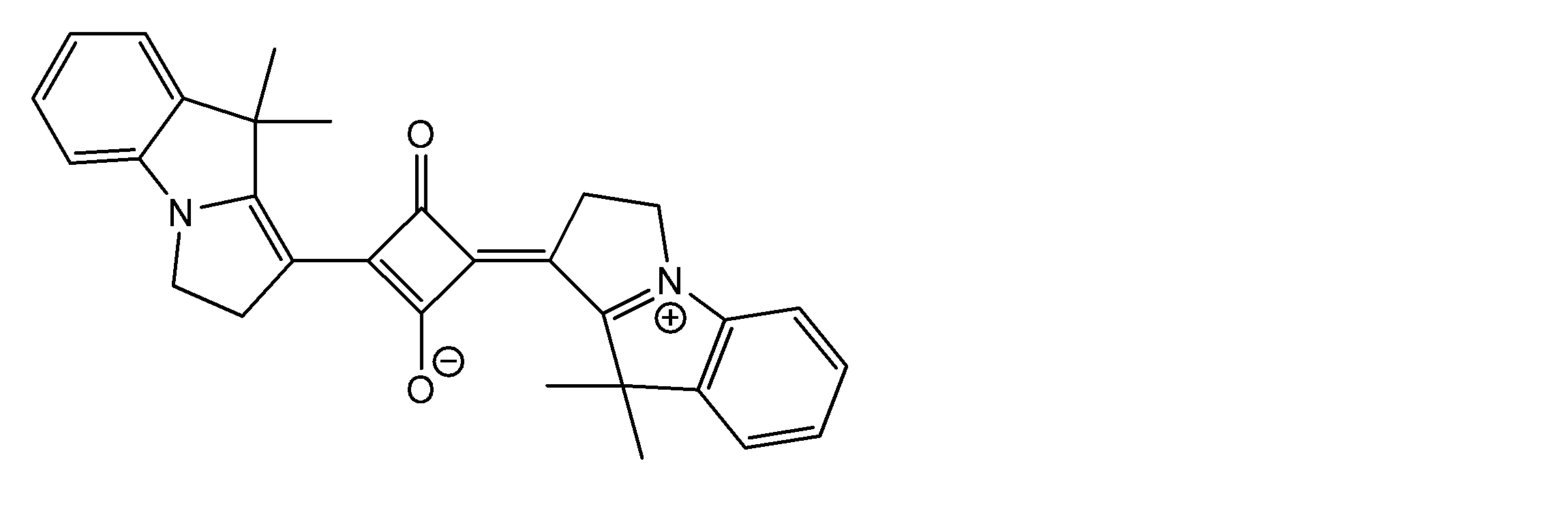
<1> 下記式(1)又は下記式(2)で表される化合物と、
硬化性化合物と、
溶剤と、
を含む硬化性組成物;

式(2)中、X3~X5はそれぞれ独立して、O、S、またはジシアノメチレン基を表し、R3およびR4は、それぞれ独立してアリール基、複素環基、式(R1)で表される基、または式(R2)で表される基を表し、R3およびR4の少なくとも一方が式(R2)で表される基である;

Rs1~Rs3は、それぞれ独立して水素原子またはアルキル基を表し、
As3は複素環基を表し、
ns1は、0以上の整数を表し、
Rs1とRs2は、互いに結合して環を形成してもよく、
Rs1とAs3は、互いに結合して環を形成してもよく、
Rs2とRs3は、互いに結合して環を形成してもよく、
ns1が2以上の場合、複数のRs2およびRs3はそれぞれ同一であってもよく、異なっていてもよい;
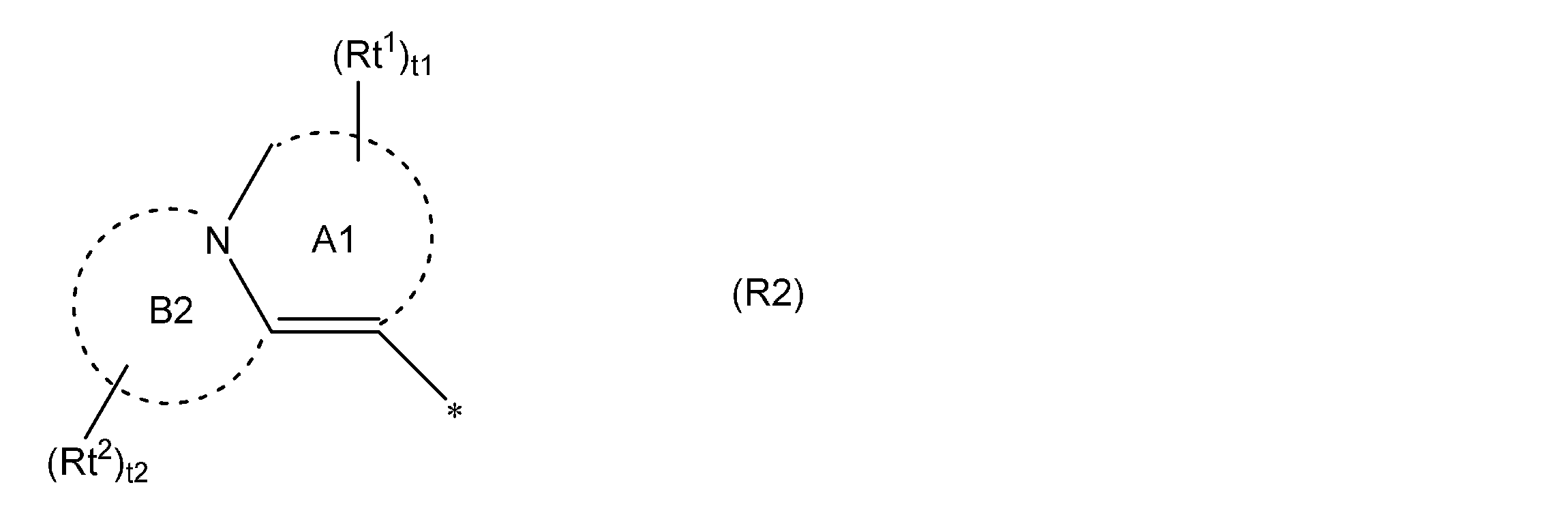
Rt1およびRt2は、それぞれ独立して置換基を表し、
A1は4~9員の含窒素複素環を表し、
B2は単環または縮合環の芳香族環を表し、
t1およびt2はそれぞれ独立して0以上の整数を表し、
t1が2以上の場合、複数のRt1はそれぞれ同一であってもよく、異なっていてもよく、複数のRt1のうち2つのRt1同士が結合して環を形成していてもよく、
t2が2以上の場合、複数のRt2はそれぞれ同一であってもよく、異なっていてもよく、複数のRt2のうち2つのRt2同士が結合して環を形成していてもよい。
<2> 式(R2)で表される基が下記式(R2-1)~(R2-4)のいずれかで表される基である、<1>に記載の硬化性組成物;
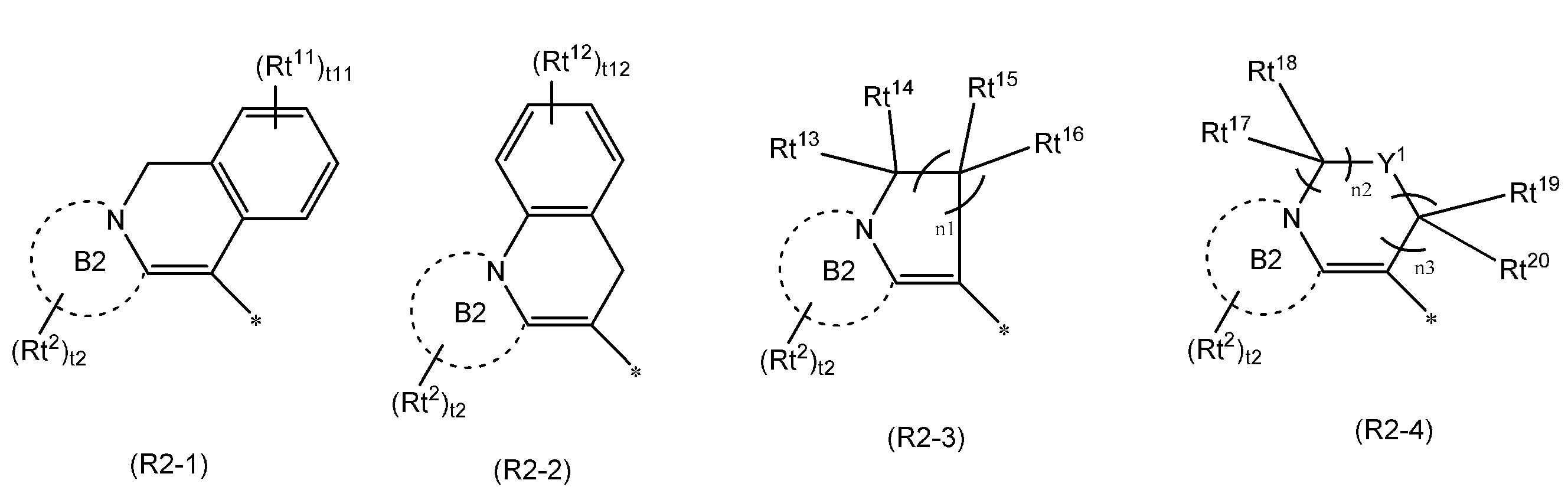
Rt13~Rt20はそれぞれ独立して水素原子または置換基を表し、
Y1は、O、S、C(=O)、S(=O)またはSO2を表し、
B2は単環または縮合環の芳香族環を表し、
t2は0以上の整数を表し、
t2が2以上の場合、複数のRt2はそれぞれ同一であってもよく、異なっていてもよく、複数のRt2のうち2つのRt2同士が結合して環を形成していてもよく、
t11およびt12はそれぞれ独立して0~4の整数を表し、
t11が2以上の場合、複数のRt11はそれぞれ同一であってもよく、異なっていてもよく、複数のRt11のうち2つのRt11同士が結合して環を形成していてもよく、
t12が2以上の場合、複数のRt12はそれぞれ同一であってもよく、異なっていてもよく、複数のRt12のうち2つのRt12同士が結合して環を形成していてもよく、
n1は0~4の整数を表し、
n2およびn3はそれぞれ独立して1~3の整数を表す;ただし、n2+n3は2~4の整数である。
<3> 式(R2)のB2が表す単環または縮合環の芳香族環は、イミダゾール環、オキサゾール環、チアゾール環、ピリジン環、ピラジン環またはこれらの環を1種以上含む縮合環である、<1>または<2>に記載の硬化性組成物。
<4> 式(R2)で表される基が下記式(R2-11)~(R2-14)のいずれかで表される基である、<1>に記載の硬化性組成物;
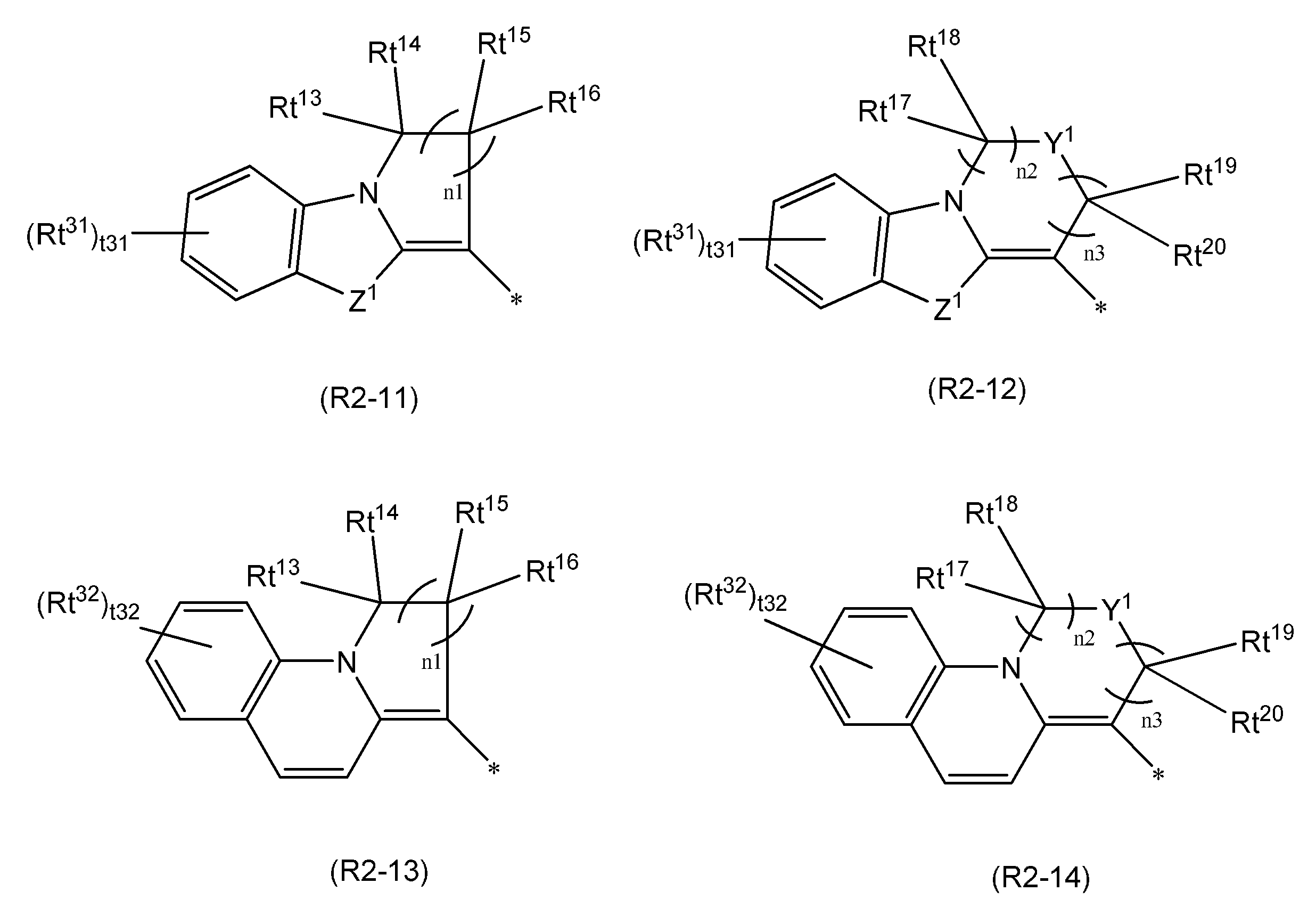
Rt31、Rt32はそれぞれ独立して置換基を表し、
Y1は、O、S、C(=O)、S(=O)またはSO2を表し、
Z1は、O、S、NRz1またはCRz2Rz3を表し、Rz1~Rz3はそれぞれ独立して水素原子または置換基を表し、
t31は0~4の整数を表し、
t32は0~6の整数を表し、
t31が2以上の場合、複数のRt31はそれぞれ同一であってもよく、異なっていてもよく、複数のRt31のうち2つのRt31同士が結合して環を形成していてもよく、
t32が2以上の場合、複数のRt32はそれぞれ同一であってもよく、異なっていてもよく、複数のRt32のうち2つのRt32同士が結合して環を形成していてもよく、
n1は0~4の整数を表し、
n2およびn3はそれぞれ独立して1~3の整数を表す;ただし、n2+n3は2~4の整数である。
<5> 式(1)又は式(2)で表される化合物は、クロロホルム溶液中において波長600~1300nmの範囲に極大吸収波長を有する、<1>~<4>のいずれか1つに記載の硬化性組成物。
<6> 上記硬化性組成物を用いて厚さ1.0μmの膜を形成した際に、この膜は、上記硬化性組成物に含まれる式(1)又は式(2)で表される化合物のクロロホルム溶液中での極大吸収波長よりも長波長側に極大吸収波長を有する、<1>~<5>のいずれか1つに記載の硬化性組成物。
<7> 上記硬化性組成物を用いて厚さ1.0μmの膜を形成した際に、この膜の極大吸収波長は700~1400nmの範囲にある、<1>~<6>のいずれか1つに記載の硬化性組成物。
<8> <1>~<7>のいずれか1つに記載の硬化性組成物から得られる膜。
<9> <8>に記載の膜を有する、近赤外線カットフィルタ。
<10> <8>に記載の膜を有する、固体撮像素子。
<11> <8>に記載の膜を有する、画像表示装置。
<12> <8>に記載の膜を有する、赤外線センサ。
<13> 固体撮像素子と、<9>に記載の近赤外線カットフィルタとを有する、カメラモジュール。
本明細書において、「~」とはその前後に記載される数値を下限値および上限値として含む意味で使用される。
本明細書における基(原子団)の表記において、置換および無置換を記していない表記は、置換基を有さない基(原子団)と共に置換基を有する基(原子団)をも包含する。例えば、「アルキル基」とは、置換基を有さないアルキル基(無置換アルキル基)のみならず、置換基を有するアルキル基(置換アルキル基)をも包含する。
本明細書において「露光」とは、特に断らない限り、光を用いた露光のみならず、電子線、イオンビーム等の粒子線を用いた描画も露光に含める。また、露光に用いられる光としては、水銀灯の輝線スペクトル、エキシマレーザに代表される遠紫外線、極紫外線(EUV光)、X線、電子線等の活性光線または放射線が挙げられる。
本明細書において、「(メタ)アクリレート」は、アクリレートおよびメタクリレートの双方、または、いずれかを表し、「(メタ)アクリル」は、アクリルおよびメタクリルの双方、または、いずれかを表し、「(メタ)アクリロイル」は、アクリロイルおよびメタクリロイルの双方、または、いずれかを表す。
本明細書において、重量平均分子量および数平均分子量は、ゲルパーミエーションクロマトグラフィ(GPC)測定でのポリスチレン換算値として定義される。
本明細書において、重量平均分子量(Mw)及び数平均分子量(Mn)は、例えば、HLC-8220GPC(東ソー(株)製)を用い、カラムとして、TOSOH TSKgel Super HZM-HとTOSOH TSKgel Super HZ4000とTOSOH TSKgel Super HZ2000とを連結したカラムを用い、展開溶媒としてテトラヒドロフランを用いることによって求めることができる。
本明細書において、化学式中のMeはメチル基を表し、Etはエチル基を表し、Buはブチル基を表し、Phはフェニル基を表す。
本明細書において、近赤外線とは、波長700~2500nmの光(電磁波)をいう。
本明細書において、全固形分とは、組成物の全成分から溶剤を除いた成分の総質量をいう。
本明細書において「工程」との語は、独立した工程だけではなく、他の工程と明確に区別できない場合であってもその工程の所期の作用が達成されれば、本用語に含まれる。
本発明の硬化性組成物は、後述する式(1)又は式(2)で表される化合物と、硬化性化合物と、溶剤と、を含むことを特徴とする。以下、式(1)で表される化合物を化合物(1)ともいう。また、式(2)で表される化合物を化合物(2)ともいう。また、化合物(1)と化合物(2)とをあわせて化合物Aともいう。

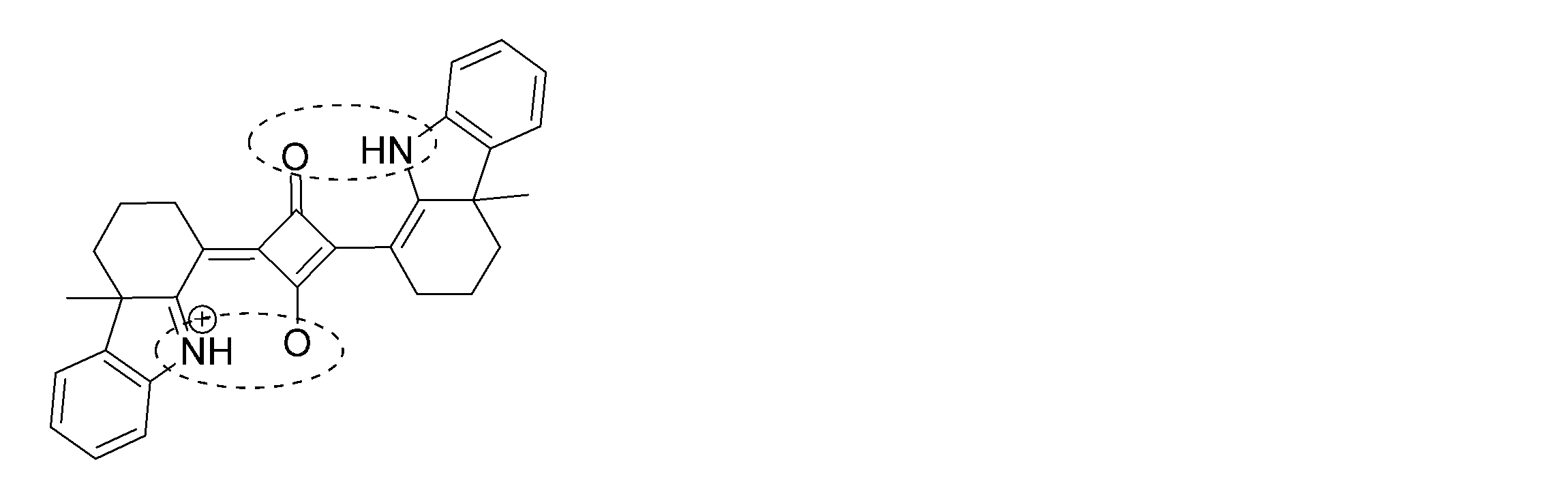
本発明の硬化性組成物は、下記式(1)又は下記式(2)で表される化合物(化合物A)を含む。化合物Aは、近赤外線吸収剤として好ましく用いられる。
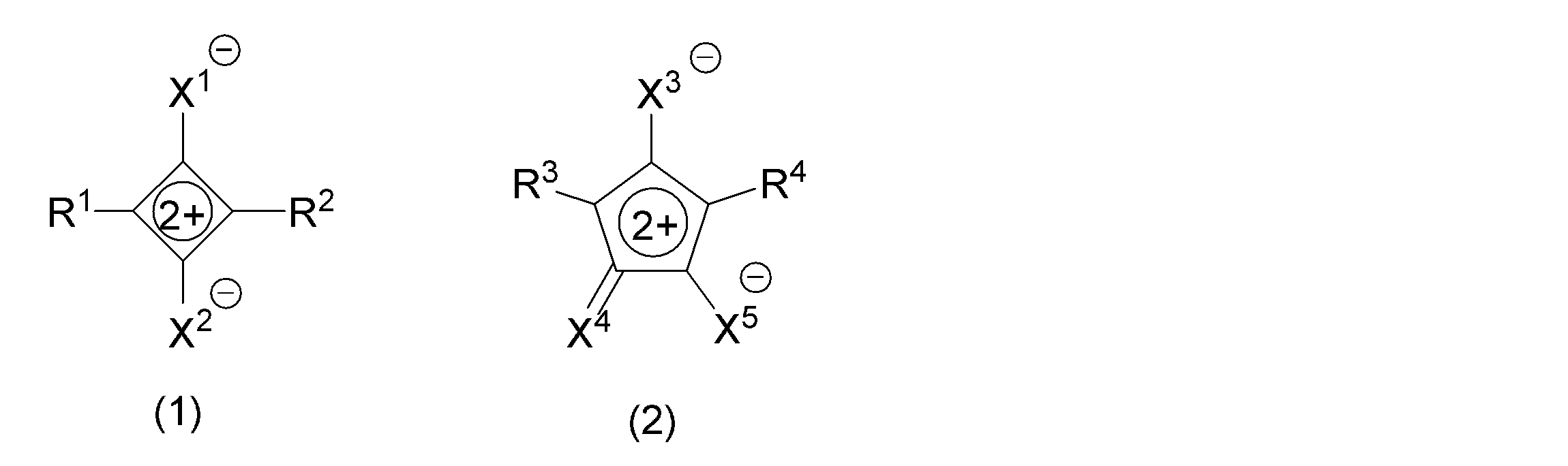
式(2)中、X3~X5はそれぞれ独立して、O、S、またはジシアノメチレン基を表し、R3およびR4は、それぞれ独立してアリール基、複素環基、式(R1)で表される基、または式(R2)で表される基を表し、R3およびR4の少なくとも一方が式(R2)で表される基である;
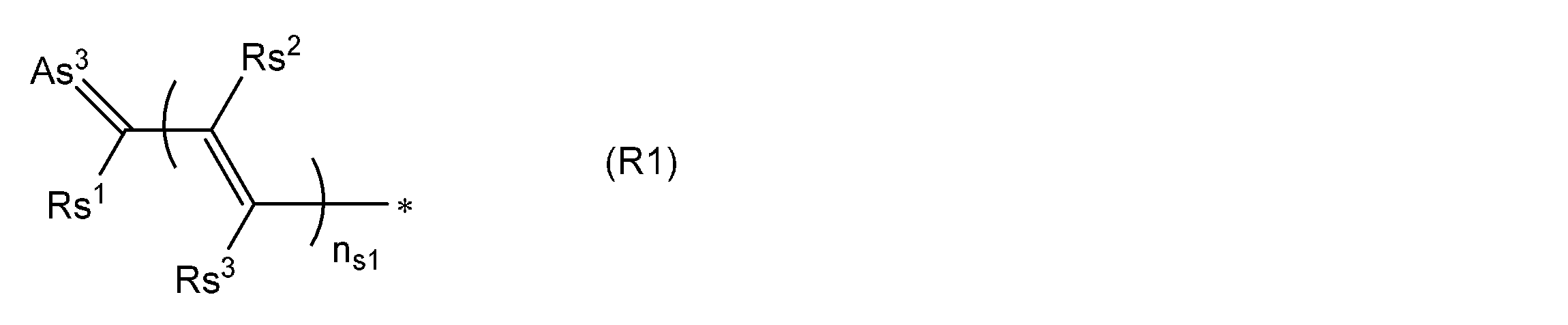
Rs1~Rs3は、それぞれ独立して水素原子またはアルキル基を表し、
As3は複素環基を表し、
ns1は、0以上の整数を表し、
Rs1とRs2は、互いに結合して環を形成してもよく、
Rs1とAs3は、互いに結合して環を形成してもよく、
Rs2とRs3は、互いに結合して環を形成してもよく、
ns1が2以上の場合、複数のRs2およびRs3はそれぞれ同一であってもよく、異なっていてもよい;

Rt1およびRt2は、それぞれ独立して置換基を表し、
A1は4~9員の含窒素複素環を表し、
B2は単環または縮合環の芳香族環を表し、
t1およびt2はそれぞれ独立して0以上の整数を表し、
t1が2以上の場合、複数のRt1はそれぞれ同一であってもよく、異なっていてもよく、複数のRt1のうち2つのRt1同士が結合して環を形成していてもよく、
t2が2以上の場合、複数のRt2はそれぞれ同一であってもよく、異なっていてもよく、複数のRt2のうち2つのRt2同士が結合して環を形成していてもよい。
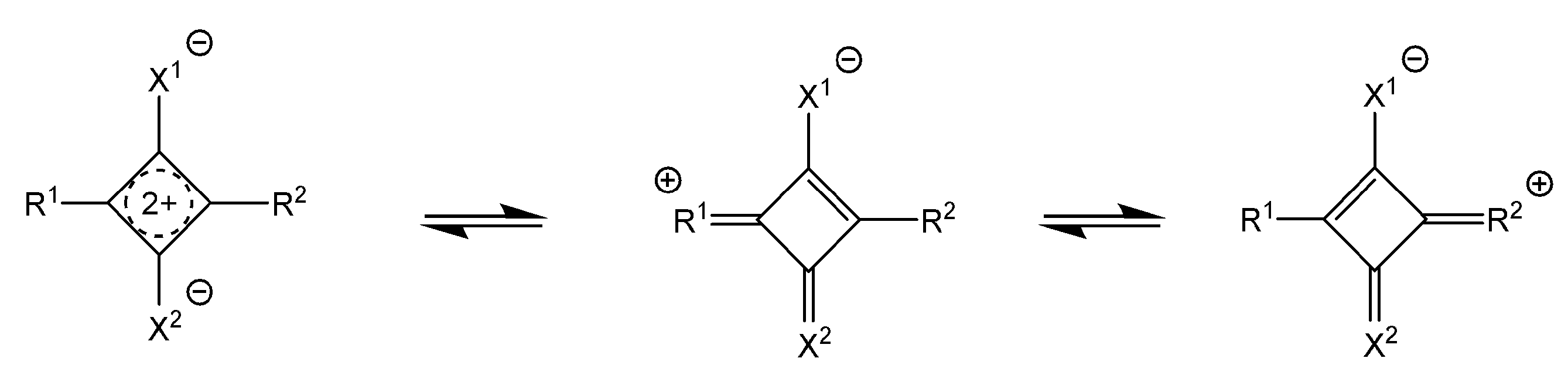
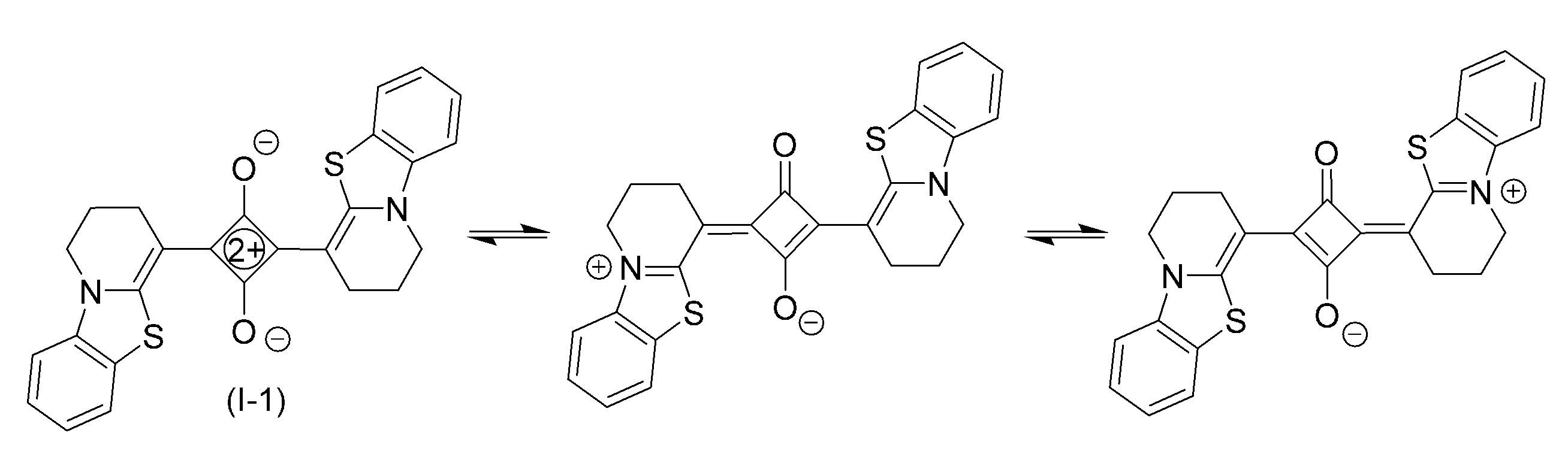
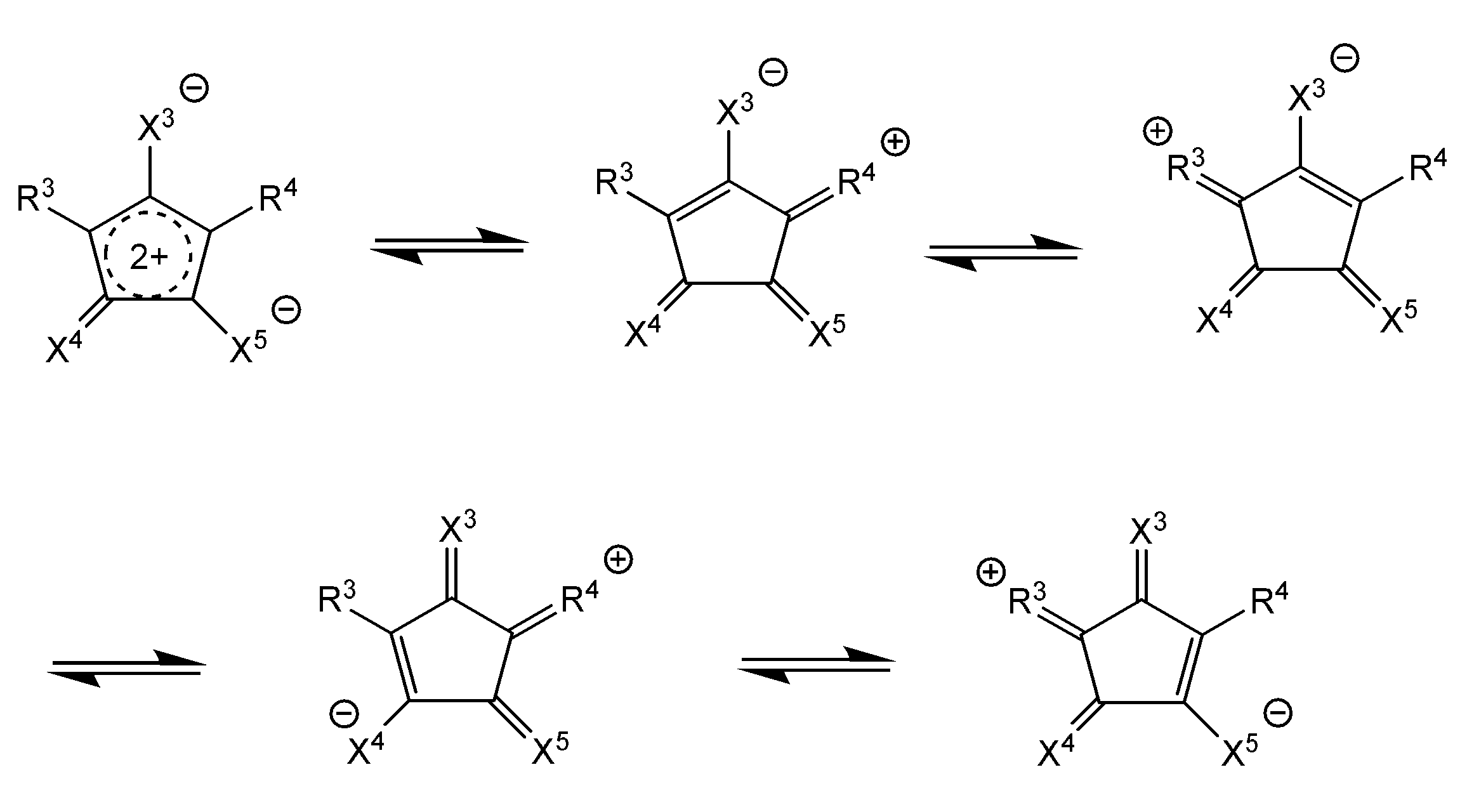
式(R2)におけるRt1およびRt2は、それぞれ独立して置換基を表す。置換基としては後述する置換基Tや後述する可溶化基が挙げられる。
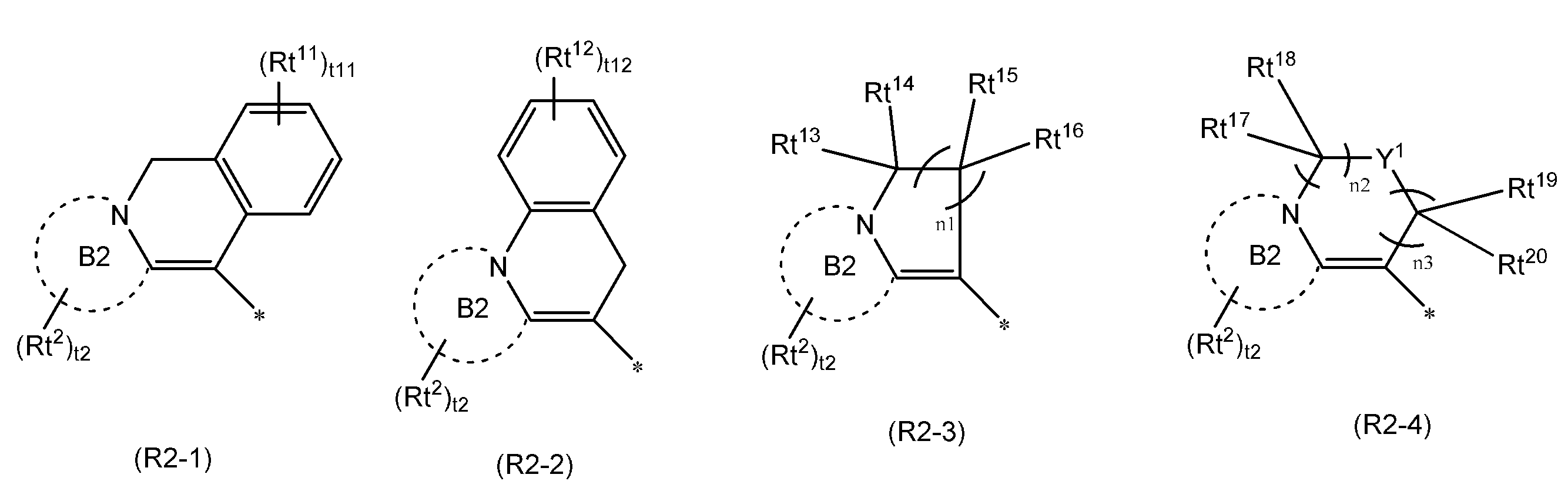
Rt13~Rt20はそれぞれ独立して水素原子または置換基を表し、
Y1は、O、S、C(=O)、S(=O)またはSO2を表し、
B2は単環または縮合環の芳香族環を表し、
t2は0以上の整数を表し、
t2が2以上の場合、複数のRt2はそれぞれ同一であってもよく、異なっていてもよく、複数のRt2のうち2つのRt2同士が結合して環を形成していてもよく、
t11およびt12はそれぞれ独立して0~4の整数を表し、
t11が2以上の場合、複数のRt11はそれぞれ同一であってもよく、異なっていてもよく、複数のRt11のうち2つのRt11同士が結合して環を形成していてもよく、
t12が2以上の場合、複数のRt12はそれぞれ同一であってもよく、異なっていてもよく、複数のRt12のうち2つのRt12同士が結合して環を形成していてもよく、
n1は0~4の整数を表し、
n2およびn3はそれぞれ独立して1~3の整数を表す;ただし、n2+n3は2~4の整数である。

Rt31、Rt32はそれぞれ独立して置換基を表し、
Y1は、O、S、C(=O)、S(=O)またはSO2を表し、
Z1は、O、S、NRz1またはCRz2Rz3を表し、Rz1~Rz3はそれぞれ独立して水素原子または置換基を表し、
t31は0~4の整数を表し、
t32は0~6の整数を表し、
t31が2以上の場合、複数のRt31はそれぞれ同一であってもよく、異なっていてもよく、複数のRt31のうち2つのRt31同士が結合して環を形成していてもよく、
t32が2以上の場合、複数のRt32はそれぞれ同一であってもよく、異なっていてもよく、複数のRt32のうち2つのRt32同士が結合して環を形成していてもよく、
n1は0~4の整数を表し、
n2およびn3はそれぞれ独立して1~3の整数を表す;ただし、n2+n3は2~4の整数である。
置換基Tとしては、ハロゲン原子、シアノ基、ニトロ基、アルキル基、アルケニル基、アルキニル基、アリール基、ヘテロアリール基、-ORt1、-CORt1、-COORt1、-OCORt1、-NRt1Rt2、-NHCORt1、-CONRt1Rt2、-NHCONRt1Rt2、-NHCOORt1、-SRt1、-SO2Rt1、-SO2ORt1、-NHSO2Rt1または-SO2NRt1Rt2が挙げられる。Rt1およびRt2は、それぞれ独立に、水素原子、アルキル基、アルケニル基、アルキニル基、アリール基またはヘテロアリール基を表す。Rt1とRt2が結合して環を形成してもよい。
アルキル基の炭素数は、1~20が好ましく、1~15がより好ましく、1~8が更に好ましい。アルキル基は、直鎖、分岐、環状のいずれでもよく、直鎖または分岐が好ましい。
アルケニル基の炭素数は、2~20が好ましく、2~12がより好ましく、2~8が特に好ましい。アルケニル基は直鎖、分岐、環状のいずれでもよく、直鎖または分岐が好ましい。
アルキニル基の炭素数は、2~40が好ましく、2~30がより好ましく、2~25が特に好ましい。アルキニル基は直鎖、分岐、環状のいずれでもよく、直鎖または分岐が好ましい。
アリール基の炭素数は、6~30が好ましく、6~20がより好ましく、6~12が更に好ましい。
ヘテロアリール基は、単環のヘテロアリール基または縮合数が2~8の縮合環のヘテロアリール基が好ましく、単環のヘテロアリール基または縮合数が2~4の縮合環のヘテロアリール基がより好ましい。ヘテロアリール基の環を構成するヘテロ原子の数は1~3が好ましい。ヘテロアリール基の環を構成するヘテロ原子は、窒素原子、酸素原子または硫黄原子が好ましい。ヘテロアリール基は、5員環または6員環が好ましい。ヘテロアリール基の環を構成する炭素原子の数は3~30が好ましく、3~18がより好ましく、3~12が更に好ましい。
アルキル基、アルケニル基、アルキニル基、アリール基およびヘテロアリール基は、置換基を有していてもよく、無置換であってもよい。置換基としては、上述した置換基Tで説明した置換基が挙げられる。
可溶化基としては、以下の式(W)で表される基が挙げられる。
-S100-L100-T100 ・・・(W)
-L100-T100部分の炭素数が3以上であれば、溶剤溶解性が良好であり、不溶物等に由来する欠陥の発生を抑制でき、均一で、膜質の良好な膜を製造できる。更には-L100-T100部分の炭素数を3以上とすることで、結晶性を抑制できる。一般に、化合物の結晶性が高いと、膜を加熱するときに化合物の結晶化が進んで、膜の吸収特性が変化することがあるが、本発明においては加熱時における化合物の結晶化を抑制でき、加熱後の膜の吸収特性の変動を抑制できる。

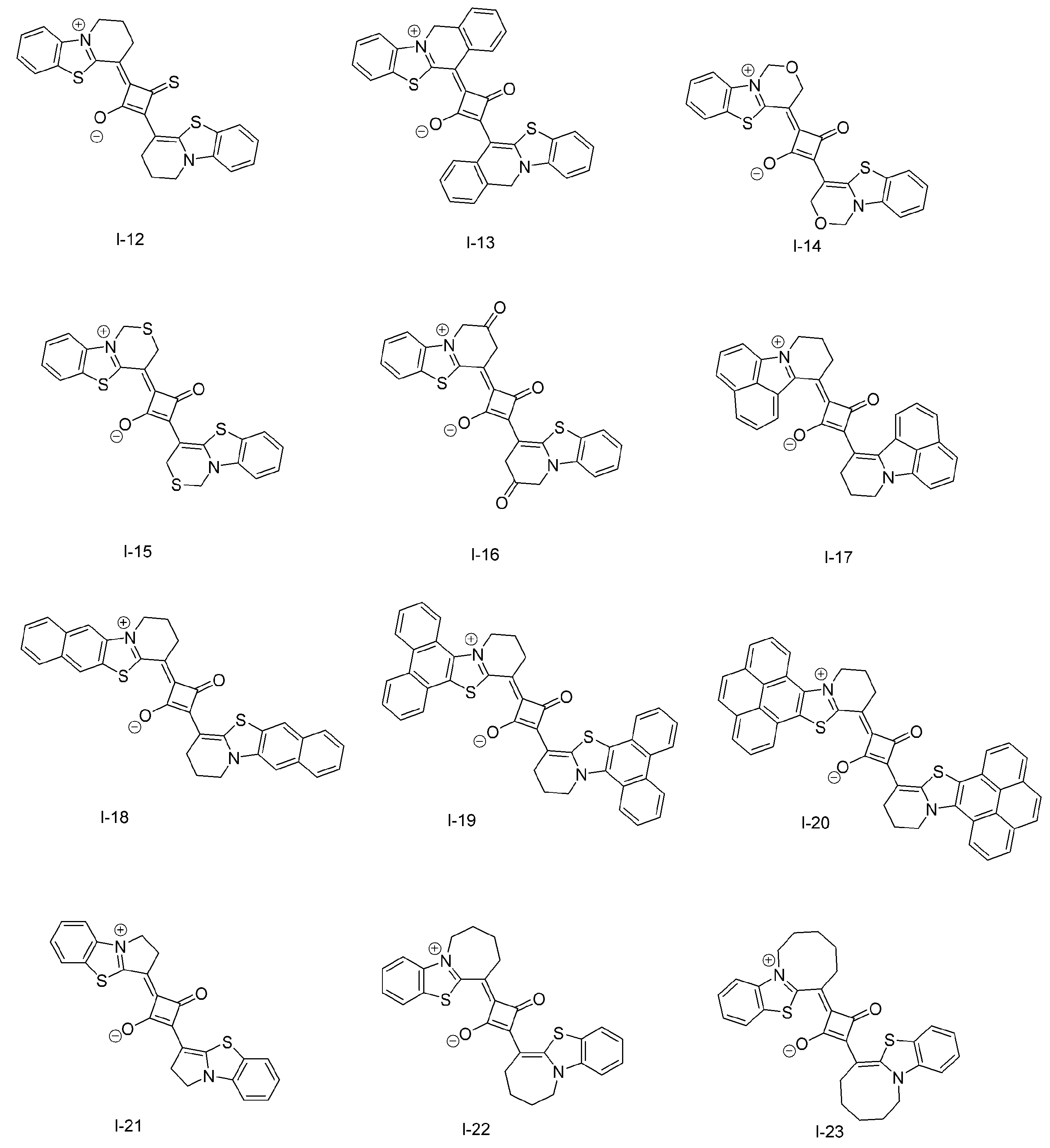

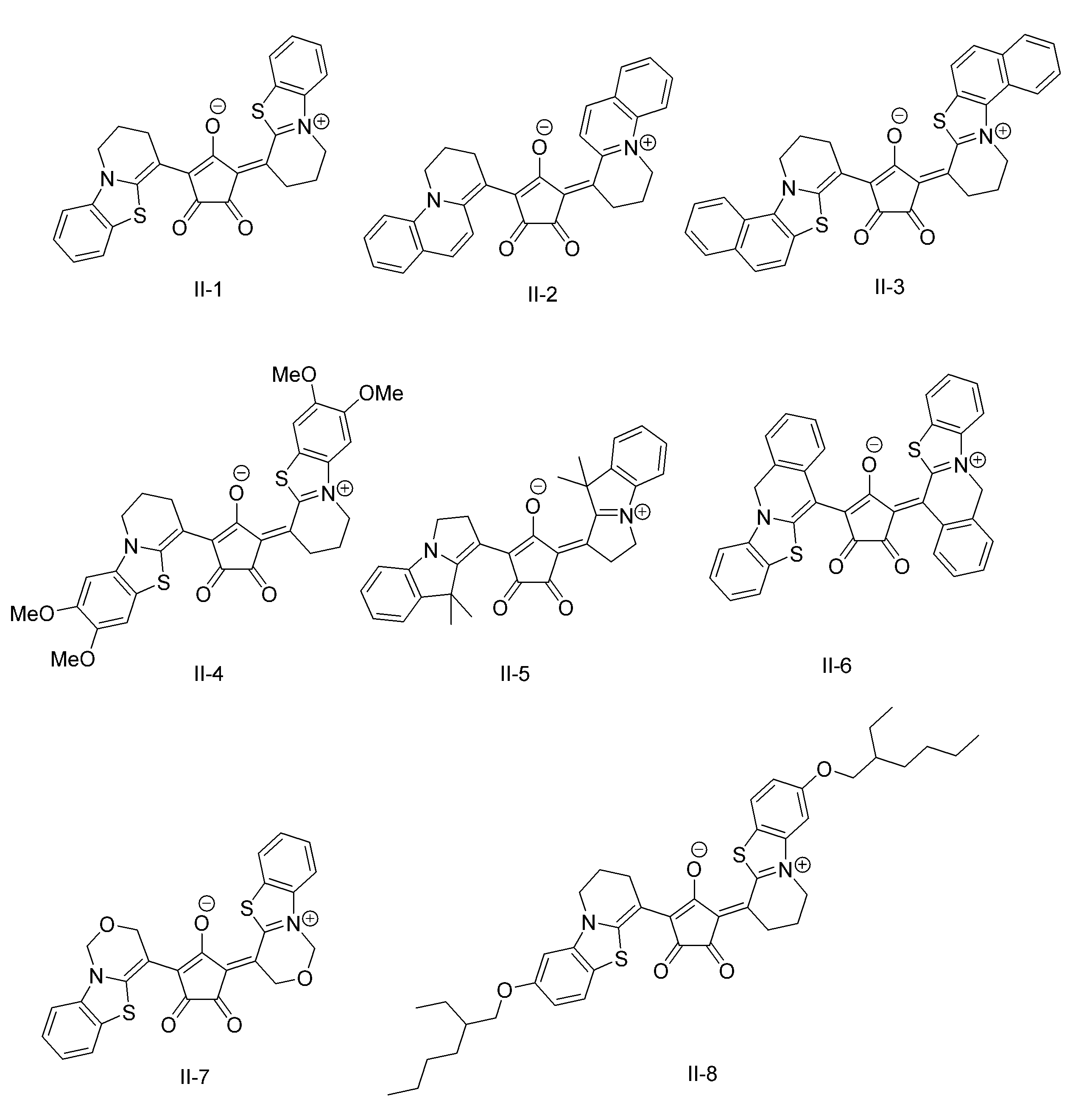
本発明の硬化性組成物は、上述した化合物A以外の近赤外線吸収剤(他の近赤外線吸収剤)を含有することができる。他の近赤外線吸収剤としては、ピロロピロール化合物、シアニン化合物、スクアリリウム化合物、フタロシアニン化合物、ナフタロシアニン化合物、クアテリレン化合物、メロシアニン化合物、クロコニウム化合物、オキソノール化合物、イミニウム化合物、ジチオール化合物、トリアリールメタン化合物、ピロメテン化合物、アゾメチン化合物、アントラキノン化合物、ジベンゾフラノン化合物、金属酸化物、金属ホウ化物等が挙げられ、ピロロピロール化合物、シアニン化合物、スクアリリウム化合物、クロコニウム化合物、フタロシアニン化合物、ナフタロシアニン化合物およびジイモニウム化合物がより好ましく、ピロロピロール化合物、シアニン化合物、スクアリリウム化合物およびクロコニウム化合物がより好ましい。ピロロピロール化合物としては、特開2009-263614号公報の段落番号0016~0058に記載の化合物、特開2011-068731号公報の段落番号0037~0052に記載の化合物、国際公開第2015/166873号の段落番号0010~0033に記載の化合物などが挙げられる。スクアリリウム化合物としては、特開2011-208101号公報の段落番号0044~0049に記載の化合物、特許第6065169号公報の段落番号0060~0061に記載の化合物、国際公開第2016/181987号の段落番号0040に記載の化合物、特開2015-176046号公報に記載の化合物、国際公開第2016/190162号の段落番号0072に記載の化合物、特開2016-074649号公報の段落番号0196~0228に記載の化合物、特開2017-067963号公報の段落番号0124に記載の化合物、国際公開第2017/135359号に記載の化合物、特開2017-114956号公報に記載の化合物、特許6197940号公報に記載の化合物、国際公開第2016/120166号に記載の化合物などが挙げられる。シアニン化合物としては、特開2009-108267号公報の段落番号0044~0045に記載の化合物、特開2002-194040号公報の段落番号0026~0030に記載の化合物、特開2015-172004号公報に記載の化合物、特開2015-172102号公報に記載の化合物、特開2008-088426号公報に記載の化合物、国際公開第2016/190162号の段落番号0090に記載の化合物などが挙げられる。クロコニウム化合物としては、特開2017-082029号公報に記載の化合物が挙げられる。イミニウム化合物としては、例えば、特表2008-528706号公報に記載の化合物、特開2012-012399号公報に記載の化合物、特開2007-092060号公報に記載の化合物、国際公開第2018/043564号の段落番号0048~0063に記載の化合物が挙げられる。フタロシアニン化合物としては、特開2012-077153号公報の段落番号0093に記載の化合物、特開2006-343631号公報に記載のオキシチタニウムフタロシアニン、特開2013-195480号公報の段落番号0013~0029に記載の化合物が挙げられる。ナフタロシアニン化合物としては、特開2012-077153号公報の段落番号0093に記載の化合物が挙げられる。金属酸化物としては、例えば、酸化インジウムスズ、酸化アンチモンスズ、酸化亜鉛、Alドープ酸化亜鉛、フッ素ドープ二酸化スズ、ニオブドープ二酸化チタン、酸化タングステンなどが挙げられる。酸化タングステンの詳細については、特開2016-006476号公報の段落番号0080を参酌でき、この内容は本明細書に組み込まれる。金属ホウ化物としては、ホウ化ランタンなどが挙げられる。ホウ化ランタンの市販品としては、LaB6-F(日本新金属(株)製)などが挙げられる。また、金属ホウ化物としては、国際公開第2017/119394号に記載の化合物を用いることもできる。酸化インジウムスズの市販品としては、F-ITO(DOWAハイテック(株)製)などが挙げられる。
また、他の近赤外線吸収剤と化合物Aとの合計量は、本発明の硬化性組成物の全固形分に対して0.1~70質量%が好ましい。下限は、0.5質量%以上が好ましく、1.0質量%以上がより好ましい。上限は、60質量%以下が好ましく、50質量%以下がより好ましい。本発明の硬化性組成物が、他の近赤外線吸収剤を2種以上含む場合、それらの合計量が上記範囲内であることが好ましい。
また、本発明の硬化性組成物は、他の近赤外線吸収剤を実質的に含まない態様とすることもできる。本発明の硬化性組成物が、他の近赤外線吸収剤を実質的に含まないとは、他の近赤外線吸収剤の含有量が硬化性組成物の全固形分に対して0.05質量%以下であることが好ましく、0.01質量%以下であることがより好ましく、他の近赤外線吸収剤を含有しないことがさらに好ましい。
本発明の硬化性組成物は、有彩色着色剤を含有することができる。本発明において、有彩色着色剤とは、白色着色剤および黒色着色剤以外の着色剤を意味する。有彩色着色剤としては、例えば、黄色着色剤、オレンジ色着色剤、赤色着色剤、緑色着色剤、紫色着色剤、青色着色剤などが挙げられる。有彩色着色剤は、顔料であってもよく、染料であってもよい。好ましくは顔料である。顔料は、有機顔料であることが好ましく、以下のものを挙げることができる。但し本発明は、これらに限定されるものではない。
C.I.Pigment Orange 2,5,13,16,17:1,31,34,36,38,43,46,48,49,51,52,55,59,60,61,62,64,71,73等(以上、オレンジ色顔料)、
C.I.Pigment Red 1,2,3,4,5,6,7,9,10,14,17,22,23,31,38,41,48:1,48:2,48:3,48:4,49,49:1,49:2,52:1,52:2,53:1,57:1,60:1,63:1,66,67,81:1,81:2,81:3,83,88,90,105,112,119,122,123,144,146,149,150,155,166,168,169,170,171,172,175,176,177,178,179,184,185,187,188,190,200,202,206,207,208,209,210,216,220,224,226,242,246,254,255,264,270,272,279等(以上、赤色顔料)、
C.I.Pigment Green 7,10,36,37,58,59,62,63等(以上、緑色顔料)、
C.I.Pigment Violet 1,19,23,27,32,37,42等(以上、紫色顔料)、
C.I.Pigment Blue 1,2,15,15:1,15:2,15:3,15:4,15:6,16,22,60,64,66,79,80等(以上、青色顔料)。

有彩色着色剤の含有量は、化合物Aの100質量部に対し、10~1000質量部が好ましく、50~800質量部がより好ましい。
また、有彩色着色剤と化合物Aと上述した他の近赤外線吸収剤との合計量は、本発明の硬化性組成物の全固形分に対して1~80質量%が好ましい。下限は、5質量%以上が好ましく、10質量%以上がより好ましい。上限は、70質量%以下が好ましく、60質量%以下がより好ましい。本発明の硬化性組成物が、有彩色着色剤を2種以上含む場合、その合計量が上記範囲内であることが好ましい。
本発明の硬化性組成物は、赤外線を透過させて可視光を遮光する色材(以下、可視光を遮光する色材ともいう)を含有することもできる。
本発明において、可視光を遮光する色材は、紫色から赤色の波長領域の光を吸収する色材であることが好ましい。また、本発明において、可視光を遮光する色材は、波長450~650nmの波長領域の光を遮光する色材であることが好ましい。また、可視光を遮光する色材は、波長900~1300nmの光を透過する色材であることが好ましい。
本発明において、可視光を遮光する色材は、以下の(A)および(B)の少なくとも一方の要件を満たすことが好ましい。
(A):2種以上の有彩色着色剤を含み、2種以上の有彩色着色剤の組み合わせで黒色を形成している。
(B):有機系黒色着色剤を含む。
(1)黄色着色剤、青色着色剤、紫色着色剤および赤色着色剤を含有する態様。
(2)黄色着色剤、青色着色剤および赤色着色剤を含有する態様。
(3)黄色着色剤、紫色着色剤および赤色着色剤を含有する態様。
(4)黄色着色剤および紫色着色剤を含有する態様。
(5)緑色着色剤、青色着色剤、紫色着色剤および赤色着色剤を含有する態様。
(6)紫色着色剤およびオレンジ色着色剤を含有する態様。
(7)緑色着色剤、紫色着色剤および赤色着色剤を含有する態様。
(8)緑色着色剤および赤色着色剤を含有する態様。
また、本発明の硬化性組成物は、可視光を遮光する色材を実質的に含有しないことも好ましい。可視光を遮光する色材を実質的に含有しないとは、可視光を遮光する色材の含有量が、硬化性組成物の全固形分に対して0.05質量%以下であることが好ましく、0.01質量%以下であることがより好ましく、可視光を遮光する色材を含有しないことがさらに好ましい。
本発明の硬化性組成物が顔料を含む場合、更に顔料誘導体を含有することが好ましい。顔料誘導体としては、顔料の一部分を、酸性基、塩基性基で置換した構造を有する化合物が挙げられる。顔料誘導体は、分散性及び分散安定性の観点から、酸性基又は塩基性基を有する顔料誘導体を含有することが好ましい。本発明の硬化性組成物が顔料誘導体を含有する場合、顔料誘導体の含有量は、顔料100質量部に対し、1~50質量部が好ましい。下限値は、3質量部以上が好ましく、5質量部以上がより好ましい。上限値は、40質量部以下が好ましく、30質量部以下がより好ましい。顔料誘導体の含有量が上記範囲であれば、顔料の分散性を高めて、顔料の凝集を効率よく抑制できる。顔料誘導体は1種のみを用いてもよく、2種以上を用いてもよい。2種以上を用いる場合は、合計量が上記範囲となることが好ましい。
本発明の硬化性組成物は硬化性化合物を含有する。硬化性化合物としては、架橋性化合物、樹脂等が挙げられる。樹脂は、非架橋性の樹脂(架橋性基を有さない樹脂)であってもよく、架橋性の樹脂(架橋性基を有する樹脂)であってもよい。架橋性基としては、エチレン性不飽和結合基、環状エーテル基、メチロール基、アルコキシメチル基、アルコキシシリル基、クロロシリル基等が挙げられ、エチレン性不飽和結合基、環状エーテル基が好ましく、エチレン性不飽和結合基がより好ましい。エチレン性不飽和結合基としては、ビニル基、(メタ)アリル基、(メタ)アクリロイル基などが挙げられる。環状エーテル基としては、エポキシ基、オキセタニル基などが挙げられ、エポキシ基が好ましい。アルコキシシリル基としては、モノアルコキシシリル基、ジアルコキシシリル基、トリアルコキシシリル基が挙げられ、ジアルコキシシリル基、トリアルコキシシリル基が好ましい。また、アルコキシシリル基におけるアルコキシ基の炭素数は、1~5が好ましく、1~3がより好ましく、1または2が特に好ましい。クロロシリル基としては、モノクロロシリル基、ジクロロシリル基、トリクロロシリル基が挙げられ、ジクロロシリル基、トリクロロシリル基が好ましく、トリクロロシリル基がより好ましい。
架橋性化合物としては、エチレン性不飽和結合基を含む化合物、環状エーテル基を有する化合物、メチロール基を有する化合物、アルコキシメチル基を有する化合物、アルコキシシリル基を有する化合物、クロロシリル基を有する化合物等が挙げられる。架橋性化合物は、モノマーであってもよく、樹脂であってもよい。エチレン性不飽和結合基を含む化合物(好ましくはエチレン性不飽和結合基を含むモノマータイプの架橋性化合物)は、ラジカル重合性化合物として好ましく用いることができる。また、環状エーテル基を有する化合物、メチロール基を有する化合物、アルコキシメチル基を有する化合物は、カチオン重合性化合物として好ましく用いることができる。

また、モノマータイプのエチレン性不飽和結合基を含む化合物の含有量は、硬化性組成物の全固形分に対して、0.1~50質量%が好ましい。下限は、例えば0.5質量%以上がより好ましく、1質量%以上が更に好ましい。上限は、例えば、40質量%以下がより好ましく、30質量%以下が更に好ましい。
本発明の硬化性組成物は、硬化性化合物として樹脂を用いることができる。硬化性化合物は、樹脂を少なくとも含むものを用いることが好ましい。樹脂は分散剤として用いることもできる。なお、顔料などを分散させるために用いられる樹脂を分散剤ともいう。ただし、樹脂のこのような用途は一例であって、このような用途以外の目的で樹脂を使用することもできる。なお、架橋性基を有する樹脂は、架橋性化合物にも該当する。

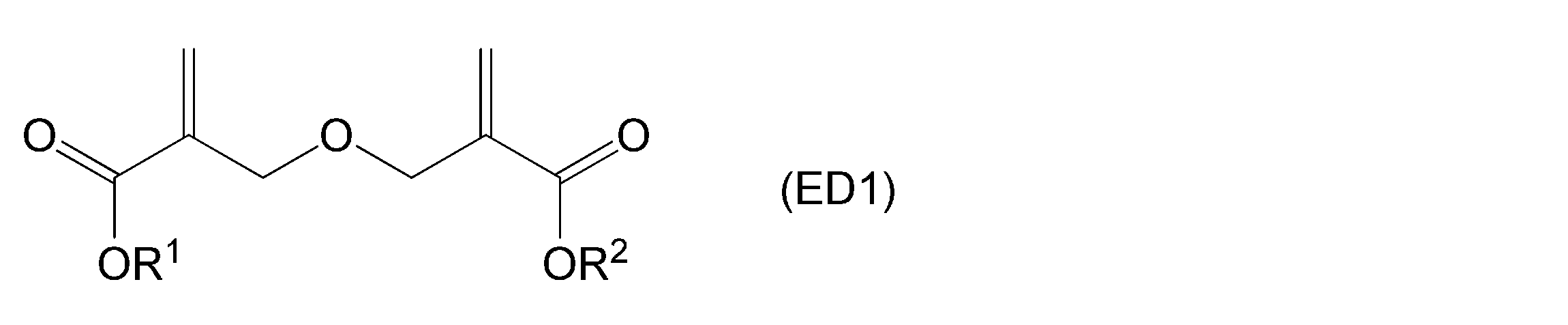


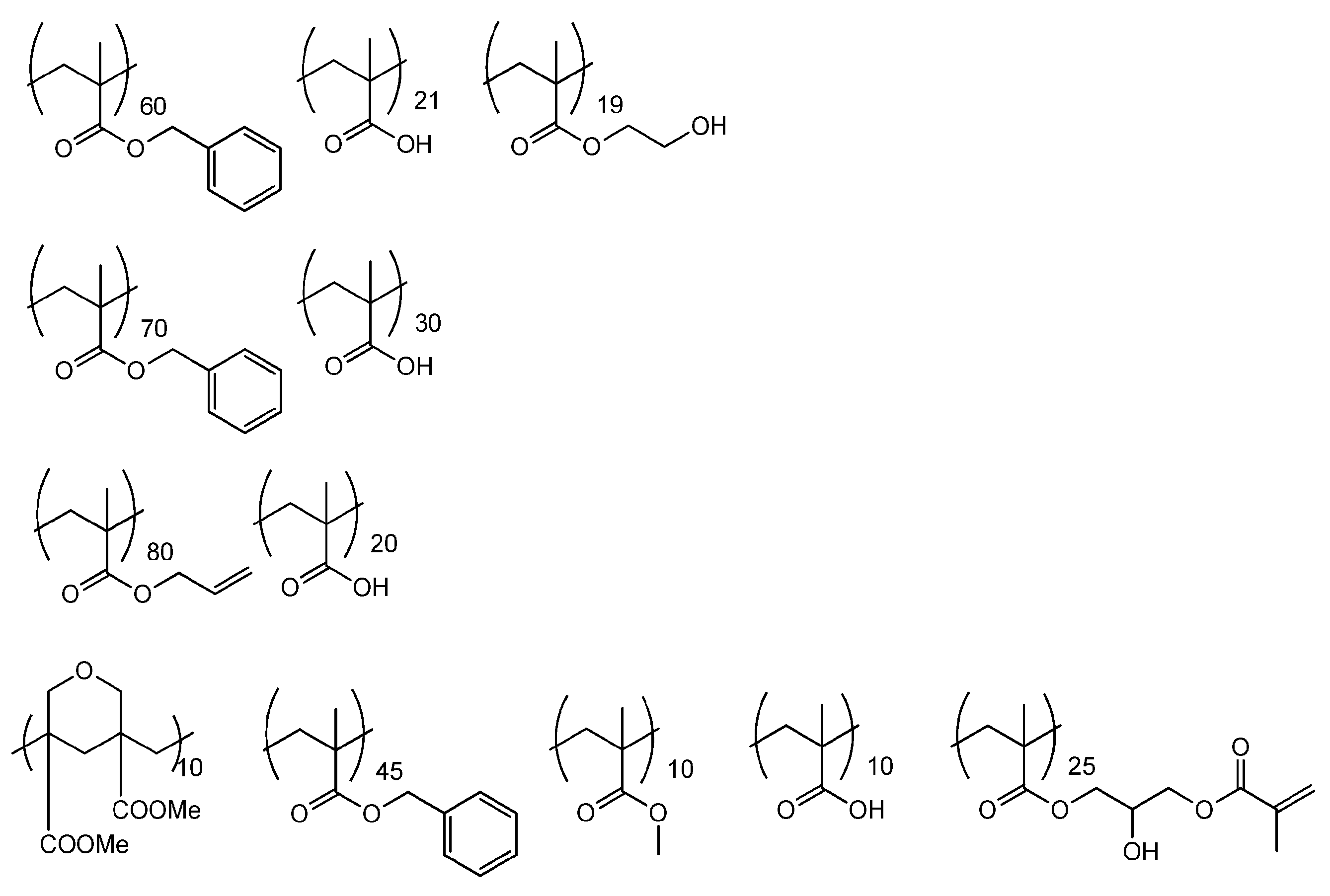
本発明の硬化性組成物は、樹脂を1種のみ含んでいてもよいし、2種以上含んでいてもよい。樹脂を2種以上含む場合は、それらの合計量が上記範囲となることが好ましい。
本発明の硬化性組成物は、光重合開始剤を含有することができる。本発明の硬化性組成物が硬化性化合物としてラジカル重合性化合物を含有する場合においては、本発明の硬化性組成物は更に光重合開始剤を含有することが好ましい。光重合開始剤としては、公知の光重合開始剤の中から適宜選択することができる。光重合開始剤は、光ラジカル重合開始剤であることが好ましい。
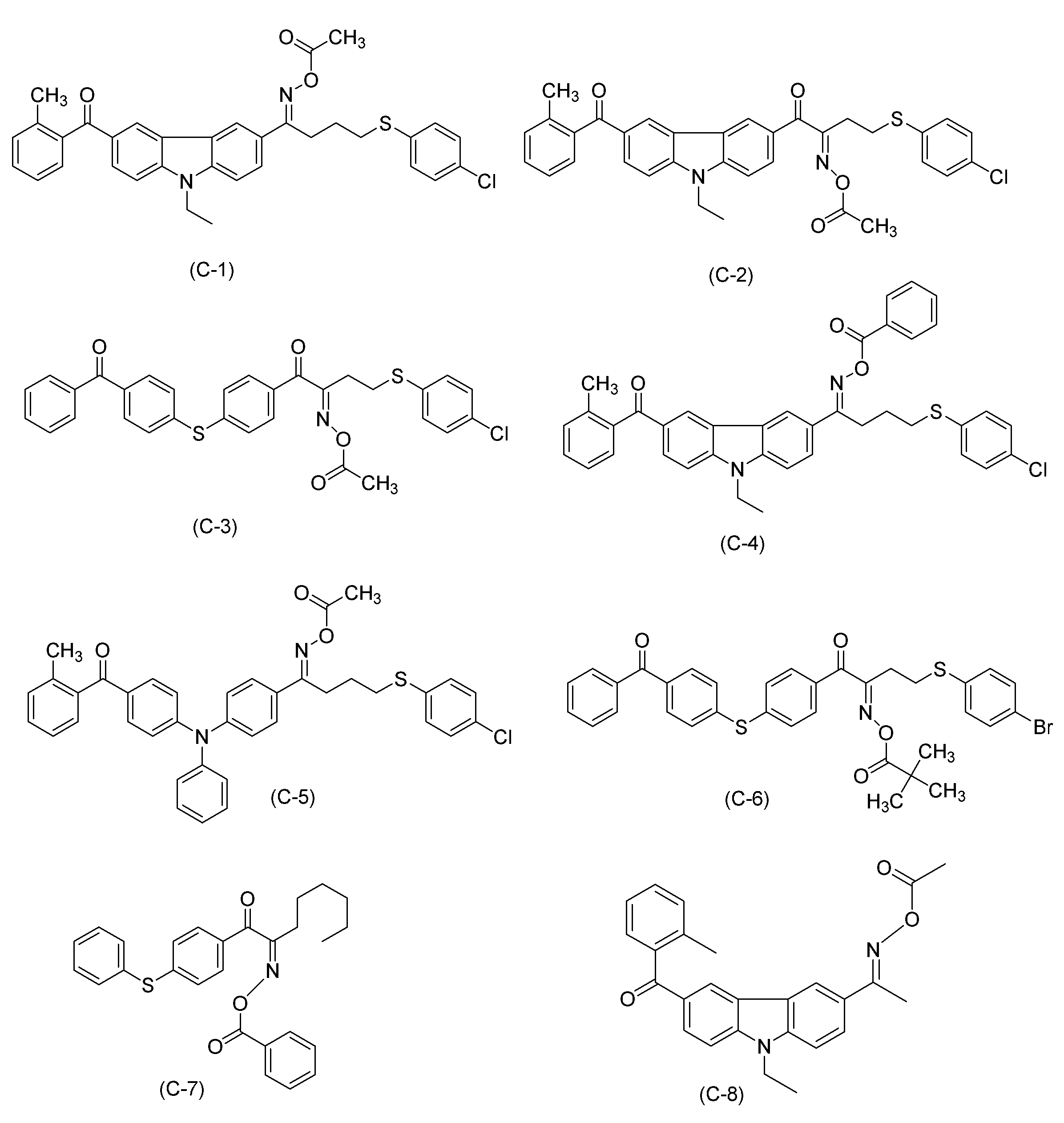

本発明の硬化性組成物は、酸発生剤を含有することができる。特に、本発明の硬化性化合物が環状エーテル基を有する化合物など、カチオン重合性化合物を含有する場合、酸発生剤を含有することが好ましい。酸発生剤は、光照射により酸を発生する化合物(光酸発生剤)が好ましい。酸発生剤としては、光照射により分解して酸を発生する、ジアゾニウム塩、ホスホニウム塩、スルホニウム塩、ヨードニウム塩などのオニウム塩化合物、イミドスルホネート、オキシムスルホネート、ジアゾジスルホン、ジスルホン、o-ニトロベンジルスルホネート等のスルホネート化合物などを挙げることができる。酸発生剤の種類、具体的化合物、および好ましい例としては、特開2008-013646号公報の段落番号0066~0122に記載の化合物などを挙げることができ、これらを本発明にも適用することができる。また、本発明に使用しうる酸発生剤として好ましい化合物は、下記式(b1)、(b2)、(b3)で表される化合物を挙げることができる。
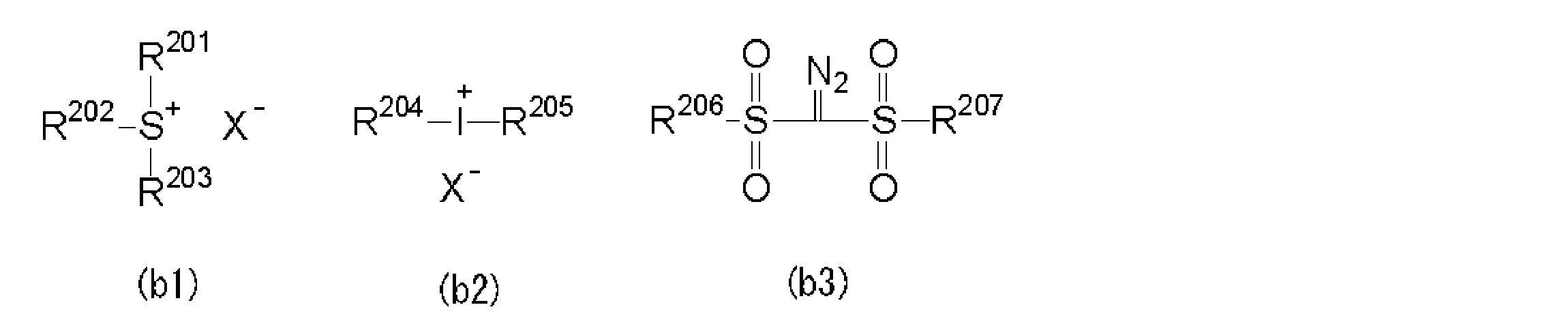
本発明の硬化性組成物は、架橋性化合物の反応を促進させることなどを目的として、架橋助剤を含むことが好ましい。架橋助剤としては、多官能チオール、アルコール、アミンおよびカルボン酸から選ばれる少なくとも1種が挙げられる。
式(T1)


本発明の硬化性組成物は、触媒をさらに含有することができる。特に、硬化性化合物として、アルコキシシリル基や、クロロシリル基を有する化合物を用いた場合、触媒を含有させることが好ましい。この態様によれば、ゾルゲル反応が促進されて、より強固な膜が得られやすい。触媒としては、酸触媒、塩基触媒などが挙げられる。酸触媒としては、塩酸、硝酸、硫酸、亜硫酸、硫化水素、過塩素酸、過酸化水素、炭酸、蟻酸や酢酸等のカルボン酸、RCOOHで示される構造式のRを他元素または置換基によって置換した置換カルボン酸、ベンゼンスルホン酸などのスルホン酸、リン酸などが挙げられる。また、塩化アルミニウム、アルミニウムアセチルアセトナート、塩化亜鉛、塩化スズ、三フッ化ホウ素ジエチルエーテル錯体、ヨードトリメチルシランなどのルイス酸を用いてもよい。塩基触媒としては、アンモニア水などのアンモニア性塩基化合物、エチルアミンやアニリンなどの有機アミンなどが挙げられる。また、触媒は、特開2013-201007号公報の段落番号0070~0076に記載の触媒を用いることもできる。
触媒の含有量は、架橋性化合物の100質量部に対し0.1~100質量部が好ましく、より好ましくは0.1~50質量部であり、さらに好ましくは0.1~20質量部である。本発明の硬化性組成物は、触媒を1種のみ含んでいてもよいし、2種以上含んでいてもよい。触媒を2種以上含む場合は、それらの合計量が上記範囲となることが好ましい。
本発明の硬化性組成物は、溶剤を含有する。溶剤としては、有機溶剤が挙げられる。溶剤は、各成分の溶解性や硬化性組成物の塗布性を満足すれば基本的には特に制限はない。有機溶剤の例としては、例えば、エステル類、エーテル類、ケトン類、芳香族炭化水素類などが挙げられる。これらの詳細については、国際公開第2015/166779号の段落番号0223を参酌でき、この内容は本明細書に組み込まれる。また、環状アルキル基が置換したエステル系溶剤、環状アルキル基が置換したケトン系溶剤を好ましく用いることもできる。有機溶剤の具体例としては、ジクロロメタン、3-エトキシプロピオン酸メチル、3-エトキシプロピオン酸エチル、エチルセロソルブアセテート、乳酸エチル、ジエチレングリコールジメチルエーテル、酢酸ブチル、3-メトキシプロピオン酸メチル、2-ヘプタノン、シクロヘキサノン、酢酸シクロヘキシル、シクロペンタノン、エチルカルビトールアセテート、ブチルカルビトールアセテート、プロピレングリコールモノメチルエーテル、及びプロピレングリコールモノメチルエーテルアセテートなどが挙げられる。本発明において有機溶剤は、1種単独で用いてもよく、2種以上を組み合わせて用いてもよい。また、3-メトキシ-N,N-ジメチルプロパンアミド、3-ブトキシ-N,N-ジメチルプロパンアミドも溶解性向上の観点から好ましい。ただし溶剤としての芳香族炭化水素類(ベンゼン、トルエン、キシレン、エチルベンゼン等)は、環境面等の理由により低減したほうがよい場合がある(例えば、有機溶剤全量に対して、50質量ppm(parts per million)以下とすることもでき、10質量ppm以下とすることもでき、1質量ppm以下とすることもできる)。
本発明の硬化性組成物は、重合禁止剤を含有することができる。重合禁止剤としては、ハイドロキノン、p-メトキシフェノール、ジ-t-ブチル-p-クレゾール、ピロガロール、t-ブチルカテコール、ベンゾキノン、4,4’-チオビス(3-メチル-6-t-ブチルフェノール)、2,2’-メチレンビス(4-メチル-6-t-ブチルフェノール)、N-ニトロソフェニルヒドロキシアミン塩(アンモニウム塩、第一セリウム塩等)等、2,2,6,6-テトラメチルピペリジン 1-オキシルなどが挙げられる。重合禁止剤の含有量は、本発明の硬化性組成物の全固形分に対して、0.0001~5質量%が好ましい。本発明の硬化性組成物は、重合禁止剤を1種のみ含んでいてもよいし、2種以上含んでいてもよい。重合禁止剤を2種以上含む場合は、それらの合計量が上記範囲となることが好ましい。
本発明の硬化性組成物は、界面活性剤を含有することができる。界面活性剤としては、フッ素系界面活性剤、ノニオン系界面活性剤、カチオン系界面活性剤、アニオン系界面活性剤、シリコン系界面活性剤などの各種界面活性剤を使用することができる。界面活性剤については、国際公開第2015/166779号の段落番号0238~0245を参酌でき、この内容は本明細書に組み込まれる。

本発明の硬化性組成物は、紫外線吸収剤を含有することができる。紫外線吸収剤としては、共役ジエン化合物、アミノブタジエン化合物、メチルジベンゾイル化合物、クマリン化合物、サリシレート化合物、ベンゾフェノン化合物、ベンゾトリアゾール化合物、アクリロニトリル化合物、アゾメチン化合物、インドール化合物、トリアジン化合物などが挙げられる。これらの詳細については、特開2012-208374号公報の段落番号0052~0072、特開2013-068814号公報の段落番号0317~0334、特開2016-162946号公報の段落番号0061~0080の記載を参酌でき、これらの内容は本明細書に組み込まれる。紫外線吸収剤の市販品としては、例えば、UV-503(大東化学(株)製)などが挙げられる。また、ベンゾトリアゾール化合物としては、ミヨシ油脂製のMYUAシリーズ(化学工業日報、2016年2月1日)が挙げられる。
本発明の硬化性組成物は、必要に応じて、各種添加剤、例えば、充填剤、密着促進剤、酸化防止剤、潜在酸化防止剤、凝集防止剤等を配合することができる。これらの添加剤としては、特開2004-295116号公報の段落番号0155~0156に記載の添加剤が挙げられ、この内容は本明細書に組み込まれる。また、酸化防止剤としては、例えばフェノール化合物、リン系化合物(例えば特開2011-090147号公報の段落番号0042に記載の化合物)、チオエーテル化合物などが挙げられる。また、国際公開第2017/164024号に記載された酸化防止剤を用いることもできる。酸化防止剤の市販品としては、例えば(株)ADEKA製のアデカスタブシリーズ(AO-20、AO-30、AO-40、AO-50、AO-50F、AO-60、AO-60G、AO-80、AO-330など)が挙げられる。潜在酸化防止剤としては、酸化防止剤として機能する部位が保護基で保護された化合物であって、100~250℃で加熱するか、又は酸/塩基触媒存在下で80~200℃で加熱することにより保護基が脱離して酸化防止剤として機能する化合物が挙げられる。潜在酸化防止剤としては、国際公開第2014/021023号、国際公開第2017/030005号、特開2017-008219号公報に記載された化合物が挙げられる。潜在酸化防止剤の市販品としては、アデカアークルズGPA-5001((株)ADEKA製)等が挙げられる。
本発明の硬化性組成物は、前述の成分を混合して調製できる。硬化性組成物の調製に際しては、全成分を同時に溶剤に溶解または分散して硬化性組成物を調製してもよいし、必要に応じては、各成分を適宜配合した2つ以上の溶液または分散液をあらかじめ調製し、使用時(塗布時)にこれらを混合して硬化性組成物として調製してもよい。
次に、本発明の膜について説明する。本発明の膜は、上述した本発明の硬化性組成物から得られるものである。本発明の膜は、近赤外線カットフィルタや赤外線透過フィルタなどに好ましく用いることができる。本発明の膜は、パターンを有していてもよく、パターンを有さない膜(平坦膜)であってもよい。
次に、本発明の膜の製造方法について説明する。本発明の膜は、本発明の硬化性組成物を塗布する工程を経て製造できる。
フォトリソグラフィ法でのパターン形成方法は、本発明の硬化性組成物を支持体に塗布して形成した組成物層に対しパターン状に露光する工程(露光工程)と、未露光部の組成物層を現像除去してパターンを形成する工程(現像工程)と、を含むことが好ましい。
露光工程では組成物層をパターン状に露光する。例えば、組成物層に対し、ステッパー露光機やスキャナ露光機などを用いて、所定のマスクパターンを有するマスクを介して露光することで、パターン露光することができる。これにより、露光部分を硬化することができる。露光に際して用いることができる放射線(光)としては、g線、i線等が挙げられる。また、波長300nm以下の光(好ましくは波長180~300nmの光)を用いることもできる。波長300nm以下の光としては、KrF線(波長248nm)、ArF線(波長193nm)などが挙げられ、KrF線(波長248nm)が好ましい。
次に、組成物層の未露光部を現像除去してパターンを形成する。組成物層の未露光部の現像除去は、現像液を用いて行うことができる。これにより、露光工程における未露光部の組成物層が現像液に溶出し、光硬化した部分だけが残る。現像液の温度は、例えば、20~30℃が好ましい。現像時間は、20~180秒が好ましい。また、残渣除去性を向上するため、現像液を60秒ごとに振り切り、さらに新たに現像液を供給する工程を数回繰り返してもよい。
ドライエッチング法でのパターン形成は、支持体上の組成物層を硬化して硬化物層を形成し、次いで、この硬化物層上にパターニングされたフォトレジスト層を形成し、次いで、パターニングされたフォトレジスト層をマスクとして硬化物層に対してエッチングガスを用いてドライエッチングするなどの方法で行うことができる。フォトレジスト層の形成においては、更にプリベーク処理を施すことが好ましい。特に、フォトレジスト層の形成プロセスとしては、露光後の加熱処理、現像後の加熱処理(ポストベーク処理)を実施する形態が望ましい。ドライエッチング法でのパターン形成については、特開2013-064993号公報の段落番号0010~0067の記載を参酌でき、この内容は本明細書に組み込まれる。
本発明の近赤外線カットフィルタは、上述した本発明の膜を有する。本発明の近赤外線カットフィルタは、700~1200nmの範囲に極大吸収波長を有することが好ましい。また、波長400~550nmの平均透過率は70%以上であることが好ましく、80%以上がより好ましく、85%以上がさらに好ましく、90%以上が特に好ましい。また、波長400~550nmの全ての範囲での透過率が70%以上であることが好ましく、80%以上であることがより好ましく、90%以上であることが更に好ましい。また、波長700~1000nmの範囲の少なくとも1点での透過率が20%以下であることが好ましく、15%以下がより好ましく、10%以下がさらに好ましい。
本発明の固体撮像素子は、上述した本発明の膜を有する。また、本発明のカメラモジュールは、固体撮像素子と、本発明の近赤外線カットフィルタとを有する。本発明の固体撮像素子の構成としては、本発明の膜を有する構成であり、固体撮像素子として機能する構成であれば特に限定はない。例えば、以下のような構成が挙げられる。
本発明の画像表示装置は、本発明の膜を有する。画像表示装置としては、液晶表示装置や有機エレクトロルミネッセンス(有機EL)表示装置などが挙げられる。画像表示装置の定義や詳細については、例えば「電子ディスプレイデバイス(佐々木 昭夫著、(株)工業調査会 1990年発行)」、「ディスプレイデバイス(伊吹 順章著、産業図書(株)平成元年発行)」などに記載されている。また、液晶表示装置については、例えば「次世代液晶ディスプレイ技術(内田 龍男編集、(株)工業調査会 1994年発行)」に記載されている。本発明が適用できる液晶表示装置に特に制限はなく、例えば、上記の「次世代液晶ディスプレイ技術」に記載されている色々な方式の液晶表示装置に適用できる。画像表示装置は、白色有機EL素子を有するものであってもよい。白色有機EL素子としては、タンデム構造であることが好ましい。有機EL素子のタンデム構造については、特開2003-045676号公報、三上明義監修、「有機EL技術開発の最前線-高輝度・高精度・長寿命化・ノウハウ集-」、技術情報協会、326-328ページ、2008年などに記載されている。有機EL素子が発光する白色光のスペクトルは、青色領域(430~485nm)、緑色領域(530~580nm)および黄色領域(580~620nm)に強い極大発光ピークを有するものが好ましい。これらの発光ピークに加えさらに赤色領域(650~700nm)に極大発光ピークを有するものがより好ましい。
本発明の赤外線センサは、上述した本発明の膜を有する。赤外線センサの構成としては、赤外線センサとして機能する構成であれば特に限定はない。以下、本発明の赤外線センサの一実施形態について、図面を用いて説明する。
以下の合成スキームに従って化合物I-1を合成した。

中間体M1(1.0g、3.7mmol)とスクアリン酸(0.19g、1.67mmol)とピリジン(1.0g、12.6mmol)をn-ブタノール/トルエン(10cm3/40cm3)中で、共沸脱水しながら6時間加熱還流した。反応液を冷却後、メタノール50mlを加えて30分撹拌した。析出物を濾取し、粗体を得た。粗体をメタール/水(30cm3/10cm3)中で30分撹拌した後、吸引ろ過することによって目的化合物(化合物I-1)を得た。(0.4g、収率53%)。
化合物I-1の同定データ:
1H-NMR(CDCl3):
δ2.11(m,4H),δ3.15(t,4H),δ3.95(t,4H),
δ7.06(d,2H),7.14(t,2H),7.31(t,2H),7.47(d,2H)
MALDI TOF-MASS(飛行時間型質量分析法)
Calc. for [M+H]+:457.1 found:457.1
化合物I-1と同様の合成方法で化合物I-4を合成した。
以下の合成スキームに従って化合物I-3を合成した。
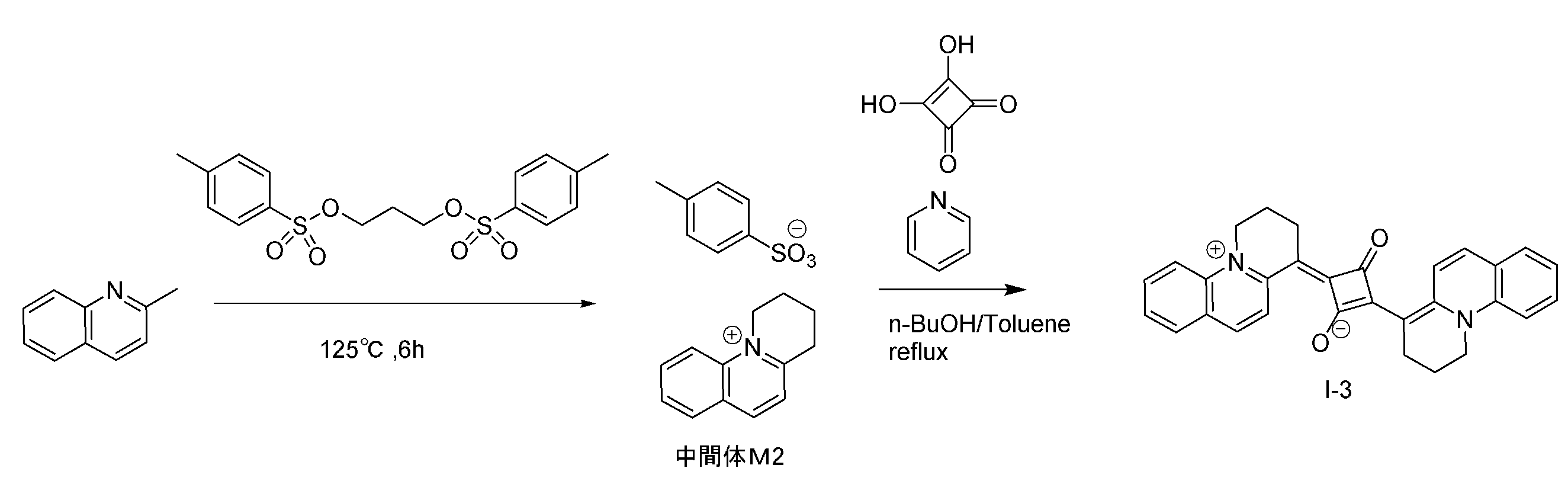
中間体M2(7.11g、20mmol)とスクアリン酸(1.14g、10mmol)とピリジン(2.37g、30mmol)をn-ブタノール/トルエン(21cm3/85cm3)中で、共沸脱水しながら6時間加熱還流した。反応液を冷却後、溶媒を減圧留去し、残渣をシリカゲルカラムクロマトグラフィ(展開溶媒:クロロホルム)により精製した。クロロホルムを減圧留去した後、固体をメタノール中で30分撹拌した後、固体を吸引ろ過することによって目的化合物(化合物I-3)を得た。
(0.45g、収率10%)。
化合物I-3の同定データ:
MALDI TOF-MASS(飛行時間型質量分析法)
Calc. for [M+H]+:445.2 found:445.2
以下の合成スキームに従って化合物II-1を合成した。

化合物II-1の同定データ:
1H-NMR(d-DMSO):
δ2.13(m,4H),δ3.29(t,4H),δ4.29(t,4H),
δ7.38(t,2H),7.53(t,2H),7.63(d,2H),7.99(d,2H)
MALDI TOF-MASS(飛行時間型質量分析法)
Calc. for [M+H]+:485.1 found:485.1
以下の合成スキームに従って化合物II-2を合成した。

(0.2g、収率10%)。
化合物II-2の同定データ:
MALDI TOF-MASS(飛行時間型質量分析法)
Calc. for [M+H]+:473.2 found:473.3
下記表に記載の色素化合物の13質量部と、樹脂6溶液の15質量部と、プロピレングリコールモノメチルエーテルアセテート(PGMEA)の109質量部との混合液に0.5mm径ジルコニアビーズを520質量部加え、ペイントシェーカーを用いて30分間分散処理を行った。その後、日本ポール製DFA4201NIEY(0.45μmナイロンフィルター)を用いてろ過を行い、ビーズをろ過で分離して分散液を製造した。
ガス導入管、コンデンサー、攪拌翼、及び温度計を備え付けた反応装置に、メチルメタクリレートの60質量部、n-ブチルメタクリレートの20質量部、テトラメチルエチレンジアミンの13.2質量部を仕込み、窒素を流しながら50℃で1時間撹拌し、系内を窒素置換した。次に、ブロモイソ酪酸エチルの9.3質量部、塩化第一銅の5.6質量部、PGMEAの133の質量部を仕込み、窒素気流下で、110℃まで昇温して第一ブロックの重合を開始した。4時間重合後、重合溶液をサンプリングして固形分測定を行い、不揮発分から換算して重合転化率が98%以上であることを確認した。
次に、この反応装置に、PGMEAの61質量部、第二ブロックモノマーとしてジメチルアミノエチルメタクリレートの20質量部(以下、DMという)を投入し、110℃・窒素雰囲気下を保持したまま撹拌し、反応を継続した。ジメチルアミノエチルメタクリレート投入から2時間後、重合溶液をサンプリングして固形分測定を行い、不揮発分から換算して第二ブロックの重合転化率が98%以上であることを確認し、反応溶液を室温まで冷却して重合を停止した。先に合成したブロック共重合体溶液に不揮発分が40質量%になるようにプロピレングリコールモノメチルエーテルアセテートを添加した。このようにして、固形分当たりのアミン価が71.4mgKOH/g、重量平均分子量9900(Mw)、不揮発分が40質量%のポリ(メタ)アクリレート骨格であり、3級アミノ基を有する樹脂6溶液を得た。

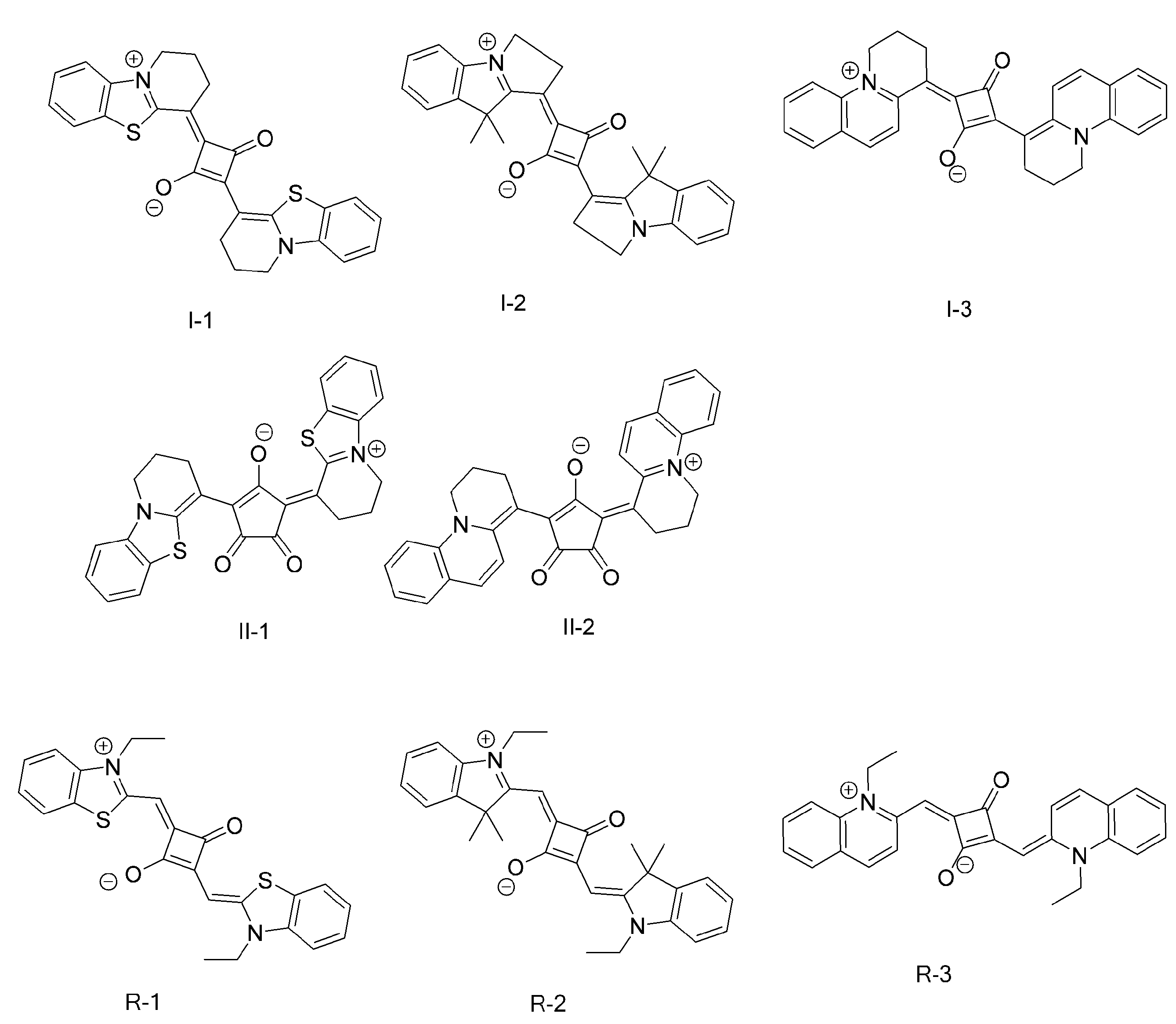
下記の組成1~4に示す原料を混合し、撹拌した後、孔径0.45μmのナイロン製フィルタ(日本ポール(株)製)を用いてろ過して、硬化性組成物を調製した。
下記表に記載の分散液 ・・・60質量部
架橋性モノマー1 ・・・6質量部
樹脂1 ・・・4.45質量部
光重合開始剤1 ・・・1.99質量部
界面活性剤1 ・・・4.17質量部
重合禁止剤(p-メトキシフェノール) ・・・0.003質量部
PGMEA ・・・23.39質量部
化合物I-4 ・・・2.3質量部
樹脂2 ・・・12.9質量部
架橋性モノマー1 ・・・12.9質量部
光重合開始剤1 ・・・2.5質量部
紫外線吸収剤1 ・・・0.5質量部
界面活性剤1 ・・・0.04質量部
重合禁止剤(p-メトキシフェノール) ・・・0.006質量部
シクロヘキサノン ・・・49.6質量部
PGMEA ・・・19.3質量部
化合物I-4 ・・・2.3質量部
樹脂3 ・・・12.8質量部
紫外線吸収剤1 ・・・0.5質量部
界面活性剤1 ・・・0.04質量部
シクロヘキサノン ・・・84.36質量部
化合物I-4 ・・・2.3質量部
樹脂4 ・・・12.8質量部
紫外線吸収剤1 ・・・0.5質量部
界面活性剤1 ・・・0.04質量部
シクロヘキサノン ・・・64.36質量部
N-メチルピロリドン ・・・20質量部
化合物I-4:下記構造の化合物
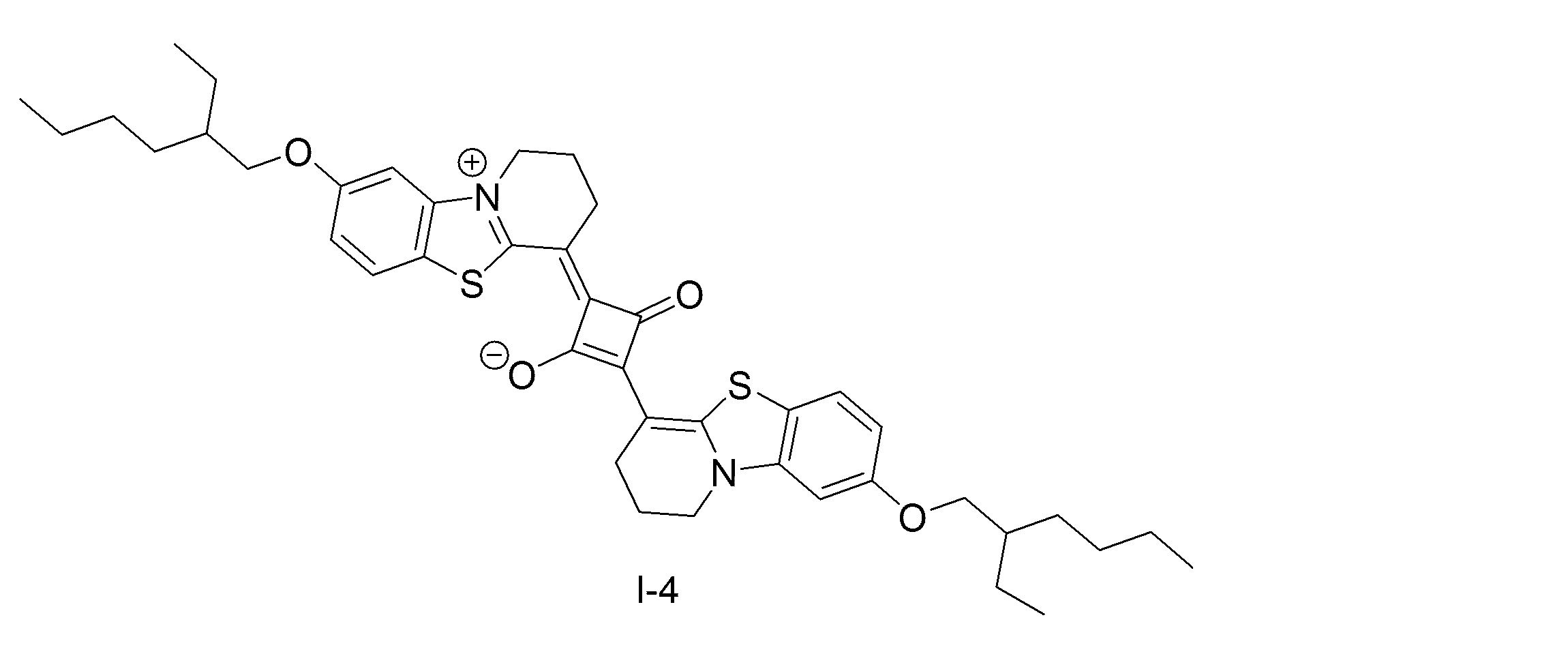
樹脂2:アリルメタクリレート(AMA)とメタクリル酸(MAA)との共重合体(組成比(質量比):(AMA/MAA)=(80/20)、Mw=15,000)
樹脂3:ARTON F4520(JSR(株)製)
樹脂4:ネオプリム(登録商標)C3450(三菱ガス化学(株)製)
架橋性モノマー1:KAYARAD DPHA(日本化薬(株)製)
光重合開始剤1:IRGACURE-OXE01(BASF社製)〔2-(O-ベンゾイルオキシム)-1-[4-(フェニルチオ)フェニル]-1,2-オクタンジオン〕
紫外線吸収剤1:UV-503(大東化学株式会社製)
界面活性剤1:下記構造の化合物(Mw=14000、繰り返し単位の割合を示す%はモル%である。)
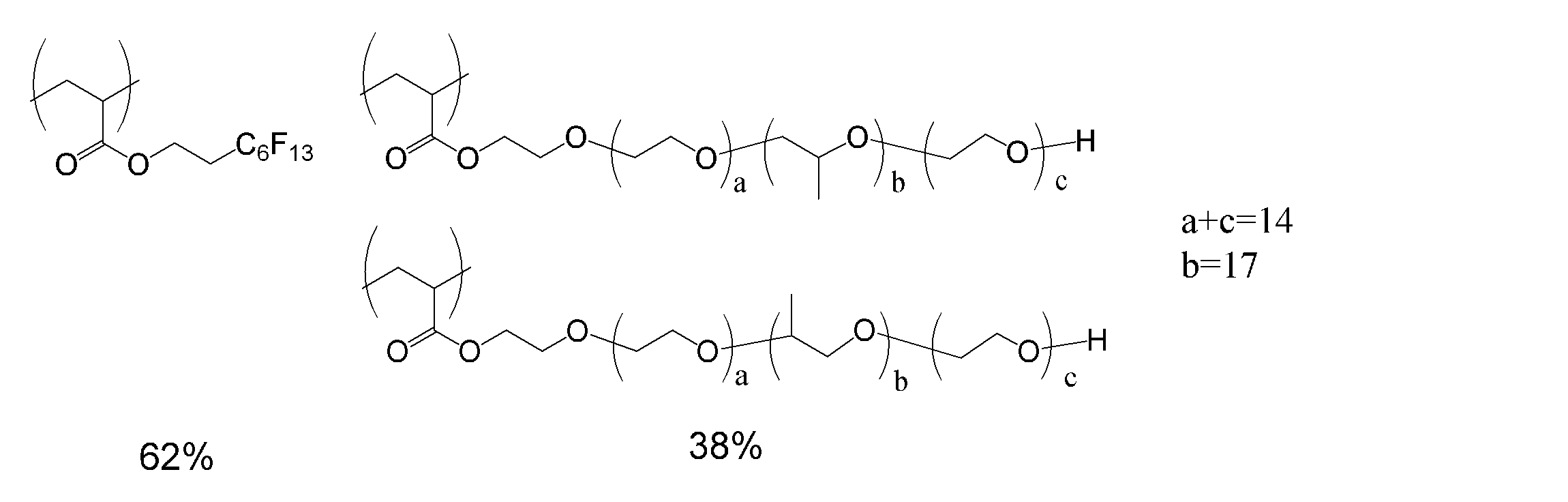

(作製例1)
(組成1、2の硬化性組成物を用いた硬化膜の作製方法)
各硬化性組成物を、ガラス基材(コーニング社製1737)上に、乾燥後の膜厚が1.0μmになるようにスピンコーターを用いて塗布し、100℃のホットプレートを用いて120秒間加熱処理(プリベーク)を行った。次いで、i線ステッパー露光装置FPA-3000i5+(Canon(株)製)を使用して、500mJ/cm2で全面露光した。次いで現像機(CD-2060、富士フイルムエレクトロニクスマテリアルズ(株)製)を用いて23℃で60秒間パドル現像を行い、次いで、純水でリンス処理し、次いで、スピン乾燥した。さらに、200℃のホットプレートを用いて300秒間加熱処理(ポストベーク)を行い、硬化膜を得た。
(組成3、4の硬化性組成物を用いた膜の作製方法)
各硬化性組成物を、ガラス基材(コーニング社製1737)上に、乾燥後の膜厚が1.0μmになるようにスピンコーターを用いて塗布し、100℃のホットプレートを用いて120秒間加熱処理(プリベーク)を行った。次いで、200℃のホットプレートを用いて300秒間加熱処理(ポストベーク)を行い、膜を得た。
分光光度計UV-3100PC((株)島津製作所製)を用いて、得られた膜の吸収スペクトルを測定し、膜の極大吸収波長(λmax)を測定した。
また、硬化性化合物に用いた色素化合物の極大吸収波長(λmax)は、各硬化性化合物に用いた色素化合物のクロロホルム溶液を作製し、分光光度計UV-3100PC((株)島津製作所製)を用いて各色素化合物のクロロホルム溶液の吸収スペクトルを測定して、クロロホルム溶液中での色素化合物の極大吸収波長(λmax)を測定した。
得られた膜に対し、Xeランプにて紫外線カットフィルタを通して2万ルクスの光を10時間照射した後、色度計MCPD-1000(大塚電子(株)製)にて、耐光テスト前後の色差のΔEab値を測定した。ΔEab値の小さい方が耐光性が良好であることを示す。なお、ΔEab値は、CIE1976(L*,a*,b*)空間表色系による以下の色差公式から求められる値である(日本色彩学会編 新編色彩科学ハンドブック(昭和60年)p.266)。
ΔEab={(ΔL*)2+(Δa*)2+(Δb*)2}1/2
<<判定基準>>
A:ΔEab値<2.5
B:2.5≦ΔEab値<5
C:5≦ΔEab値<10
D:10≦ΔEab値<15
E:15≦ΔEab値
得られた膜を、85℃、相対湿度85%の高温高湿下で15時間放置して耐湿試験を行った。耐湿試験前後の膜のそれぞれについて、分光光度計(U-4100、(株)日立ハイテクノロジーズ製)を用いて、波長650~1100nmにおける最大吸光度(Absλmax)と、波長400~650nmにおける最小吸光度(Absλmin)とを測定し、「Absλmax/Absλmin」で表される吸光度比を求めた。
|{(耐湿試験前の膜の吸光度比-耐湿試験後の膜の吸光度比)/耐湿試験前の膜の吸光度比}×100|(%)で表される吸光度比変化率を、以下の基準で評価した。結果を以下の表に示す。
A:吸光度比変化率≦2%
B:2%<吸光度比変化率≦4%
C:4%<吸光度比変化率≦7%
D:7%<吸光度比変化率≦10%
E:10%<吸光度比変化率
分光光度計(U-4100、(株)日立ハイテクノロジーズ製)を用いて得られた膜の400~1100nmの波長範囲の吸収スペクトルを測定した。波長650~1100nmにおける最大吸光度(Absλmax)を測定し、最大の吸光度を1とした時の、「400~600nmの平均吸光度」について、下記基準で評価した。この吸光度を1としたときに、400~600nmの吸光度が小さいほど、急峻な分光形状を有しており、可視光領域の高い透明性と近赤外領域の高い遮蔽性を両立しているため、優れた分光特性であると言える。
A:0.05未満
B:0.05以上、0.1未満
C:0.1以上、0.2未満
D:0.2以上

Claims (13)
- 下記式(1)又は下記式(2)で表される化合物と、
硬化性化合物と、
溶剤と、
を含む硬化性組成物;

式(2)中、X3~X5はそれぞれ独立して、O、S、またはジシアノメチレン基を表し、R3およびR4は、それぞれ独立してアリール基、複素環基、式(R1)で表される基、または式(R2)で表される基を表し、R3およびR4の少なくとも一方が式(R2)で表される基である;
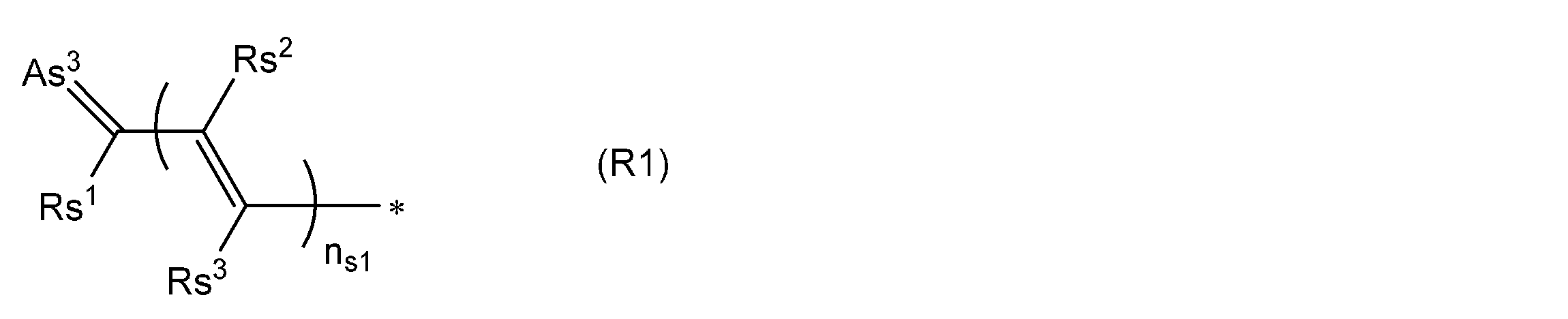
Rs1~Rs3は、それぞれ独立して水素原子またはアルキル基を表し、
As3は複素環基を表し、
ns1は、0以上の整数を表し、
Rs1とRs2は、互いに結合して環を形成してもよく、
Rs1とAs3は、互いに結合して環を形成してもよく、
Rs2とRs3は、互いに結合して環を形成してもよく、
ns1が2以上の場合、複数のRs2およびRs3はそれぞれ同一であってもよく、異なっていてもよい;

Rt1およびRt2は、それぞれ独立して置換基を表し、
A1は4~9員の含窒素複素環を表し、
B2は単環または縮合環の芳香族環を表し、
t1およびt2はそれぞれ独立して0以上の整数を表し、
t1が2以上の場合、複数のRt1はそれぞれ同一であってもよく、異なっていてもよく、複数のRt1のうち2つのRt1同士が結合して環を形成していてもよく、
t2が2以上の場合、複数のRt2はそれぞれ同一であってもよく、異なっていてもよく、複数のRt2のうち2つのRt2同士が結合して環を形成していてもよい。 - 前記式(R2)で表される基が下記式(R2-1)~(R2-4)のいずれかで表される基である、請求項1に記載の硬化性組成物;

Rt13~Rt20はそれぞれ独立して水素原子または置換基を表し、
Y1は、O、S、C(=O)、S(=O)またはSO2を表し、
B2は単環または縮合環の芳香族環を表し、
t2は0以上の整数を表し、
t2が2以上の場合、複数のRt2はそれぞれ同一であってもよく、異なっていてもよく、複数のRt2のうち2つのRt2同士が結合して環を形成していてもよく、
t11およびt12はそれぞれ独立して0~4の整数を表し、
t11が2以上の場合、複数のRt11はそれぞれ同一であってもよく、異なっていてもよく、複数のRt11のうち2つのRt11同士が結合して環を形成していてもよく、
t12が2以上の場合、複数のRt12はそれぞれ同一であってもよく、異なっていてもよく、複数のRt12のうち2つのRt12同士が結合して環を形成していてもよく、
n1は0~4の整数を表し、
n2およびn3はそれぞれ独立して1~3の整数を表す;ただし、n2+n3は2~4の整数である。 - 前記式(R2)のB2が表す単環または縮合環の芳香族環は、イミダゾール環、オキサゾール環、チアゾール環、ピリジン環、ピラジン環またはこれらの環を1種以上含む縮合環である、請求項1または2に記載の硬化性組成物。
- 前記式(R2)で表される基が下記式(R2-11)~(R2-14)のいずれかで表される基である、請求項1に記載の硬化性組成物;

Rt31、Rt32はそれぞれ独立して置換基を表し、
Y1は、O、S、C(=O)、S(=O)またはSO2を表し、
Z1は、O、S、NRz1またはCRz2Rz3を表し、Rz1~Rz3はそれぞれ独立して水素原子または置換基を表し、
t31は0~4の整数を表し、
t32は0~6の整数を表し、
t31が2以上の場合、複数のRt31はそれぞれ同一であってもよく、異なっていてもよく、複数のRt31のうち2つのRt31同士が結合して環を形成していてもよく、
t32が2以上の場合、複数のRt32はそれぞれ同一であってもよく、異なっていてもよく、複数のRt32のうち2つのRt32同士が結合して環を形成していてもよく、
n1は0~4の整数を表し、
n2およびn3はそれぞれ独立して1~3の整数を表す;ただし、n2+n3は2~4の整数である。 - 前記式(1)又は式(2)で表される化合物は、クロロホルム溶液中において波長600~1300nmの範囲に極大吸収波長を有する、請求項1~4のいずれか1項に記載の硬化性組成物。
- 前記硬化性組成物を用いて厚さ1.0μmの膜を形成した際に、前記膜は、前記硬化性組成物に含まれる前記式(1)又は式(2)で表される化合物のクロロホルム溶液中での極大吸収波長よりも長波長側に極大吸収波長を有する、請求項1~5のいずれか1項に記載の硬化性組成物。
- 前記硬化性組成物を用いて厚さ1.0μmの膜を形成した際に、前記膜の極大吸収波長は700~1400nmの範囲にある、請求項1~6のいずれか1項に記載の硬化性組成物。
- 請求項1~7のいずれか1項に記載の硬化性組成物から得られる膜。
- 請求項8に記載の膜を有する、近赤外線カットフィルタ。
- 請求項8に記載の膜を有する、固体撮像素子。
- 請求項8に記載の膜を有する、画像表示装置。
- 請求項8に記載の膜を有する、赤外線センサ。
- 固体撮像素子と、請求項9に記載の近赤外線カットフィルタとを有する、カメラモジュール。
Priority Applications (3)
| Application Number | Priority Date | Filing Date | Title |
|---|---|---|---|
| JP2020528834A JP7109544B2 (ja) | 2018-07-06 | 2019-06-28 | 硬化性組成物、膜、近赤外線カットフィルタ、固体撮像素子、画像表示装置、赤外線センサ及びカメラモジュール |
| KR1020207036254A KR102457447B1 (ko) | 2018-07-06 | 2019-06-28 | 경화성 조성물, 막, 근적외선 차단 필터, 고체 촬상 소자, 화상 표시 장치, 적외선 센서 및 카메라 모듈 |
| US17/119,333 US11945887B2 (en) | 2018-07-06 | 2020-12-11 | Curable composition, film, near-infrared cut filter, solid-state imaging element, image display device, infrared sensor, and camera module |
Applications Claiming Priority (2)
| Application Number | Priority Date | Filing Date | Title |
|---|---|---|---|
| JP2018-128804 | 2018-07-06 | ||
| JP2018128804 | 2018-07-06 |
Related Child Applications (1)
| Application Number | Title | Priority Date | Filing Date |
|---|---|---|---|
| US17/119,333 Continuation US11945887B2 (en) | 2018-07-06 | 2020-12-11 | Curable composition, film, near-infrared cut filter, solid-state imaging element, image display device, infrared sensor, and camera module |
Publications (1)
| Publication Number | Publication Date |
|---|---|
| WO2020009015A1 true WO2020009015A1 (ja) | 2020-01-09 |
Family
ID=69060983
Family Applications (1)
| Application Number | Title | Priority Date | Filing Date |
|---|---|---|---|
| PCT/JP2019/025810 Ceased WO2020009015A1 (ja) | 2018-07-06 | 2019-06-28 | 硬化性組成物、膜、近赤外線カットフィルタ、固体撮像素子、画像表示装置、赤外線センサ及びカメラモジュール |
Country Status (5)
| Country | Link |
|---|---|
| US (1) | US11945887B2 (ja) |
| JP (1) | JP7109544B2 (ja) |
| KR (1) | KR102457447B1 (ja) |
| TW (1) | TWI807062B (ja) |
| WO (1) | WO2020009015A1 (ja) |
Cited By (2)
| Publication number | Priority date | Publication date | Assignee | Title |
|---|---|---|---|---|
| JPWO2021029195A1 (ja) * | 2019-08-13 | 2021-02-18 | ||
| JP2021130734A (ja) * | 2020-02-18 | 2021-09-09 | 東京応化工業株式会社 | 硬化性組成物、硬化物、近赤外線吸収フィルタ、硬化物の製造方法、近赤外線吸収フィルタの製造方法、硬化性組成物の低温保管方法、硬化性組成物の輸送方法、及び硬化性組成物の提供方法 |
Families Citing this family (3)
| Publication number | Priority date | Publication date | Assignee | Title |
|---|---|---|---|---|
| WO2019150908A1 (ja) * | 2018-02-01 | 2019-08-08 | 富士フイルム株式会社 | 硬化性組成物、近赤外線吸収剤、膜、近赤外線カットフィルタ、固体撮像素子、画像表示装置および赤外線センサ |
| JP7015935B2 (ja) * | 2018-09-14 | 2022-02-03 | 富士フイルム株式会社 | 近赤外線吸収性感光性組成物、硬化膜、光学フィルタ、パターン形成方法、積層体、固体撮像素子、画像表示装置及び赤外線センサ |
| EP4089752A4 (en) * | 2020-01-10 | 2023-07-05 | FUJIFILM Corporation | PHOTOELECTRIC CONVERSION ELEMENT, IMAGING ELEMENT AND OPTICAL SENSOR |
Citations (9)
| Publication number | Priority date | Publication date | Assignee | Title |
|---|---|---|---|---|
| US4175956A (en) * | 1978-02-10 | 1979-11-27 | Eastman Kodak Company | Electrophotosensitive materials for migration imaging processes |
| JP2000345059A (ja) * | 1999-06-04 | 2000-12-12 | Konica Corp | ハロゲン化銀カラー写真感光材料、カラートナー、有機el素子、インク、感熱記録材料、光記録媒体、カラーフィルター、及びスクアリリウム化合物 |
| JP2003301009A (ja) * | 2002-04-10 | 2003-10-21 | Konica Minolta Holdings Inc | 光重合開始剤、ラジカル発生方法、光重合組成物、平版印刷版作成用感光材料及び平版印刷版の作成方法 |
| JP2004319309A (ja) * | 2003-04-17 | 2004-11-11 | Konica Minolta Holdings Inc | 光電変換材料用半導体、光電変換素子及び太陽電池 |
| WO2008035533A1 (en) * | 2006-09-20 | 2008-03-27 | Konica Minolta Holdings, Inc. | Optical filter containing squarylium dye-metal complex compound and filter for display panel using the same |
| JP2008074922A (ja) * | 2006-09-20 | 2008-04-03 | Konica Minolta Holdings Inc | 新規なスクアリリウム金属錯体化合物、色素及びこれを含有する組成物、カラートナー、インク、光記録媒体、カラーフィルター及びディスプレイ用前面フィルター |
| JP2017132891A (ja) * | 2016-01-27 | 2017-08-03 | セイコーエプソン株式会社 | 非水系インクジェット組成物、及びインクジェット記録方法 |
| JP2017159947A (ja) * | 2016-03-10 | 2017-09-14 | パイロットインキ株式会社 | 包装体 |
| JP2018092923A (ja) * | 2017-11-17 | 2018-06-14 | 東洋インキScホールディングス株式会社 | 有機elディスプレイ用部材 |
Family Cites Families (9)
| Publication number | Priority date | Publication date | Assignee | Title |
|---|---|---|---|---|
| US5147758A (en) * | 1991-02-19 | 1992-09-15 | E. I. Du Pont De Nemours And Company | Red sensitive photopolymerizable compositions |
| JP6166997B2 (ja) * | 2013-09-27 | 2017-07-19 | 富士フイルム株式会社 | 感光性樹脂組成物、赤外線透過フィルタおよびその製造方法、赤外線センサならびにカラーフィルタ。 |
| JP6452247B2 (ja) | 2014-10-08 | 2019-01-16 | 株式会社日本触媒 | オキソカーボン系化合物ならびにこれを含む樹脂組成物および成形体 |
| JP6720969B2 (ja) * | 2015-05-12 | 2020-07-08 | Agc株式会社 | 光学フィルタおよび撮像装置 |
| JP6721578B2 (ja) | 2015-05-20 | 2020-07-15 | 富士フイルム株式会社 | 赤外線吸収組成物、赤外線カットフィルタ、積層体、パターン形成方法、および固体撮像素子 |
| CN107660221B (zh) | 2015-06-04 | 2021-07-13 | 伊斯曼柯达公司 | 泡沫不透明元件和制造方法 |
| CN107011739B (zh) | 2016-01-27 | 2021-10-08 | 精工爱普生株式会社 | 非水系喷墨组合物 |
| KR20210055808A (ko) * | 2016-03-22 | 2021-05-17 | 제이에스알 가부시끼가이샤 | 광학 필터 및 광학 필터를 사용한 장치 |
| JP2018082923A (ja) | 2016-11-24 | 2018-05-31 | キヤノン株式会社 | 情報処理装置、情報処理方法、情報処理システム及びプログラム |
-
2019
- 2019-06-28 WO PCT/JP2019/025810 patent/WO2020009015A1/ja not_active Ceased
- 2019-06-28 KR KR1020207036254A patent/KR102457447B1/ko active Active
- 2019-06-28 JP JP2020528834A patent/JP7109544B2/ja active Active
- 2019-07-01 TW TW108123065A patent/TWI807062B/zh active
-
2020
- 2020-12-11 US US17/119,333 patent/US11945887B2/en active Active
Patent Citations (9)
| Publication number | Priority date | Publication date | Assignee | Title |
|---|---|---|---|---|
| US4175956A (en) * | 1978-02-10 | 1979-11-27 | Eastman Kodak Company | Electrophotosensitive materials for migration imaging processes |
| JP2000345059A (ja) * | 1999-06-04 | 2000-12-12 | Konica Corp | ハロゲン化銀カラー写真感光材料、カラートナー、有機el素子、インク、感熱記録材料、光記録媒体、カラーフィルター、及びスクアリリウム化合物 |
| JP2003301009A (ja) * | 2002-04-10 | 2003-10-21 | Konica Minolta Holdings Inc | 光重合開始剤、ラジカル発生方法、光重合組成物、平版印刷版作成用感光材料及び平版印刷版の作成方法 |
| JP2004319309A (ja) * | 2003-04-17 | 2004-11-11 | Konica Minolta Holdings Inc | 光電変換材料用半導体、光電変換素子及び太陽電池 |
| WO2008035533A1 (en) * | 2006-09-20 | 2008-03-27 | Konica Minolta Holdings, Inc. | Optical filter containing squarylium dye-metal complex compound and filter for display panel using the same |
| JP2008074922A (ja) * | 2006-09-20 | 2008-04-03 | Konica Minolta Holdings Inc | 新規なスクアリリウム金属錯体化合物、色素及びこれを含有する組成物、カラートナー、インク、光記録媒体、カラーフィルター及びディスプレイ用前面フィルター |
| JP2017132891A (ja) * | 2016-01-27 | 2017-08-03 | セイコーエプソン株式会社 | 非水系インクジェット組成物、及びインクジェット記録方法 |
| JP2017159947A (ja) * | 2016-03-10 | 2017-09-14 | パイロットインキ株式会社 | 包装体 |
| JP2018092923A (ja) * | 2017-11-17 | 2018-06-14 | 東洋インキScホールディングス株式会社 | 有機elディスプレイ用部材 |
Non-Patent Citations (1)
| Title |
|---|
| PROSTOTA, Y. ET AL.: "New unsymmetrical squaraine dyes derived from imidazo[1, 5-a]pyridine", DYES AND PIGMENTS, vol. 96, 17 October 2012 (2012-10-17), pages 554 - 562, XP55672420 * |
Cited By (5)
| Publication number | Priority date | Publication date | Assignee | Title |
|---|---|---|---|---|
| JPWO2021029195A1 (ja) * | 2019-08-13 | 2021-02-18 | ||
| WO2021029195A1 (ja) * | 2019-08-13 | 2021-02-18 | 富士フイルム株式会社 | 組成物、膜、光学フィルタ及びその製造方法、固体撮像素子、赤外線センサ、カメラモジュール、並びに、化合物 |
| JP7167350B2 (ja) | 2019-08-13 | 2022-11-08 | 富士フイルム株式会社 | 組成物、膜、光学フィルタ及びその製造方法、固体撮像素子、赤外線センサ、カメラモジュール、並びに、化合物 |
| JP2021130734A (ja) * | 2020-02-18 | 2021-09-09 | 東京応化工業株式会社 | 硬化性組成物、硬化物、近赤外線吸収フィルタ、硬化物の製造方法、近赤外線吸収フィルタの製造方法、硬化性組成物の低温保管方法、硬化性組成物の輸送方法、及び硬化性組成物の提供方法 |
| JP7419097B2 (ja) | 2020-02-18 | 2024-01-22 | 東京応化工業株式会社 | 硬化性組成物、硬化物、近赤外線吸収フィルタ、硬化物の製造方法、近赤外線吸収フィルタの製造方法、硬化性組成物の低温保管方法、硬化性組成物の輸送方法、及び硬化性組成物の提供方法 |
Also Published As
| Publication number | Publication date |
|---|---|
| TWI807062B (zh) | 2023-07-01 |
| JPWO2020009015A1 (ja) | 2021-06-24 |
| KR20210010552A (ko) | 2021-01-27 |
| US11945887B2 (en) | 2024-04-02 |
| US20210102010A1 (en) | 2021-04-08 |
| JP7109544B2 (ja) | 2022-07-29 |
| TW202006041A (zh) | 2020-02-01 |
| KR102457447B1 (ko) | 2022-10-21 |
Similar Documents
| Publication | Publication Date | Title |
|---|---|---|
| TWI859132B (zh) | 硬化性組成物、近紅外線吸收劑、膜、近紅外線截止濾波器、固體攝像元件、圖像顯示裝置及紅外線感測器 | |
| KR102566220B1 (ko) | 근적외선 흡수성 조성물, 분산액의 제조 방법, 막, 광학 필터, 패턴 형성 방법, 적층체, 고체 촬상 소자, 화상 표시 장치 및 적외선 센서 | |
| TWI861374B (zh) | 著色組成物、膜、濾光器、固體攝像元件及圖像顯示裝置 | |
| JP7109544B2 (ja) | 硬化性組成物、膜、近赤外線カットフィルタ、固体撮像素子、画像表示装置、赤外線センサ及びカメラモジュール | |
| WO2020054719A1 (ja) | 近赤外線吸収性感光性組成物、硬化膜、光学フィルタ、パターン形成方法、積層体、固体撮像素子、画像表示装置及び赤外線センサ | |
| TW201826020A (zh) | 感光性組成物、硬化膜、濾光器、積層體、圖案形成方法、固體成像元件、圖像顯示裝置以及紅外線感測器 | |
| JP7627291B2 (ja) | 硬化性組成物、膜、カラーフィルタ、カラーフィルタの製造方法、固体撮像素子、画像表示装置、及び、高分子化合物 | |
| JP7045456B2 (ja) | 着色組成物、膜、カラーフィルタ、カラーフィルタの製造方法、固体撮像素子及び画像表示装置 | |
| TWI819041B (zh) | 組成物、膜、濾光器、積層體、固體攝像元件、圖像顯示裝置及紅外線感測器 | |
| TWI881032B (zh) | 著色組成物、膜、濾光器、固體攝像元件及圖像顯示裝置 | |
| JP2024009929A (ja) | 着色感光性組成物、膜、カラーフィルタ、固体撮像素子および画像表示装置 | |
| CN112204469B (zh) | 感光性组合物、膜、滤色器、固体摄像元件及图像显示装置 | |
| JP2024040152A (ja) | 着色組成物、膜、カラーフィルタおよび固体撮像素子 | |
| JP2024012409A (ja) | 着色感光性組成物、硬化物、カラーフィルタ、固体撮像素子、画像表示装置、及び、非対称ジケトピロロピロール化合物 | |
| JP7080325B2 (ja) | 硬化性組成物、膜、カラーフィルタ、カラーフィルタの製造方法、固体撮像素子および画像表示装置 | |
| WO2020022247A1 (ja) | 硬化性組成物、硬化性組成物の製造方法、膜、カラーフィルタ、カラーフィルタの製造方法、固体撮像素子および画像表示装置 | |
| WO2020184245A1 (ja) | 着色組成物、膜、カラーフィルタ、固体撮像素子及び画像表示装置 | |
| JP7383146B2 (ja) | 感光性組成物、膜、カラーフィルタ、固体撮像素子及び画像表示装置 | |
| WO2023085072A1 (ja) | 着色硬化性組成物、硬化物の製造方法、膜、光学素子、イメージセンサ、固体撮像素子、画像表示装置、及び、ラジカル重合開始剤 | |
| CN114127634A (zh) | 着色组合物、膜、滤色器、固体摄像元件及图像显示装置 | |
| JP7389900B2 (ja) | マゼンタ色感光性樹脂組成物、膜、カラーフィルタ、固体撮像素子及び画像表示装置 | |
| WO2023182017A1 (ja) | 着色組成物、膜、カラーフィルタ、固体撮像素子および画像表示装置 | |
| WO2023112840A1 (ja) | 感光性組成物、膜、カラーフィルタ、固体撮像素子および画像表示装置 |
Legal Events
| Date | Code | Title | Description |
|---|---|---|---|
| 121 | Ep: the epo has been informed by wipo that ep was designated in this application |
Ref document number: 19830209 Country of ref document: EP Kind code of ref document: A1 |
|
| ENP | Entry into the national phase |
Ref document number: 2020528834 Country of ref document: JP Kind code of ref document: A |
|
| ENP | Entry into the national phase |
Ref document number: 20207036254 Country of ref document: KR Kind code of ref document: A |
|
| NENP | Non-entry into the national phase |
Ref country code: DE |
|
| 122 | Ep: pct application non-entry in european phase |
Ref document number: 19830209 Country of ref document: EP Kind code of ref document: A1 |