WO2017043353A1 - 新規化合物、潜在性添加剤及び該添加剤を含有する組成物 - Google Patents
新規化合物、潜在性添加剤及び該添加剤を含有する組成物 Download PDFInfo
- Publication number
- WO2017043353A1 WO2017043353A1 PCT/JP2016/075160 JP2016075160W WO2017043353A1 WO 2017043353 A1 WO2017043353 A1 WO 2017043353A1 JP 2016075160 W JP2016075160 W JP 2016075160W WO 2017043353 A1 WO2017043353 A1 WO 2017043353A1
- Authority
- WO
- WIPO (PCT)
- Prior art keywords
- group
- carbon atoms
- substituent
- compound
- photosensitive composition
- Prior art date
- Legal status (The legal status is an assumption and is not a legal conclusion. Google has not performed a legal analysis and makes no representation as to the accuracy of the status listed.)
- Ceased
Links
Classifications
-
- B—PERFORMING OPERATIONS; TRANSPORTING
- B32—LAYERED PRODUCTS
- B32B—LAYERED PRODUCTS, i.e. PRODUCTS BUILT-UP OF STRATA OF FLAT OR NON-FLAT, e.g. CELLULAR OR HONEYCOMB, FORM
- B32B27/00—Layered products comprising a layer of synthetic resin
- B32B27/16—Layered products comprising a layer of synthetic resin specially treated, e.g. irradiated
-
- C—CHEMISTRY; METALLURGY
- C07—ORGANIC CHEMISTRY
- C07C—ACYCLIC OR CARBOCYCLIC COMPOUNDS
- C07C69/00—Esters of carboxylic acids; Esters of carbonic or haloformic acids
- C07C69/96—Esters of carbonic or haloformic acids
-
- G—PHYSICS
- G02—OPTICS
- G02B—OPTICAL ELEMENTS, SYSTEMS OR APPARATUS
- G02B5/00—Optical elements other than lenses
- G02B5/20—Filters
-
- G—PHYSICS
- G03—PHOTOGRAPHY; CINEMATOGRAPHY; ANALOGOUS TECHNIQUES USING WAVES OTHER THAN OPTICAL WAVES; ELECTROGRAPHY; HOLOGRAPHY
- G03F—PHOTOMECHANICAL PRODUCTION OF TEXTURED OR PATTERNED SURFACES, e.g. FOR PRINTING, FOR PROCESSING OF SEMICONDUCTOR DEVICES; MATERIALS THEREFOR; ORIGINALS THEREFOR; APPARATUS SPECIALLY ADAPTED THEREFOR
- G03F7/00—Photomechanical, e.g. photolithographic, production of textured or patterned surfaces, e.g. printing surfaces; Materials therefor, e.g. comprising photoresists; Apparatus specially adapted therefor
- G03F7/004—Photosensitive materials
-
- B—PERFORMING OPERATIONS; TRANSPORTING
- B32—LAYERED PRODUCTS
- B32B—LAYERED PRODUCTS, i.e. PRODUCTS BUILT-UP OF STRATA OF FLAT OR NON-FLAT, e.g. CELLULAR OR HONEYCOMB, FORM
- B32B2307/00—Properties of the layers or laminate
- B32B2307/40—Properties of the layers or laminate having particular optical properties
- B32B2307/412—Transparent
Definitions
- the present invention relates to a novel compound, a latent additive composed of the compound that is inactive at room temperature and is activated by heating to a predetermined temperature to exhibit a function, and a composition containing the latent additive . Furthermore, the present invention relates to a colored photosensitive composition that can be polymerized by energy rays using the composition, and a color filter that uses the colored photosensitive composition.
- Patent Documents 1 to 4 As a method for improving the weather resistance and heat resistance of a resin composition, a method of stabilizing by adding an ultraviolet absorber or an antioxidant is known (Patent Documents 1 to 4).
- Patent Document 5 Since phenolic antioxidants trap radicals that greatly affect the deterioration of the polymer, adding antioxidants to the polymerization system generally acts as a so-called polymerization inhibitor, causing inhibition of curing. However, although a latent additive has been developed, satisfactory solubility has not been obtained (Patent Document 5).
- JP-A-6-179798 JP 7-109380 A Japanese Patent Laid-Open No. 11-071355 JP 2002-097224 A US2015 / 291772 (A1)
- an object of the present invention is to provide a highly soluble latent additive that is inactive at room temperature and is activated by heating to a predetermined temperature to express its function. Another object of the present invention is to provide a heat-resistant composition using the latent additive. Another object of the present invention is to provide a colored photosensitive composition containing the above composition and a colorant, particularly a colored photosensitive composition suitable for a color filter.
- the present inventors have found that a compound having a specific protecting group functions effectively as a latent additive, has high solubility and good handling properties, and a composition using the same
- the composition does not inhibit the curing and the deterioration of the initiator and the colorant is prevented, so that the heat resistance is excellent
- the colored photosensitive composition containing the composition and the colorant is an optical filter. It has been found that it is suitable for a color filter for an image display device such as a liquid crystal display panel without lowering the luminance of (especially a color filter), and has reached the present invention.
- This invention is made
- R 1 , R 2 , R 3 and R 4 each independently have a substituent, the alkyl group having 1 to 20 carbon atoms or the substituent may be substituted.
- An aryl group having 6 to 20 carbon atoms, an arylalkyl group having 7 to 20 carbon atoms that may have a substituent, and a complex having 2 to 20 carbon atoms that may have a substituent Represents a ring-containing group, a trialkylsilyl group, —CO—O—R 11 or —CO—S—R 12 ;
- R 11 and R 12 are each independently a hydrogen atom, an alkyl group having 1 to 20 carbon atoms which may have a substituent, or a carbon atom having 6 to 20 carbon atoms which may have a substituent.
- R 5 , R 6 , R 7 , R 8 , R 9 and R 10 are each independently a halogen atom, a cyano group, a hydroxyl group, a nitro group, a carboxyl group, or a carbon atom that may have a substituent.
- An alkyl group having 1 to 20 carbon atoms, an aryl group having 6 to 20 carbon atoms that may have a substituent, an arylalkyl group having 7 to 20 carbon atoms that may have a substituent, or a substituent Represents a heterocyclic group having 2 to 20 carbon atoms, which may have A plurality of R 5 s , R 6 s , R 7 s, and R 8 s may combine to form a benzene ring or a naphthalene ring, A plurality of R 5 , R 6 , R 7 , R 8 , R 9 and R 10 may each be the same or different, X 1 represents a direct bond, an alkylene group having 1 to 4 carbon atoms which may have a substituent, or an alicyclic hydrocarbon group having 3 to 20 carbon atoms which may have a substituent.
- R 71 represents a hydrogen atom, a phenyl group which may have a substituent, or a cycloalkyl group having 3 to 10 carbon atoms which may have a substituent
- R 72 has an alkyl group having 1 to 10 carbon atoms which may have a substituent, an alkoxy group having 1 to 10 carbon atoms which may have a substituent, or a substituent.
- Sometimes represents an alkenyl group having 2 to 10 carbon atoms or a halogen atom, i is an integer of 0-4.
- R 73 and R 74 are each independently an alkyl group having 1 to 10 carbon atoms which may have a substituent, or 6 carbon atoms which may have a substituent.
- this invention provides the latent additive which consists of 1 or more types of the compound represented by the said General formula (1).
- this invention provides the photosensitive composition containing the said latent additive.
- the present invention it is possible to provide a highly soluble latent additive which is inactive at room temperature and becomes active when heated to a predetermined temperature.
- the composition containing the latent additive is excellent in heat resistance without causing curing inhibition.
- alkyl group of ⁇ 20 methyl, ethyl, propyl, iso-propyl, butyl, sec-butyl, tert-butyl, iso-butyl, amyl, iso-amyl, tert-amyl, cyclopentyl, hexyl, 2-hexyl, Examples include 3-hexyl, cyclohexyl, 4-methylcyclohexyl, heptyl, 2-heptyl, 3-heptyl, iso-heptyl, tert-heptyl, 1-octyl, iso-octyl, tert-octyl, adamantyl and the like.
- Examples of the aryl group having 6 to 20 carbon atoms represented by R 1 , R 2 , R 3 , R 4 , R 5 , R 6 , R 7 , R 8 , R 9 , R 10 , R 11 and R 12 include , Phenyl, naphthyl, anthracenyl and the like.
- arylalkyl group having 7 to 20 carbon atoms represented by R 1 , R 2 , R 3 , R 4 , R 5 , R 6 , R 7 , R 8 , R 9 , R 10 , R 11 and R 12
- R 1 , R 2 , R 3 , R 4 , R 5 , R 6 , R 7 , R 8 , R 9 , R 10 , R 11 and R 12 Includes benzyl, phenethyl, diphenylmethyl, triphenylmethyl, 2-phenylpropyl, 3-phenylpropyl, fluorenyl, indenyl, 9-fluorenylmethyl group and the like.
- pyridyl pyrimidyl, pyridadyl, piperidyl, pyranyl, pyrazolyl, triazyl, pyrrolyl, quinolyl, isoquinolyl, imidazolyl, benzimidazolyl, triazolyl, furyl, furanyl, benzofuranyl, thienyl, thiophenyl, benzothiophenyl, thiadiazolyl, thiazolyl, benzothiazolyl, oxazolyl Benzoxazolyl, isothiazolyl, isoxazolyl, indolyl, 2-pyrrolidinon-1-yl, 2-piperidone-1-yl, 2,4-dioxyimi
- R 1 , R 2 , R 3, and R 4 examples include trimethylsilane, triethylsilane, and ethyldimethylsilane.
- R 5 , R 6 , R 7 , R 8 , R 9 and R 10 examples include fluorine, chlorine, bromine and iodine.
- substituent for substituting the aryl group having 6 to 20 carbon atoms, the arylalkyl group having 7 to 20 carbon atoms or the heterocyclic group having 2 to 20 carbon atoms include ethylene such as vinyl, allyl, acrylic, and methacryl Unsaturated groups; halogen atoms such as fluorine, chlorine, bromine and iodine; acetyl, 2-chloroacetyl, propionyl, octanoyl, acryloyl, methacryloyl, phenylcarbonyl (benzoyl), phthaloyl, 4-trifluoromethylbenzoyl, pivaloyl, salicyloyl , Oxaloyl, stea
- R 1 , R 2 , R 3 and R 4 are —CO—O—R 11 have high solubility and were used as latent additives.
- the heat resistance of the cured product of the composition containing it is preferable.
- R 11 is tert-butyl since it has high solubility and when used as a latent additive, the cured product of the composition containing it has high heat resistance.
- Examples of the alkylene group having 1 to 4 carbon atoms represented by X 1 in the general formula (1) include methylene, ethylene, propylidene, isopropylidene and butylidene.
- Examples of the substituent for substituting the alkylene group having 1 to 4 carbon atoms or the alicyclic hydrocarbon group having 3 to 20 carbon atoms represented by X 1 include the aforementioned R 1 , R 2 , R 3 , R 4 , R 5 , R 6 , R 7 , R 8 , R 9 , R 10 , R 11 and R 12 , an alkyl group having 1 to 20 carbon atoms, an aryl group having 6 to 20 carbon atoms, Examples thereof include those exemplified as the substituent for substituting the arylalkyl group having 7 to 20 carbon atoms or the heterocyclic group having 2 to 20 carbon atoms.
- Examples of the cycloalkyl group having 3 to 10 carbon atoms represented by R 71 in the above formula (1-1) include cyclopropyl, cyclobutyl, cyclopentyl, cyclohexyl, cyclooctyl and the like.
- Examples of the alkyl group having 1 to 10 carbon atoms and halogen atom represented by R 72 include the alkyl groups and halogen atoms exemplified in the description of the general formula (1).
- Examples of the alkoxy group having 1 to 10 carbon atoms represented by R 72 include methyloxy, ethyloxy, iso-propyloxy, butyloxy, sec-butyloxy, tert-butyloxy, iso-butyloxy, amyloxy, iso-amyloxy, tert- Amyloxy, hexyloxy, 2-hexyloxy, 3-hexyloxy, cyclohexyloxy, 4-methylcyclohexyloxy, heptyloxy, 2-heptyloxy, 3-heptyloxy, iso-heptyloxy, tert-heptyloxy, 1-octyl Examples include oxy, iso-octyloxy, tert-octyloxy and the like.
- Examples of the alkenyl group having 2 to 10 carbon atoms represented by R 72 include vinyl, allyl, 1-propenyl, isopropenyl, 2-butenyl, 1,3-butadienyl, 2-pentenyl, 2-octenyl and the like. .
- substituent for substituting the alkenyl group of 2 to 10 include R 1 , R 2 , R 3 , R 4 , R 5 , R 6 , R 7 , R 8 , R 9 , R 10 , R 11.
- Examples of the heterocycle-containing group having 2 to 20 atoms and the halogen atom include the alkyl groups, aryl groups, arylalkyl groups, heterocycle-containing groups having 2 to 20 carbon atoms and halogen atoms exemplified in the above description.
- Examples of the aryloxy group having 6 to 20 carbon atoms represented by R 73 and R 74 include phenyloxy, naphthyloxy, 2-methylphenyloxy, 3-methylphenyloxy, 4-methylphenyloxy, 4-vinylphenyl 2-oxy, 3-iso-propylphenyloxy, 4-iso-propylphenyloxy, 4-butylphenyloxy, 4-tert-butylphenyloxy, 4-hexylphenyloxy, 4-cyclohexylphenyloxy, 4-octylphenyl Oxy, 4- (2-ethylhexyl) phenyloxy, 2,3-dimethylphenyloxy, 2,4-dimethylphenyloxy, 2,5-dimethylphenyloxy, 2.6-dimethylphenyloxy, 3.4-dimethylphenyl Oxy, 3.5-dimethylphenyloxy 2,4-di-tert-butylphenyloxy, 2,5-d
- Examples of the arylthio group having 6 to 20 carbon atoms represented by R 73 and R 74 include groups in which the oxygen atom of the aryloxy group having 6 to 20 carbon atoms is substituted with a sulfur atom.
- the oxygen atom of the above aryloxy group having 6 to 20 carbon atoms is vinyl, allyl, 1-propenyl, isopropenyl, 2- And groups substituted with an alkenyl group such as butenyl, 1,3-butadienyl, 2-pentenyl, 2-octenyl and the like.
- Examples of the ring formed by adjacent R 73 include a cyclopentane ring, a cyclohexane ring, a cyclopentene ring, a benzene ring, a piperidine ring, a morpholine ring, a lactone ring, and a lactam ring.
- the substituent for substituting the arylalkenyl group having 6 to 20 carbon atoms, the arylalkyl group having 7 to 20 carbon atoms, and the heterocyclic-containing group having 2 to 20 carbon atoms includes the above-described R 1 , R 2 , R 3 , R 4 , R 5 , R 6 , R 7 , R 8 , R 9 , R 10 , R 11 and R 12 , an alkyl group having 1 to 20 carbon atoms, 6 to 6 carbon atoms Examples thereof include those exemplified as the substituent for substituting 20 aryl groups, arylalkyl groups having 7 to 20 carbon atoms, or heterocyclic groups having 2 to 20 carbon atoms.
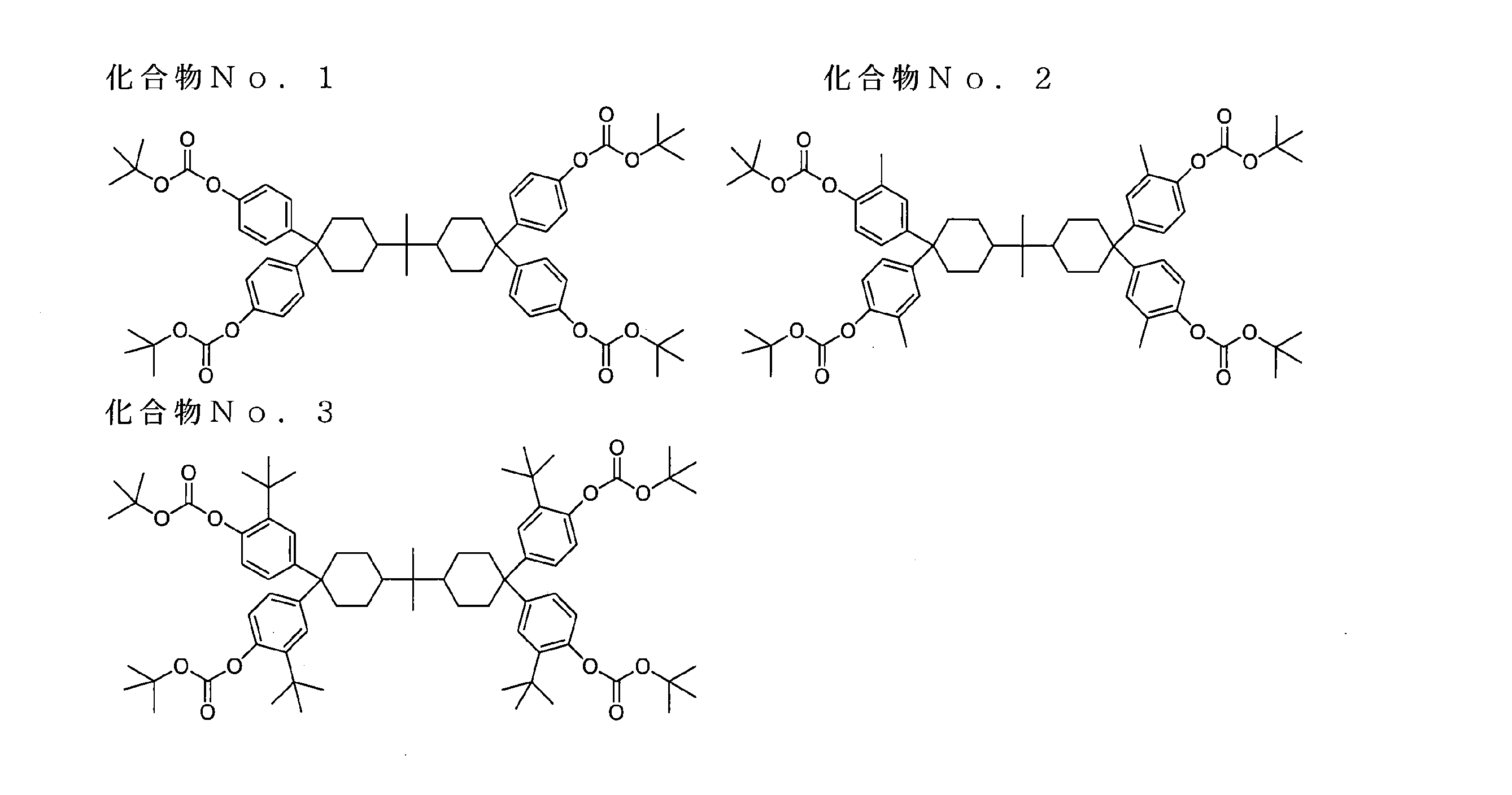
- Specific examples of the compound represented by the general formula (1) include compounds represented by the following [Chemical Formula 5] to [Chemical Formula 7], but the present invention is not limited to these compounds.
- the method for producing the compound represented by the general formula (1) is not particularly limited.
- JP-A-57-111375, JP-A-3-173743, JP-A-6-128195, JP-A-7-206791, and JP-A-7-7 -252191, JP-T 2004-501128 phenolic compounds produced by the methods described in each publication, acid anhydrides, acid chlorides, Boc reagents, alkyl halide compounds, silyl chloride compounds, allyl ether compounds, etc. It can be obtained by reaction.
- the compound represented by the above general formula (1) is used for semiconductors, photosensitive photographs, lithographic printing plates, pharmaceutical compound intermediates, thermal papers, latent antioxidants, latent ultraviolet absorbers, etc. It can be used as a latent additive.
- the latent additive of the present invention contains at least one compound represented by the general formula (1).
- the latent additive is inactive in the pre-bake process at room temperature or 150 ° C. and is protected at a temperature of 100 to 250 ° C. or by heating at 80 to 200 ° C. in the presence of an acid / base catalyst. Is released and becomes active.
- the photosensitive composition of the present invention contains the latent additive of the present invention.
- the content of the latent additive of the present invention is preferably 0.001 to 20% by mass, and more preferably 0.005 to 5% by mass.
- the photosensitive composition of the present invention is a composition whose properties are changed by light irradiation.
- a positive resist is one that is soluble in a chemical reaction
- a negative resist is one that is insoluble in a chemical reaction.
- the photosensitive composition of the present invention contains the latent additive of the present invention as a latent antioxidant, and further contains a polymerizable compound having an ethylenically unsaturated bond having an acid value and a radical photopolymerization initiator.
- Examples of the polymerizable compound having an ethylenically unsaturated bond having an acid value include (meth) acrylic acid, ⁇ -chloroacrylic acid, itaconic acid, maleic acid, citraconic acid, fumaric acid, hymic acid, crotonic acid, and isocrotonic acid.
- X 41 is a direct bond, an alkylene group having 1 to 4 carbon atoms which may have a substituent, or an alicyclic group having 3 to 20 carbon atoms which may have a substituent.
- Hydrocarbon group, —O—, —S—, —SO 2 —, —SS—, —SO—, —CO—, —OCO— or a substitution represented by the above (1-1) to (1-3) Represents a group, R 41 , R 42 , R 43 and R 44 each independently have a hydrogen atom, a substituent or a C 1-5 alkyl group or a substituent.
- polymerizable compounds having an ethylenically unsaturated bond having an acid value can be used alone or in admixture of two or more.
- the content of the polymerizable compound having an ethylenically unsaturated bond having an acid value in the photosensitive composition of the present invention is preferably 20 to 80% by mass in the solid content, and more preferably 30 to 70% by mass in the solid content. preferable.
- it can be used in combination with a polymerizable compound having an ethylenically unsaturated bond having no acid value.
- two or more kinds are mixed and used, they may be copolymerized in advance and used as a copolymer.
- Examples of the polymerizable compound having an ethylenically unsaturated bond having no acid value include, for example, 2-hydroxyethyl (meth) acrylate, 2-hydroxypropyl (meth) acrylate, glycidyl (meth) acrylate, The following compound No. A1-No.
- A4 methyl (meth) acrylate, butyl (meth) acrylate, isobutyl (meth) acrylate, tert-butyl (meth) acrylate, cyclohexyl (meth) acrylate, n-octyl (meth) acrylate, ( Isooctyl (meth) acrylate, isononyl (meth) acrylate, stearyl (meth) acrylate, lauryl (meth) acrylate, methoxyethyl (meth) acrylate, dimethylaminomethyl (meth) acrylate, dimethyl (meth) acrylate Aminoethyl, aminopropyl (meth) acrylate, dimethylaminopropyl (meth) acrylate, ethoxyethyl (meth) acrylate, poly (ethoxy) ethyl (meth) acrylate, butoxyethoxyethyl (
- the content of the polymerizable compound having an ethylenically unsaturated bond having no acid value in the photosensitive composition of the invention is preferably 20 to 80% by mass in the solid content, and more preferably 30 to 60% by mass in the solid content. preferable.
- the photosensitive composition of the present invention in addition to the polymerizable compound having an ethylenically unsaturated bond having the acid value, further monofunctional or polyfunctional.
- a functional epoxy compound can be used.
- the polymerizable compound having an ethylenically unsaturated bond having an acid value preferably has a solid content acid value of 5 to 120 mgKOH / g, and the amount of the monofunctional or polyfunctional epoxy compound used is It is preferable to select so as to satisfy the value.
- Examples of the monofunctional epoxy compound include glycidyl methacrylate, methyl glycidyl ether, ethyl glycidyl ether, propyl glycidyl ether, isopropyl glycidyl ether, butyl glycidyl ether, isobutyl glycidyl ether, t-butyl glycidyl ether, pentyl glycidyl ether, hexyl glycidyl ether, heptyl Glycidyl ether, octyl glycidyl ether, nonyl glycidyl ether, decyl glycidyl ether, undecyl glycidyl ether, dodecyl glycidyl ether, tridecyl glycidyl ether, tetradecyl glycidyl ether, pentadecy
- the polyfunctional epoxy compound it is preferable to use one or more selected from the group consisting of bisphenol-type epoxy compounds and glycidyl ethers as the polyfunctional epoxy compound because a colored alkali-developable photosensitive composition with better characteristics can be obtained.
- the bisphenol type epoxy compound an epoxy compound represented by the above general formula (I) can be used, and for example, a bisphenol type epoxy compound such as a hydrogenated bisphenol type epoxy compound can also be used.
- glycidyl ethers examples include ethylene glycol diglycidyl ether, propylene glycol diglycidyl ether, 1,4-butanediol diglycidyl ether, 1,6-hexanediol diglycidyl ether, 1,8-octanediol diglycidyl ether, 1 , 10-decanediol diglycidyl ether, 2,2-dimethyl-1,3-propanediol diglycidyl ether, diethylene glycol diglycidyl ether, triethylene glycol diglycidyl ether, tetraethylene glycol diglycidyl ether, hexaethylene glycol diglycidyl ether 1,4-cyclohexanedimethanol diglycidyl ether, 1,1,1-tri (glycidyloxymethyl) propane, 1,1,1-tri (g Glycidyl oxymethyl) ethane, 1,1,1-tri (g
- novolac epoxy compounds such as phenol novolac epoxy compounds, biphenyl novolac epoxy compounds, cresol novolac epoxy compounds, bisphenol A novolac epoxy compounds, dicyclopentadiene novolac epoxy compounds; 3,4-epoxy-6-methyl Cycloaliphatic epoxy such as cyclohexylmethyl-3,4-epoxy-6-methylcyclohexanecarboxylate, 3,4-epoxycyclohexylmethyl-3,4-epoxycyclohexanecarboxylate, 1-epoxyethyl-3,4-epoxycyclohexane Compound: Glycidyl esters such as diglycidyl phthalate, diglycidyl tetrahydrophthalate, glycidyl dimer, tetraglycidyl diamino Glycidylamines such as phenylmethane, triglycidyl-p-aminophenol and N, N-diglycidylaniline; hetero
- the photo radical polymerization initiator may be any compound that can initiate radical polymerization upon receiving light irradiation.
- ketones such as acetophenone compounds, benzyl compounds, benzophenone compounds, thioxanthone compounds, etc.
- preferred compounds include oxime compounds and oxime compounds.
- acetophenone compounds include diethoxyacetophenone, 2-hydroxy-2-methyl-1-phenylpropan-1-one, 4′-isopropyl-2-hydroxy-2-methylpropiophenone, and 2-hydroxymethyl-2.
- benzylic compound examples include benzyl and anisyl.
- benzophenone compounds include benzophenone, methyl o-benzoylbenzoate, Michler's ketone, 4,4′-bisdiethylaminobenzophenone, 4,4′-dichlorobenzophenone, 4-benzoyl-4′-methyldiphenyl sulfide, and the like.
- thioxanthone compound examples include thioxanthone, 2-methylthioxanthone, 2-ethylthioxanthone, 2-chlorothioxanthone, 2-isopropylthioxanthone, and 2,4-diethylthioxanthone.
- oxime compound a compound represented by the following general formula (II) is particularly preferable from the viewpoint of sensitivity and heat resistance.
- R 51 and R 52 each independently have a hydrogen atom, a cyano group, a substituent, or an alkyl group having 1 to 20 carbon atoms or a substituent.
- a certain aryl group having 6 to 30 carbon atoms, an arylalkyl group having 7 to 30 carbon atoms which may have a substituent or a complex having 2 to 20 carbon atoms which may have a substituent Represents a ring-containing group
- R 53 and R 54 are each independently a halogen atom, nitro group, cyano group, hydroxyl group, carboxyl group, R 55 , OR 56 , SR 57 , NR 58 R 59 , COR 60 , SOR 61 , SO 2 R 62 or CONR 63 R 64 , R 53 and R 54 may be bonded to each other to form a ring;
- aryl groups having 6 to 30 carbon atoms which may have substituents arylalkyl groups having 7 to 30 carbon atoms which may have substituents or substituents
- X 2 represents an oxygen atom, a sulfur atom, a selenium atom, CR 75 R 76 , CO, NR 77 or PR 78
- X 3 represents a single bond or CO
- carbon atoms Represents a 6-30 aryl group or an arylalkyl group having 7-30 carbon atoms, and the methylene group in the alkyl group or arylalkyl group contains a halogen atom, a nitro
- radical photopolymerization initiators include 2,4,6-trimethylbenzoyldiphenylphosphine oxide, bis (cyclopentadienyl) -bis [2,6-difluoro-3- (pyr-1-yl)] titanium Etc.
- photo radical polymerization initiators can be used alone or in combination of two or more according to the desired performance.
- the photo radical polymerization initiator as described above is preferably 0.1 to 30% by mass, particularly 0.5 to 10% by mass in the solid content of the photosensitive composition of the present invention.
- the content of the photo radical polymerization initiator is less than 0.1% by mass, curing by exposure may be insufficient.
- the photo radical initiator is precipitated in the photosensitive composition. There is a case.
- a colored photosensitive composition contains the photosensitive composition and a colorant.
- the cured product of the colored photosensitive composition is suitably used as a color filter.
- the content of the colorant is preferably 0.01 to 50% by mass, and more preferably 0.1 to 30% by mass.
- the colorant examples include dyes and pigments.
- the dye is not particularly limited as long as it is a compound having absorption at 380 to 1200 nm.
- inorganic pigments or organic pigments can be used.
- inorganic pigment or organic pigment commercially available pigments can also be used.
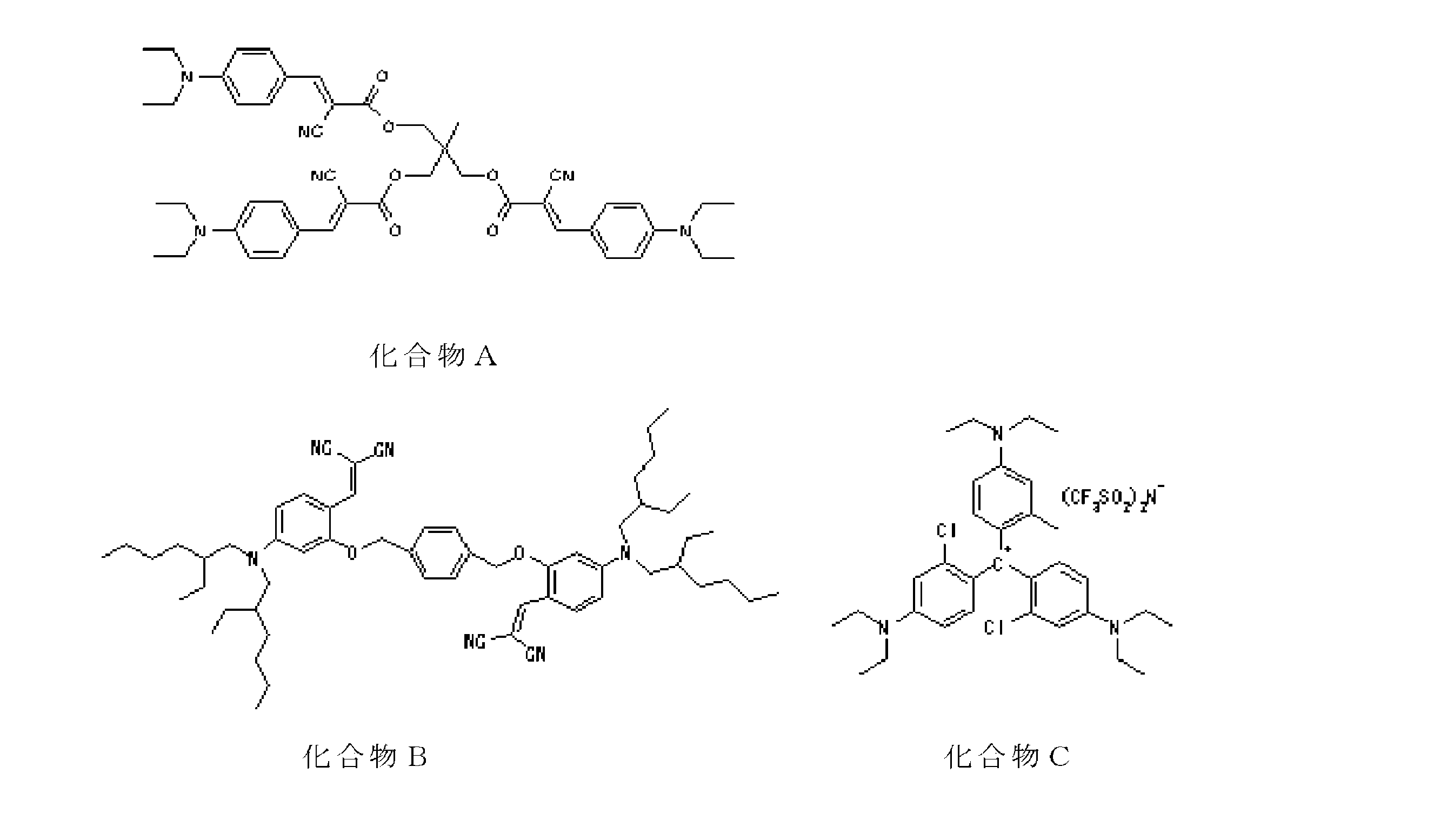
- the colored photosensitive composition of the present invention it is preferable to use a dye as the colorant, and it is particularly preferable to use a triarylmethane compound and a cyanoethenyl compound.
- a dye particularly triarylmethane compounds and cyanoethenyl compounds, as the colorant, the heat resistance of the colorant is further increased, and as a result, the change in chromaticity before and after firing of the colored photosensitive composition is reduced. An effect is produced.
- a solvent can be added to the photosensitive composition and the colored photosensitive composition.
- the solvent is usually a solvent that can dissolve or disperse each of the above components as necessary, for example, methyl ethyl ketone, methyl amyl ketone, diethyl ketone, acetone, methyl isopropyl ketone, methyl isobutyl ketone, cyclohexanone, 2-heptanone, etc.
- Ketones such as ethyl ether, dioxane, tetrahydrofuran, 1,2-dimethoxyethane, 1,2-diethoxyethane, dipropylene glycol dimethyl ether; methyl acetate, ethyl acetate, acetic acid-n-propyl, isopropyl acetate Ester solvents such as n-butyl acetate, cyclohexyl acetate, ethyl lactate, dimethyl succinate, and texanol; cellosolv solvents such as ethylene glycol monomethyl ether and ethylene glycol monoethyl ether; methanol Alcohol solvents such as ethanol, iso- or n-propanol, iso- or n-butanol, amyl alcohol, diacetone alcohol; ethylene glycol monomethyl acetate, ethylene glycol monoethyl acetate, propylene glycol-1-monomethyl ether-2-a
- ketones, ether ester solvents, etc. particularly propylene glycol-1-monomethyl ether-2-acetate, cyclohexanone, and the like are preferable because the compatibility of the resist and the radical photopolymerization initiator is good in the photosensitive composition.
- the above photosensitive composition and the above colored photosensitive composition can further contain an inorganic compound.
- the inorganic compound include metal oxides such as nickel oxide, iron oxide, iridium oxide, titanium oxide, zinc oxide, magnesium oxide, calcium oxide, potassium oxide, silica, and alumina; lamellar clay mineral, miloli blue, calcium carbonate, Magnesium carbonate, cobalt, manganese, glass powder, mica, talc, kaolin, ferrocyanide, various metal sulfates, sulfides, selenides, aluminum silicate, calcium silicate, aluminum hydroxide, platinum, gold, silver, copper Etc.
- a dispersant can be added.
- any colorant or inorganic compound can be used as long as it can disperse and stabilize, and commercially available dispersants such as BYK series manufactured by BYK Chemie can be used, and polyester having a basic functional group, Polymer dispersant made of polyether, polyurethane, having a nitrogen atom as a basic functional group, the functional group having a nitrogen atom is an amine and / or a quaternary salt thereof, and an amine value of 1 to 100 mgKOH / g Those are preferably used.
- the photosensitive composition and the colored photosensitive composition include, if necessary, a thermal polymerization inhibitor such as p-anisole, hydroquinone, pyrocatechol, t-butylcatechol, phenothiazine; a plasticizer; an adhesion promoter. ; Antifoaming agent; Leveling agent; Surface conditioner; Antioxidants such as phenolic antioxidants, phosphite antioxidants, thioether antioxidants; UV absorbers; dispersion aids; Conventional additives such as catalysts, effect promoters, crosslinking agents, thickeners, and the like can be added.
- a thermal polymerization inhibitor such as p-anisole, hydroquinone, pyrocatechol, t-butylcatechol, phenothiazine
- plasticizer an adhesion promoter.
- Antifoaming agent such as p-anisole, hydroquinone, pyrocatechol, t-butylcatechol, phenothiazine
- the properties of the cured product of the colored photosensitive composition of the present invention can be improved.
- the organic polymer include polystyrene, polymethyl methacrylate, methyl methacrylate-ethyl acrylate copolymer, poly (meth) acrylic acid, styrene- (meth) acrylic acid copolymer, (meth) acrylic acid-methyl methacrylate.
- Copolymer ethylene-vinyl chloride copolymer, ethylene-vinyl copolymer, polyvinyl chloride resin, ABS resin, nylon 6, nylon 66, nylon 12, urethane resin, polycarbonate polyvinyl butyral, cellulose ester, polyacrylamide, saturated Polyester, phenolic resin, phenoxy resin, polyamideimide resin, polyamic acid resin, epoxy resin, and the like.
- polystyrene, (meth) acrylic acid-methyl methacrylate copolymer, and epoxy resin are included. Masui.
- a chain transfer agent a sensitizer, a surfactant, a silane coupling agent, a melamine and the like can be used in combination with the photosensitive composition and the colored photosensitive composition.
- a sulfur atom-containing compound is generally used.
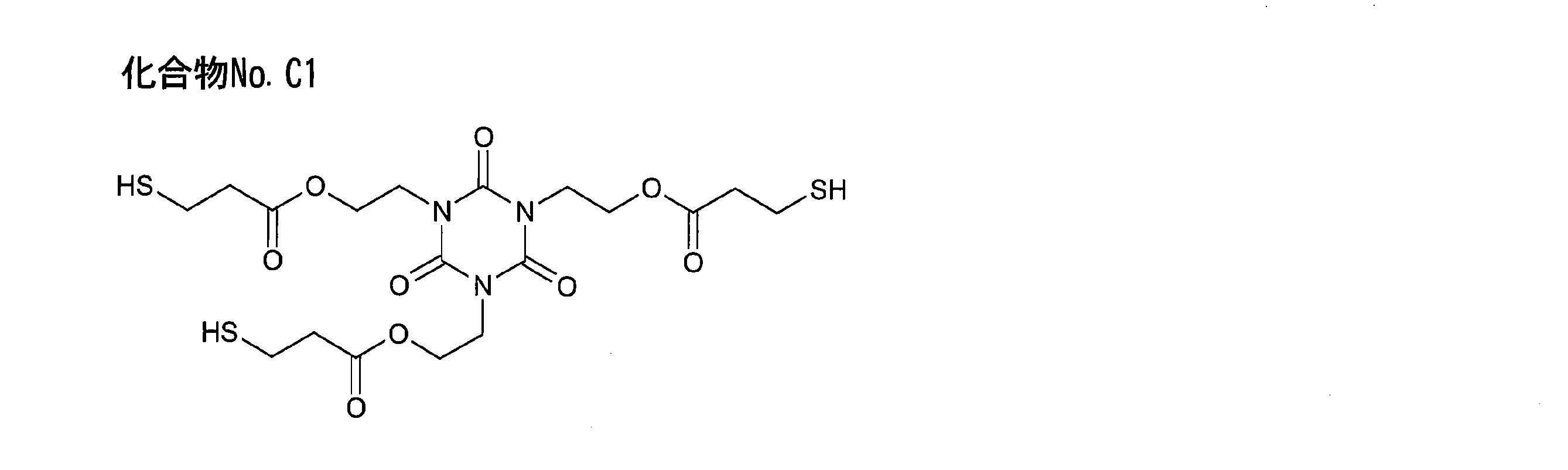
- Alkyl compounds trimethylolpropane tris (3-mercaptoisobutyrate), butanediol bis (3-mercaptoisobutyrate), hexanedithiol, decanedithiol, 1,4- Methyl mercaptobenzene, butanediol bisthiopropionate, butanediol bisthioglycolate, ethylene glycol bisthioglycolate, trimethylolpropane tristhioglycolate, butanediol bisthiopropionate, trimethylolpropane tristhiopropionate , Trimethylolpropane tristhioglycolate, pentaerythritol tetrakisthiopropionate, pentaerythritol tetrakisthioglycolate, trishydroxyethyl tristhiopropionate, the following compound no. C1, aliphatic polyfunctional thiol
- the surfactant examples include fluorine surfactants such as perfluoroalkyl phosphates and perfluoroalkyl carboxylates, anionic surfactants such as higher fatty acid alkali salts, alkyl sulfonates, and alkyl sulfates, and higher amines. Cationic surfactants such as halogenates and quaternary ammonium salts, nonionic surfactants such as polyethylene glycol alkyl ethers, polyethylene glycol fatty acid esters, sorbitan fatty acid esters and fatty acid monoglycerides, amphoteric surfactants, silicone surfactants Surfactants such as agents can be used, and these may be used in combination.
- fluorine surfactants such as perfluoroalkyl phosphates and perfluoroalkyl carboxylates
- anionic surfactants such as higher fatty acid alkali salts, alkyl sulfonates, and alkyl sulfates,
- silane coupling agent for example, a silane coupling agent manufactured by Shin-Etsu Chemical Co., Ltd. can be used. Among them, KBE-9007, KBM-502, KBE-403 and the like, silane cups having isocyanate group, methacryloyl group, epoxy group A ring agent is preferably used.
- Examples of the melamine compound include all or part of active methylol groups (CH 2 OH groups) in nitrogen compounds such as (poly) methylol melamine, (poly) methylol glycoluril, (poly) methylol benzoguanamine, and (poly) methylol urea. Mention may be made of compounds in which (at least two) are alkyl etherified.
- examples of the alkyl group constituting the alkyl ether include a methyl group, an ethyl group, and a butyl group, which may be the same as or different from each other.
- the methylol group which is not alkyletherified may be self-condensed within one molecule, or may be condensed between two molecules, and as a result, an oligomer component may be formed.
- an oligomer component may be formed.
- hexamethoxymethyl melamine, hexabutoxymethyl melamine, tetramethoxymethyl glycoluril, tetrabutoxymethyl glycoluril and the like can be used.
- alkyl etherified melamines such as hexamethoxymethyl melamine and hexabutoxymethyl melamine are preferable.
- the photosensitive composition and the colored photosensitive composition are prepared by known means such as spin coater, roll coater, bar coater, die coater, curtain coater, various printing, dipping, soda glass, quartz glass, semiconductor substrate, metal. It can be applied on a supporting substrate such as paper or plastic. Moreover, after once applying on support bases, such as a film, it can also transfer on another support base
- the light source of the active light used for curing the photosensitive composition and the colored photosensitive composition those that emit light having a wavelength of 300 to 450 nm can be used, for example, ultrahigh pressure mercury, mercury Steam arc, carbon arc, xenon arc, etc. can be used.
- the laser direct drawing method that directly forms an image from digital information such as a computer without using a mask improves not only productivity but also resolution and positional accuracy.
- the laser beam light having a wavelength of 340 to 430 nm is preferably used, but an argon ion laser, a helium neon laser, a YAG laser, a semiconductor laser, etc. are visible to infrared region. Those that emit light are also used.
- a sensitizing dye that absorbs the visible to infrared region is added to the photosensitive composition and the colored photosensitive composition.
- the photosensitive composition and the colored photosensitive composition of the present invention can also be patterned through a double patterning process in which patterning is performed twice using two photosensitive compositions or colored photosensitive compositions.
- the photosensitive composition and the colored photosensitive composition are photocurable paints or varnishes, photocurable adhesives, printed boards, color televisions, PC monitors, portable information terminals, digital cameras, etc.
- Color filters for liquid crystal display panels for color displays color filters for CCD image sensors, photo spacers, black column spacers, electrode materials for plasma display panels, touch panels, touch sensors, powder coatings, printing inks, printing plates, adhesives, dentistry
- the photosensitive composition of the present invention can be used for a transparent conductive film, a reflective film, a polarizing plate, a protective film, and the like by being cured, and has a predetermined pattern shape by sequentially applying each layer described above to a transparent substrate.
- the film can be used as a transparent laminate obtained by irradiating active light through a mask, developing the exposed film with a developer, and heating the developed film.
- As a transparent laminated body the thing by which the transparent thin film layer and metal thin film layer which consist of a complex oxide of an indium oxide and a cerium oxide are alternated on the transparent base material is mentioned, for example.
- a photosensitive composition containing the compound of the present invention as a latent additive may be used for each of the aforementioned layers, or the photosensitive composition may be used for any one or more layers.
- the transparent laminate of the present invention is suitably used for display devices.
- the photosensitive composition of the present invention can be used as a transparent structure by curing.
- transparent structures include columnars called photo spacers (PS) and column spacers (CS); fine patterns of (nano) imprints; production of large advertising signs, color filters for liquid crystal displays, and alignment films
- PS photo spacers
- CS column spacers
- fine patterns of (nano) imprints production of large advertising signs, color filters for liquid crystal displays, and alignment films
- Examples thereof include an ink jet receiving layer used for manufacturing electronic devices such as printing.
- the transparent structure of the present invention is suitably used for display devices.
- the colored photosensitive composition is used for the purpose of forming pixels of a color filter, and is particularly useful as a photosensitive composition for forming a color filter for a display device for an image display device such as a liquid crystal display panel.
- the color filter for a display device includes (1) a step of forming a coating film of the colored photosensitive composition on a substrate, and (2) irradiating the coating film with active light through a mask having a predetermined pattern shape. It is preferably formed by a step, (3) a step of developing the film after exposure with a developer, and (4) a step of heating the film after development.
- the colored photosensitive composition of the present invention is also useful as an inkjet-type colored photosensitive composition without a development step.
- a multi-tone mask such as a halftone mask or a gray scale mask can be used.
- the photosensitive composition containing the compound of the present invention as a latent additive maintains a high transparency after baking as compared with a comparative photosensitive composition containing a comparative compound as a latent additive.
- the heat resistance is comparative compound No. No. 1 and comparative compound no. It can be said that it is superior to 2.
- the compound of the present invention has high solubility and good handling properties when used in a photosensitive composition.
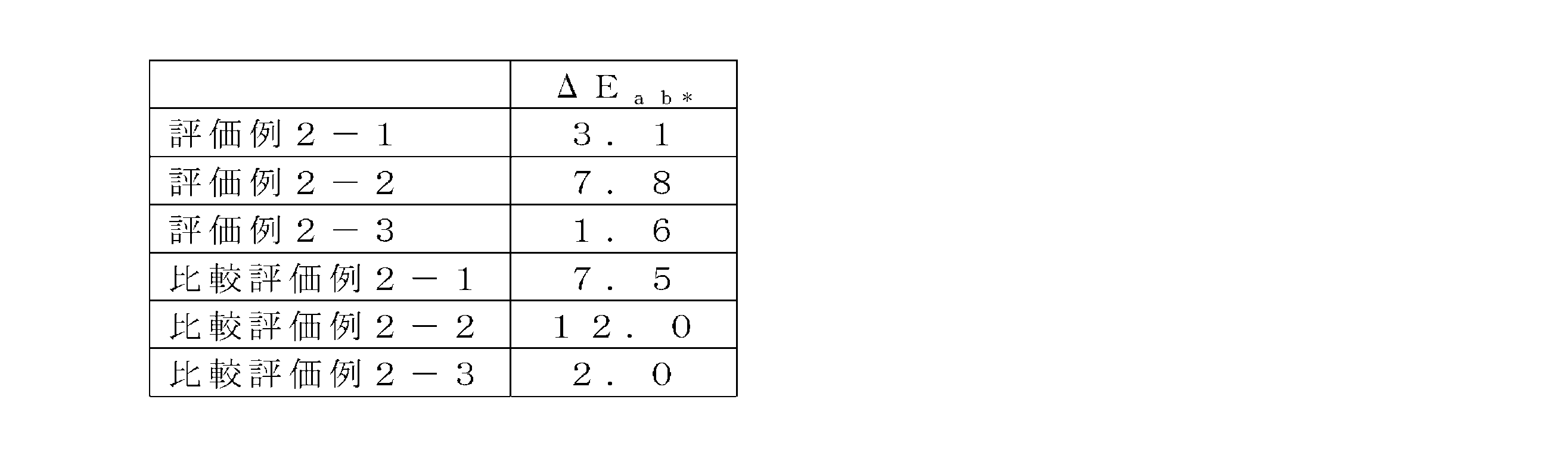
- the colored photosensitive composition containing the compound of the present invention as a latent additive has less change in chromaticity after firing compared to the comparative photosensitive composition containing the same colorant, and the heat resistance of the colorant. It can be seen that the property is maintained at a high level.
- the compound of the present invention has high solubility, and the photosensitive composition using the compound as a latent additive has excellent heat resistance and is useful as a latent additive.
Landscapes
- Chemical & Material Sciences (AREA)
- Organic Chemistry (AREA)
- Physics & Mathematics (AREA)
- General Physics & Mathematics (AREA)
- Optics & Photonics (AREA)
- Materials For Photolithography (AREA)
- Optical Filters (AREA)
- Organic Low-Molecular-Weight Compounds And Preparation Thereof (AREA)
Abstract
Description

R11及びR12は、それぞれ独立に、水素原子、置換基を有している場合もある炭素原子数1~20のアルキル基、置換基を有している場合もある炭素原子数6~20のアリール基、置換基を有している場合もある炭素原子数7~20のアリールアルキル基又は置換基を有している場合もある炭素原子数2~20の複素環含有基を表し、
R5、R6、R7、R8、R9及びR10は、それぞれ独立に、ハロゲン原子、シアノ基、水酸基、ニトロ基、カルボキシル基、置換基を有している場合もある炭素原子数1~20のアルキル基、置換基を有している場合もある炭素原子数6~20のアリール基、置換基を有している場合もある炭素原子数7~20のアリールアルキル基又は置換基を有している場合もある炭素原子数2~20の複素環含有基を表し、
複数のR5同士、R6同士、R7同士及びR8同士は結合してベンゼン環又はナフタレン環を形成していてる場合もあり、
複数のR5、R6、R7、R8、R9及びR10はそれぞれ同じか異なっている場合もあり、
X1は、直接結合、置換基を有している場合もある炭素原子数1~4のアルキレン基、置換基を有している場合もある炭素原子数3~20の脂環式炭化水素基、-O-、-S-、-SO2-、-SS-、-SO-、-CO-、-OCO-又は下記式(I-1)、(I-2)若しくは(I-3)で表される置換基を表し、
a、b、c及びdは、それぞれ独立に、0~4の整数を表し、e及びfは、それぞれ独立に、0~9の整数を表す。)

R72は置換基を有している場合もある炭素原子数1~10のアルキル基、置換基を有している場合もある炭素原子数1~10のアルコキシ基、置換基を有している場合もある炭素原子数2~10のアルケニル基又はハロゲン原子を表し、
iは0~4の整数である。)

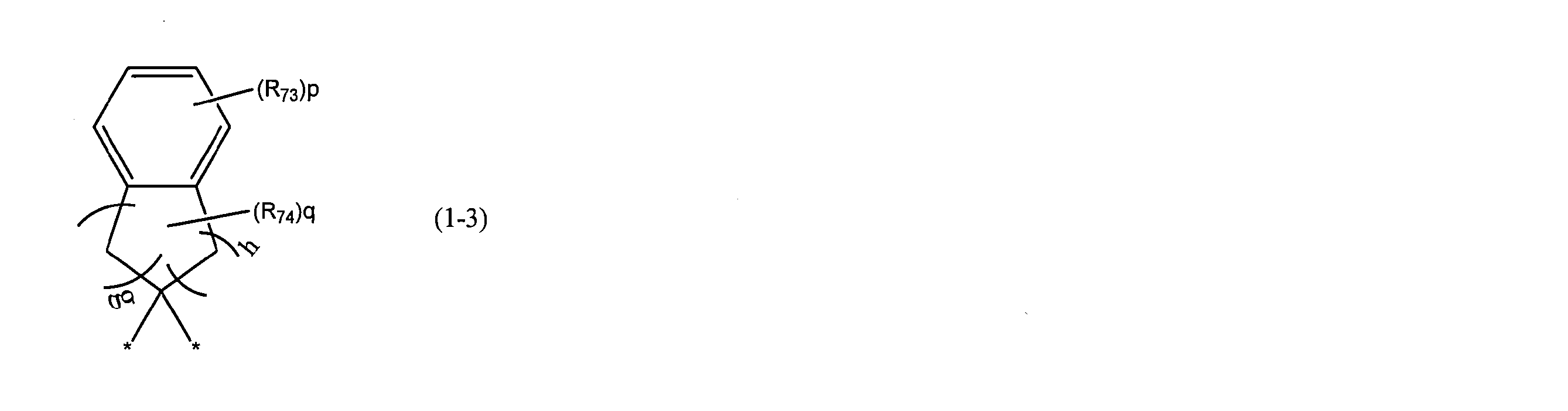
R73は、隣接するR73同士で環を形成している場合もあり、
pは0~4の数を表し、
qは0~8の数を表し、
gは0~4の数を表し、
hは0~4の数を表し、
gとhの数の合計は2~4である。)
R1、R2、R3、R4、R5、R6、R7、R8、R9、R10、R11及びR12で表される炭素原子数6~20のアリール基としては、フェニル、ナフチル、アントラセニル等が挙げられる。
R1、R2、R3、R4、R5、R6、R7、R8、R9、R10、R11及びR12で表される炭素原子数7~20のアリールアルキル基としては、ベンジル、フェネチル、ジフェニルメチル、トリフェニルメチル、2-フェニルプロピル、3-フェニルプロピル、フルオレニル、インデニル、9-フルオレニルメチル基等が挙げられる。
R1、R2、R3、R4、R5、R6、R7、R8、R9、R10、R11及びR12で表される炭素原子数2~20の複素環含有基としては、ピリジル、ピリミジル、ピリダジル、ピペリジル、ピラニル、ピラゾリル、トリアジル、ピロリル、キノリル、イソキノリル、イミダゾリル、ベンゾイミダゾリル、トリアゾリル、フリル、フラニル、ベンゾフラニル、チエニル、チオフェニル、ベンゾチオフェニル、チアジアゾリル、チアゾリル、ベンゾチアゾリル、オキサゾリル、ベンゾオキサゾリル、イソチアゾリル、イソオキサゾリル、インドリル、2-ピロリジノン-1-イル、2-ピペリドン-1-イル、2,4-ジオキシイミダゾリジン-3-イル、2,4-ジオキシオキサゾリジン-3-イル等、あるいは二価の結合基を介して複素環が結合している基等が挙げられる。
R1、R2、R3及びR4で表されるトリアルキルシリル基としては、トリメチルシラン、トリエチルシラン、エチルジメチルシラン等が挙げられる。
R5、R6、R7、R8、R9及びR10で表されるハロゲン原子としては、フッ素、塩素、臭素、ヨウ素が挙げられ、
R1、R2、R3、R4、R5、R6、R7、R8、R9、R10、R11及びR12で表される、炭素原子数1~20のアルキル基、炭素原子数6~20のアリール基、炭素原子数7~20のアリールアルキル基又は炭素原子数2~20の複素環含有基を置換する置換基としては、ビニル、アリル、アクリル、メタクリル等のエチレン性不飽和基;フッ素、塩素、臭素、ヨウ素等のハロゲン原子;アセチル、2-クロロアセチル、プロピオニル、オクタノイル、アクリロイル、メタクリロイル、フェニルカルボニル(ベンゾイル)、フタロイル、4-トリフルオロメチルベンゾイル、ピバロイル、サリチロイル、オキザロイル、ステアロイル、メトキシカルボニル、エトキシカルボニル、t-ブトキシカルボニル、n-オクタデシルオキシカルボニル、カルバモイル等のアシル基;アセチルオキシ、ベンゾイルオキシ等のアシルオキシ基;アミノ、エチルアミノ、ジメチルアミノ、ジエチルアミノ、ブチルアミノ、シクロペンチルアミノ、2-エチルヘキシルアミノ、ドデシルアミノ、アニリノ、クロロフェニルアミノ、トルイジノ、アニシジノ、N-メチル-アニリノ、ジフェニルアミノ,ナフチルアミノ、2-ピリジルアミノ、メトキシカルボニルアミノ、フェノキシカルボニルアミノ、アセチルアミノ、ベンゾイルアミノ、ホルミルアミノ、ピバロイルアミノ、ラウロイルアミノ、カルバモイルアミノ、N,N-ジメチルアミノカルボニルアミノ、N,N-ジエチルアミノカルボニルアミノ、モルホリノカルボニルアミノ、メトキシカルボニルアミノ、エトキシカルボニルアミノ、t-ブトキシカルボニルアミノ、n-オクタデシルオキシカルボニルアミノ、N-メチル-メトキシカルボニルアミノ、フェノキシカルボニルアミノ、スルファモイルアミノ、N,N-ジメチルアミノスルホニルアミノ、メチルスルホニルアミノ、ブチルスルホニルアミノ、フェニルスルホニルアミノ等の置換アミノ基;スルホンアミド基、スルホニル基、カルボキシル基、シアノ基、スルホ基、水酸基、ニトロ基、メルカプト基、イミド基、カルバモイル基、スルホンアミド基、ホスホン酸基、リン酸基又はカルボキシル基、スルホ基、ホスホン酸基、リン酸基の塩等が挙げられ、その置換位置は制限されない。
上記一般式(1)で表される化合物においては、R1、R2、R3及びR4が-CO-O-R11であるものが、溶解性が高く、潜在性添加剤として用いたとき、それを含有する組成物の硬化物の耐熱性が高いので好ましい。また、R11が、tert-ブチルであるものが、溶解性が高く、潜在性添加剤として用いたとき、それを含有する組成物の硬化物の耐熱性が高いので好ましい。
X1で表される炭素原子数3~20の脂環式炭化水素基としては、シクロペンチル、シクロヘキシル、シクロペンチルメチル、シクロペンチルエチル、シクロヘキシルメチル、シクロヘキシルエチル等が挙げられる。
X1で表される炭素原子数1~4のアルキレン基又は炭素原子数3~20の脂環式炭化水素基を置換する置換基としては、上述した、R1、R2、R3、R4、R5、R6、R7、R8、R9、R10、R11及びR12で表される、炭素原子数1~20のアルキル基、炭素原子数6~20のアリール基、炭素原子数7~20のアリールアルキル基又は炭素原子数2~20の複素環含有基を置換する置換基として例示したものが挙げられる。
R72で表される炭素原子数1~10のアルキル基及びハロゲン原子としては、上記一般式(1)の説明で例示したアルキル基及びハロゲン原子等が挙げられる。
R72で表される炭素原子数1~10のアルコキシ基としては、メチルオキシ、エチルオキシ、iso-プロピルオキシ、ブチルオキシ、sec-ブチルオキシ、tert-ブチルオキシ、iso-ブチルオキシ、アミルオキシ、iso-アミルオキシ、tert-アミルオキシ、ヘキシルオキシ、2-ヘキシルオキシ、3-ヘキシルオキシ、シクロヘキシルオキシ、4-メチルシクロヘキシルオキシ、ヘプチルオキシ、2-ヘプチルオキシ、3-ヘプチルオキシ、iso-ヘプチルオキシ、tert-ヘプチルオキシ、1-オクチルオキシ、iso-オクチルオキシ、tert-オクチルオキシ等が挙げられる。
R72で表される炭素原子数2~10のアルケニル基としては、ビニル、アリル、1-プロペニル、イソプロペニル、2-ブテニル、1,3-ブタジエニル、2-ペンテニル、2-オクテニル等が挙げられる。
R71で表される、フェニル基又は炭素原子数3~10のシクロアルキル基、及びR72で表される炭素原子数1~10のアルキル基、炭素原子数1~10のアルコキシ基又は炭素原子数2~10のアルケニル基を置換する置換基としては、上述した、R1、R2、R3、R4、R5、R6、R7、R8、R9、R10、R11及びR12で表される、炭素原子数1~20のアルキル基、炭素原子数6~20のアリール基、炭素原子数7~20のアリールアルキル基又は炭素原子数2~20の複素環含有基を置換する置換基として例示したものが挙げられる。
R73及びR74で表される炭素原子数6~20のアリールオキシ基としては、フェニルオキシ、ナフチルオキシ、2-メチルフェニルオキシ、3-メチルフェニルオキシ、4-メチルフェニルオキシ、4-ビニルフェニル二オキシ、3-iso-プロピルフェニルオキシ、4-iso-プロピルフェニルオキシ、4-ブチルフェニルオキシ、4-tert-ブチルフェニルオキシ、4-へキシルフェニルオキシ、4-シクロヘキシルフェニルオキシ、4-オクチルフェニルオキシ、4-(2-エチルヘキシル)フェニルオキシ、2,3-ジメチルフェニルオキシ、2,4-ジメチルフェニルオキシ、2,5-ジメチルフェニルオキシ、2.6-ジメチルフェニルオキシ、3.4-ジメチルフェニルオキシ、3.5-ジメチルフェニルオキシ、2,4-ジーtert-ブチルフェニルオキシ、2,5-ジーtert-ブチルフェニルオキシ、2,6-ジーtert-ブチルフェニルオキシ、2.4-ジーtert-ペンチルフェニルオキシ、2,5-tert-アミルフェニルオキシ、4-シクロへキシルフェニルオキシ、2,4,5-トリメチルフェニルオキシ、フェロセニルオキシ等の基が挙げられる。
R73及びR74で表される炭素原子数6~20のアリールチオ基としては、上記炭素原子数6~20のアリールオキシ基の酸素原子を硫黄原子に置換した基等が挙げられる。
R73及びR74で表される炭素原子数8~20のアリールアルケニル基としては、上記炭素原子数6-20のアリールオキシ基の酸素原子をビニル、アリル、1-プロペニル、イソプロペニル、2-ブテニル、1,3-ブタジエニル、2-ペンテニル、2-オクテニル等のアルケニル基で置換した基等が挙げられる。
隣接するR73同士が形成する環としては、シクロペンタン環、シクロヘキサン環、シクロペンテン環、ベンゼン環、ピペリジン環、モルホリン環、ラクトン環、ラクタム環等が挙げられる。
R73及びR74で表される、炭素原子数1~10のアルキル基、炭素原子数6~20のアリール基、炭素原子数6~20のアリールオキシ基、炭素原子数6~20のアリールチオ基、炭素原子数6~20のアリールアルケニル基、炭素原子数7~20のアリールアルキル基、炭素原子数2~20の複素環含有基を置換する置換基としては、上述した、R1、R2、R3、R4、R5、R6、R7、R8、R9、R10、R11及びR12で表される、炭素原子数1~20のアルキル基、炭素原子数6~20のアリール基、炭素原子数7~20のアリールアルキル基又は炭素原子数2~20の複素環含有基を置換する置換基として例示したものが挙げられる。
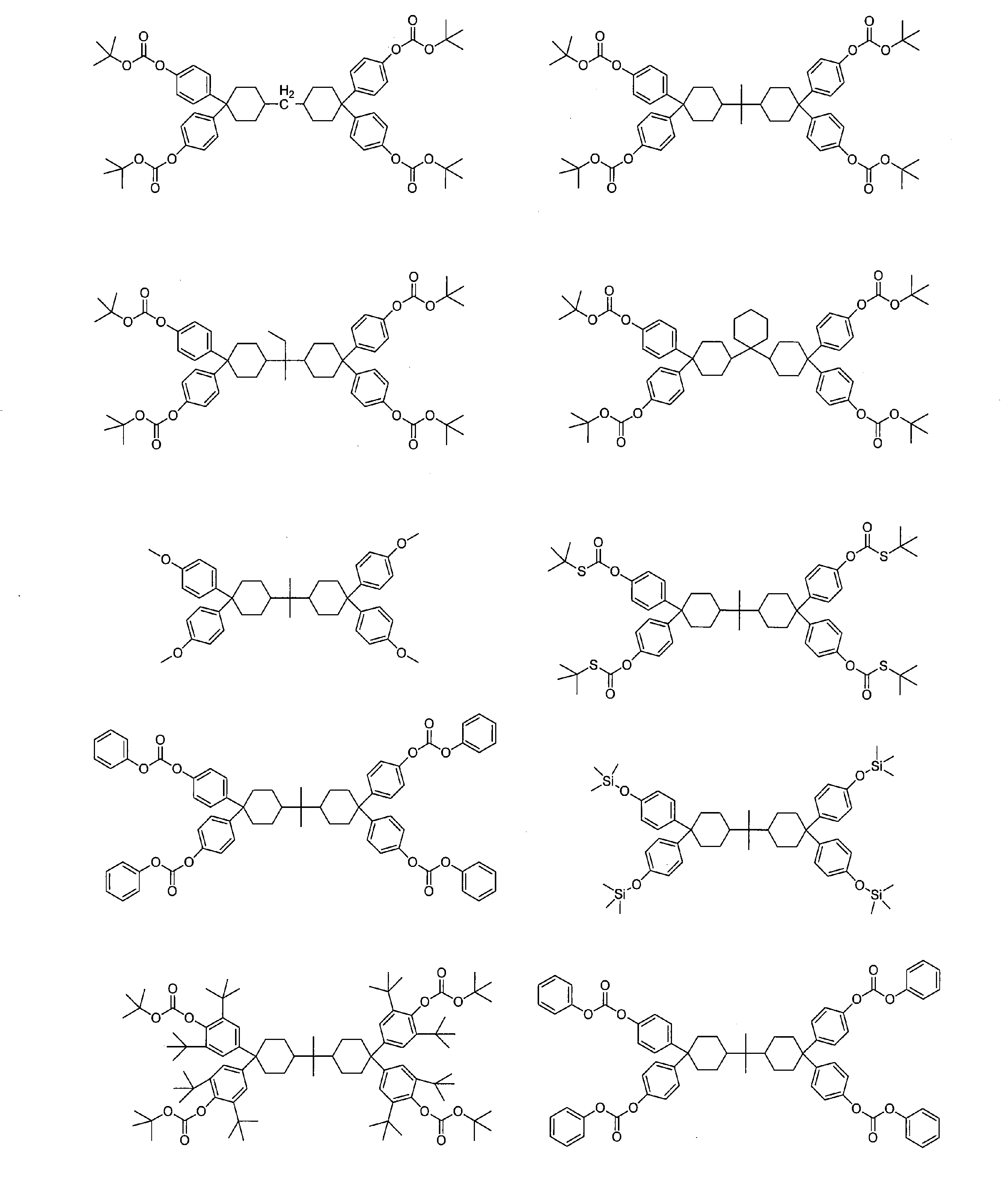
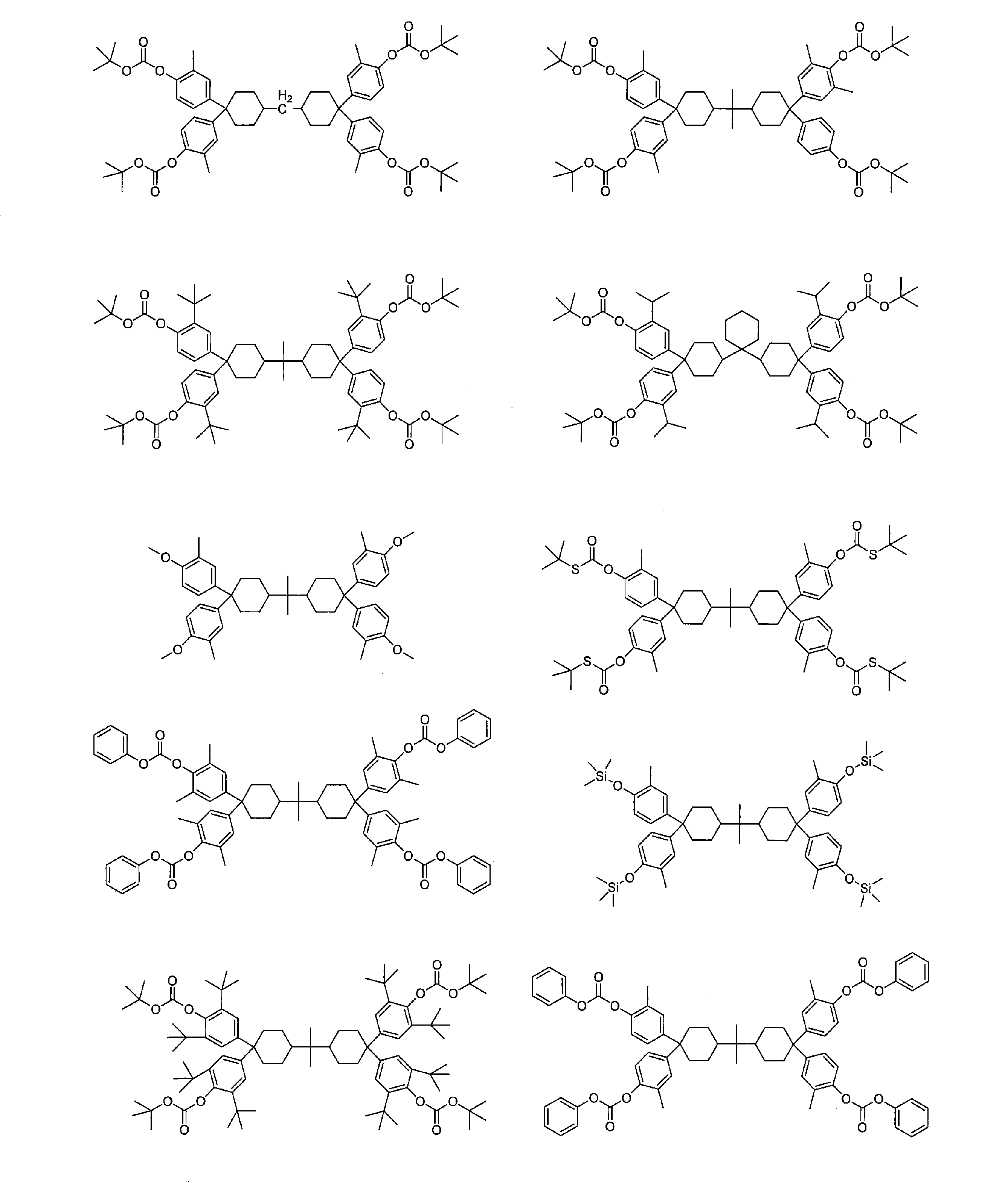
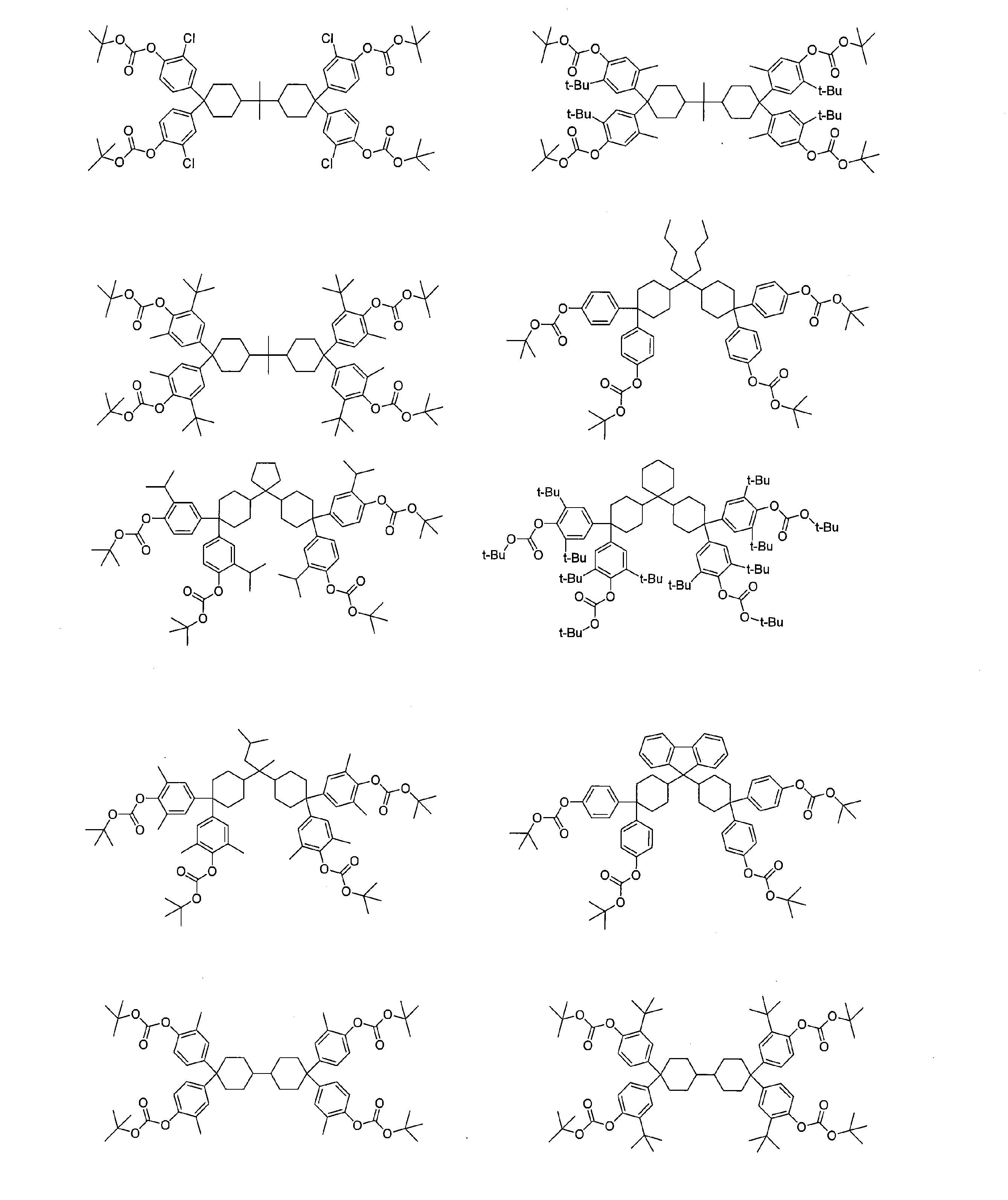
本発明の潜在性添加剤は、上記一般式(1)である化合物を少なくとも一種以上含有する。
上記潜在性添加剤とは、常温あるいは150℃以下のプリベーク工程では不活性であり、100~250℃で加熱するか、あるいは酸/塩基触媒存在下で80~200℃で加熱することにより保護基が脱離して活性となるものである。
該酸価を有するエチレン性不飽和結合を有する重合性化合物としては、(メタ)アクリル酸、α―クロルアクリル酸、イタコン酸、マレイン酸、シトラコン酸、フマル酸、ハイミック酸、クロトン酸、イソクロトン酸、ビニル酢酸、アリル酢酸、桂皮酸、ソルビン酸、メサコン酸、コハク酸モノ[2-(メタ)アクリロイロキシエチル]、フタル酸モノ[2-(メタ)アクリロイロキシエチル]、ω-カルボキシポリカプロラクトンモノ(メタ)アクリレート等の両末端にカルボキシ基と水酸基とを有するポリマーのモノ(メタ)アクリレート、ヒドロキシエチル(メタ)アクリレート・マレート、ヒドロキシプロピル(メタ)アクリレート・マレート、ジシクロペンタジエン・マレート或いは1個のカルボキシル基と2個以上の(メタ)アクリロイル基とを有する多官能(メタ)アクリレート等の不飽和多塩基酸;フェノール及び/又はクレゾールノボラックエポキシ樹脂、ビフェニル骨格、ナフタレン骨格を有するノボラックエポキシ樹脂、ビスフェノールAノボラック型エポキシ化合物、ジシクロペンタジエンノボラック型エポキシ化合物等のノボラック型エポキシ化合物、多官能エポキシ基を有するポリフェニルメタン型エポキシ樹脂、下記一般式(I)で表されるエポキシ化合物等のエポキシ樹脂のエポキシ基に不飽和一塩基酸を作用させた樹脂、下記一般式(1)で表されるエポキシ化合物等のエポキシ樹脂のエポキシ基に不飽和一塩基酸を作用させ、更に多塩基酸無水物を作用させて得られた樹脂、ペンタエリスリトールトリアクリレート、ジペンタエリスリトールペンタアクリレート等の水酸基含有多官能アクリレートと無水コハク酸、無水フタル酸、テトラヒドロ無水フタル酸等の二塩基酸無水物の反応物である酸価を有する多官能アクリレート等が挙げられる。
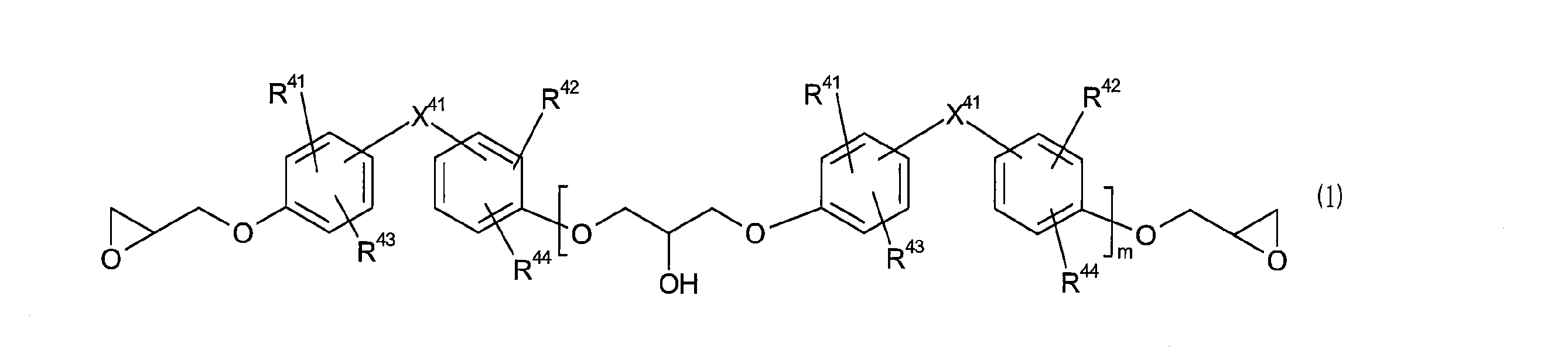
R41、R42、R43及びR44は、それぞれ独立に、水素原子、置換基を有している場合もある炭素原子数1~5のアルキル基、置換基を有している場合もある炭素原子数1~8のアルコキシ基、置換基を有している場合もある炭素原子数2~5のアルケニル基又はハロゲン原子を表し、
mは0~10の整数である。)


その他、フェノールノボラック型エポキシ化合物、ビフェニルノボラック型エポキシ化合物、クレゾールノボラック型エポキシ化合物、ビスフェノールAノボラック型エポキシ化合物、ジシクロペンタジエンノボラック型エポキシ化合物等のノボラック型エポキシ化合物;3,4-エポキシ-6-メチルシクロヘキシルメチル-3,4-エポキシ-6-メチルシクロヘキサンカルボキシレート、3,4-エポキシシクロヘキシルメチル-3,4-エポキシシクロヘキサンカルボキシレート、1-エポキシエチル-3,4-エポキシシクロヘキサン等の脂環式エポキシ化合物;フタル酸ジグリシジルエステル、テトラヒドロフタル酸ジグリシジルエステル、ダイマー酸グリシジルエステル等のグリシジルエステル類;テトラグリシジルジアミノジフェニルメタン、トリグリシジル-p-アミノフェノール、N,N-ジグリシジルアニリン等のグリシジルアミン類;1,3-ジグリシジル-5,5-ジメチルヒダントイン、トリグリシジルイソシアヌレート等の複素環式エポキシ化合物;ジシクロペンタジエンジオキシド等のジオキシド化合物;ナフタレン型エポキシ化合物、トリフェニルメタン型エポキシ化合物、ジシクロペンタジエン型エポキシ化合物等を用いることもできる。

R53及びR54は、それぞれ独立に、ハロゲン原子、ニトロ基、シアノ基、水酸基、カルボキシル基、R55、OR56、SR57、NR58R59、COR60、SOR61、SO2R62又はCONR63R64を表し、R53及びR54は、互いに結合して環を形成していてもよく、
R55、R56、R57、R58、R59、R60、R61、R62、R63及びR64は、それぞれ独立に、置換基を有している場合もある炭素原子数1~20のアルキル基、置換基を有している場合もある炭素原子数6~30のアリール基、置換基を有している場合もある炭素原子数7~30のアリールアルキル基又は置換基を有している場合もある炭素原子数2~20の複素環含有基を表し、
X2は、酸素原子、硫黄原子、セレン原子、CR75R76、CO、NR77又はPR78を表し、
X3は、単結合又はCOを表し、
R51、R52、R55、R56、R57、R58、R59、R60、R65、R66、R67及びR68中の炭素原子数1~20のアルキル基、炭素原子数6~30のアリール基又は炭素原子数7~30のアリールアルキル基を表し、該アルキル基又はアリールアルキル基中のメチレン基は、ハロゲン原子、ニトロ基、シアノ基、水酸基、カルボキシル基又は複素環含有基で置換されていてもよく、-O-で置き換えられていてもよく、
R53及びR54は、それぞれ独立に、隣接するどちらかのベンゼン環と一緒になって環を形成していてもよく、
aは、0~4の整数を表し、
bは、0~5の整数を表す。)
上記着色感光性組成物において、着色剤の含有量は、0.01~50質量%が好ましく、0.1~30質量%がより好ましい。
染料としては、380~1200nmに吸収を有する化合物であれば特に限定されないが、例えば、アゾ化合物、アントラキノン化合物、インジゴイド化合物、トリアリールメタン化合物、キサンテン化合物、アリザリン化合物、アクリジン化合物、スチルベン化合物、チアゾール化合物、ナフトール化合物、キノリン化合物、ニトロ化合物、インダミン化合物、オキサジン化合物、フタロシアニン化合物、シアニン化合物、ジインモニウム化合物、シアノエテニル化合物、ジシアノスチレン化合物、ローダミン化合物、ペリレン化合物、ポリエンナフトラクタム化合物、クマリン化合物、スクアリリウム化合物、クロコニウム化合物、スピロピラン化合物、スピロオキサジン化合物、メロシアニン化合物、オキソノール化合物、スチリル化合物、ピリリウム化合物、ローダニン化合物、オキサゾロン化合物、フタルイミド化合物、シンノリン化合物、ナフトキノン化合物、アザアントラキノン化合物、ポルフィリン化合物、アザポルフィリン化合物、ピロメテン化合物、キナクリドン化合物、ジケトピロロピロール化合物、インジゴ化合物、アクリジン化合物、アジン化合物、アゾメチン化合物、アニリン化合物、キナクリドン化合物、キノフタロン化合物、キノンイミン化合物、イリジウム錯体化合物、ユーロピウム錯体化合物等の染料等が挙げられ、これらは複数を混合して用いてもよい。
上記マスクとしては、ハーフトーンマスク又はグレースケールマスク等の多階調マスクを用いることもできる。
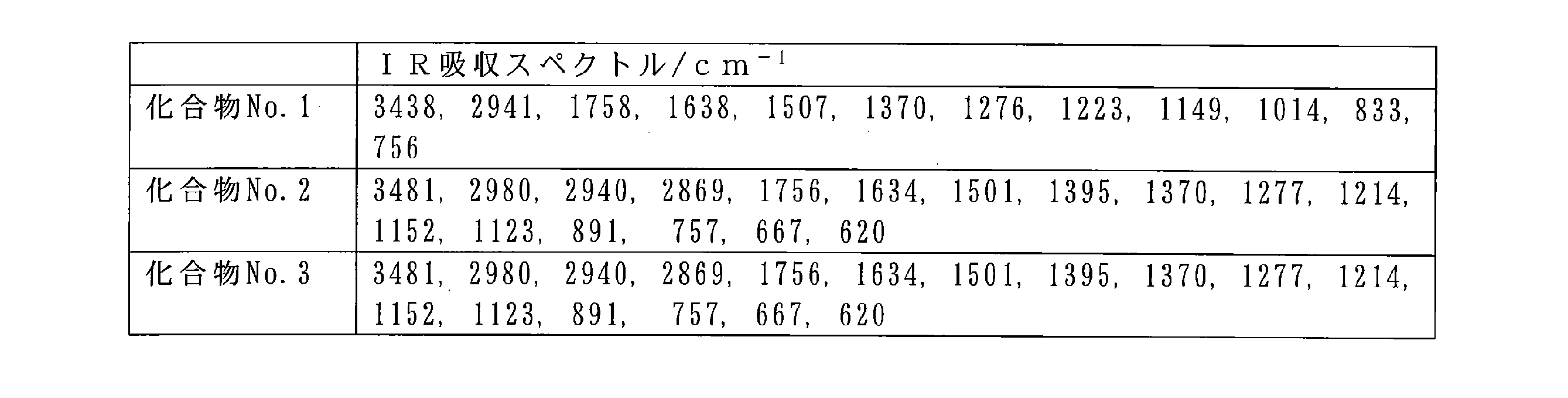
フェノール化合物1当量の酢酸エチル溶液(理論収量の3倍量)に、室温で4-ジメチルアミノピリジン0.2当量を加え、10℃以下で二炭酸ジ-tert-ブチル5当量を滴下し、窒素雰囲気下、室温で2時間撹拌した。油水分離を行い、有機層を無水硫酸ナトリウムで乾燥後、溶媒を留去し、シリカゲルで減点成分を除去した後、晶析を行った。得られた固体を60℃で3時間減圧乾燥させ、目的物をそれぞれ得た。得られた固体が目的物であることは1H-NMR、IRにて確認した。結果を[表1]~[表2]に示す。

SPC-1000(昭和電工社製、固形分29%のPGMEA溶液)50.9g、アロニックスM-450(東亜合成社製)11.9g、OXE-01(BASF社製)1.04g、PGMEA34.0g、FZ2122(東レ・ダウコーニング社製、固形分1%のPGMEA溶液)2.9g及び[表3]記載の化合物0.81gを混合し、不溶物が無くなるまで撹拌し、感光性組成物No.1~No.3及び比較感光性組成物No.1~No.2を得た。比較感光性組成物No.1で用いた比較化合物No.1は下記の比較化合物No.1を表す。


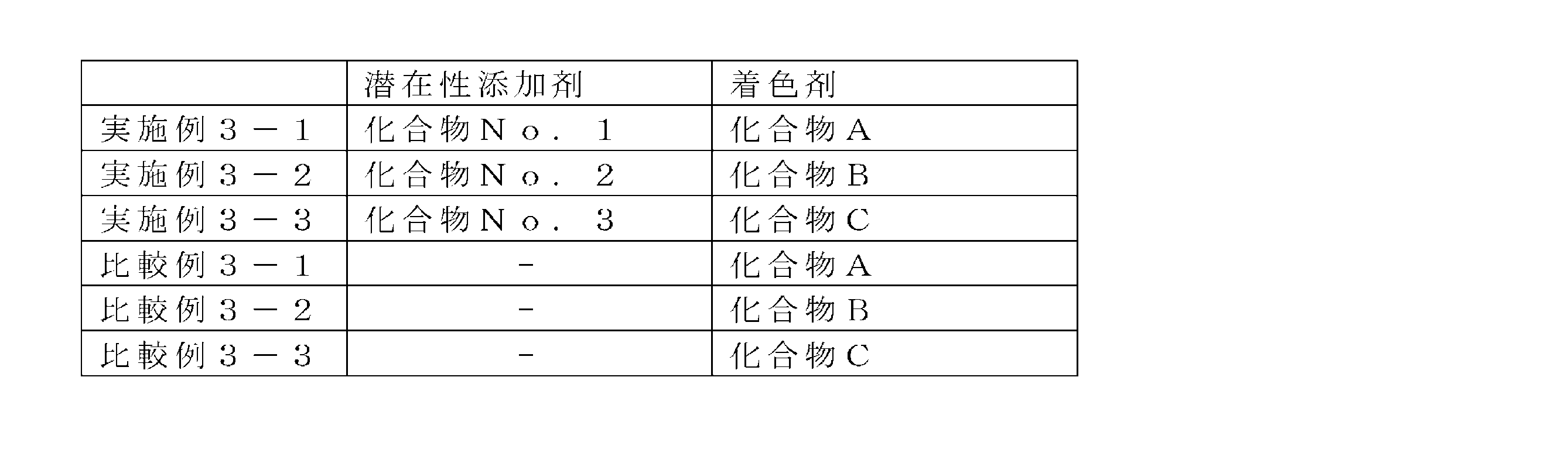
SPC-1000(昭和電工社製、固形分29%のPGMEA溶液)1.26g、アロニックスM-450(東亜合成社製)0.30g、OXE-01(BASF社製)0.03g、PGMEA0.85g、FZ2122(東レ・ダウコーニング社製、固形分1%のPGMEA溶液)0.08g及び[表3A]に記載の潜在性添加剤0.02gを混合し、不溶物が無くなるまで撹拌した。更に[表3A]に記載の着色剤0.05gにPGMEA0.95gを加えて撹拌して溶解させた着色剤溶液を加えて均一になるまで撹拌し、着色感光性組成物No.1~No.3及び比較着色感光性組成物No.1~No.3を得た。
実施例2-1~2-3で調製した感光性組成物No.1~No.3並びに比較例2-1~2-2で調製した比較感光性組成物No.1~No.2を、それぞれガラス基板に410rpm×7secの条件で塗工し、ホットプレートで乾燥(90℃、90sec)させた。得られた塗膜に超高圧水銀ランプで露光(150mJ/cm2)した。露光後の塗膜を、230℃×30minの条件で焼成した。焼成後の塗膜の400nmにおける透過率を測定して評価した。結果を[表4]に示す。

化合物No.1~No.3並びに比較化合物No.1について、プロピレングリコール-1-モノメチルエーテル-2-アセテート(PGMEA)に対する溶解性の測定を行った。結果を[表5]に示す。

実施例3-1~3-3で調製した着色感光性組成物No.1~No.3並びに比較例3-1~3-3で調製した比較着色感光性組成物No.1~No.3を、それぞれガラス基板に410rpm×7secの条件で塗工し、ホットプレートで乾燥(90℃、90sec)させた。得られた塗膜に超高圧水銀ランプで露光(150mJ/cm2)した。露光後の塗膜を、230℃×30minの条件で焼成し、焼成前後の色差(ΔEab*)を調べた。結果を[表6]に示す。
Claims (9)
- 下記一般式(1)で表される化合物。

R11及びR12は、それぞれ独立に、水素原子、置換基を有している場合もある炭素原子数1~20のアルキル基、置換基を有している場合もある炭素原子数6~20のアリール基、置換基を有している場合もある炭素原子数7~20のアリールアルキル基、又は置換基を有している場合もある炭素原子数2~20の複素環含有基を表し、
R5、R6、R7、R8、R9及びR10は、それぞれ独立に、ハロゲン原子、シアノ基、水酸基、ニトロ基、カルボキシル基、置換基を有している場合もある炭素原子数1~20のアルキル基、置換基を有している場合もある炭素原子数6~20のアリール基、置換基を有している場合もある炭素原子数7~20のアリールアルキル基、又は置換基を有している場合もある炭素原子数2~20の複素環含有基を表し、
複数のR5同士、R6同士、R7同士及びR8同士は結合してベンゼン環又はナフタレン環を形成していてる場合もあり、
複数のR5、R6、R7、R8、R9及びR10はそれぞれ同じか異なっている場合もあり、
X1は、直接結合、置換基を有している場合もある炭素原子数1~4のアルキレン基、置換基を有している場合もある炭素原子数3~20の脂環式炭化水素基、-O-、-S-、-SO2-、-SS-、-SO-、-CO-、-OCO-又は下記式(I-1)、(I-2)若しくは(I-3)で表される置換基を表し、
a、b、c及びdは、それぞれ独立に、0~4の整数を表し、e及びfは、それぞれ独立に、0~9の整数を表す。)

R72は置換基を有している場合もある炭素原子数1~10のアルキル基、置換基を有している場合もある炭素原子数1~10のアルコキシ基、置換基を有している場合もある炭素原子数2~10のアルケニル基又はハロゲン原子を表し、
iは0~4の整数である。)
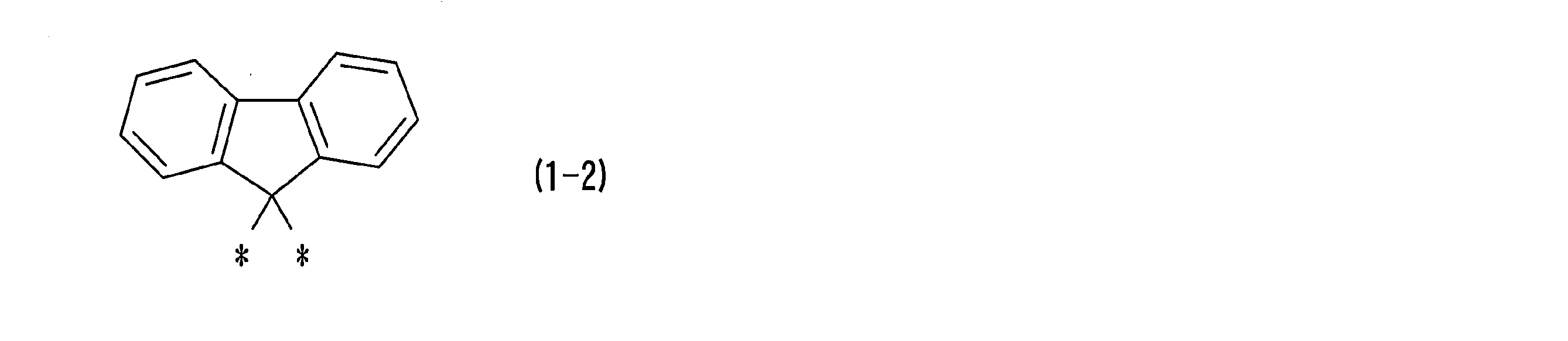

R73は、隣接するR73同士で環を形成している場合もあり、
pは0~4の数を表し、
qは0~8の数を表し、
gは0~4の数を表し、
hは0~4の数を表し、
gとhの数の合計は2~4である。) - 上記一般式(1)中、R1、R2、R3及びR4が、-CO-O-R11で表される請求項1に記載の化合物。
- 請求項1又は2に記載の化合物の一種以上からなる潜在性添加剤。
- 請求項3に記載の潜在性添加剤を含有する感光性組成物。
- 請求項4に記載の感光性組成物の硬化物を用いて形成される透明積層体。
- 請求項4に記載の感光性組成物の硬化物を用いて形成される透明構造体。
- 請求項5に記載の透明積層体又は請求項6に記載の透明構造体を少なくとも一部に具備してなる表示デバイス。
- 請求項4に記載の感光性組成物及び着色剤を含有する着色感光性組成物。
- 請求項8に記載の着色感光性組成物の硬化物を用いて形成されるカラーフィルタ。
Priority Applications (3)
| Application Number | Priority Date | Filing Date | Title |
|---|---|---|---|
| KR1020177032493A KR102723373B1 (ko) | 2015-09-11 | 2016-08-29 | 신규 화합물, 잠재성 첨가제 및 그 첨가제를 함유하는 조성물 |
| CN201680032026.1A CN107614477B (zh) | 2015-09-11 | 2016-08-29 | 化合物、潜伏性添加剂和含有该添加剂的组合物 |
| JP2017539119A JP6748083B2 (ja) | 2015-09-11 | 2016-08-29 | 新規化合物、潜在性添加剤及び該添加剤を含有する組成物 |
Applications Claiming Priority (2)
| Application Number | Priority Date | Filing Date | Title |
|---|---|---|---|
| JP2015-179466 | 2015-09-11 | ||
| JP2015179466 | 2015-09-11 |
Publications (1)
| Publication Number | Publication Date |
|---|---|
| WO2017043353A1 true WO2017043353A1 (ja) | 2017-03-16 |
Family
ID=58239540
Family Applications (1)
| Application Number | Title | Priority Date | Filing Date |
|---|---|---|---|
| PCT/JP2016/075160 Ceased WO2017043353A1 (ja) | 2015-09-11 | 2016-08-29 | 新規化合物、潜在性添加剤及び該添加剤を含有する組成物 |
Country Status (5)
| Country | Link |
|---|---|
| JP (1) | JP6748083B2 (ja) |
| KR (1) | KR102723373B1 (ja) |
| CN (1) | CN107614477B (ja) |
| TW (1) | TWI723043B (ja) |
| WO (1) | WO2017043353A1 (ja) |
Cited By (5)
| Publication number | Priority date | Publication date | Assignee | Title |
|---|---|---|---|---|
| WO2017170465A1 (ja) * | 2016-03-29 | 2017-10-05 | 株式会社Adeka | 感光性組成物 |
| JP2020070436A (ja) * | 2018-10-25 | 2020-05-07 | 株式会社Adeka | 組成物、ソルダーレジスト組成物、硬化物及び硬化物の製造方法 |
| WO2020152120A1 (en) | 2019-01-23 | 2020-07-30 | Basf Se | Oxime ester photoinitiators having a special aroyl chromophore |
| WO2021175855A1 (en) | 2020-03-04 | 2021-09-10 | Basf Se | Oxime ester photoinitiators |
| WO2025011754A1 (en) | 2023-07-10 | 2025-01-16 | Basf Se | Photocurable as well as thermally curable compositions suitable for low temperature curing |
Citations (15)
| Publication number | Priority date | Publication date | Assignee | Title |
|---|---|---|---|---|
| JPS52154851A (en) * | 1976-06-17 | 1977-12-22 | Adeka Argus Chem Co Ltd | Stabilized crosslinkable ethylenic polymer composition |
| BE856674A (fr) * | 1977-07-11 | 1978-01-11 | Argus Chem | Polyolefines a liaisons croisees |
| JPH06107769A (ja) * | 1992-10-01 | 1994-04-19 | Sumitomo Chem Co Ltd | エポキシ樹脂、その組成物および樹脂封止型半導体装置 |
| JPH06266107A (ja) * | 1993-03-10 | 1994-09-22 | Fuji Photo Film Co Ltd | ポジ型感光性組成物 |
| JPH0769954A (ja) * | 1993-08-30 | 1995-03-14 | Sumitomo Chem Co Ltd | 多官能ビニルエーテル化合物 |
| JPH07258142A (ja) * | 1994-03-23 | 1995-10-09 | Sumitomo Chem Co Ltd | 多官能ビニルエーテル化合物 |
| JP2002174894A (ja) * | 2000-12-07 | 2002-06-21 | Fuji Photo Film Co Ltd | 電子線又はx線用ポジ型レジスト組成物 |
| JP2002229193A (ja) * | 2001-02-06 | 2002-08-14 | Fuji Photo Film Co Ltd | 電子線又はx線用ポジ型レジスト組成物 |
| JP2003029400A (ja) * | 2001-07-19 | 2003-01-29 | Fuji Photo Film Co Ltd | 画像形成材料 |
| WO2009154291A1 (ja) * | 2008-06-20 | 2009-12-23 | 本州化学工業株式会社 | 新規なテトラキス(エーテル置換-ホルミルフェニル)類及びそれから誘導される新規な多核ポリ(フェノール)類 |
| JP2010026478A (ja) * | 2008-06-20 | 2010-02-04 | Tokyo Ohka Kogyo Co Ltd | ポジ型レジスト組成物およびレジストパターン形成方法 |
| JP2010160300A (ja) * | 2009-01-08 | 2010-07-22 | Toray Ind Inc | ネガ型感光性樹脂組成物およびそれを用いたタッチパネル用材料 |
| JP2011148713A (ja) * | 2010-01-19 | 2011-08-04 | Jsr Corp | 新規化合物および該化合物の合成方法、ならびに該化合物を含有する酸化防止剤、樹脂組成物および樹脂成型体 |
| JP2013072069A (ja) * | 2011-09-29 | 2013-04-22 | Hitachi Chemical Co Ltd | リビングラジカル重合開始剤、星型共重合体、樹脂組成物、及びダイボンドフィルム |
| JP2015117271A (ja) * | 2013-12-17 | 2015-06-25 | 日立化成株式会社 | 高分子の精製方法および精製された高分子とそれを用いた半導体用接着剤 |
Family Cites Families (12)
| Publication number | Priority date | Publication date | Assignee | Title |
|---|---|---|---|---|
| JPS5247842A (en) * | 1975-10-14 | 1977-04-16 | Adeka Argus Chem Co Ltd | Stabilized synthetic resin compositions |
| JPS52100543A (en) * | 1976-02-18 | 1977-08-23 | Adeka Argus Chem Co Ltd | Stabilized synthetic resin compositions |
| JPS52140555A (en) * | 1976-05-19 | 1977-11-24 | Adeka Argus Chem Co Ltd | Stabilized synthetic resin composition |
| JPS53110642A (en) * | 1977-03-08 | 1978-09-27 | Adeka Argus Chem Co Ltd | Stabilized synthetic resin composition |
| US4839462A (en) * | 1987-08-14 | 1989-06-13 | General Electric Company | Cyclic polycarbonate oligomers: inhibition of polymerization to linear polycarbonates |
| JP3238502B2 (ja) | 1992-12-11 | 2001-12-17 | 旭化成株式会社 | ポリアセタール樹脂組成物 |
| JP3296051B2 (ja) | 1993-10-12 | 2002-06-24 | 住友化学工業株式会社 | フェノール系酸化防止剤組成物 |
| JP4070156B2 (ja) | 1997-08-29 | 2008-04-02 | 株式会社Adeka | トリアジン系化合物及び紫外線吸収剤 |
| JP3956597B2 (ja) | 2000-09-26 | 2007-08-08 | 三菱化学株式会社 | 光硬化性組成物及びその硬化物 |
| JP2009073738A (ja) * | 2007-09-18 | 2009-04-09 | Idemitsu Kosan Co Ltd | ポリカルボン酸エステル化合物、フォトレジスト基材及びフォトレジスト組成物 |
| KR102171002B1 (ko) * | 2012-07-31 | 2020-10-28 | 가부시키가이샤 아데카 | 잠재성 첨가제 및 상기 첨가제를 함유하는 조성물 |
| KR101968510B1 (ko) * | 2013-02-06 | 2019-04-12 | 동우 화인켐 주식회사 | 적색 화소 패턴 형성용 감광성 수지 조성물 |
-
2016
- 2016-08-29 KR KR1020177032493A patent/KR102723373B1/ko active Active
- 2016-08-29 JP JP2017539119A patent/JP6748083B2/ja active Active
- 2016-08-29 CN CN201680032026.1A patent/CN107614477B/zh active Active
- 2016-08-29 WO PCT/JP2016/075160 patent/WO2017043353A1/ja not_active Ceased
- 2016-09-07 TW TW105128858A patent/TWI723043B/zh active
Patent Citations (15)
| Publication number | Priority date | Publication date | Assignee | Title |
|---|---|---|---|---|
| JPS52154851A (en) * | 1976-06-17 | 1977-12-22 | Adeka Argus Chem Co Ltd | Stabilized crosslinkable ethylenic polymer composition |
| BE856674A (fr) * | 1977-07-11 | 1978-01-11 | Argus Chem | Polyolefines a liaisons croisees |
| JPH06107769A (ja) * | 1992-10-01 | 1994-04-19 | Sumitomo Chem Co Ltd | エポキシ樹脂、その組成物および樹脂封止型半導体装置 |
| JPH06266107A (ja) * | 1993-03-10 | 1994-09-22 | Fuji Photo Film Co Ltd | ポジ型感光性組成物 |
| JPH0769954A (ja) * | 1993-08-30 | 1995-03-14 | Sumitomo Chem Co Ltd | 多官能ビニルエーテル化合物 |
| JPH07258142A (ja) * | 1994-03-23 | 1995-10-09 | Sumitomo Chem Co Ltd | 多官能ビニルエーテル化合物 |
| JP2002174894A (ja) * | 2000-12-07 | 2002-06-21 | Fuji Photo Film Co Ltd | 電子線又はx線用ポジ型レジスト組成物 |
| JP2002229193A (ja) * | 2001-02-06 | 2002-08-14 | Fuji Photo Film Co Ltd | 電子線又はx線用ポジ型レジスト組成物 |
| JP2003029400A (ja) * | 2001-07-19 | 2003-01-29 | Fuji Photo Film Co Ltd | 画像形成材料 |
| WO2009154291A1 (ja) * | 2008-06-20 | 2009-12-23 | 本州化学工業株式会社 | 新規なテトラキス(エーテル置換-ホルミルフェニル)類及びそれから誘導される新規な多核ポリ(フェノール)類 |
| JP2010026478A (ja) * | 2008-06-20 | 2010-02-04 | Tokyo Ohka Kogyo Co Ltd | ポジ型レジスト組成物およびレジストパターン形成方法 |
| JP2010160300A (ja) * | 2009-01-08 | 2010-07-22 | Toray Ind Inc | ネガ型感光性樹脂組成物およびそれを用いたタッチパネル用材料 |
| JP2011148713A (ja) * | 2010-01-19 | 2011-08-04 | Jsr Corp | 新規化合物および該化合物の合成方法、ならびに該化合物を含有する酸化防止剤、樹脂組成物および樹脂成型体 |
| JP2013072069A (ja) * | 2011-09-29 | 2013-04-22 | Hitachi Chemical Co Ltd | リビングラジカル重合開始剤、星型共重合体、樹脂組成物、及びダイボンドフィルム |
| JP2015117271A (ja) * | 2013-12-17 | 2015-06-25 | 日立化成株式会社 | 高分子の精製方法および精製された高分子とそれを用いた半導体用接着剤 |
Cited By (6)
| Publication number | Priority date | Publication date | Assignee | Title |
|---|---|---|---|---|
| WO2017170465A1 (ja) * | 2016-03-29 | 2017-10-05 | 株式会社Adeka | 感光性組成物 |
| JP2020070436A (ja) * | 2018-10-25 | 2020-05-07 | 株式会社Adeka | 組成物、ソルダーレジスト組成物、硬化物及び硬化物の製造方法 |
| JP7436176B2 (ja) | 2018-10-25 | 2024-02-21 | 株式会社Adeka | 組成物、ソルダーレジスト組成物、硬化物及び硬化物の製造方法 |
| WO2020152120A1 (en) | 2019-01-23 | 2020-07-30 | Basf Se | Oxime ester photoinitiators having a special aroyl chromophore |
| WO2021175855A1 (en) | 2020-03-04 | 2021-09-10 | Basf Se | Oxime ester photoinitiators |
| WO2025011754A1 (en) | 2023-07-10 | 2025-01-16 | Basf Se | Photocurable as well as thermally curable compositions suitable for low temperature curing |
Also Published As
| Publication number | Publication date |
|---|---|
| KR20180053273A (ko) | 2018-05-21 |
| CN107614477A (zh) | 2018-01-19 |
| JP6748083B2 (ja) | 2020-08-26 |
| CN107614477B (zh) | 2021-08-24 |
| TW201713670A (zh) | 2017-04-16 |
| KR102723373B1 (ko) | 2024-10-30 |
| TWI723043B (zh) | 2021-04-01 |
| JPWO2017043353A1 (ja) | 2018-07-05 |
Similar Documents
| Publication | Publication Date | Title |
|---|---|---|
| CN107817650B (zh) | 潜伏性添加剂以及含有该添加剂的组合物 | |
| CN108473609B (zh) | 感光性组合物及化合物 | |
| JP6309834B2 (ja) | 着色性組成物 | |
| JP6518195B2 (ja) | 新規化合物及び該化合物を含有する組成物 | |
| WO2012144421A1 (ja) | α-シアノアクリル酸エステル構造を有する新規化合物、染料及び着色感光性組成物 | |
| JP2015132791A (ja) | 着色感光性組成物 | |
| JP6748083B2 (ja) | 新規化合物、潜在性添加剤及び該添加剤を含有する組成物 | |
| JP6875376B2 (ja) | 組成物及び潜在性添加剤 | |
| JP6539584B2 (ja) | 新規化合物及び該化合物を含有する組成物 | |
| JPWO2017170465A1 (ja) | 感光性組成物 | |
| JP5955583B2 (ja) | 新規化合物、染料及び着色感光性組成物 | |
| WO2023282045A1 (ja) | 化合物、組成物、硬化物及び硬化物の製造方法 |
Legal Events
| Date | Code | Title | Description |
|---|---|---|---|
| 121 | Ep: the epo has been informed by wipo that ep was designated in this application |
Ref document number: 16844215 Country of ref document: EP Kind code of ref document: A1 |
|
| ENP | Entry into the national phase |
Ref document number: 2017539119 Country of ref document: JP Kind code of ref document: A |
|
| ENP | Entry into the national phase |
Ref document number: 20177032493 Country of ref document: KR Kind code of ref document: A |
|
| NENP | Non-entry into the national phase |
Ref country code: DE |
|
| 122 | Ep: pct application non-entry in european phase |
Ref document number: 16844215 Country of ref document: EP Kind code of ref document: A1 |