WO2016035812A1 - 前処理方法及びそれに用いられる核酸抽出キット - Google Patents
前処理方法及びそれに用いられる核酸抽出キット Download PDFInfo
- Publication number
- WO2016035812A1 WO2016035812A1 PCT/JP2015/074927 JP2015074927W WO2016035812A1 WO 2016035812 A1 WO2016035812 A1 WO 2016035812A1 JP 2015074927 W JP2015074927 W JP 2015074927W WO 2016035812 A1 WO2016035812 A1 WO 2016035812A1
- Authority
- WO
- WIPO (PCT)
- Prior art keywords
- nucleic acid
- silica particles
- filter medium
- acid amplification
- complex
- Prior art date
- Legal status (The legal status is an assumption and is not a legal conclusion. Google has not performed a legal analysis and makes no representation as to the accuracy of the status listed.)
- Ceased
Links
Images

Classifications
-
- C—CHEMISTRY; METALLURGY
- C12—BIOCHEMISTRY; BEER; SPIRITS; WINE; VINEGAR; MICROBIOLOGY; ENZYMOLOGY; MUTATION OR GENETIC ENGINEERING
- C12N—MICROORGANISMS OR ENZYMES; COMPOSITIONS THEREOF; PROPAGATING, PRESERVING, OR MAINTAINING MICROORGANISMS; MUTATION OR GENETIC ENGINEERING; CULTURE MEDIA
- C12N15/00—Mutation or genetic engineering; DNA or RNA concerning genetic engineering, vectors, e.g. plasmids, or their isolation, preparation or purification; Use of hosts therefor
- C12N15/09—Recombinant DNA-technology
-
- C—CHEMISTRY; METALLURGY
- C12—BIOCHEMISTRY; BEER; SPIRITS; WINE; VINEGAR; MICROBIOLOGY; ENZYMOLOGY; MUTATION OR GENETIC ENGINEERING
- C12N—MICROORGANISMS OR ENZYMES; COMPOSITIONS THEREOF; PROPAGATING, PRESERVING, OR MAINTAINING MICROORGANISMS; MUTATION OR GENETIC ENGINEERING; CULTURE MEDIA
- C12N15/00—Mutation or genetic engineering; DNA or RNA concerning genetic engineering, vectors, e.g. plasmids, or their isolation, preparation or purification; Use of hosts therefor
- C12N15/09—Recombinant DNA-technology
- C12N15/10—Processes for the isolation, preparation or purification of DNA or RNA
- C12N15/1003—Extracting or separating nucleic acids from biological samples, e.g. pure separation or isolation methods; Conditions, buffers or apparatuses therefor
- C12N15/1006—Extracting or separating nucleic acids from biological samples, e.g. pure separation or isolation methods; Conditions, buffers or apparatuses therefor by means of a solid support carrier, e.g. particles, polymers
-
- C—CHEMISTRY; METALLURGY
- C12—BIOCHEMISTRY; BEER; SPIRITS; WINE; VINEGAR; MICROBIOLOGY; ENZYMOLOGY; MUTATION OR GENETIC ENGINEERING
- C12N—MICROORGANISMS OR ENZYMES; COMPOSITIONS THEREOF; PROPAGATING, PRESERVING, OR MAINTAINING MICROORGANISMS; MUTATION OR GENETIC ENGINEERING; CULTURE MEDIA
- C12N15/00—Mutation or genetic engineering; DNA or RNA concerning genetic engineering, vectors, e.g. plasmids, or their isolation, preparation or purification; Use of hosts therefor
- C12N15/09—Recombinant DNA-technology
- C12N15/10—Processes for the isolation, preparation or purification of DNA or RNA
- C12N15/1003—Extracting or separating nucleic acids from biological samples, e.g. pure separation or isolation methods; Conditions, buffers or apparatuses therefor
- C12N15/1017—Extracting or separating nucleic acids from biological samples, e.g. pure separation or isolation methods; Conditions, buffers or apparatuses therefor by filtration, e.g. using filters, frits, membranes
-
- C—CHEMISTRY; METALLURGY
- C12—BIOCHEMISTRY; BEER; SPIRITS; WINE; VINEGAR; MICROBIOLOGY; ENZYMOLOGY; MUTATION OR GENETIC ENGINEERING
- C12Q—MEASURING OR TESTING PROCESSES INVOLVING ENZYMES, NUCLEIC ACIDS OR MICROORGANISMS; COMPOSITIONS OR TEST PAPERS THEREFOR; PROCESSES OF PREPARING SUCH COMPOSITIONS; CONDITION-RESPONSIVE CONTROL IN MICROBIOLOGICAL OR ENZYMOLOGICAL PROCESSES
- C12Q1/00—Measuring or testing processes involving enzymes, nucleic acids or microorganisms; Compositions therefor; Processes of preparing such compositions
- C12Q1/68—Measuring or testing processes involving enzymes, nucleic acids or microorganisms; Compositions therefor; Processes of preparing such compositions involving nucleic acids
- C12Q1/6806—Preparing nucleic acids for analysis, e.g. for polymerase chain reaction [PCR] assay
Definitions
- the present invention relates to a pretreatment method for extracting nucleic acid using a solid phase extraction method prior to the nucleic acid amplification step.
- the nucleic acid amplification step is for detecting or identifying the base sequence of the target nucleic acid. More specifically, the present invention can realize POCT without special physics and chemistry equipment.
- POCT is an abbreviation for Point of Care Testing, and is an examination performed by the subject or by the subject himself / herself. According to this, the examination time can be shortened, and the subject himself can confirm the result on the spot.
- the Japan Society for Clinical Laboratory Automation has proposed POCT to “improve the quality of medical care, quality of life (QOL) and satisfaction, such as prompt and appropriate medical care / nursing, disease prevention, and health management” Defined as “inspection”.
- Nucleic acid analysis technology is widely used in biology (species identification and origin research, etc.), medical practice (diagnosis of diseases, etc.) and fields close to daily life (confirmation of food safety, etc.) .
- the target nucleic acid for example, the characteristic of a foreign gene that does not exist in itself
- the target nucleic acid using the PCR method or isothermal nucleic acid amplification method among nucleic acid analysis techniques Technology (hereinafter referred to as “gene testing”) that amplifies and analyzes gene sequences and other specific sequences
- gene testing is a conventional infectious disease diagnosis technique such as culture testing and immunological testing (testing using antigens or antibodies). Higher sensitivity than
- genetic testing is considered to be a useful testing method for early diagnosis of infectious diseases, and a large hospital with laboratories such as core hospitals, research institutes such as hygiene laboratories, universities and companies, and other personnel are enriched. It is frequently used in facilities such as facilities that have a dedicated laboratory or laboratory.
- the “genetic test market is expected to expand at an annual rate of 2-3% even after FY2013”.
- the genetic testing market is expected to increase in importance not only from the viewpoint of early diagnosis of infectious diseases but also from the viewpoint of economic activities.
- genetic testing requires physics and chemistry equipment such as centrifuges and micropipettes and automation equipment for nucleic acid extraction, resulting in high initial investment costs and maintenance costs.
- test kits that are compatible with POCT and are not related to genetic testing (for example, labeled antibody method, immunoturbidimetric method, latex agglutination method, immunochromatography method, etc.) But it is widely used. According to the summary announced by the Ministry of Health, Labor and Welfare in December 2009, the production volume of the influenza antigen rapid test kit has reached about 13 million tests in the previous season.
- Genetic testing targeting nucleic acids is more sensitive than immunological testing and is very effective for early rapid diagnosis of infectious diseases.
- the current genetic testing method can be roughly divided into the following three steps.
- the first step pretreatment
- the nucleic acid conjugated to the protein shell or membrane in the sample is exposed, and impurities such as protein are removed using an organic solvent or a solid phase carrier. Wash or separate and isolate only the nucleic acid.
- the target nucleic acid is amplified using a nucleic acid amplification reaction method such as PCR reaction or LAMP reaction using the separated nucleic acid as a template.
- a nucleic acid amplification reaction method such as PCR reaction or LAMP reaction
- the third step qualitative or quantitative determination is performed using the amplified target nucleic acid or a marker that binds to it during or after the amplification reaction.
- pre-processing is often performed by a method that can be implemented at a relatively low cost than automated equipment.
- the method of use requires heavy skill for the practitioner, such as requiring the use of equipment such as centrifuges and micropipettes, and skill in handling samples.
- the BOOM method is a solid-phase extraction method for isolating nucleic acid from a biological sample based on the basic principle of chaotropic effect (Non-patent Document 2), which is a phenomenon in which nucleic acid is adsorbed to silica beads in the presence of a chaotropic agent. .
- the nucleic acid can be added to the PCR reaction solution together with the solid phase carrier without eluting the nucleic acid from the solid phase carrier (Patent Document 2), and a part of the elution step can be simplified. It is assumed that an environment for performing nucleic acid extraction in a laboratory or the like is in place.
- Patent Document 3 describes as follows. That is, the object of the present invention is to provide a method for extracting ribonucleic acid easily, in a short time, more safely and with good reproducibility without using an organic solvent from a biological material, and a reagent therefor.
- ribonucleic acid unlike deoxyribonucleic acid, it can be easily dissolved from the solid phase carrier even after being adsorbed on the solid phase carrier and then washed with a low salt concentration buffer containing no organic solvent such as ethanol.
- the solid phase carrier on which the ribonucleic acid has been adsorbed by the first adsorption step is used for the purpose of removing chaotropic substances and the like with a low salt concentration.
- the washing solution comprising a low salt concentration buffer solution refers to a buffer solution which does not contain an organic solvent such as ethanol and a chaotropic substance at all.
- Tris buffer solution is preferable, but not particularly limited, and low salt concentration affects enzyme reaction such as RT-PCR reaction even when this buffer solution remains in the third elution step.
- a buffer solution of 100 mM or less is preferable, and this solution may contain a surfactant, and the pH is not particularly limited.
- the heating temperature is not particularly limited as long as it does not adversely affect the ribonucleic acid, but is preferably 50 to 70 ° C.
- the heating time is 30 seconds.
- the ribonucleic acid eluted in this way can be used directly in an enzymatic reaction using reverse transcriptase or the like without subjecting it to desalination or concentration such as dialysis or ethanol precipitation. Can (partially omitted).
- Patent Document 4 states, “However, the present inventors have found that DNA can be extracted by elution of nucleic acid with water or a low salt concentration aqueous solution at 80 ° C. or higher in the elution step of (3). Is completed. ”
- Japanese Patent No. 2680462 JP 10-72485 A Japanese Patent No. 3812696 JP 2014-30364 A R. Boom et al. , J .; Clin. Microbiol, 28 (3), 495-503 (1990) B Vogelstein and D Gillespie, PNAS, 76 (2), 615-619 (1979)
- an object of the present invention is to provide a method capable of converting the pretreatment of genetic testing into POCT.
- a pretreatment method includes a treatment target, an extraction liquid for extracting a nucleic acid contained in the treatment target, silica particles, and a filter medium, and a composite of the nucleic acid and silica particles on the filter medium. Is carried out to a nucleic acid amplification process using a nucleic acid amplification reaction solution, and the nucleic acid amplification is performed by keeping the particle size of silica particles and the concentration of silica particles in the nucleic acid amplification reaction solution within a certain range. The drying process and elution process prior to the process are unnecessary.
- a certain range includes a silica particle concentration of 0.0625 to 4 ⁇ g / ⁇ l, an average particle size of 0.01 to 100 ⁇ m, and an average particle size from The required surface area is 1 ⁇ 10 4 to 1 ⁇ 10 8 ⁇ m 2.
- the silica particles concentration is 0.0625 to 1 ⁇ g / ⁇ l
- the average particle size is 0.01 to 10 ⁇ m
- the average particle size is within a certain range.
- the surface area determined from the diameter is 1 ⁇ 10 5 to 5 ⁇ 10 7 ⁇ m 2.
- an extraction step of adding a treatment target to the extract and extracting a nucleic acid contained in the treatment target, and bringing the silica particles into contact with the extracted nucleic acid An adsorption process for obtaining a complex of nucleic acid and silica particles and bringing the complex into contact with the filter medium; and a washing process for washing the filter medium with purified water and sending the washed filter medium to the nucleic acid amplification process.
- the filter medium and the complex are separated, and the separated complex is nucleic acid amplified. Send to process.
- the adsorption step and the washing step are performed at once.
- the extraction step and the adsorption step are performed at once.
- the extraction process, the adsorption process, and the cleaning process are performed at a time.
- the extraction target is added to the extract, the nucleic acid contained in the treatment target is extracted, and the filter medium supporting silica particles is extracted.
- the nucleic acid and silica particles are brought into contact with each other to obtain a complex of the nucleic acid and the complex is supported on the filter medium, the filter medium is washed with purified water, and the washed filter medium is used in the nucleic acid amplification process. And a cleaning process for delivery.
- the filter medium and the complex are separated, and the separated complex is used in the nucleic acid amplification step. Send it out. Further, in the pretreatment method according to the eleventh invention, in addition to the ninth invention, the adsorption step and the washing step are performed at a time.
- the method of the present invention has the following effects.
- First, the nucleic acid extraction process in the genetic test is simple, easy, safe, quick and inexpensive, and can be converted to POCT.
- the combination of safe, simple and easy operation can significantly reduce the processing time compared with the conventional method, and furthermore, nucleic acid can be extracted at a low cost.
- the reason is that, since purified water is used as a cleaning liquid in the cleaning process, it is not necessary to prepare and use a plurality of reagent solutions, and it is simple and it is safe without using an organic solvent.
- the drying operation of the solid phase carrier and the elution step of the nucleic acid are also unnecessary. In short, it is possible to proceed to the nucleic acid amplification reaction immediately after the washing step. In addition, since the number of times the solution moves can be reduced as much as possible, the risk of nucleic acid scattering to the surrounding environment and cross contamination can be reduced.
- a chaotropic agent salt, acid, alkali, surfactant, organic solvent, enzyme, French press, heat, and ultrasonic waves are usually used.
- extraction step a step of extracting nucleic acid from a treatment target by a method that can be considered by those skilled in the art
- adsorption step a step of adsorbing the extracted nucleic acid to a solid phase carrier
- washing step a step (hereinafter referred to as “washing step”) of washing impurities adsorbed on the solid phase carrier using purified water, and (d) immediately after the washing step, the nucleic acid is removed.
- the inventors have found that the nucleic acid amplification step can be carried out by adding the solid phase carrier to the nucleic acid amplification reaction solution, and have completed the invention.
- the present inventors apply the method of the present invention and use a combination of a filtration device containing a filtration material and a water-absorbing material and a solid phase carrier, so that nucleic acid can be collected even in a place where POCT is performed.
- a nucleic acid extraction kit that can be performed by POCT, which comprises washing with purified water and adding the carrier together with the nucleic acid amplification reaction.
- the nucleic acid amplification reaction in the pretreatment method, can be performed immediately after the washing step.
- the solid phase carrier is silica particles.
- nucleic acid + silica complex the nucleic acid and silica particles adsorbed in the adsorption step in the pretreatment method
- nucleic acid + silica complex the nucleic acid amplification reaction reagent solution immediately after the washing step to thereby amplify the nucleic acid.
- the reaction can be started.
- FIG. 1 is a graph showing a certain range of the present invention.
- the silica particles present in the nucleic acid amplification reaction solution preferably have a range within the dotted line in FIG.
- the horizontal axis represents the silica particle concentration in the nucleic acid amplification reaction solution
- the vertical axis represents the average particle diameter of the silica particles.
- the preferred constant range is that the silica particle concentration is 0.0625 to 4 ⁇ g / ⁇ l, the average particle size is 0.01 to 100 ⁇ m, and the surface area determined from the average particle size is 1 ⁇ 10 ⁇ 4 to 1 ⁇ . It is 10 ⁇ 8 ⁇ m ⁇ 2 (range surrounded by a dotted line in FIG. 2).
- Further preferred ranges are a silica particle concentration of 0.0625 to 1 ⁇ g / ⁇ l, an average particle size of 0.01 to 10 ⁇ m, and a surface area determined from the average particle size of 1 ⁇ 10 ⁇ 5 to 5 ⁇ 10 ⁇ 7 ⁇ m ⁇ . 2 (range surrounded by a solid line in FIG. 2).
- the sample (processing target) in the present invention may be any substance that may contain a nucleic acid, and is, for example, a specimen sample collected at the time of diagnosis of an infectious disease.
- Specimen samples for infectious diseases are samples collected when infectious diseases such as pharyngeal swabs, nasal swabs, urinary system materials (various urine samples), genital system materials, feces, blood, etc. are suspected.
- Nucleic acids can be considered as templates for nucleic acid amplification reactions such as DNA (dsDNA, ssDNA), RNA (dsRNA, ssRNA), etc., and can be used for nucleic acids derived from causative microorganisms and organisms that produce specimen samples. It may also contain endogenous nucleic acid derived from.
- it can be used for food inspection (food poisoning causal bacteria, recombinant gene detection), crop infectious disease inspection on farms, water quality inspection in drinking water and factories, etc.
- the nucleic acid sample in the present invention is assumed to process a nucleic acid amount of 1 ⁇ g or less, and it is assumed that a nucleic acid amount of 1 ag to 100 ng, preferably about 1 pg to 10 ng is brought into the nucleic acid amplification reaction solution. Yes.
- the adsorption step is a nucleic acid-containing solution obtained by a nucleic acid extraction method using a chaotropic agent, salt, acid, alkali, surfactant, organic solvent, enzyme, French press, heat, ultrasound, etc.
- a chaotropic agent a nucleic acid extraction method using a chaotropic agent, salt, acid, alkali, surfactant, organic solvent, enzyme, French press, heat, ultrasound, etc.
- silica particles are added to the solution.
- the adsorption process in the pretreatment can be performed simultaneously with the extraction process.
- the cleaning liquid used in the cleaning process is purified water.
- This purified water is water purified by various methods, but usually includes water that can also be used for reagent preparation when carrying out a nucleic acid amplification reaction considered by those skilled in the art.
- water that does not contain an organic solvent and does not contain a nucleic acid amplification reaction inhibitor such as a high concentration salt hereinafter referred to as “purified water”.
- the washing step is performed by washing with an appropriate amount of purified water after the adsorption step.
- the number of times of cleaning is not limited, but it may be one to several times.
- the nucleic acid + silica complex is immediately added to the nucleic acid amplification reaction reagent solution.
- the washing step can be omitted.
- the filter material for filtration and separation may be selected from those usually selected by those skilled in the art, such as a membrane filter, so long as it has a small size for adsorbing nucleic acids and has a pore size capable of filtering the silica particles described above.
- Examples include membranes made from polylactic acid, cellulose, PTFE and the like, membrane filters, woven fabrics and non-woven fabrics.
- the form is not limited to a film form, and any form can be used as long as it can be used for filtration.
- Omnipore trademark
- JWP membrane filter manufactured by Merck (Nihon Millipore) is suitable.
- the filtration separation can correspond to nucleic acid extraction under conditions such as POCT by using a filtration device containing a water-absorbing material.
- a filtration device containing a water-absorbing material is a device in which the flow of a solution such as a cleaning liquid is unidirectional, and the used solution absorbs water with a water-absorbing material installed inside to suppress the scattering of the liquid to the outside.
- Example 1 ⁇ Materials and methods> (purified water)
- the purified water in this example was ultrapure water obtained from a Direct-Q (registered trademark) 5UV ultrapure water production apparatus (Merck Co., Ltd.).
- the solid phase carrier in this example is silica particles.
- Table 1 shows information such as the product name, product number, and catalog number of the silica particles used, and information on the manufacturer or sales company. From information such as test reports attached to catalogs and products, numbers are shown in order from the largest average particle diameter. However, (Table 1) merely illustrates the silica particles used in the examples, and does not limit the silica particles in the present invention.
- the nucleic acid sample in this example was targeted for detection of the p1 gene derived from Mycoplasma pneumoniae, which is a pathogen of Mycoplasma pneumonia.
- the nucleic acid sample was prepared by incorporating and cloning a fragment of the p1 gene derived from Mycoplasma pneumoniae into pUC57 plasmid DNA using a conventional method.
- the prepared nucleic acid sample was prepared to a concentration of 3 pg / ⁇ l using TE buffer.
- the nucleic acid sample was used as a standard sample for preparing a calibration curve during real-time quantitative PCR.
- a part of the prepared nucleic acid sample was collected and further diluted with TE buffer to prepare a concentration of 3 pg / 50 ⁇ l, which was used as a starting material for nucleic acid extraction.
- the probe was prepared by a method usually used by those skilled in the art by selecting a specific region from the amplification product of the primer set described above.
- the probe was produced by requesting a commissioned synthesis of QProbe (registered trademark) from Nippon Steel & Sumikin Environment Co., Ltd. J-BIO21 Center.
- Cell lysis solution L6 was used as a cell lysate for reproducing the BOOT method or partially reproducing it.
- the “lysis buffer L6” was prepared according to the method described in Patent Document 1.
- the apparatus used was LightCycler (registered trademark) nano system (Roche Diagnostics Inc.).
- the reaction profile was 95 ° C .: 120 seconds as an initial denaturing program, 95 ° C .: 10 seconds, 68 ° C .: 10 seconds, and 72 ° C .: 10 seconds as amplification programs in 40 cycles.
- the thermal melting program was selected from 68 ° C to 95 ° C.
- Real-time quantitative PCR was performed using an intercalator method and a probe method.
- the intercalator method was performed using 20 ⁇ EvaGreen (registered trademark) Dye (Biotium Inc.) as a dye, and the probe method was performed using QProbe (registered trademark; Nippon Steel & Sumikin Environmental Co., Ltd.).
- nucleic acid amplification reaction was performed using an intercalator method unless otherwise specified.
- the amplification curve is analyzed by selecting “Automatic Quantification”, an analysis software dedicated to the device, and confirming from the calibration curve whether the PCR efficiency and the value of R ⁇ 2 are in the normal range as usual. The measurement was performed from the obtained Ct value and quantitative value.
- the analysis of the quenching type probe method such as QProbe was not supported by the analysis method provided in the LightCycler nano system, so it was directly analyzed from raw data according to the method described in Japanese Patent No. 4724380. And performed from the Ct value and the quantitative value.
- the data used for the analysis was the average of data obtained from multiple samples with the same conditions.
- Item 1 Effect of changing the cleaning solution to purified water
- Item 2 Effect of adding silica particles on nucleic acid amplification reaction
- Item 3 Effect on nucleic acid amplification reaction due to change in the amount of silica particles added
- Silica Effect of particle usage on nucleic acid adsorption ability and nucleic acid amplification reaction
- 5 Effect of chaotropic agent in adsorption process and implementation using simple filtration device
- Protocol Y As a “starting material” of Protocol Y, a nucleic acid sample prepared at a concentration of 3 pg / 50 ⁇ l was used.
- Silica particle number 4 of (Table 1) was used as the silica particles, and the silica particles were prepared according to the “silica coarse material (SC) suspension” described in the materials and methods of Patent Document 1.
- the obtained quantitative value was multiplied by 25 to obtain the amount of nucleic acid recovered per tube, and the average was obtained.
- Table 2 shows the average recovery rate (%) per tube and the recovery rate (%) per 10 ⁇ l of eluate.
- the BOOM method was performed according to protocol Y.
- the conventional example can bring in about 470 fg, which is 15.72% of 3 pg, in the same way.
- the method of simply replacing the cleaning solution of the BOOM method with purified water is not sufficient when the starting material has a small amount of nucleic acid or a low-concentration nucleic acid eluate is obtained. Can be considered.
- nucleic acid + silica complex can be brought into the subsequent nucleic acid amplification step in a wet state, there is no need to worry about the enhancement of nucleic acid fixation to the silica particles due to drying.
- nucleic acids can be extracted by simple operations, it is possible to provide easy operations even for practitioners who are not familiar with operations such as genetic testing, and there is no need to worry about nucleic acid sticking due to drying operations. Small silica particles with high nucleic acid adsorption ability can also be used effectively.
- silica particles having a small particle size can be used effectively, the amount of silica particles used as a solid phase carrier can be greatly reduced.
- Item 2 compares the Ct values obtained by adding silica particles (5 ⁇ g / tube) and a nucleic acid sample (3 pg / tube) in a reaction system using a real-time quantitative PCR reaction solution with a total volume of 20 ⁇ l. The effect of adding particles on the nucleic acid amplification reaction was investigated.
- a positive control sica particle (0 ⁇ g / tube), nucleic acid sample (3 pg / tube)
- a negative control sica particle (0 ⁇ g / tube), nucleic acid sample (0 pg / tube)
- Item 2 is different from Item 1 in that all silica particles remain commercially available (for example, from commercially available silica particles such as operations to make the particle size range of the particles to be used, surface modification, etc.
- a silica particle suspension was prepared and used at an appropriate concentration that facilitates fractionation of the used amount.
- Silica particles were added at 10 ⁇ g, 20 ⁇ g and 40 ⁇ g per PCR tube to prepare a real-time quantitative PCR reaction solution with a total volume of 20 ⁇ l.
- n / a indicates that there is no data
- * 1 indicates the amount of silica particles ( ⁇ g) per ⁇ l of the real-time quantitative PCR reaction solution.
- Some of the used ones may be evaluated to be almost within the range of variations in Ct values, such as those in which the change rate of Ct values is suppressed to 2% or less. Proceeding to item 3 with reference to this result.
- the silica particles having a high average nucleic acid adsorption capacity and a small average particle size tend to increase the change rate of the Ct value as the amount used increases, and the particles having a large average particle size tend not to change much. Indicates that there is.
- the amount of silica particles used in the conventional example of Item 1 was about 30 to 50% silica particle suspension in the case of “suspension of silica coarse material (SC)” reproducing protocol Y of the BOOM method. . Therefore, the amount of silica particles present in one tube when performing extraction is estimated to be about 12 to 20 mg.
- Patent Document 2 a solid phase carrier is made into a suspension while adsorbing nucleic acid, and then 2/5 amount is directly added to carry out a PCR reaction.
- the silica particles present in the PCR reaction solution were present in 50 ⁇ l of the PCR reaction solution (4.00 ⁇ g / ⁇ l) in the BOOM method.
- the BOOM method Since the BOOM method has a large amount of solid phase carrier, it is necessary to elute the nucleic acid or to extract a part of the carrier if it is not eluted to prepare the usage amount. It can be said that it is a somewhat wasteful way to handle materials. Further, since an operation for sorting is necessary and complicated, a highly difficult operation is required for a practitioner who is not familiar with nucleic acid handling such as nucleic acid extraction.
- the BOOM method is used when the amount of nucleic acid contained in a sample is about 1 to 500 ng, for quick diagnosis of infectious diseases, when a simple and quick operation is required, or a simple and easy-to-understand operation. It may be difficult to use when required.
- the extraction of nucleic acid may adjust the amount of silica particles to ensure the necessary amount of nucleic acid, and further limit the range of use that does not inhibit or hardly inhibit the nucleic acid amplification reaction. If possible, it is considered that it can be carried out quickly with only simple and easy operation.
- the silica suspension was adjusted so that 40 ⁇ l of purified water contained 1.25 ⁇ g, 2.5 ⁇ g, 5 ⁇ g, 10 ⁇ g, 20 ⁇ g, 40 ⁇ g and 80 ⁇ g of silica particles.
- nucleic acid + silica complex was suspended in 5 ⁇ l of purified water to obtain a suspension of nucleic acid + silica complex.
- the total amount of the nucleic acid + silica complex suspension was added to 15 ⁇ l of a real-time quantitative PCR reaction reagent, and a real-time quantitative PCR reaction was performed.
- the obtained average quantitative value was determined as a recovery rate by obtaining a percentage with respect to the case where the average of the quantitative values obtained directly from the starting material was 100%.
- the recovery rate was evaluated with 5% or more as the evaluation target, and summarized in Table 4 together with the evaluation criteria.
- n / a indicates no data
- * 1 indicates the amount of silica particles ( ⁇ g / ⁇ l) per ⁇ l of real-time quantitative PCR reaction solution.
- * 2 indicates the average particle size of the silica particles, which is based on the inspection report attached to the purchased product, or published on the catalog or website if no inspection report is attached. The average particle size is indicated.
- the recovery rate in Item 4 is for comprehensively evaluating the properties of the silica particles in the pretreatment method in which the washing process using purified water is performed, and the influence of the silica particles on the amplification reaction process from the pretreatment process. To express.
- the nucleic acid adsorption ability of silica particles is shown in the adsorption process, and the nucleic acid retention ability when exposed to purified water in the washing process.
- the inhibition rate of the real-time quantitative PCR reaction In the nucleic acid amplification reaction, the inhibition rate of the real-time quantitative PCR reaction, the inhibition rate of fluorescence detection in the real-time quantitative PCR reaction, and the like are comprehensively evaluated.
- the recovery rate is better as the number of “+” shown in (Table 4) is larger.
- a result of 10% or more (“++, +++”) indicates that the particle size is in the range from about 0.3 ⁇ m to less than 0.3 ⁇ m under the condition of 1.25 to 2.5 ⁇ g / tube, and under the condition of 5 ⁇ g / tube.
- the particle size is in the range of 0.01 to 3 ⁇ m, the particle size is in the range of 1 to 5.3 ⁇ m under the condition of 10 to 20 ⁇ g / tube, and the particle size is in the vicinity of 1.9 ⁇ m under the condition of 40 ⁇ g / tube.
- Item 4 indicated that the results may differ greatly from the relationship between the amount of silica particles used as the solid support and the particle size.
- nucleic acid amplification reaction 1 it was suggested that a sufficient amount of nucleic acid required for the test could be secured, and that there was no effect such as inhibiting the nucleic acid amplification reaction.
- the present inventors repeatedly perform items 2, 3, and 4 by performing a reproduction experiment using the intercalator method and a reproduction experiment using the probe method using QProbe, thereby reducing the change rate of the Ct value in real time.
- the present inventors have succeeded in identifying a use range (a certain range) of silica particles that does not affect the nucleic acid amplification step and can secure a sufficient amount of nucleic acid. .
- the preferred constant range is a silica particle concentration of 0.0625 to 4 ⁇ g / ⁇ l, an average particle size of 0.01 to 100 ⁇ m, and a surface area determined from the average particle size. Is 1 ⁇ 10 4 to 1 ⁇ 10 8 ⁇ m 2.
- the preferred range is a silica particle concentration of 0.0625 to 1 ⁇ g / ⁇ l, an average particle size of 0.01 to 10 ⁇ m, and a surface area determined from the average particle size of 1 ⁇ 10. ⁇ 5 to 5 ⁇ 10 ⁇ 7 ⁇ m ⁇ 2.
- the present inventors who have obtained the above results hypothesize that not only the adsorption phenomenon of nucleic acid and silica particles due to the chaotropic effect but also other phenomena such as electrostatic force and intermolecular force caused by the structure of silica particles are effective. Stood up.
- the present inventors investigated whether extraction can be carried out effectively without including salts such as chaotropic agents, other salts that increase electrostatic force, or organic solvents.
- the present inventors have obtained a result that the extraction can be carried out effectively without using any salt such as chaotropic agent, other salt that enhances electrostatic force, or organic solvent.
- any salt such as chaotropic agent, other salt that enhances electrostatic force, or organic solvent.
- the recovery rate was slightly reduced, but practically sufficient results were obtained.
- the filtration device includes a casing 7 having a rectangular box shape and a funnel portion 2 fixed to the upper center of the casing 7.
- the housing 7 a member that can be easily processed, such as a commercially available plastic box, may be used.
- a PP small soap case product number 476976881, approximately 64 mm ⁇ 52 mm ⁇ 20 mm
- Ryohin Keikaku Co., Ltd. was used as the housing 7. It is included in the protection scope of the present invention.
- the funnel part 2 is a member for dripping the liquid containing the treatment target and guiding it to the filter medium 3 without waste, and may be omitted if dripping is easy.
- a micropipette tip, a nozzle portion having a shape often found in a test drug, or the like may be used.
- a hole of about 5 mm was opened on the upper surface of the housing 7, and the lower end portion of the funnel portion 2 was screwed into the hole, thereby fixing the funnel portion 2 to the housing 7.
- the layer structure of the present example includes the following filter medium 3, first water absorbent material 4, second water absorbent material 5 and adjustment member 6.
- a circular membrane piece obtained by punching an Omnipore membrane filter (JCWP) manufactured by Merck (Nihon Millipore) with a one-hole punch (pore diameter: 7 mm) manufactured by Carl Craft was used as the filter medium 3.
- the diameter of the filter medium 3 is about 5 to 7 mm, and the pore size of the filter medium 3 is about 1 to 10 ⁇ m.
- the filter medium 3 needs to be installed in close contact with the lower end of the funnel 2 so that the solution 1 does not leak out.
- production filter paper No. 60 manufactured by Advantech Co., Ltd. was cut into 25.0 mm ⁇ 25.0 mm as the first water-absorbing material 4, and one sheet was placed immediately below the filter material 3.
- Whatman glass fiber filter paper square grade GF / D manufactured by GE Healthcare Japan Co., Ltd. was cut into 25.0 mm ⁇ 25.0 mm as the second water absorbing material 5, and two sheets were installed below the first water absorbing material 4.
- the adjusting member 6 may be omitted.
- the washing step was performed by adding 600 ⁇ l of purified water to the obtained nucleic acid + silica complex.
- the entire nucleic acid + silica complex is collected with tweezers together with the filter medium and immediately added to the 68 ⁇ l real-time quantitative PCR reaction reagent (the volume of the nucleic acid + silica complex and the filter medium is about 2 ⁇ l, and the total volume is 70 ⁇ l.
- a real-time quantitative PCR reaction solution was prepared and used for the nucleic acid amplification reaction.
- the starting material is changed to 50 ⁇ l purified water, and item 5 is performed.
- the silica particles obtained after the extraction and the filter medium are added to the nucleic acid amplification reaction reagent, and a 3 pg nucleic acid sample is directly added.
- a real-time quantitative PCR reaction solution with a total volume of 70 ⁇ l was prepared.
- the negative control was defined as negative control 1 (no solid phase carrier) in which the silica particles were removed from item 5 and negative control 2 (no nucleic acid sample) in which the nucleic acid sample was removed from the positive control.
- the recovery rate in Item 5 was an average of 26%, which was higher than the recovery rate expected by the present inventors.
- the amount of nucleic acid remaining and not eluted is as low as 1.28% on average, and if no silica particles are present, sufficient nucleic acid as a template for the nucleic acid amplification reaction is obtained. The amount was shown to be difficult to obtain.
- nucleic acid could not be eluted even when exposed to a solution such as purified water having the function of eluting the nucleic acid from the solid phase carrier, so that a sufficient amount of nucleic acid could be maintained.
- this method is a simple, easy, safe, rapid and inexpensive pretreatment method as compared with the conventional method, and the genetic treatment pretreatment can be converted to POCT.
- a physics and chemistry instrument that has been considered necessary until now (for example, a device such as a heat block or a basic physics and chemistry instrument such as a centrifuge or a micropipette used in a drying operation) Can be implemented with little use, and the restriction of the implementation environment due to the presence or absence of equipment can be removed.
- the present invention can avoid the use of these, the cost of performing nucleic acid extraction can be kept low.
- the present invention simplifies the operation procedure by simplifying the washing process and omitting the elution process, and is simple enough to be carried out even for practitioners who are not familiar with nucleic acid extraction.
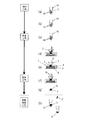
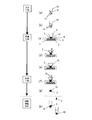
- FIG. 2 is a process diagram of the pretreatment method according to Embodiment 1 of the present invention.
- the first embodiment is a basic form.
- silica particles 14 are added to the nucleic acid-containing solution in the tube 10 to adsorb the nucleic acids 13 and the silica particles 14. As a result, a complex 15 of the nucleic acid 13 and the silica particles 14 is formed.
- this solution is dropped on the funnel portion 2 of the filtration device and filtered through the filter medium 3 or the like, and the composite 15 is placed on the filter medium 3 as shown in FIG. 2 (e). Recover.
- ⁇ Washing process> As shown in FIG. 2F, purified water 16 is dropped on the composite 15 collected on the filter medium 3 and washed. Then, as shown in FIG. 2 (g), when the filter medium 3 is removed from the filtration device, the filter medium 3 and the composite 15 are separated as shown in FIG. Are discharged to the next nucleic acid amplification step.
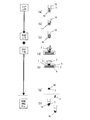
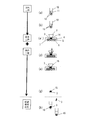
- FIG. 3 is a process diagram of the pretreatment method according to Embodiment 2 of the present invention.
- the second embodiment is a modification of the first embodiment, in which the adsorption process and the cleaning process are performed at one time.
- Embodiment 2 can be used for processing objects such as gargle, saliva, and tears. This is because these treatment objects can use purified water in the extract, and thus are considered to have a relatively low content of substances (proteins, lipids, salts, organic solvents, etc.) that inhibit the nucleic acid amplification reaction.
- substances proteins, lipids, salts, organic solvents, etc.
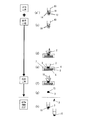
- FIG. 4 is a process diagram of the pretreatment method according to Embodiment 3 of the present invention.
- the third embodiment is a modification of the first embodiment, in which the extraction process and the adsorption process are performed at once.
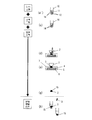
- FIG. 5 is a process diagram of the pretreatment method according to Embodiment 4 of the present invention.
- the fourth embodiment is a modification of the first embodiment, in which the extraction process, the adsorption process, and the cleaning process are performed at a time.
- the fourth embodiment is the same as the second embodiment in that the adsorption step and the washing step are performed at one time, it can be used as a treatment target for gargle, saliva, tear fluid, and the like. This is because these treatment objects can use purified water in the extract, and thus are considered to have a relatively low content of substances (proteins, lipids, salts, organic solvents, etc.) that inhibit the nucleic acid amplification reaction.
- substances proteins, lipids, salts, organic solvents, etc.
- the cleaning with purified water 16 is not performed in the cleaning process. Instead, as shown in FIG. 5 (d), the solution is dropped on the funnel portion 2 of the filtration device and washed with the extract 10 itself when filtered through the filter medium 3 or the like. Others are the same as in the first embodiment.
- FIG. 6 is a process diagram of the pretreatment method according to the fifth embodiment of the present invention.
- Embodiment 5 can be preferably carried out by using a nucleic acid extraction kit having the following elements. That is, the extract 11 extracts nucleic acids contained in the processing target 12. Silica particles 14 are disposed on the filter medium 3. The first water-absorbing material 4 is disposed so as to overlap the filter medium 3 and absorbs water from the extract liquid dropped onto the filter medium 3.
- the particle size of the silica particles 14 and the concentration of the silica particles 14 in the nucleic acid amplification reaction solution are within the above-mentioned fixed range, and this nucleic acid extraction kit performs the drying step and the elution step after the filter medium 3 is washed. It is configured so that it can immediately move to the nucleic acid amplification step without passing through.
- silica particles 14 are arranged on the filter medium 14 of the filtration device, and the silica particles 14 are put into a solution. Do not add.
- the nucleic acid-containing solution in the tube 10 is dropped onto the funnel portion 2, the nucleic acid 13 and the silica particles 14 are adsorbed. As a result, a complex 15 of the nucleic acid 13 and the silica particles 14 is formed.
- FIG. 7 is a process diagram of the pretreatment method according to Embodiment 6 of the present invention.
- the sixth embodiment is a modification of the fifth embodiment, in which the adsorption step and the cleaning step are performed at once.
- the sixth embodiment is considered to be usable for treatment targets such as gargle, saliva, and tears in which purified water is used.
- the reason for these treatments is that the extract contains a relatively small amount of substances (proteins, lipids, salts, organic solvents, etc.) that inhibit the nucleic acid amplification reaction, and the nucleic acid can be liberated in the extract. .
Landscapes
- Chemical & Material Sciences (AREA)
- Health & Medical Sciences (AREA)
- Engineering & Computer Science (AREA)
- Life Sciences & Earth Sciences (AREA)
- Genetics & Genomics (AREA)
- Organic Chemistry (AREA)
- Biomedical Technology (AREA)
- Zoology (AREA)
- Wood Science & Technology (AREA)
- Bioinformatics & Cheminformatics (AREA)
- Biotechnology (AREA)
- General Engineering & Computer Science (AREA)
- Analytical Chemistry (AREA)
- Molecular Biology (AREA)
- General Health & Medical Sciences (AREA)
- Microbiology (AREA)
- Biochemistry (AREA)
- Physics & Mathematics (AREA)
- Biophysics (AREA)
- Plant Pathology (AREA)
- Crystallography & Structural Chemistry (AREA)
- Proteomics, Peptides & Aminoacids (AREA)
- Chemical Kinetics & Catalysis (AREA)
- Immunology (AREA)
- Measuring Or Testing Involving Enzymes Or Micro-Organisms (AREA)
- Apparatus Associated With Microorganisms And Enzymes (AREA)
- Sampling And Sample Adjustment (AREA)
Priority Applications (10)
| Application Number | Priority Date | Filing Date | Title |
|---|---|---|---|
| DK15837848.9T DK3190184T3 (da) | 2014-09-03 | 2015-09-02 | Forbehandlingsfremgangsmåde og nukleinsyreekstraktionskit, der anvendes i fremgangsmåden |
| BR112017004241A BR112017004241B8 (pt) | 2014-09-03 | 2015-09-02 | método de pré-tratamento e kit para extração de ácido nucléico usável para o mesmo |
| ES15837848T ES2734068T3 (es) | 2014-09-03 | 2015-09-02 | Método de pretratamiento y kit de extracción de ácido nucleico utilizado en el citado método |
| KR1020177004470A KR101897177B1 (ko) | 2014-09-03 | 2015-09-02 | 전처리 방법 및 그것에 사용되는 핵산 추출 키트 |
| AU2015312884A AU2015312884B2 (en) | 2014-09-03 | 2015-09-02 | Pretreatment method and nucleic acid extraction kit used in said method |
| CA2957776A CA2957776C (en) | 2014-09-03 | 2015-09-02 | Pretreatment method and nucleic-acid-extracting kit usable for the same |
| MX2017002770A MX379186B (es) | 2014-09-03 | 2015-09-02 | Metodo de tratamiento previo y equipo de extraccion de acido nucleico utilizable para el mismo. |
| US15/505,329 US10316350B2 (en) | 2014-09-03 | 2015-09-02 | Pretreatment method and nucleic-acid-extracting kit usable for the same |
| EP15837848.9A EP3190184B1 (en) | 2014-09-03 | 2015-09-02 | Pretreatment method and nucleic acid extraction kit used in said method |
| PH12017500258A PH12017500258B1 (en) | 2014-09-03 | 2017-02-10 | Pretreatment method and nucleic-acid-extracting kit usable for the same |
Applications Claiming Priority (2)
| Application Number | Priority Date | Filing Date | Title |
|---|---|---|---|
| JP2014-179111 | 2014-09-03 | ||
| JP2014179111A JP6437250B2 (ja) | 2014-09-03 | 2014-09-03 | 前処理方法及びそれに用いられる核酸抽出キット |
Publications (1)
| Publication Number | Publication Date |
|---|---|
| WO2016035812A1 true WO2016035812A1 (ja) | 2016-03-10 |
Family
ID=55439872
Family Applications (1)
| Application Number | Title | Priority Date | Filing Date |
|---|---|---|---|
| PCT/JP2015/074927 Ceased WO2016035812A1 (ja) | 2014-09-03 | 2015-09-02 | 前処理方法及びそれに用いられる核酸抽出キット |
Country Status (14)
| Country | Link |
|---|---|
| US (1) | US10316350B2 (enExample) |
| EP (1) | EP3190184B1 (enExample) |
| JP (1) | JP6437250B2 (enExample) |
| KR (1) | KR101897177B1 (enExample) |
| AU (1) | AU2015312884B2 (enExample) |
| BR (1) | BR112017004241B8 (enExample) |
| CA (1) | CA2957776C (enExample) |
| DK (1) | DK3190184T3 (enExample) |
| ES (1) | ES2734068T3 (enExample) |
| MX (1) | MX379186B (enExample) |
| MY (1) | MY177446A (enExample) |
| PH (1) | PH12017500258B1 (enExample) |
| PT (1) | PT3190184T (enExample) |
| WO (1) | WO2016035812A1 (enExample) |
Families Citing this family (2)
| Publication number | Priority date | Publication date | Assignee | Title |
|---|---|---|---|---|
| EP3733846A4 (en) * | 2017-12-27 | 2021-10-27 | Toray Industries, Inc. | METHOD FOR RECOVERY OF NUCLEIC ACID |
| JP7588815B2 (ja) | 2020-08-17 | 2024-11-25 | 株式会社ミズホメディー | Rnaろ過器及びrnaろ過方法 |
Citations (5)
| Publication number | Priority date | Publication date | Assignee | Title |
|---|---|---|---|---|
| JPH10155481A (ja) * | 1996-06-18 | 1998-06-16 | Rikagaku Kenkyusho | Dnaの回収方法 |
| JPH11146783A (ja) * | 1997-11-17 | 1999-06-02 | Toyobo Co Ltd | リボ核酸の抽出方法 |
| JP2005514036A (ja) * | 2002-01-08 | 2005-05-19 | エフ.ホフマン−ラ ロシュ アーゲー | 増幅反応におけるシリカ物質の使用 |
| JP2005253464A (ja) * | 2004-02-13 | 2005-09-22 | Eiken Chem Co Ltd | 簡易的核酸抽出法 |
| JP2014030364A (ja) * | 2012-08-01 | 2014-02-20 | Seiko Epson Corp | Dnaの抽出方法 |
Family Cites Families (9)
| Publication number | Priority date | Publication date | Assignee | Title |
|---|---|---|---|---|
| JPH01192494A (ja) * | 1988-01-27 | 1989-08-02 | Mitsubishi Electric Corp | レーザービームによる抜き金型の製造方法 |
| NL8900725A (nl) | 1989-03-23 | 1990-10-16 | Az Univ Amsterdam | Werkwijze en combinatie van middelen voor het isoleren van nucleinezuur. |
| GB9425138D0 (en) * | 1994-12-12 | 1995-02-08 | Dynal As | Isolation of nucleic acid |
| DE69719409T2 (de) | 1996-06-18 | 2004-01-15 | Rikagaku Kenkyusho | Verfahren zur Reinigung von DNS |
| JP4304348B2 (ja) | 1997-09-22 | 2009-07-29 | 独立行政法人理化学研究所 | Dnaの単離方法 |
| JP2004201607A (ja) | 2002-12-26 | 2004-07-22 | Asahi Kasei Corp | 核酸吸着固相体上でのlamp反応 |
| EP1510577A1 (en) | 2003-08-29 | 2005-03-02 | Qiagen GmbH | Method for magnetic bead isolation of nucleic acids |
| US20060257907A1 (en) | 2005-04-19 | 2006-11-16 | The Regents Of The University Of California | Packed bed for nucleic acid capture and amplification |
| US20110091873A1 (en) | 2009-10-21 | 2011-04-21 | Microfluidic Systems, Inc. | Integrated sample preparation and amplification for nucleic acid detection from biological samples |
-
2014
- 2014-09-03 JP JP2014179111A patent/JP6437250B2/ja active Active
-
2015
- 2015-09-02 ES ES15837848T patent/ES2734068T3/es active Active
- 2015-09-02 MY MYPI2017700659A patent/MY177446A/en unknown
- 2015-09-02 KR KR1020177004470A patent/KR101897177B1/ko active Active
- 2015-09-02 BR BR112017004241A patent/BR112017004241B8/pt active IP Right Grant
- 2015-09-02 PT PT15837848T patent/PT3190184T/pt unknown
- 2015-09-02 MX MX2017002770A patent/MX379186B/es unknown
- 2015-09-02 AU AU2015312884A patent/AU2015312884B2/en active Active
- 2015-09-02 DK DK15837848.9T patent/DK3190184T3/da active
- 2015-09-02 CA CA2957776A patent/CA2957776C/en active Active
- 2015-09-02 EP EP15837848.9A patent/EP3190184B1/en active Active
- 2015-09-02 US US15/505,329 patent/US10316350B2/en active Active
- 2015-09-02 WO PCT/JP2015/074927 patent/WO2016035812A1/ja not_active Ceased
-
2017
- 2017-02-10 PH PH12017500258A patent/PH12017500258B1/en unknown
Patent Citations (5)
| Publication number | Priority date | Publication date | Assignee | Title |
|---|---|---|---|---|
| JPH10155481A (ja) * | 1996-06-18 | 1998-06-16 | Rikagaku Kenkyusho | Dnaの回収方法 |
| JPH11146783A (ja) * | 1997-11-17 | 1999-06-02 | Toyobo Co Ltd | リボ核酸の抽出方法 |
| JP2005514036A (ja) * | 2002-01-08 | 2005-05-19 | エフ.ホフマン−ラ ロシュ アーゲー | 増幅反応におけるシリカ物質の使用 |
| JP2005253464A (ja) * | 2004-02-13 | 2005-09-22 | Eiken Chem Co Ltd | 簡易的核酸抽出法 |
| JP2014030364A (ja) * | 2012-08-01 | 2014-02-20 | Seiko Epson Corp | Dnaの抽出方法 |
Non-Patent Citations (1)
| Title |
|---|
| See also references of EP3190184A4 * |
Also Published As
| Publication number | Publication date |
|---|---|
| KR20170028443A (ko) | 2017-03-13 |
| ES2734068T3 (es) | 2019-12-04 |
| JP6437250B2 (ja) | 2018-12-12 |
| BR112017004241A2 (pt) | 2017-12-12 |
| CA2957776C (en) | 2021-01-05 |
| MY177446A (en) | 2020-09-15 |
| EP3190184A1 (en) | 2017-07-12 |
| US20170335370A1 (en) | 2017-11-23 |
| AU2015312884A1 (en) | 2017-03-02 |
| BR112017004241B8 (pt) | 2021-07-27 |
| PH12017500258A1 (en) | 2017-07-03 |
| PT3190184T (pt) | 2019-06-27 |
| BR112017004241B1 (pt) | 2020-12-01 |
| EP3190184B1 (en) | 2019-04-10 |
| CA2957776A1 (en) | 2016-03-10 |
| PH12017500258B1 (en) | 2017-07-03 |
| EP3190184A4 (en) | 2018-02-14 |
| AU2015312884B2 (en) | 2018-06-28 |
| KR101897177B1 (ko) | 2018-09-10 |
| MX379186B (es) | 2025-03-10 |
| MX2017002770A (es) | 2017-05-30 |
| US10316350B2 (en) | 2019-06-11 |
| DK3190184T3 (da) | 2019-06-24 |
| JP2016052267A (ja) | 2016-04-14 |
Similar Documents
| Publication | Publication Date | Title |
|---|---|---|
| JP5420256B2 (ja) | 精製方法及びキット | |
| US6746841B1 (en) | FTA- coated media for use as a molecular diagnostic tool | |
| JP2017501719A (ja) | 核酸検出法およびキット | |
| AU2016271428A1 (en) | A component of a device, a device, and a method for purifying and testing biomolecules from biological samples | |
| JP2017526355A (ja) | 異種マトリックスを含む試料から生体材料及び/又は生体情報を取得する装置 | |
| CN205115443U (zh) | 一种集提取、扩增和检测一体化的基因检测装置 | |
| CN107513575A (zh) | 一种检测布鲁菌感染的方法及其应用 | |
| EP1177420B1 (en) | Fta-coated media for use as a molecular diagnostic tool | |
| CN103937884A (zh) | 一种用于结核分枝杆菌检测的环介导等温扩增试剂盒及其使用方法 | |
| JP6628794B2 (ja) | クロマトグラフ濃縮を使用する微生物の検出方法 | |
| JP5750796B2 (ja) | 珪藻類の検出方法 | |
| JP6437250B2 (ja) | 前処理方法及びそれに用いられる核酸抽出キット | |
| JP2017530366A (ja) | クロマトグラフ濃縮を使用する検体の検出方法 | |
| TWI694146B (zh) | 前處理方法及用於其之核酸萃取套組 | |
| JP2009055812A (ja) | 試料からの抗酸菌の分離回収方法 | |
| Ribeiro-Rodrigues et al. | Simple and Fast SEC-Based Protocol to Isolate Human Plasma-Derived Extracellular Vesicles for Transcriptional Research | |
| Tarhan et al. | The effect of three decontamination methods on cobas amplicor Mycobacterium tuberculosis PCR assay | |
| JP7187175B2 (ja) | 病原性微生物の核酸検出方法 | |
| JP2006042743A (ja) | 細菌の回収方法 | |
| Pozzato et al. | Mycobacterium avium subsp. paratuberculosis as a template in the evaluation of automated kits for DNA extraction from bovine organs | |
| Dehghan Banadaki | SIMPLIFIED MOLECULAR DIAGNOSTICS METHODS FOR ENVIRONMENTAL TESTING OF PATHOGENS AND OTHER APPLICATIONS | |
| Gaspar et al. | Simple and Fast Size Exclusion Chromatography-based Protocol to Isolate Human Plasma-derived Extracellular Vesicles for Transcriptional Research | |
| ITRM20110646A1 (it) | Metodo e kit diagnostico. | |
| WO2018013426A2 (en) | Methods and devices for performing flow-through capture of low-concentration analytes | |
| JP2006296210A (ja) | 標的物質の回収方法 |
Legal Events
| Date | Code | Title | Description |
|---|---|---|---|
| 121 | Ep: the epo has been informed by wipo that ep was designated in this application |
Ref document number: 15837848 Country of ref document: EP Kind code of ref document: A1 |
|
| ENP | Entry into the national phase |
Ref document number: 2957776 Country of ref document: CA |
|
| WWE | Wipo information: entry into national phase |
Ref document number: 12017500258 Country of ref document: PH |
|
| REEP | Request for entry into the european phase |
Ref document number: 2015837848 Country of ref document: EP |
|
| WWE | Wipo information: entry into national phase |
Ref document number: 2015837848 Country of ref document: EP |
|
| ENP | Entry into the national phase |
Ref document number: 20177004470 Country of ref document: KR Kind code of ref document: A |
|
| ENP | Entry into the national phase |
Ref document number: 2957776 Country of ref document: CA |
|
| ENP | Entry into the national phase |
Ref document number: 2015312884 Country of ref document: AU Date of ref document: 20150902 Kind code of ref document: A |
|
| WWE | Wipo information: entry into national phase |
Ref document number: MX/A/2017/002770 Country of ref document: MX |
|
| NENP | Non-entry into the national phase |
Ref country code: DE |
|
| REG | Reference to national code |
Ref country code: BR Ref legal event code: B01A Ref document number: 112017004241 Country of ref document: BR |
|
| ENP | Entry into the national phase |
Ref document number: 112017004241 Country of ref document: BR Kind code of ref document: A2 Effective date: 20170302 |