WO2014192200A1 - 糖化ヘモグロビンを定量する方法 - Google Patents
糖化ヘモグロビンを定量する方法 Download PDFInfo
- Publication number
- WO2014192200A1 WO2014192200A1 PCT/JP2014/001063 JP2014001063W WO2014192200A1 WO 2014192200 A1 WO2014192200 A1 WO 2014192200A1 JP 2014001063 W JP2014001063 W JP 2014001063W WO 2014192200 A1 WO2014192200 A1 WO 2014192200A1
- Authority
- WO
- WIPO (PCT)
- Prior art keywords
- solution
- sample
- wst
- weight
- pbs
- Prior art date
- Legal status (The legal status is an assumption and is not a legal conclusion. Google has not performed a legal analysis and makes no representation as to the accuracy of the status listed.)
- Ceased
Links
Images



Classifications
-
- G—PHYSICS
- G01—MEASURING; TESTING
- G01N—INVESTIGATING OR ANALYSING MATERIALS BY DETERMINING THEIR CHEMICAL OR PHYSICAL PROPERTIES
- G01N33/00—Investigating or analysing materials by specific methods not covered by groups G01N1/00 - G01N31/00
- G01N33/48—Biological material, e.g. blood, urine; Haemocytometers
- G01N33/50—Chemical analysis of biological material, e.g. blood, urine; Testing involving biospecific ligand binding methods; Immunological testing
- G01N33/72—Chemical analysis of biological material, e.g. blood, urine; Testing involving biospecific ligand binding methods; Immunological testing involving blood pigments, e.g. haemoglobin, bilirubin or other porphyrins; involving occult blood
- G01N33/721—Haemoglobin
- G01N33/723—Glycosylated haemoglobin
-
- C—CHEMISTRY; METALLURGY
- C12—BIOCHEMISTRY; BEER; SPIRITS; WINE; VINEGAR; MICROBIOLOGY; ENZYMOLOGY; MUTATION OR GENETIC ENGINEERING
- C12Q—MEASURING OR TESTING PROCESSES INVOLVING ENZYMES, NUCLEIC ACIDS OR MICROORGANISMS; COMPOSITIONS OR TEST PAPERS THEREFOR; PROCESSES OF PREPARING SUCH COMPOSITIONS; CONDITION-RESPONSIVE CONTROL IN MICROBIOLOGICAL OR ENZYMOLOGICAL PROCESSES
- C12Q1/00—Measuring or testing processes involving enzymes, nucleic acids or microorganisms; Compositions therefor; Processes of preparing such compositions
- C12Q1/26—Measuring or testing processes involving enzymes, nucleic acids or microorganisms; Compositions therefor; Processes of preparing such compositions involving oxidoreductase
-
- C—CHEMISTRY; METALLURGY
- C12—BIOCHEMISTRY; BEER; SPIRITS; WINE; VINEGAR; MICROBIOLOGY; ENZYMOLOGY; MUTATION OR GENETIC ENGINEERING
- C12Q—MEASURING OR TESTING PROCESSES INVOLVING ENZYMES, NUCLEIC ACIDS OR MICROORGANISMS; COMPOSITIONS OR TEST PAPERS THEREFOR; PROCESSES OF PREPARING SUCH COMPOSITIONS; CONDITION-RESPONSIVE CONTROL IN MICROBIOLOGICAL OR ENZYMOLOGICAL PROCESSES
- C12Q1/00—Measuring or testing processes involving enzymes, nucleic acids or microorganisms; Compositions therefor; Processes of preparing such compositions
- C12Q1/34—Measuring or testing processes involving enzymes, nucleic acids or microorganisms; Compositions therefor; Processes of preparing such compositions involving hydrolase
- C12Q1/37—Measuring or testing processes involving enzymes, nucleic acids or microorganisms; Compositions therefor; Processes of preparing such compositions involving hydrolase involving peptidase or proteinase
-
- G—PHYSICS
- G01—MEASURING; TESTING
- G01N—INVESTIGATING OR ANALYSING MATERIALS BY DETERMINING THEIR CHEMICAL OR PHYSICAL PROPERTIES
- G01N2333/00—Assays involving biological materials from specific organisms or of a specific nature
- G01N2333/795—Porphyrin- or corrin-ring-containing peptides
- G01N2333/805—Haemoglobins; Myoglobins
-
- G—PHYSICS
- G01—MEASURING; TESTING
- G01N—INVESTIGATING OR ANALYSING MATERIALS BY DETERMINING THEIR CHEMICAL OR PHYSICAL PROPERTIES
- G01N2333/00—Assays involving biological materials from specific organisms or of a specific nature
- G01N2333/90—Enzymes; Proenzymes
- G01N2333/902—Oxidoreductases (1.)
- G01N2333/908—Oxidoreductases (1.) acting on hydrogen peroxide as acceptor (1.11)
-
- G—PHYSICS
- G01—MEASURING; TESTING
- G01N—INVESTIGATING OR ANALYSING MATERIALS BY DETERMINING THEIR CHEMICAL OR PHYSICAL PROPERTIES
- G01N2333/00—Assays involving biological materials from specific organisms or of a specific nature
- G01N2333/90—Enzymes; Proenzymes
- G01N2333/914—Hydrolases (3)
- G01N2333/948—Hydrolases (3) acting on peptide bonds (3.4)
- G01N2333/95—Proteinases, i.e. endopeptidases (3.4.21-3.4.99)
-
- G—PHYSICS
- G01—MEASURING; TESTING
- G01N—INVESTIGATING OR ANALYSING MATERIALS BY DETERMINING THEIR CHEMICAL OR PHYSICAL PROPERTIES
- G01N2333/00—Assays involving biological materials from specific organisms or of a specific nature
- G01N2333/90—Enzymes; Proenzymes
- G01N2333/914—Hydrolases (3)
- G01N2333/948—Hydrolases (3) acting on peptide bonds (3.4)
- G01N2333/95—Proteinases, i.e. endopeptidases (3.4.21-3.4.99)
- G01N2333/952—Proteinases, i.e. endopeptidases (3.4.21-3.4.99) derived from bacteria
- G01N2333/954—Proteinases, i.e. endopeptidases (3.4.21-3.4.99) derived from bacteria bacteria being Bacillus
-
- G—PHYSICS
- G01—MEASURING; TESTING
- G01N—INVESTIGATING OR ANALYSING MATERIALS BY DETERMINING THEIR CHEMICAL OR PHYSICAL PROPERTIES
- G01N2333/00—Assays involving biological materials from specific organisms or of a specific nature
- G01N2333/90—Enzymes; Proenzymes
- G01N2333/914—Hydrolases (3)
- G01N2333/948—Hydrolases (3) acting on peptide bonds (3.4)
- G01N2333/95—Proteinases, i.e. endopeptidases (3.4.21-3.4.99)
- G01N2333/964—Proteinases, i.e. endopeptidases (3.4.21-3.4.99) derived from animal tissue
- G01N2333/96425—Proteinases, i.e. endopeptidases (3.4.21-3.4.99) derived from animal tissue from mammals
- G01N2333/96427—Proteinases, i.e. endopeptidases (3.4.21-3.4.99) derived from animal tissue from mammals in general
- G01N2333/9643—Proteinases, i.e. endopeptidases (3.4.21-3.4.99) derived from animal tissue from mammals in general with EC number
- G01N2333/96466—Cysteine endopeptidases (3.4.22)
-
- G—PHYSICS
- G01—MEASURING; TESTING
- G01N—INVESTIGATING OR ANALYSING MATERIALS BY DETERMINING THEIR CHEMICAL OR PHYSICAL PROPERTIES
- G01N2333/00—Assays involving biological materials from specific organisms or of a specific nature
- G01N2333/90—Enzymes; Proenzymes
- G01N2333/914—Hydrolases (3)
- G01N2333/948—Hydrolases (3) acting on peptide bonds (3.4)
- G01N2333/95—Proteinases, i.e. endopeptidases (3.4.21-3.4.99)
- G01N2333/964—Proteinases, i.e. endopeptidases (3.4.21-3.4.99) derived from animal tissue
- G01N2333/96425—Proteinases, i.e. endopeptidases (3.4.21-3.4.99) derived from animal tissue from mammals
- G01N2333/96427—Proteinases, i.e. endopeptidases (3.4.21-3.4.99) derived from animal tissue from mammals in general
- G01N2333/9643—Proteinases, i.e. endopeptidases (3.4.21-3.4.99) derived from animal tissue from mammals in general with EC number
- G01N2333/96486—Metalloendopeptidases (3.4.24)
-
- G—PHYSICS
- G01—MEASURING; TESTING
- G01N—INVESTIGATING OR ANALYSING MATERIALS BY DETERMINING THEIR CHEMICAL OR PHYSICAL PROPERTIES
- G01N2440/00—Post-translational modifications [PTMs] in chemical analysis of biological material
- G01N2440/38—Post-translational modifications [PTMs] in chemical analysis of biological material addition of carbohydrates, e.g. glycosylation, glycation
Definitions
- the present invention relates to a method for quantifying glycated hemoglobin contained in a sample.
- HbA1c Glycated hemoglobin
- HbA1c is a kind of glycated protein formed by non-enzymatic binding of glucose to hemoglobin A (hereinafter referred to as “HbA”) contained in erythrocytes. HbA1c is used as a diabetes marker.
- Patent Document 1 discloses a method for quantifying HbA1c by enzyme assay. More specifically, the method disclosed in Patent Document 1 includes the following steps (a) and (b): (A) a step of degrading HbA1c using a protease to produce a fructosyl peptide; and (b) a fructosyl peptide produced in step (a) is converted to a fructosyl peptide oxidase (hereinafter referred to as “FPOX”). The process of quantifying using.
- FPOX fructosyl peptide oxidase
- Patent Document 2 also discloses a method for obtaining a fructosyl peptide. This method is characterized in that a sample containing a protein such as HbA1c is subjected to protease treatment in the presence of a tetrazolium compound. Patent Document 2 further discloses that not only a tetrazolium compound but also a surfactant further promotes protease treatment.
- Patent Document 3 also discloses a method for obtaining a fructosyl peptide.
- Hb1Ac is subjected to protease treatment in the presence of an isothiazoline derivative and a surfactant.
- the step (a) needs to be performed promptly. More specifically, it is necessary to further improve the degradation rate of HbA1c caused by proteases.
- step (a) must not adversely affect step (b). More specifically, the reagent used in step (a) must not inactivate FPOX.
- An object of the present invention is to provide a method for rapidly quantifying glycated hemoglobin.
- the present invention is a method for quantifying glycated hemoglobin (HbA1c) contained in a sample, comprising the following steps: (A) mixing the sample with a protease in the presence of a composition of a cationic surfactant and a tetrazolium salt to obtain a glycated peptide aqueous solution containing a glycated peptide; (B) A step of mixing the aqueous glycated peptide obtained in the step (a) with FPOX (fructosyl peptide oxidase) to obtain hydrogen peroxide, wherein the solution contains the composition.
- FPOX structurallycated hemoglobin
- the present invention is a method for quantifying glycated hemoglobin (HbA1c) contained in a sample, comprising the following steps: (A) mixing the sample with a protease and FPOX (fructosyl peptide oxidase) in the presence of a composition of a cationic surfactant and a tetrazolium salt to obtain a hydrogen peroxide solution; and (b) step (a The method comprises a step of calculating the concentration of the glycated hemoglobin (HbA1c) based on the amount of hydrogen peroxide obtained in (1).
- the gist of the present invention includes a composition for activating a protease, which contains a cationic surfactant and a tetrazolium salt.
- the present invention provides a method for rapidly quantifying glycated hemoglobin.
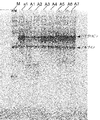
- FIG. 1A shows the results of Test Example 1.
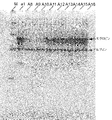
- FIG. 1B shows the results of Test Example 1.
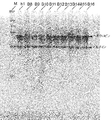
- FIG. 2A shows the results of Test Example 2.
- FIG. 2B shows the results of Test Example 2.
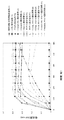
- FIG. 3 shows the results of Test Example 3.
- FIG. 4 shows the results of Test Example 4.
- FIG. 5 shows the results of Test Example 5.
- Embodiment 1 First, Embodiment 1 will be described.
- a sample containing HbA1c is mixed with a protease in the presence of a cationic surfactant and a tetrazolium salt composition.
- the sample is an aqueous solution.
- HbA1c is decomposed by protease to produce a glycated peptide.
- An example of a glycated peptide is a fructosyl peptide.
- An example of a fructosyl peptide is fructosyl valine histidine (hereinafter referred to as “Fru-Val-His”). In this way, an aqueous solution containing the glycated peptide is obtained.
- sample containing HbA1c is human-derived blood. Dilutions of blood from humans are also included in samples containing HbA1c.
- cationic surfactants are quaternary ammonium salts, alkylamine salts, or pyridine derivatives.
- a preferred cationic surfactant is a quaternary ammonium salt represented by the chemical formula R 1 R 2 R 3 R 4 N + X ⁇ .
- R 1 is an alkyl group having 8 to 18 carbon atoms.
- R 2 , R 3 , and R 4 are independently lower alkyl groups. More preferably, R 2 , R 3 , and R 4 are independently a methyl group or an ethyl group. Even more preferred is a methyl group.
- X represents a halogen. Preferably X represents chlorine or bromine.
- Examples of preferred tetrazolium salts are listed below.
- proteases are thermolysin, papain, chymotrypsin, subtilisin, caspase, pepsin, or cathepsin D. Thermolysin and papain are preferred.
- the combination of the cationic surfactant and the tetrazolium salt significantly improves the decomposition rate of HbA1c.
- the synergistic effect of the cationic surfactant and the tetrazolium salt significantly improves the decomposition rate of HbA1c. See FIGS. 1A, 1B, 2A, and 2B.
- anionic surfactants such as sodium dodecyl sulfate (hereinafter referred to as “SDS”) also have a degradation rate of HbA1c. Improve. However, in the present invention, an anionic surfactant should not be used. The reason is described in the description of the step (b).
- Step (b) is performed after step (a).
- the aqueous glycated peptide solution obtained in the step (a) is mixed with fructosyl peptide oxidase (hereinafter referred to as “FPOX”). As disclosed in Patent Document 2, the glycated peptide reacts with FPOX to generate hydrogen peroxide. Similar to step (a), also in step (b), the aqueous glycated peptide solution contains a composition of a cationic surfactant and a tetrazolium salt.
- sample solutions C8 to C10, D8 to D10, and E8 to E10 included in Test Examples 3 to 5 to be described later when only a cationic surfactant is used (sample solutions C2, D2 , And E2), glycated peptides react more rapidly with FPOX when compositions of cationic surfactants and tetrazolium salts are used.
- An anionic surfactant improves the decomposition rate of HbA1c.
- anionic surfactants inactivate FPOX. Therefore, HbA1c cannot be quantified when an anionic surfactant is used.
- Step (c) is performed after step (b).
- the amount of hydrogen peroxide generated in the step (b) is described in Patent Document 4 (especially column 8, lines 6 to 37) and Patent Document 5 (particularly columns 10, 63 to 11, columns 7, line 7). ) Is proportional to the amount of HbA1c contained in the sample. These patent documents are incorporated herein by reference. The following home page also discloses that the amount of hydrogen peroxide generated in step (b) is proportional to the amount of HbA1c contained in the sample. http: // www. sekisuimedical. jp / english / business / diagnostics / biochemistry / hba1c / index.jp / english / business / diagnostics / biochemistry / hba1c / index. html
- the amount of HbA1c contained in the sample is calculated using a calibration curve obtained in advance. In this way, HbA1c contained in the sample is quantified. In other words, the concentration of Hb1Ac1 is measured.
- step (d) a sample containing HbA1c is mixed with protease and FPOX in the presence of a cationic surfactant and tetrazolium salt composition to obtain hydrogen peroxide.
- the sample is an aqueous solution.
- Step (e) is performed after step (d).
- Hb1Ac is quantified based on the amount of hydrogen peroxide obtained in step (d).
- step (d) step (a) and step (b) are performed simultaneously.
- Step (e) is the same as step (c). Therefore, detailed description of the step (d) and the step (e) is omitted.
- sample solution P Human whole blood (manufactured by BIOPREDIC International) was diluted to prepare a 10-fold diluted solution. In this way, a sample solution containing hemoglobin was prepared. Hereinafter, this sample solution is referred to as “sample solution P”.
- Test Example 1 preparation of sample solution
- SDS Wako Pure Chemical Industries, Ltd.
- TTAB tetradecyltrimethylammonium bromide
- TritonX-100 Wako Pure Chemical Industries, Ltd. Tween 20: Wako Pure Chemical Industries, Ltd.
- sample solution A1 Sample solution P Thermolysin PBS solution: 150,000 U / mL SDS PBS solution: 10% by weight (Sample solution A2) Sample solution P Thermolysin PBS solution: 150,000 U / mL TTAB: 10% by weight (Sample solution A3) Sample solution P Thermolysin PBS solution: 150,000 U / mL Triton X-100 PBS solution: 10% by weight (Sample solution A4) Sample solution P Thermolysin PBS solution: 150,000 U / mL Tween 20 in PBS: 10% by weight (Sample solution A5) Sample solution P Thermolysin PBS solution: 150,000 U / mL WST-3 aqueous solution: 2% by weight (Sample solution A6) Sample solution P Thermolysin PBS solution: 150,000 U / mL WST
- sample solutions A1 to A16 and comparative sample solution a1 were subjected to polyacrylamide gel electrophoresis (PAGE).
- PAGE polyacrylamide gel electrophoresis
- 1A and 1B show electrophoresis patterns.
- M in FIGS. 1A and 1B indicates a protein marker.
- the degree of HbA1c degradation is reflected in the color strength of the band around 64.5 KDa corresponding to the hemoglobin molecular region included in the electrophoresis pattern. As the color density of the band near 64.5 KDa decreases, a larger amount of HbA1c is decomposed.
- sample solution A1 composition of TTAB and WST-3 (sample solution A8), composition of TTAB and WST-4 (sample solution A9), and composition of TTAB and WST-5 (sample solution A10) , Improving the decomposition rate of HbA1c using thermolysin.
- composition of TTAB and WST-3 uses thermolysin compared to the case where TTAB is used alone (sample solution A2) and the case where WST-3 is used alone (sample solution A5). Improve the decomposition rate of HbA1c.
- composition of TTAB and WST-4 uses thermolysin compared to the case where TTAB is used alone (sample solution A2) and the case where WST-4 is used alone (sample solution A6). Improve the decomposition rate of HbA1c.
- composition of TTAB and WST-5 uses thermolysin compared to the case where TTAB is used alone (sample solution A2) and the case where WST-5 is used alone (sample solution A7). Improve the decomposition rate of HbA1c.
- Sample solutions B1 to B16 were prepared.
- a sample solution for comparison b1 was also prepared.
- the source of the used reagent is as follows. Papain: Roche Diagnostics Co., Ltd. SDS: Wako Pure Chemical Industries, Ltd. TTAB (tetradecyltrimethylammonium bromide): Wako Pure Chemical Industries, Ltd. TritonX-100: Wako Pure Chemical Industries, Ltd. Tween20: Wako Pure Chemical Industries, Ltd.
- sample solution B1 Sample solution P Papain PBS solution: 300 U / mL SDS PBS solution: 10% by weight (Sample solution B2) Sample solution P Papain PBS solution: 300 U / mL TTAB: 10% by weight (Sample solution B3) Sample solution P Papain PBS solution: 300 U / mL Triton X-100 PBS solution: 10% by weight (Sample solution B4) Sample solution P Papain PBS solution: 300 U / mL Tween 20 in PBS: 10% by weight (Sample solution B5) Sample solution P Papain PBS solution: 300 U / mL WST-3 aqueous solution: 2% by weight (Sample solution B6) Sample solution P Papain PBS solution: 300 U / mL WST-4 PBS solution: 0.5% by weight (Sample solution B7) Sample solution P Papain PBS solution: 300 U / mL W
- sample solutions B1 to B16 and comparative sample solution b1 were subjected to polyacrylamide gel electrophoresis (PAGE).
- PAGE polyacrylamide gel electrophoresis
- 2A and 2B show the electrophoresis pattern.
- M in FIGS. 2A and 2B indicates a protein marker.
- the degree of HbA1c degradation is reflected in the color strength of the band around 64.5 KDa corresponding to the hemoglobin molecular region included in the electrophoresis pattern. As the color density of the band near 64.5 KDa decreases, a larger amount of HbA1c is decomposed.
- sample solution B1 composition of TTAB and WST-3 (sample solution B8), composition of TTAB and WST-4 (sample solution B9), and composition of TTAB and WST-5 (sample solution B10) Improve the degradation rate of HbA1c using papain.
- composition of TTAB and WST-3 uses papain compared to the case where TTAB is used alone (sample solution B2) and the case where WST-3 is used alone (sample solution B5). Improve the decomposition rate of HbA1c.
- composition of TTAB and WST-4 uses papain compared to the case where TTAB is used alone (sample solution B2) and the case where WST-4 is used alone (sample solution B6). Improve the decomposition rate of HbA1c.
- composition of TTAB and WST-5 uses papain compared to the case where TTAB is used alone (sample solution B2) and the case where WST-5 is used alone (sample solution B7). Improve the decomposition rate of HbA1c.
- Sample solutions C1 to C12 were prepared.
- a comparative sample solution c1 was also prepared.
- the source of the used reagent is as follows.
- FPOX-CE Kikkoman Corporation SDS: Wako Pure Chemical Industries, Ltd. Peroxidase: Wako Pure Chemical Industries, Ltd. KN-111 (Coloring Dye): Dojindo Laboratories TTAB (Tetradecyltrimethylammonium bromide): Wako Pure Chemical Industries, Ltd. Triton X-100: Wako Pure Chemical Industries, Ltd. Tween 20: Wako Pure Chemical Industries, Ltd.
- WST-3 Dojin Chemical Laboratory
- WST-4 Dojin Chemical Laboratory
- WST-5 Dojin Chemical Laboratory
- SDS PBS solution 10% by weight FPOX-CE PBS solution: 28 U / mL Peroxidase: 20 U / mL KN-111: 2 mM
- TTAB 10% by weight FPOX-CE PBS solution: 28 U / mL Peroxidase: 20 U / mL KN-111: 2 mM
- Triton X-100 PBS solution 10% by weight FPOX-CE PBS solution: 28 U / mL Peroxidase: 20 U / mL KN-111: 2 mM
- Tween 20 in PBS 10% by weight FPOX-CE PBS solution: 28 U / mL Peroxidase: 20 U / mL KN-111: 2 mM
- Example solution C5 Dojin Chemical Laboratory
- SDS PBS solution 10% by weight FPOX-CE PBS solution
- reaction of glycated peptide with FPOX The temperatures of the sample solutions C1 to C12 and the comparative sample solution c1 were maintained at 37 ° C. for 10 minutes to cause a reaction.
- Glycated peptide Fru-Val-His reacts with FPOX to generate hydrogen peroxide. Hydrogen peroxide reacts with the coloring dye KN-111 and changes the coloring dye KN-111 to red. Therefore, FPOX activity is evaluated by measuring the absorbance of the chromogenic dye KN-111 at a wavelength of 660 nm (red).
- SDS which is an anionic surfactant, inactivates FPOX (refer to the result of the mixed solution C1). Therefore, SDS is not used in the present quantification method of HbA1c using FPOX.
- the cationic surfactant and the nonionic surfactant do not inactivate FPOX (see the results of the mixed solutions C2 to C12 and the comparative mixed solution c1).
- composition of TTAB and WST-3, the composition of TTAB and WST-4, or the composition of TTAB and WST-5 are compared with the case where TTAB is used alone (mixed solution C2).
- TTAB is used alone
- FPOX reacts more quickly with the glycated peptide.
- Sample solutions D1 to D16 were prepared.
- a comparative sample solution d1 was also prepared.
- the source of the used reagent is as follows.
- FPOX-CE Kikkoman Corporation Thermolysin: Wako Pure Chemical Industries, Ltd.
- SDS Wako Pure Chemical Industries, Ltd.
- Peroxidase Wako Pure Chemical Industries, Ltd.
- TritonX-100 Wako Pure Chemical Industries, Ltd. Tween 20: Wako Pure Chemical Industries, Ltd.
- WST-3 Dojin Chemical Laboratory
- WST-4 Dojin Chemical Laboratory
- WST-5 Dojin Chemical Laboratory
- Thermolysin PBS solution 150,000 U / mL SDS PBS solution: 10% by weight FPOX-CE PBS solution: 28 U / mL Peroxidase: 20 U / mL KN-111: 2 mM
- Thermolysin PBS solution 150,000 U / mL TTAB: 10% by weight FPOX-CE PBS solution: 28 U / mL Peroxidase: 20 U / mL KN-111: 2 mM
- Thermolysin PBS solution 150,000 U / mL Triton X-100 PBS solution: 10% by weight FPOX-CE PBS solution: 28 U / mL Peroxidase: 20 U / mL KN-111: 2 mM
- Thermolysin PBS solution 150,000 U / mL Triton X-
- reaction of glycated peptide with FPOX The temperature of the sample solutions D1 to D12 and the comparative sample solution d1 was maintained at 37 ° C. for 10 minutes to cause a reaction.
- Glycated peptide Fru-Val-His reacts with FPOX to generate hydrogen peroxide. Hydrogen peroxide reacts with the coloring dye KN-111 and changes the coloring dye KN-111 to red. Therefore, FPOX activity is evaluated by measuring the absorbance of the chromogenic dye KN-111 at a wavelength of 660 nm (red).
- SDS which is an anionic surfactant, inactivates FPOX (refer to the result of the mixed solution D1). Therefore, SDS is not used in the HbA1c quantification method using FPOX.
- the cationic surfactant and the nonionic surfactant do not inactivate FPOX (see the results of the mixed solutions D2 to D12 and the comparative mixed solution d1). Thermolysin also does not inactivate FPOX.
- composition of TTAB and WST-3, the composition of TTAB and WST-4, or the composition of TTAB and WST-5 are compared with the case where TTAB is used alone (mixed solution D2).
- TTAB is used alone
- FPOX reacts more quickly with the glycated peptide.
- Sample solutions E1 to E12 were prepared.
- a comparative sample solution e1 was also prepared.
- the source of the used reagent is as follows.
- FPOX-CE Kikkoman Corporation Papain: Roche Diagnostics Inc.
- SDS Wako Pure Chemical Industries, Ltd.
- Peroxidase Wako Pure Chemical Industries, Ltd.
- TritonX-100 Wako Pure Chemical Industries, Ltd. Tween 20: Wako Pure Chemical Industries, Ltd.
- WST-3 Dojin Chemical Laboratory WST-4: Dojin Chemical Laboratory WST-5: Dojin Chemical Institute (Sample solution E1) Papain: 300 U / mL SDS PBS solution: 10% by weight FPOX-CE PBS solution: 28 U / mL Peroxidase: 20 U / mL KN-111: 2 mM (Sample solution E2) Papain: 300 U / mL TTAB: 10% by weight FPOX-CE PBS solution: 28 U / mL Peroxidase: 20 U / mL KN-111: 2 mM (Sample solution E3) Papain: 300 U / mL Triton X-100 PBS solution: 10% by weight FPOX-CE PBS solution: 28 U / mL Peroxidase: 20 U / mL KN-111: 2 mM (Sample solution E4) Papain: 300 U / mL Tween 20 in PBS: 10% by weight FPOX-CE
- reaction of glycated peptide with FPOX The temperatures of the sample solutions E1 to E12 and the comparative sample solution e1 were maintained at 37 ° C. for 10 minutes to cause a reaction.
- Glycated peptide Fru-Val-His reacts with FPOX to generate hydrogen peroxide. Hydrogen peroxide reacts with the coloring dye KN-111 and changes the coloring dye KN-111 to red. Therefore, FPOX activity is evaluated by measuring the absorbance of the chromogenic dye KN-111 at a wavelength of 660 nm (red).
- SDS which is an anionic surfactant, inactivates FPOX (see results for mixed solution E1). Therefore, SDS is not used in the HbA1c quantification method using FPOX.
- the cationic surfactant and the nonionic surfactant do not inactivate FPOX (see the results of the mixed solutions E2 to E12 and the comparative mixed solution e1). Papain also does not inactivate FPOX.
- composition of TTAB and WST-3, the composition of TTAB and WST-4, or the composition of TTAB and WST-5 are compared with the case where TTAB is used alone (mixed solution E2).
- TTAB is used alone
- FPOX reacts more quickly with the glycated peptide.
- the present invention is useful for diagnosis of diabetes.
Landscapes
- Life Sciences & Earth Sciences (AREA)
- Chemical & Material Sciences (AREA)
- Health & Medical Sciences (AREA)
- Engineering & Computer Science (AREA)
- Organic Chemistry (AREA)
- Immunology (AREA)
- Molecular Biology (AREA)
- Proteomics, Peptides & Aminoacids (AREA)
- Wood Science & Technology (AREA)
- Zoology (AREA)
- Hematology (AREA)
- Physics & Mathematics (AREA)
- Microbiology (AREA)
- Biotechnology (AREA)
- Analytical Chemistry (AREA)
- Biochemistry (AREA)
- General Health & Medical Sciences (AREA)
- Urology & Nephrology (AREA)
- Biomedical Technology (AREA)
- General Engineering & Computer Science (AREA)
- Bioinformatics & Cheminformatics (AREA)
- Biophysics (AREA)
- Genetics & Genomics (AREA)
- Medicinal Chemistry (AREA)
- Pathology (AREA)
- General Physics & Mathematics (AREA)
- Food Science & Technology (AREA)
- Cell Biology (AREA)
- Measuring Or Testing Involving Enzymes Or Micro-Organisms (AREA)
- Investigating Or Analysing Biological Materials (AREA)
- Enzymes And Modification Thereof (AREA)
Abstract
Description
(a)プロテアーゼを用いてHbA1cを分解し、フルクトシルペプチドを生成する工程、および
(b)工程(a)において生成されたフルクトシルペプチドを、フルクトシルペプチドオキシダーゼ(以下、「FPOX」という)を用いて定量する工程。
(a)カチオン性界面活性剤およびテトラゾリウム塩の組成物の存在下において、前記試料をプロテアーゼと混合し、糖化ペプチドを含有する糖化ペプチド水溶液を得る工程、
(b)前記工程(a)において得られた糖化ペプチド水溶液をFPOX(フルクトシルペプチドオキシダーゼ)と混合し、過酸化水素を得る工程、ここで、前記溶液は前記組成物を含有するものである、および
(c)工程(b)において得られた過酸化水素水の量に基づいて、前記糖化ヘモグロビン(HbA1c)の濃度を算出する工程
を具備する、方法に関する。
本発明は、試料に含有される糖化ヘモグロビン(HbA1c)を定量する方法であって、以下の工程:
(a)カチオン性界面活性剤およびテトラゾリウム塩の組成物の存在下において、前記試料をプロテアーゼおよびFPOX(フルクトシルペプチドオキシダーゼ)と混合し、過酸化水素水を得る工程、および
(b)工程(a)において得られた過酸化水素の量に基づいて、前記糖化ヘモグロビン(HbA1c)の濃度を算出する工程
を具備する、方法に関する。
本発明の趣旨は、カチオン性界面活性剤およびテトラゾリウム塩を含有する、プロテアーゼを活性化するための組成物を含む。
まず、実施形態1が説明される。
工程(a)では、HbA1cを含有する試料がカチオン性界面活性剤およびテトラゾリウム塩の組成物の存在下においてプロテアーゼと混合される。好ましくは、試料は水溶液である。
トリメチルオクチルアンモニウムクロリド
トリメチルデシルアンモニウムクロリド
トリメチルドデシルアンモニウムクロリド
トリメチルテトラデシルアンモニウムクロリド
トリメチルセチルアンモニウムクロリド
トリメチルステアリルアンモニウムクロリド
トリメチルオクチルアンモニウムブロミド
トリメチルデシルアンモニウムブロミド
トリメチルドデシルアンモニウムブロミド
トリメチルテトラデシルアンモニウムブロミド
トリメチルセチルアンモニウムブロミド
トリメチルステアリルアンモニウムブロミド
2-(4-ヨードフェニル)-3-(4-ニトロフェニル)-5-(2,4-ジスルホフェニル)-2H-テトラゾリウム,モノナトリウム塩(WST-1)
2-(4-ヨードフェニル)-3-(2,4-ジニトロフェニル)-5-(2,4-ジスルホフェニル)-2H-テトラゾリウム,モノナトリウム塩(WST-3)
2-(2-ベンゾチアゾリル)-3-(4-カルボキシ-2-メトキシフェニル)-5-[4-[(2-ソジオスルホエチル)カルバモイル]フェニル]-2H-テトラゾール-3-イウム(WST-4)
2,2’-(3,3’-ジメトキシ-4,4’-ビフェニリレン)ビス[3-(2-ベンゾチアゾリル)-5-[4-[N-[2-(ソジオオキシスルホニル)エチル]-N-(2-スルホエチル)カルバモイル]フェニル]-2H-テトラゾール-3-イウム](WST-5)
5-[2,4-ビス(ソジオオキシスルホニル)フェニル]-3-(2-メトキシ-4-ニトロフェニル)-2-(4-ニトロフェニル)-2H-テトラゾール-3-イウム(WST-8)
2-(4-ニトロフェニル)-5-フェニル-3-[4-(4-スルホフェニルアゾ)-2-スルホフェニル]-2H-テトラゾリウム,モノナトリウム塩(WST-9)
2,5-ジ(4-ニトロフェニル)-3-[4-(4-スルホフェニルアゾ)-2-スルホフェニル]-2H-テトラゾリウム,モノナトリウム塩(WST-10)
2-(4-ニトロフェニル)-5-(2-スルホフェニル)-3-[4-(4-スルホフェニルアゾ)-2-スルホフェニル]-2H-テトラゾリウム,ジナトリウム塩(WST-11)
工程(b)は、工程(a)の後に行われる。
工程(c)は、工程(b)の後に行われる。
http://www.sekisuimedical.jp/english/business/diagnostics/biochemistry/hba1c/index.html
次に、実施形態2が説明される。
工程(d)では、HbA1cを含有する試料がカチオン性界面活性剤およびテトラゾリウム塩の組成物の存在下においてプロテアーゼおよびFPOXと混合され、過酸化水素を得る。好ましくは、試料は水溶液である。
工程(e)は、工程(d)の後に行われる。工程(e)では、工程(d)において得られた過酸化水素の量に基づいて、Hb1Acが定量される。
(試料溶液の調製)
ヒト全血(BIOPREDIC International社製)を希釈して、10倍希釈液を作成した。このようにして、ヘモグロビンを含む試料溶液を調製した。以下、この試料溶液は「試料溶液P」と呼ばれる。
(試料溶液の調製)
以下の試料溶液A1~A16を調製した。比較用試料溶液a1も調製した。
用いられた試薬の入手先は以下の通りである。
サーモリシン:和光純薬工業株式会社
SDS:和光純薬工業株式会社
TTAB(テトラデシルトリメチルアンモニウムブロミド):和光純薬工業株式会社
TritonX-100:和光純薬工業株式会社
Tween20:和光純薬工業株式会社
WST-3:同仁化学研究所
WST-4:同仁化学研究所
WST-5:同仁化学研究所
(試料溶液A1)
試料溶液P
サーモリシン PBS溶液:150,000U/mL
SDS PBS溶液:10重量%
(試料溶液A2)
試料溶液P
サーモリシン PBS溶液:150,000U/mL
TTAB:10重量%
(試料溶液A3)
試料溶液P
サーモリシン PBS溶液:150,000U/mL
TritonX-100 PBS溶液:10重量%
(試料溶液A4)
試料溶液P
サーモリシン PBS溶液:150,000U/mL
Tween20 PBS溶液:10重量%
(試料溶液A5)
試料溶液P
サーモリシン PBS溶液:150,000U/mL
WST-3 水溶液:2重量%
(試料溶液A6)
試料溶液P
サーモリシン PBS溶液:150,000U/mL
WST-4 PBS溶液:0.5重量%
(試料溶液A7)
試料溶液P
サーモリシン PBS溶液:150,000U/mL
WST-5 PBS溶液:2重量%
(試料溶液A8)
試料溶液P
サーモリシン PBS溶液:150,000U/mL
TTAB:10重量%
WST-3 PBS溶液:2重量%
(試料溶液A9)
試料溶液P
サーモリシン PBS溶液:150,000U/mL
TTAB:10重量%
WST-4 PBS溶液:0.5重量%
(試料溶液A10)
試料溶液P
サーモリシン PBS溶液:150,000U/mL
TTAB:10重量%
WST-5 PBS溶液:2重量%
(試料溶液A11)
試料溶液P
サーモリシン PBS溶液:150,000U/mL
TritonX-100 PBS溶液:10重量%
WST-3 PBS溶液:2重量%
(試料溶液A12)
試料溶液P
サーモリシン PBS溶液:150,000U/mL
TritonX-100 PBS溶液:10重量%
WST-4 PBS溶液:0.5重量%
(試料溶液A13)
試料溶液P
サーモリシン PBS溶液:150,000U/mL
TritonX-100 PBS溶液:10重量%
WST-5 PBS溶液:2重量%
(試料溶液A14)
試料溶液P
サーモリシン PBS溶液:150,000U/mL
Tween20 PBS溶液:10重量%
WST-3 PBS溶液:2重量%
(試料溶液A15)
試料溶液P
サーモリシン PBS溶液:150,000U/mL
Tween20 PBS溶液:10重量%
WST-4 PBS溶液:0.5重量%
(試料溶液A16)
試料溶液P
サーモリシン PBS溶液:150,000U/mL
Tween20 PBS溶液:10重量%
WST-5 PBS溶液:2重量%
(比較用試料溶液a1)
試料溶液P
サーモリシン PBS溶液:150,000U/mL
試料溶液A1~A16および比較用試料溶液a1の温度は、37℃に10分間維持され、反応を生じさせた。
反応後、試料溶液A1~A16および比較用試料溶液a1は、ポリアクリルアミドゲル電気泳動(PAGE)供された。図1Aおよび図1Bは、電気泳動パターンを示す。図1Aおよび図1B中の「M」は、タンパク質マーカーを指し示す。
(試料溶液の調製)
試料溶液B1~B16が調製された。比較用試料溶液b1も調製された。
用いられた試薬の入手先は以下の通りである。
パパイン:ロシュ・ダイアグノスティックス株式会社
SDS:和光純薬工業株式会社
TTAB(テトラデシルトリメチルアンモニウムブロミド):和光純薬工業株式会社
TritonX-100:和光純薬工業株式会社
Tween20:和光純薬工業株式会社
WST-3:同仁化学研究所
WST-4:同仁化学研究所
WST-5:同仁化学研究所
(試料溶液B1)
試料溶液P
パパイン PBS溶液:300U/mL
SDS PBS溶液:10重量%
(試料溶液B2)
試料溶液P
パパイン PBS溶液:300U/mL
TTAB:10重量%
(試料溶液B3)
試料溶液P
パパイン PBS溶液:300U/mL
TritonX-100 PBS溶液:10重量%
(試料溶液B4)
試料溶液P
パパイン PBS溶液:300U/mL
Tween20 PBS溶液:10重量%
(試料溶液B5)
試料溶液P
パパイン PBS溶液:300U/mL
WST-3 水溶液:2重量%
(試料溶液B6)
試料溶液P
パパイン PBS溶液:300U/mL
WST-4 PBS溶液:0.5重量%
(試料溶液B7)
試料溶液P
パパイン PBS溶液:300U/mL
WST-5 PBS溶液:2重量%
(試料溶液B8)
試料溶液P
パパイン PBS溶液:300U/mL
TTAB:10重量%
WST-3 PBS溶液:2重量%
(試料溶液B9)
試料溶液P
パパイン PBS溶液:300U/mL
TTAB:10重量%
WST-4 PBS溶液:0.5重量%
(試料溶液B10)
試料溶液P
パパイン PBS溶液:300U/mL
TTAB:10重量%
WST-5 PBS溶液:2重量%
(試料溶液B11)
試料溶液P
パパイン PBS溶液:300U/mL
TritonX-100 PBS溶液:10重量%
WST-3 PBS溶液:2重量%
(試料溶液B12)
試料溶液P
パパイン PBS溶液:300U/mL
TritonX-100 PBS溶液:10重量%
WST-4 PBS溶液:0.5重量%
(試料溶液B13)
試料溶液P
パパイン PBS溶液:300U/mL
TritonX-100 PBS溶液:10重量%
WST-5 PBS溶液:2重量%
(試料溶液B14)
試料溶液P
パパイン PBS溶液:300U/mL
Tween20 PBS溶液:10重量%
WST-3 PBS溶液:2重量%
(試料溶液B15)
試料溶液P
パパイン PBS溶液:300U/mL
Tween20 PBS溶液:10重量%
WST-4 PBS溶液:0.5重量%
(試料溶液B16)
試料溶液P
パパイン PBS溶液:300U/mL
Tween20 PBS溶液:10重量%
WST-5 PBS溶液:2重量%
(比較用試料溶液b1)
試料溶液P
パパイン PBS溶液:300U/mL
試料溶液B1~B16および比較用試料溶液b1の温度は、37℃に10分間維持され、反応を生じさせた。
反応後、試料溶液B1~B16および比較用試料溶液b1は、ポリアクリルアミドゲル電気泳動(PAGE)に供された。図2Aおよび図2Bは、電気泳動パターンを示す。図2Aおよび図2B中の「M」は、タンパク質マーカーを指し示す。
(試料溶液の調製)
試料溶液C1~C12が調製された。比較用試料溶液c1も調製された。
用いられた試薬の入手先は以下の通りである。
FPOX-CE:キッコーマン株式会社
SDS:和光純薬工業株式会社
ペルオキシダーゼ:和光純薬工業株式会社
KN-111(発色色素):同仁化学研究所
TTAB(テトラデシルトリメチルアンモニウムブロミド):和光純薬工業株式会社
TritonX-100:和光純薬工業株式会社
Tween20:和光純薬工業株式会社
WST-3:同仁化学研究所
WST-4:同仁化学研究所
WST-5:同仁化学研究所
(試料溶液C1)
SDS PBS溶液:10重量%
FPOX-CE PBS溶液:28U/mL
ペルオキシダーゼ:20U/mL
KN-111:2mM
(試料溶液C2)
TTAB:10重量%
FPOX-CE PBS溶液:28U/mL
ペルオキシダーゼ:20U/mL
KN-111:2mM
(試料溶液C3)
TritonX-100 PBS溶液:10重量%
FPOX-CE PBS溶液:28U/mL
ペルオキシダーゼ:20U/mL
KN-111:2mM
(試料溶液C4)
Tween20 PBS溶液:10重量%
FPOX-CE PBS溶液:28U/mL
ペルオキシダーゼ:20U/mL
KN-111:2mM
(試料溶液C5)
WST-3 PBS溶液:2重量%
FPOX-CE PBS溶液:28U/mL
ペルオキシダーゼ:20U/mL
KN-111:2mM
(試料溶液C6)
WST-4 PBS溶液:0.5重量%
FPOX-CE PBS溶液:28U/mL
ペルオキシダーゼ:20U/mL
KN-111:2mM
(試料溶液C7)
WST-5 PBS溶液:2重量%
FPOX-CE PBS溶液:28U/mL
ペルオキシダーゼ:20U/mL
KN-111:2mM
(試料溶液C8)
TTAB:10重量%
WST-3 PBS溶液:2重量%
FPOX-CE PBS溶液:28U/mL
ペルオキシダーゼ:20U/mL
KN-111:2mM
(試料溶液C9)
TTAB:10重量%
WST-4 PBS溶液:0.5重量%
FPOX-CE PBS溶液:28U/mL
ペルオキシダーゼ:20U/mL
KN-111:2mM
(試料溶液C10)
TTAB:10重量%
WST-5 PBS溶液:2重量%
FPOX-CE PBS溶液:28U/mL
ペルオキシダーゼ:20U/mL
KN-111:2mM
(試料溶液C11)
TritonX-100 PBS溶液:10重量%
WST-3 PBS溶液:2重量%
FPOX-CE PBS溶液:28U/mL
ペルオキシダーゼ:20U/mL
KN-111:2mM
(試料溶液C12)
Tween20 PBS溶液:10重量%
WST-3 PBS溶液:2重量%
FPOX-CE PBS溶液:28U/mL
ペルオキシダーゼ:20U/mL
KN-111:2mM
(比較用試料溶液c1)
FPOX-CE PBS溶液:28U/mL
ペルオキシダーゼ:20U/mL
KN-111:2mM
試料溶液C1~C12および比較用試料溶液c1の温度が37℃で10分間維持され、反応を生じさせた。
波長660ナノメートルでの混合溶液C1~C12および比較用混合溶液c1の吸光度が、吸光度計(TECAN Group社より入手可能、商品名Infinite 200 Pro)を用いて、1分毎に測定した。図3は、結果を示す。
[試料溶液の調製]
試料溶液D1~D16が調製された。比較用試料溶液d1もまた、調製された。
用いられた試薬の入手先は以下の通りである。
FPOX-CE:キッコーマン株式会社
サーモリシン:和光純薬工業株式会社
SDS:和光純薬工業株式会社
ペルオキシダーゼ:和光純薬工業株式会社
KN-111(発色色素):同仁化学研究所
TTAB(テトラデシルトリメチルアンモニウムブロミド):和光純薬工業株式会社
TritonX-100:和光純薬工業株式会社
Tween20:和光純薬工業株式会社
WST-3:同仁化学研究所
WST-4:同仁化学研究所
WST-5:同仁化学研究所
(試料溶液D1)
サーモリシン PBS溶液:150,000U/mL
SDS PBS溶液:10重量%
FPOX-CE PBS溶液:28U/mL
ペルオキシダーゼ:20U/mL
KN-111:2mM
(試料溶液D2)
サーモリシン PBS溶液:150,000U/mL
TTAB:10重量%
FPOX-CE PBS溶液:28U/mL
ペルオキシダーゼ:20U/mL
KN-111:2mM
(試料溶液D3)
サーモリシン PBS溶液:150,000U/mL
TritonX-100 PBS溶液:10重量%
FPOX-CE PBS溶液:28U/mL
ペルオキシダーゼ:20U/mL
KN-111:2mM
(試料溶液D4)
サーモリシン PBS溶液:150,000U/mL
Tween20 PBS溶液:10重量%
FPOX-CE PBS溶液:28U/mL
ペルオキシダーゼ:20U/mL
KN-111:2mM
(試料溶液D5)
サーモリシン PBS溶液:150,000U/mL
WST-3 PBS溶液:2重量%
FPOX-CE PBS溶液:28U/mL
ペルオキシダーゼ:20U/mL
KN-111:2mM
(試料溶液D6)
サーモリシン PBS溶液:150,000U/mL
WST-4 PBS溶液:0.5重量%
FPOX-CE PBS溶液:28U/mL
ペルオキシダーゼ:20U/mL
KN-111:2mM
(試料溶液D7)
サーモリシン PBS溶液:150,000U/mL
WST-5 PBS溶液:2重量%
FPOX-CE PBS溶液:28U/mL
ペルオキシダーゼ:20U/mL
KN-111:2mM
(試料溶液D8)
サーモリシン PBS溶液:150,000U/mL
TTAB:10重量%
WST-3 PBS溶液:2重量%
FPOX-CE PBS溶液:28U/mL
ペルオキシダーゼ:20U/mL
KN-111:2mM
(試料溶液D9)
サーモリシン PBS溶液:150,000U/mL
TTAB:10重量%
WST-4 PBS溶液:0.5重量%
FPOX-CE PBS溶液:28U/mL
ペルオキシダーゼ:20U/mL
KN-111:2mM
(試料溶液D10)
サーモリシン PBS溶液:150,000U/mL
TTAB:10重量%
WST-5 PBS溶液:2重量%
FPOX-CE PBS溶液:28U/mL
ペルオキシダーゼ:20U/mL
KN-111:2mM
(試料溶液D11)
サーモリシン PBS溶液:150,000U/mL
TritonX-100 PBS溶液:10重量%
WST-3 PBS溶液:2重量%
FPOX-CE PBS溶液:28U/mL
ペルオキシダーゼ:20U/mL
KN-111:2mM
(試料溶液D12)
サーモリシン PBS溶液:150,000U/mL
Tween20 PBS溶液:10重量%
WST-3 PBS溶液:2重量%
FPOX-CE PBS溶液:28U/mL
ペルオキシダーゼ:20U/mL
KN-111:2mM
(比較用試料溶液d1)
サーモリシン PBS溶液:150,000U/mL
FPOX-CE PBS溶液:28U/mL
ペルオキシダーゼ:20U/mL
KN-111:2mM
試料溶液D1~D12および比較用試料溶液d1の温度が37℃で10分間維持され、反応を生じさせた。
波長660ナノメートルでの混合溶液D1~D12および比較用混合溶液d1の吸光度が、吸光度計(TECAN Group社より入手可能、商品名Infinite 200 Pro)を用いて、1分毎に測定した。図4は、結果を示す。
(試料溶液の調製)
試料溶液E1~E12が調製された。比較用試料溶液e1もまた、調製された。
用いられた試薬の入手先は以下の通りである。
FPOX-CE:キッコーマン株式会社
パパイン:ロシュ・ダイアグノスティックス株式会社
SDS:和光純薬工業株式会社
ペルオキシダーゼ:和光純薬工業株式会社
KN-111(発色色素):同仁化学研究所
TTAB(テトラデシルトリメチルアンモニウムブロミド):和光純薬工業株式会社
TritonX-100:和光純薬工業株式会社
Tween20:和光純薬工業株式会社
WST-3:同仁化学研究所
WST-4:同仁化学研究所
WST-5:同仁化学研究所
(試料溶液E1)
パパイン:300U/mL
SDS PBS溶液:10重量%
FPOX-CE PBS溶液:28U/mL
ペルオキシダーゼ:20U/mL
KN-111:2mM
(試料溶液E2)
パパイン:300U/mL
TTAB:10重量%
FPOX-CE PBS溶液:28U/mL
ペルオキシダーゼ:20U/mL
KN-111:2mM
(試料溶液E3)
パパイン:300U/mL
TritonX-100 PBS溶液:10重量%
FPOX-CE PBS溶液:28U/mL
ペルオキシダーゼ:20U/mL
KN-111:2mM
(試料溶液E4)
パパイン:300U/mL
Tween20 PBS溶液:10重量%
FPOX-CE PBS溶液:28U/mL
ペルオキシダーゼ:20U/mL
KN-111:2mM
(試料溶液E5)
パパイン:300U/mL
WST-3 PBS溶液:2重量%
FPOX-CE PBS溶液:28U/mL
ペルオキシダーゼ:20U/mL
KN-111:2mM
(試料溶液E6)
パパイン:300U/mL
WST-4 PBS溶液:0.5重量%
FPOX-CE PBS溶液:28U/mL
ペルオキシダーゼ:20U/mL
KN-111:2mM
(試料溶液E7)
パパイン:300U/mL
WST-5 PBS溶液:2重量%
FPOX-CE PBS溶液:28U/mL
ペルオキシダーゼ:20U/mL
KN-111:2mM
(試料溶液E8)
パパイン:300U/mL
TTAB:10重量%
WST-3 PBS溶液:2重量%
FPOX-CE PBS溶液:28U/mL
ペルオキシダーゼ:20U/mL
KN-111:2mM
(試料溶液E9)
パパイン:300U/mL
TTAB:10重量%
WST-4 PBS溶液:0.5重量%
FPOX-CE PBS溶液:28U/mL
ペルオキシダーゼ:20U/mL
KN-111:2mM
(試料溶液E10)
パパイン:300U/mL
TTAB:10重量%
WST-5 PBS溶液:2重量%
FPOX-CE PBS溶液:28U/mL
ペルオキシダーゼ:20U/mL
KN-111:2mM
(試料溶液E11)
パパイン:300U/mL
TritonX-100 PBS溶液:10重量%
WST-3 PBS溶液:2重量%
FPOX-CE PBS溶液:28U/mL
ペルオキシダーゼ:20U/mL
KN-111:2mM
(試料溶液E12)
パパイン:300U/mL
Tween20 PBS溶液:10重量%
WST-3 PBS溶液:2重量%
FPOX-CE PBS溶液:28U/mL
ペルオキシダーゼ:20U/mL
KN-111:2mM
(比較用試料溶液e1)
パパイン:300U/mL
FPOX-CE PBS溶液:28U/mL
ペルオキシダーゼ:20U/mL
KN-111:2mM
試料溶液E1~E12および比較用試料溶液e1の温度が37℃で10分間維持され、反応を生じさせた。
波長660ナノメートルでの混合溶液E1~E12および比較用混合溶液d1の吸光度が、吸光度計(TECAN Group社より入手可能、商品名Infinite 200 Pro)を用いて、1分毎に測定した。図5は、結果を示す。
Claims (14)
- 試料に含有される糖化ヘモグロビン(HbA1c)を定量する方法であって、以下の工程:
(a)カチオン性界面活性剤およびテトラゾリウム塩の組成物の存在下において、前記試料をプロテアーゼと混合し、糖化ペプチドを含有する糖化ペプチド水溶液を得る工程、
(b)前記工程(a)において得られた糖化ペプチド水溶液をフルクトシルペプチドオキシダーゼと混合し、過酸化水素を得る工程、ここで、前記糖化ペプチド水溶液は前記組成物を含有するものである、および
(c)工程(b)において得られた過酸化水素水の量に基づいて、前記糖化ヘモグロビン(HbA1c)の濃度を算出する工程
を具備する、方法。 - 請求項1に記載の方法であって、前記プロテアーゼが、サーモリシンおよびパパインからなる群から選択される、方法。
- 請求項1に記載の方法であって、前記カチオン性界面活性剤が、第4級アンモニウム塩である、方法。
- 請求項1に記載の方法であって、前記テトラゾリウム塩が、
2-(4-ヨードフェニル)-3-(2,4-ジニトロフェニル)-5-(2,4-ジスルホフェニル)-2H-テトラゾリウム,モノナトリウム塩、
2-(2-ベンゾチアゾリル)-3-(4-カルボキシ-2-メトキシフェニル)-5-[4-[(2-ソジオスルホエチル)カルバモイル]フェニル]-2H-テトラゾール-3-イウム、および
2,2’-(3,3’-ジメトキシ-4,4’-ビフェニリレン)ビス[3-(2-ベンゾチアゾリル)-5-[4-[N-[2-(ソジオオキシスルホニル)エチル]-N-(2-スルホエチル)カルバモイル]フェニル]-2H-テトラゾール-3-イウム]からなる群から選択される、方法。 - 請求項1に記載の方法であって、前記糖化ペプチドがフルクトシルペプチドである、方法。
- 請求項5に記載の方法であって、前記フルクトシルペプチドが、フルクトシル-バリン-ヒスチジンである、方法。
- 試料に含有される糖化ヘモグロビン(HbA1c)を定量する方法であって、以下の工程:
(a)カチオン性界面活性剤およびテトラゾリウム塩の組成物の存在下において、前記試料をプロテアーゼおよびフルクトシルペプチドオキシダーゼと混合し、過酸化水素水を得る工程、および
(b)工程(a)において得られた過酸化水素の量に基づいて、前記糖化ヘモグロビン(HbA1c)の濃度を算出する工程
を具備する、方法。 - 請求項7に記載の方法であって、前記プロテアーゼが、サーモリシンおよびパパインからなる群から選択される、方法。
- 請求項7に記載の方法であって、前記界面活性剤が、第4級アンモニウム塩である、方法。
- 請求項7に記載の方法であって、前記テトラゾリウム塩が、
2-(4-ヨードフェニル)-3-(2,4-diニトロフェニル)-5-(2,4-ジスルホフェニル)-2H-テトラゾリウム,モノナトリウム塩、
2-(2-ベンゾチアゾリル)-3-(4-カルボキシ-2-メトキシフェニル)-5-[4-[(2-ソジオスルホエチル)カルバモイル]フェニル]-2H-テトラゾール-3-イウム、および
2,2’-(3,3’-ジメトキシ-4,4’-ビフェニリレン)ビス[3-(2-ベンゾチアゾリル)-5-[4-[N-[2-(ソジオオキシスルホニル)エチル]-N-(2-スルホエチル)カルバモイル]フェニル]-2H-テトラゾール-3-イウム]からなる群から選択される、方法。 - 請求項7に記載の方法であって、前記糖化ペプチドがフルクトシルペプチドである、方法。
- 請求項11に記載の方法であって、前記フルクトシルペプチドが、フルクトシル-バリン-ヒスチジンである、方法。
- カチオン性界面活性剤およびテトラゾリウム塩を含有する、プロテアーゼを活性化するための組成物。
- 請求項13に記載の組成物であって、前記プロテアーゼが、サーモリシンおよびパパインからなる群から選択される、組成物。
Priority Applications (2)
| Application Number | Priority Date | Filing Date | Title |
|---|---|---|---|
| US14/890,375 US20160084850A1 (en) | 2013-05-31 | 2014-02-27 | Method for quantifying glycated hemoglobin |
| JP2015519612A JP6444861B2 (ja) | 2013-05-31 | 2014-02-27 | 糖化ヘモグロビンを定量する方法 |
Applications Claiming Priority (2)
| Application Number | Priority Date | Filing Date | Title |
|---|---|---|---|
| JP2013-114986 | 2013-05-31 | ||
| JP2013114986 | 2013-05-31 |
Publications (1)
| Publication Number | Publication Date |
|---|---|
| WO2014192200A1 true WO2014192200A1 (ja) | 2014-12-04 |
Family
ID=51988255
Family Applications (1)
| Application Number | Title | Priority Date | Filing Date |
|---|---|---|---|
| PCT/JP2014/001063 Ceased WO2014192200A1 (ja) | 2013-05-31 | 2014-02-27 | 糖化ヘモグロビンを定量する方法 |
Country Status (3)
| Country | Link |
|---|---|
| US (1) | US20160084850A1 (ja) |
| JP (1) | JP6444861B2 (ja) |
| WO (1) | WO2014192200A1 (ja) |
Cited By (2)
| Publication number | Priority date | Publication date | Assignee | Title |
|---|---|---|---|---|
| US20180011105A1 (en) * | 2016-04-25 | 2018-01-11 | Arkray, Inc. | Method of analyzing glycated protein, analysis reagent, analysis kit, and test piece for analysis |
| JP2019062890A (ja) * | 2017-10-02 | 2019-04-25 | アークレイ株式会社 | 糖化蛋白質の測定 |
Families Citing this family (2)
| Publication number | Priority date | Publication date | Assignee | Title |
|---|---|---|---|---|
| EP3239709B1 (en) * | 2016-04-25 | 2019-06-05 | ARKRAY, Inc. | Method of analyzing glycated protein; use of analysis reagent, analysis kit, and test piece for analysis |
| CN109682796A (zh) * | 2017-10-02 | 2019-04-26 | 爱科来株式会社 | 糖化蛋白质的测定 |
Citations (7)
| Publication number | Priority date | Publication date | Assignee | Title |
|---|---|---|---|---|
| WO2002027012A1 (fr) * | 2000-09-28 | 2002-04-04 | Arkray, Inc. | Procede de production de produits de degradation de proteines |
| WO2002061119A1 (fr) * | 2001-01-31 | 2002-08-08 | Asahi Kasei Kabushiki Kaisha | Compositions pour analyse de glycoproteines |
| WO2004007760A1 (ja) * | 2002-07-17 | 2004-01-22 | Arkray, Inc. | スルホン酸化合物を用いたタンパク質の分解方法 |
| WO2005056823A1 (ja) * | 2003-12-12 | 2005-06-23 | Arkray, Inc. | 糖化アミンの測定方法 |
| WO2006120976A1 (ja) * | 2005-05-06 | 2006-11-16 | Arkray, Inc. | タンパク質の切断方法およびその用途 |
| JP2008022828A (ja) * | 2006-07-25 | 2008-02-07 | Kao Corp | 界面活性剤によるプロテアーゼ活性化制御 |
| WO2012173185A1 (ja) * | 2011-06-17 | 2012-12-20 | 協和メデックス株式会社 | 糖化ヘモグロビンの測定方法、測定試薬、及び、測定キット |
Family Cites Families (2)
| Publication number | Priority date | Publication date | Assignee | Title |
|---|---|---|---|---|
| CN1957090A (zh) * | 2004-03-17 | 2007-05-02 | 第一化学药品株式会社 | 糖蛋白的测定方法 |
| US7855079B2 (en) * | 2006-07-25 | 2010-12-21 | General Atomics | Methods for assaying percentage of glycated hemoglobin |
-
2014
- 2014-02-27 US US14/890,375 patent/US20160084850A1/en not_active Abandoned
- 2014-02-27 WO PCT/JP2014/001063 patent/WO2014192200A1/ja not_active Ceased
- 2014-02-27 JP JP2015519612A patent/JP6444861B2/ja not_active Expired - Fee Related
Patent Citations (7)
| Publication number | Priority date | Publication date | Assignee | Title |
|---|---|---|---|---|
| WO2002027012A1 (fr) * | 2000-09-28 | 2002-04-04 | Arkray, Inc. | Procede de production de produits de degradation de proteines |
| WO2002061119A1 (fr) * | 2001-01-31 | 2002-08-08 | Asahi Kasei Kabushiki Kaisha | Compositions pour analyse de glycoproteines |
| WO2004007760A1 (ja) * | 2002-07-17 | 2004-01-22 | Arkray, Inc. | スルホン酸化合物を用いたタンパク質の分解方法 |
| WO2005056823A1 (ja) * | 2003-12-12 | 2005-06-23 | Arkray, Inc. | 糖化アミンの測定方法 |
| WO2006120976A1 (ja) * | 2005-05-06 | 2006-11-16 | Arkray, Inc. | タンパク質の切断方法およびその用途 |
| JP2008022828A (ja) * | 2006-07-25 | 2008-02-07 | Kao Corp | 界面活性剤によるプロテアーゼ活性化制御 |
| WO2012173185A1 (ja) * | 2011-06-17 | 2012-12-20 | 協和メデックス株式会社 | 糖化ヘモグロビンの測定方法、測定試薬、及び、測定キット |
Non-Patent Citations (1)
| Title |
|---|
| SAKURABAYASHI I. ET AL.: "New enzymatic assay for glycohemoglobin", CLIN. CHEM., vol. 49, no. 2, 2003, pages 269 - 274, XP009008806, DOI: doi:10.1373/49.2.269 * |
Cited By (3)
| Publication number | Priority date | Publication date | Assignee | Title |
|---|---|---|---|---|
| US20180011105A1 (en) * | 2016-04-25 | 2018-01-11 | Arkray, Inc. | Method of analyzing glycated protein, analysis reagent, analysis kit, and test piece for analysis |
| JP2019062890A (ja) * | 2017-10-02 | 2019-04-25 | アークレイ株式会社 | 糖化蛋白質の測定 |
| JP7226955B2 (ja) | 2017-10-02 | 2023-02-21 | アークレイ株式会社 | 糖化蛋白質の測定 |
Also Published As
| Publication number | Publication date |
|---|---|
| JP6444861B2 (ja) | 2018-12-26 |
| JPWO2014192200A1 (ja) | 2017-02-23 |
| US20160084850A1 (en) | 2016-03-24 |
Similar Documents
| Publication | Publication Date | Title |
|---|---|---|
| JP6444861B2 (ja) | 糖化ヘモグロビンを定量する方法 | |
| JP5871800B2 (ja) | 糖化ヘモグロビンの測定方法 | |
| CN1243982C (zh) | 利用氧化还原反应的测定方法 | |
| Abelskov et al. | pH dependence and structural interpretation of the reactions of Coprinus cinereus peroxidase with hydrogen peroxide, ferulic acid, and 2, 2 ‘-Azinobis (3-ethylbenzthiazoline-6-sulfonic acid) | |
| JP6236318B2 (ja) | 糖化ヘモグロビンの測定方法、測定試薬、及び、測定キット | |
| JP5097758B2 (ja) | 酸化還元反応を用いた糖化タンパク質の測定方法および測定キット | |
| JP4929181B2 (ja) | アルブミン変性剤 | |
| JP5255283B2 (ja) | 発色剤の液体試薬、及び、その安定化方法 | |
| CN1214246C (zh) | 血红蛋白的测定方法和血红蛋白糖化率的测定方法 | |
| JP2017515475A (ja) | HbA1cの酵素的定量法 | |
| Mot et al. | “Yellow” laccase from Sclerotinia sclerotiorum is a blue laccase that enhances its substrate affinity by forming a reversible tyrosyl-product adduct | |
| WO2012020745A1 (ja) | 糖化ヘモグロビンの測定方法 | |
| CN104245931B (zh) | 胆固醇氧化酶的稳定化方法 | |
| EP2216413B1 (en) | Method of pretreating sample for measurement of glycated amine and method of measuring glycated amine | |
| Linke et al. | Carotene-degrading activities from Bjerkandera adusta possess an application in detergent industries | |
| EP3461908B1 (en) | Measurement of glycoprotein | |
| JP4489400B2 (ja) | 試薬の安定化方法 | |
| JP7061283B2 (ja) | ロイコ型色素の安定化方法 | |
| JPWO2013118743A1 (ja) | アスコルビン酸の影響抑制方法 | |
| JP3973160B2 (ja) | スルホン酸化合物を用いたタンパク質の分解方法 | |
| CN1330773C (zh) | 防止n-(羧甲基氨羰基)-4,4′-双(二甲氨基)二苯胺钠盐错误显色的方法、试剂溶液及使用该方法的测量方法 | |
| JPWO2016076408A1 (ja) | 反応促進剤、ヘモグロビン分解用組成物、ヘモグロビンA1cの測定方法及びヘモグロビンA1cの測定キット | |
| JP6059546B2 (ja) | 糖化タンパク質測定用試薬組成物及び糖化タンパク質測定方法 | |
| EP3461907B1 (en) | Measurement of glycoprotein | |
| JP2000189196A (ja) | 尿素窒素測定方法および尿素窒素測定用試薬 |
Legal Events
| Date | Code | Title | Description |
|---|---|---|---|
| 121 | Ep: the epo has been informed by wipo that ep was designated in this application |
Ref document number: 14803456 Country of ref document: EP Kind code of ref document: A1 |
|
| ENP | Entry into the national phase |
Ref document number: 2015519612 Country of ref document: JP Kind code of ref document: A |
|
| WWE | Wipo information: entry into national phase |
Ref document number: 14890375 Country of ref document: US |
|
| NENP | Non-entry into the national phase |
Ref country code: DE |
|
| 122 | Ep: pct application non-entry in european phase |
Ref document number: 14803456 Country of ref document: EP Kind code of ref document: A1 |