EP4130767B1 - Verfahren und vorrichtung zur erkennung von lithiumplattierung - Google Patents
Verfahren und vorrichtung zur erkennung von lithiumplattierung Download PDFInfo
- Publication number
- EP4130767B1 EP4130767B1 EP20932967.1A EP20932967A EP4130767B1 EP 4130767 B1 EP4130767 B1 EP 4130767B1 EP 20932967 A EP20932967 A EP 20932967A EP 4130767 B1 EP4130767 B1 EP 4130767B1
- Authority
- EP
- European Patent Office
- Prior art keywords
- rechargeable battery
- battery
- voltage
- negative electrode
- open
- Prior art date
- Legal status (The legal status is an assumption and is not a legal conclusion. Google has not performed a legal analysis and makes no representation as to the accuracy of the status listed.)
- Active
Links
Images









Classifications
-
- G—PHYSICS
- G01—MEASURING; TESTING
- G01R—MEASURING ELECTRIC VARIABLES; MEASURING MAGNETIC VARIABLES
- G01R31/00—Arrangements for testing electric properties; Arrangements for locating electric faults; Arrangements for electrical testing characterised by what is being tested not provided for elsewhere
- G01R31/36—Arrangements for testing, measuring or monitoring the electrical condition of accumulators or electric batteries, e.g. capacity or state of charge [SoC]
- G01R31/396—Acquisition or processing of data for testing or for monitoring individual cells or groups of cells within a battery
-
- G—PHYSICS
- G01—MEASURING; TESTING
- G01R—MEASURING ELECTRIC VARIABLES; MEASURING MAGNETIC VARIABLES
- G01R31/00—Arrangements for testing electric properties; Arrangements for locating electric faults; Arrangements for electrical testing characterised by what is being tested not provided for elsewhere
- G01R31/36—Arrangements for testing, measuring or monitoring the electrical condition of accumulators or electric batteries, e.g. capacity or state of charge [SoC]
- G01R31/392—Determining battery ageing or deterioration, e.g. state of health
-
- G—PHYSICS
- G01—MEASURING; TESTING
- G01R—MEASURING ELECTRIC VARIABLES; MEASURING MAGNETIC VARIABLES
- G01R31/00—Arrangements for testing electric properties; Arrangements for locating electric faults; Arrangements for electrical testing characterised by what is being tested not provided for elsewhere
- G01R31/36—Arrangements for testing, measuring or monitoring the electrical condition of accumulators or electric batteries, e.g. capacity or state of charge [SoC]
- G01R31/364—Battery terminal connectors with integrated measuring arrangements
-
- G—PHYSICS
- G01—MEASURING; TESTING
- G01R—MEASURING ELECTRIC VARIABLES; MEASURING MAGNETIC VARIABLES
- G01R31/00—Arrangements for testing electric properties; Arrangements for locating electric faults; Arrangements for electrical testing characterised by what is being tested not provided for elsewhere
- G01R31/36—Arrangements for testing, measuring or monitoring the electrical condition of accumulators or electric batteries, e.g. capacity or state of charge [SoC]
- G01R31/385—Arrangements for measuring battery or accumulator variables
- G01R31/387—Determining ampere-hour charge capacity or SoC
- G01R31/388—Determining ampere-hour charge capacity or SoC involving voltage measurements
-
- H—ELECTRICITY
- H01—ELECTRIC ELEMENTS
- H01M—PROCESSES OR MEANS, e.g. BATTERIES, FOR THE DIRECT CONVERSION OF CHEMICAL ENERGY INTO ELECTRICAL ENERGY
- H01M10/00—Secondary cells; Manufacture thereof
- H01M10/05—Accumulators with non-aqueous electrolyte
- H01M10/052—Li-accumulators
-
- H—ELECTRICITY
- H01—ELECTRIC ELEMENTS
- H01M—PROCESSES OR MEANS, e.g. BATTERIES, FOR THE DIRECT CONVERSION OF CHEMICAL ENERGY INTO ELECTRICAL ENERGY
- H01M10/00—Secondary cells; Manufacture thereof
- H01M10/05—Accumulators with non-aqueous electrolyte
- H01M10/052—Li-accumulators
- H01M10/0525—Rocking-chair batteries, i.e. batteries with lithium insertion or intercalation in both electrodes; Lithium-ion batteries
-
- H—ELECTRICITY
- H01—ELECTRIC ELEMENTS
- H01M—PROCESSES OR MEANS, e.g. BATTERIES, FOR THE DIRECT CONVERSION OF CHEMICAL ENERGY INTO ELECTRICAL ENERGY
- H01M10/00—Secondary cells; Manufacture thereof
- H01M10/42—Methods or arrangements for servicing or maintenance of secondary cells or secondary half-cells
-
- H—ELECTRICITY
- H01—ELECTRIC ELEMENTS
- H01M—PROCESSES OR MEANS, e.g. BATTERIES, FOR THE DIRECT CONVERSION OF CHEMICAL ENERGY INTO ELECTRICAL ENERGY
- H01M10/00—Secondary cells; Manufacture thereof
- H01M10/42—Methods or arrangements for servicing or maintenance of secondary cells or secondary half-cells
- H01M10/425—Structural combination with electronic components, e.g. electronic circuits integrated to the outside of the casing
-
- H—ELECTRICITY
- H01—ELECTRIC ELEMENTS
- H01M—PROCESSES OR MEANS, e.g. BATTERIES, FOR THE DIRECT CONVERSION OF CHEMICAL ENERGY INTO ELECTRICAL ENERGY
- H01M10/00—Secondary cells; Manufacture thereof
- H01M10/42—Methods or arrangements for servicing or maintenance of secondary cells or secondary half-cells
- H01M10/4285—Testing apparatus
-
- H—ELECTRICITY
- H01—ELECTRIC ELEMENTS
- H01M—PROCESSES OR MEANS, e.g. BATTERIES, FOR THE DIRECT CONVERSION OF CHEMICAL ENERGY INTO ELECTRICAL ENERGY
- H01M10/00—Secondary cells; Manufacture thereof
- H01M10/42—Methods or arrangements for servicing or maintenance of secondary cells or secondary half-cells
- H01M10/44—Methods for charging or discharging
-
- H—ELECTRICITY
- H01—ELECTRIC ELEMENTS
- H01M—PROCESSES OR MEANS, e.g. BATTERIES, FOR THE DIRECT CONVERSION OF CHEMICAL ENERGY INTO ELECTRICAL ENERGY
- H01M10/00—Secondary cells; Manufacture thereof
- H01M10/42—Methods or arrangements for servicing or maintenance of secondary cells or secondary half-cells
- H01M10/48—Accumulators combined with arrangements for measuring, testing or indicating the condition of cells, e.g. the level or density of the electrolyte
-
- H—ELECTRICITY
- H02—GENERATION; CONVERSION OR DISTRIBUTION OF ELECTRIC POWER
- H02J—ELECTRIC POWER NETWORKS; CIRCUIT ARRANGEMENTS OR SYSTEMS FOR SUPPLYING OR DISTRIBUTING ELECTRIC POWER; SYSTEMS FOR STORING ELECTRIC ENERGY
- H02J7/00—Circuit arrangements for charging or discharging batteries or for supplying loads from batteries
- H02J7/80—Circuit arrangements for charging or discharging batteries or for supplying loads from batteries including monitoring or indicating arrangements
-
- G—PHYSICS
- G01—MEASURING; TESTING
- G01R—MEASURING ELECTRIC VARIABLES; MEASURING MAGNETIC VARIABLES
- G01R31/00—Arrangements for testing electric properties; Arrangements for locating electric faults; Arrangements for electrical testing characterised by what is being tested not provided for elsewhere
- G01R31/36—Arrangements for testing, measuring or monitoring the electrical condition of accumulators or electric batteries, e.g. capacity or state of charge [SoC]
- G01R31/378—Arrangements for testing, measuring or monitoring the electrical condition of accumulators or electric batteries, e.g. capacity or state of charge [SoC] specially adapted for the type of battery or accumulator
-
- H—ELECTRICITY
- H01—ELECTRIC ELEMENTS
- H01M—PROCESSES OR MEANS, e.g. BATTERIES, FOR THE DIRECT CONVERSION OF CHEMICAL ENERGY INTO ELECTRICAL ENERGY
- H01M10/00—Secondary cells; Manufacture thereof
- H01M10/42—Methods or arrangements for servicing or maintenance of secondary cells or secondary half-cells
- H01M10/425—Structural combination with electronic components, e.g. electronic circuits integrated to the outside of the casing
- H01M2010/4271—Battery management systems including electronic circuits, e.g. control of current or voltage to keep battery in healthy state, cell balancing
-
- Y—GENERAL TAGGING OF NEW TECHNOLOGICAL DEVELOPMENTS; GENERAL TAGGING OF CROSS-SECTIONAL TECHNOLOGIES SPANNING OVER SEVERAL SECTIONS OF THE IPC; TECHNICAL SUBJECTS COVERED BY FORMER USPC CROSS-REFERENCE ART COLLECTIONS [XRACs] AND DIGESTS
- Y02—TECHNOLOGIES OR APPLICATIONS FOR MITIGATION OR ADAPTATION AGAINST CLIMATE CHANGE
- Y02E—REDUCTION OF GREENHOUSE GAS [GHG] EMISSIONS, RELATED TO ENERGY GENERATION, TRANSMISSION OR DISTRIBUTION
- Y02E60/00—Enabling technologies; Technologies with a potential or indirect contribution to GHG emissions mitigation
- Y02E60/10—Energy storage using batteries
Definitions
- This application relates to the field of rechargeable battery technologies, and in particular, to a method and apparatus for detecting lithium plating.
- Lithium plating in a rechargeable battery of an electric vehicle is a major factor affecting battery safety. Therefore, diagnosis and prevention of lithium plating in a rechargeable battery have become an important technical work.
- a rechargeable battery may be transformed into a battery having a positive electrode, a negative electrode, and a reference electrode. Then, an electrical potential of the negative electrode relative to the reference electrode is measured in a charging process, and whether lithium plating occurs in the rechargeable battery is determined based on the electrical potential of the negative electrode relative to the reference electrode. If an electric potential platform of approximately 0 V appears after three electric potential platforms greater than 0 V appear in terms of the electrical potential of the negative electrode relative to the reference electrode in the charging process, it is determined that lithium plating occurs in the rechargeable battery.
- Document 1 it provides a rechargeable battery lithium separation detection method, a battery management system and a battery system, wherein charging voltage and the charge state of a rechargeable battery are detected in the pulse charging process of the rechargeable battery, the charging voltage of the rechargeable battery serves as first voltage, a voltage value corresponding to the charge state is obtained from the corresponding relation between an open-circuit voltage and the charge state to serve as second voltage, and accordingly whether lithium separation happens to the rechargeable battery in the pulse charging process is judged according to the first voltage and the second voltage.
- Embodiments of this application provide a method and apparatus for detecting lithium plating.
- this application provides a method for detecting lithium plating in a rechargeable battery.
- the method includes: obtaining an open-circuit voltage of the rechargeable battery and a negative electrode open-circuit voltage of the rechargeable battery based on a state of charge of the rechargeable battery;
- the open-circuit voltage of the rechargeable battery and the negative electrode open-circuit voltage of the rechargeable battery are obtained based on the state of charge of the rechargeable battery, further, the negative electrode polarization voltage of the rechargeable battery is obtained based on the open-circuit voltage of the rechargeable battery, the terminal voltage of the rechargeable battery, and the polarization proportion of the rechargeable battery, then, the negative electrode voltage of the rechargeable battery is obtained based on the negative electrode open-circuit voltage of the rechargeable battery and the negative electrode polarization voltage of the rechargeable battery, and finally, whether lithium plating occurs in the rechargeable battery is determined based on the negative electrode voltage of the rechargeable battery.
- the determining, based on the negative electrode voltage of the rechargeable battery, whether lithium plating occurs in the rechargeable battery includes: when the negative electrode voltage of the rechargeable battery is less than a reference voltage threshold, determining that lithium plating occurs in the rechargeable battery.
- a plurality of polarization proportions may be calibrated by using a plurality of charging currents, and the polarization proportion of the rechargeable battery is calibrated based on the plurality of polarization proportions.
- an average value of the plurality of polarization proportions may be used as the polarization proportion of the rechargeable battery, or a weighted sum of the plurality of polarization proportions may be used as the polarization proportion of the rechargeable battery. This is not specifically limited in this embodiment of this application.
- the obtaining a polarization voltage of a first reference battery when the first reference battery is charged by using a target charging current and is at a lithium plating critical point includes: obtaining a state of charge of the first reference battery and a terminal voltage of the first reference battery when the first reference battery is charged by using the target charging current and is at the lithium plating critical point; querying a correspondence between an open-circuit voltage of the first reference battery and a state of charge of the first reference battery based on the state of charge of the first reference battery, to obtain an open-circuit voltage of the first reference battery corresponding to the state of charge of the first reference battery; and obtaining the polarization voltage of the first reference battery based on the open-circuit voltage of the first reference battery, the terminal voltage of the first reference battery, and a second reference relationship, where the second reference relationship is a relationship among an open-circuit voltage of the first reference battery, a terminal voltage of the first reference battery, and a polarization voltage of the first reference battery.
- the obtaining a negative electrode polarization voltage of the first reference battery when the first reference battery is charged by using the target charging current and is at the lithium plating critical point includes: obtaining the state of charge of the first reference battery and a negative electrode voltage of the first reference battery when the first reference battery is charged by using the target charging current and is at the lithium plating critical point; querying a correspondence between a negative electrode open-circuit voltage of the first reference battery and a state of charge of the first reference battery based on the state of charge of the first reference battery, to obtain a negative electrode open-circuit voltage of the first reference battery; and obtaining the negative electrode polarization voltage of the first reference battery based on the negative electrode open-circuit voltage of the first reference battery, the negative electrode voltage of the first reference battery, and a third reference relationship, where the third reference relationship is a relationship among a negative electrode voltage of the first reference battery, a negative electrode open-circuit voltage of the first reference battery, and a negative electrode polarization voltage of the first reference battery.
- the method further includes: obtaining a correspondence between an open-circuit voltage of the first reference battery and a remaining capacity of the first reference battery based on a charging and discharging test performed on the first reference battery, and obtaining the correspondence between an open-circuit voltage of the rechargeable battery and a state of charge of the rechargeable battery based on the correspondence between an open-circuit voltage of the first reference battery and a remaining capacity of the first reference battery; and/or obtaining a correspondence between an open-circuit voltage of a second reference battery and a remaining capacity of the second reference battery based on a charging and discharging test performed on the second reference battery, and obtaining the correspondence between a negative electrode open-circuit voltage of the rechargeable battery and a state of charge of the rechargeable battery based on the correspondence between an open-circuit voltage of the second reference battery and a remaining capacity
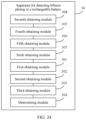
- this application provides an apparatus for lithium plating detection of a rechargeable battery.
- the apparatus includes: a first obtaining module, configured to obtain an open-circuit voltage of a rechargeable battery and a negative electrode open-circuit voltage of the rechargeable battery based on a state of charge of the rechargeable battery; a second obtaining module, configured to obtain a negative electrode polarization voltage of the rechargeable battery based on the open-circuit voltage of the rechargeable battery, a terminal voltage of the rechargeable battery, and a polarization proportion of the rechargeable battery, where the polarization proportion of the rechargeable battery represents a proportion that is of a negative electrode polarization voltage of the rechargeable battery to a polarization voltage of the rechargeable battery and that is obtained when the rechargeable battery is at a lithium plating critical point; a third obtaining module, configured to obtain a negative electrode voltage of the rechargeable battery based on the negative electrode open-circuit voltage of the rechargeable battery and the negative electrode polarization voltage of the rechargeable battery; and a determining
- the determining module is specifically configured to: when the negative electrode voltage of the rechargeable battery is less than a reference voltage threshold, determine that lithium plating occurs in the rechargeable battery.
- the fifth obtaining module is specifically configured to: obtain the state of charge of the first reference battery and a negative electrode voltage of the first reference battery when the first reference battery is charged by using the target charging current and is at the lithium plating critical point; query a correspondence between a negative electrode open-circuit voltage of the first reference battery and a state of charge of the first reference battery based on the state of charge of the first reference battery, to obtain a negative electrode open-circuit voltage of the first reference battery corresponding to the state of charge of the first reference battery; and obtain the negative electrode polarization voltage of the first reference battery based on the negative electrode open-circuit voltage of the first reference battery, the negative electrode voltage of the first reference battery, and a third reference relationship, where the third reference relationship is a relationship among a negative electrode voltage of the first reference battery, a negative electrode open-circuit voltage of the first reference battery, and a negative electrode polarization voltage of the first reference battery.
- the first obtaining module is specifically configured to: query a correspondence between an open-circuit voltage of the rechargeable battery and a state of charge of the rechargeable battery based on the state of charge of the rechargeable battery, to obtain the open-circuit voltage of the rechargeable battery; and query a correspondence between a negative electrode open-circuit voltage of the rechargeable battery and a state of charge of the rechargeable battery based on the state of charge of the rechargeable battery, to obtain the negative electrode open-circuit voltage of the rechargeable battery.
- a terminal voltage is a voltage difference between a positive electrode and a negative electrode of a battery.
- a state of charge (State of Charge, SOC) of a battery is a ratio of a remaining capacity of the battery to a fully-charged capacity of the battery and is usually represented by a percentage.
- the state of charge may reflect a remaining capacity of the battery.
- Embodiments of this application provide a method for detecting lithium plating in a rechargeable battery.
- An open-circuit voltage of a rechargeable battery and a negative electrode open-circuit voltage of the rechargeable battery are obtained based on a state of charge of the rechargeable battery, a negative electrode polarization voltage of the rechargeable battery is obtained based on the open-circuit voltage of the rechargeable battery, a terminal voltage of the rechargeable battery, and a polarization proportion of the rechargeable battery, and then a negative electrode voltage of the rechargeable battery is obtained based on the negative electrode open-circuit voltage of the rechargeable battery and the negative electrode polarization voltage of the rechargeable battery. Finally, whether lithium plating occurs in the rechargeable battery is determined based on the negative electrode voltage of the rechargeable battery.
- the state of charge of the rechargeable battery reflects a remaining capacity of the rechargeable battery, and the state of charge of the rechargeable battery may be obtained based on a charging current of the rechargeable battery.
- the polarization proportion of the rechargeable battery represents a proportion that is of a negative electrode polarization voltage of the rechargeable battery to a polarization voltage of the rechargeable battery and that is obtained when the rechargeable battery is at a lithium plating critical point, and the polarization proportion of the rechargeable battery reflects performance of the rechargeable battery.
- the terminal voltage is a voltage difference between a positive electrode and a negative electrode of the rechargeable battery. It can be learned that the state of charge, the terminal voltage, and the polarization proportion are easy to obtain without using a reference electrode to obtain the parameters. Therefore, compared with a related technology, the method for detecting lithium plating in a rechargeable battery provided in embodiments of this application can ensure accuracy of an obtained negative electrode voltage, and further ensure accuracy of lithium plating detection performed on a rechargeable battery.
- the lithium plating critical point refers to a critical state in which lithium plating occurs or lithium plating does not occur in a rechargeable battery, that is, a state in which a lithium plating degree of the rechargeable battery changes from zero to a positive number.
- Scenarios related to the method for detecting lithium plating in a rechargeable battery may include all scenarios in which a lithium battery is used as a rechargeable battery.
- the scenario may be an electric vehicle, a mobile terminal, a base station, an energy storage power station, a data center charge power supply, or the like that is charged by using a lithium battery.
- the method can be applied to a battery management system.
- the method is deployed in a battery management system, so that the battery management system can detect a lithium plating status of a rechargeable battery by executing the method, and manage the rechargeable battery based on a detection result, to ensure use safety of the rechargeable battery.
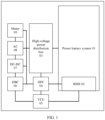
- FIG. 1 is a schematic diagram of a structure of a vehicle system of an electric vehicle.
- a power battery system 01 a battery management system (battery management system, BMS) 02, a high-voltage power distribution box 03, an off-board charger (off-board charger, OFC) 04, a vehicle controller unit (vehicle control unit, VCU) 05, an on-board charger (on-board charger, OBC) 06, a direct current-direct current converter (direct current-direct current converter, DC-DC) 07, an alternating current converter (alternating current converter, AC) 08, and an engine (motor) 09 are disposed on the electric vehicle.
- the on-board charger is usually an alternating-current charger
- the off-board charger is usually a direct-current charger, that is, a charging pile.
- the on-board charger and the off-board charger are used together to ensure a charging function of the
- the power battery system includes a rechargeable battery, and the rechargeable battery is used as a power source to supply energy to the vehicle, so as to meet requirements for remaining driving range and power performance of the vehicle.
- the rechargeable battery is used as a power source to supply energy to the vehicle, so as to meet requirements for remaining driving range and power performance of the vehicle.
- the battery management system is used to monitor and manage the power battery system to ensure that the power battery system is in a safe and controllable state.
- An application scenario of the method for detecting lithium plating in a rechargeable battery may include typical working scenarios such as battery charge, battery shelving, and lead profile discharge. Lithium plating detection is performed on a rechargeable battery in the foregoing working scenarios, to help monitor, diagnose, and prevent a safety risk of the rechargeable battery.
- the method provided in embodiments of this application may be used to calculate a real-time negative electrode electrical potential of a rechargeable battery, and determine, based on the real-time negative electrode electrical potential, whether lithium plating occurs in the rechargeable battery. In addition, if it is determined that lithium plating occurs in the rechargeable battery, a charging current may be reduced, so that the rechargeable battery gradually leaves a lithium plating state, or even changes to a safe charge state, to ensure charge safety of the rechargeable battery.
- the detection method may be used to predict negative electrode voltages at different charging currents, to predict lithium plating in the rechargeable battery, and formulate a charge policy based on lithium plating prediction, so as to ensure charge safety while improving a charge speed.
- a negative electrode electrical potential safety threshold may be set.
- a real-time negative electrode electrical potential of the rechargeable battery is calculated by using the method provided in embodiments of this application, and a charging current is adjusted based on the real-time negative electrode electrical potential, so that a charge speed is improved while ensuring that the real-time negative electrode electrical potential is always within the safety threshold.
- a charge rate may be appropriately increased to improve the charge speed.
- a charge rate can be reduced to improve safety.
- a table control manner, or a proportional-integral-derivative (PID) control manner, or the like of multi-step current reduction may be used for a policy of adjusting a charging current.
- a degree to which a negative electrode voltage deviates from a reference voltage threshold may be obtained by predicting a negative electrode voltage, and then severity of lithium plating may be obtained.
- a start moment and an end moment of lithium plating may be predicted based on negative electrode voltages at different charging currents, and a severity level of lithium plating may be obtained based on the magnitude, the start moment, and the end moment of lithium plating, so that the battery management system maintains the battery based on the severity level, to improve use safety of the battery.
- the correspondence between an open-circuit voltage and a state of charge that are of the rechargeable battery and the correspondence between a negative electrode open-circuit voltage and a state of charge that are of the rechargeable battery may be obtained based on a test parameter obtained in a process of a charging and discharging test performed on the reference battery.
- the correspondence between an open-circuit voltage and a state of charge that are of the rechargeable battery may be obtained based on a test parameter of a first reference battery
- the correspondence between a negative electrode open-circuit voltage and a state of charge that are of the rechargeable battery may be obtained based on a test parameter of a second reference battery. As shown in FIG.
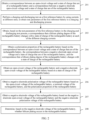
- Step 2011 Perform a charging and discharging test on the first reference battery and the second reference battery at a low rate, and obtain a correspondence between an open-circuit voltage of the first reference battery and a remaining capacity of the first reference battery and a correspondence between an open-circuit voltage of the second reference battery and a remaining capacity of the second reference battery based on test parameters obtained in a charging and discharging test process.
- the test parameters include a real-time charging current, a real-time terminal voltage, and a real-time state of charge.
- the state of charge reflects the remaining capacity of the first reference battery.
- the state of charge may be obtained based on a current of the first reference battery. For example, a state of charge is a ratio of a remaining capacity of a battery to a fully-charged capacity of the battery, and the remaining capacity of the battery may be equal to an integral of a current over time.
- terminal voltages of the first reference battery and the second reference battery each at different test moments may be obtained, and integration of a current of each battery over each test moment is performed, to obtain a battery capacity of a corresponding battery (that is, a remaining capacity of the battery) at each test moment. Then, a correspondence between a terminal voltage of the first reference battery and a remaining capacity of the first reference battery and a correspondence between a terminal voltage of the second reference battery and a remaining capacity of the second reference battery are separately established based on the terminal voltages and remaining capacities of the first reference battery and the second reference battery each at the different test moments.
- a terminal voltage of the battery is approximately equal to an open-circuit voltage of the battery. Therefore, the correspondence between a terminal voltage of the first reference battery and a remaining capacity of the first reference battery that is established in the process is the correspondence between an open-circuit voltage of the first reference battery and a remaining capacity of the first reference battery, and the correspondence between a terminal voltage of the second reference battery and a remaining capacity of the second reference battery that is established in the process is the correspondence between an open-circuit voltage of the second reference battery and a remaining capacity of the second reference battery.
- the correspondence between an open-circuit voltage and a remaining capacity may be obtained based on average values of corresponding test parameters in the charging process and the discharging process.
- the first reference battery and the second reference battery may be further stilled for 0 to 10 hours, to ensure that the first reference battery and the second reference battery are in a quasi-equilibrium state, such as electric-thermal-chemical-pressure equilibrium.
- an open-circuit voltage and a negative electrode open-circuit voltage are further affected by a temperature and a state of health
- a plurality of times of charging and discharging experiments at different temperatures and in different states of health may be further performed on the first reference battery and the second reference battery, and a correspondence between an open-circuit voltage of the first reference battery and a remaining capacity of the first reference battery and a correspondence between an open-circuit voltage of the second reference battery and a remaining capacity of the second reference battery are obtained based on measurement parameters of the plurality of times of charging and discharging experiments.
- the second reference battery is manufactured, and the correspondence between a negative electrode open-circuit voltage and a state of charge that are of the rechargeable battery is obtained by using the second reference battery, so that a reference electrode does not need to be added to the first reference battery.
- integrity of the first reference battery is ensured, a detection result is not affected by an unstable factor of the reference electrode, and detection accuracy can be effectively ensured in the manner according to embodiments of this application.
- a three-electrode setup including a reference electrode is not applicable to a commercial battery. Therefore, compared with the related technology, in embodiments of this application, an application scope of lithium plating detection can be ensured in a manner in which the second reference battery is used.
- Step 2012 Obtain the correspondence between an open-circuit voltage and a state of charge that are of the rechargeable battery based on the correspondence between an open-circuit voltage of the first reference battery and a remaining capacity of the first reference battery, and obtain the correspondence between a negative electrode open-circuit voltage and a state of charge that are of the rechargeable battery based on the correspondence between an open-circuit voltage of the second reference battery and a remaining capacity of the second reference battery.
- a state of charge of a battery is a ratio of a remaining battery capacity of the battery to a fully-charged capacity of the battery
- a fully-charged capacity of the battery may be obtained first, and then the correspondence between an open-circuit voltage and a remaining capacity is converted into a correspondence between an open-circuit voltage and a state of charge based on the relationship between a remaining capacity and a state of charge.
- a positive electrode material of the second reference battery may be the same as a negative electrode material of the first reference battery, and a negative electrode voltage of the second reference battery is constant.
- a negative electrode material of the second reference battery is a material that can maintain a stable electrical potential.
- an open-circuit voltage of the second reference battery is approximately equal to a negative electrode open-circuit voltage of the first reference battery. Therefore, a correspondence that is between an open-circuit voltage and a state of charge and that is obtained based on the second reference battery may be considered as a correspondence between a negative electrode open-circuit voltage of the first reference battery and a state of charge of the first reference battery. In this way, the correspondence between an open-circuit voltage and a state of charge that are of the rechargeable battery and the correspondence between a negative electrode open-circuit voltage and a state of charge that are of the rechargeable battery are obtained.
- the second reference battery may be a button battery, both a positive electrode material of the button battery and a negative electrode material of the first reference battery may be graphite, and a negative electrode material of the button battery may be lithium, a lithium-plated copper wire, a tin-lithium alloy, or the like.
- a positive electrode material of the button battery may be a material obtained from a negative electrode of the first reference battery after the first reference battery is disassembled.
- battery power of the first reference battery may be fully discharged first, so that the negative electrode material is in a safe state, and a process of assembling the button battery is performed in a glove compartment.
- step 201 to step 204 are a preparation process before lithium plating detection, and parameters obtained in the process are all used to detect whether lithium plating occurs in the rechargeable battery. Therefore, each parameter obtained in this process may be referred to as a parameter of the reference battery, or may be referred to as a parameter of the rechargeable battery.
- the reference battery and the rechargeable battery may be batteries of a same model manufactured by a same manufacturer.
- Step 202 Perform a charging and discharging test on the first reference battery by using currents at different rates, to obtain test parameters of the first reference battery in a charging and discharging process.
- the correspondence between an open-circuit voltage and a state of charge reflects a characteristic of the first reference battery, and is mainly related to a material of the first reference battery, and does not change with a current, a voltage, or the like.
- a charging and discharging test is performed on the first reference battery by using a current at a high rate ((1 to 10)C), to cause lithium plating to occur in the first reference battery to some extent, so as to analyze a characteristic of the first reference battery obtained after lithium plating occurs.
- Step 203 Obtain, based on the test parameters of the first reference battery in the charging and discharging test process, a correspondence that a lithium plating degree of the rechargeable battery changes with a state of charge of the rechargeable battery at each of the different charging currents.
- an implementation process thereof may include the following steps.
- Step 2031 Respectively obtain, based on the test parameters of the first reference battery in the charging and discharging test process, target voltages of the first reference battery under which the first reference battery is charged to different states of charge by using each of the different charging currents, where the target voltage includes a polarization voltage or a terminal voltage.
- the terminal voltage may be directly obtained through measurement in the charging and discharging test process.
- terminal voltages under which the first reference battery is charged to the different states of charge by using each of the different charging currents may be obtained from the test parameters obtained in step 202.
- terminal voltages corresponding to the different state of charge at each charging current may be obtained based on the test parameters obtained in step 202, the correspondence between an open-circuit voltage of the first reference battery and a state of charge of the first reference battery obtained in step 201 is queried based on the states of charge, to obtain open-circuit voltages corresponding to the different states of charge at each charging current, and polarization voltages corresponding to the different states of charge at each charging current are obtained based on a known relationship that a polarization voltage is equal to a voltage difference between a terminal voltage and an open-circuit voltage.
- Step 2032 Select a third target voltage and a corresponding third charging current that do not conform to a specified correlation and that is obtained based on a correlation between a charging current of the first reference battery and a corresponding target voltage of the first reference battery in each state of charge.
- the correlation between a charging current of the first reference battery and a target voltage of the first reference battery in each state of charge may be obtained based on target voltages corresponding to the different states of charges at each charging current.
- a charging current of the first reference battery and a target voltage of the first reference battery may conform to the specified correlation.
- the third target voltage and the corresponding third charging current that do not conform to the specified correlation in each state of charge may be selected based on the correlation between a charging current of the first reference battery and a target voltage of the first reference battery in each state of charge and the corresponding specified correlation, to perform lithium plating diagnosis based on the third target voltage and the corresponding third charging current.
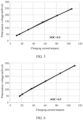
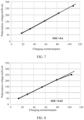
- each of solid lines in FIG. 5 to FIG. 11 represents a curve in which a polarization voltage of the first reference battery changes with a charging current when a state of charge is 0.3, 0.5, 0.6, 0.65, 0.7, 0.75, or 0.8
- fitting rates of the curves are respectively 0.9991, 0.9991, 0.9996, 1, 0.9996, 0.9997, and 0.9999.
- Each of dotted lines in FIG. 5 to FIG. 11 represents a specified correlation in a corresponding state of charge that is satisfied by a charging current of the first reference battery and a polarization voltage of the first reference battery when lithium plating does not occur.
- the specified correlation may be a relationship in which impact of an Arrhenius effect of a temperature on a voltage is considered.
- the correlation between a charging current of the first reference battery and a corresponding target voltage of the first reference battery is obtained based on the test parameters, and the Arrhenius effect of a temperature affects the target voltage in the test process.
- the Arrhenius effect of a temperature is also considered in the correlation between a charging current of the first reference battery and a corresponding target voltage of the first reference battery. Therefore, when the Arrhenius effect of a temperature is considered in the specified correlation, and the third target voltage and the corresponding third charging current are selected based on the specified correlation, accuracy of the selected third target voltage and the corresponding third charging current can be ensured.
- Step 2033 Obtain a fourth target voltage that corresponds to each third charging current in each state of charge based on the specified correlation.
- the fourth target voltage that corresponds to the third charging current based on the specified correlation may be obtained based on the selected third charging current and the specified correlation.
- the third charging current is c
- the fourth target voltage that corresponds to the third charging current based on the specified correlation is a ⁇ c+b.
- a point that is on a dotted line segment that does not overlap with the solid line represents a fourth target voltage that corresponds to a third charging current based on the specified correlation.
- Step 2034 Separately obtain a correspondence that a lithium plating degree changes with a state of charge at each of the different charging currents, where a lithium plating degree corresponding to any state of charge at any charging current is obtained based on a fourth target voltage corresponding to the any charging current in the any state of charge and a third target voltage under which the first reference battery is charged to the any state of charge by using the any charging current.
- a lithium plating degree at any charging current corresponding to any state of charge may be equal to a voltage difference between a fourth target voltage corresponding to the any charging current in the any state of charge and a third target voltage under which the first reference battery is charged to the any state of charge by using the any charging current. Therefore, a lithium plating degree at a corresponding charging current in a corresponding state of charge can be obtained based on the third target voltage selected in step 2032 and the fourth target voltage obtained in step 2033. After lithium plating degrees at the different charging currents in the different states of charge are obtained, the correspondence that the lithium plating degree changes with the state of charge can be obtained by collecting statistics based on each of different charging currents.
- each of FIG. 5 to FIG. 11 shows a correspondence that a polarization voltage changes with a charging current in a specified state of charge.
- a charging current is 100 A
- a lithium plating degree of the rechargeable battery changes from zero to a positive number when a state of charge is 0.58, that is, when the charging current is 100 A, the state of charge of the rechargeable battery at a lithium plating critical point is 0.58.
- the lithium plating critical point refers to a critical state in which lithium plating occurs or lithium plating does not occur in the rechargeable battery, that is, a state in which a lithium plating degree of the rechargeable battery changes from zero to a positive number.
- a correspondence that a lithium plating degree changes with a state of charge also has a guiding significance in a charging process.
- a lithium plating critical point at which the charging current is used for charging may be obtained based on the correspondence.
- the charging current may be used to charge the battery, to ensure a charge speed. After the state of charge of the rechargeable battery reaches the state of charge corresponding to the lithium plating critical point, the charging current can be reduced to avoid lithium plating.
- Step 204 Obtain a polarization proportion of the rechargeable battery based on the correspondence between an open-circuit voltage and a state of charge that are of the rechargeable battery, the correspondence between a negative electrode open-circuit voltage and a state of charge that are of the rechargeable battery, and the correspondence that a lithium plating degree of the rechargeable battery changes with a state of charge of the rechargeable battery.
- the polarization proportion of the rechargeable battery represents a proportion that is of a negative electrode polarization voltage of the rechargeable battery to a polarization voltage of the rechargeable battery and that is obtained when the rechargeable battery is at a lithium plating critical point.
- the polarization proportion of the rechargeable battery may be calibrated in advance by using the first reference battery, so that the polarization proportion of the rechargeable battery may be directly used in a lithium plating detection process.
- the correspondence between an open-circuit voltage and a state of charge that are of the rechargeable battery, the correspondence between a negative electrode open-circuit voltage and a state of charge that are of the rechargeable battery, and the correspondence that a lithium plating degree of the rechargeable battery changes with a state of charge of the rechargeable battery are all applicable to the first reference battery.
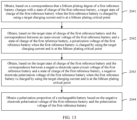
- the following describes an implementation process of step 204 by using an example in which the polarization proportion of the rechargeable battery is calibrated by using the first reference battery. As shown in FIG. 13 , the implementation process of step 204 may include the following steps.
- Step 2041 Obtain, based on a correspondence that a lithium plating degree of the first reference battery changes with a state of charge of the first reference battery, a target state of charge of the first reference battery when the first reference battery is charged by using a target charging current and is at a lithium plating critical point.
- the lithium plating critical point of the first reference battery refers to a critical state in which lithium plating occurs or lithium plating does not occur in the first reference battery, that is, the lithium plating critical point is a state in which a lithium plating degree of the first reference battery changes from zero to a positive number. Therefore, the target state of charge of the first reference battery obtained when the first reference battery is charged by using the target charging current and is at the lithium plating critical point may be obtained based on the correspondence, obtained in step 2034, that a lithium plating degree changes with a state of charge at each of the different charging currents.
- Step 2042 Obtain, based on the target state of charge of the first reference battery and the correspondence between an open-circuit voltage of the first reference battery and a state of charge of the first reference battery, a polarization voltage of the first reference battery when the first reference battery is charged by using the target charging current and is at the lithium plating critical point.
- an implementation process of step 2042 may include the following steps.
- Step 2042a Obtain a terminal voltage of the first reference battery when the first reference battery is charged by using the target charging current and is at the lithium plating critical point.
- the correspondence between an open-circuit voltage of the first reference battery and a state of charge of the first reference battery reflects a characteristic of the first reference battery, and does not change with a current, a voltage, or the like. Therefore, after the target state of charge of the first reference battery is obtained, the correspondence between an open-circuit voltage of the first reference battery and a state of charge of the first reference battery may be queried based on the target state of charge, to obtain an open-circuit voltage of the first reference battery in the target state of charge.
- Step 2042c Obtain a polarization voltage of the first reference battery based on the open-circuit voltage of the first reference battery, the terminal voltage of the first reference battery, and a second reference relationship.
- the terminal voltage of the first reference battery is 4.0 volts (V)
- the target state of charge of the first reference battery is 0.58.
- the correspondence between an open-circuit voltage and a state of charge of the first reference battery is queried based on the target state of charge, and it may be learned that an open-circuit voltage of the first reference battery corresponding to the target state of charge is 3.74 V.
- Step 2043 Obtain, based on the target state of charge of the first reference battery and the correspondence between a negative electrode open-circuit voltage of the first reference battery and a state of charge of the first reference battery, a negative electrode polarization voltage of the first reference battery when the first reference battery is charged by using the target charging current and is at the lithium plating critical point.
- an implementation process of step 2043 includes the following steps.
- Step 2043a Obtain a negative electrode voltage of the first reference battery when the first reference battery is charged by using the target charging current and is at the lithium plating critical point.
- Step 2043b Query the correspondence between a negative electrode open-circuit voltage of the first reference battery and a state of charge of the first reference battery based on the target state of charge of the first reference battery, to obtain a negative electrode open-circuit voltage that is of the first reference battery and that corresponds to the target state of charge.
- the correspondence between a negative electrode open-circuit voltage of the first reference battery and a state of charge of the first reference battery reflects a characteristic of the first reference battery, and does not change with a current, a voltage, or the like. Therefore, after the target state of charge of the first reference battery is obtained, the correspondence between a negative electrode open-circuit voltage of the first reference battery and a state of charge of the first reference battery may be queried based on the target state of charge, to obtain a negative electrode open-circuit voltage of the first reference battery in the target state of charge.
- Step 2043c Obtain a negative electrode polarization voltage of the first reference battery based on the negative electrode open-circuit voltage of the first reference battery, the negative electrode voltage of the first reference battery, and a third reference relationship.
- the third reference relationship refers to a relationship among a negative electrode open-circuit voltage of the first reference battery, a negative electrode voltage of the first reference battery, and a negative electrode polarization voltage of the first reference battery.
- the negative electrode polarization voltage of the first reference battery is equal to a voltage difference between the negative electrode voltage of the first reference battery and the negative electrode open-circuit voltage of the first reference battery. After the negative electrode open-circuit voltage of the first reference battery and the negative electrode voltage of the first reference battery are obtained, the negative electrode polarization voltage of the first reference battery may be obtained based on the third reference relationship.
- the negative electrode voltage of the first reference battery is 0 mV
- the target state of charge of the first reference battery is 0.58.
- the correspondence between a negative electrode open-circuit voltage and a state of charge that are of the first reference battery is queried based on the target state of charge, and it may be learned that the negative electrode open-circuit voltage of the first reference battery corresponding to the target state of charge is 109.9 mV.
- a polarization voltage of a battery is equal to a sum of a negative electrode polarization voltage and a positive electrode polarization voltage
- a positive electrode polarization voltage of the first reference battery can be further obtained. Therefore, according to the method provided in this embodiment of this application, the positive electrode polarization voltage of the first reference battery and the negative electrode polarization voltage of the first reference battery can be separately obtained, to decompose the positive electrode polarization voltage and the negative electrode polarization voltage.
- the method for decomposing the positive electrode polarization voltage and the negative electrode polarization voltage is simple and reliable.
- a hardware structure of the existing BMS does not need to be changed, and embedded deployment is easy to implement, development of many functions of the BMS can be supported, so that there is a wide application prospect.
- a process of decomposing the positive electrode polarization voltage and the negative electrode polarization voltage may be implemented in a process in which the rechargeable battery is not charged, or may be implemented in a process in which the rechargeable battery is charged. The process can support a plurality of two-way application scenarios.
- the method for decomposing the positive electrode polarization voltage and the negative electrode polarization voltage can be further used to develop other functions of the BMS, such as formulating a quick charging policy, determining a root cause of battery degradation, and qualitatively analyzing a case in which polarization impedance of each part of a positive electrode and a negative electrode of a battery changes with battery degradation, which has important application value and space.
- Step 2044 Obtain the polarization proportion of the rechargeable battery based on the negative electrode polarization voltage of the first reference battery and the polarization voltage of the first reference battery.
- a plurality of polarization proportions may be obtained by using a plurality of charging currents based on the foregoing step 2041 to step 2044, and the polarization proportion of the rechargeable battery is obtained based on the plurality of polarization proportions.
- an average value of the plurality of polarization proportions may be used as the polarization proportion of the rechargeable battery, or a weighted sum of the plurality of polarization proportions may be used as the polarization proportion of the rechargeable battery. This is not specifically limited in this embodiment of this application.
- Step 205 Obtain an open-circuit voltage of the rechargeable battery and a negative electrode open-circuit voltage of the rechargeable battery based on the state of charge of the rechargeable battery.
- a current state of charge of the rechargeable battery may be obtained first, and an open-circuit voltage of the rechargeable battery and a negative electrode open-circuit voltage of the rechargeable battery in the state of charge of the rechargeable battery are obtained based on the state of charge of the rechargeable battery.
- the state of charge of the rechargeable battery may be obtained based on a charging current of the rechargeable battery. For example, an integral of a charging current over charging time may be calculated to obtain a remaining capacity of the rechargeable battery, a capacity of the rechargeable battery is obtained when the rechargeable battery is fully charged, and a ratio of the remaining capacity of the rechargeable battery to the capacity of the rechargeable battery obtained when the rechargeable battery is fully charged is used as the state of charge of the rechargeable battery.
- the correspondence between an open-circuit voltage and a state of charge that are of the rechargeable battery reflects a characteristic of the rechargeable battery, and does not change with a current, a voltage, or the like. Therefore, after the state of charge of the rechargeable battery is obtained, the correspondence between an open-circuit voltage and a state of charge that are of the rechargeable battery may be queried based on the state of charge of the rechargeable battery, to obtain the open-circuit voltage of the rechargeable battery in the state of charge of the rechargeable battery.
- the correspondence between a negative electrode open-circuit voltage and a state of charge that are of the rechargeable battery may be queried based on the state of charge of the rechargeable battery, to obtain the negative electrode open-circuit voltage of the rechargeable battery in the state of charge of the rechargeable battery.
- Step 206 Obtain a negative electrode polarization voltage of the rechargeable battery based on the open-circuit voltage of the rechargeable battery, a terminal voltage of the rechargeable battery, and the polarization proportion of the rechargeable battery.
- an implementation process of step 206 may include the following steps.
- Step 2061 Obtain a polarization voltage of the rechargeable battery based on the open-circuit voltage of the rechargeable battery and the terminal voltage of the rechargeable battery.
- the polarization voltage of the rechargeable battery may be obtained based on the first reference relationship.
- Step 2062 Obtain the negative electrode polarization voltage of the rechargeable battery based on the polarization voltage of the rechargeable battery and the polarization proportion of the rechargeable battery.
- Step 207 Obtain a negative electrode voltage of the rechargeable battery based on the negative electrode open-circuit voltage of the rechargeable battery and the negative electrode polarization voltage of the rechargeable battery.
- the negative electrode voltage of the rechargeable battery may be obtained based on the fourth reference relationship.
- the fourth reference relationship may be as follows: The negative electrode polarization voltage of the rechargeable battery is equal to a difference between the negative electrode voltage of the rechargeable battery and the negative electrode open-circuit voltage of the rechargeable battery. Therefore, the negative electrode voltage of the rechargeable battery is equal to a sum of the negative electrode open-circuit voltage of the rechargeable battery and the negative electrode polarization voltage of the rechargeable battery.
- I is a charging current of the rechargeable battery
- t is a charging time period of the rechargeable battery
- Q battery power obtained when the rechargeable battery is fully charged
- SOC is a state of charge of the rechargeable battery obtained after the rechargeable battery is charged for the charging time period t by using the charging current I
- V neg (SOC) is a negative electrode voltage of the rechargeable battery under the SOC
- OCV neg (SOC) is a negative electrode open-circuit voltage corresponding to the SOC
- V p, neg (SOC) is a negative electrode polarization voltage of the rechargeable battery under the SOC
- ⁇ is a polarization proportion of the rechargeable battery
- V cell is a terminal voltage of the rechargeable battery
- OCV cell (SOC) is an open-circuit voltage corresponding to the SOC.
- the lithium plating model is an expression when an open-circuit voltage and a negative electrode open-circuit voltage are affected by a state of charge.
- an expression of the open-circuit voltage and the negative electrode open-circuit voltage may be an expression about factors such as a state of charge, a state of health, and a temperature.
- the correspondence between an open-circuit voltage and a state of charge obtained in step 201 should be a correspondence between an open-circuit voltage and factors such as a state of charge, a state of health, and a temperature
- the correspondence between a negative electrode open-circuit voltage and a state of charge should be a correspondence between a negative electrode open-circuit voltage and factors such as a state of charge, a state of health, and a temperature.
- a parameter that needs to be calibrated in the lithium plating model is a polarization proportion.
- an electrochemical mechanism model in which each physical parameter and electrochemical parameter (such as electrode porosity, electrode initial embedding amount, and electrode solid-state diffusion coefficient) need to be calibrated fewer parameters need to be calibrated in the lithium plating model, effectively reducing implementation difficulty of lithium plating detection.
- Step 208 Determine, based on the negative electrode voltage of the rechargeable battery, whether lithium plating occurs in the rechargeable battery.
- an implementation of determining, based on the negative electrode voltage of the rechargeable battery, whether lithium plating occurs in the rechargeable battery may include: when the negative electrode voltage of the rechargeable battery is less than the reference voltage threshold, determining that lithium plating occurs in the rechargeable battery.
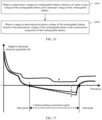
- FIG. 17 is a schematic diagram of a principle of lithium plating in a charging process of a rechargeable battery whose positive electrode is made of lithium metal and negative electrode is made of graphite.
- a curve a is an electrical potential of the negative electrode relative to the lithium metal obtained when lithium plating does not occur in the rechargeable battery and only a polarization effect occurs
- a curve b is an electrical potential of the negative electrode relative to the lithium metal obtained when partial lithium plating occurs in the rechargeable battery
- a curve c is an electrical potential of the negative electrode relative to the lithium metal obtained when 100% lithium plating occurs in the rechargeable battery, that is, all lithium ions from the positive electrode participate in lithium plating on the negative electrode, and no lithium ion is embedded in the graphite
- a curve d is an electrical potential of the negative electrode relative to the lithium metal during normal charging of the rechargeable battery.
- the reference voltage threshold is a critical value of the negative electrode voltage when lithium plating occurs or lithium plating does not occur in the rechargeable battery.
- a value of the reference voltage threshold may be obtained based on a parameter of the rechargeable battery. For example, based on a battery chemical characteristic and a battery structure of the rechargeable battery, it may be obtained that the value of the reference voltage threshold may be 0.
- the battery chemical characteristic may be represented by a positive electrode material, a negative electrode material, an electrolytic solution material, and the like of the battery
- the battery structure may be represented by a material characteristic of the battery, porosity, a nucleation dynamics characteristic of lithium metal, and the like.
- the open-circuit voltage of the rechargeable battery and the negative electrode open-circuit voltage of the rechargeable battery are obtained based on the state of charge of the rechargeable battery, further, the negative electrode polarization voltage of the rechargeable battery is obtained based on the open-circuit voltage of the rechargeable battery, the terminal voltage of the rechargeable battery, and the polarization proportion of the rechargeable battery, then, the negative electrode voltage of the rechargeable battery is obtained based on the negative electrode open-circuit voltage of the rechargeable battery and the negative electrode polarization voltage of the rechargeable battery, and finally, whether lithium plating occurs in the rechargeable battery is determined based on the negative electrode voltage of the rechargeable battery.
- the method for detecting lithium plating in a rechargeable battery provided in this embodiment of this application can ensure accuracy of the obtained negative electrode voltage, and further ensure accuracy of lithium plating detection for the rechargeable battery.
- parameters such as a state of charge, a terminal voltage, and a polarization proportion that are required for lithium plating detection are easy to obtain, so that the method for detecting lithium plating is easy to implement.
- data required for lithium plating detection is data that can be collected by an existing battery management system, and obtaining the data has no additional requirement on sensors for a current, a voltage, and the like. Therefore, the method can be conveniently deployed in the battery management system without increasing hardware costs, so that applicability is high.
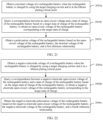
- FIG. 18 is a flowchart of another method for detecting lithium plating in a rechargeable battery according to an embodiment of this application. As shown in FIG. 18 , the method includes the following steps.
- Step 1801 Obtain a correspondence between an open-circuit voltage and a state of charge that are of a rechargeable battery.
- an implementation process of step 1801 may include: obtaining a correspondence between an open-circuit voltage of a first reference battery and a remaining capacity of the first reference battery based on a charging and discharging test performed on the first reference battery, and obtaining the correspondence between an open-circuit voltage of the rechargeable battery and a state of charge of the rechargeable battery based on the correspondence between an open-circuit voltage of the first reference battery and a remaining capacity of the first reference battery.
- an implementation process thereof refer to the implementation process of obtaining a correspondence between an open-circuit voltage and a state of charge of a rechargeable battery in step 201.
- Step 1802 Respectively obtain at least two groups of charging parameters of the rechargeable battery in a same target state of charge in at least two charging processes of the rechargeable battery, where each group of charging parameters includes a charging current and a target voltage of the rechargeable battery, and the target voltage includes a polarization voltage or a terminal voltage.
- the two charging processes may both be history charging processes of the rechargeable battery. That is, the at least two groups of charging parameters are all history charging parameters of the rechargeable battery. In this case, it may be detected, based on the at least two groups of charging parameters, whether lithium plating has occurred in the rechargeable battery in a history charging process. By detecting whether lithium plating has occurred in the rechargeable battery, degradation assessment and safety risk prediction may be performed on the rechargeable battery, to provide a use suggestion for the rechargeable battery in a targeted manner, so as to improve safety of using the rechargeable battery.
- one of the two charging processes is a current charging process of the rechargeable battery.
- the at least two groups of charging parameters may include at least one group of charging parameters obtained when the rechargeable battery is charged to the target state of charge in the current charging process of the rechargeable battery.
- whether lithium plating occurs in the rechargeable battery in the current charging process may be detected based on the at least two groups of charging parameters.
- a charging policy may be improved based on a detection result, to improve safety of charging the rechargeable battery.
- an implementation process of step 1802 may include the following steps.
- Step 1802a Respectively obtain the terminal voltages of the rechargeable battery in the target state of charge in the at least two charging processes of the rechargeable battery.
- Step 1802b Obtain, based on the target state of charge and a correspondence between an open-circuit voltage of the rechargeable battery and a state of charge of the rechargeable battery, target open-circuit voltages corresponding to the target state of charge.
- the correspondence between an open-circuit voltage of the rechargeable battery and a state of charge of the rechargeable battery reflects a characteristic of the rechargeable battery, and does not change with a current, a voltage, or the like. Therefore, the correspondence between an open-circuit voltage of the rechargeable battery and a state of charge of the rechargeable battery may be queried based on the target state of charge, to obtain the target open-circuit voltage of the rechargeable battery in the target state of charge.
- Step 1802c Respectively obtain polarization voltages of the rechargeable battery in the target state of charge in the at least two charging processes based on the terminal voltages and the target open-circuit voltages that are obtained in the at least two charging processes.
- the reference relationship among an open-circuit voltage, a polarization voltage, and a terminal voltage of the rechargeable battery may be as follows:
- the polarization voltage is equal to a difference between the terminal voltage and the open-circuit voltage. Therefore, after the terminal voltage and the target open-circuit voltage are obtained, the polarization voltage of the rechargeable battery may be obtained based on the reference relationship.
- Step 1803 Obtain a correlation between a target voltage and a charging current in the target state of charge based on the at least two groups of charging parameters.
- Each group of charging parameters includes a charging current and a target voltage of the rechargeable battery.
- a correlation between a charging current and a target voltage can be obtained based on each group of charging parameters.
- curve fitting may be first performed based on each group of charging parameters, and then an expression of a fitted curve is obtained.
- the expression represents the correlation between a target voltage and a charging current in the target state of charge.
- Step 1804 When the correlation between a target voltage and a charging current in the target state of charge does not conform to a specified correlation, determine that lithium plating occurs in the rechargeable battery in a charging process.
- the specified correlation may be obtained based on a target voltage of the rechargeable battery and a charging current less than a reference current threshold of the rechargeable battery that are in the target state of charge in a history charging process.
- a standard for obtaining the reference current threshold is as follows: In a history charging process, when the rechargeable battery is charged to the target state of charge by using a charging current that is less than the reference current threshold, lithium plating does not occur in the rechargeable battery.
- an obtained specified correlation obtained based on the standard is a correlation satisfied by the target voltage and the charging current when lithium plating does not occur in the rechargeable battery. Therefore, when a correlation of the target voltage and the charging current does not conform with the specified correlation, it may be considered that lithium plating occurs in the rechargeable battery in a charging process. In other words, whether lithium plating occurs in the rechargeable battery can be effectively detected.
- the specified correlation obtained in this manner is a correlation satisfied by the rechargeable battery in an actual charging state when lithium plating does not occur in the rechargeable battery.
- accuracy of lithium plating detection can be further ensured.
- the reference current threshold may alternatively be obtained based on experience, big data, or the like.
- the reference current threshold may be a current at a low rate.
- the reference current threshold may be a current less than 1/10C.
- the specified correlation may be a relationship in which impact of an Arrhenius effect of a temperature on a voltage is considered.
- the correlation between a target voltage and a charging current in the target state of charge is obtained based on an actual charging process, and an Arrhenius effect of a temperature in the actual charging process affects the target voltage.
- the Arrhenius effect of a temperature is also considered in the correlation between a target voltage and a charging current in the target state of charge. Therefore, when the Arrhenius effect of a temperature is considered in the specified correlation, detecting, based on the specified correlation, whether lithium plating occurs in the rechargeable battery in a charging process can effectively ensure detection accuracy.
- the at least two groups of charging parameters of the rechargeable battery in the same target state of charge are respectively obtained in the at least two charging processes of the rechargeable battery, the correlation between a target voltage and a charging current in the target state of charge is obtained based on the at least two groups of charging parameters, and when the correlation does not conform with the specified correlation, it is determined that lithium plating occurs in the rechargeable battery in the charging process.
- Each group of charging parameters includes a charging current and a target voltage of the rechargeable battery, and the target voltage includes a polarization voltage or a terminal voltage.
- the method for detecting lithium plating in a rechargeable battery provided in this embodiment of this application can ensure accuracy of an obtained negative electrode voltage, and further ensure accuracy of lithium plating detection performed on a rechargeable battery.
- parameters such as a state of charge, a terminal voltage, and a polarization proportion that are required for lithium plating detection are easy to obtain, so that the method for detecting lithium plating is easy to implement.
- data required for lithium plating detection is data that can be collected by an existing battery management system, and obtaining the data has no additional requirement on sensors for a current, a voltage, and the like. Therefore, the method can be conveniently deployed in the battery management system without increasing hardware costs, so that applicability is high.
- An embodiment of this application further provides a method for obtaining a polarization proportion of a rechargeable battery. As shown in FIG. 20 , the method includes the following steps.
- Step 2001 Obtain a correspondence between an open-circuit voltage and a state of charge that are of a rechargeable battery and a correspondence between a negative electrode open-circuit voltage and a state of charge that are of the rechargeable battery.
- Step 2002 Perform a charging and discharging test on the rechargeable battery by using currents at different rates, to obtain test parameters of the rechargeable battery in a charging and discharging process.
- step 2002 For an implementation process of step 2002, refer to the implementation process of step 202.
- Step 2003 Obtain, based on the test parameters of the rechargeable battery in the charging and discharging process, a correspondence that a lithium plating degree of the rechargeable battery changes with a state of charge of the rechargeable battery at each of the different charging currents.
- step 2003 For an implementation process of step 2003, refer to the implementation process of step 203.
- Step 2004 Obtain, based on the correspondence that a lithium plating degree of the rechargeable battery changes with a state of charge of the rechargeable battery, a target state of charge of the rechargeable battery when the rechargeable battery is charged by using a target charging current and is at a lithium plating critical point.
- step 2004 refers to the implementation process of step 2041.
- Step 2005 Obtain, based on the target state of charge of the rechargeable battery and the correspondence between an open-circuit voltage of the rechargeable battery and a state of charge of the rechargeable battery, a polarization voltage of the rechargeable battery when the rechargeable battery is charged by using the target charging current and is at the lithium plating critical point.
- an implementation process of step 2005 refers to the implementation process of step 2042.
- an implementation process of step 2005 includes the following steps.
- Step 2005a Obtain a terminal voltage of the rechargeable battery when the rechargeable battery is charged by using the target charging current and is at the lithium plating critical point.
- step 2005a For an implementation process of step 2005a, refer to the implementation process of step 2042a.
- Step 2005b Query the correspondence between an open-circuit voltage of the rechargeable battery and a state of charge of the rechargeable battery based on the target state of charge of the rechargeable battery, to obtain an open-circuit voltage that is of the rechargeable battery and that corresponds to the target state of charge.
- step 2005b For an implementation process of step 2005b, refer to the implementation process of step 2042b.
- Step 2005c Obtain a polarization voltage of the rechargeable battery based on the open-circuit voltage of the rechargeable battery, the terminal voltage of the rechargeable battery, and a first reference relationship.
- the first reference relationship is a relationship among an open-circuit voltage, a terminal voltage, and a polarization voltage that are of the rechargeable battery.
- step 2005c refer to the implementation process of step 2042c.
- the fourth obtaining module 305 is specifically configured to: obtain a state of charge of the first reference battery and a terminal voltage of the first reference battery when the first reference battery is charged by using the target charging current and is at the lithium plating critical point; query a correspondence between an open-circuit voltage of the first reference battery and a state of charge of the first reference battery based on the state of charge of the first reference battery, to obtain an open-circuit voltage of the first reference battery; and obtain the polarization voltage of the first reference battery based on the open-circuit voltage of the first reference battery, the terminal voltage of the first reference battery, and a second reference relationship, where the second reference relationship is a relationship among an open-circuit voltage of the first reference battery, a terminal voltage of the first reference battery, and a polarization voltage of the first reference battery.
- the method for detecting lithium plating in a rechargeable battery provided in embodiments of this application can ensure accuracy of the obtained negative electrode voltage, and further ensure accuracy of lithium plating detection for the rechargeable battery.
- parameters such as a state of charge, a terminal voltage, and a polarization proportion that are required for lithium plating detection are easy to obtain, so that the method for detecting lithium plating is easy to implement.
- data required for lithium plating detection is data that can be collected by an existing battery management system, and obtaining the data has no additional requirement on sensors for a current, a voltage, and the like. Therefore, the method can be conveniently deployed in the battery management system without increasing hardware costs, so that applicability is high.
- the bus 640 may be classified into an address bus, a data bus, a control bus, and the like. For ease of expression, the bus is indicated by only a bold line in FIG. 28 , which does not mean that only one bus or one type of bus exists.
- the memory 630 may be a volatile memory or a non-volatile memory, or may include both a volatile memory and a non-volatile memory.
- the non-volatile memory may be a read-only memory (read-only memory, ROM), a programmable read-only memory (programmable ROM, PROM), an erasable programmable read-only memory (erasable PROM, EPROM), an electrically erasable programmable read-only memory (electrically EPROM, EEPROM), a flash memory (flash memory), a hard disk drive (hard disk drive, HDD), or a solid-state drive (solid-state drive, SSD).
- the volatile memory may be a random access memory (random access memory, RAM), used as an external cache.
- the memory 630 is configured to store program instructions.
- the processor 610 invokes the program instructions stored in the memory 630, to perform one or more steps or optional implementations of the method for detecting lithium plating in a rechargeable battery provided in embodiments of this application, so that the computer device 600 implements the method for detecting lithium plating in a rechargeable battery provided in the foregoing method embodiments.
- This application further provides a computer program product.
- the computer program product includes computer instructions. When the computer instructions are executed by a computer device, the computer device performs the method for detecting lithium plating in a rechargeable battery provided in this application.
- the terms “first”, “second”, and “third” are merely used for description, but cannot be understood as an indication or implication of relative importance.
- the term “at least one” means one or more, and the term “a plurality of” means two or more, unless otherwise expressly limited.
- the program may be stored in a computer-readable storage medium.
- the storage medium may be a read-only memory, a magnetic disk, an optical disc, or the like.
Landscapes
- Engineering & Computer Science (AREA)
- Chemical & Material Sciences (AREA)
- General Chemical & Material Sciences (AREA)
- Manufacturing & Machinery (AREA)
- Chemical Kinetics & Catalysis (AREA)
- Electrochemistry (AREA)
- Physics & Mathematics (AREA)
- General Physics & Mathematics (AREA)
- Power Engineering (AREA)
- Microelectronics & Electronic Packaging (AREA)
- Materials Engineering (AREA)
- Secondary Cells (AREA)
- Charge And Discharge Circuits For Batteries Or The Like (AREA)
- Tests Of Electric Status Of Batteries (AREA)
Claims (15)
- Verfahren zum Erkennen von Lithium-Plating in einer Akkumulatorenbatterie, wobei das Verfahren umfasst:Erhalten einer Leerlaufspannung einer Akkumulatorenbatterie und einer Minusplattenleerlaufspannung der Akkumulatorenbatterie basierend auf einem Ladezustand der Akkumulatorenbatterie;Erhalten einer Minusplattenpolarisationsspannung der Akkumulatorenbatterie basierend auf der Leerlaufspannung der Akkumulatorenbatterie, einer Klemmenspannung der Akkumulatorenbatterie und einem Polarisationsverhältnis der Akkumulatorenbatterie, wobei das Polarisationsverhältnis der Akkumulatorenbatterie ein Verhältnis, das von einer Minusplattenpolarisationsspannung der Akkumulatorenbatterie zu einer Polarisationsspannung der Akkumulatorenbatterie ist und das erhalten wird, wenn sich die Akkumulatorenbatterie an einem kritischen Punkt des Lithium-Platings befindet, darstellt;Erhalten einer Minusplattenspannung der Akkumulatorenbatterie basierend auf der Minusplattenleerlaufspannung der Akkumulatorenbatterie und der Minusplattenpolarisationsspannung der Akkumulatorenbatterie; undBestimmen, basierend auf der Minusplattenspannung der Akkumulatorenbatterie, ob in der Akkumulatorenbatterie Lithium-Plating auftritt.
- Verfahren nach Anspruch 1, wobei das Bestimmen, basierend auf der Minusplattenspannung der Akkumulatorenbatterie, ob Lithium-Plating in der Akkumulatorenbatterie auftritt, umfasst:
wenn die Minusplattenspannung der Akkumulatorenbatterie geringer als ein Referenzspannungsschwellenwert ist, Bestimmen, dass in der Akkumulatorenbatterie Lithium-Plating auftritt. - Verfahren nach Anspruch 1 oder 2, wobei das Erhalten einer Minusplattenpolarisationsspannung der Akkumulatorenbatterie basierend auf der Leerlaufspannung der Akkumulatorenbatterie, einer Klemmenspannung der Akkumulatorenbatterie und einem Polarisationsverhältnis der Akkumulatorenbatterie umfasst:Erhalten einer Polarisationsspannung der Akkumulatorenbatterie basierend auf der Leerlaufspannung der Akkumulatorenbatterie, der Klemmenspannung der Akkumulatorenbatterie und einer ersten Referenzbeziehung, wobei die erste Referenzbeziehung eine Beziehung zwischen einer Leerlaufspannung der Akkumulatorenbatterie, einer Klemmenspannung der Akkumulatorenbatterie und einer Polarisationsspannung der Akkumulatorenbatterie ist; undErhalten der Minusplattenpolarisationsspannung der Akkumulatorenbatterie basierend auf der Polarisationsspannung der Akkumulatorenbatterie und dem Polarisationsverhältnis der Akkumulatorenbatterie.
- Verfahren nach einem der Ansprüche 1 bis 3, wobei vor dem Erhalten einer Minusplattenpolarisationsspannung der Akkumulatorenbatterie basierend auf der Leerlaufspannung der Akkumulatorenbatterie, einer Klemmenspannung der Akkumulatorenbatterie und einem Polarisationsverhältnis der Akkumulatorenbatterie das Verfahren ferner umfasst:Erhalten einer Polarisationsspannung einer ersten Referenzbatterie, wenn die erste Referenzbatterie durch Verwenden eines Zielladestroms geladen wird und sich an einem kritischen Punkt des Lithium-Platings befindet;Erhalten einer Minusplattenpolarisationsspannung der ersten Referenzbatterie, wenn die erste Referenzbatterie durch Verwenden des Zielladestroms geladen wird und sich an dem kritischen Punkt des Lithium-Platings befindet; undErhalten des Polarisationsverhältnisses der Akkumulatorenbatterie basierend auf der Minusplattenpolarisationsspannung der ersten Referenzbatterie und der Polarisationsspannung der ersten Referenzbatterie.
- Verfahren nach Anspruch 4, wobei das Erhalten einer Polarisationsspannung einer ersten Referenzbatterie, wenn die erste Referenzbatterie durch Verwenden eines Zielladestroms geladen wird und sich an einem kritischen Punkt des Lithium-Platings befindet, umfasst:Erhalten eines Ladezustands der ersten Referenzbatterie und einer Klemmenspannung der ersten Referenzbatterie, wenn die erste Referenzbatterie durch Verwenden des Zielladestroms geladen wird und sich an dem kritischen Punkt des Lithium-Platings befindet;Abfragen einer Entsprechung zwischen einer Leerlaufspannung der ersten Referenzbatterie und einem Ladezustand der ersten Referenzbatterie basierend auf dem Ladezustand der ersten Referenzbatterie, um eine Leerlaufspannung der ersten Referenzbatterie zu erhalten; undErhalten der Polarisationsspannung der ersten Referenzbatterie basierend auf der Leerlaufspannung der ersten Referenzbatterie, der Klemmenspannung der ersten Referenzbatterie und einer zweiten Referenzbeziehung, wobei die zweite Referenzbeziehung eine Beziehung zwischen einer Leerlaufspannung der ersten Referenzbatterie, einer Klemmenspannung der ersten Referenzbatterie und einer Polarisationsspannung der ersten Referenzbatterie ist.
- Verfahren nach Anspruch 4 oder 5, wobei das Erhalten einer Minusplattenpolarisationsspannung der ersten Referenzbatterie, wenn die erste Referenzbatterie durch Verwenden des Zielladestroms geladen wird und sich an dem kritischen Punkt des Lithium-Platings befindet, umfasst:Erhalten des Ladezustands der ersten Referenzbatterie und einer Minusplattenspannung der ersten Referenzbatterie, wenn die erste Referenzbatterie durch Verwenden des Zielladestroms geladen wird und sich an dem kritischen Punkt des Lithium-Platings befindet;Abfragen einer Entsprechung zwischen einer Minusplattenleerlaufspannung der ersten Referenzbatterie und einem Ladezustand der ersten Referenzbatterie basierend auf dem Ladezustand der ersten Referenzbatterie, um eine Minusplattenleerlaufspannung der ersten Referenzbatterie zu erhalten; undErhalten der Minusplattenpolarisationsspannung der ersten Referenzbatterie basierend auf der Minusplattenleerlaufspannung der ersten Referenzbatterie, der Minusplattenspannung der ersten Referenzbatterie und einer dritten Referenzbeziehung, wobei die dritte Referenzbeziehung eine Beziehung zwischen einer Minusplattenspannung der ersten Referenzbatterie, einer Minusplattenleerlaufspannung der ersten Referenzbatterie und einer Minusplattenpolarisationsspannung der ersten Referenzbatterie ist.
- Verfahren nach einem der Ansprüche 1 bis 6, wobei das Erhalten einer Leerlaufspannung der Akkumulatorenbatterie und einer Minusplattenleerlaufspannung der Akkumulatorenbatterie basierend auf einem Ladezustand der Akkumulatorenbatterie umfasst:Abfragen einer Entsprechung zwischen einer Leerlaufspannung der Akkumulatorenbatterie und einem Ladezustand der Akkumulatorenbatterie basierend auf dem Ladezustand der Akkumulatorenbatterie, um die Leerlaufspannung der Akkumulatorenbatterie zu erhalten; undAbfragen einer Entsprechung zwischen einer Minusplattenleerlaufspannung der Akkumulatorenbatterie und einem Ladezustand der Akkumulatorenbatterie basierend auf dem Ladezustand der Akkumulatorenbatterie, um die Minusplattenleerlaufspannung der Akkumulatorenbatterie zu erhalten.
- Verfahren nach einem der Ansprüche 1 bis 7, wobei vor dem Erhalten einer Leerlaufspannung der Akkumulatorenbatterie und einer Minusplattenleerlaufspannung der Akkumulatorenbatterie basierend auf einem Ladezustand der Akkumulatorenbatterie das Verfahren ferner umfasst:Erhalten einer Entsprechung zwischen einer Leerlaufspannung der ersten Referenzbatterie und einer Restkapazität der ersten Referenzbatterie basierend auf einem Lade- und Entladetest, der an der ersten Referenzbatterie durchgeführt wird,und Erhalten der Entsprechung zwischen einer Leerlaufspannung der Akkumulatorenbatterie und einem Ladezustand der Akkumulatorenbatterie basierend auf der Entsprechung zwischen einer Leerlaufspannung der ersten Referenzbatterie und einer Restkapazität der ersten Referenzbatterie; und/oderErhalten einer Entsprechung zwischen einer Leerlaufspannung einer zweiten Referenzbatterie und einer Restkapazität der zweiten Referenzbatterie basierend auf einem Lade- und Entladetest, der an der zweiten Referenzbatterie durchgeführt wird, und Erhalten der Entsprechung zwischen einer Minusplattenleerlaufspannung der Akkumulatorenbatterie und einem Ladezustand der Akkumulatorenbatterie basierend auf der Entsprechung zwischen einer Leerlaufspannung der zweiten Referenzbatterie und einer Restkapazität der zweiten Referenzbatterie, wobei ein Plusplattenmaterial der zweiten Referenzbatterie dasselbe wie ein Minusplattenmaterial der ersten Referenzbatterie ist und eine Minusplattenspannung der zweiten Referenzbatterie konstant ist.
- Vorrichtung (30) zum Erkennen von Lithium-Plating in einer Akkumulatorenbatterie, die umfasst:ein erstes Erhaltemodul (301), das konfiguriert ist, um eine Leerlaufspannung einer Akkumulatorenbatterie und eine Minusplattenleerlaufspannung der Akkumulatorenbatterie basierend auf einem Ladezustand der Akkumulatorenbatterie zu erhalten;ein zweites Erhaltemodul (302), das konfiguriert ist, um eine Minusplattenpolarisationsspannung der Akkumulatorenbatterie basierend auf der Leerlaufspannung der Akkumulatorenbatterie, einer Klemmenspannung der Akkumulatorenbatterie und einem Polarisationsverhältnis der Akkumulatorenbatterie zu erhalten, wobei das Polarisationsverhältnis der Akkumulatorenbatterie ein Verhältnis, das von einer Minusplattenpolarisationsspannung der Akkumulatorenbatterie zu einer Polarisationsspannung der Akkumulatorenbatterie ist und das erhalten wird, wenn sich die Akkumulatorenbatterie an einem kritischen Punkt des Lithium-Platings befindet, darstellt;ein drittes Erhaltemodul (303), das konfiguriert ist, um eine Minusplattenspannung der Akkumulatorenbatterie basierend auf der Minusplattenleerlaufspannung der Akkumulatorenbatterie und der Minusplattenpolarisationsspannung der Akkumulatorenbatterie zu erhalten; undein Bestimmungsmodul (304), das konfiguriert ist, um basierend auf der Minusplattenspannung der Akkumulatorenbatterie zu bestimmen, ob in der Akkumulatorenbatterie Lithium-Plating auftritt.
- Vorrichtung (30) nach Anspruch 9, wobei das Bestimmungsmodul (304) speziell konfiguriert ist zum:
wenn die Minusplattenspannung der Akkumulatorenbatterie geringer als ein Referenzspannungsschwellenwert ist, Bestimmen, dass in der Akkumulatorenbatterie Lithium-Plating auftritt. - Vorrichtung (30) nach Anspruch 9 oder 10, wobei das zweite Erhaltemodul (302) speziell konfiguriert ist zum:Erhalten einer Polarisationsspannung der Akkumulatorenbatterie basierend auf der Leerlaufspannung der Akkumulatorenbatterie, der Klemmenspannung der Akkumulatorenbatterie und einer ersten Referenzbeziehung, wobei die erste Referenzbeziehung eine Beziehung zwischen einer Leerlaufspannung der Akkumulatorenbatterie, einer Klemmenspannung der Akkumulatorenbatterie und einer Polarisationsspannung der Akkumulatorenbatterie ist; undErhalten der Minusplattenpolarisationsspannung der Akkumulatorenbatterie basierend auf der Polarisationsspannung der Akkumulatorenbatterie und dem Polarisationsverhältnis der Akkumulatorenbatterie.
- Vorrichtung (30) nach einem der Ansprüche 9 bis 11, wobei die Vorrichtung (30) ferner umfasst:ein viertes Erhaltemodul (305), das konfiguriert ist, um eine Polarisationsspannung einer ersten Referenzbatterie zu erhalten, wenn die erste Referenzbatterie durch Verwenden eines Zielladestroms geladen wird und sich an einem kritischen Punkt des Lithium-Platings befindet;ein fünftes Erhaltemodul (306), das konfiguriert ist, um eine Minusplattenpolarisationsspannung der ersten Referenzbatterie zu erhalten, wenn die erste Referenzbatterie durch Verwenden des Zielladestroms geladen wird und sich an dem kritischen Punkt des Lithium-Platings befindet; undein sechstes Erhaltemodul (307), das konfiguriert ist, um das Polarisationsverhältnis der Akkumulatorenbatterie basierend auf der Minusplattenpolarisationsspannung der ersten Referenzbatterie und der Polarisationsspannung der ersten Referenzbatterie zu erhalten.
- Vorrichtung (30) nach Anspruch 12, wobei das vierte Erhaltemodul (305) speziell konfiguriert ist zum:Erhalten eines Ladezustands der ersten Referenzbatterie und einer Klemmenspannung der ersten Referenzbatterie, wenn die erste Referenzbatterie durch Verwenden des Zielladestroms geladen wird und sich an dem kritischen Punkt des Lithium-Platings befindet;Abfragen einer Entsprechung zwischen einer Leerlaufspannung der ersten Referenzbatterie und einem Ladezustand der ersten Referenzbatterie basierend auf dem Ladezustand der ersten Referenzbatterie, um eine Leerlaufspannung der ersten Referenzbatterie zu erhalten; undErhalten der Polarisationsspannung der ersten Referenzbatterie basierend auf der Leerlaufspannung der ersten Referenzbatterie, der Klemmenspannung der ersten Referenzbatterie und einer zweiten Referenzbeziehung, wobei die zweite Referenzbeziehung eine Beziehung zwischen einer Leerlaufspannung der ersten Referenzbatterie, einer Klemmenspannung der ersten Referenzbatterie und einer Polarisationsspannung der ersten Referenzbatterie ist.
- Vorrichtung (30) nach Anspruch 12 oder 13, wobei das fünfte Erhaltemodul (306) speziell konfiguriert ist zum:Erhalten des Ladezustands der ersten Referenzbatterie und einer Minusplattenspannung der ersten Referenzbatterie, wenn die erste Referenzbatterie durch Verwenden des Zielladestroms geladen wird und sich an dem kritischen Punkt des Lithium-Platings befindet;Abfragen einer Entsprechung zwischen einer Minusplattenleerlaufspannung der ersten Referenzbatterie und einem Ladezustand der ersten Referenzbatterie basierend auf dem Ladezustand der ersten Referenzbatterie, um eine Minusplattenleerlaufspannung der ersten Referenzbatterie zu erhalten; undErhalten der Minusplattenpolarisationsspannung der ersten Referenzbatterie basierend auf der Minusplattenleerlaufspannung der ersten Referenzbatterie, der Minusplattenspannung der ersten Referenzbatterie und einer dritten Referenzbeziehung, wobei die dritte Referenzbeziehung eine Beziehung zwischen einer Minusplattenspannung der ersten Referenzbatterie, einer Minusplattenleerlaufspannung der ersten Referenzbatterie und einer Minusplattenpolarisationsspannung der ersten Referenzbatterie ist.
- Vorrichtung (30) nach einem der Ansprüche 9 bis 14, wobei das erste Erhaltemodul (301) speziell konfiguriert ist zum:Abfragen einer Entsprechung zwischen einer Leerlaufspannung der Akkumulatorenbatterie und einem Ladezustand der Akkumulatorenbatterie basierend auf dem Ladezustand der Akkumulatorenbatterie, um die Leerlaufspannung der Akkumulatorenbatterie zu erhalten; undAbfragen einer Entsprechung zwischen einer Minusplattenleerlaufspannung der Akkumulatorenbatterie und einem Ladezustand der Akkumulatorenbatterie basierend auf dem Ladezustand der Akkumulatorenbatterie, um die Minusplattenleerlaufspannung der Akkumulatorenbatterie zu erhalten.
Applications Claiming Priority (1)
| Application Number | Priority Date | Filing Date | Title |
|---|---|---|---|
| PCT/CN2020/088503 WO2021217662A1 (zh) | 2020-04-30 | 2020-04-30 | 析锂检测方法及装置、极化比例的获取方法及装置 |
Publications (3)
| Publication Number | Publication Date |
|---|---|
| EP4130767A1 EP4130767A1 (de) | 2023-02-08 |
| EP4130767A4 EP4130767A4 (de) | 2023-05-24 |
| EP4130767B1 true EP4130767B1 (de) | 2025-07-02 |
Family
ID=75413907
Family Applications (1)
| Application Number | Title | Priority Date | Filing Date |
|---|---|---|---|
| EP20932967.1A Active EP4130767B1 (de) | 2020-04-30 | 2020-04-30 | Verfahren und vorrichtung zur erkennung von lithiumplattierung |
Country Status (6)
| Country | Link |
|---|---|
| US (1) | US12455326B2 (de) |
| EP (1) | EP4130767B1 (de) |
| JP (1) | JP7490921B2 (de) |
| CN (1) | CN112673266B (de) |
| ES (1) | ES3039288T3 (de) |
| WO (1) | WO2021217662A1 (de) |
Families Citing this family (19)
| Publication number | Priority date | Publication date | Assignee | Title |
|---|---|---|---|---|
| US11803986B2 (en) * | 2019-08-08 | 2023-10-31 | Lg Electronics Inc. | Point cloud data transmission device, point cloud data transmission method, point cloud data reception device, and point cloud data reception method |
| CN113125974B (zh) * | 2021-04-22 | 2023-06-16 | 远景动力技术(江苏)有限公司 | 一种电池析锂检测方法及装置 |
| CN113075566A (zh) * | 2021-06-07 | 2021-07-06 | 四川新能源汽车创新中心有限公司 | 锂离子动力电池析锂检测方法 |
| CN113671396B (zh) * | 2021-08-11 | 2024-10-11 | 惠州亿纬锂能股份有限公司 | 一种电芯寿命的确定方法及装置 |
| EP4425643A4 (de) * | 2021-10-26 | 2025-01-15 | Dongguan Poweramp Technology Limited | Verfahren zur verwaltung einer elektrochemischen vorrichtung, system, elektrochemische vorrichtung und elektronische vorrichtung |
| CN116073005A (zh) * | 2021-11-04 | 2023-05-05 | 宁德时代新能源科技股份有限公司 | 单体电池、电池、用电装置、检测方法和检测模块 |
| CN116137447A (zh) * | 2021-11-16 | 2023-05-19 | Oppo广东移动通信有限公司 | 充电方法、装置、计算机设备和存储介质 |
| CN114035096B (zh) * | 2021-11-29 | 2023-12-26 | 东莞新能安科技有限公司 | 电化学装置soh评估方法、电子设备及电池系统 |
| JP7715087B2 (ja) * | 2021-12-24 | 2025-07-30 | 株式会社デンソー | 電池監視装置 |
| CN115668580B (zh) * | 2022-01-11 | 2024-07-02 | 东莞新能安科技有限公司 | 电化学装置管理方法、充电装置、电池系统及电子设备 |
| CN115494400B (zh) * | 2022-11-07 | 2023-03-28 | 河南科技学院 | 一种基于集成学习的锂电池析锂状态在线监控方法 |
| CN115882566B (zh) * | 2022-12-30 | 2024-10-22 | 重庆太蓝新能源有限公司 | 一种电池充放电管理方法、系统、终端设备及介质 |
| CN116540138A (zh) * | 2023-05-04 | 2023-08-04 | 章鱼博士智能技术(上海)有限公司 | 电池析锂检测方法、电池管理系统及用电装置 |
| CN116577680A (zh) * | 2023-07-13 | 2023-08-11 | 无锡大派电子有限公司 | 一种锂电池析锂检测方法及其装置 |
| US20250043817A1 (en) * | 2023-08-03 | 2025-02-06 | Garrett Transportation I Inc. | Airfoil bearing arrangement and method for making the same |
| KR102947574B1 (ko) * | 2023-12-18 | 2026-04-02 | 주식회사 엘지에너지솔루션 | 배터리 관리 장치 및 배터리 제어 방법 |
| CN117790949B (zh) * | 2023-12-27 | 2025-07-01 | 上海理工大学 | 一种基于分极模型的全生命周期无析锂快充方法 |
| US12224616B1 (en) * | 2024-04-17 | 2025-02-11 | Eatron Technologies Limited | Systems and methods of dynamic adaptive fast charging in batteries to reduce lithium plating |
| CN119915873B (zh) * | 2025-04-01 | 2025-07-22 | 苏州清陶新能源科技有限公司 | 一种参比电极的镀锂层监测方法、装置、电子设备和存储介质 |
Family Cites Families (24)
| Publication number | Priority date | Publication date | Assignee | Title |
|---|---|---|---|---|
| KR20130102647A (ko) * | 2005-09-09 | 2013-09-17 | 에이일이삼 시스템즈 인코포레이티드 | 고속 충전 및 방전 능력과 낮은 임피던스 증가를 나타내는 리튬 2차 전지 |
| JP5126150B2 (ja) * | 2009-04-09 | 2013-01-23 | トヨタ自動車株式会社 | 蓄電容量推定装置および蓄電容量推定方法 |
| JP5341823B2 (ja) * | 2010-06-07 | 2013-11-13 | トヨタ自動車株式会社 | リチウムイオン二次電池の劣化判定システムおよび劣化判定方法 |
| JP2014017074A (ja) | 2012-07-06 | 2014-01-30 | Toyota Motor Corp | 二次電池における反応関与物質の析出及び溶解を制御する装置 |
| DE112012006792B4 (de) * | 2012-08-09 | 2019-11-21 | Toyota Jidosha Kabushiki Kaisha | Elektrisches Speichersystem und Verfahren zum Ermitteln eines Zustands von elektrischen Speicherblöcken |
| CN102818998B (zh) * | 2012-08-29 | 2014-09-17 | 天津力神电池股份有限公司 | 一种锂离子动力电池析锂的检测方法 |
| JP2014139520A (ja) * | 2013-01-21 | 2014-07-31 | Toyota Industries Corp | 充電率推定装置および充電率推定方法 |
| US10367236B2 (en) * | 2014-02-24 | 2019-07-30 | Oned Material Llc | Anode, cell, and method of stabilizing an anode for use in a lithium ion electrochemical cell |
| JP2016161448A (ja) | 2015-03-03 | 2016-09-05 | 株式会社日立製作所 | 内部状態推定装置 |
| CN105223508A (zh) * | 2015-07-14 | 2016-01-06 | 上海空间电源研究所 | 锂离子电池内部性能状态无损检测方法 |
| JP6534746B2 (ja) * | 2015-09-30 | 2019-06-26 | 日立オートモティブシステムズ株式会社 | 電池制御装置及び電池システム |
| US10183588B2 (en) * | 2016-01-06 | 2019-01-22 | Johnson Controls Technology Company | Battery module lithium plating reduction |
| CN105866695B (zh) * | 2016-04-22 | 2019-06-18 | 宁德时代新能源科技股份有限公司 | 充电电池析锂的检测方法、电池管理系统及电池系统 |
| CN105932349B (zh) * | 2016-06-07 | 2018-03-30 | 哈尔滨工业大学 | 一种锂离子电池长寿命快速充电方法 |
| JP6740764B2 (ja) * | 2016-07-15 | 2020-08-19 | 日立化成株式会社 | 蓄電デバイス容量選択方法 |
| CN106450536B (zh) * | 2016-11-09 | 2018-12-11 | 清华大学 | 一种锂离子电池快速充电方法 |
| US20180316195A1 (en) * | 2017-04-28 | 2018-11-01 | GM Global Technology Operations LLC | Minimizing lithium plating in a lithium ion battery |
| KR101998069B1 (ko) * | 2017-06-23 | 2019-07-09 | 이정환 | 전기자동차용 배터리의 열화 발생을 저감하면서 고속충전과 최대방전을 수행하기 위한 방법 및 그 장치 |
| US10910628B2 (en) * | 2017-12-22 | 2021-02-02 | Ut-Battelle, Llc | Fast formation cycling for rechargeable batteries |
| JP6947014B2 (ja) | 2017-12-25 | 2021-10-13 | トヨタ自動車株式会社 | 二次電池システムおよび二次電池の制御方法 |
| CN108761341A (zh) * | 2018-06-01 | 2018-11-06 | 哈尔滨工业大学 | 一种锂离子电池电化学模型参数获取方法 |
| US20190379090A1 (en) | 2018-06-12 | 2019-12-12 | GM Global Technology Operations LLC | On-vehicle algorithms to determine if lithium plating has occurred |
| CN109613436B (zh) * | 2018-12-27 | 2021-06-18 | 蜂巢能源科技有限公司 | 电池管理系统、电池系统及电池析锂的检测方法、装置 |
| CN110161417B (zh) | 2019-05-28 | 2021-03-12 | 合肥国轩高科动力能源有限公司 | 一种基于三电极体系的锂离子电池析锂量化分析方法 |
-
2020
- 2020-04-30 EP EP20932967.1A patent/EP4130767B1/de active Active
- 2020-04-30 CN CN202080004670.4A patent/CN112673266B/zh active Active
- 2020-04-30 ES ES20932967T patent/ES3039288T3/es active Active
- 2020-04-30 JP JP2022566302A patent/JP7490921B2/ja active Active
- 2020-04-30 WO PCT/CN2020/088503 patent/WO2021217662A1/zh not_active Ceased
-
2022
- 2022-10-28 US US17/976,402 patent/US12455326B2/en active Active
Also Published As
| Publication number | Publication date |
|---|---|
| CN112673266B (zh) | 2022-01-14 |
| JP2023523370A (ja) | 2023-06-02 |
| US20230052544A1 (en) | 2023-02-16 |
| EP4130767A4 (de) | 2023-05-24 |
| WO2021217662A1 (zh) | 2021-11-04 |
| US12455326B2 (en) | 2025-10-28 |
| JP7490921B2 (ja) | 2024-05-28 |
| EP4130767A1 (de) | 2023-02-08 |
| ES3039288T3 (en) | 2025-10-20 |
| CN112673266A (zh) | 2021-04-16 |
Similar Documents
| Publication | Publication Date | Title |
|---|---|---|
| EP4130767B1 (de) | Verfahren und vorrichtung zur erkennung von lithiumplattierung | |
| EP4012427B1 (de) | Batteriemanagementvorrichtung und -verfahren | |
| EP4019321B1 (de) | Verfahren und vorrichtung zur batterieverwaltung und fahrzeug | |
| EP3958006B1 (de) | Batteriediagnosevorrichtung und -verfahren | |
| EP2804249B1 (de) | Verfahren und vorrichtung zur steuerung einer sekundärbatterie | |
| US9177466B2 (en) | Advanced battery early warning and monitoring system | |
| EP2559095B1 (de) | Verlustbestimmungsvorrichtung und verlustbestimmungsverfahren für lithium-ionen-sekundärbatterie | |
| JP3964635B2 (ja) | メモリー効果の検出方法およびその解消方法 | |
| EP3988954B1 (de) | Verfahren zur erkennung einer internen kurzgeschlossenen zelle | |
| EP3913726B1 (de) | Soh/soc-detektionsvorrichtung für energiespeicherelement und verwaltungseinheit für energiespeicherelement | |
| EP4024066A1 (de) | Vorrichtung zur diagnose einer batterie und verfahren dafür | |
| EP3988952A1 (de) | Verfahren zur erkennung einer abnormalen batteriezelle | |
| US11251472B2 (en) | System and method for operating batteries based on electrode crystal structure change | |
| EP3920308A1 (de) | Batteriesteuerungsvorrichtung | |
| Christensen et al. | Using on-board electrochemical impedance spectroscopy in battery management systems | |
| US20260092980A1 (en) | Battery diagnosing apparatus, method and system | |
| Hasilová et al. | Non-parametric estimates of the first hitting time of Li-ion battery | |
| CN120222570B (zh) | 电池充电倍率的确定方法、装置、电子设备及存储介质 | |
| CN116325413B (zh) | 动力电池充电的方法和电池管理系统 | |
| EP4675291A1 (de) | Batterieverwaltungsvorrichtung und betriebsverfahren dafür | |
| EP4575538A1 (de) | System und verfahren zur diagnose des verschlechterungszustands einer batterie | |
| EP4116723B1 (de) | Batterievorrichtung und widerstandsstatusschätzverfahren | |
| Kaypmaz et al. | Diagnosing overcharge behavior in operation of Li-ion Polymer batteries | |
| EP4603854A1 (de) | Vorrichtung und verfahren zur erzeugung von batterieinformationen | |
| CN119050513A (zh) | 电池系统管理方法、装置、电子设备和存储介质 |
Legal Events
| Date | Code | Title | Description |
|---|---|---|---|
| STAA | Information on the status of an ep patent application or granted ep patent |
Free format text: STATUS: THE INTERNATIONAL PUBLICATION HAS BEEN MADE |
|
| PUAI | Public reference made under article 153(3) epc to a published international application that has entered the european phase |
Free format text: ORIGINAL CODE: 0009012 |
|
| STAA | Information on the status of an ep patent application or granted ep patent |
Free format text: STATUS: REQUEST FOR EXAMINATION WAS MADE |
|
| 17P | Request for examination filed |
Effective date: 20221104 |
|
| AK | Designated contracting states |
Kind code of ref document: A1 Designated state(s): AL AT BE BG CH CY CZ DE DK EE ES FI FR GB GR HR HU IE IS IT LI LT LU LV MC MK MT NL NO PL PT RO RS SE SI SK SM TR |
|
| REG | Reference to a national code |
Ref country code: DE Ref legal event code: R079 Free format text: PREVIOUS MAIN CLASS: G01R0031360000 Ipc: G01R0031392000 Ref document number: 602020054035 Country of ref document: DE |
|
| A4 | Supplementary search report drawn up and despatched |
Effective date: 20230425 |
|
| RIC1 | Information provided on ipc code assigned before grant |
Ipc: H02J 7/04 20060101ALI20230420BHEP Ipc: H01M 10/44 20060101ALI20230420BHEP Ipc: G01R 31/36 20200101ALI20230420BHEP Ipc: G01R 31/392 20190101AFI20230420BHEP |
|
| DAV | Request for validation of the european patent (deleted) | ||
| DAX | Request for extension of the european patent (deleted) | ||
| RAP1 | Party data changed (applicant data changed or rights of an application transferred) |
Owner name: SHENZHEN YINWANG INTELLIGENTTECHNOLOGIES CO., LTD. |
|
| GRAP | Despatch of communication of intention to grant a patent |
Free format text: ORIGINAL CODE: EPIDOSNIGR1 |
|
| STAA | Information on the status of an ep patent application or granted ep patent |
Free format text: STATUS: GRANT OF PATENT IS INTENDED |
|
| RIC1 | Information provided on ipc code assigned before grant |
Ipc: H02J 7/04 20060101ALI20250114BHEP Ipc: H01M 10/44 20060101ALI20250114BHEP Ipc: G01R 31/36 20200101ALI20250114BHEP Ipc: G01R 31/392 20190101AFI20250114BHEP |
|
| INTG | Intention to grant announced |
Effective date: 20250124 |
|
| GRAS | Grant fee paid |
Free format text: ORIGINAL CODE: EPIDOSNIGR3 |
|
| GRAA | (expected) grant |
Free format text: ORIGINAL CODE: 0009210 |
|
| STAA | Information on the status of an ep patent application or granted ep patent |
Free format text: STATUS: THE PATENT HAS BEEN GRANTED |
|
| AK | Designated contracting states |
Kind code of ref document: B1 Designated state(s): AL AT BE BG CH CY CZ DE DK EE ES FI FR GB GR HR HU IE IS IT LI LT LU LV MC MK MT NL NO PL PT RO RS SE SI SK SM TR |
|
| REG | Reference to a national code |
Ref country code: GB Ref legal event code: FG4D |
|
| REG | Reference to a national code |
Ref country code: CH Ref legal event code: EP |
|
| REG | Reference to a national code |
Ref country code: DE Ref legal event code: R096 Ref document number: 602020054035 Country of ref document: DE |
|
| REG | Reference to a national code |
Ref country code: IE Ref legal event code: FG4D |
|
| REG | Reference to a national code |
Ref country code: ES Ref legal event code: FG2A Ref document number: 3039288 Country of ref document: ES Kind code of ref document: T3 Effective date: 20251020 |
|
| REG | Reference to a national code |
Ref country code: NL Ref legal event code: MP Effective date: 20250702 |
|
| PG25 | Lapsed in a contracting state [announced via postgrant information from national office to epo] |
Ref country code: PT Free format text: LAPSE BECAUSE OF FAILURE TO SUBMIT A TRANSLATION OF THE DESCRIPTION OR TO PAY THE FEE WITHIN THE PRESCRIBED TIME-LIMIT Effective date: 20251103 |
|
| PG25 | Lapsed in a contracting state [announced via postgrant information from national office to epo] |
Ref country code: NL Free format text: LAPSE BECAUSE OF FAILURE TO SUBMIT A TRANSLATION OF THE DESCRIPTION OR TO PAY THE FEE WITHIN THE PRESCRIBED TIME-LIMIT Effective date: 20250702 |
|
| REG | Reference to a national code |
Ref country code: AT Ref legal event code: MK05 Ref document number: 1809797 Country of ref document: AT Kind code of ref document: T Effective date: 20250702 |
|
| PG25 | Lapsed in a contracting state [announced via postgrant information from national office to epo] |
Ref country code: IS Free format text: LAPSE BECAUSE OF FAILURE TO SUBMIT A TRANSLATION OF THE DESCRIPTION OR TO PAY THE FEE WITHIN THE PRESCRIBED TIME-LIMIT Effective date: 20251102 |
|
| PG25 | Lapsed in a contracting state [announced via postgrant information from national office to epo] |
Ref country code: NO Free format text: LAPSE BECAUSE OF FAILURE TO SUBMIT A TRANSLATION OF THE DESCRIPTION OR TO PAY THE FEE WITHIN THE PRESCRIBED TIME-LIMIT Effective date: 20251002 |
|
| REG | Reference to a national code |
Ref country code: LT Ref legal event code: MG9D |
|
| PG25 | Lapsed in a contracting state [announced via postgrant information from national office to epo] |
Ref country code: AT Free format text: LAPSE BECAUSE OF FAILURE TO SUBMIT A TRANSLATION OF THE DESCRIPTION OR TO PAY THE FEE WITHIN THE PRESCRIBED TIME-LIMIT Effective date: 20250702 |
|
| PG25 | Lapsed in a contracting state [announced via postgrant information from national office to epo] |
Ref country code: FI Free format text: LAPSE BECAUSE OF FAILURE TO SUBMIT A TRANSLATION OF THE DESCRIPTION OR TO PAY THE FEE WITHIN THE PRESCRIBED TIME-LIMIT Effective date: 20250702 |
|
| PG25 | Lapsed in a contracting state [announced via postgrant information from national office to epo] |
Ref country code: HR Free format text: LAPSE BECAUSE OF FAILURE TO SUBMIT A TRANSLATION OF THE DESCRIPTION OR TO PAY THE FEE WITHIN THE PRESCRIBED TIME-LIMIT Effective date: 20250702 |
|
| PG25 | Lapsed in a contracting state [announced via postgrant information from national office to epo] |
Ref country code: GR Free format text: LAPSE BECAUSE OF FAILURE TO SUBMIT A TRANSLATION OF THE DESCRIPTION OR TO PAY THE FEE WITHIN THE PRESCRIBED TIME-LIMIT Effective date: 20251003 |
|
| PG25 | Lapsed in a contracting state [announced via postgrant information from national office to epo] |
Ref country code: SE Free format text: LAPSE BECAUSE OF FAILURE TO SUBMIT A TRANSLATION OF THE DESCRIPTION OR TO PAY THE FEE WITHIN THE PRESCRIBED TIME-LIMIT Effective date: 20250702 Ref country code: CZ Free format text: LAPSE BECAUSE OF FAILURE TO SUBMIT A TRANSLATION OF THE DESCRIPTION OR TO PAY THE FEE WITHIN THE PRESCRIBED TIME-LIMIT Effective date: 20250702 |
|
| PG25 | Lapsed in a contracting state [announced via postgrant information from national office to epo] |
Ref country code: LV Free format text: LAPSE BECAUSE OF FAILURE TO SUBMIT A TRANSLATION OF THE DESCRIPTION OR TO PAY THE FEE WITHIN THE PRESCRIBED TIME-LIMIT Effective date: 20250702 |
|
| PG25 | Lapsed in a contracting state [announced via postgrant information from national office to epo] |
Ref country code: BG Free format text: LAPSE BECAUSE OF FAILURE TO SUBMIT A TRANSLATION OF THE DESCRIPTION OR TO PAY THE FEE WITHIN THE PRESCRIBED TIME-LIMIT Effective date: 20250702 Ref country code: PL Free format text: LAPSE BECAUSE OF FAILURE TO SUBMIT A TRANSLATION OF THE DESCRIPTION OR TO PAY THE FEE WITHIN THE PRESCRIBED TIME-LIMIT Effective date: 20250702 |
|
| PG25 | Lapsed in a contracting state [announced via postgrant information from national office to epo] |
Ref country code: RS Free format text: LAPSE BECAUSE OF FAILURE TO SUBMIT A TRANSLATION OF THE DESCRIPTION OR TO PAY THE FEE WITHIN THE PRESCRIBED TIME-LIMIT Effective date: 20251002 |
|
| PG25 | Lapsed in a contracting state [announced via postgrant information from national office to epo] |
Ref country code: SM Free format text: LAPSE BECAUSE OF FAILURE TO SUBMIT A TRANSLATION OF THE DESCRIPTION OR TO PAY THE FEE WITHIN THE PRESCRIBED TIME-LIMIT Effective date: 20250702 |
|
| PG25 | Lapsed in a contracting state [announced via postgrant information from national office to epo] |
Ref country code: DK Free format text: LAPSE BECAUSE OF FAILURE TO SUBMIT A TRANSLATION OF THE DESCRIPTION OR TO PAY THE FEE WITHIN THE PRESCRIBED TIME-LIMIT Effective date: 20250702 |
|
| PG25 | Lapsed in a contracting state [announced via postgrant information from national office to epo] |
Ref country code: IT Free format text: LAPSE BECAUSE OF FAILURE TO SUBMIT A TRANSLATION OF THE DESCRIPTION OR TO PAY THE FEE WITHIN THE PRESCRIBED TIME-LIMIT Effective date: 20250702 |
|
| PGFP | Annual fee paid to national office [announced via postgrant information from national office to epo] |
Ref country code: FR Payment date: 20260309 Year of fee payment: 7 |