EP4101291B1 - Verfahren zur herstellung von vitamin d aus shiitake-pilzen - Google Patents
Verfahren zur herstellung von vitamin d aus shiitake-pilzen Download PDFInfo
- Publication number
- EP4101291B1 EP4101291B1 EP20917342.6A EP20917342A EP4101291B1 EP 4101291 B1 EP4101291 B1 EP 4101291B1 EP 20917342 A EP20917342 A EP 20917342A EP 4101291 B1 EP4101291 B1 EP 4101291B1
- Authority
- EP
- European Patent Office
- Prior art keywords
- vitamin
- content
- sample
- shiitake
- shiitake mushrooms
- Prior art date
- Legal status (The legal status is an assumption and is not a legal conclusion. Google has not performed a legal analysis and makes no representation as to the accuracy of the status listed.)
- Active
Links
Images

Classifications
-
- A—HUMAN NECESSITIES
- A01—AGRICULTURE; FORESTRY; ANIMAL HUSBANDRY; HUNTING; TRAPPING; FISHING
- A01G—HORTICULTURE; CULTIVATION OF VEGETABLES, FLOWERS, RICE, FRUIT, VINES, HOPS OR SEAWEED; FORESTRY; WATERING
- A01G18/00—Cultivation of mushrooms
- A01G18/60—Cultivation rooms; Equipment therefor
- A01G18/69—Arrangements for managing the environment, e.g. sprinklers
-
- A—HUMAN NECESSITIES
- A01—AGRICULTURE; FORESTRY; ANIMAL HUSBANDRY; HUNTING; TRAPPING; FISHING
- A01G—HORTICULTURE; CULTIVATION OF VEGETABLES, FLOWERS, RICE, FRUIT, VINES, HOPS OR SEAWEED; FORESTRY; WATERING
- A01G7/00—Botany in general
- A01G7/04—Electric or magnetic or acoustic treatment of plants for promoting growth
- A01G7/045—Electric or magnetic or acoustic treatment of plants for promoting growth with electric lighting
-
- A—HUMAN NECESSITIES
- A01—AGRICULTURE; FORESTRY; ANIMAL HUSBANDRY; HUNTING; TRAPPING; FISHING
- A01G—HORTICULTURE; CULTIVATION OF VEGETABLES, FLOWERS, RICE, FRUIT, VINES, HOPS OR SEAWEED; FORESTRY; WATERING
- A01G9/00—Cultivation in receptacles, forcing-frames or greenhouses; Edging for beds, lawn or the like
- A01G9/20—Forcing-frames; Lights, i.e. glass panels covering the forcing-frames
-
- A—HUMAN NECESSITIES
- A23—FOODS OR FOODSTUFFS; TREATMENT THEREOF, NOT COVERED BY OTHER CLASSES
- A23B—PRESERVATION OF FOODS, FOODSTUFFS OR NON-ALCOHOLIC BEVERAGES; CHEMICAL RIPENING OF FRUIT OR VEGETABLES
- A23B2/00—Preservation of foods or foodstuffs, in general
- A23B2/50—Preservation of foods or foodstuffs, in general by irradiation without heating
- A23B2/53—Preservation of foods or foodstuffs, in general by irradiation without heating with ultraviolet light
-
- A—HUMAN NECESSITIES
- A23—FOODS OR FOODSTUFFS; TREATMENT THEREOF, NOT COVERED BY OTHER CLASSES
- A23B—PRESERVATION OF FOODS, FOODSTUFFS OR NON-ALCOHOLIC BEVERAGES; CHEMICAL RIPENING OF FRUIT OR VEGETABLES
- A23B2/00—Preservation of foods or foodstuffs, in general
- A23B2/90—Preservation of foods or foodstuffs, in general by drying or kilning; Subsequent reconstitution
- A23B2/94—Thin-layer drying, drum drying or roller drying
-
- A—HUMAN NECESSITIES
- A23—FOODS OR FOODSTUFFS; TREATMENT THEREOF, NOT COVERED BY OTHER CLASSES
- A23L—FOODS, FOODSTUFFS OR NON-ALCOHOLIC BEVERAGES, NOT OTHERWISE PROVIDED FOR; PREPARATION OR TREATMENT THEREOF
- A23L31/00—Edible extracts or preparations of fungi; Preparation or treatment thereof
-
- A—HUMAN NECESSITIES
- A23—FOODS OR FOODSTUFFS; TREATMENT THEREOF, NOT COVERED BY OTHER CLASSES
- A23L—FOODS, FOODSTUFFS OR NON-ALCOHOLIC BEVERAGES, NOT OTHERWISE PROVIDED FOR; PREPARATION OR TREATMENT THEREOF
- A23L33/00—Modifying nutritive qualities of foods; Dietetic products; Preparation or treatment thereof
- A23L33/10—Modifying nutritive qualities of foods; Dietetic products; Preparation or treatment thereof using additives
- A23L33/15—Vitamins
- A23L33/155—Vitamins A or D
-
- A—HUMAN NECESSITIES
- A23—FOODS OR FOODSTUFFS; TREATMENT THEREOF, NOT COVERED BY OTHER CLASSES
- A23L—FOODS, FOODSTUFFS OR NON-ALCOHOLIC BEVERAGES, NOT OTHERWISE PROVIDED FOR; PREPARATION OR TREATMENT THEREOF
- A23L5/00—Preparation or treatment of foods or foodstuffs, in general; Food or foodstuffs obtained thereby; Materials therefor
- A23L5/30—Physical treatment, e.g. electrical or magnetic means, wave energy or irradiation
- A23L5/36—Physical treatment, e.g. electrical or magnetic means, wave energy or irradiation using irradiation with frequencies of more than 10 MHz
-
- Y—GENERAL TAGGING OF NEW TECHNOLOGICAL DEVELOPMENTS; GENERAL TAGGING OF CROSS-SECTIONAL TECHNOLOGIES SPANNING OVER SEVERAL SECTIONS OF THE IPC; TECHNICAL SUBJECTS COVERED BY FORMER USPC CROSS-REFERENCE ART COLLECTIONS [XRACs] AND DIGESTS
- Y02—TECHNOLOGIES OR APPLICATIONS FOR MITIGATION OR ADAPTATION AGAINST CLIMATE CHANGE
- Y02A—TECHNOLOGIES FOR ADAPTATION TO CLIMATE CHANGE
- Y02A50/00—TECHNOLOGIES FOR ADAPTATION TO CLIMATE CHANGE in human health protection, e.g. against extreme weather
- Y02A50/30—Against vector-borne diseases, e.g. mosquito-borne, fly-borne, tick-borne or waterborne diseases whose impact is exacerbated by climate change
Definitions
- the present invention relates to a method for preparing shiitake mushrooms with an increased vitamin D content, and more particularly characterized by chopping shiitake mushrooms and subjected to pre-aging, aging, irradiating with UV-B, and thermally treating steps.
- Vitamin D is a nutrient that plays an important role of promoting absorption of calcium and phosphoric acid in the small intestine, maintaining calcium functions, preventing osteoporosis, serving as a hormone, and helping in preventing and treating various diseases such as Alzheimer's and the like.
- the types of vitamin D discovered so far are from D2 to D7, and among these types, D2 and D3 have biologically high activity.
- vitamin D The recommended daily allowance intake of this vitamin D is 10 ⁇ g (400 IU) for children aged 15 or under and women aged 50 or over, and 5 ⁇ g (200 IU) for adults aged 50 or under, but recently, vitamin D biosynthesis in the skin has been disturbed because the time of exposure to UV rays is limited due to increased indoor life, wearing of masks due to fine dust and the like, and the use of sunscreen.
- vitamin D deficiency may lead to rickets in growing children and osteomalacia in perimenopausal women and the elderly, and cause hypocalcemia, hypothyroidism, and bone loss.
- Vitamin D which may be taken through the diet, is contained in trace amounts in mushrooms, fish, meat, and milk.
- mushrooms contain a lot of ergosterol, a precursor of vitamin D2; hence, when vitamin D2 synthesized from ergosterol is taken as a health functional food, the vitamin D2 is converted to 1, 25-hydroxyvitamin D2, an active form of vitamin D2 through both in the liver and kidneys, to performs various physiological functions as vitamin D2.
- vitamin D3 Most vitamin D3 distributed in the market is chemically synthesized from cholesterol obtained from wool. In other words, since vitamin D3 is synthesized through processes of extracting and purifying Lanolin of the wool with an organic solvent ⁇ separating and purifying cholesterol ⁇ chemically synthesizing 7-dehydrocholesterol ⁇ performing UV irradiation, it is highly likely that organic solvents, cholesterol, impurities and the like will remain in final vitamin D3 products.
- yeast vitamin D3 distributed in the market, but the yeast vitamin D3 is not a vitamin actually derived from yeast, but is prepared by mixing synthetic vitamin D3 synthesized from lanolin of wool with yeast.
- Vitamin D produced from button mushrooms has a problem in that since the structure of fruiting bodies is soft, and the moisture content is high, and thus the initial number of bacteria is 1000 /g or more; and hence, it is not suitable for a standard when producing a final product.
- Patent Documents 1 to 3 disclose methods for synthesizing vitamin D2 from ergosterol contained in mushrooms by irradiating the mushrooms with UV-B ( Korean Patent Registration Nos. 10-0637833 , 10-1588105 , and 10-1171465 ).
- Patent Documents 1 to 3 there is an advantage that vitamin D2 has been increased by irradiating the mushrooms with UV-B, but as a result, since the content of vitamin D2 is less than 240 ⁇ g/g in oyster mushrooms and 6.93 ⁇ g/g in shiitake mushrooms, which are very low, and there is a problem of low marketability and economic feasibility, such as an increase in manufacturing cost due to a long irradiation time.
- Non-patent document 1 concerns the provision of Shiitake mushrooms with increased vitamin D2 content.
- Non-patent document 1 discloses a method for preparing shiitake mushrooms with an increased vitamin D2 content comprising: (i) aging shiitake mushrooms; (ii) chopping the aged shiitake mushrooms; (iii) irradiating the chopped shiitake mushrooms with UV-B; 15 (iv) freeze drying the shiitake mushroom pieces irradiated with UV-B; and (6) crushing the thermally treated shiitake mushroom pieces.
- an object of the present invention is to provide shiitake mushrooms with an increased vitamin D2 content including: (1) a first step of pre-aging shiitake mushrooms, wherein the first step is to store the shiitake mushrooms at 5°C for 1 day; (2) a second step of aging the aged shiitake mushrooms, wherein the second step is to store the aged shiitake mushrooms at 15°C for 3 days; (3) a third step of chopping the aged shiitake mushrooms; (4) a fourth step of irradiating the chopped shiitake mushrooms with UV-B; (5) a fifth step of thermally treating the shiitakemushroom pieces irradiated with UV-B; and (6) a sixth step of crushing the thermally treated shiitake mushroom pieces, wherein the chopped shiitake mushrooms have lengths of 3 mm or less in width, length and height, respectively, and the thermally treatment is performed at 60°C for 24hours.
- the present invention provides a method for preparing shiitake mushrooms with an increased vitamin D2 content.
- the present invention provides a method for preparing shiitake mushrooms with an increased vitamin D2 content including: (1) a first step of pre-aging shiitake mushrooms, wherein the first step is to store the shiitake mushrooms at 5°C for 1 day; (2) a second step of aging the aged shiitake mushrooms, wherein the second step is to store the aged shiitake mushrooms at 15°C for 3 days; (3) a third step of chopping the aged shiitake mushrooms; (4) a fourth step of irradiating the chopped shiitake mushrooms with UV-B; (5) a fifth step of thermally treating the shiitakemushroom pieces irradiated with UV-B; and (6) a sixth step of crushing the thermally treated shiitake mushroom pieces, wherein the chopped shiitake mushrooms have lengths of 3 mm or less in width, length and height, respectively, and the thermally treatment is performed
- the present invention may be characterized in that the chopped shiitake mushrooms have lengths of 0.5 to 20 mm or less in width, length and height, respectively.
- the present invention may be characterized in that the chopped shiitake mushrooms have the moisture content of 80 to 95 wt%.
- the UV-B irradiation of the present invention is characterized by inverting the shiitake mushrooms at a predetermined time interval once every 15 minutes, while irradiating the shiitake mushroom sample with the UV-B for 30 minutes at an intensity of 2,000 to 3,000 ⁇ W/cm 2 and a relative humidity of 90 to 100% in a state that the shiitake mushroom sample is placed on a stainless steel plate of a stainless steel chamber equipped with a UV light lamp.
- the present invention may be characterized in that the shiitake mushrooms prepared by the method produce vitamin D2 of 360 ⁇ g (14,400 IU)/g or more.
- the present invention may be characterized in that the shiitake mushrooms prepared by the method may have a bacterial count of 1000 or less per g, and E. coli is negative.
- the present invention may be characterized in that the shiitake mushrooms prepared by the method contain beta-glucan, polyphenol, copper (Cu), zinc (Zn), selenium (Se), ergosterol, eritadenine, a sulfur compound, an antiinflammatory material, an immune enhancing material, an anticancer material, an antiviral material, an antibacterial material, an antifungal material, and a blood sugar regulator.
- the present invention provides shiitake mushrooms with the increased vitamin D2 content, thereby significantly increasing the vitamin D2 content 10 times to 60 times or more relative to conventional methods, and manufacturing a final product with a low bacterial count and secured safety without using any organic solvent.
- the sample shiitake mushroom fruiting bodies were stored in a temperature-controlled storage room (0 to 30°C).
- a sealed stainless steel chamber is equipped with three UV light lamps (280 to 360 nm: 15 W) on the top thereof, and a stainless steel plate capable of holding the sample is equipped at a distance of 10 to 20 cm from the UV light lamps (distance adjustable).
- a temperature-controlled (room temperature to 100 °C) dryer was used.
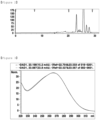
- the sample for the analysis of vitamin D2 was prepared by a standard preparation method of the vitamin D2 of the Ministry of Food and Drug Safety, and the vitamin D2 analysis of the prepared sample was analyzed by standard a HPLC system and method of the Ministry of Food and Drug Safety. Statistics on the analyzed value were verified by a Tukey's multiple comparison test. Mean values with different English small letters within the same treatment mean that there is significance at p ⁇ 0.05.
- the shiitake mushroom fruiting bodies were pre-aged in the combination of various temperatures (0, 5, 15, and 30°C) and various aging periods (0, 1, 4, and 8 days) in a temperature-controlled storage room immediately after harvest.
- the pre-aged shiitake mushroom fruiting bodies were washed with water and water on the surface of fruiting bodies was removed to select fruiting bodies having a moisture content of 80 to 95 wt%.
- the selected shiitake mushroom fruiting bodies were chopped to prepare a sample in the same state as sawdust (width ⁇ length ⁇ height of 3 mm or less).
- the sample was laid with a thickness of 0.5 to 1.0 cm on a stainless steel plate (at a distance of 15 cm from the light lamp) of a stainless steel chamber equipped with UV light lamps, and then inverted the sample once every 15 minutes while irradiating with UV for 30 minutes at an intensity of 2,000 to 3,000 ⁇ W/cm 2 and a relative humidity of 90 to 100%.
- the UV-irradiated sample was thermally treated at 60°C for 24 hours, crushed, and used as a vitamin D2 analysis sample to measure the vitamin D2 content.
- the sample pre-aged at 30°C for 1 day had the highest vitamin D2 content.
- the tissue was too softened, and thus chopping was difficult, agglomeration phenomenon occurred during drying, and a slight decay phenomenon occurred, and thus the number of mold and bacteria was high, making it unsuitable for use as a sample.
- Shiitake mushroom fruiting bodies were pre-aged for 1 day in a 5°C storage room immediately after harvest, and aged again in the combination of temperatures (0, 5, 15, and 30°C) and periods (0, 2, 5, and 8 days).
- the aged shiitake mushroom fruiting bodies were washed with water and water on the surface of fruiting bodies was removed to select fruiting bodies having a moisture content of 80 to 95 wt%.
- the aged shiitake mushroom fruiting bodies were chopped to prepare a sample in the same state as sawdust (width ⁇ length ⁇ height of 3 mm or less).
- the sample was laid with a thickness of 0.5 to 1.0 cm on a stainless steel plate (at a distance of 15 cm from the light lamp) of a stainless steel chamber equipped with UV light lamps, and then inverted the sample once every 15 minutes while irradiating with UV for 30 minutes at an intensity of 2,000 to 3,000 ⁇ W/cm 2 and a relative humidity of 90 to 100%.
- the UV-irradiated sample was thermally treated at 60°C for 24 hours, crushed, and used as a vitamin D2 analysis sample to measure the vitamin D2 content.
- the sample aged at 15°C for 2 days had the highest vitamin D2 content, but the most suitable storage period was 2 to 5 days.
- Shiitake mushroom fruiting bodies were pre-aged for 1 day in a storage room of 5°C immediately after harvest, and then aged at 15°C for 3 days again.
- the aged shiitake mushroom fruiting bodies were washed with water and water on the surface of fruiting bodies was removed to select fruiting bodies having a moisture content of 80 to 95 wt%.
- the selected shiitake mushroom fruiting bodies were chopped to prepare a sample in the same state as sawdust (width ⁇ length ⁇ height of 3 mm or less).
- the sample was laid with a thickness of 0.5 to 1.0 cm on a stainless steel plate (at a distance of 15 cm from the light lamp) of a stainless steel chamber equipped with UV light lamps, and then inverted the sample once every 15 minutes while irradiating with the amounts of UV (0, 500, 1,000, 2,000, 3,000, 4,000, and 5000 ⁇ W/cm 2 ) for 30 minutes at a relative humidity of 90 to 100%.
- the UV-irradiated sample was thermally treated at 60°C for 24 hours, crushed, and used as a vitamin D2 analysis sample to measure the vitamin D2 content.
- UV dosage ( ⁇ W/cm 2 ) Vitamin D2 content ( ⁇ g/g dry weight) 0 5.2 ⁇ 0.6e 500 110.9 ⁇ 9.3d 1,000 191.2 ⁇ 12.8c 2,000 350.9 ⁇ 15.8a 3,000 362.1 ⁇ 12.4a 4,000 343.7 ⁇ 16.8a 5,000 305.2 ⁇ 19.1b
- Shiitake mushroom fruiting bodies were pre-aged for 1 day at a storage room of 5°C immediately after harvest, and then aged at 15°C for 3 days again.
- the aged shiitake mushroom fruiting bodies were washed with water and water on the surface of fruiting bodies was removed to select fruiting bodies having a moisture content of 80 to 95 wt%.
- the selected shiitake mushroom fruiting bodies were chopped to prepare a sample in the same state as sawdust (width ⁇ length ⁇ height of 3 mm or less).
- the sample was laid with a thickness of 0.5 to 1.0 cm on a stainless steel plate (at a distance of 15 cm from the light lamp) of a stainless steel chamber equipped with UV light lamps, and then inverted at a predetermined number of times (0, 1, 2, and 3) while irradiating with UV for a predetermined time (10, 30, 60, and 120 minutes) at an intensity of 2,000 to 3,000 ⁇ W/cm 2 and a relative humidity of 90 to 100%.
- the UV-irradiated sample was thermally treated at 60°C for 24 hours, crushed, and used as a vitamin D2 analysis sample to measure the vitamin D2 content.
- UV irradiation time (min) Number of inverting times Vitamin D2 content ( ⁇ g/g dry weight) 10 0 194.7 ⁇ 10.5b 1 254.3 ⁇ 2.4a 2 276.3 ⁇ 2.6a 3 266.1 ⁇ 3.1a 30 0 193.1 ⁇ 11.6c 1 361.1 ⁇ 18.2a 2 311.8 ⁇ 19.3b 3 281.5 ⁇ 14.6b 60 0 184.2 ⁇ 11.8c 1 243.5 ⁇ 8.9b 2 311.6 ⁇ 14.6a 3 301.3 ⁇ 22.4a 120 0 194.3 ⁇ 12.3c 1 231.4 ⁇ 11.2a 2 209.1 ⁇ 10.5b 3 195.6 ⁇ 9.5c
- the sample inverted once at UV of 2,500 to 3,000 ⁇ W/cm 2 for 30 minutes had the highest vitamin D2 content, but similar vitamin D2 content was obtained even in the sample inverted twice.
- similar vitamin D2 content was obtained even in the sample inverted twice.
- Shiitake mushroom fruiting bodies were pre-aged for 1 day at a storage room of 5°C immediately after harvest, and then aged at 15°C for 3 days again.
- the aged shiitake mushroom fruiting bodies were washed with water and water on the surface of fruiting bodies was removed to select fruiting bodies having a moisture content of 80 to 95 wt%.
- the selected shiitake mushroom fruiting bodies were chopped to prepare a sample in the same state as sawdust (width ⁇ length ⁇ height of 3 mm or less).
- the sample was laid with a thickness of 0.5 to 1.0 cm on a stainless steel plate (at a distance of 15 cm from the light lamp) of a stainless steel chamber equipped with UV light lamps, and then inverted once every 15 minutes while irradiating with UV for 30 minutes at an intensity of 2,000 to 3,000 ⁇ W/cm 2 and a relative humidity of 90 to 100%.
- the sample irradiated with UV was thermally treated for 24 hours at a predetermined temperature (0, 20, 40, 60, 80, and 100°C) and thermally treated at 60°C for a predetermined time (0, 6, 12, 24, and 48 hours) and then crushed to be used as a vitamin D2 analysis sample to measure the vitamin D2 content.
- the sample thermally treated at the temperature of 60 to 80°C for 24 hours had the highest vitamin D2 content.
- the sample treated for 12 to 48 hours had the high vitamin D2 content.
- Shiitake mushroom fruiting bodies were pre-aged for 1 day at a storage room of 5°C immediately after harvest, and then aged at 15°C for 3 days again.
- the aged shiitake mushroom fruiting bodies were washed with water and water on the surface of fruiting bodies was removed to select fruiting bodies having a moisture content of 80 to 95 wt%.
- the selected shiitake mushroom fruiting bodies were chopped to prepare a sample in the same state as sawdust (width ⁇ length ⁇ height of 3 mm or less).
- the sample was laid with various thicknesses 0.5 to 1.0, 1 to 2, 2 to 3, and 3 to 5 cm) on a stainless steel plate (at a distance of 15 cm from the light lamp) of a stainless steel chamber equipped with UV light lamps, and then inverted once every 15 minutes while irradiating with UV for various times (0, 30, 60, 90, and 180 minutes) at an intensity of 2,000 to 3,000 ⁇ W/cm 2 and a relative humidity of 90 to 100%.
- the UV-irradiated sample was thermally treated at 60°C for 24 hours, crushed, and used as a vitamin D2 analysis sample to measure a vitamin D2 content.
- the sample laid with a thickness of 0.5 to 1.0 cm and irradiated with UV for 30 to 60 minutes had the highest vitamin D2 content. There was no difference in the vitamin D2 content between the sample laid with a thickness of 1 to 2 cm and irradiated with UV for 60 minutes and the sample laid with a thickness of 0.5 to 1.0 cm and irradiated with UV for 30 to 60 minutes.
- Shiitake mushroom fruiting bodies were pre-aged for 1 day at a storage room of 5°C immediately after harvest, and then aged at 15°C for 3 days again.
- the aged shiitake mushroom fruiting bodies were washed with water and water on the surface of fruiting bodies was removed to prepare fruiting bodies having a moisture content (40, 50, 60, 70, 80, 90, and 95%) as a sample.
- the selected shiitake mushroom fruiting bodies were chopped to prepare a sample in the same state as sawdust (width ⁇ length ⁇ height of 3 mm or less).
- the sample was laid with a thickness of 0.5 to 1.0 cm on a stainless steel plate (at a distance of 15 cm from the light lamp) of a stainless steel chamber equipped with UV light lamps, and then inverted once every 15 minutes while irradiating with UV for 30 minutes at an intensity of 2,000 to 3,000 ⁇ W/cm 2 and a relative humidity of 90 to 100%.
- the UV-irradiated sample was thermally treated at 60°C for 24 hours, crushed, and used as a vitamin D2 analysis sample to measure a vitamin D2 content.
- the sample having the moisture content of 90% had the highest vitamin D2 content, but the samples having the moisture content of 80 to 95% had no difference in the vitamin D2 content.
- Shiitake mushroom fruiting bodies were pre-aged for 1 day at a storage room of 5°C immediately after harvest, and then aged at 15°C for 3 days again.
- the aged shiitake mushroom fruiting bodies were washed with water and water on the surface of fruiting bodies was removed to select fruiting bodies having a moisture content of 80 to 95 wt%.
- the selected shiitake mushroom fruiting bodies were chopped to prepare a sample in the same state as sawdust (width ⁇ length ⁇ height of 3 mm or less).
- the sample was laid with a thickness of 0.5 to 1.0 cm on a stainless steel plate (at a distance of 15 cm from the light lamp) of a stainless steel chamber equipped with UV light lamps, and then inverted once every 15 minutes while irradiating with UV for 30 minutes at an intensity of 2,000 to 3,000 ⁇ W/cm 2 and various relative humidity (40, 60, 80, 90, and 100%).
- the UV-irradiated sample was thermally treated at 60°C for 24 hours, crushed, and used as a vitamin D2 analysis sample to measure a vitamin D2 content.
- the sample having the relative humidity in the chamber of 90% had the highest vitamin D2 content, but the samples having the relative humidity of 90 to 100% had no difference in the vitamin D2 content.
- Shiitake mushroom fruiting bodies were pre-aged for 1 day at a storage room of 5°C immediately after harvest, and then aged at 15°C for 3 days again.
- the aged shiitake mushroom fruiting bodies were washed with water and water on the surface of fruiting bodies was removed to select fruiting bodies having a moisture content of 80 to 95 wt%.
- the selected shiitake mushroom fruiting bodies were sliced with various sizes (0.5 to 3, 3 to 5, 5 to 10, and 10 to 20 mm) or chopped with various sizes (0.5 to 3, 3 to 5, 5 to 10, and 10 to 20 mm) to prepare a sample.
- vitamin D2 As a result, as shown in Table 9, very low vitamin D2 was produced in a non-chopped or non-sliced sample. However, the vitamin D2 content was the highest in a sample chopped to 0.5 to 3 mm or less, and had no difference from a sample chopped to 3 to 5 mm or less. Also, in the case of slicing, the vitamin D2 content was the highest in a sample sliced to 0.5 to 3 mm or less, but the content thereof was relatively lower than the chopped sample.
- Shiitake mushroom fruiting bodies were pre-aged for 1 day at a storage room of 5°C immediately after harvest, and then aged at 15°C for various periods (0, 1, 2, 5, and 8 days) again.
- the aged shiitake mushroom fruiting bodies were washed with water and water on the surface of fruiting bodies was removed to select fruiting bodies having a moisture content of 80 to 95 wt%.
- the selected shiitake mushroom fruiting bodies were sliced at about 3 mm to prepare a sample.
- the sample was laid with a thickness of 0.5 to 1.0 cm on a stainless steel plate (at a distance of 15 cm from the light lamp) of a stainless steel chamber equipped with UV light lamps, and then inverted once every 15 minutes while irradiating with UV for 30 minutes at an intensity of 2,000 to 3,000 ⁇ W/cm 2 and a relative humidity of 90 to 100%.
- the UV-irradiated sample was thermally treated at 60°C for 24 hours, crushed, and used as a vitamin D2 analysis sample to measure a vitamin D2 content.
- Shiitake mushroom fruiting bodies were pre-aged for 1 day at a storage room of 5°C immediately after harvest, and then aged at 15°C for 3 days again.
- the aged shiitake mushroom fruiting bodies were washed with water and water on the surface of fruiting bodies was removed to select fruiting bodies having a moisture content of 80 to 95 wt%.
- the selected shiitake mushroom fruiting bodies were sliced at about 3 mm to prepare a sample.
- the sample was laid one by one on a stainless steel plate (at a distance of 15 cm from the light lamp) of a stainless steel chamber equipped with UV light lamps, and then inverted at various intervals while irradiating with UV for various times (0.5, 1.0, and 5.0 hours) at an intensity of 2,000 to 3,000 ⁇ W/cm 2 and a relative humidity of 90 to 100%.
- the UV-irradiated sample was thermally treated at 60°C for 24 hours, crushed, and used as a vitamin D2 analysis sample to measure a vitamin D2 content.
- Shiitake mushroom fruiting bodies were pre-aged for 1 day at a storage room of 5°C immediately after harvest, and then aged at 15°C for 3 days again.
- the aged shiitake mushroom fruiting bodies were washed with water and water on the surface of fruiting bodies was removed to select fruiting bodies having a moisture content of 80 to 95 wt%.
- the selected shiitake mushroom fruiting bodies were sliced with various sizes (0.5 to 3, 3 to 5, 5 to 10, and 10 to 20 mm) to prepare a sample.
- the samples with various thicknesses were laid one by one on a stainless steel plate (at a distance of 15 cm from the light lamp of a stainless steel chamber equipped with UV light lamps, and then inverted every 30 minutes while irradiating with UV for various times (0, 30, 60, and 180 minutes) at an intensity of 2,000 to 3,000 ⁇ W/cm 2 and a relative humidity of 90 to 100%.
- the UV-irradiated sample was thermally treated at 60°C for 24 hours, crushed, and used as a vitamin D2 analysis sample to measure a vitamin D2 content.
- the sample with a sliced thickness of 0.5 to 3 mm and irradiated with UV for 60 to 180 minutes had the highest vitamin D2 content.
- a sample irradiated for 60 minutes had the highest vitamin D2 content, which had no difference in content from the sample of 0.5 to 3 mm, irradiated with UV for 60 to 180 minutes.
- Shiitake mushroom fruiting bodies were aged for 1 day at a storage room of 5°C immediately after harvest, and then aged at 15°C for 3 days again.
- the aged shiitake mushroom fruiting bodies were washed with water and water on the surface of fruiting bodies was removed to select fruiting bodies having a moisture content of 80 to 95 wt%.
- the selected shiitake mushroom fruiting bodies were chopped to prepare a sample in the same state as sawdust (width ⁇ length ⁇ height of 3 mm or less).
- the sample was laid with a thickness of 0.5 to 1.0 cm on a stainless steel plate (at a distance of 15 cm from the light lamp) of a stainless steel chamber equipped with UV light lamps, and then inverted once every 15 minutes while irradiating with UV for 30 minutes at an intensity of 2,000 to 3,000 ⁇ W/cm 2 and a relative humidity of 90 to 100%.
- the UV-irradiated sample was thermally treated at 60°C for 24 hours, crushed, and used as a vitamin D2 analysis sample to measure a vitamin D2 content.
- the vitamin D2 content produced under the optimal conditions was measured to be 360.8 ⁇ 20.4 ⁇ g/g.
- Shiitake mushroom fruiting bodies were pre-aged for 1 day at a storage room of 5°C immediately after harvest, and then aged at 15°C for 3 days again.
- the aged shiitake mushroom fruiting bodies were washed with water and water on the surface of fruiting bodies was removed to select fruiting bodies having a moisture content of 80 to 95 wt%.
- the UV-irradiated sample was thermally treated at 60°C for 24 hours, crushed, and used as a vitamin D2 analysis sample to measure a vitamin D2 content.
- the vitamin D2 content produced under the optimal conditions of the present invention was 360.8 ⁇ 20.4 ⁇ g/g, whereas the vitamin D2 content reported in the conventional patent ( Korean Patent Registration No. 10-0637833 ) was 6.93 ⁇ g/g, which showed that the present invention could significantly increase the vitamin D2 content by 60 times or more relative to the conventional patent.
- the vitamin D2 content was 35.3 ⁇ 3.5 ⁇ g/g, which showed an excellent effect capable of significantly increasing the vitamin D2 content by 10 times or more relative to the conventional patent.
Landscapes
- Life Sciences & Earth Sciences (AREA)
- Engineering & Computer Science (AREA)
- Polymers & Plastics (AREA)
- Chemical & Material Sciences (AREA)
- Food Science & Technology (AREA)
- Mycology (AREA)
- Nutrition Science (AREA)
- Health & Medical Sciences (AREA)
- Environmental Sciences (AREA)
- Zoology (AREA)
- Wood Science & Technology (AREA)
- Microbiology (AREA)
- Botany (AREA)
- Biodiversity & Conservation Biology (AREA)
- Ecology (AREA)
- Forests & Forestry (AREA)
- Preparation Of Fruits And Vegetables (AREA)
- Mushroom Cultivation (AREA)
- Coloring Foods And Improving Nutritive Qualities (AREA)
- General Preparation And Processing Of Foods (AREA)
Claims (3)
- - Verfahren zum Herstellen von Shiitake-Pilzen mit einem erhöhten Vitamin-D2-Gehalt, das umfasst:1) einen ersten Schritt des Reifenlassens von Shiitake-Pilzen, wobei der erste Schritt darin besteht, die Shiitake-Pilze bei 5 °C 1 Tag lang zu lagern;2) einen zweiten Schritt des Reifenlassens der gereiften Shiitake-Pilze, wobei der zweite Schritt darin besteht, die gereiften Shiitake-Pilze bei 15 °C 3 Tage lang zu lagern;3) einen dritten Schritt des Hackens der gereiften Shiitake-Pilze;4) einen vierten Schritt des Bestrahlens der gehackten Shiitake-Pilze mit UV-B;5) einen fünften Schritt des Wärmebehandelns der mit UV-B bestrahlten Shiitake-Pilzstücke; und6) einen sechsten Schritt des Zerkleinerns der wärmebehandelten Shiitake-Pilzstücke,wobei die gehackten Shiitake-Pilze eine Länge von 3 mm oder weniger in der Breite, Länge bzw. Höhe aufweisen, unddie Wärmebehandlung bei 60 °C 24 Stunden lang durchgeführt wird.
- - Verfahren zum Herstellen der Shiitake-Pilze mit dem erhöhten Vitamin-D2-Gehalt nach Anspruch 1, wobei die gehackten Shiitake-Pilze einen Feuchtigkeitsgehalt von 80 bis 95 Gew.-% aufweisen.
- - Verfahren zum Herstellen der Shiitake-Pilze mit dem erhöhten Vitamin-D2-Gehalt nach Anspruch 1, wobei die UV-B-Bestrahlung dadurch gekennzeichnet ist, dass die Shiitake-Pilze in einem vorbestimmten Zeitintervall einmal alle 15 Minuten gewendet werden, während die Shiitake-Pilzprobe 30 Minuten lang in einer Intensität von 2000 bis 3000 µW/cm2 und bei einer relativen Feuchtigkeit von 90 bis 100 % in einem Zustand mit dem UV-B bestrahlt wird, in dem die Shiitake-Pilzprobe auf einer Edelstahlplatte einer Edelstahlkammer platziert ist, die mit einer UV-Lichtlampe ausgestattet ist.
Applications Claiming Priority (2)
| Application Number | Priority Date | Filing Date | Title |
|---|---|---|---|
| KR1020200014531A KR102417463B1 (ko) | 2020-02-06 | 2020-02-06 | 표고버섯 유래 비타민 d의 제조방법 |
| PCT/KR2020/018776 WO2021157856A1 (ko) | 2020-02-06 | 2020-12-21 | 표고버섯 유래 비타민 d의 제조방법 |
Publications (4)
| Publication Number | Publication Date |
|---|---|
| EP4101291A1 EP4101291A1 (de) | 2022-12-14 |
| EP4101291A4 EP4101291A4 (de) | 2024-04-10 |
| EP4101291B1 true EP4101291B1 (de) | 2025-05-28 |
| EP4101291C0 EP4101291C0 (de) | 2025-05-28 |
Family
ID=77200161
Family Applications (1)
| Application Number | Title | Priority Date | Filing Date |
|---|---|---|---|
| EP20917342.6A Active EP4101291B1 (de) | 2020-02-06 | 2020-12-21 | Verfahren zur herstellung von vitamin d aus shiitake-pilzen |
Country Status (6)
| Country | Link |
|---|---|
| US (1) | US12022850B2 (de) |
| EP (1) | EP4101291B1 (de) |
| JP (1) | JP7312390B2 (de) |
| KR (1) | KR102417463B1 (de) |
| CN (1) | CN115066174B (de) |
| WO (1) | WO2021157856A1 (de) |
Families Citing this family (1)
| Publication number | Priority date | Publication date | Assignee | Title |
|---|---|---|---|---|
| CN118902076A (zh) * | 2024-07-18 | 2024-11-08 | 陕西理工大学 | 提高食用菌子实体中维生素d2含量的方法 |
Family Cites Families (24)
| Publication number | Priority date | Publication date | Assignee | Title |
|---|---|---|---|---|
| JPS6391056A (ja) * | 1986-10-06 | 1988-04-21 | Satoru Yunoki | 乾しいたけの製造方法 |
| JP3171199B2 (ja) * | 1990-11-17 | 2001-05-28 | キッコーマン株式会社 | きのこ類のビタミンd▲2▼増強方法 |
| JP3619908B2 (ja) * | 1995-06-21 | 2005-02-16 | フルタ電機株式会社 | 椎茸の栄養素増強機構 |
| JPH09107910A (ja) * | 1995-10-20 | 1997-04-28 | Tomihisa Motohashi | しいたけの錠剤及びしいたけの錠剤の製造方法 |
| JPH1042822A (ja) * | 1996-08-02 | 1998-02-17 | Susumu Kiyokawa | 乾燥キノコ類の製造方法 |
| JPH1156288A (ja) * | 1997-08-21 | 1999-03-02 | Kikkoman Corp | キノコ粉末の製造法 |
| JP2000157045A (ja) * | 1998-11-26 | 2000-06-13 | Nippon Kinoko Kenkyusho | きのこの処理方法 |
| JP2004222627A (ja) * | 2003-01-24 | 2004-08-12 | It Gem:Kk | 紫外線照射きのこ及び紫外線照射きのこの製造方法 |
| KR20030040258A (ko) * | 2003-04-02 | 2003-05-22 | 농업회사법인 하나바이오텍(주) | 버섯 자실체 내의 비타민 d2 함유량 증량방법 |
| JP2006230327A (ja) * | 2005-02-28 | 2006-09-07 | Soga Seifun Kk | エルゴステロール含有食品及びその処理方法 |
| KR100637833B1 (ko) | 2005-07-08 | 2006-10-24 | 김상민 | 비타민 d2 함량이 증대된 버섯의 제조방법 |
| KR101171465B1 (ko) | 2010-02-03 | 2012-08-06 | 천안시 | 버섯의 비타민d2 함량을 증대시키는 자외선 조사장치 및 이를 이용한 버섯의 제조방법 |
| JP2013244010A (ja) * | 2012-05-28 | 2013-12-09 | Yoji Shiraki | 生鮮マッシュルームのビタミンd増幅製造システム |
| US20160205981A1 (en) * | 2012-09-27 | 2016-07-21 | Oakshire Holdings, Inc. | Method and apparatus for vitamin d enhancement in mushrooms |
| KR101461635B1 (ko) * | 2013-06-04 | 2014-11-20 | 주식회사 참든건강과학 농업회사법인 | 태양광과 자외선램프를 이용한 버섯의 비타민 생성장치 |
| KR101588105B1 (ko) | 2014-02-14 | 2016-02-04 | 전북대학교산학협력단 | 색도변화없이 비타민d2의 함량이 증대된 느타리버섯의 제조방법 및 이에 의해 제조된 느타리버섯 |
| KR101663143B1 (ko) * | 2014-10-22 | 2016-10-06 | 재단법인 장흥군버섯산업연구원 | 표고버섯으로부터 비타민 d2를 수득하는 방법 |
| KR101751692B1 (ko) * | 2014-12-30 | 2017-06-28 | 경남과학기술대학교 산학협력단 | 빛을 이용한 농산물의 건조 및 비타민d 합성 장치 |
| CN204518560U (zh) * | 2014-12-30 | 2015-08-05 | 天津市林业果树研究所 | 一种提高食用菌子实体vd2含量的紫外辐照支架 |
| EP3244905A4 (de) * | 2015-01-18 | 2018-12-12 | Gavish-Galilee Bio Applications Ltd | Mit vitamin d angereicherte extrakte von essbaren pilzen und zusammensetzungen davon sowie deren verwendung bei der behandlung von immunerkrankungen |
| KR20170079869A (ko) * | 2015-12-31 | 2017-07-10 | 전북대학교산학협력단 | 비타민 d2 강화 버섯의 제조방법 및 이를 이용한 비타민 d2 강화 된장의 제조방법 |
| CN107319516A (zh) * | 2017-06-26 | 2017-11-07 | 浙江百山祖生物科技有限公司 | 一种富含维生素d2的香菇超微粉及其加工方法 |
| CN107233363B (zh) * | 2017-07-24 | 2020-07-10 | 浙江海洋大学 | 香菇在制备改善骨质疏松的产品中的应用 |
| CN109527530A (zh) * | 2018-12-10 | 2019-03-29 | 瞿瀚鹏 | 富含维生素d2的蘑菇菌粉及其制备方法和应用 |
-
2020
- 2020-02-06 KR KR1020200014531A patent/KR102417463B1/ko active Active
- 2020-12-21 JP JP2022548051A patent/JP7312390B2/ja active Active
- 2020-12-21 CN CN202080095867.3A patent/CN115066174B/zh active Active
- 2020-12-21 US US17/797,721 patent/US12022850B2/en active Active
- 2020-12-21 EP EP20917342.6A patent/EP4101291B1/de active Active
- 2020-12-21 WO PCT/KR2020/018776 patent/WO2021157856A1/ko not_active Ceased
Non-Patent Citations (1)
| Title |
|---|
| PERERA C. O. ET AL: "The Effect of Moisture Content on the Conversion of Ergosterol to Vitamin D in Shiitake Mushrooms", DRYING TECHNOLOGY., vol. 21, no. 6, 7 January 2003 (2003-01-07), US, pages 1091 - 1099, XP093134308, ISSN: 0737-3937, DOI: 10.1081/DRT-120021876 * |
Also Published As
| Publication number | Publication date |
|---|---|
| JP7312390B2 (ja) | 2023-07-21 |
| KR20210100483A (ko) | 2021-08-17 |
| KR102417463B1 (ko) | 2022-07-06 |
| US12022850B2 (en) | 2024-07-02 |
| US20230200413A1 (en) | 2023-06-29 |
| EP4101291A1 (de) | 2022-12-14 |
| EP4101291A4 (de) | 2024-04-10 |
| JP2023503195A (ja) | 2023-01-26 |
| WO2021157856A1 (ko) | 2021-08-12 |
| EP4101291C0 (de) | 2025-05-28 |
| CN115066174A (zh) | 2022-09-16 |
| CN115066174B (zh) | 2023-06-20 |
Similar Documents
| Publication | Publication Date | Title |
|---|---|---|
| KR101812553B1 (ko) | 복합 펩티드 셀레노프로테인 양액 및 그 제조방법과 사용방법 | |
| EP2813138A1 (de) | Technik und verfahren zur herstellung eines funktionsmaterials aus der mittagsblume und funktionsbestandteil davon | |
| CN106666024B (zh) | 一种富含维生素d2的天然菌粉压片糖果及其制备方法 | |
| EP4101291B1 (de) | Verfahren zur herstellung von vitamin d aus shiitake-pilzen | |
| KR20170090618A (ko) | 떫은맛이 저감된 아로니아원액과 l-아르기닌을 주원료로하는 젤리 또는 음료조성물의 제조방법 | |
| KR100637833B1 (ko) | 비타민 d2 함량이 증대된 버섯의 제조방법 | |
| CN105995735A (zh) | 一种食用蘑菇粉及其制备方法、应用 | |
| Slawinska et al. | Vitamin D 2 Stability During the Refrigerated Storage of Ultraviolet B− Treated Cultivated Culinary-Medicinal Mushrooms | |
| KR20030087209A (ko) | 자외선을 조사하여 비타민 디의 함량을 증가시킨표고버섯의 제조방법 | |
| CN108668557B (zh) | 一种利用发芽玉米富集叶黄素的方法及其产品和应用 | |
| Begum et al. | Study of Vitamin D | |
| KR101588105B1 (ko) | 색도변화없이 비타민d2의 함량이 증대된 느타리버섯의 제조방법 및 이에 의해 제조된 느타리버섯 | |
| KR102229482B1 (ko) | 피부 보호효과를 갖는 비파나무 잎 미네랄당 숙성액 및 이의 제조 방법 | |
| KR20240094430A (ko) | 비타민 d2 함량이 증대된 팽이버섯의 제조방법 | |
| Edward et al. | Change in concentration of vitamin D 2 in oyster mushrooms exposed to 254nm and 365nm UV-light during growth | |
| WO2016049167A1 (en) | Methods, systems, and compositions for enhancing the vitamin d content of a mushroom product | |
| Leontowicz et al. | Bioactivity and bioavailability of minerals in rats loaded with cholesterol and kiwi fruit | |
| JP2021515549A (ja) | 氷舌水を利用した花粉類の天然発酵組成物及びその製造方法 | |
| KR20030040258A (ko) | 버섯 자실체 내의 비타민 d2 함유량 증량방법 | |
| Szabó et al. | The effect of UVB radiation on the vitamin D 2 content of white and cream type button mushrooms (Agaricus bisporus L ange/I mbach) and oyster mushroom (Pleurotus ostreatus (J acq.) P. K umm) | |
| KR102010551B1 (ko) | 시설 재배로 연중 생산된 황칠나무 산물을 이용한 기능성이 증진된 황칠 분말의 제조방법 | |
| CN111588025A (zh) | 一种蘑菇粉维生素d2的制备方法 | |
| CA2441232C (en) | Method for producing vitamin b-enriched preparations from grasses | |
| KR20040004266A (ko) | 셀레늄이 함유된 미나리 재배기술 | |
| KR20250076135A (ko) | 해양심층수로부터 미네랄 성분이 균형을 갖추어 함유된 소금을 제조하는 방법 |
Legal Events
| Date | Code | Title | Description |
|---|---|---|---|
| STAA | Information on the status of an ep patent application or granted ep patent |
Free format text: STATUS: THE INTERNATIONAL PUBLICATION HAS BEEN MADE |
|
| PUAI | Public reference made under article 153(3) epc to a published international application that has entered the european phase |
Free format text: ORIGINAL CODE: 0009012 |
|
| STAA | Information on the status of an ep patent application or granted ep patent |
Free format text: STATUS: REQUEST FOR EXAMINATION WAS MADE |
|
| 17P | Request for examination filed |
Effective date: 20220906 |
|
| AK | Designated contracting states |
Kind code of ref document: A1 Designated state(s): AL AT BE BG CH CY CZ DE DK EE ES FI FR GB GR HR HU IE IS IT LI LT LU LV MC MK MT NL NO PL PT RO RS SE SI SK SM TR |
|
| DAV | Request for validation of the european patent (deleted) | ||
| DAX | Request for extension of the european patent (deleted) | ||
| A4 | Supplementary search report drawn up and despatched |
Effective date: 20240313 |
|
| RIC1 | Information provided on ipc code assigned before grant |
Ipc: A23L 5/30 20160101ALI20240306BHEP Ipc: A23L 3/48 20060101ALI20240306BHEP Ipc: A23L 3/28 20060101ALI20240306BHEP Ipc: A23L 33/155 20160101ALI20240306BHEP Ipc: A23L 31/00 20160101ALI20240306BHEP Ipc: A01G 9/20 20060101ALI20240306BHEP Ipc: A01G 7/04 20060101ALI20240306BHEP Ipc: A01G 18/69 20180101AFI20240306BHEP |
|
| GRAP | Despatch of communication of intention to grant a patent |
Free format text: ORIGINAL CODE: EPIDOSNIGR1 |
|
| STAA | Information on the status of an ep patent application or granted ep patent |
Free format text: STATUS: GRANT OF PATENT IS INTENDED |
|
| INTG | Intention to grant announced |
Effective date: 20241218 |
|
| GRAS | Grant fee paid |
Free format text: ORIGINAL CODE: EPIDOSNIGR3 |
|
| GRAA | (expected) grant |
Free format text: ORIGINAL CODE: 0009210 |
|
| STAA | Information on the status of an ep patent application or granted ep patent |
Free format text: STATUS: THE PATENT HAS BEEN GRANTED |
|
| AK | Designated contracting states |
Kind code of ref document: B1 Designated state(s): AL AT BE BG CH CY CZ DE DK EE ES FI FR GB GR HR HU IE IS IT LI LT LU LV MC MK MT NL NO PL PT RO RS SE SI SK SM TR |
|
| REG | Reference to a national code |
Ref country code: GB Ref legal event code: FG4D |
|
| REG | Reference to a national code |
Ref country code: CH Ref legal event code: EP |
|
| REG | Reference to a national code |
Ref country code: IE Ref legal event code: FG4D |
|
| U01 | Request for unitary effect filed |
Effective date: 20250603 |
|
| U07 | Unitary effect registered |
Designated state(s): AT BE BG DE DK EE FI FR IT LT LU LV MT NL PT RO SE SI Effective date: 20250611 |
|
| PG25 | Lapsed in a contracting state [announced via postgrant information from national office to epo] |
Ref country code: ES Free format text: LAPSE BECAUSE OF FAILURE TO SUBMIT A TRANSLATION OF THE DESCRIPTION OR TO PAY THE FEE WITHIN THE PRESCRIBED TIME-LIMIT Effective date: 20250528 |
|
| PG25 | Lapsed in a contracting state [announced via postgrant information from national office to epo] |
Ref country code: NO Free format text: LAPSE BECAUSE OF FAILURE TO SUBMIT A TRANSLATION OF THE DESCRIPTION OR TO PAY THE FEE WITHIN THE PRESCRIBED TIME-LIMIT Effective date: 20250828 Ref country code: GR Free format text: LAPSE BECAUSE OF FAILURE TO SUBMIT A TRANSLATION OF THE DESCRIPTION OR TO PAY THE FEE WITHIN THE PRESCRIBED TIME-LIMIT Effective date: 20250829 |
|
| PG25 | Lapsed in a contracting state [announced via postgrant information from national office to epo] |
Ref country code: PL Free format text: LAPSE BECAUSE OF FAILURE TO SUBMIT A TRANSLATION OF THE DESCRIPTION OR TO PAY THE FEE WITHIN THE PRESCRIBED TIME-LIMIT Effective date: 20250528 |
|
| REG | Reference to a national code |
Ref country code: CH Ref legal event code: R17 Free format text: ST27 STATUS EVENT CODE: U-0-0-R10-R17 (AS PROVIDED BY THE NATIONAL OFFICE) Effective date: 20251015 |
|
| PG25 | Lapsed in a contracting state [announced via postgrant information from national office to epo] |
Ref country code: HR Free format text: LAPSE BECAUSE OF FAILURE TO SUBMIT A TRANSLATION OF THE DESCRIPTION OR TO PAY THE FEE WITHIN THE PRESCRIBED TIME-LIMIT Effective date: 20250528 |
|
| PG25 | Lapsed in a contracting state [announced via postgrant information from national office to epo] |
Ref country code: RS Free format text: LAPSE BECAUSE OF FAILURE TO SUBMIT A TRANSLATION OF THE DESCRIPTION OR TO PAY THE FEE WITHIN THE PRESCRIBED TIME-LIMIT Effective date: 20250828 |
|
| PG25 | Lapsed in a contracting state [announced via postgrant information from national office to epo] |
Ref country code: IS Free format text: LAPSE BECAUSE OF FAILURE TO SUBMIT A TRANSLATION OF THE DESCRIPTION OR TO PAY THE FEE WITHIN THE PRESCRIBED TIME-LIMIT Effective date: 20250928 |
|
| REG | Reference to a national code |
Ref country code: CH Ref legal event code: U11 Free format text: ST27 STATUS EVENT CODE: U-0-0-U10-U11 (AS PROVIDED BY THE NATIONAL OFFICE) Effective date: 20260101 |
|
| PGFP | Annual fee paid to national office [announced via postgrant information from national office to epo] |
Ref country code: GB Payment date: 20251208 Year of fee payment: 6 |
|
| PGFP | Annual fee paid to national office [announced via postgrant information from national office to epo] |
Ref country code: MC Payment date: 20251209 Year of fee payment: 6 |
|
| PG25 | Lapsed in a contracting state [announced via postgrant information from national office to epo] |
Ref country code: SM Free format text: LAPSE BECAUSE OF FAILURE TO SUBMIT A TRANSLATION OF THE DESCRIPTION OR TO PAY THE FEE WITHIN THE PRESCRIBED TIME-LIMIT Effective date: 20250528 |
|
| PG25 | Lapsed in a contracting state [announced via postgrant information from national office to epo] |
Ref country code: CZ Free format text: LAPSE BECAUSE OF FAILURE TO SUBMIT A TRANSLATION OF THE DESCRIPTION OR TO PAY THE FEE WITHIN THE PRESCRIBED TIME-LIMIT Effective date: 20250528 |
|
| PGFP | Annual fee paid to national office [announced via postgrant information from national office to epo] |
Ref country code: IE Payment date: 20251209 Year of fee payment: 6 |
|
| PG25 | Lapsed in a contracting state [announced via postgrant information from national office to epo] |
Ref country code: SK Free format text: LAPSE BECAUSE OF FAILURE TO SUBMIT A TRANSLATION OF THE DESCRIPTION OR TO PAY THE FEE WITHIN THE PRESCRIBED TIME-LIMIT Effective date: 20250528 |
|
| U20 | Renewal fee for the european patent with unitary effect paid |
Year of fee payment: 6 Effective date: 20251230 |