EP3919491B1 - Akt inhibitor - Google Patents
Akt inhibitor Download PDFInfo
- Publication number
- EP3919491B1 EP3919491B1 EP20748221.7A EP20748221A EP3919491B1 EP 3919491 B1 EP3919491 B1 EP 3919491B1 EP 20748221 A EP20748221 A EP 20748221A EP 3919491 B1 EP3919491 B1 EP 3919491B1
- Authority
- EP
- European Patent Office
- Prior art keywords
- compound
- formula
- methyl
- group
- pharmaceutically acceptable
- Prior art date
- Legal status (The legal status is an assumption and is not a legal conclusion. Google has not performed a legal analysis and makes no representation as to the accuracy of the status listed.)
- Active
Links
Images


Classifications
-
- A—HUMAN NECESSITIES
- A61—MEDICAL OR VETERINARY SCIENCE; HYGIENE
- A61K—PREPARATIONS FOR MEDICAL, DENTAL OR TOILETRY PURPOSES
- A61K31/00—Medicinal preparations containing organic active ingredients
- A61K31/33—Heterocyclic compounds
- A61K31/395—Heterocyclic compounds having nitrogen as a ring hetero atom, e.g. guanethidine or rifamycins
- A61K31/495—Heterocyclic compounds having nitrogen as a ring hetero atom, e.g. guanethidine or rifamycins having six-membered rings with two or more nitrogen atoms as the only ring heteroatoms, e.g. piperazine or tetrazines
- A61K31/505—Pyrimidines; Hydrogenated pyrimidines, e.g. trimethoprim
- A61K31/519—Pyrimidines; Hydrogenated pyrimidines, e.g. trimethoprim ortho- or peri-condensed with heterocyclic rings
-
- A—HUMAN NECESSITIES
- A61—MEDICAL OR VETERINARY SCIENCE; HYGIENE
- A61K—PREPARATIONS FOR MEDICAL, DENTAL OR TOILETRY PURPOSES
- A61K31/00—Medicinal preparations containing organic active ingredients
- A61K31/33—Heterocyclic compounds
- A61K31/395—Heterocyclic compounds having nitrogen as a ring hetero atom, e.g. guanethidine or rifamycins
- A61K31/535—Heterocyclic compounds having nitrogen as a ring hetero atom, e.g. guanethidine or rifamycins having six-membered rings with at least one nitrogen and one oxygen as the ring hetero atoms, e.g. 1,2-oxazines
- A61K31/5365—Heterocyclic compounds having nitrogen as a ring hetero atom, e.g. guanethidine or rifamycins having six-membered rings with at least one nitrogen and one oxygen as the ring hetero atoms, e.g. 1,2-oxazines ortho- or peri-condensed with heterocyclic ring systems
-
- A—HUMAN NECESSITIES
- A61—MEDICAL OR VETERINARY SCIENCE; HYGIENE
- A61P—SPECIFIC THERAPEUTIC ACTIVITY OF CHEMICAL COMPOUNDS OR MEDICINAL PREPARATIONS
- A61P35/00—Antineoplastic agents
-
- C—CHEMISTRY; METALLURGY
- C07—ORGANIC CHEMISTRY
- C07D—HETEROCYCLIC COMPOUNDS
- C07D471/00—Heterocyclic compounds containing nitrogen atoms as the only ring hetero atoms in the condensed system, at least one ring being a six-membered ring with one nitrogen atom, not provided for by groups C07D451/00 - C07D463/00
- C07D471/02—Heterocyclic compounds containing nitrogen atoms as the only ring hetero atoms in the condensed system, at least one ring being a six-membered ring with one nitrogen atom, not provided for by groups C07D451/00 - C07D463/00 in which the condensed system contains two hetero rings
- C07D471/04—Ortho-condensed systems
-
- C—CHEMISTRY; METALLURGY
- C07—ORGANIC CHEMISTRY
- C07D—HETEROCYCLIC COMPOUNDS
- C07D475/00—Heterocyclic compounds containing pteridine ring systems
- C07D475/06—Heterocyclic compounds containing pteridine ring systems with a nitrogen atom directly attached in position 4
-
- C—CHEMISTRY; METALLURGY
- C07—ORGANIC CHEMISTRY
- C07D—HETEROCYCLIC COMPOUNDS
- C07D498/00—Heterocyclic compounds containing in the condensed system at least one hetero ring having nitrogen and oxygen atoms as the only ring hetero atoms
- C07D498/02—Heterocyclic compounds containing in the condensed system at least one hetero ring having nitrogen and oxygen atoms as the only ring hetero atoms in which the condensed system contains two hetero rings
- C07D498/04—Ortho-condensed systems
-
- C—CHEMISTRY; METALLURGY
- C07—ORGANIC CHEMISTRY
- C07D—HETEROCYCLIC COMPOUNDS
- C07D519/00—Heterocyclic compounds containing more than one system of two or more relevant hetero rings condensed among themselves or condensed with a common carbocyclic ring system not provided for in groups C07D453/00 or C07D455/00
Definitions
- the present invention belongs to the field of medicinal chemistry, and specifically relates to an AKT inhibitor, and a preparation method and medical use thereof.
- PI3K/AKT/mTOR pathway composed of phosphatidylinositol 3-kinase (PI3K) and its downstream protein AKT (also known as protein kinase B, PKB) and mammalian target of rapamycin (mTOR), as a very important signal transduction pathway in cells, plays an extremely important biological function in the process of cell growth, survival, proliferation, apoptosis, angiogenesis, and autophagy. Abnormal activation of this pathway can cause a series of diseases, including cancer, neuropathy, autoimmune diseases and hemic and lymphatic system diseases.
- PI3K phosphatidylinositol 3-kinase
- AKT protein kinase B
- mTOR mammalian target of rapamycin
- AKT a type of serine/threonine kinase, affects cell survival, growth, metabolism, proliferation, migration and differentiation through numerous downstream effectors.
- Over 50% of human tumors have over-activation of AKT, especially prostate cancer, pancreatic cancer, bladder cancer, ovarian cancer, and breast cancer. Over-activation of AKT can lead to tumorigenesis, tumor metastasis and drug resistance development.
- the targeting drugs for the PI3K/AKT/mTOR signal pathway are mainly PI3K inhibitors and mTOR inhibitors, while AKT is at the core of the signal transduction pathway. Inhibition of AKT activity can not only avoid the serious side effects caused by inhibiting upstream PI3K, but also avoid the negative feedback mechanism caused by inhibiting downstream mTOR, which affects the efficacy of the drug. Therefore, searching for effective and selective AKT inhibitors is an important direction of current tumor-targeted drug research and development.
- CN101631778A discloses a class of cyclopenta[D]pyrimidine derivatives
- CN101578273A discloses a class of hydroxylated and methoxylated cyclopenta[D]pyrimidine derivatives
- CN101511842A discloses a class of dihydrofuro pyrimidine derivatives
- CN101970415A discloses a class of 5H-cyclopenta[d]pyrimidine derivatives. These compounds have an IC 50 of inhibiting AKT1 of less than 10 ⁇ M.
- the present invention provides a compound represented by formula I or pharmaceutically acceptable salts thereof, wherein
- R 1 is H.
- R 2 and R 3 are each independently selected from the group consisting of H, isopropyl and cyclopropyl.
- R 2 is isopropyl or cyclopropyl; and/or R 3 is H.
- R 1 and R 2 together with the atoms to which R 1 and R 2 are attached, form wherein, the definition of R 3 is as above.
- R 4 and R 5 both are H.
- R 6 , R 7 , R 8 , and R 9 are each independently selected from the group consisting of H, methyl, and CF 3 .
- R 6 is selected from the group consisting of H, CF 3 and methyl; in some more preferred embodiments, R 6 is methyl or CF 3 .
- R 8 is H or methyl; in some more preferred embodiments, R 8 is H.
- R 9 is H.
- R 10 is selected from the group consisting of H, methyl, ethyl, propyl, isopropyl, CF 3 , CH 2 CF 3 , CH 2 CHF 2 , CH 2 CH 2 F, CH 2 CN, CH 2 CH 2 CN, CH 2 OH and CH 2 CH 2 OH; in some more preferred embodiments, R 10 is selected from the group consisting of methyl, ethyl, CH 2 CN and CH 2 CH 2 OH; in some more preferred embodiments, R 10 is methyl.
- L is selected from the group consisting of the following group optionally substituted by one or more R 12 : wherein
- L is selected from the group consisting of
- L is selected from the group consisting of
- G is phenyl optionally substituted by 1-5 R 11 .
- R 11 is independently selected from the group consisting of F, Cl, Br, and I; in some more preferred embodiments, R 11 is Cl.
- G is 4-chlorophenyl.
- the present invention provides a compound represented by formula II or pharmaceutically acceptable salts thereof, wherein, R 1 , R 2 , R 4 , R 5 , G, L, m and have the same definitions as in the compound represented by formula I.
- the present invention provides a compound represented by formula III or pharmaceutically acceptable salts thereof, wherein, R 2 , R 4 , R 5 , G, L, and have the same definitions as in the compound represented by formula I.
- the present invention provides a compound represented by formula IV or pharmaceutically acceptable salts thereof, wherein, R 2 , G, L, and have the same definitions as in the compound represented by formula I.
- the present invention provides a compound represented by formula V or pharmaceutically acceptable salts thereof, wherein, R 2 , R 6 , R 8 , G, and L have the same definitions as in the compound represented by formula I.
- the present invention provides a compound represented by formula VI or pharmaceutically acceptable salts thereof, wherein, R 2 , R 6 , R 8 , R 11 and L have the same definition as in the compound represented by formula I, and d is 0, 1, 2, 3, 4 or 5.
- d is 0, 1, 2 or 5; in some preferred embodiments, d is 0, 1 or 2; in some more preferred embodiments, d is 1 or 2; in some more preferred embodiments, d is 1.
- the present invention provides a compound represented by formula VII or pharmaceutically acceptable salts thereof, wherein, R 2 , R 6 , R 8 , R 11 and L have the same definition as in the compound represented by formula I, and d has the same definition as in the compound represented by formula VI.
- the present invention provides a compound represented by formula VIII or pharmaceutically acceptable salts thereof, wherein, R 2 , R 8 , R 10 , G, and L have the same definitions as in the compound represented by formula I.
- the present invention provides a compound represented by formula IX or pharmaceutically acceptable salts thereof, wherein, R 2 , R 8 , R 10 , R 11 and L have the same definition as in the compound represented by formula I, and d has the same definition as in the compound represented by formula VI.
- the present invention also provides a compound represented by formula X or pharmaceutically acceptable salts thereof, wherein, R 1 , R 2 , R 3 , G, L, m, n and have the same definitions as in the compound represented by formula I.
- the present invention also provides a compound represented by formula XI or pharmaceutically acceptable salts thereof, wherein, R 2 , R 6 , G, and L have the same definitions as in the compound represented by formula I.
- the present invention also provides a compound represented by formula XII or pharmaceutically acceptable salts thereof, wherein, R 2 , R 6 , R 11 and L have the same definition as in the compound represented by formula I, and d has the same definition as in the compound represented by formula VI.
- the present invention provides the following compounds or pharmaceutically acceptable salts thereof:
- the present invention provides the following compounds:
- the present invention also provides a pharmaceutical composition
- a pharmaceutical composition comprising a therapeutically effective amount of a compound of formula I, II, III, IV, V, VI, VII, VIII, IX, X, XI or XII or pharmaceutically acceptable salts thereof.
- the present invention also provides a pharmaceutical composition
- a pharmaceutical composition comprising a therapeutically effective amount of a compound of formula I, II, III, IV, V, VI, VII, VIII, IX, X, XI or XII or pharmaceutically acceptable salts thereof, and one or more pharmaceutically acceptable carriers.
- the pharmaceutical composition of the present invention can be administered by any suitable routes or methods, for example, by oral or parenteral (for example, intravenous) administration.
- the therapeutically effective amount of the compound of formula I, II, III, IV, V, VI, VII, VIII, IX, X, XI or XII is from about 0.001 to 20 mg/Kg body weight/day, preferably from 0.01 to 10 mg/Kg body weight/day.
- the pharmaceutical composition of the present invention is usually provided in the form of tablet, capsule or solution.
- the tablet may contain the compound of the present invention or pharmaceutically acceptable salts thereof and a pharmaceutically acceptable carrier.
- the carrier includes, but is not limited to, diluents, disintegrants, binders, lubricants, colorants or preservatives.
- the capsule include a hard capsule and a soft capsule.
- the pharmaceutical composition of the present invention can be administered by intravenous injection, intramuscular injection or subcutaneous injection. It is usually provided as a sterile aqueous solution or suspension or lyophilized powder, and adjusted to suitable pH and isotonicity.
- the present invention also provides the use of the compound of formula I, II, III, IV, V, VI, VII, VIII, IX, X, XI or XII in the manufacture of a medicament for preventing and/or treating a disease or condition mediated by AKT protein kinase.
- the present invention also provides a method for preventing and/or treating a disease or condition mediated by AKT protein kinase, comprising administering the compound of formula I, II, III, IV, V, VI, VII, VIII, IX, X, XI or XII of the present invention or the pharmaceutical composition of the present invention to a subject in need.
- the present invention also provides the compound of formula I, II, III, IV, V, VI, VII, VIII, IX, X, XI or XII of the present invention or the pharmaceutical composition of the present invention for use of preventing and/or treating a disease or condition mediated by AKT protein kinase.
- Examples of disease or condition mediated by the AKT protein kinase include, but are not limited to, breast cancer, prostate cancer, or ovarian cancer.
- the compound of the present invention has an inhibitory effect on AKT1, AKT2, and AKT3, especially has a significant inhibitory effect on AKT3, has a significant proliferation inhibitory effect on cancer cells, has good pharmacokinetic absorption, and has a significantly better oral absorption effect.
- the present invention provides a method for preparing a compound represented by formula I or pharmaceutically acceptable salts thereof, wherein the compound represented by formula I is a compound of formula 12-3, comprising:
- the present invention provides a method for preparing the compound of formula V, including but not limited to the following synthetic schemes:
- R 2 , R 6 , R 8 , G, h, and j are as defined above, P 1 is H or an amido protecting group, and P 2 is an amido protecting group.
- the compound of formula 1-2 is prepared from the compound of formula 1-1; in the presence of a base (such as sodium methoxide) and a solvent (such as methanol), the compound of formula 1-2 is reacted with formamidine acetate to prepare the compound of formula 1-3; in the presence of a base (such as diisopropylethylamine) and a solvent (such as acetonitrile), the compound of formula 1-4 is prepared from the compound of formula 1-3; the compound of formula 1-4 is further reacted to produce the compound of formula 1-5; the compound of formula 1-5 is reacted with the compound of formula 1-6 to prepare the compound of formula 1-7; the protecting group of the compound of formula 1-7 is removed to prepare the compound of formula 1-8; the compound of formula 1-8 is reacted with the compound of formula 1-9 to prepare the compound of formula 1-10.
- a base such as sodium methoxide
- a solvent such as methanol
- R 2 , R 6 , R 8 , G, q, v, s, t, and p are as defined above, P 1 is H or an amido protecting group, and P 2 is an amido protecting group.
- the compound of formula 1-5 is prepared according to the synthesis scheme 1; the compound of formula 1-5 is reacted with the compound of formula 2-6 to prepare the compound of formula 2-7; the protecting group of the compound of formula 2-7 is removed to prepare the compound of formula 2-8; the compound of formula 2-8 is reacted with the compound of formula 1-9 to prepare the compound of formula 2-10.
- synthesis scheme 2 further includes a step of removing the amido protecting group.
- R 2 , R 6 , R 8 , G, h, j, and k are as defined above, P 1 is H or an amido protecting group, and P 2 is an amido protecting group.
- the compound of formula 1-5 is prepared according to the synthesis scheme 1; the compound of formula 1-5 is reacted with the compound of formula 3-6 to prepare the compound of formula 3-7; the protecting group of the compound of formula 3-7 is removed to prepare the compound of formula 3-8; the compound of formula 3-8 is reacted with the compound of formula 1-9 to prepare the compound of formula 3-10.
- synthesis scheme 3 further includes a step of removing the amido protecting group.
- R 2 , R 6 , R 8 , e, and u are as defined above, P 1 is H or an amido protecting group, and P 2 is an amido protecting group.
- the compound of formula 1-5 is prepared according to the synthesis scheme 1; the compound of formula 1-5 is reacted with the compound of formula 4-6 to prepare the compound of formula 4-7; the protecting group of the compound of formula 4-7 is removed to prepare the compound of formula 4-8; the compound of formula 4-8 is reacted with the compound of formula 1-9 to prepare the compound of formula 4-10.
- synthesis scheme 4 further includes a step of removing the amido protecting group.
- the present invention provides a method for preparing the compound of formula VIII, including but not limited to the following synthetic schemes:
- R 2 , R 10 , R 8 , G, h, and j are as defined above, P 1 is H or an amido protecting group, and P 2 is an amido protecting group.
- the compound of formula 5-2 is prepared from the compound of formula 5-1; in the presence of a base (such as triethylamine) and a solvent (such as isopropanol), the compound of formula 5-2 is reacted with NH 2 P 2 to prepare the compound of formula 5-3; in the presence of a base (such as sodium hydride) and a solvent (such as DMF), the compound of formula 5-4 is prepared from the compound of formula 5-3; the protecting group of the compound of formula 5-4 is removed to prepare the compound of formula 5-5; the compound of formula 5-5 is reacted with the compound of formula 1-6 to prepare the compound of formula 5-7; the protecting group of the compound of formula 5-7 is removed to prepare the compound of formula 5-8; the compound of formula 5-8 is reacted with the compound of formula 1-9 to prepare the compound of formula 5-10.
- synthetic scheme 5 further includes a base (such as sodium hydride) and a solvent (such as tetrahydrofuran).
- R 2 , R 10 , R 8 , G, q, s, v, t, and p are as defined above, P 1 is H or an amido protecting group, and P 2 is an amido protecting group.
- the compound of formula 5-5 is prepared according to the synthesis scheme 5; the compound of formula 5-5 is reacted with the compound of formula 2-6 to prepare the compound of formula 6-7; the protecting group of the compound of formula 6-7 is removed to prepare the compound of formula 6-8; the compound of formula 6-8 is reacted with the compound of formula 1-9 to prepare the compound of formula 6-10.
- synthesis scheme 6 further includes a step of removing the protecting group.
- R 2 , R 10 , R 8 , G, h, j, and k are as defined above, P 1 is H or an amido protecting group, and P 2 is an amido protecting group.
- the compound of formula 5-5 is prepared according to the synthesis scheme 5; the compound of formula 5-5 is reacted with the compound of formula 3-6 to prepare the compound of formula 7-7; the protecting group of the compound of formula 7-7 is removed to prepare the compound of formula 7-8; the compound of formula 7-8 is reacted with the compound of formula 1-9 to prepare the compound of formula 7-10.
- synthesis scheme 7 further includes a step of removing the protecting group.
- R 2 , R 10 , R 8 , G, e, and u are as defined above, P 1 is H or an amido protecting group, and P 2 is an amido protecting group.
- the compound of formula 5-5 is prepared according to the synthesis scheme 5; the compound of formula 5-5 is reacted with the compound of formula 4-6 to prepare the compound of formula 8-7; the protecting group of the compound of formula 8-7 is removed to prepare the compound of formula 8-8; the compound of formula 8-8 is reacted with the compound of formula 1-9 to prepare the compound of formula 8-10.
- synthesis scheme 8 further includes a step of removing the protecting group.
- X is halogen
- R 6 , h, j, and G are as defined above
- P 1 is H or an amido protecting group
- P 2 is an amido protecting group
- the compound of formula 9-2 is prepared from the compound of formula 9-1; the compound of formula 9-2 is reacted with the compound of formula 1-6 to prepare the compound of formula 9-3; the compound of formula 9-3 is reduced to produce the compound of formula 9-4; the compound of formula 9-4 undergoes a ring-forming reaction to prepare the compound of formula 9-5; the protecting group of the compound of formula 9-5 is removed to produce the compound of formula 9-6 or salts thereof, which is further reacted with the compound of formula 1-9 to prepare the compound of formula 9-7.
- synthesis scheme 9 further includes a step of removing the protecting group.
- X is halogen
- R 6 , q, v, s, t, p and G are as defined above
- P 1 is H or an amido protecting group
- P 2 is an amido protecting group
- the compound of formula 9-2 is prepared from the compound of formula 9-1; the compoud of formula 9-2 is reacted with the compound of formula 2-6 to prepare the compound of formula 10-3; the compound of formula 10-3 is reduced to produce the compound of formula 10-4; the compound of formula 10-4 undergoes a ring-forming reaction to prepare the compound of formula 10-5; the protecting group of the compound of formula 10-5 is removed to produce the compound of formula 10-6 or salts thereof, which is further reacted with the compound of formula 1-9 to prepare the compound of formula 10-7.
- synthesis scheme 10 further includes a step of removing the protecting group.
- X is halogen
- R 6 , h, k, j, and G are as defined above
- P 1 is H or an amido protecting group
- P 2 is an amido protecting group
- the compound of formula 9-2 is prepared from the compound of formula 9-1; the compound of formula 9-2 is reacted with the compound of formula 11-1 to prepare the compound of formula 11-2; the compound of formula 11-2 is reduced to produce the compound of formula 11-3; the compound of formula 11-3 undergoes a ring-forming reaction to prepare the compound of formula 11-4; the protecting group of the compound of formula 11-4 is removed to produce the compound of formula 11-5 or salts thereof, which is further reacted with the compound of formula 1-9 to prepare the compound of formula 11-6.
- synthesis scheme 11 further includes a step of removing the protecting group.
- R 6 , R 8 , h, k, j, and G are as defined above, P 1 is H or an amido protecting group, and P 2 is an amido protecting group.
- the compound of formula 12-1 is prepared by reacting the compound of formula 1-5 with the compound of formula 11-1; the protecting group of the compound of formula 12-1 is removed to prepare the compound of formula 12-2; the compound of formula 12-2 is reacted with the compound of formula 1-9 to prepare the compound of formula 12-3.
- synthesis scheme 12 further includes a step of removing the protecting group.
- the compounds of the invention may be asymmetric, for example, have one or more stereoisomers. Unless otherwise specified, all stereoisomers include, for example, enantiomers and diastereoisomers.
- the compounds containing asymmetric carbon atoms of the present invention can be separated in an optically active pure form or a racemic form. Compounds in the optically active pure form can be resolved from the racemic mixture thereof, or synthesized by using chiral raw materials or chiral reagents. The racemates, diastereoisomers, and enantiomers are all included in the scope of the present invention.
- the compounds of the present invention also include tautomers thereof.
- Tautomers are derived from the exchange of a single bond with an adjacent double bond, which are accompanied with a transfer of one proton together.
- C 1 -C 6 means that the group can have 1 carbon atom, 2 carbon atoms, 3 carbon atoms, 4 carbon atoms, 5 carbon atoms, or 6 carbon atoms;
- C 3 -C 6 means that the group can have 3 carbon atoms, 4 carbon atoms, 5 carbon atoms, or 6 carbon atoms.
- substituted means that any one or more hydrogen atoms on a specific atom or group are replaced by substituents, as long as the valence of the specific atom or group is normal and the substituted compound is stable.
- it means that two hydrogen atoms are replaced.
- the type and number of substituents can be arbitrary so long as they are chemically realisable.
- any variable such as R
- its definition in each case is independent.
- the group can optionally be substituted with up to 5 R and R has independent options in each case.
- combinations of substituents and/or variants thereof are allowed only if stable compounds are formed with such combinations.
- alkyl refers to a saturated aliphatic hydrocarbon group, including linear or branched saturated hydrocarbon groups having the indicated number of carbon atoms.
- C 1 -C 6 alkyl includes C 1 alkyl, C 2 alkyl, C 3 alkyl, C 4 alkyl, C 5 alkyl and C 6 alkyl, examples thereof include, but are not limited to, methyl, ethyl, n-propyl, isopropyl, n-butyl, isobutyl, tert-butyl, n-pentyl, 2-pentyl, 3-pentyl, n-hexyl, 2-hexyl, 3-hexyl, etc. It can be a divalent group, such as methylene and ethylene.
- alkoxy refers to a group having an alkyl-O- structure, wherein the alkyl includes a linear or branched saturated monovalent hydrocarbon group.
- C 1 -C 3 alkoxy includes methoxy, ethoxy, n-propoxy, and isopropoxy.
- C 1 -C 4 alkanoyl includes C 1 alkanoyl, C 2 alkanoyl, C 3 alkanoyl, and C 4 alkanoyl.
- Suitable alkanoyl include formyl, acetyl, n-propionyl, isopropionyl, n-butyryl, isobutyryl and tert-butyryl.
- halogenated refers to being substituted by one or more halogen atoms, and examples of halogen atoms include fluorine atoms, chlorine atoms, bromine atoms and iodine atoms.
- halogenated C 1 -C 3 alkoxy refers to a C 1 -C 3 alkoxy substituted by one or more halogen atoms, and examples thereof include, but are not limited to, OCF 3 , OCHF 2 , OCH 2 F, OCH 2 CF 3 , OCH 2 CHF 2 , or OCF 2 CF 3 .
- halogenated C 1 -C 3 alkyl refers to a C 1 -C 3 alkyl substituted by one or more halogen atoms, and examples thereof include, but are not limited to, CF 3 , CHF 2 , CH 2 F, CH 2 CF 3 , CH 2 CHF 2 , or CF 2 CF 3 .
- cycloalkyl refers to a monocyclic saturated hydrocarbon system without heteroatoms or double bonds.
- C 3 -C 6 cycloalkyl include, but are not limited to, cyclopropyl, cyclobutyl, cyclopentyl, and cyclohexyl.
- aryl refers to an all-carbon monocyclic or fused polycyclic aromatic ring group with a conjugated ⁇ -electron system, which is obtained by removing one hydrogen atom from a single carbon atom of the parent aromatic ring system.
- an aryl may have 6-20 carbon atoms, 6-14 carbon atoms, or 6-10 carbon atoms.
- Bicyclic groups containing aromatic rings fused with saturated, partially unsaturated rings, or aromatic carbocyclic rings are also involved. Examples include, but are not limited to, phenyl, naphthyl, anthryl, indene, indane, 1,2-dihydronaphthalene, 1,2,3,4-tetrahydronaphthalene.
- heteroaryl refers to a monovalent aryl containing at least one 5-, 6-, and 7-membered ring with heteroatoms independently selected from the group consisting of nitrogen, oxygen, and sulfur, and includes a fused ring system with 5-10 atoms (at least one of the rings is aromatic).
- heteroaryl examples include, but are not limited to, pyridyl, thienyl, imidazolyl, pyrimidinyl, pyridyl, furyl, pyrazinyl, thiazolyl, quinolinyl, isoquinolinyl, indolyl, benzimidazolyl, imidazopyridyl, benzofuranyl, pyridazinyl, isoindolyl.
- membered refers to the number of backbone atoms constituting the ring.
- “5-10 membered” means that the number of backbone atoms constituting the ring is 5, 6, 7, 8, 9, or 10. Therefore, for example, pyridine, piperidine, piperazine, and benzene are 6-membered rings, while thiophene and pyrrole are 5-membered rings.
- heterocyclic ring refers to a 5-12 membered saturated non-aromatic system having ring carbon atoms and 1 to 2 ring heteroatoms, wherein the heteroatoms are independently selected from the group consisting of nitrogen, sulfur and oxygen atoms.
- the point of junction may be a carbon or nitrogen atom, as long as the valence is allowable.
- the heterocyclic ring may be a monocyclic or polycyclic ring system, such as a bicyclic ring, in which two or more rings exist in the form of a fused ring, a bridged ring or a spiro ring, and at least one ring contains one or more heteroatoms.
- the substituent R 12 can bond to any atom on a ring, as long as the valence is allowable. Combinations of substituents and/or variants thereof are allowed only if stable compounds are formed with such combinations. Those skilled in the art can understand that, for any group containing one or more R 12 substituents, any substitution or substitution pattern that is impossible to exist in space and/or cannot be synthesized will not be introduced.
- Single wavy line and double wavy line both refer to a position where a chemical bond is connected to and both have the same chemical meaning. Unless otherwise specified, the difference between is only the connection position or sequence.
- amino protecting group refers to a protecting group suitable for preventing side reactions at the nitrogen position of the amido.
- amino protecting groups include, but are not limited to: Boc, DMB, benzyloxycarbonyl, 9-fluorenylmethyloxycarbonyl, benzyl, formyl, and acetyl.
- pharmaceutically acceptable salts refers to salts that retain the biological efficacy of the free acid and base of a specific compound without biological adverse effects, such as acid (including organic acid and inorganic acid) addition salts or base (including organic base and inorganic base) addition salts.
- the pharmaceutically acceptable salts of the present invention can be synthesized from the parent compounds containing acid or basic groups by conventional chemical methods. Generally, such salts are prepared by reacting these compounds in free acid or base form with a stoichiometrically appropriate amount of base or acid in water or an organic solvent or a mixture of both.
- an effective amount or “therapeutically effective amount” refers to a sufficient amount of a drug or medicament that is non-toxic but can achieve the desired effect.
- pharmaceutically acceptable carrier refers to those carriers that have no obvious stimulating effect on the body and do not impair the biological activity and performance of the active compounds, including, but not limited to, any diluents, disintegrants, adhesives, glidants, and wetting agents approved by the State Food and Drug Administration that can be used for humans or animals.
- reaction conditions such as reactants, solvents, bases, amounts of compounds used, reaction temperature, reaction time, etc. are not limited to the following examples.
- the compounds of the present invention can also be conveniently prepared by combining various synthetic methods described in this specification or known in the art, and such a combination can be easily performed by a person skilled in the art.
- Reaction conditions a) ethyl crotonate, methanol solution of sodium methoxide (30 wt %), methanol; b) formamidine acetate, methanol solution of sodium methoxide (30 wt %); c) phosphorus oxychloride, diisopropylethylamine, acetonitrile; d) ammonia (25-28 wt %); e) tert-butylpiperazine-1-carboxylate; f) trifluoroacetic acid, dichloromethane; g) (S)-2-(4-chlorophenyl)-3-(isopropylamino)propionic acid, 2-(7-benzotriazole oxide)-N,N,N',N'-tetramethylurea hexafluorophosphate, diisopropylethylamine, dichloromethane.
- methanol solution of sodium methoxide (30 wt % ) (8.16 g) was added to methanol (400 mL) at 20°C. Subsequently, the resulting solution was heated to 70°C, dimethyl malonate (24.64 g) and ethyl crotonate (21.08 g) were mixed uniformly, and then added dropwise to the methanol solution of sodium methoxide, and reacted at 70°C for 3 hours. After the reaction was complete, the solvent was evaporated under reduced pressure, and ethyl acetate (100 mL) was added and the pH was adjusted to 7 with 4 M hydrochloric acid, and then 100 mL of water was added. The organic phase was separated and concentrated to obtain 45.48 g of yellow liquid, which was used directly in the next step without purification.
- the solvent was evaporated under reduced pressure, and then 100 mL of water was added at 0°C to obtain a solid precipitate.
- the solid was collected by suction filtration.
- the filter cake was washed with water (50 mL) and dried in vacuum to obtain 29.60 g of yellow solid, which was used directly in the next step without purification.
- methyl 3-(4,6-dihydroxypyrimidin-5-yl)butyrate 9.1 g was dispersed in acetonitrile (100 mL) at 22°C, and phosphorus oxychloride (16.03g) and diisopropylethylamine (7.79 g) were added dropwise successively.
- the reaction system was obviously exothermic, and the solid was gradually dissolved and clarified, then the temperature was raised to 60°C and the reaction solution was reacted for 18 hours.
- Reaction conditions a) methyl acrylate, methanol solution of sodium methoxide (30 wt % ), methanol; b) formamidine acetate, sodium methoxide, methanol; c) phosphorus oxychloride, diisopropylethylamine, acetonitrile; d) ammonia (25-28 wt %); e) tert-butylpiperazine-1-carboxylate; f) trifluoroacetic acid, dichloromethane; g) (S)-2-(4-chlorophenyl)-3-(isopropylamino)propionic acid, 2-(7-benzotriazole oxide)-N,N,N',N'-tetramethylurea hexafluorophosphate, diisopropylethylamine, dichloromethane.
- Reaction conditions a) ethyl crotonate, methanol solution of sodium methoxide (30 wt %), methanol; b) disodium hydrogen phosphate, deionized water, hydrochloric acid, lipase ( Candida rugosa ), sodium hydroxide; c) formamidine acetate, sodium methoxide, methanol; d) phosphorus oxychloride, diisopropylethylamine, acetonitrile; e) ammonia (25-28 wt %).
- methanol solution of sodium methoxide (30 wt %, 50.32 g) was added to methanol (900 mL) at 20°C. Subsequently, the resulting solution was heated to 70°C. Dimethyl malonate (461.12 g) and ethyl crotonate (349.46 g) were mixed uniformly, and then added dropwise to the methanol solution of sodium methoxide, and reacted at 70°C for 3 hours. After the reaction was complete, the solvent was evaporated under reduced pressure, and ethyl acetate (1 L) was added and the pH was adjusted to 7-8 with 4 M hydrochloric acid, and then 500 mL of water was added. The organic phase was separated and concentrated to obtain 777.68 g of yellow liquid.
- Disodium hydrogen phosphate (4.5 g) was dissolved in 1.5 L of deionized water at 25°C, and the pH was adjusted to 7.05 with 2 N hydrochloric acid.
- Trimethyl 2-methylpropane-1,1,3-tricarboxylate 150.46 g
- lipase Candida rugosa, 40 g, added in 6 days
- the reaction was carried out at 35°C for 6 days.
- formamidine acetate (11.33 g) was dissolved in methanol (200 mL) at 20°C, cooled to 0°C, and methanol solution of sodium methoxide (30%, 55.62 g) was added dropwise, and reacted at 0°C for 60 min.
- a methanol (60 mL) solution of trimethyl (R)-2-methylpropane-1,1,3- tricarboxylate (24.07 g) was added dropwise. The temperature was naturally raised to 20°C and the reaction solution was reacted for 10 hours. After the reaction was completed, the reaction solution was cooled to 0°C, and 3 N hydrochloric acid was added to adjust the pH to 5-6.
- Reaction conditions a) tert-butyl 2,5-diazabicyclo[2.2.1]heptane-2-carboxylate, 4-dimethylaminopyridine, N-methylpyrrolidone; b) hydrogen chloride/1,4-dioxane (4.0 M), dioxane; c) (S)-2-(4-chlorophenyl)-3-(isopropylamino)propionic acid, 2-(7-benzotriazole oxide)-N,N,N',N'-tetramethylurea hexafluorophosphate, diisopropylethylamine, N,N-dimethylformamide.
- tert-butyl 4-(5-methyl-7-oxo-5,6,7,8-tetrahydropyrido[2,3-d]pyrimidin-4-yl)piperazine-1-carboxylate (0.15 g) and (S)-2-(4-chlorophenyl)-3-(isopropylamino)propionic acid (0.157g) were dissolved in N,N-dimethylformamide (5 mL) at 20°C, and then 2-(7-benzotriazole oxide)-N,N,N',N'-tetramethylurea hexafluorophosphate (0.26g) and diisopropylethylamine (0.29g) were added separately.
- the reaction system was reacted at 25°C for 16 hours. After the reaction was completed, 10 mL of water was added to the reaction solution.
- Reaction conditions a) tert-butyl 2,5-diazabicyclo[4.1.0]heptane-2-carboxylate, N-methylpyrrolidone, 4-dimethylaminopyridine; b) hydrogen chloride/1,4-dioxane (4.0 M), dichloromethane; c) (S)-3-((tert-butoxycarbonyl)(isopropyl)amino)-2-(4-chlorophenyl)-propionic acid, 2-(7-benzotriazole oxide)-N,N,N',N'-tetramethylurea hexafluorophosphate, 4-dimethylaminopyridine, N,N-dimethylformamide; d) trifluoroacetic acid, dichloromethane.
- (5R)-4-(2,5-diazabicyclo[4.1.0]heptan-2-yl)-5-methyl-5,8-dihydropyrido[2,3-d]pyrimidin-7 (6H)-one hydrochloride (0.20 g) and (S)-3-((tert-butoxycarbonyl)(isopropyl)amino)-2-(4-chlorophenyl)-propionic acid (0.22g) were dissolved in N,N-dimethylformamide (5 mL) at 20 °C, and then 2-(7-benzotriazole oxide)-N,N,N',N'-tetramethylurea hexafluorophosphate (0.59g) and 4-dimethylaminopyridine (0.48g) were added separately, and reacted at 25°C for 4 hours.
- HPLC conditions Column: Aglient 5 ⁇ m prep-C18 50 ⁇ 21.2 mm, mobile phase A: water (containing 0.1% ammonia); mobile phase B: methanol. Gradient: time 0-10 min, phase B: 60-70% (volume ratio).
- the solution was filtered through a 0.22 ⁇ m microporous membrane into a 3 mL screw-top glass bottle, and the mouth of the glass bottle was covered with plastic wrap.
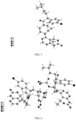
- the plastic wrap were pierced at the mouth of the bottle with a needle to form 8 small holes, and the mixture was allowed to stand at room temperature for 7 days to obtain an oxalate single crystal of the compound of isomer 2.
- Reaction conditions a) methyl 4,4,4-trifluoro-2-crotonate, methanol solution of sodium methoxide (30 wt %); b) formamidine acetate, methanol solution of sodium methoxide (30 wt %); c) phosphorus oxychloride, diisopropylethylamine, acetonitrile; d) ammonia (25-28 wt %); e) tert-butylpiperazine-1-carboxylate; f) trifluoroacetic acid, dichloromethane; g) (S)-2-(4-chlorophenyl)-3-(isopropylamino)propionic acid, 2-(7-benzotriazole oxide)-N,N,N',N'-tetramethylurea hexafluorophosphate, diisopropylethylamine, dichloromethane.
- Reaction conditions a) tert-butylpiperazine-1-carboxylate, N-methylpyrrolidone, 4-dimethylaminopyridine; b) dichloromethane, hydrogen chloride/1,4-dioxane solution (4.0 M); c) diisopropylethylamine, N,N-dimethylformamide, 2-(7-benzotriazole oxide)-N,N,N',N'-tetramethylurea hexafluorophosphate, 1-(tert-Butoxycarbonyl)-4-(4-chlorophenyl)piperidine-4-carboxylic acid; d) dichloromethane, hydrogen chloride/1,4-dioxane solution (4.0 M).
- reaction solution was poured into ethyl acetate (20 mL) and washed with water (5 mL ⁇ 3).
- the organic phase was evaporated under reduced pressure to obtain a crude product.
- Reaction conditions a) methyl methacrylate, sodium methoxide, methanol; b) formamidine acetate, sodium methoxide, methanol; c) phosphorus oxychloride, diisopropylethylamine, acetonitrile; d) ammonia (25-28 wt % ); e) tert-butylpiperazine-1-carboxylate, N,N-lutidine-4-amine, N-methylpyrrolidone; f) hydrogen chloride/1,4-dioxane solution (4.0 M); g) (S)-3-((tert-butoxycarbonyl)(isopropyl)amino)-2-(4-chlorophenyl)propionic acid, diisopropylethylamine, 2-(7-benzotriazole oxide)-N,N,N',N'-tetramethylurea hexafluorophosphate, N,N-dimethyl
- methyl 3-(4,6-dihydroxypyrimidin-5-yl)-2-methylpropionate (3 g) was dispersed in acetonitrile (60 mL) at 22°C, and phosphorus oxychloride (2.91 mL) and diisopropylethylamine (1.18 mL) were added dropwise successively.
- the reaction system was obviously exothermic, and the solid was gradually dissolved and clarified, then the temperature was raised to 90°C and the reaction was carried out for 16 hours. After the reaction was completed, the reaction solution was poured into water (100 mL), and ethyl acetate (100 mL) was added for extraction.
- Reaction conditions a) Ethyl bromoacetate, sodium hydride, tetrabutylammonium iodide, tetrahydrofuran; b) 2,4 dimethoxybenzylamine, triethylamine, isopropanol; c) methyl iodide, sodium hydride, N,N-dimethylformamide; d) trifluoroacetic acid; e) tert-butylpiperazine-1-carboxylate, 4-dimethylaminopyridine, N-methylpyrrolidone; f) hydrogen chloride/1,4-dioxane solution (4.0 M); g) (S)-3-((tert-butoxycarbonyl)(isopropyl)amino)-2-(4-chlorophenyl)propionic acid, diisopropylethylamine, 2-(7-benzotriazole oxide)-N,N,N',N'-tetra
- methyl iodide (1.68 g) was added to a solution of 4-chloro-8-(2,4-dimethoxybenzyl)-5,6-dihydropteridine-7(8H)-one (3.3 g) in N,N-dimethylformamide (30 mL), and the reaction mixture was stirred for 20 min. The temperature was maintained at 0°C and sodium hydride (0.47 g) was added. The reaction mixture was stirred at 0°C for 3 hours. After the reaction was completed, the reaction solution was poured into water (100 mL), and ethyl acetate (100 mL) was added for extraction.
- Preparation was in accordance with the method as described in Example 20, wherein tert-butyl 3,8-diazabicyclo[3.2.1]octane-8-carboxylate was used instead of tert-butylpiperazine-1-carboxylate.
- Reagents a) ammonia (25-28 wt % ), tetrahydrofuran; b) acetonitrile, tert-butylpiperazine-1-carboxylate, N,N-diisopropylethylamine; c) sodium borohydride, methanol, saturated aqueous ammonium chloride solution; d) trichloromethyl carbonate, N,N-diisopropylethylamine, tetrahydrofuran; e) dichloromethane, hydrogen chloride/1,4-dioxane solution (4.0 M); f) (S)-3-((tert-butoxycarbonyl)(isopropyl)amino)-2-(4-chlorophenyl)propionic acid, N,N-diisopropylethylamine, N,N-dimethylformamide, 2-(7-azobenzotriazole)-N,N,N',
- tert-butyl 4-(4-methyl-2-oxo-1,4-dihydro-2H-pyrimido[4,5-d][1,3]oxazin-5-yl)piperazine-1-carboxylate 100 mg was dissolved in dichloromethane (3 mL) and added with hydrogen chloride/1,4-dioxane solution (4.0 M, 3 mL) under stirring. The reaction solution was stirred at 20°C for 1 hour, and a white solid was precipitated out. The reaction solution was evaporated to remove the solvent under reduced pressure to obtain 80 mg of white solid target product , which was directly used in the next step.
- Reaction conditions a) dimethyl tert-butyl (2-iodoethoxy) silane, sodium hydride, N,N-dimethylformamide; b) tert-butyl 3,8-diazabicyclo[3.2.1]octane-8-formate , 4-dimethylaminopyridine, N-methylpyrrolidone; c) hydrogen chloride/ dioxane solution; d) (S)-3-((tert-butoxycarbonyl)(isopropyl)amino)-2-(4-chlorophenyl)propionic acid, diisopropylethylamine, 2-(7-benzotriazole oxide)-N,N,N',N'-tetramethylurea hexafluorophosphate, N,N-dimethylformamide; e) trifluoroacetic acid, dichloromethane.
- the organic phase was washed with saturated sodium chloride solution (100 mL ⁇ 3), dried with anhydrous sodium sulfate, and spin-dried.
- reaction solution was poured into water (100 mL), and ethyl acetate (100 mL) was added for extraction.
- organic phase was washed with saturated sodium chloride solution (100 mL ⁇ 3), dried with anhydrous sodium sulfate, and spin-dried.
- Trifluoroacetic acid (3 mL) was added to the product of step d) (40 mg) at 20°C.
- the reaction mixture was stirred at 60°C for 3 hours.
- the reaction solution was spin-dried, and NaHCO 3 was added and stirred for 20 min, and a near-white solid product (10 mg) was obtained by filtration.
- the compound 34-3 was resolved by SFC chiral column to obtain the desired target products Compound 34-4a and Compound 34-4b.
- step e) The product of step e) (3.2 g) was dissolved in HCl/i-PrOH (10 mL), and stirred at room temperature for 2 h. After the reaction was completed, the reaction solution was concentrated to obtain a crude product, which was used directly in the next step without purification.
- step g) The product of step g) (7.2g) was dissolved in MeOH (25mL), then HCl/dioxane (70mL) was added, and the reaction solution was stirred at room temperature for 2h, and then concentrated to obtain a red oily crude product.
- the crude product was dissolved in MeOH (20 mL) and freed with Na 2 CO 3 and concentrated to obtain 6 g of a crude product.
- the compound 34-8a was resolved by SFC chiral column to obtain isomer 1 and isomer 4.
- the solution was filtered through a 0.22 ⁇ m microporous membrane into a 20ml screw-top glass bottle, and the mouth of the glass bottle was covered with plastic wrap.
- the plastic wrap were pierced at the mouth of the bottle with a needle to form 8 small holes, and the mixture was allowed to stand at room temperature for 10 days to obtain an oxalate single crystal of the compound of isomer 1.
- the oxalate single crystal of isomer 3 was prepared according to the method described in the preparation of single crystal of isomer 1 above.
- Reaction conditions a) (2,4-dimethoxyphenyl)methylamine, triethylamine, tetrahydrofuran; b) 4,6-dichloropyrimidin-5-amine, triethylamine, isopropanol; c) methyl iodide, sodium hydride, N,N-dimethylformamide; d) tert-butylpiperazine-1-carboxylate, 4-dimethylaminopyridine, N-methylpyrrolidone; e) Hydrogen chloride/ dioxane solution; f) (S)-3-((tert-butoxycarbonyl)(isopropyl)amino)-2-(4-chlorophenyl)propionic acid, diisopropylethylamine, 2-(7-benzotriazole oxide)-N,N,N',N'-tetramethylurea hexafluorophosphate, N,N-dimethylformamide;
- Triethylamine (0.6 g) and (2,4-dimethoxyphenyl)methylamine (1.0 g) were added to a solution of ethyl bromoacetate (1.0 g) in THF (10 mL) at 0°C.
- the reaction mixture was stirred at room temperature for 3 hours.
- the reaction solution was poured into water (100 mL), and ethyl acetate (100 mL) was added for extraction.
- the organic phase was washed with saturated sodium chloride solution (100 mL ⁇ 3), dried with anhydrous sodium sulfate, and spin-dried.
- Triethylamine (1.56 g) and 4,6-dichloropyrimidin-5-amine (0.84 g) were added to a solution of ethyl 2-(2,4-dimethoxybenzyl)aminoacetate (1.3 g) in isopropanol (10 mL) at 0°C.
- the reaction mixture was stirred at 90°C for 3 hours.
- the reaction solution was filtered to obtain 0.7 g of a white solid product.
- the organic phase was washed with saturated sodium chloride solution (100 mL ⁇ 3), dried with anhydrous sodium sulfate, and spin-dried.
- Trifluoroacetic acid (5 mL) was added to (S)-tert-butyl(2-(4-chlorophenyl)-3-(4-(8-(2,4-dimethoxybenzyl)-5-methyl-6-oxo-5,6,7,8-tetrahydropteridine-4-yl)piperazin-1-yl)-3-oxopropyl)(isopropyl)carbamate (100 mg) at 20°C.
- the reaction mixture was stirred at 60°C for 3 hours.
- the reaction solution was spin-dried to obtain a near-white solid (20 mg).
- Reaction conditions a) 2,4-dimethoxybenzylamine, N,N-diisopropylethylamine, acetonitrile; b) tetrahydrofuran, potassium carbonate, methyl 2-chloro-2-oxoacetate; c) N,N-diisopropylethylamine, ethanol; d) tert-butyl 3,8-diazabicyclo[3.2.1]octane-8-carboxylate, N,N-diisopropylethylamine, acetonitrile; e) N,N-dimethylformamide, potassium carbonate, methyl iodide; f) trifluoroacetic acid; g) (S)-3-((tert-butoxycarbonyl)(isopropyl)amino)-2-(4-chlorophenyl)propionic acid, N,N-diisopropylethylamine, N,N-
- 6-chloro-N-(2,4-dimethoxybenzyl)pyrimidin-4,5-diamine 1.5 g
- potassium carbonate 1.1 g
- methyl 2-chloro-2-oxoacetate 623 mg
- the reaction solution was stirred at 20°C for 3 hours.
- the reaction solution was poured into 30 mL ethyl acetate and washed with water (10 mL ⁇ 2).
- the organic phase was concentrated to a constant weight to obtain a crude product.
- Reaction conditions a) triethylamine, di-tert-butyl dicarbonate, dichloromethane; b) sodium bis(trimethylsilyl)amide (2.0 mol/L in tetrahydrofuran), bromomethyl methyl ether, 2-methyltetrahydrofuran; c) (R)-4-benzyloxazolidin-2-one, diisopropylethylamine, trimethylacetyl chloride, toluene; d) Titanium tetrachloride (1mol/L in toluene), diisopropylethylamine, dichloromethane; e) Hydrogen peroxide solution (30%), lithium hydroxide monohydrate, tetrahydrofuran, water; f) tert-butyl 2,5-diazabicyclo[4.1.0]heptane-2-carboxylate, 4-dimethylaminopyridine, N-methylpyrrolidone; g) Hydrogen chloride/
- tert-butyl cyclopropyl carbamate (24.3 g) was dissolved in 2-methyltetrahydrofuran (100 mL), and sodium bis(trimethylsilyl)amide (120 mL) was added dropwise at 0°C.
- the reaction solution was stirred at 0°C for 1 hour, and bromomethyl methyl ether (35.7 g) was added dropwise at 0°C.
- the reaction solution was stirred at 0°C for 6 hours and poured into 50 g of ice water, separated, and extracted with ethyl acetate (100mL ⁇ 2).
- the reaction solution was directly concentrated to obtain 29.1g of a colorless liquid product, which was directly used in the next step without purification.
- Lithium hydroxide monohydrate (0.63 g) was dissolved in water (18 mL), and tetrahydrofuran (20 mL) was added, and hydrogen peroxide (1.6 mL) was added dropwise at 0°C.
- tetrahydrofuran (20 mL) was added, and hydrogen peroxide (1.6 mL) was added dropwise at 0°C.
- Tert-butyl ((S)-3-((R)-4-benzyl-2-oxazolidine-3-yl)-2-(4-chlorophenyl)-3-oxopropyl)(cyclopropyl)carbamate (2.50 g) was added at 0°C.
- reaction solution was poured into 50 mL of water, extracted with ethyl acetate (20 mL ⁇ 2), and washed with saturated sodium chloride solution (10 mL ⁇ 3), and the organic phase was dried and concentrated to obtain a crude product.
- the product was resolved by supercritical fluid chromatography to obtain an isomer 1 (61.2 mg) and an isomer 2 (31.2 mg).
- Reaction conditions a) tert-butylamine, N,N-dimethylformamide; b) ethyl 2-(4,4,5,5-tetramethyl-1,3,2-dioxaboran-2-yl)cyclopropane carboxylate, palladium acetate, tricyclohexylphosphine, potassium carbonate, toluene, water; c) sulfuric acid, dichloromethane; d) triethylamine, ethanol; e) tert-butyl 3,8-diazabicyclo[3.2.1]octane-8-carboxylate, N,N-diisopropylethylamine, N,N-dimethylformamide; f) hydrogen chloride/ dioxane solution; g) (S)-3-((tert-butoxycarbonyl)(isopropyl)amino)-2-(4-chlorophenyl)propionic acid, diisopropyleth
- N-tert-butyl-6-chloro-5-iodopyrimidin-4-amine (4.10 g) and 2-(4,4,5,5-tetramethyl-1,3,2-dioxaboro-2-yl)cyclopropane-1-carboxylate (6.32 g) were dissolved in toluene (64.00 mL) and water (16.00 mL).
- Tricyclohexylphosphine 1.75 g
- palladium acetate 1.475 g
- potassium carbonate (0.59 g
- isomer 2 was prepared from isomer 2a.
- Table 1 The components and concentrations of the kinase reaction system Reagent AKT1 AKT2 AKT3 Concentration of enzyme Final concentration in the enzyme reaction step (10 ⁇ L) 0.6 ng/well 0.1 ng/well 0.3 ng/well concentration of ATP 2 ⁇ M 20 ⁇ M 10 nM Concentration of TK-Biotin Substrate 2 ⁇ M 2 ⁇ M 2 ⁇ M Enzyme reaction time 50 min 50 min 50 min Concentration of Streptavidin-XL665 Final concentration in the total reaction (20 ⁇ L) 125 nM 125 nM 125 nM Concentration of Europium-labeled tyrosine kinase substrate antibody 1:100 diluted 1:100 diluted 1:100 diluted:00 diluted
- ER 665 nm fluorescence value / 615 nm fluorescence value
- Inhibition rate ER positive control ⁇ ER sample / ER positive control ⁇ ER negative control * 100 %
- Example 3 AKT inhibitory activity Title compounds in Examples Chemical structure AKT1 enzyme activity IC50 (nM) AKT2 enzyme activity IC50 (nM) AKT3 enzyme activity IC50 (nM) Example 1 2.4 6.0 1.6 Example 2 (R) Configuration product 2.4 4.3 0.4 Example 3 52.4 21.2 7.5 Example 7 26.4 292.9 7.4 Example 8 28.7 15.5 2.7 Example 9 166.6 206.2 3.3 Example 10 2.8 63 0.21 Example 11 3.5 71.0 0.25 Example 12 55.1 40.4 4.8 Example 13 cis-isomer 285.0 166.6 6.6 Example 15 Isomer 1 62 542 13 Example 15 Isomer 2 0.35 6.3 0.09 Example 16 Isomer 1 776 1000 139 Example 16 Isomer 2 12 15 1 Example 18 590.0 256.5 20.1 Example 19 58.5 29.4 7.4 Example 19 Isomer 1 82 504 18 Example 19 Isomer 2 25 314 9.1 Example 20 1.1 23 0.4 Example 21 1.9 46.0 0.2 Example 22 39 3
- the compounds were formulated into a 10 mg/mL stock solution with DMSO.
- test sample Isomer 2 of the compound of Example 15 was weighed into a glass bottle; 0.269 mL of DMSO was added, vortexed to completely dissolve the solid material; 1.074 mL of PEG400 was added, vortexed, and mixed; 4.028 mL of ultrapure water was added, vortexed and mixed to obtain a colorless solution with a concentration of 1 mg ⁇ mL -1 .
- mice mouse, strain ICR, source: Weitong Lihua Laboratory Animal Technology Co., Ltd., age: 6-10 weeks, male.
- Table 4 Table of animal experiment scheme Compound Group Animal ID dose (mg.kg -1 ) volume (mL ⁇ kg -1 ) Route of administration Course of treatment Fasted or not Time point of sample collection
- Example 10 A Al-A3 10 10 intragastrically single Yes Before administration, 1 h and 8 h after administration A4-A6 15 min, 2 h and 24 h after administration A7-A9 30 min and 4 h after administration
- Example 21 B B1-B3 10 10 intragastrically single Yes Before administration, 1h and 8h after administration B4-B6 15 min, 2h and 24h after administration B7-B9 30 min and 4 h after administration Isomer 2 of Example 15 D D1-D3 10 10 intragastrically single Yes Before administration, 1h and 8h after administration D4-D6 15 min, 2 h and 24 h after administration D7-D9 30 min and 4 h after administration Isomer 4 of Example 34
- E E1-E3 10 10 intragastrically single Yes Before administration, 1h and 8h
- mice with good physical signs were selected for this experiment after veterinary inspection. Each mouse was marked with a tag on its tail. Animal experiment scheme is shown in Table 4.
- Theoretical dosing volume mL Dose mg ⁇ kg ⁇ 1 Test solution concentration mg ⁇ mL ⁇ 1 ⁇ Animal weight kg
- mice On the day before the experiment, the mice were fasted overnight and were allowed to drink freely, and were fed 4 hours after the administration.
- mice in groups A to E were administered with10 mg ⁇ kg -1 of the administration solution of Example 10, Example 21, GDC-0068, Isomer 2 of Example 15, and Isomer 4 of Example 34 by intragastric administration.
- about 100 ⁇ L of blood was collected from the orbit of the mouse at each time point and placed in an EDTA-K 2 anticoagulation tube.
- the whole blood sample was centrifuged at 5500 rpm for 10 min, and the separated plasma was stored in a refrigerator at -40--20°C for biological sample analysis.
- An LC-MS/MS analytical method for determining the concentration of compounds in mouse plasma was established and used to determine the concentration of compounds in the biological samples obtained in this experiment.
- the non-compartmental model in Pharsight Phoenix 7.0 was used to calculate the pharmacokinetic parameters.
Landscapes
- Chemical & Material Sciences (AREA)
- Organic Chemistry (AREA)
- Health & Medical Sciences (AREA)
- Veterinary Medicine (AREA)
- General Health & Medical Sciences (AREA)
- Medicinal Chemistry (AREA)
- Public Health (AREA)
- Pharmacology & Pharmacy (AREA)
- Life Sciences & Earth Sciences (AREA)
- Animal Behavior & Ethology (AREA)
- General Chemical & Material Sciences (AREA)
- Nuclear Medicine, Radiotherapy & Molecular Imaging (AREA)
- Chemical Kinetics & Catalysis (AREA)
- Epidemiology (AREA)
- Pharmaceuticals Containing Other Organic And Inorganic Compounds (AREA)
- Nitrogen Condensed Heterocyclic Rings (AREA)
- Nitrogen And Oxygen Or Sulfur-Condensed Heterocyclic Ring Systems (AREA)
Applications Claiming Priority (2)
| Application Number | Priority Date | Filing Date | Title |
|---|---|---|---|
| CN201910084801 | 2019-01-29 | ||
| PCT/CN2020/073798 WO2020156437A1 (zh) | 2019-01-29 | 2020-01-22 | Akt抑制剂 |
Publications (4)
| Publication Number | Publication Date |
|---|---|
| EP3919491A1 EP3919491A1 (en) | 2021-12-08 |
| EP3919491A4 EP3919491A4 (en) | 2022-10-19 |
| EP3919491B1 true EP3919491B1 (en) | 2025-05-28 |
| EP3919491C0 EP3919491C0 (en) | 2025-05-28 |
Family
ID=71841634
Family Applications (1)
| Application Number | Title | Priority Date | Filing Date |
|---|---|---|---|
| EP20748221.7A Active EP3919491B1 (en) | 2019-01-29 | 2020-01-22 | Akt inhibitor |
Country Status (9)
| Country | Link |
|---|---|
| EP (1) | EP3919491B1 (https=) |
| JP (2) | JP7617005B2 (https=) |
| KR (1) | KR102892239B1 (https=) |
| CN (2) | CN117964620A (https=) |
| AU (1) | AU2020214258B2 (https=) |
| CA (1) | CA3127884A1 (https=) |
| ES (1) | ES3037595T3 (https=) |
| PL (1) | PL3919491T3 (https=) |
| WO (1) | WO2020156437A1 (https=) |
Families Citing this family (10)
| Publication number | Priority date | Publication date | Assignee | Title |
|---|---|---|---|---|
| CN115397815B (zh) * | 2020-03-17 | 2024-06-14 | 江苏恒瑞医药股份有限公司 | 稠合二环类衍生物、其制备方法及其在医药上的应用 |
| CN115485276B (zh) * | 2020-05-15 | 2024-05-31 | 南京正大天晴制药有限公司 | 氘代akt激酶抑制剂 |
| WO2022017448A1 (zh) * | 2020-07-22 | 2022-01-27 | 南京正大天晴制药有限公司 | 一种二氢吡啶并[2,3-d]嘧啶酮衍生物的盐及晶型 |
| US20230321108A1 (en) * | 2020-07-22 | 2023-10-12 | Nanjing Chia Tai Tianqing Pharmaceutical Co., Ltd. | Unit dosage composition of akt inhibitor |
| US20230286979A1 (en) * | 2020-07-22 | 2023-09-14 | Nanjing Chia Tai Tianqing Pharmaceutical Co., Ltd. | Salt of dihydropyrido[2,3-d]pyrimidinone derivative, preparation method therefor, and use thereof |
| CN116478156A (zh) * | 2022-01-17 | 2023-07-25 | 南京正大天晴制药有限公司 | 一种akt抑制剂化合物的富马酸盐晶型及其制备方法 |
| WO2024146599A1 (zh) * | 2023-01-06 | 2024-07-11 | 南京正大天晴制药有限公司 | 一种二氢吡啶并[2,3-d]嘧啶酮的衍生物、其制备方法以及医药用途 |
| WO2024255883A1 (zh) | 2023-06-14 | 2024-12-19 | 南京正大天晴制药有限公司 | Akt抑制剂在制备预防或治疗乳腺癌药物中的用途 |
| CN120157686A (zh) * | 2023-12-14 | 2025-06-17 | 南京正大天晴制药有限公司 | 一种具有降解akt激酶活性的化合物及其制备方法和药学上的应用 |
| CN121177294B (zh) * | 2025-11-27 | 2026-02-27 | 四川省医学科学院·四川省人民医院 | Akt抑制剂在制备诱导胰岛移植免疫耐受药物中的应用 |
Family Cites Families (13)
| Publication number | Priority date | Publication date | Assignee | Title |
|---|---|---|---|---|
| NZ590160A (en) | 2003-11-21 | 2012-07-27 | Array Biopharma Inc | AKT protein kinase inhibitors |
| UA95641C2 (xx) | 2006-07-06 | 2011-08-25 | Эррей Биофарма Инк. | Гідроксильовані піримідильні циклопентани як інгібітори акт протеїнкінази$гидроксилированные пиримидильные циклопентаны как ингибиторы акт протеинкиназы |
| US20130065908A1 (en) * | 2009-12-07 | 2013-03-14 | Array Biopharma Inc. | Dihydrofuro pyrimidines as akt protein kinase inhibitors |
| ATE523499T1 (de) | 2006-07-06 | 2011-09-15 | Array Biopharma Inc | Cyclopenta [d]-pyrimidine als akt-proteinkinasehemmer |
| CA2656566C (en) | 2006-07-06 | 2014-06-17 | Array Biopharma Inc. | Dihydrofuro pyrimidines as akt protein kinase inhibitors |
| CN101970415A (zh) | 2008-01-09 | 2011-02-09 | 阵列生物制药公司 | 作为AKT蛋白激酶抑制剂的5H-环戊二烯并[d]嘧啶 |
| EA020151B1 (ru) | 2009-10-23 | 2014-09-30 | Эли Лилли Энд Компани | Ингибиторы akt и фармацевтические составы, их содержащие |
| US9580443B2 (en) * | 2012-11-16 | 2017-02-28 | Merck Patent Gmbh | Heterocyclic derivatives as modulators of kinase activity |
| EP2920154B1 (en) | 2012-11-16 | 2017-10-11 | Merck Patent GmbH | Novel imidazol-piperidinyl derivatives as modulators of kinase activity |
| SG11201701704XA (en) | 2014-09-05 | 2017-04-27 | Arqule Inc | Compositions and methods for treating proliferation disorders |
| CN109020957B (zh) * | 2017-06-12 | 2023-01-13 | 南京天印健华医药科技有限公司 | 作为mnk抑制剂的杂环化合物 |
| CN108503645A (zh) | 2018-03-01 | 2018-09-07 | 山东大学 | 含氨甲基的哌嗪酮类化合物及其制备方法和应用 |
| ES2969982T3 (es) | 2018-04-24 | 2024-05-23 | Vertex Pharma | Compuestos de pteridinona y usos de los mismos |
-
2020
- 2020-01-22 AU AU2020214258A patent/AU2020214258B2/en active Active
- 2020-01-22 KR KR1020217027161A patent/KR102892239B1/ko active Active
- 2020-01-22 CA CA3127884A patent/CA3127884A1/en active Pending
- 2020-01-22 ES ES20748221T patent/ES3037595T3/es active Active
- 2020-01-22 JP JP2021543533A patent/JP7617005B2/ja active Active
- 2020-01-22 EP EP20748221.7A patent/EP3919491B1/en active Active
- 2020-01-22 WO PCT/CN2020/073798 patent/WO2020156437A1/zh not_active Ceased
- 2020-01-22 CN CN202410142331.2A patent/CN117964620A/zh active Pending
- 2020-01-22 CN CN202080005749.9A patent/CN113272304B/zh active Active
- 2020-01-22 PL PL20748221.7T patent/PL3919491T3/pl unknown
-
2024
- 2024-09-19 JP JP2024161770A patent/JP2024175091A/ja not_active Withdrawn
Also Published As
| Publication number | Publication date |
|---|---|
| PL3919491T3 (pl) | 2025-10-20 |
| JP2022517866A (ja) | 2022-03-10 |
| EP3919491A1 (en) | 2021-12-08 |
| CA3127884A1 (en) | 2020-08-06 |
| KR102892239B1 (ko) | 2025-11-26 |
| ES3037595T3 (en) | 2025-10-03 |
| EP3919491A4 (en) | 2022-10-19 |
| EP3919491C0 (en) | 2025-05-28 |
| US20220144821A1 (en) | 2022-05-12 |
| AU2020214258B2 (en) | 2025-08-28 |
| WO2020156437A1 (zh) | 2020-08-06 |
| CN117964620A (zh) | 2024-05-03 |
| AU2020214258A1 (en) | 2021-09-16 |
| CN113272304B (zh) | 2024-03-29 |
| CN113272304A (zh) | 2021-08-17 |
| KR20210120054A (ko) | 2021-10-06 |
| JP7617005B2 (ja) | 2025-01-17 |
| JP2024175091A (ja) | 2024-12-17 |
Similar Documents
| Publication | Publication Date | Title |
|---|---|---|
| EP3919491B1 (en) | Akt inhibitor | |
| EP4242202A1 (en) | Benzimidazole derivative and preparation method therefor and medical use thereof | |
| EP3533796B1 (en) | Amino pyrazolopyrimidine compound used as neurotrophic factor tyrosine kinase receptor inhibitor | |
| CA3217830A1 (en) | 2-aminobenzothiazole compounds and methods of use thereof | |
| EP3166608B1 (en) | Aminopyridazinone compounds as protein kinase inhibitors | |
| EP4549439A1 (en) | Substituted pyrimidine-fused ring inhibitor, method for preparing same, and use thereof | |
| EP4606803A1 (en) | Kras g12d degradation agent, and preparation method and use therefor | |
| EP4026832A1 (en) | Piperidine derivatives as inhibitors of ubiquitin specific protease 7 | |
| CN115504980B (zh) | 嘧啶并含氮六元芳香杂环类化合物及其用途 | |
| EP2632898A1 (en) | Heterocyclic tyrosine kinase inhibitors | |
| EP3068784A1 (en) | Substituted 4,5,6,7-tetrahydropyrazolo[1,5-a]pyrazine derivatives as casein kinase 1 d/e inhibitors | |
| EP2017278A1 (en) | Dihydropyrazolopyrimidinone derivative | |
| EP4169917B1 (en) | Quinazoline compounds as pi3k inhibitors for the treatment of cancer | |
| CN115916350B (zh) | Akt抑制剂的单位剂量组合物 | |
| CN115485276B (zh) | 氘代akt激酶抑制剂 | |
| US12617784B2 (en) | AKT inhibitor | |
| EP4559909A1 (en) | Compound for inhibiting irak4 activity and use thereof | |
| EP4206199A1 (en) | Aromatic ring-lactam compound, preparation method therefor and use thereof | |
| HK40050826A (en) | Akt inhibitor | |
| HK40050826B (zh) | Akt抑制剂 | |
| CN121285556A (zh) | 作为smarca2降解型protac用于治疗癌症的3-[3-氨基-6-(2-羟基苯基)哒嗪-4-基]-3,8-二氮杂双环[3.2.1]辛烷衍生物 | |
| HK40094745A (en) | Aromatic ring-lactam compound, preparation method therefor and use thereof |
Legal Events
| Date | Code | Title | Description |
|---|---|---|---|
| STAA | Information on the status of an ep patent application or granted ep patent |
Free format text: STATUS: THE INTERNATIONAL PUBLICATION HAS BEEN MADE |
|
| PUAI | Public reference made under article 153(3) epc to a published international application that has entered the european phase |
Free format text: ORIGINAL CODE: 0009012 |
|
| STAA | Information on the status of an ep patent application or granted ep patent |
Free format text: STATUS: REQUEST FOR EXAMINATION WAS MADE |
|
| 17P | Request for examination filed |
Effective date: 20210830 |
|
| AK | Designated contracting states |
Kind code of ref document: A1 Designated state(s): AL AT BE BG CH CY CZ DE DK EE ES FI FR GB GR HR HU IE IS IT LI LT LU LV MC MK MT NL NO PL PT RO RS SE SI SK SM TR |
|
| DAV | Request for validation of the european patent (deleted) | ||
| DAX | Request for extension of the european patent (deleted) | ||
| A4 | Supplementary search report drawn up and despatched |
Effective date: 20220920 |
|
| RIC1 | Information provided on ipc code assigned before grant |
Ipc: A61P 35/00 20060101ALI20220914BHEP Ipc: A61K 31/519 20060101ALI20220914BHEP Ipc: C07D 498/04 20060101ALI20220914BHEP Ipc: C07D 475/06 20060101ALI20220914BHEP Ipc: C07D 519/00 20060101ALI20220914BHEP Ipc: C07D 471/04 20060101AFI20220914BHEP |
|
| STAA | Information on the status of an ep patent application or granted ep patent |
Free format text: STATUS: EXAMINATION IS IN PROGRESS |
|
| 17Q | First examination report despatched |
Effective date: 20231102 |
|
| GRAP | Despatch of communication of intention to grant a patent |
Free format text: ORIGINAL CODE: EPIDOSNIGR1 |
|
| STAA | Information on the status of an ep patent application or granted ep patent |
Free format text: STATUS: GRANT OF PATENT IS INTENDED |
|
| INTG | Intention to grant announced |
Effective date: 20240820 |
|
| GRAJ | Information related to disapproval of communication of intention to grant by the applicant or resumption of examination proceedings by the epo deleted |
Free format text: ORIGINAL CODE: EPIDOSDIGR1 |
|
| STAA | Information on the status of an ep patent application or granted ep patent |
Free format text: STATUS: EXAMINATION IS IN PROGRESS |
|
| GRAP | Despatch of communication of intention to grant a patent |
Free format text: ORIGINAL CODE: EPIDOSNIGR1 |
|
| STAA | Information on the status of an ep patent application or granted ep patent |
Free format text: STATUS: GRANT OF PATENT IS INTENDED |
|
| INTC | Intention to grant announced (deleted) | ||
| INTG | Intention to grant announced |
Effective date: 20250102 |
|
| GRAS | Grant fee paid |
Free format text: ORIGINAL CODE: EPIDOSNIGR3 |
|
| GRAA | (expected) grant |
Free format text: ORIGINAL CODE: 0009210 |
|
| STAA | Information on the status of an ep patent application or granted ep patent |
Free format text: STATUS: THE PATENT HAS BEEN GRANTED |
|
| AK | Designated contracting states |
Kind code of ref document: B1 Designated state(s): AL AT BE BG CH CY CZ DE DK EE ES FI FR GB GR HR HU IE IS IT LI LT LU LV MC MK MT NL NO PL PT RO RS SE SI SK SM TR |
|
| REG | Reference to a national code |
Ref country code: GB Ref legal event code: FG4D |
|
| REG | Reference to a national code |
Ref country code: CH Ref legal event code: EP |
|
| REG | Reference to a national code |
Ref country code: IE Ref legal event code: FG4D Ref country code: DE Ref legal event code: R096 Ref document number: 602020052010 Country of ref document: DE |
|
| U01 | Request for unitary effect filed |
Effective date: 20250618 |
|
| U07 | Unitary effect registered |
Designated state(s): AT BE BG DE DK EE FI FR IT LT LU LV MT NL PT RO SE SI Effective date: 20250630 |
|
| REG | Reference to a national code |
Ref country code: ES Ref legal event code: FG2A Ref document number: 3037595 Country of ref document: ES Kind code of ref document: T3 Effective date: 20251003 |
|
| PG25 | Lapsed in a contracting state [announced via postgrant information from national office to epo] |
Ref country code: GR Free format text: LAPSE BECAUSE OF FAILURE TO SUBMIT A TRANSLATION OF THE DESCRIPTION OR TO PAY THE FEE WITHIN THE PRESCRIBED TIME-LIMIT Effective date: 20250829 |
|
| PG25 | Lapsed in a contracting state [announced via postgrant information from national office to epo] |
Ref country code: HR Free format text: LAPSE BECAUSE OF FAILURE TO SUBMIT A TRANSLATION OF THE DESCRIPTION OR TO PAY THE FEE WITHIN THE PRESCRIBED TIME-LIMIT Effective date: 20250528 |
|
| PG25 | Lapsed in a contracting state [announced via postgrant information from national office to epo] |
Ref country code: RS Free format text: LAPSE BECAUSE OF FAILURE TO SUBMIT A TRANSLATION OF THE DESCRIPTION OR TO PAY THE FEE WITHIN THE PRESCRIBED TIME-LIMIT Effective date: 20250828 |
|
| PG25 | Lapsed in a contracting state [announced via postgrant information from national office to epo] |
Ref country code: IS Free format text: LAPSE BECAUSE OF FAILURE TO SUBMIT A TRANSLATION OF THE DESCRIPTION OR TO PAY THE FEE WITHIN THE PRESCRIBED TIME-LIMIT Effective date: 20250928 |
|
| PGFP | Annual fee paid to national office [announced via postgrant information from national office to epo] |
Ref country code: GB Payment date: 20251204 Year of fee payment: 7 |
|
| PG25 | Lapsed in a contracting state [announced via postgrant information from national office to epo] |
Ref country code: SM Free format text: LAPSE BECAUSE OF FAILURE TO SUBMIT A TRANSLATION OF THE DESCRIPTION OR TO PAY THE FEE WITHIN THE PRESCRIBED TIME-LIMIT Effective date: 20250528 |
|
| U20 | Renewal fee for the european patent with unitary effect paid |
Year of fee payment: 7 Effective date: 20251205 |
|
| PG25 | Lapsed in a contracting state [announced via postgrant information from national office to epo] |
Ref country code: CZ Free format text: LAPSE BECAUSE OF FAILURE TO SUBMIT A TRANSLATION OF THE DESCRIPTION OR TO PAY THE FEE WITHIN THE PRESCRIBED TIME-LIMIT Effective date: 20250528 |
|
| PGFP | Annual fee paid to national office [announced via postgrant information from national office to epo] |
Ref country code: IE Payment date: 20251111 Year of fee payment: 7 |
|
| PGFP | Annual fee paid to national office [announced via postgrant information from national office to epo] |
Ref country code: PL Payment date: 20251029 Year of fee payment: 7 |
|
| PG25 | Lapsed in a contracting state [announced via postgrant information from national office to epo] |
Ref country code: SK Free format text: LAPSE BECAUSE OF FAILURE TO SUBMIT A TRANSLATION OF THE DESCRIPTION OR TO PAY THE FEE WITHIN THE PRESCRIBED TIME-LIMIT Effective date: 20250528 |
|
| REG | Reference to a national code |
Ref country code: CH Ref legal event code: U11 Free format text: ST27 STATUS EVENT CODE: U-0-0-U10-U11 (AS PROVIDED BY THE NATIONAL OFFICE) Effective date: 20260201 |
|
| PLBE | No opposition filed within time limit |
Free format text: ORIGINAL CODE: 0009261 |
|
| STAA | Information on the status of an ep patent application or granted ep patent |
Free format text: STATUS: NO OPPOSITION FILED WITHIN TIME LIMIT |
|
| REG | Reference to a national code |
Ref country code: CH Ref legal event code: L10 Free format text: ST27 STATUS EVENT CODE: U-0-0-L10-L00 (AS PROVIDED BY THE NATIONAL OFFICE) Effective date: 20260409 |
|
| PGFP | Annual fee paid to national office [announced via postgrant information from national office to epo] |
Ref country code: ES Payment date: 20260212 Year of fee payment: 7 |
|
| PGFP | Annual fee paid to national office [announced via postgrant information from national office to epo] |
Ref country code: NO Payment date: 20260109 Year of fee payment: 7 |
|
| PGFP | Annual fee paid to national office [announced via postgrant information from national office to epo] |
Ref country code: TR Payment date: 20260120 Year of fee payment: 7 |
|
| PGFP | Annual fee paid to national office [announced via postgrant information from national office to epo] |
Ref country code: CH Payment date: 20260201 Year of fee payment: 7 |