EP3801561B1 - Methods for the treatment of bladder cancer - Google Patents
Methods for the treatment of bladder cancer Download PDFInfo
- Publication number
- EP3801561B1 EP3801561B1 EP19734956.6A EP19734956A EP3801561B1 EP 3801561 B1 EP3801561 B1 EP 3801561B1 EP 19734956 A EP19734956 A EP 19734956A EP 3801561 B1 EP3801561 B1 EP 3801561B1
- Authority
- EP
- European Patent Office
- Prior art keywords
- compound
- vol
- pharmaceutically acceptable
- sting
- acceptable salt
- Prior art date
- Legal status (The legal status is an assumption and is not a legal conclusion. Google has not performed a legal analysis and makes no representation as to the accuracy of the status listed.)
- Active
Links
Images









Classifications
-
- A—HUMAN NECESSITIES
- A61—MEDICAL OR VETERINARY SCIENCE; HYGIENE
- A61K—PREPARATIONS FOR MEDICAL, DENTAL OR TOILETRY PURPOSES
- A61K31/00—Medicinal preparations containing organic active ingredients
- A61K31/70—Carbohydrates; Sugars; Derivatives thereof
- A61K31/7084—Compounds having two nucleosides or nucleotides, e.g. nicotinamide-adenine dinucleotide, flavine-adenine dinucleotide
-
- A—HUMAN NECESSITIES
- A61—MEDICAL OR VETERINARY SCIENCE; HYGIENE
- A61P—SPECIFIC THERAPEUTIC ACTIVITY OF CHEMICAL COMPOUNDS OR MEDICINAL PREPARATIONS
- A61P35/00—Antineoplastic agents
-
- A—HUMAN NECESSITIES
- A61—MEDICAL OR VETERINARY SCIENCE; HYGIENE
- A61P—SPECIFIC THERAPEUTIC ACTIVITY OF CHEMICAL COMPOUNDS OR MEDICINAL PREPARATIONS
- A61P35/00—Antineoplastic agents
- A61P35/04—Antineoplastic agents specific for metastasis
Definitions
- STING (stimulator of interferon genes) is a signaling molecule in the innate response to dsDNA in the cytosol. STING deletion has been reported in multiple human cancers. In addition, deregulation of STING signaling in human cancers also has been reported in melanoma ( Xia T, et al., "Recurrent Loss of STING Signaling in Melanoma Correlates with Susceptibility to Viral Oncolysis” Cancer Res. 2016 ) and colon cancer. ( Xia T, et al., "Deregulation of STING Signaling in Colorectal Carcinoma Constrains DNA Damage Responses and Correlates With Tumorigenesis" Cell Rep. 2016;14:282-97 ).
- bladder cancer is the fourth and eleventh most common cancer in men and women, respectively, with unique drug administration route for early stage cancer patients ( Kamat et al., "What is new in non-muscle-invasive bladder cancer in 2016?" Turk J Urol 2017;43(1):9-13 ). In 2018, approximately 81,190 new cases of bladder cancer were estimated in the United States, and about 17,240 deaths from bladder cancer are expected (American Cancer Society website).
- Administration of BCG (Bacillus Calmette-Gueri) is the front line treatment option for high risk non-muscle invasive bladder cancer (NMIBC).
- WO 2017/027645 discloses cyclic di-nucleotide compounds which are STING agonists and are useful in the treatment of cancer. Said compounds do not have a linker moiety between the two pyrimidine bases.
- Compound 1 or a pharmaceutically acceptable salt thereof for use in treating bladder cancer:
- the pharmaceutically acceptable salt is a diammonium salt.
- a pharmaceutical composition comprising Compound 1 or a pharmaceutically acceptable salt thereof and a pharmaceutically acceptable excipient for use in the treatment of bladder cancer.
- the use in treating bladder cancer may comprise identifying an individual having a bladder cancer treatable by Compound 1, a pharmaceutically acceptable salt thereof, or a pharmaceutical composition including Compound 1, or a pharmaceutically acceptable salt thereof; and administering to said individual a therapeutically effective amount of Compound 1, a pharmaceutically acceptable salt or pharmaceutical composition by which the bladder cancer has been identified as treatable.
- the individual is identified as having a bladder cancer treatable by Compound 1, a pharmaceutically acceptable salt thereof, or a pharmaceutical composition including Compound 1, or a pharmaceutically acceptable salt thereof, by a presence of a REF STING variant allele in the patient.
- Some embodiments provide a use in treating bladder cancer in a patient having REF STING allele comprising administering to said patient Compound 1, a pharmaceutically acceptable salt thereof, or a pharmaceutical composition including Compound 1, or a pharmaceutically acceptable salt thereof.
- Some embodiments provide a use in treating cancer in a patient having WT STING allele comprising administering to said patient a Compound 1, a pharmaceutically acceptable salt thereof, or a pharmaceutical composition including Compound 1 or a pharmaceutically acceptable salt thereof.
- Some embodiments provide a use in treating cancer in a patient having AQ STING allele comprising administering to said patient Compound 1, a pharmaceutically acceptable salt of Compound 1, or a pharmaceutical composition including Compound 1, or a pharmaceutically acceptable salt thereof.
- Some embodiments provide a use in treating cancer in a patient having HAQ STING allele comprising administering to said patient Compound 1, a pharmaceutically acceptable salt of Compound 1, or a pharmaceutical composition including Compound 1, or a pharmaceutically acceptable salt thereof.
- Compound 1 is provided as a free acid. In some embodiments, the compound is provided as an NH 4 salt.
- Embodiments may provide a use in treating bladder cancer in a patient in need thereof, including administering to the patient a therapeutically effective amount of Compound 1 or a pharmaceutically acceptable salt thereof, as recited above.
- Embodiments may provide a use in treating bladder cancer in a patient comprising administering to said patient Compound 1, or a pharmaceutically acceptable salt thereof, or a pharmaceutical composition, as reported herein.
- Bladder cancers treated as reported herein may be urothelial carcinoma.
- Compound 1 a compound (Compound 1) and pharmaceutically acceptable salts thereof, as well as pharmaceutical compositions that may be useful in treating bladder cancer.
- the compound may activate stimulator of interferon genes (STING).
- Compound 1 is provided as a free acid. In some embodiments, the compound is provided as, for example, an NH 4 salt. Reference to "Compound 1a'' will indicate a diammonium salt of Compound 1.
- Embodiments may provide Compound 1, or a pharmaceutically acceptable salt thereof for use in treating bladder cancer in a patient in need thereof, including administering to the patient a therapeutically effective amount of Compound 1, or a pharmaceutically acceptable salt thereof.
- compositions for use in treating bladder cancer may also be provided including a compound reported herein or a pharmaceutically acceptable salt thereof, as well as a pharmaceutically acceptable excipient.
- Embodiments as reported herein may be used to treat bladder cancer or to prepare medicaments useful for treatment of bladder cancer.
- Embodiments may provide a use in treating bladder cancer in a patient in need thereof, including administering to the patient a therapeutically effective amount of a Compound 1 or a pharmaceutically acceptable salt thereof.
- Compound 1 is provided as a free acid or a pharmaceutically acceptable salt thereof.
- the administered compound is provided as an NH 4 salt, a free acid, or a pharmaceutically acceptable salt thereof.
- the compound is provided as an NH 4 salt.
- Some embodiments provide a use in treating bladder cancer comprising administering to a patient in need of treatment a therapeutically effective amount of a STING agonist.
- the administration may be, but is not required to be, intravesicular administration.
- Examples of potential STING agonist that may be used in the treatment of bladder cancer, and which may be, but are not required to be, administered intravesicularly include but are not limited to those identified in United States Patent Application No. 15/898,533, filed on February 17, 2018 ; PCT App. No. PCT/US2018/018556, filed on February 17, 2018 ; PCT App. No.
- the optimal dose for treatment of bladder cancer can be determined empirically for each individual using known methods and will depend upon a variety of factors, including the activity of the agents; the age, body weight, general health, gender and diet of the individual; the time and route of administration; and other medications the individual is taking. Optimal dosages may be established using routine testing and procedures that are well known in the art. Administration of the above compounds may be by any suitable route.
- “Pharmaceutically acceptable salt” as used herein refers to acid addition salts or base addition salts of the compounds in the present disclosure.
- a pharmaceutically acceptable salt is any salt which retains the activity of the parent compound and does not impart any unduly deleterious or undesirable effect on a subject to whom it is administered and in the context in which it is administered.
- Pharmaceutically acceptable salts include, but are not limited to, metal complexes and salts of both inorganic and carboxylic acids.
- Pharmaceutically acceptable salts also include metal salts such as aluminum, calcium, iron, magnesium, manganese and complex salts.
- an “effective amount” or “therapeutically effective amount” of a therapeutic agent is an amount sufficient to provide an observable therapeutic benefit compared to bladder cancer left untreated in a subject or patient.
- Active agents as reported herein can be combined with a pharmaceutically acceptable carrier to provide pharmaceutical formulations thereof.
- carrier and formulation will depend upon the particular route of administration for which the composition is intended.
- “Pharmaceutically acceptable carrier” as used herein refers to a nontoxic carrier, adjuvant, or vehicle that does not destroy the pharmacological activity of the compound with which it is formulated.
- compositions of the present invention may be suitable for parenteral, oral, inhalation spray, topical, rectal, nasal, buccal, intravesicular, vaginal or implanted reservoir administration, etc.
- the formulation comprises ingredients that are from natural or non-natural sources.
- the formulation or carrier may be provided in a sterile form. Nonlimiting examples of a sterile carrier include endotoxin-free water or pyrogen-free water. Compositions may be administered through intravesicular administration.
- parenteral includes subcutaneous, intravenous, intramuscular, intra-articular, intra-synovial, intrasternal, intrathecal, intrahepatic, intralesional and intracranial injection or infusion techniques.
- the compounds are administered intravenously, orally, subcutaneously, or via intramuscular administration.
- Sterile injectable forms of the compositions of this invention may be aqueous or oleaginous suspension. These suspensions may be formulated according to techniques known in the art using suitable dispersing or wetting agents and suspending agents.
- the sterile injectable preparation may also be a sterile injectable solution or suspension in a nontoxic parenterally acceptable diluent or solvent.
- compositions are administered intravesicularly.
- any bland fixed oil may be employed including synthetic mono- or diglycerides.
- Fatty acids and their glyceride derivatives are useful in the preparation of injectables, as are natural pharmaceutically acceptable oils, such as olive oil or castor oil, especially in their polyoxyethylated versions.
- These oil solutions or suspensions may also contain a long-chain alcohol diluent or dispersant, such as carboxymethyl cellulose or similar dispersing agents that are commonly used in the formulation of pharmaceutically acceptable dosage forms including emulsions and suspensions.
- Other commonly used surfactants, such as Tweens, Spans and other emulsifying agents that are commonly used in the manufacture of pharmaceutically acceptable solid, liquid, or other dosage forms may also be used for the purposes of formulation.
- a compound or salt may be provided in an acceptable oral dosage form, including, but not limited to, capsules, tablets, aqueous suspensions or solutions.
- carriers commonly used include lactose and corn starch.
- Lubricating agents such as magnesium stearate, may also be added.
- useful diluents include lactose and dried cornstarch.
- the active ingredient may be combined with emulsifying and suspending agents. If desired, certain sweetening, flavoring or coloring agents may also be added. In addition preservatives may also be added.
- immediate-release is meant to include a conventional release, in which release of the drug starts immediately after administration.
- immediate release includes dosage forms that allow the drug to dissolve in the gastrointestinal contents, with no intention of delaying or prolonging the dissolution or absorption of the drug. The objective is for the drug to be released rapidly after administration, for example for it to be possible to release at least 80% of the drug within approximately 30 minutes after commencement of dissolution in a dissolution test.
- sustained-release or “extended-release” includes dosage forms whose drug-release characteristics of time course and/or location are chosen to accomplish therapeutic or convenience objectives not offered by conventional dosage forms such as a solution or an immediate release dosage form.
- steady-state means that a plasma level for a given active agent has been achieved and which is maintained with subsequent doses of the active agent at a level which is at or above the minimum effective therapeutic level and is below the minimum toxic plasma level for a given active agent.
- dose range refers to an upper and a lower limit of an acceptable variation of the amount of agent specified. Typically, a dose of an agent in any amount within the specified range can be administered to patients undergoing treatment.
- treat is used herein to mean to relieve, reduce or alleviate at least one symptom of a disease in a subject.
- the term “treat” may mean to arrest, delay the onset (i.e., the period prior to clinical manifestation of a disease or symptom of a disease) and/or reduce the risk of developing or worsening a symptom of bladder cancer.
- protect is used herein to mean prevent delay or treat, or all, as appropriate, development or continuance or aggravation of symptoms of bladder cancer in a subject.
- subject or “patient” is intended to include animals, which are capable of suffering from or afflicted with bladder cancer.
- subjects or patients include mammals, e.g., humans, dogs, cows, horses, pigs, sheep, goats, cats, mice, rabbits, rats, and transgenic non-human animals.
- the subject is a human, e.g., a human suffering from, at risk of suffering from, or potentially capable of suffering from bladder cancer.
- the term “about” or “approximately” usually means within 20%, more preferably within 10%, and most preferably still within 5% of a given value or range. Alternatively, especially in biological systems, the term “about” means approximately within a log (i.e., an order of magnitude) preferably within a factor of two of a given value.
- Exemplary cell proliferative disorders that may be treated using one or more compounds disclosed herein include, but are not limited to cancer, a precancer or precancerous condition, and metastatic lesions in tissue and organs in the body.
- Cell proliferative disorders may include hyperplasia, metaplasia, and dysplasia.
- a compound disclosed herein, or a pharmaceutically acceptable salt thereof may be used to treat or prevent a cell proliferative disorder, or to treat or prevent cancer, in a subject having an increased risk of developing cancer relative to the population at large, or used to identify suitable candidates for such purposes.
- compositions comprising Compound 1 or a pharmaceutically acceptable salt thereof for use in the treatment of bladder cancer.
- the pharmaceutical formulations may additionally comprise a carrier or excipient, stabilizer, flavoring agent, and/or coloring agent.
- Compound 1 or a pharmaceutically acceptable salt thereof may be administered using a variety of routes of administration known to those skilled in the art. Routes of administration include oral administration and intravesicular administration.
- a pharmaceutical formulation comprising the compound or pharmaceutically acceptable salt thereof may be taken orally in the form of liquid, syrup, tablet, capsule, powder, sprinkle, chewtab, or dissolvable disk.
- pharmaceutical formulations of the present invention can be administered intravenously or transdermally. Additional routes of administration are known to those skilled in the art (see, e.g., Remington's Pharmaceutical Sciences, Gennaro A. R., Ed., 20.sup.th Edition, Mack Publishing Co., Easton, Pa .).
- the compound or pharmaceutically acceptable salt is formulated as a paste, jelly, or suspension.
- the drug is dissolved, entrapped or suspended in the form of drug particles, microencapsulated particles, or drug-polymer particles in a gelatinous solution or semi-solid.
- An advantage of an oral jelly formulation is that it is easier to administer the drug to patients who have difficulty swallowing tablets, capsules or pills.
- the compound is thoroughly mixed and suspended in an appropriate medium to form a paste or a gel. Additional agents can optionally be mixed to provide flavor during oral administration. Peanut butter or alginate, flavored with raspberry and a sweetener are examples of the many suitable taste masking agents.
- the paste or jelly can also be formulated with suitable binders or excipients known in the art for topical administration.
- the sustained release formulation is prepared by coating the active ingredient of the drug with a polymer, preferably a water-insoluble polymer.
- a polymer preferably a water-insoluble polymer.
- a water-insoluble polymer used in the pharmaceutical field as a sustained release coating agent, an enteric coating agent, or a gastric coating agent.
- the water-insoluble polymer can include, for example, ethyl cellulose, purified shellac, white shellac, aminoalkyl methacrylate copolymer RS, hydroxypropyl methylcellulose phthalate, hydroxypropyl methylcellulose acetate succinate, carboxymethylethyl-cellulose, cellulose acetate phthalate, methacrylic acid copolymer L, methacrylic acid copolymer LD, methacrylic acid copolymer S, aminoalkyl methacrylate copolymer E, or polyvinyl acetal diethylaminoacetate.
- the type, degree of substitution and molecular weight of the water-insoluble polymers can depend on solubility of the active ingredient in water or an alcohol, the desired sustained release level and the like.
- the water-insoluble polymers can be used either alone or in combination.
- the sustained release formulation is a matrix-type tablet or granule.
- the active ingredient can be coated with up to 3 different types of polymers.
- polymers can include: 1) a water insoluble polymer, such as ethylcellulose; 2) a pH independent gelling polymer, such as hydroxypropyl methylcellulose; and 3) a pH dependent gelling polymer, such as sodium alginate. These three different types of polymers can be used together to attenuate the release rate of the drugs.
- Sustained-release formulations can achieve a degree of sustained effect.
- the exposure and/or the bioavailability of the active ingredient may vary based on a variety of factors, such as for example, the absorption window, the carriers or excipients used in the formulation, the mode of delivery of the formulation, and/or the transit time of the active ingredient through the gastrointestinal tract of the patient.
- a therapy can contain at least one sustained-release portion for performing a sustained-release function and one immediate release portion for performing an immediate release function.
- the therapy when it is in a single dosage form, it can be in the form of tablets formed from a mixture of sustained-release granules constituting a sustained-release portion and immediate-release granules constituting an immediate-release portion, a capsule preparation obtained by filling a capsule with sustained-release granules and immediate-release granules, or press-coated tablets in which an outer layer constituting an immediate-release portion is formed on an inner core constituting a sustained-release portion.
- the compound may be dispersed uniformly in the composition, immediate release portion or sustained release portion, or may be contained in only one part of the composition, immediate-release portion or sustained-release portion, or may be contained such that there is a concentration gradient.
- a sustained-release portion in the composition according to the present invention can contain at least one non-pH-dependent polymeric substance or pH-dependent polymeric substance for controlling drug release.
- a non-pH-dependent polymeric substance used herein can comprise a polymeric substance whose charge state hardly changes under pH conditions generally found in the gastrointestinal tract, specifically from pH 1 to pH 8. This means, for example, a polymeric substance that does not have functional groups whose charge state changes depending on the pH such as basic functional groups such as amino groups or acidic functional groups such as carboxylic acid groups.
- the non-pH-dependent polymeric substance can be included for giving the composition according to the present invention a sustained-release function, but may also be included for another purpose.
- the non-pH-dependent polymeric substance used in the present invention may be water-insoluble, or may swell in water or dissolve in water to form a gel.
- water-insoluble non-pH-dependent polymeric substances include, but are not limited to, cellulose ethers, cellulose esters, and methacrylic acid-acrylic acid copolymers (trade name Eudragit, manufactured by Rohm GmbH & Co. KG, Darmstadt, Germany).
- Examples include, but are not limited to, cellulose alkyl ethers such as ethylcellulose (trade name Ethocel, manufactured by Dow Chemical Company, USA), ethyl methylcellulose, ethyl propylcellulose or isopropylcellulose, and butylcellulose, cellulose aralkyl ethers such as benzyl cellulose, cellulose cyanoalkyl ethers such as cyanoethylcellulose, cellulose organic acid esters such as cellulose acetate butyrate, cellulose acetate, cellulose propionate or cellulose butyrate, and cellulose acetate propionate, ethyl acrylate-methyl methacrylate copolymers (trade name Eudragit NE, manufactured by Rohm GmbH & Co.
- cellulose alkyl ethers such as ethylcellulose (trade name Ethocel, manufactured by Dow Chemical Company, USA), ethyl methylcellulose, ethyl propylcellulose or isopropylcellulose
- mean particle diameter of a water-insoluble polymer used in the present invention usually the lower this mean particle diameter the better the performance, with the mean particle diameter preferably being from 0.1 to 100 ⁇ m, more preferably from 1 to 50 ⁇ m, particularly preferably from 3 to 15 ⁇ m, most preferably from 5 to 15 ⁇ m.
- water-soluble or water-swelling non-pH-dependent polymeric substances include, but are not limited to, polyethylene oxide (trade name Polyox, manufactured by Dow Chemical Company, molecular weight 100,000 to 7,000,000), low-substituted hydroxypropyl cellulose (trade name L-HPC, manufactured by Shin-Etsu Chemical, Japan), hydroxypropyl cellulose (trade name HPC, manufactured by Nippon Soda, Co., Ltd, Japan), hydroxypropyl methylcellulose (trade names Metolose 60SH, 65SH, 90SH, manufactured by Shin-Etsu Chemical, Japan), and methylcellulose (trade name Metolose SM, manufactured by Shin-Etsu Chemical, Japan).
- polyethylene oxide trade name Polyox, manufactured by Dow Chemical Company, molecular weight 100,000 to 7,000,000
- L-HPC low-substituted hydroxypropyl cellulose
- HPC manufactured by Nippon Soda, Co., Ltd, Japan
- Metolose 60SH, 65SH, 90SH manufactured by Shin
- a single non-pH-dependent polymeric substance may be contained in the composition, or a plurality of the non-pH-dependent polymeric substances may be contained.
- the non-pH-dependent polymeric substance if used in embodiments reported herein, may be a water-insoluble polymeric substance, more preferably ethylcellulose, an ethyl acrylate-methyl methacrylate copolymer (trade name Eudragit NE), or an aminoalkyl methacrylate copolymer RS (trade name Eudragit RL, Eudragit RS). Particularly preferable is at least one of ethylcellulose and an aminoalkyl methacrylate copolymer RS. Most preferable is ethylcellulose.
- the amount of the non-pH-dependent polymeric substance contained in the composition this amount can be adjusted as appropriate in accordance with the purpose such as controlling sustained drug release.
- a pH-dependent polymeric substance that can be used in embodiments reported herein may be a polymeric substance whose charge state changes under pH conditions generally found in the gastrointestinal tract, specifically from pH 1 to pH 8. This means, for example, a polymeric substance having functional groups whose charge state changes depending on the pH such as basic functional groups such as amino groups or acidic functional groups such as carboxylic acid groups.
- the pH-dependent functional groups of the pH-dependent polymeric substance are preferably acidic functional groups, with the pH-dependent polymeric substance most preferably having carboxylic acid groups.
- a pH-dependent polymeric substance used in the present invention may be water-insoluble, or may swell in water or dissolve in water to form a gel.
- pH-dependent polymeric substances used in the present invention include, but are not limited to, enteric polymeric substances.
- enteric polymeric substances include, but are not limited to, methacrylic acid-methyl methacrylate copolymers (Eudragit L100, Eudragit S100, manufactured by Rohm GmbH & Co. KG, Darmstadt, Germany), methacrylic acid-ethyl acrylate copolymers (Eudragit L100-55, Eudragit L30D-55, manufactured by Rohm GmbH & Co.
- hydroxypropyl methylcellulose phthalate HP-55, HP-50, manufactured by Shin-Etsu Chemical, Japan
- hydroxypropyl methylcellulose acetate succinate AQOAT, manufactured by Shin-Etsu Chemical, Japan
- carboxymethyl ethylcellulose CMEC, manufactured by Freund Corporation, Japan
- cellulose acetate phthalate HP-55, HP-50, manufactured by Shin-Etsu Chemical, Japan
- AQOAT hydroxypropyl methylcellulose acetate succinate
- CMEC carboxymethyl ethylcellulose
- a single pH-dependent polymeric substance may be contained in the composition, or a plurality of pH-dependent polymeric substances may be contained.
- the pH-dependent polymeric substance used in the present invention is preferably an enteric polymeric substance, more preferably a methacrylic acid-ethyl acrylate copolymer, a methacrylic acid-methyl methacrylate copolymer, hydroxypropyl methylcellulose phthalate, or hydroxypropyl methylcellulose acetate succinate, particularly preferably a methacrylic acid-ethyl acrylate copolymer.
- a commercially available product of a powder type or a granular type, or a suspension type in which the pH-dependent polymeric substance has been dispersed in a solvent in advance can be used as is, or such a commercially available product can be used dispersed in water or an organic solvent.
- an example is Eudragit L100-55.
- the mean particle diameter of a pH-dependent polymeric substance used in the present invention is preferably from 0.05 to 100 ⁇ m, more preferably from 0.05 to 70 ⁇ m, most preferably from 0.05 to 50 ⁇ m.
- the amount of the pH-dependent polymeric substance for example, in the case of an enteric polymeric substance, the amount is generally from 0.1 to 90 parts by weight, preferably from 1 to 70 parts by weight, more preferably from 5 to 60 parts by weight, particularly preferably from 10 to 50 parts by weight, based on 100 parts by weight of the composition.
- a therapy according to embodiments reported herein may further contain any of various additives, such as any of various pharmacologically acceptable carriers such as diluents, lubricants, binders and disintegrants, as well as preservatives, colorants, sweeteners, plasticizers, film coating agents and so on, as necessary.
- diluents include, but are not limited to, lactose, mannitol, dibasic calcium phosphate, starch, pregelatinized starch, crystalline cellulose, light silicic anhydride, synthetic aluminum silicate, magnesium aluminate metasilicate or the like.
- Examples of lubricants include, but are not limited to, magnesium stearate, calcium stearate, talc, sodium stearyl fumarate or the like.
- Examples of binders include, but are not limited to, hydroxypropyl cellulose, methylcellulose, sodium carboxymethyl cellulose, hydroxypropyl methylcellulose, polyvinylpyrrolidone or the like.
- Examples of disintegrants include, but are not limited to, carboxymethyl cellulose, calcium carboxymethyl cellulose, croscarmellose sodium, sodium carboxymethyl starch, low-substituted hydroxypropyl cellulose or the like.
- preservatives include, but are not limited to, paraoxybenzoic acid esters, chlorobutanol, benzyl alcohol, phenethyl alcohol, dehydroacetic acid, sorbic acid or the like.
- colorants include, but are not limited to, water-insoluble lake pigments, natural pigments (e.g., beta.-carotene, chlorophyll, red ferric oxide), yellow ferric oxide, red ferric oxide, black ferric oxide or the like.
- sweeteners include, but are not limited to, sodium saccharin, dipotassium glycyrrhizate, aspartame, stevia or the like.
- plasticizers include, but are not limited to, glycerol fatty acid esters, triethyl citrate, propylene glycol, polyethylene glycol or the like.
- film coating agents include, but are not limited to, hydroxypropyl methylcellulose, hydroxypropyl cellulose or the like.
- a single conventional method, or a combination of conventional methods can be used.
- granulation is the main operation, but this may be combined with other operations such as mixing, drying, sieving, and classification.
- a wet granulation method in which a binder and a solvent are added to the powder and granulation is carried out
- a dry granulation method in which the powder is compressed and granulation is carried out
- a molten granulation method in which a binder that melts on heating is added and heating and granulation are carried out, or the like can be used.
- an operating method such as a mixing granulation method using a planetary mixer, a screw mixer or the like, a high-speed mixing granulation method using a Henschel mixer, a Super mixer or the like, an extruding granulation method using a cylindrical granulator, a rotary granulator, a screw extruding granulator, a pellet mill type granulator or the like, a wet high-shear granulation method, a fluidized-bed granulation method, a compression granulation method, a crushing granulation method, or a spraying granulation method can be used.
- a granulation solvent may be used when preparing the composition according to the present invention.
- a granulation solvent which may be water or any of various organic solvents, for example, water, a lower alcohol such as methanol or ethanol, a ketone such as acetone or methyl ethyl ketone, methylene chloride, or a mixture thereof.
- sustained-release granules contained in embodiments at least one drug and at least one selected from non-pH-dependent polymeric substances and pH-dependent polymeric substances are mixed together, a diluent and a binder are added as necessary, and granulation is carried out to obtain granular matter.
- the granular matter obtained is dried using a tray dryer, a fluidized bed dryer or the like, and sieving is carried out using a mill or an oscillator, whereby the sustained-release granules can be obtained.
- sustained-release granules in the present invention it is possible to add at least one drug, at least one selected from non-pH-dependent polymeric substances and pH-dependent polymeric substances, and as necessary a diluent and a binder using a dry compactor such as a roller compactor or a slug tabletting machine, and carry out compression-molding while mixing, and then carry out granulation by cracking down to a suitable size.
- a dry compactor such as a roller compactor or a slug tabletting machine
- the granular matter prepared using such a granulator may be used as is as granules or fine granules according to the present invention, or may be further cracked using a power mill, a roll granulator, a rotor speed mill or the like, and sieved to obtain sustained-release granules.
- immediate-release granules can also be manufactured as for the sustained-release granules.
- a compression-molded product can be manufactured as a drug-containing sustained-release portion or immediate-release portion, or as a composition reported herein using a single conventional method, or a combination of conventional methods.
- at least one drug at least one selected from non-pH-dependent polymeric substances and pH-dependent polymeric substances, a diluent such as mannitol or lactose, a binder such as polyvinylpyrrolidone or crystalline cellulose, a disintegrant such as carmellose sodium or crospovidone, and a lubricant such as magnesium stearate or talc are used, and tableting is carried out using an ordinary method, whereby the compression-molded product can be obtained.
- tabletting is the main operation in the method of manufacturing the compression-molded product, but this may be combined with other operations such as mixing, drying, sugar coating formation, and coating.
- Examples of the method for the tabletting include, but are not limited to, direct compression molding in which at least one drug and pharmacologically acceptable additives are mixed together and then the mixture is directly compression-molded into tablets using a tabletting machine, and dry granule compression or wet granule compression in which sustained-release granules or immediate-release granules according to the present invention are subjected to compression-molding after adding a lubricant or a disintegrant as necessary.
- the tabletting machine used in the compression molding for example, a single-punch tabletting machine, a rotary tabletting machine, or a press-coated tabletting machine can be used.
- Drug-containing sustained-release granules or immediate-release granules, or compression-molded product according to embodiments herein can be used as is in the form of granules or a tablet as the composition, but may also be subjected to further processing to manufacture the composition.
- the compression-molded product or granules can be given a film coating using a film base material such as ethylcellulose, casein, methylcellulose, hydroxypropyl methylcellulose, methacrylic acid copolymer L, cellulose acetate phthalate, shellac or the like, or given a sugar coating using a sugar coating liquid containing saccharose, sugar alcohol, gum arabic powder, talc or the like, thus producing film-coated tablets or sugar-coated tablets.
- a film base material such as ethylcellulose, casein, methylcellulose, hydroxypropyl methylcellulose, methacrylic acid copolymer L, cellulose acetate phthalate, shellac or the like
- a sugar coating liquid containing saccharose, sugar alcohol, gum arabic powder, talc or the like thus producing film-coated tablets or sugar-coated tablets.
- One solvent in this coating technique may be purified water, but an organic solvent such as an alcohol, a ketone, an ether
- ethanol for example, ethanol, acetone, methylene chloride or the like can be used as an organic solvent.
- an apparatus ordinarily used in coating techniques for manufacturing medicines can be used, with examples including a spray coating apparatus in which the coating is carried out by spraying a coating liquid or the like, and a rotor fluidized bed granulator for layering.
- capsule preparations can be manufactured by filling sustained-release granules or immediate-release granules as above, or mini-tablets into hard gelatin capsules or HPMC capsules using an automatic capsule filling machine.
- sustained-release granules or immediate-release granules as above can be mixed with a thickener or a dispersant so as to disperse these granules, the mixture then being made into granules or tablets.
- a liquid or jelly can be made using water, and substances selected from dispersants, emulsifiers, thickeners, preservatives, pH adjustors, sweeteners, flavorings, fragrances and so on.
- dispersants emulsifiers, thickeners, preservatives, pH adjustors, sweeteners, flavorings, fragrances and so on.
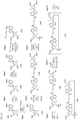
- FIG. 1 A full scheme of this synthesis is available in FIG. 1 .
- the crude mixture was dissolved in DCM (45.0 ml) and treated with water (0.118 ml, 6.55 mmol, 2.0 eq) and NaHSO 4 -SiO 2 (1.18 g, 6.55 mmol, 2 eq) at ambient temperature.
- the reaction mixture was filtered and rinsed twice with DCM/MeOH (9/1, 20 ml).
- the combined filtrates were concentrated in vacuo and treated with 1:1 mixture of n-heptane/toluene ( ⁇ 30 ml). The top layer was removed by decantation.
- reaction mixture Upon complete sulfurization (approximately 40 minutes), the reaction mixture was partially concentrated in vacuo to approximately 15 ml and poured into a mixture of saturated aqueous NaHCO 3 (50 ml) and water (30 ml). After 10 min stirring at ambient temperature, the mixture was extracted with 1:1 mixture of EtOAc/MTBE (60 ml x 3 times). The organic layers were combined, washed with brine (25 ml), dried over MgSO 4 and concentrated in vacuo. The residue was purified by silica gel column chromatography (0-20% MeOH in DCM) to give Compound 104 (3.31 g, 3.20 mmol, 100% theoretical yield assumed) as a brown oil. The product was used in the next step without further purification.
- FIG. 2A and FIG. 2B An alternative synthetic route for Compound 1a is set out in FIG. 2A and FIG. 2B , as well as in FIG. 2C and reported below.
- the reaction mixture was cooled to below 5 °C and quenched by treatment with MeOH (124 ml, 3.05 mol, 0.172 wt, 0.217 vol, 2.0 eq) for 15 minutes.
- MeOH 124 ml, 3.05 mol, 0.172 wt, 0.217 vol, 2.0 eq
- the mixture was co-evaporated with toluene (2.00 L, 3.04 wt, 3.51 vol) under vacuum and then diluted with a mixture of EtOAc (2.850 L, 4.5 wt, 5.0 vol) and n-heptane (2.85 L, 3.42 wt, 5.0 vol).
- the organic layer was washed with saturated NaHCO 3 (9 wt% solution in water; 2.0 L, 3.5 vol).
- An additional EtOAc (2.85 L, 4.5 wt, 5.0 vol) was added to completely dissolve the crude product.
- the filter cake was sequentially rinsed with: (1) a mixture of n-heptane (0.60 L, 0.72 wt, 1.05 vol) and toluene (0.30 L, 0.46 wt, 0.53 vol), and then (2) n-heptane (3.00 L,3.6 wt, 5.26 vol).
- the solid was dried with no heat for 30 minutes and then transferred to trays for drying at 50 °C in a vacuum oven overnight to give Compound 130 as pale yelllow solid (996.7 g, 1.47 mol, 1.75 wt, 97% yield).
- the mixture was cooled to 2 °C and treated with methanol (93 ml, 74 g, 2.3 mol, 0.17 wt, 0.22 wt, 2.0 eq) for 10 minutes.
- the reaction mixture was diluted with a mixture of MTBE (1.72 L, 1.23 kg, 2.96 wt, 4.0 vol) and EtOAc (1.72 L, 1.55 kg, 3.60 wt, 4.0 vol) followed by saturated NH 4 Cl (28 wt% solution in water; 2.15 L, 5.0 vol). Solids began slowly falling out of solution.
- DIAD (0.320 L, 1.65 mol, 333 g, 0.333 wt, 0.320 vol, 1.3 eq) was added slowly over 20 minutes while keeping T-internal below 5 °C. The reaction was stirred at 0 - 5 °C for 1 h and monitored by LCMS. The ice bath was removed and the mixture was allowed to warm up to rt. After overnight stirring (17h), an triphenylphosphine (83 g, 0.32 mol, 0.083 wt, 0.25 eq) and DIAD (62 ml, 0.32 mol, 64 g, 0.064 wt, 0.062 vol, 0.25 eq) were added.
- reaction mixture was diluted with MTBE (10 L, 10 vol), washed twice with half-saturated NaCl (18 wt% solution in water; 2 x 4L) and concentrated in vacuo to a thick oil.
- the mixture was re-dissolved in a mixture of MTBE (4.00 L, 4 vol) and n-heptane (0.50 L, 0.5 vol) and then cooled to 0 °C.
- a seed crystal of triphenylphosphine oxide was added to the solution. Solids slowly began precipitating out of solution and was stirred overnight. The white solid was collected by vacuum filtration and rinsed with MTBE (2 L, 2 vol) to isolate 540 g of triphenylphosphine oxide.
- the filtrate was concentrated and purified via Biotage 150L KP-Sil (SiO 2 5 kg; preteated with 1% TEA in Hep/etOAc; eluents: heptane/EtOAc (48 L of 33% EtOAc with 1% TEA, 24 L of 50% EtOAc with 1% TEA, 24 L of 66% EtOAc with 1% TEA) ⁇ 100% EtOAc with 1% TEA).
- the column was monitored by TLC (2:1 EtOAc/n-heptane).
- the filtrate was concentrated under vacuum and purified via Biotage 150 L KP-Sil (SiO2 5 kg; preteated wit 1% TEA; loaded sample by dissolving in toluene eluents: 9:1 heptane/EtOAc (16 L) and 15 TEA, 3.6:1 (46 L), 2:1 (20 L) and 1% TEA, 1:1 (30 L) and 1% TEA, and 100% EtOAc (16 L) and 1% TEA).
- the combined clean product fractions were concentrated under vacuum to give Compound 134 as off white solid foam (662.2 g).
- the mixture fractions were combined and concentrated under vacuum (480 g).
- a white insoluble solid formed by dilution with toluene (300 ml) prior to loading on Biotage 150L was removed by vacuum filtration.
- the material soluble in toluene was purified via Biotage 150M HP-Sphere (SiO 2 2.5 kg (preteated wit 1% TEA); sample loading with toluene; eluents: 2:1 heptane/EtOAc (26 L) w/ 1% TEA, 1:1 (25 L) w/ 1% TEA, 1:4 (34 L) w/ 1% TEA).
- the column was monitored by TLC (1:1 heptane/EtOAc).
- Stage 6 The crude Compound 135 was dissolved in dichloromethane (3.08 L, 4.07 kg, 9.9 wt, 7.5 vol) at ambient temperature. Water (55.7 ml, 0.136 vol, 10 eq) was added followed by a solution of dichloroacetic acid (77 ml, 120 g, 0.93 mol, 0.29 wt, 0.19 vol, 3.0 eq) in DCM (3.08 L, 7.5 vol) while keeping the internal T below 25 °C. (Turned into an orange solution).
- the mixture was concentrated to 1.55 kg (3.8 wt), redissolved in EtOAc (6.2L, 5.5 kg, 14 wt, 15 vol), sequentially washed with: (1) water (1.0 L, 2.5 vol) and saturated NaHCO 3 (9 wt% solution in water, 0.82 L, 2.0 vol).
- the crude product EtOAc solution was stored at -20 °C over night.; 0.82 L, 2.0 vol) and in next day, the solution was concentrated in vacuo at 25 °C.
- the crude mixture thus obtained (654 g) was triturated with: (1) n-heptane (3.01 L, 7.5 vol), (2) a mixture of n-heptane (2.46 L,6.0 vol) and toluene (0.82 L, 2.0 vol).
- Stage 7a Compound 136 (337 g, 309 mmol, 1 wt, 1 vol, 1 eq) was dissolved in in anhydrous pyridine (13.5 L, 13.2 kg, 39 wt, 40 vol) at rt. Triethylamine (129 ml, 927 mmol, 94 g, 0.28 wt, 0.38 vol, 3.0 eq) was added followed by 2-chloro-5,5-dimethyl-1,3,2-dioxaphosphinane 2-oxide (DMOCP; 103 g, 556 mmol, 0.31 wt, 1.80 eq). The resultant mixture was stirred at ambient temperature for 30 minumtes and monitored by LCMS (100% conversion) to generate Compound 137.
- Triethylamine 129 ml, 927 mmol, 94 g, 0.28 wt, 0.38 vol, 3.0 eq
- DMOCP 2-chloro-5,5-dimethyl-1,3,2-
- Stage 7b TEA (129 ml, 927 mmol, 94 g, 0.28 wt, 0.38 vol, 3.0 eq), water (100 ml, 5.56 mol, 0.30 wt, 0.30 wt, 18 eq) and sulfur (34.7 g, 1.08 mol, 0.10 wt, 3.5 eq) were added to the above mixture of Compound 137.
- NaHCO 3 (9 wt% solution in water; 3.37 L, 10 vol) was added while keeping T-internal below 30 °C (16.6 °C to 27 °C). The resultant mixture was filtered for removal of salts.
- the filtrate was concentrated the mixture in vacuo, diluted with MTBE (5.1 L, 15 vol), and wash twice with NaCl (30 wt% solution in water; 2 x 1.35 L, 2 x 4 vol). Insoluble solids were filtered off and the filtrate was concentrated in vacuo and azeotroped with toluene (4.0 L, 12 vol).
- the combined organic layers were sequentially washed with: (1) a mixture of NaCl (36 wt% solution in water; 300 ml, 2 vol) and water (300 ml, 2 vol) and (2) water (600 ml,4 vol).
- the organic layer was then concentrated under vacuum and azeotroped with n-heptane (1.50 L, 10 vol).
- MTBE (0.95 L, 6.3 vol) was added to the crude solid and the mixture was heated at 40 °C.
- the mixture was diluted with EtOAc (300 ml, 2 vol) and slowly cooled to 0 °C. The dense solid was allowed to settle and the supernatant was pumped off through a filter frit tube.
- Stage 10 Compound 140 (95% pure, net 73.2 g, 72.3 mmol, 1 wt, 1 vol, 1 eq) and 2-cyanoethyl N,N,N',N'-tetraisopropylphosphorodiamidite (25.3 ml, 79.5 mmol, 0.33 wt, 0.35 vol, 1.10 eq) were azeotroped with anhydrous acetonitrile three times (3 x 2 L), re-dissolved in dichloromethane (0.73 L, 10 vol) and cooled to 0-5 °C. Diisopropylammonium tetrazolide (6.19 g, 36.1 mmol, 0.085 wt, 0.50 eq) was added.
- the resulting reaction mixture was stirred at 0 °C for 10 h, warmed to 10 °C over 2 h, held at 10 °C for 10 h and warmed up to rt over 2h.
- the reaction was monitored by LCMS and TLC (EtOAc with 0.5% TEA). After 18 h, anhydrous acetonitrile (0.73 L, 10 vol) was added and the mixture was stored at -20 °C over 3 days.
- Stage 11a The mixture from Stage 10 was warmed to ambient temperature and added via a dropping funnel in portions (100 mL every 30 minutes, over 9 h) into a mixture of pyridine trifluoroacetate salt (azetroped in advance with pyridine twice; 41.9 g, 217 mmol, 0.57 wt, 3.0 eq) and acetonitrile (5.85 L, 80 vol).
- the reaction was monitored by LCMS.
- a solution of 2-cyanoethyl N,N,N',N'-tetraisopropylphosphorodiamidite (5.8 mL, 18 mmol, 0.25 eq) in acetonitrile (24 mL) was added over 4h.
- Amount of the additional reagent was determined based on the reamining Compound 140 ( ⁇ 30% based on LCMS). More conversion of the diol was observed after 6h.
- Stage 11b (Dimethylaminomethylidene)amino)-3H-1,2,4-dithiazoline-3-thione (DDTT; 20.8 g, 101 mmol, 0.28 wt, 1.4 eq) was added and stirring was continued for 1h.
- the layers were separated and the aqueous layer was extracted with a mixture of MTBE (1.46 L, 20 vol) and EtOAc (1.10 L, 15 vol).
- the resulting aqueous layer was treated with HCl (1.0 M solution in water; 90 ml, 90 mmol, 3.2 eq) over a period of 3.5 hours (pH ⁇ 2).
- the mixture stirred for 30 minutes and then the solid precipitate was collected by vacuum filtration.
- the filter cake was washed with water three times (3 x 200 ml, 3 x 9 vol) and dried in vacuo overnight.
- Ammonia 2.0 M solution in MeOH; 250 ml, 500 mmol, 17.6 eq
- ethanol 100 ml
- a colorless block single crystal (0.1 ⁇ 0.1 ⁇ 0.1 mm) found in crystallization solution was dispersed in liquid Parabar 10312 and was mounted on a Dual-Thickness MicroMounts TM (MiTeGen). Diffraction data was collected at -160 °C on XtaLAB PRO P200 MM007HF (Rigaku) with ⁇ axis oscillation method using multi-layer mirror monochromated Cu-K ⁇ radiation.
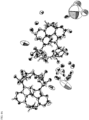
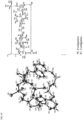
- FIG. 4A shows an ORTEP figure of Compound 1 molecules in an asymmetric unit, along with a number of disordered water molecules.
- FIG. 4B shows the crystal structure of one of the Compound 1 molecules from FIG. 4A .
- FIG. 4C shows the crystal structure of the other molecule of Compound 1 shown in FIG. 4A .
- the crystal structure of Compound 1 was solved with a final R-factor of 0.1354.
- the Flack parameter was nearly zero (0.083(17)), indicating that the absolute configuration of Compound 1 is ( R , S ).
- the crystal structure analysis also indicated that many water molecules were present in the large channel of Compound 1, which indicated that water molecules were able to easily slip out from the channel.
- the analysis also confirmed that the conformations of both crystallographically independent molecules the asymmetric unit were almost the same.
- DNA sequence encoding human WT STING protein from amino acid 155 to 341 was cloned into the pET21b vector, following a His-TEV-Sumo tag at its N-terminus (SEQ ID NO: 5).
- the sequence of the pET21b has been deposited in addgene and is available here: addgene.org/vector-database/2550/; that sequence is incorporated by reference herein.
- E. coli BL21 (DE3) codon plus cells were transformed with this plasmid, and the expression of recombinant protein was induced with 0.1 mM Isopropyl ⁇ -D-1-thiogalactopyranoside (IPTG).
- IPTG Isopropyl ⁇ -D-1-thiogalactopyranoside
- Protein was purified from the soluble fraction of cell lysate by Ni-NTA affinity chromatography. The His-TEV-Sumo tag was removed by sumo protease, and was separated from tag-free WT STING 155-341, using a second Ni-NTA affinity column. The protein was further purified by anion-exchange and size-exclusion chromatography, and was stored in buffer containing 20 mM Tris ⁇ HCl pH 7.5, and 150 mM NaCl at 35 mg/ml concentration.
- the WT STING protein was diluted to 10 mg/ml using the storage buffer (20 mM Tris ⁇ HCl pH 7.5, and 150 mM NaCl ) and mixed with Compound 1 (100 mM stock in DMSO) in molar ratio 1:5. The mixture was incubated for 4 hours at 4 °C, and centrifuged at 13,000 rpm for 20 min before crystallization. Crystallization screen trays were set up using the hanging-drop vapor-diffusion method at 18°C.
- Crystals were grown by mixing 1 ⁇ L of WT STING/Compound 1 solution with an equal volume of well solution, containing 100 mM HEPES pH 7.5, 200 mM CaCl2, and 15% (wt/vol) PEG 8000. 20% (wt/vol) PEG 400 was used as cryoprotectant reagent when crystals were flash-frozen in liquid nitrogen. Diffraction datasets were collected with a Pilatus detector at SSRF BL19U1 beamline, and processed with HKL3000 and program SCALEPACK2MTZ in CCP4 software suite.
- WT STING 155-341 bound to Compound 1 was determined by molecular replacement using program PHASER (Maximum Likelihood Molecular Replacement), with PDB ID 4F9E as the initial search model.
- PHASER Maximum Likelihood Molecular Replacement
- PDB ID 4F9E PDB ID 4F9E
- the presence of Compound 1 between the dimer interface of WT STING was confirmed in a Fo-Fc difference map calculated with model phases.
- the model was built and completed manually with Coot program and refined with Refmac5 program in CCP4 software suite.
- Two copies of WT STING 155-341 were identified in each asymmetric unit binding to one molecule of Compound 1 at the dimer interface.
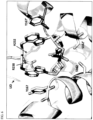
- FIG. 5 shows a picture of the X-ray crystal structure of human WT STING in complex with Compound 1.
- the compound binds at an interface pocket formed by a dimer of WT STING protein.
- the two faces of adenine base of the compound form ⁇ - ⁇ stacking interaction with Tyr240 and the guanidine group of Arg238, respectively.
- the trans olefin linker forms van der Waals interaction with aliphatic portion of the side chain of Arg 238.
- the fluorine substituent at the C2' position of ribose group of compound nests in a hydrophobic hole defined by Thr263, Pro264 and Tyr163.
- the negatively charged thiophosphate group of the compound forms salt bridge with Arg238 and H-bond interactions with Ser162 and Thr267, respectively.
- the thiophosphate group also forms electrostatic interaction with guanidine group of Arg 232.
- the LID loop region of WT STING consisting of residue 226 to 243, wraps around the two base groups and the trans olefin linker.
- DNA sequence encoding human REF STING protein from amino acid 155 to 341 was cloned into the pET21b vector, following a His-TEV-Sumo tag at its N-terminus (SEQ ID NO: 7).
- the sequence of the pET21b has been deposited in addgene and is available here: addgene.org/vector-database/2550/; that sequence is incorporated by reference herein.
- E. coli BL21 (DE3) codon plus cells were transformed with this plasmid, and the expression of recombinant protein was induced with 0.1 mM Isopropyl ⁇ -D-1-thiogalactopyranoside (IPTG).
- IPTG Isopropyl ⁇ -D-1-thiogalactopyranoside
- Protein was purified from the soluble fraction of cell lysate by Ni-NTA affinity chromatography. The His-TEV-Sumo tag was removed by sumo protease, and was separated from tag-free REF STING_155-341 using a second Ni-NTA affinity column. The protein was further purified by anion-exchange and size-exclusion chromatography, and was stored in buffer containing 20 mM Tris ⁇ HCl pH 7.5, and 150 mM NaCl at 24 mg/ml concentration.
- REF STING protein was diluted to 10 mg/ml using the storage buffer (20 mM Tris ⁇ HCl pH 7.5, and 150 mM NaCl ) and mixed with Compound 1 (100 mM stock in DMSO) in molar ratio 1:5. The mixture was incubated for 4 hours at 4 °C, and centrifuged at 13,000 rpm for 20 min before crystallization. Crystallization screen trays were set up using the hanging-drop vapor-diffusion method at 18°C.
- Crystals were grown by mixing 1 ⁇ L of REF STING/Compound 1 solution with an equal volume of well solution, containing 100 mM HEPES pH 7.5, 200 mM CaCl2, and 15% (wt/vol) PEG 8000. 20% (wt/vol) PEG 400 was used as cryoprotectant reagent when crystals were flash-frozen in liquid nitrogen. Diffraction datasets were collected with a Pilatus detector at SSRF BL18U1 beamline, and processed with HKL3000 and program SCALEPACK2MTZ in CCP4 software suite. This structure is shown in FIG. 6 .
- REF STING_155-341 bound to Compound 1 was determined by molecular replacement using program PHASER (Maximum Likelihood Molecular Replacement), using previously determined WT STING 155-341 structure (as described above) as the initial search model.
- PHASER Maximum Likelihood Molecular Replacement
- Two copies of REF STING 155-341 were identified in each asymmetric unit binding to one molecule of Compound 1 at the dimer interface.
- FIG. 6 shows the X-ray crystal structure of human REF STING in complex with Compound 1, which was co-crystallized from a sample of Compound 1a.
- the compound binds at an interface pocket formed by a dimer of STING protein.
- the two faces of adenine base of the compound form ⁇ - ⁇ stacking interaction with Tyr240 and the guanidine group of Arg238, respectively.
- the trans olefin linker forms van der Waals interaction with the aliphatic portion of the side chain of Arg238 while the guanidine portion of the side chain of Arg238 forms ⁇ - ⁇ stacking interaction with the imidazole group of the side chain of His232 from outside.
- the olefin linker is in contact with the interacting pair of the side chains of Arg238 and His232.
- the fluorine substituent at the C2' position of ribose group of compound nests in a hydrophobic hole defined by Thr263, Pro264 and Tyr163.
- the negatively charged thiophosphate group of the compound forms salt bridge with Arg238 and H-bond interactions with Ser162 and Thr267, respectively.
- the LID loop region of REF STING consisting of residue 226 to 243, wraps around the two base groups and the trans olefin linker.
- Example 4 In Vivo Evaluation of Compound 1a in a Murine Bladder Cancer Model using intravesicular administration route
- MBT-2 murine bladder cancer orthotopic model was established and characterized by Lee, et al., ("Tumor Establishment Features of Orthotopic Murine Bladder Cancer Models," Urological Oncology 2012;53: 396-400 ) in 2012 and showed a similar histology as the human bladder cancer. Hence, this model was chosen to evaluate Compound 1's anti-bladder cancer activity.
- the protocol with HCl pre-treatment procedure described by Lee, et al. was applied to establish the model. In brief, 30 ⁇ L 0.1 N HCl solution was injected into mouse bladder through a catheter and HCl solution was allowed to remain in the bladder for 15 seconds.
- mice were treated with varied doses of Compound 1a, BCG (OncoTICE ® , Merck Canada Inc.), anti-mouse PD-1 antibody (clone # RMP1-14, Bioxcell), and a combination of Compound 1a and PD-1 antibody with the schedule summarized in Table 1. Both Compound 1a and BCG were administered through an intravesicular route, while PD1 antibody was through intraperitoneal injection.
- Compound 1a varied concentrations of Compound 1a, including 5 mg/mL (400 ⁇ g/mouse group), 2.5 mg/mL (200 ⁇ g/mouse group) and 1.25 mg/mL(100 ⁇ g/mouse group) were prepared by further dilution of the stock solution with 1 x PBS. Table 1. Treatment agents and dosing schedule schemes Group No animals Treatment Dose Inj.
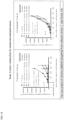
- FIG. 7 shows tumor volume quantitation by MRI from days 20-21 of all study animals.
- all Compound 1a treated groups (Group 4 to 7) showed much smaller tumor volumes than vehicle group (Group 1), BCG group (Group 2) and PD1 antibody group (Group 3).
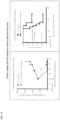
- Compound 1a also showed a statistically significant survival benefit relative to vehicle treated animals as shown in FIG. 8 .
- THP1-Dual TM Cells (InvivoGen, Cat# thpd-nfis) were applied for EC 50 determination.
- THP1 Dual TM Cells have been characterized to carry the HAQ STING genotype by the vendor Invivogen (Insight 201402-1). Cells were grown and maintained under conditions as recommended by manufacturer. The interferon regulatory factor (IRF) pathway induction described in manufacturer's manual was followed for EC 50 determination. In brief, cells were seeded and treated with different concentrations of compound for 20hrs while incubated at 37 °C, 5% CO 2 . Cells were resuspended and QUANTI-Luc TM solution (Cat. # : rep-qlc1) was added. Resulting light emission was measured by luminometer (Envision, Perkin Elmer). Obtained signals were plotted and EC 50 was calculated with GraphPad Prism7 software.
- Human STING has 4 major variants, including WT, HAQ, REF, and AQ variants.
- REF-STING also referred to as R232H, for example, occurs in about 14% of the human population. Compared to the wild-type allele, R232H has decreased response to bacterial and metazoan cyclic dinucleotides. Details of these 4 major variants as well as other rare variants are reported by Yi G, et al., "Single nucleotide polymorphisms of human STING can affect innate immune response to cyclic dinucleotides" PLoS One 2013; 8:e77846 .
- STING variant specific reporter cell lines were established by using THP1-Dual TM KO-STING cells (InvivoGen, Cat# thpd-kostg) and three STING variant protein expression vectors.
- the expression vector map for WT STING is shown in FIG. 9 .
- different STING variant sequences were used in that vector, with the WT STING replaced by the appropriate nucleotide sequence.
- STING variant-expressing vectors for WT-STING, REF-STING, and AQ-STING were prepared and stably transfected into THP1-Dual TM KO-STING cells to prepare STING variant-specific reporter assays for WT-STING, REF-STING and AQ-STING, respectively.
- EC 50 values were determined as described above in Example 103 for the HAQ STING agonist activity reporter assay. Results are shown below in Table 2, below.
- STING variants are shown in SEQ ID NO: 1 (Nucleotide Sequence of WT Human STING), SEQ ID NO: 2 (Nucleotide Sequence of REF Human STING), and SEQ ID NO: 3 (Nucleotide Sequence of AQ Human Sting).
- RAW-Lucia TM ISG Cells (InvivoGen, Cat# rawl-isg) were used for a mouse STING agonist reporter assay. EC 50 values were determined as described above in Example 103 in the HAQ STING agonist activity reporter assay. Results are shown below in Table 2.
- a DSF assay was employed to measure the physical interaction between compounds and recombinant STING protein.
- Truncated recombinant STING protein (a.a.155-341) (SEQ ID NO: 4) was expressed in E. coli and isolated for the assay, as described below.
- Assay matrix was prepared in 384-well plates to a final volume of 10 ⁇ L per well consisting of 1 ⁇ M recombinant STING protein (a.a. 155-341) (SEQ ID NO: 4), 100 mM PBS pH 7.4, supplemented with 100 mM KCl, 5X SYPRO orange dye and 50 ⁇ M compound (final DMSO conc. 0-1%).
- PBMC Peripheral blood mononuclear cell isolation was done using SIGMA ACCUSPIN 50ml Tubes (cat# A2055) and sigma ACCUSPIN System-HISTOPAQUE-1077 (cat# A7054) using protocol provided by manufacturer. PBMC layer was harvested and washed with 1x Phosphate Buffered Saline (PBS) as suggested by Sigma.
- PBS Phosphate Buffered Saline
- PBMC peripheral blood mononuclear cells
- RPMI fetal bovine serum
- FBS fetal bovine serum
- IFN ⁇ measurement was done using Human IFN- ⁇ Base Kit (Meso Scale Diagnostics cat# K151ADA) and protocol provided by manufacturer was used. IFN-beta estimation was done by reading assay plate at MESO SECTOR Imager 2400 and using MSD Discovery Workbench 4.0 program. After 24 hours IFN ⁇ protein was analyzed. The results showed that Compound 1a can induce primary human PBMC IFN ⁇ protein production in a dose-dependent manner.
- Results shown in Table 3 reflect an average of measurements conducted using five different donors.
- Table 3 Ex vivo human PBMC stimulation assay PBS (Control) Compound 1a 0.1 ⁇ M 1 ⁇ M 10 ⁇ M IFN ⁇ (pg/mL) 0 21.3 ⁇ 17.8 227.5 ⁇ 62.4 540.2 ⁇ 215.0
- RNA-specific primers for IFNB1 Hs01077958_s1
- GAPDH Hs99999905_m1
- Compound 1a was tested for its anti-cancer activity in CT26 dual tumor model, which is a mouse colon cancer model.
- Female of 5-6 week old Balb/cJ mice (Jackson Labs, Bar Harbor, Maine) were implanted subcutaneously with CT26 tumor cells on both sides of each animals, 10 5 cells for each side.
- treatment was started 5 days (1.25 mg/kg, 2.5 mg/kg and 5 mg/kg) after the tumor implantation, when the average tumors reached approximately 100 mm 3 .
- treatment was started 8 days (0.6 mg/kg, and 10 mg/kg) after the tumor implantation, when the average tumors reached approximately 120 mm 3 .
- the treatment scheme is described in Table 5 and Table 6. Table 5 Dosing scheme for study A Group No.
- mice in the study have two subcutaneous CT26 tumors.
- the "treated tumor” indicates the tumor with compound direct administration, while “untreated tumor” indicates the tumor without direct compound administration.
- Tumor volume was followed throughout the experiment. Tumor volume is measured two times weekly after the start of treatment. Tumor burden is calculated from caliper measurements by the formula for the volume of a prolate ellipsoid (LxW 2 )/2 where L and W are the respective orthogonal length and width measurements (mm).
- Compound 1a showed potent and curative activity in CT26 dual tumor model ( FIG. 10 and FIG. 11 ).
- a cure rate of 20% was detected even at the lowest dose tested in the study ( Figure 8 , 0.6 mg/kg dose).
- the highest dose (10 mg/kg) cured 100% of animals of that tumor at the end of study.
- the top dose group (10 mg/kg) showed 80% curative effects; all the lower doses also showed tumor growth inhibition activity.
- Compound 1a was tested for its anti-cancer activity in a CT26 liver metastatic model.
- Anesthetized female 5-6 week-old BALB/cJ mice (Jackson Labs, Bar Harbor, Maine) were implanted intra-splenically with luciferase-expressing CT26 tumor cells (5 ⁇ 10 5 cells per mouse).
- a subsequent ten minute waiting period allowed tumor cells to circulate into the animals' livers.
- Spleens were then removed and animals were sutured and allowed to recover.
- CT26 tumor cells (10 5 cells per mouse) were again implanted, this time subcutaneously (sc) under the right forelimb area, to enable development of a tumor mass for compound administration.
- compound (10 mg/kg) was administered intratumorally, a single time, into the sc tumor.
- the local anti-cancer effect of compound was measured through its effect on the sc tumor, while the compound's abscopal effect was assessed by the overall survival of treated mice compared with vehicle-treated control mice, based on the detrimental effect of the growing tumor mass in each mouse liver.
- Compound 1a showed both potent activity towards the local sc tumors and also curative systemic activity in 9 of 10 treated animals ( FIG. 12 ). These results indicate that local administration of Compound 1a can induce both local and systemic (abscopal) anti-cancer activity including deep lesion such as in the liver.
- GL261 is a murine glioma cell line. Luciferase expressing GL261 mouse glioma cells (2 ⁇ 10 4 cells/mouse) were intra-cranially implanted into female 5-6 week-old B6 albino mice (Jackson Labs, Bar Harbor, Maine). Three to 4 days later, GL261 cells were implanted subcutaneously (10 6 cells/mouse) under the right forelimb area to allow development of a tumor mass for compound administration. Ten days after intra-cranial tumor cell implantation, compound (10 mg/kg) was administered intratumorally, a single time, into the sc tumor.
- the local anti-cancer effect of compound was measured through its effect on the sc tumor, while the compound's abscopal effect was assessed by the overall survival of treated mice compared with vehicle-treated control mice, based on the detrimental effect of the growing tumor mass in each mouse brain.
- Compound 1a showed both potent activity at local sc tumors and showed curative systemic activity in 5 of 8 treated animals ( FIG. 13 ). These results indicate that local administration of Compound 1a can induce both local and systemic (abscopal) anti-cancer activity including deep lesion such as in the brain.
- EC50 values were calculated for human STING assays of WT STING, HAQ STING, AQ STING, and REF STING, in head-to-head comparisons using Compound 1a of the present disclosure, a natural STING ligand (2'3' cGAMP), and the purported STING agonist ML RR-S2 CDA, as reported in Corrales, et al., "Direct Activation of STING in the Tumor Microenvironment Leads to Potent and Systemic Tumor Regression and Immunity," Cell Reports (2015) 11:1018-1030 , which is incorporated by reference herein. Assays were conducted as described in examples set forth above.
- Table 7 also reports dissociation binding constants (Kd) for the binding of human WT STING to each of the three tested compounds, as measured by isothermal titration calorimetry (ITC).
- ITC isothermal titration calorimetry
- ITC is a microcalorimetic titration technique that measures thermodynamic properties associated with intermolecular interactions. Based on these tests, Compound 1a appears to form the strongest bond with WT STING of the tested compounds.
- Recombinant human wild type STING (aa, 139-379, H232R) protein was generated by expressing a construct in E . coli encoding a cytosolic domain of human WT STING comprising amino acids 139-379.
- STING protein was stored at -60 °C in 90 ⁇ L and 100 ⁇ L aliquots each at a concentration of 3.0 mg/mL and 20 mg/mL, respectively in PBS, pH 7.5 containing 5% glycerol.
- aliquots of the protein were thawed, diluted to 400 uL and buffer-exchanged into PBS using an Amicon Ultra centrifugal filter unit (10k MW cutoff, 0.5 mL) with at least four 10 min 14000 ⁇ g centrifugations with an Eppendorf microcentrifuge and then finally diluted to 20 ⁇ M to 30 ⁇ M (experiment-dependent) with 1X PBS.
- Protein concentration was determined using a Nanodrop 2000 spectrophotometer and a protein extinction coefficient of 22140 (M -1 cm -1 ).
- Assays were performed on an Affinity ITC unit (TA Instruments no. 609003.901) equipped with the ITC cleaning accessory (TA Instruments no 601800.901).
- the STING protein solution approximately 400 ⁇ L containing 20 ⁇ M to 30 ⁇ M STING protein, was pipetted into the 185 ⁇ L calorimeter cell allowing some acceptable overload.
- the reference cell contained an equivalent amount of Milli-Q water.
- Incubation was carried out at 25 °C with 20 ⁇ 2.5 ⁇ L injections of 100 ⁇ M to 300 ⁇ M compounds.
- the control software was ITC Run Ver. 3.3.0.0 (TA Instruments) was used to obtain the thermograms consisting of multiple peaks of raw heat ( ⁇ cal/sec) representing the heat rate at each injection.
- the Kds and n values were derived and reported. Optimal conditions for the concentrations of protein and ligand were derived from preliminary experiments.
- Compound 1a was incubated in hepatocytes of CD-1 mouse, Sprague Dawley rat, Beagle dog, Cynomolgus monkey, and human, to evaluate the formation of major metabolites.
- Cryopreserved pooled hepatocytes were purchased from ThermoFisher Scientific (Waltham, MA), Xenotech, LLC (Kansas City, KS) and In Vitro ADMET Laboratories (Columbia, MD), and the appropriate media were purchased from In Vitro ADMET Laboratories (Columbia, MD) and Life Technologies (Carlsbad, CA).
- AOPI staining solution and phosphate buffer were obtained from Corning Life Sciences (Tewksbury, MA) and Nexcelom Bioscience (Lawrence, MA), respectively. All chemicals, reagents, and solvents used in analysis were of either analytical or HPLC grade.
- Compound 1a was weighed and dissolved in HPLC-water containing 0.12% formic acid PBS to make 1020 mmol/L. The solution was then diluted 2.5-fold individually to 4 mmol/L and then further diluted 21000-fold with the Williams' E medium containing 0.1% human serum albumin and 2 mmol/L L-glutamine to make the working stock solution with concentration of 20 ⁇ mol/L.
- cryopreserved hepatocytes Prior to incubations, the cryopreserved hepatocytes were thawed in a water bath at 37°C. One tube of cryopreserved hepatocytes was added to each 50-mL conical tube of cryopreserved hepatocyte recovery medium (UCRM) obtained from In Vitro ADMET Laboratories (Columbia, MD). The cells were spun in a Beckman centrifuge (Brea, CA) with a GH 3.8 rotor at 740 rpm for 10 minutes at room temperature 4°C. The supernatant was removed and the cells were re-suspended in plating media for counting.
- UCRM cryopreserved hepatocyte recovery medium
- the hepatocyte suspension (50 ⁇ L/well) was added into a 48-well plate. Fifty microliters of working stock solution containing Compound 1a (20 ⁇ mol/L) were added to start the reaction. The plate was placed into a tissue culture incubator (5% CO2/95% air humidified atmosphere and 37 °C), and the reactions were terminated with 200 ⁇ L of stop solution consisting of 100%methanol/ acetonitrile (1/1, v/v) with 2010 ng/mL furosemide and 0.2 ⁇ mol/L (R)-propranolol at 5, 30, 60, 120, 180 and 240 minutes. The mixture was centrifuged and filtered, and the supernatant was collected for analysis. The final concentrations of cryopreserved hepatocytes were 1 ⁇ 106 cells/mL. The final incubation concentration of Compound 1a was 10 ⁇ mol/L.
- the LC-MS/MS system was composed of a Shimadzu HPLC and an AB-SCIEX TripleTOF 5600 hybrid quadrupole and TOF mass spectrometer (Framingham, MA).
- the Shimadzu HPLC (Kyoto, Japan), consisted of a communications bus module (CBM-20A), an auto-sampler (SIL-30AC) with an attached rack changer (Rack Changer II) two pumps (LC-30AD) and a column oven (CTO-30A).
- the mass spectrometer was calibrated using the AB-SCIEX APCI both Negative and Positive Calibration Solutions (Framingham, MA). The samples obtained from incubations with hepatocytes were analyzed under both negative and positive scan modes. The basic analytical method and instrumental conditions are summarized below. Modification of the spectrometer settings was dependent on the necessity of the analyte.
- Mass spectrometry data were acquired using AB-Sciex Analyst TF (Version 1.5.1; Framingham, MA). Chromatograms and spectra were obtained using AB-Sciex PeakView (Version 2.2.0.1; Framingham, MA). The comparison of relative peak areas for extracted ion chromatograms were based on ⁇ 0.0002 Da of the expected exact mass-to-charge ratio (m/z) for each analyte of interest.
- Compound 1a Under positive scan mode, Compound 1a showed the protonated molecular ion m / z 747 (C 24 H 27 F 2 N 10 O 8 P 2 S 2 + ) and the major MS/MS product ions with m / z 651 (C 24 H 26 F 2 N 10 O 6 PS + ), m / z 252 (C 10 H 11 FN 5 O 2 + ), and m / z 188 (C 9 H 10 N 5 + ). The MS and MS/MS data are confirmative to the structure of Compound 1a.
- Compound 1a was stable in the incubations with hepatocytes of mouse, rat, dog, monkey, and human. No apparent metabolite of Compound 1a was identified in this study. In the samples obtained from incubations with hepatocytes, only Compound 1a itself could be detected and confirmed by the fragments of tandem mass spectrometry (MS/MS).
Landscapes
- Health & Medical Sciences (AREA)
- Life Sciences & Earth Sciences (AREA)
- Public Health (AREA)
- Chemical & Material Sciences (AREA)
- Veterinary Medicine (AREA)
- Medicinal Chemistry (AREA)
- General Health & Medical Sciences (AREA)
- Animal Behavior & Ethology (AREA)
- Pharmacology & Pharmacy (AREA)
- Nuclear Medicine, Radiotherapy & Molecular Imaging (AREA)
- Organic Chemistry (AREA)
- Chemical Kinetics & Catalysis (AREA)
- General Chemical & Material Sciences (AREA)
- Molecular Biology (AREA)
- Epidemiology (AREA)
- Oncology (AREA)
- Pharmaceuticals Containing Other Organic And Inorganic Compounds (AREA)
- Medicinal Preparation (AREA)
Applications Claiming Priority (3)
| Application Number | Priority Date | Filing Date | Title |
|---|---|---|---|
| US201862679495P | 2018-06-01 | 2018-06-01 | |
| US201962826347P | 2019-03-29 | 2019-03-29 | |
| PCT/US2019/034933 WO2019232392A1 (en) | 2018-06-01 | 2019-05-31 | Methods for the treatment of bladder cancer |
Publications (2)
| Publication Number | Publication Date |
|---|---|
| EP3801561A1 EP3801561A1 (en) | 2021-04-14 |
| EP3801561B1 true EP3801561B1 (en) | 2025-03-19 |
Family
ID=67138025
Family Applications (1)
| Application Number | Title | Priority Date | Filing Date |
|---|---|---|---|
| EP19734956.6A Active EP3801561B1 (en) | 2018-06-01 | 2019-05-31 | Methods for the treatment of bladder cancer |
Country Status (11)
| Country | Link |
|---|---|
| US (1) | US12251394B2 (https=) |
| EP (1) | EP3801561B1 (https=) |
| JP (1) | JP7335277B2 (https=) |
| KR (1) | KR20210015937A (https=) |
| CN (1) | CN112512531B (https=) |
| AU (1) | AU2019277679B2 (https=) |
| BR (1) | BR112020024605A2 (https=) |
| CA (1) | CA3101623A1 (https=) |
| MX (1) | MX2020012964A (https=) |
| SG (1) | SG11202011434SA (https=) |
| WO (1) | WO2019232392A1 (https=) |
Families Citing this family (2)
| Publication number | Priority date | Publication date | Assignee | Title |
|---|---|---|---|---|
| TW202200136A (zh) | 2020-04-10 | 2022-01-01 | 日商小野藥品工業股份有限公司 | 癌治療方法 |
| JP2024533394A (ja) | 2021-09-09 | 2024-09-12 | エーザイ・アール・アンド・ディー・マネジメント株式会社 | Stingアゴニストのバイオマーカー及びその使用方法 |
Family Cites Families (33)
| Publication number | Priority date | Publication date | Assignee | Title |
|---|---|---|---|---|
| GB2257704B (en) | 1991-07-18 | 1995-03-01 | Erba Carlo Spa | Cyclic oligonucleotides phosphorothioates |
| WO2005089777A1 (en) | 2004-03-15 | 2005-09-29 | Karaolis David K R | A method for inhibiting cancer cell proliferation or increasing cancer cell apoptosis |
| US7592326B2 (en) | 2004-03-15 | 2009-09-22 | Karaolis David K R | Method for stimulating the immune, inflammatory or neuroprotective response |
| US8076303B2 (en) | 2005-12-13 | 2011-12-13 | Spring Bank Pharmaceuticals, Inc. | Nucleotide and oligonucleotide prodrugs |
| WO2009133560A1 (en) | 2008-04-29 | 2009-11-05 | Smart Assays | Non-hydrolyzable and permeable cyclic bis-[nucleotide monophosphate] derivatives and uses thereof |
| CN102199183B (zh) | 2010-03-26 | 2013-12-18 | 北京大学 | 环二鸟苷酸及其类似物和制备方法 |
| US9695212B2 (en) | 2012-12-13 | 2017-07-04 | Aduro Biotech, Inc. | Compositions comprising cyclic purine dinucleotides having defined stereochemistries and methods for their preparation and use |
| WO2014179760A1 (en) | 2013-05-03 | 2014-11-06 | The Regents Of The University Of California | Cyclic di-nucleotide induction of type i interferon |
| PE20160080A1 (es) | 2013-05-18 | 2016-02-21 | Aduro Biotech Inc | Composiciones y metodos para activar la senalizacion que depende del estimulador del gen de interferon |
| US9549944B2 (en) | 2013-05-18 | 2017-01-24 | Aduro Biotech, Inc. | Compositions and methods for inhibiting “stimulator of interferon gene”—dependent signalling |
| JP2016538344A (ja) | 2013-11-19 | 2016-12-08 | ザ・ユニバーシティ・オブ・シカゴThe University Of Chicago | 癌処置としてのstingアゴニストの使用 |
| WO2015074145A1 (en) | 2013-11-22 | 2015-05-28 | Brock University | Use of fluorinated cyclic dinucleotides as oral vaccine adjuvants |
| CR20160564A (es) | 2014-06-04 | 2017-01-20 | Glaxosmithkline Ip Dev Ltd | Dinucleótidos cíclicos como moduladores de sting |
| EP3546473B1 (en) | 2014-12-16 | 2025-12-10 | Kayla Therapeutics | Fluorinated cyclic [(2',5')p(3',5')p]-dinucleotides for cytokine induction |
| US20180344758A1 (en) | 2014-12-17 | 2018-12-06 | Lipogen Llc | Method of Treating Cancer with cGAMP or cGAsMP |
| GB201501462D0 (en) * | 2015-01-29 | 2015-03-18 | Glaxosmithkline Ip Dev Ltd | Novel compounds |
| EA035817B1 (ru) | 2015-03-10 | 2020-08-14 | Адуро Байотек, Инк. | Композиции и способы для активации сигналинга, зависимого от "гена стимулятора интерферона" |
| KR102222186B1 (ko) | 2015-08-13 | 2021-03-03 | 머크 샤프 앤드 돔 코포레이션 | Sting 효능제로서 시클릭 디-뉴클레오티드 화합물 |
| JP2018534295A (ja) | 2015-10-28 | 2018-11-22 | アドゥロ バイオテック,インク. | 「インターフェロン遺伝子刺激因子」依存性シグナル伝達を活性化するための組成物および方法 |
| CN107849084B (zh) | 2015-12-03 | 2021-09-14 | 葛兰素史密斯克莱知识产权发展有限公司 | 作为sting调节剂的环状嘌呤二核苷酸 |
| US10723756B2 (en) | 2016-01-11 | 2020-07-28 | Innate Tumor Immunity Inc. | Cyclic dinucleotides for treating conditions associated with STING activity such as cancer |
| JP2019510802A (ja) | 2016-04-07 | 2019-04-18 | グラクソスミスクライン、インテレクチュアル、プロパティー、ディベロップメント、リミテッドGlaxosmithkline Intellectual Property Development Limited | タンパク質調節物質として有用な複素環アミド |
| JOP20170188A1 (ar) | 2016-11-25 | 2019-01-30 | Janssen Biotech Inc | ثنائي النوكليوتيدات الحلقية كمنبهات ستينغ (sting) |
| US20190336615A1 (en) | 2017-01-27 | 2019-11-07 | Silverback Therapeutics, Inc. | Tumor targeting conjugates and methods of use thereof |
| US20200055883A1 (en) * | 2017-02-17 | 2020-02-20 | Eisai R&D Management Co., Ltd. | Cyclic di-nucleotides derivative for the treatment of cancer |
| WO2018198084A1 (en) | 2017-04-27 | 2018-11-01 | Lupin Limited | Cyclic di-nucleotide compounds with tricyclic nucleobases |
| UY37695A (es) | 2017-04-28 | 2018-11-30 | Novartis Ag | Compuesto dinucleótido cíclico bis 2’-5’-rr-(3’f-a)(3’f-a) y usos del mismo |
| AR113224A1 (es) * | 2017-04-28 | 2020-02-19 | Novartis Ag | Conjugados de anticuerpo que comprenden un agonista de sting |
| MX2020002303A (es) | 2017-08-30 | 2020-09-10 | Beijing Xuanyi Pharmasciences Co Ltd | Dinucleotidos ciclicos como moduladores del estimulador de genes de interferon. |
| WO2019046511A1 (en) | 2017-08-31 | 2019-03-07 | Sperovie Biosciences, Inc. | COMPOUNDS, COMPOSITIONS AND METHODS FOR THE TREATMENT OF DISEASE |
| US10947263B2 (en) | 2017-08-31 | 2021-03-16 | Bristol-Myers Squibb Company | Cyclic dinucleotides as anticancer agents |
| KR102812783B1 (ko) | 2017-08-31 | 2025-05-26 | 브리스톨-마이어스 스큅 컴퍼니 | 항암제로서의 시클릭 디뉴클레오티드 |
| JP7208225B2 (ja) | 2017-08-31 | 2023-01-18 | ブリストル-マイヤーズ スクイブ カンパニー | 抗癌剤としての環状ジヌクレオチド |
-
2019
- 2019-05-31 BR BR112020024605-0A patent/BR112020024605A2/pt unknown
- 2019-05-31 US US17/058,817 patent/US12251394B2/en active Active
- 2019-05-31 CN CN201980050644.2A patent/CN112512531B/zh active Active
- 2019-05-31 WO PCT/US2019/034933 patent/WO2019232392A1/en not_active Ceased
- 2019-05-31 SG SG11202011434SA patent/SG11202011434SA/en unknown
- 2019-05-31 CA CA3101623A patent/CA3101623A1/en active Pending
- 2019-05-31 MX MX2020012964A patent/MX2020012964A/es unknown
- 2019-05-31 JP JP2020566898A patent/JP7335277B2/ja active Active
- 2019-05-31 AU AU2019277679A patent/AU2019277679B2/en active Active
- 2019-05-31 KR KR1020207037794A patent/KR20210015937A/ko active Pending
- 2019-05-31 EP EP19734956.6A patent/EP3801561B1/en active Active
Also Published As
| Publication number | Publication date |
|---|---|
| WO2019232392A1 (en) | 2019-12-05 |
| JP7335277B2 (ja) | 2023-08-29 |
| CN112512531A (zh) | 2021-03-16 |
| US12251394B2 (en) | 2025-03-18 |
| CA3101623A1 (en) | 2019-12-05 |
| US20210205348A1 (en) | 2021-07-08 |
| MX2020012964A (es) | 2021-02-16 |
| CN112512531B (zh) | 2024-04-09 |
| AU2019277679B2 (en) | 2024-11-28 |
| SG11202011434SA (en) | 2020-12-30 |
| EP3801561A1 (en) | 2021-04-14 |
| JP2021525758A (ja) | 2021-09-27 |
| BR112020024605A2 (pt) | 2021-04-06 |
| KR20210015937A (ko) | 2021-02-10 |
| AU2019277679A1 (en) | 2020-12-24 |
Similar Documents
| Publication | Publication Date | Title |
|---|---|---|
| US11339188B2 (en) | Compounds for the treatment of cancer | |
| EP3801561B1 (en) | Methods for the treatment of bladder cancer | |
| RU2795220C2 (ru) | Способы лечения рака мочевого пузыря | |
| RU2790175C2 (ru) | Циклические ди-нуклеотидные соединения для лечения рака | |
| HK40016436B (en) | Cyclic di-nucleotides compounds for the treatment of cancer | |
| BR112019017084B1 (pt) | Compostos dinucleotídeos cíclicos, composições farmacêuticas que compreendem os mesmos e uso dos ditos compostos para o tratamento de câncer |
Legal Events
| Date | Code | Title | Description |
|---|---|---|---|
| STAA | Information on the status of an ep patent application or granted ep patent |
Free format text: STATUS: UNKNOWN |
|
| STAA | Information on the status of an ep patent application or granted ep patent |
Free format text: STATUS: THE INTERNATIONAL PUBLICATION HAS BEEN MADE |
|
| PUAI | Public reference made under article 153(3) epc to a published international application that has entered the european phase |
Free format text: ORIGINAL CODE: 0009012 |
|
| STAA | Information on the status of an ep patent application or granted ep patent |
Free format text: STATUS: REQUEST FOR EXAMINATION WAS MADE |
|
| 17P | Request for examination filed |
Effective date: 20201118 |
|
| AK | Designated contracting states |
Kind code of ref document: A1 Designated state(s): AL AT BE BG CH CY CZ DE DK EE ES FI FR GB GR HR HU IE IS IT LI LT LU LV MC MK MT NL NO PL PT RO RS SE SI SK SM TR |
|
| AX | Request for extension of the european patent |
Extension state: BA ME |
|
| DAV | Request for validation of the european patent (deleted) | ||
| DAX | Request for extension of the european patent (deleted) | ||
| P01 | Opt-out of the competence of the unified patent court (upc) registered |
Effective date: 20230511 |
|
| STAA | Information on the status of an ep patent application or granted ep patent |
Free format text: STATUS: EXAMINATION IS IN PROGRESS |
|
| 17Q | First examination report despatched |
Effective date: 20230914 |
|
| GRAP | Despatch of communication of intention to grant a patent |
Free format text: ORIGINAL CODE: EPIDOSNIGR1 |
|
| STAA | Information on the status of an ep patent application or granted ep patent |
Free format text: STATUS: GRANT OF PATENT IS INTENDED |
|
| INTG | Intention to grant announced |
Effective date: 20240924 |
|
| GRAJ | Information related to disapproval of communication of intention to grant by the applicant or resumption of examination proceedings by the epo deleted |
Free format text: ORIGINAL CODE: EPIDOSDIGR1 |
|
| STAA | Information on the status of an ep patent application or granted ep patent |
Free format text: STATUS: EXAMINATION IS IN PROGRESS |
|
| GRAP | Despatch of communication of intention to grant a patent |
Free format text: ORIGINAL CODE: EPIDOSNIGR1 |
|
| STAA | Information on the status of an ep patent application or granted ep patent |
Free format text: STATUS: GRANT OF PATENT IS INTENDED |
|
| INTC | Intention to grant announced (deleted) | ||
| INTG | Intention to grant announced |
Effective date: 20241218 |
|
| GRAS | Grant fee paid |
Free format text: ORIGINAL CODE: EPIDOSNIGR3 |
|
| GRAA | (expected) grant |
Free format text: ORIGINAL CODE: 0009210 |
|
| STAA | Information on the status of an ep patent application or granted ep patent |
Free format text: STATUS: THE PATENT HAS BEEN GRANTED |
|
| AK | Designated contracting states |
Kind code of ref document: B1 Designated state(s): AL AT BE BG CH CY CZ DE DK EE ES FI FR GB GR HR HU IE IS IT LI LT LU LV MC MK MT NL NO PL PT RO RS SE SI SK SM TR |
|
| REG | Reference to a national code |
Ref country code: GB Ref legal event code: FG4D |
|
| REG | Reference to a national code |
Ref country code: CH Ref legal event code: EP |
|
| REG | Reference to a national code |
Ref country code: DE Ref legal event code: R096 Ref document number: 602019067471 Country of ref document: DE |
|
| REG | Reference to a national code |
Ref country code: IE Ref legal event code: FG4D |
|
| PG25 | Lapsed in a contracting state [announced via postgrant information from national office to epo] |
Ref country code: RS Free format text: LAPSE BECAUSE OF FAILURE TO SUBMIT A TRANSLATION OF THE DESCRIPTION OR TO PAY THE FEE WITHIN THE PRESCRIBED TIME-LIMIT Effective date: 20250619 |
|
| PG25 | Lapsed in a contracting state [announced via postgrant information from national office to epo] |
Ref country code: FI Free format text: LAPSE BECAUSE OF FAILURE TO SUBMIT A TRANSLATION OF THE DESCRIPTION OR TO PAY THE FEE WITHIN THE PRESCRIBED TIME-LIMIT Effective date: 20250319 |
|
| PGFP | Annual fee paid to national office [announced via postgrant information from national office to epo] |
Ref country code: DE Payment date: 20250529 Year of fee payment: 7 |
|
| PGFP | Annual fee paid to national office [announced via postgrant information from national office to epo] |
Ref country code: GB Payment date: 20250527 Year of fee payment: 7 |
|
| REG | Reference to a national code |
Ref country code: LT Ref legal event code: MG9D |
|
| PG25 | Lapsed in a contracting state [announced via postgrant information from national office to epo] |
Ref country code: NO Free format text: LAPSE BECAUSE OF FAILURE TO SUBMIT A TRANSLATION OF THE DESCRIPTION OR TO PAY THE FEE WITHIN THE PRESCRIBED TIME-LIMIT Effective date: 20250619 |
|
| PGFP | Annual fee paid to national office [announced via postgrant information from national office to epo] |
Ref country code: IT Payment date: 20250519 Year of fee payment: 7 |
|
| PG25 | Lapsed in a contracting state [announced via postgrant information from national office to epo] |
Ref country code: HR Free format text: LAPSE BECAUSE OF FAILURE TO SUBMIT A TRANSLATION OF THE DESCRIPTION OR TO PAY THE FEE WITHIN THE PRESCRIBED TIME-LIMIT Effective date: 20250319 |
|
| PG25 | Lapsed in a contracting state [announced via postgrant information from national office to epo] |
Ref country code: LV Free format text: LAPSE BECAUSE OF FAILURE TO SUBMIT A TRANSLATION OF THE DESCRIPTION OR TO PAY THE FEE WITHIN THE PRESCRIBED TIME-LIMIT Effective date: 20250319 |
|
| PGFP | Annual fee paid to national office [announced via postgrant information from national office to epo] |
Ref country code: FR Payment date: 20250526 Year of fee payment: 7 |
|
| PG25 | Lapsed in a contracting state [announced via postgrant information from national office to epo] |
Ref country code: GR Free format text: LAPSE BECAUSE OF FAILURE TO SUBMIT A TRANSLATION OF THE DESCRIPTION OR TO PAY THE FEE WITHIN THE PRESCRIBED TIME-LIMIT Effective date: 20250620 Ref country code: BG Free format text: LAPSE BECAUSE OF FAILURE TO SUBMIT A TRANSLATION OF THE DESCRIPTION OR TO PAY THE FEE WITHIN THE PRESCRIBED TIME-LIMIT Effective date: 20250319 |
|
| REG | Reference to a national code |
Ref country code: NL Ref legal event code: MP Effective date: 20250319 |
|
| REG | Reference to a national code |
Ref country code: AT Ref legal event code: MK05 Ref document number: 1776400 Country of ref document: AT Kind code of ref document: T Effective date: 20250319 |
|
| PG25 | Lapsed in a contracting state [announced via postgrant information from national office to epo] |
Ref country code: NL Free format text: LAPSE BECAUSE OF FAILURE TO SUBMIT A TRANSLATION OF THE DESCRIPTION OR TO PAY THE FEE WITHIN THE PRESCRIBED TIME-LIMIT Effective date: 20250319 |
|
| PG25 | Lapsed in a contracting state [announced via postgrant information from national office to epo] |
Ref country code: SE Free format text: LAPSE BECAUSE OF FAILURE TO SUBMIT A TRANSLATION OF THE DESCRIPTION OR TO PAY THE FEE WITHIN THE PRESCRIBED TIME-LIMIT Effective date: 20250319 |
|
| PG25 | Lapsed in a contracting state [announced via postgrant information from national office to epo] |
Ref country code: SM Free format text: LAPSE BECAUSE OF FAILURE TO SUBMIT A TRANSLATION OF THE DESCRIPTION OR TO PAY THE FEE WITHIN THE PRESCRIBED TIME-LIMIT Effective date: 20250319 |
|
| PG25 | Lapsed in a contracting state [announced via postgrant information from national office to epo] |
Ref country code: ES Free format text: LAPSE BECAUSE OF FAILURE TO SUBMIT A TRANSLATION OF THE DESCRIPTION OR TO PAY THE FEE WITHIN THE PRESCRIBED TIME-LIMIT Effective date: 20250319 Ref country code: PT Free format text: LAPSE BECAUSE OF FAILURE TO SUBMIT A TRANSLATION OF THE DESCRIPTION OR TO PAY THE FEE WITHIN THE PRESCRIBED TIME-LIMIT Effective date: 20250721 |
|
| PG25 | Lapsed in a contracting state [announced via postgrant information from national office to epo] |
Ref country code: PL Free format text: LAPSE BECAUSE OF FAILURE TO SUBMIT A TRANSLATION OF THE DESCRIPTION OR TO PAY THE FEE WITHIN THE PRESCRIBED TIME-LIMIT Effective date: 20250319 |
|
| PG25 | Lapsed in a contracting state [announced via postgrant information from national office to epo] |
Ref country code: AT Free format text: LAPSE BECAUSE OF FAILURE TO SUBMIT A TRANSLATION OF THE DESCRIPTION OR TO PAY THE FEE WITHIN THE PRESCRIBED TIME-LIMIT Effective date: 20250319 |
|
| PG25 | Lapsed in a contracting state [announced via postgrant information from national office to epo] |
Ref country code: CZ Free format text: LAPSE BECAUSE OF FAILURE TO SUBMIT A TRANSLATION OF THE DESCRIPTION OR TO PAY THE FEE WITHIN THE PRESCRIBED TIME-LIMIT Effective date: 20250319 Ref country code: EE Free format text: LAPSE BECAUSE OF FAILURE TO SUBMIT A TRANSLATION OF THE DESCRIPTION OR TO PAY THE FEE WITHIN THE PRESCRIBED TIME-LIMIT Effective date: 20250319 |
|
| PG25 | Lapsed in a contracting state [announced via postgrant information from national office to epo] |
Ref country code: RO Free format text: LAPSE BECAUSE OF FAILURE TO SUBMIT A TRANSLATION OF THE DESCRIPTION OR TO PAY THE FEE WITHIN THE PRESCRIBED TIME-LIMIT Effective date: 20250319 |
|
| PG25 | Lapsed in a contracting state [announced via postgrant information from national office to epo] |
Ref country code: SK Free format text: LAPSE BECAUSE OF FAILURE TO SUBMIT A TRANSLATION OF THE DESCRIPTION OR TO PAY THE FEE WITHIN THE PRESCRIBED TIME-LIMIT Effective date: 20250319 |
|
| PG25 | Lapsed in a contracting state [announced via postgrant information from national office to epo] |
Ref country code: IS Free format text: LAPSE BECAUSE OF FAILURE TO SUBMIT A TRANSLATION OF THE DESCRIPTION OR TO PAY THE FEE WITHIN THE PRESCRIBED TIME-LIMIT Effective date: 20250719 |
|
| REG | Reference to a national code |
Ref country code: DE Ref legal event code: R097 Ref document number: 602019067471 Country of ref document: DE |
|
| REG | Reference to a national code |
Ref country code: CH Ref legal event code: H13 Free format text: ST27 STATUS EVENT CODE: U-0-0-H10-H13 (AS PROVIDED BY THE NATIONAL OFFICE) Effective date: 20251223 |
|
| PG25 | Lapsed in a contracting state [announced via postgrant information from national office to epo] |
Ref country code: DK Free format text: LAPSE BECAUSE OF FAILURE TO SUBMIT A TRANSLATION OF THE DESCRIPTION OR TO PAY THE FEE WITHIN THE PRESCRIBED TIME-LIMIT Effective date: 20250319 |
|
| PG25 | Lapsed in a contracting state [announced via postgrant information from national office to epo] |
Ref country code: LU Free format text: LAPSE BECAUSE OF NON-PAYMENT OF DUE FEES Effective date: 20250531 |
|
| PG25 | Lapsed in a contracting state [announced via postgrant information from national office to epo] |
Ref country code: CH Free format text: LAPSE BECAUSE OF NON-PAYMENT OF DUE FEES Effective date: 20250531 |
|
| PLBE | No opposition filed within time limit |
Free format text: ORIGINAL CODE: 0009261 |
|
| STAA | Information on the status of an ep patent application or granted ep patent |
Free format text: STATUS: NO OPPOSITION FILED WITHIN TIME LIMIT |
|
| REG | Reference to a national code |
Ref country code: CH Ref legal event code: L10 Free format text: ST27 STATUS EVENT CODE: U-0-0-L10-L00 (AS PROVIDED BY THE NATIONAL OFFICE) Effective date: 20260128 |
|
| REG | Reference to a national code |
Ref country code: BE Ref legal event code: MM Effective date: 20250531 |
|
| PG25 | Lapsed in a contracting state [announced via postgrant information from national office to epo] |
Ref country code: MC Free format text: LAPSE BECAUSE OF FAILURE TO SUBMIT A TRANSLATION OF THE DESCRIPTION OR TO PAY THE FEE WITHIN THE PRESCRIBED TIME-LIMIT Effective date: 20250319 |
|
| 26N | No opposition filed |
Effective date: 20251222 |
|
| PG25 | Lapsed in a contracting state [announced via postgrant information from national office to epo] |
Ref country code: IE Free format text: LAPSE BECAUSE OF NON-PAYMENT OF DUE FEES Effective date: 20250531 |
|
| PG25 | Lapsed in a contracting state [announced via postgrant information from national office to epo] |
Ref country code: BE Free format text: LAPSE BECAUSE OF NON-PAYMENT OF DUE FEES Effective date: 20250531 |