EP3787649B1 - Diagnostisches und medikamentöses screening auf molekulare signaturen der früh einsetzenden sporadischen parkinson-krankheit - Google Patents
Diagnostisches und medikamentöses screening auf molekulare signaturen der früh einsetzenden sporadischen parkinson-krankheit Download PDFInfo
- Publication number
- EP3787649B1 EP3787649B1 EP19796911.6A EP19796911A EP3787649B1 EP 3787649 B1 EP3787649 B1 EP 3787649B1 EP 19796911 A EP19796911 A EP 19796911A EP 3787649 B1 EP3787649 B1 EP 3787649B1
- Authority
- EP
- European Patent Office
- Prior art keywords
- ipscs
- disease
- synuclein
- cells
- derived
- Prior art date
- Legal status (The legal status is an assumption and is not a legal conclusion. Google has not performed a legal analysis and makes no representation as to the accuracy of the status listed.)
- Active
Links
Images








Classifications
-
- G—PHYSICS
- G01—MEASURING; TESTING
- G01N—INVESTIGATING OR ANALYSING MATERIALS BY DETERMINING THEIR CHEMICAL OR PHYSICAL PROPERTIES
- G01N33/00—Investigating or analysing materials by specific methods not covered by groups G01N1/00 - G01N31/00
- G01N33/48—Biological material, e.g. blood, urine; Haemocytometers
- G01N33/50—Chemical analysis of biological material, e.g. blood, urine; Testing involving biospecific ligand binding methods; Immunological testing
- G01N33/5005—Chemical analysis of biological material, e.g. blood, urine; Testing involving biospecific ligand binding methods; Immunological testing involving human or animal cells
- G01N33/5008—Chemical analysis of biological material, e.g. blood, urine; Testing involving biospecific ligand binding methods; Immunological testing involving human or animal cells for testing or evaluating the effect of chemical or biological compounds, e.g. drugs, cosmetics
- G01N33/5044—Chemical analysis of biological material, e.g. blood, urine; Testing involving biospecific ligand binding methods; Immunological testing involving human or animal cells for testing or evaluating the effect of chemical or biological compounds, e.g. drugs, cosmetics involving specific cell types
- G01N33/5058—Neurological cells
-
- A—HUMAN NECESSITIES
- A61—MEDICAL OR VETERINARY SCIENCE; HYGIENE
- A61K—PREPARATIONS FOR MEDICAL, DENTAL OR TOILETRY PURPOSES
- A61K31/00—Medicinal preparations containing organic active ingredients
- A61K31/21—Esters, e.g. nitroglycerine, selenocyanates
- A61K31/215—Esters, e.g. nitroglycerine, selenocyanates of carboxylic acids
- A61K31/22—Esters, e.g. nitroglycerine, selenocyanates of carboxylic acids of acyclic acids, e.g. pravastatin
-
- A—HUMAN NECESSITIES
- A61—MEDICAL OR VETERINARY SCIENCE; HYGIENE
- A61K—PREPARATIONS FOR MEDICAL, DENTAL OR TOILETRY PURPOSES
- A61K31/00—Medicinal preparations containing organic active ingredients
- A61K31/21—Esters, e.g. nitroglycerine, selenocyanates
- A61K31/215—Esters, e.g. nitroglycerine, selenocyanates of carboxylic acids
- A61K31/22—Esters, e.g. nitroglycerine, selenocyanates of carboxylic acids of acyclic acids, e.g. pravastatin
- A61K31/23—Esters, e.g. nitroglycerine, selenocyanates of carboxylic acids of acyclic acids, e.g. pravastatin of acids having a carboxyl group bound to a chain of seven or more carbon atoms
-
- A—HUMAN NECESSITIES
- A61—MEDICAL OR VETERINARY SCIENCE; HYGIENE
- A61K—PREPARATIONS FOR MEDICAL, DENTAL OR TOILETRY PURPOSES
- A61K35/00—Medicinal preparations containing materials or reaction products thereof with undetermined constitution
- A61K35/12—Materials from mammals; Compositions comprising non-specified tissues or cells; Compositions comprising non-embryonic stem cells; Genetically modified cells
- A61K35/48—Reproductive organs
- A61K35/54—Ovaries; Ova; Ovules; Embryos; Foetal cells; Germ cells
- A61K35/545—Embryonic stem cells; Pluripotent stem cells; Induced pluripotent stem cells; Uncharacterised stem cells
-
- A—HUMAN NECESSITIES
- A61—MEDICAL OR VETERINARY SCIENCE; HYGIENE
- A61K—PREPARATIONS FOR MEDICAL, DENTAL OR TOILETRY PURPOSES
- A61K36/00—Medicinal preparations of undetermined constitution containing material from algae, lichens, fungi or plants, or derivatives thereof, e.g. traditional herbal medicines
- A61K36/18—Magnoliophyta (angiosperms)
- A61K36/185—Magnoliopsida (dicotyledons)
- A61K36/47—Euphorbiaceae (Spurge family), e.g. Ricinus (castorbean)
-
- A—HUMAN NECESSITIES
- A61—MEDICAL OR VETERINARY SCIENCE; HYGIENE
- A61P—SPECIFIC THERAPEUTIC ACTIVITY OF CHEMICAL COMPOUNDS OR MEDICINAL PREPARATIONS
- A61P25/00—Drugs for disorders of the nervous system
- A61P25/14—Drugs for disorders of the nervous system for treating abnormal movements, e.g. chorea, dyskinesia
- A61P25/16—Anti-Parkinson drugs
-
- C—CHEMISTRY; METALLURGY
- C12—BIOCHEMISTRY; BEER; SPIRITS; WINE; VINEGAR; MICROBIOLOGY; ENZYMOLOGY; MUTATION OR GENETIC ENGINEERING
- C12N—MICROORGANISMS OR ENZYMES; COMPOSITIONS THEREOF; PROPAGATING, PRESERVING, OR MAINTAINING MICROORGANISMS; MUTATION OR GENETIC ENGINEERING; CULTURE MEDIA
- C12N15/00—Mutation or genetic engineering; DNA or RNA concerning genetic engineering, vectors, e.g. plasmids, or their isolation, preparation or purification; Use of hosts therefor
- C12N15/09—Recombinant DNA-technology
- C12N15/11—DNA or RNA fragments; Modified forms thereof; Non-coding nucleic acids having a biological activity
- C12N15/111—General methods applicable to biologically active non-coding nucleic acids
-
- C—CHEMISTRY; METALLURGY
- C12—BIOCHEMISTRY; BEER; SPIRITS; WINE; VINEGAR; MICROBIOLOGY; ENZYMOLOGY; MUTATION OR GENETIC ENGINEERING
- C12N—MICROORGANISMS OR ENZYMES; COMPOSITIONS THEREOF; PROPAGATING, PRESERVING, OR MAINTAINING MICROORGANISMS; MUTATION OR GENETIC ENGINEERING; CULTURE MEDIA
- C12N5/00—Undifferentiated human, animal or plant cells, e.g. cell lines; Tissues; Cultivation or maintenance thereof; Culture media therefor
- C12N5/06—Animal cells or tissues; Human cells or tissues
- C12N5/0602—Vertebrate cells
- C12N5/0618—Cells of the nervous system
- C12N5/0619—Neurons
-
- C—CHEMISTRY; METALLURGY
- C12—BIOCHEMISTRY; BEER; SPIRITS; WINE; VINEGAR; MICROBIOLOGY; ENZYMOLOGY; MUTATION OR GENETIC ENGINEERING
- C12N—MICROORGANISMS OR ENZYMES; COMPOSITIONS THEREOF; PROPAGATING, PRESERVING, OR MAINTAINING MICROORGANISMS; MUTATION OR GENETIC ENGINEERING; CULTURE MEDIA
- C12N5/00—Undifferentiated human, animal or plant cells, e.g. cell lines; Tissues; Cultivation or maintenance thereof; Culture media therefor
- C12N5/06—Animal cells or tissues; Human cells or tissues
- C12N5/0602—Vertebrate cells
- C12N5/0696—Artificially induced pluripotent stem cells, e.g. iPS
-
- C—CHEMISTRY; METALLURGY
- C12—BIOCHEMISTRY; BEER; SPIRITS; WINE; VINEGAR; MICROBIOLOGY; ENZYMOLOGY; MUTATION OR GENETIC ENGINEERING
- C12N—MICROORGANISMS OR ENZYMES; COMPOSITIONS THEREOF; PROPAGATING, PRESERVING, OR MAINTAINING MICROORGANISMS; MUTATION OR GENETIC ENGINEERING; CULTURE MEDIA
- C12N5/00—Undifferentiated human, animal or plant cells, e.g. cell lines; Tissues; Cultivation or maintenance thereof; Culture media therefor
- C12N5/10—Cells modified by introduction of foreign genetic material
-
- G—PHYSICS
- G01—MEASURING; TESTING
- G01N—INVESTIGATING OR ANALYSING MATERIALS BY DETERMINING THEIR CHEMICAL OR PHYSICAL PROPERTIES
- G01N33/00—Investigating or analysing materials by specific methods not covered by groups G01N1/00 - G01N31/00
- G01N33/48—Biological material, e.g. blood, urine; Haemocytometers
- G01N33/50—Chemical analysis of biological material, e.g. blood, urine; Testing involving biospecific ligand binding methods; Immunological testing
- G01N33/5005—Chemical analysis of biological material, e.g. blood, urine; Testing involving biospecific ligand binding methods; Immunological testing involving human or animal cells
- G01N33/5008—Chemical analysis of biological material, e.g. blood, urine; Testing involving biospecific ligand binding methods; Immunological testing involving human or animal cells for testing or evaluating the effect of chemical or biological compounds, e.g. drugs, cosmetics
-
- G—PHYSICS
- G01—MEASURING; TESTING
- G01N—INVESTIGATING OR ANALYSING MATERIALS BY DETERMINING THEIR CHEMICAL OR PHYSICAL PROPERTIES
- G01N33/00—Investigating or analysing materials by specific methods not covered by groups G01N1/00 - G01N31/00
- G01N33/48—Biological material, e.g. blood, urine; Haemocytometers
- G01N33/50—Chemical analysis of biological material, e.g. blood, urine; Testing involving biospecific ligand binding methods; Immunological testing
- G01N33/68—Chemical analysis of biological material, e.g. blood, urine; Testing involving biospecific ligand binding methods; Immunological testing involving proteins, peptides or amino acids
- G01N33/6893—Chemical analysis of biological material, e.g. blood, urine; Testing involving biospecific ligand binding methods; Immunological testing involving proteins, peptides or amino acids related to diseases not provided for elsewhere
- G01N33/6896—Neurological disorders, e.g. Alzheimer's disease
-
- C—CHEMISTRY; METALLURGY
- C12—BIOCHEMISTRY; BEER; SPIRITS; WINE; VINEGAR; MICROBIOLOGY; ENZYMOLOGY; MUTATION OR GENETIC ENGINEERING
- C12N—MICROORGANISMS OR ENZYMES; COMPOSITIONS THEREOF; PROPAGATING, PRESERVING, OR MAINTAINING MICROORGANISMS; MUTATION OR GENETIC ENGINEERING; CULTURE MEDIA
- C12N2506/00—Differentiation of animal cells from one lineage to another; Differentiation of pluripotent cells
- C12N2506/45—Differentiation of animal cells from one lineage to another; Differentiation of pluripotent cells from artificially induced pluripotent stem cells
-
- G—PHYSICS
- G01—MEASURING; TESTING
- G01N—INVESTIGATING OR ANALYSING MATERIALS BY DETERMINING THEIR CHEMICAL OR PHYSICAL PROPERTIES
- G01N2333/00—Assays involving biological materials from specific organisms or of a specific nature
- G01N2333/435—Assays involving biological materials from specific organisms or of a specific nature from animals; from humans
- G01N2333/46—Assays involving biological materials from specific organisms or of a specific nature from animals; from humans from vertebrates
- G01N2333/47—Assays involving proteins of known structure or function as defined in the subgroups
- G01N2333/4701—Details
- G01N2333/4703—Regulators; Modulating activity
- G01N2333/4704—Inhibitors; Supressors
-
- G—PHYSICS
- G01—MEASURING; TESTING
- G01N—INVESTIGATING OR ANALYSING MATERIALS BY DETERMINING THEIR CHEMICAL OR PHYSICAL PROPERTIES
- G01N2333/00—Assays involving biological materials from specific organisms or of a specific nature
- G01N2333/90—Enzymes; Proenzymes
- G01N2333/91—Transferases (2.)
- G01N2333/912—Transferases (2.) transferring phosphorus containing groups, e.g. kinases (2.7)
- G01N2333/91205—Phosphotransferases in general
-
- G—PHYSICS
- G01—MEASURING; TESTING
- G01N—INVESTIGATING OR ANALYSING MATERIALS BY DETERMINING THEIR CHEMICAL OR PHYSICAL PROPERTIES
- G01N2500/00—Screening for compounds of potential therapeutic value
- G01N2500/10—Screening for compounds of potential therapeutic value involving cells
-
- G—PHYSICS
- G01—MEASURING; TESTING
- G01N—INVESTIGATING OR ANALYSING MATERIALS BY DETERMINING THEIR CHEMICAL OR PHYSICAL PROPERTIES
- G01N2800/00—Detection or diagnosis of diseases
- G01N2800/28—Neurological disorders
- G01N2800/2835—Movement disorders, e.g. Parkinson, Huntington, Tourette
Definitions
- Described herein are methods and compositions related to production of midbrain neurons, including those related to early onset sporadic Parkinson's Disease.
- Parkinson's Disease is the second most commonly diagnosed neurodegenerative disorder and represents a substantial economic burden among current aging populations.
- the classically associated pathology in PD is characterized by the progressive loss of dopaminergic neurons (DaNs) in the substantia nigra pars compacta and the presence of cytoplasmic inclusions known as Lewy bodies and Lewy neurites. These inclusions are composed mainly of the protein ⁇ -synuclein. Mutations or triplication of the gene encoding ⁇ -synuclein ( SNCA ) are causal in these specific familial PD cases. In its native state, ⁇ -synuclein is found in the presynaptic terminal of neurons throughout the human brain and functions in vesicle trafficking, neurotransmitter release and reuptake.
- Ichida et al. reviews the various human neural cell types that can be generated and neurological disease modeling studies ( Ichida et al, 2015. Embo J, 34(11), 1456-1477 ).
- the biomarkers further comprise at least one of TFEB activation and ZKSCAN3 inactivation. In other embodiments, the biomarkers further comprise at least one of: LAMP1, GCase, tyrosine hydroxylase (TH), and dopaminergic activity.
- the transforming growth factor (TGF)-beta inhibitor includes LDN-193189 and the activin receptor-like kinase (ALK) inhibitor includes SB43 1542, the Smoothened agonist comprises Purmorphamine, the at least two growth factors comprise sonic hedgehog, and fibroblast growth factor 8, the ROCK inhibitor includes CHIR99012, and the at least three additional growth factors comprise brain derived neurotrophic factor, glial derived neurotrophic factor, and TGF-Beta 3.
- TGF transforming growth factor
- ALK activin receptor-like kinase
- iPSCs As described, reprogramming patient-derived cells into iPSCs enables the observation of disease progression and pathological phenotypes at a molecular level.
- the iPSCs which are genetically identical to the donor, can be differentiated into DaNs providing a tissue-specific model of Parkinson's Disease in vitro that harbor genetic backgrounds known to relate to clinical presentation in vivo.
- DaNs tissue-specific model of Parkinson's Disease in vitro that harbor genetic backgrounds known to relate to clinical presentation in vivo.
- an intense effort has been made to elucidate the role of ⁇ -synuclein in the origin and progression of PD using similar iPSC modeling techniques.
- Several studies have employed iPSCs derived from PD patients with monogenic mutations including a triplication of SNCA, as well as mutations in the LRRK2 and GBA1 genes.
- DA neurons derived from these iPSC lines display some phenotypic abnormalities and demonstrate accumulation of ⁇ -synuclein, familial monogenic mutations are present only in a small minority of PD patients and pathophysiology of these cases are not easily related to the PD population at large.
- previous iPSC studies on the larger non-familial (sporadic) population do not show overt differences when compared those derived from control individuals.
- the Inventors generate iPSC lines from a cohort of early onset sporadic PD (EOSPD) patients.
- EOSPD early onset sporadic PD
- the Inventors show that by comparing differentiated DaNs from either EOSPD patient and non-diseased control lines, aberrant accumulation of ⁇ -synuclein protein is indeed specifically reproduced in the PD patient cohort.
- Described herein is a method of compound screening, including contacting a quantity of neurons with one or more test compounds, measuring one or more parameters, and selecting one or more test compounds based on the measured one or more parameters, wherein the neurons are differentiated from blood cell-derived induced pluripotent stem cells (iPSCs).
- iPSCs blood cell-derived induced pluripotent stem cells
- the neurons are midbrain neurons.
- the midbrain neurons are dopaminergic neurons.
- the one or more parameters comprise PKC activation.
- the one or more parameters comprise at least one of TFEB activation and ZKSCAN3 inactivation.
- the one or more parameters comprise ⁇ -synuclein protein levels. In other embodiments, the one or more parameters comprise at least one of: LAMP1, GCase, tyrosine hydroxylase (TH), and dopaminergic activity. In other embodiments, the one or more parameters comprise at least one of: LAMP, GCase, tyrosine hydroxylase (TH) and dopamine expression levels. In other embodiments, the one or more parameters include permeability of the test compound across a quantity of vascular cells, alterations in electrophysiological properties of the cells, alterations in metabolic profile of the cells, including for example, neurotransmitter production and release.
- the iPSCs are made by a method including contacting a quantity of blood cells with one or more oriP/EBNA1 vectors encoding a reprogramming factor and delivering a quantity of reprogramming factors into the blood cells culturing the blood cells in a reprogramming media, wherein the quantity of blood cells are obtained from a human subject afflicted with a neurodegenerative disease, and further wherein delivering the reprogramming factors, and culturing in a reprogramming media generates blood cell derived iPSCs.
- the blood cell-derived iPSCs are made by a method including contacting a quantity of blood cells with one or more oriP/EBNA1 vectors encoding a reprogramming factor, and delivering a quantity of reprogramming factors into the blood cells, culturing the blood cells in a reprogramming media wherein delivering the reprogramming factors, and culturing in a reprogramming media generates blood cell derived iPSCs.
- the quantity of blood cells is obtained from a human subject afflicted with a neurodegenerative disease.
- the neurodegenerative disease is Parkinson's Disease.
- the neurodegenerative disease is Parkinson's Disease (PD), including familial, sporadic and early onset PD. In other embodiments, the Parkinson's Disease is early onset Parkinson's Disease. Further information on iPSC reprogramming is found in Barrett, R. et al. Reliable Generation of Induced Pluripotent Stem Cells from Human Lymphoblastoid Cell Lines. Stem Cells Transl Med. 2014 Dec;3(12):1429-34 .
- the neurons are differentiated from blood cell-derived iPSCs by a method including providing a quantity of blood cell-derived induced pluripotent stem cells (iPSCs), culturing the iPSCs in the presence of a transforming growth factor (TGF)-beta inhibitor and an activin receptor-like kinase (ALK) inhibitor, further culturing in the presence of a Smoothened agonist, a RHO Kinase (ROCK) inhibitor and at least two growth factors, additionally culturing in the presence of retinoic acid, and continuing to culture in the presence of at least three additional growth factors.
- TGF transforming growth factor
- ALK activin receptor-like kinase
- ROCK RHO Kinase
- the transforming growth factor (TGF)-beta inhibitor includes LDN-193189 and the activin receptor-like kinase (ALK) inhibitor includes SB431542, the Smoothened agonist comprises Purmorphamine, the at least two growth factors comprise sonic hedgehog, and fibroblast growth factor 8, the ROCK inhibitor includes CHIR99012, and the at least three additional growth factors comprise brain derived neurotrophic factor, glial derived neurotrophic factor, and TGF-Beta 3.
- the concentrations of the aforementioned agents are as described in Table 1.
- the iPSCS are made by a process including contacting a quantity of blood cells with one or more vectors encoding a reprogramming factor, and delivering a quantity of reprogramming factors into the blood cells, culturing the blood cells in a reprogramming media.
- the one or more vectors are oriP/EBNA1 vectors.
- culturing iPSCs is for about 3 days. In other embodiments, further culturing is for about 4 days. In other embodiments, additionally culturing is for about 4 days. In other embodiments, continuing to culture is for at least 3 days.
- the differentiation schedule, including feeding and media changes is according to Table 1 and Figure 6 .
- Also described herein is a method of diagnosis, including assaying one or more biomarkers in a subject suspected of being afflicted with Parkinson's Disease, comparing the expression levels of the one or more biomarkers from the subject to a baseline of the one or more biomarkers derived from healthy subjects without Parkinson's disease, and diagnosing Parkinson's Disease in the subject.
- Methods of diagnosis are not covered by the claims and are included in the description for the completeness of the disclosure only.
- Also described herein is a method of prognosis, including assaying one or more biomarkers in a subject suspected of being afflicted with Parkinson's Disease, comparing the expression levels of the one or more biomarkers from the subject to a baseline of the one or more biomarkers derived from healthy subjects without Parkinson's disease, and prognosing Parkinson's Disease in the subject.
- Methods of prognosis are not covered by the claims and are included in the description for the completeness of the disclosure only.
- a method of selecting a therapeutic regimen including assaying one or more biomarkers in a subject suspected of being afflicted with Parkinson's Disease, comparing the expression levels of the one or more biomarkers from the subject to a baseline of the one or more biomarkers derived from healthy subjects without Parkinson's disease, and selecting a therapeutic regimen for the subject.
- Methods of selecting a therapeutic regimen are not covered by the claims and are included in the description for the completeness of the disclosure only.
- the biomarker is a metabolic enzyme, including neurotransmitters such as dopamine.
- biomarkers include ⁇ -synuclein expression levels, including transcript and protein levels.
- biomarker include PKC activation.
- the biomarkers include at least one of TFEB activation and ZKSCAN3 inactivation.
- the one or more parameters comprise ⁇ -synuclein protein levels.
- the biomarkers include at least one of: LAMP1, GCase, tyrosine hydroxylase (TH), and dopaminergic activity.
- the biomarkers include at least one of: LAMP, GCase, tyrosine hydroxylase (TH) and dopamine expression levels.
- the biomarkers include markers of aberrant protein degradation, such as lysosomal dysfunction.
- the biomakers include nestin, Tuj 1, MAP2, GFAP, S100B, CD11B, PU.1, GLUTA-1, ZO-1, SMI31/Isll, TH/PITX3, Phosopho-TDP, FAS ligand, and SOD1, among others.
- neurodegenerative disease derived induced pluripotent stem cells iPSCs
- differentiated cells thereof possess a molecular signature different from iPSCs derived from healthy controls.
- the molecular signature includes difference in metabolic pathways and metabolites. For example, this includes metabolites such as, for example, enrichment in one or more of L-Kynurenine, trans-aconitic acid, adenine, inosine, and l-tyrosine.
- the differentiated iPSCs are treated with a culture media, treated with a proteolytic and collagenolytic agent, placing the differentiated iPSCs in a cryoprotective agent, exposing the differentiated iPSCs to an initiation temperature, cooling the differentiated iPSCs, supercooling the differentiated iPSCs to a solid phase, heating the differentiated iPSCs, and reducing the temperature of the differentiated iPSCs solid phase.
- the cryoprotective agent includes serum.
- the initiation temperature is about -4° to about 40°C.
- the initiation temperature is about 2° to about 20°C. In other embodiments, the initiation temperature is about -1° to about 15°C. In other embodiments, the initiation temperature is about 3° to about 7°C. In other embodiments, cooling the differentiated iPSCs includes reaching a temperature of about -5 to -15°C. In other embodiments, cooling the differentiated iPSCs includes reaching a temperature of about -3 to -7°C. In other embodiments, cooling the differentiated iPSCs includes reaching a temperature of about -5°C. In other embodiments, supercooling the differentiated iPSCs includes reaching a temperature of about -20 to -90°C.
- supercooling the BMECs includes reaching a temperature of about -40 to -75°C. In other embodiments, supercooling the differentiated iPSCs includes reaching a temperature of about -58°C. In other embodiments, supercooling is at a rate of about -20 TO -60°C/minute. In other embodiments, supercooling is at a rate of about -45°C/minute. In other embodiments, heating the differentiated iPSCs includes reaching a temperature of about -23°C. In other embodiments, heating the differentiated iPSCs is at a rate of about +10°C/minute to about -26°C and/or +3°C/minute to about -23°C.
- reducing the temperature of the differentiated iPSCs solid phase includes reaching a temperature of about -30°C to about -50°C. In other embodiments, reducing the temperature of the differentiated iPSCs solid phase includes reaching a temperature of about -40°C. In other embodiments, reducing the temperature of the differentiated iPSCs solid phase is at a rate of about -3 to -0.05°C / minute. In other embodiments, reducing the temperature of the differentiated iPSCs solid phase is at a rate of about -0.8°C / minute.
- the method includes transfer of the differentiated iPSCs to liquid nitrogen.
- the culture media is neuron maturation media.
- the culture media includes a ROCK inhibitor.
- the proteolytic and collagenolytic agent is accutase.
- the differentiated iPSCs are midbrain neurons. In various embodiments, the differentiated iPSCs are floorplate cells. In various embodiments, the differentiated iPSCs produce tyrosine hydroxylase and/or or dopamine. In various embodiments, the differentiated iPSCs express higher levels of ⁇ -Synuclein compared to controls derived from healthy subjects. In various embodiments, the differentiated iPSCs exhibit abnormal protein degradation, including lysosomal dysfunction. In various embodiments, the differentiated cells exhibit abnormal levels or activity of LAMP 1 and/or Gcase. Described herein is a cryropreserved solution of differentiated cells prepared by the aforementioned methods.
- PBMCs Peripheral blood mononuclear cells
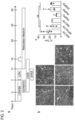
- Figure 1 All iPSC lines were karyotypically normal, and expressed canonical pluripotency markers.
- a defining hallmark of PD is the specific loss of dopaminergic neurons in the substantia nigra and it is therefore of interest to differentiate iPSC along this lineage.
- iPSC lines from both PD and control patients were differentiated to dopaminergic neurons using the protocol described in Table 1, Figure 2A and Figure 6 .
- iPSC lines were subjected to a modified dual SMAD-inhibition based floor plate induction protocol. Exposure to LDN/SB, followed by SHH/Purmorphamine/FGF8 and CHIR99021, thereafter including SB withdrawal and retinoic acid addition, support midbrain FP and DA neuron yield (see Figure 1d). Further maturation was carried out in Neurobasal/B27 medium supplemented with AA, BDNF, GDNF, TGF ⁇ 3 and dbcAMP. The inclusion of retinoic acid, exclusion of retionoic acid from the early steps of differentiation are unlike any other known techniques. Remarkably, whereas reported protocols may take 80 to 130 days to produce a dopamine producing cells, the aforementioned techniques allow generation in as little as 30 days.
- the protein ⁇ -Synuclein abnormally accumulates within Lewy bodies in all forms of Parkinson's disease, and accumulation through duplication or triplication of the SNCA gene is known to lead to PD. However, it's exact role in sporadic PD remains uncertain and previous studies have not shown consistent differences in adult onset sporadic PD. To determine if ⁇ -Synuclein protein accumulated the cultures of early onset sporadic PD origin, the 6 lines were differentiated for 30 days and probed for soluble ⁇ -Synuclein by western blot.
- RNA-Seq Whole transcriptomic RNA sequencing
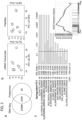
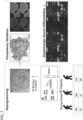
- ⁇ -Synuclein and other synaptic vesicle genes related to dopamine release such as Synapsin (SYP), synaptic vesicle 2 A (SV2A), and SNAP25 were significantly enriched in the term as well as terms related to general synaptic machinery and function such as GO_EXOCYTIC_VESICLE ( Figure 3c ).
- Metabolic genes contained in KEGG OXIDATIVE PHOSPHORYLATION were also significantly upregulated in ESOPD lines.
- terms related to neurodegenerative disease such as PD, Alzheimer's, and Huntington's disease were significantly upregulated in PD DANs suggesting that important aspects of neurodegeneration had been captured in the culture system ( Figure 3c ).
- Significantly downregulated terms GO_LYSOSOMAL_LUMEN and GO ENDOPLASMIC RETICULUM_LUMEN indicated deficiencies in proteogenesis and lysosomal protein degradation compared to non-diseased controls ( Figure 3f).
- Protein degradation can be largely divided into protosomal and autophagy/lysosomal degradation pathways.
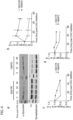
- DaN cultures were treated with the proteasome inhibitor MG132 for 24 hrs which resulted in accumulation of P53, a protein canonically degraded via proteosomal means, but no substantial change in ⁇ -Synuclein levels ( Figure 4e ). This result indicates proteasome degradation was not a significant contributor to ⁇ -Synuclein degradation in DAN cultures.
- GCase is a class of lysosomal hydrolases that have been reported as having reduced activity in peripheral blood of some PD patients. In 30 day old DaNs from EOSPD patients, significantly reduced GCase activity was observed compared to controls ( Figure 4f ). Others have found that reduced GCase activity in iPSC derived DaNs was caused by an increase in oxidized dopamine.
- the Inventors selected 3 lysosomal agonists.
- the compounds the Inventors selected were: PEP005, a PKC agonist and structural analogue of the HEP14 drug, SMER28, a small molecule TFEB agonist shown to reduce Huntington and ⁇ -Synuclein aggregates in a PC12 cell model, and Trehalose, another biological compound shown to promote clearance of ⁇ -Synuclein.
- PEP005 a PKC agonist and structural analogue of the HEP14 drug
- SMER28 a small molecule TFEB agonist shown to reduce Huntington and ⁇ -Synuclein aggregates in a PC12 cell model
- Trehalose another biological compound shown to promote clearance of ⁇ -Synuclein.
- DaNs were treated for 3 days with the above lysosomal agonists.
- the Inventors checked all additional DANs to see if this observation was validated across multiple lines.
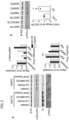
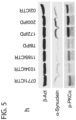
- the Inventors found higher levels of p-PKCa in 30 day DANs from all 3 EOSPD lines ( Figure 5b ).
- the Inventors also checked 3 additional newly derived EOSPD lines (172iPD, 183iPD, 192iPD), 3 additional controls (0771iCTR, 1034iCTR, 1185iCTR), and a normal onset PD line (78iPD, age 67 @ onset, family history of PD) for both ⁇ -Synuclein accumulation and increased p-PKCa (Figure 5g).
- the elevated phosphorylation of PKCa was absent in the undifferentiated iPSCs and no clear pattern was evident in peripheral blood from the individual patients indicating specificity to the differentiated DaNs. Elevated phosphorylation of PKCa is clearly ablated by the addition of 1uM PEP005 for 3 days in DaNs from all iPSC lines ( Figure 5c ). While this ablation does correlate with reduced synuclein in all treated lines it appears that neither LAMP1 nor LC3 respond to PEP treatment in PD cells ( Figure 5c ) indicating that the mechanism of action in the PD cells may be different from a canonical upregulation of lysosomal proteins.
- a time-course of PEP treatment in control and PD DaNs shows that both p-PKCa and ⁇ -Synuclein are degraded in response to drug treatment within about 24 hrs ( Figure 5d ).
- This same timecourse also shows a marked decrease in cleaved caspase 3 (CC3) present in the PD cells.
- Gene expression data from paired samples along this same timecourse indicates that SNCA is downregulated 4 hours after PEP treatment ( Figure 5e ) and TH is upregulated roughly 8 hours after initial exposure ( Figure 5f ).
- PEP stimulates synuclein degradation.
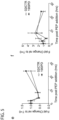
- Dosage studies of 0.3, 3, and 30uM PEP was injected into the ventricles of WT mice. Reduction of synuclein and increase in TH in mouse striatum after 1 and 5 days post injection.
- the Inventors began this study looking for a signature of parkinsonism in dopaminergic neurons differentiated from early onset sporadic PD patient iPSCs.
- the Inventors reprogrammed PBMCs from 3 individuals.
- the resulting iPSC lines were genetically normal and lacked many of the known monogenic PD mutations.
- the genomic chip assay used to asses this covers ⁇ 260,000 known SNPs associated with neurodegenerative disorders. It is possible, if highly unlikely, that the 3 idiopathic individuals used to generate the PD iPSCs all have as yet unknown monogenic mutations that were missed by the NeuroX screen.
- Transcriptomic analysis revealed increased expression of many synaptic and exocytic transcripts in the PD cells. These increased transcripts also directly translated to elevated protein levels in the PD DaNs indicating an overabundance of synaptic machinery. However, despite the presence of more synaptic machinery, neither MEA recordings or live calcium imaging demonstrated a difference in activity between the PD and control DaNs. Conversely, the proteomics data indicate a reduction in the amount of lysosomal lumen proteins in PD DaNs. This decrease was not reflected in the RNA of the same cells which indicates a disconnect in this signaling pathway.
- the Inventors next selected a series of lysosomal agonists to attempt to correct this observed deficiency.
- the 3 tested agonists only the PEP005 small molecule reduced ⁇ -Synuclein levels in both control and PD DaNs.
- PEP treatment also resulted in an increase in the amount of TH present in the treated cultures of both control and PD DaNs.
- the dual effects of reducing intracellular ⁇ -Synuclein levels and increasing TH observed here make PEP005 a very attractive candidate as a potential therapeutic agent.
- PEP005 (ingenol-3-angelate) is an FDA approved drug for topical treatment of actinic keratinosis that also has anti leukemic activity and may play a role in reactivating latent HIV Also known as ingenol-3-angelate and ingenol mebutate, it is the most studied ingenol derivative initially extracted from the sap of the plant Euphorbia peplus. This small molecule binds to the PKC C1 domains with subnanomolar affinity and shows no selectivity for individual PKC isoforms in vitro, although patterns of PKC isoform translocation and downregulation induced by PEP005 can differ, sometimes in a cell line-dependent manner.
- HEP14 5 ⁇ -O-angelate-20-deoxyingenol
- PEP005 In control cells treated with PEP005, the Inventors observed an increase in the lysosomal protein LAMP1 consistent with activation of the lysosomal master regulator TFEB, but this increase does not appear to be replicated in the PD DaNs treated with the drug.
- PEP is described as both an activator of the pro-apoptotic PKC6 and an inhibitor of PKC ⁇ .
- PEP005 has been described as inhibiting proliferation of various cancer cell lines and primary acute myeloid leukaemia (AML) cells. In leukemic cell lines and primary AML cells, it induces apoptosis by activating PKC ⁇ and by subsequently inducing sustained activation of ERK1/2.
- PKC activation may therefore mediate lysosomal adaptation to many extracellular cues, including clearance of aggregated proteins, thereby providing viable treatment options for disease and disorders with a lysosome nexus, such as the Parkinson's mechanism outlined here.
- ⁇ -Synuclein degradation has been controversial, but it appears that the bulk of degradation of at least monomeric WT ⁇ -synuclein in neuronal cell systems occurs through the lysosomal pathways of chaperone-mediated autophagy (CMA) and macroautophagy. Dysfunction of these degradation pathways may be a contributing factor to PD pathogenesis
- CMA chaperone-mediated autophagy
- PKC demonstrates the viability of strategies directed toward promoting endogenous degradation systems to enhance clearance of excess ⁇ -synuclein, and can have the advantage that they could also alleviate the aberrant effects of ⁇ -synuclein on their function
- the Inventors developed a cryopreservation technique for dopaminergic neuron cells. Such technique allows preparation of cells for the aforementioned screening techniques and other applications.
- the numbers expressing quantities of ingredients, properties such as concentration, reaction conditions, and so forth, used to describe and claim certain embodiments of the invention are to be understood as being modified in some instances by the term "about.” Accordingly, in some embodiments, the numerical parameters set forth in the written description and attached claims are approximations that can vary depending upon the desired properties sought to be obtained by a particular embodiment. In some embodiments, the numerical parameters should be construed in light of the number of reported significant digits and by applying ordinary rounding techniques. Notwithstanding that the numerical ranges and parameters setting forth the broad scope of some embodiments of the invention are approximations, the numerical values set forth in the specific examples are reported as precisely as practicable. The numerical values presented in some embodiments of the invention may contain certain errors necessarily resulting from the standard deviation found in their respective testing measurements.
Landscapes
- Health & Medical Sciences (AREA)
- Life Sciences & Earth Sciences (AREA)
- Engineering & Computer Science (AREA)
- Biomedical Technology (AREA)
- Chemical & Material Sciences (AREA)
- General Health & Medical Sciences (AREA)
- Bioinformatics & Cheminformatics (AREA)
- Biotechnology (AREA)
- Genetics & Genomics (AREA)
- Cell Biology (AREA)
- Immunology (AREA)
- Medicinal Chemistry (AREA)
- Organic Chemistry (AREA)
- Molecular Biology (AREA)
- Zoology (AREA)
- Microbiology (AREA)
- Neurology (AREA)
- Wood Science & Technology (AREA)
- Biochemistry (AREA)
- Hematology (AREA)
- Urology & Nephrology (AREA)
- Neurosurgery (AREA)
- Public Health (AREA)
- Animal Behavior & Ethology (AREA)
- Pharmacology & Pharmacy (AREA)
- Veterinary Medicine (AREA)
- General Engineering & Computer Science (AREA)
- Physics & Mathematics (AREA)
- Epidemiology (AREA)
- Developmental Biology & Embryology (AREA)
- General Physics & Mathematics (AREA)
- Pathology (AREA)
- Analytical Chemistry (AREA)
- Food Science & Technology (AREA)
- Natural Medicines & Medicinal Plants (AREA)
- Emergency Medicine (AREA)
- Reproductive Health (AREA)
- Toxicology (AREA)
- Psychology (AREA)
- Proteomics, Peptides & Aminoacids (AREA)
Claims (9)
- In-vitro-Verfahren zum Screening auf Verbindungen für früh einsetzende sporadische Parkinson-Krankheit, wobei das Verfahren Folgendes umfasst:Inkontaktbringen einer Menge an dopaminergen Neuronen des Mittelhirns mit einer oder mehreren Testverbindungen;Messen von Expressionsniveaus von Biomarkern, wobei die Biomarker PKC-Aktivierung und α-Synuclein-Proteinniveaus umfassen, wobei die PKC-Aktivierung PKCα-Phosphorylierung ist; undAuswählen einer oder mehrerer Testverbindungen auf der Grundlage der gemessenen Expressionsniveaus der Biomarker, wobei die gemessenen Expressionsniveaus Niveaus von phosphoryliertem PKCα und α-Synuclein in den dopaminergen Neuronen des Mittelhirns umfassen,wobei die dopaminergen Neuronen des Mittelhirns aus induzierten pluripotenten Stammzellen (iPSC), die aus Blutzellen von Patienten mit früh einsetzender sporadischer Parkinson-Krankheit abgeleitet sind, differenziert sind.
- Verfahren nach Anspruch 1, wobei die eine oder mehreren Testverbindungen ausgewählt werden, wenn die gemessenen Expressionsniveaus ein verringertes phosphoryliertes PKCα angeben.
- Verfahren nach Anspruch 1, wobei die Biomarker ferner mindestens eines von TFEB-Aktivierung und ZKSCAN3-Inaktivierung umfassen.
- Verfahren nach Anspruch 2, wobei die eine oder mehreren Testverbindungen ausgewählt werden, wenn die gemessenen Expressionsniveaus verringerte α-Synuclein-Proteinniveaus angeben.
- Verfahren nach Anspruch 1, wobei die Biomarker ferner mindestens eines von Folgenden umfassen:
LAMP1, GCase, Tyrosinhydroxylase (TH) und dopaminerge Aktivität. - Verfahren nach Anspruch 1, wobei die aus Blutzellen abgeleiteten iPSC durch ein Verfahren hergestellt werden, das Folgendes umfasst:Inkontaktbringen einer Menge an Blutzellen mit einem oder mehreren oriP/EBNA1-Vektoren, die einen Reprogrammierungsfaktor kodieren; Einbringen einer Menge an Reprogrammierungsfaktoren in die Blutzellen; undKultivieren der Blutzellen in einem Reprogrammierungsmedium,wobei das Einbringen der Reprogrammierungsfaktoren und das Kultivieren in dem Reprogrammierungsmedium aus Blutzellen abgeleitete iPSC erzeugt.
- Verfahren nach Anspruch 6, wobei die Menge an Blutzellen von einem menschlichen Subjekt gewonnen wurde, das an früh einsetzender sporadischer Parkinson-Krankheit leidet.
- Verfahren nach Anspruch 1, wobei die Neuronen von aus Blutzellen abgeleiteten iPSC durch ein Verfahren differenziert werden, das Folgendes umfasst:Bereitstellen einer Menge an aus Blutzellen abgeleiteten induzierten pluripotenten Stammzellen (iPSC);Kultivieren der iPSC in Gegenwart eines Inhibitors des Transforming-Growth-Factors(TGF)-beta und eines Inhibitors der Activin-Receptor-like-Kinase (ALK);weiteres Kultivieren in Gegenwart eines Smoothened-Agonisten, eines RHO-Kinase(ROCK)-Inhibitors und mindestens zweier Wachstumsfaktoren;zusätzliches Kultivieren in Gegenwart von Retinsäure; undFortsetzen des Kultivierens in Gegenwart von mindestens drei zusätzlichen Wachstumsfaktoren.
- Verfahren nach Anspruch 8, wobei der Inhibitor des Transforming-Growth-Factor(TGF)-beta LDN-193189 umfasst und der Inhibitor der Activin-Rezeptor-like-Kinase (ALK) SB431542 umfasst, der Smoothened-Agonist Purmorphamin umfasst, die mindestens zwei Wachstumsfaktoren Sonic Hedgehog und Fibroblasten-Wachstumsfaktor 8 umfassen, der ROCK-Inhibitor CHIR99012 umfasst und die mindestens drei zusätzlichen Wachstumsfaktoren aus dem Gehirn abgeleiteten neurotrophen Faktor, aus den Glia abgeleiteten neurotrophen Faktor und TGF-Beta 3 umfassen.
Applications Claiming Priority (6)
| Application Number | Priority Date | Filing Date | Title |
|---|---|---|---|
| US201862664888P | 2018-04-30 | 2018-04-30 | |
| US201862664827P | 2018-04-30 | 2018-04-30 | |
| US201862664942P | 2018-05-01 | 2018-05-01 | |
| US201862755365P | 2018-11-02 | 2018-11-02 | |
| US201962816795P | 2019-03-11 | 2019-03-11 | |
| PCT/US2019/026195 WO2019212691A1 (en) | 2018-04-30 | 2019-04-05 | Diagnostic and drug screening for molecular signatures of early onset sporadic parkinson's disease |
Publications (3)
| Publication Number | Publication Date |
|---|---|
| EP3787649A1 EP3787649A1 (de) | 2021-03-10 |
| EP3787649A4 EP3787649A4 (de) | 2022-06-01 |
| EP3787649B1 true EP3787649B1 (de) | 2025-01-08 |
Family
ID=68386734
Family Applications (2)
| Application Number | Title | Priority Date | Filing Date |
|---|---|---|---|
| EP19796470.3A Active EP3787613B1 (de) | 2018-04-30 | 2019-04-05 | Pkc-aktivierung zur verwendung bei der behandlung von sporadischer young onset parkinson-krankheit |
| EP19796911.6A Active EP3787649B1 (de) | 2018-04-30 | 2019-04-05 | Diagnostisches und medikamentöses screening auf molekulare signaturen der früh einsetzenden sporadischen parkinson-krankheit |
Family Applications Before (1)
| Application Number | Title | Priority Date | Filing Date |
|---|---|---|---|
| EP19796470.3A Active EP3787613B1 (de) | 2018-04-30 | 2019-04-05 | Pkc-aktivierung zur verwendung bei der behandlung von sporadischer young onset parkinson-krankheit |
Country Status (4)
| Country | Link |
|---|---|
| US (2) | US12564568B2 (de) |
| EP (2) | EP3787613B1 (de) |
| JP (4) | JP7543143B2 (de) |
| WO (2) | WO2019212691A1 (de) |
Families Citing this family (14)
| Publication number | Priority date | Publication date | Assignee | Title |
|---|---|---|---|---|
| US20190018000A1 (en) | 2016-01-12 | 2019-01-17 | Cedars-Sinai Medical Center | A method of non destructive monitoring of biological processes in microfluidic tissue culture systems |
| US11473061B2 (en) | 2016-02-01 | 2022-10-18 | Cedars-Sinai Medical Center | Systems and methods for growth of intestinal cells in microfluidic devices |
| WO2018140647A1 (en) | 2017-01-25 | 2018-08-02 | Cedars-Sinai Medical Center | In vitro induction of mammary-like differentiation from human pluripotent stem cells |
| US11767513B2 (en) | 2017-03-14 | 2023-09-26 | Cedars-Sinai Medical Center | Neuromuscular junction |
| US11414648B2 (en) | 2017-03-24 | 2022-08-16 | Cedars-Sinai Medical Center | Methods and compositions for production of fallopian tube epithelium |
| EP4700387A2 (de) | 2018-03-23 | 2026-02-25 | Cedars-Sinai Medical Center | Verfahren zur verwendung von inselzellen |
| US11981918B2 (en) | 2018-04-06 | 2024-05-14 | Cedars-Sinai Medical Center | Differentiation technique to generate dopaminergic neurons from induced pluripotent stem cells |
| EP3775161A4 (de) | 2018-04-06 | 2022-04-06 | Cedars-Sinai Medical Center | Aus menschlichen pluripotenten stammzellen abgeleitete neurodegenerative krankheitsmodelle auf einem mikrofluidischen chip |
| EP3787613B1 (de) | 2018-04-30 | 2026-03-11 | Cedars-Sinai Medical Center | Pkc-aktivierung zur verwendung bei der behandlung von sporadischer young onset parkinson-krankheit |
| CN116635047A (zh) * | 2020-06-26 | 2023-08-22 | 米纳瓦生物技术公司 | 用于从多能干细胞衍生多巴胺能神经元的方法 |
| CA3183958A1 (en) * | 2020-06-26 | 2021-12-30 | Minerva Biotechnologies Corporation | Methods for deriving dopaminergic neurons from pluripotent stem cells |
| CN111808960A (zh) * | 2020-07-20 | 2020-10-23 | 山东大学齐鲁医院 | 一种用于诊治急性髓性白血病的药物和方法 |
| TW202300642A (zh) * | 2021-03-25 | 2023-01-01 | 美商藍岩醫療公司 | 獲得誘導型多能幹細胞之方法 |
| CN120420309A (zh) * | 2024-06-18 | 2025-08-05 | 山历叶生物科技(深圳)有限公司 | 巨大戟醇hep14在制备药物中的应用及其药物剂型和制备方法 |
Family Cites Families (131)
| Publication number | Priority date | Publication date | Assignee | Title |
|---|---|---|---|---|
| US5610281A (en) | 1994-05-03 | 1997-03-11 | Brigham & Women's Hospital, Inc. | Antibodies for modulating heterotypic E-cadherin interactions with human T lymphocytes |
| GB9905218D0 (en) | 1999-03-09 | 1999-04-28 | Univ Glasgow | Neurodegenerative disorder related gene |
| WO2002038190A2 (en) | 2000-10-27 | 2002-05-16 | Beth Israel Deaconess Medical Center | Non-isotopic detection of osteoblastic activity in vivo using modified bisphosphonates |
| EP1385938A1 (de) * | 2001-04-23 | 2004-02-04 | Nsgene A/S | Methode und kulturmedium zur herstellung von neuronalenzellen ausdrücken tyrosin hydroxylase |
| US20080004332A1 (en) | 2002-03-07 | 2008-01-03 | Alkon Daniel L | Methods for alzheimer's disease treatment and cognitive enhancement |
| US20090030055A1 (en) * | 2002-07-02 | 2009-01-29 | Thomas Nelson | PKC activation as a means for enhancing sAPPALPHA secretion and improving cognition using bryostatin type compounds |
| US7635477B2 (en) | 2002-07-25 | 2009-12-22 | The General Hospital Corporation | Parathyroid hormone receptor activation and stem and progenitor cell expansion |
| CN1791421A (zh) | 2002-09-25 | 2006-06-21 | 医药研究加万研究院 | 诱导乳腺上皮细胞分化的方法 |
| US7960166B2 (en) | 2003-05-21 | 2011-06-14 | The General Hospital Corporation | Microfabricated compositions and processes for engineering tissues containing multiple cell types |
| EP1670901A4 (de) | 2003-08-29 | 2007-09-05 | Wisconsin Alumni Res Found | Verfahren zur in-vitro-differenzierung von neuralen stammzellen, motorneuronen und dopaminneuronen aus embryonalen primatenstammzellen |
| DE102004061947A1 (de) | 2004-12-22 | 2006-07-06 | Ccs Cell Culture Service Gmbh | Verfahren zum Einfrieren und Lagern von Zellen |
| WO2007030469A2 (en) | 2005-09-06 | 2007-03-15 | University Of Pittsburgh - Of The Commonwealth System Of Higher Education | Transplantable cell growth niche and related compositions and methods |
| US20070128722A1 (en) | 2005-12-05 | 2007-06-07 | Industrial Technology Research Institute | Human mesenchymal stem cells and culturing methods thereof |
| US8492150B2 (en) | 2006-02-03 | 2013-07-23 | President And Fellows Of Harvard College | Engineered cell growth on polymeric films and biotechnological applications thereof |
| US20080044847A1 (en) | 2006-06-23 | 2008-02-21 | Shusta Eric V | Blood-Brain Barrier Model |
| KR100790880B1 (ko) | 2006-07-05 | 2008-01-02 | 삼성전자주식회사 | 자성 비드가 결합되어 있는 소수성 다공성 중합체가 벽면에결합되어 있는 마이크로채널 또는 마이크로챔버를포함하는 미세유동장치 및 그를 이용하는 방법 |
| US11696908B2 (en) * | 2007-01-31 | 2023-07-11 | Biosuccess Biotech Co. Ltd. | Compositions and methods of use of phorbol esters |
| EP2139990A1 (de) | 2007-03-23 | 2010-01-06 | California Stem Cell, Inc. | Menschliche spätstadium-motorneuronen-vorläuferzellen und verfahren zur herstellung und verwendung davon |
| WO2008136729A1 (en) | 2007-05-04 | 2008-11-13 | Sundstroem Erik | Slicing device |
| JP2008307007A (ja) | 2007-06-15 | 2008-12-25 | Bayer Schering Pharma Ag | 出生後のヒト組織由来未分化幹細胞から誘導したヒト多能性幹細胞 |
| CA2691963A1 (en) | 2007-06-27 | 2008-12-31 | President And Fellows Of Harvard College | Neural stem cells |
| US20090075374A1 (en) | 2007-07-24 | 2009-03-19 | Palecek Sean P | Methods of generating epithelial lineage cells from embryoid bodies and pluripotent cells |
| US9381273B2 (en) | 2008-01-31 | 2016-07-05 | Yissum Research Development Company Of The Hebrew University Of Jerusalem | Scaffolds with oxygen carriers, and their use in tissue regeneration |
| JP2009247276A (ja) | 2008-04-04 | 2009-10-29 | Erii Kk | 生体供給用、生体移植用、生体添加用、生体投与用の解凍器官若しくは組織または解凍細胞群とその製造方法及びそれらに用いる過冷却液並びに製造装置 |
| WO2009128533A1 (ja) | 2008-04-18 | 2009-10-22 | 国立大学法人名古屋大学 | 間葉系幹細胞およびその生産方法 |
| CN104328050B (zh) | 2008-07-16 | 2017-12-15 | 儿童医疗中心有限公司 | 具有微通道的器官模仿装置及其使用和制造方法 |
| AU2015204375A1 (en) | 2008-07-16 | 2015-08-06 | Children's Medical Center Corporation | Organ mimic device with microchannels and methods of use and manufacturing thereof |
| WO2011109440A1 (en) | 2010-03-01 | 2011-09-09 | Caris Life Sciences Luxembourg Holdings | Biomarkers for theranostics |
| US9752124B2 (en) | 2009-02-03 | 2017-09-05 | Koninklijke Nederlandse Akademie Van Wetenschappen | Culture medium for epithelial stem cells and organoids comprising the stem cells |
| US8642334B2 (en) | 2009-02-17 | 2014-02-04 | Memorial Sloan Kettering Cancer Center | Methods of neural conversion of human embryonic stem cells |
| WO2010108005A2 (en) | 2009-03-18 | 2010-09-23 | University Of Georgia Research Foundation | Novel neural progenitors from pluripotent stem cells, methods of producing same and use to produce neural cells |
| KR20110134939A (ko) | 2009-04-03 | 2011-12-15 | 더 맥클린 하스피털 코퍼레이션 | 유도된 다능성 줄기 세포 |
| CN102573500A (zh) * | 2009-08-06 | 2012-07-11 | 纽拉尔图斯制药公司 | 巨噬细胞相关疾病的治疗 |
| US9708582B2 (en) | 2009-10-13 | 2017-07-18 | Stemcell Technologies Inc. | Method of differentiating stem cells |
| US9719068B2 (en) | 2010-05-06 | 2017-08-01 | Children's Hospital Medical Center | Methods and systems for converting precursor cells into intestinal tissues through directed differentiation |
| CA2808660A1 (en) * | 2010-08-19 | 2012-02-23 | Blanchette Rockefeller Neurosciences Institute | Treatment of cognitive disorders associated with abnormal dendritic spines using pkc activators |
| EP2636731B1 (de) | 2010-11-02 | 2016-07-13 | National University Corporation Kumamoto University | Verfahren zur herstellung von darmzellen |
| AU2010365057B2 (en) | 2010-12-08 | 2016-12-22 | Viacyte, Inc. | Agents and methods for inhibiting human pluripotent stem cell growth |
| ES2623538T3 (es) | 2010-12-13 | 2017-07-11 | TheraDep Technologies, Inc | Dispositivos médicos implantables |
| KR20140004724A (ko) | 2011-01-19 | 2014-01-13 | 더 리젠츠 오브 더 유니버시티 오브 캘리포니아 | 전분화능을 위한 선천적 잠재력을 갖는 체세포 |
| US20120211373A1 (en) | 2011-02-22 | 2012-08-23 | The Regents Of The University Of Michigan | Microfluidic system for measuring cell barrier function |
| KR102117921B1 (ko) | 2011-02-28 | 2020-06-03 | 프레지던트 앤드 펠로우즈 오브 하바드 칼리지 | 세포 배양 시스템 |
| WO2012122405A2 (en) | 2011-03-08 | 2012-09-13 | The Trustees Of Columbia University In The City Of New York | Screening assays using stem cells and stem cell-derived neurons from mouse models of alzheimer's disease |
| CN103620024B (zh) | 2011-06-09 | 2016-06-22 | 弗·哈夫曼-拉罗切有限公司 | 用于使多能干细胞分化为血管床细胞的方法 |
| WO2012177997A1 (en) * | 2011-06-22 | 2012-12-27 | The General Hospital Corporation | Treatment of proteinopathies |
| CA2861668C (en) * | 2011-10-05 | 2021-09-07 | Blanchette Rockefeller Neurosciences Institute | Stimulus-elicited genomic profile markers of a neurodegenerative condition |
| WO2013056216A1 (en) | 2011-10-14 | 2013-04-18 | New York University | Micrornas and methods of using same |
| ES2741969T3 (es) | 2011-10-31 | 2020-02-12 | Riken | Método para el cultivo de células madre |
| JP6422778B2 (ja) * | 2011-11-13 | 2018-11-14 | ブランシェット・ロックフェラー・ニューロサイエンスィズ・インスティテュート | Pkcアクチベーターおよびその組合せ |
| US9725687B2 (en) | 2011-12-09 | 2017-08-08 | President And Fellows Of Harvard College | Integrated human organ-on-chip microphysiological systems |
| WO2013086502A1 (en) | 2011-12-09 | 2013-06-13 | President And Fellows Of Harvard College | Organ chips and uses thereof |
| US9149806B2 (en) | 2012-01-10 | 2015-10-06 | Biopico Systems Inc | Microfluidic devices and methods for cell sorting, cell culture and cells based diagnostics and therapeutics |
| US9828583B2 (en) | 2012-01-13 | 2017-11-28 | The General Hospital Corporation | Isolated human lung progenitor cells and uses thereof |
| EP2804598B1 (de) | 2012-01-17 | 2019-05-15 | Kyoto University | Prophylaktisches und therapeutisches mittel für amyotrophe lateralsklerose und verfahren zum screening danach |
| US9532997B2 (en) | 2012-04-03 | 2017-01-03 | Whitehead Institute For Biomedical Research | Compositions and methods for promoting intestinal stem cell function |
| US9468656B2 (en) | 2012-04-20 | 2016-10-18 | Medela Holding Ag | Stem cell preparations and methods of use |
| KR101200049B1 (ko) | 2012-05-14 | 2012-11-13 | 한국원자력연구원 | 테크네튬-99엠 트리카보닐 표지 글리신 단량체 또는 올리고머 활용 생리활성분자를 이용한 프로브의 제조방법 및 이를 포함하는 영상제 조성물 |
| US20150168375A1 (en) | 2012-06-04 | 2015-06-18 | Medimmune, Llc | Cancer stem cells and methods of using the same |
| EP2861612A4 (de) | 2012-06-13 | 2016-02-17 | Stemgent Inc | Verfahren zur herstellung von pluripotenten stammzellen |
| US9513280B2 (en) | 2012-08-28 | 2016-12-06 | University Of Utah Research Foundation | Microfluidic biological barrier model and associated method |
| GB201216796D0 (en) | 2012-09-20 | 2012-11-07 | Cambridge Entpr Ltd | In vitro pancreatic differentiation |
| US20140134732A1 (en) | 2012-11-14 | 2014-05-15 | Wisconsin Alumni Research Foundation | Simplified Compositions and Methods for Generating Neural Stem Cells From Human Pluripotent Stem Cells |
| US9932559B2 (en) | 2012-11-16 | 2018-04-03 | The Johns Hopkins University | Platform for creating an artificial blood brain barrier |
| US10160950B2 (en) | 2013-03-01 | 2018-12-25 | Wisconsin Alumni Research Foundation | Methods of maintaining, expanding and differentiating neuronal subtype specific progenitors |
| JP6112550B2 (ja) | 2013-03-08 | 2017-04-12 | 国立研究開発法人産業技術総合研究所 | 胃組織細胞の作製方法 |
| LT2970890T (lt) | 2013-03-14 | 2020-07-10 | The Brigham And Women`S Hospital, Inc. | Kompozicijos ir būdai, skirti epitelinių kamieninių ląstelių padauginimui ir kultivavimui |
| US10266807B2 (en) | 2013-04-03 | 2019-04-23 | FUJIFILM Cellular Dynamics, Inc. | Methods and compositions for culturing endoderm progenitor cells in suspension |
| US10638948B2 (en) | 2013-04-19 | 2020-05-05 | Cedars-Sinai Medical Center | Imaging biomarkers for the diagnosis and prognosis of back pain and related conditions |
| EP3498824A1 (de) | 2013-04-26 | 2019-06-19 | Memorial Sloan-Kettering Cancer Center | Durch gezielte differenzierung pluripotenter und multipotenter zellen hergestellte kortikale interneuronen und andere neuronale zellen |
| SG11201510177WA (en) | 2013-06-11 | 2016-01-28 | Harvard College | SC-β CELLS AND COMPOSITIONS AND METHODS FOR GENERATING THE SAME |
| WO2015006725A2 (en) | 2013-07-12 | 2015-01-15 | Cedars-Sinai Medical Center | Generation of induced pluripotent stem cells from normal human mammary epithelial cells |
| WO2015020234A1 (ja) | 2013-08-06 | 2015-02-12 | 武田薬品工業株式会社 | ドパミン神経細胞の製造方法 |
| GB201317869D0 (en) | 2013-10-09 | 2013-11-20 | Cambridge Entpr Ltd | In vitro production of foregut stem cells |
| WO2015057261A1 (en) | 2013-10-16 | 2015-04-23 | The Brigham And Women's Hospital, Inc. | Methods of generating intermediate mesoderm cells from human pluripotent stem cells |
| CA2934662C (en) | 2013-12-20 | 2024-02-20 | President And Fellows Of Harvard College | Low shear microfluidic devices and methods of use and manufacturing thereof |
| GB2583047B (en) | 2013-12-20 | 2021-03-24 | Harvard College | Organomimetic devices and methods of use and manufacturing thereof |
| US9695399B2 (en) | 2014-01-28 | 2017-07-04 | Northwestern University | 3D microphysiologic system |
| SG11201606832YA (en) | 2014-02-18 | 2016-09-29 | Massachusetts Inst Technology | Biophysically sorted osteoprogenitors from culture expanded bone marrow derived mesenchymal stromal cells (mscs) |
| WO2015143342A1 (en) * | 2014-03-21 | 2015-09-24 | Cellular Dynamics International, Inc. | Production of midbrain dopaminergic neurons and methods for the use thereof |
| AU2015241133B2 (en) | 2014-03-31 | 2019-11-28 | Brigham And Women's Hospital, Inc. | Systems and methods for biomimetic fluid processing |
| CN107075466A (zh) | 2014-04-23 | 2017-08-18 | 新加坡科技研究局 | 细胞重编程的方法 |
| US10006006B2 (en) | 2014-05-16 | 2018-06-26 | Janssen Biotech, Inc. | Use of small molecules to enhance MAFA expression in pancreatic endocrine cells |
| WO2015181253A1 (en) | 2014-05-27 | 2015-12-03 | Fundación Pública Andaluza Progreso Y Salud | Neural progenitor cell population |
| CN106661548B (zh) | 2014-05-28 | 2020-12-11 | 儿童医院医疗中心 | 用于经由定向分化将前体细胞转化为胃组织的方法和系统 |
| US20170107498A1 (en) | 2014-06-05 | 2017-04-20 | Cedars-Sinai Medical Center | Novel and efficient method for reprogramming immortalized lymphoblastoid cell lines to induced pluripotent stem cells |
| JP6804438B2 (ja) | 2014-10-17 | 2020-12-23 | チルドレンズ ホスピタル メディカル センター | 多能性幹細胞を使用するヒト小腸のin vivoモデル、並びにそれを作製、及び使用する方法 |
| WO2016063985A1 (ja) | 2014-10-24 | 2016-04-28 | 大日本住友製薬株式会社 | 神経組織の製造方法 |
| WO2016086040A1 (en) | 2014-11-25 | 2016-06-02 | Los Alamos National Security, Llc | Patterned neuromuscular junctions and methods of use |
| JP5777127B1 (ja) | 2014-12-09 | 2015-09-09 | 公立大学法人横浜市立大学 | 原始腸内胚葉細胞及びその作製方法 |
| WO2016114655A1 (en) * | 2015-01-12 | 2016-07-21 | Ry Pharma B.V. | Treating neuromuscular or neurologic disease through reducing gabaergic and/or glycinergic inhibitory neurotransmitter overstimulation |
| US9944894B2 (en) | 2015-01-16 | 2018-04-17 | General Electric Company | Pluripotent stem cell expansion and passage using a rocking platform bioreactor |
| JP6807853B2 (ja) | 2015-03-03 | 2021-01-06 | プレジデント アンド フェローズ オブ ハーバード カレッジ | 機能的ヒト組織の作製方法 |
| CN107438669B (zh) | 2015-04-09 | 2022-09-27 | 拜奥拉米那公司 | 用于治疗神经退行性疾病的干细胞衍生多巴胺能细胞的生产方法和组合物 |
| WO2016183252A1 (en) * | 2015-05-11 | 2016-11-17 | Alkon, Daniel, L. | Treatment of neurodegenerative conditions using pkc activators after determining the presence of the apoe4 allele |
| WO2017035119A1 (en) | 2015-08-24 | 2017-03-02 | National University Of Singapore | Blood brain barrier model in a 3d co-culture microfluidic system |
| US12209253B2 (en) | 2016-08-29 | 2025-01-28 | EMULATE, Inc. | Development of spinal cord on a microfluidic chip |
| US20170226478A1 (en) | 2015-10-19 | 2017-08-10 | EMULATE, Inc. | Neuromuscular Junction: NMJ-ON-CHIP |
| AU2016341880B2 (en) | 2015-10-19 | 2021-01-21 | Cedars-Sinai Medical Center | Microfluidic model of the blood brain barrier |
| WO2017075271A1 (en) | 2015-10-29 | 2017-05-04 | The Regents Of The University Of Claifornia | Astrocyte differentiation protocol |
| CA3003152A1 (en) * | 2015-11-04 | 2017-05-11 | Fate Therapeutics, Inc. | Methods and compositions for inducing hematopoietic cell differentiation |
| WO2017112455A2 (en) | 2015-12-22 | 2017-06-29 | Corning Incorporated | Cell separation device and method for using same |
| US20190018000A1 (en) | 2016-01-12 | 2019-01-17 | Cedars-Sinai Medical Center | A method of non destructive monitoring of biological processes in microfluidic tissue culture systems |
| US11473061B2 (en) | 2016-02-01 | 2022-10-18 | Cedars-Sinai Medical Center | Systems and methods for growth of intestinal cells in microfluidic devices |
| WO2017143049A1 (en) | 2016-02-16 | 2017-08-24 | President And Fellows Of Harvard College | Improved blood-brain barrier endothelial cells derived from pluripotent stem cells for blood-brain barrier models |
| EP3423564A4 (de) | 2016-03-03 | 2019-08-21 | New York Stem Cell Foundation, Inc. | Aus pluripotenten stammzellen abgeleitete mikroglia und verfahren zur herstellung und verwendung davon |
| US10214724B2 (en) | 2016-04-05 | 2019-02-26 | Wisconsin Alumni Research Foundation | Methods for differentiation of human pluripotent stem cells to brain microvascular endothelial cells |
| WO2017200486A1 (en) | 2016-05-17 | 2017-11-23 | Agency For Science, Technology And Research | Human stem cell derived endothelial cells, endothelial- hepatocyte co-culture system and uses thereof |
| US10221395B2 (en) | 2016-06-16 | 2019-03-05 | Cedars-Sinai Medical Center | Efficient method for reprogramming blood to induced pluripotent stem cells |
| WO2018035214A1 (en) * | 2016-08-16 | 2018-02-22 | Cellular Dynamics International., Inc. | Methods for differentiating pluripotent cells |
| US12091650B2 (en) | 2016-08-29 | 2024-09-17 | EMULATE, Inc. | Development of spinal cord on a microfluidic chip |
| JP7068305B2 (ja) | 2016-12-05 | 2022-05-16 | チルドレンズ ホスピタル メディカル センター | 結腸オルガノイドならびにその作製方法および使用方法 |
| WO2018140647A1 (en) | 2017-01-25 | 2018-08-02 | Cedars-Sinai Medical Center | In vitro induction of mammary-like differentiation from human pluripotent stem cells |
| GB2575574B (en) | 2017-03-14 | 2022-08-17 | Cedars Sinai Medical Center | Neuromuscular junction |
| US11767513B2 (en) | 2017-03-14 | 2023-09-26 | Cedars-Sinai Medical Center | Neuromuscular junction |
| SG11201908359UA (en) | 2017-03-14 | 2019-10-30 | Emulate Inc | Neuromuscular junction: nmj-on-chip |
| JP7471084B2 (ja) | 2017-03-21 | 2024-04-19 | メモリアル スローン ケタリング キャンサー センター | 幹細胞由来星状細胞、作製方法および使用方法 |
| US11414648B2 (en) | 2017-03-24 | 2022-08-16 | Cedars-Sinai Medical Center | Methods and compositions for production of fallopian tube epithelium |
| WO2018213773A1 (en) | 2017-05-19 | 2018-11-22 | Cedars-Sinai Medical Center | Systems and methods for growth of intestinal cells |
| WO2019023793A1 (en) | 2017-08-04 | 2019-02-07 | University Health Network | GENERATION OF OLIGODENDROGENIC NEURON PROGENITOR CELLS |
| SG11202005063XA (en) | 2017-12-22 | 2020-06-29 | Tissuse Gmbh | NOVEL MULTI-ORGAN-CHIPS ESTABLISHING DIFFERENTIATION OF iPSC-DERIVED CELLS INTO ORGAN EQUIVALENTS |
| CN112074281A (zh) | 2018-03-02 | 2020-12-11 | 沃泰克斯药物股份有限公司 | 增强干细胞向β细胞分化的方法 |
| US12103004B2 (en) | 2018-03-12 | 2024-10-01 | Silicon Valley Scientific, Inc. | Method and apparatus for processing tissue and other samples encoding cellular spatial position information |
| US12258571B2 (en) | 2018-03-16 | 2025-03-25 | Cedars-Sinai Medical Center | Methods and compositions for inducible expression of neurotrophic factors |
| EP4700387A2 (de) | 2018-03-23 | 2026-02-25 | Cedars-Sinai Medical Center | Verfahren zur verwendung von inselzellen |
| US11981918B2 (en) | 2018-04-06 | 2024-05-14 | Cedars-Sinai Medical Center | Differentiation technique to generate dopaminergic neurons from induced pluripotent stem cells |
| EP3775161A4 (de) | 2018-04-06 | 2022-04-06 | Cedars-Sinai Medical Center | Aus menschlichen pluripotenten stammzellen abgeleitete neurodegenerative krankheitsmodelle auf einem mikrofluidischen chip |
| EP3787613B1 (de) | 2018-04-30 | 2026-03-11 | Cedars-Sinai Medical Center | Pkc-aktivierung zur verwendung bei der behandlung von sporadischer young onset parkinson-krankheit |
| AU2020370288B2 (en) | 2019-10-22 | 2026-02-12 | Cedars-Sinai Medical Center | Cortical neural progenitor cells from iPSCs |
| WO2021081237A1 (en) | 2019-10-22 | 2021-04-29 | Cedars-Sinai Medical Center | Mesh chopping of neural progenitor cell aggregates |
| WO2021222724A1 (en) | 2020-05-01 | 2021-11-04 | Cedars-Sinai Medical Center | Multi-lineage cardiovascular microfluidic organ-chip |
| EP4217114A4 (de) | 2020-09-22 | 2024-10-23 | Cedars-Sinai Medical Center | Komplexe mikrofluidische modelle für als mit nf-biomarkern für die als-forschung und arzneimittelentwicklung |
-
2019
- 2019-04-05 EP EP19796470.3A patent/EP3787613B1/de active Active
- 2019-04-05 WO PCT/US2019/026195 patent/WO2019212691A1/en not_active Ceased
- 2019-04-05 JP JP2020560893A patent/JP7543143B2/ja active Active
- 2019-04-05 JP JP2020560894A patent/JP2021523888A/ja active Pending
- 2019-04-05 EP EP19796911.6A patent/EP3787649B1/de active Active
- 2019-04-05 US US17/043,344 patent/US12564568B2/en active Active
- 2019-04-05 WO PCT/US2019/026193 patent/WO2019212690A1/en not_active Ceased
- 2019-04-05 US US17/043,272 patent/US20210033628A1/en active Pending
-
2024
- 2024-03-12 JP JP2024038025A patent/JP2024073529A/ja active Pending
- 2024-06-04 JP JP2024090584A patent/JP2024126026A/ja not_active Withdrawn
Also Published As
| Publication number | Publication date |
|---|---|
| EP3787649A4 (de) | 2022-06-01 |
| JP2024073529A (ja) | 2024-05-29 |
| WO2019212690A1 (en) | 2019-11-07 |
| JP7543143B2 (ja) | 2024-09-02 |
| US20210023039A1 (en) | 2021-01-28 |
| US20210033628A1 (en) | 2021-02-04 |
| US12564568B2 (en) | 2026-03-03 |
| EP3787649A1 (de) | 2021-03-10 |
| EP3787613A4 (de) | 2022-01-12 |
| JP2021523888A (ja) | 2021-09-09 |
| JP2024126026A (ja) | 2024-09-19 |
| EP3787613B1 (de) | 2026-03-11 |
| JP2021523700A (ja) | 2021-09-09 |
| EP3787613A1 (de) | 2021-03-10 |
| WO2019212691A1 (en) | 2019-11-07 |
Similar Documents
| Publication | Publication Date | Title |
|---|---|---|
| EP3787649B1 (de) | Diagnostisches und medikamentöses screening auf molekulare signaturen der früh einsetzenden sporadischen parkinson-krankheit | |
| US11981918B2 (en) | Differentiation technique to generate dopaminergic neurons from induced pluripotent stem cells | |
| Pereira et al. | Human sensorimotor organoids derived from healthy and amyotrophic lateral sclerosis stem cells form neuromuscular junctions | |
| Neuman et al. | Non‐canonical functions of the tuberous sclerosis complex‐Rheb signalling axis | |
| Lai et al. | KCNJ2 inhibition mitigates mechanical injury in a human brain organoid model of traumatic brain injury | |
| US20220364053A1 (en) | Human cellular model for investigating cortico-striatal-midbrain neural pathways | |
| US20240150710A1 (en) | Assembled three-dimensional cultures of human neurons and glia and their use | |
| US10494602B1 (en) | Functional astrocytes and cortical neurons from induced pluripotent stem cells and methods of use thereof | |
| US10093898B2 (en) | Purification of functional human astrocytes | |
| JP2022534693A (ja) | パーキンソン病のための自家細胞置換療法 | |
| US10842822B2 (en) | Diagnosis and treatment of parkinson's disease based on identification and amelioration of liver dysfunction | |
| Rico et al. | Altered expression of proteins involved in metabolism in LGMDR1 muscle is lost in cell culture conditions | |
| Cantó-Santos et al. | Human induced pluripotent stem cell-derived myotubes to model inclusion body myositis | |
| Mirabella et al. | Transient Maternal IL-6 boosts glutamatergic synapses and disrupts hippocampal connectivity in the offspring | |
| Ghirotto et al. | TNF-α disrupts the malate-aspartate shuttle, driving metabolic rewiring in iPSC-derived enteric neural lineages from Parkinson’s Disease patients | |
| Parrotta et al. | Mosaic midbrain organoids: a new tool to study Progressive Supranuclear Palsy and advancing clinical neurology research | |
| Minotti | High Throughput Approaches to Advance Human Pluripotent Stem Cell Models of Neurodegeneration | |
| Lignani et al. | Prenatal sodium channel dysfunction in Dravet syndrome alters cortical development | |
| Al-Naama | Early Developmental and Mitochondrial Dysfunction Precede Neurodegeneration in DRPLA | |
| McAdam | Identification of Resting Membrane Potential as a Regulator of Medulloblastoma Stem Cell Proliferation | |
| Lara Ordóñez | Molecular mechanisms underlying LRRK2-mediated centrosomal cohesion deficits as biomarker for Parkinson’s disease | |
| Zucco | The Generation and Characterization of a Human Induced Pluripotent Stem Cell Model for the Tuberous Sclerosis Complex | |
| Chapman | Modelling of neurodevelopmental disorders associated with 1q21. 1 deletion and duplication using human iPSCs | |
| Xie | Modeling SCN1A Epilepsy with Dual Isogenic Pairs of Human iPSC-derived Neurons | |
| Keuper et al. | Single cell RNA sequencing in isogenic FUS and TARDBP mutant ALS lines reveals early mitochondrial dysfunction as a common pathway in motor neurons |
Legal Events
| Date | Code | Title | Description |
|---|---|---|---|
| STAA | Information on the status of an ep patent application or granted ep patent |
Free format text: STATUS: THE INTERNATIONAL PUBLICATION HAS BEEN MADE |
|
| PUAI | Public reference made under article 153(3) epc to a published international application that has entered the european phase |
Free format text: ORIGINAL CODE: 0009012 |
|
| STAA | Information on the status of an ep patent application or granted ep patent |
Free format text: STATUS: REQUEST FOR EXAMINATION WAS MADE |
|
| 17P | Request for examination filed |
Effective date: 20200928 |
|
| AK | Designated contracting states |
Kind code of ref document: A1 Designated state(s): AL AT BE BG CH CY CZ DE DK EE ES FI FR GB GR HR HU IE IS IT LI LT LU LV MC MK MT NL NO PL PT RO RS SE SI SK SM TR |
|
| AX | Request for extension of the european patent |
Extension state: BA ME |
|
| DAV | Request for validation of the european patent (deleted) | ||
| DAX | Request for extension of the european patent (deleted) | ||
| RIC1 | Information provided on ipc code assigned before grant |
Ipc: G01N 33/68 20060101ALI20220121BHEP Ipc: G01N 33/50 20060101ALI20220121BHEP Ipc: A61K 31/122 20060101ALI20220121BHEP Ipc: A61K 31/365 20060101ALI20220121BHEP Ipc: A61K 31/23 20060101ALI20220121BHEP Ipc: A61P 25/16 20060101ALI20220121BHEP Ipc: A61K 31/22 20060101AFI20220121BHEP |
|
| REG | Reference to a national code |
Ref country code: DE Ref legal event code: R079 Free format text: PREVIOUS MAIN CLASS: A61K0035300000 Ipc: A61K0031220000 Ref country code: DE Ref legal event code: R079 Ref document number: 602019064659 Country of ref document: DE Free format text: PREVIOUS MAIN CLASS: A61K0035300000 Ipc: A61K0031220000 |
|
| A4 | Supplementary search report drawn up and despatched |
Effective date: 20220429 |
|
| RIC1 | Information provided on ipc code assigned before grant |
Ipc: G01N 33/68 20060101ALI20220422BHEP Ipc: G01N 33/50 20060101ALI20220422BHEP Ipc: A61K 31/122 20060101ALI20220422BHEP Ipc: A61K 31/365 20060101ALI20220422BHEP Ipc: A61K 31/23 20060101ALI20220422BHEP Ipc: A61P 25/16 20060101ALI20220422BHEP Ipc: A61K 31/22 20060101AFI20220422BHEP |
|
| STAA | Information on the status of an ep patent application or granted ep patent |
Free format text: STATUS: EXAMINATION IS IN PROGRESS |
|
| 17Q | First examination report despatched |
Effective date: 20231107 |
|
| REG | Reference to a national code |
Ref country code: DE Ref legal event code: R079 Free format text: PREVIOUS MAIN CLASS: A61K0031220000 Ipc: A61K0036470000 Ref country code: DE Ref legal event code: R079 Ref document number: 602019064659 Country of ref document: DE Free format text: PREVIOUS MAIN CLASS: A61K0031220000 Ipc: A61K0036470000 |
|
| GRAP | Despatch of communication of intention to grant a patent |
Free format text: ORIGINAL CODE: EPIDOSNIGR1 |
|
| STAA | Information on the status of an ep patent application or granted ep patent |
Free format text: STATUS: GRANT OF PATENT IS INTENDED |
|
| RIC1 | Information provided on ipc code assigned before grant |
Ipc: A61P 25/16 20060101ALI20240710BHEP Ipc: G01N 33/68 20060101ALI20240710BHEP Ipc: G01N 33/50 20060101ALI20240710BHEP Ipc: C12N 5/0793 20100101ALI20240710BHEP Ipc: A61K 36/47 20060101AFI20240710BHEP |
|
| INTG | Intention to grant announced |
Effective date: 20240809 |
|
| GRAS | Grant fee paid |
Free format text: ORIGINAL CODE: EPIDOSNIGR3 |
|
| GRAA | (expected) grant |
Free format text: ORIGINAL CODE: 0009210 |
|
| STAA | Information on the status of an ep patent application or granted ep patent |
Free format text: STATUS: THE PATENT HAS BEEN GRANTED |
|
| AK | Designated contracting states |
Kind code of ref document: B1 Designated state(s): AL AT BE BG CH CY CZ DE DK EE ES FI FR GB GR HR HU IE IS IT LI LT LU LV MC MK MT NL NO PL PT RO RS SE SI SK SM TR |
|
| REG | Reference to a national code |
Ref country code: GB Ref legal event code: FG4D |
|
| REG | Reference to a national code |
Ref country code: CH Ref legal event code: EP |
|
| REG | Reference to a national code |
Ref country code: DE Ref legal event code: R096 Ref document number: 602019064659 Country of ref document: DE |
|
| REG | Reference to a national code |
Ref country code: IE Ref legal event code: FG4D |
|
| P01 | Opt-out of the competence of the unified patent court (upc) registered |
Free format text: CASE NUMBER: APP_12508/2025 Effective date: 20250313 |
|
| REG | Reference to a national code |
Ref country code: LT Ref legal event code: MG9D |
|
| REG | Reference to a national code |
Ref country code: NL Ref legal event code: MP Effective date: 20250108 |
|
| REG | Reference to a national code |
Ref country code: AT Ref legal event code: MK05 Ref document number: 1757911 Country of ref document: AT Kind code of ref document: T Effective date: 20250108 |
|
| PG25 | Lapsed in a contracting state [announced via postgrant information from national office to epo] |
Ref country code: NL Free format text: LAPSE BECAUSE OF FAILURE TO SUBMIT A TRANSLATION OF THE DESCRIPTION OR TO PAY THE FEE WITHIN THE PRESCRIBED TIME-LIMIT Effective date: 20250108 |
|
| PG25 | Lapsed in a contracting state [announced via postgrant information from national office to epo] |
Ref country code: RS Free format text: LAPSE BECAUSE OF FAILURE TO SUBMIT A TRANSLATION OF THE DESCRIPTION OR TO PAY THE FEE WITHIN THE PRESCRIBED TIME-LIMIT Effective date: 20250408 |
|
| PG25 | Lapsed in a contracting state [announced via postgrant information from national office to epo] |
Ref country code: FI Free format text: LAPSE BECAUSE OF FAILURE TO SUBMIT A TRANSLATION OF THE DESCRIPTION OR TO PAY THE FEE WITHIN THE PRESCRIBED TIME-LIMIT Effective date: 20250108 |
|
| PG25 | Lapsed in a contracting state [announced via postgrant information from national office to epo] |
Ref country code: PL Free format text: LAPSE BECAUSE OF FAILURE TO SUBMIT A TRANSLATION OF THE DESCRIPTION OR TO PAY THE FEE WITHIN THE PRESCRIBED TIME-LIMIT Effective date: 20250108 |
|
| PGFP | Annual fee paid to national office [announced via postgrant information from national office to epo] |
Ref country code: DE Payment date: 20250417 Year of fee payment: 7 |
|
| PG25 | Lapsed in a contracting state [announced via postgrant information from national office to epo] |
Ref country code: ES Free format text: LAPSE BECAUSE OF FAILURE TO SUBMIT A TRANSLATION OF THE DESCRIPTION OR TO PAY THE FEE WITHIN THE PRESCRIBED TIME-LIMIT Effective date: 20250108 |
|
| PG25 | Lapsed in a contracting state [announced via postgrant information from national office to epo] |
Ref country code: IS Free format text: LAPSE BECAUSE OF FAILURE TO SUBMIT A TRANSLATION OF THE DESCRIPTION OR TO PAY THE FEE WITHIN THE PRESCRIBED TIME-LIMIT Effective date: 20250508 Ref country code: NO Free format text: LAPSE BECAUSE OF FAILURE TO SUBMIT A TRANSLATION OF THE DESCRIPTION OR TO PAY THE FEE WITHIN THE PRESCRIBED TIME-LIMIT Effective date: 20250408 |
|
| PG25 | Lapsed in a contracting state [announced via postgrant information from national office to epo] |
Ref country code: HR Free format text: LAPSE BECAUSE OF FAILURE TO SUBMIT A TRANSLATION OF THE DESCRIPTION OR TO PAY THE FEE WITHIN THE PRESCRIBED TIME-LIMIT Effective date: 20250108 |
|
| PG25 | Lapsed in a contracting state [announced via postgrant information from national office to epo] |
Ref country code: LV Free format text: LAPSE BECAUSE OF FAILURE TO SUBMIT A TRANSLATION OF THE DESCRIPTION OR TO PAY THE FEE WITHIN THE PRESCRIBED TIME-LIMIT Effective date: 20250108 Ref country code: PT Free format text: LAPSE BECAUSE OF FAILURE TO SUBMIT A TRANSLATION OF THE DESCRIPTION OR TO PAY THE FEE WITHIN THE PRESCRIBED TIME-LIMIT Effective date: 20250508 |
|
| PGFP | Annual fee paid to national office [announced via postgrant information from national office to epo] |
Ref country code: FR Payment date: 20250422 Year of fee payment: 7 |
|
| PG25 | Lapsed in a contracting state [announced via postgrant information from national office to epo] |
Ref country code: GR Free format text: LAPSE BECAUSE OF FAILURE TO SUBMIT A TRANSLATION OF THE DESCRIPTION OR TO PAY THE FEE WITHIN THE PRESCRIBED TIME-LIMIT Effective date: 20250409 Ref country code: BG Free format text: LAPSE BECAUSE OF FAILURE TO SUBMIT A TRANSLATION OF THE DESCRIPTION OR TO PAY THE FEE WITHIN THE PRESCRIBED TIME-LIMIT Effective date: 20250108 |
|
| PG25 | Lapsed in a contracting state [announced via postgrant information from national office to epo] |
Ref country code: AT Free format text: LAPSE BECAUSE OF FAILURE TO SUBMIT A TRANSLATION OF THE DESCRIPTION OR TO PAY THE FEE WITHIN THE PRESCRIBED TIME-LIMIT Effective date: 20250108 |
|
| PG25 | Lapsed in a contracting state [announced via postgrant information from national office to epo] |
Ref country code: SE Free format text: LAPSE BECAUSE OF FAILURE TO SUBMIT A TRANSLATION OF THE DESCRIPTION OR TO PAY THE FEE WITHIN THE PRESCRIBED TIME-LIMIT Effective date: 20250108 |
|
| PG25 | Lapsed in a contracting state [announced via postgrant information from national office to epo] |
Ref country code: SM Free format text: LAPSE BECAUSE OF FAILURE TO SUBMIT A TRANSLATION OF THE DESCRIPTION OR TO PAY THE FEE WITHIN THE PRESCRIBED TIME-LIMIT Effective date: 20250108 |
|
| REG | Reference to a national code |
Ref country code: DE Ref legal event code: R097 Ref document number: 602019064659 Country of ref document: DE |
|
| PG25 | Lapsed in a contracting state [announced via postgrant information from national office to epo] |
Ref country code: DK Free format text: LAPSE BECAUSE OF FAILURE TO SUBMIT A TRANSLATION OF THE DESCRIPTION OR TO PAY THE FEE WITHIN THE PRESCRIBED TIME-LIMIT Effective date: 20250108 |
|
| PG25 | Lapsed in a contracting state [announced via postgrant information from national office to epo] |
Ref country code: EE Free format text: LAPSE BECAUSE OF FAILURE TO SUBMIT A TRANSLATION OF THE DESCRIPTION OR TO PAY THE FEE WITHIN THE PRESCRIBED TIME-LIMIT Effective date: 20250108 Ref country code: CZ Free format text: LAPSE BECAUSE OF FAILURE TO SUBMIT A TRANSLATION OF THE DESCRIPTION OR TO PAY THE FEE WITHIN THE PRESCRIBED TIME-LIMIT Effective date: 20250108 |
|
| PG25 | Lapsed in a contracting state [announced via postgrant information from national office to epo] |
Ref country code: RO Free format text: LAPSE BECAUSE OF FAILURE TO SUBMIT A TRANSLATION OF THE DESCRIPTION OR TO PAY THE FEE WITHIN THE PRESCRIBED TIME-LIMIT Effective date: 20250108 |
|
| PG25 | Lapsed in a contracting state [announced via postgrant information from national office to epo] |
Ref country code: SK Free format text: LAPSE BECAUSE OF FAILURE TO SUBMIT A TRANSLATION OF THE DESCRIPTION OR TO PAY THE FEE WITHIN THE PRESCRIBED TIME-LIMIT Effective date: 20250108 |
|
| PLBE | No opposition filed within time limit |
Free format text: ORIGINAL CODE: 0009261 |
|
| STAA | Information on the status of an ep patent application or granted ep patent |
Free format text: STATUS: NO OPPOSITION FILED WITHIN TIME LIMIT |
|
| REG | Reference to a national code |
Ref country code: CH Ref legal event code: L10 Free format text: ST27 STATUS EVENT CODE: U-0-0-L10-L00 (AS PROVIDED BY THE NATIONAL OFFICE) Effective date: 20251119 |
|
| REG | Reference to a national code |
Ref country code: CH Ref legal event code: H13 Free format text: ST27 STATUS EVENT CODE: U-0-0-H10-H13 (AS PROVIDED BY THE NATIONAL OFFICE) Effective date: 20251125 |
|
| PG25 | Lapsed in a contracting state [announced via postgrant information from national office to epo] |
Ref country code: LU Free format text: LAPSE BECAUSE OF NON-PAYMENT OF DUE FEES Effective date: 20250405 |
|
| 26N | No opposition filed |
Effective date: 20251009 |
|
| PG25 | Lapsed in a contracting state [announced via postgrant information from national office to epo] |
Ref country code: MC Free format text: LAPSE BECAUSE OF FAILURE TO SUBMIT A TRANSLATION OF THE DESCRIPTION OR TO PAY THE FEE WITHIN THE PRESCRIBED TIME-LIMIT Effective date: 20250108 |
|
| REG | Reference to a national code |
Ref country code: BE Ref legal event code: MM Effective date: 20250430 |
|
| PG25 | Lapsed in a contracting state [announced via postgrant information from national office to epo] |
Ref country code: BE Free format text: LAPSE BECAUSE OF NON-PAYMENT OF DUE FEES Effective date: 20250430 |
|
| PG25 | Lapsed in a contracting state [announced via postgrant information from national office to epo] |
Ref country code: CH Free format text: LAPSE BECAUSE OF NON-PAYMENT OF DUE FEES Effective date: 20250430 |
|
| PG25 | Lapsed in a contracting state [announced via postgrant information from national office to epo] |
Ref country code: IT Free format text: LAPSE BECAUSE OF FAILURE TO SUBMIT A TRANSLATION OF THE DESCRIPTION OR TO PAY THE FEE WITHIN THE PRESCRIBED TIME-LIMIT Effective date: 20250108 |
|
| PGFP | Annual fee paid to national office [announced via postgrant information from national office to epo] |
Ref country code: GB Payment date: 20260326 Year of fee payment: 8 |
|
| PG25 | Lapsed in a contracting state [announced via postgrant information from national office to epo] |
Ref country code: IE Free format text: LAPSE BECAUSE OF NON-PAYMENT OF DUE FEES Effective date: 20250405 |