EP3639858A1 - Conjugate of biologically active polypeptide monomer and immunoglobulin fc fragment with reduced receptor-mediated clearance, and the method for preparing the same - Google Patents
Conjugate of biologically active polypeptide monomer and immunoglobulin fc fragment with reduced receptor-mediated clearance, and the method for preparing the same Download PDFInfo
- Publication number
- EP3639858A1 EP3639858A1 EP19214544.9A EP19214544A EP3639858A1 EP 3639858 A1 EP3639858 A1 EP 3639858A1 EP 19214544 A EP19214544 A EP 19214544A EP 3639858 A1 EP3639858 A1 EP 3639858A1
- Authority
- EP
- European Patent Office
- Prior art keywords
- fragment
- immunoglobulin
- conjugate
- physiologically active
- active polypeptide
- Prior art date
- Legal status (The legal status is an assumption and is not a legal conclusion. Google has not performed a legal analysis and makes no representation as to the accuracy of the status listed.)
- Pending
Links
Images
Classifications
-
- C—CHEMISTRY; METALLURGY
- C07—ORGANIC CHEMISTRY
- C07K—PEPTIDES
- C07K14/00—Peptides having more than 20 amino acids; Gastrins; Somatostatins; Melanotropins; Derivatives thereof
- C07K14/435—Peptides having more than 20 amino acids; Gastrins; Somatostatins; Melanotropins; Derivatives thereof from animals; from humans
- C07K14/575—Hormones
- C07K14/605—Glucagons
-
- A—HUMAN NECESSITIES
- A61—MEDICAL OR VETERINARY SCIENCE; HYGIENE
- A61K—PREPARATIONS FOR MEDICAL, DENTAL OR TOILETRY PURPOSES
- A61K38/00—Medicinal preparations containing peptides
- A61K38/16—Peptides having more than 20 amino acids; Gastrins; Somatostatins; Melanotropins; Derivatives thereof
- A61K38/17—Peptides having more than 20 amino acids; Gastrins; Somatostatins; Melanotropins; Derivatives thereof from animals; from humans
- A61K38/18—Growth factors; Growth regulators
- A61K38/1816—Erythropoietin [EPO]
-
- A—HUMAN NECESSITIES
- A61—MEDICAL OR VETERINARY SCIENCE; HYGIENE
- A61K—PREPARATIONS FOR MEDICAL, DENTAL OR TOILETRY PURPOSES
- A61K38/00—Medicinal preparations containing peptides
- A61K38/16—Peptides having more than 20 amino acids; Gastrins; Somatostatins; Melanotropins; Derivatives thereof
- A61K38/17—Peptides having more than 20 amino acids; Gastrins; Somatostatins; Melanotropins; Derivatives thereof from animals; from humans
- A61K38/19—Cytokines; Lymphokines; Interferons
- A61K38/193—Colony stimulating factors [CSF]
-
- A—HUMAN NECESSITIES
- A61—MEDICAL OR VETERINARY SCIENCE; HYGIENE
- A61K—PREPARATIONS FOR MEDICAL, DENTAL OR TOILETRY PURPOSES
- A61K38/00—Medicinal preparations containing peptides
- A61K38/16—Peptides having more than 20 amino acids; Gastrins; Somatostatins; Melanotropins; Derivatives thereof
- A61K38/17—Peptides having more than 20 amino acids; Gastrins; Somatostatins; Melanotropins; Derivatives thereof from animals; from humans
- A61K38/22—Hormones
- A61K38/26—Glucagons
-
- A—HUMAN NECESSITIES
- A61—MEDICAL OR VETERINARY SCIENCE; HYGIENE
- A61K—PREPARATIONS FOR MEDICAL, DENTAL OR TOILETRY PURPOSES
- A61K38/00—Medicinal preparations containing peptides
- A61K38/16—Peptides having more than 20 amino acids; Gastrins; Somatostatins; Melanotropins; Derivatives thereof
- A61K38/17—Peptides having more than 20 amino acids; Gastrins; Somatostatins; Melanotropins; Derivatives thereof from animals; from humans
- A61K38/22—Hormones
- A61K38/27—Growth hormone [GH], i.e. somatotropin
-
- A—HUMAN NECESSITIES
- A61—MEDICAL OR VETERINARY SCIENCE; HYGIENE
- A61K—PREPARATIONS FOR MEDICAL, DENTAL OR TOILETRY PURPOSES
- A61K38/00—Medicinal preparations containing peptides
- A61K38/16—Peptides having more than 20 amino acids; Gastrins; Somatostatins; Melanotropins; Derivatives thereof
- A61K38/17—Peptides having more than 20 amino acids; Gastrins; Somatostatins; Melanotropins; Derivatives thereof from animals; from humans
- A61K38/22—Hormones
- A61K38/28—Insulins
-
- A—HUMAN NECESSITIES
- A61—MEDICAL OR VETERINARY SCIENCE; HYGIENE
- A61K—PREPARATIONS FOR MEDICAL, DENTAL OR TOILETRY PURPOSES
- A61K39/00—Medicinal preparations containing antigens or antibodies
- A61K39/395—Antibodies; Immunoglobulins; Immune serum, e.g. antilymphocytic serum
-
- A—HUMAN NECESSITIES
- A61—MEDICAL OR VETERINARY SCIENCE; HYGIENE
- A61K—PREPARATIONS FOR MEDICAL, DENTAL OR TOILETRY PURPOSES
- A61K47/00—Medicinal preparations characterised by the non-active ingredients used, e.g. carriers or inert additives; Targeting or modifying agents chemically bound to the active ingredient
- A61K47/06—Organic compounds, e.g. natural or synthetic hydrocarbons, polyolefins, mineral oil, petrolatum or ozokerite
- A61K47/08—Organic compounds, e.g. natural or synthetic hydrocarbons, polyolefins, mineral oil, petrolatum or ozokerite containing oxygen, e.g. ethers, acetals, ketones, quinones, aldehydes, peroxides
- A61K47/10—Alcohols; Phenols; Salts thereof, e.g. glycerol; Polyethylene glycols [PEG]; Poloxamers; PEG/POE alkyl ethers
-
- A—HUMAN NECESSITIES
- A61—MEDICAL OR VETERINARY SCIENCE; HYGIENE
- A61K—PREPARATIONS FOR MEDICAL, DENTAL OR TOILETRY PURPOSES
- A61K47/00—Medicinal preparations characterised by the non-active ingredients used, e.g. carriers or inert additives; Targeting or modifying agents chemically bound to the active ingredient
- A61K47/30—Macromolecular organic or inorganic compounds, e.g. inorganic polyphosphates
- A61K47/32—Macromolecular compounds obtained by reactions only involving carbon-to-carbon unsaturated bonds, e.g. carbomers, poly(meth)acrylates, or polyvinyl pyrrolidone
-
- A—HUMAN NECESSITIES
- A61—MEDICAL OR VETERINARY SCIENCE; HYGIENE
- A61K—PREPARATIONS FOR MEDICAL, DENTAL OR TOILETRY PURPOSES
- A61K47/00—Medicinal preparations characterised by the non-active ingredients used, e.g. carriers or inert additives; Targeting or modifying agents chemically bound to the active ingredient
- A61K47/30—Macromolecular organic or inorganic compounds, e.g. inorganic polyphosphates
- A61K47/36—Polysaccharides; Derivatives thereof, e.g. gums, starch, alginate, dextrin, hyaluronic acid, chitosan, inulin, agar or pectin
-
- A—HUMAN NECESSITIES
- A61—MEDICAL OR VETERINARY SCIENCE; HYGIENE
- A61K—PREPARATIONS FOR MEDICAL, DENTAL OR TOILETRY PURPOSES
- A61K47/00—Medicinal preparations characterised by the non-active ingredients used, e.g. carriers or inert additives; Targeting or modifying agents chemically bound to the active ingredient
- A61K47/50—Medicinal preparations characterised by the non-active ingredients used, e.g. carriers or inert additives; Targeting or modifying agents chemically bound to the active ingredient the non-active ingredient being chemically bound to the active ingredient, e.g. polymer-drug conjugates
- A61K47/51—Medicinal preparations characterised by the non-active ingredients used, e.g. carriers or inert additives; Targeting or modifying agents chemically bound to the active ingredient the non-active ingredient being chemically bound to the active ingredient, e.g. polymer-drug conjugates the non-active ingredient being a modifying agent
- A61K47/68—Medicinal preparations characterised by the non-active ingredients used, e.g. carriers or inert additives; Targeting or modifying agents chemically bound to the active ingredient the non-active ingredient being chemically bound to the active ingredient, e.g. polymer-drug conjugates the non-active ingredient being a modifying agent the modifying agent being an antibody, an immunoglobulin or a fragment thereof, e.g. an Fc-fragment
-
- A—HUMAN NECESSITIES
- A61—MEDICAL OR VETERINARY SCIENCE; HYGIENE
- A61K—PREPARATIONS FOR MEDICAL, DENTAL OR TOILETRY PURPOSES
- A61K47/00—Medicinal preparations characterised by the non-active ingredients used, e.g. carriers or inert additives; Targeting or modifying agents chemically bound to the active ingredient
- A61K47/50—Medicinal preparations characterised by the non-active ingredients used, e.g. carriers or inert additives; Targeting or modifying agents chemically bound to the active ingredient the non-active ingredient being chemically bound to the active ingredient, e.g. polymer-drug conjugates
- A61K47/51—Medicinal preparations characterised by the non-active ingredients used, e.g. carriers or inert additives; Targeting or modifying agents chemically bound to the active ingredient the non-active ingredient being chemically bound to the active ingredient, e.g. polymer-drug conjugates the non-active ingredient being a modifying agent
- A61K47/68—Medicinal preparations characterised by the non-active ingredients used, e.g. carriers or inert additives; Targeting or modifying agents chemically bound to the active ingredient the non-active ingredient being chemically bound to the active ingredient, e.g. polymer-drug conjugates the non-active ingredient being a modifying agent the modifying agent being an antibody, an immunoglobulin or a fragment thereof, e.g. an Fc-fragment
- A61K47/6801—Drug-antibody or immunoglobulin conjugates defined by the pharmacologically or therapeutically active agent
- A61K47/6803—Drugs conjugated to an antibody or immunoglobulin, e.g. cisplatin-antibody conjugates
- A61K47/6811—Drugs conjugated to an antibody or immunoglobulin, e.g. cisplatin-antibody conjugates the drug being a protein or peptide, e.g. transferrin or bleomycin
-
- C—CHEMISTRY; METALLURGY
- C07—ORGANIC CHEMISTRY
- C07K—PEPTIDES
- C07K14/00—Peptides having more than 20 amino acids; Gastrins; Somatostatins; Melanotropins; Derivatives thereof
- C07K14/435—Peptides having more than 20 amino acids; Gastrins; Somatostatins; Melanotropins; Derivatives thereof from animals; from humans
-
- C—CHEMISTRY; METALLURGY
- C07—ORGANIC CHEMISTRY
- C07K—PEPTIDES
- C07K16/00—Immunoglobulins [IG], e.g. monoclonal or polyclonal antibodies
-
- A—HUMAN NECESSITIES
- A61—MEDICAL OR VETERINARY SCIENCE; HYGIENE
- A61K—PREPARATIONS FOR MEDICAL, DENTAL OR TOILETRY PURPOSES
- A61K39/00—Medicinal preparations containing antigens or antibodies
- A61K2039/505—Medicinal preparations containing antigens or antibodies comprising antibodies
-
- A—HUMAN NECESSITIES
- A61—MEDICAL OR VETERINARY SCIENCE; HYGIENE
- A61K—PREPARATIONS FOR MEDICAL, DENTAL OR TOILETRY PURPOSES
- A61K38/00—Medicinal preparations containing peptides
-
- C—CHEMISTRY; METALLURGY
- C07—ORGANIC CHEMISTRY
- C07K—PEPTIDES
- C07K2317/00—Immunoglobulins specific features
- C07K2317/40—Immunoglobulins specific features characterized by post-translational modification
- C07K2317/41—Glycosylation, sialylation, or fucosylation
-
- C—CHEMISTRY; METALLURGY
- C07—ORGANIC CHEMISTRY
- C07K—PEPTIDES
- C07K2317/00—Immunoglobulins specific features
- C07K2317/50—Immunoglobulins specific features characterized by immunoglobulin fragments
- C07K2317/52—Constant or Fc region; Isotype
- C07K2317/53—Hinge
-
- C—CHEMISTRY; METALLURGY
- C07—ORGANIC CHEMISTRY
- C07K—PEPTIDES
- C07K2319/00—Fusion polypeptide
- C07K2319/30—Non-immunoglobulin-derived peptide or protein having an immunoglobulin constant or Fc region, or a fragment thereof, attached thereto
Definitions
- the present invention relates to: a long-acting pharmaceutical composition containing a conjugate comprising a physiologically active polypeptide linked to an immunoglobulin Fc fragment, wherein the composition contains a monomeric conjugate comprising one molecule of the physiologically active polypeptide linked to a single immunoglobulin Fc fragment, and optionally contains a multimeric conjugate comprising two or more molecules of the same physiologically active polypeptide linked to a single immunoglobulin Fc fragment, provided that the molar ratio of the monomeric conjugate to the multimeric conjugate in the composition is at least 19; a physiologically active polypeptide monomer-immunoglobulin Fc fragment conjugate that comprises a physiologically active polypeptide monomer linked via a non-peptidyl linker to an immunoglobulin Fc fragment, wherein the physiologically active polypeptide is linked via the non-peptidyl linker to the immunoglobulin Fc fragment in a monomeric form, the conjugate showing reduced receptor-mediated internalization or receptor-mediated clearance compared to
- a method of chemically attaching highly soluble polymers such as PEG to the surface of the protein drugs is used.
- a polymer binds non-specifically to a specific site or various sites of a target protein to increase the solubility of the protein, stabilize the protein and prevent the hydrolysis of the protein, and furthermore, causes no particular side effects ( Sada et al., J. Fermentation Bioengineering 71: 137-139, 1991 ).
- this method has problems in that even though the PEG linked to the physiologically active protein can increase the stability of the protein, it significantly reduces the titer of the protein, and as the molecular weight of the PEG increases, its reactivity with the protein decreases, resulting in a decrease in the yield.
- the modified fatty acid binds reversibly to serum albumin to increase the serum half-life of the protein, but the half-life is about one day to one week, indicating that the increasing the half-life is not so significant.
- the physiologically active protein reversibly dissociated from albumin is easily eliminated through the kidneys.
- interferon Korean Patent Laid-Open Publication No. 2003-9464
- interleukin-4 receptor interleukin-7 receptor
- erythropoietin receptor Kerean Patent No. 249572
- International Patent Publication No. WO 01/03737 discloses a fusion protein comprising a cytokine or growth factor linked to an immunoglobulin Fc fragment via an oligopeptide linker.
- 5,116,964 discloses a fusion protein comprising an LHR (lymphocyte cell surface glycoprotein) or CD4 protein fused to the amino or carboxy terminal end of an immunoglobulin Fc fragment by a genetic recombination method
- US Patent No. 5,349,053 discloses a fusion protein of IL-2 with an immunoglobulin Fc fragment
- Fc fusion proteins prepared by genetic recombination methods include a fusion protein of interferon-beta or its derivative with an immunoglobulin Fc fragment (International Patent Publication No. WO 00/23472 ), a fusion protein of IL-5 receptor with an immunoglobulin Fc fragment ( US Patent No.
- US Patent No. 5,605,690 relates to the modification of amino acid residues in an immunoglobulin Fc fragment and discloses a TNFR-IgG1 Fc fusion protein prepared by a genetic recombination method using an Fc fragment obtained by modifying the amino acid residues of a particular complement-binding site or a receptor-binding site in an immunoglobulin Fc fragment.
- the present inventors have made extensive efforts to prepare a conjugate having an increased serum in vivo half-life by an immunoglobulin Fc fragment to a physiologically active polypeptide. As a result, the present inventors have found that, when a physiologically active polypeptide is linked to an immunoglobulin Fc fragment in a monomeric form, it shows significantly reduced receptor-mediated clearance and also shows a long half-life even in a rat animal model, compared to when the physiologically active polypeptide is present in a multimeric form, thereby completing the present invention.
- Another object of the present invention is to provide a physiologically active polypeptide monomer-immunoglobulin Fc fragment conjugate that comprises a physiologically active polypeptide monomer linked via a non-peptidyl linker to an immunoglobulin Fc fragment, wherein the physiologically active polypeptide is linked via the non-peptidyl linker to the immunoglobulin Fc fragment in a monomeric form, the conjugate showing reduced receptor-mediated internalization or receptor-mediated clearance compared to a conjugate comprising a physiologically active polypeptide linked in-frame to the immunoglobulin Fc fragment.
- Still another object of the present invention is to provide a method for preparing the long-acting pharmaceutical composition, the method comprising: (a) linking a physiologically active polypeptide to an immunoglobulin Fc fragment to prepare a mixture of physiologically active polypeptide-immunoglobulin Fc fragment conjugates; and (b) separating from the mixture a physiologically active polypeptide monomer-immunoglobulin Fc fragment conjugate comprising one molecule of the physiologically active polypeptide linked to a single immunoglobulin Fc fragment.
- the inventive conjugate comprising the physiologically active polypeptide monomer linked to the immunoglobulin Fc conjugate shows significantly reduced receptor-mediated internalization or receptor-mediated clearance, and thus has an increased serum half-life. Accordingly, the conjugate of the present invention can provide a drug having an increased serum half-life and therapeutic superiority.
- the present invention provides a long-acting pharmaceutical composition containing a conjugate comprising a physiologically active polypeptide linked to an immunoglobulin Fc fragment, wherein the composition contains a monomeric conjugate comprising one molecule of the physiologically active polypeptide linked to a single immunoglobulin Fc fragment, and optionally contains a multimeric conjugate comprising two or more molecules of the same physiologically active polypeptide linked to a single immunoglobulin Fc fragment, provided that the molar ratio of the monomeric conjugate to the multimeric conjugate in the composition is at least 19.
- the conjugate that is included in the long-acting pharmaceutical composition may comprise a non-peptidyl linker interposed between the physiologically active polypeptide and the immunoglobulin Fc fragment to link the physiologically active polypeptide to the immunoglobulin Fc fragment.
- the monomeric conjugate may show reduced receptor-mediated internalization or receptor-mediated clearance compared to either a dimeric conjugate comprising two molecules of the physiologically active polypeptide linked via the non-peptidyl linker to a single immunoglobulin Fc fragment, or a conjugate comprising a physiologically active polypeptide dimer linked in-frame to the immunoglobulin Fc fragment.
- the physiologically active polypeptide may be selected from the group consisting of glucagon-like peptide-1 (GLP-1), granulocyte colony stimulating factor (G-CSF), human growth hormone (hGH), erythropoietin (EPO), glucagon, oxyntomodulin, insulin, growth hormone releasing hormone, growth hormone releasing peptide, interferons, interferon receptors, G-protein-coupled receptor, interleukins, interleukin receptors, enzymes, interleukin binding proteins, cytokine binding proteins, macrophage activating factor, macrophage peptide, B cell factor, T cell factor, protein A, allergy inhibitor, cell necrosis glycoproteins, immunotoxin, lymphotoxin, tumor necrosis factor, tumor suppressors, metastasis growth factor, alpha-1 antitrypsin, albumin, ⁇ -lactalbumin, apolipoprotein-E, highly glycosylated erythropoietin
- the physiologically active polypeptide may be selected from the group consisting of glucagon-like peptide-1 (GLP-1), granulocyte colony stimulating factor (G-CSF), human growth hormone (hGH), erythropoietin (EPO), glucagon, oxyntomodulin, insulin, and derivatives thereof.
- GLP-1 glucagon-like peptide-1
- G-CSF granulocyte colony stimulating factor
- hGH human growth hormone
- EPO erythropoietin
- glucagon oxyntomodulin
- insulin and derivatives thereof.
- the non-peptidyl linker may be selected from the group consisting of polyethylene glycol, polypropylene glycol, an ethylene glycol-propylene glycol copolymer, polyoxyethylated polyol, polyvinyl alcohol, polysaccharide, dextran, polyvinyl ethyl ether, a biodegradable polymer, a lipid polymer, chitin, hyaluronic acid, and combinations thereof.
- the non-peptidyl linker may have a molecular weight ranging from 1 to 100 kDa.
- the immunoglobulin Fc fragment may be composed of 1 to 4 domains selected from the group consisting of CH1, CH2, CH3 and CH4 domains.
- the immunoglobulin Fc fragment may further comprise a hinge region.
- the immunoglobulin Fc fragment may be selected from the group consisting of IgG, IgA, IgD, IgE, IgM, combinations thereof and hybrids thereof.
- the immunoglobulin Fc fragment may be an IgG4 Fc fragment.
- the immunoglobulin Fc fragment may be in a non-glycosylated form.
- the present invention provides a physiologically active polypeptide monomer-immunoglobulin Fc fragment conjugate that comprises a physiologically active polypeptide monomer linked via a non-peptidyl linker to an immunoglobulin Fc fragment, wherein the physiologically active polypeptide is linked via the non-peptidyl linker to the immunoglobulin Fc fragment in a monomeric form, the conjugate showing reduced receptor-mediated internalization or receptor-mediated clearance compared to either a dimeric conjugate comprising two molecules of the physiologically active polypeptide linked via the non-peptidyl linker to a single immunoglobulin Fc fragment, or a conjugate comprising a physiologically active polypeptide dimer linked in-frame to the immunoglobulin Fc fragment.
- the present invention provides a method for preparing the long-acting pharmaceutical composition, the method comprising: (a) linking a physiologically active polypeptide to an immunoglobulin Fc fragment to prepare a mixture of physiologically active polypeptide-immunoglobulin Fc fragment conjugates; and (b) separating from the mixture a physiologically active polypeptide monomer-immunoglobulin Fc fragment conjugate comprising one molecule of the physiologically active polypeptide linked to a single immunoglobulin Fc fragment.
- physiologically active polypeptide and the immunoglobulin Fc fragment which are included in the conjugate in the method, may be linked to each other via a non-peptidyl linker.
- the conjugate comprising one molecule of the physiologically active polypeptide linked to a single immunoglobulin Fc fragment in the method may show reduced receptor-mediated internalization or receptor-mediated clearance compared to either a dimeric conjugate comprising two molecules of the physiologically active polypeptide linked via the non-peptidyl linker to a single immunoglobulin Fc fragment, or a conjugate comprising a physiologically active polypeptide dimer linked in-frame to the immunoglobulin Fc fragment.
- the present invention provides a long-acting pharmaceutical composition containing a conjugate comprising a physiologically active polypeptide linked to an immunoglobulin Fc fragment, wherein the composition contains a monomeric conjugate comprising one molecule of the physiologically active polypeptide linked to a single immunoglobulin Fc fragment, and optionally contains a multimeric conjugate comprising two or more molecules of the same physiologically active polypeptide linked to a single immunoglobulin Fc fragment, provided that the molar ratio of the monomeric conjugate to the multimeric conjugate in the composition is at least 19.
- a conjugate comprising a physiologically active polypeptide monomer linked to an immunoglobulin Fc fragment showed reduced receptor-mediated internalization and receptor-mediated clearance compared to a conjugate comprising a physiologically active polypeptide multimer, particularly a physiologically active polypeptide dimer, linked to an immunoglobulin Fc fragment, and thus may have an increased serum half-life.
- a drug comprising a conjugate, which comprises a physiologically active polypeptide monomer linked to an immunoglobulin Fc fragment to show reduced receptor-mediated clearance can be used as a long-acting drug, because it shows reduced receptor-mediated internalization and receptor-mediated clearance.
- the present invention is based on the finding that a physiologically active polypeptide monomer-immunoglobulin Fc fragment conjugate shows reduced receptor-mediated internalization and receptor-mediated clearance compared to a multimeric conjugate, particularly a dimeric conjugate.
- the term "long-acting pharmaceutical composition” refers to a pharmaceutical composition containing a physiologically active polypeptide monomer-immunoglobulin Fc fragment conjugate that shows reduced receptor-mediated internalization and receptor-mediated clearance compared to the physiologically active polypeptide itself or a physiologically active polypeptide multimer-immunoglobulin Fc fragment.
- the term refers to a pharmaceutical composition containing a monomeric conjugate that comprises one molecule of a physiologically active polypeptide linked to a single immunoglobulin Fc fragment.
- the term “pharmaceutical composition” may be used interchangeably with the term “formulation”.
- a monomeric conjugate comprising one molecule of a physiologically active polypeptide linked to a single immunoglobulin Fc fragment may be present at a molar ratio of at least 19:1, preferably at least 99:1, more preferably at least 500:1, relative to a multimeric conjugate comprising two or more molecules of the same physiologically active polypeptide linked to the immunoglobulin Fc fragment.
- the long-acting pharmaceutical composition is characterized in that the molar ratio of the monomeric conjugate to the multimeric conjugate ([monomeric conjugate]/[multimeric conjugate]) is at least 19.
- the physiologically active polypeptide in the physiologically active polypeptide-nonpeptidyl polymer-immunoglobulin Fc fragment conjugate is present in a monomeric form, and in this case, the conjugate has a longer in vivo duration of action compared to in the case in which the physiologically active polypeptide is present in a dimeric form.
- the composition in which only a monomeric conjugate is present as a conjugate without a multimeric conjugate or in which the molar ratio of the monomeric conjugate to a multimeric conjugate, particularly a dimeric conjugate, is at least 19, the composition has an excellent effect of increasing the serum half-life of the physiologically active polypeptide, compared to other compositions.
- the monomeric conjugate according to the present invention has a long in vivo duration of action, because internalization mediated by a receptor of the physiologically active polypeptide is reduced compared to a multimeric conjugate comprising two or more molecules of the physiologically active polypeptide linked to the immunoglobulin Fc fragment.
- renal elimination another mechanism that determines the half-life of a molecule, depends on the molecular weight of the molecule.
- the half-life would increase as the ratio of a multimeric conjugate having a higher molecular weight would increase.
- receptor-mediated internalization is an important factor in increasing the in vivo half-life of the conjugate according to the present invention.
- Such results can be attributable to the advantageous effects (e.g., reduced steric hindrance) of the monomeric conjugate, which cannot be found in the multimeric conjugate.
- the long-acting pharmaceutical composition of the present invention can show a longer in vivo duration of action compared to a pharmaceutical composition comprising either a physiologically active polypeptide multimer-immunoglobulin Fc fragment conjugate or a conjugate comprising a physiologically active polypeptide dimer linked in-frame to the immunoglobulin Fc.
- a monomeric conjugate comprising one molecule of a physiologically active polypeptide linked to a single immunoglobulin Fc fragment may be present at a molar ratio of at least 19:1, preferably at least 99:1, more preferably at least 500:1, relative to a multimeric conjugate comprising two or more molecules of the same physiologically active polypeptide linked to the immunoglobulin Fc fragment, and in this case, the composition comprising the monomeric conjugate and the multimeric conjugate provides an excellent long-lasting formulation, because the in vivo half-life of the composition is not reduced.
- physiologically active polypeptide-immunoglobulin Fc fragment conjugate refers to a conjugate comprising a physiologically active polypeptide conjugated to an immunoglobulin Fc fragment.
- the conjugate may comprise a non-peptidyl linker interposed between the physiologically active polypeptide and the immunoglobulin Fc fragment to link the physiologically active polypeptide to the immunoglobulin Fc fragment.
- physiologically active polypeptide monomer-immunoglobulin Fc fragment conjugate refers to a conjugate comprising a physiologically active polypeptide monomer conjugated to an immunoglobulin Fc fragment.
- the conjugate includes a form in which a single physiologically active polypeptide is linked to a single immunoglobulin Fc fragment.
- the single immunoglobulin Fc fragment preferably is in a form in which two Fc chains are linked to each other by, for example, a disulfide bond, but is not limited thereto.
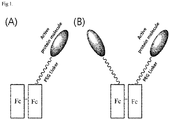
- the structure of this physiologically active polypeptide monomer-immunoglobulin Fc fragment conjugate is illustrated in FIG. 1 , but is not limited thereto.
- the term “physiologically active polypeptide monomer-immunoglobulin Fc fragment conjugate” is used interchangeably with the term “monomeric conjugate”.
- the physiologically active polypeptide monomer-immunoglobulin Fc fragment conjugate is characterized in that it shows reduced receptor-mediated internalization or receptor-mediated clearance compared to either a multimeric conjugate comprising two or more molecules of the physiologically active polypeptide linked to a single immunoglobulin Fc fragment, or a conjugate comprising a physiologically active polypeptide multimer linked in-frame to the immunoglobulin Fc fragment.
- a drug which comprises the physiologically active polypeptide monomer-immunoglobulin Fc fragment conjugate alone or comprises the conjugate at a high ratio, shows a long in vivo duration of action and excellent therapeutic efficacy.
- the multimeric conjugate comprising two or more molecules of the physiologically active polypeptide linked to the immunoglobulin Fc fragment includes a form in which two or more molecules of the physiologically active polypeptide is linked to a single immunoglobulin Fc fragment (e.g., composed of two Fc chains linked to each other by a disulfide bond or the like).
- the physiologically active polypeptide dimer-immunoglobulin Fc fragment conjugate includes a form in which two molecules of the physiologically active polypeptide linked to a single immunoglobulin Fc fragment (e.g., composed of two Fc chains linked to each other by a disulfide bond or the like).
- the physiologically active polypeptide may be linked via a non-peptidyl linker to each of two chains constituting the immunoglobulin Fc fragment, but is not limited thereto. This configuration is shown in FIG. 1(B) .
- the in-frame conjugate includes a form in which a physiologically active polypeptide multimer, particularly a physiologically active polypeptide dimer, is linked in-frame to a single immunoglobulin Fc fragment, and also a multimer, wherein two or more fusion polypeptides comprising a physiologically active polypeptide is fused with an immunoglobulin Fc fragment are formed.
- a physiologically active polypeptide multimer particularly a physiologically active polypeptide dimer
- the physiologically active polypeptide monomer is covalently linked via a non-peptidyl linker to the immunoglobulin Fc fragment.
- non-peptidyl linker refers to a biocompatible polymer composed of two or more repeating units linked to each other, in which the repeating units are linked to each other by any non-peptide covalent bond.
- This non-peptidyl linker may have two ends or three ends.
- the non-peptidyl linker that is used in the present invention may be selected from the group consisting of polyethylene glycol, polypropylene glycol, a copolymer of ethylene glycol with propylene glycol, polyoxyethylated polyol, polyvinyl alcohol, polysaccharide, dextran, polyvinyl ethyl ether, biodegradable polymers such as polylactic acid (PLA) and polylactic-glycolic acid (PLGA), lipid polymers, chitins, hyaluronic acid, and combinations thereof, but is not limited thereto.
- PLA polylactic acid
- PLGA polylactic-glycolic acid
- lipid polymers chitins, hyaluronic acid, and combinations thereof, but is not limited thereto.
- it is polyethylene glycol.
- a peptidyl linker that is used in a fusion protein prepared by a conventional in-frame fusion method has a disadvantage in that it is easily cleaved by protease in vivo, and thus the expected effect of increasing the serum half-life of the active drug by a carrier cannot also be obtained.
- a non-peptidyl linker may be used in the present invention to prepare the conjugate.
- the non-peptidyl linker may be a polymer that has resistance to protease to maintain the serum half-life of the peptide, similar to that of a carrier.
- any non-peptidyl linker may be used in the present invention without any limitation, as long as it is made of a polymer having the above-described function, that is, a polymer having resistance to protease in vivo.
- the non-peptidyl linker has a molecular weight of 1-100 kDa, preferably 1-20 kDa, but is not limited thereto.
- non-peptidyl linker that is linked to the immunoglobulin Fc fragment in the present invention may be made not only of one kind of polymer, but also of a combination of different kinds of polymers.
- the non-peptidyl linker that is used in the present invention has reactive groups capable of binding to the immunoglobulin Fc fragment and the protein drug.
- the reactive groups at both ends of the non-peptidyl polymer are preferably selected from the group consisting of a reactive aldehyde group, a propionaldehyde group, a butyraldehyde group, a maleimide group and a succinimide derivative.
- the succinimide derivative may be succinimidyl propionate, hydroxy succinimidyl, succinimidyl carboxymethyl, or succinimidyl carbonate.
- a physiologically active polypeptide and an immunoglobulin effectively bind to both ends of the non-peptidyl linker, respectively, while minimizing non-specific reactions.
- a final product generated by reductive alkylation via an aldehyde bond is much more stable than that linked via an amide bond.
- the aldehyde reactive group can bind selectively to the N-terminus at a low pH and can form a covalent bond with a lysine residue at a high pH, for example, a pH of 9.0.
- the reactive groups at both ends of the non-peptidyl linker may be the same or different.
- one end of the non-peptidyl linker may have a maleimide group, and the other end may have an aldehyde group, a propionaldehyde group, or a butyl aldehyde.
- the hydroxy groups may be activated into various reactive groups by a known chemical reaction.
- a commercially available polyethylene glycol having a modified reactive group may be used to prepare the conjugate of the present invention.
- physiologically active polypeptide collectively refers to polypeptides having any physiological activity in vivo, which commonly have a polypeptide structure and have various physiological activities.
- the physiologically active polypeptides include those that function to regulate genetic expression and physiological function and to correct an abnormal condition caused by the lack or excessive secretion of a substance that is involved in the regulation of functions in vivo.
- the physiologically active polypeptides may include general protein therapeutic agents.
- physiologically active polypeptide are not specifically limited, as long as it can be linked to the immunoglobulin Fc fragment in a monomeric form to show reduced receptor-mediated internalization or receptor-mediated clearance compared to when it is linked to the immunoglobulin Fc fragment in a multimeric form. Further, it is more preferably a physiologically active polypeptide, the receptor-mediated internalization and receptor-mediated clearance of which are major in vivo protein clearance mechanisms.
- the physiologically active polypeptide may be selected from the group consisting of glucagon-like peptide-1 (GLP-1), granulocyte colony stimulating factor (G-CSF), human growth hormone (hGH), erythropoietin (EPO), glucagon, oxyntomodulin, insulin, growth hormone releasing hormone, growth hormone releasing peptide, interferons, interferon receptors, G-protein-coupled receptor, interleukins, interleukin receptors, enzymes, interleukin binding proteins, cytokine binding proteins, macrophage activating factor, macrophage peptide, B cell factor, T cell factor, protein A, allergy inhibitor, cell necrosis glycoproteins, immunotoxin, lymphotoxin, tumor necrosis factor, tumor suppressors, metastasis growth factor, alpha-1 antitrypsin, albumin, ⁇ -lactalbumin, apolipoprotein-E, highly glycosylated erythropoietin, angiop
- the physiologically active polypeptide may be selected from the group consisting of glucagon-like peptide-1 (GLP-1), granulocyte colony stimulating factor (G-CSF), human growth hormone (hGH), erythropoietin (EPO), glucagon, oxyntomodulin, insulin, and derivatives thereof, but is not limited thereto.
- GLP-1 glucagon-like peptide-1
- G-CSF granulocyte colony stimulating factor
- hGH human growth hormone
- EPO erythropoietin
- glucagon oxyntomodulin
- insulin and derivatives thereof, but is not limited thereto.
- physiologically active polypeptide is meant to include not only natural physiologically active polypeptides, but also agonists, precursors, derivatives, fragments or variants of each polypeptide.
- the physiologically active polypeptide that is used in the present invention may be a GLP-1 agonist, and an example thereof may be (1H-imidazol-4-yl)-acetyl-1 (GEGTFTSDL SKQMEEEAVR LFIEWLKNGGPSSGAPPPS (SEQ ID NO: 1) (Bachem) or HGEGTFTSDV SSYLEEQAAK EFIAWLVKG (SEQ ID NO: 2) (Bachem)), but is not specifically limited thereto.
- the amino acid sequence is in the direction from the N-terminus to the C-terminus.
- examples of oxyntomodulin derivatives include all those disclosed in Korean Patent Laid-Open Publication No. 10-2012-0137271
- examples of insulin-releasing peptide derivatives include those disclosed in Korean Patent Laid-Open Publication No. 10-2009-0008151 , but are not limited thereto.
- the immunoglobulin Fc region is a biodegradable polypeptide that is metabolized in vivo, it is safe for use as a drug carrier. Also, because the immunoglobulin Fc region has a molecular weight lower than the entire immunoglobulin molecule, it is beneficial in terms of the preparation, purification and yield of the conjugate. In addition, because the Fab region, which displays high non-homogeneity due to the difference in amino acid sequence between antibodies, is removed, the Fc region has greatly increased substance homogeneity and a low potential to induce serum antigenicity.
- immunoglobulin Fc region refers to a protein that contains the heavy-chain constant region 2 (CH2) and the heavy-chain constant region 3 (CH3) of an immunoglobulin, excluding the heavy-chain and light-chain variable regions, the heavy-chain constant region 1 (CHI) and the light-chain constant region 1 (CL1) of the immunoglobulin.
- the immunoglobulin Fc region may further include a hinge region in the heavy-chain constant region.
- the immunoglobulin Fc region in the present invention may be an extended Fc region that contains a portion or the whole of the heavy-chain constant region 1 (CHI) and/or the light-chain constant region 1 (CL1), except for the heavy-chain and light-chain variable regions, as long as it has a physiological function substantially equal to or better than the native form. Further, it may be a fragment having a deletion in a relatively long portion of the amino acid sequence of CH2 and/or CH3.
- the immunoglobulin Fc region in the present invention may comprise 1) a CH1 domain, a CH2 domain, a CH3 domain and a CH4 domain, 2) a CH1 domain and a CH2 domain, 3) a CH1 domain and a CH3 domain, 4) a CH2 domain and a CH3 domain, 5) a combination of one or more domains and an immunoglobulin hinge region (or a portion of the hinge region), and 6) a dimer of each domain of the heavy-chain constant regions and the light-chain constant region.
- the immunoglobulin Fc fragment is meant to include not only a native amino acid sequence, but also a sequence mutant thereof.
- amino acid sequence mutant refers to a sequence that is different from the native amino acid sequence due to a deletion, insertion, non-conservative or conservative substitution or combinations thereof of one or more amino acid residues.
- amino acid residues at positions 214 to 238, 297 to 299, 318 to 322 or 327 to 331, known to be important in binding may be used as a suitable target for modification.
- mutants are also possible, including mutants having a deletion of a region capable of forming a disulfide bond, a deletion of several amino acid residues at the N-terminus of a native Fc, or an addition of methionine residue to the N-terminus of a native Fc.
- a complement-binding site for example, a C1q-binding site, may be removed, and an antibody dependent cell mediated cytotoxicity (ADCC) site may also be removed.
- ADCC antibody dependent cell mediated cytotoxicity
- the immunoglobulin Fc fragment may also be modified by, for example, phosphorylation, sulfation, acrylation, glycosylation, methylation, famesylation, acetylation or amidation.
- Fc mutants are mutants that show the same biological activity as that of the Fc region of the present invention, but have improved structural stability against heat, pH, or the like.
- these Fc fragments may be obtained from native forms isolated from humans and animals including cows, goats, pigs, mice, rabbits, hamsters, rats and guinea pigs, or may be recombinant forms or derivatives thereof, obtained from transformed animal cells or microorganisms.
- they may be obtained from a native immunoglobulin by isolating a whole immunoglobulin from the living body of humans or animals and treating it with protease. When the whole immunoglobulin is treated with papain, it is cleaved into Fab and Fc, and when it is treated with pepsin, it is cleaved into pF'c and F(ab) 2 .
- These fragments may be subjected, for example, to size-exclusion chromatography to isolate Fc or pF'c.
- it is a recombinant immunoglobulin Fc region obtained from a microorganism using a human Fc region.
- the immunoglobulin Fc region may be in the form of having native sugar chains, increased sugar chains compared to a native form or decreased sugar chains compared to the native form, or may be in a deglycosylated form.
- the increase, decrease or removal of the immunoglobulin Fc sugar chains may be performed using conventional methods, such as a chemical method, an enzymatic method and a genetic engineering method using a microorganism.
- the immunoglobulin Fc region obtained by removing sugar chains from an Fc shows a sharp decrease in binding affinity for the complement (c1q) and a decrease or loss in antibody-dependent cell-mediated cytotoxicity or complement-dependent cytotoxicity, and thus does not induce unnecessary immune responses in vivo.
- an immunoglobulin Fc fragment in a deglycosylated or aglycosylated form may be more suitable for use as a drug carrier.
- deglycosylation means enzymatically removing sugar moieties from an Fc region
- amino acid sequence means an unglycosylated Fc fragment that is produced in a prokaryote, preferably E. coli.
- the immunoglobulin Fc region may originate from humans or animals such as cattle, goats, pigs, mice, rabbits, hamsters, rats or guinea pigs. Preferably, it is of human origin.
- the immunoglobulin Fc fragment may be an Fc fragment that is derived from IgG, IgA, IgD, IgE and IgM, combinations thereof, or hybrids thereof. Preferably, it is derived from IgG or IgM, which is among the most abundant proteins in the human blood, and most preferably it is derived from IgG known to enhance the half-life of ligand-binding proteins.
- a dimer or multimer may be formed from two or more fragments selected from the group consisting of IgG Fc, IgA Fc, IgM Fc, IgD Fc, and IgE Fc fragments.
- hybrid means that sequences encoding two or more immunoglobulin Fc fragments of different origins are present in a single-chain immunoglobulin Fc fragment.
- domain hybrids may be composed of one to four domains selected from the group consisting of CH1, CH2, CH3 and CH4 of IgG Fc, IgM Fc, IgA Fc, IgE Fc and IgD Fc, and may include a hinge region.
- IgG can be divided into IgG1, IgG2, IgG3 and IgG4 subclasses, and combinations or hybrids thereof may be used in the present invention.
- IgG2 and IgG4 subclasses are preferred, and most preferred is the Fc fragment of IgG4 rarely having effector functions such as CDC (complement dependent cytotoxicity).
- the most preferable immunoglobulin Fc fragment for use as a drug carrier in the present invention is a human IgG4-derived unglycosylated Fc fragment.
- the human Fc fragment is more preferable than a non-human Fc fragment, which may act as an antigen in the human body and cause undesirable immune responses such as the production of a new antibody against the antigen.
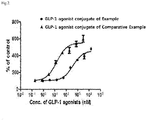
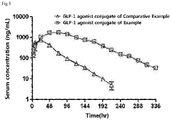
- a conjugate was prepared by linking a physiologically active polypeptide monomer via a non-peptidyl polymer to an immunoglobulin Fc fragment (Example), and it was found that the prepared conjugate shows reduced receptor-mediated internalization, and thus has an increased in vivo half-life, compared to a conjugate in the physiologically active polypeptide is present in a dimeric form ( FIGS. 2 and 3 ).
- the present invention provides a physiologically active polypeptide monomer-immunoglobulin Fc fragment conjugate that comprises a physiologically active polypeptide monomer linked via a non-peptidyl linker to an immunoglobulin Fc fragment, wherein the physiologically active polypeptide is linked via the non-peptidyl linker to the immunoglobulin Fc fragment in a monomeric form, the conjugate showing reduced receptor-mediated internalization or receptor-mediated clearance compared to either a dimeric conjugate comprising two molecules of the physiologically active polypeptide linked via the non-peptidyl linker to a single immunoglobulin Fc fragment, or a conjugate comprising a physiologically active polypeptide dimer linked in-frame to the immunoglobulin Fc fragment.
- physiologically active polypeptide the immunoglobulin Fc fragment, the non-peptidyl linker and the conjugate are as described above.
- the present invention provides a method for preparing the long-acting pharmaceutical composition, the method comprising: (a) linking a physiologically active polypeptide to an immunoglobulin Fc fragment to prepare a mixture of physiologically active polypeptide-immunoglobulin Fc fragment conjugates; and (b) separating from the mixture a physiologically active polypeptide monomer-immunoglobulin Fc fragment conjugate comprising one molecule of the physiologically active polypeptide linked to a single immunoglobulin Fc fragment.
- physiologically active polypeptide the immunoglobulin Fc fragment, the non-peptidyl linker and the long-acting pharmaceutical composition are as described above.
- Step (a) in the method of the present invention is a step of covalently linking a physiologically active polypeptide via a non-peptidyl linker to an immunoglobulin Fc fragment.
- Step (a) may comprise the steps of: (i) linking any one of the physiologically active polypeptide and the immunoglobulin Fc fragment to a reactive group at one end of the non-peptidyl linker; and (ii) linking the remaining one to a reactive group at the other end of the non-peptidyl linker.
- Step (a) may further comprise, between steps (i) and (ii), a step of separating the physiologically active polypeptide or immunoglobulin Fc fragment linked to one end of the non-peptidyl linker.
- Korean Patent No. 10-0725315 may be incorporated herein by reference.
- conjugates comprising the physiologically active polypeptide in a dimeric or multimeric form can be generated as byproducts in addition to a conjugate comprising a physiologically active monomer linked to the immunoglobulin Fc fragment.
- the method of the present invention may further comprise, after step (a) of preparing the mixture of conjugates, step (b) of separating from the mixture a physiologically active polypeptide monomer-immunoglobulin Fc fragment conjugate comprising a physiologically active polypeptide monomer linked to the immunoglobulin Fc fragment.
- Separation conditions in step (b) may vary depending on the kinds of non-peptidyl linker, physiologically active polypeptide and the like used.
- a 3.4-kDa propion-ALD2 PEG (IDB, Korea) was reacted site-specifically with the lysine residue of a GLP-1 agonist.
- the reaction mixture was then subjected to cation-exchange column chromatography to purify a mono-PEGylated GLP-1 agonist.
- a reaction was performed at a pH of 5.0-8.2.
- a two-step purification process was performed using a hydrophobic column and an anion-exchange column, thereby obtaining a GLP-1 agonist-immunoglobulin Fc fragment conjugate comprising the GLP-1 agonist linked site-specifically to the immunoglobulin Fc fragment.
- the GLP-1 agonist-immunoglobulin Fc fragment conjugate prepared by this process was analyzed, and as a result, it was found that only a GLP-1 agonist monomer-immunoglobulin Fc fragment conjugate was present in the prepared conjugate, or a multimeric conjugate including a trace amount of a GLP-1 agonist dimer-immunoglobulin Fc fragment conjugate was present in an amount of 5% (w/w) or less based on the total weight of the prepared conjugate.
- a DNA sequence comprising a GLP-1 agonist linked to an immunoglobulin Fc fragment was cloned into an animal cell expression vector.
- the DNA encoding the recombinant protein was transfected into the animal cell line 293-F (Freestyle 293-F cell, Invitrogen) using a transfection solution (FreeStyleTM MAX Reagent, Invitrogen), and then the cells were cultured for 48 hours and the culture was harvested.
- the expressed GLP-1 agonist dimer-immunoglobulin Fc fragment conjugate was purified from the culture using an affinity column.
- PathHunter® eXpress Activated GPCR Internalization Assay was used to assess receptor internalization. Specifically, U2OS cells that express human GLP-1 receptor were seeded into a white 96-well plate and cultured for 24-48 hours. The GLP-1 agonist-immunoglobulin Fc fragment conjugate of the Example was 4-fold serially diluted from 3 ⁇ M, and the in-frame GLP-1 agonist-immunoglobulin Fc fragment conjugate of the Comparative Example was 4-fold serially diluted from 15 ⁇ M, and each of the dilutions was added to the well plate. Next, receptor internalization of each of the conjugates was induced in a CO 2 incubator at 37 °C for 3 hours. Then, a substrate for detecting endocytosed receptor was added to the well plate and allowed to react at room temperature for 60 minutes, and the luminescence of the plate was measured with a luminescence plate reader. The results of the measurement are shown in FIG. 2 .
- the conjugate of the Example showed an EC 50 of 377 nM
- the conjugate of the Comparative Example showed an EC 50 of 14.59 nM
- the GLP-1 agonist-immunoglobulin Fc fragment conjugate of the present invention showed significantly reduced receptor internalization compared to the GLP-1 agonist-immunoglobulin Fc fragment conjugate of the Comparative Example.
- a conjugate comprising a physiologically active polypeptide monomer linked to an immunoglobulin Fc fragment can show reduced receptor-mediated internalization and clearance compared to a conjugate in which the physiologically active polypeptide is present in a dimeric form.
- each of the GLP-1 agonist-immunoglobulin Fc fragment conjugate (400 mcg/kg) and the GLP-1 agonist-immunoglobulin Fc fragment conjugate (400 mcg/kg) was diluted in physiological saline and administered subcutaneously to the animals at a dose of 2 mL/kg.
- blood was collected from the jugular vein of the rats, and serum was separated from the blood.
- the concentration of the drug in each of the serum samples was quantified by an enzyme-linked immunosorbent assay, and the results of the quantification are shown in FIG. 3 .
- the serum half-lives of the GLP-1 agonist-immunoglobulin Fc fragment conjugate of the Example and the GLP-1 agonist-immunoglobulin Fc fragment conjugate of the Comparative Example were 40.9 hours and 28 hours, respectively, and the maximum serum concentrations of the conjugates were 1758.6 ng/mL and 742.7 ng/mL, respectively.
- the monomeric GLP-1 agonist-immunoglobulin Fc fragment conjugate of the present invention was excellent in terms of the in vivo absorption and half-life compared to the dimeric GLP-1 agonist-immunoglobulin Fc fragment conjugate ( FIG. 3 ).
Landscapes
- Health & Medical Sciences (AREA)
- Life Sciences & Earth Sciences (AREA)
- Chemical & Material Sciences (AREA)
- Medicinal Chemistry (AREA)
- General Health & Medical Sciences (AREA)
- Engineering & Computer Science (AREA)
- Bioinformatics & Cheminformatics (AREA)
- Pharmacology & Pharmacy (AREA)
- Epidemiology (AREA)
- Animal Behavior & Ethology (AREA)
- Public Health (AREA)
- Veterinary Medicine (AREA)
- Immunology (AREA)
- Proteomics, Peptides & Aminoacids (AREA)
- Organic Chemistry (AREA)
- Zoology (AREA)
- Gastroenterology & Hepatology (AREA)
- Molecular Biology (AREA)
- Endocrinology (AREA)
- Biochemistry (AREA)
- Biophysics (AREA)
- Genetics & Genomics (AREA)
- Toxicology (AREA)
- Inorganic Chemistry (AREA)
- Chemical Kinetics & Catalysis (AREA)
- General Chemical & Material Sciences (AREA)
- Oil, Petroleum & Natural Gas (AREA)
- Diabetes (AREA)
- Microbiology (AREA)
- Mycology (AREA)
- Medicines Containing Antibodies Or Antigens For Use As Internal Diagnostic Agents (AREA)
- Medicinal Preparation (AREA)
- Peptides Or Proteins (AREA)
- Medicines That Contain Protein Lipid Enzymes And Other Medicines (AREA)
- Preparation Of Compounds By Using Micro-Organisms (AREA)
Applications Claiming Priority (3)
| Application Number | Priority Date | Filing Date | Title |
|---|---|---|---|
| KR20130082511 | 2013-07-12 | ||
| PCT/KR2014/006329 WO2015005748A1 (ko) | 2013-07-12 | 2014-07-14 | 수용체-매개 제거가 감소된, 생리활성 폴리펩타이드 단량체-면역글로불린 Fc 단편 결합체 및 이의 제조방법 |
| EP14823791.0A EP3020418B1 (en) | 2013-07-12 | 2014-07-14 | Conjugate of biologically active polypeptide monomer and immunoglobulin fc fragment with reduced receptor-mediated clearance, and the method for preparing the same |
Related Parent Applications (2)
| Application Number | Title | Priority Date | Filing Date |
|---|---|---|---|
| EP14823791.0A Division EP3020418B1 (en) | 2013-07-12 | 2014-07-14 | Conjugate of biologically active polypeptide monomer and immunoglobulin fc fragment with reduced receptor-mediated clearance, and the method for preparing the same |
| EP14823791.0A Division-Into EP3020418B1 (en) | 2013-07-12 | 2014-07-14 | Conjugate of biologically active polypeptide monomer and immunoglobulin fc fragment with reduced receptor-mediated clearance, and the method for preparing the same |
Publications (1)
| Publication Number | Publication Date |
|---|---|
| EP3639858A1 true EP3639858A1 (en) | 2020-04-22 |
Family
ID=52280326
Family Applications (2)
| Application Number | Title | Priority Date | Filing Date |
|---|---|---|---|
| EP19214544.9A Pending EP3639858A1 (en) | 2013-07-12 | 2014-07-14 | Conjugate of biologically active polypeptide monomer and immunoglobulin fc fragment with reduced receptor-mediated clearance, and the method for preparing the same |
| EP14823791.0A Active EP3020418B1 (en) | 2013-07-12 | 2014-07-14 | Conjugate of biologically active polypeptide monomer and immunoglobulin fc fragment with reduced receptor-mediated clearance, and the method for preparing the same |
Family Applications After (1)
| Application Number | Title | Priority Date | Filing Date |
|---|---|---|---|
| EP14823791.0A Active EP3020418B1 (en) | 2013-07-12 | 2014-07-14 | Conjugate of biologically active polypeptide monomer and immunoglobulin fc fragment with reduced receptor-mediated clearance, and the method for preparing the same |
Country Status (21)
| Country | Link |
|---|---|
| US (1) | US10487128B2 (enExample) |
| EP (2) | EP3639858A1 (enExample) |
| JP (3) | JP2016529227A (enExample) |
| KR (2) | KR102182701B1 (enExample) |
| CN (2) | CN110876808B (enExample) |
| AR (1) | AR096891A1 (enExample) |
| AU (1) | AU2014287880C1 (enExample) |
| BR (1) | BR112016000680A2 (enExample) |
| DK (1) | DK3020418T3 (enExample) |
| EA (1) | EA030454B1 (enExample) |
| ES (1) | ES2792975T3 (enExample) |
| HU (1) | HU231423B1 (enExample) |
| IL (1) | IL243568B (enExample) |
| MX (1) | MX375338B (enExample) |
| MY (1) | MY176834A (enExample) |
| NO (1) | NO348652B1 (enExample) |
| PH (1) | PH12016500075A1 (enExample) |
| PT (1) | PT3020418T (enExample) |
| TW (1) | TWI680768B (enExample) |
| UA (1) | UA119850C2 (enExample) |
| WO (1) | WO2015005748A1 (enExample) |
Families Citing this family (24)
| Publication number | Priority date | Publication date | Assignee | Title |
|---|---|---|---|---|
| US20090038701A1 (en) | 2006-01-17 | 2009-02-12 | Baxter International Inc. | Device, system and method for mixing |
| KR20130049671A (ko) | 2011-11-04 | 2013-05-14 | 한미사이언스 주식회사 | 생리활성 폴리펩타이드 결합체 제조 방법 |
| AR090281A1 (es) | 2012-03-08 | 2014-10-29 | Hanmi Science Co Ltd | Proceso mejorado para la preparacion de un complejo polipeptidico fisiologicamente activo |
| KR102385120B1 (ko) * | 2014-03-31 | 2022-04-12 | 한미약품 주식회사 | 면역글로불린 Fc 단편 결합을 이용한 단백질 및 펩타이드의 용해도를 개선시키는 방법 |
| WO2016133372A2 (ko) * | 2015-02-17 | 2016-08-25 | 한미약품 주식회사 | 지속형 인슐린 또는 이의 아날로그 결합체 |
| EP3313875A4 (en) | 2015-06-24 | 2018-12-26 | Board of Regents of the University of Texas System | Methods and compositions for treatment of symptoms associated with intracranial hemorrhage |
| EP3344299B1 (en) * | 2015-09-01 | 2021-08-11 | Baxter International Inc | Hemostatic material |
| TW201718629A (zh) * | 2015-09-25 | 2017-06-01 | 韓美藥品股份有限公司 | 包含多個生理多肽及免疫球蛋白Fc區之蛋白質接合物 |
| EP3481413A4 (en) * | 2016-07-08 | 2020-01-08 | Askgene Pharma, Inc. | FUSION PROTEIN WITH LEPTIN AND METHOD FOR THE PRODUCTION AND USE THEREOF |
| WO2018030806A1 (ko) * | 2016-08-10 | 2018-02-15 | 아주대학교산학협력단 | 항체 중쇄불변부위 이종이중체에 융합된 사이토카인 및 이를 포함하는 약제학적 조성물 |
| EP3511340B1 (en) | 2016-08-10 | 2024-10-02 | Ajou University Industry-Academic Cooperation Foundation | Heterodimeric fc-fused cytokine and pharmaceutical composition comprising the same |
| AU2017332408B2 (en) | 2016-09-23 | 2022-02-10 | Hanmi Pharm. Co., Ltd. | Insulin analogs with reduced affinity to insulin receptor and use thereof |
| WO2018105988A1 (ko) * | 2016-12-05 | 2018-06-14 | 한미약품 주식회사 | 면역반응이 약화된 결합체 |
| US11925691B2 (en) | 2017-02-07 | 2024-03-12 | Hanmi Pharm. Co., Ltd. | Non-peptidic polymeric linker compound, conjugate comprising same linker compound, and methods for preparing same linker compound and conjugate |
| WO2018174668A2 (ko) | 2017-03-23 | 2018-09-27 | 한미약품 주식회사 | 인슐린 수용체와의 결합력이 감소된 인슐린 아날로그의 결합체 및 이의 용도 |
| US20200306301A1 (en) | 2017-07-03 | 2020-10-01 | Torque Therapeutics, Inc. | Polynucleotides Encoding Immunostimulatory Fusion Molecules and Uses Thereof |
| KR102144380B1 (ko) * | 2017-09-27 | 2020-08-13 | 한양대학교 산학협력단 | 제2형 당뇨병 치료를 위한 락토페린 기반의 유전자 전달체 |
| WO2019066603A1 (ko) * | 2017-09-29 | 2019-04-04 | 한미약품 주식회사 | 효력이 향상된 지속성 단백질 결합체 |
| WO2019190293A1 (ko) * | 2018-03-30 | 2019-10-03 | 한미약품 주식회사 | 뇌 표적 지속성 단백질 결합체, 이의 제조 방법, 및 이를 포함하는 조성물 |
| KR20210079278A (ko) * | 2018-09-06 | 2021-06-29 | 시다라 세라퓨틱스, 인코포레이티드 | 바이러스 감염의 치료를 위한 조성물 및 방법 |
| KR20210080460A (ko) | 2018-10-23 | 2021-06-30 | 드래곤플라이 쎄라퓨틱스, 인크. | 이종이량체성 Fc-융합된 단백질 |
| US11267858B2 (en) * | 2019-05-31 | 2022-03-08 | Spectrum Pharmaceuticals, Inc. | Methods of treatment using G-CSF protein complex |
| TWI861205B (zh) | 2019-09-06 | 2024-11-11 | 美商席達拉醫療有限公司 | 用於治療病毒感染之組合物及方法 |
| US20240197834A1 (en) | 2021-04-09 | 2024-06-20 | Hanmi Pharm. Co., Ltd. | Pharmaceutical composition for preventing or treating chronic renal disease including glucagon derivative |
Citations (3)
| Publication number | Priority date | Publication date | Assignee | Title |
|---|---|---|---|---|
| WO2005047334A1 (en) * | 2003-11-13 | 2005-05-26 | Hanmi Pharmaceutical. Co., Ltd. | Igg fc fragment for a drug carrier and method for the preparation thereof |
| WO2010011096A2 (en) * | 2008-07-23 | 2010-01-28 | Hanmi Pharmaceutical Co., Ltd. | A polypeptide complex comprising non-peptidyl polymer having three functional ends |
| WO2011122921A2 (en) * | 2010-04-02 | 2011-10-06 | Hanmi Holdings Co., Ltd. | An insulin conjugate using an immunoglobulin fragment |
Family Cites Families (28)
| Publication number | Priority date | Publication date | Assignee | Title |
|---|---|---|---|---|
| US5116964A (en) | 1989-02-23 | 1992-05-26 | Genentech, Inc. | Hybrid immunoglobulins |
| US5605690A (en) | 1989-09-05 | 1997-02-25 | Immunex Corporation | Methods of lowering active TNF-α levels in mammals using tumor necrosis factor receptor |
| US5349053A (en) | 1990-06-01 | 1994-09-20 | Protein Design Labs, Inc. | Chimeric ligand/immunoglobulin molecules and their uses |
| EP0464533B1 (de) | 1990-06-28 | 1998-07-29 | Hoechst Aktiengesellschaft | Fusionsproteine mit immunglobulinanteilen, ihre Herstellung und Verwendung |
| DE69233480T2 (de) | 1991-02-08 | 2006-01-05 | Progenics Pharmaceuticals, Inc. | CD4-gamma2- und CD4-IgG2-Chimären |
| EP0533006A1 (en) | 1991-09-18 | 1993-03-24 | F.Hoffmann-La Roche & Co. Aktiengesellschaft | Chimaeric interleukin 5-receptor/immunoglobulin polypeptides |
| US6410008B1 (en) | 1994-12-12 | 2002-06-25 | Beth Israel Hospital Association | Chimeric IL-10 proteins and uses thereof |
| US6096871A (en) | 1995-04-14 | 2000-08-01 | Genentech, Inc. | Polypeptides altered to contain an epitope from the Fc region of an IgG molecule for increased half-life |
| US5723125A (en) | 1995-12-28 | 1998-03-03 | Tanox Biosystems, Inc. | Hybrid with interferon-alpha and an immunoglobulin Fc linked through a non-immunogenic peptide |
| US6750334B1 (en) | 1996-02-02 | 2004-06-15 | Repligen Corporation | CTLA4-immunoglobulin fusion proteins having modified effector functions and uses therefor |
| CA2249195A1 (en) | 1996-03-18 | 1997-09-25 | Board Of Regents, The University Of Texas System | Immunoglobin-like domains with increased half lives |
| US6277375B1 (en) | 1997-03-03 | 2001-08-21 | Board Of Regents, The University Of Texas System | Immunoglobulin-like domains with increased half-lives |
| AU766190B2 (en) | 1998-10-16 | 2003-10-09 | Biogen Idec Ma Inc. | Interferon-beta fusion proteins and uses |
| ATE407697T1 (de) | 1999-07-13 | 2008-09-15 | Bolder Biotechnology Inc | Erythropoietin immunglobulin fusionsproteine |
| US20050202538A1 (en) * | 1999-11-12 | 2005-09-15 | Merck Patent Gmbh | Fc-erythropoietin fusion protein with improved pharmacokinetics |
| DE10021731B4 (de) | 2000-05-04 | 2005-12-08 | Aventis Pharma Deutschland Gmbh | Cyclipostine, Verfahren zu ihrer Herstellung und pharmazeutische Zubereitung derselben |
| TWI353991B (en) * | 2003-05-06 | 2011-12-11 | Syntonix Pharmaceuticals Inc | Immunoglobulin chimeric monomer-dimer hybrids |
| KR100754667B1 (ko) * | 2005-04-08 | 2007-09-03 | 한미약품 주식회사 | 비펩타이드성 중합체로 개질된 면역글로불린 Fc 단편 및이를 포함하는 약제학적 조성물 |
| KR100824505B1 (ko) * | 2005-08-16 | 2008-04-22 | 한미약품 주식회사 | 개시 메티오닌 잔기가 제거된 면역글로불린 Fc 영역의대량 생산방법 |
| US7625564B2 (en) * | 2006-01-27 | 2009-12-01 | Novagen Holding Corporation | Recombinant human EPO-Fc fusion proteins with prolonged half-life and enhanced erythropoietic activity in vivo |
| JP2008169195A (ja) | 2007-01-05 | 2008-07-24 | Hanmi Pharmaceutical Co Ltd | キャリア物質を用いたインスリン分泌ペプチド薬物結合体 |
| JP2009019027A (ja) | 2007-07-16 | 2009-01-29 | Hanmi Pharmaceutical Co Ltd | アミノ末端のアミノ酸が変異したインスリン分泌ペプチド誘導体 |
| JP5759976B2 (ja) | 2009-03-20 | 2015-08-05 | ハンミ・サイエンス・カンパニー・リミテッド | 位置特異的な生理活性ポリペプチド結合体の調製方法 |
| EP2504360B1 (en) * | 2009-11-23 | 2018-08-15 | Amgen Inc. | Monomeric antibody fc |
| UA113626C2 (xx) * | 2011-06-02 | 2017-02-27 | Композиція для лікування діабету, що містить кон'югат інсуліну тривалої дії та кон'югат інсулінотропного пептиду тривалої дії | |
| HRP20181591T1 (hr) | 2011-06-10 | 2018-11-30 | Hanmi Science Co., Ltd. | Novi derivati oksintomodulina i farmaceutski pripravci za liječenje pretilosti koji ih sadrže |
| TWI601744B (zh) * | 2011-06-17 | 2017-10-11 | 韓美科學股份有限公司 | 包含調酸素與免疫球蛋白片段之複合物及其用途 |
| KR20130049671A (ko) | 2011-11-04 | 2013-05-14 | 한미사이언스 주식회사 | 생리활성 폴리펩타이드 결합체 제조 방법 |
-
2014
- 2014-07-11 AR ARP140102576A patent/AR096891A1/es unknown
- 2014-07-14 JP JP2016525295A patent/JP2016529227A/ja not_active Withdrawn
- 2014-07-14 EP EP19214544.9A patent/EP3639858A1/en active Pending
- 2014-07-14 WO PCT/KR2014/006329 patent/WO2015005748A1/ko not_active Ceased
- 2014-07-14 HU HUP1600209A patent/HU231423B1/hu unknown
- 2014-07-14 PT PT148237910T patent/PT3020418T/pt unknown
- 2014-07-14 EP EP14823791.0A patent/EP3020418B1/en active Active
- 2014-07-14 UA UAA201600685A patent/UA119850C2/uk unknown
- 2014-07-14 KR KR1020140088535A patent/KR102182701B1/ko active Active
- 2014-07-14 CN CN201911201297.7A patent/CN110876808B/zh active Active
- 2014-07-14 MY MYPI2016000027A patent/MY176834A/en unknown
- 2014-07-14 EA EA201690116A patent/EA030454B1/ru unknown
- 2014-07-14 DK DK14823791.0T patent/DK3020418T3/da active
- 2014-07-14 AU AU2014287880A patent/AU2014287880C1/en active Active
- 2014-07-14 US US14/904,254 patent/US10487128B2/en active Active
- 2014-07-14 CN CN201480048797.0A patent/CN105517578B/zh active Active
- 2014-07-14 MX MX2016000343A patent/MX375338B/es active IP Right Grant
- 2014-07-14 TW TW103124094A patent/TWI680768B/zh active
- 2014-07-14 BR BR112016000680A patent/BR112016000680A2/pt not_active Application Discontinuation
- 2014-07-14 ES ES14823791T patent/ES2792975T3/es active Active
-
2016
- 2016-01-11 PH PH12016500075A patent/PH12016500075A1/en unknown
- 2016-01-11 IL IL243568A patent/IL243568B/en active IP Right Grant
- 2016-02-03 NO NO20160175A patent/NO348652B1/en unknown
-
2019
- 2019-03-29 JP JP2019067886A patent/JP2019163258A/ja active Pending
-
2020
- 2020-11-18 KR KR1020200154920A patent/KR20200136856A/ko not_active Ceased
- 2020-12-25 JP JP2020216289A patent/JP6976400B2/ja active Active
Patent Citations (3)
| Publication number | Priority date | Publication date | Assignee | Title |
|---|---|---|---|---|
| WO2005047334A1 (en) * | 2003-11-13 | 2005-05-26 | Hanmi Pharmaceutical. Co., Ltd. | Igg fc fragment for a drug carrier and method for the preparation thereof |
| WO2010011096A2 (en) * | 2008-07-23 | 2010-01-28 | Hanmi Pharmaceutical Co., Ltd. | A polypeptide complex comprising non-peptidyl polymer having three functional ends |
| WO2011122921A2 (en) * | 2010-04-02 | 2011-10-06 | Hanmi Holdings Co., Ltd. | An insulin conjugate using an immunoglobulin fragment |
Non-Patent Citations (2)
| Title |
|---|
| PICHA KRISTEN M ET AL: "Protein engineering strategies for sustained glucagon-like peptide-1 receptor-dependent control of glucose homeostasis", DIABETES, AMERICAN DIABETES ASSOCIATION, US, vol. 57, no. 7, 1 July 2008 (2008-07-01), pages 1926 - 1934, XP002547063, ISSN: 0012-1797, [retrieved on 20080421], DOI: 10.2337/DB07-1775 * |
| WOLFGANG GLAESNER ET AL: "Engineering and characterization of the long-acting glucagon-like peptide-1 analogue LY2189265, an Fc fusion protein", DIABETES/METABOLISM RESEARCH AND REVIEWS, vol. 26, no. 4, 30 April 2010 (2010-04-30), pages 287 - 296, XP055181624, ISSN: 1520-7552, DOI: 10.1002/dmrr.1080 * |
Also Published As
Similar Documents
| Publication | Publication Date | Title |
|---|---|---|
| EP3020418B1 (en) | Conjugate of biologically active polypeptide monomer and immunoglobulin fc fragment with reduced receptor-mediated clearance, and the method for preparing the same | |
| US12508298B2 (en) | Protein complex by use of a specific site of an immunoglobulin fragment for linkage | |
| US20220380437A1 (en) | Immunoglobulin fc conjugate which maintains binding affinity of immunoglobulin fc fragment to fcrn | |
| HK40016877A (en) | Conjugate of biologically active polypeptide monomer and immunoglobulin fc fragment with reduced receptor-mediated clearance, and the method for preparing the same | |
| HK1223017B (en) | Conjugate of biologically active polypeptide monomer and immunoglobulin fc fragment with reduced receptor-mediated clearance, and the method for preparing the same | |
| NZ716251B2 (en) | Conjugate of biologically active polypeptide monomer and immunoglobulin fc fragment with reduced receptor-mediated clearance, and the method for preparing the same | |
| HK1221957B (en) | An immunoglobulin fc conjugate which maintains binding affinity of immunoglobulin fc fragment to fcrn | |
| NZ716275B2 (en) | An Immunoglobulin Fc Conjugate which Maintains Binding Affinity of Immunoglobulin Fc Fragment to FcRn |
Legal Events
| Date | Code | Title | Description |
|---|---|---|---|
| PUAI | Public reference made under article 153(3) epc to a published international application that has entered the european phase |
Free format text: ORIGINAL CODE: 0009012 |
|
| STAA | Information on the status of an ep patent application or granted ep patent |
Free format text: STATUS: THE APPLICATION HAS BEEN PUBLISHED |
|
| AC | Divisional application: reference to earlier application |
Ref document number: 3020418 Country of ref document: EP Kind code of ref document: P |
|
| AK | Designated contracting states |
Kind code of ref document: A1 Designated state(s): AL AT BE BG CH CY CZ DE DK EE ES FI FR GB GR HR HU IE IS IT LI LT LU LV MC MK MT NL NO PL PT RO RS SE SI SK SM TR |
|
| REG | Reference to a national code |
Ref country code: HK Ref legal event code: DE Ref document number: 40016877 Country of ref document: HK |
|
| STAA | Information on the status of an ep patent application or granted ep patent |
Free format text: STATUS: REQUEST FOR EXAMINATION WAS MADE |
|
| 17P | Request for examination filed |
Effective date: 20201005 |
|
| RBV | Designated contracting states (corrected) |
Designated state(s): AL AT BE BG CH CY CZ DE DK EE ES FI FR GB GR HR HU IE IS IT LI LT LU LV MC MK MT NL NO PL PT RO RS SE SI SK SM TR |
|
| STAA | Information on the status of an ep patent application or granted ep patent |
Free format text: STATUS: EXAMINATION IS IN PROGRESS |
|
| 17Q | First examination report despatched |
Effective date: 20210302 |