EP3576544B1 - Überzüge für lebensmittelprodukte - Google Patents
Überzüge für lebensmittelprodukte Download PDFInfo
- Publication number
- EP3576544B1 EP3576544B1 EP18748824.2A EP18748824A EP3576544B1 EP 3576544 B1 EP3576544 B1 EP 3576544B1 EP 18748824 A EP18748824 A EP 18748824A EP 3576544 B1 EP3576544 B1 EP 3576544B1
- Authority
- EP
- European Patent Office
- Prior art keywords
- coating
- wet basis
- fruit
- coated
- cellulose
- Prior art date
- Legal status (The legal status is an assumption and is not a legal conclusion. Google has not performed a legal analysis and makes no representation as to the accuracy of the status listed.)
- Active
Links
Images




Classifications
-
- A—HUMAN NECESSITIES
- A23—FOODS OR FOODSTUFFS; TREATMENT THEREOF, NOT COVERED BY OTHER CLASSES
- A23B—PRESERVATION OF FOODS, FOODSTUFFS OR NON-ALCOHOLIC BEVERAGES; CHEMICAL RIPENING OF FRUIT OR VEGETABLES
- A23B7/00—Preservation of fruit or vegetables; Chemical ripening of fruit or vegetables
- A23B7/14—Preserving or ripening with chemicals not covered by group A23B7/08 or A23B7/10
- A23B7/153—Preserving or ripening with chemicals not covered by group A23B7/08 or A23B7/10 in the form of liquids or solids
- A23B7/154—Organic compounds; Microorganisms; Enzymes
-
- A—HUMAN NECESSITIES
- A23—FOODS OR FOODSTUFFS; TREATMENT THEREOF, NOT COVERED BY OTHER CLASSES
- A23B—PRESERVATION OF FOODS, FOODSTUFFS OR NON-ALCOHOLIC BEVERAGES; CHEMICAL RIPENING OF FRUIT OR VEGETABLES
- A23B7/00—Preservation of fruit or vegetables; Chemical ripening of fruit or vegetables
- A23B7/16—Coating with a protective layer; Compositions or apparatus therefor
-
- C—CHEMISTRY; METALLURGY
- C08—ORGANIC MACROMOLECULAR COMPOUNDS; THEIR PREPARATION OR CHEMICAL WORKING-UP; COMPOSITIONS BASED THEREON
- C08L—COMPOSITIONS OF MACROMOLECULAR COMPOUNDS
- C08L1/00—Compositions of cellulose, modified cellulose or cellulose derivatives
- C08L1/02—Cellulose; Modified cellulose
-
- C—CHEMISTRY; METALLURGY
- C08—ORGANIC MACROMOLECULAR COMPOUNDS; THEIR PREPARATION OR CHEMICAL WORKING-UP; COMPOSITIONS BASED THEREON
- C08L—COMPOSITIONS OF MACROMOLECULAR COMPOUNDS
- C08L5/00—Compositions of polysaccharides or of their derivatives not provided for in groups C08L1/00 or C08L3/00
- C08L5/08—Chitin; Chondroitin sulfate; Hyaluronic acid; Derivatives thereof
-
- C—CHEMISTRY; METALLURGY
- C09—DYES; PAINTS; POLISHES; NATURAL RESINS; ADHESIVES; COMPOSITIONS NOT OTHERWISE PROVIDED FOR; APPLICATIONS OF MATERIALS NOT OTHERWISE PROVIDED FOR
- C09D—COATING COMPOSITIONS, e.g. PAINTS, VARNISHES OR LACQUERS; FILLING PASTES; CHEMICAL PAINT OR INK REMOVERS; INKS; CORRECTING FLUIDS; WOODSTAINS; PASTES OR SOLIDS FOR COLOURING OR PRINTING; USE OF MATERIALS THEREFOR
- C09D101/00—Coating compositions based on cellulose, modified cellulose, or cellulose derivatives
- C09D101/02—Cellulose; Modified cellulose
-
- B—PERFORMING OPERATIONS; TRANSPORTING
- B82—NANOTECHNOLOGY
- B82Y—SPECIFIC USES OR APPLICATIONS OF NANOSTRUCTURES; MEASUREMENT OR ANALYSIS OF NANOSTRUCTURES; MANUFACTURE OR TREATMENT OF NANOSTRUCTURES
- B82Y40/00—Manufacture or treatment of nanostructures
Definitions
- compositions and films for foodstuffs Disclosed herein are embodiments of coating compositions and films for foodstuffs and methods of making and using the same.
- Cavendish banana (Musa acuminate) is a rich source of vitamins and bioactive compounds (e.g. dietary fiber and phenolic compounds), and one of mostly consumed fruit worldwide. As a climacteric fruit, however, bananas have a relatively short shelf-life, regarding physiological disorder, postharvest diseases, and senescence. Bananas are just one example of foods that typically require an external modification to preserve shelf-life of the food. There remains a need in the art for improved compositions and coatings that can improve self-life and/or pre-harvest integrity of various food items, such as perishable foods, plants and plant parts.
- US 2012/042420 A1 discloses compositions that can be used to make films to increase the efficiency of producing plants and plant parts
- a coating composition comprising a cellulose nanomaterial and an emulsion system, comprising a hydrophobic agent (e.g., a fatty acid) and a surfactant.
- the coating compositions can further comprise a functional agent, a plasticizer, or any combination thereof.
- the cellulose nanomaterial can comprise cellulose nanocrystals or cellulose nanofibrils.
- a dried (or substantially dried) coating comprising a cellulose nanomaterial and an emulsion system, comprising a hydrophobic agent and a surfactant and substantially free of moisture.
- the coating composition or the dried (or substantially) dried coating can be used to coat a foodstuff, such as a plant or plant part.
- the invention relates to a coating composition as defined in claim 1, to a substantially dried coating formed from the coating composition as defined in claim 2, to a plant part comprising a coating formed from the coating composition or comprising the substantially dried coating as defined in claim 4, and to a method of partially or wholly coating a plant or a plant part with a coating composition as defined in claim 6.
- the hydrophobic agent is a fatty acid which is oleic acid
- the surfactant is a sucrose ester of a fatty acid
- the cellulose nanomaterial comprises cellulose nanofibrils.
- cellulose nanocrystal refers to a cellulosic object composed of at least one elementary fibril, containing predominately crystalline and paracrystalline regions, which does not exhibit branches or entanglement between cellulose nanocrystals or network-like structures.
- cellulose nanofibril refers to a cellulosic object composed of at least one elementary fibril, containing crystalline, paracrystalline, and amorphous regions, which may exhibit longitudinal splits, entanglement between cellulose nanofibrils, or network-like structure.
- crosslinking refers to the use of a substance (molecular or ionic) to link at least two molecules (whether the same or different) through a chemical bond, such as a covalent, ionic, and/or electrostatic bond.
- fibril refers to a cellulosic structure, originating from a single terminal enzyme complex, having a configuration of cellulose chains specific to each plant, animal, algal and bacterial species.
- encapsulation refers to the formation of a complete or partial barrier around a particle or an object for specifically controlling the movement of substances into or out of encapsulated particle or object.
- exogenous refers to any material that is present in or on an organism or living cell or system or object, but that originated outside of that organism/cell/system/object, as opposed to something that is endogenous. As used herein, exogenous distinguishes the synthetic films disclosed herein from natural films or cuticles produced by plants or plant parts.
- leaching refers to the extraction of certain organic and inorganic materials from a plant or plant part into a liquid, such as a processing composition or other suitable aqueous or non-aqueous composition.
- mitigate(ing) refers to the ability of the disclosed composition, or a dried (or substantially dried) coating or film made from the composition, or a method using the composition to substantially reduce (e.g., such as by 10%, 20%, 30%, 40%, 50%, 60%, 70%, 80%, or 90%) pre- or post-harvest damage from occurring.
- pre- or post-harvest damage can be caused by biotic stress, abiotic stress, storage, and/or processing (e.g., thermal processing).
- nanofiber refers to a nano-object with two external dimensions in the nanoscale and the third dimension significantly larger.
- Nutrients refers to any component that is found in a plant or plant part, whether occurring naturally or having been absorbed during growth. Nutrients can include, but are not limited to primary macronutrients, such as nitrogen, phosphorus, potassium; secondary macronutrients, such as calcium, sulfur, and magnesium; micronutrients or trace minerals, such as boron, manganese, iron, zinc, copper, nickel, and the like.
- primary macronutrients such as nitrogen, phosphorus, potassium
- secondary macronutrients such as calcium, sulfur, and magnesium
- micronutrients or trace minerals such as boron, manganese, iron, zinc, copper, nickel, and the like.
- plant refers to a whole plant including any root structures, vascular tissues, vegetative tissues and reproductive tissues.
- a "plant part” includes any portion of the plant.
- plant parts may be obtained upon harvesting a plant. Plant parts encompassed by the present disclosure include, but are not limited to, flowers, fruits, seeds, leaves, vegetables, stems, roots, branches, and combinations thereof, which are less than the whole plant from which they are derived.
- pre- or post-harvest damage refers to the ability of the disclosed composition, or a dried (or substantially dried) coating or film made from the composition, or a method using the composition to completely or substantially stop pre- or post-harvest damage from occurring.
- pre- or post-harvest damage can be caused by biotic stress, abiotic stress, storage, and/or processing (e.g., thermal processing).
- UV damage refers to any sort of damage to the objects described herein that is caused by ultraviolet light.
- damage can include wilting, discoloration, shrinking, spotting, and the like.
- stabilizing agent refers to a compound that can improve the material properties, particularly water resistance and mechanical properties of the a dried (or substantially dried) coating or film made from the coating composition, and also the affinity between the cellulose nanomaterial and the inorganic salt component.
- compositional components that can be used in the coating compositions are expressed as weight/weight percent based on wet basis unless otherwise indicated. In instances where compositional components are in the form of, or combined as, an aqueous solution, the amounts of components can be expressed as weight/volume percent (w/v%) or weight/weight percent (w/w%) as these units are essentially identical.
- compositions, coatings, and films that help food items (e.g., packaged foods, plants, and plant parts) retain various properties (e.g., firmness, reduced weight loss, etc.) and thus improve and maintain the overall integrity and marketability of the food item.
- the disclosed compositions, coatings, and films include a unique combination of cellulose nanomaterial and emulsion systems that help sustain this integrity and marketability.
- compositions that can be used to form coatings on the exterior surface of a food item, such as a packaged, perishable food product, a plant, or a plant part.
- components of the coating compositions described herein are edible and in some examples they have a regulatory status of generally recognized as safe (GRAS) as provided by the United States Food and Drug Administration. In other examples the components are listed on the Environment Protection Agency's 4A and 4B lists as being safe for the environment.
- GRAS generally recognized as safe
- the coating composition embodiments described herein comprise a cellulose nanomaterial.
- Cellulose nanomaterial is a cellulosic material consisting primarily of linear chains of one hundred to over ten thousand ⁇ -D-glucopyranose units linked by glucosidic bonds at their C1 and C4 positions, with nanoscale external dimensions, or in some embodiments, having a nanoscale internal structure or surface structure.
- cellulose nanomaterials can comprise cellulose nanofibrils (which are also referred to herein as "CNF”) or cellulose nanocrystals (which are also referred to herein as "CNC").
- such nanomaterials may contain a portion of cellulose microcrystals or cellulose microfibrils.
- the amount of cellulose microcrystals and/or cellulose microfibrils present in such embodiments can be reduced or increased depending on the extraction method use to make the cellulose nanomaterial and/or by varying the cellulose-containing species from which these components are extracted.
- the cellulose nanomaterials consist of cellulose nanofibrils or cellulose nanocrystals.
- the cellulose nanomaterial typically is selected to provide a clear coating and an improved matrix for incorporation of other materials/components disclosed herein.
- the cellulose nanomaterial of the disclosed coating composition typically is selected to have a suitable structure and suitable chemical properties for use in the particular composition embodiments and methods of using the compositions disclosed herein.
- the cellulose nanomaterial typically is selected to provide an acceptably clear, water-resistant coating.
- the cellulose nanomaterial structure and compound properties are optimized to provide a type of cellulose nanomaterial that comprises both crystalline regions and amorphous regions.
- the cellulose nanomaterial can have dimensions of from 3 nm to 300 nm in width.
- the cellulose nanomaterial can have a length ranging from 15 nm to 100,000 nm, such as 50 nm to 100,000 nm, or 100 nm to 10,000 nm, 100 nm to 5,000 nm, 100 nm to 2,500 nm, 100 nm to 2,000 nm, or 100 nm to 1,000 nm.
- the disclosed cellulose nanomaterial disclosed herein can have an aspect ratio reminiscent of elementary fibrils in plant cell walls.
- the cellulose nanomaterial has an aspect ratio (ratio of the longest dimension to the shortest dimension) ranging from 5 to 1000, such 10 to 1000, or 20 to 1000, or 30 to 1000, or 50 to 1000.
- an exemplary cellulose nanomaterial having aspect ratios within this range is the cellulose nanofibril material disclosed herein.
- the cellulose nanomaterial can have an aspect ratio ranging from 5 to 1000, such as 5 to 500, or 5 to 250, or 5 to 200, or 5 to 150, or 5 to 100.
- An exemplary cellulose nanomaterial having an aspect ratio within this range is the cellulose nanocrystal material disclosed herein.
- the cellulose nanomaterial may be cellulose nanofibrils that can be prepared using typical methods known to a person of ordinary skill in the art with the benefit of this disclosure, such as fibrillation with or without chemical pretreatment in the mechanical refining of cellulose derived from wood fiber or non-wood plant fiber.
- the method used to prepare the cellulose nanofibrils may or may not provide a composition of cellulose nanofibrils containing residual hemicelluloses.
- the cellulose nanofibrils may be purchased from a commercial source and then used in the disclosed compositions.
- the coating composition embodiments disclosed herein can further comprise an emulsion system, a functional additive, a plasticizer, or any combinations thereof and typically are aqueous compositions.
- the emulsion system can comprise one or more hydrophobic agents (e.g., fatty acid), one or more surfactants, or any combinations thereof.
- hydrophobic agents e.g., fatty acid
- surfactants e.g., sodium bicarbonate
- Emulsion system embodiments, functional additives, and plasticizers are described in more detail below.
- the coating composition comprises, consists essentially of, or consists of a cellulose nanomaterial, a functional additive (e.g., chitosan, aloe vera, potassium sorbate, ethylenediaminetetraacetic acid (EDTA), a quaternary ammonium salt, or any combination thereof), a plasticizer (e.g., glycerol, sorbitol, polyethylene glycol 400, or any combination thereof), and an emulsion system.
- the coating composition comprises, consists essentially of, or consists of cellulose nanocrystals, chitosan, glycerol, and the emulsion system.
- the coating composition comprises, consists essentially of, or consists of a cellulose nanomaterial and an emulsion system.
- the coating composition comprises, consists essentially of, or consists of cellulose nanofibrils and the emulsion system.
- the coating composition may comprise other components than those specified in such embodiments; however, these additional components do not deleterious affect the properties of the coating (as determined by comparing a food product comprising a coating made from such a composition with a food product without the coating), such as by decreasing wettability of the coating onto the food product, increasing color degradation, increasing weight loss, decreasing marketability, increasing ethylene production, increasing CO 2 concentration while decreasing O 2 concentration, or any combination thereof.
- Particular amounts of components of the coating compositions are described below; these amounts are expressed as a percentage of the total composition and, unless indicated otherwise, the percentages described below refer to w/w as determined on a wet basis.
- the emulsion system embodiments disclosed herein can comprise, consist essentially of, or consist of one or hydrophobic agents, one or more surfactants, or any combinations thereof.
- the emulsion comprises, consists essentially of, or consists of one surfactant and a hydrophobic agent.
- the emulsion system does not comprise, or is free of, any components that would deleteriously effect the emulsion system (e.g., disrupt the ability of the emulsion system to form emulsion droplets and/or other types of agglomerations).
- emulsion systems that "consist essentially of" the one or more hydrophobic components, one or more surfactants, or any combinations thereof are free of components that would result in creaming, sedimentation, flocculation, coalescence, or separation of the emulsion system.
- the surfactant typically is selected based on its ability to form hydrophobic droplets (or other type of agglomerated structure) and promote placement of the emulsion system into the hydrophilic cellulose nanomaterial matrix and/or to decrease the surface tension of the coating composition for improving stability, uniformity, and spreadability of emulsion coatings.
- the one or more hydrophobic components of the emulsion system can be an oil or a fatty acid.
- the oil can be an essential oil, such as, but not limited to, thyme oil, clove oil, oregano oil, lemongrass oil, marjoram oil, cinnamon oil, coriander oil, or any combinations thereof; vegetable oil; olive oil; avocado oil; coconut oil; and any combinations thereof.
- the fatty acid is a medium-chain fatty acid, with an aliphatic tail comprising 6 to 12 carbons (saturated or unsaturated), such as capric acid and lauric acid; a long-chain fatty acid, with an aliphatic tail comprising of 13 to 21 carbons (saturated or unsaturated), such as oleic acid, linoleic acid, ⁇ -Linolenic acid, palmitic acid, stearic acid, arachidic acid; or any combination thereof.
- an aliphatic tail comprising 6 to 12 carbons (saturated or unsaturated), such as capric acid and lauric acid
- a long-chain fatty acid with an aliphatic tail comprising of 13 to 21 carbons (saturated or unsaturated), such as oleic acid, linoleic acid, ⁇ -Linolenic acid, palmitic acid, stearic acid, arachidic acid; or any combination thereof.
- the one or more surfactants of the emulsion system can be selected from a polysorbate surfactant (e.g., polyoxyethylene (20) sorbitan monolaurate, also referred to as "TWEEN 20"; or polyoxyethylene (80) sorbitan monolaurate, also referred to as “Tween 80”), a sorbitan surfactant (e.g., sorbitan monolaurate, also referred to as "SPAN 20"; or sorbitan monooleate, also referred to as "SPAN 80”), a sucrose ester of a fatty acid (e.g., a sucrose ester of a fatty acid having one to eight carbons in the hydrocarbon chain of the fatty acid, such as a sucrose ester of propionic acid, butyric acid, valeric acid, caprylic acid, or unsaturated versions thereof), or any combinations thereof.
- a polysorbate surfactant e.g., polyoxyethylene (20) sorbit
- the surfactant is Tween 80, SEFA, or a combination thereof.
- the emulsion system comprises, consists essentially of, or consists of TWEEN 80.
- the emulsion system comprises, consists essentially of, or consists of TWEEN 80 and oleic acid.
- the emulsion system comprises, consists essentially of, or consists of SEFA and oleic acid.
- the coating composition can further comprise one or more additional components, such as a stabilizer (e.g., carboxy- or sulfate-containing polysaccharides selected from, but not limited to, alginic acid, sodium alginate, cellulose, cellulose derivatives, pectic polysaccharides, carboxymethyl dextran, xanthan gum, carboxymethyl starch, hyaluronic acid, dextran sulfate, pentosan polysulfate, carrageenans, fuciodans, or any combinations thereof), an inorganic salt (e.g., a sodium-containing salt, potassium-containing salt, calcium-containing salt, magnesium-containing salt, tin-containing salt, or any combinations thereof), an acidic compound (e.g., ascorbic acid or other organic acid), or any combinations thereof.
- a stabilizer e.g., carboxy- or sulfate-containing polysaccharides selected from, but not limited to, alginic acid, sodium alginate
- the stabilizer can be present in an amount ranging from 0.05% w/w (wet basis) to 2% w/w (wet basis), such as 0.05% w/w (wet basis) to 0.1% w/w (wet basis), or 0.05% w/w (wet basis) to 0.75% w/w (wet basis), or 0.05% w/w (wet basis) to 0.5% w/w (wet basis), or 0.05% w/w (wet basis) to 0.25% w/w (wet basis).
- the inorganic salt can be present in an amount ranging from 0.05% w/w (wet basis) to 2% w/w (wet basis), such as 0.05% w/w (wet basis) to 0.1% w/w (wet basis), or 0.05% w/w (wet basis) to 0.75% w/w (wet basis), or 0.05% w/w (wet basis) to 0.5% w/w (wet basis), or 0.05% w/w (wet basis) to 0.25% w/w (wet basis).
- An acidic compound can be present in an amount ranging from 0.5% w/w (wet basis) to 3% w/w (wet basis), such as such as 0.5% w/w (wet basis) to 2% w/w (wet basis), or 0.5% w/w (wet basis) to 1.5% w/w (wet basis), or 0.5% w/w (wet basis) to 1.0% w/w (wet basis), or 0.05% w/w (wet basis) to 0.75% w/w (wet basis).
- Such components do not deleteriously affect the emulsion system or the properties of the coating composition.
- coating compositions further comprising one or more agricultural agents selected from nutrients (e.g., fertilizers), growth stimulants, plant growth regulators, herbicides, fungicides, pesticides, or combinations thereof.
- Such compositions can be made using any of the methods disclosed herein and can applied onto crops, trees, bushes, vines, vegetable plants, ornamental and decorative plants, such as plants grown for their flowers (e.g., roses, carnations, lilies, and so forth) or for their decorative foliage (e.g., ivy, ferns, and so forth), and the like.
- the amount of agricultural agent used in such coating composition may be selected to be within the limitations set forth in EPA guidelines.
- the agricultural agent typically is provided in an amount ranging from 1 ppm to 5,000 ppm, such as 1 ppm to 4,000 ppm, 1 ppm to 3,000 ppm, 1 ppm to 2,000 ppm, or 1 ppm to 1,000 ppm. Amounts less than or equal to a manufacturer's suggested application level also may be used and would be readily recognized by those of ordinary skill in the art.
- the amount of the cellulose nanomaterial and emulsion system that is used in the coating composition is selected to provide a ratio of cellulose nanomaterial:emulsion system that ranges from 1:1 to 1:20, such as 1:2 to 1:8, or 1:1 to 1:5.
- the cellulose nanomaterial is cellulose nanofibrils and this material is included in the coating composition with the emulsion system at a ratio of 1:2 to 1:20 or 1:2 to 1:8.
- the cellulose nanomaterial is cellulose nanocrystals and this material is included in the coating composition with the emulsion system at a ratio of 1:1 to 1:20 or 1.1 to 1:5.
- the amount of the cellulose nanomaterial used in the coating composition ranges from 0.1% w/w (wet basis) to 1% w/w (wet basis), such as 0.1% w/w (wet basis) to 0.75% w/w (wet basis), or 0.1% w/w (wet basis) to 0.5% w/w (wet basis), or 0.1% w/w (wet basis) to 0.4% w/w (wet basis), or 0.1% w/w (wet basis) to 0.3% w/w (wet basis), or 0.1% w/w (wet basis) to 0.2% w/w (wet basis).
- the amount of the cellulose nanomaterial used in the coating compositions is 0.1% w/w (wet basis), 0.2% w/w (wet basis), 0.3% w/w (wet basis), or 0.4% w/w (wet basis).
- the amount of the emulsion system used in the coating composition ranges from 0.03% w/w (wet basis) to 4% w/w (wet basis), such as 0.03% w/w (wet basis) to 3.5% w/w (wet basis), or 0.03% w/w (wet basis) to 3% w/w (wet basis), or 0.03% w/w (wet basis) to 2.5% w/w (wet basis), or 0.03% w/w (wet basis) to 2% w/w (wet basis), or 0.03% w/w (wet basis) to 1.5% w/w (wet basis), or 0.03% w/w (wet basis) to 1% w/w (wet basis), or 0.03% w/w (wet basis) to 0.5% w/w (wet basis).
- the emulsion system can comprise one surfactant in such amounts, or it can comprise a mixture of a surfactant and a hydrophobic agent in such amounts, wherein the surfactant is present in the mixture in an amount ranging from 0.03% w/w (wet basis) to 5% w/w (wet basis) (such as 0.03% w/w (wet basis) to 2% w/w (wet basis), or 0.03% w/w (wet basis) to 1% w/w (wet basis), or 0.2% w/w (wet basis) to 1% w/w (wet basis)) and the hydrophobic agent is present in the mixture in an amount ranging from 0.1% w/w (wet basis) to 5% w/w (wet basis) (such as 0.1% w/w (wet basis) to 4% w/w (wet basis), or 0.1% w/w (wet basis) to 3% w/w (wet basis), or 0.
- the emulsion system comprises 0.03% w/w (wet basis), or 0.2% w/w (wet basis), or 1% w/w (wet basis) of a surfactant and/or 1% w/w (wet basis) of a hydrophobic agent.
- the functional additive can be used in amounts ranging from 0.1% w/w (wet basis) to 3% w/w (wet basis), such as 0.1% w/w (wet basis) to 2.5% w/w (wet basis), or 0.1% w/w (wet basis) to 2% w/w (wet basis), or 0.1% w/w (wet basis) to 1.5% w/w (wet basis) and the plasticizer can be present in amounts ranging from 0.02% w/w (wet basis) to 1% w/w (wet basis), such as 0.02% w/w (wet basis) to 0.5% w/w (wet basis), or 0.02% w/w (wet basis) to 0.4% w/w (wet basis), or 0.02% w/w (wet basis) to 0.3% w/w (wet basis). Additional representative coating compositions and amounts of the components used in such compositions are also described
- coating compositions comprising cellulose nanofibrils and an emulsion system comprising oleic acid and a sucrose ester of a fatty acid were particularly effective for enhancing postharvest storability of banana fruit during ambient storage through controlling the physiological activity and improving the adhesion of coatings onto the fruit surfaces.
- the emulsion system enhanced the hydrophobicity, stability and wettability of coatings onto fruit surfaces.
- Such coating compositions also delayed the ethylene biosynthesis pathway and reduced the production of ethylene and CO 2 of the fruit, as well as modified the fruit surface morphology to provide more uniform coating coverage.
- coating embodiments are effective for reducing chlorophyll degradation of banana peels and weight loss and firmness of fruit, thus enhancing the marketability and storability during ambient storage.
- coatings formed from the coating composition embodiments described herein are coatings formed from the coating composition embodiments described herein.
- the term "coating” as used herein refers to a layer of the composition created on the exterior of a food product, such as a plant or plant part. The layer need not have a uniform thickness or be completely homogenous in composition.
- These coating compositions can be dried to form dried (or substantially dried) coatings, which are described below.
- embodiments of a film that can be made using the disclosed composition embodiments. Such film embodiments can be used as flexible packaging components (e.g., biodegradable boards, films, and packages) for various perishable food products, such as meats, seafood, and the like. Embodiments of the film are edible and thus avoiding consumer concerns over food safety.
- the film may be fibrous or crystalline and can form a durable, inert, water-resistant coating over the object being coated.
- the film comprises a cellulose nanomaterial and a functional agent, such as chitosan.
- the coating, dried (or substantially dried) coating, or film need not cover the entire object to which it is applied.
- the coating or film can substantially coat the object.
- the film or coating can cover 10%, 20%, 30%, 40%, 50%, 60%, 70%, 80%, or 90% of the surface area of the object.
- the film or coating can completely coat the object - that is it can cover 100% of the object.
- the film or coating can have a thickness that varies by 10%, 20%, 30%, 40%, 50%, 60%, 70%, 80%, or 90% over the object.
- Coatings and/or films made from embodiments of the disclosed coating composition are extremely water resistant and strong.
- the coatings and films can provide water resistance and barrier properties while retaining the unique functionality of the non-cellulose components of the composition.
- the coatings and films described herein provide protection from water loss caused by transpiration and/or freeze-thaw related drip loss, and allow for improved water resistance and barrier properties while retaining the unique functionality of the non-cellulose components of the composition.
- the coatings and films exhibit enhanced adhesion between the cellulose nanomaterial and hydrophobic surfaces (e.g., hydrophobic fruit surfaces).
- the disclosed compositions When applied to the target surface of plants, plant parts, or other foodstuffs, the disclosed compositions form a strong external barrier after drying.
- the compositions may be dried to form the dried (or substantially dried) coatings by allowing the water in the coating composition to evaporate.
- the coatings are dried using heat to facilitate faster drying of the coating composition thereby preventing or mitigating long-term exposure to oxygen and light.
- Temperatures ranging from 30 °C to 35 °C can be used to dry the compositions after they have been applied to an object.
- a hot air drying technique can be used to dry (at least partially) the coating composition after it is applied to the object.
- Such hot air drying techniques can use temperatures ranging from 60 °C to 90 °C for a time period ranging from 2 minutes to 10 minutes.
- the coatings produced using embodiments of the disclosed coating compositions can mitigate the loss of color appearance and physical integrity associated with the leaching of anthocyanins and other biological pigments (e.g., betalains), nutrients, and water-soluble compounds.
- anthocyanins and other biological pigments e.g., betalains
- nutrients e.g., betalains
- water-soluble compounds e.g., betalains
- the disclosed compositions and coatings formed from such compositions can be used to prevent such water loss in susceptible plants, and other foodstuffs.
- a plant or plant part that comprises a coating made from the compositions disclosed herein exhibits properties that would not be exhibited by an equivalent plant or plant part (i.e., an identical unmodified plant or plant part) that does not comprise such a coating.
- the plant or plant part that comprises a coating formed from the disclosed composition exhibits reduced weight loss (such as a 10%, 20%, 30%, 40%, 50%, 60%, 70%, 80%, or 90% reduction) after thawing compared to an equivalent plant or plant part that is not coated with the coating.
- the plant or plant part comprising a coating made from the composition disclosed herein exhibits reduced morphological defects (such as a 10%, 20%, 30%, 40%, 50%, 60%, 70%, 80%, 90%, or 100% reduction) compared to an equivalent plant or plant part that is not coated with the coating.
- the plant or plant part comprising a coating made from the disclosed composition exhibits less loss of firmness (such as a 10%, 20%, 30%, 40%, 50%, 60%, 70%, 80%, or 90% less loss of firmness) compared to an equivalent plant or plant part that is not coated with the coating.
- Embodiments of the method of making the disclosed composition may comprise dispersing in water (which may be deionized, purified, and the like) a suitable amount of each composition component disclosed herein.
- the composition components may be added to water simultaneously.
- each component may be added sequentially to the same aqueous solution.
- separate aqueous solutions of each component may be prepared and then mixed together.
- Certain components may not need to be dispersed in water prior to mixing and therefore may be added neat to one or more solutions containing other components.
- “mixing” can be accomplished by any means known in the art. For example, mechanically stirring, agitating or co-spraying components can be used to “mix” the components described herein.
- the emulsion system is first prepared separately from the cellulose nanomaterial and is then combined with the cellulose nanomaterial (which can be formulated with additional components described above, such as a functional additive and/or a plasticizer).
- the emulsion system is made by suspending a surfactant in water at ambient temperature or under higher temperatures (e.g., 70 °C).
- a hydrophobic agent e.g., a fatty acid
- the hydrophobic agent can be added to the surfactant solution, followed by homogenization.
- the coating composition comprises a functional additive and/or a plasticizer
- the functional additive can be pre-treated (e.g., dissolved in an acidic solution) and then combined with the plasticizer and/or the cellulose nanomaterial.
- the solution is then homogenized using a homogenizer at low or high shear.
- the level of shear used can be modified according to the type of coating composition used.
- the solution typically is homogenized for a time period suitable for completely dissolving, dispersing, and/or emulsifying the components in water at ambient temperature.
- the final composition may then be formulated for administration by soaking, spray coating, dipping, enrobing, or any other suitable technique for applying the composition to an object as disclosed herein. Representative methods for making additional coating compositions are described in the Examples section of the present disclosure.
- the composition is not intended for immediate use, for example when the composition is packaged for future sale.
- Such compositions are shelf stable, such that less than 20%, 30%, 40% or 50% of the composition will separate after 5, 10, 20, 30 or 60 days of storage. Even longer periods of storage are also contemplated.
- methods of making shelf-stable compositions can involve choosing appropriate stabilizers to be added to the composition.
- compositions disclosed herein can be used to prevent pre- and post-harvest damage to plants, or parts thereof, thus extending shelf-life and increasing marketability of fresh produce.
- the compositions also can be used in foodstuffs to promote storage and the appearance of food items, particularly perishable items. Coatings and/or films formed from the coating compositions disclosed herein can be easily removed prior to sale, simply peeled away by the consumers, and even can be safely ingested.
- the coating and processing compositions disclosed herein can be used to reduce and prevent color and nutrients leaching from fruits and/or vegetables.
- the disclosed compositions also are useful as food coatings and in preparation of frozen foods to prevent drip loss and in maintain integrity during thawing. Foodstuffs experience significant water loss during the freezing and thawing process due to syneresis (i.e., water loss after thawing) and evaporation; films formed from compositions described herein can mitigate this water loss.
- the disclosed compositions can be used to reduce water loss/gain in bakery goods (e.g., cookies, pastries, and breads) and/or meat during storage (cold or ambient).
- compositions can be used to reduce water loss/gain and/or sticking of candies and other confections during storage (cold or ambient).
- the disclosed compositions can be used to reduce gas (e.g., O 2 and CO 2 ) exchange or exposure to harmful gasses (e.g., ethylene gas) of various foods or other organic materials with air in the environment during storage and while on the shelf.
- gas e.g., O 2 and CO 2
- harmful gasses e.g., ethylene gas
- compositions disclosed herein can also be used in an agricultural context to protect plant parts (e.g., agricultural crop seeds), plants and/or plantlets against biotic and/or abiotic stresses prior to and after harvesting.
- the compositions described herein can be used alone or can be combined with one or more agricultural agents to inhibit biotic stresses, such as insect, nematode, and/or microbial infestation, and also to resist abiotic stresses, such as environmental stresses.
- biotic stresses such as insect, nematode, and/or microbial infestation
- environmental stresses such as environmental stresses.
- cultures can be taken and the number of colony forming units (CFUs) can be determined and compared to plant parts (e.g., agricultural crop seeds), plants and/or plantlets that were not treated with the composition.
- CFUs colony forming units
- the number of insects or insect larvae can be counted and plant parts (e.g., agricultural crop seeds), plants and/or plantlets that have been treated with the compositions described herein can be compared to similar plant parts (e.g., agricultural crop seeds), plants and/or plantlets in the same geography that have not been treated.
- the treated plants will display 10%, 20%, 30%, 40%, 50%, 60%, 70%, 80%, or 90% less microbial, nematode, and/or insect infestation compared to control plant parts (e.g., agricultural crop seeds), plants and/or plantlets.
- control plant parts e.g., agricultural crop seeds
- the coating compositions are used to prevent or mitigate weight loss, molding, and/or loss of firmness. Solely by way of example, embodiments of the disclosed composition can be used to prevent molding and/or morphological changes in plant parts (e.g., fruit), such as tropical fruit. Exemplary plant parts that can be coated with the coating compositions disclosed herein include, but are not limited to avocados, cantaloupe, papayas, mangos, honeydew melon, and the like.
- compositions also provide the safe, visibly transparent coatings that do not impart any significant odor or taste to the foods and that also prevents discoloration or other damage of the fruit caused by UV exposure.
- the films also can prevent against moisture loss caused by heat and/or sunlight.
- Modifying the physical properties of biodegradable products such as boards, films and packages, for instance to provide increased resistance to degradation, improved barrier properties, and/or improved strength is yet another application for films made from compositions described herein. It is also contemplated that the films, dried (or substantially dried) coatings, and coating compositions provided herein can be used as a protective surface treatment or coating for durable materials, such as to reduce or prevent damage during transit and handling.
- the majority of flexible packaging materials in the food industry are petroleum-derived polymers. Their lack of sustainability and concerns over toxic residues result in decreased appeal to consumers. Alternate natural materials (e.g., cellulose and chitosan) lack water resistance.
- the films disclosed herein can be used to provide coatings that address these limitations.
- the coating compositions can be applied to an object using any suitable method to partially or wholly coat the object and form a coating after drying.
- the object may be dipped into the coating composition.
- the coating composition may be dripped or brushed onto the object.
- the object may be coated (partially or wholly) by spray-coating the coating composition onto the object.
- the object also can be enrobed (partially or wholly) using a mechanical applicator or a brush to apply the coating composition to the object.
- the composition can be added to the object prior to being harvested or after harvesting.
- the coating method may be chosen based on the viscosity of the coating composition. For example, if the coating composition is viscous and the object being coated is a post-harvest product (e.g., fruit or vegetable), then dipping or dripping methods of application are typically used. Pre-harvest application typically involves applying the coating to the plant or plant part thereof using a spraying method.
- a post-harvest product e.g., fruit or vegetable
- the object is a food product, such as a plant or plant part.
- exemplary objects include fruits, particularly fruits having hydrophobic surfaces, and vegetables, particularly vegetables having hydrophobic surfaces.
- the objects comprising a coating produced by the composition include components as described herein, but upon drying the relative concentration of the components is altered due, for instance, to the loss of water from the composition. Therefore, a dried (or substantially dried) coating formed from the coating compositions will generally contain less water and higher concentrations/ratios of the (non-evaporative) compositional components.
- a substantially dried coating can still comprise a low level of moisture, such as greater than 0% to 10% moisture, or greater than 0% to 7% moisture, or greater than 0% to 5% moisture, or greater than 0% to 4% moisture, or greater than 0% to 3% moisture.
- Table 1 provides representative ranges for the amounts of components present in a substantially dried coating, and are expressed as % w/w on a dry basis.
- a substantially dried coating can comprise cellulose nanofibrils or cellulose nanocrystals that can be present in an amount ranging from 4.5% w/w dry basis to 9.8 % w/w dry basis, such as 5.0% w/w dry basis to 8.0 % w/w dry basis.
- dry basis of each component of a substantially dried coating can be calculated with a formula: (percentage of solids in the dried coating) X (percentage of the particular component) / (sum of percentage for all components in the wet composition).
- the objects can comprise a dried or substantially dried coating having a thickness ranging from greater than 0 ⁇ m to 50 ⁇ m, such as 1 ⁇ m to 40 ⁇ m, or 1 ⁇ m to 30 ⁇ m. Table 1. Representative dry basis concentration of components.
- the invention provides a coating composition, comprising: a cellulose nanomaterial in an amount ranging from 0.1% w/w wet basis to 1% w/w wet basis; and an emulsion system, comprising an oleic acid and a sucrose ester of a fatty acid, wherein the oleic acid is present in an amount ranging from 0.1% w/w wet basis to 5% w/w wet basis and the sucrose ester of a fatty acid is present in an amount ranging from 0.1% w/w wet basis to 2% w/w wet basis; wherein the cellulose nanomaterial comprises cellulose nanofibrils
- the invention provides a substantially dried coating formed from the coating composition of the above coating composition embodiment, wherein the substantially dried coating comprises greater than 0% w/w to 10% w/w moisture.
- the invention provides a plant part comprising a coating formed from the coating composition according to above coating composition embodiment or comprising the substantially dried coating according to the above dried coating embodiment.
- the invention provides a method comprising partially or wholly coating a plant or a plant part with a coating composition according to the above coating composition embodiment.
- CNF and CNC derived from softwood Kraft pulp with solid content of 2.95% and 11.8%, respectively, were produced from the Process Development Center at the University of Maine (ME, USA).
- Chitosan (97% degree of deacetylation, 149 kDa Mw) was purchased from Premix (Iceland), Tween 80 from Amresco (OH, USA), SEFA from TCI American (OR, USA), OA and glycerol from Alfa Aesar (MA, USA), and acetic acid from J. T. Baker (NJ, USA).
- ACC 1-aminocyclopropane-1-carboxylic acid
- EPPS N-(2-hydroxyethyl) piperazine-N'-3-propanesulfonic acid
- IL Chem Impex Internation, Inc.
- HgCl2 from MP biomedicals
- DTT dithiothreitol
- TCA trichloroacetic acid
- NaOCl NaOCl from JT Baker
- Example 1-13 only the coating composition CNFC is according to the present invention. All remaining coatings (other than CNFC) in examples 1-13 are comparative and do not form part of the invention. Example 14 does not form part of the invention.
- non-ionic surfactants including Tween 80 and sucrose ester of fatty acid (SEFA) that possess different hydrophilic heads (carbohydrate for Tween 80 and ethoxylate for SEFA), were evaluated as surfactants in representative coating compositions.
- SEFA sucrose ester of fatty acid
- the cellulose nanomaterial included cellulose nanofibers (CNF), which have high flexibility and absorption ability, and cellulose nanocrystals (CNC), which are highly-rigid, rod-like structures having a negative surface charge, which can be combined with a functional additive, such as chitosan, to provide a matrix.
- CNF cellulose nanofibers
- CNC cellulose nanocrystals
- Fruit adhesion, hydrophobicity of coatings, and external fruit quality parameters were evaluated, as well as the effect of the coatings on the surface characteristics (e.g., critical surface tension of fruit peels and cell morphology) and physiological activity (e.g., ethylene biosynthesis pathway and ethylene and CO 2 production) of fruit. Additionally, the coatings were evaluated for their ability to enhance storability of fruit by monitoring the internal fruit quality (e.g., starch degradation, firmness, soluble solid contents, and titratable acidity) during ambient storage of fruit.
- the internal fruit quality e.g., starch degradation, firmness, soluble solid contents, and titratable acidity
- Coating compositions were prepared based on wet base (w/w), and the range of concentration of each component was determined based upon our preliminary studies (data not shown).
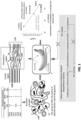
- Each coating matrix including 0.3% CNF and 0.2% CNC-reinforced 2% chitosan, was formulated with surfactants (Tween 80 or SEFA) and/or OA, and derived into six different types of emulsion coatings as reported in FIG. 1 (with reference to FIG.
- surfactant types for forming oleic acid (OA) emulsion included Tween 80 and sucrose ester of fatty acid (SEFA); ⁇ represents the contact angle of reference liquid on banana surface; ⁇ L is the surface tension of reference liquids on banana skin; and ⁇ c is the critical surface tension of banana skin).
- Emulsion systems with different surfactant types were first prepared as follows: 1% Tween 80 was suspended in water at the ambient temperature, and SEFA was dispersed at 70 °C to enhance water solubility. Then, 1% OA (1%, w/w) was added to surfactant solution, and homogenized for 1 minute. A coating composition with only Tween 80 (10%, w/w dry base) was also prepared as a positive control.
- CNF-based emulsion coating compositions 0.3% CNF was mixed with surfactants and/or OA (CNFA: 0.03% Tween 80 only, CNFB: 1% Tween 80 with 1% OA, and CNFC: 1% SEFA with 1% OA), and homogenized for 1 minute (Polytron PT10-35, Luzernerstrasse, Switzerland).
- CNFA 0.03% Tween 80 only
- CNFB 1% Tween 80 with 1% OA
- CNFC 1% SEFA with 1% OA
- CNC-reinforced chitosan emulsion coating compositions 2% chitosan (w/w) was dissolved in 1% acetic acid solution (w/v), and homogenized with 0.2% CNC and 0.4% glycerol for 1 minute.
- the prepared coating compositions were mixed with surfactants and/or OA (CNCA: 0.2% Tween 80 only, CNFB: 1% Tween 80 with 1% OA, and CNFC: 1% SEFA with 1% OA), homogenized for 3 minutes, and then degassed using a self-build water flow vacuum system.
- surfactants and/or OA CNCA: 0.2% Tween 80 only
- CNFB 1% Tween 80 with 1% OA
- CNFC 1% SEFA with 1% OA
- Semperfresh TM is a commercial coating product containing sucrose ester of fatty acid, mono- and di-glycerides, and carboxymethyl cellulose and has been used for coating various fruit and vegetables, including bananas.
- Coating performance is strongly influenced by the wettability of coating formulation associating to the surface characteristic of fruit. Previously, limited efforts have been made to understand the correlation of coating wettability with fruit surfaces. In this example, contact angle (CA) of coating formulation and spread coefficient (W s ) of coating compositions on banana surface was evaluated, as well as the surface tension (ST) of coating compositions to meet the ST of banana surfaces for ensuring sufficient adhesion of coatings on the banana surfaces.
- CA contact angle
- W s spread coefficient
- ST surface tension
- CA was determined using a video contact angle system (FTA 32, First Ten Angstroms, Inc., USA) equipped with a face contact angle meter. 10 ⁇ L of coating composition was dropped from 10 mm height to a horizontal surface of banana surface. CA was recorded after 30 seconds for all samples excluding the influence of dispersing time on spreadability. ST of coating compositions was determined by using a FT ⁇ model T10 (First Ten ⁇ ngstroms, Portsmouth, VA) equipped with a Du Nuöy ring (CSC Scientific Co, Fairfax, VA). All data were collected within 5 minutes to reach the steady state of ST.
- FTA 32 First Ten Angstroms, Inc., USA
- ST of the developed coating compositions should be lower or close to the critical ST(yC) of that fruit surface.
- the critical ST of banana surface was obtained by extrapolation from the Zisman's plot, which was built using water, formamide and 1-methyl naphthalene as reference liquids.
- the critical ST of fruit surfaces depends on the texture and composition of that fruit.
- CA of coating compositions onto the surface of silicon wafer was determined by using the same method mentioned above.
- Coatings were derived from developed coating compositions. Briefly, 60 mL of coating compositions were uniformly casted onto 150 mm diameter polystyrene petri dish (Falcon, PA, USA), and dried at room temperature for 2 days. Derived coatings were then conditioned at 25 °C and 50% RH in a self-assembled chamber before measurement (Versa, PA, USA) (Jung et al., 2016).
- WVP of the coatings were measured using a cup method based on ASTM Standard E96-87 (ASTM 2000; Park & Zhao, 2004). Each film sample (75 x 75 mm) was sealed with vacuum grease between the lid and the Plexiglas test cup (57 x 15 mm) filled up with 11 mL of distilled (DI) water, and the seal ring was closed tightly using rubber bands. Test cup assemblies were stored in the self-assembled chamber at 25 °C and 50% RH and weighed hourly for 6 hours. Data were reported as the mean value and standard deviation of three replications.
- chlorophyll content of banana peels was evaluated and used as the scientific basis for selecting the coating compositions to improve the storability of fruit.
- Eighteen bananas were randomly assigned into three groups (6 fruit/group), with each group as one replication and three replications per treatment. Chlorophyll content of banana peels was measured using a DA meter (Sinteleia, Bolonga, Italy), and the percentage of chlorophyll degradation was reported as chlorophyll content change at different sampling times (1-10 days) from the initial chlorophyll content.
- the fruit weight loss (%) was calculated as weight change at different sampling times from the initial weight and multiplied by 100.
- the marketability (%) of fruit was determined based upon the visual observation of brown spots on banana peels, in which fruit was considered unmarketable when 20% of the fruit peels was covered with brown spots. The marketability (%) was then calculated as the number of marketable fruit at different sampling times (1-10 days) divided by total number of fruit per treatment (18 ea), and multiplied by 100.
- Coating composition embodiments comprising cellulose nanofibrils, such as coating embodiments comprising CNF, oleic acid, and SEFA (e.g., a "CNFC” coating as described in certain figures) exhibited good performance based upon above measured parameters. Such coatings were further validated by coating a fresh set of fruit. Starch degradation, firmness, titratable acidity (TA), and total soluble solid (TSS) of uncoated and coated (CNFC and Semp) fruit were evaluated and photos of fruit were taken at various sampling times (0, 3, 7 and 10 days) during the same storage conditions as tested above. Pulp starch content was determined using the iodine dyeing method for estimating the conversion of starch to sugar as the result of fruit ripening.
- TA titratable acidity
- TSS total soluble solid
- Iodine solution was freshly made using 2.5 g/L iodine and 10 g/L potassium iodide.
- the cross-section cut of banana was dipped into the iodine solution for 5 seconds at each sampling time, and visually observed for six cross-section cut randomly selected from six fruit for each treatment.
- Fruit firmness was determined as the maximum penetration force (N) using a texture analyzer (TA-XT2 Texture Analyzer, Texture Technologies Corp., NY, USA), in which individual banana was penetrated by a P/6 stainless cylinder probe with 7 mm depth at a speed of 10 mm/s.
- Three measurements at different locations for each individual fruit were conducted as one replication per treatment. Mean values and standard deviations were reported with six replications.
- TSS and TA 40 g of banana flesh was mixed with 160 mL of DI water using a blender (Proctor Silex, NACCO Industry Inc., VA, USA). The mixture was filtered using a qualitative filter paper with the pore size of 2.5 ⁇ m (Whatman, GE Healthcare Bio-Sciences, PA, USA). TSS of the filtrate was measured using a refractometer (RA250-HE, KEM, Tokyo, Japan). The filtrate was then titrated with 0.1 N NaOH until pH 8.3 using a pH meter (Orion 410A, Fisher scientific, MA, USA) and digital titrator (Brinkmann, TX, USA). TA was reported as the equivalent percentage of malic acid as the predominant acid in ripen banana. One measurement was conducted for each fruit as a replication per treatment, and mean values and standard deviations were reported with six replications.
- the respiration (O 2 and CO 2 ) and ethylene production of bananas was measured using a gas chromatograph (GC-2014, Greenhouse gas analyzer, Shimadzu, Japan) with a flame ionization detector (FID, ethylene and CO 2 ) and thermal conductivity detector (TCD, O 2 ).
- FID flame ionization detector
- TCD thermal conductivity detector
- Five bananas were randomly selected, weighted, placed inside a 1.5 L of air-tight glass jar with lid holding a 10 mm rubber septa for sampling headspace gas, and stored at the ambient temperature (20 ⁇ 2 °C).
- the O 2 and CO 2 productions were monitored after 24 hours, while ethylene production was measured after 48 hours due to the low amount of ethylene production.
- the O 2 , CO 2 , and ethylene standard gases were purchased from Air Liquide (Scott TM , PA, USA), and GC solution software (Shimadzu, Japan) was used to calculate the amount of O 2 , CO 2 , and ethylene.
- ACC was measured as the precursor of ethylene and ACS activity as an enzyme that catalyzes the synthesis of ACC from S-Adenosyl methionine (SAM).
- SAM S-Adenosyl methionine
- banana flesh samples were collected at different sampling times (0, 3, 7, and 10 days), and stored at -80 °C prior to analysis.
- For extracting ACC 2 g of freshly-thawed banana flesh in 10 mL of 9% TCA was homogenized for 60 seconds and incubated at 4 °C for 24 hours. The extract was centrifuged at 10,000 x g for 30 minutes, and the supernatant was adjusted to pH 7-8 with 1N NaOH.
- Two of sample reaction mixtures were prepared with 500 ⁇ L of supernatant, 100 ⁇ L of 10 mM HgCl 2 (100 ⁇ L), and 300 ⁇ L of DI water in capped 10 mL vials.
- ACC concentration was expressed as pmol/g fresh sample.
- reaction mixtures containing 400 ⁇ L of enzyme solution, 50 ⁇ L of 600 mM EPPS (pH 8.5), and 90 ⁇ L DI water were prepared in capped 10 mL vials.
- One of them was spiked using internal standard ACC (50 ⁇ L of 0.05 mM ACC).
- After adding 60 ⁇ L of 0.5 mM SAM both reaction mixtures were incubated for 3 hours at 30 °C, and then mixed with 100 ⁇ L of 10 mM HgCl 2 and 200 ⁇ L of DI water.
- a 5 mL of headspace gas was then collected after incubation at 4 °C for 3 minutes, and ethylene production was measured by using GC.
- ACS activity was expressed as pmol ethylene/g fresh sample.
- Non-coated, Semp-coated, and CNFC-coated banana peels were cut into 5 mm pieces and placed in a modified Karnovsky fixative for 2 hours. Samples were rinsed in 0.1 M sodium cacodylate buffer and dehydrated in a graded series of acetone (10%, 30, 50, 70, 90, 95, 100-100%), 10-15 minutes each. Samples were dried in an EMS 850 critical point drier, mounted on the SEM stub skin side up, and coated with gold and palladium. Digital images were acquired at an accelerating voltage of 5 kV.
- a completely randomized two factorial design considering two treatment factors (types of coating matrix: CNF and CNC-reinforced chitosan; types of emulsions: Tween 80 only, Tween 80 with OA, and SEFA with OA) was applied for analyzing the performance of coating compositions and derived coatings.
- PROC GLM was used to identify significant differences and interactions among each factor using the SAS program (SAS v 9.2, The SAS Institute, USA), and post-hoc least significant difference (LSD) was used for the multiple comparisons. All measurements were conducted in triplicates and results were considered to be significantly different at P ⁇ 0.05.
- a completely randomized design with a single treatment factor (type of coating compositions: non-coated, Semp-coated, and CNFC-coated) was then applied for further in-depth study on internal fruit quality, physiological activity and surface characteristics of bananas. All measurements were taken in either duplicates or triplicates. A one-way ANOVA was carried out to determine the significant differences among the treatments, and a post-hoc LSD was conducted using statistical software (SAS v 9.2, The SAS Institute, USA). Results were considered to be significantly different at P ⁇ 0.05.
- Table 2 Analysis of variance (ANOVA) results and Post-hoc LSD multiple comparison tests for investigating main effects of matrix and emulsion and their interactions (matrix x emulsion) on spread coefficient, contact angle (CA) onto silicone and banana skin, surface tension of coating formulations and water vapor permeability (WVP) of the derived films Coating formulations Derived films CA (°) onto banana skin CA (°) onto silicon wafer Spread coefficient (W s , mN/m) Surface tension (ST, mN/m) WVP (g ml/m 2 d Pa) Factors Analysis of variance (ANOVA) results Matrix 0.8800 0.4213 0.0812 0.0006 ⁇ 0.0001 Emulsion ⁇ 0.0001 0.0002 ⁇ 0.0001 ⁇ 0.0001 Matrix x emulsion 0.2405 0.2714 0.0140 0.0006 ⁇ 0.0001 Levels Post-hoc LSD multiple comparison test + Matrix Emulsion Interaction Emulsion Emulsion Emulsion Interaction Interaction A:
- wettability and hydrophobicity of coating compositions were evaluated by measuring the wettability (contact angle and spread coefficient) of coating compositions onto fruit surface and the correlation of surface tension (ST) of the coating compositions with the critical ST of fruit surface, hydrophobicity (contact angle) of coating compositions onto hydrophobic silica wafer, and WVP of the derived coatings.
- the type of emulsions incorporated into coating compositions had significant (P ⁇ 0.05) impact on CA on banana surfaces, showing lower CA in coating composition containing OA/Tween 80 (36.8 °) or OA/SEFA (31.2 °) than that with Tween 80 only (44.8 °) (Table 2).
- the spread coefficient (W s ) of coating compositions was significantly (P ⁇ 0.05) affected by the interactive effect between the type of coating matrix and emulsion, with the higher W s in emulsified coating compositions (CNCB, CNCC, CNFB, and CNFC) than those without emulsion (CNCA and CNFA).
- the two treatment factors had significant (P ⁇ 0.05) interactive effect on ST of coating compositions, showing the lowest ST in CNCC and CNFC coating compositions (26.0 mM/m and 25.4 mM/m, respectively) among all treatments (Table 2).
- emulsified coating compositions improved the wettability of coatings onto hydrophobic banana surfaces composing of cutin and wax in cell wall.
- the ST of developed coating compositions was lower than the critical ST of fruit surfaces, derived from the Zisman plot, was 35.2 mN/m ( FIG. 1 ), indicating that banana surfaces carried low surface energy ( ⁇ 100 mN/m). Many fruit surfaces have low surface tension due to the presence of natural wax layer.
- coating composition with OA/SEFA had a significantly (P ⁇ 0.05) lower CA onto hydrophobic silicon wafer than that with OA/Tween 80 (Table 2), which could be attributed to the more hydrophobic SEFA in comparison with Tween 80, thus reducing the oil-water interfacial tension and improving hydrophobicity of the coatings.
- the type of coating matrix and incorporated emulsion had significant (P ⁇ 0.05) effect on WVP of derived coatings, in which WVP of CNFC film (0.03 g mL/m2 d Pa) had the lowest value among all coating compositions, indicating a superior moisture barrier (Table 2).
- the OA/SEFA emulsion system could be well dispersed into continuous CNF phase with slight surface charges and flexible structure in comparison with CNC-reinforced chitosan coating, thus preventing moisture diffusion throughout the hydrophobic CNF emulsion matrix.
- CNC-reinforced chitosan matrix could be less compatible with OA/SEFA emulsion system as shown by the reduced surface charges due to the electrostatic interaction between positively charged chitosan and negative surface charges of CNC and high crystallinity of continuous phase. Therefore, the emulsion system composed of OA and SEFA in CNF-based coating matrix could derive hydrophobic coatings with improved moisture barrier function.
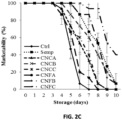
- FIGS. 2A-2C The effect of coating compositions on the chlorophyll degradation, weight loss, and marketability of bananas during 10 days of ambient storage is reported in FIGS. 2A-2C .
- the CNFC coating resulted in the least and slowest chlorophyll degradation of banana peels among all coating compositions ( FIG. 2A ).
- the CNFC coating also caused the lowest weight loss ( ⁇ 17%) of fruit at the end of 10 days ambient storage in comparison with uncoated ( ⁇ 24%) and other treatments ( ⁇ 19-23%) ( FIG. 2B ).
- CNFC retained the highest fruit marketability compared to other coating compositions over the storage period ( FIG. 2C ).
- uncoated, Semp-coated, and CNFC-coated fruit were further studied for their effect on the physiological activity ( FIGS. 3A-3D ) and surface characteristics ( FIGS. 4A-4C ) of bananas during ambient storage.
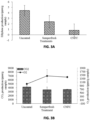
- the CNFC coating significantly reduced ethylene production of fruit (0.82 ppm/g), compared to non-coated (4.41 ppm/g) and Semp-coated fruit (2.38 ppm/g) ones ( FIG. 3A ).
- the CNFC-coated fruit also contained lower CO 2 and higher O 2 in comparison with non-coated one, while had similar CO 2 and O 2 to the Semp-coated fruit ( FIG. 3B ).
- Postharvest climacteric fruit produces ethylene through autocatalytic ethylene biosynthesis, in which ACC as the precursor of ethylene and ACS as the catalytic enzyme synthesizing ACC from SAM ( FIG. 1 ).
- ACC as the precursor of ethylene
- ACS as the catalytic enzyme synthesizing ACC from SAM
- FIG. 3C CNFC coating resulted in significantly higher ACC concentration of fruit in comparison with uncoated and Semp-coated ones. This result indicated that CNFC coating modified the internal atmosphere of fruit, which limited hydrolysis of ACC into ethylene, thus generating less ethylene production with accumulated ACC in fruit. This result was consistent with the lower ethylene production in CNFC-coated fruit in comparison with uncoated and Semp-coated ones ( FIG. 3B ).
- ACS activity was peaked at 0 days of storage, then gradually reduced during the first 4-5 days of storage, but increased again for CNFC and Semp-coated fruit during the rest of storage ( FIG. 3D ).
- the initial higher ACS activity could be associated with the onset of subsequent peel yellowing of obtained fruit samples. It was possible that the banana fruit obtained from the local market might already reach to the onset of subsequent peel yellowing prior to the local store.
- the increased ACS activity of Semp and CNFC-coated fruit after 7 days of storage might be associated with the delayed ripening in the postponed ripening stage of fruit.
- CNFC coating resulted in lower fruit ACS activity than that of Semp coating, showing slower ripening process.
- CNFC coating could control the physiological activity of bananas as shown by the lower production of ethylene and CO 2 and less ACS activity, thus delaying fruit ripening.
- FIGS. 4A-5C The influence of coatings on the fruit surface characteristics through SEM analysis is illustrated in FIGS. 4A-5C .
- the CNFC coating ( FIG. 4C ) uniformly covered the pericarp surface without cleavage among epidermal cells, whereas some cracks and/or cleavage between the cells were appeared for non-coated ( FIG. 4A ) and Semp-coated fruit ( FIG. 4B ). This insufficient coverage might potentially accelerate moisture loss, respiration, and fungus invasion.
- the size and shape of epidermal cells of CNFC-coated fruit were altered as marked in FIGS. 4C , which may result from interactions between the fibrous CNF matrix and the epidermal cells of banana peels.
- the surface morphology of the fruit further ensured that the fibrous, hydrophobic CNFC coating could be well associated with the banana surfaces to provide effective coating performance.
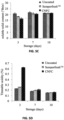
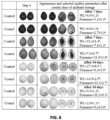
- the starch test showed the high content of starch in CNFC-coated bananas as reflected by the darker blue/black color on the cross-cut fruit surfaces from iodine reaction in comparison with uncoated and Semp-coated fruit ( FIG. 5A ). Similar trend was observed from TSS at 3 and 7 days of storage, showing CNFC coating resulted in the lowest TSS of fruit in comparison with non-coated and Semp-coated ones ( FIG. 5A ). These results proved that CNFC coating delayed banana ripening by preventing starch hydrolysis and conversion into soluble sugars. Meanwhile, TSS of CNFC-coated bananas had no significant difference from that of non-coated one at 10 days of storage, indicating that proper ripening process continued in bananas during the storage. This result was also supported by the increased ACS activity after 7 days of storage, indicating that the proper ripening continued in CNFC-coated bananas.
- CNFC coating resulted in the lowest soluble solid content of fruit in comparison with non-coated and Semp coated one at 3 and 7 d of storage ( FIG. 5C ).
- Soluble solid content is a good indicator of fruit ripening since starch is hydrolyzed into soluble sugars during ripening.
- the soluble solid content data proved that CNFC coating further delayed fruit ripening in comparison with Semp coating.
- the soluble solid content of CNFC coated bananas had no significant difference from that of non-coated one at 10 days of storage, indicating that proper ripening process continued in bananas during the storage. This result was also supported by the increased ACS activity after 7 days of storage, indicating that the proper ripening continued in CNFC-coated bananas.
- TA of CNFC coated fruit was significantly (P ⁇ 0.05) higher than uncoated and Semp-coated fruit throughout the 10 days of storage ( FIG. 5D ). It was assumed that CNFC coating reduced the consumption of organic acids as the primary substrate for respiration process during the storage due to controlled physiological activity of fruit. The validation study confirmed that CNFC coating was effective to delay ripening, retard quality deterioration, and extend the storability of postharvest bananas during ambient storage.
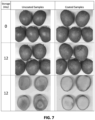
- mangos were coated by using a coating composition comprising cellulose nanofibrils and an emulsion system comprising oleic acid and a sucrose ester fatty acid.
- the mangos were stored for 12-day of storage at the ambient condition. It was seen that coating application extended the green status and improved the storability of fruit (see FIG. 7 ).
- Uncoated and coated fruit were measured for weight loss, firmness, total soluble solids (TSS), and titratable acidity (TA) at 12-days of storage. Only significant (P ⁇ 0.05) difference was observed for TA, showing higher in fruit with a coating embodiment disclosed herein than uncoated one. Higher TA could indicate that the fruit ripening was delayed. Results are provided below in Table 3.
- Table 3 Uncoated OSU coating Weight loss (%) 4.2 ⁇ 1.1 a 4.3 ⁇ 0.9 a Firmness (N) 17.3 ⁇ 4.4 a 18.4 ⁇ 9.4 a TSS (%) 10.8 ⁇ 0.8 a 10.7 ⁇ 0.3 a TA (%) 0.20 ⁇ 0.04 b 0.96 ⁇ 0.07 a
- films made of CH-incorporated CNF were evaluated for use as films for separating meat. Consistently, CH-incorporated CNF films (including 20% w/w dry basis CH at 68 kDa and 287kDa) had significantly lower liquid absorption (lower WA values) than that of CNF films without CH, indicating the enhanced water resistance of CH-incorporated CNF films. These results (see FIGS. 8A and 8B ) demonstrated that CH-incorporated CNF films are durable against high moisture condition so that can be potentially applied to high moist surface food as separating sheet to prevent moisture transfer between the layered products. All films, other than the control (which solely comprised CNF) were prepared by incorporating 0.5% (w/w water in wet base) CNF and 10% (w/w chitosan in dry base) glycerol.
Landscapes
- Chemical & Material Sciences (AREA)
- Life Sciences & Earth Sciences (AREA)
- Engineering & Computer Science (AREA)
- Chemical Kinetics & Catalysis (AREA)
- Polymers & Plastics (AREA)
- Wood Science & Technology (AREA)
- Organic Chemistry (AREA)
- General Chemical & Material Sciences (AREA)
- Zoology (AREA)
- Food Science & Technology (AREA)
- Health & Medical Sciences (AREA)
- Medicinal Chemistry (AREA)
- Microbiology (AREA)
- Materials Engineering (AREA)
- Paints Or Removers (AREA)
- General Preparation And Processing Of Foods (AREA)
- Medicinal Preparation (AREA)
Claims (6)
- Überzugszusammensetzung, umfassend:ein Cellulose-Nanomaterial in einer Menge von 0,1 % w/w Feuchtmasse bis 1 % w/w Feuchtmasse;
undein Emulsionssystem, umfassend eine Ölsäure und einen Saccharoseester einer Fettsäure, wobei die Ölsäure in einer Menge von 0,1 % w/w Feuchtmasse bis 5 % w/w Feuchtmasse vorhanden ist und der Saccharoseester einer Fettsäure in einer Menge von 0,1 % w/w Feuchtmasse bis 2 % w/w Feuchtmasse vorhanden ist;wobei das Cellulose-Nanomaterial Cellulose-Nanofibrillen umfasst. - Im Wesentlichen getrockneter Überzug, gebildet aus der Überzugszusammensetzung nach Anspruch 1, wobei der im Wesentlichen getrocknete Überzug mehr als 0 % w/w bis 10 % w/w Feuchtigkeit umfasst.
- Im Wesentlichen getrockneter Überzug nach Anspruch 2, wobei(i) die Ölsäure ist in einer Menge von 9,5 % w/w Trockenmasse bis 23 % w/w Trockenmasse vorhanden ist;
oder(ii) der Saccharoseester einer Fettsäure in einer Menge von 9,5 % w/w Trockenmasse bis 9,8 % w/w Trockenmasse vorhanden ist. - Pflanzenteil, umfassend einen Überzug, welcher aus der Überzugszusammensetzung nach Anspruch 1 gebildet ist, oder umfassend den im Wesentlichen getrockneten Überzug nach Anspruch 2 oder Anspruch 3.
- Pflanzenteil nach Anspruch 4, wobei der Pflanzenteil eine Banane, eine Papaya, eine Avocado, eine Melone oder eine Mango ist.
- Verfahren, umfassend teilweises oder vollständiges Überziehen einer Pflanze oder eines Pflanzenteils mit einer Überzugszusammensetzung nach Anspruch 1.
Applications Claiming Priority (2)
| Application Number | Priority Date | Filing Date | Title |
|---|---|---|---|
| US201762452897P | 2017-01-31 | 2017-01-31 | |
| PCT/US2018/016021 WO2018144482A1 (en) | 2017-01-31 | 2018-01-30 | Food product coatings |
Publications (3)
| Publication Number | Publication Date |
|---|---|
| EP3576544A1 EP3576544A1 (de) | 2019-12-11 |
| EP3576544A4 EP3576544A4 (de) | 2020-09-02 |
| EP3576544B1 true EP3576544B1 (de) | 2025-05-21 |
Family
ID=63041067
Family Applications (1)
| Application Number | Title | Priority Date | Filing Date |
|---|---|---|---|
| EP18748824.2A Active EP3576544B1 (de) | 2017-01-31 | 2018-01-30 | Überzüge für lebensmittelprodukte |
Country Status (16)
| Country | Link |
|---|---|
| US (1) | US12133536B2 (de) |
| EP (1) | EP3576544B1 (de) |
| JP (2) | JP7755281B2 (de) |
| KR (2) | KR102636985B1 (de) |
| CN (1) | CN110325043A (de) |
| AU (1) | AU2018217011B2 (de) |
| CL (1) | CL2019002128A1 (de) |
| CO (1) | CO2019009002A2 (de) |
| CR (1) | CR20190386A (de) |
| ES (1) | ES3033335T3 (de) |
| MX (1) | MX2019009002A (de) |
| MY (1) | MY196393A (de) |
| PL (1) | PL3576544T3 (de) |
| PT (1) | PT3576544T (de) |
| SG (2) | SG10201913771PA (de) |
| WO (1) | WO2018144482A1 (de) |
Families Citing this family (24)
| Publication number | Priority date | Publication date | Assignee | Title |
|---|---|---|---|---|
| EP3854212B1 (de) * | 2018-09-21 | 2025-03-26 | Marubeni Corporation | Mittel zur bekämpfung von pflanzenpathogenen |
| US20220202029A1 (en) * | 2019-05-06 | 2022-06-30 | Liquidseal Holding B.V. | Edible coating composition for coating fresh harvest products |
| JP7386629B2 (ja) * | 2019-06-28 | 2023-11-27 | リンテック株式会社 | 植物被覆用組成物、植物被覆用組成物の製造方法、及び、植物の被覆方法 |
| US11641865B2 (en) * | 2020-03-04 | 2023-05-09 | Apeel Technology, Inc. | Compounds and formulations for protective coatings |
| FR3110337B1 (fr) * | 2020-05-19 | 2024-09-20 | Xeda International | Nouveau procede de traitement des fruits et legumes |
| EP4161281A1 (de) | 2020-06-07 | 2023-04-12 | Comestaag LLC | Sperrbeschichtungszusammensetzungen für verderbliche güter sowie verfahren, kits und beschichtete gegenstände im zusammenhang damit |
| EP4161280A1 (de) | 2020-06-07 | 2023-04-12 | Comestaag LLC | Selektive behandlung von pflanzenartikeln |
| KR102224213B1 (ko) * | 2020-08-18 | 2021-03-08 | 주식회사 코코브라운 | 기호도와 보존성이 우수한 원물사료 조성물의 제조방법 |
| JP2024501096A (ja) * | 2020-10-23 | 2024-01-11 | アピール テクノロジー,インコーポレイテッド | 製品をコーティングするためのデバイス、システム、及び方法 |
| AU2021373373A1 (en) * | 2020-11-05 | 2023-06-29 | Chemstone, Inc. | Enhanced cellulose nanofibrils (cnf) |
| CN112772714B (zh) * | 2020-12-30 | 2022-08-12 | 上海交通大学 | 一种复合保鲜膜及其制备方法与应用 |
| CN112980253B (zh) * | 2021-02-25 | 2022-01-07 | 陕西品物皆春生态科技有限公司 | 一种腐植酸型水果免套袋膜剂及其使用方法 |
| EP4079164A1 (de) | 2021-04-21 | 2022-10-26 | EMPA Eidgenössische Materialprüfungs- und Forschungsanstalt | Nachhaltige lebensmittelverpackung |
| CN113229362B (zh) * | 2021-05-10 | 2022-08-26 | 东北林业大学 | 一种多阴离子抗收缩水果保鲜涂膜液的制备方法 |
| EP4377432A1 (de) | 2021-08-01 | 2024-06-05 | Comestaag LLC | Behandlungen, verfahren und kits zum schutz landwirtschaftlicher produkte vor wildbrandrauch |
| CN113647454A (zh) * | 2021-08-18 | 2021-11-16 | 河北鲜达农业科技有限公司 | 一种壳聚糖基果蔬涂膜保鲜材料及其制备方法 |
| EP4398731A1 (de) | 2021-09-08 | 2024-07-17 | Apeel Technology, Inc. | Verbindungen und formulierungen für schutzbeschichtungen |
| JP2024533240A (ja) * | 2021-09-09 | 2024-09-12 | アピール テクノロジー,インコーポレイテッド | 農産物などの製品における保護コーティング用の化合物及び配合物 |
| JP2023130612A (ja) * | 2022-03-08 | 2023-09-21 | 三菱ケミカル株式会社 | 刷毛並びにこれを用いた被膜付き食品の製造方法、被膜形成方法及び食品の出荷方法 |
| CN114698691A (zh) * | 2022-04-20 | 2022-07-05 | 浙江工商大学 | 一种蓝莓鲜果的保鲜方法 |
| PT118376B (pt) | 2022-12-06 | 2025-10-22 | Univ Aveiro | Filme nanocompósito bioativo de amido termoplástico, celulose bacteriana e ácido gálico, e seus usos e embalagens que o compreendem |
| WO2024204849A1 (ja) * | 2023-03-30 | 2024-10-03 | 三菱ケミカル株式会社 | コート液組成物及びその製造方法並びに低温障害抑制剤含有液 |
| JPWO2024204843A1 (de) * | 2023-03-31 | 2024-10-03 | ||
| KR20250064983A (ko) * | 2023-11-03 | 2025-05-12 | (주)에버켐텍 | 천연물을 이용한 식품포장재용 코팅 조성물 및 이의 제조방법 |
Family Cites Families (51)
| Publication number | Priority date | Publication date | Assignee | Title |
|---|---|---|---|---|
| GB1593856A (en) * | 1976-11-17 | 1981-07-22 | Gist Brocades Nv | Process for the treatment of fruit and vegetables |
| CA1202904A (en) | 1983-11-21 | 1986-04-08 | Brian G. Sparkes | Chitosan based wound dressing materials |
| US4649057A (en) * | 1985-12-30 | 1987-03-10 | Thomson Tom R | Preservative coating and method for preserving fresh foods |
| US5047180A (en) | 1987-07-24 | 1991-09-10 | Hoechst Celanese Corporation | Process for making cellulose ester microparticles |
| US4783342A (en) | 1987-07-31 | 1988-11-08 | Walter Polovina | Polymeric film coating method for protecting plants, vegetables and fruit from drought |
| US4960600A (en) * | 1988-12-21 | 1990-10-02 | The Procter & Gamble Co. | Polyol polyesters as a protective moisture barrier for foods |
| CN1227589A (zh) | 1996-07-15 | 1999-09-01 | 罗狄亚化学公司 | 含有纤维素纳米级纤丝的流体及其开采石油矿床的用途 |
| DE19631827C2 (de) | 1996-08-07 | 2002-01-24 | Dambach Werke Gmbh | Optische Anzeigevorrichtung |
| US5908708A (en) | 1997-03-05 | 1999-06-01 | Engelhard Corporation | Aqueous dispersion of a particulate solid having a hydrophobic outer surface and films produced thereby |
| IL121073A (en) | 1997-06-13 | 2000-07-16 | Contrix Ltd | Method for production of controlled release chemicals by encapsulation |
| US6638621B2 (en) | 2000-08-16 | 2003-10-28 | Lyotropic Therapeutics, Inc. | Coated particles, methods of making and using |
| FR2768620B1 (fr) | 1997-09-22 | 2000-05-05 | Rhodia Chimie Sa | Formulation buccodentaire comprenant des nanofibrilles de cellulose essentiellement amorphes |
| US7222455B2 (en) | 1998-10-27 | 2007-05-29 | Washington State University Research Foundation | Compositions and methods for suppressing cracking and water loss from cherries |
| WO2000024264A1 (en) | 1998-10-27 | 2000-05-04 | Washington State University Research Foundation | Use of clay and lipid formulations to protect horticultural crops from sunburn and insect damage |
| US20050113255A1 (en) | 1998-10-27 | 2005-05-26 | Washington State University Research Foundation | Use of lipid formulations to protect horticultural crops |
| US20070190097A1 (en) | 1998-10-27 | 2007-08-16 | Schrader Lawrence E | Compositions and Methods for Suppressing Cracking and Water Loss from Cherries |
| US6162475A (en) | 1999-03-30 | 2000-12-19 | The United States Of America As Represented By The Secretary Of Agriculture | Edible food coatings containing polyvinyl acetate |
| CA2271361A1 (en) | 1999-05-07 | 2000-11-07 | Peter Taylor | Edible casing film formulation |
| EP1311558A1 (de) | 2000-08-02 | 2003-05-21 | Univation Technologies LLC | Verfahren zur herstellung von hochproduktiven geträgerten ionischen katalysatoren für die gasphasenpolymerisation |
| FR2825293B1 (fr) | 2001-06-05 | 2004-05-07 | Coletica | Particules solides insolubles dans l'eau traitees, preparation et utilisation |
| NL1018742C2 (nl) | 2001-08-13 | 2003-02-17 | Byk Cera B V | Werkwijze voor het inkapselen van een anorganisch bestanddeel in een was. |
| JP3963348B2 (ja) | 2001-11-21 | 2007-08-22 | 信越化学工業株式会社 | カルナウバシリコーンワックス |
| US20040077498A1 (en) | 2002-07-01 | 2004-04-22 | Lynch John F. | Agricultural seed having protective coatings |
| CN1212067C (zh) * | 2002-07-12 | 2005-07-27 | 上海三瑞化学有限公司 | 双组分可食性果蔬涂膜保鲜剂及其应用 |
| EP1545225A4 (de) | 2002-09-08 | 2006-01-04 | Univ Arkansas | Organische säuren als bestandteil von geniessbaren antimikrobiellen beschichtungen |
| ES2257198B1 (es) | 2004-11-03 | 2007-03-01 | Fomesa Fruitech, S.L. | "recubrimiento comestible para frutas y hortalizas". |
| US8637091B2 (en) | 2005-05-03 | 2014-01-28 | Tessenderlokerley Inc | Compositions comprising particles resulting from processing in a slurry mix |
| US20070037711A1 (en) | 2005-08-11 | 2007-02-15 | Engelhard Corporation | Film Forming Spreading Agents |
| WO2007067668A1 (en) | 2005-12-08 | 2007-06-14 | Hercules Incorporated | Solvent free fluidized polymer suspensions for oilfield servicing fluids |
| WO2009064450A1 (en) | 2007-11-16 | 2009-05-22 | Purfresh, Inc. | Sunscreen formulations for use in the production of organic crops |
| WO2009099831A2 (en) | 2008-01-31 | 2009-08-13 | Mcneil-Ppc, Inc. | Edible film-strips with modified release active ingredients |
| SE0800807L (sv) | 2008-04-10 | 2009-10-11 | Stfi Packforsk Ab | Nytt förfarande |
| FI122032B (fi) | 2008-10-03 | 2011-07-29 | Teknologian Tutkimuskeskus Vtt | Kuitutuote, jossa on barrierkerros ja menetelmä sen valmistamiseksi |
| EP2361144B1 (de) | 2008-10-07 | 2018-05-16 | The Research Foundation of the State University of New York | Nanofasermembranen mit hohem fluss und hoher effizienz und herstellungsverfahren dafür |
| US8758496B2 (en) | 2008-12-11 | 2014-06-24 | Fpinnovations | Redispersible dried nanocrystalline cellulose |
| FI124724B (fi) | 2009-02-13 | 2014-12-31 | Upm Kymmene Oyj | Menetelmä muokatun selluloosan valmistamiseksi |
| WO2010124131A1 (en) * | 2009-04-23 | 2010-10-28 | State Of Oregon Acting By And Through The State Board Of Higher Education On Behalf Of Oregaon State University | Flexible films and methods of making and using flexible films |
| US8460572B2 (en) | 2009-06-30 | 2013-06-11 | Alberta Innovates-Technology Futures | Aircraft anti-icing fluids formulated with nanocrystalline cellulose |
| US20110086236A1 (en) | 2009-10-13 | 2011-04-14 | The Penn State Research Foundation | Composites containing polypeptides attached to polysaccharides and molecules |
| AU2010335984A1 (en) | 2009-12-21 | 2012-07-12 | Fpinnovations | Coatings containing nanocrystalline cellulose, processes for preparation and use thereof |
| CN103037708B (zh) * | 2010-03-23 | 2015-05-20 | 维尔恩公司 | 含有蔗糖脂肪酸酯的纳米乳液 |
| WO2011139749A2 (en) | 2010-04-27 | 2011-11-10 | University Of Maine System Board Of Trustees | Method for drying cellulose nanofibrils |
| SE536744C2 (sv) | 2010-05-12 | 2014-07-08 | Stora Enso Oyj | En process för tillverkning av en komposition innehållande fibrillerad cellulosa och en komposition |
| US8822386B2 (en) | 2010-06-28 | 2014-09-02 | Baker Hughes Incorporated | Nanofluids and methods of use for drilling and completion fluids |
| WO2012051670A1 (en) * | 2010-10-21 | 2012-04-26 | Byron Food Science Pty Limited | Method for preserving plant material |
| WO2013009253A1 (en) | 2011-07-08 | 2013-01-17 | Chalmers Tekniska Högskola Aktiebolag | Microfibrillated cellulose films for controlled release of active agents |
| SE536780C2 (sv) | 2011-10-26 | 2014-08-05 | Stora Enso Oyj | Förfarande för framställning av en dispersion som innefattarnanopartiklar samt en dispersion framställd enligt förfarandet |
| KR20150131277A (ko) * | 2013-03-14 | 2015-11-24 | 오레곤 스테이트 유니버시티 | 나노-셀룰로오스 식용 코팅 및 이의 사용 |
| US10400128B2 (en) * | 2013-03-14 | 2019-09-03 | Oregon State University | Nano-cellulose edible coatings and uses thereof |
| US9826750B2 (en) | 2013-03-14 | 2017-11-28 | Oregon State University | Nano-cellulose coatings to prevent damage in foodstuffs |
| CN105211276A (zh) * | 2015-11-02 | 2016-01-06 | 湖南农业大学 | 一种鲜切水果可食用涂膜保鲜剂及其制备方法和应用 |
-
2018
- 2018-01-30 MX MX2019009002A patent/MX2019009002A/es unknown
- 2018-01-30 CN CN201880008777.9A patent/CN110325043A/zh active Pending
- 2018-01-30 SG SG10201913771PA patent/SG10201913771PA/en unknown
- 2018-01-30 CR CR20190386A patent/CR20190386A/es unknown
- 2018-01-30 SG SG11201906826TA patent/SG11201906826TA/en unknown
- 2018-01-30 MY MYPI2019004208A patent/MY196393A/en unknown
- 2018-01-30 KR KR1020197024198A patent/KR102636985B1/ko active Active
- 2018-01-30 JP JP2019540626A patent/JP7755281B2/ja active Active
- 2018-01-30 AU AU2018217011A patent/AU2018217011B2/en active Active
- 2018-01-30 EP EP18748824.2A patent/EP3576544B1/de active Active
- 2018-01-30 KR KR1020247004763A patent/KR102762737B1/ko active Active
- 2018-01-30 PL PL18748824.2T patent/PL3576544T3/pl unknown
- 2018-01-30 WO PCT/US2018/016021 patent/WO2018144482A1/en not_active Ceased
- 2018-01-30 PT PT187488242T patent/PT3576544T/pt unknown
- 2018-01-30 ES ES18748824T patent/ES3033335T3/es active Active
-
2019
- 2019-07-29 CL CL2019002128A patent/CL2019002128A1/es unknown
- 2019-07-30 US US16/526,377 patent/US12133536B2/en active Active
- 2019-08-20 CO CONC2019/0009002A patent/CO2019009002A2/es unknown
-
2023
- 2023-04-06 JP JP2023061891A patent/JP2023085477A/ja active Pending
Also Published As
| Publication number | Publication date |
|---|---|
| CA3051694A1 (en) | 2018-08-09 |
| US20190364916A1 (en) | 2019-12-05 |
| ES3033335T3 (en) | 2025-08-01 |
| CN110325043A (zh) | 2019-10-11 |
| KR102636985B1 (ko) | 2024-02-15 |
| KR20240024343A (ko) | 2024-02-23 |
| EP3576544A1 (de) | 2019-12-11 |
| SG11201906826TA (en) | 2019-08-27 |
| MY196393A (en) | 2023-03-28 |
| CL2019002128A1 (es) | 2020-03-20 |
| SG10201913771PA (en) | 2020-03-30 |
| MX2019009002A (es) | 2019-12-11 |
| WO2018144482A1 (en) | 2018-08-09 |
| KR102762737B1 (ko) | 2025-02-05 |
| PL3576544T3 (pl) | 2025-09-01 |
| BR112019015549A2 (pt) | 2020-03-17 |
| KR20190110570A (ko) | 2019-09-30 |
| PT3576544T (pt) | 2025-06-09 |
| CR20190386A (es) | 2019-11-20 |
| JP7755281B2 (ja) | 2025-10-16 |
| AU2018217011B2 (en) | 2023-06-01 |
| NZ796715A (en) | 2025-07-25 |
| NZ756796A (en) | 2025-02-28 |
| US12133536B2 (en) | 2024-11-05 |
| JP2020506988A (ja) | 2020-03-05 |
| JP2023085477A (ja) | 2023-06-20 |
| RU2019123364A3 (de) | 2021-11-10 |
| AU2018217011A1 (en) | 2019-09-19 |
| RU2019123364A (ru) | 2021-03-02 |
| CO2019009002A2 (es) | 2020-01-17 |
| EP3576544A4 (de) | 2020-09-02 |
Similar Documents
| Publication | Publication Date | Title |
|---|---|---|
| US12133536B2 (en) | Food product coatings | |
| US11708506B2 (en) | Nano-cellulose compositions, coatings, and uses thereof | |
| Deng et al. | Cellulose nanomaterials emulsion coatings for controlling physiological activity, modifying surface morphology, and enhancing storability of postharvest bananas (Musa acuminate) | |
| Takma et al. | Impact of preharvest and postharvest alginate treatments enriched with vanillin on postharvest decay, biochemical properties, quality and sensory attributes of table grapes | |
| Gardesh et al. | Effect of nanochitosan based coating on climacteric behavior and postharvest shelf-life extension of apple cv. Golab Kohanz | |
| KR102721195B1 (ko) | 나노-셀룰로오스 식용 코팅 및 이의 사용 | |
| Hossen et al. | Chitosan/gelatin coating loaded with ginger essential oil/β-cyclodextrin inclusion complex on quality and shelf life of blueberries | |
| Krishnan et al. | Emerging trends and application of edible coating as a sustainable solution for postharvest management in stone fruits: A comprehensive review | |
| CA3051694C (en) | Food product coatings | |
| Wongs-Aree et al. | Improved postharvest techniques for fruit coatings | |
| RU2772773C2 (ru) | Покрытия для пищевых продуктов | |
| HK40012951A (en) | Food product coatings | |
| HK40012951B (en) | Food product coatings | |
| Kamil et al. | The impact of nano chitosan and nano silicon coatings on the quality of canino apricot fruits during cold storage | |
| Arenas | Indicadores de cambio en salud mental comunitaria de una población afectada por conflicto armado interno en Apurímac | |
| Dhillon et al. | Application of different coatings in Ber fruit: A review | |
| Cefola et al. | Active coatings for food packaging: a new strategy for table grape storage | |
| BR112019015549B1 (pt) | Composições de revestimento, revestimento substancialmente seco,produto alimentício, método e uso dos mesmos | |
| Deng | Cellulose nanomaterial incorporated edible coatings for improving storability of postharvest fruit: mechanisms, development and validation | |
| Rodríguez-Félix et al. | Formulation, properties and performance of edible films and coatings from marine sources in vegetable and fruits | |
| Do et al. | Enhancing mango shelf life through natural preservation: Investigating the eficacy of polysaccharide edible coating and leaf extracts | |
| Ali et al. | Gum Arabic-based edible coatings for fresh horticultural produce | |
| Tongdeesoontorn | Polysaccharide-Based Active Coatings Incorporated with Bioactive Compounds for Reducing Postharvest Losses of Fresh Fruits |
Legal Events
| Date | Code | Title | Description |
|---|---|---|---|
| STAA | Information on the status of an ep patent application or granted ep patent |
Free format text: STATUS: THE INTERNATIONAL PUBLICATION HAS BEEN MADE |
|
| PUAI | Public reference made under article 153(3) epc to a published international application that has entered the european phase |
Free format text: ORIGINAL CODE: 0009012 |
|
| STAA | Information on the status of an ep patent application or granted ep patent |
Free format text: STATUS: REQUEST FOR EXAMINATION WAS MADE |
|
| 17P | Request for examination filed |
Effective date: 20190723 |
|
| AK | Designated contracting states |
Kind code of ref document: A1 Designated state(s): AL AT BE BG CH CY CZ DE DK EE ES FI FR GB GR HR HU IE IS IT LI LT LU LV MC MK MT NL NO PL PT RO RS SE SI SK SM TR |
|
| AX | Request for extension of the european patent |
Extension state: BA ME |
|
| DAV | Request for validation of the european patent (deleted) | ||
| DAX | Request for extension of the european patent (deleted) | ||
| REG | Reference to a national code |
Ref country code: HK Ref legal event code: DE Ref document number: 40012951 Country of ref document: HK |
|
| A4 | Supplementary search report drawn up and despatched |
Effective date: 20200804 |
|
| RIC1 | Information provided on ipc code assigned before grant |
Ipc: A23B 7/16 20060101ALI20200729BHEP Ipc: C09D 101/02 20060101ALI20200729BHEP Ipc: A23B 7/154 20060101AFI20200729BHEP Ipc: A01G 17/00 20060101ALI20200729BHEP |
|
| STAA | Information on the status of an ep patent application or granted ep patent |
Free format text: STATUS: EXAMINATION IS IN PROGRESS |
|
| 17Q | First examination report despatched |
Effective date: 20240517 |
|
| GRAP | Despatch of communication of intention to grant a patent |
Free format text: ORIGINAL CODE: EPIDOSNIGR1 |
|
| STAA | Information on the status of an ep patent application or granted ep patent |
Free format text: STATUS: GRANT OF PATENT IS INTENDED |
|
| INTG | Intention to grant announced |
Effective date: 20241218 |
|
| GRAS | Grant fee paid |
Free format text: ORIGINAL CODE: EPIDOSNIGR3 |
|
| GRAA | (expected) grant |
Free format text: ORIGINAL CODE: 0009210 |
|
| STAA | Information on the status of an ep patent application or granted ep patent |
Free format text: STATUS: THE PATENT HAS BEEN GRANTED |
|
| P01 | Opt-out of the competence of the unified patent court (upc) registered |
Free format text: CASE NUMBER: APP_17390/2025 Effective date: 20250409 |
|
| AK | Designated contracting states |
Kind code of ref document: B1 Designated state(s): AL AT BE BG CH CY CZ DE DK EE ES FI FR GB GR HR HU IE IS IT LI LT LU LV MC MK MT NL NO PL PT RO RS SE SI SK SM TR |
|
| REG | Reference to a national code |
Ref country code: GB Ref legal event code: FG4D |
|
| REG | Reference to a national code |
Ref country code: CH Ref legal event code: EP |
|
| REG | Reference to a national code |
Ref country code: PT Ref legal event code: SC4A Ref document number: 3576544 Country of ref document: PT Date of ref document: 20250609 Kind code of ref document: T Free format text: AVAILABILITY OF NATIONAL TRANSLATION Effective date: 20250603 |
|
| REG | Reference to a national code |
Ref country code: DE Ref legal event code: R096 Ref document number: 602018082095 Country of ref document: DE |
|
| REG | Reference to a national code |
Ref country code: IE Ref legal event code: FG4D |
|
| REG | Reference to a national code |
Ref country code: SE Ref legal event code: TRGR |
|
| REG | Reference to a national code |
Ref country code: NL Ref legal event code: FP |
|
| REG | Reference to a national code |
Ref country code: ES Ref legal event code: FG2A Ref document number: 3033335 Country of ref document: ES Kind code of ref document: T3 Effective date: 20250801 |
|
| PG25 | Lapsed in a contracting state [announced via postgrant information from national office to epo] |
Ref country code: FI Free format text: LAPSE BECAUSE OF FAILURE TO SUBMIT A TRANSLATION OF THE DESCRIPTION OR TO PAY THE FEE WITHIN THE PRESCRIBED TIME-LIMIT Effective date: 20250521 |
|
| REG | Reference to a national code |
Ref country code: LT Ref legal event code: MG9D |
|
| PG25 | Lapsed in a contracting state [announced via postgrant information from national office to epo] |
Ref country code: NO Free format text: LAPSE BECAUSE OF FAILURE TO SUBMIT A TRANSLATION OF THE DESCRIPTION OR TO PAY THE FEE WITHIN THE PRESCRIBED TIME-LIMIT Effective date: 20250821 Ref country code: GR Free format text: LAPSE BECAUSE OF FAILURE TO SUBMIT A TRANSLATION OF THE DESCRIPTION OR TO PAY THE FEE WITHIN THE PRESCRIBED TIME-LIMIT Effective date: 20250822 |
|
| PG25 | Lapsed in a contracting state [announced via postgrant information from national office to epo] |
Ref country code: BG Free format text: LAPSE BECAUSE OF FAILURE TO SUBMIT A TRANSLATION OF THE DESCRIPTION OR TO PAY THE FEE WITHIN THE PRESCRIBED TIME-LIMIT Effective date: 20250521 |
|
| PG25 | Lapsed in a contracting state [announced via postgrant information from national office to epo] |
Ref country code: HR Free format text: LAPSE BECAUSE OF FAILURE TO SUBMIT A TRANSLATION OF THE DESCRIPTION OR TO PAY THE FEE WITHIN THE PRESCRIBED TIME-LIMIT Effective date: 20250521 |
|
| PG25 | Lapsed in a contracting state [announced via postgrant information from national office to epo] |
Ref country code: RS Free format text: LAPSE BECAUSE OF FAILURE TO SUBMIT A TRANSLATION OF THE DESCRIPTION OR TO PAY THE FEE WITHIN THE PRESCRIBED TIME-LIMIT Effective date: 20250821 |
|
| PG25 | Lapsed in a contracting state [announced via postgrant information from national office to epo] |
Ref country code: IS Free format text: LAPSE BECAUSE OF FAILURE TO SUBMIT A TRANSLATION OF THE DESCRIPTION OR TO PAY THE FEE WITHIN THE PRESCRIBED TIME-LIMIT Effective date: 20250921 |
|
| PG25 | Lapsed in a contracting state [announced via postgrant information from national office to epo] |
Ref country code: LV Free format text: LAPSE BECAUSE OF FAILURE TO SUBMIT A TRANSLATION OF THE DESCRIPTION OR TO PAY THE FEE WITHIN THE PRESCRIBED TIME-LIMIT Effective date: 20250521 |
|
| REG | Reference to a national code |
Ref country code: AT Ref legal event code: MK05 Ref document number: 1795972 Country of ref document: AT Kind code of ref document: T Effective date: 20250521 |
|
| PG25 | Lapsed in a contracting state [announced via postgrant information from national office to epo] |
Ref country code: AT Free format text: LAPSE BECAUSE OF FAILURE TO SUBMIT A TRANSLATION OF THE DESCRIPTION OR TO PAY THE FEE WITHIN THE PRESCRIBED TIME-LIMIT Effective date: 20250521 Ref country code: DK Free format text: LAPSE BECAUSE OF FAILURE TO SUBMIT A TRANSLATION OF THE DESCRIPTION OR TO PAY THE FEE WITHIN THE PRESCRIBED TIME-LIMIT Effective date: 20250521 Ref country code: SM Free format text: LAPSE BECAUSE OF FAILURE TO SUBMIT A TRANSLATION OF THE DESCRIPTION OR TO PAY THE FEE WITHIN THE PRESCRIBED TIME-LIMIT Effective date: 20250521 |
|
| PG25 | Lapsed in a contracting state [announced via postgrant information from national office to epo] |
Ref country code: EE Free format text: LAPSE BECAUSE OF FAILURE TO SUBMIT A TRANSLATION OF THE DESCRIPTION OR TO PAY THE FEE WITHIN THE PRESCRIBED TIME-LIMIT Effective date: 20250521 |
|
| PG25 | Lapsed in a contracting state [announced via postgrant information from national office to epo] |
Ref country code: SK Free format text: LAPSE BECAUSE OF FAILURE TO SUBMIT A TRANSLATION OF THE DESCRIPTION OR TO PAY THE FEE WITHIN THE PRESCRIBED TIME-LIMIT Effective date: 20250521 Ref country code: RO Free format text: LAPSE BECAUSE OF FAILURE TO SUBMIT A TRANSLATION OF THE DESCRIPTION OR TO PAY THE FEE WITHIN THE PRESCRIBED TIME-LIMIT Effective date: 20250521 |
|
| PGFP | Annual fee paid to national office [announced via postgrant information from national office to epo] |
Ref country code: NL Payment date: 20260116 Year of fee payment: 9 |
|
| REG | Reference to a national code |
Ref country code: DE Ref legal event code: R097 Ref document number: 602018082095 Country of ref document: DE |
|
| PLBE | No opposition filed within time limit |
Free format text: ORIGINAL CODE: 0009261 |
|
| STAA | Information on the status of an ep patent application or granted ep patent |
Free format text: STATUS: NO OPPOSITION FILED WITHIN TIME LIMIT |
|
| REG | Reference to a national code |
Ref country code: CH Ref legal event code: L10 Free format text: ST27 STATUS EVENT CODE: U-0-0-L10-L00 (AS PROVIDED BY THE NATIONAL OFFICE) Effective date: 20260402 |
|
| PGFP | Annual fee paid to national office [announced via postgrant information from national office to epo] |
Ref country code: SE Payment date: 20260112 Year of fee payment: 9 |
|
| PGFP | Annual fee paid to national office [announced via postgrant information from national office to epo] |
Ref country code: GB Payment date: 20260112 Year of fee payment: 9 |
|
| PGFP | Annual fee paid to national office [announced via postgrant information from national office to epo] |
Ref country code: ES Payment date: 20260209 Year of fee payment: 9 |
|
| PGFP | Annual fee paid to national office [announced via postgrant information from national office to epo] |
Ref country code: DE Payment date: 20260107 Year of fee payment: 9 |
|
| PGFP | Annual fee paid to national office [announced via postgrant information from national office to epo] |
Ref country code: BE Payment date: 20260113 Year of fee payment: 9 Ref country code: IT Payment date: 20260122 Year of fee payment: 9 |
|
| PGFP | Annual fee paid to national office [announced via postgrant information from national office to epo] |
Ref country code: FR Payment date: 20260108 Year of fee payment: 9 |