EP3496730B1 - Mesenchymal cell-derived exosomes to treat neurological disorders - Google Patents
Mesenchymal cell-derived exosomes to treat neurological disorders Download PDFInfo
- Publication number
- EP3496730B1 EP3496730B1 EP17841210.2A EP17841210A EP3496730B1 EP 3496730 B1 EP3496730 B1 EP 3496730B1 EP 17841210 A EP17841210 A EP 17841210A EP 3496730 B1 EP3496730 B1 EP 3496730B1
- Authority
- EP
- European Patent Office
- Prior art keywords
- exosomes
- msc
- btbr
- saline
- mesenchymal stem
- Prior art date
- Legal status (The legal status is an assumption and is not a legal conclusion. Google has not performed a legal analysis and makes no representation as to the accuracy of the status listed.)
- Active
Links
Images






Classifications
-
- A—HUMAN NECESSITIES
- A61—MEDICAL OR VETERINARY SCIENCE; HYGIENE
- A61K—PREPARATIONS FOR MEDICAL, DENTAL OR TOILETRY PURPOSES
- A61K35/00—Medicinal preparations containing materials or reaction products thereof with undetermined constitution
- A61K35/12—Materials from mammals; Compositions comprising non-specified tissues or cells; Compositions comprising non-embryonic stem cells; Genetically modified cells
- A61K35/28—Bone marrow; Haematopoietic stem cells; Mesenchymal stem cells of any origin, e.g. adipose-derived stem cells
-
- A—HUMAN NECESSITIES
- A61—MEDICAL OR VETERINARY SCIENCE; HYGIENE
- A61K—PREPARATIONS FOR MEDICAL, DENTAL OR TOILETRY PURPOSES
- A61K9/00—Medicinal preparations characterised by special physical form
- A61K9/0012—Galenical forms characterised by the site of application
- A61K9/0019—Injectable compositions; Intramuscular, intravenous, arterial, subcutaneous administration; Compositions to be administered through the skin in an invasive manner
-
- A—HUMAN NECESSITIES
- A61—MEDICAL OR VETERINARY SCIENCE; HYGIENE
- A61K—PREPARATIONS FOR MEDICAL, DENTAL OR TOILETRY PURPOSES
- A61K9/00—Medicinal preparations characterised by special physical form
- A61K9/0012—Galenical forms characterised by the site of application
- A61K9/0043—Nose
-
- A—HUMAN NECESSITIES
- A61—MEDICAL OR VETERINARY SCIENCE; HYGIENE
- A61K—PREPARATIONS FOR MEDICAL, DENTAL OR TOILETRY PURPOSES
- A61K9/00—Medicinal preparations characterised by special physical form
- A61K9/08—Solutions
-
- A—HUMAN NECESSITIES
- A61—MEDICAL OR VETERINARY SCIENCE; HYGIENE
- A61K—PREPARATIONS FOR MEDICAL, DENTAL OR TOILETRY PURPOSES
- A61K9/00—Medicinal preparations characterised by special physical form
- A61K9/10—Dispersions; Emulsions
- A61K9/127—Synthetic bilayered vehicles, e.g. liposomes or liposomes with cholesterol as the only non-phosphatidyl surfactant
-
- A—HUMAN NECESSITIES
- A61—MEDICAL OR VETERINARY SCIENCE; HYGIENE
- A61P—SPECIFIC THERAPEUTIC ACTIVITY OF CHEMICAL COMPOUNDS OR MEDICINAL PREPARATIONS
- A61P25/00—Drugs for disorders of the nervous system
- A61P25/18—Antipsychotics, i.e. neuroleptics; Drugs for mania or schizophrenia
-
- A—HUMAN NECESSITIES
- A61—MEDICAL OR VETERINARY SCIENCE; HYGIENE
- A61P—SPECIFIC THERAPEUTIC ACTIVITY OF CHEMICAL COMPOUNDS OR MEDICINAL PREPARATIONS
- A61P25/00—Drugs for disorders of the nervous system
- A61P25/28—Drugs for disorders of the nervous system for treating neurodegenerative disorders of the central nervous system, e.g. nootropic agents, cognition enhancers, drugs for treating Alzheimer's disease or other forms of dementia
Definitions
- the present invention in some embodiments thereof, relates to particles derived from mesenchymal stem cells for the treatment of neurological disorders and, more particularly, but not exclusively, to Autism.
- ASD Autism spectrum disorders
- BTBR mice are an inbred strand that shows communication and social interaction deficits as well as cognitive inflexibility and increased repetitive behaviors (Bolivar et. Al. 2007).
- BTBR suffers from decreased hippocampal neurogenesis, which is correlated to autistic humans (Stephenson et. al. 2011). It has been shown that transplantation of MSC to the lateral ventricles of the brain of BTBR mice, adjacent to sub-ventricular zone, have the ability to benefit their autistic-like behaviors, such as increasing interest in unfamiliar male mice, reducing repetitive behaviors and cognitive inflexibility (Segal-Gavish et.al. 2015).
- SCZ Schizophrenia
- Exosomes were initially thought to be a mechanism for removing unneeded membrane proteins from reticulocytes but current studies have shown they are used for cell-to cell communication by carrying genetic information from one cell to another.
- MSC-derived exosomes have functions similar to those of MSCs, such as repairing tissue damage, suppressing inflammatory responses, and modulating the immune system (Yu et. al. 2014).
- Exosomes are easily traceable and can be targeted to specific areas, which makes it easier to follow their mechanism of action compared to cells (Valadi et. Al. 2007).
- exosomes have shown to have significant biological effects on the brain when they are administered intranasally, such as decreasing inflammation (Zhuang et. Al. 2011).
- US 20150190430 teaches exosomes of MSCs to treat Alzheimer's Disease and Parkinson's.
- WO2013150303 teaches exosomes of neural stem cells to treat ND disorders.
- Doeppner et al. show that specifically extracellular vesicles derived from stem cells such as exosomes improve post-stroke neuroregeneration and prevent postischemic immunosuppression ( Doeppner, et al., Stem Cells Translation Medicine 4(10), p. 1131-43, September 3, 2015 ).
- Xin et al. tested systemic treatment of stroke with exosomes derived from multipotent mesenchymal stromal cells and could show that said cells promote functional recovery and neurovascular remodeling and functional recovery after stroke in rats ( Xin, et al., Journal Cerebral Blood Flow Metabolism 33(11), p. 1711-5, August 21, 2013 ).
- Zuangh et al. performed intranasal administration of MSC exosomes carrying drugs to three different mouse models of brain inflammatory diseases, predictive for Alzheimer's, Parkinson's and Schizophrenia ( Zuangh et al., Molecular Therapy vol. 19(10), p. 1769-1779, September 13, 2011 ).
- a neurological disease in a subject comprising administering to the subject a therapeutically effective amount of exosomes derived from mesenchymal stem cells (MSCs), wherein the neurological disease is not Alzheimer's Disease or Parkinson's Disease, thereby treating the neurological disease in the subject.
- MSCs mesenchymal stem cells
- a pharmaceutical composition to be used in the treatment of an autism spectrum disorder (ASD) in a subject comprising administering to the subject a therapeutically effective amount of exosomes derived from mesenchymal stem cells, thereby treating the autism spectrum disorder.
- ASD autism spectrum disorder
- a pharmaceutical composition to be used in the treatment of stroke in a subject in need thereof comprising intranasally administering to the subject a therapeutically effective amount of exosomes derived from mesenchymal stem cells, thereby treating stroke in the subject.
- the neurological disease is schizophrenia.
- the administering comprises intranasally administering.
- the mesenchymal stem cells are derived from dental pulp.
- the mesenchymal stem cells are derived from bone marrow.
- the MSCs are human MSCs.
- the present invention relates to exosomes derived from mesenchymal stem cells for the treatment of neurological disorders and, more particularly, but not exclusively, to autism.
- Exosomes were initially thought to be a mechanism for removing unneeded membrane proteins from reticulocytes. However, recent studies have shown they are also used for cell-to cell communication through the carrying of genetic information from one cell to another. Exosomes contain mainly proteins, as well as RNA and a large number of micro RNAs. Approximately 25 percent of these proteins and RNA play role in cell growth and maintenance.
- the present inventors investigated whether mesenchymal stem cell-derived exosomes have a beneficial effect on neurological diseases.
- BTBR T1tf/J BTBR T1tf/J
- mice with intranasal administration of mesenchymal stem cell-derived exosomes present significant improvement in the social interaction domain.
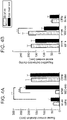
- Male BTBR mice treated with MSC-derived exosomes presented increased social interest in other stranger males compared to their own baseline behaviors before the treatment and compared to other saline treated males ( Figures 4A-B ).
- Their time spent in social interaction was comparable to c57bl group.
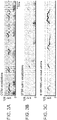
- mice treated with MSC-exo had significantly higher number of USVs compared to saline treated group toward the female ( Figures 3A-C ).
- Second core symptom of autistic-like behavior of BTBR mice is increased time spent in repetitive behaviors of digging and grooming.
- mice treated with MSC-derived exosomes spent less time, compared to their baseline, in repetitive behaviors during social interaction and while isolated ( Figure 5 ).
- the third core symptom of autistic-like behaviors of BTBR mice the cognitive rigidity.
- the present inventors show that MSC-derived exosome treated mice had significantly fewer mistakes during the reversal condition of the rescue platform compared to saline treated group during the water T-maze assay ( Figures 6A-B ).
- the present inventors have also examined the effect of MSC-derived exosomes on pup retrieval behavior. It is known that after giving birth, a mother makes a nest for the new-born pups and when pups are isolated the mother immediately retrieves it and brings it back to the nest. A naive virgin female will not retrieve the isolated pup, but if the virgin spends a few days with the mother, the virgin can learn pup retrieval behavior thus becoming experienced virgin (Marlin, Mitre, D'amour, Chao, & Froemke, 2015).
- the present inventors show that neither the BTBR mothers nor BTBR experienced virgin present baseline behavior of pup retrieval as c57bl mothers do. However, when treated with MSC-derived exosomes, BTBR experienced virgins have the same pup retrieval behaviors as c57bl experienced virgins ( Figure 7 ).
- the inventors investigated the effect of mesenchymal stem cell-derived exosomes on schizophrenia using a pharmacological rodent model based on phencyclidine (PCP), which acts as a NMDA glutamate receptor antagonist.
- PCP phencyclidine
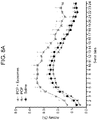
- FIGs 8A-B and 10 illustrate that mice treated with mesenchymal stem cell-derived exosomes showed a reduced locomotor response to systemic amphetamine administration when administered with PCP.
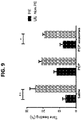
- Figure 9 illustrates the positive effect of the MSC-derived exosomes on central information processing in PCP-treated mice, analyzed by assessing the acoustic startle reflex. Furthermore, the exosome treated mice showed the highest preference for the social stimulus in this model ( Figure 11 ).
- mesenchymal stem cell-derived exosomes will serve as a useful therapeutic for neurological diseases in general.
- a neurological disease in a subject comprising administering to the subject a therapeutically effective amount of exosomes derived from mesenchymal stem cells, wherein the neurological disease is not Alzheimer's Disease or Parkinson's Disease, thereby treating the neurological disease in the subject.
- meenchymal stem cells refers to multipotent stromal cells that can differentiate into a variety of cell types, including: osteoblasts (bone cells), chondrocytes (cartilage cells), myocytes (muscle cells) and adipocytes (fat cells).
- mesenchymal stem cells In their pluripotent state, mesenchymal stem cells typically express the following markers: CD105, CD166, CD29, CD90, and CD73, and do not express CD34, CD45, and CD133.
- Mesenchymal stem cells may be isolated from a variety of tissues including but not limited to bone marrow, adipose tissue, dental pulp, oral mucosa, peripheral blood and amniotic fluid.
- MSCs mesenchymal stem cells
- mesenchymal stem cell cultures are generated by diluting BM aspirates (usually 20 ml) with equal volumes of Hank's balanced salt solution (HBSS; GIBCO Laboratories, Grand Island, NY, USA) and layering the diluted cells over about 10 ml of a Ficoll column (Ficoll-Paque; Pharmacia, Piscataway, NJ, USA). Following 30 minutes of centrifugation at 2,500 x g, the mononuclear cell layer is removed from the interface and suspended in HBSS.
- HBSS Hank's balanced salt solution
- MSCs are then centrifuged at 1,500 x g for 15 minutes and resuspended in a complete medium (MEM, ⁇ medium without deoxyribonucleotides or ribonucleotides; GIBCO); 20 % fetal calf serum (FCS) derived from a lot selected for rapid growth of MSCs (Atlanta Biologicals, Norcross, GA); 100 units/ml penicillin (GIBCO), 100 ⁇ g/ml streptomycin (GIBCO); and 2 mM L-glutamine (GIBCO).
- MEM complete medium
- FCS fetal calf serum
- Resuspended cells are plated in about 25 ml of medium in a 10 cm culture dish (Corning Glass Works, Corning, NY) and incubated at 37 °C with 5 % humidified CO 2 . Following 24 hours in culture, nonadherent cells are discarded, and the adherent cells are thoroughly washed twice with phosphate buffered saline (PBS). The medium is replaced with a fresh complete medium every 3 or 4 days for about 14 days. Adherent cells are then harvested with 0.25 % trypsin and 1 mM EDTA (Trypsin/EDTA, GIBCO) for 5 min at 37 °C, replated in a 6-cm plate and cultured for another 14 days.
- Trypsin/EDTA GIBCO
- Cells are then trypsinized and counted using a cell counting device such as for example, a hemocytometer (Hausser Scientific, Horsham, PA). Cultured cells are recovered by centrifugation and resuspended with 5 % DMSO and 30 % FCS at a concentration of 1 to 2 ⁇ 10 6 cells per ml. Aliquots of about 1 ml each are slowly frozen and stored in liquid nitrogen.
- a cell counting device such as for example, a hemocytometer (Hausser Scientific, Horsham, PA).
- MSC cultures can grow for about 50 population doublings and be expanded for about 2000 fold [ Colter DC., et al. Rapid expansion of recycling stem cells in cultures of plastic-adherent cells from human bone marrow. Proc Natl Acad Sci USA. 97: 3213-3218, 2000 ].
- MSC cultures utilized by some embodiments of the invention preferably include three groups of cells which are defined by their morphological features: small and agranular cells (referred to as RS-1, hereinbelow), small and granular cells (referred to as RS-2, hereinbelow) and large and moderately granular cells (referred to as mature MSCs, hereinbelow).
- RS-1 small and agranular cells
- RS-2 small and granular cells
- mature MSCs large and moderately granular cells
- the present invention contemplates using particles derived from mesenchymal stem cells for treating neurological diseases.
- particle refers to a discrete entity that incorporates biological matter such as proteins and/or RNA. It will be appreciated that particle of this aspect of the present disclosure is not a biological cell.
- the particle is an exosome.
- the particles described here may comprise any one or more of the properties of the exosomes described herein.
- the exosomes may comprise a vesicle or a flattened sphere limited by a lipid bilayer.
- the exosomes may comprise diameters of 40-100 nm.
- the exosomes may have a density of .about.1.13-1.19 g/ml and may float on sucrose gradients.
- the exosomes may be enriched in cholesterol and sphingomyelin, and lipid raft markers such as GM1, GM3, flotillin and the src protein kinase Lyn.
- the exosomes may comprise one or more proteins present in mesenchymal stem cells or mesenchymal stem cell conditioned medium (MSC-CM), such as a protein characteristic or specific to the MSC or MSC-CM. They may comprise RNA, for example miRNA.
- exosome refers to an extracellular vesicle that is released from a cell upon fusion of a multivesicular body (MVB) with the plasma membrane.
- MVB multivesicular body
- the exosome may (a) have a size of between 50 nm and 100 nm as determined by electron microscopy; (b) comprises a complex of molecular weight >100 kDa, comprising proteins of ⁇ 100 kDa; (c) comprises a complex of molecular weight >300 kDa, comprising proteins of ⁇ 300 kDa; (d) comprises a complex of molecular weight >1000 kDa; (e) has a size of between 2 nm and 200 nm, as determined by filtration against a 0.2 pM filter and concentration against a membrane with a molecular weight cut-off of 10 kDa; or (f) a hydrodynamic radius of below 100 nm, as determined by laser diffraction or dynamic light scattering.
- the exosomes may be something that is isolatable from a mesenchymal stem cell (MSC) or mesenchymal stem cell conditioned medium (MSC-CM).
- the exosomes may be responsible for at least an activity of the MSC or MSC-CM.
- the exosomes may be responsible for, and carry out, substantially most or all of the functions of the MSC or MSC-CM.
- the particle may be a substitute (or biological substitute) for the MSC or MSC-CM.
- the exosomes preferably has at least one property of a mesenchymal stem cell.
- the exosomes may have a biological property, such as a biological activity.
- the exosomes may have any of the biological activities of an MSC.
- the exosomes may for example have a therapeutic or restorative activity of an MSC.
- the exosomes may be produced or isolated in a number of ways. Such a method may comprise isolating the exosomes from a mesenchymal stem cell (MSC). Such a method may comprise isolating the exosomes from a mesenchymal stem cell conditioned medium (MSC-CM).
- MSC mesenchymal stem cell
- MSC-CM mesenchymal stem cell conditioned medium
- the exosomes may be isolated for example by being separated from non-associated components based on any property of the exosomes.
- the exosomes may be isolated based on molecular weight, size, shape, composition or biological activity.
- the conditioned medium may be filtered or concentrated or both during, prior to or subsequent to separation.
- it may be filtered through a membrane, for example one with a size or molecular weight cut-off. It may be subject to tangential force filtration or ultrafiltration.
- filtration with a membrane of a suitable molecular weight or size cutoff as described in the Assays for Molecular Weight elsewhere in this document, may be used.
- the conditioned medium may be subject to further separation means, such as column chromatography.
- column chromatography high performance liquid chromatography (HPLC) with various columns may be used.
- HPLC high performance liquid chromatography
- the columns may be size exclusion columns or binding columns.
- One or more properties or biological activities of the exosomes may be used to track its activity during fractionation of the mesenchymal stem cell conditioned medium (MSC-CM).
- MSC-CM mesenchymal stem cell conditioned medium
- light scattering, refractive index, dynamic light scattering or UV-visible detectors may be used to follow the exosomes.
- a therapeutic activity such as cardioprotective activity may be used to track the activity during fractionation.
- a mesenchymal stem cell particle may be produced by culturing mesenchymal stem cells in a medium to condition it.
- the medium may comprise DMEM.
- the DMEM may be such that it does not comprise phenol red.
- the medium may be supplemented with insulin, transferrin, or selenoprotein (ITS), or any combination thereof.
- ITS insulin, transferrin, or selenoprotein
- It may comprise FGF2.
- It may comprise PDGF AB.
- the concentration of FGF2 may be about 5 ng/ml FGF2.
- the concentration of PDGF AB may be about 5 ng/ml.
- the medium may comprise glutamine-penicillin-streptomycin or -mercaptoethanol, or any combination thereof.
- the cells may be cultured for about 1, 2, 3, 4, 5, 6, 7, 8, 9, 10 days or more, for example 3 days.
- the conditioned medium may be obtained by separating the cells from the medium.
- the conditioned medium may be centrifuged, for example at 500 g. it may be concentrated by filtration through a membrane.
- the membrane may comprise a >1000 kDa membrane.
- the conditioned medium may be concentrated about 50 times or more.
- the conditioned medium may be subject to liquid chromatography such as HPLC.
- the conditioned medium may be separated by size exclusion. Any size exclusion matrix such as Sepharose may be used.
- a TSK Guard column SWXL, 6 ⁇ 40 mm or a TSK gel G4000 SWXL, 7.8 ⁇ 300 mm may be employed.
- the eluent buffer may comprise any physiological medium such as saline. It may comprise 20 mM phosphate buffer with 150 mM of NaCl at pH 7.2.
- the chromatography system may be equilibrated at a flow rate of 0.5 ml/min.
- the elution mode may be isocratic. UV absorbance at 220 nm may be used to track the progress of elution. Fractions may be examined for dynamic light scattering (DLS) using a quasi-elastic light scattering (QELS) detector.
- DLS dynamic light scattering
- QELS quasi-elastic light scattering
- Fractions which are found to exhibit dynamic light scattering may be retained. For example, a fraction which is produced by the general method as described above, and which elutes with a retention time of 11-13 minutes, such as 12 minutes, is found to exhibit dynamic light scattering. The r.sub.h of particles in this peak is about 45-55 nm. Such fractions comprise mesenchymal stem cell particles such as exosomes.
- the exosomes may have a size of greater than 2 nm.
- the exosomes may have a size of greater than 5 nm, 10 nm, 20 nm, 30 nm, 40 nm or 50 nm.
- the exosomes may have a size of greater than 100 nm, such as greater than 150 nm.
- the exosomes may have a size of substantially 200 nm or greater.
- the exosome or exosomes may have a range of sizes, such as between 2 nm to 20 nm, 2 nm to 50 nm, 2 nm to 100 nm, 2 nm to 150 nm or 2 nm to 200 nm.
- the exosome or exosomes may have a size between 20 nm to 50 nm, 20 nm to 100 nm, 20 nm to 150 nm or 20 nm to 200 nm.
- the exosome or exosomes may have a size between 50 nm to 100 nm, 50 nm to 150 nm or 50 nm to 200 nm.
- the exosome or exosomes may have a size between 100 nm to 150 nm or 100 nm to 200 nm.
- the exosome or exosomes may have a size between 150 nm to 200 nm.
- the size may be determined by various means. In principle, the size may be determined by size fractionation and filtration through a membrane with the relevant size cut-off. The exosome size may then be determined by tracking segregation of component proteins with SDS-PAGE or by a biological assay.
- the size may comprise a hydrodynamic radius.
- the hydrodynamic radius of the exosomes may be below 100 nm. It may be between about 30 nm and about 70 nm.
- the hydrodynamic radius may be between about 40 nm and about 60 nm, such as between about 45 nm and about 55 nm.
- the hydrodynamic radius may be about 50 nm.
- the hydrodynamic radius of the exosomes may be determined by any suitable means, for example, laser diffraction or dynamic light scattering.
- the exosomes may comprise one or more proteins or polynucleotides secreted by a mesenchymal stem cell.
- the exosomes may comprise one or more proteins or polynucleotides present in mesenchymal stem cell conditioned medium (MSC-CM).
- the exosomes may comprise miRNAs which are derived from MSCs.
- the exosomes may comprise 10% or more, 20% or more, 30% or more, 40% or more, 50% or more, 60% or more or 70% or more of these proteins and/or polynucleotides.
- the exosomes may comprise substantially about 75% of these proteins and/or polynucleotides.
- the proteins may be defined by reference to a list of proteins or gene products of a list of genes.
- Subjects that may be treated include mammalian subjects, such as humans, mice, rats, monkeys, dogs and cats.
- neurological disease refers to a disease of the brain, spine and/or the nerves that connect them.
- the disease is a neurodevelopmental disorder such as autism or schizophrenia.
- the disease is a behavioral disease such as schizophrenia, attention deficit hyperactivity disorder, autism, obsessive compulsive disorder,
- the neurological disease is not stroke.
- the neurological disease is an autism spectrum disorder (ASD).
- ASD autism spectrum disorder
- exosomes of embodiments of this invention can be used for preparing a medicament (interchangeably referred to as pharmaceutical composition), whereby such a medicament is formulated for treating neurological diseases.
- exosomes of the present invention can be administered to the treated individual using a variety of transplantation approaches, the nature of which depends on the site of implantation.
- transplantation refers to the introduction of the exosomes of the present invention to target tissue, such as the brain, the grey matter etc.
- target tissue such as the brain, the grey matter etc.
- the mesenchymal stem cells from where the exosomes are obtained can be derived from the recipient (allogeneic) or from a non-allogeneic or xenogeneic donor.
- the exosomes can be transplanted directly into the spinal cord (intrathecally), intravenously, directly into the brain or combinations of same such that it reaches the brain.
- the exosomes are delivered non-invasively, e.g. intranasally.
- Other modes of administration are also contemplated such as systemic administration.
- An exemplary dose of exosomes that may be administered (e.g. intranasally) per treatment may be between 1 ⁇ 10 6 - 1 ⁇ 10 20 and more preferably between 1 ⁇ 10 9 - 1 ⁇ 10 15 for a 70 kg human.
- the particles can be administered either per se or, preferably as a part of a pharmaceutical composition that further comprises a pharmaceutically acceptable carrier.
- a "pharmaceutical composition” refers to a preparation of the particles described herein, with other chemical components such as pharmaceutically suitable carriers and excipients.
- the purpose of a pharmaceutical composition is to facilitate administration of the particles to a subject.
- the term "pharmaceutically acceptable carrier” refers to a carrier or a diluent that does not cause significant irritation to a subject and does not abrogate the biological activity and properties of the administered compound.
- carriers are propylene glycol; saline; emulsions; buffers; culture medium such as DMEM or RPMI; hypothermic storage medium containing components that scavenge free radicals, provide pH buffering, oncotic/osmotic support, energy substrates and ionic concentrations that balance the intracellular state at low temperatures; and mixtures of organic solvents with water.
- the pharmaceutical carrier preserves the number of exosomes (e.g. is not reduced by more than 90 %) in the composition for at least 24 hours, at least 48 hours or even at least 96 hours.
- excipient refers to an inert substance added to a pharmaceutical composition to further facilitate administration of a compound and maintain cells viability at a pre-determined temperature for a suitable period of time before transplantation/injection.
- excipients include albumin, plasma, serum and cerebrospinal fluid (CSF), antioxidants such as N-Acetylcysteine (NAC) or resveratrol.
- the pharmaceutical carrier is an aqueous solution of buffer or a culture medium such as DMEM.
- the therapeutically effective amount or dose can be estimated initially from in vitro and cell culture assays.
- a dose is formulated in an animal model to achieve a desired concentration or titer. Such information can be used to more accurately determine useful doses in humans.
- Toxicity and therapeutic efficacy of the active ingredients described herein can be determined by standard pharmaceutical procedures in vitro, in cell cultures or experimental animals.
- the dosage may vary depending upon the dosage form employed and the route of administration utilized. The exact formulation, route of administration and dosage can be chosen by the individual physician in view of the patient's condition, (see e.g., Fingl, et al., 1975, in "The Pharmacological Basis of Therapeutics", Ch. 1 p.1 ).
- the active ingredients of the pharmaceutical composition may be formulated in aqueous solutions, preferably in physiologically compatible buffers such as Hank's solution, Ringer's solution, or physiological salt buffer and additional agents as described herein above.
- physiologically compatible buffers such as Hank's solution, Ringer's solution, or physiological salt buffer and additional agents as described herein above.
- Dosage amount and interval may be adjusted individually to levels of the active ingredient which are sufficient to effectively treat the neurological disorder. Dosages necessary to achieve the desired effect will depend on individual characteristics and route of administration.
- dosing of exosomes can be of a single or a plurality of administrations, with course of treatment lasting from several days to several weeks or months depending when diminution of the disease state is achieved.
- the amount of exosomes to be administered will, of course, be dependent on the individual being treated, the severity of the affliction, the manner of administration, the judgment of the prescribing physician, etc.
- the dosage and timing of administration will be responsive to a careful and continuous monitoring of the individual changing condition.
- the exosomes may be tracked in order to ensure they have reached the target site. This may be carried out using gold nanoparticle for instance - see WO 2013186735 A3 .
- the exosomes of the present invention may be prepackaged in unit dosage forms in a syringe ready for use.
- the syringe may be labeled with the name of the exosomes and their source.
- the labeling may also comprise information related to the function of the exosomes.
- the syringe may be packaged in a packaging which is also labeled with information regarding the exosomes.
- exosomes les of the present invention may be co-administered with therapeutic agents useful in treating neurological disorders, such as gangliosides; antibiotics, neurotransmitters, neurohormones, toxins, neurite promoting molecules; and antimetabolites small molecule agents and precursors of neurotransmitter molecules such as L-DOPA. Additionally, or alternatively, the exosomes of the present invention, may be co-administered with other cells capable of alleviating at least one symptom of the neurological disease.
- therapeutic agents useful in treating neurological disorders such as gangliosides; antibiotics, neurotransmitters, neurohormones, toxins, neurite promoting molecules; and antimetabolites small molecule agents and precursors of neurotransmitter molecules such as L-DOPA.
- the exosomes of the present invention may be co-administered with other cells capable of alleviating at least one symptom of the neurological disease.
- compositions, method or structure may include additional ingredients, steps and/or parts, but only if the additional ingredients, steps and/or parts do not materially alter the basic and novel characteristics of the claimed composition, method or structure.
- a compound or “at least one compound” may include a plurality of compounds, including mixtures thereof.
- method refers to manners, means, techniques and procedures for accomplishing a given task including, but not limited to, those manners, means, techniques and procedures either known to, or readily developed from known manners, means, techniques and procedures by practitioners of the chemical, pharmacological, biological, biochemical and medical arts.
- treating includes abrogating, substantially inhibiting, slowing or reversing the progression of a condition, substantially ameliorating clinical or aesthetical symptoms of a condition or substantially preventing the appearance of clinical or aesthetical symptoms of a condition.
- MSC Mesenchymal stem cell
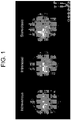
- Staining protocol Stock solution was created by mixing 2 ul pKH 26 in 500 ul diluent. From the stock, 100 ul was added to 50 ul of exosomes in PBS. After 5 minutes, 100 ul of exosome-free platelets was added to the previous mixture then centrifuged for 90 minutes at 100g at 4 degrees Celsius. The pellet was resuspended in 200 ul of PBS. Whole brain fluorescence imaging was taken with Maestro CRi, excitation filter 523 and emission filter 560.
- mice were housed in groups of 3-5 littermates per cage. Mice were initially tested for baseline behaviors at 5-7 weeks prior to administration of exosomes, which occurred at 7-9 weeks. (5 ul of exosomes or saline was administered every other day for 14 days, for a total of 35 ul).
- BTBR-MSC-exo virgin females were placed with one BTBR-saline pregnant female for maternal learning behaviors.
- Five BTBR-saline virgin females were placed with one C57-saline pregnant female for maternal learning behaviors.
- Ultrasonic vocalizations Male to female ultrasonic vocalization were tested using Avisoft-RECORDER v. 4.2.21 recording program. The settings included a sampling rate of 250 kHz and a format of 16 bit. For spectrogram generation, recordings were transferred to Avisoft-SASLab Pro Version 5.2.07 and a fast Fourier transformation (FFT) was conducted. Spectrograms were generated with an FFT-length of 256 points and a time window overlap of 50% (100% Frame, FlatTop window). Both BTBR T1tf/J and C57bl/6 males met C57bl/6 females. Each male was placed in separate cage for 1 hour, then a female was placed in the cage. Ultrasonic vocalizations were recorded for the first five minutes of encounter and filmed for male-female social interaction analysis.
- FFT fast Fourier transformation
- Reciprocal dyadic social interaction test The reciprocal dyadic social interaction test (Silverman et al., 2012) was conducted using a 5 week old male C57BL/6 stranger mouse as the social stimulus. The stranger mouse was placed in a 40 X 40 X 20 cm cage with the test mouse. Both mice were recorded for 20 minutes; the last 10 min were quantified by an observer blind to treatment. Both mice were isolated for 1 hour prior to the test. Cowlog V3 software was used to score the social contact initiated by the test mouse (Helsinki University, Helsinki, Finland). Scoring was determined by the duration of mice engaging the stranger mouse in social behaviors. The following social behaviours were quantified: nose to nose sniffing (i.e.
- mice were placed alone in an arena with dimensions 40 X 40 X 20 cm for 20 min; the last 10 minutes were quantified for grooming and digging. While observing the grooming behavior, the mice were placed in a clean cage not containing wood-chips to prevent digging. While observing the digging behavior, self-grooming was not measured.
- Maternal behavior learning Four c57bl mothers and 3 BTBR mothers were tested for their latency to collect pups and bring them back to the nest. Each mother was tested with 3 pups. If the mother did not bring back the pup to the nest 180 seconds after they were placed outside the nest, it was considered a failure. Each of the mothers shared a cage with three virgin females (learning virgins) for couple of days . BTBR saline and C57 saline virgins spent time with C57bl mother and her pups, and BTBR MSC-exo females spent with BTBR female and her pups.
- BTBR naive virgin c57bl naive virgin
- mice were taken out of the cage, and at the end of each test, the mice were returned to their home cage and given 15 minutes of reacclimation. Each pup was between 2 and 4 days old at the time of testing. Test were filmed with SAMSUNG 11mp camera.
- the water T-maze (Guariglia & Chadman, 2013; Karvat & Kimchi, 2013) was a T- shaped Plexiglass chamber, with three arms of size 22 X 3 X 11 cm and a center zone sized 11 X 3 X 11 cm.
- the maze was filled with water 15 cm deep, kept at 25 ⁇ 1°C.
- a platform with side length 3 cm was submerged so that the top was 0.5 cm below the water level.
- Each animal had 10 trials each day of the three experiment days, for a total of 30 trials.
- the animals were put in the starting arm facing the center zone and were given 90 seconds to find the platform. When the animal mounted the platform, it was allowed to stay on it for 5 seconds.
- MSC-exosomes improved male to female ultrasonic vocalizations: Ultrasonic vocalizations are considered to be a mating communication form between male and female mice. Communication deficits is a core symptom in autism, therefore, the effect of the treatment on this type of behavior was assessed.
- MSC-exosomes decreases self-grooming and digging: Self-grooming and digging was also measured without social interactions. Mice were tested for male to male interaction before and after MSC-exo or saline administration. In grooming test intra-subject analysis showed BTBR MSC-exo group was significantly improved after treatment and spent less time self grooming, while BTBR saline and C57bl saline groups were not changed ( FIG. 4A , paired t-test. t ⁇ 0.05).
- MSC-exosomes improves cognitive rigidity in Water T-Maze: The Water T-maze Assay was used to analyze learning behaviors and cognitive rigidity. Due to different swimming capacities between c57bl and BTBR mice, their behavior in the test was not comparable, and therefore c57bl mice were excluded. Altogether, BTBR MSC-exo treated mice made significantly less mistakes in reversal learning in all 10 trials ( FIG. 6A ). Analyzing success rate on each trial of reversal conditions shows that from trial 4 MSC-exo treated mice had higher success rates than the saline group at turning correctly ( FIG. 6B ).
- Sensitivity to amphetamine-induced hyperlocomotor activity The experiment took place in several phases.
- 30 C54/bl mice were randomly allocated to 3 groups; a saline treated group, a PCP-treated group and a PCP+exosome-treated group (the treatment group).
- the PCP groups received daily subcutaneous injections of 10 mg/kg of PCP for a 14 day period.
- the saline group received an equivalent volume of saline injections and the exosomes group received PCP injections as well as 2 ⁇ l of exosomes by intranasal administration.
- the other groups received 2 ⁇ l of saline using the same technique.
- a week after the end of injections the mice underwent behavioral tests.
- Sensitivity to amphetamine-induced hyperlocomotor activity Following amphetamine injection, the locomotor activity of all amphetamine-treated mice increased and peaked at about 40 min post-injection. Throughout the entire measuring period the enhancing effect of systemic amphetamine was significantly more pronounced in the PCP-treated subjects.
- the PCP- treated mice (with no exosome treatment) were more active and moved a greater distance than the saline-treated negative control group and also were more active than the exosome-treated group. This is most apparent after 40 min, after the peak of activity inspired by the amphetamine.
- Sensitivity to amphetamine-induced hyperlocomotor activity Locomotor activity of all amphetamine-treated mice increased and peaked at about 40 min post-injection. Throughout most of the measuring period the enhancing effect of systemic amphetamine was significantly more pronounced in the PCP-treated subjects.
- the saline-treated group (group 4) which received intranasal administration of exosomes were not affected (there was no significant difference from the saline group (1).
- PCP- treated mice (group 2) were more active and moved a greater distance than the saline-treated control group (group 1) and also more active than the exosome-treated group (group 3). This is most apparent after 40 min, after the peak of activity inspired by the amphetamine.
- NSC derived exosomes The neural stem cell line (CTX0E03) (ReNeuron) was used.
Landscapes
- Health & Medical Sciences (AREA)
- Life Sciences & Earth Sciences (AREA)
- Chemical & Material Sciences (AREA)
- Animal Behavior & Ethology (AREA)
- Medicinal Chemistry (AREA)
- Public Health (AREA)
- General Health & Medical Sciences (AREA)
- Veterinary Medicine (AREA)
- Pharmacology & Pharmacy (AREA)
- Engineering & Computer Science (AREA)
- Biomedical Technology (AREA)
- Bioinformatics & Cheminformatics (AREA)
- Epidemiology (AREA)
- Neurosurgery (AREA)
- Neurology (AREA)
- General Chemical & Material Sciences (AREA)
- Nuclear Medicine, Radiotherapy & Molecular Imaging (AREA)
- Organic Chemistry (AREA)
- Chemical Kinetics & Catalysis (AREA)
- Immunology (AREA)
- Psychiatry (AREA)
- Cell Biology (AREA)
- Developmental Biology & Embryology (AREA)
- Hematology (AREA)
- Biotechnology (AREA)
- Virology (AREA)
- Zoology (AREA)
- Hospice & Palliative Care (AREA)
- Otolaryngology (AREA)
- Dispersion Chemistry (AREA)
- Dermatology (AREA)
- Medicines Containing Material From Animals Or Micro-Organisms (AREA)
Applications Claiming Priority (2)
| Application Number | Priority Date | Filing Date | Title |
|---|---|---|---|
| US201662374852P | 2016-08-14 | 2016-08-14 | |
| PCT/IL2017/050899 WO2018033911A1 (en) | 2016-08-14 | 2017-08-14 | Mesenchymal cell-derived exosomes to treat neurological disorders |
Publications (3)
| Publication Number | Publication Date |
|---|---|
| EP3496730A1 EP3496730A1 (en) | 2019-06-19 |
| EP3496730A4 EP3496730A4 (en) | 2020-05-06 |
| EP3496730B1 true EP3496730B1 (en) | 2022-05-25 |
Family
ID=61196484
Family Applications (1)
| Application Number | Title | Priority Date | Filing Date |
|---|---|---|---|
| EP17841210.2A Active EP3496730B1 (en) | 2016-08-14 | 2017-08-14 | Mesenchymal cell-derived exosomes to treat neurological disorders |
Country Status (10)
| Country | Link |
|---|---|
| US (2) | US11129852B2 (enExample) |
| EP (1) | EP3496730B1 (enExample) |
| JP (1) | JP7014449B2 (enExample) |
| CN (1) | CN109843305B (enExample) |
| AU (1) | AU2017311684B2 (enExample) |
| ES (1) | ES2925527T3 (enExample) |
| IL (1) | IL264825B (enExample) |
| PL (1) | PL3496730T3 (enExample) |
| SG (1) | SG11201901272WA (enExample) |
| WO (1) | WO2018033911A1 (enExample) |
Families Citing this family (14)
| Publication number | Priority date | Publication date | Assignee | Title |
|---|---|---|---|---|
| KR102995657B1 (ko) | 2018-03-29 | 2026-07-28 | 테크니온 리서치 엔드 디벨로프먼트 화운데이션 엘티디. | Pten 억제제를 포함하는 소포 및 이의 용도 |
| US11930808B2 (en) * | 2018-09-20 | 2024-03-19 | Universidad De Valladolid | Method for obtaining an enriched population of functional mesenchymal stem cells, cells obtained thereof and compositions and comprising the same |
| AU2020303456B2 (en) | 2019-06-26 | 2026-01-08 | Technion Research And Development Foundation Limited | Production of extracellular vesicles from stem cells |
| JP6830286B1 (ja) | 2020-06-26 | 2021-02-17 | デクソンファーマシューティカルズ株式会社 | 精巣機能改善剤および精巣機能改善方法 |
| US20230210910A1 (en) | 2020-07-17 | 2023-07-06 | Dexon Pharmaceuticals Inc. | Method for preventing infection of a healthy person or a healthy animal with a virus that uses ace2 as a receptor, binding inhibitor and medical device |
| CN116171158A (zh) | 2020-09-08 | 2023-05-26 | Dexon制药株式会社 | 细胞因子风暴抑制剂、细胞因子风暴抑制剂的使用方法和筛选方法 |
| JP6974892B1 (ja) | 2021-05-27 | 2021-12-01 | デクソンファーマシューティカルズ株式会社 | 癌悪液質の改善剤および癌悪液質の改善方法 |
| JP7492757B2 (ja) | 2022-03-22 | 2024-05-30 | Dexonファーマシューティカルズ株式会社 | 遺伝子の発現制御剤、アルツハイマー病の予防薬または治療薬および認知症の改善方法 |
| WO2023223312A1 (en) | 2022-05-15 | 2023-11-23 | Nurexone Biologic Ltd. | Anti-pten rna interference oligonucleotides and uses thereof |
| CN115006427A (zh) * | 2022-05-31 | 2022-09-06 | 尧舜泽生物医药(南京)有限公司 | 骨髓间充质干细胞外泌体在治疗帕金森病中的应用 |
| EP4541358A1 (en) | 2022-06-20 | 2025-04-23 | Dexon Pharmaceuticals Inc. | Hmgb1 expression suppressor, prophylactic or therapeutic drug for acute lung injury, acute respiratory distress syndrome or sepsis, and method for ameliorating such disease |
| CN119403562A (zh) | 2022-06-20 | 2025-02-07 | Dexon制药株式会社 | Ptx3表达调控剂;类风湿性关节炎、自身免疫疾病所伴随的血管炎或皮肤硬化的预防药或治疗药,或它们的改善方法 |
| CN118878610B (zh) * | 2024-03-19 | 2025-09-02 | 北京达尔文细胞生物科技有限公司 | 一种蛋白聚合物及其生产工艺 |
| CN120078807B (zh) * | 2025-02-08 | 2026-03-31 | 广东省人民医院 | 改善卵巢功能的MSC-sEVs药物及其制备方法和应用 |
Family Cites Families (39)
| Publication number | Priority date | Publication date | Assignee | Title |
|---|---|---|---|---|
| NL154600B (nl) | 1971-02-10 | 1977-09-15 | Organon Nv | Werkwijze voor het aantonen en bepalen van specifiek bindende eiwitten en hun corresponderende bindbare stoffen. |
| NL154598B (nl) | 1970-11-10 | 1977-09-15 | Organon Nv | Werkwijze voor het aantonen en bepalen van laagmoleculire verbindingen en van eiwitten die deze verbindingen specifiek kunnen binden, alsmede testverpakking. |
| NL154599B (nl) | 1970-12-28 | 1977-09-15 | Organon Nv | Werkwijze voor het aantonen en bepalen van specifiek bindende eiwitten en hun corresponderende bindbare stoffen, alsmede testverpakking. |
| US3901654A (en) | 1971-06-21 | 1975-08-26 | Biological Developments | Receptor assays of biologically active compounds employing biologically specific receptors |
| US3853987A (en) | 1971-09-01 | 1974-12-10 | W Dreyer | Immunological reagent and radioimmuno assay |
| US3867517A (en) | 1971-12-21 | 1975-02-18 | Abbott Lab | Direct radioimmunoassay for antigens and their antibodies |
| NL171930C (nl) | 1972-05-11 | 1983-06-01 | Akzo Nv | Werkwijze voor het aantonen en bepalen van haptenen, alsmede testverpakkingen. |
| US3850578A (en) | 1973-03-12 | 1974-11-26 | H Mcconnell | Process for assaying for biologically active molecules |
| US3935074A (en) | 1973-12-17 | 1976-01-27 | Syva Company | Antibody steric hindrance immunoassay with two antibodies |
| US3996345A (en) | 1974-08-12 | 1976-12-07 | Syva Company | Fluorescence quenching with immunological pairs in immunoassays |
| US4034074A (en) | 1974-09-19 | 1977-07-05 | The Board Of Trustees Of Leland Stanford Junior University | Universal reagent 2-site immunoradiometric assay using labelled anti (IgG) |
| US3984533A (en) | 1975-11-13 | 1976-10-05 | General Electric Company | Electrophoretic method of detecting antigen-antibody reaction |
| US4098876A (en) | 1976-10-26 | 1978-07-04 | Corning Glass Works | Reverse sandwich immunoassay |
| US4879219A (en) | 1980-09-19 | 1989-11-07 | General Hospital Corporation | Immunoassay utilizing monoclonal high affinity IgM antibodies |
| US5011771A (en) | 1984-04-12 | 1991-04-30 | The General Hospital Corporation | Multiepitopic immunometric assay |
| US4666828A (en) | 1984-08-15 | 1987-05-19 | The General Hospital Corporation | Test for Huntington's disease |
| US4683202A (en) | 1985-03-28 | 1987-07-28 | Cetus Corporation | Process for amplifying nucleic acid sequences |
| US4801531A (en) | 1985-04-17 | 1989-01-31 | Biotechnology Research Partners, Ltd. | Apo AI/CIII genomic polymorphisms predictive of atherosclerosis |
| US5272057A (en) | 1988-10-14 | 1993-12-21 | Georgetown University | Method of detecting a predisposition to cancer by the use of restriction fragment length polymorphism of the gene for human poly (ADP-ribose) polymerase |
| US5192659A (en) | 1989-08-25 | 1993-03-09 | Genetype Ag | Intron sequence analysis method for detection of adjacent and remote locus alleles as haplotypes |
| US5486359A (en) | 1990-11-16 | 1996-01-23 | Osiris Therapeutics, Inc. | Human mesenchymal stem cells |
| US5281521A (en) | 1992-07-20 | 1994-01-25 | The Trustees Of The University Of Pennsylvania | Modified avidin-biotin technique |
| MX2007010244A (es) * | 2005-02-23 | 2008-03-10 | Johnson & Johnson | Administracion intranasal de agentes activos al sistema nervioso central. |
| US20120269774A1 (en) * | 2006-09-21 | 2012-10-25 | Medistem Laboratories, Inc | Allogeneic stem cell transplants in non-conditioned recipients |
| NZ586497A (en) | 2008-01-04 | 2012-07-27 | Lydac Neuroscience Ltd | Microvesicles |
| PT2254586E (pt) | 2008-02-22 | 2015-05-18 | Agency Science Tech & Res | Partículas de células estaminais mesenquimais |
| KR20100054711A (ko) | 2008-11-14 | 2010-05-25 | 메디포스트(주) | 간엽 줄기세포 또는 이의 배양액을 포함하는 신경질환의 예방 또는 치료용 조성물 |
| JP5667180B2 (ja) * | 2009-07-01 | 2015-02-12 | イオン メディックス インコーポレイテッド | 哺乳類の有核細胞に由来するマイクロベシクル及びその用途 |
| US20130195991A1 (en) | 2010-03-26 | 2013-08-01 | National University Corporation Nagoya University | Composition for Treatment of Damaged Part |
| JP5608927B2 (ja) | 2010-04-13 | 2014-10-22 | 国立大学法人名古屋大学 | 歯髄幹細胞を用いた神経疾患治療用組成物 |
| GB201011589D0 (en) | 2010-07-09 | 2010-08-25 | Reneuron Ltd | Therapeutic cells |
| EP2603592A2 (en) * | 2010-08-13 | 2013-06-19 | The University Court of the University of Glasgow | Therapeutic uses of microvesicles and related micrornas |
| AU2011329002C1 (en) * | 2010-11-15 | 2017-05-25 | Accelerated Biosciences Corp. | Generation of neural stem cells from human trophoblast stem cells |
| WO2012156968A2 (en) | 2011-05-19 | 2012-11-22 | Ariel - University Research And Development Company, Ltd. | Use of mesenchymal stem cells for the improvement of affective and cognitive function |
| EP2844744A2 (en) * | 2012-02-22 | 2015-03-11 | Brainstem Biotec Ltd. | MicroRNAS FOR THE GENERATION OF ASTROCYTES |
| EP3470073A1 (en) | 2012-04-03 | 2019-04-17 | Reneuron Limited | Stem cell microparticles |
| WO2013186735A2 (en) | 2012-06-14 | 2013-12-19 | Bar-Ilan Research And Development Company Ltd. | Photothermal detection |
| US20160220613A1 (en) * | 2013-09-16 | 2016-08-04 | Agency For Science, Technology And Research | Method |
| WO2016149358A1 (en) | 2015-03-16 | 2016-09-22 | Duncan Ross | Method of treatment comprising membrane-enclosed vesicle |
-
2017
- 2017-08-14 JP JP2019508178A patent/JP7014449B2/ja active Active
- 2017-08-14 EP EP17841210.2A patent/EP3496730B1/en active Active
- 2017-08-14 SG SG11201901272WA patent/SG11201901272WA/en unknown
- 2017-08-14 IL IL264825A patent/IL264825B/en unknown
- 2017-08-14 PL PL17841210.2T patent/PL3496730T3/pl unknown
- 2017-08-14 AU AU2017311684A patent/AU2017311684B2/en active Active
- 2017-08-14 CN CN201780063347.2A patent/CN109843305B/zh active Active
- 2017-08-14 WO PCT/IL2017/050899 patent/WO2018033911A1/en not_active Ceased
- 2017-08-14 US US16/325,445 patent/US11129852B2/en active Active
- 2017-08-14 ES ES17841210T patent/ES2925527T3/es active Active
-
2021
- 2021-08-04 US US17/394,008 patent/US20210361717A1/en active Pending
Also Published As
| Publication number | Publication date |
|---|---|
| JP2019524824A (ja) | 2019-09-05 |
| CN109843305B (zh) | 2023-03-10 |
| US11129852B2 (en) | 2021-09-28 |
| US20210361717A1 (en) | 2021-11-25 |
| EP3496730A1 (en) | 2019-06-19 |
| CN109843305A (zh) | 2019-06-04 |
| IL264825A (enExample) | 2019-04-30 |
| WO2018033911A1 (en) | 2018-02-22 |
| ES2925527T3 (es) | 2022-10-18 |
| AU2017311684A2 (en) | 2019-03-28 |
| IL264825B (en) | 2022-08-01 |
| CA3033951A1 (en) | 2018-02-22 |
| US20190209621A1 (en) | 2019-07-11 |
| JP7014449B2 (ja) | 2022-02-01 |
| AU2017311684A1 (en) | 2019-03-07 |
| PL3496730T3 (pl) | 2022-09-26 |
| EP3496730A4 (en) | 2020-05-06 |
| SG11201901272WA (en) | 2019-03-28 |
| AU2017311684B2 (en) | 2023-05-04 |
Similar Documents
| Publication | Publication Date | Title |
|---|---|---|
| US20210361717A1 (en) | Mesenchymal cell-derived exosomes to treat neurological disorders | |
| Luo et al. | Antioxidant activity of mesenchymal stem cell-derived extracellular vesicles restores hippocampal neurons following seizure damage | |
| Guo et al. | Intranasal delivery of mesenchymal stem cell derived exosomes loaded with phosphatase and tensin homolog siRNA repairs complete spinal cord injury | |
| Peng et al. | Microglia‐derived exosomes improve spinal cord functional recovery after injury via inhibiting oxidative stress and promoting the survival and function of endothelia cells | |
| Mohammed et al. | Subventricular zone-derived extracellular vesicles promote functional recovery in rat model of spinal cord injury by inhibition of NLRP3 inflammasome complex formation | |
| Karimi-Abdolrezaee et al. | Delayed transplantation of adult neural precursor cells promotes remyelination and functional neurological recovery after spinal cord injury | |
| CN104703609B (zh) | 干细胞微粒 | |
| Larsen et al. | DJ-1 knock-down impairs astrocyte mitochondrial function | |
| KR102147169B1 (ko) | 줄기세포 유래의 엑소좀을 유효성분으로 포함하는 조성물의 가려움증 억제 또는 개선 용도 | |
| US10870830B2 (en) | Method for culturing differentiation-promoting and -sustaining spheroid form of tonsil-derived stem cells | |
| AU2010294197B2 (en) | Method for the preparation of micro-RNA and its therapeutic application | |
| KR20160035087A (ko) | 줄기 세포 마이크로입자 및 miRNA | |
| JP2017526723A (ja) | 移植片対宿主病(gvhd)または表皮水疱症(eb)のエキソソームによる治療方法 | |
| KR20190123709A (ko) | 줄기세포 유래의 엑소좀을 유효성분으로 포함하는 조성물의 피부장벽 강화 내지 기능 개선 용도 | |
| JP2022519409A (ja) | 機能的ミトコンドリアで富化された幹細胞を用いたミトコンドリア増強療法 | |
| US20190060367A1 (en) | 3-d collagen scaffold-generated exosomes and uses thereof | |
| KR102213890B1 (ko) | 엑소좀 기반의 면역세포의 교차분화 방법 | |
| JPWO2006041088A1 (ja) | 脳移行性骨髄前駆細胞 | |
| US20210238552A1 (en) | Extracellular vesicles loaded with an exogenous molecule | |
| CA3033951C (en) | Mesenchymal cell-derived exosomes to treat neurological disorders | |
| Yamazoe et al. | Efficient generation of dopaminergic neurons from mouse embryonic stem cells enclosed in hollow fibers | |
| Lim et al. | Bone marrow-derived mesenchymal stem cells isolated from patients with cirrhosis and healthy volunteers show comparable characteristics | |
| KR20150091519A (ko) | 다계열 분화능 세포 생성 방법 | |
| US20250295699A1 (en) | Methods and compositions for treating cortical hyperexcitability and reversing stroke-induced changes in gene expression and protein expression | |
| CN115554316B (zh) | SKP-SC-EVs在制备治疗帕金森病的产品中的应用 |
Legal Events
| Date | Code | Title | Description |
|---|---|---|---|
| STAA | Information on the status of an ep patent application or granted ep patent |
Free format text: STATUS: THE INTERNATIONAL PUBLICATION HAS BEEN MADE |
|
| PUAI | Public reference made under article 153(3) epc to a published international application that has entered the european phase |
Free format text: ORIGINAL CODE: 0009012 |
|
| STAA | Information on the status of an ep patent application or granted ep patent |
Free format text: STATUS: REQUEST FOR EXAMINATION WAS MADE |
|
| 17P | Request for examination filed |
Effective date: 20190218 |
|
| AK | Designated contracting states |
Kind code of ref document: A1 Designated state(s): AL AT BE BG CH CY CZ DE DK EE ES FI FR GB GR HR HU IE IS IT LI LT LU LV MC MK MT NL NO PL PT RO RS SE SI SK SM TR |
|
| AX | Request for extension of the european patent |
Extension state: BA ME |
|
| DAV | Request for validation of the european patent (deleted) | ||
| DAX | Request for extension of the european patent (deleted) | ||
| A4 | Supplementary search report drawn up and despatched |
Effective date: 20200403 |
|
| RIC1 | Information provided on ipc code assigned before grant |
Ipc: A61P 25/18 20060101ALI20200330BHEP Ipc: A61K 35/28 20150101AFI20200330BHEP Ipc: A61K 9/08 20060101ALI20200330BHEP Ipc: A61P 25/28 20060101ALI20200330BHEP Ipc: A61K 9/00 20060101ALI20200330BHEP |
|
| REG | Reference to a national code |
Ref country code: DE Ref legal event code: R079 Ref document number: 602017057873 Country of ref document: DE Free format text: PREVIOUS MAIN CLASS: A61K0035120000 Ipc: A61K0035280000 |
|
| STAA | Information on the status of an ep patent application or granted ep patent |
Free format text: STATUS: EXAMINATION IS IN PROGRESS |
|
| RIC1 | Information provided on ipc code assigned before grant |
Ipc: A61K 9/00 20060101ALI20210219BHEP Ipc: A61P 25/18 20060101ALI20210219BHEP Ipc: A61K 35/28 20150101AFI20210219BHEP Ipc: A61P 25/28 20060101ALI20210219BHEP Ipc: A61K 9/08 20060101ALI20210219BHEP |
|
| 17Q | First examination report despatched |
Effective date: 20210311 |
|
| GRAP | Despatch of communication of intention to grant a patent |
Free format text: ORIGINAL CODE: EPIDOSNIGR1 |
|
| STAA | Information on the status of an ep patent application or granted ep patent |
Free format text: STATUS: GRANT OF PATENT IS INTENDED |
|
| INTG | Intention to grant announced |
Effective date: 20211221 |
|
| GRAS | Grant fee paid |
Free format text: ORIGINAL CODE: EPIDOSNIGR3 |
|
| GRAA | (expected) grant |
Free format text: ORIGINAL CODE: 0009210 |
|
| STAA | Information on the status of an ep patent application or granted ep patent |
Free format text: STATUS: THE PATENT HAS BEEN GRANTED |
|
| AK | Designated contracting states |
Kind code of ref document: B1 Designated state(s): AL AT BE BG CH CY CZ DE DK EE ES FI FR GB GR HR HU IE IS IT LI LT LU LV MC MK MT NL NO PL PT RO RS SE SI SK SM TR |
|
| REG | Reference to a national code |
Ref country code: GB Ref legal event code: FG4D |
|
| REG | Reference to a national code |
Ref country code: CH Ref legal event code: EP |
|
| REG | Reference to a national code |
Ref country code: DE Ref legal event code: R096 Ref document number: 602017057873 Country of ref document: DE |
|
| REG | Reference to a national code |
Ref country code: AT Ref legal event code: REF Ref document number: 1493993 Country of ref document: AT Kind code of ref document: T Effective date: 20220615 |
|
| REG | Reference to a national code |
Ref country code: IE Ref legal event code: FG4D |
|
| REG | Reference to a national code |
Ref country code: NL Ref legal event code: FP |
|
| REG | Reference to a national code |
Ref country code: LT Ref legal event code: MG9D |
|
| REG | Reference to a national code |
Ref country code: AT Ref legal event code: MK05 Ref document number: 1493993 Country of ref document: AT Kind code of ref document: T Effective date: 20220525 |
|
| REG | Reference to a national code |
Ref country code: ES Ref legal event code: FG2A Ref document number: 2925527 Country of ref document: ES Kind code of ref document: T3 Effective date: 20221018 |
|
| PG25 | Lapsed in a contracting state [announced via postgrant information from national office to epo] |
Ref country code: SE Free format text: LAPSE BECAUSE OF FAILURE TO SUBMIT A TRANSLATION OF THE DESCRIPTION OR TO PAY THE FEE WITHIN THE PRESCRIBED TIME-LIMIT Effective date: 20220525 Ref country code: PT Free format text: LAPSE BECAUSE OF FAILURE TO SUBMIT A TRANSLATION OF THE DESCRIPTION OR TO PAY THE FEE WITHIN THE PRESCRIBED TIME-LIMIT Effective date: 20220926 Ref country code: NO Free format text: LAPSE BECAUSE OF FAILURE TO SUBMIT A TRANSLATION OF THE DESCRIPTION OR TO PAY THE FEE WITHIN THE PRESCRIBED TIME-LIMIT Effective date: 20220825 Ref country code: LT Free format text: LAPSE BECAUSE OF FAILURE TO SUBMIT A TRANSLATION OF THE DESCRIPTION OR TO PAY THE FEE WITHIN THE PRESCRIBED TIME-LIMIT Effective date: 20220525 Ref country code: HR Free format text: LAPSE BECAUSE OF FAILURE TO SUBMIT A TRANSLATION OF THE DESCRIPTION OR TO PAY THE FEE WITHIN THE PRESCRIBED TIME-LIMIT Effective date: 20220525 Ref country code: GR Free format text: LAPSE BECAUSE OF FAILURE TO SUBMIT A TRANSLATION OF THE DESCRIPTION OR TO PAY THE FEE WITHIN THE PRESCRIBED TIME-LIMIT Effective date: 20220826 Ref country code: FI Free format text: LAPSE BECAUSE OF FAILURE TO SUBMIT A TRANSLATION OF THE DESCRIPTION OR TO PAY THE FEE WITHIN THE PRESCRIBED TIME-LIMIT Effective date: 20220525 Ref country code: BG Free format text: LAPSE BECAUSE OF FAILURE TO SUBMIT A TRANSLATION OF THE DESCRIPTION OR TO PAY THE FEE WITHIN THE PRESCRIBED TIME-LIMIT Effective date: 20220825 Ref country code: AT Free format text: LAPSE BECAUSE OF FAILURE TO SUBMIT A TRANSLATION OF THE DESCRIPTION OR TO PAY THE FEE WITHIN THE PRESCRIBED TIME-LIMIT Effective date: 20220525 |
|
| PG25 | Lapsed in a contracting state [announced via postgrant information from national office to epo] |
Ref country code: RS Free format text: LAPSE BECAUSE OF FAILURE TO SUBMIT A TRANSLATION OF THE DESCRIPTION OR TO PAY THE FEE WITHIN THE PRESCRIBED TIME-LIMIT Effective date: 20220525 Ref country code: LV Free format text: LAPSE BECAUSE OF FAILURE TO SUBMIT A TRANSLATION OF THE DESCRIPTION OR TO PAY THE FEE WITHIN THE PRESCRIBED TIME-LIMIT Effective date: 20220525 Ref country code: IS Free format text: LAPSE BECAUSE OF FAILURE TO SUBMIT A TRANSLATION OF THE DESCRIPTION OR TO PAY THE FEE WITHIN THE PRESCRIBED TIME-LIMIT Effective date: 20220925 |
|
| PG25 | Lapsed in a contracting state [announced via postgrant information from national office to epo] |
Ref country code: SM Free format text: LAPSE BECAUSE OF FAILURE TO SUBMIT A TRANSLATION OF THE DESCRIPTION OR TO PAY THE FEE WITHIN THE PRESCRIBED TIME-LIMIT Effective date: 20220525 Ref country code: SK Free format text: LAPSE BECAUSE OF FAILURE TO SUBMIT A TRANSLATION OF THE DESCRIPTION OR TO PAY THE FEE WITHIN THE PRESCRIBED TIME-LIMIT Effective date: 20220525 Ref country code: RO Free format text: LAPSE BECAUSE OF FAILURE TO SUBMIT A TRANSLATION OF THE DESCRIPTION OR TO PAY THE FEE WITHIN THE PRESCRIBED TIME-LIMIT Effective date: 20220525 Ref country code: EE Free format text: LAPSE BECAUSE OF FAILURE TO SUBMIT A TRANSLATION OF THE DESCRIPTION OR TO PAY THE FEE WITHIN THE PRESCRIBED TIME-LIMIT Effective date: 20220525 Ref country code: DK Free format text: LAPSE BECAUSE OF FAILURE TO SUBMIT A TRANSLATION OF THE DESCRIPTION OR TO PAY THE FEE WITHIN THE PRESCRIBED TIME-LIMIT Effective date: 20220525 Ref country code: CZ Free format text: LAPSE BECAUSE OF FAILURE TO SUBMIT A TRANSLATION OF THE DESCRIPTION OR TO PAY THE FEE WITHIN THE PRESCRIBED TIME-LIMIT Effective date: 20220525 |
|
| REG | Reference to a national code |
Ref country code: DE Ref legal event code: R097 Ref document number: 602017057873 Country of ref document: DE |
|
| PG25 | Lapsed in a contracting state [announced via postgrant information from national office to epo] |
Ref country code: MC Free format text: LAPSE BECAUSE OF FAILURE TO SUBMIT A TRANSLATION OF THE DESCRIPTION OR TO PAY THE FEE WITHIN THE PRESCRIBED TIME-LIMIT Effective date: 20220525 Ref country code: AL Free format text: LAPSE BECAUSE OF FAILURE TO SUBMIT A TRANSLATION OF THE DESCRIPTION OR TO PAY THE FEE WITHIN THE PRESCRIBED TIME-LIMIT Effective date: 20220525 |
|
| PLBE | No opposition filed within time limit |
Free format text: ORIGINAL CODE: 0009261 |
|
| STAA | Information on the status of an ep patent application or granted ep patent |
Free format text: STATUS: NO OPPOSITION FILED WITHIN TIME LIMIT |
|
| PG25 | Lapsed in a contracting state [announced via postgrant information from national office to epo] |
Ref country code: LU Free format text: LAPSE BECAUSE OF NON-PAYMENT OF DUE FEES Effective date: 20220814 |
|
| REG | Reference to a national code |
Ref country code: BE Ref legal event code: MM Effective date: 20220831 |
|
| 26N | No opposition filed |
Effective date: 20230228 |
|
| PG25 | Lapsed in a contracting state [announced via postgrant information from national office to epo] |
Ref country code: SI Free format text: LAPSE BECAUSE OF FAILURE TO SUBMIT A TRANSLATION OF THE DESCRIPTION OR TO PAY THE FEE WITHIN THE PRESCRIBED TIME-LIMIT Effective date: 20220525 |
|
| P01 | Opt-out of the competence of the unified patent court (upc) registered |
Effective date: 20230514 |
|
| PG25 | Lapsed in a contracting state [announced via postgrant information from national office to epo] |
Ref country code: IE Free format text: LAPSE BECAUSE OF NON-PAYMENT OF DUE FEES Effective date: 20220814 |
|
| PG25 | Lapsed in a contracting state [announced via postgrant information from national office to epo] |
Ref country code: BE Free format text: LAPSE BECAUSE OF NON-PAYMENT OF DUE FEES Effective date: 20220831 |
|
| PG25 | Lapsed in a contracting state [announced via postgrant information from national office to epo] |
Ref country code: HU Free format text: LAPSE BECAUSE OF FAILURE TO SUBMIT A TRANSLATION OF THE DESCRIPTION OR TO PAY THE FEE WITHIN THE PRESCRIBED TIME-LIMIT; INVALID AB INITIO Effective date: 20170814 |
|
| PG25 | Lapsed in a contracting state [announced via postgrant information from national office to epo] |
Ref country code: CY Free format text: LAPSE BECAUSE OF FAILURE TO SUBMIT A TRANSLATION OF THE DESCRIPTION OR TO PAY THE FEE WITHIN THE PRESCRIBED TIME-LIMIT Effective date: 20220525 |
|
| PG25 | Lapsed in a contracting state [announced via postgrant information from national office to epo] |
Ref country code: MK Free format text: LAPSE BECAUSE OF FAILURE TO SUBMIT A TRANSLATION OF THE DESCRIPTION OR TO PAY THE FEE WITHIN THE PRESCRIBED TIME-LIMIT Effective date: 20220525 |
|
| PG25 | Lapsed in a contracting state [announced via postgrant information from national office to epo] |
Ref country code: TR Free format text: LAPSE BECAUSE OF FAILURE TO SUBMIT A TRANSLATION OF THE DESCRIPTION OR TO PAY THE FEE WITHIN THE PRESCRIBED TIME-LIMIT Effective date: 20220525 |
|
| REG | Reference to a national code |
Ref country code: DE Ref legal event code: R082 Ref document number: 602017057873 Country of ref document: DE Representative=s name: STRAUS, ALEXANDER, DIPL.-CHEM.UNIV. DR.PHIL., DE |
|
| PG25 | Lapsed in a contracting state [announced via postgrant information from national office to epo] |
Ref country code: MT Free format text: LAPSE BECAUSE OF FAILURE TO SUBMIT A TRANSLATION OF THE DESCRIPTION OR TO PAY THE FEE WITHIN THE PRESCRIBED TIME-LIMIT Effective date: 20220525 |
|
| PG25 | Lapsed in a contracting state [announced via postgrant information from national office to epo] |
Ref country code: BG Free format text: LAPSE BECAUSE OF FAILURE TO SUBMIT A TRANSLATION OF THE DESCRIPTION OR TO PAY THE FEE WITHIN THE PRESCRIBED TIME-LIMIT Effective date: 20220525 |
|
| PG25 | Lapsed in a contracting state [announced via postgrant information from national office to epo] |
Ref country code: BG Free format text: LAPSE BECAUSE OF FAILURE TO SUBMIT A TRANSLATION OF THE DESCRIPTION OR TO PAY THE FEE WITHIN THE PRESCRIBED TIME-LIMIT Effective date: 20220525 |
|
| PGFP | Annual fee paid to national office [announced via postgrant information from national office to epo] |
Ref country code: NL Payment date: 20250821 Year of fee payment: 9 |
|
| PGFP | Annual fee paid to national office [announced via postgrant information from national office to epo] |
Ref country code: ES Payment date: 20250926 Year of fee payment: 9 |
|
| PGFP | Annual fee paid to national office [announced via postgrant information from national office to epo] |
Ref country code: DE Payment date: 20250820 Year of fee payment: 9 |
|
| PGFP | Annual fee paid to national office [announced via postgrant information from national office to epo] |
Ref country code: PL Payment date: 20250811 Year of fee payment: 9 Ref country code: IT Payment date: 20250825 Year of fee payment: 9 |
|
| PGFP | Annual fee paid to national office [announced via postgrant information from national office to epo] |
Ref country code: GB Payment date: 20250821 Year of fee payment: 9 |
|
| PGFP | Annual fee paid to national office [announced via postgrant information from national office to epo] |
Ref country code: FR Payment date: 20250828 Year of fee payment: 9 |
|
| PGFP | Annual fee paid to national office [announced via postgrant information from national office to epo] |
Ref country code: CH Payment date: 20250901 Year of fee payment: 9 |