EP3458623B1 - Verfahren zum herstellen eines stahlwerkstoffs und stahlwerksstoff - Google Patents
Verfahren zum herstellen eines stahlwerkstoffs und stahlwerksstoff Download PDFInfo
- Publication number
- EP3458623B1 EP3458623B1 EP17724522.2A EP17724522A EP3458623B1 EP 3458623 B1 EP3458623 B1 EP 3458623B1 EP 17724522 A EP17724522 A EP 17724522A EP 3458623 B1 EP3458623 B1 EP 3458623B1
- Authority
- EP
- European Patent Office
- Prior art keywords
- steel material
- toughness
- din
- strength
- mechanical properties
- Prior art date
- Legal status (The legal status is an assumption and is not a legal conclusion. Google has not performed a legal analysis and makes no representation as to the accuracy of the status listed.)
- Active
Links
Images



Classifications
-
- C—CHEMISTRY; METALLURGY
- C21—METALLURGY OF IRON
- C21D—MODIFYING THE PHYSICAL STRUCTURE OF FERROUS METALS; GENERAL DEVICES FOR HEAT TREATMENT OF FERROUS OR NON-FERROUS METALS OR ALLOYS; MAKING METAL MALLEABLE, e.g. BY DECARBURISATION OR TEMPERING
- C21D6/00—Heat treatment of ferrous alloys
- C21D6/008—Heat treatment of ferrous alloys containing Si
-
- C—CHEMISTRY; METALLURGY
- C22—METALLURGY; FERROUS OR NON-FERROUS ALLOYS; TREATMENT OF ALLOYS OR NON-FERROUS METALS
- C22C—ALLOYS
- C22C38/00—Ferrous alloys, e.g. steel alloys
- C22C38/18—Ferrous alloys, e.g. steel alloys containing chromium
- C22C38/40—Ferrous alloys, e.g. steel alloys containing chromium with nickel
- C22C38/42—Ferrous alloys, e.g. steel alloys containing chromium with nickel with copper
-
- C—CHEMISTRY; METALLURGY
- C21—METALLURGY OF IRON
- C21D—MODIFYING THE PHYSICAL STRUCTURE OF FERROUS METALS; GENERAL DEVICES FOR HEAT TREATMENT OF FERROUS OR NON-FERROUS METALS OR ALLOYS; MAKING METAL MALLEABLE, e.g. BY DECARBURISATION OR TEMPERING
- C21D1/00—General methods or devices for heat treatment, e.g. annealing, hardening, quenching or tempering
- C21D1/18—Hardening; Quenching with or without subsequent tempering
-
- C—CHEMISTRY; METALLURGY
- C21—METALLURGY OF IRON
- C21D—MODIFYING THE PHYSICAL STRUCTURE OF FERROUS METALS; GENERAL DEVICES FOR HEAT TREATMENT OF FERROUS OR NON-FERROUS METALS OR ALLOYS; MAKING METAL MALLEABLE, e.g. BY DECARBURISATION OR TEMPERING
- C21D1/00—General methods or devices for heat treatment, e.g. annealing, hardening, quenching or tempering
- C21D1/26—Methods of annealing
-
- C—CHEMISTRY; METALLURGY
- C21—METALLURGY OF IRON
- C21D—MODIFYING THE PHYSICAL STRUCTURE OF FERROUS METALS; GENERAL DEVICES FOR HEAT TREATMENT OF FERROUS OR NON-FERROUS METALS OR ALLOYS; MAKING METAL MALLEABLE, e.g. BY DECARBURISATION OR TEMPERING
- C21D6/00—Heat treatment of ferrous alloys
- C21D6/004—Heat treatment of ferrous alloys containing Cr and Ni
-
- C—CHEMISTRY; METALLURGY
- C21—METALLURGY OF IRON
- C21D—MODIFYING THE PHYSICAL STRUCTURE OF FERROUS METALS; GENERAL DEVICES FOR HEAT TREATMENT OF FERROUS OR NON-FERROUS METALS OR ALLOYS; MAKING METAL MALLEABLE, e.g. BY DECARBURISATION OR TEMPERING
- C21D6/00—Heat treatment of ferrous alloys
- C21D6/005—Heat treatment of ferrous alloys containing Mn
-
- C—CHEMISTRY; METALLURGY
- C21—METALLURGY OF IRON
- C21D—MODIFYING THE PHYSICAL STRUCTURE OF FERROUS METALS; GENERAL DEVICES FOR HEAT TREATMENT OF FERROUS OR NON-FERROUS METALS OR ALLOYS; MAKING METAL MALLEABLE, e.g. BY DECARBURISATION OR TEMPERING
- C21D6/00—Heat treatment of ferrous alloys
- C21D6/007—Heat treatment of ferrous alloys containing Co
-
- C—CHEMISTRY; METALLURGY
- C21—METALLURGY OF IRON
- C21D—MODIFYING THE PHYSICAL STRUCTURE OF FERROUS METALS; GENERAL DEVICES FOR HEAT TREATMENT OF FERROUS OR NON-FERROUS METALS OR ALLOYS; MAKING METAL MALLEABLE, e.g. BY DECARBURISATION OR TEMPERING
- C21D8/00—Modifying the physical properties of ferrous metals or ferrous alloys by deformation combined with, or followed by, heat treatment
- C21D8/02—Modifying the physical properties of ferrous metals or ferrous alloys by deformation combined with, or followed by, heat treatment during manufacturing of plates or strips
- C21D8/0247—Modifying the physical properties of ferrous metals or ferrous alloys by deformation combined with, or followed by, heat treatment during manufacturing of plates or strips characterised by the heat treatment
- C21D8/0263—Modifying the physical properties of ferrous metals or ferrous alloys by deformation combined with, or followed by, heat treatment during manufacturing of plates or strips characterised by the heat treatment following hot rolling
-
- C—CHEMISTRY; METALLURGY
- C22—METALLURGY; FERROUS OR NON-FERROUS ALLOYS; TREATMENT OF ALLOYS OR NON-FERROUS METALS
- C22C—ALLOYS
- C22C38/00—Ferrous alloys, e.g. steel alloys
- C22C38/001—Ferrous alloys, e.g. steel alloys containing N
-
- C—CHEMISTRY; METALLURGY
- C22—METALLURGY; FERROUS OR NON-FERROUS ALLOYS; TREATMENT OF ALLOYS OR NON-FERROUS METALS
- C22C—ALLOYS
- C22C38/00—Ferrous alloys, e.g. steel alloys
- C22C38/002—Ferrous alloys, e.g. steel alloys containing In, Mg, or other elements not provided for in one single group C22C38/001 - C22C38/60
-
- C—CHEMISTRY; METALLURGY
- C22—METALLURGY; FERROUS OR NON-FERROUS ALLOYS; TREATMENT OF ALLOYS OR NON-FERROUS METALS
- C22C—ALLOYS
- C22C38/00—Ferrous alloys, e.g. steel alloys
- C22C38/02—Ferrous alloys, e.g. steel alloys containing silicon
-
- C—CHEMISTRY; METALLURGY
- C22—METALLURGY; FERROUS OR NON-FERROUS ALLOYS; TREATMENT OF ALLOYS OR NON-FERROUS METALS
- C22C—ALLOYS
- C22C38/00—Ferrous alloys, e.g. steel alloys
- C22C38/04—Ferrous alloys, e.g. steel alloys containing manganese
-
- C—CHEMISTRY; METALLURGY
- C22—METALLURGY; FERROUS OR NON-FERROUS ALLOYS; TREATMENT OF ALLOYS OR NON-FERROUS METALS
- C22C—ALLOYS
- C22C38/00—Ferrous alloys, e.g. steel alloys
- C22C38/06—Ferrous alloys, e.g. steel alloys containing aluminium
-
- C—CHEMISTRY; METALLURGY
- C22—METALLURGY; FERROUS OR NON-FERROUS ALLOYS; TREATMENT OF ALLOYS OR NON-FERROUS METALS
- C22C—ALLOYS
- C22C38/00—Ferrous alloys, e.g. steel alloys
- C22C38/08—Ferrous alloys, e.g. steel alloys containing nickel
-
- C—CHEMISTRY; METALLURGY
- C22—METALLURGY; FERROUS OR NON-FERROUS ALLOYS; TREATMENT OF ALLOYS OR NON-FERROUS METALS
- C22C—ALLOYS
- C22C38/00—Ferrous alloys, e.g. steel alloys
- C22C38/10—Ferrous alloys, e.g. steel alloys containing cobalt
- C22C38/105—Ferrous alloys, e.g. steel alloys containing cobalt containing Co and Ni
-
- C—CHEMISTRY; METALLURGY
- C22—METALLURGY; FERROUS OR NON-FERROUS ALLOYS; TREATMENT OF ALLOYS OR NON-FERROUS METALS
- C22C—ALLOYS
- C22C38/00—Ferrous alloys, e.g. steel alloys
- C22C38/16—Ferrous alloys, e.g. steel alloys containing copper
-
- C—CHEMISTRY; METALLURGY
- C22—METALLURGY; FERROUS OR NON-FERROUS ALLOYS; TREATMENT OF ALLOYS OR NON-FERROUS METALS
- C22C—ALLOYS
- C22C38/00—Ferrous alloys, e.g. steel alloys
- C22C38/18—Ferrous alloys, e.g. steel alloys containing chromium
-
- C—CHEMISTRY; METALLURGY
- C22—METALLURGY; FERROUS OR NON-FERROUS ALLOYS; TREATMENT OF ALLOYS OR NON-FERROUS METALS
- C22C—ALLOYS
- C22C38/00—Ferrous alloys, e.g. steel alloys
- C22C38/18—Ferrous alloys, e.g. steel alloys containing chromium
- C22C38/40—Ferrous alloys, e.g. steel alloys containing chromium with nickel
- C22C38/44—Ferrous alloys, e.g. steel alloys containing chromium with nickel with molybdenum or tungsten
-
- C—CHEMISTRY; METALLURGY
- C22—METALLURGY; FERROUS OR NON-FERROUS ALLOYS; TREATMENT OF ALLOYS OR NON-FERROUS METALS
- C22C—ALLOYS
- C22C38/00—Ferrous alloys, e.g. steel alloys
- C22C38/18—Ferrous alloys, e.g. steel alloys containing chromium
- C22C38/40—Ferrous alloys, e.g. steel alloys containing chromium with nickel
- C22C38/46—Ferrous alloys, e.g. steel alloys containing chromium with nickel with vanadium
-
- C—CHEMISTRY; METALLURGY
- C22—METALLURGY; FERROUS OR NON-FERROUS ALLOYS; TREATMENT OF ALLOYS OR NON-FERROUS METALS
- C22C—ALLOYS
- C22C38/00—Ferrous alloys, e.g. steel alloys
- C22C38/18—Ferrous alloys, e.g. steel alloys containing chromium
- C22C38/40—Ferrous alloys, e.g. steel alloys containing chromium with nickel
- C22C38/48—Ferrous alloys, e.g. steel alloys containing chromium with nickel with niobium or tantalum
-
- C—CHEMISTRY; METALLURGY
- C22—METALLURGY; FERROUS OR NON-FERROUS ALLOYS; TREATMENT OF ALLOYS OR NON-FERROUS METALS
- C22C—ALLOYS
- C22C38/00—Ferrous alloys, e.g. steel alloys
- C22C38/18—Ferrous alloys, e.g. steel alloys containing chromium
- C22C38/40—Ferrous alloys, e.g. steel alloys containing chromium with nickel
- C22C38/50—Ferrous alloys, e.g. steel alloys containing chromium with nickel with titanium or zirconium
-
- C—CHEMISTRY; METALLURGY
- C22—METALLURGY; FERROUS OR NON-FERROUS ALLOYS; TREATMENT OF ALLOYS OR NON-FERROUS METALS
- C22C—ALLOYS
- C22C38/00—Ferrous alloys, e.g. steel alloys
- C22C38/18—Ferrous alloys, e.g. steel alloys containing chromium
- C22C38/40—Ferrous alloys, e.g. steel alloys containing chromium with nickel
- C22C38/52—Ferrous alloys, e.g. steel alloys containing chromium with nickel with cobalt
-
- C—CHEMISTRY; METALLURGY
- C21—METALLURGY OF IRON
- C21D—MODIFYING THE PHYSICAL STRUCTURE OF FERROUS METALS; GENERAL DEVICES FOR HEAT TREATMENT OF FERROUS OR NON-FERROUS METALS OR ALLOYS; MAKING METAL MALLEABLE, e.g. BY DECARBURISATION OR TEMPERING
- C21D2211/00—Microstructure comprising significant phases
- C21D2211/001—Austenite
-
- C—CHEMISTRY; METALLURGY
- C21—METALLURGY OF IRON
- C21D—MODIFYING THE PHYSICAL STRUCTURE OF FERROUS METALS; GENERAL DEVICES FOR HEAT TREATMENT OF FERROUS OR NON-FERROUS METALS OR ALLOYS; MAKING METAL MALLEABLE, e.g. BY DECARBURISATION OR TEMPERING
- C21D2211/00—Microstructure comprising significant phases
- C21D2211/005—Ferrite
-
- C—CHEMISTRY; METALLURGY
- C21—METALLURGY OF IRON
- C21D—MODIFYING THE PHYSICAL STRUCTURE OF FERROUS METALS; GENERAL DEVICES FOR HEAT TREATMENT OF FERROUS OR NON-FERROUS METALS OR ALLOYS; MAKING METAL MALLEABLE, e.g. BY DECARBURISATION OR TEMPERING
- C21D2211/00—Microstructure comprising significant phases
- C21D2211/008—Martensite
Definitions
- the steels for this are standardized in particular and mainly the steels DIN 1.4542, DIN 1.4418, but also DIN 1.4313 are used for such aggregates.
- the DIN 1.4418 steel has a high yield strength (Rp 0.2 %) of around 1000 MPa, whereby the DIN 1.4418 steel can achieve a very high low-temperature toughness, which is typically between 50 and 150J (Charpy V-Notch) impact work at -40°C amounts to. This high level of toughness is required because of the cavitation that occurs in pumps.
- the material DIN 1.4542 cannot even come close to achieving this level of toughness with the same yield point and usually only has single-digit notched bar impact work values at - 40°C.
- Steel DIN 1.4313 is also used for pump blocks, but due to its lower alloy content compared to DIN 1.4418, when tempered to its maximum strength level, it can only achieve yield strengths of between 900 and 1000 MPa. When using this material in the highest strength level, however, only a low level of toughness can be achieved at low temperatures, with the corrosion resistance due to the alloy being significantly lower compared to the other two steels.
- the materials DIN 1.4313 and DIN 1.4418 are nickel-martensitic secondary hardening alloys, while the material DIN 1.4542 is a nickel-martensitic copper-hardening material.
- a martensitic steel material which contains no more than 10% delta ferrite and fine copper precipitations in the matrix.
- the steel material is characterized by good anti-stress corrosion properties and high hardness.
- the object of the invention is to create a material that has improved strength even with very high casting weights at a very high level of toughness, with corrosion resistance also being increased.
- the object is achieved with a method for producing a steel material with the features of claim 2.
- a further object is to create a steel material which has correspondingly similar or higher strengths than known steels, but has a higher level of toughness and better corrosion resistance.
- the inventors have set themselves the goal of developing a material that has the same or higher strength than DIN 1.4418 or DIN 1.4542, which in themselves already have very high strength, but also the very high level of toughness of DIN 1.4418 equals or exceeds it, but surpasses the corrosion resistance of the significantly less strong DIN 1.4313.
- the additional goal is that these product properties are achieved with conventional melting, but the analysis is designed in such a way that a high-purity remelting variant (ESR or VLBO) can also be achieved. Due to its significantly lower content of oxidic inclusions of smaller size, such a high-purity remelting variant has special advantages with regard to the fatigue properties for special applications in machine or apparatus construction with high dynamic loads, such as in compressors or centrifuges is the case.
- VLBO vacuum arc furnace
- the fatigue strength of the material according to the invention can be increased by reducing the defect sizes in the material. This effect is of great importance above all when using the material according to the invention in high strength for aerospace applications.
- the nickel-martensitic secondary hardening method on the one hand and the nickel-martensitic copper-hardening method on the other hand must be abandoned and a new path taken.
- delta ferrite as a structural component reduces toughness, this phase being minimized as much as possible by an optimal ratio of austenite to ferrite stabilizing elements and, due to production, everything is done to reduce the delta ferrite phase using suitable casting technology and deformation to be kept low at an optimized temperature.
- a niobium stabilization as used for example in DIN 1.4542, is completely avoided, so that according to the invention no coarse primary carbides are formed.
- the inventors have recognized that material concepts such as DIN 1.4542 come from a time when plant technology in smelting metallurgy did not yet make it possible to reliably reduce the carbon content of melts with a high chromium content.
- the conscious step of forgoing stabilization in this alloy system is one of the essential measures according to the invention, which makes it possible to realize a material with the property profile according to the invention and with the manufacturing options mentioned.
- the invention thus relates to a steel material for the production of pumps or the like, the steel material having the analysis according to claim 1, the structure of the steel material consists of martensite with a maximum of 1% delta ferrite, the structure being free of primary hard phases, in particular based on niobium, tantalum, titanium or vanadium, and the tempering austenite content being a maximum of 8%.
- the material will reach a yield strength of approx. 1000 MPa at a hardening temperature of 520°C with a toughness of over 70 J at -40°C and a yield strength of approx. 1100 MPa at a hardening temperature of 485°C a toughness at -40°C of more than 60 J, the values of the mechanical properties being based on measurements in the transverse direction.
- the invention relates to a method for producing a steel material for pumps and the like, wherein a steel material is melted according to the analysis according to claim 2, wherein the steel material is melted conventionally or in electroslag remelting or in vacuum arc processes and is formed at 800°C to 1250°C, with a heat treatment following with a solution annealing at 850°C to 1050°C, followed by hardening, cooling and curing at 450°C to 520°C depending on the required mechanical properties.
- Table 1 shows a comparison of all the materials mentioned in comparison to the material according to the invention (15-5MOD).
- the material according to the invention was melted conventionally and several flat bars measuring 640 ⁇ 540 mm were produced by forging. After forging, the material is solution annealed at 950°C, hardened and then hardened.
- the curing temperatures are 485°C in one case and 520°C in the other case.
- the bars are divided in the middle and completely mechanically tested in the transverse direction in the bottom, middle and crown zones.
- the mechanical testing consists of a tensile test at room temperature and a notch impact test (Charpy V-Notch). Room temperature and an impact test (Charpy V-Notch) at -40°C.
- the analysis according to Table 1 shows that in the target state of the steel material according to the invention, the manganese and phosphorus contents in particular are reduced, in particular also the sulfur content.
- the chromium content is between that of the materials DIN 1.4313 and DIN 1.4418, although the nitrogen content is particularly low and copper is also present.
- Table 4 and Table 5 list comparative data for the materials DIN 1.4313 and DIN 1.4418, which were also determined from forged bars in the same dimensional range.
- the steel material according to the invention has the best combination of strength and toughness.
- Table 6 shows the results of a smaller DIN 1.4542 forged rod with the dimensions 520 x 280, which only achieves a fraction of the toughness with the same strength.
- the maximum achievable strength potential with the defined analysis was also examined. It was shown that by lowering the hardening temperature to 450°C, a further increase in strength to a yield point of approx. 1177 - 1190 MPa can be achieved.
- the loss of mass during erosive corrosion was determined in 20% acetic acid which was acidified to pH 1.6 with sulfuric acid. The test duration is 24 hours.
- the results (Table 8) show that the materials DIN 1.4418, DIN 1.4542 and the material according to the invention show hardly any wear and the corrosion resistance under these conditions can be classified as equivalent.
- the material DIN 1.4313 shows a significant loss of mass due to its lower alloy content.
- the material according to the invention is able to improve both the strength and the toughness again while maintaining the same corrosion resistance.
- the method according to the invention provides for the material to be conventionally melted into large ingot formats of up to >10 t using an analysis corresponding to the first line of Table 1.
- the material is formed in the range of 800 to 1250°C, followed by a heat treatment.
- the heat treatment consists of solution annealing at 850 to 1050° C., subsequent hardening, subsequent cooling and hardening at 450 to 600° C., the temperature range of 450 to 520° C. being preferred when aiming for maximum strength.
- the structure of the material according to the invention then consists of martensite with a maximum of 1% delta ferrite, being free of primary hard phases (primarily based on niobium, tantalum, titanium, vanadium), with the tempering austenite content being a maximum of 8%.
- the material according to the invention is primarily used for corrosion-resistant pump blocks, but can also be used in general machine and apparatus construction.
- the material can also be produced as a high-purity remelting quality according to the ESR or VLBO process if there are increased requirements for fatigue strength, especially for units that are dynamically heavily loaded or for safety-critical structural parts in the aerospace industry.
- the improvement in purity associated with the remelting results in the well-known improvements in fatigue properties by reducing the defect sizes in the material.
- the advantage of the invention is that, on the one hand, a very precise analysis procedure and, on the other hand, a conversion of the analysis and the reduction of the delta ferrite and primary hard phases create a material that achieves very high strength, corrosion resistance and toughness in a way that previously could not be combined.
Landscapes
- Chemical & Material Sciences (AREA)
- Engineering & Computer Science (AREA)
- Materials Engineering (AREA)
- Mechanical Engineering (AREA)
- Metallurgy (AREA)
- Organic Chemistry (AREA)
- Physics & Mathematics (AREA)
- Thermal Sciences (AREA)
- Crystallography & Structural Chemistry (AREA)
- Heat Treatment Of Steel (AREA)
- Heat Treatment Of Articles (AREA)
Description
- Zur Herstellung von korrosiv stark belasteten Pumpen und dergleichen sind Stähle bekannt, aus denen die entsprechenden Blöcke für die Pumpen gefertigt werden, aus denen die Pumpen und Pumpenteile dann häufig spanend erzeugt werden.
- Die Stähle hierfür sind insbesondere genormt und hauptsächlich werden für derartige Aggregate die Stähle DIN 1.4542, DIN 1.4418, aber auch DIN 1.4313 verwendet.
- Diese Stähle werden aufgrund des recht geringen Preisniveaus einerseits aber aufgrund des sehr hohen Bedarfs am Weltmarkt weitestgehend konventionell erschmolzen.
- Werkstoffe, die mit entsprechenden Umschmelzverfahren (ESU oder VLBO) erzeugt werden, können aus Gründen des geringen Preisniveaus und des weltweiten Bedarfs nicht flächendeckend verwendet werden.
- Um Pumpenblöcke herzustellen, werden sehr große Blockformate benötigt, so dass die Gussgewichte häufig größer 10 t betragen. Das bedeutet, dass ein passender Werkstoff so ausgelegt sein muss, dass auch bei Verwendung konventioneller Blockformate und konventioneller Erschmelzung durch geringe Seigerneigung möglichst gleichmäßige Produkteigenschaften erzielt werden können. Seigerungen sind hier grundsätzlich unerwünscht, da Seigerungen Ausgangspunkt von mechanischen Inhomogenitäten und gegebenenfalls Rissen sein können. Darüber hinaus kann es im Bereich von Seigerungen zu abweichenden Korrosionsbeständigkeitseigenschaften kommen.
- Der Stahl DIN 1.4418 besitzt eine hohe Dehngrenze (Rp0,2%) von etwa 1000 MPa, wobei der Stahl DIN 1.4418 eine sehr hohe Kaltzähigkeit erreichen kann, welche typischerweise zwischen 50 und 150J (Charpy V-Notch) Kerbschlagarbeit bei -40°C beträgt. Dieses hohe Zähigkeitsniveau ist aufgrund der in Pumpen auftretenden Kavitation erforderlich.
- Der Werkstoff DIN 1.4542 kann bei gleicher Dehngrenze dieses Zähigkeitsniveau nicht annähernd erreichen und verbleibt üblicherweise bei nur einstelligen Kerbschlagarbeitswerten bei - 40°C.
- Der Stahl DIN 1.4313 wird für Pumpenblöcke auch verwendet, kann jedoch aufgrund seiner gegenüber dem DIN 1.4418 geringeren Legierungslage bei Vergütung auf sein maximales Festigkeitsniveau nur Dehngrenzen zwischen 900 und 1000 MPa erreichen. Bei der Verwendung dieses Werkstoffs in höchster Festigkeitsstufe ist allerdings nur ein geringes Zähigkeitsniveau bei tiefen Temperaturen erreichbar, wobei zusätzlich die Korrosionsbeständigkeit durch die Legierung im Vergleich zu den anderen beiden Stählen deutlich geringer ist. Die Werkstoffe DIN 1.4313 und DIN 1.4418 sind hierbei nickelmartensitisch sekundärhärtende Legierungen, während der Werkstoff DIN 1.4542 ein nickelmartensitisch kupferaushärtender Werkstoff ist.
- Aus der
EP 0649 915 A1 ist ein martensitischer Stahlwerksoff bekannt, der nicht mehr als 10% Deltaferrit und feine Kupferausscheidungen in der Matrix enthält. Der Stahlwerkstoff zeichnet sich durch gute Anti-Spannungskorrosionseigenschaften und eine hohe Härte aus. - Aufgabe der Erfindung ist es, einen Werkstoff zu schaffen, der auch bei sehr hohen Gussgewichten eine verbesserte Festigkeit bei einem sehr hohen Zähigkeitsniveau besitzt, wobei die Korrosionsbeständigkeit ebenfalls erhöht ist.
- Die Aufgabe wird mit einem Verfahren zum Herstellen eines Stahlwerkstoffs mit den Merkmalen des Anspruchs 2 gelöst.
- Es ist eine weitere Aufgabe einen Stahlwerkstoff zu schaffen, der entsprechend gleichartige oder höhere Festigkeiten als bekannte Stähle besitzt, jedoch ein höheres Zähigkeitsniveau und eine bessere Korrosionsbeständigkeit besitzt.
- Die Aufgabe wird mit einem Stahlwerkstoff mit den Merkmalen des Anspruchs 1 gelöst.
- Die Erfinder haben es sich zum Ziel gesetzt, einen Werkstoff zu entwickeln, der eine gleiche oder höhere Festigkeit besitzt als der DIN 1.4418 oder der DIN 1.4542, welche an sich schon eine sehr hohe Festigkeit besitzen, aber zusätzlich noch das sehr hohe Zähigkeitsniveau des DIN 1.4418 erreicht oder übertrifft, auf der anderen Seite aber die Korrosionsbeständigkeit des deutlich weniger festen DIN 1.4313 übertrifft.
- Das Ziel ist dabei jedoch zusätzlich, dass diese Produkteigenschaften bei konventioneller Erschmelzung erreicht werden, die Analyse aber so ausgelegt ist, dass auch eine hochreine Umschmelzvariante (ESU oder VLBO) erreichbar ist. Eine solche hochreine Umschmelzvariante besitzt durch ihren deutlich geringeren Gehalt an oxidischen Einschlüssen geringerer Größe besondere Vorteile bezüglich der Ermüdungseigenschaften für Sonderanwendungen im Maschinen- oder Apparatebau mit hohen dynamischen Belastungen, wie dies zum Beispiel bei Verdichtern oder Zentrifugen der Fall ist. Durch Umschmelzen im Vakuumlichtbogenofen (VLBO), welches die übliche Umschmelztechnologie für hochbelastete Bauteile in Luftfahrtsanwendungen darstellt, kann beim erfindungsgemäßen Werkstoff durch Absenken der Defektgrößen im Werkstoff die Dauerfestigkeit erhöht werden. Dieser Effekt ist vor allem bei Anwendung des erfindungsgemäßen Werkstoffes in hoher Festigkeit für Luft- und Raumfahrtanwendungen von großer Bedeutung.
- Um erfindungsgemäß derartige Werkstoffeigenschaften zu erzeugen, muss die nickelmartensitisch sekundärhärtende Arbeitsweise einerseits und die nickelmartensitisch kupferaushärtende Arbeitsweise andererseits verlassen werden und ein neuer Weg eingeschlagen werden.
- Erfindungsgemäß wird bei dem neuen Stahlwerkstoff Kupfer zum Aushärten verwendet. Die Erfinder haben erkannt, dass Delta-Ferrit als Gefügebestandteil die Zähigkeit vermindert, wobei durch ein optimales Verhältnis der Austenit- zu Ferrit stabilisierenden Elemente diese Phase möglichst minimiert wird und herstellbedingt alles unternommen wird, um die Delta-Ferrit-Phase durch geeignete Gießtechnologie und Verformung bei optimierter Temperatur gering zu halten.
- Eine Niobstabilisierung, wie sie beispielsweise im DIN 1.4542 verwendet wird, wird vollkommen vermieden, so dass erfindungsgemäß keine groben Primärkarbide gebildet werden.
- Die Erfinder haben erkannt, dass Werkstoffkonzepte wie der DIN 1.4542 aus einer Zeit stammen, in der die Anlagentechnik in der Schmelzmetallurgie es noch nicht gesichert ermöglichte, den Kohlenstoffgehalt von hochchromhaltigen Schmelzen zu reduzieren.
- Aus diesem Grund wurde häufig der Weg gegangen, den für die Korrosionsbeständigkeit schädlichen Kohlenstoff durch starke Karbidbildner wie Titan oder Niob durch die Bildung von Monokarbiden abzubinden und die Bildung von Chromkarbiden zu verhindern. Diese Legierungstechnik wurde sowohl bei austenitischen Werkstoffen, als auch bei martensitischen Werkstoffen wie dem DIN 1.4542 verwendet, und ist noch heute in den internationalen Normen für diesen Werkstoff vorgeschrieben.
- Der bewusste Schritt auf eine Stabilisierung in diesem Legierungssystem zu verzichten ist eine der wesentlichen erfindungsgemäßen Maßnahmen, die es erlaubt einen Werkstoff mit dem erfindungsgemäßen Eigenschaftsprofil und mit den genannten Herstellmöglichkeiten zu realisieren.
- Die Erfindung betrifft somit einen Stahlwerkstoff zur Herstellung von Pumpen oder dergleichen, wobei der Stahlwerkstoff die Analyse laut Anspruch 1 aufweist, wobei das Gefüge des Stahlwerkstoffs aus Martensit mit maximal 1% Deltaferrit besteht, wobei das Gefüge frei von primären Hartphasen, insbesondere auf Basis Niob, Tantal, Titan oder Vanadium ist und der Anlass-Austenitgehalt maximal 8% beträgt.
- Es ist vorgesehen, dass das Material bei einer Aushärtetemperatur von 520°C eine Dehngrenze von ca. 1000 MPa bei einer Zähigkeit bei -40°C von über 70 J erreicht und bei einer Aushärtetemperatur von 485°C eine Dehngrenze von ca. 1100 MPa bei einer Zähigkeit bei -40°C von über 60 J erreicht, wobei die Werte der mechanischen Eigenschaften auf Messungen in Querrichtung bezogen sind.
- Zudem betrifft die Erfindung ein Verfahren zum Herstellen eines Stahlwerkstoffes für Pumpen und dergleichen wobei ein Stahlwerkstoff entsprechend der Analyse gemäß Anspruch 2 erschmolzen wird, wobei der Stahlwerkstoff konventionell oder in Elektroschlackeumschmelz- oder in Vakuumlichtbogen-Verfahren erschmolzen wird und bei 800°C bis 1250°C umgeformt wird, wobei eine Wärmebehandlung folgt mit einem Lösungsglühen bei 850°C bis 1050°C, gefolgt von einem Härten, Abkühlen und einem Aushärten bei 450°C bis 520°C je nach benötigen mechanischen Eigenschaften.
- Die Erfindung wird anhand einer Zeichnung beispielhaft erläutert.
- Es zeigen dabei:
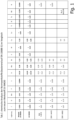
- Tabelle 1
- die chemische Analyse der Normwerkstoffe, basierend auf EN 10088-3 im Vergleich zum erfindungsgemäßen Werkstoff (15-5MOD);
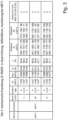
- Tabelle 2
- die mechanischen Eigenschaften des erfindungsgemäßen Werkstoffs in Querrichtung bei einer Aushärtung bei 520°C;
- Tabelle 3
- die mechanischen Eigenschaften des erfindungsgemäßen Werkstoffs in Querrichtung bei einer Aushärtung bei 485°C;
- Tabelle 4
- die mechanischen Eigenschaften eines nicht erfindungsgemäßen Normwerkstoffs in Querrichtung;
- Tabelle 5
- die mechanischen Eigenschaften eines weiteren Normwerkstoffs in Querrichtung;
- Tabelle 6
- die mechanischen Eigenschaften eines weiteren Normwerkstoffs in Querrichtung;
- Tabelle 7
- die mechanischen Eigenschaften des erfindungsgemäßen Werkstoffs in Querrichtung bei einer Aushärtung bei 450°C;
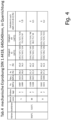
- Tabelle 8
- die Beständigkeit gegen abtragende Korrosion anhand von Zugversuchskennwerten der untersuchten Proben und der Massenverlust der Normwerkstoffe und des erfindungsgemäßen Werkstoffs im Vergleich.
- Tabelle 1 zeigt eine Gegenüberstellung aller genannten Werkstoffe im Vergleich zum erfindungsgemäßen Werkstoff (15-5MOD). Der erfindungsgemäße Werkstoff wurde konventionell erschmolzen und es wurden mehrere Flachstäbe mit der Abmessung 640 x 540 mm durch Schmieden hergestellt. Nach dem Schmieden wird der Werkstoff bei 950°C lösungsgeglüht, gehärtet und anschließend ausgehärtet.
- Die Aushärtetemperaturen betragen in einem Fall 485°C und im anderen Fall 520°C.
- Nach der Wärmebehandlung werden die Stäbe mittig geteilt und in den Zonen Boden, Mitte und Schopf in Querrichtung vollständig mechanisch erprobt.
- Die mechanische Erprobung besteht hierbei aus einem Zugversuch bei Raumtemperatur, ein Kerbschlagversuch (Charpy V-Notch) bei Raumtemperatur und ein Kerbschlagversuch (Charpy V-Notch) bei -40°C.
- Die Analyse gemäß Tabelle 1 zeigt, dass im Sollzustand des erfindungsgemäßen Stahlwerkstoffes insbesondere die Mangan- und Phosphorgehalte zurückgenommen sind, insbesondere auch der Schwefelgehalt. Der Chromgehalt liegt zwischen dem der Werkstoffe DIN 1.4313 und DIN 1.4418, wobei jedoch letztlich der Stickstoffgehalt besonders niedrig ist und zudem Kupfer vorhanden ist.
- Die mechanischen Eigenschaften in den beiden Aushärtezuständen sind in den Tabellen 2 und 3 dargestellt und zeigen, dass sich die Festigkeit um ca. 100 MPa unterscheidet und mit den festgelegten Wärmebehandlungen eine Dehngrenze von ca. 1000 bzw. 1100 MPa erreicht werden können. Die Besonderheit am erfindungsgemäßen Werkstoff ist jedoch ein beeindruckend hohes Zähigkeitsniveau auch bei tiefen Temperaturen.
- Diese hervorragende Eigenschaftskombination ist auf die erfindungsgemäße Erkenntnis zurückzuführen, dass Delta-Ferrit durch passende Analysenauslegung weitestgehend vermieden werden kann. Weiters ist bei der Erfindung die Höchstmenge an Niob stark beschränkt, so dass eine Niobstabilisierung ausscheidet und die Niobgehalte so niedrig sind, dass zähigkeitsvermindernde Hartphasen vermieden werden.
- Zum Vergleich sind in Tabelle 4 und Tabelle 5 Vergleichsdaten der Werkstoffe DIN 1.4313 und DIN 1.4418 aufgeführt, wobei diese ebenfalls aus Schmiedestäben im gleichen Abmessungsbereich ermittelt wurden.
- Der erfindungsgemäße Stahlwerkstoff weist dabei die beste Kombination aus Festigkeit und Zähigkeit auf.
- Tabelle 6 zeigt die Ergebnisse von einem kleineren DIN 1.4542 Schmiedestab mit den Abmessungen 520 x 280, der bei gleicher Festigkeit nur noch einen Bruchteil der Zähigkeit erreicht.
- Im Rahmen der Entwicklung des erfindungsgemäßen Werkstoffes 15-5MOD wurde auch das mit der festgelegten Analyse maximal erzielbare Festigkeitspotenzial untersucht. Dabei zeigte sich, dass durch eine Absenkung der Aushärtetemperatur auf 450°C eine weitere Festigkeitserhöhung auf eine Dehngrenze von ca. 1177 - 1190 MPa erzielen lässt. In diesem höchstfesten Zustand ist die mittels Kerbschlagversuch bei -40°C ermittelte Zähigkeit naturgemäß gegenüber einer Aushärtung bei 485°C verringert, allerdings zeigt der Werkstoff mit 20J bis 78J (Tabelle 7) ein noch immer um ein Vielfaches höheres Kerbschlagarbeitsniveau als der Werkstoff DIN 1.4542 bei um mehr als 100MPa höherer Dehngrenze, sodass auch dieser WBH Zustand trotz geringerer Tieftemperaturzähigkeit als äußerst praxisrelevant anzusehen ist.
- Da der Werkstoff neben einer hohen Festigkeit und hiermit verbunden einer hohen Zähigkeit auch eine ausreichende Korrosionsbeständigkeit aufweisen muss, wurden auch zusätzliche Korrosionsuntersuchungen durchgeführt.
- Ermittelt wurde der Masseverlust bei abtragender Korrosion in 20%-iger Essigsäure, die mit Schwefelsäure auf pH = 1,6 angesäuert wurde. Die Prüfdauer beträgt 24 Stunden. Die Ergebnisse (Tabelle 8) zeigen, dass die Werkstoffe DIN 1.4418, DIN 1.4542 und der erfindungsgemäße Werkstoff kaum Abtrag zeigen und die Korrosionsbeständigkeit unter diesen Bedingungen als gleichwertig eingestuft werden kann. Der Werkstoff DIN 1.4313 zeigt erwartungsgemäß aufgrund seines geringeren Legierungsgehaltes signifikanten Masseverlust. Hierbei wird besonders deutlich, dass der erfindungsgemäße Werkstoff es vermag, sowohl die Festigkeit als auch die Zähigkeit noch einmal zu verbessern bei einer gleichbleibenden Korrosionsbeständigkeit.
- Das erfindungsgemäße Verfahren sieht vor, den Werkstoff mit einer Analyse entsprechend erster Zeile der Tabelle 1 konventionell zu großen Blockformaten bis > 10 t zu erschmelzen.
- Anschließend wird das Material im Bereich von 800 bis 1250°C umgeformt, gefolgt von einer Wärmebehandlung.
- Die Wärmebehandlung besteht aus einem Lösungsglühen bei 850 bis 1050°C, einem anschließenden Härten, einem anschließenden Abkühlen und Aushärten bei 450 bis 600°C, bevorzugt wird der Temperaturbereich 450 bis 520°C beim Anstreben einer maximalen Festigkeit.
- Das Gefüge des erfindungsgemäßen Materials besteht anschließend aus Martensit mit maximal 1% Delta-Ferrit, wobei es frei von primären Hartphasen (vor allen Dingen auf Basis Niob, Tantal, Titan, Vanadium) ist, wobei der Anlass-Austenitgehalt maximal 8% beträgt.
- Das erfindungsgemäße Material wird primär für korrosionsbeständige Pumpenblöcke verwendet, kann aber auch im allgemeinen Maschinen- und Apparatebau verwendet werden.
- Erfindungsgemäß kann bei gesteigerten Anforderungen an die Ermüdungsfestigkeit, insbesondere bei Aggregaten, die dynamisch stark belastet sind oder bei sicherheitskritischen Konstruktionsteilen in der Luft- und Raumfahrtindustrie, das Material auch als hochreine Umschmelzgüte entsprechend dem ESU- oder VLBO-Verfahren erzeugt werden. Durch die mit dem Umschmelzen verbundene Reinheitsgradverbesserung ergeben sich die hinreichlich bekannten Verbesserungen der Ermüdungseigenschaften durch Absenken der Defektgrößen im Werkstoff.
- Bei der Erfindung ist von Vorteil, dass durch eine sehr genaue Analysenführung einerseits und andererseits durch eine Umstellung der Analyse und die Verminderung des Delta-Ferrits und primärer Hartphasen ein Werkstoff geschaffen wird, der sehr hohe Festigkeit, Korrosionsbeständigkeit und Zähigkeit in einer Weise erreicht, die zuvor nicht miteinander kombinierbar gewesen wäre.
Claims (2)
- Stahlwerkstoff zur Herstellung von Pumpen oder dergleichen, dadurch gekennzeichnet,dass der Stahlwerkstoff die folgende Analyse in Gew-% aufweist:





 Rest Eisen und unvermeidliche Verunreinigungen, wobei
das Gefüge des Stahlwerkstoffs aus Martensit mit maximal 1% Deltaferrit besteht, wobei das Gefüge frei von primären Hartphasen, insbesondere auf Basis Niob, Tantal, Titan oder Vanadium ist und der Anlass-Austenitgehalt maximal 8% beträgt, wobei der Stahlwerkstoff bei einer Aushärtetemperatur von 520°C eine Dehngrenze von ca. 1000 MPa bei einer Zähigkeit bei -40°C von über 70 J erreicht und bei einer Aushärtetemperatur von 485°C eine Dehngrenze von ca. 1100 MPa bei einer Zähigkeit bei -40°C von über 60 J erreicht, wobei die Werte der mechanischen Eigenschaften auf Messungen in Querrichtung bezogen sind. - Verfahren zum Herstellen eines Stahlwerkstoffes für Pumpen und dergleichen nach Anspruch 1, wobei ein Stahlwerkstoff entsprechend der folgenden Analyse in Gew-% erschmolzen wird:





 Rest Eisen und erschmelzungsbedingte Verunreinigungen,dadurch gekennzeichnet,dass der Stahlwerkstoff konventionell oder in Elektroschlackeumschmelz- oder in Vakuumlichtbogen-Verfahren erschmolzen wird und bei 800°C bis 1250°C umgeformt wird, wobei eine Wärmebehandlung folgt mit einem Lösungsglühen bei 850°C bis 1050°C, gefolgt von einem Härten, Abkühlen und einem Aushärten bei 450°C bis 520°C je nach benötigen mechanischen Eigenschaften.
Applications Claiming Priority (2)
| Application Number | Priority Date | Filing Date | Title |
|---|---|---|---|
| DE102016109253.3A DE102016109253A1 (de) | 2016-05-19 | 2016-05-19 | Verfahren zum Herstellen eines Stahlwerkstoffs und Stahlwerksstoff |
| PCT/EP2017/061290 WO2017198530A1 (de) | 2016-05-19 | 2017-05-11 | Verfahren zum herstellen eines stahlwerkstoffs und stahlwerksstoff |
Publications (3)
| Publication Number | Publication Date |
|---|---|
| EP3458623A1 EP3458623A1 (de) | 2019-03-27 |
| EP3458623C0 EP3458623C0 (de) | 2023-07-05 |
| EP3458623B1 true EP3458623B1 (de) | 2023-07-05 |
Family
ID=58739020
Family Applications (1)
| Application Number | Title | Priority Date | Filing Date |
|---|---|---|---|
| EP17724522.2A Active EP3458623B1 (de) | 2016-05-19 | 2017-05-11 | Verfahren zum herstellen eines stahlwerkstoffs und stahlwerksstoff |
Country Status (11)
| Country | Link |
|---|---|
| US (1) | US11486015B2 (de) |
| EP (1) | EP3458623B1 (de) |
| JP (1) | JP6836280B2 (de) |
| KR (1) | KR20190009335A (de) |
| CN (1) | CN109689913A (de) |
| AU (1) | AU2017267098B2 (de) |
| BR (1) | BR112018073760B1 (de) |
| CA (1) | CA3024661C (de) |
| DE (1) | DE102016109253A1 (de) |
| SG (1) | SG11201810271VA (de) |
| WO (1) | WO2017198530A1 (de) |
Families Citing this family (1)
| Publication number | Priority date | Publication date | Assignee | Title |
|---|---|---|---|---|
| WO2021084025A1 (de) | 2019-10-31 | 2021-05-06 | Deutsche Edelstahlwerke Specialty Steel Gmbh & Co. Kg | Korrosionsbeständiger und ausscheidungshärtender stahl, verfahren zur herstellung eines stahlbauteils und stahlbauteil |
Family Cites Families (23)
| Publication number | Priority date | Publication date | Assignee | Title |
|---|---|---|---|---|
| DE1553841B2 (de) * | 1966-03-22 | 1974-06-06 | Wuerttembergische Metallwarenfabrik, 7340 Geislingen | Verwendung einer austenitischen kaltverfestigten Edelstahl-Legierung für Messerklingen |
| US3622307A (en) | 1968-05-15 | 1971-11-23 | Armco Steel Corp | Precipitation-hardenable chromium-nickel stainless steel |
| US3574601A (en) * | 1968-11-27 | 1971-04-13 | Carpenter Technology Corp | Corrosion resistant alloy |
| AT377785B (de) * | 1983-06-28 | 1985-04-25 | Ver Edelstahlwerke Ag | Chromhaeltige legierung |
| US4769213A (en) * | 1986-08-21 | 1988-09-06 | Crucible Materials Corporation | Age-hardenable stainless steel having improved machinability |
| DE3825634C2 (de) * | 1988-07-28 | 1994-06-30 | Thyssen Stahl Ag | Verfahren zur Erzeugung von Warmbad oder Grobblechen |
| JP2672437B2 (ja) * | 1992-09-07 | 1997-11-05 | 新日本製鐵株式会社 | 耐食性に優れたマルテンサイト系ステンレス鋼継目無鋼管の製造法 |
| JP2962098B2 (ja) * | 1993-04-09 | 1999-10-12 | 日本鋼管株式会社 | 110Ksi グレードの高強度耐食性マルテンサイト系ステンレス鋼管の製造法 |
| US5496421A (en) * | 1993-10-22 | 1996-03-05 | Nkk Corporation | High-strength martensitic stainless steel and method for making the same |
| JP3228008B2 (ja) * | 1993-10-22 | 2001-11-12 | 日本鋼管株式会社 | 耐応力腐食割れ性に優れた高強度マルテンサイト系ステンレス鋼とその製造方法 |
| JPH07179943A (ja) * | 1993-12-22 | 1995-07-18 | Nippon Steel Corp | 耐食性に優れた高靭性マルテンサイト系ステンレス鋼継目無鋼管の製造法 |
| JP3446394B2 (ja) * | 1995-05-11 | 2003-09-16 | 大同特殊鋼株式会社 | 析出硬化型ステンレス鋼 |
| DE60014331T2 (de) | 1999-03-08 | 2006-02-09 | CRS Holdings, Inc., Wilmington | Ausscheidungshätbarer und rostfreier stahl mit verbesserter verarbeitbarkeit für besonderen einsatzzwecke |
| ES2250443T3 (es) * | 2000-08-01 | 2006-04-16 | Nisshin Steel Co., Ltd. | Deposito de carburante en acero inoxidable para automovil. |
| JP2002173742A (ja) * | 2000-12-04 | 2002-06-21 | Nisshin Steel Co Ltd | 形状平坦度に優れた高強度オーステナイト系ステンレス鋼帯およびその製造方法 |
| JP3696552B2 (ja) * | 2001-04-12 | 2005-09-21 | 日新製鋼株式会社 | 加工性,冷間鍛造性に優れた軟質ステンレス鋼板 |
| JP4240189B2 (ja) * | 2001-06-01 | 2009-03-18 | 住友金属工業株式会社 | マルテンサイト系ステンレス鋼 |
| JP4144283B2 (ja) * | 2001-10-18 | 2008-09-03 | 住友金属工業株式会社 | マルテンサイト系ステンレス鋼 |
| JP5744575B2 (ja) * | 2010-03-29 | 2015-07-08 | 新日鐵住金ステンレス株式会社 | 複相組織ステンレス鋼鋼板および鋼帯、製造方法 |
| WO2014112353A1 (ja) * | 2013-01-16 | 2014-07-24 | Jfeスチール株式会社 | 油井用ステンレス継目無鋼管およびその製造方法 |
| BR102014005015A8 (pt) * | 2014-02-28 | 2017-12-26 | Villares Metals S/A | aço inoxidável martensítico-ferrítico, produto manufaturado, processo para a produção de peças ou barras forjadas ou laminadas de aço inoxidável martensítico-ferrítico e processo para a produção de tudo sem costura de aço inoxidável martensítico-ferrítico |
| CN104328353B (zh) * | 2014-12-01 | 2017-08-11 | 什邡新工金属材料有限公司 | 一种稀土型0Cr17Ni4Cu4Nb马氏体沉淀硬化不锈钢及其制备方法 |
| WO2017168874A1 (ja) * | 2016-03-29 | 2017-10-05 | Jfeスチール株式会社 | 油井用高強度ステンレス継目無鋼管 |
-
2016
- 2016-05-19 DE DE102016109253.3A patent/DE102016109253A1/de not_active Withdrawn
-
2017
- 2017-05-11 KR KR1020187036492A patent/KR20190009335A/ko not_active Ceased
- 2017-05-11 CN CN201780038400.3A patent/CN109689913A/zh active Pending
- 2017-05-11 SG SG11201810271VA patent/SG11201810271VA/en unknown
- 2017-05-11 CA CA3024661A patent/CA3024661C/en active Active
- 2017-05-11 WO PCT/EP2017/061290 patent/WO2017198530A1/de not_active Ceased
- 2017-05-11 US US16/302,141 patent/US11486015B2/en active Active
- 2017-05-11 JP JP2018560954A patent/JP6836280B2/ja active Active
- 2017-05-11 AU AU2017267098A patent/AU2017267098B2/en active Active
- 2017-05-11 EP EP17724522.2A patent/EP3458623B1/de active Active
- 2017-05-11 BR BR112018073760-7A patent/BR112018073760B1/pt active IP Right Grant
Also Published As
| Publication number | Publication date |
|---|---|
| JP6836280B2 (ja) | 2021-02-24 |
| US20190211410A1 (en) | 2019-07-11 |
| BR112018073760A8 (pt) | 2021-10-05 |
| CA3024661C (en) | 2021-10-12 |
| EP3458623C0 (de) | 2023-07-05 |
| CN109689913A (zh) | 2019-04-26 |
| DE102016109253A1 (de) | 2017-12-07 |
| SG11201810271VA (en) | 2018-12-28 |
| AU2017267098A1 (en) | 2018-12-13 |
| BR112018073760A2 (pt) | 2019-04-09 |
| AU2017267098B2 (en) | 2019-10-31 |
| BR112018073760B1 (pt) | 2022-10-18 |
| CA3024661A1 (en) | 2017-11-23 |
| WO2017198530A1 (de) | 2017-11-23 |
| EP3458623A1 (de) | 2019-03-27 |
| JP2019518871A (ja) | 2019-07-04 |
| KR20190009335A (ko) | 2019-01-28 |
| US11486015B2 (en) | 2022-11-01 |
Similar Documents
| Publication | Publication Date | Title |
|---|---|---|
| EP2956562B1 (de) | Nickel-kobalt-legierung | |
| DE60202598T2 (de) | Ultra-hochfester ausscheidungshärtbarer rostfreier stahl und daraus hergestellter länglicher band | |
| DE69406512T2 (de) | Rotor für Dampfturbinen und Verfahren zu seiner Herstellung | |
| DE69429610T2 (de) | Hochfester martensitischer rostfreier Stahl und Verfahren zu seiner Herstellung | |
| EP1538232B1 (de) | Korrosionsbeständige, austenitische Stahllegierung | |
| DE69811200T2 (de) | Einsatzstahl mit hervorragender verhinderung der sekundärrekristallisation während der aufkohlung, verfahren zu dessen herstellung, halbzeug für aufzukohlende teile | |
| EP0091897B1 (de) | Kaltverfestigender austenitischer Manganhartstahl und Verfahren zur Herstellung desselben | |
| DE69706224T2 (de) | Wärmebeständiger Stahl und Dampfturbinenrotor | |
| DE69606061T2 (de) | Hochfestes, kerbzähes ausscheidungshärtbarer rostfreies stahl | |
| EP3899065B1 (de) | Bohrstrangkomponente mit hoher korrosionsbeständigkeit und verfahren zu ihrer herstellung | |
| EP1905857B1 (de) | Hochfester Stahl und Verwendungen eines solchen Stahls | |
| DE102006005250B4 (de) | Eisen-Nickel-Legierung | |
| EP3899063A1 (de) | Superaustenitischer werkstoff | |
| EP1274872B1 (de) | Verfahren zur herstellung eines stickstofflegierten, sprühkompaktierten stahls, verfahren zu seiner herstellung | |
| DE1301586B (de) | Austenitische ausscheidungshaertbare Stahllegierung und Verfahren zu ihrer Waermebehandlung | |
| DE102008040689B4 (de) | Kugelzapfen und -hülsen aus hochmanganhaltigem Stahl | |
| EP1780293B1 (de) | Verfahren zum Herstellen von Vormaterial aus Stahl durch Warmverformen | |
| DE60201984T2 (de) | Werkzeugstahl von hoher zähigkeit, verfahren zum herstellen von teilen aus diesem stahl und so hergestellte teile | |
| EP2662461A1 (de) | Eisen-Chrom-Mangan-Nickel-Legierung | |
| DE69502609T2 (de) | Kavitationsbeständige fluidumschaufelräder und verfahren zu deren herstellung | |
| DE2029962A1 (de) | Nickel-Legierung | |
| DE69938617T2 (de) | Stahl für Giessformen und Verfahren zur Herstellung | |
| DE102016109253A1 (de) | Verfahren zum Herstellen eines Stahlwerkstoffs und Stahlwerksstoff | |
| EP3061838B1 (de) | Blankes bainitisches langprodukt und verfahren zu dessen herstellung | |
| EP4211279A1 (de) | Warmgewalztes stahlflachprodukt und verfahren zur herstellung eines warmgewalzten stahlflachprodukts |
Legal Events
| Date | Code | Title | Description |
|---|---|---|---|
| STAA | Information on the status of an ep patent application or granted ep patent |
Free format text: STATUS: UNKNOWN |
|
| STAA | Information on the status of an ep patent application or granted ep patent |
Free format text: STATUS: THE INTERNATIONAL PUBLICATION HAS BEEN MADE |
|
| PUAI | Public reference made under article 153(3) epc to a published international application that has entered the european phase |
Free format text: ORIGINAL CODE: 0009012 |
|
| STAA | Information on the status of an ep patent application or granted ep patent |
Free format text: STATUS: REQUEST FOR EXAMINATION WAS MADE |
|
| 17P | Request for examination filed |
Effective date: 20181211 |
|
| AK | Designated contracting states |
Kind code of ref document: A1 Designated state(s): AL AT BE BG CH CY CZ DE DK EE ES FI FR GB GR HR HU IE IS IT LI LT LU LV MC MK MT NL NO PL PT RO RS SE SI SK SM TR |
|
| AX | Request for extension of the european patent |
Extension state: BA ME |
|
| RIN1 | Information on inventor provided before grant (corrected) |
Inventor name: HASPEL, MICHAEL Inventor name: PERKO, JOCHEN Inventor name: SCHUETZ, PATRIC |
|
| DAV | Request for validation of the european patent (deleted) | ||
| DAX | Request for extension of the european patent (deleted) | ||
| STAA | Information on the status of an ep patent application or granted ep patent |
Free format text: STATUS: EXAMINATION IS IN PROGRESS |
|
| REG | Reference to a national code |
Ref country code: HK Ref legal event code: DE Ref document number: 40001250 Country of ref document: HK |
|
| 17Q | First examination report despatched |
Effective date: 20200204 |
|
| REG | Reference to a national code |
Ref country code: DE Ref legal event code: R079 Free format text: PREVIOUS MAIN CLASS: C22C0038020000 Ipc: C22C0038000000 Ref country code: DE Ref legal event code: R079 Ref document number: 502017015009 Country of ref document: DE Free format text: PREVIOUS MAIN CLASS: C22C0038020000 Ipc: C22C0038000000 |
|
| GRAP | Despatch of communication of intention to grant a patent |
Free format text: ORIGINAL CODE: EPIDOSNIGR1 |
|
| RIC1 | Information provided on ipc code assigned before grant |
Ipc: C21D 6/00 20060101ALI20221219BHEP Ipc: C22C 38/46 20060101ALI20221219BHEP Ipc: C22C 38/44 20060101ALI20221219BHEP Ipc: C22C 38/42 20060101ALI20221219BHEP Ipc: C22C 38/04 20060101ALI20221219BHEP Ipc: C21D 1/26 20060101ALI20221219BHEP Ipc: C21D 1/18 20060101ALI20221219BHEP Ipc: C22C 38/02 20060101ALI20221219BHEP Ipc: C22C 38/52 20060101ALI20221219BHEP Ipc: C22C 38/50 20060101ALI20221219BHEP Ipc: C22C 38/48 20060101ALI20221219BHEP Ipc: C22C 38/00 20060101AFI20221219BHEP |
|
| STAA | Information on the status of an ep patent application or granted ep patent |
Free format text: STATUS: GRANT OF PATENT IS INTENDED |
|
| INTG | Intention to grant announced |
Effective date: 20230126 |
|
| GRAS | Grant fee paid |
Free format text: ORIGINAL CODE: EPIDOSNIGR3 |
|
| GRAA | (expected) grant |
Free format text: ORIGINAL CODE: 0009210 |
|
| STAA | Information on the status of an ep patent application or granted ep patent |
Free format text: STATUS: THE PATENT HAS BEEN GRANTED |
|
| AK | Designated contracting states |
Kind code of ref document: B1 Designated state(s): AL AT BE BG CH CY CZ DE DK EE ES FI FR GB GR HR HU IE IS IT LI LT LU LV MC MK MT NL NO PL PT RO RS SE SI SK SM TR |
|
| REG | Reference to a national code |
Ref country code: CH Ref legal event code: EP |
|
| REG | Reference to a national code |
Ref country code: AT Ref legal event code: REF Ref document number: 1584897 Country of ref document: AT Kind code of ref document: T Effective date: 20230715 |
|
| REG | Reference to a national code |
Ref country code: DE Ref legal event code: R096 Ref document number: 502017015009 Country of ref document: DE |
|
| REG | Reference to a national code |
Ref country code: IE Ref legal event code: FG4D Free format text: LANGUAGE OF EP DOCUMENT: GERMAN |
|
| U01 | Request for unitary effect filed |
Effective date: 20230705 |
|
| U07 | Unitary effect registered |
Designated state(s): AT BE BG DE DK EE FI FR IT LT LU LV MT NL PT SE SI Effective date: 20230713 |
|
| P04 | Withdrawal of opt-out of the competence of the unified patent court (upc) registered |
Effective date: 20230710 |
|
| REG | Reference to a national code |
Ref country code: LT Ref legal event code: MG9D |
|
| PG25 | Lapsed in a contracting state [announced via postgrant information from national office to epo] |
Ref country code: GR Free format text: LAPSE BECAUSE OF FAILURE TO SUBMIT A TRANSLATION OF THE DESCRIPTION OR TO PAY THE FEE WITHIN THE PRESCRIBED TIME-LIMIT Effective date: 20231006 |
|
| PG25 | Lapsed in a contracting state [announced via postgrant information from national office to epo] |
Ref country code: ES Free format text: LAPSE BECAUSE OF FAILURE TO SUBMIT A TRANSLATION OF THE DESCRIPTION OR TO PAY THE FEE WITHIN THE PRESCRIBED TIME-LIMIT Effective date: 20230705 |
|
| PG25 | Lapsed in a contracting state [announced via postgrant information from national office to epo] |
Ref country code: IS Free format text: LAPSE BECAUSE OF FAILURE TO SUBMIT A TRANSLATION OF THE DESCRIPTION OR TO PAY THE FEE WITHIN THE PRESCRIBED TIME-LIMIT Effective date: 20231105 |
|
| PG25 | Lapsed in a contracting state [announced via postgrant information from national office to epo] |
Ref country code: RS Free format text: LAPSE BECAUSE OF FAILURE TO SUBMIT A TRANSLATION OF THE DESCRIPTION OR TO PAY THE FEE WITHIN THE PRESCRIBED TIME-LIMIT Effective date: 20230705 Ref country code: NO Free format text: LAPSE BECAUSE OF FAILURE TO SUBMIT A TRANSLATION OF THE DESCRIPTION OR TO PAY THE FEE WITHIN THE PRESCRIBED TIME-LIMIT Effective date: 20231005 Ref country code: IS Free format text: LAPSE BECAUSE OF FAILURE TO SUBMIT A TRANSLATION OF THE DESCRIPTION OR TO PAY THE FEE WITHIN THE PRESCRIBED TIME-LIMIT Effective date: 20231105 Ref country code: HR Free format text: LAPSE BECAUSE OF FAILURE TO SUBMIT A TRANSLATION OF THE DESCRIPTION OR TO PAY THE FEE WITHIN THE PRESCRIBED TIME-LIMIT Effective date: 20230705 Ref country code: GR Free format text: LAPSE BECAUSE OF FAILURE TO SUBMIT A TRANSLATION OF THE DESCRIPTION OR TO PAY THE FEE WITHIN THE PRESCRIBED TIME-LIMIT Effective date: 20231006 Ref country code: ES Free format text: LAPSE BECAUSE OF FAILURE TO SUBMIT A TRANSLATION OF THE DESCRIPTION OR TO PAY THE FEE WITHIN THE PRESCRIBED TIME-LIMIT Effective date: 20230705 |
|
| PG25 | Lapsed in a contracting state [announced via postgrant information from national office to epo] |
Ref country code: PL Free format text: LAPSE BECAUSE OF FAILURE TO SUBMIT A TRANSLATION OF THE DESCRIPTION OR TO PAY THE FEE WITHIN THE PRESCRIBED TIME-LIMIT Effective date: 20230705 |
|
| REG | Reference to a national code |
Ref country code: DE Ref legal event code: R097 Ref document number: 502017015009 Country of ref document: DE |
|
| PG25 | Lapsed in a contracting state [announced via postgrant information from national office to epo] |
Ref country code: SM Free format text: LAPSE BECAUSE OF FAILURE TO SUBMIT A TRANSLATION OF THE DESCRIPTION OR TO PAY THE FEE WITHIN THE PRESCRIBED TIME-LIMIT Effective date: 20230705 Ref country code: RO Free format text: LAPSE BECAUSE OF FAILURE TO SUBMIT A TRANSLATION OF THE DESCRIPTION OR TO PAY THE FEE WITHIN THE PRESCRIBED TIME-LIMIT Effective date: 20230705 Ref country code: CZ Free format text: LAPSE BECAUSE OF FAILURE TO SUBMIT A TRANSLATION OF THE DESCRIPTION OR TO PAY THE FEE WITHIN THE PRESCRIBED TIME-LIMIT Effective date: 20230705 Ref country code: SK Free format text: LAPSE BECAUSE OF FAILURE TO SUBMIT A TRANSLATION OF THE DESCRIPTION OR TO PAY THE FEE WITHIN THE PRESCRIBED TIME-LIMIT Effective date: 20230705 |
|
| PLBE | No opposition filed within time limit |
Free format text: ORIGINAL CODE: 0009261 |
|
| STAA | Information on the status of an ep patent application or granted ep patent |
Free format text: STATUS: NO OPPOSITION FILED WITHIN TIME LIMIT |
|
| 26N | No opposition filed |
Effective date: 20240408 |
|
| U20 | Renewal fee for the european patent with unitary effect paid |
Year of fee payment: 8 Effective date: 20240528 |
|
| U1N | Appointed representative for the unitary patent procedure changed after the registration of the unitary effect |
Representative=s name: WSL PATENTANWAELTE PARTNERSCHAFT MBB; DE |
|
| REG | Reference to a national code |
Ref country code: CH Ref legal event code: PL |
|
| P05 | Withdrawal of opt-out of the competence of the unified patent court (upc) changed |
Free format text: CASE NUMBER: APP_548309/2023 Effective date: 20230713 |
|
| PG25 | Lapsed in a contracting state [announced via postgrant information from national office to epo] |
Ref country code: MC Free format text: LAPSE BECAUSE OF FAILURE TO SUBMIT A TRANSLATION OF THE DESCRIPTION OR TO PAY THE FEE WITHIN THE PRESCRIBED TIME-LIMIT Effective date: 20230705 |
|
| GBPC | Gb: european patent ceased through non-payment of renewal fee |
Effective date: 20240511 |
|
| PG25 | Lapsed in a contracting state [announced via postgrant information from national office to epo] |
Ref country code: MC Free format text: LAPSE BECAUSE OF FAILURE TO SUBMIT A TRANSLATION OF THE DESCRIPTION OR TO PAY THE FEE WITHIN THE PRESCRIBED TIME-LIMIT Effective date: 20230705 Ref country code: CH Free format text: LAPSE BECAUSE OF NON-PAYMENT OF DUE FEES Effective date: 20240531 |
|
| PG25 | Lapsed in a contracting state [announced via postgrant information from national office to epo] |
Ref country code: IE Free format text: LAPSE BECAUSE OF NON-PAYMENT OF DUE FEES Effective date: 20240511 |
|
| PG25 | Lapsed in a contracting state [announced via postgrant information from national office to epo] |
Ref country code: GB Free format text: LAPSE BECAUSE OF NON-PAYMENT OF DUE FEES Effective date: 20240511 |
|
| U20 | Renewal fee for the european patent with unitary effect paid |
Year of fee payment: 9 Effective date: 20250527 |
|
| PG25 | Lapsed in a contracting state [announced via postgrant information from national office to epo] |
Ref country code: CY Free format text: LAPSE BECAUSE OF FAILURE TO SUBMIT A TRANSLATION OF THE DESCRIPTION OR TO PAY THE FEE WITHIN THE PRESCRIBED TIME-LIMIT; INVALID AB INITIO Effective date: 20170511 |
|
| PG25 | Lapsed in a contracting state [announced via postgrant information from national office to epo] |
Ref country code: HU Free format text: LAPSE BECAUSE OF FAILURE TO SUBMIT A TRANSLATION OF THE DESCRIPTION OR TO PAY THE FEE WITHIN THE PRESCRIBED TIME-LIMIT; INVALID AB INITIO Effective date: 20170511 |