EP3456793B1 - Klebstoff für laminate, schichtkörper mit verwendung davon und sekundärbatterie - Google Patents
Klebstoff für laminate, schichtkörper mit verwendung davon und sekundärbatterie Download PDFInfo
- Publication number
- EP3456793B1 EP3456793B1 EP16901615.1A EP16901615A EP3456793B1 EP 3456793 B1 EP3456793 B1 EP 3456793B1 EP 16901615 A EP16901615 A EP 16901615A EP 3456793 B1 EP3456793 B1 EP 3456793B1
- Authority
- EP
- European Patent Office
- Prior art keywords
- polyolefin resin
- modified polyolefin
- laminate
- crystallization peak
- resin
- Prior art date
- Legal status (The legal status is an assumption and is not a legal conclusion. Google has not performed a legal analysis and makes no representation as to the accuracy of the status listed.)
- Active
Links
Images


Classifications
-
- C—CHEMISTRY; METALLURGY
- C09—DYES; PAINTS; POLISHES; NATURAL RESINS; ADHESIVES; COMPOSITIONS NOT OTHERWISE PROVIDED FOR; APPLICATIONS OF MATERIALS NOT OTHERWISE PROVIDED FOR
- C09J—ADHESIVES; NON-MECHANICAL ASPECTS OF ADHESIVE PROCESSES IN GENERAL; ADHESIVE PROCESSES NOT PROVIDED FOR ELSEWHERE; USE OF MATERIALS AS ADHESIVES
- C09J163/00—Adhesives based on epoxy resins; Adhesives based on derivatives of epoxy resins
-
- C—CHEMISTRY; METALLURGY
- C09—DYES; PAINTS; POLISHES; NATURAL RESINS; ADHESIVES; COMPOSITIONS NOT OTHERWISE PROVIDED FOR; APPLICATIONS OF MATERIALS NOT OTHERWISE PROVIDED FOR
- C09J—ADHESIVES; NON-MECHANICAL ASPECTS OF ADHESIVE PROCESSES IN GENERAL; ADHESIVE PROCESSES NOT PROVIDED FOR ELSEWHERE; USE OF MATERIALS AS ADHESIVES
- C09J123/00—Adhesives based on homopolymers or copolymers of unsaturated aliphatic hydrocarbons having only one carbon-to-carbon double bond; Adhesives based on derivatives of such polymers
- C09J123/26—Adhesives based on homopolymers or copolymers of unsaturated aliphatic hydrocarbons having only one carbon-to-carbon double bond; Adhesives based on derivatives of such polymers modified by chemical after-treatment
- C09J123/28—Adhesives based on homopolymers or copolymers of unsaturated aliphatic hydrocarbons having only one carbon-to-carbon double bond; Adhesives based on derivatives of such polymers modified by chemical after-treatment by reaction with halogens or compounds containing halogen
-
- B—PERFORMING OPERATIONS; TRANSPORTING
- B32—LAYERED PRODUCTS
- B32B—LAYERED PRODUCTS, i.e. PRODUCTS BUILT-UP OF STRATA OF FLAT OR NON-FLAT, e.g. CELLULAR OR HONEYCOMB, FORM
- B32B15/00—Layered products comprising a layer of metal
- B32B15/04—Layered products comprising a layer of metal comprising metal as the main or only constituent of a layer, which is next to another layer of the same or of a different material
- B32B15/08—Layered products comprising a layer of metal comprising metal as the main or only constituent of a layer, which is next to another layer of the same or of a different material of synthetic resin
- B32B15/085—Layered products comprising a layer of metal comprising metal as the main or only constituent of a layer, which is next to another layer of the same or of a different material of synthetic resin comprising polyolefins
-
- B—PERFORMING OPERATIONS; TRANSPORTING
- B32—LAYERED PRODUCTS
- B32B—LAYERED PRODUCTS, i.e. PRODUCTS BUILT-UP OF STRATA OF FLAT OR NON-FLAT, e.g. CELLULAR OR HONEYCOMB, FORM
- B32B15/00—Layered products comprising a layer of metal
- B32B15/04—Layered products comprising a layer of metal comprising metal as the main or only constituent of a layer, which is next to another layer of the same or of a different material
- B32B15/08—Layered products comprising a layer of metal comprising metal as the main or only constituent of a layer, which is next to another layer of the same or of a different material of synthetic resin
- B32B15/092—Layered products comprising a layer of metal comprising metal as the main or only constituent of a layer, which is next to another layer of the same or of a different material of synthetic resin comprising epoxy resins
-
- B—PERFORMING OPERATIONS; TRANSPORTING
- B32—LAYERED PRODUCTS
- B32B—LAYERED PRODUCTS, i.e. PRODUCTS BUILT-UP OF STRATA OF FLAT OR NON-FLAT, e.g. CELLULAR OR HONEYCOMB, FORM
- B32B7/00—Layered products characterised by the relation between layers; Layered products characterised by the relative orientation of features between layers, or by the relative values of a measurable parameter between layers, i.e. products comprising layers having different physical, chemical or physicochemical properties; Layered products characterised by the interconnection of layers
- B32B7/04—Interconnection of layers
- B32B7/12—Interconnection of layers using interposed adhesives or interposed materials with bonding properties
-
- C—CHEMISTRY; METALLURGY
- C09—DYES; PAINTS; POLISHES; NATURAL RESINS; ADHESIVES; COMPOSITIONS NOT OTHERWISE PROVIDED FOR; APPLICATIONS OF MATERIALS NOT OTHERWISE PROVIDED FOR
- C09J—ADHESIVES; NON-MECHANICAL ASPECTS OF ADHESIVE PROCESSES IN GENERAL; ADHESIVE PROCESSES NOT PROVIDED FOR ELSEWHERE; USE OF MATERIALS AS ADHESIVES
- C09J11/00—Features of adhesives not provided for in group C09J9/00, e.g. additives
- C09J11/02—Non-macromolecular additives
- C09J11/06—Non-macromolecular additives organic
-
- C—CHEMISTRY; METALLURGY
- C09—DYES; PAINTS; POLISHES; NATURAL RESINS; ADHESIVES; COMPOSITIONS NOT OTHERWISE PROVIDED FOR; APPLICATIONS OF MATERIALS NOT OTHERWISE PROVIDED FOR
- C09J—ADHESIVES; NON-MECHANICAL ASPECTS OF ADHESIVE PROCESSES IN GENERAL; ADHESIVE PROCESSES NOT PROVIDED FOR ELSEWHERE; USE OF MATERIALS AS ADHESIVES
- C09J123/00—Adhesives based on homopolymers or copolymers of unsaturated aliphatic hydrocarbons having only one carbon-to-carbon double bond; Adhesives based on derivatives of such polymers
- C09J123/02—Adhesives based on homopolymers or copolymers of unsaturated aliphatic hydrocarbons having only one carbon-to-carbon double bond; Adhesives based on derivatives of such polymers not modified by chemical after-treatment
- C09J123/10—Homopolymers or copolymers of propene
-
- C—CHEMISTRY; METALLURGY
- C09—DYES; PAINTS; POLISHES; NATURAL RESINS; ADHESIVES; COMPOSITIONS NOT OTHERWISE PROVIDED FOR; APPLICATIONS OF MATERIALS NOT OTHERWISE PROVIDED FOR
- C09J—ADHESIVES; NON-MECHANICAL ASPECTS OF ADHESIVE PROCESSES IN GENERAL; ADHESIVE PROCESSES NOT PROVIDED FOR ELSEWHERE; USE OF MATERIALS AS ADHESIVES
- C09J123/00—Adhesives based on homopolymers or copolymers of unsaturated aliphatic hydrocarbons having only one carbon-to-carbon double bond; Adhesives based on derivatives of such polymers
- C09J123/02—Adhesives based on homopolymers or copolymers of unsaturated aliphatic hydrocarbons having only one carbon-to-carbon double bond; Adhesives based on derivatives of such polymers not modified by chemical after-treatment
- C09J123/18—Homopolymers or copolymers of hydrocarbons having four or more carbon atoms
- C09J123/20—Homopolymers or copolymers of hydrocarbons having four or more carbon atoms having four to nine carbon atoms
-
- C—CHEMISTRY; METALLURGY
- C09—DYES; PAINTS; POLISHES; NATURAL RESINS; ADHESIVES; COMPOSITIONS NOT OTHERWISE PROVIDED FOR; APPLICATIONS OF MATERIALS NOT OTHERWISE PROVIDED FOR
- C09J—ADHESIVES; NON-MECHANICAL ASPECTS OF ADHESIVE PROCESSES IN GENERAL; ADHESIVE PROCESSES NOT PROVIDED FOR ELSEWHERE; USE OF MATERIALS AS ADHESIVES
- C09J151/00—Adhesives based on graft polymers in which the grafted component is obtained by reactions only involving carbon-to-carbon unsaturated bonds; Adhesives based on derivatives of such polymers
- C09J151/06—Adhesives based on graft polymers in which the grafted component is obtained by reactions only involving carbon-to-carbon unsaturated bonds; Adhesives based on derivatives of such polymers grafted on to homopolymers or copolymers of aliphatic hydrocarbons containing only one carbon-to-carbon double bond
-
- H—ELECTRICITY
- H01—ELECTRIC ELEMENTS
- H01M—PROCESSES OR MEANS, e.g. BATTERIES, FOR THE DIRECT CONVERSION OF CHEMICAL ENERGY INTO ELECTRICAL ENERGY
- H01M4/00—Electrodes
- H01M4/02—Electrodes composed of, or comprising, active material
- H01M4/62—Selection of inactive substances as ingredients for active masses, e.g. binders, fillers
- H01M4/628—Inhibitors, e.g. gassing inhibitors, corrosion inhibitors
-
- H—ELECTRICITY
- H01—ELECTRIC ELEMENTS
- H01M—PROCESSES OR MEANS, e.g. BATTERIES, FOR THE DIRECT CONVERSION OF CHEMICAL ENERGY INTO ELECTRICAL ENERGY
- H01M50/00—Constructional details or processes of manufacture of the non-active parts of electrochemical cells other than fuel cells, e.g. hybrid cells
- H01M50/10—Primary casings; Jackets or wrappings
- H01M50/102—Primary casings; Jackets or wrappings characterised by their shape or physical structure
- H01M50/105—Pouches or flexible bags
-
- H—ELECTRICITY
- H01—ELECTRIC ELEMENTS
- H01M—PROCESSES OR MEANS, e.g. BATTERIES, FOR THE DIRECT CONVERSION OF CHEMICAL ENERGY INTO ELECTRICAL ENERGY
- H01M50/00—Constructional details or processes of manufacture of the non-active parts of electrochemical cells other than fuel cells, e.g. hybrid cells
- H01M50/10—Primary casings; Jackets or wrappings
- H01M50/116—Primary casings; Jackets or wrappings characterised by the material
-
- H—ELECTRICITY
- H01—ELECTRIC ELEMENTS
- H01M—PROCESSES OR MEANS, e.g. BATTERIES, FOR THE DIRECT CONVERSION OF CHEMICAL ENERGY INTO ELECTRICAL ENERGY
- H01M50/00—Constructional details or processes of manufacture of the non-active parts of electrochemical cells other than fuel cells, e.g. hybrid cells
- H01M50/10—Primary casings; Jackets or wrappings
- H01M50/116—Primary casings; Jackets or wrappings characterised by the material
- H01M50/117—Inorganic material
- H01M50/119—Metals
-
- H—ELECTRICITY
- H01—ELECTRIC ELEMENTS
- H01M—PROCESSES OR MEANS, e.g. BATTERIES, FOR THE DIRECT CONVERSION OF CHEMICAL ENERGY INTO ELECTRICAL ENERGY
- H01M50/00—Constructional details or processes of manufacture of the non-active parts of electrochemical cells other than fuel cells, e.g. hybrid cells
- H01M50/10—Primary casings; Jackets or wrappings
- H01M50/116—Primary casings; Jackets or wrappings characterised by the material
- H01M50/121—Organic material
-
- H—ELECTRICITY
- H01—ELECTRIC ELEMENTS
- H01M—PROCESSES OR MEANS, e.g. BATTERIES, FOR THE DIRECT CONVERSION OF CHEMICAL ENERGY INTO ELECTRICAL ENERGY
- H01M50/00—Constructional details or processes of manufacture of the non-active parts of electrochemical cells other than fuel cells, e.g. hybrid cells
- H01M50/10—Primary casings; Jackets or wrappings
- H01M50/116—Primary casings; Jackets or wrappings characterised by the material
- H01M50/124—Primary casings; Jackets or wrappings characterised by the material having a layered structure
-
- H—ELECTRICITY
- H01—ELECTRIC ELEMENTS
- H01M—PROCESSES OR MEANS, e.g. BATTERIES, FOR THE DIRECT CONVERSION OF CHEMICAL ENERGY INTO ELECTRICAL ENERGY
- H01M50/00—Constructional details or processes of manufacture of the non-active parts of electrochemical cells other than fuel cells, e.g. hybrid cells
- H01M50/10—Primary casings; Jackets or wrappings
- H01M50/116—Primary casings; Jackets or wrappings characterised by the material
- H01M50/124—Primary casings; Jackets or wrappings characterised by the material having a layered structure
- H01M50/126—Primary casings; Jackets or wrappings characterised by the material having a layered structure comprising three or more layers
- H01M50/129—Primary casings; Jackets or wrappings characterised by the material having a layered structure comprising three or more layers with two or more layers of only organic material
-
- H—ELECTRICITY
- H01—ELECTRIC ELEMENTS
- H01M—PROCESSES OR MEANS, e.g. BATTERIES, FOR THE DIRECT CONVERSION OF CHEMICAL ENERGY INTO ELECTRICAL ENERGY
- H01M50/00—Constructional details or processes of manufacture of the non-active parts of electrochemical cells other than fuel cells, e.g. hybrid cells
- H01M50/10—Primary casings; Jackets or wrappings
- H01M50/183—Sealing members
-
- H—ELECTRICITY
- H01—ELECTRIC ELEMENTS
- H01M—PROCESSES OR MEANS, e.g. BATTERIES, FOR THE DIRECT CONVERSION OF CHEMICAL ENERGY INTO ELECTRICAL ENERGY
- H01M50/00—Constructional details or processes of manufacture of the non-active parts of electrochemical cells other than fuel cells, e.g. hybrid cells
- H01M50/10—Primary casings; Jackets or wrappings
- H01M50/183—Sealing members
- H01M50/186—Sealing members characterised by the disposition of the sealing members
-
- H—ELECTRICITY
- H01—ELECTRIC ELEMENTS
- H01M—PROCESSES OR MEANS, e.g. BATTERIES, FOR THE DIRECT CONVERSION OF CHEMICAL ENERGY INTO ELECTRICAL ENERGY
- H01M50/00—Constructional details or processes of manufacture of the non-active parts of electrochemical cells other than fuel cells, e.g. hybrid cells
- H01M50/10—Primary casings; Jackets or wrappings
- H01M50/183—Sealing members
- H01M50/19—Sealing members characterised by the material
- H01M50/193—Organic material
-
- H—ELECTRICITY
- H01—ELECTRIC ELEMENTS
- H01M—PROCESSES OR MEANS, e.g. BATTERIES, FOR THE DIRECT CONVERSION OF CHEMICAL ENERGY INTO ELECTRICAL ENERGY
- H01M50/00—Constructional details or processes of manufacture of the non-active parts of electrochemical cells other than fuel cells, e.g. hybrid cells
- H01M50/10—Primary casings; Jackets or wrappings
- H01M50/183—Sealing members
- H01M50/19—Sealing members characterised by the material
- H01M50/198—Sealing members characterised by the material characterised by physical properties, e.g. adhesiveness or hardness
-
- B—PERFORMING OPERATIONS; TRANSPORTING
- B32—LAYERED PRODUCTS
- B32B—LAYERED PRODUCTS, i.e. PRODUCTS BUILT-UP OF STRATA OF FLAT OR NON-FLAT, e.g. CELLULAR OR HONEYCOMB, FORM
- B32B2457/00—Electrical equipment
- B32B2457/10—Batteries
-
- B—PERFORMING OPERATIONS; TRANSPORTING
- B32—LAYERED PRODUCTS
- B32B—LAYERED PRODUCTS, i.e. PRODUCTS BUILT-UP OF STRATA OF FLAT OR NON-FLAT, e.g. CELLULAR OR HONEYCOMB, FORM
- B32B2457/00—Electrical equipment
- B32B2457/18—Fuel cells
-
- Y—GENERAL TAGGING OF NEW TECHNOLOGICAL DEVELOPMENTS; GENERAL TAGGING OF CROSS-SECTIONAL TECHNOLOGIES SPANNING OVER SEVERAL SECTIONS OF THE IPC; TECHNICAL SUBJECTS COVERED BY FORMER USPC CROSS-REFERENCE ART COLLECTIONS [XRACs] AND DIGESTS
- Y02—TECHNOLOGIES OR APPLICATIONS FOR MITIGATION OR ADAPTATION AGAINST CLIMATE CHANGE
- Y02E—REDUCTION OF GREENHOUSE GAS [GHG] EMISSIONS, RELATED TO ENERGY GENERATION, TRANSMISSION OR DISTRIBUTION
- Y02E60/00—Enabling technologies; Technologies with a potential or indirect contribution to GHG emissions mitigation
- Y02E60/10—Energy storage using batteries
-
- Y—GENERAL TAGGING OF NEW TECHNOLOGICAL DEVELOPMENTS; GENERAL TAGGING OF CROSS-SECTIONAL TECHNOLOGIES SPANNING OVER SEVERAL SECTIONS OF THE IPC; TECHNICAL SUBJECTS COVERED BY FORMER USPC CROSS-REFERENCE ART COLLECTIONS [XRACs] AND DIGESTS
- Y02—TECHNOLOGIES OR APPLICATIONS FOR MITIGATION OR ADAPTATION AGAINST CLIMATE CHANGE
- Y02P—CLIMATE CHANGE MITIGATION TECHNOLOGIES IN THE PRODUCTION OR PROCESSING OF GOODS
- Y02P20/00—Technologies relating to chemical industry
- Y02P20/141—Feedstock
Definitions
- the present invention relates to a laminating adhesive for sealing an electrolyte used in a secondary battery, a laminate using the laminating adhesive, and a secondary battery.
- Secondary batteries typified by lithium-ion batteries have a structure including a positive electrode, a negative electrode, and an electrolyte solution enclosed therebetween.
- a laminate formed by bonding a metal foil, such as an aluminum foil, or a vapor-deposited metal layer and plastic together is used as an enclosing bag for enclosing lead wires used for outputting electricity from the positive electrode and the negative electrode.
- PTL 1 provides an enclosing bag that is formed of a laminate including the innermost layer formed of a maleic acid-modified polyolefin resin and that has the heat-sealed portion formed of the same maleic acid-modified polyolefin resin. Because of such a structure, the enclosing bag has improved reliability in terms of sealing properties.
- a maleic acid-modified polyolefin resin has excellent adhesion and excellent heat-sealing properties with respect to metal and is thus typically used as an adhesive resin.
- a maleic acid-modified polyolefin resin exhibiting high adhesive strength soon after laminating is performed at high temperature, a maleic acid-modified polyolefin resin has low electrolyte solution resistance and allows delamination to occur between layers over time. Thus, a maleic acid-modified polyolefin resin cannot be used as a sealing film.
- PTL 2 describes a laminate for a battery electrolyte solution sealing film or a laminate for a battery electrode protective film.
- Such laminates include a metal layer, a surface treatment layer formed on the surface of the metal layer, and an adhesive resin layer that is formed of a polyolefin prepared by modifying carboxylic acid groups or derivatives thereof that have been formed on the surface treatment layer.
- the adhesive resin composition includes a polyolefin-based resin (A) containing at least one functional group selected from a group consisting of acid anhydride groups, carboxyl groups, and metal carboxylates and epoxidized vegetable oil (B) that has two or more epoxy groups and that has a molecular weight of 3000 or less.
- the mixing ratio of the component (B) is 0.01 to 5 parts by mass relative to 100 parts by mass of the component (A).
- PTL 4 describes a resin composition for a binder of secondary battery electrodes.
- the resin composition contains an acid-modified polyolefin resin (A) and a polyurethane resin (B).
- the ratio of (B) is 0.5 to 100 parts by mass relative to 100 parts by mass of (A).
- WO 2016/042837 A1 addresses the problem of providing an adhesive composition for laminate stacks, which provides excellent adhesion between a metal layer and a plastic layer and satisfies moisture resistance, heat resistance, insulation performance, durability, etc., further combined with electrolyte resistance in low-temperature curing, without causing delamination over time.
- EP 3 156 469 A1 provides an adhesive composition comprising a modified polyolefin and an epoxy resin, the composition having excellent pot life, and excellent adhesion to both a metal substrate and a polyolefin resin substrate.
- An object of the present invention is to provide a laminating adhesive composition for a laminate, the composition having excellent adhesion between a metal layer and a plastic layer of a laminate, electrolyte solution resistance even after low-temperature aging, and a high retention percentage of the resistance and allowing no delamination to occur between layers over time; a method for producing the laminating adhesive composition; a laminate using the adhesive; and a secondary battery, by providing a novel laminating adhesive.
- the present inventors have conducted studies and achieved the above object by providing a laminating adhesive comprising a modified polyolefin resin (A) and an epoxy compound (B),
- the method according to the present invention for producing an adhesive includes performing aging within the range of 25°C to 80°C and thus provides a laminate that achieves an object of the present invention.
- the present invention provides a laminating adhesive composition for a laminate, the composition having excellent adhesion between a metal layer and a plastic layer of a laminate, electrolyte solution resistance even after low-temperature aging, and a high retention percentage of the resistance and allowing no delamination to occur between layers over time; a method for producing the laminating adhesive composition; a laminate using the adhesive; and a secondary battery.
- the method for producing an adhesive includes performing aging within the range of 25°C to 80°C and thus provides a laminate that achieves an object of the present invention.
- the temperature is lower than a typical treatment temperature. This leads to energy saving in production, and thus, the cost can be reduced.
- a modified polyolefin resin (A) according to the present invention is a polymer in which propylene and 1-butene are the main monomers and has a crystallization peak temperature within the range of 28°C to 38°C.
- crystallization peak temperature is below 28°C, electrolyte solution resistance (retention percentage) is low. If the crystallization peak temperature is above 38°C, initial adhesiveness is decreased.
- modified polyolefin resin (A) denotes that the modified polyolefin resin (A) is a polymer in which the total number of moles of propylene and 1-butene, which are used as monomers, is 50% or more relative to the number of moles of all monomers.
- the total number of moles of propylene and 1-butene is preferably 80% or more relative to the number of moles of all monomers.
- the modified polyolefin resin (A) according to the present invention may contain another monomer, such as ethylene, as long as propylene and 1-butene are the main monomers in the modified polyolefin resin (A).
- the modified polyolefin resin (A) is preferably a polymer in which the number of moles of another monomer is less than the number of moles of each of propylene and 1-butene. More preferably, another monomer is not included.
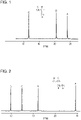
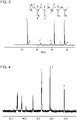
- the ratio of moles of propylene, 1-butene, and ethylene, which are monomers constituting the modified polyolefin resin (A), is determined in accordance with their peak heights of the 13 C NMR spectrum.
- the modified polyolefin resin (A) is as defined in claim 1.
- Examples of the modified polyolefin resin (A) according to the present invention or the present disclosure include copolymers of olefins having 2 to 8 carbon atoms and copolymers of olefins having 2 to 8 carbon atoms and other monomers.
- the modified polyolefin resin (A) according to the present invention has a crystallization peak temperature within the range of 28°C to 38°C.
- the crystallization peak temperature in the present invention refers to the top temperature of a crystallization peak. Melting is performed with the temperature raised and cooling is performed to form a resin, and thereafter, when melting is performed again, such a crystallization peak is obtained.
- the top temperature of a crystallization peak in the present invention is measured by a differential scanning calorimetry method (DSC method).
- polyolefin resins having different crystallization peak temperatures may be used alone or in a combination and are not limited as long as the crystallization peak temperature is within the range of 28°C to 38°C.
- a crystallization peak heat quantity described in, for example, Examples is a value calculated from the area of a crystallization peak. Melting is performed with the temperature raised and cooling is performed to form a resin, and thereafter, when melting is performed again, such a crystallization peak is obtained.
- the modified polyolefin resin (A) according to the present invention contains a modified polyolefin resin having an acid value of 1 to 200 mgKOH/g and/or a modified polyolefin resin having a hydroxyl value of 1 to 200 mgKOH/g.
- the polyolefin resin (A) of the present invention is a modified polyolefin resin obtained by introducing various functional groups (e.g., carboxyl groups and hydroxyl groups) into polyolefin resins, wherein the modified polyolefin resin contains a modified polyolefin resin having an acid value of 1 to 200 mgKOH/g (hereinafter, referred to as an acid-modified polyolefin resin) and/or a modified polyolefin resin having a hydroxyl value of 1 to 200 mgKOH/g (hereinafter, referred to as a hydroxyl group-modified polyolefin resin), because adhesiveness of the metal layer is further improved and electrolyte solution resistance is high.
- various functional groups e.g., carboxyl groups and hydroxyl groups
- the acid-modified polyolefin resin refers to a polyolefin resin having carboxyl groups and carboxylic anhydride groups in the molecule thereof and is synthesized by modifying a polyolefin with an unsaturated carboxylic acid or a derivative of the unsaturated carboxylic acid.
- the method for modification may be graft modification or copolymerization.
- the acid-modified polyolefin resin is a graft modified polyolefin obtained by graft-modifying or copolymerizing an unmodified polyolefin resin with at least one polymerizable ethylenically unsaturated carboxylic acid or a derivative thereof.
- the unmodified polyolefin resin include the above-described polyolefin resins.
- Examples of the ethylenically unsaturated carboxylic acid and derivatives thereof used for graft modification or copolymerization of an unmodified polyolefin resin include acrylic acid, methacrylic acid, maleic acid, itaconic acid, citraconic acid, mesaconic acid, maleic anhydride, 4-methylcyclohex-4-ene-1,2-dicarboxylic anhydride, bicyclo[2.2.2]oct-5-ene-2,3-dicarboxylic anhydride, 1,2,3,4,5,8,9,10-octahydronaphthalene-2,3-dicarboxylic anhydride, 2-octa-1,3-diketospiro[4.4]non-7-ene, bicyclo[2.2.1]hept-5-ene-2,3-dicarboxylic anhydride, maleopimaric acid, tetrahydrophthalic anhydride, methyl-bicyclo[2.2.1]hept-5-ene-2,3-dica
- graft a graft monomer selected from ethylenically unsaturated carboxylic acids and derivatives thereof onto an unmodified polyolefin resin examples include a method including melting a polyolefin resin and adding a graft monomer to the polyolefin resin to cause a grafting reaction; a method including dissolving a polyolefin resin in a solvent to make a solution and adding a graft monomer to the solution to cause a grafting reaction; and a method including mixing a polyolefin resin dissolved in an organic solvent with the unsaturated carboxylic acid, heating the mixture to a temperature equal to or higher than the softening temperature or melting point of the polyolefin resin, and performing a radical polymerization and a hydrogen abstraction reaction simultaneously in a melting state.
- a grafting reaction is preferably performed in the presence of a radical polymerization initiator in order to graft-copolymerize graft monomers efficiently.
- the grafting reaction is typically performed under a condition of 60°C to 350°C.
- the ratio of the radical initiator used respective to 100 parts by mass of an unmodified polyolefin resin is within the range of 0.001 to 1 part by mass.
- a radical initiator may be used in the adhesive according to the present invention.
- Preferred examples of the initiator include, but are not limited to, imidazole-based radical initiators.
- radical initiator examples include triphenylphosphine, 1,8-diazabicyclo(5.4.0)undecene-7(DBU)-phenoxide, and DBU-octylate.
- the hydroxyl group-modified polyolefin resin is a polyolefin resin having hydroxyl groups in the molecule thereof and is synthesized by graft-modifying or copolymerizing a polyolefin with a hydroxyl group-containing (meth)acrylate or a hydroxyl group-containing vinyl ether that will be described later.
- the unmodified polyolefin resin and the method for modification are the same as those for the acid-modified polyolefin resin.
- hydroxyl group-containing (meth)acrylate examples include hydroxyethyl (meth)acrylate; hydroxypropyl (meth)acrylate, glycerol (meth)acrylate; lactone-modified hydroxyethyl (meth)acrylate, polyethylene glycol (meth)acrylate, and polypropylene glycol (meth)acrylate.
- hydroxyl group-containing vinyl ether examples include 2-hydroxyethyl vinyl ether, diethylene glycol monovinyl ether, and 4-hydroxybutyl vinyl ether.
- the epoxy compound (B) is as defined in claim 1.
- Examples of the epoxy compound (B) according to the present invention or the present disclosure include diglycidyl ether-type epoxy resins prepared from ethylene glycol, propylene glycol, hexanediol, neopentyl glycol, trimethylolethane, trimethylolpropane, pentaerythritol, glycerol, diglycerol, sorbitol, spiroglycol, or hydrogenated bisphenol A.
- epoxy compound (B) examples include aromatic epoxy resins, such as diglycidyl ether-type epoxy resins prepared from bisphenol A, bisphenol F, bisphenol S, or bisphenol AD, and novolac-type epoxy resins that are glycidyl ethers of phenol novolac resins and cresol novolac resins; and diglycidyl ether-type epoxy resins prepared from polyols, such as ethylene oxide adducts and propylene oxide adducts of aromatic polyhydroxy compounds.
- aromatic epoxy resins such as diglycidyl ether-type epoxy resins prepared from bisphenol A, bisphenol F, bisphenol S, or bisphenol AD
- novolac-type epoxy resins that are glycidyl ethers of phenol novolac resins and cresol novolac resins
- diglycidyl ether-type epoxy resins prepared from polyols such as ethylene oxide adducts and propylene oxide adducts of aromatic polyhydroxy compounds.
- epoxy compound (B) examples include polyglycidyl ether-type epoxy resins prepared from polyether polyols, such as polyethylene glycol, polypropylene glycol, and polytetramethylene glycol; and alicyclic-type polyepoxy resins prepared from, for example, bis(3,4-epoxycyclohexylmethyl)adipate or 3,4-epoxycyclohexylmethyl-3',4'-epoxycyclohexyl carboxylate.
- polyether polyols such as polyethylene glycol, polypropylene glycol, and polytetramethylene glycol
- alicyclic-type polyepoxy resins prepared from, for example, bis(3,4-epoxycyclohexylmethyl)adipate or 3,4-epoxycyclohexylmethyl-3',4'-epoxycyclohexyl carboxylate.
- epoxy compound (B) examples include polyglycidyl ester-type epoxy resins prepared from polycarboxylic acids, such as propanetricarboxylic acid, butanetetracarboxylic acid, adipic acid, phthalic acid, terephthalic acid, and trimellitic acid; and bisepoxy resins prepared from hydrocarbon-based dienes, such as butadiene, hexadiene, octadiene, dodecadiene, cyclooctadiene, ⁇ -pinene, and vinylcyclohexene.
- polycarboxylic acids such as propanetricarboxylic acid, butanetetracarboxylic acid, adipic acid, phthalic acid, terephthalic acid, and trimellitic acid
- bisepoxy resins prepared from hydrocarbon-based dienes such as butadiene, hexadiene, octadiene, dodecadiene, cyclooctadiene, ⁇ -pin
- epoxy compound (B) examples include epoxy resins prepared from diene polymers, such as polybutadiene and polyisoprene; glycidylamine-type epoxy resins prepared from, for example, tetraglycidyl diaminodiphenylmethane, tetraglycidyl bisaminomethylcyclohexane, diglycidylaniline, or tetraglycidyl-m-xylylenediamine; and epoxy resins having various heterocycles, such as triazine and hydantoin.
- diene polymers such as polybutadiene and polyisoprene
- glycidylamine-type epoxy resins prepared from, for example, tetraglycidyl diaminodiphenylmethane, tetraglycidyl bisaminomethylcyclohexane, diglycidylaniline, or tetraglycidyl-m-xylylenediamine
- aromatic epoxy resins such as bisphenol A-type epoxy resins, are preferably used because good adhesiveness and corrosion resistance are obtained.
- bisphenol A-type epoxy resin examples include "EPICLON 850, 860, 1050, 1055, and 2055” manufactured by DIC CORPORATION and "jER828, 834, 1001, 1002, 1004, and 1007" manufactured by Mitsubishi Chemical Corporation.
- an epoxy resin an essential component of which is an epoxy compound that has two or more epoxy groups per molecule and one or more hydroxyl groups per molecule and that has a weight-average molecular weight of 3000 or less, is used.
- the amount is more than 30 parts by mass, cohesive strength of a coated film is decreased, which is not preferable.
- thermoplastic elastomer such as a known and commonly used thermoplastic elastomer, tackifier, catalyst, phosphate compound, melamine resin, silane coupling agent, or reactive elastomer
- tackifier such as a known and commonly used thermoplastic elastomer, tackifier, catalyst, phosphate compound, melamine resin, silane coupling agent, or reactive elastomer
- the amount of such an additive may appropriately be adjusted as long as the functions of the adhesive according to the present invention are not impaired.
- a laminate according to the present invention is obtained by laminating, by using the laminating adhesive composition according to the present invention, a metal layer, such as an aluminum foil, a polyolefin sheet, such as a polyethylene sheet or a polypropylene sheet, and one or more types of plastic layers, for example, a polyester layer, such as a polyethylene terephthalate layer.
- a metal layer such as an aluminum foil
- a polyolefin sheet such as a polyethylene sheet or a polypropylene sheet
- plastic layers for example, a polyester layer, such as a polyethylene terephthalate layer.
- the laminating adhesive composition according to the present invention is dissolved/dispersed at any ratio in an appropriate solvent or dispersant, such as an ester-based solvent, a ketone-based solvent, or an solvent of an aromatic hydrocarbon, an aliphatic hydrocarbon, or an alicyclic hydrocarbon, applied to a metal foil by a known applying method, such as roll coating, gravure coating, or bar coating, and dried to form an adhesive layer.
- an appropriate solvent or dispersant such as an ester-based solvent, a ketone-based solvent, or an solvent of an aromatic hydrocarbon, an aliphatic hydrocarbon, or an alicyclic hydrocarbon
- the dry application weight of the laminating adhesive composition according to the present invention is preferably within the range of 0.5 to 20.0 g/m 2 .
- a dry application weight of less than 0.5 g/m 2 causes deterioration of continuous and uniform application.
- a dry application weight of more than 20.0 g/m 2 causes deterioration of ease of removing solvent after application and leads to tremendous deterioration of workability, and the remaining solvent causes some problems.
- the laminate according to the present invention is obtained by applying the laminating adhesive composition according to the present invention to one side of a metal foil, layering a plastic layer on the applied laminating adhesive composition, and bonding the layer by dry lamination.
- the temperature of the laminate roller is preferably about room temperature to 120°C, and the pressure thereof is preferably about 3 to 300 kg/cm 2 .
- aging is preferably performed.
- the conditions of the aging are as follows.
- the preferable temperature is 25°C to 80°C, and the time is 12 to 240 hours. While aging is performed, adhesive strength is generated.
- the laminate according to the present invention may be used as an electrolyte solution sealing film or an electrode protective film of primary or secondary batteries.
- the laminate is used with the plastic layer in contact with a polar organic solvent and/or a salt.
- the laminate is suitably used as an electrolyte solution sealing film or an electrode protective film of secondary batteries, particularly such as a nonaqueous electrolyte battery and a solid battery, when used in contact with a nonaqueous electrolyte containing a polar organic solvent and a salt.
- the laminate may be heat-sealed with the plastic layer folded inward to be used as a sealing bag for batteries.
- the adhesive used in the present invention has excellent heat-sealing properties, thereby preventing leakage of a nonaqueous electrolyte and leading to long-term use of batteries.
- polar organic solvent examples include polar aprotic solvents, such as alkyl carbonates, esters, and ketones. Specific examples include ethylene carbonate, propylene carbonate, butylene carbonate, dimethyl carbonate, ethyl methyl carbonate, diethyl carbonate, ⁇ -butyrolactone, 1,2-dimethoxyethane, tetrahydrofuran, 2-methyltetrahydrofuran, 1,3-dioxolane, 4-methyl-1,3-dioxolane, methyl formate, 4-methyl-1,3-dioxomethyl formate, methyl acetate, and methyl propionate.
- polar aprotic solvents such as alkyl carbonates, esters, and ketones. Specific examples include ethylene carbonate, propylene carbonate, butylene carbonate, dimethyl carbonate, ethyl methyl carbonate, diethyl carbonate, ⁇ -butyrolactone, 1,2-dimethoxyethane, t
- the salt examples include alkali metal salts, such as lithium salts, sodium salts, and potassium salts.
- Lithium salts such as LiPF 6 , LiBF 4 , and Li-imide, are typically used for batteries.
- the nonaqueous electrolyte is prepared by dissolving 0.5 to 3 mmol of the alkali metal salt in a polar aprotic organic solvent, such as a cyclic carbonate, a chain carbonate, or a mixture thereof.
- a polar aprotic organic solvent such as a cyclic carbonate, a chain carbonate, or a mixture thereof.
- the laminate according to the present invention When the laminate according to the present invention is used in contact with the polar solvent and/or the salt, particularly, with a nonaqueous electrolyte that is a mixture of the polar solvent and the salt, delamination between layers, such as a metal layer, an adhesive layer, and a plastic layer, does not occur, and thus the laminate can be used for a long term.
- a secondary battery according to the present invention is a battery including a battery electrolyte solution sealing film formed of the laminate or a battery electrode protective film formed of the laminate.
- delamination between layers does not occur in the film, and leakage of the nonaqueous electrolyte is prevented.
- the secondary battery is stably used for a long term.
- the laminate according to the present invention has high adhesive strength between a metal layer and a plastic layer and high resistance to a polar organic solvent or a salt. Even when the laminate is in contact with a nonaqueous electrolyte or the like, delamination between layers does not occur.
- a battery including a battery electrolyte solution sealing film formed of the laminate or a battery electrode protective film formed of the laminate and a secondary battery including a secondary battery electrolyte solution sealing film formed of the laminate or a secondary battery electrode protective film formed of the laminate are stably used for a long term.
- Parts refers to parts by mass.
- a hundred parts of HARDLEN NS-2002, 0.01 parts of CUREZOL 2E4MZ, and 0.5 parts of Denacol EX-321 were placed and stirred well, and 5 g/m 2 (dry) of the mixture was applied to an aluminum foil by using a bar coater. After dried at 80°C for 1 min, the aluminum foil was bonded to a CPP film at 100°C to produce a coated product. Then, after aging was performed at 60°C for five days, the initial adhesive strength was measured.
- each laminate was produced by a method the same as the method for producing a laminate 1.
- a sample was cut so as to have a width of 15 mm, and 180°C peel strength (180°CN/15 mm) was measured by using TENSILON (manufactured by A&D Company, Limited).
- the crystallization peak temperature and the crystallization peak heat quantity were measured under the following conditions.
- Example 1 Example 2
- Example 3 Example 4
- Example 5 HARDLEN NS-2002 100.0 100.0 100.0 100.0 GMP5070E 20.0 CUREZOL 2E4MZ 0.01 Triphenylphosphine 0.1 0.05 U-CAT SA 1 0.05 U-CAT SA 102 0.05 FTR-8120 0.2 0.2 0.2 Denacol EX-321 0.5 0.2 0.2 0.7 0.4 EPICLON 860 0.2 0.2 0.4 Initial adhesive strength (180° N/15 mm) 13.8 15.5 12.3 15.0 11.2 Electrolyte solution resistance (Retention percentage) Good Good Good Good Good Good Good Good Good Good HARDLEN NS-2002 (manufactured by TOYOBO Co., Ltd.), modified polyolefin resin, non-volatile content 20%, crystallization peak temperature 36.1°C, crystallization peak heat quantity 20.2 mj/mg (refer to the NMR chart in Fig.
- CUREZOL 2E4MZ manufactured by SHIKOKU CHEMICALS CORPORATION
- imidazole non-volatile content 100% U-CAT SA 1 (manufactured by San-Apro Ltd.)
- DBU-phenoxide non-volatile content 100% U-CAT SA 102 (manufactured by San-Apro Ltd.)
- DBU-octylate non-volatile content 100% FTR-8120 (manufactured by Mitsui Chemicals, Inc.), tackifier, non-volatile content 100% Denacol EX-321 (manufactured by Nagase ChemteX Corporation), epoxy resin, epoxy equivalent 140, non-volatile content 100% EPICLON 860 (manufactured by DIC Corporation), bisphenol A-type epoxy resin, epoxy equivalent 240, non-volatile content 100%
- CUREZOL 2E4MZ manufactured by SHIKOKU CHEMICALS CORPORATION
- imidazole non-volatile content 100%
- U-CAT SA 1 manufactured by San-Apro Ltd.
- DBU-phenoxide non-volatile content 100% Denacol EX-321 (manufactured by Nagase ChemteX Corporation)
- epoxy resin epoxy equivalent 140, non-volatile content 100% EPICLON 860 (manufactured by DIC CORPORATION), bisphenol A-type epoxy resin, epoxy equivalent 240, non-volatile content 100%
- HARDLEN NS-2002 and GMP5070E which were each used as the polyolefin resin (A) in Examples, propylene and 1-butene are the main monomers.
- HARDLEN NS-2002 and GMP5070E have a crystallization peak temperature within the range of 28°C to 38°C.
- the laminate obtained by using the present adhesive has high initial adhesive strength and high electrolyte solution resistance (retention percentage).
- the laminating adhesive according to the present invention has excellent adhesion between a metal layer and a plastic layer and electrolyte solution resistance even after low-temperature aging, and the retention percentage of the resistance is high.
- a laminate obtained by using the present adhesive has electrolyte solution resistance even after low-temperature aging, and delamination between layers does not occur over time. Therefore, the laminate is suitably used as a laminate for secondary batteries.
Landscapes
- Chemical & Material Sciences (AREA)
- Chemical Kinetics & Catalysis (AREA)
- General Chemical & Material Sciences (AREA)
- Electrochemistry (AREA)
- Organic Chemistry (AREA)
- Inorganic Chemistry (AREA)
- Laminated Bodies (AREA)
- Sealing Battery Cases Or Jackets (AREA)
- Adhesives Or Adhesive Processes (AREA)
Claims (6)
- Laminierklebstoff, der ein modifiziertes Polyolefinharz (A) und eine Epoxidverbindung (B) umfasst,wobei das modifizierte Polyolefinharz (A) ein Polymer aus Monomeren ist, die Propylen und 1-Buten enthalten und in dem die Gesamtzahl der Mole von Propylen und 1-Buten 50 % oder mehr beträgt, und eine Kristallisationspeaktemperatur innerhalb eines Bereichs von 28°C bis 38°C aufweist,wobei die Kristallisationspeaktemperatur eine Spitzentemperatur eines Kristallisationspeaks ist, der erhalten wird, wenn das modifizierte Polyolefinharz zum Schmelzen erhitzt, zur Bildung eines Harzes abgekühlt und dann wieder erhitzt wird,wobei die Wiedererhitzung unter Verwendung von Hitachi High-Technologies Corporation/X-DSC7000 unter Bedingungen von 30°C (0 min) → -10°C/min → -80°C (0 min) → 10°C/min → 200°C durchgeführt wird,wobei 0,01 bis 30 Massenteile der Epoxidverbindung (B) auf 100 Massenteile des modifizierten Polyolefinharzes (A) gemischt werden,wobei das modifizierte Polyolefinharz (A) ein modifiziertes Polyolefinharz mit einer Säurezahl von 1 bis 200 mgKOH/g und/oder ein modifiziertes Polyolefinharz mit einer Hydroxylzahl von 1 bis 200 mgKOH/g enthält undwobei ein wesentlicher Bestandteil der Epoxyverbindung (B) eine Epoxyverbindung ist, die zwei oder mehr Epoxygruppen pro Molekül und eine oder mehr Hydroxylgruppen pro Molekül aufweist und die ein gewichtsmittleres Molekulargewicht von 3000 oder weniger hat.
- Laminierklebstoff nach Anspruch 1, der ferner ein thermoplastisches Elastomer, einen Klebrigmacher, einen Katalysator, eine Phosphatverbindung, ein Melaminharz, ein Silan-Kupplungsmittel oder ein reaktives Elastomer enthält.
- Laminat, das den Laminierklebstoff nach einem der Ansprüche 1 bis 2 zwischen einer Metallschicht und einer Polyolefinharzschicht enthält.
- Verfahren zur Herstellung des Laminats nach Anspruch 3, wobei das Verfahren die Durchführung einer Alterung in einem Bereich von 25°C bis 80°C umfasst.
- Sekundärbatterie, umfassend das Laminat nach Anspruch 3 oder ein durch das Verfahren nach Anspruch 4 erhaltenes Laminat, wobei das Laminat als Elektrolytlösungsversiegelungsfilm oder als Elektrodenschutzfilm verwendet wird.
- Verwendung eines nach dem Verfahren nach Anspruch 4 erhaltenen Laminats als Elektrolytlösungsversiegelungsfilm oder als Elektrodenschutzfilm.
Priority Applications (1)
| Application Number | Priority Date | Filing Date | Title |
|---|---|---|---|
| RS20230257A RS64098B1 (sr) | 2016-05-10 | 2016-05-10 | Adheziv za laminiranje, slojevito telo u kome se on koristi i sekundarna baterija |
Applications Claiming Priority (1)
| Application Number | Priority Date | Filing Date | Title |
|---|---|---|---|
| PCT/JP2016/063838 WO2017195266A1 (ja) | 2016-05-10 | 2016-05-10 | ラミネート用接着剤、それを用いた積層体、及び二次電池 |
Publications (3)
| Publication Number | Publication Date |
|---|---|
| EP3456793A1 EP3456793A1 (de) | 2019-03-20 |
| EP3456793A4 EP3456793A4 (de) | 2020-01-08 |
| EP3456793B1 true EP3456793B1 (de) | 2023-01-04 |
Family
ID=58095219
Family Applications (1)
| Application Number | Title | Priority Date | Filing Date |
|---|---|---|---|
| EP16901615.1A Active EP3456793B1 (de) | 2016-05-10 | 2016-05-10 | Klebstoff für laminate, schichtkörper mit verwendung davon und sekundärbatterie |
Country Status (7)
| Country | Link |
|---|---|
| US (1) | US11063315B2 (de) |
| EP (1) | EP3456793B1 (de) |
| JP (1) | JP6083493B1 (de) |
| KR (1) | KR102400950B1 (de) |
| CN (1) | CN108884367B (de) |
| RS (1) | RS64098B1 (de) |
| WO (1) | WO2017195266A1 (de) |
Families Citing this family (5)
| Publication number | Priority date | Publication date | Assignee | Title |
|---|---|---|---|---|
| JP6937594B2 (ja) * | 2017-03-23 | 2021-09-22 | 日鉄ケミカル&マテリアル株式会社 | 炭素繊維強化樹脂組成物用の密着性付与剤 |
| TWI785173B (zh) * | 2017-12-26 | 2022-12-01 | 日商迪愛生股份有限公司 | 接著劑、積層體、電池用包裝材料及電池 |
| EP3778819B1 (de) * | 2018-03-30 | 2024-02-21 | TOYOBO MC Corporation | Polyolefinbasierte haftzusammensetzung |
| JP7254670B2 (ja) * | 2019-09-26 | 2023-04-10 | 東洋紡株式会社 | 積層体 |
| KR20250075804A (ko) * | 2023-11-21 | 2025-05-29 | 동우 화인켐 주식회사 | 저유전 접착제 조성물 및 이를 이용한 연성 금속 적층체 |
Family Cites Families (17)
| Publication number | Priority date | Publication date | Assignee | Title |
|---|---|---|---|---|
| JP3184725B2 (ja) | 1995-01-19 | 2001-07-09 | 昭和電工株式会社 | 接着性樹脂組成物ならびにその積層体およびその製造方法 |
| JP3562129B2 (ja) | 1996-04-19 | 2004-09-08 | 住友電気工業株式会社 | 非水電解質電池用封入袋及びリード線 |
| DE102005037713A1 (de) | 2005-08-10 | 2007-03-01 | Daimlerchrysler Ag | Antriebsstrang für ein Kraftfahrzeug sowie Verfahren zum Betreiben eines Antriebsstranges |
| JP2010277959A (ja) | 2009-06-01 | 2010-12-09 | Unitika Ltd | 二次電池電極用バインダー用樹脂組成物、二次電池電極用バインダー、二次電池電極用バインダーを用いてなる電極及び二次電池 |
| KR101800567B1 (ko) | 2013-11-05 | 2017-11-22 | 미쓰이 가가쿠 가부시키가이샤 | 변성 프로필렌·α-올레핀 공중합체와 그의 제조 방법, 그것을 포함하는 코팅재, 성형용 수지 조성물 및 핫 멜트 조성물 |
| US10072143B2 (en) | 2013-12-04 | 2018-09-11 | Unitika Ltd. | Aqueous polyolefin resin dispersion |
| WO2015190411A1 (ja) | 2014-06-11 | 2015-12-17 | 東洋紡株式会社 | ポリオレフィン系接着剤組成物 |
| JP6386278B2 (ja) * | 2014-07-09 | 2018-09-05 | マクセルホールディングス株式会社 | 透明遮熱断熱部材及びその製造方法 |
| JP5700166B1 (ja) | 2014-08-01 | 2015-04-15 | 東洋インキScホールディングス株式会社 | 接着剤組成物、積層体、蓄電デバイス用包装材、蓄電デバイス用容器および蓄電デバイス |
| BR112017002151A2 (pt) * | 2014-08-05 | 2018-07-03 | Gen Cable Technologies Corp | revestimentos de fluoro copolímeros para condutores aéreos |
| KR102178215B1 (ko) * | 2014-08-27 | 2020-11-12 | 도요보 가부시키가이샤 | 저유전 접착제 조성물 |
| EP3196266A4 (de) * | 2014-09-17 | 2018-05-02 | DIC Corporation | Kaschierklebstoff, stapel damit und sekundärbatterie |
| CN111196066B (zh) * | 2014-09-24 | 2022-05-10 | 东亚合成株式会社 | 粘接剂组合物和使用了其的带有粘接剂层的层叠体 |
| JPWO2016075975A1 (ja) * | 2014-11-14 | 2017-04-27 | Dic株式会社 | ラミネート用接着剤、それを用いた積層体、及び二次電池 |
| JP5900680B1 (ja) * | 2015-03-25 | 2016-04-06 | 東洋インキScホールディングス株式会社 | 接着剤組成物、積層体、蓄電デバイス用包装材、蓄電デバイス用容器および蓄電デバイス |
| CN107922806B (zh) * | 2015-08-28 | 2020-06-26 | Dic株式会社 | 层压用粘接剂、多层膜和使用了其的二次电池 |
| JPWO2017187904A1 (ja) * | 2016-04-27 | 2018-05-17 | Dic株式会社 | ラミネート用接着剤組成物、積層体、及び二次電池 |
-
2016
- 2016-05-10 JP JP2016547191A patent/JP6083493B1/ja active Active
- 2016-05-10 KR KR1020187031634A patent/KR102400950B1/ko active Active
- 2016-05-10 US US16/096,050 patent/US11063315B2/en active Active
- 2016-05-10 RS RS20230257A patent/RS64098B1/sr unknown
- 2016-05-10 EP EP16901615.1A patent/EP3456793B1/de active Active
- 2016-05-10 WO PCT/JP2016/063838 patent/WO2017195266A1/ja not_active Ceased
- 2016-05-10 CN CN201680084487.3A patent/CN108884367B/zh active Active
Also Published As
| Publication number | Publication date |
|---|---|
| KR102400950B1 (ko) | 2022-05-23 |
| US20190131595A1 (en) | 2019-05-02 |
| JPWO2017195266A1 (ja) | 2018-05-24 |
| CN108884367A (zh) | 2018-11-23 |
| WO2017195266A1 (ja) | 2017-11-16 |
| RS64098B1 (sr) | 2023-04-28 |
| EP3456793A4 (de) | 2020-01-08 |
| EP3456793A1 (de) | 2019-03-20 |
| KR20190005849A (ko) | 2019-01-16 |
| US11063315B2 (en) | 2021-07-13 |
| CN108884367B (zh) | 2021-03-12 |
| JP6083493B1 (ja) | 2017-02-22 |
Similar Documents
| Publication | Publication Date | Title |
|---|---|---|
| KR101925264B1 (ko) | 라미네이트용 접착제, 그것을 사용한 적층체 및 이차 전지 | |
| JP5664836B2 (ja) | ラミネート用接着剤、これを用いた積層体及び二次電池 | |
| TWI725203B (zh) | 積層用接著劑組成物、積層體、及二次電池 | |
| CN108368402B (zh) | 层压用粘接剂组合物、层叠体和二次电池 | |
| CN107922806B (zh) | 层压用粘接剂、多层膜和使用了其的二次电池 | |
| US11063315B2 (en) | Laminating adhesive, laminate using the same, and secondary battery | |
| CN111479889A (zh) | 粘接剂、层叠体、电池用包装材料以及电池 | |
| JP2015059200A (ja) | ラミネート積層体用接着剤組成物、これを使用した積層体、および二次電池 | |
| US10471682B2 (en) | Adhesive composition and laminate with adhesive layer using same | |
| WO2016075975A1 (ja) | ラミネート用接着剤、それを用いた積層体、及び二次電池 | |
| TWI701862B (zh) | 積層用接著劑、使用其之積層體與其製造方法、及二次電池與其製造方法 |
Legal Events
| Date | Code | Title | Description |
|---|---|---|---|
| STAA | Information on the status of an ep patent application or granted ep patent |
Free format text: STATUS: THE INTERNATIONAL PUBLICATION HAS BEEN MADE |
|
| PUAI | Public reference made under article 153(3) epc to a published international application that has entered the european phase |
Free format text: ORIGINAL CODE: 0009012 |
|
| STAA | Information on the status of an ep patent application or granted ep patent |
Free format text: STATUS: REQUEST FOR EXAMINATION WAS MADE |
|
| 17P | Request for examination filed |
Effective date: 20181015 |
|
| AK | Designated contracting states |
Kind code of ref document: A1 Designated state(s): AL AT BE BG CH CY CZ DE DK EE ES FI FR GB GR HR HU IE IS IT LI LT LU LV MC MK MT NL NO PL PT RO RS SE SI SK SM TR |
|
| AX | Request for extension of the european patent |
Extension state: BA ME |
|
| DAV | Request for validation of the european patent (deleted) | ||
| DAX | Request for extension of the european patent (deleted) | ||
| A4 | Supplementary search report drawn up and despatched |
Effective date: 20191205 |
|
| RIC1 | Information provided on ipc code assigned before grant |
Ipc: C09J 123/20 20060101AFI20191130BHEP Ipc: C09J 11/06 20060101ALI20191130BHEP Ipc: C09J 151/06 20060101ALI20191130BHEP Ipc: B32B 15/085 20060101ALI20191130BHEP Ipc: C09J 163/00 20060101ALI20191130BHEP Ipc: B32B 7/12 20060101ALI20191130BHEP Ipc: B32B 15/092 20060101ALI20191130BHEP Ipc: C08L 63/00 20060101ALI20191130BHEP Ipc: H01M 2/02 20060101ALI20191130BHEP Ipc: C09J 123/28 20060101ALI20191130BHEP |
|
| STAA | Information on the status of an ep patent application or granted ep patent |
Free format text: STATUS: EXAMINATION IS IN PROGRESS |
|
| 17Q | First examination report despatched |
Effective date: 20210923 |
|
| GRAP | Despatch of communication of intention to grant a patent |
Free format text: ORIGINAL CODE: EPIDOSNIGR1 |
|
| STAA | Information on the status of an ep patent application or granted ep patent |
Free format text: STATUS: GRANT OF PATENT IS INTENDED |
|
| RIC1 | Information provided on ipc code assigned before grant |
Ipc: H01M 50/119 20210101ALI20220706BHEP Ipc: H01M 50/105 20210101ALI20220706BHEP Ipc: B32B 15/092 20060101ALI20220706BHEP Ipc: B32B 15/085 20060101ALI20220706BHEP Ipc: B32B 7/12 20060101ALI20220706BHEP Ipc: C08L 63/00 20060101ALI20220706BHEP Ipc: C09J 163/00 20060101ALI20220706BHEP Ipc: C09J 11/06 20060101ALI20220706BHEP Ipc: C09J 151/06 20060101ALI20220706BHEP Ipc: C09J 123/28 20060101ALI20220706BHEP Ipc: C09J 123/20 20060101AFI20220706BHEP |
|
| INTG | Intention to grant announced |
Effective date: 20220804 |
|
| RIN1 | Information on inventor provided before grant (corrected) |
Inventor name: KOUYAMA, TATSUYA Inventor name: MATSUO, TAKATOSHI Inventor name: NAKAMURA, HIDEMI |
|
| GRAS | Grant fee paid |
Free format text: ORIGINAL CODE: EPIDOSNIGR3 |
|
| GRAA | (expected) grant |
Free format text: ORIGINAL CODE: 0009210 |
|
| STAA | Information on the status of an ep patent application or granted ep patent |
Free format text: STATUS: THE PATENT HAS BEEN GRANTED |
|
| AK | Designated contracting states |
Kind code of ref document: B1 Designated state(s): AL AT BE BG CH CY CZ DE DK EE ES FI FR GB GR HR HU IE IS IT LI LT LU LV MC MK MT NL NO PL PT RO RS SE SI SK SM TR |
|
| REG | Reference to a national code |
Ref country code: GB Ref legal event code: FG4D |
|
| REG | Reference to a national code |
Ref country code: DE Ref legal event code: R096 Ref document number: 602016077350 Country of ref document: DE |
|
| REG | Reference to a national code |
Ref country code: CH Ref legal event code: EP |
|
| REG | Reference to a national code |
Ref country code: AT Ref legal event code: REF Ref document number: 1541930 Country of ref document: AT Kind code of ref document: T Effective date: 20230115 |
|
| REG | Reference to a national code |
Ref country code: IE Ref legal event code: FG4D |
|
| REG | Reference to a national code |
Ref country code: LT Ref legal event code: MG9D |
|
| REG | Reference to a national code |
Ref country code: NL Ref legal event code: MP Effective date: 20230104 |
|
| P01 | Opt-out of the competence of the unified patent court (upc) registered |
Effective date: 20230324 |
|
| REG | Reference to a national code |
Ref country code: AT Ref legal event code: MK05 Ref document number: 1541930 Country of ref document: AT Kind code of ref document: T Effective date: 20230104 |
|
| PG25 | Lapsed in a contracting state [announced via postgrant information from national office to epo] |
Ref country code: NL Free format text: LAPSE BECAUSE OF FAILURE TO SUBMIT A TRANSLATION OF THE DESCRIPTION OR TO PAY THE FEE WITHIN THE PRESCRIBED TIME-LIMIT Effective date: 20230104 |
|
| PG25 | Lapsed in a contracting state [announced via postgrant information from national office to epo] |
Ref country code: PT Free format text: LAPSE BECAUSE OF FAILURE TO SUBMIT A TRANSLATION OF THE DESCRIPTION OR TO PAY THE FEE WITHIN THE PRESCRIBED TIME-LIMIT Effective date: 20230504 Ref country code: NO Free format text: LAPSE BECAUSE OF FAILURE TO SUBMIT A TRANSLATION OF THE DESCRIPTION OR TO PAY THE FEE WITHIN THE PRESCRIBED TIME-LIMIT Effective date: 20230404 Ref country code: LV Free format text: LAPSE BECAUSE OF FAILURE TO SUBMIT A TRANSLATION OF THE DESCRIPTION OR TO PAY THE FEE WITHIN THE PRESCRIBED TIME-LIMIT Effective date: 20230104 Ref country code: LT Free format text: LAPSE BECAUSE OF FAILURE TO SUBMIT A TRANSLATION OF THE DESCRIPTION OR TO PAY THE FEE WITHIN THE PRESCRIBED TIME-LIMIT Effective date: 20230104 Ref country code: HR Free format text: LAPSE BECAUSE OF FAILURE TO SUBMIT A TRANSLATION OF THE DESCRIPTION OR TO PAY THE FEE WITHIN THE PRESCRIBED TIME-LIMIT Effective date: 20230104 Ref country code: ES Free format text: LAPSE BECAUSE OF FAILURE TO SUBMIT A TRANSLATION OF THE DESCRIPTION OR TO PAY THE FEE WITHIN THE PRESCRIBED TIME-LIMIT Effective date: 20230104 Ref country code: AT Free format text: LAPSE BECAUSE OF FAILURE TO SUBMIT A TRANSLATION OF THE DESCRIPTION OR TO PAY THE FEE WITHIN THE PRESCRIBED TIME-LIMIT Effective date: 20230104 |
|
| PG25 | Lapsed in a contracting state [announced via postgrant information from national office to epo] |
Ref country code: SE Free format text: LAPSE BECAUSE OF FAILURE TO SUBMIT A TRANSLATION OF THE DESCRIPTION OR TO PAY THE FEE WITHIN THE PRESCRIBED TIME-LIMIT Effective date: 20230104 Ref country code: PL Free format text: LAPSE BECAUSE OF FAILURE TO SUBMIT A TRANSLATION OF THE DESCRIPTION OR TO PAY THE FEE WITHIN THE PRESCRIBED TIME-LIMIT Effective date: 20230104 Ref country code: IS Free format text: LAPSE BECAUSE OF FAILURE TO SUBMIT A TRANSLATION OF THE DESCRIPTION OR TO PAY THE FEE WITHIN THE PRESCRIBED TIME-LIMIT Effective date: 20230504 Ref country code: GR Free format text: LAPSE BECAUSE OF FAILURE TO SUBMIT A TRANSLATION OF THE DESCRIPTION OR TO PAY THE FEE WITHIN THE PRESCRIBED TIME-LIMIT Effective date: 20230405 Ref country code: FI Free format text: LAPSE BECAUSE OF FAILURE TO SUBMIT A TRANSLATION OF THE DESCRIPTION OR TO PAY THE FEE WITHIN THE PRESCRIBED TIME-LIMIT Effective date: 20230104 |
|
| REG | Reference to a national code |
Ref country code: DE Ref legal event code: R097 Ref document number: 602016077350 Country of ref document: DE |
|
| PG25 | Lapsed in a contracting state [announced via postgrant information from national office to epo] |
Ref country code: SM Free format text: LAPSE BECAUSE OF FAILURE TO SUBMIT A TRANSLATION OF THE DESCRIPTION OR TO PAY THE FEE WITHIN THE PRESCRIBED TIME-LIMIT Effective date: 20230104 Ref country code: RO Free format text: LAPSE BECAUSE OF FAILURE TO SUBMIT A TRANSLATION OF THE DESCRIPTION OR TO PAY THE FEE WITHIN THE PRESCRIBED TIME-LIMIT Effective date: 20230104 Ref country code: EE Free format text: LAPSE BECAUSE OF FAILURE TO SUBMIT A TRANSLATION OF THE DESCRIPTION OR TO PAY THE FEE WITHIN THE PRESCRIBED TIME-LIMIT Effective date: 20230104 Ref country code: DK Free format text: LAPSE BECAUSE OF FAILURE TO SUBMIT A TRANSLATION OF THE DESCRIPTION OR TO PAY THE FEE WITHIN THE PRESCRIBED TIME-LIMIT Effective date: 20230104 Ref country code: CZ Free format text: LAPSE BECAUSE OF FAILURE TO SUBMIT A TRANSLATION OF THE DESCRIPTION OR TO PAY THE FEE WITHIN THE PRESCRIBED TIME-LIMIT Effective date: 20230104 |
|
| PLBE | No opposition filed within time limit |
Free format text: ORIGINAL CODE: 0009261 |
|
| STAA | Information on the status of an ep patent application or granted ep patent |
Free format text: STATUS: NO OPPOSITION FILED WITHIN TIME LIMIT |
|
| PG25 | Lapsed in a contracting state [announced via postgrant information from national office to epo] |
Ref country code: SK Free format text: LAPSE BECAUSE OF FAILURE TO SUBMIT A TRANSLATION OF THE DESCRIPTION OR TO PAY THE FEE WITHIN THE PRESCRIBED TIME-LIMIT Effective date: 20230104 |
|
| REG | Reference to a national code |
Ref country code: DE Ref legal event code: R119 Ref document number: 602016077350 Country of ref document: DE |
|
| 26N | No opposition filed |
Effective date: 20231005 |
|
| REG | Reference to a national code |
Ref country code: CH Ref legal event code: PL |
|
| PG25 | Lapsed in a contracting state [announced via postgrant information from national office to epo] |
Ref country code: MC Free format text: LAPSE BECAUSE OF FAILURE TO SUBMIT A TRANSLATION OF THE DESCRIPTION OR TO PAY THE FEE WITHIN THE PRESCRIBED TIME-LIMIT Effective date: 20230104 |
|
| GBPC | Gb: european patent ceased through non-payment of renewal fee |
Effective date: 20230510 |
|
| REG | Reference to a national code |
Ref country code: BE Ref legal event code: MM Effective date: 20230531 |
|
| PG25 | Lapsed in a contracting state [announced via postgrant information from national office to epo] |
Ref country code: SI Free format text: LAPSE BECAUSE OF FAILURE TO SUBMIT A TRANSLATION OF THE DESCRIPTION OR TO PAY THE FEE WITHIN THE PRESCRIBED TIME-LIMIT Effective date: 20230104 Ref country code: MC Free format text: LAPSE BECAUSE OF FAILURE TO SUBMIT A TRANSLATION OF THE DESCRIPTION OR TO PAY THE FEE WITHIN THE PRESCRIBED TIME-LIMIT Effective date: 20230104 Ref country code: LU Free format text: LAPSE BECAUSE OF NON-PAYMENT OF DUE FEES Effective date: 20230510 Ref country code: LI Free format text: LAPSE BECAUSE OF NON-PAYMENT OF DUE FEES Effective date: 20230531 Ref country code: CH Free format text: LAPSE BECAUSE OF NON-PAYMENT OF DUE FEES Effective date: 20230531 |
|
| REG | Reference to a national code |
Ref country code: IE Ref legal event code: MM4A |
|
| PG25 | Lapsed in a contracting state [announced via postgrant information from national office to epo] |
Ref country code: IE Free format text: LAPSE BECAUSE OF NON-PAYMENT OF DUE FEES Effective date: 20230510 |
|
| PG25 | Lapsed in a contracting state [announced via postgrant information from national office to epo] |
Ref country code: IE Free format text: LAPSE BECAUSE OF NON-PAYMENT OF DUE FEES Effective date: 20230510 Ref country code: DE Free format text: LAPSE BECAUSE OF NON-PAYMENT OF DUE FEES Effective date: 20231201 Ref country code: GB Free format text: LAPSE BECAUSE OF NON-PAYMENT OF DUE FEES Effective date: 20230510 |
|
| PG25 | Lapsed in a contracting state [announced via postgrant information from national office to epo] |
Ref country code: IT Free format text: LAPSE BECAUSE OF FAILURE TO SUBMIT A TRANSLATION OF THE DESCRIPTION OR TO PAY THE FEE WITHIN THE PRESCRIBED TIME-LIMIT Effective date: 20230104 Ref country code: FR Free format text: LAPSE BECAUSE OF NON-PAYMENT OF DUE FEES Effective date: 20230531 Ref country code: BE Free format text: LAPSE BECAUSE OF NON-PAYMENT OF DUE FEES Effective date: 20230531 |
|
| PG25 | Lapsed in a contracting state [announced via postgrant information from national office to epo] |
Ref country code: BG Free format text: LAPSE BECAUSE OF FAILURE TO SUBMIT A TRANSLATION OF THE DESCRIPTION OR TO PAY THE FEE WITHIN THE PRESCRIBED TIME-LIMIT Effective date: 20230104 |
|
| PG25 | Lapsed in a contracting state [announced via postgrant information from national office to epo] |
Ref country code: BG Free format text: LAPSE BECAUSE OF FAILURE TO SUBMIT A TRANSLATION OF THE DESCRIPTION OR TO PAY THE FEE WITHIN THE PRESCRIBED TIME-LIMIT Effective date: 20230104 |
|
| PGFP | Annual fee paid to national office [announced via postgrant information from national office to epo] |
Ref country code: RS Payment date: 20250430 Year of fee payment: 10 |
|
| PG25 | Lapsed in a contracting state [announced via postgrant information from national office to epo] |
Ref country code: CY Free format text: LAPSE BECAUSE OF FAILURE TO SUBMIT A TRANSLATION OF THE DESCRIPTION OR TO PAY THE FEE WITHIN THE PRESCRIBED TIME-LIMIT; INVALID AB INITIO Effective date: 20160510 |
|
| PG25 | Lapsed in a contracting state [announced via postgrant information from national office to epo] |
Ref country code: HU Free format text: LAPSE BECAUSE OF FAILURE TO SUBMIT A TRANSLATION OF THE DESCRIPTION OR TO PAY THE FEE WITHIN THE PRESCRIBED TIME-LIMIT; INVALID AB INITIO Effective date: 20160510 |
|
| PG25 | Lapsed in a contracting state [announced via postgrant information from national office to epo] |
Ref country code: TR Free format text: LAPSE BECAUSE OF FAILURE TO SUBMIT A TRANSLATION OF THE DESCRIPTION OR TO PAY THE FEE WITHIN THE PRESCRIBED TIME-LIMIT Effective date: 20230104 |