EP3450867B1 - Klimaanlage - Google Patents
Klimaanlage Download PDFInfo
- Publication number
- EP3450867B1 EP3450867B1 EP16900465.2A EP16900465A EP3450867B1 EP 3450867 B1 EP3450867 B1 EP 3450867B1 EP 16900465 A EP16900465 A EP 16900465A EP 3450867 B1 EP3450867 B1 EP 3450867B1
- Authority
- EP
- European Patent Office
- Prior art keywords
- correction value
- rotational speed
- acquisition unit
- temperature
- unit
- Prior art date
- Legal status (The legal status is an assumption and is not a legal conclusion. Google has not performed a legal analysis and makes no representation as to the accuracy of the status listed.)
- Active
Links
Images




Classifications
-
- F—MECHANICAL ENGINEERING; LIGHTING; HEATING; WEAPONS; BLASTING
- F24—HEATING; RANGES; VENTILATING
- F24F—AIR-CONDITIONING; AIR-HUMIDIFICATION; VENTILATION; USE OF AIR CURRENTS FOR SCREENING
- F24F11/00—Control or safety arrangements
- F24F11/30—Control or safety arrangements for purposes related to the operation of the system, e.g. for safety or monitoring
- F24F11/46—Improving electric energy efficiency or saving
-
- F—MECHANICAL ENGINEERING; LIGHTING; HEATING; WEAPONS; BLASTING
- F24—HEATING; RANGES; VENTILATING
- F24F—AIR-CONDITIONING; AIR-HUMIDIFICATION; VENTILATION; USE OF AIR CURRENTS FOR SCREENING
- F24F11/00—Control or safety arrangements
- F24F11/30—Control or safety arrangements for purposes related to the operation of the system, e.g. for safety or monitoring
- F24F11/49—Control or safety arrangements for purposes related to the operation of the system, e.g. for safety or monitoring ensuring correct operation, e.g. by trial operation or configuration checks
-
- F—MECHANICAL ENGINEERING; LIGHTING; HEATING; WEAPONS; BLASTING
- F24—HEATING; RANGES; VENTILATING
- F24F—AIR-CONDITIONING; AIR-HUMIDIFICATION; VENTILATION; USE OF AIR CURRENTS FOR SCREENING
- F24F11/00—Control or safety arrangements
- F24F11/62—Control or safety arrangements characterised by the type of control or by internal processing, e.g. using fuzzy logic, adaptive control or estimation of values
- F24F11/63—Electronic processing
- F24F11/64—Electronic processing using pre-stored data
-
- F—MECHANICAL ENGINEERING; LIGHTING; HEATING; WEAPONS; BLASTING
- F24—HEATING; RANGES; VENTILATING
- F24F—AIR-CONDITIONING; AIR-HUMIDIFICATION; VENTILATION; USE OF AIR CURRENTS FOR SCREENING
- F24F11/00—Control or safety arrangements
- F24F11/62—Control or safety arrangements characterised by the type of control or by internal processing, e.g. using fuzzy logic, adaptive control or estimation of values
- F24F11/63—Electronic processing
- F24F11/65—Electronic processing for selecting an operating mode
-
- F—MECHANICAL ENGINEERING; LIGHTING; HEATING; WEAPONS; BLASTING
- F24—HEATING; RANGES; VENTILATING
- F24F—AIR-CONDITIONING; AIR-HUMIDIFICATION; VENTILATION; USE OF AIR CURRENTS FOR SCREENING
- F24F11/00—Control or safety arrangements
- F24F11/62—Control or safety arrangements characterised by the type of control or by internal processing, e.g. using fuzzy logic, adaptive control or estimation of values
- F24F11/63—Electronic processing
- F24F11/65—Electronic processing for selecting an operating mode
- F24F11/66—Sleep mode
-
- F—MECHANICAL ENGINEERING; LIGHTING; HEATING; WEAPONS; BLASTING
- F24—HEATING; RANGES; VENTILATING
- F24F—AIR-CONDITIONING; AIR-HUMIDIFICATION; VENTILATION; USE OF AIR CURRENTS FOR SCREENING
- F24F11/00—Control or safety arrangements
- F24F11/70—Control systems characterised by their outputs; Constructional details thereof
- F24F11/72—Control systems characterised by their outputs; Constructional details thereof for controlling the supply of treated air, e.g. its pressure
- F24F11/74—Control systems characterised by their outputs; Constructional details thereof for controlling the supply of treated air, e.g. its pressure for controlling air flow rate or air velocity
-
- F—MECHANICAL ENGINEERING; LIGHTING; HEATING; WEAPONS; BLASTING
- F24—HEATING; RANGES; VENTILATING
- F24F—AIR-CONDITIONING; AIR-HUMIDIFICATION; VENTILATION; USE OF AIR CURRENTS FOR SCREENING
- F24F11/00—Control or safety arrangements
- F24F11/70—Control systems characterised by their outputs; Constructional details thereof
- F24F11/72—Control systems characterised by their outputs; Constructional details thereof for controlling the supply of treated air, e.g. its pressure
- F24F11/74—Control systems characterised by their outputs; Constructional details thereof for controlling the supply of treated air, e.g. its pressure for controlling air flow rate or air velocity
- F24F11/77—Control systems characterised by their outputs; Constructional details thereof for controlling the supply of treated air, e.g. its pressure for controlling air flow rate or air velocity by controlling the speed of ventilators
-
- G—PHYSICS
- G05—CONTROLLING; REGULATING
- G05B—CONTROL OR REGULATING SYSTEMS IN GENERAL; FUNCTIONAL ELEMENTS OF SUCH SYSTEMS; MONITORING OR TESTING ARRANGEMENTS FOR SUCH SYSTEMS OR ELEMENTS
- G05B19/00—Program-control systems
- G05B19/02—Program-control systems electric
- G05B19/04—Program control other than numerical control, i.e. in sequence controllers or logic controllers
- G05B19/042—Program control other than numerical control, i.e. in sequence controllers or logic controllers using digital processors
-
- F—MECHANICAL ENGINEERING; LIGHTING; HEATING; WEAPONS; BLASTING
- F24—HEATING; RANGES; VENTILATING
- F24F—AIR-CONDITIONING; AIR-HUMIDIFICATION; VENTILATION; USE OF AIR CURRENTS FOR SCREENING
- F24F11/00—Control or safety arrangements
- F24F11/50—Control or safety arrangements characterised by user interfaces or communication
- F24F11/56—Remote control
-
- F—MECHANICAL ENGINEERING; LIGHTING; HEATING; WEAPONS; BLASTING
- F24—HEATING; RANGES; VENTILATING
- F24F—AIR-CONDITIONING; AIR-HUMIDIFICATION; VENTILATION; USE OF AIR CURRENTS FOR SCREENING
- F24F2110/00—Control inputs relating to air properties
- F24F2110/10—Temperature
-
- F—MECHANICAL ENGINEERING; LIGHTING; HEATING; WEAPONS; BLASTING
- F24—HEATING; RANGES; VENTILATING
- F24F—AIR-CONDITIONING; AIR-HUMIDIFICATION; VENTILATION; USE OF AIR CURRENTS FOR SCREENING
- F24F2120/00—Control inputs relating to users or occupants
- F24F2120/10—Occupancy
-
- F—MECHANICAL ENGINEERING; LIGHTING; HEATING; WEAPONS; BLASTING
- F24—HEATING; RANGES; VENTILATING
- F24F—AIR-CONDITIONING; AIR-HUMIDIFICATION; VENTILATION; USE OF AIR CURRENTS FOR SCREENING
- F24F2120/00—Control inputs relating to users or occupants
- F24F2120/10—Occupancy
- F24F2120/12—Position of occupants
-
- G—PHYSICS
- G05—CONTROLLING; REGULATING
- G05B—CONTROL OR REGULATING SYSTEMS IN GENERAL; FUNCTIONAL ELEMENTS OF SUCH SYSTEMS; MONITORING OR TESTING ARRANGEMENTS FOR SUCH SYSTEMS OR ELEMENTS
- G05B2219/00—Program-control systems
- G05B2219/20—Pc systems
- G05B2219/26—Pc applications
- G05B2219/2614—HVAC, heating, ventillation, climate control
-
- H—ELECTRICITY
- H02—GENERATION; CONVERSION OR DISTRIBUTION OF ELECTRIC POWER
- H02P—CONTROL OR REGULATION OF ELECTRIC MOTORS, ELECTRIC GENERATORS OR DYNAMO-ELECTRIC CONVERTERS; CONTROLLING TRANSFORMERS, REACTORS OR CHOKE COILS
- H02P27/00—Arrangements or methods for the control of AC motors characterised by the kind of supply voltage
- H02P27/04—Arrangements or methods for the control of AC motors characterised by the kind of supply voltage using variable-frequency supply voltage, e.g. inverter or converter supply voltage
- H02P27/06—Arrangements or methods for the control of AC motors characterised by the kind of supply voltage using variable-frequency supply voltage, e.g. inverter or converter supply voltage using DC to AC converters or inverters
-
- Y—GENERAL TAGGING OF NEW TECHNOLOGICAL DEVELOPMENTS; GENERAL TAGGING OF CROSS-SECTIONAL TECHNOLOGIES SPANNING OVER SEVERAL SECTIONS OF THE IPC; TECHNICAL SUBJECTS COVERED BY FORMER USPC CROSS-REFERENCE ART COLLECTIONS [XRACs] AND DIGESTS
- Y02—TECHNOLOGIES OR APPLICATIONS FOR MITIGATION OR ADAPTATION AGAINST CLIMATE CHANGE
- Y02B—CLIMATE CHANGE MITIGATION TECHNOLOGIES RELATED TO BUILDINGS, e.g. HOUSING, HOUSE APPLIANCES OR RELATED END-USER APPLICATIONS
- Y02B30/00—Energy efficient heating, ventilation or air conditioning [HVAC]
- Y02B30/70—Efficient control or regulation technologies, e.g. for control of refrigerant flow, motor or heating
Definitions
- the present invention relates to an air conditioner including an inverter.
- a conventional air conditioner including an inverter rotates a blower at a rotational speed corresponding to the air volume and air speed set by a user.
- a motor driving the blower is rotated either as a three-phase system that switches switching elements for three phases or as a two-phase system that fixes one of three phases to high or low and switches switching elements for two phases (refer to Patent Literature 1, for example).
- phase modulation is selected when the number of rotations is lower than a predetermined threshold value. When the number of revolutions is higher than a predetermined threshold value and the modulation rate is low, 120° fixed two-phase modulation is selected.
- the two-phase system can reduce a power loss at the time of switching and also a power loss due to an overshoot.
- the waveform for driving the motor on the other hand, the waveform of the three-phase system is smoother than the waveform of the two-phase system so that noise and vibration generated by the rotation of the motor are smaller in the three-phase system than in the two-phase system.
- the conventional air conditioner switches operation between the two-phase system and the three-phase system by comparing a preset fixed value and a specific rotational speed which is a rotation number per unit time corresponding to a combination of the air volume and the air speed set by a user. That is, the conventional air conditioner uses the fixed value in the determination of switching operation between the two-phase system and the three-phase system, and does not perform switching in accordance with the operating environment of the air conditioner. An air conditioner that switches operation between the two-phase system and the three-phase system depending on the operating environment is demanded.
- the present invention has been made in view of the above, and an object of the present invention is to obtain an air conditioner that switches operation between the two-phase system and the three-phase system depending on the operating environment.
- an air conditioner according to the present invention as specified in claim 1 includes a blower that blows air into space, an inverter that drives the blower, a receiver that receives an instruction to change a condition of air in the space, and a controller that controls the inverter on the basis of the instruction received by the receiver.
- the inverter includes a motor that drives the blower and an inverter circuit that rotates the motor as either a two-phase system or a three-phase system.
- the instruction includes air information specifying an air volume and an air speed, and mode information specifying an operation mode.
- the controller includes: a rotational speed storage unit that stores a rotational speed of the motor for each of a plurality of combinations of the air volume and the air speed; a correction value storage unit that stores a positive or negative correction value in each of a first case corresponding to operation in a power saving mode and a sleeping mode, a second case corresponding to operation in the power saving mode and a non-sleeping mode, a third case corresponding to operation in a non-power saving mode and the sleeping mode, and a fourth case corresponding to operation in the non-power saving mode and the non-sleeping mode for each of a plurality of the operation modes; and a fixed value storage unit that stores a predetermined fixed value.
- the controller further includes: a rotational speed acquisition unit that acquires, from the rotational speed storage unit, a specific rotational speed that is a rotation number per unit time corresponding to a combination of the air volume and the air speed specified by the air information; a correction value acquisition unit that determines the operation mode specified by the mode information included in the instruction, determines whether or not the instruction includes a request to operate in the power saving mode, determines whether or not the instruction includes a request to operate in the sleeping mode, and acquires a specific correction value corresponding to a result obtained by the determination from among a plurality of the correction values stored in the correction value storage unit; and a fixed value acquisition unit that acquires the fixed value from the fixed value storage unit.
- the controller further includes: a calculation unit that calculates a threshold for selecting either two-phase operation or three-phase operation by adding the specific correction value acquired by the correction value acquisition unit to the fixed value acquired by the fixed value acquisition unit; a rotational speed determination unit that determines whether or not the specific rotational speed acquired by the rotational speed acquisition unit is lower than the threshold calculated by the calculation unit; and a selection unit that selects the three-phase operation when the rotational speed determination unit determines that the specific rotational speed is lower than the threshold, or selects the two-phase operation when the rotational speed determination unit determines that the specific rotational speed is higher than or equal to the threshold.
- the inverter circuit rotates the motor as either the two-phase system or the three-phase system in accordance with the selection made by the selection unit.
- the air conditioner according to the present invention can switch operation between the two-phase system and the three-phase system depending on the operating environment.
- FIG. 1 is a diagram illustrating the configuration of the air conditioner 1A of the first embodiment.
- the air conditioner 1A includes a blower 11 that blows air into space, an inverter 12 that drives the blower 11, a receiver 13 that receives an instruction to change a condition of air in the space, and a controller 14A that controls the inverter 12 on the basis of the instruction received by the receiver 13.
- the receiver 13 receives, from a remote control 2, an instruction that is made on the remote control 2 by a user operating the remote control 2.
- the remote control 2 transmits an instruction to the receiver 13 using electromagnetic waves, and the receiver 13 accepts an instruction by receiving the instruction through electromagnetic waves.
- the receiver 13 receives an instruction that is made by the user on an operation panel provided on a casing of the air conditioner 1A from the operation panel.
- FIG. 1 does not illustrate the operation panel.
- the instruction received by the receiver 13 includes mode information specifying an operation mode, temperature information specifying temperature, and air information specifying an air volume and an air speed.
- the operation mode corresponds to any one of cooling operation, heating operation, and dehumidifying operation.
- the instruction may include a request to operate in a power saving mode.
- the instruction may include a request to operate in a sleeping mode.
- the inverter 12 includes a motor 21 that drives the blower 11 and an inverter circuit 22 that rotates the motor 21 as either a two-phase system or a three-phase system.
- the motor 21 rotates as either the two-phase system or the three-phase system under the control of the inverter circuit 22.
- the controller 14A includes a rotational speed storage unit 31 that stores a rotational speed of the motor 21 for each of a plurality of combinations of the air volume and the air speed.
- a specific example of the rotational speed storage unit 31 is a read only memory (ROM).
- the controller 14A further includes a correction value storage unit 32 that stores a positive or negative correction value in each of a first case corresponding to operation in the power saving mode and the sleeping mode, a second case corresponding to operation in the power saving mode and a non-sleeping mode, a third case corresponding to operation in a non-power saving mode and the sleeping mode, and a fourth case corresponding to operation in the non-power saving mode and the non-sleeping mode for each of the plurality of operation modes.
- a specific example of the correction value storage unit 32 is a ROM.
- the plurality of operation modes corresponds to the cooling operation, the heating operation, and the dehumidifying operation.
- the controller 14A further includes a fixed value storage unit 33 that stores a predetermined fixed value.
- the fixed value is a reference value used for determining switching of the operation between the two-phase system and the three-phase system by a conventional air conditioner.
- a specific example of the fixed value storage unit 33 is a ROM.
- the controller 14A further includes a rotational speed acquisition unit 34 that acquires, from the rotational speed storage unit 31, a specific rotational speed which is the rotation number per unit time corresponding to a combination of the air volume and the air speed specified by the air information that is included in the instruction received by the receiver 13.
- the controller 14A further includes a correction value acquisition unit 35 that determines the operation mode specified by the mode information included in the instruction received by the receiver 13, determines whether or not the instruction includes a request to operate in the power saving mode, determines whether or not the instruction includes a request to operate in the sleeping mode, and acquires a specific correction value corresponding to a result obtained by the determination from among a plurality of correction values stored in the correction value storage unit 32.
- the controller 14A further includes a fixed value acquisition unit 36 that acquires the fixed value from the fixed value storage unit 33, and a calculation unit 37 that calculates a threshold for selecting either the two-phase operation or the three-phase operation by adding the specific correction value acquired by the correction value acquisition unit 35 to the fixed value acquired by the fixed value acquisition unit 36.
- a fixed value acquisition unit 36 that acquires the fixed value from the fixed value storage unit 33
- a calculation unit 37 that calculates a threshold for selecting either the two-phase operation or the three-phase operation by adding the specific correction value acquired by the correction value acquisition unit 35 to the fixed value acquired by the fixed value acquisition unit 36.
- each of the plurality of correction values stored in the correction value storage unit 32 is set such that the threshold calculated by the calculation unit 37 does not exceed the maximum rotational speed of the motor 21.
- the correction values stored in the correction value storage unit 32 will be described again following the description of a selection unit 39.
- the controller 14A further includes a rotational speed determination unit 38 that determines whether or not the specific rotational speed acquired by the rotational speed acquisition unit 34 is smaller than the threshold calculated by the calculation unit 37.
- the controller 14A further includes the selection unit 39 that selects the three-phase operation when the rotational speed determination unit 38 determines that the specific rotational speed is lower than the threshold, or selects the two-phase operation when the rotational speed determination unit 38 determines that the specific rotational speed is higher than or equal to the threshold.
- the correction values stored in the correction value storage unit 32 will be further described.
- the correction value is a positive value in the sleeping mode such that the three-phase operation reducing one or both of vibration and noise accompanying the rotation of the motor 21 is performed as much as possible.
- the correction value is a negative value in the power saving mode such that the two-phase operation reducing energy consumption of the motor 21 is performed as much as possible.
- the air conditioner In the sleeping mode, the air conditioner is highly likely to perform the three-phase operation since the threshold is high. In the power saving mode, the air conditioner is highly likely to perform the two-phase operation since the threshold is low.
- the inverter circuit 22 of the inverter 12 rotates the motor 21 as either the two-phase system or the three-phase system in accordance with the selection made by the selection unit 39 of the controller 14A.
- the motor 21 rotates as either the two-phase system or the three-phase system at the specific rotational speed corresponding to a combination of the air volume and the air speed specified by the air information included in the instruction received by the receiver 13, thereby driving the blower 11.
- the temperature of air blown out from the blower 11 into space is controlled by a heat exchanger not illustrated in FIG. 1 on the basis of the temperature information included in the instruction.
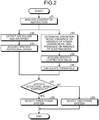
- FIG. 2 is a flowchart illustrating a procedure of the operation performed by the controller 14A of the air conditioner 1A according to the first embodiment.
- the receiver 13 Upon receiving an instruction, the receiver 13 outputs the received instruction to the rotational speed acquisition unit 34 and the correction value acquisition unit 35, whereby the rotational speed acquisition unit 34 and the correction value acquisition unit 35 analyze the content of the instruction (S1).
- the instruction includes the air information specifying the air volume and the air speed, and the mode information specifying the operation mode.
- the instruction may include a request to operate in a power saving mode.
- the instruction may include a request to operate in a sleeping mode.
- the rotational speed acquisition unit 34 detects the air volume and the air speed specified by the air information included in the instruction received by the receiver 13 (S2), and acquires, from the rotational speed storage unit 31, the specific rotational speed which is the rotation number per unit time corresponding to the combination of the air volume and the air speed being detected (S3).
- the correction value acquisition unit 35 determines the operation mode specified by the mode information included in the instruction received by the receiver 13, determines whether or not the instruction includes the request to operate in the power saving mode, and determines whether or not the instruction includes the request to operate in the sleeping mode (S4). That is, in step S4, the correction value acquisition unit 35 determines the operation mode, the presence or absence of the power saving mode, and the presence or absence of the sleeping mode.
- the correction value acquisition unit 35 acquires a specific correction value corresponding to a result of the determination acquired from among the plurality of correction values stored in the correction value storage unit 32 (S5). Note that the operations in steps S2 and S3 may be performed in parallel with the operations in steps S4, S5, and S6, or may be performed before or after the operations in steps S4, S5, and S6.
- the fixed value acquisition unit 36 acquires the fixed value from the fixed value storage unit 33.
- the calculation unit 37 calculates the threshold for selecting either the two-phase operation or the three-phase operation by adding the specific correction value acquired by the correction value acquisition unit 35 to the fixed value acquired by the fixed value acquisition unit 36 and (S6).
- the rotational speed determination unit 38 determines whether or not the specific rotational speed acquired by the rotational speed acquisition unit 34 is smaller than the threshold calculated by the calculation unit 37 (S7).
- the selection unit 39 selects the three-phase operation (S8) if the rotational speed determination unit 38 determines that the specific rotational speed is lower than the threshold (Yes in S7).
- the selection unit 39 selects the two-phase operation (S9) if the rotational speed determination unit 38 determines that the specific rotational speed is higher than or equal to the threshold (No in S7).
- the inverter circuit 22 of the inverter 12 rotates the motor 21 as either the two-phase system or the three-phase system in accordance with the selection made by the selection unit 39 of the controller 14A.
- the motor 21 rotates as either the two-phase system or the three-phase system at the specific rotational speed corresponding to a combination of the air volume and the air speed specified by the air information included in the instruction received by the receiver 13, thereby driving the blower 11.
- the temperature of air blown out from the blower 11 into space is controlled by a heat exchanger not illustrated in FIG. 1 on the basis of the temperature information included in the instruction.
- the controller 14A performs the operations on the flowchart of FIG. 2 every time the receiver 13 receives an instruction.
- the air conditioner 1A does not determine whether or not the specific rotational speed acquired by the rotational speed acquisition unit 34 is lower than the fixed value which is the reference value used to determine switching of the operation between the two-phase system and the three-phase system by the conventional air conditioner.
- the air conditioner 1A selects either the two-phase system or the three-phase system on the basis of the specific rotational speed and the threshold calculated using the specific correction value that depends on the presence or absence of the power saving mode and the presence or absence of the sleeping mode. That is, the air conditioner 1A can switch operation between two-phase system and the three-phase system depending on the operating environment such as the presence or absence of the power saving mode and the presence or absence of the sleeping mode.
- the specific rotational speed is highly likely to be higher than or equal to the threshold since the specific correction value is a negative value and lowers the threshold.
- the air conditioner 1A is more likely to perform the two-phase operation which reduces the energy consumption of the motor 21.
- the instruction includes the request to operate in the sleeping mode
- the specific rotational speed is highly likely to be lower than the threshold since the specific correction value is a positive value and increases the threshold.
- the air conditioner 1A is more likely to perform the three-phase operation which reduces one or both of vibration and noise accompanying the rotation of the motor 21.
- FIG. 3 is a diagram illustrating the configuration of the air conditioner 1B of the second embodiment.
- the air conditioner 1B includes a motion sensor 15 as well as all the components included in the air conditioner 1A of the first embodiment.
- the controller 14A of the air conditioner 1A in the first embodiment is replaced by a controller 14B in the second embodiment.
- the controller 14B includes a motion sensing correction value storage unit 40 and a motion sensing correction value acquisition unit 41 as well as all the components included in the controller 14A.
- the second embodiment mainly describes differences from the first embodiment.
- the motion sensing correction value storage unit 40 stores a first motion sensing correction value that is a positive value corresponding to a case where a person is present in the space, and a second motion sensing correction value that is a negative value corresponding to a case where no person is present in the space.
- the first motion sensing correction value is a correction value for increasing the probability that the air conditioner performs the three-phase operation which reduces one or both of vibration and noise accompanying the rotation of the motor 21 when a person is present in the space.
- the second motion sensing correction value is a correction value for increasing the probability that the air conditioner performs the two-phase operation which reduces energy consumption of the motor 21 when no person is present in the space.
- the motion sensing correction value acquisition unit 41 determines whether or not an instruction received by the receiver 13 includes a request for operation using a result of detection by the motion sensor 15. Upon determining that the instruction includes the request for operation using the result of detection by the motion sensor 15, the motion sensing correction value acquisition unit 41 acquires the first motion sensing correction value from the motion sensing correction value storage unit 40 when the motion sensor 15 detects the presence of a person in the space, or acquires the second motion sensing correction value from the motion sensing correction value storage unit 40 when the motion sensor 15 does not detect the presence of a person in the space.
- the calculation unit 37 calculates a threshold by adding the specific correction value acquired by the correction value acquisition unit 35 and the first motion sensing correction value or the second motion sensing correction value acquired by the motion sensing correction value acquisition unit 41 to the fixed value acquired by the fixed value acquisition unit 36.
- the rotational speed determination unit 38 determines whether or not the specific rotational speed acquired by the rotational speed acquisition unit 34 is lower than the threshold calculated by the calculation unit 37, so that the selection unit 39 selects the three-phase operation if the specific rotational speed is lower than the threshold or selects the two-phase operation if the specific rotational speed is higher than or equal to the threshold.
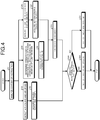
- FIG. 4 is a flowchart illustrating a procedure of the operation performed by the controller 14B of the air conditioner 1B according to the second embodiment. Steps S1 to S5 are the same as steps S1 to S5 of the first embodiment. Note that the instruction received by the receiver 13 is assumed to include the request for operation using the result of detection by the motion sensor 15.
- step S26 the motion sensing correction value acquisition unit 41 acquires the result of detection by the motion sensor 15 from the motion sensor 15.
- the motion sensing correction value acquisition unit 41 acquires the first motion sensing correction value from the motion sensing correction value storage unit 40 (S27) when the result of detection indicates the presence of a person in the space, that is, when the motion sensor 15 detects the presence of a person in the space.
- the motion sensing correction value acquisition unit 41 acquires the second motion sensing correction value from the motion sensing correction value storage unit 40 (S27) when the result of detection indicates no presence of a person in the space, that is, when the motion sensor 15 does not detect the presence of a person in the space.
- the fixed value acquisition unit 36 acquires the fixed value from the fixed value storage unit 33.
- the calculation unit 37 calculates the threshold for selecting either the two-phase operation or the three-phase operation by adding, to the fixed value acquired by the fixed value acquisition unit 36, the specific correction value acquired by the correction value acquisition unit 35 and the first motion sensing correction value or the second motion sensing correction value acquired by the motion sensing correction value acquisition unit 41 (S28).
- the rotational speed determination unit 38 determines whether or not the specific rotational speed acquired by the rotational speed acquisition unit 34 is lower than the threshold calculated by the calculation unit 37 (S29).
- the selection unit 39 selects the three-phase operation (S30) if the rotational speed determination unit 38 determines that the specific rotational speed is lower than the threshold (Yes in S29).
- the selection unit 39 selects the two-phase operation (S31) if the rotational speed determination unit 38 determines that the specific rotational speed is higher than or equal to the threshold (No in S29).
- the air conditioner 1B selects either the two-phase system or the three-phase system on the basis of the threshold that is calculated by using the specific correction value depending on the presence or absence of the power saving mode and the presence or absence of the sleeping mode, and the first motion sensing correction value or the second motion sensing correction value depending on the result of detection by the motion sensor 15. That is, the air conditioner 1B can switch operation between two-phase system and the three-phase system depending on the operating environment being the presence or absence of the power saving mode and the presence or absence of the sleeping mode, and the operating environment being the presence or absence of a person in the space.
- the motion sensing correction value storage unit 40 stores a first motion sensing correction value that is a positive value corresponding to a case where a person is present in the space, and a second motion sensing correction value that is a negative value corresponding to a case where no person is present in the space.
- the calculation unit 37 calculates the threshold by adding, to the fixed value, the specific correction value and the first motion sensing correction value or the second motion sensing correction value.
- the selection unit 39 selects the three-phase operation when the specific rotational speed is lower than the threshold, or selects the two-phase operation when the specific rotational speed is higher than or equal to the threshold.
- the calculation unit 37 calculates the threshold using the first motion sensing correction value which is a positive value, so that the threshold is high and that the specific rotational speed is highly likely to be lower than the threshold. As a result, the air conditioner is more likely to perform the three-phase operation which reduces one or both of vibration and noise accompanying the rotation of the motor 21.
- the calculation unit 37 calculates the threshold using the second motion sensing correction value which is a negative value, so that the threshold is low and that the specific rotational speed is highly likely to be higher than or equal to the threshold. As a result, the air conditioner is more likely to perform the two-phase operation which reduces the energy consumption of the motor 21 rather than reducing vibration or noise.
- FIG. 5 is a diagram illustrating the configuration of the air conditioner 1C of the third embodiment.
- the air conditioner 1C includes a substrate 16 and a temperature sensor 17 detecting the temperature of the substrate 16 as well as all the components included in the air conditioner 1B of the second embodiment.
- the controller 14B of the air conditioner 1B in the second embodiment is replaced by a controller 14C in the third embodiment.
- the controller 14C includes a temperature correction value storage unit 42, a temperature determination unit 43, and a temperature correction value acquisition unit 44 as well as all the components included in the controller 14B.
- the third embodiment mainly describes differences from the second embodiment.
- the controller 14C is placed on a plane of the substrate 16 in contact with the plane.
- the temperature sensor 17 detects the temperature of the substrate 16 on which the controller 14C including the plurality of components is placed.
- the temperature sensor 17 detects the temperature of the substrate 16 by using a thermistor connected to the plane of the substrate 16, for example.
- the temperature correction value storage unit 42 stores a temperature correction value which is a negative value used when the temperature of the substrate 16 is higher than or equal to a preset reference temperature.
- the temperature correction value is a correction value for protecting the air conditioner 1C.
- the temperature determination unit 43 determines whether or not the temperature of the substrate 16 detected by the temperature sensor 17 is higher than or equal to the reference temperature.
- the temperature correction value acquisition unit 44 acquires the temperature correction value from the temperature correction value storage unit 42 only when the temperature determination unit 43 determines that the temperature of the substrate 16 is higher than or equal to the reference temperature.
- the calculation unit 37 calculates a threshold by adding, to the fixed value acquired by the fixed value acquisition unit 36, the specific correction value acquired by the correction value acquisition unit 35, the first motion sensing correction value or the second motion sensing correction value acquired by the motion sensing correction value acquisition unit 41, and the temperature correction value acquired by the temperature correction value acquisition unit 44.
- the calculation unit 37 calculates a threshold by adding, to the fixed value acquired by the fixed value acquisition unit 36, the specific correction value acquired by the correction value acquisition unit 35 and the first motion sensing correction value or the second motion sensing correction value acquired by the motion sensing correction value acquisition unit 41. That is, the calculation unit 37 calculates the threshold without using the temperature correction value when the temperature of the substrate 16 is lower than the reference temperature.
- the rotational speed determination unit 38 determines whether or not the specific rotational speed acquired by the rotational speed acquisition unit 34 is lower than the threshold calculated by the calculation unit 37, so that the selection unit 39 selects the three-phase operation if the specific rotational speed is lower than the threshold or selects the two-phase operation if the specific rotational speed is higher than or equal to the threshold.
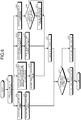
- FIG. 6 is a flowchart illustrating a procedure of the operation performed by the controller 14C of the air conditioner 1C according to the third embodiment. Steps S1 to S5, S26, and S27 are the same as steps S1 to S5, S26, and S27 of the second embodiment. Note that the instruction received by the receiver 13 is assumed to include a request for operation based on the temperature of the substrate 16.
- step S68 the temperature sensor 17 detects the temperature of the substrate 16.
- the temperature determination unit 43 determines whether or not the temperature of the substrate 16 detected by the temperature sensor 17 is higher than or equal to the reference temperature (S69). If the temperature determination unit 43 determines that the temperature of the substrate 16 is lower than the reference temperature (No in S69), the operation of the controller 14C shifts to step S71. If the temperature determination unit 43 determines that the temperature of the substrate 16 is higher than or equal to the reference temperature (Yes in S69), the temperature correction value acquisition unit 44 acquires the temperature correction value from the temperature correction value storage unit 42 (S70).
- the fixed value acquisition unit 36 acquires the fixed value from the fixed value storage unit 33. If the temperature of the substrate 16 is higher than or equal to the reference temperature (Yes in S69), the calculation unit 37 calculates the threshold by adding, to the fixed value acquired by the fixed value acquisition unit 36, the specific correction value acquired by the correction value acquisition unit 35, the first motion sensing correction value or the second motion sensing correction value acquired by the motion sensing correction value acquisition unit 41, and the temperature correction value acquired by the temperature correction value acquisition unit 44 (S71).
- the calculation unit 37 calculates the threshold by adding, to the fixed value acquired by the fixed value acquisition unit 36, the specific correction value acquired by the correction value acquisition unit 35 and the first motion sensing correction value or the second motion sensing correction value acquired by the motion sensing correction value acquisition unit 41 (S71).
- the rotational speed determination unit 38 determines whether or not the specific rotational speed acquired by the rotational speed acquisition unit 34 is lower than the threshold calculated by the calculation unit 37 (S72).
- the selection unit 39 selects the three-phase operation (S73) if the rotational speed determination unit 38 determines that the specific rotational speed is lower than the threshold (Yes in S72).
- the selection unit 39 selects the two-phase operation (S74) if the rotational speed determination unit 38 determines that the specific rotational speed is higher than or equal to the threshold (No in S72).
- the air conditioner 1C selects either the two-phase system or the three-phase system on the basis of the threshold that is calculated by using the specific correction value depending on the presence or absence of the power saving mode and the presence or absence of the sleeping mode, and the first motion sensing correction value or the second motion sensing correction value depending on the result of detection by the motion sensor 15. That is, the air conditioner 1C can switch operation between the two-phase system and the three-phase system depending on the operating environment being the presence or absence of the power saving mode and the presence or absence of the sleeping mode, and the operating environment being the presence or absence of a person in the space.
- the calculation unit 37 calculates the threshold using the temperature correction value which is a negative value so that the specific rotational speed is highly likely to be higher than or equal to the threshold.
- the air conditioner is more likely to perform the two-phase operation which performs switching fewer times and is less likely to generate heat.
- the air conditioner 1C can be protected as a result.
- the threshold is calculated without using the temperature correction value which is a negative value so that the air conditioner is more likely to perform the three-phase operation.
- FIG. 7 is a diagram illustrating that at least a part of the components included in the controller 14A of the air conditioner 1A of the first embodiment is the processing circuit 51.
- the processing circuit 51 is dedicated hardware.
- the processing circuit 51 is a single circuit, a complex circuit, a programmed processor, a parallel-programmed processor, an application specific integrated circuit (ASIC), a field programmable gate array (FPGA), or a combination of those.
- a part of the plurality of components being the rotational speed acquisition unit 34, the correction value acquisition unit 35, the fixed value acquisition unit 36, the calculation unit 37, the rotational speed determination unit 38, and the selection unit 39 included in the controller 14A may be dedicated hardware separate from the rest of the components.
- a part or all of the plurality of components being the rotational speed acquisition unit 34, the correction value acquisition unit 35, the fixed value acquisition unit 36, the calculation unit 37, the rotational speed determination unit 38, and the selection unit 39 included in the controller 14A may be a processor 62 that executes a program stored in a memory 61.
- FIG. 8 is a diagram illustrating that at least a part of the components included in the controller 14A of the air conditioner 1A of the first embodiment is the processor 62.
- the processor 62 is a central processing unit (CPU), a processing unit, an arithmetic unit, a microprocessor, a microcomputer, or a digital signal processor (DSP).
- CPU central processing unit
- DSP digital signal processor
- the function of at least the part of the components included in the controller 14A is implemented by the processor 62 and software, firmware, or a combination of software and firmware.
- the software or firmware is described as a program and stored in the memory 61.
- the processor 62 reads and executes the program stored in the memory 61 to implement the function of the part of the components included in the controller 14A.
- the controller 14A when a part of the components included in the controller 14A is the processor 62, the controller 14A includes the memory 61 storing a program by which a step executed by the part of the components included in the controller 14A is eventually executed.
- the program stored in the memory 61 causes a computer to execute a procedure or method executed by the part of the components included in the controller 14A.
- the memory 61 is, for example, a non-volatile or volatile semiconductor memory such as a random access memory (RAM), a ROM, a flash memory, an erasable programmable read only memory (EPROM), or an electrically erasable programmable read only memory (EEPROM); a magnetic disk; a flexible disk; an optical disk; a compact disc; a mini disc; a digital versatile disk (DVD) or the like.
- RAM random access memory
- ROM read only memory
- EPROM erasable programmable read only memory
- EEPROM electrically erasable programmable read only memory
- a part of the functions of the plurality of components included in the controller 14A may be implemented by dedicated hardware, while the rest of the functions may be implemented by software or firmware.
- the functions of the plurality of components included in the controller 14A can thus be implemented by hardware, software, firmware, or a combination of these.
- a part or all of the functions of the receiver 13 in the air conditioner 1A of the first embodiment may be the processing circuit 51 or the processor 62.
- a part or all of the functions of the plurality of components included in the controller 14B of the air conditioner 1B of the second embodiment may be implemented by the processing circuit 51 or the processor 62, the components being the rotational speed acquisition unit 34, the correction value acquisition unit 35, the fixed value acquisition unit 36, the calculation unit 37, the rotational speed determination unit 38, the selection unit 39, and the motion sensing correction value acquisition unit 41.
- a part or all of the functions of the plurality of components included in the controller 14C of the air conditioner 1C of the third embodiment may be implemented by the processing circuit 51 or the processor 62, the components being the rotational speed acquisition unit 34, the correction value acquisition unit 35, the fixed value acquisition unit 36, the calculation unit 37, the rotational speed determination unit 38, the selection unit 39, the motion sensing correction value acquisition unit 41, the temperature determination unit 43, and the temperature correction value acquisition unit 44.
- each configuration illustrated in the above each embodiment merely illustrates an example of the content of the present invention, and can thus be combined with another known technique or partially omitted and/or modified as long as it doesn't depart from the scope of the present invention as defined in the claims.
Landscapes
- Engineering & Computer Science (AREA)
- Chemical & Material Sciences (AREA)
- Combustion & Propulsion (AREA)
- Mechanical Engineering (AREA)
- General Engineering & Computer Science (AREA)
- Signal Processing (AREA)
- Physics & Mathematics (AREA)
- Fuzzy Systems (AREA)
- Mathematical Physics (AREA)
- Fluid Mechanics (AREA)
- General Physics & Mathematics (AREA)
- Automation & Control Theory (AREA)
- Air Conditioning Control Device (AREA)
- Inverter Devices (AREA)
- Human Computer Interaction (AREA)
Claims (3)
- Klimaanlage, umfassend:ein Gebläse (11), das dafür ausgelegt ist, Luft in einen Raum zu blasen;einen Wechselrichter (12), der dafür ausgelegt ist, das Gebläse (11) anzutreiben; undeine Steuereinrichtung (14A), die dafür ausgelegt ist, den Wechselrichter (12) zu steuern, wobeider Wechselrichter (12) aufweist:einen Motor (21), der dafür ausgelegt ist, das Gebläse (11) anzutreiben; undeine Wechselrichterschaltung (22), die dafür ausgelegt ist, den Motor (21) entweder als Zweiphasensystem oder als Dreiphasensystem rotieren zu lassen, dadurch gekennzeichnet, dass die Klimaanlage ferner umfasst:einen Empfänger zum Empfangen eines Befehls zum Ändern eines Luftzustands in dem Raum, wobei die Steuereinrichtung (14A) dafür ausgelegt ist, den Wechselrichter (12) auf der Basis des aus dem Empfänger empfangenen Befehls zu steuern;wobei der Befehl Luftinformationen, die ein Luftvolumen und eine Luftgeschwindigkeit spezifizieren, und Modusinformationen, die einen Betriebsmodus spezifizieren, einschließt,wobei die Steuereinrichtung (14A) einschließt:eine Drehzahl-Speichereinheit (31), die dafür ausgelegt ist, eine Drehzahl des Motors für jede von einer Mehrzahl von Kombinationen aus dem Luftvolumen und der Luftgeschwindigkeit, die den Luftinformationen entsprechen, zu speichern;eine Korrekturwert-Speichereinheit (32), die dafür ausgelegt ist, in jedem von einem ersten Fall, der einem Betrieb in einem Energiesparmodus und einem Ruhemodus entspricht, einem zweiten Fall, der einem Betrieb in dem Energiesparmodus und einem Modus, der kein Ruhemodus ist, entspricht, einem dritten Fall, der einem Betrieb in einem Modus, der kein Energiesparmodus, aber ein Ruhemodus ist, entspricht und einem vierten Fall, der einem Betrieb in dem Modus, der kein Energiesparmodus und kein Ruhemodus ist, entspricht, einen Korrekturwert, der ein positiver Wert oder ein negativer Wert ist, für jeden von einer Mehrzahl von Betriebsmodi zu speichern;eine Festwert-Speichereinheit (33), die dafür ausgelegt ist, einen vorgegebenen Festwert zu speichern;eine Drehzahl-Abrufeinheit (34), die dafür ausgelegt ist, aus der Drehzahl-Speichereinheit (31) eine spezifische Drehzahl abzurufen, die eine Drehzahl pro Zeiteinheit ist, die einer Kombination aus dem Luftvolumen und der Luftgeschwindigkeit, die von den Luftinformationen spezifiziert werden, entspricht;eine Korrekturwert-Abrufeinheit (35), die dafür ausgelegt ist, den Betriebsmodus, der von den in dem Befehl enthaltenen Modusinformationen spezifiziert wird, zu bestimmen, zu bestimmen, ob oder ob nicht der Befehl eine Forderung nach einem Betrieb im Energiesparmodus einschließt, zu bestimmen, ob oder ob nicht der Befehl eine Forderung nach einem Betrieb im Ruhemodus einschließt, und aus einer Vielzahl der in der Korrekturwert-Speichereinheit (32) gespeicherten Korrekturwerte einen spezifischen Korrekturwert abzurufen, der einem Ergebnis entspricht, das durch die Bestimmung erhalten wird;eine Festwert-Abrufeinheit (36), die dafür ausgelegt ist, den Festwert aus der Festwert-Speichereinheit (33) abzurufen;eine Recheneinheit (37), die dafür ausgelegt ist, durch Addieren des spezifischen Korrekturwerts, der von der Korrekturwert-Abrufeinheit (35) abgerufen worden ist, zu dem von der Festwert-Abrufeinheit (36) abgerufenen Festwert einen Schwellenwert zum Auswählen entweder eines Zweiphasenbetriebs oder eines Dreiphasenbetriebs zu berechnen;eine Drehzahl-Bestimmungseinheit (38), die dafür ausgelegt ist, zu bestimmen, ob oder ob nicht die von der Drehzahl-Abrufeinheit (34) abgerufene spezifische Drehzahl niedriger ist als der von der Recheneinheit (37) berechnete Schwellenwert; undeine Auswahleinheit (39), die dafür ausgelegt ist, den Dreiphasenbetrieb auszuwählen, wenn die Drehzahl-Bestimmungseinheit (38) bestimmt, dass die spezifische Drehzahl niedriger ist als der Schwellenwert, oder den Zweiphasenbetrieb auszuwählen, wenn die Drehzahl-Bestimmungseinheit (38) bestimmt, dass die spezifische Drehzahl mindestens so hoch ist wie der Schwellenwert, undwobei die Wechselrichterschaltung (22) dafür ausgelegt ist, den Motor (21) gemäß der von der Auswahleinheit (39) vorgenommenen Wahl entweder als das Zweiphasensystem oder das Dreiphasensystem rotieren zu lassen.
- Klimaanlage nach Anspruch 1, ferner einen Bewegungssensor (15) umfassend, der dafür ausgelegt ist, die Anwesenheit einer Person in dem Raum zu erkennen, wobei
die Steuereinrichtung (14B) ferner aufweist:eine Bewegungserfassungskorrekturwert-Speichereinheit (40), die dafür ausgelegt ist, einen ersten Bewegungserfassungskorrekturwert, der ein positiver Wert ist, der einem Fall entspricht, wo eine Person in dem Raum anwesend ist, und einen zweiten Bewegungserfassungskorrekturwert, der ein negativer Wert ist, der einem Fall entspricht, wo keine Person in dem Raum anwesend ist, zu speichern; undeine Bewegungserfassungskorrekturwert-Abrufeinheit (41), die dafür ausgelegt ist, den ersten Bewegungserfassungskorrekturwert aus der Bewegungserfassungskorrekturwert-Speichereinheit (40) abzurufen, wenn der Bewegungssensor (15) die Anwesenheit einer Person in dem Raum erkennt, oder den zweiten Bewegungserfassungskorrekturwert aus der Bewegungserfassungskorrekturwert-Speichereinheit (40) abzurufen, wenn der Bewegungssensor (15) nicht die Anwesenheit einer Person in dem Raum erkennt, wobeidie Recheneinheit (37) dafür ausgelegt ist, den Schwellenwert zu berechnen durch Addieren des von der Korrekturwert-Abrufeinheit (35) abgerufenen spezifischen Korrekturwerts und des ersten Bewegungserfassungskorrekturwerts oder des zweiten Bewegungserfassungskorrekturwerts, die von der Bewegungserfassungskorrekturwert-Abrufeinheit (41) abgerufen worden sind, zu dem von der Festwert-Abrufeinheit (36) abgerufenen Festwert. - Klimaanlage nach Anspruch 2, ferner umfassend:ein Substrat (16); undeinen Temperatursensor (17), der dafür ausgelegt ist, eine Temperatur des Substrats (16) zu erfassen, wobeidie Steuereinrichtung (14C) ferner einschließt:eine Temperaturkorrekturwert-Speichereinheit (42), die dafür ausgelegt ist, einen Temperaturkorrekturwert zu speichern, der ein negativer Wert ist, der verwendet wird, wenn die Temperatur des Substrats (16) mindestens so hoch ist wie eine voreingestellte Bezugstemperatur;eine Temperatur-Bestimmungseinheit (43), die dafür ausgelegt ist, zu bestimmen, ob oder ob nicht die Temperatur des Substrats (16), die von dem Temperatursensor (17) erfasst wird, mindestens so hoch ist wie die Bezugstemperatur; undeine Temperaturkorrekturwert-Abrufeinheit (44), die dafür ausgelegt ist, den Temperaturkorrekturwert nur dann aus der Temperaturkorrekturwert-Speichereinheit (42) abzurufen, wenn die Temperatur-Bestimmungseinheit (43) bestimmt, dass die Temperatur des Substrats (16) mindestens so hoch ist wie die Bezugstemperatur,wobei die Steuereinrichtung (14C) auf einer Fläche des Substrats (16) in Kontakt mit der Fläche platziert ist, unddie Recheneinheit (37) dafür ausgelegt ist, den Schwellenwert zu berechnen durch Addieren des von der Korrekturwert-Abrufeinheit (35) abgerufenen spezifischen Korrekturwerts und des ersten Bewegungserfassungskorrekturwerts oder des zweiten Bewegungserfassungskorrekturwerts, die von der Bewegungserfassungskorrekturwert-Abrufeinheit (41) abgerufen worden sind, und des von der Temperaturkorrekturwert-Abrufeinheit (44) abgerufenen Temperaturkorrekturwerts zu dem von der Festwert-Abrufeinheit (36) abgerufenen Festwert.
Applications Claiming Priority (1)
| Application Number | Priority Date | Filing Date | Title |
|---|---|---|---|
| PCT/JP2016/063350 WO2017187595A1 (ja) | 2016-04-28 | 2016-04-28 | 空気調和機 |
Publications (3)
| Publication Number | Publication Date |
|---|---|
| EP3450867A1 EP3450867A1 (de) | 2019-03-06 |
| EP3450867A4 EP3450867A4 (de) | 2019-04-17 |
| EP3450867B1 true EP3450867B1 (de) | 2021-09-15 |
Family
ID=60161345
Family Applications (1)
| Application Number | Title | Priority Date | Filing Date |
|---|---|---|---|
| EP16900465.2A Active EP3450867B1 (de) | 2016-04-28 | 2016-04-28 | Klimaanlage |
Country Status (6)
| Country | Link |
|---|---|
| US (1) | US10598399B2 (de) |
| EP (1) | EP3450867B1 (de) |
| JP (1) | JP6567173B2 (de) |
| CN (1) | CN109073255B (de) |
| AU (1) | AU2016405051B2 (de) |
| WO (1) | WO2017187595A1 (de) |
Families Citing this family (5)
| Publication number | Priority date | Publication date | Assignee | Title |
|---|---|---|---|---|
| CN108413478A (zh) * | 2018-02-11 | 2018-08-17 | 广东美的环境电器制造有限公司 | 一种控制方法、装置及计算机可读存储介质 |
| EP3972108B1 (de) * | 2019-05-17 | 2025-04-16 | Mitsubishi Electric Corporation | Stromversorgungsvorrichtung und motorantriebsvorrichtung |
| CN110701753B (zh) * | 2019-10-23 | 2021-05-04 | 广东美的制冷设备有限公司 | 运行控制方法、装置、空调器以及存储介质 |
| CN110822670B (zh) * | 2019-11-26 | 2021-09-14 | 广东美的制冷设备有限公司 | 空调器控制方法、装置、空调器和存储介质 |
| CN119374220B (zh) * | 2023-07-25 | 2025-12-19 | 青岛海尔空调器有限总公司 | 基于雷达的空调新风控制方法、装置及新风空调器 |
Family Cites Families (11)
| Publication number | Priority date | Publication date | Assignee | Title |
|---|---|---|---|---|
| JPH07190468A (ja) | 1993-12-27 | 1995-07-28 | Matsushita Electric Ind Co Ltd | 空調機の制御方法 |
| JP2003209976A (ja) | 2002-01-11 | 2003-07-25 | Matsushita Electric Ind Co Ltd | Pwmインバータ装置及びその電流検出方法 |
| JP2004289985A (ja) | 2003-03-25 | 2004-10-14 | Matsushita Electric Ind Co Ltd | モータ駆動用インバータ制御装置および空気調和機 |
| JP2008141856A (ja) * | 2006-12-01 | 2008-06-19 | Matsushita Electric Ind Co Ltd | モータ駆動用インバータ制御装置および空気調和機 |
| JP2011158170A (ja) | 2010-02-01 | 2011-08-18 | Panasonic Corp | 空気調和機 |
| JP5609557B2 (ja) * | 2010-11-08 | 2014-10-22 | パナソニック株式会社 | 空気調和機 |
| JP5530905B2 (ja) * | 2010-11-19 | 2014-06-25 | 日立アプライアンス株式会社 | モータ制御装置,空気調和機 |
| JP6241708B2 (ja) * | 2013-03-29 | 2017-12-06 | パナソニックIpマネジメント株式会社 | 空調管理装置、空調システムおよびプログラム |
| JP6296930B2 (ja) * | 2013-09-17 | 2018-03-20 | 株式会社東芝 | モータ制御装置及び空気調和機 |
| JP6272126B2 (ja) * | 2014-04-25 | 2018-01-31 | 三菱電機株式会社 | 空気調和機 |
| TWI636657B (zh) * | 2017-12-26 | 2018-09-21 | 財團法人工業技術研究院 | 吊扇、吊扇馬達控制方法及吊扇馬達控制裝置 |
-
2016
- 2016-04-28 WO PCT/JP2016/063350 patent/WO2017187595A1/ja not_active Ceased
- 2016-04-28 JP JP2018514050A patent/JP6567173B2/ja active Active
- 2016-04-28 AU AU2016405051A patent/AU2016405051B2/en active Active
- 2016-04-28 CN CN201680084644.0A patent/CN109073255B/zh active Active
- 2016-04-28 US US16/076,351 patent/US10598399B2/en active Active
- 2016-04-28 EP EP16900465.2A patent/EP3450867B1/de active Active
Also Published As
| Publication number | Publication date |
|---|---|
| EP3450867A1 (de) | 2019-03-06 |
| CN109073255A (zh) | 2018-12-21 |
| WO2017187595A1 (ja) | 2017-11-02 |
| JPWO2017187595A1 (ja) | 2018-08-16 |
| US20190049136A1 (en) | 2019-02-14 |
| JP6567173B2 (ja) | 2019-08-28 |
| EP3450867A4 (de) | 2019-04-17 |
| AU2016405051A1 (en) | 2018-09-06 |
| US10598399B2 (en) | 2020-03-24 |
| CN109073255B (zh) | 2020-11-10 |
| AU2016405051B2 (en) | 2019-11-28 |
Similar Documents
| Publication | Publication Date | Title |
|---|---|---|
| EP3450867A1 (de) | Klimaanlage | |
| CN110454938B (zh) | 空调器及其控制方法和装置 | |
| CN105444335B (zh) | 空调器的控制方法、空调器的控制装置和空调器 | |
| JP6222366B2 (ja) | 除湿機 | |
| JP6401658B2 (ja) | 空気調和機 | |
| JP6524346B2 (ja) | 空気調和機の室外機 | |
| JP5378630B1 (ja) | 電動圧縮機の制御方法、制御装置、及び冷蔵庫 | |
| WO2017195367A1 (ja) | 空気調和機 | |
| US10731905B2 (en) | Defrosting determination device, defrosting control device, and air conditioner | |
| CN103884079A (zh) | 一种空调工作模式切换方法及一种空调 | |
| JP3285527B2 (ja) | 空気調和器での圧縮機のデッドタイム補償方法 | |
| WO2019176004A1 (ja) | 空気調和機 | |
| JP2011179717A (ja) | 空気調和機 | |
| JP6563139B2 (ja) | 室内機及び空調システム | |
| CN110454937B (zh) | 空调器及其控制方法和装置 | |
| JP6775548B2 (ja) | モータ制御装置、および、空気調和機 | |
| US12104811B2 (en) | Air conditioner with temperature prediction capability | |
| JP2008070075A (ja) | 空気調和機 | |
| EP3318811A1 (de) | Klimaanlage | |
| JP6895125B2 (ja) | 家電機器 | |
| KR100512417B1 (ko) | 인버터 공기 조화기의 압축기 운전 제어 방법 | |
| JP7154387B2 (ja) | 空気調和システムの室内機及び空気調和システム | |
| JP6739683B1 (ja) | モータ制御装置 | |
| WO2020079823A1 (ja) | 電源検出回路制御方法及び回路システム | |
| JP2003286966A (ja) | 圧縮機用モータ制御装置 |
Legal Events
| Date | Code | Title | Description |
|---|---|---|---|
| STAA | Information on the status of an ep patent application or granted ep patent |
Free format text: STATUS: THE INTERNATIONAL PUBLICATION HAS BEEN MADE |
|
| PUAI | Public reference made under article 153(3) epc to a published international application that has entered the european phase |
Free format text: ORIGINAL CODE: 0009012 |
|
| STAA | Information on the status of an ep patent application or granted ep patent |
Free format text: STATUS: REQUEST FOR EXAMINATION WAS MADE |
|
| 17P | Request for examination filed |
Effective date: 20181012 |
|
| AK | Designated contracting states |
Kind code of ref document: A1 Designated state(s): AL AT BE BG CH CY CZ DE DK EE ES FI FR GB GR HR HU IE IS IT LI LT LU LV MC MK MT NL NO PL PT RO RS SE SI SK SM TR |
|
| AX | Request for extension of the european patent |
Extension state: BA ME |
|
| REG | Reference to a national code |
Ref country code: DE Ref legal event code: R079 Ref document number: 602016063881 Country of ref document: DE Free format text: PREVIOUS MAIN CLASS: F24F0011040000 Ipc: F24F0011650000 |
|
| A4 | Supplementary search report drawn up and despatched |
Effective date: 20190315 |
|
| RIC1 | Information provided on ipc code assigned before grant |
Ipc: F24F 11/77 20180101ALI20190311BHEP Ipc: F24F 11/46 20180101ALI20190311BHEP Ipc: H02P 27/06 20060101ALI20190311BHEP Ipc: F24F 11/66 20180101ALI20190311BHEP Ipc: F24F 110/10 20180101ALI20190311BHEP Ipc: G05B 19/042 20060101ALI20190311BHEP Ipc: F24F 11/65 20180101AFI20190311BHEP Ipc: F24F 120/10 20180101ALI20190311BHEP Ipc: F24F 11/74 20180101ALI20190311BHEP Ipc: F24F 11/64 20180101ALI20190311BHEP Ipc: F24F 11/49 20180101ALI20190311BHEP |
|
| DAV | Request for validation of the european patent (deleted) | ||
| DAX | Request for extension of the european patent (deleted) | ||
| GRAP | Despatch of communication of intention to grant a patent |
Free format text: ORIGINAL CODE: EPIDOSNIGR1 |
|
| STAA | Information on the status of an ep patent application or granted ep patent |
Free format text: STATUS: GRANT OF PATENT IS INTENDED |
|
| INTG | Intention to grant announced |
Effective date: 20210408 |
|
| GRAS | Grant fee paid |
Free format text: ORIGINAL CODE: EPIDOSNIGR3 |
|
| GRAA | (expected) grant |
Free format text: ORIGINAL CODE: 0009210 |
|
| STAA | Information on the status of an ep patent application or granted ep patent |
Free format text: STATUS: THE PATENT HAS BEEN GRANTED |
|
| AK | Designated contracting states |
Kind code of ref document: B1 Designated state(s): AL AT BE BG CH CY CZ DE DK EE ES FI FR GB GR HR HU IE IS IT LI LT LU LV MC MK MT NL NO PL PT RO RS SE SI SK SM TR |
|
| REG | Reference to a national code |
Ref country code: CH Ref legal event code: EP |
|
| REG | Reference to a national code |
Ref country code: DE Ref legal event code: R096 Ref document number: 602016063881 Country of ref document: DE |
|
| REG | Reference to a national code |
Ref country code: IE Ref legal event code: FG4D |
|
| REG | Reference to a national code |
Ref country code: AT Ref legal event code: REF Ref document number: 1430795 Country of ref document: AT Kind code of ref document: T Effective date: 20211015 |
|
| REG | Reference to a national code |
Ref country code: LT Ref legal event code: MG9D |
|
| REG | Reference to a national code |
Ref country code: NL Ref legal event code: MP Effective date: 20210915 |
|
| PG25 | Lapsed in a contracting state [announced via postgrant information from national office to epo] |
Ref country code: LT Free format text: LAPSE BECAUSE OF FAILURE TO SUBMIT A TRANSLATION OF THE DESCRIPTION OR TO PAY THE FEE WITHIN THE PRESCRIBED TIME-LIMIT Effective date: 20210915 Ref country code: BG Free format text: LAPSE BECAUSE OF FAILURE TO SUBMIT A TRANSLATION OF THE DESCRIPTION OR TO PAY THE FEE WITHIN THE PRESCRIBED TIME-LIMIT Effective date: 20211215 Ref country code: HR Free format text: LAPSE BECAUSE OF FAILURE TO SUBMIT A TRANSLATION OF THE DESCRIPTION OR TO PAY THE FEE WITHIN THE PRESCRIBED TIME-LIMIT Effective date: 20210915 Ref country code: FI Free format text: LAPSE BECAUSE OF FAILURE TO SUBMIT A TRANSLATION OF THE DESCRIPTION OR TO PAY THE FEE WITHIN THE PRESCRIBED TIME-LIMIT Effective date: 20210915 Ref country code: NO Free format text: LAPSE BECAUSE OF FAILURE TO SUBMIT A TRANSLATION OF THE DESCRIPTION OR TO PAY THE FEE WITHIN THE PRESCRIBED TIME-LIMIT Effective date: 20211215 Ref country code: RS Free format text: LAPSE BECAUSE OF FAILURE TO SUBMIT A TRANSLATION OF THE DESCRIPTION OR TO PAY THE FEE WITHIN THE PRESCRIBED TIME-LIMIT Effective date: 20210915 Ref country code: SE Free format text: LAPSE BECAUSE OF FAILURE TO SUBMIT A TRANSLATION OF THE DESCRIPTION OR TO PAY THE FEE WITHIN THE PRESCRIBED TIME-LIMIT Effective date: 20210915 |
|
| REG | Reference to a national code |
Ref country code: AT Ref legal event code: MK05 Ref document number: 1430795 Country of ref document: AT Kind code of ref document: T Effective date: 20210915 |
|
| PG25 | Lapsed in a contracting state [announced via postgrant information from national office to epo] |
Ref country code: LV Free format text: LAPSE BECAUSE OF FAILURE TO SUBMIT A TRANSLATION OF THE DESCRIPTION OR TO PAY THE FEE WITHIN THE PRESCRIBED TIME-LIMIT Effective date: 20210915 Ref country code: GR Free format text: LAPSE BECAUSE OF FAILURE TO SUBMIT A TRANSLATION OF THE DESCRIPTION OR TO PAY THE FEE WITHIN THE PRESCRIBED TIME-LIMIT Effective date: 20211216 |
|
| PG25 | Lapsed in a contracting state [announced via postgrant information from national office to epo] |
Ref country code: AT Free format text: LAPSE BECAUSE OF FAILURE TO SUBMIT A TRANSLATION OF THE DESCRIPTION OR TO PAY THE FEE WITHIN THE PRESCRIBED TIME-LIMIT Effective date: 20210915 |
|
| PG25 | Lapsed in a contracting state [announced via postgrant information from national office to epo] |
Ref country code: IS Free format text: LAPSE BECAUSE OF FAILURE TO SUBMIT A TRANSLATION OF THE DESCRIPTION OR TO PAY THE FEE WITHIN THE PRESCRIBED TIME-LIMIT Effective date: 20220115 Ref country code: SM Free format text: LAPSE BECAUSE OF FAILURE TO SUBMIT A TRANSLATION OF THE DESCRIPTION OR TO PAY THE FEE WITHIN THE PRESCRIBED TIME-LIMIT Effective date: 20210915 Ref country code: SK Free format text: LAPSE BECAUSE OF FAILURE TO SUBMIT A TRANSLATION OF THE DESCRIPTION OR TO PAY THE FEE WITHIN THE PRESCRIBED TIME-LIMIT Effective date: 20210915 Ref country code: RO Free format text: LAPSE BECAUSE OF FAILURE TO SUBMIT A TRANSLATION OF THE DESCRIPTION OR TO PAY THE FEE WITHIN THE PRESCRIBED TIME-LIMIT Effective date: 20210915 Ref country code: PT Free format text: LAPSE BECAUSE OF FAILURE TO SUBMIT A TRANSLATION OF THE DESCRIPTION OR TO PAY THE FEE WITHIN THE PRESCRIBED TIME-LIMIT Effective date: 20220117 Ref country code: PL Free format text: LAPSE BECAUSE OF FAILURE TO SUBMIT A TRANSLATION OF THE DESCRIPTION OR TO PAY THE FEE WITHIN THE PRESCRIBED TIME-LIMIT Effective date: 20210915 Ref country code: NL Free format text: LAPSE BECAUSE OF FAILURE TO SUBMIT A TRANSLATION OF THE DESCRIPTION OR TO PAY THE FEE WITHIN THE PRESCRIBED TIME-LIMIT Effective date: 20210915 Ref country code: ES Free format text: LAPSE BECAUSE OF FAILURE TO SUBMIT A TRANSLATION OF THE DESCRIPTION OR TO PAY THE FEE WITHIN THE PRESCRIBED TIME-LIMIT Effective date: 20210915 Ref country code: EE Free format text: LAPSE BECAUSE OF FAILURE TO SUBMIT A TRANSLATION OF THE DESCRIPTION OR TO PAY THE FEE WITHIN THE PRESCRIBED TIME-LIMIT Effective date: 20210915 Ref country code: CZ Free format text: LAPSE BECAUSE OF FAILURE TO SUBMIT A TRANSLATION OF THE DESCRIPTION OR TO PAY THE FEE WITHIN THE PRESCRIBED TIME-LIMIT Effective date: 20210915 Ref country code: AL Free format text: LAPSE BECAUSE OF FAILURE TO SUBMIT A TRANSLATION OF THE DESCRIPTION OR TO PAY THE FEE WITHIN THE PRESCRIBED TIME-LIMIT Effective date: 20210915 |
|
| REG | Reference to a national code |
Ref country code: DE Ref legal event code: R097 Ref document number: 602016063881 Country of ref document: DE |
|
| PLBE | No opposition filed within time limit |
Free format text: ORIGINAL CODE: 0009261 |
|
| STAA | Information on the status of an ep patent application or granted ep patent |
Free format text: STATUS: NO OPPOSITION FILED WITHIN TIME LIMIT |
|
| PG25 | Lapsed in a contracting state [announced via postgrant information from national office to epo] |
Ref country code: DK Free format text: LAPSE BECAUSE OF FAILURE TO SUBMIT A TRANSLATION OF THE DESCRIPTION OR TO PAY THE FEE WITHIN THE PRESCRIBED TIME-LIMIT Effective date: 20210915 |
|
| 26N | No opposition filed |
Effective date: 20220616 |
|
| PG25 | Lapsed in a contracting state [announced via postgrant information from national office to epo] |
Ref country code: SI Free format text: LAPSE BECAUSE OF FAILURE TO SUBMIT A TRANSLATION OF THE DESCRIPTION OR TO PAY THE FEE WITHIN THE PRESCRIBED TIME-LIMIT Effective date: 20210915 |
|
| REG | Reference to a national code |
Ref country code: CH Ref legal event code: PL |
|
| REG | Reference to a national code |
Ref country code: BE Ref legal event code: MM Effective date: 20220430 |
|
| PG25 | Lapsed in a contracting state [announced via postgrant information from national office to epo] |
Ref country code: MC Free format text: LAPSE BECAUSE OF FAILURE TO SUBMIT A TRANSLATION OF THE DESCRIPTION OR TO PAY THE FEE WITHIN THE PRESCRIBED TIME-LIMIT Effective date: 20210915 Ref country code: LU Free format text: LAPSE BECAUSE OF NON-PAYMENT OF DUE FEES Effective date: 20220428 Ref country code: LI Free format text: LAPSE BECAUSE OF NON-PAYMENT OF DUE FEES Effective date: 20220430 Ref country code: IT Free format text: LAPSE BECAUSE OF FAILURE TO SUBMIT A TRANSLATION OF THE DESCRIPTION OR TO PAY THE FEE WITHIN THE PRESCRIBED TIME-LIMIT Effective date: 20210915 Ref country code: FR Free format text: LAPSE BECAUSE OF NON-PAYMENT OF DUE FEES Effective date: 20220430 Ref country code: CH Free format text: LAPSE BECAUSE OF NON-PAYMENT OF DUE FEES Effective date: 20220430 |
|
| PG25 | Lapsed in a contracting state [announced via postgrant information from national office to epo] |
Ref country code: BE Free format text: LAPSE BECAUSE OF NON-PAYMENT OF DUE FEES Effective date: 20220430 |
|
| PG25 | Lapsed in a contracting state [announced via postgrant information from national office to epo] |
Ref country code: IE Free format text: LAPSE BECAUSE OF NON-PAYMENT OF DUE FEES Effective date: 20220428 |
|
| P01 | Opt-out of the competence of the unified patent court (upc) registered |
Effective date: 20230512 |
|
| PG25 | Lapsed in a contracting state [announced via postgrant information from national office to epo] |
Ref country code: HU Free format text: LAPSE BECAUSE OF FAILURE TO SUBMIT A TRANSLATION OF THE DESCRIPTION OR TO PAY THE FEE WITHIN THE PRESCRIBED TIME-LIMIT; INVALID AB INITIO Effective date: 20160428 |
|
| PG25 | Lapsed in a contracting state [announced via postgrant information from national office to epo] |
Ref country code: MK Free format text: LAPSE BECAUSE OF FAILURE TO SUBMIT A TRANSLATION OF THE DESCRIPTION OR TO PAY THE FEE WITHIN THE PRESCRIBED TIME-LIMIT Effective date: 20210915 Ref country code: CY Free format text: LAPSE BECAUSE OF FAILURE TO SUBMIT A TRANSLATION OF THE DESCRIPTION OR TO PAY THE FEE WITHIN THE PRESCRIBED TIME-LIMIT Effective date: 20210915 |
|
| PG25 | Lapsed in a contracting state [announced via postgrant information from national office to epo] |
Ref country code: TR Free format text: LAPSE BECAUSE OF FAILURE TO SUBMIT A TRANSLATION OF THE DESCRIPTION OR TO PAY THE FEE WITHIN THE PRESCRIBED TIME-LIMIT Effective date: 20210915 |
|
| PG25 | Lapsed in a contracting state [announced via postgrant information from national office to epo] |
Ref country code: MT Free format text: LAPSE BECAUSE OF FAILURE TO SUBMIT A TRANSLATION OF THE DESCRIPTION OR TO PAY THE FEE WITHIN THE PRESCRIBED TIME-LIMIT Effective date: 20210915 |
|
| PGFP | Annual fee paid to national office [announced via postgrant information from national office to epo] |
Ref country code: DE Payment date: 20250305 Year of fee payment: 10 |
|
| PGFP | Annual fee paid to national office [announced via postgrant information from national office to epo] |
Ref country code: GB Payment date: 20260313 Year of fee payment: 11 |