EP3393506B1 - Virus purification - Google Patents
Virus purification Download PDFInfo
- Publication number
- EP3393506B1 EP3393506B1 EP16826739.1A EP16826739A EP3393506B1 EP 3393506 B1 EP3393506 B1 EP 3393506B1 EP 16826739 A EP16826739 A EP 16826739A EP 3393506 B1 EP3393506 B1 EP 3393506B1
- Authority
- EP
- European Patent Office
- Prior art keywords
- virus
- seq
- zika
- sucrose
- chikungunya virus
- Prior art date
- Legal status (The legal status is an assumption and is not a legal conclusion. Google has not performed a legal analysis and makes no representation as to the accuracy of the status listed.)
- Active
Links
Images














Classifications
-
- A—HUMAN NECESSITIES
- A61—MEDICAL OR VETERINARY SCIENCE; HYGIENE
- A61K—PREPARATIONS FOR MEDICAL, DENTAL OR TOILETRY PURPOSES
- A61K39/00—Medicinal preparations containing antigens or antibodies
- A61K39/12—Viral antigens
-
- A—HUMAN NECESSITIES
- A61—MEDICAL OR VETERINARY SCIENCE; HYGIENE
- A61K—PREPARATIONS FOR MEDICAL, DENTAL OR TOILETRY PURPOSES
- A61K39/00—Medicinal preparations containing antigens or antibodies
- A61K39/39—Medicinal preparations containing antigens or antibodies characterised by the immunostimulating additives, e.g. chemical adjuvants
-
- A—HUMAN NECESSITIES
- A61—MEDICAL OR VETERINARY SCIENCE; HYGIENE
- A61P—SPECIFIC THERAPEUTIC ACTIVITY OF CHEMICAL COMPOUNDS OR MEDICINAL PREPARATIONS
- A61P31/00—Antiinfectives, i.e. antibiotics, antiseptics, chemotherapeutics
- A61P31/12—Antivirals
- A61P31/14—Antivirals for RNA viruses
-
- C—CHEMISTRY; METALLURGY
- C07—ORGANIC CHEMISTRY
- C07K—PEPTIDES
- C07K14/00—Peptides having more than 20 amino acids; Gastrins; Somatostatins; Melanotropins; Derivatives thereof
- C07K14/005—Peptides having more than 20 amino acids; Gastrins; Somatostatins; Melanotropins; Derivatives thereof from viruses
- C07K14/08—RNA viruses
- C07K14/18—Togaviridae; Flaviviridae
-
- C—CHEMISTRY; METALLURGY
- C07—ORGANIC CHEMISTRY
- C07K—PEPTIDES
- C07K14/00—Peptides having more than 20 amino acids; Gastrins; Somatostatins; Melanotropins; Derivatives thereof
- C07K14/005—Peptides having more than 20 amino acids; Gastrins; Somatostatins; Melanotropins; Derivatives thereof from viruses
- C07K14/08—RNA viruses
- C07K14/18—Togaviridae; Flaviviridae
- C07K14/1816—Flaviviridae, e.g. pestivirus, mucosal disease virus, bovine viral diarrhoea virus, classical swine fever virus (hog cholera virus), border disease virus
- C07K14/1825—Flaviviruses or Group B arboviruses, e.g. yellow fever virus, japanese encephalitis, tick-borne encephalitis, dengue
-
- C—CHEMISTRY; METALLURGY
- C12—BIOCHEMISTRY; BEER; SPIRITS; WINE; VINEGAR; MICROBIOLOGY; ENZYMOLOGY; MUTATION OR GENETIC ENGINEERING
- C12N—MICROORGANISMS OR ENZYMES; COMPOSITIONS THEREOF; PROPAGATING, PRESERVING, OR MAINTAINING MICROORGANISMS; MUTATION OR GENETIC ENGINEERING; CULTURE MEDIA
- C12N7/00—Viruses; Bacteriophages; Compositions thereof; Preparation or purification thereof
-
- C—CHEMISTRY; METALLURGY
- C12—BIOCHEMISTRY; BEER; SPIRITS; WINE; VINEGAR; MICROBIOLOGY; ENZYMOLOGY; MUTATION OR GENETIC ENGINEERING
- C12N—MICROORGANISMS OR ENZYMES; COMPOSITIONS THEREOF; PROPAGATING, PRESERVING, OR MAINTAINING MICROORGANISMS; MUTATION OR GENETIC ENGINEERING; CULTURE MEDIA
- C12N7/00—Viruses; Bacteriophages; Compositions thereof; Preparation or purification thereof
- C12N7/02—Recovery or purification
-
- C—CHEMISTRY; METALLURGY
- C12—BIOCHEMISTRY; BEER; SPIRITS; WINE; VINEGAR; MICROBIOLOGY; ENZYMOLOGY; MUTATION OR GENETIC ENGINEERING
- C12N—MICROORGANISMS OR ENZYMES; COMPOSITIONS THEREOF; PROPAGATING, PRESERVING, OR MAINTAINING MICROORGANISMS; MUTATION OR GENETIC ENGINEERING; CULTURE MEDIA
- C12N7/00—Viruses; Bacteriophages; Compositions thereof; Preparation or purification thereof
- C12N7/04—Inactivation or attenuation; Producing viral sub-units
- C12N7/06—Inactivation or attenuation by chemical treatment
-
- A—HUMAN NECESSITIES
- A61—MEDICAL OR VETERINARY SCIENCE; HYGIENE
- A61K—PREPARATIONS FOR MEDICAL, DENTAL OR TOILETRY PURPOSES
- A61K39/00—Medicinal preparations containing antigens or antibodies
- A61K2039/51—Medicinal preparations containing antigens or antibodies comprising whole cells, viruses or DNA/RNA
- A61K2039/525—Virus
- A61K2039/5252—Virus inactivated (killed)
-
- A—HUMAN NECESSITIES
- A61—MEDICAL OR VETERINARY SCIENCE; HYGIENE
- A61K—PREPARATIONS FOR MEDICAL, DENTAL OR TOILETRY PURPOSES
- A61K39/00—Medicinal preparations containing antigens or antibodies
- A61K2039/51—Medicinal preparations containing antigens or antibodies comprising whole cells, viruses or DNA/RNA
- A61K2039/525—Virus
- A61K2039/5254—Virus avirulent or attenuated
-
- A—HUMAN NECESSITIES
- A61—MEDICAL OR VETERINARY SCIENCE; HYGIENE
- A61K—PREPARATIONS FOR MEDICAL, DENTAL OR TOILETRY PURPOSES
- A61K39/00—Medicinal preparations containing antigens or antibodies
- A61K2039/51—Medicinal preparations containing antigens or antibodies comprising whole cells, viruses or DNA/RNA
- A61K2039/525—Virus
- A61K2039/5258—Virus-like particles
-
- A—HUMAN NECESSITIES
- A61—MEDICAL OR VETERINARY SCIENCE; HYGIENE
- A61K—PREPARATIONS FOR MEDICAL, DENTAL OR TOILETRY PURPOSES
- A61K39/00—Medicinal preparations containing antigens or antibodies
- A61K2039/555—Medicinal preparations containing antigens or antibodies characterised by a specific combination antigen/adjuvant
- A61K2039/55505—Inorganic adjuvants
-
- A—HUMAN NECESSITIES
- A61—MEDICAL OR VETERINARY SCIENCE; HYGIENE
- A61K—PREPARATIONS FOR MEDICAL, DENTAL OR TOILETRY PURPOSES
- A61K39/00—Medicinal preparations containing antigens or antibodies
- A61K2039/555—Medicinal preparations containing antigens or antibodies characterised by a specific combination antigen/adjuvant
- A61K2039/55511—Organic adjuvants
- A61K2039/55516—Proteins; Peptides
-
- A—HUMAN NECESSITIES
- A61—MEDICAL OR VETERINARY SCIENCE; HYGIENE
- A61K—PREPARATIONS FOR MEDICAL, DENTAL OR TOILETRY PURPOSES
- A61K39/00—Medicinal preparations containing antigens or antibodies
- A61K2039/555—Medicinal preparations containing antigens or antibodies characterised by a specific combination antigen/adjuvant
- A61K2039/55511—Organic adjuvants
- A61K2039/55561—CpG containing adjuvants; Oligonucleotide containing adjuvants
-
- C—CHEMISTRY; METALLURGY
- C12—BIOCHEMISTRY; BEER; SPIRITS; WINE; VINEGAR; MICROBIOLOGY; ENZYMOLOGY; MUTATION OR GENETIC ENGINEERING
- C12N—MICROORGANISMS OR ENZYMES; COMPOSITIONS THEREOF; PROPAGATING, PRESERVING, OR MAINTAINING MICROORGANISMS; MUTATION OR GENETIC ENGINEERING; CULTURE MEDIA
- C12N2770/00—MICROORGANISMS OR ENZYMES; COMPOSITIONS THEREOF; PROPAGATING, PRESERVING, OR MAINTAINING MICROORGANISMS; MUTATION OR GENETIC ENGINEERING; CULTURE MEDIA ssRNA viruses positive-sense
- C12N2770/00011—Details
- C12N2770/24011—Flaviviridae
- C12N2770/24111—Flavivirus, e.g. yellow fever virus, dengue, JEV
- C12N2770/24134—Use of virus or viral component as vaccine, e.g. live-attenuated or inactivated virus, VLP, viral protein
-
- C—CHEMISTRY; METALLURGY
- C12—BIOCHEMISTRY; BEER; SPIRITS; WINE; VINEGAR; MICROBIOLOGY; ENZYMOLOGY; MUTATION OR GENETIC ENGINEERING
- C12N—MICROORGANISMS OR ENZYMES; COMPOSITIONS THEREOF; PROPAGATING, PRESERVING, OR MAINTAINING MICROORGANISMS; MUTATION OR GENETIC ENGINEERING; CULTURE MEDIA
- C12N2770/00—MICROORGANISMS OR ENZYMES; COMPOSITIONS THEREOF; PROPAGATING, PRESERVING, OR MAINTAINING MICROORGANISMS; MUTATION OR GENETIC ENGINEERING; CULTURE MEDIA ssRNA viruses positive-sense
- C12N2770/00011—Details
- C12N2770/24011—Flaviviridae
- C12N2770/24111—Flavivirus, e.g. yellow fever virus, dengue, JEV
- C12N2770/24151—Methods of production or purification of viral material
-
- C—CHEMISTRY; METALLURGY
- C12—BIOCHEMISTRY; BEER; SPIRITS; WINE; VINEGAR; MICROBIOLOGY; ENZYMOLOGY; MUTATION OR GENETIC ENGINEERING
- C12N—MICROORGANISMS OR ENZYMES; COMPOSITIONS THEREOF; PROPAGATING, PRESERVING, OR MAINTAINING MICROORGANISMS; MUTATION OR GENETIC ENGINEERING; CULTURE MEDIA
- C12N2770/00—MICROORGANISMS OR ENZYMES; COMPOSITIONS THEREOF; PROPAGATING, PRESERVING, OR MAINTAINING MICROORGANISMS; MUTATION OR GENETIC ENGINEERING; CULTURE MEDIA ssRNA viruses positive-sense
- C12N2770/00011—Details
- C12N2770/24011—Flaviviridae
- C12N2770/24111—Flavivirus, e.g. yellow fever virus, dengue, JEV
- C12N2770/24161—Methods of inactivation or attenuation
- C12N2770/24163—Methods of inactivation or attenuation by chemical treatment
-
- Y—GENERAL TAGGING OF NEW TECHNOLOGICAL DEVELOPMENTS; GENERAL TAGGING OF CROSS-SECTIONAL TECHNOLOGIES SPANNING OVER SEVERAL SECTIONS OF THE IPC; TECHNICAL SUBJECTS COVERED BY FORMER USPC CROSS-REFERENCE ART COLLECTIONS [XRACs] AND DIGESTS
- Y02—TECHNOLOGIES OR APPLICATIONS FOR MITIGATION OR ADAPTATION AGAINST CLIMATE CHANGE
- Y02A—TECHNOLOGIES FOR ADAPTATION TO CLIMATE CHANGE
- Y02A50/00—TECHNOLOGIES FOR ADAPTATION TO CLIMATE CHANGE in human health protection, e.g. against extreme weather
- Y02A50/30—Against vector-borne diseases, e.g. mosquito-borne, fly-borne, tick-borne or waterborne diseases whose impact is exacerbated by climate change
Definitions
- the disclosure relates to methods for the purification of viruses for use in vaccines.
- Protamine was originally isolated from the sperm of salmon and other species of fish but is now produced primarily through recombinant biotechnology. It is a highly cationic peptide that binds to negatively charged molecules such as nucleic acids to form a stable ion pair. Its use in removing host cell nucleic acid is well document.
- downstream processes for purifying virus particles from a crude preparation can be applied to either a virus which has not adapted for propagation on a particular cell substrate or for a partial / fully cell substrate adapted virus particle.
- aspects of the invention provide processes for the purification of infectious Chikungunya virus particles comprising the steps of (a) providing a crude harvest (a) comprising Chikungunya virus particles and impurities, wherein the impurities are generated from growing said Chikungunya virus particles on a cell substrate; (b) reducing impurities from the crude harvest (a) by precipitation with protamine sulphate to obtain a Chikungunya virus preparation (b); and further purifying the Chikungunya virus preparation (b) using one or more size exclusion purification steps selected from (i) a sucrose density gradient centrifugation, (ii) a solid-phase matrix packed in a column comprising a ligand-activated core and an inactive shell comprising pores, wherein the molecular weight cut off of the pores excludes the virus particles from entering the ligand-activated core, and wherein a molecule smaller than the molecular weight cutoff of the pores can enter the ligand-activated core and collecting
- the concentration of protamine sulphate in step (b) is about 1 to 10 mg/ml, more preferably about 1 to 5 mg/ml, more preferably about 1 to 2 mg/ml. In one embodiment, the concentration of protamine sulphate in step (b) is about 2 mg/mL. In one embodiment, the concentration of protamine sulphate is 1.2 to 1.8 mg/ml, more preferably 1.4 to 1.6 mg/ml. In a preferred embodiment, the concentration of protamine sulphate in step (b) is about 1.6 mg/ml or about 2 mg/ml.
- the residual host cell DNA of the virus preparation (c) is less than 100 ng/mL. In a preferred embodiment, the residual host cell DNA of the virus preparation (c) is less than 10 ng/mL. In some embodiments, the residual host cell protein of the final virus preparation (c) is less than 10 ⁇ g/mL, especially less than 9, 8, 7, 6, 5, 4, 3 or 2 ⁇ g/mL, preferably less than 1 ⁇ g/mL. In a preferred embodiment, the residual host cell protein of the virus preparation (c) is less than 100 ng/mL.
- the residual non-infectious virus particles of the final virus preparation (c) is less than 10 ⁇ g/mL, especially less than 9, 8, 7, 6, 5, 4, 3 or 2 ⁇ g/mL, preferably less than 1 ⁇ g/mL. In a preferred embodiment, the residual non-infectious virus particles of the virus preparation (c) is less than 100 ng/mL.
- the residual protamine is less than 1 ⁇ g/mL, especially less than 900, 800, 700, 600, 500, 400, 300 or 200 ng/mL, preferably less than 100 ng/mL, more preferably is below the detection limit of HPLC, in particular below the detection limit in the final drug substance.
- the PS content is tested by HPLC or size exclusion chromatography (SEC). For example, HPLC is validated for PS determination in JEV sucrose gradient pool samples as a routine release assay and is very sensitive (i.e., LOQ 3 ⁇ g/mL; LOD 1 ⁇ g/mL). In the current disclosure, PS content in in virus DS samples was ⁇ LOD.
- the HPLC assessment of PS content can be performed on a Superdex Peptide 10/300GL column (GE: 17-5176-01) using 30% Acetonitrile, 0,1% Trifluoroacetic acid as solvent with a flow rate of 0,6 ml/min at 25°C and detection at 214 nm.
- MS mass spectrometry
- the residual PS levels in a virus preparation are tested by MS or other such highly sensitive method, e.g., nuclear magnetic resonance (NMR).
- residual PS as well as fragments and/or break- down products of PS, can be detected at trace amounts, such as levels as low as, for example, 10 6 , 10 7 or 10 8 molecules per typical sample load.
- the PS levels are tested in the sucrose gradient pool.
- the PS levels are tested in the drug product.
- the PS levels are tested in the drug substance.
- the crude harvest (a) comprising the virus particles and impurities is subjected to one or more pre-purification step(s) prior to step (b).
- the one or more pre- purification step(s) comprises digesting host cell genomic DNA in the crude harvest (a) comprising the virus particles and impurities by enzymatic treatment.
- the one or more pre- purification step(s) comprises filtration, ultrafiltration, concentration, buffer exchange and/or diafiltration.
- the one or more pre-purification steps is filtration using a filter having a pore size equal to or less than 1 ⁇ m. In some embodiments, the filter has a pore size equal to or less than 0.2 ⁇ m.
- the filter has a pore size of 0.2 ⁇ m.
- the concentration and/or ultra/diafiltration and/or buffer exchange is performed by tangential flow filtration (TFF).
- ultra/diafiltration of the crude harvest (a) comprising the virus particles and impurities is performed using a hollow fiber membrane having a cut-off of equal to or less than 300 kDa. In a preferred embodiment, the hollow fiber membrane has a cut-off of 100 kDa.
- the virus particle is a live virus, a chimeric virus, an attenuated live virus, a modified live virus, or a recombinant live virus.
- the virus particles may by optionally inactivated.
- the virus particle is an attenuated form of the virus particle.
- the virus may have reduced infectivity, virulence, and/or replication in a host, as compared to a wild-type virus.
- the virus is a mutated or modified virus, for example the nucleic acid of the virus may contain at least one mutation relative to the wild-type virus.
- the virus is a recombinant live virus, meaning a virus that is generated recombinantly and may contain nucleic acid from different sources.
- the virus particle is a live virus, an attenuated live virus, a modified live virus, or a recombinant live virus.
- the virus may belong to a virus family selected from the group consisting of Paramyxoviridae, Orthomyxoviridae, Flaviviridae, Filoviridae, Arenaviridae, Rhabdoviridae, and Coronaviridae.
- the virus belongs to the virus family Togaviridae (being live or inactivated), and the genus alphaviruses.
- the virus may be a virus of the family Flaviviridae, i.e. a flavivirus.
- the virus may be a Zika virus (e.g., a Zika virus from the Asian lineage) or Yellow Fever virus.
- the relative reduction of impurity of the final virus preparation relative to the liquid medium (a) comprising the virus particles and impurities is in a range from 60 to 95%. In some embodiments, the residual impurity of the final virus preparation is less than 1%.
- the filtration of step in (b)(ii) of claim 1 is performed using a filter having a pore size equal to or greater than 1 ⁇ m.
- the filter has a pore size equal to or greater than 0.2 ⁇ m.
- the filter has a pore size of 0.2 ⁇ m.
- the virus is propagated in a cell line selected from the group consisting of an EB66 cell line, a Vero cell line, a Vero- ⁇ His cell line, a HeLa cell line, a HeLa-S3 cell line, a 293 cell line, a PC12 cell line, a CHO cell line, a 3T3 cell line, a PerC6 cell line, a MDSK cell line, a chicken embryonic fibroblast cell line, a duck cell line, and a diploid avian cell line.
- said cell line is a duck cell line.
- said cell line is a diploid avian cell line.
- said cell line is EB66 cell line.
- said cell line is a Vero cell line.
- compositions for immunization against a Chikungunya viral infection are a vaccine.
- the composition or vaccine is directed against Chikungunya virus.
- compositions or vaccines directed against a flavivirus are also disclosed herein.
- Yellow Fever virus or Zika virus such as e.g. a Zika virus of the Asian lineage.
- compositions comprising the Chikungunya virus particles obtainable by any of the processes described herein for treating and/or preventing a Chikungunya viral infection.
- the viral infection may be caused by a flavivirus,Yellow Fever virus, or Zika virus such as e.g. a Zika virus of the Asian lineage.
- the attenuated form of ChikV is derived from the LR2006-OPY1 ChikV infectious clone (La Reunion isolate). In some embodiments, the attenuated form of ChikV is the ⁇ 5nsP3 mutant as described by Hallengärd et al. (Novel Attenuated Chikungunya Vaccine Candidates Elicit Protective Immunity in C57BL/6 mice (2014) Journal of Virology 88(5):2858-2866 ) or an immunogenic variant thereof.
- the immunogenic variant of the ⁇ 5nsP3 ChikV mutant is herein defined as having at least 80% sequence identity to the nucleotide sequence of the ⁇ 5nsP3 mutant sequence as provided by SEQ ID NO: 77, especially at least 81%, 82%, 83%, 84%, 85%, 86%, 87%, 88% 89%, 90%, 91%, 92%, 93%, 94%, 95%, 96%, 97%, 98% or at least 99% sequence identity to SEQ ID NO: 77.
- the Zika virus may be derived from the Asian lineage.
- the Zika virus may be a Zika virus as described partially or fully in Sequence section of this application, i.e. any of sequences SEQ ID Nos 2 to 69 or 78, in particular all partly or fully described Zika viruses of the Asian lineages or an immunogenic variant thereof.
- the immunogenic variants of the Zika virus or Zika virus of the Asian lineages are herein defined as having at least 80% sequence identity to the nucleotide sequence of the sequences described in any of sequences SEQ ID Nos 2 to 69 or 78, especially at least 81%, 82%, 83%, 84%, 85%, 86%, 87%, 88% 89%, 90%, 91%, 92%, 93%, 94%, 95%, 96%, 97%, 98% or at least 99% sequence identity.
- the process of the invention results in an enrichment of infectious virus particles from the crude harvest comprising infectious virus particles and non-infectious virus particles and other virus products such that the enrichment of the infectious virus particles is at least 50%, at least 60%, at least 70%, at least 80%, at least 90%, at least 95%, preferably at least 80%, especially 85% relative to the total virus particle content of the crude harvest (a) comprising the virus particles and impurities.
- the residual impurity of the final virus preparation with respect to all impurities in the crude harvest is less than 10%, 9%, 8%, 7%, 6%, 5%, 4%, 3%, 2%, 1%, preferably less than 5% as determined by SEC-HPLC (Size Exclusion Chromatography- HPLC).
- the filtration step of the virus preparation (b) after contact with the solid-phase matrix is performed using a filter having a pore size equal to or greater than 1 ⁇ m.
- the filter has a pore size equal to or greater than 0.2 ⁇ m.
- the filter has a pore size of about 0.2 ⁇ m, such as 0.22 ⁇ m.
- the Chikungunya virus is propagated in a cell line selected from the group consisting of an EB66 cell line, a Vero cell line, a Vero- ⁇ His cell line, a HeLa cell line, a HeLa-S3 cell line, a 293 cell line, a PC12 cell line, a CHO cell line, a 3T3 cell line, a PerC6 cell line, a MDSK cell line, a chicken embryonic fibroblast cell line, a duck cell line, and a diploid avian cell line.
- said cell line is a duck cell line.
- said cell line is a diploid avian cell line.
- said cell line is EB66 cell line.
- said cell line is a Vero cell line.
- the composition is a vaccine.
- the vaccine is administered to the subject once, twice or three or more times. In a preferred embodiment, the vaccine is administered once or twice. In a preferred embodiment, the vaccine is administered only once.
- the herein disclosed in vivo data regarding immunogenicity of the inactivated Zika virus vaccine of the current disclosure indicates that the virus is surprisingly potently immunogenic and also highly crossprotective (very similar immunogenicity in African and Asian strains). Data indicate that immunogenicity was unexpectedly higher than the recently reported inactivated Zika virus vaccine candidate ( Larocca, et. al, 2016, Nature doi: 10.1038/nature18952 .). Inactivated viruses are among the safest vaccines and especially preferred for delivery to populations where safety is especially concerning, such as pregnant women, children and immunocompromised individuals, which makes the herein disclosed inactivated Zika virus particularly suitable. Obtaining a high titer of inactivated virus is a challenge in the field. The herein disclosed process for purifying inactivated Zika virus results in not only a high yield, but also a very pure drug substance.
- compositions comprising the virus particles obtainable by any of the processes described herein for treating and/or preventing a Chikungunya virus infection.
- infectious virus particles i.e., mature, functional virus particles, e.g. flavivirus particles (Yellow Fever, Zika Virus, Japanese Encephalitis virus, Dengue virus) and/or alphavirus particles (Chikungunya virus).
- flavivirus particles Yellow Fever, Zika Virus, Japanese Encephalitis virus, Dengue virus
- alphavirus particles Chikungunya virus
- the processes disclosed are characterized by the removal of undesired by-products of virus production on host cells, such as non-infectious virus particles and aggregated and immature virus by-products.
- the processes provided herein allow the production of highly-purified virus preparations comprising mostly infectious virus particles.
- Protamines are small arginine-rich nuclear proteins, present in high amounts in the sperm of fish, which have an important role in DNA packaging during spermatogenesis.
- Protamine sulfate (or "protamine” or “PS") can form a stable ion pair with heparin and is thus commonly used during certain surgeries when the anti-coagulation effect of heparin is no longer needed.
- protamine sulfate administered alone can also have a weak anticoagulant effect (“Protamine sulfate”.
- Protamine Sulphate is additionally routinely used in biotechnology applications such as DNA precipitation (e.g., removal of host cell DNA from cell culture processes), purification of DNA binding proteins and retroviral-mediated gene transfer.
- Protamine is obtained from salmon sperm or produced recombinantly and is used as a sulphate salt.
- the four major peptides which constitute almost the entire nitrogen-containing material in salmon protamine, have been fully characterized and found to be polypeptides of 30-32 amino acids in length, of which 21-22 residues are arginine.
- the average molecular mass is in the range of 4250 Da for the following sequence: PRRRRSSSRP VRRRRRPRVS RRRRGGRR RR (SEQ ID NO: 1).
- protamine is also referred to as protamine salt, or preferably protamine sulphate.
- the present invention relates to the use of protamine sulphate (PS) in a process of purification of a live virus, wherein the protamine sulphate facilitates the removal of impurities from a crude virus harvest, including non-infectious virus particles and aggregates.
- PS protamine sulphate
- virus production in the host cell can result in the release of virus products which are not mature, and non-infectious particles, which can also be considered impurities according to the present invention.
- the present invention also relates to the enrichment of infectious virus particles from a crude harvest containing a mixture of virus particles and other viral products in various stages of maturation.
- protamine sulphate can follow crude cell lysis or any further step after cell lysis (e.g. including after a pre-purification with filtration, chromatography etc) wherein the virus particles are further enriched or concentrated and/or other impurities are removed and/or buffer components are exchanged.
- the further steps may comprise filtration or concentration of the crude cell lysate.
- the protamine sulphate may comprise the sequence PRRRRSSSRP VRRRRRPRVS RRRRRRGGRR RR (SEQ ID NO: 1) or a variant thereof wherein the amino acid sequence comprises from 28-35 amino acids, preferably 29-34, more preferably 30-33 amino acids, most preferably 31 or 32 amino acids.
- the protamine sulphate preferably comprises at least 19 arginine residues, more preferably at least 20 arginine residues, more preferably at least 21 arginine residues, even more preferably at least 22 residues, most preferably 20 or 21 arginine residues.
- protamine salt herein shall serve to encompass natural variations on SEQ ID NO: 1, preferably the protamine sulphate forms.
- the process according to the current invention may also comprise the use of a sucrose gradient, preferably an optimized sucrose gradient.
- the sucrose gradient is preferably optimized for the removal of protamine sulfate, also for the removal of immature viral particles or other viral particles which are non- infectious or host cell proteins or nucleic acids (DNA, RNA, mRNA, etc) or other host cell debris.
- the optimized sucrose gradient may comprise at least two, at least three, at least four layers of sucrose solutions with different densities.
- the virus preparation to be purified is provided in a sucrose solution which has a density of about 8%, about 9%, about 10%, about 11%, about 12% sucrose (w/w), preferably about 10%.
- one sucrose solution in the gradient has a density of about 45%, about 46%, about 47%, about 48%, about 49%, about 50%, about 51%, about 52%, about 53%, about 54%, about 55% sucrose (w/w), preferably about 50%.
- one sucrose solution in the gradient has a density of about 30%, about 31%, about 32%, about 33%, about 34%, about 35%, about 36%, about 37%, about 38%, about 39%, about 40% sucrose (w/w), preferably about 35%.
- one sucrose solution in the gradient has a density of about 10%, about 11%, about 12%, about 13%, about 14%, about 15%, about 16%, about 17%, about 18%, about 19%, about 20% sucrose (w/w), preferably about 15% sucrose.
- the sucrose gradient comprises three layers of sucrose solutions of about 50%, about 35% and about 15% (w/w) sucrose and the virus composition to be purified is contained in about 10% (w/w) sucrose. Because the invention provided for means to not only test for host cell DNA but also immature viral particles, the skilled person in the art is able to more precisely optimize the sucrose gradient for most efficient purification and include additional tools such as PRNT assay to monitor purification success.
- the process comprising the use of protamine sulphate of the invention is applied to purification of Chikungunya virus particles for use in pharmaceutical compositions, for example, for a pharmaceutical composition such as a vaccine where it is important that the virus is in its infectious form.
- the virus to be purified may be any live virus, any live attenuated virus or any live chimeric virus, preferably a live wild type virus such as a Zika virus of the Asian lineage.
- the virus particle is also be later inactivated.
- the virus is inactivated with formaldehyde.
- the produced Zika virus may be derived from the Asian lineage (which includes the strains found in South America and all strains derived from any Asian lineage).
- the produced Zika virus may be a Zika virus as described in the Sequence section of this application (SEQ ID NO: 2 to 69 or 78).
- the live attenuated Chikungunya virus is the protective ChikV-ICRES1- ⁇ 5nsP3 described by Hallengärd et al. (Novel Attenuated Chikungunya Vaccine Candidates Elicit Protective Immunity in C57BL/6 mice (2014) J. Virology, 88(5):2858-2866 ).
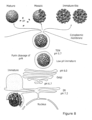
- the ChikV genome carries a positive-sense single-stranded RNA genome of 11 Kb containing two open reading frames encoding nonstructural proteins (nsPl to nsP4) and structural proteins (C, E3, E2, 6K, and El), respectively (see Fig. 9 , top construct).
- the ⁇ 5nsP3 ChikV mutant was shown to be infectious, highly immunogenic and protective against challenge with wild type ChikV (Hallenghaushaus, et al., supra and Hallengärd , et al., Prime-Boost Immunization Strategies against Chikungunya Virus (2014) J. Virology, 88(22):13333-13343 ).
- the live attenuated Chikungunya virus may be a variant of the ChikV-ICRES1- ⁇ 5nsP3 attenuated mutant virus.
- Figure 10 Chikungunya virus
- Figure 17A shows the process of the present disclosure in relation to Zika virus.
- Table 1 Overview of process buffers and stock solutions Buffer Composition Final pH Final conductivity [mS/cm]
- a 0.5 M NaOH n.a. B 0.1 M NaOH n.a. C 25 mM Tris, 150 mM NaCl 7.4 ⁇ 0.2 16.5 D 1 M Tris 7.4 ⁇ 0.2 n.a.
- Degrees Brix is the sugar content of an aqueous solution.
- One degree Brix is 1 gram of sucrose in 100 grams of solution and represents the strength of the solution as percentage by mass.
- °Bx corresponds to the sucrose content in % (w/w), eg. 45 °Bx equals 45 % (w/w) sucrose.
- Table A Primers for Zika virus sequencing: lower case letters indicate bases not included in ZIKA but containing restriction sites for later cloning when needed (therefore, two Tms provided).
- the Zika virus may have a RNA genome corresponding to the DNA sequence provided by the nucleic acid sequence of any one of SEQ ID NOs: 2-13 or 73.
- the Zika virus may have a variant genome that is at least 80%, 81%, 82%, 83%, 84%, 85%, 86%, 87%, 88%, 89%, 90%, 91%, 92%. 93%, 94%, 95%, 96%, 97%, 98%, 99%, 99.5%, 99.6%, 99.7%, 99.8% or 99.9% identical to any one of SEQ ID NOs: 2-13 or 78.
- amino acid sequences of the E-proteins of Zika strains that may be used in the methods, compositions, and/or vaccines described herein.
- the Zika virus may have a polyprotein, including an envelope (E) protein, with an amino acid sequence provided by any one of SEQ ID NO: 14-69 or 78.
- the polyprotein or E protein sequence may be at least 80%, 81%, 82%, 83%, 84%, 85%, 86%, 87%, 88%, 89%, 90%, 91%, 92%. 93%, 94%, 95%, 96%, 97%, 98%, 99%, 99.5%, 99.6%, 99.7%, 99.8% or 99.9% identical to any one of SEQ ID NOs: 2-69 or 78.
- nucleic acids or amino acid sequences refer to two or more sequences or subsequences that are the same.
- Two sequences are “substantially identical” if two sequences have a specified percentage of amino acid residues or nucleotides that are the same (e.g., at least 80%, 85%, 90%, 95%, 96%, 97%, 98%, or 99% identity) over a specified region or over the entire sequence, when compared and aligned for maximum correspondence over a comparison window, or designated region as measured using one of the following sequence comparison algorithms or by manual alignment and visual inspection.
- the identity exists over a region that is at least about 50 nucleotides (or 10 amino acids) in length, or more preferably over a region that is 100 to 500 or 1000 or more nucleotides (or 20, 50, 200 or more amino acids) in length.
- the identity may exist over the length of a protein, such as the E protein.
- sequence comparison typically one sequence acts as a reference sequence, to which test sequences are compared.
- Methods of alignment of sequences for comparison are well known in the art. See, e.g., by the local homology algorithm of Smith and Waterman (1970) Adv. Appl. Math. 2:482 c, by the homology alignment algorithm of Needleman and Wunsch, J. Mol. Biol. 48:443, 1970 , by the search for similarity method of Pearson and Lipman. Proc. Natl. Acad. Sci. USA 85:2444, 1988 , by computerized implementations of these algorithms (GAP, BESTFIT, FASTA, Jalview and TFASTA in the Wisconsin Genetics Software Package, Genetics Computer Group. 575 Science Dr., Madison.
- Example 1 Development of a purification process for live attenuated Chikungunya virus vaccine produced in Vero cells
- a downstream process was developed for the purification of infectious Chikungunya virus particles whereby non-infectious virus particles and aggregates are removed by the addition of protamine sulphate.
- the unexpected and novel purification properties of protamine sulphate (PS) were evaluated in purification processes for Chikungunya Virus (ChikV) as follows: A downstream purification process for the attenuated Chikungunya virus mutant " ⁇ 5nsP3" (as described by Hallengärd et al., 2014, supra and provided by SEQ ID NO: 77) produced under standard cell culture conditions in Vero cells was developed.
- the attenuated ⁇ 5nsP3 Chikungunya virus was derived from the strain LR2006-OPY1, the complete genome of which is provided herein as SEQ ID NO: 72.
- the downstream process consists of crude harvest filtration followed by concentration and diafiltration on a tangential flow filtration (TFF) system. Host cell DNA and host cell proteins were reduced by precipitation with protamine sulphate and by batch adsorption, respectively. Sucrose density gradient centrifugation was done as a final polishing step. Out of 16 roller bottles 1 ⁇ 10 12 total PFU were purified with an overall DSP process yield of 10-15 % ( ⁇ 1 log10 TCID50 loss). Sucrose gradient pool samples were characterized with regard to product-related impurities, such as hcDNA, HCP and endotoxins and met safety criteria.
- ChikV ⁇ 5nsP3 was grown on Vero cells in roller bottles.
- a first harvest was performed after 24 hours post infection (hpi; day 1 harvest) and stored at 2-8°C until further processing. After the first harvest, fresh medium was added and the roller bottles were returned to the incubator.
- a second harvest was done after 48 hours post infection (day 2 harvest) and stored at 2-8°C.
- the crude harvest was immediately filtered using a 0.2 ⁇ m filter capsule (GE ULTA TM CG, 2 inch).
- the filtered harvest after 48 hpi was pooled together with the 24 hpi harvest and the pooled filtered harvest material was immediately further processed by ultrafiltration.
- the pooled filtered harvest material was further processed by tangential flow filtration (TFF) in order to concentrate the harvest, reduce host cell proteins and replace the depleted cell culture medium with a defined buffer system (buffer exchange).
- TFF tangential flow filtration
- a Millipore TFF system (Millipore Pellicon II mini membrane holder) equipped with a 100 kDa cutoff PES membrane module (Pellicon2 Biomax, 1000 cm 2 ) was used for concentration and buffer exchange.
- a Pellicon2 Biomax membrane module was mounted on the Pellicon II mini filter holder and the device was connected to a peristaltic pump.
- the system was first rinsed with ultra-pure water and then sanitized by recirculation of 0.1 M NaOH for 60 min. In case the system was not used immediately, it was stored in 0.1 M NaOH until use. Prior to use the system was rinsed with 1 L of RO-water followed by buffer A until the permeate pH value was constant at pH 7.4 ⁇ 0.2.
- the pooled filtered harvest material was adjusted to a final concentration of 25 mM Tris and 150 mM NaCl using stock solutions of both components (see Table 1). This adjustment was done to increase buffering capacity and to reduce unspecific adsorption to the membrane.
- the adjusted harvest material was concentrated approximately 10 fold.
- the feed flowrate was approximately 220 mL/min.
- the transmembrane flux at a transmembrane pressure of approximately 0.6 bar was in the range of 90 ⁇ 5 mL/min per 1000 cm 2 membrane.
- the cell culture medium was exchanged against 25 mM Tris, 150 mM NaCl, pH 7.5, by continuous diafiltration with 6 volume exchanges.
- the diafiltration buffer was supplied to the feed vessel from a measuring cylinder by a second peristaltic pump set to a flowrate of approximately 90 mL/min.
- sucrose stock solution H (50% (w/w) sucrose solution) was added to the diafiltrated material to achieve a final sucrose concentration of 10% (w/w).
- a DNA precipitation step using protamine sulphate (PS) was performed to reduce hcDNA.
- Protamine sulphate stock solution L 50 mg/mL PS in PBS
- the protamine sulphate stock solution was added while stirring the ChikV ⁇ 5nsP3 material using a magnetic stirrer followed by incubation at 2-8°C for 30 minutes. After incubation, the precipitate was not removed. The material was immediately further processed by batch adsorption with Capto TM Core 700 chromatography media.
- CC700 Capto TM Core 700 chromatography medium
- CC700 slurry 50% slurry in buffer A
- the required slurry volume was determined based on the volume of ⁇ 5nsP3 ChikV harvest material (d1+d2) and was calculated as follows:
- the material was incubated at 4°C for 15 minutes under constant agitation using a magnetic stirrer. After incubation, the CC700 solid matter was allowed to settle by gravity for 10 minutes. The ⁇ 5nsP3 ChikV material was then removed from the top of the solution in order to avoid blocking of the filter by the CaptoCore particles. The remaining CaptoCore particles and the DNA precipitate were then removed from the solution by filtration using a 0.2 ⁇ m Mini Kleenpak EKV filter capsule (Pall). The resulting filtrate was further processed by sucrose density gradient centrifugation.
- Sucrose density gradient centrifugation was used for final concentration and polishing of the ⁇ 5nsP3 ChikV material.
- the ⁇ 5nsP3 ChikV material was loaded on top of a solution consisting of three layers of sucrose with different densities. The three sucrose layers were selected based on a preliminary study which showed the formation of a linear sucrose gradient and good separation of the virus particles from residual contaminants. The optimal volumes of the sucrose solutions were determined empirically. The volumes of individual layers for a centrifugation at 500 mL scale are shown in Table 3. Table 3. Sucrose concentrations and volumes (500 mL scale). Solution Volume (mL) Harvest with 10% sucrose 360 15% sucrose 40 35% sucrose 40 50% sucrose 60 Total volume 500
- the sucrose gradient bottles (500 mL) were prepared by underlaying the individual sucrose layers.
- a 3.5 mm ID plastic tube was attached to 60 cm of peristaltic pump tubing.
- the plastic tube was mounted on a laboratory stand using a clamp and placed into the centrifuge bottle.
- the nozzle of the plastic tube was placed at the bottom of the bottle.
- a peristaltic pump set to a flow rate of 25 mL per minute, the ⁇ 5nsP3 ChikV material and the sucrose solutions were pumped into the cylinder.
- a measuring cylinder was used as a feed vessel.
- the first solution pumped was the ⁇ 5nsP3 ChikV material as it had the lowest density (10% sucrose (w/w)).
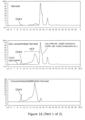
- sucrose solutions were pumped in ascending order starting with the lowest (15%), followed by the 35% sucrose solution and finishing with the highest density sucrose solution (50%). After all sucrose solutions were transferred, the plastic tubing was carefully removed in order not to disturb the layers. An illustration of a completed gradient is shown in Figure 14 .
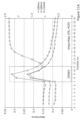
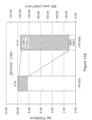
- UV absorbance measurement was used as primary method for analysis of the sucrose gradient fractions. Absorbance at 214, 280 and 260 nm was tested immediately after fractionation was completed. Briefly, a 100 ⁇ L sample of each fraction was transferred into a 96 well plate and absorbance at 214, 260 and 280 nm was measured using a plate reader. The absorbance values were plotted against the fraction number. A representative profile is shown in Fig. 11A . The ⁇ 5nsP3 ChikV containing fractions were indicated by a peak in all three measured wavelengths ( Fig. 11A , grey shaded area). The presence of impurities was indicated by an increase of the UV214 signal after the main peak. The fractions comprising the main peak were pooled from the peak start to the valley of the 214 nm curve. This method can be used as single method for pooling ⁇ 5nsP3 ChikV fractions.
- sucrose gradient pool was either stored at ⁇ -65 °C or immediately further formulated to drug substance (DS).
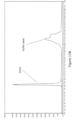
- SEC-HPLC is a semi-quantitative (relative yield) and qualitative (purity) method that separates intact virus particles from virus aggregates and host cell proteins (HCPs). The method cannot distinguish between infectious and non-infectious virus particles due to their identical retention time.
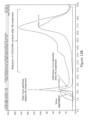
- Fig. 11B there were two defined peaks identified by SEC: the ⁇ 5nsP3 ChikV peak and a peak corresponding to buffer components.
- the SGC step yield based on SEC-HPLC data for pooled fractions F6-F11 was estimated at ⁇ 70 %.
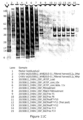
- SDS-PAGE silver stain was performed in order to qualitatively assess sample purity throughout the purification process from the first crude harvest through SGC. Briefly, ChikV process samples analyzed by SDS-PAGE/silver stain were diluted 1:1.33 with LDS buffer and were heated to 70°C for 5 minutes. The samples were loaded onto 4-12 % Bis-Tris Gels (NuPAGE). Silver staining was done using the Silver Express staining kit (Invitrogen).
- FIG. 11C A silver-stained gel of a representative ChikV ⁇ 5nsP3 purification is shown in Fig. 11C .
- the viral proteins E1, E2 and C are marked on the right-hand side of the gel.
- the final SGC pool (fraction 7-fraction 11) is shown in lane 12. Note that a defined HCP band migrating between ChikV protein E2 and C still appears after CaptoCore700 treatment that has been identified as a single band in SDS-PAGE. This impurity is removed by sucrose gradient centrifugation, but can still be seen in fractions 13 and 14 (corresponding to lanes 14 and 15 of Fig. 11C ).
- TCID50 was performed to quantify infectious virus particles during the course of the purification process and to assign an active virus titer to final drug substance and drug product samples. Briefly, Vero cells were seeded at 2 ⁇ 10 4 cells per well in 100 ⁇ L medium (EMEM with 2 mM L-Glutamine + 5 % FBS + 1 % antibiotic/antimycotic) in 96-well TC-treated flat-bottom plates and incubated overnight at 35°C / 5% CO 2 . On day two, Vero cell monolayers were infected by adding 100 ⁇ L of 1:10 serial dilutions of test samples to each of quintuplicate wells seeded with Vero cells and incubated at 35°C / 5% CO 2 .
- the TCID50 was calculated according to the Reed & Münch endpoint calculation method ( Reed, L.J.; Muench, H. (1938) A simple method of estimating fifty percent endpoints, The American Journal of Hygiene 27: 493-497 ).
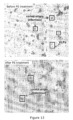
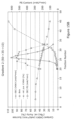
- the PS-treated samples were further purified by sucrose gradient centrifugation (see Fig. 14 for a schematic preparation of an optimized sucrose gradient). An optimal sucrose gradient was determined experimentally as shown in Fig. 15 . Results of the further purification of PS-treated ChikV on the optimized sucrose gradient of the invention are shown in Fig. 15D .
- the pooled SGC fractions are diluted with DS formulation buffer M (10 mM Tris, 5% Sucrose (w/w), 1% (10 mg/mL) rHSA, pH 7.4 ⁇ 0.2).
- the final target volume of DS should be in the range of approximately 2 L. Based on current data the estimated range of the dilution factor might be 1:20 to 1:50.
- the final DS was filtered under aseptic conditions in a laminar flow hood using a sterility grade 0.2 ⁇ m syringe filter (e.g. 0.2 ⁇ m Mini Kleenpak EKV filter capsule with 220 cm 2 filter surface, Pall).
- a sterility grade 0.2 ⁇ m syringe filter e.g. 0.2 ⁇ m Mini Kleenpak EKV filter capsule with 220 cm 2 filter surface, Pall.
- hcDNA host cell DNA
- HCP host cell protein
- the residual host cell DNA content of the sucrose gradient pool samples was determined by using the qPCR based assay.
- the DNA content in SGC pool was determined to be ⁇ 0.002 ng/mL.
- the presence of residual host cell protein (HCP) from Vero cells was determined by ELISA. Residual host cell proteins present in the sucrose gradient pool samples were quantified using the Vero Cell HCP ELISA kit (Cygnus, F500).
- the residual host cell protein content in SGC pool was determined to be ⁇ 200 ng/mL.
- Endotoxin content of the SGC pool and DS was measured by Endosafe ® -PTS TM system (Charles River).
- the system uses Limulus Amembocyte Lysate (LAL) reagents by a kinetic chromogenic methodology to measure color intensity directly related to the endotoxin content in a sample.
- LAL Limulus Amembocyte Lysate
- Each cartridge contains precise amounts of a licensed LAL reagent, chromogenic substrate and an endotoxin control standard. Samples were diluted 1:100 in WFI.
- the SGC Pool F7-F11 was determined to be ⁇ 5.00 EU/mL; likewise, the Drug Substance was also determined to have ⁇ 5.00 EU/mL.
- Example 2 Production of a Zika drug substance suitable for application as a vaccine in humans and animals
- Zika Virus Strain H/PF/2013 was originally isolated from a 51-year-old woman (accession number KJ776791.1, also SEQ ID NO: 13 herein) from French Polynesia. A sample was obtained from the European Virus Archive (EVAg; Ref-SKU: 001v-EVA1545). Based on this material, a research master seed bank (rMSB) was prepared on Vero cells as the cell substrate and the genomic sequence was checked by sequencing.
- EVAg European Virus Archive
- rMSB research master seed bank
- the Zika virus may comprise SEQ ID NO: 78.
- the genomic RNA is somewhat longer than the sequence according to SEQ ID NO: 78 (perhaps an additional 200 bp).
- a Zika virus adapted to a host cell such as e.g. Vero cells may be expected to contain one or more mutations.
- the Zika virus may comprise the sequence of SEQ ID NO: 78 or, preferably, a sequence with at least 95%, 96%, 97%, 98%, or at least 99% sequence identity to the sequence provided by SEQ ID NO:78.
- the Zika virus may contain the sequence of SEQ ID NO: 78 and optionally further comprises extensions at the 5' and/or 3' ends of at least 10, at least 20, at least 30, at least 40, at least 50, at least 60, at least 70, at least 80, at least 90, at least 100, at least 110, at least 120 or at least 130 nucleotides.
- the Zika virus may comprise at least the coding sequence for the entire polyprotein of Zika Virus Strain H/PF/2013 i.e.
- the Zika virus comprises at least the coding sequence for the E-protein of Zika Virus Strain H/PF/2013 SEQ ID NO: 47 or an E- protein thereof with at least 95%, 96%, 97%, 98%, or at least 99% sequence identity to the sequence provided by SEQ ID NO: 47.
- Vero cells were grown in Eagle's minimal essential medium (EMEM) containing 10% fetal bovine serum (FBS). Roller bottle cultures of Vero cell monolayers were infected with Zika Virus Strain H/PF/2013 at a multiplicity of infection (moi) of 0.01 plaque forming units (pfu) per cell. After 2 hours of virus adsorption, the cultures were washed 3 times with PBS and fed with EMEM without FBS and incubated at +35°C with 5% CO2. Infected Vero cell cultures were incubated until the virus titer reaches a desired level.
- EMEM Eagle's minimal essential medium
- FBS fetal bovine serum
- the culture medium was harvested at days 2, 3, 5 and 7 and were pooled from those harvest days and then centrifuged in a standard centrifuge. The supernatants were then filtered. Virus culture supernatants were concentrated by TFF ultrafiltration to remove cell culture media components and to reduce batch volume.
- the current JEV harvest process has scheduled harvests on days 3, 5, 7 and 9 post infection.
- roller bottles were infected with ZIKV bank P4-FBS at an MOI of 0.01 in infection medium (MEM with 2% FBS + 2mM L-glutamine) for 2 hours. After removing the inoculum the cells were washed twice with PBS and 200 mL production medium (MEM+ 2mM L-glutamine) was added.
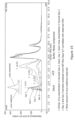
- Virus purification started with concentration of filtered combined harvest using 100 kDa cut-off TFF ultrafiltration modules to remove cell culture media components and reduce batch volume. After concentration, the pooled filtered harvest material was adjusted to a final concentration of 25 mM Tris pH 7.5 and 10% sucrose (w/w) using stock solution of both components (see Figure 19 for SEC-HPLC of different harvests prior to PS treatment). This allowed for freezing the concentrated harvest at ⁇ -65°C if required.
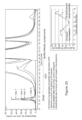
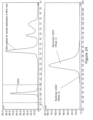
- Samples of individual 30x concentrated harvests days 2, 3, 5 and 7 were analysed before ( Figure 19 ) and after PS ( Figure 20 ) treatment by SEC-HPLC and plaque assay.
- SEC-HPLC was used for determination of relative total ZikaV content (active + inactive) expressed as peak area, whereas the rel. ZikaV peak purity is given as relative content of virus monomer population to total virus peak.
- Plaque assay states the content of total active virus particles in each sample. Experimental results are summarized in Table 1.
- the virus peak recovery by SEC-HPLC was only between 12 to 36% with peak purity after PS treatment in the range of >90% (no virus aggregates detected).
- the PS treated harvest was split in two parts and loaded on two centrifuge bottles.
- Sucrose density gradient centrifugation was used for final concentration and polishing of the ZikaV material.
- the ZikaV PS treated concentrated harvest was loaded on top of a solution consisting of three layers of sucrose with different densities. The three sucrose layers were selected based on a preliminary study which showed the formation of a linear sucrose gradient and complete separation of the virus particles from residual contaminants as demonstrated for ChikV ( Fig. 15D ).
- the optimal volumes of the sucrose solutions were determined empirically.
- the volumes of individual layers for a centrifugation in 100 mL bottle scale are shown in Table 2.
- Table 7 Individual layers/volumes for a centrifugation in bottle.
- the sucrose gradient bottles were prepared by stratifying the individual sucrose layers.
- a plastic tube was attached to peristaltic pump tubing.
- the plastic tube was mounted on a laboratory stand using a clamp and placed into the centrifuge bottle. The nozzle of the plastic tube was touching the bottom of the bottle.
- Using a peristaltic pump the ZikaV material and the sucrose solutions were pumped into the cylinder.
- a measuring cylinder was used as feed vessel.
- the first solution pumped was the ZikaV material as it represented the solution of lowest density (10 % sucrose (w/w)).
- sucrose solutions were pumped in ascending order starting with the 15 % (w/w) solution J, followed by 35 % sucrose solution I and finishing with the highest density sucrose solution H (50 % (w/w)).
- the described setup is shown in Figure 14 . After all sucrose solutions were transferred the plastic tubing was carefully removed in order not to disturb the layers.
- the centrifuge Prior to centrifugation the centrifuge was pre-cooled to 4°C.
- the prepared SG bottles were carefully transferred into the pre-cooled rotor. (Note: Sudden movement of the bottles during transfer to the rotor must be avoided in order not to disturb the sucrose layers.)
- the bottles were centrifuged at ⁇ 11.000 RCF max at 4 °C for at least 20 hours, no brake/deceleration activated. In case a different centrifuge system with a different rotor is used the necessary speed and centrifugation times need to be calculated based on the k-factor in order to achieve comparable centrifugation efficiency.
- the purified viral solution was inactivated by incubation with 0.02% formaldehyde over a period of ten days in a 22°C controlled-temperature incubator.
- the formaldehyde is neutralized by addition of sodium metabisulphite on the tenth day.
- sucrose gradient pool ( ⁇ 17mL after sampling) was further diluted 3-fold with PBS to a final volume of 51 mL in a PETG container.
- a volume of 1% formaldehyde (10,000 ppm) solution equivalent to 1/50 of the final volume of the pre-formaldehyde pool was added to this pool resulting in an effective concentration of 200 ppm.
- the formaldehyde-treated solution was mixed on a magnetic stirrer for 10 minutes. After sampling, the formaldehyde-treated viral solution was placed within a cooled incubator at 22°C ⁇ 2°C.
- the formaldehyde-treated viral solution was filtered through a 0.2 ⁇ m filter and then placed in the incubator at 22°C ⁇ 2°C again.
- a volume of 1 % (of the weight of the final formaldehyde-treated viral solution) of 200 mM-sodium metabisulphite solution (2mM final concentration) was aseptically transferred into the PETG container containing the formaldehyde-treated viral solution.
- the neutralized inactivated viral solution is held at room temperature (20 to 25°C) for a minimum of 30 minutes. After sampling, the neutralized inactivated viral solution is stored at 5°C ⁇ 3°C until further processing.
- Critical parameters for this step are final formalin concentration, temperature, mixing and transfer into a new container.
- a preliminary acceptance criterion for maximum pfu/mL (determined by plaque assay) has been set on the diluted pool pre formaldehyde treatment.
- the quality of the neutralized inactivated viral solution was monitored by the following parameters: Plaque assay on Day 10, SEC-HPLC, SDS-PAGE/Western Blot.
- an antigen content (expressed as total viral particles or SEC peak area) of 5 times higher compared to Ixiaro was targeted.
- the basis for determination of antigen content was SEC-HPLC. Briefly, a Superose 6 10/300 Increase column (GE Healthcare) equilibrated with PBS + 250 mM NaCl, pH 7.4 at 1 ml/min and 25°C, was used to detect ZikaV at 214 nm detection wavelength in harvest samples and throughout the downstream process.
- the antigen content in NIV is determined by a specific ELISA. A good correlation was observed between antigen content determined by ELISA and SEC-HPLC.
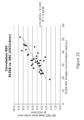
- the antigen content in commercial NIV samples is in the range of 33 AU/mL corresponding to ⁇ 5.2mAU JEV peak area, see Figure 22 .
- ZikaV NIV day10 Zika peak ⁇ 36 mAU, analysed on Waters HPLC/Superose6 Increase column
- PBS PBS
- Aluminium hydroxide was added to a final concentration of 0.5 mg/mL Aluminium (1/20 v/v Alum 2% stock solution added) to prepare ZikaV Drug Product (DP).
- the DP was gently mixed for 5 min. An aliquot of the DP was removed, Alum sedimented by centrifugation and the clear supernatant analysed by SEC-HPLC. No ZikaV peak was detected in the supernatant indicating complete adsorption (estimated as >95%) of viral particles on the mineral adjuvant.
- Formulated ZikaV DP was stored at 2-8°C.
- the impurity profile of the inactivated Zika virus DS is comparable to the profile of JEV DS with the exception of a lower PS content (Table 8).
- Table 8 Determination of impurity profile in Zika and JEV DS samples: Specification (JEV DS) JEV Zika HCP (ng/mL) ⁇ 100 ⁇ LOQ ⁇ LOQ LOQ 12 ng/mL DNA (pg/mL) ⁇ 200 ⁇ 40 ⁇ 40 LOQ 40 pg/mL Aggregates by SEC-MALLS (%) Not specified, ⁇ LOQ ⁇ LOQ part of characterization LOQ 5% PS ( ⁇ g/mL) Specification only at SGP pool to demonstrate consistent process performance (19-152 ⁇ g/mL), *PS content in DS calculated based on PS content in SGP pool ( ⁇ 100 ⁇ g/mL) and average dilution factor ( ⁇ 28x) to DS; LOQ 2 ⁇ g/mL ⁇ 4* ⁇ LOQ *Typical PS impurity
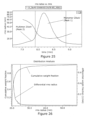
- FIG. 24 A representative SEC-HPLC elution profile of ZikaV NIV at 214 nm detection wave length is shown in Figure 24 . Note that BSA (50 ⁇ g/mL) was added to the sample to minimize losses in HPLC glass vial due to unspecific surface adsorption. ZikaV monomer content was estimated as ⁇ 98% with a multimer content of ⁇ 2%.
- PS is not only effective for DNA removal by precipitation; in addition it improves the recovery of virus particles in the gradient by disrupting interaction of DNA (fragments) and virus particles.
- Benzonase treatment does not remove DNA, it only results in its fragmentation. Residual DNA fragments might still interact with virus particles and residual HCPs resulting in cross-contamination and co-purification in the sucrose gradient. Pooled SGP fractions were also analysed by SEC-HPLC. Although a large peak was detected, SDS-PAGE confirmed that this sample was highly contaminated with HCPs. A large peak might be detected at UV214 and 280nm after SEC-HPLC analysis due to possible interaction of HCPs with large virus particles, changing the UV absorbance.
- the target viruses H/PF/2013 (SEQ ID NO: 13) or MR766 (SEQ ID NO: 11) were diluted to 100 pfu/165 ⁇ L. Equal volumes of target virus and serum dilution were incubated at 35°C with 5% CO 2 for 1 hour.
- the cell culture medium was aspirated from the Vero cells and 330 ⁇ L of the mixture target virus/serum dilution were added to each well and the plates were rocked back and forth 5 times before incubating for 2 hours at 35°C with 5% CO 2 .
- To each well 1 mL of a 2% methylcellulose solution containing EMEM and nutrients was added, the plates were then incubated for 5 days at 35°C with 5% CO 2 before staining the cells for 1 hour with crystal violet/5% formaldehyde and subsequently washed 3 times with deionized water. The plates were air dried and the numbers of plaques in each well were manually counted.
- the immunogenicity of inactivated Zika virus preparations is assessed using a mouse model of Zika infection.
- Groups of adult mice are immunized subcutaneously (s.c.) with 500, 50, or 5 ng of inactivated Zika virus with adjuvant (e.g. aluminium hydroxide with or without IC31 ® ), or without adjuvant.
- An additional group of mice receive PBS as a negative control.
- serum samples are obtained from each of the mice at regular intervals. The serum samples are tested for the presence of neutralizing antibodies using PRNT.
- the in vivo protective efficacy of the inactivated Zika virus preparations is also assessed using a mouse model of Zika infection, i.e. IFN-alpha/beta receptor knock-out mice (A129) (see e.g. Dowall et al., 4. March 2016, http://dx.doi.org/10.1101/042358) or blocking of the IFN-alpha/beta receptor by administration of anti-IFN-alpha/beta receptor monoclonal antibodies to C57BL/6 or BALB/c mice (see e.g. Pinto et al., 7. December 2011, DOI: 10.1371/journal.ppat.1002407).
- IFN-alpha/beta receptor knock-out mice A129
- IFN-alpha/beta receptor knock-out mice see e.g. Dowall et al., 4. March 2016, http://dx.doi.org/10.1101/042358
- blocking of the IFN-alpha/beta receptor by administration of anti-IFN-al
- age-matched controls are inoculated with PBS or non-specific antigens in alum.
- Mice are optionally boosted with a second administration of the indicated inoculation three to four weeks later. The mice are then challenged subcutaneously at three to eight weeks post immunization by inoculation with a deadly dose of live Zika virus.
- mice One day prior to challenge of C57BL/6 and BALB/c mice, they are passively administered (intraperitoneally) anti-IFN-alpha/beta receptor monoclonal antibodies. Challenged mice are monitored daily for morbidity and mortality for up to twenty-one days. Another alternative is to challenge intracranially adult vaccinated/non-vaccinated adult mice and observe protection.
- the Zika virus produced by the process of the present disclosure will provide very similar functional read-outs in in vitro, in vivo and finally human trials as the currently licensed JEV vaccine in the EU and US and elsewhere, IXIARO ® .
- the dosage may alter but due to the very similar impurity profile and almost identical manufacture, a very similar efficacy and safety result will be expected as was determined for the currently licensed JEV vaccine (licensed in the EU and US and elsewhere).
- the existing manufacturing platform for production of inactivated JEV vaccine IXIARO ® was used as a basis for a manufacturing feasibility study of inactivated ZikaV vaccine candidate (Asian strain H/PF/2013).
- the virus was produced on Vero cells cultivated in roller bottles. The virus was purified by PS treatment followed by an optimized sucrose gradient. Inactivation was done by formalin treat (0.02 %, 10 days at 22 °C).
- a DP formulated with Alum was prepared with an estimated 5-fold higher virus particle content compared to IXIARO ® , the commercial JEV Vaccine.
- the impurity profile of the DS met all criteria as defined in the specification for IXIARO ® , the commercial JEV vaccine.
- the neutralization of both the Asian (H/PF/2013) and African (MR766) lineages of the Zika virus was equivalent, which indicates high cross-neutralization between different Zika virus strains of the inactivated Zika virus vaccine (H/PF/2013).
- the in vivo data regarding immunogenicity of the inactivated Zika virus vaccine of the current disclosure indicates that the virus is surprisingly potently immunogenic and also highly cross-protective (very similar immunogenicity in African and Asian strains). Data indicate that immunogenicity was higher than the recently reported inactivated Zika virus vaccine candidate (Larocca, et. al, 2016, supra.). Inactivated viruses are among the safest vaccines and especially preferred for deliver to populations where safety is especially concerning, such as pregnant women, children and immunocompromised individuals, which makes the herein disclosed inactivated Zika virus particularly suitable. Obtaining a high titer of inactivated virus is a challenge in the field. The herein disclosed process for purifying inactivated Zika virus results in not only a high yield, but also a very pure drug substance.
- Example 3 Development of a purification process for Yellow Fever virus vaccine produced in Vero cells
- a downstream process was developed for the purification of infectious yellow fever virus particles whereby host cell nucleic acids, non-infectious virus particles and aggregates are removed by the addition of protamine sulphate as described in Examples 1 and 2.
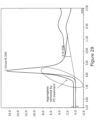
- the unexpected and novel purification properties of protamine sulphate (PS) were evaluated in purification processes for yellow fever (YF) as follows: As before the treatment of YF-harvest with PS significantly reduces the amount of aggregates as seen with SEC for two vaccine strains currently in development ( Figure 29 ).
Landscapes
- Health & Medical Sciences (AREA)
- Life Sciences & Earth Sciences (AREA)
- Chemical & Material Sciences (AREA)
- Virology (AREA)
- General Health & Medical Sciences (AREA)
- Medicinal Chemistry (AREA)
- Organic Chemistry (AREA)
- Microbiology (AREA)
- Immunology (AREA)
- Pharmacology & Pharmacy (AREA)
- Animal Behavior & Ethology (AREA)
- Public Health (AREA)
- Veterinary Medicine (AREA)
- Genetics & Genomics (AREA)
- Zoology (AREA)
- General Chemical & Material Sciences (AREA)
- Bioinformatics & Cheminformatics (AREA)
- Engineering & Computer Science (AREA)
- Wood Science & Technology (AREA)
- Epidemiology (AREA)
- Mycology (AREA)
- Chemical Kinetics & Catalysis (AREA)
- Biochemistry (AREA)
- Molecular Biology (AREA)
- Communicable Diseases (AREA)
- General Engineering & Computer Science (AREA)
- Biomedical Technology (AREA)
- Biotechnology (AREA)
- Oncology (AREA)
- Nuclear Medicine, Radiotherapy & Molecular Imaging (AREA)
- Gastroenterology & Hepatology (AREA)
- Proteomics, Peptides & Aminoacids (AREA)
- Biophysics (AREA)
- Tropical Medicine & Parasitology (AREA)
- Micro-Organisms Or Cultivation Processes Thereof (AREA)
- Medicines Containing Antibodies Or Antigens For Use As Internal Diagnostic Agents (AREA)
- Medicines That Contain Protein Lipid Enzymes And Other Medicines (AREA)
- Peptides Or Proteins (AREA)
- Medicines Containing Material From Animals Or Micro-Organisms (AREA)
Priority Applications (1)
| Application Number | Priority Date | Filing Date | Title |
|---|---|---|---|
| EP24159155.1A EP4393938A3 (en) | 2015-12-23 | 2016-12-23 | Virus purification |
Applications Claiming Priority (6)
| Application Number | Priority Date | Filing Date | Title |
|---|---|---|---|
| EP15202585 | 2015-12-23 | ||
| EP16161068 | 2016-03-18 | ||
| EP16176049 | 2016-06-23 | ||
| EP16176025 | 2016-06-23 | ||
| EP16182845 | 2016-08-04 | ||
| PCT/EP2016/082663 WO2017109224A1 (en) | 2015-12-23 | 2016-12-23 | Virus purification |
Related Child Applications (1)
| Application Number | Title | Priority Date | Filing Date |
|---|---|---|---|
| EP24159155.1A Division EP4393938A3 (en) | 2015-12-23 | 2016-12-23 | Virus purification |
Publications (3)
| Publication Number | Publication Date |
|---|---|
| EP3393506A1 EP3393506A1 (en) | 2018-10-31 |
| EP3393506B1 true EP3393506B1 (en) | 2024-03-13 |
| EP3393506C0 EP3393506C0 (en) | 2024-03-13 |
Family
ID=57821924
Family Applications (9)
| Application Number | Title | Priority Date | Filing Date |
|---|---|---|---|
| EP16826739.1A Active EP3393506B1 (en) | 2015-12-23 | 2016-12-23 | Virus purification |
| EP16828746.4A Active EP3393510B1 (en) | 2015-12-23 | 2016-12-23 | Zika virus vaccine |
| EP23219512.3A Pending EP4357355A3 (en) | 2015-12-23 | 2016-12-23 | Virus purification |
| EP16828745.6A Active EP3393509B1 (en) | 2015-12-23 | 2016-12-23 | Virus purification |
| EP23175136.3A Pending EP4253403A3 (en) | 2015-12-23 | 2016-12-23 | Zika virus purification |
| EP16826740.9A Active EP3393507B1 (en) | 2015-12-23 | 2016-12-23 | Zika virus purification |
| EP24159155.1A Pending EP4393938A3 (en) | 2015-12-23 | 2016-12-23 | Virus purification |
| EP16826741.7A Active EP3393508B9 (en) | 2015-12-23 | 2016-12-23 | Zika virus purification |
| EP23152481.0A Pending EP4218807A3 (en) | 2015-12-23 | 2016-12-23 | Zika virus vaccine |
Family Applications After (8)
| Application Number | Title | Priority Date | Filing Date |
|---|---|---|---|
| EP16828746.4A Active EP3393510B1 (en) | 2015-12-23 | 2016-12-23 | Zika virus vaccine |
| EP23219512.3A Pending EP4357355A3 (en) | 2015-12-23 | 2016-12-23 | Virus purification |
| EP16828745.6A Active EP3393509B1 (en) | 2015-12-23 | 2016-12-23 | Virus purification |
| EP23175136.3A Pending EP4253403A3 (en) | 2015-12-23 | 2016-12-23 | Zika virus purification |
| EP16826740.9A Active EP3393507B1 (en) | 2015-12-23 | 2016-12-23 | Zika virus purification |
| EP24159155.1A Pending EP4393938A3 (en) | 2015-12-23 | 2016-12-23 | Virus purification |
| EP16826741.7A Active EP3393508B9 (en) | 2015-12-23 | 2016-12-23 | Zika virus purification |
| EP23152481.0A Pending EP4218807A3 (en) | 2015-12-23 | 2016-12-23 | Zika virus vaccine |
Country Status (19)
| Country | Link |
|---|---|
| US (14) | US10537630B2 (enExample) |
| EP (9) | EP3393506B1 (enExample) |
| JP (1) | JP6949027B2 (enExample) |
| KR (1) | KR20180097558A (enExample) |
| CN (2) | CN115381934A (enExample) |
| AU (1) | AU2016375338B2 (enExample) |
| BR (1) | BR112018012873A2 (enExample) |
| CA (1) | CA3009278A1 (enExample) |
| DK (1) | DK3393510T5 (enExample) |
| ES (4) | ES2950887T3 (enExample) |
| FI (1) | FI3393510T3 (enExample) |
| HR (1) | HRP20230273T1 (enExample) |
| HU (1) | HUE061679T2 (enExample) |
| LT (1) | LT3393510T (enExample) |
| MX (1) | MX2018007627A (enExample) |
| PL (1) | PL3393510T3 (enExample) |
| SG (1) | SG11201805120YA (enExample) |
| SI (1) | SI3393510T1 (enExample) |
| WO (6) | WO2017109223A1 (enExample) |
Families Citing this family (35)
| Publication number | Priority date | Publication date | Assignee | Title |
|---|---|---|---|---|
| US9895437B2 (en) | 2012-04-18 | 2018-02-20 | Valneva Austria Gmbh | Aluminum compounds for use in therapeutics and vaccines |
| UA126548C2 (uk) * | 2015-07-16 | 2022-11-02 | Бхарат Біотек Інтернешнл Лімітед | Вакцинна композиція для профілактики абровірусних інфекцій |
| JP6949027B2 (ja) | 2015-12-23 | 2021-10-20 | バルネバ オーストリア ジーエムビーエイチ | ジカウイルスワクチン |
| BR112018077540A2 (pt) * | 2016-07-08 | 2019-10-01 | The United States Of America, As Represented By The Secretary, Department Of Health And Human Services | vírus quimérico da dengue/zika como vacinas de zika vírus vivo atenuado |
| SG11202001161YA (en) | 2017-09-21 | 2020-03-30 | Valneva Se | Method of producing pharmaceutical compositions comprising immunogenic chikungunya virus chikv-delta5nsp3 |
| WO2019090233A2 (en) * | 2017-11-03 | 2019-05-09 | Takeda Vaccines, Inc. | Method for inactivating zika virus and for determining the completeness of inactivation |
| CN107988239B (zh) * | 2017-11-29 | 2021-03-19 | 南方医科大学 | 一种寨卡病毒的重组基因及其制备方法和应用 |
| JP7443233B2 (ja) * | 2017-11-30 | 2024-03-05 | タケダ ワクチン,インコーポレイテッド | ジカウイルスを不活性化する方法及び関連する方法 |
| CN107904215B (zh) * | 2017-12-27 | 2021-07-27 | 华农(肇庆)生物产业技术研究院有限公司 | 一种禽流感病毒的全悬浮培养方法 |
| TWI658848B (zh) * | 2018-02-13 | 2019-05-11 | 國立清華大學 | 茲卡病毒疫苗組合物及其應用 |
| CN110156880B (zh) * | 2018-02-13 | 2022-12-16 | 吴夙钦 | 兹卡病毒疫苗组合物及其应用 |
| WO2019191005A1 (en) * | 2018-03-26 | 2019-10-03 | Boehringer Ingelheim Animal Health USA Inc. | Method of producing an immunogenic composition |
| CN108676780B (zh) * | 2018-07-24 | 2021-08-10 | 华中农业大学 | 一种高效分离猪肠道冠状病毒的方法 |
| CN109337876A (zh) * | 2018-10-15 | 2019-02-15 | 北京世纪元亨动物防疫技术有限公司 | 一种猪流行性腹泻病毒的纯化方法 |
| EP3883961A1 (en) | 2018-11-20 | 2021-09-29 | Takeda Vaccines, Inc. | Novel anti-zika virus antibodies and uses thereof |
| CN109627297B (zh) * | 2018-12-29 | 2022-06-14 | 复旦大学 | 来自寨卡病毒e蛋白的中和表位及其应用 |
| EP3914067A4 (en) * | 2019-01-22 | 2022-11-02 | 2seventy bio, Inc. | METHODS AND SYSTEMS FOR MAKING VIRAL VECTORS |
| MX2021011913A (es) * | 2019-05-08 | 2021-12-15 | Takeda Vaccines Inc | Composiciones de virus inactivado y formulaciones de vacunas contra el zika. |
| IL290458B2 (en) | 2019-08-09 | 2025-06-01 | Valneva Se | Chikungunya vaccine formulations |
| IL290450B2 (en) | 2019-08-09 | 2025-07-01 | Valneva Se | Single shot chikungunya virus vaccine |
| WO2021048221A1 (en) | 2019-09-09 | 2021-03-18 | Valneva Austria Gmbh | Inactivation process for viruses |
| KR102243295B1 (ko) * | 2019-11-15 | 2021-04-23 | 강원대학교산학협력단 | 지카바이러스의 외피 단백질을 포함하는 재조합 백신 조성물 |
| KR102365464B1 (ko) * | 2019-12-24 | 2022-02-22 | 강원대학교산학협력단 | 지카바이러스 재조합 서브유닛 백신의 개발 및 이의 제조방법 |
| WO2021158815A1 (en) * | 2020-02-05 | 2021-08-12 | New York Blood Center, Inc. | Zika virus immunogenic compositions |
| EP3895729A1 (en) | 2020-03-01 | 2021-10-20 | Valneva Austria GmbH | Cpg-adjuvanted sars-cov-2 virus vaccine |
| AU2021229710A1 (en) | 2020-03-01 | 2022-10-06 | Dynavax Technologies Corporation | CPG-adjuvanted SARS-CoV-2 virus vaccine |
| US20230110516A1 (en) | 2020-03-01 | 2023-04-13 | Dynavax Technologies Corporation | Coronavirus vaccines comprising a tlr9 agonist |
| JP7759333B2 (ja) * | 2020-03-03 | 2025-10-23 | マヨ ファウンデーション フォー メディカル エデュケーション アンド リサーチ | ジカウイルスポリペプチド |
| TW202203967A (zh) | 2020-04-06 | 2022-02-01 | 奧地利商瓦爾尼瓦奧地利有限責任公司 | 不活化SARS—CoV—2病毒疫苗 |
| US20230204567A1 (en) | 2020-05-20 | 2023-06-29 | Takeda Vaccines, Inc. | Method for determining the potency of antigens |
| JP2023526493A (ja) | 2020-05-20 | 2023-06-21 | タケダ ワクチン,インコーポレイテッド | ジカウイルス特異的抗体の検出方法 |
| WO2021236225A1 (en) | 2020-05-20 | 2021-11-25 | Takeda Vaccines, Inc. | Method for detection of zika virus specific antibodies |
| WO2023148256A1 (en) | 2022-02-02 | 2023-08-10 | Valneva Austria Gmbh | Inactivated sars-cov-2 virus vaccine |
| WO2023154043A1 (en) * | 2022-02-09 | 2023-08-17 | Takeda Vaccines, Inc. | Zika vaccines and immunogenic compositions, and methods of using the same |
| WO2025099278A2 (en) * | 2023-11-08 | 2025-05-15 | Valneva Austria Gmbh | Immunogenic zika virus compositions and uses thereof |
Citations (1)
| Publication number | Priority date | Publication date | Assignee | Title |
|---|---|---|---|---|
| WO2008026225A2 (en) * | 2006-09-01 | 2008-03-06 | Bharat Biotech International Limited | A vaccine for chikungunya virus infection |
Family Cites Families (19)
| Publication number | Priority date | Publication date | Assignee | Title |
|---|---|---|---|---|
| US86061A (en) * | 1869-01-19 | Improved horse-power | ||
| CA2301000C (en) | 1997-08-28 | 2003-07-08 | Cheil Jedang Corporation | An attenuated japanese encephalitis virus adapted to vero cell and a japanese encephalitis vaccine |
| ATE471983T1 (de) * | 1998-09-02 | 2010-07-15 | Us Gov Health & Human Serv | Dengue viren, die in mosquitos nicht replizieren, zur verwendung als impfstoff |
| CA2410948C (en) | 2000-05-31 | 2012-07-17 | Chiron Corporation | Method for the purification of alphavirus replicon particles |
| WO2002074963A1 (en) * | 2001-03-16 | 2002-09-26 | The Government Of The United States Of America, As Represented By The Secretary, Department Of Healt | Dengue viruses that are replication defective in mosquitos for use as vaccines |
| US7871814B2 (en) * | 2001-05-10 | 2011-01-18 | The Regents Of The University Of California | Recombinant bicistronic flaviviruses and methods of use thereof |
| EP1608402B1 (en) | 2003-03-24 | 2010-10-20 | Intercell AG | Improved vaccines |
| WO2009048633A2 (en) | 2007-10-11 | 2009-04-16 | The Board Of Regents Of The University Of Texas System | Chimeric chikungunya virus and uses thereof |
| BRPI0910686A2 (pt) * | 2008-04-21 | 2015-09-29 | Tissue Regeneration Therapeutics Inc | células perivasculares do cordão umbilical humano geneticamente modificadas para a profilaxia contra agentes biológicos e químicos ou para o tratamento dos mesmos. |
| US9353353B2 (en) * | 2008-11-26 | 2016-05-31 | The United States Of America, As Represented By The Secretary, Department Of Health And Human Services | Virus-like particles (VLPs) prepared from chikungunya virus structural proteins |
| WO2010085358A2 (en) * | 2009-01-23 | 2010-07-29 | The Board Of Regents Of The University Of Texas System | Flaviviruses expressing the prm, e, and ns1 proteins of other flaviviruses and uses thereof |
| WO2011101465A1 (en) | 2010-02-19 | 2011-08-25 | Intercell Ag | Ic31 nanoparticles |
| ES2930458T3 (es) | 2011-12-06 | 2022-12-13 | Valneva Austria Gmbh | Compuestos de aluminio para su uso en agentes terapéuticos y vacunas |
| US9895437B2 (en) * | 2012-04-18 | 2018-02-20 | Valneva Austria Gmbh | Aluminum compounds for use in therapeutics and vaccines |
| WO2016145149A1 (en) | 2015-03-11 | 2016-09-15 | The United States Of America, As Represented By The Secretary Of The Army, On Behalf Of The Walter Reed Army Institute Of Research | Combination purified inactivated vaccine for flaviviruses |
| UA126548C2 (uk) | 2015-07-16 | 2022-11-02 | Бхарат Біотек Інтернешнл Лімітед | Вакцинна композиція для профілактики абровірусних інфекцій |
| JP6949027B2 (ja) | 2015-12-23 | 2021-10-20 | バルネバ オーストリア ジーエムビーエイチ | ジカウイルスワクチン |
| CN105749268B (zh) * | 2016-04-11 | 2020-09-11 | 北京科兴中维生物技术有限公司 | 一种灭活的寨卡病毒疫苗 |
| SG11202001161YA (en) | 2017-09-21 | 2020-03-30 | Valneva Se | Method of producing pharmaceutical compositions comprising immunogenic chikungunya virus chikv-delta5nsp3 |
-
2016
- 2016-12-23 JP JP2018532747A patent/JP6949027B2/ja active Active
- 2016-12-23 ES ES16826741T patent/ES2950887T3/es active Active
- 2016-12-23 US US16/062,245 patent/US10537630B2/en active Active
- 2016-12-23 WO PCT/EP2016/082662 patent/WO2017109223A1/en not_active Ceased
- 2016-12-23 CN CN202210678575.3A patent/CN115381934A/zh active Pending
- 2016-12-23 WO PCT/EP2016/082667 patent/WO2017109228A1/en not_active Ceased
- 2016-12-23 ES ES16828745T patent/ES2973267T3/es active Active
- 2016-12-23 FI FIEP16828746.4T patent/FI3393510T3/fi active
- 2016-12-23 CN CN201680074939.XA patent/CN108697785B/zh active Active
- 2016-12-23 KR KR1020187017319A patent/KR20180097558A/ko active Pending
- 2016-12-23 EP EP16826739.1A patent/EP3393506B1/en active Active
- 2016-12-23 MX MX2018007627A patent/MX2018007627A/es unknown
- 2016-12-23 US US16/060,054 patent/US11331382B2/en active Active
- 2016-12-23 BR BR112018012873-2A patent/BR112018012873A2/pt active Search and Examination
- 2016-12-23 SI SI201631676T patent/SI3393510T1/sl unknown
- 2016-12-23 EP EP16828746.4A patent/EP3393510B1/en active Active
- 2016-12-23 WO PCT/EP2016/082668 patent/WO2017109229A1/en not_active Ceased
- 2016-12-23 EP EP23219512.3A patent/EP4357355A3/en active Pending
- 2016-12-23 WO PCT/EP2016/082664 patent/WO2017109225A1/en not_active Ceased
- 2016-12-23 SG SG11201805120YA patent/SG11201805120YA/en unknown
- 2016-12-23 PL PL16828746.4T patent/PL3393510T3/pl unknown
- 2016-12-23 EP EP16828745.6A patent/EP3393509B1/en active Active
- 2016-12-23 AU AU2016375338A patent/AU2016375338B2/en active Active
- 2016-12-23 EP EP23175136.3A patent/EP4253403A3/en active Pending
- 2016-12-23 DK DK16828746.4T patent/DK3393510T5/da active
- 2016-12-23 EP EP16826740.9A patent/EP3393507B1/en active Active
- 2016-12-23 LT LTEPPCT/EP2016/082664T patent/LT3393510T/lt unknown
- 2016-12-23 US US15/781,825 patent/US10744194B2/en active Active
- 2016-12-23 EP EP24159155.1A patent/EP4393938A3/en active Pending
- 2016-12-23 HR HRP20230273TT patent/HRP20230273T1/hr unknown
- 2016-12-23 US US15/781,959 patent/US10660950B2/en active Active
- 2016-12-23 WO PCT/EP2016/082663 patent/WO2017109224A1/en not_active Ceased
- 2016-12-23 US US16/063,007 patent/US10639365B2/en active Active
- 2016-12-23 ES ES16828746T patent/ES2941967T3/es active Active
- 2016-12-23 HU HUE16828746A patent/HUE061679T2/hu unknown
- 2016-12-23 CA CA3009278A patent/CA3009278A1/en active Pending
- 2016-12-23 ES ES16826739T patent/ES2976311T3/es active Active
- 2016-12-23 EP EP16826741.7A patent/EP3393508B9/en active Active
- 2016-12-23 EP EP23152481.0A patent/EP4218807A3/en active Pending
- 2016-12-23 WO PCT/EP2016/082666 patent/WO2017109227A1/en not_active Ceased
-
2019
- 2019-12-04 US US16/702,764 patent/US11207397B2/en active Active
-
2020
- 2020-03-10 US US16/813,862 patent/US11219681B2/en active Active
- 2020-04-06 US US16/840,760 patent/US11406700B2/en active Active
- 2020-07-13 US US16/927,086 patent/US11524064B2/en active Active
-
2021
- 2021-12-13 US US17/548,721 patent/US12005111B2/en active Active
-
2022
- 2022-07-06 US US17/811,059 patent/US12214033B2/en active Active
-
2023
- 2023-03-06 US US18/178,638 patent/US11951163B2/en active Active
- 2023-06-14 US US18/334,497 patent/US12102673B2/en active Active
-
2024
- 2024-08-09 US US18/799,291 patent/US20250018023A1/en active Pending
Patent Citations (1)
| Publication number | Priority date | Publication date | Assignee | Title |
|---|---|---|---|---|
| WO2008026225A2 (en) * | 2006-09-01 | 2008-03-06 | Bharat Biotech International Limited | A vaccine for chikungunya virus infection |
Non-Patent Citations (1)
| Title |
|---|
| N. N.: "VALNEVA AUSTRIA GMBH IXIARO HIGHLIGHTS OF PRESCRIBING INFORMATION", 1 September 2018 (2018-09-01), XP055767985, Retrieved from the Internet <URL:https://www.fda.gov/media/75777/download> [retrieved on 20210122] * |
Also Published As
Similar Documents
| Publication | Publication Date | Title |
|---|---|---|
| US12214033B2 (en) | Virus purification | |
| US20230038284A1 (en) | CpG-ADJUVANTED SARS-CoV-2 VIRUS VACCINE | |
| HK40106064A (en) | Virus purification | |
| HK1261562A1 (en) | Virus purification | |
| HK1261562B (en) | Virus purification | |
| HK40103263A (en) | Virus purification | |
| HK1261327A1 (en) | Zika virus purification | |
| HK1261327B (en) | Zika virus purification | |
| HK1261326B (en) | Virus purification | |
| HK1261326A1 (en) | Virus purification | |
| HK40098392A (en) | Zika virus vaccine | |
| HK1261325B (en) | Zika virus purification | |
| HK1261325A1 (en) | Zika virus purification | |
| HK1261388B (en) | Zika virus vaccine | |
| HK1261388A1 (en) | Zika virus vaccine |
Legal Events
| Date | Code | Title | Description |
|---|---|---|---|
| STAA | Information on the status of an ep patent application or granted ep patent |
Free format text: STATUS: UNKNOWN |
|
| STAA | Information on the status of an ep patent application or granted ep patent |
Free format text: STATUS: THE INTERNATIONAL PUBLICATION HAS BEEN MADE |
|
| PUAI | Public reference made under article 153(3) epc to a published international application that has entered the european phase |
Free format text: ORIGINAL CODE: 0009012 |
|
| STAA | Information on the status of an ep patent application or granted ep patent |
Free format text: STATUS: REQUEST FOR EXAMINATION WAS MADE |
|
| 17P | Request for examination filed |
Effective date: 20180720 |
|
| AK | Designated contracting states |
Kind code of ref document: A1 Designated state(s): AL AT BE BG CH CY CZ DE DK EE ES FI FR GB GR HR HU IE IS IT LI LT LU LV MC MK MT NL NO PL PT RO RS SE SI SK SM TR |
|
| AX | Request for extension of the european patent |
Extension state: BA ME |
|
| DAV | Request for validation of the european patent (deleted) | ||
| DAX | Request for extension of the european patent (deleted) | ||
| REG | Reference to a national code |
Ref country code: HK Ref legal event code: DE Ref document number: 1261562 Country of ref document: HK |
|
| STAA | Information on the status of an ep patent application or granted ep patent |
Free format text: STATUS: EXAMINATION IS IN PROGRESS |
|
| 17Q | First examination report despatched |
Effective date: 20200217 |
|
| GRAP | Despatch of communication of intention to grant a patent |
Free format text: ORIGINAL CODE: EPIDOSNIGR1 |
|
| STAA | Information on the status of an ep patent application or granted ep patent |
Free format text: STATUS: GRANT OF PATENT IS INTENDED |
|
| INTG | Intention to grant announced |
Effective date: 20230929 |
|
| 111Z | Information provided on other rights and legal means of execution |
Free format text: AL AT BE BG CH CY CZ DE DK EE ES FI FR GB GR HR HU IE IS IT LT LU LV MC MK MT NL NO PL PT RO RS SE SI SK SM TR Effective date: 20231108 |
|
| GRAS | Grant fee paid |
Free format text: ORIGINAL CODE: EPIDOSNIGR3 |
|
| GRAA | (expected) grant |
Free format text: ORIGINAL CODE: 0009210 |
|
| STAA | Information on the status of an ep patent application or granted ep patent |
Free format text: STATUS: THE PATENT HAS BEEN GRANTED |
|
| AK | Designated contracting states |
Kind code of ref document: B1 Designated state(s): AL AT BE BG CH CY CZ DE DK EE ES FI FR GB GR HR HU IE IS IT LI LT LU LV MC MK MT NL NO PL PT RO RS SE SI SK SM TR |
|
| REG | Reference to a national code |
Ref country code: GB Ref legal event code: FG4D |
|
| REG | Reference to a national code |
Ref country code: CH Ref legal event code: EP |
|
| REG | Reference to a national code |
Ref country code: DE Ref legal event code: R096 Ref document number: 602016086311 Country of ref document: DE |
|
| REG | Reference to a national code |
Ref country code: IE Ref legal event code: FG4D |
|
| U01 | Request for unitary effect filed |
Effective date: 20240320 |
|
| U07 | Unitary effect registered |
Designated state(s): AT BE BG DE DK EE FI FR IT LT LU LV MT NL PT SE SI Effective date: 20240327 |
|
| PG25 | Lapsed in a contracting state [announced via postgrant information from national office to epo] |
Ref country code: GR Free format text: LAPSE BECAUSE OF FAILURE TO SUBMIT A TRANSLATION OF THE DESCRIPTION OR TO PAY THE FEE WITHIN THE PRESCRIBED TIME-LIMIT Effective date: 20240614 |
|
| PG25 | Lapsed in a contracting state [announced via postgrant information from national office to epo] |
Ref country code: RS Free format text: LAPSE BECAUSE OF FAILURE TO SUBMIT A TRANSLATION OF THE DESCRIPTION OR TO PAY THE FEE WITHIN THE PRESCRIBED TIME-LIMIT Effective date: 20240613 Ref country code: HR Free format text: LAPSE BECAUSE OF FAILURE TO SUBMIT A TRANSLATION OF THE DESCRIPTION OR TO PAY THE FEE WITHIN THE PRESCRIBED TIME-LIMIT Effective date: 20240313 |
|
| REG | Reference to a national code |
Ref country code: ES Ref legal event code: FG2A Ref document number: 2976311 Country of ref document: ES Kind code of ref document: T3 Effective date: 20240729 |
|
| PG25 | Lapsed in a contracting state [announced via postgrant information from national office to epo] |
Ref country code: RS Free format text: LAPSE BECAUSE OF FAILURE TO SUBMIT A TRANSLATION OF THE DESCRIPTION OR TO PAY THE FEE WITHIN THE PRESCRIBED TIME-LIMIT Effective date: 20240613 Ref country code: NO Free format text: LAPSE BECAUSE OF FAILURE TO SUBMIT A TRANSLATION OF THE DESCRIPTION OR TO PAY THE FEE WITHIN THE PRESCRIBED TIME-LIMIT Effective date: 20240613 Ref country code: HR Free format text: LAPSE BECAUSE OF FAILURE TO SUBMIT A TRANSLATION OF THE DESCRIPTION OR TO PAY THE FEE WITHIN THE PRESCRIBED TIME-LIMIT Effective date: 20240313 Ref country code: GR Free format text: LAPSE BECAUSE OF FAILURE TO SUBMIT A TRANSLATION OF THE DESCRIPTION OR TO PAY THE FEE WITHIN THE PRESCRIBED TIME-LIMIT Effective date: 20240614 |
|
| PG25 | Lapsed in a contracting state [announced via postgrant information from national office to epo] |
Ref country code: IS Free format text: LAPSE BECAUSE OF FAILURE TO SUBMIT A TRANSLATION OF THE DESCRIPTION OR TO PAY THE FEE WITHIN THE PRESCRIBED TIME-LIMIT Effective date: 20240713 |
|
| PG25 | Lapsed in a contracting state [announced via postgrant information from national office to epo] |
Ref country code: SM Free format text: LAPSE BECAUSE OF FAILURE TO SUBMIT A TRANSLATION OF THE DESCRIPTION OR TO PAY THE FEE WITHIN THE PRESCRIBED TIME-LIMIT Effective date: 20240313 |
|
| PG25 | Lapsed in a contracting state [announced via postgrant information from national office to epo] |
Ref country code: CZ Free format text: LAPSE BECAUSE OF FAILURE TO SUBMIT A TRANSLATION OF THE DESCRIPTION OR TO PAY THE FEE WITHIN THE PRESCRIBED TIME-LIMIT Effective date: 20240313 |
|
| PG25 | Lapsed in a contracting state [announced via postgrant information from national office to epo] |
Ref country code: PL Free format text: LAPSE BECAUSE OF FAILURE TO SUBMIT A TRANSLATION OF THE DESCRIPTION OR TO PAY THE FEE WITHIN THE PRESCRIBED TIME-LIMIT Effective date: 20240313 |
|
| PG25 | Lapsed in a contracting state [announced via postgrant information from national office to epo] |
Ref country code: SK Free format text: LAPSE BECAUSE OF FAILURE TO SUBMIT A TRANSLATION OF THE DESCRIPTION OR TO PAY THE FEE WITHIN THE PRESCRIBED TIME-LIMIT Effective date: 20240313 |
|
| PG25 | Lapsed in a contracting state [announced via postgrant information from national office to epo] |
Ref country code: SM Free format text: LAPSE BECAUSE OF FAILURE TO SUBMIT A TRANSLATION OF THE DESCRIPTION OR TO PAY THE FEE WITHIN THE PRESCRIBED TIME-LIMIT Effective date: 20240313 Ref country code: SK Free format text: LAPSE BECAUSE OF FAILURE TO SUBMIT A TRANSLATION OF THE DESCRIPTION OR TO PAY THE FEE WITHIN THE PRESCRIBED TIME-LIMIT Effective date: 20240313 Ref country code: RO Free format text: LAPSE BECAUSE OF FAILURE TO SUBMIT A TRANSLATION OF THE DESCRIPTION OR TO PAY THE FEE WITHIN THE PRESCRIBED TIME-LIMIT Effective date: 20240313 Ref country code: PL Free format text: LAPSE BECAUSE OF FAILURE TO SUBMIT A TRANSLATION OF THE DESCRIPTION OR TO PAY THE FEE WITHIN THE PRESCRIBED TIME-LIMIT Effective date: 20240313 Ref country code: IS Free format text: LAPSE BECAUSE OF FAILURE TO SUBMIT A TRANSLATION OF THE DESCRIPTION OR TO PAY THE FEE WITHIN THE PRESCRIBED TIME-LIMIT Effective date: 20240713 Ref country code: CZ Free format text: LAPSE BECAUSE OF FAILURE TO SUBMIT A TRANSLATION OF THE DESCRIPTION OR TO PAY THE FEE WITHIN THE PRESCRIBED TIME-LIMIT Effective date: 20240313 |
|
| REG | Reference to a national code |
Ref country code: DE Ref legal event code: R097 Ref document number: 602016086311 Country of ref document: DE |
|
| PGFP | Annual fee paid to national office [announced via postgrant information from national office to epo] |
Ref country code: GB Payment date: 20241226 Year of fee payment: 9 |
|
| PLBE | No opposition filed within time limit |
Free format text: ORIGINAL CODE: 0009261 |
|
| STAA | Information on the status of an ep patent application or granted ep patent |
Free format text: STATUS: NO OPPOSITION FILED WITHIN TIME LIMIT |
|
| U20 | Renewal fee for the european patent with unitary effect paid |
Year of fee payment: 9 Effective date: 20241227 |
|
| 26N | No opposition filed |
Effective date: 20241216 |
|
| PGFP | Annual fee paid to national office [announced via postgrant information from national office to epo] |
Ref country code: ES Payment date: 20250131 Year of fee payment: 9 |
|
| PG25 | Lapsed in a contracting state [announced via postgrant information from national office to epo] |
Ref country code: MC Free format text: LAPSE BECAUSE OF FAILURE TO SUBMIT A TRANSLATION OF THE DESCRIPTION OR TO PAY THE FEE WITHIN THE PRESCRIBED TIME-LIMIT Effective date: 20240313 |
|
| REG | Reference to a national code |
Ref country code: CH Ref legal event code: PL |
|
| PG25 | Lapsed in a contracting state [announced via postgrant information from national office to epo] |
Ref country code: CH Free format text: LAPSE BECAUSE OF NON-PAYMENT OF DUE FEES Effective date: 20241231 |
|
| PG25 | Lapsed in a contracting state [announced via postgrant information from national office to epo] |
Ref country code: IE Free format text: LAPSE BECAUSE OF NON-PAYMENT OF DUE FEES Effective date: 20241223 |