EP3344052B1 - Lactobacillus fermentum bacteria inhibiting post-acidification - Google Patents
Lactobacillus fermentum bacteria inhibiting post-acidification Download PDFInfo
- Publication number
- EP3344052B1 EP3344052B1 EP16760689.6A EP16760689A EP3344052B1 EP 3344052 B1 EP3344052 B1 EP 3344052B1 EP 16760689 A EP16760689 A EP 16760689A EP 3344052 B1 EP3344052 B1 EP 3344052B1
- Authority
- EP
- European Patent Office
- Prior art keywords
- lactobacillus
- fermentum
- bacterium
- lactobacillus fermentum
- strain
- Prior art date
- Legal status (The legal status is an assumption and is not a legal conclusion. Google has not performed a legal analysis and makes no representation as to the accuracy of the status listed.)
- Active
Links
Images
Classifications
-
- A—HUMAN NECESSITIES
- A23—FOODS OR FOODSTUFFS; TREATMENT THEREOF, NOT COVERED BY OTHER CLASSES
- A23C—DAIRY PRODUCTS, e.g. MILK, BUTTER OR CHEESE; MILK OR CHEESE SUBSTITUTES; PREPARATION THEREOF
- A23C9/00—Milk preparations; Milk powder or milk powder preparations
- A23C9/12—Fermented milk preparations; Treatment using microorganisms or enzymes
- A23C9/123—Fermented milk preparations; Treatment using microorganisms or enzymes using only microorganisms of the genus lactobacteriaceae; Yoghurt
- A23C9/1234—Fermented milk preparations; Treatment using microorganisms or enzymes using only microorganisms of the genus lactobacteriaceae; Yoghurt characterised by using a Lactobacillus sp. other than Lactobacillus Bulgaricus, including Bificlobacterium sp.
-
- A—HUMAN NECESSITIES
- A23—FOODS OR FOODSTUFFS; TREATMENT THEREOF, NOT COVERED BY OTHER CLASSES
- A23K—FODDER
- A23K10/00—Animal feeding-stuffs
- A23K10/10—Animal feeding-stuffs obtained by microbiological or biochemical processes
- A23K10/16—Addition of microorganisms or extracts thereof, e.g. single-cell proteins, to feeding-stuff compositions
- A23K10/18—Addition of microorganisms or extracts thereof, e.g. single-cell proteins, to feeding-stuff compositions of live microorganisms
-
- A—HUMAN NECESSITIES
- A23—FOODS OR FOODSTUFFS; TREATMENT THEREOF, NOT COVERED BY OTHER CLASSES
- A23L—FOODS, FOODSTUFFS OR NON-ALCOHOLIC BEVERAGES, NOT OTHERWISE PROVIDED FOR; PREPARATION OR TREATMENT THEREOF
- A23L33/00—Modifying nutritive qualities of foods; Dietetic products; Preparation or treatment thereof
- A23L33/10—Modifying nutritive qualities of foods; Dietetic products; Preparation or treatment thereof using additives
- A23L33/135—Bacteria or derivatives thereof, e.g. probiotics
-
- C—CHEMISTRY; METALLURGY
- C12—BIOCHEMISTRY; BEER; SPIRITS; WINE; VINEGAR; MICROBIOLOGY; ENZYMOLOGY; MUTATION OR GENETIC ENGINEERING
- C12N—MICROORGANISMS OR ENZYMES; COMPOSITIONS THEREOF; PROPAGATING, PRESERVING, OR MAINTAINING MICROORGANISMS; MUTATION OR GENETIC ENGINEERING; CULTURE MEDIA
- C12N1/00—Microorganisms; Compositions thereof; Processes of propagating, maintaining or preserving microorganisms or compositions thereof; Processes of preparing or isolating a composition containing a microorganism; Culture media therefor
- C12N1/20—Bacteria; Culture media therefor
-
- C—CHEMISTRY; METALLURGY
- C12—BIOCHEMISTRY; BEER; SPIRITS; WINE; VINEGAR; MICROBIOLOGY; ENZYMOLOGY; MUTATION OR GENETIC ENGINEERING
- C12N—MICROORGANISMS OR ENZYMES; COMPOSITIONS THEREOF; PROPAGATING, PRESERVING, OR MAINTAINING MICROORGANISMS; MUTATION OR GENETIC ENGINEERING; CULTURE MEDIA
- C12N1/00—Microorganisms; Compositions thereof; Processes of propagating, maintaining or preserving microorganisms or compositions thereof; Processes of preparing or isolating a composition containing a microorganism; Culture media therefor
- C12N1/20—Bacteria; Culture media therefor
- C12N1/205—Bacterial isolates
-
- A—HUMAN NECESSITIES
- A23—FOODS OR FOODSTUFFS; TREATMENT THEREOF, NOT COVERED BY OTHER CLASSES
- A23V—INDEXING SCHEME RELATING TO FOODS, FOODSTUFFS OR NON-ALCOHOLIC BEVERAGES AND LACTIC OR PROPIONIC ACID BACTERIA USED IN FOODSTUFFS OR FOOD PREPARATION
- A23V2002/00—Food compositions, function of food ingredients or processes for food or foodstuffs
-
- A—HUMAN NECESSITIES
- A23—FOODS OR FOODSTUFFS; TREATMENT THEREOF, NOT COVERED BY OTHER CLASSES
- A23V—INDEXING SCHEME RELATING TO FOODS, FOODSTUFFS OR NON-ALCOHOLIC BEVERAGES AND LACTIC OR PROPIONIC ACID BACTERIA USED IN FOODSTUFFS OR FOOD PREPARATION
- A23V2400/00—Lactic or propionic acid bacteria
- A23V2400/11—Lactobacillus
- A23V2400/123—Bulgaricus
-
- A—HUMAN NECESSITIES
- A23—FOODS OR FOODSTUFFS; TREATMENT THEREOF, NOT COVERED BY OTHER CLASSES
- A23V—INDEXING SCHEME RELATING TO FOODS, FOODSTUFFS OR NON-ALCOHOLIC BEVERAGES AND LACTIC OR PROPIONIC ACID BACTERIA USED IN FOODSTUFFS OR FOOD PREPARATION
- A23V2400/00—Lactic or propionic acid bacteria
- A23V2400/11—Lactobacillus
- A23V2400/143—Fermentum
-
- A—HUMAN NECESSITIES
- A23—FOODS OR FOODSTUFFS; TREATMENT THEREOF, NOT COVERED BY OTHER CLASSES
- A23V—INDEXING SCHEME RELATING TO FOODS, FOODSTUFFS OR NON-ALCOHOLIC BEVERAGES AND LACTIC OR PROPIONIC ACID BACTERIA USED IN FOODSTUFFS OR FOOD PREPARATION
- A23V2400/00—Lactic or propionic acid bacteria
- A23V2400/11—Lactobacillus
- A23V2400/165—Paracasei
-
- A—HUMAN NECESSITIES
- A23—FOODS OR FOODSTUFFS; TREATMENT THEREOF, NOT COVERED BY OTHER CLASSES
- A23V—INDEXING SCHEME RELATING TO FOODS, FOODSTUFFS OR NON-ALCOHOLIC BEVERAGES AND LACTIC OR PROPIONIC ACID BACTERIA USED IN FOODSTUFFS OR FOOD PREPARATION
- A23V2400/00—Lactic or propionic acid bacteria
- A23V2400/11—Lactobacillus
- A23V2400/175—Rhamnosus
-
- A—HUMAN NECESSITIES
- A23—FOODS OR FOODSTUFFS; TREATMENT THEREOF, NOT COVERED BY OTHER CLASSES
- A23V—INDEXING SCHEME RELATING TO FOODS, FOODSTUFFS OR NON-ALCOHOLIC BEVERAGES AND LACTIC OR PROPIONIC ACID BACTERIA USED IN FOODSTUFFS OR FOOD PREPARATION
- A23V2400/00—Lactic or propionic acid bacteria
- A23V2400/21—Streptococcus, lactococcus
- A23V2400/249—Thermophilus
-
- A—HUMAN NECESSITIES
- A61—MEDICAL OR VETERINARY SCIENCE; HYGIENE
- A61K—PREPARATIONS FOR MEDICAL, DENTAL OR TOILETRY PURPOSES
- A61K35/00—Medicinal preparations containing materials or reaction products thereof with undetermined constitution
- A61K35/66—Microorganisms or materials therefrom
- A61K35/74—Bacteria
- A61K35/741—Probiotics
- A61K35/744—Lactic acid bacteria, e.g. enterococci, pediococci, lactococci, streptococci or leuconostocs
- A61K35/747—Lactobacilli, e.g. L. acidophilus or L. brevis
-
- C—CHEMISTRY; METALLURGY
- C12—BIOCHEMISTRY; BEER; SPIRITS; WINE; VINEGAR; MICROBIOLOGY; ENZYMOLOGY; MUTATION OR GENETIC ENGINEERING
- C12R—INDEXING SCHEME ASSOCIATED WITH SUBCLASSES C12C - C12Q, RELATING TO MICROORGANISMS
- C12R2001/00—Microorganisms ; Processes using microorganisms
- C12R2001/01—Bacteria or Actinomycetales ; using bacteria or Actinomycetales
- C12R2001/225—Lactobacillus
Definitions
- the present invention relates to Lactobacillus fermentum bacteria which inhibit post-acidification, an effect frequently observed in fermented milk products stored at temperatures at and above refrigeration temperature.
- the invention further provides adjunct cultures comprising the bacteria, method of producing a fermented milk product using the bacteria or the cultures and the fermented milk products thus obtained, including food, feed and pharmaceutical products.
- Lactic acid bacteria have been used over decades for increasing the shelf life of food products. During fermentation LAB produce lactic acids as well as other organic acids which cause a reduction of pH of the fermented product. Products having an acidic pH do not support further growth of most microorganisms, including pathogenic and spoilage organisms. However, growth of yeasts and molds is not affected by low pH and often causes spoilage of fermented dairy products.
- yoghurt is produced by fermentation of milk with a specific yoghurt starter culture consisting of a mixture of two species of lactic acid bacteria (LAB), Lactobacillus delbrueckii subsp. bulgaricus and Streptococcus thermophilus.
- the main role of the starter in the production of yoghurt are (i) acidification through the conversion of lactose into lactic acid, (ii) creation of viscous texture e.g. by denaturation of proteins and production of exopolysaccharides, and (iii) development of the typical yoghurt flavor (1).
- the typical yoghurt flavor is caused by lactic acid, which imparts an acidic and refreshing taste, and a mixture of various carbonyl compounds like acetone, diacetyl, and acetaldehyde, the latter of which is considered the major flavor component (2).
- Post-acidification is generally considered to represent an undesired trait observed in most yoghurt types over time.
- Post-acidification may contribute to defects such as syneresis, increased reduction of viable counts, accumulation of lactic acid in the product and development of an undesired flavor. It is mainly due to the uncontrollable growth of strains of L. delbrueckii subsp, bulgaricus at low pH values and refrigerated temperatures (4). It can be influenced to a limited extent by applying good manufacturing practice and by using cultures with reduced post-acidification behavior, as e.g.
- yogurt pasteurization is not commonly applied because many consumers wish to obtain fermented milk products containing live microorganisms providing an intact lactase activity. Further, mildly-acidifying yogurt-related cultures containing L. acidophilus and bifidobacteria offer the advantage of less post-acidification.
- starter cultures with antifungal effects i.e. cultures also known as bioprotective bacterial starter cultures (e.g. Holdbac® YM-C plus and FreshQ®4), appear to increase post-acidification in methods of producing fermented milk products, in particular when the fermented products are stored at ambient temperatures.
- bioprotective bacterial starter cultures e.g. Holdbac® YM-C plus and FreshQ®4
- WO2011/000879 A2 discloses a fermented milk product prepared with a starter and L. fermentum DSM 22584.
- the present invention provides a bacterium of the species Lactobacillus fermentum selected from the group consisting of: (a) the Lactobacillus fermentum strain deposited as DSM32086; (b) the Lactobacillus fermentum strain deposited as DSM32087; (c) the Lactobacillus fermentum strain deposited as DSM32089; (d) the Lactobacillus fermentum strain deposited as DSM32091; or (e) a mutant Lactobacillus strain obtainable from one the deposited bacteria according to (a) to (d), wherein the mutant is characterized in that it increases the pH of a fermented milk product comprising the mutant Lactobacillus fermentum during storage after fermentation in comparison to a milk product fermented with the same starter culture not containing the Lactobacillus fermentum, wherein the increase in pH is at least by a value of 0.1, and wherein the increase in pH is determined after storing a product fermented with a starter culture and the Lactobacillus fermentum in a concentration of
- Lactobacillus fermentum strains of the present invention not only do not contribute to post-acidification, but actually antagonize post-acidification by increasing the pH value of a fermented milk product produced with these strains.
- the effect is particularly notable in fermentation processes using starter cultures exhibiting significant post-acidification, including a number of commercially available starter cultures and in particular when used together with commercial antifungal bacteria.
- the present invention also provides a bacterium of the species Lactobacillus fermentum characterized in that a fermented milk product comprising the mutant Lactobacillus fermentum as defined above maintains a pH above 4.0 when stored for at least 14 days at 25 °C, wherein the fermented milk product is obtained by a method comprising incubating a milk with the Lactobacillus fermentum in a concentration of at least 10 7 CFU/g and with a starter culture, fermenting until a pH of 4.6 is reached, shaking the fermented product and cooling.
- the bacteria of the present invention may additionally be characterized in reducing the presence of acetaldehyde as produced by other bacteria in the starter culture.
- certain Lactobacillus fermentum strains of the present invention may further be characterized in having the ability to reduce the concentration of acetaldehyde produced by a starter culture during fermentation in a fermented milk product by at least 50%.
- Lactobacillus fermentum strains of the present invention can further be characterized in that the bacterium secretes diacetyl in a range of 0 to 5 ppm.
- the present invention therefore provides the bacteria as described above, compositions comprising the same, methods using the bacteria for producing fermented milk products, as well as the products thus obtained.
- the present invention provides a bacterium of the species Lactobacillus fermentum selected from the group consisting of: (a) the Lactobacillus fermentum strain deposited as DSM32086; (b) the Lactobacillus fermentum strain deposited as DSM32087; (c) the Lactobacillus fermentum strain deposited as DSM32089; (d) the Lactobacillus fermentum strain deposited as DSM32091; or (e) a mutant Lactobacillus strain obtainable from one the deposited bacteria according to (a) to (d), wherein the mutant is characterized in that it increases the pH of a fermented milk product comprising the mutant Lactobacillus fermentum during storage after fermentation in comparison to a milk product fermented with the same starter culture not containing the Lactobacillus fermentum, wherein the increase in pH is at least by a value of 0.1, and wherein the increase in pH is determined after storing a product fermented with a starter culture and the Lactobacillus fermentum in a concentration of
- the Lactobacillus fermentum strains of the present invention are characterized in that they increase the pH (i.e. counteracts the postacidification) of a fermented milk product comprising the Lactobacillus fermentum during storage after fermentation in comparison to a milk product fermented with the same starter culture not containing the Lactobacillus fermentum, wherein the increase in pH is at least by a value of 0.1 and is determined after storing the fermented product over 21 days at 25°C.
- the starter culture used for the preparation of the fermented milk product comprises LAB which are able to decrease the pH of a milk product during fermentation to a value of pH 4.6 in 10 hours or less.
- the assay may be based on mixtures of Streptococcus thermophilus and Lactobacillus delbrueckii subsp. bulgaricus. Respective mixtures are frequently used for the production of yoghurt and known to cause post-acidification.
- the mutant bacterium of the species Lactobacillus fermentum is further characterized in that a fermented milk product comprising the Lactobacillus fermentum maintains a pH above 4.0 when stored for at least 14 days at 25 °C, wherein the fermented milk product is obtained by a method comprising incubating a milk with the Lactobacillus fermentum in a concentration of at least 10 7 CFU/g and with a starter culture, fermenting until a pH of 4.6 is reached, shaking the fermented product and cooling.
- the feature specifying that the Lactobacillus fermentum strains of the present invention can maintain the pH above 4.0 when stored for at least 14 days at 25 °C merely characterizes the assay generally used to determine the effect.
- the assay can be carried out using a starter culture comprising LAB which are able to decrease the pH of a milk product during fermentation to a value of pH 4.6 in 10 hours or less.
- the assay may be based on mixtures of Streptococcus thermophilus and Lactobacillus delbrueckii subsp. bulgaricus.
- Lactobacillus fermentum strains of the present invention have particular advantages as they reduce the risk of post-acidification and thus improve the storage stability of food products made with these bacteria, in particular the storage stability under conditions above refrigeration temperatures.
- the effect of the Lactobacillus fermentum strains of the present invention of increasing the pH of a fermented milk product was observed when the same were added to the milk prior to fermentation in a concentration of least 10 7 CFU/g.
- the invention therefore encompasses the Lactobacillus fermentum strains of the present invention in a concentration of at least 10 7 CFU/g, compositions comprising the same and fermented food products comprising the same.
- Preferred concentration ranges include a concentration of 10 7 CFU/g to 10 11 CFU/g, 10 7 CFU/g to 10 10 CFU/g and 10 7 CFU/g to 10 9 CFU/g.
- Common starter cultures such as commercially available mixtures of Streptococcus thermophilus and Lactobacillus delbrueckii subsp. bulgaricus are known to produce volatile compounds which contribute significantly to the sensory properties of the fermented products.
- the bacteria of the invention are further characterized in secreting low amounts or essentially no volatile compounds, which affect the sensory properties of the food product.
- Acetaldehyde, diacetyl and acetoin are known volatile compounds, which affect the sensory properties of the food product.
- the bacteria of the present invention are characterized in reducing the presence of acetaldehyde as produced by other bacteria in the starter culture.
- certain Lactobacillus fermentum strains of the present invention may further be characterized in having the ability to reduce the concentration of acetaldehyde produced by a starter culture during fermentation in a fermented milk product by at least 50%.
- Different assays are known in the art for determining the concentration of acetaldehyde in a fermented product and can be used for that purpose in accordance with the present invention.
- the ability to reduce the concentration of acetaldehyde produced by a starter culture during fermentation in a fermented milk product by at least 50% is preferably determined in an assay comprising:
- Acetaldehyde is a taste component produced by lactic acid bacteria during fermentation. While the component is desirable in certain applications, it would be advantageous to reduce or avoid the presence of acetaldehyde in other applications. Lactobacillus fermentum bacteria reducing the concentration of acetaldehyde in a fermented milk product therefore provide advantages in specific applications, for example when preparing sweetened yoghurt.
- the Lactobacillus fermentum strains of the present invention may for example reduce the concentration of acetaldehyde produced by a starter culture during fermentation in a fermented milk product by at least 75%, at least 95% or at least 98%.
- the Lactobacillus fermentum strains of the present invention can be characterized in that the bacterium secretes diacetyl in a range of 0 to 5 ppm.
- different assays are known in the art for determining the concentration of diacetyl in a fermented product and can be used for that purpose in accordance with the present invention.
- the ability to reduce the concentration of diacetyl produced by a starter culture during fermentation in a fermented milk product by at least 50% is preferably determined in an assay comprising:
- Lactobacillus fermentum bacteria secreting low concentrations of diacetyl have advantages in methods of producing food products with these bacteria, as the strains that produce high concentrations of these volatile compounds affect the taste of the final product and can therefore not be used for all applications.
- Lactobacillus fermentum strains of the present invention can be characterized in that the bacterium secretes diacetyl in a range of 0 to 3 ppm or 0 to 2ppm.
- strains belonging to (c), (d), (f) and (h) are according to the invention.
- the increase in pH caused by the mutant reaches a value of at least 0.1.
- the increase is determined after storing the fermented product over 21 days at 25 °C.
- lactic acid bacteria or "LAB” is used to refer to food-grade bacteria producing lactic acid as the major metabolic end-product of carbohydrate fermentation. These bacteria are related by their common metabolic and physiological characteristics and are usually Gram positive, low-GC, acid tolerant, non-sporulating, non-respiring, rod-shaped bacilli or cocci. During the fermentation stage, the consumption of lactose by these bacteria causes the formation of lactic acid, reducing the pH and leading to the formation of a protein coagulum. These bacteria are thus responsible for the acidification of milk and for the texture of the dairy product.
- lactic acid bacteria encompasses, but is not limited to, bacteria belonging to the genus of Lactobacillus spp., Bifidobacterium spp., Streptococcus spp., Lactococcus spp., such as Lactobacillus delbrueckii subsp.
- LAB are characterized as mesophilic or thermophilic LAB.
- the term “mesophile” refers to microorganisms that thrive best at moderate temperatures.
- the term “mesophilic fermentation” herein refers to fermentation at a temperature between about 22°C and about 35°C.
- the term “mesophilic fermented milk product” refers to fermented milk products prepared by mesophilic fermentation of a mesophilic starter culture and include such fermented milk products as buttermilk, sour milk, cultured milk, smetana, sour cream and fresh cheese, such as quark, tvarog and cream cheese.
- the industrially most useful mesophilic bacteria include Lactococcus spp. and Leuconostoc spp.
- thermophile refers to microorganisms that thrive best at high temperatures.
- thermal fermentation refers to fermentation methods carried out at a temperature between about 35°C and about 45°C.
- thermophilic fermented milk product refers to fermented milk products prepared by thermophilic fermentation using a thermophilic starter culture and include such fermented milk products as set-yoghurt, stirred-yoghurt, strained yoghurt and drinking yoghurt.
- the industrially most useful thermophilic bacteria include Streptococcus spp. and Lactobacillus spp.
- the present invention encompasses methods using mesophilic and thermophilic fermentation.
- inhibit in relation to fungi, yeasts and molds refers to a decrease in the growth or sporulation or a reduction in the number or in the concentration of fungi, yeasts and molds, for example in food products and/or on the surface of food products comprising the bacteria of the present invention in relation to food products which do not comprise such bacteria.
- the extent of inhibition provided by the Lactobacillus fermentum bacteria of the present invention is preferably determined by growth on agar solidified fermented milk in the presence and absence of the Lactobacillus fermentum bacteria.
- mutant should be understood as a strain derived from a strain of the invention by means of e.g. genetic engineering, radiation and/or chemical treatment. It is preferred that the mutant is a functionally equivalent mutant, e.g. a mutant that has substantially the same, or improved, properties in particular in relation to the effects on inhibiting post-acidification, as the deposited strain. Such a mutant is a part of the present invention.
- mutant refers to a strain obtained by subjecting a strain of the invention to any conventionally used mutagenization treatment including treatment with a chemical mutagen such as ethane methane sulphonate (EMS) or N-methyl-N'-nitro-N-nitroguanidine (NTG), UV light or to a spontaneously occurring mutant.
- a mutant may have been subjected to several mutagenization treatments (a single treatment should be understood one mutagenization step followed by a screening/selection step), but it is presently preferred that no more than 20, or no more than 10, or no more than 5, treatments (or screening/selection steps) are carried out.
- less than 5%, or less than 1% or even less than 0.1% of the nucleotides in the bacterial genome have been shifted with another nucleotide, or deleted, compared to the mother strain.
- the present invention further provides compositions comprising at least one bacterium of the species Lactobacillus fermentum characterized in that a fermented milk product comprising the Lactobacillus fermentum maintains a pH above 4.0 when stored for at least 14 days at 25 °C in the assay as described above.
- compositions may comprise numerous further bacteria including LABs.
- a preferred composition of the present invention is therefore characterized in that the composition further comprises at least one further bacterium selected from one or more of the following genera and species Lactobacillus spp., Bifidobacterium spp., Streptococcus spp., Lactococcus spp., such as Lactobacillus delbrueckii subsp.
- compositions of the present invention comprise at least one bacterium of the species Lactobacillus fermentum inhibiting post-acidification as described above and one or more second bacterium.
- the compositions of the present invention comprise at least one bacterium of the species Lactobacillus fermentum inhibiting post-acidification as described above and one or more second bacterium.
- several different strains of the Lactobacillus fermentum bacteria of the present invention are combined.
- the further bacteria can for example be selected from bacteria with antifungal activities:
- compositions of the present invention may in addition comprise numerous further components, including one or more cryoprotective compounds as well as flavoring compounds.
- starter culture refers to a culture of one or more food-grade micro-organisms, in particular lactic acid bacteria, which are responsible for the acidification of the milk base. Starter cultures may be fresh, but are most frequently frozen or freeze-dried. These products are also known as "Direct Vat Set” (DVS) cultures and are produced for direct inoculation of a fermentation vessel or vat for the production of a dairy product, such as a fermented milk product or a cheese.
- DVD Direct Vat Set
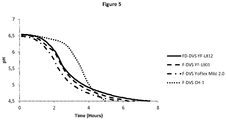
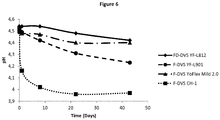
- Respective starter cultures are commercially available from numerous sources and include F-DVS YoFlex Mild 2.0, F-DVS YF-L901, FD-DVS YF-812 and F-DVS CH-1, four cultures commercially available from Chr. Hansen containing mixtures of Streptococcus thermophilus and Lactobacillus delbrueckii subsp. bulgaricus.
- the present invention therefore provides compositions in the form of a solid frozen or freeze-dried starter culture comprising lactic acid bacteria in a concentration of at least 10 9 colony forming units per g of frozen material or in a concentration of at least 10 10 colony forming units per g of frozen material or in a concentration of at least 10 11 colony forming units per g of frozen material which compositions include a bacterium of the species Lactobacillus fermentum which inhibits post-acidification as described above.
- bacterium of the species Lactobacillus fermentum wherein the bacterium is characterized in that it increases the pH of a fermented milk product comprising the Lactobacillus fermentum during storage after fermentation in comparison to a milk product fermented with the same starter culture not containing the Lactobacillus fermentum,
- the present invention provides methods of producing a fermented milk product which comprise adding the Lactobacillus fermentum bacterium which inhibits post-acidification as described above or the composition comprising the same to milk or to a milk product and fermenting the mixture at a temperature between about 22°C and about 43°C until a pH of less than 4.6 is reached.
- milk is broadly used in its common meaning to refer to liquids produced by the mammary glands of animals or by plants.
- the milk may have been processed and the term “milk” includes whole milk, skim milk, fat-free milk, low fat milk, full fat milk, lactose-reduced milk, or concentrated milk.
- Fat-free milk is non-fat or skim milk product.
- Low-fat milk is typically defined as milk that contains from about 1% to about 2% fat. Full fat milk often contains 2% fat or more.
- milk is intended to encompass milks from different mammals and plant sources. Mammal sources of milk include, but are not limited to cow, sheep, goat, buffalo, camel, llama, mare and deer.
- Plant sources of milk include, but are not limited to, milk extracted from soy bean, pea, peanut, barley, rice, oat, quinoa, almond, cashew, coconut, hazelnut, hemp, sesame seed and sunflower seed.
- milk derived from cows is most preferably used as a starting material for the fermentation.
- milk also includes fat-reduced and/or lactose-reduced milk products. Respective products can be prepared using methods well known in the art and are commercially available (for example from Select Milk Producers Inc., Texas, USA). Lactose-reduced milk can be produced according to any method known in the art, including hydrolyzing the lactose by lactase enzyme to glucose and galactose, or by nanofiltration, electrodialysis, ion exchange chromatography and centrifugation.
- milk product or “milk base” is broadly used in the present application to refer to a composition based on milk or milk components which can be used as a medium for growth and fermentation of LAB.
- the milk product or base comprises components derived from milk and any other component that can be used for the purpose of growing or fermenting LAB.
- the fermentation step of the process for manufacturing fermented dairy products comprises the addition of LAB to milk.
- Fermentation processes used in production of dairy products are well known and a person of ordinary skill can select fermentation process conditions, including temperature, oxygen, amount and characteristics of microorganism(s) and fermentation time.
- the milk substrate Prior to fermentation, the milk substrate may be homogenized and pasteurized according to methods known in the art.
- Homogenizing as used herein means intensive mixing to obtain a soluble suspension or emulsion. If homogenization is performed prior to fermentation, it may be performed so as to break up the milk fat into smaller sizes so that it no longer separates from the milk. This may be accomplished by forcing the milk at high pressure through small orifices.
- “Pasteurizing” as used herein means treatment of the milk substrate to reduce or eliminate the presence of live organisms, such as microorganisms.
- pasteurization is attained by maintaining a specified temperature for a specified period of time. The specified temperature is usually attained by heating. The temperature and duration may be selected in order to kill or inactivate certain bacteria, such as harmful bacteria. A rapid cooling step may follow.
- the present invention further provides methods of, wherein the fermented product is stored at a temperature above 7°C, preferably at a temperature between 7°C and 25°C.
- the product may be stored at any time, but is preferably stored for a period of at least 14 days and wherein the pH of the fermented milk product is maintained above pH 4.0 during storage.
- the invention further provides methods of producing a food, feed or pharmaceutical product comprising a method of producing a fermented milk product as described above and the food, feed or pharmaceutical product obtainable by this method.
- Fermentation is carried out to produce food products, feed products or pharmaceuticals.
- the terms "fermented milk product”, “food” or “feed” product refer to products obtainable by the fermentation methods of the present invention and include cheese, yoghurt, fruit yoghurt, yoghurt beverage, strained yoghurt (Greek yoghurt, Labneh), quark, fromage frais and cream cheese.
- the term food further encompasses other fermented food products, including fermented meat, such as fermented sausages, and fermented fish products.
- cheeses are understood to encompass any cheese, including hard, semi-hard and soft cheeses, such as cheeses of the following types: Cottage, Feta, Cheddar, Parmesan, Mozzarella, Emmentaler, Danbo, Gouda, Edam, Feta-type, blue cheeses, brine cheeses, Camembert and Brie.
- the person skilled in the art knows how to convert the coagulum into cheese, methods can be found in the literature, see e.g. Kosikowski, F. V., and V. V. Mistry, "Cheese and Fermented Milk Foods", 1997, 3rd Ed. F. V. Kosikowski, L. L. C. Westport, CT .
- a cheese which has a NaCl concentration below 1.7% (w/w) is referred to as a "low-salt cheese”.
- yoghurt refers to products comprising Streptococcus thermophilus and Lactobacillus delbrueckii subsp. bulgaricus and optionally other microorganisms such as Lactobacillus delbrueckii subsp. lactis, Bifidobacterium animalis subsp. lactis, Lactococcus lactis, Lactobacillus acidophilus and Lactobacillus paracasei, or any microorganism derived therefrom.
- lactis lactis, Bifidobacterium animalis subsp. lactis, Lactococcus lactis, Lactobacillus acidophilus and Lactobacillus paracasei, or any microorganism derived therefrom.
- lactis lactis
- lactis Bifidobacterium animalis subsp. lactis
- Lactococcus lactis Lactobacillus acidophilus
- Lactobacillus paracasei or any microorganism derived therefrom
- yoghurt encompasses set yoghurt, stirred yoghurt, drinking yoghurt, Petittreu, heat treated yoghurt, strained or Greek style yoghurt characterized by a high protein level and yoghurt-like products.
- dairy raw materials e.g. Lactobacillus delbrueckii subsp. bulgaricus and Streptococcus thermophilus .
- coagulated dairy products obtained by lactic acid fermentation by means of specific thermophilic lactic acid bacteria only (i.e. Lactobacillus delbrueckii subsp. bulgaricus and Streptococcus thermophilus ) which are cultured simultaneously and are found to be live in the final product in an amount of at least 10 million CFU (colony-forming unit) / g.
- Yoghurts may optionally contain added dairy raw materials (e.g.
- the yoghurt meets the specifications for fermented milks and yoghurts of the AFNOR NF 04-600 standard and/or the codex StanA-IIa-1975 standard.
- the product In order to satisfy the AFNOR NF 04-600 standard, the product must not have been heated after fermentation and the dairy raw materials must represent a minimum of 70% (m/m) of the finished product.
- a food, feed or pharmaceutical product comprising one or more bacteria of the species Lactobacillus fermentum which inhibits post-acidification as described above and one or more of:
- Reduced-fat (1.5% w/v) homogenized milk was heat-treated at 90 ⁇ 1°C for 20 min and cooled immediately.
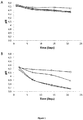
- a commercial starter culture F-DVS Mild 2.0 was inoculated at 0.02% (v/w), and the inoculated milk was distributed into 200 ml bottles. One bottle was inoculated with Lb.
- fermentum CHCC14591 in total concentration of 2 x 10 7 CFU/g
- two bottles were inoculated with two commercial bioprotective cultures (FreshQ®4 and Holdbac® YM-C Plus) in recommended dosages (100U/T and 20 DCU/100L for FreshQ®4 and Holdbac® YM-C Plus, respectively), and one bottle was used as a reference and only inoculated with the starter culture. All bottles were incubated in a water bath at 43 ⁇ 1°C and fermented at these conditions until pH of 4.60 ⁇ 0.1 was reached. After fermentation, the bottles were vigorously shaken to break the coagulum and cooled on ice.
- the four fermented milk samples (starter-only, FreshQ®4, Holdbac® YM-C Plus and Lb. fermentum CHCC14591) were stored at 7 ⁇ 1°C and 25 ⁇ 1°C for 21 days and pH was measured on day 1, 7, 14 and 21.
- Reduced-fat (1.5% w/v) homogenized milk was heat-treated at 90 ⁇ 1°C for 20 min and cooled immediately.
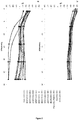
- a commercial starter culture F-DVS YF-L901
- F-DVS YF-L901 was inoculated at 0.02% (v/w), and the inoculated milk was distributed into 200 ml bottles.
- Ten bottles were inoculated with the Lb. fermentum strains in concentrations of 1 x 10 7 CFU/g and one bottle was used as a reference and only inoculated with the starter culture. All bottles were incubated in a water bath at 43 ⁇ 1°C and fermented at these conditions until pH of 4.60 ⁇ 0.1 was reached. After fermentation, the bottles were vigorously shaken to break the coagulum and cooled on ice.
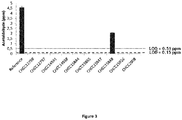
- the tested Lb. fermentum strains were: Lb. fermentum CHCC12798, Lb. fermentum CHCC12797, Lb. fermentum CHCC14591, Lb. fermentum CHCC14588, Lb. fermentum CHCC15844, Lb. fermentum CHCC15865, Lb. fermentum CHCC15847, Lb. fermentum CHCC15848, Lb. fermentum CHCC15926, and Lb. fermentum CHCC2008.
- the eleven fermented milk samples (starter culture alone and starter culture in combination with the ten Lb. fermentum strains) were stored at 7 ⁇ 1°C and 25 ⁇ 1°C for 28 days and pH was measured on day 1, 7, 14, 21 and 28.
- Reduced-fat (1.5% w/v) homogenized milk was heat-treated at 90 ⁇ 1°C for 20 min and cooled immediately.
- a commercial starter culture F-DVS YF-L901 Yo-Flex®
- F-DVS YF-L901 Yo-Flex® was inoculated at 0.02% (v/w), and the inoculated milk was distributed into 200 ml bottles.
- Ten bottles were inoculated with the Lb. fermentum strains in concentrations of 1 x 10 7 CFU/g and one bottle was used as a reference and only inoculated with the starter culture. All bottles were incubated in a water bath at 43 ⁇ 1°C and fermented at these conditions until pH of 4.60 ⁇ 0.1 was reached. After fermentation, the bottles were vigorously shaken to break the coagulum and cooled on ice. The bottles were stored at 7 ⁇ 1°C for 14 days.
- HSGC static head space gas chromatography
- Reduced-fat (1.5% w/v) homogenized milk was heat-treated at 90 ⁇ 1°C for 20 min and cooled immediately.
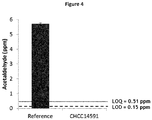
- a commercial starter culture F-DVS Mild 2.0 was inoculated at 0.02% (v/w), and the inoculated milk was distributed into two 200 ml bottles.
- One bottle was inoculated with the Lb. fermentum strains in concentrations of 1 x 10 7 CFU/g and one bottle was used as a reference and only inoculated with the starter culture. Both bottles were incubated in a water bath at 43 ⁇ 1°C and fermented at these conditions until pH of 4.60 ⁇ 0.1 was reached. After fermentation, the bottles were vigorously shaken to break the coagulum and cooled on ice. The bottles were stored at 7 ⁇ 1°C for 14 days.
- HSGC static head space gas chromatography
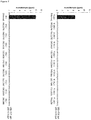
- Lb. fermentum CHCC14591 has the ability to reduce the concentration of acetaldehyde produced by a starter culture during fermentation in a fermented milk product.
- the three commercial starter cultures included herein were chosen based on their different acidification profiles. Three were frozen, F-DVS CH-1, F-DVS YoFlex Mild 2.0 and F-DVS YF-L901, and one was freeze dried, FD-DVS YF-L812. To test the difference in acidification profiles, semi fat milk was standardized to 1% fat and 4.5% protein with skim milk powder and heat-treated at 85 ⁇ 1°C for 30 min and cooled immediately.
- Reduced-fat (1.5% w/v) homogenized milk was heat-treated at 90 ⁇ 1°C for 20 min and cooled immediately.
- Milk was inoculated with one of two commercial starter cultures (F-DVS CH-1 or FD-DVS YF-L812) at 0.02% (v/w), and the inoculated milk was distributed into 200 ml bottles.
- Nine bottles were inoculated with the Lb. fermentum strains in concentrations of 1 x 10 7 CFU/g and one bottle inoculated with each starter culture was used as a reference and only inoculated with the starter culture. All bottles were incubated in a water bath at 43 ⁇ 1°C and fermented at these conditions until pH of 4.55 ⁇ 0.1 was reached. After fermentation, the bottles were vigorously shaken to break the coagulum and cooled on ice. The bottles were stored at 7 ⁇ 1°C for 14 days.
- the tested Lb. fermentum strains were: Lb. fermentum CHCC12798, Lb. fermentum CHCC12797, Lb. fermentum CHCC14591, Lb. fermentum CHCC14588, Lb. fermentum CHCC15844, Lb. fermentum CHCC15865, Lb. fermentum CHCC15847, Lb. fermentum CHCC15926, and Lb. fermentum CHCC2008.
- HSGC static head space gas chromatography
- Lactobacillus fermentum strain CHCC12798 was deposited at German Collection of Microorganisms and Cell Cultures (Deutsche Sammlung von Mikroorganismen und Zellkulturen GmbH; DSMZ), Inhoffenstr. 7B, D-38124 Braunschweig deposited on 2015-07-16 under the accession No.: 32084.
- Lactobacillus fermentum strain CHCC12797 was deposited at German Collection of Microorganisms and Cell Cultures (Deutsche Sammlung von Mikroorganismen und Zellkulturen GmbH; DSMZ), Inhoffenstr. 7B, D-38124 Braunschweig deposited on 2015-07-16 under the accession No.: 32085.
- Lactobacillus fermentum strain CHCC14591 was deposited at German Collection of Microorganisms and Cell Cultures (Deutsche Sammlung von Mikroorganismen und Zellkulturen GmbH; DSMZ), Inhoffenstr. 7B, D-38124 Braunschweig deposited on 2015-07-16 under the accession No.: 32086.
- Lactobacillus fermentum strain CHCC14588 was deposited at German Collection of Microorganisms and Cell Cultures (Deutsche Sammlung von Mikroorganismen und Zellkulturen GmbH; DSMZ), Inhoffenstr. 7B, D-38124 Braunschweig deposited on 2015-07-16 under the accession No.: 32087.
- Lactobacillus fermentum strain CHCC15844 was deposited at German Collection of Microorganisms and Cell Cultures (Deutsche Sammlung von Mikroorganismen und Zellkulturen GmbH; DSMZ), Inhoffenstr. 7B, D-38124 Braunschweig deposited on 2015-07-16 under the accession No.: 32088.
- Lactobacillus fermentum strain CHCC15865 was deposited at German Collection of Microorganisms and Cell Cultures (Deutsche Sammlung von Mikroorganismen und Zellkulturen GmbH; DSMZ), Inhoffenstr. 7B, D-38124 Braunschweig deposited on 2015-07-16 under the accession No.: 32089.
- Lactobacillus fermentum strain CHCC15847 was deposited at German Collection of Microorganisms and Cell Cultures (Deutsche Sammlung von Mikroorganismen und Zellkulturen GmbH; DSMZ), Inhoffenstr. 7B, D-38124 Braunschweig deposited on 2015-07-16 under the accession No.: 32090.
- Lactobacillus fermentum strain CHCC15848 was deposited at German Collection of Microorganisms and Cell Cultures (Deutsche Sammlung von Mikroorganismen und Zellkulturen GmbH; DSMZ), Inhoffenstr. 7B, D-38124 Braunschweig deposited on 2015-07-16 under the accession No.: 32091.
- Lactobacillus fermentum strain CHCC15926 was deposited at German Collection of Microorganisms and Cell Cultures (Deutsche Sammlung von Mikroorganismen und Zellkulturen GmbH; DSMZ), Inhoffenstr. 7B, D-38124 Braunschweig deposited on 2015-07-22 under the accession No.: 32096.
- Lactobacillus fermentum strain CHCC2008 was deposited at German Collection of Microorganisms and Cell Cultures (Deutsche Sammlung von Mikroorganismen und Zellkulturen GmbH; DSMZ), Inhoffenstr. 7B, D-38124 Braunschweig deposited on 2009-05-19 under the accession No.: 22584.
- Lactobacillus rhamnosus strain CHCC15860 was deposited at German Collection of Microorganisms and Cell Cultures (Deutsche Sammlung von Mikroorganismen und Zellkulturen GmbH; DSMZ), Inhoffenstr. 7B, D-38124 Braunschweig deposited on 2015-07-16 under the accession No.: 32092.
Landscapes
- Life Sciences & Earth Sciences (AREA)
- Chemical & Material Sciences (AREA)
- Engineering & Computer Science (AREA)
- Health & Medical Sciences (AREA)
- Microbiology (AREA)
- Zoology (AREA)
- Biotechnology (AREA)
- Polymers & Plastics (AREA)
- Genetics & Genomics (AREA)
- Bioinformatics & Cheminformatics (AREA)
- Organic Chemistry (AREA)
- Wood Science & Technology (AREA)
- Food Science & Technology (AREA)
- Biochemistry (AREA)
- Biomedical Technology (AREA)
- Medicinal Chemistry (AREA)
- General Health & Medical Sciences (AREA)
- Mycology (AREA)
- Tropical Medicine & Parasitology (AREA)
- Virology (AREA)
- General Engineering & Computer Science (AREA)
- Molecular Biology (AREA)
- Animal Husbandry (AREA)
- Physiology (AREA)
- Nutrition Science (AREA)
- Pharmacology & Pharmacy (AREA)
- Epidemiology (AREA)
- Animal Behavior & Ethology (AREA)
- Public Health (AREA)
- Veterinary Medicine (AREA)
- Dairy Products (AREA)
- Micro-Organisms Or Cultivation Processes Thereof (AREA)
- Fodder In General (AREA)
- Preparation Of Compounds By Using Micro-Organisms (AREA)
- Medicines Containing Material From Animals Or Micro-Organisms (AREA)
Applications Claiming Priority (2)
| Application Number | Priority Date | Filing Date | Title |
|---|---|---|---|
| EP15183194 | 2015-08-31 | ||
| PCT/EP2016/070398 WO2017037052A1 (en) | 2015-08-31 | 2016-08-30 | Lactobacillus fermentum bacteria inhibiting post-acidification |
Publications (2)
| Publication Number | Publication Date |
|---|---|
| EP3344052A1 EP3344052A1 (en) | 2018-07-11 |
| EP3344052B1 true EP3344052B1 (en) | 2019-10-23 |
Family
ID=54014667
Family Applications (1)
| Application Number | Title | Priority Date | Filing Date |
|---|---|---|---|
| EP16760689.6A Active EP3344052B1 (en) | 2015-08-31 | 2016-08-30 | Lactobacillus fermentum bacteria inhibiting post-acidification |
Country Status (15)
| Country | Link |
|---|---|
| US (1) | US20180235248A1 (https=) |
| EP (1) | EP3344052B1 (https=) |
| JP (1) | JP2018532378A (https=) |
| KR (1) | KR20180038562A (https=) |
| CN (1) | CN108347952A (https=) |
| AR (1) | AR105865A1 (https=) |
| AU (1) | AU2016315139B2 (https=) |
| BR (1) | BR112018003292A2 (https=) |
| DK (1) | DK3344052T3 (https=) |
| EA (1) | EA201890406A1 (https=) |
| IL (1) | IL257683A (https=) |
| MX (1) | MX377259B (https=) |
| PE (1) | PE20181132A1 (https=) |
| WO (1) | WO2017037052A1 (https=) |
| ZA (1) | ZA201800953B (https=) |
Families Citing this family (15)
| Publication number | Priority date | Publication date | Assignee | Title |
|---|---|---|---|---|
| KR20180042408A (ko) * | 2015-08-31 | 2018-04-25 | 시에이치알. 한센 에이/에스 | 아세트알데히드의 농도를 감소시키는 락토바실러스 퍼멘텀 박테리아 |
| EA201890404A1 (ru) * | 2015-08-31 | 2018-09-28 | Кхр. Хансен А/С | Бактерии lactobacillus fermentum с противогрибковой активностью |
| BR112018071271B1 (pt) | 2016-05-11 | 2023-04-11 | Chr. Hansen A/S | Processo para a produção de um produto alimentício de armazenamento ambiente |
| CN107467185A (zh) * | 2017-09-30 | 2017-12-15 | 中国科学院成都生物研究所 | 一种醇香型酸奶的制造方法 |
| US20210195907A1 (en) * | 2018-08-21 | 2021-07-01 | Chr. Hansen A/S | Process for producing an improved fermented milk product using a sporulation negative bacillus strain |
| CN109456919A (zh) * | 2018-11-26 | 2019-03-12 | 深圳市晨光乳业有限公司 | 一种副干酪乳杆菌及其应用 |
| CN109536406B (zh) * | 2018-12-06 | 2022-05-13 | 君乐宝乳业集团有限公司 | 弱后酸化的嗜热链球菌jmcc16、分离纯化方法及应用 |
| US10746502B1 (en) * | 2019-02-09 | 2020-08-18 | Tomilson Bynoe | Firearm holsters, devices for attaching to a firearm holster and methods for providing a firearm holster attachable to inside a wearer's waistband or outside the wearer's waistband |
| CN112602775A (zh) * | 2021-01-19 | 2021-04-06 | 扬州大学 | 一种新型火麻蛋白肽发酵乳的制备方法 |
| CN114190433B (zh) * | 2021-12-14 | 2023-06-27 | 河北农业大学 | 一种抑制酸奶后酸化的方法 |
| CN114437960B (zh) * | 2021-12-22 | 2023-09-29 | 中粮海嘉(厦门)面业有限公司 | 发酵乳杆菌、菌剂及其制备方法和它们的应用、发酵食品及其制备方法 |
| US20260009011A1 (en) * | 2022-07-13 | 2026-01-08 | Anagram Therapeutics, Inc. | Methods and compositions for treating congenital sucrase-isomaltase deficiency |
| CN115948290A (zh) * | 2022-12-12 | 2023-04-11 | 扬州大学 | 一株常温弱后酸化的发酵乳杆菌grx501及其应用 |
| CN118580983A (zh) * | 2023-03-01 | 2024-09-03 | 重庆市天友乳业股份有限公司 | 发酵乳杆菌ty-f13及其应用 |
| CN117652564A (zh) * | 2023-12-26 | 2024-03-08 | 光明乳业股份有限公司 | 一种大果粒风味发酵乳及其制备方法 |
Family Cites Families (6)
| Publication number | Priority date | Publication date | Assignee | Title |
|---|---|---|---|---|
| KR20120107451A (ko) * | 2009-06-30 | 2012-10-02 | 시에이치알. 한센 에이/에스 | 발효유 제품 제조 방법 |
| EA028377B1 (ru) * | 2011-04-08 | 2017-11-30 | Кр. Хансен А/С | Противомикробная композиция |
| DK2836588T3 (en) * | 2012-04-09 | 2017-05-22 | Chr Hansen As | Bioprotection using Lactobacillus paracasei strains |
| MX351628B (es) * | 2012-04-09 | 2017-10-23 | Chr Hansen As | Bioproteccion usando cepas de lactobacillus rhamnosus. |
| KR20180042408A (ko) * | 2015-08-31 | 2018-04-25 | 시에이치알. 한센 에이/에스 | 아세트알데히드의 농도를 감소시키는 락토바실러스 퍼멘텀 박테리아 |
| EA201890404A1 (ru) * | 2015-08-31 | 2018-09-28 | Кхр. Хансен А/С | Бактерии lactobacillus fermentum с противогрибковой активностью |
-
2016
- 2016-08-30 AU AU2016315139A patent/AU2016315139B2/en not_active Expired - Fee Related
- 2016-08-30 DK DK16760689T patent/DK3344052T3/da active
- 2016-08-30 WO PCT/EP2016/070398 patent/WO2017037052A1/en not_active Ceased
- 2016-08-30 BR BR112018003292A patent/BR112018003292A2/pt not_active IP Right Cessation
- 2016-08-30 EA EA201890406A patent/EA201890406A1/ru unknown
- 2016-08-30 JP JP2018510816A patent/JP2018532378A/ja active Pending
- 2016-08-30 KR KR1020187008643A patent/KR20180038562A/ko not_active Withdrawn
- 2016-08-30 MX MX2018002283A patent/MX377259B/es active IP Right Grant
- 2016-08-30 CN CN201680061151.5A patent/CN108347952A/zh active Pending
- 2016-08-30 EP EP16760689.6A patent/EP3344052B1/en active Active
- 2016-08-30 US US15/755,026 patent/US20180235248A1/en not_active Abandoned
- 2016-08-30 PE PE2018000326A patent/PE20181132A1/es unknown
- 2016-08-31 AR ARP160102648A patent/AR105865A1/es unknown
-
2018
- 2018-02-13 ZA ZA2018/00953A patent/ZA201800953B/en unknown
- 2018-02-22 IL IL257683A patent/IL257683A/en unknown
Non-Patent Citations (1)
| Title |
|---|
| None * |
Also Published As
| Publication number | Publication date |
|---|---|
| CN108347952A (zh) | 2018-07-31 |
| EP3344052A1 (en) | 2018-07-11 |
| EA201890406A1 (ru) | 2018-09-28 |
| AR105865A1 (es) | 2017-11-15 |
| IL257683A (en) | 2018-04-30 |
| WO2017037052A1 (en) | 2017-03-09 |
| KR20180038562A (ko) | 2018-04-16 |
| AU2016315139A1 (en) | 2018-03-08 |
| ZA201800953B (en) | 2018-12-19 |
| PE20181132A1 (es) | 2018-07-17 |
| JP2018532378A (ja) | 2018-11-08 |
| AU2016315139B2 (en) | 2020-12-24 |
| MX2018002283A (es) | 2018-03-23 |
| MX377259B (es) | 2025-03-07 |
| BR112018003292A2 (pt) | 2018-09-25 |
| DK3344052T3 (da) | 2019-11-11 |
| US20180235248A1 (en) | 2018-08-23 |
Similar Documents
| Publication | Publication Date | Title |
|---|---|---|
| EP3344052B1 (en) | Lactobacillus fermentum bacteria inhibiting post-acidification | |
| US11096396B2 (en) | Lactobacillus fermentum bacteria with antifungal activity | |
| EP2836587B1 (en) | Bioprotection using lactobacillus rhamnosus strains | |
| EP2836588B1 (en) | Bioprotection using lactobacillus paracasei strains | |
| AU2018355721B2 (en) | Lactobacillus rhamnosus with increased diacetyl production | |
| US20180235249A1 (en) | Lactobacillus fermentum bacteria reducing the concentration of acetaldehyde | |
| EP4157996A1 (en) | Bioprotective lactic acid bacteria with low postacidification | |
| EP4697970A1 (en) | Storage stable lacticaseibacillus rhamnosus |
Legal Events
| Date | Code | Title | Description |
|---|---|---|---|
| STAA | Information on the status of an ep patent application or granted ep patent |
Free format text: STATUS: THE INTERNATIONAL PUBLICATION HAS BEEN MADE |
|
| PUAI | Public reference made under article 153(3) epc to a published international application that has entered the european phase |
Free format text: ORIGINAL CODE: 0009012 |
|
| STAA | Information on the status of an ep patent application or granted ep patent |
Free format text: STATUS: REQUEST FOR EXAMINATION WAS MADE |
|
| 17P | Request for examination filed |
Effective date: 20180403 |
|
| AK | Designated contracting states |
Kind code of ref document: A1 Designated state(s): AL AT BE BG CH CY CZ DE DK EE ES FI FR GB GR HR HU IE IS IT LI LT LU LV MC MK MT NL NO PL PT RO RS SE SI SK SM TR |
|
| AX | Request for extension of the european patent |
Extension state: BA ME |
|
| DAV | Request for validation of the european patent (deleted) | ||
| DAX | Request for extension of the european patent (deleted) | ||
| RIC1 | Information provided on ipc code assigned before grant |
Ipc: C12N 1/20 20060101ALI20190329BHEP Ipc: A23L 33/135 20160101ALI20190329BHEP Ipc: A61K 35/747 20150101ALI20190329BHEP Ipc: A23K 10/18 20160101ALI20190329BHEP Ipc: C12R 1/225 20060101ALI20190329BHEP Ipc: A23C 9/123 20060101AFI20190329BHEP |
|
| GRAP | Despatch of communication of intention to grant a patent |
Free format text: ORIGINAL CODE: EPIDOSNIGR1 |
|
| STAA | Information on the status of an ep patent application or granted ep patent |
Free format text: STATUS: GRANT OF PATENT IS INTENDED |
|
| INTG | Intention to grant announced |
Effective date: 20190514 |
|
| GRAS | Grant fee paid |
Free format text: ORIGINAL CODE: EPIDOSNIGR3 |
|
| GRAA | (expected) grant |
Free format text: ORIGINAL CODE: 0009210 |
|
| STAA | Information on the status of an ep patent application or granted ep patent |
Free format text: STATUS: THE PATENT HAS BEEN GRANTED |
|
| TPAC | Observations filed by third parties |
Free format text: ORIGINAL CODE: EPIDOSNTIPA |
|
| TPAB | Information related to observations by third parties deleted |
Free format text: ORIGINAL CODE: EPIDOSDTIPA |
|
| TPAC | Observations filed by third parties |
Free format text: ORIGINAL CODE: EPIDOSNTIPA |
|
| AK | Designated contracting states |
Kind code of ref document: B1 Designated state(s): AL AT BE BG CH CY CZ DE DK EE ES FI FR GB GR HR HU IE IS IT LI LT LU LV MC MK MT NL NO PL PT RO RS SE SI SK SM TR |
|
| REG | Reference to a national code |
Ref country code: GB Ref legal event code: FG4D |
|
| REG | Reference to a national code |
Ref country code: CH Ref legal event code: EP |
|
| REG | Reference to a national code |
Ref country code: DK Ref legal event code: T3 Effective date: 20191108 |
|
| REG | Reference to a national code |
Ref country code: IE Ref legal event code: FG4D |
|
| REG | Reference to a national code |
Ref country code: DE Ref legal event code: R096 Ref document number: 602016022969 Country of ref document: DE |
|
| REG | Reference to a national code |
Ref country code: AT Ref legal event code: REF Ref document number: 1192647 Country of ref document: AT Kind code of ref document: T Effective date: 20191115 |
|
| REG | Reference to a national code |
Ref country code: NL Ref legal event code: FP |
|
| REG | Reference to a national code |
Ref country code: LT Ref legal event code: MG4D |
|
| PG25 | Lapsed in a contracting state [announced via postgrant information from national office to epo] |
Ref country code: FI Free format text: LAPSE BECAUSE OF FAILURE TO SUBMIT A TRANSLATION OF THE DESCRIPTION OR TO PAY THE FEE WITHIN THE PRESCRIBED TIME-LIMIT Effective date: 20191023 Ref country code: BG Free format text: LAPSE BECAUSE OF FAILURE TO SUBMIT A TRANSLATION OF THE DESCRIPTION OR TO PAY THE FEE WITHIN THE PRESCRIBED TIME-LIMIT Effective date: 20200123 Ref country code: PT Free format text: LAPSE BECAUSE OF FAILURE TO SUBMIT A TRANSLATION OF THE DESCRIPTION OR TO PAY THE FEE WITHIN THE PRESCRIBED TIME-LIMIT Effective date: 20200224 Ref country code: NO Free format text: LAPSE BECAUSE OF FAILURE TO SUBMIT A TRANSLATION OF THE DESCRIPTION OR TO PAY THE FEE WITHIN THE PRESCRIBED TIME-LIMIT Effective date: 20200123 Ref country code: GR Free format text: LAPSE BECAUSE OF FAILURE TO SUBMIT A TRANSLATION OF THE DESCRIPTION OR TO PAY THE FEE WITHIN THE PRESCRIBED TIME-LIMIT Effective date: 20200124 Ref country code: PL Free format text: LAPSE BECAUSE OF FAILURE TO SUBMIT A TRANSLATION OF THE DESCRIPTION OR TO PAY THE FEE WITHIN THE PRESCRIBED TIME-LIMIT Effective date: 20191023 Ref country code: LV Free format text: LAPSE BECAUSE OF FAILURE TO SUBMIT A TRANSLATION OF THE DESCRIPTION OR TO PAY THE FEE WITHIN THE PRESCRIBED TIME-LIMIT Effective date: 20191023 Ref country code: SE Free format text: LAPSE BECAUSE OF FAILURE TO SUBMIT A TRANSLATION OF THE DESCRIPTION OR TO PAY THE FEE WITHIN THE PRESCRIBED TIME-LIMIT Effective date: 20191023 Ref country code: LT Free format text: LAPSE BECAUSE OF FAILURE TO SUBMIT A TRANSLATION OF THE DESCRIPTION OR TO PAY THE FEE WITHIN THE PRESCRIBED TIME-LIMIT Effective date: 20191023 |
|
| PG25 | Lapsed in a contracting state [announced via postgrant information from national office to epo] |
Ref country code: HR Free format text: LAPSE BECAUSE OF FAILURE TO SUBMIT A TRANSLATION OF THE DESCRIPTION OR TO PAY THE FEE WITHIN THE PRESCRIBED TIME-LIMIT Effective date: 20191023 Ref country code: RS Free format text: LAPSE BECAUSE OF FAILURE TO SUBMIT A TRANSLATION OF THE DESCRIPTION OR TO PAY THE FEE WITHIN THE PRESCRIBED TIME-LIMIT Effective date: 20191023 Ref country code: IS Free format text: LAPSE BECAUSE OF FAILURE TO SUBMIT A TRANSLATION OF THE DESCRIPTION OR TO PAY THE FEE WITHIN THE PRESCRIBED TIME-LIMIT Effective date: 20200224 |
|
| PG25 | Lapsed in a contracting state [announced via postgrant information from national office to epo] |
Ref country code: AL Free format text: LAPSE BECAUSE OF FAILURE TO SUBMIT A TRANSLATION OF THE DESCRIPTION OR TO PAY THE FEE WITHIN THE PRESCRIBED TIME-LIMIT Effective date: 20191023 |
|
| REG | Reference to a national code |
Ref country code: DE Ref legal event code: R097 Ref document number: 602016022969 Country of ref document: DE |
|
| PG2D | Information on lapse in contracting state deleted |
Ref country code: IS |
|
| PG25 | Lapsed in a contracting state [announced via postgrant information from national office to epo] |
Ref country code: ES Free format text: LAPSE BECAUSE OF FAILURE TO SUBMIT A TRANSLATION OF THE DESCRIPTION OR TO PAY THE FEE WITHIN THE PRESCRIBED TIME-LIMIT Effective date: 20191023 Ref country code: EE Free format text: LAPSE BECAUSE OF FAILURE TO SUBMIT A TRANSLATION OF THE DESCRIPTION OR TO PAY THE FEE WITHIN THE PRESCRIBED TIME-LIMIT Effective date: 20191023 Ref country code: RO Free format text: LAPSE BECAUSE OF FAILURE TO SUBMIT A TRANSLATION OF THE DESCRIPTION OR TO PAY THE FEE WITHIN THE PRESCRIBED TIME-LIMIT Effective date: 20191023 Ref country code: CZ Free format text: LAPSE BECAUSE OF FAILURE TO SUBMIT A TRANSLATION OF THE DESCRIPTION OR TO PAY THE FEE WITHIN THE PRESCRIBED TIME-LIMIT Effective date: 20191023 Ref country code: IS Free format text: LAPSE BECAUSE OF FAILURE TO SUBMIT A TRANSLATION OF THE DESCRIPTION OR TO PAY THE FEE WITHIN THE PRESCRIBED TIME-LIMIT Effective date: 20200223 |
|
| REG | Reference to a national code |
Ref country code: AT Ref legal event code: MK05 Ref document number: 1192647 Country of ref document: AT Kind code of ref document: T Effective date: 20191023 |
|
| PLBE | No opposition filed within time limit |
Free format text: ORIGINAL CODE: 0009261 |
|
| STAA | Information on the status of an ep patent application or granted ep patent |
Free format text: STATUS: NO OPPOSITION FILED WITHIN TIME LIMIT |
|
| PG25 | Lapsed in a contracting state [announced via postgrant information from national office to epo] |
Ref country code: SM Free format text: LAPSE BECAUSE OF FAILURE TO SUBMIT A TRANSLATION OF THE DESCRIPTION OR TO PAY THE FEE WITHIN THE PRESCRIBED TIME-LIMIT Effective date: 20191023 Ref country code: SK Free format text: LAPSE BECAUSE OF FAILURE TO SUBMIT A TRANSLATION OF THE DESCRIPTION OR TO PAY THE FEE WITHIN THE PRESCRIBED TIME-LIMIT Effective date: 20191023 |
|
| 26N | No opposition filed |
Effective date: 20200724 |
|
| PGFP | Annual fee paid to national office [announced via postgrant information from national office to epo] |
Ref country code: NL Payment date: 20200814 Year of fee payment: 5 |
|
| PGFP | Annual fee paid to national office [announced via postgrant information from national office to epo] |
Ref country code: DE Payment date: 20200819 Year of fee payment: 5 Ref country code: DK Payment date: 20200811 Year of fee payment: 5 Ref country code: TR Payment date: 20200821 Year of fee payment: 5 Ref country code: GB Payment date: 20200819 Year of fee payment: 5 Ref country code: FR Payment date: 20200715 Year of fee payment: 5 |
|
| PG25 | Lapsed in a contracting state [announced via postgrant information from national office to epo] |
Ref country code: AT Free format text: LAPSE BECAUSE OF FAILURE TO SUBMIT A TRANSLATION OF THE DESCRIPTION OR TO PAY THE FEE WITHIN THE PRESCRIBED TIME-LIMIT Effective date: 20191023 Ref country code: SI Free format text: LAPSE BECAUSE OF FAILURE TO SUBMIT A TRANSLATION OF THE DESCRIPTION OR TO PAY THE FEE WITHIN THE PRESCRIBED TIME-LIMIT Effective date: 20191023 |
|
| PGFP | Annual fee paid to national office [announced via postgrant information from national office to epo] |
Ref country code: IT Payment date: 20200713 Year of fee payment: 5 |
|
| PG25 | Lapsed in a contracting state [announced via postgrant information from national office to epo] |
Ref country code: MC Free format text: LAPSE BECAUSE OF FAILURE TO SUBMIT A TRANSLATION OF THE DESCRIPTION OR TO PAY THE FEE WITHIN THE PRESCRIBED TIME-LIMIT Effective date: 20191023 |
|
| REG | Reference to a national code |
Ref country code: CH Ref legal event code: PL |
|
| PG25 | Lapsed in a contracting state [announced via postgrant information from national office to epo] |
Ref country code: LU Free format text: LAPSE BECAUSE OF NON-PAYMENT OF DUE FEES Effective date: 20200830 Ref country code: LI Free format text: LAPSE BECAUSE OF NON-PAYMENT OF DUE FEES Effective date: 20200831 Ref country code: CH Free format text: LAPSE BECAUSE OF NON-PAYMENT OF DUE FEES Effective date: 20200831 |
|
| REG | Reference to a national code |
Ref country code: BE Ref legal event code: MM Effective date: 20200831 |
|
| PG25 | Lapsed in a contracting state [announced via postgrant information from national office to epo] |
Ref country code: BE Free format text: LAPSE BECAUSE OF NON-PAYMENT OF DUE FEES Effective date: 20200831 Ref country code: IE Free format text: LAPSE BECAUSE OF NON-PAYMENT OF DUE FEES Effective date: 20200830 |
|
| REG | Reference to a national code |
Ref country code: DE Ref legal event code: R119 Ref document number: 602016022969 Country of ref document: DE |
|
| REG | Reference to a national code |
Ref country code: DK Ref legal event code: EBP Effective date: 20210831 |
|
| REG | Reference to a national code |
Ref country code: NL Ref legal event code: MM Effective date: 20210901 |
|
| GBPC | Gb: european patent ceased through non-payment of renewal fee |
Effective date: 20210830 |
|
| PG25 | Lapsed in a contracting state [announced via postgrant information from national office to epo] |
Ref country code: MT Free format text: LAPSE BECAUSE OF FAILURE TO SUBMIT A TRANSLATION OF THE DESCRIPTION OR TO PAY THE FEE WITHIN THE PRESCRIBED TIME-LIMIT Effective date: 20191023 Ref country code: CY Free format text: LAPSE BECAUSE OF FAILURE TO SUBMIT A TRANSLATION OF THE DESCRIPTION OR TO PAY THE FEE WITHIN THE PRESCRIBED TIME-LIMIT Effective date: 20191023 |
|
| PG25 | Lapsed in a contracting state [announced via postgrant information from national office to epo] |
Ref country code: MK Free format text: LAPSE BECAUSE OF FAILURE TO SUBMIT A TRANSLATION OF THE DESCRIPTION OR TO PAY THE FEE WITHIN THE PRESCRIBED TIME-LIMIT Effective date: 20191023 Ref country code: NL Free format text: LAPSE BECAUSE OF NON-PAYMENT OF DUE FEES Effective date: 20210901 |
|
| PG25 | Lapsed in a contracting state [announced via postgrant information from national office to epo] |
Ref country code: IT Free format text: LAPSE BECAUSE OF NON-PAYMENT OF DUE FEES Effective date: 20210830 Ref country code: GB Free format text: LAPSE BECAUSE OF NON-PAYMENT OF DUE FEES Effective date: 20210830 Ref country code: FR Free format text: LAPSE BECAUSE OF NON-PAYMENT OF DUE FEES Effective date: 20210831 Ref country code: DK Free format text: LAPSE BECAUSE OF NON-PAYMENT OF DUE FEES Effective date: 20210831 Ref country code: DE Free format text: LAPSE BECAUSE OF NON-PAYMENT OF DUE FEES Effective date: 20220301 |
|
| PG25 | Lapsed in a contracting state [announced via postgrant information from national office to epo] |
Ref country code: TR Free format text: LAPSE BECAUSE OF NON-PAYMENT OF DUE FEES Effective date: 20210830 |