EP3256479B1 - 4 -substituted benzoxaborole compounds and uses thereof - Google Patents
4 -substituted benzoxaborole compounds and uses thereof Download PDFInfo
- Publication number
- EP3256479B1 EP3256479B1 EP16706002.9A EP16706002A EP3256479B1 EP 3256479 B1 EP3256479 B1 EP 3256479B1 EP 16706002 A EP16706002 A EP 16706002A EP 3256479 B1 EP3256479 B1 EP 3256479B1
- Authority
- EP
- European Patent Office
- Prior art keywords
- mycobacterium
- compound
- pharmaceutically acceptable
- acceptable salt
- tuberculosis
- Prior art date
- Legal status (The legal status is an assumption and is not a legal conclusion. Google has not performed a legal analysis and makes no representation as to the accuracy of the status listed.)
- Active
Links
- 0 *C[C@](c1cc(OCCOCc2ccccc2)ccc1)O Chemical compound *C[C@](c1cc(OCCOCc2ccccc2)ccc1)O 0.000 description 4
- VZZJZKYHYSGWMK-UHFFFAOYSA-N CC(C)(C)OC(NCC(c1c23)OB2OC(C)(CO)COc3ccc1Br)=O Chemical compound CC(C)(C)OC(NCC(c1c23)OB2OC(C)(CO)COc3ccc1Br)=O VZZJZKYHYSGWMK-UHFFFAOYSA-N 0.000 description 1
- QLNYCMLMWHOTDS-UHFFFAOYSA-N CC(C)(C)OC(NCC1OB2OC(C)(CO)COc3cccc1c23)=O Chemical compound CC(C)(C)OC(NCC1OB2OC(C)(CO)COc3cccc1c23)=O QLNYCMLMWHOTDS-UHFFFAOYSA-N 0.000 description 1
- PPUPFHRQKMKDTI-CQSZACIVSA-N CC(C)(C)OC(NC[C@H](c1c23)OB2OCCOc3ccc1-c1ccc[s]1)=O Chemical compound CC(C)(C)OC(NC[C@H](c1c23)OB2OCCOc3ccc1-c1ccc[s]1)=O PPUPFHRQKMKDTI-CQSZACIVSA-N 0.000 description 1
- BDFPHVQJLIOHPQ-QGZVFWFLSA-N CC(C)(C)OC(NC[C@H](c1c23)OB2OCCOc3ccc1-c1ccccc1)=O Chemical compound CC(C)(C)OC(NC[C@H](c1c23)OB2OCCOc3ccc1-c1ccccc1)=O BDFPHVQJLIOHPQ-QGZVFWFLSA-N 0.000 description 1
- HSXLBMYUKCLMFL-UHFFFAOYSA-N CC(C)(COc1ccc(C)c2c1B(O)OC2CN)O Chemical compound CC(C)(COc1ccc(C)c2c1B(O)OC2CN)O HSXLBMYUKCLMFL-UHFFFAOYSA-N 0.000 description 1
- BDCZTYVHKIXWBF-UHFFFAOYSA-N CC(C)(COc1cccc(C=O)c1Br)O Chemical compound CC(C)(COc1cccc(C=O)c1Br)O BDCZTYVHKIXWBF-UHFFFAOYSA-N 0.000 description 1
- MUEXUKDSSFAYFF-UHFFFAOYSA-N CC(COc1ccc(C)c2c1B(O)OC2CN)O Chemical compound CC(COc1ccc(C)c2c1B(O)OC2CN)O MUEXUKDSSFAYFF-UHFFFAOYSA-N 0.000 description 1
- PRUZLSKIQUBKLT-UHFFFAOYSA-N CC1(C)Oc2cccc(C(CN)O3)c2B3OC1 Chemical compound CC1(C)Oc2cccc(C(CN)O3)c2B3OC1 PRUZLSKIQUBKLT-UHFFFAOYSA-N 0.000 description 1
- PGZHVOIPMNAJLP-UHFFFAOYSA-N Cc(c1c2B(O)OC1CN)ccc2OCCO Chemical compound Cc(c1c2B(O)OC1CN)ccc2OCCO PGZHVOIPMNAJLP-UHFFFAOYSA-N 0.000 description 1
- QXJPRIZEKPYQOI-VMZHVLLKSA-N Cc(c1c2B(O)O[C@@H]1/C=C/CN)ccc2OCCO Chemical compound Cc(c1c2B(O)O[C@@H]1/C=C/CN)ccc2OCCO QXJPRIZEKPYQOI-VMZHVLLKSA-N 0.000 description 1
- PGZHVOIPMNAJLP-SECBINFHSA-N Cc(c1c2B(O)O[C@@H]1CN)ccc2OCCO Chemical compound Cc(c1c2B(O)O[C@@H]1CN)ccc2OCCO PGZHVOIPMNAJLP-SECBINFHSA-N 0.000 description 1
- RVQZUUXNBCLRMM-LLVKDONJSA-N NC[C@H](c1c23)OB2OCCOc3ccc1-c1ccc[s]1 Chemical compound NC[C@H](c1c23)OB2OCCOc3ccc1-c1ccc[s]1 RVQZUUXNBCLRMM-LLVKDONJSA-N 0.000 description 1
- HKFICRMOHVLBHT-CQSZACIVSA-N NC[C@H](c1c23)OB2OCCOc3ccc1-c1ccccc1 Chemical compound NC[C@H](c1c23)OB2OCCOc3ccc1-c1ccccc1 HKFICRMOHVLBHT-CQSZACIVSA-N 0.000 description 1
- DIDUSPQIIVEBOF-UHFFFAOYSA-N O=Cc1cccc(OCCOCc2ccccc2)c1 Chemical compound O=Cc1cccc(OCCOCc2ccccc2)c1 DIDUSPQIIVEBOF-UHFFFAOYSA-N 0.000 description 1
- OHXPHMPERMIICA-UHFFFAOYSA-N Oc(cccc1C=O)c1Br Chemical compound Oc(cccc1C=O)c1Br OHXPHMPERMIICA-UHFFFAOYSA-N 0.000 description 1
Images


Classifications
-
- C—CHEMISTRY; METALLURGY
- C07—ORGANIC CHEMISTRY
- C07F—ACYCLIC, CARBOCYCLIC OR HETEROCYCLIC COMPOUNDS CONTAINING ELEMENTS OTHER THAN CARBON, HYDROGEN, HALOGEN, OXYGEN, NITROGEN, SULFUR, SELENIUM OR TELLURIUM
- C07F5/00—Compounds containing elements of Groups 3 or 13 of the Periodic Table
- C07F5/02—Boron compounds
- C07F5/025—Boronic and borinic acid compounds
-
- A—HUMAN NECESSITIES
- A61—MEDICAL OR VETERINARY SCIENCE; HYGIENE
- A61K—PREPARATIONS FOR MEDICAL, DENTAL OR TOILETRY PURPOSES
- A61K31/00—Medicinal preparations containing organic active ingredients
- A61K31/69—Boron compounds
-
- A—HUMAN NECESSITIES
- A61—MEDICAL OR VETERINARY SCIENCE; HYGIENE
- A61K—PREPARATIONS FOR MEDICAL, DENTAL OR TOILETRY PURPOSES
- A61K45/00—Medicinal preparations containing active ingredients not provided for in groups A61K31/00 - A61K41/00
- A61K45/06—Mixtures of active ingredients without chemical characterisation, e.g. antiphlogistics and cardiaca
-
- A—HUMAN NECESSITIES
- A61—MEDICAL OR VETERINARY SCIENCE; HYGIENE
- A61P—SPECIFIC THERAPEUTIC ACTIVITY OF CHEMICAL COMPOUNDS OR MEDICINAL PREPARATIONS
- A61P1/00—Drugs for disorders of the alimentary tract or the digestive system
-
- A—HUMAN NECESSITIES
- A61—MEDICAL OR VETERINARY SCIENCE; HYGIENE
- A61P—SPECIFIC THERAPEUTIC ACTIVITY OF CHEMICAL COMPOUNDS OR MEDICINAL PREPARATIONS
- A61P1/00—Drugs for disorders of the alimentary tract or the digestive system
- A61P1/04—Drugs for disorders of the alimentary tract or the digestive system for ulcers, gastritis or reflux esophagitis, e.g. antacids, inhibitors of acid secretion, mucosal protectants
-
- A—HUMAN NECESSITIES
- A61—MEDICAL OR VETERINARY SCIENCE; HYGIENE
- A61P—SPECIFIC THERAPEUTIC ACTIVITY OF CHEMICAL COMPOUNDS OR MEDICINAL PREPARATIONS
- A61P11/00—Drugs for disorders of the respiratory system
-
- A—HUMAN NECESSITIES
- A61—MEDICAL OR VETERINARY SCIENCE; HYGIENE
- A61P—SPECIFIC THERAPEUTIC ACTIVITY OF CHEMICAL COMPOUNDS OR MEDICINAL PREPARATIONS
- A61P15/00—Drugs for genital or sexual disorders; Contraceptives
- A61P15/14—Drugs for genital or sexual disorders; Contraceptives for lactation disorders, e.g. galactorrhoea
-
- A—HUMAN NECESSITIES
- A61—MEDICAL OR VETERINARY SCIENCE; HYGIENE
- A61P—SPECIFIC THERAPEUTIC ACTIVITY OF CHEMICAL COMPOUNDS OR MEDICINAL PREPARATIONS
- A61P17/00—Drugs for dermatological disorders
-
- A—HUMAN NECESSITIES
- A61—MEDICAL OR VETERINARY SCIENCE; HYGIENE
- A61P—SPECIFIC THERAPEUTIC ACTIVITY OF CHEMICAL COMPOUNDS OR MEDICINAL PREPARATIONS
- A61P21/00—Drugs for disorders of the muscular or neuromuscular system
-
- A—HUMAN NECESSITIES
- A61—MEDICAL OR VETERINARY SCIENCE; HYGIENE
- A61P—SPECIFIC THERAPEUTIC ACTIVITY OF CHEMICAL COMPOUNDS OR MEDICINAL PREPARATIONS
- A61P29/00—Non-central analgesic, antipyretic or antiinflammatory agents, e.g. antirheumatic agents; Non-steroidal antiinflammatory drugs [NSAID]
-
- A—HUMAN NECESSITIES
- A61—MEDICAL OR VETERINARY SCIENCE; HYGIENE
- A61P—SPECIFIC THERAPEUTIC ACTIVITY OF CHEMICAL COMPOUNDS OR MEDICINAL PREPARATIONS
- A61P31/00—Antiinfectives, i.e. antibiotics, antiseptics, chemotherapeutics
- A61P31/04—Antibacterial agents
-
- A—HUMAN NECESSITIES
- A61—MEDICAL OR VETERINARY SCIENCE; HYGIENE
- A61P—SPECIFIC THERAPEUTIC ACTIVITY OF CHEMICAL COMPOUNDS OR MEDICINAL PREPARATIONS
- A61P31/00—Antiinfectives, i.e. antibiotics, antiseptics, chemotherapeutics
- A61P31/04—Antibacterial agents
- A61P31/06—Antibacterial agents for tuberculosis
-
- A—HUMAN NECESSITIES
- A61—MEDICAL OR VETERINARY SCIENCE; HYGIENE
- A61P—SPECIFIC THERAPEUTIC ACTIVITY OF CHEMICAL COMPOUNDS OR MEDICINAL PREPARATIONS
- A61P31/00—Antiinfectives, i.e. antibiotics, antiseptics, chemotherapeutics
- A61P31/04—Antibacterial agents
- A61P31/08—Antibacterial agents for leprosy
-
- A—HUMAN NECESSITIES
- A61—MEDICAL OR VETERINARY SCIENCE; HYGIENE
- A61P—SPECIFIC THERAPEUTIC ACTIVITY OF CHEMICAL COMPOUNDS OR MEDICINAL PREPARATIONS
- A61P31/00—Antiinfectives, i.e. antibiotics, antiseptics, chemotherapeutics
- A61P31/12—Antivirals
-
- A—HUMAN NECESSITIES
- A61—MEDICAL OR VETERINARY SCIENCE; HYGIENE
- A61P—SPECIFIC THERAPEUTIC ACTIVITY OF CHEMICAL COMPOUNDS OR MEDICINAL PREPARATIONS
- A61P31/00—Antiinfectives, i.e. antibiotics, antiseptics, chemotherapeutics
- A61P31/12—Antivirals
- A61P31/14—Antivirals for RNA viruses
-
- A—HUMAN NECESSITIES
- A61—MEDICAL OR VETERINARY SCIENCE; HYGIENE
- A61P—SPECIFIC THERAPEUTIC ACTIVITY OF CHEMICAL COMPOUNDS OR MEDICINAL PREPARATIONS
- A61P35/00—Antineoplastic agents
-
- A—HUMAN NECESSITIES
- A61—MEDICAL OR VETERINARY SCIENCE; HYGIENE
- A61P—SPECIFIC THERAPEUTIC ACTIVITY OF CHEMICAL COMPOUNDS OR MEDICINAL PREPARATIONS
- A61P43/00—Drugs for specific purposes, not provided for in groups A61P1/00-A61P41/00
-
- C—CHEMISTRY; METALLURGY
- C07—ORGANIC CHEMISTRY
- C07F—ACYCLIC, CARBOCYCLIC OR HETEROCYCLIC COMPOUNDS CONTAINING ELEMENTS OTHER THAN CARBON, HYDROGEN, HALOGEN, OXYGEN, NITROGEN, SULFUR, SELENIUM OR TELLURIUM
- C07F5/00—Compounds containing elements of Groups 3 or 13 of the Periodic Table
- C07F5/02—Boron compounds
- C07F5/04—Esters of boric acids
-
- C—CHEMISTRY; METALLURGY
- C07—ORGANIC CHEMISTRY
- C07B—GENERAL METHODS OF ORGANIC CHEMISTRY; APPARATUS THEREFOR
- C07B2200/00—Indexing scheme relating to specific properties of organic compounds
- C07B2200/13—Crystalline forms, e.g. polymorphs
Definitions
- This invention relates to compounds, compositions containing them, their use in therapy, including their use as anti-mycobacterials, for example in the treatment of tuberculosis, and methods for the preparation of such compounds.
- Mycobacterium is a genus in the class of bacteria called Actinobacteria with its own distinct family known as Mycobacteriacae.
- Mycobacterium contains various obligate and opportunistic pathogens of animals, which may also be transmitted to humans and cause disease in humans, thus exhibiting a considerable zoonotic potential.
- members of the Mycobacterium avium-intracellulare complex emerged as pathogens of human diseases, including lymphadenitis in children, pulmonary tuberculosis-like disease, and disseminated infections (occurring predominantly in immunocompromised persons, particularly AIDS patients).
- MAIC includes M. intracellulare and 4 subspecies of M. avium, namely, M. avium subsp. avium, M. avium subsp. hominissuis, M. avium subsp. silvaticum, and M. avium subsp. paratuberculosis.
- M. avium subsp. avium M. avium subsp. hominissuis
- M. avium subsp. silvaticum M. avium subsp. paratuberculosis.
- members of the M. tuberculosis complex are transmitted by direct host contact, MAIC species are acquired predominantly from environmental sources, including soil, water, dust, and feed.
- Mycobacterium tuberculosis is a small aerobic non-motile high-GC bacillus with an "outer-membrane” that is unusually thick, "waxy,” hydrophobic, rich in mycolic acids, and extremely impermeable, making mycobacterium infections difficult to treat.
- MTB Mycobacterium tuberculosis
- One third of the world's population is thought to be infected (including latent MTB), but this number increases to upwards of 80% of the population in many Asian and African countries. If untreated, the death rate from active MTB infections is more than 50%.
- the combination of HIV and MTB is deadly and increasing numbers of MTB strains are becoming resistant to standard of care drugs; approximately 300,000 new cases of multidrug resistant (MDR) M.
- MDR multidrug resistant
- MDR Multidrug resistant
- XDR extensive drug resistant M. tuberculosis
- XDR M. tuberculosis has been reported across much of the globe.
- tuberculosis therapy and prevention are well known.
- the current available vaccine, BCG was introduced in 1921 and fails to protect most people past childhood.
- TBCTA Tuberculosis Coalition for Technical Assistance
- TBCTA Tuberculosis Coalition for Technical Assistance
- partners include Centers for Disease Control, American Thoracic Society, Tuberculosis Foundation, KNCV, the World Health Organization and the International Union against Tuberculosis and Lung Disease - patients who do become infected with active disease currently endure two months of combination therapy with medicines introduced between 50 and 60 years ago-isoniazid (1952), rifampin (1963), pyrazinamide (1954) and ethambutol (1961) - followed by another 4 months of isoniazid and rifampin (also known as rifampicin).
- the continuation phase could include Isoniazid and ethambutol for six months when adherence cannot be assessed, but according to this report, a longer continuation phase is associated with a higher rate of failure and relapse, especially in patients with HIV infection.
- the doses of antituberculosis drugs used should conform to international recommendation and fixed-dose combinations of two (isoniazid and rifampicin), three (isoniazid, rifampicin, and pyrazinamide), and four (isoniazid, rifampicin, pyrazinamide, and ethambutol) drugs are highly recommended, especially when it is not possible to monitor the patient to ensure the treatment is ingested.
- MDR-TB multi-drug resistant strains
- tuberculosis drug SirturoTM (bedaquiline) was approved in the United States in late December 2012, and another, delamanid, is attempting to gain regulatory approval in the EU. However, both are reserved for drug-resistant tuberculosis, which accounts for just 5% of new cases.
- a 2007 Editorial and News Focus in Nature Medicine discusses many aspects of TB such as pathogenesis, epidemiology, drug discovery and vaccine development to date ( Nature Medicine, 2007, Focus on Tuberculosis, Vol 13(3), pages 263-312 ), noting that 125 years after the anniversary of the discovery of Mycobacterium tuberculosis, more than one-third of people in the world are infected with M. tuberculosis, and of these, more than 1 in 10 will develop the disease known as tuberculosis, formerly known as consumption, in their lifetime.
- MDR-TB Mycobacterium tuberculosis
- the present invention relates to certain substituted benzoxaboroles that show unexpected selectivity for inhibiting replication of Mycobacterium tuberculosis ( M. tuberculosis ) versus inhibition (toxicity) of human cells compared to other substituted benzoxaboroles, and exhibit sub-micromolar MIC values against mycobacterium species, particularly Mycobacterium tuberculosis and Mycobacterium tuberculosis complex (MTC), Mycobacterium avium and Mycobacterium avium complex (MAC) and Mycobacterium avium intracellulare complex (MAIC).
- MTC Mycobacterium tuberculosis and Mycobacterium tuberculosis complex
- MAC Mycobacterium avium and Mycobacterium avium complex
- MAIC Mycobacterium avium intracellulare complex
- the benzoxaborole ring of substituted benzoxaborole has the following structure as shown below in Formula I, and may be characterized with the following substituent numbering system: It is understood that the International Union of Pure and Applied Chemistry (IUPAC) nomenclature may designate a different numbering system depending on substituents around the benzoxaborole ring. Throughout this application, unless the IUPAC name is given for a specific compound, the substituted benzoxaboroles disclosed herein may be named and numbered using the numbering scheme depicted in Formula I, shown above.
- IUPAC International Union of Pure and Applied Chemistry
- Certain substituted benzoxaboroles which are substituted at position 7 may form a tricyclic benzoxaborole compound (see US20090227541 , US2013165411 and WO/ KR2015/016558 ). Applicants have surprisingly found that certain substituted benzoxaboroles substituted at the 7 position (numbered using the numbering scheme depicted in Formula I, shown above) may also exist as an equilibrium mixture of a tricyclic benzoxaborole structure and a bicyclic benzoxaborole structure in aqueous solvents.
- US20090227541 discloses a multitude of compounds, including two tricyclic benzoxaborole compounds with differing antibacterial activity against a panel of Gram negative bacteria (See e.g. Tables 1 and 2), but does not disclose tricyclic benzoxaborole compounds with alkyl substitution at the 4 position on the benzoxaborole ring (numbered using the numbering scheme depicted in Formula I, shown above).
- WO2012033858 discloses substituted benzoxaboroles with activity against Mycobacterium tuberculosis, including certain substituted benzoxaboroles (see e.g.
- Examples 1.A through 1.V but again, no tricyclic benzoxaborole compound is disclosed with an alkyl substitution at the 4 position on the benzoxaborole ring (numbered using the numbering scheme depicted in Formula I, shown above).
- US2013165411 discloses tricyclic benzoxaborole compounds showing activity against Acinetobacter baumannii, Pseudomonas aeruginosa, Escherichia coli and Klebsiella pneumoniae (see Table 1), but notes specifically that the halogen-substituted tricyclic compounds investigated (Examples 17, 18 and 19) lack activity against A. baumannii, with MIC values ⁇ 16 ⁇ g/ ⁇ L antibacterial activity (see Figure 1 ).
- substituted benzoxaboroles as described herein show unexpected selectivity for inhibiting replication of Mycobacterium tuberculosis ( M. tuberculosis ) versus inhibition (toxicity) of human cells compared to other substituted benzoxaboroles.
- These substituted benzoxaboroles exhibit sub-micromolar MIC values against M. tuberculosis, which is comparable to or better than the MIC values for current therapies available for inhibiting M. tuberculosis.
- the substituted benzoxaboroles as described herein are envisioned for use in combination with current anti-tubercular compounds and are envisioned to achieve greater efficacy in treating animals, including humans, infected with M. tuberculosis.
- TB tuberculosis
- Compounds whose structure comprises Formula III or Formula IIIa offer a unique opportunity to address the serious issues which arise during the treatment of TB, such as multi-drug resistance, extensive-drug resistance, reactivity and/or adverse interaction between therapeutic agents in a multi-drug combination, and treatment length, thereby addressing potential patient needs.
- anti-tuberculosis agents and certain substituted benzoxaboroles, for use in the treatment of Mycobacterium tuberculosis infections in animals, including humans.
- substituted benzoxaboroles are used, in combination with other known anti-tuberculosis agents, for treating an animal subject with a Mycobacterium tuberculosis infection, particularly in an animal subject that is additionally infected with a human retrovirus, in particular a human immunodeficiency virus (HIV).
- HAV human immunodeficiency virus
- the invention is a compound as described herein, or a salt thereof, including a pharmaceutically acceptale salt there, or hydrate thereof.
- the substituted benzoxaborole may exist in an equilibrium, as indicated below, between a closed form (Formula II) and an open form (Formula III), in certain environments and/or solvents.
- R 3 is -CH 3 or -CH 2 CH 3 ;
- R 1 and R 2 are each independently selected from H, -CH 3 , -CH 2 CH 3 , -CH 2 CH 2 CH 3 , and -CH(CH 3 ) 2 .
- a compound whose structure comprises Formula III or a salt thereof, wherein R 3 is -CH 3 and R 1 and R 2 are as described herein. Also disclosed is a compound whose structure comprises Formula III or a salt thereof, wherein R 3 is -CH 3 and R 1 is H and R 2 is as described herein. Also disclosed is a compound whose structure comprises Formula III or a salt thereof, wherein R 3 is -CH 3 and R 1 is -CH 3 and R 2 is as described herein.
- a compound whose structure comprises Formula III or a salt thereof, wherein R 3 is -CH 2 CH 3 and R 1 and R 2 are as described herein. Also disclosed is a compound whose structure comprises Formula III or a salt thereof, wherein R 3 is - CH 2 CH 3 and R 1 and R 2 are as each independently H or -CH 3 . Also disclosed is a compound whose structure comprises Formula III or a salt thereof, wherein R 3 is -CH 2 CH 3 and R 1 is H and R 2 is -CH 3 . Also disclosed is a compound whose structure comprises Formula III or a salt thereof, wherein R 3 is -CH 2 CH 3 and R 1 is -CH 3 and R 2 is as described herein.
- R 3 is -CH(CH 3 ) 2 and R 1 and R 2 are as described herein.
- R 3 is -CH 2 CH 2 CH 3 ;
- R 1 and R 2 are each independently selected from H, -CH 3 , and -CH 2 CH 3 .
- R 3 is -CH 2 CH 2 CH 3 and R 1 and R 2 are each independently H or -CH 3
- R 3 is -CH(CH 3 ) 2 and R 1 and R 2 are each independently selected from H, -CH 3 , and -CH 2 CH 3 .
- R 3 is -CH(CH 3 ) 2 and R 1 and R 2 are each independently H or -CH 3 .
- the compound of Formula IIIa may exist in equilibrium, as indicated below, between a closed form (Formula IIa) and an open form (Formula IIIa), in certain environments and/or solvents.
- the compound of Formula IIIa may exist in the open form of Formula IIIa in the solid state.
- a compound whose structure comprises Formula IIIa or a salt or hydrate thereof, wherein R 3 is -CH 3 and R 1 and R 2 are as described herein. Also disclosed is a compound whose structure comprises Formula IIIa or a salt or hydrate thereof, wherein R 3 is -CH 3 and R 1 is H and R 2 is as described herein. Also disclosed is a compound whose structure comprises Formula IIIa or a salt or hydrate thereof, wherein R 3 is -CH 3 and R 1 is -CH 3 and R 2 is as described herein.
- a compound whose structure comprises Formula IIIa or a salt or hydrate thereof, wherein R 3 is -CH 2 CH 3 and R 1 and R 2 are as described herein. Also disclosed is a compound whose structure comprises Formula IIIa or a salt or hydrate thereof, wherein R 3 is -CH 2 CH 3 and R 1 is H and R 2 is as described herein. Also disclosed is a compound whose structure comprises Formula IIIa or a salt or hydrate thereof, wherein R 3 is -CH 2 CH 3 and R 1 is -CH 3 and R 2 is as described herein.
- R 3 is -CH 3 and R 1 and R 2 are each independently selected from H, -CH 3 , - CH 2 CH 3 , -CH 2 CH 2 CH 3 , and -CH(CH 3 ) 2 , or a salt or hydrate thereof, including a pharmaceutically acceptable salt thereof.
- R 3 is -CH 3
- R 1 and R 2 are each independently selected from H, -CH 3 , and - CH 2 CH 3 , or a salt or hydrate thereof, including a pharmaceutically acceptable salt thereof.
- R 3 is -CH 3
- R 1 and R 2 are each independently selected from H and -CH 3 , or a salt or hydrate thereof, including a pharmaceutically acceptable salt thereof.
- the substituted benzoxaborole comprises a structure of as indicated below: or a pharmaceutically acceptable salt thereof.
- the substituted benzoxaborole is a compound comprising a structure of as indicated below: or a pharmaceutically acceptable salt thereof.
- the substituted benzoxaborole is a compound comprising a structure as indicated below: wherein R 3 is as defined herein, or a pharmaceutically acceptable salt thereof.
- the substituted benzoxaborole is a compound comprising a structure as indicated below: wherein R 3 is as defined herein, or a pharmaceutically acceptable salt thereof.
- the substituted benzoxaborole is a compound comprising a structure as indicated below: and a pharmaceutically acceptable salt thereof.
- the substituted benzoxaborole is a compound comprising a structure as indicated below: or a pharmaceutically acceptable salt thereof.
- Another embodiment provides a pharmaceutically acceptable salt of a compound, (S)-(3-methyl-7,8-dihydro-2H-1,6,9-trioxa-9a-borabenzo[cd]azulen-2-yl)methanamine, comprising a structure as indicated below:
- compositions comprising a pharmaceutically acceptable salt of a compound, (S)-(3-methyl-7,8-dihydro-2H-1,6,9-trioxa-9a-borabenzo[cd]azulen-2-yl)methanamine, wherein the compound comprises a structure as indicated below: together with at least one pharmaceutically acceptable excipient.
- Still another embodiment provides a compound, (S)-(3,8,8-trimethyl-7,8-dihydro-2H-1,6,9-trioxa-9a-borabenzo[cd]azulen-2-yl)methanamine, comprising a structure as indicated below: or a pharmaceutically acceptable salt thereof.
- Another embodiment provides a pharmaceutically acceptable salt of a compound, (S)-(3,8,8-trimethyl-7,8-dihydro-2H-1,6,9-trioxa-9a-borabenzo[cd]azulen-2-yl)methanamine, comprising a structure as indicated below:
- Another embodiment provides a pharmaceutical composition
- a pharmaceutical composition comprising a compound, (S)-(3,8,8-trimethyl-7,8-dihydro-2H-1,6,9-trioxa-9a-borabenzo[cd]azulen-2-yl)methanamine, wherein the compound comprises a structure as indicated below: together with at least one pharmaceutically acceptable excipient.
- One embodiment provides a substituted benzoxaborole or a pharmaceutically acceptable salt thereof, comprising a structure whose IUPAC name is:
- One embodiment provides a substituted benzoxaborole or a pharmaceutically acceptable a salt thereof, comprising a structure whose IUPAC name is:
- the pharmaceutically acceptable salt is selected from hydrochloric, hydrobromic, nitric, carbonic, monohydrogencarbonic, phosphoric, monohydrogenphosphoric, dihydrogenphosphoric, sulfuric, monohydrogensulfuric, hydriodic, or phosphorous acids and the like.
- the pharmaceutically acceptable salt is derived from organic acids including acetic acid, propionic acid, isobutyric acid, maleic acid, malonic acid, benzoic acid, succinic acid, suberic acid, fumaric acid, glucaronic acid, galacturonic acid, lactic acid, mandelic acid, phthalic acid, benzenesulfonic acid, p-tolylsulfonic acid, citric acid, tartaric acid, methanesulfonic acid, and the like. Still other related embodiments the pharmaceutically acceptable salt includes salts of amino acids such as arginate, lysinate, glycinate. In another embodiment, the pharmaceutically acceptable salt includes salts of acids, including salts of HCI and H 2 SO 4 .
- the compound of Formula III or Formula IIIa is a mixture of diastereomers. In other particular aspects of the invention, the compound of Formula III or Formula IIIa is a diastereomer. In other particular aspects of the invention, the compound of Formula III is a racemic mixture of enantiomers. In still other particular aspects of the invention, the compound of Formula III is a specific enantiomer. In particular aspects of the invention when R 1 and R 2 are both H or CH 3 , the compound of Formula III or Formula IIIa has (S) stereochemistry at the chiral center at the 3-position on the benzoxaborole ring.
- One embodiment provides a combination comprising: a first therapeutic agent wherein the first therapeutic agent is a compound as described herein, or a pharmaceutically acceptable salt thereof; optionally a second therapeutic agent; optionally a third therapeutic agent; optionally a fourth therapeutic agent; optionally a fifth therapeutic agent; and optionally a sixth therapeutic agent.
- a related embodiment provides a combination as described wherein the optional second, third, fourth, fifth and sixth therapeutic agent is independently selected from isoniazid, rifampin, pyrazinamide, ethambutol, moxifloxacin, rifapentine, clofazimine, bedaquiline (TMC207), nitroimidazo-oxazine PA-824, delamanid (OPC-67683), an oxazolidinone such as linezolid, tedizolid, radezolid, Mozolid (PNU-100480), or posizolid (AZD-5847), EMB analogue SQ109, a benzothiazinone, a dinitrobenzamide or an antiviral agent including an antiretroviral agent.
- isoniazid isoniazid
- rifampin pyrazinamide
- ethambutol moxifloxacin
- clofazimine bedaquiline
- TMC207 beda
- a related embodiment provides a combination as described wherein the antiretroviral agents is zidovudine, didanosine, lamivudine, zalcitabine, abacavir, stavudine, adefovir, adefovir dipivoxil, fozivudine, todoxil, emtricitabine, alovudine, amdoxovir, elvucitabine, nevirapine, delavirdine, efavirenz, loviride, immunocal, oltipraz, capravirine, lersivirine, GSK2248761, TMC-278, TMC-125, etravirine, saquinavir, ritonavir, indinavir, nelfinavir, amprenavir, fosamprenavir, brecanavir, darunavir, atazanavir, tipranavir, palinavir, lasinavir, enfuvir
- Another embodiment of the invention provides a combination as described wherein the second, third, fourth, fifth and sixth therapeutic agent is selected from a therapeutic agent approved or recommended for the treatment of tuberculosis.
- One embodiment of the present invention provides a pharmaceutical formulation comprising a first therapeutic agent, said first therapeutic agent being a therapeutically effective amount of a compound whose structure comprises Formula III or Formula IIIa according to any of the embodiments described herein or a pharmaceutically acceptable salt thereof.
- a related embodiment provides a combination as described herein and a pharmaceutically acceptable excipient, adjuvant or diluent.
- the pharmaceutical formulation may further comprise a second therapeutic agent.
- Another embodiment provides a method of killing mycobacteria and/or inhibiting replication of mycobacteria that causes disease in an animal, comprising contacting the mycobacteria with an effective amount of a compound whose structure comprises Formula III or Formula IIIa as described herein or a pharmaceutically acceptable salt thereof, so as to kill the mycobacteria and/or prevent the replication of the mycobacteria.
- Also disclosed is a method of treating a mycobacterium infection in an animal comprising: administering to the animal any one of: (i) a therapeutically effective amount of a compound whose structure comprises III or Formula IIIa as described herein or a pharmaceutically acceptable salt thereof; (ii) a therapeutically effective amount of a combination comprising a compound whose structure comprises Formula III or Formula IIIa as described herein or a pharmaceutically acceptable salt thereof; or (iii) a therapeutically effective amount of a pharmaceutical formulation comprising a compound whose structure comprises Formula III or Formula IIIa as described herein or a pharmaceutically acceptable salt thereof, so as to treat the mycobacterium infection in the animal.
- the compound of Formula III or compound of Formula IIIa is part of a pharmaceutical formulation described herein.
- the contacting occurs under conditions which permit entry of the combination into the mycobacterium.
- Another embodiment of the invention provides a method as described herein, wherein the mycobacteria is selected from Mycobacterium tuberculosis, Mycobacterium avium including subspecies (subsp.) Mycobacterium avium subsp. avium, Mycobacterium avium subsp. hominissuis, Mycobacterium avium subsp. silvaticum, and Mycobacterium avium subsp.
- the mycobacteria is selected from Mycobacterium tuberculosis, Mycobacterium avium including subspecies (subsp.) Mycobacterium avium subsp. avium, Mycobacterium avium subsp. hominissuis, Mycobacterium avium subsp. silvaticum, and Mycobacterium avium subsp.
- Mycobacterium kansasii Mycobacterium malmoense, Mycobacterium simiae, Mycobacterium szulgai, Mycobacterium xenopi, Mycobacterium scrofulaceum, Mycobacterium abscessus, Mycobacterium chelonae, Mycobacterium haemophilum, Mycobacterium leprae, Mycobacterium marinum, Mycobacterium fortuitum, Mycobacterium parafortuitum, Mycobacterium gordonae, Mycobacterium vaccae, Mycobacterium bovis, Mycobacterium bovis BCG, Mycobacterium africanum, Mycobacterium canetti, Mycobacterium caprae, Mycobacterium microti, Mycobacterium pinnipedi, Mycobacterium leprae, Mycobacterium ulcerans, Mycobacterium intracellulare, Mycobacterium tuberculosis complex.
- MTC Mycobacterium avium complex
- MAIC Mycobacterium avian-intracellulare complex
- Mycobacterium gordonae clade Mycobacterium kansasii clade
- Mycobacterium chelonae clade Mycobacterium fortuitum clade
- Mycobacterium parafortuitum clade Mycobacterium vaccae clade.
- Also disclosed is a method of treating a mycobacterium infection in an animal comprising: administering to the animal any one of: (i) a therapeutically effective amount of a compound whose structure comprises Formula III or Formula IIIa as described herein or a pharmaceutically acceptable salt thereof; (ii) a therapeutically effective amount of a combination comprising a compound whose structure comprises Formula III or Formula IIIa as described herein or a pharmaceutically acceptable salt thereof; or (iii) a therapeutically effective amount of a pharmaceutical formulation comprising a compound whose structure comprises Formula III or Formula IIIa as described herein or a pharmaceutically acceptable salt thereof, so as to treat the mycobacterium infection in the animal, wherein the mycobacterium infection is a M. tuberculosis infection.
- Another embodiment provides a compound whose structure comprises Formula III or Formula IIIa as described herein or a pharmaceutically acceptable salt thereof, for use in the treatment of a disease resulting from a mycobacterial infection in an animal, including a human.
- Another embodiment provides a compound as described herein, wherein the disease is selected from tuberculosis, leprosy, Johne's disease, Buruli or Bairnsdale ulcer, Crohn's disease, pulmonary disease or pulmonary infection.
- MAC lung disease disseminated Mycobacterium avium complex (DMAC), disseminated Mycobacterium avium intracellulare complex (DMAIC), hot-tub lung, MAC mastitis, MAC pyomyositis, Mycobacterium avum paratuberculosis, or granuloma, disease.
- DMAC disseminated Mycobacterium avium complex
- DMAIC disseminated Mycobacterium avium intracellulare complex
- hot-tub lung MAC mastitis, MAC pyomyositis, Mycobacterium avum paratuberculosis, or granuloma, disease.
- Another embodiment provides a method as described, wherein the disease is selected from tuberculosis, leprosy, Johne's disease, Buruli or Bairnsdale ulcer, Crohn's disease, pulmonary disease or pulmonary infection.
- MAC lung disease disseminated Mycobacterium avium complex (DMAC), disseminated Mycobacterium avium intracellulare complex (DMAIC), hot-tub lung, MAC mastitis, MAC pyomyositis, Mycobacterium avum paratuberculosis, or granuloma disease.
- DMAC disseminated Mycobacterium avium complex
- DMAIC disseminated Mycobacterium avium intracellulare complex
- hot-tub lung MAC mastitis
- MAC pyomyositis Mycobacterium avum paratuberculosis
- granuloma disease granuloma disease.
- a pharmaceutical formulation comprising a first therapeutic agent, said first therapeutic agent being a therapeutically effective amount of a compound described herein or pharmaceutically acceptable salt thereof, and a pharmaceutically acceptable excipient, adjuvant or diluent.
- a pharmaceutical formulation comprising a first therapeutic agent that is a compound whose structure comprises Formula III or Formula IIIa, said first therapeutic agent being a therapeutically effective amount of a compound as described herein or pharmaceutically acceptable salt thereof, in any embodiment as described herein; a pharmaceutically acceptable excipient, adjuvant or diluent; and a second therapeutic agent that is not a compound whose structure comprises Formula III or Formula IIIa.
- the pharmaceutical formulation comprises a first therapeutic agent that is a compound whose structure comprises Formula III or Formula IIIa as described herein, or a pharmaceutically acceptable salt thereof, and optionally comprises a second therapeutic agent that is not a compound whose structure comprises Formula III or Formula IIIa, and optionally comprises a third therapeutic agent, and optionally comprises a fourth therapeutic agent, and optionally comprises a fifth therapeutic agent, and optionally comprises a sixth therapeutic agent.
- the second, third, fourth, fifth and sixth therapeutic agent is an anti-mycobacterial agent other than a compound whose structure comprises Formula III or Formula IIIa.
- the second, third, fourth, fifth and sixth therapeutic agent is selected from isoniazid, rifampin, pyrazinamide, ethambutol, moxifloxacin, rifapentine, clofazimine, bedaquiline (TMC207), nitroimidazo-oxazine PA-824, delamanid (OPC-67683), oxazolidinone such as linezolid, tedizolid, radezolid, Mozolid (PNU-100480), and posizolid (AZD-5847), EMB analogue SQ109, a benzothiazinone, a dinitrobenzamide and an antiviral agent including an antiretroviral agent.
- the second, third, fourth, fifth and sixth therapeutic agent is a therapeutic agent approved and/or recommended for the treatment of tuberculosis.
- a related embodiment provides a pharmaceutical formulation comprising a compound whose structure comprises Formula III or Formula IIIa or a salt thereof, and optionally comprises a second, third, fourth, fifth or sixth therapeutic agent, wherein the optional first, second, third, fourth, fifth or sixth therapeutic agent is an antiretroviral agent selected from of zidovudine, didanosine, lamivudine, zalcitabine, abacavir, stavudine, adefovir, adefovir dipivoxil, fozivudine, todoxil, emtricitabine, alovudine, amdoxovir, elvucitabine, nevirapine, delavirdine, efavirenz, loviride, immunocal, oltipraz, capravirine, lersivirine, GSK2248761, TMC-278, TMC-125, etravirine, saquinavir, ritonavir, indinavir,
- embodiments of the invention include coadministering, whether simultaneously, sequentially or in combination, a first therapeutic agent that is a substituted benzoxaborole or salt thereof as described herein, preferably a substituted benzoxaborole of Formula III or Formula IIIa as described herein, or a pharmaceutically acceptable salt thereof, optionally in combination with a second therapeutic agent, optionally in combination with a third therapeutic agent, optionally in combination with a fourth therapeutic agent, optionally in combination with a fifth and/or a sixth therapeutic agent, to a subject exposed to or infected with a mycobacterium species, including a Mycobacterium tuberculosis species.
- a first therapeutic agent that is a substituted benzoxaborole or salt thereof as described herein, preferably a substituted benzoxaborole of Formula III or Formula IIIa as described herein, or a pharmaceutically acceptable salt thereof, optionally in combination with a second therapeutic agent, optionally in combination with a third therapeutic agent, optionally in combination with a fourth therapeutic
- the first therapeutic agent is a substituted benzoxaborole of Formula III or Formula IIIa as described herein or a pharmaceutically acceptable salt thereof
- the second and/or third and/or fourth therapeutic agent is an anti-tubercular agent.
- the mycobacterium species is a drug-resistant variant; in certain embodiments the mycobacterium species is a multi-drug resistant variant.
- a method for killing mycobacteria comprising contacting the mycobacteria or an animal, including a human, exposed to or infected with a mycobacterium with a first therapeutic agent that is a compound whose structure comprises Formula III or Formula IIIa as described herein, or a pharmaceutically acceptable salt thereof, optionally contacting the cells or subject with a second therapeutic agent, optionally contacting the cells or subject with a third therapeutic agent, optionally contacting the cells or subject with a fourth therapeutic agent, optionally contacting the cells or subject with a fifth and/or a sixth therapeutic agent, such that contacting kills mycobacteria cells.
- a first therapeutic agent that is a compound whose structure comprises Formula III or Formula IIIa as described herein, or a pharmaceutically acceptable salt thereof
- the first therapeutic agent is a substituted benzoxaborole that is a compound whose structure comprises Formula III or Formula IIIa as described herein, or a pharmaceutically acceptable salt thereof and the optional second, third, fourth, fifth and/or sixth therapeutic agent is an anti-tubercular agent or a salt thereof.
- the subject was exposed to or is infected with Mycobacterium tuberculosis.
- Still other particular embodiments provide a method for inhibiting the replication of mycobacterial cells, the method comprising contacting the mycobacterial cells or an animal, including a human exposed to or infected with a mycobacterial cells with a first therapeutic agent that is a compound as described herein or a salt thereof, optionally contacting the mycobacterial cells or animal with a second therapeutic agent, optionally contacting the mycobacterial cells or animal with a third therapeutic agent, optionally contacting the mycobacterial cells or animal with a fourth therapeutic agent, optionally contacting the mycobacterial cells or animal with a fifth and/or a sixth therapeutic agent, such that contacting inhibits the replication of the mycobacterial cells.
- a first therapeutic agent that is a compound as described herein or a salt thereof
- the first therapeutic agent is a substituted benzoxaborole that is a compound as described herein or a salt thereof and the optional second, third, fourth, fifth and/or sixth therapeutic agent is an anti-tubercular agent or a salt thereof.
- the subject was exposed to or is infected with Mycobacterium tuberculosis.
- Animal as used herein means any of a kingdom (Animalia) of living things including many-celled organisms, including livestock and pets, including cattle, sheep, goats, dogs and cats, or a human, including an immune-suppressed human.
- Compound of the Invention refers to a compound described herein for use in treating a mycobacteriaum infection and/or that has activity against mycobacteria, and particulary has selectivity for killing Mycobacterium tuberculosis strains, particularly when compared to acitive against other non-mycobacterium strains.
- Combination of the invention refers to the combinations of compounds described and/or exemplified herein, and salts (e.g. pharmaceutically acceptable salts), prodrugs, solvates and hydrates of these compounds.
- Diastereomer refers to one of a pair of stereoisomers that is not mirror image of the other stereoisomer.
- Enantiomer refers to one of a pair of non-superimposable racemic compounds (racemates) that is a mirror image of the other enantiomer. Enantiomers have the property of rotating the plane of polarized light in one direction or another when in pure form but as a racemic mixture, the mixture does not rotate the plane of polarized light.
- Effective amount of a compound, combination thereof or formulation thereof means an amount of a compound that is the active agent which inhibits the growth or proliferation or kills mycobacteria, particularly Mycobacterium tuberculosis, including a combination of formulation thereof, such that the amount is sufficient to provide the desired local or systemic effect.
- a “therapeutically effective” or “pharmaceutically effective” amount refers to the amount of compound, including a combination or formulation thereof, sufficient to achieve a desired therapeutic or pharmaceutical result.
- pharmaceutically acceptable salt is meant to include a salt of a compound described herein which is prepared with relatively nontoxic acids or bases, depending on the particular substituents found on the compounds described herein.
- base addition salts can be obtained by contacting the neutral form of such compounds with a sufficient amount of the desired base, either neat or in a suitable inert solvent.
- pharmaceutically acceptable base addition salts include sodium, potassium, calcium, ammonium, organic amino (such as choline or diethylamine or amino acids such as d-arginine, I-arginine, d-lysine or I-lysine), or magnesium salt, or a similar salt.
- acid addition salts can be obtained by contacting the neutral form of such compounds with a sufficient amount of the desired acid, either neat or in a suitable inert solvent.
- pharmaceutically acceptable acid addition salts include those derived from inorganic acids like hydrochloric, hydrobromic, nitric, carbonic, monohydrogencarbonic, phosphoric, monohydrogenphosphoric, dihydrogenphosphoric, sulfuric, monohydrogensulfuric, hydriodic, or phosphorous acids and the like, as well as the salts derived from relatively nontoxic organic acids like acetic, propionic, isobutyric, maleic, malonic, benzoic, succinic, suberic, fumaric, lactic, mandelic, phthalic, benzenesulfonic, p-tolylsulfonic, citric, tartaric, methanesulfonic, and the like.
- salts of amino acids such as arginate and the like, and salts of organic acids like glucuronic or galactunoric acids and the like (see, for example, Berge et al., "Pharmaceutical Salts", Journal of Pharmaceutical Science 66: 1-19 (1977 )).
- Certain specific compounds as described herein contain both basic and acidic functionalities that allow the compounds to be converted into either base or acid addition salts.
- the neutral forms of the compounds are preferably regenerated by contacting the salt with a base or acid and isolating the parent compounds in the conventional manner.
- the parent form of the compound differs from the various salt forms in certain physical properties, such as solubility in polar solvents.
- the disclosure provides compounds which are in a prodrug form.
- Prodrugs of the compounds described herein readily undergo chemical changes under physiological conditions to provide the compounds as described herein. Additionally, prodrugs can be converted to the compounds of the invention by chemical or biochemical methods in an ex vivo environment.
- Certain of the compounds of Formula III and Formula IIIa may form acid addition salts with one or more equivalents of the acid.
- the present invention includes within its scope all possible stoichiometric and non-stoichiometric forms.
- 1 H NMR structure refers to a structure determined from a proton nuclear magnetic resonance ( 1 H NMR) spectrum.
- a 1 H NMR spectrum may be generated by performing 1 H NMR spectroscopy on any molecule having carbon atoms and hydrogens (protons), such as the compounds described in the Examples.
- 1 H NMR spectroscopy is performed using a 300-MHz or 400-MHz NMR spectrometer, wherein the compound is dissolved in a fully-deuterated organic solvent, such as DMSO- ⁇ 6 or CD 3 OD.
- DMSO- ⁇ 6 fully-deuterated organic solvent
- each proton signal in a 1 H NMR spectrum - its chemical shift - is shown relative to a reference compound - tetramethylsilane (TMS) - and is measured as a delta from the zero point - the proton signal for TMS.
- TMS tetramethylsilane
- the intensity and characteristic of the proton signal provides information about the environment of each unique and each chemically equivalent proton in a molecule, as well as information on how many protons are represented by a particular signal.
- the signal for protons attached to C, O, and other atoms of a molecule can be assigned by one of skill in the art using 1 H NMR spectroscopy, and from that assignment a structure for the molecule or compound can be determined.
- Certain of the substituted benzoxaboroles of Formula III and Formula IIIa described herein may exist in an equilibrium between a closed structure as shown in Formula II and Formula IIa, and an open form, as shown in Formula III and Formula IIIa, in certain solvent environments, such as in the presence of H 2 O or when in an aqueous solvent.
- the 1 H NMR spectra of certain of the substituted benzoxaboroles described herein show that such compounds, when dissolved in organic solvents, for example DMSO- ⁇ 6 and CD 3 OD, exist in the closed form, as indicated by the 1 H NMR data shown in the synthesis Examples below.
- substituted benzoxaboroles described herein exist in the solid state in the open forms of Formula III and Formula IIIa.
- substituted benzoxaboroles described herein may be shown either in the 1 H NMR solution structures of the closed ring forms of Formula II and Formula IIa, or in the solid state structures of the open ring forms of Formula III and Formula IIIa. It is also understood that in certain conditions, such as when dissolved in organic solvents, the substituted benzoxaboroles may exist in the closed forms of Formula II and Formula IIa; whereas in other conditions, e.g.
- the substituted benzoxaboroles described herein may exist in an equilibrium between the open forms of Formula III and Formula IIIa and the closed forms of Formulas II and Formula IIa. It has also been shown that in the solid state, certain of the substituted benzoxaboroles described herein may exist in the open forms of Formula III and Formula IIIa.
- the compounds of Formula III and Formula IIIa may be prepared in crystalline or non-crystalline form and, if crystalline, may optionally be solvated, e.g. as the hydrate.
- This invention includes within its scope stoichiometric solvates (e.g. hydrates) as well as compounds containing variable amounts of solvent (e.g. water).
- Compounds of Formula III and compounds of Formula IIIa as described herein may exist as a hydrate according to the structure of Formula IV or of Formula Iva below: wherein wherein R 1 , R 2 and R 3 and are as described herein.
- the subject invention also includes isotopically-labeled compounds which are identical to those recited in Formula III and Formula IIIa but for the fact that one or more atoms are replaced by an atom having an atomic mass or mass number different from the atomic mass or mass number most commonly found in nature.
- isotopes that can be incorporated into compounds as described herein include isotopes of hydrogen, carbon, nitrogen, oxygen, fluorine, iodine and chlorine such as 3 H, 11 C, 14 C, 18 F, 123 I or 125 I.
- Isotopically labeled compounds of the present invention for example those into which radioactive isotopes such as 3 H or 14 C have been incorporated, are useful in drug and/or substrate tissue distribution assays. Tritiated, ie. 3 H, and carbon-14, ie. 14 C, isotopes are particularly preferred for their ease of preparation and detectability. 11 C and 18 F isotopes are particularly useful in PET (positron emission tomography).
- the compounds of Formula III and Formula IIIb as described herein are intended for use in pharmaceutical compositions it will readily be understood that they are each preferably provided in substantially pure form, for example at least 60% pure, more suitably at least 75% pure and preferably at least 85%, especially at least 98% pure (% are on a weight for weight basis). Impure preparations of the compounds may be used for preparing the more pure forms used in the pharmaceutical compositions.
- a substituted benzoxaborole or a salt thereof having a structure comprising Formula III: wherein R 3 is selected from -CH 3 ; R 1 and R 2 are each independently H, -CH 3 , -CH 2 CH 3 , -CH 2 CH 2 CH 3 , and -CH(CH 3 ) 2 ;.
- R 3 is -CH 2 CH 3 and R 1 and R 2 are each independently selected from H, -CH 3 , -CH 2 CH 3 , -CH 2 CH 2 CH 3 , and -CH(CH 3 ) 2 .
- a substituted benzoxaborole whose structure comprises Formula III or a pharmaceutically acceptable salt thereof, wherein R 3 is -CH 3 ; R 1 and R 2 are each independently selected from H, -CH 3 , and -CH 2 CH 3 ;.
- a substituted benzoxaborole whose structure comprises Formula III or a salt thereof, wherein R 3 is -CH 3 ; R 1 and R 2 are each independently selected H or CH 3 ;.
- One embodiment provides a substituted benzoxaborole whose structure comprises Formula III or a pharmaceutically acceptable salt thereof, wherein R 3 is -CH 3 ; R 1 and R 2 are independently H or -CH 3 .
- One embodiment provides a substituted benzoxaborole whose structure comprises Formula III as shown below: or a pharmaceutically acceptable salt thereof, wherein R 3 is -CH 3 ; R 1 and R 2 are each independently H or -CH 3 .
- R 3 is selected from -CH 3 , -CH 2 CH 3 , -CH 2 CH 2 CH 3 , -CH(CH 3 ) 2 , phenyl, and thiophenyl;
- R 1 and R 2 are each independently selected from H, -CH 3 , -CH 2 CH 3 , - CH 2 CH 2 CH 3 , and -CH(CH 3 ) 2 .
- Another embodiment provides a substituted benzoxaborole whose structure comprises Formula IIIa wherein R 3 is-CH 3 and R 1 and R 2 are each independently H or -CH 3 , or a pharmaceutically acceptable salt thereof.
- the invention provides a pharmaceutical composition
- a pharmaceutical composition comprising a substituted benzoxaborole whose structure comprises Formula III or Formula IIIa, or a pharmaceutically acceptable salt or solvate thereof, and one or more pharmaceutically acceptable carriers, excipients or diluents.
- Related embodiments further comprise administering to a mammal in need of such treatment an effective amount of a first therapeutic agent that is a compound whose structure comprises Formula III or a compound whose structure comprises Formula IIIa, or a pharmaceutically acceptable salt thereof, optionally administering in combination with an effective amount of a second therapeutic agent, optionally administering in combination with an effective amount of a third therapeutic agent, optionally administering in combination with an effective amount of a fourth therapeutic agent, optionally administering in combination with an effective amount of a fifth therapeutic agent, optionally administering in combination with an effective amount of a sixth therapeutic agent.
- the optional second, third, fourth, fifth and sixth therapeutic agent is an anti-mycobacterial agent.
- administering the first therapeutic agent and optionally administering the second, third, fourth, fifth and sixth therapeutic agent occurs concurrently, or administering the first therapeutic agent and optionally administering the second, third, fourth, fifth and sixth therapeutic agent occurs sequentially.
- any one of the second, third, fourth, fifth or sixth therapeutic agent is selected from an antimicrobial agent, an antiviral agent, an anti-infective agent, an analgesic, a vitamin, a nutritional supplement, an anti-inflammatory agent, an analgesic, and an steroid.
- the invention yet further provides a compound whose structure comprises Formula III, or a pharmaceutically acceptable salt or solvate thereof, for use in the treatment of a mycobacterial infection in a mammal, particularly in a human.
- the mammal is a human wherein the mycobacterial infection is a Mycobacterium tuberculosis infection.
- the human with a Mycobacterium tuberculosis infection is also infected with a retrovirus, including a human immunodeficiency virus.
- the invention also provides a pharmaceutical composition
- a pharmaceutical composition comprising a compound whose structure comprises Formula III or Formula IIIa, or a pharmaceutically acceptable salt, or solvate thereof, and one or more pharmaceutically acceptable carriers, excipients or diluents, for use in the treatment of a mycobacterial infection in a mammal, particularly in a human.
- the invention also provides a pharmaceutical composition
- a pharmaceutical composition comprising a compound whose structure comprises Formula III or Formula IIIa, or a pharmaceutically acceptable salt, or solvate thereof, and one or more pharmaceutically acceptable carriers, excipients or diluents, for use in the treatment of mycobacterial infections in a mammal, particularly in a human.
- the substituted benzoxaborole in the combination has a solid state NMR structure comprising a structure indicated below: or a pharmaceutically acceptable salt thereof.
- the compound has a structure as indicated below: or a pharmaceutically acceptable salt thereof.
- the compound comprises a structure as indicated below: or a pharmaceutically acceptable salt thereof.
- the compound comprises a structure as indicated below: or a pharmaceutically acceptable salt thereof.
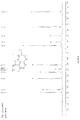
- One embodiment provides a compound having a solid state NMR pattern substantially as shown in Figure 4 , or a pharmaceutically acceptable salt there.
- Another embodiment provides a pharmaceutical composition
- a pharmaceutical composition comprising a compound as described herein and at least one excipient.
- Another embodiment provides a compound as as described herein for use in a medicine for the treatment of Mycobacterium tuberculosis.
- the treatment of a mycobacterial infection or condition occurs through inhibition of an editing domain of an aminoacyl tRNA synthetase by means of binding to the editing active site.
- the treatment of a mycobacterial infection or condition occurs through blocking of an editing domain of an aminoacyl tRNA synthetase.
- the mycobacterial infection and/or disease is treated through oral administration of the combination of the invention.
- the mycobacterial infection and/or disease is treated through intravenous administration of the combination of the invention.
- the invention is a pharmaceutical formulation which includes: (a) a compound as disclosed herein and b) a pharmaceutically acceptable excipient; or (a) a combination of the invention.
- the pharmaceutical formulation includes: (a) a compound as disclosed herein and a pharmaceutically acceptable excipient; or (b) a combination described herein.
- the pharmaceutical formulation includes: (a) a pharmaceutically acceptable excipient; and (b) a combination described herein, or a salt, prodrug, hydrate or solvate thereof.
- the pharmaceutical formulation includes: (a) a pharmaceutically acceptable excipient; and (b) a combination described herein, or a salt, hydrate or solvate thereof.
- the pharmaceutical formulation includes: (a) a pharmaceutically acceptable excipient; and (b) a combination described herein, or a salt, hydrate or solvate thereof.
- the pharmaceutical formulation includes: (a) a pharmaceutically acceptable excipient; and (b) a salt of a combination described herein.
- the salt is a pharmaceutically acceptable salt.
- the pharmaceutical formulation includes: (a) a pharmaceutically acceptable excipient; and (b) a prodrug of a combination described herein.
- the pharmaceutical formulation includes: (a) a pharmaceutically acceptable excipient; and (b) a combination described herein.
- the pharmaceutical formulation is a unit dosage form. In an exemplary embodiment, the pharmaceutical formulation is a single unit dosage form.
- the pharmaceutical formulation is a unit dosage form. In an exemplary embodiment, the pharmaceutical formulation is a single unit dosage form. In an exemplary embodiment, the pharmaceutical formulation is a two unit dosage form. In an exemplary embodiment, the pharmaceutical formulation is a three unit dosage form. In an exemplary embodiment, the pharmaceutical formulation is a four unit dosage form. In an exemplary embodiment, the pharmaceutical formulation is a five unit dosage form. In an exemplary embodiment, the pharmaceutical formulation is a six unit dosage form.
- the pharmaceutical formulation is a one, two, three, four, five, six or seven unit dosage form comprising a first unit dosage form and a second, third, fourth, fifth and/or sixth unit dosage form, wherein the first unit dosage form includes a) a therapeutically effective amount of a compound as described herein and b) a first pharmaceutically acceptable excipient; and the second, third, fourth, fifth, and/or sixth unit dosage form includes c) a therapeutically acceptable amount of an additional therapeutic agent that is an anti-mycobacterial agent and d) a second pharmaceutically acceptable excipient.
- the invention provides a) a first therapeutic agent that is a substituted benzoxaborole or salt thereof as described herein; b) a second therapeutic activity.
- the second therapeutic agent is an antibacterial agent, more specifically an anti-tubercular agent, more specifically an anti- M. tuberculosis agent.
- the combination is part of a pharmaceutical formulation described herein.
- a pharmaceutical formulation described herein Such conditions are known to one skilled in the art and specific conditions are set forth in the Examples appended hereto.
- the individual components of the combinations of the invention may be administered either simultaneously or sequentially in a unit dosage form.
- the unit dosage form may be a single or multiple unit dosage form.
- the invention provides a combination in a single unit dosage form.
- An example of a single unit dosage form is a capsule wherein both the substituted benzoxaborole and additional therapeutic agent are contained within the same capsule.
- the invention provides a combination in a two unit dosage form.
- An example of a two unit dosage form is a first capsule which contains the substituted benzoxaborole and a second capsule which contains the additional therapeutic agent.
- the term 'single unit' or 'two unit' or 'multiple unit' refers to the object which the patient ingests, not to the interior components of the object.
- Appropriate doses of substituted benzoxaborole will be readily appreciated by those skilled in the art.
- Appropriate doses of an additional therapeutic agent that is not a compound whose structure comprises Formula III or Formula IIIa will be readily appreciated by those skilled in the art.
- the substituted benzoxaborole is present in the combination in a therapeutically effective amount.
- the additional therapeutic agent that is not a compound whose structure comprises Formula III or Formula IIIa is present in the combination in an amount sufficient to kill or reduce the presence, amount or growth rate of mycobacteria exposed to the substituted benzoxaborole, including M. tuberculosis.
- the combinations of the invention may also include an additional therapeutic agent or therapeutic agents.
- the invention thus provides, in a further aspect, a combination comprising a substituted benzoxaborole described herein or a pharmaceutically acceptable salt thereof, and at least one additional therapeutic agent.
- the invention thus provides, in a further aspect, a combination comprising a substituted benzoxaborole described herein or a pharmaceutically acceptable salt thereof, and at least one additional therapeutic agent.
- the additional therapeutic agent is an antimycobacterial agent.
- the invention comprises: a) a combination of the invention; and b) at least one additional therapeutic agent.
- the invention comprises: a) a combination of the invention; b) a first additional therapeutic agent; and c) a second additional therapeutic agent.
- the invention comprises: a) a combination of the invention; b) a first additional therapeutic agent; c) a second additional therapeutic agent; and d) a third additional therapeutic agent.
- the first additional therapeutic agent or second additional therapeutic agent or third additional therapeutic agent may be selected from the additional therapeutic agents described herein.
- a pharmaceutical combination comprising a compound whose structure comprises Formula III, or a pharmaceutically acceptable salt or solvate thereof, together with one or more additional therapeutic agents, and one or more pharmaceutically acceptable carriers, excipients or diluents.
- the individual components of such combinations may be administered either sequentially or simultaneously in separate or combined pharmaceutical Formulations by any convenient route.
- each compound may differ from that when the compound is used alone. Appropriate doses will be readily appreciated by those skilled in the art. It will be appreciated that the amount of a compound as described herein required for use in treatment will vary with the nature of the condition being treated and the age and the condition of the patient and will be ultimately at the discretion of the attendant physician or veterinarian.
- substituted benzoxaboroles disclosed herein may exist in the closed form in organic solvents such as DMSOand CH 3 OH, may exist in an equilibrium between the closed form and open form in an environment comprising H 2 O, and may exist in the open form in the solid state.
- the compounds as described herein may be formulated for administration in any convenient way for use in human or veterinary medicine, by analogy with formulation of anti-mycobacterial agents, or formulation of other anti-tubercular agents.
- the invention is directed to a pharmaceutical composition comprising a compound whose structure comprises Formula III or Formula IIIa, or a pharmaceutically acceptable salt.
- a pharmaceutical composition comprising a compound whose structure comprises Formula III, a compound whose structure comprises Formula IIIa, or a pharmaceutically acceptable salt, and one or more pharmaceutically acceptable carriers, excipients or diluents.
- the carrier, excipient or diluent must be "acceptable" in the sense of being compatible with the other ingredients of the Formulation and not deleterious to the recipient thereof.
- compositions described herein include those in a form adapted for oral, or parenteral use and may be used for the treatment of a mycobacterial infection in a mammal including a human.
- compositions described herein include those in a form adapted for oral, topical or parenteral use and may be used for the treatment of mycobacterial infections in a mammal including a human.
- compositions may be formulated for administration by any convenient route.
- the compositions may be in the form of tablets, capsules, powders, granules, lozenges, aerosols or liquid preparations, such as oral or sterile parenteral solutions or suspensions.
- Tablets and capsules for oral administration may be in unit dose presentation form, and may contain conventional excipients such as binding agents, for example syrup, acacia, gelatin, sorbitol, tragacanth, or polyvinylpyrrolidone; fillers, for example lactose, sugar, maize-starch, calcium phosphate, sorbitol or glycine; tabletting lubricants, for example magnesium stearate, talc, polyethylene glycol or silica; disintegrants, for example potato starch; or acceptable wetting agents such as sodium lauryl sulphate.
- the tablets may be coated according to methods well known in normal pharmaceutical practice.
- Oral liquid preparations may be in the form of, for example, aqueous or oily suspensions, solutions, emulsions, syrups or elixirs, or may be presented as a dry product for reconstitution with water or other suitable vehicle before use.
- Such liquid preparations may contain conventional additives, such as suspending agents, for example sorbitol, methyl cellulose, glucose syrup, gelatin, hydroxyethyl cellulose, carboxymethyl cellulose, aluminium stearate gel or hydrogenated edible fats, emulsifying agents, for example lecithin, sorbitan monooleate, or acacia; non-aqueous vehicles (which may include edible oils), for example almond oil, oily esters such as glycerine, propylene glycol, or ethyl alcohol; preservatives, for example methyl or propyl p-hydroxybenzoate or sorbic acid, and, if desired, conventional flavouring or colouring agents.
- suspending agents for example sorbitol, methyl cellulose, glucose syrup, gelatin, hydroxyethyl cellulose, carboxymethyl cellulose, aluminium stearate gel or hydrogenated edible fats, emulsifying agents, for example lecithin, sorbitan monooleate, or
- Suppositories will contain conventional suppository bases, e.g. cocoa-butter or other glyceride.
- fluid unit dosage forms are prepared utilizing the compound and a sterile vehicle, water being preferred.
- the compound depending on the vehicle and concentration used, can be either suspended or dissolved in the vehicle.
- the compound can be dissolved in water for injection and filter sterilised before filling into a suitable vial or ampoule and sealing.
- agents such as a local anaesthetic, preservative and buffering agents can be dissolved in the vehicle.
- the composition can be frozen after filling into the vial and the water removed under vacuum.
- the dry lyophilized powder is then sealed in the vial and an accompanying vial of water for injection may be supplied to reconstitute the liquid prior to use.
- Parenteral suspensions are prepared in substantially the same manner except that the compound is suspended in the vehicle instead of being dissolved and sterilization cannot be accomplished by filtration.
- the compound can be sterilised by exposure to ethylene oxide before suspending in the sterile vehicle.
- a surfactant or wetting agent is included in the composition to facilitate uniform distribution of the compound.
- compositions may contain from 0.1% by weight, preferably from 10-60% by weight, of the active material, depending on the method of administration. Where the compositions comprise dosage units, each unit will preferably contain from 20-1000 mg of the active ingredient.
- the dosage as employed for adult human treatment will typically range from 50 to 300 mg per day, for instance 150 to 200 mg per day depending on the route and frequency of administration. Such a dosage corresponds to 0.5 to 5 mg/kg per day. Preferably the dosage is from 0.5 to 2 mg/kg per day and more preferably the dose is less than 1 mg/kg per day.
- the compound whose structure comprises Formula III, Formula IIIa, or a pharmaceutically acceptable pharmaceutically acceptable salt or solvate thereof may be the sole therapeutic agent in the compositions described herein, or it may be present in the Formulation in combination with one or more additional therapeutic agents.
- the invention thus provides, in a further aspect, a combination comprising a compound whose structure comprises Formula III or Formula IIIa, or a pharmaceutically acceptable salt, solvate thereof together with one or more additional therapeutic agents.
- the one or more additional therapeutic agent is, for example, an agent useful for the treatment of tuberculosis in a mammal.
- therapeutic agents include, rifampin, pyrazinamide, ethambutol, moxifloxacin, rifapentine, clofazimine, bedaquiline (TMC207), nitroimidazo-oxazine PA-824, delamanid (OPC-67683), oxazolidinone such as linezolid, tedizolid, radezolid, Mozolid (PNU-100480), and posizolid (AZD-5847), EMB analogue SQ109, a benzothiazinone, a dinitrobenzamide and an antiviral agent including an antiretroviral agent, or any TB agent being developed for the treatment of TB with a positive response in Phase IIa EBA trials, or any TB agent under development by the Global Alliance for Tuberculosis.
- the dose of the compound or agent may differ from that when the compound or agent is used alone. Appropriate doses will be readily appreciated by those skilled in the art. It will be appreciated that the amount of a compound described herein and the one or more additional therapeutic agents required for use in treatment will vary with the nature of the condition being treated and the age and the condition of the patient and will be ultimately at the discretion of the attendant physician or veterinarian.
- a pharmaceutical combination comprising a compound whose structure comprises Formula III of Formula IIIa, or a pharmaceutically acceptable salt or solvate thereof, together with one or more additional therapeutic agents, and one or more pharmaceutically acceptable carriers, excipients or diluents.
- the individual components of such combinations may be administered either sequentially or simultaneously in separate or combined pharmaceutical Formulations by any convenient route.
- either the compound of the present invention or one or more additional therapeutic agent may be administered first.
- the combination may be administered either in the same or different pharmaceutical composition.
- the compound and agents must be stable and compatible with each other and the other components of the Formulation.
- they may be provided in any convenient formulation, conveniently in such manner as are known for such compounds in the art.
- the compounds exemplified and described herein and combinations thereof are expected to exhibit potency against mycobacteria and therefore have the potential to kill mycobacteria and/or inhibit the replication of mycobacteria.
- the combinations as described herein are expected to exhibit potency against mycobacteria possessing resistance to standard-of-care anti-mycobacterial agents, and thus have the potential to kill mycobacteria and/or inhibit the replication of such "resistant" mycobacteria.
- compounds as described herein possess a remarkable activity against a selection of drug sensitive mycobacterial isolates, including, MDR-TB (multidrug resistant TB) and XDR-TB (extensively-drug resistant TB) clinical isolates, exhibiting MIC values of ⁇ 0.32 ⁇ M and the majority have MIC values at between 0.04 - 0.08 ⁇ M in 96 isolates investigated.
- a compound as described herein may be used for inhibiting or killing mycobacteria. Also disclosed is a method of killing mycobacteria and/or inhibiting replication of mycobactera or a method of treating a mycobacterial infection in an animal such as livestock and pets, including cattle, sheep, goats, dogs and cats, or a human, including an immune-suppressed human said method comprising: contacting the mycobactera with an effective amount of a compund as described herein, thereby killing the mycobacteria and/or inhibiting replication of the mycobacteria, or said method comprising administering to the animal with the mycobacterial infection a therapeutically effective amount of a pharmaceutical composition of the invention, wherein the pharmaceutical composition comprises a compound whose structure comprises Formula III or a compound whose structure comprises Formula IIIa, or a pharmaceutically acceptable salt thereof.
- the combination is part of a pharmaceutical formulation described herein.
- the contacting occurs under conditions which permit entry of the combination into the mycobacterium.
- the combination is part of a pharmaceutical formulation described herein.
- the contacting occurs under conditions which permit entry of the combination into the mycobacterium.
- the mycobacteria is killed or its replication is inhibited, or the mycobacterial infection is treated, through oral administration of a combination as described herein.
- the mycobacteria is killed or its replication is inhibited, or the mycobacterial infection is treated, through intravenous administration of a combination as described herein.
- the mycobacterium is killed or its replication is inhibited, or the mycobacterial infection is treated, through subcutaneous administration of a combination as described herein, wherein the combination comprises a compound whose structure comprises Formula III or a compound whose structure comprises Formula IIIa, or a pharmaceutically acceptable salt thereof.
- the mycobacteria is contacted or the mycobacterial infection is treated with a combination as described herein comprising a first therapeutic agent that is a compound whose structure comprises Formula III or a compound whose structure comprises Formula IIIa, or salt thereof, and optionally comprising a second, third, fourth, fifth and sixth therapeutic agent in a population of mycobacteria comprising a resistant mycobacterium with a mutation conferring resistance to any one or more of the optional second, third, fourth, fifth and sixth therapeutic agent.
- the optional second, third, fourth, fifth and sixth therapeutic agent, or a salt thereof is an anti-mycobacterial agent, particularly a known anti-mycobacterial agent, more preferably a standard-of-care anti-mycobacterial agent.
- Mycobacterium balnei Mycobacterium sherrisii, Mycobacterium africanum, Mycobacterium microti, Mycobacterium silvaticum, Mycobacterium colombiense, Mycobacterium indicus pranii, Mycobacterium gastri, Mycobacterium gordonae, Mycobacterium hiberniae, Mycobacterium nonchromagenicum, Mycobacterium terrae, Mycobacterium trivial, Mycobacterium kansasii; Mycobacterium malmoense; Mycobacterium simiae; Mycobacterium triplex, Mycobacterium genavense, Mycobacterium florentinum, Mycobacterium lentiflavum, Mycobacterium palustre, Mycobacterium kubic
- the mycobacterium is Mycobacterium tuberculosis.
- the mycobacterium is Mycobacterium avium, Mycobacterium kansasii, Mycobacterium malmoense, Mycobacterium simiae, Mycobacterium szulgai, Mycobacterium xenopi, Mycobacterium scrofulaceum, Mycobacterium abscessus, Mycobacterium chelonae, Mycobacterium haemophilum, Mycobacterium leprae, Mycobacterium marinum, M. fortuitum, Mycobacterium bovis, M. bovis BCG, M. africanum, M. canetti, M. caprae, M.
- the mycobacterium is a subspecies (subsp.) of Mycobacterium avium, including Mycobacterium avium subsp. avium, Mycobacterium avium subsp. hominissuis, Mycobacterium avium subsp. silvaticum, and Mycobacterium avium subsp. paratuberculosis.
- the mycobacterium is Mycobacterium intracellulare.
- the mycobacterium is a member of the Mycobacterium tuberculosis complex.
- the mycobacterium is a non-tuberculosis complex or clade, including: Mycobacterium avium complex; Mycobacterium gordonae clade; Mycobacterium kansasii clade; Mycobacterium chelonae clade; Mycobacterium fortuitum clade; Mycobacterium parafortuitum clade; and Mycobacterium vaccae clade.
- the mycobacteria is a Mycobacterium tuberculosis.
- the mycobacteria in the methods described herein comprises a resistant mycobacterium, particularly a resistant or multiresistance Mycobacterium tuberculosis.
- the resistant mycobacterium is a mutation of a mycobacteria described herein.
- the combinations of the present invention exhibit potency against mycobacteria, and therefore have the potential to achieve therapeutic efficacy in animals, including humans.
- the compounds described herein, and/or the formulations described herein exhibit potency against mycobacteria, and therefore have the potential to achieve therapeutic efficacy in animals, including humans.
- the method includes administering to the animal a therapeutically effective amount of a combination of the invention, sufficient to treat and/or prevent the disease.
- the combination of the invention can be used in human or veterinary medical therapy, particularly in the treatment or prophylaxis of mycobacterial-associated disease.
- the combination is described herein.
- the method includes administering to the animal a therapeutically effective amount of a compound as descrbed herein, or a formulation as described herein, sufficient to treat and/or prevent the disease.
- the combination of the invention can be used in human or veterinary medical therapy, particularly in the treatment or prophylaxis of mycobacterial-associated disease. In an exemplary embodiment, the combination is described herein.
- the animal is as defined herein.
- the disease a systemic disease or a cutaneous disease.
- the disease is a respiratory disease.
- Solution phase NMR was performed on G26-CH 3 using 13 C NMR and 1 H NMR.
- 1 H spectrum with homonuclear decoupling 100kHz DUMBO Spectrum corrected for chemical shiftscaling.
- Solid-state NMR data point to a ring-open structure.
- the carbon C16 resonance has a chemical shift value of ca. 60 ppm, which is consistent with a ring-open structure.
- acquired 1 H-11B HETCOR spectra show strong correlations between B1 and OH protons at high ppm-values. This is also consistent with a ring-open structure with an -OH proton in proximity to B1. Fit of the second-order quadrupolar lineshape of the 11B spectrum led to values which are similar to literature values for similar ring-open structures.
- Reactions involving metal hydrides including lithium hydride, lithium aluminium hydride, di-isobutylaluminium hydride, sodium hydride, sodium borohydride and sodium triacetoxyborohydride are carried out under argon unless otherwise specified.
- the reaction mixture was cooled to a temperature range between -30 °C and-40 °C, and then nitromethane (9.9 L, 183.40 mol) was added dropwise, keeping the temperature below -30 °C, followed by the addition of diisopropylethylamine (285 g , 2.20 mol).
- the reaction was stirred at -30 °C for 24 h, and then quenched with trifluoroacetic acid (314 g, 2.75 mol).
- 1 N HCI (24 L) and TBME (47 L) were added to the resulting solution.
- the separated organic phase was washed with water (24 L) and then concentrated under vacuum.
- the mixture can be heated at between about 50 °C and 150 °C (about 90 °C for example) for between about 4 hours and 24 hours (about 16 hours for example).
- the reaction mixture can be cooled to room temperature, and then the mixture can be poured into water, can be extracted with ethyl acetate, and can be washed with water and brine.
- the organic layer can be dried over anhydrous sodium sulfate, filtered and concentrated in vacuo.
- the residue can be purified by silica gel chromatography eluting with a mixture of ethyl acetate and petroleum ether to give the title compound.
- the mixture can be heated at between about 50 °C and 150 °C (about 90 °C for example) for between about 4 hours and 24 hours (about 16 hours for example).
- the reaction mixture can be cooled to room temperature, and then the mixture can be poured into water, can be extracted with ethyl acetate, and can be washed with water and brine.
- the organic layer can be dried over anhydrous sodium sulfate, filtered and concentrated in vacuo.
- the residue can be purified by silica gel chromatography eluting with a mixture of ethyl acetate and petroleum ether to give the title compound.
- a solution of tert-butyl ((3,8,8-trimethyl-7,8-dihydro-2H-1,6,9-trioxa-9a-borabenzo[cd]azulen-2-yl)methyl)carbamate and TFA in DCM can be stirred at room temperature for 2 hours.
- the solvent can be evaporated at reduced pressure and the residue can be treated with 2 M HCl in ether, then can be washed with ether to give the title compound.
- the mixture can be heated at between about 50 °C and 150 °C (about 90 °C for example) for between about 4 hours and 24 hours (about 16 hours for example).
- the reaction mixture can be cooled to room temperature, and then the mixture can be poured into water, can be extracted with ethyl acetate, and can be washed with water and brine.
- the organic layer can be dried over anhydrous sodium sulfate, filtered and concentrated in vacuo.
- the residue can be purified by silica gel chromatography eluting with a mixture of ethyl acetate and petroleum ether to give the title compound.
- a solution of tert-butyl (S)-((3,8,8-trimethyl-7,8-dihydro-2H-1,6,9-trioxa-9a-borabenzo[cd]azulen-2-yl)methyl)carbamate and TFA in DCM can be stirred at room temperature for between about 10 minutes and 10 hours, for example, about 2 hours.
- the solvent can be evaporated at at reduced pressure and the residue can be treated with 2 M HCl in ether, then can be washed with ether to give the title compound.
- Comparative Examples 8-13 can be synthesized utilizing the process described in Example 2 -- (S)-(3-methyl-7,8-dihydro-2H-1,6,9-trioxa-9a-borabenzo[cd]azulen-2-yl)methanamine, substituting out the tin compound tetramethylstannane in step b) of Example 2 for the following tin compounds: Comparative Example 8-tetraethylstannane or ethyltri(n-butyl)stannane; Comparative Example 9-tetravinylstannane or vinyltri(n-butyl)stannane; Comparative Example 10-tetrapropylstannane or propyltri(n-butyl)stannane; Comparative Example 11-tetraisopropylstannane or isopropyltri(n-butyl)stannane; Comparative Example 12-tetraallylstannane or allyltri(
- Comparative Examples 14-19 can be synthesized utilizing the process described in Example 5 -- ((2S)-3,8-dimethyl-7,8-dihydro-2H-1,6,9-trioxa-9a-borabenzo[cd]azulen-2-yl)methanamine, substituting out the tin compound tetramethylstannane in step g) of Example 5 for the following tin compounds:
- Comparative Examples 20-25 can be synthesized utilizing the process described in Example 7 -- (S)-(3,8,8-trimethyl-7,8-dihydro-2H-1,6,9-trioxa-9a-borabenzo[cd]azulen-2-yl)methanamine, substituting out the tin compound tetramethylstannane in step b) of Example 7 for the following tin compounds: Comparative Example 20-tetraethylstannane or ethyltri(n-butyl)stannane; Comparative Example 21-tetravinylstannane or vinyltri(n-butyl)stannane; Comparative Example 22-tetrapropylstannane or propyltri(n-butyl)stannane; Comparative Example 23-tetraisopropylstannane or isopropyltri(n-butyl)stannane; Comparative Example 24-tetraallylstannane or
- the reaction mixture can be cooled to between about -35 °C to about -40 °C, and then nitromethane (100 eq.) was added dropwise, maintaining the temperature below about -35 °C, followed by the addition of diisopropylethylamine (2.2 eq.).
- the reaction can be stirred at -35 °C for 24 h, and then can be quenched with trifluoroacetic acid (2.2 eq.).
- EtOAc can be added to the resulting solution.
- the separated organic phase can be washed with water and then concentrated under vacuum. The residue can be purified by silica gel chromatography eluting with ethyl acetate and petroleum ether to afford the product.
- a solution of (S)-1-(5-(((S)-2,2-dimethyl-1,3-dioxolan-4-yl)methoxy)-2-methylphenyl)-2-nitroethan-1-ol and Pd/C in methanol can be hydrogenated under 101325 Pa (1 atm of) H 2 at room temperature for about 48 h. Then it can be filtered through a bed of Celite and the filtrate can be concentrated under reduced pressure to afford the crude product. It can be used directly in the next step without further purification.
- reaction mixture can be allowed to warm to about -40 °C for about 3 h and then warmed to r.t. and stirred overnight.
- the reaction can be quenched with 5% aqueous NaHCO 3 and stirred vigorously for about 15 min, the resulting suspension can be filtered and the filtrate can be separated.
- the organic layer can be washed with water and can be concentrated in vacuum to afford the crude product.
- the crude product can be purified by preparative-HPLC using Daisogel 10 ⁇ C18 column (250 x 50 mm) and can be eluted with a gradient of water/acetonitrile (0.05% TFA).
- the collected fraction can be concentrated under reduced pressure.
- the residue can be dissolved in ether and sat. HCl (g) in ether and the mixture can be stirred at room temperature for about 1h.
- the solid can be collected by filtration and washed with ether to give the title compound.
- the mixture can be heated at between about 50 °C and 150 °C (about 90 °C for example) for between about 4 hours and 24 hours (about 16 hours for example).
- the reaction mixture can be cooled to room temperature, and then the mixture can be poured into water, can be extracted with ethyl acetate, and can be washed with water and brine.
- the organic layer can be dried over anhydrous sodium sulfate, filtered and concentrated in vacuo.
- the residue can be purified by silica gel chromatography eluting with a mixture of ethyl acetate and petroleum ether to give the title compound.
- tert-butyl ((3,8,8-trimethyl-7,8-dihydro-2H-1,6,9-trioxa-9a-borabenzo[cd]azulen-2-yl)methyl)carbamate (crude) can be dissolved in a solution of TFA in DCM (approximately 1:2 to about 1:20; 1:10 for example.
- the solution can be stirred at room temperature for between about 10 minutes and 10 hours, 1 hour for example, and then can be concentrated in vacuum.
- the crude product can be purified by preparative-HPLC using Daisogel 10 ⁇ C18 column and can be eluted with a gradient of water/acetonitrile (0.05% TFA). The collected fraction can be concentrated under reduced pressure to afford the title compounds.
- MIC Minimum Inhibitory Concentration
- M. tuberculosis strains The measurement of the Minimum Inhibitory Concentration (MIC) against M. tuberculosis strains for each tested compound was performed in 96-well flat-bottom, polystyrene microtiter plates in a final volume of 100uL. Ten two-fold drug dilutions in neat DMSO starting at 50mM were performed. Drug solutions were added to Middlebrook 7H9 medium (Difco) and isoniazid (INH) (Sigma Aldrich) was used as a positive control with 2-fold dilutions of INH starting at 160ug/mL. The inoculum was standardized to approximately 1x10⁷ cfu/ml and diluted 1 in 100 in Middlebrook 7H9 broth (Difco).
- This inoculum (100uL) was added to the entire plate but G-12 and H-12 wells were used as blank controls. All plates were placed in a sealed box to prevent drying out of the peripheral wells and incubated at 37°C without shaking for six days.
- a Resazurin solution was prepared by dissolving one tablet of Resazurin (Resazurin Tablets for Milk Testing; Ref 330884Y' VWR International Ltd) in 30mL of sterile PBS (phosphate buffered saline). Of this solution, 25uL were added to each well. Fluorescence was measured (Spectramax M5 Molecular Devices, Excitation 530nm, Emission 590nm) after 48 hours to determine the MIC value.
- Table 1 provides MIC values against bacterial strains K12; E. coli K12 toIC/Tn10; A . baumannii ATCC 17978; and P . aeruginosa PA01 for comparator compounds (C1-C15) shown in Table 4 and for G26-CH 3 .
- the comparator compounds do not generally possess significant activity across several pathogenic Gram negative bacteria, as well as an efflux pump deficient E. coli.
- compound G26-CH 3 (Example 2) has poor activity against these Gram negative bacteria.
- Table 1 provides MIC Values Against non-Mycobacterial strains for substituted benzoxaborole compounds Compound MIC: E. coli K12 [ug/mL] MIC: E.
- N-terminal six histidine-tagged LeuRS was over-expressed in Escherichia coli which were E. coli codon-optimised (GenScript, Piscataway NJ, USA), from human mitochondria and cytoplasm, and M. tuberculosis.
- E. coli codon-optimised GeneScript, Piscataway NJ, USA
- M. tuberculosis M. tuberculosis.
- N-terminal six histidine-tagged LeuRS proteins were over-expressed and purified according to Novagen (Madison, WI, USA) using an E. coli BL21(DE3) T7 RNA polymerase over-expression strain.
- IC50 concentration of compound (Anacor Pharmaceuticals Inc., Palo Alto, CA, USA) were incubated with LeuRS enzyme, tRNA and L-leucine 20 minutes. Reactions were initiated by the addition of 4 mM ATP. Reactions were stopped after 7 minutes then precipitated and counted to quantify radioactivity. IC50 values were determined using the Graphpad Prism software package (Graphpad Software Inc. (La Jolla, CA, USA).
- HepG2 cells (HB-8065) were fed fresh medium (Essential Minimum Eagle Medium, EMEM, supplemented with 5% fetal calf serum and 2mM L-glutamine) the day before subculturing the plates.
- fresh medium Essential Minimum Eagle Medium, EMEM, supplemented with 5% fetal calf serum and 2mM L-glutamine
- EMEM Extra Minimum Eagle Medium
- fetal calf serum fetal calf serum
- 2mM L-glutamine fresh medium
- test substances It was made up a range of 10 doses of test substances by preparing serial dilutions 1:2 from the stock solution in 100% DMSO and made a dilution of 1:200 of each dose in medium, to achieve a final concentration of 0.5% of DMSO.
- culture medium was removed from the plate and 150uL of test compound dilutions were added in two replicates and 150uL of 0.5% DMSO in culture medium to columns 11 and 12 (blank control). Plates were incubated for 48 and at 37°C, 5% CO2, 95% relative humidity. The medium was then removed and 200uL of fresh culture medium was added and 50uL of Resazurin solution to each well and incubated for_ 1 h and a half.
- Resazurine BDH
- Resazurin is used as an oxidation-reduction indicator that yields a colorimetric change and a fluorescent signal in response to metabolic activity.
- metabolic activity results in a chemical reduction of Resazurin indicated by a change from non-fluorescent blue to the reduced fluorescent pink form.
- the degree of Resazurin fluorescence is therefore, an indicator of the number of viable cells in the culture system. Fluorescence was measured at an excitation wavelength of 515nm and an emission wavelength of 590nm in a Microplate reader1420 Multilabel HTS counter, Victor 2, (Wallac).
- the fluorescence value of each well is corrected by subtracting the background value (average of column 11) from the absolute value.
- the percentages of inhibition are calculated relatively to the DMSO control wells (average of column 12).
- the average value of the duplicate samples is calculated and the curve is fitted to Sigmoidal dose-response (variable slope) nonlinear regression curve adjustment (GraphPad) in order to calculate the IC50 (Tox50).
- Substituted benzoxaborole comparator C1-C14 were tested for antibacterial activity against a Mycobacterium tuberculosis species and also tested for human liver cell toxicity using HepG2 cells.
- Exemplary compound G26-CH 3 of the invention was compared to comparator compounds C1-H through C14-Br, as shown in Tables 2 as compared to Table 3.
- Table 2 provides LeuRS inhibition IC50 values, MIC values against the M.
- Table 3 provides LeuRS inhibition IC50 values, MIC values against the M. tuberculosis standard strain Mtb H27Rv, toxicity values against human HepG2 cells, and selectivity values for certain exemplified compounds of the invention.
- Table 3 Compound Designation Compound Structure Mtb LeuRS IC 50 (uM) Human cyto LeuRS IC 50 ( ⁇ M) Mtb H37Rv MIC ( ⁇ M) (B) HepG2 cell 48h Tox50 ( ⁇ M) (A) Select-ivity Index (A/B) Cell Prot Syn IC 50 ( ⁇ M) EXAMPLE 2 G26-CH 3 0.53 171 0.2 971 4853 >600 Comparative EXAMPLE 3 G27-phenyl 12.0 8.75 Comparative EXAMPLE 4 G28-thienyl 300 40.1
- Tables 2 and 3 show a comparison of certain substituted benzoxaborole comparator compounds (shown in closed form) with and without halogen or alkyl substitution at various positions on the benzoxaborole ring, certain substituted benzoxaboroles (shown in closed form) with and without halogen or alkyl substitution at position 4 of the benzoxaborole ring structure, and certain other substituted benzoxaoborole compounds.
- Mtb H37Rv MIC values (B) and the HepG2 cell 48 h Tox 50 values (A)
- Example 2 G26-CH 3 which is a substituted benzoxaborole having a methyl substituent at the C-4 position of the benzoxaborole ring and an aminomethyl substituent at position C3 of the benzoxaborole ring has "(S)" relative stereochemistry at the stereocenter C with the aminomethyl substituent, and is surprisingly more selective for activity against M. tuberculosis than other substituted benzoxaboroles lacking some of these features as compared to inhibition (toxicity) of human cells for these compounds.
- the MIC values against M. tuberculosis H37Rv strain for Example. 2 G26-CH 3 is 0.2 ⁇ M, in contrast to other substituted benzoxaboroles being compared.
- tuberculosis standard strain Mtb H37Rv tuberculosis standard strain Mtb H37Rv
- toxicity values against human HepG2 cells selectivity index (SI) values
- inhibition of protein synthesis values in mammalian cells for a substituted benzoxaborole of the invention wherein the compound (G26-CH 3 , shown in the closed, tricyclic form) has a methyl at the C4 of the benzoxaborole ring and an aminomethyl substituent at position C3 of the benzoxaborole ring having "(S)" relative stereochemistry at that stereocenter.
- G26-CH 3 was also found to have good activity against leucyl tRNA synthetase from M. tuberculosis and exhibited low impact on mammalian cellular protein synthesis.
- the (S) enantiomer of a substituted benzoxaborole comparator compound with a Br at the C4 position of the benzoxaborole ring that is not capable of existing in an equilibrium between an open form and a closed form in aqueous solvents has an SI of 320
- C6-CI the (S) enantiomer of a substituted-benzoxaborole with a Cl at the C-4 position that is also not capable of existing in an equilibrium between an open form and a closed tricyclic form in aqueous solvents, has an SI of 363.
- Example 2 G26-CH 3 the (S) enantiomer of a substituted benzoxaborole with a -CH 3 at the C-4 position that is capable of existing in an equilibrium between an open form and a closed form in aqueous solvents, has an SI of >4850.
- Example 2 C26-CH 3 a compound with -CH 3 at the C4 position of the benzoxaborole ring which has been shown to exist in equilibrium between an open form and a closed form in aqueous solvents, has a selectivity index (SI) of >4850.
- tuberculosis versus inhibition (toxicity) of human cells for these particular compounds. It also suggests that the presence of a halogen at position C4 of the benzoxaborole ring (see C9-CI) is not sufficient to overcome the negative effect of methyl substitution at both R 3 and R 4 of the 7-membered tricyclic ring at the R 3 /R 4 position.
- the substituted benzoxaboroles of the invention shows surprisingly higher SIs relative to the SIs of similar substituted benzoxaboroles for M. tuberculosis versus human cells.
Landscapes
- Health & Medical Sciences (AREA)
- Chemical & Material Sciences (AREA)
- Organic Chemistry (AREA)
- Life Sciences & Earth Sciences (AREA)
- Medicinal Chemistry (AREA)
- Pharmacology & Pharmacy (AREA)
- Animal Behavior & Ethology (AREA)
- General Health & Medical Sciences (AREA)
- Public Health (AREA)
- Veterinary Medicine (AREA)
- Chemical Kinetics & Catalysis (AREA)
- Nuclear Medicine, Radiotherapy & Molecular Imaging (AREA)
- General Chemical & Material Sciences (AREA)
- Communicable Diseases (AREA)
- Engineering & Computer Science (AREA)
- Oncology (AREA)
- Bioinformatics & Cheminformatics (AREA)
- Epidemiology (AREA)
- Pulmonology (AREA)
- Virology (AREA)
- Endocrinology (AREA)
- Reproductive Health (AREA)
- Neurology (AREA)
- Orthopedic Medicine & Surgery (AREA)
- Physical Education & Sports Medicine (AREA)
- Pain & Pain Management (AREA)
- Rheumatology (AREA)
- Dermatology (AREA)
- Pregnancy & Childbirth (AREA)
- Gynecology & Obstetrics (AREA)
- Molecular Biology (AREA)
- Pharmaceuticals Containing Other Organic And Inorganic Compounds (AREA)
- Medicines That Contain Protein Lipid Enzymes And Other Medicines (AREA)
- Heterocyclic Carbon Compounds Containing A Hetero Ring Having Nitrogen And Oxygen As The Only Ring Hetero Atoms (AREA)
- Agricultural Chemicals And Associated Chemicals (AREA)
- Organic Low-Molecular-Weight Compounds And Preparation Thereof (AREA)
Priority Applications (5)
| Application Number | Priority Date | Filing Date | Title |
|---|---|---|---|
| SI201630941T SI3256479T1 (sl) | 2015-02-12 | 2016-02-12 | 4-substituirane benzoksaborolne spojine in njihove uporabe |
| SM20200565T SMT202000565T1 (it) | 2015-02-12 | 2016-02-12 | Composti di benzossaborolo 4-sostituiti e loro usi |
| PL16706002T PL3256479T3 (pl) | 2015-02-12 | 2016-02-12 | Związki 4-podstawionych benzoksaboroli i ich zastosowania |
| RS20201204A RS60885B1 (sr) | 2015-02-12 | 2016-02-12 | 4 -supstituisana benzoksaborol jedinjenja i njihove upotrebe |
| HRP20201597TT HRP20201597T1 (hr) | 2015-02-12 | 2016-02-12 | 4-supstituirani spojevi benzoksaborola i njihova upotreba |
Applications Claiming Priority (4)
| Application Number | Priority Date | Filing Date | Title |
|---|---|---|---|
| EP15382054 | 2015-02-12 | ||
| EP15382055 | 2015-02-12 | ||
| EP15382056 | 2015-02-12 | ||
| PCT/IB2016/050775 WO2016128948A1 (en) | 2015-02-12 | 2016-02-12 | 4 -substituted benzoxaborole compounds and uses thereof |
Publications (2)
| Publication Number | Publication Date |
|---|---|
| EP3256479A1 EP3256479A1 (en) | 2017-12-20 |
| EP3256479B1 true EP3256479B1 (en) | 2020-07-29 |
Family
ID=55409879
Family Applications (2)
| Application Number | Title | Priority Date | Filing Date |
|---|---|---|---|
| EP16706002.9A Active EP3256479B1 (en) | 2015-02-12 | 2016-02-12 | 4 -substituted benzoxaborole compounds and uses thereof |
| EP16706003.7A Withdrawn EP3256480A1 (en) | 2015-02-12 | 2016-02-12 | Benzoxaborole compounds and uses thereof |
Family Applications After (1)
| Application Number | Title | Priority Date | Filing Date |
|---|---|---|---|
| EP16706003.7A Withdrawn EP3256480A1 (en) | 2015-02-12 | 2016-02-12 | Benzoxaborole compounds and uses thereof |
Country Status (36)
Families Citing this family (8)
| Publication number | Priority date | Publication date | Assignee | Title |
|---|---|---|---|---|
| US20160251380A1 (en) * | 2013-08-09 | 2016-09-01 | Glaxosmithkline Intellectual Property (No.2) Limited | Tricyclic benzoxaborole compounds and uses thereof |
| RS63461B1 (sr) | 2017-05-08 | 2022-08-31 | Glaxosmithkline Ip Dev Ltd | Sanfetrinem ili njegova so ili estar za upotrebu u lečenju mikobakterijske infekcije |
| MX2020005464A (es) | 2017-11-30 | 2020-12-03 | Boragen Inc | Compuestos de benzoxaborol y formulaciones de los mismos. |
| WO2020041200A1 (en) | 2018-08-18 | 2020-02-27 | Boragen Inc. | Solid forms of substituted benzoxaborole and compositions thereof |
| CN110441344B (zh) * | 2019-06-25 | 2020-09-29 | 北京大学 | 一种基于固体核磁共振技术检测rna结构的方法 |
| EP4384527A4 (en) * | 2022-06-23 | 2025-09-03 | Micurx Pharmaceuticals Inc | PRODRUGS OF BORON COMPOUNDS AND THEIR USE IN THE TREATMENT OF BACTERIAL INFECTIONS |
| CA3239096A1 (en) * | 2022-06-23 | 2023-12-28 | Shanghai Micurx Pharmaceutical Co., Ltd. | Methods and uses of boron compounds in the treatment of nontuberculous mycobacterium infections and pharmaceutical compositions for treatment of same |
| KR20240150582A (ko) | 2023-04-08 | 2024-10-15 | 김태서 | 맥세이프 배터리팩을 포함한 아이폰 케이스 |
Family Cites Families (17)
| Publication number | Priority date | Publication date | Assignee | Title |
|---|---|---|---|---|
| GB9411587D0 (en) * | 1994-06-09 | 1994-08-03 | Zeneca Ltd | Compound, composition and use |
| EP0947498B1 (en) | 1996-12-02 | 2004-09-15 | Chisso Corporation | Optically active nitro alcohol derivatives, optically active amino alcohol derivatives, and process for preparing the same |
| US7446236B2 (en) | 2002-12-02 | 2008-11-04 | Solvias Ag | Catalytic hydrogenation of carbon-heteroatom double bonds |
| EP2343304B1 (en) | 2005-02-16 | 2015-06-10 | Anacor Pharmaceuticals, Inc. | Biocidal boronophthalide compounds |
| EP1856113B1 (en) | 2005-03-08 | 2016-01-06 | Agency for Science, Technology and Research | Chiral bisoxazoline catalysts |
| KR20080110984A (ko) | 2005-12-30 | 2008-12-22 | 아나코르 파마슈티칼스 인코포레이티드 | 보론함유 소분자 |
| TWM325238U (en) * | 2006-12-29 | 2008-01-11 | Universal Scient Ind Co Ltd | Voltage regulator and voltage regulating system |
| KR100848491B1 (ko) | 2007-01-16 | 2008-07-28 | 영진약품공업주식회사 | 베타아미노기를 갖는 2-싸이아졸리딘 유도체, 이의약학적으로 허용 가능한 염 및 이의 제조 방법 |
| JO3396B1 (ar) * | 2007-06-20 | 2019-10-20 | Anacor Pharmaceuticals Inc | جزيئات صغيرة تحتوي على البورون |
| WO2010080558A1 (en) | 2008-12-17 | 2010-07-15 | Anacor Pharmaceuticals, Inc. | Polymorphs of (s)-3-aminomethyl-7-(3-hydroxy-propoxy)-3h-benzo[c][1,2] oxaborol-1-ol |
| US20110124597A1 (en) * | 2009-09-25 | 2011-05-26 | Anacor Pharmaceuticals, Inc. | Boron containing small molecules |
| ES2710105T3 (es) * | 2010-04-07 | 2019-04-23 | Glaxosmithkline Llc | Proceso para preparar benzoxaboroles |
| SI3251678T1 (sl) * | 2010-09-07 | 2022-01-31 | Anacor Pharmaceuticals, Inc. | Derivati benzoksaborola za zdravljenje bakterijskih okužb |
| JP6031122B2 (ja) * | 2011-12-22 | 2016-11-24 | ミクウルク ファーマシューティカルズ,インコーポレイテッド | 抗微生物療法のための三環式ホウ素化合物 |
| CN102739587B (zh) | 2012-06-16 | 2014-05-21 | 天地融科技股份有限公司 | 音频数据传输方法 |
| KR101636431B1 (ko) | 2013-07-30 | 2016-07-05 | 동아에스티 주식회사 | 트리사이클릭 벤즈옥사보롤 화합물, 이의 제조방법 및 용도 |
| US20160251380A1 (en) | 2013-08-09 | 2016-09-01 | Glaxosmithkline Intellectual Property (No.2) Limited | Tricyclic benzoxaborole compounds and uses thereof |
-
2016
- 2016-02-11 MA MA41494A patent/MA41494B1/fr unknown
- 2016-02-11 MA MA041495A patent/MA41495A/fr unknown
- 2016-02-12 US US15/550,693 patent/US10774096B2/en active Active
- 2016-02-12 WO PCT/IB2016/050776 patent/WO2016128949A1/en not_active Ceased
- 2016-02-12 WO PCT/IB2016/050775 patent/WO2016128948A1/en not_active Ceased
- 2016-02-12 PE PE2017001400A patent/PE20171432A1/es not_active Application Discontinuation
- 2016-02-12 UA UAA201708405A patent/UA120527C2/uk unknown
- 2016-02-12 CR CR20170371A patent/CR20170371A/es unknown
- 2016-02-12 AU AU2016217508A patent/AU2016217508A1/en not_active Abandoned
- 2016-02-12 US US15/550,658 patent/US20180037595A1/en not_active Abandoned
- 2016-02-12 SI SI201630941T patent/SI3256479T1/sl unknown
- 2016-02-12 RS RS20201204A patent/RS60885B1/sr unknown
- 2016-02-12 EP EP16706002.9A patent/EP3256479B1/en active Active
- 2016-02-12 MY MYPI2017702943A patent/MY194004A/en unknown
- 2016-02-12 JP JP2017542053A patent/JP2018506540A/ja active Pending
- 2016-02-12 CN CN201680021488.3A patent/CN107548398A/zh active Pending
- 2016-02-12 SM SM20200565T patent/SMT202000565T1/it unknown
- 2016-02-12 EA EA201791671A patent/EA036516B1/ru unknown
- 2016-02-12 BR BR112017017213-5A patent/BR112017017213A2/pt not_active Application Discontinuation
- 2016-02-12 ES ES16706002T patent/ES2821951T3/es active Active
- 2016-02-12 PE PE2017001401A patent/PE20171348A1/es not_active Application Discontinuation
- 2016-02-12 CR CR20170372A patent/CR20170372A/es unknown
- 2016-02-12 SG SG11201706510YA patent/SG11201706510YA/en unknown
- 2016-02-12 AU AU2016217507A patent/AU2016217507B2/en not_active Ceased
- 2016-02-12 KR KR1020177025539A patent/KR20170117158A/ko not_active Ceased
- 2016-02-12 MX MX2017010413A patent/MX379057B/es unknown
- 2016-02-12 JP JP2017541999A patent/JP6771472B2/ja active Active
- 2016-02-12 NZ NZ734379A patent/NZ734379A/en not_active IP Right Cessation
- 2016-02-12 KR KR1020177025535A patent/KR20170117156A/ko not_active Withdrawn
- 2016-02-12 PT PT167060029T patent/PT3256479T/pt unknown
- 2016-02-12 MX MX2017010414A patent/MX2017010414A/es unknown
- 2016-02-12 EA EA201791667A patent/EA201791667A1/ru unknown
- 2016-02-12 CA CA2976308A patent/CA2976308A1/en not_active Abandoned
- 2016-02-12 DK DK16706002.9T patent/DK3256479T3/da active
- 2016-02-12 HU HUE16706002A patent/HUE051113T2/hu unknown
- 2016-02-12 CA CA2976030A patent/CA2976030C/en active Active
- 2016-02-12 LT LTEP16706002.9T patent/LT3256479T/lt unknown
- 2016-02-12 EP EP16706003.7A patent/EP3256480A1/en not_active Withdrawn
- 2016-02-12 BR BR112017017211-9A patent/BR112017017211B1/pt active IP Right Grant
- 2016-02-12 PL PL16706002T patent/PL3256479T3/pl unknown
- 2016-02-12 SG SG11201706511TA patent/SG11201706511TA/en unknown
- 2016-02-12 CN CN201680021538.8A patent/CN107531730B/zh active Active
- 2016-02-12 HR HRP20201597TT patent/HRP20201597T1/hr unknown
- 2016-02-15 TW TW105104422A patent/TW201702250A/zh unknown
- 2016-02-15 TW TW105104376A patent/TWI730953B/zh not_active IP Right Cessation
-
2017
- 2017-08-07 IL IL253865A patent/IL253865A0/en unknown
- 2017-08-07 IL IL253864A patent/IL253864B/en unknown
- 2017-08-09 PH PH12017501427A patent/PH12017501427A1/en unknown
- 2017-08-09 PH PH12017501428A patent/PH12017501428A1/en unknown
- 2017-08-10 DO DO2017000188A patent/DOP2017000188A/es unknown
- 2017-08-10 DO DO2017000189A patent/DOP2017000189A/es unknown
- 2017-08-11 CL CL2017002059A patent/CL2017002059A1/es unknown
- 2017-08-11 CL CL2017002060A patent/CL2017002060A1/es unknown
- 2017-08-11 ZA ZA201705456A patent/ZA201705456B/en unknown
- 2017-08-29 CO CONC2017/0008809A patent/CO2017008809A2/es unknown
- 2017-08-29 CO CONC2017/0008816A patent/CO2017008816A2/es unknown
-
2020
- 2020-09-11 US US17/018,301 patent/US11214582B2/en not_active Expired - Fee Related
- 2020-10-14 AU AU2020256369A patent/AU2020256369A1/en not_active Abandoned
- 2020-10-15 CY CY20201100978T patent/CY1123687T1/el unknown
Non-Patent Citations (1)
| Title |
|---|
| None * |
Also Published As
Similar Documents
| Publication | Publication Date | Title |
|---|---|---|
| US10858376B2 (en) | Tricyclic benzoxaborole compounds and uses thereof | |
| US11214582B2 (en) | 4-substituted benzoxaborole compounds and uses thereof | |
| HK1240232A1 (en) | 4-substituted benzoxaborole compounds and uses thereof | |
| HK1240232B (en) | 4-substituted benzoxaborole compounds and uses thereof | |
| HK1219939B (en) | Tricyclic benzoxaborole compounds and uses thereof | |
| OA17674A (en) | Tricyclic benzoxaborole compounds and uses thereof. |
Legal Events
| Date | Code | Title | Description |
|---|---|---|---|
| STAA | Information on the status of an ep patent application or granted ep patent |
Free format text: STATUS: THE INTERNATIONAL PUBLICATION HAS BEEN MADE |
|
| PUAI | Public reference made under article 153(3) epc to a published international application that has entered the european phase |
Free format text: ORIGINAL CODE: 0009012 |
|
| STAA | Information on the status of an ep patent application or granted ep patent |
Free format text: STATUS: REQUEST FOR EXAMINATION WAS MADE |
|
| 17P | Request for examination filed |
Effective date: 20170912 |
|
| AK | Designated contracting states |
Kind code of ref document: A1 Designated state(s): AL AT BE BG CH CY CZ DE DK EE ES FI FR GB GR HR HU IE IS IT LI LT LU LV MC MK MT NL NO PL PT RO RS SE SI SK SM TR |
|
| AX | Request for extension of the european patent |
Extension state: BA ME |
|
| RAV | Requested validation state of the european patent: fee paid |
Extension state: MA Effective date: 20170912 |
|
| REG | Reference to a national code |
Ref country code: HK Ref legal event code: DE Ref document number: 1240232 Country of ref document: HK |
|
| STAA | Information on the status of an ep patent application or granted ep patent |
Free format text: STATUS: EXAMINATION IS IN PROGRESS |
|
| 17Q | First examination report despatched |
Effective date: 20180613 |
|
| GRAP | Despatch of communication of intention to grant a patent |
Free format text: ORIGINAL CODE: EPIDOSNIGR1 |
|
| STAA | Information on the status of an ep patent application or granted ep patent |
Free format text: STATUS: GRANT OF PATENT IS INTENDED |
|
| INTG | Intention to grant announced |
Effective date: 20200220 |
|
| GRAS | Grant fee paid |
Free format text: ORIGINAL CODE: EPIDOSNIGR3 |
|
| GRAA | (expected) grant |
Free format text: ORIGINAL CODE: 0009210 |
|
| STAA | Information on the status of an ep patent application or granted ep patent |
Free format text: STATUS: THE PATENT HAS BEEN GRANTED |
|
| AK | Designated contracting states |
Kind code of ref document: B1 Designated state(s): AL AT BE BG CH CY CZ DE DK EE ES FI FR GB GR HR HU IE IS IT LI LT LU LV MC MK MT NL NO PL PT RO RS SE SI SK SM TR |
|
| AX | Request for extension of the european patent |
Extension state: BA ME |
|
| REG | Reference to a national code |
Ref country code: CH Ref legal event code: EP |
|
| REG | Reference to a national code |
Ref country code: AT Ref legal event code: REF Ref document number: 1295653 Country of ref document: AT Kind code of ref document: T Effective date: 20200815 |
|
| REG | Reference to a national code |
Ref country code: IE Ref legal event code: FG4D |
|
| REG | Reference to a national code |
Ref country code: DE Ref legal event code: R096 Ref document number: 602016040766 Country of ref document: DE |
|
| REG | Reference to a national code |
Ref country code: CH Ref legal event code: NV Representative=s name: E. BLUM AND CO. AG PATENT- UND MARKENANWAELTE , CH |
|
| REG | Reference to a national code |
Ref country code: NL Ref legal event code: FP |
|
| REG | Reference to a national code |
Ref country code: HR Ref legal event code: TUEP Ref document number: P20201597 Country of ref document: HR |
|
| REG | Reference to a national code |
Ref country code: FI Ref legal event code: FGE |
|
| REG | Reference to a national code |
Ref country code: SE Ref legal event code: TRGR |
|
| REG | Reference to a national code |
Ref country code: PT Ref legal event code: SC4A Ref document number: 3256479 Country of ref document: PT Date of ref document: 20201022 Kind code of ref document: T Free format text: AVAILABILITY OF NATIONAL TRANSLATION Effective date: 20201015 |
|
| REG | Reference to a national code |
Ref country code: MA Ref legal event code: VAGR Ref document number: 41494 Country of ref document: MA Kind code of ref document: B1 |
|
| REG | Reference to a national code |
Ref country code: DK Ref legal event code: T3 Effective date: 20201029 |
|
| REG | Reference to a national code |
Ref country code: NO Ref legal event code: T2 Effective date: 20200729 |
|
| REG | Reference to a national code |
Ref country code: GR Ref legal event code: EP Ref document number: 20200402763 Country of ref document: GR Effective date: 20201116 |
|
| REG | Reference to a national code |
Ref country code: EE Ref legal event code: FG4A Ref document number: E019947 Country of ref document: EE Effective date: 20201008 |
|
| REG | Reference to a national code |
Ref country code: HR Ref legal event code: T1PR Ref document number: P20201597 Country of ref document: HR |
|
| REG | Reference to a national code |
Ref country code: SK Ref legal event code: T3 Ref document number: E 35727 Country of ref document: SK |
|
| REG | Reference to a national code |
Ref country code: HU Ref legal event code: AG4A Ref document number: E051113 Country of ref document: HU |
|
| REG | Reference to a national code |
Ref country code: HR Ref legal event code: ODRP Ref document number: P20201597 Country of ref document: HR Payment date: 20210204 Year of fee payment: 6 |
|
| REG | Reference to a national code |
Ref country code: ES Ref legal event code: FG2A Ref document number: 2821951 Country of ref document: ES Kind code of ref document: T3 Effective date: 20210428 |
|
| REG | Reference to a national code |
Ref country code: DE Ref legal event code: R097 Ref document number: 602016040766 Country of ref document: DE |
|
| PLBE | No opposition filed within time limit |
Free format text: ORIGINAL CODE: 0009261 |
|
| STAA | Information on the status of an ep patent application or granted ep patent |
Free format text: STATUS: NO OPPOSITION FILED WITHIN TIME LIMIT |
|
| 26N | No opposition filed |
Effective date: 20210430 |
|
| REG | Reference to a national code |
Ref country code: HR Ref legal event code: ODRP Ref document number: P20201597 Country of ref document: HR Payment date: 20220201 Year of fee payment: 7 |
|
| REG | Reference to a national code |
Ref country code: AT Ref legal event code: UEP Ref document number: 1295653 Country of ref document: AT Kind code of ref document: T Effective date: 20200729 |
|
| REG | Reference to a national code |
Ref country code: HR Ref legal event code: ODRP Ref document number: P20201597 Country of ref document: HR Payment date: 20230127 Year of fee payment: 8 |
|
| REG | Reference to a national code |
Ref country code: HR Ref legal event code: ODRP Ref document number: P20201597 Country of ref document: HR Payment date: 20240130 Year of fee payment: 9 |
|
| REG | Reference to a national code |
Ref country code: HR Ref legal event code: ODRP Ref document number: P20201597 Country of ref document: HR Payment date: 20250129 Year of fee payment: 10 |
|
| PGFP | Annual fee paid to national office [announced via postgrant information from national office to epo] |
Ref country code: NL Payment date: 20250121 Year of fee payment: 10 Ref country code: LU Payment date: 20250121 Year of fee payment: 10 |
|
| PGFP | Annual fee paid to national office [announced via postgrant information from national office to epo] |
Ref country code: HU Payment date: 20250211 Year of fee payment: 10 |
|
| PGFP | Annual fee paid to national office [announced via postgrant information from national office to epo] |
Ref country code: MC Payment date: 20250129 Year of fee payment: 10 |
|
| PGFP | Annual fee paid to national office [announced via postgrant information from national office to epo] |
Ref country code: DE Payment date: 20250122 Year of fee payment: 10 Ref country code: PT Payment date: 20250121 Year of fee payment: 10 Ref country code: HR Payment date: 20250129 Year of fee payment: 10 Ref country code: IS Payment date: 20250129 Year of fee payment: 10 |
|
| PGFP | Annual fee paid to national office [announced via postgrant information from national office to epo] |
Ref country code: DK Payment date: 20250121 Year of fee payment: 10 Ref country code: FI Payment date: 20250121 Year of fee payment: 10 Ref country code: RO Payment date: 20250207 Year of fee payment: 10 Ref country code: SM Payment date: 20250122 Year of fee payment: 10 Ref country code: LT Payment date: 20250122 Year of fee payment: 10 |
|
| PGFP | Annual fee paid to national office [announced via postgrant information from national office to epo] |
Ref country code: BG Payment date: 20250127 Year of fee payment: 10 |
|
| PGFP | Annual fee paid to national office [announced via postgrant information from national office to epo] |
Ref country code: ES Payment date: 20250303 Year of fee payment: 10 |
|
| PGFP | Annual fee paid to national office [announced via postgrant information from national office to epo] |
Ref country code: IE Payment date: 20250124 Year of fee payment: 10 Ref country code: SE Payment date: 20250121 Year of fee payment: 10 |
|
| PGFP | Annual fee paid to national office [announced via postgrant information from national office to epo] |
Ref country code: NO Payment date: 20250123 Year of fee payment: 10 |
|
| PGFP | Annual fee paid to national office [announced via postgrant information from national office to epo] |
Ref country code: CH Payment date: 20250301 Year of fee payment: 10 Ref country code: AT Payment date: 20250124 Year of fee payment: 10 Ref country code: EE Payment date: 20250122 Year of fee payment: 10 Ref country code: LV Payment date: 20250121 Year of fee payment: 10 Ref country code: SI Payment date: 20250129 Year of fee payment: 10 Ref country code: BE Payment date: 20250121 Year of fee payment: 10 Ref country code: GR Payment date: 20250124 Year of fee payment: 10 |
|
| PGFP | Annual fee paid to national office [announced via postgrant information from national office to epo] |
Ref country code: PL Payment date: 20250122 Year of fee payment: 10 Ref country code: FR Payment date: 20250122 Year of fee payment: 10 Ref country code: CZ Payment date: 20250128 Year of fee payment: 10 |
|
| PGFP | Annual fee paid to national office [announced via postgrant information from national office to epo] |
Ref country code: IT Payment date: 20250121 Year of fee payment: 10 Ref country code: SK Payment date: 20250127 Year of fee payment: 10 Ref country code: GB Payment date: 20250123 Year of fee payment: 10 |
|
| PGFP | Annual fee paid to national office [announced via postgrant information from national office to epo] |
Ref country code: RS Payment date: 20250206 Year of fee payment: 10 |
|
| PGFP | Annual fee paid to national office [announced via postgrant information from national office to epo] |
Ref country code: MT Payment date: 20250129 Year of fee payment: 10 Ref country code: TR Payment date: 20250128 Year of fee payment: 10 |
|
| PGFP | Annual fee paid to national office [announced via postgrant information from national office to epo] |
Ref country code: AL Payment date: 20250221 Year of fee payment: 10 |
|
| REG | Reference to a national code |
Ref country code: EE Ref legal event code: HE1A Ref document number: E019947 Country of ref document: EE |
|
| REG | Reference to a national code |
Ref country code: LU Ref legal event code: HC Owner name: ANACOR PHARMACEUTICALS, INC.; US Free format text: FORMER OWNER: GLAXOSMITHKLINE INTELLECTUAL PROPERTY (NO. 2) LIMITED Effective date: 20250417 |
|
| REG | Reference to a national code |
Ref country code: SI Ref legal event code: SP73 Owner name: ANACOR PHARMACEUTICALS, INC.; US Effective date: 20250605 Ref country code: SI Ref legal event code: SP73 Owner name: GLAXOSMITHKLINE INTELLECTUAL PROPERTY (NO. 2) ; GB Effective date: 20250605 |
|
| PGFP | Annual fee paid to national office [announced via postgrant information from national office to epo] |
Ref country code: CY Payment date: 20250122 Year of fee payment: 10 |
|
| VSFP | Annual fee paid to validation state [announced via postgrant information from national office to epo] |
Ref country code: MA Payment date: 20230131 Year of fee payment: 8 |
|
| VSFP | Annual fee paid to validation state [announced via postgrant information from national office to epo] |
Ref country code: MA Payment date: 20240201 Year of fee payment: 9 Ref country code: MA Payment date: 20220207 Year of fee payment: 7 Ref country code: MA Payment date: 20210104 Year of fee payment: 6 |
|
| PGFP | Annual fee paid to national office [announced via postgrant information from national office to epo] |
Ref country code: MK Payment date: 20250123 Year of fee payment: 10 |
|
| VSFP | Annual fee paid to validation state [announced via postgrant information from national office to epo] |
Ref country code: MA Payment date: 20250214 Year of fee payment: 10 |
|
| REG | Reference to a national code |
Ref country code: SK Ref legal event code: TC4A Ref document number: E 35727 Country of ref document: SK Owner name: GLAXOSMITHKLINE INTELLECTUAL PROPERTY (NO. 2) , GB Effective date: 20251128 |