EP3013353B1 - Cell-permeable peptide inhibitors of the jnk signal transduction pathway for the treatment of cystitis - Google Patents
Cell-permeable peptide inhibitors of the jnk signal transduction pathway for the treatment of cystitis Download PDFInfo
- Publication number
- EP3013353B1 EP3013353B1 EP14734003.8A EP14734003A EP3013353B1 EP 3013353 B1 EP3013353 B1 EP 3013353B1 EP 14734003 A EP14734003 A EP 14734003A EP 3013353 B1 EP3013353 B1 EP 3013353B1
- Authority
- EP
- European Patent Office
- Prior art keywords
- sequence
- peptide
- amino acids
- cooh
- tat
- Prior art date
- Legal status (The legal status is an assumption and is not a legal conclusion. Google has not performed a legal analysis and makes no representation as to the accuracy of the status listed.)
- Active
Links
Images

Classifications
-
- A—HUMAN NECESSITIES
- A61—MEDICAL OR VETERINARY SCIENCE; HYGIENE
- A61K—PREPARATIONS FOR MEDICAL, DENTAL OR TOILETRY PURPOSES
- A61K38/00—Medicinal preparations containing peptides
- A61K38/16—Peptides having more than 20 amino acids; Gastrins; Somatostatins; Melanotropins; Derivatives thereof
- A61K38/17—Peptides having more than 20 amino acids; Gastrins; Somatostatins; Melanotropins; Derivatives thereof from animals; from humans
- A61K38/1703—Peptides having more than 20 amino acids; Gastrins; Somatostatins; Melanotropins; Derivatives thereof from animals; from humans from vertebrates
- A61K38/1709—Peptides having more than 20 amino acids; Gastrins; Somatostatins; Melanotropins; Derivatives thereof from animals; from humans from vertebrates from mammals
-
- A—HUMAN NECESSITIES
- A61—MEDICAL OR VETERINARY SCIENCE; HYGIENE
- A61K—PREPARATIONS FOR MEDICAL, DENTAL OR TOILETRY PURPOSES
- A61K38/00—Medicinal preparations containing peptides
- A61K38/16—Peptides having more than 20 amino acids; Gastrins; Somatostatins; Melanotropins; Derivatives thereof
- A61K38/55—Protease inhibitors
-
- A—HUMAN NECESSITIES
- A61—MEDICAL OR VETERINARY SCIENCE; HYGIENE
- A61P—SPECIFIC THERAPEUTIC ACTIVITY OF CHEMICAL COMPOUNDS OR MEDICINAL PREPARATIONS
- A61P1/00—Drugs for disorders of the alimentary tract or the digestive system
-
- A—HUMAN NECESSITIES
- A61—MEDICAL OR VETERINARY SCIENCE; HYGIENE
- A61P—SPECIFIC THERAPEUTIC ACTIVITY OF CHEMICAL COMPOUNDS OR MEDICINAL PREPARATIONS
- A61P1/00—Drugs for disorders of the alimentary tract or the digestive system
- A61P1/02—Stomatological preparations, e.g. drugs for caries, aphtae, periodontitis
-
- A—HUMAN NECESSITIES
- A61—MEDICAL OR VETERINARY SCIENCE; HYGIENE
- A61P—SPECIFIC THERAPEUTIC ACTIVITY OF CHEMICAL COMPOUNDS OR MEDICINAL PREPARATIONS
- A61P1/00—Drugs for disorders of the alimentary tract or the digestive system
- A61P1/04—Drugs for disorders of the alimentary tract or the digestive system for ulcers, gastritis or reflux esophagitis, e.g. antacids, inhibitors of acid secretion, mucosal protectants
-
- A—HUMAN NECESSITIES
- A61—MEDICAL OR VETERINARY SCIENCE; HYGIENE
- A61P—SPECIFIC THERAPEUTIC ACTIVITY OF CHEMICAL COMPOUNDS OR MEDICINAL PREPARATIONS
- A61P1/00—Drugs for disorders of the alimentary tract or the digestive system
- A61P1/16—Drugs for disorders of the alimentary tract or the digestive system for liver or gallbladder disorders, e.g. hepatoprotective agents, cholagogues, litholytics
-
- A—HUMAN NECESSITIES
- A61—MEDICAL OR VETERINARY SCIENCE; HYGIENE
- A61P—SPECIFIC THERAPEUTIC ACTIVITY OF CHEMICAL COMPOUNDS OR MEDICINAL PREPARATIONS
- A61P1/00—Drugs for disorders of the alimentary tract or the digestive system
- A61P1/18—Drugs for disorders of the alimentary tract or the digestive system for pancreatic disorders, e.g. pancreatic enzymes
-
- A—HUMAN NECESSITIES
- A61—MEDICAL OR VETERINARY SCIENCE; HYGIENE
- A61P—SPECIFIC THERAPEUTIC ACTIVITY OF CHEMICAL COMPOUNDS OR MEDICINAL PREPARATIONS
- A61P11/00—Drugs for disorders of the respiratory system
-
- A—HUMAN NECESSITIES
- A61—MEDICAL OR VETERINARY SCIENCE; HYGIENE
- A61P—SPECIFIC THERAPEUTIC ACTIVITY OF CHEMICAL COMPOUNDS OR MEDICINAL PREPARATIONS
- A61P13/00—Drugs for disorders of the urinary system
- A61P13/02—Drugs for disorders of the urinary system of urine or of the urinary tract, e.g. urine acidifiers
-
- A—HUMAN NECESSITIES
- A61—MEDICAL OR VETERINARY SCIENCE; HYGIENE
- A61P—SPECIFIC THERAPEUTIC ACTIVITY OF CHEMICAL COMPOUNDS OR MEDICINAL PREPARATIONS
- A61P13/00—Drugs for disorders of the urinary system
- A61P13/10—Drugs for disorders of the urinary system of the bladder
-
- A—HUMAN NECESSITIES
- A61—MEDICAL OR VETERINARY SCIENCE; HYGIENE
- A61P—SPECIFIC THERAPEUTIC ACTIVITY OF CHEMICAL COMPOUNDS OR MEDICINAL PREPARATIONS
- A61P13/00—Drugs for disorders of the urinary system
- A61P13/12—Drugs for disorders of the urinary system of the kidneys
-
- A—HUMAN NECESSITIES
- A61—MEDICAL OR VETERINARY SCIENCE; HYGIENE
- A61P—SPECIFIC THERAPEUTIC ACTIVITY OF CHEMICAL COMPOUNDS OR MEDICINAL PREPARATIONS
- A61P17/00—Drugs for dermatological disorders
-
- A—HUMAN NECESSITIES
- A61—MEDICAL OR VETERINARY SCIENCE; HYGIENE
- A61P—SPECIFIC THERAPEUTIC ACTIVITY OF CHEMICAL COMPOUNDS OR MEDICINAL PREPARATIONS
- A61P17/00—Drugs for dermatological disorders
- A61P17/02—Drugs for dermatological disorders for treating wounds, ulcers, burns, scars, keloids, or the like
-
- A—HUMAN NECESSITIES
- A61—MEDICAL OR VETERINARY SCIENCE; HYGIENE
- A61P—SPECIFIC THERAPEUTIC ACTIVITY OF CHEMICAL COMPOUNDS OR MEDICINAL PREPARATIONS
- A61P17/00—Drugs for dermatological disorders
- A61P17/04—Antipruritics
-
- A—HUMAN NECESSITIES
- A61—MEDICAL OR VETERINARY SCIENCE; HYGIENE
- A61P—SPECIFIC THERAPEUTIC ACTIVITY OF CHEMICAL COMPOUNDS OR MEDICINAL PREPARATIONS
- A61P17/00—Drugs for dermatological disorders
- A61P17/06—Antipsoriatics
-
- A—HUMAN NECESSITIES
- A61—MEDICAL OR VETERINARY SCIENCE; HYGIENE
- A61P—SPECIFIC THERAPEUTIC ACTIVITY OF CHEMICAL COMPOUNDS OR MEDICINAL PREPARATIONS
- A61P17/00—Drugs for dermatological disorders
- A61P17/14—Drugs for dermatological disorders for baldness or alopecia
-
- A—HUMAN NECESSITIES
- A61—MEDICAL OR VETERINARY SCIENCE; HYGIENE
- A61P—SPECIFIC THERAPEUTIC ACTIVITY OF CHEMICAL COMPOUNDS OR MEDICINAL PREPARATIONS
- A61P19/00—Drugs for skeletal disorders
-
- A—HUMAN NECESSITIES
- A61—MEDICAL OR VETERINARY SCIENCE; HYGIENE
- A61P—SPECIFIC THERAPEUTIC ACTIVITY OF CHEMICAL COMPOUNDS OR MEDICINAL PREPARATIONS
- A61P19/00—Drugs for skeletal disorders
- A61P19/02—Drugs for skeletal disorders for joint disorders, e.g. arthritis, arthrosis
-
- A—HUMAN NECESSITIES
- A61—MEDICAL OR VETERINARY SCIENCE; HYGIENE
- A61P—SPECIFIC THERAPEUTIC ACTIVITY OF CHEMICAL COMPOUNDS OR MEDICINAL PREPARATIONS
- A61P19/00—Drugs for skeletal disorders
- A61P19/08—Drugs for skeletal disorders for bone diseases, e.g. rachitism, Paget's disease
-
- A—HUMAN NECESSITIES
- A61—MEDICAL OR VETERINARY SCIENCE; HYGIENE
- A61P—SPECIFIC THERAPEUTIC ACTIVITY OF CHEMICAL COMPOUNDS OR MEDICINAL PREPARATIONS
- A61P21/00—Drugs for disorders of the muscular or neuromuscular system
-
- A—HUMAN NECESSITIES
- A61—MEDICAL OR VETERINARY SCIENCE; HYGIENE
- A61P—SPECIFIC THERAPEUTIC ACTIVITY OF CHEMICAL COMPOUNDS OR MEDICINAL PREPARATIONS
- A61P21/00—Drugs for disorders of the muscular or neuromuscular system
- A61P21/02—Muscle relaxants, e.g. for tetanus or cramps
-
- A—HUMAN NECESSITIES
- A61—MEDICAL OR VETERINARY SCIENCE; HYGIENE
- A61P—SPECIFIC THERAPEUTIC ACTIVITY OF CHEMICAL COMPOUNDS OR MEDICINAL PREPARATIONS
- A61P21/00—Drugs for disorders of the muscular or neuromuscular system
- A61P21/04—Drugs for disorders of the muscular or neuromuscular system for myasthenia gravis
-
- A—HUMAN NECESSITIES
- A61—MEDICAL OR VETERINARY SCIENCE; HYGIENE
- A61P—SPECIFIC THERAPEUTIC ACTIVITY OF CHEMICAL COMPOUNDS OR MEDICINAL PREPARATIONS
- A61P25/00—Drugs for disorders of the nervous system
-
- A—HUMAN NECESSITIES
- A61—MEDICAL OR VETERINARY SCIENCE; HYGIENE
- A61P—SPECIFIC THERAPEUTIC ACTIVITY OF CHEMICAL COMPOUNDS OR MEDICINAL PREPARATIONS
- A61P25/00—Drugs for disorders of the nervous system
- A61P25/02—Drugs for disorders of the nervous system for peripheral neuropathies
-
- A—HUMAN NECESSITIES
- A61—MEDICAL OR VETERINARY SCIENCE; HYGIENE
- A61P—SPECIFIC THERAPEUTIC ACTIVITY OF CHEMICAL COMPOUNDS OR MEDICINAL PREPARATIONS
- A61P25/00—Drugs for disorders of the nervous system
- A61P25/08—Antiepileptics; Anticonvulsants
-
- A—HUMAN NECESSITIES
- A61—MEDICAL OR VETERINARY SCIENCE; HYGIENE
- A61P—SPECIFIC THERAPEUTIC ACTIVITY OF CHEMICAL COMPOUNDS OR MEDICINAL PREPARATIONS
- A61P25/00—Drugs for disorders of the nervous system
- A61P25/14—Drugs for disorders of the nervous system for treating abnormal movements, e.g. chorea, dyskinesia
-
- A—HUMAN NECESSITIES
- A61—MEDICAL OR VETERINARY SCIENCE; HYGIENE
- A61P—SPECIFIC THERAPEUTIC ACTIVITY OF CHEMICAL COMPOUNDS OR MEDICINAL PREPARATIONS
- A61P25/00—Drugs for disorders of the nervous system
- A61P25/18—Antipsychotics, i.e. neuroleptics; Drugs for mania or schizophrenia
-
- A—HUMAN NECESSITIES
- A61—MEDICAL OR VETERINARY SCIENCE; HYGIENE
- A61P—SPECIFIC THERAPEUTIC ACTIVITY OF CHEMICAL COMPOUNDS OR MEDICINAL PREPARATIONS
- A61P25/00—Drugs for disorders of the nervous system
- A61P25/26—Psychostimulants, e.g. nicotine, cocaine
-
- A—HUMAN NECESSITIES
- A61—MEDICAL OR VETERINARY SCIENCE; HYGIENE
- A61P—SPECIFIC THERAPEUTIC ACTIVITY OF CHEMICAL COMPOUNDS OR MEDICINAL PREPARATIONS
- A61P25/00—Drugs for disorders of the nervous system
- A61P25/28—Drugs for disorders of the nervous system for treating neurodegenerative disorders of the central nervous system, e.g. nootropic agents, cognition enhancers, drugs for treating Alzheimer's disease or other forms of dementia
-
- A—HUMAN NECESSITIES
- A61—MEDICAL OR VETERINARY SCIENCE; HYGIENE
- A61P—SPECIFIC THERAPEUTIC ACTIVITY OF CHEMICAL COMPOUNDS OR MEDICINAL PREPARATIONS
- A61P27/00—Drugs for disorders of the senses
- A61P27/02—Ophthalmic agents
-
- A—HUMAN NECESSITIES
- A61—MEDICAL OR VETERINARY SCIENCE; HYGIENE
- A61P—SPECIFIC THERAPEUTIC ACTIVITY OF CHEMICAL COMPOUNDS OR MEDICINAL PREPARATIONS
- A61P27/00—Drugs for disorders of the senses
- A61P27/02—Ophthalmic agents
- A61P27/06—Antiglaucoma agents or miotics
-
- A—HUMAN NECESSITIES
- A61—MEDICAL OR VETERINARY SCIENCE; HYGIENE
- A61P—SPECIFIC THERAPEUTIC ACTIVITY OF CHEMICAL COMPOUNDS OR MEDICINAL PREPARATIONS
- A61P27/00—Drugs for disorders of the senses
- A61P27/02—Ophthalmic agents
- A61P27/12—Ophthalmic agents for cataracts
-
- A—HUMAN NECESSITIES
- A61—MEDICAL OR VETERINARY SCIENCE; HYGIENE
- A61P—SPECIFIC THERAPEUTIC ACTIVITY OF CHEMICAL COMPOUNDS OR MEDICINAL PREPARATIONS
- A61P27/00—Drugs for disorders of the senses
- A61P27/16—Otologicals
-
- A—HUMAN NECESSITIES
- A61—MEDICAL OR VETERINARY SCIENCE; HYGIENE
- A61P—SPECIFIC THERAPEUTIC ACTIVITY OF CHEMICAL COMPOUNDS OR MEDICINAL PREPARATIONS
- A61P29/00—Non-central analgesic, antipyretic or antiinflammatory agents, e.g. antirheumatic agents; Non-steroidal antiinflammatory drugs [NSAID]
-
- A—HUMAN NECESSITIES
- A61—MEDICAL OR VETERINARY SCIENCE; HYGIENE
- A61P—SPECIFIC THERAPEUTIC ACTIVITY OF CHEMICAL COMPOUNDS OR MEDICINAL PREPARATIONS
- A61P3/00—Drugs for disorders of the metabolism
-
- A—HUMAN NECESSITIES
- A61—MEDICAL OR VETERINARY SCIENCE; HYGIENE
- A61P—SPECIFIC THERAPEUTIC ACTIVITY OF CHEMICAL COMPOUNDS OR MEDICINAL PREPARATIONS
- A61P3/00—Drugs for disorders of the metabolism
- A61P3/08—Drugs for disorders of the metabolism for glucose homeostasis
-
- A—HUMAN NECESSITIES
- A61—MEDICAL OR VETERINARY SCIENCE; HYGIENE
- A61P—SPECIFIC THERAPEUTIC ACTIVITY OF CHEMICAL COMPOUNDS OR MEDICINAL PREPARATIONS
- A61P3/00—Drugs for disorders of the metabolism
- A61P3/08—Drugs for disorders of the metabolism for glucose homeostasis
- A61P3/10—Drugs for disorders of the metabolism for glucose homeostasis for hyperglycaemia, e.g. antidiabetics
-
- A—HUMAN NECESSITIES
- A61—MEDICAL OR VETERINARY SCIENCE; HYGIENE
- A61P—SPECIFIC THERAPEUTIC ACTIVITY OF CHEMICAL COMPOUNDS OR MEDICINAL PREPARATIONS
- A61P35/00—Antineoplastic agents
-
- A—HUMAN NECESSITIES
- A61—MEDICAL OR VETERINARY SCIENCE; HYGIENE
- A61P—SPECIFIC THERAPEUTIC ACTIVITY OF CHEMICAL COMPOUNDS OR MEDICINAL PREPARATIONS
- A61P35/00—Antineoplastic agents
- A61P35/04—Antineoplastic agents specific for metastasis
-
- A—HUMAN NECESSITIES
- A61—MEDICAL OR VETERINARY SCIENCE; HYGIENE
- A61P—SPECIFIC THERAPEUTIC ACTIVITY OF CHEMICAL COMPOUNDS OR MEDICINAL PREPARATIONS
- A61P37/00—Drugs for immunological or allergic disorders
- A61P37/02—Immunomodulators
-
- A—HUMAN NECESSITIES
- A61—MEDICAL OR VETERINARY SCIENCE; HYGIENE
- A61P—SPECIFIC THERAPEUTIC ACTIVITY OF CHEMICAL COMPOUNDS OR MEDICINAL PREPARATIONS
- A61P37/00—Drugs for immunological or allergic disorders
- A61P37/02—Immunomodulators
- A61P37/06—Immunosuppressants, e.g. drugs for graft rejection
-
- A—HUMAN NECESSITIES
- A61—MEDICAL OR VETERINARY SCIENCE; HYGIENE
- A61P—SPECIFIC THERAPEUTIC ACTIVITY OF CHEMICAL COMPOUNDS OR MEDICINAL PREPARATIONS
- A61P37/00—Drugs for immunological or allergic disorders
- A61P37/08—Antiallergic agents
-
- A—HUMAN NECESSITIES
- A61—MEDICAL OR VETERINARY SCIENCE; HYGIENE
- A61P—SPECIFIC THERAPEUTIC ACTIVITY OF CHEMICAL COMPOUNDS OR MEDICINAL PREPARATIONS
- A61P41/00—Drugs used in surgical methods, e.g. surgery adjuvants for preventing adhesion or for vitreum substitution
-
- A—HUMAN NECESSITIES
- A61—MEDICAL OR VETERINARY SCIENCE; HYGIENE
- A61P—SPECIFIC THERAPEUTIC ACTIVITY OF CHEMICAL COMPOUNDS OR MEDICINAL PREPARATIONS
- A61P43/00—Drugs for specific purposes, not provided for in groups A61P1/00-A61P41/00
-
- A—HUMAN NECESSITIES
- A61—MEDICAL OR VETERINARY SCIENCE; HYGIENE
- A61P—SPECIFIC THERAPEUTIC ACTIVITY OF CHEMICAL COMPOUNDS OR MEDICINAL PREPARATIONS
- A61P5/00—Drugs for disorders of the endocrine system
-
- A—HUMAN NECESSITIES
- A61—MEDICAL OR VETERINARY SCIENCE; HYGIENE
- A61P—SPECIFIC THERAPEUTIC ACTIVITY OF CHEMICAL COMPOUNDS OR MEDICINAL PREPARATIONS
- A61P5/00—Drugs for disorders of the endocrine system
- A61P5/38—Drugs for disorders of the endocrine system of the suprarenal hormones
-
- A—HUMAN NECESSITIES
- A61—MEDICAL OR VETERINARY SCIENCE; HYGIENE
- A61P—SPECIFIC THERAPEUTIC ACTIVITY OF CHEMICAL COMPOUNDS OR MEDICINAL PREPARATIONS
- A61P7/00—Drugs for disorders of the blood or the extracellular fluid
-
- A—HUMAN NECESSITIES
- A61—MEDICAL OR VETERINARY SCIENCE; HYGIENE
- A61P—SPECIFIC THERAPEUTIC ACTIVITY OF CHEMICAL COMPOUNDS OR MEDICINAL PREPARATIONS
- A61P7/00—Drugs for disorders of the blood or the extracellular fluid
- A61P7/04—Antihaemorrhagics; Procoagulants; Haemostatic agents; Antifibrinolytic agents
-
- A—HUMAN NECESSITIES
- A61—MEDICAL OR VETERINARY SCIENCE; HYGIENE
- A61P—SPECIFIC THERAPEUTIC ACTIVITY OF CHEMICAL COMPOUNDS OR MEDICINAL PREPARATIONS
- A61P7/00—Drugs for disorders of the blood or the extracellular fluid
- A61P7/06—Antianaemics
-
- A—HUMAN NECESSITIES
- A61—MEDICAL OR VETERINARY SCIENCE; HYGIENE
- A61P—SPECIFIC THERAPEUTIC ACTIVITY OF CHEMICAL COMPOUNDS OR MEDICINAL PREPARATIONS
- A61P9/00—Drugs for disorders of the cardiovascular system
-
- A—HUMAN NECESSITIES
- A61—MEDICAL OR VETERINARY SCIENCE; HYGIENE
- A61P—SPECIFIC THERAPEUTIC ACTIVITY OF CHEMICAL COMPOUNDS OR MEDICINAL PREPARATIONS
- A61P9/00—Drugs for disorders of the cardiovascular system
- A61P9/10—Drugs for disorders of the cardiovascular system for treating ischaemic or atherosclerotic diseases, e.g. antianginal drugs, coronary vasodilators, drugs for myocardial infarction, retinopathy, cerebrovascula insufficiency, renal arteriosclerosis
-
- C—CHEMISTRY; METALLURGY
- C07—ORGANIC CHEMISTRY
- C07K—PEPTIDES
- C07K14/00—Peptides having more than 20 amino acids; Gastrins; Somatostatins; Melanotropins; Derivatives thereof
- C07K14/435—Peptides having more than 20 amino acids; Gastrins; Somatostatins; Melanotropins; Derivatives thereof from animals; from humans
- C07K14/46—Peptides having more than 20 amino acids; Gastrins; Somatostatins; Melanotropins; Derivatives thereof from animals; from humans from vertebrates
- C07K14/47—Peptides having more than 20 amino acids; Gastrins; Somatostatins; Melanotropins; Derivatives thereof from animals; from humans from vertebrates from mammals
- C07K14/4701—Peptides having more than 20 amino acids; Gastrins; Somatostatins; Melanotropins; Derivatives thereof from animals; from humans from vertebrates from mammals not used
- C07K14/4702—Regulators; Modulating activity
- C07K14/4703—Inhibitors; Suppressors
-
- Y—GENERAL TAGGING OF NEW TECHNOLOGICAL DEVELOPMENTS; GENERAL TAGGING OF CROSS-SECTIONAL TECHNOLOGIES SPANNING OVER SEVERAL SECTIONS OF THE IPC; TECHNICAL SUBJECTS COVERED BY FORMER USPC CROSS-REFERENCE ART COLLECTIONS [XRACs] AND DIGESTS
- Y02—TECHNOLOGIES OR APPLICATIONS FOR MITIGATION OR ADAPTATION AGAINST CLIMATE CHANGE
- Y02A—TECHNOLOGIES FOR ADAPTATION TO CLIMATE CHANGE
- Y02A50/00—TECHNOLOGIES FOR ADAPTATION TO CLIMATE CHANGE in human health protection, e.g. against extreme weather
- Y02A50/30—Against vector-borne diseases, e.g. mosquito-borne, fly-borne, tick-borne or waterborne diseases whose impact is exacerbated by climate change
Definitions
- the present invention refers to the use of an inhibitor of the protein kinase c-Jun amino terminal kinase, or of a nucleic acid encoding the same for the treatment of cystitis.
- JNK The c-Jun amino terminal kinase
- MAP mitogen-activated protein
- JNK signal transduction pathway is activated in response to environmental stress and by the engagement of several classes of cell surface receptors. These receptors can include cytokine receptors, serpentine receptors and receptor tyrosine kinases.
- JNK has been implicated in biological processes such as oncogenic transformation and mediating adaptive responses to environmental stress.
- JNK has also been associated with modulating immune responses, including maturation and differentiation of immune cells, as well as effecting programmed cell death in cells identified for destruction by the immune system. This unique property makes JNK signaling a promising target for developing pharmacological intervention. Among several neurological disorders, JNK signaling is particularly implicated in ischemic stroke and Parkinson's disease, but also in other diseases as mentioned further below. Furthermore, the mitogen-activated protein kinase (MAPK) p38alpha was shown to negatively regulate the cell proliferation by antagonizing the JNK-cJun-pathway.
- MAPK mitogen-activated protein kinase
- the mitogen-activated protein kinase (MAPK) p38alpha therefore appears to be active in suppression of normal and cancer cell proliferation and, as a further, demonstrates the involvement of JNK in cancer diseases (see e.g. Hui et al., Nature Genetics, Vol 39, No. 6, June 2007 ).
- JNK c-Jun N-terminal Kinase
- Inhibitors of the JNK signaling pathway as already known in the prior art, particularly include e.g. upstream kinase inhibitors (for example, CEP-1347), small chemical inhibitors of JNK (SP600125 and AS601245), which directly affect kinase activity e.g. by competing with the ATP-binding site of the protein kinase, and peptide inhibitors of the interaction between JNK and its substrates (D-JNKI and I-JIP) (see e.g. Kuan et al., Current Drug Targets - CNS & Neurological Disorders, February 2005, vol. 4, no. 1, pp. 63-67 (5)).
- upstream kinase inhibitors for example, CEP-1347
- small chemical inhibitors of JNK SP600125 and AS601245
- D-JNKI and I-JIP peptide inhibitors of the interaction between JNK and its substrates
- RDP58 a decapeptide previously reported to be useful in various diseases, was shown to inhibit phosphorylation of p38MAPK and JNK ( lyer S. et al.; RDP58, a rationally designed peptide, inhibits multiple forms of pathogenic inflammation through the inhibition of p38MAPK and JNK, Biopolymers, John Wilkey & Sons, Inc., US, Vol. 71, No. 3, 061, January 2003, page 298 ).
- the upstream kinase inhibitor CEP-1347 (KT7515) is a semisynthetic inhibitor of the mixed lineage kinase family.
- CEP-1347 (KT7515) promotes neuronal survival at dosages that inhibit activation of the c-Jun amino-terminal kinases (JNKs) in primary embryonic cultures and differentiated PC12 cells after trophic withdrawal and in mice treated with 1-methyl-4-phenyl tetrahydropyridine.
- JNKs c-Jun amino-terminal kinases
- CEP-1347 (KT7515) can promote long term-survival of cultured chick embryonic dorsal root ganglion, sympathetic, ciliary and motor neurons (see e.g. Borasio et al., Neuroreport. 9(7): 1435-1439, May 11th 1998 .).
- JNK inhibitor SP600125 was found to reduce the levels of c-Jun phosphorylation, to protect dopaminergic neurons from apoptosis, and to partly restore the level of dopamine in MPTP-induced PD in C57BL/6N mice ( Wang et al., Neurosci Res. 2004 Feb; 48(2); 195-202 ). These results furthermore indicate that JNK pathway is the major mediator of the neurotoxic effects of MPTP in vivo and inhibiting JNK activity may represent a new and effective strategy to treat PD.
- AS601245 inhibits the JNK signalling pathway and promotes cell survival after cerebral ischemia.
- AS601245 provided significant protection against the delayed loss of hippocampal CA1 neurons in a gerbil model of transient global ischemia. This effect is mediated by JNK inhibition and therefore by c-Jun expression and phosphorylation (see e.g. Carboni et al., J Pharmacol Exp Ther. 2004 Jul; 310(1):25-32 . Epub 2004 Feb 26 th ).
- a third class of inhibitors of the JNK signaling pathway represent peptide inhibitors of the interaction between JNK and its substrates, as mentioned above.
- JNK inhibitor peptides a sequence alignment of naturally occurring JNK proteins may be used. Typically, these proteins comprise JNK binding domains (JBDs) and occur in various insulin binding (IB) proteins, such as IB1 or IB2.
- JBDs JNK binding domains
- IB insulin binding
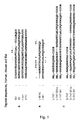
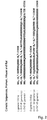
- the results of such an exemplary sequence alignment is e.g. a sequence alignment between the JNK binding domains of IB1 [SEQ ID NO: 13], IB2 [SEQ ID NO: 14], c-Jun [SEQ ID NO: 15] and ATF2 [SEQ ID NO: 16] (see e.g. FIGS. 1A-1C ).
- Such an alignment reveals a partially conserved 8 amino acid sequence (see e.g. Figure 1A ).
- a comparison of the JBDs of IB1 and IB2 further reveals two blocks of seven
- WO 2007/031280 and WO 01/27268 disclose small cell permeable fusion peptides, comprising a so-called TAT cell permeation sequence derived from the basic trafficking sequence of the HIV-TAT protein and a minimum 20 amino acid inhibitory sequence of IB1. Both components are covalently linked to each other.
- Exemplary (and at present the only) inhibitors of the MAPK-JNK signaling pathway disclosed in both WO 2007/031280 and WO 01/27268 are e.g.
- L-JNKI1 JNK-inhibitor peptide composed of L amino acids
- D-JNKI1 the protease resistant D-JNKI1 peptides
- JNK-inhibitor peptide composed of non-native D amino acids are specific for JNK (JNK1, JNK2 and JNK3).
- JNKI JNK-inhibitor peptides
- JNKI1 the inhibitor sequences in WO 2007/031280 or WO 01/27268 , e.g. JNKI1
- the fusion peptide By its trafficking sequence derived from TAT, the fusion peptide is efficiently transported into cells. Due to the novel properties obtained by the trafficking component the fusion peptides are actively transported into cells, where they remain effective until proteolytic degradation.
- peptides according to WO 2007/031280 or WO 01/27268 have only shown to be active in a particularly limited number of diseases, particularly non-malignant or immunological-related cell proliferative diseases.
- It is the object of the present invention is to provide (the use of) a JNK inhibitor peptide for the treatment of a disease not yet or already known to be strongly related to JNK signaling.
- This object is solved by the use of a JNK inhibitor sequence as defined herein, namely a JNK inhibitor peptide comprising or consisting of the D-amino acid sequence of SEQ ID NO: 11, for treating cystitis, in particular interstitial cystitis.
- the JNK inhibitor may be used for the treatment of interstitial cystitis.
- a JNK inhibitor sequence as used herein comprises a total length of less than 150 amino acid residues, preferably a range of 5 to 150 amino acid residues, more preferably 10 to 100 amino acid residues, even more preferably 10 to 75 amino acid residues and most preferably a range of 10 to 50 amino acid residues, e.g. 10 to 30, 10 to 20, or 10 to 15 amino acid residues.
- the JNK inhibitor sequence as used herein is composed exclusively of D-amino acids.
- the JNK inhibitor sequence in the JNK inhibitor peptide for use according to the invention comprises or consists of the D retro-inverso sequence according to the amino acid sequence NH 2 -DQSRPVQPFLNLTTPRKPR-COOH (D-IB1(s)) [SEQ ID NO: 2].
- JNK inhibitor sequences are presented in Table 1 (not according to the invention except for SEQ ID NO: 11 (D-TAT-IB1(s)) comprising the JNK inhibitor sequence of SEQ ID NO: 2 and the trafficking sequence of SEQ ID NO: 6).
- the table presents the name of the JNK inhibitor sequences, as well as their sequence identifier number, their length, and amino acid sequence.
- Table 1 shows sequences as well as their generic formulas, e.g. for SEQ ID NO's: 1, 2, 5, 6, 9 and 11 and SEQ ID NO's: 3, 4, 7, 8, 10 and 12, respectively.
- Table 1 furthermore discloses the chimeric sequences SEQ ID NOs: 9-12 and 23-32 (see below), L-IB1 sequences SEQ ID NOs: 33 to 66 and D-IB1 sequences SEQ ID NOs: 67 to 100.
- the JNK inhibitor sequence in the JNK inhibitor peptide may further comprise or consist of at least one derivative of the amino acid sequence according to SEQ ID NOs: 2.
- a "derivative of an (native or non-native) amino acid sequence according to SEQ ID NOs: 2" is an amino acid sequence derived from SEQ ID NOs: 2, wherein the derivative comprises at least one modified D-amino acid, preferably 1 to 20, more preferably 1 to 10, and even more preferably 1 to 5 modified D-amino acids.
- a modified amino acid in this respect may be any amino acid which is altered e.g. by different glycosylation in various organisms, by phosphorylation or by labeling specific amino acids. Such a label is then typically selected from the group of labels comprising:
- JNK-inhibitor sequences as used according to the present invention and as defined above may be obtained or produced by methods well-known in the art, e.g. by chemical synthesis or by genetic engineering methods as discussed below.
- a peptide corresponding to a portion of an JNK inhibitor sequence as used herein including a desired region of said JNK inhibitor sequence, or that mediates the desired activity in vitro or in vivo may be synthesized by use of a peptide synthesizer.
- the JNK inhibitor sequence as used herein and as defined above is furthermore modified by a trafficking sequence, allowing the JNK inhibitor sequence as used herein and as defined above to be transported effectively into the cells.
- the modified JNK inhibitor sequence is provided and used as chimeric sequence.
- the present invention therefore provides the use of a JNK inhibitor peptide comprising or consisting of the D amino acid sequence of SEQ ID NO: 11, which is a chimeric peptide including at least one first domain and at least one second domain, for treating cystitis, wherein the first domain of the chimeric peptide comprises the trafficking sequence of SEQ ID NO: 6, while the second domain of the chimeric peptide comprises the JNK inhibitor sequence of SEQ ID NO: 2.
- chimeric peptides as used according to the present invention have a length of at least 25 amino acid residues, e.g. 25 to 250 amino acid residues, more preferably 25 to 200 amino acid residues, even more preferably 25 to 150 amino acid residues, 25 to 100 and most preferably amino acid 25 to 50 amino acid residues.
- the chimeric peptide as used herein comprises a trafficking sequence, which directs a peptide (in which it is present) to a desired cellular destination.
- the trafficking sequence typically directs the peptide across the plasma membrane, e.g. from outside the cell, through the plasma membrane, and into the cytoplasm.
- the trafficking sequence may direct the peptide to a desired location within the cell, e.g. the nucleus, the ribosome, the endoplasmic reticulum (ER), a lysosome, or peroxisome, by e.g. combining two components (e.g. a component for cell permeability and a component for nuclear location).
- the trafficking sequence may additionally comprise another component, which is capable of binding a cytoplasmic component or any other component or compartment of the cell (e.g. endoplasmic reticulum, mitochondria, gloom apparatus, lysosomal vesicles). Accordingly, e.g. the trafficking sequence of the first domain and the JNK inhibitor sequence of the second domain may be localized in the cytoplasm or any other compartment of the cell. This allows to determine localization of the chimeric peptide in the cell upon uptake.
- a cytoplasmic component or any other component or compartment of the cell e.g. endoplasmic reticulum, mitochondria, gloom apparatus, lysosomal vesicles.
- the trafficking sequence (being included in the first domain of the chimeric peptide as used herein) has a length of 5 to 150 amino acid sequences, more preferably a length of 5 to 100 and most preferably a length of from 5 to 50, 5 to 30 or even 5 to 15 amino acids.
- the trafficking sequence (contained in the first domain of the chimeric peptide as used herein) occurs as a continuous amino acid sequence stretch in the first domain.
- the trafficking sequence of the chimeric peptide as used herein is exclusively composed of D-amino acids.
- the trafficking sequence of the first domain of the chimeric peptide as used herein may be obtained from naturally occurring sources or can be produced by using genetic engineering techniques or chemical synthesis (see e.g. Sambrook, J., Fritsch, E. F., Maniatis, T. (1989) Molecular cloning: A laboratory manual. 2nd edition. Cold Spring Harbor Laboratory Press, Cold Spring Harbor, N.Y .).
- the trafficking sequence of the first domain comprises or consists of a sequence derived from the human immunodeficiency virus (HIV)1 TAT protein.
- a partial sequence of the full-length TAT protein is used forming a functionally effective fragment of a TAT protein, i.e. a TAT peptide that includes the region that mediates entry and uptake into cells.
- a functionally effective fragment of the TAT protein can be determined using known techniques (see e.g. Franked et al., Proc. Natl. Acad. Sci, USA 86 : 7397-7401 (1989 )).
- the trafficking sequence in the first domain of the chimeric peptide as used herein is derived from a functionally effective fragment or portion of a TAT protein sequence that comprises less than 86 amino acids, and which exhibits uptake into cells, and optionally the uptake into the cell nucleus.
- Partial sequences (fragments) of TAT to be used as carrier to mediate permeation of the chimeric peptide across the cell membrane comprise the basic region (amino acids 48 to 57 or 49 to 57) of full-length TAT.
- the trafficking sequence as used herein comprises the D retro-inverso sequence NH 2 -RRRQRRKKRG-COOH (D-TAT) [SEQ ID NO: 6].
- D-TAT D retro-inverso sequence NH 2 -RRRQRRKKRG-COOH
- the chimeric peptide as used herein comprises the JNK inhibitor sequence of SEQ ID NO: 2, as defined above. Both domains, i.e. the first and the second domain(s), of the chimeric peptide as used herein, are linked such as to form a functional unit.
- a covalent bond as defined herein, may be e.g. a peptide bond, which may be obtained by expressing the chimeric peptide as defined above as a fusion protein. Fusion proteins, as described herein, can be formed and used in ways analogous to or readily adaptable from standard recombinant DNA techniques, as described below.
- the first and second domain(s) are linked with each other via a linker sequence comprising 2 amino acids. Amino acids forming the linker sequence are proline amino acid residues. The first and second domain(s) are separated by each other by a hinge of two proline residues between the first and second domain(s).
- the chimeric peptide as defined above and as used herein, comprising at least one first and at least one second domain, is composed of D-amino acids.
- each domain (as well as the linkers used) is composed of D-amino acids.
- the chimeric peptide as used herein comprises or consists of D-amino acid chimeric peptide according to the TAT-IB1 peptide NH2-DQSRPVQPFLNLTTPRKPRPPRRRQRRKKRG-COOH (D-TAT-IB1(s)) [SEQ ID NO: 11].
- the present invention additionally refers to the use of nucleic acid sequences encoding the JNK inhibitor peptide comprising or consisting of the D-amino acid sequence of SEQ ID NO: 11, for treating cystitis.
- Nucleic acids encoding the JNK inhibitor peptide as used herein may be obtained by any method known in the art (e.g. by PCR amplification using synthetic primers hybridizable to the 3'- and 5'-termini of the sequence and/or by cloning from a cDNA or genomic library using an oligonucleotide sequence specific for the given gene sequence).
- nucleic acid sequences as defined above according to the present invention can be used to express peptides, i.e. the JNK inhibitor peptide as used herein for therapeutic use.
- expression vectors may be used for the above purposes for recombinant expression of the JNK inhibitor peptide as defined above.
- expression vector is used herein to designate either circular or linear DNA or RNA, which is either double-stranded or single-stranded. It further comprises at least one nucleic acid as defined above to be transferred into a host cell or into a unicellular or multicellular host organism.
- the expression vector as used herein preferably comprises a nucleic acid as defined above encoding the JNK inhibitor peptide as used herein.
- an expression vector according to the present invention preferably comprises appropriate elements for supporting expression including various regulatory elements, such as enhancers/promoters from viral, bacterial, plant, mammalian, and other eukaryotic sources that drive expression of the inserted polynucleotide in host cells, such as insulators, boundary elements, LCRs (e.g. described by Blackwood and Kadonaga (1998), Science 281, 61-63 ) or matrix/scaffold attachment regions (e.g. described by Li, Harju and Peterson, (1999), Trends Genet. 15, 403-408 ).
- the regulatory elements are heterologous (i.e. not the native gene promoter). Alternately, the necessary transcriptional and translational signals may also be supplied by the native promoter for the genes and/or their flanking regions.
- promoter refers to a region of DNA that functions to control the transcription of one or more nucleic acid sequences as defined above, and that is structurally identified by the presence of a binding site for DNA-dependent RNA-polymerase and of other DNA sequences, which interact to regulate promoter function.
- a functional expression promoting fragment of a promoter is a shortened or truncated promoter sequence retaining the activity as a promoter.
- Promoter activity may be measured by any assay known in the art (see e.g. Wood, de Wet, Dewji, and DeLuca, (1984), Biochem Biophys. Res. Commun. 124, 592-596 ; Seliger and McElroy, (1960), Arch. Biochem. Biophys. 88, 136-141 ) or commercially available from Promega®).
- an “enhancer region” to be used in the expression vector as defined herein typically refers to a region of DNA that functions to increase the transcription of one or more genes. More specifically, the term “enhancer”, as used herein, is a DNA regulatory element that enhances, augments, improves, or ameliorates expression of a gene irrespective of its location and orientation vis-à-vis the gene to be expressed, and may be enhancing, augmenting, improving, or ameliorating expression of more than one promoter.
- promoter/enhancer sequences to be used in the expression vector as defined herein may utilize plant, animal, insect, or fungus regulatory sequences.
- promoter/enhancer elements can be used from yeast and other fungi (e.g. the GAL4 promoter, the alcohol dehydrogenase promoter, the phosphoglycerol kinase promoter, the alkaline phosphatase promoter).
- yeast and other fungi e.g. the GAL4 promoter, the alcohol dehydrogenase promoter, the phosphoglycerol kinase promoter, the alkaline phosphatase promoter.
- they may include animal transcriptional control regions, e.g. (i) the insulin gene control region active within pancreatic beta-cells (see e.g. Hanahan, et al., 1985.
- the expression vector as defined herein may comprise an amplification marker.
- This amplification marker may be selected from the group consisting of, e.g. adenosine deaminase (ADA), dihydrofolate reductase (DHFR), multiple drug resistance gene (MDR), ornithine decarboxylase (ODC) and N-(phosphonacetyl)-L-aspartate resistance (CAD).
- Exemplary expression vectors or their derivatives suitable for the present invention particularly include, e.g. human or animal viruses (e.g. vaccinia virus or adenovirus); insect viruses (e.g. baculovirus); yeast vectors; bacteriophage vectors (e.g. lambda phage); plasmid vectors and cosmid vectors.
- human or animal viruses e.g. vaccinia virus or adenovirus
- insect viruses e.g. baculovirus
- yeast vectors e.g. bacteriophage vectors (e.g. lambda phage); plasmid vectors and cosmid vectors.
- the present invention additionally may utilize a variety of host-vector systems, which are capable of expressing the peptide coding sequence(s) of nucleic acids as defined above.
- host-vector systems which are capable of expressing the peptide coding sequence(s) of nucleic acids as defined above.
- These include: (i) mammalian cell systems that are infected with vaccinia virusor adenovirus; (ii) insect cell systems infected with baculovirus; (iii) yeast containing yeast vectors or (iv) bacteria transformed with bacteriophage, DNA, plasmid DNA, or cosmid DNA.
- any one of a number of suitable transcription and translation elements may be used.
- a host cell strain suitable for such a host-vector system, may be selected that modulates the expression of inserted sequences of interest, or modifies or processes expressed peptides encoded by the sequences in the specific manner desired.
- expression from certain promoters may be enhanced in the presence of certain inducers in a selected host strain; thus facilitating control of the expression of a genetically-engineered peptide.
- different host cells possess characteristic and specific mechanisms for the translational and post-translational processing and modification (e.g. glycosylation, phosphorylation) of expressed peptides. Appropriate cell lines or host systems may thus be chosen to ensure the desired modification and processing of the foreign peptide is achieved.
- peptide expression within a bacterial system can be used to produce an non-glycosylated core peptide; whereas expression within mammalian cells ensures "native" glycosylation of a heterologous peptide.
- the JNK inhibitor peptides, nucleic acids, vectors, and/or host cells as defined according to the invention can be formulated in a pharmaceutical composition, which may be applied in the prevention or treatment of cystitis.
- a pharmaceutical composition used according to the present invention includes as an active component, e.g.: (i) the JNK inhibitor peptides as defined above; and/or (ii) nucleic acids encoding the JNK inhibitor peptide as defined, and/or (iii) cells comprising the JNK inhibitor peptides as defined above and/or (iv) cells transfected with a vector and/or nucleic acids encoding the JNK inhibitor peptide as defined above.
- such a pharmaceutical composition as used according to the present invention typically comprises a safe and effective amount of a component as defined above, preferably of at least one JNK inhibitor peptide according to SEQ ID NO: 11, or at least one nucleic acids encoding same, or at least one vector, or host cell as defined above.
- the inventors of the present invention additionally found, that the JNK-inhibitor peptide, respectively, as defined herein, exhibits a particular well uptake rate into cells involved in the diseases of the present invention. Therefore, the amount of the JNK-inhibitor peptide, respectively, in the pharmaceutical composition to be administered to a subject, may have a very low dose. Thus, the dose may be much lower than for peptide drugs known in the art, such as DTS-108 ( Florence Meyer-Losic et al., Clin Cancer Res., 2008, 2145-53 ). This has several positive aspects, for example a reduction of potential side reactions and a reduction in costs.
- the dose (per kg bodyweight) is in the range of up to 10 mmol/kg, preferably up to 1 mmol/kg, more preferably up to 100 ⁇ mol/kg, even more preferably up to 10 ⁇ mol/kg, even more preferably up to 1 ⁇ mol/kg, even more preferably up to 100 nmol/kg, most preferably up to 50 nmol/kg.
- the dose range may preferably be from about 1 pmol/kg to about 1 mmol/kg, from about 10 pmol/kg to about 0,1 mmol/kg, from about 10 pmol/kg to about 0,01 mmol/kg, from about 50 pmol/kg to about 1 ⁇ mol/kg, from about 100 pmol/kg to about 500 nmol/kg, from about 200 pmol/kg to about 300 nmol/kg, from about 300 pmol/kg to about 100 nmol/kg, from about 500 pmol/kg to about 50 nmol/kg, from about 750 pmol/kg to about 30 nmol/kg, from about 250 pmol/kg to about 5 nmol/kg, from about 1 nmol/kg to about 10 nmol/kg, or a combination of any two of said values.
- a "safe and effective amount" as defined above for components of the pharmaceutical compositions as used according to the present invention means an amount of each or all of these components, that is sufficient to significantly induce a positive modification of cystitis.
- a "safe and effective amount” is small enough to avoid serious side-effects, that is to say to permit a sensible relationship between advantage and risk. The determination of these limits typically lies within the scope of sensible medical judgment.
- a "safe and effective amount” of such a component will vary in connection with the particular condition to be treated and also with the age and physical condition of the patient to be treated, the severity of the condition, the duration of the treatment, the nature of the accompanying therapy, of the particular pharmaceutically acceptable carrier used, and similar factors, within the knowledge and experience of the accompanying doctor.
- the pharmaceutical compositions according to the invention can be used according to the invention for human and also for veterinary medical purposes.
- composition as used according to the present invention may furthermore comprise, in addition to one of these substances, a (compatible) pharmaceutically acceptable carrier, excipient, buffer, stabilizer or other materials well known to those skilled in the art.
- the expression "(compatible) pharmaceutically acceptable carrier” preferably includes the liquid or non-liquid basis of the composition.
- compatible means that the constituents of the pharmaceutical composition as used herein are capable of being mixed with the pharmaceutically active component as defined above and with one another component in such a manner that no interaction occurs which would substantially reduce the pharmaceutical effectiveness of the composition under usual use conditions.
- Pharmaceutically acceptable carriers must, of course, have sufficiently high purity and sufficiently low toxicity to make them suitable for administration to a person to be treated.
- the pharmaceutically acceptable carrier will typically comprise one or more (compatible) pharmaceutically acceptable liquid carriers.
- the composition may comprise as (compatible) pharmaceutically acceptable liquid carriers e.g. pyrogen-free water; isotonic saline or buffered (aqueous) solutions, e.g. phosphate, citrate buffered solutions, vegetable oils, such as, for example, groundnut oil, cottonseed oil, sesame oil, olive oil, corn oil and oil from theobroma; polyols, such as, for example, polypropylene glycol, glycerol, sorbitol, mannitol and polyethylene glycol; alginic acid.
- a buffer preferably an aqueous buffer, may be used.
- the pharmaceutically acceptable carrier will typically comprise one or more (compatible) pharmaceutically acceptable solid carriers.
- the composition may comprise as (compatible) pharmaceutically acceptable solid carriers e.g. one or more compatible solid or liquid fillers or diluents or encapsulating compounds may be used as well, which are suitable for administration to a person.
- suitable pharmaceutically acceptable solid carriers are e.g.
- sugars such as, for example, lactose, glucose and sucrose
- starches such as, for example, corn starch or potato starch
- cellulose and its derivatives such as, for example, sodium carboxymethylcellulose, ethylcellulose, cellulose acetate
- powdered tragacanth malt
- gelatin gelatin
- tallow solid glidants, such as, for example, stearic acid, magnesium stearate; calcium sulphate.
- the precise nature of the (compatible) pharmaceutically acceptable carrier or other material may depend on the route of administration.
- the choice of a (compatible) pharmaceutically acceptable carrier may thus be determined in principle by the manner in which the pharmaceutical composition as used according to the invention is administered.
- the pharmaceutical composition as used according to the invention can be administered, for example, systemically.
- Routes for administration include, for example, parenteral routes (e.g. via injection), such as intravenous, intramuscular, subcutaneous, intradermal, or transdermal routes, enteral routes, such as oral, or rectal routes, topical routes, such as nasal, or intranasal routes, or other routes, such as epidermal routes or patch delivery.
- the suitable amount of the pharmaceutical composition to be used can be determined by routine experiments with animal models. Such models include rabbit, sheep, mouse, rat, dog and non-human primate models.
- Preferred unit dose forms for injection include sterile solutions of water, physiological saline or mixtures thereof. The pH of such solutions should be adjusted to about 7.4.
- Suitable carriers for injection include hydrogels, devices for controlled or delayed release, polylactic acid and collagen matrices.
- Suitable pharmaceutically acceptable carriers for topical application include those, which are suitable for use in lotions, creams, gels. If the compound is to be administered perorally, tablets, capsules are the preferred unit dose form.
- the pharmaceutically acceptable carriers for the preparation of unit dose forms, which can be used for oral administration are well known in the prior art. The choice thereof will depend on secondary considerations such as taste, costs and storability, which are not critical for the purposes of the present invention, and can be made without difficulty by a person skilled in the art.
- compositions for oral administration may be in tablet, capsule, powder or liquid form.
- a tablet may include a solid carrier as defined above, such as gelatin, and optionally an adjuvant.
- Liquid pharmaceutical compositions for oral administration generally may include a liquid carrier as defined above, such as water, petroleum, animal or vegetable oils, mineral oil or synthetic oil. Physiological saline solution, dextrose or other saccharide solution or glycols such as ethylene glycol, propylene glycol or polyethylene glycol may be included.
- the active ingredient will be in the form of a parenterally acceptable aqueous solution which is pyrogen-free and has suitable pH, isotonicity and stability.
- a parenterally acceptable aqueous solution which is pyrogen-free and has suitable pH, isotonicity and stability.
- isotonic vehicles such as Sodium Chloride Injection, Ringer's Injection, Lactated Ringer's Injection.
- Preservatives, stabilizers, buffers, antioxidants and/or other additives may be included, as required.
- administration is preferably in a "prophylactically effective amount or a "therapeutically effective amount” (as the case may be), this being sufficient to show benefit to the individual.
- a proliferatively effective amount or a "therapeutically effective amount” (as the case may be)
- the actual amount administered, and rate and time-course of administration will depend on the nature and severity of what is being treated.
- Prevention and/or treatment of cystitis as defined herein typically includes administration of a pharmaceutical composition as defined above.
- modulate includes the suppression of expression of JNK when it is over-expressed in cystitis. It also includes suppression of phosphorylation of c-jun, ATF2 or NFAT4 in cystitis, for example, by using at least one JNK inhibitor peptide according to SEQ ID NO: 11, as a competitive inhibitor of the natural c-jun, ATF2 and NFAT4 binding site in a cell.
- modulate also includes suppression of hetero- and homomeric complexes of transcription factors made up of c-jun, ATF2, or NFAT4 and their related partners, such as for example the AP-1 complex that is made up of c-jun, AFT2 and c-fos.
- cystitis is associated with JNK overexpression, such suppressive JNK inhibitor sequences can be introduced to a cell.
- modulate may then include the increase of JNK expression, for example by use of an IB peptide-specific antibody that blocks the binding of an IB-peptide to JNK, thus preventing JNK inhibition by the IB-related peptide.
- Prevention and/or treatment of a subject with the pharmaceutical composition as disclosed above may be typically accomplished by administering ( in vivo ) an ("therapeutically effective") amount of said pharmaceutical composition to a subject, wherein the subject may be e.g. any mammal, e.g. a human, a primate, mouse, rat, dog, cat, cow, horse or pig.
- therapeutically effective means that the active component of the pharmaceutical composition is of sufficient quantity to ameliorate cystitis.
- the JNK inhibitor peptide according to SEQ ID NO: 11 may be utilized to treat cystitis, e.g. by modulating activated JNK signaling pathways.
- the above defined peptides may be also encoded by nucleic acids, which then may form part of the inventive pharmaceutical compositions, e.g. for use in gene therapy.
- gene therapy refers to therapy that is performed by administration of a specific nucleic acid as defined above to a subject,.
- the nucleic acid produces its encoded peptide(s), which then serve(s) to exert a therapeutic effect by modulating function of the disease or disorder.
- Any of the methods relating to gene therapy available within the art may be used in the practice of the present invention (see e.g. Goldspiel, et al., 1993. Clin Pharm 12: 488-505 ).
- the nucleic acid as defined above and as used for gene therapy is part of an expression vector encoding and expressing the JNK inhibitor peptide comprising or consisting of SEQ ID NO: 11.
- an expression vector possesses a promoter that is operably-linked to coding region(s) of a JNK inhibitor sequence.
- the promoter may be defined as above, e.g. inducible or constitutive, and, optionally, tissue-specific.
- a nucleic acid molecule as defined above is used for gene therapy, in which the coding sequences of the nucleic acid molecule (and any other desired sequences thereof) as defined above are flanked by regions that promote homologous recombination at a desired site within the genome, thus providing for intra-chromosomal expression of these nucleic acids (see e.g. Koller and Smithies, 1989. Proc Natl Acad Sci USA 86: 8932-8935 ).
- nucleic acid as defined above according to the invention into a patient for the purpose of gene therapy, particular in the context of cystitis may be either direct (i.e. the patient is directly exposed to the nucleic acid or nucleic acid-containing vector) or indirect (i.e. cells are first transformed with the nucleic acid in vitro, then transplanted into the patient). These two approaches are known, respectively, as in vivo or ex vivo gene therapy.
- a nucleic acid is directly administered in vivo, where it is expressed to produce the encoded product. This may be accomplished by any of numerous methods known in the art including, e.g.
- nucleic acid as part of an appropriate nucleic acid expression vector and administering the same in a manner such that it becomes intracellular (e.g. by infection using a defective or attenuated retroviral or other viral vector; see U. S. Patent No. 4,980,286 ); directly injecting naked DNA; using microparticle bombardment (e.g.
- a "GeneGun” Biolistic, DuPont
- coating the nucleic acids with lipids using associated cell-surface receptors/transfecting agents; encapsulating in liposomes, microparticles, or microcapsules; administering it in linkage to a peptide that is known to enter the nucleus; or by administering it in linkage to a ligand predisposed to receptor-mediated endocytosis (see e.g. Wu and Wu, 1987.J Biol Chem 262: 4429-4432 ), which can be used to "target" cell types that specifically express the receptors of interest.
- An additional approach to gene therapy in the practice of the present invention involves transferring a gene (comprising a nucleic acid as defined above) into cells in in vitro tissue culture by such methods as electroporation, lipofection, calcium phosphate-mediated transfection, or viral infection.
- the method of transfer includes the concomitant transfer of a selectable marker to the cells.
- the cells are then placed under selection pressure (e.g. antibiotic resistance) so as to facilitate the isolation of those cells that have taken up, and are expressing, the transferred gene.
- selection pressure e.g. antibiotic resistance
- the nucleic acid is introduced into a cell by any method known within the art including e.g.
- transfection electroporation, microinjection, infection with a viral or bacteriophage vector containing the nucleic acid sequences of interest, cell fusion, chromosome-mediated gene transfer, microcell-mediated gene transfer, spheroplast fusion, and similar methods that ensure that the necessary developmental and physiological functions of the recipient cells are not disrupted by the transfer. See e.g. Loeffler and Behr, 1993. Meth Enzymol 217 : 599-618 .
- the chosen technique should provide for the stable transfer of the nucleic acid to the cell, such that the nucleic acid is expressible by the cell.
- the transferred nucleic acid is heritable and expressible by the cell progeny.
- the resulting recombinant cells may be delivered to a patient by various methods known within the art including, e.g. injection of epithelial cells (e.g. subcutaneously), application of recombinant skin cells as a skin graft onto the patient, and intravenous injection of recombinant blood cells (e.g. hematopoietic stem or progenitor cells).
- recombinant blood cells e.g. hematopoietic stem or progenitor cells.
- the total amount of cells that are envisioned for use depend upon the desired effect and patient state, and may be determined by one skilled within the art.
- Cells into which a nucleic acid can be introduced for purposes of gene therapy encompass any desired, available cell type, and may be xenogeneic, heterogeneic, syngeneic, or autogeneic.
- Cell types include differentiated cells such as epithelial cells, endothelial cells, keratinocytes, fibroblasts, muscle cells, hepatocytes and blood cells, or various stem or progenitor cells, in particular embryonic heart muscle cells, liver stem cells (International Patent Publication WO 94/08598 ), neural stem cells ( Stemple and Anderson, 1992,Cell 71 : 973-985 ), hematopoietic stem or progenitor cells, e.g. as obtained from bone marrow, umbilical cord blood, peripheral blood, or fetal liver.
- the cells utilized for gene therapy are autologous to the patient.
- cystitis targeting therapies may be used to deliver the JNK inhibitor peptides and/or nucleic acids as defined above more specifically to certain types of cell, by the use of targeting systems such as (a targeting) antibody or cell specific ligands.
- targeting systems such as (a targeting) antibody or cell specific ligands.
- Antibodies used for targeting are typically specific for cell surface proteins of cells associated with any of the diseases as defined below.
- these antibodies may be directed to cell surface antibodies such as e.g. B cell-associated surface proteins such as MHC class II DR protein, CD18 (LFA-1 beta chain), CD45RO, CD40 or Bgp95, or cell surface proteins selected from e.g.
- Targeting constructs may be typically prepared by covalently binding the JNK inhibitor peptides and nucleic acids as defined herein according to the invention to an antibody specific for a cell surface protein or by binding to a cell specific ligand. Proteins may e.g. be bound to such an antibody or may be attached thereto by a peptide bond or by chemical coupling, crosslinking.
- the targeting therapy may then be carried out by administering the targeting construct in a pharmaceutically efficient amount to a patient by any of the administration routes as defined below, e.g. intraperitoneal, nasal, intravenous, oral and patch delivery routes.
- the JNK inhibitor peptides or nucleic acids as defined herein according to the invention being attached to the targeting antibodies or cell specific ligands as defined above, may be released in vitro or in vivo, e.g. by hydrolysis of the covalent bond, by peptidases or by any other suitable method.
- release of the ligand may not be carried out.
- the chimeric peptides may enter the cell upon the activity of its trafficking sequence. Targeting may be desirable for a variety of reasons; for example if the JNK inhibitor peptides and nucleic acids as defined herein according to the invention are unacceptably toxic or if it would otherwise require a too high dosage.
- the JNK inhibitor peptides as defined herein according to the invention could be produced in the target cells by expression from an encoding gene introduced into the cells, e.g. from a viral vector to be administered.
- the viral vector typically encodes the JNK inhibitor peptides as defined herein according to the invention.
- the vector could be targeted to the specific cells to be treated.
- the vector could contain regulatory elements, which are switched on more or less selectively by the target cells upon defined regulation.
- This technique represents a variant of the VDEPT technique (virus-directed enzyme prodrug therapy), which utilizes mature proteins instead of their precursor forms.
- the JNK inhibitor peptides as defined herein could be administered in a precursor form by use of an antibody or a virus. These JNK inhibitor peptides may then be converted into the active form by an activating agent produced in, or targeted to, the cells to be treated.
- an activating agent produced in, or targeted to, the cells to be treated.
- This type of approach is sometimes known as ADEPT (antibody-directed enzyme prodrug therapy) or VDEPT (virus-directed enzyme prodrug therapy); the former involving targeting the activating agent to the cells by conjugation to a cell-specific antibody, while the latter involves producing the activating agent, i.e. the JNK inhibitor peptide, in a vector by expression from encoding DNA in a viral vector (see for example, EP-A-415731 and WO 90/07936 ).
- Amino acid sequences important for efficient interaction with JNK were identified by sequence alignments between known JNK binding domain JBDs.
- a sequence comparison between the JBDs of IB1 [SEQ ID NO: 13], IB2 [SEQ ID NO: 14], c-Jun [SEQ ID NO: 15] and ATF2 [SEQ ID NO: 16] defined a weakly conserved 8 amino acid sequence (see Figure 1A ). Since the JBDs of IB1 and IB2 are approximately 100 fold as efficient as c-Jun or ATF2 in binding JNK ( Dickens et al. Science 277: 693 (1997 ), it was reasoned that conserved residues between IB1 and IB2 must be important to confer maximal binding.
- the comparison between the JBDs of IB1 and IB2 defined two blocks of seven and three amino acids that are highly conserved between the two sequences.
- JNK inhibitor fusion proteins according to SEQ ID NO: 9 (not according to the invention) were synthesized by covalently linking the C-terminal end of SEQ ID NO: 1 to a N-terminal 10 amino acid long carrier peptide derived from the HIV-TAT4g 57 ( Vives et al., J Biol. Chem. 272: 16010 (1997 )) according to SEQ ID NO: 5 via a linker consisting of two proline residues. This linker was used to allow for maximal flexibility and prevent unwanted secondary structural changes.
- the basic constructs were also prepared and designated L-IB1(s) (SEQ ID NO: 1) and L-TAT [SEQ ID NO: 5], respectively.
- Oligonucleotides corresponding to JBD19 and comprising a conserved sequence of 19 amino acids as well as a sequence mutated at the fully conserved regions were synthesized and directionally inserted into the EcoRI and SalI sites of the pEGFP-N1 vector encoding the Green Fluorescent Protein (GFP) (from Clontech).
- GFP Green Fluorescent Protein
- Insulin producing ⁇ TC-3 cells were cultured in RPMI 1640 medium supplemented with 10% Fetal Calf Serum, 100 ⁇ g/mL Streptomycin, 100 units/mL Penicillin and 2 mM Glutamine. Insulin producing ⁇ TC-3 cells were transfected with the indicated vectors and IL-1 ⁇ (10 ng/mL) was added to the cell culture medium.
- the number of apoptotic cells was counted at 48 hours after the addition of IL-1 ⁇ using an inverted fluorescence microscope. Apoptotic cells were discriminated from normal cells by the characteristic "blebbing out" of the cytoplasm and were counted after two days.
- GFP Green Fluorescent protein expression vector used as a control
- JBD19 is the vector expressing a chimeric GFP linked to the 19 aa sequence derived from the JBD of IB1
- JBD19Mut is the same vector as GFP-JBD19, but with a JBD mutated at four conserved residues shown as Figure 1B
- JBD 1-280 is the GFP vector linked to the entire JBD (aa 1-280).
- the GFP-JBD19 expressing construct prevented IL-1 ⁇ induced pancreatic ⁇ -cell apoptosis as efficiently as the entire JBD 1-280 .
- TAT-IB peptides L-TAT, D-TAT, L-TAT-IB1(s) (all not according to the invention), and D-TAT-IB1(s) peptides (according to the invention) [SEQ ID NOs: 5, 6, 9 and 11, respectively] were labeled by N-terminal addition of a glycine residue conjugated to fluorescein. Labeled peptides (1 ⁇ M) were added to ⁇ TC-3 cell cultures, which were maintained as described in Example 3.
- Fluorescent signals from these all-D retro-inverso peptides were still very strong 1 week later, and the signal was only slightly diminished at 2 weeks post treatment.
- Example 5 In vitro Inhibition of c-JUN, ATF2 and Elk1 Phosphorylation
- JNKs-mediated phosphorylation of their target transcription factors were investigated in vitro.
- Recombinant and non activated JNK1, JNK2 and JNK3 were produced using a TRANSCRIPTION AND TRANSLATION rabbit reticulocyte lysate kit (Promega) and used in solid phase kinase assays with c-Jun, ATF2 and Elkl, either alone or fused to glutathione-S-transferase (GST), as substrates.
- GST glutathione-S-transferase
- L-TAT or L-TAT-IB1(s) peptides (0-25 ⁇ M; not according to the invention) were mixed with the recombinant JNK1, JNK2, or JNK3 kinases in reaction buffer (20 mM Tris-acetate,lmM EGTA, 10 mM p-nitrophenyl-phosphate (pNPP), 5 mM sodium pyrophosphate, 10 mM p-glycerophosphate,1 mM dithiothreitol) for 20 minutes.
- reaction buffer (20 mM Tris-acetate,lmM EGTA, 10 mM p-nitrophenyl-phosphate (pNPP), 5 mM sodium pyrophosphate, 10 mM p-glycerophosphate,1 mM dithiothreitol) for 20 minutes.
- the kinase reactions were then initiated by the addition of 10 mM MgCl 2 and 5 pCi 33 P- ⁇ -dATP and 1 ⁇ g of either GST-Jun (aa 1-89), GST-AFT2 (aa 1-96) or GST-ELK1 (aa 307-428).
- GST-fusion proteins were purchased from Stratagene (La Jolla, CA).
- TAT-IB(s) peptide showed superior effects in inhibiting JNK family phosphorylation of their target transcription factors.
- D-TAT, D-TAT-IB1(s) and L-TAT-IB1(s) peptides (0-250 ⁇ M dosage study) to inhibit GST-Jun (aa 1-73) phosphorylation by recombinant JNK1, JNK2, and JNK3 by were analyzed as described above.
- D-TAT-IB1(s) peptide decreased JNK-mediated phosphorylation of c-Jun, but at levels approximately 10-20 fold less efficiently than L-TAT-IB1(s).
- Cell extracts were prepared from control, UV-light irradiated HeLa cells and IL-1 ⁇ treated ⁇ TC-3 cells by scraping the cell cultures in lysis buffer (20 mM Tris-acetate, 1 mM EGTA, 1% Triton X-100, 10 mM p-nitrophenyl-phosphate, 5 mM sodium pyrophosphate, 10 mMP-glycerophosphate, 1 mM dithiothreitol). Debris was removed by centrifugation for five minutes at 15,000 rpm in an SS-34 Beckman rotor.
- Example 7 In vivo inhibition of c-JUN phosphorylation by TAT-IB(s) peptides as defined
- HeLa cells cultured as described above, were co-transfected with the 5xGAL-LUC reporter vector together with the GAL-Jun expression construct (Stratagene) comprising the activation domain of c-Jun (amino acids 1-89) linked to the GAL4 DNA-binding domain.
- GAL-Jun expression construct (Stratagene) comprising the activation domain of c-Jun (amino acids 1-89) linked to the GAL4 DNA-binding domain.
- Activation of JNK was achieved by the co-transfection of vectors expressing the directly upstream kinases MKK4 and MKK7 (see Whitmarsh et al., Science 285: 1573 (1999 )).
- 3x10 5 cells were transfected with the plasmids in 3.5-cm dishes using DOTAP (Boehringer Mannheim) following instructions from the manufacturer.
- 20 ng of the plasmid was transfected with 1 ⁇ g of the reporter plasmid pFR-Luc (Stratagene) and 0.5 ⁇ g of either MKK4 or MKK7 expressing plasmids.
- cell media were changed and TAT and TAT-IB1(s) peptides (1 ⁇ M) were added.
- the luciferase activities were measured 16 hours later using the "Dual Reporter System" from Promega after normalization to protein content.
- TAT-IB1(s) peptide blocked activation of c-Jun following MKK4 and MKK7 mediated activation of JNK. Because HeLa cells express JNK1 and JNK2 isoforms but not JNK3, we transfected cells with JNK3. Again, the TAT-IB(s) peptide inhibited JNK2 mediated activation of c-Jun.
- the JNK inhibitor peptides of the invention is an all-D amino acid peptide synthesized in reverse to prevent natural proteolysis (i.e. all-D retro-inverso peptide).
- the all-D retro-inverso peptide of the invention would provide a peptide with functional properties similar to the native peptide, wherein the side groups of the component amino acids would correspond to the native peptide alignment, but would retain a protease resistant backbone.
- Retro-inverso peptides of the invention are analogs synthesized using D-amino acids by attaching the amino acids in a peptide chain such that the sequence of amino acids in the retro-inverso peptide analog is exactly opposite of that in the selected peptide which serves as the model.
- TAT protein formed of L-amino acids
- GRKKRRQRRR sequence GRKKRRQRRR [SEQ ID NO: 5]
- the retro-inverso peptide analog of this peptide formed of D-amino acids
- RRRQRRKKRG SEQ ID NO: 6].
- heterobivalent or heteromultivalent compounds of this invention will be prepared to include the "retro-inverso isomer" of the desired peptide.
- Protecting the peptide from natural proteolysis should therefore increase the effectiveness of the specific heterobivalent or heteromultivalent compound, both by prolonging half-life and decreasing the extent of the immune response aimed at actively destroying the peptides.
- SEM Standard Error of the Means
- Example 10 Inhibition of endogenous JNK activity in HepG2 cells using an all-in one well approach (see Figure 3).
- IL-1beta ⁇ v interleukin-1 ⁇
- TNFalpha tumor necrosis factor ⁇
- AlphaScreen is a non-radioactive bead-based technology used to study biomolecular interactions in a microplate format.
- ALPHA Amplified Luminescence Proximity Homogenous Assay. It involves a biological interaction that brings a "donor” and an “acceptor” beads in close proximity, then a cascade of chemical reactions acts to produce an amplified signal. Upon laser excitation at 680 nm, a photosensitizer (phthalocyanine) in the "donor" bead converts ambient oxygen to an excited singlet state.
- the singlet oxygen molecule can diffuse up to approximately 200 nm in solution and if an acceptor bead is within that proximity, the singlet oxygen reacts with a thioxene derivative in the "acceptor" bead, generating chemiluminescence at 370 nm that further activates fluorophores contained in the same "acceptor” bead. The excited fluorophores subsequently emit light at 520-620 nm. In the absence of an acceptor bead, singlet oxygen falls to ground state and no signal is produced.
- kinase reagents (B-GST-cJun, anti P-cJun antibody and active JNK3) were first diluted in kinase buffer (20 mM Tris-HCl pH 7.6, 10 mM MgCl 2 , 1mM DTT, 100 ⁇ M Na 3 VO 4 , 0.01% Tween-20) and added to wells (15 ⁇ l). Reactions were then incubated in presence of 10 ⁇ M of ATP for 1h at 23°C.
- Detection was performed by an addition of 10 ⁇ l of beads mix (Protein A acceptor 20 ⁇ g/ml and Streptavidin donor 20 ⁇ g/ml), diluted in detection buffer (20 mM Tris-HCl pH 7.4, 20 mM NaCl, 80 mM EDTA, 0.3% BSA), followed by an another one-hour incubation at 23°C in the dark.
- detection buffer 20 mM Tris-HCl pH 7.4, 20 mM NaCl, 80 mM EDTA, 0.3% BSA
- kinase assays were performed as described above except active JNK3 was replaced by cells lysates and reaction kinase components were added after the cells lysis.
- B-GST-cjun and P-cJun antibody were used at the same concentrations whereas ATP was used at 50 ⁇ M instead of 10 ⁇ M.
- AlphaScreen signal was analyzed directly on the Fusion or En Vision apparatus.
- Example 11 Safety, tolerability and pharmacokinetics of a single intravenous infusion of 10, 40 and 80 ⁇ g/kg XG-102 (SEQ ID No.: 11) administered to healthy male volunteers in a randomized, double blind, placebo controlled, dose escalating Phase I study
- the primary objective of the study was to assess the safety and tolerability of XG-102 following intravenous (iv) infusion of single escalating doses of XG-102 to healthy male volunteers.
- the secondary objective of the study was to assess the pharmacokinetics of XG-102 following iv infusion of single escalating doses of XG-102 to healthy male volunteers. Doses were administered as a 60 minute iv infusion. For control purposes, placebo iv infusion was administered to control subjects.
- AUC 0-last The increase with dose of AUC 0-last is clearly more than linearly proportional from 40 to 80 ⁇ g/kg as the 90% confidence intervals for its geometric mean dose normalized value does not overlap with those after the other tested doses; whereas when comparing values after 10 and 40 ⁇ g/kg the 90% confidence intervals overlap, but its geometric mean dose normalized value after the 10 ⁇ g/kg dose is lower than all values in the corresponding 90% confidence interval after the 40 ⁇ g/kg dose.
- XG-102 was safe and well tolerated when administered as single iv doses of 10, 40 or 80 ⁇ g/kg to healthy male subjects.
- the incidence of adverse events in subjects who received XG-102 was similar to the incidence in subjects who received placebo.
- XG-102 intravenous infusion After the end of XG-102 intravenous infusion, its plasma concentrations quickly decreased, leading to values below the lower limit of quantification by at most 2 hours after the start of 10 ⁇ g/kg XG-102 iv infusions, 3 hours after the start of 40 ⁇ g/kg XG-102 iv infusions and by at most 7 hours after the start of 80 ⁇ g/kg XG-102 intravenous infusions.
- the measured t 1/2 and MRT values are short, with geometric mean values per dose level ranging from 0.36 to 0.65 hours and from 0.76 to 1.02 hours, respectively.
- the AUC 0-last of XG-102 increases in a more than linear proportion with dose in the tested dose range, with non-overlapping 90% confidence intervals for its geometric mean dose normalized values between the 40 ⁇ g/kg and the 80 ⁇ g/kg dose and only limited overlap between the 90% confidence intervals for its geometric mean dose normalized values between the 10 ⁇ g/kg and the 40 ⁇ g/kg.
- the C max of XG-102 appears to increase in a more than linear proportion with dose from 40 to 80 ⁇ g/kg.
- the geometric mean dose normalized C max in the 80 ⁇ g/kg dose group is higher than and outside the 90% confidence intervals for the geometric mean dose normalized C max in the other dose groups, but the 90% confidence intervals for the geometric mean dose normalized C max overlap among all dose levels.
- the intersubject variability of XG-102 pharmacokinetic parameters was moderate in subjects treated with 10 and 40 ⁇ g/kg doses (CV% of the geometric mean for most parameters approximately in the 15-30% range, exception was t 1/2 and total V ss at the 10 ⁇ g/kg dose group), but higher in the 80 ⁇ g/kg dose group, in the approximately 29-44% range, other than for MRT (14.7%).
- This higher variability may be either an effect of the low sample size or a consequence of the observed non-linearities which are clearer at this dose.
Landscapes
- Health & Medical Sciences (AREA)
- Life Sciences & Earth Sciences (AREA)
- Chemical & Material Sciences (AREA)
- Medicinal Chemistry (AREA)
- General Health & Medical Sciences (AREA)
- Engineering & Computer Science (AREA)
- Bioinformatics & Cheminformatics (AREA)
- Veterinary Medicine (AREA)
- Animal Behavior & Ethology (AREA)
- Pharmacology & Pharmacy (AREA)
- Public Health (AREA)
- Organic Chemistry (AREA)
- General Chemical & Material Sciences (AREA)
- Chemical Kinetics & Catalysis (AREA)
- Nuclear Medicine, Radiotherapy & Molecular Imaging (AREA)
- Immunology (AREA)
- Neurology (AREA)
- Diabetes (AREA)
- Biomedical Technology (AREA)
- Neurosurgery (AREA)
- Gastroenterology & Hepatology (AREA)
- Physical Education & Sports Medicine (AREA)
- Proteomics, Peptides & Aminoacids (AREA)
- Hematology (AREA)
- Dermatology (AREA)
- Orthopedic Medicine & Surgery (AREA)
- Ophthalmology & Optometry (AREA)
- Epidemiology (AREA)
- Zoology (AREA)
- Endocrinology (AREA)
- Urology & Nephrology (AREA)
- Pain & Pain Management (AREA)
- Psychiatry (AREA)
- Rheumatology (AREA)
- Obesity (AREA)
- Marine Sciences & Fisheries (AREA)
- Biophysics (AREA)
- Biochemistry (AREA)
- Genetics & Genomics (AREA)
- Toxicology (AREA)
Priority Applications (2)
| Application Number | Priority Date | Filing Date | Title |
|---|---|---|---|
| EP14734003.8A EP3013353B1 (en) | 2013-06-26 | 2014-06-26 | Cell-permeable peptide inhibitors of the jnk signal transduction pathway for the treatment of cystitis |
| PL14734003T PL3013353T3 (pl) | 2013-06-26 | 2014-06-26 | Przenikające do komórki inhibitory peptydowe szlaku przekazywania sygnału jnk do leczenia zapalenia pęcherza |
Applications Claiming Priority (4)
| Application Number | Priority Date | Filing Date | Title |
|---|---|---|---|
| PCT/EP2013/001881 WO2014206427A1 (en) | 2013-06-26 | 2013-06-26 | New use of cell-permeable peptide inhibitors of the jnk signal transduction pathway for the treatment of various diseases |
| EP2013001896 | 2013-06-27 | ||
| PCT/EP2014/001736 WO2014206563A2 (en) | 2013-06-26 | 2014-06-26 | New use of cell-permeable peptide inhibitors of the jnk signal transduction pathway for the treatment of various diseases |
| EP14734003.8A EP3013353B1 (en) | 2013-06-26 | 2014-06-26 | Cell-permeable peptide inhibitors of the jnk signal transduction pathway for the treatment of cystitis |
Publications (2)
| Publication Number | Publication Date |
|---|---|
| EP3013353A2 EP3013353A2 (en) | 2016-05-04 |
| EP3013353B1 true EP3013353B1 (en) | 2021-04-21 |
Family
ID=51033122
Family Applications (1)
| Application Number | Title | Priority Date | Filing Date |
|---|---|---|---|
| EP14734003.8A Active EP3013353B1 (en) | 2013-06-26 | 2014-06-26 | Cell-permeable peptide inhibitors of the jnk signal transduction pathway for the treatment of cystitis |
Country Status (14)
| Country | Link |
|---|---|
| US (1) | US10624948B2 (enExample) |
| EP (1) | EP3013353B1 (enExample) |
| JP (3) | JP2016523274A (enExample) |
| KR (1) | KR20160023669A (enExample) |
| CN (1) | CN105307670A (enExample) |
| AU (1) | AU2014301631A1 (enExample) |
| BR (1) | BR112016029413A2 (enExample) |
| CA (1) | CA2903275A1 (enExample) |
| EA (1) | EA201501080A1 (enExample) |
| ES (1) | ES2870085T3 (enExample) |
| HK (1) | HK1224225A1 (enExample) |
| MX (1) | MX2016017308A (enExample) |
| PL (1) | PL3013353T3 (enExample) |
| WO (1) | WO2014206563A2 (enExample) |
Families Citing this family (14)
| Publication number | Priority date | Publication date | Assignee | Title |
|---|---|---|---|---|
| AU2010362444B2 (en) | 2010-10-14 | 2015-08-06 | Xigen Inflammation Ltd. | Use of cell-permeable peptide inhibitors of the JNK signal transduction pathway for the treatment of chronic or non-chronic inflammatory eye diseases |
| WO2013091670A1 (en) | 2011-12-21 | 2013-06-27 | Xigen S.A. | Novel jnk inhibitor molecules for treatment of various diseases |
| EA201501080A1 (ru) | 2013-06-26 | 2016-07-29 | Ксижен Инфлемейшн Лтд. | Новое применение обладающих способностью проникать в клетку пептидных ингибиторов пути трансдукции сигнала jnk для лечения различных заболеваний |
| WO2015197097A1 (en) | 2014-06-26 | 2015-12-30 | Xigen Inflammation Ltd. | New use for jnk inhibitor molecules for treatment of various diseases |
| WO2014206426A1 (en) * | 2013-06-26 | 2014-12-31 | Xigen Inflammation Ltd. | New use for jnk inhibitor molecules for treatment of various diseases |
| WO2014206427A1 (en) | 2013-06-26 | 2014-12-31 | Xigen Inflammation Ltd. | New use of cell-permeable peptide inhibitors of the jnk signal transduction pathway for the treatment of various diseases |
| EP3247375B1 (en) * | 2015-01-23 | 2021-08-04 | Erasmus University Medical Center Rotterdam | Anti-senescence compounds and uses thereof |
| CN109303782A (zh) * | 2018-10-24 | 2019-02-05 | 厦门大学 | Jnk-in-8在制备干性年龄相关性黄斑变性的神经保护剂中的应用 |
| CN114599383B (zh) | 2019-09-12 | 2025-05-02 | 加拿大不列颠哥伦比亚大学 | 抑制zd17-jnk相互作用作为急性心肌梗塞的疗法 |
| KR102151133B1 (ko) * | 2019-12-27 | 2020-09-02 | 주식회사 인투앱 | 프로피오니박테리움 아크네스에 특이적으로 결합하는 신규한 항체 및 이의 용도 |
| WO2022009698A1 (ja) * | 2020-07-06 | 2022-01-13 | 学校法人東京薬科大学 | ペプチドおよびそれを含む複合体 |
| KR102273163B1 (ko) * | 2020-09-10 | 2021-07-05 | 주식회사 파이안바이오테크놀로지 | 혈소판 유래 미토콘드리아의 수득 방법 및 이의 용도 |
| CN113633662B (zh) * | 2021-07-02 | 2023-09-26 | 中山大学附属口腔医院 | 线粒体移植在治疗牙周炎中的应用 |
| CN117147251B (zh) * | 2023-08-16 | 2024-04-26 | 四川大学 | 一种人类离体牙髓组织透明化方法 |
Family Cites Families (148)
| Publication number | Priority date | Publication date | Assignee | Title |
|---|---|---|---|---|
| IT1195304B (it) | 1981-12-22 | 1988-10-12 | Anic Spa | Metodo per la preparazione di gem-diammino derivati n-monoacilati |
| US4631211A (en) | 1985-03-25 | 1986-12-23 | Scripps Clinic & Research Foundation | Means for sequential solid phase organic synthesis and methods using the same |
| US4698327A (en) | 1985-04-25 | 1987-10-06 | Eli Lilly And Company | Novel glycopeptide derivatives |
| IT1190389B (it) | 1985-09-19 | 1988-02-16 | Eniricerche Spa | Esapeptidi ad attivita' ipotensiva |
| US5169933A (en) | 1988-08-15 | 1992-12-08 | Neorx Corporation | Covalently-linked complexes and methods for enhanced cytotoxicity and imaging |
| IT1227907B (it) | 1988-12-23 | 1991-05-14 | Eniricerche S P A Milano Sclav | Procedimento per la sintesi di peptidi retro-inversi e nuovi intermediin tale procedimento |
| US5670617A (en) | 1989-12-21 | 1997-09-23 | Biogen Inc | Nucleic acid conjugates of tat-derived transport polypeptides |
| US5804604A (en) | 1989-12-21 | 1998-09-08 | Biogen, Inc. | Tat-derived transport polypeptides and fusion proteins |
| US6316003B1 (en) | 1989-12-21 | 2001-11-13 | Whitehead Institute For Biomedical Research | Tat-derived transport polypeptides |
| US5840313A (en) | 1990-09-27 | 1998-11-24 | Syntello Vaccine Development Kb | Peptides for use in vaccination and induction of neutralizing antibodies against human immunodeficiency virus |
| WO1992018138A1 (en) | 1991-04-10 | 1992-10-29 | The General Hospital Corporation | Mammalian gap-43 compositions and methods of use |
| US5350835A (en) | 1991-11-05 | 1994-09-27 | Board Of Regents, University Of Texas | Cellular nucleic acid binding protein and uses thereof in regulating gene expression and in the treatment of aids |
| US5994108A (en) | 1991-11-05 | 1999-11-30 | Board Of Regents, The University Of Texas System | Mutant TAR virus and transdominant tat mutants as pharmacological agents |
| JPH07505283A (ja) | 1992-03-20 | 1995-06-15 | ベイラー・カレッジ・オブ・メディシン | Dnaトランスポーター系および使用方法 |
| AU682308C (en) | 1992-04-03 | 2006-08-17 | Regents Of The University Of California, The | Self-assembling polynucleotide delivery system |
| EP0673385A4 (en) | 1992-08-13 | 1995-11-29 | Gen Hospital Corp | COMPOSITIONS CONCERNING GAP-43 MAMMALS AND METHODS OF USE. |
| EP0903408A3 (en) * | 1992-08-21 | 2005-11-02 | Biogen, Inc. | Tat-derived transport polypeptide |
| KR950702839A (ko) | 1992-08-27 | 1995-08-23 | 스티븐 딕 | 레트로, 인버소-, 및 레트로- 인버소 합성 펩티드 유사체(retro-, inverso-, and retro-inverso synthetic peptide analogues) |
| US5545551A (en) | 1992-08-28 | 1996-08-13 | Mt. Sinai School Of Medicine Of The City University Of New York | Cloning and expression of pur protein |
| WO1994023751A1 (de) | 1993-04-14 | 1994-10-27 | Boehringer Mannheim Gmbh | Nukleinsäure-transferpeptide und deren verwendung zur einschleusung von nukleinsäuren in eukaryontische zellen |
| EP0679716A4 (en) | 1993-11-12 | 1999-06-09 | Kenichi Matsubara | GENE SIGNATURE. |
| US5595756A (en) | 1993-12-22 | 1997-01-21 | Inex Pharmaceuticals Corporation | Liposomal compositions for enhanced retention of bioactive agents |
| US5807746A (en) | 1994-06-13 | 1998-09-15 | Vanderbilt University | Method for importing biologically active molecules into cells |
| JPH10508205A (ja) | 1995-04-25 | 1998-08-18 | バクスター インターナショナル インコーポレイテッド | 肝細胞および膵臓ランゲルハンス島細胞を単離するためのコラーゲナーゼおよびキモパパインを含有する組成物 |
| AU705563B2 (en) | 1995-07-28 | 1999-05-27 | Marie Curie Cancer Care | Transport proteins and their uses |
| AU7366896A (en) | 1995-09-21 | 1997-04-09 | Innapharma, Inc. | Peptides and peptidomimetics inhibiting the oncogenic action of p21 ras |
| IE80466B1 (en) | 1995-11-10 | 1998-07-29 | Elan Corp Plc | Peptides which enhance transport across tissues and methods of identifying and using the same |
| US5877282A (en) | 1996-09-20 | 1999-03-02 | Bristol-Myers Squibb Company | Peptide inhibitors of nuclear protein translocation having nuclear localization sequences and methods of use thereof |
| US6187817B1 (en) | 1996-10-03 | 2001-02-13 | Southern Illinois University School Of Medicine | Therapeutic use of d-methionine to reduce the toxicity of platinum-containing anti-tumor compounds |
| US6361938B1 (en) | 1996-11-08 | 2002-03-26 | Elan Corporation, Plc | Peptides which enhance transport across tissues and methods of identifying and using the same |
| WO1998023781A1 (en) | 1996-11-26 | 1998-06-04 | Johns Hopkins University | Ligand detection system and methods of use thereof |
| US5989814A (en) | 1997-04-01 | 1999-11-23 | Reagents Of The University Of California | Screening methods in eucaryotic cells |
| US5880261A (en) | 1997-04-03 | 1999-03-09 | Waeber; Gerard | Transcription factor Islet-Brain 1 (IB1) |
| WO1998047913A2 (en) | 1997-04-18 | 1998-10-29 | The University Of Medicine And Dentistry Of New Jersey | Inhibition of hiv-1 replication by a tat rna-binding domain peptide analog |
| US6043083A (en) | 1997-04-28 | 2000-03-28 | Davis; Roger J. | Inhibitors of the JNK signal transduction pathway and methods of use |
| CA2290756A1 (en) | 1997-05-15 | 1998-11-19 | Cytogen Corporation | Random peptides that bind to gastro-intestinal tract (git) transport receptors and related methods |
| ES2210761T3 (es) | 1997-05-21 | 2004-07-01 | The Board Of Trustees Of The Leland Stanford Junior University | Composicion y procedimiento para mejorar el transporte a traves de las membranas biologicas. |
| FR2767323B1 (fr) | 1997-08-12 | 2001-01-05 | Synt Em | Peptides lineaires derives de peptides antibiotiques, leur preparation et leur utilisation pour vectoriser des substances actives |
| EP0897002A3 (en) | 1997-08-14 | 2001-10-04 | Smithkline Beecham Plc | U62317, a protein having a JNK-binding domain |
| WO1999016787A1 (en) | 1997-09-26 | 1999-04-08 | Washington University | Cell death agonists |
| US6420031B1 (en) | 1997-11-03 | 2002-07-16 | The Trustees Of Princeton University | Highly transparent non-metallic cathodes |
| HRP20000209A2 (en) * | 1997-10-20 | 2001-04-30 | Hoffmann La Roche | Bicyclic kinase inhibitors |
| US6270956B1 (en) | 1997-12-11 | 2001-08-07 | The Salk Institute For Biological Studies | Transcriptional coactivator that interacts with Tat protein and regulates its binding to TAR RNA, methods for modulating Tat transactivation, and uses therefor |
| EP0947524A1 (en) | 1998-03-30 | 1999-10-06 | Upither B.V. | Novel peptides for the treatment of autoimmune diseases |
| US6248558B1 (en) | 1998-03-31 | 2001-06-19 | Vanderbilt University | Sequence and method for genetic engineering of proteins with cell membrane translocating activity |
| CA2330458A1 (en) | 1998-04-29 | 1999-11-04 | Georgetown University | Methods of identifying and using hla binding compounds as hla-agonists and antagonists |
| AU4184299A (en) | 1998-05-13 | 1999-11-29 | Incyte Pharmaceuticals, Inc. | Human apoptosis associated proteins |
| US6811992B1 (en) | 1998-05-14 | 2004-11-02 | Ya Fang Liu | Method for identifying MLK inhibitors for the treatment of neurological conditions |
| WO1999058561A1 (fr) | 1998-05-14 | 1999-11-18 | Pasteur Merieux Serums & Vaccins | Mimotopes du virus de l'hepatite c |
| US6740524B1 (en) | 1998-06-18 | 2004-05-25 | Dnavec Research, Inc. | Nucleic acid transfer phage |
| US8038984B2 (en) | 1998-06-20 | 2011-10-18 | Washington University | Membrane-permeant peptide complexes for treatment of sepsis |
| JP2002518521A (ja) | 1998-06-20 | 2002-06-25 | ワシントン・ユニバーシティ | 医用画像解析、診断および治療のための膜透過性ペプチド錯体 |
| US6589503B1 (en) | 1998-06-20 | 2003-07-08 | Washington University | Membrane-permeant peptide complexes for medical imaging, diagnostics, and pharmaceutical therapy |
| DE69914611T2 (de) | 1998-08-28 | 2004-12-23 | Gryphon Therapeutics, Inc., South San Francisco | Verfahren zur herstellung von polyamidketten von genauer länge und deren konjugate mit proteinen |
| HK1040053B (en) | 1998-09-25 | 2007-09-21 | Cephalon, Inc. | Use of fused pyrrolocarbazoles for preventing/treating damage to sensory hair cells and cochlear neurons |
| US20020090696A1 (en) | 1998-12-08 | 2002-07-11 | Miller Carol A. | Treating neurological disorders using human apoptosis inhibiting protein |
| US6656474B1 (en) | 1999-01-15 | 2003-12-02 | Regeneron Pharmaceuticals, Inc. | Methods of using a neurotrophin and its analogues for the treatment of gastrointestinal hypomotility disorders |
| US6673908B1 (en) | 1999-02-22 | 2004-01-06 | Nuvelo, Inc. | Tumor necrosis factor receptor 2 |
| CA2373814A1 (en) | 1999-05-28 | 2001-02-15 | Apoptosis Technology, Inc. | Compounds and methods for regulating apoptosis, and methods of making and screening for compounds that regulate apoptosis |
| US7510824B2 (en) | 1999-06-02 | 2009-03-31 | Nono Inc. | Method of screening peptides useful in treating traumatic injury to the brain or spinal cord |
| WO2000075118A1 (en) | 1999-06-03 | 2000-12-14 | Vertex Pharmaceuticals Incorporated | INHIBITORS OF c-JUN N-TERMINAL KINASES (JNK) |
| EP1102785B1 (en) | 1999-06-07 | 2013-02-13 | Arrowhead Research Corporation | COMPOSITIONS FOR DRUG DELIVERY USING pH SENSITIVE MOLECULES |
| WO2001013957A2 (en) | 1999-08-24 | 2001-03-01 | Cellgate, Inc. | Enhancing drug delivery across and into epithelial tissues using oligo arginine moieties |
| US6669951B2 (en) | 1999-08-24 | 2003-12-30 | Cellgate, Inc. | Compositions and methods for enhancing drug delivery across and into epithelial tissues |
| US20030104622A1 (en) | 1999-09-01 | 2003-06-05 | Robbins Paul D. | Identification of peptides that facilitate uptake and cytoplasmic and/or nuclear transport of proteins, DNA and viruses |
| AU7473500A (en) | 1999-09-01 | 2001-03-26 | University Of Pittsburgh | Identification of peptides that facilitate uptake and cytoplasmic and/or nucleartransport of proteins, dna and viruses |
| US8183339B1 (en) | 1999-10-12 | 2012-05-22 | Xigen S.A. | Cell-permeable peptide inhibitors of the JNK signal transduction pathway |
| US20040082509A1 (en) | 1999-10-12 | 2004-04-29 | Christophe Bonny | Cell-permeable peptide inhibitors of the JNK signal transduction pathway |
| US20030108539A1 (en) | 2000-02-14 | 2003-06-12 | Christophe Bonny | Cell-permeable peptide inhibitors of the JNK signal transduction pathway |
| US6610820B1 (en) | 1999-10-12 | 2003-08-26 | University Of Lausanne | Cell-permeable peptide inhibitors of the JNK signal transduction pathway |
| US20010046489A1 (en) | 1999-12-06 | 2001-11-29 | Habener Joel E. | Stem cells of the islets of langerhans and their use in treating diabetes mellitus |
| AU783110B2 (en) | 1999-12-16 | 2005-09-22 | Biogen Ma Inc. | Methods of treating central nervous system ischemic or hemorrhagic injury using anti alpha4 integrin antagonists |
| EP1294746B1 (en) | 2000-06-16 | 2011-05-04 | Serodus AS | Peptide conjugates modified n- and/or c-terminally by short charged peptide chains |
| US6586403B1 (en) | 2000-07-20 | 2003-07-01 | Salpep Biotechnology, Inc. | Treating allergic reactions and inflammatory responses with tri-and dipeptides |
| US6897231B2 (en) | 2000-07-31 | 2005-05-24 | Signal Pharmaceuticals, Inc. | Indazole derivatives as JNK inhibitors and compositions and methods related thereto |
| US7033597B2 (en) | 2000-10-13 | 2006-04-25 | Université de Lausanne | Intracellular delivery of biological effectors |
| CA2425610A1 (en) | 2000-10-13 | 2002-04-18 | University Of Lausanne | Intracellular delivery of biological effectors by novel transporter peptide sequences |
| AU1112202A (en) | 2000-10-17 | 2002-04-29 | Diatranz Ltd | Preparation and xenotransplantation or porcine islets |
| US20030077826A1 (en) | 2001-02-02 | 2003-04-24 | Lena Edelman | Chimeric molecules containing a module able to target specific cells and a module regulating the apoptogenic function of the permeability transition pore complex (PTPC) |
| WO2002062792A1 (en) | 2001-02-02 | 2002-08-15 | Takeda Chemical Industries, Ltd. | Jnk inhibitor |
| AU2002240312A1 (en) | 2001-02-08 | 2002-08-19 | Pankaj Paranjp | Enhanced oral and transcompartmental delivery of therapeutic or diagnostic agents using polymer conjugates |
| DE60233137D1 (de) | 2001-02-16 | 2009-09-10 | Univ R | Transporter mit beabstandeten arginin-teilchen |
| AU2002307229B2 (en) | 2001-04-06 | 2007-05-24 | Thomas Jefferson University | Multimerization of HIV-1 Vif protein as a therapeutic target |
| DE10117281A1 (de) | 2001-04-06 | 2002-10-24 | Inst Molekulare Biotechnologie | Peptid zur Diagnose und Therapie der Alzheimer-Demenz |
| US20060216706A1 (en) | 2001-07-17 | 2006-09-28 | Tang Y T | Proteins associated with cell growth, differentiation, and death |
| CN100391958C (zh) | 2001-09-19 | 2008-06-04 | 安万特医药股份有限公司 | 化合物 |
| US7635681B2 (en) | 2002-01-09 | 2009-12-22 | Xigen Sa | Cell-permeable peptide inhibitors of the JNK signal transduction pathway |
| NZ535349A (en) | 2002-03-08 | 2007-01-26 | Signal Pharm Inc | JNK inhibitors with chemotherapeutic agents in a combination therapy for treating or preventing cancer and other proliferative disorders in refractory patients in particular |
| US20040034084A1 (en) * | 2002-05-24 | 2004-02-19 | Celgene Corporation | Methods for using JNK inhibitors for treating or preventing disease-related wasting |
| MXPA04011851A (es) * | 2002-05-30 | 2005-03-31 | Celgene Corp | Metodos para utilizar inhibidores de jnk o mkk para modular diferenciacion de celula y para tratar desordenes mieloproliferativos y sindromes mielodispl??sticos. |
| SE0201863D0 (en) | 2002-06-18 | 2002-06-18 | Cepep Ab | Cell penetrating peptides |
| JP2004066595A (ja) | 2002-08-05 | 2004-03-04 | Canon Finetech Inc | 記録装置およびレジストレーション用パターンの記録方法 |
| JP2006502183A (ja) | 2002-09-20 | 2006-01-19 | アルコン,インコーポレイテッド | ドライアイ障害の処置のためのサイトカイン合成インヒビターの使用 |
| EP1408114B1 (de) | 2002-10-11 | 2007-01-03 | Imvision GmbH | Moduläre Antigen-Transporter Moleküle (MAT-Moleküle) zur Modulierung von Immunreaktionen, zugehörige Konstrukte, Verfahren und Verwendungen |
| ZA200503242B (en) * | 2002-10-24 | 2006-10-25 | Celgene Corp | Treatment of pain with JNK inhibitors |
| AU2003286611A1 (en) * | 2002-10-24 | 2004-05-13 | Sangstat Medical Corporation | Cytomodulating peptides and methods for treating neurological disorders |
| US20050019366A1 (en) | 2002-12-31 | 2005-01-27 | Zeldis Jerome B. | Drug-coated stents and methods of use therefor |
| US7166692B2 (en) | 2003-03-04 | 2007-01-23 | Canbrex Bio Science Walkersville, Inc. | Intracellular delivery of small molecules, proteins, and nucleic acids |
| US7432375B2 (en) | 2003-03-06 | 2008-10-07 | Eisai R & D Management Co., Ltd. | JNK inhibitors |
| AU2004235396B2 (en) | 2003-04-29 | 2010-11-25 | Sarepta Therapeutics, Inc. | Compositions for enhancing transport and antisense efficacy of nucleic acid analog into cells |
| US20050048995A1 (en) | 2003-08-25 | 2005-03-03 | Motorola, Inc. | System and method for controlling the operating characteristics of a buffer |
| KR100685345B1 (ko) | 2004-03-27 | 2007-02-22 | 학교법인조선대학교 | 세포사 유도 펩타이드 |
| JP5080241B2 (ja) | 2004-04-08 | 2012-11-21 | メルク セローノ ソシエテ アノニム | Jnk阻害剤およびスクロスポリンを含んでなる組成物 |
| CA2578122A1 (en) | 2004-08-27 | 2006-03-02 | Gpc Biotech Ag | Pyrimidine derivatives |
| US7803824B2 (en) * | 2004-10-29 | 2010-09-28 | Alcon, Inc. | Use of inhibitors of Jun N-terminal kinases to treat glaucoma |
| US20060094753A1 (en) * | 2004-10-29 | 2006-05-04 | Alcon, Inc. | Use of inhibitors of Jun N-terminal kinases for the treatment of glaucomatous retinopathy and ocular diseases |
| EP1656951A1 (en) | 2004-11-12 | 2006-05-17 | Xigen S.A. | Conjugates with enhanced cell uptake activity |
| US20100256041A1 (en) | 2004-11-12 | 2010-10-07 | Christophe Bonny | Conjugate Molecule Compounds With Enhanced Cell Uptake Activity |
| EP1661912A1 (en) | 2004-11-29 | 2006-05-31 | Xigen S.A. | Fusion protein comprising a BH3-domain of a BH3-only protein |
| EP1676574A3 (en) * | 2004-12-30 | 2006-07-26 | Johnson & Johnson Vision Care, Inc. | Methods for promoting survival of transplanted tissues and cells |
| CN101142215A (zh) * | 2005-01-13 | 2008-03-12 | 西格诺药品有限公司 | 卤代芳基取代的氨基嘌呤、其组合物及其治疗方法 |
| US20060223807A1 (en) | 2005-03-29 | 2006-10-05 | University Of Massachusetts Medical School, A Massachusetts Corporation | Therapeutic methods for type I diabetes |
| US20070015779A1 (en) | 2005-04-29 | 2007-01-18 | John Griffin | Compositions and treatments for inhibiting kinase and/or hmg-coa reductase |
| ZA200709240B (en) | 2005-04-29 | 2009-06-24 | Celgene Corp | Solid forms of 1-(5-(IH-1,2,4-triazol-5-yl)(IH-indazol-3-yl)-3-(2-piperidylethoxy)benzene |
| US20070003531A1 (en) | 2005-06-30 | 2007-01-04 | University Of Connecticut | Methods for improving immunotherapy by enhancing survival of antigen-specific cytotoxic T lymphocytes |
| WO2007031098A1 (en) | 2005-09-12 | 2007-03-22 | Xigen S.A. | Cell-permeable peptide inhibitors of the jnk signal transduction pathway |
| US8080517B2 (en) | 2005-09-12 | 2011-12-20 | Xigen Sa | Cell-permeable peptide inhibitors of the JNK signal transduction pathway |
| WO2008006046A1 (en) | 2006-07-06 | 2008-01-10 | Case Western Reserve University | Ceramide composition and use thereof in treatment of ocular diseases |
| EP1884521A1 (en) | 2006-07-31 | 2008-02-06 | Xigen S.A. | Fusion peptide for inhibiting interaction of neuronal NMDA receptor (NMDAR) and NMDAR interacting proteins |
| WO2008094208A2 (en) | 2006-08-02 | 2008-08-07 | Northwestern University | Protein kinase targeted therapeutics |
| KR101177729B1 (ko) | 2006-09-08 | 2012-09-07 | 에프. 호프만-라 로슈 아게 | 벤조트리아졸 키나아제 조절제 |
| CA2663545A1 (en) | 2006-09-19 | 2008-03-27 | Phylogica Limited | Neuroprotective peptide inhibitors of ap-1 signaling and uses thereof |
| GB0702259D0 (en) | 2007-02-06 | 2007-03-14 | Eisai London Res Lab Ltd | 7-azaindole derivatives |
| MX2010011880A (es) | 2008-04-29 | 2011-05-25 | Pharnext | Nuevos enfoques terapeuticos para tratar la enfermedad del alzheimer y trastornos relacionados mediante una modulacion de la respuesta de estres celular. |
| HRP20150097T1 (hr) | 2008-05-07 | 2015-03-27 | The Regents Of The University Of California | Terapijska nadopuna i poboljšanje vlaženja površine oka |
| WO2009143865A1 (en) * | 2008-05-30 | 2009-12-03 | Xigen S.A. | Use of cell-permeable peptide inhibitors of the jnk signal transduction pathway for the treatment of various diseases |
| WO2009143864A1 (en) | 2008-05-30 | 2009-12-03 | Xigen S.A. | Use of cell-permeable peptide inhibitors of the jnk signal transduction pathway for the treatment of chronic or non-chronic inflammatory digestive diseases |
| US20100183633A1 (en) * | 2008-12-04 | 2010-07-22 | University Of Massachusetts | Interleukin 6 and tumor necrosis factor alpha as biomarkers of jnk inhibition |
| WO2010072228A1 (en) | 2008-12-22 | 2010-07-01 | Xigen S.A. | Novel transporter constructs and transporter cargo conjugate molecules |
| WO2010073104A2 (en) | 2008-12-23 | 2010-07-01 | Carmel - Haifa University Economic Corp Ltd. | Improving cognitive function |
| AU2010210426B2 (en) | 2009-02-06 | 2015-06-11 | Imago Pharmaceuticals, Inc. | Inhibitors of Jun N-terminal kinase |
| EA201171188A1 (ru) | 2009-03-30 | 2012-05-30 | Сантен Фармасьютикал Ко., Лтд. | Профилактическое или терапевтическое средство против болезни сетчатки и способ профилактики или лечения болезни сетчатки с использованием jnk (c-jun-аминоконцевая киназа)-ингибиторного пептида, а также применение указанного пептида |
| IN2012DN01231A (enExample) * | 2009-08-10 | 2015-05-15 | Hoffmann La Roche | |
| SG10201406763WA (en) | 2009-10-22 | 2014-11-27 | Genentech Inc | Modulation of axon degeneration |
| EP2519249A4 (en) | 2009-12-31 | 2013-06-26 | Stealth Peptides Int Inc | METHOD FOR CARRYING OUT A CORONARY ARTERY BYPASS PROCEDURE |
| BR112012030814A2 (pt) * | 2010-06-04 | 2019-09-24 | Hoffmann La Roche | inibidores de jnk |
| WO2011160653A1 (en) * | 2010-06-21 | 2011-12-29 | Xigen S.A. | Novel jnk inhibitor molecules |
| EP2627346B1 (en) | 2010-10-14 | 2016-03-23 | Xigen Inflammation Ltd. | Cell-permeable peptide inhibitors of the jnk signal transduction pathway for use in the treatment of uveitis |
| AU2010362444B2 (en) | 2010-10-14 | 2015-08-06 | Xigen Inflammation Ltd. | Use of cell-permeable peptide inhibitors of the JNK signal transduction pathway for the treatment of chronic or non-chronic inflammatory eye diseases |
| US8471027B2 (en) * | 2011-04-06 | 2013-06-25 | Hoffmann-La Roche Inc. | Adamantyl compounds |
| WO2013079213A1 (en) | 2011-11-30 | 2013-06-06 | Xigen Inflammation Ltd. | Use of cell-permeable peptide inhibitors of the jnk signal transduction pathway for the treatment of dry eye syndrome |
| WO2013091670A1 (en) | 2011-12-21 | 2013-06-27 | Xigen S.A. | Novel jnk inhibitor molecules for treatment of various diseases |
| WO2015197193A2 (en) | 2014-06-26 | 2015-12-30 | Xigen Inflammation Ltd. | New use for jnk inhibitor molecules for treatment of various diseases |
| EA201501080A1 (ru) | 2013-06-26 | 2016-07-29 | Ксижен Инфлемейшн Лтд. | Новое применение обладающих способностью проникать в клетку пептидных ингибиторов пути трансдукции сигнала jnk для лечения различных заболеваний |
| WO2014206426A1 (en) | 2013-06-26 | 2014-12-31 | Xigen Inflammation Ltd. | New use for jnk inhibitor molecules for treatment of various diseases |
| WO2014206427A1 (en) | 2013-06-26 | 2014-12-31 | Xigen Inflammation Ltd. | New use of cell-permeable peptide inhibitors of the jnk signal transduction pathway for the treatment of various diseases |
| JP2015197193A (ja) | 2014-04-02 | 2015-11-09 | トヨタ自動車株式会社 | 車両用無段変速機の油圧制御装置 |
| EP3313428A1 (en) | 2015-06-26 | 2018-05-02 | Xigen Inflammation Ltd. | New use of cell-permeable peptide inhibitors of the jnk signal transduction pathway for the treatment of mild cognitive impairment |
-
2014
- 2014-06-26 EA EA201501080A patent/EA201501080A1/ru unknown
- 2014-06-26 ES ES14734003T patent/ES2870085T3/es active Active
- 2014-06-26 PL PL14734003T patent/PL3013353T3/pl unknown
- 2014-06-26 CA CA2903275A patent/CA2903275A1/en not_active Abandoned
- 2014-06-26 EP EP14734003.8A patent/EP3013353B1/en active Active
- 2014-06-26 JP JP2016522321A patent/JP2016523274A/ja not_active Withdrawn
- 2014-06-26 CN CN201480030666.XA patent/CN105307670A/zh active Pending
- 2014-06-26 US US14/891,067 patent/US10624948B2/en active Active
- 2014-06-26 WO PCT/EP2014/001736 patent/WO2014206563A2/en not_active Ceased
- 2014-06-26 AU AU2014301631A patent/AU2014301631A1/en not_active Abandoned
- 2014-06-26 HK HK16112683.9A patent/HK1224225A1/zh unknown
- 2014-06-26 KR KR1020157034160A patent/KR20160023669A/ko not_active Withdrawn
-
2015
- 2015-06-26 MX MX2016017308A patent/MX2016017308A/es unknown
- 2015-06-26 BR BR112016029413A patent/BR112016029413A2/pt not_active IP Right Cessation
- 2015-06-26 JP JP2016575155A patent/JP2017520571A/ja not_active Withdrawn
-
2019
- 2019-12-17 JP JP2019226998A patent/JP2020055866A/ja active Pending
Non-Patent Citations (1)
| Title |
|---|
| None * |
Also Published As
| Publication number | Publication date |
|---|---|
| CA2903275A1 (en) | 2014-12-31 |
| JP2016523274A (ja) | 2016-08-08 |
| JP2017520571A (ja) | 2017-07-27 |
| CN105307670A (zh) | 2016-02-03 |
| WO2014206563A3 (en) | 2015-03-19 |
| US20160199444A1 (en) | 2016-07-14 |
| ES2870085T3 (es) | 2021-10-26 |
| US10624948B2 (en) | 2020-04-21 |
| JP2020055866A (ja) | 2020-04-09 |
| EA201501080A1 (ru) | 2016-07-29 |
| AU2014301631A1 (en) | 2015-08-27 |
| BR112016029413A2 (pt) | 2017-10-17 |
| MX2016017308A (es) | 2017-05-01 |
| HK1224225A1 (zh) | 2017-08-18 |
| WO2014206563A2 (en) | 2014-12-31 |
| PL3013353T3 (pl) | 2021-09-20 |
| EP3013353A2 (en) | 2016-05-04 |
| KR20160023669A (ko) | 2016-03-03 |
Similar Documents
| Publication | Publication Date | Title |
|---|---|---|
| ES2870085T3 (es) | Inhibidores peptídicos permeables a células de la ruta de transducción de señales de JNK para el tratamiento de la cistitis | |
| US9290538B2 (en) | Cell-permeable peptide inhibitors of the JNK signal transduction pathway | |
| AU2009253347B2 (en) | Use of cell-permeable peptide inhibitors of the JNK signal transduction pathway for the treatment of chronic or non-chronic inflammatory digestive diseases | |
| EP2985031B1 (en) | Use of cell-permeable peptide inhibitors of the jnk signal transduction pathway for the treatment of various diseases | |
| US8080517B2 (en) | Cell-permeable peptide inhibitors of the JNK signal transduction pathway | |
| EP3160489B9 (en) | Cell-permeable peptide inhibitors of the jnk signal transduction pathway for the treatment of cystitis | |
| US20180170983A1 (en) | New Use of Cell-Permeable Peptide Inhibitors of the JNK Signal Transduction Pathway for the Treatment of Mild Cognitive Impairment | |
| WO2014206427A1 (en) | New use of cell-permeable peptide inhibitors of the jnk signal transduction pathway for the treatment of various diseases | |
| AU2012203529B2 (en) | Cell-Permeable Peptide Inhibitors of the JNK Signal Transduction Pathway |
Legal Events
| Date | Code | Title | Description |
|---|---|---|---|
| PUAI | Public reference made under article 153(3) epc to a published international application that has entered the european phase |
Free format text: ORIGINAL CODE: 0009012 |
|
| 17P | Request for examination filed |
Effective date: 20160125 |
|
| AK | Designated contracting states |
Kind code of ref document: A2 Designated state(s): AL AT BE BG CH CY CZ DE DK EE ES FI FR GB GR HR HU IE IS IT LI LT LU LV MC MK MT NL NO PL PT RO RS SE SI SK SM TR |
|
| AX | Request for extension of the european patent |
Extension state: BA ME |
|
| DAX | Request for extension of the european patent (deleted) | ||
| REG | Reference to a national code |
Ref country code: HK Ref legal event code: DE Ref document number: 1224225 Country of ref document: HK |
|
| STAA | Information on the status of an ep patent application or granted ep patent |
Free format text: STATUS: EXAMINATION IS IN PROGRESS |
|
| 17Q | First examination report despatched |
Effective date: 20190315 |
|
| RIC1 | Information provided on ipc code assigned before grant |
Ipc: A61P 13/12 20060101ALI20200714BHEP Ipc: A61P 25/28 20060101ALI20200714BHEP Ipc: C07K 16/40 20060101ALI20200714BHEP Ipc: A61P 41/00 20060101ALI20200714BHEP Ipc: A61P 3/08 20060101ALI20200714BHEP Ipc: A61P 5/00 20060101ALI20200714BHEP Ipc: C07K 14/47 20060101ALI20200714BHEP Ipc: C12N 15/00 20060101ALI20200714BHEP Ipc: A61P 3/10 20060101ALI20200714BHEP Ipc: A61K 48/00 20060101ALI20200714BHEP Ipc: A61K 38/17 20060101AFI20200714BHEP Ipc: A61P 1/18 20060101ALI20200714BHEP Ipc: A61P 1/04 20060101ALI20200714BHEP Ipc: A61K 38/55 20060101ALI20200714BHEP Ipc: A61P 1/00 20060101ALI20200714BHEP Ipc: A61P 1/02 20060101ALI20200714BHEP Ipc: A61P 1/16 20060101ALI20200714BHEP Ipc: A61P 3/00 20060101ALI20200714BHEP |
|
| GRAP | Despatch of communication of intention to grant a patent |
Free format text: ORIGINAL CODE: EPIDOSNIGR1 |
|
| STAA | Information on the status of an ep patent application or granted ep patent |
Free format text: STATUS: GRANT OF PATENT IS INTENDED |
|
| INTG | Intention to grant announced |
Effective date: 20200925 |
|
| GRAJ | Information related to disapproval of communication of intention to grant by the applicant or resumption of examination proceedings by the epo deleted |
Free format text: ORIGINAL CODE: EPIDOSDIGR1 |
|
| STAA | Information on the status of an ep patent application or granted ep patent |
Free format text: STATUS: EXAMINATION IS IN PROGRESS |
|
| INTC | Intention to grant announced (deleted) | ||
| GRAS | Grant fee paid |
Free format text: ORIGINAL CODE: EPIDOSNIGR3 |
|
| STAA | Information on the status of an ep patent application or granted ep patent |
Free format text: STATUS: GRANT OF PATENT IS INTENDED |
|
| GRAP | Despatch of communication of intention to grant a patent |
Free format text: ORIGINAL CODE: EPIDOSNIGR1 |
|
| INTG | Intention to grant announced |
Effective date: 20210126 |
|
| GRAA | (expected) grant |
Free format text: ORIGINAL CODE: 0009210 |
|
| STAA | Information on the status of an ep patent application or granted ep patent |
Free format text: STATUS: THE PATENT HAS BEEN GRANTED |
|
| AK | Designated contracting states |
Kind code of ref document: B1 Designated state(s): AL AT BE BG CH CY CZ DE DK EE ES FI FR GB GR HR HU IE IS IT LI LT LU LV MC MK MT NL NO PL PT RO RS SE SI SK SM TR |
|
| REG | Reference to a national code |
Ref country code: GB Ref legal event code: FG4D |
|
| REG | Reference to a national code |
Ref country code: CH Ref legal event code: EP Ref country code: CH Ref legal event code: NV Representative=s name: BOVARD AG PATENT- UND MARKENANWAELTE, CH |
|
| REG | Reference to a national code |
Ref country code: DE Ref legal event code: R096 Ref document number: 602014076778 Country of ref document: DE Ref country code: IE Ref legal event code: FG4D |
|
| REG | Reference to a national code |
Ref country code: AT Ref legal event code: REF Ref document number: 1383927 Country of ref document: AT Kind code of ref document: T Effective date: 20210515 |
|
| REG | Reference to a national code |
Ref country code: SE Ref legal event code: TRGR |
|
| REG | Reference to a national code |
Ref country code: NL Ref legal event code: FP |
|
| REG | Reference to a national code |
Ref country code: LT Ref legal event code: MG9D |
|
| REG | Reference to a national code |
Ref country code: ES Ref legal event code: FG2A Ref document number: 2870085 Country of ref document: ES Kind code of ref document: T3 Effective date: 20211026 |
|
| PG25 | Lapsed in a contracting state [announced via postgrant information from national office to epo] |
Ref country code: HR Free format text: LAPSE BECAUSE OF FAILURE TO SUBMIT A TRANSLATION OF THE DESCRIPTION OR TO PAY THE FEE WITHIN THE PRESCRIBED TIME-LIMIT Effective date: 20210421 Ref country code: FI Free format text: LAPSE BECAUSE OF FAILURE TO SUBMIT A TRANSLATION OF THE DESCRIPTION OR TO PAY THE FEE WITHIN THE PRESCRIBED TIME-LIMIT Effective date: 20210421 Ref country code: LT Free format text: LAPSE BECAUSE OF FAILURE TO SUBMIT A TRANSLATION OF THE DESCRIPTION OR TO PAY THE FEE WITHIN THE PRESCRIBED TIME-LIMIT Effective date: 20210421 Ref country code: BG Free format text: LAPSE BECAUSE OF FAILURE TO SUBMIT A TRANSLATION OF THE DESCRIPTION OR TO PAY THE FEE WITHIN THE PRESCRIBED TIME-LIMIT Effective date: 20210721 |
|
| PG25 | Lapsed in a contracting state [announced via postgrant information from national office to epo] |
Ref country code: IS Free format text: LAPSE BECAUSE OF FAILURE TO SUBMIT A TRANSLATION OF THE DESCRIPTION OR TO PAY THE FEE WITHIN THE PRESCRIBED TIME-LIMIT Effective date: 20210821 Ref country code: GR Free format text: LAPSE BECAUSE OF FAILURE TO SUBMIT A TRANSLATION OF THE DESCRIPTION OR TO PAY THE FEE WITHIN THE PRESCRIBED TIME-LIMIT Effective date: 20210722 Ref country code: LV Free format text: LAPSE BECAUSE OF FAILURE TO SUBMIT A TRANSLATION OF THE DESCRIPTION OR TO PAY THE FEE WITHIN THE PRESCRIBED TIME-LIMIT Effective date: 20210421 Ref country code: PT Free format text: LAPSE BECAUSE OF FAILURE TO SUBMIT A TRANSLATION OF THE DESCRIPTION OR TO PAY THE FEE WITHIN THE PRESCRIBED TIME-LIMIT Effective date: 20210823 Ref country code: NO Free format text: LAPSE BECAUSE OF FAILURE TO SUBMIT A TRANSLATION OF THE DESCRIPTION OR TO PAY THE FEE WITHIN THE PRESCRIBED TIME-LIMIT Effective date: 20210721 Ref country code: RS Free format text: LAPSE BECAUSE OF FAILURE TO SUBMIT A TRANSLATION OF THE DESCRIPTION OR TO PAY THE FEE WITHIN THE PRESCRIBED TIME-LIMIT Effective date: 20210421 |
|
| REG | Reference to a national code |
Ref country code: DE Ref legal event code: R097 Ref document number: 602014076778 Country of ref document: DE |
|
| PG25 | Lapsed in a contracting state [announced via postgrant information from national office to epo] |
Ref country code: EE Free format text: LAPSE BECAUSE OF FAILURE TO SUBMIT A TRANSLATION OF THE DESCRIPTION OR TO PAY THE FEE WITHIN THE PRESCRIBED TIME-LIMIT Effective date: 20210421 Ref country code: DK Free format text: LAPSE BECAUSE OF FAILURE TO SUBMIT A TRANSLATION OF THE DESCRIPTION OR TO PAY THE FEE WITHIN THE PRESCRIBED TIME-LIMIT Effective date: 20210421 Ref country code: SK Free format text: LAPSE BECAUSE OF FAILURE TO SUBMIT A TRANSLATION OF THE DESCRIPTION OR TO PAY THE FEE WITHIN THE PRESCRIBED TIME-LIMIT Effective date: 20210421 Ref country code: SM Free format text: LAPSE BECAUSE OF FAILURE TO SUBMIT A TRANSLATION OF THE DESCRIPTION OR TO PAY THE FEE WITHIN THE PRESCRIBED TIME-LIMIT Effective date: 20210421 Ref country code: RO Free format text: LAPSE BECAUSE OF FAILURE TO SUBMIT A TRANSLATION OF THE DESCRIPTION OR TO PAY THE FEE WITHIN THE PRESCRIBED TIME-LIMIT Effective date: 20210421 Ref country code: MC Free format text: LAPSE BECAUSE OF FAILURE TO SUBMIT A TRANSLATION OF THE DESCRIPTION OR TO PAY THE FEE WITHIN THE PRESCRIBED TIME-LIMIT Effective date: 20210421 |
|
| PLBE | No opposition filed within time limit |
Free format text: ORIGINAL CODE: 0009261 |
|
| STAA | Information on the status of an ep patent application or granted ep patent |
Free format text: STATUS: NO OPPOSITION FILED WITHIN TIME LIMIT |
|
| 26N | No opposition filed |
Effective date: 20220124 |
|
| PG25 | Lapsed in a contracting state [announced via postgrant information from national office to epo] |
Ref country code: LU Free format text: LAPSE BECAUSE OF NON-PAYMENT OF DUE FEES Effective date: 20210626 |
|
| PG25 | Lapsed in a contracting state [announced via postgrant information from national office to epo] |
Ref country code: IE Free format text: LAPSE BECAUSE OF NON-PAYMENT OF DUE FEES Effective date: 20210626 |
|
| PG25 | Lapsed in a contracting state [announced via postgrant information from national office to epo] |
Ref country code: IS Free format text: LAPSE BECAUSE OF FAILURE TO SUBMIT A TRANSLATION OF THE DESCRIPTION OR TO PAY THE FEE WITHIN THE PRESCRIBED TIME-LIMIT Effective date: 20210821 Ref country code: AL Free format text: LAPSE BECAUSE OF FAILURE TO SUBMIT A TRANSLATION OF THE DESCRIPTION OR TO PAY THE FEE WITHIN THE PRESCRIBED TIME-LIMIT Effective date: 20210421 |
|
| REG | Reference to a national code |
Ref country code: AT Ref legal event code: UEP Ref document number: 1383927 Country of ref document: AT Kind code of ref document: T Effective date: 20210421 |
|
| PG25 | Lapsed in a contracting state [announced via postgrant information from national office to epo] |
Ref country code: HU Free format text: LAPSE BECAUSE OF FAILURE TO SUBMIT A TRANSLATION OF THE DESCRIPTION OR TO PAY THE FEE WITHIN THE PRESCRIBED TIME-LIMIT; INVALID AB INITIO Effective date: 20140626 |
|
| P01 | Opt-out of the competence of the unified patent court (upc) registered |
Effective date: 20230510 |
|
| PG25 | Lapsed in a contracting state [announced via postgrant information from national office to epo] |
Ref country code: CY Free format text: LAPSE BECAUSE OF FAILURE TO SUBMIT A TRANSLATION OF THE DESCRIPTION OR TO PAY THE FEE WITHIN THE PRESCRIBED TIME-LIMIT Effective date: 20210421 |
|
| PGFP | Annual fee paid to national office [announced via postgrant information from national office to epo] |
Ref country code: NL Payment date: 20230620 Year of fee payment: 10 Ref country code: FR Payment date: 20230628 Year of fee payment: 10 Ref country code: DE Payment date: 20230531 Year of fee payment: 10 Ref country code: CZ Payment date: 20230619 Year of fee payment: 10 |
|
| PGFP | Annual fee paid to national office [announced via postgrant information from national office to epo] |
Ref country code: TR Payment date: 20230620 Year of fee payment: 10 Ref country code: SE Payment date: 20230620 Year of fee payment: 10 Ref country code: PL Payment date: 20230619 Year of fee payment: 10 Ref country code: AT Payment date: 20230621 Year of fee payment: 10 |
|
| PGFP | Annual fee paid to national office [announced via postgrant information from national office to epo] |
Ref country code: BE Payment date: 20230620 Year of fee payment: 10 |
|
| PGFP | Annual fee paid to national office [announced via postgrant information from national office to epo] |
Ref country code: IT Payment date: 20230623 Year of fee payment: 10 Ref country code: GB Payment date: 20230622 Year of fee payment: 10 Ref country code: ES Payment date: 20230829 Year of fee payment: 10 Ref country code: CH Payment date: 20230702 Year of fee payment: 10 |
|
| REG | Reference to a national code |
Ref country code: HK Ref legal event code: WD Ref document number: 1224225 Country of ref document: HK |
|
| PG25 | Lapsed in a contracting state [announced via postgrant information from national office to epo] |
Ref country code: MK Free format text: LAPSE BECAUSE OF FAILURE TO SUBMIT A TRANSLATION OF THE DESCRIPTION OR TO PAY THE FEE WITHIN THE PRESCRIBED TIME-LIMIT Effective date: 20210421 |
|
| PG25 | Lapsed in a contracting state [announced via postgrant information from national office to epo] |
Ref country code: MT Free format text: LAPSE BECAUSE OF FAILURE TO SUBMIT A TRANSLATION OF THE DESCRIPTION OR TO PAY THE FEE WITHIN THE PRESCRIBED TIME-LIMIT Effective date: 20210421 |
|
| REG | Reference to a national code |
Ref country code: DE Ref legal event code: R119 Ref document number: 602014076778 Country of ref document: DE |
|
| PG25 | Lapsed in a contracting state [announced via postgrant information from national office to epo] |
Ref country code: CZ Free format text: LAPSE BECAUSE OF NON-PAYMENT OF DUE FEES Effective date: 20240626 |
|
| REG | Reference to a national code |
Ref country code: SE Ref legal event code: EUG |
|
| PG25 | Lapsed in a contracting state [announced via postgrant information from national office to epo] |
Ref country code: CZ Free format text: LAPSE BECAUSE OF NON-PAYMENT OF DUE FEES Effective date: 20240626 |
|
| REG | Reference to a national code |
Ref country code: CH Ref legal event code: PL |
|
| REG | Reference to a national code |
Ref country code: NL Ref legal event code: MM Effective date: 20240701 |
|
| REG | Reference to a national code |
Ref country code: AT Ref legal event code: MM01 Ref document number: 1383927 Country of ref document: AT Kind code of ref document: T Effective date: 20240626 |
|
| GBPC | Gb: european patent ceased through non-payment of renewal fee |
Effective date: 20240626 |
|
| PG25 | Lapsed in a contracting state [announced via postgrant information from national office to epo] |
Ref country code: NL Free format text: LAPSE BECAUSE OF NON-PAYMENT OF DUE FEES Effective date: 20240701 |
|
| PG25 | Lapsed in a contracting state [announced via postgrant information from national office to epo] |
Ref country code: NL Free format text: LAPSE BECAUSE OF NON-PAYMENT OF DUE FEES Effective date: 20240701 |
|
| PG25 | Lapsed in a contracting state [announced via postgrant information from national office to epo] |
Ref country code: DE Free format text: LAPSE BECAUSE OF NON-PAYMENT OF DUE FEES Effective date: 20250101 |
|
| PG25 | Lapsed in a contracting state [announced via postgrant information from national office to epo] |
Ref country code: BE Free format text: LAPSE BECAUSE OF NON-PAYMENT OF DUE FEES Effective date: 20240630 Ref country code: CH Free format text: LAPSE BECAUSE OF NON-PAYMENT OF DUE FEES Effective date: 20240630 Ref country code: AT Free format text: LAPSE BECAUSE OF NON-PAYMENT OF DUE FEES Effective date: 20240626 |
|
| PG25 | Lapsed in a contracting state [announced via postgrant information from national office to epo] |
Ref country code: FR Free format text: LAPSE BECAUSE OF NON-PAYMENT OF DUE FEES Effective date: 20240630 |
|
| PG25 | Lapsed in a contracting state [announced via postgrant information from national office to epo] |
Ref country code: IT Free format text: LAPSE BECAUSE OF NON-PAYMENT OF DUE FEES Effective date: 20240626 Ref country code: GB Free format text: LAPSE BECAUSE OF NON-PAYMENT OF DUE FEES Effective date: 20240626 |
|
| REG | Reference to a national code |
Ref country code: BE Ref legal event code: MM Effective date: 20240630 |
|
| REG | Reference to a national code |
Ref country code: ES Ref legal event code: FD2A Effective date: 20250804 |
|
| PG25 | Lapsed in a contracting state [announced via postgrant information from national office to epo] |
Ref country code: ES Free format text: LAPSE BECAUSE OF NON-PAYMENT OF DUE FEES Effective date: 20240627 |
|
| PG25 | Lapsed in a contracting state [announced via postgrant information from national office to epo] |
Ref country code: SE Free format text: LAPSE BECAUSE OF NON-PAYMENT OF DUE FEES Effective date: 20240627 |
|
| PG25 | Lapsed in a contracting state [announced via postgrant information from national office to epo] |
Ref country code: PL Free format text: LAPSE BECAUSE OF NON-PAYMENT OF DUE FEES Effective date: 20240626 |
|
| PG25 | Lapsed in a contracting state [announced via postgrant information from national office to epo] |
Ref country code: TR Free format text: LAPSE BECAUSE OF NON-PAYMENT OF DUE FEES Effective date: 20240626 |