EP2984166B1 - Compositions for treating mpsi - Google Patents
Compositions for treating mpsi Download PDFInfo
- Publication number
- EP2984166B1 EP2984166B1 EP14770186.6A EP14770186A EP2984166B1 EP 2984166 B1 EP2984166 B1 EP 2984166B1 EP 14770186 A EP14770186 A EP 14770186A EP 2984166 B1 EP2984166 B1 EP 2984166B1
- Authority
- EP
- European Patent Office
- Prior art keywords
- raav
- hidua
- seq
- gene
- iduronidase
- Prior art date
- Legal status (The legal status is an assumption and is not a legal conclusion. Google has not performed a legal analysis and makes no representation as to the accuracy of the status listed.)
- Active
Links
Images

Classifications
-
- C—CHEMISTRY; METALLURGY
- C12—BIOCHEMISTRY; BEER; SPIRITS; WINE; VINEGAR; MICROBIOLOGY; ENZYMOLOGY; MUTATION OR GENETIC ENGINEERING
- C12N—MICROORGANISMS OR ENZYMES; COMPOSITIONS THEREOF; PROPAGATING, PRESERVING, OR MAINTAINING MICROORGANISMS; MUTATION OR GENETIC ENGINEERING; CULTURE MEDIA
- C12N15/00—Mutation or genetic engineering; DNA or RNA concerning genetic engineering, vectors, e.g. plasmids, or their isolation, preparation or purification; Use of hosts therefor
- C12N15/09—Recombinant DNA-technology
- C12N15/63—Introduction of foreign genetic material using vectors; Vectors; Use of hosts therefor; Regulation of expression
- C12N15/79—Vectors or expression systems specially adapted for eukaryotic hosts
- C12N15/85—Vectors or expression systems specially adapted for eukaryotic hosts for animal cells
- C12N15/86—Viral vectors
-
- A—HUMAN NECESSITIES
- A61—MEDICAL OR VETERINARY SCIENCE; HYGIENE
- A61K—PREPARATIONS FOR MEDICAL, DENTAL OR TOILETRY PURPOSES
- A61K38/00—Medicinal preparations containing peptides
- A61K38/16—Peptides having more than 20 amino acids; Gastrins; Somatostatins; Melanotropins; Derivatives thereof
- A61K38/43—Enzymes; Proenzymes; Derivatives thereof
- A61K38/46—Hydrolases (3)
- A61K38/47—Hydrolases (3) acting on glycosyl compounds (3.2), e.g. cellulases, lactases
-
- A—HUMAN NECESSITIES
- A61—MEDICAL OR VETERINARY SCIENCE; HYGIENE
- A61K—PREPARATIONS FOR MEDICAL, DENTAL OR TOILETRY PURPOSES
- A61K35/00—Medicinal preparations containing materials or reaction products thereof with undetermined constitution
- A61K35/66—Microorganisms or materials therefrom
- A61K35/76—Viruses; Subviral particles; Bacteriophages
-
- A—HUMAN NECESSITIES
- A61—MEDICAL OR VETERINARY SCIENCE; HYGIENE
- A61K—PREPARATIONS FOR MEDICAL, DENTAL OR TOILETRY PURPOSES
- A61K48/00—Medicinal preparations containing genetic material which is inserted into cells of the living body to treat genetic diseases; Gene therapy
- A61K48/005—Medicinal preparations containing genetic material which is inserted into cells of the living body to treat genetic diseases; Gene therapy characterised by an aspect of the 'active' part of the composition delivered, i.e. the nucleic acid delivered
- A61K48/0058—Nucleic acids adapted for tissue specific expression, e.g. having tissue specific promoters as part of a contruct
-
- A—HUMAN NECESSITIES
- A61—MEDICAL OR VETERINARY SCIENCE; HYGIENE
- A61K—PREPARATIONS FOR MEDICAL, DENTAL OR TOILETRY PURPOSES
- A61K9/00—Medicinal preparations characterised by special physical form
- A61K9/0012—Galenical forms characterised by the site of application
- A61K9/0019—Injectable compositions; Intramuscular, intravenous, arterial, subcutaneous administration; Compositions to be administered through the skin in an invasive manner
-
- A—HUMAN NECESSITIES
- A61—MEDICAL OR VETERINARY SCIENCE; HYGIENE
- A61P—SPECIFIC THERAPEUTIC ACTIVITY OF CHEMICAL COMPOUNDS OR MEDICINAL PREPARATIONS
- A61P43/00—Drugs for specific purposes, not provided for in groups A61P1/00-A61P41/00
-
- C—CHEMISTRY; METALLURGY
- C12—BIOCHEMISTRY; BEER; SPIRITS; WINE; VINEGAR; MICROBIOLOGY; ENZYMOLOGY; MUTATION OR GENETIC ENGINEERING
- C12N—MICROORGANISMS OR ENZYMES; COMPOSITIONS THEREOF; PROPAGATING, PRESERVING, OR MAINTAINING MICROORGANISMS; MUTATION OR GENETIC ENGINEERING; CULTURE MEDIA
- C12N15/00—Mutation or genetic engineering; DNA or RNA concerning genetic engineering, vectors, e.g. plasmids, or their isolation, preparation or purification; Use of hosts therefor
-
- C—CHEMISTRY; METALLURGY
- C12—BIOCHEMISTRY; BEER; SPIRITS; WINE; VINEGAR; MICROBIOLOGY; ENZYMOLOGY; MUTATION OR GENETIC ENGINEERING
- C12N—MICROORGANISMS OR ENZYMES; COMPOSITIONS THEREOF; PROPAGATING, PRESERVING, OR MAINTAINING MICROORGANISMS; MUTATION OR GENETIC ENGINEERING; CULTURE MEDIA
- C12N7/00—Viruses; Bacteriophages; Compositions thereof; Preparation or purification thereof
-
- C—CHEMISTRY; METALLURGY
- C12—BIOCHEMISTRY; BEER; SPIRITS; WINE; VINEGAR; MICROBIOLOGY; ENZYMOLOGY; MUTATION OR GENETIC ENGINEERING
- C12N—MICROORGANISMS OR ENZYMES; COMPOSITIONS THEREOF; PROPAGATING, PRESERVING, OR MAINTAINING MICROORGANISMS; MUTATION OR GENETIC ENGINEERING; CULTURE MEDIA
- C12N9/00—Enzymes; Proenzymes; Compositions thereof; Processes for preparing, activating, inhibiting, separating or purifying enzymes
- C12N9/14—Hydrolases (3)
- C12N9/24—Hydrolases (3) acting on glycosyl compounds (3.2)
- C12N9/2402—Hydrolases (3) acting on glycosyl compounds (3.2) hydrolysing O- and S- glycosyl compounds (3.2.1)
-
- C—CHEMISTRY; METALLURGY
- C12—BIOCHEMISTRY; BEER; SPIRITS; WINE; VINEGAR; MICROBIOLOGY; ENZYMOLOGY; MUTATION OR GENETIC ENGINEERING
- C12N—MICROORGANISMS OR ENZYMES; COMPOSITIONS THEREOF; PROPAGATING, PRESERVING, OR MAINTAINING MICROORGANISMS; MUTATION OR GENETIC ENGINEERING; CULTURE MEDIA
- C12N2750/00—MICROORGANISMS OR ENZYMES; COMPOSITIONS THEREOF; PROPAGATING, PRESERVING, OR MAINTAINING MICROORGANISMS; MUTATION OR GENETIC ENGINEERING; CULTURE MEDIA ssDNA viruses
- C12N2750/00011—Details
- C12N2750/14011—Parvoviridae
- C12N2750/14111—Dependovirus, e.g. adenoassociated viruses
- C12N2750/14141—Use of virus, viral particle or viral elements as a vector
- C12N2750/14143—Use of virus, viral particle or viral elements as a vector viral genome or elements thereof as genetic vector
-
- C—CHEMISTRY; METALLURGY
- C12—BIOCHEMISTRY; BEER; SPIRITS; WINE; VINEGAR; MICROBIOLOGY; ENZYMOLOGY; MUTATION OR GENETIC ENGINEERING
- C12Y—ENZYMES
- C12Y302/00—Hydrolases acting on glycosyl compounds, i.e. glycosylases (3.2)
- C12Y302/01—Glycosidases, i.e. enzymes hydrolysing O- and S-glycosyl compounds (3.2.1)
- C12Y302/01076—L-Iduronidase (3.2.1.76)
Definitions
- the mucopolysaccharidoses are a group of inherited disorders caused by a lack of specific lysosomal enzymes involved in the degradation of glycosaminoglycans (GAG), also called mucopolysaccharides.
- GAG glycosaminoglycans
- the accumulation of partially-degraded GAG causes interference with cell, tissue, and organ function. Over time, the GAG accumulates within cells, blood, and connective tissue, resulting in increasing cellular and organ damage.
- the most serious of the mucopolysaccharidosis (MPS) disorders, MPS I is caused by a deficiency of the enzyme ⁇ -L-iduronidase (IDUA). This leads to three clinical syndromes which in order of severity are Hurler, Hurler-Scheie and Scheie syndromes. Each is inherited in an autosomal recessive manner with the extent of enzyme deficiency being directly related to the severity of the clinical phenotype.
- the IDUA gene has been reported to provide instructions for producing an enzyme called alpha-L-iduronidase, which is essential for the breakdown of large sugar molecules called glycosaminoglycans (GAGs). Specifically, alpha-L-iduronidase is reported to remove sulfate from a molecule known as sulfated alpha-L-iduronic acid, which is present in two GAGs called heparan sulfate and dermatan sulfate. Alpha-L-iduronidase is located in lysosomes, compartments within cells that digest and recycle different types of molecules. More than 100 mutations in the IDUA gene have been found to cause mucopolysaccharidosis type I (MPS I). Mutations that change one DNA building block (nucleotide) are the most common. Mutations that cause MPS I to reduce or completely eliminate the function of alpha-L-iduronidase.
- MPS I mucopolysaccharidosis type I
- HSCT hematopoietic stem cell transplantation
- BMT bone marrow transplantation
- UBT umbilical cord blood transplantations
- Organomegaly is significantly improved although aspects of the disease in the skeletal system, eye and heart are only partially improved. Patients may require surgery to stabilize the hip and knee and to treat carpal tunnel syndrome and finger contractions. Cardiac disease is treated medically although surgery may eventually be required.
- ERT for MPS I provides exogenous enzyme for uptake into lysosomes and increased catabolism of GAG. Although the lysosomal enzymes function internally, cell-surface mannose-6-phosphate receptors are capable of binding, internalizing, and delivering these enzymes to the lysosomes.
- Recombinant IDUA (Aldurazyme®, BioMarin) is approved by FDA for patients with Hurler and Hurler-Scheie forms of MPS I and for patients with the Scheie form who have moderate to severe symptoms and was shown to improve pulmonary function and walking capacity.
- ERT has also been observed to reduce hepatomegaly in MPS I patients, as well as the levels of urinary GAG. However, because intravenous enzyme does not easily cross into the brain, ERT does not currently address the neurological symptoms experienced by some MPS I patients.
- ERT Complications of ERT revolve around immune response to the recombinant enzyme which can range from mild to full-blown anaphylaxis as well as complications of life-long peripheral access such as local and systemic infections. Up to 91% of patients receiving Aldurazyme develop antibodies to the enzyme, although it is not clear how much it affects efficacy. Furthermore, ERT requires weekly intravenous (i.v.) infusions, administered over a period of 3-8 hours in a hospital setting, which significantly impacts patient quality of life and, at a high expense, is a major strain on health care reimbursement systems.
- i.v. intravenous
- Hartung et al (“Correction of metabolic, craniofacial, and neurologic abnormalities in MPS I mice treated at birth with adeno-associated virus vector transducing the human ⁇ -L-iduronidase gene", Molecular Therapy, vol. 9, no. 6, 1 June 2004 pages 866-875 ) described murine models of lysosomal storage diseases that provide an opportunity to evaluate the potential for gene therapy to prevent systemic manifestations of the disease.
- Cardone et al (“Correction of Hunter syndrome in the MPSII mouse model by AAV2/8-mediated gene delivery", Human Molecular Genetics, vol. 15, no. 7, 1 January 2006 ) described a design for an in vivo gene therapy approach for the treatment of an adult iduronate-2-sulfatase-deficient mouse. The authors suggested in their findings that this gene transfer approach has potential for the systemic treatment of patients with Hunter syndrome.
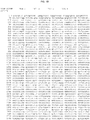
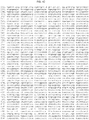
- the invention provides an expression cassette comprising a human alpha-L-iduronidase (hIDUA) gene having the nucleotide sequence of SEQ ID NO: 1 or a sequence at least about 95% identical to SEQ ID NO: 1 which encodes a functional human alpha-L-iduronidase in human cells, wherein said expression cassette further comprises regulatory control sequences which direct expression of the human alpha-L-iduronidase in human cells, said regulatory control sequences comprising a liver-specific promoter.
- hIDUA human alpha-L-iduronidase
- the invention provides a vector containing the expression cassette.
- the expression cassette is located on a cis plasmid.
- the expression cassette is located on pENN.TBG.hIDUA.nRBG.
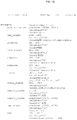
- the invention provides a recombinant adeno-associated virus (rAAV) particle having an AAV capsid and having packaged therein a left inverted terminal repeat (ITR), a human alpha-L-iduronidase (hIDUA) gene under the control of regulatory sequences which control expression thereof, and an AAV right ITR, wherein said hIDUA gene has a sequence shown in SEQ ID NO: 1 ( FIG 1 ) or a sequence at least about 95% identical thereto which encodes a functional human alpha-L-iduronidase.
- the functional hIDUA gene is expressed under the control of a liver-specific promoter.
- a promoter may be a thyroxin binding globulin (TBG) promoter.
- the invention provides the recombinant adeno-associated viral particle AAV2/8.TBG.hIDUA.co. use in
- the invention provides a composition for use in treating mucopolysaccharidosis type I (MPS I) comprising the rAAV comprising the expression cassette described herein and a pharmaceutically acceptable carrier.
- MPS I mucopolysaccharidosis type I
- compositions described herein provide an expression cassette carrying a human IDUA gene which expresses a therapeutically effective amount of functional human alpha-L-iduronidase enzyme in a human subject.
- a “therapeutically effective amount” refers to the amount of the composition which delivers and expresses in the target cells an amount of enzyme sufficient to ameliorate or treat the symptoms of Hurler, Hurler-Scheie and/or Scheie syndromes, and or MPS I. "Treatment” may include preventing the worsening of the symptoms of one of the syndromes (or MPS I) and possibly reversal of one or more of the symptoms thereof.
- a “functional human alpha-L-iduronidase” refers to a human alpha-L-iduronidase enzyme which functions normally in humans without MPS1 or an associated syndrome such as Hurler, Hurler-Scheie and/or Scheie syndromes. Conversely, a human alpha-L-iduronidase enzyme variant which causes MPS1 or one of these syndromes is considered non-functional.
- a functional human alpha-1-iduronidase has the amino acid sequence of a wild-type human alpha-L-iduronidase described by Bremer et al, Mol. Genet. Metab.
- a functional human alpha-L-iduronidase may include a synthetic amino acid sequence in which all or a portion of the first 26 amino acids of SEQ ID NO:2, which correspond to the leader (signal) peptide, are replaced with a heterologous leader peptide.
- This leader peptide which is responsible for transporting the enzyme out of the cell through its secretory pathway into the circulation, may be substituted with another suitable leader peptide, e.g., such as the leader peptides from interleukin-2 (IL-2) or oncostatin.
- IL-2 interleukin-2
- Suitable leader peptides are preferably, although not necessarily of human original. Suitable leader peptides may be chosen from http://proline.bic.nus.edu.sg/spdb/zhang270.htm, or may be determined using a variety of computational programs for determining the leader (signal) peptide in a selected protein. Although not limited, such sequences may be from about 15 to about 50 amino acids in length, or about 20 to about 28 amino acids in length, or may be larger or smaller as required. In addition, at least one in vitro assay has been described as being useful to assess the enzymatic activity of an IDUA enzyme [ see, e.g., Kakkis et al, Mol Genet Metabol, 2001 Mar; 72(3): 199-208 ].
- composition and method described herein do not require long term, repeated weekly injections of a therapeutic dose.
- the method described herein is believed to be useful for correcting the central nervous system phenotype in addition to somatic symptoms associated with MPSI disorders.
- the expression cassette is composed of, at a minimum, a gene and its regulatory sequences. Where the cassette is designed to be expressed from a recombinant adeno-associated virus, the expression cassette further contains 5' and 3' AAV inverted terminal repeats (ITRs). These ITR's may be full-length, or one or both of the ITRs may be truncated. For example, a truncated 5' ITR containing a deletion of the D sequence and a terminal resolution site (trs) deletion may be used, e.g., for a self-complementary AAV.
- ITRs inverted terminal repeats
- the rAAV is pseudotyed, i.e., the AAV capsid is from a different source AAV than that the AAV which provides the ITRs.
- the ITRs of AAV serotype 2 are used. However, ITRs from other suitable sources may be selected.
- patients suffering from one of the conditions described herein are delivered an expression cassette which carries a functional human alpha-L-iduronidase (hIDUA) gene under control of regulatory sequences which direct expression of a functional human alpha-L-iduronidase enzyme in the cells.
- hIDUA human alpha-L-iduronidase
- the expression cassette contains a hIDUA gene characterized by having the nucleotide sequence of SEQ ID NO: 1.
- This sequence developed by the inventors, has an identity of about 83% with the published gene sequence of Genbank NP000194.2 encoding SEQ ID NO: 2.
- the expression cassette contains a hIDUA gene characterized by having the nucleotide sequence at least about 80% identical to SEQ ID NO: 1 and encodes a functional human alpha-L-iduronidase.
- the sequence is at least about 85% identity to SEQ ID NO: 1 or at least about 90% identical to SEQ ID NO:1 and encodes a functional human alpha-L-iduronidase.
- the sequence is at least about 95% identical to SEQ ID NO:1, at least about 97% identical to SEQ ID NO:1, or at least about 99% identical to SEQ ID NO: 1 and encodes a functional human alpha-L-iduronidase. In one embodiment, this encompasses full-length hIDUA gene, including the leader peptide sequences of the human alpha-L-iduronidase ( i.e., encoding about amino acid 26, or about amino acid 27, to about amino acid 653 of SEQ ID NO:2), corresponding to about 1 to about 78 of SEQ ID NO:1.
- the hIDUA gene encodes a functional synthetic human alpha-L-iduronidase enzyme which is synthetic peptide comprising a heterologous leader sequence fused to the secreted portion of a functional alpha-L-iduronidase enzyme, i.e., about amino acids 27 to about 653 of SEQ ID NO: 2 or one of the functional variants thereof which are identified herein.
- Identity or similarity with respect to a sequence is defined herein as the percentage of amino acid residues in the candidate sequence that are identical (i.e., same residue) or similar (i.e., amino acid residue from the same group based on common side-chain properties, see below) with the peptide and polypeptide regions provided herein, after aligning the sequences and introducing gaps, if necessary, to achieve the maximum percent sequence identity.
- Percent (%) identity is a measure of the relationship between two polynucleotides or two polypeptides, as determined by comparing their nucleotide or amino acid sequences, respectively. In general, the two sequences to be compared are aligned to give a maximum correlation between the sequences.
- the alignment of the two sequences is examined and the number of positions giving an exact amino acid or nucleotide correspondence between the two sequences determined, divided by the total length of the alignment and multiplied by 100 to give a % identity figure.
- This % identity figure may be determined over the whole length of the sequences to be compared, which is particularly suitable for sequences of the same or very similar length and which are highly homologous, or over shorter defined lengths, which is more suitable for sequences of unequal length or which have a lower level of homology.
- algorithms, and computer programs based thereon which are available to be used the literature and/or publically or commercially available for performing alignments and percent identity. The selection of the algorithm or program is not a limitation of the present invention.
- suitable alignment programs including, e.g., the software CLUSTALW under Unix and then be imported into the Bioedit program ( Hall, T. A. 1999, BioEdit: a user-friendly biological sequence alignment editor and analysis program for Windows 95/98/NT. Nucl. Acids. Symp. Ser. 41:95-98 ); the Wisconsin Sequence Analysis Package, version 9.1 ( Devereux J. et al., Nucleic Acids Res., 12:387-395, 1984 , available from Genetics Computer Group, Madison, Wis., USA).
- the programs BESTFIT and GAP may be used to determine the % identity between two polynucleotides and the % identity between two polypeptide sequences.
- BLAST family of programs available from the National Center for Biotechnology Information (NCB), Bethesda, Md., USA and accessible through the home page of the NCBI at www.ncbi.nlm.nih.gov
- ALIGN version 2.0
- FASTA Pearson W. R. and Lipman D. J., Proc. Natl. Acad. Sci. USA, 85:2444-2448, 1988 , available as part of the Wisconsin Sequence Analysis Package.
- SeqWeb Software (a web-based interface to the GCG Wisconsin Package: Gap program).
- the expression cassette is designed for human liver-directed expression.
- a liver-specific promoter is particularly well suited for the expression cassette.
- thyroxin binding globulin promoter is selected.
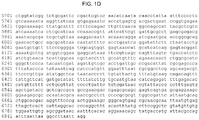
- the TBG promoter has the sequence of nucleotides 442 to 901 of FIG. 1 .
- another liver-specific promoter may be selected. Examples of promoters that are tissue-specific are well known for liver and other tissues (albumin, Miyatake et al., (1997) J.
- Immunol., 161:1063-8 immunoglobulin heavy chain; T cell receptor chain
- neuronal such as neuron-specific enolase (NSE) promoter ( Andersen et al., (1993) Cell. Mol. Neurobiol., 13:503-15 ), neurofilament light-chain gene ( Piccioli et al., (1991) Proc. Natl. Acad. Sci. USA, 88:5611-5 ), and the neuron-specific vgf gene ( Piccioli et al., (1995) Neuron, 15:373-84 ), among others.
- NSE neuron-specific enolase
- promoters may be selected, but expression cassettes containing same may not have all of the advantages of those with TBG or another liver-specific promoter.
- a regulatable promoter may be selected. See, e.g., WO 2011/126808B2 .
- the expression cassette comprises one or more expression enhancers.
- the expression cassette contains two or more expression enhancers. These enhancers may be the same or may from one another different.
- an enhancer may include an Alpha mic/bik enhancer. This enhancer may be present in two copies which are located adjacent to one another. Alternatively, the dual copies of the enhancer may be separated by one or more sequences.
- the expression cassette further contains an intron, e.g, the Promega intron. Other suitable introns include those known in the art, e.g., such as are described in WO 2011/126808 .
- an expression cassette of the invention is provided with a suitable polyadenylation signal.
- the polyA sequence is a rabbit globulin poly A.
- the polyA sequence is characterized by that of nt 3261-3387 of FIG. 1 .
- another polyA e.g., a human growth hormone (hGH) polyadenylation sequence, an SV40 polyA, or a synthetic polyA.
- hGH human growth hormone
- Still other conventional regulatory elements may be additional or optionally included in an expression cassette.
- the expression cassette is engineered onto a suitable vector, e.g., a plasmid vector using techniques known to those of skill in the art.
- a composition of the invention may contain a first expression cassette comprising the modified human IDUA gene and a second expression cassette comprising a different gene.
- the functional human IDUA may be expressed from a more than one expression cassette, which may be located on a multiple vectors, e.g., as described in WO 2011/126808 .
- the expression cassette is carried by the pENN.TBG.hIDUA.nRBG, which plasmid is used to generate a recombinant adeno-associated virus carrying the expression cassette.
- the invention provides a recombinant adeno-associated virus (rAAV) particle having an AAV capsid and having packaged therein a 5' inverted terminal repeat (ITR), a human alpha-L-iduronidase (hIDUA) gene under the control of regulatory sequences which control expression thereof, and an AAV 3' ITR, wherein said hIDUA gene has a sequence shown in SEQ ID NO: 1 ( FIG 1 ) or a sequence at least about 95% identical thereto which encodes a functional human alpha-L-iduronidase.
- ITR 5' inverted terminal repeat
- hIDUA gene a sequence shown in SEQ ID NO: 1 ( FIG 1 ) or a sequence at least about 95% identical thereto which encodes a functional human alpha-L-iduronidase.
- rAAV recombinant adeno-associated virus
- ITR 5' inverted terminal repeat
- hIDUA human alpha-L-iduronidase
- AAV capsids of AAV8 are particularly well suited for the compositions and methods described herein.
- the sequences of AAV8 and methods of generating vectors based on the AAV8 capsid are described in US Patent 7,282,199 B2 , US 7,790,449 , and US 8,318,480 .
- AAV9 capsids are also well suited for use in the invention.
- the sequences of AAV9 and methods of generating vectors based on the AAV9 capsid are described in US Patent 7,906,111 .
- AAV capsids may be selected or generated for use in the invention.
- the sequences of a number of such AAV are provided in the above-cited US Patent 7,282,199 B2 , US 7,790,449 , US 8,318,480 , and US Patent 7,906,111 , and/or are available from GenBank.
- the sequences of any of the AAV capsids can be readily generated synthetically or using a variety of molecular biology and genetic engineering techniques. Suitable production techniques are well known to those of skill in the art. See, e.g., Sambrook et al, Molecular Cloning: A Laboratory Manual, Cold Spring Harbor Press (Cold Spring Harbor, NY ).
- oligonucleotides encoding peptides can generated synthetically, e.g., by the well-known solid phase peptide synthesis methods ( Merrifield, (1962) J. Am. Chem. Soc., 85:2149 ; Stewart and Young, Solid Phase Peptide Synthesis (Freeman, San Francisco, 1969) pp. 27-62 ). See, also,, D M McCarty et al, "Self-complementary recombinant adeno-associated virus (scAAV) vectors promote efficient transduction independently of DNA synthesis", Gene Therapy, (August 2001), Vol 8, Number 16, Pages 1248-1254 .
- scAAV Self-complementary recombinant adeno-associated virus
- Self-complementary AAVs are described in, e.g., U.S. Patent Nos. 6,596,535 ; 7,125,717 ; and 7,456,683 . These and other suitable production methods are within the knowledge of those of skill in the art and are not a limitation of the present invention.
- the recombinant adeno-associated virus (AAV) described herein may be generated using techniques which are known. Such a method involves culturing a host cell which contains a nucleic acid sequence encoding an AAV capsid; a functional rep gene; a expression cassette composed of, at a minimum, AAV inverted terminal repeats (ITRs) and a transgene; and sufficient helper functions to permit packaging of the expression cassette into the AAV capsid protein.
- ITRs AAV inverted terminal repeats
- the components required to be cultured in the host cell to package an AAV expression cassette in an AAV capsid may be provided to the host cell in trans.
- any one or more of the required components e.g., expression cassette, rep sequences, cap sequences, and/or helper functions
- a stable host cell which has been engineered to contain one or more of the required components using methods known to those of skill in the art.
- a stable host cell will contain the required component(s) under the control of an inducible promoter.
- the required component(s) may be under the control of a constitutive promoter. Examples of suitable inducible and constitutive promoters are provided herein, in the discussion of regulatory elements suitable for use with the transgene.
- a selected stable host cell may contain selected component(s) under the control of a constitutive promoter and other selected component(s) under the control of one or more inducible promoters.
- a stable host cell may be generated which is derived from 293 cells (which contain E1 helper functions under the control of a constitutive promoter), but which contains the rep and/or cap proteins under the control of inducible promoters. Still other stable host cells may be generated by one of skill in the art.
- the expression cassette, rep sequences, cap sequences, and helper functions required for producing the rAAV of the invention may be delivered to the packaging host cell in the form of any genetic element which transfer the sequences carried thereon.
- the selected genetic element may be delivered by any suitable method, including those described herein.
- the methods used to construct any embodiment of this invention are known to those with skill in nucleic acid manipulation and include genetic engineering, recombinant engineering, and synthetic techniques. See, e.g., Sambrook et al, Molecular Cloning: A Laboratory Manual, Cold Spring Harbor Press, Cold Spring Harbor, NY .
- methods of generating rAAV virions are well known and the selection of a suitable method is not a limitation on the present invention. See, e.g., K. Fisher et al, (1993) J. Virol., 70:520-532 and US Patent No. 5,478,745 .
- the AAV ITRs, and other selected AAV components described herein may be readily selected from among any AAV. These ITRs or other AAV components may be readily isolated using techniques available to those of skill in the art from an AAV sequence. Such AAV may be isolated or obtained from academic, commercial, or public sources (e.g., the American Type Culture Collection, Manassas, VA). Alternatively, the AAV sequences may be obtained through synthetic or other suitable means by reference to published sequences such as are available in the literature or in databases such as, e.g., GenBank®, PubMed®, or the like.
- the expression cassette is as defined herein.
- the expression cassette and/or a vector as described herein may contain additional transgene or regulatory sequences.
- the expression cassette that is packaged into a capsid protein and delivered to a selected host cell.
- the invention may include the use of multiple transgenes. Suitable transgenes may be readily selected by one of skill in the art. The selection of the transgene is not considered to be a limitation of this invention.
- the vector also includes conventional control elements which are operably linked to the transgene in a manner which permits its transcription, translation and/or expression in a cell transfected with the plasmid vector or infected with the virus produced by the invention.
- "operably linked" sequences include both expression control sequences that are contiguous with the gene of interest and expression control sequences that act in trans or at a distance to control the gene of interest.
- Expression control sequences include appropriate transcription initiation, termination, promoter and enhancer sequences; efficient RNA processing signals such as splicing and polyadenylation (polyA) signals; sequences that stabilize cytoplasmic mRNA; sequences that enhance translation efficiency (i.e., Kozak consensus sequence); sequences that enhance protein stability; and when desired, sequences that enhance secretion of the encoded product.
- polyA polyadenylation
- a great number of expression control sequences, including promoters which are native, constitutive, inducible and/or tissue-specific, are known in the art and may be utilized.
- constitutive promoters include, without limitation, the retroviral Rous sarcoma virus (RSV) LTR promoter (optionally with the RSV enhancer), the cytomegalovirus (CMV) promoter (optionally with the CMV enhancer) [see, e.g., Boshart et al, (1985) Cell, 41:521-530 ], the SV40 promoter, the dihydrofolate reductase promoter, the ⁇ -actin promoter, the phosphoglycerol kinase (PGK) promoter, and the EF1 promoter [Invitrogen].
- RSV Rous sarcoma virus
- CMV cytomegalovirus
- PGK phosphoglycerol kinase
- Inducible promoters allow regulation of gene expression and can be regulated by exogenously supplied compounds, environmental factors such as temperature, or the presence of a specific physiological state, e.g., acute phase, a particular differentiation state of the cell, or in replicating cells only.
- Inducible promoters and inducible systems are available from a variety of commercial sources, including, without limitation, Invitrogen, Clontech and Ariad. Many other systems have been described and can be readily selected by one of skill in the art.
- inducible promoters regulated by exogenously supplied compounds include, the zinc-inducible sheep metallothionine (MT) promoter, the dexamethasone (Dex)-inducible mouse mammary tumor virus (MMTV) promoter, the T7 polymerase promoter system [International Patent Publication No. WO 98/10088 ]; the ecdysone insect promoter [ No et al, (1996) Proc. Natl. Acad. Sci. USA, 93:3346-3351 ], the tetracycline-repressible system [ Gossen et al, (1992) Proc. Natl. Acad. Sci.
- transgene includes a gene operably linked to a tissue-specific promoter.
- a promoter active in muscle should be used. These include the promoters from genes encoding skeletal ⁇ -actin, myosin light chain 2A, dystrophin, desmin, MHC, muscle creatine kinase, as well as synthetic muscle promoters with activities higher than naturally-occurring promoters (see Li et al., (1999) Nat. Biotech., 17:241-245 ).
- promoters that are tissue-specific are known for CNS/neuronal include, e.g., neuron-specific enolase (NSE) promoter ( Andersen et al., (1993) Cell. Mol. Neurobiol., 13:503-15 ), neurofilament light-chain gene ( Piccioli et al., (1991) Proc. Natl. Acad. Sci. USA, 88:5611-5 ), and the neuron-specific vgf gene ( Piccioli et al., (1995) Neuron, 15:373-84 ), among others.
- NSE neuron-specific enolase
- the native promoter for the transgene will be used. The native promoter may be preferred when it is desired that expression of the transgene should mimic the native expression.
- the native promoter may be used when expression of the transgene must be regulated temporally or developmentally, or in a tissue-specific manner, or in response to specific transcriptional stimuli.
- other native expression control elements such as enhancer elements, polyadenylation sites or Kozak consensus sequences may also be used to mimic the native expression.
- transgene The combination of the transgene, promoter/enhancer, and 5' and 3' AAV ITRs is referred to as an expression cassette for ease of reference herein.
- an expression cassette for ease of reference herein.
- the design of such an expression cassette can be made by resort to conventional techniques.
- the expression cassette can be carried on any suitable vector, e.g., a plasmid, which is delivered to a host cell.
- plasmids useful in this invention may be engineered such that they are suitable for replication and, optionally, integration in prokaryotic cells, mammalian cells, or both.
- These plasmids (or other vectors carrying the expression cassette) contain sequences permitting replication of the expression cassette in eukaryotes and/or prokaryotes and selection markers for these systems.
- Selectable markers or reporter genes may include sequences encoding kanamycin, geneticin, hygromicin or purimycin resistance, among others.
- the plasmids may also contain certain selectable reporters or marker genes that can be used to signal the presence of the vector in bacterial cells, such as ampicillin resistance.
- Other components of the plasmid may include an origin of replication and an amplicon, such as the amplicon system employing the Epstein Barr virus nuclear antigen. This amplicon system, or other similar amplicon components permit high copy episomal replication in the cells.
- the molecule carrying the expression cassette is transfected into the cell, where it may exist transiently.
- the expression cassette may be stably integrated into the genome of the host cell, either chromosomally or as an episome.
- the expression cassette may be present in multiple copies, optionally in head-to-head, head-to-tail, or tail-to-tail concatamers. Suitable transfection techniques are known and may readily be utilized to deliver the expression cassette to the host cell.
- the vector when delivering the vector comprising the expression cassette by transfection, the vector is delivered in an amount from about 5 ⁇ g to about 100 ⁇ g DNA, about 10 ⁇ g to about 50 ⁇ g DNA to about 1 x 10 4 cells to about 1 x 10 13 cells, or about 1 x 10 5 cells.
- the relative amounts of vector DNA to host cells may be adjusted, taking into consideration such factors as the selected vector, the delivery method and the host cells selected.
- the host cell contains the sequences which drive expression of an AAV capsid protein of the invention in the host cell and rep sequences of the same source as the source of the AAV ITRs found in the expression cassette, or a cross-complementing source.
- the packaging host cell also requires helper functions in order to package the rAAV of the invention. Such helper functions are well known in the art and will not be duplicated herein.
- methods for producing suitable vectors having AAV capsids are known. [ See, e.g., US Published Patent Application No. US 2007/0036760 ] .
- the construct of a rAAV encoding an expression cassette described herein same can be suspended in a physiologically compatible carrier, may be administered to a subject.
- the carrier is sterile saline alone or, optionally, with any of a number of buffering solutions (e.g., phosphate buffered saline).
- buffering solutions e.g., phosphate buffered saline.
- Other exemplary carriers include lactose, sucrose, calcium phosphate, gelatin, dextran, agar, pectin, sesame oil, and water. The selection of the carrier is not a limitation of the present invention.
- compositions of the invention may contain, in addition to the rAAV and carrier(s), other conventional pharmaceutical ingredients, such as preservatives, or chemical stabilizers.
- delivery is via intravenous delivery.
- routes of administration may be selected.
- routes of administration may be combined, if desired.
- the invention includes a lyophilized composition which contains an rAAV as described herein, or a mixture of rAAV, in lyophilized form.
- a lyophilized composition is reconstituted with a suitable diluent, e.g., sterile saline or a buffered saline.
- a therapeutically effective dosage of the viral vector is generally in the range of from about 0.1 mL to about 100 mL, or about 0.1 mL to about 10 mL, or about 0.1 mL to about 5 mL, or about 0.5 mL to about 1 mL, of solution containing concentrations of from about 3 x 10 9 to 3 x 10 13 genomes viral vector (particles)/mL aqueous suspending agent.
- Another exemplary dosage is about 3 x 10 9 to 3 x 10 13 AAV genomes per 1 kg.
- One suitable volume is about 1 mL.
- a therapeutically effective dose of the rAAV construct is in the range of about 0.001 ng to about 1000 mg/70 kg animal, which may be delivered in a single dosage or over a series of two or more doses. Other suitable dosages may be determined. The dosage will be adjusted to balance the therapeutic benefit against any side effects and such dosages may vary depending upon the therapeutic application for which the recombinant vector is employed.
- compositions of the present invention avoid complications of enzyme replacement therapy related to immune response to the recombinant enzyme which can range from mild to full-blown anaphylaxis as well as complications of life-long peripheral access such as local and systemic infections. Further, in contrast to ERT, the composition of the invention does not require long term, repeated weekly injections.
- the liver-directed therapeutic method described herein is believed to be useful for correcting the central nervous system phenotype associated with MPSI disorders by providing efficient, long-term gene transfer afforded by vectors with high transduction efficiency could provide continuous, elevated circulating IDUA levels, which provides therapeutic leverage across the blood brain barrier.
- AAV liver gene transfer may provide active tolerance and prevent antibody formation against the enzyme.
- a modified hIDUA expression casette for use in treating type I mucopolysaccharidosis comprising delivering a therapeutically effective amount of a modified hIDUA expression cassette as described herein is provided. Also disclosed is a method for treating and/or ameliorating the symptoms of Hurler, Hurler-Scheie and Scheie syndromes.
- the rAAV is delivered intravenously.
- the rAAV is delivered in an amount of about 3 x 10 9 to about 3 x 10 12 is delivered to the subject. While a single administration of the rAAV is anticipated to be effective, since the liver is a regenerative organ, administration by be repeated (e.g., quarterly, bi-annually, annually, or as otherwise needed.
- an initial dose of a therapeutically effective amount may be delivered over split infusion sessions, taking into consideration the age and ability of the subject to tolerate infusions. However, repeated weekly injections of a full therapeutic dose are not required, providing an advantage to the patient in terms of both comfort and therapeutic outcome.
- a modified nucleotide sequence encoding a functional human alpha-L-iduronidase was synthesized.
- the resulting sequence is particularly well suited for human expression and has less than about 90% identical to the functional human IDUA gene (hIDUA; Genbank NP000194.2).
- the resultant transgene was then inserted into a plasmid containing cis elements necessary for packaging into an AAV vector available from UPenn Vector Core using engineered MluI and SalI sites.
- Gene expression was driven by the human thyroid binding globulin ( TBG, Hayashi Y, Mori Y, Janssen OE, et al. Human thyroxine-binding globulin gene: complete sequence and transcriptional regulation.
- pENN.AAV.TBG.PI.hIDUA.RGB contains the modified hIDUA gene under the control of expression control sequences including the liver-specific TBG promoter.
- the plasmid further contains the AAV2 5' ITR, tandem repeats of the alpha mic/bic enhancers, the TBG promoter, a Promega intron sequence, the modified human IDUA gene of SEQ ID NO: 1, a rabbit globulin poly A, and an AAV2 - 3' ITR.
- AAV8.TBG.hIDUA AAV2/8.TBG.hIDUA
- AAV8.TBG.hIDUAco AAV2/8.TBG.hIDUAco.
- the plasmid further contains the AAV2 5' ITR, tandem repeats of the alpha mic/bic enhancers, the TBG promoter, a Promega intron sequence, the modified human IDUA gene of SEQ ID NO: 1, a rabbit globulin poly A, and an AAV2 - 3' ITR.
- HEK 293 cells were maintained in growth medium containing Dulbecco's Modified Eagle Medium (DMEM; Gibco®, Life TechnologiesTM) with 5% fetal bovine serum (FBS; XXX), 1% penicillin/streptomycin (p/s; Life Technologies TM). Plasmid DNA transfections were carried out using LipofectamineTM 2000 (InvitrogenTM, Life TechnologiesTM) according to the manufacturer's recommendations. Briefly, cells were plated at a density of 5x10 ⁇ 5 cells/well in 6-well tissue culture dishes in transfection medium (DMEM + 5%FBS, no p/s) and allowed to adhere overnight at 37° in 5%CO 2 . On the next day, cells were checked for 90-95% confluency and the media was refreshed.
- DMEM Dulbecco's Modified Eagle Medium
- FBS fetal bovine serum
- p/s penicillin/streptomycin
- Plasmid DNA and LipofectamineTM 2000 were diluted with Opti-MEM I ® Reduced Serum Medium (without serum) for a final ratio of 1:2.5 (DNA: LipofectamineTM 2000).
- the LipofectamineTM 2000 transfection solution was incubated for five minutes at 22°C before mixing with the DNA solution. This final transfection mixture containing the DNA: LipofectamineTM 2000 solution was incubated further for 20 minutes (22°C) before addition to the wells containing cells and media.
- Mock cells received no plasmid DNA and a plasmid encoding for eGFP was used as a transfection control. Three wells were transfected for each construct tested.
- Cells were incubated at 37° in 5%CO 2 ; media was replaced with growth media four hours later. Contents of each well were harvested 72 hours later and collected at 4000rpm for 15 minutes at 4°C. Cells were resuspended in 100 ⁇ ls/well lysis buffer (0.2% Triton X-100, 0.9% NaCl, pH4.0) and freeze/thawed three times with vortexing. In addition, lysates were treated with Benzonase for 30 minutes at 37°C before the final freeze/thaw. Cell debris was pelleted at 10 000rpm (4°C) for 10 minutes and final clarified cell lysates were placed on ice and immediately assayed for enzyme activity.
- Frozen tissues were semi-thawed in a box on a bed of dry ice and small pieces of wet tissue were cut ( ⁇ 20mgs, ⁇ 10 mgs of spleen) up in a small petri dish.
- the pre-processed tissues were then submerged in a 2-ml eppendorph with 1ml lysis buffer (0.2% Triton X-100, 0.9% NaCl, pH4.0) and a 5mm steel bead. Samples were homogenized on a tissue-lyzer at 30Hz for 2 minutes. Homogenized samples were briefly spun at 6000 rpm for 30 seconds and the 5mm steel beads were removed.
- Tissue lysates were further disrupted by sonication using a 1-1/16" diameter microhorn and frozen overnight at -80°C. Processed samples were thawed the next day at 22°C and clarified by centrifugation (10 000rpm/10 minutes/4°C). Floating lipid layers from brain, or other fatty tissues, were aspirated before assay. Samples were then stored on wet ice and assayed immediately for enzyme activity.
- Total protein was estimated using the Coomassie based Bradford assay (Thermo Scientific) following the manufacturer's protocol. Briefly, a standard curve was set up using bovine serum albumin (BSA) to generate a working range from 1-25 ⁇ g/ml and a blank accounting for the protein dilution buffer with no BSA. Samples were diluted twofold from 1/300 -1/1200 and mixed at a 1:1 ratio of diluted protein: Bradford reagent in a 96-well flat-bottom dish. Samples were allowed to equilibrate at 22°C for 15 minutes and absorbance values were collected on a plate reader at the suggested wavelength of 595nm. Raw values were converted to ⁇ g/ml concentrations using the standard curve with blank correction. Microgram quantities were then converted and reported in milligrams.
- BSA bovine serum albumin
- IDUA enzyme activity was assayed using 4-Methylumbelliferyl alpha-L-Idopyranosiduronic Acid, Cyclohexylammonium Salt (4-MU-Ido; Toronto Research Chemicals, Inc.) as a substrate according to previously published methods [ Kakkis et al, Mol Genet Metab, 2001 Mar; 72(3): 199-208 ].
- reaction buffer 0.1M sodium acetate pH3.5, 0.15M NaCl, 0.05% Triton X-100
- reaction buffer 0.1M sodium acetate pH3.5, 0.15M NaCl, 0.05% Triton X-100
- Taqman PCR was used to determine the vector DNA load in diploid cells.
- total cellular DNA was extracted from tissues using a QIAamp DNA Mini Kit (Qiagen, Valencia, CA, USA).
- Primer and probe sets were designed to target the nRBG polyA region of the vector, using the following sequences; forward: GCCAAAAATTATGGGGACAT, reverse: ATTCCAACACACTATTGCAATG, probe: 6FAM-ATGAAGCCCCTTGAGCATCTGACTTCT-TAMRA. Standard curves for vector genome quantification were established with the cis plasmids used for the production of the corresponding vector.
- the PCR was performed with a TaqMan Universal PCR Master Mix (Applied Biosystems, Foster City, CA, USA) with 200 ng total cellular DNA as template, 300 nM primers, and 200 nM probes each. Cycles were for 2 min at 50°C, 10 min at 95°C, 40 cycles of 15 s at 95°C, and 1 min at 60°C.
- Immunoblotting was performed according to standard methods. In brief, the NuPAGE gel system (Life Technologies), 4-12% bis-tris gels was used. Transfer was following 30 minutes at 20V to a PVDF membrane. The block was 10% NFDM in T-PBS (overnight). The primary MAb was mouse anti-human IDUA 1:300 (1.5 hours); 1% NFDM in T-PBS. Secondary: HRP-linked rabbit anti-mouse 1:3000 (1hr); 1% NFDM in T-PBS Detection was by SuperSignal West Dura Chemiluminescent Substrate (Thermo Scientific), 30 second exposure on x-ray film.
- IDUA deficiencies can be found in dogs, allowing for study of the disease and therapies in a large animal.
- MPS I dogs carry a recessive (null) mutation in the IDUA gene, in which a G>A mutation in the donor splice site of intron 1 creates a premature termination codon at the exon-intron junction [ Menon, K.P., P.T. Tieu, and E.F. Neufeld, Architecture of the canine IDUA gene and mutation underlying canine mucopolysaccharidosis I. Genomics, 1992. 14(3): p. 763-8 .].
- the course of disease in the dog is analogous to Hurler-Scheie syndrome; disease manifestations include significant skeletal disease, including chest deformity.
- Urine GAG analysis is a biochemical marker used to determine efficacy of treatments for MPS I in the clinical setting.
- GAGs glycosaminoglycans
- H1 Alcian Blue
- the accumulation of unprocessed GAG within cells are particularly well visualized on 1 ⁇ m thin sections from plastic-embedded tissues stained with Toluidine Blue. Thin sections (1 ⁇ m) of epon-embedded tissues, stained with Toluidine Blue. This shows cells containing storage material ("foamy, sponge cells").
- Immunohistochemistry was performed with antibody against ganglioside GM3 in brain. Shows abnormal storage of GM3 in neurons.
- the cortex was evaluated in dogs and cortex and hypothalamus in mice. Expression of human IDUA in liver was evaluated by immunofluorescence.
- AAV8.TBG.modified hIDUA was prepared as described in Example 1. Mice (about 3 months) were injected intravenously at doses of about 1 x10 11 GC, 3 x 10 10 GC, 3 x 10 9 GC, 1 x10 9 GC and evaluated ⁇ 2 weeks post injection.
- AAV8.TBG.modified hIDUA was prepared as described in Example 1. Dogs (about 8 months age) were injected intravenously at a dose of 1 x10 11 GC and evaluated after four months post injection (i.e. 1 year old).
- AAV8-mediated gene transfer of IDUA will be evaluated in Hurler-Scheie patients.
- the subjects would receive a single infusion of vector into a peripheral vein which based on pre-clinical data should lead to stable production of the enzyme at levels that are close to what is obtained in normal subjects.
- the trial may involve different doses of vector for example, 3x10 11 GC/kg; 1x10 12 GC/kg; 3x10 12 GC/kg and please add dose range.
- the most non-invasive assessment of efficacy is the level of urine GAG which are elevated in the disease and partially corrected following ERT. Transgene engraftment and its level of expression will be determined by measuring serum IDUA. Urine GAG will also be measured before and after gene therapy.
Landscapes
- Health & Medical Sciences (AREA)
- Life Sciences & Earth Sciences (AREA)
- Chemical & Material Sciences (AREA)
- Engineering & Computer Science (AREA)
- Genetics & Genomics (AREA)
- General Health & Medical Sciences (AREA)
- Bioinformatics & Cheminformatics (AREA)
- Organic Chemistry (AREA)
- Medicinal Chemistry (AREA)
- Wood Science & Technology (AREA)
- Zoology (AREA)
- Pharmacology & Pharmacy (AREA)
- Veterinary Medicine (AREA)
- Public Health (AREA)
- Animal Behavior & Ethology (AREA)
- Biomedical Technology (AREA)
- Biotechnology (AREA)
- Biochemistry (AREA)
- Epidemiology (AREA)
- General Engineering & Computer Science (AREA)
- Microbiology (AREA)
- Molecular Biology (AREA)
- Virology (AREA)
- Immunology (AREA)
- Mycology (AREA)
- Proteomics, Peptides & Aminoacids (AREA)
- Gastroenterology & Hepatology (AREA)
- Dermatology (AREA)
- Plant Pathology (AREA)
- Biophysics (AREA)
- Physics & Mathematics (AREA)
- Chemical Kinetics & Catalysis (AREA)
- General Chemical & Material Sciences (AREA)
- Nuclear Medicine, Radiotherapy & Molecular Imaging (AREA)
- Medicines Containing Material From Animals Or Micro-Organisms (AREA)
- Micro-Organisms Or Cultivation Processes Thereof (AREA)
- Medicines That Contain Protein Lipid Enzymes And Other Medicines (AREA)
- Enzymes And Modification Thereof (AREA)
- Pharmaceuticals Containing Other Organic And Inorganic Compounds (AREA)
- Saccharide Compounds (AREA)
Priority Applications (4)
| Application Number | Priority Date | Filing Date | Title |
|---|---|---|---|
| EP20170476.4A EP3747998B1 (en) | 2013-03-15 | 2014-03-13 | Compositions for treating mpsi |
| SI201431605T SI2984166T1 (sl) | 2013-03-15 | 2014-03-13 | Sestavki za zdravljenje MPSI |
| PL14770186T PL2984166T3 (pl) | 2013-03-15 | 2014-03-13 | Kompozycje do leczenia mpsi |
| HRP20201063TT HRP20201063T1 (hr) | 2013-03-15 | 2014-03-13 | Pripravci za liječenje mpsi |
Applications Claiming Priority (2)
| Application Number | Priority Date | Filing Date | Title |
|---|---|---|---|
| US201361788724P | 2013-03-15 | 2013-03-15 | |
| PCT/US2014/025509 WO2014151341A1 (en) | 2013-03-15 | 2014-03-13 | Compositions and methods for treating mpsi |
Related Child Applications (1)
| Application Number | Title | Priority Date | Filing Date |
|---|---|---|---|
| EP20170476.4A Division EP3747998B1 (en) | 2013-03-15 | 2014-03-13 | Compositions for treating mpsi |
Publications (3)
| Publication Number | Publication Date |
|---|---|
| EP2984166A1 EP2984166A1 (en) | 2016-02-17 |
| EP2984166A4 EP2984166A4 (en) | 2016-09-07 |
| EP2984166B1 true EP2984166B1 (en) | 2020-04-22 |
Family
ID=51580934
Family Applications (2)
| Application Number | Title | Priority Date | Filing Date |
|---|---|---|---|
| EP14770186.6A Active EP2984166B1 (en) | 2013-03-15 | 2014-03-13 | Compositions for treating mpsi |
| EP20170476.4A Active EP3747998B1 (en) | 2013-03-15 | 2014-03-13 | Compositions for treating mpsi |
Family Applications After (1)
| Application Number | Title | Priority Date | Filing Date |
|---|---|---|---|
| EP20170476.4A Active EP3747998B1 (en) | 2013-03-15 | 2014-03-13 | Compositions for treating mpsi |
Country Status (21)
| Country | Link |
|---|---|
| US (3) | US10137176B2 (OSRAM) |
| EP (2) | EP2984166B1 (OSRAM) |
| JP (4) | JP6591956B2 (OSRAM) |
| KR (2) | KR102581652B1 (OSRAM) |
| CN (1) | CN105026554B (OSRAM) |
| AU (2) | AU2014235096B2 (OSRAM) |
| BR (1) | BR112015021036A2 (OSRAM) |
| CA (1) | CA2901328C (OSRAM) |
| CY (1) | CY1123169T1 (OSRAM) |
| DK (1) | DK2984166T3 (OSRAM) |
| ES (2) | ES2805355T3 (OSRAM) |
| HR (1) | HRP20201063T1 (OSRAM) |
| HU (1) | HUE051373T2 (OSRAM) |
| LT (1) | LT2984166T (OSRAM) |
| MX (2) | MX386059B (OSRAM) |
| PL (1) | PL2984166T3 (OSRAM) |
| PT (1) | PT2984166T (OSRAM) |
| RU (1) | RU2708318C2 (OSRAM) |
| SG (2) | SG10201707319UA (OSRAM) |
| SI (1) | SI2984166T1 (OSRAM) |
| WO (1) | WO2014151341A1 (OSRAM) |
Families Citing this family (42)
| Publication number | Priority date | Publication date | Assignee | Title |
|---|---|---|---|---|
| JP6591956B2 (ja) | 2013-03-15 | 2019-10-16 | ザ・トラステイーズ・オブ・ザ・ユニバーシテイ・オブ・ペンシルベニア | Mps1を治療するための組成物および方法 |
| CA2946392A1 (en) * | 2014-04-25 | 2015-10-29 | James M. Wilson | Ldlr variants and their use in compositions for reducing cholesterol levels |
| CA3008142A1 (en) * | 2015-12-11 | 2017-06-15 | The Trustees Of The University Of Pennsylvania | Gene therapy for treating familial hypercholesterolemia |
| AU2016370590B2 (en) * | 2015-12-14 | 2023-11-02 | The Trustees Of The University Of Pennsylvania | Composition for treatment of Crigler-Najjar syndrome |
| AU2017215211C1 (en) * | 2016-02-03 | 2023-11-16 | The Trustees Of The University Of Pennsylvania | Gene therapy for treating mucopolysaccharidosis type i |
| WO2017136533A1 (en) * | 2016-02-03 | 2017-08-10 | The Trustees Of The University Of Pennsylvania | Methods for treating diagnosing, and monitoring treatment of mucopolysaccharidoses |
| AU2017223465A1 (en) * | 2016-02-22 | 2018-08-09 | The University Of North Carolina At Chapel Hill | AAV-IDUA vector for treatment of MPS I-associated blindness |
| WO2017180936A1 (en) * | 2016-04-15 | 2017-10-19 | The Trustees Of The University Of Pennsylvania | Compositions for treatment of wet age-related macular degeneration |
| AU2017250298B2 (en) | 2016-04-15 | 2024-10-03 | The Trustees Of The University Of Pennsylvania | Gene therapy for treating mucopolysaccharidosis type II |
| US11883470B2 (en) * | 2016-07-25 | 2024-01-30 | The Trustees Of The University Of Pennsylvania | Compositions comprising a lecithin cholesterol acyltransferase variant and uses thereof |
| AU2017301600B2 (en) | 2016-07-26 | 2022-08-04 | Biomarin Pharmaceutical Inc. | Novel adeno-associated virus capsid proteins |
| IL315358A (en) | 2016-08-18 | 2024-11-01 | Univ California | CRISPR-CAS genome engineering using a modular AAV delivery system |
| BR112019013576A2 (pt) * | 2016-12-30 | 2020-02-04 | The Trustees Of The University Of Pennsylvania | terapia genica para o tratamento da fenilcetonuria |
| EP3676385A1 (en) | 2017-07-06 | 2020-07-08 | The Trustees of The University of Pennsylvania | Aav9-mediated gene therapy for treating mucopolysaccharidosis type i |
| JP7449223B2 (ja) | 2017-09-22 | 2024-03-13 | ザ・トラステイーズ・オブ・ザ・ユニバーシテイ・オブ・ペンシルベニア | ムコ多糖症ii型を治療するための遺伝子療法 |
| CN107699590A (zh) * | 2017-10-13 | 2018-02-16 | 成都中医药大学 | 一种制备重组人α‑L‑艾杜糖醛酸酶的方法 |
| EA202091352A1 (ru) | 2017-11-30 | 2020-08-27 | Дзе Трастиз Оф Дзе Юниверсити Оф Пенсильвания | Генотерапия мукополисахаридоза iiib |
| US10610606B2 (en) | 2018-02-01 | 2020-04-07 | Homology Medicines, Inc. | Adeno-associated virus compositions for PAH gene transfer and methods of use thereof |
| AU2019215152A1 (en) | 2018-02-01 | 2020-08-20 | Homology Medicines, Inc. | Adeno-associated virus compositions for restoring PAH gene function and methods of use thereof |
| JP7244547B2 (ja) | 2018-02-19 | 2023-03-22 | ホモロジー・メディシンズ・インコーポレイテッド | F8遺伝子機能を回復させるためのアデノ随伴ウイルス組成物及びその使用の方法 |
| US12558434B2 (en) | 2018-02-20 | 2026-02-24 | The Trustees Of The University Of Pennsylvania | Compositions for treatment of wet age-related macular degeneration |
| CA3099958A1 (en) | 2018-04-16 | 2019-10-24 | The Trustees Of The University Of Pennsylvania | Compositions and methods for treating duchenne muscular dystrophy |
| CA3099704A1 (en) | 2018-05-09 | 2019-11-14 | Biomarin Pharmaceutical Inc. | Methods of treating phenylketonuria |
| TW202005978A (zh) | 2018-05-14 | 2020-02-01 | 美商拜奧馬林製藥公司 | 新穎肝靶向腺相關病毒載體 |
| US11510999B2 (en) | 2018-07-17 | 2022-11-29 | Helixmith Co., Ltd | Treatment of neuropathy with DNA constructs expressing IGF-1 isoforms |
| CN113924115A (zh) | 2019-01-31 | 2022-01-11 | 俄勒冈健康与科学大学 | 用于aav衣壳的使用转录依赖性定向进化的方法 |
| TW202140791A (zh) | 2020-01-13 | 2021-11-01 | 美商霍蒙拉奇醫藥公司 | 治療苯酮尿症之方法 |
| CA3177407A1 (en) | 2020-05-12 | 2021-11-18 | James M. Wilson | Compositions for drg-specific reduction of transgene expression |
| TW202208632A (zh) | 2020-05-27 | 2022-03-01 | 美商同源醫藥公司 | 用於恢復pah基因功能的腺相關病毒組成物及其使用方法 |
| JP2023531451A (ja) | 2020-06-17 | 2023-07-24 | ザ・トラステイーズ・オブ・ザ・ユニバーシテイ・オブ・ペンシルベニア | 遺伝子療法患者の治療のための組成物及び方法 |
| AU2021356684A1 (en) | 2020-10-09 | 2023-05-11 | The Trustees Of The University Of Pennsylvania | Compositions and methods for treatment of fabry disease |
| KR102590276B1 (ko) * | 2021-01-04 | 2023-10-16 | 부산대학교 산학협력단 | 조직 특이적 발현을 위한 융합 프로모터 및 이의 용도 |
| EP4284335A1 (en) | 2021-02-01 | 2023-12-06 | RegenxBio Inc. | Gene therapy for neuronal ceroid lipofuscinoses |
| PL4148078T3 (pl) | 2021-09-08 | 2026-03-30 | Covestro Deutschland Ag | Poliole poliestrowe na bazie kwasu bursztynowego |
| CN114181318B (zh) * | 2021-11-08 | 2023-08-01 | 四川大学 | 一种组织特异性表达穿透血脑屏障的idua融合蛋白的重组腺相关病毒及应用 |
| WO2023087019A2 (en) | 2021-11-15 | 2023-05-19 | The Trustees Of The University Of Pennsylvania | Compositions for drg-specific reduction of transgene expression |
| US20240408157A1 (en) | 2021-12-02 | 2024-12-12 | The Trustees Of The University Of Pennsylvania | Compositions and methods for treatment of fabry disease |
| WO2023196892A1 (en) | 2022-04-06 | 2023-10-12 | The Trustees Of The University Of Pennsylvania | Passive immunization with anti- aav neutralizing antibodies to prevent off-target transduction of intrathecally delivered aav vectors |
| WO2023196893A1 (en) | 2022-04-06 | 2023-10-12 | The Trustees Of The University Of Pennsylvania | Compositions and methods for treating her2 positive metastatic breast cancer and other cancers |
| EP4724085A1 (en) | 2023-06-12 | 2026-04-15 | The Trustees of The University of Pennsylvania | Aav gene therapy for mucopolysaccharidosis iiib |
| WO2025035143A1 (en) | 2023-08-10 | 2025-02-13 | The Trustees Of The University Of Pennsylvania | Compositions and methods for treatment of spinal muscular atrophy |
| WO2025129157A1 (en) | 2023-12-15 | 2025-06-19 | The Trustees Of The University Of Pennsylvania | Gene therapy for treatment of canavan disease |
Family Cites Families (43)
| Publication number | Priority date | Publication date | Assignee | Title |
|---|---|---|---|---|
| US6149909A (en) * | 1995-06-23 | 2000-11-21 | Women's And Children's Hospital | Synthetic α-L-iduronidase and genetic sequences encoding same |
| US5478745A (en) | 1992-12-04 | 1995-12-26 | University Of Pittsburgh | Recombinant viral vector system |
| JP2001500015A (ja) | 1996-09-06 | 2001-01-09 | トラステイーズ・オブ・ザ・ユニバーシテイ・オブ・ペンシルベニア | T7ポリメラーゼを利用する組換えアデノ随伴ウイルスの誘導可能な製造方法 |
| WO1999058691A2 (en) | 1998-05-13 | 1999-11-18 | Harbor-Ucla | Recombinant (alpha)-l-iduronidase, methods for producing and purifying the same and methods for treating diseases caused by deficiencies thereof |
| EP2369002A1 (en) | 1999-08-09 | 2011-09-28 | Targeted Genetics Corporation | Enhancement of expression of a single-stranded, heterologous nucleotide sequence from recombinant viral vectors by designing the sequence such that it forms intrastrand base pairs |
| US6426208B1 (en) | 1999-11-12 | 2002-07-30 | Harbor-Ucla Research And Education Institute | Recombinant α-L-iduronidase, methods for producing and purifying the same and methods for treating diseases caused by deficiencies thereof |
| RU2196988C2 (ru) | 2000-04-19 | 2003-01-20 | Государственный новосибирский областной клинический диагностический центр | Способ диагностики мукополисахаридозов |
| SG10202108118RA (en) | 2001-11-13 | 2021-08-30 | Univ Pennsylvania | A method of detecting and/or identifying adeno-associated virus (aav) sequences and isolating novel sequences identified thereby |
| ES2975413T3 (es) | 2001-12-17 | 2024-07-05 | Univ Pennsylvania | Secuencias de serotipo 8 de virus adenoasociado (AAV), vectores que las contienen y usos de las mismas |
| AU2003302724A1 (en) * | 2002-08-13 | 2004-07-09 | Mcivor, Scott, R. | Methods of using vectors to treat metabolic disorders |
| US7155804B2 (en) | 2003-09-17 | 2007-01-02 | Moog Inc. | Method of forming an electric motor |
| HUE054805T2 (hu) | 2003-09-30 | 2021-09-28 | Univ Pennsylvania | Adeno-asszociált vírus (AAV) kládok, szekvenciák, az azokat tartalmazó vektorok és alkalmazásaik |
| EP3085389A1 (en) | 2005-04-07 | 2016-10-26 | The Trustees Of The University Of Pennsylvania | Method of increasing the function of an aav vector |
| WO2006132118A1 (ja) | 2005-06-09 | 2006-12-14 | Matsushita Electric Industrial Co., Ltd. | 振幅誤差補償装置及び直交度誤差補償装置 |
| WO2007120542A2 (en) | 2006-03-30 | 2007-10-25 | The Board Of Trustees Of The Leland Stanford Junior University | Aav capsid library and aav capsid proteins |
| US20090062144A1 (en) * | 2007-04-03 | 2009-03-05 | Nancy Lan Guo | Gene signature for prognosis and diagnosis of lung cancer |
| US9415121B2 (en) | 2008-12-19 | 2016-08-16 | Nationwide Children's Hospital | Delivery of MECP2 polynucleotide using recombinant AAV9 |
| BR112012010755A2 (pt) | 2009-11-05 | 2015-09-22 | Proyecto Biomedicina Cima Sl | constructo de gene que permite a expressão hepato-específica induzível de um polinucleotídeo de interesse em resposta a um agente indutor, vetor, genoma viral recombinante, vírion, método in vitro para a expressão de um polinucleotídeo de interesse em uma célula de origem hepática, composição farmacêutica e operador-promotor bi-direcional induzível adequado para a expressão hepato-específica induzível de dois polinucleotídeos de interesse por um agente indutor |
| EP2333074A1 (en) * | 2009-12-14 | 2011-06-15 | Robert Steinfeld | Substances and methods for the treatment of lysosmal storage diseases |
| KR20130040844A (ko) * | 2010-03-29 | 2013-04-24 | 더 트러스티스 오브 더 유니버시티 오브 펜실바니아 | 약학적으로 유발된 전이유전자 제거 시스템 |
| EP3567106A1 (en) | 2010-04-23 | 2019-11-13 | University of Massachusetts | Cns targeting aav vectors and methods of use thereof |
| US8927514B2 (en) | 2010-04-30 | 2015-01-06 | City Of Hope | Recombinant adeno-associated vectors for targeted treatment |
| EP2394667A1 (en) | 2010-06-10 | 2011-12-14 | Laboratorios Del Dr. Esteve, S.A. | Vectors and sequences for the treatment of diseases |
| JP6049623B2 (ja) * | 2010-10-22 | 2016-12-21 | カッパーアールエヌエー,インコーポレイテッド | α‐L‐イズロニダーゼ(IDUA)への天然アンチセンス転写物の阻害によるIDUA関連疾患の治療 |
| SG10202007803QA (en) | 2011-02-17 | 2020-09-29 | Univ Pennsylvania | Compositions and methods for altering tissue specificity and improving aav9-mediated gene transfer |
| CN107012171B (zh) | 2011-04-22 | 2021-07-13 | 加利福尼亚大学董事会 | 具有变异衣壳的腺相关病毒病毒体及其使用方法 |
| CA2875618C (en) | 2012-07-11 | 2021-04-27 | Sangamo Biosciences, Inc. | Methods and compositions for the treatment of lysosomal storage diseases |
| JP6437443B2 (ja) | 2012-11-21 | 2018-12-12 | アールキューエックス ファーマシューティカルズ,インク. | 大環状広域抗生物質 |
| WO2014125647A1 (ja) | 2013-02-18 | 2014-08-21 | 富士通オプティカルコンポーネンツ株式会社 | 光受信装置 |
| JP6591956B2 (ja) | 2013-03-15 | 2019-10-16 | ザ・トラステイーズ・オブ・ザ・ユニバーシテイ・オブ・ペンシルベニア | Mps1を治療するための組成物および方法 |
| KR20160010526A (ko) | 2013-05-15 | 2016-01-27 | 리젠츠 오브 더 유니버시티 오브 미네소타 | 중추 신경계로의 아데노-연관 바이러스 매개 유전자 전달 |
| AU2015320694B2 (en) | 2014-09-24 | 2021-11-11 | City Of Hope | Adeno-associated virus vector variants for high efficiency genome editing and methods thereof |
| WO2016055437A1 (en) | 2014-10-06 | 2016-04-14 | Arthrogen B.V. | Aav-based gene therapy |
| CA2986252A1 (en) | 2015-05-15 | 2016-11-24 | Regents Of The University Of Minnesota | Adeno-associated virus vector for delivery of iduronate-2-sulfatase to the central nervous system |
| US10604747B2 (en) | 2015-08-06 | 2020-03-31 | Academia Sinica | Engineered enzyme for enzyme replacement therapy |
| SG11201803218PA (en) | 2015-10-23 | 2018-05-30 | Univ Iowa Res Found | Methods for treating neurodegenerative diseases using gene therapy to delay disease onset and progression while providing cognitive protection |
| US11015173B2 (en) | 2015-12-11 | 2021-05-25 | The Trustees Of The University Of Pennsylvania | Scalable purification method for AAV1 |
| US11098286B2 (en) | 2015-12-11 | 2021-08-24 | The Trustees Of The University Of Pennsylvania | Scalable purification method for AAV9 |
| ES2918998T3 (es) | 2015-12-11 | 2022-07-21 | Univ Pennsylvania | Método de purificación escalable para AAVrh10 |
| WO2017100676A1 (en) | 2015-12-11 | 2017-06-15 | The Trustees Of The University Of Pennsylvania | Scalable purification method for aav8 |
| AU2017207818B2 (en) | 2016-01-15 | 2024-03-28 | Regents Of The University Of Minnesota | Methods and compositions for the treatment of neurologic disease |
| AU2017215211C1 (en) | 2016-02-03 | 2023-11-16 | The Trustees Of The University Of Pennsylvania | Gene therapy for treating mucopolysaccharidosis type i |
| EP3676385A1 (en) | 2017-07-06 | 2020-07-08 | The Trustees of The University of Pennsylvania | Aav9-mediated gene therapy for treating mucopolysaccharidosis type i |
-
2014
- 2014-03-13 JP JP2016501864A patent/JP6591956B2/ja active Active
- 2014-03-13 PT PT147701866T patent/PT2984166T/pt unknown
- 2014-03-13 SI SI201431605T patent/SI2984166T1/sl unknown
- 2014-03-13 HR HRP20201063TT patent/HRP20201063T1/hr unknown
- 2014-03-13 WO PCT/US2014/025509 patent/WO2014151341A1/en not_active Ceased
- 2014-03-13 HU HUE14770186A patent/HUE051373T2/hu unknown
- 2014-03-13 CA CA2901328A patent/CA2901328C/en active Active
- 2014-03-13 US US14/769,596 patent/US10137176B2/en active Active
- 2014-03-13 CN CN201480010987.3A patent/CN105026554B/zh active Active
- 2014-03-13 SG SG10201707319UA patent/SG10201707319UA/en unknown
- 2014-03-13 DK DK14770186.6T patent/DK2984166T3/da active
- 2014-03-13 ES ES14770186T patent/ES2805355T3/es active Active
- 2014-03-13 SG SG11201507507PA patent/SG11201507507PA/en unknown
- 2014-03-13 BR BR112015021036A patent/BR112015021036A2/pt not_active Application Discontinuation
- 2014-03-13 LT LTEP14770186.6T patent/LT2984166T/lt unknown
- 2014-03-13 KR KR1020217043023A patent/KR102581652B1/ko active Active
- 2014-03-13 EP EP14770186.6A patent/EP2984166B1/en active Active
- 2014-03-13 ES ES20170476T patent/ES2991471T3/es active Active
- 2014-03-13 AU AU2014235096A patent/AU2014235096B2/en active Active
- 2014-03-13 EP EP20170476.4A patent/EP3747998B1/en active Active
- 2014-03-13 PL PL14770186T patent/PL2984166T3/pl unknown
- 2014-03-13 MX MX2015012739A patent/MX386059B/es unknown
- 2014-03-13 RU RU2015144234A patent/RU2708318C2/ru active
- 2014-03-13 KR KR1020157022504A patent/KR102346455B1/ko active Active
-
2015
- 2015-09-14 MX MX2021010918A patent/MX2021010918A/es unknown
-
2018
- 2018-10-22 US US16/166,346 patent/US10792343B2/en active Active
-
2019
- 2019-04-19 JP JP2019079881A patent/JP2019134717A/ja active Pending
-
2020
- 2020-06-10 AU AU2020203826A patent/AU2020203826B2/en active Active
- 2020-07-07 CY CY20201100628T patent/CY1123169T1/el unknown
- 2020-09-03 JP JP2020148103A patent/JP7168621B2/ja active Active
- 2020-09-10 US US17/017,150 patent/US20200397872A1/en not_active Abandoned
-
2022
- 2022-10-27 JP JP2022172314A patent/JP7553527B2/ja active Active
Non-Patent Citations (1)
| Title |
|---|
| None * |
Also Published As
Similar Documents
| Publication | Publication Date | Title |
|---|---|---|
| US10792343B2 (en) | Compositions and methods for treating MPSI | |
| JP7037574B2 (ja) | 脊髄性筋萎縮症の治療に有用な組成物 | |
| AU2017215211C1 (en) | Gene therapy for treating mucopolysaccharidosis type i | |
| JP2022523766A (ja) | Grn関連成人発症性神経変性の治療のための組換えアデノ随伴ウイルス | |
| CN110914419A (zh) | 糖原贮积病iii的治疗 | |
| JP2022512589A (ja) | Gm1ガングリオシドーシスの治療に有用な組成物 | |
| KR20230003569A (ko) | Cdkl5 결핍 장애 (cdd)의 치료에 유용한 조성물 | |
| TW202045728A (zh) | 用於治療克拉培氏病之組成物 | |
| Lin et al. | Adeno-associated virus-mediated transfer of human acid maltase gene results in a transient reduction of glycogen accumulation in muscle of Japanese quail with acid maltase deficiency | |
| US20230190966A1 (en) | Compositions useful for treating gm1 gangliosidosis | |
| HK40042501B (en) | Compositions for treating mpsi | |
| HK40042501A (en) | Compositions for treating mpsi | |
| HK1221735B (en) | Compositions for treating mpsi | |
| JP2023526311A (ja) | クラッベ病の治療に有用な組成物 |
Legal Events
| Date | Code | Title | Description |
|---|---|---|---|
| PUAI | Public reference made under article 153(3) epc to a published international application that has entered the european phase |
Free format text: ORIGINAL CODE: 0009012 |
|
| 17P | Request for examination filed |
Effective date: 20150914 |
|
| AK | Designated contracting states |
Kind code of ref document: A1 Designated state(s): AL AT BE BG CH CY CZ DE DK EE ES FI FR GB GR HR HU IE IS IT LI LT LU LV MC MK MT NL NO PL PT RO RS SE SI SK SM TR |
|
| AX | Request for extension of the european patent |
Extension state: BA ME |
|
| DAX | Request for extension of the european patent (deleted) | ||
| A4 | Supplementary search report drawn up and despatched |
Effective date: 20160805 |
|
| RIC1 | Information provided on ipc code assigned before grant |
Ipc: C12N 7/01 20060101ALI20160801BHEP Ipc: C12N 15/00 20060101ALI20160801BHEP Ipc: C12N 7/00 20060101AFI20160801BHEP |
|
| REG | Reference to a national code |
Ref country code: HK Ref legal event code: DE Ref document number: 1221735 Country of ref document: HK |
|
| STAA | Information on the status of an ep patent application or granted ep patent |
Free format text: STATUS: EXAMINATION IS IN PROGRESS |
|
| 17Q | First examination report despatched |
Effective date: 20180517 |
|
| GRAP | Despatch of communication of intention to grant a patent |
Free format text: ORIGINAL CODE: EPIDOSNIGR1 |
|
| STAA | Information on the status of an ep patent application or granted ep patent |
Free format text: STATUS: GRANT OF PATENT IS INTENDED |
|
| INTG | Intention to grant announced |
Effective date: 20190515 |
|
| GRAS | Grant fee paid |
Free format text: ORIGINAL CODE: EPIDOSNIGR3 |
|
| GRAJ | Information related to disapproval of communication of intention to grant by the applicant or resumption of examination proceedings by the epo deleted |
Free format text: ORIGINAL CODE: EPIDOSDIGR1 |
|
| GRAL | Information related to payment of fee for publishing/printing deleted |
Free format text: ORIGINAL CODE: EPIDOSDIGR3 |
|
| STAA | Information on the status of an ep patent application or granted ep patent |
Free format text: STATUS: EXAMINATION IS IN PROGRESS |
|
| GRAP | Despatch of communication of intention to grant a patent |
Free format text: ORIGINAL CODE: EPIDOSNIGR1 |
|
| STAA | Information on the status of an ep patent application or granted ep patent |
Free format text: STATUS: GRANT OF PATENT IS INTENDED |
|
| INTC | Intention to grant announced (deleted) | ||
| RIC1 | Information provided on ipc code assigned before grant |
Ipc: A61P 3/00 20060101ALI20191014BHEP Ipc: C12N 15/00 20060101ALI20191014BHEP Ipc: C12N 7/01 20060101ALI20191014BHEP Ipc: A61K 38/43 20060101ALI20191014BHEP Ipc: C12N 7/00 20060101AFI20191014BHEP |
|
| INTG | Intention to grant announced |
Effective date: 20191104 |
|
| GRAA | (expected) grant |
Free format text: ORIGINAL CODE: 0009210 |
|
| STAA | Information on the status of an ep patent application or granted ep patent |
Free format text: STATUS: THE PATENT HAS BEEN GRANTED |
|
| AK | Designated contracting states |
Kind code of ref document: B1 Designated state(s): AL AT BE BG CH CY CZ DE DK EE ES FI FR GB GR HR HU IE IS IT LI LT LU LV MC MK MT NL NO PL PT RO RS SE SI SK SM TR |
|
| REG | Reference to a national code |
Ref country code: CH Ref legal event code: EP |
|
| REG | Reference to a national code |
Ref country code: IE Ref legal event code: FG4D |
|
| REG | Reference to a national code |
Ref country code: DE Ref legal event code: R096 Ref document number: 602014064159 Country of ref document: DE |
|
| REG | Reference to a national code |
Ref country code: AT Ref legal event code: REF Ref document number: 1260090 Country of ref document: AT Kind code of ref document: T Effective date: 20200515 |
|
| REG | Reference to a national code |
Ref country code: DE Ref legal event code: R082 Ref document number: 602014064159 Country of ref document: DE Representative=s name: DF-MP DOERRIES FRANK-MOLNIA & POHLMAN PATENTAN, DE |
|
| REG | Reference to a national code |
Ref country code: HR Ref legal event code: TUEP Ref document number: P20201063T Country of ref document: HR |
|
| REG | Reference to a national code |
Ref country code: FI Ref legal event code: FGE |
|
| REG | Reference to a national code |
Ref country code: PT Ref legal event code: SC4A Ref document number: 2984166 Country of ref document: PT Date of ref document: 20200716 Kind code of ref document: T Free format text: AVAILABILITY OF NATIONAL TRANSLATION Effective date: 20200713 |
|
| REG | Reference to a national code |
Ref country code: DK Ref legal event code: T3 Effective date: 20200715 |
|
| REG | Reference to a national code |
Ref country code: SE Ref legal event code: TRGR |
|
| REG | Reference to a national code |
Ref country code: NL Ref legal event code: FP |
|
| REG | Reference to a national code |
Ref country code: EE Ref legal event code: FG4A Ref document number: E019468 Country of ref document: EE Effective date: 20200709 |
|
| REG | Reference to a national code |
Ref country code: GR Ref legal event code: EP Ref document number: 20200401876 Country of ref document: GR Effective date: 20200916 |
|
| REG | Reference to a national code |
Ref country code: SK Ref legal event code: T3 Ref document number: E 34803 Country of ref document: SK |
|
| PG25 | Lapsed in a contracting state [announced via postgrant information from national office to epo] |
Ref country code: NO Free format text: LAPSE BECAUSE OF FAILURE TO SUBMIT A TRANSLATION OF THE DESCRIPTION OR TO PAY THE FEE WITHIN THE PRESCRIBED TIME-LIMIT Effective date: 20200722 Ref country code: IS Free format text: LAPSE BECAUSE OF FAILURE TO SUBMIT A TRANSLATION OF THE DESCRIPTION OR TO PAY THE FEE WITHIN THE PRESCRIBED TIME-LIMIT Effective date: 20200822 |
|
| REG | Reference to a national code |
Ref country code: HR Ref legal event code: T1PR Ref document number: P20201063 Country of ref document: HR |
|
| PG25 | Lapsed in a contracting state [announced via postgrant information from national office to epo] |
Ref country code: RS Free format text: LAPSE BECAUSE OF FAILURE TO SUBMIT A TRANSLATION OF THE DESCRIPTION OR TO PAY THE FEE WITHIN THE PRESCRIBED TIME-LIMIT Effective date: 20200422 |
|
| PG25 | Lapsed in a contracting state [announced via postgrant information from national office to epo] |
Ref country code: AL Free format text: LAPSE BECAUSE OF FAILURE TO SUBMIT A TRANSLATION OF THE DESCRIPTION OR TO PAY THE FEE WITHIN THE PRESCRIBED TIME-LIMIT Effective date: 20200422 |
|
| REG | Reference to a national code |
Ref country code: DE Ref legal event code: R097 Ref document number: 602014064159 Country of ref document: DE |
|
| PG25 | Lapsed in a contracting state [announced via postgrant information from national office to epo] |
Ref country code: SM Free format text: LAPSE BECAUSE OF FAILURE TO SUBMIT A TRANSLATION OF THE DESCRIPTION OR TO PAY THE FEE WITHIN THE PRESCRIBED TIME-LIMIT Effective date: 20200422 |
|
| REG | Reference to a national code |
Ref country code: ES Ref legal event code: FG2A Ref document number: 2805355 Country of ref document: ES Kind code of ref document: T3 Effective date: 20210211 |
|
| PLBE | No opposition filed within time limit |
Free format text: ORIGINAL CODE: 0009261 |
|
| STAA | Information on the status of an ep patent application or granted ep patent |
Free format text: STATUS: NO OPPOSITION FILED WITHIN TIME LIMIT |
|
| REG | Reference to a national code |
Ref country code: HU Ref legal event code: AG4A Ref document number: E051373 Country of ref document: HU |
|
| REG | Reference to a national code |
Ref country code: HR Ref legal event code: ODRP Ref document number: P20201063 Country of ref document: HR Payment date: 20210312 Year of fee payment: 8 |
|
| 26N | No opposition filed |
Effective date: 20210125 |
|
| REG | Reference to a national code |
Ref country code: AT Ref legal event code: UEP Ref document number: 1260090 Country of ref document: AT Kind code of ref document: T Effective date: 20200422 |
|
| PG25 | Lapsed in a contracting state [announced via postgrant information from national office to epo] |
Ref country code: MC Free format text: LAPSE BECAUSE OF FAILURE TO SUBMIT A TRANSLATION OF THE DESCRIPTION OR TO PAY THE FEE WITHIN THE PRESCRIBED TIME-LIMIT Effective date: 20200422 |
|
| REG | Reference to a national code |
Ref country code: CH Ref legal event code: PL |
|
| PG25 | Lapsed in a contracting state [announced via postgrant information from national office to epo] |
Ref country code: LI Free format text: LAPSE BECAUSE OF NON-PAYMENT OF DUE FEES Effective date: 20210331 Ref country code: CH Free format text: LAPSE BECAUSE OF NON-PAYMENT OF DUE FEES Effective date: 20210331 |
|
| REG | Reference to a national code |
Ref country code: HR Ref legal event code: ODRP Ref document number: P20201063 Country of ref document: HR Payment date: 20220310 Year of fee payment: 9 |
|
| REG | Reference to a national code |
Ref country code: HR Ref legal event code: ODRP Ref document number: P20201063 Country of ref document: HR Payment date: 20230227 Year of fee payment: 10 |
|
| P01 | Opt-out of the competence of the unified patent court (upc) registered |
Effective date: 20230517 |
|
| REG | Reference to a national code |
Ref country code: HR Ref legal event code: ODRP Ref document number: P20201063 Country of ref document: HR Payment date: 20240227 Year of fee payment: 11 |
|
| PG25 | Lapsed in a contracting state [announced via postgrant information from national office to epo] |
Ref country code: MK Free format text: LAPSE BECAUSE OF FAILURE TO SUBMIT A TRANSLATION OF THE DESCRIPTION OR TO PAY THE FEE WITHIN THE PRESCRIBED TIME-LIMIT Effective date: 20200422 |
|
| REG | Reference to a national code |
Ref country code: HR Ref legal event code: ODRP Ref document number: P20201063 Country of ref document: HR Payment date: 20250310 Year of fee payment: 12 |
|
| PGFP | Annual fee paid to national office [announced via postgrant information from national office to epo] |
Ref country code: ES Payment date: 20250411 Year of fee payment: 12 |
|
| PGFP | Annual fee paid to national office [announced via postgrant information from national office to epo] |
Ref country code: NL Payment date: 20260227 Year of fee payment: 13 Ref country code: LU Payment date: 20260227 Year of fee payment: 13 |
|
| REG | Reference to a national code |
Ref country code: HR Ref legal event code: ODRP Ref document number: P20201063 Country of ref document: HR Payment date: 20260220 Year of fee payment: 13 |
|
| PGFP | Annual fee paid to national office [announced via postgrant information from national office to epo] |
Ref country code: SE Payment date: 20260227 Year of fee payment: 13 |
|
| PGFP | Annual fee paid to national office [announced via postgrant information from national office to epo] |
Ref country code: LT Payment date: 20260223 Year of fee payment: 13 Ref country code: GB Payment date: 20260223 Year of fee payment: 13 |
|
| PGFP | Annual fee paid to national office [announced via postgrant information from national office to epo] |
Ref country code: DE Payment date: 20260218 Year of fee payment: 13 Ref country code: DK Payment date: 20260313 Year of fee payment: 13 Ref country code: IE Payment date: 20260224 Year of fee payment: 13 |
|
| PGFP | Annual fee paid to national office [announced via postgrant information from national office to epo] |
Ref country code: HR Payment date: 20260220 Year of fee payment: 13 Ref country code: AT Payment date: 20260225 Year of fee payment: 13 |
|
| PGFP | Annual fee paid to national office [announced via postgrant information from national office to epo] |
Ref country code: RO Payment date: 20260227 Year of fee payment: 13 Ref country code: FI Payment date: 20260312 Year of fee payment: 13 Ref country code: BE Payment date: 20260216 Year of fee payment: 13 Ref country code: IT Payment date: 20260226 Year of fee payment: 13 |
|
| PGFP | Annual fee paid to national office [announced via postgrant information from national office to epo] |
Ref country code: HU Payment date: 20260316 Year of fee payment: 13 |
|
| PGFP | Annual fee paid to national office [announced via postgrant information from national office to epo] |
Ref country code: FR Payment date: 20260223 Year of fee payment: 13 |
|
| PGFP | Annual fee paid to national office [announced via postgrant information from national office to epo] |
Ref country code: TR Payment date: 20260311 Year of fee payment: 13 |
|
| PGFP | Annual fee paid to national office [announced via postgrant information from national office to epo] |
Ref country code: PT Payment date: 20260304 Year of fee payment: 13 Ref country code: CZ Payment date: 20260302 Year of fee payment: 13 |
|
| PGFP | Annual fee paid to national office [announced via postgrant information from national office to epo] |
Ref country code: GR Payment date: 20260225 Year of fee payment: 13 Ref country code: PL Payment date: 20260227 Year of fee payment: 13 Ref country code: CY Payment date: 20260220 Year of fee payment: 13 Ref country code: MT Payment date: 20260325 Year of fee payment: 13 |
|
| PGFP | Annual fee paid to national office [announced via postgrant information from national office to epo] |
Ref country code: SK Payment date: 20260224 Year of fee payment: 13 Ref country code: EE Payment date: 20260227 Year of fee payment: 13 Ref country code: LV Payment date: 20260219 Year of fee payment: 13 |
|
| PGFP | Annual fee paid to national office [announced via postgrant information from national office to epo] |
Ref country code: SI Payment date: 20260224 Year of fee payment: 13 |
|
| PGFP | Annual fee paid to national office [announced via postgrant information from national office to epo] |
Ref country code: BG Payment date: 20260227 Year of fee payment: 13 |