EP2889313B1 - Verfahren zur herstellung einer homodimerproteinmischung durch anwendung einer ladungsabstossungswirkung - Google Patents
Verfahren zur herstellung einer homodimerproteinmischung durch anwendung einer ladungsabstossungswirkung Download PDFInfo
- Publication number
- EP2889313B1 EP2889313B1 EP13822582.6A EP13822582A EP2889313B1 EP 2889313 B1 EP2889313 B1 EP 2889313B1 EP 13822582 A EP13822582 A EP 13822582A EP 2889313 B1 EP2889313 B1 EP 2889313B1
- Authority
- EP
- European Patent Office
- Prior art keywords
- lys
- replacing
- asp
- protein
- residues
- Prior art date
- Legal status (The legal status is an assumption and is not a legal conclusion. Google has not performed a legal analysis and makes no representation as to the accuracy of the status listed.)
- Active
Links
Images
Classifications
-
- C—CHEMISTRY; METALLURGY
- C07—ORGANIC CHEMISTRY
- C07K—PEPTIDES
- C07K16/00—Immunoglobulins [IGs], e.g. monoclonal or polyclonal antibodies
-
- A—HUMAN NECESSITIES
- A61—MEDICAL OR VETERINARY SCIENCE; HYGIENE
- A61K—PREPARATIONS FOR MEDICAL, DENTAL OR TOILETRY PURPOSES
- A61K39/00—Medicinal preparations containing antigens or antibodies
- A61K39/395—Antibodies; Immunoglobulins; Immune serum, e.g. antilymphocytic serum
-
- C—CHEMISTRY; METALLURGY
- C12—BIOCHEMISTRY; BEER; SPIRITS; WINE; VINEGAR; MICROBIOLOGY; ENZYMOLOGY; MUTATION OR GENETIC ENGINEERING
- C12P—FERMENTATION OR ENZYME-USING PROCESSES TO SYNTHESISE A DESIRED CHEMICAL COMPOUND OR COMPOSITION OR TO SEPARATE OPTICAL ISOMERS FROM A RACEMIC MIXTURE
- C12P21/00—Preparation of peptides or proteins
- C12P21/02—Preparation of peptides or proteins having a known sequence of two or more amino acids, e.g. glutathione
-
- C—CHEMISTRY; METALLURGY
- C07—ORGANIC CHEMISTRY
- C07K—PEPTIDES
- C07K2317/00—Immunoglobulins specific features
- C07K2317/20—Immunoglobulins specific features characterized by taxonomic origin
- C07K2317/21—Immunoglobulins specific features characterized by taxonomic origin from primates, e.g. man
-
- C—CHEMISTRY; METALLURGY
- C07—ORGANIC CHEMISTRY
- C07K—PEPTIDES
- C07K2317/00—Immunoglobulins specific features
- C07K2317/50—Immunoglobulins specific features characterized by immunoglobulin fragments
- C07K2317/52—Constant or Fc region; Isotype
- C07K2317/526—CH3 domain
-
- C—CHEMISTRY; METALLURGY
- C07—ORGANIC CHEMISTRY
- C07K—PEPTIDES
- C07K2317/00—Immunoglobulins specific features
- C07K2317/60—Immunoglobulins specific features characterized by non-natural combinations of immunoglobulin fragments
- C07K2317/62—Immunoglobulins specific features characterized by non-natural combinations of immunoglobulin fragments comprising only variable region components
- C07K2317/622—Single chain antibody (scFv)
-
- C—CHEMISTRY; METALLURGY
- C07—ORGANIC CHEMISTRY
- C07K—PEPTIDES
- C07K2317/00—Immunoglobulins specific features
- C07K2317/60—Immunoglobulins specific features characterized by non-natural combinations of immunoglobulin fragments
- C07K2317/64—Immunoglobulins specific features characterized by non-natural combinations of immunoglobulin fragments comprising a combination of variable region and constant region components
-
- C—CHEMISTRY; METALLURGY
- C07—ORGANIC CHEMISTRY
- C07K—PEPTIDES
- C07K2317/00—Immunoglobulins specific features
- C07K2317/90—Immunoglobulins specific features characterized by (pharmaco)kinetic aspects or by stability of the immunoglobulin
- C07K2317/94—Stability, e.g. half-life, pH, temperature or enzyme-resistance
-
- C—CHEMISTRY; METALLURGY
- C07—ORGANIC CHEMISTRY
- C07K—PEPTIDES
- C07K2319/00—Fusion polypeptide
Definitions
- the invention relates to a method for preparing a mixture of homodimer proteins, in particular to a method for preparing a mixture of homodimer proteins by using repulsive interaction of charges.
- the invention further relates to a homodimer protein mixture obtained by the method and uses of the method for preparing the homodimer protein mixture.
- Monoclonal antibody drugs have made significant progress in recent 15 years and have become driving force in pharmaceutical industry. Since 1996, about 30 monoclonal antibody drugs in total have been approved, wherein the annual sales for nine drugs reached over 1 billion US dollars. In 2010, the overall sales of monoclonal antibody drugs were over 30 billion US dollars and the annual rate of growth was over 10%.
- the monoclonal antibody only inhibits a single target due to the high specificity against the target thereof. However, it may be necessary to inhibit multiple targets/signal pathways to avoid a compensatory effect for tumors, autoimmune diseases, and other diseases. For viral infection, due to the high mutation rate of viruses, in general, it is necessary to inhibit multiple antigenic sites in order to prevent escape. There are several alternative solutions.
- Another solution is to use polyclonal antibodies, or to obtain a heterodimer, e.g. a bispecific antibody, by modifying Fc fragments of antibodies.
- Another solution is to use an antibody mixture for treatment, wherein the antibody mixture comprises two or more antibodies against different epitopes on the same target, or against different targets.
- US7262028 discloses a method for producing a bivalent antibody or a mixture of bivalent antibodies from a single host cell clone by expression of one light chain and different heavy chains, and also provides a method for producing a combination of antibodies which can be screened for the usefulness in various applications.
- WO/2010/084197 describes a method for producing a mixture comprising two or more different antibodies from a single host cell clone.
- a mixture of different monovalent antibodies is produced.
- a mixture of monovalent and bivalent antibodies is produced.
- homodimers are stabilized by virtue of the natural exchange phenomenon between two Fab arms of IgG4, wherein some residues of the hinge region and CH3 domain which caused the phenomenon are changed.
- the patent does not mention whether the problem of existence of heterodimers is completely solved.
- US5789208 and US6335163 described a method for expressing a library of polyclonal antibodies, wherein a library of polyclonal Fab fragments was expressed on a phage display vector, and then screened for the reactivity to antigens.
- the selected combinations of variable region genes of heavy chains and light chains are transferred in a linked pairing way into an eukaryotic expression vector comprising constant region genes so as to obtain a sub-library of complete polyclonal antibodies. After the sub-library is transfected into myeloma cells, stable clones would produce antibodies which can be mixed to obtain a mixture of monoclonal antibodies.
- Sym004 is a novel antibody mixture which is now being developed and targets the epithelial growth factor receptor (EGFR).
- EGFR epithelial growth factor receptor
- Sym004 consists of two antibodies, can block ligand binding, receptor activation and downstream signaling, and is also considered to elicit removal of the EGFR receptors from the cancer cell surface by inducing EGFR internalization and degradation.
- Sym004 is currently being evaluated in a Phase I/II trial for the treatment of patients with advanced wild-type KRAS metastatic colorectal cancer (mCRC) who have previously progressed on treatment with standard chemotherapy and a commercially available anti-EGFR monoclonal antibody.
- mCRC advanced wild-type KRAS metastatic colorectal cancer
- SCCHN squamous cell carcinoma of the head and neck
- the antibody mixture technology of Symphogen A/S company involves the following: firstly obtaining a plurality of antibodies against the same target by an antibody screening platform, then performing molecular construction for each antibody, culturing cells in shake-flask, and mixing the cells, and culturing the cell mixture in a way of gradual amplification culture, then performing a optimized purification to obtain the final product.
- the method still involves the problems caused by unstable cell growth rate and antibody production rate, since recombinant host cells are used in the method for producing a mixture of various homodimers. Because a single antibody is expressed in a single cell in the method, the method does not involve the problem of heterodimers.
- the first aspect of the invention relates to a method for obtaining a mixture containing two or more proteins by using single recombinant cell clone, wherein the protein is in the form of a dimer which is formed by polymerization between monomer chains, and the two or more proteins contain the same domain, wherein the method comprises the step of replacing part of residues of the two monomer chains in the same domain of one or more proteins with the opposite-charged amino acid(s), so that the monomer chains from different proteins are unfavorable to forming heterodimers due to the repulsive interaction between like charges, while the monomer chain from the same protein is more favorable to forming homodimers due to the attractive interaction between opposite charges; wherein the same domain refers to CH3 domain of an antibody or Fc region of an antibody; wherein replacing part of amino acid residues
- the protein is an antibody or a fusion protein comprising a part of the antibodies.
- the residues of at most one protein are not replaced.
- the residues of one protein are not replaced while the residues of the other protein are replaced.
- the residues of the two proteins are both replaced.
- the same domain particularly refers to CH3 domain of an antibody.
- the same domain particularly refers to Fc region of an antibody.
- the antibodies are particularly derived from mammals, such as human, mice or rats.
- the antibodies are particularly selected from the group consisting of IgG (such as IgG1, IgG2, IgG3), IgA (such as IgA1, IgA2), IgE, IgD and IgM (such as IgM1, IgM2).
- replacing part of residues in the same domains with the opposite-charged residues particularly comprises the following steps:
- the charged amino acid is selected from the group consisting of lysine (Lys), arginine (Arg), histidine (His), aspartic acid (Asp) and glutamic acid (Glu).
- the positions of the pairs of residues are determined according to the EU numbering index of the KABAT system for antibodies.
- replacing the part of residues of the two monomer chains in the same domains of one or more proteins with the opposite-charged residues refers to one or any combination of the following situations:
- Paired charged residues with the paired positive and negative charges in sequence as shown in SEQ ID NO: 2 are 8 pairs of residues as shown in a1)-h1):
- Paired charged residues with the paired positive and negative charges in the sequence as shown in SEQ ID NO: 4 are 8 pairs of residues as shown in a2)-h2):
- the process of replacing part of residues in the same domains with the opposite-charged residues particularly comprises the steps of obtaining a nucleotide sequence encoding the protein resulted from replacement of the residues, and expressing the nucleotide sequence with the recombinant host cell to obtain the protein resulted from replacement of the residues.
- the protein mixture can be obtained by separately cloning the different proteins into expression vectors, co-transfecting the different expression vectors into a host cell, and culturing the recombinant host cell to express the proteins; or by operably connecting and cloning the different proteins into one expression vector, and further transferring the expression vector into the host cell for culture.
- the process for obtaining the encoding nucleotide sequence based on the amino acid sequence resulted from replacement is well known in the art.
- the second aspect of the invention relates to a mixture containing two or more proteins, wherein the proteins is in the form of a dimer which is formed by polymerization between monomer chains, and the two or more proteins contain the same domain, wherein part of residues of the two monomer chains in the same domain of one or more proteins are replaced with the opposite-charged amino acid(s), so that the monomer chains from the different proteins are unfavorable to forming a heterodimer due to the repulsive interaction between like charges, while the monomer chain from the same protein is more favorable to forming a homodimer due to the attractive interaction between opposite charges-; wherein the same domain refers to CH3 domain of an antibody or Fc region of an antibody; wherein replacing part of amino acid residues of the two monomer chains in the same domains of one or more proteins with the opposite-charged residue refers to:
- the proteins are antibodies or fusion proteins comprising a part of the antibodies.
- the residues of at most one protein or antibody are not replaced.
- the residues of one protein are not replaced and the residues of the other protein are replaced.
- the residues of the two proteins are both replaced.
- At least one position of the replaced residues among different proteins is different; preferably, all the positions of the replaced residues among different proteins are different.
- the same domain particularly refers to CH3 domain of an antibody.
- the same domain particularly refers to Fc region of an antibody.
- the antibodies are particularly derived from mammals, such as human, mice or rats.
- the antibodies are particularly selected from the group consisting of IgG (such as IgG1, IgG2, IgG3), IgA(such as IgA1, IgA2), IgE, IgD and IgM (such as IgM1, IgM2).
- the interface residues are the charged residues with paired positive and negative charges; and more preferably, one or more pairs (such as two pairs, three pairs or four pairs) of paired residues are replaced with the opposite-charged residues.
- the charged amino acid is selected from the group consisting of lysine (Lys), arginine (Arg), histidine (His), aspartic acid (Asp) and glutamic acid (Glu).
- replacing the part of residues of the two monomer chains in the same domains of one or more proteins with the opposite-charged residues refers to one or any combination of the following situations:
- Paired charged residues with the paired positive and negative charges in a sequence as shown in SEQ ID NO: 2 are 8 pairs of residues as shown in a1)-h1):
- the paired charged residues with the paired positive and negative charges in the sequence as shown in SEQ ID NO: 4 are 8 pairs of residues as shown in a2)-h2):
- the third aspect of the invention relates to the protein mixture obtained according to the method of any one embodiment of the first aspect of the invention.
- Polypeptides containing CH3 domains form interaction interfaces due to interaction between residues and thus form dimers, therefore, in an embodiment of the invention, a method for obtaining a homodimer mixture is described, wherein the attractive interaction between two CH3 domains in a heterodimer can be reduced by modifying the residues on the interaction interfaces of CH3 domains through the repulsive effect of the charges, resulting in a mixture of homodimer.
- the repulsive effect of the charges can be formed by modifying the related residues as charged residues.
- the interaction between the charged residues in the pairs is determined, any one or more of the residues are selected, and the effect of the selected residues on the formation of homodimers and heterodimers is analyzed, then the selected residues are mutated to charged residues, and the effect of mutated residues on the formation of homodimers and heterodimers after mutation is investigated, then the effects after and before the mutations are compared, and an appropriate mutation would result in the effect of strengthening the formation of homodimers and weakening the formation of heterodimers. Finally, reasonable mutations of the residues are selected to maximize the effect of strengthening the formation of homodimers and weakening the formation of heterodimers.
- the method described above is defined as follows: the paired charged residues in the CH3 domains of the homodimer proteins are mutated to the opposite-charged residues, so that homodimers can be formed between Fc of the two monomer chains, due to the interaction resulted from the attractive interaction of the paired opposite-charged residues, while heterodimers cannot be formed due to the repulsive interaction of like charges resulted from the interchange of the electric properties of the charges of the paired amino acids on one chain, and thus obtaining the Fc antibody or Fc-fusion protein mixture which only comprises the homodimers.
- the protein also called polypeptide, contains more than 10 residues, preferably more than 50 residues and more preferably more than 100 residues.
- the protein is an antibody or comprises a part of an antibody.
- the protein is Fc fragment of IgG1.
- the protein is a fusion protein of single-chain variable-fragment (scFv) and Fc fragment of IgG1.
- the host cell is a cell suitable for expressing proteins or antibodies, such as a prokaryotic cell or a eukaryotic cell.
- a prokaryotic cell is E.coli
- the examples for a eukaryotic cell are a yeast cell or a mammalian cell
- the examples for a mammalian cell are a human epithelial cell (such as 293H), a Chinese hamster ovary cell (CHO) or a myeloma cell.
- the different protein contains the same domain.
- the same domains refer to CH3 domains of antibodies or Fc regions of antibodies.
- the monomer chain also called the single polypeptide, refers to one monomer or one subunit to form the dimer protein.
- the two monomer chains forming the dimer are symmetric, namely the sequences of the two monomer chains are the same.
- replacing the residues refers to replacing the residues in the corresponding positions of the two monomer chains forming the dimer protein.
- the dimer refers to a combination formed by two subunits or two monomers during the formation of protein or nucleic acid, and the subunits or monomers can be combined by covalent bonds or non-covalent bonds; the homodimer means that the sequence of two subunits forming the dimer are the same; and the heterodimer means that the two subunits of the dimer are different.
- the domain refers to the region with specific structure and independent function in bio-macromolecules, particularly in proteins.
- the domain refers to CH3 domain of an antibody or Fc region of an antibody.
- the interface residues refer to the residues which form contact interfaces between the domains.
- the interface residues consist of two or more residues.
- the one protein or the same protein refers to the protein expressed from of one nucleotide sequence, namely the protein formed as homodimer.
- the protein or antibody mixture obtained using the method of the invention can be a mixture of two or more protein or antibody homodimers, preferably a mixture of two protein or antibody homodimers.
- the domain containing CH3 can be only CH3 domain, or human immunoglobulin Fc region containing CH3 domain.
- the polypeptides of CH3 domains of human immunoglobulin Fc region are derived from wild-type human immunoglobulin Fc region.
- the wild-type human immunoglobulin Fc refers to an amino acid sequence that occurs within human population. Of course, Fc sequence may vary slightly among individuals.
- the human immunoglobulin Fc in the invention may also contain fragments with several residue alterations as compared to the wild-type human immunoglobulin Fc sequence, such as alterations of some residues in Fc region, comprising some residues mutated at glycosylation sites or other mutations.
- the sequence of CH3 domain can for example be the sequence as shown in positions 148-252 of SEQ ID NO: 2.
- the sequence of Fc region can for example be the sequence as shown in positions 26-252 of SEQ ID NO: 2.
- human immunoglobulin Fc refers to human immunoglobulin fragment crystallizable, is the C-terminal part of a human immunoglobulin chain constant region, in particular the immunoglobulin heavy chain constant region.
- the immunoglobulin Fc region may comprise the combination of two or more domains of CH2, CH3 and CH4 of heavy chains with an immunoglobulin hinge region.
- Fc region of IgG corresponds to the lower hinge region -CH2-CH3 domain (for IgG, CH2 and CH3 are also called C ⁇ 2 and C ⁇ 3 domains).
- immunoglobulins can be divided into different types. There are mainly five types of immunoglobulins: IgA, IgD, IgE, IgG and IgM, wherein some of the immunoglobulins can be further divided into sub-types (isotypes): such as IgG-1, IgG-2, IgG-3, IgG-4, IgA-1 and IgA-2.
- the similar domains of other IgG sub-types can be determined by comparing heavy chains or heavy chain fragments of the IgG sub-types with the amino acid sequence of heavy chain or heavy chain fragments of human IgG1. Selecting specific immunoglobulin Fc regions from specific immunoglobulin types and sub-types is within the scope of those skilled in the art. Because the residues interactive interface of immunoglobulin monomers are highly conserved between human and murine, the method of preparing a homodimer protein or antibody mixture by using the repulsive interaction of charges is also suitable for both human and murine IgA, IgD, IgE, IgG and IgM. The related method is also suitable for mutating the non-charged residues of CH3 domains to the charged residues.
- the residues in Fc region are numbered according to the EU indexes for the immunoglobulin heavy chain ( Kabat, et al., Sequences of Proteins of Immunological Interest, 5th Ed, Public Health Service, National Institutes of Health, Bethesda, Md. (1991 ), which is cited here for reference).
- the EU indexes of the Kabat system refer to the EU residue numbering for human IgG1 antibody.
- the positions in the amino acid sequence of antibody Fc region are indicated with the EU indexes mentioned in Kabat, et al.
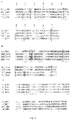
- the antibody prototypes for producing homodimer protein mixture can be antibodies, immunoglobulins, Fc fusion polypeptides, Fc conjugates (see Fig. 2 ), but the list is not intended to be limiting.
- the homodimer proteins may be a homodimer protein of a polypeptide containing Fc regions, which include but are not limited to antibodies, Fc fusion proteins, Fc conjugates, Fc-derived polypeptides, isolated Fc and fragments thereof. Therefore, the homodimer protein may be a natural polypeptide, variants of the natural polypeptide, engineered forms of the natural polypeptides, synthetic polypeptides or polypeptides containing non-protein fragments.
- the engineered forms of the natural polypeptides are polypeptides which are not encoded by natural genes.
- the engineered polypeptides can be chimeric antibodies or humanized antibodies.
- the homodimer mixture may be purified from the recombinant cells with a standard experimental technique.
- the protein may be purified using protein A.
- the purification methods include but are not limited to chromatographic methods such as size exclusion, ion exchange, affinity-based chromatography and ultrafiltration.
- the separation and purification methods of the homodimer mixture of the invention also include any appropriate combination of the above methods.
- the invention further relates to an engineered monomer chain or an engineered single polypeptide for constituting the homodimer protein or antibody.
- the invention further relates to a nucleic acid sequence encoding the engineered homodimer protein or antibody (or the monomer chain or the single polypeptide).
- the invention further relates to a pharmaceutical composition
- a pharmaceutical composition comprising the engineered homodimer protein or antibody (or the monomer chain or the single polypeptide).
- the formation of the homodimers and heterodimers is a dynamic and complex process, which involves the formation of stable homodimers due to the interaction of the interface residues of the homodimers, and the formation of stable heterodimers due to the interaction of the interface residues of the heterodimers, as well as the dynamic changes in the content of the heterodimers due to the existence of homodimers, and the dynamic changes in the content of the homodimers due to the existence of heterodimers.
- the invention provides a method for preparing a mixture of two or more proteins or antibodies with a single recombinant cell clone, which can increase the content of the homodimers of the proteins or antibodies and can reduce the content of other undesired products, such as the heterodimers.
- the experimental results show that the protein or antibody mixture obtained by the invention has pure components and desired stability.
- the protein or antibody mixture prepared by the invention can simultaneously act on different epitopes of the same target, or simultaneously inhibit the functions of different antigens, thereby providing a new method and routine for treatment of tumors and other diseases.
- Crystal structures of 48 human IgG1 antibody containing Fc regions are obtained from a protein database (PDB, www.pdb.org ) and Fc fragments of the 48 antibodies were derived from 1DN2 (PDB number) upon a structure similarity searching algorithm (Reference: Yuzhen Ye and Adam Godzik. FATCAT: a web server for flexible structure comparison and structure similarity searching. Nucleic Acids Res., 2004, 32(Web Server issue): W582-585 .).
- Interface amino acid prediction software CMA (URL: http://ligin.weizmann.ac.il/cma/ ) was used for screening and recognizing contact residues between CH3-CH3 in the antibodies (PDB number: 1DN2) based on the distances of residues interaction.
- the interface residues refer to those with the distances (from the heavy atoms of a side chain to the heavy atoms of any of residues of another chain) smaller than a limit.
- the distance limit was set as either 4.5 ⁇ or 5.5 ⁇ (See B. Erman, I. Bahar and R. L. Jernigan. Equilibrium states of rigid bodies with multiple interaction sites. Application to protein helices. J. Chem. Phys.
- the two Fc chains of antibody 1DN2 are two symmetrical chains.
- the residue at a certain position of one chain is mutated to the residue with opposite charge, then the residue at the same position of the two chains of the antibody are both mutated, and for example, for the paired residues Glu356A-Lys439B, the two types of mutation are as follows:
- the opposite charges mean that the positive-charged residues (lysine (Lys, K) or arginine (Arg, R) or histidine (His, H)) are mutated to the negative-charged residues (aspartic acid (Asp, D) or glutamic acid (Glu, E)) or the negative-charged residues(aspartic acid or glutamic acid) are mutated to the positive-charged residues (lysine or arginine).
- the specific mutation positions are as shown in Table 3 and Table 4. Table 3.
- Amino acid in chain B Charges of amino acid after mutation Amino acid in chain B Charges of amino acid after mutation Glu356B + Lys439B - Glu357B + Lys370B - Lys392B - Asp399B + Asp399B + Lys409B - Note:+ represents positive charges and -represents negative charges.
- the operation can also be based on the method as above or the combinations of mutations of the paired residues described above.
- the method for modifying Fc (for preparation of Fc mixture) and preparing an antibody mixture according to the solution of the invention was not limited by double mutations of paired residues of the single-chain as mentioned above or any combination of the mutations.
- Example 2 Preparation of a homodimer protein mixture by modifying residues in a CH3 domain of an antibody Fc fragment
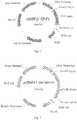
- the Fc gene was double digested with EcoRI and Hind III, and the resulted fragment was connected with the vector backbone of expression vector pcMV ⁇ for mammalian cells (Invitrogen) which had been double digested with EcoRI and Hind III, and the recombinant vector pcMV ⁇ -SP-Fc (the schematic diagram of its structure is as shown in Fig. 1 ) was obtained.
- pcMV ⁇ -Fc was a vector wherein a DNA fragment as shown by the nucleotide sequence from the positions 16 to 771 in SEQ ID NO: 1was inserted between EcoRI and Hind III sites of pcMV ⁇ .
- amino acid sequence of Fc protein encoded by the nucleotide sequence of the positions 16 to 771 in SEQ ID NO: 1 is as follows (as shown in SEQ ID NO: 2):
- the gene encoding scFv-Fc fusion protein as shown in SEQ ID NO: 3 which contained Hind III and EcoRI at both terminals as recognition sequence and protective bases respectively was obtained by gene synthesis.
- the ORF encoding scFv-Fc fusion protein was double digested with EcoRI and Hind III, and the resulted fragment was connected with the backbone of expression vector pcDNA3.1-zeo for mammalian cells (Invitrogen) which had been double digested with EcoRI and Hind III, and the recombinant vector pcDNA3.1-zeo-ScFv-Fc (the schematic diagram of the structure is as shown in Fig. 2 ) was obtained.
- the recombinant vector pcDNA3.1-zeo-ScFv-Fc was a vector wherein the DNA fragment as shown by a nucleotide sequence from the positions 16 to 1488 in SEQ ID NO: 3 was inserted between the EcoRI and Hind III sites of pcDNA3.1-zeo .
- amino acid sequence of scFv-Fc fusion protein encoded by the nucleotide sequence of the positions16 to 1488 in SEQ ID NO: 3 is as follows (as shown in SEQ ID NO: 4):
- amino acid sequence of underlined parts in SEQ ID NO: 2 and SEQ ID NO: 4 are the same.
- WT represents the wild type (without mutation)
- NA represents no mutation is performed on the paired amino acid
- "/" represents the "and” relation
- 365 in "E356K” represents the position of the mutated amino acid
- E before 365 represents that the amino acid before mutation is E
- K after 365 represents that the amino acid after mutation is K.
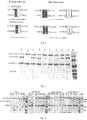
- the expression vectors harbor 8 mutation combinations in step 3 were separately transfected with PEI into suspension adapted 293H cells (ATCC CRL-1573), the co-transfection ratio of plasmids pcDNA3.1-zeo-ScFv-Fc to pcMV ⁇ -SP-Fc was 1: 1, and after 3-4 days, cell culture supernatant was collected. Immunoprecipitation was performed with protein A agarose resin, and the content of the homodimer proteins or antibodies (scFv-Fc/scFv-Fc and Fc/Fc) and the heterodimer protein or antibody (scFv-Fc/Fc) was detected by SDS-PAGE under non-reducing conditions.
- fusion protein scFv-Fc has a greater molecular weight than Fc, therefore upon combination of scFv-Fc and Fc, the homodimers (scFv-Fc/scFv-Fc and Fc/Fc) and the heterodimer (scFv-Fc/Fc) would show different bands at positions in SDS-PAGE. The proportion of the homodimers and the heterodimer can be detected.
- the plasmids pcDNA3.1-zeo-ScFv-Fc and pcMV ⁇ -SP-Fc with the mutation combination 1 were co-transfected with PEI into 293H cells (ATCC CRL-1573) in suspension culture in the ratios of 4:1, 1: 1 and 1:4, and after culturing for 3-4 days, the cell culture supernatant was collected.
- the ratio of different homodimers can be adjusted to a certain extent, but the overall proportion of the homodimer as well as the proportion of the heterodimers cannot be significantly changed, indicating that the overall proportion of the homodimers keep stable while the co-transfection ratio of the plasmids is changed.
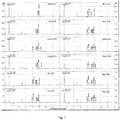
- CE-SDS has advantages such as small loading amount of samples, capable of obtaining accurate molecular weight markers, in line detection with ultraviolet and the like, and quantitative analysis, etc..
- this method can be used for measuring the degradation of the homodimer mixtures more accurately. It could be seen from Fig. 7 and Table 6 that the mutation combination 1 and 6 showed the same good stability as wild-type (control) antibody mixtures. A relatively obvious degradation peak of scFV-Fc/scFV-Fc homodimer samples appear from Day 16. The related results are consistent with the SDS-PAGE analysis of accelerated stability results. Table 6.
Landscapes
- Chemical & Material Sciences (AREA)
- Health & Medical Sciences (AREA)
- Life Sciences & Earth Sciences (AREA)
- Organic Chemistry (AREA)
- General Health & Medical Sciences (AREA)
- Medicinal Chemistry (AREA)
- Engineering & Computer Science (AREA)
- Immunology (AREA)
- Genetics & Genomics (AREA)
- Biochemistry (AREA)
- Molecular Biology (AREA)
- Proteomics, Peptides & Aminoacids (AREA)
- Microbiology (AREA)
- Wood Science & Technology (AREA)
- Zoology (AREA)
- Bioinformatics & Cheminformatics (AREA)
- Biophysics (AREA)
- Chemical Kinetics & Catalysis (AREA)
- General Engineering & Computer Science (AREA)
- General Chemical & Material Sciences (AREA)
- Mycology (AREA)
- Pharmacology & Pharmacy (AREA)
- Epidemiology (AREA)
- Animal Behavior & Ethology (AREA)
- Public Health (AREA)
- Veterinary Medicine (AREA)
- Biotechnology (AREA)
- Peptides Or Proteins (AREA)
- Preparation Of Compounds By Using Micro-Organisms (AREA)
Claims (11)
- Verfahren zum Erhalten eines Gemischs, enthaltend zwei oder mehr Proteine, durch Verwenden eines einzigen rekombinanten Zellklons, worin die Proteine in der Form eines Dimers sind, das durch Polymerisation zwischen Monomerketten gebildet wird, und die zwei oder mehreren Proteine die gleiche Domäne enthalten, worin das Verfahren den Schritt des Austauschens eines Teils der Aminosäurereste der beiden Monomerketten in der gleichen Domäne von einem oder mehreren Proteinen mit den entgegengesetzt geladenen Resten umfasst, sodass die Monomerketten ungünstig sind, um ein Heterodimer zu bilden, auf Grund der abstoßenden Wechselwirkung zwischen gleichen Ladungen, während die Monomerkette von dem gleichen Protein günstiger ist, um ein Homodimer zu bilden, auf Grund der anziehenden Wechselwirkung zwischen entgegengesetzten Ladungen;
worin die gleiche Domäne sich bezieht auf CH3-Domäne eines Antikörpers oder Fc-Region eines Antikörpers; worin sich Austauschen eines Teils von Aminosäureresten der beiden Monomerketten in den gleichen Domänen eines oder mehrerer Proteine mit entgegengesetzt geladenem Rest bezieht auf:1) Austauschen von Lys in Position 392 durch Asp, Austauschen von Lys in Position 409 durch Asp und Austauschen von Asp in Position 399 durch Lys von einem Protein;2) Austauschen von Lys in Position 392 durch Asp, Austauschen von Lys in Position 409 durch Asp und Austauschen von Asp in Position 399 durch Lys von einem Protein; und gleichzeitig Austauschen von Glu in Position 357 durch Lys und Austauschen von Lys in Position 370 durch Glu von einem anderen Protein; oder3) Austauschen von Lys in Position 392 durch Asp, Austauschen von Lys in Position 409 durch Asp und Austauschen von Asp in Position 399 durch Lys von einem Protein, und gleichzeitig Austauschen von Glu in Position 356 durch Lys und Austauschen von Lys in Position 439 durch Glu von einem anderen Protein; und worin die Positionen der Reste bestimmt werden entsprechend des EU-Nummerierungsindex des KABAT-Systems für Antikörper. - Verfahren nach Anspruch 1, worin der Prozess des Austauschens eines Teils von Aminosäureresten der zwei Monomerketten in der gleichen Domäne von einem oder mehreren Proteinen durch entgegengesetzt geladene Reste die Schritte des Erhaltens einer Nukleotidsequenz, die für das Protein codiert, das aus dem Austausch der Reste resultiert, und Exprimieren der Nukleotidsequenz mit einer rekombinanten Wirtszelle zum Erhalten des Proteins, das aus dem Austausch der Reste resultiert, umfasst.
- Verfahren nach Anspruch 1, worin das Protein ein Antikörper ist.
- Verfahren nach Anspruch 1, worin der Antikörper von Säugern stammt, vorzugsweise von Mensch, Mäusen oder Ratten.
- Verfahren nach Anspruch 1, worin der Antikörper ausgewählt wird aus der Gruppe, bestehend aus IgG, IgA, IgE, IgD und IgM.
- Verfahren nach Anspruch 5, worin das IgG ausgewählt wird aus IgG1, IgG2 und IgG3 und/oder das IgA ausgewählt wird aus IgA1 und IgA2 und/oder das IgM ausgewählt wird aus IgM1 und IgM2.
- Gemisch, enthaltend zwei oder mehrere Proteine, worin die Proteine in der Form eines Dimers sind, das gebildet wird durch Polymerisation zwischen Monomerketten, und die zwei oder mehr Proteine die gleiche Domäne enthalten, worin ein Teil der Reste der zwei Monomerketten in der gleichen Domäne von einem oder mehreren Proteinen ausgetauscht wird durch die entgegengesetzt geladene Reste, sodass die Monomerketten aus den verschiedenen Proteinen ungünstig sind, um ein Heterodimer zu bilden, auf Grund der abstoßenden Wechselwirkung zwischen gleichen Ladungen, während die Monomerkette von dem gleichen Protein günstiger ist, um ein Homodimer zu bilden, auf Grund der anziehenden Wechselwirkung zwischen entgegengesetzten Ladungen;
worin die gleiche Domäne sich bezieht auf CH3-Domäne eines Antikörpers oder Fc-Region eines Antikörpers; worin sich Austauschen eines Teils von Aminosäureresten der zwei Monomerketten in den gleichen Domänen eines oder mehrerer Proteine mit entgegengesetzt geladenem Rest bezieht auf:1) Austauschen von Lys in Position 392 durch Asp, Austauschen von Lys in Position 409 durch Asp und Austauschen von Asp in Position 399 durch Lys von einem Protein;2) Austauschen von Lys in Position 392 durch Asp, Austauschen von Lys in Position 409 durch Asp und Austauschen von Asp in Position 399 durch Lys von einem Protein; und gleichzeitig Austauschen von Glu in Position 357 durch Lys und Austauschen von Lys in Position 370 durch Glu von einem anderen Protein; oder3) Austauschen von Lys in Position 392 durch Asp, Austauschen von Lys in Position 409 durch Asp und Austauschen von Asp in Position 399 durch Lys von einem Protein, und gleichzeitig Austauschen von Glu in Position 356 durch Lys und Austauschen von Lys in Position 439 durch Glu von einem anderen Protein; und worin die Positionen der Reste bestimmt werden entsprechend des EU-Nummerierungsindex des KABAT-Systems für Antikörper. - Gemisch nach Anspruch 7, worin das Protein ein Antikörper ist.
- Gemisch nach Anspruch 7, worin der Antikörper von Säugern stammt, vorzugsweise von Mensch, Mäusen oder Ratten.
- Gemisch nach Anspruch 7, worin der Antikörper ausgewählt ist aus der Gruppe, bestehend aus IgG, IgA, IgE, IgD und IgM.
- Gemisch nach Anspruch 10, worin das IgG ausgewählt ist aus IgG1, IgG2 und IgG3 und/oder das IgA ausgewählt ist aus IgA1 und IgA2 und/oder das IgM ausgewählt ist aus IgM1 und IgM2.
Priority Applications (2)
| Application Number | Priority Date | Filing Date | Title |
|---|---|---|---|
| EP18196046.9A EP3444280A1 (de) | 2012-07-25 | 2013-07-25 | Verfahren zur herstellung einer homodimerproteinmischung durch anwendung einer ladungsabstossungswirkung |
| HRP20190272TT HRP20190272T1 (hr) | 2012-07-25 | 2013-07-25 | Postupak pripreme mješavine homodimera proteina koristeći učinak odbijanja naboja |
Applications Claiming Priority (2)
| Application Number | Priority Date | Filing Date | Title |
|---|---|---|---|
| CN2012102585928A CN102851338A (zh) | 2012-07-25 | 2012-07-25 | 利用电荷排斥作用制备同二聚体蛋白混合物的方法 |
| PCT/CN2013/080060 WO2014015804A1 (zh) | 2012-07-25 | 2013-07-25 | 利用电荷排斥作用制备同二聚体蛋白混合物的方法 |
Related Child Applications (2)
| Application Number | Title | Priority Date | Filing Date |
|---|---|---|---|
| EP18196046.9A Division EP3444280A1 (de) | 2012-07-25 | 2013-07-25 | Verfahren zur herstellung einer homodimerproteinmischung durch anwendung einer ladungsabstossungswirkung |
| EP18196046.9A Division-Into EP3444280A1 (de) | 2012-07-25 | 2013-07-25 | Verfahren zur herstellung einer homodimerproteinmischung durch anwendung einer ladungsabstossungswirkung |
Publications (3)
| Publication Number | Publication Date |
|---|---|
| EP2889313A1 EP2889313A1 (de) | 2015-07-01 |
| EP2889313A4 EP2889313A4 (de) | 2016-05-25 |
| EP2889313B1 true EP2889313B1 (de) | 2018-12-05 |
Family
ID=47398314
Family Applications (2)
| Application Number | Title | Priority Date | Filing Date |
|---|---|---|---|
| EP18196046.9A Withdrawn EP3444280A1 (de) | 2012-07-25 | 2013-07-25 | Verfahren zur herstellung einer homodimerproteinmischung durch anwendung einer ladungsabstossungswirkung |
| EP13822582.6A Active EP2889313B1 (de) | 2012-07-25 | 2013-07-25 | Verfahren zur herstellung einer homodimerproteinmischung durch anwendung einer ladungsabstossungswirkung |
Family Applications Before (1)
| Application Number | Title | Priority Date | Filing Date |
|---|---|---|---|
| EP18196046.9A Withdrawn EP3444280A1 (de) | 2012-07-25 | 2013-07-25 | Verfahren zur herstellung einer homodimerproteinmischung durch anwendung einer ladungsabstossungswirkung |
Country Status (9)
| Country | Link |
|---|---|
| US (1) | US9708389B2 (de) |
| EP (2) | EP3444280A1 (de) |
| JP (1) | JP6185584B2 (de) |
| CN (2) | CN102851338A (de) |
| DK (1) | DK2889313T3 (de) |
| ES (1) | ES2710936T3 (de) |
| HR (1) | HRP20190272T1 (de) |
| HU (1) | HUE041454T2 (de) |
| WO (1) | WO2014015804A1 (de) |
Families Citing this family (17)
| Publication number | Priority date | Publication date | Assignee | Title |
|---|---|---|---|---|
| CN102851338A (zh) | 2012-07-25 | 2013-01-02 | 苏州康宁杰瑞生物科技有限公司 | 利用电荷排斥作用制备同二聚体蛋白混合物的方法 |
| CN110655582B (zh) * | 2015-01-08 | 2022-12-16 | 江苏康宁杰瑞生物制药有限公司 | 具有共同轻链的双特异性抗体或抗体混合物 |
| CN106883297B (zh) | 2015-12-16 | 2019-12-13 | 苏州康宁杰瑞生物科技有限公司 | 基于ch3结构域的异二聚体分子、其制备方法及用途 |
| CN109475627B (zh) * | 2016-05-26 | 2023-01-06 | 齐鲁普吉湾生物治疗公司 | 抗体混合物 |
| CN118480125A (zh) | 2016-11-08 | 2024-08-13 | 齐鲁皮吉特湾生物治疗有限公司 | 抗pd1和抗ctla4抗体 |
| US20220227827A1 (en) * | 2019-03-25 | 2022-07-21 | Dingfu Biotarget Co., Ltd. | Proteinaceous heterodimer and use thereof |
| JP7315259B2 (ja) | 2019-07-01 | 2023-07-26 | スジョウ・アルファマブ・カンパニー・リミテッド | 百日咳毒素結合タンパク質 |
| GB202005879D0 (en) * | 2020-04-22 | 2020-06-03 | Petmedix Ltd | Heterodimeric proteins |
| WO2022002233A1 (zh) | 2020-07-03 | 2022-01-06 | 苏州康宁杰瑞生物科技有限公司 | 凝血因子xi(fxi)结合蛋白 |
| EP4172194A1 (de) | 2020-07-31 | 2023-05-03 | CureVac SE | Nukleinsäurecodierte antikörpermischungen |
| CN112977908B (zh) * | 2021-03-02 | 2022-12-02 | 康宁杰瑞(吉林)生物科技有限公司 | 灌装加塞机及其灌装的方法 |
| WO2023280092A1 (zh) | 2021-07-05 | 2023-01-12 | 江苏康宁杰瑞生物制药有限公司 | 抗体药物偶联物及其应用 |
| WO2023098637A1 (zh) | 2021-11-30 | 2023-06-08 | 苏州康宁杰瑞生物科技有限公司 | 预防和/或治疗血栓栓塞性疾病的方法 |
| CN117986361A (zh) | 2022-11-02 | 2024-05-07 | 苏州康宁杰瑞生物科技有限公司 | 一种gipr结合蛋白及其应用 |
| WO2024143442A1 (ja) | 2022-12-27 | 2024-07-04 | 中外製薬株式会社 | 会合が制御されたポリペプチド |
| EP4644413A1 (de) * | 2024-05-03 | 2025-11-05 | Genmab B.V. | Bindemittel mit veränderten fc-vermittelten effektorfunktionen |
| WO2025228542A1 (en) | 2024-05-03 | 2025-11-06 | Genmab B.V. | Method for co-expression of a plurality of antibodies |
Family Cites Families (10)
| Publication number | Priority date | Publication date | Assignee | Title |
|---|---|---|---|---|
| DE69531148T2 (de) | 1994-01-31 | 2004-04-29 | Trustees Of Boston University, Boston | Bibliotheken aus polyklonalen antikörpern |
| ES2442615T5 (es) | 2002-07-18 | 2023-03-16 | Merus Nv | Producción recombinante de mezclas de anticuerpos |
| TWI671403B (zh) * | 2005-03-31 | 2019-09-11 | 中外製藥股份有限公司 | 控制組裝之多肽的製造方法 |
| GB0601513D0 (en) * | 2006-01-25 | 2006-03-08 | Univ Erasmus Medical Ct | Binding molecules 3 |
| WO2007147901A1 (en) * | 2006-06-22 | 2007-12-27 | Novo Nordisk A/S | Production of bispecific antibodies |
| AU2009204501B2 (en) * | 2008-01-07 | 2015-02-12 | Amgen Inc. | Method for making antibody Fc-heterodimeric molecules using electrostatic steering effects |
| US20120020952A1 (en) * | 2009-01-26 | 2012-01-26 | Genmab A/S | Methods for producing mixtures of antibodies |
| CA2781539C (en) | 2009-11-23 | 2021-07-20 | Amgen Inc. | Monomeric antibody fc |
| CN102558355B (zh) * | 2011-12-31 | 2015-02-25 | 苏州康宁杰瑞生物科技有限公司 | 基于电荷网络的异二聚体fc改造方法及异二聚体蛋白的制备方法 |
| CN102851338A (zh) | 2012-07-25 | 2013-01-02 | 苏州康宁杰瑞生物科技有限公司 | 利用电荷排斥作用制备同二聚体蛋白混合物的方法 |
-
2012
- 2012-07-25 CN CN2012102585928A patent/CN102851338A/zh active Pending
-
2013
- 2013-07-25 EP EP18196046.9A patent/EP3444280A1/de not_active Withdrawn
- 2013-07-25 US US14/416,817 patent/US9708389B2/en active Active
- 2013-07-25 CN CN201310313763.7A patent/CN103388013B/zh active Active
- 2013-07-25 EP EP13822582.6A patent/EP2889313B1/de active Active
- 2013-07-25 HU HUE13822582A patent/HUE041454T2/hu unknown
- 2013-07-25 DK DK13822582.6T patent/DK2889313T3/en active
- 2013-07-25 JP JP2015523402A patent/JP6185584B2/ja active Active
- 2013-07-25 HR HRP20190272TT patent/HRP20190272T1/hr unknown
- 2013-07-25 ES ES13822582T patent/ES2710936T3/es active Active
- 2013-07-25 WO PCT/CN2013/080060 patent/WO2014015804A1/zh not_active Ceased
Non-Patent Citations (1)
| Title |
|---|
| W. D. KOHN ET AL: "The Effects of Interhelical Electrostatic Repulsions between Glutamic Acid Residues in Controlling the Dimerization and Stability of Two-stranded -Helical Coiled-coils", JOURNAL OF BIOLOGICAL CHEMISTRY, vol. 270, no. 43, 27 October 1995 (1995-10-27), US, pages 25495 - 25506, XP055329450, ISSN: 0021-9258, DOI: 10.1074/jbc.270.43.25495 * |
Also Published As
| Publication number | Publication date |
|---|---|
| CN103388013B (zh) | 2015-03-11 |
| WO2014015804A1 (zh) | 2014-01-30 |
| DK2889313T3 (en) | 2019-02-18 |
| US9708389B2 (en) | 2017-07-18 |
| JP2015522295A (ja) | 2015-08-06 |
| EP3444280A1 (de) | 2019-02-20 |
| EP2889313A1 (de) | 2015-07-01 |
| US20150274807A1 (en) | 2015-10-01 |
| CN102851338A (zh) | 2013-01-02 |
| CN103388013A (zh) | 2013-11-13 |
| EP2889313A4 (de) | 2016-05-25 |
| ES2710936T3 (es) | 2019-04-29 |
| HUE041454T2 (hu) | 2019-05-28 |
| JP6185584B2 (ja) | 2017-08-23 |
| HRP20190272T1 (hr) | 2019-04-05 |
Similar Documents
| Publication | Publication Date | Title |
|---|---|---|
| EP2889313B1 (de) | Verfahren zur herstellung einer homodimerproteinmischung durch anwendung einer ladungsabstossungswirkung | |
| JP7444381B2 (ja) | Ch3ドメインに基づくヘテロダイマー分子、その調製方法及び用途 | |
| US11396557B2 (en) | Bispecific antibody or antibody mixture with common light chains | |
| TWI724889B (zh) | 細胞傷害誘導治療劑 | |
| CA2853230C (en) | Antigen-binding molecule having regulated conjugation between heavy-chain and light-chain | |
| CA3206141A1 (en) | Interleukin-21 mutant and use thereof | |
| CN113527501B (zh) | 抗cd73-抗pd-1双特异性抗体及其用途 | |
| JP2024517671A (ja) | ヘテロ二量体抗体およびその抗原結合断片 | |
| US20130045895A1 (en) | Binding domains | |
| CN119998329A (zh) | 多特异性多肽复合物 | |
| CN120530142A (zh) | 多特异性多肽复合物 | |
| CN120476149A (zh) | 靶向gprc5d的多特异性多肽复合物 | |
| KR20220087488A (ko) | Pd-l1 결합 분자 | |
| HK1253248B (en) | Heterodimer molecule based on ch3 structural domain, and preparation method therefor and use thereof |
Legal Events
| Date | Code | Title | Description |
|---|---|---|---|
| PUAI | Public reference made under article 153(3) epc to a published international application that has entered the european phase |
Free format text: ORIGINAL CODE: 0009012 |
|
| 17P | Request for examination filed |
Effective date: 20150223 |
|
| AK | Designated contracting states |
Kind code of ref document: A1 Designated state(s): AL AT BE BG CH CY CZ DE DK EE ES FI FR GB GR HR HU IE IS IT LI LT LU LV MC MK MT NL NO PL PT RO RS SE SI SK SM TR |
|
| AX | Request for extension of the european patent |
Extension state: BA ME |
|
| DAX | Request for extension of the european patent (deleted) | ||
| RA4 | Supplementary search report drawn up and despatched (corrected) |
Effective date: 20160422 |
|
| RIC1 | Information provided on ipc code assigned before grant |
Ipc: C12P 21/00 20060101ALI20160418BHEP Ipc: C07K 16/18 20060101ALI20160418BHEP Ipc: C12N 15/11 20060101ALI20160418BHEP Ipc: C07K 16/46 20060101AFI20160418BHEP Ipc: C07K 16/00 20060101ALI20160418BHEP Ipc: C12N 15/09 20060101ALI20160418BHEP Ipc: A61K 39/385 20060101ALI20160418BHEP Ipc: A61K 35/00 20060101ALI20160418BHEP Ipc: A61K 39/395 20060101ALI20160418BHEP Ipc: C12N 5/10 20060101ALI20160418BHEP |
|
| STAA | Information on the status of an ep patent application or granted ep patent |
Free format text: STATUS: EXAMINATION IS IN PROGRESS |
|
| 17Q | First examination report despatched |
Effective date: 20170109 |
|
| GRAP | Despatch of communication of intention to grant a patent |
Free format text: ORIGINAL CODE: EPIDOSNIGR1 |
|
| STAA | Information on the status of an ep patent application or granted ep patent |
Free format text: STATUS: GRANT OF PATENT IS INTENDED |
|
| INTG | Intention to grant announced |
Effective date: 20180523 |
|
| GRAS | Grant fee paid |
Free format text: ORIGINAL CODE: EPIDOSNIGR3 |
|
| GRAJ | Information related to disapproval of communication of intention to grant by the applicant or resumption of examination proceedings by the epo deleted |
Free format text: ORIGINAL CODE: EPIDOSDIGR1 |
|
| GRAL | Information related to payment of fee for publishing/printing deleted |
Free format text: ORIGINAL CODE: EPIDOSDIGR3 |
|
| STAA | Information on the status of an ep patent application or granted ep patent |
Free format text: STATUS: EXAMINATION IS IN PROGRESS |
|
| RAP1 | Party data changed (applicant data changed or rights of an application transferred) |
Owner name: JIANGSU ALPHAMAB BIOPHARMACEUTICALS CO., LTD. |
|
| RAP1 | Party data changed (applicant data changed or rights of an application transferred) |
Owner name: JIANGSU ALPHAMAB BIOPHARMACEUTICALS CO., LTD. Owner name: SUZHOU ALPHAMAB CO., LTD |
|
| GRAJ | Information related to disapproval of communication of intention to grant by the applicant or resumption of examination proceedings by the epo deleted |
Free format text: ORIGINAL CODE: EPIDOSDIGR1 |
|
| GRAP | Despatch of communication of intention to grant a patent |
Free format text: ORIGINAL CODE: EPIDOSNIGR1 |
|
| GRAR | Information related to intention to grant a patent recorded |
Free format text: ORIGINAL CODE: EPIDOSNIGR71 |
|
| STAA | Information on the status of an ep patent application or granted ep patent |
Free format text: STATUS: GRANT OF PATENT IS INTENDED |
|
| GRAA | (expected) grant |
Free format text: ORIGINAL CODE: 0009210 |
|
| STAA | Information on the status of an ep patent application or granted ep patent |
Free format text: STATUS: THE PATENT HAS BEEN GRANTED |
|
| INTC | Intention to grant announced (deleted) | ||
| INTG | Intention to grant announced |
Effective date: 20181025 |
|
| AK | Designated contracting states |
Kind code of ref document: B1 Designated state(s): AL AT BE BG CH CY CZ DE DK EE ES FI FR GB GR HR HU IE IS IT LI LT LU LV MC MK MT NL NO PL PT RO RS SE SI SK SM TR |
|
| REG | Reference to a national code |
Ref country code: GB Ref legal event code: FG4D |
|
| REG | Reference to a national code |
Ref country code: CH Ref legal event code: EP |
|
| REG | Reference to a national code |
Ref country code: AT Ref legal event code: REF Ref document number: 1072931 Country of ref document: AT Kind code of ref document: T Effective date: 20181215 |
|
| REG | Reference to a national code |
Ref country code: IE Ref legal event code: FG4D |
|
| REG | Reference to a national code |
Ref country code: DE Ref legal event code: R096 Ref document number: 602013047900 Country of ref document: DE |
|
| REG | Reference to a national code |
Ref country code: HR Ref legal event code: TUEP Ref document number: P20190272 Country of ref document: HR |
|
| REG | Reference to a national code |
Ref country code: CH Ref legal event code: NV Representative=s name: BOVARD AG PATENT- UND MARKENANWAELTE, CH |
|
| REG | Reference to a national code |
Ref country code: DK Ref legal event code: T3 Effective date: 20190211 |
|
| REG | Reference to a national code |
Ref country code: SE Ref legal event code: TRGR |
|
| REG | Reference to a national code |
Ref country code: NL Ref legal event code: FP |
|
| REG | Reference to a national code |
Ref country code: HR Ref legal event code: T1PR Ref document number: P20190272 Country of ref document: HR |
|
| REG | Reference to a national code |
Ref country code: NO Ref legal event code: T2 Effective date: 20181205 Ref country code: AT Ref legal event code: MK05 Ref document number: 1072931 Country of ref document: AT Kind code of ref document: T Effective date: 20181205 |
|
| REG | Reference to a national code |
Ref country code: LT Ref legal event code: MG4D |
|
| REG | Reference to a national code |
Ref country code: ES Ref legal event code: FG2A Ref document number: 2710936 Country of ref document: ES Kind code of ref document: T3 Effective date: 20190429 |
|
| PG25 | Lapsed in a contracting state [announced via postgrant information from national office to epo] |
Ref country code: LT Free format text: LAPSE BECAUSE OF FAILURE TO SUBMIT A TRANSLATION OF THE DESCRIPTION OR TO PAY THE FEE WITHIN THE PRESCRIBED TIME-LIMIT Effective date: 20181205 Ref country code: BG Free format text: LAPSE BECAUSE OF FAILURE TO SUBMIT A TRANSLATION OF THE DESCRIPTION OR TO PAY THE FEE WITHIN THE PRESCRIBED TIME-LIMIT Effective date: 20190305 Ref country code: AT Free format text: LAPSE BECAUSE OF FAILURE TO SUBMIT A TRANSLATION OF THE DESCRIPTION OR TO PAY THE FEE WITHIN THE PRESCRIBED TIME-LIMIT Effective date: 20181205 Ref country code: LV Free format text: LAPSE BECAUSE OF FAILURE TO SUBMIT A TRANSLATION OF THE DESCRIPTION OR TO PAY THE FEE WITHIN THE PRESCRIBED TIME-LIMIT Effective date: 20181205 |
|
| REG | Reference to a national code |
Ref country code: HU Ref legal event code: AG4A Ref document number: E041454 Country of ref document: HU |
|
| PG25 | Lapsed in a contracting state [announced via postgrant information from national office to epo] |
Ref country code: AL Free format text: LAPSE BECAUSE OF FAILURE TO SUBMIT A TRANSLATION OF THE DESCRIPTION OR TO PAY THE FEE WITHIN THE PRESCRIBED TIME-LIMIT Effective date: 20181205 Ref country code: RS Free format text: LAPSE BECAUSE OF FAILURE TO SUBMIT A TRANSLATION OF THE DESCRIPTION OR TO PAY THE FEE WITHIN THE PRESCRIBED TIME-LIMIT Effective date: 20181205 Ref country code: GR Free format text: LAPSE BECAUSE OF FAILURE TO SUBMIT A TRANSLATION OF THE DESCRIPTION OR TO PAY THE FEE WITHIN THE PRESCRIBED TIME-LIMIT Effective date: 20190306 |
|
| REG | Reference to a national code |
Ref country code: HR Ref legal event code: ODRP Ref document number: P20190272 Country of ref document: HR Payment date: 20190715 Year of fee payment: 7 |
|
| PG25 | Lapsed in a contracting state [announced via postgrant information from national office to epo] |
Ref country code: IT Free format text: LAPSE BECAUSE OF FAILURE TO SUBMIT A TRANSLATION OF THE DESCRIPTION OR TO PAY THE FEE WITHIN THE PRESCRIBED TIME-LIMIT Effective date: 20181205 Ref country code: CZ Free format text: LAPSE BECAUSE OF FAILURE TO SUBMIT A TRANSLATION OF THE DESCRIPTION OR TO PAY THE FEE WITHIN THE PRESCRIBED TIME-LIMIT Effective date: 20181205 Ref country code: PT Free format text: LAPSE BECAUSE OF FAILURE TO SUBMIT A TRANSLATION OF THE DESCRIPTION OR TO PAY THE FEE WITHIN THE PRESCRIBED TIME-LIMIT Effective date: 20190405 Ref country code: PL Free format text: LAPSE BECAUSE OF FAILURE TO SUBMIT A TRANSLATION OF THE DESCRIPTION OR TO PAY THE FEE WITHIN THE PRESCRIBED TIME-LIMIT Effective date: 20181205 |
|
| PG25 | Lapsed in a contracting state [announced via postgrant information from national office to epo] |
Ref country code: SM Free format text: LAPSE BECAUSE OF FAILURE TO SUBMIT A TRANSLATION OF THE DESCRIPTION OR TO PAY THE FEE WITHIN THE PRESCRIBED TIME-LIMIT Effective date: 20181205 Ref country code: EE Free format text: LAPSE BECAUSE OF FAILURE TO SUBMIT A TRANSLATION OF THE DESCRIPTION OR TO PAY THE FEE WITHIN THE PRESCRIBED TIME-LIMIT Effective date: 20181205 Ref country code: SK Free format text: LAPSE BECAUSE OF FAILURE TO SUBMIT A TRANSLATION OF THE DESCRIPTION OR TO PAY THE FEE WITHIN THE PRESCRIBED TIME-LIMIT Effective date: 20181205 Ref country code: RO Free format text: LAPSE BECAUSE OF FAILURE TO SUBMIT A TRANSLATION OF THE DESCRIPTION OR TO PAY THE FEE WITHIN THE PRESCRIBED TIME-LIMIT Effective date: 20181205 |
|
| REG | Reference to a national code |
Ref country code: DE Ref legal event code: R097 Ref document number: 602013047900 Country of ref document: DE |
|
| PLBE | No opposition filed within time limit |
Free format text: ORIGINAL CODE: 0009261 |
|
| STAA | Information on the status of an ep patent application or granted ep patent |
Free format text: STATUS: NO OPPOSITION FILED WITHIN TIME LIMIT |
|
| PG25 | Lapsed in a contracting state [announced via postgrant information from national office to epo] |
Ref country code: SI Free format text: LAPSE BECAUSE OF FAILURE TO SUBMIT A TRANSLATION OF THE DESCRIPTION OR TO PAY THE FEE WITHIN THE PRESCRIBED TIME-LIMIT Effective date: 20181205 |
|
| 26N | No opposition filed |
Effective date: 20190906 |
|
| PG25 | Lapsed in a contracting state [announced via postgrant information from national office to epo] |
Ref country code: TR Free format text: LAPSE BECAUSE OF FAILURE TO SUBMIT A TRANSLATION OF THE DESCRIPTION OR TO PAY THE FEE WITHIN THE PRESCRIBED TIME-LIMIT Effective date: 20181205 |
|
| REG | Reference to a national code |
Ref country code: HR Ref legal event code: ODRP Ref document number: P20190272 Country of ref document: HR Payment date: 20200721 Year of fee payment: 8 |
|
| PG25 | Lapsed in a contracting state [announced via postgrant information from national office to epo] |
Ref country code: CY Free format text: LAPSE BECAUSE OF FAILURE TO SUBMIT A TRANSLATION OF THE DESCRIPTION OR TO PAY THE FEE WITHIN THE PRESCRIBED TIME-LIMIT Effective date: 20181205 |
|
| REG | Reference to a national code |
Ref country code: HR Ref legal event code: ODRP Ref document number: P20190272 Country of ref document: HR Payment date: 20210720 Year of fee payment: 9 |
|
| PG25 | Lapsed in a contracting state [announced via postgrant information from national office to epo] |
Ref country code: MK Free format text: LAPSE BECAUSE OF FAILURE TO SUBMIT A TRANSLATION OF THE DESCRIPTION OR TO PAY THE FEE WITHIN THE PRESCRIBED TIME-LIMIT Effective date: 20181205 |
|
| REG | Reference to a national code |
Ref country code: HR Ref legal event code: ODRP Ref document number: P20190272 Country of ref document: HR Payment date: 20220720 Year of fee payment: 10 |
|
| P01 | Opt-out of the competence of the unified patent court (upc) registered |
Effective date: 20230523 |
|
| REG | Reference to a national code |
Ref country code: HR Ref legal event code: ODRP Ref document number: P20190272 Country of ref document: HR Payment date: 20230720 Year of fee payment: 11 |
|
| REG | Reference to a national code |
Ref country code: HR Ref legal event code: ODRP Ref document number: P20190272 Country of ref document: HR Payment date: 20240711 Year of fee payment: 12 |
|
| PGFP | Annual fee paid to national office [announced via postgrant information from national office to epo] |
Ref country code: LU Payment date: 20240719 Year of fee payment: 12 |
|
| PGFP | Annual fee paid to national office [announced via postgrant information from national office to epo] |
Ref country code: MT Payment date: 20240625 Year of fee payment: 12 |
|
| PGFP | Annual fee paid to national office [announced via postgrant information from national office to epo] |
Ref country code: IS Payment date: 20240711 Year of fee payment: 12 |
|
| PGFP | Annual fee paid to national office [announced via postgrant information from national office to epo] |
Ref country code: FI Payment date: 20240722 Year of fee payment: 12 Ref country code: HR Payment date: 20240711 Year of fee payment: 12 Ref country code: MC Payment date: 20240723 Year of fee payment: 12 Ref country code: IE Payment date: 20240722 Year of fee payment: 12 |
|
| PGFP | Annual fee paid to national office [announced via postgrant information from national office to epo] |
Ref country code: HU Payment date: 20240723 Year of fee payment: 12 |
|
| PGFP | Annual fee paid to national office [announced via postgrant information from national office to epo] |
Ref country code: NO Payment date: 20240723 Year of fee payment: 12 Ref country code: SE Payment date: 20240719 Year of fee payment: 12 |
|
| PGFP | Annual fee paid to national office [announced via postgrant information from national office to epo] |
Ref country code: GB Payment date: 20250604 Year of fee payment: 13 Ref country code: DK Payment date: 20250605 Year of fee payment: 13 |
|
| PGFP | Annual fee paid to national office [announced via postgrant information from national office to epo] |
Ref country code: NL Payment date: 20250604 Year of fee payment: 13 |
|
| PGFP | Annual fee paid to national office [announced via postgrant information from national office to epo] |
Ref country code: FR Payment date: 20250603 Year of fee payment: 13 |
|
| PGFP | Annual fee paid to national office [announced via postgrant information from national office to epo] |
Ref country code: ES Payment date: 20250819 Year of fee payment: 13 |
|
| PGFP | Annual fee paid to national office [announced via postgrant information from national office to epo] |
Ref country code: DE Payment date: 20250722 Year of fee payment: 13 |
|
| PGFP | Annual fee paid to national office [announced via postgrant information from national office to epo] |
Ref country code: BE Payment date: 20250722 Year of fee payment: 13 |
|
| PGFP | Annual fee paid to national office [announced via postgrant information from national office to epo] |
Ref country code: CH Payment date: 20250801 Year of fee payment: 13 |