EP2874642B1 - Anti-inflammatory proteins and peptides and methods of preparation and use thereof - Google Patents
Anti-inflammatory proteins and peptides and methods of preparation and use thereof Download PDFInfo
- Publication number
- EP2874642B1 EP2874642B1 EP13806248.4A EP13806248A EP2874642B1 EP 2874642 B1 EP2874642 B1 EP 2874642B1 EP 13806248 A EP13806248 A EP 13806248A EP 2874642 B1 EP2874642 B1 EP 2874642B1
- Authority
- EP
- European Patent Office
- Prior art keywords
- seq
- mgo
- functional fragment
- honey
- mrjp
- Prior art date
- Legal status (The legal status is an assumption and is not a legal conclusion. Google has not performed a legal analysis and makes no representation as to the accuracy of the status listed.)
- Active
Links
Images









Classifications
-
- C—CHEMISTRY; METALLURGY
- C07—ORGANIC CHEMISTRY
- C07K—PEPTIDES
- C07K14/00—Peptides having more than 20 amino acids; Gastrins; Somatostatins; Melanotropins; Derivatives thereof
- C07K14/435—Peptides having more than 20 amino acids; Gastrins; Somatostatins; Melanotropins; Derivatives thereof from animals; from humans
- C07K14/43504—Peptides having more than 20 amino acids; Gastrins; Somatostatins; Melanotropins; Derivatives thereof from animals; from humans from invertebrates
- C07K14/43563—Peptides having more than 20 amino acids; Gastrins; Somatostatins; Melanotropins; Derivatives thereof from animals; from humans from invertebrates from insects
- C07K14/43572—Peptides having more than 20 amino acids; Gastrins; Somatostatins; Melanotropins; Derivatives thereof from animals; from humans from invertebrates from insects from bees
-
- A—HUMAN NECESSITIES
- A61—MEDICAL OR VETERINARY SCIENCE; HYGIENE
- A61K—PREPARATIONS FOR MEDICAL, DENTAL OR TOILETRY PURPOSES
- A61K35/00—Medicinal preparations containing materials or reaction products thereof with undetermined constitution
- A61K35/56—Materials from animals other than mammals
- A61K35/63—Arthropods
- A61K35/64—Insects, e.g. bees, wasps or fleas
- A61K35/644—Beeswax; Propolis; Royal jelly; Honey
-
- A—HUMAN NECESSITIES
- A61—MEDICAL OR VETERINARY SCIENCE; HYGIENE
- A61K—PREPARATIONS FOR MEDICAL, DENTAL OR TOILETRY PURPOSES
- A61K38/00—Medicinal preparations containing peptides
- A61K38/16—Peptides having more than 20 amino acids; Gastrins; Somatostatins; Melanotropins; Derivatives thereof
- A61K38/17—Peptides having more than 20 amino acids; Gastrins; Somatostatins; Melanotropins; Derivatives thereof from animals; from humans
- A61K38/1767—Peptides having more than 20 amino acids; Gastrins; Somatostatins; Melanotropins; Derivatives thereof from animals; from humans from invertebrates
-
- A—HUMAN NECESSITIES
- A61—MEDICAL OR VETERINARY SCIENCE; HYGIENE
- A61L—METHODS OR APPARATUS FOR STERILISING MATERIALS OR OBJECTS IN GENERAL; DISINFECTION, STERILISATION OR DEODORISATION OF AIR; CHEMICAL ASPECTS OF BANDAGES, DRESSINGS, ABSORBENT PADS OR SURGICAL ARTICLES; MATERIALS FOR BANDAGES, DRESSINGS, ABSORBENT PADS OR SURGICAL ARTICLES
- A61L15/00—Chemical aspects of, or use of materials for, bandages, dressings or absorbent pads
- A61L15/16—Bandages, dressings or absorbent pads for physiological fluids such as urine or blood, e.g. sanitary towels, tampons
- A61L15/22—Bandages, dressings or absorbent pads for physiological fluids such as urine or blood, e.g. sanitary towels, tampons containing macromolecular materials
- A61L15/32—Proteins, polypeptides; Degradation products or derivatives thereof, e.g. albumin, collagen, fibrin, gelatin
-
- A—HUMAN NECESSITIES
- A61—MEDICAL OR VETERINARY SCIENCE; HYGIENE
- A61L—METHODS OR APPARATUS FOR STERILISING MATERIALS OR OBJECTS IN GENERAL; DISINFECTION, STERILISATION OR DEODORISATION OF AIR; CHEMICAL ASPECTS OF BANDAGES, DRESSINGS, ABSORBENT PADS OR SURGICAL ARTICLES; MATERIALS FOR BANDAGES, DRESSINGS, ABSORBENT PADS OR SURGICAL ARTICLES
- A61L15/00—Chemical aspects of, or use of materials for, bandages, dressings or absorbent pads
- A61L15/16—Bandages, dressings or absorbent pads for physiological fluids such as urine or blood, e.g. sanitary towels, tampons
- A61L15/42—Use of materials characterised by their function or physical properties
- A61L15/44—Medicaments
-
- A—HUMAN NECESSITIES
- A61—MEDICAL OR VETERINARY SCIENCE; HYGIENE
- A61P—SPECIFIC THERAPEUTIC ACTIVITY OF CHEMICAL COMPOUNDS OR MEDICINAL PREPARATIONS
- A61P1/00—Drugs for disorders of the alimentary tract or the digestive system
- A61P1/04—Drugs for disorders of the alimentary tract or the digestive system for ulcers, gastritis or reflux esophagitis, e.g. antacids, inhibitors of acid secretion, mucosal protectants
-
- A—HUMAN NECESSITIES
- A61—MEDICAL OR VETERINARY SCIENCE; HYGIENE
- A61P—SPECIFIC THERAPEUTIC ACTIVITY OF CHEMICAL COMPOUNDS OR MEDICINAL PREPARATIONS
- A61P11/00—Drugs for disorders of the respiratory system
-
- A—HUMAN NECESSITIES
- A61—MEDICAL OR VETERINARY SCIENCE; HYGIENE
- A61P—SPECIFIC THERAPEUTIC ACTIVITY OF CHEMICAL COMPOUNDS OR MEDICINAL PREPARATIONS
- A61P11/00—Drugs for disorders of the respiratory system
- A61P11/06—Antiasthmatics
-
- A—HUMAN NECESSITIES
- A61—MEDICAL OR VETERINARY SCIENCE; HYGIENE
- A61P—SPECIFIC THERAPEUTIC ACTIVITY OF CHEMICAL COMPOUNDS OR MEDICINAL PREPARATIONS
- A61P15/00—Drugs for genital or sexual disorders; Contraceptives
-
- A—HUMAN NECESSITIES
- A61—MEDICAL OR VETERINARY SCIENCE; HYGIENE
- A61P—SPECIFIC THERAPEUTIC ACTIVITY OF CHEMICAL COMPOUNDS OR MEDICINAL PREPARATIONS
- A61P17/00—Drugs for dermatological disorders
-
- A—HUMAN NECESSITIES
- A61—MEDICAL OR VETERINARY SCIENCE; HYGIENE
- A61P—SPECIFIC THERAPEUTIC ACTIVITY OF CHEMICAL COMPOUNDS OR MEDICINAL PREPARATIONS
- A61P17/00—Drugs for dermatological disorders
- A61P17/02—Drugs for dermatological disorders for treating wounds, ulcers, burns, scars, keloids, or the like
-
- A—HUMAN NECESSITIES
- A61—MEDICAL OR VETERINARY SCIENCE; HYGIENE
- A61P—SPECIFIC THERAPEUTIC ACTIVITY OF CHEMICAL COMPOUNDS OR MEDICINAL PREPARATIONS
- A61P17/00—Drugs for dermatological disorders
- A61P17/06—Antipsoriatics
-
- A—HUMAN NECESSITIES
- A61—MEDICAL OR VETERINARY SCIENCE; HYGIENE
- A61P—SPECIFIC THERAPEUTIC ACTIVITY OF CHEMICAL COMPOUNDS OR MEDICINAL PREPARATIONS
- A61P19/00—Drugs for skeletal disorders
- A61P19/02—Drugs for skeletal disorders for joint disorders, e.g. arthritis, arthrosis
-
- A—HUMAN NECESSITIES
- A61—MEDICAL OR VETERINARY SCIENCE; HYGIENE
- A61P—SPECIFIC THERAPEUTIC ACTIVITY OF CHEMICAL COMPOUNDS OR MEDICINAL PREPARATIONS
- A61P25/00—Drugs for disorders of the nervous system
-
- A—HUMAN NECESSITIES
- A61—MEDICAL OR VETERINARY SCIENCE; HYGIENE
- A61P—SPECIFIC THERAPEUTIC ACTIVITY OF CHEMICAL COMPOUNDS OR MEDICINAL PREPARATIONS
- A61P25/00—Drugs for disorders of the nervous system
- A61P25/28—Drugs for disorders of the nervous system for treating neurodegenerative disorders of the central nervous system, e.g. nootropic agents, cognition enhancers, drugs for treating Alzheimer's disease or other forms of dementia
-
- A—HUMAN NECESSITIES
- A61—MEDICAL OR VETERINARY SCIENCE; HYGIENE
- A61P—SPECIFIC THERAPEUTIC ACTIVITY OF CHEMICAL COMPOUNDS OR MEDICINAL PREPARATIONS
- A61P27/00—Drugs for disorders of the senses
- A61P27/02—Ophthalmic agents
-
- A—HUMAN NECESSITIES
- A61—MEDICAL OR VETERINARY SCIENCE; HYGIENE
- A61P—SPECIFIC THERAPEUTIC ACTIVITY OF CHEMICAL COMPOUNDS OR MEDICINAL PREPARATIONS
- A61P29/00—Non-central analgesic, antipyretic or antiinflammatory agents, e.g. antirheumatic agents; Non-steroidal antiinflammatory drugs [NSAID]
-
- A—HUMAN NECESSITIES
- A61—MEDICAL OR VETERINARY SCIENCE; HYGIENE
- A61P—SPECIFIC THERAPEUTIC ACTIVITY OF CHEMICAL COMPOUNDS OR MEDICINAL PREPARATIONS
- A61P3/00—Drugs for disorders of the metabolism
- A61P3/08—Drugs for disorders of the metabolism for glucose homeostasis
- A61P3/10—Drugs for disorders of the metabolism for glucose homeostasis for hyperglycaemia, e.g. antidiabetics
-
- A—HUMAN NECESSITIES
- A61—MEDICAL OR VETERINARY SCIENCE; HYGIENE
- A61P—SPECIFIC THERAPEUTIC ACTIVITY OF CHEMICAL COMPOUNDS OR MEDICINAL PREPARATIONS
- A61P31/00—Antiinfectives, i.e. antibiotics, antiseptics, chemotherapeutics
-
- A—HUMAN NECESSITIES
- A61—MEDICAL OR VETERINARY SCIENCE; HYGIENE
- A61P—SPECIFIC THERAPEUTIC ACTIVITY OF CHEMICAL COMPOUNDS OR MEDICINAL PREPARATIONS
- A61P31/00—Antiinfectives, i.e. antibiotics, antiseptics, chemotherapeutics
- A61P31/12—Antivirals
-
- A—HUMAN NECESSITIES
- A61—MEDICAL OR VETERINARY SCIENCE; HYGIENE
- A61P—SPECIFIC THERAPEUTIC ACTIVITY OF CHEMICAL COMPOUNDS OR MEDICINAL PREPARATIONS
- A61P31/00—Antiinfectives, i.e. antibiotics, antiseptics, chemotherapeutics
- A61P31/12—Antivirals
- A61P31/20—Antivirals for DNA viruses
- A61P31/22—Antivirals for DNA viruses for herpes viruses
-
- A—HUMAN NECESSITIES
- A61—MEDICAL OR VETERINARY SCIENCE; HYGIENE
- A61P—SPECIFIC THERAPEUTIC ACTIVITY OF CHEMICAL COMPOUNDS OR MEDICINAL PREPARATIONS
- A61P35/00—Antineoplastic agents
-
- A—HUMAN NECESSITIES
- A61—MEDICAL OR VETERINARY SCIENCE; HYGIENE
- A61P—SPECIFIC THERAPEUTIC ACTIVITY OF CHEMICAL COMPOUNDS OR MEDICINAL PREPARATIONS
- A61P37/00—Drugs for immunological or allergic disorders
- A61P37/02—Immunomodulators
-
- A—HUMAN NECESSITIES
- A61—MEDICAL OR VETERINARY SCIENCE; HYGIENE
- A61P—SPECIFIC THERAPEUTIC ACTIVITY OF CHEMICAL COMPOUNDS OR MEDICINAL PREPARATIONS
- A61P37/00—Drugs for immunological or allergic disorders
- A61P37/02—Immunomodulators
- A61P37/06—Immunosuppressants, e.g. drugs for graft rejection
-
- A—HUMAN NECESSITIES
- A61—MEDICAL OR VETERINARY SCIENCE; HYGIENE
- A61P—SPECIFIC THERAPEUTIC ACTIVITY OF CHEMICAL COMPOUNDS OR MEDICINAL PREPARATIONS
- A61P37/00—Drugs for immunological or allergic disorders
- A61P37/08—Antiallergic agents
-
- A—HUMAN NECESSITIES
- A61—MEDICAL OR VETERINARY SCIENCE; HYGIENE
- A61P—SPECIFIC THERAPEUTIC ACTIVITY OF CHEMICAL COMPOUNDS OR MEDICINAL PREPARATIONS
- A61P39/00—General protective or antinoxious agents
- A61P39/06—Free radical scavengers or antioxidants
-
- A—HUMAN NECESSITIES
- A61—MEDICAL OR VETERINARY SCIENCE; HYGIENE
- A61P—SPECIFIC THERAPEUTIC ACTIVITY OF CHEMICAL COMPOUNDS OR MEDICINAL PREPARATIONS
- A61P9/00—Drugs for disorders of the cardiovascular system
-
- C—CHEMISTRY; METALLURGY
- C07—ORGANIC CHEMISTRY
- C07K—PEPTIDES
- C07K14/00—Peptides having more than 20 amino acids; Gastrins; Somatostatins; Melanotropins; Derivatives thereof
- C07K14/81—Protease inhibitors
- C07K14/8107—Endopeptidase (E.C. 3.4.21-99) inhibitors
- C07K14/8139—Cysteine protease (E.C. 3.4.22) inhibitors, e.g. cystatin
-
- C—CHEMISTRY; METALLURGY
- C07—ORGANIC CHEMISTRY
- C07K—PEPTIDES
- C07K5/00—Peptides containing up to four amino acids in a fully defined sequence; Derivatives thereof
- C07K5/04—Peptides containing up to four amino acids in a fully defined sequence; Derivatives thereof containing only normal peptide links
- C07K5/08—Tripeptides
- C07K5/0802—Tripeptides with the first amino acid being neutral
- C07K5/0804—Tripeptides with the first amino acid being neutral and aliphatic
- C07K5/0808—Tripeptides with the first amino acid being neutral and aliphatic the side chain containing 2 to 4 carbon atoms, e.g. Val, Ile, Leu
-
- C—CHEMISTRY; METALLURGY
- C07—ORGANIC CHEMISTRY
- C07K—PEPTIDES
- C07K5/00—Peptides containing up to four amino acids in a fully defined sequence; Derivatives thereof
- C07K5/04—Peptides containing up to four amino acids in a fully defined sequence; Derivatives thereof containing only normal peptide links
- C07K5/08—Tripeptides
- C07K5/0802—Tripeptides with the first amino acid being neutral
- C07K5/0812—Tripeptides with the first amino acid being neutral and aromatic or cycloaliphatic
-
- C—CHEMISTRY; METALLURGY
- C07—ORGANIC CHEMISTRY
- C07K—PEPTIDES
- C07K5/00—Peptides containing up to four amino acids in a fully defined sequence; Derivatives thereof
- C07K5/04—Peptides containing up to four amino acids in a fully defined sequence; Derivatives thereof containing only normal peptide links
- C07K5/08—Tripeptides
- C07K5/0815—Tripeptides with the first amino acid being basic
-
- C—CHEMISTRY; METALLURGY
- C07—ORGANIC CHEMISTRY
- C07K—PEPTIDES
- C07K5/00—Peptides containing up to four amino acids in a fully defined sequence; Derivatives thereof
- C07K5/04—Peptides containing up to four amino acids in a fully defined sequence; Derivatives thereof containing only normal peptide links
- C07K5/10—Tetrapeptides
- C07K5/1002—Tetrapeptides with the first amino acid being neutral
- C07K5/1005—Tetrapeptides with the first amino acid being neutral and aliphatic
- C07K5/1013—Tetrapeptides with the first amino acid being neutral and aliphatic the side chain containing O or S as heteroatoms, e.g. Cys, Ser
-
- C—CHEMISTRY; METALLURGY
- C07—ORGANIC CHEMISTRY
- C07K—PEPTIDES
- C07K5/00—Peptides containing up to four amino acids in a fully defined sequence; Derivatives thereof
- C07K5/04—Peptides containing up to four amino acids in a fully defined sequence; Derivatives thereof containing only normal peptide links
- C07K5/10—Tetrapeptides
- C07K5/1019—Tetrapeptides with the first amino acid being basic
-
- C—CHEMISTRY; METALLURGY
- C07—ORGANIC CHEMISTRY
- C07K—PEPTIDES
- C07K5/00—Peptides containing up to four amino acids in a fully defined sequence; Derivatives thereof
- C07K5/04—Peptides containing up to four amino acids in a fully defined sequence; Derivatives thereof containing only normal peptide links
- C07K5/10—Tetrapeptides
- C07K5/1024—Tetrapeptides with the first amino acid being heterocyclic
-
- C—CHEMISTRY; METALLURGY
- C12—BIOCHEMISTRY; BEER; SPIRITS; WINE; VINEGAR; MICROBIOLOGY; ENZYMOLOGY; MUTATION OR GENETIC ENGINEERING
- C12Q—MEASURING OR TESTING PROCESSES INVOLVING ENZYMES, NUCLEIC ACIDS OR MICROORGANISMS; COMPOSITIONS OR TEST PAPERS THEREFOR; PROCESSES OF PREPARING SUCH COMPOSITIONS; CONDITION-RESPONSIVE CONTROL IN MICROBIOLOGICAL OR ENZYMOLOGICAL PROCESSES
- C12Q1/00—Measuring or testing processes involving enzymes, nucleic acids or microorganisms; Compositions therefor; Processes of preparing such compositions
- C12Q1/34—Measuring or testing processes involving enzymes, nucleic acids or microorganisms; Compositions therefor; Processes of preparing such compositions involving hydrolase
- C12Q1/37—Measuring or testing processes involving enzymes, nucleic acids or microorganisms; Compositions therefor; Processes of preparing such compositions involving hydrolase involving peptidase or proteinase
-
- C—CHEMISTRY; METALLURGY
- C12—BIOCHEMISTRY; BEER; SPIRITS; WINE; VINEGAR; MICROBIOLOGY; ENZYMOLOGY; MUTATION OR GENETIC ENGINEERING
- C12Y—ENZYMES
- C12Y304/00—Hydrolases acting on peptide bonds, i.e. peptidases (3.4)
- C12Y304/22—Cysteine endopeptidases (3.4.22)
- C12Y304/22001—Cathepsin B (3.4.22.1)
-
- A—HUMAN NECESSITIES
- A61—MEDICAL OR VETERINARY SCIENCE; HYGIENE
- A61K—PREPARATIONS FOR MEDICAL, DENTAL OR TOILETRY PURPOSES
- A61K38/00—Medicinal preparations containing peptides
-
- A—HUMAN NECESSITIES
- A61—MEDICAL OR VETERINARY SCIENCE; HYGIENE
- A61L—METHODS OR APPARATUS FOR STERILISING MATERIALS OR OBJECTS IN GENERAL; DISINFECTION, STERILISATION OR DEODORISATION OF AIR; CHEMICAL ASPECTS OF BANDAGES, DRESSINGS, ABSORBENT PADS OR SURGICAL ARTICLES; MATERIALS FOR BANDAGES, DRESSINGS, ABSORBENT PADS OR SURGICAL ARTICLES
- A61L2300/00—Biologically active materials used in bandages, wound dressings, absorbent pads or medical devices
- A61L2300/20—Biologically active materials used in bandages, wound dressings, absorbent pads or medical devices containing or releasing organic materials
- A61L2300/25—Peptides having up to 20 amino acids in a defined sequence
-
- A—HUMAN NECESSITIES
- A61—MEDICAL OR VETERINARY SCIENCE; HYGIENE
- A61L—METHODS OR APPARATUS FOR STERILISING MATERIALS OR OBJECTS IN GENERAL; DISINFECTION, STERILISATION OR DEODORISATION OF AIR; CHEMICAL ASPECTS OF BANDAGES, DRESSINGS, ABSORBENT PADS OR SURGICAL ARTICLES; MATERIALS FOR BANDAGES, DRESSINGS, ABSORBENT PADS OR SURGICAL ARTICLES
- A61L2300/00—Biologically active materials used in bandages, wound dressings, absorbent pads or medical devices
- A61L2300/20—Biologically active materials used in bandages, wound dressings, absorbent pads or medical devices containing or releasing organic materials
- A61L2300/252—Polypeptides, proteins, e.g. glycoproteins, lipoproteins, cytokines
-
- A—HUMAN NECESSITIES
- A61—MEDICAL OR VETERINARY SCIENCE; HYGIENE
- A61L—METHODS OR APPARATUS FOR STERILISING MATERIALS OR OBJECTS IN GENERAL; DISINFECTION, STERILISATION OR DEODORISATION OF AIR; CHEMICAL ASPECTS OF BANDAGES, DRESSINGS, ABSORBENT PADS OR SURGICAL ARTICLES; MATERIALS FOR BANDAGES, DRESSINGS, ABSORBENT PADS OR SURGICAL ARTICLES
- A61L2300/00—Biologically active materials used in bandages, wound dressings, absorbent pads or medical devices
- A61L2300/40—Biologically active materials used in bandages, wound dressings, absorbent pads or medical devices characterised by a specific therapeutic activity or mode of action
- A61L2300/41—Anti-inflammatory agents, e.g. NSAIDs
-
- G—PHYSICS
- G01—MEASURING; TESTING
- G01N—INVESTIGATING OR ANALYSING MATERIALS BY DETERMINING THEIR CHEMICAL OR PHYSICAL PROPERTIES
- G01N2333/00—Assays involving biological materials from specific organisms or of a specific nature
- G01N2333/435—Assays involving biological materials from specific organisms or of a specific nature from animals; from humans
- G01N2333/43504—Assays involving biological materials from specific organisms or of a specific nature from animals; from humans from invertebrates
- G01N2333/43552—Assays involving biological materials from specific organisms or of a specific nature from animals; from humans from invertebrates from insects
- G01N2333/43565—Assays involving biological materials from specific organisms or of a specific nature from animals; from humans from invertebrates from insects from bees
-
- G—PHYSICS
- G01—MEASURING; TESTING
- G01N—INVESTIGATING OR ANALYSING MATERIALS BY DETERMINING THEIR CHEMICAL OR PHYSICAL PROPERTIES
- G01N2333/00—Assays involving biological materials from specific organisms or of a specific nature
- G01N2333/90—Enzymes; Proenzymes
- G01N2333/914—Hydrolases (3)
- G01N2333/948—Hydrolases (3) acting on peptide bonds (3.4)
- G01N2333/95—Proteinases, i.e. endopeptidases (3.4.21-3.4.99)
- G01N2333/964—Proteinases, i.e. endopeptidases (3.4.21-3.4.99) derived from animal tissue
- G01N2333/96425—Proteinases, i.e. endopeptidases (3.4.21-3.4.99) derived from animal tissue from mammals
- G01N2333/96427—Proteinases, i.e. endopeptidases (3.4.21-3.4.99) derived from animal tissue from mammals in general
- G01N2333/9643—Proteinases, i.e. endopeptidases (3.4.21-3.4.99) derived from animal tissue from mammals in general with EC number
- G01N2333/96466—Cysteine endopeptidases (3.4.22)
-
- G—PHYSICS
- G01—MEASURING; TESTING
- G01N—INVESTIGATING OR ANALYSING MATERIALS BY DETERMINING THEIR CHEMICAL OR PHYSICAL PROPERTIES
- G01N2500/00—Screening for compounds of potential therapeutic value
- G01N2500/04—Screening involving studying the effect of compounds C directly on molecule A (e.g. C are potential ligands for a receptor A, or potential substrates for an enzyme A)
-
- G—PHYSICS
- G01—MEASURING; TESTING
- G01N—INVESTIGATING OR ANALYSING MATERIALS BY DETERMINING THEIR CHEMICAL OR PHYSICAL PROPERTIES
- G01N2500/00—Screening for compounds of potential therapeutic value
- G01N2500/20—Screening for compounds of potential therapeutic value cell-free systems
Definitions
- the present disclosure relates to anti-inflammatory proteins and peptides, their uses, and methods of their detection, as defined in the claims.
- Honey has been used for centuries by cultures through the world for its multiple health benefits. Two of the most important health benefits of honey are its anti-bacterial and anti-inflammatory properties. Manuka honey, which is produced by bees that collect nectar from Leptospermum scoparium, a plant native to New Zealand and southern Australia, has been identified as being a variety of honey that exhibits particularly effective anti-bacterial and anti-inflammatory properties. Jelly Bush honey, which is produced by bees that collect nectar from Leptospermum polygalifolium, a plant native to Australia, has also been identified as being a variety of honey that exhibits particularly effective anti-bacterial and anti-inflammatory properties.
- MGO chemical, methylglyoxal
- 2-oxopropanal and pyruvaldehyde is a major component of the anti-bacterial activity of Leptospermum derived honey, such as manuka honey and jelly bush honey.
- Manuka honey and jelly bush honey samples contain greater concentrations of MGO, and have a higher amount of anti-bacterial activity as compared to honey samples with lower concentrations of MGO.
- MGO is believed to confer antibacterial properties on honey because MGO is a highly chemically reactive compound, and MGO can readily react with cellular molecules. The chemical reactions between MGO and cellular molecules in bacteria damage bacterial molecules that are important for viability. In this way, MGO functions as an antibacterial agent.
- MGO manuka honey and jelly bush honey from other varieties of honey. While most varieties of honey exhibit some anti-bacterial activity, the anti-bacterial activity in most varieties of honey is primarily a result of the presence of hydrogen peroxide in the honey. Leptospermum derived honey, in contrast, exhibits anti-bacterial activity primarily because of the presence of MGO in the honey.
- a modified apalbumin of approximately 55 - 75 kDa from manuka honey that results from the high levels of methylglyoxal found in manuka honey.
- the inventors have identified that the modified apalbumin or major royal jelly protein has significantly greater anti-inflammatory properties than an unmodified apalbumin or major royal jelly protein.
- apalbumins also known as major royal jelly proteins, and functional fragments thereof, which have at least one lysine or arginine amino acid chemically modified by methylglyoxal (MGO), and which exhibit enhanced anti-inflammatory effects, as defined in the claims.
- MGO methylglyoxal
- references in the description to methods of treatment refer to the compounds, pharmaceutical compositions and medicaments of the present invention for use in a method for treatment of the human or animal body by therapy.
- the present invention provides a method of reducing inflammation in a cellular tissue, comprising the step of contacting the cellular tissue with a functional fragment of a major royal jelly protein (MRJP); wherein the functional fragment has been isolated, enriched, synthesized, or recombinantly produced; wherein the functional fragment comprises 4 to 20 amino acids of the last 20 amino acids at the C-terminus of the protein; and wherein a lysine amino acid residue of the functional fragment has been chemically modified by methylglyoxal (MGO).
- MGO methylglyoxal
- MGO methylglyoxal
- MGO methylglyoxal
- MGO methylglyoxal
- MGO methylglyoxal
- a method of reducing inflammation in a cellular tissue comprising the step of contacting the cellular tissue with a functional fragment of a major royal jelly protein (MRJP); wherein the functional fragment has been isolated, enriched, synthesized, or recombinantly produced; wherein the functional fragment comprises an amino acid sequence selected from the group consisting of: LVK (SEQ ID NO: 84), LIR (SEQ ID NO: 86), FDR (SEQ ID NO: 127), HNIR (SEQ ID NO: 128), FTK (SEQ ID NO: 130), and QNGNK (SEQ ID NO: 137); and wherein a lysine or arginine amino acid residue of the functional fragment has been chemically modified by methylglyoxal (MGO).
- MGO methylglyoxal
- the inflammation is associated with one or more of the group consisting of: an inflammatory disorder, a cardiovascular disorder, a neurological disorder, a pulmonary disorder, a proliferative disorder, an infectious disease or associated syndrome, an allergic, immunological or autoimmune disorder, and inflammation associated with a wound.
- a method of inhibiting Cathepsin B activity in a cellular tissue comprising the step of contacting the cellular tissue with a functional fragment of a major royal jelly protein (MRJP); wherein the functional fragment has been isolated, enriched, synthesized, or recombinantly produced; wherein the functional fragment comprises an amino acid sequence selected from the group consisting of: LVK (SEQ ID NO: 84), LIR (SEQ ID NO: 86), FDR (SEQ ID NO: 127), HNIR (SEQ ID NO: 128), FTK (SEQ ID NO: 130), and QNGNK (SEQ ID NO: 137); and wherein a lysine or arginine amino acid residue of the functional fragment has been chemically modified by methylglyoxal (MGO).
- MGO methylglyoxal
- an isolated functional fragment of a major royal jelly protein comprising an amino acid sequence selected from the group consisting of: LVK (SEQ ID NO: 84), LIR (SEQ ID NO: 86), FDR (SEQ ID NO: 127), HNIR (SEQ ID NO: 128), FTK (SEQ ID NO: 130), and QNGNK (SEQ ID NO: 137); and wherein a lysine or arginine amino acid residue of the functional fragment has been chemically modified by methylglyoxal (MGO).
- MGO methylglyoxal
- an anti-inflammatory molecule that is an apalbumin protein or functional fragment thereof by modifying royal jelly, the method including the step of reacting royal jelly with at least 0.1% MGO at between 18 and 37 degrees Celsius.
- a method of enriching the anti-inflammatory molecules in a Leptospermum genus derived MGO containing honey comprising the step of adding Major Royal Jelly Protein to the honey.
- a method of identifying (i) the anti-inflammatory capacity or (ii) MGO-modified major royal jelly protein concentration of a sample of honey, comprising the step of: assaying the Cathepsin B inhibition levels of the honey sample.
- a method of inhibiting Cathepsin B activity in a cellular tissue comprising the step of contacting the cellular tissue with a functional fragment of a major royal jelly protein (MRJP); wherein the functional fragment has been isolated, enriched, synthesized, or recombinantly produced; wherein the functional fragment comprises 4 to 20 amino acids of the last 20 amino acids at the C-terminus of the protein; and wherein a lysine amino acid residue of the functional fragment has been chemically modified by methylglyoxal (MGO).
- MGO methylglyoxal
- the major royal jelly protein (MRJP) is selected from the group consisting of MRJP1 (SEQ ID NO: 1), and MRJP3 (SEQ ID NO: 3).
- Royal jelly is a honey bee secretion that is secreted from the glands in the hypopharynx of worker bees. Aside from water, protein is the major component of royal jelly and comprises the Major Royal Jelly proteins.
- an "apalbumin protein” is a glycoprotein found in honey and in royal jelly.
- the major apalbumin found in honey is Apalbumin 1 (Apa1) also known as Major Royal Jelly Protein 1 (MRJP1) or royalactin. While the specification focuses on the major apalbumins found in honey, it is to be appreciated that the other apalbumins found in honey may also exhibit similar modification potential and similar anti-inflammatory capacity because they are all glycoproteins with a high mannose type of glycosylation as reported in 2000 by Kimura et. al. in Biosci. Biotechnol. Biochem. There are approximately nine major royal jelly proteins and the sequences of major royal jelly proteins 1-9 are shown in the Sequence Listing.
- MRJP e.g., any one of MRJP1-9
- peptide e.g., peptide derived from any one of MRJP1-9
- SEQ ID NO: e.g., any one of SEQ ID NO: 1-145, and other such terms, for simplicity, are used to identify the molecules described herein and not to provide their complete characterization.
- a protein or peptide may be characterized herein as having a particular amino acid sequence, a particular 2-dimensional representation of the structure, but it is understood that the actual molecule claimed has other features, including 3-dimensional structure, mobility about certain bonds and other properties of the molecule as a whole. It is the molecules themselves and their properties as a whole that are encompassed by this disclosure.
- Modification of a primary amino acid sequence is understood to include “deletions” (that is, polypeptides in which one or more amino acid residues are absent), “additions” (that is, a polypeptide which has one or more additional amino acid residues as compared to the specified polypeptide), “substitutions” (that is, a polypeptide which results from the replacement of one or more amino acid residues), and “fragments” (that is, a primary amino acid sequence which is identical to a portion of the primary sequence of the specified polypeptide).
- Modified apalbumin is to be understood to include any apalbumin or major royal jelly protein or fragment thereof that has been modified by the chemical reaction of methylglyoxal on the amino acids or the chemical reaction of methylglyoxal on the side chains of the amino group that make up the protein.
- Methylglyoxal modifications occur at free amino groups of lysine, arginine and/or cysteine amino acid moieties within the apalbumin, including the terminal amino acid, and such MGO modifications may occur on approximately 1-40 sites within the protein.
- modified apalbumin1 means Apa1 modified at one or more sites on its amino acid sequences to provide a MGO-modified Apa1.
- MRJP fragments i.e., fragments derived from one or more MRJP
- peptides obtained from any source e.g., isolated naturally occurring peptides, recombinant peptides, and synthetic peptides. These include peptides having the naturally occurring sequences as well as modified peptide sequences.
- functional fragments of MRJPs i.e., fragments that retain one or more of the activities of the starting protein, or analogues thereof. Such activities are described in detail herein.
- a “fragment” is not limited to a peptide obtained directly from a polypeptide, for example, by digestion of the original polypeptide by a peptidase.
- analogue of a protein or peptide means a protein or peptide that includes a modification as described herein, or a peptide or fragment thereof that includes one or more non-amino acid substituents replacing amino acids, while the analogue still provides the necessary activity and respective stability of the peptide or peptide fragment.
- the analogues of the invention may include an acetylated N-terminus (Ac) and/or an amidated C-terminus (NH 2 ), as well as a C-terminal hydroxyl residue (OH).
- Other analogues are also possible, including those that stabilize the domain necessary for Cathepsin B inhibition.
- analogue that retain one or more of the activities of the starting sequence.
- a peptide analogue e.g., Ac-Xaa-Xaa-Xaa-OH; 5
- the amino acid sequence itself is also considered to be disclosed (e.g., Xaa-Xaa-Xaa).
- an unmodified peptide e.g., Xaa-Xaa-Xaa
- the analogue is also considered to be disclosed (e.g., Ac-Xaa-Xaa-Xaa-OH).
- C-terminus or “C-terminal region” is to be understood to be the amino acid region that is proximate the end of an amino acid chain carrying the free alpha carboxyl group of the last amino acid.
- Lysine modified by MGO is to be understood as a lysine amino acid covalently bound to MGO.
- Arginine modified by MGO is understood as an arginine amino acid covalently bound to MGO.
- sequence similarity or “sequence identity” refers to the amino acid to amino acid comparison of two or more polypeptides at the appropriate place, where amino acids are identical or possess similar chemical and/or physical properties such as charge or hydrophobicity. Sequence similarity and identity are typically determined by sequence alignments at the regions of highest homology. Sequence alignment algorithms are well known and widely used in the art. Based on the sequence comparison, a “percent identity" can be determined between the compared polypeptide sequences.
- Tissue that is "inflamed” is defined as tissue in which an immune response has occurred in response to injury or infection in the tissue, and in which the tissue has one or more symptoms of pain, swelling, heat, sensitivity, and redness.
- anti-inflammatory capacity is defined as the capacity to clinically reduce inflammation or the symptoms of inflammation in cellular tissue. Anti-inflammatory capacity may be determined using the phagocytosis inhibition assay (PIA) described in PCT/NZ PCT/NZ/2011/000271 or the DCFDA assay also described in PCT/NZ/2011/000271 or the anti-inflammatory capacity may also be determined by the inhibition of Cathepsin B as described in detail below.
- PPA phagocytosis inhibition assay
- Exemplary fragments of MRJPs include a fragment of SEQ ID NO: 1 that comprises -Lys-Ile-Ser-Ile-His-Leu (SEQ ID NO: 10) or an analogue thereof; a fragment of SEQ ID NO: 2 that comprises -Lys-Asn-Asn-Asn-Gln-Asn-Asp-Asn (SEQ ID NO: 11) or an analogue thereof; a fragment of SEQ ID NO: 3 that includes -Lys-Leu-His (SEQ ID NO: 12) or an analogue thereof; a fragment of SEQ ID NO: 4: that includes -Lys-Ser-Asn-Asn-Arg-His-Asn-Asn-Asn-Asp (SEQ ID NO: 13) or an analogue thereof; a fragment of SEQ ID NO: 5 that includes -Lys-His-Asn-Asn (SEQ ID NO
- Methylglyoxal or MGO is a highly chemically reactive compound with the formula C 3 H 4 O 2 .
- MGO is formed by multiple metabolic pathways in living organisms.
- Certain preparations of manuka honey, which are referred to as "active" manuka honey, contain much higher concentrations of MGO than other varieties of honey.
- Active manuka honey has been determined to contain MGO concentrations up to 1000-fold greater than the MGO concentration in other varieties of honey (E. Mavric et al, 2008).
- MGO can participate in a variety of chemical reactions in living organisms, including the formation process of advanced glycation endproducts (AGEs). MGO can modify proteins by reacting with the free amino groups of the amino acids arginine, lysine, and /or cysteine and the terminal amino group, and thereby can chemically modify proteins that contain arginine and/or lysine.
- AGEs advanced glycation endproducts
- MGO-modified major royal jelly proteins can be derived by isolation of the molecules from active manuka honey.
- the modified proteins and fragments can be isolated from honey and/or enriched from honey by biochemical techniques. These techniques include but are not limited to filtration, centrifugation, and chromatography, such as ion-exchange, affinity, hydrophobic interaction, size exclusion, and reverse-phase chromatography.
- MGO-modified MRJP and fragments can also be purified from various sources or chemically synthesized by addition of MGO to royal jelly.
- the major royal jelly may be added to honey derived from the Leptospermum genus, such as manuka honey and jelly bush honey to achieve enrichment of MGO-modified MRJP and fragments in the honey.
- a MGO-modified MRJP or a fragment thereof may also be derived by obtaining a sequence coding for the amino acid sequences of SEQ IDs NO: 1-145, cloning the coding sequence into an appropriate vector, transforming a cell line with the vector, causing the polypeptide or peptide to be expressed, purifying the polypeptide or peptide, mixing the polypeptide or peptide with MGO to allow for chemical reaction between MGO and the polypeptide or peptide, and purifying the MGO-modified polypeptide or peptide.
- Expression systems may contain control sequences, such as promoters, enhancers, and termination controls such as are known in the art for a variety of hosts (See e.g. Sambrook et al., Molecular Cloning: A Laboratory Manual, Second Ed., Cold Spring Harbor Press (1989 )).
- the expression systems may also contain signal peptide and prep-pro-protein sequences that facilitate expression of the coding sequence and/or folding of the protein.
- Synthetic production or peptides may be carried out using the solid-phase synthetic method described by Goodman M. (ed.), "Synthesis of Peptides and Peptidomimetics” in Methods of organic chemistry (Houben-Weyl) (Workbench Edition, 2004; Georg Thieme Verlag, Stuttgart, New York ). This technique is well understood and is a common method for preparation of peptides. Peptides may also be synthesized using standard solution peptide synthesis methodologies, involving either stepwise or block coupling of amino acids or peptide fragments using chemical or enzymatic methods of amide bond formation. These solution synthesis methods are well known in the art. See, e.g. H. D.
- MGO-modified forms of amino acid variants of MRJPs and their fragments may also exhibit anti-inflammatory capacity.
- minor modification of the primary amino acid sequence of SEQ ID NO: 1 may result in a polypeptide which has substantially equivalent or enhanced anti-inflammatory activity as compared to SEQ ID NO: 1.
- a peptide may be also modified to provide substantially equivalent or enhanced anti-inflammatory activity as the original peptide.
- preferred substitutions are those that are of a conservative nature, i.e., wherein the residue is replaced by another of the same general type.
- the hydropathic index of amino acids may be considered (See, e.g., Kyte. et al., J. Mol. Biol. 157, 105-132 ). It is known in the art that certain amino acids may be substituted by other amino acids having a similar hydropathic index or score and still result in a molecule having similar biological activity.
- the MGO-modified MRJP variant or fragment variant exhibits at least about 75% sequence identity to the non-variant sequence, preferably at least about 80% identity, more preferably at least about 85%, 90%, 91%, 92%, 93%, 94%, 95%, 96%, 97%, 98%, 99% or 100% sequence identity to any wild type or reference sequence described herein. It is of particular interest where the MGO-modified MRJP variant or fragment variant exhibits anti-inflammatory capacity substantially comparable to or increased over that of non-variant molecule.
- the MRJP fragment according to the invention is derived from the C-terminal sequence of the protein.
- the fragment may be derived from the last 20 amino acids, last 18 amino acids, last 16 amino acids, last 14 amino acids, last 12 amino acids, last 10 amino acids, last 8 amino acids, last 6 amino acids, or last 4 amino acids of the C-terminal sequence of the protein.
- the functional fragment may comprise 4 to 20 amino acids, of this C-terminal region.
- the MRJP fragment may be 20 amino acids, 18 amino acids, 16 amino acids, 14 amino acids, 12 amino acids, 10 amino acids, 8 amino acids, 6 amino acids, 4 amino acids in length. Longer fragments may also be useful.
- the MGO-modified lysine is at least three residues from the C-terminus, or no more than six residues from the C-terminus of the protein.
- MRJPs are functional fragments of the C-terminus of MRJPs as described in detail herein.
- other fragment of MRJPs may also be obtained, for example, fragments corresponding to internal amino acid sequences of the protein.
- a fragment may include a MRJP-derived amino acid sequence which is fused to (i.e., contiguous with) one or more heterologous amino acid sequences.
- an MRJP fragment may be presented as a portion of a major royal jelly protein that is included as part of a larger peptide or polypeptide. This may provide better stability and or expression capabilities, or provide options for cleavage or tagging.
- the MRJP fragment may be chemically linked to other molecules, for example, one or more chemical moieties. While MGO-modified fragments are specifically embraced, other chemical modifications of are also possible.
- the MRJP fragment may also be linked to a substrate such as beads, catheters, needles, sutures, stents, implantable medical devices, contact lenses, root canal fillers, wound dressings, burn dressings, tissue culture plates, fibers, and paper.
- the fragment may be prepared as a peptide conjugate in accordance with known methods.
- MGO-modified MRJP or its fragments in honey can be stimulated by (i) prolonged storage at ambient temperature, or (ii) incubation of honey at elevated temperatures (30-40 Celsius), thereby increasing the anti-inflammatory capacity of a sample of honey.
- Addition of MGO or an MGO precursor, such as dihydroxyacetone (DHA) to a sample of honey, along with sufficient time and/or heating to convert the MGO precursor to MGO may also stimulate the formation of MGO-modified MRJP or fragments thereof in that sample of honey, and may also increase the anti-inflammatory capacity of the sample of honey, by the generation of MGO-modified MRJP in the honey sample.
- DHA dihydroxyacetone
- MRJP1 and MRJP3 with enhanced anti-inflammatory properties can also be formed outside of honey.
- Completely or partially purified MRJP has been found to be treatable with MGO, in order to yield MGO-modified MRJP.
- the MGO-modified MRJP1 and MRJP3 exhibits enhanced anti-inflammatory properties when compared to the unmodified MRJP1 and MRJP3.
- MGO-modified MRJP, fragments thereof, and variants thereof may be included in therapeutically-effective amounts in pharmaceutical compositions. It is also to be appreciated that a peptide having MGO-modified lysine and/or arginine may be prepared synthetically for use in the compositions.
- compositions of the present disclosure may be specially formulated for administration in solid or liquid form, including those adapted for the following: oral administration, for example, drenches (aqueous or non-aqueous solutions or suspensions), tablets, e.g., those targeted for buccal, sublingual, and systemic absorption, boluses, powders, granules, pastes for application to the tongue; parenteral administration, for example, by subcutaneous, intravitreal, intramuscular, intravenous or epidural injection as, for example, a sterile solution or suspension, or sustained release formulation.
- oral administration for example, drenches (aqueous or non-aqueous solutions or suspensions), tablets, e.g., those targeted for buccal, sublingual, and systemic absorption, boluses, powders, granules, pastes for application to the tongue
- parenteral administration for example, by subcutaneous, intravitreal, intramuscular, intravenous or epidural injection as, for example, a sterile solution
- topical application for example, as an eye drop, or as a cream, ointment, or a controlled release patch or spray applied to the skin; as well as administration intravaginally or intrarectally, for example, as a pessary, cream or foam; administration sublingually; administration ocularly; administration transdermally; administration pulmonarily, or nasally.
- the compounds of the present invention are administered per se or as a pharmaceutical composition containing, for example, about 0.1 to 99%, or about 1 to 50%, or about 10 to 40%, or about 10 to 30, or about 10 to 20%, or about 10 to 15% of active ingredient in combination with a pharmaceutically acceptable carrier or excipient.
- wetting agents such as sodium lauryl sulfate and magnesium stearate, as well as coloring agents, release agents, coating agents, sweetening, flavoring and perfuming agents, preservatives and antioxidants can also be present in the pharmaceutical compositions described herein. These compositions may also contain adjuvants such as preservatives, wetting agents, emulsifying agents, and dispersing agents.
- Prevention of the action of microorganisms upon the compounds of the present invention may be ensured by the inclusion of various antibacterial and antifungal agents, for example, paraben, chlorobutanol, phenol sorbic acid, and the like. It may also be desirable to include isotonic agents, such as sugars, sodium chloride, and the like into the compositions. In addition, prolonged absorption of the injectable pharmaceutical form may be brought about by the inclusion of agents that delay absorption such as aluminum monostearate and gelatin.
- Cysteine proteases such as Cathepsin B are involved in the normal lysosomal degradation and processing of proteins.
- the increased expression or enhanced activation of cysteine proteases is associated with a number of medical conditions.
- the MGO-modified MRJPs or fragments, or a MGO-modified MRJP- or fragment-containing composition may thereby be used in the prevention, delay, mitigation, or treatment of the following disorders.
- inflammatory disorders such as rheumatoid arthritis, polyarthritis, and other inflammatory arthritidies, inflammatory bowel disease, and inflammatory bowel syndrome, inflammatory peritonitis, uveitis, sepsis, systemic inflammatory response syndrome, multiple organ failure; cardiovascular disorders such as ischemia reperfusion injury from transplantation and/or vascular surgery, angiogenesis, neovascularization, acute cardiac allograft dysfunction, ischemic cardiac damage, chemotherapy-induced myocardial suppression; musculoskeletal disorders such as osteoarthritis, osteoporosis, muscular dystrophy, myositis; neurological disorders such as multiple sclerosis, stroke, Alzheimer's disease, progressive multifocal leukoencephalopathy (PML), prion-associated disorders, ataxia telangiectasia, central nervous system injury; pulmonary disorders such as asthma, bronchitis, chronic obstructive pulmonary disease (COPD), adult respiratory distress syndrome, Wegeneres granulomatosis
- proliferative disorders including those involving solid tumors, lymphomas, leukemias and other malignancies, for example, acute and chronic myelogenous leukemia, neuronal cancer, cancer invasion and metastasis, tumor angiogenesis, B and T cell lymphomas, acute and chronic lymphocytic leukemia, resistance to chemotherapy, cancer associated coagulopathies (including deep venous thrombosis, coronary artery disorder, pulmonary embolism, disseminated intravascular coagulation), Hodgkin's disease, carcinomas of the colon, liver, lung, breast, kidney, stomach, pancreas, esophagus, oral pharynx, intestine, thyroid, prostate, bladder, brain; osteosarcoma, chondrosarcoma and liposarcoma; neuroblastoma; melanoma; and carcinomas derived from amnion and/or chorion).
- cancer associated coagulopathies including deep venous thrombosis, coronary artery disorder
- infectious diseases and associated syndromes such as septic shock (including Gram-negative sepsis), HIV infection and AIDS, genital herpes, zoster, chickenpox, molluscum contagiosum, EBV infections, encephalitis including EBV associated encephalitis, choreoretinitis, cytomegalovirus (CMV) associated choreoretinitis or encephalitis, cytomegalovirus infections in neonates (including related pneumonitis), opportunistic infections in immunocompromised individuals (including AIDS and transplant patients), dysentery, hepatitis C, hepatitis A, keratoconjuctovitis, bronchopneumonia (including pneumonia in immunocompromised individuals), gastroenteritis, malaria, rhinovirus, polio, enterovirus infections, common cold, aseptic meningitis, foot and mouth disease, Klebsiella pneumoniae infection, Escherichia coli or Staphylococcus epidermidis, leprosy
- allergic, immunological, and autoimmune disorders such as house dust mite allergy, transplant rejection, graft verses host disease, Type 1 diabetes mellitus, autoimmune thyroiditis, psoriasis, dermatitis (e.g., contact dermatitis), antibody-mediated autoimmune diseases, lupus erythematosus, Sjogren's syndrome, autoimmune encephalomyelitis; kidney disorders such as polycystic kidney disease, glomerulonephritis; as well as other disorders such as periodontal disease, alcohol hepatitis, prostate hypertrophy, trauma, cutaneous mastocytosis, radiation- and HIV-induced diarrhea, cachexia (including accompanying cancer and malnutrition), and inflammation associated with wounds, e.g., puncture wounds, diabetic ulcers, fungating wounds, cuts, bites, and surgical wounds.
- wounds e.g., puncture wounds, diabetic ulcers, fungating wounds, cuts, bites, and surgical wounds.
- Indications of note include: rheumatoid arthritis, polyarthritis, Alzheimer's disease, multiple sclerosis, especially relapsing-remitting multiple sclerosis, progressive multifocal leukoencephalopathy (PML), asthma, bronchitis, adult respiratory distress syndrome, Wegeneres granulomatosis, emphysema, and COPD, melanoma, genital herpes, EBV infection, encephalitis, including EBV associated encephalitis, choreoretinitis, including CMV choreoretinitis, bronchopneumonia, gastroenteritis, uveitis, psoriasis, dermatitis, and various wounds.
- PML progressive multifocal leukoencephalopathy
- the MGO-modified MRJPs or fragments thereof may be formulated as a wound dressing.
- the lesion is preferably external, for example resulting from damage or injury to the skin.
- the MGO-modified MRJP or fragment, or the MGO-modified MRJP- or fragment-containing composition may be posited on a surface of a substrate, such as a wound dressing substrate.
- the composition may include water and optionally another solvent. For such compositions, the water and optional solvent may be allowed to evaporate.
- the MGO-modified MRJP or fragment, or the MGO-modified MRJP- or fragment-containing composition may be incorporated into a natural or synthetic fiber.
- the polypeptide or peptide may be incorporated on or into fibers used for cloth, synthetic or paper dressings. Paper may be used as part of a temporary wound dressing.
- the treated substrate may include natural or synthetic materials, and implantable devices.
- the biocompatibility of the substrate may be evaluated by any suitable methodology known in the art, including one or more viability/cytotoxicity assays known to those of ordinary skill in the art.
- the treated substrate may be in contact with an aqueous environment, such as water or the inside of a patient.
- the treated substrate may be contact with air or air and/or air borne bacteria in an external environment or an enclosed bodily organ, such as a lung.
- inflammation in tissue may be reduced by administering one or more purified MGO-modified MRJPs or fragments, or a MGO-modified MRJP- or fragment-containing composition to inflamed tissue.
- Inflammation from various injuries, infections, and medical diseases may be treated. Included are acute and chronic inflammatory diseases as noted above.
- peptidyl fluoromethyl ketones with the amino acid sequence Phe-Ala held constant but with variable N-terminal groups were effective in inhibiting Cathepsin B activity in vitro and also inhibiting the severity of inflammation and the extent of cartilage and bone damage in adjuvant-induced arthritis. See Ahmed et al., 1992. It is considered that the MGO-modified MRJP peptides or fragments or a MGO-modified MRJP-containing composition of the invention can be used in similar treatments for rheumatoid arthritis.
- MGO-modified MRJPs or fragments, or a MGO-modified MRJP- or fragment-containing composition may reduce inflammation in tissue by reducing the rate of phagocytosis by immune cells, and by blocking the mannose receptor or other receptors on immune cells, which trigger phagocytosis.
- Immune cells include macrophages, monocytes, dendritic cells, and granulocytes.
- Phagocytosis is a cellular response or process of engulfing solid particles and cellular uptake in the immune system. It is a major mechanism used to remove pathogens and cell debris. Bacteria, dead tissue cells, and small mineral particles are all examples of objects that may be phagocytosed or engulfed by a cell. Phagocytosis occurs at the beginning of the inflammatory response of leukocytes to a trigger of inflammation. Reactive oxygen species and cytokines are produced by cells after phagocytosis to recruit and activate more phagocytes as part of a cascade of cellular events which start with phagocytosis. Thus, inhibition of phagocytosis stops the inflammatory response at the start of the cascade.
- MGO-modified MRJPs or fragments, or an MGO-modified MRJP- or fragment-containing composition may be administered to inflamed tissue in various different forms.
- the MGO-modified molecule may be purified from other components.
- Other anti-inflammatory agents may be used for coadministration with the MGO-modified MRJPs or fragments, or an MGO-modified MRJP- or fragment-containing composition.
- MGO-modified MRJPs or functional fragments thereof may be isolated from active manuka honey, or from manuka honey, or any other type of honey to which MGO or an MGO precursor has been added to modify the apalbumin, or it may be purified from royal jelly or a system in which apalbumin is recombinantly expressed and then treated with MGO.
- MGO-modified MRJPs or fragments may be included in a composition containing one or more other types of compounds. This includes MGO-modified MRJPs or fragments contained in honey or a honey extract that has been enriched for MGO-modified components, and MGO-modified MRJPs or fragments in extracts from the recombinant production of an apalbumin or its peptides, and the chemical modification of the apalbumin or its peptides with MGO.
- MGO-modified MRJPs or fragments or an MGO-modified MRJP- or fragment-containing composition may be administered to inflamed tissue in various different forms, including but not limited to: creams, lotions, liquid solutions, or poultices.
- MGO-modified MRJPs or fragments may also be administered to inflamed tissue as by inclusion of MGO-modified MRJP peptides or fragments in an edible product.
- Such products include but are not limited to beverages, candies, syrups, lozenges, pills, and foods.
- the anti-inflammatory capacity of a sample of honey may be determined through detection of MGO-modified MRJPs or fragments thereof.
- the chemical modification of MRJPs by MGO generates molecules that exhibit Cathepsin B inhibition activity. Because MRJPs are present in honey, by measuring the Cathepsin B inhibition activity of a sample of honey, a measurement of the relative concentration of MGO-modified MRJPs or fragments in the honey sample can be obtained.
- a measurement of the concentration of MGO-modified MRJPs or fragments in a sample of honey directly relates to the anti-inflammatory capacity of the sample of honey.
- honey producers may try to simulate active manuka honey by adding MGO to samples of honey that do not naturally contain a desired concentration of MGO. Consumers prefer naturally occurring honeys over treated honeys. Purified, active MGO is readily available from commercial chemical producers (e.g. Sigma-Aldrich, St. Louis, MO, sells a solution of ⁇ 40% methylglyoxal in water), and honey producers may add MGO to a sample of honey that does not naturally contain a desired concentration of MGO, in order to raise the concentration of MGO in the honey sample to a desired level.
- commercial chemical producers e.g. Sigma-Aldrich, St. Louis, MO, sells a solution of ⁇ 40% methylglyoxal in water
- the MGO-modified MRJPs or functional fragments thereof are obtained by one or more processes independent from natural honey formation.
- a process independent from natural honey formation includes any activity not performed by bees, and it therefore includes activities such as addition of purified MGO to a honey sample.
- a process independent from natural honey formation does not include activities such as bees collecting nectars, pollens, or other plant products that contain high levels of MGO or MGO-precursor molecules.
- the Cathepsin B inhibition activity of honey may also be used to determine an appropriate time to harvest honey from a hive or to store harvested honey in order to obtain honey with desired anti-inflammatory properties. Because the modification of MRJPs by MGO in honey may occur over a period of time, a honey producer may choose to keep honey in the hive until it contains a desired anti-inflammatory capacity and concentration of MGO-modified MRJPs. By measuring the Cathepsin B inhibition activity of samples of honey from the hive at different time intervals, a honey producer can use the measurement of the Cathepsin B inhibition activity of the honey as a method for determining the optimal time to harvest honey from the hive in order to obtain a honey having desired anti-inflammatory properties in the honey.
- a honey producer may also measure the Cathepsin B inhibition activity of honey stored outside of the hive, in order to determine if the honey sample has a desired level of anti-inflammatory properties.
- a honey producer seeking to obtain a honey sample containing a desired anti-inflammatory capacity can store honey until it has developed a desired level of anti-inflammatory capacity by the formation of MGO-modified MRJPs.
- the protein solution was mixed for 10 minutes before centrifugation of the solution at 10,000 rpm in SS34 rotor at 4 °C.
- the supernatant was passed through a 0.45 micron filter and then further fractionated using ion exchange chromatography and heparin SepharoseTM to purify MRJP1.
- the crude mixture was fractionated using a 5 mL HiTrapTM desalting column (GE), or separated using size exclusion chromatography on a SephadexTM G75 column (GE).
- the crude mixture was also reacted with MGO at final concentrations of 0.05%, 0.1%, 0.15%, 0.5%, and 1% at pH 7.4 and 3.5-4.0 as well as pH 6.9, and pH 5.0. Reactions were performed at room temperature, 22°C, 37°C, 40°C and 60°C. The reactions with respect of MGO coupling were performed over the following time periods: 1 day, 2 day, 3 day, 4 day, 5 day, 6 days, 7 days, 8 days, 9 days and 14 days.
- MGO modification reactions were carried out at different pH conditions for a total of 9 days, as detailed above.
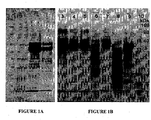
- Samples were collected every 24 hours and analyzed on 4-16% Native PAGETM Novex® Bis-Tris gels 1.0 mm, 15 well (BN1004BOX, Life Technologies, NZ) following instructions provided in the manual.
- 4 ⁇ L of NuPAGETM LDS sample buffer (4X) (Invitrogen, Carlsbad USA Cat. No. NP0007) was mixed with 11 ⁇ l of protein sample plus 1 ⁇ l of Native PAGETM 5% G-250 sample additive. Then, 12 ⁇ l of this sample mix was loaded into native PAGE gels. Gels were run at 150 V for 120 minutes following manufacturer's protocols. Protein bands were visualized after de-staining for 2-4 hours following manufacturer's instructions. Gels were scanned using the UVITEC Cambridge, UK Gel-doc system.
- Example 2 Incubation of major royal jelly proteins in the presence of MGO and resulting inhibitory activity
- the MRJP mixture was dissolved in PBS (pH 7.4) at a concentration of 50 mg/ml. This mixture was stirred for 30 to 60 minutes. The resulting cloudy solution was clarified by centrifugation (10,000 rpm for 10 minutes). The protein content was determined as 5.0 ⁇ 0.5 mg/ml. The pH of the solution was 3.8.
- 900 ⁇ l protein solution was mixed with 100 ⁇ l aqueous MGO solution (5 %)
- the 5% MGO stock solution was produced by adding 125 ⁇ L of 40% MGO to 875 ⁇ L of water.
- 30 ⁇ L of 5% MGO was added to 970 ⁇ L of protein solution and incubated at 22°C (set temperature) or allowed to sit out at ambient room temperature (RT) for 1 to 10 days.
- the set temperature of 22°C was maintained using a water bath.
- MGO was removed by passing 500 ⁇ l of reaction mixture (MRJP + MGO) through a 5 ml HiTrapTM desalting column. 1 ml fractions were collected and tested in the DCFDA oxidation assay (see Carter WO, Narayanan PK, Robinson JP. Intracellular hydrogen peroxide and superoxide anion detection in endothelial cells. J Leukoc Biol. 1994 Feb;55(2):253-8 ) and in the Cathepsin B assay (see below) to determine for the presence of reactive species as well as Cathepsin B inhibitors.
- the desalting fractions 1-3 containing the high molecular weight proteins were also analyzed for the presence of free amines using TNBS and absorbance at 280 and 330 nm determined as well as fluorescence profile.
- the numbers were normalized to protein concentration and difference between the starting MRJP and MGO-modified MRJP determined to identify amino acids involved in the activity associated with Cathepsin B inhibition.
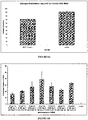
- the gel filtration was performed either at pH 7.5 in PBS or at pH 4.5 in 100 mM sodium acetate buffer. Fractionation was performed under conditions that corresponded to the conditions used for MGO modification either at pH 7.5 or at pH 3.5. This is in contrast to the higher MGO concentration. A similar trend was observed for pH, whereby acidic pH produced inhibitory activity at a faster rate by comparison to pH 7.4. See Figure 6B .
- Cathepsin B was obtained from Sigma (C6286-25UN Cathepsin B from bovine spleen). The enzyme was prepared by adding 1 mL of 100 mM sodium acetate pH 4.5 containing 2 mM EDTA and 2 mM 2-mercaptoethanol to the enzyme vial. This activated the Cathepsin B. For assays, 50 ⁇ l of activated Cathepsin B was diluted with 5 mL of the assay buffer (100 mM sodium acetate pH 4.5 containing 2 mM EDTA and 2 mM 2-mercaptoethanol). 50 ⁇ l was used per well in a 96 well plate.
- Assays were performed in duplicate and repeated in replicates of four for active material. To each well of a 96 well plate, 100 ⁇ l of assay buffer was added, followed by 50 ⁇ l of sample and 50 ⁇ l of Cathepsin B (stock 5.25 mg/mL having 12.5 U/mg) diluted 1:100 to 52.5 ⁇ g/mL for use in the assay. Total amount of cathepsin B in the assay was 2.625 ⁇ g. The plate was allowed to incubate at 37 °C for up to 10 minutes. However, routine analysis was performed with 2-5 minutes of incubation.
- the plate was read in a SpectraMax® M4 plate reader incubated at 37 °C. The plate was agitated for 10 seconds and for 3 seconds between each read. The Vmax rate change in absorbance at 330 nm was read over 2 minutes with 10 s interval between reads. A delay of 30 seconds was used for the analysis. The linear portion of the curve was used to calculate the Vmax (milli units/min). The average of duplicate readings was performed. Active fractions were tested again to confirm activity.
- the following methods were employed to demonstrate which amino acids residues were important for Cathepsin B inhibition.
- the MRJP were either treated with MGO (product 77), acetic anhydride (blocking lysine residues) (product 83) or N-ethylmaleimide (NEM) (product 81). These last two samples were then further treated with MGO (yielding products 89 and 82, respectively). A sample of the acetylated MRJP (product 83) was taken and further reacted with NEM (yielding product 84). This sample was then further treated with MGO (yielding product 85). See reaction schematic in Figure 7 .
- the MRJP mixture was dissolved in PBS (pH 7.4) at a concentration of 50 mg/ml by stirring for 30 to 60 minutes.
- the resulting cloudy solution was clarified by centrifugation (10,000 rpm for 10 minutes).
- the protein content was determined as 5.0 ⁇ 0.5 mg/ml.
- the pH of the solution was 3.8.
- 900 ⁇ l protein solution was mixed with 100 ⁇ l aqueous MGO solution (5 %) and incubated at 22°C for 1 to 10 days. The temperature was maintained by incubation in a water bath.
- the MRJP mixture was dissolved in sodium phosphate buffer (pH 9.6) at a concentration of 50 mg/ml by stirring for 30 to 60 minutes.
- the resulting slightly cloudy solution was clarified by centrifugation (10,000 rpm for 10 minutes).
- the protein content was determined as 5.0 ⁇ 0.5 mg/ml.
- the pH of the solution was 7.5.
- Protein containing fraction from the desalting column (fraction 2) was modified with MGO as described above. Briefly, 900 ⁇ l of fraction 2 were reacted with 100 ⁇ l MGO (5 %) at 22°C overnight. Unreacted MGO was removed on a HiTrapTM desalting column (5 ml, GE healthcare). The protein was eluted with PBS buffer (25 mM, pH 7.4) at a flow rate of 2 ml/min. Eluting compounds were detected by UV absorbance at 214, 280 and 330 nm. Alternatively, the elution was carried out in sodium acetate buffer (10 mM, pH 4.0).
- the sample was transferred to a dialysis tubing (molecular weight cut off 10 kDa) and dialysed over night against 1.6 litres of water with three changes of dialysate.
- the content of the dialysis tubing was frozen and freeze dried. 239.9 mg of a white slightly sticky material was recovered.
- the concentrated protein solution (500 ⁇ l) was diluted with 500 ⁇ l PBS (25 mM, pH 7.4), 53 ⁇ l of NEM solution (200 mM in PBS) were added and the mixture was stirred for 1 hour at room temperature. Unreacted NEM was removed on a HiTrapTM desalting column (5 ml, GE healthcare). The protein was eluted with sodium acetate buffer (10 mM, pH 4.0) at a flow rate of 2 ml/min. Eluting compounds were detected by UV absorbance at 214, 280 and 330 nm.
- Protein containing fraction from the desalting column (fraction 2) was modified with MGO as described above. Briefly, 900 ⁇ l of fraction 2 were reacted with 100 ⁇ l MGO (5 %) at 22 °C overnight. Unreacted MGO was removed on a HiTrapTM desalting column (5 ml, GE healthcare). The protein was eluted with PBS buffer (25 mM, pH 7.4) at a flow rate of 2 ml/min. Eluting compounds were detected by UV absorbance at 214, 280 and 330 nm. Alternatively, the elution was carried out in sodium acetate buffer (10 mM, pH 4.0).
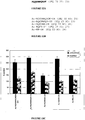
- MRJP treated with MGO produced inhibitory activity ( Figure 8 ). Inhibitory activity was also observed for the NEM plus MGO treated MRJP sample. However, upon acetylating MRJP and treating with MGO (product 89; see schematic in Figure 7 ), all inhibitory activity was lost, providing evidence that MGO modification of lysine residues is important for Cathepsin B inhibitory activity ( Figure 8 ). After acetylation of the lysine residues of MRJP, the proteins appeared to stimulate rather than inhibit Cathepsin B activity ( Figure 8 ).
- NEM is also a cysteine protease inhibitor.
- Our results showed that NEM modification followed by MGO modification produced greater inhibition of Cathepsin B. This was attributed to residual NEM remaining in the samples of MGO-modified protein, allowing the NEM to act in combination with the MGO-modified protein and to further inhibit Cathepsin B activity.
- MGO reaction with MRJP produces a Cathepsin B inhibitor.
- Blocking thiol groups with NEM followed by MGO treatment also produces an active inhibitor of Cathepsin B.
- Acetylation of MRJP followed by reaction with MGO prevented the production of the Cathepsin B inhibitory activity.
- Acetylation followed by NEM treatment to block both lysine and cysteine residues on MRJPs followed by MGO treatment also failed to produce an active Cathepsin B inhibitor.
- Cathepsin B working reagent solution was prepared (1:50) from Cathepsin B stock solution in the buffer system containing 100 mM sodium acetate, 2 mM EDTA and 2.5 mM 2-mercaptoethanol, pH 5.0.
- Cathepsin digestion was performed on selected samples of SEC fractions. Typically, 10 ⁇ l of Cathepsin B working solution was mixed with 20 ⁇ l of protein sample and digested at 37°C for overnight. After hydrolysis, the digests were prepared for native PAGE analysis. The gel was stained with Coomassie® G250 as shown in Figure 9 , see Lanes 7-10.
- Samples used in the Cathepsin B digestion were: 1) Crude MRJP protein; 2) Desalted fraction (first big peak) of MGO-modified MRJP at pH 4.0 for 9 days sample; 3) Desalted fraction (first big peak) of MGO-modified MRJP in PBS (pH 7.5) for 9 days sample; 4) SEC fractions of pH 5.0 fractions; 5) SEC fractions of reaction 221.
- Lane 1 shows native PAGE molecular weight markers
- Lane 7 shows the undigested MGO-modified MRJP at pH 4.0
- Lane 8 shows the Cathepsin B digested MGO-modified MRJP at pH 4.0
- Lane 9 shows undigested MGO-modified MRJP at pH 7.0
- Lane 10 shows Cathepsin B digested MGO-modified MRJP at pH 7.0.
- the level of protein loaded in the gel varied where 25% less protein was loaded for the hydrolyzed samples.
- 10 ⁇ L of a 1 mg/mL solution (10 ⁇ g) of Cathepsin B was used for hydrolysis.
- a very high level of enzyme activity was employed for these experiments.
- the reaction was performed over two days at 37°C. Under these conditions, we expected to see complete or near complete hydrolysis of the MRJP proteins.
- Cathepsin B has an exopeptidase activity at pH 4.0, it was expected that dipeptides would be generated from the hydrolysis that cannot be seen by native PAGE analysis. The incomplete hydrolysis we observed suggests that some Cathepsin B inhibition occurred, and/or the length of time and concentration of Cathepsin B was higher than the inhibitory activity of the MGO-modified MRJP proteins. This may have allowed partial hydrolysis of the 58 kDa protein (MRJP1) and the band present around 242 kDa.
- MGO-modified MRJP1 58 kDa protein
- Cathepsin B is a thiol protease that participates in intracellular degradation and turnover of proteins. It is an important enzyme in the phagocytosis process and it has also been implicated in tumor invasion and metastasis.
- Cathepsin B The primary specificity of Cathepsin B is for cleavage sites Arg-Arg-
- the MRJPs would be predicted to be suitable substrates for this enzyme due to the presence of an Arg-Arg peptide sequence in MRJP1-5.
- MGO-modified bovine serine albumin that has the same Arg-Arg peptide sequence shows no anti-inflammatory activity, in contrast to the MGO-modified MRJP1 and MRJP3 proteins (results not shown).
- the results indicate that Arg-Arg cleavage may only be relevant for plasma membrane bound Cathepsin B at optimal conditions of pH 7 (data not shown).
- Cathepsin B also has some C-terminal dipeptidase activity (Brömme et al., 1987 and Chapman et al., 1994). Without wishing to be bound by theory, it is proposed that the C-terminal peptide regions of MGO-modified MRJP1 and MGO-modified MRJP3 are inhibiting the activity of Cathepsin B. It is proposed that the MGO-modified lysine, which can be involved in thiol lysine cross-links, is in close proximity to the thiol active site of Cathepsin B. In this way, the MGO on the lysine is reacting with the thiol active site of Cathepsin B, and inhibiting its action.
- MRJP1 has a lysine (see SEQ ID NO: 1 at 427) that is 3 cleavage sites from the C-terminus end.
- MRJP3 has a lysine residue at the first cleavage site at 542 (see SEQ ID NO: 3).
- MRJP2 has a lysine residue at the fourth cleavage site at 445 (see SEQ ID NO: 2) and MRJP 4 has a lysine residue at the fifth cleavage site at 455 (see SEQ ID NO: 4).
- MRJP 5 has a lysine residue at the second cleavage site at 595 (SEQ ID NO: 5).
- MRJP6 has a lysine residue at the 3rd cleavage site at 431 (see SEQ ID NO: 6).
- MRJP8 has a lysine at the 4th cleavage site at 409 (see SEQ ID NO: 8) and
- MRJP 9 has a lysine at the fourth cleavage site at 415 (see SEQ ID NO: 9).
- Bovine serum albumin does not have a lysine at the C-terminus until the fifth cleavage point of Cathepsin B. In this way, the lysine residue in MGO-modified BSA may be too far away to inhibit Cathepsin B. Moreover, the lysine residue at 573 in BSA is involved in an alpha helical structure and not readily available for cleavage by Cathepsin B. It is therefore postulated that the inhibitory activity of MGO-modified MRJP1 and MRJP3 is seen because of the relatively close proximity of the lysine to the C-terminus end of the peptide. It is anticipated also that MGO-modified MRJP2, MRJP4, MRJP5, MRJP6, MRJP8, and MRJP9 will also show Cathepsin B inhibitory activity.
- Arg-MGO adduct formation is favored under lower MGO concentrations and this leads to an irreversible adduct that can be detected with absorbance at 330 nm or fluorescence Ex330nm and Em410nm.
- the reaction with Cys residues forms a hemiacetyl that is reversible and unstable leading to release of MGO off the surface of the protein.
- the reaction with lysine can form both reversible and irreversible reactions with MGO.
- the initial adduct formed is slowly rearranged to form a stabilized covalently linked MGO attached to the epsilon amino group of lysine. Further rearrangements can occur, leading to the generation of various chemical functionality including N( ⁇ )-(carboxyethyl)lysine (CEL) acid group, hydroxyl group, aldehyde or ketone functionality as well as the irreversible reactions with other protein to form cross-links.
- CEL N( ⁇ )-(carboxyethyl)lysine
- MGO modification can lead to reactive species such as aldehydes bound to the protein, and aldehydes can react with the thiol of the Cathepsin B active site. From this, it is possible that inhibition of Cathepsin B may occur between MGO-modified lysine residues with an aldehyde functionality. Lysines are also of interest in Cathepsin B inhibition, as bound MGO can undergo a cannizzaro rearrangement forming CEL and a hydroxyl group, which has carboxylic acid functionality. Two aldehydes react, where one aldehyde is reduced to a corresponding alcohol, while the second aldehyde is oxidized to carboxylic acid.
- Cathepsin B has a C-terminal exodipeptidase activity. It is hypothesized that the acid functionality present in the CEL, carboxylic acid moiety may be recognized by Cathepsin B as a C-terminus. This would place the peptide in an orientation that prevents cleavage. Both structures are potentially formed by MGO upon reaction with lysine. Various reaction pathways are likely to be favored under various conditions.
- the cannizzaro rearrangement is favored under basic conditions, which is more likely to occur when MRJP proteins are reacted at neutral pH 7.0.
- the cannizzaro rearrangement prevents further cross-linking between proteins.
- the aldehyde functional group that is involved in cross-linking is replaced with an acid group and a hydroxyl group. The hydroxyl provides further diversification of the chemistry on the surface of lysine residues after MGO modification and this can provide changes in inhibitory selectivity and affinity.
- Example 7 MGO modification of synthetic peptides and their inhibitory activity
- MGO modification was performed as follows.
- the incubation mixture included 180 ⁇ l peptide solution (5 mM) and 20 ⁇ l MGO solution (5%). Incubation was carried out overnight at room temperature. MGO was removed using C18 SPE cartridges. Eluted peptides were concentrated and solutions made up to original concentration.
- Table 1 Synthetic peptides derived from the C-terminus of MRJP1 peptide SEQ ID NO: unmodified MGO-modified Ac-PFKI-OH 22 152.05 ⁇ 13.20 91.45 ⁇ 0.11 Ac-KISI-OH 21 133.11 ⁇ 4.29 92.82 ⁇ 5.44 Ac-KISIHL-OH 20 149.04 ⁇ 9.65 73.23 ⁇ 17.90 Ac-PFKISIHL-OH 19 144.22 ⁇ 12.20 28.11 ⁇ 0.06
- Table 2 Synthetic peptides derived from the C-terminus of MRJP2 peptide SEQ ID NO: unmodified MGO-modified Ac-KN-OH 28 149.55 ⁇ 4.42 111.84 ⁇ 6.21 Ac-NQKN-OH 27 282.39 ⁇ 19.66 102.36 ⁇ 6.36 Ac-NQKNNN-OH 26 146.89 ⁇ 14.87 87.48 ⁇ 4.31 Ac-NQKNN
- the synthetic peptides of interest include: MRJP1: Ac-PFKISIHL-OH (SEQ ID NO: 19); MRJP2: Ac-NQKNNNQNDN-OH (SEQ ID NO: 24); Ac-NQKN-OH (SEQ ID NO: 27); MRJP3: Ac-SKLH-OH (SEQ ID NO: 31); and MRJP5: Ac-QNKHNN-OH (SEQ ID NO: 43); Ac-KH-OH (SEQ ID NO: 45).
- MRJP1 derived synthetic peptides sample SEQ ID NO: unmodified MGO-modified H-FDR-OH 50 174.56 ⁇ 11.96 71.18 ⁇ 2.22 Ac-FDR-OH 53 85.57 ⁇ 3.51 44.78 ⁇ 1.54 H-HNIR-OH 54 151.51 ⁇ 0.62 103.38 ⁇ 3.65 Ac-HNIR-OH 59 171.58 ⁇ 11.29 106.82 ⁇ 3.02 H-YINR-OH 85 142.33 ⁇ 3.64 79.21 ⁇ 2.12 Ac-YINR-OH 87 93.14 ⁇ 2.42 99.05 ⁇ 7.78 H-FTK-OH 88 147.63 ⁇ 0.70 76.59 ⁇ 2.24 Ac-FTK-OH 91 148.84 ⁇ 16.13 105.35
- FAK Phe-Ala-Lys; e.g., Ac-FAK-OH; SEQ ID NO: 60
- MRJP1, MRJP3, and MRJP4 Another synthetic peptide is FAK (Phe-Ala-Lys; e.g., Ac-FAK-OH; SEQ ID NO: 60) which includes a sequence found in MRJP1, MRJP3, and MRJP4.
- Table 10 Summary of amino acid sequences assessed for inhibitory activity sequence SEQ ID NO: sequence SEQ ID NO: sequence SEQ ID NO: PFKI 61 HSSKLH 70 KH 80 KISI 62 SKLH 71 QNKHNN 81 KISIHL 63 SK 72 KHNN 82 PFKISIHL 64 HSSK 73 QNKH 83 KN 65 SSKS 74 LVK 84 NQKN 66 KS 75 LIR 86 NQKNNN 67 SSKSNNRHNNND 76 LLK 89 NQKNNNQN 68 SSKSNN 77 KI 90 NQKNNNQNDN 69 SSKSNNRH 78 SSKSNNRHNN 79 sequence SEQ ID NO: sequence SEQ ID NO: sequence SEQ ID NO: FDR 127 MTR 134 TNR 139 HNIR 128 FAK 135 MDK 140 YINR 129 QNDNR 136 MDR
- the results show that both C-terminal and internal peptides can provide inhibition of Cathepsin B after modification of lysine with MGO.
- the peptide analogue LIR (SEQ ID NO: 51) has particularly potent activity.
- Certain peptides show stimulatory activity in the absence of MGO treatment. This activation is in most cases lost after treatment with MGO. In some cases, longer peptides are more active.
- the lysine is positioned at least 3 amino acid away from the C-terminal amino acid, and no more than 6 amino acids away from the C-terminal amino acid. For inhibition, a free C-terminus is typically present. This allows a favorable interaction with Cathepsin B and potentially increased inhibition.
- an acid functional end is more likely to produce increased activity as compared to an amidated end. This is consistent with internal protease digestion having the specificity similar to that of pancreatic trypsin, i.e., cleavage C-terminal to arginine and lysine residues, as long as the following amino acid is not proline.
- the preference for a C-terminal carboxylate group is understandable in context of the structure of Cathepsin B and its exopeptidase activity that acts on a C-terminal end.
- the occlusive loop of Cathepsin B contains two histidine residues that are believed to coordinate to the C-terminus of the peptide. See, e.g., Musil, D., Zucic, D., Turk, D., Engh, R.A., Mayr, I., Huber, R., Popovic, T., Turk, V., Towatari, T., Katunuma, N., Bode, W. (1991) The refined 2.15 A X-ray crystal structure of human liver cathepsin B: the structural basis for its specificity. EMBO J. 10: 2321-2330 . This positions the peptide bond between amino acid 2 and 3 up from the C-terminus of the peptide.
- orientation of peptides with respect to Cathepsin B may be inverted 180° if the primary amine or epsilon amino group of lysine has reacted with MGO. As noted above, this can undergo a cannizzaro rearrangement to produce CEL. This may also occur on the side chain epsilon amino group of lysine.
Landscapes
- Health & Medical Sciences (AREA)
- Chemical & Material Sciences (AREA)
- Life Sciences & Earth Sciences (AREA)
- Organic Chemistry (AREA)
- General Health & Medical Sciences (AREA)
- Medicinal Chemistry (AREA)
- Engineering & Computer Science (AREA)
- Animal Behavior & Ethology (AREA)
- Veterinary Medicine (AREA)
- Public Health (AREA)
- Pharmacology & Pharmacy (AREA)
- Bioinformatics & Cheminformatics (AREA)
- General Chemical & Material Sciences (AREA)
- Chemical Kinetics & Catalysis (AREA)
- Nuclear Medicine, Radiotherapy & Molecular Imaging (AREA)
- Proteomics, Peptides & Aminoacids (AREA)
- Biochemistry (AREA)
- Genetics & Genomics (AREA)
- Molecular Biology (AREA)
- Biophysics (AREA)
- Zoology (AREA)
- Immunology (AREA)
- Epidemiology (AREA)
- Insects & Arthropods (AREA)
- Gastroenterology & Hepatology (AREA)
- Hematology (AREA)
- Materials Engineering (AREA)
- Wood Science & Technology (AREA)
- Virology (AREA)
- Pulmonology (AREA)
- Toxicology (AREA)
- General Engineering & Computer Science (AREA)
- Neurosurgery (AREA)
- Diabetes (AREA)
- Communicable Diseases (AREA)
- Neurology (AREA)
- Oncology (AREA)
- Biomedical Technology (AREA)
- Dermatology (AREA)
- Tropical Medicine & Parasitology (AREA)
Applications Claiming Priority (2)
| Application Number | Priority Date | Filing Date | Title |
|---|---|---|---|
| NZ60084712 | 2012-06-22 | ||
| PCT/NZ2013/000110 WO2013191569A1 (en) | 2012-06-22 | 2013-06-24 | Anti-inflammatory proteins and peptides and methods of preparation and use thereof |
Publications (3)
| Publication Number | Publication Date |
|---|---|
| EP2874642A1 EP2874642A1 (en) | 2015-05-27 |
| EP2874642A4 EP2874642A4 (en) | 2016-07-27 |
| EP2874642B1 true EP2874642B1 (en) | 2019-02-06 |
Family
ID=49769069
Family Applications (1)
| Application Number | Title | Priority Date | Filing Date |
|---|---|---|---|
| EP13806248.4A Active EP2874642B1 (en) | 2012-06-22 | 2013-06-24 | Anti-inflammatory proteins and peptides and methods of preparation and use thereof |
Country Status (6)
| Country | Link |
|---|---|
| US (2) | US9580464B2 (https=) |
| EP (1) | EP2874642B1 (https=) |
| JP (1) | JP2015527302A (https=) |
| CN (1) | CN104540516B (https=) |
| AU (2) | AU2013277858B2 (https=) |
| WO (1) | WO2013191569A1 (https=) |
Families Citing this family (23)
| Publication number | Priority date | Publication date | Assignee | Title |
|---|---|---|---|---|
| NZ590143A (en) | 2010-12-22 | 2013-12-20 | Manukamed Ltd | Anti-inflammatory proteins and methods of preparation and use thereof |
| CN105536041A (zh) * | 2016-01-21 | 2016-05-04 | 常州陀谱生物医学技术有限公司 | 一种含王浆酸的抗菌生物敷料、制备方法及其用途 |
| US9744143B1 (en) | 2016-12-06 | 2017-08-29 | Links Medical Products, Inc. | Honey fortified with dihydroxyacetone and methods of making same |
| JP2020516592A (ja) * | 2017-04-13 | 2020-06-11 | ダブリューワイエル サイエンシーズ インコーポレイテッド | ロイヤラクチンに対する抗体及びその使用 |
| WO2018137748A2 (en) * | 2017-07-19 | 2018-08-02 | El Fiky Salem | Antiviral, antifibrotic and anticancer activities of royal-jelly proteins |
| US10842827B2 (en) * | 2018-08-22 | 2020-11-24 | José Manuel Aguilar Yáñez | Treatment and compound for epithelial wounds |
| WO2018188714A2 (en) * | 2018-09-06 | 2018-10-18 | El Fiky Salem Ismaeil Salem | Anti-leukemic, anti-hiv, and sialidase activities of royal-jelly proteins |
| KR102116185B1 (ko) * | 2018-10-24 | 2020-05-27 | 동아대학교 산학협력단 | 신규한 토종벌 유래 로열 젤리 단백질 4-c 말단 펩타이드 및 이의 용도 |
| KR102022118B1 (ko) * | 2019-01-07 | 2019-09-18 | 주식회사 아스트로젠 | 중추신경계 질환의 예방 또는 치료용 세린 유도체 화합물 |
| SG10201902000YA (en) * | 2019-03-06 | 2020-10-29 | Nat Univ Singapore | Isthmin 1 for treatment of lung inflammation |
| US20220280605A1 (en) * | 2019-05-01 | 2022-09-08 | Manukamed Functional Foods Ltd. | A Composition And Method For Improving The Profile Of Blood |
| KR20220029675A (ko) * | 2019-07-04 | 2022-03-08 | 콤비타 리미티드 | Mmp-9 관련 질병 및 염증의 예방, 개선, 또는 치료를 위한 3,6,7-트리메틸루마진을 포함하는 조성물의 용도 |
| KR102380162B1 (ko) * | 2019-07-24 | 2022-03-29 | (주) 바이텍 | 효소처리 로얄젤리 분말을 포함하는 염증성 골관절질환 예방 또는 치료용 약학적 조성물 |
| CN110596262A (zh) * | 2019-08-14 | 2019-12-20 | 中国农业科学院蜜蜂研究所 | 利用液相色谱串联质谱测定蜂蜜中意蜂mrjp1蛋白含量的方法 |
| CN110850001B (zh) * | 2019-12-10 | 2020-12-25 | 中国农业科学院蜜蜂研究所 | 液相色谱串联质谱定量意蜂蜜mrjp3的方法 |
| CN111303282B (zh) * | 2020-03-30 | 2022-07-12 | 中国农业科学院蜜蜂研究所 | 配对的抗mrjp2单克隆抗体及其在定性或定量检测mrjp2中的应用 |
| CN111735966B (zh) * | 2020-07-23 | 2021-01-15 | 中国农业科学院蜜蜂研究所 | 一种液相色谱串联质谱法检测意蜂蜜和中蜂蜜中王浆主蛋白5的方法 |
| WO2022035326A1 (en) * | 2020-08-11 | 2022-02-17 | Quantum Technologies Limited | Bee product extracts, methods of production and uses thereof |
| JP7768775B2 (ja) * | 2021-01-14 | 2025-11-12 | 出光興産株式会社 | ペプチドタグおよびそれを含むタグ付加タンパク質 |
| US12419917B2 (en) | 2021-04-23 | 2025-09-23 | Ndal Mfg Inc | Compositions and methods for treatment of conditions using fractionated honey |
| WO2024054928A1 (en) * | 2022-09-09 | 2024-03-14 | Koliber Biosciences Inc. | Peptides with cytokine-releasing activity and methods for characterizing cytokine-releasing profiles of peptides |
| CN115991760B (zh) * | 2022-11-24 | 2025-06-20 | 福建农林大学 | 一种西方蜜蜂mrjp3 c端重组蛋白及其制备方法及其应用 |
| WO2024144786A1 (en) * | 2022-12-30 | 2024-07-04 | Bee-Io Honey Technologies Ltd. | Royal jelly production methods, systems, compositions and uses thereof |
Family Cites Families (12)
| Publication number | Priority date | Publication date | Assignee | Title |
|---|---|---|---|---|
| EP1541167A1 (en) | 2002-08-29 | 2005-06-15 | Hayashibara, Ken | Antiallergic agent |
| WO2004021803A1 (ja) | 2002-09-06 | 2004-03-18 | Hayashibara, Ken | 精製ローヤルゼリー |
| NZ533368A (en) | 2004-06-08 | 2008-06-30 | Univ Waikato | Isolation process |
| JP2008137968A (ja) | 2006-12-04 | 2008-06-19 | Yamada Bee Farm Corp | ローヤルゼリーアレルゲンタンパク質のエピトープ、その検出用キット、該アレルゲンフリーのローヤルゼリーとその製法 |
| NZ547946A (en) | 2006-12-14 | 2009-10-30 | Waikatolink Ltd | Treatment composition |
| GB0810404D0 (en) | 2008-06-06 | 2008-07-09 | Manuka Medical Ltd | Compositions |
| JP2010095454A (ja) | 2008-10-14 | 2010-04-30 | Cyclochem:Kk | 抗菌組成物 |
| US20110287059A1 (en) * | 2008-12-24 | 2011-11-24 | Comvita New Zealand Limited | Honey analysis |
| US20120021061A1 (en) * | 2008-12-24 | 2012-01-26 | Comvita New Zealand Limited | Medical and nutritional formulations |
| EP2435465B1 (en) | 2009-05-29 | 2016-03-09 | Ruprecht-Karls-Universität Heidelberg | Methylglyoxal-scavenging compounds and their use for the prevention and treatment of pain and/or hyperalgesia |
| NZ590143A (en) | 2010-12-22 | 2013-12-20 | Manukamed Ltd | Anti-inflammatory proteins and methods of preparation and use thereof |
| CA2917458A1 (en) | 2013-07-09 | 2015-01-15 | Manukamed Limited | A wound dressing |
-
2013
- 2013-06-24 CN CN201380038465.XA patent/CN104540516B/zh not_active Expired - Fee Related
- 2013-06-24 US US14/410,227 patent/US9580464B2/en active Active
- 2013-06-24 WO PCT/NZ2013/000110 patent/WO2013191569A1/en not_active Ceased
- 2013-06-24 EP EP13806248.4A patent/EP2874642B1/en active Active
- 2013-06-24 JP JP2015518360A patent/JP2015527302A/ja not_active Ceased
- 2013-06-24 AU AU2013277858A patent/AU2013277858B2/en active Active
-
2017
- 2017-01-11 US US15/403,767 patent/US20170190748A1/en not_active Abandoned
-
2018
- 2018-03-19 AU AU2018201945A patent/AU2018201945A1/en not_active Abandoned
Non-Patent Citations (3)
| Title |
|---|
| ADAMS C J ET AL: "The origin of methylglyoxal in New Zealand manuka (Leptospermum scoparium) honey", CARBOHYDRATE RESEARCH, PERGAMON, GB, vol. 344, no. 8, 26 May 2009 (2009-05-26), pages 1050 - 1053, XP026096395, ISSN: 0008-6215, [retrieved on 20090321], DOI: 10.1016/J.CARRES.2009.03.020 * |
| ELISANGELA F BOFFO ET AL: "Identification of components of Brazilian honey byH NMR and classification ofits botanical origin by chemometric methods", LWT- FOOD SCIENCE AND TECHNOLOGY, ACADEMIC PRESS, UNITED KINGDOM, vol. 49, no. 1, 24 April 2012 (2012-04-24), pages 55 - 63, XP028495867, ISSN: 0023-6438, [retrieved on 20120508], DOI: 10.1016/J.LWT.2012.04.024 * |
| MAVRIC ELVIRA ET AL: "Identification and quantification of methylglyoxal as the dominant antibacterial constituent of Manuka (Leptospermum scoparium) honeys from New Zealand", MOLECULAR NUTRITION & FOOD RESEARCH, WILEY - VCH VERLAG, WEINHEIM, DE, vol. 52, no. 4, 1 April 2008 (2008-04-01), pages 483 - 489, XP002514157, ISSN: 1613-4125, DOI: 10.1002/MNFR.200700282 * |
Also Published As
| Publication number | Publication date |
|---|---|
| US20170190748A1 (en) | 2017-07-06 |
| WO2013191569A1 (en) | 2013-12-27 |
| JP2015527302A (ja) | 2015-09-17 |
| EP2874642A1 (en) | 2015-05-27 |
| US20150337019A1 (en) | 2015-11-26 |
| AU2013277858B2 (en) | 2018-03-29 |
| CN104540516B (zh) | 2019-12-06 |
| AU2013277858A1 (en) | 2015-02-05 |
| AU2018201945A1 (en) | 2018-06-21 |
| US9580464B2 (en) | 2017-02-28 |
| CN104540516A (zh) | 2015-04-22 |
| EP2874642A4 (en) | 2016-07-27 |
Similar Documents
| Publication | Publication Date | Title |
|---|---|---|
| EP2874642B1 (en) | Anti-inflammatory proteins and peptides and methods of preparation and use thereof | |
| EP2686431B1 (en) | Antagonists of the interleukin- 1 receptor | |
| KR20070007128A (ko) | 카제인 파생 펩타이드들과 그의 치료적 사용들 | |
| WO2013142362A1 (en) | Regulator of complement activation and uses thereof | |
| KR20090027213A (ko) | 개선된 항미생물성 펩타이드 | |
| US11897924B2 (en) | Anticoagulant fusion proteins and uses thereof | |
| RU2426745C2 (ru) | Рекомбинантный химерный белок фактора ингибирования нейтрофилов и гиругена и содержащая его фармацевтическая композиция | |
| TWI579299B (zh) | 去整合蛋白變異體及其醫藥用途 | |
| FR2622587A1 (fr) | Peptide lysyl-arginyl-aspartyl-serine et ses applications en tant que medicament, notamment antithrombotique | |
| CN101914561A (zh) | 一种具有抗菌和修复功能的融合蛋白及其生产方法和应用 | |
| US8815812B2 (en) | Synthetic arginine substituted peptides and their use | |
| JP5791066B2 (ja) | 上皮細胞の増殖促進方法、及び上皮細胞の増殖促進剤 | |
| AU2008341008A1 (en) | Haemostasis- modulating compositions and uses therefor | |
| NZ615495B2 (en) | Anti-inflammatory proteins and peptides and methods of preparation and use thereof | |
| Fry et al. | Lesser-known or putative reptile toxins | |
| NZ615495A (en) | Anti-inflammatory proteins and peptides and methods of preparation and use thereof | |
| EP3205347A1 (en) | White blood cell extracellular trap formation inhibitor | |
| CA2328134A1 (en) | The induction of antibiotic proteins and peptides by lait/scd14-protein | |
| JPH09500639A (ja) | ニッケルを含まないヘモグロビンおよびこのようなヘモグロビンを生産するための方法 | |
| KR20180127411A (ko) | 신규한 알파-1-마이크로글로불린 유래 단백질 및 이의 용도 | |
| CN102105161A (zh) | 菠萝蛋白酶抑制剂及菠萝蛋白酶抑制剂前体的重组制备 | |
| Dimitrova et al. | Synthesis and hydrolytic stability of new lactoferricin analogues | |
| JP3040781B2 (ja) | 生物学的に活性な殺菌性/透過性増大蛋白質断片 | |
| WO2003035677A2 (en) | Antimicrobial peptides from the venom of the spider cupiennius salei | |
| KR101374194B1 (ko) | 대하로부터 분리한 쿠니츠형 세린 프로테아제 저해인자 |
Legal Events
| Date | Code | Title | Description |
|---|---|---|---|
| PUAI | Public reference made under article 153(3) epc to a published international application that has entered the european phase |
Free format text: ORIGINAL CODE: 0009012 |
|
| 17P | Request for examination filed |
Effective date: 20150120 |
|
| AK | Designated contracting states |
Kind code of ref document: A1 Designated state(s): AL AT BE BG CH CY CZ DE DK EE ES FI FR GB GR HR HU IE IS IT LI LT LU LV MC MK MT NL NO PL PT RO RS SE SI SK SM TR |
|
| AX | Request for extension of the european patent |
Extension state: BA ME |
|
| DAX | Request for extension of the european patent (deleted) | ||
| RIC1 | Information provided on ipc code assigned before grant |
Ipc: A61K 38/17 20060101ALI20160321BHEP Ipc: A61K 38/08 20060101AFI20160321BHEP Ipc: A61P 29/00 20060101ALI20160321BHEP Ipc: A61K 35/64 20150101ALI20160321BHEP |
|
| RA4 | Supplementary search report drawn up and despatched (corrected) |
Effective date: 20160624 |
|
| RIC1 | Information provided on ipc code assigned before grant |
Ipc: A61K 38/17 20060101ALI20160620BHEP Ipc: A61K 35/64 20150101ALI20160620BHEP Ipc: A61P 29/00 20060101ALI20160620BHEP Ipc: A61K 38/08 20060101AFI20160620BHEP |
|
| RAP1 | Party data changed (applicant data changed or rights of an application transferred) |
Owner name: MANUKAMED HOLDINGS LIMITED PARTNERSHIP |
|
| GRAP | Despatch of communication of intention to grant a patent |
Free format text: ORIGINAL CODE: EPIDOSNIGR1 |
|
| STAA | Information on the status of an ep patent application or granted ep patent |
Free format text: STATUS: GRANT OF PATENT IS INTENDED |
|
| INTG | Intention to grant announced |
Effective date: 20180424 |
|
| GRAS | Grant fee paid |
Free format text: ORIGINAL CODE: EPIDOSNIGR3 |
|
| GRAA | (expected) grant |
Free format text: ORIGINAL CODE: 0009210 |
|
| STAA | Information on the status of an ep patent application or granted ep patent |
Free format text: STATUS: THE PATENT HAS BEEN GRANTED |
|
| AK | Designated contracting states |
Kind code of ref document: B1 Designated state(s): AL AT BE BG CH CY CZ DE DK EE ES FI FR GB GR HR HU IE IS IT LI LT LU LV MC MK MT NL NO PL PT RO RS SE SI SK SM TR |
|
| REG | Reference to a national code |
Ref country code: GB Ref legal event code: FG4D |
|
| REG | Reference to a national code |
Ref country code: CH Ref legal event code: EP Ref country code: AT Ref legal event code: REF Ref document number: 1094428 Country of ref document: AT Kind code of ref document: T Effective date: 20190215 |
|
| REG | Reference to a national code |
Ref country code: IE Ref legal event code: FG4D |
|
| REG | Reference to a national code |
Ref country code: DE Ref legal event code: R096 Ref document number: 602013050550 Country of ref document: DE |
|
| REG | Reference to a national code |
Ref country code: NL Ref legal event code: MP Effective date: 20190206 |
|
| REG | Reference to a national code |
Ref country code: LT Ref legal event code: MG4D |
|
| PG25 | Lapsed in a contracting state [announced via postgrant information from national office to epo] |
Ref country code: FI Free format text: LAPSE BECAUSE OF FAILURE TO SUBMIT A TRANSLATION OF THE DESCRIPTION OR TO PAY THE FEE WITHIN THE PRESCRIBED TIME-LIMIT Effective date: 20190206 Ref country code: NO Free format text: LAPSE BECAUSE OF FAILURE TO SUBMIT A TRANSLATION OF THE DESCRIPTION OR TO PAY THE FEE WITHIN THE PRESCRIBED TIME-LIMIT Effective date: 20190506 Ref country code: LT Free format text: LAPSE BECAUSE OF FAILURE TO SUBMIT A TRANSLATION OF THE DESCRIPTION OR TO PAY THE FEE WITHIN THE PRESCRIBED TIME-LIMIT Effective date: 20190206 Ref country code: SE Free format text: LAPSE BECAUSE OF FAILURE TO SUBMIT A TRANSLATION OF THE DESCRIPTION OR TO PAY THE FEE WITHIN THE PRESCRIBED TIME-LIMIT Effective date: 20190206 Ref country code: PT Free format text: LAPSE BECAUSE OF FAILURE TO SUBMIT A TRANSLATION OF THE DESCRIPTION OR TO PAY THE FEE WITHIN THE PRESCRIBED TIME-LIMIT Effective date: 20190606 Ref country code: NL Free format text: LAPSE BECAUSE OF FAILURE TO SUBMIT A TRANSLATION OF THE DESCRIPTION OR TO PAY THE FEE WITHIN THE PRESCRIBED TIME-LIMIT Effective date: 20190206 |
|
| REG | Reference to a national code |
Ref country code: AT Ref legal event code: MK05 Ref document number: 1094428 Country of ref document: AT Kind code of ref document: T Effective date: 20190206 |
|
| PG25 | Lapsed in a contracting state [announced via postgrant information from national office to epo] |
Ref country code: LV Free format text: LAPSE BECAUSE OF FAILURE TO SUBMIT A TRANSLATION OF THE DESCRIPTION OR TO PAY THE FEE WITHIN THE PRESCRIBED TIME-LIMIT Effective date: 20190206 Ref country code: RS Free format text: LAPSE BECAUSE OF FAILURE TO SUBMIT A TRANSLATION OF THE DESCRIPTION OR TO PAY THE FEE WITHIN THE PRESCRIBED TIME-LIMIT Effective date: 20190206 Ref country code: BG Free format text: LAPSE BECAUSE OF FAILURE TO SUBMIT A TRANSLATION OF THE DESCRIPTION OR TO PAY THE FEE WITHIN THE PRESCRIBED TIME-LIMIT Effective date: 20190506 Ref country code: HR Free format text: LAPSE BECAUSE OF FAILURE TO SUBMIT A TRANSLATION OF THE DESCRIPTION OR TO PAY THE FEE WITHIN THE PRESCRIBED TIME-LIMIT Effective date: 20190206 Ref country code: IS Free format text: LAPSE BECAUSE OF FAILURE TO SUBMIT A TRANSLATION OF THE DESCRIPTION OR TO PAY THE FEE WITHIN THE PRESCRIBED TIME-LIMIT Effective date: 20190606 Ref country code: GR Free format text: LAPSE BECAUSE OF FAILURE TO SUBMIT A TRANSLATION OF THE DESCRIPTION OR TO PAY THE FEE WITHIN THE PRESCRIBED TIME-LIMIT Effective date: 20190507 |
|
| PG25 | Lapsed in a contracting state [announced via postgrant information from national office to epo] |
Ref country code: DK Free format text: LAPSE BECAUSE OF FAILURE TO SUBMIT A TRANSLATION OF THE DESCRIPTION OR TO PAY THE FEE WITHIN THE PRESCRIBED TIME-LIMIT Effective date: 20190206 Ref country code: EE Free format text: LAPSE BECAUSE OF FAILURE TO SUBMIT A TRANSLATION OF THE DESCRIPTION OR TO PAY THE FEE WITHIN THE PRESCRIBED TIME-LIMIT Effective date: 20190206 Ref country code: AL Free format text: LAPSE BECAUSE OF FAILURE TO SUBMIT A TRANSLATION OF THE DESCRIPTION OR TO PAY THE FEE WITHIN THE PRESCRIBED TIME-LIMIT Effective date: 20190206 Ref country code: IT Free format text: LAPSE BECAUSE OF FAILURE TO SUBMIT A TRANSLATION OF THE DESCRIPTION OR TO PAY THE FEE WITHIN THE PRESCRIBED TIME-LIMIT Effective date: 20190206 Ref country code: CZ Free format text: LAPSE BECAUSE OF FAILURE TO SUBMIT A TRANSLATION OF THE DESCRIPTION OR TO PAY THE FEE WITHIN THE PRESCRIBED TIME-LIMIT Effective date: 20190206 Ref country code: RO Free format text: LAPSE BECAUSE OF FAILURE TO SUBMIT A TRANSLATION OF THE DESCRIPTION OR TO PAY THE FEE WITHIN THE PRESCRIBED TIME-LIMIT Effective date: 20190206 Ref country code: SK Free format text: LAPSE BECAUSE OF FAILURE TO SUBMIT A TRANSLATION OF THE DESCRIPTION OR TO PAY THE FEE WITHIN THE PRESCRIBED TIME-LIMIT Effective date: 20190206 Ref country code: ES Free format text: LAPSE BECAUSE OF FAILURE TO SUBMIT A TRANSLATION OF THE DESCRIPTION OR TO PAY THE FEE WITHIN THE PRESCRIBED TIME-LIMIT Effective date: 20190206 |
|
| REG | Reference to a national code |
Ref country code: DE Ref legal event code: R097 Ref document number: 602013050550 Country of ref document: DE |
|
| PG25 | Lapsed in a contracting state [announced via postgrant information from national office to epo] |
Ref country code: SM Free format text: LAPSE BECAUSE OF FAILURE TO SUBMIT A TRANSLATION OF THE DESCRIPTION OR TO PAY THE FEE WITHIN THE PRESCRIBED TIME-LIMIT Effective date: 20190206 Ref country code: PL Free format text: LAPSE BECAUSE OF FAILURE TO SUBMIT A TRANSLATION OF THE DESCRIPTION OR TO PAY THE FEE WITHIN THE PRESCRIBED TIME-LIMIT Effective date: 20190206 |
|
| PLBE | No opposition filed within time limit |
Free format text: ORIGINAL CODE: 0009261 |
|
| STAA | Information on the status of an ep patent application or granted ep patent |
Free format text: STATUS: NO OPPOSITION FILED WITHIN TIME LIMIT |
|
| PG25 | Lapsed in a contracting state [announced via postgrant information from national office to epo] |
Ref country code: AT Free format text: LAPSE BECAUSE OF FAILURE TO SUBMIT A TRANSLATION OF THE DESCRIPTION OR TO PAY THE FEE WITHIN THE PRESCRIBED TIME-LIMIT Effective date: 20190206 |
|
| 26N | No opposition filed |
Effective date: 20191107 |
|
| PG25 | Lapsed in a contracting state [announced via postgrant information from national office to epo] |
Ref country code: MC Free format text: LAPSE BECAUSE OF FAILURE TO SUBMIT A TRANSLATION OF THE DESCRIPTION OR TO PAY THE FEE WITHIN THE PRESCRIBED TIME-LIMIT Effective date: 20190206 |
|
| REG | Reference to a national code |
Ref country code: CH Ref legal event code: PL |
|
| PG25 | Lapsed in a contracting state [announced via postgrant information from national office to epo] |
Ref country code: SI Free format text: LAPSE BECAUSE OF FAILURE TO SUBMIT A TRANSLATION OF THE DESCRIPTION OR TO PAY THE FEE WITHIN THE PRESCRIBED TIME-LIMIT Effective date: 20190206 |
|
| REG | Reference to a national code |
Ref country code: BE Ref legal event code: MM Effective date: 20190630 |
|
| PG25 | Lapsed in a contracting state [announced via postgrant information from national office to epo] |
Ref country code: TR Free format text: LAPSE BECAUSE OF FAILURE TO SUBMIT A TRANSLATION OF THE DESCRIPTION OR TO PAY THE FEE WITHIN THE PRESCRIBED TIME-LIMIT Effective date: 20190206 |
|
| PG25 | Lapsed in a contracting state [announced via postgrant information from national office to epo] |
Ref country code: IE Free format text: LAPSE BECAUSE OF NON-PAYMENT OF DUE FEES Effective date: 20190624 |
|
| PG25 | Lapsed in a contracting state [announced via postgrant information from national office to epo] |
Ref country code: LI Free format text: LAPSE BECAUSE OF NON-PAYMENT OF DUE FEES Effective date: 20190630 Ref country code: CH Free format text: LAPSE BECAUSE OF NON-PAYMENT OF DUE FEES Effective date: 20190630 Ref country code: LU Free format text: LAPSE BECAUSE OF NON-PAYMENT OF DUE FEES Effective date: 20190624 Ref country code: BE Free format text: LAPSE BECAUSE OF NON-PAYMENT OF DUE FEES Effective date: 20190630 |
|
| PG25 | Lapsed in a contracting state [announced via postgrant information from national office to epo] |
Ref country code: FR Free format text: LAPSE BECAUSE OF NON-PAYMENT OF DUE FEES Effective date: 20190630 |
|
| PG25 | Lapsed in a contracting state [announced via postgrant information from national office to epo] |
Ref country code: CY Free format text: LAPSE BECAUSE OF FAILURE TO SUBMIT A TRANSLATION OF THE DESCRIPTION OR TO PAY THE FEE WITHIN THE PRESCRIBED TIME-LIMIT Effective date: 20190206 |
|
| PG25 | Lapsed in a contracting state [announced via postgrant information from national office to epo] |
Ref country code: MT Free format text: LAPSE BECAUSE OF FAILURE TO SUBMIT A TRANSLATION OF THE DESCRIPTION OR TO PAY THE FEE WITHIN THE PRESCRIBED TIME-LIMIT Effective date: 20190206 Ref country code: HU Free format text: LAPSE BECAUSE OF FAILURE TO SUBMIT A TRANSLATION OF THE DESCRIPTION OR TO PAY THE FEE WITHIN THE PRESCRIBED TIME-LIMIT; INVALID AB INITIO Effective date: 20130624 |
|
| PG25 | Lapsed in a contracting state [announced via postgrant information from national office to epo] |
Ref country code: MK Free format text: LAPSE BECAUSE OF FAILURE TO SUBMIT A TRANSLATION OF THE DESCRIPTION OR TO PAY THE FEE WITHIN THE PRESCRIBED TIME-LIMIT Effective date: 20190206 |
|
| PGFP | Annual fee paid to national office [announced via postgrant information from national office to epo] |
Ref country code: GB Payment date: 20251222 Year of fee payment: 13 |
|
| PGFP | Annual fee paid to national office [announced via postgrant information from national office to epo] |
Ref country code: DE Payment date: 20251223 Year of fee payment: 13 |