EP2858496B9 - Oils with anti-inflammatory activity containing natural specialized proresolving mediators and their precursors - Google Patents
Oils with anti-inflammatory activity containing natural specialized proresolving mediators and their precursors Download PDFInfo
- Publication number
- EP2858496B9 EP2858496B9 EP13788058.9A EP13788058A EP2858496B9 EP 2858496 B9 EP2858496 B9 EP 2858496B9 EP 13788058 A EP13788058 A EP 13788058A EP 2858496 B9 EP2858496 B9 EP 2858496B9
- Authority
- EP
- European Patent Office
- Prior art keywords
- acid
- docosa
- hdha
- hydroxy
- oil
- Prior art date
- Legal status (The legal status is an assumption and is not a legal conclusion. Google has not performed a legal analysis and makes no representation as to the accuracy of the status listed.)
- Active
Links
Images



Classifications
-
- A—HUMAN NECESSITIES
- A61—MEDICAL OR VETERINARY SCIENCE; HYGIENE
- A61K—PREPARATIONS FOR MEDICAL, DENTAL OR TOILETRY PURPOSES
- A61K31/00—Medicinal preparations containing organic active ingredients
- A61K31/185—Acids; Anhydrides, halides or salts thereof, e.g. sulfur acids, imidic, hydrazonic or hydroximic acids
- A61K31/19—Carboxylic acids, e.g. valproic acid
- A61K31/20—Carboxylic acids, e.g. valproic acid having a carboxyl group bound to a chain of seven or more carbon atoms, e.g. stearic, palmitic, arachidic acids
- A61K31/202—Carboxylic acids, e.g. valproic acid having a carboxyl group bound to a chain of seven or more carbon atoms, e.g. stearic, palmitic, arachidic acids having three or more double bonds, e.g. linolenic
-
- A—HUMAN NECESSITIES
- A61—MEDICAL OR VETERINARY SCIENCE; HYGIENE
- A61K—PREPARATIONS FOR MEDICAL, DENTAL OR TOILETRY PURPOSES
- A61K31/00—Medicinal preparations containing organic active ingredients
- A61K31/557—Eicosanoids, e.g. leukotrienes or prostaglandins
-
- A—HUMAN NECESSITIES
- A61—MEDICAL OR VETERINARY SCIENCE; HYGIENE
- A61K—PREPARATIONS FOR MEDICAL, DENTAL OR TOILETRY PURPOSES
- A61K35/00—Medicinal preparations containing materials or reaction products thereof with undetermined constitution
- A61K35/56—Materials from animals other than mammals
- A61K35/60—Fish, e.g. seahorses; Fish eggs
-
- A—HUMAN NECESSITIES
- A61—MEDICAL OR VETERINARY SCIENCE; HYGIENE
- A61K—PREPARATIONS FOR MEDICAL, DENTAL OR TOILETRY PURPOSES
- A61K35/00—Medicinal preparations containing materials or reaction products thereof with undetermined constitution
- A61K35/56—Materials from animals other than mammals
- A61K35/612—Crustaceans, e.g. crabs, lobsters, shrimps, krill or crayfish; Barnacles
-
- A—HUMAN NECESSITIES
- A61—MEDICAL OR VETERINARY SCIENCE; HYGIENE
- A61K—PREPARATIONS FOR MEDICAL, DENTAL OR TOILETRY PURPOSES
- A61K35/00—Medicinal preparations containing materials or reaction products thereof with undetermined constitution
- A61K35/56—Materials from animals other than mammals
- A61K35/618—Molluscs, e.g. fresh-water molluscs, oysters, clams, squids, octopus, cuttlefish, snails or slugs
-
- A—HUMAN NECESSITIES
- A61—MEDICAL OR VETERINARY SCIENCE; HYGIENE
- A61K—PREPARATIONS FOR MEDICAL, DENTAL OR TOILETRY PURPOSES
- A61K36/00—Medicinal preparations of undetermined constitution containing material from algae, lichens, fungi or plants, or derivatives thereof, e.g. traditional herbal medicines
- A61K36/02—Algae
-
- A—HUMAN NECESSITIES
- A61—MEDICAL OR VETERINARY SCIENCE; HYGIENE
- A61P—SPECIFIC THERAPEUTIC ACTIVITY OF CHEMICAL COMPOUNDS OR MEDICINAL PREPARATIONS
- A61P29/00—Non-central analgesic, antipyretic or antiinflammatory agents, e.g. antirheumatic agents; Non-steroidal antiinflammatory drugs [NSAID]
Definitions
- the invention relates generally to the fields of natural products, inflammation, pathology, and medicine. More particularly, the invention relates to Specialized Proresolving Mediators (SPMs) and SPM precursors obtained from natural sources, and their use in nutritional supplements and pharmaceutical and cosmetic formulations for ameliorating inflammation and diseases having an inflammatory component.
- SPMs Specialized Proresolving Mediators
- SPM precursors obtained from natural sources, and their use in nutritional supplements and pharmaceutical and cosmetic formulations for ameliorating inflammation and diseases having an inflammatory component.
- Inflammation is a complex biological response that animals make in attempt to remove or neutralize pathogens, irritants, or cell damage, and to initiate healing of injured tissues.
- the classical physical symptoms of inflammation include dolor (pain), calor (heat), rubor (redness), tumor (swelling), and functio laesa (loss of function).
- Initiation of an inflammatory response is associated with the activation of polymorphonuclear leukocytes (neutrophils), monocytes, and tissue macrophages. Activation of these cells unleashes a cascade of pro-inflammatory signaling events mediated by various small molecules and peptides, including prostaglandins, leukotrienes, chemokines and cytokines, and activated complement factors.
- inflammation is beneficial and indeed required for good health, it can also go awry and cause disease.
- reperfusion injury following ischemia e.g., in myocardial infarction or ischemic stroke
- ischemia e.g., in myocardial infarction or ischemic stroke
- chronic inflammation can ensue.
- Chronic inflammation damages healthy tissue and can cause or aggravate a number of different diseases including, e.g., atherosclerosis and other diseases of the vascular system, asthma, acne, psoriasis, rheumatoid arthritis, chronic obstructive pulmonary disease, cystic fibrosis, inflammatory bowel disease, and different kinds of autoimmune disease.
- Chronic inflammation has also been associated with type-2 diabetes, obesity, Alzheimer's disease, and cancer.
- the resolution of inflammation is now recognized to constitute an active physiological process that forms an integral part of the inflammatory response. Resolution as the disappearance of the inflammatory exudate, and restoration of proper tissue structure and function, is mediated by several different molecular and cellular mechanisms. These include the clearance and metabolic destruction of inflammatory cytokines; formation of anti-inflammatory mediators such as transforming growth factor-beta, interleukin-10, annexin A1, and lipoxin A4; apoptosis of pro-inflammatory neutrophils; active recruitment of immunoregulatory monocytes/macrophages and eosinophils; and efferocytosis and egress of inflammatory leukocytes.
- inflammatory cytokines formation of anti-inflammatory mediators such as transforming growth factor-beta, interleukin-10, annexin A1, and lipoxin A4
- apoptosis of pro-inflammatory neutrophils active recruitment of immunoregulatory monocytes/macrophages and eosinophils
- SPMs Specialized Proresolving Mediators
- SPMs have potent anti-inflammatory activities (namely they reduce neutrophil infiltration), actively stimulate the removal and disappearance of the inflammatory exudate, expedite clearance of infection, and stimulate wound healing.
- SPMs are a genus of recently characterized lipid mediators identified in resolving exudates of inflammatory lesions, and comprise enzymatically oxygenated derivatives of long chain polyunsaturated fatty acids such the omega-3 polyunsaturated fatty acids ( ⁇ -3 PUFA) eicosapentaenoic acid (EPA) and docosahexaenoic acid (DHA).
- omega-3 polyunsaturated fatty acids ⁇ -3 PUFA
- EPA eicosapentaenoic acid
- DHA docosahexaenoic acid
- SPMs have potent agonistic activities on specific G protein-coupled receptors, thereby activating different aspects of the resolution of inflammation.
- the SPMs consist of several different families of long chain ⁇ -3 PUFA-derived lipid mediators: resolvins, protectins and maresins-members of each of which control the duration and magnitude of inflammation by stimulating endogenous resolution mechanisms ( Bannenberg & Serhan, 2010 ) .
- SPMs The biosynthesis of SPMs involves the positional and stereospecific incorporation of one or two molecules of molecular oxygen into a polyunsaturated fatty acid, catalyzed by substrate- and positionally-selective fatty acid oxygenases such as lipoxygenases, cyclooxygenase type-2 when acetylated by aspirin, and several cytochrome P450 oxidases.
- substrate- and positionally-selective fatty acid oxygenases such as lipoxygenases, cyclooxygenase type-2 when acetylated by aspirin, and several cytochrome P450 oxidases.
- the PUFA which are currently best understood to act as substrate for the formation of SPMs are EPA and DHA.
- the first step in the endogenous formation of SPMs involves the enzymatic oxygenation of a long chain ⁇ -3 PUFA in a stereochemically-defined manner leading to the formation of specific fatty acid hydroperoxides.
- the fatty acid hydroperoxides can be transformed to SPMs via several biosynthetic routes.
- the first is a reduction of the hydroperoxyl group to form the corresponding monohydroxylated fatty acid.
- Some of these monohydroxylated products function as intermediate precursors for a subsequent enzymatic oxygenation to form dihydroxylated and trihydroxylated SPMs.
- 17-hydroxy-docosahexaenoic acid the product of a 15-lipoxygenase-catalyzed oxygenation with DHA
- 17-HDHA is the substrate for the formation of four distinct trihydroxylated resolvins RvD1, RvD2, RvD3, and RvD4.
- RvD1, RvD2, RvD3, and RvD4 trihydroxylated resolvins
- 17-HDHA can be considered an SPM precursor.
- the first formed fatty acid hydroperoxide can rearrange enzymatically to form an epoxide and is thereafter hydrolyzed enzymatically, to form a dihydroxylated product.
- dihydroxylated lipid mediators are protectin D1 and maresin 1.
- EPA and DHA thus constitute endogenous substrates in the bodies of animals and humans from which the in vivo formation proceeds to form EPA- and DHA-derived resolvins (so called E-series and D-series resolvins, respectively), and DHA-derived protectins and maresins, which are dihydroxylated and trihydroxylated EPA and DHA derivatives with potent anti-inflammatory and resolution-activating activity in vivo (Bannenberg and Serhan, 2010 ).
- the resolvins, protectins, and maresins are SPMs and act as endogenous receptor ligands or allosteric modulators to potently activate cellular responses that concertedly activate anti-inflammatory actions and expedite, stimulate, and trigger the resolution of inflammation.
- SPMs endogenous receptor ligands or allosteric modulators to potently activate cellular responses that concertedly activate anti-inflammatory actions and expedite, stimulate, and trigger the resolution of inflammation.
- EPA and DHA are now also known to possess potent anti-inflammatory activity themselves as well ( Wagner, 2011 ) and are considered as SPMs here.
- Prior literature has also described the presence of several PUFA-derived lipid mediators in their free carboxylic acid form in cells and tissue of trout and anchovy ( Pettitt, 1989; Hong, 2005; Oh, 2011; Raatz, 2011 ).
- SPMs The formation of SPMs occurs endogenously within the bodies of organisms, in several tissues and cell types, and occurs intracellularly.
- the substrate for SPM formation are the free carboxylic acid forms of EPA and DHA; these free fatty acids have been liberated by a phospholipase from membrane phospholipids containing EPA and DHA.
- SPMs have now been synthesized by chemical synthesis methods.
- the synthetic SPMs have been instrumental in the delineation of the chemical structures and activity of the SPMs formed by cells in the bodies of animals.
- structural analogues of SPMs have been synthesized by chemical synthesis methods.
- the advantage of synthetic forms of SPMs is their well-controlled purity.
- chemical synthesis of SPMs is a technically challenging and expensive process, since it is difficult to obtain the precise stereochemistry and double bond geometries that are important for bioactivity. It is therefore of high interest to have access to and obtain large quantities of the naturally bioactive forms of the SPMs.
- some of the monohydroxylated and epoxygenated derivatives constitute biosynthetic intermediates with more potent anti-inflammatory activity than EPA and DHA since they are more proximate intermediates in the biosynthesis of several SPMs than EPA and DHA themselves. These intermediate precursors are therefore considered SPM precursors.
- long chain omega-3 PUFA such as docosapentaenoic acid ( ⁇ -3)
- ⁇ -3 can also be transformed into oxygenated derivatives by the same oxygenases, with some derivatives having marked anti-inflammatory activity.
- long chain omega-6 PUFA-derived anti-inflammatory and resolution-stimulating (proresolving) lipid mediators such as lipoxin A4 formed through two enzymatic oxygenation steps from arachidonic acid, prostaglandin D2 formed from arachidonic acid by cyclooxygenases which gives rise to dehydration products with potent anti-inflammatory activity, and lipid mediators derived from docosapentaenoic acid ( ⁇ -6) with anti-inflammatory activities.
- arachidonic acid is an essential long chain PUFA, like EPA and DHA, and is usually present in all organisms that also contain long chain ⁇ -3 fatty acids.
- omega-3 PUFA-containing oils are associated with decreased incidence of, and propensity to develop, cardiovascular disease.
- the anti-inflammatory potential of dietary long chain ⁇ -3 PUFA is widely believed to be related to the increase in tissue levels of EPA and DHA.
- Augmenting endogenous levels of EPA and DHA is commonly believed to favor an anti-inflammatory status through competition for the endogenous formation of the inflammation-activating eicosanoids derived from the omega-6 PUFA arachidonic acid (AA), the formation of EPA- and DHA-derived 3-series prostaglandins and thromboxane with much lower inflammatory potency and efficacy, and biophysical changes within membrane domains and membrane proteins which modulate immune cell function.
- omega-6 PUFA arachidonic acid AA
- EPA- and DHA-derived 3-series prostaglandins and thromboxane with much lower inflammatory potency and efficacy
- biophysical changes within membrane domains and membrane proteins which modulate immune cell function and biophysical changes within membrane domains and membrane proteins which modulate immune cell function.
- long chain ⁇ -3 PUFA are serving as endogenous substrates for the enzymatic formation of endogenous SPMs which act as autacoids to functionally antagonize inflammation and which actively expedi
- Long chain polyunsaturated fatty acids containing an omega-3 double bond are naturally formed by algae and other microorganisms forming the basis of the biotrophic chain of transfer of long chain ⁇ -3 fatty acids such as EPA and DHA ( Gladyshev, 2013 )
- Mammals depend on the adequate supply of EPA and especially DHA through dietary sources, mainly through consumption of fish containing significant tissue levels of EPA and DHA which have upon their turn obtained these essential PUFA from the food chain.
- Mammals including man can endogenously synthesize EPA and DHA from alpha-linolenic acid, however the efficiency of this conversion is very limited and not adequate for the requirements for EPA and DHA.
- oils containing long chain ⁇ -3 PUFA Dietary supplementation with oils containing long chain ⁇ -3 PUFA is currently achieved by consumption of formulations which encompass many different presentations.
- the oils currently employed consist for the largest part (in volumes consumed) of EPA- and DHA-containing oils extracted from fish, of which the Peruvian anchovy makes up a substantial part.
- Other oils include those extracted from e.g. salmon and tuna.
- There is available a variety of different grades of oils ranging from oils which have been cold-pressed and which have undergone very few steps to only clear the oil from color or odorous substances present in the oil, to oils which have been selectively concentrated towards obtaining a specific long chain ⁇ -3 fatty acid.
- Fish oils containing modest concentrations of long chain ⁇ -3 PUFA are used widely in nutritional supplements for the treatment of, for example, hypertriglyceridemia, and for vascular and eye health.
- One good example of a long chain 03-3 PUFA concentrate made from fish oil which can currently be produced at industrial scale for the pharmaceutical sector contains 97% EPA in the form of an ethyl ester.
- EPA and DHA-containing oils are also extracted from other organisms such as krill, squid, algae, yeasts, protozoa, and from transgenic plants endowed with genes coding for enzymes that permit the biosynthesis of EPA and DHA and other long chain ⁇ -3 PUFA such as stearidonic acid (SDA).
- Formulations available on the market for human consumption range from oils as such, encapsulated oils, emulsions, and stabilized powders. In all cases, the objective is to provide dietary supplements and pharmaceutical ingredients which aim to provide sufficiently high doses to humans to aid in augmenting endogenous tissue levels of EPA and DHA.
- a characteristic of the need to provide EPA and DHA as essential nutrients for lowering inflammatory reactions, and preventing and treating inflammatory conditions is that the endogenous enzymatic conversion of EPA and DHA, attained by dietary food intake and specific supplementation, to SPMs is a multistep enzymatic process which involves the liberation of phospholipid-bound EPA and DHA by phospholipases, followed by one or more enzymatic oxygenation reactions catalyzed by specific fatty acid oxygenases to form the active SPMs.
- WO2006/055965 discloses oxylipins, also referred to as docosanoids, that are derived from C22 polyunsaturated fatty acids, and method of making and using such oxylipins.
- Serhan et al. “Resolvins and Protectins in Inflammation-Resolution.”
- Chem. Rev., Vol. 11, No. 10, 12 October 2011 discloses the introduction and systematic investigation of a number of SPMs derived from polyunsaturated fatty acids (PUFA), including lipoxins, E-series resolvins, D-series resolvins, protectins/neuroprotectins, and maresins.
- PUFA polyunsaturated fatty acids
- the invention is based on the surprising discovery that Specialized Proresolving Mediators (SPMs) and SPM precursors are present in oils extracted from organisms containing long chain ⁇ -3 PUFA.
- Oils containing at least one SPM or SPM precursor and having anti-inflammatory or resolution-stimulating (proresolving) activity can be produced using a method comprising the steps of measuring the presence or level of SPMs or SPM precursors in a long chain ⁇ -3 PUFA-containing oil (such as a crude, refined, or concentrated long chain ⁇ -3 fatty acid-containing oil), fractionating the oil into a plurality of fractions, measuring the anti-inflammatory or resolution-stimulating activity of the oil fractions, and optionally repeating these three steps, to obtain an oil that contains or is enriched with at least one SPM or SPM precursor and has anti-inflammatory or resolution-stimulating activity.
- the SPMs and SPM precursors can be found in the form of saponifiable substances.
- the oils can furthermore contain long chain ⁇ -3
- oils containing or enriched with SPMs and SPM precursors are supercritical fluid extraction (SFE) and supercritical fluid chromatography (SFC) employing carbon dioxide as solvent.
- SFE supercritical fluid extraction
- SFC supercritical fluid chromatography
- the administration to subjects of an effective amount of these oils constitutes a method of reducing inflammation or stimulating the resolution of inflammation.
- the oils can be used for the manufacturing of nutritional supplements, pharmaceutical formulations, and cosmetical formulations, comprising an effective amount of an oil with anti-inflammatory or resolution-stimulating activity. These supplements and formulations thus constitute anti-inflammatory and proresolving compositions that can be manufactured in large quantities and do not require the addition of expensive chemically-synthesized SPMs.
- the present invention provides: an oil fraction that has anti-inflammatory or resolution-stimulating activity as defined in independent claim 1; a method of producing an anti-inflammatory or resolution stimulating fractionate as defined in claim 11.
- the invention also provides oil fractions for use in: reducing inflammation or stimulating resolution of inflammation, as defined in claim 15; lowering macroscopic and physical signs of inflammation, as defined in claim 17; and in treating an inflammatory condition, as defined in claim 18.
- the invention also provides uses of oil fractions to make nutritional supplements, pharmaceutical formulations and cosmetic formulations, as defined in claims 23 to 25.
- SPMs and SPM precursors are contained in oils derived from natural sources including fish, crustaceae (krill), algae (long chain ⁇ -3 PUFA-producing algae), mollusks, and from other organisms containing long chain ⁇ -3 PUFA.
- oils with anti-inflammatory and resolution-stimulating activity purposefully containing or enriched with one or more Specialized Proresolving Mediators (SPMs) and SPM precursors from natural sources, as well as nutritional supplements, pharmaceutical formulations, and cosmetical formulations containing these oils, and methods of using such supplements and formulations to treat or prevent inflammatory conditions and diseases associated with inflammation, by inhibiting inflammation or stimulating the resolution of inflammation.
- SPMs Specialized Proresolving Mediators
- Oils that have anti-inflammatory or resolution-stimulating activity may contain or may be enriched with at least one SPM or SPM precursor, wherein the SPM or SPM precursor originates from an oil obtained from organisms containing long chain ⁇ -3 fatty acids.
- the term "enriched" refers to an oil containing Specialized Proresolving Mediators (SPMs) and/or SPM precursors when it contains a higher level of SPMs and/or SPM precursors than the source from which it was made.
- SPMs Specialized Proresolving Mediators
- SPM Specialized Proresolving Mediator
- PUFA-derived enzymatically-oxygenated derivative which has potent anti-inflammatory and resolution-activating activity and which acts as endogenous regulator of the inflammatory response to bring an inflamed tissue back towards its non-inflamed and healthy state.
- SPMs act as endogenous receptor ligands or allosteric modulators to potently activate cellular responses that concertedly activate anti-inflammatory actions and expedite, stimulate, and trigger resolution of inflammation.
- SPM precursor refers to an enzymatically oxygenated derivative of a PUFA which requires an additional enzymatic reaction to convert it to a SPM.
- An SPM precursor is a more proximate substrate for the endogenous formation of an SPM than the corresponding PUFA substrate itself.
- oils contain or are enriched with at least one SPM or SPM precursor that originates from an oil extracted from organisms containing long chain ⁇ -3 PUFA, preferably fish, crustaceae, algae, and mollusks, or other long chain ⁇ -3 PUFA-containing organisms, such as other marine organisms, plants, microbial organisms, and transgenic organisms endowed with the capacity to form long chain ⁇ -3 polyunsaturated fatty acids.
- SPM or SPM precursor that originates from an oil extracted from organisms containing long chain ⁇ -3 PUFA, preferably fish, crustaceae, algae, and mollusks, or other long chain ⁇ -3 PUFA-containing organisms, such as other marine organisms, plants, microbial organisms, and transgenic organisms endowed with the capacity to form long chain ⁇ -3 polyunsaturated fatty acids.
- SPMs that may be present in oils extracted from natural sources include the following:
- Precursors of SPMs that are enriched in oils extracted from natural sources include the following. Examples of the presence of these compounds in oils and oil fractions are shown in Examples 1-3.
- 5S-HEPE (5S-hydroxy-eicosa-6E,8Z,11Z,14Z,17Z-pentaenoic acid); 11S-HEPE (11S-hydroxy-eicosa-5Z,8Z,12E,14Z,17Z-pentaenoic acid); 12S-HEPE (12S-hydroxy-eicosa-5Z,8Z,10E,14Z,17Z-pentaenoic acid); 12R-HEPE (12R-hydroxy-eicosa-5Z,8Z,10E,14Z,17Z-pentaenoic acid); 15S-HEPE (15S-hydroxy-eicosa-5Z,8Z,11Z,13E,17Z-pentaenoic acid); 18S-HEPE (18S-hydroxy-eicosa-5Z,8Z,11Z,14
- SPMs and SPM precursors derived from any of the following omega-3 PUFA or omega-6 PUFA may be present or enriched in oils extracted from natural sources. These fatty acids may give rise to SPM precursors and SPMs through enzymatic oxygenation.
- SPMs and SPM precursors may possess anti-inflammatory and proresolving activities and can be found to be present and enriched in oils obtained from organism which contain long chain ⁇ -3 PUFA including fish, crustaceae, algae, mollusks, and marine organisms, plants, microbial organisms, as well as transgenic organisms endowed with the enzymatic capacity to form long chain ⁇ -3 PUFA.
- additional precursors of known SPMs and novel SPMs may be identified and enriched in such oils.
- esters and amides may be present as esters and amides.
- the esters can be natural esters such as triglycerides, diglycerides, monoglycerides, and phospholipids, as well as esters prepared during the industrial processes commonly employed in the fish oil industry permitting the concentration of EPA and DHA from crude and refined fish oils, in particular the form of ethyl esters.
- Any SPM, SPM precursor, or mixtures of SPMs and SPM precursors that are found in oils obtained from long chain ⁇ -3 PUFA-containing organisms can be enriched or concentrated employing extraction and separation methods, for example, distillation technologies, and chromatographic fractionation and separation technologies.
- SPMs and SPM precursors can be found as saponifiable substances in crude oils, in subsequently derived refined oils, and in oils in which the levels of long chain (1)-3 PUFA, such as EPA and DHA, have been concentrated in the form of ethyl esters.
- long chain (1)-3 PUFA such as EPA and DHA
- EPA and DHA long chain (1)-3 PUFA
- RvD1 and RvD2 both in acylated form
- the saponifiable form of the SPMs or SPM precursors can also be present as ethyl esters as a result of the transesterification of long chain ⁇ -3 PUFA-containing oils with ethanol to obtain fatty acid-ethyl ester oils that can be concentrated and fractionated employing specific distillation, extraction and chromatographic industrial procedures employed for ⁇ -3 PUFA-ethyl ester concentration and purification.
- many monohydroxylated lipid mediators which can function as SPM precursors are found in saponifiable form in the ethyl esterified omega-3 concentrates manufactured from anchovy oil, tuna liver oil, and in ethyl ester omega-3 concentrate manufactured from a mixture of mollusks and fish ( Fig.
- a method for the production of oils with anti-inflammatory or resolution-stimulating activity and containing measurable levels of SPMs and/or SPM precursors may include the following steps; i ) measuring the presence or concentration of SPMs or SPM precursors in a long chain ⁇ -3 PUFA-containing oil. This can be e.g. a crude, refined, or concentrated long chain ⁇ -3 PUFA-containing oil; ii) fractionating the oil into a plurality of fractions; iii) measuring the anti-inflammatory or resolution-stimulating activity of the fractions; iv ) and, optionally, repeating the three steps, in order to obtain an oil with anti-inflammatory or resolution-stimulating activity, and containing or enriched with at least one SPM or SPM precursor.
- Measuring the presence of SPMs and SPM precursors in an oil permits assessing or gauging the suitability of an oil to be fractionated in order to obtain an oil which contains at least one SPM or SPM precursor, has a desirable combination of SPMs and SPM precursors, or which has an enrichment with at least one SPM or SPM precursor.
- the presence and absolute levels of SPMs and SPM precursors in a given sample or fraction can be determined by analytical chemistry techniques such as liquid chromatography coupled to electrospray ionization tandem mass spectrometry (LC/ESI-MS/MS), and gas chromatography/mass spectrometry (GC/MS) ( Yang, 2011 ).
- SPMs and SPM precursors include immunoassays such as the Resolvin D1 ELISA assay marketed by Cayman Chemical Company (Ann Arbor, MI), and Neogen Corporation's LXA 4 and AT-LXA 4 assay kits.
- immunoassays such as the Resolvin D1 ELISA assay marketed by Cayman Chemical Company (Ann Arbor, MI), and Neogen Corporation's LXA 4 and AT-LXA 4 assay kits.
- Fractionating a crude, refined, or concentrated long chain 0-3 PUFA-containing oil into a plurality of fractions permits the production of oils which contain higher concentrations of the at least one SPM or SPM precursor than other fractions, or contain a desired combination of SPMs or SPM precursors.
- the fractionation of oils can be achieved with separation and extraction methods. Because the SPMs and/or SPM precursors present in the oils from natural sources will differ according to the natural source from which the crude oil was obtained, different methodologies will lead to various compositions of SPMs and SPM precursors in the various oils employed for finished product preparation.
- oils containing or enriched in at least one SPM or SPM precursor are available to obtain oils containing or enriched in at least one SPM or SPM precursor.
- Such technologies can operate on the molecular form in which the SPMs and/or SPM precursors were isolated, such as triglycerides in fish and vegetable oils, or phospholipids and triglycerides present in krill oils, or after transformation into a different chemical form, notably fatty acid ethyl esters. Oils composed of fatty acid ethyl esters can subsequently be employed to manufacture remodeled triglycerides or compositions containing high levels of free fatty acids. Oils containing SPMs and/or SPM precursors can be obtained from the here mentioned long chain ⁇ -3 PUFA-containing crude oils as starting materials by one or a combination of several technologies. Suitable methodologies will be explained hereafter.
- the extraction process involves heating the raw material containing long chain ⁇ -3 PUFA (e.g., fish, krill, squid, or algae) to temperatures up to 95°C.
- the heat treatment step yields a "pre-pressing" liquid containing both water and fat.
- Subsequent pressing (of the leftover solid material obtained in the thermal treatment) at pressures of 130 to 170 bar and concomitant pressing with a screw-press yields a pressing liquid.
- the pre-pressing liquid and pressing liquid can be combined ("press water”) and then fed into a 2-phase decanter to remove solids and obtain clarified "press water.”
- the press-water is "de-oiled” by centrifugation in a separator, yielding a turbid oil.
- the turbid oil can then be "polished” by means of an additional centrifugation step with a separator to obtain a "crude” oil.
- An alternative process employs a two-phase decanter instead of a screw-press which simplifies the process by directly separating solid from oil-containing fluid, from which the oil is separated by an oil separator (polishing).
- a decanter is used to separate heat-coagulated raw material directly into solid, water, and oil.
- the oil can then be polished with a separator to remove traces of water.
- Temperatures during separation processes are maintained between 95°C. and 98°C.
- the application of heat is limited to the shortest time required to separate fat from heat-coagulated protein and water.
- Most of the SPMs and/or SPM precursors in the crude oil obtained by any of these extraction methods are in acylated form as esters within glycerides and phospholipids, and as amides.
- a crude oil can be cleaned by a chemical "refining" process.
- This step involves washing the oil with alkaline and acid solutions in order to neutralize the oil, separation with a separator to remove the aqueous wash from the oil, hot water washing, a "bleaching" treatment of the oil with diatomaceous earths, activated carbon or silica, followed by filtering in order to remove (such as colored carotenoids, metals, contaminants) impurities by adsorption, and vacuum drying.
- temperatures between 95°C. and 98°C. are maintained during refining processes.
- An additional deodorization step can be applied which involves heating the oil up to 200°C to remove volatile substances.
- oils that contain SPMs and/or SPM precursors might be obtained from oils that contain SPMs and/or SPM precursors.
- Winterization of an oil is a process by which the oil is cooled at a controlled rate permitting the differential crystallization of distinct lipids based on differences in melting points - permitting separation of different lipid classes.
- This separation technique may be useful in the separation of waxes and lipids rich in saturated fatty acids from a lipid (usually triglyceride) fraction containing a higher content in SPMs and/or SPM precursors or acylated forms thereof.
- Molecular distillation methods include thin film distillation, wiped film distillation, and short path distillation.
- thin film evaporation and distillation a film of the oil is created by rotating fans or rollers within a closed vessel. By the combined application of low pressure conditions and heating, the differential evaporation of distinct lipid components is achieved, permitting the relative enrichment of a lipid fraction of interest (i.e., those fractions containing higher levels of SPMs and/or SPM precursors).
- wiped-film distillation the oil is actively wiped into a film onto a heated surface by a rotating barrel.
- Short path evaporation distillation is a molecular distillation technique which is particularly useful for fractionation of compounds sensitive to oxidation by air through the introduction of an internal condenser within the vessel where evaporation or distillation is taking place. Like with thin film evaporation and distillation the fractionation is carried out under reduced pressure and heating. Pressure losses are diminished in this configuration and lower or shorter heating times may be achieved by this technique.
- a short path distillation plant comprises a supply tank, an evaporator, a vacuum pump, a degasser, rollers, heat exchangers, a condenser, a thermal conditioned tank and a continuous and closed circuit.
- Molecular distillation steps can be performed in sequential order to concentrate a range of structurally similar fatty acids from an oil to obtain an oil fraction of interest.
- Another technique complementary to molecular distillation is vacuum rectification, which incorporates an external reflux process permitting higher levels of concentration at the inconvenience of higher contact times.
- Fatty acids in oils can be further concentrated by means of a selective precipitation step through the addition of urea, which selectively complexes saturated and monounsaturated fatty acids.
- Additional concentration technologies encompass ionic exchange employing cation- and anion-exchanging resins.
- Another technology which can permit selective concentration based on molecular size and weight is ultrafiltration.
- An extraction technology which is of particular usefulness for the extraction of SPMs and SPM precursors is supercritical fluid extraction (SFE).
- a supercritical fluid extraction plant comprises a supply tank, pumps, a solvent tank, a continuous and closed circuit, an extraction column, atmospheric tanks and separators. By attaining specific combination of pressure and temperature the mobile phase can be brought aboye its supercritical point.
- SFE is commonly employed under countercurrent conditions whereby a steady state is achieved permitting selective enrichment of a component eluting from the top or bottom of the extraction column.
- SFE permits selective enrichment.
- SFE thus permits manufacturing of oils which are suitable starting material for subsequent separation technologies employed for selectively separating and purifying individual fatty acids, for example as their corresponding ethyl ester, permitting concentration up to levels that can approach near purity.
- Chromatographic techniques are useful for achieving significant levels of separation of individual ethyl-esterified fatty acids, and are suitable for obtaining oils which are selectively enriched with SPMs and SPM precursors. These include conventional chromatography by high-pressure operation, moving-belt chromatography, counter-current chromatography, and supercritical fluid chromatography (SFC).
- a high-pressure chromatography employs mixtures of aqueous and organic solvents pumped at elevated pressure through a column containing a stationary phase.
- the stationary phase can have different polarities and particles size and geometries.
- Supercritical fluid chromatography employs supercritical fluid (usually carbon dioxide) as a solvent and mobile phase. By careful modulation of the supercritical fluid density through pressure and temperature, eluting conditions can be optimized for the separation of individual lipids within a sample.
- the advantage of this technique is the employment of near ambient temperatures and the exclusion of oxygen during the chromatographic procedure to eliminate the risk for inadvertent oxidation.
- Installations encompass a supply vessel, pumps, a mobile phase tank, a continuous and closed circuit, a chromatography column, atmospheric tanks and separators.
- SFC permits chromatographic separation of fatty acid-ethyl esters.
- the mobile phase since it is a gas at ambient pressure and temperature, is easily removed from the final oil fraction.
- SFE supercritical fluid extraction
- SFC supercritical fluid chromatography
- the combination of SFE and SFC permits enrichment of one or several specific SPMs and/or SPM precursors.
- the capacity to separate SPMs and/or SPM precursors furthermore permits recombining specific oil fractions in order to obtain a versatile range of ratios and combinations.
- Additional chromatographic steps can be performed employing very specialized enrichment technologies such as chiral separations, and metal-affinity chromatography such as argentation chromatography with immobilized silver salts.
- the chemical forms of these molecules is commonly one of the following; ethyl esters when present in omega-3 concentrates, acylated within glycerides and phospholipids typical for crude and refined oils, or found as free carboxylic acids dissolved within the oils.
- Other chemical forms of the SPMs and SPM precursors may be found in crude and refined oils, such as amides.
- the SPMs and SPM precursor molecules can be further transformed according to known methods.
- SPM-ethyl ester-containing oils can be transesterified again (either chemically or enzymatically) with a triglyceride or phospholipid to form a remodeled triglyceride or phospholipid, respectively.
- Esterified SPMs and SPM precursors can also be hydrolyzed to obtain the corresponding free fatty acid form, as a salt or the conjugate acid.
- this invention furthermore may ultimately permit naturally-occurring SPMs and/or SPM precursors to be purified to homogeneity or near homogeneity (e.g., more than 80, 90, 95, 96, 97, 98, or 99% pure by weight).
- homogeneity or near homogeneity e.g., more than 80, 90, 95, 96, 97, 98, or 99% pure by weight.
- crude oils originating from the same or from different organisms containing long chain ⁇ -3 PUFA can be combined and used as starting material for subsequent enrichment procedures to obtain SPMs and SPM precursor-containing oils.
- Determination of the anti-inflammatory or resolution-stimulating activity of the fractions containing higher concentrations of the at least one SPM or SPM precursor than other fractions, or containing a desired combination of SPM or SPM precursors, will establish the usefulness of the oil to make a therapeutic anti-inflammatory or resolution-stimulating composition.
- This can be preferably performed in vivo, in experimental models of inflammation that permit assessment of anti-inflammatory efficacy and potency, or measuring the resolution-activating activity of the oil fraction ( Bannenberg, 2005 ). In vitro and cellular models may be employed for this purpose in order to measure a particular cellular or molecular aspect of anti-inflammatory or proresolving activities on the in vivo inflammatory response.
- the purposefully manufacturing of SPM- and SPM-precursor-containing or -enriched oils with anti-inflammatory and resolution-enhancing activities can be used for reducing inflammation or stimulating the resolution of inflammation in a subject, the method comprising the step of administering an effective amount of an oil.
- the oils can be used for treating inflammation or diseases associated with inflammation, or preventing inflammation or diseases associated with inflammation. Fractionation of oils permits obtaining oils with specific anti-inflammatory or resolution-stimulating activity. A functional differentiation can be achieved by fractionation, with some oil fractions having anti-inflammatory activity and/or resolution-stimulating (proresolving) activity, other oil fractions having no significant anti-inflammatory activity, and/or even oil fractions may be obtained having an inflammation-promoting activity. Specific oils obtained through fractionation thus have the capability to modulate the inflammatory response distinctly.
- Specific oils and oil fractions containing natural SPMs, SPM precursors, or mixtures of SPMs and/or SPM precursors can be particularly well suited to treat or prevent a specific inflammatory condition.
- an oil containing or enriched with a particular SPMs and/or SPM precursors, or combination of more than one SPM or SPM precursor might be selected for treating rheumatoid arthritis, based on research showing that these particular molecules are more beneficial for treating rheumatoid arthritis than either currently used ⁇ -3 PUFA-containing oils, or other SPMs, SPM precursors, or mixtures of SPMs and/or SPM precursors, or known anti-inflammatory drugs.
- SPMs and/or SPM precursor-containing oils might be selected for making a composition for treating a different inflammatory condition, e.g., asthma, based on research.
- This method includes the step of administering to the subject an effective amount of an oil containing or enriched for at least one SPM or SPM precursor and having anti-inflammatory or resolution-stimulating activity.
- the SPMs and/or SPM precursor-containing oils might further comprise a carrier or an excipient.
- the terms "subject” or “patient” refers to animals, including mammals, preferably humans.
- administer refers to directly administering an oil or oil-containing composition to a subject or patient, which will deliver an effective amount of the active compound or substance to the subject's or patient's body.
- an "effective amount” or “an amount effective to” means an amount adequate to cure or at least partially ameliorate the symptoms of a condition, disease or its complications.
- Anti-inflammatory or resolution-stimulating oils containing SPMs or SPM precursors may also contain long chain ⁇ -3 PUFA. These can be EPA, and DHA, but also other long chain ⁇ -3 PUFA such as stearidonic acid or docosapentaenoic acid.
- Nutritional supplements, pharmaceutical formulations, and cosmetic formulations may be made comprising an effective amount of SPM- and SPM-precursor-containing or - enriched oils with anti-inflammatory or resolution-enhancing activity obtained from organisms containing long chain ⁇ -3 PUFA.
- the oil can be used to make a nutritional supplement, a pharmaceutical formulation, or a cosmetic formulation.
- the term “Pharmaceutically acceptable” refers to those compounds, materials, compositions, supplements, formulations, and/or dosage forms which are, within the scope of sound medical judgment, suitable for contact with the tissues of human beings and animals without excessive toxicity, irritation, allergic response, or other problem complications commensurate with a reasonable benefit/risk ratio.
- the nutritional supplements and pharmaceutical and cosmetic formulations might contain other ingredients.
- the SPM and/or SPM precursor containing oils are mixed, dissolved, emulsified (e.g., in oil/water, water/oil, or double emulsions), or suspended in a matrix or base.
- the matrix or base can, e.g., be an edible oil such as ⁇ -3 PUFA-containing oils, an ⁇ -3 PUFA concentrate containing high levels of EPA, or DHA, or mixtures of EPA and DHA, or another edible oil suitable for consumption or administration.
- the matrix or base might also be water or an aqueous buffer.
- the oils containing SPMs and/or SPM precursors might also be prepared in liposomes, nanoparticles, or microparticles.
- the supplements and formulations might also contain one or more stabilizers including antioxidants such as one or several tocopherols, ascorbic acid and ascorbyl-fatty acid derivatives, and other antioxidants which are commonly used in the stabilization of dietary oils, such as rosemary extract.
- the oils might furthermore be packaged in containers that minimize exposure to oxygen, heat, and incident light.
- the supplements and formulations might also include one or more active ingredients such as aspirin, other non-steroidal anti-inflammatory drugs, vitamins, antioxidants, flavonoids, minerals, trace elements, fatty acids, lycopene, S-adenosylmethionine, oleocanthal, resveratrol, pterostilbene, bioactive proteins and peptides such as bromelain, oligosaccharides, glucosinolates, and plant extracts such as Boswellia serrata, mangosteen, capsicum, turmeric, ginger, tea, neem, and/or willow bark extract. Ingredients are not limited to the here mentioned examples.
- Specific nutritional supplements can be made to support specific health conditions that include a fish oil, a krill oil, or a long-chain ⁇ -3 PUFA concentrate supplemented with an oil containing SPMs or SPM precursors, together with glucosamine and chondroitin for arthritis, or with zinc, lutein and zeaxanthin for eye health.
- Other nutritional supplements containing oils with SPMs and SPM precursors are multi-vitamin preparations, sports nutrition, fortified fish oil capsules, oral healthcare products such as tooth paste and mouthwash, and specific oils used as food such as spreads, dressings, cooking oils, snacks, nutritional drinks, soft gels, chewing gums, and in infant formulas.
- oils described herein might be included along with one or more pharmaceutically acceptable carriers or excipients to make pharmaceutical formulations which can be administered by a variety of routes including oral, rectal, vaginal, topical, transdermal, sublingual, subcutaneous, intravenous, intramuscular, insufflation, intrathecal, and intranasal administration.
- routes including oral, rectal, vaginal, topical, transdermal, sublingual, subcutaneous, intravenous, intramuscular, insufflation, intrathecal, and intranasal administration.
- Suitable formulations for use in the present invention are found in Remington's Pharmaceutical Sciences, Mack Publishing Company, Philadelphia, Pa., 17th ed. (1985 ).
- the active ingredient(s) can be mixed with an excipient, diluted by an excipient, and/or enclosed within a carrier which can be in the form of a capsule, sachet, paper or other container.
- a carrier which can be in the form of a capsule, sachet, paper or other container.
- the excipient serves as a diluent, it can be a solid, semi-solid, or liquid material, which acts as a vehicle, carrier or medium for the active ingredient.
- the formulations can be in the form of tablets, pills, powders, lozenges, sachets, cachets, elixirs, suspensions, emulsions, solutions, syrups, aerosols (as a solid or in a liquid medium), ointments, soft and hard gelatin capsules, suppositories, sterile injectable solutions, sterile liquids for intranasal administration (e.g., a spraying device), or sterile packaged powders.
- the formulations can additionally include: lubricating agents such as talc, magnesium stearate, and mineral oil; wetting agents; emulsifying and suspending agents; preserving agents such as methyl- and propylhydroxy-benzoates; sweetening agents; and flavoring agents.
- lubricating agents such as talc, magnesium stearate, and mineral oil
- wetting agents such as talc, magnesium stearate, and mineral oil
- emulsifying and suspending agents such as methyl- and propylhydroxy-benzoates
- sweetening agents and flavoring agents.
- the supplements and formulations of the invention can be formulated so as to provide rapid, sustained or delayed release of the active ingredients alter administration to the patient by employing procedures known in the art.
- the oil is mixed with a pharmaceutical excipient to form a solid preformulation composition containing a homogeneous mixture of a compound.
- Tablets or pills may be coated or otherwise compounded to provide a dosage form affording the advantage of prolonged action.
- the tablet or pill can comprise an inner dosage and an outer dosage component, the latter being in the form of an envelope over the former.
- the two components can be separated by an enteric layer which serves to resist disintegration in the stomach and permit the inner component to pass intact into the duodenum or to be delayed in release.
- enteric layers or coatings such materials including a number of polymeric acids and mixtures of polymeric acids with such materials as shellac, acetyl alcohol, and cellulose acetate.
- Liquid forms of the formulations include suspensions and emulsions.
- the formulations may be encapsulated, prepared as a colloid, introduced into the lumen of liposomes, or incorporated in the layers of liposomes.
- a liquid formulation may also consist of the oil itself, which may be encapsulated.
- the oils are preferably formulated in a unit dosage form of the active oil and its ingredient(s).
- the amount administered to the subject or patient will vary depending upon what is being administered, the purpose of the administration, such as prophylaxis or therapy, the state of the subject or patient, the manner of administration, and the like all of which are within the skill of qualified physicians, dieticians, and pharmacists.
- formulations are administered to a patient already suffering from a disease in an amount sufficient to cure or at least partially arrest the symptoms of the disease and its complications. Amounts effective for this use will depend on the disease condition being treated as well as by the judgment of the attending clinician depending upon factors such as the severity of the symptoms, the age, weight and general condition of the patient, and the like.
- Specific pharmaceutical formulations could be encapsulated oils to be taken orally for the treatment of diseases with an inflammatory component, sustained release formulas, topical formulations for treatment of acne, psoriasis, eczema, rosacea, etc., intravenous formulations based on emulsified oils which are useful as clinical nutrition and parenteral drugs, liposomal preparations, and ti s sue-targeted delivery system s, inhalation formulations, and formulations which can be injected into the central nervous system.
- a further embodiment is the formulation of oils containing SPMs and SPM precursors and having anti-inflammatory or resolution-stimulating activity as cosmetics, beauty products, and nutritional cosmetics.
- These formulations include make-up, skin moisturizers, and specific topical creams such as sunburn and tanning ointments.
- the oils being anti-inflammatory and resolution-stimulating and containing SPMs and SPM precursors, might constitute cosmetics which counteract irritation and inflammation at the site of application.
- Methods for treating a subject having inflammatory condition or a disease with an inflammatory component may include administering to the subject one or more of the oils, supplements, and formulations described herein, in an amount and dosage schedule effective to cure, treat, and/or reduce inflammation in a subject.
- the therapeutic use of the SPM and/or SPM precursor-containing oils will be primarily directed to treat or prevent any of many possible ailments, disorders, and diseases that include an aspect of inflammation in their etiology or symptoms.
- the use may furthermore encompass conditions and diseases that have been reported to be ameliorated by increased ingestion of EPA/DHA or fish oils (e.g., hypertriglyceridemia, arrhythmias, or depression).
- inflammatory conditions include cardiovascular disease (e.g., atherosclerosis, high blood pressure, hypercholesteremia, hypertriglyceridemia, endothelial hyporeactivity, cardiac infarction, cerebral stroke), aspects of metabolic syndrome (e.g, loss of insulin sensitivity, obesity, hepatic steatosis, cholestasis), neurodegenerative diseases (Alzheimer's disease, Parkinson disease, multiple sclerosis, apraxia), atopic/allergic reactions, cancer, osteoarthritis, rheumatoid arthritis, inflammatory pain, acne, psoriasis, rosacea, asthma, acute lung injury, chronic obstructive pulmonary disease, cystic fibrosis, sepsis, allergic rhinitis, sinusitis, periodon
- oils described herein may also be suitable for treating distinct forms of acute and chronic pain and hypersensitivity to physical and chemical stimuli.
- the oils described herein might also be useful for treating conditions caused by the dysregulation of angiogenesis, platelet aggregation and coagulation, bone growth, tissue healing, blood pressure regulation, haematopoiesis, and lipid homeostasis.
- the oils described herein might also be useful for lowering the macroscopic and physical signs of inflammation such as swelling, edema, redness, fever, pain, and inflammatory sickness.
- oils described herein since they contain long chain ⁇ -3 PUFA-derived lipid mediators with anti-inflammatory and pro-resolving activity, may furthermore obviate the need to augment tissue levels of long chain ⁇ -3 PUFA from which these substances may be formed within a subject's body after dietary supplementation.
- oils described herein might also be administered to subjects having increased or abnormal levels of inflammatory markers such as high-sensitivity C-reactive protein (hs-CRP), serum amyloid A, erythrocyte sedimentation rate, soluble adhesion molecules (e.g., E-selectin, P-selectin, intracellular adhesion molecule-1, vascular cell adhesion molecule-1), cytokines (e.g., interleukin-1 ⁇ , -6, -8, and -10 and tumor necrosis factor-a), fibrinogen, and/or activated white blood cells (e.g., leukocytes with enhanced rates of production of reduced oxygen and nitrogen species; non-spherical neutrophils, and monocytes with increased vacuolization).
- hs-CRP high-sensitivity C-reactive protein
- serum amyloid A e.g., serum amyloid A
- erythrocyte sedimentation rate e.g., serum amyloid A
- soluble adhesion molecules e.g
- the supplements and formulations may also be administered to a subject to prevent inflammation.
- EXAMPLE 1 Fractionation of an Omega-3 PUFA Ethyl Ester Oil by Industrial-scale Supercritical Fluid Chromatography Permits Enrichment of Esterified Precursors of SPMs and Manufacturing of Distinct Oil Fractions with Different Anti-Inflammatory Activity.
- a raw material tank, previously blanketed with nitrogen, is charged with the long chain ⁇ -3 PUFA ethyl ester concentrate.
- the tank content is warmed up if necessary and temperature stabilized approximately between 20-40°C.
- the oil is processed batch-wise by passing it through a chromatographic column. Oil volumes weighing between 7.5 and 9.5 kg are pumped adjusting pressure and temperature at about 110-135 bars and 20-40°C. Carbon dioxide is pumped at the same time at 110-130 bars and between 43.5-45.5°C. Both flows (omega-3 concentrate and carbon dioxide) are injected onto the head of the chromatographic column flowing inside at a pressure between 98-102 bar and a temperature between 43.5-45.5°C.
- Escherichia coli lipopolysaccharide (LPS; serotype 127:B8, purified by trichloroacetic acid extraction, Sigma-Aldrich) was injected subcutaneously as a single dose (5 milligram per kilogram in a 200 microliter volume of sterile salive) in the dorsal hind flank of a mouse (CD1 mice of 9 weeks age and weighing approximately 30 grams, purchased from the Charles River company).
- Neutrophil infiltration into the site of inflammation was measured non-invasively by bioluminescence emitted by conversion of luminol by the neutrophil enzyme myeloperoxidase ( Gross, 2009 ), permitting assessment of inflammatory changes over a 6 hour time period.
- LPS lipopolysaccharide
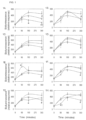
- Three oil fractions induced an anti-inflammatory action after oral administration. Oil fraction 1 significantly reduced inflammation by 61% three hours after the start of LPS-induced inflammation, and by 82% at six hours ( Fig 1A ).
- Oil fraction 7 significantly reduced inflammation by 49% after three hours ( Fig. 1G ).
- Oil fraction 8 significantly reduced inflammation by 66% alter 90 minutes ( Fig. 1H ).
- Oil fractions 2, 3, 4, and 6 did not significantly change the LPS-stimulated inflammatory response ( Fig.1 , panels B, C, D and F, respectively).
- the anti-inflammatory actions of several oil fractions had significantly higher efficacy than the widely used anti-inflammatory compound indomethacin itself, namely oil fractions 1 and 8.
- the marked anti-inflammatory activity of oil fraction 1 also points to a resolution-stimulating activity that, already after 6 hours, has actively brought back the neutrophilic inflammatory response nearly to the non-inflamed state.
- the industrial scale SFC fractionation permitted obtaining sufficient functional differentiation such that one oil fraction, 3, potentiated inflammation at the earliest time point, namely a more than doubling of neutrophil activity at 90 minutes, whereafter the extent of the neutrophilic response normalized to the response observed in vehicle-treated animals. This points out that this oil could facilitate a more rapid inflammatory response towards a bacterial infectious stimulus.
- the results demonstrate that through the fractionation of a long chain ⁇ -3 PUFA-rich oil it is possible to achieve oil fractions that have distinct activities on the inflammatory response, and that oil fractions are obtained with significant anti-inflammatory activity after oral administration.
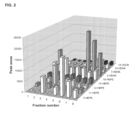
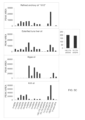
- FIG.2 shows the relative abundance of the ethyl-esterified and saponifiable forms of various monohydroxylated derivatives of the polyunsaturated fatty acids EPA and DHA, in consecutively-eluted oil fractions of an industrial scale SFC fractionation of the intermediate long chain ⁇ -3 fatty acid-ethyl ester concentrate (containing 70% EPA-EE and DI-IA-EE combined).
- the fractions numbered 1-8 are the same as those tested for anti-inflammatory activity as shown in Figure 1 .
- Values are means of duplicate measurements of peak areas of mass spectrometric recordings of ion transitions corresponding to each PUFA derivative. No measurable levels of the corresponding free fatty acid forms of the same PUFA derivatives could be found in these oil fractions.
- HEPE hydroxy-eicosapentaenoic acid
- HDHA hydroxy-docosahexaenoic acid
- SPMs 4-hydroxy-docosahexaenoic acid (4-HDHA; 4-hydroxy-5E,7Z,10Z,13Z,16Z,19Z-docosahexaenoic acid), and 18-hydroxy-eicosapentaenoic acid (18-HEPE; 18S-hydroxy-5Z,8Z,11Z,14Z,16E-eicosapentaenoic acid).
- 18-HEPE is a precursor for the formation of E-series resolvins
- 4-HDHA is known to have anti-inflammatory and tissue-protective actions in vasoproliferative retinopathy, and may act as a precursor for 4-HDHA-derived SPMs.
- the various measured SPM precursors distributed differentially into the various oil fractions obtained by SFC. This observation indicates that fractionation of commonly employed ⁇ -3 PUFA-containing oils can permit the manufacturing of oils containing defined presence, combinations, and levels of distinct PUFA-derived lipid mediators.
- DHA 17-hydroxy-docosahexaenoic acid
- 17-HDHA 17-hydroxy-docosa-4Z,7Z,10Z,13Z,15E,19Z-hexaenoic acid
- RvD1, RvD2, RvD3 and RvD4 potent anti-inflammatory and inflammation resolving bioactivity
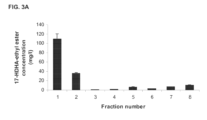
- FIG.3A shows the concentration of the ethyl ester of 17-HDHA in several consecutively eluted oil fractions of industrial scale SFC of the intermediate long chain ⁇ -3 fatty acid-ethyl ester concentrate (containing 70% EPA-EE and DHA-EE combined), corresponding to the same fractions as shown in Figures 1 and 2 .
- Oil fraction 1 analyzed here is the same as fraction number 1 shown in figures 1 , 2 , and 3 .
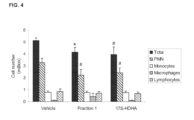
- the inflammatory exudate was recovered and the changes in the number and types of inflammatory cells determined by fluorescent-activated cell sorting employing specific fluorescently-labeled antibodies. Values are mean ⁇ standard error of the mean of 67 individual mice.
- oil fraction 1 containing approximately 100 mg/1 (10 microgram in 100 microliter) 17S-HDHA-ethyl ester, is very similar to the anti-inflammatory action of synthetic 17S-HDHA.
- results furthermore show that oil fraction 1 has systemic anti-inflammatory efficacy after oral administration in two distinct models of acute inflammation in mice, namely zymosan-initiated peritonitis and sub-cutaneous inflammation induced by lipopolysaccharide.
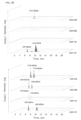
- Figure 5A shows the presence of two resolvins, resolvin D1 and resolvin D2, as saponifiable matter in a crude "1812" fish oil obtained from Peruvian anchovy.
- This oil is a common raw material which contains approximately 18% EPA and 12% DHA.
- Anchovy "1812" (18/12 means an oil containing 18% EPA and 12% DHA) oil is the omega-3 fish oil which is currently used in largest volumes world-wide for the manufacturing of refined fish oils and fish oil concentrates which have increased levels of the ⁇ -3 PUFA EPA and DHA.
- This oil is composed predominantly of triglycerides, indicating that RvD1 and RvD2 are most probably acylated within triglycerides.
- these resolvins may also be acylated within a diglyceride or monoglyceride, phosphatidic acid, phospholipid, or other ester or amide species present in this oil. No measurable levels of RvD1 or RvD2 in the free carboxylic acid form were found in this oil.
- the chromatogram shows that SPMs which are known to possess extremely potent anti-inflammatory and resolution-stimulating activities, are present in long chain ⁇ -3 PUFA containing oils that are widely used in the industry for the manufacturing of long chain ⁇ -3 PUFA-containing oils as nutritional supplements and pharmaceutical ingredients.
- a side-by-side comparison of oils obtained from different long chain ⁇ -3 PUFA-containing organisms demonstrates that 17-HDHA is present as saponifiable substance in oils from anchovy, tuna, krill, and algae, as shown in Fig. 5B .
- Two different crude anchovy oils, which are commonly employed as starting material for the preparation of EPA- and DHA-containing fish oils and EPA- and DHA-ethyl ester concentrates, are shown to contain 17-HDHA (18/12 means an oil containing 18% EPA and 12% DHA, 22/08 means an oil containing 22% EPA and 8% DHA).
- the tuna, krill and algae oils are commercially available oils.
- the tuna oil is a tuna liver oil.
- the algae oil is a DHA-containing algae oil obtained from a dinoflagellate algae, Order Peridiniida.
- these krill and algae oils are extracted from organisms which are purposefully caught or cultured for their relatively high content of DHA, and are shown here to contain relatively high levels of 17-HDHA when compared to the measured fish oils.
- DHA D-series resolvins
- AH compounds detected correspond to saponifiable substances present in the oils, and no corresponding compounds in their free carboxylic acid form were measurable.
- both EPA- and DHA-derived monohydroxylated SPM precursors and SPMs are present in two fish oils such as a refined "18/12" anchovy oil (containing 18% EPA and 12% DHA) and in an ethyl-esterified tuna liver oil.
- DHA-derived lipid mediators predominate in an oil extracted from algae which are cultured for their high levels of DHA.
- a krill oil was demonstrated to contain both EPA and DHA-derived monohydroxylated lipid mediators, but the EPA-derived compound appear more abundant than the DHA-derived lipid mediators.
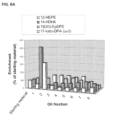
- Figure 6A shows the selective fractionation of four exemplary oxygenated lipid mediators derived from EPA, DHA, and docosapentaenoic acid (DPA ⁇ -3), into distinct oil fractions.
- the starting material which was fractionated by SFC into eight consecutive oil fractions was a fatty acid-ethyl ester oil containing 56% EPA-EE plus DHA-EE combined.
- This oil corresponds to a long chain ⁇ -3 ethyl ester concentrate manufactured from crude oil extracted from a mixture of marine organisms, including marine fish (anchovy, sardine, herring, shad, smelt, salmon, tuna, and bonito) and mollusks (squid, octopus, and cuttlefish).
- SFC fractionation is carried out in the following way.
- a raw material tank previously blanketed with nitrogen, is charged with the omega-3 fatty acid ethyl ester concentrate.
- the tank content is warmed up if necessary and temperature stabilized approximately between 20-40°C.
- This oil is processed batch-wise by passing it through a chromatographic column. Oil volumes weighing between 9.0 and 12 kg are pumped adjusting pressure and temperature at about 110-135 bars and 20-40°C. Carbon dioxide is pumped at the same time at 110-130 bars and between 43.5-45.5°C. Both flows (omega-3 concentrate and carbon dioxide) are injected onto the head of the chromatographic column flowing inside at a pressure between 98-102 bar and a temperature between 43.5-45.5°C.
- the consecutively eluted oil fractions contain different levels of several SPMs and SPM precursora ( Fig. 6A ), as exemplified by 12-hydroxy-eicosapentaenoic acid (12-HEPE; 12-hydroxy-eicosa-5Z,8Z,10E,14Z,17Z-pentaenoic acid), 14-hydroxy- docosahexaenoic acid (14-HDHA; 14-hydroxy-docosa-4Z,7Z,10Z,12E,16Z,19Z-hexaenoic acid), 19(20)-epoxy-docosapentaenoic acid (19(20)-EpDPE) and 17-keto-docosapentaenoic acid ( ⁇ -3) (17-keto-DPA ( ⁇ -3)).
- 14-HDHA can also be further oxygenated to 7S,14S-dihydroxy-docosahexaenoic acid (7S,14S-dihydroxy-docosa-4Z,8E,10Z,12E,16Z,19Z-hexaenoic acid) which has anti-inflammatory activity in neutrophilic inflammation.
- the epoxygenated lipid mediator 19(20)-EpDPE which is a cytochrome P450 derivative of DHA with anti-inflammatory properties, was found selectively enriched in later eluting fractions, especially in fraction 5.
- Figure 6B shows the further enrichment of 17-HDHA-ethyl ester when the first SFC fraction of an intermediate long chain ⁇ -3 fatty acid-ethyl ester concentrate containing 70% EPA-EE and DHA-EE combined is fractionated further.
- the subfractionated oil corresponds to oil fraction 1 shown in Figures 1-3 , and which had previously been found to contain enriched levels of the D-series resolvin precursor 17S-HDHA in the form of ethyl ester ( Fig. 3A ).
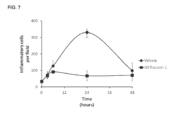
- FIG. 7 shows the resolution of inflammation stimulated by a SPM precursor-containing oil.
- the resolution-stimulating (pro-resolving) activity of oil fraction 1 was determined as an example to the capacity of an oil fraction containing an SPM precursor, to activate the resolution of inflammation.
- Figure 7 shows the results of an evaluation where the changes in inflammatory cell numbers were measured by histochemistry of subcutaneous fibrin clots formed during the inflammatory response initiated by subcutaneous administration of LPS.
- Oil fraction 1 or vehicle (sterile salive) in 100 microliter volume was administered by gavage to mice 30 minutes prior to initiation of inflammation by subcutaneous administration of LPS.
- LPS-induced inflammation employed here was the same model as explained in Example 1.
- Oil fraction 1 is the first eluting fraction of an industrial-scale SFC fractionation of an intermediate long chain ⁇ -3 PUFA-ethyl ester concentrate containing 70% EPA-EE and DHA-EE combined, and is the same fraction tested in Examples 1-3.
- This oil fraction 1 corresponds to fraction 1 shown in Figures 1-3 and was previously found to contain enriched levels of the D-series resolvin precursor 17S-HDHA in the form of ethyl ester.
- Subcutaneous fibrin clots were isolated at different time points (3, 6, 24 and 48 hours) during the inflammatory response, and fixated with 4% formaldehyde for 24 hours at 4°C..
- the SPM-precursor enriched oil fraction which had already been shown to have a significant anti-inflammatory action on the early neutrophilic pro-inflammatory phase of the inflammatory response ( Fig. 1 , panel A), is here shown to also have a marked resolution-stimulating (proresolving) activity upon oral administration.
Landscapes
- Health & Medical Sciences (AREA)
- Life Sciences & Earth Sciences (AREA)
- Public Health (AREA)
- Pharmacology & Pharmacy (AREA)
- General Health & Medical Sciences (AREA)
- Chemical & Material Sciences (AREA)
- Animal Behavior & Ethology (AREA)
- Veterinary Medicine (AREA)
- Medicinal Chemistry (AREA)
- Epidemiology (AREA)
- Marine Sciences & Fisheries (AREA)
- Natural Medicines & Medicinal Plants (AREA)
- Biotechnology (AREA)
- Engineering & Computer Science (AREA)
- Medical Informatics (AREA)
- Mycology (AREA)
- Microbiology (AREA)
- Botany (AREA)
- Alternative & Traditional Medicine (AREA)
- Zoology (AREA)
- Insects & Arthropods (AREA)
- Chemical Kinetics & Catalysis (AREA)
- Rheumatology (AREA)
- Pain & Pain Management (AREA)
- General Chemical & Material Sciences (AREA)
- Nuclear Medicine, Radiotherapy & Molecular Imaging (AREA)
- Organic Chemistry (AREA)
- Acyclic And Carbocyclic Compounds In Medicinal Compositions (AREA)
- Medicines Containing Plant Substances (AREA)
- Medicines Containing Material From Animals Or Micro-Organisms (AREA)
- Coloring Foods And Improving Nutritive Qualities (AREA)
- Medicines That Contain Protein Lipid Enzymes And Other Medicines (AREA)
Priority Applications (1)
| Application Number | Priority Date | Filing Date | Title |
|---|---|---|---|
| EP23157714.9A EP4205546A1 (en) | 2012-05-10 | 2013-05-09 | Oils with anti-inflammatory activity containing natural specialized proresolving mediators and their precursors |
Applications Claiming Priority (2)
| Application Number | Priority Date | Filing Date | Title |
|---|---|---|---|
| US201261645281P | 2012-05-10 | 2012-05-10 | |
| PCT/US2013/040314 WO2013170006A2 (en) | 2012-05-10 | 2013-05-09 | Oils with anti-inflammatory activity containing natural specialized proresolving mediators and their precursors |
Related Child Applications (2)
| Application Number | Title | Priority Date | Filing Date |
|---|---|---|---|
| EP23157714.9A Division-Into EP4205546A1 (en) | 2012-05-10 | 2013-05-09 | Oils with anti-inflammatory activity containing natural specialized proresolving mediators and their precursors |
| EP23157714.9A Division EP4205546A1 (en) | 2012-05-10 | 2013-05-09 | Oils with anti-inflammatory activity containing natural specialized proresolving mediators and their precursors |
Publications (4)
| Publication Number | Publication Date |
|---|---|
| EP2858496A2 EP2858496A2 (en) | 2015-04-15 |
| EP2858496A4 EP2858496A4 (en) | 2016-03-23 |
| EP2858496B1 EP2858496B1 (en) | 2023-04-12 |
| EP2858496B9 true EP2858496B9 (en) | 2023-11-29 |
Family
ID=49551457
Family Applications (2)
| Application Number | Title | Priority Date | Filing Date |
|---|---|---|---|
| EP13788058.9A Active EP2858496B9 (en) | 2012-05-10 | 2013-05-09 | Oils with anti-inflammatory activity containing natural specialized proresolving mediators and their precursors |
| EP23157714.9A Pending EP4205546A1 (en) | 2012-05-10 | 2013-05-09 | Oils with anti-inflammatory activity containing natural specialized proresolving mediators and their precursors |
Family Applications After (1)
| Application Number | Title | Priority Date | Filing Date |
|---|---|---|---|
| EP23157714.9A Pending EP4205546A1 (en) | 2012-05-10 | 2013-05-09 | Oils with anti-inflammatory activity containing natural specialized proresolving mediators and their precursors |
Country Status (12)
| Country | Link |
|---|---|
| US (6) | US10568858B2 (enExample) |
| EP (2) | EP2858496B9 (enExample) |
| JP (2) | JP6370775B2 (enExample) |
| CN (3) | CN110478342A (enExample) |
| AU (1) | AU2013259503B2 (enExample) |
| CA (1) | CA2873055C (enExample) |
| DK (1) | DK2858496T3 (enExample) |
| ES (1) | ES2946109T3 (enExample) |
| NZ (1) | NZ702325A (enExample) |
| PL (1) | PL2858496T3 (enExample) |
| PT (1) | PT2858496T (enExample) |
| WO (1) | WO2013170006A2 (enExample) |
Families Citing this family (51)
| Publication number | Priority date | Publication date | Assignee | Title |
|---|---|---|---|---|
| GB0907413D0 (en) | 2009-04-29 | 2009-06-10 | Equateq Ltd | Novel methods |
| CN110478342A (zh) | 2012-05-10 | 2019-11-22 | 索卢泰克斯Na有限责任公司 | 含有天然专门促消退介质及其前体的具有抗炎活性的油 |
| GB201301626D0 (en) * | 2013-01-30 | 2013-03-13 | Dignity Sciences Ltd | Composition comprising 15-OHEPA and methods of using the same |
| US9902681B2 (en) | 2013-05-30 | 2018-02-27 | The Brigham And Women's Hospital, Inc. | N-3 immunoresolvents: structures and actions |
| EP3068757B1 (en) | 2013-11-15 | 2019-02-27 | DS Biopharma Limited | Lysine salt of 15-hydroxy-8(z),11(z),13(e)-eicosatrienoic acid |
| MX2016008953A (es) * | 2014-01-10 | 2017-02-02 | Dignity Sciences Ltd | Composiciones farmaceuticas que comprenden i5-hidroxi-eicosa- 5,8,11,13,17-pentaenoico ( 15-hepe ) y metodos para tratar el asma y trastornos pulmonares que usan las mismas. |
| JP6315536B2 (ja) * | 2014-01-29 | 2018-04-25 | 岩手県 | Ppar活性化剤 |
| JP6604529B2 (ja) * | 2014-01-29 | 2019-11-13 | 岩手県 | ヒドロキシエイコサペンタエン酸の取得方法 |
| CN106687113B (zh) | 2014-06-06 | 2021-09-03 | 海洋原料公司 | ω-3组合物、剂型及使用方法 |
| MA41120A (fr) | 2014-12-02 | 2017-10-10 | Afimmune Ltd | Compositions comprenant le 15-hepe et méthodes de traitement ou de prévention de la fibrose à l'aide de celles-ci |
| JP2018502163A (ja) * | 2015-01-16 | 2018-01-25 | アフィミューン リミテッド | 15−hepeを含む組成物及びそれを使用する方法 |
| WO2016130522A1 (en) * | 2015-02-09 | 2016-08-18 | Board Of Supervisors Of Louisiana State University And Agricultural And Mechanical College | Compounds, compositions, and methods for the treatment of inflammatory, degenerative, and neurodegenerative diseases |
| US9682034B2 (en) | 2015-03-10 | 2017-06-20 | Elc Management Llc | Methods and compositions for treating skin to resolve inflammation and screening for actives that stimulate pro-resolution pathways |
| JP2018520197A (ja) | 2015-07-21 | 2018-07-26 | アフィミューン リミテッド | 癌及び神経疾患の治療または予防において使用するための、15−hepeを含む組成物 |
| WO2017041094A1 (en) | 2015-09-03 | 2017-03-09 | Solutex Na Llc | Compositions comprising omega-3 fatty acids, 17-hdha and 18- hepe and methods of using same |
| ES2607715B1 (es) | 2015-10-01 | 2018-01-17 | Solutex Na, Lcc | Proceso para la preparación y estabilización de emulsiones con omega-3 mediante redes cristalinas isométricas de derivados de celulosa |
| CN113230244A (zh) * | 2015-12-18 | 2021-08-10 | 艾菲穆恩有限公司 | 包含15-hepe的组合物及其使用方法 |
| JP6906047B2 (ja) | 2016-06-03 | 2021-07-21 | テティス・ファーマシューティカルズ・エルエルシー | 特異的炎症収束性メディエーターの塩に関連する組成物及び方法 |
| US11484520B2 (en) * | 2017-01-18 | 2022-11-01 | Universitat Autonoma De Barcelona | Specialized pro-resolving lipid mediators for use in the treatment of neurodegenerative diseases and/or autoimmune diseases |
| WO2019016580A1 (en) | 2017-07-20 | 2019-01-24 | Universitat Autonoma De Barcelona | MARESINS FOR USE IN THE TREATMENT OF CNS INJURIES |
| KR101981534B1 (ko) * | 2017-09-01 | 2019-05-23 | (주)솔빛피앤에프 | 프로텍틴 dx를 유효성분으로 함유하는 고지혈증 또는 지방간 질환 예방 또는 치료용 조성물 |
| KR102003153B1 (ko) * | 2018-01-17 | 2019-07-23 | 연세대학교 산학협력단 | 레졸빈 d2를 유효성분으로 함유하는 피부 염증 치료용 조성물 |
| WO2019203540A2 (ko) * | 2018-04-16 | 2019-10-24 | 한국생명공학연구원 | 다중불포화지방산의 멀티-하이드록시 유도체 생산 방법 |
| CN108578398A (zh) * | 2018-06-11 | 2018-09-28 | 温州医科大学 | 巨噬素在制备预防或治疗类风湿性关节炎的药物中的应用 |
| NO345574B1 (en) * | 2018-06-19 | 2021-04-26 | Epax Norway As | Composition for treatment of dry eye disease and meibomianitis |
| WO2019243887A1 (en) | 2018-06-22 | 2019-12-26 | Ambiotis | Method for restoration of the natural capacity of the body to end inflammation by personalization of the food supplementation and objectification of its effect |
| WO2020076578A1 (en) | 2018-10-09 | 2020-04-16 | University Of Rochester | Treatment of vulvovaginal disorders |
| KR102673270B1 (ko) * | 2018-10-15 | 2024-06-07 | (주)아모레퍼시픽 | 피부장벽 강화용 조성물 |
| US11400057B2 (en) | 2018-10-19 | 2022-08-02 | University Of Rochester | Treatment of vulvar pain |
| KR102704402B1 (ko) * | 2018-10-24 | 2024-09-06 | (주)아모레퍼시픽 | 피부장벽 강화용 조성물 |
| WO2020109480A1 (en) * | 2018-11-30 | 2020-06-04 | Evonik Operations Gmbh | Preparation for use to increase the formation of one or more specialized pro-resolving lipid mediators (spm) |
| WO2020252413A1 (en) * | 2019-06-13 | 2020-12-17 | The Regents Of The University Of California | Methods and compositions for determination liver fibrosis |
| CN110420224A (zh) * | 2019-07-25 | 2019-11-08 | 江苏华豚药业有限公司 | 河豚肝油皂化物的应用及其制备方法 |
| WO2021019037A1 (en) * | 2019-08-01 | 2021-02-04 | Evonik Operations Gmbh | Preparation comprising omega-3 fatty acid salts and extracts of gum resins from boswellia species |
| US11607623B2 (en) | 2019-08-08 | 2023-03-21 | Cornerstone Technologies Llc | Dynamic interface system and its application in supercritical fluid extraction and chromatography |
| GB201913383D0 (en) * | 2019-09-17 | 2019-10-30 | Univ London Queen Mary | Methods for predicting patient response to DMARDs |
| KR102870005B1 (ko) * | 2019-09-25 | 2025-10-17 | (주)아모레퍼시픽 | 피부장벽 강화용 조성물 |
| EP4071241A4 (en) * | 2019-12-06 | 2023-10-18 | Korea Research Institute of Bioscience and Biotechnology | MONO-HYDROXY OR DI-HYDROXY DERIVATIVES OF POLYUNSATURATED FATTY ACIDS, PROCESS FOR THEIR PRODUCTION AND USE |
| KR102256823B1 (ko) * | 2019-12-06 | 2021-05-26 | 한국생명공학연구원 | 도코사헥사노엔산 유도체를 함유하는 주름 개선, 아토피피부염 개선 및 피부 장벽 강화용 복합 조성물 |
| BR112022011276A2 (pt) * | 2019-12-09 | 2022-09-06 | Univ Louisiana State | Biomolécula para tratamento de patologias da córnea |
| US20210315851A1 (en) | 2020-04-03 | 2021-10-14 | Afimmune Limited | Compositions comprising 15-hepe and methods of treating or preventing hematologic disorders, and/or related diseases |
| US20230273228A1 (en) | 2020-07-17 | 2023-08-31 | Solutex Gc, S.L. | Diagnostic Method and Compounds for the Treatment of Infections Caused by a Pathogen |
| WO2022049168A1 (en) * | 2020-09-04 | 2022-03-10 | Dsm Ip Assets B.V. | 17(s)-hdpa for metabolic-syndrome related disorders |
| EP4255412A1 (en) | 2020-12-04 | 2023-10-11 | Chemo Research, S.L. | Specialized pro-resolving lipid mediators for treating pcos |
| KR20220159751A (ko) | 2021-05-26 | 2022-12-05 | (주)아모레퍼시픽 | 미백용 조성물 및 이를 이용한 피부 미백방법 |
| KR102662544B1 (ko) * | 2021-10-19 | 2024-05-03 | 서울대학교산학협력단 | 참문어 추출물을 유효성분으로 포함하는 만성 폐쇄성 폐질환 예방 또는 치료용 약학적 조성물 |
| EP4499060A1 (en) | 2022-03-25 | 2025-02-05 | Chemo Research, S.L. | Specialized pro-resolving lipid mediators for treating long covid-19 |
| CN115466776B (zh) * | 2022-09-26 | 2025-06-27 | 中国医学科学院基础医学研究所 | 检测嗜酸性粒细胞的试剂、嗜酸性粒细胞及其胞质内容物和羟基二十二碳六烯酸的应用 |
| CN116139122B (zh) * | 2023-02-28 | 2025-11-07 | 武汉大学人民医院(湖北省人民医院) | 消退素d2在制备缓解和/或治疗心肌梗死及其相关疾病的药物中的应用 |
| WO2025023183A1 (ja) * | 2023-07-21 | 2025-01-30 | 国立大学法人大阪大学 | 炎症性腸疾患を抑制する脂肪酸代謝産物 |
| WO2025233510A1 (en) | 2024-05-10 | 2025-11-13 | Chemo Research, S.L. | Specialized pro-resolving lipid mediators for treating depression, anxiety, and/or stress |
Family Cites Families (35)
| Publication number | Priority date | Publication date | Assignee | Title |
|---|---|---|---|---|
| US4235871A (en) | 1978-02-24 | 1980-11-25 | Papahadjopoulos Demetrios P | Method of encapsulating biologically active materials in lipid vesicles |
| US4501728A (en) | 1983-01-06 | 1985-02-26 | Technology Unlimited, Inc. | Masking of liposomes from RES recognition |
| US4837028A (en) | 1986-12-24 | 1989-06-06 | Liposome Technology, Inc. | Liposomes with enhanced circulation time |
| JPH01169354A (ja) * | 1987-12-25 | 1989-07-04 | Hitachi Ltd | 超臨界炭酸ガス抽出物の分取方法 |
| US5133902A (en) | 1989-08-22 | 1992-07-28 | Viswanatha Sankaran | Transesterification of triglycerides |
| US4966876A (en) | 1989-08-22 | 1990-10-30 | Viswanatha Sankaran | Transesterification of triglycerides |
| IT1274734B (it) | 1994-08-25 | 1997-07-24 | Prospa Bv | Composizioni farmaceutiche contenenti acidi grassi poliinsaturi, loro esteri o sali, unitamente a vitamine o provitamine antiossidanti |
| KR100234947B1 (ko) | 1997-06-05 | 1999-12-15 | 이형도 | 멀티 탭 고주파 모듈레이터 |
| ATE497384T1 (de) | 1997-12-10 | 2011-02-15 | Cyclosporine Therapeutics Ltd | Omega-3 fettsäure enthaltende pharmazeutische zusammensetzungen |
| JP4175698B2 (ja) * | 1998-06-19 | 2008-11-05 | サントリー株式会社 | 新規なトリグリセリド及びそれを含む組成物 |
| IL151299A0 (en) * | 2000-02-16 | 2003-04-10 | Brigham & Womens Hospital | Aspirin-triggered lipid mediators |
| PT1243262E (pt) * | 2001-03-20 | 2006-10-31 | Sanol Arznei Schwarz Gmbh | Nova utilizacao de uma classe de compostos peptideos para o tratamento da dor inflamatoria nao neuropatica |
| JPWO2002102364A1 (ja) * | 2001-06-18 | 2004-09-30 | 山田 幸子 | PPARγ作動性医薬組成物 |
| US7759395B2 (en) | 2002-08-12 | 2010-07-20 | The Brigham And Women's Hospital, Inc. | Use of docosatrienes, resolvins and their stable analogs in the treatment of airway diseases and asthma |
| KR20110053281A (ko) | 2002-11-22 | 2011-05-19 | 니폰스이산가부시키가이샤 | 산화 안정성이 향상된 이중결합을 가진 유기물을 함유하는 조성물 |
| JP4280158B2 (ja) | 2002-12-27 | 2009-06-17 | 富士フイルム株式会社 | ドコサヘキサエン酸生産能を有する微生物及びその利用 |
| US20090318394A1 (en) | 2004-11-19 | 2009-12-24 | Julie Nauroth | Long Chain Polyunsaturated Fatty Acids and Methods of Making and Using the Same |
| KR20070090928A (ko) * | 2004-11-19 | 2007-09-06 | 마텍 바이오싸이언스스 코포레이션 | 장쇄 다가불포화 지방산으로부터의 옥시리핀, 및 이의 제조방법 및 사용 방법 |
| JP2009051732A (ja) * | 2005-12-13 | 2009-03-12 | Meiji Seika Kaisha Ltd | Pparリガンド活性を有する組成物 |
| US20110190389A1 (en) | 2007-02-20 | 2011-08-04 | Linda Arterburn | Oxylipins from long chain polyunsaturated fatty acids and methods of making and using the same |
| AU2008269989B2 (en) * | 2007-06-29 | 2014-02-27 | Dsm Ip Assets B.V. | Production and purification of esters of polyunsaturated fatty acids |
| KR101650680B1 (ko) | 2007-08-31 | 2016-08-23 | 디에스엠 아이피 어셋츠 비.브이. | 다중불포화된 지방산 함유 고체 지방 조성물 및 그의 용도 및 생산 |
| US8927747B2 (en) * | 2008-09-16 | 2015-01-06 | The Brigham And Women's Hospital, Inc. | 14-hydroxy-docosahexaenoic acid compounds |
| WO2010095706A1 (ja) | 2009-02-20 | 2010-08-26 | 国立大学法人東京大学 | 新規抗炎症性化合物 |
| US20110071090A1 (en) | 2009-03-11 | 2011-03-24 | Stable Solutions Llc | Method of mitigating adverse drug events using omega-3-fatty acids as a parenteral therapeutic drug vehicle |
| CL2009001343A1 (es) * | 2009-06-02 | 2009-07-10 | Golden Omega S A | Proceso de obtencion concentrado de esteres de epa y dha a partir de aceite marino, que comprende agregar al aceite alcali y agua a menos de 100 grados celsius, agregar solvente, separar fase de refinado, agregar acido, separar la fase no acuosa y agregar alcohol y un catalizador a menos de 150 grados celsius, desolventilizar y destilar. |
| US8479921B2 (en) | 2009-12-09 | 2013-07-09 | Amcor Flexibles, Inc. | Child resistant blister package |
| WO2011087981A2 (en) | 2010-01-15 | 2011-07-21 | E. I. Du Pont De Nemours And Company | Clinical benefits of eicosapentaenoic acid in humans |
| WO2012023254A1 (ja) | 2010-08-19 | 2012-02-23 | 国立大学法人 東京大学 | オメガ3系脂肪酸由来の新規抗炎症性代謝物 |
| US8865685B2 (en) | 2011-06-30 | 2014-10-21 | Johnson & Johnson Vision Care, Inc. | Esters for treatment of ocular inflammatory conditions |
| WO2013096993A1 (en) | 2011-12-27 | 2013-07-04 | Commonwealth Scientific And Industrial Research Organisation | Processes for producing lipids |
| CN110478342A (zh) * | 2012-05-10 | 2019-11-22 | 索卢泰克斯Na有限责任公司 | 含有天然专门促消退介质及其前体的具有抗炎活性的油 |
| AU2014299410B2 (en) | 2013-06-27 | 2017-12-21 | Smartfish As | Use of a composition comprising fish oil and juice for the treatment of inflammation |
| MX2016008953A (es) | 2014-01-10 | 2017-02-02 | Dignity Sciences Ltd | Composiciones farmaceuticas que comprenden i5-hidroxi-eicosa- 5,8,11,13,17-pentaenoico ( 15-hepe ) y metodos para tratar el asma y trastornos pulmonares que usan las mismas. |
| WO2017041094A1 (en) | 2015-09-03 | 2017-03-09 | Solutex Na Llc | Compositions comprising omega-3 fatty acids, 17-hdha and 18- hepe and methods of using same |
-
2013
- 2013-05-09 CN CN201910864506.XA patent/CN110478342A/zh active Pending
- 2013-05-09 WO PCT/US2013/040314 patent/WO2013170006A2/en not_active Ceased
- 2013-05-09 JP JP2015511694A patent/JP6370775B2/ja active Active
- 2013-05-09 EP EP13788058.9A patent/EP2858496B9/en active Active
- 2013-05-09 EP EP23157714.9A patent/EP4205546A1/en active Pending
- 2013-05-09 DK DK13788058.9T patent/DK2858496T3/da active
- 2013-05-09 NZ NZ702325A patent/NZ702325A/en unknown
- 2013-05-09 CN CN201380036376.1A patent/CN104684389A/zh active Pending
- 2013-05-09 CN CN202310172271.4A patent/CN116173001A/zh active Pending
- 2013-05-09 ES ES13788058T patent/ES2946109T3/es active Active
- 2013-05-09 AU AU2013259503A patent/AU2013259503B2/en active Active
- 2013-05-09 PT PT137880589T patent/PT2858496T/pt unknown
- 2013-05-09 US US14/400,198 patent/US10568858B2/en active Active
- 2013-05-09 CA CA2873055A patent/CA2873055C/en active Active
- 2013-05-09 PL PL13788058.9T patent/PL2858496T3/pl unknown
-
2018
- 2018-03-26 US US15/935,913 patent/US20180271818A1/en not_active Abandoned
- 2018-07-11 JP JP2018131272A patent/JP6821626B2/ja active Active
-
2019
- 2019-03-08 US US16/297,240 patent/US11077083B2/en active Active
-
2020
- 2020-05-26 US US16/882,910 patent/US11285126B2/en active Active
-
2021
- 2021-02-01 US US17/163,722 patent/US11077084B2/en active Active
-
2022
- 2022-02-22 US US17/677,158 patent/US11865096B2/en active Active
Also Published As
Similar Documents
| Publication | Publication Date | Title |
|---|---|---|
| US11865096B2 (en) | Oils with anti-inflammatory activity containing natural specialized proresolving mediators and their precursors | |
| US20200316086A1 (en) | Compositions comprising omega-3 fatty acids, 17-hdha and 18-hepe and methods of using same | |
| US11648229B2 (en) | Composition containing eicosapentaenoic acid alkyl ester, and method for producing same | |
| JP2017504472A (ja) | 脂肪酸のクロマトグラフィ精製のための方法 | |
| BR112020026069A2 (pt) | composição de lipídio à base de vegetais, composição nutracêutica, produto alimentício para consumo humano ou animal, e, processo para produzir uma composição de lipídio à base de vegetais | |
| HK1240966A1 (en) | Composition containing eicosapentaenoic acid alkyl ester, and method for producing same |
Legal Events
| Date | Code | Title | Description |
|---|---|---|---|
| PUAI | Public reference made under article 153(3) epc to a published international application that has entered the european phase |
Free format text: ORIGINAL CODE: 0009012 |
|
| 17P | Request for examination filed |
Effective date: 20141205 |
|
| AK | Designated contracting states |
Kind code of ref document: A2 Designated state(s): AL AT BE BG CH CY CZ DE DK EE ES FI FR GB GR HR HU IE IS IT LI LT LU LV MC MK MT NL NO PL PT RO RS SE SI SK SM TR |
|
| AX | Request for extension of the european patent |
Extension state: BA ME |
|
| DAX | Request for extension of the european patent (deleted) | ||
| A4 | Supplementary search report drawn up and despatched |
Effective date: 20160222 |
|
| RIC1 | Information provided on ipc code assigned before grant |
Ipc: A61K 35/618 20150101ALI20160216BHEP Ipc: A61K 36/02 20060101ALI20160216BHEP Ipc: A61K 31/557 20060101ALI20160216BHEP Ipc: A01N 37/06 20060101AFI20160216BHEP Ipc: A61K 35/612 20150101ALI20160216BHEP Ipc: A61K 35/60 20060101ALI20160216BHEP Ipc: A61P 29/00 20060101ALI20160216BHEP |
|
| STAA | Information on the status of an ep patent application or granted ep patent |
Free format text: STATUS: EXAMINATION IS IN PROGRESS |
|
| 17Q | First examination report despatched |
Effective date: 20171128 |
|
| TPAC | Observations filed by third parties |
Free format text: ORIGINAL CODE: EPIDOSNTIPA |
|
| TPAC | Observations filed by third parties |
Free format text: ORIGINAL CODE: EPIDOSNTIPA |
|
| RIC1 | Information provided on ipc code assigned before grant |
Ipc: A61K 31/202 20060101ALI20220921BHEP Ipc: A61K 31/557 20060101ALI20220921BHEP Ipc: A61P 29/00 20060101ALI20220921BHEP Ipc: A61K 35/612 20150101ALI20220921BHEP Ipc: A61K 35/618 20150101ALI20220921BHEP Ipc: A61K 35/60 20060101ALI20220921BHEP Ipc: A61K 36/02 20060101ALI20220921BHEP Ipc: A01N 37/06 20060101AFI20220921BHEP |
|
| GRAP | Despatch of communication of intention to grant a patent |
Free format text: ORIGINAL CODE: EPIDOSNIGR1 |
|
| STAA | Information on the status of an ep patent application or granted ep patent |
Free format text: STATUS: GRANT OF PATENT IS INTENDED |
|
| INTG | Intention to grant announced |
Effective date: 20221103 |
|
| GRAS | Grant fee paid |
Free format text: ORIGINAL CODE: EPIDOSNIGR3 |
|
| GRAA | (expected) grant |
Free format text: ORIGINAL CODE: 0009210 |
|
| STAA | Information on the status of an ep patent application or granted ep patent |
Free format text: STATUS: THE PATENT HAS BEEN GRANTED |
|
| AK | Designated contracting states |
Kind code of ref document: B1 Designated state(s): AL AT BE BG CH CY CZ DE DK EE ES FI FR GB GR HR HU IE IS IT LI LT LU LV MC MK MT NL NO PL PT RO RS SE SI SK SM TR |
|
| REG | Reference to a national code |
Ref country code: GB Ref legal event code: FG4D |
|
| REG | Reference to a national code |
Ref country code: CH Ref legal event code: EP |
|
| REG | Reference to a national code |
Ref country code: DE Ref legal event code: R096 Ref document number: 602013083602 Country of ref document: DE |
|
| REG | Reference to a national code |
Ref country code: IE Ref legal event code: FG4D |
|
| REG | Reference to a national code |
Ref country code: AT Ref legal event code: REF Ref document number: 1559301 Country of ref document: AT Kind code of ref document: T Effective date: 20230515 |
|
| REG | Reference to a national code |
Ref country code: NL Ref legal event code: FP |
|
| P01 | Opt-out of the competence of the unified patent court (upc) registered |
Effective date: 20230530 |
|
| REG | Reference to a national code |
Ref country code: ES Ref legal event code: FG2A Ref document number: 2946109 Country of ref document: ES Kind code of ref document: T3 Effective date: 20230712 |
|
| REG | Reference to a national code |
Ref country code: PT Ref legal event code: SC4A Ref document number: 2858496 Country of ref document: PT Date of ref document: 20230720 Kind code of ref document: T Free format text: AVAILABILITY OF NATIONAL TRANSLATION Effective date: 20230711 |
|
| REG | Reference to a national code |
Ref country code: DK Ref legal event code: T3 Effective date: 20230719 |
|
| REG | Reference to a national code |
Ref country code: LT Ref legal event code: MG9D |
|
| REG | Reference to a national code |
Ref country code: NO Ref legal event code: T2 Effective date: 20230412 |
|
| REG | Reference to a national code |
Ref country code: AT Ref legal event code: MK05 Ref document number: 1559301 Country of ref document: AT Kind code of ref document: T Effective date: 20230412 |
|
| GRAT | Correction requested after decision to grant or after decision to maintain patent in amended form |
Free format text: ORIGINAL CODE: EPIDOSNCDEC |
|
| PG25 | Lapsed in a contracting state [announced via postgrant information from national office to epo] |
Ref country code: SE Free format text: LAPSE BECAUSE OF FAILURE TO SUBMIT A TRANSLATION OF THE DESCRIPTION OR TO PAY THE FEE WITHIN THE PRESCRIBED TIME-LIMIT Effective date: 20230412 Ref country code: AT Free format text: LAPSE BECAUSE OF FAILURE TO SUBMIT A TRANSLATION OF THE DESCRIPTION OR TO PAY THE FEE WITHIN THE PRESCRIBED TIME-LIMIT Effective date: 20230412 |
|
| REG | Reference to a national code |
Ref country code: CH Ref legal event code: PK Free format text: BERICHTIGUNG B9 |
|
| PG25 | Lapsed in a contracting state [announced via postgrant information from national office to epo] |
Ref country code: RS Free format text: LAPSE BECAUSE OF FAILURE TO SUBMIT A TRANSLATION OF THE DESCRIPTION OR TO PAY THE FEE WITHIN THE PRESCRIBED TIME-LIMIT Effective date: 20230412 Ref country code: LV Free format text: LAPSE BECAUSE OF FAILURE TO SUBMIT A TRANSLATION OF THE DESCRIPTION OR TO PAY THE FEE WITHIN THE PRESCRIBED TIME-LIMIT Effective date: 20230412 Ref country code: LT Free format text: LAPSE BECAUSE OF FAILURE TO SUBMIT A TRANSLATION OF THE DESCRIPTION OR TO PAY THE FEE WITHIN THE PRESCRIBED TIME-LIMIT Effective date: 20230412 Ref country code: IS Free format text: LAPSE BECAUSE OF FAILURE TO SUBMIT A TRANSLATION OF THE DESCRIPTION OR TO PAY THE FEE WITHIN THE PRESCRIBED TIME-LIMIT Effective date: 20230812 Ref country code: HR Free format text: LAPSE BECAUSE OF FAILURE TO SUBMIT A TRANSLATION OF THE DESCRIPTION OR TO PAY THE FEE WITHIN THE PRESCRIBED TIME-LIMIT Effective date: 20230412 Ref country code: GR Free format text: LAPSE BECAUSE OF FAILURE TO SUBMIT A TRANSLATION OF THE DESCRIPTION OR TO PAY THE FEE WITHIN THE PRESCRIBED TIME-LIMIT Effective date: 20230713 |
|
| PG25 | Lapsed in a contracting state [announced via postgrant information from national office to epo] |
Ref country code: FI Free format text: LAPSE BECAUSE OF FAILURE TO SUBMIT A TRANSLATION OF THE DESCRIPTION OR TO PAY THE FEE WITHIN THE PRESCRIBED TIME-LIMIT Effective date: 20230412 |
|
| REG | Reference to a national code |
Ref country code: DE Ref legal event code: R026 Ref document number: 602013083602 Country of ref document: DE |
|
| PG25 | Lapsed in a contracting state [announced via postgrant information from national office to epo] |
Ref country code: SK Free format text: LAPSE BECAUSE OF FAILURE TO SUBMIT A TRANSLATION OF THE DESCRIPTION OR TO PAY THE FEE WITHIN THE PRESCRIBED TIME-LIMIT Effective date: 20230412 |
|
| PG25 | Lapsed in a contracting state [announced via postgrant information from national office to epo] |
Ref country code: MC Free format text: LAPSE BECAUSE OF FAILURE TO SUBMIT A TRANSLATION OF THE DESCRIPTION OR TO PAY THE FEE WITHIN THE PRESCRIBED TIME-LIMIT Effective date: 20230412 |
|
| PLBI | Opposition filed |
Free format text: ORIGINAL CODE: 0009260 |
|
| PLAX | Notice of opposition and request to file observation + time limit sent |
Free format text: ORIGINAL CODE: EPIDOSNOBS2 |
|
| PG25 | Lapsed in a contracting state [announced via postgrant information from national office to epo] |
Ref country code: SM Free format text: LAPSE BECAUSE OF FAILURE TO SUBMIT A TRANSLATION OF THE DESCRIPTION OR TO PAY THE FEE WITHIN THE PRESCRIBED TIME-LIMIT Effective date: 20230412 Ref country code: SK Free format text: LAPSE BECAUSE OF FAILURE TO SUBMIT A TRANSLATION OF THE DESCRIPTION OR TO PAY THE FEE WITHIN THE PRESCRIBED TIME-LIMIT Effective date: 20230412 Ref country code: RO Free format text: LAPSE BECAUSE OF FAILURE TO SUBMIT A TRANSLATION OF THE DESCRIPTION OR TO PAY THE FEE WITHIN THE PRESCRIBED TIME-LIMIT Effective date: 20230412 Ref country code: MC Free format text: LAPSE BECAUSE OF FAILURE TO SUBMIT A TRANSLATION OF THE DESCRIPTION OR TO PAY THE FEE WITHIN THE PRESCRIBED TIME-LIMIT Effective date: 20230412 Ref country code: LU Free format text: LAPSE BECAUSE OF NON-PAYMENT OF DUE FEES Effective date: 20230509 Ref country code: EE Free format text: LAPSE BECAUSE OF FAILURE TO SUBMIT A TRANSLATION OF THE DESCRIPTION OR TO PAY THE FEE WITHIN THE PRESCRIBED TIME-LIMIT Effective date: 20230412 Ref country code: CZ Free format text: LAPSE BECAUSE OF FAILURE TO SUBMIT A TRANSLATION OF THE DESCRIPTION OR TO PAY THE FEE WITHIN THE PRESCRIBED TIME-LIMIT Effective date: 20230412 |
|
| 26 | Opposition filed |
Opponent name: EPAX NORWAY AS Effective date: 20240111 |
|
| REG | Reference to a national code |
Ref country code: IE Ref legal event code: MM4A |
|
| PG25 | Lapsed in a contracting state [announced via postgrant information from national office to epo] |
Ref country code: IE Free format text: LAPSE BECAUSE OF NON-PAYMENT OF DUE FEES Effective date: 20230509 |
|
| PG25 | Lapsed in a contracting state [announced via postgrant information from national office to epo] |
Ref country code: IE Free format text: LAPSE BECAUSE OF NON-PAYMENT OF DUE FEES Effective date: 20230509 |
|
| PG25 | Lapsed in a contracting state [announced via postgrant information from national office to epo] |
Ref country code: SI Free format text: LAPSE BECAUSE OF FAILURE TO SUBMIT A TRANSLATION OF THE DESCRIPTION OR TO PAY THE FEE WITHIN THE PRESCRIBED TIME-LIMIT Effective date: 20230412 |
|
| PLBB | Reply of patent proprietor to notice(s) of opposition received |
Free format text: ORIGINAL CODE: EPIDOSNOBS3 |
|
| PG25 | Lapsed in a contracting state [announced via postgrant information from national office to epo] |
Ref country code: SI Free format text: LAPSE BECAUSE OF FAILURE TO SUBMIT A TRANSLATION OF THE DESCRIPTION OR TO PAY THE FEE WITHIN THE PRESCRIBED TIME-LIMIT Effective date: 20230412 |
|
| PG25 | Lapsed in a contracting state [announced via postgrant information from national office to epo] |
Ref country code: BG Free format text: LAPSE BECAUSE OF FAILURE TO SUBMIT A TRANSLATION OF THE DESCRIPTION OR TO PAY THE FEE WITHIN THE PRESCRIBED TIME-LIMIT Effective date: 20230412 |
|
| PG25 | Lapsed in a contracting state [announced via postgrant information from national office to epo] |
Ref country code: BG Free format text: LAPSE BECAUSE OF FAILURE TO SUBMIT A TRANSLATION OF THE DESCRIPTION OR TO PAY THE FEE WITHIN THE PRESCRIBED TIME-LIMIT Effective date: 20230412 |
|
| PGFP | Annual fee paid to national office [announced via postgrant information from national office to epo] |
Ref country code: NL Payment date: 20250526 Year of fee payment: 13 |
|
| PGFP | Annual fee paid to national office [announced via postgrant information from national office to epo] |
Ref country code: PL Payment date: 20250503 Year of fee payment: 13 Ref country code: DE Payment date: 20250529 Year of fee payment: 13 |
|
| PGFP | Annual fee paid to national office [announced via postgrant information from national office to epo] |
Ref country code: ES Payment date: 20250602 Year of fee payment: 13 Ref country code: GB Payment date: 20250527 Year of fee payment: 13 Ref country code: DK Payment date: 20250526 Year of fee payment: 13 |
|
| PGFP | Annual fee paid to national office [announced via postgrant information from national office to epo] |
Ref country code: NO Payment date: 20250530 Year of fee payment: 13 |
|
| PGFP | Annual fee paid to national office [announced via postgrant information from national office to epo] |
Ref country code: IT Payment date: 20250521 Year of fee payment: 13 Ref country code: BE Payment date: 20250527 Year of fee payment: 13 |
|
| PGFP | Annual fee paid to national office [announced via postgrant information from national office to epo] |
Ref country code: PT Payment date: 20250421 Year of fee payment: 13 |
|
| PGFP | Annual fee paid to national office [announced via postgrant information from national office to epo] |
Ref country code: FR Payment date: 20250526 Year of fee payment: 13 |
|
| PGFP | Annual fee paid to national office [announced via postgrant information from national office to epo] |
Ref country code: CH Payment date: 20250601 Year of fee payment: 13 |
|
| PG25 | Lapsed in a contracting state [announced via postgrant information from national office to epo] |
Ref country code: CY Free format text: LAPSE BECAUSE OF FAILURE TO SUBMIT A TRANSLATION OF THE DESCRIPTION OR TO PAY THE FEE WITHIN THE PRESCRIBED TIME-LIMIT; INVALID AB INITIO Effective date: 20130509 |
|
| PGFP | Annual fee paid to national office [announced via postgrant information from national office to epo] |
Ref country code: TR Payment date: 20250428 Year of fee payment: 13 |
|
| PG25 | Lapsed in a contracting state [announced via postgrant information from national office to epo] |
Ref country code: HU Free format text: LAPSE BECAUSE OF FAILURE TO SUBMIT A TRANSLATION OF THE DESCRIPTION OR TO PAY THE FEE WITHIN THE PRESCRIBED TIME-LIMIT; INVALID AB INITIO Effective date: 20130509 |