EP2661256B1 - Compositions comprising (2s,3r,4r,5s,6r)-2-(4- chloro-3-(4-ethoxybenzyl)phenyl)-6-(methylthio)tetrahydro-2h-pyran-3,4,5-triol - Google Patents
Compositions comprising (2s,3r,4r,5s,6r)-2-(4- chloro-3-(4-ethoxybenzyl)phenyl)-6-(methylthio)tetrahydro-2h-pyran-3,4,5-triol Download PDFInfo
- Publication number
- EP2661256B1 EP2661256B1 EP12700583.3A EP12700583A EP2661256B1 EP 2661256 B1 EP2661256 B1 EP 2661256B1 EP 12700583 A EP12700583 A EP 12700583A EP 2661256 B1 EP2661256 B1 EP 2661256B1
- Authority
- EP
- European Patent Office
- Prior art keywords
- chloro
- ethoxybenzyl
- phenyl
- pyran
- tetrahydro
- Prior art date
- Legal status (The legal status is an assumption and is not a legal conclusion. Google has not performed a legal analysis and makes no representation as to the accuracy of the status listed.)
- Active
Links
Images




Classifications
-
- A—HUMAN NECESSITIES
- A61—MEDICAL OR VETERINARY SCIENCE; HYGIENE
- A61K—PREPARATIONS FOR MEDICAL, DENTAL OR TOILETRY PURPOSES
- A61K31/00—Medicinal preparations containing organic active ingredients
- A61K31/70—Carbohydrates; Sugars; Derivatives thereof
- A61K31/7028—Compounds having saccharide radicals attached to non-saccharide compounds by glycosidic linkages
- A61K31/7034—Compounds having saccharide radicals attached to non-saccharide compounds by glycosidic linkages attached to a carbocyclic compound, e.g. phloridzin
-
- A—HUMAN NECESSITIES
- A61—MEDICAL OR VETERINARY SCIENCE; HYGIENE
- A61K—PREPARATIONS FOR MEDICAL, DENTAL OR TOILETRY PURPOSES
- A61K31/00—Medicinal preparations containing organic active ingredients
- A61K31/13—Amines
- A61K31/155—Amidines (), e.g. guanidine (H2N—C(=NH)—NH2), isourea (N=C(OH)—NH2), isothiourea (—N=C(SH)—NH2)
-
- A—HUMAN NECESSITIES
- A61—MEDICAL OR VETERINARY SCIENCE; HYGIENE
- A61K—PREPARATIONS FOR MEDICAL, DENTAL OR TOILETRY PURPOSES
- A61K31/00—Medicinal preparations containing organic active ingredients
- A61K31/33—Heterocyclic compounds
- A61K31/335—Heterocyclic compounds having oxygen as the only ring hetero atom, e.g. fungichromin
-
- A—HUMAN NECESSITIES
- A61—MEDICAL OR VETERINARY SCIENCE; HYGIENE
- A61K—PREPARATIONS FOR MEDICAL, DENTAL OR TOILETRY PURPOSES
- A61K31/00—Medicinal preparations containing organic active ingredients
- A61K31/33—Heterocyclic compounds
- A61K31/335—Heterocyclic compounds having oxygen as the only ring hetero atom, e.g. fungichromin
- A61K31/35—Heterocyclic compounds having oxygen as the only ring hetero atom, e.g. fungichromin having six-membered rings with one oxygen as the only ring hetero atom
- A61K31/351—Heterocyclic compounds having oxygen as the only ring hetero atom, e.g. fungichromin having six-membered rings with one oxygen as the only ring hetero atom not condensed with another ring
-
- A—HUMAN NECESSITIES
- A61—MEDICAL OR VETERINARY SCIENCE; HYGIENE
- A61K—PREPARATIONS FOR MEDICAL, DENTAL OR TOILETRY PURPOSES
- A61K31/00—Medicinal preparations containing organic active ingredients
- A61K31/70—Carbohydrates; Sugars; Derivatives thereof
- A61K31/7028—Compounds having saccharide radicals attached to non-saccharide compounds by glycosidic linkages
-
- A—HUMAN NECESSITIES
- A61—MEDICAL OR VETERINARY SCIENCE; HYGIENE
- A61K—PREPARATIONS FOR MEDICAL, DENTAL OR TOILETRY PURPOSES
- A61K31/00—Medicinal preparations containing organic active ingredients
- A61K31/70—Carbohydrates; Sugars; Derivatives thereof
- A61K31/7028—Compounds having saccharide radicals attached to non-saccharide compounds by glycosidic linkages
- A61K31/7032—Compounds having saccharide radicals attached to non-saccharide compounds by glycosidic linkages attached to a polyol, i.e. compounds having two or more free or esterified hydroxy groups, including the hydroxy group involved in the glycosidic linkage, e.g. monoglucosyldiacylglycerides, lactobionic acid, gangliosides
-
- A—HUMAN NECESSITIES
- A61—MEDICAL OR VETERINARY SCIENCE; HYGIENE
- A61K—PREPARATIONS FOR MEDICAL, DENTAL OR TOILETRY PURPOSES
- A61K45/00—Medicinal preparations containing active ingredients not provided for in groups A61K31/00 - A61K41/00
- A61K45/06—Mixtures of active ingredients without chemical characterisation, e.g. antiphlogistics and cardiaca
-
- A—HUMAN NECESSITIES
- A61—MEDICAL OR VETERINARY SCIENCE; HYGIENE
- A61K—PREPARATIONS FOR MEDICAL, DENTAL OR TOILETRY PURPOSES
- A61K47/00—Medicinal preparations characterised by the non-active ingredients used, e.g. carriers or inert additives; Targeting or modifying agents chemically bound to the active ingredient
-
- A—HUMAN NECESSITIES
- A61—MEDICAL OR VETERINARY SCIENCE; HYGIENE
- A61K—PREPARATIONS FOR MEDICAL, DENTAL OR TOILETRY PURPOSES
- A61K47/00—Medicinal preparations characterised by the non-active ingredients used, e.g. carriers or inert additives; Targeting or modifying agents chemically bound to the active ingredient
- A61K47/02—Inorganic compounds
-
- A—HUMAN NECESSITIES
- A61—MEDICAL OR VETERINARY SCIENCE; HYGIENE
- A61K—PREPARATIONS FOR MEDICAL, DENTAL OR TOILETRY PURPOSES
- A61K47/00—Medicinal preparations characterised by the non-active ingredients used, e.g. carriers or inert additives; Targeting or modifying agents chemically bound to the active ingredient
- A61K47/30—Macromolecular organic or inorganic compounds, e.g. inorganic polyphosphates
- A61K47/36—Polysaccharides; Derivatives thereof, e.g. gums, starch, alginate, dextrin, hyaluronic acid, chitosan, inulin, agar or pectin
- A61K47/38—Cellulose; Derivatives thereof
-
- A—HUMAN NECESSITIES
- A61—MEDICAL OR VETERINARY SCIENCE; HYGIENE
- A61K—PREPARATIONS FOR MEDICAL, DENTAL OR TOILETRY PURPOSES
- A61K9/00—Medicinal preparations characterised by special physical form
- A61K9/0012—Galenical forms characterised by the site of application
- A61K9/0053—Mouth and digestive tract, i.e. intraoral and peroral administration
-
- A—HUMAN NECESSITIES
- A61—MEDICAL OR VETERINARY SCIENCE; HYGIENE
- A61K—PREPARATIONS FOR MEDICAL, DENTAL OR TOILETRY PURPOSES
- A61K9/00—Medicinal preparations characterised by special physical form
- A61K9/14—Particulate form, e.g. powders, Processes for size reducing of pure drugs or the resulting products, Pure drug nanoparticles
- A61K9/16—Agglomerates; Granulates; Microbeadlets ; Microspheres; Pellets; Solid products obtained by spray drying, spray freeze drying, spray congealing,(multiple) emulsion solvent evaporation or extraction
-
- A—HUMAN NECESSITIES
- A61—MEDICAL OR VETERINARY SCIENCE; HYGIENE
- A61K—PREPARATIONS FOR MEDICAL, DENTAL OR TOILETRY PURPOSES
- A61K9/00—Medicinal preparations characterised by special physical form
- A61K9/14—Particulate form, e.g. powders, Processes for size reducing of pure drugs or the resulting products, Pure drug nanoparticles
- A61K9/16—Agglomerates; Granulates; Microbeadlets ; Microspheres; Pellets; Solid products obtained by spray drying, spray freeze drying, spray congealing,(multiple) emulsion solvent evaporation or extraction
- A61K9/1605—Excipients; Inactive ingredients
- A61K9/1629—Organic macromolecular compounds
- A61K9/1652—Polysaccharides, e.g. alginate, cellulose derivatives; Cyclodextrin
-
- A—HUMAN NECESSITIES
- A61—MEDICAL OR VETERINARY SCIENCE; HYGIENE
- A61K—PREPARATIONS FOR MEDICAL, DENTAL OR TOILETRY PURPOSES
- A61K9/00—Medicinal preparations characterised by special physical form
- A61K9/20—Pills, tablets, discs, rods
-
- A—HUMAN NECESSITIES
- A61—MEDICAL OR VETERINARY SCIENCE; HYGIENE
- A61K—PREPARATIONS FOR MEDICAL, DENTAL OR TOILETRY PURPOSES
- A61K9/00—Medicinal preparations characterised by special physical form
- A61K9/20—Pills, tablets, discs, rods
- A61K9/2004—Excipients; Inactive ingredients
- A61K9/2009—Inorganic compounds
-
- A—HUMAN NECESSITIES
- A61—MEDICAL OR VETERINARY SCIENCE; HYGIENE
- A61K—PREPARATIONS FOR MEDICAL, DENTAL OR TOILETRY PURPOSES
- A61K9/00—Medicinal preparations characterised by special physical form
- A61K9/20—Pills, tablets, discs, rods
- A61K9/2004—Excipients; Inactive ingredients
- A61K9/2022—Organic macromolecular compounds
- A61K9/205—Polysaccharides, e.g. alginate, gums; Cyclodextrin
- A61K9/2054—Cellulose; Cellulose derivatives, e.g. hydroxypropyl methylcellulose
-
- A—HUMAN NECESSITIES
- A61—MEDICAL OR VETERINARY SCIENCE; HYGIENE
- A61K—PREPARATIONS FOR MEDICAL, DENTAL OR TOILETRY PURPOSES
- A61K9/00—Medicinal preparations characterised by special physical form
- A61K9/20—Pills, tablets, discs, rods
- A61K9/2072—Pills, tablets, discs, rods characterised by shape, structure or size; Tablets with holes, special break lines or identification marks; Partially coated tablets; Disintegrating flat shaped forms
- A61K9/2077—Tablets comprising drug-containing microparticles in a substantial amount of supporting matrix; Multiparticulate tablets
-
- A—HUMAN NECESSITIES
- A61—MEDICAL OR VETERINARY SCIENCE; HYGIENE
- A61P—SPECIFIC THERAPEUTIC ACTIVITY OF CHEMICAL COMPOUNDS OR MEDICINAL PREPARATIONS
- A61P13/00—Drugs for disorders of the urinary system
- A61P13/12—Drugs for disorders of the urinary system of the kidneys
-
- A—HUMAN NECESSITIES
- A61—MEDICAL OR VETERINARY SCIENCE; HYGIENE
- A61P—SPECIFIC THERAPEUTIC ACTIVITY OF CHEMICAL COMPOUNDS OR MEDICINAL PREPARATIONS
- A61P3/00—Drugs for disorders of the metabolism
-
- A—HUMAN NECESSITIES
- A61—MEDICAL OR VETERINARY SCIENCE; HYGIENE
- A61P—SPECIFIC THERAPEUTIC ACTIVITY OF CHEMICAL COMPOUNDS OR MEDICINAL PREPARATIONS
- A61P3/00—Drugs for disorders of the metabolism
- A61P3/04—Anorexiants; Antiobesity agents
-
- A—HUMAN NECESSITIES
- A61—MEDICAL OR VETERINARY SCIENCE; HYGIENE
- A61P—SPECIFIC THERAPEUTIC ACTIVITY OF CHEMICAL COMPOUNDS OR MEDICINAL PREPARATIONS
- A61P3/00—Drugs for disorders of the metabolism
- A61P3/06—Antihyperlipidemics
-
- A—HUMAN NECESSITIES
- A61—MEDICAL OR VETERINARY SCIENCE; HYGIENE
- A61P—SPECIFIC THERAPEUTIC ACTIVITY OF CHEMICAL COMPOUNDS OR MEDICINAL PREPARATIONS
- A61P3/00—Drugs for disorders of the metabolism
- A61P3/08—Drugs for disorders of the metabolism for glucose homeostasis
- A61P3/10—Drugs for disorders of the metabolism for glucose homeostasis for hyperglycaemia, e.g. antidiabetics
-
- A—HUMAN NECESSITIES
- A61—MEDICAL OR VETERINARY SCIENCE; HYGIENE
- A61P—SPECIFIC THERAPEUTIC ACTIVITY OF CHEMICAL COMPOUNDS OR MEDICINAL PREPARATIONS
- A61P43/00—Drugs for specific purposes, not provided for in groups A61P1/00-A61P41/00
-
- A—HUMAN NECESSITIES
- A61—MEDICAL OR VETERINARY SCIENCE; HYGIENE
- A61P—SPECIFIC THERAPEUTIC ACTIVITY OF CHEMICAL COMPOUNDS OR MEDICINAL PREPARATIONS
- A61P7/00—Drugs for disorders of the blood or the extracellular fluid
-
- A—HUMAN NECESSITIES
- A61—MEDICAL OR VETERINARY SCIENCE; HYGIENE
- A61P—SPECIFIC THERAPEUTIC ACTIVITY OF CHEMICAL COMPOUNDS OR MEDICINAL PREPARATIONS
- A61P9/00—Drugs for disorders of the cardiovascular system
-
- A—HUMAN NECESSITIES
- A61—MEDICAL OR VETERINARY SCIENCE; HYGIENE
- A61P—SPECIFIC THERAPEUTIC ACTIVITY OF CHEMICAL COMPOUNDS OR MEDICINAL PREPARATIONS
- A61P9/00—Drugs for disorders of the cardiovascular system
- A61P9/10—Drugs for disorders of the cardiovascular system for treating ischaemic or atherosclerotic diseases, e.g. antianginal drugs, coronary vasodilators, drugs for myocardial infarction, retinopathy, cerebrovascula insufficiency, renal arteriosclerosis
-
- A—HUMAN NECESSITIES
- A61—MEDICAL OR VETERINARY SCIENCE; HYGIENE
- A61P—SPECIFIC THERAPEUTIC ACTIVITY OF CHEMICAL COMPOUNDS OR MEDICINAL PREPARATIONS
- A61P9/00—Drugs for disorders of the cardiovascular system
- A61P9/12—Antihypertensives
Definitions
- This invention relates to methods of improving the cardiovascular and/or metabolic health of patients, particularly those suffering from type 2 diabetes, and to compounds and pharmaceutical compositions useful therein.
- Type 2 diabetes mellitus is a disorder characterized by elevated serum glucose.
- One way of reducing serum glucose in patients suffering from the disease is by inhibiting glucose reabsorption in the kidney.
- the kidney plays an important role in the overall control of glucose, since glucose is filtered through the glomeruli at the rate of approximately 8 g/h and is almost completely reabsorbed in the proximal tubule via sodium-glucose cotransporters (SGLTs).
- SGLTs sodium-glucose cotransporters
- Sodium-glucose cotransporter 2 (SGLT2) is one of 14 transmembrane-domain SGLTs, and is responsible for reabsorbing most of the glucose filtered at the glomerulus. Thus, inhibition of SGLT2 is a rational approach to treating T2DM. Id .
- This invention is directed, in part, to a tablet comprising an API, croscarmellose sodium, silicon dioxide and microcrystalline cellulose, wherein the active pharmaceutical ingredient ("API") is crystalline anhydrous (2S,3R,4R,5S,6R)-2-(4-chloro-3-(4-ethoxybenzyl)phenyl)-6-(methylthio)tetrahydro-2H-pyran-3,4,5-triol.
- API active pharmaceutical ingredient
- This invention is directed, in part, to a granule comprising an API, croscarmellose sodium, collodial silicon dioxide, and microcrystalline cellulose, wherein the API is (2S,3R,4R,5S,6R)-2-(4-chloro-3-(4-ethoxybenzyl)phenyl)-6-(methylthio)tetrahydro-2H-pyran-3,4,5-triol.
- the API is (2S,3R,4R,5S,6R)-2-(4-chloro-3-(4-ethoxybenzyl)phenyl)-6-(methylthio)tetrahydro-2H-pyran-3,4,5-triol.
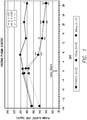
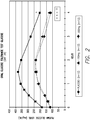
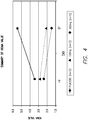
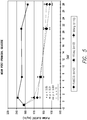
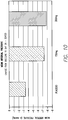
- Figures 1-10 show results obtained from a randomized, double-blind, placebo controlled Phase 2a clinical trial, wherein 150 mg and 300 mg doses of (2S,3R,4R,5S,6R)-2-(4-chloro-3-(4-ethoxybenzyl)phenyl)-6-(methylthio)tetrahydro-2H-pyran-3,4,5-triol were orally administered in solution once daily to patients with type 2 diabetes mellitus.
- Figure 11 provides results obtained from a Phase 1 clinical trial, wherein both solid and liquid oral dosage forms of the compound were administered to patients with type 2 diabetes mellitus.
- This invention is based, in part, on findings obtained from a randomized, double-blind, placebo controlled Phase 2a clinical trial, wherein 150 mg/day and 300 mg/day doses of a compound of the invention were orally administered in a liquid to patients with type 2 diabetes mellitus.
- the compound was (2S,3R,4R,5S,6R)-2-(4-chloro-3-(4-ethoxybenzyl)phenyl)-6-(methylthio)tetrahydro-2H-pyran-3,4,5-triol, which has the structure:
- This invention is further based on findings obtained from a randomized, double-blind, placebo controlled Phase 1 clinical trial that compared liquid and solid dosage forms of the compound.
- alkenyl means a straight chain, branched and/or cyclic hydrocarbon having from 2 to 20 (e.g., 2 to 10 or 2 to 6) carbon atoms, and including at least one carbon-carbon double bond.
- alkenyl moieties include vinyl, allyl, 1-butenyl, 2-butenyl, isobutylenyl, 1-pentenyl, 2-pentenyl, 3-methyl-1-butenyl, 2-methyl-2-butenyl, 2,3-dimethyl-2-butenyl, 1-hexenyl, 2-hexenyl, 3-hexenyl, 1-heptenyl, 2-heptenyl, 3-heptenyl, 1-octenyl, 2-octenyl, 3-octenyl, 1-nonenyl, 2-nonenyl, 3-nonenyl, 1-decenyl, 2-decenyl and 3-decenyl.
- alkoxy means an -O-alkyl group.
- alkoxy groups include, but are not limited to, -OCH 3 , -OCH 2 CH 3 , -O(CH 2 ) 2 CH 3 , -O(CH 2 ) 3 CH 3 , -O(CH 2 ) 4 CH 3 , and -O(CH 2 ) 5 CH 3 .
- alkyl means a straight chain, branched and/or cyclic (“cycloalkyl”) hydrocarbon having from 1 to 20 (e.g., 1 to 10 or 1 to 4) carbon atoms. Alkyl moieties having from 1 to 4 carbons are referred to as "lower alkyl.” Examples of alkyl groups include, but are not limited to, methyl, ethyl, propyl, isopropyl, n-butyl, t-butyl, isobutyl, pentyl, hexyl, isohexyl, heptyl, 4,4-dimethylpentyl,°Ctyl, 2,2,4-trimethylpentyl, nonyl, decyl, undecyl and dodecyl.
- Cycloalkyl moieties may be monocyclic or multicyclic, and examples include cyclopropyl, cyclobutyl, cyclopentyl, cyclohexyl, and adamantyl. Additional examples of alkyl moieties have linear, branched and/or cyclic portions ( e . g ., 1-ethyl-4-methyl-cyclohexyl).
- alkyl includes saturated hydrocarbons as well as alkenyl and alkynyl moieties.
- alkylaryl or “alkyl-aryl” means an alkyl moiety bound to an aryl moiety.
- alkylheteroaryl or “alkyl-heteroaryl” means an alkyl moiety bound to a heteroaryl moiety.
- alkylheterocycle or “alkyl-heterocycle” means an alkyl moiety bound to a heterocycle moiety.
- alkynyl means a straight chain, branched or cyclic hydrocarbon having from 2 to 20 ( e . g ., 2 to 20 or 2 to 6) carbon atoms, and including at least one carbon-carbon triple bond.
- alkynyl moieties include acetylenyl, propynyl, 1-butynyl, 2-butynyl, 1-pentynyl, 2-pentynyl, 3-methyl-1-butynyl, 4-pentynyl, 1-hexynyl, 2-hexynyl, 5-hexynyl, 1-heptynyl, 2-heptynyl, 6-heptynyl, 1-octynyl, 2-octynyl, 7-octynyl, 1-nonynyl, 2-nonynyl, 8-nonynyl, 1-decynyl, 2-decynyl and 9-decynyl.
- aryl means an aromatic ring or an aromatic or partially aromatic ring system composed of carbon and hydrogen atoms.
- An aryl moiety may comprise multiple rings bound or fused together.
- aryl moieties include, but are not limited to, anthracenyl, azulenyl, biphenyl, fluorenyl, indan, indenyl, naphthyl, phenanthrenyl, phenyl, 1,2,3,4-tetrahydro-naphthalene, and tolyl.
- arylalkyl or "aryl-alkyl” means an aryl moiety bound to an alkyl moiety.
- the term “dual SGLT1/2 inhibitor” refers to a compound having a ratio of SGLT1 IC 50 to SGLT2 IC 50 of less than about 75, 50, or 25.
- halogen and halo encompass fluorine, chlorine, bromine, and iodine.
- heteroalkyl refers to an alkyl moiety (e.g., linear, branched or cyclic) in which at least one of its carbon atoms has been replaced with a heteroatom (e . g ., N, O or S).
- heteroaryl means an aryl moiety wherein at least one of its carbon atoms has been replaced with a heteroatom (e . g ., N, O or S).
- heteroatom e . g ., N, O or S.
- examples include, but are not limited to, acridinyl, benzimidazolyl, benzofuranyl, benzoisothiazolyl, benzoisoxazolyl, benzoquinazolinyl, benzothiazolyl, benzoxazolyl, furyl, imidazolyl, indolyl, isothiazolyl, isoxazolyl, oxadiazolyl, oxazolyl, phthalazinyl, pyrazinyl, pyrazolyl, pyridazinyl, pyridyl, pyrimidinyl, pyrimidyl, pyrrolyl, quinazolinyl, quinolinyl, te
- heteroarylalkyl or “heteroaryl-alkyl” means a heteroaryl moiety bound to an alkyl moiety.
- heterocycle refers to an aromatic, partially aromatic or non-aromatic monocyclic or polycyclic ring or ring system comprised of carbon, hydrogen and at least one heteroatom ( e . g ., N, O or S).
- a heterocycle may comprise multiple ( i . e ., two or more) rings fused or bound together.
- Heterocycles include heteroaryls.
- Examples include, but are not limited to, benzo[1,3]dioxolyl, 2,3-dihydro-benzo[1,4]dioxinyl, cinnolinyl, furanyl, hydantoinyl, morpholinyl, oxetanyl, oxiranyl, piperazinyl, piperidinyl, pyrrolidinonyl, pyrrolidinyl, tetrahydrofuranyl, tetrahydropyranyl, tetrahydropyridinyl, tetrahydropyrimidinyl, tetrahydrothiophenyl, tetrahydrothiopyranyl and valerolactamyl.
- heterocyclealkyl or “heterocycle-alkyl” refers to a heterocycle moiety bound to an alkyl moiety.
- heterocycloalkyl refers to a non-aromatic heterocycle.
- heterocycloalkylalkyl or “heterocycloalkyl-alkyl” refers to a heterocycloalkyl moiety bound to an alkyl moiety.
- the terms “manage,” “managing” and “management” encompass preventing the recurrence of the specified disease or disorder in a patient who has already suffered from the disease or disorder, and/or lengthening the time that a patient who has suffered from the disease or disorder remains in remission.
- the terms encompass modulating the threshold, development and/or duration of the disease or disorder, or changing the way that a patient responds to the disease or disorder.
- pharmaceutically acceptable salts refers to salts prepared from pharmaceutically acceptable non-toxic acids or bases including inorganic acids and bases and organic acids and bases.
- suitable pharmaceutically acceptable base addition salts include, but are not limited to, metallic salts made from aluminum, calcium, lithium, magnesium, potassium, sodium and zinc or organic salts made from lysine, N,N'-dibenzylethylenediamine, chloroprocaine, choline, diethanolamine, ethylenediamine, meglumine (N-methylglucamine) and procaine.
- Suitable non-toxic acids include, but are not limited to, inorganic and organic acids such as acetic, alginic, anthranilic, benzenesulfonic, benzoic, camphorsulfonic, citric, ethenesulfonic, formic, fumaric, furoic, galacturonic, gluconic, glucuronic, glutamic, glycolic, hydrobromic, hydrochloric, isethionic, lactic, maleic, malic, mandelic, methanesulfonic, mucic, nitric, pamoic, pantothenic, phenylacetic, phosphoric, propionic, salicylic, stearic, succinic, sulfanilic, sulfuric, tartaric acid, and p-toluenesulfonic acid.
- inorganic and organic acids such as acetic, alginic, anthranilic, benzenesulfonic, benzoic, camphorsulfonic
- Non-toxic acids include hydrochloric, hydrobromic, phosphoric, sulfuric, and methanesulfonic acids.
- Examples of specific salts thus include hydrochloride and mesylate salts.
- Others are well-known in the art. See, e . g ., Remington's Pharmaceutical Sciences, 18th ed. (Mack Publishing, Easton PA: 1990 ) and Remington: The Science and Practice of Pharmacy, 19th ed. (Mack Publishing, Easton PA: 1995 ).
- the terms “prevent,” “preventing” and “prevention” contemplate an action that occurs before a patient begins to suffer from the specified disease or disorder, which inhibits or reduces the severity of the disease or disorder. In other words, the terms encompass prophylaxis.
- a “prophylactically effective amount” of a compound is an amount sufficient to prevent a disease or condition, or one or more symptoms associated with the disease or condition, or prevent its recurrence.
- a “prophylactically effective amount” of a compound means an amount of therapeutic agent, alone or in combination with other agents, which provides a prophylactic benefit in the prevention of the disease.
- the term “prophylactically effective amount” can encompass an amount that improves overall prophylaxis or enhances the prophylactic efficacy of another prophylactic agent.
- SGLT1 IC 50 is the IC 50 of a compound determined using the in vitro human SGLT1 inhibition assay described in the Examples, below.
- SGLT2 IC 50 is the IC 50 of a compound determined using the in vitro human SGLT2 inhibition assay described in the Examples, below.
- substituted when used to describe a chemical structure or moiety, refers to a derivative of that structure or moiety wherein one or more of its hydrogen atoms is substituted with an atom, chemical moiety or functional group such as, but not limited to, alcohol, aldehylde, alkoxy, alkanoyloxy, alkoxycarbonyl, alkenyl, alkyl (e.g., methyl, ethyl, propyl, t-butyl), alkynyl, alkylcarbonyloxy (-OC(O)alkyl), amide (-C(O)NH-alkyl- or-alkylNHC(O)alkyl), amidinyl (-C(NH)NH-alkyl or -C(NR)NH 2 ), amine (primary, secondary and tertiary such as alkylamino, arylamino, arylalkylamino), aroyl, aryl,
- CONH 2 as well as CONH-alkyl, CONH-aryl, and CONH-arylalkyl
- carbonyl carboxyl, carboxylic acid, carboxylic acid anhydride, carboxylic acid chloride, cyano, ester, epoxide, ether ( e . g ., methoxy, ethoxy), guanidino, halo, haloalkyl ( e .
- substituted refers to a derivative of that structure or moiety wherein one or more of its hydrogen atoms is substituted with alcohol, alkoxy, alkyl ( e .
- amide (-C(O)NH-alkyl- or-alkylNHC(O)alkyl), amidinyl (-C(NH)NH-alkyl or -C(NR)NH 2 ), amine (primary, secondary and tertiary such as alkylamino, arylamino, arylalkylamino), aryl, carbamoyl (-NHC(O)O-alkyl- or -OC(O)NH-alkyl), carbamyl ( e .
- a “therapeutically effective amount” of a compound is an amount sufficient to provide a therapeutic benefit in the treatment or management of a disease or condition, or to delay or minimize one or more symptoms associated with the disease or condition.
- a “therapeutically effective amount” of a compound means an amount of therapeutic agent, alone or in combination with other therapies, which provides a therapeutic benefit in the treatment or management of the disease or condition.
- the term “therapeutically effective amount” can encompass an amount that improves overall therapy, reduces or avoids symptoms or causes of a disease or condition, or enhances the therapeutic efficacy of another therapeutic agent.
- treat contemplate an action that occurs while a patient is suffering from the specified disease or disorder, which reduces the severity of the disease or disorder, or retards or slows the progression of the disease or disorder.
- the term “include” has the same meaning as “include, but are not limited to,” and the term “includes” has the same meaning as “includes, but is not limited to.” Similarly, the term “such as” has the same meaning as the term “such as, but not limited to.”
- one or more adjectives immediately preceding a series of nouns is to be construed as applying to each of the nouns.
- the phrase "optionally substituted alky, aryl, or heteroaryl” has the same meaning as “optionally substituted alky, optionally substituted aryl, or optionally substituted heteroaryl.”
- a chemical moiety that forms part of a larger compound may be described herein using a name commonly accorded it when it exists as a single molecule or a name commonly accorded its radical.
- the terms “pyridine” and “pyridyl” are accorded the same meaning when used to describe a moiety attached to other chemical moieties.
- the two phrases “XOH, wherein X is pyridyl” and “XOH, wherein X is pyridine” are accorded the same meaning, and encompass the compounds pyridin-2-ol, pyridin-3-ol and pyridin-4-ol.
- any atom shown in a drawing with unsatisfied valences is assumed to be attached to enough hydrogen atoms to satisfy the valences.
- chemical bonds depicted with one solid line parallel to one dashed line encompass both single and double ( e . g ., aromatic) bonds, if valences permit.
- This invention relates to a dual SGLT1/2 inhibitor that is of the formula:
- This compound can be prepared by methods known in the art. See, e.g., U.S. patent application publication nos. 20080113922 and 20080221164 .
- this compound has an SGLT1 IC 50 : SGLT2 IC 50 ratio of about 20.
- Crystalline solid forms of this compound are described in International Application Publication No. WO 2010/009197 , and include anhydrous forms 1 and 2.
- Form 1 has a differential scanning calorimetry (DSC) endotherm at about 124°C.
- DSC differential scanning calorimetry
- the term "about” means ⁇ 5.0°C.
- the form provides an X-ray powder diffraction (XRPD) pattern that contains peaks at one or more of about 4.0, 8.1, 9.8, 14.0 and/or 19.3 degrees 2 ⁇ .
- XRPD X-ray powder diffraction
- the term "about” means ⁇ 0.3 degrees.
- Crystalline anhydrous Form 2 has a DSC endotherm at about 134°C.
- the term "about” means ⁇ 5.0°C.
- the form provides an XRPD pattern that contains peaks at one or more of about 4.4, 4.8, 14.5, 14.7, 15.5, 21.2, 22.1 and/or 23.8 degrees 2 ⁇ .
- the term "about” means ⁇ 0.3 degrees.
- This invention relates to methods improving the cardiovascular and/or metabolic health of a patient, which comprise administering to a patient in need thereof a safe and efficacious amount of the dual SGLT1/2 inhibitor of the invention.
- Patients in need of such improvement include those suffering from diseases or disorders such as atherosclerosis, cardiovascular disease, diabetes (Type 1 and 2), disorders associated with hemoconcentration (e . g ., hemochromatosis, polycythemia vera), hyperglycaemia, hypertension, hypomagnesemia, hyponatremia, lipid disorders, obesity, renal failure ( e . g ., stage 1, 2, or 3 renal failure), and Syndrome X.
- diseases or disorders such as atherosclerosis, cardiovascular disease, diabetes (Type 1 and 2), disorders associated with hemoconcentration (e . g ., hemochromatosis, polycythemia vera), hyperglycaemia, hypertension, hypomagnesemia, hyponatremia, lipid disorders, obesity, renal failure ( e . g ., stage 1, 2, or 3 renal failure), and Syndrome X.
- diseases or disorders such as atherosclerosis, cardiovascular disease, diabetes (Type 1 and 2), disorders associated with hemoconcentration (e . g ., hemochromatosis
- the administration of the dual SGLT1/2 inhibitor may effect a decrease in the patient's plasma glucose.
- the administration may effect an improved oral glucose tolerance in the patient.
- the administration may lower the patient's post-prandial plasma glucose level.
- the administration may lower the patient's plasma fructosamine level.
- the administration may lower the patient's HbA1c level.
- the administration may reduce the patient's blood pressure ( e . g ., systolic and diastolic).
- the administration may reduce the patient's triglyceride levels.
- the patient may be concurrently taking another therapeutic agent.
- Other therapeutic agents include known therapeutic agents useful in the treatment of the aforementioned disorders including: anti-diabetic agents; anti-hyperglycemic agents; hypolipidemic/lipid lowering agents; anti-obesity agents; anti-hypertensive agents and appetite suppressants.
- Suitable anti-diabetic agents include biguanides (e . g ., metformin, phenformin), glucosidase inhibitors (e . g ., acarbose, miglitol), insulins (including insulin secretagogues and insulin sensitizers), meglitinides ( e . g ., repaglinide), sulfonylureas ( e . g ., glimepiride, glyburide, gliclazide, chlorpropamide, and glipizide), biguanide/glyburide combinations ( e . g ., Glucovance), thiazolidinediones ( e .
- biguanides e . g ., metformin, phenformin
- glucosidase inhibitors e . g ., acarbose, miglitol
- insulins including insulin secretagogues
- troglitazone g ., troglitazone, rosiglitazone, and pioglitazone
- PPAR-alpha agonists PPAR-gamma agonists
- PPAR alpha/gamma dual agonists glycogen phosphorylase inhibitors
- inhibitors of fatty acid binding protein (aP2), glucagon-like peptide-1 (GLP-1) or other agonists of the GLP-1 receptor and dipeptidyl peptidase IV (DPP4) inhibitors.
- aP2 fatty acid binding protein
- GLP-1 glucagon-like peptide-1
- DPP4 inhibitors dipeptidyl peptidase IV
- meglitinides examples include nateglinide (Novartis) and KAD1229 (PF/Kissei).
- thiazolidinediones examples include Mitsubishi's MCC-555 (disclosed in U.S. Pat. No. 5,594,016 ), Glaxo-Welcome's GL-262570, englitazone (CP-68722, Pfizer), darglitazone (CP-86325, Pfizer, isaglitazone (MIT/J&J), JTT-501 (JPNT/P&U), L-895645 (Merck), R-119702 (Sankyo/WL), NN-2344 (Dr. Reddy/NN), or YM-440 (Yamanouchi).
- Examples of PPAR-alpha agonists, PPAR-gamma agonists and PPAR alpha/gamma dual agonists include muraglitizar, peliglitazar, AR-HO39242 (Astra/Zeneca), GW-409544 (Glaxo-Wellcome), GW-501516 (Glaxo-Wellcome), KRP297 (Kyorin Merck) as well as those disclosed by Murakami et al, Diabetes 47, 1841-1847 (1998 ), WO 01/21602 and in U.S. Pat. No. 6,653,314 .
- Examples of aP2 inhibitors include those disclosed in U.S. application Ser. No. 09/391,053, filed Sep. 7, 1999 , and in U.S. application Ser. No. 09/519,079, filed Mar. 6, 2000 , employing dosages as set out herein.
- DPP4 inhibitors examples include sitagliptin (Janiuvia®, Merck), vildagliptin (Galvus®, Novartis), saxagliptin (Onglyza®, BMS-477118), linagliptin (BI-1356), dutogliptin (PHX1149T), gemigliptin(LG Life Sciences), alogliptin(SYR-322, Takeda), those disclosed in WO99/38501 , WO99/46272 , WO99/67279 (PROBIODRUG), WO99/67278 (PROBIODRUG), and WO99/61431 (PROBIODRUG), NVP-DPP728A (1-[[[2-[(5-cyanopyridin-2-yl)amino]ethyl]amino]acetyl]-2-cyano-(S)-pyrro- lidine) (Novartis) as disclosed by Hughes et al, Biochemistry, 38
- anti-hyperglycemic agents examples include glucagon-like peptide-1 (GLP-1), GLP-1(1-36) amide, GLP-1(7-36) amide, GLP-1(7-37) (as disclosed in U.S. Pat. No. 5,614,492 ), exenatide (Amylin/Lilly), LY-315902 (Lilly), liraglutide (NovoNordisk), ZP-10 (Zealand Pharmaceuticals A/S), CJC-1131 (Conjuchem Inc), and the compounds disclosed in WO 03/033671 .
- GLP-1 glucagon-like peptide-1
- GLP-1(1-36) examples include exenatide (Amylin/Lilly), LY-315902 (Lilly), liraglutide (NovoNordisk), ZP-10 (Zealand Pharmaceuticals A/S), CJC-1131 (Conjuchem Inc), and the compounds disclosed in WO 03/033671 .
- hypolipidemic/lipid lowering agents examples include MTP inhibitors, HMG CoA reductase inhibitors, squalene synthetase inhibitors, fibric acid derivatives, ACAT inhibitors, lipoxygenase inhibitors, cholesterol absorption inhibitors, Na + /bile acid co-transporter inhibitors, up-regulators of LDL receptor activity, bile acid sequestrants, cholesterol ester transfer protein (e.g., CETP inhibitors, such as CP-529414 (Pfizer) and JTT-705 (Akros Pharma)), and nicotinic acid and derivatives thereof.
- MTP inhibitors such as CP-529414 (Pfizer) and JTT-705 (Akros Pharma)
- MTP inhibitors examples include those disclosed in U.S. Pat. No. 5,595,872 , U.S. Pat. No. 5,739,135 , U.S. Pat. No. 5,712,279 , U.S. Pat. No. 5,760,246 , U.S. Pat. No. 5,827,875 , U.S. Pat. No. 5,885,983 and U.S. Pat. No. 5,962,440 .
- HMG CoA reductase inhibitors examples include mevastatin and related compounds, as disclosed in U.S. Pat. No. 3,983,140 , lovastatin (mevinolin) and related compounds, as disclosed in U.S. Pat. No. 4,231,938 , pravastatin and related compounds, such as disclosed in U.S. Pat. No. 4,346,227 , simvastatin and related compounds, as disclosed in U.S. Pat. Nos. 4,448,784 and 4,450,171 .
- Other HMG CoA reductase inhibitors which may be employed herein include, but are not limited to, fluvastatin, disclosed in U.S. Pat. No.
- hypolipidemic agents examples include pravastatin, lovastatin, simvastatin, atorvastatin, fluvastatin, cerivastatin, atavastatin, and ZD-4522.
- phosphinic acid compounds useful in inhibiting HMG CoA reductase include those disclosed in GB 2205837 .
- squalene synthetase inhibitors include ⁇ -phosphono-sulfonates disclosed in U.S. Pat. No. 5,712,396 , those disclosed by Biller et al., J. Med. Chem. 1988, Vol. 31, No. 10, pp 1869-1871 , including isoprenoid (phosphinyl-methyl)phosphonates, as well as other known squalene synthetase inhibitors, for example, as disclosed in U.S. Pat. Nos. 4,871,721 and 4,924,024 and in Biller, S. A., et al., Current Pharmaceutical Design, 2, 1-40 (1996 ).
- Examples of additional squalene synthetase inhibitors suitable for use herein include the terpenoid pyrophosphates disclosed by P. Ortiz de Montellano et al., J. Med. Chem., 1977, 20, 243-249 , the farnesyl diphosphate analog A and presqualene pyrophosphate (PSQ-PP) analogs as disclosed by Corey and Volante, J. Am. Chem. Soc. 1976, 98, 1291-1293 , phosphinylphosphonates reported by McClard, R. W. et al., J.A.C.S., 1987, 109, 5544 and cyclopropanes reported by Capson, T. L., PhD dissertation, June, 1987, Dept. Med. Chem. U of Utah, Abstract, Table of Contents, pp 16, 17, 40-43, 48-51 , Summary.
- fibric acid derivatives which may be employed in combination with the compound relating to this invention include fenofibrate, gemfibrozil, clofibrate, bezafibrate, ciprofibrate, clinofibrate and the like, probucol, and related compounds, as disclosed in U.S. Pat. No.
- bile acid sequestrants such as cholestyramine, colestipol and DEAE-Sephadex (Secholex, policexide), as well as lipostabil (Rhone-Poulenc), Eisai E-5050 (an N-substituted ethanolamine derivative), imanixil (HOE-402), tetrahydrolipstatin (THL), istigmastanylphos-phorylcholine (SPC, Roche), aminocyclodextrin (Tanabe Seiyoku), Ajinomoto AJ-814 (azulene derivative), melinamide (Sumitomo), Sandoz 58-035, American Cyanamid CL-277,082 and CL-283,546 (disubstituted urea derivatives), nicotinic acid, acipimox, acifran, neomycin, p-aminosalicylic acid, aspir
- bile acid sequestrants such as cholestyramine
- ACAT inhibitor examples include those disclosed in Drugs of the Future 24, 9-15 (1999 ), (Avasimibe); Nicolosi et al., Atherosclerosis (Shannon, Irel). (1998), 137(1), 77-85 ; Ghiselli, Giancarlo, Cardiovasc. Drug Rev. (1998), 16(1), 16-30 ; Smith, C., et al., Bioorg. Med. Chem. Lett.
- hypolipidemic agents include up-regulators of LD2 receptor activity, such as MD-700 (Taisho Pharmaceutical Co. Ltd) and LY295427 (Eli Lilly).
- cholesterol absorption inhibitors examples include SCH48461 (Schering-Plough), as well as those disclosed in Atherosclerosis 115, 45-63 (1995 ) and J. Med. Chem. 41, 973 (1998 ).
- ileal Na + /bile acid co-transporter inhibitors examples include compounds as disclosed in Drugs of the Future, 24, 425-430 (1999 ).
- lipoxygenase inhibitors include 15-lipoxygenase (15-LO) inhibitors, such as benzimidazole derivatives, as disclosed in WO 97/12615 , 15-LO inhibitors, as disclosed in WO 97/12613 , isothiazolones, as disclosed in WO 96/38144 , and 15-LO inhibitors, as disclosed by Sendobry et al., Brit. J. Pharmacology (1997) 120, 1199-1206 , and Cornicelli et al., Current Pharmaceutical Design, 1999, 5, 11-20 .
- 15-LO 15-lipoxygenase
- 15-LO 15-lipoxygenase
- benzimidazole derivatives as disclosed in WO 97/12615
- 15-LO inhibitors as disclosed in WO 97/12613
- isothiazolones as disclosed in WO 96/38144
- 15-LO inhibitors as disclosed by Sendobry et al., Brit. J. Pharmacology (1997)
- Suitable anti-hypertensive agents for use in combination with the compound relating to this invention include beta adrenergic blockers, calcium channel blockers (L-type and T-type; e . g ., diltiazem, verapamil, nifedipine, amlodipine and mybefradil), diuretics (e.g., chlorothiazide, hydrochlorothiazide, flumethiazide, hydroflumethiazide, bendroflumethiazide, methylchlorothiazide, trichloromethiazide, polythiazide, benzthiazide, ethacrynic acid tricrynafen, chlorthalidone, furosemide, musolimine, bumetamide, triamtrenene, amiloride, spironolactone), renin inhibitors, ACE inhibitors ( e .
- beta adrenergic blockers calcium channel block
- NEP neutral endopeptidase
- VEP-ACE inhibitors dual NEP-ACE inhibitors
- omapatrilat and gemopatrilat e.g., omapatrilat and gemopatrilat
- anti-obesity agents include beta 3 adrenergic agonists, a lipase inhibitors, serotonin (and dopamine) reuptake inhibitors, thyroid receptor beta drugs, 5HT 2C agonists, (such as Arena APD-356); MCHR1 antagonists such as Synaptic SNAP-7941 and Takeda T-226926, melanocortin receptor (MC4R) agonists, melanin-concentrating hormone receptor (MCHR) antagonists (such as Synaptic SNAP-7941 and Takeda T-226926), galanin receptor modulators, orexin antagonists, CCK agonists, NPY1 or NPY5 antagonsist, NPY2 and NPY4 modulators, corticotropin releasing factor agonists, histamine receptor-3 (H3) modulators, 11-beta-HSD-1 inhibitors, adinopectin receptor modulators, monoamine reuptake inhibitors or releasing agents, a ciliary
- beta 3 adrenergic agonists examples include AJ9677 (Takeda/Dainippon), L750355 (Merck), or CP331648 (Pfizer) or other known beta 3 agonists, as disclosed in U.S. Pat. Nos. 5,541,204 , 5,770,615 , 5,491,134 , 5,776,983 and 5,488,064 .
- lipase inhibitors examples include orlistat and ATL-962 (Alizyme).
- serotonin (and dopoamine) reuptake inhibitors include BVT-933 (Biovitrum), sibutramine, topiramate (Johnson & Johnson) and axokine (Regeneron).
- thyroid receptor beta compounds include thyroid receptor ligands, such as those disclosed in WO97/21993 (U . Cal SF), WO99/00353 (KaroBio) and GB98/284425 (KaroBio).
- monoamine reuptake inhibitors examples include fenfluramine, dexfenfluramine, fluvoxamine, fluoxetine, paroxetine, sertraline, chlorphentermine, cloforex, clortermine, picilorex, sibutramine, dexamphetamine, phentermine, phenylpropanolamine and mazindol.
- anorectic agents examples include dexamphetamine, phentermine, phenylpropanolamine, and mazindol.
- compositions comprising the dual SGLT1/2 inhibitor (2S,3R,4R,5S,6R)-2-(4-chloro-3-(4-ethoxybenzyl)phenyl)-6-(methylthio)tetrahydro-2H-pyran-3,4,5-triol, optionally in combination with one or more second active ingredients, such as those described above in Section 5.3.
- Tablets comprising the compound are made using crystalline anhydrous (2S,3R,4R,5S,6R)-2-(4-chloro-3-(4-ethoxybenzyl)phenyl)-6-(methylthio)tetrahydro-2H-pyran-3,4,5-triol, preferably form 1 or 2, described herein.
- Single unit dosage forms contain predetermined amounts of active ingredients, and may be prepared by methods of pharmacy well known to those skilled in the art. See, e.g., Remington's Pharmaceutical Sciences, 18th ed. (Mack Publishing, Easton PA: 1990 ).
- Typical oral dosage forms are prepared by combining the active ingredient(s) in an intimate admixture with at least one excipient according to conventional pharmaceutical compounding techniques. Because of their ease of administration, tablets and capsules represent the most advantageous oral dosage unit forms. If desired, tablets can be coated by standard aqueous or nonaqueous techniques. Such dosage forms can be prepared by conventional methods of pharmacy. In general, pharmaceutical compositions and dosage forms are prepared by uniformly and intimately admixing the active ingredients with pharmaceutically acceptable excipients and/or diluents, and then shaping the product into the desired presentation if necessary. Disintegrants may be incorporated in solid dosage forms to facility rapid dissolution. Lubricants may also be incorporated to facilitate the manufacture of dosage forms ( e . g ., tablets).
- SGLT2 Human sodium/glucose co-transporter type 2 (SGLT2; accession number P31639; GI:400337) was cloned into plRESpuro2 vector for mammalian expression (construct: HA-SGLT2-pIRESpuro2).
- HEK293 cells were transfected with the human HA-SGLT2-pIRESpuro2 vector and the bulk stable cell line was selected in presence of 0.5 ⁇ g/ml of puromycin.
- Human HA-SGLT2 cells were maintained in DMEM media containing 10% FBS, 1% GPS and 0.5 ⁇ g/ml of puromycin.
- the HEK293 cells expressing the human HA-SGLT2 were seeded in 384 well plates (30,000 cells/well) in DMEM media containing 10% FBS, 1% GPS and 0.5 ⁇ g/ml of puromycin, then incubated overnight at 37 C, 5% CO 2 . Cells were then washed with uptake buffer (140 mM NaCl, 2 mM KCl, 1 mM CaCl 2 , 1 mM MgCl 2 , 10 mM HEPES, 5 mM Tris, 1 mg/ml bovine serum albumin (BSA), pH 7.3). Twenty microliters of uptake buffer with or without testing compounds were added to the cells.
- uptake buffer 140 mM NaCl, 2 mM KCl, 1 mM CaCl 2 , 1 mM MgCl 2 , 10 mM HEPES, 5 mM Tris, 1 mg/ml bovine serum albumin (BSA), pH 7.3.
- uptake buffer containing 14 C-AMG 100 nCi
- uptake buffer 20 microliters of uptake buffer containing 14 C-AMG (100 nCi) were added to the cells.
- the cell plates were incubated at 37°C, 5% CO 2 for 1-2 hours.
- scintillation fluid was added (40 microliters/well) and 14 C-AMG uptake was measured by counting radioactivity using a scintillation coulter (TopCoulter NXT; Packard Instruments).
- SGLT1 Human sodium/glucose co-transporter type 1 (SGLT1; accession number NP_000334; GI: 4507031) was cloned into plRESpuro2 vector for mammalian expression (construct: HA-SGLT1-pIRESpuro2).
- HEK293 cells were transfected with the human HA-SGLT1-pIRESpuro2 vector and the bulk stable cell line was selected in presence of 0.5 ⁇ g/ml of puromycin.
- Human HA-SGLT1 cells were maintained in DMEM media containing 10% FBS, 1% GPS and 0.5 ⁇ g/ml of puromycin.
- the HEK293 cells expressing the human HA-SGLT1 were seeded in 384 well plates (30,000 cells/well) in DMEM media containing 10% FBS, 1% GPS and 0.5 ⁇ g/ml of puromycin, then incubated overnight at 37 C, 5% CO 2 . Cells were then washed with uptake buffer (140 mM NaCl, 2 mM KCI, 1 mM CaCl 2 , 1 mM MgCl 2 , 10 mM HEPES, 5 mM Tris, 1 mg/ml bovine serum albumin (BSA), pH 7.3). Twenty microliters of uptake buffer with or without testing compounds were added to the cells.
- uptake buffer 140 mM NaCl, 2 mM KCI, 1 mM CaCl 2 , 1 mM MgCl 2 , 10 mM HEPES, 5 mM Tris, 1 mg/ml bovine serum albumin (BSA), pH 7.3.
- uptake buffer containing 14 C-AMG 100 nCi
- uptake buffer 20 microliters of uptake buffer containing 14 C-AMG (100 nCi) were also added to cells.
- the cell plates were incubated at 37°C, 5% CO 2 for 1-2 hours.
- scintillation fluid was added (40 microliters/well) and 14 C-AMG uptake was measured by counting radioactivity using a scintillation coulter (TopCoulter NXT; Packard Instruments).
- the yellow oil was suspended in 2.5 L water stirring in a 5L three-necked round bottom flask with mechanical stirrer, rubber septum with temperature probe and gas bubbler.
- the pH was adjusted from 9 to 2 with 1N aq. HCl (142 mL) and stirred at room temperature for 6 h until GC showed sufficient conversion of the bis-acetonide intermediate to (3aS,5S,6R,6aS)-5-(hydroxymethyl)-2,2-dimethyltetrahydrofuro[2,3-d][1,3]dioxol-6-ol.
- a solution of NaClO 2 (3.12 kg, 80% w/w, 27.6 mole, 1.50 eq) in water (7.0 L) and a solution of K 2 HPO 4 (2.89 kg, 0.90 eq) in water (3.0 L) were prepared with cooling.
- Bleach (3.0L, approximate 6% household grade) was mixed with the K 2 HPO 4 solution.
- the addition rate of the NaClO 2 solution was about 40 mL/min (3-4 h addition) and the addition rate for the bleach/K 2 HPO 4 solution was about 10-12 mL/min (10 hr addition) while maintaining the batch at 15-25°C. Additional charges of TEMPO (14.3g, 0.5 mol%) were performed every 5-6 hr until the reaction went to completion (usually two charges are sufficient). Nitrogen sweep of the headspace to a scrubber with aqueous was performed to keep the green-yellowish gas from accumulating in the vessel. The reaction mixture was cooled to ⁇ 10°C and quenched with Na 2 SO 3 (1.4 kg, 0.6 eq) in three portions over 1 hr.
- the reaction mixture was then acidified with H 3 PO 4 until pH reached 2.0-2.1 (2.5-2.7 L) at 5-15°C.
- the layers were separated and the aqueous layer was extracted with acetonitrile (10.5 L x 3).
- the combined organic layer was concentrated under vacuo (-100-120 torr) at ⁇ 35°C (28-32°C vapor, 45-50°C bath) to low volume ( ⁇ 6-7 L) and then flushed with acetonitrile (40 L) until KF of the solution reached ⁇ 1% when diluted to volume of about 12-15Lwith acetonitrile.
- Morpholine (1.61 L, 18.4 mol, 1.0 eq) was added over 4-6 h and the slurry was aged overnight under nitrogen.
- the reaction was warmed to ambient over 30min and was stirred for 17 hours.
- the reaction was diluted with methyl tert -butyl ether (150mL) followed by saturated aq sodium bicarbonate (150mL) which was added over about 1 minutes. Mild gas evolution was noticed and the biphasic solution was stirred at ambient for 45 minutes.
- the upper organic phase was washed with saturated aq. sodium bicarbonate (100 mL), and with saturated aq. sodium chloride (50mL).
- the washed extract was concentrated on a rotary evaporator to about one half of its original volume and was diluted with water (70 mL). Further concentration in vacuo at 45°C was done until white prills formed which were allowed to cool to ambient while stirring.
- the reaction mixture was added to 10 wt% aqueous NH 4 Cl (10 L, 5X) at 0°C with vigorous stirring, and stirred for 30 minutes at 0°C.
- To this mixture was added slowly 6 N HCl (4 L, 2X) at 0°C to obtain a clear solution and stirred for 30 minutes at 10°C.
- the organic layer was washed with 25 wt% aq NaCl (5 L, 2.5X). Then the organic layer was concentrated to a 3X solution under the conditions (200 mbar, bath temp 50°C).
- EtOAc 24 L, 12X was added, and evaporated to a 3X solution under the conditions (150 mbar, bath temp 50°C).
- EtOAc (4 L, 2X) was added and concentrated to dryness (150 mbar, bath temp 50°C). The wet cake was then transferred to a 50 L reactor equipped with a mechanical stirrer, a temperature controller and a nitrogen inlet. After EtOAc was added, the suspension was heated at 70°C to obtain a 2.5X homogeneous solution. To the resulting homogeneous solution was added slowly heptane (5 L, 2.5X) at the same temperature. A homogeneous solution was seeded and heptane (15 L, 7.5X) was added slowly to a little cloudy solution at 70°C.
- TMSOTf trimethylsilyl trifluoromethanesulfonate
- the reaction was quenched with 10 wt% aq NH 4 Cl (2.5 L, 1X) and the mixture was concentrated under vacuum to 5X, diluted with water (10 L, 4X) and MTBE (12.5L, 5X). The mixture was cooled to 10°C and 6 N aq HCI was added until the pH of the mixture reached 2.0. Stirring was continued for 10 minutes and the layers were separated. The organic layer was washed with H 2 O (5L, 2X). The combined aqueous layer was extracted with MTBE (12.5 L, 5X). The combined organic layers were washed with brine (2.5 L, 1X) and concentrated under vacuum to 3X. MeCN (15 L, 6X) was added. The mixture was concentrated again to 10 L (4X) and any solid residue was removed by a polish filtration. The cake was washed with minimal amount of MeCN.
- the organic filtrate was transferred to 50 L reactor, and a pre-prepared 20 mol% aqueous H 2 SO 4 solution (61.8 mL 98% concentrated H 2 SO 4 and 5 L H 2 O) was added.
- the mixture was heated to 80°C for 2 hours and then cooled to 20°C.
- the reaction was quenched with a solution of saturated aqueous K 2 CO 3 (5 L, 2X) and diluted with MTBE (15 L, 6X).
- the organic layer was separated, washed with brine (5 L, 2X) and concentrated under vacuum to 5 L (2X). MeCN (12.5 L, 5X) was added and the mixture was concentrated to 7.5 L (3X).
- MEK (100 kg) was added and the same about of solvent was distilled under vacuum. This MEK addition and distillation was repeated to dry the solution. Enough MEK was added to produce a solution of (2S,3R,4R,5S,6R)-2-(4-chloro-3-(4-ethoxybenzyl)phenyl)-6-(methylthio)tetrahydro-2H-pyran-3,4,5-triol in 50 L MEK. This solution was polish filtered and heptane (100 L) was added at about 80°C. Form 2 seeds (0.1 kg) were added followed by slow addition of heptane (100 L) as 80°C.
- Tablets comprising the active pharmaceutical ingredient (API), (2S,3R,4R,5S,6R)-2-(4-chloro-3-(4-ethoxybenzyl)phenyl)-6-(methylthio)tetrahydro-2H-pyran-3,4,5-triol, were prepared from a common blend, described below in Table 1, which was blended and roller compacted in the first stage of manufacture.
- API active pharmaceutical ingredient
- (2S,3R,4R,5S,6R)-2-(4-chloro-3-(4-ethoxybenzyl)phenyl)-6-(methylthio)tetrahydro-2H-pyran-3,4,5-triol were prepared from a common blend, described below in Table 1, which was blended and roller compacted in the first stage of manufacture.
- Table 1 - Common Blend Material Percent kg Active Ingredient (API) 70.107 3.856* Croscarmellose sodium, NF 2.944 0.147 Colloidal silicon dioxide, NF 0.916 0.046 Microcrystalline cellulose, NF (Avicel PH 102) 25.379 1.269 Magnesium stearate, NF 0.654 0.033 TOTAL 100.00 5.00 * Includes a 10% overage to account for processing loss during initial milling
- the API (crystalline anhydrous (2S,3R,4R,5S,6R)-2-(4-chloro-3-(4-ethoxybenzyl)phenyl)-6-(methylthio)tetrahydro-2H-pyran-3,4,5-triol Form 2) was deagglomerated using a conical mill equipped with a 032R screen.
- the deagglomerated drug substance was blended with the intragranular excipients croscarmellose sodium, collodial silicon dioxide, and microcrystalline cellulose (Avicel PH 102) for 10 minutes using a V-blender.
- the intragranular portion of the magnesium stearate was then added to the materials and blended for an additional two minutes.
- the intragranular blend was then passed through a roller compactor for granulation.
- the roller compacted ribbons were milled using a conical mill equipped with a 79G screen.
- the milled granules were then passed through the conical mill a second time using a finer 55R screen in order to achieve the desired granule particle size.
- microcrystalline cellulose (Avicel PH 200) was then passed through a 20 mesh screen and charged into a V-blend.
- the appropriate quantity of the resulting common intragranulation blend was passed through a 20 mesh screen and charged into the V-blender.
- the requisite amount of the extragranular excipients croscarmellose sodium, colloidal silicon dioxide, talc, and the remaining microcrystalline cellulose (Avicel PH 200) were passed through a 20 mesh screen and charged into the same V-blender and blended for 10 minutes.
- the extragranular portion of the magnesium stearate was then added to the V-blender and blended for an additional two minutes.
- the final blends were compressed into 50 mg and 150 mg tablets.
- Tables 2 and 3 provide the batch formula for the 50 and 150 mg tablets, respectively.
- Table 3 - Batch Formula for 150 mg Tablets Material Percent mg/tablet kg Common Blend 76.414 213.960* 3.057 Croscarmellose sodium, NF 2.250 6.300 0.090 Colloidal silicon dioxide, NF 1.000 2.800 0.012 Microcrystalline cellulose, NF (Avicel PH 200) 19.536 54.700 0.781 Talc, USP 0.300 0.840 0.040 Magnesium stearate, NF 0.500 1.400 0.020 Total (Core Tablet) 100.00 280.00 4.00 Opadry II Clear 85F19250 3.00 8.400 0.120 Total (Coated Tablet) -- 288.40 4.12 * 213.960mg of Common Blend results in 150 mg of API in the final product.
- FIG. 3 shows the mean glucose plasma level area under the curve (AUC) of the patients. After just one day of treatment, both the 150 mg/day and 300 mg/day treatment groups exhibited statistically significant decreases in their mean plasma glucose AUCs.
- Fructosamine (glycated albumin) is often measured to assess the short-term control of blood sugar.
- FIG. 6 shows the effect of the compound on patients' mean plasma fructosamine levels.
- FIG. 7 shows patients' mean percent change in glycated hemoglobin (hemoglobin A1c; HbA1c) levels.
- HbA1c is a form of hemoglobin used primarily to identify the average plasma glucose concentration over prolonged periods of time. Although this study was only four weeks in duration, patients randomized to the 150 mg/day and 300 mg/day treatment groups exhibited a marked decrease in their mean HbA1c levels.
- patients in the 150 mg/day and 300 mg/day treatment groups also exhibited decreased mean diastolic and systolic blood pressures after 28 days of dosing compared to placebo. See FIGS. 8 and 9 . And as shown in FIG. 10 , the mean arterial pressures of patients in both treatment groups also decreased.
- Patients (n 12) with type 2 diabetes mellitus received one of three oral formulations of 300 mg of (2S,3R,4R,5S,6R)-2-(4-chloro-3-(4-ethoxybenzyl)phenyl)-6-(methylthio)tetrahydro-2H-pyran-3,4,5-triol before breakfast: as two 150 mg tablets, six 50 mg tablets, or 30 mL of 10 mg/mL solution in a randomized sequence implementing a Latin Square crossover design, with a 5-day washout between doses.
- Figure 11 further illustrates the effect of the 2 x 150 mg tablet, 6 x 50 mg tablet, and liquid dosage forms on the patients' total GLP-1 levels, wherein the asterisk indicates an area-under-the-curve difference from baseline p value of less than 0.05.
- the increased levels effected by all three forms is believed to be due to SGLT1 inhibition.
Landscapes
- Health & Medical Sciences (AREA)
- Life Sciences & Earth Sciences (AREA)
- Chemical & Material Sciences (AREA)
- Medicinal Chemistry (AREA)
- Veterinary Medicine (AREA)
- Public Health (AREA)
- General Health & Medical Sciences (AREA)
- Animal Behavior & Ethology (AREA)
- Pharmacology & Pharmacy (AREA)
- Epidemiology (AREA)
- Bioinformatics & Cheminformatics (AREA)
- Engineering & Computer Science (AREA)
- Diabetes (AREA)
- General Chemical & Material Sciences (AREA)
- Nuclear Medicine, Radiotherapy & Molecular Imaging (AREA)
- Chemical Kinetics & Catalysis (AREA)
- Organic Chemistry (AREA)
- Hematology (AREA)
- Obesity (AREA)
- Molecular Biology (AREA)
- Inorganic Chemistry (AREA)
- Emergency Medicine (AREA)
- Endocrinology (AREA)
- Cardiology (AREA)
- Heart & Thoracic Surgery (AREA)
- Physiology (AREA)
- Nutrition Science (AREA)
- Urology & Nephrology (AREA)
- Child & Adolescent Psychology (AREA)
- Vascular Medicine (AREA)
- Pharmaceuticals Containing Other Organic And Inorganic Compounds (AREA)
- Acyclic And Carbocyclic Compounds In Medicinal Compositions (AREA)
- Medicines That Contain Protein Lipid Enzymes And Other Medicines (AREA)
- Medicinal Preparation (AREA)
- Heterocyclic Carbon Compounds Containing A Hetero Ring Having Oxygen Or Sulfur (AREA)
Priority Applications (1)
| Application Number | Priority Date | Filing Date | Title |
|---|---|---|---|
| PL12700583T PL2661256T3 (pl) | 2011-01-05 | 2012-01-03 | Kompozycje zawierające (2S,3R,4R,5S,6R)-2-(4-chloro-3)-(4-etoksybenzylo)fenylo)-6-(metylotio)tetrahydro-2H-pirano-3,4,5-triol |
Applications Claiming Priority (2)
| Application Number | Priority Date | Filing Date | Title |
|---|---|---|---|
| US201161430027P | 2011-01-05 | 2011-01-05 | |
| PCT/US2012/020042 WO2012094293A1 (en) | 2011-01-05 | 2012-01-03 | Compositions comprising and methods of using inhibitors of sodium-glucose cotransporters 1 and 2 |
Publications (2)
| Publication Number | Publication Date |
|---|---|
| EP2661256A1 EP2661256A1 (en) | 2013-11-13 |
| EP2661256B1 true EP2661256B1 (en) | 2018-11-14 |
Family
ID=45507917
Family Applications (1)
| Application Number | Title | Priority Date | Filing Date |
|---|---|---|---|
| EP12700583.3A Active EP2661256B1 (en) | 2011-01-05 | 2012-01-03 | Compositions comprising (2s,3r,4r,5s,6r)-2-(4- chloro-3-(4-ethoxybenzyl)phenyl)-6-(methylthio)tetrahydro-2h-pyran-3,4,5-triol |
Country Status (22)
| Country | Link |
|---|---|
| US (6) | US20120172320A1 (enExample) |
| EP (1) | EP2661256B1 (enExample) |
| JP (3) | JP2014501780A (enExample) |
| KR (1) | KR102024204B1 (enExample) |
| CN (1) | CN103458875A (enExample) |
| AR (1) | AR084781A1 (enExample) |
| AU (1) | AU2012204567B9 (enExample) |
| BR (1) | BR112013017314B1 (enExample) |
| CA (1) | CA2823736C (enExample) |
| DK (1) | DK2661256T3 (enExample) |
| ES (1) | ES2710341T3 (enExample) |
| HU (1) | HUE041364T2 (enExample) |
| IL (1) | IL295438B2 (enExample) |
| MX (1) | MX360554B (enExample) |
| PL (1) | PL2661256T3 (enExample) |
| PT (1) | PT2661256T (enExample) |
| RU (1) | RU2669921C2 (enExample) |
| SG (2) | SG10201602670QA (enExample) |
| TR (1) | TR201901262T4 (enExample) |
| TW (1) | TWI631963B (enExample) |
| WO (1) | WO2012094293A1 (enExample) |
| ZA (1) | ZA201304694B (enExample) |
Cited By (1)
| Publication number | Priority date | Publication date | Assignee | Title |
|---|---|---|---|---|
| EP3456320A1 (de) * | 2017-09-15 | 2019-03-20 | Stada Arzneimittel Ag | Dpp-4-inhibitor-mono-zusammensetzung |
Families Citing this family (16)
| Publication number | Priority date | Publication date | Assignee | Title |
|---|---|---|---|---|
| TR201908247T4 (tr) * | 2012-11-20 | 2019-06-21 | Lexicon Pharmaceuticals Inc | Sodyum glikoz birlikte taşıyıcı 1 inhibitörleri. |
| JP6727419B2 (ja) * | 2016-05-25 | 2020-07-22 | クリスタル ファーマシューティカル(スーチョウ)カンパニー,リミテッド | ナトリウム−グルコース共輸送体阻害薬の新規な結晶形及びその製造方法並びに用途 |
| US11723929B2 (en) | 2017-06-13 | 2023-08-15 | The Regents Of The University Of California | Methods of improving cell-based therapy |
| CN107540685B (zh) * | 2017-09-04 | 2020-05-05 | 杭州科巢生物科技有限公司 | 一种Sotagliflozin的制备方法及其中间体 |
| FI3712147T3 (fi) * | 2018-01-05 | 2023-04-04 | Shangdong Danhong Pharmaceutical Co Ltd | Sglts-estäjä ja sen käyttö |
| CN110117304A (zh) * | 2018-04-23 | 2019-08-13 | 中国科学院成都生物研究所 | 一种钠-葡萄糖协同转运蛋白1和2抑制剂的药物用途 |
| CN110818722B (zh) * | 2018-08-14 | 2022-12-02 | 苏州鹏旭医药科技有限公司 | 三种化合物及其制备方法和在合成索格列净中的用途 |
| CN113993865B (zh) | 2019-07-05 | 2023-09-22 | 山东丹红制药有限公司 | 一种SGLTs抑制剂的晶型及其应用 |
| CA3145678C (en) * | 2019-07-26 | 2022-08-23 | Medshine Discovery Inc. | Sglt2/dpp4 inhibitor and application thereof |
| CN114585358B (zh) | 2019-07-26 | 2023-11-10 | 东宝紫星(杭州)生物医药有限公司 | 一种SGLTs/DPP4抑制剂及其应用 |
| EP3771480A1 (en) * | 2019-08-01 | 2021-02-03 | Lexicon Pharmaceuticals, Inc. | Continuous process for preparing the crystalline form ii of sotagliflozin |
| EP4054556A4 (en) * | 2019-11-07 | 2023-11-29 | Increvet, Inc. | SODIUM-GLUCOSE-LINKED TRANSPORTER INHIBITORS FOR THE MANAGEMENT OF CHRONIC KIDNEY DISEASE, HYPERTENSION AND HEART FAILURE IN PETS |
| US20240100013A1 (en) | 2021-01-04 | 2024-03-28 | Lexicon Pharmaceuticals, Inc. | Sotagliflozin for improving left atrial function |
| WO2022155303A1 (en) | 2021-01-14 | 2022-07-21 | Lexicon Pharmaceuticals, Inc. | Sotagliflozin for treating or preventing cardiovascular diseases |
| KR20260083316A (ko) | 2023-09-28 | 2026-06-05 | 렉시컨 파마슈티컬스 인코퍼레이티드 | 제1형 당뇨병 및 신장 질환을 치료하는 방법 |
| US20250114323A1 (en) | 2023-10-06 | 2025-04-10 | Lexicon Pharmaceuticals, Inc. | Methods of reducing the risk of cardiovascular events in patients with left ventricular hypertrophy |
Family Cites Families (80)
| Publication number | Priority date | Publication date | Assignee | Title |
|---|---|---|---|---|
| GB284425A (en) | 1926-11-22 | 1928-02-02 | James Last | Improvements in and relating to sand or like moulds for making castings |
| US3674836A (en) | 1968-05-21 | 1972-07-04 | Parke Davis & Co | 2,2-dimethyl-{11 -aryloxy-alkanoic acids and salts and esters thereof |
| US4027009A (en) | 1973-06-11 | 1977-05-31 | Merck & Co., Inc. | Compositions and methods for depressing blood serum cholesterol |
| JPS5612114B2 (enExample) | 1974-06-07 | 1981-03-18 | ||
| US4231938A (en) | 1979-06-15 | 1980-11-04 | Merck & Co., Inc. | Hypocholesteremic fermentation products and process of preparation |
| MX7065E (es) | 1980-06-06 | 1987-04-10 | Sankyo Co | Un procedimiento microbiologico para preparar derivados de ml-236b |
| US4450171A (en) | 1980-08-05 | 1984-05-22 | Merck & Co., Inc. | Antihypercholesterolemic compounds |
| US4448784A (en) | 1982-04-12 | 1984-05-15 | Hoechst-Roussel Pharmaceuticals, Inc. | 1-(Aminoalkylphenyl and aminoalkylbenzyl)-indoles and indolines and analgesic method of use thereof |
| US5354772A (en) | 1982-11-22 | 1994-10-11 | Sandoz Pharm. Corp. | Indole analogs of mevalonolactone and derivatives thereof |
| US4499289A (en) | 1982-12-03 | 1985-02-12 | G. D. Searle & Co. | Octahydronapthalenes |
| CA1327360C (en) | 1983-11-14 | 1994-03-01 | William F. Hoffman | Oxo-analogs of mevinolin-like antihypercholesterolemic agents |
| US4613610A (en) | 1984-06-22 | 1986-09-23 | Sandoz Pharmaceuticals Corp. | Cholesterol biosynthesis inhibiting pyrazole analogs of mevalonolactone and its derivatives |
| US4686237A (en) | 1984-07-24 | 1987-08-11 | Sandoz Pharmaceuticals Corp. | Erythro-(E)-7-[3'-C1-3 alkyl-1'-(3",5"-dimethylphenyl)naphth-2'-yl]-3,5-dihydroxyhept-6-enoic acids and derivatives thereof |
| US4647576A (en) | 1984-09-24 | 1987-03-03 | Warner-Lambert Company | Trans-6-[2-(substitutedpyrrol-1-yl)alkyl]-pyran-2-one inhibitors of cholesterol synthesis |
| HU198005B (en) | 1984-12-04 | 1989-07-28 | Sandoz Ag | Process for producing mevqlolakton, derivatives, its indene-analogues and pharmaceutical compositions containing them |
| US4668794A (en) | 1985-05-22 | 1987-05-26 | Sandoz Pharm. Corp. | Intermediate imidazole acrolein analogs |
| AU598775B2 (en) | 1985-10-25 | 1990-07-05 | Sandoz Ag | Heterocyclic analogs of mevalonolactone |
| FR2596393B1 (fr) | 1986-04-01 | 1988-06-03 | Sanofi Sa | Derives de l'acide hydroxy-3 dihydroxyoxophosphorio-4 butanoique, leur procede de preparation, leur application comme medicament et les compositions les renfermant |
| US5614492A (en) | 1986-05-05 | 1997-03-25 | The General Hospital Corporation | Insulinotropic hormone GLP-1 (7-36) and uses thereof |
| US4681893A (en) | 1986-05-30 | 1987-07-21 | Warner-Lambert Company | Trans-6-[2-(3- or 4-carboxamido-substituted pyrrol-1-yl)alkyl]-4-hydroxypyran-2-one inhibitors of cholesterol synthesis |
| DK277488A (da) | 1987-05-22 | 1988-11-23 | Squibb & Sons Inc | Phosporholdige hmg-coa-reduktaseinhibitorer, deres anvendelse og fremstilling samt mellemprodukter ved fremstillingen |
| US4759923A (en) | 1987-06-25 | 1988-07-26 | Hercules Incorporated | Process for lowering serum cholesterol using poly(diallylmethylamine) derivatives |
| JP2569746B2 (ja) | 1987-08-20 | 1997-01-08 | 日産化学工業株式会社 | キノリン系メバロノラクトン類 |
| US4924024A (en) | 1988-01-11 | 1990-05-08 | E. R. Squibb & Sons, Inc. | Phosphorus-containing squalene synthetase inhibitors, new intermediates and method |
| US4871721A (en) | 1988-01-11 | 1989-10-03 | E. R. Squibb & Sons, Inc. | Phosphorus-containing squalene synthetase inhibitors |
| NO177005C (no) | 1988-01-20 | 1995-07-05 | Bayer Ag | Analogifremgangsmåte for fremstilling av substituerte pyridiner, samt mellomprodukter til bruk ved fremstillingen |
| US5506219A (en) | 1988-08-29 | 1996-04-09 | E. R. Squibb & Sons, Inc. | Pyridine anchors for HMG-CoA reductase inhibitors |
| US5753675A (en) | 1989-03-03 | 1998-05-19 | Novartis Pharmaceuticals Corporation | Quinoline analogs of mevalonolactone and derivatives thereof |
| FI94339C (fi) | 1989-07-21 | 1995-08-25 | Warner Lambert Co | Menetelmä farmaseuttisesti käyttökelpoisen /R-(R*,R*)/-2-(4-fluorifenyyli)- , -dihydroksi-5-(1-metyylietyyli)-3-fenyyli-4-/(fenyyliamino)karbonyyli/-1H-pyrroli-1-heptaanihapon ja sen farmaseuttisesti hyväksyttävien suolojen valmistamiseksi |
| US5177080A (en) | 1990-12-14 | 1993-01-05 | Bayer Aktiengesellschaft | Substituted pyridyl-dihydroxy-heptenoic acid and its salts |
| JP2648897B2 (ja) | 1991-07-01 | 1997-09-03 | 塩野義製薬株式会社 | ピリミジン誘導体 |
| US5595872A (en) | 1992-03-06 | 1997-01-21 | Bristol-Myers Squibb Company | Nucleic acids encoding microsomal trigyceride transfer protein |
| US5470845A (en) | 1992-10-28 | 1995-11-28 | Bristol-Myers Squibb Company | Methods of using α-phosphonosulfonate squalene synthetase inhibitors including the treatment of atherosclerosis and hypercholesterolemia |
| US5594016A (en) | 1992-12-28 | 1997-01-14 | Mitsubishi Chemical Corporation | Naphthalene derivatives |
| ES2133158T3 (es) | 1993-01-19 | 1999-09-01 | Warner Lambert Co | Formulacion ci-981 oral, estable y proceso de preparacion del mismo. |
| US5739135A (en) | 1993-09-03 | 1998-04-14 | Bristol-Myers Squibb Company | Inhibitors of microsomal triglyceride transfer protein and method |
| US5776983A (en) | 1993-12-21 | 1998-07-07 | Bristol-Myers Squibb Company | Catecholamine surrogates useful as β3 agonists |
| US5488064A (en) | 1994-05-02 | 1996-01-30 | Bristol-Myers Squibb Company | Benzo 1,3 dioxole derivatives |
| US5385929A (en) | 1994-05-04 | 1995-01-31 | Warner-Lambert Company | [(Hydroxyphenylamino) carbonyl] pyrroles |
| US5612359A (en) | 1994-08-26 | 1997-03-18 | Bristol-Myers Squibb Company | Substituted biphenyl isoxazole sulfonamides |
| US5491134A (en) | 1994-09-16 | 1996-02-13 | Bristol-Myers Squibb Company | Sulfonic, phosphonic or phosphiniic acid β3 agonist derivatives |
| US5541204A (en) | 1994-12-02 | 1996-07-30 | Bristol-Myers Squibb Company | Aryloxypropanolamine β 3 adrenergic agonists |
| US5620997A (en) | 1995-05-31 | 1997-04-15 | Warner-Lambert Company | Isothiazolones |
| WO1997012613A1 (en) | 1995-10-05 | 1997-04-10 | Warner-Lambert Company | Method for treating and preventing inflammation and atherosclerosis |
| JP2000502086A (ja) | 1995-12-13 | 2000-02-22 | ザ リージェンツ オブ ザ ユニバーシティ オブ カリフォルニア | 核レセプターのリガンドおよびリガンド結合ドメイン |
| US5770615A (en) | 1996-04-04 | 1998-06-23 | Bristol-Myers Squibb Company | Catecholamine surrogates useful as β3 agonists |
| US5962440A (en) | 1996-05-09 | 1999-10-05 | Bristol-Myers Squibb Company | Cyclic phosphonate ester inhibitors of microsomal triglyceride transfer protein and method |
| US5827875A (en) | 1996-05-10 | 1998-10-27 | Bristol-Myers Squibb Company | Inhibitors of microsomal triglyceride transfer protein and method |
| US5885983A (en) | 1996-05-10 | 1999-03-23 | Bristol-Myers Squibb Company | Inhibitors of microsomal triglyceride transfer protein and method |
| US5760246A (en) | 1996-12-17 | 1998-06-02 | Biller; Scott A. | Conformationally restricted aromatic inhibitors of microsomal triglyceride transfer protein and method |
| TW536540B (en) | 1997-01-30 | 2003-06-11 | Bristol Myers Squibb Co | Endothelin antagonists: N-[[2'-[[(4,5-dimethyl-3-isoxazolyl)amino]sulfonyl]-4-(2-oxazolyl)[1,1'-biphenyl]-2-yl]methyl]-N,3,3-trimethylbutanamide and N-(4,5-dimethyl-3-isoxazolyl)-2'-[(3,3-dimethyl-2-oxo-1-pyrrolidinyl)methyl]-4'-(2-oxazolyl)[1,1'-biphe |
| GB9713739D0 (en) | 1997-06-27 | 1997-09-03 | Karobio Ab | Thyroid receptor ligands |
| EP1052994A2 (en) | 1998-02-02 | 2000-11-22 | Trustees Of Tufts College | Use of dipeptidylpetidase inhibitors to regulate glucose metabolism |
| EP1062222A1 (en) | 1998-03-09 | 2000-12-27 | Fondatech Benelux N.V. | Serine peptidase modulators |
| DE19823831A1 (de) | 1998-05-28 | 1999-12-02 | Probiodrug Ges Fuer Arzneim | Neue pharmazeutische Verwendung von Isoleucyl Thiazolidid und seinen Salzen |
| DE19828113A1 (de) | 1998-06-24 | 2000-01-05 | Probiodrug Ges Fuer Arzneim | Prodrugs von Inhibitoren der Dipeptidyl Peptidase IV |
| DE19828114A1 (de) | 1998-06-24 | 2000-01-27 | Probiodrug Ges Fuer Arzneim | Produgs instabiler Inhibitoren der Dipeptidyl Peptidase IV |
| ID26984A (id) | 1998-07-06 | 2001-02-22 | Bristol Myers Squibb Co | Senyawa-senyawa sulfonamida sebagai antagonis reseptor angiotensin endotelin ganda |
| CO5200844A1 (es) * | 1999-09-17 | 2002-09-27 | Novartis Ag | Una combinacion que comprende nateglinida y cuando por menos otro compuesto antidiabetico usada para el tratamiento de desordenes metabolicos, especialmente diabetes, o de una enfermedad o condicion asociada con dibetes |
| US6414002B1 (en) | 1999-09-22 | 2002-07-02 | Bristol-Myers Squibb Company | Substituted acid derivatives useful as antidiabetic and antiobesity agents and method |
| TWI302149B (en) | 1999-09-22 | 2008-10-21 | Bristol Myers Squibb Co | Substituted acid derivatives useful as antiodiabetic and antiobesity agents and method |
| US6515117B2 (en) * | 1999-10-12 | 2003-02-04 | Bristol-Myers Squibb Company | C-aryl glucoside SGLT2 inhibitors and method |
| PH12000002657B1 (en) * | 1999-10-12 | 2006-02-21 | Bristol Myers Squibb Co | C-aryl glucoside SGLT2 inhibitors |
| US6395767B2 (en) | 2000-03-10 | 2002-05-28 | Bristol-Myers Squibb Company | Cyclopropyl-fused pyrrolidine-based inhibitors of dipeptidyl peptidase IV and method |
| US6555519B2 (en) | 2000-03-30 | 2003-04-29 | Bristol-Myers Squibb Company | O-glucosylated benzamide SGLT2 inhibitors and method |
| GEP20063908B (en) | 2001-10-18 | 2006-08-25 | Bristol Myers Squibb Co | Human glucagon-like-peptide-1 mimics and their use in the treatment of diabetes and related conditions |
| UA80991C2 (en) * | 2002-10-07 | 2007-11-26 | Solid preparation containing an insulin resistance improving drug and an active ingredient useful as a remedy for diabetes | |
| US7393836B2 (en) * | 2004-07-06 | 2008-07-01 | Boehringer Ingelheim International Gmbh | D-xylopyranosyl-substituted phenyl derivatives, medicaments containing such compounds, their use and process for their manufacture |
| TWI499414B (zh) * | 2006-09-29 | 2015-09-11 | Lexicon Pharmaceuticals Inc | 鈉與葡萄糖第2型共同運輸體(co-transporter 2)的抑制物與其應用方法 |
| US7846945B2 (en) | 2007-03-08 | 2010-12-07 | Lexicon Pharmaceuticals, Inc. | Piperdine-based inhibitors of sodium glucose co-transporter 2 and methods of their use |
| TW200904405A (en) * | 2007-03-22 | 2009-02-01 | Bristol Myers Squibb Co | Pharmaceutical formulations containing an SGLT2 inhibitor |
| CL2008003653A1 (es) * | 2008-01-17 | 2010-03-05 | Mitsubishi Tanabe Pharma Corp | Uso de un inhibidor de sglt derivado de glucopiranosilo y un inhibidor de dppiv seleccionado para tratar la diabetes; y composicion farmaceutica. |
| TWI472521B (zh) * | 2008-07-17 | 2015-02-11 | Lexicon Pharmaceuticals Inc | (2s,3r,4r,5s,6r)-2-(4-氯-3-(4-乙氧苄基)苯基)-6-(甲硫)四氫-2h-哌喃-3,4,5-三醇的固體形態與其使用方法 |
| KR100968825B1 (ko) * | 2008-07-18 | 2010-07-08 | 현대자동차주식회사 | 차량용 트위터 스피커 |
| MX339194B (es) * | 2009-02-13 | 2016-05-16 | Boehringer Ingelheim Int | Composicion farmaceutica que comprende un inhibidor de sglt2, un inhibidor de dpp-iv y opcionalmente otro agente antidiabetico, y usos de la misma. |
| KR20110118668A (ko) * | 2009-02-13 | 2011-10-31 | 베링거 인겔하임 인터내셔날 게엠베하 | 1형 당뇨병, 2형 당뇨병, 내당능 장애 또는 고혈당증을 치료하기 위한 sglt2 억제제 |
| CN106075451A (zh) * | 2009-05-27 | 2016-11-09 | 阿斯利康(瑞典)有限公司 | 使用sglt2抑制剂及其组合物在对先前用其它抗糖尿病药进行的治疗具有耐受的患者中治疗ii型糖尿病的方法 |
| US20110077212A1 (en) * | 2009-09-25 | 2011-03-31 | Theracos, Inc. | Therapeutic uses of sglt2 inhibitors |
| CN102711739B (zh) * | 2009-11-13 | 2015-12-16 | 阿斯利康(瑞典)有限公司 | 双层片剂 |
| TWI562775B (en) * | 2010-03-02 | 2016-12-21 | Lexicon Pharmaceuticals Inc | Methods of using inhibitors of sodium-glucose cotransporters 1 and 2 |
-
2012
- 2012-01-02 TW TW101100085A patent/TWI631963B/zh active
- 2012-01-02 IL IL295438A patent/IL295438B2/en unknown
- 2012-01-03 MX MX2013007826A patent/MX360554B/es active IP Right Grant
- 2012-01-03 AU AU2012204567A patent/AU2012204567B9/en active Active
- 2012-01-03 PL PL12700583T patent/PL2661256T3/pl unknown
- 2012-01-03 JP JP2013548455A patent/JP2014501780A/ja active Pending
- 2012-01-03 RU RU2013136384A patent/RU2669921C2/ru active
- 2012-01-03 SG SG10201602670QA patent/SG10201602670QA/en unknown
- 2012-01-03 DK DK12700583.3T patent/DK2661256T3/en active
- 2012-01-03 HU HUE12700583A patent/HUE041364T2/hu unknown
- 2012-01-03 PT PT12700583T patent/PT2661256T/pt unknown
- 2012-01-03 CA CA2823736A patent/CA2823736C/en active Active
- 2012-01-03 US US13/342,421 patent/US20120172320A1/en not_active Abandoned
- 2012-01-03 WO PCT/US2012/020042 patent/WO2012094293A1/en not_active Ceased
- 2012-01-03 BR BR112013017314-9A patent/BR112013017314B1/pt active IP Right Grant
- 2012-01-03 TR TR2019/01262T patent/TR201901262T4/tr unknown
- 2012-01-03 SG SG2013052048A patent/SG191865A1/en unknown
- 2012-01-03 ES ES12700583T patent/ES2710341T3/es active Active
- 2012-01-03 KR KR1020137020505A patent/KR102024204B1/ko active Active
- 2012-01-03 CN CN2012800047717A patent/CN103458875A/zh active Pending
- 2012-01-03 EP EP12700583.3A patent/EP2661256B1/en active Active
- 2012-01-04 AR ARP120100021A patent/AR084781A1/es unknown
-
2013
- 2013-06-24 ZA ZA2013/04694A patent/ZA201304694B/en unknown
-
2014
- 2014-05-30 US US14/291,804 patent/US20150111840A1/en not_active Abandoned
-
2015
- 2015-11-19 US US14/945,977 patent/US20160296547A1/en not_active Abandoned
-
2017
- 2017-02-06 JP JP2017019445A patent/JP6682460B2/ja active Active
-
2018
- 2018-04-30 US US15/966,238 patent/US20180311266A1/en not_active Abandoned
- 2018-11-22 JP JP2018218925A patent/JP2019048866A/ja active Pending
-
2020
- 2020-02-17 US US16/792,803 patent/US20210038626A1/en not_active Abandoned
-
2023
- 2023-01-10 US US18/095,058 patent/US20230218650A1/en not_active Abandoned
Non-Patent Citations (1)
| Title |
|---|
| None * |
Cited By (1)
| Publication number | Priority date | Publication date | Assignee | Title |
|---|---|---|---|---|
| EP3456320A1 (de) * | 2017-09-15 | 2019-03-20 | Stada Arzneimittel Ag | Dpp-4-inhibitor-mono-zusammensetzung |
Also Published As
Similar Documents
| Publication | Publication Date | Title |
|---|---|---|
| US20230218650A1 (en) | Compositions comprising and methods of using inhibitors of sodium-glucose cotransporters 1 and 2 | |
| AU2011223861B2 (en) | 6 -benzylphenyl- 2 - sulfurterahydropyran-3, 4, 5 -triol derivatives as inhibitors of sodium -glucose cotrans porters 1 and 2 for use in diabetic patients | |
| AU2013348233B2 (en) | Inhibitors of sodium glucose cotransporter 1 | |
| US6555519B2 (en) | O-glucosylated benzamide SGLT2 inhibitors and method | |
| NZ612116B2 (en) | Compositions comprising and methods of using inhibitors of sodium-glucose cotransporters 1 and 2 | |
| HK1187263A (en) | Compositions comprising and methods of using inhibitors of sodium-glucose cotransporters 1 and 2 |
Legal Events
| Date | Code | Title | Description |
|---|---|---|---|
| PUAI | Public reference made under article 153(3) epc to a published international application that has entered the european phase |
Free format text: ORIGINAL CODE: 0009012 |
|
| 17P | Request for examination filed |
Effective date: 20130711 |
|
| AK | Designated contracting states |
Kind code of ref document: A1 Designated state(s): AL AT BE BG CH CY CZ DE DK EE ES FI FR GB GR HR HU IE IS IT LI LT LU LV MC MK MT NL NO PL PT RO RS SE SI SK SM TR |
|
| DAX | Request for extension of the european patent (deleted) | ||
| 17Q | First examination report despatched |
Effective date: 20150826 |
|
| STAA | Information on the status of an ep patent application or granted ep patent |
Free format text: STATUS: EXAMINATION IS IN PROGRESS |
|
| GRAP | Despatch of communication of intention to grant a patent |
Free format text: ORIGINAL CODE: EPIDOSNIGR1 |
|
| STAA | Information on the status of an ep patent application or granted ep patent |
Free format text: STATUS: GRANT OF PATENT IS INTENDED |
|
| INTG | Intention to grant announced |
Effective date: 20180525 |
|
| GRAS | Grant fee paid |
Free format text: ORIGINAL CODE: EPIDOSNIGR3 |
|
| GRAA | (expected) grant |
Free format text: ORIGINAL CODE: 0009210 |
|
| STAA | Information on the status of an ep patent application or granted ep patent |
Free format text: STATUS: THE PATENT HAS BEEN GRANTED |
|
| AK | Designated contracting states |
Kind code of ref document: B1 Designated state(s): AL AT BE BG CH CY CZ DE DK EE ES FI FR GB GR HR HU IE IS IT LI LT LU LV MC MK MT NL NO PL PT RO RS SE SI SK SM TR |
|
| REG | Reference to a national code |
Ref country code: CH Ref legal event code: EP Ref country code: AT Ref legal event code: REF Ref document number: 1063966 Country of ref document: AT Kind code of ref document: T Effective date: 20181115 |
|
| REG | Reference to a national code |
Ref country code: DE Ref legal event code: R096 Ref document number: 602012053430 Country of ref document: DE |
|
| REG | Reference to a national code |
Ref country code: IE Ref legal event code: FG4D |
|
| REG | Reference to a national code |
Ref country code: PT Ref legal event code: SC4A Ref document number: 2661256 Country of ref document: PT Date of ref document: 20190206 Kind code of ref document: T Free format text: AVAILABILITY OF NATIONAL TRANSLATION Effective date: 20190131 |
|
| REG | Reference to a national code |
Ref country code: CH Ref legal event code: NV Representative=s name: SCHMAUDER AND PARTNER AG PATENT- UND MARKENANW, CH |
|
| REG | Reference to a national code |
Ref country code: DK Ref legal event code: T3 Effective date: 20190221 |
|
| REG | Reference to a national code |
Ref country code: SE Ref legal event code: TRGR |
|
| REG | Reference to a national code |
Ref country code: LT Ref legal event code: MG4D |
|
| REG | Reference to a national code |
Ref country code: NL Ref legal event code: FP |
|
| REG | Reference to a national code |
Ref country code: NO Ref legal event code: T2 Effective date: 20181114 |
|
| REG | Reference to a national code |
Ref country code: ES Ref legal event code: FG2A Ref document number: 2710341 Country of ref document: ES Kind code of ref document: T3 Effective date: 20190424 |
|
| PG25 | Lapsed in a contracting state [announced via postgrant information from national office to epo] |
Ref country code: FI Free format text: LAPSE BECAUSE OF FAILURE TO SUBMIT A TRANSLATION OF THE DESCRIPTION OR TO PAY THE FEE WITHIN THE PRESCRIBED TIME-LIMIT Effective date: 20181114 Ref country code: LV Free format text: LAPSE BECAUSE OF FAILURE TO SUBMIT A TRANSLATION OF THE DESCRIPTION OR TO PAY THE FEE WITHIN THE PRESCRIBED TIME-LIMIT Effective date: 20181114 Ref country code: HR Free format text: LAPSE BECAUSE OF FAILURE TO SUBMIT A TRANSLATION OF THE DESCRIPTION OR TO PAY THE FEE WITHIN THE PRESCRIBED TIME-LIMIT Effective date: 20181114 Ref country code: LT Free format text: LAPSE BECAUSE OF FAILURE TO SUBMIT A TRANSLATION OF THE DESCRIPTION OR TO PAY THE FEE WITHIN THE PRESCRIBED TIME-LIMIT Effective date: 20181114 Ref country code: IS Free format text: LAPSE BECAUSE OF FAILURE TO SUBMIT A TRANSLATION OF THE DESCRIPTION OR TO PAY THE FEE WITHIN THE PRESCRIBED TIME-LIMIT Effective date: 20190314 |
|
| REG | Reference to a national code |
Ref country code: HU Ref legal event code: AG4A Ref document number: E041364 Country of ref document: HU |
|
| PG25 | Lapsed in a contracting state [announced via postgrant information from national office to epo] |
Ref country code: AL Free format text: LAPSE BECAUSE OF FAILURE TO SUBMIT A TRANSLATION OF THE DESCRIPTION OR TO PAY THE FEE WITHIN THE PRESCRIBED TIME-LIMIT Effective date: 20181114 Ref country code: RS Free format text: LAPSE BECAUSE OF FAILURE TO SUBMIT A TRANSLATION OF THE DESCRIPTION OR TO PAY THE FEE WITHIN THE PRESCRIBED TIME-LIMIT Effective date: 20181114 |
|
| REG | Reference to a national code |
Ref country code: GR Ref legal event code: EP Ref document number: 20190400472 Country of ref document: GR Effective date: 20190509 |
|
| REG | Reference to a national code |
Ref country code: DE Ref legal event code: R097 Ref document number: 602012053430 Country of ref document: DE |
|
| PG25 | Lapsed in a contracting state [announced via postgrant information from national office to epo] |
Ref country code: SM Free format text: LAPSE BECAUSE OF FAILURE TO SUBMIT A TRANSLATION OF THE DESCRIPTION OR TO PAY THE FEE WITHIN THE PRESCRIBED TIME-LIMIT Effective date: 20181114 Ref country code: EE Free format text: LAPSE BECAUSE OF FAILURE TO SUBMIT A TRANSLATION OF THE DESCRIPTION OR TO PAY THE FEE WITHIN THE PRESCRIBED TIME-LIMIT Effective date: 20181114 Ref country code: MC Free format text: LAPSE BECAUSE OF FAILURE TO SUBMIT A TRANSLATION OF THE DESCRIPTION OR TO PAY THE FEE WITHIN THE PRESCRIBED TIME-LIMIT Effective date: 20181114 Ref country code: SK Free format text: LAPSE BECAUSE OF FAILURE TO SUBMIT A TRANSLATION OF THE DESCRIPTION OR TO PAY THE FEE WITHIN THE PRESCRIBED TIME-LIMIT Effective date: 20181114 Ref country code: RO Free format text: LAPSE BECAUSE OF FAILURE TO SUBMIT A TRANSLATION OF THE DESCRIPTION OR TO PAY THE FEE WITHIN THE PRESCRIBED TIME-LIMIT Effective date: 20181114 |
|
| PLBE | No opposition filed within time limit |
Free format text: ORIGINAL CODE: 0009261 |
|
| STAA | Information on the status of an ep patent application or granted ep patent |
Free format text: STATUS: NO OPPOSITION FILED WITHIN TIME LIMIT |
|
| PG25 | Lapsed in a contracting state [announced via postgrant information from national office to epo] |
Ref country code: LU Free format text: LAPSE BECAUSE OF NON-PAYMENT OF DUE FEES Effective date: 20190103 |
|
| 26N | No opposition filed |
Effective date: 20190815 |
|
| PG25 | Lapsed in a contracting state [announced via postgrant information from national office to epo] |
Ref country code: SI Free format text: LAPSE BECAUSE OF FAILURE TO SUBMIT A TRANSLATION OF THE DESCRIPTION OR TO PAY THE FEE WITHIN THE PRESCRIBED TIME-LIMIT Effective date: 20181114 |
|
| REG | Reference to a national code |
Ref country code: AT Ref legal event code: UEP Ref document number: 1063966 Country of ref document: AT Kind code of ref document: T Effective date: 20181114 |
|
| PG25 | Lapsed in a contracting state [announced via postgrant information from national office to epo] |
Ref country code: MT Free format text: LAPSE BECAUSE OF NON-PAYMENT OF DUE FEES Effective date: 20190103 |
|
| PG25 | Lapsed in a contracting state [announced via postgrant information from national office to epo] |
Ref country code: CY Free format text: LAPSE BECAUSE OF FAILURE TO SUBMIT A TRANSLATION OF THE DESCRIPTION OR TO PAY THE FEE WITHIN THE PRESCRIBED TIME-LIMIT Effective date: 20181114 |
|
| PG25 | Lapsed in a contracting state [announced via postgrant information from national office to epo] |
Ref country code: MK Free format text: LAPSE BECAUSE OF FAILURE TO SUBMIT A TRANSLATION OF THE DESCRIPTION OR TO PAY THE FEE WITHIN THE PRESCRIBED TIME-LIMIT Effective date: 20181114 |
|
| P01 | Opt-out of the competence of the unified patent court (upc) registered |
Effective date: 20230505 |
|
| PGFP | Annual fee paid to national office [announced via postgrant information from national office to epo] |
Ref country code: FR Payment date: 20251231 Year of fee payment: 15 |
|
| REG | Reference to a national code |
Ref country code: CH Ref legal event code: U11 Free format text: ST27 STATUS EVENT CODE: U-0-0-U10-U11 (AS PROVIDED BY THE NATIONAL OFFICE) Effective date: 20260201 |
|
| PGFP | Annual fee paid to national office [announced via postgrant information from national office to epo] |
Ref country code: NL Payment date: 20260106 Year of fee payment: 15 |
|
| PGFP | Annual fee paid to national office [announced via postgrant information from national office to epo] |
Ref country code: HU Payment date: 20260130 Year of fee payment: 15 |
|
| PGFP | Annual fee paid to national office [announced via postgrant information from national office to epo] |
Ref country code: SE Payment date: 20260105 Year of fee payment: 15 |
|
| PGFP | Annual fee paid to national office [announced via postgrant information from national office to epo] |
Ref country code: GB Payment date: 20260106 Year of fee payment: 15 |
|
| PGFP | Annual fee paid to national office [announced via postgrant information from national office to epo] |
Ref country code: ES Payment date: 20260206 Year of fee payment: 15 |
|
| PGFP | Annual fee paid to national office [announced via postgrant information from national office to epo] |
Ref country code: NO Payment date: 20260109 Year of fee payment: 15 Ref country code: DK Payment date: 20260113 Year of fee payment: 15 Ref country code: IE Payment date: 20260102 Year of fee payment: 15 Ref country code: DE Payment date: 20260102 Year of fee payment: 15 |
|
| PGFP | Annual fee paid to national office [announced via postgrant information from national office to epo] |
Ref country code: AT Payment date: 20260109 Year of fee payment: 15 |
|
| PGFP | Annual fee paid to national office [announced via postgrant information from national office to epo] |
Ref country code: BE Payment date: 20260105 Year of fee payment: 15 Ref country code: IT Payment date: 20260122 Year of fee payment: 15 |
|
| PGFP | Annual fee paid to national office [announced via postgrant information from national office to epo] |
Ref country code: TR Payment date: 20260102 Year of fee payment: 15 |
|
| PGFP | Annual fee paid to national office [announced via postgrant information from national office to epo] |
Ref country code: PT Payment date: 20260102 Year of fee payment: 15 Ref country code: CZ Payment date: 20260102 Year of fee payment: 15 Ref country code: CH Payment date: 20260201 Year of fee payment: 15 |
|
| PGFP | Annual fee paid to national office [announced via postgrant information from national office to epo] |
Ref country code: GR Payment date: 20260114 Year of fee payment: 15 Ref country code: PL Payment date: 20260102 Year of fee payment: 15 |
|
| PGFP | Annual fee paid to national office [announced via postgrant information from national office to epo] |
Ref country code: BG Payment date: 20260122 Year of fee payment: 15 |