EP2612904A2 - Kariesschutzzusammensetzung und probiotika/präbiotika - Google Patents
Kariesschutzzusammensetzung und probiotika/präbiotika Download PDFInfo
- Publication number
- EP2612904A2 EP2612904A2 EP11781828.6A EP11781828A EP2612904A2 EP 2612904 A2 EP2612904 A2 EP 2612904A2 EP 11781828 A EP11781828 A EP 11781828A EP 2612904 A2 EP2612904 A2 EP 2612904A2
- Authority
- EP
- European Patent Office
- Prior art keywords
- cect
- seq
- microbial
- caries
- composition
- Prior art date
- Legal status (The legal status is an assumption and is not a legal conclusion. Google has not performed a legal analysis and makes no representation as to the accuracy of the status listed.)
- Granted
Links
Images



Classifications
-
- C—CHEMISTRY; METALLURGY
- C12—BIOCHEMISTRY; BEER; SPIRITS; WINE; VINEGAR; MICROBIOLOGY; ENZYMOLOGY; MUTATION OR GENETIC ENGINEERING
- C12N—MICROORGANISMS OR ENZYMES; COMPOSITIONS THEREOF; PROPAGATING, PRESERVING, OR MAINTAINING MICROORGANISMS; MUTATION OR GENETIC ENGINEERING; CULTURE MEDIA
- C12N1/00—Microorganisms; Compositions thereof; Processes of propagating, maintaining or preserving microorganisms or compositions thereof; Processes of preparing or isolating a composition containing a microorganism; Culture media therefor
- C12N1/20—Bacteria; Culture media therefor
-
- A—HUMAN NECESSITIES
- A61—MEDICAL OR VETERINARY SCIENCE; HYGIENE
- A61K—PREPARATIONS FOR MEDICAL, DENTAL OR TOILETRY PURPOSES
- A61K35/00—Medicinal preparations containing materials or reaction products thereof with undetermined constitution
- A61K35/66—Microorganisms or materials therefrom
- A61K35/74—Bacteria
- A61K35/741—Probiotics
- A61K35/744—Lactic acid bacteria, e.g. enterococci, pediococci, lactococci, streptococci or leuconostocs
-
- A—HUMAN NECESSITIES
- A23—FOODS OR FOODSTUFFS; TREATMENT THEREOF, NOT COVERED BY OTHER CLASSES
- A23B—PRESERVATION OF FOODS, FOODSTUFFS OR NON-ALCOHOLIC BEVERAGES; CHEMICAL RIPENING OF FRUIT OR VEGETABLES
- A23B2/00—Preservation of foods or foodstuffs, in general
-
- A—HUMAN NECESSITIES
- A23—FOODS OR FOODSTUFFS; TREATMENT THEREOF, NOT COVERED BY OTHER CLASSES
- A23L—FOODS, FOODSTUFFS OR NON-ALCOHOLIC BEVERAGES, NOT OTHERWISE PROVIDED FOR; PREPARATION OR TREATMENT THEREOF
- A23L33/00—Modifying nutritive qualities of foods; Dietetic products; Preparation or treatment thereof
- A23L33/10—Modifying nutritive qualities of foods; Dietetic products; Preparation or treatment thereof using additives
-
- A—HUMAN NECESSITIES
- A23—FOODS OR FOODSTUFFS; TREATMENT THEREOF, NOT COVERED BY OTHER CLASSES
- A23L—FOODS, FOODSTUFFS OR NON-ALCOHOLIC BEVERAGES, NOT OTHERWISE PROVIDED FOR; PREPARATION OR TREATMENT THEREOF
- A23L33/00—Modifying nutritive qualities of foods; Dietetic products; Preparation or treatment thereof
- A23L33/10—Modifying nutritive qualities of foods; Dietetic products; Preparation or treatment thereof using additives
- A23L33/135—Bacteria or derivatives thereof, e.g. probiotics
-
- A—HUMAN NECESSITIES
- A61—MEDICAL OR VETERINARY SCIENCE; HYGIENE
- A61K—PREPARATIONS FOR MEDICAL, DENTAL OR TOILETRY PURPOSES
- A61K35/00—Medicinal preparations containing materials or reaction products thereof with undetermined constitution
- A61K35/66—Microorganisms or materials therefrom
- A61K35/74—Bacteria
-
- A—HUMAN NECESSITIES
- A61—MEDICAL OR VETERINARY SCIENCE; HYGIENE
- A61P—SPECIFIC THERAPEUTIC ACTIVITY OF CHEMICAL COMPOUNDS OR MEDICINAL PREPARATIONS
- A61P1/00—Drugs for disorders of the alimentary tract or the digestive system
- A61P1/02—Stomatological preparations, e.g. drugs for caries, aphtae, periodontitis
-
- A—HUMAN NECESSITIES
- A61—MEDICAL OR VETERINARY SCIENCE; HYGIENE
- A61P—SPECIFIC THERAPEUTIC ACTIVITY OF CHEMICAL COMPOUNDS OR MEDICINAL PREPARATIONS
- A61P31/00—Antiinfectives, i.e. antibiotics, antiseptics, chemotherapeutics
- A61P31/04—Antibacterial agents
-
- C—CHEMISTRY; METALLURGY
- C07—ORGANIC CHEMISTRY
- C07K—PEPTIDES
- C07K1/00—General methods for the preparation of peptides, i.e. processes for the organic chemical preparation of peptides or proteins of any length
-
- C—CHEMISTRY; METALLURGY
- C07—ORGANIC CHEMISTRY
- C07K—PEPTIDES
- C07K14/00—Peptides having more than 20 amino acids; Gastrins; Somatostatins; Melanotropins; Derivatives thereof
- C07K14/195—Peptides having more than 20 amino acids; Gastrins; Somatostatins; Melanotropins; Derivatives thereof from bacteria
-
- C—CHEMISTRY; METALLURGY
- C12—BIOCHEMISTRY; BEER; SPIRITS; WINE; VINEGAR; MICROBIOLOGY; ENZYMOLOGY; MUTATION OR GENETIC ENGINEERING
- C12J—VINEGAR; PREPARATION OR PURIFICATION THEREOF
- C12J1/00—Vinegar; Preparation or purification thereof
-
- C—CHEMISTRY; METALLURGY
- C12—BIOCHEMISTRY; BEER; SPIRITS; WINE; VINEGAR; MICROBIOLOGY; ENZYMOLOGY; MUTATION OR GENETIC ENGINEERING
- C12N—MICROORGANISMS OR ENZYMES; COMPOSITIONS THEREOF; PROPAGATING, PRESERVING, OR MAINTAINING MICROORGANISMS; MUTATION OR GENETIC ENGINEERING; CULTURE MEDIA
- C12N1/00—Microorganisms; Compositions thereof; Processes of propagating, maintaining or preserving microorganisms or compositions thereof; Processes of preparing or isolating a composition containing a microorganism; Culture media therefor
-
- C—CHEMISTRY; METALLURGY
- C12—BIOCHEMISTRY; BEER; SPIRITS; WINE; VINEGAR; MICROBIOLOGY; ENZYMOLOGY; MUTATION OR GENETIC ENGINEERING
- C12N—MICROORGANISMS OR ENZYMES; COMPOSITIONS THEREOF; PROPAGATING, PRESERVING, OR MAINTAINING MICROORGANISMS; MUTATION OR GENETIC ENGINEERING; CULTURE MEDIA
- C12N1/00—Microorganisms; Compositions thereof; Processes of propagating, maintaining or preserving microorganisms or compositions thereof; Processes of preparing or isolating a composition containing a microorganism; Culture media therefor
- C12N1/20—Bacteria; Culture media therefor
- C12N1/205—Bacterial isolates
-
- C—CHEMISTRY; METALLURGY
- C12—BIOCHEMISTRY; BEER; SPIRITS; WINE; VINEGAR; MICROBIOLOGY; ENZYMOLOGY; MUTATION OR GENETIC ENGINEERING
- C12N—MICROORGANISMS OR ENZYMES; COMPOSITIONS THEREOF; PROPAGATING, PRESERVING, OR MAINTAINING MICROORGANISMS; MUTATION OR GENETIC ENGINEERING; CULTURE MEDIA
- C12N15/00—Mutation or genetic engineering; DNA or RNA concerning genetic engineering, vectors, e.g. plasmids, or their isolation, preparation or purification; Use of hosts therefor
-
- C—CHEMISTRY; METALLURGY
- C12—BIOCHEMISTRY; BEER; SPIRITS; WINE; VINEGAR; MICROBIOLOGY; ENZYMOLOGY; MUTATION OR GENETIC ENGINEERING
- C12N—MICROORGANISMS OR ENZYMES; COMPOSITIONS THEREOF; PROPAGATING, PRESERVING, OR MAINTAINING MICROORGANISMS; MUTATION OR GENETIC ENGINEERING; CULTURE MEDIA
- C12N9/00—Enzymes; Proenzymes; Compositions thereof; Processes for preparing, activating, inhibiting, separating or purifying enzymes
-
- C—CHEMISTRY; METALLURGY
- C12—BIOCHEMISTRY; BEER; SPIRITS; WINE; VINEGAR; MICROBIOLOGY; ENZYMOLOGY; MUTATION OR GENETIC ENGINEERING
- C12P—FERMENTATION OR ENZYME-USING PROCESSES TO SYNTHESISE A DESIRED CHEMICAL COMPOUND OR COMPOSITION OR TO SEPARATE OPTICAL ISOMERS FROM A RACEMIC MIXTURE
- C12P39/00—Processes involving microorganisms of different genera in the same process, simultaneously
-
- A—HUMAN NECESSITIES
- A23—FOODS OR FOODSTUFFS; TREATMENT THEREOF, NOT COVERED BY OTHER CLASSES
- A23V—INDEXING SCHEME RELATING TO FOODS, FOODSTUFFS OR NON-ALCOHOLIC BEVERAGES AND LACTIC OR PROPIONIC ACID BACTERIA USED IN FOODSTUFFS OR FOOD PREPARATION
- A23V2002/00—Food compositions, function of food ingredients or processes for food or foodstuffs
-
- A—HUMAN NECESSITIES
- A61—MEDICAL OR VETERINARY SCIENCE; HYGIENE
- A61K—PREPARATIONS FOR MEDICAL, DENTAL OR TOILETRY PURPOSES
- A61K38/00—Medicinal preparations containing peptides
- A61K38/16—Peptides having more than 20 amino acids; Gastrins; Somatostatins; Melanotropins; Derivatives thereof
- A61K38/164—Peptides having more than 20 amino acids; Gastrins; Somatostatins; Melanotropins; Derivatives thereof from bacteria
-
- A—HUMAN NECESSITIES
- A61—MEDICAL OR VETERINARY SCIENCE; HYGIENE
- A61K—PREPARATIONS FOR MEDICAL, DENTAL OR TOILETRY PURPOSES
- A61K38/00—Medicinal preparations containing peptides
- A61K38/16—Peptides having more than 20 amino acids; Gastrins; Somatostatins; Melanotropins; Derivatives thereof
- A61K38/17—Peptides having more than 20 amino acids; Gastrins; Somatostatins; Melanotropins; Derivatives thereof from animals; from humans
- A61K38/1703—Peptides having more than 20 amino acids; Gastrins; Somatostatins; Melanotropins; Derivatives thereof from animals; from humans from vertebrates
- A61K38/1709—Peptides having more than 20 amino acids; Gastrins; Somatostatins; Melanotropins; Derivatives thereof from animals; from humans from vertebrates from mammals
- A61K38/1729—Cationic antimicrobial peptides, e.g. defensins
-
- C—CHEMISTRY; METALLURGY
- C07—ORGANIC CHEMISTRY
- C07K—PEPTIDES
- C07K14/00—Peptides having more than 20 amino acids; Gastrins; Somatostatins; Melanotropins; Derivatives thereof
- C07K14/195—Peptides having more than 20 amino acids; Gastrins; Somatostatins; Melanotropins; Derivatives thereof from bacteria
- C07K14/315—Peptides having more than 20 amino acids; Gastrins; Somatostatins; Melanotropins; Derivatives thereof from bacteria from Streptococcus (G), e.g. Enterococci
-
- C—CHEMISTRY; METALLURGY
- C07—ORGANIC CHEMISTRY
- C07K—PEPTIDES
- C07K14/00—Peptides having more than 20 amino acids; Gastrins; Somatostatins; Melanotropins; Derivatives thereof
- C07K14/435—Peptides having more than 20 amino acids; Gastrins; Somatostatins; Melanotropins; Derivatives thereof from animals; from humans
- C07K14/46—Peptides having more than 20 amino acids; Gastrins; Somatostatins; Melanotropins; Derivatives thereof from animals; from humans from vertebrates
- C07K14/47—Peptides having more than 20 amino acids; Gastrins; Somatostatins; Melanotropins; Derivatives thereof from animals; from humans from vertebrates from mammals
-
- C—CHEMISTRY; METALLURGY
- C07—ORGANIC CHEMISTRY
- C07K—PEPTIDES
- C07K14/00—Peptides having more than 20 amino acids; Gastrins; Somatostatins; Melanotropins; Derivatives thereof
- C07K14/435—Peptides having more than 20 amino acids; Gastrins; Somatostatins; Melanotropins; Derivatives thereof from animals; from humans
- C07K14/46—Peptides having more than 20 amino acids; Gastrins; Somatostatins; Melanotropins; Derivatives thereof from animals; from humans from vertebrates
- C07K14/47—Peptides having more than 20 amino acids; Gastrins; Somatostatins; Melanotropins; Derivatives thereof from animals; from humans from vertebrates from mammals
- C07K14/4701—Peptides having more than 20 amino acids; Gastrins; Somatostatins; Melanotropins; Derivatives thereof from animals; from humans from vertebrates from mammals not used
- C07K14/4723—Cationic antimicrobial peptides, e.g. defensins
-
- C—CHEMISTRY; METALLURGY
- C12—BIOCHEMISTRY; BEER; SPIRITS; WINE; VINEGAR; MICROBIOLOGY; ENZYMOLOGY; MUTATION OR GENETIC ENGINEERING
- C12R—INDEXING SCHEME ASSOCIATED WITH SUBCLASSES C12C - C12Q, RELATING TO MICROORGANISMS
- C12R2001/00—Microorganisms ; Processes using microorganisms
- C12R2001/01—Bacteria or Actinomycetales ; using bacteria or Actinomycetales
-
- C—CHEMISTRY; METALLURGY
- C12—BIOCHEMISTRY; BEER; SPIRITS; WINE; VINEGAR; MICROBIOLOGY; ENZYMOLOGY; MUTATION OR GENETIC ENGINEERING
- C12R—INDEXING SCHEME ASSOCIATED WITH SUBCLASSES C12C - C12Q, RELATING TO MICROORGANISMS
- C12R2001/00—Microorganisms ; Processes using microorganisms
- C12R2001/01—Bacteria or Actinomycetales ; using bacteria or Actinomycetales
- C12R2001/46—Streptococcus ; Enterococcus; Lactococcus
-
- Y—GENERAL TAGGING OF NEW TECHNOLOGICAL DEVELOPMENTS; GENERAL TAGGING OF CROSS-SECTIONAL TECHNOLOGIES SPANNING OVER SEVERAL SECTIONS OF THE IPC; TECHNICAL SUBJECTS COVERED BY FORMER USPC CROSS-REFERENCE ART COLLECTIONS [XRACs] AND DIGESTS
- Y02—TECHNOLOGIES OR APPLICATIONS FOR MITIGATION OR ADAPTATION AGAINST CLIMATE CHANGE
- Y02A—TECHNOLOGIES FOR ADAPTATION TO CLIMATE CHANGE
- Y02A50/00—TECHNOLOGIES FOR ADAPTATION TO CLIMATE CHANGE in human health protection, e.g. against extreme weather
- Y02A50/30—Against vector-borne diseases, e.g. mosquito-borne, fly-borne, tick-borne or waterborne diseases whose impact is exacerbated by climate change
-
- Y—GENERAL TAGGING OF NEW TECHNOLOGICAL DEVELOPMENTS; GENERAL TAGGING OF CROSS-SECTIONAL TECHNOLOGIES SPANNING OVER SEVERAL SECTIONS OF THE IPC; TECHNICAL SUBJECTS COVERED BY FORMER USPC CROSS-REFERENCE ART COLLECTIONS [XRACs] AND DIGESTS
- Y02—TECHNOLOGIES OR APPLICATIONS FOR MITIGATION OR ADAPTATION AGAINST CLIMATE CHANGE
- Y02A—TECHNOLOGIES FOR ADAPTATION TO CLIMATE CHANGE
- Y02A90/00—Technologies having an indirect contribution to adaptation to climate change
- Y02A90/10—Information and communication technologies [ICT] supporting adaptation to climate change, e.g. for weather forecasting or climate simulation
Definitions
- the present invention belongs to the field of human health; more specifically, the field of bucco-dental health.
- the human oral cavity is inhabited by hundreds of bacterial species, most of which are commensal species, necessary to maintain equilibrium in the oral ecosystem. However, some of them play a key role in the development of oral diseases, primarily dental caries and periodontal disease (1). Oral diseases begin with the growth of dental plaque, a biofilm formed by the accumulation of bacteria jointly with glycoproteins from human saliva and polysaccharides secreted by microbes (2).
- the subgingival plaque located in the neutral or alkaline subgingival pocket, is typically inhabited by Gram-negative anaerobes and is responsible for the development of gingivitis and periodontitis.
- the supragingival dental plaque is formed on the surface of the tooth and includes acidogenic and acidophilic bacteria, which, upon fermenting the sugars ingested in the diet, produce acid and lower the pH.
- acidogenic and acidophilic bacteria which, upon fermenting the sugars ingested in the diet, produce acid and lower the pH.
- the pH is too acidic (generally with a value less than 5.5)
- the tooth enamel is de-mineralised and destroyed, and, therefore, these bacteria are responsible for dental caries, which are considered to be the most widespread infectious disease in the world, affecting over 80% of the human population (3).
- a bad oral health may be associated with other pathologies, such as, for example, stomach ulcers, stomach cancer or cardiovascular diseases, amongst others.
- the present invention discloses the obtainment of the metagenome of dental plaque by the direct sequencing of metagenomic DNA, using 454-pyrosequencing, thereby eliminating the potential biases imposed by cloning and PCR techniques, and, furthermore, providing access to the entire genetic repertoire of the oral bacterial community under different health conditions, as well as the possibility to analyse which bacterial species amongst those found in the metagenome obtained may be associated with a good oral health, since those individuals who had never suffered from caries exhibit a different bacterial flora than those individuals who had suffered or currently suffer from it.
- the oral metagenome obtained in the present invention it is possible to direct the isolation, culture and identification of strains with anti-cariogenic activity from the conglomerate of bacteria in the buccal cavity sample; specifically, the supragingival plaque of individuals who have never suffered from caries, i.e. those strains capable of inhibiting the growth of cariogenic bacteria.
- Another strategy disclosed in the present invention is the obtainment of a metagenomic library of fosmids (long DNA inserts, approximately 35-45 Kb) from the dental plaque of individuals who have never suffered from caries.
- fosmids long DNA inserts, approximately 35-45 Kb
- Streptococcus mutans has been shown to be the main causal agent of caries (13), it is not surprising that most strategies against this disease have been aimed against said microorganism.
- patent WO20040072093 discloses a number of anti-microbial agents that are active primarily against Gram-negative microorganisms, but the main causal agents of caries, S. mutans and S. sobrinus, are Gram-positive microorganisms.
- the S. mitis and S. oralis isolates that produce the anti-microbial peptides disclosed in WO20040072093 (18) have been isolated from the throat of patients with cystic fibrosis, not from the mouth of people without caries, as in the case of the peptides and/or strains of the invention.
- the therapeutic use of said peptides is aimed at the treatment of respiratory tract diseases and not of caries, as in the case of the bioactive peptides disclosed in the present invention.
- the main technical characteristics that make the bacterial strains isolated and disclosed in the present invention different from the rest of strains disclosed in the state of the art are that they may be cultured by means of conventional microbiological techniques; that they present inhibitory activity against organisms that produce infectious diseases of the buccal cavity, preferably caries, without the need to be genetically modified; and that they have been isolated from individuals who have never suffered from caries.
- both the anti-cariogenic bacteria themselves and the bioactive anti-cariogenic compounds, preferably peptides, disclosed in the present invention may be used as probiotic and/or prebiotic compositions as such, or as a part of different pharmaceutical compositions used for the treatment of infections of the buccal cavity, such as, for example, caries, periodontitis, etc., or even as functional foods.
- the present invention also discloses a method for the prevention and/or treatment of infectious diseases of the buccal cavity, preferably caries, that comprises the administration of a pharmaceutically effective quantity of at least one of the strains and/or at least one of the anti-microbial compounds, preferably peptides, described above, or of the probiotic or pharmaceutical composition or functional foods that comprise at least one of the strains and/or at least one of the compounds, preferably peptides, of the invention.
- the present invention resolves this problem by creating the metagenome of the buccal cavity of individuals who have never suffered from caries.
- the creation of said metagenome using massive sequencing, preferably pyrosequencing, of the DNA present in the samples taken from the buccal cavity of said individuals who have never suffered from caries, makes it possible to identify the genera and species of the bacteria that are most frequent in the bacterial population present in the buccal cavity of said individuals.
- This quantification of the frequency of each bacteria in the sample had not been possible, thus far, using culture, cloning or PCR techniques, since these techniques only identify part of the bacteria and the proportions of those that are identified is biased due to the methodology itself (primarily due to the preferable culture, cloning or amplification of certain species, respectively).
- the invention has been based on human beings, but could be applied to any superior mammal, especially pets or livestock, or even wild fauna. It would be sufficient to determine the characteristic metagenome of each species, in individuals who have never suffered from caries, as a representative disease of the typical buccal cavity diseases.
- the following step of the present invention consists of culturing the samples obtained from the buccal cavity of these individuals, in the favourable culture media and under favourable conditions, such that the most frequent genera and species identified in the metagenome of the mammalian species under study may develop.
- a second alternative to resolve the problem mentioned above consists of attempting to isolate compounds, especially active peptides, secreted, amongst others, by the bacterial strains present in the buccal cavity of individuals who have never suffered from caries and which present direct inhibitory activity against the growth of cariogenic species.
- direct inhibitory capacity is defined as the capacity to completely inhibit growth, by creating inhibition haloes in lawn cultures of said pathogenic species, due to their antibiotic action, without ruling out the fact that, in addition to said inhibition caused by their antibiotic effect, the strains and compounds may exert their anti-microbial effect, preferably anti-cariogenic effect, by hindering the cariogenic action by other routes, such as modifying the optimal pH for the growth of said cariogenic strains, hindering their adherence to the teeth, etc.
- the invention has started, once again, from buccal cavity samples taken from healthy individuals, but, in this alternative, it has not only focused on compounds of bacterial origin that may be secreted, amongst others, by the aforementioned isolated strains. Moreover, compounds secreted by other bacterial strains may exist which are not culturable and, therefore, cannot be isolated using the strategy proposed above. Finally, in addition to compounds of bacterial origin from the population of bacterial strains that inhabit the buccal cavity, said cavity also contains compounds secreted by the cells of the mammals themselves, particularly human beings, whereon the present invention is preferably based. Some of these compounds may have a direct inhibitory activity against the growth of cariogenic microorganisms.
- the samples obtained from the buccal cavity of healthy individuals were lysed, the DNA thereof was extracted, fosmids were constructed with said fragments and cloned in a host cell that may be cultured and assayed in cultures of cariogenic species, in order to observe whether inhibition haloes against the growth of the pathogenic cariogenic species are produced.
- an object of the present invention is the use of the strains and compounds isolated as medicaments, particularly as anti-microbial agents and, more specifically, as anti-bacterial agents.
- the present invention discloses the isolation of culturable bacterial strains and compounds, primarily bioactive peptides, with an inhibitory capacity against the growth of pathogenic microorganisms involved in the onset of buccal cavity diseases.
- the onset of caries has been taken as a representative disease of diseases typical of the buccal cavity, but the invention may be applied to any infectious disease attributable to pathogenic microorganisms of the buccal cavity.
- the present invention preferably focuses on the isolation of bacterial strains and compounds, primarily bioactive peptides, with an inhibitory capacity against the growth of pathogenic microorganisms, particularly those involved in the onset of caries.
- the process for isolating culturable bacterial strains with anti-cariogenic capacity is based on obtaining the oral metagenome of individuals who have never suffered from caries, in order to determine which type of bacteria said individuals present most frequently in their buccal cavity and analyse which of them are associated with a good oral health, by inhibiting the growth of cariogenic bacteria. Said process has made it possible to isolate, characterise, culture and deposit different strains with anti-cariogenic activity in the Spanish Type Culture Collection (CECT): CECT 7746, CECT 7747, CECT 7773, CECT 7774 and CECT 7775.
- CECT Spanish Type Culture Collection
- strains that present anti-cariogenic activity and which were deposited in the CECT specifically strains CECT 7746, 7747, 7773 and 7775, belonged to the same bacterial genus: Streptococcus; therefore, in addition to their functionality (anti-cariogenic activity) and the process for the obtainment thereof, said strains share a structural and taxonomic similarity, since they belong, as previously mentioned, to the same bacterial genus, Streptococcus.
- the process for isolating and characterising bioactive anti-cariogenic peptides is based on obtaining a fosmid metagenomic library from individuals who have never suffered from caries.
- a fosmid metagenomic library from individuals who have never suffered from caries.
- Said peptides are assayed in order to determine their inhibitory activity against the growth of cariogenic bacteria, such as, for example, S. mutans or S. sobrinus.
- Another aspect of the present invention discloses different specific culturable bacterial strains, CECT 7746, CECT 7747, CECT 7773, CECT 7774 and CECT 7775, isolated from individuals with an excellent oral health who have never suffered from caries, characterised in that they present inhibitory activity against organisms that produce infectious diseases of the buccal cavity, preferably against caries-producing microorganisms. From the metagenome of the bacteria present in the dental plaque of individuals who had never suffered from caries, the genera and species of the bacteria that appeared most frequently in healthy individuals who had never suffered from caries were identified by homology with the existing bacterial DNA libraries.
- the bacteria that appeared most frequently in individuals without caries and which appeared to be absent or with a very low frequency in individuals with caries belonged to one of the following genera: Rothia, Globicatella, Johnsonella, Kingella, Cardiobacterium, Phocoenobacter, Mannheimia, Haemophilus, Neisseria, Streptococcus and Aggregatibacter; the genus Streptococcus being amongst the most abundant.
- the preferred bacterial strains of the invention are strains CECT 7746, CECT 7747, CECT 7773 and CECT 7775, all of them belonging to the genus Streptococcus.
- bioactive compounds preferably peptides, which inhibit the growth of organisms that produce infectious diseases of the buccal cavity, preferably caries-producing microorganisms.
- the peptides encoded by the DNA sequences included in the fosmid inserts with inhibitory activity against organisms that produce infectious diseases of the buccal cavity are characterised in that they are of bacterial origin and have characteristics similar to those of bacteriocins.
- the peptides encoded by the DNA sequences included in the fosmid inserts with inhibitory activity against organisms that produce infectious diseases of the buccal cavity SEQ ID NO: 1, SEQ ID NO: 6, SEQ ID NO: 7, SEQ ID NO: 13 and SEQ ID NO: 14, are characterised in that they are of human origin and have characteristics similar to those defensins.
- the invention discloses 2 specific peptides: SEQ ID NO: 8, an anti-microbial peptide of human origin with characteristics similar to those defensins; SEQ ID NO: 9, a peptide of bacterial origin with characteristics similar to those of bacteriocins.
- the invention discloses solid, powdery (for direct intake or in solution) or pasty compositions for buccal hygiene, such as toothpaste, chewing gum, candy, bars, etc., or liquid mouthwash solutions, such as collutories, syrups, drinks, etc., or probiotic and/or prebiotic food compositions the composition whereof comprises either the strains and/or the compounds, preferably peptides, of the invention, with inhibitory activity against organisms that produce infectious diseases of the buccal cavity, preferably caries-producing microorganisms.
- the strains and/or peptides of the invention are added to compositions that present anti-microbial activity against the flora of the buccal cavity and which may be commercially found, such as collutories of the Listerine ® type, said collutories showing an improved inhibitory effect against organisms that produce infectious diseases of the buccal cavity, preferably caries-producing microorganisms, when the strains and/or peptides of the invention are added to the composition thereof.
- a preferred embodiment of the invention are probiotics/prebiotics or functional foods, the composition whereof comprises the strains and/or the compounds, preferably peptides, of the invention, with inhibitory activity against organisms that produce infectious diseases of the buccal cavity, preferably caries-producing microorganisms.
- the concept of probiotics or functional foods includes, without being limited thereto: dairy products, such as yogurts, for example, juices, solid foods, such as sweets, for example, as well as teas, herbalist and parapharmacy products, such as vitamin complexes, with nutritional supplements, etc.
- An object of the present invention is a culturable anti-microbial bacterial strain selected from any of the following: CECT 7746, CECT 7747, CECT 7773, CECT 7774 and CECT 7775.
- the bacterial strains of the invention are characterised in that they belong to the genus Streptococcus, selected from: CECT 7746, CECT 7747, CECT 7773 or CECT 7775.
- the anti-microbial bacterial strains disclosed in the invention present inhibitory activity against the growth of organisms that produce infectious diseases of the buccal cavity, preferably, caries-producing organisms.
- the strains of the invention are characterised in that, in addition to competitively growing to occupy the tooth, they are capable of producing inhibitory substances against the growth of cariogenic bacteria.
- Another object of the present invention relates to the culturable anti-microbial bacterial strains selected from any of the following: CECT 7746, CECT 7747, CECT 7773, CECT 7774 and CECT 7775, or a combination thereof, for use as a medicament.
- the anti-microbial bacterial strains disclosed in the invention are characterised in that they belong to the genus Streptococcus and are selected from: CECT 7746, CECT 7747, CECT 7773 or CECT 7775.
- Another object of the present invention relates to the use of at least one of the culturable anti-microbial bacterial strains selected from any of the following: CECT 7746, CECT 7747, CECT 7773, CECT 7774 and CECT 7775, or a combination thereof, in the manufacturing of a medicament.
- said use is characterised in that the bacterial strain belongs to the genus Streptococcus, selected from: CECT 7746, CECT 7747, CECT 7773 or CECT 7775.
- Another object of the present invention relates to a culturable anti-microbial bacterial strain selected from any of the following: CECT 7746, CECT 7747, CECT 7773, CECT 7774 and CECT 7775, or a combination thereof, for use as an anti-microbial agent, preferably an anti-bacterial agent.
- the anti-microbial bacterial strain is characterised in that it belongs to the genus Streptococcus and is selected from: CECT 7746, CECT 7747, CECT 7773 or CECT 7775.
- Another object of the present invention relates to the use of at least one of the culturable anti-microbial bacterial strains selected from any of the following: CECT 7746, CECT 7747, CECT 7773, CECT 7774 and CECT 7775, or a combination thereof, in the manufacturing of an anti-microbial composition, preferably an anti-bacterial composition.
- said use is characterised in that the bacterial strain belongs to the genus Streptococcus and is selected from: CECT 7746, CECT 7747, CECT 7773 or CECT 7775.
- Another object of the present invention relates to a culturable anti-microbial bacterial strain selected from any of the following: CECT 7746, CECT 7747, CECT 7773, CECT 7774 and CECT 7775, or a combination thereof, for use in the treatment of infectious diseases of the buccal cavity, preferably the treatment of caries.
- the bacterial strain of the invention is characterised in that it belongs to the genus Streptococcus and is selected from: CECT 7746, CECT 7747, CECT 7773 or CECT 7775.
- Another object of the present invention relates to the use of at least one of the culturable anti-microbial bacterial strains selected from any of the following: CECT 7746, CECT 7747, CECT 7773, CECT 7774 and CECT 7775, or a combination thereof, in the preparation of a composition designed for the treatment of infectious diseases of the buccal cavity, preferably the treatment of caries.
- the use of the strains of the invention is characterised in that the culturable bacterial strain belongs to the genus Streptococcus and is selected from: CECT 7746, CECT 7747, CECT 7773 or CECT 7775.
- Another object of the present invention relates to the culturable anti-microbial bacterial strains selected from any of the following: CECT 7746, CECT 7747, CECT 7773, CECT 7774 and CECT 7775, or a combination thereof, for use as a probiotic or functional food designed to improve buccal health, preferably to prevent caries.
- the strains of the invention are characterised in that they belong to the genus Streptococcus, selected from: CECT 7746, CECT 7747, CECT 7773 or CECT 7775.
- Another object disclosed in the present invention relates to the use of at least one of the culturable anti-microbial bacterial strains selected from any of the following: CECT 7746, CECT 7747, CECT 7773, CECT 7774 and CECT 7775, or a combination thereof, in the preparation of a probiotic or a functional food designed to improve buccal health, preferably to prevent caries.
- the use of at least one of the aforementioned bacterial strains is characterised in that said strains belong to the genus Streptococcus and are selected from: CECT 7746, CECT 7747, CECT 7773 or CECT 7775.
- Another object disclosed in the present invention relates to a probiotic/prebiotic composition or functional food that comprises at least one culturable anti-microbial strain, as mentioned throughout the present invention, as well as the anti-cariogenic substances, compounds or molecules secreted by said strains.
- Another object disclosed in the present invention relates to a medical-pharmaceutical composition or a composition designed for buccal health that comprises at least one culturable anti-microbial strain as described throughout the present invention or the anti-cariogenic substances, compounds or molecules secreted by said strains.
- Another object disclosed in the present invention relates to an anti-microbial compound that comprises SEQ ID NO: 9 or an anti-microbial compound encoded by a DNA sequence that comprises any of the following sequences: SEQ ID NO: 1, SEQ ID NO: 6, SEQ ID NO: 7, SEQ ID NO: 13, SEQ ID NO: 14.
- Another object disclosed in the present invention relates to an anti-microbial compound that consists of SEQ ID NO: 9 or an anti-microbial compound encoded by a DNA sequence that consists of any of the following sequences: SEQ ID NO: 1, SEQ ID NO: 6, SEQ ID NO: 7, SEQ ID NO: 13, SEQ ID NO: 14.
- the anti-microbial compounds described above present inhibitory activity against the growth of organisms that produce infectious diseases of the buccal cavity, preferably caries-producing organisms.
- said anti-microbial compounds are peptides.
- Another object of the present invention relates to the anti-microbial compounds mentioned in the preceding paragraphs, or a combination thereof, for use as a medicament.
- Another object disclosed in the present invention relates to the use of at least one anti-microbial compound as described above, or a combination thereof, in the manufacturing of a medicament.
- Another object of the present invention relates to the anti-microbial compounds described above, or a combination thereof, for use in the manufacturing of an anti-microbial composition, preferably an anti-bacterial composition.
- Another object disclosed in the present invention relates to the use of at least one anti-microbial compound as described above, or a combination thereof, in the manufacturing of an anti-microbial composition, preferably an anti-bacterial composition.
- Another object of the present invention relates to the anti-microbial compounds described above, or a combination thereof, for use in the treatment of infectious diseases of the buccal cavity, preferably the treatment of caries.
- Another object disclosed in the present invention relates to the use of at least one anti-microbial compound as described above, or a combination thereof, in the preparation of a composition designed for the treatment of infectious diseases of the buccal cavity, preferably an anti-caries composition.
- Another object of the present invention relates to the anti-microbial compounds mentioned above, in the present invention, for use as a prebiotic or a functional food designed to improve buccal health, preferably to prevent caries.
- Another object disclosed in the present invention relates to the use of at least one anti-microbial compound as described above, or a combination thereof, in the preparation of a prebiotic or a functional food designed to improve buccal health, preferably to prevent caries.
- Another object disclosed in the present invention relates to a probiotic/prebiotic composition or functional food that comprises at least one anti-microbial compound as described throughout the present invention.
- Another object disclosed in the present invention relates to a medical-pharmaceutical composition or composition for buccal health that comprises at least one anti-microbial compound as described throughout the present invention.
- Another object disclosed in the present invention relates to an anti-microbial compound that comprises sequence SEQ ID NO: 8 or an anti-microbial compound encoded by a DNA sequence that comprises any of the following sequences: SEQ ID NO: 2, SEQ ID NO: 3, SEQ ID NO: 4, SEQ ID NO: 5.
- Another object disclosed in the present invention relates to an anti-microbial compound that consists of sequence SEQ ID NO: 8 or an anti-microbial compound encoded by a DNA sequence that consists of any of the following sequences: SEQ ID NO: 2, SEQ ID NO: 3, SEQ ID NO: 4, SEQ ID NO: 5.
- said anti-microbial compounds present inhibitory activity against the growth of organisms that produce infectious diseases of the buccal cavity, preferably, caries-producing organisms.
- the anti-microbial compounds described above are characterised in that they are peptides.
- the anti-microbial compounds described above are characterised in that they inhibit the production of acid, preferably lactic acid, in the buccal cavity.
- Another object disclosed in the present invention relates to an anti-microbial compound as described above, or a combination thereof, for use as a medicament.
- Another object of the present invention relates to the use of at least one anti-microbial compound as described in the present invention, or a combination thereof, in the manufacturing of a medicament.
- Another object of the present invention relates to an anti-microbial compound as mentioned above, or a combination thereof, for use in the manufacturing of an anti-microbial composition, preferably an anti-bacterial composition.
- Another object of the present invention relates to the use of at least one anti-microbial compound as described above, or a combination thereof, in the manufacturing of an anti-microbial composition, preferably an anti-bacterial composition.
- Another object disclosed in the present invention relates to an anti-microbial compound, as described above, or a combination thereof, for use in the treatment of infectious diseases of the buccal cavity, preferably the treatment of caries.
- Another object disclosed in the present invention relates to the use of at least one anti-microbial compound as described above, or a combination thereof, in the preparation of a composition designed for the treatment of infectious diseases of the buccal cavity, preferably an anti-caries composition.
- Another object of the present invention relates to the anti-microbial compounds as described above, or a combination thereof, for use as prebiotics or functional foods designed to improve buccal health, preferably to prevent caries.
- Another object disclosed in the present invention relates to the use of at least one anti-microbial compound as described above, or a combination thereof, in the preparation of a prebiotic or a functional food designed to improve buccal health, preferably to prevent caries.
- Another object disclosed in the present invention relates to a probiotic/prebiotic composition or functional food that comprises at least one anti-microbial compound as described in the present invention.
- Another object disclosed in the present invention relates to a medical-pharmaceutical composition or a composition for buccal health that comprises at least one anti-microbial compound as described in the present invention.
- Another object disclosed in the present invention relates to a process for isolating culturable anti-microbial bacterial strains, preferably with inhibitory activity against the growth of organisms that produce infectious diseases of the buccal cavity and, more preferably, caries-producing organisms, characterised in that it comprises:
- the process described above is characterised in that, in step b), the bacteria that are most frequent in individuals who have never suffered from caries are estimated by means of pyrosequencing of the metagenome, a technique that makes it possible to estimate the proportions of each bacterial species.
- the process described above is characterised in that, in step c), bacteria belonging to the following genera are preferably selected: Streptococcus, Rothia, Neisseria, Globicatella, Johnsonella, Haemophilus, Kingella, Cardiobacterium, Mannheimia, Phocoenobacter and Aggregatibacter.
- strains are selected: CECT 7746, CECT 7747, CECT 7773, CECT 7774 and CECT 7775. More specifically, bacteria belonging to the genus Streptococcus are selected, preferably those belonging to the following species: S. sanguis, S. oralis, S. mitis, S. infantis or new species that have not been described but belong to the Streptococcus subgroup that includes these four species. More specifically, at least one anti-microbial bacterial strain is selected from: CECT 7746, CECT 7747, CECT 7773 or CECT 7775.
- Another object disclosed in the present invention relates to a method for the prevention and/or treatment of infectious diseases, preferably of the buccal cavity and, more preferably, caries, which comprises the administration of a quantity that is effective to inhibit the growth of the pathogenic microorganisms, preferably cariogenic microorganisms, habitually present in said cavity, of at least one of the culturable anti-microbial strains described in the present invention; or the probiotic/prebiotic composition or the functional foods described in the present invention which comprise said strains; or the medical-pharmaceutical composition or the composition for buccal health described in the present invention which comprise said strains.
- Another object of the present invention relates to a process for obtaining anti-microbial compounds, preferably with inhibitory activity against the growth of organisms that produce infectious diseases of the buccal cavity and, more preferably, caries-producing organisms, characterised in that it comprises:
- the process described above is characterised in that the concentration of the DNA extracted is at least 300 ⁇ g/ml.
- said process is characterised in that, following the DNA extraction process, fosmids are constructed that contain DNA with a size range of preferably between 35 and 45 kb.
- said fosmids contain DNA with a size smaller than 1 kb.
- said process is characterised in that the host cell wherein the fosmids are inserted is E. coli.
- said process is characterised in that the culture of the microorganism whereon the clones with the DNA inserts contained in the fosmids are seeded is of a cariogenic bacteria, preferably S. mutans or S. sobrinus.
- said process is characterised in that the DNA sequence of the fosmids is selected from sequences that comprise: SEQ ID NO: 1, SEQ ID NO: 2, SEQ ID NO: 3, SEQ ID NO: 4, SEQ ID NO: 5, SEQ ID NO: 6, SEQ ID NO: 7, SEQ ID NO: 13, SEQ ID NO: 14, or combinations thereof.
- said process is characterised in that the DNA sequence of the fosmids is selected from sequences that consist of: SEQ ID NO: 1, SEQ ID NO: 2, SEQ ID NO: 3, SEQ ID NO: 4, SEQ ID NO: 5, SEQ ID NO: 6, SEQ ID NO: 7, SEQ ID NO: 13, SEQ ID NO: 14, or combinations thereof.
- said process is characterised in that at least one anti-microbial peptide comprising a sequence selected from SEQ ID NO: 8 or SEQ ID NO: 9, or an anti-microbial compound encoded by a DNA sequence that comprises any of the following: SEQ ID NO: 1, SEQ ID NO: 2, SEQ ID NO: 3, SEQ ID NO: 4, SEQ ID NO: 5, SEQ ID NO: 6, SEQ ID NO: 7, SEQ ID NO: 13, SEQ ID NO: 14, are obtained.
- said process is characterised in that at least one anti-microbial peptide consisting of a sequence selected from SEQ ID NO: 8 or SEQ ID NO: 9, or an anti-microbial compound encoded by a DNA sequence that consists of any of the following: SEQ ID NO: 1, SEQ ID NO: 2, SEQ ID NO: 3, SEQ ID NO: 4, SEQ ID NO: 5, SEQ ID NO: 6, SEQ ID NO: 7, SEQ ID NO: 13, SEQ ID NO: 14, are obtained.
- the DNA sequences of fosmids SEQ ID NO: 1, SEQ ID NO: 6, SEQ ID NO: 7, SEQ ID NO: 13 and SEQ ID NO: 14, and the anti-microbial peptide with SEQ ID NO: 8 are of bacterial origin, preferably bacteriocins.
- the DNA sequences of fosmids SEQ ID NO: 2, SEQ ID NO: 3, SEQ ID NO: 4 and SEQ ID NO: 5 are of human origin, preferably defensins/cathelicidins.
- Another object disclosed in the present invention relates to a method for the prevention and/or treatment of infectious diseases, preferably of the buccal cavity and, more preferably, caries, which comprises the administration of a quantity that is effective to inhibit the growth of the pathogenic microorganisms habitually present in said cavity, of at least one anti-microbial compound as described throughout the present invention; or the probiotic/prebiotic composition or the functional foods which comprise at least one of the anti-microbial compounds described in the present invention, or the medical-pharmaceutical composition or the composition for buccal health which comprises at least one of the anti-microbial compounds described in the present invention.
- the microorganisms used in the present invention were deposited in the Spanish Type Culture Collection (CECT), located in the Research Building of the University of Valencia, Campus Burjassot, Burjassot 46100 (Valencia, Spain), with deposit nos.:
- samples of the supragingival dental plaque were taken from volunteers who have never suffered from caries, and, for comparative purposes, similar samples were taken from volunteers who had previously suffered from caries and volunteers who suffer from caries and, moreover, present lesions in said caries, after signing the informed consent.
- the sampling process was approved by the Clinical Research Ethics Committee of the General Directorate of Public Health of the Valencian Regional Government (GSP-CSISP).
- GSP-CSISP Clinical Research Ethics Committee of the General Directorate of Public Health of the Valencian Regional Government
- the buccal health condition of each volunteer was evaluated by a dentist following the recommendations and the nomenclature of the Studies in Buccal Health of the World Health Organisation (WHO), and the samples were taken using sterile probes. The volunteers were asked not to brush their teeth for 24 hours prior to the taking of samples.
- the material collected from the plaque of the surfaces of all the teeth of each individual was mixed in order to subsequently lyse it and obtain the total DNA of each dental plaque.
- the DNA was extracted using the MasterPureTM Complete DNA and RNA Purification Kit (Epicentre Biotechnologies), following the manufacturer's instructions and adding a treatment with lysozyme (1 mg/ml at 37°C for 30 minutes) during the lysis step.
- the DNA concentration was measured with NanoDrop (Thermo Scientific) and the samples chosen must preferably have a DNA concentration greater than 300 ⁇ g/ml and a total quantity of at least 5 ⁇ g (due to the sensitivity threshold of the equipment and the processes involved in the pyrosequencing). Moreover, the DNA samples were run through an agarose gel in order to verify the integrity of the genomic DNA extracted from the volunteers' dental plaques. Subsequently, the pyrosequencing of said extracted DNA was performed by means of the GS FLX-Titanium Chemistry sequencer (Roche).
- Pyrosequencing consists of the fragmentation of DNA into fragments of about 500-800 nucleotides by means of nitrogen under pressure, adding adapters at the ends which make it possible to anchor the DNA to spheres of less than one micrometre in diameter.
- the spheres are introduced into an specific oil that acts as a microreactor, in order to perform an emulsion PCR (emPCR), where the DNA integrated in each sphere is amplified.
- emPCR emulsion PCR
- the solution is placed on titanium plates in the GS FLX sequencer (Roche), where the pyrosequencing reaction takes place.
- This reaction consists of the transformation of each pyrophosphate molecule released by polymerase upon adding a nucleotide in a light beam, by means of a set of enzymes such as luciferase.
- This light beam is proportional to the number of nucleotides added and, in this manner, a high-sensitivity chamber translates the light pulses into the corresponding DNA sequence (19).
- the average length of said DNA was 425 pb.
- the quantity of human DNA in the metagenomes ranged between 0.5%-40% in the samples from the supragingival dental plaque (Table 1) and were identified using the human genome database by means of Megablast (21) and eliminated from the set of final data. Table 1. Characteristics of the pyrosequenced oral samples and the metagenome thereof. Sample 1 CAO Index 2 No.
- the samples with a number code indicate the tooth wherefrom samples from the caries cavity have been extracted.
- 2 Number of dental pieces with caries (C), absent (A) and obstructed (O). The number in parenthesis indicates the number of exposed caries in the patient.
- 3 Number of sequences of 16S rRNA detected in the metagenome and assigned by means of the RDP classifier. 4 Simpson, Shannon, and Chao1 diversity indices, performed at the genus level.
- the metagenomic library of fosmids (inserts that have a length of preferably between 35-45 kb) of the dental plaque of said volunteers was performed, using, to this end, the EpiFOSTM Fosmid Library Production Kit (Epicentre Biotechnologies), following the instructions provided by the manufacturer.
- the fosmids are inserted into a host, preferably Escherichia coli .
- the library is prepared, as explained above, using the EpiFOSTM Fosmid Library Production Kit (Epicentre), following the manufacturer's instructions with some modifications, such as increasing the ligation time (12 hours in a bath at 20°C), the use of the total DNA for the insertion, and not the DNA extracted from the pulse-field gel, slightly modifying the DNA extraction process such that the latter breaks as little as possible (use of cut pipette tips, avoiding the vortex, use of Centricom membranes (Millipore) to concentrate the DNA).
- Insertion of the DNA into the E. coli host is performed by packaging the fosmids in lambda phage particles and subsequently infecting them in Epi300T1R strains of E. coli.
- the ligation product is placed in contact with the viruses for 3 hours at 30°C in 1 ml of phage buffer.
- the infection is performed at 37°C for 30 minutes, by placing the virus particles in contact with the E. coli strain.
- a prior titration is performed in order to select the optimal concentration of colonies in a plate (sufficiently distant so as to be able to seed a single colony with the aid of a sterile stick), by culturing different dilutions of the mixture in LB-agar medium with chloramphenicol.
- each colony is inoculated in a 96-well Elisa plate in liquid LB medium with chloramphenicol, where they will be allowed to grow once again prior to being stored.
- the clones are stored in 96-well Elisa-type plates (Nunc) at a temperature of -80°C in 19% glycerol, in order to prevent the formation of ice crystals and maintain the integrity of the cells.
- the fosmids are frozen without being induced to multiple-copy in order to prevent recombination processes between them.
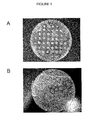
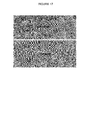
- the different E. coli clones with the different fosmid inserts are then seeded in cultures of cariogenic bacteria, such as Streptococcus mutans or Streptococcus sobrinus. Those clones are selected which, in said cultures, present an inhibition halo around the seeding point ( Figure 1 ).
- the clones obtained are identified by means of sequence homology of the DNA contained in each fosmid, on the basis of different available public sequence databases.
- the total DNA thereof is extracted by separating it from the vector DNA by means of midiprep kits from QIAGEN, and performing the direct pyrosequencing thereof. This is how the respective ORFs and, subsequently, the peptides encoded thereby, are obtained.
- the invention demonstrates that the genera Streptococcus and Rothia, more preferably, the genus Streptococcus, are prevalent genera in subjects without caries.
- restriction endonucleases and drug discharge pumps are encoded by Bacilli, which, jointly with the greater presence of Streptococci in people without caries, allowed us to predict that those bacteria could be potential producers of natural inhibitors of human pathogens in a possible replacement therapy strategy for the treatment of buccal infectious diseases.
- Example 4 Analysis of the microbial richness and abundance present in the human oral metagenome
- OTUs operational taxonomic units
- the threshold used is the standard for the 16S rRNA gene, a 97% sequence identity; thus, if the similarity is greater than 97%, it is considered to be of the same species, but, if it is lower than 97%, it is probably a different species.
- Longer pyrosequencing reads (250 pbs) in three healthy subjects estimated about 600 OTUs per person, and a recent project attempted to sequence 11447 amplicons with almost the full length of 16S rRNA amplicons using Sanger-type sequencing (22), reducing the estimates to less than 300 OTUs in 10 individuals.
- the 16S rRNA reads extracted from our metagenomic data identified 186 new OTUs that had not been previously detected by PCR amplification.
- sequence recruitment An effective tool to quantify the presence of selected species in metagenomes is sequence recruitment. Those individual metagenomic reads with coincidences greater than a certain identity threshold against a reference bacterial genome are "recruited” to plot a graph that will vary in density depending on the abundance of that organism in the sample. If the mean nucleotide identity shown is greater than 94%, the recruitment has probably been performed against reads from the same species (23).
- Correspondence analysis (CoA) of the samples on the basis of the functional assignment of the reads provided similar grouping patterns for the three functional classification systems (CDD, SEED and TigrFams).
- the samples from ill subjects (with caries) tended to group together, indicating that a similar group of functions were encoded in their metagenomes, and the samples from individuals who had never suffered from caries, jointly with one of the individuals who presented a low number thereof, are separately grouped.
- the oral samples are grouped together, indicating that the intestine and the mouth are two different ecosystems in terms of the relative frequencies of the encoded functions.
- the present invention demonstrates that there are blocks of functions that are over-represented in the intestinal microbiome, whereas others are over-represented in the oral samples.
- the individuals are grouped on the basis of their health condition. From an applied standpoint, it is interesting to note that many functional categories are over-represented in the samples from individuals without caries. These include DNA capture genes involved in competition in Gram-positive bacteria, others involved in the phospholipid metabolism, fructose and mannose-induced phosphotransferase systems, the Streptococcus mga regulon, proteins involved in mixed acid fermentation, quorum-sensing genes and bacteriocin-type anti-bacterial peptides. Said bioactive compounds, bacteriocins, are potential anti-caries agents and, therefore, the present invention demonstrates that the dental plaque of individuals who have never suffered from caries is a genetic reservoir of new anti-microbial and potentially anti-cariogenic substances.
- Example 6 Inhibition assays of the clones obtained in the fosmid library of the invention on cariogenic Streptococcus cultures
- the DNA sequences or inserts of these fosmids are those that potentially produce excreted substances that spread in the agar and prevent the growth of those bacteria that cause dental caries. Subsequently, a second activity screening was performed with the positive clones in order to eliminate the false positives ( Figure 1 B) .
- the clones obtained are identified by means of sequence homology of the DNA contained in each fosmid, against different public databases of available sequences.
- each fosmid In order to obtain the DNA sequence of each fosmid, the total DNA thereof is extracted by separating it from the vector DNA by means of midiprep kits from QIAGEN, and performing direct sequencing.
- the ends of twenty fosmids were sequenced using the classic Sanger technology by means of Reverse (SEQ ID NO: 10 and SEQ ID NO: 11) and T7 (SEQ ID NO: 12) primers of commercial PCC1Fos vectors.
- SEQ ID NO: 10 and SEQ ID NO: 11 SEQ ID NO: 11
- T7 SEQ ID NO: 12
- the insert turned out to be of a very short length; for this reason, the sequence of the two ends overlapped, thus obtaining the full length of the insert.
- the insert of human origin completely sequenced using this process has 244 nucleotides (SEQ ID NO: 1) and the bacterial insert has 666 nucleotides (SEQ ID NO: 2).
- the sequence of the other seven inserts was obtained by pyrosequencing, using groups of 2-5 fosmids, and combining their DNA in a 1/16 or 1/8 plate of the Genome Sequencer FLX pyrosequencer (Roche).
- the sequences obtained were assembled by means of the Newbler programme (Roche) using standard parameters, and the assemblies obtained were related to the corresponding fosmids on the basis of the previously-obtained insert end sequences.
- the characteristics of the nine inserts are shown in Table 3. Table 3. Characteristics of the DNA inserts of the fosmids with inhibitory capacity against cariogenic bacteria Name Origin Length of Insert (pb) Sequence No.
- Example 7 Identification of the anti-microbial peptides in the short S12E and T5A fosmids.
- a candidate ORF was obtained in the fosmid of human origin (T5A), only 26 amino acids in length (SEQ ID NO: 8), and another candidate ORF was obtained in the fosmid of bacterial origin (S12E), 39 amino acids in length (SEQ ID NO: 9).
- these genes showed an amino acid composition characteristic of anti-microbial peptides, and, furthermore, in the case of T5A, of human origin, the presence of two cysteines that may form a disulfide bridge was observed. This, together with their short length and their net positive charge, suggests that they are bioactive anti-microbial peptides.
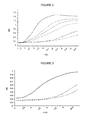
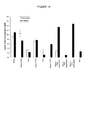
- the growth curves of the cariogenic bacteria show that, in the case of the defensin-type anti-microbial peptide of human origin ( Figure 3 ), the fraction smaller than 3 kD has a dose-dependent inhibitory effect on the cariogenic bacteria, whereas, in the case of the bacteriocin-type anti-microbial peptide of bacterial origin, the 3-10 kD fraction has the dose-dependent inhibitory effect on said cariogenic bacteria ( Figure 2 ), which agrees with the molecular weights estimated on the basis of the amino acid sequence for each of the fosmids.
- Example 8 Comparative assay of the inhibitory activity of the bioactive peptides of the invention against cariogenic bacteria.
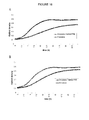
- the inhibitory effect of bacteriocin at this concentration, 100 ⁇ l, on the growth of S. mutans is greater than that of the commercialised product for this bacterial species ( Figure 4 ) and, moreover, it may be observed, in said Figure 4 , that the addition of bacteriocin to the commercialised product significantly improves the inhibitory activity of said product against S. mutans.
- Example 9 Analysis of the cariogenic activity of the chemically-synthesised S12E and T5A peptides.
- a protecting group Fmoc-Cys(trt)-OH
- Fmoc-Cys(trt)-OH was used to protect the -SH groups, which are quite reactive and were relatively frequent in this peptide.
- the peptides covalently bind to spheres, leaving the N-terminal amino group free, such that it may bind to a single N-protected amino acid. Following the binding, the latter is deprotected and washed. After repeated cycles of binding, washing, de-protection and washing, the peptide chains are constructed. When the peptide is complete, it is released by the addition of a reagent (in this case, anhydrous hydrogen fluoride).
- a reagent in this case, anhydrous hydrogen fluoride
- the peptides identified are those responsible for the inhibitory activity against cariogenic bacteria
- the S12E (bacteriocins of bacterial origin) and T5A (peptide of human origin with a structure similar to that of defensins) peptides were chemically synthesised, obtaining approximately 4 mg of each of said peptides with a purity greater than 80%. They were totally re-suspended in 0.1% trichloroacetic acid (TCA) and the experiments designed to test the inhibition of liquid cultures of S. mutans by said chemically-synthesised compounds were performed.
- TCA trichloroacetic acid
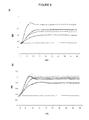
- T5A peptide (of human origin, defensin-type), at first no inhibitory effect was found. It occurs that this peptide has several reactive amino acids, including two cysteines, the presence whereof is typical in human anti-microbial peptides, and often a disulfide bridge between these two cysteines is necessary for the peptide to be active. For this reason, said peptide was synthesised once again, adding a disulfide bridge between cysteines 3 and 12, and protecting the reactive amino acids during the synthesis. Following these modifications, it was confirmed that this peptide is capable of inhibiting the growth of the cariogenic bacteria, S. mutans, at different concentrations, with total inhibition of the growth when the maximum peptide concentration, 80 ⁇ g, is added ( Figure 7 ).
- strains CECT 7746, CECT 7747, CECT 7773 and CECT 7775 belong to the same bacterial genus Streptococcus and, therefore, in addition to the method for obtaining them, share a structural and taxonomic similarity, since they belong to the same bacterial genus.
- said strains which belong to the bacterial genus Streptococcus, are similar to the S. mitis (CECT 7746 and CECT 7775) and S. oralis (CECT 7747 and CECT 7779) species. Sequencing of the complete genome of strains CECT 7746 and 7747 reveals that they are new species of the genus Streptococcus (see Example 12), that they are sister strains despite coming from different individuals and, moreover, belong to the S. mitis / oralis / infantis cluster of species.
- the inhibition haloes against cultures of cariogenic species, S. mutans or S. sobrinus, of said strains deposited in the CECT may be observed in Figures 12 and 13 , respectively.
- Characterisation of bacterial strains CECT 7746 and CECT 7747 was performed by means of different techniques. In the first place, the complete genome of these two strains was obtained by means of shot-gun (7, 8) and pair-ends pyrosequencing; the latter consists of breaking the DNA into fragments of about 3000 nucleotides and the sequencing of approximately 200 nucleotides from each end, such that the known distance between these two ends helps in the assembly of the sequences.
- the expected genome size for each of the strains was about 2.1 Mb.
- the size of the assemblies greater than 500 pb is 2,122,087 pb.
- the size of the contigs greater than 500 pb is 1,953,989 pb.
- the sequences were filtered and assembled using the Newbler software (Roche), adapted by the inventors with standard parameters, to obtain a total of 109 assemblies > 500 pb for strain CECT 7746 and of 51 contigs for strain CECT 7747. Subsequently, said genomes were automatically annotated, to obtain the complete sequence of the genome of said strains CECT 7746 and CECT 7747.
- the ANI average nucleotide identity
- the mean similarity between the homologous genes of the same species at the nucleotide level is greater than 95% (34, 35).
- taxonomists accept this 95% ANI value as the limit to separate bacterial isolates belonging to different species and as an alternative to the classic 70% threshold in the DNA-DNA hybridisation value (36).
- Example 13 Inhibition assays of cariogenic bacteria, S. mutans , in the presence of the supernatants obtained from the cultures of the CECT 7746 and CECT 7747 strains disclosed in the invention.
- the two strains of the invention were grown in BHI culture medium at a temperature of 37°C. Subsequently, the supernatants of the cultures were collected, in the exponential phase and the stationary phase, being filtered through a 0.2-micron filter, in order to eliminate any bacterial residue. Subsequently, said supernatants were filtered once again by means of centrifugation, using membranes with a pore size of 100, 10 and 3 kDa (Amicon, Millipore), as described in the previous examples shown in the present invention.
- mutans were seeded, which indicates that there is a greater concentration of the inhibitory agent or substance prior to the growth of the cariogenic bacteria, and that, moreover, the presence of said bacteria is not necessary to activate the production of the inhibitory agent by the strains of the invention.
- Example 14 Inhibition assays against cariogenic bacteria, S. mutans , cultured in the presence of the supernatants obtained from the cultures of the bacterial strains of the invention CECT 7746 and CECT 7747, under aerobiosis and anaerobiosis conditions.
- inhibition experiments were performed in a solid BHI medium, by first seeding the strains of the invention with a drop of the culture in a liquid medium, in the stationary phase, in an anaerobic jar for 12 h, followed by a tapestry culture of S. mutans at 37°C, or followed by seeding with one drop of the culture of S. mutans at 37°C.
- strains CECT 7746 and 7747 disclosed in the present invention, were tested, as was strain C7.1, an isolate belonging to species of the Streptococcus mitis / oralis / infantis group, obtained from an individual without caries, but which does not produce inhibition of the growth of cariogenic species and, therefore, acts as a negative control.
- the human saliva is stored at -80 °C.
- Probiotic strainsCECT 7746 and 7747 and control strain C7.1 are grown in BHI culture medium with sucrose for 12 hours, until a culture density of approximately 4 x 10 8 cfu (Colony-Forming Units) is obtained. Subsequently, the saliva sample is mixed at 50% with the inoculum of the probiotic strains of the invention (CECT 7746 or 7747) or the inoculum of the control strain (C7.1), and applied onto the glass disc.
- the biofilms are formed for 48 hours in modified artificial saliva medium (38) under aerobiosis and anaerobiosis, and, once formed, are incubated for 3 hours at a temperature of 37°C in cysteine peptone water (Sigma-Aldrich, St Louis, USA) containing 0.2% glucose, in order to measure the production of acid. During this incubation period, the strains will produce acid, which is measured by means of a colorimetric reaction: Said biofilm is transferred to an Eppendorf tube and incubated at a temperature of 80°C for 5 min in order to stop the bacterial metabolism. The quantity of L-lactic acid is enzymatically determined by means of a colorimetric assay using the Spectra Max M2 spectrophotometer (Molecular Devices, USA), following the protocol described by Pham LC et al. (38).
- the fraction smaller than 3 kDa is concentrated to half of its volume in a rotavapor and mixed at 50% with the saliva sample; subsequently, as in the case of the probiotics, the biofilm is formed for 48 hours and incubated for 3 hours in a Buffered Peptone Water culture medium (38) containing 0.2% glucose, so as to be able to measure the production of acid.
- the reduction of acid is very relevant for the treatment and prevention of dental caries, since the latter is formed due to the production of acid by microorganisms when these ferment the sugars ingested in the diet.
- Acid pH is precisely what de-mineralises the enamel and produces caries, and, therefore, any acidogenic species, and not only Streptococci from the mutans group, could be potentially cariogenic (2). Therefore, the reduction in the production of acid is an indicator that the overall effect of treatment with the probiotic strain or the supernatant thereof is the reduction of acid and, consequently, a lower probability of developing caries.
Landscapes
- Health & Medical Sciences (AREA)
- Life Sciences & Earth Sciences (AREA)
- Chemical & Material Sciences (AREA)
- Engineering & Computer Science (AREA)
- Organic Chemistry (AREA)
- General Health & Medical Sciences (AREA)
- Genetics & Genomics (AREA)
- Zoology (AREA)
- Bioinformatics & Cheminformatics (AREA)
- Medicinal Chemistry (AREA)
- Wood Science & Technology (AREA)
- Biotechnology (AREA)
- Microbiology (AREA)
- Biochemistry (AREA)
- Molecular Biology (AREA)
- General Engineering & Computer Science (AREA)
- Mycology (AREA)
- Animal Behavior & Ethology (AREA)
- Proteomics, Peptides & Aminoacids (AREA)
- Veterinary Medicine (AREA)
- Public Health (AREA)
- Pharmacology & Pharmacy (AREA)
- Biomedical Technology (AREA)
- Gastroenterology & Hepatology (AREA)
- Epidemiology (AREA)
- Biophysics (AREA)
- Virology (AREA)
- Tropical Medicine & Parasitology (AREA)
- Food Science & Technology (AREA)
- Polymers & Plastics (AREA)
- Nutrition Science (AREA)
- Immunology (AREA)
- General Chemical & Material Sciences (AREA)
- Chemical Kinetics & Catalysis (AREA)
- Nuclear Medicine, Radiotherapy & Molecular Imaging (AREA)
- Marine Sciences & Fisheries (AREA)
- Toxicology (AREA)
- Communicable Diseases (AREA)
- Plant Pathology (AREA)
- Physics & Mathematics (AREA)
Priority Applications (1)
| Application Number | Priority Date | Filing Date | Title |
|---|---|---|---|
| PL11781828T PL2612904T3 (pl) | 2010-08-31 | 2011-08-31 | Kompozycje przeciwpróchnicze i probiotyki/prebiotyki |
Applications Claiming Priority (2)
| Application Number | Priority Date | Filing Date | Title |
|---|---|---|---|
| ES201031302 | 2010-08-31 | ||
| PCT/ES2011/070609 WO2012028759A2 (es) | 2010-08-31 | 2011-08-31 | Composiciones y probióticos/prebióticos anticaries |
Publications (2)
| Publication Number | Publication Date |
|---|---|
| EP2612904A2 true EP2612904A2 (de) | 2013-07-10 |
| EP2612904B1 EP2612904B1 (de) | 2016-09-21 |
Family
ID=44936297
Family Applications (1)
| Application Number | Title | Priority Date | Filing Date |
|---|---|---|---|
| EP11781828.6A Active EP2612904B1 (de) | 2010-08-31 | 2011-08-31 | Kariesschutzzusammensetzung und probiotika/präbiotika |
Country Status (14)
| Country | Link |
|---|---|
| US (1) | US9629883B2 (de) |
| EP (1) | EP2612904B1 (de) |
| JP (1) | JP5921546B2 (de) |
| KR (1) | KR101739802B1 (de) |
| CN (1) | CN103119153B (de) |
| AU (1) | AU2011298235B2 (de) |
| BR (1) | BR112013004702A2 (de) |
| CA (1) | CA2808793C (de) |
| ES (1) | ES2608577T3 (de) |
| IL (1) | IL224767A (de) |
| MX (1) | MX343566B (de) |
| PL (1) | PL2612904T3 (de) |
| RU (1) | RU2650866C2 (de) |
| WO (1) | WO2012028759A2 (de) |
Cited By (4)
| Publication number | Priority date | Publication date | Assignee | Title |
|---|---|---|---|---|
| EP2956130A4 (de) * | 2013-02-14 | 2016-08-31 | Univ Florida | Probiotische arginolytische orale zusammensetzungen und verfahren zur herstellung und verwendung der probiotischen arginolytischen oralen zusammensetzungen |
| EP3196318A1 (de) | 2016-01-19 | 2017-07-26 | Symrise AG | Probiotika zum ändern der zusammensetzung von oralen biofilmen |
| WO2018096118A1 (en) * | 2016-11-24 | 2018-05-31 | Servizo Galego De Saúde (Sergas) | Antimicrobial strain |
| EP3351259A1 (de) | 2017-01-18 | 2018-07-25 | Symrise AG | Probiotika zur aggregation mit krankheitsassoziierten spezies in der mundhöhle |
Families Citing this family (10)
| Publication number | Priority date | Publication date | Assignee | Title |
|---|---|---|---|---|
| US10206959B2 (en) | 2013-02-14 | 2019-02-19 | University Of Florida Research Foundation, Inc. | Probiotic arginolytic oral compositions and methods of making and using probiotic arginolytic oral compositions |
| EP3347496A4 (de) * | 2015-09-09 | 2019-08-07 | Ubiome Inc. | Verfahren und system für mikrobiomderivierte diagnostika und therapeutika für die mundgesundheit |
| CN105193859A (zh) * | 2015-09-25 | 2015-12-30 | 南昌大学 | 一种天然口腔细菌移植在口腔疾病治疗中的应用 |
| CN105193857A (zh) * | 2015-09-25 | 2015-12-30 | 南昌大学 | 一种人工培养口腔细菌移植在口腔疾病治疗中的应用 |
| US10733214B2 (en) | 2017-03-20 | 2020-08-04 | International Business Machines Corporation | Analyzing metagenomics data |
| CN107460150B (zh) * | 2017-09-18 | 2020-03-24 | 沈阳医学院 | Dentisani链球菌及其应用和应用其的产品 |
| CN107557317B (zh) * | 2017-09-20 | 2020-03-24 | 沈阳医学院 | 缓症链球菌及其应用和应用其的产品 |
| CN115243696A (zh) * | 2019-12-06 | 2022-10-25 | 福塞斯儿童牙科医院 | 预防和治疗龋齿的方法和组合物 |
| CN112011627B (zh) * | 2020-09-27 | 2022-02-25 | 赤峰家育种猪生态科技集团有限公司 | 与加系大白猪背膘厚相关的分子标记及筛选方法和应用 |
| CN114317783B (zh) * | 2021-12-08 | 2023-07-28 | 上海锐翌医学检验实验室有限公司 | 龋齿标志微生物及其应用 |
Family Cites Families (11)
| Publication number | Priority date | Publication date | Assignee | Title |
|---|---|---|---|---|
| CA1321962C (en) | 1985-03-20 | 1993-09-07 | Aizo Matsushiro | Dental caries preventive preparations and method for preparing said preparations |
| US5607672A (en) * | 1995-06-07 | 1997-03-04 | University Of Florida Research Foundation, Inc. | Replacement therapy for dental caries |
| KR100266752B1 (ko) * | 1997-08-07 | 2001-03-02 | 오종석 | 인체 구강내 치태형성을 억제하는 신규한 유산균 |
| US20030077814A1 (en) * | 1997-08-07 | 2003-04-24 | Oh Jong Suk | Novel lactic acid bacteria |
| JP2002000261A (ja) | 2000-06-28 | 2002-01-08 | Ozeki Corp | 防菌剤 |
| TW200400262A (en) * | 2002-02-22 | 2004-01-01 | Blis Technologies Ltd | Antimicrobial composition |
| JP4181806B2 (ja) | 2002-07-10 | 2008-11-19 | シャープ株式会社 | 印刷版、印刷機および印刷方法ならびに液晶機器の製造装置および製造方法 |
| US20060258596A1 (en) | 2003-02-14 | 2006-11-16 | Walsh Timothy R | Antimicrobial agents |
| NZ545730A (en) | 2003-08-11 | 2009-08-28 | Oragenics Inc | Compositions and methods for the maintenance of oral health |
| EP1634948A1 (de) * | 2004-09-10 | 2006-03-15 | Basf Aktiengesellschaft | Mittel und Verfahren zur Vorbeugung und/oder Behandlung von Karies |
| CA2636236C (en) * | 2006-01-04 | 2016-08-16 | Maude Wikstroem | Probiotic oral health promoting product |
-
2011
- 2011-08-31 ES ES11781828.6T patent/ES2608577T3/es active Active
- 2011-08-31 WO PCT/ES2011/070609 patent/WO2012028759A2/es not_active Ceased
- 2011-08-31 US US13/819,261 patent/US9629883B2/en active Active
- 2011-08-31 KR KR1020137006071A patent/KR101739802B1/ko active Active
- 2011-08-31 EP EP11781828.6A patent/EP2612904B1/de active Active
- 2011-08-31 PL PL11781828T patent/PL2612904T3/pl unknown
- 2011-08-31 AU AU2011298235A patent/AU2011298235B2/en active Active
- 2011-08-31 RU RU2013114313A patent/RU2650866C2/ru active
- 2011-08-31 CA CA2808793A patent/CA2808793C/en active Active
- 2011-08-31 CN CN201180041987.6A patent/CN103119153B/zh active Active
- 2011-08-31 JP JP2013526517A patent/JP5921546B2/ja active Active
- 2011-08-31 BR BR112013004702-0A patent/BR112013004702A2/pt not_active Application Discontinuation
- 2011-08-31 MX MX2013002247A patent/MX343566B/es active IP Right Grant
-
2013
- 2013-02-17 IL IL224767A patent/IL224767A/en active IP Right Grant
Cited By (7)
| Publication number | Priority date | Publication date | Assignee | Title |
|---|---|---|---|---|
| EP2956130A4 (de) * | 2013-02-14 | 2016-08-31 | Univ Florida | Probiotische arginolytische orale zusammensetzungen und verfahren zur herstellung und verwendung der probiotischen arginolytischen oralen zusammensetzungen |
| EP3196318A1 (de) | 2016-01-19 | 2017-07-26 | Symrise AG | Probiotika zum ändern der zusammensetzung von oralen biofilmen |
| WO2017125453A1 (en) | 2016-01-19 | 2017-07-27 | Symrise Ag | Probiotics for altering the composition of oral biofilms |
| WO2018096118A1 (en) * | 2016-11-24 | 2018-05-31 | Servizo Galego De Saúde (Sergas) | Antimicrobial strain |
| US11230694B2 (en) | 2016-11-24 | 2022-01-25 | Servizo Galego De Saúde (Sergas) | Antimicrobial strain |
| EP3351259A1 (de) | 2017-01-18 | 2018-07-25 | Symrise AG | Probiotika zur aggregation mit krankheitsassoziierten spezies in der mundhöhle |
| WO2018134256A1 (en) | 2017-01-18 | 2018-07-26 | Symrise Ag | Probiotics for aggregation with disease-associated species in the oral cavity |
Also Published As
| Publication number | Publication date |
|---|---|
| ES2608577T3 (es) | 2017-04-12 |
| RU2650866C2 (ru) | 2018-04-17 |
| WO2012028759A2 (es) | 2012-03-08 |
| EP2612904B1 (de) | 2016-09-21 |
| KR101739802B1 (ko) | 2017-05-25 |
| CA2808793A1 (en) | 2012-03-08 |
| BR112013004702A2 (pt) | 2018-09-04 |
| MX2013002247A (es) | 2013-07-03 |
| PL2612904T3 (pl) | 2017-07-31 |
| CA2808793C (en) | 2020-09-22 |
| CN103119153B (zh) | 2016-03-23 |
| RU2013114313A (ru) | 2014-10-10 |
| AU2011298235B2 (en) | 2016-07-21 |
| AU2011298235A1 (en) | 2013-04-18 |
| US20140147426A1 (en) | 2014-05-29 |
| WO2012028759A3 (es) | 2012-08-02 |
| JP2013543374A (ja) | 2013-12-05 |
| JP5921546B2 (ja) | 2016-05-24 |
| CN103119153A (zh) | 2013-05-22 |
| US9629883B2 (en) | 2017-04-25 |
| IL224767A (en) | 2017-02-28 |
| KR20140001832A (ko) | 2014-01-07 |
| MX343566B (es) | 2016-11-09 |
Similar Documents
| Publication | Publication Date | Title |
|---|---|---|
| US9629883B2 (en) | Anticaries compositions and probiotics/prebiotics | |
| Gavini et al. | Differences in the distribution of bifidobacterial and enterobacterial species in human faecal microflora of three different (children, adults, elderly) age groups | |
| Wade | The oral microbiome in health and disease | |
| ES2420907T3 (es) | Genoma del Bifidobacterium CNCM I-2618 | |
| AU2020218748A1 (en) | A genetically modified lactobacillus and uses thereof | |
| KR20200136365A (ko) | 공동선택 미생물총을 포함하는 조성물 및 그 이용 방법 | |
| Li et al. | Safety assessment of Streptococcus salivarius DB-B5 as a probiotic candidate for oral health | |
| WO2022016266A1 (en) | Probiotic for oral health | |
| Rahman et al. | Isolation and identification of oral bacteria and characterization for bacteriocin production and antimicrobial sensitivity | |
| Zhao et al. | An optimized culture medium to isolate Lactobacillus fermentum strains from the human intestinal tract | |
| Krishnan et al. | Pili in probiotic bacteria | |
| Mattarelli et al. | The genera Bifidobacterium, Parascardovia and Scardovia | |
| EP3545110B1 (de) | Antimikrobieller stamm | |
| KR100736517B1 (ko) | 장내 유해세균 억제능을 갖는 락토바실루스 존소니이 아이디씨씨 9203 | |
| ES2881959T3 (es) | L salivarius SGL03: actividades probióticas y producción de proteínas antimicrobianas | |
| Flor Duro | Characterization of genes and functions required by multidrug-resistant enterococci to colonize the intestine | |
| Kumada et al. | Effects of Enterococcus faecium on Streptococcus mutans biofilm formation using flow cell system | |
| TWI639697B (zh) | 乳酸桿菌、其組成物及其用途 | |
| Vazquez Gutierrez | Screening and characterization of bifidobacteria with high iron binding properties | |
| Duar et al. | Comparative Genome Analysis of Bifidobacterium longum subsp. infantis Strains Reveals | |
| Solanki | Characterization of commensal strains with bacteriocinmediated inhibition against Streptococcus pneumoniae | |
| Almuhayya | Investigating bacterial interaction of Upper Respiratory Tract microbiota | |
| TWI516591B (zh) | 乳酸桿菌、其組成物及其用途 | |
| Culligan et al. | frontiers in ORIGINAL RESEARCH ARTICLE MICROBIOLOGY published: 29 April 2014 | |
| Riani | Effects of oral streptococci and selected probiotic bacteria on the pathogen Streptococcus pyogenes: viability, biofilms, molecular functions, and virulence traits |
Legal Events
| Date | Code | Title | Description |
|---|---|---|---|
| PUAI | Public reference made under article 153(3) epc to a published international application that has entered the european phase |
Free format text: ORIGINAL CODE: 0009012 |
|
| 17P | Request for examination filed |
Effective date: 20130326 |
|
| AK | Designated contracting states |
Kind code of ref document: A2 Designated state(s): AL AT BE BG CH CY CZ DE DK EE ES FI FR GB GR HR HU IE IS IT LI LT LU LV MC MK MT NL NO PL PT RO RS SE SI SK SM TR |
|
| DAX | Request for extension of the european patent (deleted) | ||
| 17Q | First examination report despatched |
Effective date: 20140723 |
|
| GRAP | Despatch of communication of intention to grant a patent |
Free format text: ORIGINAL CODE: EPIDOSNIGR1 |
|
| INTG | Intention to grant announced |
Effective date: 20160411 |
|
| GRAS | Grant fee paid |
Free format text: ORIGINAL CODE: EPIDOSNIGR3 |
|
| GRAA | (expected) grant |
Free format text: ORIGINAL CODE: 0009210 |
|
| AK | Designated contracting states |
Kind code of ref document: B1 Designated state(s): AL AT BE BG CH CY CZ DE DK EE ES FI FR GB GR HR HU IE IS IT LI LT LU LV MC MK MT NL NO PL PT RO RS SE SI SK SM TR |
|
| REG | Reference to a national code |
Ref country code: GB Ref legal event code: FG4D |
|
| REG | Reference to a national code |
Ref country code: CH Ref legal event code: EP |
|
| REG | Reference to a national code |
Ref country code: AT Ref legal event code: REF Ref document number: 831071 Country of ref document: AT Kind code of ref document: T Effective date: 20161015 |
|
| REG | Reference to a national code |
Ref country code: IE Ref legal event code: FG4D |
|
| GRAT | Correction requested after decision to grant or after decision to maintain patent in amended form |
Free format text: ORIGINAL CODE: EPIDOSNCDEC |
|
| REG | Reference to a national code |
Ref country code: DE Ref legal event code: R096 Ref document number: 602011030603 Country of ref document: DE |
|
| REG | Reference to a national code |
Ref country code: NL Ref legal event code: FP |
|
| REG | Reference to a national code |
Ref country code: SE Ref legal event code: TRGR |
|
| REG | Reference to a national code |
Ref country code: LT Ref legal event code: MG4D |
|
| PG25 | Lapsed in a contracting state [announced via postgrant information from national office to epo] |
Ref country code: LT Free format text: LAPSE BECAUSE OF FAILURE TO SUBMIT A TRANSLATION OF THE DESCRIPTION OR TO PAY THE FEE WITHIN THE PRESCRIBED TIME-LIMIT Effective date: 20160921 Ref country code: NO Free format text: LAPSE BECAUSE OF FAILURE TO SUBMIT A TRANSLATION OF THE DESCRIPTION OR TO PAY THE FEE WITHIN THE PRESCRIBED TIME-LIMIT Effective date: 20161221 Ref country code: FI Free format text: LAPSE BECAUSE OF FAILURE TO SUBMIT A TRANSLATION OF THE DESCRIPTION OR TO PAY THE FEE WITHIN THE PRESCRIBED TIME-LIMIT Effective date: 20160921 Ref country code: RS Free format text: LAPSE BECAUSE OF FAILURE TO SUBMIT A TRANSLATION OF THE DESCRIPTION OR TO PAY THE FEE WITHIN THE PRESCRIBED TIME-LIMIT Effective date: 20160921 |
|
| REG | Reference to a national code |
Ref country code: AT Ref legal event code: MK05 Ref document number: 831071 Country of ref document: AT Kind code of ref document: T Effective date: 20160921 |
|
| PG25 | Lapsed in a contracting state [announced via postgrant information from national office to epo] |
Ref country code: LV Free format text: LAPSE BECAUSE OF FAILURE TO SUBMIT A TRANSLATION OF THE DESCRIPTION OR TO PAY THE FEE WITHIN THE PRESCRIBED TIME-LIMIT Effective date: 20160921 Ref country code: GR Free format text: LAPSE BECAUSE OF FAILURE TO SUBMIT A TRANSLATION OF THE DESCRIPTION OR TO PAY THE FEE WITHIN THE PRESCRIBED TIME-LIMIT Effective date: 20161222 |
|
| REG | Reference to a national code |
Ref country code: ES Ref legal event code: FG2A Ref document number: 2608577 Country of ref document: ES Kind code of ref document: T3 Effective date: 20170412 |
|
| PG25 | Lapsed in a contracting state [announced via postgrant information from national office to epo] |
Ref country code: RO Free format text: LAPSE BECAUSE OF FAILURE TO SUBMIT A TRANSLATION OF THE DESCRIPTION OR TO PAY THE FEE WITHIN THE PRESCRIBED TIME-LIMIT Effective date: 20160921 Ref country code: EE Free format text: LAPSE BECAUSE OF FAILURE TO SUBMIT A TRANSLATION OF THE DESCRIPTION OR TO PAY THE FEE WITHIN THE PRESCRIBED TIME-LIMIT Effective date: 20160921 |
|
| PG25 | Lapsed in a contracting state [announced via postgrant information from national office to epo] |
Ref country code: SM Free format text: LAPSE BECAUSE OF FAILURE TO SUBMIT A TRANSLATION OF THE DESCRIPTION OR TO PAY THE FEE WITHIN THE PRESCRIBED TIME-LIMIT Effective date: 20160921 Ref country code: CZ Free format text: LAPSE BECAUSE OF FAILURE TO SUBMIT A TRANSLATION OF THE DESCRIPTION OR TO PAY THE FEE WITHIN THE PRESCRIBED TIME-LIMIT Effective date: 20160921 Ref country code: BE Free format text: LAPSE BECAUSE OF FAILURE TO SUBMIT A TRANSLATION OF THE DESCRIPTION OR TO PAY THE FEE WITHIN THE PRESCRIBED TIME-LIMIT Effective date: 20160921 Ref country code: BG Free format text: LAPSE BECAUSE OF FAILURE TO SUBMIT A TRANSLATION OF THE DESCRIPTION OR TO PAY THE FEE WITHIN THE PRESCRIBED TIME-LIMIT Effective date: 20161221 Ref country code: IS Free format text: LAPSE BECAUSE OF FAILURE TO SUBMIT A TRANSLATION OF THE DESCRIPTION OR TO PAY THE FEE WITHIN THE PRESCRIBED TIME-LIMIT Effective date: 20170121 Ref country code: SK Free format text: LAPSE BECAUSE OF FAILURE TO SUBMIT A TRANSLATION OF THE DESCRIPTION OR TO PAY THE FEE WITHIN THE PRESCRIBED TIME-LIMIT Effective date: 20160921 Ref country code: PT Free format text: LAPSE BECAUSE OF FAILURE TO SUBMIT A TRANSLATION OF THE DESCRIPTION OR TO PAY THE FEE WITHIN THE PRESCRIBED TIME-LIMIT Effective date: 20170123 Ref country code: AT Free format text: LAPSE BECAUSE OF FAILURE TO SUBMIT A TRANSLATION OF THE DESCRIPTION OR TO PAY THE FEE WITHIN THE PRESCRIBED TIME-LIMIT Effective date: 20160921 |
|
| REG | Reference to a national code |
Ref country code: DE Ref legal event code: R097 Ref document number: 602011030603 Country of ref document: DE |
|
| PLBE | No opposition filed within time limit |
Free format text: ORIGINAL CODE: 0009261 |
|
| STAA | Information on the status of an ep patent application or granted ep patent |
Free format text: STATUS: NO OPPOSITION FILED WITHIN TIME LIMIT |
|
| PG25 | Lapsed in a contracting state [announced via postgrant information from national office to epo] |
Ref country code: DK Free format text: LAPSE BECAUSE OF FAILURE TO SUBMIT A TRANSLATION OF THE DESCRIPTION OR TO PAY THE FEE WITHIN THE PRESCRIBED TIME-LIMIT Effective date: 20160921 |
|
| REG | Reference to a national code |
Ref country code: FR Ref legal event code: PLFP Year of fee payment: 7 |
|
| 26N | No opposition filed |
Effective date: 20170622 |
|
| PG25 | Lapsed in a contracting state [announced via postgrant information from national office to epo] |
Ref country code: SI Free format text: LAPSE BECAUSE OF FAILURE TO SUBMIT A TRANSLATION OF THE DESCRIPTION OR TO PAY THE FEE WITHIN THE PRESCRIBED TIME-LIMIT Effective date: 20160921 |
|
| REG | Reference to a national code |
Ref country code: CH Ref legal event code: PL |
|
| PG25 | Lapsed in a contracting state [announced via postgrant information from national office to epo] |
Ref country code: MC Free format text: LAPSE BECAUSE OF FAILURE TO SUBMIT A TRANSLATION OF THE DESCRIPTION OR TO PAY THE FEE WITHIN THE PRESCRIBED TIME-LIMIT Effective date: 20160921 |
|
| PG25 | Lapsed in a contracting state [announced via postgrant information from national office to epo] |
Ref country code: LI Free format text: LAPSE BECAUSE OF NON-PAYMENT OF DUE FEES Effective date: 20170831 Ref country code: CH Free format text: LAPSE BECAUSE OF NON-PAYMENT OF DUE FEES Effective date: 20170831 |
|
| REG | Reference to a national code |
Ref country code: IE Ref legal event code: MM4A |
|
| PG25 | Lapsed in a contracting state [announced via postgrant information from national office to epo] |
Ref country code: LU Free format text: LAPSE BECAUSE OF NON-PAYMENT OF DUE FEES Effective date: 20170831 |
|
| PG25 | Lapsed in a contracting state [announced via postgrant information from national office to epo] |
Ref country code: IE Free format text: LAPSE BECAUSE OF NON-PAYMENT OF DUE FEES Effective date: 20170831 |
|
| REG | Reference to a national code |
Ref country code: FR Ref legal event code: PLFP Year of fee payment: 8 |
|
| PG25 | Lapsed in a contracting state [announced via postgrant information from national office to epo] |
Ref country code: MT Free format text: LAPSE BECAUSE OF NON-PAYMENT OF DUE FEES Effective date: 20170831 |
|
| PG25 | Lapsed in a contracting state [announced via postgrant information from national office to epo] |
Ref country code: AL Free format text: LAPSE BECAUSE OF FAILURE TO SUBMIT A TRANSLATION OF THE DESCRIPTION OR TO PAY THE FEE WITHIN THE PRESCRIBED TIME-LIMIT Effective date: 20160921 |
|
| PG25 | Lapsed in a contracting state [announced via postgrant information from national office to epo] |
Ref country code: HU Free format text: LAPSE BECAUSE OF FAILURE TO SUBMIT A TRANSLATION OF THE DESCRIPTION OR TO PAY THE FEE WITHIN THE PRESCRIBED TIME-LIMIT; INVALID AB INITIO Effective date: 20110831 |
|
| PG25 | Lapsed in a contracting state [announced via postgrant information from national office to epo] |
Ref country code: CY Free format text: LAPSE BECAUSE OF NON-PAYMENT OF DUE FEES Effective date: 20160921 |
|
| PG25 | Lapsed in a contracting state [announced via postgrant information from national office to epo] |
Ref country code: MK Free format text: LAPSE BECAUSE OF FAILURE TO SUBMIT A TRANSLATION OF THE DESCRIPTION OR TO PAY THE FEE WITHIN THE PRESCRIBED TIME-LIMIT Effective date: 20160921 |
|
| PG25 | Lapsed in a contracting state [announced via postgrant information from national office to epo] |
Ref country code: HR Free format text: LAPSE BECAUSE OF FAILURE TO SUBMIT A TRANSLATION OF THE DESCRIPTION OR TO PAY THE FEE WITHIN THE PRESCRIBED TIME-LIMIT Effective date: 20160921 |
|
| P01 | Opt-out of the competence of the unified patent court (upc) registered |
Effective date: 20230523 |
|
| PGFP | Annual fee paid to national office [announced via postgrant information from national office to epo] |
Ref country code: NL Payment date: 20250826 Year of fee payment: 15 |
|
| PGFP | Annual fee paid to national office [announced via postgrant information from national office to epo] |
Ref country code: ES Payment date: 20250901 Year of fee payment: 15 |
|
| PGFP | Annual fee paid to national office [announced via postgrant information from national office to epo] |
Ref country code: DE Payment date: 20250827 Year of fee payment: 15 |
|
| PGFP | Annual fee paid to national office [announced via postgrant information from national office to epo] |
Ref country code: TR Payment date: 20250814 Year of fee payment: 15 Ref country code: PL Payment date: 20250801 Year of fee payment: 15 Ref country code: IT Payment date: 20250820 Year of fee payment: 15 |
|
| PGFP | Annual fee paid to national office [announced via postgrant information from national office to epo] |
Ref country code: GB Payment date: 20250827 Year of fee payment: 15 |
|
| PGFP | Annual fee paid to national office [announced via postgrant information from national office to epo] |
Ref country code: FR Payment date: 20250825 Year of fee payment: 15 |
|
| PGFP | Annual fee paid to national office [announced via postgrant information from national office to epo] |
Ref country code: SE Payment date: 20250827 Year of fee payment: 15 |