EP2402452A1 - Fermentive production of four carbon alcohols - Google Patents
Fermentive production of four carbon alcohols Download PDFInfo
- Publication number
- EP2402452A1 EP2402452A1 EP11177249A EP11177249A EP2402452A1 EP 2402452 A1 EP2402452 A1 EP 2402452A1 EP 11177249 A EP11177249 A EP 11177249A EP 11177249 A EP11177249 A EP 11177249A EP 2402452 A1 EP2402452 A1 EP 2402452A1
- Authority
- EP
- European Patent Office
- Prior art keywords
- seq
- butanol
- butanone
- dehydratase
- host cell
- Prior art date
- Legal status (The legal status is an assumption and is not a legal conclusion. Google has not performed a legal analysis and makes no representation as to the accuracy of the status listed.)
- Withdrawn
Links
- 238000004519 manufacturing process Methods 0.000 title claims abstract description 62
- 229910052799 carbon Inorganic materials 0.000 title claims abstract description 33
- -1 carbon alcohols Chemical class 0.000 title abstract description 12
- BTANRVKWQNVYAZ-UHFFFAOYSA-N butan-2-ol Chemical compound CCC(C)O BTANRVKWQNVYAZ-UHFFFAOYSA-N 0.000 claims abstract description 506
- ZWEHNKRNPOVVGH-UHFFFAOYSA-N 2-Butanone Chemical compound CCC(C)=O ZWEHNKRNPOVVGH-UHFFFAOYSA-N 0.000 claims abstract description 165
- 238000000034 method Methods 0.000 claims abstract description 151
- 230000006696 biosynthetic metabolic pathway Effects 0.000 claims abstract description 73
- 241000894006 Bacteria Species 0.000 claims abstract description 11
- 108090000623 proteins and genes Proteins 0.000 claims description 243
- 108010025885 Glycerol dehydratase Proteins 0.000 claims description 157
- ROWKJAVDOGWPAT-UHFFFAOYSA-N Acetoin Chemical compound CC(O)C(C)=O ROWKJAVDOGWPAT-UHFFFAOYSA-N 0.000 claims description 148
- 108010065027 Propanediol Dehydratase Proteins 0.000 claims description 141
- 102000004169 proteins and genes Human genes 0.000 claims description 132
- 238000006243 chemical reaction Methods 0.000 claims description 118
- 239000000758 substrate Substances 0.000 claims description 107
- 108020004414 DNA Proteins 0.000 claims description 79
- GFAZHVHNLUBROE-UHFFFAOYSA-N hydroxymethyl propionaldehyde Natural products CCC(=O)CO GFAZHVHNLUBROE-UHFFFAOYSA-N 0.000 claims description 74
- 229920001184 polypeptide Polymers 0.000 claims description 70
- 108090000765 processed proteins & peptides Proteins 0.000 claims description 70
- 102000004196 processed proteins & peptides Human genes 0.000 claims description 70
- OWBTYPJTUOEWEK-UHFFFAOYSA-N butane-2,3-diol Chemical compound CC(O)C(C)O OWBTYPJTUOEWEK-UHFFFAOYSA-N 0.000 claims description 52
- 238000000855 fermentation Methods 0.000 claims description 51
- 230000004151 fermentation Effects 0.000 claims description 51
- 230000000813 microbial effect Effects 0.000 claims description 46
- WTLNOANVTIKPEE-UHFFFAOYSA-N 2-acetyloxypropanoic acid Chemical compound OC(=O)C(C)OC(C)=O WTLNOANVTIKPEE-UHFFFAOYSA-N 0.000 claims description 42
- 108010057307 butanol dehydrogenase Proteins 0.000 claims description 42
- 239000011159 matrix material Substances 0.000 claims description 39
- 108010036467 butanediol dehydrogenase Proteins 0.000 claims description 32
- LCTONWCANYUPML-UHFFFAOYSA-M Pyruvate Chemical compound CC(=O)C([O-])=O LCTONWCANYUPML-UHFFFAOYSA-M 0.000 claims description 31
- 108010000700 Acetolactate synthase Proteins 0.000 claims description 30
- OKTJSMMVPCPJKN-UHFFFAOYSA-N Carbon Chemical compound [C] OKTJSMMVPCPJKN-UHFFFAOYSA-N 0.000 claims description 27
- 108010084631 acetolactate decarboxylase Proteins 0.000 claims description 25
- 102000053602 DNA Human genes 0.000 claims description 23
- 238000004422 calculation algorithm Methods 0.000 claims description 14
- 241000186660 Lactobacillus Species 0.000 claims description 10
- 241000235648 Pichia Species 0.000 claims description 9
- 241000194033 Enterococcus Species 0.000 claims description 8
- 241000192001 Pediococcus Species 0.000 claims description 8
- 241000589516 Pseudomonas Species 0.000 claims description 8
- 240000004808 Saccharomyces cerevisiae Species 0.000 claims description 8
- 235000014680 Saccharomyces cerevisiae Nutrition 0.000 claims description 8
- 229940039696 lactobacillus Drugs 0.000 claims description 8
- 241000588986 Alcaligenes Species 0.000 claims description 7
- 241000193830 Bacillus <bacterium> Species 0.000 claims description 7
- 241000222120 Candida <Saccharomycetales> Species 0.000 claims description 5
- 241000193403 Clostridium Species 0.000 claims description 5
- 241000588748 Klebsiella Species 0.000 claims description 5
- 241000316848 Rhodococcus <scale insect> Species 0.000 claims description 5
- 241000235070 Saccharomyces Species 0.000 claims description 5
- 150000002772 monosaccharides Chemical class 0.000 claims description 5
- 229920001542 oligosaccharide Polymers 0.000 claims description 5
- 150000002482 oligosaccharides Chemical class 0.000 claims description 5
- 241000186063 Arthrobacter Species 0.000 claims description 4
- 241000186146 Brevibacterium Species 0.000 claims description 4
- 241000186216 Corynebacterium Species 0.000 claims description 4
- 241000588722 Escherichia Species 0.000 claims description 4
- 241000233866 Fungi Species 0.000 claims description 4
- 241000179039 Paenibacillus Species 0.000 claims description 4
- 241000607142 Salmonella Species 0.000 claims description 4
- 241000588901 Zymomonas Species 0.000 claims description 4
- 150000004676 glycans Chemical class 0.000 claims description 4
- 229920001282 polysaccharide Polymers 0.000 claims description 4
- 239000005017 polysaccharide Substances 0.000 claims description 4
- 241001464430 Cyanobacterium Species 0.000 claims description 3
- 125000003275 alpha amino acid group Chemical group 0.000 claims 10
- LRHPLDYGYMQRHN-UHFFFAOYSA-N N-Butanol Chemical compound CCCCO LRHPLDYGYMQRHN-UHFFFAOYSA-N 0.000 abstract description 38
- 230000012010 growth Effects 0.000 abstract description 15
- 244000005700 microbiome Species 0.000 abstract description 14
- 239000002609 medium Substances 0.000 description 129
- 210000004027 cell Anatomy 0.000 description 126
- 102000004190 Enzymes Human genes 0.000 description 124
- 108090000790 Enzymes Proteins 0.000 description 124
- 235000018102 proteins Nutrition 0.000 description 120
- 150000001413 amino acids Chemical group 0.000 description 112
- 239000000047 product Substances 0.000 description 111
- 239000013598 vector Substances 0.000 description 94
- 150000002009 diols Chemical group 0.000 description 88
- 230000000694 effects Effects 0.000 description 80
- 230000014509 gene expression Effects 0.000 description 77
- 241000588724 Escherichia coli Species 0.000 description 66
- PEDCQBHIVMGVHV-UHFFFAOYSA-N Glycerine Chemical compound OCC(O)CO PEDCQBHIVMGVHV-UHFFFAOYSA-N 0.000 description 63
- 239000013615 primer Substances 0.000 description 62
- 239000013612 plasmid Substances 0.000 description 61
- 230000037361 pathway Effects 0.000 description 60
- 239000012634 fragment Substances 0.000 description 59
- 108091026890 Coding region Proteins 0.000 description 56
- 108091000080 Phosphotransferase Proteins 0.000 description 46
- 102000020233 phosphotransferase Human genes 0.000 description 46
- 230000001419 dependent effect Effects 0.000 description 43
- 108090001042 Hydro-Lyases Proteins 0.000 description 42
- 102000004867 Hydro-Lyases Human genes 0.000 description 42
- 150000007523 nucleic acids Chemical class 0.000 description 38
- NGVDGCNFYWLIFO-UHFFFAOYSA-N pyridoxal 5'-phosphate Chemical compound CC1=NC=C(COP(O)(O)=O)C(C=O)=C1O NGVDGCNFYWLIFO-UHFFFAOYSA-N 0.000 description 36
- 239000002773 nucleotide Substances 0.000 description 35
- 125000003729 nucleotide group Chemical group 0.000 description 35
- 241000588747 Klebsiella pneumoniae Species 0.000 description 33
- 230000006870 function Effects 0.000 description 33
- 230000002441 reversible effect Effects 0.000 description 31
- 239000000203 mixture Substances 0.000 description 30
- 229930027945 nicotinamide-adenine dinucleotide Natural products 0.000 description 30
- 102000004317 Lyases Human genes 0.000 description 29
- 108090000856 Lyases Proteins 0.000 description 29
- 241000588698 Erwinia Species 0.000 description 28
- 238000010367 cloning Methods 0.000 description 28
- 229940076788 pyruvate Drugs 0.000 description 28
- 229940024606 amino acid Drugs 0.000 description 25
- 235000014469 Bacillus subtilis Nutrition 0.000 description 24
- 235000001014 amino acid Nutrition 0.000 description 24
- 101150019823 chnA gene Proteins 0.000 description 24
- 150000001414 amino alcohols Chemical class 0.000 description 23
- 238000004458 analytical method Methods 0.000 description 23
- 239000000284 extract Substances 0.000 description 23
- CDQSJQSWAWPGKG-UHFFFAOYSA-N butane-1,1-diol Chemical compound CCCC(O)O CDQSJQSWAWPGKG-UHFFFAOYSA-N 0.000 description 22
- 108020004705 Codon Proteins 0.000 description 21
- 235000007682 pyridoxal 5'-phosphate Nutrition 0.000 description 21
- 239000011589 pyridoxal 5'-phosphate Substances 0.000 description 21
- 101150028410 budC gene Proteins 0.000 description 20
- FERWBXLFSBWTDE-UHFFFAOYSA-N 3-aminobutan-2-ol Chemical compound CC(N)C(C)O FERWBXLFSBWTDE-UHFFFAOYSA-N 0.000 description 19
- BOPGDPNILDQYTO-NNYOXOHSSA-N nicotinamide-adenine dinucleotide Chemical compound C1=CCC(C(=O)N)=CN1[C@H]1[C@H](O)[C@H](O)[C@@H](COP(O)(=O)OP(O)(=O)OC[C@@H]2[C@H]([C@@H](O)[C@@H](O2)N2C3=NC=NC(N)=C3N=C2)O)O1 BOPGDPNILDQYTO-NNYOXOHSSA-N 0.000 description 19
- 230000009466 transformation Effects 0.000 description 19
- 244000063299 Bacillus subtilis Species 0.000 description 18
- 241000588749 Klebsiella oxytoca Species 0.000 description 17
- 108091028043 Nucleic acid sequence Proteins 0.000 description 17
- 108090000340 Transaminases Proteins 0.000 description 17
- 102000003929 Transaminases Human genes 0.000 description 17
- LFQSCWFLJHTTHZ-UHFFFAOYSA-N Ethanol Chemical compound CCO LFQSCWFLJHTTHZ-UHFFFAOYSA-N 0.000 description 16
- 102000039446 nucleic acids Human genes 0.000 description 16
- 108020004707 nucleic acids Proteins 0.000 description 16
- RTDYVACWFWSTAJ-UHFFFAOYSA-N 3-aminobutan-2-yl dihydrogen phosphate Chemical compound CC(N)C(C)OP(O)(O)=O RTDYVACWFWSTAJ-UHFFFAOYSA-N 0.000 description 15
- WQZGKKKJIJFFOK-GASJEMHNSA-N Glucose Natural products OC[C@H]1OC(O)[C@H](O)[C@@H](O)[C@@H]1O WQZGKKKJIJFFOK-GASJEMHNSA-N 0.000 description 15
- 241001148142 Pectobacterium atrosepticum Species 0.000 description 15
- WQZGKKKJIJFFOK-VFUOTHLCSA-N beta-D-glucose Chemical compound OC[C@H]1O[C@@H](O)[C@H](O)[C@@H](O)[C@@H]1O WQZGKKKJIJFFOK-VFUOTHLCSA-N 0.000 description 15
- 101150015366 budA gene Proteins 0.000 description 15
- 101150077640 budB gene Proteins 0.000 description 15
- BPHPUYQFMNQIOC-NXRLNHOXSA-N isopropyl beta-D-thiogalactopyranoside Chemical compound CC(C)S[C@@H]1O[C@H](CO)[C@H](O)[C@H](O)[C@H]1O BPHPUYQFMNQIOC-NXRLNHOXSA-N 0.000 description 15
- 229960001327 pyridoxal phosphate Drugs 0.000 description 15
- QWSDDBZNDKNTAL-UHFFFAOYSA-N 1-aminobutyl dihydrogen phosphate Chemical compound CCCC(N)OP(O)(O)=O QWSDDBZNDKNTAL-UHFFFAOYSA-N 0.000 description 14
- ACFIXJIJDZMPPO-NNYOXOHSSA-N NADPH Chemical compound C1=CCC(C(=O)N)=CN1[C@H]1[C@H](O)[C@H](O)[C@@H](COP(O)(=O)OP(O)(=O)OC[C@@H]2[C@H]([C@@H](OP(O)(O)=O)[C@@H](O2)N2C3=NC=NC(N)=C3N=C2)O)O1 ACFIXJIJDZMPPO-NNYOXOHSSA-N 0.000 description 13
- 239000000243 solution Substances 0.000 description 13
- 101710092521 Glycerol dehydratase large subunit Proteins 0.000 description 12
- LCTONWCANYUPML-UHFFFAOYSA-N Pyruvic acid Chemical compound CC(=O)C(O)=O LCTONWCANYUPML-UHFFFAOYSA-N 0.000 description 12
- 241000588717 Shimwellia blattae Species 0.000 description 12
- 238000010276 construction Methods 0.000 description 12
- 230000008569 process Effects 0.000 description 12
- 241001300301 uncultured bacterium Species 0.000 description 12
- 108010021809 Alcohol dehydrogenase Proteins 0.000 description 11
- 108700026244 Open Reading Frames Proteins 0.000 description 11
- 230000015572 biosynthetic process Effects 0.000 description 11
- 238000004817 gas chromatography Methods 0.000 description 11
- 239000008103 glucose Substances 0.000 description 11
- 108091032973 (ribonucleotides)n+m Proteins 0.000 description 10
- QNAYBMKLOCPYGJ-REOHCLBHSA-N L-alanine Chemical compound C[C@H](N)C(O)=O QNAYBMKLOCPYGJ-REOHCLBHSA-N 0.000 description 10
- 241001468197 Lactobacillus collinoides Species 0.000 description 10
- 229960003767 alanine Drugs 0.000 description 10
- QVGXLLKOCUKJST-UHFFFAOYSA-N atomic oxygen Chemical compound [O] QVGXLLKOCUKJST-UHFFFAOYSA-N 0.000 description 10
- 239000013604 expression vector Substances 0.000 description 10
- 238000004128 high performance liquid chromatography Methods 0.000 description 10
- OWBTYPJTUOEWEK-ZXZARUISSA-N meso-butane-2,3-diol Chemical compound C[C@@H](O)[C@H](C)O OWBTYPJTUOEWEK-ZXZARUISSA-N 0.000 description 10
- 239000001301 oxygen Substances 0.000 description 10
- 229910052760 oxygen Inorganic materials 0.000 description 10
- NBIIXXVUZAFLBC-UHFFFAOYSA-K phosphate Chemical compound [O-]P([O-])([O-])=O NBIIXXVUZAFLBC-UHFFFAOYSA-K 0.000 description 10
- XLYOFNOQVPJJNP-UHFFFAOYSA-N water Substances O XLYOFNOQVPJJNP-UHFFFAOYSA-N 0.000 description 10
- OAJLVMGLJZXSGX-SLAFOUTOSA-L (2s,3s,4r,5r)-2-(6-aminopurin-9-yl)-5-methanidyloxolane-3,4-diol;cobalt(3+);[(2r,3s,4r,5s)-5-(5,6-dimethylbenzimidazol-1-yl)-4-hydroxy-2-(hydroxymethyl)oxolan-3-yl] [(2r)-1-[3-[(1r,2r,3r,4z,7s,9z,12s,13s,14z,17s,18s,19r)-2,13,18-tris(2-amino-2-oxoethyl)-7 Chemical compound [Co+3].O[C@H]1[C@@H](O)[C@@H]([CH2-])O[C@@H]1N1C2=NC=NC(N)=C2N=C1.[N-]([C@@H]1[C@H](CC(N)=O)[C@@]2(C)CCC(=O)NC[C@@H](C)OP([O-])(=O)O[C@H]3[C@H]([C@H](O[C@@H]3CO)N3C4=CC(C)=C(C)C=C4N=C3)O)\C2=C(C)/C([C@H](C\2(C)C)CCC(N)=O)=N/C/2=C\C([C@H]([C@@]/2(CC(N)=O)C)CCC(N)=O)=N\C\2=C(C)/C2=N[C@]1(C)[C@@](C)(CC(N)=O)[C@@H]2CCC(N)=O OAJLVMGLJZXSGX-SLAFOUTOSA-L 0.000 description 9
- SSDXATLWRAODNC-UHFFFAOYSA-N 1-aminopropyl dihydrogen phosphate Chemical compound CCC(N)OP(O)(O)=O SSDXATLWRAODNC-UHFFFAOYSA-N 0.000 description 9
- AOWPAWLEXIYETE-UHFFFAOYSA-N 2,3-Dihydroxy-2-methylbutanoic acid Chemical compound CC(O)C(C)(O)C(O)=O AOWPAWLEXIYETE-UHFFFAOYSA-N 0.000 description 9
- CSCPPACGZOOCGX-UHFFFAOYSA-N Acetone Chemical compound CC(C)=O CSCPPACGZOOCGX-UHFFFAOYSA-N 0.000 description 9
- 102000007698 Alcohol dehydrogenase Human genes 0.000 description 9
- 108010014303 DNA-directed DNA polymerase Proteins 0.000 description 9
- 102000016928 DNA-directed DNA polymerase Human genes 0.000 description 9
- 229910019142 PO4 Inorganic materials 0.000 description 9
- 101100016023 Pseudomonas aeruginosa (strain ATCC 15692 / DSM 22644 / CIP 104116 / JCM 14847 / LMG 12228 / 1C / PRS 101 / PAO1) xcpV gene Proteins 0.000 description 9
- 229960000723 ampicillin Drugs 0.000 description 9
- AVKUERGKIZMTKX-NJBDSQKTSA-N ampicillin Chemical compound C1([C@@H](N)C(=O)N[C@H]2[C@H]3SC([C@@H](N3C2=O)C(O)=O)(C)C)=CC=CC=C1 AVKUERGKIZMTKX-NJBDSQKTSA-N 0.000 description 9
- VLKZOEOYAKHREP-UHFFFAOYSA-N n-Hexane Chemical compound CCCCCC VLKZOEOYAKHREP-UHFFFAOYSA-N 0.000 description 9
- 239000013642 negative control Substances 0.000 description 9
- 239000010452 phosphate Substances 0.000 description 9
- 230000001105 regulatory effect Effects 0.000 description 9
- 239000000126 substance Substances 0.000 description 9
- QGZKDVFQNNGYKY-UHFFFAOYSA-N Ammonia Chemical compound N QGZKDVFQNNGYKY-UHFFFAOYSA-N 0.000 description 8
- IJGRMHOSHXDMSA-UHFFFAOYSA-N Atomic nitrogen Chemical compound N#N IJGRMHOSHXDMSA-UHFFFAOYSA-N 0.000 description 8
- 239000002028 Biomass Substances 0.000 description 8
- RBMDHOLTICUZIY-UHFFFAOYSA-N CC(=O)C(C)OP(=O)=O Chemical compound CC(=O)C(C)OP(=O)=O RBMDHOLTICUZIY-UHFFFAOYSA-N 0.000 description 8
- 238000012408 PCR amplification Methods 0.000 description 8
- NBBJYMSMWIIQGU-UHFFFAOYSA-N Propionic aldehyde Chemical compound CCC=O NBBJYMSMWIIQGU-UHFFFAOYSA-N 0.000 description 8
- 101100505872 Pseudomonas aeruginosa (strain ATCC 15692 / DSM 22644 / CIP 104116 / JCM 14847 / LMG 12228 / 1C / PRS 101 / PAO1) xcpT gene Proteins 0.000 description 8
- 241000588756 Raoultella terrigena Species 0.000 description 8
- 241000187563 Rhodococcus ruber Species 0.000 description 8
- 241000293869 Salmonella enterica subsp. enterica serovar Typhimurium Species 0.000 description 8
- 101001098790 Salmonella typhimurium (strain LT2 / SGSC1412 / ATCC 700720) Propanediol dehydratase small subunit Proteins 0.000 description 8
- 238000002835 absorbance Methods 0.000 description 8
- 239000000543 intermediate Substances 0.000 description 8
- ULWHHBHJGPPBCO-UHFFFAOYSA-N propane-1,1-diol Chemical compound CCC(O)O ULWHHBHJGPPBCO-UHFFFAOYSA-N 0.000 description 8
- 230000009467 reduction Effects 0.000 description 8
- 238000006722 reduction reaction Methods 0.000 description 8
- PHOLIFLKGONSGY-CSKARUKUSA-N (e)-(3-methyl-1,3-benzothiazol-2-ylidene)hydrazine Chemical compound C1=CC=C2S\C(=N\N)N(C)C2=C1 PHOLIFLKGONSGY-CSKARUKUSA-N 0.000 description 7
- JCBPETKZIGVZRE-UHFFFAOYSA-N 2-aminobutan-1-ol Chemical compound CCC(N)CO JCBPETKZIGVZRE-UHFFFAOYSA-N 0.000 description 7
- ZKHQWZAMYRWXGA-UHFFFAOYSA-N Adenosine triphosphate Natural products C1=NC=2C(N)=NC=NC=2N1C1OC(COP(O)(=O)OP(O)(=O)OP(O)(O)=O)C(O)C1O ZKHQWZAMYRWXGA-UHFFFAOYSA-N 0.000 description 7
- 241000194108 Bacillus licheniformis Species 0.000 description 7
- 241000588919 Citrobacter freundii Species 0.000 description 7
- 241000193469 Clostridium pasteurianum Species 0.000 description 7
- 108700010070 Codon Usage Proteins 0.000 description 7
- 241001545494 Klebsiella michiganensis KCTC 1686 Species 0.000 description 7
- 240000001929 Lactobacillus brevis Species 0.000 description 7
- 108091034117 Oligonucleotide Proteins 0.000 description 7
- 241000187561 Rhodococcus erythropolis Species 0.000 description 7
- 101001098789 Salmonella typhimurium (strain LT2 / SGSC1412 / ATCC 700720) Propanediol dehydratase medium subunit Proteins 0.000 description 7
- 240000008042 Zea mays Species 0.000 description 7
- 235000005824 Zea mays ssp. parviglumis Nutrition 0.000 description 7
- 235000002017 Zea mays subsp mays Nutrition 0.000 description 7
- 235000004279 alanine Nutrition 0.000 description 7
- 230000001580 bacterial effect Effects 0.000 description 7
- SRBFZHDQGSBBOR-UHFFFAOYSA-N beta-D-Pyranose-Lyxose Natural products OC1COC(O)C(O)C1O SRBFZHDQGSBBOR-UHFFFAOYSA-N 0.000 description 7
- 230000002759 chromosomal effect Effects 0.000 description 7
- ZIHHMGTYZOSFRC-UWWAPWIJSA-M cobamamide Chemical compound C1(/[C@](C)(CCC(=O)NC[C@H](C)OP(O)(=O)OC2[C@H]([C@H](O[C@@H]2CO)N2C3=CC(C)=C(C)C=C3N=C2)O)[C@@H](CC(N)=O)[C@]2(N1[Co+]C[C@@H]1[C@H]([C@@H](O)[C@@H](O1)N1C3=NC=NC(N)=C3N=C1)O)[H])=C(C)\C([C@H](C/1(C)C)CCC(N)=O)=N\C\1=C/C([C@H]([C@@]\1(CC(N)=O)C)CCC(N)=O)=N/C/1=C(C)\C1=N[C@]2(C)[C@@](C)(CC(N)=O)[C@@H]1CCC(N)=O ZIHHMGTYZOSFRC-UWWAPWIJSA-M 0.000 description 7
- 235000006279 cobamamide Nutrition 0.000 description 7
- 239000011789 cobamamide Substances 0.000 description 7
- 235000005822 corn Nutrition 0.000 description 7
- 238000007429 general method Methods 0.000 description 7
- 230000002068 genetic effect Effects 0.000 description 7
- 238000009396 hybridization Methods 0.000 description 7
- 230000014759 maintenance of location Effects 0.000 description 7
- 230000036961 partial effect Effects 0.000 description 7
- 239000011541 reaction mixture Substances 0.000 description 7
- HXKKHQJGJAFBHI-UHFFFAOYSA-N 1-aminopropan-2-ol Chemical compound CC(O)CN HXKKHQJGJAFBHI-UHFFFAOYSA-N 0.000 description 6
- HZAXFHJVJLSVMW-UHFFFAOYSA-N 2-Aminoethan-1-ol Chemical compound NCCO HZAXFHJVJLSVMW-UHFFFAOYSA-N 0.000 description 6
- ZKHQWZAMYRWXGA-KQYNXXCUSA-J ATP(4-) Chemical compound C1=NC=2C(N)=NC=NC=2N1[C@@H]1O[C@H](COP([O-])(=O)OP([O-])(=O)OP([O-])([O-])=O)[C@@H](O)[C@H]1O ZKHQWZAMYRWXGA-KQYNXXCUSA-J 0.000 description 6
- CURLTUGMZLYLDI-UHFFFAOYSA-N Carbon dioxide Chemical compound O=C=O CURLTUGMZLYLDI-UHFFFAOYSA-N 0.000 description 6
- 241000660147 Escherichia coli str. K-12 substr. MG1655 Species 0.000 description 6
- 240000006024 Lactobacillus plantarum Species 0.000 description 6
- 235000013965 Lactobacillus plantarum Nutrition 0.000 description 6
- 241001025881 Mycobacterium smegmatis str. MC2 155 Species 0.000 description 6
- 101100016013 Pseudomonas aeruginosa (strain ATCC 15692 / DSM 22644 / CIP 104116 / JCM 14847 / LMG 12228 / 1C / PRS 101 / PAO1) xcpU gene Proteins 0.000 description 6
- 241000589776 Pseudomonas putida Species 0.000 description 6
- FAPWRFPIFSIZLT-UHFFFAOYSA-M Sodium chloride Chemical compound [Na+].[Cl-] FAPWRFPIFSIZLT-UHFFFAOYSA-M 0.000 description 6
- 238000003556 assay Methods 0.000 description 6
- 150000001720 carbohydrates Chemical class 0.000 description 6
- 235000014633 carbohydrates Nutrition 0.000 description 6
- 238000005119 centrifugation Methods 0.000 description 6
- RXKJFZQQPQGTFL-UHFFFAOYSA-N dihydroxyacetone Chemical compound OCC(=O)CO RXKJFZQQPQGTFL-UHFFFAOYSA-N 0.000 description 6
- 238000004520 electroporation Methods 0.000 description 6
- 229940107700 pyruvic acid Drugs 0.000 description 6
- 238000002415 sodium dodecyl sulfate polyacrylamide gel electrophoresis Methods 0.000 description 6
- 241000894007 species Species 0.000 description 6
- 241000252867 Cupriavidus metallidurans Species 0.000 description 5
- 235000013957 Lactobacillus brevis Nutrition 0.000 description 5
- 241000178960 Paenibacillus macerans Species 0.000 description 5
- 101710116924 Propanediol dehydratase large subunit Proteins 0.000 description 5
- 150000001299 aldehydes Chemical class 0.000 description 5
- 230000004075 alteration Effects 0.000 description 5
- BFNBIHQBYMNNAN-UHFFFAOYSA-N ammonium sulfate Chemical compound N.N.OS(O)(=O)=O BFNBIHQBYMNNAN-UHFFFAOYSA-N 0.000 description 5
- 229910052921 ammonium sulfate Inorganic materials 0.000 description 5
- 230000003321 amplification Effects 0.000 description 5
- PYMYPHUHKUWMLA-UHFFFAOYSA-N arabinose Natural products OCC(O)C(O)C(O)C=O PYMYPHUHKUWMLA-UHFFFAOYSA-N 0.000 description 5
- 238000012512 characterization method Methods 0.000 description 5
- 230000000295 complement effect Effects 0.000 description 5
- 230000021615 conjugation Effects 0.000 description 5
- 238000009826 distribution Methods 0.000 description 5
- 238000005516 engineering process Methods 0.000 description 5
- 239000000446 fuel Substances 0.000 description 5
- 239000002816 fuel additive Substances 0.000 description 5
- 239000006481 glucose medium Substances 0.000 description 5
- 239000001963 growth medium Substances 0.000 description 5
- 238000003780 insertion Methods 0.000 description 5
- 230000037431 insertion Effects 0.000 description 5
- 230000010354 integration Effects 0.000 description 5
- 150000002576 ketones Chemical class 0.000 description 5
- 229940072205 lactobacillus plantarum Drugs 0.000 description 5
- 238000010369 molecular cloning Methods 0.000 description 5
- 238000002887 multiple sequence alignment Methods 0.000 description 5
- 238000003199 nucleic acid amplification method Methods 0.000 description 5
- 108091008146 restriction endonucleases Proteins 0.000 description 5
- 239000000523 sample Substances 0.000 description 5
- 239000007858 starting material Substances 0.000 description 5
- 235000000346 sugar Nutrition 0.000 description 5
- 230000007704 transition Effects 0.000 description 5
- MXZROAOUCUVNHX-UHFFFAOYSA-N 2-Aminopropanol Chemical compound CCC(N)O MXZROAOUCUVNHX-UHFFFAOYSA-N 0.000 description 4
- QKNYBSVHEMOAJP-UHFFFAOYSA-N 2-amino-2-(hydroxymethyl)propane-1,3-diol;hydron;chloride Chemical compound Cl.OCC(N)(CO)CO QKNYBSVHEMOAJP-UHFFFAOYSA-N 0.000 description 4
- 239000007989 BIS-Tris Propane buffer Substances 0.000 description 4
- 241000193755 Bacillus cereus Species 0.000 description 4
- 108030006766 Cyclohexanol dehydrogenases Proteins 0.000 description 4
- 101710088194 Dehydrogenase Proteins 0.000 description 4
- 241000194032 Enterococcus faecalis Species 0.000 description 4
- 241000194031 Enterococcus faecium Species 0.000 description 4
- 240000005979 Hordeum vulgare Species 0.000 description 4
- 235000007340 Hordeum vulgare Nutrition 0.000 description 4
- WHUUTDBJXJRKMK-VKHMYHEASA-N L-glutamic acid Chemical compound OC(=O)[C@@H](N)CCC(O)=O WHUUTDBJXJRKMK-VKHMYHEASA-N 0.000 description 4
- 239000007993 MOPS buffer Substances 0.000 description 4
- TWRXJAOTZQYOKJ-UHFFFAOYSA-L Magnesium chloride Chemical compound [Mg+2].[Cl-].[Cl-] TWRXJAOTZQYOKJ-UHFFFAOYSA-L 0.000 description 4
- BAVYZALUXZFZLV-UHFFFAOYSA-N Methylamine Chemical compound NC BAVYZALUXZFZLV-UHFFFAOYSA-N 0.000 description 4
- 241000187488 Mycobacterium sp. Species 0.000 description 4
- BAWFJGJZGIEFAR-NNYOXOHSSA-O NAD(+) Chemical compound NC(=O)C1=CC=C[N+]([C@H]2[C@@H]([C@H](O)[C@@H](COP(O)(=O)OP(O)(=O)OC[C@@H]3[C@H]([C@@H](O)[C@@H](O3)N3C4=NC=NC(N)=C4N=C3)O)O2)O)=C1 BAWFJGJZGIEFAR-NNYOXOHSSA-O 0.000 description 4
- SUHOOTKUPISOBE-UHFFFAOYSA-N O-phosphoethanolamine Chemical compound NCCOP(O)(O)=O SUHOOTKUPISOBE-UHFFFAOYSA-N 0.000 description 4
- KGTZWFSRCHZESN-UHFFFAOYSA-N O=P(=O)C(C)C(C)(O)C(O)=O Chemical compound O=P(=O)C(C)C(C)(O)C(O)=O KGTZWFSRCHZESN-UHFFFAOYSA-N 0.000 description 4
- 241000588701 Pectobacterium carotovorum Species 0.000 description 4
- 101710129528 Propanediol dehydratase small subunit Proteins 0.000 description 4
- 238000012300 Sequence Analysis Methods 0.000 description 4
- 241000607291 Vibrio fluvialis Species 0.000 description 4
- HXVYXGXJLKOREU-VKHMYHEASA-N [(2s)-2-aminopropyl] dihydrogen phosphate Chemical compound C[C@H](N)COP(O)(O)=O HXVYXGXJLKOREU-VKHMYHEASA-N 0.000 description 4
- OIRDTQYFTABQOQ-KQYNXXCUSA-N adenosine Chemical compound C1=NC=2C(N)=NC=NC=2N1[C@@H]1O[C@H](CO)[C@@H](O)[C@H]1O OIRDTQYFTABQOQ-KQYNXXCUSA-N 0.000 description 4
- 229910021529 ammonia Inorganic materials 0.000 description 4
- 235000011130 ammonium sulphate Nutrition 0.000 description 4
- 239000003242 anti bacterial agent Substances 0.000 description 4
- 229940088710 antibiotic agent Drugs 0.000 description 4
- 239000007864 aqueous solution Substances 0.000 description 4
- PYMYPHUHKUWMLA-WDCZJNDASA-N arabinose Chemical compound OC[C@@H](O)[C@@H](O)[C@H](O)C=O PYMYPHUHKUWMLA-WDCZJNDASA-N 0.000 description 4
- 235000010633 broth Nutrition 0.000 description 4
- 239000000872 buffer Substances 0.000 description 4
- ZTQSAGDEMFDKMZ-UHFFFAOYSA-N butyric aldehyde Natural products CCCC=O ZTQSAGDEMFDKMZ-UHFFFAOYSA-N 0.000 description 4
- 229910002092 carbon dioxide Inorganic materials 0.000 description 4
- 239000003153 chemical reaction reagent Substances 0.000 description 4
- 210000000349 chromosome Anatomy 0.000 description 4
- 238000012217 deletion Methods 0.000 description 4
- 230000037430 deletion Effects 0.000 description 4
- 238000001514 detection method Methods 0.000 description 4
- 239000008121 dextrose Substances 0.000 description 4
- 238000001952 enzyme assay Methods 0.000 description 4
- 230000002779 inactivation Effects 0.000 description 4
- 239000000463 material Substances 0.000 description 4
- 229910052757 nitrogen Inorganic materials 0.000 description 4
- 239000008188 pellet Substances 0.000 description 4
- 239000008057 potassium phosphate buffer Substances 0.000 description 4
- 125000002924 primary amino group Chemical group [H]N([H])* 0.000 description 4
- 238000012216 screening Methods 0.000 description 4
- 239000013605 shuttle vector Substances 0.000 description 4
- 238000000527 sonication Methods 0.000 description 4
- BKMMTJMQCTUHRP-GSVOUGTGSA-N (2r)-2-aminopropan-1-ol Chemical compound C[C@@H](N)CO BKMMTJMQCTUHRP-GSVOUGTGSA-N 0.000 description 3
- HORQAOAYAYGIBM-UHFFFAOYSA-N 2,4-dinitrophenylhydrazine Chemical compound NNC1=CC=C([N+]([O-])=O)C=C1[N+]([O-])=O HORQAOAYAYGIBM-UHFFFAOYSA-N 0.000 description 3
- HBAQYPYDRFILMT-UHFFFAOYSA-N 8-[3-(1-cyclopropylpyrazol-4-yl)-1H-pyrazolo[4,3-d]pyrimidin-5-yl]-3-methyl-3,8-diazabicyclo[3.2.1]octan-2-one Chemical class C1(CC1)N1N=CC(=C1)C1=NNC2=C1N=C(N=C2)N1C2C(N(CC1CC2)C)=O HBAQYPYDRFILMT-UHFFFAOYSA-N 0.000 description 3
- QTBSBXVTEAMEQO-UHFFFAOYSA-N Acetic acid Chemical compound CC(O)=O QTBSBXVTEAMEQO-UHFFFAOYSA-N 0.000 description 3
- WEVYAHXRMPXWCK-UHFFFAOYSA-N Acetonitrile Chemical compound CC#N WEVYAHXRMPXWCK-UHFFFAOYSA-N 0.000 description 3
- 241000588625 Acinetobacter sp. Species 0.000 description 3
- 101100098786 Bacillus subtilis (strain 168) tapA gene Proteins 0.000 description 3
- 108091003079 Bovine Serum Albumin Proteins 0.000 description 3
- 241000193401 Clostridium acetobutylicum Species 0.000 description 3
- 241001470650 Clostridium perfringens str. 13 Species 0.000 description 3
- QNAYBMKLOCPYGJ-UHFFFAOYSA-N D-alpha-Ala Natural products CC([NH3+])C([O-])=O QNAYBMKLOCPYGJ-UHFFFAOYSA-N 0.000 description 3
- 101710144104 Diol dehydratase-reactivating factor large subunit Proteins 0.000 description 3
- 101710152586 Diol dehydratase-reactivating factor small subunit Proteins 0.000 description 3
- 101100321116 Escherichia coli (strain K12) yqhD gene Proteins 0.000 description 3
- 241000312064 Escherichia coli O139:H28 str. E24377A Species 0.000 description 3
- 108010015895 Glycerone kinase Proteins 0.000 description 3
- AVXURJPOCDRRFD-UHFFFAOYSA-N Hydroxylamine Chemical compound ON AVXURJPOCDRRFD-UHFFFAOYSA-N 0.000 description 3
- 241001055489 Klebsiella pneumoniae ATCC 25955 Species 0.000 description 3
- QNAYBMKLOCPYGJ-UWTATZPHSA-N L-Alanine Natural products C[C@@H](N)C(O)=O QNAYBMKLOCPYGJ-UWTATZPHSA-N 0.000 description 3
- SRBFZHDQGSBBOR-HWQSCIPKSA-N L-arabinopyranose Chemical compound O[C@H]1COC(O)[C@H](O)[C@H]1O SRBFZHDQGSBBOR-HWQSCIPKSA-N 0.000 description 3
- 241001112724 Lactobacillales Species 0.000 description 3
- 241000790171 Lactobacillus diolivorans Species 0.000 description 3
- 241000186685 Lactobacillus hilgardii Species 0.000 description 3
- 241000186604 Lactobacillus reuteri Species 0.000 description 3
- 241000535433 Lactobacillus reuteri JCM 1112 Species 0.000 description 3
- 241000432054 Listeria innocua Clip11262 Species 0.000 description 3
- 241000440393 Listeria monocytogenes EGD-e Species 0.000 description 3
- 241000092106 Listeria monocytogenes serotype 4b str. F2365 Species 0.000 description 3
- KDXKERNSBIXSRK-UHFFFAOYSA-N Lysine Natural products NCCCCC(N)C(O)=O KDXKERNSBIXSRK-UHFFFAOYSA-N 0.000 description 3
- OKKJLVBELUTLKV-UHFFFAOYSA-N Methanol Chemical compound OC OKKJLVBELUTLKV-UHFFFAOYSA-N 0.000 description 3
- 241000191996 Pediococcus pentosaceus Species 0.000 description 3
- 241000205156 Pyrococcus furiosus Species 0.000 description 3
- 241001617476 Salmonella enterica subsp. enterica serovar Choleraesuis str. SC-B67 Species 0.000 description 3
- 241000225553 Salmonella enterica subsp. enterica serovar Typhi str. CT18 Species 0.000 description 3
- 101001098792 Salmonella typhimurium (strain LT2 / SGSC1412 / ATCC 700720) Propanediol dehydratase large subunit Proteins 0.000 description 3
- 101100135913 Salmonella typhimurium (strain LT2 / SGSC1412 / ATCC 700720) pduC gene Proteins 0.000 description 3
- 241000858013 Shigella sonnei Ss046 Species 0.000 description 3
- HEMHJVSKTPXQMS-UHFFFAOYSA-M Sodium hydroxide Chemical compound [OH-].[Na+] HEMHJVSKTPXQMS-UHFFFAOYSA-M 0.000 description 3
- 229920002472 Starch Polymers 0.000 description 3
- 241000194017 Streptococcus Species 0.000 description 3
- 244000057717 Streptococcus lactis Species 0.000 description 3
- 235000014897 Streptococcus lactis Nutrition 0.000 description 3
- 241000557476 Streptococcus sanguinis SK36 Species 0.000 description 3
- CZMRCDWAGMRECN-UGDNZRGBSA-N Sucrose Chemical compound O[C@H]1[C@H](O)[C@@H](CO)O[C@@]1(CO)O[C@@H]1[C@H](O)[C@@H](O)[C@H](O)[C@@H](CO)O1 CZMRCDWAGMRECN-UGDNZRGBSA-N 0.000 description 3
- 229930006000 Sucrose Natural products 0.000 description 3
- 241000948028 Thermoanaerobacter sp. X514 Species 0.000 description 3
- 241000209140 Triticum Species 0.000 description 3
- 235000021307 Triticum Nutrition 0.000 description 3
- 108700040099 Xylose isomerases Proteins 0.000 description 3
- 241000779672 Yersinia bercovieri ATCC 43970 Species 0.000 description 3
- 241000863377 Yersinia enterocolitica subsp. enterocolitica 8081 Species 0.000 description 3
- 241000779671 Yersinia intermedia ATCC 29909 Species 0.000 description 3
- 241000779673 Yersinia mollaretii ATCC 43969 Species 0.000 description 3
- WDWYJNPKBKWDBL-GSVOUGTGSA-N [(2r)-2-amino-3-hydroxypropyl] dihydrogen phosphate Chemical compound OC[C@@H](N)COP(O)(O)=O WDWYJNPKBKWDBL-GSVOUGTGSA-N 0.000 description 3
- XJLXINKUBYWONI-DQQFMEOOSA-N [[(2r,3r,4r,5r)-5-(6-aminopurin-9-yl)-3-hydroxy-4-phosphonooxyoxolan-2-yl]methoxy-hydroxyphosphoryl] [(2s,3r,4s,5s)-5-(3-carbamoylpyridin-1-ium-1-yl)-3,4-dihydroxyoxolan-2-yl]methyl phosphate Chemical compound NC(=O)C1=CC=C[N+]([C@@H]2[C@H]([C@@H](O)[C@H](COP([O-])(=O)OP(O)(=O)OC[C@@H]3[C@H]([C@@H](OP(O)(O)=O)[C@@H](O3)N3C4=NC=NC(N)=C4N=C3)O)O2)O)=C1 XJLXINKUBYWONI-DQQFMEOOSA-N 0.000 description 3
- 150000001298 alcohols Chemical class 0.000 description 3
- 150000001412 amines Chemical class 0.000 description 3
- HHKZCCWKTZRCCL-UHFFFAOYSA-N bis-tris propane Chemical compound OCC(CO)(CO)NCCCNC(CO)(CO)CO HHKZCCWKTZRCCL-UHFFFAOYSA-N 0.000 description 3
- 229940098773 bovine serum albumin Drugs 0.000 description 3
- 229940041514 candida albicans extract Drugs 0.000 description 3
- 229960003669 carbenicillin Drugs 0.000 description 3
- FPPNZSSZRUTDAP-UWFZAAFLSA-N carbenicillin Chemical compound N([C@H]1[C@H]2SC([C@@H](N2C1=O)C(O)=O)(C)C)C(=O)C(C(O)=O)C1=CC=CC=C1 FPPNZSSZRUTDAP-UWFZAAFLSA-N 0.000 description 3
- 238000006555 catalytic reaction Methods 0.000 description 3
- 235000013339 cereals Nutrition 0.000 description 3
- KRKNYBCHXYNGOX-UHFFFAOYSA-N citric acid Chemical compound OC(=O)CC(O)(C(O)=O)CC(O)=O KRKNYBCHXYNGOX-UHFFFAOYSA-N 0.000 description 3
- AGVAZMGAQJOSFJ-WZHZPDAFSA-M cobalt(2+);[(2r,3s,4r,5s)-5-(5,6-dimethylbenzimidazol-1-yl)-4-hydroxy-2-(hydroxymethyl)oxolan-3-yl] [(2r)-1-[3-[(1r,2r,3r,4z,7s,9z,12s,13s,14z,17s,18s,19r)-2,13,18-tris(2-amino-2-oxoethyl)-7,12,17-tris(3-amino-3-oxopropyl)-3,5,8,8,13,15,18,19-octamethyl-2 Chemical compound [Co+2].N#[C-].[N-]([C@@H]1[C@H](CC(N)=O)[C@@]2(C)CCC(=O)NC[C@@H](C)OP(O)(=O)O[C@H]3[C@H]([C@H](O[C@@H]3CO)N3C4=CC(C)=C(C)C=C4N=C3)O)\C2=C(C)/C([C@H](C\2(C)C)CCC(N)=O)=N/C/2=C\C([C@H]([C@@]/2(CC(N)=O)C)CCC(N)=O)=N\C\2=C(C)/C2=N[C@]1(C)[C@@](C)(CC(N)=O)[C@@H]2CCC(N)=O AGVAZMGAQJOSFJ-WZHZPDAFSA-M 0.000 description 3
- 150000001875 compounds Chemical class 0.000 description 3
- 101150011756 ddrA gene Proteins 0.000 description 3
- 101150073964 ddrB gene Proteins 0.000 description 3
- 238000001212 derivatisation Methods 0.000 description 3
- 229940120503 dihydroxyacetone Drugs 0.000 description 3
- VHJLVAABSRFDPM-QWWZWVQMSA-N dithiothreitol Chemical compound SC[C@@H](O)[C@H](O)CS VHJLVAABSRFDPM-QWWZWVQMSA-N 0.000 description 3
- 229940032049 enterococcus faecalis Drugs 0.000 description 3
- 230000007613 environmental effect Effects 0.000 description 3
- 230000002255 enzymatic effect Effects 0.000 description 3
- 238000002474 experimental method Methods 0.000 description 3
- 239000007789 gas Substances 0.000 description 3
- 239000001257 hydrogen Substances 0.000 description 3
- 229910052739 hydrogen Inorganic materials 0.000 description 3
- 238000000338 in vitro Methods 0.000 description 3
- 230000006698 induction Effects 0.000 description 3
- 229940001882 lactobacillus reuteri Drugs 0.000 description 3
- 230000000670 limiting effect Effects 0.000 description 3
- 238000012423 maintenance Methods 0.000 description 3
- 108020004999 messenger RNA Proteins 0.000 description 3
- 230000002503 metabolic effect Effects 0.000 description 3
- 229910052751 metal Inorganic materials 0.000 description 3
- 239000002184 metal Substances 0.000 description 3
- 230000004048 modification Effects 0.000 description 3
- 238000012986 modification Methods 0.000 description 3
- 230000035772 mutation Effects 0.000 description 3
- 229950006238 nadide Drugs 0.000 description 3
- 230000003287 optical effect Effects 0.000 description 3
- 238000005457 optimization Methods 0.000 description 3
- 238000003752 polymerase chain reaction Methods 0.000 description 3
- GNSKLFRGEWLPPA-UHFFFAOYSA-M potassium dihydrogen phosphate Chemical compound [K+].OP(O)([O-])=O GNSKLFRGEWLPPA-UHFFFAOYSA-M 0.000 description 3
- 238000012545 processing Methods 0.000 description 3
- 230000002829 reductive effect Effects 0.000 description 3
- 238000011160 research Methods 0.000 description 3
- 230000000717 retained effect Effects 0.000 description 3
- 238000012163 sequencing technique Methods 0.000 description 3
- 239000011780 sodium chloride Substances 0.000 description 3
- 239000007787 solid Substances 0.000 description 3
- 239000002904 solvent Substances 0.000 description 3
- UNFWWIHTNXNPBV-WXKVUWSESA-N spectinomycin Chemical compound O([C@@H]1[C@@H](NC)[C@@H](O)[C@H]([C@@H]([C@H]1O1)O)NC)[C@]2(O)[C@H]1O[C@H](C)CC2=O UNFWWIHTNXNPBV-WXKVUWSESA-N 0.000 description 3
- 229960000268 spectinomycin Drugs 0.000 description 3
- 239000008107 starch Substances 0.000 description 3
- 235000019698 starch Nutrition 0.000 description 3
- 239000010902 straw Substances 0.000 description 3
- 239000005720 sucrose Substances 0.000 description 3
- 238000003786 synthesis reaction Methods 0.000 description 3
- YXVCLPJQTZXJLH-UHFFFAOYSA-N thiamine(1+) diphosphate chloride Chemical compound [Cl-].CC1=C(CCOP(O)(=O)OP(O)(O)=O)SC=[N+]1CC1=CN=C(C)N=C1N YXVCLPJQTZXJLH-UHFFFAOYSA-N 0.000 description 3
- 238000013518 transcription Methods 0.000 description 3
- 230000035897 transcription Effects 0.000 description 3
- 238000012546 transfer Methods 0.000 description 3
- 238000013519 translation Methods 0.000 description 3
- 239000011715 vitamin B12 Substances 0.000 description 3
- 239000002023 wood Substances 0.000 description 3
- 239000012138 yeast extract Substances 0.000 description 3
- 101150113187 yqhD gene Proteins 0.000 description 3
- YBJHBAHKTGYVGT-ZKWXMUAHSA-N (+)-Biotin Chemical compound N1C(=O)N[C@@H]2[C@H](CCCCC(=O)O)SC[C@@H]21 YBJHBAHKTGYVGT-ZKWXMUAHSA-N 0.000 description 2
- FERWBXLFSBWTDE-QWWZWVQMSA-N (2r,3r)-3-aminobutan-2-ol Chemical compound C[C@@H](N)[C@@H](C)O FERWBXLFSBWTDE-QWWZWVQMSA-N 0.000 description 2
- FERWBXLFSBWTDE-IUYQGCFVSA-N (2r,3s)-3-aminobutan-2-ol Chemical compound C[C@H](N)[C@@H](C)O FERWBXLFSBWTDE-IUYQGCFVSA-N 0.000 description 2
- FERWBXLFSBWTDE-DMTCNVIQSA-N (2s,3r)-3-aminobutan-2-ol Chemical compound C[C@@H](N)[C@H](C)O FERWBXLFSBWTDE-DMTCNVIQSA-N 0.000 description 2
- ROWKJAVDOGWPAT-GSVOUGTGSA-N (R)-Acetoin Chemical compound C[C@@H](O)C(C)=O ROWKJAVDOGWPAT-GSVOUGTGSA-N 0.000 description 2
- 108010011958 1,3-propanediol dehydrogenase Proteins 0.000 description 2
- JKMHFZQWWAIEOD-UHFFFAOYSA-N 2-[4-(2-hydroxyethyl)piperazin-1-yl]ethanesulfonic acid Chemical compound OCC[NH+]1CCN(CCS([O-])(=O)=O)CC1 JKMHFZQWWAIEOD-UHFFFAOYSA-N 0.000 description 2
- IVLXQGJVBGMLRR-UHFFFAOYSA-N 2-aminoacetic acid;hydron;chloride Chemical compound Cl.NCC(O)=O IVLXQGJVBGMLRR-UHFFFAOYSA-N 0.000 description 2
- 240000005020 Acaciella glauca Species 0.000 description 2
- IKHGUXGNUITLKF-UHFFFAOYSA-N Acetaldehyde Chemical compound CC=O IKHGUXGNUITLKF-UHFFFAOYSA-N 0.000 description 2
- VHUUQVKOLVNVRT-UHFFFAOYSA-N Ammonium hydroxide Chemical compound [NH4+].[OH-] VHUUQVKOLVNVRT-UHFFFAOYSA-N 0.000 description 2
- 102100030346 Antigen peptide transporter 1 Human genes 0.000 description 2
- 108050009514 Antigen peptide transporter 1 Proteins 0.000 description 2
- 244000218454 Bambusa tulda Species 0.000 description 2
- 235000017491 Bambusa tulda Nutrition 0.000 description 2
- 241000219310 Beta vulgaris subsp. vulgaris Species 0.000 description 2
- 241000995051 Brenda Species 0.000 description 2
- 239000002126 C01EB10 - Adenosine Substances 0.000 description 2
- UXVMQQNJUSDDNG-UHFFFAOYSA-L Calcium chloride Chemical compound [Cl-].[Cl-].[Ca+2] UXVMQQNJUSDDNG-UHFFFAOYSA-L 0.000 description 2
- 101100135918 Citrobacter freundii pduG gene Proteins 0.000 description 2
- 229910021580 Cobalt(II) chloride Inorganic materials 0.000 description 2
- 206010010144 Completed suicide Diseases 0.000 description 2
- 102000012410 DNA Ligases Human genes 0.000 description 2
- 108010061982 DNA Ligases Proteins 0.000 description 2
- 102000004594 DNA Polymerase I Human genes 0.000 description 2
- 108010017826 DNA Polymerase I Proteins 0.000 description 2
- 239000003155 DNA primer Substances 0.000 description 2
- 241000196324 Embryophyta Species 0.000 description 2
- 241000192125 Firmicutes Species 0.000 description 2
- 229930091371 Fructose Natural products 0.000 description 2
- 239000005715 Fructose Substances 0.000 description 2
- RFSUNEUAIZKAJO-ARQDHWQXSA-N Fructose Chemical compound OC[C@H]1O[C@](O)(CO)[C@@H](O)[C@@H]1O RFSUNEUAIZKAJO-ARQDHWQXSA-N 0.000 description 2
- 230000005526 G1 to G0 transition Effects 0.000 description 2
- WHUUTDBJXJRKMK-UHFFFAOYSA-N Glutamic acid Natural products OC(=O)C(N)CCC(O)=O WHUUTDBJXJRKMK-UHFFFAOYSA-N 0.000 description 2
- 101710189926 Glycerol dehydrogenase small subunit Proteins 0.000 description 2
- 239000007995 HEPES buffer Substances 0.000 description 2
- KFZMGEQAYNKOFK-UHFFFAOYSA-N Isopropanol Chemical compound CC(C)O KFZMGEQAYNKOFK-UHFFFAOYSA-N 0.000 description 2
- 101100498822 Klebsiella oxytoca (strain ATCC 8724 / DSM 4798 / JCM 20051 / NBRC 3318 / NRRL B-199 / KCTC 1686) ddrA gene Proteins 0.000 description 2
- 101100498826 Klebsiella oxytoca (strain ATCC 8724 / DSM 4798 / JCM 20051 / NBRC 3318 / NRRL B-199 / KCTC 1686) ddrB gene Proteins 0.000 description 2
- 201000008225 Klebsiella pneumonia Diseases 0.000 description 2
- FFEARJCKVFRZRR-BYPYZUCNSA-N L-methionine Chemical compound CSCC[C@H](N)C(O)=O FFEARJCKVFRZRR-BYPYZUCNSA-N 0.000 description 2
- 101100510641 Lactococcus lactis subsp. lactis spaN gene Proteins 0.000 description 2
- 241000534259 Listeria welshimeri serovar 6b str. SLCC5334 Species 0.000 description 2
- 239000006137 Luria-Bertani broth Substances 0.000 description 2
- 239000004472 Lysine Substances 0.000 description 2
- 241001031905 Mycobacterium gilvum PYR-GCK Species 0.000 description 2
- 241001031911 Mycobacterium vanbaalenii PYR-1 Species 0.000 description 2
- 238000005481 NMR spectroscopy Methods 0.000 description 2
- 229910004619 Na2MoO4 Inorganic materials 0.000 description 2
- DFPAKSUCGFBDDF-UHFFFAOYSA-N Nicotinamide Chemical compound NC(=O)C1=CC=CN=C1 DFPAKSUCGFBDDF-UHFFFAOYSA-N 0.000 description 2
- 241000191998 Pediococcus acidilactici Species 0.000 description 2
- 206010035717 Pneumonia klebsiella Diseases 0.000 description 2
- 102000001253 Protein Kinase Human genes 0.000 description 2
- 101100069643 Pseudomonas aeruginosa (strain ATCC 15692 / DSM 22644 / CIP 104116 / JCM 14847 / LMG 12228 / 1C / PRS 101 / PAO1) xcpW gene Proteins 0.000 description 2
- RADKZDMFGJYCBB-UHFFFAOYSA-N Pyridoxal Chemical compound CC1=NC=C(CO)C(C=O)=C1O RADKZDMFGJYCBB-UHFFFAOYSA-N 0.000 description 2
- 108020004511 Recombinant DNA Proteins 0.000 description 2
- 240000000111 Saccharum officinarum Species 0.000 description 2
- 235000007201 Saccharum officinarum Nutrition 0.000 description 2
- 241001175683 Salmonella enterica subsp. enterica serovar Paratyphi A str. ATCC 9150 Species 0.000 description 2
- 101100135914 Salmonella typhimurium (strain LT2 / SGSC1412 / ATCC 700720) pduD gene Proteins 0.000 description 2
- 101100135915 Salmonella typhimurium (strain LT2 / SGSC1412 / ATCC 700720) pduE gene Proteins 0.000 description 2
- 235000011684 Sorghum saccharatum Nutrition 0.000 description 2
- 235000021536 Sugar beet Nutrition 0.000 description 2
- QAOWNCQODCNURD-UHFFFAOYSA-N Sulfuric acid Chemical compound OS(O)(=O)=O QAOWNCQODCNURD-UHFFFAOYSA-N 0.000 description 2
- JZRWCGZRTZMZEH-UHFFFAOYSA-N Thiamine Natural products CC1=C(CCO)SC=[N+]1CC1=CN=C(C)N=C1N JZRWCGZRTZMZEH-UHFFFAOYSA-N 0.000 description 2
- KZSNJWFQEVHDMF-UHFFFAOYSA-N Valine Natural products CC(C)C(N)C(O)=O KZSNJWFQEVHDMF-UHFFFAOYSA-N 0.000 description 2
- 241000779670 Yersinia frederiksenii ATCC 33641 Species 0.000 description 2
- RTDYVACWFWSTAJ-IUYQGCFVSA-N [(2r,3s)-3-aminobutan-2-yl] dihydrogen phosphate Chemical compound C[C@H](N)[C@@H](C)OP(O)(O)=O RTDYVACWFWSTAJ-IUYQGCFVSA-N 0.000 description 2
- JLCPHMBAVCMARE-UHFFFAOYSA-N [3-[[3-[[3-[[3-[[3-[[3-[[3-[[3-[[3-[[3-[[3-[[5-(2-amino-6-oxo-1H-purin-9-yl)-3-[[3-[[3-[[3-[[3-[[3-[[5-(2-amino-6-oxo-1H-purin-9-yl)-3-[[5-(2-amino-6-oxo-1H-purin-9-yl)-3-hydroxyoxolan-2-yl]methoxy-hydroxyphosphoryl]oxyoxolan-2-yl]methoxy-hydroxyphosphoryl]oxy-5-(5-methyl-2,4-dioxopyrimidin-1-yl)oxolan-2-yl]methoxy-hydroxyphosphoryl]oxy-5-(6-aminopurin-9-yl)oxolan-2-yl]methoxy-hydroxyphosphoryl]oxy-5-(6-aminopurin-9-yl)oxolan-2-yl]methoxy-hydroxyphosphoryl]oxy-5-(6-aminopurin-9-yl)oxolan-2-yl]methoxy-hydroxyphosphoryl]oxy-5-(6-aminopurin-9-yl)oxolan-2-yl]methoxy-hydroxyphosphoryl]oxyoxolan-2-yl]methoxy-hydroxyphosphoryl]oxy-5-(5-methyl-2,4-dioxopyrimidin-1-yl)oxolan-2-yl]methoxy-hydroxyphosphoryl]oxy-5-(4-amino-2-oxopyrimidin-1-yl)oxolan-2-yl]methoxy-hydroxyphosphoryl]oxy-5-(5-methyl-2,4-dioxopyrimidin-1-yl)oxolan-2-yl]methoxy-hydroxyphosphoryl]oxy-5-(5-methyl-2,4-dioxopyrimidin-1-yl)oxolan-2-yl]methoxy-hydroxyphosphoryl]oxy-5-(6-aminopurin-9-yl)oxolan-2-yl]methoxy-hydroxyphosphoryl]oxy-5-(6-aminopurin-9-yl)oxolan-2-yl]methoxy-hydroxyphosphoryl]oxy-5-(4-amino-2-oxopyrimidin-1-yl)oxolan-2-yl]methoxy-hydroxyphosphoryl]oxy-5-(4-amino-2-oxopyrimidin-1-yl)oxolan-2-yl]methoxy-hydroxyphosphoryl]oxy-5-(4-amino-2-oxopyrimidin-1-yl)oxolan-2-yl]methoxy-hydroxyphosphoryl]oxy-5-(6-aminopurin-9-yl)oxolan-2-yl]methoxy-hydroxyphosphoryl]oxy-5-(4-amino-2-oxopyrimidin-1-yl)oxolan-2-yl]methyl [5-(6-aminopurin-9-yl)-2-(hydroxymethyl)oxolan-3-yl] hydrogen phosphate Polymers Cc1cn(C2CC(OP(O)(=O)OCC3OC(CC3OP(O)(=O)OCC3OC(CC3O)n3cnc4c3nc(N)[nH]c4=O)n3cnc4c3nc(N)[nH]c4=O)C(COP(O)(=O)OC3CC(OC3COP(O)(=O)OC3CC(OC3COP(O)(=O)OC3CC(OC3COP(O)(=O)OC3CC(OC3COP(O)(=O)OC3CC(OC3COP(O)(=O)OC3CC(OC3COP(O)(=O)OC3CC(OC3COP(O)(=O)OC3CC(OC3COP(O)(=O)OC3CC(OC3COP(O)(=O)OC3CC(OC3COP(O)(=O)OC3CC(OC3COP(O)(=O)OC3CC(OC3COP(O)(=O)OC3CC(OC3COP(O)(=O)OC3CC(OC3COP(O)(=O)OC3CC(OC3COP(O)(=O)OC3CC(OC3COP(O)(=O)OC3CC(OC3CO)n3cnc4c(N)ncnc34)n3ccc(N)nc3=O)n3cnc4c(N)ncnc34)n3ccc(N)nc3=O)n3ccc(N)nc3=O)n3ccc(N)nc3=O)n3cnc4c(N)ncnc34)n3cnc4c(N)ncnc34)n3cc(C)c(=O)[nH]c3=O)n3cc(C)c(=O)[nH]c3=O)n3ccc(N)nc3=O)n3cc(C)c(=O)[nH]c3=O)n3cnc4c3nc(N)[nH]c4=O)n3cnc4c(N)ncnc34)n3cnc4c(N)ncnc34)n3cnc4c(N)ncnc34)n3cnc4c(N)ncnc34)O2)c(=O)[nH]c1=O JLCPHMBAVCMARE-UHFFFAOYSA-N 0.000 description 2
- 238000009825 accumulation Methods 0.000 description 2
- 239000002253 acid Substances 0.000 description 2
- 150000007513 acids Chemical class 0.000 description 2
- 229960005305 adenosine Drugs 0.000 description 2
- 125000001931 aliphatic group Chemical group 0.000 description 2
- 125000000539 amino acid group Chemical group 0.000 description 2
- 238000013459 approach Methods 0.000 description 2
- 101150086864 apt gene Proteins 0.000 description 2
- 238000005842 biochemical reaction Methods 0.000 description 2
- 239000001110 calcium chloride Substances 0.000 description 2
- 229910001628 calcium chloride Inorganic materials 0.000 description 2
- 238000004364 calculation method Methods 0.000 description 2
- 239000001569 carbon dioxide Substances 0.000 description 2
- 230000010261 cell growth Effects 0.000 description 2
- 239000001913 cellulose Substances 0.000 description 2
- 229920002678 cellulose Polymers 0.000 description 2
- 230000008859 change Effects 0.000 description 2
- 239000007795 chemical reaction product Substances 0.000 description 2
- 239000003795 chemical substances by application Substances 0.000 description 2
- 238000002485 combustion reaction Methods 0.000 description 2
- 239000002299 complementary DNA Substances 0.000 description 2
- 238000012790 confirmation Methods 0.000 description 2
- 230000001276 controlling effect Effects 0.000 description 2
- OPTASPLRGRRNAP-UHFFFAOYSA-N cytosine Chemical compound NC=1C=CNC(=O)N=1 OPTASPLRGRRNAP-UHFFFAOYSA-N 0.000 description 2
- 230000007423 decrease Effects 0.000 description 2
- 238000013461 design Methods 0.000 description 2
- GNGACRATGGDKBX-UHFFFAOYSA-N dihydroxyacetone phosphate Chemical compound OCC(=O)COP(O)(O)=O GNGACRATGGDKBX-UHFFFAOYSA-N 0.000 description 2
- 230000009483 enzymatic pathway Effects 0.000 description 2
- 108010044215 ethanolamine kinase Proteins 0.000 description 2
- 235000013305 food Nutrition 0.000 description 2
- 238000002825 functional assay Methods 0.000 description 2
- 230000004927 fusion Effects 0.000 description 2
- 229930195712 glutamate Natural products 0.000 description 2
- UYTPUPDQBNUYGX-UHFFFAOYSA-N guanine Chemical compound O=C1NC(N)=NC2=C1N=CN2 UYTPUPDQBNUYGX-UHFFFAOYSA-N 0.000 description 2
- XLYOFNOQVPJJNP-ZSJDYOACSA-N heavy water Substances [2H]O[2H] XLYOFNOQVPJJNP-ZSJDYOACSA-N 0.000 description 2
- 239000001307 helium Substances 0.000 description 2
- 229910052734 helium Inorganic materials 0.000 description 2
- SWQJXJOGLNCZEY-UHFFFAOYSA-N helium atom Chemical compound [He] SWQJXJOGLNCZEY-UHFFFAOYSA-N 0.000 description 2
- 150000002431 hydrogen Chemical class 0.000 description 2
- 238000001727 in vivo Methods 0.000 description 2
- 230000000977 initiatory effect Effects 0.000 description 2
- 230000003834 intracellular effect Effects 0.000 description 2
- 238000002955 isolation Methods 0.000 description 2
- 229910001629 magnesium chloride Inorganic materials 0.000 description 2
- 239000003550 marker Substances 0.000 description 2
- 230000007246 mechanism Effects 0.000 description 2
- 239000012528 membrane Substances 0.000 description 2
- 229930182817 methionine Natural products 0.000 description 2
- 238000002703 mutagenesis Methods 0.000 description 2
- 231100000350 mutagenesis Toxicity 0.000 description 2
- 239000006225 natural substrate Substances 0.000 description 2
- 230000017066 negative regulation of growth Effects 0.000 description 2
- 235000015097 nutrients Nutrition 0.000 description 2
- 230000003647 oxidation Effects 0.000 description 2
- 238000007254 oxidation reaction Methods 0.000 description 2
- 239000003973 paint Substances 0.000 description 2
- 101150097419 pduH gene Proteins 0.000 description 2
- 229930029653 phosphoenolpyruvate Natural products 0.000 description 2
- DTBNBXWJWCWCIK-UHFFFAOYSA-K phosphonatoenolpyruvate Chemical compound [O-]C(=O)C(=C)OP([O-])([O-])=O DTBNBXWJWCWCIK-UHFFFAOYSA-K 0.000 description 2
- 230000026731 phosphorylation Effects 0.000 description 2
- 238000006366 phosphorylation reaction Methods 0.000 description 2
- 229920000642 polymer Polymers 0.000 description 2
- 102000040430 polynucleotide Human genes 0.000 description 2
- 108091033319 polynucleotide Proteins 0.000 description 2
- 239000002157 polynucleotide Substances 0.000 description 2
- 238000002360 preparation method Methods 0.000 description 2
- 108060006633 protein kinase Proteins 0.000 description 2
- 210000001938 protoplast Anatomy 0.000 description 2
- 238000000746 purification Methods 0.000 description 2
- 235000003499 redwood Nutrition 0.000 description 2
- 230000003362 replicative effect Effects 0.000 description 2
- 150000003839 salts Chemical class 0.000 description 2
- 150000003333 secondary alcohols Chemical class 0.000 description 2
- 238000002864 sequence alignment Methods 0.000 description 2
- 238000002741 site-directed mutagenesis Methods 0.000 description 2
- 239000011684 sodium molybdate Substances 0.000 description 2
- TVXXNOYZHKPKGW-UHFFFAOYSA-N sodium molybdate (anhydrous) Chemical compound [Na+].[Na+].[O-][Mo]([O-])(=O)=O TVXXNOYZHKPKGW-UHFFFAOYSA-N 0.000 description 2
- 239000010907 stover Substances 0.000 description 2
- 238000006467 substitution reaction Methods 0.000 description 2
- 150000008163 sugars Chemical class 0.000 description 2
- 239000006228 supernatant Substances 0.000 description 2
- 230000002194 synthesizing effect Effects 0.000 description 2
- 235000019157 thiamine Nutrition 0.000 description 2
- KYMBYSLLVAOCFI-UHFFFAOYSA-N thiamine Chemical compound CC1=C(CCO)SCN1CC1=CN=C(C)N=C1N KYMBYSLLVAOCFI-UHFFFAOYSA-N 0.000 description 2
- 229960003495 thiamine Drugs 0.000 description 2
- 239000011721 thiamine Substances 0.000 description 2
- RWQNBRDOKXIBIV-UHFFFAOYSA-N thymine Chemical compound CC1=CNC(=O)NC1=O RWQNBRDOKXIBIV-UHFFFAOYSA-N 0.000 description 2
- 231100000419 toxicity Toxicity 0.000 description 2
- 230000001988 toxicity Effects 0.000 description 2
- 239000011573 trace mineral Substances 0.000 description 2
- 235000013619 trace mineral Nutrition 0.000 description 2
- 230000002103 transcriptional effect Effects 0.000 description 2
- DGVVWUTYPXICAM-UHFFFAOYSA-N β‐Mercaptoethanol Chemical compound OCCS DGVVWUTYPXICAM-UHFFFAOYSA-N 0.000 description 2
- HDTRYLNUVZCQOY-UHFFFAOYSA-N α-D-glucopyranosyl-α-D-glucopyranoside Natural products OC1C(O)C(O)C(CO)OC1OC1C(O)C(O)C(O)C(CO)O1 HDTRYLNUVZCQOY-UHFFFAOYSA-N 0.000 description 1
- PQXKWPLDPFFDJP-IMJSIDKUSA-N (2s,3s)-2,3-dimethyloxirane Chemical compound C[C@@H]1O[C@H]1C PQXKWPLDPFFDJP-IMJSIDKUSA-N 0.000 description 1
- FERWBXLFSBWTDE-IMJSIDKUSA-N (2s,3s)-3-aminobutan-2-ol Chemical compound C[C@H](N)[C@H](C)O FERWBXLFSBWTDE-IMJSIDKUSA-N 0.000 description 1
- NYNZQNWKBKUAII-KBXCAEBGSA-N (3s)-n-[5-[(2r)-2-(2,5-difluorophenyl)pyrrolidin-1-yl]pyrazolo[1,5-a]pyrimidin-3-yl]-3-hydroxypyrrolidine-1-carboxamide Chemical compound C1[C@@H](O)CCN1C(=O)NC1=C2N=C(N3[C@H](CCC3)C=3C(=CC=C(F)C=3)F)C=CN2N=C1 NYNZQNWKBKUAII-KBXCAEBGSA-N 0.000 description 1
- FQVLRGLGWNWPSS-BXBUPLCLSA-N (4r,7s,10s,13s,16r)-16-acetamido-13-(1h-imidazol-5-ylmethyl)-10-methyl-6,9,12,15-tetraoxo-7-propan-2-yl-1,2-dithia-5,8,11,14-tetrazacycloheptadecane-4-carboxamide Chemical compound N1C(=O)[C@@H](NC(C)=O)CSSC[C@@H](C(N)=O)NC(=O)[C@H](C(C)C)NC(=O)[C@H](C)NC(=O)[C@@H]1CC1=CN=CN1 FQVLRGLGWNWPSS-BXBUPLCLSA-N 0.000 description 1
- WRIDQFICGBMAFQ-UHFFFAOYSA-N (E)-8-Octadecenoic acid Natural products CCCCCCCCCC=CCCCCCCC(O)=O WRIDQFICGBMAFQ-UHFFFAOYSA-N 0.000 description 1
- DNIAPMSPPWPWGF-GSVOUGTGSA-N (R)-(-)-Propylene glycol Chemical compound C[C@@H](O)CO DNIAPMSPPWPWGF-GSVOUGTGSA-N 0.000 description 1
- BKMMTJMQCTUHRP-VKHMYHEASA-N (S)-2-aminopropan-1-ol Chemical compound C[C@H](N)CO BKMMTJMQCTUHRP-VKHMYHEASA-N 0.000 description 1
- ROWKJAVDOGWPAT-VKHMYHEASA-N (S)-Acetoin Chemical compound C[C@H](O)C(C)=O ROWKJAVDOGWPAT-VKHMYHEASA-N 0.000 description 1
- OWBTYPJTUOEWEK-IMJSIDKUSA-N (S,S)-butane-2,3-diol Chemical compound C[C@H](O)[C@H](C)O OWBTYPJTUOEWEK-IMJSIDKUSA-N 0.000 description 1
- RBACIKXCRWGCBB-UHFFFAOYSA-N 1,2-Epoxybutane Chemical compound CCC1CO1 RBACIKXCRWGCBB-UHFFFAOYSA-N 0.000 description 1
- VXNZUUAINFGPBY-UHFFFAOYSA-N 1-Butene Chemical compound CCC=C VXNZUUAINFGPBY-UHFFFAOYSA-N 0.000 description 1
- YBOLZUJJGUZUDC-UHFFFAOYSA-N 1-aminopropan-2-yl phosphate Chemical compound NCC(C)OP(O)(O)=O YBOLZUJJGUZUDC-UHFFFAOYSA-N 0.000 description 1
- PQXKWPLDPFFDJP-UHFFFAOYSA-N 2,3-dimethyloxirane Chemical compound CC1OC1C PQXKWPLDPFFDJP-UHFFFAOYSA-N 0.000 description 1
- MSWZFWKMSRAUBD-IVMDWMLBSA-N 2-amino-2-deoxy-D-glucopyranose Chemical compound N[C@H]1C(O)O[C@H](CO)[C@@H](O)[C@@H]1O MSWZFWKMSRAUBD-IVMDWMLBSA-N 0.000 description 1
- QPMCUNAXNMSGTK-UHFFFAOYSA-N 2-aminopropanal Chemical compound CC(N)C=O QPMCUNAXNMSGTK-UHFFFAOYSA-N 0.000 description 1
- LQJBNNIYVWPHFW-UHFFFAOYSA-N 20:1omega9c fatty acid Natural products CCCCCCCCCCC=CCCCCCCCC(O)=O LQJBNNIYVWPHFW-UHFFFAOYSA-N 0.000 description 1
- AKXKFZDCRYJKTF-UHFFFAOYSA-N 3-Hydroxypropionaldehyde Chemical compound OCCC=O AKXKFZDCRYJKTF-UHFFFAOYSA-N 0.000 description 1
- UZUVVWLZFKXOEE-UHFFFAOYSA-N 3-hydroxybutan-2-one;phosphoric acid Chemical compound OP(O)(O)=O.CC(O)C(C)=O UZUVVWLZFKXOEE-UHFFFAOYSA-N 0.000 description 1
- 101710163881 5,6-dihydroxyindole-2-carboxylic acid oxidase Proteins 0.000 description 1
- QSBYPNXLFMSGKH-UHFFFAOYSA-N 9-Heptadecensaeure Natural products CCCCCCCC=CCCCCCCCC(O)=O QSBYPNXLFMSGKH-UHFFFAOYSA-N 0.000 description 1
- 241000589291 Acinetobacter Species 0.000 description 1
- ZKHQWZAMYRWXGA-KQYNXXCUSA-N Adenosine triphosphate Chemical compound C1=NC=2C(N)=NC=NC=2N1[C@@H]1O[C@H](COP(O)(=O)OP(O)(=O)OP(O)(O)=O)[C@@H](O)[C@H]1O ZKHQWZAMYRWXGA-KQYNXXCUSA-N 0.000 description 1
- 102100034035 Alcohol dehydrogenase 1A Human genes 0.000 description 1
- 102100036826 Aldehyde oxidase Human genes 0.000 description 1
- GUBGYTABKSRVRQ-XLOQQCSPSA-N Alpha-Lactose Chemical compound O[C@@H]1[C@@H](O)[C@@H](O)[C@@H](CO)O[C@H]1O[C@@H]1[C@@H](CO)O[C@H](O)[C@H](O)[C@H]1O GUBGYTABKSRVRQ-XLOQQCSPSA-N 0.000 description 1
- 241001230014 Amana <moth> Species 0.000 description 1
- 241000609240 Ambelania acida Species 0.000 description 1
- 108020005544 Antisense RNA Proteins 0.000 description 1
- 239000004475 Arginine Substances 0.000 description 1
- 101100162204 Aspergillus parasiticus (strain ATCC 56775 / NRRL 5862 / SRRC 143 / SU-1) aflH gene Proteins 0.000 description 1
- 102100039341 Atrial natriuretic peptide receptor 2 Human genes 0.000 description 1
- 101710102159 Atrial natriuretic peptide receptor 2 Proteins 0.000 description 1
- 235000007319 Avena orientalis Nutrition 0.000 description 1
- 244000075850 Avena orientalis Species 0.000 description 1
- PCLCDPVEEFVAAQ-UHFFFAOYSA-N BCA 1 Chemical compound CC(CO)CCCC(C)C1=CCC(C)(O)C1CC2=C(O)C(O)CCC2=O PCLCDPVEEFVAAQ-UHFFFAOYSA-N 0.000 description 1
- 101000634587 Bacillus amyloliquefaciens Bacillolysin Proteins 0.000 description 1
- 101100072559 Bacillus subtilis (strain 168) alsS gene Proteins 0.000 description 1
- BTBUEUYNUDRHOZ-UHFFFAOYSA-N Borate Chemical compound [O-]B([O-])[O-] BTBUEUYNUDRHOZ-UHFFFAOYSA-N 0.000 description 1
- 238000009010 Bradford assay Methods 0.000 description 1
- 241000589173 Bradyrhizobium Species 0.000 description 1
- 241000555281 Brevibacillus Species 0.000 description 1
- 102100025277 C-X-C motif chemokine 13 Human genes 0.000 description 1
- 101100327917 Caenorhabditis elegans chup-1 gene Proteins 0.000 description 1
- 241000222173 Candida parapsilosis Species 0.000 description 1
- 244000025254 Cannabis sativa Species 0.000 description 1
- 108090000489 Carboxy-Lyases Proteins 0.000 description 1
- 102000004031 Carboxy-Lyases Human genes 0.000 description 1
- 102100031065 Choline kinase alpha Human genes 0.000 description 1
- YASYEJJMZJALEJ-UHFFFAOYSA-N Citric acid monohydrate Chemical compound O.OC(=O)CC(O)(C(O)=O)CC(O)=O YASYEJJMZJALEJ-UHFFFAOYSA-N 0.000 description 1
- 101000845125 Citrobacter freundii Dihydroxyacetone kinase Proteins 0.000 description 1
- 241001112696 Clostridia Species 0.000 description 1
- 241000193171 Clostridium butyricum Species 0.000 description 1
- 241000193468 Clostridium perfringens Species 0.000 description 1
- 241001470651 Clostridium perfringens ATCC 13124 Species 0.000 description 1
- 241000857738 Clostridium perfringens SM101 Species 0.000 description 1
- 235000019750 Crude protein Nutrition 0.000 description 1
- 241000192700 Cyanobacteria Species 0.000 description 1
- 238000007399 DNA isolation Methods 0.000 description 1
- 102000004163 DNA-directed RNA polymerases Human genes 0.000 description 1
- 108090000626 DNA-directed RNA polymerases Proteins 0.000 description 1
- 108020005199 Dehydrogenases Proteins 0.000 description 1
- 206010059866 Drug resistance Diseases 0.000 description 1
- KCXVZYZYPLLWCC-UHFFFAOYSA-N EDTA Chemical compound OC(=O)CN(CC(O)=O)CCN(CC(O)=O)CC(O)=O KCXVZYZYPLLWCC-UHFFFAOYSA-N 0.000 description 1
- 230000004619 Entner-Doudoroff pathway Effects 0.000 description 1
- 101100320445 Escherichia coli (strain K12) yghD gene Proteins 0.000 description 1
- 241001522878 Escherichia coli B Species 0.000 description 1
- 102100033175 Ethanolamine kinase 1 Human genes 0.000 description 1
- LYCAIKOWRPUZTN-UHFFFAOYSA-N Ethylene glycol Chemical compound OCCO LYCAIKOWRPUZTN-UHFFFAOYSA-N 0.000 description 1
- 102100026859 FAD-AMP lyase (cyclizing) Human genes 0.000 description 1
- 108010046276 FLP recombinase Proteins 0.000 description 1
- 241000282326 Felis catus Species 0.000 description 1
- 108010058643 Fungal Proteins Proteins 0.000 description 1
- 101150082479 GAL gene Proteins 0.000 description 1
- 101150094690 GAL1 gene Proteins 0.000 description 1
- 101150038242 GAL10 gene Proteins 0.000 description 1
- 102100028501 Galanin peptides Human genes 0.000 description 1
- 102100024637 Galectin-10 Human genes 0.000 description 1
- 108700039691 Genetic Promoter Regions Proteins 0.000 description 1
- 101000892220 Geobacillus thermodenitrificans (strain NG80-2) Long-chain-alcohol dehydrogenase 1 Proteins 0.000 description 1
- 102100031181 Glyceraldehyde-3-phosphate dehydrogenase Human genes 0.000 description 1
- 101710201494 Glycerol dehydrogenase large subunit Proteins 0.000 description 1
- 108700040097 Glycerol dehydrogenases Proteins 0.000 description 1
- 101150009006 HIS3 gene Proteins 0.000 description 1
- 101100246753 Halobacterium salinarum (strain ATCC 700922 / JCM 11081 / NRC-1) pyrF gene Proteins 0.000 description 1
- 229920002488 Hemicellulose Polymers 0.000 description 1
- 101000780443 Homo sapiens Alcohol dehydrogenase 1A Proteins 0.000 description 1
- 101000928314 Homo sapiens Aldehyde oxidase Proteins 0.000 description 1
- 101000858064 Homo sapiens C-X-C motif chemokine 13 Proteins 0.000 description 1
- 101100121078 Homo sapiens GAL gene Proteins 0.000 description 1
- 101001046426 Homo sapiens cGMP-dependent protein kinase 1 Proteins 0.000 description 1
- UFHFLCQGNIYNRP-UHFFFAOYSA-N Hydrogen Chemical compound [H][H] UFHFLCQGNIYNRP-UHFFFAOYSA-N 0.000 description 1
- 108091092195 Intron Proteins 0.000 description 1
- 229910021578 Iron(III) chloride Inorganic materials 0.000 description 1
- 239000007836 KH2PO4 Substances 0.000 description 1
- ROHFNLRQFUQHCH-YFKPBYRVSA-N L-leucine Chemical compound CC(C)C[C@H](N)C(O)=O ROHFNLRQFUQHCH-YFKPBYRVSA-N 0.000 description 1
- QIVBCDIJIAJPQS-VIFPVBQESA-N L-tryptophane Chemical compound C1=CC=C2C(C[C@H](N)C(O)=O)=CNC2=C1 QIVBCDIJIAJPQS-VIFPVBQESA-N 0.000 description 1
- KZSNJWFQEVHDMF-BYPYZUCNSA-N L-valine Chemical compound CC(C)[C@H](N)C(O)=O KZSNJWFQEVHDMF-BYPYZUCNSA-N 0.000 description 1
- 241000194036 Lactococcus Species 0.000 description 1
- GUBGYTABKSRVRQ-QKKXKWKRSA-N Lactose Natural products OC[C@H]1O[C@@H](O[C@H]2[C@H](O)[C@@H](O)C(O)O[C@@H]2CO)[C@H](O)[C@@H](O)[C@H]1O GUBGYTABKSRVRQ-QKKXKWKRSA-N 0.000 description 1
- ROHFNLRQFUQHCH-UHFFFAOYSA-N Leucine Natural products CC(C)CC(N)C(O)=O ROHFNLRQFUQHCH-UHFFFAOYSA-N 0.000 description 1
- 241000866461 Listeria monocytogenes FSL N1-017 Species 0.000 description 1
- 241000110260 Listeria monocytogenes serotype 1/2a str. F6854 Species 0.000 description 1
- 241000110178 Listeria monocytogenes serotype 4b str. H7858 Species 0.000 description 1
- 241000186814 Listeria welshimeri Species 0.000 description 1
- 229910021380 Manganese Chloride Inorganic materials 0.000 description 1
- GLFNIEUTAYBVOC-UHFFFAOYSA-L Manganese chloride Chemical compound Cl[Mn]Cl GLFNIEUTAYBVOC-UHFFFAOYSA-L 0.000 description 1
- 240000003183 Manihot esculenta Species 0.000 description 1
- 235000016735 Manihot esculenta subsp esculenta Nutrition 0.000 description 1
- 241000970829 Mesorhizobium Species 0.000 description 1
- 241000105487 Mesorhizobium japonicum MAFF 303099 Species 0.000 description 1
- 241000589195 Mesorhizobium loti Species 0.000 description 1
- 241001465754 Metazoa Species 0.000 description 1
- GXCLVBGFBYZDAG-UHFFFAOYSA-N N-[2-(1H-indol-3-yl)ethyl]-N-methylprop-2-en-1-amine Chemical compound CN(CCC1=CNC2=C1C=CC=C2)CC=C GXCLVBGFBYZDAG-UHFFFAOYSA-N 0.000 description 1
- JKXXHTNBESCYGK-UHFFFAOYSA-N NCC(C)P(=O)=O Chemical compound NCC(C)P(=O)=O JKXXHTNBESCYGK-UHFFFAOYSA-N 0.000 description 1
- 101100149562 Niallia circulans butB gene Proteins 0.000 description 1
- 108091005461 Nucleic proteins Proteins 0.000 description 1
- 239000005642 Oleic acid Substances 0.000 description 1
- ZQPPMHVWECSIRJ-UHFFFAOYSA-N Oleic acid Natural products CCCCCCCCC=CCCCCCCCC(O)=O ZQPPMHVWECSIRJ-UHFFFAOYSA-N 0.000 description 1
- 108020005187 Oligonucleotide Probes Proteins 0.000 description 1
- 240000007594 Oryza sativa Species 0.000 description 1
- 235000007164 Oryza sativa Nutrition 0.000 description 1
- 101150012394 PHO5 gene Proteins 0.000 description 1
- 241000194105 Paenibacillus polymyxa Species 0.000 description 1
- 241001520808 Panicum virgatum Species 0.000 description 1
- NBIIXXVUZAFLBC-UHFFFAOYSA-N Phosphoric acid Chemical compound OP(O)(O)=O NBIIXXVUZAFLBC-UHFFFAOYSA-N 0.000 description 1
- 241000209504 Poaceae Species 0.000 description 1
- 229920000331 Polyhydroxybutyrate Polymers 0.000 description 1
- ONIBWKKTOPOVIA-UHFFFAOYSA-N Proline Natural products OC(=O)C1CCCN1 ONIBWKKTOPOVIA-UHFFFAOYSA-N 0.000 description 1
- 101710122936 Propanediol dehydratase medium subunit Proteins 0.000 description 1
- 229940124158 Protease/peptidase inhibitor Drugs 0.000 description 1
- 108010076504 Protein Sorting Signals Proteins 0.000 description 1
- 241000589774 Pseudomonas sp. Species 0.000 description 1
- 101710193192 Putative transcriptional regulator Proteins 0.000 description 1
- 238000012181 QIAquick gel extraction kit Methods 0.000 description 1
- 241000232299 Ralstonia Species 0.000 description 1
- 101100394989 Rhodopseudomonas palustris (strain ATCC BAA-98 / CGA009) hisI gene Proteins 0.000 description 1
- MEFKEPWMEQBLKI-AIRLBKTGSA-N S-adenosyl-L-methioninate Chemical compound O[C@@H]1[C@H](O)[C@@H](C[S+](CC[C@H](N)C([O-])=O)C)O[C@H]1N1C2=NC=NC(N)=C2N=C1 MEFKEPWMEQBLKI-AIRLBKTGSA-N 0.000 description 1
- 101100434411 Saccharomyces cerevisiae (strain ATCC 204508 / S288c) ADH1 gene Proteins 0.000 description 1
- 101001000154 Schistosoma mansoni Phosphoglycerate kinase Proteins 0.000 description 1
- 241000209056 Secale Species 0.000 description 1
- 235000007238 Secale cereale Nutrition 0.000 description 1
- 108020004682 Single-Stranded DNA Proteins 0.000 description 1
- 241000589196 Sinorhizobium meliloti Species 0.000 description 1
- 240000006394 Sorghum bicolor Species 0.000 description 1
- 244000138286 Sorghum saccharatum Species 0.000 description 1
- 238000002105 Southern blotting Methods 0.000 description 1
- 241001652963 Speranza Species 0.000 description 1
- 108091081024 Start codon Proteins 0.000 description 1
- 101710137500 T7 RNA polymerase Proteins 0.000 description 1
- 241001509489 Terrisporobacter glycolicus Species 0.000 description 1
- 102100033451 Thyroid hormone receptor beta Human genes 0.000 description 1
- 108700019146 Transgenes Proteins 0.000 description 1
- HDTRYLNUVZCQOY-WSWWMNSNSA-N Trehalose Natural products O[C@@H]1[C@@H](O)[C@@H](O)[C@@H](CO)O[C@@H]1O[C@@H]1[C@H](O)[C@@H](O)[C@@H](O)[C@@H](CO)O1 HDTRYLNUVZCQOY-WSWWMNSNSA-N 0.000 description 1
- QIVBCDIJIAJPQS-UHFFFAOYSA-N Tryptophan Natural products C1=CC=C2C(CC(N)C(O)=O)=CNC2=C1 QIVBCDIJIAJPQS-UHFFFAOYSA-N 0.000 description 1
- 101150050575 URA3 gene Proteins 0.000 description 1
- 101710082805 Vanillin aminotransferase Proteins 0.000 description 1
- 229930003779 Vitamin B12 Natural products 0.000 description 1
- 239000005862 Whey Substances 0.000 description 1
- 102000007544 Whey Proteins Human genes 0.000 description 1
- 108010046377 Whey Proteins Proteins 0.000 description 1
- 241000607734 Yersinia <bacteria> Species 0.000 description 1
- HXVYXGXJLKOREU-GSVOUGTGSA-N [(2r)-2-aminopropyl] dihydrogen phosphate Chemical compound C[C@@H](N)COP(O)(O)=O HXVYXGXJLKOREU-GSVOUGTGSA-N 0.000 description 1
- RTDYVACWFWSTAJ-QWWZWVQMSA-N [(2r,3r)-3-aminobutan-2-yl] dihydrogen phosphate Chemical compound C[C@@H](N)[C@@H](C)OP(O)(O)=O RTDYVACWFWSTAJ-QWWZWVQMSA-N 0.000 description 1
- RTDYVACWFWSTAJ-DMTCNVIQSA-N [(2s,3r)-3-aminobutan-2-yl] dihydrogen phosphate Chemical compound C[C@@H](N)[C@H](C)OP(O)(O)=O RTDYVACWFWSTAJ-DMTCNVIQSA-N 0.000 description 1
- RTDYVACWFWSTAJ-IMJSIDKUSA-N [(2s,3s)-3-aminobutan-2-yl] dihydrogen phosphate Chemical compound C[C@H](N)[C@H](C)OP(O)(O)=O RTDYVACWFWSTAJ-IMJSIDKUSA-N 0.000 description 1
- 239000000370 acceptor Substances 0.000 description 1
- 230000009471 action Effects 0.000 description 1
- 230000004913 activation Effects 0.000 description 1
- 239000012190 activator Substances 0.000 description 1
- 101150102866 adc1 gene Proteins 0.000 description 1
- 229960001570 ademetionine Drugs 0.000 description 1
- 229960001456 adenosine triphosphate Drugs 0.000 description 1
- TTWYZDPBDWHJOR-IDIVVRGQSA-L adenosine triphosphate disodium Chemical compound [Na+].[Na+].C1=NC=2C(N)=NC=NC=2N1[C@@H]1O[C@H](COP(O)(=O)OP(O)(=O)OP([O-])([O-])=O)[C@@H](O)[C@H]1O TTWYZDPBDWHJOR-IDIVVRGQSA-L 0.000 description 1
- 101150024743 adhA gene Proteins 0.000 description 1
- 101150066782 adhB gene Proteins 0.000 description 1
- 239000000853 adhesive Substances 0.000 description 1
- 230000001070 adhesive effect Effects 0.000 description 1
- 230000008848 allosteric regulation Effects 0.000 description 1
- HDTRYLNUVZCQOY-LIZSDCNHSA-N alpha,alpha-trehalose Chemical compound O[C@@H]1[C@@H](O)[C@H](O)[C@@H](CO)O[C@@H]1O[C@@H]1[C@H](O)[C@@H](O)[C@H](O)[C@@H](CO)O1 HDTRYLNUVZCQOY-LIZSDCNHSA-N 0.000 description 1
- 101150050280 alsD gene Proteins 0.000 description 1
- 150000001408 amides Chemical class 0.000 description 1
- 238000000137 annealing Methods 0.000 description 1
- 230000000692 anti-sense effect Effects 0.000 description 1
- ODKSFYDXXFIFQN-UHFFFAOYSA-N arginine Natural products OC(=O)C(N)CCCNC(N)=N ODKSFYDXXFIFQN-UHFFFAOYSA-N 0.000 description 1
- 125000003118 aryl group Chemical group 0.000 description 1
- 238000010533 azeotropic distillation Methods 0.000 description 1
- 239000010905 bagasse Substances 0.000 description 1
- 230000008901 benefit Effects 0.000 description 1
- MSWZFWKMSRAUBD-UHFFFAOYSA-N beta-D-galactosamine Natural products NC1C(O)OC(CO)C(O)C1O MSWZFWKMSRAUBD-UHFFFAOYSA-N 0.000 description 1
- 238000010256 biochemical assay Methods 0.000 description 1
- 230000003115 biocidal effect Effects 0.000 description 1
- 239000002551 biofuel Substances 0.000 description 1
- 238000003766 bioinformatics method Methods 0.000 description 1
- 229960002685 biotin Drugs 0.000 description 1
- 235000020958 biotin Nutrition 0.000 description 1
- 239000011616 biotin Substances 0.000 description 1
- 230000036983 biotransformation Effects 0.000 description 1
- OWMVSZAMULFTJU-UHFFFAOYSA-N bis-tris Chemical compound OCCN(CCO)C(CO)(CO)CO OWMVSZAMULFTJU-UHFFFAOYSA-N 0.000 description 1
- KGBXLFKZBHKPEV-UHFFFAOYSA-N boric acid Chemical compound OB(O)O KGBXLFKZBHKPEV-UHFFFAOYSA-N 0.000 description 1
- 150000005693 branched-chain amino acids Chemical class 0.000 description 1
- 239000001273 butane Substances 0.000 description 1
- 239000006227 byproduct Substances 0.000 description 1
- 210000004899 c-terminal region Anatomy 0.000 description 1
- 102100022422 cGMP-dependent protein kinase 1 Human genes 0.000 description 1
- 229940055022 candida parapsilosis Drugs 0.000 description 1
- 230000025938 carbohydrate utilization Effects 0.000 description 1
- 150000001721 carbon Chemical class 0.000 description 1
- 239000012159 carrier gas Substances 0.000 description 1
- 239000003054 catalyst Substances 0.000 description 1
- 230000006727 cell loss Effects 0.000 description 1
- 239000013592 cell lysate Substances 0.000 description 1
- 230000001413 cellular effect Effects 0.000 description 1
- 229910052927 chalcanthite Inorganic materials 0.000 description 1
- 235000013351 cheese Nutrition 0.000 description 1
- WIIZWVCIJKGZOK-RKDXNWHRSA-N chloramphenicol Chemical compound ClC(Cl)C(=O)N[C@H](CO)[C@H](O)C1=CC=C([N+]([O-])=O)C=C1 WIIZWVCIJKGZOK-RKDXNWHRSA-N 0.000 description 1
- 229960005091 chloramphenicol Drugs 0.000 description 1
- 238000013375 chromatographic separation Methods 0.000 description 1
- 229960004106 citric acid Drugs 0.000 description 1
- 229960002303 citric acid monohydrate Drugs 0.000 description 1
- 230000004186 co-expression Effects 0.000 description 1
- 238000000576 coating method Methods 0.000 description 1
- 239000003184 complementary RNA Substances 0.000 description 1
- 238000004590 computer program Methods 0.000 description 1
- 239000003636 conditioned culture medium Substances 0.000 description 1
- 238000010924 continuous production Methods 0.000 description 1
- ARUVKPQLZAKDPS-UHFFFAOYSA-L copper(II) sulfate Chemical compound [Cu+2].[O-][S+2]([O-])([O-])[O-] ARUVKPQLZAKDPS-UHFFFAOYSA-L 0.000 description 1
- 229910000366 copper(II) sulfate Inorganic materials 0.000 description 1
- 125000004122 cyclic group Chemical group 0.000 description 1
- HPXRVTGHNJAIIH-UHFFFAOYSA-N cyclohexanol Chemical compound OC1CCCCC1 HPXRVTGHNJAIIH-UHFFFAOYSA-N 0.000 description 1
- 229940104302 cytosine Drugs 0.000 description 1
- 238000010908 decantation Methods 0.000 description 1
- 238000006114 decarboxylation reaction Methods 0.000 description 1
- 238000006356 dehydrogenation reaction Methods 0.000 description 1
- 238000011161 development Methods 0.000 description 1
- GUJOJGAPFQRJSV-UHFFFAOYSA-N dialuminum;dioxosilane;oxygen(2-);hydrate Chemical compound O.[O-2].[O-2].[O-2].[Al+3].[Al+3].O=[Si]=O.O=[Si]=O.O=[Si]=O.O=[Si]=O GUJOJGAPFQRJSV-UHFFFAOYSA-N 0.000 description 1
- 230000029087 digestion Effects 0.000 description 1
- 230000003292 diminished effect Effects 0.000 description 1
- 238000004821 distillation Methods 0.000 description 1
- 235000013399 edible fruits Nutrition 0.000 description 1
- 239000012636 effector Substances 0.000 description 1
- 230000008030 elimination Effects 0.000 description 1
- 238000003379 elimination reaction Methods 0.000 description 1
- 229910052564 epsomite Inorganic materials 0.000 description 1
- 229940071106 ethylenediaminetetraacetate Drugs 0.000 description 1
- 238000011156 evaluation Methods 0.000 description 1
- 238000001704 evaporation Methods 0.000 description 1
- 230000008020 evaporation Effects 0.000 description 1
- 230000005284 excitation Effects 0.000 description 1
- 239000013613 expression plasmid Substances 0.000 description 1
- 210000003608 fece Anatomy 0.000 description 1
- 238000012262 fermentative production Methods 0.000 description 1
- 229960004642 ferric ammonium citrate Drugs 0.000 description 1
- 238000001914 filtration Methods 0.000 description 1
- 239000000796 flavoring agent Substances 0.000 description 1
- 235000019634 flavors Nutrition 0.000 description 1
- 239000002803 fossil fuel Substances 0.000 description 1
- 108020001507 fusion proteins Proteins 0.000 description 1
- 102000037865 fusion proteins Human genes 0.000 description 1
- 239000003502 gasoline Substances 0.000 description 1
- 108091008053 gene clusters Proteins 0.000 description 1
- 238000010359 gene isolation Methods 0.000 description 1
- 238000010353 genetic engineering Methods 0.000 description 1
- 229960002442 glucosamine Drugs 0.000 description 1
- 235000013922 glutamic acid Nutrition 0.000 description 1
- 239000004220 glutamic acid Substances 0.000 description 1
- 108020004445 glyceraldehyde-3-phosphate dehydrogenase Proteins 0.000 description 1
- 239000005431 greenhouse gas Substances 0.000 description 1
- 239000003102 growth factor Substances 0.000 description 1
- 238000003306 harvesting Methods 0.000 description 1
- 108010071598 homoserine kinase Proteins 0.000 description 1
- 239000010903 husk Substances 0.000 description 1
- 230000036571 hydration Effects 0.000 description 1
- 238000006703 hydration reaction Methods 0.000 description 1
- 150000004678 hydrides Chemical class 0.000 description 1
- 229930195733 hydrocarbon Natural products 0.000 description 1
- 150000002430 hydrocarbons Chemical class 0.000 description 1
- 238000005984 hydrogenation reaction Methods 0.000 description 1
- 230000003116 impacting effect Effects 0.000 description 1
- 230000006872 improvement Effects 0.000 description 1
- 238000007901 in situ hybridization Methods 0.000 description 1
- 230000000415 inactivating effect Effects 0.000 description 1
- 238000011534 incubation Methods 0.000 description 1
- 239000000411 inducer Substances 0.000 description 1
- 238000009655 industrial fermentation Methods 0.000 description 1
- 239000003317 industrial substance Substances 0.000 description 1
- 230000005764 inhibitory process Effects 0.000 description 1
- 229910052500 inorganic mineral Inorganic materials 0.000 description 1
- 239000004313 iron ammonium citrate Substances 0.000 description 1
- 235000000011 iron ammonium citrate Nutrition 0.000 description 1
- RBTARNINKXHZNM-UHFFFAOYSA-K iron trichloride Chemical compound Cl[Fe](Cl)Cl RBTARNINKXHZNM-UHFFFAOYSA-K 0.000 description 1
- NQXWGWZJXJUMQB-UHFFFAOYSA-K iron trichloride hexahydrate Chemical compound O.O.O.O.O.O.[Cl-].Cl[Fe+]Cl NQXWGWZJXJUMQB-UHFFFAOYSA-K 0.000 description 1
- QXJSBBXBKPUZAA-UHFFFAOYSA-N isooleic acid Natural products CCCCCCCC=CCCCCCCCCC(O)=O QXJSBBXBKPUZAA-UHFFFAOYSA-N 0.000 description 1
- 108010084715 isopropanol dehydrogenase (NADP) Proteins 0.000 description 1
- 238000005304 joining Methods 0.000 description 1
- 239000008101 lactose Substances 0.000 description 1
- 229920005610 lignin Polymers 0.000 description 1
- 239000002029 lignocellulosic biomass Substances 0.000 description 1
- 239000012978 lignocellulosic material Substances 0.000 description 1
- 150000002632 lipids Chemical class 0.000 description 1
- 239000007788 liquid Substances 0.000 description 1
- 238000000622 liquid--liquid extraction Methods 0.000 description 1
- 239000010871 livestock manure Substances 0.000 description 1
- 239000012160 loading buffer Substances 0.000 description 1
- 230000004807 localization Effects 0.000 description 1
- 239000006166 lysate Substances 0.000 description 1
- 239000011565 manganese chloride Substances 0.000 description 1
- SQQMAOCOWKFBNP-UHFFFAOYSA-L manganese(II) sulfate Chemical compound [Mn+2].[O-]S([O-])(=O)=O SQQMAOCOWKFBNP-UHFFFAOYSA-L 0.000 description 1
- 229910000357 manganese(II) sulfate Inorganic materials 0.000 description 1
- 238000005259 measurement Methods 0.000 description 1
- 229910052603 melanterite Inorganic materials 0.000 description 1
- 230000004060 metabolic process Effects 0.000 description 1
- 239000002207 metabolite Substances 0.000 description 1
- 238000003801 milling Methods 0.000 description 1
- 235000010755 mineral Nutrition 0.000 description 1
- 239000011707 mineral Substances 0.000 description 1
- 239000006151 minimal media Substances 0.000 description 1
- 238000002156 mixing Methods 0.000 description 1
- 235000013379 molasses Nutrition 0.000 description 1
- 229910000402 monopotassium phosphate Inorganic materials 0.000 description 1
- DNIAPMSPPWPWGF-UHFFFAOYSA-N monopropylene glycol Natural products CC(O)CO DNIAPMSPPWPWGF-UHFFFAOYSA-N 0.000 description 1
- 238000003541 multi-stage reaction Methods 0.000 description 1
- 239000010813 municipal solid waste Substances 0.000 description 1
- SYSQUGFVNFXIIT-UHFFFAOYSA-N n-[4-(1,3-benzoxazol-2-yl)phenyl]-4-nitrobenzenesulfonamide Chemical class C1=CC([N+](=O)[O-])=CC=C1S(=O)(=O)NC1=CC=C(C=2OC3=CC=CC=C3N=2)C=C1 SYSQUGFVNFXIIT-UHFFFAOYSA-N 0.000 description 1
- IJDNQMDRQITEOD-UHFFFAOYSA-N n-butane Chemical compound CCCC IJDNQMDRQITEOD-UHFFFAOYSA-N 0.000 description 1
- OFBQJSOFQDEBGM-UHFFFAOYSA-N n-pentane Natural products CCCCC OFBQJSOFQDEBGM-UHFFFAOYSA-N 0.000 description 1
- 229960003966 nicotinamide Drugs 0.000 description 1
- 235000005152 nicotinamide Nutrition 0.000 description 1
- 239000011570 nicotinamide Substances 0.000 description 1
- 108091027963 non-coding RNA Proteins 0.000 description 1
- 102000042567 non-coding RNA Human genes 0.000 description 1
- 238000007899 nucleic acid hybridization Methods 0.000 description 1
- ZQPPMHVWECSIRJ-KTKRTIGZSA-N oleic acid Chemical compound CCCCCCCC\C=C/CCCCCCCC(O)=O ZQPPMHVWECSIRJ-KTKRTIGZSA-N 0.000 description 1
- 238000006384 oligomerization reaction Methods 0.000 description 1
- 239000002751 oligonucleotide probe Substances 0.000 description 1
- 101150093139 ompT gene Proteins 0.000 description 1
- 230000008520 organization Effects 0.000 description 1
- 230000001590 oxidative effect Effects 0.000 description 1
- 239000010893 paper waste Substances 0.000 description 1
- 239000012188 paraffin wax Substances 0.000 description 1
- 239000003415 peat Substances 0.000 description 1
- 239000000137 peptide hydrolase inhibitor Substances 0.000 description 1
- 239000012466 permeate Substances 0.000 description 1
- 238000005373 pervaporation Methods 0.000 description 1
- 239000003348 petrochemical agent Substances 0.000 description 1
- 108010025593 phenylalanine (histidine) aminotransferase Proteins 0.000 description 1
- 101150009573 phoA gene Proteins 0.000 description 1
- 125000002467 phosphate group Chemical group [H]OP(=O)(O[H])O[*] 0.000 description 1
- ZWLUXSQADUDCSB-UHFFFAOYSA-N phthalaldehyde Chemical compound O=CC1=CC=CC=C1C=O ZWLUXSQADUDCSB-UHFFFAOYSA-N 0.000 description 1
- 230000004962 physiological condition Effects 0.000 description 1
- 239000010908 plant waste Substances 0.000 description 1
- 239000004033 plastic Substances 0.000 description 1
- 229920003023 plastic Polymers 0.000 description 1
- 239000005015 poly(hydroxybutyrate) Substances 0.000 description 1
- 238000002264 polyacrylamide gel electrophoresis Methods 0.000 description 1
- 230000008488 polyadenylation Effects 0.000 description 1
- 230000004481 post-translational protein modification Effects 0.000 description 1
- 239000002243 precursor Substances 0.000 description 1
- 239000013630 prepared media Substances 0.000 description 1
- 230000009290 primary effect Effects 0.000 description 1
- 230000019525 primary metabolic process Effects 0.000 description 1
- 235000013772 propylene glycol Nutrition 0.000 description 1
- 229960003581 pyridoxal Drugs 0.000 description 1
- 235000008164 pyridoxal Nutrition 0.000 description 1
- 239000011674 pyridoxal Substances 0.000 description 1
- 239000002994 raw material Substances 0.000 description 1
- 230000006798 recombination Effects 0.000 description 1
- 238000005215 recombination Methods 0.000 description 1
- 238000006268 reductive amination reaction Methods 0.000 description 1
- 238000001448 refractive index detection Methods 0.000 description 1
- 230000022532 regulation of transcription, DNA-dependent Effects 0.000 description 1
- 230000010076 replication Effects 0.000 description 1
- 239000011347 resin Substances 0.000 description 1
- 229920005989 resin Polymers 0.000 description 1
- 230000004044 response Effects 0.000 description 1
- 238000012552 review Methods 0.000 description 1
- 235000009566 rice Nutrition 0.000 description 1
- 238000002390 rotary evaporation Methods 0.000 description 1
- 101150050172 rtxA gene Proteins 0.000 description 1
- 230000035945 sensitivity Effects 0.000 description 1
- 239000010802 sludge Substances 0.000 description 1
- 239000002910 solid waste Substances 0.000 description 1
- 238000000638 solvent extraction Methods 0.000 description 1
- 238000001179 sorption measurement Methods 0.000 description 1
- 238000001228 spectrum Methods 0.000 description 1
- 230000003068 static effect Effects 0.000 description 1
- 238000013179 statistical model Methods 0.000 description 1
- 238000003756 stirring Methods 0.000 description 1
- 238000012916 structural analysis Methods 0.000 description 1
- 239000013589 supplement Substances 0.000 description 1
- 229920003051 synthetic elastomer Polymers 0.000 description 1
- 239000005061 synthetic rubber Substances 0.000 description 1
- 238000012360 testing method Methods 0.000 description 1
- DPJRMOMPQZCRJU-UHFFFAOYSA-M thiamine hydrochloride Chemical compound Cl.[Cl-].CC1=C(CCO)SC=[N+]1CC1=CN=C(C)N=C1N DPJRMOMPQZCRJU-UHFFFAOYSA-M 0.000 description 1
- 229960000344 thiamine hydrochloride Drugs 0.000 description 1
- 235000019190 thiamine hydrochloride Nutrition 0.000 description 1
- 239000011747 thiamine hydrochloride Substances 0.000 description 1
- 229940113082 thymine Drugs 0.000 description 1
- 210000001519 tissue Anatomy 0.000 description 1
- 101150080758 tonB gene Proteins 0.000 description 1
- 231100000331 toxic Toxicity 0.000 description 1
- 230000002588 toxic effect Effects 0.000 description 1
- 238000005891 transamination reaction Methods 0.000 description 1
- 238000010361 transduction Methods 0.000 description 1
- 230000026683 transduction Effects 0.000 description 1
- 230000009261 transgenic effect Effects 0.000 description 1
- AUALKMYBYGCYNY-UHFFFAOYSA-E triazanium;2-hydroxypropane-1,2,3-tricarboxylate;iron(3+) Chemical compound [NH4+].[NH4+].[NH4+].[Fe+3].[Fe+3].[Fe+3].[O-]C(=O)CC(O)(CC([O-])=O)C([O-])=O.[O-]C(=O)CC(O)(CC([O-])=O)C([O-])=O.[O-]C(=O)CC(O)(CC([O-])=O)C([O-])=O.[O-]C(=O)CC(O)(CC([O-])=O)C([O-])=O AUALKMYBYGCYNY-UHFFFAOYSA-E 0.000 description 1
- 101150019416 trpA gene Proteins 0.000 description 1
- 241001515965 unidentified phage Species 0.000 description 1
- 238000011144 upstream manufacturing Methods 0.000 description 1
- 238000010200 validation analysis Methods 0.000 description 1
- 239000004474 valine Substances 0.000 description 1
- 235000013311 vegetables Nutrition 0.000 description 1
- 235000019163 vitamin B12 Nutrition 0.000 description 1
- 238000005406 washing Methods 0.000 description 1
- 239000002912 waste gas Substances 0.000 description 1
- 239000002699 waste material Substances 0.000 description 1
- 239000003643 water by type Substances 0.000 description 1
- 239000012130 whole-cell lysate Substances 0.000 description 1
- 239000010925 yard waste Substances 0.000 description 1
- 101150056568 yqhC gene Proteins 0.000 description 1
- 239000011592 zinc chloride Substances 0.000 description 1
- JIAARYAFYJHUJI-UHFFFAOYSA-L zinc dichloride Chemical compound [Cl-].[Cl-].[Zn+2] JIAARYAFYJHUJI-UHFFFAOYSA-L 0.000 description 1
- NWONKYPBYAMBJT-UHFFFAOYSA-L zinc sulfate Chemical compound [Zn+2].[O-]S([O-])(=O)=O NWONKYPBYAMBJT-UHFFFAOYSA-L 0.000 description 1
- 229910000368 zinc sulfate Inorganic materials 0.000 description 1
- 239000011686 zinc sulphate Substances 0.000 description 1
Images

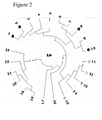


Classifications
-
- C—CHEMISTRY; METALLURGY
- C12—BIOCHEMISTRY; BEER; SPIRITS; WINE; VINEGAR; MICROBIOLOGY; ENZYMOLOGY; MUTATION OR GENETIC ENGINEERING
- C12N—MICROORGANISMS OR ENZYMES; COMPOSITIONS THEREOF; PROPAGATING, PRESERVING, OR MAINTAINING MICROORGANISMS; MUTATION OR GENETIC ENGINEERING; CULTURE MEDIA
- C12N9/00—Enzymes; Proenzymes; Compositions thereof; Processes for preparing, activating, inhibiting, separating or purifying enzymes
- C12N9/88—Lyases (4.)
-
- C—CHEMISTRY; METALLURGY
- C12—BIOCHEMISTRY; BEER; SPIRITS; WINE; VINEGAR; MICROBIOLOGY; ENZYMOLOGY; MUTATION OR GENETIC ENGINEERING
- C12N—MICROORGANISMS OR ENZYMES; COMPOSITIONS THEREOF; PROPAGATING, PRESERVING, OR MAINTAINING MICROORGANISMS; MUTATION OR GENETIC ENGINEERING; CULTURE MEDIA
- C12N9/00—Enzymes; Proenzymes; Compositions thereof; Processes for preparing, activating, inhibiting, separating or purifying enzymes
- C12N9/0004—Oxidoreductases (1.)
- C12N9/0006—Oxidoreductases (1.) acting on CH-OH groups as donors (1.1)
-
- C—CHEMISTRY; METALLURGY
- C12—BIOCHEMISTRY; BEER; SPIRITS; WINE; VINEGAR; MICROBIOLOGY; ENZYMOLOGY; MUTATION OR GENETIC ENGINEERING
- C12N—MICROORGANISMS OR ENZYMES; COMPOSITIONS THEREOF; PROPAGATING, PRESERVING, OR MAINTAINING MICROORGANISMS; MUTATION OR GENETIC ENGINEERING; CULTURE MEDIA
- C12N9/00—Enzymes; Proenzymes; Compositions thereof; Processes for preparing, activating, inhibiting, separating or purifying enzymes
- C12N9/10—Transferases (2.)
- C12N9/12—Transferases (2.) transferring phosphorus containing groups, e.g. kinases (2.7)
- C12N9/1205—Phosphotransferases with an alcohol group as acceptor (2.7.1), e.g. protein kinases
-
- C—CHEMISTRY; METALLURGY
- C12—BIOCHEMISTRY; BEER; SPIRITS; WINE; VINEGAR; MICROBIOLOGY; ENZYMOLOGY; MUTATION OR GENETIC ENGINEERING
- C12N—MICROORGANISMS OR ENZYMES; COMPOSITIONS THEREOF; PROPAGATING, PRESERVING, OR MAINTAINING MICROORGANISMS; MUTATION OR GENETIC ENGINEERING; CULTURE MEDIA
- C12N9/00—Enzymes; Proenzymes; Compositions thereof; Processes for preparing, activating, inhibiting, separating or purifying enzymes
- C12N9/14—Hydrolases (3)
- C12N9/78—Hydrolases (3) acting on carbon to nitrogen bonds other than peptide bonds (3.5)
-
- C—CHEMISTRY; METALLURGY
- C12—BIOCHEMISTRY; BEER; SPIRITS; WINE; VINEGAR; MICROBIOLOGY; ENZYMOLOGY; MUTATION OR GENETIC ENGINEERING
- C12P—FERMENTATION OR ENZYME-USING PROCESSES TO SYNTHESISE A DESIRED CHEMICAL COMPOUND OR COMPOSITION OR TO SEPARATE OPTICAL ISOMERS FROM A RACEMIC MIXTURE
- C12P7/00—Preparation of oxygen-containing organic compounds
- C12P7/02—Preparation of oxygen-containing organic compounds containing a hydroxy group
- C12P7/04—Preparation of oxygen-containing organic compounds containing a hydroxy group acyclic
- C12P7/16—Butanols
-
- C—CHEMISTRY; METALLURGY
- C12—BIOCHEMISTRY; BEER; SPIRITS; WINE; VINEGAR; MICROBIOLOGY; ENZYMOLOGY; MUTATION OR GENETIC ENGINEERING
- C12P—FERMENTATION OR ENZYME-USING PROCESSES TO SYNTHESISE A DESIRED CHEMICAL COMPOUND OR COMPOSITION OR TO SEPARATE OPTICAL ISOMERS FROM A RACEMIC MIXTURE
- C12P7/00—Preparation of oxygen-containing organic compounds
- C12P7/24—Preparation of oxygen-containing organic compounds containing a carbonyl group
- C12P7/26—Ketones
-
- Y—GENERAL TAGGING OF NEW TECHNOLOGICAL DEVELOPMENTS; GENERAL TAGGING OF CROSS-SECTIONAL TECHNOLOGIES SPANNING OVER SEVERAL SECTIONS OF THE IPC; TECHNICAL SUBJECTS COVERED BY FORMER USPC CROSS-REFERENCE ART COLLECTIONS [XRACs] AND DIGESTS
- Y02—TECHNOLOGIES OR APPLICATIONS FOR MITIGATION OR ADAPTATION AGAINST CLIMATE CHANGE
- Y02E—REDUCTION OF GREENHOUSE GAS [GHG] EMISSIONS, RELATED TO ENERGY GENERATION, TRANSMISSION OR DISTRIBUTION
- Y02E50/00—Technologies for the production of fuel of non-fossil origin
- Y02E50/10—Biofuels, e.g. bio-diesel
Definitions
- the invention relates to the field of industrial microbiology and the production of alcohols. More specifically, 2-butanol is produced via industrial fermentation of a recombinant microorganism.
- the recombinant microorganisms and methods of the invention can also be adapted to produce 2-butanone, an intermediate in the 2-butanol biosynthetic pathways disclosed herein.
- Butanol is an important industrial chemical useful as a fuel additive, as a feedstock chemical in the plastics industry, and as a foodgrade extractant in the food and flavor industry. Each year 10 to 12 billion pounds of butanol are produced by petrochemical means and the need for this commodity chemical will likely increase.
- 2-Butanone also referred to as methyl ethyl ketone (MEK)
- MEK methyl ethyl ketone
- 2-butanone Methods for the chemical synthesis of 2-butanone are known, such as by dehydrogenation of 2-butanol, or in a process where liquid butane is catalytically oxidized giving 2-butanone and acetic acid ( Ullmann's Encyclopedia of Industrial Chemistry, 6th edition, 2003, Wiley-VCHVerlag GmbH and Co., Weinheim, Germany, Vol. 5, pp.727-732 ).
- 2-Butanone may also be converted chemically to 2-butanal by hydrogenation ( Breen et al., J. or Catalysis 236: 270-281 (2005 )).
- stampfer et al. (WO 03/078615 ) describe the production of secondary alcohols, such as 2-butanol, by the reduction of ketones which is catalyzed by an alcohol dehydrogenase enzyme obtained from Rhodococcus tuber .
- Kojima et al. (EP 0645453 ) describe a method for preparing secondary alcohols, such as 2-butanol, by reduction of ketones which is catalyzed by a secondary alcohol dehydrogenase enzyme obtained from Candida parapsilosis.
- the invention provides a recombinant microorganism having an engineered 2-butanol biosynthetic pathway. Also provided is a recombinant microorganism having an engineered 2-butanone biosynthetic pathway, which is the same as the 2-butanol biosynthetic pathway with omission of the last step.
- the engineered microorganisms may be used for the commercial production of 2-butanol or 2-butanone.
- the invention provides a recombinant microbial host cell comprising at least one DNA molecule encoding a polypeptide that catalyzes a substrate to product conversion selected from the group consisting of:
- the invention provides a method for the production of 2-butanol comprising:
- the invention provides A 2-butanol or 2-butanone containing fermentation product medium produced by the method of the invention.
- Table 12 is a table of the alpha large subunit Profile HMM for the dial / glycerol dehydratase enzyme. Table 12 is submitted herewith electronically and is incorporated herein by reference.
- Table 13 is a table of the beta medium subunit Profile HMM for the diol / glycerol dehydratase enzyme. Table 13 is submitted herewith electronically and is incorporated herein by reference.
- Table 14 is a table of the gamma small subunit Profile HMM for the diol / glycerol dehydratase enzyme. Table 14 is submitted herewith electronically and is incorporated herein by reference.
- Atroseptica 125 126 budC acetoin reductase (butanediol dehydrogenase) from Klebsiella terrigena (now Raoultella terrigena ) 133 134 glycerol dehydratase alpha subunit from Klebsiella pneumoniae 145 146 glycerol dehydratase beta subunit from Klebsiella pneumoniae 147 148 glycerol dehydratase gamma subunit from Klebsiella pneumoniae 149 150 glycerol dehydratase reactivase large subunit from Klebsiella pneumonia 151 152 glycerol dehydratase reactivase small subunit from Klebsiella pneumoniae 153 154
- SEQ ID NOs:15 - 65 are the nucleotide sequences of oligonucleotide PCR, cloning, screening, and sequencing primers used in the Examples.
- SEQ ID NO:66 is nucleotides sequence of the deleted region of the yqhD gene in E . coli strain MG1655 ⁇ yqhCD, described in Example 11.
- SEQ ID NO:67 is the nucleotide sequence of a variant of the glucose isomerase promoter 1.6GI.
- SEQ ID NO:68 is the nucleotide sequence of the 1.5GI promoter.
- SEQ ID NO:69 is the nucleotide sequence of the diol dehydratase operon from Klebsiella oxytoca.
- SEQ ID NO:70 is the nucleotide sequence of the diol dehydratase reactivating factor operon from Klebsiella oxytoca.
- SEQ ID NO:73 is the nucleotide sequence of pDCQ2, which is described in Example 9.
- SEQ ID NOs:127 - 132 are the nucleotide sequences of additional oligonucleotide PCR and cloning primers used in the Examples.
- SEQ ID NO:155 is a codon optimized coding region for the amino alcohol kinase of Erwinia carotovora subsp. atroseptica.
- SEQ ID NO:156 is a codon optimized coding region for the amino alcohol O-phosphate lyase of Erwinia carotovora subsp. atroseptica.
- SEQ ID NOs:157-163 are the nucleotide sequences of additional oligonucleotide PCR and cloning primers used in the Examples.
- SEQ ID NO:275 is the nucleotide sequence of an operon from Erwinia carotovora subsp. atroseptica. Table 2. Additional glycerol and diol dehydratase large, medium and small subunits a Description b subunit protein SEQ ID Corresponding subunits from same organism c Glycerol dehydratase alpha subunit from Clostridium pasteurianum L 135 Glycerol dehydratase beta subunit from Clostridium pasteurianum M 136 Glycerol dehydratase gamma subunit from Clostridium pasteurianum S 137 Glycerol dehydratase alpha subunit from Escherichia blattae L 138 Glycerol dehydratase beta subunit from Escherichia blattae M 139 Glycerol dehydratase gamma subunit from Escherichia blattae S 140 Glycerol dehydratase alpha subunit from Citr
- enterocolitica 8081 L 182 Diol dehydratase medium subunit from Yersinia enterocolitica subsp. enterocolitica 8081 M 183 diol dehydratase small subunit from Yersinia enterocolitica subsp.
- enterocolitica 8081 S Propanediol dehydratase large subunit from Yersinia intermedia ATCC 29909 L 185 diol/glycerol dehydratase medium subunit from Yersinia intermedia ATCC 29909 M 186 Propanediol dehydratase small subunit from Yersinia intermedia ATCC 29909 S 187 glycerol dehydratase large subunit from Listeria welshimeri serovar 6b str.
- SLCC5334 L propanediol utilization dehydratase medium subunit from Listeria welshimeri serovar 6b str.
- SLCC5334 M 189 propanediol utilization dehydratase small subunit from Listeria welshimeri serovar 6b str.
- SLCC5334 S 190 hypothetical protein lin1117 from Listeria innocua Clip11262 L 191 hypothetical protein lin1118 from Listeria innocua Clip11262 M 192 hypothetical protein lin1119 from Listeria innocua Clip11262 S 193 hypothetical protein lmo1153 from Listeria monocytogenes EGD-e L 194 hypothetical protein lmo1154 from Listeria monocytogenes EGD-e M 195 hypothetical protein lmo1155 from Listeria monocytogenes EGD-e S 196 glycerol dehydratase large subunit from Salmonella enterica subsp.
- 13 L 212 coenzyme B12-dependent glycerol dehydrogenases medium subunit from Clostridium perfringens str.
- 13 M 213 coenzyme B12-dependent glycerol dehydrogenase small subunit from Clostridium perfringens str.
- MC2 155 L+M 247 coenzyme B12-dependent glycerol dehydrogenase small subunit from Mycobacterium smegmatis str.
- MC2 155 S 248 coenzyme B12-dependent glyceral dehydrogenase small subunit from Mycobacterium smegmatis str.
- ATCC 9150 S 251 glycerol dehydratase, beta subunit from Clostridium perfringens SM101 M 252 glycerol dehydrase, gamma subunit from Clostridium perfringens SM1 01 S 253 PduC from Salmonella enterica subsp. enterica serovar Typhimurium L 254 glycerol dehydratase large subunit from Listeria monocytogenes str.
- the present invention relates to methods for the production of 2-butanol using recombinant microorganisms.
- the present invention meets a number of commercial and industrial needs.
- Butanol is an important industrial commodity chemical with a variety of applications, where its potential as a fuel or fuel additive is particularly significant. Although only a four-carbon alcohol, butanol has an energy content similar to that of gasoline and can be blended with any fossil fuel. Butanol is favored as a fuel or fuel additive as it yields only CO 2 and little or no SO x or NO x when burned in the standard internal combustion engine. Additionally butanol is less corrosive than ethanol, the most preferred fuel additive to date.
- butanol In addition to its utility as a biofuel or fuel additive, butanol has the potential of impacting hydrogen distribution problems in the emerging fuel cell industry. Fuel cells today are plagued by safety concerns associated with hydrogen transport and distribution. Butanol can be easily reformed for its hydrogen content and can be distributed through existing gas stations in the purity required for either fuel cells or combustion engines in vehicles.
- the present invention produces 2-butanol from plant derived carbon sources, avoiding the negative environmental impact associated with standard petrochemical processes for butanol production.
- the present invention also provides recombinant microorganisms and methods for producing 2-butanone, an intermediate in the 2-butanol biosynthetic pathways disclosed herein.
- 2-butanone also known as methyl ethyl ketone (MEK)
- MEK methyl ethyl ketone
- invention or "present invention” as used herein is a non-limiting term and is not intended to refer to any single embodiment of the particular invention but encompasses all possible embodiments as described in the specification and the claims.
- 2-butanol biosynthetic pathway refers to the enzyme pathways to produce 2-butanol from pyruvate.
- 2-butanone biosynthetic pathway refers to the enzyme pathways to produce 2-butanone from pyruvate.
- acetolactate synthase also known as “acetohydroxy acid synthase” refers to a polypeptide (or polypeptides) having an enzyme activity that catalyzes the conversion of two molecules of pyruvic acid to one molecule of alpha-acetolactate.
- Acetolactate synthase known as EC 2.2.1.6 [formerly 4.1.3.18] ( Enzyme Nomenclature 1992, Academic Press, San Diego ) may be dependent on the cofactor thiamin pyrophosphate for its activity.
- acetolactate synthase enzymes are available from a number of sources, for example, Bacillus subtilis [GenBank Nos: AAA22222 NCBI (National Center for Biotechnology Information) amino acid sequence (SEQ ID NO:77), L04470 NCBI nucleotide sequence (SEQ ID NO:76)], Klebsiella terrigena [GenBank Nos: AAA25055 (SEQ ID NO:79), L04507 (SEQ ID NO:78)], and Klebsiella pneumoniae [GenBank Nos: AAA25079 (SEQ ID NO:4), M73842 (SEQ ID NO:3)].
- Bacillus subtilis GenBank Nos: AAA22222 NCBI (National Center for Biotechnology Information) amino acid sequence (SEQ ID NO:77), L04470 NCBI nucleotide sequence (SEQ ID NO:76)]
- Klebsiella terrigena GeneBank Nos: AAA25055 (SEQ ID NO:79), L04507 (SEQ ID NO:78)
- Acetolactate decarboxylase refers to a polypeptide (or polypeptides) having an enzyme activity that catalyzes the conversion of alpha-acetolactate to acetoin.
- Acetolactate decarboxylases are known as EC 4.1.1.5 and are available, for example, from Bacillus subtilis [GenBank Nos: AAA22223 (SEQ ID NO:81), L04470 (SEQ ID N4:80)], Klebsiella terrigena [GenBank Nos: AAA25054 (SEQ ID NO:83), L04507 (SEQ ID NO:82)] and Klebsiella pneumoniae [GenBank Nos: AAU43774 (SEQ ID NO:2), AY722056 (SEQ ID N0:1)].
- acetoin aminase refers to a polypeptide (or polypeptides) having an enzyme activity that catalyzes the conversion of acetoin to 3-amino-2-butanol.
- Acetoin aminase may utilize the cofactor pyridoxal 5'-phosphate or NADH (reduced nicotinamide adenine dinucleotide) or NADPH (reduced nicotinamide adenine dinucleotide phosphate).
- the resulting product may have ( R ) or ( S ) stereochemistry at the 3-position.
- the pyridoxal phosphate-dependent enzyme may use an amino acid such as alanine or glutamate as the amino donor.
- the NADH-and NADPH-dependent enzymes may use ammonia as a second substrate.
- An example of a pyridoxal-dependent acetoin aminase is the amine:pyruvate aminotransferase (also called amine:pyruvate transaminase) described by Shin and Kim (J. Org. Chem. 67:2848-2853 (2002 )).
- butanol dehydrogenase refers to a polypeptide (or polypeptides) having an enzyme activity that catalyzes the interconversion of 2-butanone and 2-butanol.
- Butanol dehydrogenases are a subset of a broad family of alcohol dehydrogenases.
- Butanol dehydrogenase may be NAD- or NADP-dependent.
- the NAD-dependent enzymes are known as EC 1.1.1.1 and are available, for example, from Rhodococcus ruber [GenBank Nos: CAD36475 (SEQ ID NO:14), AJ491307 (SEQ ID NO:13)].
- NADP-dependent enzymes are known as EC 1.1.1.2 and are available, for example, from Pyrococcus furiosus [GenBank Nos: AAC25556 (SEQ ID NO:91), AF013169 (SEQ ID NO:90)]. Additionally, a butanol dehydrogenase is available from Escherichia coli [GenBank Nos:NP_417484 (SEQ ID NO:75), BC_000913 (SEQ ID NO:74)] and a cyclohexanol dehydrogenase is available from Acinetobacter sp. [GenBank Nos: AAG10026 (SEQ ID NO:72), AF282240 (SEQ ID NO:71)].
- acetoin kinase refers to a polypeptide (or polypeptides) having an enzyme activity that catalyzes the conversion of acetoin to phosphoacetoin.
- Acetoin kinase may utilize ATP (adenosine triphosphate) or phosphoenolpyruvate as the phosphate donor in the reaction.
- ATP adenosine triphosphate
- phosphoenolpyruvate the phosphate donor in the reaction.
- acetoin phosphate aminase refers to a polypeptide (or polypeptides) having an enzyme activity that catalyzes the conversion of phosphoacetoin to 3-amino-2-butanol O -phosphate.
- Acetoin phosphate aminase may use the cofactor pyridoxal 5'-phosphate, NADH or NADPH.
- the resulting product may have ( R ) or ( S ) stereochemistry at the 3-position.
- the pyridoxal phosphate-dependent enzyme may use an amino acid such as alanine or glutamate.
- the NADH- and NADPH-dependent enzymes may use ammonia as a second substrate.
- aminobutanol phosphate phospho-lyase also called “amino alcohol O -phosphate lyase” refers to a polypeptide (or polypeptides) having an enzyme activity that catalyzes the conversion of 3-amino-2-butanol O -phosphate to 2-butanone.
- Aminobutanol phosphate phospho-lyase may utilize the cofactor pyridoxal 5'-phosphate.
- the present invention describes a newly identified aminobutanol phosphate phospho-lyase (SEQ ID NO: 126) from the organism Erwinia carotovora, with the activity demonstrated in Example 15 herein.
- aminobutanol kinases refers to a polypeptide (or polypeptides) having an enzyme activity that catalyzes the conversion of 3-amino-2-butanol to 3-amino-2-butanol O -phosphate.
- Aminobutanol kinase may utilize ATP as the phosphate donor.
- the present invention describes, in Example 14, an amino alcohol kinase of Erwinia carotovora subsp.. atroseptica (SEQ ID NO:124).
- the term "butanediol dehydrogenase” also known as “acetoin reductase” refers to a polypeptide (or polypeptides) having an enzyme activity that catalyzes the conversion of acetoin to 2,3-butanediol.
- Butanediol dehydrogenases are a subset of the broad family of alcohol dehydrogenases. Butanediol dehydrogenase enzymes may have specificity for production of ( R ) - or ( S )-stereochemistry in the alcohol product.
- ( S )-specific butanediol dehydrogenases are known as EC 1.9.1.76 and are available, for example, from Klebsiella pneumoniae (GenBank Nos: BBA13085 (SEQ ID NO:6), D86412 (SEQ ID NO:5)).
- ( R )-specific butanediol dehydrogenases are known as EC 1.1.1.4 and are available, for example, from Bacillus cereus [GenBank Nos. NP_830481 (SEQ ID NO:85), NC_004722 (SEQ ID NO:84); AAP07682 (SEQ ID NO:87), AE017000 (SEQ ID NO:86)], and Lactococcus lactis [GenBank Nos. AAK04995 (SEQ ID NO:89), AE006323 (SEQ ID NO:88)].
- butanediol dehydratase also known as “diol dehydratase” or “propanediol dehydratase,” refers to a polypeptide (or polypeptides) having an enzyme activity that catalyzes the conversion of 2,3-butanediol to 2-butanone.
- Butanediol dehydratase may utilize the cofactor adenosyl cobalamin (vitamin B12).
- Adenosyl cobalamin-dependent enzymes are known as EC 4.2.1.28 and are available, for example, from Klebsiella oxytoca [GenBank Nos: BAA08099 (alpha subunit) (SEQ ID NO:8), D45071 (SEQ ID NO:7); BAA08100 (beta subunit) (SEQ ID N0:10), D45071 (SEQ ID NO:9); and BBA08101 (gamma subunit) (SEQ ID NO:12), D45071 (SEQ 1D NO:11) (Note all three subunits are required for activity)], and Klebsiella pneumoniae [GenBank Nos: AAC98384 (alpha subunit) (SEQ ID NO:1 05), AF102064 (SEQ ID NO:104); GenBank Nos: AAC98385 (beta subunit) (SEQ ID NO:107), AF102064 (SEQ ID NO:106), GenBank Nos: AAC98386 (gamma subunit
- suitable diol dehydratases include, but are not limited to, B12-dependent diol dehydratases available from Salmonella typhimurium [GenBank Nos: AAB84102 (large subunit) (SEQ ID NO:93), AF026270 (SEQ ID NO:92); GenBank Nos: AAB84103 (medium subunit) (SEQ ID NO:95), AF026270 (SEQ ID NO:94); GenBank Nos: AAB84104 (small subunit) (SEQ ID NO:97), AF026270 (SEQ ID NO:96)]; and Lactobacillus collinoides [GenBank Nos: CAC82541 (large subunit) (SEQ ID NO:99), AJ297723 (SEQ ID NO:98); GenBank Nos: CAC82542 (medium subunit) (SEQ ID NO:101); AJ297723 (SECT ID NO:100); GenBank Nos: CAD01091 (small subunit) (SEQ ID NO:103), AJ
- glycerol dehydratase refers to a polypeptide (or polypeptides) having an enzyme activity that catalyzes the conversion of glycerol to 3-hydroxypropionaldehyde.
- Adenosyl cobalamin-dependent glycerol dehydratases are known as EC 4.2.1.30.
- the glycerol dehydratases of EC 4.2.1.30 are similar to the diol dehydratases in sequence and in having three subunits.
- the glycerol dehydratase can also be used to convert 2,3-butanediol to 2-butanone.
- glycerol dehydratases of EC 4.2.1.30 include those from Klebsiella pneumoniae (alpha subunit, SEQ ID NO:145, coding region and SEQ ID NO:146, protein; beta subunit, SEQ ID NO:147, coding region and SEQ ID NO:148, protein; and gamma subunit SEQ ID NO:149, coding region and SEQ ID NO:150, protein); from Clostridium pasteurianum [GenBank Nos: 3360389 (alpha subunit, SEQ ID NO:135), 3360390 (beta subunit, SEQ ID NO: 136), and 3360391 (gamma subunit, SEQ ID NO: 137)]; from Escherichia blattae [GenBank Nos: 60099613 (alpha subunit, SEQ ID NO:138), 57340191 (beta subunit, SEQ ID NO:139), and 57340192 (gamma subunit, SEQ ID NO:140)]; and from Cit
- Diol and glycerol dehyd ratases may undergo suicide inactivation during catalysis.
- a reactivating factor protein also referred to herein as "reactivase” can be used to reactivate the inactive enzymes (Mori et al., J . Biol. Chem. 272:32034 (1997)).
- the reactivating factor is obtained from the same source as the diol or glycerol dehydratase used.
- suitable diol dehydratase reactivating factors are available from Klebsiella oxytoca [GenBank Nos: AAC15871 (large subunit) (SEQ ID NO:111), AF017781 (SEQ ID NO:110); GenBank Nos: AAC15872 (small subunit) (SEQ ID NO:113), AF017781 (SEQ ID NO:112)]; Salmonella typhimurium [GenBank Nos: AAB84105 (large subunit) (SEQ ID NO: 115), AF026270 (SEQ ID NO: 114), GenBank Nos: AAD39008 (small subunit) (SEQ ID NO:117), AF026270 (SEQ ID NO:116)]; and Lactobacillus collinoides [GenBank Nos: CAD01092 (large subunit) (SEQ ID NO:119), AJ297723 (SEQ ID NO:118); GenBank Nos: GAD01093 (small subunit) (SEQ ID NO:121),
- glycerol dehydratase reactivating factors are available from Klebsiella pneumoniae (large subunit, SEQ ID NO:151, coding region and SEQ ID NO:152, protein;, and small subunit, SEQ ID NO:153, coding region and SEQ ID NO:154, protein).
- a facultative anaerobe refers to a microorganism that can grow in both aerobic and anaerobic environments.
- carbon substrate or “fermentable carbon substrate” refers to a carbon source capable of being metabolized by host organisms of the present invention and particularly carbon sources selected from the group consisting of monosaccharides, oligosaccharides, polysaccharides, and one-carbon substrates or mixtures thereof.
- gene refers to a nucleic acid fragment that is capable of being expressed as a specific protein, optionally including regulatory sequences preceding (5' non-coding sequences) and following (3' non-coding sequences) the coding sequence.
- “Native gene” refers to a gene as found in nature with its own regulatory sequences.
- “chimeric gene” refers to any gene that is not a native gene, comprising regulatory and coding sequences that are not found together in nature. Accordingly, a chimeric gene may comprise regulatory sequences and coding sequences that are derived from different sources, or regulatory sequences and coding sequences derived from the same source, but arranged in a manner different than that found in nature.
- Endogenous gene refers to a native gene in its natural location in the genome of an organism.
- a “foreign” or “heterologous” gene refers to a gene not normally found in the host organism, but that is introduced into the host organism by gene transfer.
- Foreign genes can comprise native genes inserted into a non-native organism, or chimeric genes.
- a “transgene” is a gene that has been introduced into the genome by a transformation procedure.
- an "isolated nucleic acid fragment” or “isolated, nucleic acid molecule” or “genetic construct” will be used interchangeably and will mean a polymer of RNA or DNA that is single- or double-stranded, optionally containing synthetic, non-natural or altered nucleotide bases.
- An isolated nucleic acid fragment in the form of a polymer of DNA may be comprised of one or more segments of cDNA, genomic DNA or synthetic DNA.
- a nucleic acid fragment is "hybridizable" to another nucleic acid fragment, such as a cDNA, genomic DNA, or RNA molecule, when a single-stranded form of the nucleic acid fragment can anneal to the other nucleic acid fragment under the appropriate conditions of temperature and solution ionic strength.
- Hybridization and washing conditions are well known and exemplified in Sambrook, J., Fritsch, E. F. and Maniatis, T. Molecular Cloning: A Laboratory Manual, 2nd ed., Cold Spring Harbor Laboratory: Cold Spring Harbor, NY (1989 ), particularly Chapter 11 and Table 11.1 therein (entirely incorporated herein by reference). The conditions of temperature and ionic strength determine the "stringency" of the hybridization.
- Stringency conditions can be adjusted to screen for moderately similar fragments (such as homologous sequences from distantly related organisms), to highly similar fragments (such as genes that duplicate functional enzymes from closely related organism).
- Post-hybridization washes determine stringency conditions.
- One set of preferred conditions uses a series of washes starting with 6X SSC, 0.5% SDS at room temperature for 15 min, then repeated with 2X SSC, 0.5% SDS at 45 °C for 30 min, and then repeated twice with 0.2X SSC, 0.5% SDS at 50 °C for 30 min.
- a more preferred set of stringent conditions uses higher temperatures in which the washes are identical to those above except for the temperature of the final two 30 min washes in 0.2X SSC, 0.5% SDS was increased to 60 °C.
- Another preferred set of highly stringent conditions uses two final washes in 0.1X SSC, 0.1 % SDS at 65 °C.
- An additional set of stringent conditions include hybridization at 0.1X SSC, 0.1% SDS, 65 °C and washes with 2X SSC, 0.1% SDS followed by 0.1X SSC, 0.9 % SDS, for example.
- Hybridization requires that the two nucleic acids contain complementary sequences, although depending on the stringency of the hybridization, mismatches between bases are possible.
- the appropriate stringency for hybridizing nucleic acids depends on the length of the nucleic acids and the degree of complementation, variables well known in the art. The greater the degree of similarity or homology between two nucleotide sequences, the greater the value of T m for hybrids of nucleic acids having those sequences.
- the relative stability (corresponding to higher T m ) of nucleic acid hybridizations decreases in the following order: RNA:RNA, DNA:RNA, DNA:DNA.
- the length for a hybridizable nucleic acid is at least about 10 nucleotides.
- a minimum length for a hybridizable nucleic acid is at least about 15 nucleotides; more preferably at least about 20 nucleotides, and most preferably the length is at least about 30 nucleotides.
- the temperature and wash solution salt concentration may be adjusted as necessary according to factors such as length of the probe.
- a "substantial portion" of an amino acid or nucleotide sequence is that portion comprising enough of the amino acid sequence of a polypeptide or the nucleotide sequence of a gene to putatively identify that polypeptide or gene, either by manual evaluation of the sequence by one skilled in the art, or by computer-automated sequence comparison and identification using algorithms such as BLAST ( Altschul, S. F., et al., J. Mol. Biol., 215:403-410 (1993 )). In general, a sequence of ten or more contiguous amino acids or thirty or more nucleotides is necessary in order to putatively identify a polypeptide or nucleic acid sequence as homologous to a known protein or gene.
- gene specific oligonucleotide probes comprising 20-30 contiguous nucleotide may be used in sequence-dependent methods of gene identification (e.g., Southern hybridization) and isolation (e.g., in situ hybridization of bacterial colonies or bacteriophage plaques).
- short oligonucleotides of 12-15 bases may be used as amplification primers in PCR in order to obtain a particular nucleic acid fragment comprising the primers.
- a "substantial portion" of a nucleotide sequence comprises enough of the sequence to specifically identify and/or isolate a nucleic acid fragment comprising the sequence.
- adenosine is complementary to thymine and cytosine is complementary to guanine.
- homology and “homologous” are used interchangeably herein. They refer to nucleic acid fragments wherein changes in one or more nucleotide bases do not affect the ability of the nucleic acid fragment to mediate gene expression or produce a certain phenotype. These terms also refer to modifications of the nucleic acid fragments of the instant invention such as deletion or insertion of one or more nucleotides that do not substantially alter the functional properties of the resulting nucleic acid fragment relative to the initial, unmodified fragment. It is therefore understood, as those skilled in the art will appreciate, that the invention encompasses more than the specific exemplary sequences.
- homologous nucleic acid sequences encompassed by this invention are also defined by their ability to hybridize, under moderately stringent conditions (e.g., 0.5 X SSC, 0.1% SDS, 60 °C) with the sequences exemplified herein, or to any portion of the nucleotide sequences disclosed herein and which are functionally equivalent to any of the nucleic acid sequences disclosed herein.
- moderately stringent conditions e.g., 0.5 X SSC, 0.1% SDS, 60 °C
- Codon degeneracy refers to the nature in the genetic code permitting variation of the nucleotide sequence without effecting the amino acid sequence of an encoded polypeptide.
- the skilled artisan is well aware of the "codon-bias" exhibited by a specific host cell in usage of nucleotide codons to specify a given amino acid. Therefore, when synthesizing a gene for improved expression in a host cell, it is desirable to design the gene such that its frequency of codon usage approaches the frequency of preferred codon usage of the host cell.
- identity is a relationship between two or more polypeptide sequences or two or more polynucleotide sequences, as determined by comparing the sequences.
- identity also means the degree of sequence relatedness between polypeptide or polynucleotide sequences, as the case may be, as determined by the match between strings of such sequences.
- identity and similarity can be readily calculated by known methods, including but not limited to those described in: 1.) Computational Molecular Biology (Lesk, A. M., Ed.) Oxford University: NY (1988 ); 2.) Biocomputing: Informatics and Genome Projects (Smith, D.
- Preferred methods to determine identity are designed to give the best match between the sequences tested. Methods to determine identity and similarity are codified in publicly available computer programs. Sequence alignments and percent identity calculations may be performed using the MegAlignTM program of the LASERGENE bioinformatics computing suite (DNASTAR Inc., Madison, WI). Multiple alignment of the sequences is performed using the "Clustal method of alignment” which encompasses several varieties of the algorithm including the "Clustal V method of alignment" corresponding to the alignment method labeled Clustal V (described by Higgins and Sharp, CABIOS. 5:151-153 (1989 ); Higgins, D.G. et al., Comput. Appl.
- Clustal W method of alignment is available and corresponds to the alignment method labeled Clustal W (described by Higgins and Sharp, CABIOS. 5:151-153 (1989 ); Higgins, D.G. et al., Comput. Appl. Biosci. 8:189-191(1992 )) and found in the MegAlignTM v6.1 program of the LASERGENE bioinformatics computing suite (DNASTAR Inc.).
- sequence identity is useful in identifying polypeptides, from other species, wherein such polypeptides have the same or similar function or activity.
- Useful examples of percent identities include, but are not limited to: 24%, 30%, 35%, 40%, 45%, 50%, 55%, 60%. 65%, 70%. 75%.
- 80%, 85%, 90%, or 95%, or any integer percentage from 24% to 100% may be useful in describing the present invention, such as 25%, 26%, 27%, 28%, 29%, 30%, 31%, 32%, 33%, 34%, 35%, 36%, 37%, 38%, 39%, 40%, 41%, 42%, 43%, 44%, 45%, 46%, 47%, 48%, 49%, 50%, 51%, 52%, 53%, 54%, 55%, 56%, 57%, 58%, 59%, 60%, 61%, 62%, 63%, 64%, 65%, 66%, 67%, 68%, 69%, 70%, 71%, 72%, 73%, 74%, 75%, 76%, 77%, 78%, 79%, 80%, 81%, 82%, 83%, 84%, 85%, 86%, 87%, 88%, 89%, 90%, 91%, 92%, 93%, 94%, 95%, 96%, 97%, 98%, or 99%.
- Suitable nucleic acid fragments not only have the above homologies but typically encode a polypeptide having at least 50 amino acids, preferably at least 100 amino acids, more preferably at least 150 amino acids, still more preferably at least 200 amino acids, and most preferably at least 250 amino acids.
- sequence analysis software refers to any computer algorithm or software program that is useful for the analysis of nucleotide or amino acid sequences.
- Sequence analysis software may be commercially available or independently developed. Typical sequence analysis software will include, but is not limited to: 1.) the GCG suite of programs (Wisconsin Package Version 9.0, Genetics Computer Group (GCG), Madison, WI); 2.) BLASTP, BLASTN, BLASTX ( Altschul et al., J. Mol. Biol., 215:403-410 (1990 )); 3.) DNASTAR (DNASTAR, Inc. Madison, WI); 4.) Sequencher (Gene Codes Corporation, Ann Arbor, MI); and 5.) the FASTA program incorporating the Smith-Waterman algorithm ( W.
- coding sequence or “CDS” refers to a DNA sequence that codes for a specific amino acid sequence.
- Suitable regulatory sequences refer to nucleotide sequences located upstream (5' non-coding sequences), within, or downstream (3' non-coding sequences) of a coding sequence, and which influence the transcription, RNA processing or stability, or translation of the associated coding sequence. Regulatory sequences may include promoters, translation leader sequences, introns, polyadenylation recognition sequences, RNA processing site, effector binding site and stem-loop structure.
- promoter refers to a DNA sequence capable of controlling the expression of a coding sequence or functional RNA.
- a coding sequence is located 3' to a promoter sequence. Promoters may be derived in their entirety from a native gene, or be composed of different elements derived from different promoters found in nature, or even comprise synthetic DNA segments. It is understood by those skilled in the art that different promoters may direct the expression of a gene in different tissues or cell types, or at different stages of development, or in response to different environmental or physiological conditions. Promoters which cause a gene to be expressed in most cell types at most times are commonly referred to as "constitutive promoters". It is further recognized that since in most cases the exact boundaries of regulatory sequences have not been completely defined, DNA fragments of different lengths may have identical promoter activity.
- operably linked refers to the association of nucleic acid sequences on a single nucleic acid fragment so that the function of one is affected by the other.
- a promoter is operably linked with a coding sequence when it is capable of effecting the expression of that coding sequence (i.e., that the coding sequence is under the transcriptional control of the promoter).
- Coding sequences can be operably linked to regulatory sequences in sense or antisense orientation.
- expression refers to the transcription and stable accumulation of sense (mRNA) or antisense RNA derived from the nucleic acid fragment of the invention. Expression may also refer to translation of mRNA into a polypeptide.
- transformation refers to the transfer of a nucleic acid fragment into a host organism, resulting in genetically stable inheritance.
- Host organisms containing the transformed nucleic acid fragments are referred to as “transgenic” or “recombinant” or “transformed” organisms.
- Plasmid and vector refer to an extra chromosomal element often carrying genes which are not part of the central metabolism of the cell, and usually in the form of circular double-stranded DNA fragments.
- Such elements may be autonomously replicating sequences, genome integrating sequences, phage or nucleotide sequences, linear or circular, of a single- or double-stranded DNA or RNA, derived from any source, in which a number of nucleotide sequences have been joined or recombined into a unique construction which is capable of introducing a promoter fragment and DNA sequence for a selected gene product along with appropriate 3' untranslated sequence into a cell.
- Transformation vector refers to a specific vector containing a foreign gene and having elements in addition to the foreign gene that facilitates transformation of a particular host cell.
- cognate degeneracy refers to the nature in the genetic code permitting variation of the nucleotide sequence without affecting the amino acid sequence of an encoded polypeptide.
- the skilled artisan is well aware of the "codon-bias" exhibited by a specific host cell in usage of nucleotide codons to specify a given amino acid. Therefore, when synthesizing a gene for improved expression in a host cell, it is desirable to design the gene such that its frequency of codon usage approaches the frequency of preferred codon usage of the host cell.
- codon-optimized refers to genes or coding regions of nucleic acid molecules for transformation of various hosts, refers to the alteration of codons in the gene or coding regions of the nucleic acid molecules to reflect the typical codon usage of the host organism without altering the polypeptide encoded by the DNA.
- fertilization product medium refers to a medium in which fermentation has occurred such that product is present in the medium.
- Carbohydrate utilizing microorganisms employ the Embden-Meyerhof-Parnas (EMP) pathway, the Entner-Doudoroff pathway and the pentose phosphate cycle as the central, metabolic routes to provide energy and cellular precursors for growth and maintenance.
- EMP Embden-Meyerhof-Parnas
- These pathways have in common the intermediate glyceraidehyde-3-phosphate, and, ultimately, pyruvate is formed directly or in combination with the EMP pathway.
- the combined reactions of sugar conversion to pyruvate produce energy (e.g. adenosine-5'-triphosphate, ATP) and reducing equivalents (e.g.
- NADH reduced nicotinamide adenine dinucleotide
- NADPH reduced nicotinamide adenine dinucleotide phosphate
- NADH and NADPH must be recycled to their oxidized forms (NAD + and NADP + , respectively).
- the reducing equivalents may be used to augment the energy pool; alternatively, a reduced carbon by-product may be formed.
- the invention enables the production of 2-butanone or 2-butanol from carbohydrate sources with recombinant microorganisms by providing a complete biosynthetic pathway from pyruvate to 2-butanone or 2-butanol.
- Three additional pathways are described.
- 2-butanol is not known to be the major product of any bacterial fermentation, there are a number of possible pathways for the production of 2-butanol via known biochemical reaction types. These pathways are shown in Figure 1 .
- the letters and roman numerals cited below correspond to the letters and roman numerals in Figure 1 , which are used to depict the conversion steps and products, respectively.
- 2-butanone is an intermediate in all of these 2-butanol biosynthetic pathways.
- the initial step in pathway 1 is the conversion of two molecules of pyruvate to one molecule of alpha-acetolactate (compound I in Figure 1 ) and one molecule of carbon dioxide catalyzed by a thiamin pyrophosphate-dependent enzyme.
- Enzymes catalyzing this substrate to product conversion are well-known, and they participate in the biosynthetic pathway for the proteinogenic amino acids leucine and valine, as well as in the pathway for fermentative production of 2,3-butanediol and acetoin of a number of organisms.
- acetolactate synthase activity isolated from a variety of sources will be useful in the present invention independent of sequence homology.
- suitable acetolactate synthase enzymes are available from a number of sources, for example, Bacillus subtilis [GenBank Nos: AAA22222 NCBI (National Center for Biotechnology Information) amino acid sequence (SEQ ID NO:77), L04470 NCBI nucleotide sequence (SEQ ID NO:76)], Klebsiella terrigena [GenBank Nos: AAA25055 (SEQ ID NO:79), L04507 (SEQ ID NO:78)], and Klebsiella pneumoniae [GenBank Nos: AAA25079 (SEQ ID NO:4), M73842 (SEQ ID NO:3)].
- Alpha-acetolactate (I) is converted to acetoin (II) by the action of an enzyme such as acetolactate decarboxylase (EC 4.1.1.5). Like acetolactate synthase, this enzyme is thiamin pyrophosphate-dependent and is also involved in the production of 2,3-butanediol and acetoin by a number of organisms.
- the enzymes from different sources vary quite widely in size (25-50 kilodaltons), oligomerization (dimer-hexamer), localization (intracellular of extracellular), and allosteric regulation (for example, activation by branched-chain amino acids). For the purpose of the present invention, an intracellular location is preferable to extracellular, but other variations are generally acceptable.
- acetolactate decarboxylase enzymes are available from a number of sources, for example, Bacillus subtilis [GenBank Nos: AAA22223 (SEQ ID NO:81), L04470 (SEQ ID NO:80)], Klebsiella terrigena [GenBank Nos: AAA25054 (SEQ ID NO:83), L04507 (SEQ ID NO:82)] and Klebsiella pneumoniae [GenBank Nos: AAU43774 (SEQ ID NO:2), AY722056 (SEQ ID NO:1)].
- Either type of enzyme i.e., transaminase or reductive aminase
- transaminase or reductive aminase is considered to be an acetoin aminase and may be utilized in the production of 2-butanol.
- Other enzymes in this group may have different stereospecificities.
- acetoin aminase activity isolated from a variety of sources will be useful in the present invention independent of sequence homology.
- This activity has is described herein and is identified as SEQ ID NO:122.
- the present invention describes in Example 14 a gene of Erwinia carotovora subsp. atroseptica (SEQ ID NO:123) that encodes a protein (SEQ 10 NO:24) that is identified as an animo alcohol kinase, This enzyme may be used to convert 3-amirto-2-butanol to 3-amino-2-butanol O- phosphate.
- polypeptides having Aminobutanol kinase activity isolated from a variety of sources will be useful in the present invention independent of sequence homology,
- One example of this activity has is described herein and is identified as SEQ ID NO:124.
- the substrate is very similar to those utilized by the pyridoxal phosphate-dependent phosphoethanolamine phospho-lyase enzyme, which has been found in a small number of Pseudomonas and Erwinia species. These enzymes have activity towards phosphoethanolamine and both enantiomers of 2-phospho-1 -aminopropane ( Jones et al. (1973) Biochem. J. 134:167-182 ), and may also have activity towards 3-amino-2-butanol O-phosphate .
- the present invention describes a gene of Erwinia carotovora subsp. atroseptica (SEQ ID NO:125) that encodes a protein (SEQ ID NO:126) with homology to class III aminotransferases.
- SEQ ID NO:125 Erwinia carotovora subsp. atroseptica
- SEQ ID NO:126 protein with homology to class III aminotransferases.
- Example 15 demonstrates that this enzyme is active on both aminopropanol phosphate and aminobutanol phosphate substrates.
- the newly identified and characterized enzyme was able to catalyze the conversion of a mixture of ( R )-3-amino-( S )-2-butanol and (S)-3-amino-( R )-2-butanol O-phosphate, and a mixture of ( R )-3-amino-( R )-2-butanol and (S)-3-amino-( S )-2-butanol O-phosphate to 2-butanone.
- the newly identified and characterized enzyme was also able to catalyze the conversion of both ( R ) and ( S )-2-amino-1-propanol phosphate to propanone, with a preference for ( S )-2-amino-1-propanol phosphate.
- the highest activity was observed with the proposed natural substrate DL-1-amino-2-propanol phosphate, which was converted to propionaldehyde.
- polypeptides having aminobutanol phosphate phospho-lyase activity isolated from a variety of sources will be useful in the present invention independent of sequence homology.
- One example of a suitable aminobutanol phosphate phospho-lyase enzyme is described herein as SEQ ID NO: 126.
- the final step in all pathways to produce 2- butanol from pyruvic acid is the reduction of 2-butanone (V) to 2-butanol (VI).
- This substrate to product conversion is catalyzed by some members of the broad class of alcohol dehydrogenases (types utilizing either NADH or NADPH as a source of hydride, depending on the enzyme) that may be called butanol dehydrogenases.
- Enzymes of each type that catalyze the reduction of 2-butanone are well known, as described above in the definition for butanol dehydrogenase.
- polypeptides having butanol dehydrogenase activity isolated from a variety of sources will be useful in the present invention independent of sequence homology.
- suitable butanol dehydrogenase enzymes are available from a number of sources, for example, Rhodococcus ruber [GenBank Nos: CAD36475 (SEQ ID NO:14), A491307 (SEQ ID NO:13)].
- the NADPH-dependent enzymes are known as EC 1.1.1.2 and are available, for example, from Pyrococcus furiosus [GenBank Nos: AAC25556 (SEQ ID NO:91), AF013169 (SEQ ID NO:90)].
- a butanol dehydrogenase is available from Escherichia coli [GenBank Nos:NP_417484 (SEQ ID NO:75), NC_000913 (SEQ ID NO:74)] and a cyclohexanol dehydrogenase is available from Acinetobacter sp. [GenBank Nos: AAG10026 (SEQ ID NO:72), AF282240 (SEQ ID NO:71)].
- acetoin may be an acceptable substrate for dihydroxyacetone kinase (EC 2.7.1.29), an enzyme which catalyzes phosphorylation of dihydroxyacetone.
- EC 2.7.1.29 dihydroxyacetone kinase
- Protein engineering techniques for the alteration of substrate specificity of enzymes are well known ( Antikainen and Martin (2005) Bioorg. Med. Chem. 13:2701-2716 ) and may be used to generate an enzyme with the required specificity.
- the phosphate moiety may be supplied by any high energy biological phosphate donor, with the common substrates being phosphoenolpyruvate (as in the E. coli dihydroxyacetone kinase) and ATP (as in the Citrobacter freundii dihydroxyacetone kinase) ( Garcia-Alles et al. (2004) Biochemistry 43:13037-13045 ).
- the structure of the substrate is very similar to that of dihydroxyacetone phosphate, a substrate for the proposed serinol phosphate aminotransferase encoded by the 5' portion of the rtxA gene in some species of Bradyrhizobium (Yasuta et al., supra ).
- a serinol phosphate aminotransferase may be functional in this step.
- the substrate to product conversion of acetoin (II) to 2,3-butanediol (Vill) may be catalyzed by a butanediol dehydrogenase that may either utilize NADH or NADPH as the source of reducing equivalents when carrying out reductions.
- Enzymes with activity towards acetoin participate in the pathway for production of 2,3-butanediol in organisms that produce that compound.
- the reported enzymes e.g., BudC from Klebsiella pneumoniae ( Ui et al. (2004) Letters in Applied Microbiology 39:533-537 ) generally utilize NADH. Either cofactor is acceptable for use in the production of 2-butanol by this pathway.
- polypeptides having butanediol dehydrogenase activity isolated from a variety of sources will be useful in the present invention independent of sequence homology.
- suitable butanediol dehydrogenase enzymes are available from a number of sources, for example, Klebsiella pneumonia (GenBank Nos: BBA13085 (SEQ ID NO:6), D86412 (SEQ ID NO:5)).
- (R)-specific butanediol dehydrogenases are known as EC 1.1.1.4 and are available, for example, from Bacillus cereus [GenBank Nos.
- NP_830481 (SEQ ID NO:85), NC_004722 (SEQ ID NO:84); AAP07682 (SEQ ID NO:87), AE917000 (SEQ ID NO:86)], and Lactococcus lactis [GenBank Nos. AAK04995 (SEQ ID NO:89), AE006323 (SEQ ID NO:88)].
- the substrate to product conversion of 2,3--butanedical (VIII) to 2-butanone (V) may be catalyzed by diol dehydratase enzymes (EC 4.2.1.28) and glycerol dehydratase enzymes (EC 4.2.1.30).
- diol dehydratase EC 4.2.1.28
- glycerol dehydratase enzymes EC 4.2.1.30
- the best characterized diol dehydratase is the coenzyme B12-dependent Klebsiella oxytoca enzyme, but similar enzymes are found in a number of enteric bacteria.
- the K. oxytoca enzyme has been shown to accept meso -2,3-butanediol as a substrate ( Bachovchin et al. (1977) Biochemistry 16:1082-1092 ), producing the desired product 2-butanone.
- Example 17 demonstrates that the Klebsiella pneumoniae glycerol dehydratase was able to convert meso -2,3-butanedioi to 2-butanone.
- the three subunit of the Klebsiella pneumoniae glycerol dehydratase (alpha: SEQ ID NO:145 (coding region) and 146 (protein); beta: SEQ ID NO: 147 (coding region) and 148 (protein); and gamma: SEQ ID NO: 149 (coding region) and 150 (protein)) were expressed in conjunction with the two subunits of the Klebsiella pneumoniae glycerol dehydratase reactivase (large subunit, SEQ ID NO: 151 (coding region) and 152 (protein); and small subunit, SEQ ID NO: 153 (coding region) and 154 (protein)) to provide activity.
- B12-independent diol dehydratase from Clostridium glycolicum ( Hartmanis et al. (1986) Arch. Biochem. Biophys. 245:144-152 ). This enzyme has activity towards 2,3-butanediol, although this activity is less than 1% of the activity towards ethanediol, but the enzyme may be engineered to improve that activity.
- a better-characterized B12-independent dehydratase is the glycerol dehydratase from Clostridium butyricum ( O'Brien et al. (2004) Biochemistry 43:4635-4645 ), which has high activity towards 1,2-propanediol as well as glycerol.
- This enzyme uses S -adenosylmethionine as a source of adenosyl radical. There are no reports of activity towards 2,3-butanediol, but such activity, if not already present, may possible be engineered.
- diol and glycerol dehydratase enzymes are those that have at least 80% - 85% identity to enzymes having the large, medium and small subunits, respectively of the sequences listed below:
- Any enzyme that is a diol or glycerol dehydratase may be used in the present invention for the conversion of 2,3-butanediol to 2-butanone.
- Profile HMM Profile Hidden Markov Model
- the eight diol and glycerol dehydratases (diol/glycerol dehydratase) with experimentally verified function that were used for the analysis each have three subunits (large or alpha, medium or beta, and small or gamma)
- a separate Profile HMM was prepared for each subunit.
- the large subunit Profile HMM (Table 12) was built using proteins with SEQ ID NOs: 8, 99, 105, 135, 138, 141, 146, and 164 that are described in Tables 1 and 2.
- the medium subunit Profile HMM (Table 13) was built using proteins with SEQ ID NOs: 10, 101, 107, 136, 139,142,148, and 165 that are described in Tables 1 and 2.
- the small subunit Profile HMM (Table 14) was built using proteins with SEQ ID NOs: 12, 103, 109, 137, 140, 143, 150, and 166 that are described in Tables 1 and 2. References that provide the functional assay data are given in Table 10.
- the Profile HMM prepared for the large subunit gives a structural characterization for the functional large subunit of diol/glycerol dehydratases.
- the Profile HMMs for the medium and small subunits give structural characterizations for the functional medium and small subunits, respectively, of diol/glycerol dehydratases. Therefore any protein that has a significant match to either the large, medium, or small subunit Profile HMM is directly linked to the function of the subunit to which the profile was prepared.
- diol/glycerol dehydratase subunits that may be used in the present invention are proteins that match the Profile HMMs, that were prepared using the proteins with SEQ ID NOs listed above, with an E-value of 0.01 or less.
- Proteins that are full length and have functional linkage to the large subunit of diol/glycerol dehydratases, through matching the large subunit Profile HMM include but are not limited to, proteins with SEQ ID NOs; 93, 167, 170, 173, 176, 179, 182, 185, 188, 191, 194, 197, 200, 203, 206, 209, 212, 215, 218, 221, 224, 227, 130, 243, 254, 255, 266, 257, 258, and 259.
- Proteins that are full length and have functional linkage to the medium subunit of diol/glycerol dehydratases, through matching the medium subunit Profile HMM include but are not limited to, proteins with SEQ ID NOs; 95, 168, 171, 174, 177, 180, 183, 186, 189, 192, 195, 198, 201, 204, 207, 210, 213, 216, 219, 222, 225, 228, 231, 244, 250, 252, 260, 261, 262, 263, 364, 265, 266, and 167.
- Proteins that are full length and have functional linkage to the small subunit of dial/glycerol dehydratases, through matching the small subunit Profile HMM include but are not limited to, proteins with (SEQ ID NOs;97, 169, 172, 175, 178, 181, 184, 187, 190, 193, 196, 199, 202, 205, 208, 211, 214, 217, 220, 223, 226, 229, 232, 234, 236, 238, 240, 242, 245, 248, 249, 251, 253, 268, 270, 271, 272, 273, and 274.
- proteins that are fused full length large and medium subunits that have functional linkage to the large and medium subunits of diol/glycerol dehydratases, through matching the large and medium subunit Profiles HMM include but are not limited to, proteins with SEQ ID NOs; 233, 235, 237, 239, 241, 246, and 247.
- diol/glycerol dehydratase subunit protein sequences that may be used in the present invention include proteins with amino acid changes that have minimal effects on subunit function, which are substantially similar to the sequences of the SEQ ID NOs listed above. It is well known in the art that substitution of a chemically equivalent amino acid at a given site which does not effect the functional properties of the encoded protein is common. For the purposes of the present invention substitutions providing substantially similar proteins are defined as exchanges within one of the following five groups:
- Substantially similar proteins to those of SEQ IDs that match the Profile HMMs may be 90% or 95% identical in amino acid sequence to one of the matching proteins, and these may be used in the present invention.
- One skilled in the art can readily identify a set of three subunits that may be used together to provide a functional diol/glycerol dehydratase. Particularly suitable is a combination of a large, medium and small subunit from the same strain of organism, whose coding regions are located near one another in the genome. These subunits would be most likely to form a natural diol or glycerol dehydratase. Many large, medium, and small,subunits are grouped in this manner in Table 2. A combination of subunits from closely related strains or species is suitable for composing a diol dehydratase or a glycerol dehydratase. Any combination of subunits that catalyzes the conversion of 2,3-butanediol to 2-butanone may be used. Effective subunit combinations may readily be determined by one skilled in the art through amino acid sequence comparisons and/or functional assays.
- the invention provides diol and glycerol dehydratase enzymes having amino acid sequences comprising full length large, medium and small subunits that each give an E-value parameter of 0.01 or less when queried using a Profile Hidden Markov Model prepared using the large subunits of SEQ ID NOs: 8, 99, 105, 135, 138, 141, 146, and 164; the medium subunits of SEQ ID NOs; 10, 101, 107, 136, 139, 142, 148, and 165; and the small subunits of SEQ ID NOs:12, 103, 109, 137, 140, 143, 150, and 166; each query being carried out using the hmmsearch algorithm wherein the Z parameter is set to 1 billion.
- the invention provides diol and glycerol dehydratase enzymes having amino acid sequences identified by a process comprising
- the enzymes may comprise a large subunit comprising an amino acid sequence having at least 95% identity to an amino acid sequence selected from the group consisting of SEQ ID NOs: 8.
- the diol dehydratase or glycerol dehydratase enzymes may comprise a fused large, medium and small subunits and has at least 95% identity to an amino acid sequence comprising all three of the amino acid sequences encoding large, medium and small subunits, selected from the group consisting of:
- Microbial hosts for 2-butanol or 2-butanone production may be selected from bacteria, cyanobacteria, filamentous fungi and yeasts.
- the microbial host used for 2-butanol or 2-butanone production should be tolerant to the product produced, so that the yield is not limited by toxicity of the product to the host.
- the selection of a microbial host for 2-Butanol production is described in detail below. The same criteria apply to the selection of a host for 2-butanone production.
- the microbial hosts selected for the production of 2-butanol should be tolerant to 2-butanol and should be able to convert carbohydrates to 2-butanol using the introduced biosynthetic pathway.
- the criteria for selection of suitable microbial hosts include the following: intrinsic tolerance to 2-butanol, high rate of carbohydrate utilization, availability of genetic tools for gene manipulation, and the ability to generate stable chromosomal alterations.
- Suitable host strains with a tolerance for 2-butanol may be identified by screening based on the intrinsic tolerance of the strain.
- the intrinsic tolerance of microbes to 2-butanol may be measured by determining the concentration of 2-butanol that is responsible for 50% inhibition of the growth rate (IC50) when grown in a minimal medium.
- the IC50 values may be determined using methods known in the art.
- the microbes of interest may be grown in the presence of various amounts of 2-butanol and the growth rate monitored by measuring the optical density at 600 nanometers. The doubling time may be calculated from the logarithmic part of the growth curve and used as a measure of the growth rate.
- the concentration of 2-butanol that produces 50% inhibition of growth may be determined from a graph of the percent inhibition of growth versus the 2-butanol concentration.
- the host strain should have an IC50 for 2-butanol of greater than about 0.5%. More suitable is a host strain with an IC50 for 2-butanol that is greater than about 1.5%. Particularly suitable is a host strain with an IC50 for 2-butanol that is greater than about 2.5%.
- the microbial host for 2-butanol production should also utilize glucose and/or other carbohydrates at a high rate. Most microbes are capable of utilizing carbohydrates. However, certain environmental microbes cannot efficiently use carbohydrates, and therefore would not be suitable hosts.
- the ability to genetically modify the host is essential for the production of any recombinant microorganism.
- Modes of gene transfer technology include by electroporation, conjugation, transduction or natural transformation.
- a broad range of host conjugative plasmid and drug resistance markers are available.
- the cloning vectors used with an organism are tailored to the host organism based on the nature of antibiotic resistance markers that can function in that host.
- the microbial host also may be manipulated in order to inactivate competing pathways for carbon flow by inactivating various genes. This requires the availability of either transposons or chromosomal integration vectors to direct inactivation. Additionally, production hosts that are amenable to chemical mutagenesis may undergo improvements in intrinsic 2-butanol tolerance through chemical mutagenesis and mutant screening.
- suitable microbial hosts for the production of 2-butanol and 2-butanone include, but are not limited to, members of the genera Clostridium, Zymomonas, Escherichia, Salmonella, Rhodococcus, Pseudomonas, Bacillus, Lactobacillus, Enterococcus, Pediococcus, Alcaligenes, Klebsiella, Paenibacillus, Arthrobacter, Corynebacterium, Brevibacterium, Pichia, Candida, Hansenula and Saccharomyces.
- Preferred hosts include: Escherichia coli, Alcaligenes eutrophus, Bacillus licheniformis, Paenibacillus macerans, Rhodococcus erythropolis, Pseudomonas putida, Lactobacillus plantarum, Enterococcus faecium, Enterococcus gallinarium, Enterococcus faecalis, Pediococcus pentosaceus, Pediococcus acidilactici, Bacillus subtilis and Saccharomyces cerevisiae.
- Recombinant organisms containing the necessary genes that encode the enzymatic pathway for the conversion of a fermentable carbon substrate to 2-butanol or 2-butanone may be constructed using techniques well known in the art.
- genes encoding the enzymes of the 2-Butanol biosynthetic Pathway 3: acetolactate synthase, acetolactate decarboxylase, butanediol dehydrogenase, butanediol dehydratase, and butanol dehydrogenase; or 2-butanone biosynthetic Pathway 3 omitting the butanol dehydrogenase, may be isolated from various sources, as described above.
- primers may be designed and the desired sequence amplified using standard primer-directed amplification methods such as polymerase chain reaction ( U.S. Patent No. 4,683,202 ) to obtain amounts of DNA suitable for cloning into expression vectors.
- primer-directed amplification methods such as polymerase chain reaction ( U.S. Patent No. 4,683,202 ) to obtain amounts of DNA suitable for cloning into expression vectors.
- suitable genomic libraries may be created by restriction endonuclease digestion and may be screened with probes having complementary sequence to the desired gene sequence.
- the DNA may be amplified using standard primer-directed Amplification methods such as polymerase chain reaction ( U.S. 4,683,202 ) to obtain amounts of DNA suitable for cloning into expression vectors, which are then tramsformed into appropriate host cells.
- the coding sequence may be ascertained by reverse translating the protein sequence.
- a DNA fragment containing the coding sequence may be prepared synthetically and cloned into an expression vector, then transformed into the desired host cell.
- this sequence may be optimized for expression in the target host cell.
- Tools for codon optimization for expression in a heterologous host are readily available. Some tools for codon optimization are available based on the GC content of the host organism.
- the GC contents of some exemplary microbial hosts are given Table 3. Table 3 GC Contents of Microbial Hosts Strain % GC B. licheniformis 46 B. subtilis 42 C. acetobutylicum 37 E. coli 50 P. putida 61 A. eutrophus 61 Paenibacillus macerans 51 Rhodococcus erythropolis 62 Brevibacillus 50 Paenibacillus polymyxa 50
- vectors useful for the transformation of a variety of host cells are common and commercially available from companies such as EPICENTRE ® (Madison, WI), Invitrogen Corp. (Carlsbad, CA), Stratagene (La Jolla, CA), and New England Biolabs, Inc. (Beverly, MA).
- EPICENTRE ® Madison, WI
- Invitrogen Corp. Carlsbad, CA
- Stratagene La Jolla, CA
- New England Biolabs, Inc. Bact al.
- suitable vectors comprise a promoter region which harbors transcriptional initiation controls and a transcriptional termination control region, between which a coding region DNA fragment may be inserted, to provide expression of the inserted coding region. Both control regions may be derived from genes homologous to the transformed host cell, although it is to be understood that such control regions may also be derived from genes that are not native to the specific species chosen as a production host.
- Initiation control regions or promoters which are useful to drive expression of the relevant pathway coding regions in the desired host cell are numerous and familiar to those skilled in the art.
- Virtually any promoter capable of driving these genetic elements is suitable for the present invention including, but not limited to, promoters derived from the following genes: CYC1, HIS3, GAL1, GAL10, ADH1, PGK, PHO5, GAPDH, ADC1, TRP1, URA3, LEU2, ENO, TPI, CUP1, FBA, GPD, and GPM (useful for expression in Saccharomyces); AOX1 (useful for expression in Pichia ); as well as the lac, ara, tet, trp, IP L , IP R , T7, tac, and trc promoters (useful for expression in Escherichia coli, Alcaligenes, and Pseudomonas ); the amy, apr, and npr promoters, and various phage
- Termination control regions may also be derived from various genes native to the preferred hosts. Optionally, a termination site may be unnecessary, however, it is most preferred if included.
- Certain vectors are capable of replicating in a broad range of host bacteria and can be transferred by conjugation.
- the complete and annotated sequence of pRK404 and three related vectors: pRK437, pRK442, and pRK442(H), are available. These derivatives have proven to be valuable tools for genetic manipulation in Gram-negative bacteria ( Scott et al., Plasmid 50(1):74-79 (2003 )).
- Several plasmid derivatives of broad-host-range Inc P4 plasmid RSF1010 are also available with promoters that can function in a range of Gram-negative bacteria. Plasmid pAYC36 and pAYC37, have active promoters along with multiple cloning sites to allow for heterologous gene expression in Gram-negative bacteria.
- thermosensitive variant of the broad-host-range replicon pWV101 has been modified to construct a plasmid pVE6002 which can be used to effect gene replacement in a range of Gram-positive bacteria ( Maguin et al., J. Bacteriol. 174(17):5633-5638 (1992 )).
- in vitro transposomes are available from commercial sources such as EPICENTRE ® to create random mutations in a variety of genomes.
- Vectors useful for the transformation of E . coli are common and commercially available from the companies listed above.
- the genes of a 2-butanol biosynthetic pathway may be isolated from various sources, as described above, cloned onto a modified pUC19 vector and transformed into E . coli NM522, as described in Examples 6 and 7.
- the genes encoding a 2-butanol biosynthetic pathway may be divided into multiple operons, cloned onto expression vectors, and transformed into various E . coli strains, as described in Examples 9, 10, and 11.
- the 2-butanone biosynthesis pathway may be similarly expressed, omitting the butanol dehydrogenase.
- a series of E . coli-Rhodococcus shuttle vectors are available for expression in R . erythropolis, including, but not limited to pRhBR17 and pDA71 ( Kostichka et al., Appl. Microbiol. Biotechnol. 62:61-68 (2003 )). Additionally, a series of promoters are available for heterologous gene expression in R. erythropolis (see for example Nakashima et al., Appl. Environ. Microbiol. 70:5557-5568 (2004 ), and Tao et al., Appl. Microbiol. Biotechnol. 2005 , DOI 10.1007/s00253-005-0064).
- Targeted gene disruptions in chromosomal genes of R. erythropolis may be created using the methods described by Tao et al., supra, and Brans et al. (Appl. Envion. Microbiol. 66: 2029-2036 (2000 )).
- heterologous genes required for the production of 2-butanol may be cloned initially in pDA71 or pRhBR71 and transformed into E. coli.
- the vectors may then be transformed into R . erythropolis by electroporation, as described by Kostichka et al supra.
- the recombinants may be grown in synthetic medium containing glucose and the production of 2-butanol can be followed using fermentation methods known in the art.
- the 2-butanone biosynthesis pathway may be similarly expressed, omitting the butanol dehydrogenase.
- the genes of a 2-butanol biosynthetic pathway may be isolated from various sources, as described above, cloned into a modified E . coli-Bacillus shuttle vector and transformed into Bacillus subtilis BE1010, as described in Example 8,
- the desired genes may be cloned into a Bacillus expression vector and transformed into a strain to make a production host.
- the genes may be integrated into the Bacillus chromosome using conditional replicons or suicide vectors that are known to one skilled in the art.
- the Bacillus Genetic Stock Center carries numerous integration vectors.
- the 2-butanone biosynthesis pathway may be similarly expressed, omitting the butanol dehydrogenase.
- B . subtilis Most of the plasmids and shuttle vectors that replicate in B . subtilis may be used to transform B . licheniformis by either protoplast transformation or electroporation.
- the genes required for the production of 2-butanol may be cloned in plasmids pBE20 or pBE60 derivatives ( Nagarajan et al., Gene 114:121-12E (1992 )). Methods to transform B . licheniformis are known in the art (for example see Fleming et al. Appl. Environ. Microbiol., 61(11):3775-3780 (1995 )).
- the plasmids constructed for expression in B. subtilis may be transformed into B . licheniformis to produce a recombinant microbial host that produces 2-butanol.
- the 2-butanone biosynthesis pathway may be similarly expressed, omitting the butanol dehydrogenase.
- Plasmids may be constructed as described above for expression in B . subtilis and used to transform Paenibacillus macerans by protoplast transformation to produce a recombinant microbial host that produces 2-butanol.
- the 2-butanone biosynthesis pathway may be similarly expressed, omitting the butanol dehydrogenase.
- the poly(hydroxybutyrate) pathway in Alcaligenes has been described in detail, a variety of genetic techniques to modify the Alcaligenes eutrophus genome are known, and those tools can be applied for engineering a 2-butanol biosynthetic pathway.
- the 2-butanone biosynthesis pathway may be similarly expressed, omitting the Butanol dehydrogenase.
- the Lactobacillus genus belongs to the Lactobacillales family and many plasmids and vectors used in the transformation of Bacillus subtilis and Streptococcus may be used for Lactobacillus.
- suitable vectors include pAM ⁇ 1 and derivatives thereof ( Renault et al., Gene 183:175-182 (1996 ); and O'Sullivan et al., Gene 137:227-231 (1993 )); pMBB1 and pHW800, a derivative of pMBB1 ( Wyckoff et al. Appl. Environ. Microbiol. 62:1481-1486 (1996 )); pMG1, a conjugative plasmid ( Tanimoto et al., J.
- the various genes for a 2-butanol biosynthetic pathway may be assembled into any suitable vector, such as those described above.
- the codons can be optimized for expression based on the codon index deduced from the genome sequences of Lactobacillus plantarum or Lactobacillus arizonensis.
- the plasmids may be introduced into the host cell using methods known in the art, such as electroporation ( Cruz-Rodz et al. Molecular Genetics and Genomics 224:1252-154 (1990 ), Bringel, et al. Appl. Microbiol. Biotechnol.
- the 2-butanol biosynthetic pathway genes can also be integrated into the chromosome of Lactobacillus using integration vectors ( Hols et al., Appl. Environ. Microbiol. 60:1401-1403 (1990 ), Jang et al., Micro. Lett. 24:191-195 (2003 )).
- the 2-butanone biosynthesis pathway may be similarly expressed, omitting the butanol dehydrogenase.
- the Enterococcus genus belongs to the Lactobacillales family and many plasmids and vectors used in the transformation of Lactobacillus, Bacillus subtilis, and Streptococcus, described above, may be used for Enterococcus.
- Expression vectors for E . faecalis using the nisA gene from Lactococcus may also be used ( Eichenbaum et al., Appl. Environ. Microbiol. 64:2763-2769 (1998 ).
- vectors for gene replacement in the E . faecium chromosome may be used ( Nallaapareddy et al., Appl. Environ. Microbiol. 72:334-345 (2006 )).
- the various genes for a 2-butanol biosynthetic pathway may be assembled into any suitable vector, such as those described above.
- the codons can be optimized for expression based on the codon index deduced from the genome sequences of Enterococcus faecalis or Enterococcus faecium.
- the plasmids may be introduced into the host cell using methods known in the art, such as electroporation, as described by Cruz-Rodz et al. (Molecular Genetics and Genomics 224:1252-154 (1990 )) or conjugation, as described by Tanimoto et al. (J. Bacteriol. 184:5800-5804 (2002 )) and Grohamann et al. (Microbiol. Mol. Biol. Rev. 67:277-301 (2003 )).
- the 2-butanone biosynthesis pathway may be similarly expressed, omitting the butanol dehydrogenase.
- the Pediococcus genus belongs to the Lactobacillales family and many plasmids and vectors used in the transformation of Bacillus subtilis and Streptococcus, described above, may be used for Pediococcus.
- a non-limiting example of a suitable vector is pHPS9 ( Bukhtiyarova et al. Appl. Environ. Microbiol. 60:3405-3408 (1994 )).
- pHPS9 Bukhtiyarova et al. Appl. Environ. Microbiol. 60:3405-3408 (1994 )
- Several plasmids from Pediococcus have also been reported ( Alegre et al., FEMS Microbiol. Lett. 250:151-156 (2005 ); Shareck et al. Crit. Rev Biotechnol. 24:155-208 (2004 )).
- the genes for a 2-butanol biosynthetic pathway may be assembled into any suitable vector, such as those described above.
- the codons can be optimized for expression based on the codon index deduced from the genome sequence of Pediococcus pentosaceus.
- the plasmids may be introduced into the host cell using methods known in the art, such as electroporation (see for example, Osmanagaoglu et al., J. Basic Microbiol. 40:233-241 (2000 ); Alegre et al., FEMS Microbiol. Lett. 250:151-156 (2005 )) and conjugation ( Gonzalez and Kunka, Appl. Environ. Microbiol. 46:81-89 (1983 )).
- the 2-butanol biosynthetic pathway genes can also be integrated into the chromosome of Pediococcus using integration vectors ( Davidson et al. Antonie van Leeuwenhoek 70:161-183 (1996 )).
- the 2-butanone biosynthesis pathway may be similarly expressed, omitting the butanol dehydrogenase.
- Fermentation media in the present invention must contain suitable carbon substrates.
- suitable substrates may include but are not limited to monosaccharides such as glucose and fructose, oligosaccharides such as lactose or sucrose, polysaccharides such as starch or cellulose or mixtures thereof and unpurified mixtures from renewable feedstocks such as cheese whey permeate, cornsteep liquor, sugar beet molasses, and barley malt.
- the carbon substrate may also be one-carbon substrates such as carbon dioxide, or methanol for which metabolic conversion into key biochemical intermediates has been demonstrated.
- methylotrophic organisms are also known to utilize a number of other carbon containing compounds such as methylamine, glucosamine and a variety of amino acids for metabolic activity.
- methylotrophic yeasts are known to utilize the carbon from methylamine to form trehalose or glycerol ( Bellion et al., Microb. Growth C1 Compd., [Int. Symp.], 7th (1993), 415-32, Editor(s): Murrell, J. Collin; Kelly, Don P. Publisher: Intercept, Andover, UK ).
- various species of Candida will metabolize alanine or oleic acid ( Sulter et al., Arch. Microbiol. 153:485-489 (1990 )).
- the source of carbon utilized in the present invention may encompass a wide variety of carbon containing substrates and will only be limited by the choice of organism.
- preferred carbon substrates are glucose, fructose, and sucrose, as well as mixtures of any of these sugars.
- Sucrose may be obtained from feedstocks such as sugar cane, sugar beets, cassava, and sweet sorghum.
- Glucose and dextrose may be obtained through saccharification of starch based feedstocks including grains such as corn, wheat, rye, barley, and oats.
- fermentable sugars may be obtained from cellulosic and lignocellulosic biomass through processes of pretreatment and saccharification, as described, for example, in co-owned and co-pending US patent application US20070031918A1 , which is herein incorporated by reference.
- Biomass refers to any cellulosic or lignocellulosic material and includes materials comprising cellulose, and optionally further comprising hemicellulose, lignin, starch, oligosaccharides and/or monosaccharides. Biomass may also comprise additional components, such as protein and/or lipid.
- Biomass may be derived from a single source, or biomass can comprise a mixture derived from more than one source; for example, biomass could comprise a mixture of corn cobs and corn stover, or a mixture of grass and leaves.
- Biomass includes, but is not limited to, bioenergy crops, agricultural residues, municipal solid waste, industrial solid waste, sludge from paper manufacture, yard waste, wood and forestry waste.
- biomass examples include, but are not limited to, corn grain, corn cobs, crop residues such as corn husks, corn stover, grasses, wheat, wheat straw, barley, barley straw, hay, rice straw, switchgrass, waste paper, sugar cane bagasse, sorghum, soy, components obtained from milling of grains, trees, branches, roots, leaves, wood chips, sawdust, shrubs and bushes, vegetables, fruits, flowers and animal manure.
- crop residues such as corn husks, corn stover, grasses, wheat, wheat straw, barley, barley straw, hay, rice straw, switchgrass, waste paper, sugar cane bagasse, sorghum, soy, components obtained from milling of grains, trees, branches, roots, leaves, wood chips, sawdust, shrubs and bushes, vegetables, fruits, flowers and animal manure.
- fermentation media In addition to an appropriate carbon source, fermentation media must contain suitable minerals, salts, cofactors, buffers and other components, known to those skilled in the art, suitable for the growth of the cultures and promotion of an enzymatic pathway necessary for 2-butanol or 2-butanone production.
- Suitable growth media in the present invention are common commercially prepared media such as Luria Bertani (LB) broth, Sabouraud Dextrose (SD) broth or Yeast Medium (YM) broth.
- LB Luria Bertani
- SD Sabouraud Dextrose
- YM Yeast Medium
- Other defined or synthetic growth media may also be used, and the appropriate medium for growth of the particular microorganism will be known by one skilled in the art of microbiology or fermentation science.
- agents known to modulate catabolite repression directly or indirectly e.g., cyclic adenosine 2':3'-monophosphate, may also be incorporated into the fermentation medium.
- Suitable pH ranges for the fermentation are between pH 5.0 to pH 9.0, where pH 6.0 to pH 8.0 is preferred as the initial condition.
- Fermentations may be performed under aerobic or anaerobic conditions, where anaerobic or microaerobic conditions are preferred.
- the present process employs a batch method of fermentation.
- a classical batch fermentation is a closed system where the composition of the medium is set at the beginning of the fermentation and not subject to artificial alterations during the fermentation. Thus, at the beginning of the fermentation the medium is inoculated with the desired organism or organisms, and fermentation is permitted to occur without adding anything to the system.
- a "batch" fermentation is batch with respect to the addition of carbon source and attempts are often made at controlling factors such as pH and oxygen concentration.
- the metabolite and biomass compositions of the system change constantly up to the time the fermentation is stopped.
- cells moderate through a static lag phase to a high growth log phase and finally to a stationary phase where growth rate is diminished or halted. If untreated, cells in the stationary phase will eventually die.
- Cells in log phase generally are responsible for the bulk of production of end product or intermediate.
- a variation on the standard batch system is the fed-batch system.
- Fed-batch fermentation processes are also suitable in the present invention and comprise a typical batch system with the exception that the substrate is added in increments as the fermentation progresses.
- Fed-batch systems are useful when catabolite repression is apt to inhibit the metabolism of the cells and where it is desirable to have limited amounts of substrate in the media. Measurement of the actual substrate concentration in fed-batch systems is difficult and is therefore estimated on the basis of the changes of measurable factors such as pH, dissolved oxygen and the partial pressure of waste gases such as CO 2 .
- Batch and fed-batch fermentations are common and well known in the art and examples may be found in Thomas D.
- Continuous fermentation is an open system where a defined fermentation medium is added continuously to a bioreactor and an equal amount of conditioned media is removed simultaneously for processing. Continuous fermentation generally maintains the cultures at a constant high density.
- Continuous fermentation allows for the modulation of one factor or any number of factors that affect cell growth or end product concentration.
- one method will maintain a limiting nutrient such as the carbon source or nitrogen level at a fixed rate and allow all other parameters to moderate.
- a number of factors affecting growth can be altered continuously while the cell concentration, measured by the turbidity of the culture medium, is kept constant.
- Continuous systems strive to maintain steady state growth conditions and thus the cell loss due to the medium being drawn off must be balanced against the cell growth rate in the fermentation.
- the present invention may be practiced using either batch, fed-batch or continuous processes and that any known mode of fermentation would be suitable. Additionally, it is contemplated that cells may be immobilized on a substrate as whole cell catalysts and subjected to fermentation conditions for 2-butanol or 2-butanone production.
- the bioproduced 2-butanol may be isolated from the fermentation medium using methods known in the art for ABE fermentations (see for example, Durre, Appl. Microbiol. Biotechnol. 49:639-648 (1998 ), Groot et al., Process Biochem- 27:61-75 (1992 ), and references therein). For example, solids may be removed from the fermentation medium by centrifugation, filtration, decantation, or the like. Then, the 2-butanol may be isolated from the fermentation medium using methods such as distillation, azeotropic distillation, liquid-liquid extraction, adsorption, gas stripping, membrane evaporation, or pervaporation. These same methods may be adapted to isolate bioproduced 2-butanone from the fermentation medium.
- Oligonucleotide primers described in the following Examples are given in Table 4. All oligonucleotide primers were synthesized by Sigma-Genosys (Woodlands, TX).
- HisB OT909 131 Adds EcoRI site to replace Ncol site pBAD. HisB OT910 132 Adds EcoRI site to replace Ncol site BudAB N84seqR3 159 reverse APT APTfor 162 APT forward APT APTrev 163 APT reverse Table 5 Sequencing Primers Name Sequence Gene-specific SEQ ID NO: M13 Forward GTAAAACGACGGCCAGT -- 35 M13 Reverse AACAGCTATGACCATG -- 36 N83 SeqF2 GCTGGATTACCAGCTCGACC -- 37 N83 SeqF3 CGGACGCATTACCGGCAAAG -- 38 N84 Seq R2 GCATCGAGATTATCGGGATG -- 65 N84 SeqR4 CGAAGCGAGAGAAGTTATCC -- 39 Trc F TTGACAATTAATCATCCGGC all 42 Trc R CTTCTCTCATCCGCCAAAAC all 43 DDko seq F2 GCATGGCGCGGATTTGACGAAC pddABC-ddrAB 46
- the concentration of 2-butanol and 2-butanone in the culture media can be determined by a number of methods known in the art.
- HPLC high performance liquid chromatography
- a specific high performance liquid chromatography (HPLC) method utilized a Shodex SH-1011 column with a Shodex SH-G guard column, both purchased from Waters Corporation (Milford, MA), with refractive index (RI) detection.
- RI refractive index
- Chromatographic separation was achieved using 0.01 M H 2 SO 4 as the mobile phase with a flow rate of 0.5 mL/min and a column temperature of 50 °C. Under the conditions used, 2-butanone and 2-butanol had retention times of 39.5 and 44.3 min, respectively.
- gas chromatography (GC) methods are available.
- a specific GC method utilized an HP-INNOWax column (30 m x 0.53 mm id, 1 ⁇ m film thickness, Agilent Technologies, Wilmington, DE), with a flame ionization detector (FID).
- the carrier gas was helium at a flow rate of 4.5 mL/min, measured at 150 °C with constant head pressure; injector split was 1:25 at 200 °C; oven temperature was 45 °C for 1 min, 45 to 220 °C at 10 °C/min, and 220 °C for 5 min; and FID detection was employed at 240 °C with 26 mL/min helium makeup gas.
- the retention times of 2-butanone and 2-butanol were 3.61 and 5.03 min, respectively.
- 2-Butanone can also be detected by derivatization with 3-methyl-2-benzothiazolinone hydrazone (MBTH).
- MBTH 3-methyl-2-benzothiazolinone hydrazone
- An aqueous solution containing 2-butanone is mixed with an equal volume of an aqueous solution of 6 mg/mL MBTH in 375 mM glycine-HCl (pH 2.7) and incubated at 100 °C for 3 min.
- the resulting MBTH-derivatized samples are analyzed on a 25 cm x 4.6 mm (id) Supelosil LC-18-D5 5 ⁇ m column (Supelco) using a mobile phase of 55% acetonitrile in water at a flow rate of 1 mL/min.
- the 2-butanone derivative appears as two peaks (cis and trans isomers) with retention times of approximately 12.3 and 13.3 min and absorbance maxima of 230 and 307 nm.
- the purpose of this Example was to clone and express in E . coli the budB gene that encodes the enzyme acetolactate synthase.
- the budB gene was amplified from Klebsiella pneumoniae strain ATCC 25955 genomic DNA using PCR.
- the budB sequence which encodes acetolactate synthase was amplified from Klebsiella pneumoniae (ATCC 25955) genomic DNA by PCR using the primer pair B1 (SEQ ID NO:15) and B2 (SEQ ID NO:16).
- Other PCR amplification reagents e.g. Kod HiFi DNA Polymerase (Novagen Inc., Madison, WI; catalog no. 71805-3)
- Klebsiella pneumoniae genomic DNA was prepared using the Gentra Puregene Puregene kit (Gentra Systems, Inc., Minneapolis, MN; catalog number D-5000A).
- Amplification was carried out in a DNA Thermocycler GeneAmp 9700 (PE Applied Biosystems, Foster city, CA).
- the nucleotide sequence of the open reading frame (ORF) and the predicted amino acid sequence of the enzyme are given as SEQ ID NO:3 and SEQ ID NO:4, respectively.
- the entry vector pENTR/SD/D-TOPO allows directional cloning and provided a Shine-Dalgarno sequence for the gene of interest.
- the destination vector pDEST14 used a T7 promoter for expression of the gene with no tag.
- the forward primer incorporated four bases (CACC) immediately adjacent to the translational start codon to allow directional cloning of the budB acetolactate synthase coding region PCR product into pENTR/SD/D-TOPO (Invitrogen), generating the plasmid pENTRSDD-TOPObudB.
- the pENTR construct was transformed into E .
- coli Top10 (Invitrogen) cells and plated according to the manufacturer's recommendations. Transformants were grown overnight and plasmid DNA was prepared using the QIAprep Spin Miniprep kit (Qiagen, Valencia, CA; catalog no 27106) according to the manufacturer's recommendations.
- the budB coding region from pENTRSDD-TOPObudB was transferred to the pDEST 14 vector by in vitro recombination using the LR Clonase mix (invitrogen, Corp., Carlsbad, CA).
- the resulting vector, pDEST14budB was transformed into BL-21-Al cells (Invitrogen Corp.).
- BL-21-Al cells carry a chromosomal copy of the T7 RNA polymerase under control of the arabinose-inducible araBAD promoter.
- Transformants are inoculated into LB medium supplemented with 50 ⁇ g/mL of ampicillin and grown overnight. An aliquot of the overnight culture is used to inoculate 50 mL of LB medium supplemented with 50 ⁇ g/mL of ampicillin. The culture is incubated at 37 °C with shaking until the OD 600 reaches 0.6-0.8. The culture is split into two 25-mL portions and arabinose is added to one of the flasks to a final concentration of 0.2% w/v. The negative control flask is not induced with arabinose. The flasks are incubated for 4 h at 37 °C with shaking.
- Cells are harvested by centrifugation and the cell pellets are resuspended in 50 mM MOPS, pH 7.0 buffer. The cells are disrupted either by sonication or by passage through a French Pressure Cell. Each cell lysate is centrifuged yielding the supernatant and the pellet or the insoluble fraction. An aliquot of each fraction (whole cell lysate, from induced and control cells, is resuspended in SDS (MES) loading buffer (Invitrogen), heated to 85°C for 10 min and subjected to SDS-PAGE analysis (NuPAGE 4-12% Bis-Tris Gel, catalog no. NP0322Box, invitrogen). A protein of the expected molecular weight, as deduced from the nucleic acid sequence, is present in the induced culture but not in the uninduced control.
- MES SDS
- Invitrogen SDS-PAGE analysis
- Acetolactate synthase activity in the cell free extracts is measured using the method described by Bauerle et al. ( Bauerle et al. (1964) Biochim. Biophys. Acta 92:142-149 ). Protein concentration is measured by either the Bradford method or by the Bicinchoninic Kit (Sigma, catalog no. BCA-1; St. Louis, MO) using Bovine serum albumin (BSA) (Bio-Rad, Hercules, CA) as the standard.
- BSA Bovine serum albumin
- the purpose of this Example was to clone and express in E. coli the budA gene that encodes the enzyme acetolactate decarboxylase.
- the budA gene was amplified from Klebsiella pneumoniae strain ATCC 25955 genomic DNA using PCR.
- the budA sequence which encodes acetolactate decarboxylase was cloned in the same manner as described for budB in Example 1, except that the primers used for PCR amplification were B3 (SEQ ID NO:17) and B4 (SEQ ID NO:18).
- the nucleotide sequence of the open reading frame (ORF) and the predicted amino acid sequence of the enzyme are given as SEQ ID NO-.1 and SEQ ID NO:2, respectively.
- the resulting plasmid was named pENTRSDD-TOPObudA.
- Acetolactate decarboxylase activity in the cell free extracts is measured using the method described by Bauerle et al., supra.
- the purpose of this prophetic Example is to describe how to clone and express in E. coli the budC gene that encodes the enzyme butanediol dehydrogenase.
- the budC gene is amplified from Klebsiella pneumoniae strain IAM1063 genomic DNA using PCR.
- the budC sequence encoding butanediol dehydrogenase is cloned and expressed in the same manner as described for budA in Example 1, except that the primers used for PCR amplification are B5 (SEQ ID NO: 19) and B6 (SEQ ID NO:20) and the genomic template DNA is from Klebsiella. pneumoniae IAM1063 (which is obtained from the Institute of Applied Microbiology Culture Collection, Tokyo, Japan). Klebsiella pneumoniae IAM1063 genomic DNA is prepared using the Gentra Puregene Puregene kit (Gentra Systems, Inc., Minneapolis, MN; catalog number D-5000A). The nucleotide sequence of the open reading frame (ORF) and the predicted amino acid sequence of the enzyme are given as SEQ ID NO:5 and SEQ ID NO:6, respectively.
- ORF open reading frame
- Butanediol dehydrogenase activity in the cell free extracts is measured spectrophotometrically by following NADH consumption at an absorbance of 340 nm.
- the purpose of this prophetic Example is to describe how to clone and express in E. coli the pddA, pddB and pddC genes that encode butanediol dehydratase.
- the pddA, pddB and pddC genes are amplified from Klebsiella oxytoca ATCC 8724 genomic DNA using PCR.
- the pddA, pddB and pddC sequences which encode butanediol dehydratase are cloned and expressed in the same manner as described for budA in Example 1, except that the genomic template DNA is from Klebsiella oxytoca ATCC 8724, and the primers are B7 (SEQ ID NO:21) and B8 (SEQ ID NO:22).
- Klebsiella oxytoca genomic DNA is prepared using the Gentra Puregene Puregene kit (Gentra Systems, Inc., Minneapolis, MN; catalog number D-5000A).
- a single PCR product including all three open reading frames (ORFs) is cloned, so that all three coding regions are expressed as an operon from a single promoter on the expression plasmid.
- ORFs open reading frames
- the nucleotide sequences of the open reading frames for the three subunits are given as SEQ ID NOs:7, 9, and 11, respectively, and the predicted amino acid sequences of the three enzyme subunits are given as SEQ ID NOs:8, 10, and 12, respectively.
- Butanediol dehydratase activity in the cell free extracts is measured by derivatizing the ketone product with 2,4-dinitrophenylhydrazine (DNPH). Briefly, 100 ⁇ L of reaction mixture, cell extract containing approximately 0.0005 units of enzyme, 40 mM potassium phosphate buffer (pH 8.0), 2 ⁇ g of adenosylcobalamin, 5 ⁇ g of 2,3,-butanediol, and 1 ⁇ g of bovine serum albumin, is quenched by addition of an equal volume of 0.05 wt % DNPH in 1.0 N HCl. After 15 min at room temperature, the color is developed by addition of 100 ⁇ L of 4 N NaOH. The amount of product is determined from the absorbance of the final solution at 550 nm compared to a standard curve prepared with 2-butanone. All reactions are carried out at 37 °C under dim red light.
- the purpose of this prophetic Example is to describe how to clone and express in E. coli the sadh gene that encodes butanol dehydrogenase.
- the sadh gene is amplified from Rhodococcus ruber strain 219 genomic DNA using PCR.
- the sadh sequence encoding butanol dehydrogenase is cloned and expressed in the same manner as described for budA in Example 1, except that the genomic template DNA is from Rhodococcus ruber strain 219 (Meens, Institut fuer Mikrobiologie, Universitaet Hannover, Hannover, Germany) and the primers are B9 (SEQ ID NO:23) and B10 (SEQ ID NO:24).
- Rhodococcus ruber genomic DNA is prepared using the Ultra CleanTM Microbian DNA Isolation Kit (MO BIO Laboratories Inc., Carlsbad, CA), according to the manufacturer's protocol.
- the nucleotide sequence of the open reading frame (ORF) and the predicted amino acid sequence of the enzyme are given as SEQ ID NO:13 and SEQ ID NO:14, respectively.
- Butanol dehydrogenase activity in cell free extracts is measured by following the increase in absorbance at 340 nm resulting from the conversion of NAD to NADH when the enzyme is incubated with NAD and 2-butanol.
- the enzymes required to convert pyruvic acid to 2-butanol following Pathway 3 i.e., acetolactate synthase, acetolactate decarboxylase, butanediol dehydrogenase, butanediol dehydratase, and butanol dehydrogenase, are encoded by the budA, budB, budC, pddA, pddB, pddC and sadh genes.
- the genes encoding the 5 steps in the pathway are divided into two operons.
- the upper pathway comprises the first three steps catalyzed by acetolactate synthase, acetolactate decarboxylase, and butanediol dehydrogenase.
- the lower pathway comprises the last two steps catalyzed by butanediol dehydratase and butanol dehydrogenase.
- the coding sequences are amplified by PCR with primers that incorporate restriction sites for later cloning, and the forward primers contain an optimized E. coli ribosome binding site (AAAGGAGG).
- PCR products are TOPO cloned into the pCR461unt-TOPO vector and transformed into Top10 cells (Invitrogen). Plasmid DNA is prepared from the TOPO clones, and the sequence of the cloned PCR fragment is verified. Restriction enzymes and T4 DNA ligase (New England Biolabs, Beverly, MA) are used according to manufacturer's recommendations. For cloning experiments, restriction fragments are gel-purified using QIAquick Gel Extraction kit (Qiagen).
- the coding regions are subcloned into a modified pUC19 vector as a cloning platform.
- the pUC19 vector is modified by a HindIII/Sapl digest, followed by treatment with Klenow DNA polymerase to fill in the ends.
- the 2.4 kB vector fragment is gel-puriifed and religated creating pUC19dHS.
- the pUC19 vector is modified by a Sphl/Sapl digest, followed by treatment with Klenow DNA polymerase to blunt the ends.
- the 2.4 kB vector fragment is gel-purified and religated creating pUC19dSS.
- the digests remove the lac promoter adjacent to the MCS (multiple cloning sites), preventing transcription of the operons from the vector.
- the budABC coding regions are amplified from Klebsiella pneumoniae genomic DNA by PCR using primer pair B11 and B12 (Table 4), given as SEQ ID NOs:25 and 26, respectively.
- the forward primer incorporates an EcoRI restriction site and a ribosome binding site (RBS).
- the reverse primer incorporates an Sphl restriction site.
- the PCR product is cloned into pCR4 Blunt-TOPO creating pCR4 Blunt-TOPO-budABC.
- pCR4 Blunt-TOPO-budABC is digested with EcoRl and Sphl releasing a 3.2 kbp budABC fragment.
- the pUC19dSS vector is also digested with EcoRl and Sphl, releasing a 2.0 kbp vector fragment.
- the budABC fragment and the vector fragment are ligated together using T4 DNA ligase (New England Biolabs) to form pUC19dSS-budABC.
- the pddABC coding regions are amplified from Klebsiella oxytoca ATCC 8724 genomic DNA by PCR using primers B13 and B14 (Table 4), given as SEQ ID NOs:27 and 28, respectively, creating a 2.9 kbp product.
- the forward primer incorporates EcoRl and Pmel restriction sites and a RBS.
- the reverse primer incorporates the BamHI restriction site.
- the PCR product is cloned into pCRBlunt II-TOPO creating pCRBluntll-pdd.
- the sadh gene is amplified from Rhodococcus ruber strain 219 genomic DNA by PCR using primers B15 and B16 (Table 4), given as SEQ ID NOs:29 and 30, respectively, creating a 1.0 kbp product.
- the forward primer incorporates a BamHl restriction site and a RBS.
- the reverse primer incorporates an Xbal restriction site.
- the PCR product is cloned into pCRBlunt II-TOPO creating pCRBluntll-sadh.
- a 2.9 kbp EcoR1 and BamHl fragment from pCRBluntll-pdd, a 1.0 kbp BamHI and Xbal fragment from pCRBluntll-sadh, and the large fragment from an EcoRI and Xbal digest of pUC19dHS are ligated together.
- the three-way ligation creates pUC19dHS-pdd-sadh.
- the pUC19dSS-budABC vector is digested with Pmel and HindIII, releasing a 3.2 kbp fragment that is cloned into pBenBP, an E.coli-B . subtilis shuttle vector.
- Plasmid pBenBP is created by modification of the pBE93 vector, which is described by Nagarajan ( WO 93/2463 , Example 4).
- NPR Bacillus amyloliquefaciens neutral protease promoter
- the NPR promoter is PCR amplified from pBE93 by primers BenF and BenBPR, given by SEQ ID NOs:31 and 32, respectively.
- Primer BenBPR incorporates BstEll, Pmel and HindIII sites downstream of the promoter.
- the PCR product is digested with Ncol and HindIII, and the fragment is cloned into the corresponding sites in the vector pBE93 to create pBenBP.
- the upper operon fragment is subcloned into the Pmel and Hindlll sites in pBenBP creating pBen-budABC.
- the pUC19dHS-pdd-sadh vector is digested with Pmel and HindIII releasing a 3.9 kbp fragment that is cloned into the PmeI and HindIII sites of pBenBP, creating pBen-pdd-sadh.
- the plasmids pBen-budABC and pBen-pdd-sadh, prepared as described in Example 6, are separately transformed into E. coli NM522 (ATCC No. 47000), and expression of the genes in each operon is monitored by SDS-PAGE analysis and enzyme assay. After confirmation of expression of all genes, pBen-budABC is digested with EcoRl and HindIII to release the NPR promoter-budABC fragment. The fragment is blunt ended using the Klenow fragment of DNA polymerase (New England Biolabs, catalog no. M0210S).
- the plasmid pBen-pdd-sadh is digested with EcoRl and similarly blunted to create a linearized, blunt-ended vector fragment.
- the vector and NPR-budABC fragments are ligated, creating p2BOH.
- This plasmid is transformed into E.coli NM522 to give E. coli NM522/p2BOH, and expression of the genes is monitored as previously described.
- E. coli NM522/p2BOH is inoculated into a 250 mL shake flask containing 50 mL of medium and shaken at 250 rpm and 35 °C.
- the medium is composed of: dextrose, 5 g/L; MOPS, 0.05 M; ammonium sulfate, 0.01 M; potassium phosphate, monobasic, 0.005 M; S10 metal mix, 1 % (v/v); yeast extract, 0.1% (w/v); casamino acids, 0.1 % (w/v); thiamine, 0.1 mg/L; proline, 0.05 mg/L; and biotin 0.002 mg/L, and is titrated to pH 7.0 with KOH.
- S10 metal mix contains: MgCl 2 , 200 mM; CaCl 2 , 70 mM; MnCl 2 , 5 mM; FeCl 3 , 0.1 mM; ZnCl 2 , 0.1 mM; thiamine hydrochloride, 0.2 mM; CuSO 4 , 172 ⁇ M; CoCl 2 , 253 ⁇ M; and Na 2 MoO 4 , 242 ⁇ M.
- 2-butanol is detected by HPLC or GC analysis using methods that are well known in the art, for example, as described in the General Methods section above.
- the plasmids pBen-budABC and pBen-pdd-sadh, prepared as described in Example 6, are separately transformed into Bacillus subtilis BE1010 ( J. Bacteriol. 173:2278-2282 (1991 )) and expression of the genes in each operon is monitored as described in Example 7.
- the plasmid pBen-budABC is digested with EcoRI and HindIII) to release the NPR promoter-budABC fragment. The fragment is blunt ended using the Klenow fragment of DNA polymerise (New England Biolabs, catalog no. M0210S).
- the plasmid pBen-pdd-sadh is digested with EcoRl and similarly blunted to create a linearized, blunt-ended vector fragment.
- the vector and NPR-budABC fragments are ligated, creating p2BOH.
- This plasmid is transformed into Bacillus subtilis BE1010 to give Bacillus subtilis BE1010 /p2BOH, and expression of the genes is monitored as previously described.
- Bacillus subtilis BE1010 /p2BOH is inoculated into a 250 mL shake flask containing 50 mL of medium and shaken at 250 rpm and 35°C for 18 h.
- the medium is composed of: dextrose, 5 g/L; MOPS, 0.05 M; glutamic acid, 0.02 M; ammonium sulfate, 0.01 M; potassium phosphate, monobasic buffer, 0.005 M; S10 metal mix (as described in Example 7), 1 % (v/v); yeast extract, 0.1% (w/v); casamino acids, 0.1 % (w/v); tryptophan, 50 mg/L; methionine, 50 mg/L; and lysine, 50 mg/L, and is titrated to pH 7.0 with KOH.
- 2-butanol is detected by HPLC or GC analysis using methods that are well known in the art, for example, as described in the General Methods section above.
- E. coli converts glucose initially to pyruvic acid.
- the enzymes required to convert pyruvic acid to 2-butanone in Pathway 3, i.e., acetolactate synthase, acetolactate decarboxylase, butanediol dehydrogenase, and butanediol dehydratase are encoded by the budA, budB, budC, pddA, pddB , and pddC genes.
- a butanol dehydrogenase converts 2-butanone to 2-butanol.
- Dehydrogenases that carry out this last step are promiscuous and may be found in many organisms.
- the genes encoding the 5 steps in the pathway were divided into multiple operons.
- the upper pathway operon comprised the first three steps catalyzed by acetolactate synthase, acetolactate decarboxylase, and butanediol dehydrogenase and were cloned onto an expression vector.
- the lower pathway comprised the last two steps catalyzed by butanediol dehydratase including the reactivating factor ( Mori et al., J. Biol. Chem. 272:32034 (1997 )) and a butanol dehydrogenase.
- the diol dehydratase can undergo suicide inactivation during catalysis.
- the reactivating factor protein encoded by ddrA and ddrB (GenBank AF(317781, SEQ ID NO:70) reactivates the inactive enzyme.
- the ddrA and ddrB genes flank the diol dehydratase operon.
- the operons for the dehydratase/reactivating factor and the butanol dehydrogenase were either cloned onto another expression vector or the dehydratase/reactivating factor operon was cloned singly onto another expression vector and the last step was provided by an endogenous activity in the demonstration host.
- the budAB coding regions were amplified from K. pneumonia ATCC 25955 genomic DNA by PCR using primer pair BABC F and BAB R, given as SEQ ID NOs:33 and 34, respectively (see Table 4), creating a 2-5 kbp product.
- the forward primer incorporated SacI and EcoRI restriction sites and a ribosome binding site (RBS).
- the reverse primer incorporated a SpeI restriction site.
- the PCR product was cloned into pCR4 Blunt-TOPO creating pCR4 Blunt-TOPO-budAB.
- Plasmid DNA was prepared from the TOPO clones and the sequence of the genes was verified with primers M13 Forward (SEQ ID NO:35), M13 Reverse (SEQ ID NO:36), N83 SeqF2 (SEQ ID NO:37), N83 SeqF3 (SEQ lD NO:38) and N84 SeqR4 (SEQ ID NO:39) (see Table 5).
- the budC coding region was amplified from K. pneumoniae ATCC 25955 genomic DNA by PCR using primer pair BC Spe F and BC Xba R given as SEQ ID NOs:40 and 41, respectively, creating a 0.8 kbp product
- the forward primer incorporated a Spel restriction site, a RBS and modified the CDS by changing the second and third codons from AAA to AAG.
- the reverse primer incorporated an Xbal restriction site.
- the PCR product was cloned into pCR4 Blunt-TOPO creating pCR4 Blunt-TOPO-budC. Plasmid DNA was prepared from the TOPO clones and the sequence of the genes was verified with primers M13 Forward (SEQ ID NO:35) and M13 Reverse (SEQ ID NO:36).
- pCR4 Blunt-TOPO-budC was digested with SnaBl and Xbal releasing a 1.0 kbp budC fragment.
- the vector pTrc99a ( Amann et al., Gene 69(2):301-315 (1988 )) was digested with Smal and XbaI creating a 4,2 kbp linearized vector fragment.
- the vector and the budC fragment were ligated to create pTrc99a-budC and transformed into E. coli Top 10 cells (Invitrogen).
- Transformants were analyzed by PCR amplification with primers Trc F (SEQ ID NO:42) and Trc R (SEQ ID NO:43) for a 1.2 kbp product to confirm the presence of the budC insert.
- the budAB genes were subcloned from pCR4 Blunt-TOPO-budAB as a 2.5 kbp EcoRI/Spel fragment.
- Vector pTrc99a-budC was digested with EcoRI and Spel and the resulting 5.0 kbp vector fragment was gel-purified. The purified vector and budAB insert were ligated and transformed into E. coli Top 10 cells.
- Transformants were screened by PCR amplification with primers Trc F (SEQ ID NO:42) and N84 Seq R2 (SEQ ID NO:65) to confirm creation of pTrc99a-budABC.
- Trc F SEQ ID NO:42
- N84 Seq R2 SEQ ID NO:65
- E. coli Top 10/pTrc99a-budABC Three independent isolates of E. coli Top 10/pTrc99a-budABC were examined for the production of butanediol, using E. coli Top 10/pCL1925-Kodd-ddr (described below) as a negative control.
- the strains were grown in LB medium containing 100 ⁇ g/mL carbenicillin.
- the resulting cells were used to inoculate shake flasks (approximately 175 mL total volume) containing 125 mL of TM3a/glucose medium with 100 ⁇ g/mL carbenicillin.
- TM3a/glucose medium contains (per liter): 10 g glucose, 13.6 g KH 2 PO 4 , 2.0 g citric acid monohydrate, 3.0 g (NH 4 ) 2 SO 4 , 2.0 g MgSO 4 ⁇ 7H 2 O, 0.2 g CaCl 2 ⁇ 2H 2 O, 0.33 g ferric ammonium citrate, 1.0 mg thiamine ⁇ HCl, 0.50 g yeast extract, and 10 mL trace elements solution, adjusted to pH 6.8 with NH 4 OH.
- the solution of trace elements contained: citric acid ⁇ H 2 O (4.0 g/L), MnSO 4 ⁇ H 2 O (3.0 g/L), NaCl (1.0 g/L), FeSO 4 ⁇ 7H 2 O (0.10 g/L), CoCl 2 ⁇ 6H 2 O (D.10 g/L), ZnSO 4 ⁇ 7H 2 O (0.10 g/L), CuSO 4 ⁇ 5H 2 O (0.010 g/L), H 3 BO 3 (0.010 g/L), and Na 2 MoO 4 ⁇ 2H 2 O (0.010 g/L).
- the flasks, capped with vented caps, were inoculated at a starting OD 600 of approximately 0.03 units and incubated at 34 °C with shaking at 300 rpm.
- the diol dehydratases (GenBank D45071, SEQ 1D NO:69) and reactivating factor (GenBank AF017781, SEQ ID NO:70) operons were PCR amplified from Klebsiella oxytoca ATCC 8724 as a single unit with primers DDo For (SEQ ID NO: 44) and DDo Rev (SEQ ID NO:45).
- the forward primer incorporated an optimized E. coli RBS and a HindIII restriction site.
- the reverse primer included an Xbal restriction site.
- the 5318 bp PCR product was cloned into pCR4Blunt-TOPO and clones of the resulting pCR4Blunt-TOPO-Kodd-ddr were sequenced with primers M13 Forward (SEQ ID NO:35), M13 Reverse (SEQ ID NO:36), DDko seq F2 (SEQ ID NO:46), DDko seq F5 (SEQ ID NO:47), DDko seq F7 (SEQ ID NO:48), DDko seq F9 (SEQ ID NO:49), DDko seq R1 (SEQ ID NO:50), DDko seq R3 (SEQ ID NO:51), DDko seq R7 (SEQ ID NO:52), and DDko seq R10 (SEQ ID NO:53).
- a clone having the insert with the expected sequence was identified.
- the diol dehydratase/reactivating factor genes were subcloned into pCL1925 ( U.S. Patent No. 7,074,608 ), a low copy plasmid carrying the glucose isomerase promoter from Streptomcyes.
- pCR4Blunt-TOPO-Kodd-ddr was digested with HindIII and Xbal and the resulting 5.3 kbp Kodd-ddr fragment was gel-purified.
- Vector pCL1925 was digested with HindIII and Xbal and the resulting 4539 bp vector fragment was gel purified. The vector and Kodd-ddr fragment were ligated and transformed into E. coli Top10.
- Transformants were screened by PCR with primers DDko Seq F7 (SEQ ID NO:48) and DDko Seq R7 (SEQ ID NO: 52). Amplification of the plasmid (pCL1925-Kodd-ddr) carrying the insert resulted in a product of approximately 797 bp.
- the chnA gene encoding cyclohexanol dehydrogenase from Acinetobacter sp. ( Cheng et al., J. Bacteriol. 182:4744-4751 (2000 )) was cloned into the pCL1 925 vector with the diol dehydratase operon, pGL1925-Kodd-ddr.
- the chnA gene given as SEQ ID NO:71 (Genbank No: AF282240, SEQ ID NO:73) was amplified from pDCQ2, a cosmid carrying the cyclohexanol gene cluster from Acinetobacter, with primers ChnA F (SEQ ID NO:54) and ChnA R (SEQ ID NO:55).
- the resulting 828 bp PCR product was cloned into pCR4Blunt-TOPO to create pCR4Blunt-TOPO-chnA and transformants were screened by colony PCR with primers M13 Forward (SEQ ID NO:35) and M13 Reverse (SEQ ID NO:36). Correct clones produced a PCR product of about 1 kbp and were sequenced with primers M13 Forward (SEQ ID NO:35) and M13 Reverse (SEQ ID NO:36).
- the chnA gene was subcloned from the plasmid as an 813 bp Mfel/Smal fragment.
- the expression vector pQE30 (Qiagen) was digested with Mfel and Smal and the resulting 3350 bp vector fragment was gel-purified.
- the chnA fragment and the purified vector were ligated and transformed into E. coli Top10 cells.
- Transformants were colony PCR screened with primers chnSeq F1 (SEQ ID NO:56) and chnseq R1 (SEQ ID NO:57) for a 494 bp PCR product. This cloning placed the chnA gene under the control of the T5 promoter in the plasmid, pQE30-chnA.
- a tonB terminator-mcs-trpA terminator fragment was prepared by oligonucleotide annealing with primers Top ter F1 (SEQ ID NO:58), Top ter F2 (SEQ ID NO:59), Bot ter R1 (SEQ ID NO:60) and Bot ter R2 (SEQ ID NO:61).
- the annealed DNA was gel-purified on a 6% PAGE gel (Embi-tec, San Diego, CA).
- Vector pCL1925 was digested with Sacl and Xbal and gel-purified. The annealed DNA and vector fragment were ligated to create pCL1925-ter.
- Transformants were screened by colony PCR amplification with primers pCL1925 vec F (SEQ ID NO:62) and pCL1925 vec R1 (SEQ ID NO:63) for the presence of a PCR product of approximately 400 bp. Positive clones from the PCR screen were sequenced with the same primers.
- Vector pCL1925-ter was digested with Xhol and Pmel and the resulting 4622 bp fragment was gel-purified
- pQE30-chnA was digested with Ncol and the DNA was treated with Klenow DNA polymerase to blunt the ends.
- pQE30-chnA was then digested with Xhol and the resulting 1.2 kbp T5 promoter-chnA fragment was gel-purified.
- the pCL1925-ter vector and the chnA operon fragment were ligated together to give pCL1925-ter-T5chnA and transformed into E. coli Top10. Transformants were screened by colony PCR amplification with primers pCL1925 vec F (SEQ ID NO:64) and chnseq R1 (SEQ ID NO:59) for a product of approximately 1 kbp.
- the pCL1925-KoDD-ddr plasmid was digested with Xbal and Sacl and the resulting 9504 bp vector fragment was gel-purified.
- the chnA operon flanked by terminators, with the trpA terminator (Koichi et al. (1997) Volume 272, Number 51, pp. 32034-32041) 3' to the chnA coding sequence, from pCL1925-ter-T5chnA was gel-purified as a 1271 bp Xbal/Sacl fragment. After ligation of the fragments and transformation into E. coli Top10, transformants were screened by colony PCR.
- E. coli contains a native gene ( yqhD ) that was identified as a 1,3-propanediol dehydrogenase ( U.S. Patent No. 6,514,733 ).
- the yqhD gene given as SEQ ID NO:74, has 40% identity to the gene adhB in Clostridium , a probable NADH-dependent butanol dehydrogenase.
- the yqhD gene was placed under the constitutive expression of a variant of the glucose isomerase promoter 1.6GI (SEQ ID NO:67) in E. coli strain MG1655 1.6yqhD::Cm ( WO 2004/033646 ) using ⁇ Red technology ( Datsenko and Wanner, Proc. Nafl.
- the native promoter was replaced by the 1.5GI promoter ( WO 2003/089621 ) (SEQ ID NO:68), creating strain MG1655 1 .5yqhD::Cm, thus, replacing the 1 .6Gl promoter of MG1665 1.6yghD::Cm with the 1.5Gl promoter.
- the 1 .5Gl and 1.6Gl promoters differ by 1 bp in the -35 region, thereby altering the strength of the promoters ( WO 2004/033646 ).
- TM3a/glucose medium with 0.1 mg/L vitamin B 12 , appropriate antibiotics and IPTG
- Spectinomycin 50 ⁇ g/mL
- carbenicillin 100 ⁇ g/mL
- the flasks were inoculated at a starting OD 600 of ⁇ 0.04 units and incubated at 34 °C with shaking at 300 rpm.
- MG1655 is MG1655/pCL1925-Kodd-ddr/pTrc99a-budABC
- MG1655 1-6yqhD is MG1655 1.6yqhD/pCL1925-Kodd-ddr/pTrc99a- budABC
- MG1655 1.6yqhD is MG1655 1.5yqhD/pCL1925-Kodd-ddr/pTrc99a- budABC.
- MG1655 ⁇ yqhCD carries a yqhCD inactivation that was made using the method of Datsenko and Wanner (Proc. Natl. Acad. Sci. U.S.A. 97(12):6640-6645 (2000 )). After replacement of the region with the FRT-CmR-FRT cassette of pKD3, the chloramphenicol resistance marker was removed using the FLP recombinase. The sequence of the deleted region is given as SEQ ID NO:66.
- Strains MG1655/pTrc99a-budABC/pCL1925KoDD-ddr::ter-T5 chnA and MG1655 ⁇ yqhCD/pTrc99a-budABC/pCL1925KoDD-ddr::ter-T5 chnA were examined for the production of 2-butanone and 2-butanol essentially as described above. Strain MG1655 AyqhCD/pCL1925 was used as a negative control.
- TM3a/glucose medium with 0.1 mg/L vitamin B 12 and appropriate antibiotics
- Spectinomycin 50 ⁇ g/mL
- ampicillin 100 ⁇ g/mL
- Enzyme activity derived from pTrc99a-budABC was detected by enzyme assay in the absence of IPTG inducer, thus, IPTG was not added to the medium.
- An amino:pyruvate transaminase (APT) from Vibrio Fluvialis JS17 was identified by Shin et al. (Appl. Microbiol Biotechnol. (2003) 61:463-471 ).
- the amino acid sequence (SEQ ID NO:122) was found to have significant homology with ⁇ -amino acid:pyruvate transaminases ( Shin and Kim (J. Org. Chem. 67:2848-2853 (2002 )). It was shown that the Vibrio Fluvialis APT has transaminase activity towards acetoin.
- a codon optimized APT coding region (SEQ ID NO:144) was designed using the preferred E. coli codons with additional considerations such as codon balance and mRNA stability, and synthesized (by DNA2.0; Redwood City, CA).
- the coding region RNA fragment was subcloned into the pBAD.HisB vector (Invitrogen) between the Ncol and HindIII sites and the resulting plasmid, hereafter referred to as pBAD.APT1, was transformed into TOP10 cells..
- a 5 mL volume of LB broth + 100 ⁇ g/mL ampicillin was inoculated with a fresh colony of TOP10/pBAD:APT1 cells.
- the culture was incubated at 37 °C for approximately 16 h with shaking (225 rpm).
- a 300 ⁇ L aliquot of this culture was used to inoculate 300 mL of the same medium, which was incubated at 37 °C with shaking (225 rpm).
- L-arabinose was added to a final concentration of 0.2 % (w/v).
- the culture was incubated for an additional 16 h, then harvested.
- the cells were washed once with 100 mM potassium phosphate buffer (pH 7.8) and then frozen and stored at -80 °C.
- the cell pellet was thawed and resuspended in 8 mL of 100 mM potassium phosphate buffer (pH 7) containing 0. 2 mM ethylenediaminetetraacetate, 1 mM dithiothreitol and 1 tablet of protease inhibitor cocktail (Roche; Indianapolis, IN).
- the cells were lysed by two passes through a French pressure cell at 900 psi, and the resulting lysate was clarified by centrifugation for 30 min at 17000 ⁇ g .
- Ammonium sulfate was added to 35 % saturation, and the solution was stirred for 30 min at room temperature, at which point precipitated solids were removed by centrifugation (30 min, 17000 ⁇ g ). Additional ammonium sulfate was added to the supernatant to give 55% saturation, and the solution was again stirred for 30 min at room temperature: The precipitated solids were removed by centrifugation (30 min, 17000 ⁇ g ) and then resuspended in 5 mL of 100 mM potassium phosphate buffer (pH 7) containing 10 ⁇ M pyridoxal 5'-phosphate and 1 mM dithiothreitol.
- This solution was desalted by passage through a PD10 column equilibrated with Buffer A (50 mM bis-tris propane buffer (pH 6) containing 10 ⁇ M pyridoxal 5'-phosphate and 1 mM dithiothreitol).
- Buffer A 50 mM bis-tris propane buffer (pH 6) containing 10 ⁇ M pyridoxal 5'-phosphate and 1 mM dithiothreitol.
- the desalted extract was then loaded onto a 20 mL Q-Fast Flow column pre-equilibrated with Buffer A.
- APT was eluted with a linear gradient of 0-0.1 M NaCl in Buffer A.
- the enzyme was detected in eluted fractions by the presence of a protein band of size ⁇ 50 kD when analyzed by SDS-polyacrylamide gel electrophoresis and by the characteristic absorbance at 418 nm.
- the alanine:acetoin aminotransferase activity of APT wasassayed using a lactic dehydrogenase coupled assay.
- Reaction mixtures contained 100 mM bis-tris propane (pH 9.0), 10 ⁇ M pyridoxal 5'-phosphate, 0-50 mM acetoin, 0-5 mM L-alanine, 0.14 or 0.28 mg/mL purified enzyme, 200 ⁇ M NADH and 20 U/mL lactic dehydrogenase (Sigma; St. Louis, MO).
- the reaction was followed by measuring the change in absorbance at 340 nm, indicative of the oxidation of NADH. Under these conditions, the k cat / K m for acetoin was 10 M -1 s -1 and that for L-alanine was 400 M -1 s -1 .
- the solution was incubated at room temperature for 10 min, at which time the derivative was extracted into 200 ⁇ L hexane.
- the hexane was separated from the aqueous solution by decanting, and 10 ⁇ L were injected onto a Chiracel OD HPLC column (Daicel Chemical Industries; Fort Lee, NJ). The column was run isocratically with a mobile phase of 90:10 hexane:isopropanol at a rate of 1 mL/min.
- the derivatized isomers of 3-amino-2-butanol were detected by absorbance at 340 nm with retention times of approximately 15.7 and 16.8 min [ (2S,3S) and (2R,3R) ], and 18.4 and 21.9 min [ (2R,3S) and (2S,3R) ].
- the pure (2 R ,3 R ) isomer (Bridge Organics; Vicksburg, MI) was also run under the identical conditions and found to be the 16.8 min peak.
- the mixture was first kinetically resolved using the alanine:acetoin aminotransferase: 0.28 mg of purified enzyme was incubated with 10 mM pyruvate and 10 mM 3-amino-2-butanol [1:1 mixture of (2R,3S) and ( 2 S, 3 R) isomers] in 1 mL of 100 mM bis-tris propane (pH 9.0). After 24 h at room temperature, an aliquot was removed and analyzed as described above. Analysis revealed that the 18.4 min peak was 95 % depleted, while the 21.9 min peak was >90 % retained.
- the purpose of this example is to describe the identification and cloning of sequences encoding an amino alcohol kinase and amino alcohol O-phosphate lyase from the bacterium Erwinia carotovora. These two enzymes are part of Pathway 1 for the conversion of 3-amino-2-butanol to 2-butanone via the intermediate 3-amino-2-butanol phosphate as shown in Figure 1 .
- Pseudomonas sp. P6 NCIB10431
- Pseudomonas putida NCIB 10558 Jones et al. (1973) Biochem. J. 134:167-182
- Erwinia carotovora Erwinia amanas, Erwina milletiae, and Erwinia atroseptica ( Jones et al. (1973) Biochem. J. 134:959-968 ).
- Atroseptica genome revealed an operon sequence (SEQ ID NO: 275) encoding a putative protein (ECA2059; SEQ ID NO:124) that is 39% identical to a Rhizobium loti homoserine kinase and a putative class-III pyridoxal phosphate (PLP)-dependent aminotransferase (ECA2060; SEQ ID NO:126) that is 58% identical to a putative aminotransferase from Rhizobium meliloti. It was expected that ECA2059 was an amino alcohol kinase and ECA2060 was an amino alcohol O -phosphate lyase which uses PLP as cofactor.
- ECA2059 was an amino alcohol kinase
- ECA2060 was an amino alcohol O -phosphate lyase which uses PLP as cofactor.
- Genomic DNA of Erwinia carotovora subsp. atroseptica was obtained from American Type Culture Collection (ATCC).
- ATCC American Type Culture Collection
- the operon encoding the putative amino alcohol kinase (KA) and amino alcohol O-phosphate lyase (AT) was named KA-AT (SEQ ID NO: 275.
- This operon was amplified from the Erwinia genomic DNA by Phusion DNA polymerase (Finnzymes: via New England Biolabs; Ipswich, MA) using primers OT872 (SEQ. ID. No. 127) and OT873 (SEQ. ID. No128).
- a DNA fragment of 2.4 kb was obtained by the PCR reaction, which corresponds to the size of the KA-AT operon.
- the PCR product was digested with EcoRI and PstI restriction enzymes, and cloned into vector pKK223-3 (Amersham Biosciences; Piscataway, NJ) which was digested with the same restriction enzymes.
- plasmids pKK223.KA and pKK223.AT were made which placed the putative Erwinia kinase and the putative Erwinia lyase coding regions in separate vectors, each under the control of the tac promoter.
- PCR amplifications were used in the PCR amplifications, which generated PCR products of 1.1 kb and 1.3 kb respectively.
- the PCR products were each digested with EcoRI and PstI, and ligated into vector pKK223-3 to generate pKK223.KA and pKK223.AT.
- Plasmids pKK223.KA-AT, pKK223.KA, pKK223.AT and pKK223-3 were transformed into the E. coli MG1655 strain. The transformants were restreaked onto a MOPS minimal media plate containing 1% glucose, 0.5% aminopropanol as a sole nitrogen source, 1 mM IPTG and 100 ⁇ g/mL ampicillin. Expression of KA-AT, KA and AT genes were induced by the IPTG. A control plate had no IPTG included. The plates were incubated at 37 °C for 7 days. On the plate with IPTG, only the strain MG1655 /pKK223.KA-AT grew, while all the other three strains did not grow.
- the protein expression levels of Erwinia putative KA and AT enzymes expressed in MG1655 cells from the pKK223.KA-AT vector were analyzed by SDS-PAGE analysis.
- the expression level of the Erwinia AT enzyme was relatively low, with a new protein band detected at the correct molecular weight of 46 kD in the soluble fraction of a cell extract, while no new protein band was detected at the size predicted for the KA enzyme.
- pBAD.HisB-EcoRI was derived from the pBAD.HisB vector (Invitrogen), by replacing the Ncol site in pBAD.HisB with an EcoRI site via QuickChange site-directed mutagenesis (Stratagene, La Jolla, CA) using primers OT909 (SEQ ID.# 131) & OT910 (SEQ ID.# 132).
- pBAD.KA-AT the KA-AT operon was placed directly under control of the araB promoter (without His-tag).
- the pBAD.KA-AT plasmid was transformed into the E. coli TOP10 strain.
- the culture was induced by addition of L-arabinose to a final concentration of 0.1 % (w/v), and it was further incubated at 37 °C for 5 h before harvesting by centrifugation.
- the cell pellet was resuspended in ice cold 50 mM Tris-HCl, pH 8.0, and disrupted by sonication on ice with a Fischer Sonic Model 300 Dismembrator (Fischer, Pittsburgh, PA) at 50% power, repeating four cycles of 30 seconds sonication with 60 seconds rest in-between each cycle. Each sonicated sample was centrifuged (15.000 ⁇ g, 4 min, 4 °C). Clarified cell free extracts were analyzed for protein expression level and amino alcohol O- phosphate lyase activity.
- the substrate (R,R) -3-amino-2-butanol O -phosphate was synthesized by a method based on that reported by Ferrari and Ferrari ( US patent 2730542 [ 1956 ]) for phosphoethanolamine: 10 mmol of H 3 PO 4 in a 50 % (w/v) aqueous solution was mixed with a 50 % (w/v) solution of (R,R)-3-amino-2-butanol (Bridge Organics, Vicksburg, MI) while stirring on ice. After mixing, the solution was slowly warmed to room temperature and then stirred under vacuum and heated to 70 °C. After 1 h at 70 °C, the temperature was slowly increased to 185 °C and maintained there for an additional 2 h. At that time, the reaction was cooled to room temperature and the vacuum released. The remaining material was dissolved in water, and analysis by NMR indicated that 80% of the starting material was converted to product with 20% remaining unreacted. No additional products were observed.
- the additional substrates ( 2R , 3S )-3-amino-2-butanol O -phosphate and (2S,3R) -3-amino-2-butanol O -phosphate were synthesized by the same procedure using a 1:1 mixture of ( 2R , 3S )-3-amino-2-butanol and ( 2S , 3R )-3-amino-2-butanol (synthesized as described in Example 13) as the starting material.
- DL -1-amino-2-propanol O -phosphate, (S) -2-amino-1-propanol O -phosphate, and ( R )-2-amino-1-propanol O -phosphate were synthesized by the same procedure using DL-1-amino-2-propanol, (R) -2-amino-1-propanol, or (S) -2-amino-1-propanol as the starting material.
- the aminopropanol O -phosphate lyase assay was performed as described by Jones et al. (1973, Biochem. J. 134:167-182 ) and G. Gori et al. (1995, Chromatographia 40:336 )
- the formation of propionaldehyde from aminopropanol O -phosphate was assayed colorimetrically with MBTH, which allows the detection of aldehyde formation.
- the reaction was performed as follows. In a 1 mL reaction, 100 ⁇ g cell free extract of E .
- coli TOP10 /pBAD.KA-AT was added to 10 mM DL-1-amino-2-propanol O -phosphate in 100 mM Tris-HCl, pH 7.8, with 0.1 mM PLP. The reaction was incubated at 37 °C for 10 min and 30 min, with an aliquot of 100 ⁇ L reaction mixture removed at each time point and mixed with 100 ⁇ L of 6 mg/mL MBTH in 375 mM glycine-HCl, pH 2.7.
- the activity of the amino alcohol O -phosphate lyase towards the aminobutanol O -phosphate substrates was studied under the same conditions as described above.
- the reaction was carried out at 37 °C overnight in a 1 mL reaction that contained 100 ⁇ g of cell free extract of E. coli TOP10/pBAD.KA-AT, 10 mM aminobutanol O -phosphate (either the mixture of ( R , R )+( S , S ) or the mixture of ( R , S ) + ( S , R ) isomers described in Example 15) in 100 mM Tris-HCl, pH 7.8, with 0.1 mM PLP.
- the enzyme also produced butanone from both mixtures of 3-amino)-2-butanol O -phosphate isomers, with a higher product yield found in the reaction containing the (R,S) and (S,R) substrate isomers.
- Both propanone and butanone products were derivatized by MBTH, and detected by HPLC as described in General Methods.
- EKA codon optimized coding regions for both enzymes
- EAT codon optimized coding regions for both enzymes
- DNA2.0 Redwood City, CA
- Each coding region was synthesized with 5' and 3' tails including restriction sites for cloning: EKA has 5' BbsI and 3' EcoRI, HindIII sites; EAT has 5' EcoRI and 3' HindIII sites.
- the EKA and EAT coding regions were provided from DNA2.0 as plasmids pEKA and pEAT, which were in the pJ51 vector of DNA2.0.
- the EKA optimized coding region was subcloned by ligating a Bbsl and HindIII digested fragment of pEKA into the pBAD.HisB vector between the NcoII and HindIII sites, to generate plasmid pBAD.EKA.
- the coding region is 5' to the His tag, so a coding region for an N-terminus His 6 tag fused to the Erwinia amino alcohol kinase was constructed by performing a QuickChange site-directed mutagenesis reaction using primers SEQ ID NO:157 and SEQ ID NO:158 to generate vector pBAD.His-EKA.
- pBAD.His-EKA was transformed into E. coli strain BL21Al ( F - omp T hsdSB (rB - mB - ) gal dcm araB::T7RNAP-tetA; Invitrogen) to produce strain BL21A//pBAD.HisA-EKA.
- the His 6 -tagged fusion protein of Erwinia amino alcohol kinase was purified using the ProBondTM Purification System (Invitrogen) under non-denaturing purification conditions following the manufacture's instructions.
- the kinase activity of the His 6 -tagged Erwinia amino alcohol kinase is analyzed by the ADP Quest Assay (DiscoveRx, Fremont, CA) following the manufacture's instructions. This is a biochemical assay that measures the accumulation of ADP, a product of the amino alcohol kinase reaction using either aminopropanol or aminobutanol as substrate. 10 mM substrate is mixed with His 6- tagged Erwinia amino alcohol kinase, in 100 mM Tris-HCl, pH 7.8, 10 mM MgCl 2 , 2 mM KCl, 0.1. mM ATP, and incubated at 37 °C for 1 h in a 0.2 mL reaction.
- ADP reagent A 100 ⁇ L
- ADP reagent B 200 ⁇ L
- the fluorescence signal indicating activity is measured with excitation wavelength of 530 nm and emission wavelength of 590 nm.
- the vector pTrc99a::BudABC (described in Example 9) is digested with EcoRI, and the DNA is treated with Klenow DNA polymerase to blunt the ends.
- the blunted vector is subsequently digested with Spel to yield a 2.5 kb fragment containing the budA and budB genes.
- the vector pCL1925-ter-T5chnA (described in Example 9) is digested with HindIII, and the DNA was treated with Klenow DNA polymerase to blunt the ends.
- the blunted vector is subsequently digested with Xbal to yield a 4.6 kb fragment which is then ligated to the budAB fragment from pTrc99a::BudABC.
- Plasmid is prepared from a single colony which yields a PCR product of the expected size of 1.4 kb.
- the APT gene is amplified from the vector pBAD.APT (described in Example 12) by PCR using primers APTfor (SEQ ID NO:162; 5' includes RBS and Smal site) and APTrev (SEQ ID NO.163; 3' adds Smal site).
- the product of expected size of 1.7 kbp is gel purified and digested with Smal to yield blunt ends.
- the vector pKK223.KA-AT (described in Example 14) is digested with Pstl, and the DNA is treated with Klenow DNA polymerase to blunt the ends.
- the resulting DNA fragment is ligated with the Smal-digested PCR product, and the ligation product is used to transform E. coli Top10 cells.
- E. coli strain MG1655 is transformed with both pKK223.KA-AT-APT and pCLBudAB-ter-T5chnA, and transformants selected for ampicillin and spectinomycin resistance, indicative of the presence of the plasmids.
- the cells are inoculated into shake flasks (approximately 175 mL total volume) containing 50 or 150 mL of TM3a/glucose medium (with appropriate antibiotics) to represent medium and low oxygen conditions, respectively. IPTG is added to 0.4 mM to induce expression of genes from pKK223.KA-AT-APT.
- TM3a/glucose medium with appropriate antibiotics
- the flasks are inoculated at a starting OD 600 of ⁇ 0.01 and incubated at 34 °C with shaking at 300 rpm for 24 h.
- the flasks containing 50 mL of medium are capped with vented caps; the flasks containing 150 mL are capped with non-vented caps to minimize air exchange.
- the MG1655/ pKK223.KA-AT-APT/pCLBudAB-ter-T5chnA strain comprising a 2-butanol biosynthetic pathway produces both 2-butanone and 2-butanol under low and medium oxygen conditions while the negative control strain does not produce detectable levels of either 2-butanone or 2-butanol,
- Glycerol dehydratase (E.C. 4.2.1.30) and diol dehydratase (E.C. 4.2.1.28), while structurally related, are often distinguished in the art based on various differences that include substrate specificity. This example demonstrates that glycerol dehydratase converts meso-2,3-butanediol to 2-butanone.
- coli strain KLP23/pSYCO12 comprising Klebsiella pneumoniae genes encoding the multiple subunits of glycerol dehydratase (alpha: SEQ ID NO:145 (coding region) and 146 (protein); beta: SEQ ID NO: 147 (coding region) and 148 (protein); and gamma: SEQ ID NO: 149 (coding region) and 150 (protein)) and Klebsiella pneumoniae genes encoding the multiple subunits of glycerol dehydratase reactivase (large subunit, SEQ ID NO: 151 (coding region) and 152 (protein); and small subunit, SEQ ID NO: 153 (coding region) and 154 (protein)), is described in Emptage et al.
- the diol dehydratase and glycerol dehydratase enzymes belong to the enzyme classes 4.2.1.28 and 4.2.1.30, respectively.
- the enzymes in both classes are each a complex of three subunits: large (also called alpha), medium (also called beta) and small (also called gamma).
- large and medium subunits were found to be fused.
- the Klebsiella oxytoca butanediol dehydratase enzyme was used as a prototype enzyme for identifying a family of diol and glycerol dehydratase enzymes.
- the amino acid sequences of the alpha (GenBank No: BAA08099; SEQ ID NO: 8), beta (GenBank No: BAA08100; SEQ ID NO: 10) and gamma (GenBank No: BAA08101; SEQ ID NO: 12) subunits were each run as the query sequence in a BLASTp search against the GenBank non-redundant protein database using default parameters. Sequences with relevant matches were extracted.
- SEQ ID Nos: 233, 235, 237, 239, 241, 246, 247 include both the alpha and beta subunits, which are fused in these cases.
- the full length sequences identified for the beta subunit family of diol/glycerol dehydratases are the prototype SEQ ID No: 10 and SEQ ID NOs: 95, 101, 107, 136, 139, 142, 148, 165, 168, 171, 174, 177, 180, 183, 186, 189, 192, 195, 198, 201, 204, 207, 210, 213, 216, 219, 222, 225, 228, 231, 244, 250, 252, 260, 261, 252, 263, 354, 265, 256, and 167.
- BRENDA is a human-curated'database that contains detailed information about enzyme kinetic, physical, and biochemical properties extracted from the experimental literature and with links to the relevant databases (Cologne University Bioinformatics Center).
- the UniProt Knowledgebase is composed of a human-curated part the Swiss-Prot database and of a machine annotated supplement the TrEMBL database.
- the curated Swiss-Prot database (Swiss Institute of Bioinformatics) provides a high level of protein annotation that includes domain architecture, post-translational modifications and sequence variants.
- NCBI Entrez is the integrated, text-based search and retrieval system used at NCBI (National Center for Biotechnology Information, Bethesda, MD) for the major databases, including PubMed, Nucleotide and Protein Sequences, Protein Structures, Complete Genomes, and Taxonomy.
- diol/glycerol dehydratases with experimentally verified function as a diol or glycerol dehydratase were identified. These are given in Table 10. Table 10. Diol/glycerol dehydratases with experimentally verified function organism subunit Genbank # SEQ ID No type reference Klebsiella oxytoca large gi
- the % identity for the large subunit sequences ranged from 97.6% to 58.4%.
- the % identity for the medium subunit sequences ranged from 89.5% to 41.7%.
- the % identity for the small subunit sequences ranged from 83.3% to 36.4%.
- the amount of sequence identity between some subunit sequences was very low (such as 36.4%, 41.7%) even though these subunits were known to be components of enzymes known through experimental data to perform the same function.
- the low level of % sequence identity made it impractical to use this criterion for structure/function correlations
- phylogenetic trees were built using the neighbor-joining algorithm (as implemented in the MEGA software version 3.1 package; Kumar et al., 2004 Briefings in Bioinformatics 5:150-163 .)
- the phylogenetic trees are shown in Figures 2 (large subunit), 3 (medium subunit), and 4 (small subunit), with the identities of the mapped sequences listed in a key for each figure.
- the positions marked for the experimentally verified function sequences in dark and light grey circles for diol dehydratase and glycerol dehydratase, respectively
- these sequences are spread over most of the tree.
- each tree does include a branch with no experimentally verified members, but which appears to belongs to the diol/glycerol dehydratase family.
- HMM Hidden Markov Model
- HMM Profile Hidden Markov Model
- Step 1 Build a sequence alignment
- the eight sequences for the large subunit of the functionally verified diol/glycerol dehydratases (SEQ ID NOs:8, 99, 105, 135, 138, 141, 146, and 164) were aligned using Clustal W with default parameters. The same was done for the set of medium subunit sequences (SEQ ID NOs:10, 101, 107, 136, 139, 142, 148, and 165) and the set of small subunit sequences (SEQ ID NOs:12, 103, 109, 137, 140, 143, 150 and 166).
- Step 2 Build a Profile HMM
- the hmmbuild program was run on each set of the aligned sequences using default parameters. hmmbuild reads the multiple sequence alignment file, builds a new Profile HMM, and saves the Profile HMM to file. Using this program an un-calibrated profile was generated from the multiple alignment for each set of subunit sequences described above.
- a Profile HMM is capable of modeling gapped alignments, e.g. including insertions and deletions, which lets the software describe a complete conserved domain (rather than just a small ungapped motif). Insertions and deletions are modeled using insertion (I) states and deletion (D) states. All columns that contain more than a certain fraction x of gap characters will be assigned as an insert column. By default, x is set to 0.5. Each match state has an I and a D state associated with it. HMMER calls a group of three states (M/D/I) at the same consensus position in the alignment a "node".
- M and I states are emitters, while D states are silent. The transitions are arranged so that at each node, either the M state is used (and a residue is aligned and scored) or the D state is used (and no residue is aligned, resulting in a deletion-gap character, '-'). Insertions occur between nodes, and I states have a self-transition, allowing one or more inserted residues to occur between consensus columns.
- the scores of residues in a match state are proportional to Log_2 (p_x) / (null_x).
- p_x is the probability of an amino acid residue, at a particular position in the alignment, according to the Profile HMM
- null_x is the probability according to the Null model.
- the Null model is a simple one state probabilistic model with precalculated set of emission probabilities for each of the 20 amino acids derived from the distribution of amino acids in the SWISSPROT release 24.
- State transition scores are also calculated as log odds parameters and are propotional to Log_2 (t_x). Where t_x is the probability of transiting to an emitter or non-emitter state.
- Each Profile HMM was read using hmmcalibrate which scores a large number of synthesized random sequences with the Profile (the default number of synthetic sequences used is 5,000), fits an extreme value distribution (EVD) to the histogram of those scores, and re-saves the HMM file now including the EVD parameters.
- EVD extreme value distribution
- hmmcalibrate writes two parameters into the HMM file on a line labeled "EVD": these parameters are the ⁇ (location) and ⁇ (scale) parameters of an extreme value distribution (EVD) that best fits a histogram of scores calculated on randomly generated sequences of about the same length and residue composition as SWISS-PROT. This calibration was done once for each Profile HMM.
- the calibrated Profiles HMM for the large subunit, medium subunit, and small subunit sets of sequences are provided in the appendix as alpha Profile HMM, beta Profile HMM, and gamma Profile HMM Excel charts.
- Each Profile HMM is provided in a chart that gives the probability of each amino acid occurring at each position in the amino acid sequence. The highest probability is highlighted for each position.
- Table 11 shows a few lines of the Profile HMM prepared for the large subunits of diol/glycerol dehydratases with function experimentally verified. Table 11. A portion of the large subunit Profile HMM.
- the first line for each position reports the match emission scores: probability for each amino acid to be in that state (highest score is highlighted).
- the second line reports the insert emission scores
- the third line reports on state transition scores: M ⁇ M, M ⁇ I, M ⁇ D; I ⁇ M, I ⁇ I; D ⁇ M, D ⁇ D; B ⁇ M; M ⁇ E.
- Table 11 shows that for the large subunits, methionine has a 4141 probability of being in the first position, the highest probability which is highlighted. In the second position lysine has the highest probability, which is 1954. In the third position arginine has the highest probability, which is 3077. Step 4 . Test the specificity and sensitivity of the built Profile HMMs
- Each Profile HMM was evaluated using hmmsearch, which reads a Profile HMM from hmmfile and searches a sequence file for significantly similar sequence matches.
- the sequence file searched was the GenBank non-redundant protein database.
- the size of the database (Z parameter) was set to 1 billion. This size setting ensures that significant E-values against the current database will remain significant in the foreseeable future.
- the E-value cutoff was set at 10.
- the Profile HMMs for the large, medium and small subunits of diol/glycerol dehydratases with experimentally verified function were specific in that only diol/glycerol dehydratase subunits were recovered, as indicated by the annotation of the matched sequences, and sensitive in that even partial sequences of diol/glycerol dehydratase subunits were recovered. Each of the recovered sequences had an E-value of 0.01 or less.
Landscapes
- Chemical & Material Sciences (AREA)
- Life Sciences & Earth Sciences (AREA)
- Health & Medical Sciences (AREA)
- Organic Chemistry (AREA)
- Engineering & Computer Science (AREA)
- Zoology (AREA)
- Wood Science & Technology (AREA)
- Genetics & Genomics (AREA)
- Bioinformatics & Cheminformatics (AREA)
- General Health & Medical Sciences (AREA)
- Biochemistry (AREA)
- General Engineering & Computer Science (AREA)
- Microbiology (AREA)
- Biotechnology (AREA)
- Molecular Biology (AREA)
- Medicinal Chemistry (AREA)
- Biomedical Technology (AREA)
- Chemical Kinetics & Catalysis (AREA)
- General Chemical & Material Sciences (AREA)
- Preparation Of Compounds By Using Micro-Organisms (AREA)
- Micro-Organisms Or Cultivation Processes Thereof (AREA)
Applications Claiming Priority (3)
| Application Number | Priority Date | Filing Date | Title |
|---|---|---|---|
| US79681606P | 2006-05-02 | 2006-05-02 | |
| US87115606P | 2006-12-21 | 2006-12-21 | |
| EP07776684.8A EP2010643B1 (en) | 2006-05-02 | 2007-05-02 | Fermentive production of four carbon alcohols |
Related Parent Applications (1)
| Application Number | Title | Priority Date | Filing Date |
|---|---|---|---|
| EP07776684.8 Division | 2007-05-02 |
Publications (1)
| Publication Number | Publication Date |
|---|---|
| EP2402452A1 true EP2402452A1 (en) | 2012-01-04 |
Family
ID=38668305
Family Applications (4)
| Application Number | Title | Priority Date | Filing Date |
|---|---|---|---|
| EP11177249A Withdrawn EP2402452A1 (en) | 2006-05-02 | 2007-05-02 | Fermentive production of four carbon alcohols |
| EP11176986A Withdrawn EP2405014A1 (en) | 2006-05-02 | 2007-05-02 | Fermentive production of four carbon alcohols |
| EP07776681.4A Not-in-force EP2010664B1 (en) | 2006-05-02 | 2007-05-02 | Fermentive production of four carbon alcohols |
| EP07776684.8A Active EP2010643B1 (en) | 2006-05-02 | 2007-05-02 | Fermentive production of four carbon alcohols |
Family Applications After (3)
| Application Number | Title | Priority Date | Filing Date |
|---|---|---|---|
| EP11176986A Withdrawn EP2405014A1 (en) | 2006-05-02 | 2007-05-02 | Fermentive production of four carbon alcohols |
| EP07776681.4A Not-in-force EP2010664B1 (en) | 2006-05-02 | 2007-05-02 | Fermentive production of four carbon alcohols |
| EP07776684.8A Active EP2010643B1 (en) | 2006-05-02 | 2007-05-02 | Fermentive production of four carbon alcohols |
Country Status (12)
| Country | Link |
|---|---|
| US (4) | US8206970B2 (https=) |
| EP (4) | EP2402452A1 (https=) |
| JP (2) | JP5315232B2 (https=) |
| AU (2) | AU2007248557B2 (https=) |
| BR (2) | BRPI0710414A2 (https=) |
| CA (2) | CA2646641A1 (https=) |
| ES (1) | ES2441182T3 (https=) |
| MX (2) | MX2008013882A (https=) |
| NZ (2) | NZ570931A (https=) |
| RU (2) | RU2008147372A (https=) |
| WO (2) | WO2007130518A2 (https=) |
| ZA (1) | ZA200807718B (https=) |
Families Citing this family (194)
| Publication number | Priority date | Publication date | Assignee | Title |
|---|---|---|---|---|
| EP1869194A2 (en) | 2005-04-12 | 2007-12-26 | E.I.Du pont de nemours and company | Treatment of biomass to obtain a target chemical |
| US20070029252A1 (en) | 2005-04-12 | 2007-02-08 | Dunson James B Jr | System and process for biomass treatment |
| US8273558B2 (en) | 2005-10-26 | 2012-09-25 | Butamax(Tm) Advanced Biofuels Llc | Fermentive production of four carbon alcohols |
| US9303225B2 (en) | 2005-10-26 | 2016-04-05 | Butamax Advanced Biofuels Llc | Method for the production of isobutanol by recombinant yeast |
| US8945899B2 (en) | 2007-12-20 | 2015-02-03 | Butamax Advanced Biofuels Llc | Ketol-acid reductoisomerase using NADH |
| US8206970B2 (en) * | 2006-05-02 | 2012-06-26 | Butamax(Tm) Advanced Biofuels Llc | Production of 2-butanol and 2-butanone employing aminobutanol phosphate phospholyase |
| US8828704B2 (en) | 2006-05-02 | 2014-09-09 | Butamax Advanced Biofuels Llc | Fermentive production of four carbon alcohols |
| US7541173B2 (en) | 2006-06-15 | 2009-06-02 | E.I. Du Pont De Nemours And Company | Solvent tolerant microorganisms and methods of isolation |
| WO2008052595A1 (en) | 2006-10-31 | 2008-05-08 | Metabolic Explorer | Process for the biological production of 1,3-propanediol from glycerol with high yield |
| US8017364B2 (en) * | 2006-12-12 | 2011-09-13 | Butamax(Tm) Advanced Biofuels Llc | Solvent tolerant microorganisms |
| WO2008072920A1 (en) * | 2006-12-15 | 2008-06-19 | Biofuelchem Co., Ltd. | Method for preparing butanol through butyryl-coa as an intermediate using bacteria |
| WO2008074794A1 (en) * | 2006-12-19 | 2008-06-26 | Dsm Ip Assets B.V. | Butanol production in a prokaryotic cell |
| US8673601B2 (en) | 2007-01-22 | 2014-03-18 | Genomatica, Inc. | Methods and organisms for growth-coupled production of 3-hydroxypropionic acid |
| WO2008097064A1 (en) * | 2007-02-08 | 2008-08-14 | Biofuelchem Co., Ltd. | Method for preparing butanol through butyryl-coa as an intermediate using yeast |
| LT2821494T (lt) | 2007-03-16 | 2017-04-25 | Genomatica, Inc. | 1,4-butandiolio ir jo pirmtakų biosintezės būdai ir kompozicijos |
| CN101680007A (zh) | 2007-04-18 | 2010-03-24 | 纳幕尔杜邦公司 | 使用高活性酮醇酸还原异构酶来发酵生产异丁醇 |
| US8426174B2 (en) * | 2007-05-02 | 2013-04-23 | Butamax(Tm) Advanced Biofuels Llc | Method for the production of 2-butanol |
| US20080274522A1 (en) * | 2007-05-02 | 2008-11-06 | Bramucci Michael G | Method for the production of 2-butanone |
| MX344810B (es) * | 2007-06-08 | 2017-01-09 | Danisco Us Inc Genencor Div * | Sistema de expresion de celulasa heterologa y homologa. |
| US7947483B2 (en) | 2007-08-10 | 2011-05-24 | Genomatica, Inc. | Methods and organisms for the growth-coupled production of 1,4-butanediol |
| WO2009045637A2 (en) * | 2007-08-10 | 2009-04-09 | Genomatica, Inc. | Methods for the synthesis of acrylic acid and derivatives from fumaric acid |
| US7819976B2 (en) | 2007-08-22 | 2010-10-26 | E. I. Du Pont De Nemours And Company | Biomass treatment method |
| US8431374B2 (en) | 2007-10-31 | 2013-04-30 | Gevo, Inc. | Methods for the economical production of biofuel from biomass |
| US8193402B2 (en) | 2007-12-03 | 2012-06-05 | Gevo, Inc. | Renewable compositions |
| JP2011505490A (ja) | 2007-12-03 | 2011-02-24 | ジーヴォ,インコーポレイテッド | 再生可能組成物 |
| WO2009076480A2 (en) * | 2007-12-10 | 2009-06-18 | Synthetic Genomics, Inc. | Methylbutanol as an advanced biofuel |
| WO2009079183A1 (en) * | 2007-12-14 | 2009-06-25 | Abengoa Bioenergy R & D | Improved quality and value of co-products of the ethanol production industry |
| CN101918539A (zh) | 2007-12-17 | 2010-12-15 | 阿姆斯特丹大学 | 包含发酵基因卡盒的自养生物进行光驱动的co2还原生成有机化合物以用作燃料或用作工业半成品 |
| EP2072621A1 (en) * | 2007-12-21 | 2009-06-24 | DSM IP Assets B.V. | Solvent tolerant microorganisms |
| US8372612B2 (en) * | 2007-12-21 | 2013-02-12 | Butamax(Tm) Advanced Biofuels Llc | Production of four carbon alcohols using improved strain |
| US8518678B2 (en) * | 2007-12-21 | 2013-08-27 | Butamax(Tm) Advanced Biofuels Llc | Strain comprising increased expression of a CFA coding region for butanol production |
| US20090162911A1 (en) * | 2007-12-21 | 2009-06-25 | E.I. Du Pont De Nemours And Company | Strain for butanol production |
| CN101978042B (zh) * | 2008-01-22 | 2017-03-08 | 基因组股份公司 | 利用合成气或其它气态碳源和甲醇的方法和有机体 |
| WO2009103547A1 (en) * | 2008-02-21 | 2009-08-27 | Basf Se | Process for the production of gamma-aminobutyric acid |
| EP2262901B1 (en) | 2008-03-05 | 2018-11-21 | Genomatica, Inc. | Primary alcohol producing organisms |
| US8673599B2 (en) * | 2008-03-11 | 2014-03-18 | Dsm Ip Assets B.V. | Preparation of 6-aminocaproic acid from 5-formylvaleric acid |
| CN102066551B (zh) * | 2008-03-27 | 2013-10-09 | 基因组股份公司 | 用于产生己二酸和其他化合物的微生物 |
| KR101100866B1 (ko) | 2008-04-14 | 2012-01-02 | 한국과학기술원 | 게놈 수준에서의 부탄올 생산 미생물의 대사 네트워크 모델 및 이를 이용한 부탄올 생성 미생물의 대사특성분석 및 결실 표적 스크리닝 방법 |
| US8188250B2 (en) | 2008-04-28 | 2012-05-29 | Butamax(Tm) Advanced Biofuels Llc | Butanol dehydrogenase enzyme from the bacterium Achromobacter xylosoxidans |
| WO2009135074A2 (en) * | 2008-05-01 | 2009-11-05 | Genomatica, Inc. | Microorganisms for the production of methacrylic acid |
| US8389252B2 (en) * | 2008-05-12 | 2013-03-05 | Butamax(Tm) Advanced Biofuels Llc | Yeast strain for production of four carbon alcohols |
| US8906666B2 (en) | 2008-05-22 | 2014-12-09 | Butamax Advanced Biofuels Llc | Engineering resistance to aliphatic alcohols |
| WO2009149240A1 (en) * | 2008-06-04 | 2009-12-10 | E. I. Du Pont De Nemours And Company | Deletion mutants for the production of isobutanol |
| US20100112649A1 (en) * | 2008-06-04 | 2010-05-06 | Willson Bryan Dennis | Compositions, methods and uses for growth of microorganisms and production of their products |
| NZ588988A (en) | 2008-06-04 | 2012-08-31 | Butamax Tm Advanced Biofuels | A method for producing butanol using two-phase extractive fermentation |
| US8828695B2 (en) * | 2008-06-04 | 2014-09-09 | Butamax Advanced Biofuels Llc | Method for producing butanol using two-phase extractive fermentation |
| BRPI0909989A2 (pt) | 2008-06-05 | 2021-06-22 | Butamax Advanced Biofuels Llc | célula de levedura recombinante e método para a produção de um produto |
| BRPI0915017B1 (pt) | 2008-06-09 | 2018-12-26 | Lanzatech New Zealand Limited | método para produzir 2,3-butanodiol pela fermentação microbiana de um substrato gasoso compreendendo co |
| US8129154B2 (en) * | 2008-06-17 | 2012-03-06 | Genomatica, Inc. | Microorganisms and methods for the biosynthesis of fumarate, malate, and acrylate |
| US7858350B2 (en) | 2008-09-10 | 2010-12-28 | Genomatica, Inc. | Microorganisms for the production of 1,4-butanediol |
| WO2010031772A2 (en) * | 2008-09-16 | 2010-03-25 | Dsm Ip Assets B.V. | Alternative butanol production process in a microbial cell |
| US8455224B2 (en) * | 2008-09-29 | 2013-06-04 | Butamax(Tm) Advanced Biofuels Llc | Enhanced pyruvate to 2,3-butanediol conversion in lactic acid bacteria |
| NZ591126A (en) * | 2008-09-29 | 2012-08-31 | Butamax Tm Advanced Biofuels | INCREASED HETEROLOGOUS Fe-S ENZYME ACTIIVTY IN YEAST |
| ES2521675T3 (es) * | 2008-09-29 | 2014-11-13 | Butamax Advanced Biofuels Llc | Identificación y uso de [2Fe-2S]-dihidroxi-ácido deshidratasas bacterianas |
| ES2401155T3 (es) | 2008-10-03 | 2013-04-17 | Metabolic Explorer | Procedimiento para la purificación de un alcohol a partir de un caldo de fermentación que utiliza un evaporador de película descendente, de película renovada, de película fina o de recorrido corto |
| US20100184173A1 (en) * | 2008-11-14 | 2010-07-22 | Genomatica, Inc. | Microorganisms for the production of methyl ethyl ketone and 2-butanol |
| US8652823B2 (en) | 2008-12-03 | 2014-02-18 | Butamax(Tm) Advanced Biofuels Llc | Strain for butanol production with increased membrane unsaturated trans fatty acids |
| US20100143994A1 (en) * | 2008-12-04 | 2010-06-10 | E. I. Du Pont De Memours And Company | Process for fermentive preparation of alcohols and recovery of product |
| US20100143999A1 (en) * | 2008-12-04 | 2010-06-10 | E.I. Du Pont De Nemours And Company | Process for fermentive preparation of alcohols and recovery of product |
| US20100139154A1 (en) * | 2008-12-04 | 2010-06-10 | E.I. Du Pont De Nemours And Company | Process for fermentive preparation of alcohols and recovery of product |
| US20100143995A1 (en) | 2008-12-04 | 2010-06-10 | E. I. Du Pont De Nemours And Company | Process for Fermentive Preparation of Alcohols and Recovery of Product |
| US20100140166A1 (en) * | 2008-12-04 | 2010-06-10 | E.I. Du Pont De Nemours And Company | Process for fermentive preparation of alcohols and recovery of product |
| US20100144000A1 (en) * | 2008-12-04 | 2010-06-10 | E. I. Du Pont De Nemours And Company | Process for fermentive preparation fo alcohols and recovery of product |
| US20100143992A1 (en) * | 2008-12-04 | 2010-06-10 | E. I Du Pont De Nemours And Company | Process for Fermentive Preparation of Alcohols and Recovery of Product |
| US20100143993A1 (en) * | 2008-12-04 | 2010-06-10 | E.I. Du Pont De Nemours And Company | Process for fermentive preparationfor alcolhols and recovery of product |
| EP2373781A4 (en) | 2008-12-16 | 2012-10-10 | Genomatica Inc | MICRO-ORGANISMS AND METHODS OF CONVERTING SYNGAS AND OTHER CARBON RESOURCES IN USEFUL PRODUCTS |
| US20100159521A1 (en) * | 2008-12-19 | 2010-06-24 | E. I. Du Pont De Nemours And Company | Ozone treatment of biomass to enhance enzymatic saccharification |
| US8455225B2 (en) * | 2008-12-29 | 2013-06-04 | Butamax Advanced Biofuels Llc | Yeast with increased butanol tolerance involving high osmolarity/glycerol response pathway |
| US8557562B2 (en) * | 2008-12-29 | 2013-10-15 | Butamax(Tm) Advanced Biofuels Llc | Yeast with increased butanol tolerance involving filamentous growth response |
| US8795992B2 (en) * | 2008-12-29 | 2014-08-05 | Butamax Advanced Biofuels Llc | Yeast with increased butanol tolerance involving cell wall integrity pathway |
| RU2405826C2 (ru) | 2008-12-29 | 2010-12-10 | Дэвон Инвестмент Лимитед | Способ получения органических растворителей, установка для его осуществления, продукт, полученный описанным способом |
| US8470564B2 (en) | 2009-01-08 | 2013-06-25 | Codexis, Inc. | Transaminase polypeptides |
| RU2405828C2 (ru) | 2009-01-29 | 2010-12-10 | Дэвон Инвестмент Лимитед | Способ получения органических растворителей |
| US8614085B2 (en) * | 2009-02-27 | 2013-12-24 | Butamax(Tm) Advanced Biofuels Llc | Yeast with increased butanol tolerance involving a multidrug efflux pump gene |
| US8178329B2 (en) | 2009-04-01 | 2012-05-15 | Richard Allen Kohn | Process to produce organic compounds from synthesis gases |
| EP2419517A2 (en) | 2009-04-13 | 2012-02-22 | Butamax(TM) Advanced Biofuels LLC | Method for producing butanol using extractive fermentation |
| BRPI1013505A2 (pt) | 2009-04-30 | 2018-02-14 | Genomatica Inc | organismos para a produção de isopropanol, n-butanol, e isobutanol |
| EP4321615A3 (en) | 2009-04-30 | 2024-02-21 | Genomatica, Inc. | Organisms for the production of 1,3-butanediol |
| DK2427544T3 (da) | 2009-05-07 | 2019-10-07 | Genomatica Inc | Mikroorganismer og fremgangsmåder til biosyntese af adipat, hexamethylendiamin og 6-aminokapronsyre |
| BRPI1012877A2 (pt) | 2009-05-15 | 2016-04-05 | Genomatica Inc | organismo para produção de ciclohexanona |
| WO2010141920A2 (en) | 2009-06-04 | 2010-12-09 | Genomatica, Inc. | Microorganisms for the production of 1,4-butanediol and related methods |
| SI3199511T1 (sl) | 2009-06-04 | 2020-07-31 | Genomatica, Inc. | Proces separacije komponent fermentacijske brozge |
| EP2440669A4 (en) * | 2009-06-10 | 2013-08-28 | Genomatica Inc | MICROOGANISMS AND PROCEDURES FOR THE CARBON EFFECTIVE BIOSYNTHESIS MEK AND 2-BUTANOL |
| WO2011017560A1 (en) | 2009-08-05 | 2011-02-10 | Genomatica, Inc. | Semi-synthetic terephthalic acid via microorganisms that produce muconic acid |
| EP2933338A3 (en) | 2009-09-09 | 2016-01-06 | Genomatica, Inc. | Microorganisms and methods for the co-production of isopropanol with primary alcohols, diols and acids |
| WO2011037414A2 (ko) * | 2009-09-22 | 2011-03-31 | 한국과학기술원 | 알코올 생성능이 증가된 재조합 변이 미생물 및 이를 이용한 알코올의 제조방법 |
| BR112012006939A2 (pt) * | 2009-09-29 | 2015-09-08 | Butamax Tm Advanced Biofuels | célula hospedeira de produção de levedura recombinante e método para a produção de um produto selecionado do grupo que consiste em 2,3-butanodiol, isobutanol, 2-butanol, 1-butanol, 2-butanona, valina, leucina, ácido lático, ácido málico, álcool, isoampilico e isoprenoides |
| US20110195505A1 (en) * | 2009-10-08 | 2011-08-11 | Butamax(Tm) Advanced Biofuels Llc | Bacterial strains for butanol production |
| US8377666B2 (en) | 2009-10-13 | 2013-02-19 | Genomatica, Inc. | Microorganisms for the production of 1,4-butanediol, 4-hydroxybutanal, 4-hydroxybutyryl-coa, putrescine and related compounds, and methods related thereto |
| KR20180014240A (ko) | 2009-10-23 | 2018-02-07 | 게노마티카 인코포레이티드 | 아닐린의 제조를 위한 미생물 |
| US20110136193A1 (en) | 2009-11-23 | 2011-06-09 | Butamax(Tm) Advanced Biofuels Llc | Method for producing butanol using extractive fermentation with osmolyte addition |
| IN2012DN03440A (https=) | 2009-11-23 | 2015-10-23 | Butamax Tm Advanced Biofuels | |
| US8530210B2 (en) | 2009-11-25 | 2013-09-10 | Genomatica, Inc. | Microorganisms and methods for the coproduction 1,4-butanediol and gamma-butyrolactone |
| US8268607B2 (en) | 2009-12-10 | 2012-09-18 | Genomatica, Inc. | Methods and organisms for converting synthesis gas or other gaseous carbon sources and methanol to 1,3-butanediol |
| CA2783432A1 (en) | 2009-12-15 | 2011-06-23 | Stratley Ag | Method for recovery of organic components from dilute aqueous solutions |
| NZ600509A (en) | 2009-12-29 | 2014-08-29 | Butamax Tm Advanced Biofuels | Alcohol dehydrogenases (adh) useful for fermentive production of lower alkyl alcohols |
| JP2013515507A (ja) | 2009-12-29 | 2013-05-09 | ビュータマックス・アドバンスド・バイオフューエルズ・エルエルシー | 組換え宿主細胞におけるヘキソースキナーゼの発現 |
| CN102770397A (zh) | 2010-01-08 | 2012-11-07 | 格沃股份有限公司 | 制备可再生的化学品的整合方法 |
| EP2529011A4 (en) * | 2010-01-29 | 2015-07-15 | Genomatica Inc | MICROORGANISMS AND METHODS FOR BIOSYNTHESIS OF P-TOLUATE AND TEREPHTHALATE |
| US8574406B2 (en) | 2010-02-09 | 2013-11-05 | Butamax Advanced Biofuels Llc | Process to remove product alcohol from a fermentation by vaporization under vacuum |
| BR112012020261B8 (pt) * | 2010-02-12 | 2020-04-14 | California Inst Of Techn | saccharomyces cerevisiae recombinante e método de produção de isobutanol |
| BR112012020589B8 (pt) | 2010-02-17 | 2021-05-18 | Butamax Tm Advanced Biofuels | célula hospedeira recombinante de levedura, método para fabricar um produto, método para converter 2,3-diidroxiisovalerato em alfa-cetoisovalerato, método para aumentar a atividade específica de um polipeptídeo heterólogo, método para aumentar o fluxo em uma via biossintética e método para aumentar a atividade de uma proteína |
| US8637286B2 (en) | 2010-02-23 | 2014-01-28 | Genomatica, Inc. | Methods for increasing product yields |
| US8048661B2 (en) | 2010-02-23 | 2011-11-01 | Genomatica, Inc. | Microbial organisms comprising exogenous nucleic acids encoding reductive TCA pathway enzymes |
| US9023636B2 (en) | 2010-04-30 | 2015-05-05 | Genomatica, Inc. | Microorganisms and methods for the biosynthesis of propylene |
| KR101814648B1 (ko) | 2010-05-05 | 2018-01-04 | 게노마티카 인코포레이티드 | 부타디엔을 생합성하기 위한 미생물 및 방법 |
| US8373012B2 (en) | 2010-05-07 | 2013-02-12 | Gevo, Inc. | Renewable jet fuel blendstock from isobutanol |
| DK2582799T3 (en) | 2010-06-17 | 2018-02-12 | Codexis Inc | BIOCATALATORS AND PROCEDURES FOR THE SYNTHESIS OF (S) -3- (1-AMINOETHYL) -PHENOL |
| MX2012014550A (es) | 2010-06-17 | 2013-01-29 | Butamax Tm Advanced Biofuels | Cultivo de produccion de levadura para la produccion de butanol. |
| US9040263B2 (en) | 2010-07-28 | 2015-05-26 | Butamax Advanced Biofuels Llc | Production of alcohol esters and in situ product removal during alcohol fermentation |
| JP2013533742A (ja) | 2010-06-18 | 2013-08-29 | ビュータマックス・アドバンスド・バイオフューエルズ・エルエルシー | 抽出発酵におけるアルコール除去のための、油に由来する抽出溶媒 |
| US9012190B2 (en) | 2011-06-15 | 2015-04-21 | Butamax Advanced Biofuels Llc | Use of thiamine and nicotine adenine dinucleotide for butanol production |
| US9206448B2 (en) * | 2010-06-18 | 2015-12-08 | Butamax Advanced Biofuels Llc | Extraction solvents derived from oil for alcohol removal in extractive fermentation |
| US8871488B2 (en) | 2010-06-18 | 2014-10-28 | Butamax Advanced Biofuels Llc | Recombinant host cells comprising phosphoketolases |
| BR112013001635A2 (pt) | 2010-07-26 | 2016-05-24 | Genomatica Inc | micro-organismo e métodos para a biossíntese de aromáticos, 2, 4-pentadienoato e 1,3-butadieno |
| WO2012027642A1 (en) * | 2010-08-27 | 2012-03-01 | Gevo, Inc. | Balanced four-step pathways to renewable butanols |
| US8628643B2 (en) | 2010-09-02 | 2014-01-14 | Butamax Advanced Biofuels Llc | Process to remove product alcohol from a fermentation by vaporization under vacuum |
| CA2810244C (en) | 2010-09-07 | 2020-10-06 | Butamax(Tm) Advanced Biofuels Llc | Integration of a polynucleotide encoding a polypeptide that catalyzes pyruvate to acetolactate conversion |
| DE102011003383A1 (de) * | 2011-01-31 | 2012-08-02 | Wacker Chemie Ag | Verfahren zur fermentativen Herstellung von 2,3-Butandiol |
| DE102011003387A1 (de) * | 2011-01-31 | 2012-08-02 | Wacker Chemie Ag | Verfahren zur fermentativen Herstellung von 2,3-Butandiol |
| DE102011003394A1 (de) * | 2011-01-31 | 2012-08-02 | Wacker Chemie Ag | Verfahren zur fermentativen Herstellung von 2,3-Butandiol |
| US20130040340A1 (en) | 2011-02-07 | 2013-02-14 | E. I. Du Pont De Nemours And Company | Production of alcohol esters in situ using alcohols and fatty acids produced by microorganisms |
| US8765425B2 (en) | 2011-03-23 | 2014-07-01 | Butamax Advanced Biofuels Llc | In situ expression of lipase for enzymatic production of alcohol esters during fermentation |
| US8759044B2 (en) | 2011-03-23 | 2014-06-24 | Butamax Advanced Biofuels Llc | In situ expression of lipase for enzymatic production of alcohol esters during fermentation |
| WO2012129555A2 (en) | 2011-03-24 | 2012-09-27 | Butamax (Tm) Advanced Biofuels Llc | Host cells and methods for production of isobutanol |
| WO2012145495A2 (en) | 2011-04-19 | 2012-10-26 | Gevo, Inc. | Variations on prins-like chemistry to produce 2,5-dimethylhexadiene from isobutanol |
| KR101298988B1 (ko) * | 2011-05-18 | 2013-08-26 | 서강대학교산학협력단 | 2,3-부탄다이올 생산을 위한 크렙시엘라 뉴모니아 균주 및 제조방법 |
| EP2721163B1 (en) | 2011-06-17 | 2016-12-21 | Butamax Advanced Biofuels LLC | Co-products from biofuel production processes and methods of making |
| WO2012173659A2 (en) | 2011-06-17 | 2012-12-20 | Butamax (Tm) Advanced Biofuels Llc | Lignocellulosic hydrolysates as feedstocks for isobutanol fermentation |
| US20130180164A1 (en) | 2011-07-28 | 2013-07-18 | Butamax(Tm) Advanced Biofuels Llc | Low sulfur fuel compositions having improved lubricity |
| AU2012286640B2 (en) | 2011-07-28 | 2016-09-01 | Butamax Advanced Biofuels Llc | Keto-isovalerate decarboxylase enzymes and methods of use thereof |
| EP2771381B1 (en) * | 2011-10-27 | 2017-12-06 | The Regents of The University of California | Bacterial production of methyl ketones |
| EP2788096A2 (en) | 2011-12-09 | 2014-10-15 | Butamax Advanced Biofuels LLC | Process to remove product alcohols from fermentation broth |
| JP2015503351A (ja) | 2011-12-30 | 2015-02-02 | ビュータマックス・アドバンスド・バイオフューエルズ・エルエルシー | ブタノール生産のための遺伝的スイッチ |
| CA2861613A1 (en) | 2011-12-30 | 2013-07-04 | Butamax Advanced Biofuels Llc | Fermentative production of alcohols |
| CA2868153A1 (en) | 2012-03-23 | 2013-09-26 | Butamax Advanced Biofuels Llc | Acetate supplemention of medium for butanologens |
| US9732362B2 (en) | 2012-05-04 | 2017-08-15 | Butamax Advanced Biofuels Llc | Processes and systems for alcohol production and recovery |
| CN104619835B (zh) | 2012-05-11 | 2018-06-19 | 布特马斯先进生物燃料有限责任公司 | 酮醇酸还原异构酶及其使用方法 |
| GB201209425D0 (en) | 2012-05-28 | 2012-07-11 | Lucite Int Uk Ltd | Process for production of methyl methacrylate |
| WO2013184602A2 (en) | 2012-06-04 | 2013-12-12 | Genomatica, Inc. | Microorganisms and methods for production of 4-hydroxybutyrate, 1,4-butanediol and related compounds |
| KR102079275B1 (ko) * | 2012-06-08 | 2020-02-19 | 란자테크 뉴질랜드 리미티드 | 재조합 미생물 및 그에 대한 용도 |
| WO2014013330A2 (es) | 2012-07-17 | 2014-01-23 | Biopolis. S.L. | Proceso para la producción de 2,3-butanodiol mediante cepas mejoradas de raoultella planticola |
| US20140024064A1 (en) | 2012-07-23 | 2014-01-23 | Butamax(Tm) Advanced Biofuels Llc | Processes and systems for the production of fermentative alcohols |
| BR112015001564A2 (pt) | 2012-07-26 | 2017-07-04 | Butamax Advanced Biofuels Llc | métodos para a remoção de um ou mais componentes de uma composição ou composições. |
| AU2013305714A1 (en) | 2012-08-22 | 2015-02-05 | Butamax Advanced Biofuels Llc | Production of fermentation products |
| US9284564B2 (en) * | 2012-08-28 | 2016-03-15 | Lanzatech New Zealand Limited | Recombinant microorganisms comprising stereospecific diol dehydratase enzyme and methods related thereto |
| WO2014043288A1 (en) | 2012-09-12 | 2014-03-20 | Butamax Advanced Biofuels Llc | Processes and systems for the production of fermentation products |
| WO2014047412A1 (en) | 2012-09-21 | 2014-03-27 | Butamax(Tm) Advanced Biofuels Llc | A method for producing butanol using two-phase extractive fermentation and recyclable extractant compositions |
| WO2014047421A1 (en) | 2012-09-21 | 2014-03-27 | Butamax(Tm) Advanced Biofuels Llc | Production of renewable hydrocarbon compositions |
| CA2886157A1 (en) | 2012-09-26 | 2014-04-03 | Butamax Advanced Biofuels Llc | Polypeptides with ketol-acid reductoisomerase activity |
| WO2014052735A1 (en) | 2012-09-28 | 2014-04-03 | Butamax Advanced Biofuels Llc | Production of fermentation products |
| JP2015530116A (ja) | 2012-09-28 | 2015-10-15 | ザ・リージェンツ・オブ・ザ・ユニバーシティ・オブ・カリフォルニアThe Regents of the University of California | 光合成微生物を使用してアセトインおよび2,3−ブタンジオールを生産する方法 |
| US9273330B2 (en) | 2012-10-03 | 2016-03-01 | Butamax Advanced Biofuels Llc | Butanol tolerance in microorganisms |
| CA2887574A1 (en) | 2012-10-11 | 2014-04-17 | Butamax Advanced Biofuels Llc | Processes and systems for the production of fermentation products |
| US9977028B2 (en) | 2012-11-07 | 2018-05-22 | Ohio University | Ionization of chemicals in mixture at low pH by ambient ionization/mass spectrometry |
| WO2014074699A1 (en) * | 2012-11-07 | 2014-05-15 | Ohio University | Online monitoring of fuel cell reactions by desorption electrospray mass spectrometry |
| US10288610B2 (en) * | 2012-11-13 | 2019-05-14 | The General Hospital Corporation | Vitro assays for detecting Salmonella enterica serotype typhi |
| WO2014081848A1 (en) | 2012-11-20 | 2014-05-30 | Butamax Advanced Biofuels Llc | Butanol purification |
| WO2014092562A1 (en) * | 2012-12-11 | 2014-06-19 | Photanol B.V. | Synthesis of acetoin, 2,3-butanediol and 2-butanol by cyanobacteria by heterologous expression of a catabolic pathway |
| US20140178954A1 (en) | 2012-12-20 | 2014-06-26 | E I Du Pont De Nemours And Company | Expression of xylose isomerase activity in yeast |
| US9650624B2 (en) | 2012-12-28 | 2017-05-16 | Butamax Advanced Biofuels Llc | DHAD variants for butanol production |
| WO2014105840A1 (en) | 2012-12-31 | 2014-07-03 | Butamax Advanced Biofuels Llc | Fermentative production of alcohols |
| US20160002131A1 (en) | 2013-02-21 | 2016-01-07 | Butamax Advanced Biofuels Llc | Vapor recompression |
| US8669076B1 (en) | 2013-03-11 | 2014-03-11 | E I Du Pont De Nemours And Company | Cow rumen xylose isomerases active in yeast cells |
| US9187743B2 (en) | 2013-03-11 | 2015-11-17 | E I Du Pont De Nemours And Company | Bacterial xylose isomerases active in yeast cells |
| US20140273105A1 (en) | 2013-03-12 | 2014-09-18 | E I Du Pont De Nemours And Company | Gradient pretreatment of lignocellulosic biomass |
| WO2014159309A1 (en) | 2013-03-12 | 2014-10-02 | Butamax Advanced Biofuels Llc | Processes and systems for the production of alcohols |
| AU2014244216A1 (en) | 2013-03-14 | 2015-09-24 | E.I. Du Pont De Nemours And Company | Glycerol 3- phosphate dehydrogenase for butanol production |
| WO2014144643A1 (en) | 2013-03-15 | 2014-09-18 | Butamax Advanced Biofuels Llc | Method for producing butanol using extractive fermentation |
| US9156760B2 (en) | 2013-03-15 | 2015-10-13 | Butamax Advanced Biofuels Llc | Method for production of butanol using extractive fermentation |
| WO2014151190A1 (en) | 2013-03-15 | 2014-09-25 | Butamax Advanced Biofuels Llc | Dhad variants and methods of screening |
| US9771602B2 (en) | 2013-03-15 | 2017-09-26 | Butamax Advanced Biofuels Llc | Competitive growth and/or production advantage for butanologen microorganism |
| WO2014151645A1 (en) | 2013-03-15 | 2014-09-25 | Butamax Advanced Biofuels Llc | Process for maximizing biomass growth and butanol yield by feedback control |
| US9663759B2 (en) | 2013-07-03 | 2017-05-30 | Butamax Advanced Biofuels Llc | Partial adaptation for butanol production |
| BR112016009416A2 (pt) | 2013-10-28 | 2017-10-03 | Danisco Us Inc | Levedura seca ativa geneticamente modificada de grande escala |
| US20150147786A1 (en) | 2013-11-24 | 2015-05-28 | E I Du Pont De Nemours And Company | High force and high stress destructuring for starch biomass processing |
| KR20160093648A (ko) * | 2013-12-03 | 2016-08-08 | 란자테크 뉴질랜드 리미티드 | 케톤을 생산하기 위한 방법 및 미생물 |
| CN103627698A (zh) * | 2013-12-05 | 2014-03-12 | 江南大学 | 乙偶姻高耐受性菌株的选育和用该菌株发酵生产乙偶姻 |
| CN105219666B (zh) * | 2014-06-18 | 2021-03-26 | 清华大学 | 用于在微氧条件下生产丁醇的共生菌体系和方法 |
| CA2957920A1 (en) | 2014-08-11 | 2016-02-18 | Butamax Advanced Biofuels Llc | Yeast preparations and methods of making the same |
| KR102493197B1 (ko) * | 2014-12-08 | 2023-01-30 | 란자테크 엔지, 인크. | 발효 경로를 통해 플럭스 증가를 나타내는 재조합 미생물 |
| WO2016109590A1 (en) | 2014-12-31 | 2016-07-07 | Poet Research, Inc. | Use of a sugar stream in ethanol fermentation for producing further products |
| BR112017014203B1 (pt) * | 2014-12-31 | 2023-04-11 | Poet Research, Inc | Processo para produzir correntes de amido em uma instalação de fermentação a etanol em moinho seco |
| ES2855992T3 (es) * | 2015-12-11 | 2021-09-27 | Wacker Chemie Ag | Cepa de microorganismos y procedimiento para la producción fermentativa exenta de antibióticos de sustancias y proteínas de bajo peso molecular |
| US20190112590A1 (en) | 2016-04-08 | 2019-04-18 | Ei Du Pont De Nemours And Company | Arabinose isomerases for yeast |
| US10858661B2 (en) | 2017-01-10 | 2020-12-08 | University-Industry Cooperation Group Of Kyung Hee University | Use of Methylomonas sp. DH-1 strain and its transformants |
| KR102028161B1 (ko) * | 2017-01-10 | 2019-10-02 | 경희대학교 산학협력단 | 형질전환 미생물을 이용한 2,3-부탄디올 생산방법 |
| SG11201907008RA (en) * | 2017-01-30 | 2019-08-27 | Intrexon Corp | Methods and microorganisms for making 2,3-butanediol and derivatives thereof from c1 carbons |
| WO2018200894A1 (en) | 2017-04-28 | 2018-11-01 | Intrexon Corporation | Methods and microorganisms for the fermentation of methane to multi-carbon compounds |
| US20200291366A1 (en) * | 2017-09-12 | 2020-09-17 | Igc Bio, Inc. | Pross optimized enzymes |
| CN115427557A (zh) | 2020-04-10 | 2022-12-02 | 科德克希思公司 | 工程化转氨酶多肽 |
| FR3115988A1 (fr) | 2020-11-06 | 2022-05-13 | Global Bioenergies | Composition de maquillage à base d’isododécane biosourcé et son procédé de préparation |
| FR3157389A1 (fr) | 2023-12-22 | 2025-06-27 | Axens | Procédé de production de bioalkylat ou d’essence biosourcée |
| WO2025226576A1 (en) | 2024-04-25 | 2025-10-30 | ExxonMobil Technology and Engineering Company | Processes for producing isobutylene and isobutylene-based polymers |
Citations (15)
| Publication number | Priority date | Publication date | Assignee | Title |
|---|---|---|---|---|
| US2730542A (en) | 1951-06-25 | 1956-01-10 | Ferrari Vittorio Emiliano | Process for preparing ethanol-2-aminophosphoric acid |
| US4683202A (en) | 1985-03-28 | 1987-07-28 | Cetus Corporation | Process for amplifying nucleic acid sequences |
| WO1993002463A1 (de) | 1991-07-24 | 1993-02-04 | Elin Energieversorgung Gesellschaft M.B.H. | Schalterpol eines leistungsschalters |
| EP0645453A2 (en) | 1993-09-24 | 1995-03-29 | Daicel Chemical Industries, Ltd. | Alcohol de hydrogenase, DNA encoding it, preparation and method of preparing optically active alcohols |
| US5686276A (en) | 1995-05-12 | 1997-11-11 | E. I. Du Pont De Nemours And Company | Bioconversion of a fermentable carbon source to 1,3-propanediol by a single microorganism |
| EP1149918A1 (de) | 2000-04-27 | 2001-10-31 | Creavis Gesellschaft für Technologie und Innovation mbH | Verfahren zur Oxidation von Kohlenwasserstoffen unter Verwendung von Mikroorganismen |
| US6432688B1 (en) | 1999-01-18 | 2002-08-13 | Daicel Chemical Industries, Ltd. | Amino alcohol dehydrogenase converts keto alcohol to amino alcohol and amino alcohol to keto alcohol |
| US6514733B1 (en) | 1999-08-18 | 2003-02-04 | E. I. Du Pont De Nemours And Company | Process for the biological production of 1,3-propanediol with high titer |
| US6586229B1 (en) | 2000-06-01 | 2003-07-01 | North Carolina State University | Method for the production of ρ-Hydroxybenzoate in species of pseudomonas and agrobacterium |
| WO2003078615A1 (en) | 2002-03-18 | 2003-09-25 | Ciba Specialty Chemicals Holding Inc. | Alcohol dehydrogenases with high solvent and temperature stability |
| WO2003089621A2 (en) | 2002-04-22 | 2003-10-30 | E. I. Du Pont De Nemours And Company | Promoter and plasmid system for genetic engineering |
| WO2004033646A2 (en) | 2002-10-04 | 2004-04-22 | E.I. Du Pont De Nemours And Company | Process for the biological production of 1,3-propanediol with high yield |
| WO2005108593A1 (de) * | 2004-05-10 | 2005-11-17 | Iep Gmbh | Verfahren zur herstellung von 2-butanol |
| US7074608B1 (en) | 1998-05-12 | 2006-07-11 | E. I. Du Pont De Nemours And Company | Method for the production of 1,3-propanediol by recombinant organisms comprising genes for coenzyme B12 synthesis |
| US20070031918A1 (en) | 2005-04-12 | 2007-02-08 | Dunson James B Jr | Treatment of biomass to obtain fermentable sugars |
Family Cites Families (27)
| Publication number | Priority date | Publication date | Assignee | Title |
|---|---|---|---|---|
| US2198104A (en) | 1938-12-15 | 1940-04-23 | Commercial Solvents Corp | Butyl alcohol fermentation process |
| US4424275A (en) | 1979-09-17 | 1984-01-03 | Sidney Levy | Continuous process for producing N-butanol employing anaerobic fermentation |
| US4568643A (en) | 1981-08-03 | 1986-02-04 | Sidney Levy | Continuous process for producing n-butanol employing anaerobic fermentation |
| US4520104A (en) | 1982-11-18 | 1985-05-28 | Cpc International Inc. | Production of butanol by a continuous fermentation process |
| JPS61209594A (ja) | 1985-03-14 | 1986-09-17 | Res Assoc Petroleum Alternat Dev<Rapad> | アルコ−ルの製造方法 |
| JPS6317695A (ja) | 1986-07-09 | 1988-01-25 | Idemitsu Kosan Co Ltd | アルコ−ル類の製造法 |
| JPS63102687A (ja) | 1986-10-20 | 1988-05-07 | Res Assoc Petroleum Alternat Dev<Rapad> | ブタノ−ルの製造方法 |
| AT388174B (de) | 1987-03-10 | 1989-05-10 | Vogelbusch Gmbh | Verfahren zur vergaerung von kohlenhydrathaeltigen medien mit hilfe von bakterien |
| JPS63254986A (ja) | 1987-04-10 | 1988-10-21 | Res Assoc Petroleum Alternat Dev<Rapad> | アルコ−ルの製造法 |
| JPH084515B2 (ja) | 1987-11-09 | 1996-01-24 | 出光興産株式会社 | 有機化合物の製造方法 |
| US5424202A (en) | 1988-08-31 | 1995-06-13 | The University Of Florida | Ethanol production by recombinant hosts |
| US5000000A (en) | 1988-08-31 | 1991-03-19 | University Of Florida | Ethanol production by Escherichia coli strains co-expressing Zymomonas PDC and ADH genes |
| US5192673A (en) | 1990-04-30 | 1993-03-09 | Michigan Biotechnology Institute | Mutant strain of C. acetobutylicum and process for making butanol |
| US5063156A (en) | 1990-04-30 | 1991-11-05 | Glassner David A | Process for the fermentative production of acetone, butanol and ethanol |
| US5210032A (en) | 1992-01-21 | 1993-05-11 | Trustees Of The Boston University | Degeneration-resistant solventogenic clostridia |
| CA2117482C (en) | 1992-03-13 | 2005-02-15 | Maria-Regina Kula | New ketonic ester reductases, its preparation and use for enzymatic redox reactions |
| CA2289968C (en) | 1997-05-14 | 2004-01-06 | The Board Of Trustees Of The University Of Illinois | A method of producing butanol using a mutant strain of clostridium beijerinckii |
| US6960465B1 (en) | 2001-06-27 | 2005-11-01 | Northwestern University | Increased cell resistance to toxic organic substances |
| AU2004219649A1 (en) | 2003-03-10 | 2004-09-23 | Broin And Associates, Inc. | Method for producing ethanol using raw starch |
| JP4294382B2 (ja) | 2003-06-06 | 2009-07-08 | ダイセル化学工業株式会社 | (2s,3s)−2,3−ブタンジオール脱水素酵素 |
| US8206970B2 (en) * | 2006-05-02 | 2012-06-26 | Butamax(Tm) Advanced Biofuels Llc | Production of 2-butanol and 2-butanone employing aminobutanol phosphate phospholyase |
| US8828704B2 (en) | 2006-05-02 | 2014-09-09 | Butamax Advanced Biofuels Llc | Fermentive production of four carbon alcohols |
| US7659104B2 (en) | 2006-05-05 | 2010-02-09 | E.I. Du Pont De Nemours And Company | Solvent tolerant microorganisms and methods of isolation |
| US7541173B2 (en) | 2006-06-15 | 2009-06-02 | E.I. Du Pont De Nemours And Company | Solvent tolerant microorganisms and methods of isolation |
| EP2041266A4 (en) | 2006-07-06 | 2009-12-23 | Integrated Genomics Inc | COMPOSITIONS AND METHOD FOR BUTANEAN MANUFACTURE |
| US8426174B2 (en) | 2007-05-02 | 2013-04-23 | Butamax(Tm) Advanced Biofuels Llc | Method for the production of 2-butanol |
| US8188250B2 (en) | 2008-04-28 | 2012-05-29 | Butamax(Tm) Advanced Biofuels Llc | Butanol dehydrogenase enzyme from the bacterium Achromobacter xylosoxidans |
-
2007
- 2007-04-30 US US11/741,892 patent/US8206970B2/en active Active
- 2007-04-30 US US11/741,916 patent/US8962298B2/en active Active
- 2007-05-02 JP JP2009509717A patent/JP5315232B2/ja not_active Expired - Fee Related
- 2007-05-02 WO PCT/US2007/010741 patent/WO2007130518A2/en not_active Ceased
- 2007-05-02 BR BRPI0710414-6A patent/BRPI0710414A2/pt not_active Application Discontinuation
- 2007-05-02 EP EP11177249A patent/EP2402452A1/en not_active Withdrawn
- 2007-05-02 MX MX2008013882A patent/MX2008013882A/es active IP Right Grant
- 2007-05-02 AU AU2007248557A patent/AU2007248557B2/en not_active Ceased
- 2007-05-02 JP JP2009509715A patent/JP2009535062A/ja active Pending
- 2007-05-02 NZ NZ570931A patent/NZ570931A/xx not_active IP Right Cessation
- 2007-05-02 AU AU2007248560A patent/AU2007248560C1/en not_active Ceased
- 2007-05-02 ES ES07776684.8T patent/ES2441182T3/es active Active
- 2007-05-02 RU RU2008147372/13A patent/RU2008147372A/ru not_active Application Discontinuation
- 2007-05-02 BR BRPI0710412-0A patent/BRPI0710412A2/pt not_active Application Discontinuation
- 2007-05-02 EP EP11176986A patent/EP2405014A1/en not_active Withdrawn
- 2007-05-02 NZ NZ570930A patent/NZ570930A/en not_active IP Right Cessation
- 2007-05-02 EP EP07776681.4A patent/EP2010664B1/en not_active Not-in-force
- 2007-05-02 CA CA002646641A patent/CA2646641A1/en not_active Abandoned
- 2007-05-02 WO PCT/US2007/010744 patent/WO2007130521A2/en not_active Ceased
- 2007-05-02 RU RU2008147393/13A patent/RU2008147393A/ru not_active Application Discontinuation
- 2007-05-02 MX MX2008013881A patent/MX2008013881A/es active IP Right Grant
- 2007-05-02 EP EP07776684.8A patent/EP2010643B1/en active Active
- 2007-05-02 CA CA002645497A patent/CA2645497A1/en not_active Abandoned
-
2008
- 2008-09-08 ZA ZA2008/07718A patent/ZA200807718B/en unknown
-
2009
- 2009-05-27 US US12/472,765 patent/US8980612B2/en active Active
-
2011
- 2011-10-26 US US13/281,872 patent/US20120196341A1/en not_active Abandoned
Patent Citations (16)
| Publication number | Priority date | Publication date | Assignee | Title |
|---|---|---|---|---|
| US2730542A (en) | 1951-06-25 | 1956-01-10 | Ferrari Vittorio Emiliano | Process for preparing ethanol-2-aminophosphoric acid |
| US4683202A (en) | 1985-03-28 | 1987-07-28 | Cetus Corporation | Process for amplifying nucleic acid sequences |
| US4683202B1 (https=) | 1985-03-28 | 1990-11-27 | Cetus Corp | |
| WO1993002463A1 (de) | 1991-07-24 | 1993-02-04 | Elin Energieversorgung Gesellschaft M.B.H. | Schalterpol eines leistungsschalters |
| EP0645453A2 (en) | 1993-09-24 | 1995-03-29 | Daicel Chemical Industries, Ltd. | Alcohol de hydrogenase, DNA encoding it, preparation and method of preparing optically active alcohols |
| US5686276A (en) | 1995-05-12 | 1997-11-11 | E. I. Du Pont De Nemours And Company | Bioconversion of a fermentable carbon source to 1,3-propanediol by a single microorganism |
| US7074608B1 (en) | 1998-05-12 | 2006-07-11 | E. I. Du Pont De Nemours And Company | Method for the production of 1,3-propanediol by recombinant organisms comprising genes for coenzyme B12 synthesis |
| US6432688B1 (en) | 1999-01-18 | 2002-08-13 | Daicel Chemical Industries, Ltd. | Amino alcohol dehydrogenase converts keto alcohol to amino alcohol and amino alcohol to keto alcohol |
| US6514733B1 (en) | 1999-08-18 | 2003-02-04 | E. I. Du Pont De Nemours And Company | Process for the biological production of 1,3-propanediol with high titer |
| EP1149918A1 (de) | 2000-04-27 | 2001-10-31 | Creavis Gesellschaft für Technologie und Innovation mbH | Verfahren zur Oxidation von Kohlenwasserstoffen unter Verwendung von Mikroorganismen |
| US6586229B1 (en) | 2000-06-01 | 2003-07-01 | North Carolina State University | Method for the production of ρ-Hydroxybenzoate in species of pseudomonas and agrobacterium |
| WO2003078615A1 (en) | 2002-03-18 | 2003-09-25 | Ciba Specialty Chemicals Holding Inc. | Alcohol dehydrogenases with high solvent and temperature stability |
| WO2003089621A2 (en) | 2002-04-22 | 2003-10-30 | E. I. Du Pont De Nemours And Company | Promoter and plasmid system for genetic engineering |
| WO2004033646A2 (en) | 2002-10-04 | 2004-04-22 | E.I. Du Pont De Nemours And Company | Process for the biological production of 1,3-propanediol with high yield |
| WO2005108593A1 (de) * | 2004-05-10 | 2005-11-17 | Iep Gmbh | Verfahren zur herstellung von 2-butanol |
| US20070031918A1 (en) | 2005-04-12 | 2007-02-08 | Dunson James B Jr | Treatment of biomass to obtain fermentable sugars |
Non-Patent Citations (102)
| Title |
|---|
| "Biocomputing: Informatics and Genome Projects", 1993, ACADEMIC |
| "Computational Molecular Biology", 1988, OXFORD UNIVERSITY |
| "Computer Analysis of Sequence Data. Part", 1994, HUMANIA |
| "Enzyme Nomenclature", 1992, ACADEMIC PRESS |
| "Manual of Methods for General Bacteriology", 1994, AMERICAN SOCIETY FOR MICROBIOLOGY |
| "Sequence Analysis in Molecular Biology", 1987, ACADEMIC |
| "Sequence Analysis Primer", 1991, STOCKTON |
| "Ullmann's Encyclopedia of Industrial Chemistry", vol. 5, 2003, WILEY-VCHVERLAG GMBH AND CO., pages: 716 - 719 |
| "Ullmann's Encyclopedia of Industrial Chemistry", vol. 5, 2003, WILEY-VCHVERLAG GMBH AND CO., pages: 727 - 732 |
| ALEGRE ET AL., FEMS MICROBIAL. LETT., vol. 250, 2005, pages 151 - 156 |
| ALEGRE ET AL., FEMS MICROBIOLOGY LETTERS, vol. 241, 2004, pages 73 - 77 |
| ALEGRE, FEMS MICROBIOL. LETT., vol. 250, 2005, pages 151 - 156 |
| ALTSCHUL ET AL., J. MOL BIOL., vol. 215-403-, 1990 |
| ALTSCHUL, S. F. ET AL., J. MOL. BIOL., vol. 215, 1993, pages 403 - 410 |
| ALVEAR ET AL., BIOCHEMISTRY, vol. 21, 1982, pages 4646 - 4650 |
| AMANN ET AL., GENE, vol. 69, no. 2, 1988, pages 301 - 315 |
| ANTIKAINEN, MARTIN, BIOORG. MED. CHEM., vol. 13, 2005, pages 2701 - 2716 |
| ARTHUR ET AL., ANTIMICROB. AGENTS CHEMOTHER., vol. 38, 1994, pages 1899 - 1903 |
| AUSUBEL, F. M. ET AL.: "Current Protocols in Molecular Biology", 1987, GREENE PUBLISHING ASSOC. AND WILEY-INTERSCIENCE |
| BACHOVCHIN ET AL., BIOCHEMISTRY, vol. 16, 1977, pages 1082 - 1092 |
| BACHOVCHIN ET AL., SIOCHEMISTRY, vol. 16, 1977, pages 1082 - 1092 |
| BAUERLE ET AL., BIOCHIM. BIOPHYS. ACTA, vol. 92, 1964, pages 142 - 149 |
| BELL ET AL., PROC. NATL. ACAD. SCI. USA, vol. 101, no. 30, pages 11105 - 11110 |
| BELLION ET AL.: "Microb. Growth Cl Compd.", 1993, INTERCEPT, pages: 415 - 32 |
| BRANS ET AL., APPL. ENVION. MICROBIOL., vol. 66, 2000, pages 2029 - 2036 |
| BREEN ET AL., J. OR CATALYSIS, vol. 236, 2005, pages 270 - 281 |
| BRINGEL ET AL., APPL. MICROBIOL. BIOTECHNOL., vol. 33, 1990, pages 664 - 670 |
| BUKHTIYAROVA ET AL., APPL. ENVIRON. MICROBIOL., vol. 60, 1994, pages 3405 - 3408 |
| CHENG, J. BACTERIOL., vol. 182, 2000, pages 4744 - 4751 |
| CRUZ-RODZ ET AL., MOLECULAR GENETICS AND GENOMICS, vol. 224, 1990, pages 1252 - 154 |
| DATSENKO, WANNER, PROC. NAFL. ACAD. SCI. U.S.A., vol. 97, 2000, pages 6640 |
| DATSENKO, WANNER, PROC. NATL. ACAD. SCI. U.S.A., vol. 97, no. 12, 2000, pages 6640 - 6645 |
| DAVIDSON ET AL., ANTONIE VAN LEEUWENHOEK, vol. 70, 1996, pages 161 - 183 |
| DE CAVALHO ET AL., MICROSC. RES. TECH., vol. 64, 2004, pages 215 - 22 |
| DESHPANDE, MUKUND V., APPL. BIOCHEM. BIOTECHNOL., vol. 36, 1992, pages 227 |
| DICKEY ET AL., J AMER CHEM SOC, vol. 74, 1952, pages 944 |
| DURBIN ET AL.: "Biological sequence analysis: probabilistic models of proteins and nucleic acids", 1998, CAMBRIDGE UNIVERSITY PRESS |
| DURRE, APPL. MICROBIOL. BIOTECHNOL., vol. 49, 1998, pages 639 - 648 |
| EICHENBAUM ET AL., APPL. ENVIRON. MICROBIOL., vol. 64, 1998, pages 2763 - 2769 |
| EICHENBAUM ET AL., APPL. ENVIRON. MICROBIOL., vol. 64, no. 8, 1998, pages 2763 - 2769 |
| FLEMING ET AL., APPL. ENVIRON. MICROBIOL., vol. 61, no. 11, 1995, pages 3775 - 3780 |
| FUJIMOTO ET AL., APPL. ENVIRON. MICROBIAL., vol. 67, 2001, pages 1262 - 1267 |
| G. GORI ET AL., CHROMATOGRAPHIA, vol. 40, 1995, pages 336 |
| GARCIA-ALLES ET AL., BIOCHEMISTRY, vol. 43, 2004, pages 13037 - 13045 |
| GARCIA-ALLES ET AL., BIOCHEMISTRY, vol. 43, 2004, pages 13037 - 13046 |
| GONZALEZ, KUNKA, APPL. ENVIRON. MICROBIOL., vol. 46, 1983, pages 81 - 89 |
| GROHAMANN, MICROBIOL. MOL. BIOL. REV., vol. 67, 2003, pages 277 - 301 |
| GROOT ET AL., PROCESS BIOCHEM., vol. 27, 1992, pages 61 - 75 |
| HARTMANIS ET AL., ARCH. BIOCHEM. BIOPHYS., vol. 245, 1986, pages 144 - 152 |
| HERMANN ET AL., APPL. ENVIRON, MICROBIOL., vol. 50, 1985, pages 1238 - 1243 |
| HIGGINS, D.G. ET AL., COMPUT. APPL. BIOSCI., vol. 8, 1992, pages 189 - 191 |
| HIGGINS, SHARP, CABIOS, vol. 5, 1989, pages 151 - 153 |
| HOLS ET AL., APPL. ENVIRON. MICROBIOL., vol. 60, 1990, pages 1401 - 1403 |
| J. BACTERIOL., vol. 173, 1991, pages 2278 - 2282 |
| JANG ET AL., MICRO. LETT., vol. 24, 2003, pages 191 - 195 |
| JONES ET AL., BIOCHEM J, vol. 134, 1973, pages 167 - 182 |
| JONES ET AL., BIOCHEM. J., vol. 134, 1973, pages 167 - 182 |
| JONES ET AL., BIOCHEM. J., vol. 134, 1973, pages 959 - 968 |
| JONES, BIOCHEM. J., vol. 134, 1973, pages 167 - 182 |
| KABELITZ ET AL., FEMS MICROBIOL. LETT., vol. 220, 2003, pages 223 - 227 |
| KLEEREBEZEM ET AL., APPL. ENVIRON, MICROBIOL., vol. 63, 1997, pages 4581 - 4584 |
| KOSTICHKA ET AL., APPL. MICROBIOL. BIOTECHNOL., vol. 62, 2003, pages 61 - 68 |
| KROGH ET AL., J. MOL. BIOL., vol. 235, 1994, pages 1501 - 1531 |
| KUMAR ET AL., BRIEFINGS IN BIOINFORMATICS, vol. 5, 2004, pages 150 - 163 |
| LEVY ET AL., ORG. MAGNETIC RESONANCE, vol. 14, 1980, pages 214 |
| MAGUIN ET AL., J. BACTERIOL., vol. 174, no. 17, 1992, pages 5633 - 5638 |
| MORI ET AL., J. BIOL. CHEM., vol. 272, 1997, pages 32034 |
| NAGARAJAN ET AL., GENE, vol. 114, 1992, pages 121 - 126 |
| NAKASHIMA ET AL., APPL. ENVIRON. MICROBIOL., vol. 70, 2004, pages 5557 - 5568 |
| NALLAAPAREDDY ET AL., APPL. ENVIRON. MICROBIOL., vol. 72, 2006, pages 334 - 345 |
| O'BRIEN ET AL., BIOCHEMISTRY, vol. 43, 2004, pages 4635 - 4645 |
| OSMANAGAOGLU ET AL., J. BASIC MICROBIOL., vol. 40, 2000, pages 233 - 241 |
| O'SULLIVAN ET AL., GENE, vol. 137, 1993, pages 227 - 231 |
| R. DURBIN, S. EDDY, A. KROGH, G. MITCHISON: "Biological sequence analysis: probabilistic models of rateins and nucleic acids", 1998, CAMBRIDGE UNIVERSITY PRESS |
| RENAULT ET AL., GENE, vol. 183, 1996, pages 175 - 182 |
| ROTH, ANAL. CHEM., vol. 43, 1971, pages 880 |
| RUD ET AL., MICROBIOLOGY, vol. 152, 2006, pages 1011 - 1019 |
| SAMBROOK, J., FRITSCH, E. F., MANIATIS, T.: "Molecular Cloning: A Laboratory Manual", 1989, COLD SPRING HARBOR LABORATORY |
| SAMBROOK, J., FRITSCH, E. F., MANIATIS, T.: "Molecular Cloning: A Laboratory Manual", 1989, COLD SPRING HARBOR LABORATORY PRESS |
| SCOTT, PLASMID, vol. 50, no. 1, 2003, pages 74 - 79 |
| SHARECK ET AL., CRIT. REV BIOTECHNOL., vol. 24, 2004, pages 155 - 208 |
| SHIN, APPL. MICROBIOL BIOTECHNOL., vol. 61, 2003, pages 463 - 471 |
| SHIN, KIM, J. ORG. CHEM., vol. 67, 2002, pages 2848 - 2853 |
| SHRAGO ET AL., APPL. ENVIRON. MICROBIOL., vol. 52, 1986, pages 574 - 576 |
| SILHAVY, T. J., BENNAN, M. L., ENQUIST, L. W.: "Experiments with Gene Fusions", 1984, COLD SPRING HARBOR LABORATORY PRESS |
| SPERANZA G ET AL: "Conversion of meso-2,3-Butanediol into 2-Butanol by Lactobacilli. Stereochemical and Enzymatic Aspects", JOURNAL OF AGRICULTURAL AND FOOD CHEMISTRY, AMERICAN CHEMICAL SOCIETY. WASHINGTON, US, vol. 45, no. 9, 1997, pages 3476 - 3480, XP007903268, ISSN: 0021-8561 * |
| SPERANZA, J. AGRIC. FOOD CHEM., vol. 45, 1997, pages 3476 - 3480 |
| SUITER ET AL., ARCH. MICROBIOL., vol. 153, 1990, pages 485 - 489 |
| T. J. SILHAVY, M. L. BENNAN, L. W. ENQUIST: "Experiments with Gene Fusions", 1984, COLD SPRING HARBOR LABORATORY PRESS |
| TAGHAVI ET AL., APPL. ENVIRON. MICROBIOL., vol. 60, no. 10, 1994, pages 3585 - 3591 |
| TAKAMASE TOBIMATSU ET AL: "MOLECULAR CLONING, SEQUENCING, AND EXPRESSION OF THE GENES ENCODING ADENOSYLCOBALAMIN-DEPENDENT DIOL DEHYDRASE OF KLEBSIELLA OXYTOCA", JOURNAL OF BIOLOGICAL CHEMISTRY, AMERICAN SOCIETY OF BIOLOCHEMICAL BIOLOGISTS, BIRMINGHAM,, US, vol. 270, no. 13, 31 March 1995 (1995-03-31), pages 7142 - 7148, XP002011582, ISSN: 0021-9258 * |
| TANIMOTO ET AL., J. BACTERIOL., vol. 184, 2002, pages 5800 - 5804 |
| TAO ET AL., APPL. MICROBIOL. BIOTECHNOL., 2005 |
| THOMAS D. BROCK: "Biotechnology: A Textbook of Industrial Microbiology", 1989, SINAUER ASSOCIATES, INC. |
| THOMAS D. BROCK: "Biotechrrology: A Textbook of Industrial Microbiology", 1989, SINAUER ASSOCIATES, INC. |
| TOMAS ET AL., J. BACTERIOL., vol. 186, 2004, pages 2006 - 2018 |
| UI ET AL., LETTERS IN APPLIED MICROBIOLOGY, vol. 39, 2004, pages 533 - 537 |
| VAN KRANENBURG ET AL., APPL. ENVIRON. MICROBIOL., vol. 71, no. 3, 2005, pages 1223 - 1230 |
| W. R. PEARSON: "Comput. Methods Genome Res.", 1992, PLENUM |
| WYCKOFF, APPL. ENVIRON. MICROBIOL., vol. 62, 1996, pages 1481 - 1486 |
| YASUTA ET AL., APPL. ENVIRON. MICROBIOL., vol. 67, 2001, pages 4999 - 5009 |
| ZIADI ET AL., COMPTES RENDUS DES SEANCES DE I'ACADEMIE DES SCIENCES, SERIE D: SCIENCES NATURELLES, vol. 276, 1973, pages 965 - 8 |
Also Published As
Similar Documents
| Publication | Publication Date | Title |
|---|---|---|
| EP2010643B1 (en) | Fermentive production of four carbon alcohols | |
| EP2271741B1 (en) | Fermentive production of four carbon alcohols | |
| US8426174B2 (en) | Method for the production of 2-butanol | |
| US20080274522A1 (en) | Method for the production of 2-butanone | |
| US8222017B2 (en) | Ketol-acid reductoisomerase using NADH | |
| US8945899B2 (en) | Ketol-acid reductoisomerase using NADH |
Legal Events
| Date | Code | Title | Description |
|---|---|---|---|
| AC | Divisional application: reference to earlier application |
Ref document number: 2010643 Country of ref document: EP Kind code of ref document: P |
|
| AK | Designated contracting states |
Kind code of ref document: A1 Designated state(s): AT BE BG CH CY CZ DE DK EE ES FI FR GB GR HU IE IS IT LI LT LU LV MC MT NL PL PT RO SE SI SK TR |
|
| PUAI | Public reference made under article 153(3) epc to a published international application that has entered the european phase |
Free format text: ORIGINAL CODE: 0009012 |
|
| 17P | Request for examination filed |
Effective date: 20120704 |
|
| 17Q | First examination report despatched |
Effective date: 20130130 |
|
| RAP1 | Party data changed (applicant data changed or rights of an application transferred) |
Owner name: BUTAMAX (TM) ADVANCED BIOFUELS LLC |
|
| GRAP | Despatch of communication of intention to grant a patent |
Free format text: ORIGINAL CODE: EPIDOSNIGR1 |
|
| RIC1 | Information provided on ipc code assigned before grant |
Ipc: C12N 9/88 20060101ALI20141117BHEP Ipc: C12N 9/02 20060101ALI20141117BHEP Ipc: C12N 9/12 20060101ALI20141117BHEP Ipc: C12P 7/26 20060101ALI20141117BHEP Ipc: C12N 9/14 20060101ALI20141117BHEP Ipc: C12N 15/52 20060101ALI20141117BHEP Ipc: C12N 1/21 20060101ALI20141117BHEP Ipc: C12P 7/16 20060101AFI20141117BHEP |
|
| INTG | Intention to grant announced |
Effective date: 20141218 |
|
| STAA | Information on the status of an ep patent application or granted ep patent |
Free format text: STATUS: THE APPLICATION IS DEEMED TO BE WITHDRAWN |
|
| 18D | Application deemed to be withdrawn |
Effective date: 20150429 |