EP2320729B1 - Glycoside compounds and pharmaceutical compositions thereof - Google Patents
Glycoside compounds and pharmaceutical compositions thereof Download PDFInfo
- Publication number
- EP2320729B1 EP2320729B1 EP20090805612 EP09805612A EP2320729B1 EP 2320729 B1 EP2320729 B1 EP 2320729B1 EP 20090805612 EP20090805612 EP 20090805612 EP 09805612 A EP09805612 A EP 09805612A EP 2320729 B1 EP2320729 B1 EP 2320729B1
- Authority
- EP
- European Patent Office
- Prior art keywords
- disease
- mmol
- composition
- compound
- cancer
- Prior art date
- Legal status (The legal status is an assumption and is not a legal conclusion. Google has not performed a legal analysis and makes no representation as to the accuracy of the status listed.)
- Active
Links
- XLSCZYCIURNRFH-UHFFFAOYSA-N CC(C(C1O)O)OCC1N Chemical compound CC(C(C1O)O)OCC1N XLSCZYCIURNRFH-UHFFFAOYSA-N 0.000 description 2
- 0 *CC(C(C(*)C1*)C(*)(*)[O+]C(C(*)C2*)OC(C*)C2OCC2)OC1OC(*)(*)C1C(C=*)OC2C(*)C1* Chemical compound *CC(C(C(*)C1*)C(*)(*)[O+]C(C(*)C2*)OC(C*)C2OCC2)OC1OC(*)(*)C1C(C=*)OC2C(*)C1* 0.000 description 1
- ZZEYQBNQZKUWKY-UHFFFAOYSA-N CC(CO1)=CC1=O Chemical compound CC(CO1)=CC1=O ZZEYQBNQZKUWKY-UHFFFAOYSA-N 0.000 description 1
- VGHBEMPMIVEGJP-UHFFFAOYSA-N CC1=CCOC1=O Chemical compound CC1=CCOC1=O VGHBEMPMIVEGJP-UHFFFAOYSA-N 0.000 description 1
- HNVVDSDGBFJMOB-BSKUUKNUSA-N C[C@@](CCC(C1CC2)[C@@](C)(CC3)C2=CC3=N)([C@H](CC2)C(C=C3)=COC3=O)[C@@]12O Chemical compound C[C@@](CCC(C1CC2)[C@@](C)(CC3)C2=CC3=N)([C@H](CC2)C(C=C3)=COC3=O)[C@@]12O HNVVDSDGBFJMOB-BSKUUKNUSA-N 0.000 description 1
- WVRRMVWFXADAPP-MPJOWOOXSA-N C[C@@](CCC(C1CC2)[C@@](C)(CC3)C2=CC3NOC)([C@H](CC2)C(CO3)C=CC3=O)[C@@]12O Chemical compound C[C@@](CCC(C1CC2)[C@@](C)(CC3)C2=CC3NOC)([C@H](CC2)C(CO3)C=CC3=O)[C@@]12O WVRRMVWFXADAPP-MPJOWOOXSA-N 0.000 description 1
- CUECALDMBSMOOC-UHFFFAOYSA-N O=C(C=C1)OC=C1I Chemical compound O=C(C=C1)OC=C1I CUECALDMBSMOOC-UHFFFAOYSA-N 0.000 description 1
Images
Classifications
-
- C—CHEMISTRY; METALLURGY
- C07—ORGANIC CHEMISTRY
- C07J—STEROIDS
- C07J17/00—Normal steroids containing carbon, hydrogen, halogen or oxygen, having an oxygen-containing hetero ring not condensed with the cyclopenta(a)hydrophenanthrene skeleton
- C07J17/005—Glycosides
-
- C—CHEMISTRY; METALLURGY
- C07—ORGANIC CHEMISTRY
- C07J—STEROIDS
- C07J19/00—Normal steroids containing carbon, hydrogen, halogen or oxygen, substituted in position 17 by a lactone ring
- C07J19/005—Glycosides
-
- A—HUMAN NECESSITIES
- A61—MEDICAL OR VETERINARY SCIENCE; HYGIENE
- A61P—SPECIFIC THERAPEUTIC ACTIVITY OF CHEMICAL COMPOUNDS OR MEDICINAL PREPARATIONS
- A61P1/00—Drugs for disorders of the alimentary tract or the digestive system
- A61P1/02—Stomatological preparations, e.g. drugs for caries, aphtae, periodontitis
-
- A—HUMAN NECESSITIES
- A61—MEDICAL OR VETERINARY SCIENCE; HYGIENE
- A61P—SPECIFIC THERAPEUTIC ACTIVITY OF CHEMICAL COMPOUNDS OR MEDICINAL PREPARATIONS
- A61P1/00—Drugs for disorders of the alimentary tract or the digestive system
- A61P1/04—Drugs for disorders of the alimentary tract or the digestive system for ulcers, gastritis or reflux esophagitis, e.g. antacids, inhibitors of acid secretion, mucosal protectants
-
- A—HUMAN NECESSITIES
- A61—MEDICAL OR VETERINARY SCIENCE; HYGIENE
- A61P—SPECIFIC THERAPEUTIC ACTIVITY OF CHEMICAL COMPOUNDS OR MEDICINAL PREPARATIONS
- A61P1/00—Drugs for disorders of the alimentary tract or the digestive system
- A61P1/14—Prodigestives, e.g. acids, enzymes, appetite stimulants, antidyspeptics, tonics, antiflatulents
-
- A—HUMAN NECESSITIES
- A61—MEDICAL OR VETERINARY SCIENCE; HYGIENE
- A61P—SPECIFIC THERAPEUTIC ACTIVITY OF CHEMICAL COMPOUNDS OR MEDICINAL PREPARATIONS
- A61P1/00—Drugs for disorders of the alimentary tract or the digestive system
- A61P1/16—Drugs for disorders of the alimentary tract or the digestive system for liver or gallbladder disorders, e.g. hepatoprotective agents, cholagogues, litholytics
-
- A—HUMAN NECESSITIES
- A61—MEDICAL OR VETERINARY SCIENCE; HYGIENE
- A61P—SPECIFIC THERAPEUTIC ACTIVITY OF CHEMICAL COMPOUNDS OR MEDICINAL PREPARATIONS
- A61P1/00—Drugs for disorders of the alimentary tract or the digestive system
- A61P1/18—Drugs for disorders of the alimentary tract or the digestive system for pancreatic disorders, e.g. pancreatic enzymes
-
- A—HUMAN NECESSITIES
- A61—MEDICAL OR VETERINARY SCIENCE; HYGIENE
- A61P—SPECIFIC THERAPEUTIC ACTIVITY OF CHEMICAL COMPOUNDS OR MEDICINAL PREPARATIONS
- A61P11/00—Drugs for disorders of the respiratory system
-
- A—HUMAN NECESSITIES
- A61—MEDICAL OR VETERINARY SCIENCE; HYGIENE
- A61P—SPECIFIC THERAPEUTIC ACTIVITY OF CHEMICAL COMPOUNDS OR MEDICINAL PREPARATIONS
- A61P11/00—Drugs for disorders of the respiratory system
- A61P11/02—Nasal agents, e.g. decongestants
-
- A—HUMAN NECESSITIES
- A61—MEDICAL OR VETERINARY SCIENCE; HYGIENE
- A61P—SPECIFIC THERAPEUTIC ACTIVITY OF CHEMICAL COMPOUNDS OR MEDICINAL PREPARATIONS
- A61P11/00—Drugs for disorders of the respiratory system
- A61P11/04—Drugs for disorders of the respiratory system for throat disorders
-
- A—HUMAN NECESSITIES
- A61—MEDICAL OR VETERINARY SCIENCE; HYGIENE
- A61P—SPECIFIC THERAPEUTIC ACTIVITY OF CHEMICAL COMPOUNDS OR MEDICINAL PREPARATIONS
- A61P11/00—Drugs for disorders of the respiratory system
- A61P11/06—Antiasthmatics
-
- A—HUMAN NECESSITIES
- A61—MEDICAL OR VETERINARY SCIENCE; HYGIENE
- A61P—SPECIFIC THERAPEUTIC ACTIVITY OF CHEMICAL COMPOUNDS OR MEDICINAL PREPARATIONS
- A61P13/00—Drugs for disorders of the urinary system
- A61P13/08—Drugs for disorders of the urinary system of the prostate
-
- A—HUMAN NECESSITIES
- A61—MEDICAL OR VETERINARY SCIENCE; HYGIENE
- A61P—SPECIFIC THERAPEUTIC ACTIVITY OF CHEMICAL COMPOUNDS OR MEDICINAL PREPARATIONS
- A61P13/00—Drugs for disorders of the urinary system
- A61P13/12—Drugs for disorders of the urinary system of the kidneys
-
- A—HUMAN NECESSITIES
- A61—MEDICAL OR VETERINARY SCIENCE; HYGIENE
- A61P—SPECIFIC THERAPEUTIC ACTIVITY OF CHEMICAL COMPOUNDS OR MEDICINAL PREPARATIONS
- A61P17/00—Drugs for dermatological disorders
-
- A—HUMAN NECESSITIES
- A61—MEDICAL OR VETERINARY SCIENCE; HYGIENE
- A61P—SPECIFIC THERAPEUTIC ACTIVITY OF CHEMICAL COMPOUNDS OR MEDICINAL PREPARATIONS
- A61P17/00—Drugs for dermatological disorders
- A61P17/06—Antipsoriatics
-
- A—HUMAN NECESSITIES
- A61—MEDICAL OR VETERINARY SCIENCE; HYGIENE
- A61P—SPECIFIC THERAPEUTIC ACTIVITY OF CHEMICAL COMPOUNDS OR MEDICINAL PREPARATIONS
- A61P19/00—Drugs for skeletal disorders
- A61P19/02—Drugs for skeletal disorders for joint disorders, e.g. arthritis, arthrosis
-
- A—HUMAN NECESSITIES
- A61—MEDICAL OR VETERINARY SCIENCE; HYGIENE
- A61P—SPECIFIC THERAPEUTIC ACTIVITY OF CHEMICAL COMPOUNDS OR MEDICINAL PREPARATIONS
- A61P21/00—Drugs for disorders of the muscular or neuromuscular system
-
- A—HUMAN NECESSITIES
- A61—MEDICAL OR VETERINARY SCIENCE; HYGIENE
- A61P—SPECIFIC THERAPEUTIC ACTIVITY OF CHEMICAL COMPOUNDS OR MEDICINAL PREPARATIONS
- A61P25/00—Drugs for disorders of the nervous system
-
- A—HUMAN NECESSITIES
- A61—MEDICAL OR VETERINARY SCIENCE; HYGIENE
- A61P—SPECIFIC THERAPEUTIC ACTIVITY OF CHEMICAL COMPOUNDS OR MEDICINAL PREPARATIONS
- A61P27/00—Drugs for disorders of the senses
- A61P27/16—Otologicals
-
- A—HUMAN NECESSITIES
- A61—MEDICAL OR VETERINARY SCIENCE; HYGIENE
- A61P—SPECIFIC THERAPEUTIC ACTIVITY OF CHEMICAL COMPOUNDS OR MEDICINAL PREPARATIONS
- A61P29/00—Non-central analgesic, antipyretic or antiinflammatory agents, e.g. antirheumatic agents; Non-steroidal antiinflammatory drugs [NSAID]
-
- A—HUMAN NECESSITIES
- A61—MEDICAL OR VETERINARY SCIENCE; HYGIENE
- A61P—SPECIFIC THERAPEUTIC ACTIVITY OF CHEMICAL COMPOUNDS OR MEDICINAL PREPARATIONS
- A61P3/00—Drugs for disorders of the metabolism
- A61P3/08—Drugs for disorders of the metabolism for glucose homeostasis
- A61P3/10—Drugs for disorders of the metabolism for glucose homeostasis for hyperglycaemia, e.g. antidiabetics
-
- A—HUMAN NECESSITIES
- A61—MEDICAL OR VETERINARY SCIENCE; HYGIENE
- A61P—SPECIFIC THERAPEUTIC ACTIVITY OF CHEMICAL COMPOUNDS OR MEDICINAL PREPARATIONS
- A61P35/00—Antineoplastic agents
-
- A—HUMAN NECESSITIES
- A61—MEDICAL OR VETERINARY SCIENCE; HYGIENE
- A61P—SPECIFIC THERAPEUTIC ACTIVITY OF CHEMICAL COMPOUNDS OR MEDICINAL PREPARATIONS
- A61P37/00—Drugs for immunological or allergic disorders
-
- A—HUMAN NECESSITIES
- A61—MEDICAL OR VETERINARY SCIENCE; HYGIENE
- A61P—SPECIFIC THERAPEUTIC ACTIVITY OF CHEMICAL COMPOUNDS OR MEDICINAL PREPARATIONS
- A61P37/00—Drugs for immunological or allergic disorders
- A61P37/02—Immunomodulators
- A61P37/06—Immunosuppressants, e.g. drugs for graft rejection
-
- A—HUMAN NECESSITIES
- A61—MEDICAL OR VETERINARY SCIENCE; HYGIENE
- A61P—SPECIFIC THERAPEUTIC ACTIVITY OF CHEMICAL COMPOUNDS OR MEDICINAL PREPARATIONS
- A61P37/00—Drugs for immunological or allergic disorders
- A61P37/08—Antiallergic agents
-
- A—HUMAN NECESSITIES
- A61—MEDICAL OR VETERINARY SCIENCE; HYGIENE
- A61P—SPECIFIC THERAPEUTIC ACTIVITY OF CHEMICAL COMPOUNDS OR MEDICINAL PREPARATIONS
- A61P7/00—Drugs for disorders of the blood or the extracellular fluid
-
- A—HUMAN NECESSITIES
- A61—MEDICAL OR VETERINARY SCIENCE; HYGIENE
- A61P—SPECIFIC THERAPEUTIC ACTIVITY OF CHEMICAL COMPOUNDS OR MEDICINAL PREPARATIONS
- A61P7/00—Drugs for disorders of the blood or the extracellular fluid
- A61P7/06—Antianaemics
-
- A—HUMAN NECESSITIES
- A61—MEDICAL OR VETERINARY SCIENCE; HYGIENE
- A61P—SPECIFIC THERAPEUTIC ACTIVITY OF CHEMICAL COMPOUNDS OR MEDICINAL PREPARATIONS
- A61P9/00—Drugs for disorders of the cardiovascular system
-
- A—HUMAN NECESSITIES
- A61—MEDICAL OR VETERINARY SCIENCE; HYGIENE
- A61P—SPECIFIC THERAPEUTIC ACTIVITY OF CHEMICAL COMPOUNDS OR MEDICINAL PREPARATIONS
- A61P9/00—Drugs for disorders of the cardiovascular system
- A61P9/10—Drugs for disorders of the cardiovascular system for treating ischaemic or atherosclerotic diseases, e.g. antianginal drugs, coronary vasodilators, drugs for myocardial infarction, retinopathy, cerebrovascula insufficiency, renal arteriosclerosis
-
- A—HUMAN NECESSITIES
- A61—MEDICAL OR VETERINARY SCIENCE; HYGIENE
- A61P—SPECIFIC THERAPEUTIC ACTIVITY OF CHEMICAL COMPOUNDS OR MEDICINAL PREPARATIONS
- A61P9/00—Drugs for disorders of the cardiovascular system
- A61P9/14—Vasoprotectives; Antihaemorrhoidals; Drugs for varicose therapy; Capillary stabilisers
-
- C—CHEMISTRY; METALLURGY
- C07—ORGANIC CHEMISTRY
- C07J—STEROIDS
- C07J41/00—Normal steroids containing one or more nitrogen atoms not belonging to a hetero ring
- C07J41/0005—Normal steroids containing one or more nitrogen atoms not belonging to a hetero ring the nitrogen atom being directly linked to the cyclopenta(a)hydro phenanthrene skeleton
-
- C—CHEMISTRY; METALLURGY
- C07—ORGANIC CHEMISTRY
- C07J—STEROIDS
- C07J41/00—Normal steroids containing one or more nitrogen atoms not belonging to a hetero ring
- C07J41/0005—Normal steroids containing one or more nitrogen atoms not belonging to a hetero ring the nitrogen atom being directly linked to the cyclopenta(a)hydro phenanthrene skeleton
- C07J41/0016—Oximes
Definitions
- Cardiac glycosides have been recognized as potential cancer drugs at least since 1999 ( Haux, Med Hypotheses. 53:543-8, 1999 ) and extensive studies of their cytotoxicity in human cancer cells were carried out as early as 2001 ( Johansson, et al., Anticancer Drugs. 12:475-83, 2001 ).
- cardiac glycosides some of which include the synthesis of specific cardiac glycosides as cancer drugs, exemplified by the work on digitoxin neoglycoside analogs ( Langenhan, et al., Proc Natl Acad Sci U S A. 102:12305-10, 2005 ) and on proscillaridin analogs ( Gardiner, et al., USPTO. A1:1-67, 2009 ), few cardiac glycosides are currently undergoing clinical development-perhaps due to the widespread belief that cardiac glycosides cannot be used for cancer therapeutically without significant toxicity to heart and neural tissues.
- the present invention provides novel glycoside compounds of the structure of Formula (II) below.
- the present description provides methods of making the compounds as described herein and particularly compounds of Formula (II).
- the invention provides pharmaceutical compositions comprising such compounds and at least one pharmaceutically acceptable excipient.
- the invention provides the compounds of formula (II) for use in a method of treating a hyperproliferative disease by administering a therapeutically effective amount of a compound or pharmaceutical composition as described herein to a subject in need thereof.
- the invention provide the compounds of formula (II) for use in a method of treating cancer in a subject in need thereof comprising administering a therapeutically effective amount of a glycoside compound (or pharmaceutical composition comprising the same) as set forth herein to a subject in need of such treatment.
- a glycoside compound or pharmaceutical composition comprising the same as set forth herein to a subject in need of such treatment.
- the glycoside compound is of Formula (II) below.
- the present invention provides methods for preparing glycosides of Formula (II).
- the invention provides glycoside compounds of Formula (II) as well as pharmaceutically acceptable conjugates, hydrates, solvates and salts thereof, and mixtures of any of the foregoing: wherein R 1 is selected from the group consisting of R 2 and R 3 are each independently hydrogen, or R 2 and R 3 along with the attached carbons represent a carbon-carbon double bond; R 4 is selected from the group consisting of and their conformers; and X is O or NR 5 , wherein R 5 is selected from hydrogen, methyl, ethyl, isopropyl and propyl.
- the invention provides a pharmaceutical composition comprising one or more glycoside compounds of Formula (II) and at least one pharmaceutically acceptable excipient.
- the composition is formulated as one or more dosage units.
- dose unit and “dosage unit” herein refer to a portion of a pharmaceutical composition that contains an amount of a therapeutic agent suitable for a single administration to provide a therapeutic effect.
- dosage units may be administered one to a plurality (e.g. 2, 3, 4 or 5) of times per day, or as many times as needed to elicit a therapeutic response.
- a dosage unit as disclosed herein comprises a glycoside compound of Formula (II) in an amount of about 0.1 mg to about 1 g, about 0.5 mg to about 750 mg, or about 1 mg to about 500 mg, for example about 0.1 mg, about 0.5 mg, about 1 mg, about 5 mg, about 10 mg, about 50 mg, about 100 mg, about 150 mg, about 250 mg, about 300 mg, about 400 mg, about 500 mg, about 600 mg or about 700 mg.
- compositions of the invention are deliverable intravenously and orally.
- oral administration include any form of delivery of a therapeutic agent or a composition thereof to a subject wherein the agent or composition is placed in or passes through the mouth of the subject, whether or not the agent or composition is swallowed.
- oral administration includes buccal and sublingual as well as esophageal and pulmonary administration.
- compositions of the invention can be administered rectally, parenterally, (for example, intramuscularly, or subcutaneously) intracistemally, intraperitoneally, locally (for example, powders, ointments or drops), topically, or intranasally.
- compositions of the invention are in the form of solid dosage forms.
- suitable solid dosage forms include tablets (e.g . suspension tablets, bite suspension tablets, rapid dispersion tablets, chewable tablets, melt tablets, effervescent tablets, bilayer tablets, etc ), caplets, capsules ( e.g. a soft or a hard gelatin capsule filled with solid and/or liquids), powder (e.g . a packaged powder, a dispensable powder or an effervescent powder), lozenges, sachets, cachets, troches, pellets, granules, microgranules, encapsulated microgranules, powder aerosol formulations, or any other solid dosage form reasonably adapted for oral administration.
- compositions of the invention are in the form of liquid or semi-solid dosage forms or units.
- suitable liquid/semi-solid dosage forms include solutions, suspension, elixirs, syrups, liquid aerosol formulations, liniments, lotions, oil-in-water or water-in-oil emulsions such as creams, ointments or pastes, etc .
- compositions of the invention are in the form of a powder for suspension or injection that can be dispersed, suspended or dissolved in a liquid vehicle prior to administration to a subject. While the powder for reconstitution itself can be a solid dosage form of the present invention, the powder dispersed, suspended or dissolved in liquid also comprises a liquid embodiment of the invention.
- compositions of the invention optionally comprise one or more pharmaceutically acceptable excipients.
- pharmaceutically acceptable excipient refers to any substance, not itself a therapeutic agent, used as a carrier or vehicle for delivery of a therapeutic agent to a subject or added to a pharmaceutical composition to improve its handling or storage properties or to permit or facilitate formation of a dosage unit of the composition, and that does not produce unacceptable toxicity or interaction with other components in the composition.
- compositions of the invention comprise at least one pharmaceutically acceptable solvent, co-solvent, and/or solubilizing agent (collectively referred to herein as solubilizers).
- solubilizers include polyethylene glycol (PEG), ethanol, dimethylacetamide (DMAC), propylene glycol, cyclodextrins, and mixtures thereof.
- Cyclodextrins suitable for use in a composition of the invention can be ⁇ cyclodextrins or ⁇ -cyclodextrins (also referred to herein as ⁇ -CD).
- the cyclodextrin is a partially etherified ⁇ -cyclodextrin, substantially as is described in U.S. Pat. No. 6,407,079 to Muller et al. , (hereby incorporated by reference herein in its entirety) of Formula (III):
- R groups are independently selected from hydrogen, hydroxyalkyl or alkyl (e.g. methyl, ethyl and propyl) and wherein at least one R group is hydroxyalkyl (e.g. hydroxyethyl, hydroxypropyl or dihydroxypropyl).
- ⁇ -cyclodextrin is a compound with ring structure consisting of 7 anhydro glucose units; it is also referred to as cycloheptaamylose.
- Each of the 7 glucose rings contains in 2-, 3-, and 6-position three hydroxy groups which may be etherified. Therefore, a total of 21 hydroxy groups per cyclodextrin molecule are available for etherification.
- the partially etherified ⁇ -cyclodextrin derivatives suitable for the present invention only a portion of these available hydroxy groups are etherfied with hydroxyalkyl groups. Optionally a portion of these available hydroxy groups are etherfied with alkyl groups.
- the average degree of substitution (DS) with hydroxyalkyl groups per cyclodextrin molecule is about 0.5 to about 20, about 2 to about 18 or about 3 to about 16.
- Partially etherified ⁇ -cyclodextrin which comprises alkyl groups in addition to hydroxyalkyl groups, optionally have a degree of substitution per cyclodextrin molecule of about 0.35 to about 16 or about 1.4 to about 15.
- the cyclodextrins are hydroxyethyl, hydroxypropyl and dihydroxypropyl ether cyclodextrins, their corresponding mixed ethers, and further mixed ethers with methyl or ethyl groups, such as methyl-hydroxyethyl, methylhydroxypropyl, ethyl-hydroxyethyl, and ethyl-hydroxypropyl ether of ⁇ -cyclodextrin.
- Preparation of hydroxyalkyl ethers of ⁇ -cyclodextrin can be carried out using any suitable method, for example methods described in U.S. Pat. No. 3,459,731 to Gramera et al. , hereby incorporated herein in its entirety.
- the ⁇ -cyclodextrin is a partially alkylated ⁇ -cyclodextrin, for example a partially methylated or partially dimethylated ⁇ -cyclodextrin.
- Partially alkylated ⁇ -cyclodextrins preferably have an average degree of substitution (DS) with alkyl groups per cyclodextrin molecule of about 0.5 to about 20, about 2 to about 18 or about 3 to about 16, for example about 14.
- the cyclodextrin is selected from those described in U.S Pat. No. 5,134,127 and has a structure represented by Formula (IV): wherein:
- R 1 , R 2 and R 3 are each, independently, a O-(C 2-6 - alkylene)-SO 3 group or a O-(CH 2 ) m SO 3 - group, (e.g. OCH 2 CH 2 CH 2 SO 3 - or OCH 2 CH 2 CH 2 CH 2 SO 3 - ) wherein m is 2-6 or 2-4;
- R 1 to R 3 are each, independently, a O-(C 2-6 -alkylene)-SO 3 - group; at least one of R 4 , R 6 and R 8 is a O-(C 2-6 -alkylene)-SO 3 - group, for example a O-(CH 2 ) m SO 3 - group wherein m is 2-6 or 2-4 (e.g., OCH 2 CH 2 CH 2 SO 3 - or OCH 2 CH 2 CH 2 CH 2 SO 3 - ); R 5 , R 7 and R 9 are O - ; and S 1 to S 9 are each, independently, a pharmaceutically acceptable cation.
- R 1 , R 2 , R 3 , R 4 , R 6 and R 8 are each, independently, a O-(C 2-6 -alkylene)-SO 3 - group, for example a O-(CH 2 )mSO 3 - group wherein m is 2-6 or 2-4 (e.g. OCH 2 CH 2 CH 2 CH 2 SO 3 - or OCH 2 CH 2 CH 2 SO 3 - ); R 5 , R 7 and R 9 are O - ; and S 1 to S 9 are each, independently, a pharmaceutically acceptable cation.
- the cyclodextrin is a sulfoalkylether ⁇ -cyclodextrin, for example sulfobutylether- ⁇ -cyclodextrin having an average substitution of about 4 to about 8 or about 5 to about 7, for example about 6.4 sulfobutyl ether linkages (i.e. sulfobutyl ether 6.4- ⁇ -cyclodextrin).
- One or more cyclodextrins are present in a composition of the invention in an amount of at least about 2.5% (w/v), at least about 5% (w/v), at least about 7.5% (w/v), at least about 10% (w/v), at least about 12.5% (w/v), at least about 15% (w/v), or at least about 20% (w/v).
- a cyclodextrin is present in a total amount of about 5% to about 95% (w/v), about 5% to about 80% (w/v), about 7.5% to about 75% (w/v), about 10% to about 60% (w/v), about 15% to about 50% (w/v), or about 20% to about 50% (w/v).
- compositions of the invention optionally comprise one or more pharmaceutically acceptable diluents as excipients.
- suitable diluents illustratively include, either individually or in combination, lactose, including anhydrous lactose and lactose monohydrate; starches, including directly compressible starch and hydrolyzed starches ( e.g ., CelutabTM and EmdexTM); mannitol; sorbitol; xylitol; dextrose ( e.g ., CereloseTM 2000) and dextrose monohydrate; dibasic calcium phosphate dihydrate; sucrose-based diluents; confectioner's sugar; monobasic calcium sulfate monohydrate; calcium sulfate dihydrate; granular calcium lactate trihydrate; dextrates; inositol; hydrolyzed cereal solids; amylose; celluloses including microcrystalline cellulose, food grade sources of ⁇ - and amorphous cellulose (
- compositions of the invention optionally comprise one or more pharmaceutically acceptable disintegrants as excipients.
- Suitable disintegrants include, either individually or in combination, starches, including sodium starch glycolate (e.g ., ExplotabTM of PenWest) and pregelatinized corn starches ( e.g ., NationalTM 1551, NationalTM 1550, and ColocornTM, 1500), clays (e.g ., VeegumTM HV), celluloses such as purified cellulose, microcrystalline cellulose, methylcellulose, carboxymethylcellulose and sodium carboxymethylcellulose, croscarmellose sodium ( e.g ., Ac-Di-SolTM of FMC), alginates, crospovidone, and gums such as agar, guar, xanthan, locust bean, karaya, pectin and tragacanth gums.
- Such disintegrants if present, typically comprise in total about 0.2% to about 30%, about 0.2% to about 10%, or about 0.2% to about
- compositions of the invention optionally comprise one or more antioxidants or anti-microbial agents.
- antioxidants include sodium ascorbate and vitamin E (tocopherol).
- Illustrative anti-microbial agents include parabens, chlorobutanol, phenol, and sorbic acid.
- One or more antioxidants or anti-microbial agents, if present, are typically present in a composition of the invention in an amount of about 0.001% to about 5%, about 0.005% to about 2.5%, or about 0.01% to about 1%, by weight.
- compositions of the invention optionally comprise one or more pharmaceutically acceptable binding agents or adhesives as excipients.
- binding agents and adhesives can impart sufficient cohesion to a powder being tableted to allow for normal processing operations such as sizing, lubrication, compression and packaging, but still allow the tablet to disintegrate and the composition to be absorbed upon ingestion.
- Suitable binding agents and adhesives include, either individually or in combination, acacia; tragacanth; sucrose; gelatin; glucose; starches such as, but not limited to, pregelatinized starches ( e.g., NationalTM 1511 and NationalTM 1500); celluloses such as, but not limited to, methylcellulose and carmellose sodium (e.g., TyloseTM); alginic acid and salts of alginic acid; magnesium aluminum silicate; PEG; guar gum; polysaccharide acids; bentonites; povidone, for example povidone K-15, K-30 and K-29/32; polymethacrylates; HPMC; hydroxypropylcellulose ( e.g., KlucelTM); and ethylcellulose ( e.g., EthocelTM).
- Such binding agents and/or adhesives if present, constitute in total about 0.5% to about 25%, about 0.75% to about 15%, or about 1% to about 10%, of the total weight of the composition.
- compositions of the invention optionally comprise one or more pharmaceutically acceptable wetting agents as excipients.
- surfactants that can be used as wetting agents in compositions of the invention include quaternary ammonium compounds, for example benzalkonium chloride, benzethonium chloride and cetylpyridinium chloride, dioctyl sodium sulfosuccinate, polyoxyethylene alkylphenyl ethers, for example nonoxynol 9, nonoxynol 10, and octoxynol 9, poloxamers (polyoxyethylene and polyoxypropylene block copolymers), polyoxyethylene fatty acid glycerides and oils, for example polyoxyethylene (8) caprylic/capric mono- and diglycerides ( e.g., LabrasolTM of Gattefossé), polyoxyethylene (35) castor oil and polyoxyethylene (40) hydrogenated castor oil; polyoxyethylene alkyl ethers, for example polyoxyethylene (20) cetostearyl
- compositions of the invention optionally comprise one or more pharmaceutically acceptable lubricants (including anti-adherents and/or glidants) as excipients.
- suitable lubricants include, either individually or in combination, glyceryl behapate (e.g., CompritolTM 888); stearic acid and salts thereof, including magnesium (magnesium stearate), calcium and sodium stearates; hydrogenated vegetable oils (e.g., SterotexTM); colloidal silica; talc; waxes; boric acid; sodium benzoate; sodium acetate; sodium fumarate; sodium chloride; DL-leucine; PEG ( e.g., CarbowaxTM 4000 and CarbowaxTM 6000); sodium oleate; sodium lauryl sulfate; and magnesium lauryl sulfate.
- Such lubricants if present, constitute in total about 0.1% to about 10%, about 0.2% to about 8%, or about 0.25% to
- Suitable anti-adherents include talc, cornstarch, DL-leucine, sodium lauryl sulfate and metallic stearates.
- Talc is an anti-adherent or glidant used, for example, to reduce formulation sticking to equipment surfaces and also to reduce static in the blend. Talc, if present, constitutes about 0.1% to about 10%, about 0.25% to about 5%, or about 0.5% to about 2%, of the total weight of the composition.
- Glidants can be used to promote powder flow of a solid formulation. Suitable glidants include colloidal silicon dioxide, starch, talc, tribasic calcium phosphate, powdered cellulose and magnesium trisilicate.
- compositions of the invention optionally comprise a suspending agent.
- suitable suspending agents include silicon dioxide, bentonite, hydrated aluminum silicate (e.g. kaolin) and mixtures thereof.
- One or more suspending agents are optionally present in compositions of the invention in a total amount of about 0.01% to about 3.0%, about 0.1% to about 2.0%, or about 0.25% to about 1.0%, by weight
- excipients can have multiple roles as is known in the art.
- starch can serve as a filler as well as a disintegrant.
- the classification of excipients above is not to be construed as limiting in any manner. Excipients categorized in any manner may also operate under various different categories of excipients as will be readily appreciated by one of ordinary skill in the art.
- compositions as disclosed herein upon storage in a closed container maintained at either room temperature, refrigerated (e.g. about 5-10 °C) temperature, or freezing temperature for a period of about 1, 6, or 12 months or longer, pharmaceutical compositions as disclosed herein exhibit at least about 90%, at least about 95%, or at least about 99% of the original glycoside(s) present therein.
- the present invention provides compounds of formula (II) for use in methods of treating or preventing a variety of cancers including, without limitation, colorectal, non-small cell, lung, ovarian, breast, colon, CNS, liver, lung, and kidney cancers.
- the methods comprise administering a therapeutically effective amount of a glycoside compound as disclosed herein (or pharmaceutical composition comprising such a compound) to a subject in need thereof.
- a therapeutically effective amount refers to an amount of glycoside that is sufficient to elicit the required or desired therapeutic and/or prophylactic response, as the particular treatment context may require.
- treating in relation to a given disease or disorder, includes, but is not limited to, inhibiting the disease or disorder, for example, arresting the development of the disease or disorder; relieving the disease or disorder, for example, causing regression of the disease or disorder; or relieving a condition caused by or resulting from the disease or disorder, for example, relieving, preventing or treating symptoms of the disease or disorder.
- prevention in relation to a given disease or disorder means preventing the onset of disease development if none had occurred, preventing the disease or disorder from occurring in a subject that may be predisposed to the disorder or disease but has not yet been diagnosed as having the disorder or disease, and/or preventing further disease/disorder development if already present.
- a pharmaceutical composition as disclosed herein is administered to a subject in need of treatment in an amount sufficient to provide a daily glycoside compound dose of about 0.1 mg to about 10 g, about 1 mg to about 5 g, or about 25 mg to about 2.5 g, for example about 0.1 mg, about 0.5, about 1 mg, about 5 mg, about 10 mg, about 50 mg, about 100 mg, about 150 mg, about 250 mg, about 500 mg, about 750 mg, about 1000 mg, about 1500 mg, about 2000 mg, about 2500 mg, about 5000 mg, about 7500 mg, or about 9000 mg.
- a pharmaceutical composition as disclosed herein is administered to a subject in need of treatment in an amount sufficient to provide a daily glycoside compound dose of about 0.01 microgram ( ⁇ g) per kilogram (kg) body weight ( ⁇ g/kg) to about 100 mg/kg body weight (mg/kg), about 0.01 ⁇ g/kg to about 50 mg/kg, about 0.01 ⁇ g/kg to about 25 mg/kg, about 0.1 ⁇ g/kg to about 10 mg/kg, or about 1 ⁇ g/kg to about 5 mg/kg.
- a pharmaceutical composition as disclosed herein can be administered to a subject one to a small plurality of times per day to achieve the above daily glycoside dosing.
- small plurality herein means more than one but less than about 5.
- a small plurality in the present context could illustratively represent about 2 or 3.
- Equivalent glycoside compound dosages to those disclosed above may be administered over various time periods including, but not limited to, about every 2 hours, about every 8 hours, about every 12 hours, about every 24 hours, about every 48 hours, about every 72 hours, about every week, about every two weeks, about every three weeks, about every month, and about every two months.
- a glycoside compound as disclosed herein is administered directly to a target cell, to a tissue that includes a target cell, to a body fluid that contacts a target cell, or to a body location from which the glycoside can diffuse or be transported to a target cell. It is sufficient that the glycoside is administered to the patient in an amount and by a route whereby a sufficient amount of the glycoside arrives, directly or indirectly, at the target cell(s).
- the minimum amount varies with the identity of the glycoside being administered. In one embodiment, a useful minimum amount is from about 10-9 molar to about 10-5 molar, or even from about 10-7 molar to about 10-5 molar.
- compounds of the invention are useful in treatment of tumors that are refractive to conventional antitumor drugs.
- tumors can be solid tumors with hypoxic regions and any tumor resistant to therapy with conventional antitumor drugs.
- compounds of the invention can be used in the treatment of cystic fibrosis.
- compounds as disclosed herein are believed to inhibit IL-8 secretion by cystic fibrosis lung cells and partially restore the ion-transport function of the CFTR protein lost in cystic fibrosis, giving them significant potential as safe and effective new drugs for treatment of this disease.
- Compounds disclosed herein are also useful in the treatment of diseases caused by calcium oscillations because they can be administered at therapeutically effective doses that cause little or no inhibition of Na,K+ flux. These oscillations can activate the calcium-dependent transcription factor NF- ⁇ B that mediates the expression of several anti-apoptotic genes which can protect kidney cells from serum deprivation induced apoptosis. Abnormal calcium homeostasis is linked to the pathogenesis of many diseases, and in accordance with the methods of the invention, cardiac glycosides are administered as a new therapy for calcium-related pathologies ( Aperia, Journal of Internal Medicine. 261:44-52, 2007 ).
- the compounds of the invention also can be administered to act as neuroprotective agents in the CNS, as it is known that other cardiac glycosides can protect rat hearts against ischaemia-reperfusion injury ( Prassas and Diamandis, Nat Rev Drug Discov. 7:926-35, 2008 ). Accordingly, the present invention provides methods for treatment of stroke and heart ischemia by administering therapeutically effective doses of compounds or pharmaceutical compositions of the invention to a subject in need thereof.
- the invention also provides the compounds of formula (II) for use in methods of treatment of other non-cancer hyperproliferative diseases characterized by cellular hyperproliferation (e.g., an abnormally increased rate or amount of cellular proliferation).
- the hyperproliferative disease treated according to the present method is selected from the group consisting of allergic angiitis and granulomatosis (Churg-Strauss disease), asbestosis, asthma, atrophic gastritis, benign prostatic hyperplasia, bullous pemphigoid, coeliac disease, chronic bronchitis and chronic obstructive airway disease, chronic sinusitis, Crohn's disease, demyelinating neuropathies, demiatomyositis, eczema including atopic dermatitis, eustachean tube diseases, giant cell arteritis, graft rejection, hypersensitivity pneumonitis, hypersensitivity vasculitis (Henoch-Schonlein purpura), irritant dermatitis,
- a compound of the present invention is administered to treat a hyperproliferative disease selected from the group consisting of psoriasis, multiple sclerosis, rheumatoid arthritis, restenosis, and benign prostatic hyperplasia.
- a hyperproliferative disease selected from the group consisting of psoriasis, multiple sclerosis, rheumatoid arthritis, restenosis, and benign prostatic hyperplasia.
- the hyperproliferative disease treated is psoriasis, a disease characterized by the cellular hyperproliferation of keratinocytes which builds up on the skin to form elevated, scaly lesions.
- the hyperproliferative disease treated is multiple sclerosis, a disease characterized by progressive demyelination in the brain.
- the hyperproliferative diseases treated is rheumatoid arthritis, a multisystem chronic, relapsing, inflammatory disease that can lead to destruction of joints affected.
- a compound of the present invention is administered to prevent a hyperproliferative disease resulting from cellular proliferation on a prosthesis implanted in a subject by coating the prosthesis with a composition containing a compound of the present invention.
- the hyperproliferative disease treated is benign prostatic hyperplasia, a disease in which prostate epithelial cells grow abnormally and thereby block urine flow.
- glycosides disclosed herein are also suitable for use in other applications including, e.g., as diagnostic or research tools and in the discovery of other biologically active compounds.
- Use of a compound of the invention in manufacture of a medicament for treating any of the foregoing diseases is also provided by the present invention.
- Glycosides as disclosed herein can be administered as a sole therapeutic agent, in combination with other glycosides, or in combination with one or more other pharmaceutically active compounds.
- Combination agents can be selected to treat the same disease as the glycoside or a different disease. If the subject is to receive or is receiving multiple pharmaceutically active compounds, the compounds can be administered simultaneously, substantially simultaneously or sequentially in any order.
- the compounds also can be administered in the same or different dosage units, the same or different dosage forms (e.g., delivering at least one compound in the form of a tablet and delivering a second compound in the form of an injection or a syrup that is delivered orally) and/or the same or different routes of administration (e.g. one agent by oral delivery route and a second agent by intravenous delivery route).
- antiproliferative agent(s) when glycosides are administered in combination with additional antiproliferative agent(s) for the treatment of cancer and/or for inhibiting the formation of metastases, can include, without limitation, those agents disclosed herein below.
- a glycoside compound of the instant invention is added to an existing clinical regimen (e.g. paclitaxel for the treatment of breast cancer).
- addition of a glycoside to an existing clinical regiment acts to provide one or more of the following benefits: (a) reducing the minimum efficacious dose of one or both agents; (b) reducing adverse reactions or side effects of one or both agents; (c) improving efficacy of one or both agents; (d) extending the life of the subject being treating; and/or (e) improving cure rate.
- the dosage and frequency of administration of the glycoside and additional anti-proliferative agent(s) can be controlled independently.
- one compound may be administered orally three times per day, while the second compound may be administered intravenously once per day.
- the compounds may also be formulated together such that one dosage unit contains both compounds.
- the exemplary dosage of the glycoside and additional antiproliferative agent(s) to be administered will depend on such variables as the type and extent of the disorder, the overall health status of the patient, the therapeutic index of the selected antiproliferative agent(s), and their route of administration. Standard clinical trials may be used to optimize the dose and dosing frequency for any particular combination of the invention.
- Vinblastine Hodgkin's disease, non-Hodgkin's lymphomas, breast, testis
- Vincristine Acute lymphocytic leukemia, neuroblastoma, Wilms' tumor, rhabdomyosarcoma, Hodgkin's disease, non-Hodgkin's lymphomas, small-cell lung
- Etoposide,Teniposide (Testis, small-cell lung, oat-cell lung, breast, Hodgkin's disease, non-Hodgkin's lymphomas, acute myelogenous leukemia, Kaposi's sarcoma)
- Daunorubicin Acute myelogenous and acute lymphocytic leukemias
- Doxorubicin myosarcomas, Hodgkin's disease, non-Hodgkin's lymphomas, acute leukemias, multiple myeloma, breast, genitourinary, thyroid, lung, ovarian, endometrial, testicular, stomach, neuroblastoma
- Dactinomycin Choriocarcinoma, Wilms' tumor, rhabdomyosarcoma, testis, Kaposi's sarcoma
- Idarubicin Acute myeloid leukemia
- Plicamycins Testicular cancer
- Mitomycin Squamous sell carcinomas, small bladder, papillomas adenocarcinomas, pancreas, lung, colon, stomach, cervix, breast, head and neck
- Amsacrine Acute myelogenous leukemia, ovarian cancer, lymphomas
- Gleevec chronic myelogenous leukemia or acute lymphoblastic leukemia
- PDGFR Inhibitors Leflunomide, SU5416, SU6668, PTK787 (gastrointestinal stromal tumor, small cell lung cancer, glioblastoma multifome, and prostate cancer)
- EGFR Inhibitors Iressa, Tarceva, trastuzumab, Erbitux, PK1166, GW2016, EKB-509, EKB-569, MDX-H210, 2C4, MDX-447, ABX-EGF, CI-1033 (non-small-cell lung cancer, breast cancer, ovarian cancer, bladder cancer, prostate cancer, salivary gland cancer, pancreatic cancer, endometrial cancer, colorectal cancer, kidney cancer, head and neck cancer, glioblastoma multiforme)
- VEGFR Inhibitors Avastin, IMC- ICII, ZD4190, ZD6474 (any solid tumor)
- CEP-701 CEP-751 (prostate cancer, pancreatic cancer)
- Mitoxantrone Acute myelogenous leukemia non-Hodgkin's lymphoma's, breast
- Hydroxyurea Choronic myelogenous leukemia, polycythemia vera, essential thrombocytosis, malignant melanoma
- L-asparagine Acute lymphocytic leukemia
- Interferon alfa Haposi's sarcoma, melanoma, carcinoid, renal cell, ovary, bladder, non-Hodgkin's lymphomas, mycosis fungoides, multiple myeloma, chronic myelogenous leukemia
- Rapamycin, CCI-779 Glioblastoma Multiforme, renal cell carcinoma
- Mitotane Adrenal carcinoma
- Digitoxigenin 1 Digitoxin (10 g, 13.07 mmol) was suspended in methanol (300 mL), p-toluene sulfonic acid (1.02 g, 1.31 mmol) was added and stirred overnight at room temperature. Methanol was removed under reduced pressure, residue dissolved in acetone, precipitated with hexanes, and filtered to give digitoxigenin 1 as a white solid (3.86 g, 79 % yield).
- Furan 2 Digitoxigenin 1 (2.50g, 6.68 mmol) was dissolved in THF and cooled to -5 °C. DIBAL (60.1 mL of 1M solution in THF, 60.1 mmol) was added dropwise via addition funnel. The solution was stirred for 1.5 h when it was poured into 10% H 2 SO 4 . EtOAc was added and the aqueous layer was washed with ethyl acetate. The combined organic layers were washed with saturated NaHCO 3 , dried (Na 2 SO 4 ), and concentrated.
- DIBAL 60.1 mL of 1M solution in THF, 60.1 mmol
- the crude product was dissolved in dioxane/H 2 O/AcOH (20mL/4mL/2mL) and MnO 2 (5.81g, 66.8 mmol) was added. The solution was heated to 80°C and stirred for 2.5 h. The solution was filtered through Celite ® and concentrated. The crude solid was dissolved in dichloromethane and washed with saturated NaHCO 3 . The organic layer was dried (Na 2 SO 4 ) and concentrated. The crude product was purified by silica gel chromatography.
- Isodigitoxigenin 3 The furan 2 (600 mg, 1.67 mmol) was dissolved in dioxane/H 2 O (20 mL, 20:1). Sodium acetate (192 mg, 2.34 mmol) and NBS (328 mg, 1.84 mmol) were added. The solution was stirred for 1.5 h, then chloroform and saturated NaHCO 3 were added. The layers were split and the aqueous layer was extracted with chloroform. The organic layer was dried (Na 2 SO 4 ) and concentrated. The crude solid was dissolved in acetic acid (5 mL) and 150 mg zinc dust was added. The suspension was stirred for 30 min when it was filtered and washed with ethyl acetate.
- Isodigitoxigenin 3 (7.13 g, 19.9 mmol) and Zn(OTf) 2 (361 mg, 0.99 mmol) were placed in a round bottom flask with dichloromethane (70 mL) and molecular sieves and then cooled to 0 to 5°C.
- the imidate 16 14.48 g, 23.86 mmol was dissolved in dichloromethane (50 mL) and added dropwise. The solution was stirred for 3 h when ethyl acetate and sat. NaHCO 3 were added. The solution was split and the organic layer was washed with brine.
- Isodigitoxigenin Xyloside 6 The tri-benzoate 5 (50 mg, 0.061 mmol) was suspended in methanol/THF (60 mL MeOH:20 mL THF) and NaOMe (0.29 mL of 25% solution) was added. The solution was stirred for 4 h when Amberlite acidic resin was added. The resin was filtered and the solution was concentrated.
- Digitoxigenin tri-benzoyl-O-L-Riboside 7 Digitoxigenin 1 (9.46 g, 25.3 mmol) was dissolved in DCM (150 mL) containing 4 ⁇ molecular sieves and brought to 0°C under an atmosphere of Argon. To this solution was added ⁇ / ⁇ -1-tricholoracetaimidate-2,3,4-tri-benzoyl-L-ribose (16.86 g, 27.8 mmol) and stirred for 5 min, followed by the addition of trimethylsilyl trifluoromethanesulfonate (228 ⁇ L, 1.26 mmol). The reaction was stirred at 0°C for 15 min.
- Digitoxigenin O-L-Riboside 8 Digitoxigenin tri-benzoyl-O-L-Riboside 7 (9.0 g, 11.0 mmol) was dissolved in 3:1 methanol:THF (300 mL) at room temperature. Sodium methoxide (250 uL of 25 % solution) was added, and stirred for 3 h. Acetic acid (70 ⁇ L) was added and stirred for 1 min, then the solvent was removed in vacuo. The resulting residue was purified by silica gel flash chromatography (DCM to 9:1 DCM:MeOH) to give 8 as a white solid (4.5 g, 8.89 mmol, 80%).
- DCM flash chromatography
- Scillarenin oximes 11 Crude 10 (2.1 g, 5.5 mmol) was dissolved in 3:1 ethanol:THF (50 ml); to the resulting solution was added methoxyamine hydrochloride (2.3 g, 27.5 mmol) and sodium acetate (1.35 g, 16.5 mmol). The solution was stirred at room temperature for 30 min. Solvent was removed in vacuo and the residue was purified by flash chromatography (4:1 Hexanes:EtOAc to 35:65 Hexanes:EtOAc) to give a mixture of oximes 11 as a white solid (1.39 g, 3.37 mmol, 61 %).
- Scillarenin methoxyamine 12 Scillarenin oximes 11 (1.39 g, 3.37 mmol) were dissolved in 25 ml dicholoroethane with stirring. NaBH 3 CN (2.1 g, 33.7 mmol) and acetic acid (1.93 ml, 33.7 mmol) were added and the mixture was stirred for 45 min, at which time a solution of saturated NaHCO 3 (20 ml) was added. Dichloromethane (300 ml) was added and the organic layer was washed with: saturated NaHCO 3 (50 ml) and brine (100 ml), dried over Na 2 SO 4 and concentrated in vacuo.
- Scillarenin neo-4-amino-4-deoxy-L-ribopyranoside 14 was dissolved in 30% aq. NH 3 /MeOH (15:85). The reaction mixture was stirred overnight. The solvents were removed under reduced pressure.
- Scillarenin neo-4-amino-4-deoxy-L-Xyloside 15 Scillarenin methoxyamine 12 (30 mg, 0.072 mmol) and 4-amino-4-deoxy-L-xylose 37 (25.4 mg, 0.14 mmol) were dissolved in 3:1 DMF:AcOH (1.0 mL) and reacted at 40°C for 36 hours. Solvent was removed in vacuo, the residue was eluted through silica gel plug with 95:4.5:0.5 DCM:MeOH:NH 4 OH then evaporated, to remove unreacted sugar, and the resulting residue was dissolved in 9:1 THF:water (1 mL). To the solution was added triphenylphosphine (38.0 mg, 0.14 mmol) and the reaction was stirred at room temperature for 6 hours. Solvent was removed in vacuo, and the residue was purified by flash silica gel chromatography
- Tetra-benzoyl-L-Xylose 16 L-Xylose (5.0 g, 33.3 mmol) was suspended in pyridine (45 mL, 556 mmol) at 0°C, benzoyl chloride (30.9 mL, 26.6 mmol) was added over 15 min., and stirred for an additional 30 min.
- 1-bromo-2,3,4-tri-benzoyl-L-Xylose 17 Crude tetra-benzoyl-L-xylose 16 (18 g, 31.7 mmol) was dissolved in dichloromethane (175 mL) under an atmosphere of argon at 0°C. To this solution was added 33 % HBr in AcOH (34.5 mL, 190.2 mmol of HBr) and the reaction was stirred for 30 min. at 0°C then brought to room temperature for 30 min.
- 2,3,4-tri-benzoyl-L-Xylose 18 Crude 1-bromo-2,3,4-tri-benzoyl-L-xylose 17 (14.1 g, 26.8 mmol) was dissolved in acetone (150 mL) and water (5 ml, 277 mmol) at 0°C. Silver carbonate (6.61 g, 24.0 mmol) was added over 5 min and the reaction was brought to room temperature after 15 min and stirred an additional 30 min.
- Tetra-benzoyl-L-Ribose 20 L-Ribose (4.8 g, 31.9 mmol) was suspended in pyridine (45 mL, 556 mmol) at 0°C, benzoyl chloride (29.7 mL, 25.6 mmol) was added over 15 min and the reaction was stirred for an additional 30 min.
- 2,3,4-tri-benzoyl-L-Ribose 22 Crude 1-bromo-2,3,4-tri-benzoyl-L-ribose 21 (13.3 g, 25.3 mmol) was dissolved in acetone (150 mL) and water (5 ml, 277 mmol) at 0°C. Silver carbonate (6.28 g, 22.7 mmol) was added over 5 min. The reaction was brought to room temperature after 15 min and stirred an additional 30 min. The solids were removed by filtration and washed with acetone (100 mL) and the filtrate was concentrated in vacuo.
- ⁇ / ⁇ -1-tricholoracetaimidate-2,3,4-tri-benzoyl-L-Ribose 23 2,3,4-tri-benzoyl-L-ribose 22 (1.0 g, 2.2 mmol) was dissolved in 15 mL dichloromethane at 0°C; to this solution was added trichloroacetonitrile (2.6 mL, 25.9 mmol) and DBU (1.6 ⁇ L, 0.11 mmol). The solution was stirred at 0°C for 30 min, then it was concentrated in vacuo and purified by silica gel flash chromatography (DCM) to give 23 as a white solid (1.25 g, 2.06 mmol, 95 %).
- DCM silica gel flash chromatography
- 1-allyl-D-lyxopyranoside 24 To a suspension of D-Lyxose (50 g, 333 mmol) and Na 2 SO 4 (50 g) in allyl alcohol (500 mL) at 0 °C, H 2 SO 4 (5.2 mL) was added dropwise. The reaction was heated at 85 °C and stirred for 12 h. The mixture was filtered and concentrated under reduced pressure. The crude material was purified by flash chromatography (CH 2 Cl 2 /MeOH, 95:5 to 80:20) to afford 1-allyl-D-lyxopyranoside 24 as a brown oil (50 g, 78%) R f 0.2 (CH 2 Cl 2 /MeOH, 9:1).
- 1-allyl-2,3-O-isopropylidene-D-lyxopyranoside 25 1-allyl-D-lyxopyranoside 24 (50 g, 262 mmol) was dissolved in 2,2-dimethoxypropane/acetone (400 mL, 1:1) with 4- ⁇ molecular sieves (73 g). At 0 °C, IR 120 + (13 g) was added and the mixture was stirred for 24 h at room temperature. The reaction mixture was filtered through a pad of Celite and concentrated under reduced pressure.
- 1-allyl-2,3-O-isopropylidene-4-trifluoromethanesulfonate-D-lyxopyranoside 26 was dissolved in dry dichloromethane (300 mL) and pyridine (46 mL). Triflic anhydride (29mL, 172 mmol) was added dropwise in 15 min at 0 °C. The reaction was stirred for 20 min at 0°C. The reaction mixture was diluted with CH 2 Cl 2 and washed with 1N HCl, a saturated solution of aq NaHCO 3 and brine.
- 1-allyl-2,3-O-isopropylidene-4-azido-4-deoxy-L-ribopyranoside 27 Crude 1-allyl-2,3-O-isopropylidene-4-trifluoromethanesulfonate-D-lyxopyranoside 26 was dissolved in N,N -dimethylformamide (250 mL). NaN 3 was added and the mixture was stirred overnight at room temperature. The solvent was removed under reduced pressure, and the resulting residue was dissolved in dichloromethane and washed with water. The organic layer was dried over Na 2 SO 4 , filtered and concentrated.
- 1-allyl-2,3-O-isopropylidene-4-amino-4-deoxy-L-ribopyranoside 28 was dissolved in THF/H 2 O (60 mL, 9:1), PPh3 was added and the reaction mixture was stirred for 2 h at room temperature and to complete the reaction for 20 min at 50 °C. The solvents were removed under reduced pressure and the crude material was carried on without further purification.
- 1-allyl-4-( N -trifluoroacetyl)-amino-4-deoxy-L-ribopyranoside 30 1.allyl-2,3-O-isopropylidene-4-( N -trifluoroacetyl)-amino-4-deoxy-L-ribopyranoside 29 (4.2 g, 12.9 mmol) was dissolved in TFA/H 2 O (30 mL, 80:20). The reaction mixture was stirred for 10 min at room temperature.
- 1-allyl-D-Arabinose 32 D-Arabinose (100 g, 666 mmol) and Na 2 SO 4 (100 g, 703 mmol) were suspended in allyl alcohol (1L, 14.65 mol) at room temperature; to this suspension was added concentrated H 2 SO 4 (10.4 mL, 187 mmol). The reaction was stirred at 85°C for 12 h, filtered, and the precipitate was washed with allyl alcohol (2 times 300 mL). The combined filtrates were concentrated in vacuo and purified by silica gel flash chromatography (DCM to 4:1 DCM:MeOH) to give 32 as an off-white solid (75 g, 394 mmol, 60%).
- 1-allyl-2,3-dibenzoyl-D-Arabinose 33 1-allyl-D-arabinose 32 (75 g, 394 mmol) was dissolved in pyridine (800 mL) at 0°C, benzoyl chloride (101 mL, 867 mmol) was added over 2 h by addition funnel and the reaction was stirred while warming to room temperature for 16 h. The solvent was removed in vacuo, and the resulting residue was purified by silica gel flash chromatography (4:1 Hexanes:EtOAc to 3:2 Hexanes:EtOAc) to give 33 as a thick oil (45 g, 113 mmol, 29 %).
- 1-allyl-2,3-dibenzoyl-4-trifluromethanesulfonate-D-Arabinose 34 1-allyl-2,3-dibenzoyl-D-arabinose 33 (20.0 g, 50 mmol) was dissolved in DCM (100 mL) and pyridine (16.2 mL, 200 mmol) then triflic anhydride (10.6 mL, 62.7 mmol) was added and the reaction was stirred for 15 min at 0°C. To the reaction was added DCM (500 mL) and the organic layer was washed with cold 1M HCl (200 mL), saturated NaHCO 3 (200 mL), and brine (200 mL), then dried over Na 2 SO 4 . The mixture was concentrated in vacuo to give 34 as a yellow oil. The crude material was used without further purification.
- 1-allyl-2,3-dibenzoyl-4-azido-4-deoxy-L-Xylose 35 Crude 1-allyl-2,3-dibenzoyl-4-trifluromethanesulfonate-D-arabinose 34 was dissolved in N,N-dimethylformamide (100 mL), sodium azide was added (6.37 g, 98 mmol) and the reaction was stirred at room temperature for 18 h The solvent was removed in vacuo, the resulting residue was dissolved in DCM (750 mL), the organic layer was washed with water (two times 200 mL), brine (200 mL), then dried over Na 2 SO 4 and concentrated in vacuo.
- the crude material was purified by silica gel flash chromatography (4:1 Hexanes:EtOAc to 3:2 Hexanes:EtOAc) to give 35 as a thick colorless oil (17.5 g, 41.3 mmol, 84 %).
- 1-allyl-4-azido-4-deoxy-L-Xylose 36 1-allyl-2,3-dibenzoyl-4-azido-4-deoxy-L-xylose 35 (12.0 g, 28.3 mmol) was dissolved in 5:1 methanol:THF (70 mL); to this solution was added sodium methoxide (650 ⁇ L of 25 % solution, 2.83 mmol). The solution was stirred for 5 h, then to it was added acetic acid (175 ⁇ L, 3.11 mmol) and the reaction stirred for 1 min. The solvent was removed in vacuo to give 36 as a thick oil. The material was used without further purification.
- 4-azido-4-deoxy-L-Xylose 37 1-allyl-4-azido-4-deoxy-L-xylose 36 (496 mg, 2.3 mmol) was dissolved in 99:1 methanol:water (10 mL), followed by the addition of palladium (II) chloride (81.7 mg, 0.46 mmol). The reaction mixture was stirred for 24 h at room temperature, and then filtered through a pad of Celite® with methanol wash (100 mL). The combined filtrates were purified by silica gel flash chromatography (DCM to 9:1 DCM:MeOH) to give of 37 as a yellow oil (249 mg, 1.42 mmol, 62 %).
- Compounds were assayed in three cancer cell lines to confirm cytotoxic activity and to set a range of concentrations to use in subsequent assays. All cell lines were maintained in RPMI medium 1640 supplemented with 10% (wt/vol) fetal bovine serum and penicillin-streptomycin (100 units/ml and 100 ⁇ g/ml). Cells were routinely checked for microbial or mycoplasma contamination and if necessary replaced. Cells were harvested by trypsinization using 0.25% trypsin and 0.1% EDTA and then counted in a ViCell XR coulter counter in duplicate, before and after dilution for assay plating.
- the individual wells in compound-containing 384 well plates were diluted 1:10 with complete cell culture medium and the 10X (10 ⁇ L) stocks were added to 90 ⁇ l of cells in each plate to ensure full mixing of stocks with culture media by using a Biomek FX liquid handler with 96-well head.
- Doxorubicin was used as the control to monitor the behavior of each cell line.
- Cells were incubated with the compounds for 3 to 4 days before fluorescence and luminescence reading. Test plates were removed from the incubator and washed once in sterile PBS to remove serum containing calcium esterases.
- Calcein AM (acetoxymethyl ester) reagent was added and the cells were incubated for 30 min at 37 °C.
- the cancer cell cytotoxicities (determined substantially according to the method of Example 5) of various compounds as determined in four to five different human cancer cell lines are shown in Table 1.
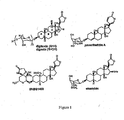
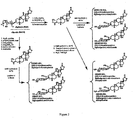
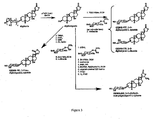
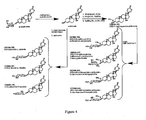
- the structures of the compounds listed are found in Figs. 2-4 .
- CEN08-178, CEN08-193, CEN08-243 and CEN08-244 have notably high potency as reflected in IC 50 values less than 80 nM (and generally below 11 nM) and thus are superior to various comparator compounds.
- PK characteristics of CEN08-178, CEN08-193, CEN08-243 and CEN08-244 are evaluated in the nude mouse.
- Each compound is administered to outbred, female nude mice, formulated in hydroxypropyl- ⁇ -cyclodextrin (3-5 mg/ml), by the p.o. route at the MTD ( ⁇ 30-50mg/kg) and ⁇ 100 ⁇ L samples are collected by retro-orbital bleed into EDTA capillaries or vials at 0, 15, 30 and 60 min; >200 ⁇ L samples are collected by terminal cardiac puncture into EDTA vials at 2, 4, 8 and 24 hr.
- each compound is administered by the i.v.
- CEN07-W-101 formulated in hydroxypropyl- ⁇ -cyclodextrin (3-5 mg/ml), is administered QDx14 by the i.v. route at 10, 5 and 2.5 mg/kg/injection to groups of 8 female nude mice bearing colo205 subcutaneous tumors with a mean tumor burden of 100-150 mg that is within 10% of the overall tumor burden for the entire study.
- the optimal schedule for CEN07-W-101 is chosen on the basis of antitumor potency (lowest effective dose) vs. MTD, tumor progression delay and percentage of complete regressions and remissions and is used as the basis for subsequent antitumor efficacy studies of CEN08-178, CEN08-193, CEN08-243 and CEN08-244 in the colo205 mouse xenograft model, using the i.v. route of administration at the MTD, 0.62xMTD, 0.38xMTD and 0.24xMTD for each drug.
- CEN07-W-101 at its MTD and vehicle only are controls. The study parameters and endpoints are the same as above.
- the MTD of the compounds is determined in transgenic mice whose Na,K-ATPase ⁇ 1 ⁇ 1 isoform has been rendered sensitive to cardiac glycosides, including the compounds of the invention, by site specific mutation of the gene ( Dostanic-Larson, et al., Am JPhysiol Regul Integr Comp Physiol. 290:R524-8, 2006 ; Dostanic, et al., J Biol Chem. 279:54053-61, 2004 ) to overcome the high resistance of this enzyme in normal mice.
- mice carrying the sensitive isoform are injected retroorbitally with solutions of CEN08-178, CEN08-193, CEN08-243 and CEN08-244 (formulated in 15% hydroxypropyl- ⁇ -cyclodextrin:water at 1 mg/ml), at concentrations of 0.5, 1, 3, 6 mg/kg plus the following two drugs as comparators, CEN07-W-102 at concentrations of 0.5, 1, 3, 6 mg/kg and digitoxin as concentrations of 0.25, 0.5, 1 and 3 mg/kg.
- Normal mice of similar genetic parentage but with the resistant Na,K-ATPase ⁇ 1 ⁇ 1 isoform are injected with the same drugs but at higher concentrations consistent with the known MTD values in such mice.
- the observed parameters of toxicity include staggering, limb extension, tremor or convulsion, labored breathing and loss of righting reflex, as well as animal weight, are determined daily for 7 days.
- the MTD is the drug dosage that causes observed signs of toxicity during the first 24 hr without resulting in animal death.
Landscapes
- Health & Medical Sciences (AREA)
- Chemical & Material Sciences (AREA)
- Organic Chemistry (AREA)
- General Health & Medical Sciences (AREA)
- Engineering & Computer Science (AREA)
- Bioinformatics & Cheminformatics (AREA)
- Public Health (AREA)
- Chemical Kinetics & Catalysis (AREA)
- General Chemical & Material Sciences (AREA)
- Medicinal Chemistry (AREA)
- Nuclear Medicine, Radiotherapy & Molecular Imaging (AREA)
- Veterinary Medicine (AREA)
- Pharmacology & Pharmacy (AREA)
- Life Sciences & Earth Sciences (AREA)
- Animal Behavior & Ethology (AREA)
- Pulmonology (AREA)
- Immunology (AREA)
- Diabetes (AREA)
- Urology & Nephrology (AREA)
- Cardiology (AREA)
- Hematology (AREA)
- Heart & Thoracic Surgery (AREA)
- Physical Education & Sports Medicine (AREA)
- Neurology (AREA)
- Otolaryngology (AREA)
- Dermatology (AREA)
- Vascular Medicine (AREA)
- Orthopedic Medicine & Surgery (AREA)
- Rheumatology (AREA)
- Neurosurgery (AREA)
- Biomedical Technology (AREA)
- Endocrinology (AREA)
- Nutrition Science (AREA)
- Pain & Pain Management (AREA)
- Emergency Medicine (AREA)
- Gastroenterology & Hepatology (AREA)
- Transplantation (AREA)
- Obesity (AREA)
- Pharmaceuticals Containing Other Organic And Inorganic Compounds (AREA)
- Medicinal Preparation (AREA)
Applications Claiming Priority (2)
| Application Number | Priority Date | Filing Date | Title |
|---|---|---|---|
| US8701008P | 2008-08-07 | 2008-08-07 | |
| PCT/US2009/053159 WO2010017480A1 (en) | 2008-08-07 | 2009-08-07 | Glycoside compounds and pharmaceutical compositions thereof |
Publications (3)
| Publication Number | Publication Date |
|---|---|
| EP2320729A1 EP2320729A1 (en) | 2011-05-18 |
| EP2320729A4 EP2320729A4 (en) | 2013-04-03 |
| EP2320729B1 true EP2320729B1 (en) | 2015-04-22 |
Family
ID=41663995
Family Applications (1)
| Application Number | Title | Priority Date | Filing Date |
|---|---|---|---|
| EP20090805612 Active EP2320729B1 (en) | 2008-08-07 | 2009-08-07 | Glycoside compounds and pharmaceutical compositions thereof |
Country Status (4)
| Country | Link |
|---|---|
| US (2) | US8361973B2 (enExample) |
| EP (1) | EP2320729B1 (enExample) |
| JP (1) | JP2011530535A (enExample) |
| WO (1) | WO2010017480A1 (enExample) |
Families Citing this family (11)
| Publication number | Priority date | Publication date | Assignee | Title |
|---|---|---|---|---|
| WO2010017480A1 (en) | 2008-08-07 | 2010-02-11 | Centrose, Llc | Glycoside compounds and pharmaceutical compositions thereof |
| AU2010292172A1 (en) * | 2009-09-09 | 2012-05-03 | Centrose, Llc | Extracellular targeted drug conjugates |
| ES2654584T3 (es) | 2010-01-15 | 2018-02-14 | Suzhou Neupharma Co., Ltd | Ciertas entidades químicas, composiciones y métodos |
| EP3453714B1 (en) | 2011-02-02 | 2020-11-04 | Suzhou Neupharma Co., Ltd | Cardenolide and bufadienolide 3-carbonate and 3-carbamate derivatives for the treatment of cancer and compositions thereof |
| US20140079722A1 (en) * | 2011-03-09 | 2014-03-20 | Centrose, Llc | Extracellular targeted drug conjugates |
| EP3453713B1 (en) * | 2012-04-29 | 2021-09-08 | Neupharma, Inc. | Bufadienolide compounds substituted in position 3 by an amine group for use in the treatment of cancer |
| EP4063391A1 (en) | 2012-07-25 | 2022-09-28 | Celldex Therapeutics, Inc. | Anti-kit antibodies and uses thereof |
| US20190008983A1 (en) | 2015-07-31 | 2019-01-10 | James R. Prudent | Extracellular drug conjugates targeting cd20 |
| JP6603551B2 (ja) * | 2015-11-11 | 2019-11-06 | 花王株式会社 | 毛成長抑制剤 |
| GB2607692B (en) | 2019-08-23 | 2023-08-02 | Imagination Tech Ltd | Random accessible image data compression |
| WO2021054978A1 (en) * | 2019-09-20 | 2021-03-25 | Pollard Bette Silver | Cardiac cardenolides to reduce fibrosis and enhance epithelial differentiation |
Family Cites Families (21)
| Publication number | Priority date | Publication date | Assignee | Title |
|---|---|---|---|---|
| US3987031A (en) | 1970-12-23 | 1976-10-19 | Boehringer Ingelheim Gmbh | Acyl derivatives of proscillaridin a |
| DE2254060A1 (de) * | 1972-11-04 | 1974-05-16 | Hoechst Ag | Cardenolid-3-eckige klammer auf 4'-amino-2',3',4'-tridesoxy-glykoside eckige klammer zu und verfahren zu ihrer herstellung |
| DE2319874C2 (de) * | 1973-04-19 | 1983-06-09 | Boehringer Mannheim Gmbh, 6800 Mannheim | Neue Derivate des Digitoxigenin-α-L-arabinosids, Verfahren zu ihrer Herstellung und diese enthaltende Arzneimittel |
| NZ199543A (en) * | 1981-01-23 | 1985-04-30 | Wellcome Found | Inclusion complexes of cyclodextrins and cardiac clycosides;pharmaceutical formulations |
| GB8600491D0 (en) * | 1986-01-09 | 1986-02-12 | Erba Farmitalia | Aminoglycoside norcholanic acid derivatives |
| US5280113A (en) * | 1989-08-16 | 1994-01-18 | Monsanto Company | Method for producing synthetic N-linked glycoconjugates |
| JP3826235B2 (ja) * | 1994-06-10 | 2006-09-27 | 松森 昭 | 炎症性サイトカイン分泌抑制剤 |
| US5668272A (en) * | 1995-06-30 | 1997-09-16 | National Research Council Of Canada | Method for producing synthetic N-linked glycoconjugates |
| US6180612B1 (en) * | 1997-10-31 | 2001-01-30 | The University Of Virginia Patent Foundation | Methods and compositions for targeting DNA metabolic processes using aminoglycoside derivatives |
| WO2000047215A2 (en) * | 1999-02-12 | 2000-08-17 | Cellpath, Inc. | Methods for anti-tumor therapy |
| WO2002014343A1 (en) * | 2000-08-17 | 2002-02-21 | Terness, Peter | Bufadienolide derivatives and use as immunosuppressive, antiinflammatory and analgesic agents |
| US20030031677A1 (en) | 2001-06-25 | 2003-02-13 | Drug Innovation & Design, Incorporated | Exponential pattern recognition based cellular targeting, compositions, methods and anticancer applications |
| WO2004087121A2 (en) * | 2003-03-28 | 2004-10-14 | Azaya Therapeutics, Inc. | Water soluble formulations of digitalis glycosides for treating cell-proliferative and other diseases |
| NZ551180A (en) | 2004-06-01 | 2009-10-30 | Genentech Inc | Antibody drug conjugates and methods |
| US7754874B2 (en) * | 2004-06-24 | 2010-07-13 | Wisconsin Alumni Research Foundation | Neoglycorandomization and digitoxin analogs |
| JP2007008879A (ja) * | 2005-06-30 | 2007-01-18 | Yanbaru Green Health:Kk | 抗腫瘍剤及びこれを含有する食品 |
| US7402325B2 (en) * | 2005-07-28 | 2008-07-22 | Phoenix Biotechnology, Inc. | Supercritical carbon dioxide extract of pharmacologically active components from Nerium oleander |
| US20090023666A1 (en) * | 2006-01-09 | 2009-01-22 | BTG plc | Modulators of Hypoxia Inducible Factor-1 and Related Uses |
| JP5385135B2 (ja) | 2006-07-03 | 2014-01-08 | チャールズ デイビッド アデア, | 細胞接着分子の発現を調節するための組成物 |
| WO2008121797A1 (en) | 2007-03-28 | 2008-10-09 | Novartis Ag | Fxdy5 modulators for treating, diagnosing, and detecting cancer |
| WO2010017480A1 (en) | 2008-08-07 | 2010-02-11 | Centrose, Llc | Glycoside compounds and pharmaceutical compositions thereof |
-
2009
- 2009-08-07 WO PCT/US2009/053159 patent/WO2010017480A1/en not_active Ceased
- 2009-08-07 EP EP20090805612 patent/EP2320729B1/en active Active
- 2009-08-07 US US13/057,961 patent/US8361973B2/en active Active
- 2009-08-07 JP JP2011522277A patent/JP2011530535A/ja active Pending
-
2012
- 2012-12-27 US US13/728,639 patent/US8703723B2/en active Active
Also Published As
| Publication number | Publication date |
|---|---|
| US20130178431A1 (en) | 2013-07-11 |
| US8361973B2 (en) | 2013-01-29 |
| EP2320729A4 (en) | 2013-04-03 |
| US20110319350A1 (en) | 2011-12-29 |
| JP2011530535A (ja) | 2011-12-22 |
| WO2010017480A1 (en) | 2010-02-11 |
| EP2320729A1 (en) | 2011-05-18 |
| US8703723B2 (en) | 2014-04-22 |
Similar Documents
| Publication | Publication Date | Title |
|---|---|---|
| US8361973B2 (en) | Glycoside compounds and pharmaceutical compositions thereof | |
| Dacrory et al. | Synthesis, anti-proliferative activity, computational studies of tetrazole cellulose utilizing different homogenous catalyst | |
| KR100950204B1 (ko) | 7α-아미노스테로이드 유도체 또는 이의 약학적으로허용가능한 염, 이의 제조방법 및 이를 유효성분으로함유하는 항암용 또는 항생제 조성물 | |
| CN102532235B (zh) | 蟾毒配基衍生物及其制备方法、包含该衍生物的组合物、及其用途 | |
| SA99200065B1 (ar) | مشتقات الإيمدازو بيريدين Imidazo Pyridine المثبطة لإفراز حمض المعدة | |
| TW200918064A (en) | Polymorphic and hydrate forms, salts and process for preparing 6-{difluoro[6-(1-methyl-1H-pyrazol-4-yl)[1,2,4]triazolo[4,3-b]pyridazin-3-yl]methyl}quinoline | |
| HU228570B1 (en) | Benzothiepine-1,1-dioxide derivatives, method for producing them, medicaments containing these compounds and their use | |
| CN102079772A (zh) | 一类五环三萜-13,28-内酯化合物、其制备方法和用途 | |
| US7968116B2 (en) | Antitumor agent | |
| EP1529041B1 (de) | Neue prodrugs von 1-methyl-2-(4-amidinophenylaminomethyl)-benzimidazol-5-yl-carbonsäure-(n -2-pyridil-n-2-hydroxycarbonylethyl)-amid, ihre herstellung und ihre verwendung als arzneimittel | |
| EP2460810B1 (en) | Novel flavanone derivative | |
| EP1399411B1 (en) | Aloe-emodin derivatives and their use in the treatment of neoplastic pathologies | |
| RU2680138C2 (ru) | Трициклические ингибиторы гиразы | |
| US8680251B2 (en) | Triterpenoid 2-deoxy glycosides, method of preparation thereof and use thereof as medicaments | |
| Zhou et al. | Design, synthesis and anti-tumor activities of carbamate derivatives of cinobufagin | |
| CN101296694A (zh) | 药物镓组合物和方法 | |
| HU217630B (hu) | 3'-Aziridino-antraciklin-származékok, eljárás ezek előállítására és e vegyületeket tartalmazó gyógyászati készítmények | |
| PL191131B1 (pl) | Kompleks platyny, kompleks inkluzyjny kompleksu platyny, sposób jego wytwarzania i preparat farmaceutyczny zawierający te kompleksy | |
| JP4548884B2 (ja) | 4,5,6,7−テトラヒドロチエノ〔2,3−c〕ピリジン誘導体 | |
| AU2018217439B2 (en) | Steroid saponins with anti-cancer activity | |
| CN108929353A (zh) | 一种鼠李糖或核糖修饰的小檗碱盐衍生物及其制备方法和用途 | |
| CN101885726B (zh) | 化合物结构及制备方法与用途 | |
| Li et al. | Synthesis, anticancer activities, antimicrobial activities and bioavailability of berberine-bile acid analogues | |
| US8877720B2 (en) | Epirubicin derivatives | |
| JP2005511550A (ja) | エトポシドおよび類似体の誘導体、ならびにそれを含有する医薬組成物 |
Legal Events
| Date | Code | Title | Description |
|---|---|---|---|
| PUAI | Public reference made under article 153(3) epc to a published international application that has entered the european phase |
Free format text: ORIGINAL CODE: 0009012 |
|
| 17P | Request for examination filed |
Effective date: 20110302 |
|
| AK | Designated contracting states |
Kind code of ref document: A1 Designated state(s): AT BE BG CH CY CZ DE DK EE ES FI FR GB GR HR HU IE IS IT LI LT LU LV MC MK MT NL NO PL PT RO SE SI SK SM TR |
|
| AX | Request for extension of the european patent |
Extension state: AL BA RS |
|
| DAX | Request for extension of the european patent (deleted) | ||
| REG | Reference to a national code |
Ref country code: DE Ref legal event code: R079 Ref document number: 602009030857 Country of ref document: DE Free format text: PREVIOUS MAIN CLASS: A01N0043040000 Ipc: C07J0019000000 |
|
| A4 | Supplementary search report drawn up and despatched |
Effective date: 20130306 |
|
| RIC1 | Information provided on ipc code assigned before grant |
Ipc: A61P 35/00 20060101ALI20130228BHEP Ipc: A61K 31/58 20060101ALI20130228BHEP Ipc: C07J 41/00 20060101ALI20130228BHEP Ipc: C07J 19/00 20060101AFI20130228BHEP |
|
| 17Q | First examination report despatched |
Effective date: 20140305 |
|
| GRAP | Despatch of communication of intention to grant a patent |
Free format text: ORIGINAL CODE: EPIDOSNIGR1 |
|
| INTG | Intention to grant announced |
Effective date: 20141103 |
|
| GRAS | Grant fee paid |
Free format text: ORIGINAL CODE: EPIDOSNIGR3 |
|
| GRAA | (expected) grant |
Free format text: ORIGINAL CODE: 0009210 |
|
| AK | Designated contracting states |
Kind code of ref document: B1 Designated state(s): AT BE BG CH CY CZ DE DK EE ES FI FR GB GR HR HU IE IS IT LI LT LU LV MC MK MT NL NO PL PT RO SE SI SK SM TR |
|
| REG | Reference to a national code |
Ref country code: GB Ref legal event code: FG4D |
|
| REG | Reference to a national code |
Ref country code: CH Ref legal event code: EP |
|
| REG | Reference to a national code |
Ref country code: AT Ref legal event code: REF Ref document number: 723170 Country of ref document: AT Kind code of ref document: T Effective date: 20150515 |
|
| REG | Reference to a national code |
Ref country code: IE Ref legal event code: FG4D |
|
| REG | Reference to a national code |
Ref country code: DE Ref legal event code: R096 Ref document number: 602009030857 Country of ref document: DE Effective date: 20150603 |
|
| REG | Reference to a national code |
Ref country code: NL Ref legal event code: VDEP Effective date: 20150422 |
|
| REG | Reference to a national code |
Ref country code: AT Ref legal event code: MK05 Ref document number: 723170 Country of ref document: AT Kind code of ref document: T Effective date: 20150422 |
|
| REG | Reference to a national code |
Ref country code: LT Ref legal event code: MG4D |
|
| PG25 | Lapsed in a contracting state [announced via postgrant information from national office to epo] |
Ref country code: NL Free format text: LAPSE BECAUSE OF FAILURE TO SUBMIT A TRANSLATION OF THE DESCRIPTION OR TO PAY THE FEE WITHIN THE PRESCRIBED TIME-LIMIT Effective date: 20150422 |
|
| PG25 | Lapsed in a contracting state [announced via postgrant information from national office to epo] |
Ref country code: FI Free format text: LAPSE BECAUSE OF FAILURE TO SUBMIT A TRANSLATION OF THE DESCRIPTION OR TO PAY THE FEE WITHIN THE PRESCRIBED TIME-LIMIT Effective date: 20150422 Ref country code: PT Free format text: LAPSE BECAUSE OF FAILURE TO SUBMIT A TRANSLATION OF THE DESCRIPTION OR TO PAY THE FEE WITHIN THE PRESCRIBED TIME-LIMIT Effective date: 20150824 Ref country code: ES Free format text: LAPSE BECAUSE OF FAILURE TO SUBMIT A TRANSLATION OF THE DESCRIPTION OR TO PAY THE FEE WITHIN THE PRESCRIBED TIME-LIMIT Effective date: 20150422 Ref country code: LT Free format text: LAPSE BECAUSE OF FAILURE TO SUBMIT A TRANSLATION OF THE DESCRIPTION OR TO PAY THE FEE WITHIN THE PRESCRIBED TIME-LIMIT Effective date: 20150422 Ref country code: HR Free format text: LAPSE BECAUSE OF FAILURE TO SUBMIT A TRANSLATION OF THE DESCRIPTION OR TO PAY THE FEE WITHIN THE PRESCRIBED TIME-LIMIT Effective date: 20150422 Ref country code: NO Free format text: LAPSE BECAUSE OF FAILURE TO SUBMIT A TRANSLATION OF THE DESCRIPTION OR TO PAY THE FEE WITHIN THE PRESCRIBED TIME-LIMIT Effective date: 20150722 |
|
| PG25 | Lapsed in a contracting state [announced via postgrant information from national office to epo] |
Ref country code: IS Free format text: LAPSE BECAUSE OF FAILURE TO SUBMIT A TRANSLATION OF THE DESCRIPTION OR TO PAY THE FEE WITHIN THE PRESCRIBED TIME-LIMIT Effective date: 20150822 Ref country code: GR Free format text: LAPSE BECAUSE OF FAILURE TO SUBMIT A TRANSLATION OF THE DESCRIPTION OR TO PAY THE FEE WITHIN THE PRESCRIBED TIME-LIMIT Effective date: 20150723 Ref country code: AT Free format text: LAPSE BECAUSE OF FAILURE TO SUBMIT A TRANSLATION OF THE DESCRIPTION OR TO PAY THE FEE WITHIN THE PRESCRIBED TIME-LIMIT Effective date: 20150422 Ref country code: LV Free format text: LAPSE BECAUSE OF FAILURE TO SUBMIT A TRANSLATION OF THE DESCRIPTION OR TO PAY THE FEE WITHIN THE PRESCRIBED TIME-LIMIT Effective date: 20150422 |
|
| REG | Reference to a national code |
Ref country code: DE Ref legal event code: R097 Ref document number: 602009030857 Country of ref document: DE |
|
| PG25 | Lapsed in a contracting state [announced via postgrant information from national office to epo] |
Ref country code: DK Free format text: LAPSE BECAUSE OF FAILURE TO SUBMIT A TRANSLATION OF THE DESCRIPTION OR TO PAY THE FEE WITHIN THE PRESCRIBED TIME-LIMIT Effective date: 20150422 Ref country code: EE Free format text: LAPSE BECAUSE OF FAILURE TO SUBMIT A TRANSLATION OF THE DESCRIPTION OR TO PAY THE FEE WITHIN THE PRESCRIBED TIME-LIMIT Effective date: 20150422 |
|
| PLBE | No opposition filed within time limit |
Free format text: ORIGINAL CODE: 0009261 |
|
| STAA | Information on the status of an ep patent application or granted ep patent |
Free format text: STATUS: NO OPPOSITION FILED WITHIN TIME LIMIT |
|
| PG25 | Lapsed in a contracting state [announced via postgrant information from national office to epo] |
Ref country code: SK Free format text: LAPSE BECAUSE OF FAILURE TO SUBMIT A TRANSLATION OF THE DESCRIPTION OR TO PAY THE FEE WITHIN THE PRESCRIBED TIME-LIMIT Effective date: 20150422 Ref country code: PL Free format text: LAPSE BECAUSE OF FAILURE TO SUBMIT A TRANSLATION OF THE DESCRIPTION OR TO PAY THE FEE WITHIN THE PRESCRIBED TIME-LIMIT Effective date: 20150422 Ref country code: CZ Free format text: LAPSE BECAUSE OF FAILURE TO SUBMIT A TRANSLATION OF THE DESCRIPTION OR TO PAY THE FEE WITHIN THE PRESCRIBED TIME-LIMIT Effective date: 20150422 Ref country code: RO Free format text: LAPSE BECAUSE OF NON-PAYMENT OF DUE FEES Effective date: 20150422 |
|
| 26N | No opposition filed |
Effective date: 20160125 |
|
| PG25 | Lapsed in a contracting state [announced via postgrant information from national office to epo] |
Ref country code: MC Free format text: LAPSE BECAUSE OF FAILURE TO SUBMIT A TRANSLATION OF THE DESCRIPTION OR TO PAY THE FEE WITHIN THE PRESCRIBED TIME-LIMIT Effective date: 20150422 Ref country code: LU Free format text: LAPSE BECAUSE OF FAILURE TO SUBMIT A TRANSLATION OF THE DESCRIPTION OR TO PAY THE FEE WITHIN THE PRESCRIBED TIME-LIMIT Effective date: 20150807 |
|
| REG | Reference to a national code |
Ref country code: CH Ref legal event code: PL |
|
| PG25 | Lapsed in a contracting state [announced via postgrant information from national office to epo] |
Ref country code: CH Free format text: LAPSE BECAUSE OF NON-PAYMENT OF DUE FEES Effective date: 20150831 Ref country code: LI Free format text: LAPSE BECAUSE OF NON-PAYMENT OF DUE FEES Effective date: 20150831 Ref country code: IT Free format text: LAPSE BECAUSE OF FAILURE TO SUBMIT A TRANSLATION OF THE DESCRIPTION OR TO PAY THE FEE WITHIN THE PRESCRIBED TIME-LIMIT Effective date: 20150422 |
|
| PG25 | Lapsed in a contracting state [announced via postgrant information from national office to epo] |
Ref country code: SI Free format text: LAPSE BECAUSE OF FAILURE TO SUBMIT A TRANSLATION OF THE DESCRIPTION OR TO PAY THE FEE WITHIN THE PRESCRIBED TIME-LIMIT Effective date: 20150422 |
|
| REG | Reference to a national code |
Ref country code: IE Ref legal event code: MM4A |
|
| REG | Reference to a national code |
Ref country code: FR Ref legal event code: PLFP Year of fee payment: 8 |
|
| PG25 | Lapsed in a contracting state [announced via postgrant information from national office to epo] |
Ref country code: IE Free format text: LAPSE BECAUSE OF NON-PAYMENT OF DUE FEES Effective date: 20150807 |
|
| PG25 | Lapsed in a contracting state [announced via postgrant information from national office to epo] |
Ref country code: BE Free format text: LAPSE BECAUSE OF FAILURE TO SUBMIT A TRANSLATION OF THE DESCRIPTION OR TO PAY THE FEE WITHIN THE PRESCRIBED TIME-LIMIT Effective date: 20150422 |
|
| PG25 | Lapsed in a contracting state [announced via postgrant information from national office to epo] |
Ref country code: MT Free format text: LAPSE BECAUSE OF FAILURE TO SUBMIT A TRANSLATION OF THE DESCRIPTION OR TO PAY THE FEE WITHIN THE PRESCRIBED TIME-LIMIT Effective date: 20150422 |
|
| PG25 | Lapsed in a contracting state [announced via postgrant information from national office to epo] |
Ref country code: SM Free format text: LAPSE BECAUSE OF FAILURE TO SUBMIT A TRANSLATION OF THE DESCRIPTION OR TO PAY THE FEE WITHIN THE PRESCRIBED TIME-LIMIT Effective date: 20150422 Ref country code: BG Free format text: LAPSE BECAUSE OF FAILURE TO SUBMIT A TRANSLATION OF THE DESCRIPTION OR TO PAY THE FEE WITHIN THE PRESCRIBED TIME-LIMIT Effective date: 20150422 Ref country code: HU Free format text: LAPSE BECAUSE OF FAILURE TO SUBMIT A TRANSLATION OF THE DESCRIPTION OR TO PAY THE FEE WITHIN THE PRESCRIBED TIME-LIMIT; INVALID AB INITIO Effective date: 20090807 |
|
| PG25 | Lapsed in a contracting state [announced via postgrant information from national office to epo] |
Ref country code: SE Free format text: LAPSE BECAUSE OF FAILURE TO SUBMIT A TRANSLATION OF THE DESCRIPTION OR TO PAY THE FEE WITHIN THE PRESCRIBED TIME-LIMIT Effective date: 20150422 Ref country code: CY Free format text: LAPSE BECAUSE OF FAILURE TO SUBMIT A TRANSLATION OF THE DESCRIPTION OR TO PAY THE FEE WITHIN THE PRESCRIBED TIME-LIMIT Effective date: 20150422 |
|
| REG | Reference to a national code |
Ref country code: FR Ref legal event code: PLFP Year of fee payment: 9 |
|
| PG25 | Lapsed in a contracting state [announced via postgrant information from national office to epo] |
Ref country code: TR Free format text: LAPSE BECAUSE OF FAILURE TO SUBMIT A TRANSLATION OF THE DESCRIPTION OR TO PAY THE FEE WITHIN THE PRESCRIBED TIME-LIMIT Effective date: 20150422 |
|
| PGFP | Annual fee paid to national office [announced via postgrant information from national office to epo] |
Ref country code: DE Payment date: 20170801 Year of fee payment: 9 Ref country code: FR Payment date: 20170714 Year of fee payment: 9 |
|
| PG25 | Lapsed in a contracting state [announced via postgrant information from national office to epo] |
Ref country code: MK Free format text: LAPSE BECAUSE OF FAILURE TO SUBMIT A TRANSLATION OF THE DESCRIPTION OR TO PAY THE FEE WITHIN THE PRESCRIBED TIME-LIMIT Effective date: 20150422 |
|
| REG | Reference to a national code |
Ref country code: DE Ref legal event code: R119 Ref document number: 602009030857 Country of ref document: DE |
|
| PG25 | Lapsed in a contracting state [announced via postgrant information from national office to epo] |
Ref country code: DE Free format text: LAPSE BECAUSE OF NON-PAYMENT OF DUE FEES Effective date: 20190301 |
|
| PG25 | Lapsed in a contracting state [announced via postgrant information from national office to epo] |
Ref country code: FR Free format text: LAPSE BECAUSE OF NON-PAYMENT OF DUE FEES Effective date: 20180831 |
|
| P01 | Opt-out of the competence of the unified patent court (upc) registered |
Effective date: 20230530 |
|
| PGFP | Annual fee paid to national office [announced via postgrant information from national office to epo] |
Ref country code: GB Payment date: 20250731 Year of fee payment: 17 |