EP2284166A1 - Arylsulfonamide mit analgetischer Wirkung - Google Patents
Arylsulfonamide mit analgetischer Wirkung Download PDFInfo
- Publication number
- EP2284166A1 EP2284166A1 EP10178252A EP10178252A EP2284166A1 EP 2284166 A1 EP2284166 A1 EP 2284166A1 EP 10178252 A EP10178252 A EP 10178252A EP 10178252 A EP10178252 A EP 10178252A EP 2284166 A1 EP2284166 A1 EP 2284166A1
- Authority
- EP
- European Patent Office
- Prior art keywords
- mmol
- alkyl
- product
- group
- alkylene
- Prior art date
- Legal status (The legal status is an assumption and is not a legal conclusion. Google has not performed a legal analysis and makes no representation as to the accuracy of the status listed.)
- Granted
Links
- 0 *c(cccc1N)c1N Chemical compound *c(cccc1N)c1N 0.000 description 64
- XZGSQVAKDLTPEJ-UHFFFAOYSA-N Cc1cc(OC)cc(C)c1S(N(C)CCC(O)=O)(=O)=O Chemical compound Cc1cc(OC)cc(C)c1S(N(C)CCC(O)=O)(=O)=O XZGSQVAKDLTPEJ-UHFFFAOYSA-N 0.000 description 3
- UNBMPKNTYKDYCG-LURJTMIESA-N CC(C)C[C@H](C)N Chemical compound CC(C)C[C@H](C)N UNBMPKNTYKDYCG-LURJTMIESA-N 0.000 description 2
- UUYWIWYNYNQOEM-UHFFFAOYSA-N CC(CN(CC1)N)N1N Chemical compound CC(CN(CC1)N)N1N UUYWIWYNYNQOEM-UHFFFAOYSA-N 0.000 description 2
- RCGQVKSIIHFWKK-FYWRMAATSA-O CCC/C(/C)=C(\C(CC)CC)/[SH+](N(C)CCC)(O)O Chemical compound CCC/C(/C)=C(\C(CC)CC)/[SH+](N(C)CCC)(O)O RCGQVKSIIHFWKK-FYWRMAATSA-O 0.000 description 2
- JYXYQKAAZYOHEN-UHFFFAOYSA-N CCCCN(C)Cc(cc1)cc(Cl)c1N(CC1)CCC1NC(CCN(C)S(c(c(C)c1)c(C)cc1OC)(=O)=O)=O Chemical compound CCCCN(C)Cc(cc1)cc(Cl)c1N(CC1)CCC1NC(CCN(C)S(c(c(C)c1)c(C)cc1OC)(=O)=O)=O JYXYQKAAZYOHEN-UHFFFAOYSA-N 0.000 description 2
- PDANJMFKIOMQEY-UHFFFAOYSA-N CCN(CC)CC(CC1)CCN1c(ccc(NC(CCN(C)S(c(c(C)c1)c(C)cc1OC)(=O)=O)=O)c1)c1Cl Chemical compound CCN(CC)CC(CC1)CCN1c(ccc(NC(CCN(C)S(c(c(C)c1)c(C)cc1OC)(=O)=O)=O)c1)c1Cl PDANJMFKIOMQEY-UHFFFAOYSA-N 0.000 description 2
- ISFZTBJZSJCKAO-UHFFFAOYSA-N CCN(CC)CCOc(cc1)ccc1C(NCCNC(CN(C)S(c(c(C)c1)c(C)cc1OC)(=O)=O)=O)=O Chemical compound CCN(CC)CCOc(cc1)ccc1C(NCCNC(CN(C)S(c(c(C)c1)c(C)cc1OC)(=O)=O)=O)=O ISFZTBJZSJCKAO-UHFFFAOYSA-N 0.000 description 2
- OHUAMXLTYPTLIS-UHFFFAOYSA-N CCN(CC1)CCc2c1ccc(CN(C(CNC(CN(C)S(c(c(C)c1)c(C)cc1OC)(=O)=O)=O)=O)Cl)c2 Chemical compound CCN(CC1)CCc2c1ccc(CN(C(CNC(CN(C)S(c(c(C)c1)c(C)cc1OC)(=O)=O)=O)=O)Cl)c2 OHUAMXLTYPTLIS-UHFFFAOYSA-N 0.000 description 2
- BIWZYRJXBPPLLA-UHFFFAOYSA-N CN(C1)CC1N Chemical compound CN(C1)CC1N BIWZYRJXBPPLLA-UHFFFAOYSA-N 0.000 description 2
- UNHOPMIDKWXFMF-UHFFFAOYSA-N CN(CC1)CC1N Chemical compound CN(CC1)CC1N UNHOPMIDKWXFMF-UHFFFAOYSA-N 0.000 description 2
- YMWNFPCJXXPPTO-UHFFFAOYSA-N CN(CCC(Nc(cc1)ccc1N(CC1)CCN1c1ccncc1)=O)S(c1cccc2c1cccc2)(=O)=O Chemical compound CN(CCC(Nc(cc1)ccc1N(CC1)CCN1c1ccncc1)=O)S(c1cccc2c1cccc2)(=O)=O YMWNFPCJXXPPTO-UHFFFAOYSA-N 0.000 description 2
- GUOYRDDBJKGLSN-UHFFFAOYSA-N CN(CCC(O)=O)S(c1cccc(Cl)c1Cl)(=O)=O Chemical compound CN(CCC(O)=O)S(c1cccc(Cl)c1Cl)(=O)=O GUOYRDDBJKGLSN-UHFFFAOYSA-N 0.000 description 2
- FBGSFQJJKHSURA-UHFFFAOYSA-N CN(CCC1)C1N Chemical compound CN(CCC1)C1N FBGSFQJJKHSURA-UHFFFAOYSA-N 0.000 description 2
- RPAAOHDFQVQVJC-UHFFFAOYSA-N Cc(cc(c(C)c1C)OC)c1S(N(C)CCC(Nc(cc1)ccc1N(CC1)CCC1N(C)C)=O)(=O)=O Chemical compound Cc(cc(c(C)c1C)OC)c1S(N(C)CCC(Nc(cc1)ccc1N(CC1)CCC1N(C)C)=O)(=O)=O RPAAOHDFQVQVJC-UHFFFAOYSA-N 0.000 description 2
- MAYVPBRVMVSOED-UHFFFAOYSA-N Cc1c(N)nnc(N)c1 Chemical compound Cc1c(N)nnc(N)c1 MAYVPBRVMVSOED-UHFFFAOYSA-N 0.000 description 2
- FARJAHHRGCAAOY-UHFFFAOYSA-N Cc1cc(OC)cc(C)c1S(Cl)(=O)=O Chemical compound Cc1cc(OC)cc(C)c1S(Cl)(=O)=O FARJAHHRGCAAOY-UHFFFAOYSA-N 0.000 description 2
- NJVCVKQNWDBVLR-UHFFFAOYSA-N Cc1cc(OC)cc(C)c1S(N(C)CC(OC)=O)(=O)=O Chemical compound Cc1cc(OC)cc(C)c1S(N(C)CC(OC)=O)(=O)=O NJVCVKQNWDBVLR-UHFFFAOYSA-N 0.000 description 2
- YAROQDWRTPEHBK-UHFFFAOYSA-N Cc1cc(OC)cc(C)c1S(N(C)CCOCC(N(C)CC(CC1)CCN1C1CCN(C)CC1)=O)(=O)=O Chemical compound Cc1cc(OC)cc(C)c1S(N(C)CCOCC(N(C)CC(CC1)CCN1C1CCN(C)CC1)=O)(=O)=O YAROQDWRTPEHBK-UHFFFAOYSA-N 0.000 description 2
- QDZHTKNPXHSWKH-UHFFFAOYSA-N Cc1cc(OC)cc(C)c1S(N(C)CCOCC(N(C)Cc1ccc(NCCN(C)C)nc1)=O)(=O)=O Chemical compound Cc1cc(OC)cc(C)c1S(N(C)CCOCC(N(C)Cc1ccc(NCCN(C)C)nc1)=O)(=O)=O QDZHTKNPXHSWKH-UHFFFAOYSA-N 0.000 description 2
- HBEOJFOFJYCZBV-UHFFFAOYSA-N Cc1cc(OC)cc(C)c1S(N(C)CCOCC(O)=O)(=O)=O Chemical compound Cc1cc(OC)cc(C)c1S(N(C)CCOCC(O)=O)(=O)=O HBEOJFOFJYCZBV-UHFFFAOYSA-N 0.000 description 2
- JJYPMNFTHPTTDI-UHFFFAOYSA-N Cc1cccc(N)c1 Chemical compound Cc1cccc(N)c1 JJYPMNFTHPTTDI-UHFFFAOYSA-N 0.000 description 2
- ZJXMKPARTVOUAM-UHFFFAOYSA-N Cc1nc(C)cc(N)c1 Chemical compound Cc1nc(C)cc(N)c1 ZJXMKPARTVOUAM-UHFFFAOYSA-N 0.000 description 2
- PWRBCZZQRRPXAB-UHFFFAOYSA-N Clc1cnccc1 Chemical compound Clc1cnccc1 PWRBCZZQRRPXAB-UHFFFAOYSA-N 0.000 description 2
- GEQHKFFSPGPGLN-UHFFFAOYSA-N NC(CCC1)CC1N Chemical compound NC(CCC1)CC1N GEQHKFFSPGPGLN-UHFFFAOYSA-N 0.000 description 2
- XKPIAMWCELFIEE-UHFFFAOYSA-N NCCS(CN)(=O)=O Chemical compound NCCS(CN)(=O)=O XKPIAMWCELFIEE-UHFFFAOYSA-N 0.000 description 2
- SBMSLRMNBSMKQC-UHFFFAOYSA-N NN1CCCC1 Chemical compound NN1CCCC1 SBMSLRMNBSMKQC-UHFFFAOYSA-N 0.000 description 2
- MGLZGLAFFOMWPB-UHFFFAOYSA-N Nc(cc1)cc(Cl)c1N Chemical compound Nc(cc1)cc(Cl)c1N MGLZGLAFFOMWPB-UHFFFAOYSA-N 0.000 description 2
- WECFWBJFIOOXPR-UHFFFAOYSA-N Nc1cc2ccc(N)nc2cc1 Chemical compound Nc1cc2ccc(N)nc2cc1 WECFWBJFIOOXPR-UHFFFAOYSA-N 0.000 description 2
- NUKYPUAOHBNCPY-UHFFFAOYSA-N Nc1ccncc1 Chemical compound Nc1ccncc1 NUKYPUAOHBNCPY-UHFFFAOYSA-N 0.000 description 2
- CVVXWQHFMDYTSH-UHFFFAOYSA-N C(C1CCCCC1)NC1CCCC1 Chemical compound C(C1CCCCC1)NC1CCCC1 CVVXWQHFMDYTSH-UHFFFAOYSA-N 0.000 description 1
- DIHLAFGIGZPKBA-RPMRFSCESA-N C/C=C(\C=C/N=C)/N1CCC(CNC)CC1 Chemical compound C/C=C(\C=C/N=C)/N1CCC(CNC)CC1 DIHLAFGIGZPKBA-RPMRFSCESA-N 0.000 description 1
- RPZIPMPJPKIZJB-UHFFFAOYSA-N CC(C(N(C)CC(CC1)CCN1c1ccncc1)=O)NC(CN(C)S(c(c(C)c1)c(C)cc1OC)(=O)=O)=O Chemical compound CC(C(N(C)CC(CC1)CCN1c1ccncc1)=O)NC(CN(C)S(c(c(C)c1)c(C)cc1OC)(=O)=O)=O RPZIPMPJPKIZJB-UHFFFAOYSA-N 0.000 description 1
- VXAJPYOYAWRQPO-UHFFFAOYSA-N CC(C(N(C)CN)=O)N Chemical compound CC(C(N(C)CN)=O)N VXAJPYOYAWRQPO-UHFFFAOYSA-N 0.000 description 1
- ZVUZOJSPALBSOE-UHFFFAOYSA-N CC(C(N(C)Cc1ccc(CCN(C)CC2)c2c1)=O)NC(CCN(C)Sc(c(C)c1)c(C)cc1OC)=O Chemical compound CC(C(N(C)Cc1ccc(CCN(C)CC2)c2c1)=O)NC(CCN(C)Sc(c(C)c1)c(C)cc1OC)=O ZVUZOJSPALBSOE-UHFFFAOYSA-N 0.000 description 1
- HLDXALSGJOUXJZ-UHFFFAOYSA-N CC(C(N1CCC(CN(C)C(COCCN(C)S(c(c(C)c2)c(C)cc2OC)(=O)=O)=O)CC1)=O)N1CCCC1 Chemical compound CC(C(N1CCC(CN(C)C(COCCN(C)S(c(c(C)c2)c(C)cc2OC)(=O)=O)=O)CC1)=O)N1CCCC1 HLDXALSGJOUXJZ-UHFFFAOYSA-N 0.000 description 1
- DFAHCRKWLOLPRK-UHFFFAOYSA-N CC(C)(C)NCc1ccc(CN(C)C(COCCN(C)S(c(c(C)c2)c(C)cc2OC)(=O)=O)=O)cc1 Chemical compound CC(C)(C)NCc1ccc(CN(C)C(COCCN(C)S(c(c(C)c2)c(C)cc2OC)(=O)=O)=O)cc1 DFAHCRKWLOLPRK-UHFFFAOYSA-N 0.000 description 1
- BNWCETAHAJSBFG-UHFFFAOYSA-N CC(C)(C)OC(CBr)=O Chemical compound CC(C)(C)OC(CBr)=O BNWCETAHAJSBFG-UHFFFAOYSA-N 0.000 description 1
- RXFHRKPNLPBDGE-UHFFFAOYSA-N CC(C)(C)OC(N(CC1)CCN1c(cc1)ccc1N)=O Chemical compound CC(C)(C)OC(N(CC1)CCN1c(cc1)ccc1N)=O RXFHRKPNLPBDGE-UHFFFAOYSA-N 0.000 description 1
- RCWINGYYTMYTIY-UHFFFAOYSA-N CC(C)(C)OC(N(CC1)CCN1c(cc1)ccc1NC(CCN(C)S(c1cccc(Cl)c1Cl)(=O)=O)=O)=O Chemical compound CC(C)(C)OC(N(CC1)CCN1c(cc1)ccc1NC(CCN(C)S(c1cccc(Cl)c1Cl)(=O)=O)=O)=O RCWINGYYTMYTIY-UHFFFAOYSA-N 0.000 description 1
- CIGVCGZLBHYBIP-UHFFFAOYSA-N CC(C)(C)OC(NCCN1CCN(Cc2ccccc2)CC1)=O Chemical compound CC(C)(C)OC(NCCN1CCN(Cc2ccccc2)CC1)=O CIGVCGZLBHYBIP-UHFFFAOYSA-N 0.000 description 1
- KEQLPPKJBWWCFN-UHFFFAOYSA-N CC(C)(C)OC(Nc(cc1)ccc1N(CC1)CCC1N(C)C)=O Chemical compound CC(C)(C)OC(Nc(cc1)ccc1N(CC1)CCC1N(C)C)=O KEQLPPKJBWWCFN-UHFFFAOYSA-N 0.000 description 1
- YMJOXLPYYJNGNJ-UHFFFAOYSA-N CC(C)(CC1)CN1N Chemical compound CC(C)(CC1)CN1N YMJOXLPYYJNGNJ-UHFFFAOYSA-N 0.000 description 1
- YORKECGDWRTOHK-OWCLPIDISA-N CC(C)C[C@H](CCCCN[C@H](C)CC[IH]C)[C@H](NC)O Chemical compound CC(C)C[C@H](CCCCN[C@H](C)CC[IH]C)[C@H](NC)O YORKECGDWRTOHK-OWCLPIDISA-N 0.000 description 1
- NKUUVNWFLBJZIQ-UHFFFAOYSA-N CC(C)N(CC1)CCC1N(CC1)CC1N(C)C(COCCN(C)S(c(c(C)c1)c(C)cc1OC)(=O)=O)=O Chemical compound CC(C)N(CC1)CCC1N(CC1)CC1N(C)C(COCCN(C)S(c(c(C)c1)c(C)cc1OC)(=O)=O)=O NKUUVNWFLBJZIQ-UHFFFAOYSA-N 0.000 description 1
- LXSBYNQJODNKJW-UHFFFAOYSA-N CC(C)N(CC1)CCc2c1ccc(CN(C)C(CNC(CN(C)S(c(c(C)c1)c(C)cc1OC)(=O)=O)=O)=O)c2 Chemical compound CC(C)N(CC1)CCc2c1ccc(CN(C)C(CNC(CN(C)S(c(c(C)c1)c(C)cc1OC)(=O)=O)=O)=O)c2 LXSBYNQJODNKJW-UHFFFAOYSA-N 0.000 description 1
- PXUPGTWTJWAKNO-UHFFFAOYSA-N CC(C)NCCc1ccc(CN(C)C(COCCN(C)S(c(c(C)c2)c(C)cc2OC)(=O)=O)=O)cc1 Chemical compound CC(C)NCCc1ccc(CN(C)C(COCCN(C)S(c(c(C)c2)c(C)cc2OC)(=O)=O)=O)cc1 PXUPGTWTJWAKNO-UHFFFAOYSA-N 0.000 description 1
- DMHXGGQMPKNKBI-UHFFFAOYSA-N CC(CC(Nc(cc1)ccc1N(CC1)CCN1c1ccncc1)=O)N/S(/c(c(C)c1)c(C)cc1OC)=C/C Chemical compound CC(CC(Nc(cc1)ccc1N(CC1)CCN1c1ccncc1)=O)N/S(/c(c(C)c1)c(C)cc1OC)=C/C DMHXGGQMPKNKBI-UHFFFAOYSA-N 0.000 description 1
- SOVIUVWQOZBDDC-UHFFFAOYSA-N CC(CC1)(CC[n]2c1nc(N)c2)N Chemical compound CC(CC1)(CC[n]2c1nc(N)c2)N SOVIUVWQOZBDDC-UHFFFAOYSA-N 0.000 description 1
- FGEKLCPRUDWTBH-UHFFFAOYSA-N CC(CC1)CCC1NCc(cc1)ccc1C(NC)=O Chemical compound CC(CC1)CCC1NCc(cc1)ccc1C(NC)=O FGEKLCPRUDWTBH-UHFFFAOYSA-N 0.000 description 1
- GDYFXFSYNQJPGI-UHFFFAOYSA-N CC(CC1)CCC1NCc1ccc(CNC)cc1 Chemical compound CC(CC1)CCC1NCc1ccc(CNC)cc1 GDYFXFSYNQJPGI-UHFFFAOYSA-N 0.000 description 1
- YHDBOYSBGBATGL-UHFFFAOYSA-N CC(CN1CC(NCC(N(C)Cc(cc2)cc3c2[n](C)c(N)n3)=O)=O)c2cc(OC)cc(C)c2S1(=O)=O Chemical compound CC(CN1CC(NCC(N(C)Cc(cc2)cc3c2[n](C)c(N)n3)=O)=O)c2cc(OC)cc(C)c2S1(=O)=O YHDBOYSBGBATGL-UHFFFAOYSA-N 0.000 description 1
- AIQZTELPJYHTLZ-UHFFFAOYSA-N CC(N)NC(CCN)=O Chemical compound CC(N)NC(CCN)=O AIQZTELPJYHTLZ-UHFFFAOYSA-N 0.000 description 1
- CYFIAAKCCABZHC-UHFFFAOYSA-N CC(c1cc(CCN(C)CC2)c2cc1)NC(COCCN(C)S(c(c(C)c1)c(C)cc1OC)(=O)=O)=O Chemical compound CC(c1cc(CCN(C)CC2)c2cc1)NC(COCCN(C)S(c(c(C)c1)c(C)cc1OC)(=O)=O)=O CYFIAAKCCABZHC-UHFFFAOYSA-N 0.000 description 1
- LVBIIQWDLCHDMZ-BZPCFRMRSA-N CC/C(/CCN[C@@H](O)OCC)=C\[C@H]1[C@@H](CN2CCCC2)C1 Chemical compound CC/C(/CCN[C@@H](O)OCC)=C\[C@H]1[C@@H](CN2CCCC2)C1 LVBIIQWDLCHDMZ-BZPCFRMRSA-N 0.000 description 1
- QEOBKPVZYDFNQY-UHFFFAOYSA-N CC1(N)NC(C=CC(C)(C=C2)N)=C2N=C1 Chemical compound CC1(N)NC(C=CC(C)(C=C2)N)=C2N=C1 QEOBKPVZYDFNQY-UHFFFAOYSA-N 0.000 description 1
- OPXSUTYPMQJYTB-UHFFFAOYSA-N CC1(N)SC=C(N)N=C1C Chemical compound CC1(N)SC=C(N)N=C1C OPXSUTYPMQJYTB-UHFFFAOYSA-N 0.000 description 1
- BEVNKSXNXDEFAO-CFVMTHIKSA-N CCC(CC)NC[C@H]1[C@H](C2)[C@H]2C(CNC)=CC1 Chemical compound CCC(CC)NC[C@H]1[C@H](C2)[C@H]2C(CNC)=CC1 BEVNKSXNXDEFAO-CFVMTHIKSA-N 0.000 description 1
- ZQKSREIUXXUEGE-UHFFFAOYSA-N CCC(CC)NCc1ccc(CN(C)C(COCCN(C)S(c(c(C)c2)c(C)cc2OC)(=O)=O)=O)cc1 Chemical compound CCC(CC)NCc1ccc(CN(C)C(COCCN(C)S(c(c(C)c2)c(C)cc2OC)(=O)=O)=O)cc1 ZQKSREIUXXUEGE-UHFFFAOYSA-N 0.000 description 1
- ILEACPCHRMEMAW-UHFFFAOYSA-N CCC(CC1)(C(C)(C2)C2C1OC)S(=O)=O Chemical compound CCC(CC1)(C(C)(C2)C2C1OC)S(=O)=O ILEACPCHRMEMAW-UHFFFAOYSA-N 0.000 description 1
- TWAUOJICPRCJBS-UHFFFAOYSA-N CCCc1nc(ccc(CN(C)C(COCCN(C)S(c(c(C)c2)c(C)cc2OC)(=O)=O)=O)c2)c2[nH]1 Chemical compound CCCc1nc(ccc(CN(C)C(COCCN(C)S(c(c(C)c2)c(C)cc2OC)(=O)=O)=O)c2)c2[nH]1 TWAUOJICPRCJBS-UHFFFAOYSA-N 0.000 description 1
- VKOMWHPGEOFPLF-UHFFFAOYSA-N CCN(CC(NCC(N(C)CC1CCN(CCN(C)C)CC1)=O)=O)S(c(c(C)c1)c(C)cc1OC)(=O)=O Chemical compound CCN(CC(NCC(N(C)CC1CCN(CCN(C)C)CC1)=O)=O)S(c(c(C)c1)c(C)cc1OC)(=O)=O VKOMWHPGEOFPLF-UHFFFAOYSA-N 0.000 description 1
- LCPTUPPVOMGRJV-UHFFFAOYSA-N CCN(CC)CC(CC1)CCC1N(CC1)CCC1NC(CCN(C)S(c(c(C)c1)c(C)cc1OC)(=O)=O)=O Chemical compound CCN(CC)CC(CC1)CCC1N(CC1)CCC1NC(CCN(C)S(c(c(C)c1)c(C)cc1OC)(=O)=O)=O LCPTUPPVOMGRJV-UHFFFAOYSA-N 0.000 description 1
- HZXGGDOVJKNPAR-DIVCQZSQSA-N CCN(CC)CC(CC1)CCN1[C@H](CC1)CC[C@@H]1NC(CCN(C)S(c(c(C)c1)c(C)cc1OC)(=O)=O)=O Chemical compound CCN(CC)CC(CC1)CCN1[C@H](CC1)CC[C@@H]1NC(CCN(C)S(c(c(C)c1)c(C)cc1OC)(=O)=O)=O HZXGGDOVJKNPAR-DIVCQZSQSA-N 0.000 description 1
- JHWMNGAAKPHJRE-UHFFFAOYSA-N CCN(CC)CC(CC1)CCN1c(c(C)c1)ccc1NC(CCN(C)S(c(c(C)c1)c(C)cc1OC)(=O)=O)=O Chemical compound CCN(CC)CC(CC1)CCN1c(c(C)c1)ccc1NC(CCN(C)S(c(c(C)c1)c(C)cc1OC)(=O)=O)=O JHWMNGAAKPHJRE-UHFFFAOYSA-N 0.000 description 1
- DEKNWHXBJIIWOL-UHFFFAOYSA-N CCN(CC)CC(CC1)CCN1c(c(C)c1)ncc1NC(CCN(C)S(c(c(C)c1)c(C)cc1OC)(=O)=O)=O Chemical compound CCN(CC)CC(CC1)CCN1c(c(C)c1)ncc1NC(CCN(C)S(c(c(C)c1)c(C)cc1OC)(=O)=O)=O DEKNWHXBJIIWOL-UHFFFAOYSA-N 0.000 description 1
- NFQUYHPSVXMJKN-UHFFFAOYSA-N CCN(CC)CC(CC1)CCN1c(nc1)ccc1NC(CCN(S(c(c(CN)c1)c(C)cc1OC)(=O)=O)Cl)=O Chemical compound CCN(CC)CC(CC1)CCN1c(nc1)ccc1NC(CCN(S(c(c(CN)c1)c(C)cc1OC)(=O)=O)Cl)=O NFQUYHPSVXMJKN-UHFFFAOYSA-N 0.000 description 1
- FZHNHLYUMKTMCZ-UHFFFAOYSA-N CCN(CC)CC1CCN(CCCN(CC)CC(CC2)CCN2c(cc2)nnc2NC(CCN(C)S(c(c(C)c2)c(C)cc2OC)(=O)=O)=O)CC1 Chemical compound CCN(CC)CC1CCN(CCCN(CC)CC(CC2)CCN2c(cc2)nnc2NC(CCN(C)S(c(c(C)c2)c(C)cc2OC)(=O)=O)=O)CC1 FZHNHLYUMKTMCZ-UHFFFAOYSA-N 0.000 description 1
- FROVGFHOBDCMHU-DCIISICASA-N CCNC/C(/C=C)=C/[C@@H](C)/C=C/N1CNN(C)CC1 Chemical compound CCNC/C(/C=C)=C/[C@@H](C)/C=C/N1CNN(C)CC1 FROVGFHOBDCMHU-DCIISICASA-N 0.000 description 1
- MJQNLIXLIGETQX-YJNKXOJESA-N CCNC[C@H](C)CN(CC)CCN[C@@H](NC1)N[C@H](C)[C@@H]1[N+]([O-])=O Chemical compound CCNC[C@H](C)CN(CC)CCN[C@@H](NC1)N[C@H](C)[C@@H]1[N+]([O-])=O MJQNLIXLIGETQX-YJNKXOJESA-N 0.000 description 1
- BKBWOLBGPKRMPW-UHFFFAOYSA-N CCOC(CCN(C)S(c(c(C)c1)c(C)cc1OC)(=O)=O)=O Chemical compound CCOC(CCN(C)S(c(c(C)c1)c(C)cc1OC)(=O)=O)=O BKBWOLBGPKRMPW-UHFFFAOYSA-N 0.000 description 1
- JUQILLVNKRWPOZ-UHFFFAOYSA-N CCOC(CCNS(c(c(C)c1)c(C)cc1OC)(=O)=O)=O Chemical compound CCOC(CCNS(c(c(C)c1)c(C)cc1OC)(=O)=O)=O JUQILLVNKRWPOZ-UHFFFAOYSA-N 0.000 description 1
- NGLKPDGZXFKSRB-TUAOUCFPSA-N CC[C@@H](C[C@H](C)[C@@H](C)S(C)(NC#C)(O)=O)OC Chemical compound CC[C@@H](C[C@H](C)[C@@H](C)S(C)(NC#C)(O)=O)OC NGLKPDGZXFKSRB-TUAOUCFPSA-N 0.000 description 1
- RXPIHZJWAFCHEJ-QMMMGPOBSA-N CC[C@@H]1C(C)(C)CCC1 Chemical compound CC[C@@H]1C(C)(C)CCC1 RXPIHZJWAFCHEJ-QMMMGPOBSA-N 0.000 description 1
- JJBARRDTGHPGMF-JTQLQIEISA-N CC[IH]C[C@H](C)CN1CCCC1 Chemical compound CC[IH]C[C@H](C)CN1CCCC1 JJBARRDTGHPGMF-JTQLQIEISA-N 0.000 description 1
- CJLAELPUNICTFA-UHFFFAOYSA-N CCc1cc(OC)cc(C)c1S(N(C)CCOCC(O)=O)(=O)=O Chemical compound CCc1cc(OC)cc(C)c1S(N(C)CCOCC(O)=O)(=O)=O CJLAELPUNICTFA-UHFFFAOYSA-N 0.000 description 1
- GNGZZWTXFNFCMU-UHFFFAOYSA-N CN(C)C(CC1)CCC1N Chemical compound CN(C)C(CC1)CCC1N GNGZZWTXFNFCMU-UHFFFAOYSA-N 0.000 description 1
- PFDUBQQHEHJNQX-UHFFFAOYSA-N CN(C)C(CC1)CCN1c(cc1)ccc1N Chemical compound CN(C)C(CC1)CCN1c(cc1)ccc1N PFDUBQQHEHJNQX-UHFFFAOYSA-N 0.000 description 1
- CIKUHJXXOALLSF-UHFFFAOYSA-N CN(C)C(CC1)CCN1c1ccc(C=O)cc1 Chemical compound CN(C)C(CC1)CCN1c1ccc(C=O)cc1 CIKUHJXXOALLSF-UHFFFAOYSA-N 0.000 description 1
- JFAXWFFPIGDBRN-UHFFFAOYSA-N CN(C)C(CCC1)CCN1c(cc1)ccc1N Chemical compound CN(C)C(CCC1)CCN1c(cc1)ccc1N JFAXWFFPIGDBRN-UHFFFAOYSA-N 0.000 description 1
- SQTUPDJOXRJLPO-UHFFFAOYSA-N CN(C)C(CCC1)CN1c(cc1)ccc1N Chemical compound CN(C)C(CCC1)CN1c(cc1)ccc1N SQTUPDJOXRJLPO-UHFFFAOYSA-N 0.000 description 1
- ADMHWQNUXOJDSD-UHFFFAOYSA-N CN(C)C(CCC1)CN1c(cc1)ccc1[N+]([O-])=O Chemical compound CN(C)C(CCC1)CN1c(cc1)ccc1[N+]([O-])=O ADMHWQNUXOJDSD-UHFFFAOYSA-N 0.000 description 1
- UFTKWLHJIFCQPP-UHFFFAOYSA-N CN(CC1)CC2C1NCC2 Chemical compound CN(CC1)CC2C1NCC2 UFTKWLHJIFCQPP-UHFFFAOYSA-N 0.000 description 1
- WHCPFVIOCOYQGV-UHFFFAOYSA-N CN(CCC(NCc(cc1)ccc1N1CCN(C)CC1)=O)S(c1cccc(Cl)c1Cl)(=O)=O Chemical compound CN(CCC(NCc(cc1)ccc1N1CCN(C)CC1)=O)S(c1cccc(Cl)c1Cl)(=O)=O WHCPFVIOCOYQGV-UHFFFAOYSA-N 0.000 description 1
- AKAHBBKYHMJARA-UHFFFAOYSA-N CN(CCC(Nc(cc1)ccc1N(CC1)CCN1c1ccncc1)=O)S(c1ccccc1Cl)(=O)=O Chemical compound CN(CCC(Nc(cc1)ccc1N(CC1)CCN1c1ccncc1)=O)S(c1ccccc1Cl)(=O)=O AKAHBBKYHMJARA-UHFFFAOYSA-N 0.000 description 1
- ZAKAONVIQSMADV-UHFFFAOYSA-N CN(CCC(Nc1ccc(N(CC2)CCN2c2ccncc2)nc1)=O)S(c1cccc(Cl)c1Cl)(=O)=O Chemical compound CN(CCC(Nc1ccc(N(CC2)CCN2c2ccncc2)nc1)=O)S(c1cccc(Cl)c1Cl)(=O)=O ZAKAONVIQSMADV-UHFFFAOYSA-N 0.000 description 1
- QZSACHHNFDNCNB-UHFFFAOYSA-N CN(CCC1)CC1N Chemical compound CN(CCC1)CC1N QZSACHHNFDNCNB-UHFFFAOYSA-N 0.000 description 1
- APRJWBLRYBCYNT-LJQANCHMSA-N CN(CCOCC(N(C)[C@H](CC1)CN1C1CCN(C)CC1)=O)S(c(c(OC)cc(Cl)c1)c1Cl)(=O)=O Chemical compound CN(CCOCC(N(C)[C@H](CC1)CN1C1CCN(C)CC1)=O)S(c(c(OC)cc(Cl)c1)c1Cl)(=O)=O APRJWBLRYBCYNT-LJQANCHMSA-N 0.000 description 1
- VSCWFPVTZPZWMF-UHFFFAOYSA-N CN(Cc(cc1)ccc1N1CCN(C)CC1)CO Chemical compound CN(Cc(cc1)ccc1N1CCN(C)CC1)CO VSCWFPVTZPZWMF-UHFFFAOYSA-N 0.000 description 1
- AVFZOVWCLRSYKC-UHFFFAOYSA-N CN1CCCC1 Chemical compound CN1CCCC1 AVFZOVWCLRSYKC-UHFFFAOYSA-N 0.000 description 1
- DORXUGVMVQEUGT-UHFFFAOYSA-N CNC(C(CC1)CN1c1ccncc1)=O Chemical compound CNC(C(CC1)CN1c1ccncc1)=O DORXUGVMVQEUGT-UHFFFAOYSA-N 0.000 description 1
- BVOWXWSHDIGNRE-UHFFFAOYSA-N CNC(C1CNCC1)=O Chemical compound CNC(C1CNCC1)=O BVOWXWSHDIGNRE-UHFFFAOYSA-N 0.000 description 1
- CUGFKSMLJYKCPL-UHFFFAOYSA-N CNCC(CC1)CCN1c1ccncc1 Chemical compound CNCC(CC1)CCN1c1ccncc1 CUGFKSMLJYKCPL-UHFFFAOYSA-N 0.000 description 1
- SEPOPHNYVCLKBL-UHFFFAOYSA-N CNCCC(Nc(cc1)ccc1N(CC1)CCN1c1ccncc1)=O Chemical compound CNCCC(Nc(cc1)ccc1N(CC1)CCN1c1ccncc1)=O SEPOPHNYVCLKBL-UHFFFAOYSA-N 0.000 description 1
- RQZHMEIDKHKSMT-UHFFFAOYSA-N CNCc(cc1)ccc1N(CC1)CCC1N(C)C Chemical compound CNCc(cc1)ccc1N(CC1)CCC1N(C)C RQZHMEIDKHKSMT-UHFFFAOYSA-N 0.000 description 1
- ORCQFDUXFCPJFB-UHFFFAOYSA-N CNc(cc1)ccc1N(CC1)CCC1N(C)C Chemical compound CNc(cc1)ccc1N(CC1)CCC1N(C)C ORCQFDUXFCPJFB-UHFFFAOYSA-N 0.000 description 1
- BHAAPTBBJKJZER-UHFFFAOYSA-N COc(cc1)ccc1N Chemical compound COc(cc1)ccc1N BHAAPTBBJKJZER-UHFFFAOYSA-N 0.000 description 1
- NMGHEOHOYKBWEM-UHFFFAOYSA-N COc1cc(Cl)cc(Cl)c1N Chemical compound COc1cc(Cl)cc(Cl)c1N NMGHEOHOYKBWEM-UHFFFAOYSA-N 0.000 description 1
- TWUYYIGYKUJTQN-MHYDHLEJSA-N C[C@H](CC[IH][C@@H](C)CN(C)C(COCCNC)O)CN1[C@H](C)CCC1 Chemical compound C[C@H](CC[IH][C@@H](C)CN(C)C(COCCNC)O)CN1[C@H](C)CCC1 TWUYYIGYKUJTQN-MHYDHLEJSA-N 0.000 description 1
- WXXIAFWQOYCICB-PLQXJYEYSA-N C[C@H]1N(Cc2ccc(CN(C)C(COCCN(C)S(c(c(C)c3)c(C)cc3OC)(=O)=O)=O)cc2)[C@@H](C)CCC1 Chemical compound C[C@H]1N(Cc2ccc(CN(C)C(COCCN(C)S(c(c(C)c3)c(C)cc3OC)(=O)=O)=O)cc2)[C@@H](C)CCC1 WXXIAFWQOYCICB-PLQXJYEYSA-N 0.000 description 1
- IEHJNQKIRIEIHY-OKILXGFUSA-N C[C@H]1N(Cc2ccc(CNC)cc2)[C@@H](C)CCC1 Chemical compound C[C@H]1N(Cc2ccc(CNC)cc2)[C@@H](C)CCC1 IEHJNQKIRIEIHY-OKILXGFUSA-N 0.000 description 1
- JKYQSWDQLDFSSJ-UHFFFAOYSA-N C[n]1c(N)cnc1 Chemical compound C[n]1c(N)cnc1 JKYQSWDQLDFSSJ-UHFFFAOYSA-N 0.000 description 1
- RCUXNVUMDCDPFS-UHFFFAOYSA-N C[n]1c(N)nc2c1ccc(N)c2 Chemical compound C[n]1c(N)nc2c1ccc(N)c2 RCUXNVUMDCDPFS-UHFFFAOYSA-N 0.000 description 1
- CBFUBQGYSNBUDX-UHFFFAOYSA-N Cc(cc(CN(C)C(COCCN(C)S(c(c(C)c1)c(C)cc1OC)(=O)=O)=O)cc1)c1NCCN(C)C Chemical compound Cc(cc(CN(C)C(COCCN(C)S(c(c(C)c1)c(C)cc1OC)(=O)=O)=O)cc1)c1NCCN(C)C CBFUBQGYSNBUDX-UHFFFAOYSA-N 0.000 description 1
- OBCSAIDCZQSFQH-UHFFFAOYSA-N Cc(cc(cc1)N)c1N Chemical compound Cc(cc(cc1)N)c1N OBCSAIDCZQSFQH-UHFFFAOYSA-N 0.000 description 1
- CDGNLUSBENXDGG-UHFFFAOYSA-N Cc(cc(cc1)OC)c1N Chemical compound Cc(cc(cc1)OC)c1N CDGNLUSBENXDGG-UHFFFAOYSA-N 0.000 description 1
- KHYSAUIYRZKKIL-WMPKNSHKSA-N Cc(cc(cc1C)OC)c1S(N(C)CCC(N[C@H](CC1)CC[C@H]1N1CCC(CCN2CCC2)CC1)=O)(=O)=O Chemical compound Cc(cc(cc1C)OC)c1S(N(C)CCC(N[C@H](CC1)CC[C@H]1N1CCC(CCN2CCC2)CC1)=O)(=O)=O KHYSAUIYRZKKIL-WMPKNSHKSA-N 0.000 description 1
- YMSCSVQXZTXZMW-UHFFFAOYSA-N Cc(cc(cc1C)OC)c1S(N(C)CCC(Nc(cc1)ccc1N(CC1)CCC1N(C)C)=O)(=O)=O Chemical compound Cc(cc(cc1C)OC)c1S(N(C)CCC(Nc(cc1)ccc1N(CC1)CCC1N(C)C)=O)(=O)=O YMSCSVQXZTXZMW-UHFFFAOYSA-N 0.000 description 1
- MCGRWNFRCUEVKH-UHFFFAOYSA-N Cc(cc(cc1C)OC)c1S(N(C)CCC(Nc1ccc(N(CC2)CCC2N(C)C)nc1)O)(=O)=O Chemical compound Cc(cc(cc1C)OC)c1S(N(C)CCC(Nc1ccc(N(CC2)CCC2N(C)C)nc1)O)(=O)=O MCGRWNFRCUEVKH-UHFFFAOYSA-N 0.000 description 1
- PZBRFAYCCDOLMA-UHFFFAOYSA-N Cc(cc(cc1C)OC)c1S(NCCC(Nc(cc1)ccc1-c(cc1)ccc1-c1ccccn1)=O)(=O)=O Chemical compound Cc(cc(cc1C)OC)c1S(NCCC(Nc(cc1)ccc1-c(cc1)ccc1-c1ccccn1)=O)(=O)=O PZBRFAYCCDOLMA-UHFFFAOYSA-N 0.000 description 1
- QYFIIQXXHDHTHP-MEMLXQNLSA-N Cc(cc(cc1C=CN2CC(NCC(N(C)[C@H](CC3)CC[C@@H]3OCCN(C)C)=O)=O)OC)c1S2(=O)=O Chemical compound Cc(cc(cc1C=CN2CC(NCC(N(C)[C@H](CC3)CC[C@@H]3OCCN(C)C)=O)=O)OC)c1S2(=O)=O QYFIIQXXHDHTHP-MEMLXQNLSA-N 0.000 description 1
- YRNFYOJKYVAXMH-UHFFFAOYSA-N Cc(cc(cc1C=CN2CCOCC(N(C)Cc(cc3)ccc3C(NN)=O)=O)OC)c1S2(=O)=O Chemical compound Cc(cc(cc1C=CN2CCOCC(N(C)Cc(cc3)ccc3C(NN)=O)=O)OC)c1S2(=O)=O YRNFYOJKYVAXMH-UHFFFAOYSA-N 0.000 description 1
- KWVPRPSXBZNOHS-UHFFFAOYSA-N Cc(cc1C)cc(C)c1N Chemical compound Cc(cc1C)cc(C)c1N KWVPRPSXBZNOHS-UHFFFAOYSA-N 0.000 description 1
- RNVCVTLRINQCPJ-UHFFFAOYSA-N Cc(cccc1)c1N Chemical compound Cc(cccc1)c1N RNVCVTLRINQCPJ-UHFFFAOYSA-N 0.000 description 1
- WWDRZRBKCVHWPB-UHFFFAOYSA-N Cc1c(C)c(C)c(C)c(OC)c1 Chemical compound Cc1c(C)c(C)c(C)c(OC)c1 WWDRZRBKCVHWPB-UHFFFAOYSA-N 0.000 description 1
- SDGQSYMVJJDGAP-UHFFFAOYSA-N Cc1c(CN(C)C(CNC(CN(C)S(c(c(C)c2)c(C)cc2OC)(=O)=O)=O)=O)ccc(CN2CCCC2)c1 Chemical compound Cc1c(CN(C)C(CNC(CN(C)S(c(c(C)c2)c(C)cc2OC)(=O)=O)=O)=O)ccc(CN2CCCC2)c1 SDGQSYMVJJDGAP-UHFFFAOYSA-N 0.000 description 1
- MNLUGZNTCDMZFS-UHFFFAOYSA-N Cc1c(CN(C)C(CNC(CN(C)S(c(c(C)c2)c(C)cc2OC)(=O)=O)=O)=O)ccc(N(C)CCN(C)C)c1 Chemical compound Cc1c(CN(C)C(CNC(CN(C)S(c(c(C)c2)c(C)cc2OC)(=O)=O)=O)=O)ccc(N(C)CCN(C)C)c1 MNLUGZNTCDMZFS-UHFFFAOYSA-N 0.000 description 1
- BLHTXORQJNCSII-UHFFFAOYSA-N Cc1c[n](C)cn1 Chemical compound Cc1c[n](C)cn1 BLHTXORQJNCSII-UHFFFAOYSA-N 0.000 description 1
- PQWPCLRADMCFPT-UHFFFAOYSA-N Cc1cc(Br)cc(C)c1S(N(C)CCO)(=O)=O Chemical compound Cc1cc(Br)cc(C)c1S(N(C)CCO)(=O)=O PQWPCLRADMCFPT-UHFFFAOYSA-N 0.000 description 1
- KARNTEXFRPURKP-UHFFFAOYSA-N Cc1cc(Br)cc(C)c1S(N(C)CCOCC(O)=O)(=O)=O Chemical compound Cc1cc(Br)cc(C)c1S(N(C)CCOCC(O)=O)(=O)=O KARNTEXFRPURKP-UHFFFAOYSA-N 0.000 description 1
- AWONIZVBKXHWJP-UHFFFAOYSA-N Cc1cc(C)c(C)c(OC)c1 Chemical compound Cc1cc(C)c(C)c(OC)c1 AWONIZVBKXHWJP-UHFFFAOYSA-N 0.000 description 1
- JCHJBEZBHANKGA-UHFFFAOYSA-N Cc1cc(OC)cc(C)c1 Chemical compound Cc1cc(OC)cc(C)c1 JCHJBEZBHANKGA-UHFFFAOYSA-N 0.000 description 1
- XFMUCDRJXZLSNE-UHFFFAOYSA-N Cc1cc(OC)cc(C)c1N Chemical compound Cc1cc(OC)cc(C)c1N XFMUCDRJXZLSNE-UHFFFAOYSA-N 0.000 description 1
- NXCZIEBZYSZYGN-UHFFFAOYSA-N Cc1cc(OC)cc(C)c1S(N(C)CC(NCC(N(C)C(CCc1c2)c1ccc2OCCN1CCCC1)=O)=O)(=O)=O Chemical compound Cc1cc(OC)cc(C)c1S(N(C)CC(NCC(N(C)C(CCc1c2)c1ccc2OCCN1CCCC1)=O)=O)(=O)=O NXCZIEBZYSZYGN-UHFFFAOYSA-N 0.000 description 1
- MYNSDCARQXJRNO-UHFFFAOYSA-N Cc1cc(OC)cc(C)c1S(N(C)CC(NCC(N(C)CC1CCC(CN2CCCC2)CC1)=O)=O)(=O)=O Chemical compound Cc1cc(OC)cc(C)c1S(N(C)CC(NCC(N(C)CC1CCC(CN2CCCC2)CC1)=O)=O)(=O)=O MYNSDCARQXJRNO-UHFFFAOYSA-N 0.000 description 1
- SALVGDAEZYGFMH-UHFFFAOYSA-N Cc1cc(OC)cc(C)c1S(N(C)CC(NCC(N(C)Cc(cc1)ccc1N(CC1)CCC1N(C)C)=O)=O)(=O)=O Chemical compound Cc1cc(OC)cc(C)c1S(N(C)CC(NCC(N(C)Cc(cc1)ccc1N(CC1)CCC1N(C)C)=O)=O)(=O)=O SALVGDAEZYGFMH-UHFFFAOYSA-N 0.000 description 1
- OWSRVCJMVUHALM-UHFFFAOYSA-N Cc1cc(OC)cc(C)c1S(N(C)CC(NCC(N(C)Cc(cc1)ccc1OCCN(C)C)=O)=O)(=O)=O Chemical compound Cc1cc(OC)cc(C)c1S(N(C)CC(NCC(N(C)Cc(cc1)ccc1OCCN(C)C)=O)=O)(=O)=O OWSRVCJMVUHALM-UHFFFAOYSA-N 0.000 description 1
- AYNAZEVHSOCPGA-UHFFFAOYSA-N Cc1cc(OC)cc(C)c1S(N(C)CC(NCC(N(C)Cc1cc(CN(C)C2)c2cc1)=O)=O)(=O)=O Chemical compound Cc1cc(OC)cc(C)c1S(N(C)CC(NCC(N(C)Cc1cc(CN(C)C2)c2cc1)=O)=O)(=O)=O AYNAZEVHSOCPGA-UHFFFAOYSA-N 0.000 description 1
- PLKOJOSGABMELY-UHFFFAOYSA-N Cc1cc(OC)cc(C)c1S(N(C)CC(NCC(N(C)Cc1cccc(CN(C)C)c1)=O)=O)(=O)=O Chemical compound Cc1cc(OC)cc(C)c1S(N(C)CC(NCC(N(C)Cc1cccc(CN(C)C)c1)=O)=O)(=O)=O PLKOJOSGABMELY-UHFFFAOYSA-N 0.000 description 1
- SADFHYGUPYQZAD-OAQYLSRUSA-N Cc1cc(OC)cc(C)c1S(N(C)CC(NCC(N(C)[C@H](CC1)CN1C1CCN(C)CC1)=O)=O)(=O)=O Chemical compound Cc1cc(OC)cc(C)c1S(N(C)CC(NCC(N(C)[C@H](CC1)CN1C1CCN(C)CC1)=O)=O)(=O)=O SADFHYGUPYQZAD-OAQYLSRUSA-N 0.000 description 1
- SAQSPQVDMANSGW-UHFFFAOYSA-N Cc1cc(OC)cc(C)c1S(N(C)CC(NCCNC(c1cc(CCN(C)CC2)c2cc1)=O)=O)(=O)=O Chemical compound Cc1cc(OC)cc(C)c1S(N(C)CC(NCCNC(c1cc(CCN(C)CC2)c2cc1)=O)=O)(=O)=O SAQSPQVDMANSGW-UHFFFAOYSA-N 0.000 description 1
- IZVXPCVHVPWVOW-UHFFFAOYSA-N Cc1cc(OC)cc(C)c1S(N(C)CC(O)=O)(=O)=O Chemical compound Cc1cc(OC)cc(C)c1S(N(C)CC(O)=O)(=O)=O IZVXPCVHVPWVOW-UHFFFAOYSA-N 0.000 description 1
- ONZGXRZTKUTJKW-MYKRZTLLSA-N Cc1cc(OC)cc(C)c1S(N(C)CCC(CC[C@H](CC1)CC[C@@H]1N1CCC(CN(CC2)C[C@H]2F)CC1)=O)(=O)=O Chemical compound Cc1cc(OC)cc(C)c1S(N(C)CCC(CC[C@H](CC1)CC[C@@H]1N1CCC(CN(CC2)C[C@H]2F)CC1)=O)(=O)=O ONZGXRZTKUTJKW-MYKRZTLLSA-N 0.000 description 1
- QREJECJKNNIFRN-UHFFFAOYSA-N Cc1cc(OC)cc(C)c1S(N(C)CCC(Cl)=O)(=O)=O Chemical compound Cc1cc(OC)cc(C)c1S(N(C)CCC(Cl)=O)(=O)=O QREJECJKNNIFRN-UHFFFAOYSA-N 0.000 description 1
- RILNVDZCLMDHAD-UHFFFAOYSA-N Cc1cc(OC)cc(C)c1S(N(C)CCC(N(C)CCOc1ccc(CCN(C)CC2)c2c1)=O)(=O)=O Chemical compound Cc1cc(OC)cc(C)c1S(N(C)CCC(N(C)CCOc1ccc(CCN(C)CC2)c2c1)=O)(=O)=O RILNVDZCLMDHAD-UHFFFAOYSA-N 0.000 description 1
- PMOLRZQPDNDQSG-UHFFFAOYSA-N Cc1cc(OC)cc(C)c1S(N(C)CCC(N(C)Cc(cc1)ccc1N(CC1)CCC1N(C)C)=O)(=O)=O Chemical compound Cc1cc(OC)cc(C)c1S(N(C)CCC(N(C)Cc(cc1)ccc1N(CC1)CCC1N(C)C)=O)(=O)=O PMOLRZQPDNDQSG-UHFFFAOYSA-N 0.000 description 1
- HUXGCYQNWKILRJ-UHFFFAOYSA-N Cc1cc(OC)cc(C)c1S(N(C)CCC(N(C)Cc(cc1)ccc1NCCN(C)C)=O)(=O)=O Chemical compound Cc1cc(OC)cc(C)c1S(N(C)CCC(N(C)Cc(cc1)ccc1NCCN(C)C)=O)(=O)=O HUXGCYQNWKILRJ-UHFFFAOYSA-N 0.000 description 1
- XKQKBSDPKJRMFQ-UHFFFAOYSA-N Cc1cc(OC)cc(C)c1S(N(C)CCC(NC(CC1)CCC1C1CCN(CCN(C)C)CC1)=O)(=O)=O Chemical compound Cc1cc(OC)cc(C)c1S(N(C)CCC(NC(CC1)CCC1C1CCN(CCN(C)C)CC1)=O)(=O)=O XKQKBSDPKJRMFQ-UHFFFAOYSA-N 0.000 description 1
- KGUJJBLDDQKCAE-UHFFFAOYSA-N Cc1cc(OC)cc(C)c1S(N(C)CCC(NC(CC1)CCN1c1ncc(CN(C)C)cc1Cl)=O)(=O)=O Chemical compound Cc1cc(OC)cc(C)c1S(N(C)CCC(NC(CC1)CCN1c1ncc(CN(C)C)cc1Cl)=O)(=O)=O KGUJJBLDDQKCAE-UHFFFAOYSA-N 0.000 description 1
- LDCYUXPVHKLSJU-UHFFFAOYSA-N Cc1cc(OC)cc(C)c1S(N(C)CCC(NC1CCC(CCNC2CCN(C)CC2)CC1)=O)(=O)=O Chemical compound Cc1cc(OC)cc(C)c1S(N(C)CCC(NC1CCC(CCNC2CCN(C)CC2)CC1)=O)(=O)=O LDCYUXPVHKLSJU-UHFFFAOYSA-N 0.000 description 1
- BBOVMHPWOWNCAB-UHFFFAOYSA-N Cc1cc(OC)cc(C)c1S(N(C)CCC(NCCNc1cc(CCN(C)CC2)c2cc1)=O)(=O)=O Chemical compound Cc1cc(OC)cc(C)c1S(N(C)CCC(NCCNc1cc(CCN(C)CC2)c2cc1)=O)(=O)=O BBOVMHPWOWNCAB-UHFFFAOYSA-N 0.000 description 1
- SAWVJSGZFPURJN-UHFFFAOYSA-N Cc1cc(OC)cc(C)c1S(N(C)CCC(NCCOc1ccc(CCN(C)C2)c2c1)=O)(=O)=O Chemical compound Cc1cc(OC)cc(C)c1S(N(C)CCC(NCCOc1ccc(CCN(C)C2)c2c1)=O)(=O)=O SAWVJSGZFPURJN-UHFFFAOYSA-N 0.000 description 1
- WTQQCZWRNLECCE-UHFFFAOYSA-N Cc1cc(OC)cc(C)c1S(N(C)CCC(NCCOc1ccc(CCN(C)CC2)c2c1)=O)(=O)=O Chemical compound Cc1cc(OC)cc(C)c1S(N(C)CCC(NCCOc1ccc(CCN(C)CC2)c2c1)=O)(=O)=O WTQQCZWRNLECCE-UHFFFAOYSA-N 0.000 description 1
- ADYFGUGGQBIKQZ-DIVCQZSQSA-N Cc1cc(OC)cc(C)c1S(N(C)CCC(N[C@H](CC1)CC[C@@H]1N1CCC(CN2CCOCC2)CC1)=O)(=O)=O Chemical compound Cc1cc(OC)cc(C)c1S(N(C)CCC(N[C@H](CC1)CC[C@@H]1N1CCC(CN2CCOCC2)CC1)=O)(=O)=O ADYFGUGGQBIKQZ-DIVCQZSQSA-N 0.000 description 1
- WOMZWVGLAJRNRV-MCZWQBSQSA-N Cc1cc(OC)cc(C)c1S(N(C)CCC(N[C@H](CC1)CC[C@@H]1c1ccc(CN2CCCC2)cc1)=O)(=O)=O Chemical compound Cc1cc(OC)cc(C)c1S(N(C)CCC(N[C@H](CC1)CC[C@@H]1c1ccc(CN2CCCC2)cc1)=O)(=O)=O WOMZWVGLAJRNRV-MCZWQBSQSA-N 0.000 description 1
- WFIIKUGFIBNNHQ-WMPKNSHKSA-N Cc1cc(OC)cc(C)c1S(N(C)CCC(N[C@H](CC1)CC[C@H]1N1CCC(CN2CCCC2)CC1)=O)(=O)=O Chemical compound Cc1cc(OC)cc(C)c1S(N(C)CCC(N[C@H](CC1)CC[C@H]1N1CCC(CN2CCCC2)CC1)=O)(=O)=O WFIIKUGFIBNNHQ-WMPKNSHKSA-N 0.000 description 1
- HZADKCYSSMROSI-DKXQDJALSA-N Cc1cc(OC)cc(C)c1S(N(C)CCC(N[C@H]1CC[C@@H](CNC2CCN(C)CC2)CC1)=O)(=O)=O Chemical compound Cc1cc(OC)cc(C)c1S(N(C)CCC(N[C@H]1CC[C@@H](CNC2CCN(C)CC2)CC1)=O)(=O)=O HZADKCYSSMROSI-DKXQDJALSA-N 0.000 description 1
- OBDJYLPNMNUJNJ-UHFFFAOYSA-N Cc1cc(OC)cc(C)c1S(N(C)CCC(Nc(cc1)cc(F)c1N(CC1)CCC1N(C)C)=O)(=O)=O Chemical compound Cc1cc(OC)cc(C)c1S(N(C)CCC(Nc(cc1)cc(F)c1N(CC1)CCC1N(C)C)=O)(=O)=O OBDJYLPNMNUJNJ-UHFFFAOYSA-N 0.000 description 1
- CLNJYGJFLLKZHP-UHFFFAOYSA-N Cc1cc(OC)cc(C)c1S(N(C)CCC(Nc(cc1)ccc1-c1nc2ccc(CN(C)C)cc2[n]1C)=O)(=O)=O Chemical compound Cc1cc(OC)cc(C)c1S(N(C)CCC(Nc(cc1)ccc1-c1nc2ccc(CN(C)C)cc2[n]1C)=O)(=O)=O CLNJYGJFLLKZHP-UHFFFAOYSA-N 0.000 description 1
- FTSKQQOUCASKLC-UHFFFAOYSA-N Cc1cc(OC)cc(C)c1S(N(C)CCC(Nc(cc1)ccc1C(N(C)CCN(C)C)=O)=O)(=O)=O Chemical compound Cc1cc(OC)cc(C)c1S(N(C)CCC(Nc(cc1)ccc1C(N(C)CCN(C)C)=O)=O)(=O)=O FTSKQQOUCASKLC-UHFFFAOYSA-N 0.000 description 1
- IQGOTHXIPXPSKM-UHFFFAOYSA-N Cc1cc(OC)cc(C)c1S(N(C)CCC(Nc(cc1)ccc1N(CCC1)CCC1N(C)C)=O)(=O)=O Chemical compound Cc1cc(OC)cc(C)c1S(N(C)CCC(Nc(cc1)ccc1N(CCC1)CCC1N(C)C)=O)(=O)=O IQGOTHXIPXPSKM-UHFFFAOYSA-N 0.000 description 1
- BCLVDPVDBBOVSA-UHFFFAOYSA-N Cc1cc(OC)cc(C)c1S(N(C)CCC(Nc(cc1)ccc1NCCC1CCN(C)CC1)=O)(=O)=O Chemical compound Cc1cc(OC)cc(C)c1S(N(C)CCC(Nc(cc1)ccc1NCCC1CCN(C)CC1)=O)(=O)=O BCLVDPVDBBOVSA-UHFFFAOYSA-N 0.000 description 1
- IVPZYRHXYOVSMH-UHFFFAOYSA-N Cc1cc(OC)cc(C)c1S(N(C)CCC(Nc(cc1)ccc1NCc1cnc[n]1C)=O)(=O)=O Chemical compound Cc1cc(OC)cc(C)c1S(N(C)CCC(Nc(cc1)ccc1NCc1cnc[n]1C)=O)(=O)=O IVPZYRHXYOVSMH-UHFFFAOYSA-N 0.000 description 1
- TUXRISLLSMEYJQ-UHFFFAOYSA-N Cc1cc(OC)cc(C)c1S(N(C)CCC(Nc(nn1)ccc1Cl)=O)(=O)=O Chemical compound Cc1cc(OC)cc(C)c1S(N(C)CCC(Nc(nn1)ccc1Cl)=O)(=O)=O TUXRISLLSMEYJQ-UHFFFAOYSA-N 0.000 description 1
- SLSQULFVRHXUBZ-UHFFFAOYSA-N Cc1cc(OC)cc(C)c1S(N(C)CCC(Nc1cc(CCN(CC2)C3CC3)c2cc1)=O)(=O)=O Chemical compound Cc1cc(OC)cc(C)c1S(N(C)CCC(Nc1cc(CCN(CC2)C3CC3)c2cc1)=O)(=O)=O SLSQULFVRHXUBZ-UHFFFAOYSA-N 0.000 description 1
- GSHLAPRUVIPTKB-UHFFFAOYSA-N Cc1cc(OC)cc(C)c1S(N(C)CCC(Nc1cnc(N(CC2)CCN2c2ccncc2)nc1)=O)(=O)=O Chemical compound Cc1cc(OC)cc(C)c1S(N(C)CCC(Nc1cnc(N(CC2)CCN2c2ccncc2)nc1)=O)(=O)=O GSHLAPRUVIPTKB-UHFFFAOYSA-N 0.000 description 1
- MAPLGSQSSGJPNT-UHFFFAOYSA-N Cc1cc(OC)cc(C)c1S(N(C)CCNCC(NCC(CC1)CCN1c1ccncc1)=O)(=O)=O Chemical compound Cc1cc(OC)cc(C)c1S(N(C)CCNCC(NCC(CC1)CCN1c1ccncc1)=O)(=O)=O MAPLGSQSSGJPNT-UHFFFAOYSA-N 0.000 description 1
- KUYJLNYSZBAZNG-UHFFFAOYSA-N Cc1cc(OC)cc(C)c1S(N(C)CCO)(=O)=O Chemical compound Cc1cc(OC)cc(C)c1S(N(C)CCO)(=O)=O KUYJLNYSZBAZNG-UHFFFAOYSA-N 0.000 description 1
- NHNDVPIGCSDBNE-UHFFFAOYSA-N Cc1cc(OC)cc(C)c1S(N(C)CCOCC(N(C)C(CC1)CCC1N1CCN(C)CC1)=O)(=O)=O Chemical compound Cc1cc(OC)cc(C)c1S(N(C)CCOCC(N(C)C(CC1)CCC1N1CCN(C)CC1)=O)(=O)=O NHNDVPIGCSDBNE-UHFFFAOYSA-N 0.000 description 1
- XUDMWNSCZRMEHR-UHFFFAOYSA-N Cc1cc(OC)cc(C)c1S(N(C)CCOCC(N(C)C(CC1)CCC1OCCN1CCCC1)=O)(=O)=O Chemical compound Cc1cc(OC)cc(C)c1S(N(C)CCOCC(N(C)C(CC1)CCC1OCCN1CCCC1)=O)(=O)=O XUDMWNSCZRMEHR-UHFFFAOYSA-N 0.000 description 1
- PEBIMPAPVJHKTI-UHFFFAOYSA-N Cc1cc(OC)cc(C)c1S(N(C)CCOCC(N(C)C(CC1)CCN1C(CCN1CCCC1)=O)=O)(=O)=O Chemical compound Cc1cc(OC)cc(C)c1S(N(C)CCOCC(N(C)C(CC1)CCN1C(CCN1CCCC1)=O)=O)(=O)=O PEBIMPAPVJHKTI-UHFFFAOYSA-N 0.000 description 1
- USOISIDNODZENO-UHFFFAOYSA-N Cc1cc(OC)cc(C)c1S(N(C)CCOCC(N(C)C(CC1)CCN1C(CN1CCCC1)=O)=O)(=O)=O Chemical compound Cc1cc(OC)cc(C)c1S(N(C)CCOCC(N(C)C(CC1)CCN1C(CN1CCCC1)=O)=O)(=O)=O USOISIDNODZENO-UHFFFAOYSA-N 0.000 description 1
- MHZVSLXXQGGCDP-UHFFFAOYSA-N Cc1cc(OC)cc(C)c1S(N(C)CCOCC(N(C)C(CCC1)CN1C(C1CN(C)CC1)=O)=O)(=O)=O Chemical compound Cc1cc(OC)cc(C)c1S(N(C)CCOCC(N(C)C(CCC1)CN1C(C1CN(C)CC1)=O)=O)(=O)=O MHZVSLXXQGGCDP-UHFFFAOYSA-N 0.000 description 1
- WHZZBHUCKOSVDI-UHFFFAOYSA-N Cc1cc(OC)cc(C)c1S(N(C)CCOCC(N(C)C(CCC1)CN1C(C1CN(C)CCC1)=O)=O)(=O)=O Chemical compound Cc1cc(OC)cc(C)c1S(N(C)CCOCC(N(C)C(CCC1)CN1C(C1CN(C)CCC1)=O)=O)(=O)=O WHZZBHUCKOSVDI-UHFFFAOYSA-N 0.000 description 1
- GSISBKFKPBNTJQ-UHFFFAOYSA-N Cc1cc(OC)cc(C)c1S(N(C)CCOCC(N(C)C(CCC1)CN1C(CCN1CCCC1)=O)=O)(=O)=O Chemical compound Cc1cc(OC)cc(C)c1S(N(C)CCOCC(N(C)C(CCC1)CN1C(CCN1CCCC1)=O)=O)(=O)=O GSISBKFKPBNTJQ-UHFFFAOYSA-N 0.000 description 1
- JJEWKFNIEJZCSR-UHFFFAOYSA-N Cc1cc(OC)cc(C)c1S(N(C)CCOCC(N(C)C)=O)(=O)=O Chemical compound Cc1cc(OC)cc(C)c1S(N(C)CCOCC(N(C)C)=O)(=O)=O JJEWKFNIEJZCSR-UHFFFAOYSA-N 0.000 description 1
- ZANJTSZVFMLESK-WNMGUVTHSA-N Cc1cc(OC)cc(C)c1S(N(C)CCOCC(N(C)C1CCC(CN(CCC2)C[C@H]2N(C)C)CC1)=O)(=O)=O Chemical compound Cc1cc(OC)cc(C)c1S(N(C)CCOCC(N(C)C1CCC(CN(CCC2)C[C@H]2N(C)C)CC1)=O)(=O)=O ZANJTSZVFMLESK-WNMGUVTHSA-N 0.000 description 1
- CGNHJHBKVDMDLW-UHFFFAOYSA-N Cc1cc(OC)cc(C)c1S(N(C)CCOCC(N(C)C1CN(CCN2CCCC2)CC1)=O)(=O)=O Chemical compound Cc1cc(OC)cc(C)c1S(N(C)CCOCC(N(C)C1CN(CCN2CCCC2)CC1)=O)(=O)=O CGNHJHBKVDMDLW-UHFFFAOYSA-N 0.000 description 1
- FFRSPAMERZYULT-UHFFFAOYSA-N Cc1cc(OC)cc(C)c1S(N(C)CCOCC(N(C)CC(CC1)CCC1N1CCCC1)=O)(=O)=O Chemical compound Cc1cc(OC)cc(C)c1S(N(C)CCOCC(N(C)CC(CC1)CCC1N1CCCC1)=O)(=O)=O FFRSPAMERZYULT-UHFFFAOYSA-N 0.000 description 1
- WFHCJRMAVPMFEU-UHFFFAOYSA-N Cc1cc(OC)cc(C)c1S(N(C)CCOCC(N(C)CC(CC1)CCC1NCCN(C)C)=O)(=O)=O Chemical compound Cc1cc(OC)cc(C)c1S(N(C)CCOCC(N(C)CC(CC1)CCC1NCCN(C)C)=O)(=O)=O WFHCJRMAVPMFEU-UHFFFAOYSA-N 0.000 description 1
- LCBNBCBZFMBRID-PTRVZSBJSA-N Cc1cc(OC)cc(C)c1S(N(C)CCOCC(N(C)CC(CC1)CCN1/C(/C=C)=C/C=N)=O)(=O)=O Chemical compound Cc1cc(OC)cc(C)c1S(N(C)CCOCC(N(C)CC(CC1)CCN1/C(/C=C)=C/C=N)=O)(=O)=O LCBNBCBZFMBRID-PTRVZSBJSA-N 0.000 description 1
- LCBAJYPMJOKZQW-UHFFFAOYSA-N Cc1cc(OC)cc(C)c1S(N(C)CCOCC(N(C)CC(CC1)CCN1C1CN(C)CC1)=O)(=O)=O Chemical compound Cc1cc(OC)cc(C)c1S(N(C)CCOCC(N(C)CC(CC1)CCN1C1CN(C)CC1)=O)(=O)=O LCBAJYPMJOKZQW-UHFFFAOYSA-N 0.000 description 1
- ZHGLTLATZQPIBM-UHFFFAOYSA-N Cc1cc(OC)cc(C)c1S(N(C)CCOCC(N(C)CC(CC1)CCN1c1cc[n+](C)cc1)=O)(=O)=O Chemical compound Cc1cc(OC)cc(C)c1S(N(C)CCOCC(N(C)CC(CC1)CCN1c1cc[n+](C)cc1)=O)(=O)=O ZHGLTLATZQPIBM-UHFFFAOYSA-N 0.000 description 1
- YKBMCBPBQPFWRJ-UHFFFAOYSA-N Cc1cc(OC)cc(C)c1S(N(C)CCOCC(N(C)CC1CN(CC2CN(C)CC2)CC1)=O)(=O)=O Chemical compound Cc1cc(OC)cc(C)c1S(N(C)CCOCC(N(C)CC1CN(CC2CN(C)CC2)CC1)=O)(=O)=O YKBMCBPBQPFWRJ-UHFFFAOYSA-N 0.000 description 1
- NINIHXQCQQOFCI-JOCHJYFZSA-N Cc1cc(OC)cc(C)c1S(N(C)CCOCC(N(C)C[C@@H]1CN(CCCN(C)C)CC1)=O)(=O)=O Chemical compound Cc1cc(OC)cc(C)c1S(N(C)CCOCC(N(C)C[C@@H]1CN(CCCN(C)C)CC1)=O)(=O)=O NINIHXQCQQOFCI-JOCHJYFZSA-N 0.000 description 1
- KYTBTUINDXCQLD-RQNOJGIXSA-N Cc1cc(OC)cc(C)c1S(N(C)CCOCC(N(C)C[C@H](CC1)CC[C@@H]1N1CCN(C)CC1)=O)(=O)=O Chemical compound Cc1cc(OC)cc(C)c1S(N(C)CCOCC(N(C)C[C@H](CC1)CC[C@@H]1N1CCN(C)CC1)=O)(=O)=O KYTBTUINDXCQLD-RQNOJGIXSA-N 0.000 description 1
- LNCSSJJPVHFZDG-YHBQERECSA-N Cc1cc(OC)cc(C)c1S(N(C)CCOCC(N(C)C[C@H]1CC[C@H](CN2CCC2)CC1)=O)(=O)=O Chemical compound Cc1cc(OC)cc(C)c1S(N(C)CCOCC(N(C)C[C@H]1CC[C@H](CN2CCC2)CC1)=O)(=O)=O LNCSSJJPVHFZDG-YHBQERECSA-N 0.000 description 1
- PKPZCIQXUKGCCI-UHFFFAOYSA-N Cc1cc(OC)cc(C)c1S(N(C)CCOCC(N(C)Cc(cc1)cc(Cl)c1OCCN(C)C)=O)(=O)=O Chemical compound Cc1cc(OC)cc(C)c1S(N(C)CCOCC(N(C)Cc(cc1)cc(Cl)c1OCCN(C)C)=O)(=O)=O PKPZCIQXUKGCCI-UHFFFAOYSA-N 0.000 description 1
- SHYJBNGMMOYUPX-UHFFFAOYSA-N Cc1cc(OC)cc(C)c1S(N(C)CCOCC(N(C)Cc(cc1)cc(cc2)c1nc2N(C)C)=O)(=O)=O Chemical compound Cc1cc(OC)cc(C)c1S(N(C)CCOCC(N(C)Cc(cc1)cc(cc2)c1nc2N(C)C)=O)(=O)=O SHYJBNGMMOYUPX-UHFFFAOYSA-N 0.000 description 1
- RKFCFJMLEAPPKQ-UHFFFAOYSA-N Cc1cc(OC)cc(C)c1S(N(C)CCOCC(N(C)Cc(cc1)cc(cc2)c1nc2NCCN(C)C)=O)(=O)=O Chemical compound Cc1cc(OC)cc(C)c1S(N(C)CCOCC(N(C)Cc(cc1)cc(cc2)c1nc2NCCN(C)C)=O)(=O)=O RKFCFJMLEAPPKQ-UHFFFAOYSA-N 0.000 description 1
- UXSBSXJIZDKMLI-UHFFFAOYSA-N Cc1cc(OC)cc(C)c1S(N(C)CCOCC(N(C)Cc(cc1)cc2c1[nH]c(N)n2)=O)(=O)=O Chemical compound Cc1cc(OC)cc(C)c1S(N(C)CCOCC(N(C)Cc(cc1)cc2c1[nH]c(N)n2)=O)(=O)=O UXSBSXJIZDKMLI-UHFFFAOYSA-N 0.000 description 1
- YZOZFVDISCGODP-UHFFFAOYSA-N Cc1cc(OC)cc(C)c1S(N(C)CCOCC(N(C)Cc(cc1)cc2c1[n](CCN(C)C)cc2)=O)(=O)=O Chemical compound Cc1cc(OC)cc(C)c1S(N(C)CCOCC(N(C)Cc(cc1)cc2c1[n](CCN(C)C)cc2)=O)(=O)=O YZOZFVDISCGODP-UHFFFAOYSA-N 0.000 description 1
- XTJYEECGEDRDIK-UHFFFAOYSA-N Cc1cc(OC)cc(C)c1S(N(C)CCOCC(N(C)Cc(cc1)cc2c1nc(N)[n]2C)=O)(=O)=O Chemical compound Cc1cc(OC)cc(C)c1S(N(C)CCOCC(N(C)Cc(cc1)cc2c1nc(N)[n]2C)=O)(=O)=O XTJYEECGEDRDIK-UHFFFAOYSA-N 0.000 description 1
- BYKKWGUWBLZBFZ-UHFFFAOYSA-N Cc1cc(OC)cc(C)c1S(N(C)CCOCC(N(C)Cc(cc1)ccc1N1CCN(C)CC1)=O)(=O)=O Chemical compound Cc1cc(OC)cc(C)c1S(N(C)CCOCC(N(C)Cc(cc1)ccc1N1CCN(C)CC1)=O)(=O)=O BYKKWGUWBLZBFZ-UHFFFAOYSA-N 0.000 description 1
- KGPNAYKIFUVZSC-UHFFFAOYSA-N Cc1cc(OC)cc(C)c1S(N(C)CCOCC(N(C)Cc(cc1)ccc1OCC1N(C)CCC1)=O)(=O)=O Chemical compound Cc1cc(OC)cc(C)c1S(N(C)CCOCC(N(C)Cc(cc1)ccc1OCC1N(C)CCC1)=O)(=O)=O KGPNAYKIFUVZSC-UHFFFAOYSA-N 0.000 description 1
- WHECMRVVQMTGEX-UHFFFAOYSA-N Cc1cc(OC)cc(C)c1S(N(C)CCOCC(N(C)Cc1cc(-c2cncnc2)ccc1)=O)(=O)=O Chemical compound Cc1cc(OC)cc(C)c1S(N(C)CCOCC(N(C)Cc1cc(-c2cncnc2)ccc1)=O)(=O)=O WHECMRVVQMTGEX-UHFFFAOYSA-N 0.000 description 1
- SPBGJKMKKRUUPA-UHFFFAOYSA-N Cc1cc(OC)cc(C)c1S(N(C)CCOCC(N(C)Cc1cc(CCN(C)C2)c2cc1)=O)(=O)=O Chemical compound Cc1cc(OC)cc(C)c1S(N(C)CCOCC(N(C)Cc1cc(CCN(C)C2)c2cc1)=O)(=O)=O SPBGJKMKKRUUPA-UHFFFAOYSA-N 0.000 description 1
- WINKDTJZQMZQKF-UHFFFAOYSA-N Cc1cc(OC)cc(C)c1S(N(C)CCOCC(N(C)Cc1ccc(CCN(C)C)cc1)=O)(=O)=O Chemical compound Cc1cc(OC)cc(C)c1S(N(C)CCOCC(N(C)Cc1ccc(CCN(C)C)cc1)=O)(=O)=O WINKDTJZQMZQKF-UHFFFAOYSA-N 0.000 description 1
- RHKGTFCFEYAMSV-UHFFFAOYSA-N Cc1cc(OC)cc(C)c1S(N(C)CCOCC(N(C)Cc1ccc(CCN(C)CC2)c2c1)=O)(=O)=O Chemical compound Cc1cc(OC)cc(C)c1S(N(C)CCOCC(N(C)Cc1ccc(CCN(C)CC2)c2c1)=O)(=O)=O RHKGTFCFEYAMSV-UHFFFAOYSA-N 0.000 description 1
- GXWUDDUKGWDFOC-UHFFFAOYSA-N Cc1cc(OC)cc(C)c1S(N(C)CCOCC(N(C)Cc1ccc(CC[N+](C)(C)C)cc1)=O)(=O)=O Chemical compound Cc1cc(OC)cc(C)c1S(N(C)CCOCC(N(C)Cc1ccc(CC[N+](C)(C)C)cc1)=O)(=O)=O GXWUDDUKGWDFOC-UHFFFAOYSA-N 0.000 description 1
- XILYVIVZNBFILO-UHFFFAOYSA-N Cc1cc(OC)cc(C)c1S(N(C)CCOCC(N(C)Cc1ccc(CN2CCCC2)cc1)=O)(=O)=O Chemical compound Cc1cc(OC)cc(C)c1S(N(C)CCOCC(N(C)Cc1ccc(CN2CCCC2)cc1)=O)(=O)=O XILYVIVZNBFILO-UHFFFAOYSA-N 0.000 description 1
- DMVRCCKATIAOIU-UHFFFAOYSA-N Cc1cc(OC)cc(C)c1S(N(C)CCOCC(N(C)Cc1ccc(N)nc1)=O)(=O)=O Chemical compound Cc1cc(OC)cc(C)c1S(N(C)CCOCC(N(C)Cc1ccc(N)nc1)=O)(=O)=O DMVRCCKATIAOIU-UHFFFAOYSA-N 0.000 description 1
- FRHKYBGKVVSXQX-UHFFFAOYSA-N Cc1cc(OC)cc(C)c1S(N(C)CCOCC(N(C)Cc1ccc2nc[nH]c2c1)=O)(=O)=O Chemical compound Cc1cc(OC)cc(C)c1S(N(C)CCOCC(N(C)Cc1ccc2nc[nH]c2c1)=O)(=O)=O FRHKYBGKVVSXQX-UHFFFAOYSA-N 0.000 description 1
- RHDRHZFWKUCBSQ-OAQYLSRUSA-N Cc1cc(OC)cc(C)c1S(N(C)CCOCC(N(C)[C@H](CC1)CN1C(CN1CCCC1)=O)=O)(=O)=O Chemical compound Cc1cc(OC)cc(C)c1S(N(C)CCOCC(N(C)[C@H](CC1)CN1C(CN1CCCC1)=O)=O)(=O)=O RHDRHZFWKUCBSQ-OAQYLSRUSA-N 0.000 description 1
- MMZWCBCKURMOGW-RUZDIDTESA-N Cc1cc(OC)cc(C)c1S(N(C)CCOCC(N(C)[C@H](CC1)CN1C1CCN(CC2CC2)CC1)=O)(=O)=O Chemical compound Cc1cc(OC)cc(C)c1S(N(C)CCOCC(N(C)[C@H](CC1)CN1C1CCN(CC2CC2)CC1)=O)(=O)=O MMZWCBCKURMOGW-RUZDIDTESA-N 0.000 description 1
- FDQMDAOVDREAEL-YADHBBJMSA-N Cc1cc(OC)cc(C)c1S(N(C)CCOCC(N(C)[C@H](CC1)C[C@H]1N1CCN(C)CC1)=O)(=O)=O Chemical compound Cc1cc(OC)cc(C)c1S(N(C)CCOCC(N(C)[C@H](CC1)C[C@H]1N1CCN(C)CC1)=O)(=O)=O FDQMDAOVDREAEL-YADHBBJMSA-N 0.000 description 1
- AKBWMAAHPUEYKA-VJGNERBWSA-N Cc1cc(OC)cc(C)c1S(N(C)CCOCC(N(C)[C@H]1CC[C@@H](CN(CC2)C[C@H]2N2CCCC2)CC1)=O)(=O)=O Chemical compound Cc1cc(OC)cc(C)c1S(N(C)CCOCC(N(C)[C@H]1CC[C@@H](CN(CC2)C[C@H]2N2CCCC2)CC1)=O)(=O)=O AKBWMAAHPUEYKA-VJGNERBWSA-N 0.000 description 1
- OUVOZHZCPLGRPZ-UHFFFAOYSA-N Cc1cc(OC)cc(C)c1S(N(C)CCOCC(N(Cc(cc1)ccc1-c1ccc[o]1)CS)=O)(=O)=O Chemical compound Cc1cc(OC)cc(C)c1S(N(C)CCOCC(N(Cc(cc1)ccc1-c1ccc[o]1)CS)=O)(=O)=O OUVOZHZCPLGRPZ-UHFFFAOYSA-N 0.000 description 1
- PILXYUWZDATKAU-UHFFFAOYSA-N Cc1cc(OC)cc(C)c1S(N(C)CCOCC(NCc(cc1)cc(F)c1NCCN(C)C)=O)(=O)=O Chemical compound Cc1cc(OC)cc(C)c1S(N(C)CCOCC(NCc(cc1)cc(F)c1NCCN(C)C)=O)(=O)=O PILXYUWZDATKAU-UHFFFAOYSA-N 0.000 description 1
- LOFTYRYWSNXMRP-UHFFFAOYSA-N Cc1cc(OC)cc(C)c1S(N(C)CCOCC(Nc1ccc(C[n]2cncc2)cc1)=O)(=O)=O Chemical compound Cc1cc(OC)cc(C)c1S(N(C)CCOCC(Nc1ccc(C[n]2cncc2)cc1)=O)(=O)=O LOFTYRYWSNXMRP-UHFFFAOYSA-N 0.000 description 1
- DHICUFSEZRCNME-UHFFFAOYSA-N Cc1cc(OC)cc(C)c1S(N(C)CCSCC(N(C)CC(CC1)CCN1c1ccncc1)=O)(=O)=O Chemical compound Cc1cc(OC)cc(C)c1S(N(C)CCSCC(N(C)CC(CC1)CCN1c1ccncc1)=O)(=O)=O DHICUFSEZRCNME-UHFFFAOYSA-N 0.000 description 1
- ILYXRFBCFIHBKU-UHFFFAOYSA-N Cc1cc(OC)cc(C)c1SNCCC(Nc(cc1)ccc1-c(cc1)ccc1-c1ncccc1)=O Chemical compound Cc1cc(OC)cc(C)c1SNCCC(Nc(cc1)ccc1-c(cc1)ccc1-c1ncccc1)=O ILYXRFBCFIHBKU-UHFFFAOYSA-N 0.000 description 1
- YXFVVABEGXRONW-UHFFFAOYSA-N Cc1ccccc1 Chemical compound Cc1ccccc1 YXFVVABEGXRONW-UHFFFAOYSA-N 0.000 description 1
- MVKZVKKWMMBKNS-UHFFFAOYSA-N Cc1nc(-c(cc2)ccc2C(NC)=O)c[nH]1 Chemical compound Cc1nc(-c(cc2)ccc2C(NC)=O)c[nH]1 MVKZVKKWMMBKNS-UHFFFAOYSA-N 0.000 description 1
- HCONYWSWOJADEH-UHFFFAOYSA-N Cc1nc(-c2ccc(CCN)cc2)c[n]1C Chemical compound Cc1nc(-c2ccc(CCN)cc2)c[n]1C HCONYWSWOJADEH-UHFFFAOYSA-N 0.000 description 1
- NWCHRZCBPXPLND-UHFFFAOYSA-N Cc1nc(-c2ccc(CN(C)C(COCCN(C)S(c(c(C)c3)c(C)cc3OC)(=O)=O)=O)cc2)c[n]1C Chemical compound Cc1nc(-c2ccc(CN(C)C(COCCN(C)S(c(c(C)c3)c(C)cc3OC)(=O)=O)=O)cc2)c[n]1C NWCHRZCBPXPLND-UHFFFAOYSA-N 0.000 description 1
- SMGKZLYWPBBKME-UHFFFAOYSA-N Cc1nc(-c2ccc(CNC(CCOCCCN(C)S(c(c(C)c3)c(C)cc3OC)(=O)=O)=O)cc2)c[n]1C Chemical compound Cc1nc(-c2ccc(CNC(CCOCCCN(C)S(c(c(C)c3)c(C)cc3OC)(=O)=O)=O)cc2)c[n]1C SMGKZLYWPBBKME-UHFFFAOYSA-N 0.000 description 1
- POZRIEFHESEQMK-UHFFFAOYSA-N Cc1nc(-c2ccc(CNC)cc2)c[nH]1 Chemical compound Cc1nc(-c2ccc(CNC)cc2)c[nH]1 POZRIEFHESEQMK-UHFFFAOYSA-N 0.000 description 1
- PVMNPAUTCMBOMO-UHFFFAOYSA-N Clc1ccncc1 Chemical compound Clc1ccncc1 PVMNPAUTCMBOMO-UHFFFAOYSA-N 0.000 description 1
- OZNIHFYVALLYKR-UHFFFAOYSA-N NC(C1)CN1N Chemical compound NC(C1)CN1N OZNIHFYVALLYKR-UHFFFAOYSA-N 0.000 description 1
- ZRXDBIJHYWJRMT-UHFFFAOYSA-N NC(CC1)CCN1N Chemical compound NC(CC1)CCN1N ZRXDBIJHYWJRMT-UHFFFAOYSA-N 0.000 description 1
- SJFIVZAUVSEJQA-UHFFFAOYSA-N NC(CC1)CN1N Chemical compound NC(CC1)CN1N SJFIVZAUVSEJQA-UHFFFAOYSA-N 0.000 description 1
- XCIBLVBDIQFDFX-UHFFFAOYSA-N NCCC(NCCN)=O Chemical compound NCCC(NCCN)=O XCIBLVBDIQFDFX-UHFFFAOYSA-N 0.000 description 1
- CXEJMFLWEVKOGS-UHFFFAOYSA-N NCCN1CCN(Cc2ccccc2)CC1 Chemical compound NCCN1CCN(Cc2ccccc2)CC1 CXEJMFLWEVKOGS-UHFFFAOYSA-N 0.000 description 1
- BTUAWGZCWAHVHO-UHFFFAOYSA-N NN(C1)CC(C2)C1CCN2N Chemical compound NN(C1)CC(C2)C1CCN2N BTUAWGZCWAHVHO-UHFFFAOYSA-N 0.000 description 1
- FAOOLNWGRNFIGT-UHFFFAOYSA-N NN(C1)CC2C1CCNC2 Chemical compound NN(C1)CC2C1CCNC2 FAOOLNWGRNFIGT-UHFFFAOYSA-N 0.000 description 1
- BACOMIPASUETBB-UHFFFAOYSA-N NN(CC1)CC1(F)F Chemical compound NN(CC1)CC1(F)F BACOMIPASUETBB-UHFFFAOYSA-N 0.000 description 1
- PVCOXMQIAVGPJN-UHFFFAOYSA-N NN(CC1)CCN1N Chemical compound NN(CC1)CCN1N PVCOXMQIAVGPJN-UHFFFAOYSA-N 0.000 description 1
- MXZANEWAFZMPKW-UHFFFAOYSA-N N[n]1cncc1 Chemical compound N[n]1cncc1 MXZANEWAFZMPKW-UHFFFAOYSA-N 0.000 description 1
- XQJLMUYTLAHKKD-UHFFFAOYSA-N Nc(cc1)cnc1N(CC1)CCN1c1ccncc1 Chemical compound Nc(cc1)cnc1N(CC1)CCN1c1ccncc1 XQJLMUYTLAHKKD-UHFFFAOYSA-N 0.000 description 1
- WZCQRUWWHSTZEM-UHFFFAOYSA-N Nc1cc(N)ccc1 Chemical compound Nc1cc(N)ccc1 WZCQRUWWHSTZEM-UHFFFAOYSA-N 0.000 description 1
- NZYQZEUIWASHRZ-UHFFFAOYSA-N Nc1cc(ccc(N)c2)c2[nH]1 Chemical compound Nc1cc(ccc(N)c2)c2[nH]1 NZYQZEUIWASHRZ-UHFFFAOYSA-N 0.000 description 1
- JRIOTTOBFYDMRN-UHFFFAOYSA-N Nc1ccc(CCN(CC2)N)c2c1 Chemical compound Nc1ccc(CCN(CC2)N)c2c1 JRIOTTOBFYDMRN-UHFFFAOYSA-N 0.000 description 1
- AKCRQHGQIJBRMN-UHFFFAOYSA-N Nc1ccccc1Cl Chemical compound Nc1ccccc1Cl AKCRQHGQIJBRMN-UHFFFAOYSA-N 0.000 description 1
- DNACGYGXUFTEHO-UHFFFAOYSA-N Nc1cnc(N)nc1 Chemical compound Nc1cnc(N)nc1 DNACGYGXUFTEHO-UHFFFAOYSA-N 0.000 description 1
- IFNLHIRHJNDMBM-UHFFFAOYSA-N Nc1nc(cc(cc2)N)c2[nH]1 Chemical compound Nc1nc(cc(cc2)N)c2[nH]1 IFNLHIRHJNDMBM-UHFFFAOYSA-N 0.000 description 1
- DASJFYAPNPUBGG-UHFFFAOYSA-N O=S(c1cccc2c1cccc2)(Cl)=O Chemical compound O=S(c1cccc2c1cccc2)(Cl)=O DASJFYAPNPUBGG-UHFFFAOYSA-N 0.000 description 1
Classifications
-
- C—CHEMISTRY; METALLURGY
- C07—ORGANIC CHEMISTRY
- C07D—HETEROCYCLIC COMPOUNDS
- C07D401/00—Heterocyclic compounds containing two or more hetero rings, having nitrogen atoms as the only ring hetero atoms, at least one ring being a six-membered ring with only one nitrogen atom
- C07D401/02—Heterocyclic compounds containing two or more hetero rings, having nitrogen atoms as the only ring hetero atoms, at least one ring being a six-membered ring with only one nitrogen atom containing two hetero rings
-
- A—HUMAN NECESSITIES
- A61—MEDICAL OR VETERINARY SCIENCE; HYGIENE
- A61P—SPECIFIC THERAPEUTIC ACTIVITY OF CHEMICAL COMPOUNDS OR MEDICINAL PREPARATIONS
- A61P25/00—Drugs for disorders of the nervous system
-
- A—HUMAN NECESSITIES
- A61—MEDICAL OR VETERINARY SCIENCE; HYGIENE
- A61P—SPECIFIC THERAPEUTIC ACTIVITY OF CHEMICAL COMPOUNDS OR MEDICINAL PREPARATIONS
- A61P25/00—Drugs for disorders of the nervous system
- A61P25/02—Drugs for disorders of the nervous system for peripheral neuropathies
-
- A—HUMAN NECESSITIES
- A61—MEDICAL OR VETERINARY SCIENCE; HYGIENE
- A61P—SPECIFIC THERAPEUTIC ACTIVITY OF CHEMICAL COMPOUNDS OR MEDICINAL PREPARATIONS
- A61P25/00—Drugs for disorders of the nervous system
- A61P25/04—Centrally acting analgesics, e.g. opioids
-
- A—HUMAN NECESSITIES
- A61—MEDICAL OR VETERINARY SCIENCE; HYGIENE
- A61P—SPECIFIC THERAPEUTIC ACTIVITY OF CHEMICAL COMPOUNDS OR MEDICINAL PREPARATIONS
- A61P25/00—Drugs for disorders of the nervous system
- A61P25/06—Antimigraine agents
-
- A—HUMAN NECESSITIES
- A61—MEDICAL OR VETERINARY SCIENCE; HYGIENE
- A61P—SPECIFIC THERAPEUTIC ACTIVITY OF CHEMICAL COMPOUNDS OR MEDICINAL PREPARATIONS
- A61P29/00—Non-central analgesic, antipyretic or antiinflammatory agents, e.g. antirheumatic agents; Non-steroidal antiinflammatory drugs [NSAID]
-
- C—CHEMISTRY; METALLURGY
- C07—ORGANIC CHEMISTRY
- C07C—ACYCLIC OR CARBOCYCLIC COMPOUNDS
- C07C311/00—Amides of sulfonic acids, i.e. compounds having singly-bound oxygen atoms of sulfo groups replaced by nitrogen atoms, not being part of nitro or nitroso groups
- C07C311/22—Sulfonamides, the carbon skeleton of the acid part being further substituted by singly-bound oxygen atoms
- C07C311/29—Sulfonamides, the carbon skeleton of the acid part being further substituted by singly-bound oxygen atoms having the sulfur atom of at least one of the sulfonamide groups bound to a carbon atom of a six-membered aromatic ring
-
- C—CHEMISTRY; METALLURGY
- C07—ORGANIC CHEMISTRY
- C07D—HETEROCYCLIC COMPOUNDS
- C07D205/00—Heterocyclic compounds containing four-membered rings with one nitrogen atom as the only ring hetero atom
- C07D205/02—Heterocyclic compounds containing four-membered rings with one nitrogen atom as the only ring hetero atom not condensed with other rings
- C07D205/04—Heterocyclic compounds containing four-membered rings with one nitrogen atom as the only ring hetero atom not condensed with other rings having no double bonds between ring members or between ring members and non-ring members
-
- C—CHEMISTRY; METALLURGY
- C07—ORGANIC CHEMISTRY
- C07D—HETEROCYCLIC COMPOUNDS
- C07D207/00—Heterocyclic compounds containing five-membered rings not condensed with other rings, with one nitrogen atom as the only ring hetero atom
- C07D207/02—Heterocyclic compounds containing five-membered rings not condensed with other rings, with one nitrogen atom as the only ring hetero atom with only hydrogen or carbon atoms directly attached to the ring nitrogen atom
- C07D207/04—Heterocyclic compounds containing five-membered rings not condensed with other rings, with one nitrogen atom as the only ring hetero atom with only hydrogen or carbon atoms directly attached to the ring nitrogen atom having no double bonds between ring members or between ring members and non-ring members
- C07D207/06—Heterocyclic compounds containing five-membered rings not condensed with other rings, with one nitrogen atom as the only ring hetero atom with only hydrogen or carbon atoms directly attached to the ring nitrogen atom having no double bonds between ring members or between ring members and non-ring members with radicals, containing only hydrogen and carbon atoms, attached to ring carbon atoms
-
- C—CHEMISTRY; METALLURGY
- C07—ORGANIC CHEMISTRY
- C07D—HETEROCYCLIC COMPOUNDS
- C07D223/00—Heterocyclic compounds containing seven-membered rings having one nitrogen atom as the only ring hetero atom
- C07D223/02—Heterocyclic compounds containing seven-membered rings having one nitrogen atom as the only ring hetero atom not condensed with other rings
- C07D223/04—Heterocyclic compounds containing seven-membered rings having one nitrogen atom as the only ring hetero atom not condensed with other rings with only hydrogen atoms, halogen atoms, hydrocarbon or substituted hydrocarbon radicals, directly attached to ring carbon atoms
-
- C—CHEMISTRY; METALLURGY
- C07—ORGANIC CHEMISTRY
- C07D—HETEROCYCLIC COMPOUNDS
- C07D311/00—Heterocyclic compounds containing six-membered rings having one oxygen atom as the only hetero atom, condensed with other rings
- C07D311/02—Heterocyclic compounds containing six-membered rings having one oxygen atom as the only hetero atom, condensed with other rings ortho- or peri-condensed with carbocyclic rings or ring systems
- C07D311/04—Benzo[b]pyrans, not hydrogenated in the carbocyclic ring
- C07D311/06—Benzo[b]pyrans, not hydrogenated in the carbocyclic ring with oxygen or sulfur atoms directly attached in position 2
- C07D311/08—Benzo[b]pyrans, not hydrogenated in the carbocyclic ring with oxygen or sulfur atoms directly attached in position 2 not hydrogenated in the hetero ring
- C07D311/16—Benzo[b]pyrans, not hydrogenated in the carbocyclic ring with oxygen or sulfur atoms directly attached in position 2 not hydrogenated in the hetero ring substituted in position 7
-
- C—CHEMISTRY; METALLURGY
- C07—ORGANIC CHEMISTRY
- C07D—HETEROCYCLIC COMPOUNDS
- C07D403/00—Heterocyclic compounds containing two or more hetero rings, having nitrogen atoms as the only ring hetero atoms, not provided for by group C07D401/00
- C07D403/02—Heterocyclic compounds containing two or more hetero rings, having nitrogen atoms as the only ring hetero atoms, not provided for by group C07D401/00 containing two hetero rings
- C07D403/04—Heterocyclic compounds containing two or more hetero rings, having nitrogen atoms as the only ring hetero atoms, not provided for by group C07D401/00 containing two hetero rings directly linked by a ring-member-to-ring-member bond
-
- C—CHEMISTRY; METALLURGY
- C07—ORGANIC CHEMISTRY
- C07D—HETEROCYCLIC COMPOUNDS
- C07D403/00—Heterocyclic compounds containing two or more hetero rings, having nitrogen atoms as the only ring hetero atoms, not provided for by group C07D401/00
- C07D403/02—Heterocyclic compounds containing two or more hetero rings, having nitrogen atoms as the only ring hetero atoms, not provided for by group C07D401/00 containing two hetero rings
- C07D403/06—Heterocyclic compounds containing two or more hetero rings, having nitrogen atoms as the only ring hetero atoms, not provided for by group C07D401/00 containing two hetero rings linked by a carbon chain containing only aliphatic carbon atoms
-
- C—CHEMISTRY; METALLURGY
- C07—ORGANIC CHEMISTRY
- C07C—ACYCLIC OR CARBOCYCLIC COMPOUNDS
- C07C2601/00—Systems containing only non-condensed rings
- C07C2601/06—Systems containing only non-condensed rings with a five-membered ring
- C07C2601/08—Systems containing only non-condensed rings with a five-membered ring the ring being saturated
-
- C—CHEMISTRY; METALLURGY
- C07—ORGANIC CHEMISTRY
- C07C—ACYCLIC OR CARBOCYCLIC COMPOUNDS
- C07C2601/00—Systems containing only non-condensed rings
- C07C2601/12—Systems containing only non-condensed rings with a six-membered ring
- C07C2601/14—The ring being saturated
Definitions
- the present invention relates to compounds of general formula I. in which A, B, D, Y, R 1 , R 2 , R 3 , R 4 and R 5 are defined as in claim 1, their enantiomers, their diastereomers, their mixtures and their salts, in particular their physiologically acceptable salts with organic or inorganic acids or bases which have valuable properties, their preparation, the medicaments containing the pharmacologically active compounds, their preparation and their use.
- the compounds of the invention including their salts, in which one or more hydrogen atoms, for example one, two, three, four or five hydrogen atoms, are replaced by deuterium.
- C 1 - 2 alkyl (including those which are part of other radicals) are alkyl groups having 1 to 2 carbon atoms, under the term “C 1 - 3 alkyl” branched and unbranched alkyl groups having 1 to 3 carbon atoms, under "- 4 alkyl C 1 'denotes branched and unbranched alkyl groups having 1 to 4 carbon atoms, by the term the term - branched and unbranched alkyl groups having 1 to 5 carbon atoms, by the term” C 1 "C 1 5 alkyl” - 6 - Alkyl "branched and unbranched alkyl groups having 1 to 6 carbon atoms and the term” C 1 - 8 alkyl "branched and unbranched alkyl groups having 1 to 8 carbon atoms understood.
- Examples include: methyl, ethyl, n- propyl, iso -propyl, n- butyl, iso- butyl, sec- butyl, tert- butyl, n- pentyl, iso- pentyl, neo-pentyl, hexyl, heptyl and octyl ,
- the abbreviations Me, Et, n-Pr, i -Pr, n-Bu, i -Bu, t -Bu, etc. are also used for the abovementioned groups.
- propyl, butyl, pentyl, hexyl, heptyl and octyl include all conceivable isomeric forms of the respective radicals.
- propyl includes n- propyl and iso -propyl
- butyl includes iso -butyl, sec-butyl and tert- butyl, etc.
- each methylene group may be substituted with up to two and each methyl group with up to three fluorine atoms.
- C 1 - 3 alkylene Branched be and unbranched alkylene groups having 1 or 2 carbon atoms
- C 1 - 3 alkylene Branched be and unbranched alkylene groups having 1 or 2 carbon atoms
- C 1 - 3 alkylene Branched be and unbranched alkylene groups having 1 or 2 carbon atoms
- C 1-4 alkylene are meant branched and unbranched alkylene groups with 1 to 4 carbon atoms
- C 1-6 alkylene are meant branched and unbranched alkylene groups with 1 to 6 carbon atoms
- C 2 - 4- Alkylene understood branched and unbranched alkylene groups having 2 to 4 carbon atoms.
- propylene For example: methylene, ethylene, ethane-1,1-diyl, propylene, propane-2,2-diyl, 1-methylethylene, butylene, 1-methylpropylene, 1,1-dimethylethylene, 1,2-dimethylethylene.
- propylene and butylene include all conceivable isomeric forms of the same carbon number.
- propylene also includes 1-methylethylene and butylene includes 1-methylpropylene, 1,1-dimethylethylene, 1,2-dimethylethylene.
- the abovementioned terms also include those radicals in which each methylene group may be substituted by up to two fluorine atoms.
- C 3 - 5 -cycloalkyl are meant cyclic alkyl groups having 3 to 5 carbon atoms
- C 3 - 6 -cycloalkyl are meant cyclic alkyl groups having 3 to 6 carbon atoms
- C 3 - 7 -cycloalkyl (Even if they are part of other radicals) are understood cyclic alkyl groups having 3 to 7 carbon atoms. Examples include: cyclopropyl, cyclobutyl, cyclopentyl, cyclohexyl or cycloheptyl.
- the cyclic alkyl groups may be substituted with one or more radicals selected from the group consisting of methyl, ethyl, iso -propyl, tert- butyl, hydroxy, fluorine, chlorine, bromine and iodine.
- C 3 - 6 -cycloalkylene (including those which are part of other radicals) are cyclic alkylene groups having 3 to 6 carbon atoms, by the term “C 3 - 7 -cycloalkylene” cyclic alkylene groups having 3 to 7 carbon atoms and below Term "C 4 - 6 cycloalkylene” means cyclic alkylene groups having 4 to 6 carbon atoms Understood. Examples include: cyclopropylene, cyclobutylene, cyclopentylene, cyclohexylene or cycloheptylene.
- the cyclic alkylene groups may be substituted with one or more groups selected from the group consisting of methyl, ethyl, iso -propyl, tert- butyl, hydroxy, fluorine, chlorine, bromine and iodine.
- a C 4 - or a C 5 -cycloalkylene group may be linked in the 1,2-position or in the 1,3-position with the remainder of the molecule, preferably in the 1,3-position.
- a C 6 - or a C 7 -cycloalkylene group may be linked in the 1,2-position, in the 1,3-position or in the 1,4-position with the remainder of the molecule, preferably in the 1,3-position.
- C 5-7 cycloalkenylene (including those which are part of other groups) are meant cyclic alkenyl groups having 5 to 7 carbon atoms which may contain an unsaturated bond, and the condensed this unsaturated bond to a phenyl ring. Examples include: cyclopentenyl, cyclohexenyl or cyclohepentyl:
- the cyclic alkenyl groups may be substituted with one or more groups selected from the group consisting of methyl, ethyl, iso -propyl, tert- butyl, hydroxy, fluorine, chlorine, bromine and iodine.
- saturated heterocyclic rings four-, five-, six- or seven-membered heterocyclic rings which may contain one, two or three heteroatoms selected from the group consisting of oxygen, sulfur and nitrogen.
- the ring may be linked to the molecule via a carbon atom and / or, if present, via a nitrogen atom or else via two carbon atoms or via two nitrogen atoms.
- heterocyclic non-aromatic rings defines five-, six- or seven-membered saturated rings. Examples are:
- saturated diaza-heterocycles is understood to mean six- or seven-membered heterocyclic rings containing two nitrogen atoms. The ring is linked via both nitrogen atoms with the rest of the molecule. Examples are:
- saturated aza-heterobicyclene eight-, nine- or ten-membered heterobicyclic rings containing a nitrogen atom. The ring is linked via a carbon atom and the nitrogen atom with the rest of the molecule. Examples are:
- saturated diaza-heterobicyclene eight-, nine- or ten-membered heterobicyclic rings containing two nitrogen atoms. The ring is linked via both nitrogen atoms with the rest of the molecule. Examples are:
- unsaturated heterocyclic rings is meant five-, six- or seven-membered mono- or di-unsaturated heterocyclic rings which may contain one, two or three heteroatoms selected from the group consisting of oxygen, sulfur and nitrogen and those via the unsaturated bonds are condensed with one or two phenyl rings.
- the heterocyclic ring may be linked to the molecule via a carbon atom and / or, if present, via a nitrogen atom or via two carbon atoms or via two nitrogen atoms. Examples are:
- saturated diaza spirocycles is understood to mean nine, ten or eleven membered spirocyclic rings containing two nitrogen atoms.
- the spirocycle is linked via both nitrogen atoms with the rest of the molecule. Examples are:
- aryl (even if they are part of other radicals) are understood as meaning aromatic ring systems having 6 or 10 carbon atoms.
- aryl radicals are phenyl and 1-naphthyl; particularly preferred aryl radical is phenyl.
- the aromatics may be substituted with one or more radicals selected from the group consisting of methyl, ethyl, n-propyl, iso-propyl, ter t-butyl, hydroxy, methoxy, Trifuormethoxy, fluorine, chlorine, bromine and iodine, and the radicals may be the same or different.
- heteroaryl is understood to mean five- or six-membered heterocyclic aromatics or 9-11-membered bicyclic heteroaryl rings which may contain one, two or three heteroatoms selected from the group consisting of oxygen, sulfur and nitrogen and additionally contain as many conjugated double bonds, that an aromatic system is formed.
- heterocyclic aromatic compounds there are mentioned:
- heteroaryls may be substituted with one or more radicals selected from the group consisting of methyl, ethyl, n -propyl, iso- propyl, tert- butyl, hydroxy, methoxy, trifluoromethoxy, fluorine, chlorine, bromine and iodine, where the radicals may be the same or different.
- Bicyclic heteroaryl rings may preferably be substituted in the phenyl radical.
- arylene (even if they are part of other radicals) are understood to mean aromatic ring systems having 6 or 10 carbon atoms.
- the aromatics may be substituted with one or more radicals selected from the group from methyl, ethyl, n- propyl, iso -propyl, tert -butyl, hydroxy, methoxy, trifluoromethoxy, fluorine, chlorine, bromine and iodine.
- These aromatic ring systems are bonded independently of each other via two carbon atoms to the rest of the molecule.
- heteroarylene is understood to mean five- or six-membered heterocyclic aromatics or 9-11-membered bicyclic heteroaryl rings which may contain one, two or three heteroatoms selected from the group consisting of oxygen, sulfur and nitrogen and additionally contain as many conjugated double bonds, that an aromatic system is formed. These heterocyclic aromatics are bonded independently of each other either via carbon and / or nitrogen in two places.
- heterocyclic aromatic compounds there are mentioned:
- the heteroaromatics may be substituted with one or more radicals selected from the group consisting of methyl, ethyl, n- propyl, iso- propyl, tert- butyl, hydroxy, methoxy, trifluoromethoxy, fluorine, chlorine, bromine and iodine ,
- the substituents in the above-mentioned 5-10 membered bicyclic heteroaryl rings are in the phenyl ring.
- compounds of the general formula 1 can be converted, in particular for pharmaceutical applications, into their physiologically tolerated salts with inorganic or organic acids.
- suitable inorganic acids are, for example, hydrobromic acid, phosphoric acid, nitric acid, hydrochloric acid, sulfuric acid, methanesulfonic acid, ethanesulfonic acid, benzenesulfonic acid or p-toluenesulfonic acid, organic acids being, for example, malic acid, succinic acid, acetic acid, fumaric acid, maleic acid, mandelic acid, lactic acid, tartaric acid or citric acid into consideration.
- tertiary amino groups optionally present in the molecule can be quaternized.
- Alkyl halides are used for the reaction. According to the invention, methyl iodide is preferably used for the quartenization.
- the compounds of the general formula 1, if they contain suitable carboxylic acid functions, if desired, can be converted into their addition salts with inorganic or organic bases.
- suitable inorganic bases are alkali metal or alkaline earth metal hydroxides, for example sodium hydroxide or potassium hydroxide, or carbonates, ammonia, zinc hydroxides or ammonium hydroxides;
- suitable organic amines are, for example, diethylamine, triethylamine, ethanolamine, diethanolamine, triethanolamine, cyclohexylamine or dicyclohexylamine.
- the compounds of the invention may exist as racemates if they possess only one chiral element, but they may also be present as pure enantiomers, i. in (R) or (S) form.
- the application also includes the individual pairs of diastereomeric antipodes or mixtures thereof which are present when more than one chiral element is present in the compounds of general formula 1 and the individual optically active enantiomers of which the said racemates are composed.
- the invention relates to the respective compounds optionally in the form of the individual optical isomers, mixtures of the individual enantiomers or racemates, in the form of tautomers and in the form of the free bases or the corresponding acid addition salts with pharmacologically acceptable acids - such as acid addition salts with hydrohalic acids - for example, hydrochloric or hydrobromic acid - or organic acids - such as oxalic, fumaric, diglycol or methanesulfonic acid.
- pharmacologically acceptable acids - such as acid addition salts with hydrohalic acids - for example, hydrochloric or hydrobromic acid - or organic acids - such as oxalic, fumaric, diglycol or methanesulfonic acid.
- the compounds of general formula 1 are obtained by processes known per se, for example by the following processes:
- the coupling is preferably carried out using methods known from peptide chemistry (see eg. Houben-Weyl, Methods of Organic Chemistry, Vol. 15/2 ) Is carried out, for example using carbodiimides, such as dicyclohexylcarbodiimide (DCC), diisopropylcarbodiimide (DIC) or ethyl- (3-dimethylamino-propyl) -carbodiimide, O- (1 H -benzotriazole-1-yl) -N, N-N ', N'-tetramethyluronium hexafluorophosphate (HBTU) or tetrafluoroborate (TBTU) or 1 H -benzotriazole-1-yl-oxy-tris- (dimethylamino) phosphonium hexafluorophosphate (BOP) are employed.
- carbodiimides such as dicyclohexylcarbodiimide (DCC), diiso
- the reaction rate can be increased.
- the couplings are usually with equimolar proportions of the coupling components and the coupling reagent in solvents such as dichloromethane, tetrahydrofuran (THF), acetonitrile, dimethylformamide (DMF), dimethylacetamide (DMA), N-methylpyrrolidone (NMP) or mixtures thereof and at temperatures between -30 ° C and + 30 ° C, preferably -20 ° C and + 25 ° C performed.
- solvents such as dichloromethane, tetrahydrofuran (THF), acetonitrile, dimethylformamide (DMF), dimethylacetamide (DMA), N-methylpyrrolidone (NMP) or mixtures thereof and at temperatures between -30 ° C and + 30 ° C, preferably -20 ° C and + 25 ° C performed.
- DIPEA diisopropylethylamine
- Hünig's base is preferred as additional auxiliary base
- An alternative method of linking is to convert a carboxylic acid of general formula III wherein all of the radicals are as defined above into a carboxylic acid chloride of general formula V in which all radicals are defined as mentioned above, followed by reaction with an amine of general formula IV in which all radicals are defined as mentioned above.
- the synthesis of a carbonyl chloride of the general formula V is carried out by literature methods (see, for example, Houben-Weyl, Methods of Organic Chemistry, Vol.
- the sulfonyl chlorides of the general formula VI in which R 1 is defined as mentioned above, are either known from the literature or commercially available. They are reacted according to standard reaction conditions with an amine of the general formulas H 2 N- R 2 , VIIIa or VIIIb to give sulphonic acid amides of the general formulas VII, X or XI , where R 1 and R 2 are defined as mentioned above and n is a number 1 , 2, 3 or 4 and R 6 is a C 1-6 -alkyl radical.
- the reaction is optionally carried out in the presence of a base such as triethylamine, DIPEA or pyridine and an inert solvent such as dichloromethane or tetrahydrofuran at a temperature of from 0 ° C to 100 ° C with a typical reaction time of one to 24 hours.
- a base such as triethylamine, DIPEA or pyridine
- an inert solvent such as dichloromethane or tetrahydrofuran
- the amino function in the compounds of general formula XXIII is protected by a conventional protecting group PG according to known methods.
- the selected protecting group is one that can be cleaved under non-hydrogenolytic conditions.
- a preferred protecting group is the Boc group.
- alkylation of a thiol of the general formula XXV in which n is a number 1, 2, 3 or 4 and R 6 is a C 1-6 alkyl group, to compounds of the general formula XXVI in which R 1 and R 2 as mentioned above are as defined, n is a number 1, 2, 3 or 4 and R 6 is a C 1-6 -alkyl group, is conveniently carried out in a solvent such as toluene, chlorobenzene, DMF, DMSO, dichloromethane, acetonitrile or pyridine, for example at temperatures between 0 ° C and 150 ° C and conveniently in the presence of bases such as pyridine, triethylamine, DIPEA, potassium carbonate, potassium tert-butoxide or sodium methoxide performed, wherein the alkyl sulfonate serves as a leaving group.
- a solvent such as toluene, chlorobenzene, DMF, DMSO, dichloromethane, ace
- amines of general formula IV used as starting materials are either commercially available, or they are obtained by processes known per se in the literature, for example by the synthetic routes shown in Schemes 8 to 12, wherein R 1.1 is defined as mentioned above, Hal 1 is a chlorine or Bromatom and Hal 2 is a fluorine, chlorine or bromine atom or a radical R 9 .
- reaction of an amine of general formula XXX, a C 1 in which R 9 - 3 alkyl group, as mentioned above with a halogen-nitrobenzene of the general formula XXXI, in which R and Hal 2 1.1 defines a fluorine, chlorine or bromine atom or a radical R 9 is carried out by known methods, for example in a solvent such as tetrahydrofuran, dimethylformamide or dimethyl sulfoxide and conveniently in the presence of a suitable base such as triethylamine or potassium carbonate, at a temperature of 20 ° C to 160 ° C. If the amine of general formula XXX is liquid, the reaction can also be carried out without solvent and additional base.
- the carbamate compounds of general formula XXXVIII, 1.1 is as hereinbefore defined in which R, R 6 is e C 1 - 6 alkyl and R 9 is a C 1 - 3 alkyl group, is carried out according to known methods, for example with a chloroformate or Boc anhydride in the presence of a base such as triethylamine or caustic soda and a solvent such as THF or dioxane.
- a reducing agent such as sodium triacetoxyborohydride, sodium borohydride or Natriumcyanoborhydrid
- a solvent such as tetrahydrofuran or dichloromethane, optionally with the addition of acetic acid.
- CHO cells expressing the hBK1 receptor are cultured in "Dulbecco's modified medium.” From confluent cultures, the medium is removed, the cells are washed with PBS buffer, scraped and isolated by centrifugation, then the cells are suspended homogenized, the homogenate centrifuged and resuspended After determination of the protein content, the resulting membrane preparation is frozen at -80 ° C.
- the bound radioactivity is defined in the presence of 1.0 ⁇ M kallidin (DesArg10, Leu9), [3,4-prolyl-3,43H (N)].
- concentration-binding curve is carried out by means of a computer-aided non-linear curve fitting. From the data thus obtained, the corresponding K i value is determined for the test substance.
- novel compounds and their physiologically acceptable salts are useful in the treatment of diseases and disease symptoms caused, at least in part, by the stimulation of bradykinin B1 receptors.
- these substances are also useful in the veterinary treatment of pets, exotic animals and livestock.
- the compounds according to the invention For the treatment of pain, it may be advantageous to combine the compounds according to the invention with invigorating substances such as caffeine or other pain-relieving active ingredients. If suitable active ingredients are available for the treatment of the cause of the pain, these can be combined with the compounds according to the invention. If, in addition to the pain treatment, other medical treatments are also indicated, for example for hypertension or diabetes, then the active ingredients necessary for this purpose can also be combined with the compounds according to the invention.
- the dosage required to achieve an analgesic effect is expediently 0.01 to 3 mg / kg body weight, preferably by intravenous administration 0.1 to 1 mg / kg, and when administered orally 0.1 to 8 mg / kg body weight, preferably 0.5 to 3 mg / kg, in each case 1 to 3 times daily.
- the compounds prepared according to the invention can be administered intravenously, subcutaneously, intramuscularly, intrarectally, intranasally, by inhalation, transdermally or orally, in particular aerosol formulations being suitable for inhalation.
- inert conventional carriers and / or diluents for example with corn starch, lactose, cane sugar, microcrystalline cellulose, magnesium stearate, polyvinylpyrrolidone, citric acid, tartaric acid, water, water / ethanol, water / glycerol, water / sorbitol, water / Polyethylene glycol, propylene glycol, cetylstearyl alcohol, carboxymethylcellulose or fatty substances such as hard fat or their suitable mixtures, in usual galenic preparations such as tablets, dragees, capsules, powders, suspensions, solutions, metered aerosols or suppositories are incorporated.
- inert conventional carriers and / or diluents for example with corn starch, lactose, cane sugar, microcrystalline cellulose, magnesium stearate, polyvinylpyrrolidone, citric acid, tartaric acid, water, water / ethanol, water / glycerol, water /
- the ratios indicated for the flow agents relate to volume units of the respective solvents.
- the volume units given for ammonia refer to a concentrated solution of ammonia in water.
- the acid, base and salt solutions used in the workup of the reaction solutions are aqueous systems of the indicated concentrations.
- silica gel from Millipore (MATREX TM , 35-70 ⁇ m) or Alox E. Merck, Darmstadt, aluminum oxide 90 standardized, 63-200 ⁇ m, article no: 1.01097.9050) is used.
- Method 1 Pillar: XTerra TM MS C18, 2.5 ⁇ M, 4.6 x 30 mm detection: 210-420 nm Plasticizer A: Water / 0.1% formic acid Plasticizer B: Acetonitrile / 0.1% formic acid Gradient: Time in min % A % B Flow rate in mL / min 0.0 95.0 5.0 1.0 0.1 95.0 5.0 1.0 3.1 2.0 98.0 1.0 4.5 2.0 98.0 1.0 5.0 95.0 5.0 1.0
- Method 2 Pillar: Microsorb C18, 3 ⁇ M, 4.6 x 50 mm detection: 220-320 nm Plasticizer A: Water / 0.1% TFA Plasticizer B: Acetonitrile / 0.1% TFA Gradient: Time in min % A % B Flow rate in mL / min 0.0 95.0 5.0 1.5 0.5 95.0 5.0 1.5 3.8 2.0 98.0 1.5 4.3 2.0 98.0 1.5 4:35 95.0 5.0 1.5 4.6 95.0 5.0 1.5 Method
- Method 6 Column: Merck Cromolite Speed ROD RP18e, 4.6 x 50 mm Detection: 190-400nm Plasticizer A: water / 0.1% formic acid Plasticizer B: acetonitrile / 0.1% formic acid Gradient: Time in min % A % B Flow rate in mL / min 0.0 90.0 10.0 1.5 4.5 10.0 90.0 1.5 5.0 10.0 90.0 1.5 5.5 90.0 10.0 1.5
- Method 7 Pillar: Waters Sunfire C18, 3.5 ⁇ M, 4.6 x 50 mm detection: 210-500 nm Plasticizer A: Water / 0.1% TFA Plasticizer B: Acetonitrile / 0.1% TFA Gradient: Time in min % A % B Flow rate in mL / min 0.0 95.0 5.0 1.5 2.0 2.0 98.0 1.5 3.0 2.0 98.0 1.5 3.4 95.0 5.0 1.5
- Method 8 Pillar: Waters XBridge C18, 3.5 ⁇ M, 4.6 x 50 mm detection
- Example 2 is prepared analogously to 1f from 0.22 g (0.71 mmol) of product from 1c, 0.24 g (1.35 mmol) product of 2b, 0.3 ml (2.13 mmol) of triethylamine and 0.23 g (0.71 mmol) of TBTU in 5.5 ml of DMF.
- C 20 H 24 Cl 2 N 4 O 3 S (471.40) [M + H] + 471/473/475
- Example 3 is prepared analogously to 1f from 0.15 g (0.47 mmol) of product from 3c, 0.12 g (0.47 mmol) product of 1 e, 0.2 ml (1.43 mmol) of triethylamine and 0.15 g (0.48 mmol) of TBTU in 8 ml of DMF.
- C 29 H 37 N 5 O 4 S (551.70) [M + H] + 552
- Example 4 is analogous to 1f from 0.39 g (1.26 mmol) of product from 1c, 0.24 g (1.26 mmol) of 4- (4-methylpiperazin-1-yl) -aniline ( J. Med. Chem. SIR 48, 7, 2005, 2371-2387 ), 0.35 ml (2.51 mmol) of triethylamine and 0.50 g (1.32 mmol) of HATU in 5 ml of DMF.
- 5a is prepared analogously to 1f from 0.39 g (1.26 mmol) of product from 1c, 0.24 g (1.26 mmol) of 4- (4-methylpiperazin-1-yl) -aniline ( J. Med. Chem. SIR 48, 7, 2005, 2371-2387 ), 0.35 ml (2.51 mmol) of triethylamine and 0.50 g (1.32 mmol) of HATU in 5 ml of DMF.
- Example 6 is analogous to 1f from 0.22 g (0.71 mmol) of product from 1c, 0.12 g (0.78 mmol) of 3- (4-methylpiperazin-1-yl) propylamine ( Bioorg. Med. Chem. Lett. 13, 2003, 2131-2136 ), 0.30 ml (2.13 mmol) of triethylamine and 0.23 g (0.71 mmol) of TBTU in 5.5 ml of THF.
- Example 7 is analogous to 1f from 0.22 g (0.71 mmol) of product from 1c, 0.14 g (0.71 mmol) of 4- (1-methylpiperidin-4-yl) -aniline (JW Pharmlab), 0.30 ml (2.13 mmol) of triethylamine and 0.23 g (0.71 mmol) TBTU in 5.5 ml of THF.
- Example 8 is prepared analogously to 1f from 0.22 g (0.71 mmol) of product from 1c, 0.16 g (0.71 mmol) product of 8b, 0.30 ml (2.13 mmol) of triethylamine and 0.23 g (0.71 mmol) of TBTU in 5.5 ml of THF.
- Example 9 is prepared analogously to 1f from 0.15 g (0.48 mmol) of product from 1c, 0.14 g (0.51 mmol) of product from 9b, 0.13 ml (0.96 mmol) of triethylamine and 0.19 g (0.51 mmol) of HATU in 5 ml of DMF.
- Example 11 is prepared analogously to 10d from 0.10 g (0.30 mmol) of product from 10c, 0.052 g (0.25 mmol) of 2-chlorobenzenesulfonyl chloride, 0.14 ml (98 mmol) of triethylamine in 5 ml of dichloromethane.
- C 25 H 28 C1N 5 O 3 S (514.04) [M + H] + 514/516
- TLC: silica gel, dichloromethane / methanol / ammonia 9: 1: 0.1, Rf value 0.47
- Example 12 is prepared analogously to 10d from 0.10 g (0.30 mmol) of product from 10c, 0.047 g (0.25 mmol) of p-toluenesulfonyl chloride, 0.14 ml (98 mmol) of triethylamine in 5 ml of dichloromethane.
- [M + H] + 494
- Example 13 is prepared analogously to 10d from 0.10 g (0.30 mmol) of product from 10c, 0.058 g (0.25 mmol) of product from 13a, 0.14 ml (98 mmol) of triethylamine in 5 ml of dichloromethane.
- C 28 H 35 N 5 O 4 S (537.67) [M + H] + 538
- TLC: silica gel, dichloromethane / methanol / ammonia 9: 1: 0.1, Rf value 0.62
- Example 14 is prepared analogously to 10d from 0.10 g (0.30 mmol) of product from 10c, 0.047 g (0.25 mmol) of m-toluenesulfonyl chloride, 0.14 ml (98 mmol) of triethylamine in 5 ml of dichloromethane.
- C 26 H 31 N 5 O 3 S (493.62) [M + H] + 494
- Example 15 is prepared analogously to 10d from 0.10 g (0.30 mmol) of product from 10c, 0.047 g (0.25 mmol) of o-toluenesulfonyl chloride, 0.14 ml (98 mmol) of triethylamine in 5 ml of dichloromethane.
- Example 16 is prepared analogously to 10d from 0.10 g (0.30 mmol) of product from 10c, 0.043 g (0.25 mmol) of benzenesulfonyl chloride, 0.14 ml (98 mmol) of triethylamine in 5 ml of dichloromethane.
- Example 17 is prepared analogously to 1f from 0.22 g (0.71 mmol) of product from 1c, 0.34 g (0.78 mmol) of 17b product, 0.50 ml (3.56 mmol) of triethylamine and 0.23 g (0.71 mmol) of TBTU in 5.5 ml of THF.
- 18a is prepared analogously to 1f from 0.20 g (0.64 mmol) of product from 1c, 0.17 g (0.64 mmol) 4- (4-aminobutyl) piperazine-1-carboxylic acid tert-butyl ester ( J. Med. Chem. 47, 2004, 4300-4315 ), 0.27 ml (1.92 mmol) of triethylamine and 0.21 g (0.64 mmol) of TBTU in 5 ml of THF.
- M + H] + 551/553/555
- Example 19 is prepared analogously to 1f from 0.16 g (0.50 mmol) of product from 1c, 0.10 g (0.50 mmol) of product from 19b, 0.14 ml (1.00 mmol) of triethylamine and 0.16 g (0.50 mmol) of TBTU in 3 ml of DMF.
- Example 20 is prepared analogously to 1f from 0.50 g (1.61 mmol) of product from 1c, 0.55 g (3.22 mmol) product of 20b, 0.67 ml (4.83 mmol) of triethylamine and 0.52 g (1.61 mmol) of TBTU in 30 ml of DMF.
- Example 21 is prepared analogously to 1f from 0.11 g (0.35 mmol) of product from 1c, 0.089 g (0.35 mmol) of product 21 b, 0.098 ml (0.70 mmol) of triethylamine and 0.13 g (0.42 mmol) of TBTU in 15 ml of THF.
- 22a is prepared analogously to 3a from 3.00 g (12.78 mmol) of product from 13a, 2.16 g (14.06 mmol) of ⁇ -alanine ethyl ester hydrochloride, 7.13 ml (51.13 mmol) of triethylamine in 70 ml of dichloromethane.
- the acid is prepared analogously to 1 c from 3.83 g (11.63 mmol) of product from 22b, 2.44 g (58.13 mmol) of lithium hydroxide monohydrate in 30 ml of THF and 30 ml of water.
- [M + H] + 302
- Example 22 is prepared analogously to 1f from 0.13 g (0.42 mmol) of product from 22c, 0.089 g (0.35 mmol) of product from 21 b, 0.098 ml (0.70 mmol) of triethylamine and 0.13 g (0.42 mmol) of TBTU in 15 ml of THF.
- Example 23 is prepared analogously to 1f from 0.30 g (1.00 mmol) of product from 22c, 0.22 g (1.00 mmol) of product from 8b, 0.42 ml (2.99 mmol) triethylamine and 0.32 g (1.00 mmol) TBTU in 15 ml DMF.
- Example 24 is prepared analogously to 1f from 0.25 g (0.80 mmol) of product from 3c, 0.18 g (0.80 mmol) product of 8b, 0.33 ml (2.39 mmol) of triethylamine and 0.26 g (0.80 mmol) of TBTU in 10 ml of DMF.
- Example 25 is prepared analogously to 1f from 0.20 g (0.66 mmol) of product from 22c, 0.14 g (0.73 mmol) of 4- (1-methylpiperidin-4-yl) -aniline (JW Pharmlab), 0.28 ml (1.99 mmol) of triethylamine and 0.21 g (0.66 mmol) TBTU in 50 ml THF.
- Example 26 is prepared analogously to 1f from 0.20 g (0.66 mmol) of product from 22c, 0.14 g (0.73 mmol) of 4- (4-methylpiperazin-1-yl) -aniline ( J. Med. Chem. SIR 48, 7, 2005, 2371-2387 ), 0.28 ml (1.99 mmol) of triethylamine and 0.21 g (0.66 mmol) of TBTU in 5 ml of THF.
- Example 28 is analogous to 1f from 0.11 g (0.35 mmol) of product from 22c, 0.082 g (0.35 mmol) of product from 28d, 0.098 ml (0.70 mmol) of triethylamine and 0.13 g (0.42 mmol) of TBTU in 7 ml of THF and 1 ml of DMF produced.
- 29a is prepared analogously to 28c from 0.12 g (0.80 mmol) of 4-chloropyridine hydrochloride (Aldrich), 0.20 g (0.80 mmol) of N-methyl-N- (2-piperidin-4-yl-ethyl) -benzamide ( J. Med. Chem. 33, 1990, 1880-1887 ), 0.23 ml (1.68 mmol) of triethylamine in 5 ml of ethanol.
- C 20 H 25 N 3 O (323.43) [M + H] + 324
- Example 29 is analogous to 1f from 0.14 g (0.46 mmol) of product from 22c, 0.10 g (0.46 mmol) product of 29b, 0.15 ml (1.09 mmol) of triethylamine and 0.16 g (0.50 mmol) of TBTU in 30 ml of THF and 5 ml of DMF produced.
- C 26 H 38 N 4 O 4 S x HCI (539.13) [M + H] + 503
- Example 30 is analogous to 1f from 0.14 g (0.39 mmol) of product from 30e, 0.10 g (0.39 mmol) of product from 21 b, 0.10 ml (0.99 mmol) of triethylamine and 0.14 g (0.44 mmol) of TBTU in 30 ml of THF and 5 ml DMF produced.
- C 29 H 38 N 6 O 5 S (582.72) [M + H] + 583
- Example 31 is analogous to 1f from 0.16 g (0.46 mmol) of product from 30e, 0.10 g (0.46 mmol) product of 29b, 0.11 ml (1.09 mmol) of triethylamine and 0.16 g (0.50 mmol) of TBTU in 30 ml of THF and 5 ml of DMF produced.
- C 28 H 42 N 4 O 5 S x HCI (583.18) [M + H] + 547
- Example 32 is analogous to 1f from 0.11 g (0.35 mmol) of product from 22c, 0.090 g (0.35 mmol) of product from 32b, 0.098 ml (0.70 mmol) of triethylamine and 0.13 g (0.42 mmol) of TBTU in 7 ml of THF and 1 ml of DMF produced.
- Example 33 is prepared analogously to 27d from 0.27 g (0.84 mmol) of product from 27c, 0.63 g (2.68 mmol) of product from 33a, 0.22 ml (1.26 mmol) of DIPEA in 3 ml of dichloromethane.
- Example 34 is analogous to 1f from 0.11 g (0.35 mmol) of product from 22c, 0.076 g (0.35 mmol) product of 34d, 0.098 ml (0.70 mmol) of triethylamine and 0.13 g (0.42 mmol) of TBTU in 7 ml of THF and 1 ml of DMF produced.
- Example 35 is prepared analogously to 1f from 0.16 g (0.50 mmol) of product from 1c, 0.11 g (0.50 mmol) product of 35b, 0.14 ml (1.00 mmol) of triethylamine and 0.16 g (0.50 mmol) of TBTU in 3 ml of DMF.
- Example 36 is prepared analogously to 18b from 0.50 g (0.57 mmol) of product from 36c, 0.44 ml of TFA in 5 ml of dichloromethane.
- Example 37 is prepared analogously to 1f from 0.11 g (0.35 mmol) of product from 22c, 0.072 g (0.35 mmol) of 37b product, 0.098 ml (0.70 mmol) of triethylamine and 0.13 g (0.42 mmol) of TBTU in 7 ml of THF.
- Example 38 is prepared analogously to 1f from 0.19 g (0.63 mmol) of product from 22c, 0.12 g (0.63 mmol) product of 38f, 0.26 ml (1.89 mmol) triethylamine and 0.20 g (0.63 mmol) TBTU in 5 ml THF.
- Example 39 is prepared analogously to 1f from 0.30 g (1.00 mmol) of product from 22c, 0.23 g (1.00 mmol) of 39d product, 0.42 ml (3.00 mmol) of triethylamine and 0.32 g (1.00 mmol) of TBTU in 15 ml of DMF.
- C 27 H 40 N 4 O 4 S x HCl (553.16) [M + H] + 517
- Example 40 is prepared analogously to 1f from 0.16 g (0.50 mmol) of product from 1c, 0.12 g (0.50 mmol) product of 39d, 0.21 ml (1.50 mmol) of triethylamine and 0.16 g (0.50 mmol) of TBTU in 5 ml of DMF.
- [M + H] + 527/529/531
- Example 41 is analogous to 1f from 0.40 g (1.34 mmol) of product from 22c, 0.35 g (1.34 mmol) of product 41 b, 0.47 ml (3.35 mmol) of triethylamine and 0.43 g (1.34 mmol) of TBTU in 7 ml of THF and 1 ml DMF produced.
- [M + H] + 545
- HPLC (Method 5): retention time 1.42 min
- Example 42 is analogous to 1f from 0.33 g (1.08 mmol) of product from 22c, 0.27 g (1.08 mmol) of 42b product, 0.38 ml (2.70 mmol) of triethylamine and 0.35 g (1.08 mmol) of TBTU in 7 ml of THF and 1 ml of DMF produced.
- Example 44 is analogous to 1f from 0.12 g (0.40 mmol) of product from 22c, 0.10 g (0.40 mmol) of 44b product, 0.069 ml (0.50 mmol) of triethylamine and 0.14 g (0.44 mmol) of TBTU in 40 ml of THF and 5 ml of DMF produced.
- 45a is prepared analogously to 44a from 1.00 g (5.87 mmol) of diethyl-piperidin-4-ylmethyl-amine ( Chem. Pharm. Bull. 42, 1994, 74-84 ), 0.93 g (5.87 mmol) of 2-chloro-5-nitropyridine (Fluka) and 1.70 g (12.30 mmol) of potassium carbonate in 100 ml of THF.
- Example 45 is analogous to 1f from 0.16 g (0.53 mmol) of product from 22c, 0.14 g (0.53 mmol) of product from 45b, 0.096 ml (0.69 mmol) of triethylamine and 0.19 g (0.58 mmol) of TBTU in 40 ml of THF and 5 ml of DMF produced.
- 46a is analogous to 1d from 3.00 g (15.21 mmol) of 2-piperazin-1-yl-1-pyrrolidin-1-yl-ethanone (Chess), 2.15 g (15.21 mmol) of 1-fluoro-4-nitrobenzene (Aldrich) and Made 3.07 ml (22.00 mmol) of triethylamine in 25 ml of DMF.
- C 16 H 22 N 4 O 3 (318.37) [M + H] + 319
- Example 46 is analogous to 1f from 0.30 g (1.00 mmol) of product from 22c, 0.27 g (1.00 mmol) of product from 46c, 0.35 ml (2.50 mmol) of triethylamine and 0.32 g (1.00 mmol) of TBTU in 7 ml of THF and 1 ml of DMF produced.
- Example 47 is prepared analogously to 1f from 0.20 g (0.66 mmol) of product from 22c, 0.14 g (0.66 mmol) of 4- (4-methylpiperazin-1-ylmethyl) -phenylamine ( Med. Chem. Res. 9, 1999, 149-161 ), 0.28 ml (1.99 mmol) of triethylamine and 0.21 g (0.66 mmol) of TBTU in 5 ml of THF.
- Example 48 is prepared analogously to 1f from 0.15 g (0.50 mmol) of product from 22c, 0.18 g (0.50 mmol) product of 48b, 0.21 ml (1.49 mmol) of triethylamine and 0.16 g (0.50 mmol) of TBTU in 3 ml of THF.
- Example 49 is analogous to 1f from 0.15 g (0.50 mmol) of product from 22c, 0.11 g (0.50 mmol) of (4-aminophenyl) - (4-methylpiperazin-1-yl) -methanone ( J. Org. Chem. 24, 1959, 459-463 ), 0.21 ml (1.49 mmol) of triethylamine and 0.16 g (0.50 mmol) of TBTU in 3 ml of THF.
- 50a is prepared analogously to 1f from 0.60 g (4.34 mmol) of 5-amino-pyridine-2-carboxylic acid ( Pharm. Acta Helv. 44, 1969, 637-643 ), 0.56 g (4.34 mmol) 4-dimethylamino-piperidine (Alfa Aesar), 0.64 mL (4.56 mmol) triethylamine, and 1.46 g (4.56 mmol) TBTU in 24 mL DMF.
- HPLC Method 2
- Example 51 is prepared analogously to 1f from 0.15 g (0.50 mmol) of product from 22c, 0.12 g (0.50 mmol) of product from 51b, 0.21 ml (1.50 mmol) of triethylamine and 0.18 g (0.55 mmol) of TBTU in 8 ml of DMF.
- Example 52 is prepared analogously to 1f from 0.21 g (0.68 mmol) of product from 22c, 0.24 g (0.68 mmol) of 52b product, 0.28 ml (2.04 mmol) of triethylamine and 0.22 g (0.68 mmol) of TBTU in 4 ml of THF.
- 53a is prepared analogously to 3a from 4.50 g (19.17 mmol) of product from 13a, 1.69 g (21.10 mmol) of N-methylaminoethanol (BASF), 6.68 ml (47.90 mmol) of triethylamine in 150 ml of dichloromethane.
- BASF N-methylaminoethanol
- [M + H] + 274
- Example 53 is analogous to 1f from 0.099 g (0.30 mmol) of product from 53c, 0.066 g (0.30 mmol) of product from 53e, 0.10 ml (0.75 mmol) of triethylamine and 0.12 g (0.36 mmol) of TBTU in 8 ml of THF and 1 ml of DMF produced.
- [M + H] + 533
- HPLC (Method 4): retention time 3.1 min
- 54a is analogous to 1f from 2.00 g (8.27 mmol) of 38d, 8.28 ml (16.55 mmol) of methylamine 2M in THF (Aldrich), 3.46 ml (24.82 mmol) of triethylamine and 3.19 g (9.93 mmol) of TBTU in 30 ml of THF produced.
- Example 54 is analogous to 1f from 0.099 g (0.30 mmol) of product from 53c, 0.088 g (0.30 mmol) product of 54b, 0.10 ml (0.75 mmol) of triethylamine and 0.12 g (0.36 mmol) of TBTU in 7 ml of THF and 1 ml of DMF produced.
- Example 55 is analogous to 1f from 0.14 g (0.42 mmol) of product from 53c, 0.10 g (0.41 mmol) product of 55e, 0.14 ml (0.99 mmol) of triethylamine and 0.15 g (0.46 mmol) of TBTU in 30 ml of THF and 5 ml of DMF produced.
- [M + H] + 555
- 56a is prepared analogously to 27c from 1.35 g (5.59 mmol) of 1-benzylpyrrolidine-3-carboxylic acid ( J. Org. Chem. 33, 1968, 3637-3639 ) and 10 ml of thionyl chloride.
- C 12 H 14 CINO x HCl (260.16) 56b is prepared analogously to 55c from 1.45 g (5.57 mmol) of product from 56a, 10 ml (50.00 mmol) of methylamine 2M in THF (Aldrich) in 50 ml of THF.
- C 13 H 18 N 2 O (218.29) [M + H] + 219
- Example 56 is analogous to 1f from 0.14 g (0.42 mmol) of product from 53c, 0.10 g (0.42 mmol) product of 56e, 0.18 ml (1.29 mmol) of triethylamine and 0.18 g (0.56 mmol) of TBTU in 30 ml of THF and 5 ml of DMF produced.
- Example 57 is prepared analogously to 1f from 0.10 g (0.30 mmol) of product from 53c, 0.066 g (0.30 mmol) of product from 8b, 0.13 ml (0.91 mmol) of triethylamine and 0.097 g (0.30 mmol) of TBTU in 5 ml of DMF.
- [M + H] + 533
- HPLC (Method 5): retention time 1.51 min
- Example 58 is prepared analogously to 1f from 0.10 g (0.30 mmol) of product from 53c, 0.07 g (0.30 mmol) of product from 33a, 0.13 ml (0.91 mmol) of triethylamine and 0.097 g (0.30 mmol) of TBTU in 5 ml of DMF.
- 59a is prepared analogously to 1f from 2.00 g (11.16 mmol) of terephthalic acid monomethylamide (EMKA), 1.90 ml (22.32 mmol) isopropylamine (Aldrich), 3.11 ml (22.32 mmol) triethylamine and 4.30 g (13.40 mmol) TBTU in 60 ml THF.
- EMKA terephthalic acid monomethylamide
- Aldrich 3.11 ml (22.32 mmol) triethylamine
- 4.30 g (13.40 mmol) TBTU in 60 ml THF.
- Example 59 is prepared analogously to 1f from 0.099 g (0.30 mmol) of product from 53c, 0.058 g (0.30 mmol) of product from 59b, 0.10 ml (0.75 mmol) of triethylamine and 0.12 g (0.36 mmol) of TBTU in 8 ml of THF.
- [M + H] + 506
- retention time 3.1 min
- Example 60 is prepared analogously to 1f from 0.099 g (0.30 mmol) of product from 53c, 0.062 g (0.30 mmol) of product of 60c, 0.083 ml (0.60 mmol) of triethylamine and 0.12 g (0.36 mmol) of TBTU in 8 ml of THF.
- 61 a is prepared analogously to 28c from 1.00 g (6.67 mmol) of 4-chloropyridine hydrochloride (Aldrich) and 2.55 g (15.00 mmol) of N-methyl-N-piperidin-4-ylmethyl-acetamide ( DE 110635 , Rhone-Poulenc, 1961) in 1 ml of water.
- C 14 H 21 N 3 O (247.34) [M + H] + 248
- Example 61 is analogous to 1f from 0.099 g (0.30 mmol) of product from 53c, 0.062 g (0.30 mmol) of product from 61 b, 0.083 ml (0.60 mmol) of triethylamine and 0.12 g (0.36 mmol) of TBTU in 8 ml of THF and 1 ml DMF produced.
- Example 62 is analogous to 1f from 0.099 g (0.30 mmol) of product from 53c, 0.056 g (0.30 mmol) of 62b product, 0.083 ml (0.60 mmol) of triethylamine and 0.12 g (0.36 mmol) of TBTU in 7 ml of THF and 1 ml of DMF produced.
- Example 63 is analogous to 1f from 0.099 g (0.30 mmol) of product from 53c, 0.060 g (0.30 mmol) of product from 63c, 0.083 ml (0.60 mmol) of triethylamine and 0.12 g (0.36 mmol) of TBTU in 7 ml of THF and 1 ml of DMF produced.
- 64a is prepared analogously to 1f from 4.00 g (19.21 mmol) of 4-carboxymethyl-benzoic acid ethyl ester ( J. Med. Chem. 41, 1998, 5219-5246 ), 19.21 ml (38.42 mmol) of dimethylamine 2 M in THF (Aldrich), 5.36 ml (38.42 mmol) of triethylamine and 7.39 g (23.00 mmol) of TBTU in 100 ml of THF.
- Example 64 is analogous to 1f from 0.099 g (0.30 mmol) of product from 53c, 0.058 g (0.30 mmol) of product of 64d, 0.083 ml (0.60 mmol) of triethylamine and 0.12 g (0.36 mmol) of TBTU in 7 ml of THF and 1 ml of DMF produced.
- 65a is analogous to 34b from 0.40 g (1.82 mmol) of 4-imidazo [1,2-a] pyridin-2-yl-benzonitrile ( J. Med. Chem. 41, 1998, 4317-4328 ), 0.10 g of Raney nickel and 40 ml of methanolic ammonia solution.
- C 14 H 13 N 3 (223.27) [M + H] + 224
- Example 65 is analogous to 1f from 0.15 g (0.44 mmol) of product from 53c, 0.10 g (0.44 mmol) of product from 65b, 0.15 ml (1.09 mmol) of triethylamine and 0.16 g (0.48 mmol) of TBTU in 30 ml of THF and 10 ml of DMF produced.
- Example 66 is analogous to 1f from 0.15 g (0.45 mmol) of product from 53c, 0.09g (0.45 mmol) product of 66d, 0.11 ml (1.09 mmol) of triethylamine and 0.16 g (0.50 mmol) of TBTU in 30 ml of THF and 5 ml of DMF produced.
- C 26 H 34 N 4 O 5 S x HCl (551.10) [M + H] + 515
- Example 67 is analogous to 1f from 0.099 g (0.30 mmol) of product from 53c, 0.065 g (0.30 mmol) of product from 67c, 0.083 ml (0.60 mmol) of triethylamine and 0.12 g (0.36 mmol) of TBTU in 7 ml of THF and 1 ml of DMF produced.
- 68a is analogously to 1f from 5.39 g (20.16 mmol) of 1-benzhydryl-azetidine-3-carboxylic acid (Acros), 15 ml (30.00 mmol) of methylamine 2 M in THF (Aldrich), 5.58 ml (40.00 mmol) of triethylamine and 7.71 g (24.00 mmol) of TBTU in 150 ml of THF.
- C 18 H 20 N 2 O (280.36) HPLC (Method 4): retention time 2.5 min
- Example 68 is analogous to 1f from 0.083 g (0.25 mmol) of product from 53c, 0.044 g (0.25 mmol) product of 68d, 0.070 ml (0.50 mmol) of triethylamine and 0.096 g (0.30 mmol) of TBTU in 7 ml of THF and 1 ml of DMF produced.
- Example 69 is analogous to 1f from 0.083 g (0.25 mmol) of product from 53c, 0.041 g (0.25 mmol) of 4- (2-dimethylamino-ethyl) -phenylamine (JW Pharmlab), 0.070 ml (0.50 mmol) of triethylamine and 0.096 g ( 0.30 mmol) of TBTU in 7 ml of THF and 1 ml of DMF.
- Example 70 is analogous to 1f from 0.083 g (0.25 mmol) of product from 53c, 0.048 g (0.25 mmol) of 3- (2-diethylamino-ethyl) -phenylamine (analog J. Med. Chem. 28, 1985, 1533-1536 ), 0.070 ml (0.50 mmol) of triethylamine and 0.096 g (0.30 mmol) of TBTU in 7 ml of THF and 1 ml of DMF.
- Example 71 is analogous to 1f from 0.083 g (0.25 mmol) of product from 53c, 0.038 g (0.25 mmol) of 4-dimethylaminomethyl-phenylamine ( J. Chem. Soc. 1935, 871 ), 0.070 ml (0.50 mmol) of triethylamine and 0.096 g (0.30 mmol) of TBTU in 7 ml of THF and 1 ml of DMF.
- 72a is prepared analogously to 60a from 0.82 g (5.00 mmol) of 4-formyl-benzoic acid methylamide (EMKA), 0.50 ml (5.00 mmol) cyclopentylamine (Aldrich), 0.37 ml (6.50 mmol) acetic acid and 1.59 g (7.50 mmol) sodium triacetoxyborohydride in 30 ml THF produced.
- EMKA 4-formyl-benzoic acid methylamide
- Aldrich 0.37 ml
- 6.50 mmol acetic acid
- 1.59 g (7.50 mmol) sodium triacetoxyborohydride in 30 ml THF produced.
- Example 72 is prepared analogously to 1f from 0.20 g (0.60 mmol) of product from 53c, 0.13 g (0.60 mmol) of product of 72b, 0.21 ml (1.50 mmol) of triethylamine and 0.23 g (0.72 mmol) of TBTU in 10 ml of THF.
- Example 73 is analogous to 1f from 0.14 g (0.42 mmol) of product from 53c, 0.10 g (0.42 mmol) of product from 73c, 0.10 ml (0.99 mmol) of triethylamine and 0.15 g (0.46 mmol) of TBTU in 30 ml of THF and 5 ml of DMF produced.
- 74a is analogous to 53b from 4.08 g (14.93 mmol) of product from 53a, 4.68 g (22.39 mmol) of tert-butyl 2-bromopropionate (TCI), 1.38 g (4.98 mmol) of tetrabutylammonium chloride (Fluka) and 70 ml of 35% sodium hydroxide solution prepared in 70 ml of toluene.
- TCI tert-butyl 2-bromopropionate
- Fluka tetrabutylammonium chloride
- Example 74 is analogous to 1f from 0.10 g (0.30 mmol) of product from 74b, 0.058 g (0.30 mmol) of product from 64d, 0.084 ml (0.60 mmol) of triethylamine and 0.12 g (0.36 mmol) of TBTU in 7 ml of THF and 1 ml of DMF produced.
- 75a is prepared analogously to 60a from 0.82 g (5.00 mmol) of 4-formylbenzoic acid methylamide (EMKA), 0.67 ml (5.00 mmol) of 4-methylcyclohexylamine cis / trans mixture (Acros), 0.37 ml (6.50 mmol) of acetic acid and 1.59 g ( 7.50 mmol) of sodium triacetoxyborohydride in 30 ml of THF.
- EMKA 4-formylbenzoic acid methylamide
- cros 4-methylcyclohexylamine cis / trans mixture
- acetic acid 0.59 g ( 7.50 mmol) of sodium triacetoxyborohydride in 30 ml of THF.
- Example 75 is prepared analogously to 1f from 0.20 g (0.60 mmol) of product from 53c, 0.15 g (0.60 mmol) of product from 75b, 0.21 ml (1.50 mmol) of triethylamine and 0.23 g (0.72 mmol) of TBTU in 10 ml of THF.
- [M + H] + 560
- retention time 1.65 min
- Example 76 is analogous to 1f from 0.10 g (0.30 mmol) of product from 74b, 0.060 g (0.30 mmol) of product from 63c, 0.084 ml (0.60 mmol) of triethylamine and 0.12 g (0.36 mmol) of TBTU in 7 ml of THF and 1 ml of DMF produced.
- 77a is analogous to 60a from 0.82 g (5.00 mmol) of 4-formyl-benzoic acid methylamide (EMKA), 0.58 ml (5.00 mmol) of 3-pentylamine (Aldrich), 0.37 ml (6.50 mmol) of acetic acid and 1.59 g (7.50 mmol) of sodium triacetoxyborohydride in 30 ml THF produced.
- EMKA 4-formyl-benzoic acid methylamide
- Aldrich 3-pentylamine
- Aldrich 0.37 ml (6.50 mmol) of acetic acid
- 1.59 g (7.50 mmol) of sodium triacetoxyborohydride in 30 ml THF produced.
- Example 77 is prepared analogously to 1f from 0.20 g (0.60 mmol) of product from 53c, 0.13 g (0.60 mmol) of product of 77b, 0.21 ml (1.50 mmol) of triethylamine and 0.23 g (0.72 mmol) of TBTU in 10 ml of THF.
- C 28 H 43 N 3 O 5 S x HCl (570.18) [M + H] + 534
- 78a is analogous to 60a from 0.82 g (5.00 mmol) of 4-formyl-benzoic acid (EMKA), 0.53 ml (5.00 mmol) of tert-butylamine (Fluka), 0.37 ml (6.50 mmol) of acetic acid and 1.59 g (7.50 mmol) Natriumtriacetoxyborhydrid in 30 ml THF produced.
- EMKA 4-formyl-benzoic acid
- Fluka tert-butylamine
- Fluka tert-butylamine
- acetic acid 1.59 g (7.50 mmol) Natriumtriacetoxyborhydrid in 30 ml THF produced.
- Example 78 is prepared analogously to 1f from 0.20 g (0.60 mmol) of product from 53c, 0.12 g (0.60 mmol) of product from 78b, 0.21 ml (1.50 mmol) of triethylamine and 0.23 g (0.72 mmol) of TBTU in 10 ml of THF.
- Example 79 is prepared analogously to 1f from 0.15 g (0.46 mmol) of product from 53c, 0.11 g (0.46 mmol) of product from 79b, 0.084 ml (0.60 mmol) of triethylamine and 0.18 g (0.56 mmol) of TBTU in 3 ml of DMF.
- 80a is prepared analogously to 33a from 0.70 g (3.01 mmol) of 4- (4-dimethylamino-piperidin-1-yl) -benzaldehyde ( Tetrahedron 57, 2001, 4781-4785 ), 3.00 ml (31.88 mmol) of methylamine 33% in ethanol (Aldrich), 0.20 g of Raney nickel in 25 ml of ethanol.
- [M + H] + 248
- Example 80 is prepared analogously to 1f from 0.15 g (0.45 mmol) of product from 53c, 0.11 g (0.45 mmol) product of 80a, 0.13 ml (0.90 mmol) of triethylamine and 0.17 g (0.54 mmol) of TBTU in 5 ml of DMF.
- [M + H] + 561
- retention time 2.33 min
- Example 81 is prepared analogously to 1f from 0.15 g (0.45 mmol) of product from 53c, 0.099 g (0.45 mmol) of 81a product, 0.13 ml (0.90 mmol) of triethylamine and 0.17 g (0.54 mmol) of TBTU in 5 ml of DMF.
- Example 82 is prepared analogously to 1f from 0.15 g (0.45 mmol) of product from 53c, 0.092 g (0.45 mmol) of product from 19b, 0.13 ml (0.90 mmol) of triethylamine and 0.17 g (0.54 mmol) of TBTU in 5 ml of DMF.
- 83a is prepared analogously to 51a from 1.35 g (5.16 mmol) of product from 41 b, 1.24 g (5.68 mmol) of Boc anhydride and 0.80 ml (5.68 mmol) of triethylamine in 50 ml of dichloromethane.
- Example 83 is prepared analogously to 1f from 0.14 g (0.50 mmol) of product from 22c, 0.15 g (0.50 mmol) of product from 83b, 0.14 ml (1.00 mmol) of triethylamine and 0.18 g (0.55 mmol) of TBTU in 6 ml of DMF.
- Example 84 is analogous to 1f from 0.15 g (0.50 mmol) of product from 22c, 0.10 g (0.50 mmol) of 4- (1-methylpiperidin-4-yloxy) -phenylamine (ART-CHEM), 0.14 ml (1.00 mmol) of triethylamine and 0.18 g (0.55 mmol) TBTU prepared in 6 ml DMF.
- ART-CHEM 4- (1-methylpiperidin-4-yloxy) -phenylamine
- ART-CHEM 4- (1-methylpiperidin-4-yloxy) -phenylamine
- Example 85 is analogous to 1f from 0.15 g (0.50 mmol) of product from 22c, 0.09 g (0.50 mmol) of 4- (2-dimethylamino-ethoxy) -phenylamine ( Collect. Czech. Chem. Commun. 55, 1990, 282-295 ), 0.14 ml (1.00 mmol) of triethylamine and 0.18 g (0.55 mmol) of TBTU in 6 ml of DMF.
- Example 86 is prepared analogously to 1f from 0.14 g (0.45 mmol) of product from 22c, 0.099 g (0.45 mmol) of 81a product, 0.13 ml (0.90 mmol) of triethylamine and 0.17 g (0.54 mmol) of TBTU in 5 ml of DMF.
- 88a is prepared analogously to 51a from 0.70 g (3.18 mmol) of product from 27b, 0.80 g (3.65 mmol) of Boc anhydride and 5.50 ml (11.00 mmol) of 2 M sodium hydroxide in 40 ml of dioxane and 20 ml of water.
- Example 88 is prepared analogously to 27d from 0.16 g (0.50 mmol) of product from 27c, 0.12 g (0.50 mmol) of product from 88b and 0.17 ml (1.00 mmol) of DIPEA in 5 ml of THF.
- C 26 H 39 N 5 O 4 S x HCl (554.15) [M + H] + 518
- TLC: silica gel, dichloromethane / methanol / ammonia 9: 1: 0.1, Rf value 0.61
- 89a is prepared analogously to 8a from 0.70 g (4.18 mmol) of 4-piperidinopiperidine (Aldrich), 0.44 ml (4.18 mmol) of 1-fluoro-4-nitrobenzene (Acros) and 1.33 ml (9.61 mmol) of thethylamine in 12 ml of DMF.
- Example 89 is prepared analogously to 1f from 0.10 g (0.33 mmol) of product from 22c, 0.086 g (0.33 mmol) of product from 89b, 0.14 ml (1.00 mmol) triethylamine and 0.11 g (0.33 mmol) TBTU in 2 ml THF.
- [M + H] + 543
- HPLC (Method 5): retention time 1.47 min
- 90a is prepared analogously to 8a from 0.84 g (4.18 mmol) of 4-N-Boc-aminopiperidine (Acros), 0.44 ml (4.18 mmol) of 1-fluoro-4-nitrobenzene (Acros) and 1.33 ml (9.61 mmol) of triethylamine in 12 ml DMF produced.
- [M + H] + 322
- 90b is prepared analogously to 8b from 1.01 g (3.43 mmol) of product from 90a and 0.11 g of palladium on carbon (5%) in 45 ml of ethanol.
- Example 90 is prepared analogously to 18b from 0.19 g (0.33 mmol) of product of 90c and 0.33 ml of TFA in 0.5 ml of dichloromethane.
- 91 a is analogous to 8a from 0.90 g (4.18 mmol) of methyl-piperidin-4-yl-carbamic acid tert-butyl ester (Fluorochem), 0.44 ml (4.18 mmol) of 1-fluoro-4-nitrobenzene (Acros) and 1.33 ml ( 9.61 mmol) of triethylamine in 12 ml of DMF.
- Example 91 is prepared analogously to 18b from 0.21 g (0.36 mmol) of product 91 c and 0.36 ml of TFA in 0.6 ml of dichloromethane.
- Example 92 is prepared analogously to 1f from 0.10 g (0.33 mmol) of product from 22c, 0.13 g (0.40 mmol) of 92b product, 0.23 ml (1.66 mmol) of triethylamine and 0.13 g (0.40 mmol) of TBTU in 8 ml of DMF.
- 93a is prepared analogously to 92a from 0.63 g (3.70 mmol) of diethyl-piperidin-4-ylmethyl-amine ( Chem. Pharm. Bull. 42, 1994, 74-84 ), 0.72 g (3.37 mmol) of tert-butyl (4-oxocyclohexyl) carbamate (Fluorochem) and 0.86 g (4.04 mmol) of sodium triacetoxyborohydride in 20 ml of dichloromethane.
- Example 93 is prepared analogously to 1f from 0.10 g (0.33 mmol) of product from 22c, 0.14 g (0.37 mmol) product of 93b, 0.23 ml (1.66 mmol) of triethylamine and 0.13 g (0.40 mmol) of TBTU in 8 ml of DMF.
- [M + H] + 551
- HPLC (Method 5): retention time 1.39 min
- Example 95 is prepared analogously to 1f from 0.08 g (0.27 mmol) of product from 22c, 0.066 g (0.27 mmol) product of 80a, 0.11 ml (0.80 mmol) of triethylamine and 0.085 g (0.27 mmol) of TBTU in 2 ml of THF.
- Example 96 is prepared analogously to 1f from 0.08 g (0.27 mmol) of product from 22c, 0.054 g (0.27 mmol) of product from 19b, 0.11 ml (0.80 mmol) of triethylamine and 0.085 g (0.27 mmol) of TBTU in 2 ml of THF.
- 97a is prepared analogously to 8a from 1.00 g (5.87 mmol) of diethyl-piperidin-4-ylmethyl-amine ( Chem. Pharm. Bull. 42, 1994, 74-84 ), 0.91 g (5.87 mmol) of 1-fluoro-2-methyl-4-nitrobenzene (ABCR) and 1.14 ml (8.20 mmol) of triethylamine in 12 ml of DMF.
- Example 97 is analogous to 1f from 0.15 g (0.50 mmol) of product from 22c, 0.14 g (0.50 mmol) of 97b product, 0.21 ml (1.50 mmol) of triethylamine and 0.16 g (0.50 mmol) of TBTU in 7 ml of THF and 1 ml of DMF produced.
- 98a is analogous to 8a from 0.75 g (5.87 mmol) of 4-dimethylamino-piperidine (Alfar Aesar), 0.91 g (5.87 mmol) of 1-fluoro-2-methyl-4-nitrobenzene (ABCR) and 1.14 ml (8.20 mmol) of triethylamine prepared in 12 ml DMF.
- 98b is prepared analogously to 8b from 0.30 g (1.14 mmol) of product from 98a and 0.10 g of palladium on carbon (10%) in 25 ml of methanol.
- Example 98 is analogous to 1f from 0.32 g (1.07 mmol) of product from 22c, 0.25 g (1.07 mmol) of product from 98b, 0.42 ml (3.00 mmol) of triethylamine and 0.34 g (1.07 mmol) of TBTU in 7 ml of THF and 1 ml of DMF produced.
- Example 99 is analogous to 1f from 0.15 g (0.50 mmol) of product from 22c, 0.13 g (0.50 mmol) of product from 99b, 0.21 ml (1.50 mmol) of triethylamine and 0.16 g (0.50 mmol) of TBTU in 7 ml of THF and 1 ml of DMF produced.
- [M + H] + 545
- HPLC (Method 5): retention time 1.42 min
- Example 100 is analogous to 1f from 0.085 g (0.28 mmol) of product from 22c, 0.070 g (0.27 mmol) product of 100c, 0.048 ml (0.35 mmol) of triethylamine and 0.095 g (0.30 mmol) of TBTU in 20 ml of THF and 3 ml of DMF produced.
- [M + H] + 540
- retention time 1.41 min
- 101a is prepared analogously to 8b from 0.35 g (1.22 mmol) of 100b-1 and 0.50 g of palladium on carbon (10%) in 50 ml of methanol.
- C 15 H 20 N 4 (256.35) TLC: silica gel, dichloromethane / methanol 9: 1, Rf 0.14
- Example 101 is analogous to 1f from 0.12 g (0.40 mmol) of product from 22c, 0.10 g (0.39 mmol) of product 101 a, 0.05 ml (0.50 mmol) of triethylamine and 0.14 g (0.42 mmol) of TBTU in 30 ml of THF and 5 ml DMF produced.
- C 28 H 37 N 5 O 4 S (539.69) [M + H] + 540
- 102a is prepared analogously to 60a from 0.50 g (5.00 mmol) of N-methylcyclohexylamine (CHESS), 0.82 g (5.00 mmol) of 4-formyl-benzoic acid methylamide (EMKA), 1.59 g (7.50 mmol) of sodium triacetoxyborohydride and 0.37 ml (6.50 mmol) of acetic acid in 30 ml THF produced.
- 102b is prepared analogously to 38f from 1.06 g (4.30 mmol) of product of 102a and 8.60 ml (8.60 mmol) of lithium aluminum hydride 1 M in THF (Aldrich) in 40 ml of THF.
- Example 102 is prepared analogously to 1f from 0.20 g (0.60 mmol) of product from 53c, 0.14 g (0.60 mmol) product of 102b, 0.21 ml (1.50 mmol) of triethylamine and 0.23 g (0.72 mmol) of TBTU in 10 ml of THF.
- Example 103 is analogous to 1f from 0.08 g (0.24 mmol) of product from 53c, 0.05 g (0.24 mmol) product of 103a, 0.067 ml (0.48 mmol) of triethylamine and 0.093 g (0.29 mmol) of TBTU in 7 ml of THF and 1 ml of DMF produced.
- 104a is prepared analogously to 60a from 0.35 g (1.72 mmol) of 4- (2-methyl-1,3-thiazol-4-yl) -benzaldehyde (Maybridge), 1.50 ml (3.00 mmol) of methylamine 2 M in THF (Acros), 0.70 g (3.30 mmol) of sodium triacetoxyborohydride and 0.23 ml (4.00 mmol) of acetic acid in 20 ml of THF.
- C 12 H 14 N 2 S (218.32) [M + H] + 219
- Example 104 is analogous to 1f from 0.16 g (0.47 mmol) of product from 53c, 0.10 g (0.46 mmol) of product from 104a, 0.11 ml (1.09 mmol) of triethylamine and 0.16 g (0.48 mmol) of TBTU in 30 ml of THF and 5 ml of DMF produced.
- [M + H] + 532
- Example 105 is analogous to 1f from 0.14 g (0.41 mmol) of product from 53c, 0.10 g (0.40 mmol) of methyl [3- (2-morpholin-4-yl-ethoxy) -benzyl] -amine (Maybridge), 0.14 ml (0.99 mmol) of triethylamine and 0.14 g (0.44 mmol) of TBTU in 30 ml of THF and 5 ml of DMF.
- C 28 H 41 N 3 O 7 S x HCl (600.17) [M + H] + 564
- Example 106 is analogous to 1f from 0.17 g (0.51 mmol) of product from 53c, 0.10 g (0.50 mmol) of methyl (3-pyrimidin-5-yl-benzyl) -amine (Maybridge), 0.17 ml (1.19 mmol) of triethylamine and 0.17 g (0.53 mmol) of TBTU in 30 ml of THF and 5 ml of DMF.
- Example 107 is analogous to 1f from 0.18 g (0.54 mmol) of product from 53c, 0.10 g (0.53 mmol) of (4-furan-2-yl-benzyl) -methyl-amine (Maybridge), 0.18 ml (1.29 mmol) of triethylamine and 0.18 g (0.56 mmol) TBTU in 30 ml THF and 5 ml DMF.
- 107a is analogous to 79a from 2.41 g (18.78 mmol) of 4-dimethylamino-piperidine (Alfa Aesar), 1.00 ml (9.39 mmol) of 1-fluoro-3-nitrobenzene (Fluka) and 1.30 g (9.39 mmol) of potassium carbonate in 15 ml of DMSO produced.
- Alfa Aesar 4-dimethylamino-piperidine
- Fluka 1-fluoro-3-nitrobenzene
- Example 108 is prepared analogously to 1f from 0.13 g (0.40 mmol) of product from 53c, 0.10 g (0.47 mmol) of product from 108b, 0.067 ml (0.48 mmol) of triethylamine and 0.15 g (0.48 mmol) of TBTU in 5 ml of DMF.
- Example 109 is prepared analogously to 1f from 0.18 g (0.54 mmol) of product from 53c, 0.17 g (0.81 mmol) of product from 109b, 0.15 ml (1.07 mmol) of triethylamine and 0.21 g (0.65 mmol) of TBTU in 4 ml of DMF.
- Example 110 is analogous to 1f from 0.12 g (0.36 mmol) of product from 53c, 0.096 g (0.51 mmol) of 4-pyrrolidin-1-ylmethyl-benzylamine (enamine-BB), 0.10 ml (0.72 mmol) of triethylamine and 0.14 g (0.44 mmol) TBTU in 4 ml of DMF.
- enamine-BB 4-pyrrolidin-1-ylmethyl-benzylamine
- enamine-BB 4-pyrrolidin-1-ylmethyl-benzylamine
- triethylamine 0.14 g (0.44 mmol
- TBTU TBTU
- Example 111 is prepared analogously to 1f from 0.08 g (0.24 mmol) of product from 53c, 0.059 g (0.24 mmol) product of 111 b, 0.10 ml (0.72 mmol) of triethylamine and 0.078 g (0.24 mmol) of TBTU in 2 ml of THF.
- [M + H] + 560
- HPLC (Method 5): retention time 1.59 min
- Example 112 is prepared analogously to 1f from 0.20 g (0.60 mmol) of product from 53c, 0.13 g (0.60 mmol) of 112e product, 0.42 ml (3.02 mmol) of triethylamine and 0.22 g (0.66 mmol) of TBTU in 4 ml of DMF.
- Example 113 is prepared analogously to 1f from 0.50 g (1.05 mmol) of product from 113c, 4.00 ml (2.00 mmol) of ammonia 0.5 M in dioxane, 0.44 ml (3.14 mmol) of triethylamine and 0.38 g (1.15 mmol) of TBTU in 4 ml of DMF.
- Example 115 is prepared analogously to 114 from 0.03 g (0.059 mmol) of 64 and 0.05 g (0.35 mmol) of methyl iodide in 5 ml of dichloromethane.
- 116a is prepared analogously to 1f from 0.50 g (1.05 mmol) of product from 113c, 0.14 g (1.05 mmol) tert-butyl hydrazinecarboxylate (Aldrich), 0.58 ml (4.18 mmol) triethylamine and 0.38 g (1.15 mmol) TBTU in 6 ml DMF produced.
- Example 116 is prepared analogously to 112e from 0.68 g (1.15 mmol) of product from 116a and 10 ml of methanolic HCl.
- Example 117 is analogous to 1f from 0.17 g (0.51 mmol) of product from 53c, 0.10 g (0.50 mmol) of product 117e, 0.17 ml (1.19 mmol) of triethylamine and 0.17 g (0.53 mmol) of TBTU in 30 ml of THF and 5 ml of DMF produced.
- C 26 H 34 N 4 O 5 S (514.64) [M + H] + 515
- 118a is prepared analogously to 13a from 0.75 g (4.05 mmol) of 5-bromo- m- xylene (Aldrich), 0.55 ml (8.30 mmol) of chlorosulfonic acid (Aldrich) and 10 ml of dichloromethane.
- C 8 H 8 BrCIO 2 S (283.57)
- 118b is prepared analogously to 3a from 0.65 g (2.29 mmol) of product from 118a and 0.28 ml (3.44 mmol) of N-methylaminoethanol (BASF) in 5 ml of THF.
- Example 118 is analogous to 1f from 0.10 g (0.26 mmol) of product from 118c, 0.054 g (0.26 mmol) of product from 61 b, 0.11 ml (0.79 mmol) of triethylamine and 0.084 g (0.26 mmol) of TBTU in 10 ml of THF and 3 ml DMF produced.
- 120a is prepared analogously to 3a from 0.50 g (2.29 mmol) of 2,4,6-trimethylbenzenesulfonyl chloride (Fluka) and 0.19 g (2.52 mmol) of N-methylaminoethanol (BASF) in 5 ml of THF.
- Fluka 2,4,6-trimethylbenzenesulfonyl chloride
- BASF N-methylaminoethanol
- Example 120 is prepared analogously to 1f from 0.10 g (0.32 mmol) of product from 120b, 0.065 g (0.32 mmol) of product of 61 b, 0.13 ml (0.95 mmol) of triethylamine and 0.20 g (0.63 mmol) of TBTU in 10 ml of THF.
- Example 121 is prepared analogously to 1f from 0.09 g (0.26 mmol) of product from 121d, 0.11 g (0.26 mmol) of product from 121f, 0.15 ml (1.05 mmol) of triethylamine and 0.084 g (0.26 mmol) of TBTU in 1.9 ml of THF.
- Example 122 is prepared analogously to 1f from 0.09 g (0.26 mmol) of product from 121d, 0.054 g (0.26 mmol) product of 61 b, 0.11 ml (0.78 mmol) of triethylamine and 0.084 g (0.26 mmol) of TBTU in 1.9 ml of THF.
- Example 123 is prepared analogously to 1f from 0.094 g (0.26 mmol) of product from 123b, 0.11 g (0.26 mmol) of product from 121f, 0.15 ml (1.05 mmol) of triethylamine and 0.084 g (0.26 mmol) of TBTU in 1.9 ml of THF.
- Example 124 is prepared analogously to 1f from 0.094 g (0.26 mmol) of product from 123b, 0.054 g (0.26 mmol) of product from 61 b, 0.11 ml (0.78 mmol) of triethylamine and 0.084 g (0.26 mmol) of TBTU in 1.9 ml of THF.
- Example 125 is prepared analogously to 1f from 0.09 g (0.26 mmol) of product from 121d, 0.076 g (0.26 mmol) product of 54b, 0.11 ml (0.78 mmol) of triethylamine and 0.084 g (0.26 mmol) of TBTU in 1.9 ml of THF.
- Example 126 is prepared analogously to 1f from 0.09 g (0.26 mmol) of product from 121d, 0.05 g (0.26 mmol) product of 59b, 0.11 ml (0.78 mmol) of triethylamine and 0.084 g (0.26 mmol) of TBTU in 1.9 ml of THF.
- Example 127 is prepared analogously to 1f from 0.09 g (0.26 mmol) of product from 121d, 0.065 g (0.26 mmol) product of 80a, 0.11 ml (0.78 mmol) of triethylamine and 0.084 g (0.26 mmol) of TBTU in 1.9 ml of THF.
- Example 128 is prepared analogously to 1f from 0.09 g (0.26 mmol) of product from 121d, 0.057 g (0.26 mmol) product of 81 a, 0.11 ml (0.78 mmol) of triethylamine and 0.084 g (0.26 mmol) of TBTU in 1.9 ml of THF.
- Example 129 is prepared analogously to 1f from 0.09 g (0.26 mmol) of product from 121d, 0.056 g (0.26 mmol) of product from 67c, 0.11 ml (0.78 mmol) of triethylamine and 0.084 g (0.26 mmol) of TBTU in 1.9 ml of THF.
- 130a is analogously to 10d from 0.50 g (2.13 mmol) of product from 13a, 0.42 g (2.13 mmol) 5-Methylaminovalerianklareethylester ( J. Am. Chem. Soc. 55, 1933, 1233-1241 ) and 1.18 ml (8.52 mmol) of triethylamine in 15 ml of THF.
- Example 130 is prepared analogously to 1f from 0.18 g (0.54 mmol) of product from 130b, 0.10 g (0.49 mmol) of product from 61 b, 0.14 ml (0.97 mmol) of triethylamine and 0.18 g (0.54 mmol) of TBTU in 3 ml of DMF.
- Example 131 is prepared analogously to 1f from 0.069 g (0.21 mmol) of product from 130b, 0.088 g (0.21 mmol) of product from 121f, 0.087 ml (0.63 mmol) of triethylamine and 0.077 g (0.23 mmol) of TBTU in 1 ml of DMF.
- [M + H] + 503
- HPLC (Method 6): retention time 2.52 min
- Example 132 is prepared analogously to 1f from 0.10 g (0.29 mmol) of product from 132c, 0.06 g (0.29 mmol) of product from 61 b, 0.084 ml (0.60 mmol) of triethylamine and 0.096 g (0.30 mmol) of TBTU in 10 ml of DMF.
- Example 133 is prepared analogously to 1f from 0.10 g (0.29 mmol) of product from 132c, 0.12 g (0.29 mmol) of product from 121f, 0.17 ml (1.20 mmol) of triethylamine and 0.096 g (0.30 mmol) of TBTU in 60 ml of DMF.
- Example 134 is prepared analogously to 18b from 0.16 g (0.26 mmol) of product from 134e and 3 ml of TFA in 3 ml of dichloromethane.
- 135a is prepared analogously to 1f from 0.15 g (0.35 mmol) of product of 134d, 0.15 g (0.35 mmol) of product of 121f, 0.20 ml (1.40 mmol) of triethylamine and 0.11 g (0.35 mmol) of TBTU in 7 ml of DMF.
- C 30 H 45 N 5 O 6 S (603.77) [M + H] + 604
- TLC: silica gel, dichloromethane / methanol / ammonia 9: 1: 0.1, Rf value 0.48
- Example 135 is prepared analogously to 18b from 0.16 g (0.27 mmol) of product of 135a and 5 ml of TFA in 5 ml of dichloromethane.
- Example 136 is prepared analogously to 1f from 0.064 g (0.18 mmol) of product from 136b, 0.038 g (0.18 mmol) of product from 61 b, 0.079 ml (0.46 mmol) of DIPEA and 0.059 g (0.18 mmol) of TBTU in 5 ml of DMF.
- Example 137 is prepared analogously to 1f from 0.073 g (0.21 mmol) of product from 136b, 0.088 g (0.21 mmol) of product from 121f, 0.11 ml (0.63 mmol) DIPEA and 0.087 g (0.27 mmol) TBTU in 5 ml DMF.
- 138a is prepared analogously to 3a from 2.0 g (8.52 mmol) of product from 13a, 1.37 g (8.55 mmol) of N-Boc-ethylenediamine (Fluka) and 1.0 g (9.89 mmol) of triethylamine in 50 ml of THF.
- Example 138 is analogous to 1f from 40.0 mg (0.12 mmol) of product from 138e, 48.2 mg (0.12 mmol) of N, N-dimethyl-N '- (4-methylaminomethyl-phenyl) -ethane-1,2-diamine (analogous to J Chem. Soc. 1960, 3163-3165), 0.038 ml (0.29 mmol) DIPEA and 38.9 mg (0.12 mmol) TBTU in 1.5 ml DMF.
- Example 139 is analogous to 1f from 40.0 mg (0.12 mmol) of product from 138e, 22.5 mg (0.12 mmol) of N- (4-aminomethyl-phenyl) -N ', N'-dimethylethane-1,2-diamine (analog J. Chem. Soc. 1960, 3163-3165 ), 0.038 ml (0.29 mmol) DIPEA and 38.9 mg (0.12 mmol) TBTU in 1.5 ml DMF.
Landscapes
- Chemical & Material Sciences (AREA)
- Organic Chemistry (AREA)
- Health & Medical Sciences (AREA)
- Medicinal Chemistry (AREA)
- Chemical Kinetics & Catalysis (AREA)
- General Chemical & Material Sciences (AREA)
- Public Health (AREA)
- Nuclear Medicine, Radiotherapy & Molecular Imaging (AREA)
- Veterinary Medicine (AREA)
- Pharmacology & Pharmacy (AREA)
- Life Sciences & Earth Sciences (AREA)
- Animal Behavior & Ethology (AREA)
- General Health & Medical Sciences (AREA)
- Neurology (AREA)
- Engineering & Computer Science (AREA)
- Bioinformatics & Cheminformatics (AREA)
- Biomedical Technology (AREA)
- Neurosurgery (AREA)
- Pain & Pain Management (AREA)
- Rheumatology (AREA)
- Pharmaceuticals Containing Other Organic And Inorganic Compounds (AREA)
- Organic Low-Molecular-Weight Compounds And Preparation Thereof (AREA)
- Other In-Based Heterocyclic Compounds (AREA)
- Quinoline Compounds (AREA)
- Acyclic And Carbocyclic Compounds In Medicinal Compositions (AREA)
- Indole Compounds (AREA)
- Pyridine Compounds (AREA)
- Thiazole And Isothizaole Compounds (AREA)
- Furan Compounds (AREA)
- Hydrogenated Pyridines (AREA)
- Heterocyclic Carbon Compounds Containing A Hetero Ring Having Nitrogen And Oxygen As The Only Ring Hetero Atoms (AREA)
- Nitrogen Condensed Heterocyclic Rings (AREA)
- Plural Heterocyclic Compounds (AREA)
- Medicines That Contain Protein Lipid Enzymes And Other Medicines (AREA)
- Pyrrole Compounds (AREA)
- Peptides Or Proteins (AREA)
Abstract
Description
- Gegenstand der vorliegenden Erfindung sind Verbindungen der allgemeinen Formel I

- In der obigen allgemeinen Formel I bedeuten in einer ersten Ausführungsform
- A
- eine Bindung, C1-4-Alkylen oder-CH2-C(O)-,
- B
- eine Bindung, C1-3-Alkylen, -O- oder-C(O)-,
- D
- eine Gruppe der allgemeinen Formeln II

- Y
- eine gegebenenfalls durch den Rest R2 substituierte C1-6-Alkylen-Gruppe, wobei eine Methylengruppe zusätzlich durch Y1 ersetzt sein kann und
Y1 -O-, -S-, -S(O)-, -N(R 2)-, -N(R 2)-C(O)-, -C(O)-N(R 2)-, -C(O)-, -CH(Aryl)-, C3-6-Cycloalkylen oder -S(O)2- darstellt, - R1
- C3-7-Cycloalkyl- oder Aryl-, Heteroaryl- oder Aryl-C1-3-alkyl-, die jeweils durch einen, zwei, drei oder vier Reste R 1.1 substituiert sein können, wobei die Reste R 1.1 gleich oder verschieden sein können und
R 1.1 H, F, CI, Br, I, C1-3-Alkyl-, F3C-, HO-, C1-3-Alkyl-O- oder C1-3-Alkyl-O-C2-4-alkylen-O- darstellt, - R2
- H oder C1-3-Alkyl-, wobei jede Methylengruppe mit bis zu zwei und jede Methylgruppe mit bis zu drei Fluoratomen substituiert sein kann, oder auch H3C-C(O)-,
- R3
-
- a) C1-6-Alkylen,
- b) eine durch R 3.1 einfach, zweifach oder dreifach substituierte C3-6-Cycloalkylengruppe,
- c) eine durch R 3.1 einfach oder zweifach substituierte C5-7-Cycloalkenylengruppe, die über die ungesättigte Bindung mit einem Phenylring kondensiert ist,
- d) -N(R 2)-,
- e) eine durch R 3.1 einfach oder zweifach substituierte Arylengruppe,
- f) eine durch R 3.1 einfach oder zweifach substituierte Heteroarylengruppe,
- g) einen durch R 3.1 einfach oder zweifach substituierten gesättigten 4- bis 7-gliedrigen heterocyclischen Ring,
- h) einen durch R 3.1 einfach oder zweifach substituierten ungesättigten 5- bis 7-gliedrigen heterocyclischen Ring, der über die ungesättigten Bindungen mit einem oder zwei Phenylringen kondensiert ist, oder
- i) einen durch R 3.1 einfach oder zweifach substituierten gesättigten 8- bis 10-gliedrigen Aza-Heterobicyclus,
R3.1 H, F, Cl, Br, 1, C1-3-Alkyl-, HO-, C1-3-Alkyl-O- oder C1-3-Alkyl-O-C2-4-alkylen-O- darstellt, oder - R3
- auch -O-, wenn B nicht die Gruppe -O- darstellt,
- R4
-
- a) -O-,
- b) -C(O)O-,
- c) -C(O)NR 2-,
- d) -NR 2-,
- e) -NR 2-NR2 -,
- f) C3-7-Cycloalkylen,
- g) C1-6-Alkylen,
- h) eine durch R 4.1 einfach oder zweifach substituierte Arylengruppe,
- i) eine durch R 4.1 einfach oder zweifach substituierte Heteroarylengruppe,
- j) einen durch R 4.1 einfach oder zweifach substituierten 4- bis 7-gliedrigen gesättigten heterocyclischen Ring,
- k) einen durch R 4.1 einfach oder zweifach substituierten gesättigten 8- bis 10-gliedrigen Diaza-Heterobicyclus,
- l) einen durch R 4.1 einfach oder zweifach substituierten 5- bis 7-gliedrigen ungesättigten heterocyclischen Ring, der über die ungesättigten Bindungen mit einem oder zwei Phenylringen kondensiert ist, oder
- m) einen gesättigten 9- bis 11-gliedrigen Diaza-Spirocyclus,
R 4.1 H, F, CI, Br, I, C1-3-Alkyl-, HO-, C1-3-Alkyl-O- oder C1-3-Alkyl-O-C2-4-alkylen-O- darstellt, - R 5
- H, HO-, C1-8-Alkyl-, eine gegebenenfalls durch C1-3-Alkyl- substituierte C3-7-Cycloalkylgruppe, H2N-, C1-4-Alkyl-NH-, (C3-6-Cycloalkyl)-NH-, (C1-4-Alkyl)2N-, (C1-4-Alkyl)(C3-6-Cycloalkyl)N-, (Cyclopropylmethyl)(methyl)N-, H2N-C(O)-, eine durch R 5.1 einfach oder zweifach substituierte Phenylgruppe, eine durch R 5.1 einfach oder zweifach substituierte Heteroarylgruppe oder einen durch R 5.1 einfach oder zweifach substituierten 4- bis 7-gliedrigen gesättigten heterocyclischen Ring, wobei die Reste R 5.1 jeweils gleich oder verscheiden sein können und
R 5.1 H, F, CI, Br, I, C1-3-Alkyl-, HO-, C1-3-Alkyl-O-, (C1-3-Alkyl)2N- oder C1-3-Alkyl-O-C2-4-alkylen-O- darstellt, - Eine zweite Ausführungsform der vorliegenden Erfindung besteht in den Verbindungen der obigen allgemeinen Formel I, in denen
- A
- eine Bindung oder C1-4-Alkylen,
- B
- eine Bindung, C1-3-Alkylen, -O- oder-C(O)-,
- D
- eine Gruppe der allgemeinen Formeln II

- Y
- eine gegebenenfalls durch den Rest R 2 substituierte C1-4-Alkylen-Gruppe, wobei eine Methylengruppe zusätzlich durch Y 1 ersetzt sein kann und
Y 1 -O-, -S-, -S(O)-, -N(R 2)-, -N(R 2)-C(O)-, -C(O)-N(R 2)-, -C(O)-, -CH(Aryl)- oder -S(O)2- darstellt, - R1
- C3-7-Cycloalkyl- oder Aryl-, Heteroaryl- oder Aryl-C1-3-alkyl-, die jeweils durch einen, zwei, drei oder vier Reste R 1.1 substituiert sein können, wobei die Reste R 1.1 gleich oder verschieden sein können und
R 1.1 H, F, CI, Br, I, C1-3-Alkyl-, HO-, C1-3-Alkyl-O- oder C1-3-Alkyl-O-C2-4-alkylen-O- darstellt, - R 2
- H oder C1-3-Alkyl-, wobei jede Methylengruppe mit bis zu zwei und jede Methylgruppe mit bis zu drei Fluoratomen substituiert sein kann,
- R3
- C1-6-Alkylen, eine durch R 3.1 einfach oder zweifach substituierte Arylengruppe, eine durch R 3.1 einfach oder zweifach substituierte Heteroarylengruppe, einen durch R 3.1 einfach oder zweifach substituierten gesättigten 4- bis 7-gliedrigen heterocyclischen Ring oder einen durch R 3.1 einfach oder zweifach substituierten ungesättigten 5- bis 7-gliedrigen heterocyclischen Ring, wobei die Reste R 3.1 jeweils gleich oder verscheiden sein können und
R 3.1 H, F, CI, Br, I, C1-3-Alkyl-, HO-, C1-3-Alkyl-O- oder C1-3-Alkyl-O-C2-4-alkylen-O- darstellt, - R4
- -O-, -C(O)O-, -C(O)NR 2-, -NR 2-, -NR 2-NR 2-, C3-7-Cycloalkylen, C1-6-Alkylen, eine durch R 4.1 einfach oder zweifach substituierte Arylengruppe, eine durch R 4.1 einfach oder zweifach substituierte Heteroarylengruppe, einen durch R 4.1 einfach oder zweifach substituierten 4- bis 7-gliedrigen gesättigten heterocyclischen Ring oder einen durch R 4.1 einfach oder zweifach substituierten 5- bis 7-gliedrigen ungesättigten heterocyclischen Ring, wobei die Reste R 4.1 jeweils gleich oder verscheiden sein können und
R 4.1 H, F, CI, Br, I, C1-3-Alkyl-, HO-, C1-3-Alkyl-O- oder C1-3-Alkyl-O-C2-4-alkylen-O- darstellt, - R 5
- H, C1-8-Alkyl-, eine gegebenenfalls durch C1-3-Alkyl- substituierte C3-7-Cycloalkylgruppe, H2N-, C1-4-Alkyl-NH-, (C1-4-Alkyl)2N-, H2N-C(O)-, eine durch R 5.1 einfach oder zweifach substituierte Heteroarylgruppe oder einen durch R 5.1 einfach oder zweifach substituierten 4- bis 7-gliedrigen gesättigten heterocyclischen Ring, wobei die Reste R 5.1 jeweils gleich oder verscheiden sein können und
R 5.1 H, F, CI, Br, I, C1-3-Alkyl-, HO-, C1-3-Alkyl-O- oder C1-3-Alkyl-O-C2-4-alkylen-O- darstellt, - Eine dritte Ausführungsform der vorliegenden Erfindung besteht in den Verbindungen der obigen allgemeinen Formel I, in denen
- A
- eine Bindung, C1-4-Alkylen oder-CH2-C(O)-,
- B
- eine Bindung, C1-2-Alkylen, -O- oder -C(O)-,
- D
- eine Gruppe der allgemeinen Formel II

- Y
- C1-4-Alkylen oder eine Gruppe ausgewählt aus





- R1
- Aryl- oder Heteroaryl-, die jeweils durch einen, zwei, drei oder vier Reste R 1.1 substituiert sein können, wobei die Reste R 1.1 gleich oder verschieden sein können und
R 1.1 H, F, CI, Br, I, C1-3-Alkyl-, F3C-, HO-, C1-3-Alkyl-O- oder C1-3-Alkyl-O-C2-4-alkylen-O- darstellt, - R 2
- H, H3C-, H5C2-, Isopropyl, F3C-CH2-, F2CH-CH2- oder FH2C-H2C-,
- R3
- C1-4-Alkylen, -N(R 2)- oder eine Gruppe ausgewählt aus


R 3.1 H, F, CI, Br, I, C1-3-Alkyl-, HO-, C1-3-Alkyl-O- oder C1-3-Alkyl-O-C2-4-alkylen-O- darstellt, oder - R 3
- auch -O-, wenn B nicht die Gruppe -O- darstellt,
- R 4
- C1-4-Alkylen, C3-7-Cycloalkylen, -O- oder eine Gruppe ausgewählt aus





- R5
- H, C1-8-Alkyl, C3-7-Cycloalkyl-, HO-, (C1-3-Alkyl)-O-, (C1-4-Alkyl)-NH-, (C3-6-Cycloalkyl)-NH-, (C1-4-Alkyl)2N-, (C1-4-Alkyl)(C3-6-Cycloalkyl)N-, (Cyclopropylmethyl)(methyl)N-, H2N-C(O)-, oder
- R5
- eine Gruppe ausgewählt aus
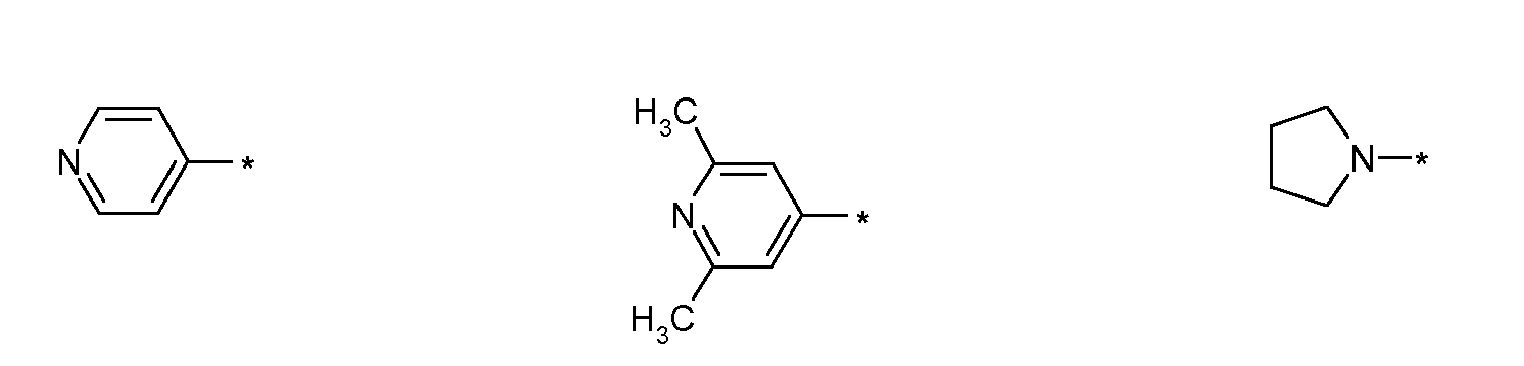


- Eine vierte Ausführungsform der vorliegenden Erfindung besteht in den Verbindungen der obigen allgemeinen Formel I, in denen
- A
- eine Bindung oder C1-3-Alkylen,
- B
- eine Bindung, C1-2-Alkylen, -O- oder -C(O)-,
- D
- eine Gruppe der allgemeinen Formel II

- Y
- C1-4-Alkylen oder eine Gruppe ausgewählt aus


- R1
- Aryl- oder Heteroaryl-, die jeweils durch einen, zwei, drei oder vier Reste R1.1 substituiert sein können, wobei die Reste R1.1 gleich oder verschieden sein können und
R1.1 H, F, Cl, Br, I, C1-3-Alkyl-, HO-, C1-3-Alkyl-O- oder C1-3-Alkyl-O-C2-4-alkylen-O- darstellt, - R2
- H, H3C-, H5C2-, Isopropyl, F3C-CH2-, F2CH-CH2- oder FH2C-H2C-,
- R3
- C1-4-Alkylen oder eine Gruppe ausgewählt aus


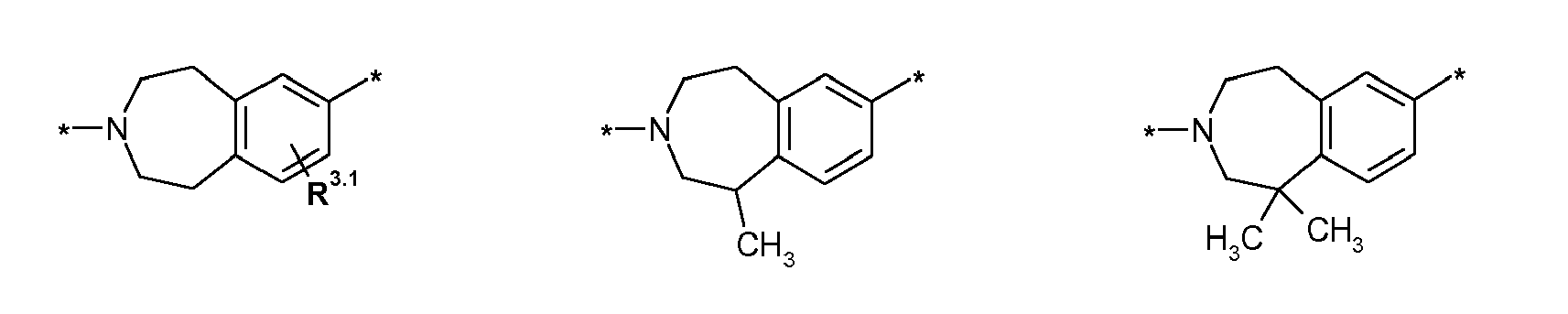
R3.1 H, F, Cl, Br, I, C1-3-Alkyl-, HO-, C1-3-Alkyl-O- oder C1-3-Alkyl-O-C2-4-alkylen-O- darstellt, - R4
- C1-4-Alkylen, -O- oder eine Gruppe ausgewählt aus






- R5
- H, C1-8-Alkyl, C3-7-Cycloalkyl-, (C1-4-Alkyl)-NH-, (C1-4-Alkyl)2N-, H2N-C(O)-, oder
- R5
- eine Gruppe ausgewählt aus


- Eine fünfte Ausführungsform der vorliegenden Erfindung besteht in den Verbindungen der obigen allgemeinen Formel I, in denen
- A
- eine Bindung, C1-3-Alkylen oder-CH2-C(O)-,
- B
- eine Bindung, C1-2-Alkylen, -O- oder -C(O)-,
- D
- eine Gruppe der allgemeinen Formel II

- Y
- eine Gruppe ausgewählt aus


- R1
- eine Gruppe ausgewählt aus
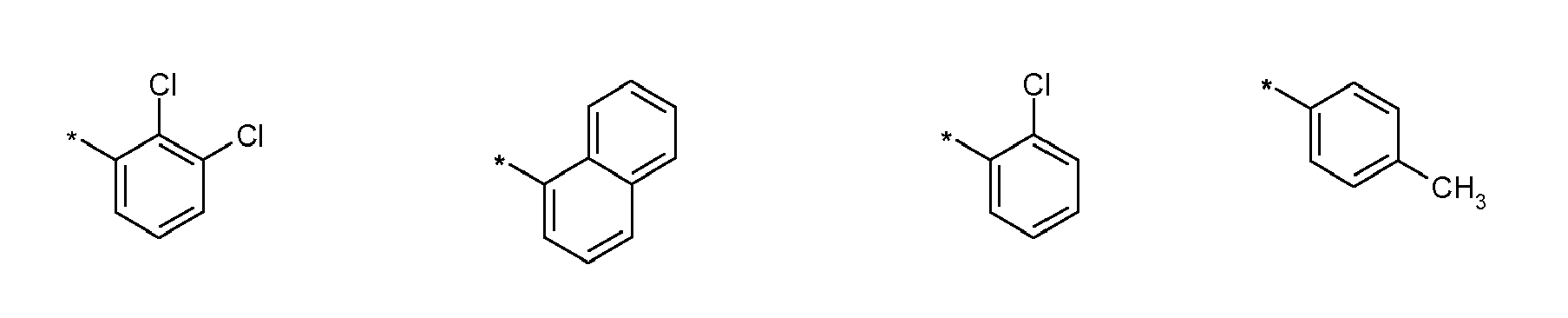


- R2
- H, H3C-, H5C2- oder FH2C-H2C-,
- R3
- C1-4-Alkylen, -NH-, -N(CH3)- oder eine Gruppe ausgewählt aus








- R3
- auch -O-, wenn B nicht die Gruppe -O- darstellt,
- R4
- C1-4-Alkylen, C3-7-Cycloalkylen, -O- oder eine Gruppe ausgewählt aus



- R5
- H, HO-, C1-5-Alkyl, C3-5-Cycloalkyl-, H2N-, (C1-2-Alkyl)-NH-, (C3-6-Cycloalkyl)-NH-, (C1-2-Alkyl)2N-, (C1-4-Alkyl)(C3-6-Cycoalkyl)N-, (Cyclopropylmethyl)(methyl)N-, H2N-C(O)-, oder
- R5
- eine Gruppe ausgewählt aus



- Eine sechste Ausführungsform der vorliegenden Erfindung besteht in den Verbindungen der obigen allgemeinen Formel I, in denen
- A
- eine Bindung oder C1-3-Alkylen,
- B
- eine Bindung, C1-2-Alkylen, -O- oder -C(O)-,
- D
- eine Gruppe der allgemeinen Formel II

- Y
- eine Gruppe ausgewählt aus




- R1
- eine Gruppe ausgewählt aus


- R2
- H, H3C-, H5C2- oder FH2C-H2C-,
- R3
- C1-4-Alkylen oder eine Gruppe ausgewählt aus





- R4
- C1-4-Alkylen, -O- oder eine Gruppe ausgewählt aus






- R5
- H, C1-5-Alkyl, H2N-, (C1-2-Alkyl)-NH-, (C1-2-Alkyl)2N-, H2N-C(0)-, oder
- R5
- eine Gruppe ausgewählt aus


- Eine siebte Ausführungsform der vorliegenden Erfindung besteht in den Verbindungen der obigen allgemeinen Formel I, in denen A, B, D, Y, R2, R3, R4 und R5 wie voranstehend unter der ersten bis sechsten Ausführungsform definiert sind und
- R1
- die Gruppe
bedeutet,

- Eine achte Ausführungsform der vorliegenden Erfindung besteht in den Verbindungen der obigen allgemeinen Formel I, in denen A, B, D, Y, R2, R3, R4 und R5 wie voranstehend unter der ersten bis sechsten Ausführungsform definiert sind und
- R1
- die Gruppe

- Eine neunte Ausführungsform der vorliegenden Erfindung besteht in den Verbindungen der obigen allgemeinen Formel I, in denen A, B, R1, R3, R4 und R5 wie voranstehend unter der ersten bis achten Ausführungsform definiert sind und
- -D-Y-
- zusammen eine Gruppe ausgewählt aus

- R2
- H oder C1-3-Alkyl- bedeutet,
- Eine zehnte Ausführungsform der vorliegenden Erfindung besteht in den Verbindungen der obigen allgemeinen Formel I, in denen
- A
- eine Bindung,
- B
- eine Bindung,
- -D-Y-
- zusammen eine Gruppe ausgewählt aus

- R1
- die Gruppe

- R2
- H oder C1-3-Alkyl-, wobei jede Methylengruppe mit bis zu zwei und jede Methylgruppe mit bis zu drei Fluoratomen substituiert sein kann,
- R3
- eine C4-6-Cycloalkylengruppe,
- R4
- einen gesättigten 6- oder 7-gliedrigen Diaza-Heterocyclus und
- R5
- C1-3-Alkyl oder C3-5-Cycloalkyl bedeutet,
- Als ganz besonders bevorzugte Verbindungen der obigen allgemeinen Formel I seien beispielsweise folgende genannt:
Beispiel Struktur (1) 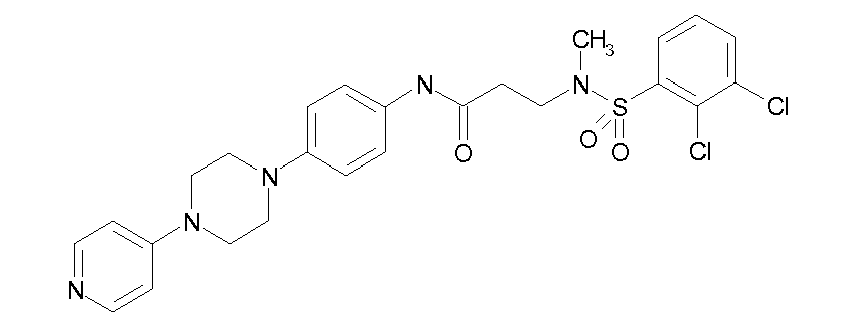
(2) 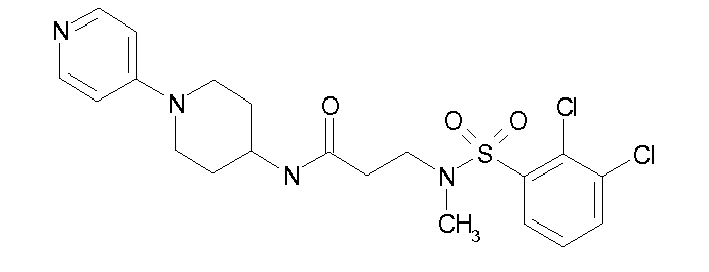
(3) 
(4) 
(5) 
(6) 
(7) 
(8) 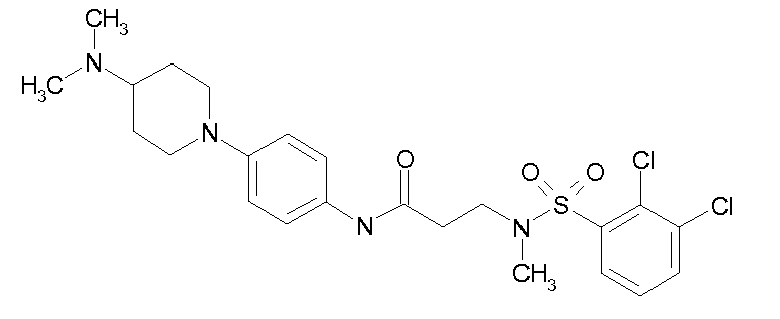
(9) 
(10) 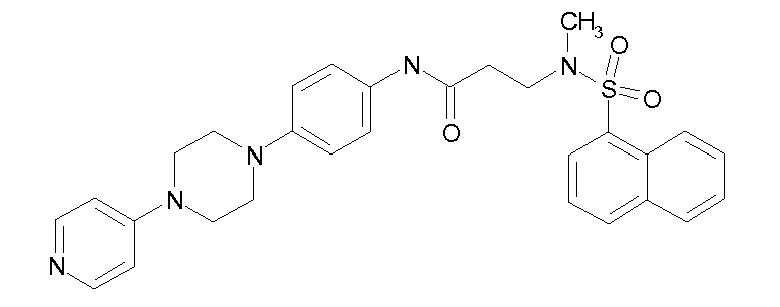
(11) 
(12) 
(13) 
(14) 
(15) 
(16) 
(17) 
(18) 
(19) 
(20) 
(21) 
(22) 
(23) 
(24) 
(25) 
(26) 
(27) 
(28) 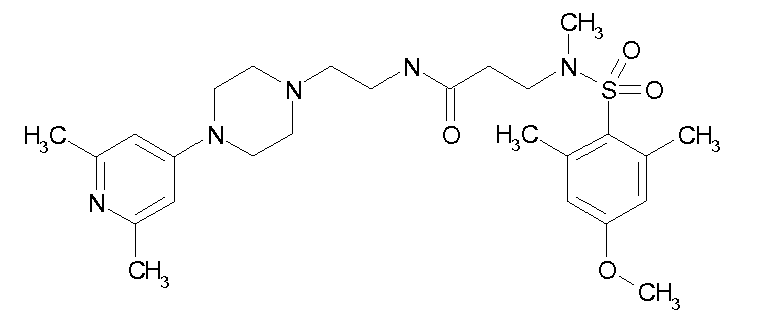
(29) 
(30) 
(31) 
(32) 
(33) 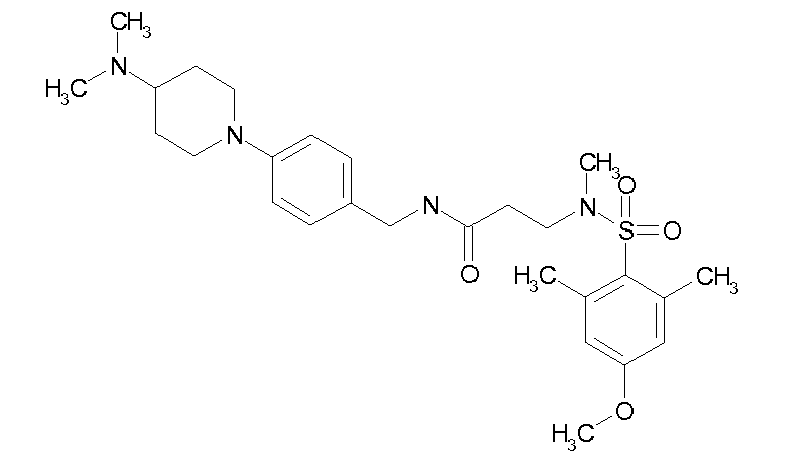
(34) 
(35) 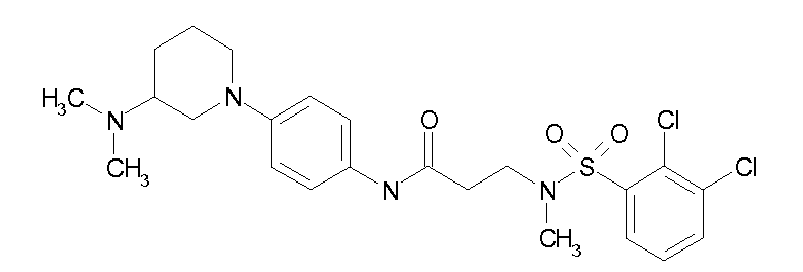
(36) 
(37) 
(38) 
(39) 
(40) 
(41) 
(42) 
(43) 
(44) 
(45) 
(46) 
(47) 
(48) 
(49) 
(50) 
(51) 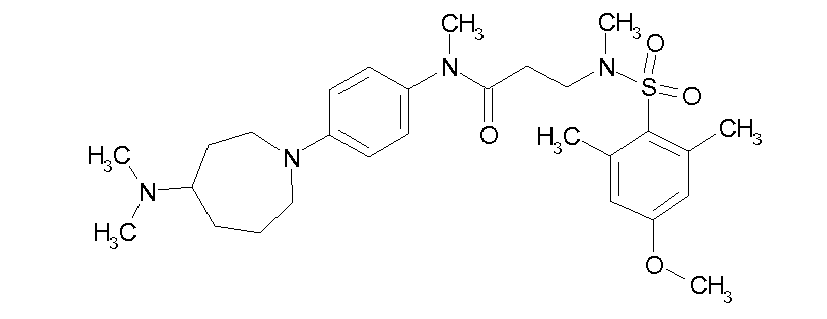
(52) 
(53) 
(54) 
(55) 
(56) 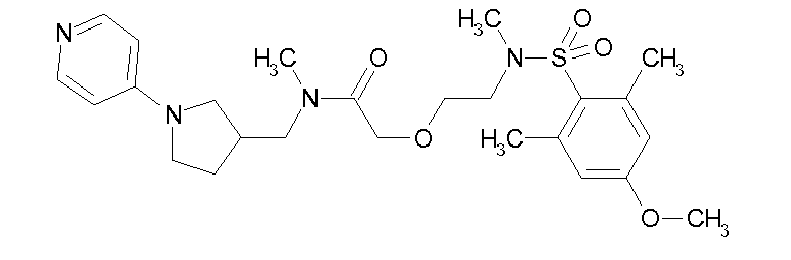
(57) 
(58) 
(59) 
(60) 
(61) 
(62) 
(63) 
(64) 
(65) 
(66) 
(67) 
(68) 
(69) 
(70) 
(71) 
(72) 
(73) 
(74) 
(75) 
(76) 
(77) 
(78) 
(79) 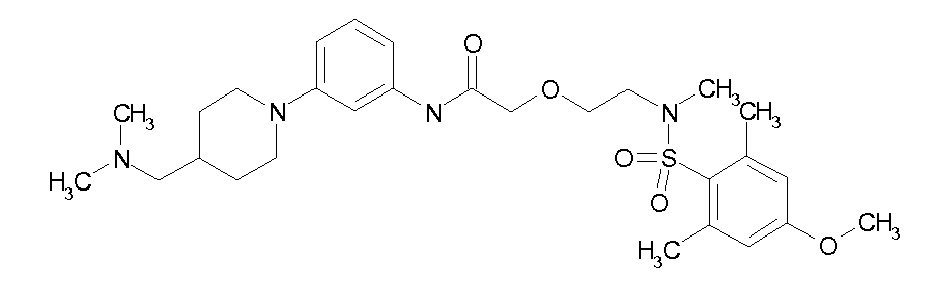
(80) 
(81) 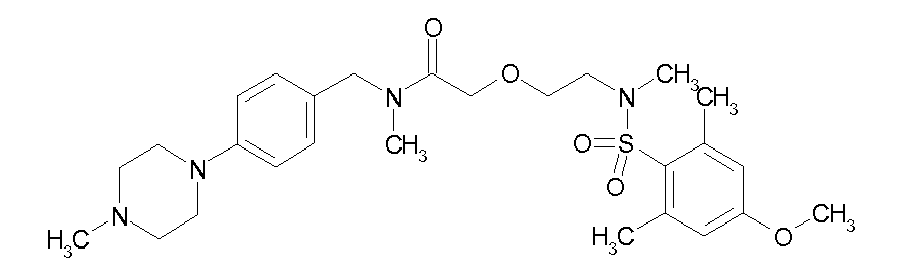
(82) 
(83) 
(84) 
(85) 
(86) 
(87) 
(88) 
(89) 
(90) 
(91) 
(92) 
(93) 
(94) 
(95) 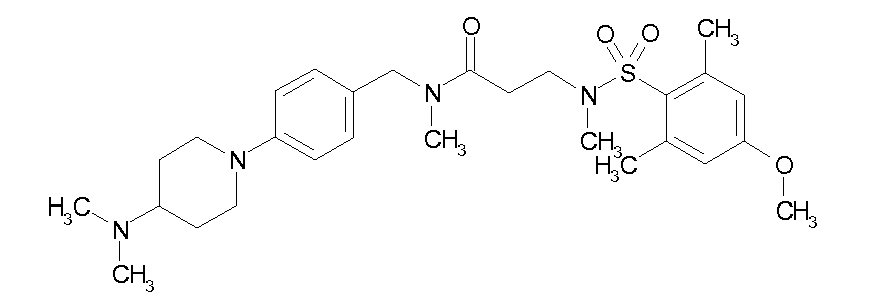
(96) 
(97) 
(98) 
(99) 
(100) 
(101) 
(102) 
(103) 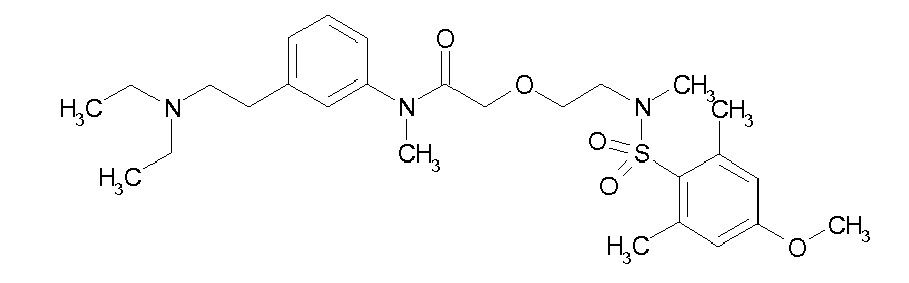
(104) 
(105) 
(106) 
(107) 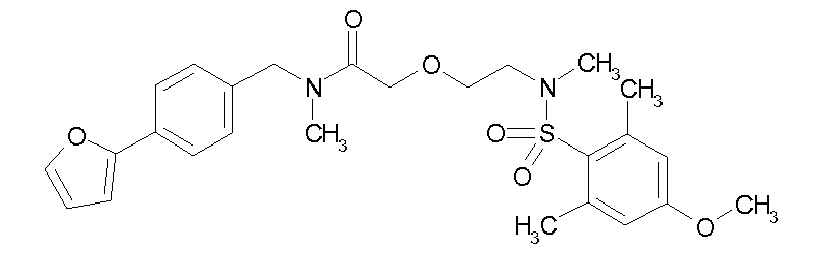
(108) 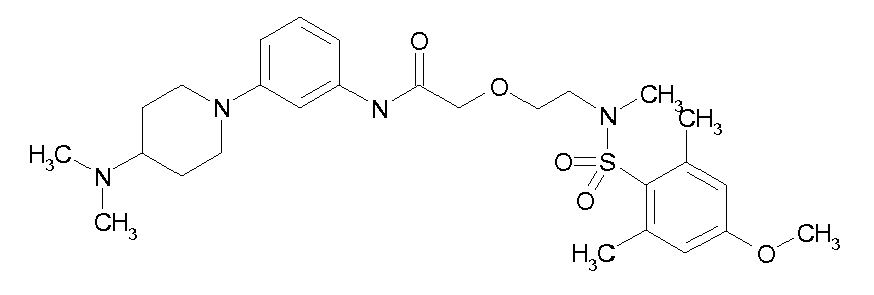
(109) 
(110) 
(111) 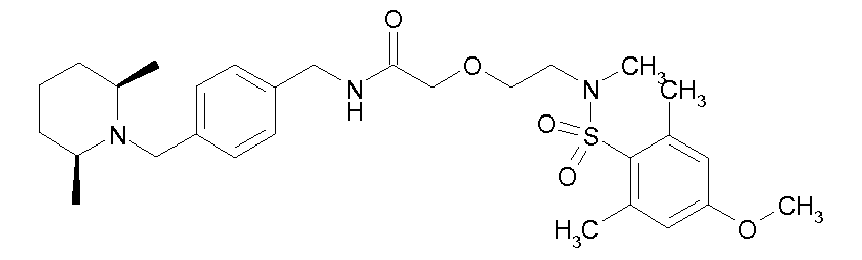
(112) 
(113) 
(114) 
(115) 
(116) 
(117) 
(118) 
(119) 
(120) 
(121) 
(122) 
(123) 
(124) 
(125) 
(126) 
(127) 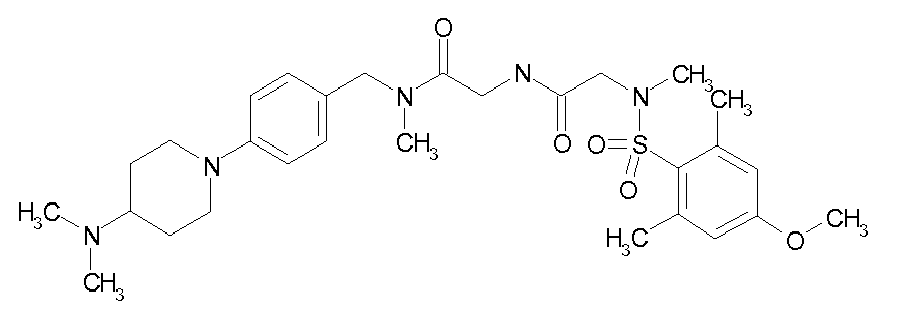
(128) 
(129) 
(130) 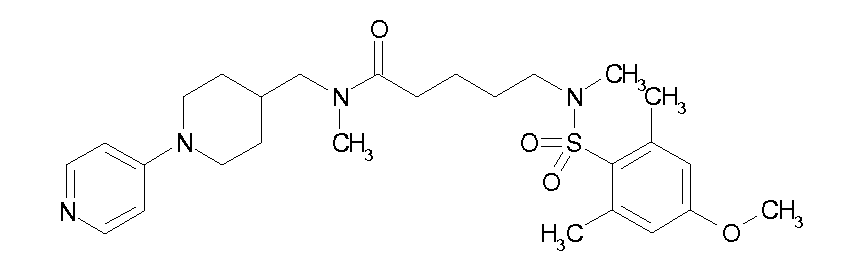
(131) 
(132) 
(133) 
(134) 
(135) 
(136) 
(137) 
(138) 
(139) 
(140) 
(141) 
(142) 
(143) 
(144) 
(145) 
(146) 
(147) 
(148) 
(149) 
(150) 
(151) 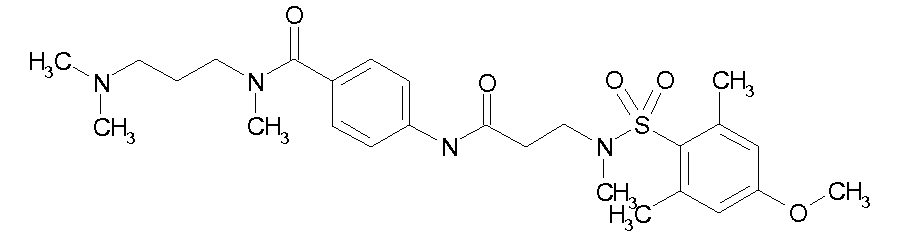
(152) 
(153) 
(154) 
(155) 
(156) 
(157) 
(158) 
(159) 
(160) 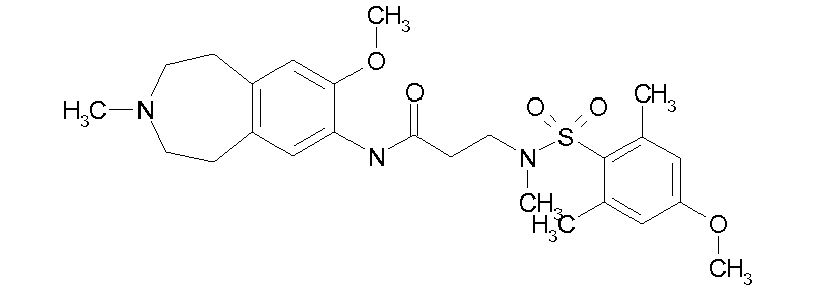
(161) 
(162) 
(163) 
(164) 
(165) 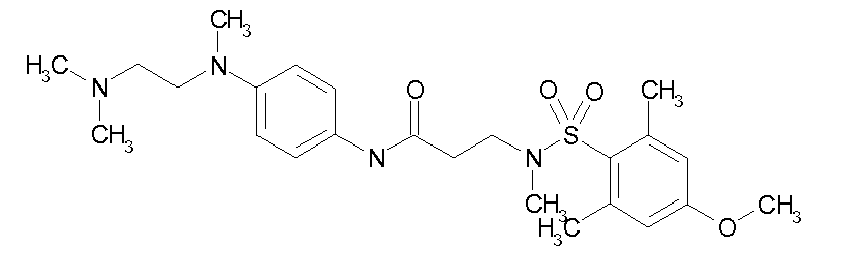
(166) 
(167) 
(168) 
(169) 
(170) 
(171) 
(172) 
(173) 
(174) 
(175) 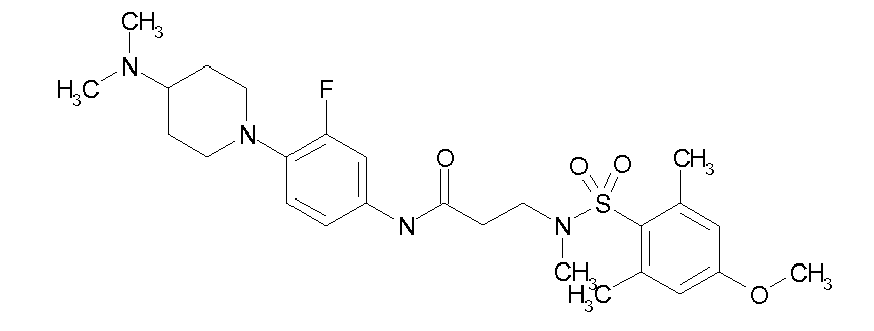
(176) 
(177) 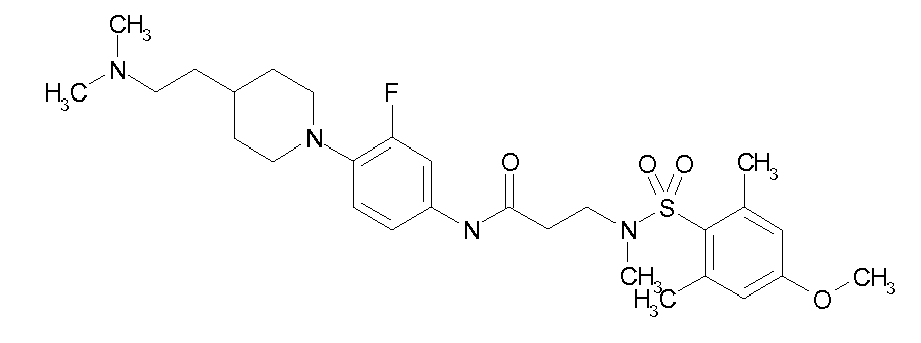
(178) 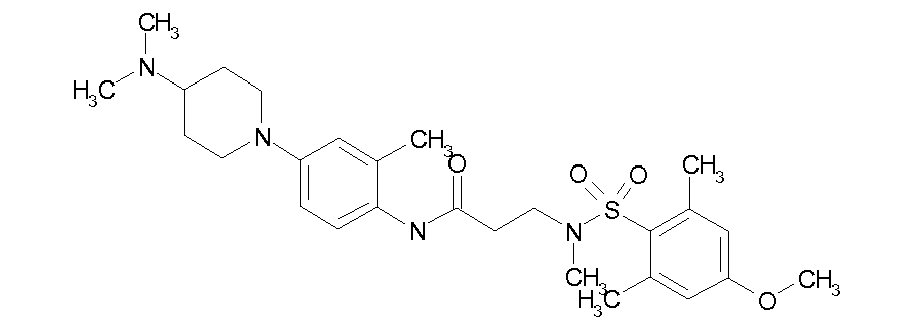
(179) 
(180) 
(181) 
(182) 
(183) 
(184) 
(185) 
(186) 
(187) 
(188) 
(189) 
(190) 
(191) 
(192) 
(193) 
(194) 
(195) 
(196) 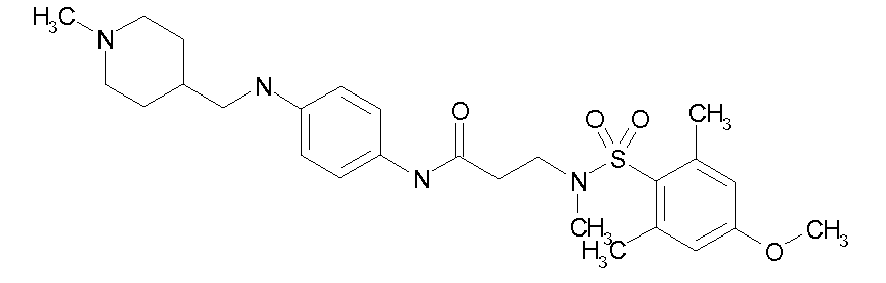
(197) 
(198) 
(199) 
(200) 
(201) 
(202) 
(203) 
(204) 
(205) 
(206) 
(207) 
(208) 
(209) 
(210) 
(211) 
(212) 
(213) 
(214) 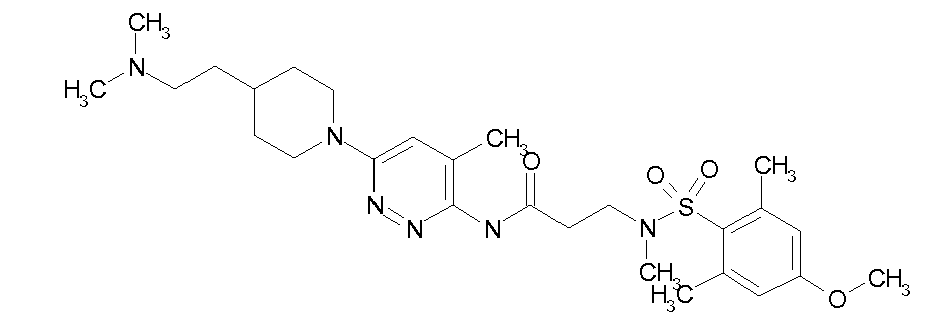
(215) 
(216) 
(217) 
(218) 
(219) 
(220) 
(221) 
(222) 
(223) 
(224) 
(225) 
(226) 
(227) 
(228) 
(229) 
(230) 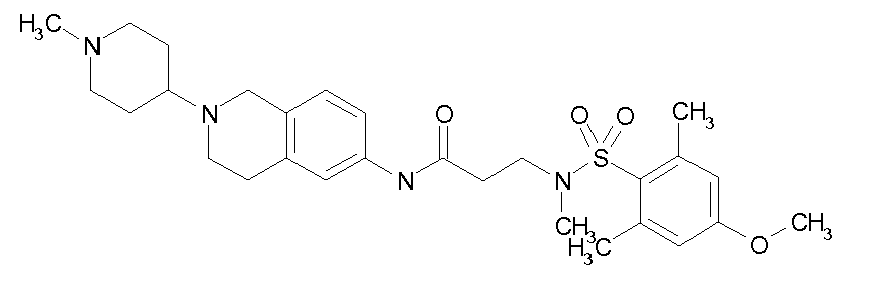
(231) 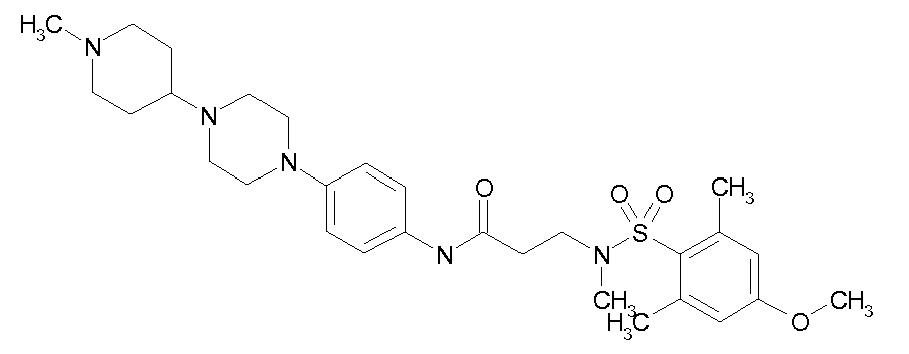
(232) 
(233) 
(234) 
(235) 
(236) 
(237) 
(238) 
(239) 
(240) 
(241) 
(242) 
(243) 
(244) 
(245) 
(246) 
(247) 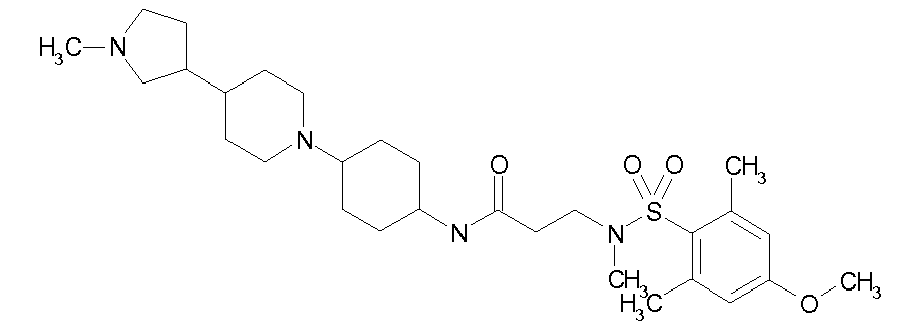
(248) 
(249) 
(250) 
(251) 
(252) 
(253) 
(254) 
(255) 
(256) 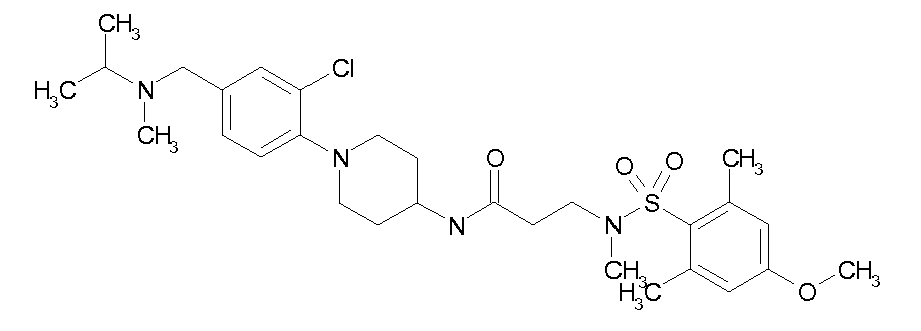
(257) 
(258) 
(259) 
(260) 
(261) 
(262) 
(263) 
(264) 
(265) 
(266) 
(267) 
(268) 
(269) 
(270) 
(271) 
(272) 
(273) 
(274) 
(275) 
(276) 
(277) 
(278) 
(279) 
(280) 
(281) 
(282) 
(283) 
(284) 
(285) 
(286) 
(287) 
(288) 
(289) 
(290) 
(291) 
(292) 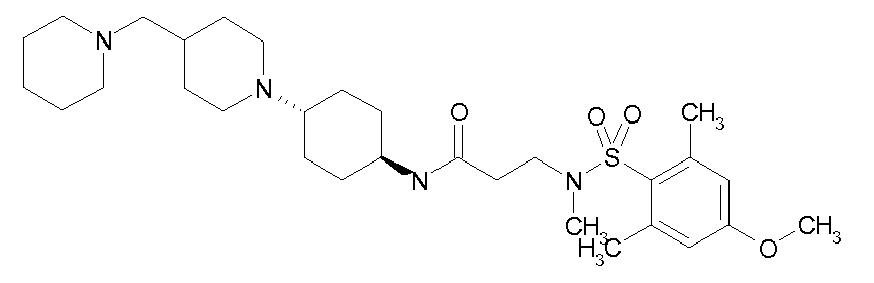
(293) 
(294) 
(295) 
(296) 
(297) 
(298) 
(299) 
(300) 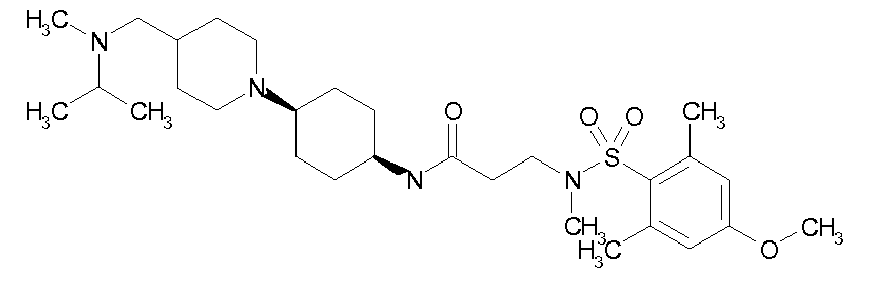
(301) 
(302) 
(303) 
(304) 
(305) 
(306) 
(307) 
(308) 
(309) 
(310) 
(311) 
(312) 
(313) 
(314) 
(315) 
(316) 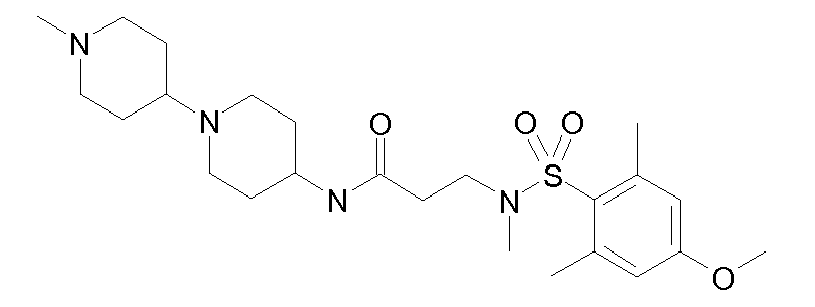
(317) 
(318) 
(319) 
(320) 
(321) 
(322) 
(323) 
(324) 
(325) 
(326) 
(327) 
(328) 
(329) 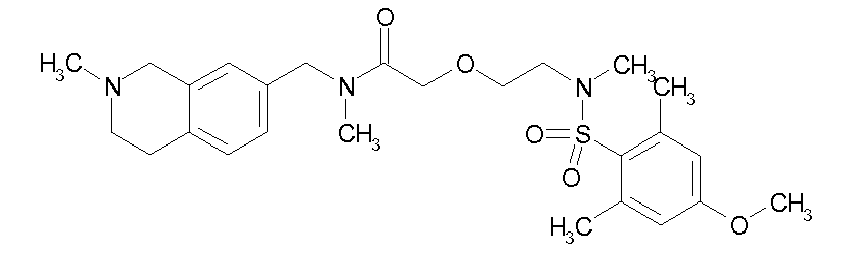
(330) 
(331) 
(332) 
(333) 
(334) 
(335) 
(336) 
(337) 
(338) 
(339) 
(340) 
(341) 
(342) 
(343) 
(344) 
(345) 
(346) 
(347) 
(348) 
(349) 
(350) 
(351) 
(352) 
(353) 
(354) 
(355) 
(356) 
(357) 
(358) 
(359) 
(360) 
(361) 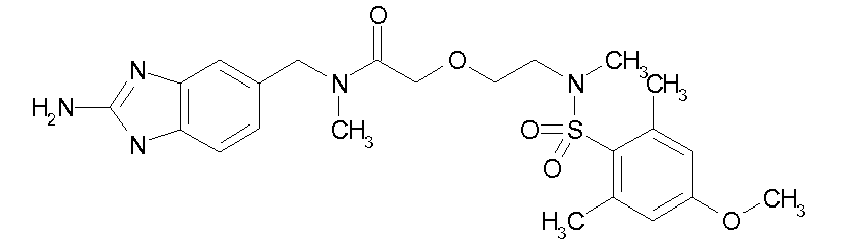
(362) 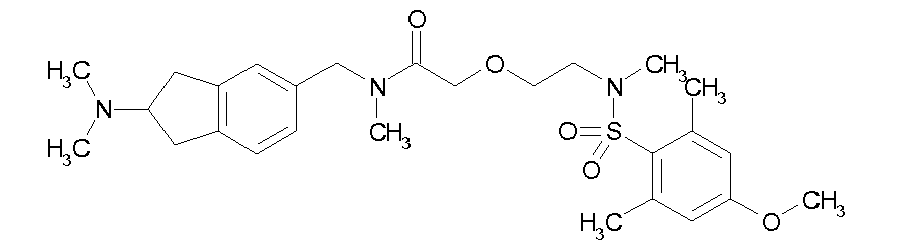
(363) 
(364) 
(365) 
(366) 
(367) 
(368) 
(369) 
(370) 
(371) 
(372) 
(373) 
(374) 
(375) 
(376) 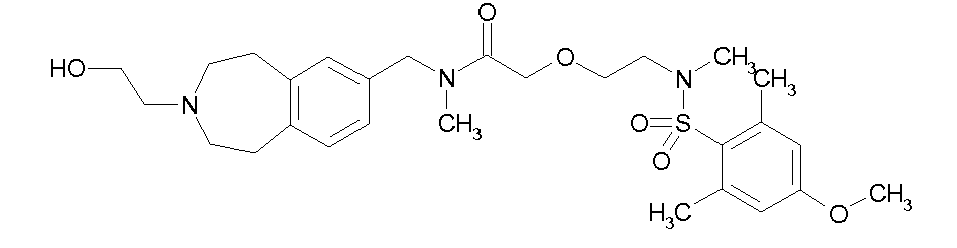
(377) 
(378) 
(379) 
(380) 
(381) 
(382) 
(383) 
(384) 
(385) 
(386) 
(387) 
(388) 
(389) 
(390) 
(391) 
(392) 
(393) 
(394) 
(395) 
(396) 
(397) 
(398) 
(399) 
(400) 
(401) 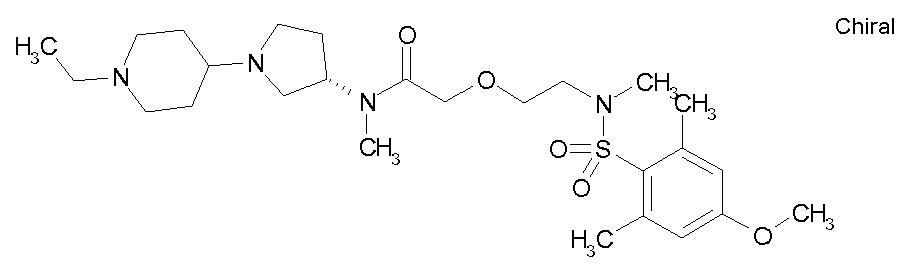
(402) 
(403) 
(404) 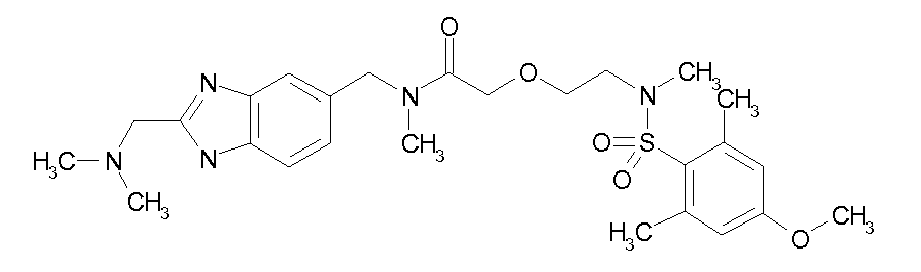
(405) 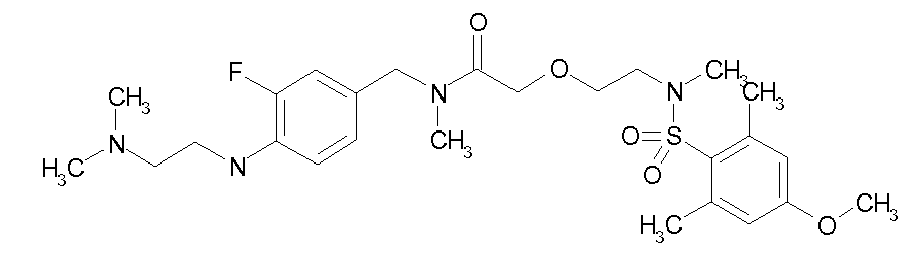
(406) 
(407) 
(408) 
(409) 
(410) 
(411) 
(412) 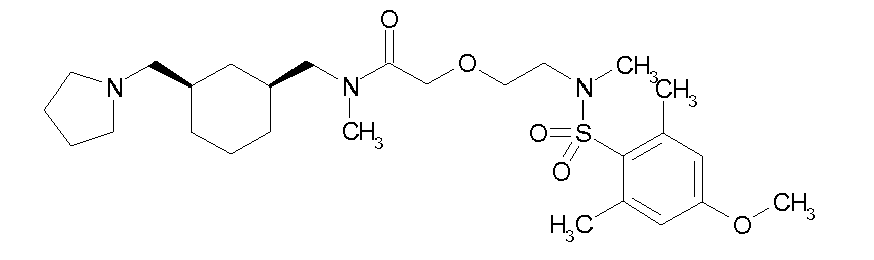
(413) 
(414) 
(415) 
(416) 
(417) 
(418) 
(419) 
(420) 
(421) 
(422) 
(423) 
(424) 
(425) 
(426) 
(427) 
(428) 
(429) 
(430) 
(431) 
(432) 
(433) 
(434) 
(435) 
(436) 
(437) 
(438) 
(439) 
(440) 
(441) 
(442) 
(443) 
(444) 
(445) 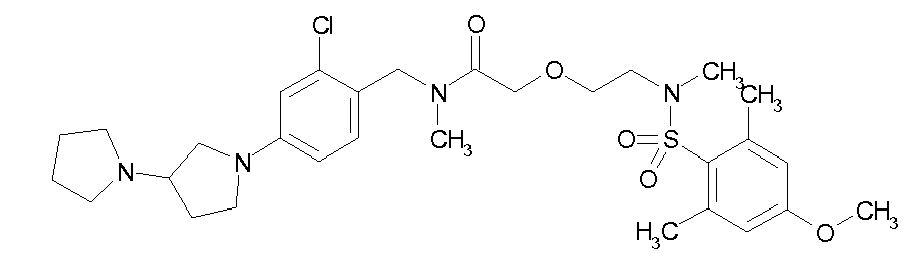
(446) 
(447) 
(448) 
(449) 
(450) 
(451) 
(452) 
(453) 
(454) 
(455) 
(456) 
(457) 
(458) 
(459) 
(460) 
(461) 
(462) 
(463) 
(464) 
(465) 
(466) 
(467) 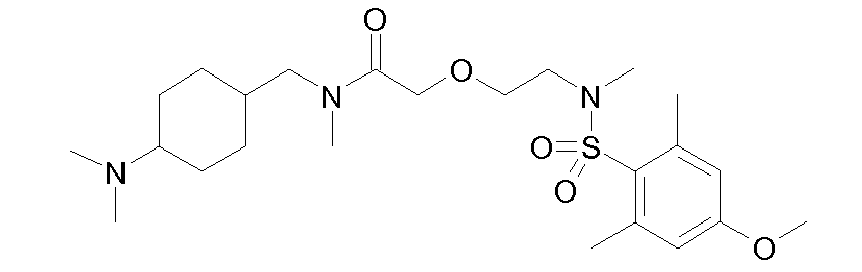
(468) 
(469) 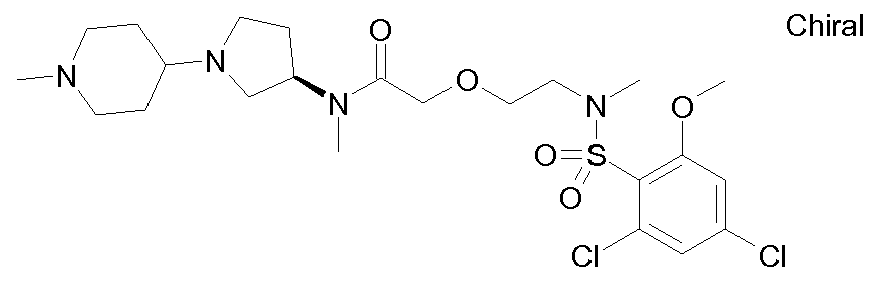
(470) 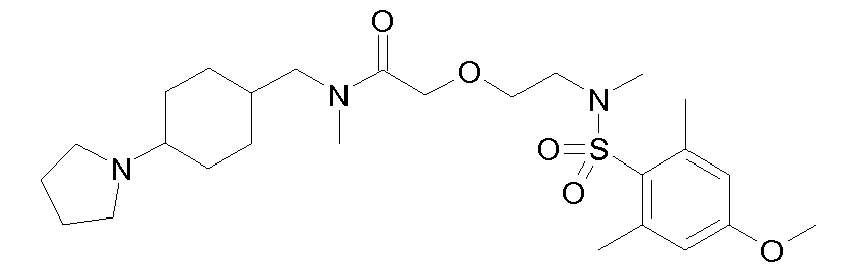
(471) 
(472) 
(473) 
(474) 
(475) 
(476) 
(477) 
(478) 
(479) 
(480) 
(481) 
(482) 
(483) 
(484) 
(485) 
(486) 
(487) 
(488) 
(489) 
(490) 
(491) 
(492) 
(493) 
(494) 
(495) 
(496) 
(497) 
(498) 
(499) 
(500) 
(501) 
(502) 
(503) 
(504) 
(505) 
(506) 
(507) 
(508) 
(509) 
(510) 
(511) 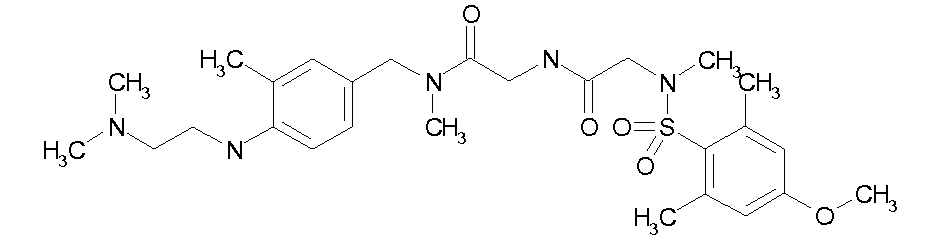
(512) 
(513) 
(514) 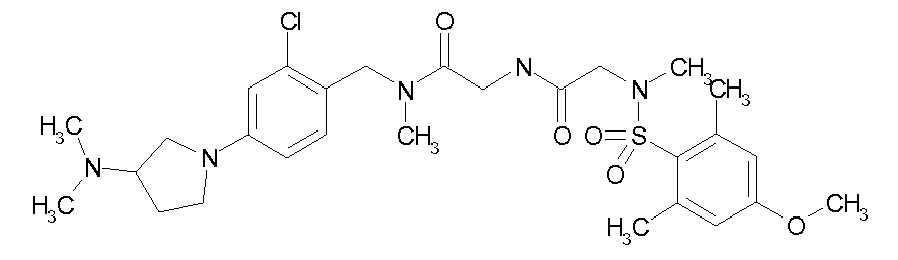
(515) 
(516) 
(517) 
(518) 
(519) 
(520) 
(521) 
(522) 
(523) 
(524) 
(525) 
(526) 
(527) 
(528) 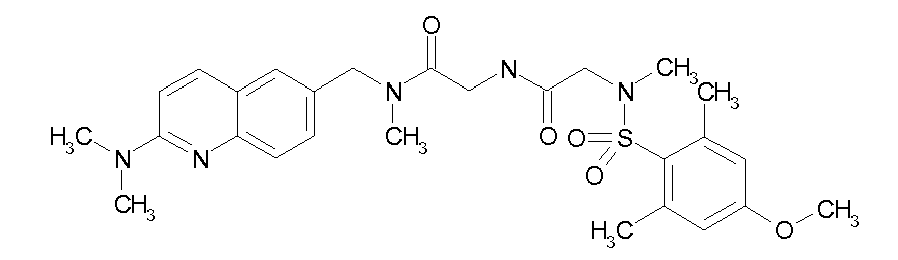
(529) 
(530) 
(531) 
(532) 
(533) 
(534) 
(535) 
(536) 
(537) 
(538) 
(539) 
(540) 
(541) 
(542) 
(543) 
(544) 
(545) 
(546) 
(547) 
(548) 
(549) 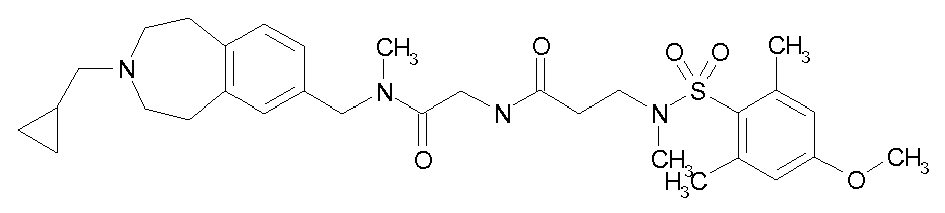
(550) 
(551) 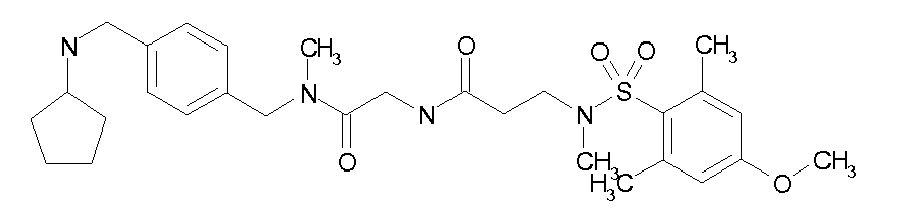
(552) 
(553) 
(554) 
(555) 
(556) 
(557) 
(558) 
(559) 
(560) 
(561) 
(562) 
(563) 
(564) 
(565) 
(566) 
(567) 
(568) 
(569) 
(570) 
(571) 
(572) 
(573) 
(574) 
(575) 
(576) 
(577) 
(578) 
(579) 
(580) 
(581) 
(582) 
(583) 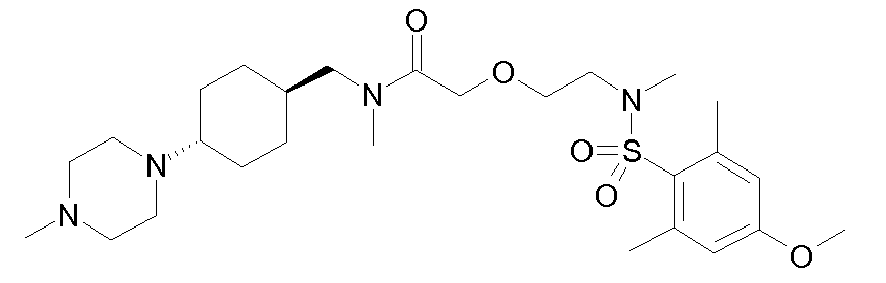
(584) 
(585) 
(586) 
(587) 
(588) 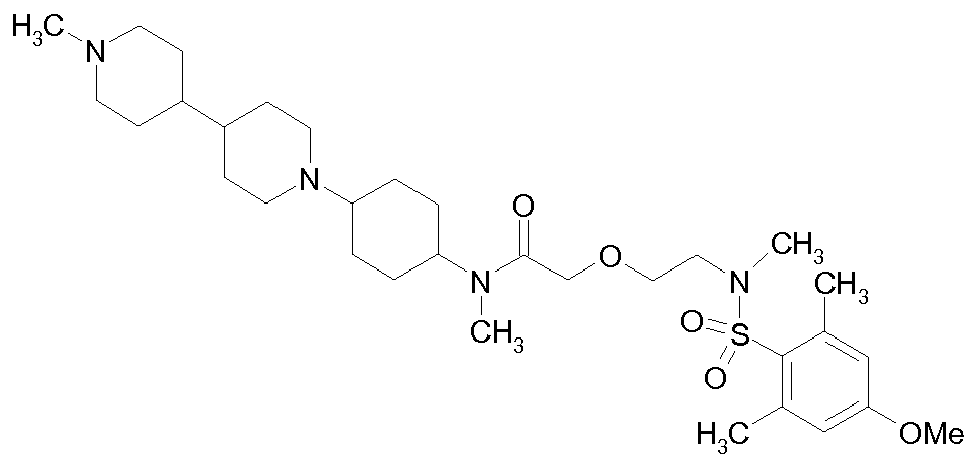
(589) 
(590) 
(591) 
(592) 
(593) 
(594) 
(595) 
(596) 
(597) 
(598) 
(599) 
(600) 
(601) 
(602) 
(603) 
(604) 
(605) 
(606) 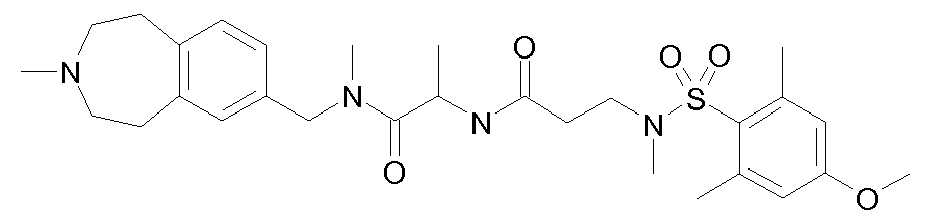
(607) 
(608) 
(609) 
(610) 
(611) 
(612) 
(613) 
(614) 
(615) 
(616) 
(617) 
(618) 
(619) 
(620) 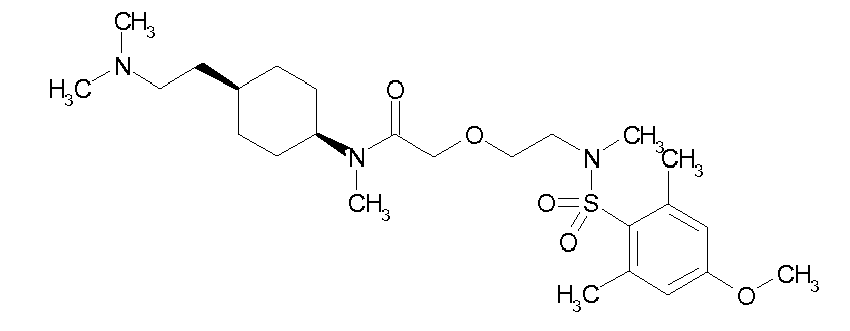
(621) 
(622) 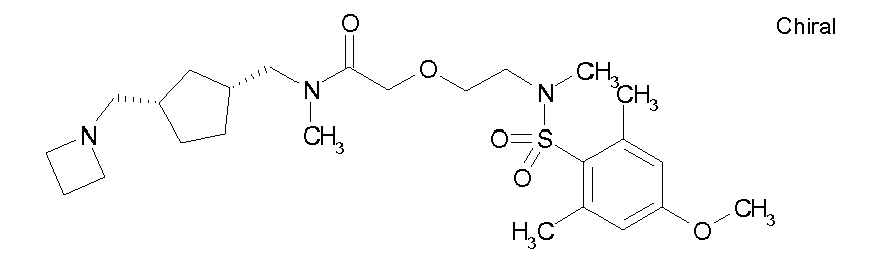
(623) 
(624) 
(625) 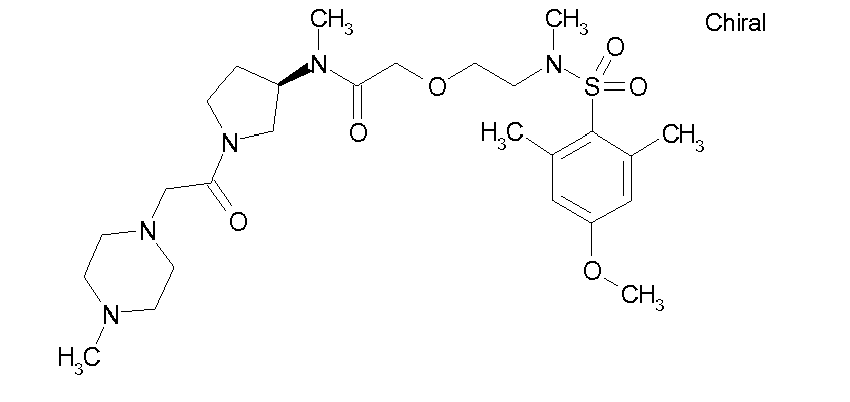
(626) 
(627) 
(628) 
(629) 
(630) 
(631) 
(632) 
(633) 
(634) 
(635) 
(636) 
(637) 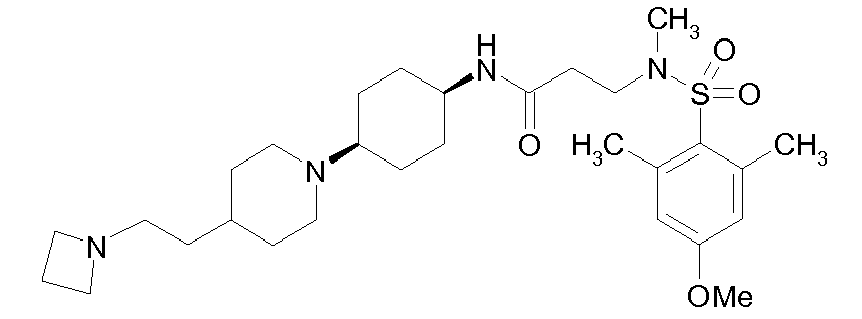
(638) 
(639) 
(640) 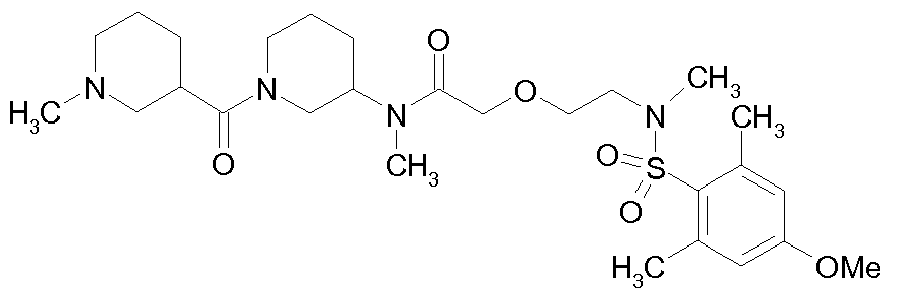
(641) 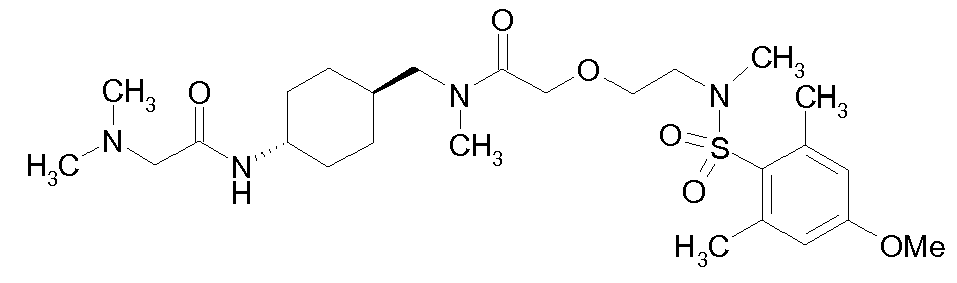
(642) 
(643) 
(644) 
(645) 
(646) 
(647) 
(648) 
(649) 
(650) 
- Soweit nicht anders angegeben, sind alle Substituenten voneinander unabhängig. Sollten an einer Gruppe z.B. mehrere C1-6-Alkylgruppen als Substituenten sein, so könnte im Fall von drei Substituenten C1-6-Alkyl unabhängig voneinander einmal Methyl, einmal n-Propyl und einmal tert-Butyl bedeuten.
- Im Rahmen dieser Anmeldung können bei der Definition von möglichen Substituenten, diese auch in Form einer Strukturformel dargestellt werden. Dabei wird, falls vorhanden, ein Stern (*) in der Strukturformel des Substituenten als der Verknüpfungspunkt zum Rest des Moleküls verstanden.
- Ebenfalls mit vom Gegenstand dieser Erfindung umfasst sind die erfindungsgemäßen Verbindungen, einschließlich deren Salze, in denen ein oder mehrere Wasserstoffatome, beispielsweise ein, zwei, drei, vier oder fünf Wasserstoffatome, durch Deuterium ausgetauscht sind.
- Unter dem Begriff "C1-2-Alkyl" (auch soweit sie Bestandteil anderer Reste sind) werden Alkylgruppen mit 1 bis 2 Kohlenstoffatomen, unter dem Begriff "C1-3-Alkyl" verzweigte und unverzweigte Alkylgruppen mit 1 bis 3 Kohlenstoffatomen, unter dem Begriff "C1-4-Alkyl" verzweigte und unverzweigte Alkylgruppen mit 1 bis 4 Kohlenstoffatomen, unter dem Begriff "C1-5-Alkyl" verzweigte und unverzweigte Alkylgruppen mit 1 bis 5 Kohlenstoffatomen, unter dem Begriff "C1-6-Alkyl" verzweigte und unverzweigte Alkylgruppen mit 1 bis 6 Kohlenstoffatomen und unter dem Begriff "C1-8-Alkyl" verzweigte und unverzweigte Alkylgruppen mit 1 bis 8 Kohlenstoffatomen verstanden. Beispielsweise werden hierfür genannt: Methyl, Ethyl, n-Propyl, iso-Propyl, n-Butyl, iso-Butyl, sec-Butyl, tert-Butyl, n-Pentyl, iso-Pentyl, neo-Pentyl, Hexyl, Heptyl und Octyl. Gegebenenfalls werden für die vorstehend genannten Gruppen auch die Abkürzungen Me, Et, n-Pr, i-Pr, n-Bu, i-Bu, t-Bu, etc. verwendet. Sofern nicht anders beschrieben, umfassen die Definitionen Propyl, Butyl, Pentyl, Hexyl, Heptyl und Octyl alle denkbaren isomeren Formen der jeweiligen Reste. So umfasst beispielsweise Propyl n-Propyl und iso-Propyl, Butyl umfasst iso-Butyl, sec-Butyl und tert-Butyl etc..
- Weiterhin umfassen die voranstehend genannten Begriffe auch solche Reste, in denen jede Methylengruppe mit bis zu zwei und jede Methylgruppe mit bis zu drei Fluoratomen substituiert sein kann.
- Unter dem Begriff "C1-2-Alkylen" werden verzweigte und unverzweigte Alkylengruppen mit 1 oder 2 Kohlenstoffatomen, unter dem Begriff "C1-3-Alkylen" (auch soweit sie Bestandteil anderer Reste sind) verzweigte und unverzweigte Alkylengruppen mit 1 bis 3 Kohlenstoffatomen, unter dem Begriff "C1-4-Alkylen" verzweigte und unverzweigte Alkylengruppen mit 1 bis 4 Kohlenstoffatomen, unter dem Begriff "C1-6-Alkylen" verzweigte und unverzweigte Alkylengruppen mit 1 bis 6 Kohlenstoffatomen und unter dem Begriff "C2-4-Alkylen" verzweigte und unverzweigte Alkylengruppen mit 2 bis 4 Kohlenstoffatomen verstanden. Beispielsweise werden hierfür genannt: Methylen, Ethylen, Ethan-1,1-diyl, Propylen, Propan-2,2-diyl, 1-Methylethylen, Butylen, 1-Methylpropylen, 1,1-Dimethylethylen, 1,2-Dimethylethylen. Sofern nicht anders beschrieben, umfassen die Definitionen Propylen und Butylen alle denkbaren isomeren Formen der gleichen Kohlenstoffanzahl. So umfasst beispielsweise Propylen auch 1-Methylethylen und Butylen umfasst 1-Methylpropylen, 1,1-Dimethylethylen, 1,2-Dimethylethylen.
Weiterhin umfassen die voranstehend genannten Begriffe auch solche Reste, in denen jede Methylengruppe mit bis zu zwei Fluoratomen substituiert sein kann. - Unter dem Begriff "C3-5-Cycloalkyl" werden cyclische Alkylgruppen mit 3 bis 5 Kohlenstoffatomen, unter dem Begriff "C3-6-Cycloalkyl" werden cyclische Alkylgruppen mit 3 bis 6 Kohlenstoffatomen und unter dem Begriff "C3-7-Cycloalkyl" (auch soweit sie Bestandteil anderer Reste sind) werden cyclische Alkylgruppen mit 3 bis 7 Kohlenstoffatomen verstanden. Beispielsweise werden hierfür genannt: Cyclopropyl, Cyclobutyl, Cyclopentyl, Cyclohexyl oder Cycloheptyl. Soweit nicht anders beschrieben, können die cyclischen Alkylgruppen substituiert sein mit einem oder mehreren Resten ausgewählt aus der Gruppe bestehend aus Methyl, Ethyl, iso-Propyl, tert-Butyl, Hydroxy, Fluor, Chlor, Brom und Jod.
- Unter dem Begriff "C3-6-Cycloalkylen" (auch soweit sie Bestandteil anderer Reste sind) werden cyclische Alkylengruppen mit 3 bis 6 Kohlenstoffatomen, unter dem Begriff "C3-7-Cycloalkylen" cyclische Alkylengruppen mit 3 bis 7 Kohlenstoffatomen und unter dem Begriff "C4-6-Cycloalkylen" cyclische Alkylengruppen mit 4 bis 6 Kohlenstoffatomen verstanden. Beispielsweise werden hierfür genannt: Cyclopropylen, Cyclobutylen, Cyclopentylen, Cyclohexylen oder Cycloheptylen. Soweit nicht anders beschrieben, können die cyclischen Alkylengruppen substituiert sein mit einem oder mehreren Resten ausgewählt aus der Gruppe bestehend aus Methyl, Ethyl, iso-Propyl, tert-Butyl, Hydroxy, Fluor, Chlor, Brom und Jod.
Eine C4- oder eine C5-Cycloalkylengruppe kann in 1,2-Stellung oder in 1,3-Stellung mit dem restlichen Molekül verknpüft sein, vorzugsweise in 1,3-Stellung. Eine C6- oder eine C7-Cycloalkylengruppe kann in 1,2-Stellung, in 1,3- Stellung oder in 1,4-Stellung mit dem restlichen Molekül verknüpft sein, vorzugsweise in 1,3-Stellung. - Unter dem Begriff "C5-7-Cycloalkenylen" (auch soweit sie Bestandteil anderer Reste sind) werden cyclische Alkenylgruppen mit 5 bis 7 Kohlenstoffatomen verstanden, die eine ungesättigte Bindung enthalten und die über diese ungesättigte Bindung mit einem Phenylring kondensiert sind. Beispielsweise werden hierfür genannt: Cyclopentenyl, Cyclohexenyl oder Cyclohepentyl:

- Soweit nicht anders beschrieben, können die cyclischen Alkenylgruppen substituiert sein mit einem oder mehreren Resten ausgewählt aus der Gruppe bestehend aus Methyl, Ethyl, iso-Propyl, tert-Butyl, Hydroxy, Fluor, Chlor, Brom und Jod.
- Unter dem Begriff " gesättigte heterocyclische Ringe" werden vier-, fünf-, sechs- oder siebengliedrige heterocyclische Ringe verstanden, die ein, zwei oder drei Heteroatome, ausgewählt aus der Gruppe Sauerstoff, Schwefel und Stickstoff enthalten können. Dabei kann der Ring über ein Kohlenstoffatom und/oder-falls vorhanden- über ein Stickstoffatom oder auch über zwei Kohlenstoffatome oder über zwei Stickstoffatome mit dem Molekül verknüpft sein. Obwohl unter dem Begriff "heterocyclische Ringe" umfasst, definiert der Begriff "heterocyclische, nichtaromatische Ringe" fünf-, sechs- oder siebengliedrige gesättigte Ringe. Als Beispiele werden genannt:


- Unter dem Begriff "gesättigte Diaza-Heterocyclen" werden sechs- oder siebengliedrige heterocyclische Ringe verstanden, die zwei Stickstoffatome enthalten. Dabei ist der Ring über beide Stickstoffatome mit dem restlichen Molekül verknüpft. Als Beispiele werden genannt:

- Unter dem Begriff "gesättigte Aza-Heterobicyclen" werden acht-, neun- oder zehngliedrige heterobicyclische Ringe verstanden, die ein Stickstoffatom enthalten. Dabei ist der Ring über ein Kohlenstoffatom und das Stickstoffatom mit dem restlichen Molekül verknüpft. Als Beispiele werden genannt:

- Unter dem Begriff "gesättigte Diaza-Heterobicyclen" werden acht-, neun- oder zehngliedrige heterobicyclische Ringe verstanden, die zwei Stickstoffatom enthalten. Dabei ist der Ring über beide Stickstoffatome mit dem restlichen Molekül verknüpft. Als Beispiele werden genannt:


- Unter dem Begriff "ungesättigte heterocyclische Ringe" werden fünf-, sechs- oder siebengliedrige, einfach oder zweifach ungesättigte heterocyclische Ringe verstanden, die ein, zwei oder drei Heteroatome, ausgewählt aus der Gruppe Sauerstoff, Schwefel und Stickstoff enthalten können und die über die ungesättigten Bindungen mit einem oder zwei Phenylringen kondensiert sind. Dabei kann der heterocyclische Ring über ein Kohlenstoffatom und/oder -falls vorhanden- über ein Stickstoffatom oder über zwei Kohlenstoffatome oder über zwei Stickstoffatome mit dem Molekül verknüpft sein. Als Beispiele werden genannt:


- Unter dem Begriff "gesättigte Diaza-Spirocyclen" werden neun-, zehn- oder elfgliedrige spirocyclische Ringe verstanden, die zwei Stickstoffatome enthalten. Dabei ist der Spirocyclus über beide Stickstoffatome mit dem restlichen Molekül verknüpft. Als Beispiele werden genannt:


- Unter dem Begriff "Aryl" (auch soweit sie Bestandteil anderer Reste sind) werden aromatische Ringsysteme mit 6 oder 10 Kohlenstoffatomen verstanden. Beispielsweise werden hierfür Phenyl, 1-Naphthyl oder 2-Naphthyl genannt; bevorzugte Arylreste sind Phenyl und 1-Naphthyl; besonders bevorzugter Arylrest ist Phenyl. Soweit nicht anders beschrieben, können die Aromaten substituiert sein mit einem oder mehreren Resten ausgewählt aus der Gruppe bestehend aus Methyl, Ethyl, n-Propyl, iso-Propyl, tert-Butyl, Hydroxy, Methoxy, Trifuormethoxy, Fluor, Chlor, Brom und Jod, wobei die Reste gleich oder verschieden sein können.
- Unter dem Begriff "Heteroaryl" werden fünf- oder sechsgliedrige heterocyclische Aromaten oder 9-11 gliedrige bicyclische Heteroarylringe verstanden, die ein, zwei oder drei Heteroatome, ausgewählt aus der Gruppe Sauerstoff, Schwefel und Stickstoff, enthalten können und zusätzlich so viele konjugierte Doppelbindungen enthalten, dass ein aromatisches System gebildet wird. Als Beispiele für fünf- oder sechsgliedrige heterocyclische Aromaten, werden genannt:


- Soweit nicht anders beschrieben, können die voranstehend genannten Heteroaryle substituiert sein mit einem oder mehreren Resten ausgewählt aus der Gruppe bestehend aus Methyl, Ethyl, n-Propyl, iso-Propyl, tert-Butyl, Hydroxy, Methoxy, Trifuormethoxy, Fluor, Chlor, Brom und Jod, wobei die Reste gleich oder verschieden sein können. Bicyclische Heteroarylringe können dabei vorzugsweise im Phenylrest substituiert sein.
- Unter dem Begriff "Arylen" (auch soweit sie Bestandteil anderer Reste sind) werden aromatische Ringsysteme mit 6 oder 10 Kohlenstoffatomen verstanden. Beispielsweise werden hierfür genannt: Phenylen, 1-Naphthylen oder 2-Naphthylen, bevorzugter Arylenrest ist Phenylen. Soweit nicht anders beschrieben, können die Aromaten substituiert sein mit einem oder mehreren Resten ausgewählt aus der Gruppe bestehend aus Methyl, Ethyl, n-Propyl, iso-Propyl, tert-Butyl, Hydroxy, Methoxy, Trifluormethoxy, Fluor, Chlor, Brom und Jod.
Diese aromatischen Ringsysteme werden an zwei Stellen unabhängig voneinander über jeweils ein Kohlenstoffatom an das übrige Molekül gebunden. - Unter dem Begriff "Heteroarylen" werden fünf- oder sechsgliedrige heterocyclische Aromaten oder 9-11 gliedrige bicyclische Heteroarylringe verstanden, die ein, zwei oder drei Heteroatome, ausgewählt aus der Gruppe Sauerstoff, Schwefel und Stickstoff, enthalten können und zusätzlich so viele konjugierte Doppelbindungen enthalten, dass ein aromatisches System gebildet wird. Diese heterocyclischen Aromaten werden an zwei Stellen unabhängig voneinander entweder über Kohlenstoff/und oder Stickstoff gebunden. Als Beispiele für fünf- oder sechsgliedrige heterocyclische Aromaten, werden genannt:


- Soweit nicht anders beschrieben, können die Heteroaromaten substituiert sein mit einem oder mehreren Resten ausgewählt aus der Gruppe bestehend aus Methyl, Ethyl, n-Propyl, iso-Propyl, tert-Butyl, Hydroxy, Methoxy, Trifluormethoxy, Fluor, Chlor, Brom und Jod. Vorzugsweise befinden sich die Substituenten bei den voranstehend genannten 5-10 gliedrige bicyclische Heteroarylringen im Phenylring.
- Verbindungen der allgemeinen Formel 1 können, sofern sie geeignete basische Funktionen enthalten, beispielsweise Aminogruppen, insbesondere für pharmazeutische Anwendungen in ihre physiologisch verträglichen Salze mit anorganischen oder organischen Säuren übergeführt werden. Als anorganische Säuren kommen hierfür beispielsweise Bromwasserstoffsäure, Phosphorsäure, Salpetersäure, Salzsäure, Schwefelsäure, Methansulfonsäure, Ethansulfonsäure, Benzolsulfonsäure oder p-Toluolsulfonsäure in Frage, als organische Säuren kommen beispielsweise Äpfelsäure, Bernsteinsäure, Essigsäure, Fumarsäure, Maleinsäure, Mandelsäure, Milchsäure, Weinsäure oder Zitronensäure in Betracht. Weiterhin können gegebenenfalls im Molekül vorhandene tertiäre Aminogruppen quarternisiert werden. Zur Umsetzung werden dabei Alkylhalogenide eingesetzt. Erfindungsgemäß bevorzugt wird für die Quartenisierung Methyliodid verwendet.
- Weiterhin lassen sich die Verbindungen der allgemeinen Formel 1, sofern sie geeignete Carbonsäurefunktionen enthalten, gewünschtenfalls in ihre Additionssalze mit anorganischen oder organischen Basen überführen. Als anorganische Basen kommen hierfür beispielsweise Alkali- oder Erdalkalimetallhydroxide, beispielsweise Natriumhydroxid oder Kaliumhydroxid, oder Carbonate, Ammoniak, Zink- oder Ammoniumhydroxide in Frage; als organische Amine kommen beispielsweise Diethylamin, Triethylamin, Ethanolamin, Diethanolamin, Triethanolamin, Cyclohexylamin oder Dicyclohexylamin in Betracht.
- Die erfindungsgemäßen Verbindungen können als Racemate vorliegen, sofern sie nur ein Chiralitätselement besitzen, sie können aber auch als reine Enantiomere, d.h. in (R)- oder (S)-Form gewonnen werden.
- Die Anmeldung umfasst jedoch auch die einzelnen diastereomeren Antipodenpaare oder deren Gemische, die dann vorliegen, wenn mehr als ein Chiralitätselement in den Verbindungen der allgemeinen Formel 1 vorhanden ist, sowie die einzelnen optisch aktiven Enatiomeren, aus denen sich die erwähnten Racemate zusammensetzen.
- Gegenstand der Erfindung sind die jeweiligen Verbindungen gegebenenfalls in Form der einzelnen optischen Isomeren, Mischungen der einzelnen Enantiomeren oder Racemate, in Form der Tautomere sowie in Form der freien Basen oder der entsprechenden Säureadditionssalze mit pharmakologisch unbedenklichen Säuren - wie beispielsweise Säureadditionssalze mit Halogenwasserstoffsäuren - beispielsweise Chlor- oder Bromwasserstoffsäure - oder organische Säuren - wie beispielsweise Oxal-, Fumar-, Diglycol- oder Methansulfonsäure.
- Erfindungsgemäß erhält man die Verbindungen der allgemeinen Formel 1 nach an sich bekannten Verfahren, beispielsweise nach folgenden Verfahren:

- Die in Schema 1 dargestellte Verknüpfung von Carbonsäuren der allgemeinen Formel 111, in der alle Reste wie voranstehend erwähnt definiert sind, mit Aminen der allgemeinen Formel IV, in der alle Reste wie voranstehend erwähnt definiert sind, unter Bildung von Carbonsäureamiden der allgemeinen Formel Ia, in der alle Reste wie voranstehend erwähnt definiert sind, kann mit herkömmlichen Methoden zur Amidbildung durchgeführt werden.
- Die Kupplung wird bevorzugt unter Verwendung von aus der Peptidchemie bekannten Verfahren (siehe z. B. Houben-Weyl, Methoden der Organischen Chemie, Bd. 15/2) durchgeführt, wobei zum Beispiel Carbodiimide, wie z.B. Dicyclohexylcarbodiimid (DCC), Diisopropylcarbodiimid (DIC) oder Ethyl-(3-dimethylamino-propyl)-carbodümid, O-(1H-Benzotriazol-1-yl)-N,N-N',N'-tetramethyluronium-hexafluorphosphat (HBTU) oder -tetrafluorborat (TBTU) oder 1H-Benzotriazol-1-yl-oxy-tris-(dimethylamino)-phosphonium-hexafluorphosphat (BOP) eingesetzt werden. Durch Zugabe von 1-Hydroxybenzotriazol (HOBt) oder von 3-Hydroxy-4-oxo-3,4-di-hydro-1,2,3-benzotriazin (HOObt) kann die Reaktionsgeschwindigkeit gesteigert werden. Die Kupplungen werden normalerweise mit äquimolaren Anteilen der Kupplungskomponenten sowie des Kupplungsreagenz in Lösemitteln wie Dichlormethan, Tetrahydrofuran (THF), Acetonitril, Dimethylformamid (DMF), Dimethylacetamid (DMA), N-Methylpyrrolidon (NMP) oder Gemischen aus diesen und bei Temperaturen zwischen -30°C und +30°C, bevorzugt -20°C und +25°C, durchgeführt. Sofern erforderlich, wird als zusätzliche Hilfsbase Diisopropylethylamin (DIPEA) (Hünig-Base) bevorzugt.
- Eine alternative Methode zur Verknüpfung besteht in der Überführung einer Carbonsäure der allgemeinen Formel III, in der alle Reste wie voranstehend erwähnt definiert sind, in ein Carbonsäurechlorid der allgemeinen Formel V, in der alle Reste wie voranstehend erwähnt definiert sind, und anschließender Umsetzung mit einem Amin der allgemeinen Formel IV, in der alle Reste wie voranstehend erwähnt definiert sind. Die Synthese eines Carbonsäurechlorids der allgemeinen Formel V erfolgt nach literaturbekannten Verfahren (siehe z. B. Houben-Weyl, Methoden der Organischen Chemie, Bd. E5/1).
- Die als Ausgangsstoffe verwendeten Carbonsäuren der allgemeinen Formel III, in der alle Reste wie voranstehend erwähnt definiert sind, erhält man nach an sich literaturbekannten Verfahren, beispielsweise durch die in Schema 2 bis 7 dargestellten Synthesewege.

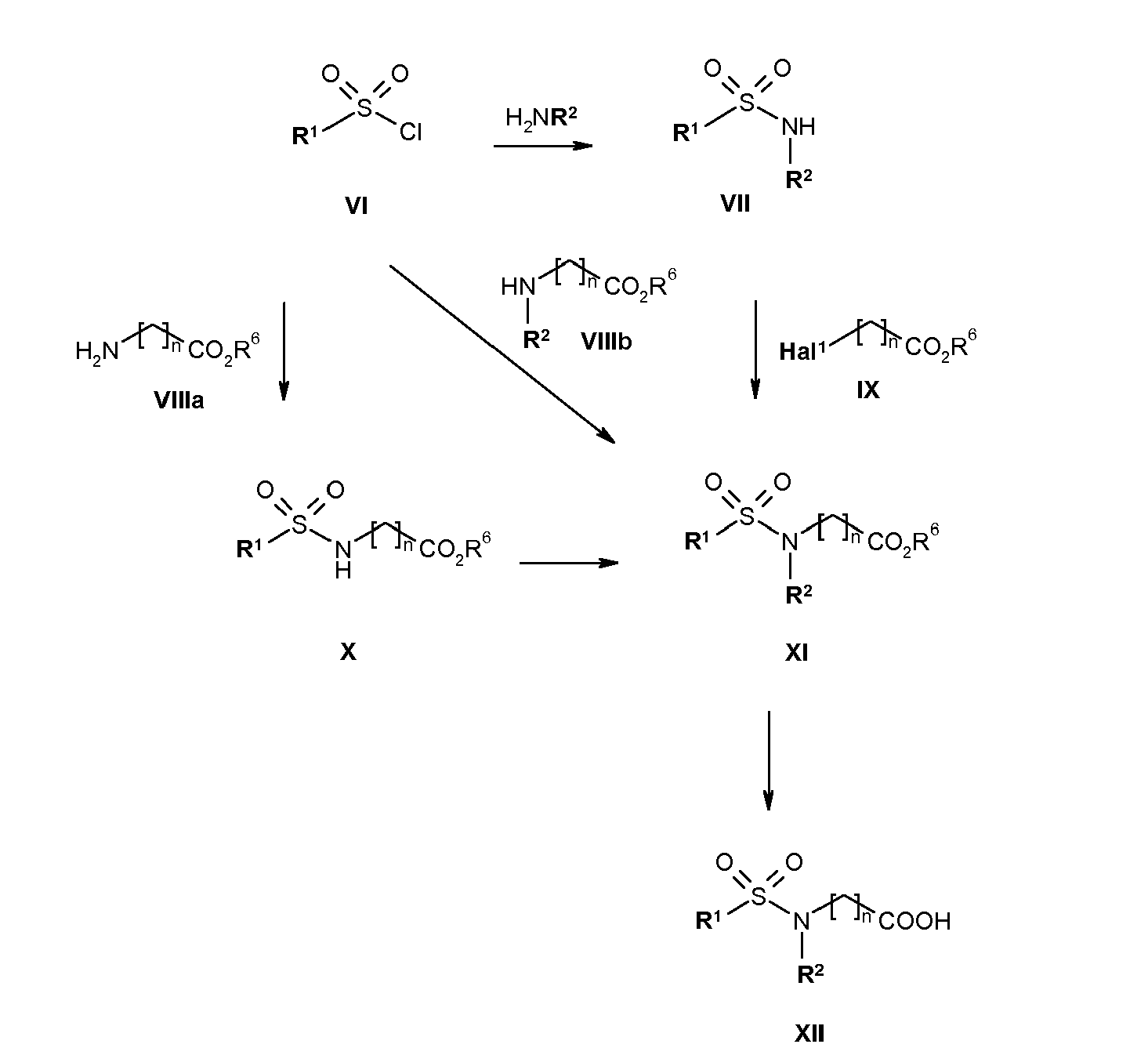
- Die Sulfonsäurechloride der allgemeinen Formel VI, in der R1 wie voranstehend erwähnt definiert ist, sind entweder literaturbekannt oder käuflich erwerbbar. Sie werden nach Standard-Reaktionsbedingungen mit einem Amin der allgemeinen Formeln H2N-R2 , VIIIa oder VIIIb zu Sulfonsäureamiden der allgemeinen Formeln VII, X oder XI umgesetzt, wobei R1 und R2 wie voranstehend erwähnt definiert sind und n eine Zahl 1, 2, 3 oder 4 und R6 einen C1-6-Alkylrest bedeuten. Die Umsetzung erfolgt gegebenenfalls in Gegenwart einer Base wie Triethylamin, DIPEA oder Pyridin und einem inerten Lösungsmittel wie Dichlormethan oder Tetrahydrofuran bei einer Temperatur von O°C bis 100°C mit einer typischen Reaktionsdauer von einer bis 24 Stunden.
- Die Umsetzung der Sulfonsäureamide der allgemeinen Formel VII mit einem Halogenid der allgemeinen Formel IX, in der Hal 1 Chlor oder Brom bedeutet, erfolgt nach literaturbekannten Verfahren, beispielsweise mit Hilfe einer Base wie Kalium- oder Natriumcarbonat in Dimethylformamid oder Tetrahydrofuran bei O°C bis 100°C.
- Die Hydrolyse der Carbonsäurester der allgemeinen Formel XI, in der R 1 und R2 wie voranstehend erwähnt definiert sind, n eine Zahl 1, 2, 3 oder 4 und R6 eine C1-3-Alkylgruppe bedeuten, zu Carbonsäuren der allgemeinen Formel XII, in der R 1 und R2 wie voranstehend erwähnt definiert sind und n eine Zahl 1, 2, 3 oder 4 und R6 eine C1-3-Alkylgruppe bedeutet, wird unter bekannten Bedingungen durchgeführt, beispielsweise mit Lithium- oder Natriumcarbonat und Wasser in Methanol und/oder Tetrahydrofuran.

- Die Herstellung von Sulfonsäureamiden der allgemeinen Formel XIV erfolgt wie unter Schema 2 beschrieben.
- Die Alkylierung der Hydroxylfunktion der Sulfonsäureamide der allgemeinen Formel XIV, in der R1 und R2 wie voranstehend erwähnt definiert sind mit der Maßgabe, dass R2 kein Wasserstoffatom darstellt, und n eine Zahl 1, 2, 3 oder 4 und R6 eine C1-3-Alkylgruppe bedeutet, wird unter literaturbekannten Reaktionsbedingungen durchgeführt, beispielsweise unter 2-Phasen-Bedingungen mit Hilfe eines Phasentransfer-Katalysators in Gegenwart einer starken anorganischen Base wie Natronlauge oder Kalilauge und in einem inerten Lösungsmittel wie Toluol bei 0°C bis 100°C.
- Die Spaltung des tert-Butylesters der allgemeinen Formel XVI, in der R1 und R2 wie voranstehend erwähnt definiert sind, n eine Zahl 1, 2, 3 oder 4 und R6 eine C1-3-Alkylgruppe und R7 ein Wasserstoffatom oder eine C1-3-Alkylgruppe bedeuten, erfolgt nach literaturbekannten Verfahren (siehe z.B. Philip J. Kocieński, Protecting Groups, 3rd Edition, 2005, Georg Thieme Verlag).


- Die Sulfonierung der Hydroxylfunktion einer Verbindung der allgemeinen Formel XIV, in der R1 und R2 wie voranstehend erwähnt definiert sind mit der Maßgabe, dass R2 kein Wasserstoffatom darstellt, und n eine Zahl 1, 2, 3 oder 4 und R6 eine C1-3-Alkylgruppe bedeutet, mit einem Sulfonsäurechlorid der allgemeinen Formel R8 S02Cl, in der R8 eine C1-3-Alkylgruppe oder eine ggf. durch C1-3-Alkylgruppe substituierte Phenylgruppe darstellt, zu Verbindungen der allgemeinen Formel XVIII, in der alle Rest wie voranstehend erwähnt definiert sind, wird unter Standard-Reaktionsbedingungen durchgeführt, typischerweise in Gegenwart einer Base wie DMAP und/oder Pyridin und einem inerten Lösungsmittel wie Dichlormethan oder THF bei -5°C bis 35°C. Eine flüssige Base wie Pyridin kann als Base und gleichzeitig als Lösungsmittel verwendet werden.
- Die nachfolgende Alkylierung der Amine mit der allgemeinen Formel VII zu Verbindungen der allgemeinen Formel XIX, in der R1 und R2 wie voranstehend erwähnt definiert sind, n eine Zahl 1, 2, 3 oder 4 und R6 eine C1-3-Alkylgruppe und R6 eine C1-6-Alkylgruppe bedeuten, wird zweckmäßigerweise in einem Lösungsmittel wie Toluol, Chlorbenzol, Dimethylformamid, Dimethylsulfoxid (DMSO), Dichlormethan, Acetonitril oder Pyridin, beispielsweise bei Temperaturen zwischen 0°C und 150°C und zweckmäßigerweise in Gegenwart von Basen wie Pyridin, Triethylamin, DIPEA, Kaliumcarbonat, Kalium-tert-butylat oder Natriummethanolat durchgeführt, wobei das Alkylsulfonat als Abgangsgruppe dient.
- Die Hydrolyse der Carbonsäureester der allgemeinen Formel XIX zu Carbonsäuren der allgemeinen Formel XX erfolgt wie unter Schema 2 beschrieben.

- Die Finkelsteinstein-Reaktion von Verbindungen der allgemeinen Formel XVIII, in der R1 und R2 wie eingangs erwähnt definiert sind, n eine Zahl 1, 2, 3 oder 4 und R6 eine C1-3-Alkylgruppe und R8 eine C1-3-Alkylgruppe oder eine ggf. durch C1-3-Alkylgruppe substituierte Phenylgruppe bedeuten, zu Halogeniden der allgemeinen Formel XXI, in der R1 und R2 wie eingangs erwähnt definiert sind und n eine Zahl 1, 2, 3 oder 4 und R6 eine C1-3-Alkylgruppe bedeutet, erfolgt unter bekannten Reaktionsbedingungen (siehe z.B. H. Finkelstein, Berichte der Deutschen Chemischen Gesellschaft 43, 1910, 1528).
- Die anschließende Alkylierung des Glycinesters wird wie unter Schema 4 beschrieben durchgeführt (R2 ≠: H).
- Die Aminofunktion in den Verbindungen der allgemeinen Formel XXIII wird durch eine konventionelle Schutzgruppe PG nach bekannten Verfahren geschützt. Die ausgewählte Schutzgruppe ist eine, die unter nicht-hydrogenolytischen Bedingungen abgespalten werden kann. Eine bevorzugte Schutzgruppe ist die Boc-Gruppe. Eine Übersicht über die Chemie der Schutzgruppen findet sich in Theodora W. Greene und Peter G. M. Wuts, Protective Groups in Organic Synthesis, Second Edition, 1991, Verlag John Wiley and Sons sowie in Philip J. Kocieński, Protecting Groups, 3rd Edition, 2005, Georg Thieme Verlag.
- Die Spaltung der Carbonsäureester der allgemeinen Formel XXIII zu Carbonsäuren der allgemeinen Formel XXIV erfolgt wie unter Schema 2 beschrieben.

- Die Alkylierung eines Thiols der allgemeinen Formel XXV, in der n eine Zahl 1, 2, 3 oder 4 und R6 eine C1-6-Alkylgruppe bedeutet, zu Verbindungen der allgemeinen Formel XXVI, in der R1 und R2 wie voranstehend erwähnt definiert sind, n eine Zahl 1, 2, 3 oder 4 und R6 eine C1-6-Alkylgruppe bedeuten, wird zweckmäßigerweise in einem Lösungsmittel wie Toluol, Chlorbenzol, DMF, DMSO, Dichlormethan, Acetonitril oder Pyridin, beispielsweise bei Temperaturen zwischen 0°C und 150°C und zweckmäßigerweise in Gegenwart von Basen wie Pyridin, Triethylamin, DIPEA, Kaliumcarbonat, Kalium-tert-butylat oder Natriummethanolat durchgeführt, wobei das Alkylsulfonat als Abgangsgruppe dient.
- Die Hydrolyse der Carbonsäureester der allgemeinen Formel XXVI zu Carbonsäuren der allgemeinen Formel XXVII, in der alle Reste wie voranstehend erwähnt definiert sind, erfolgt wie unter Schema 2 beschrieben.


- Die Amidknüpfung von Carbonsäuren der allgemeinen Formel XII, in der R1 und R2 wie voranstehend erwähnt definiert sind und n eine Zahl 1, 2, 3 oder 4 bedeutet, und Aminosäuren der allgemeinen Formel VIII, in der R1 und R2 wie voranstehend erwähnt definiert sind, n eine Zahl 1, 2, 3 oder 4 und R6 eine C1-6-Alkylgruppe bedeuten, zu Carbonsäureamiden der allgemeinen Formel XXVIII, in der R1 und R2 wie voranstehend erwähnt definiert sind, n eine Zahl 1, 2, 3 oder 4 und R6 eine C1-6-Alkylgruppe bedeuten, wird wie unter Schema 1 beschrieben durchgeführt.
- Wie unter Schema 2 ausgeführt, wird der Carbonsäureester der allgemeinen Formel XXVIII zu Carbonsäure der allgemeinen Formel XXIX, in der R1 und R2 wie voranstehend erwähnt definiert sind und n eine Zahl 1, 2, 3 oder 4 bedeutet, gespalten.
- Die als Ausgangsstoffe verwendeten Amine der allgemeinen Formel IV sind entweder käuflich erwerbbar, oder man erhält sie nach an sich literaturbekannten Verfahren, beispielsweise durch die in Schema 8 bis 12 dargestellten Synthesewege, wobei R1.1 wie voranstehend erwähnt definiert ist, Hal 1 ein Chlor- oder Bromatom und Hal2 ein Fluor-, Chlor- oder Bromatom oder einen Rest R9 bedeuten.


- Die Reaktion eines Amins der allgemeinen Formel XXX, in der R9 eine C1-3-Alkylgruppe bedeutet, mit einem Halogen-nitrobenzol der allgemeinen Formel XXXI, in der R1.1 wie voranstehend erwähnt definiert ist und Hal2 ein Fluor-, Chlor- oder Bromatom oder einen Rest R9 bedeutet, erfolgt nach bekannten Verfahren, beispielsweise in einem Lösungsmittel wie Tetrahydrofuran, Dimethylformamid oder Dimethylsulfoxid und zweckmäßigerweise in Gegenwart einer passenden Base wie Triethylamin oder Kaliumcarbonat, bei einer Temperatur von 20°C bis 160°C. Ist das Amin der allgemeinen Formel XXX flüssig, kann die Reaktion auch ohne Lösungsmittel und zusätzlicher Base durchgeführt werden.
- Die Reduktion der Nitrogruppe zu Anilinen der allgemeinen Formel XXXIII, in der R1.1 wie voranstehend erwähnt definiert ist und R9 eine C1-3-Alkylgruppe bedeutet, erfolgt nach Standard-Reaktionsbedingungen (siehe z.B. Richard C. Larock, Comprehensive Organic Transformations, 1989, VCH), vorzugsweise nach Standard-Bedingungen der katalytischen Hydrogenolyse mit einem Katalysator wie Palladium auf Kohle oder Raney-Nickel in einem Lösungsmittel wie Methanol oder Ethanol.


- Die Umsetzung von Verbindungen der allgemeinen Formeln XXX, in der R9 eine C1-3-Alkylgruppe bedeutet, mit einer Verbindung der allgemeinen Formel XXXIV, in der R1.1 wie voranstehend erwähnt definiert ist und Hal2 ein Fluor-, Chlor- oder Bromatom oder einen Rest R9 bedeutet, zu Verbindungen mit der allgemeinen Formel XXXV, in der R1.1 wie voranstehend erwähnt definiert ist und R9 eine C1-3-Alkylgruppe bedeutet, wird wie unter Schema 8 beschrieben durchgeführt.
- Die Reduktion eines Nitrils der allgemeinen Formel XXXV zu einem Amin der allgemeinen Formel XXXVI, in der R1.1 wie voranstehend erwähnt definiert ist und R9 eine C1-3-Alkylgruppe bedeutet, kann unter Standard-Bedingungen der katalytischen Hydrogenolyse mit einem Katalysator wie beispielsweise Raney-Nickel in einem Lösungsmittel wie ammoniakalischem Methanol oder Ethanol oder mit einem Reduktionsmittel wie Lithiumaluminiumhydrid oder Natriumborhydrid in einem Lösungmittel wie Tetrahydrofuran, gegebenenfalls in Gegenwart von Aluminiumchlorid, durchgeführt werden.
- Die Formylierung eines Amins der allgemeinen Formel XXXVI zu einer Verbindung der allgemeinen Formel XXXVII, in der R1.1 wie voranstehend erwähnt definiert ist und R9 eine C1-3-Alkylgruppe bedeutet, erfolgt zweckmäßigerweise in einem Lösungsmittel wie Dichlormethan, beispielsweise bei Temperaturen von 40°C bis 70°C und in Gegenwart von Essigsäureanhydrid und Ameisensäure.
- Die Carbamatbildung zu Verbindungen der allgemeinen Formel XXXVIII, in der R1.1 wie voranstehend erwähnt definiert ist, R6 ein e C1-6-Alkyl- und R9 eine C1-3-Alkylgruppe bedeutet, wird nach bekannten Verfahren durchgeführt, beispielsweise mit einem Chlorameisensäureester oder Boc-Anhydrid in Gegenwart einer Base wie Triethylamin oder Natronlauge und einem Lösungsmittel wie THF oder Dioxan.
- Die Reduktion des Formyls bzw. des Carbamates zu Verbindungen der allgemeinen Formel XXXIX, in der R1.1 wie voranstehend erwähnt definiert ist und R9 eine C1-3-Alkylgruppe bedeutet, erfolgt unter Standard-Reaktionsbedingungen, vorzugsweise mit einem Reduktionsmittel wie Lithiumaluminiumhydrid und in einem Lösungsmittel wie Tetrahydrofuran bei einer Temperatur von 50°C bis 100°C.

- Der Halogen-Stickstoff-Austausch in Verbindungen der allgemeinen Formeln XXX, in der R9 eine C1-3-Alkylgruppe bedeutet, und XL, in der R1.1 wie voranstehend erwähnt definiert ist und Hal2 ein Fluor-, Chlor- oder Bromatom oder einen Rest R9 bedeutet, zur Herstellung von Verbindungen der allgemeinen Formel XLI, in der R1.1 wie voranstehend erwähnt definiert ist und R9 eine C1-3-Alkylgruppe bedeutet, wird wie unter Schema 8 beschrieben durchgeführt.
- Die Reaktion von Benzaldehyden der allgemeinen Formel XLI, in der R 1.1 wie voranstehend erwähnt definiert ist und R9 eine C1-3-Alkylgruppe bedeutet, mit einem Amin der allgemeinen Formel H 2 NR 2, in der R2 wie voanstehend erwähnt definiert ist, zu einer Verbindung der allgemeinen Formel XLII, in der R1.1 und R2 wie voranstehend erwähnt definiert sind und R9 eine C1-3-Alkylgruppe bedeutet, ist eine reduktive Aminierung. Sie erfolgt nach bekannten Verfahren, beispielsweise mit einem Reduktionsmittel wie Natriumtriacetoxyborhydrid, Natriumborhydrid oder Natriumcyanoborhydrid, zweckmäßigerweise in einem Lösungsmittel wie Tetrahydrofuran oder Dichlormethan, gegebenenfalls unter Zusatz von Essigsäure.

- Die Reaktion eines Amins der allgemeinen Formel XXX, in der R9 eine C1-3-Alkylgruppe bedeutet, mit einem Halogen-nitropyridin der allgemeinen Formel XLIII, in der R1.1 wie voranstehend erwähnt definiert ist und Hal1 ein Chlor- oder Bromatom bedeutet, erfolgt nach bekannten Verfahren, beispielsweise in einem Lösungsmittel wie Tetrahydrofuran, Dichlormethan, Methanol oder DMSO und zweckmäßigerweise in Gegenwart einer passenden Base wie Triethylamin, Natronlauge oder Kaliumcarbonat und bei einer Temperatur von 20°C bis 100°C.
- Die anschließende Reduktion der Nitrogruppe einer Verbindung der allgemeinen Formel XLIV, in der R1.1 wie voranstehend erwähnt definiert ist und R9 eine C1-3-Alkylgruppe bedeutet, zu Verbindungen der allgemeinen Formel XLV, in der R1.1 wie voranstehend erwähnt definiert ist und R9 eine C1-3-Alkylgruppe bedeutet, wird wie unter Schema 8 beschrieben durchgeführt.


- Die Amidknüpfung von Carbonsäuren der allgemeinen Formel XLVI, in der alle Reste wie voranstehend erwähnt definiert sind, und Aminen der allgemeinen Formel H2NR2 , in der R2 wie voranstehend erwähnt definiert ist, zu Carbonsäureamiden der allgemeinen Formel XLVII, in der alle Reste wie voranstehend erwähnt definiert sind, wird wie unter Schema 1 beschrieben durchgeführt.
- Die Reduktion von Carbonsäureamiden der allgemeinen Formel XLVII zu Aminen der allgemeinen Formel XLVIII, in der alle Reste wie voranstehend erwähnt definiert sind, erfolgt nach Standard-Reaktionsbedingungen, vorzugsweise in Gegenwart eines Reduktionsmittels wie Lithiumaluminiumhydrid und einem Lösungsmittel wie Tetrahydrofuran bei 40°C bis 100°C.
- CHO-Zellen, die den hBK1-Rezeptor exprimieren, werden in ,,Dulbecco's modified Medium" kultiviert. Von konfluenten Kulturen wird das Medium entfernt, die Zellen werden mit PBS-Puffer gewaschen, abgeschabt und durch Zentrifugieren isoliert. Anschließend werden die Zellen in Suspension homogenisiert, das Homogenat zentrifugiert und resuspendiert. Nach Bestimmung des Proteingehalts wird die so erhaltene Membranpräparation bei -80°C eingefroren.
- Nach dem Auftauen werden 200 µl des Homogenats (50 bis100 µg Protein/Assay) für 60 Minuten bei Raumtemperatur mit 0.5 bis 1.0 nM Kallidin (DesArg10,Leu9), [3,4-Prolyl-3,43H(N)] und ansteigenden Konzentrationen der Testsubstanz in einem Gesamtvolumen von 250 µl inkubiert. Die Inkubation wird durch rasche Filtration durch GF/B-Glasfaserfilter, die mit Polyethyleneimine (0.3%) vorbehandelt wurden, beendet. Die an das Protein gebundene Radioaktivität wird mit einem TopCount NXT gemessen. Als nichtspezifische Bindung wird die gebundene Radioaktivität in Gegenwart von 1.0 µM Kallidin (DesArg10,Leu9), [3,4-Prolyl-3,43H(N)] definiert. Die Analyse der Konzentrations-Bindungskurve erfolgt mit Hilfe einer computergestützten nichtlinearen Kurvenanpassung. Aus den so erhaltenen Daten wird für die Testsubstanz der entsprechende Ki - Wert ermittelt.
- Um zu zeigen, dass die Verbindungen der allgemeinen Formel 1 mit unterschiedlichen Strukturelementen gute bis sehr gute Bradikinin-B1-Rezeptor antagonistische Aktivitäten zeigen, werden in der folgenden Tabelle die Ki-Werte angegeben, die gemäß dem voranstehenden Versuchsprotokoll erhalten wurden. Dazu wird angemerkt, dass die Verbindungen im Hinblick auf ihre unterschiedlichen strukturellen Elemente ausgewählt wurden und nicht um spezifische Verbindungen hervorzuheben:
Beispiel Ki [nM] (1) 6.2 (13) 2.1 (22) 7 (53) 2.4 (55) 0.7 (59) 6.3 (61) 3.3 (66) 4.6 (67) 0.4 (72) 2.8 (73) 6.8 (77) 8.7 (78) 5.8 (97) 6.7 (102) 5.0 (109) 6.0 (114) 4.4 (117) 0.99 (130) 5.7 (180) 5.2 (181) 7.1 (182) 4.8 (183) 6.6 (184) 1.3 (186) 3.4 (188) 9.4 (216) 4.9 (227) 4.8 (269) 7.8 (303) 6.32 (323) 2.8 (325) 0.94 (326) 6.5 (334) 8.65 (335) 9.37 (338) 1.11 (352) 9.2 (353) 6.1 (356) 8.8 (358) 3.5 (360) 4.4 (361) 7.4 (365) 2.4 (367) 2.7 (368) 1.52 (369) 3.8 (372) 2.39 (381) 8.1 (383) 6.2 (384) 9.3 (385) 6.4 (386) 6.3 (389) 3.7 (392) 8.3 (393) 1.6 (394) 1.04 (397) 7.5 (398) 0.74 (399) 3 (400) 0.79 (401) 2.7 (402) 9.3 (404) 2.8 (418) 1.2 (419) 0.65 (420) 9.1 (421) 8.7 (423) 3.4 (424) 1.4 (425) 8.3 (428) 6.3 (435) 1.5 (439) 7.5 (441) 4.6 (444) 6.9 (445) 5.6 (448) 0.82 (451) 9 (458) 4.3 (463) 2 (464) 1.5 (465) 3.8 (468) 1 (469) 8 (471) 4.1 (472) 0.68 (473) 1.8 (474) 1.4 (475) 2.4 (476) 2.35 (477) 5.8 (478) 1 (492) 3.2 (576) 0.85 (577) 0.34 (580) 6.2 (582) 9.3 (584) 9.0 (586) 5.1 (587) 9.5 (588) 1.5 (589) 5.1 (591) 1.9 (592) 2.8 (613) 9.7 (614) 2 (616) 3.7 (619) 1.2 (620) 5.9 (621) 5.8 (623) 3.4 (624) 8 (630) 5.5 - Aufgrund ihrer pharmakologischen Eigenschaften eignen sich die neuen Verbindungen und deren physiologisch verträglichen Salze zur Behandlung von Krankheiten und Krankheitssymptomen, die wenigstens teilweise durch die Stimulierung von Bradykinin-B1-Rezeptoren hervorgerufen werden.
- Aufgrund ihrer pharmakologischen Wirkung eignen sich die Substanzen zur Behandlung
- (a) von akuten Schmerzen wie z.B. Zahnschmerzen, peri- und postoperativen Schmerzen, traumatischen Schmerzen, Muskelschmerzen, Verbrennungsschmerzen, Schmerzen bei Sonnenbrand, Trigeminusneuralgie, Schmerzen bei Koliken, sowie bei Spasmen des Magen-Darm-Trakts oder des Uterus;
- (b) von Eingeweideschmerzen wie z.B. chronischen Beckenschmerzen, gynäkologischen Schmerzen, Schmerzen vor und während der Menstruation, Schmerzen bei Pankreatitis, bei peptischen Ulzera, bei interstitieller Zystitis, bei Nierenkolik, bei Angina pectoris, Schmerzen bei Kolon irritabile, bei nicht-ulzeröser Dyspepsie und bei Gastritis, nicht-kardialen Thoraxschmerzen und Schmerzen bei myokardialer Ischämie und Herzinfarkt;
- (c) von neuropathischen Schmerzen wie z.B. schmerzhaften Polyneuropathien, Schmerzen bei diabetischer Neuropathie, AIDS-assoziierten neuropathischen Schmerzen, Schmerzen bei Lumbago, bei nicht-herpesassoziierter Neuralgie, bei Post-zoster Neuralgie, bei Nervenverletzungen, bei Schädel-Hirn-Trauma, Schmerzen bei Nervenchädigungen infolge von Toxinen oder Chemotherapie, Phantomschmerzen, Schmerzen bei multipler Sklerose, bei Nervenwurzelabriß und schmerzhaften traumatisch bedingten Einzelnervenschädigungen;
- (d) von entzündlichen / Schmerzrezeptor-vermittelten Schmerzen im Zusammenhang mit Erkrankungen wie Osteoarthritis, rheumatoider Arthritis, rheumatischem Fieber, Tendo-Synovitis, Sehnenentzündungen, Gicht, Vulvodynie, Schädigungen und Erkrankungen der Muskeln und Faszien (muskuläre Verletzungen, Fibromyalgie), Osteoarthritis, juveniler Arthritis, Spondylitis, Gicht-Arthritis, Psoriasis-Arthritis, Fibromyalgie, Myositis, Migräne, Zahnerkrankungen, Influenza und anderen Virusinfektionen wie Erkältungen, systemischer Lupus erythematodes,
- (e) von Tumorschmerzen im Zusammenhang mit Krebserkrankungen wie lymphatischer oder myeloischer Leukämie, Hodgkin Erkrankung, Non-Hodgkin Lymphomen, Lymphogranulomatose, Lymphosarkomen, soliden malignen Tumoren und ausgedehnten Metastasen;
- (f) von Kopfschmerz-Erkrankungen wie z.B. Kopfschmerzen unterschiedlicher Ursache, Cluster-Kopfschmerz, Migräne (mit oder ohne Aura) und Spannungskopfschmerz.
Weiterhin eigenen sich die Verbindungen zur Behandlung - (g) von entzündlichen Veränderungen im Zusammenhang mit Erkrankungen der Atemwege wie Asthma bronchiale, einschließlich allergischem Asthma (atopisch und nicht-atopisch) sowie Bronchospasmen bei Anstrengung, beruflich-bedingtem Asthma, viraler oder bakterieller Exazerbation einer bestehenden Asthma-Erkrankung und anderen nicht-allergisch bedingten asthmatischen Erkrankungen;
chronisch obstruktiver Lungen-Erkrankung (COPD) einschließlich Lungenemphysem, akutem Atemnotsyndrom des Erwachsenen (ARDS), Bronchitis, Lungenentzündung, allergischer Rhinitis (saisonal und ganzjährig), vasomotorischer Rhinitis und Staublungen-Erkrankungen wie Aluminose, Anthrakose, Asbestose, Chalikose, Siderose, Silikose, Tabakose und Byssinose; - (h) von Entzündungserscheinungen bei Sonnenbrand und Verbrennungen, Ödemen nach Traumata durch Verbrennungen, Hirnödemen und Angioödemen, Darmerkrankungen einschließlich Morbus Crohn und Kolitis ulzerosa, Reizdarmsyndrom, Pankreatitis, Nephritis, Zystitis (interstitielle Zystitis), Uveitis; entzündlichen Erkrankungen der Haut (wie z.B. Psoriasis und Ekzeme), vaskulären Bindegewebserkrankungen, Lupus, Zerrungen und Frakturen;
- (i) von Diabetes Mellitus und dessen Folgen (wie z.B. diabetische Vaskulopathie, diabetische Neuropathie, diabetische Retinopathie) und von diabetischen Symptomen bei Insulitis (z.B. Hyperglycämie, Diurese, Proteinurie und erhöhte renale Nitrit- und Kallikrein-Exkretion);
- (j) von neurodegenerativen Erkrankungen wie der Parkinson'schen Erkrankung und der Alzheimer Erkrankung;
- (k) von Sepsis und septischem Schock nach bakteriellen Infektionen oder nach Trauma;
- (l) von Juckreiz verursachenden Syndromen und allergischen Hautreaktionen;
- (m) von Osteoporose;
- (n) von Epilepsie;
- (o) von Verletzungen des Zentralnervensystems;
- (p) von Wunden und Gewebeschädigungen;
- (q) von Zahnfleischentzündungen;
- (r) von benigner Prostata-Hyperplasie und hyperaktiver Blase;
- (s) von Pruritus;
- (t) von Vitiligo;
- (u) von Störungen der Motilität von respiratorischen, genito-urinalen, gastro-intestinalen oder vaskulären Regionen und
- (v) von post-operativem Fieber.
- Neben der Eignung als Humantherapeutika, sind diese Substanzen auch nützlich in der veterinärmedizinischen Therapie von Haustieren, exotischen Tieren und Nutztieren.
- Zur Behandlung von Schmerzen kann es vorteilhaft sein, die erfindungsgemässen Verbindungen mit belebenden Stoffen wie Koffein oder anderen schmerzlindernden Wirkstoffen zu kombinieren. Stehen zur Behandlung der Ursache der Schmerzen geeignete Wirkstoffe zur Verfügung, so können diese mit den erfindungsgemässen Verbindungen kombiniert werden. Sind unabhängig von der Schmerzbehandlung auch noch weitere medizinische Behandlungen angezeigt, zum Beispiel gegen Bluthochdruck oder Diabetes, so können auch die dafür nötigen Wirkstoffe mit den erfindungsgemässen Verbindungen kombiniert werden.
- Für eine Kombinationstherapie kommen beispielsweise die folgenden Verbindungen in Frage:
- Nicht-steroidale Antirheumatika (NSAR): COX-2 Hemmer wie Propionsäure-Derivate (Alminoprofen, Benoxaprofen, Bucloxinsäure, Carprofen, Fenhufen, Fenoprofen, Fiuprofen, Fiulbiprofen, Ibuprofen, Indoprofen, Ketoprofen, Miroprofen, Naproxen, Oxaprozin, Pirprofen, Pranoprofen, Suprofen, Tiaprofensäure, Tioxaprofen), Essigsäure-Derivate (Indomethacin, Acemetacin, Alcofenac, Isoxepac, Oxpinax, Sulindac, Tiopinac, Tolmetin, Zidometacin, Zomepirac) Fenaminsäure-Derivate (Meclofenaminsäure, Mefenaminsäure, Tolfenaminsäure), Biphenyl-Carboxylsäure-Derivate, Oxicame (Isoxicam, Meloxicam, Piroxicam, Sudoxicam und Tenoxicam), Salicylsäure-Derivate (Acetylsalicylsäure, Sulfasalazin, warum nicht auch Mesalazin, Olsalazin, und Pyrazolone (Apazon, Bezpiperylon, Feprazon, Mofebutazon, Oxyphenbutazon, Phenylbutazon, warum nicht auch Propyphenazon und Metamizol, und Coxibe (Celecoxib, Valecoxib, Rofecoxib, Etoricoxib).
- Opiat Rezeptor Agonisten wie z. B. Morphin, Propoxyphen (Darvon), Tramadol, Buprenorphin.
- Cannabinoid Agonisten wie z.B. GW-1000, KDS-2000, SAB-378, SP-104, NVP001-GW-843166, GW-842166X, PRS-211375.
- Natriumkanalblocker wie z.B. Carbamazepin, Mexiletin, Lamotrigin, Pregabalin, Tectin, NW-1029, CGX-1002.
- N-Typ Calciumkanalblocker wie z.B. Ziconitid, NMED-160, SP1-860.
- Serotonerge und noradrenerge Modulatoren wie z.B. SR-57746, Paroxetin, Duloxetin, Clonidin, Amitriptylin, Citalopram.
- Corticosteroide wie z.B. Betamethason, Budesonid, Cortison, Dexamethason, Hydrocortison, Methylprednisolon, Prednisolon, Prednison und Triamcinolon.
- Histamin H1-Rezeptorantagonisten wie z.B. Bromophtniramint, Chlorpheniramin, Dexchlorpheniramin, Triprolidin, Clemastin, Diphenhydramin, Diphenylpyralin, Tripelennamin, Hydroxyzin, Methdijazin, Promethazin, Trimeprazin Azatadin, Cyproheptadin, Antazolin, Pheniramin, Pyrilamin, Astemizol, Terfenadin, Loratadin, Cetirizin, Desloratadin, fexofenadin, Levocetirizin.
- Histamin H2-Rezeptor Antagonisten wie z.B. Cimetidin, Famotidin, und Ranitidin. Protonenpumpenhemmer wie z.B. Omeprazol, Pantoprazol, Esomeprazol.
- Leukotrien Antagonisten und 5-Lipoxygenasehemmer wie z.B. Zafirlukast, Montelukast, Pranlukast und Zileuton.
- Lokalanästhetika wie z.B. Ambroxol, Lidocain.
- VR1 Agonisten und Antagonisten wie z.B. NGX-4010, WL-1002, ALGRX-4975, WL-10001, AMG-517.
- Nikotinrezeptor Agonisten wie z.B. ABT-202, A-366833, ABT-594, BTG-102, A-85380, CGX1204.
- P2X3-RezeptorAntagonisten wie z.B. A-317491, ISIS-13920, AZD-9056.
- NGF Agonisten und Antagonisten wie z.B. RI-724, RI-1024, AMG-819, AMG-403, PPH 207.
- NK1 und NK2 Antagonisten wie z.B. DA-5018, R-116301, CP-728663, ZD-2249. NMDA Antagonisten wie z.B. NER-MD-11, CNS-5161, EAA-090, AZ-756, CNP-3381. Kaliumkanal Modulatoren wie z.B. CL-888, ICA-69673, Retigabin.
- GABA Modulatoren wie z.B. Lacosamid.
- Serotonerge und noradrenerge Modulatoren wie z.B. SR-57746, Paroxetin, Duloxetin, Clonidin, Amitriptylin, Citalopram, Flibanserin.
- Anti-Migräne Therapeutika wie z.B. Sumatriptan, Zolmitriptan, Naratriptan, Eletriptan.
- Die zur Erzielung einer schmerzstillenden Wirkung erforderliche Dosierung beträgt bei intravenöser Gabe zweckmäßigerweise 0.01 bis 3 mg/kg Körpergewicht, vorzugsweise 0.1 bis 1 mg/kg, und bei oraler Gabe 0.1 bis 8 mg/kg Körpergewicht, vorzugsweise 0.5 bis 3 mg/kg, jeweils 1 bis 3 x täglich. Die erfindungsgemäß hergestellten Verbindungen können intravenös, subkutan, intramuskulär, intrarektal, intranasal, durch Inhalation, transdermal oder oral verabreicht werden, wobei zur Inhalation insbesondere Aerosolformulierungen geeignet sind. Sie können gegebenenfalls zusammen mit einem oder mehreren inerten üblichen Trägerstoffen und/oder Verdünnungsmitteln, z.B. mit Maisstärke, Milchzucker, Rohrzucker, mikrokristalliner Zellulose, Magnesiumstearat, Polyvinylpyrrolidon, Zitronensäure, Weinsäure, Wasser, Wasser/Ethanol, Wasser/Glycerin, Wasser/Sorbit, Wasser/Polyethylenglykol, Propylenglykol, Cetylstearylalkohol, Carboxymethylcellulose oder fetthaltigen Substanzen wie Hartfett oder deren geeigneten Gemischen, in übliche galenische Zubereitungen wie Tabletten, Dragees, Kapseln, Pulver, Suspensionen, Lösungen, Dosieraerosole oder Zäpfchen eingearbeitet werden.
- Für die hergestellten Verbindungen liegen in der RegeIIR-, 1H-NMR und/oder Massenspektren vor. Die bei den Fliessmitteln angegebenen Verhältnisse beziehen sich auf Volumeneinheiten der jeweiligen Lösungsmittel. Die angegebenen Volumeneinheiten bei Ammoniak beziehen sich auf eine konzentrierte Lösung von Ammoniak in Wasser. Soweit nicht anders vermerkt sind die bei den Aufarbeitungen der Reaktionslösungen verwendeten Säure-, Basen- und Salzlösungen wässrige Systeme der angegebenen Konzentrationen.
Zu chromatographischen Reinigungen wird Kieselgel der Firma Millipore (MATREX TM , 35-70 µm) oder Alox (E. Merck, Darmstadt, Aluminiumoxid 90 standardisiert, 63-200 µm, Artikel-Nr: 1.01097.9050) verwendet. - In den Versuchsbeschreibungen werden die folgenden Abkürzungen verwendet:
- CDI
- 1,1'-Carbonyldiimidazol
- DC
- Dünnschichtchromatogramm
- DIPEA
- Diisopropylethylamin
- DMAP
- 4-Dimethylaminopyridin
- DMF
- Dimethylformamid
- DMSO
- Dimethylsulfoxid
- HATU
- O-(7-Azabenzotriazol-1-yl)-N,N,N',N'-tetramethyluroniumhexafluorphosphat
- tert
- tertiär
- TBTU
- 2-(1H-Benzotriazol-1-yl)-1,1,3,3-tetramethyluronium-tetrafluorborat
- THF
- Tetrahydrofuran
- Folgende analytische HPLC-Methoden wurden verwendet:
Methode 1: Säule: XTerraTM MS C18, 2.5 µM, 4.6 x 30 mm Detektion: 210-420 nm Fließmittel A: Wasser /0.1 % Ameisensäure Fließmittel B: Acetonitril /0.1 % Ameisensäure Zeit in min %A %B Flussrate in mL/min 0.0 95.0 5.0 1.0 0.1 95.0 5.0 1.0 3.1 2.0 98.0 1.0 4.5 2.0 98.0 1.0 5.0 95.0 5.0 1.0 Methode 2: Säule: Microsorb C18, 3 µM, 4.6 x 50 mm Detektion: 220-320 nm Fließmittel A: Wasser /0.1 % TFA Fließmittel B: Acetonitril / 0.1 % TFA Zeit in min %A %B Flussrate in mL/min 0.0 95.0 5.0 1.5 0.5 95.0 5.0 1.5 3.8 2.0 98.0 1.5 4.3 2.0 98.0 1.5 4.35 95.0 5.0 1.5 4.6 95.0 5.0 1.5 Methode 3: Säule: XTerraTM MS C18, 3.5 µM, 4.6 x 50 mm Detektion: 210-420 nm Fließmittel A: Wasser /0.1 % Ameisensäure Fließmittel B: Acetonitril /0.1 % Ameisensäure Zeit in min %A %B Flussrate in mL/min 0.0 95.0 5.0 1.0 0.1 95.0 5.0 1.0 7.1 2.0 98.0 1.0 7.9 2.0 98.0 1.0 8.0 95.0 5.0 1.0 Methode 4: Säule: Zorbax Stable Bond C18, 3.5 µM, 4.6 x 75 mm Detektion: 230-360 nm Fließmittel A: Wasser /0.1 % Ameisensäure Fließmittel B: Acetonitril /0.1 % Ameisensäure Zeit in min %A %B Flussrate in mL/min 0.0 95.0 5.0 1.6 0.1 95.0 5.0 1.6 4.5 10.0 90.0 1.6 5.09 10.0 90.0 1.6 5.5 90.0 10.0 1.6 Methode 5: Säule: Interchim Strategy C18, 5 µM, 4.6 x 50 mm Detektion: 220-320 nm Fließmittel A: Wasser /0.1 % TFA Fließmittel B: Acetonitril Zeit in min %A %B Flussrate in mL/min 0.0 95.0 5.0 3.0 0.3 95.0 5.0 3.0 2.0 2.0 98.0 3.0 2.4 2.0 98.0 3.0 2.45 95.0 5.0 3.0 2.8 95.0 5.0 3.0 - Methode 6: Säule: Merck Cromolith Speed ROD RP18e, 4.6 x 50 mm
Detektion: 190-400nm
Fließmittel A: Wasser /0.1 % Ameisensäure
Fließmittel B: Acetonitril /0.1 % Ameisensäure
Gradient:Zeit in min %A %B Flussrate in mL/min 0.0 90.0 10.0 1.5 4.5 10.0 90.0 1.5 5.0 10.0 90.0 1.5 5.5 90.0 10.0 1.5 Methode 7: Säule: Waters SunFire C18, 3.5 µM, 4.6 x 50 mm Detektion: 210-500 nm Fließmittel A: Wasser /0.1 % TFA Fließmittel B: Acetonitril / 0.1 % TFA Zeit in min %A %B Flussrate in mL/min 0.0 95.0 5.0 1.5 2.0 2.0 98.0 1.5 3.0 2.0 98.0 1.5 3.4 95.0 5.0 1.5 Methode 8: Säule: Waters XBridge C18, 3.5 µM, 4.6 x 50 mm Detektion: 210-500 nm Fließmittel A: Wasser /0.1 % TFA Fließmittel B: Acetonitril / 0.1 % TFA Zeit in min %A %B Flussrate in mL/min 0.0 95.0 5.0 1.0 0.1 95.0 5.0 1.0 5.1 2.0 98.0 1.0 6.5 2.0 98.0 1.0 7.0 95.0 5.0 1.0 Methode 9: Säule: Merck ChromolithTM Flash RP18e, 4.6 x 25 mm Detektion: 190-400nm Fließmittel A: Wasser / 0.1 % Ameisensäure Fließmittel B: Acetonitril / 0.1 % Ameisensäure Zeit in min %A %B Flussrate in mL/min 0.0 90.0 10.0 1.6 2.7 10.0 90.0 1.6 3.0 10.0 90.0 1.6 3.3 90.0 10.0 1.6 Methode 10: Säule: Merck ChromolithTM Flash RP18e, 4.6 x 25 mm Detektion: 210-400 nm Fließmittel A: Wasser /0.1 % TFA Fließmittel B: Acetonitril / 0.1 % TFA Zeit in min %A %B Flussrate in mL/min 0.0 95.0 5.0 2.5 0.2 95.0 5.0 2.5 1.5 2.0 98.0 2.5 1.7 2.0 98.0 2.5 1.9 95.0 5.0 2.5 2.2 95.0 5.0 2.5 Methode 11: Säule: Waters XBridge C18, 3.5 µM, 4.6 x 50 mm Detektion: 210-500nm Fließmittel A: Wasser /0.1 % TFA Fließmittel B: Acetonitril / 0.1 % TFA Zeit in min %A %B Flussrate in mL/min 0.0 95.0 5.0 1.5 2.0 0.0 100.0 1.5 3.0 0.0 100.0 1.5 3.4 95.0 5.0 1.5 Methode 12: Säule: YMC-Pack ODS-AQ, 3.0 µM, 4.6 x 75 mm Detektion: 230-360 nm Fließmittel A: Wasser /0.1 % Ameisensäure Fließmittel B: Acetonitril /0.1 % Ameisensäure Zeit in min %A %B Flussrate in mL/min 0.0 95.0 5.0 1.6 4.5 10.0 90.0 1.6 5.0 10.0 90.0 1.6 5.5 90.0 10.0 1.6 -


- Eine Mischung aus 1.0 g (4.07 mMol) 2,3-Dichlorbenzolsulfonsäurechlorid, 0.33 g (4.89 mMol) Methylamin Hydrochlorid, 2.73 ml (19.55 mMol) Triethylamin und 20 ml Dichlormethan wird über Nacht bei Raumtemperatur gerührt. Die Reaktionsmischung wird anschließend je einmal mit 1 N HCl, gesättigter Natriumhydrogencarbonat-Lösung, Wasser und gesättigter Natriumchloridlösung gewaschen, über Natriumsulfat getrocknet und dann bis zur Trockne eingeengt.
C7H7Cl2NO2S (240.11)
[M+H]+ = 240/242/244
DC: Kieselgel, Petrolether / Ethylacetat 2:1, Rf-Wert = 0.50
- Eine Mischung aus 0.9 g (3.75 mMol) Produkt aus 1a und 20 ml DMF wird vorgelegt und mit 1.55 g (11.24 mMol) Kaliumcarbonat und 0.49 ml (4.50 mMol) 3-Brompropionsäureethylester versetzt. Die Reaktionsmischung wird über Nacht bei Raumtemperatur gerührt und dann mit Wasser versetzt. Man extrahiert zweimal mit Ethylacetat. Die organischen Extrakte werden dreimal mit Wasser und einmal mit gesättigter Natriumchloridlösung gewaschen, über Natriumsulfat getrocknet und zur Trockne eingeengt.
C11H13C12NO4S (326.20)
[M+H]+ = 326/328/330
DC: Kieselgel, Petrolether / Ethylacetat 2:1, Rf-Wert = 0.45
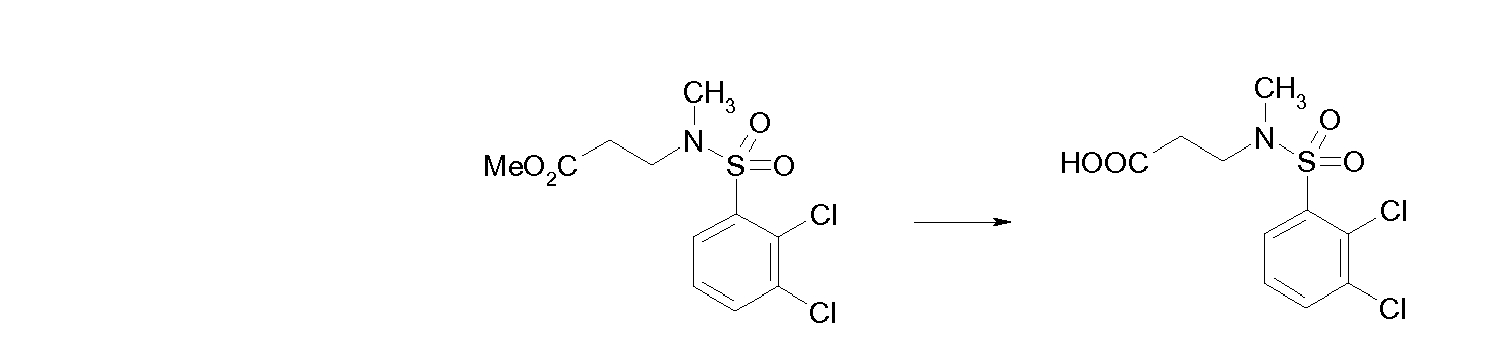
- Eine Mischung aus 1.15 g (3.53 mMol) Produkt aus 1b, 0.74 g (17.63 mMol) Lithiumhydroxid Monohydrat, 15 ml THF und 15 ml Wasser wird eine Stunde bei Raumtemperatur gerührt. Danach wird das THF im Vakuum entfernt und der Rückstand mit konzentrierter HCl sauer gestellt. Die Reaktionsmischung wird anschließend dreimal mit Ethylacetat extrahiert. Die organischen Extrakte werden mit gesättigter Natriumchloridlösung gewaschen, über Natriumsulfat getrocknet und zur Trockne eingeengt. Das Rohprodukt wird mit Diethylether verrieben und abgesaugt.
C10H11Cl2N04S (312.17)
[M+H]+ = 310/312/314
DC: Kieselgel, Petrolether / Ethylacetat 2:1, Rf-Wert = 0.03
- Eine Mischung aus 5.0 g (30.63 mMol) 1-Pyridin-4-yl-piperazin, 4.32 g (30.63 mMol) 1-Fluor-4-nitrobenzol (Aldrich), 10.62 ml (76.59 mMol) Triethylamin und 100 ml DMF wird 50 min unter Rückfluß erhitzt und anschließend bis zur Trockene eingeengt. Das so erhaltene Rohprodukt wird durch Säulenchromatographie über Kieselgel (Elutionsmittel: Dichlormethan / Ethanol / Ammoniak 12:1:0.1 bis 10:1:0.1) gereinigt.
C15H16N402 (284.31)
[M+H]+ = 285
DC: Kieselgel, Dichlormethan / Methanol / Ammoniak 9:1:0.1, Rf-Wert = 0.52
- Eine Mischung aus 4.95 g (17.41 mMol) Produkt aus 1 d, 0.6 g Palladium auf Kohle (10%), 120 ml Dichlormethan und 20 ml Methanol wird fünf Stunden im Autoklaven bei Raumtemperatur hydriert. Anschließend wird abgesaugt und der Filterkuchen noch sechsmal mit Dichlormethan / Methanol 1:1 aufgekocht und wieder abgesaugt. Die vereinigten Filtrate werden im Vakuum bis zur Trockene eingeengt.
C15H18N4 (254.33)
[M+H]+ = 255
- Eine Mischung aus 1.25 g (4.00 mMol) Produkt aus 1c, 2.0 ml (14.34 mMol) Triethylamin, 1.28 g (4.00 mMol) TBTU und 7 ml DMF wird 45 min bei Raumtemperatur gerührt. Danach wird 1.0 g (3.93 mMol) Produkt aus 1 e hinzugefügt und über Nacht weiter bei Raumtemperatur gerührt. Anschließend wird die Reaktionsmischung in Wasser geschüttet und mit Dichlormethan extrahiert. Die organischen Extrakte werden mit Wasser gewaschen, über Na2S04 getrocknet und bis zur Trockene eingeengt. Das so erhaltene Rohprodukt wurde durch Säulenchromatographie über Kieselgel (Elutionsmittel: Dichlormethan mit 5-20 % Methanol) gereinigt.
C25H27Cl2N5O3S (548.49)
[M+H]+ = 548/550/552
DC: Kieselgel, Dichlormethan / Methanol 4:1, Rf-Wert = 0.65 -


- Eine Mischung aus 0.5 g (2.17 mMol) N-(1-Benzylpiperidin-4-yl)-phthalimid (Bioorg. Med. Chem. Lett. 11, 2001, 2325-2330), 0.33 g (2.17 mMol) 4-Chlorpyridin Hydrochlorid, 1.2 ml (8.69 mMol) Triethylamin und 2.4 ml Ethanol absolut wird eine Stunde in der Mikrowelle auf 150°C erhitzt. Die Reaktionsmischung wird anschließend mit Ethanol verdünnt, der entstandene Niederschlag wird abfiltriert. Man engt das Filtrat bis zur Trockene ein und reinigt das Rohprodukt durch präparative HPLC.
C18H17N302 X C2HF302 (421.37)
[M+H]+ = 308
HPLC (Methode 1): Retentionszeit = 2.07 min
- Eine Mischung aus 0.3 g (0.71 mMol) Produkt aus 2a, 0.09 g (1.42 mMol) Hydrazinhydrat 80%ig und 6 ml Ethanol absolut wird vier Stunden unter Rückfluß erhitzt. Die Reaktionsmischung wird anschließend auf 0°C abgekühlt, der entstandene Niederschlag wird abfiltriert. Man engt das Filtrat bis zur Trockene ein.
C10H15N3 (177.25)
[M+H]+ = 178
- Beispiel 2 wird analog zu 1f aus 0.22 g (0.71 mMol) Produkt aus 1c, 0.24 g (1.35 mMol) Produkt aus 2b, 0.3 ml (2.13 mMol) Triethylamin und 0.23 g (0.71 mMol) TBTU in 5.5 ml DMF hergestellt.
C20H24Cl2N4O3S (471.40)
[M+H]+ = 471/473/475
DC: Kieselgel, Dichlormethan / Methanol 9:1, Rf-Wert = 0.2 -


- Eine Mischung aus 0.99 g (4.00 mMol) 4-Methoxy-2,3,6-trimethyl-benzolsulfonylchlorid, 0.69 g (4.51 mMol) β-Alaninethylester Hydrochlorid, 2.23 ml (15.98 mMol) Triethylamin und 20 ml Dichlormethan wird über Nacht bei Raumtemperatur gerührt. Die Reaktionsmischung wird anschließend mit 0.5 M HCl, gesättigter Natriumhydrogencarbonatlösung, Wasser und gesättigter Natrium-chloridlösung gewaschen, über Natriumsulfat getrocknet und im Vakuum bis zur Trockene eingeengt. C15H23NO5S (329.41)
[M+H]+ = 330
DC: Kieselgel, Petrolether / Ethylacetat 2:1, Rf-Wert = 0.43
- Eine Mischung aus 1.24 g (3.76 mMol) Produkt aus 3a, 0.84 ml (13.55 mMol) Methyliodid, 1.04 g (7.53 mMol) Kaliumcarbonat wasserfrei und 10ml DMF wird fünf Stunden bei Raumtemperatur gerührt. Die Reaktionsmischung wird anschließend im Vakuum bis zur Trockene eingeengt, der Rückstand wird in Ethylacetat aufgenommen. Man wäscht mit Wasser, gesättigter Natriumhydrogencarbonatlösung und gesättigter Natriumchloridlösung, trocknet über Natriumsulfat und engt im Vakuum bis zur Trockene ein.
C16H25NO5S (343.44)
[M+H]+ = 344
DC: Kieselgel, Petrolether / Ethylacetat 2:1, Rf-Wert = 0.52
- Die Säure wird analog zu 1c aus 1.29 g (3.76 mMol) Produkt aus 3b, 0.79 g (18.80 mMol) Lithiumhydroxid Monohydrat, 15 ml THF und 15 ml Wasser hergestellt.
C14H21NO5S (315.39)
[M+H]+ = 316
DC: Kieselgel, Petrolether / Ethylacetat 2:1, Rf-Wert = 0.07
- Beispiel 3 wird analog zu 1f aus 0.15 g (0.47 mMol) Produkt aus 3c, 0.12 g (0.47 mMol) Produkt aus 1 e, 0.2 ml (1.43 mMol) Triethylamin und 0.15 g (0.48 mMol) TBTU in 8 ml DMF hergestellt.
C29H37N5O4S (551.70)
[M+H]+ = 552
DC: Kieselgel, Dichlormethan / Methanol 9:1, Rf-Wert = 0.38 -


- Beispiel 4 wird analog zu 1f aus 0.39 g (1.26 mMol) Produkt aus 1c, 0.24 g (1.26 mMol) 4-(4-Methylpiperazin-1-yl)-anilin (J. Med. Chem. SIR 48, 7, 2005, 2371-2387), 0.35 ml (2.51 mMol) Triethylamin und 0.50 g (1.32 mMol) HATU in 5 ml DMF hergestellt. C21H26CL2N403S (485.43)
[M+H]+ = 485/487/489
HPLC (Methode 2): Retentionszeit = 2.64 min -


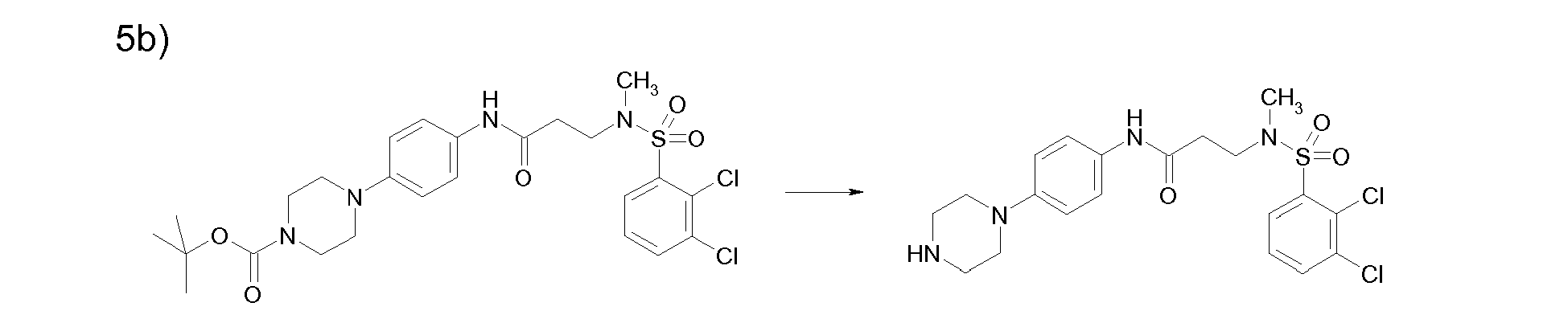
- Eine Mischung aus 0.60 g (1.05 mMol) Produkt aus 5a, 3 ml TFA und 3 ml Dichlormethan wird zwei Stunden bei Raumtemperatur gerührt. Man engt die Reaktionsmischung bis zur Trockene ein und reinigt das Rohprodukt durch präparative HPLC.
C20H24Cl2N403S (471.40)
[M+H]+ = 471/473/475
HPLC (Methode 2): Retentionszeit = 2.58 min -


- Beispiel 6 wird analog zu 1f aus 0.22 g (0.71 mMol) Produkt aus 1c, 0.12 g (0.78 mMol) 3-(4-Methylpiperazin-1-yl)-propylamin (Bioorg. Med. Chem. Lett. 13, 2003, 2131-2136), 0.30 ml (2.13 mMol) Triethylamin und 0.23 g (0.71 mMol) TBTU in 5.5 ml THF hergestellt. C18H28Cl2N403S x 2C2HF302 (679.46)
[M+H]+ = 451/453/455
HPLC (Methode 5): Retentionszeit = 1.37 min -


- Beispiel 7 wird analog zu 1f aus 0.22 g (0.71 mMol) Produkt aus 1c, 0.14 g (0.71 mMol) 4-(1-Methylpiperidin-4-yl)-anilin (JW Pharmlab), 0.30 ml (2.13 mMol) Triethylamin und 0.23 g (0.71 mMol) TBTU in 5.5 ml THF hergestellt.
C22H27Cl2N3O3S × C2HF302 (598.46)
[M+H]+ = 484/486/488
HPLC (Methode 5): Retentionszeit = 1.57 min -


C13H19N302 (249.31)
[M+H]+ = 250
- Eine Mischung aus 1.66 g (6.67 mMol) Produkt aus 8a, 0.17 g Palladium auf Kohle (5%) und 132 ml Ethanol wird im Autoklaven bei Raumtemperatur hydriert. Anschließend wird der Katalysator abgesaugt und das Filtrat im Vakuum bis zur Trockene eingeengt. C13H21N3 (219.33)
[M+H]+ = 220
DC: Kieselgel, Dichlormethan / Methanol 9:1, Rf-Wert = 0.1
- Beispiel 8 wird analog zu 1f aus 0.22 g (0.71 mMol) Produkt aus 1c, 0.16 g (0.71 mMol) Produkt aus 8b, 0.30 ml (2.13 mMol) Triethylamin und 0.23 g (0.71 mMol) TBTU in 5.5 ml THF hergestellt.
C23H3OCl2N4O3S x 2C2HF302 (741.53)
[M+H]+ = 513/515/517
HPLC (Methode 5): Retentionszeit = 1.46 min -


C16H18N40 (282.34)
[M+H]+ = 283
- Bei 60°C wird eine Mischung aus 10.63 ml Lithiumaluminiumhydrid 2 M in THF (21.25 mMol) und 50 ml THF langsam mit 3.0 g (10.63 mMol) Produkt aus 9a versetzt. Die Reaktionsmischung wird acht Stunden bei 60°C und vier Stunden bei Raumtemperatur gerührt. Unter Eisbadkühlung werden anschließend 20 ml Wasser hinzugegeben. Es wird über Celite filtriert und mit THF und Dichlormethan nachgewaschen. Das Filtrat wird bis zur Trockene eingeengt. Der Rückstand wird mit Dichlormethan versetzt, mit Wasser und 1 M Natronlauge gewaschen, über Natriumsulfat-Lösung getrocknet und bis zur Trockene eingeengt. Das so erhaltene Rohprodukt wird durch Säulenchromatographie über Kieselgel (Elutionsmittel: Dichlormethan / Methanol / Ammoniak 9:1:0.1) gereinigt. C16H20N4 (268.36)
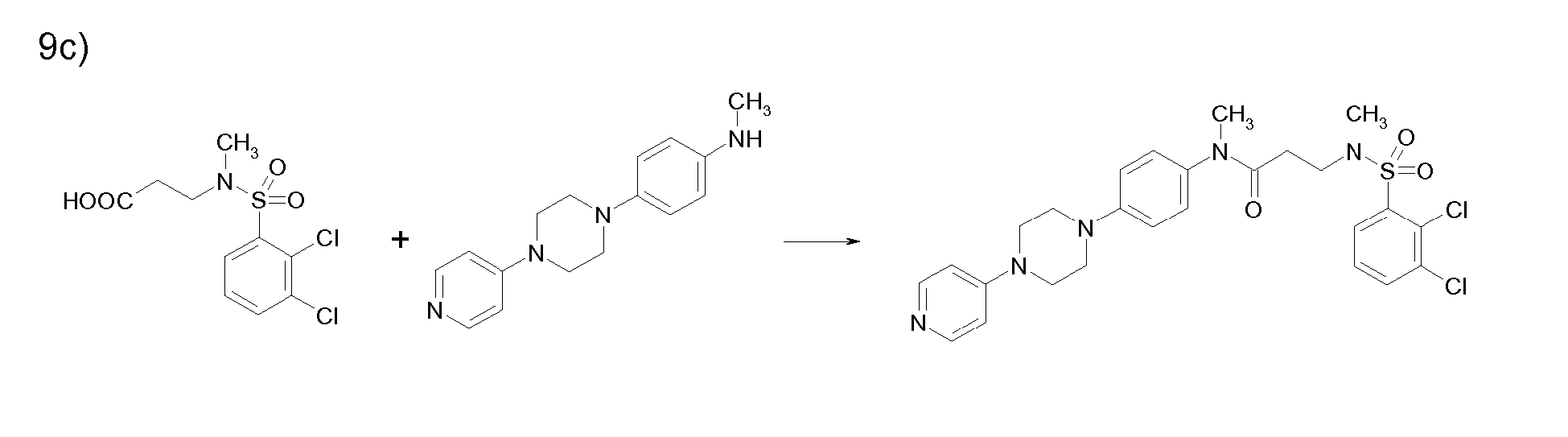
- Beispiel 9 wird analog zu 1f aus 0.15 g (0.48 mMol) Produkt aus 1c, 0.14 g (0.51 mMol) Produkt aus 9b, 0.13 ml (0.96 mMol) Triethylamin und 0.19 g (0.51 mMol) HATU in 5 ml DMF hergestellt.
C26H29C12N5O3S (562.51)
[M+H]+ = 562/564/566
HPLC (Methode 2): Retentionszeit = 2.86 min -


- Eine Mischung aus 1.0 g (9.70 mMol) N-Methyl-ß-alanin (Convertex), 24 ml Dioxan, 12 ml Wasser und 2.68 g (19.38 mMol) Kaliumcarbonat wasserfrei wird unter Eisbadkühlung mit 2.33 g (10.66 mMol) Boc-Anhydrid versetzt. Die Reaktionsmischung wird drei Tage bei Raumtemperatur gerührt. Danach wird das Dioxan im Vakuum entfernt. Der wässrige Rückstand wird mit Ethylacetat extrahiert (Ethylacetat-Phasen verwerfen), anschließend mit 1 M Salzsäure leicht sauer gestellt und dann mit Dichlormethan extrahiert. Die organischen Dichlormethan-Extrakte werden mit gesättigter Natriumchlorid-Lösung gewaschen, über Natriumsulfat getrocknet und bis zur Trockene eingeengt.
C9H17N04 (203.24)
[M+H]+ = 204
C24H33N503 (439.55)
[M+H]+ = 440
DC: Kieselgel, Dichlormethan / Methanol 9:1, Rf-Wert = 0.49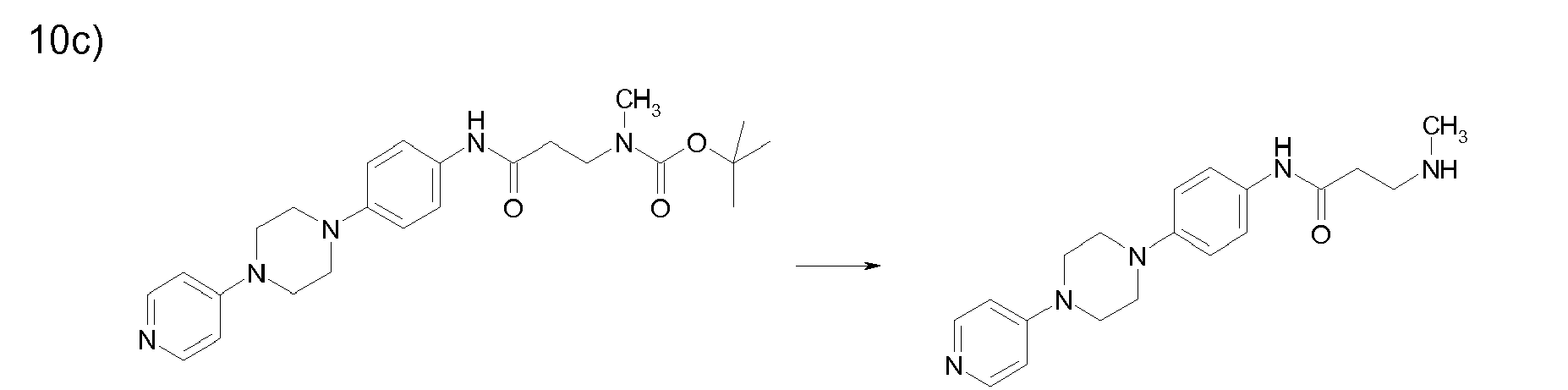
- Eine Mischung aus 3.20 g (7.28 mMol) Produkt aus 10b, 20 ml TFA und 60 ml Dichlormethan wird 30 min bei Raumtemperatur gerührt. Danach wird die Reaktionsmischung im Vakuum bis zur Trockene eingeengt. Das so erhaltene Rohprodukt wird durch Säulenchromatographie über Kieselgel (Elutionsmittel: Dichlormethan / Ethanol / Ammoniak 9:1:0.1 bis 4:1:0.1 ) gereinigt.
C19H25N50 (339.43)
[M+H]+ = 340
DC: Kieselgel, Dichlormethan / Methanol / Ammoniak 9:1:0.1, Rf-Wert = 0.25
- Eine Mischung aus 0.1 g (0.30 mMol) Produkt aus 10c, 0.056 g (0.25 mMol) 1-Naphthylsulfonsäurechlorid, 0.137 ml (0.98 mMol) Triethylamin und 5 ml Dichlormethan wird über Nacht bei Raumtemperatur gerührt. Danach wird die Reaktionsmischung im Vakuum bis zur Trockene eingeengt. Das so erhaltene Rohprodukt wird durch Säulenchromatographie über Kieselgel (Elutionsmittel: Dichlormethan / Ethanol / Ammoniak 12:1:0.1) gereinigt. C29H31,N5O3S (529.65)
[M+H]+ = 530
DC: Kieselgel, Dichlormethan / Methanol / Ammoniak 9:1:0.1, Rf-Wert = 0.44 -


- Beispiel 11 wird analog zu 10d aus 0.10 g (0.30 mMol) Produkt aus 10c, 0.052 g (0.25 mMol) 2-Chlorbenzolsulfonsäurechlorid, 0.14 ml (98 mMol) Triethylamin in 5 ml Dichlormethan hergestellt.
C25H28C1N5O3S (514.04)
[M+H]+ = 514/516
DC: Kieselgel, Dichlormethan / Methanol / Ammoniak 9:1:0.1, Rf-Wert = 0.47 -


- Beispiel 12 wird analog zu 10d aus 0.10 g (0.30 mMol) Produkt aus 10c, 0.047 g (0.25 mMol) p-Toluolsulfonsäurechlorid, 0.14 ml (98 mMol) Triethylamin in 5 ml Dichlormethan hergestellt.
C26H31N503S (493.62)
[M+H]+ = 494
DC: Kieselgel, Dichlormethan / Methanol / Ammoniak 9:1:0.1, Rf-Wert = 0.43 -


- Eine Mischung aus 2.0 g (14.69 mMol) 3,5-Dimethylanisol und 20 ml Dichlormethan wird unter Eisbadkühlung mit 5.85 ml (88.0 mMol) Chlorsulfonsäure versetzt. Die Reaktionsmischung wird danach 20 min bei Raumtemperatur gerührt und anschließend auf 50 ml Eiswasser gegossen. Man extrahiert mit 100 ml Dichlormethan. Die organischen Extrakte werden mit 5%iger Natriumhydrogencarbonat-Lösung gewaschen, über Natriumsulfat getrocknet und bis zur Trockene eingeengt.
C9H11CI03S (234.70)
[M+H]+ = 234/236
DC: Kieselgel, Petrolether / Ethylacetat 9:1, Rf-Wert = 0.46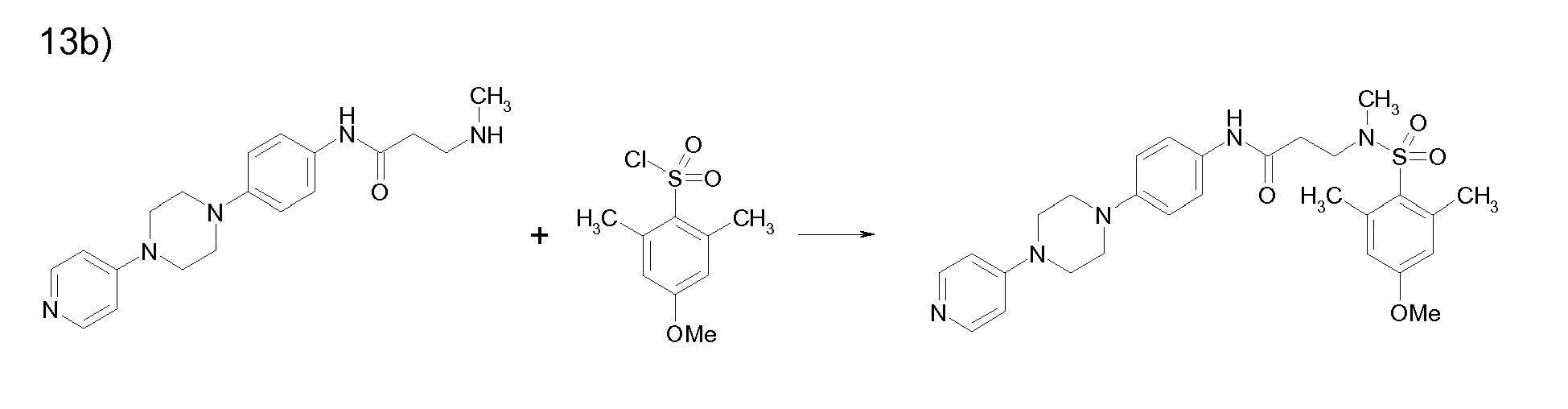
- Beispiel 13 wird analog zu 10d aus 0.10 g (0.30 mMol) Produkt aus 10c, 0.058 g (0.25 mMol) Produkt aus 13a, 0.14 ml (98 mMol) Triethylamin in 5 ml Dichlormethan hergestellt. C28H35N5O4S (537.67)
[M+H]+ = 538
DC: Kieselgel, Dichlormethan / Methanol / Amoniak 9:1:0.1, Rf-Wert = 0.62 -


- Beispiel 14 wird analog zu 10d aus 0.10 g (0.30 mMol) Produkt aus 10c, 0.047 g (0.25 mMol) m-Toluolsulfonsäurechlorid, 0.14 ml (98 mMol) Triethylamin in 5 ml Dichlormethan hergestellt.
C26H31N5O3S (493.62)
[M+H]+ = 494
DC: Kieselgel, Dichlormethan / Methanol / Ammoniak 9:1:0.1, Rf-Wert = 0.47 -


- Beispiel 15 wird analog zu 10d aus 0.10 g (0.30 mMol) Produkt aus 10c, 0.047 g (0.25 mMol) o-Toluolsulfonsäurechlorid, 0.14 ml (98 mMol) Triethylamin in 5 ml Dichlormethan hergestellt.
C26H31N5O3S (493.62)
[M+H]+ = 494
HPLC (Methode 1): Retentionszeit = 2.37 min -


- Beispiel 16 wird analog zu 10d aus 0.10 g (0.30 mMol) Produkt aus 10c, 0.043 g (0.25 mMol) Benzolsulfonsäurechlorid, 0.14 ml (98 mMol) Triethylamin in 5 ml Dichlormethan hergestellt.
C25H29N5O3S (479.60)
[M+H]+ = 480
HPLC (Methode 1): Retentionszeit = 2.40 min -


- Eine Mischung aus 1.03 g (6.28 mMol) 1-(4-Pyridyl)-piperazin (Girindus) und 50 ml Dichlormethan wird mit 1.0 g (6.28 mMol) tert-Butyl-N-(2-oxoethyl)-carbamat (Aldrich) versetzt. Die Reaktionsmischung wird danach 30 min bei Raumtemperatur gerührt, anschließend unter Eisbadkühlung mit 2.66 g (12.56 mMol) Natrium-triacetoxyborhydrid versetzt und danach über Nacht bei Raumtemperatur gerührt. Man gibt weitere 60 ml Dichlormethan hinzu und wäscht die Reaktionsmischung mit gesättigter Natriumhydrogencarbonat-Lösung und gesättigter Natriumchlorid-Lösung. Die organische Phase wird über Natriumsulfat getrocknet und bis zur Trockene eingeengt. Das so erhaltene Rohprodukt wird durch Säulenchromatographie über Kieselgel (Elutionsmittel: Dichlormethan / Ethanol / Ammoniak 14:1:0.1 bis 10:1:0.1) gereinigt.
C16H26N402 (306.40)
[M+H]+ = 307
- Eine Mischung aus 0.36 g (1.19 mMol) Produkt aus 17a, 1.19 ml (15.50 mMol) TFA und 2 ml Dichlormethan wird zwei Stunden bei Raumtemperatur gerührt. Danach wird die Reaktionsmischung im Vakuum bis zur Trockene eingeengt.
C11H18N4x 2C2HF302 (434.33)
[M+H]+ = 207
HPLC (Methode 2): Retentionszeit = 0.98 min

- Beispiel 17 wird analog zu 1f aus 0.22 g (0.71 mMol) Produkt aus 1c, 0.34 g (0.78 mMol) Produkt aus 17b, 0.50 ml (3.56 mMol) Triethylamin und 0.23 g (0.71 mMol) TBTU in 5.5 ml THF hergestellt.
C21H27CI2N5O3S x 2C2HF3O2 (728.49)
[M+H]+ = 500/502/504
HPLC (Methode 2): Retentionszeit = 3.14 min -


C23H36CL2N4O5S (551.53)
M+H]+ = 551/553/555
DC: Kieselgel, Dichlormethan / Methanol 30:1, Rf-Wert = 0.1
- Eine Mischung aus 0.29 g (0.53 mMol) Produkt aus 18a, 0.53 ml TFA und 1 ml Dichlormethan wird zwei Stunden bei Raumtemperatur gerührt. Die Reaktionsmischung wird mit gesättigter Natriumhydrogencarbonat-Lösung gewaschen. Nach der Phasentrennung wird die wässrige Phase noch dreimal mit Dichlormethan extrahiert. Die organischen Extrakte werden über Natriumsulfat getrocknet und bis zur Trockene im Vakuum eingeengt.
C18H28CI2N403S (451.41 )
[M+H]+ = 451/453/455
HPLC (Methode 2): Retentionszeit = 2.22 min -


- Eine Mischung aus 5.0 ml (45.13 mMol) N-Methylpiperazin und 0.73 g (6.00 mMol) 4-Fluorbenzonitril (Aldrich) wird 12 Stunden auf 80°C erhitzt. Danach wird bis zur Trockene eingeengt und der Rückstand mit Wasser versetzt. Es wird dreimal mit Ethylacetat extrahiert. Die organischen Extrakte werden über Natriumsulfat getrocknet und im Vakuum bis zur Trockene eingeengt.
C12H15N3 (201.27)
M+H]+ = 202
DC: Kieselgel, Dichlormethan / Ethanol 95:5, Rf-Wert = 0.31
- Eine Mischung aus 1.17 g (5.81 mMol) Produkt aus 19a, 0.3 g Raney-Nickel und 50 ml methanolische Ammoniaklösung wird bei 50°C im Autoklaven hydriert. Danach wird der Katalysator abfiltriert und das Filtrat im Vakuum bis zur Trockene eingeengt.
C12H19N3 (205.30)
M+H]+ = 206
- Beispiel 19 wird analog zu 1f aus 0.16 g (0.50 mMol) Produkt aus 1c, 0.10 g (0.50 mMol) Produkt aus 19b, 0.14 ml (1.00 mMol) Triethylamin und 0.16 g (0.50 mMol) TBTU in 3 ml DMF hergestellt.
C22H28C12N4O3S × HCl (535.91)
[M+H]+ = 499/501/503
HPLC (Methode 3): Retentionszeit = 3.49 min -


- Eine Mischung aus 0.5 g (4.99 mMol) N-Methylpiperazin (Aldrich), 1.41 g (4.99 mMol) N-(4-Brombutyl)-phthalimid (Fluka), 0.86 ml (4.99 mMol) DIPEA und 9.3 ml Acetonitril wird 45 min in der Mikrowelle auf 120°C erhitzt. Danach wird bis zur Trockene eingeengt. Das so erhaltene Rohprodukt wird durch Säulenchromatographie über Kieselgel (Elutionsmittel: Dichlormethan / Methanol 98:2) gereinigt.
C17H23N3O2 (301.38)
M+H]+ = 302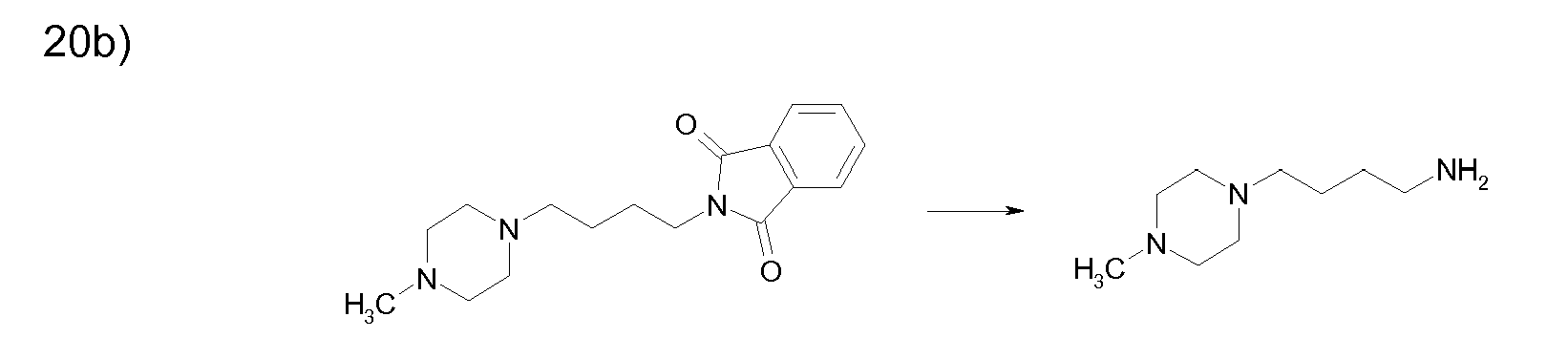
- Eine Mischung aus 1.94 g (6.44 mMol) Produkt aus 20a, 1.61 g (25.75 mMol) Hydrazinhydrat Hydrat und 15 ml Ethanol absolut wird 5.5 Stunden im Autoklaven auf 120°C erhitzt. Der entstandene Niederschlag wird abfiltriert. Man engt danach das Filtrat bis zur Trockene ein.
CgH21N3 (171.28)
- Beispiel 20 wird analog zu 1f aus 0.50 g (1.61 mMol) Produkt aus 1c, 0.55 g (3.22 mMol) Produkt aus 20b, 0.67 ml (4.83 mMol) Triethylamin und 0.52 g (1.61 mMol) TBTU in 30 ml DMF hergestellt.
C19H30CI2N4O3S × 2HCl (538.36)
[M+H]+ = 465/467/469
HPLC (Methode 1): Retentionszeit = 2.15 min -


- Eine Mischung aus 2.06 g (12.62 mMol) 1-Pyridin-4-yl-piperazin (Girindus), 2.00 g (12.62 mMol) 2-Chlor-5-nitropyridin (Fluka) und 50 ml Dichlormethan wird 15 min bei Raumtemperatur gerührt und anschließend mit 6.31 ml (12.62 mMol) 2 M Natronlauge versetzt. Die Reaktionsmischung wird 20 Stunden bei Raumtemperatur gerührt und danach mit 300 ml Dichlormethan und 100 ml 5%iger Natriumhydrogencarbonat-Lösung versetzt. Nach der Phasentrennung wird die organische Phase über Natriumsulfat getrocknet und im Vakuum bis zur Trockene eingeengt. Das Rohprodukt wird mit 100 ml Diethylether / Ethanol 2:1 verrührt, abfiltriert und getrocknet.
C14H15N5O2 (285.30)
[M+H]+ = 286
DC: Kieselgel, Dichlormethan / Ethanol 9:1, Rf-Wert = 0.10
- Eine Mischung aus 1.75 g (6.13 mMol) Produkt aus 21 a, 0.4 g Palladium auf Kohle (10%), 100 ml Dichlormethan und 50 ml Methanol wird fünf Stunden im Autoklaven bei Raumtemperatur hydriert. Anschließend wird der Katalysator abgesaugt und das Filtrat im Vakuum bis zur Trockene eingeengt. Der Rückstand wird mit 100 ml Diethylether / Ethanol 2:1 verrührt und abgesaugt. Das so erhaltene Rohprodukt wird durch Säulenchromatographie über Kieselgel (Elutionsmittel: Dichlormethan / Methanol / Ammoniak 95:5:0.5) gereinigt.
C14H17N5 (255.32)
[M+H]+ = 256
DC: Kieselgel, Dichlormethan / Methanol / Ammoniak 9:1:0.1, Rf-Wert = 0.37
- Beispiel 21 wird analog zu 1f aus 0.11 g (0.35 mMol) Produkt aus 1c, 0.089 g (0.35 mMol) Produkt aus 21 b, 0.098 ml (0.70 mMol) Triethylamin und 0.13 g (0.42 mMol) TBTU in 15 ml THF hergestellt.
C24H26C12N6O3S (549.47)
[M+H]+ = 549/551/553
HPLC (Methode 4): Retentionszeit = 2.7 min -


C14H21NO5S (315.39)
[M+H]+ = 316
DC: Kieselgel, Petrolether / Ethylacetat 2:1, Rf-Wert = 0.23
[M+H]+ = 330
DC: Kieselgel, Petrolether /Ethylacetat 2:1, Rf-Wert = 0.36
- Die Säure wird analog zu 1 c aus 3.83 g (11.63 mMol) Produkt aus 22b, 2.44 g (58.13 mMol) Lithiumhydroxid Monohydrat in 30 ml THF und 30 ml Wasser hergestellt. C13H19NO5S (301.36)
[M+H]+ = 302
DC: Kieselgel, Petrolether /Ethylacetat 1:1, Rf-Wert = 0.12
- Beispiel 22 wird analog zu 1f aus 0.13 g (0.42 mMol) Produkt aus 22c, 0.089 g (0.35 mMol) Produkt aus 21 b, 0.098 ml (0.70 mMol) Triethylamin und 0.13 g (0.42 mMol) TBTU in 15 ml THF hergestellt.
C27H34N6O4S (538.66)
[M+H]+ = 539
HPLC (Methode 4): Retentionszeit = 2.6 min -


- Beispiel 23 wird analog zu 1f aus 0.30 g (1.00 mMol) Produkt aus 22c, 0.22 g (1.00 mMol) Produkt aus 8b, 0.42 ml (2.99 mMol) Triethylamin und 0.32 g (1.00 mMol) TBTU in 15 ml DMF hergestellt.
C26H38N4O4S (502.67)
[M+H]+ = 503
HPLC (Methode 1): Retentionszeit = 2.47 min -


- Beispiel 24 wird analog zu 1f aus 0.25 g (0.80 mMol) Produkt aus 3c, 0.18 g (0.80 mMol) Produkt aus 8b, 0.33 ml (2.39 mMol) Triethylamin und 0.26 g (0.80 mMol) TBTU in 10 ml DMF hergestellt.
C27H40N4O4S (516.70)
[M+H]+ = 517
HPLC (Methode 1): Retentionszeit = 2.50 min -
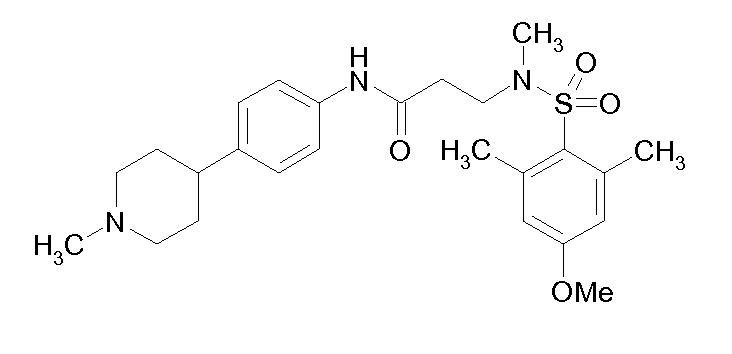

- Beispiel 25 wird analog zu 1f aus 0.20 g (0.66 mMol) Produkt aus 22c, 0.14 g (0.73 mMol) 4-(1-Methylpiperidin-4-yl)-anilin (JW Pharmlab), 0.28 ml (1.99 mMol) Triethylamin und 0.21 g (0.66 mMol) TBTU in 50 ml THF hergestellt.
C27H40N4O4S × C2HF302 (587.65)
[M+H]+ = 474
HPLC (Methode 2): Retentionszeit = 3.03 min -


- Beispiel 26 wird analog zu 1f aus 0.20 g (0.66 mMol) Produkt aus 22c, 0.14 g (0.73 mMol) 4-(4-Methylpiperazin-1-yl)-anilin (J. Med. Chem. SIR 48, 7, 2005, 2371-2387), 0.28 ml (1.99 mMol) Triethylamin und 0.21 g (0.66 mMol) TBTU in 5 ml THF hergestellt. C24H34N4O4S x C2HF3O2 (588.65)
[M+H]+ = 475
HPLC (Methode 5): Retentionszeit = 1.50 min -


- Eine Mischung aus 1.00 g (6.31 mMol) 2-Chlor-5-nitropyridin (Fluka), 1.32 ml (9.46 mMol) Triethylamin und 2 ml Methanol wird vorgelegt und langsam mit 1.13 g (8.83 mMol) 4-Dimethylamino-piperidin (Alfa Aesar) versetzt. Die Reaktionslösung wird anschließend mit halbgesättigter Natriumchlorid gequencht, der entstandene Niederschlag wird abgesaugt und getrocknet.
C12H,8N4O2 (250.30)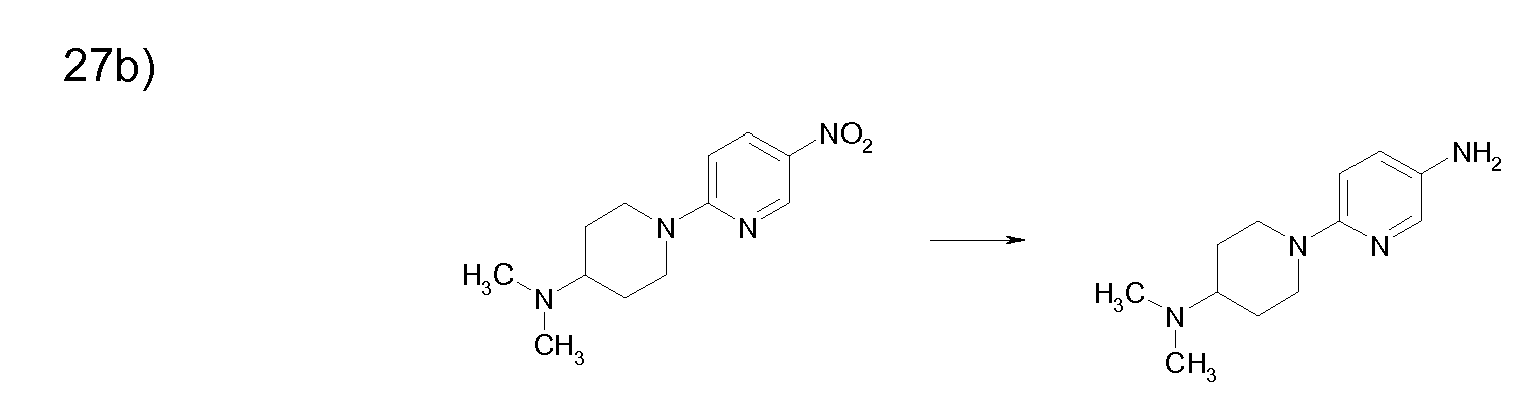
C12H20N4 (220.31)

- Eine Mischung aus 0.11 g (0.35 mMol) Produkt aus 22c und 2.0 ml Thionylchlorid wird zwei Stunden bei Raumtemperatur gerührt. Die Reaktionsmischung wird danach im Vakuum bis zur Trockene eingeengt.
C13H18C1NO4S (319.81)
- Eine Mischung aus 0.11 g (0.34 mMol) Produkt aus 27c, 0.091 g (0.41 mMol) Produkt aus 27b, 0.18 ml (1.03 mMol) DIPEA und 45 ml THF wird zwei Stunden bei Raumtemperatur gerührt. Die Reaktionsmischung wird anschließend im Vakuum bis zur Trockene eingeengt. Das Rohprodukt wird durch präparative HPLC gereinigt. Danach wird mit Hilfe von 4 M HCI in Dioxan das Hydrochlorid hergestellt.
C25H37N5O4S × 2HCl (576.58)
[M+H]+ = 504
HPLC (Methode 2): Retentionszeit = 2.73 min -
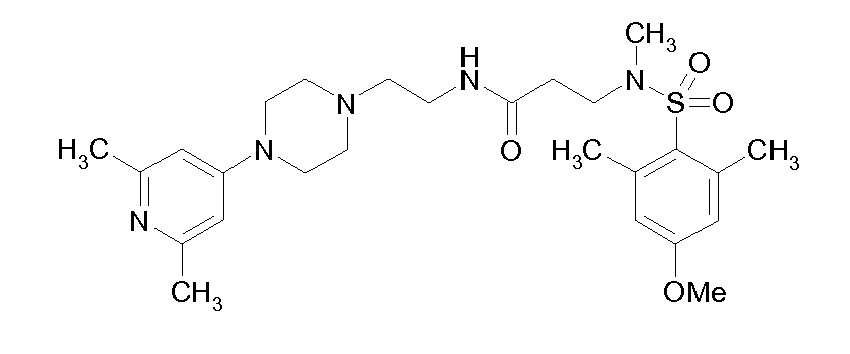

- Eine Mischung aus 1.50 g (6.84 mMol) 1-(2-Aminoethyl)-4-benzylpiperazin (Maybridge), 1.64 g (7.52 mMol) Boc-Anhydrid und 30 ml Dichlormethan wird eine Stunde bei Raumtemperatur gerührt. Danach wird die Reaktionslösung mit 100 ml Dichlormethan verdünnt und mit 1 M Natronlauge und Wasser gewaschen. Die organische Phase wird über Natriumsulfat getrocknet und im Vakuum bis zur Trockene eingeengt.
C18H29N3O2 (319.44)
HPLC (Methode 4): Retentionszeit = 2.6 min
- Eine Mischung aus 2.10 g (6.57 mMol) Produkt aus 28a, 0.25 g Palladium auf Kohle (10%) und 30 ml Methanol wird 15 Stunden bei Raumtemperatur im Autoklaven hydriert. Anschließend wird der Katalysator abgesaugt und das Filtrat im Vakuum bis zur Trockene eingeengt.
C11H23N3O4 (229.32)
[M+H]+ = 230
DC: Kieselgel, Dichlormethan / Ethanol 9:1, Rf-Wert = 0.08
- Eine Mischung aus 1.18 g (6.32 mMol) 4-Brom-2,6-dimethylpyridin (Acta Chem. Scand. Ser. B 42, 1988, 373-377), 1.45 g (6.32 mMol) Produkt aus 28b und 2.2 ml DIPEA wird 50 min auf 130°C in der Mikrowelle erhitzt. Man versetzt die Reaktionsmischung mit Ethylacetat und halbgesättigter Kaliumcarbonat-Lösung und trennt danach die Phasen. Die organische Phase wird über Natriumsulfat getrocknet und im Vakuum bis zur Trockene eingeengt. Das so erhaltene Rohprodukt wird durch Säulenchromatographie über Kieselgel (Elutionsmittel: Dichlormethan / Methanol / Ammoniak 95:5:0.5) gereinigt. C18H30N4O2S (334.46)
[M+H]+ = 335
DC: Kieselgel, Dichlormethan / Methanol / Ammoniak 9:1:0.1, Rf-Wert = 0.37
- Eine Mischung aus 1.61 g (4.81 mMol) Produkt aus 28c, 3.70 ml TFA und 30 ml Dichlormethan wird sechs Stunden bei Raumtemperatur gerührt. Die Reaktionsmischung wird anschließend mit Dichlormethan verdünnt und mit 5%iger Natriumhydrogencarbonat-Lösung gewaschen. Die wässrige Phase wird noch zweimal mit Ethylacetat extrahiert. Die vereinigten organischen Phasen werden über Natriumsulfat getrocknet und im Vakuum bis zur Trockene eingeengt. Das so erhaltene Rohprodukt wird durch Säulenchromatographie über Kieselgel (Elutionsmittel: Dichlormethan / Methanol / Ammoniak 90:10:1) gereinigt.
C13H22N4 (234.34)
[M+H]+ = 235
DC: Kieselgel, Dichlormethan / Methanol / Ammoniak 9:1:0.1, Rf-Wert = 0.10
- Beispiel 28 wird analog zu 1f aus 0.11 g (0.35 mMol) Produkt aus 22c, 0.082 g (0.35 mMol) Produkt aus 28d, 0.098 ml (0.70 mMol) Triethylamin und 0.13 g (0.42 mMol) TBTU in 7 ml THF und 1 ml DMF hergestellt.
C26H39N5O4S (517.69)
[M+H]+ = 518
HPLC (Methode 4): Retentionszeit = 2.4 min -


C20H25N3O (323.43)
[M+H]+ = 324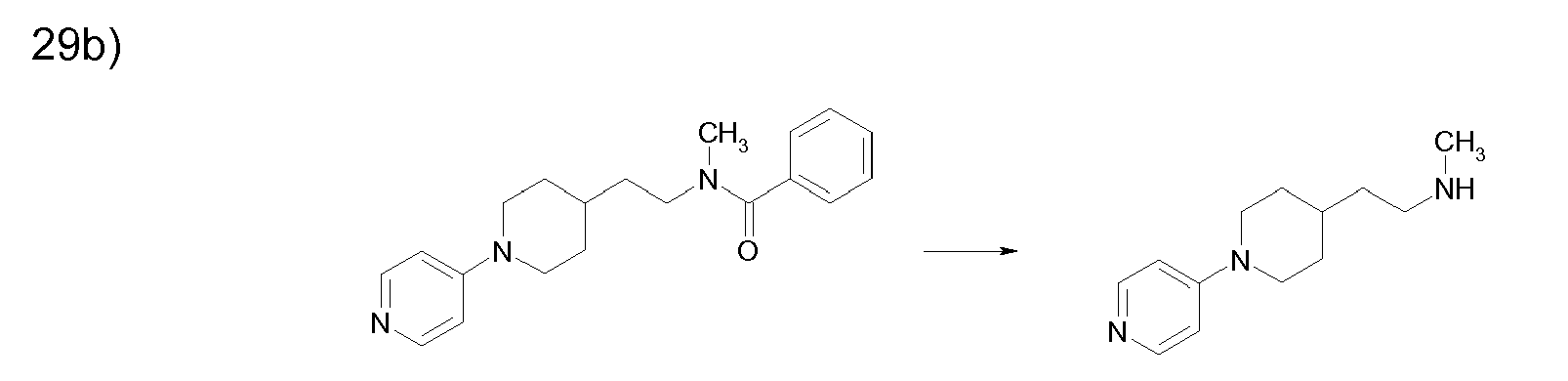
- Eine Mischung aus 0.52 g (1.61 mMol) Produkt aus 29a, 10 ml 2 M Kalilauge und 10 ml Ethanol wird 30 Stunden unter Rückfluss erhitzt. Die Reaktionsmischung wird im Vakuum bis auf die Hälfte eingeengt und danach mit Dichlormethan extrahiert. Die organischen Extrakte werden über Natriumsulfat getrocknet und im Vakuum bis zur Trockene eingeengt.
C13H21N3 (219.33)
[M+H]+ = 220
DC: Kieselgel, Dichlormethan / Methanol / Ammoniak 8:2:0.01, Rf-Wert = 0.46

- Beispiel 29 wird analog zu 1f aus 0.14 g (0.46 mMol) Produkt aus 22c, 0.10 g (0.46 mMol) Produkt aus 29b, 0.15 ml (1.09 mMol) Triethylamin und 0.16 g (0.50 mMol) TBTU in 30 ml THF und 5 ml DMF hergestellt.
C26H38N4O4S x HCI (539.13)
[M+H]+ = 503
DC: Kieselgel, Dichlormethan / Methanol / Ammoniak 8:2:0.01, Rf-Wert = 0.41 -


- Eine Mischung aus 3.25 g (26.60 mMol) 3,5-Dimethylphenol (Aldrich), 3.20 g (28.52 mMol) Kalium-tert-butylat und 40 ml DMSO wird eine Stunde bei Raumtemperatur gerührt. Danach tropft man 3.80 g (27.34 mMol) Bromethylmethylether (Aldrich) hinzu und rührt weitere zwei Stunden bei Raumtemperatur. Die Reaktionsmischung wird auf Wasser gegossen und mit Diethylether extrahiert. Die organischen Extrakte werden mit Wasser und gesättigter Natriumchlorid-Lösung gewaschen, über Natriumsulfat getrocknet und im Vakuum bis zur Trockene eingeengt.
C11H16O2 (180.24)
[M+H]+ = 181
DC: Kieselgel, Petrolether/Ethylacetat 9:1, Rf-Wert = 0.31

C11H15CIO4S (278.75)
DC: Kieselgel, Petrolether/Ethylacetat 9:1, Rf-Wert = 0.06
C16H25NO6S (359.44)
[M+H]+ = 360
DC: Kieselgel, Dichlormethan / Methanol 19:1, Rf-Wert = 0.51
[M+H]+ = 374

- Die Säure wird analog zu 1 c aus 1.70 g (4.55 mMol) Produkt aus 30d, 0.80 g (20.00 mMol) Natriumhydroxid in 30 ml Ethanol und 10 ml Wasser hergestellt. C15H23NO6S (345.41)
[M+H]+ = 346
- Beispiel 30 wird analog zu 1f aus 0.14 g (0.39 mMol) Produkt aus 30e, 0.10 g (0.39 mMol) Produkt aus 21 b, 0.10 ml (0.99 mMol) Triethylamin und 0.14 g (0.44 mMol) TBTU in 30 ml THF und 5 ml DMF hergestellt.
C29H38N6O5S (582.72)
[M+H]+ = 583
DC: Kieselgel, Dichlormethan / Methanol / Ammoniak 8:2:0.01, Rf-Wert = 0.44 -


- Beispiel 31 wird analog zu 1f aus 0.16 g (0.46 mMol) Produkt aus 30e, 0.10 g (0.46 mMol) Produkt aus 29b, 0.11 ml (1.09 mMol) Triethylamin und 0.16 g (0.50 mMol) TBTU in 30 ml THF und 5 ml DMF hergestellt.
C28H42N4O5S x HCI (583.18)
[M+H]+ = 547
DC: Kieselgel, Dichlormethan / Methanol / Ammoniak 8:2:0.01, Rf-Wert = 0.52 -
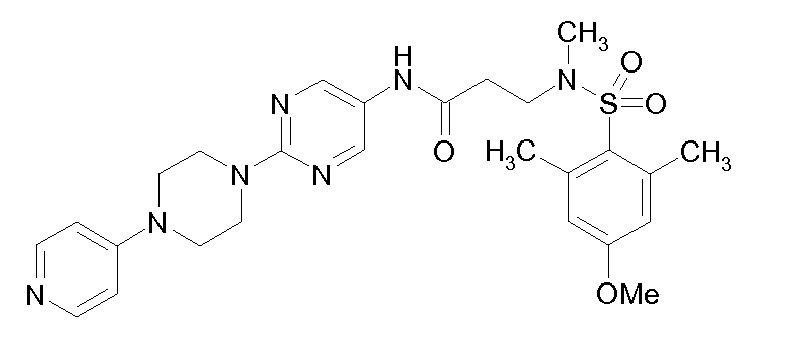

- Eine Mischung aus 3.00 g (18.81 mMol) 2-Chlor-5-nitropyrimidin (Apin), 3.07 g (18.81 mMol) 1-(4-Pyridyl)-piperazin (Girindus), 9.40 ml (18.81 mMol) 2 M Natronlauge in 80 ml Dichlormethan wird 2.5 Stunden bei Raumtemperatur gerührt. Danach wird die Reaktionsmischung mit 100 ml Dichlormethan verdünnt und mit 5%iger Natriumhydrogencarbonat-Lösung gewaschen. Die organische Phase wird über Natriumsulfat getrocknet und im Vakuum bis zur Trockene eingeengt. Das Rohprodukt wird mit einer Mischung aus 50 ml Wasser und 30 ml Ethylacetat verrieben, abfiltriert und getrocknet.
C13H14N6O2 (286.29)
[M+H]+ = 287
HPLC (Methode 4): Retentionszeit = 2.6 min
C13H16N6 (256.31)
[M+H]+ = 257
DC: Kieselgel, Dichlormethan / Methanol 8:2, Rf-Wert = 0.11
- Beispiel 32 wird analog zu 1f aus 0.11 g (0.35 mMol) Produkt aus 22c, 0.090 g (0.35 mMol) Produkt aus 32b, 0.098 ml (0.70 mMol) Triethylamin und 0.13 g (0.42 mMol) TBTU in 7 ml THF und 1 ml DMF hergestellt.
C26H33N7O4S (539.65)
[M+H]+ = 540
HPLC (Methode 4): Retentionszeit = 2.9 min -


- Eine Mischung aus 0.68 g (2.91 mMol) 4-(4-Dimethylamino-piperidin-1-yl)-benzaldehyd (Tetrahedron 57, 2001, 4781-4785), 15 ml 2 M Ammoniak in Ethanol und 0.10 g Raney-Nickel wird bei Raumtemperatur im Autoklaven hydriert. Danach wird der Katalysator abfiltriert und das Filtrat im Vakuum bis zur Trockene eingeengt.
C14H23N3 (233.35)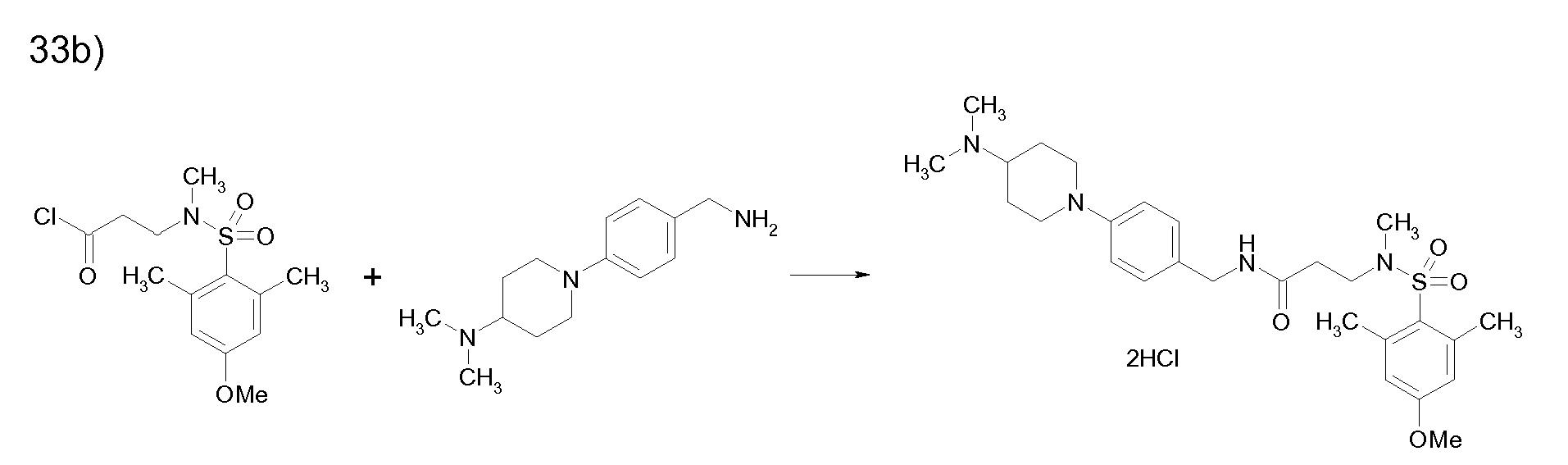
- Beispiel 33 wird analog zu 27d aus 0.27 g (0.84 mMol) Produkt aus 27c, 0.63 g (2.68 mMol) Produkt aus 33a, 0.22 ml (1.26 mMol) DIPEA in 3 ml Dichlormethan hergestellt. C27H40N4O4S x 2HCI (589.62)
[M+H]+ = 517
HPLC (Methode 5): Retentionszeit = 1.46 min -


- Eine Mischung aus 4.97 ml (59.50 mMol) Pyrrolidin und 100 ml Dichlormethan wird unter Eisbadkühlung langsam mit 5.00 g (23.80 mMol) (4-Brommethyl-phenyl)-acetonitril (Tetrahedron 47, 1991, 3969-3980) versetzt. Danach wird die Reaktionsmischung auf Raumtemperatur erwärmt, mit Wasser gewaschen, über Magnesiumsulfat getrocknet und im Vakuum bis zur Trockene eingeengt.
C13H16N2 (200.28)
[M+H]+ = 201
DC: Kieselgel, Dichlormethan / Methanol / Ammoniak 9:1:0.1, Rf-Wert = 0.58
- Eine Mischung aus 4.70 g (23.47 mMol) Produkt aus 34a, 0.5 g Raney-Nickel und 50 ml methanolische Ammoniak-Lösung wird im Autoklaven bei 50°C hydriert. Anschließend wird der Katalysator abfiltriert und das Filtrat im Vakuum bis zur Trockene eingeengt. C13H20N2 (204.31)
[M+H]+ = 205
- Eine Mischung aus 4.09 g (20.00 mMol) Produkt aus 34b, 5.62 ml (40.00 mMol) Triethylamin und 100 ml Dichlormethan wird unter Eisbadkühlung langsam mit 2.17 ml (22.00 mMol) Chlorameisensäureethylester (Aldrich) versetzt. Danach wird fünf Stunden bei Raumtemperatur gerührt. Die Reaktionsmischung wird anschließend mit Wasser gequencht und mit MTB-Ether extrahiert. Die organischen Extrakte werden zweimal mit Wasser gewaschen, über Magnesiumsulfat getrocknet und im Vakuum bis zur Trockene eingeengt. Das so erhaltene Rohprodukt wird durch Säulenchromatographie über Kieselgel (Elutionsmittel: Dichlormethan / Methanol / Ammoniak 9:1:0.1) gereinigt. C16H24N202 (276.37)
[M+H]+ = 277
- Eine Mischung aus 3.60 g (13.03 mMol) Produkt aus 34c und 25 ml THF wird langsam mit 51.05 ml (51.05 mMol) 1 M Lithiumaluminiumhydrid in THF (Aldrich) versetzt. Danach wird zwei Stunden bei Raumtemperatur und zwei Stunden bei 70 ºC gerührt. Die Reaktionsmischung wird anschließend mit Wasser und 15%iger Natronlauge gequencht und noch eine Stunde bei Raumtemperatur gerührt. Der entstandene Niederschlag wird abfiltriert und das Filtrat im Vakuum bis zur Trockene eingeengt. Das so erhaltene Rohprodukt wird durch Säulenchromatographie über Kieselgel (Elutionsmittel: Dichlormethan / Methanol / Ammoniak 9:1:0.1) gereinigt.
C14H22N2 (218.34)
[M+H]+ = 219
- Beispiel 34 wird analog zu 1f aus 0.11 g (0.35 mMol) Produkt aus 22c, 0.076 g (0.35 mMol) Produkt aus 34d, 0.098 ml (0.70 mMol) Triethylamin und 0.13 g (0.42 mMol) TBTU in 7 ml THF und 1 ml DMF hergestellt.
C27H39N3O4S (501.68)
[M+H]+ = 502
HPLC (Methode 4): Retentionszeit = 3.1 min -


- Eine Mischung aus 0.33 g (2.34 mMol) 1-Fluor-4-nitrobenzol (Aldrich), 0.30 g (2.34 mMol) 3-Dimethylamino-piperidin (Chess), 0.46 ml (3.27 mMol) Triethylamin und 4 ml DMF wird sechs Stunden bei Raumtemperatur gerührt. Die Reaktionsmischung wird danach mit Wasser gequencht und mit Dichlormethan extrahiert. Die organischen Extrakte werden mit gesättigter Natriumchlorid-Lösung gewaschen, über Natriumsulfat getrocknet und im Vakuum bis zur Trockene eingeengt.
C13H19N3O2 (249.31)
[M+H]+ = 250
DC: Kieselgel, Dichlormethan / Methanol / Ammoniak 9:1:0.1, Rf-Wert = 0.56
- Eine Mischung aus 0.25 g (1.00 mMol) Produkt aus 35a, 30 mg Raney-Nickel und 10 ml Ethylacetat wird im Autoklaven bei Raumtemperatur hydriert. Der Katalysator wird abfiltriert und das Filtrat im Vakuum bis zur Trockene eingeengt.
C13H21N3 (219.33)
DC: Kieselgel, Dichlormethan / Methanol / Ammoniak 9:1:0.1, Rf-Wert = 0.25
- Beispiel 35 wird analog zu 1f aus 0.16 g (0.50 mMol) Produkt aus 1c, 0.11 g (0.50 mMol) Produkt aus 35b, 0.14 ml (1.00 mMol) Triethylamin und 0.16 g (0.50 mMol) TBTU in 3 ml DMF hergestellt.
C23H3OCI2N4O3S × HCl (539.14)
[M+H]+ = 513/515/517
HPLC (Methode 1): Retentionszeit = 2.43 min -


- Eine Mischung aus 2.50 g (13.35 mMol) 3-Piperazin-1-yl-benzonitril (Tetrahedron 55, 1999, 13285-13300), 3.00 g (13.75 mMol) Boc-Anhydrid, 2.40 ml (13.78 mMol) DIPEA und 50 ml THF wird vier Stunden bei Raumtemperatur gerührt und danach im Vakuum bis zur Trockene eingeengt. Der Rückstand wird in Wasser aufgenommen und mit Diethylether extrahiert. Die organischen Extrakte werden über Natriumsulfat getrocknet und im Vakuum bis zur Trockene eingeengt.
C16H21N3O2 (287.36)
[M+Na]+ = 310
C16H25N3O2 (291.39)
[M+H]+ = 292
C29H42N4O6S (574.73)
M+H]+ = 575
DC: Kieselgel, Dichlormethan / Methanol 9:1, Rf-Wert = 0.53
- Beispiel 36 wird analog zu 18b aus 0.50 g (0.57 mMol) Produkt aus 36c, 0.44 ml TFA in 5 ml Dichlormethan hergestellt.
C18H28C12N4O3S × C2HF302 (588.64)
[M+H]+ = 475
HPLC (Methode 2): Retentionszeit = 2.95 min -


- Eine Mischung aus 2.00 g (12.25 mMol) 1-(4-Pyridyl)-piperazin (Girindus), 1.65 g (14.70 mMol) Kalium-tert-butylat und 50 ml DMSO wird 30 min bei Raumtemperatur gerührt und danach mit 2.25 g (12.25 mMol) 1-Benzylmethylamino-2-chlorethan (Chem. Pharm. Bull. 45, 1997, 996-1007) versetzt. Die Reaktionsmischung wird über Nacht bei Raumtemperatur gerührt und anschließend auf Eiswasser gegossen. Man extrahiert viermal mit Dichlormethan. Die organischen Extrakte werden über Natriumsulfat getrocknet und im Vakuum bis zur Trockene eingeengt. Das so erhaltene Rohprodukt wird durch Säulenchromatographie über Kieselgel (Elutionsmittel: Dichlormethan / Methanol / Ammoniak 9:1:0.1) gereinigt.
C19H26N4 (310.44)
[M+H]+ = 311
DC: Kieselgel, Dichlormethan / Methanol / Ammoniak 9:1:0.1, Rf-Wert = 0.22
- Eine Mischung aus 1.78 g (5.73 mMol) Produkt aus 37a, 0.40 g Palladiumhydroxid und 50 ml Methanol wird bei 40°C im Autoklaven hydriert. Der Katalysator wird abfiltriert und das Filtrat im Vakuum bis zur Trockene eingeengt. Das so erhaltene Rohprodukt wird durch Säulenchromatographie über Kieselgel (Elutionsmittel: Dichlormethan / Methanol / Ammoniak 9:1:0.1) gereinigt.
C12H20N4 (220.31)
[M+H]+ = 221
DC: Kieselgel, Dichlormethan / Methanol / Ammoniak 9:1:0.1, Rf-Wert = 0.13
- Beispiel 37 wird analog zu 1f aus 0.11 g (0.35 mMol) Produkt aus 22c, 0.072 g (0.35 mMol) Produkt aus 37b, 0.098 ml (0.70 mMol) Triethylamin und 0.13 g (0.42 mMol) TBTU in 7 ml THF hergestellt.
C25H37N5O4S × 2HCl (576.58)
[M+H]+ = 504
HPLC (Methode 4): Retentionszeit = 2.5 min -


- Eine Mischung aus 4.44 g (33.29 mMol) Aluminiumchlorid (Merck) und 16 ml Dichlorethan wird vorgelegt und unter Eisbadkühlung langsam mit 1.24 ml (17.44 mMol) Acetylchlorid (Aldrich) versetzt. Man lässt 30 min bei Raumtemperatur rühren. Anschließend werden 3.00 g (15.85 mMol) 1-(1,2,4,5-Tetrahydrobenzo[d]azepin-3-yl)-ethanon (J. Med.Chem. 46, 2003, 4952-4964) in 7 ml Dichlorethan langsam zur Reaktionsmischung gegeben. Nach zweistündigem Rühren bei Raumtemperatur wird die Reaktionsmischung auf eine Mischung aus 6 M HCl und Eis gegossen. Nach der Phasentrennung wird die wässrige Phase noch dreimal mit Dichlormethan extrahiert. Die vereinigten organischen Phasen werden mit Wasser gewaschen, über Natriumsulfat getrocknet und im Vakuum bis zur Trockene eingeengt. Das so erhaltene Rohprodukt wird mit Diethylether verrieben, abfiltriert und getrocknet.
C14H17NO2 (231.29)
[M+H]+ = 232
- Eine Mischung aus 2.86 g (12.37 mMol) Produkt aus 38a und 79 ml 2.5 M Natronlauge wird bei Raumtemperatur langsam mit 2.48 ml (48.23 mMol) Brom versetzt. Die Reaktionsmischung wird danach eine Stunde bei Raumtemperatur gerührt. Der entstandene Niederschlag wird abfiltriert und das Filtrat mit MTB-Ether extrahiert. Die wässrige Phase wird anschließend unter Eisbadkühlung mit konzentrierter HCI und wenig Natriumdisulfit-Lösung versetzt. Der entstandene Niederschlag wird abfiltriert und im Umlufttrockenschrank bei 30°C getrocknet.
C13H15NO3 (233.26)
[M+H]+ = 234

- Eine Mischung aus 2.12 g (9.09 mMol) Produkt aus 38b und 20 ml 6 M HCI wird 3.5 Tage auf 100°C erhitzt. Die Reaktionsmischung wird danach mit einer Mischung aus Eis und Ethanol gekühlt. Der entstandene Niederschlag wird abfiltriert, mit wenig gekühltem Aceton und Diethylether gewaschen und im Exsikkator getrocknet.
C11H13NO2 × HCl (227.69)
[M+H]+ = 192
- Eine Mischung aus 2.03 g (8.92 mMol) Produkt aus 38c und 3.36 ml (89.16 mMol) Ameisensäure wird erst langsam mit 0.94 ml (17.83 mMol) 50%iger Natronlauge, dann mit 2.66 ml (35.66 mMol) 37%iger Formalin-Lösung versetzt. Die Reaktionsmischung wird zwei Stunden auf 70°C erhitzt und danach im Vakuum bis zur Trockene eingeengt. Der Rückstand wird mit Wasser und konzentrierter HCI versetzt und nochmals bis zur Trockene eingeengt. Das Rohprodukt wird mit wenig eiskaltem Wasser verrieben, abfiltriert und im Umlufttrockenschrank bei 60°C getrocknet.
C12H15N02 × HCl (241.71)
[M+H]+ = 206
C12H16N20 (204.27)
[M+H]+ = 205
HPLC (Methode 2): Retentionszeit = 1.54 min
- Eine Mischung aus 5.20 ml (5.20 mMol) Lithiumaluminiumhydrid 1 M in THF (Aldrich) und 18 ml THF wird auf 50°C erhitzt und langsam mit 0.84 g (2.64 mMol) Produkt aus 38e versetzt. Die Reaktionsmischung wird danach 30 min bei 50ºC gerührt. Man kühlt anschließend auf -20°C ab und quencht die Reaktionsmischung erst mit einer Mischung aus Wasser und THF, dann mit 2 M Natronlauge. Es wird eine Stunde bei Raumtemperatur gerührt. Der entstandene Niederschlag wird abfiltriert, das Filtrat im Vakuum bis zur Trockene eingeengt. Der Rückstand wird in Dichlormethan aufgenommen und mit gesättigter Natriumhydrogensulfat-Lösung gewaschen. Die organische Phase wird über Natriumsulfat getrocknet und im Vakuum bis zur Trockene eingeengt.
C12H18N2 (190.28)
[M+H]+ = 191
HPLC (Methode 2): Retentionszeit = 2.21 min
- Beispiel 38 wird analog zu 1f aus 0.19 g (0.63 mMol) Produkt aus 22c, 0.12 g (0.63 mMol) Produkt aus 38f, 0.26 ml (1.89 mMol) Triethylamin und 0.20 g (0.63 mMol) TBTU in 5 ml THF hergestellt.
C25H35N3O4S x C2HF3O2 (587.65)
[M+H]+ = 474
HPLC (Methode 4): Retentionszeit = 2.98 min -


- Eine Mischung aus 1.50 g (6.07 mMol) 4-Oxo-azepan-1-carbonsäurebenzylester (Tyger), 20 ml (40.00 mMol) Dimethylamin 2 M in THF (Aldrich) und 0.34 ml (6.07 mMol) Essigsäure wird 20 min bei Raumtemperatur gerührt und danach mit 3.82 g (18.00 mMol) Natriumtriacetoxyborhydrid (Aldrich) versetzt. Man lässt über Nacht bei Raumtemperatur rühren. Die Reaktionsmischung wird anschließend mit gesättigter Natriumhydrogencarbonat-Lösung versetzt und mit Ethylacetat extrahiert. Die organischen Extrakte werden mit gesättigter Natriumchlorid-Lösung gewaschen, über Natriumsulfat getrocknet und im Vakuum bis zur Trockene eingeengt. Das so erhaltene Rohprodukt wird durch Säulenchromatographie über Kieselgel (Elutionsmittel: Dichlormethan / 4-12 % (Methanol + 10% Ammoniak)) gereinigt.
C16H24N2O2 (276.37)
[M+H]+ = 277
HPLC (Methode 1): Retentionszeit = 2.12 min
- Eine Mischung aus 1.00 g (3.62 mMol) Produkt aus 39a, 0.10 g Palladium auf Kohle (10%) und 30 ml Methanol wird bei Raumtemperatur im Autoklaven hydriert. Der Katalysator wird danach abfiltriert, das Filtrat im Vakuum bis zur Trockene eingeengt. C8H18N2 (142.24)
[M+H]+ = 143
DC: Kieselgel, Dichlormethan / Methanol / Ammoniak 9:1:0.1, Rf-Wert = 0.12
[M+H]+ = 264
DC: Kieselgel, Dichlormethan / Methanol / Ammoniak 9:1:0.1, Rf-Wert = 0.60
C14H23N3O2 (233.35)
DC: Kieselgel, Dichlormethan / Methanol / Ammoniak 9:1:0.1, Rf-Wert = 0.15
- Beispiel 39 wird analog zu 1f aus 0.30 g (1.00 mMol) Produkt aus 22c, 0.23 g (1.00 mMol) Produkt aus 39d, 0.42 ml (3.00 mMol) Triethylamin und 0.32 g (1.00 mMol) TBTU in 15 ml DMF hergestellt.
C27H40N4O4S x HCl (553.16)
[M+H]+ = 517
DC: Kieselgel, Dichlormethan / Methanol / Ammoniak 9:1:0.1, Rf-Wert = 0.42
HPLC (Methode 5): Retentionszeit = 1.50 min -


- Beispiel 40 wird analog zu 1f aus 0.16 g (0.50 mMol) Produkt aus 1c, 0.12 g (0.50 mMol) Produkt aus 39d, 0.21 ml (1.50 mMol) Triethylamin und 0.16 g (0.50 mMol) TBTU in 5 ml DMF hergestellt.
C24H32C12N4O3S x HCI (563,97)
[M+H]+ = 527/529/531
DC: Kieselgel, Dichlormethan / Methanol / Ammoniak 6:1:0.2, Rf-Wert = 0.48
HPLC (Methode 5): Retentionszeit = 1.53 min -


C16H25N3O2 (291.39)
[M+H]+ = 292
DC: Kieselgel, Dichlormethan / Ethanol 9:1, Rf-Wert = 0.5
- Eine Mischung aus 0.40 g (1.37 mMol) Produkt aus 41 a, 0.10 g Palladium auf Kohle (10%) und 30 ml Methanol wird bei Raumtemperatur im Autoklaven hydriert. Der Katalysator wird danach abfiltriert, das Filtrat im Vakuum bis zur Trockene eingeengt.
C16H27N3 (261.41)
DC: Kieselgel, Dichlormethan / Ethanol 9:1, Rf-Wert = 0.1
- Beispiel 41 wird analog zu 1f aus 0.40 g (1.34 mMol) Produkt aus 22c, 0.35 g (1.34 mMol) Produkt aus 41 b, 0.47 ml (3.35 mMol) Triethylamin und 0.43g (1.34 mMol) TBTU in 7 ml THF und 1 ml DMF hergestellt.
C29H44N4O4S x HCI (581.21)
[M+H]+ = 545
HPLC (Methode 5): Retentionszeit = 1.42 min -


C15H23N3O2 (277.36)
[M+H]+ = 278
DC: Kieselgel, Dichlormethan / Ethanol 9:1, Rf-Wert = 0.2
- Eine Mischung aus 0.30 g (1.08 mMol) Produkt aus 42a, 0.10 g Palladium auf Kohle (10%) und 30 ml Methanol wird bei Raumtemperatur im Autoklaven hydriert. Der Katalysator wird danach abfiltriert, das Filtrat im Vakuum bis zur Trockene eingeengt.
C15H25N3 (247.38)
- Beispiel 42 wird analog zu 1f aus 0.33 g (1.08 mMol) Produkt aus 22c, 0.27 g (1.08 mMol) Produkt aus 42b, 0.38 ml (2.70 mMol) Triethylamin und 0.35g (1.08 mMol) TBTU in 7 ml THF und 1 ml DMF hergestellt.
C28H42N4O4S (530.72)
[M+H]+ = 531
HPLC (Methode 5): Retentionszeit = 1.41 min -


- Eine Mischung aus 0.15 g (0.25 mMol) Produkt aus 36d, 0.025 ml (0.40 mMol) Methyliodid (Aldrich), 0.10 ml (0.75 mMol) Kaliumcarbonat und 5 ml Acetonitril wird über Nacht bei Raumtemperatur gerührt. Die Reaktionsmischung wird danach mit 10%iger TFA versetzt, das Produkt durch präparative HPLC abgetrennt.
C25H36N4O4S × C2HF3O2 (602.67)
[M+H]+ = 489
HPLC (Methode 2): Retentionszeit = 2.99 min -


- Eine Mischung aus 0.72 g (4.61 mMol) Dimethyl-(2-piperidin-4-yl-ethyl)-amin (J. Med. Chem. 36, 1993, 162-165), 0.73 g (4.61 mMol) 2-Chlor-5-nitropyridin (Fluka), 1.30 g (9.41 mMol) Kaliumcarbonat und 100 ml THF wird über das Wochenende bei Raumtemperatur gerührt. Der Niederschlag wird abfiltriert, das Filtrat wird im Vakuum bis zur Trockene eingeengt. Das so erhaltene Rohprodukt wird durch Säulenchromatographie über Kieselgel (Elutionsmittel: Dichlormethan / Methanol 19:1 bis 4:1) gereinigt. C14H22N4O2 (278.35)
[M+H]+ = 279
- Eine Mischung aus 0.26 g (0.93 mMol) Produkt aus 44a, 0.05 g Palladium auf Kohle (10%) und 30 ml Methanol wird bei Raumtemperatur im Autoklaven hydriert. Der Katalysator wird danach abfiltriert, das Filtrat im Vakuum bis zur Trockene eingeengt. C14H24N4 (248.37)
[M+H]+ = 249
- Beispiel 44 wird analog zu 1f aus 0.12 g (0.40 mMol) Produkt aus 22c, 0.10 g (0.40 mMol) Produkt aus 44b, 0.069 ml (0.50 mMol) Triethylamin und 0.14g (0.44 mMol) TBTU in 40 ml THF und 5 ml DMF hergestellt.
C27H4,N5O4S × 2HCl (604.63)
[M+H]+ = 532
HPLC (Methode 5): Retentionszeit = 1.40 min -


C15H24N4O2 (292.38)
[M+H]+ = 293
- Eine Mischung aus 0.20 g (0.68 mMol) Produkt aus 45a, 0.03 g Palladium auf Kohle (10%) und 30 ml Methanol wird bei Raumtemperatur im Autoklaven hydriert. Der Katalysator wird danach abfiltriert, das Filtrat im Vakuum bis zur Trockene eingeengt. C15H26N4 (262.39)
[M+H]+ = 263
- Beispiel 45 wird analog zu 1f aus 0.16 g (0.53 mMol) Produkt aus 22c, 0.14 g (0.53 mMol) Produkt aus 45b, 0.096 ml (0.69 mMol) Triethylamin und 0.19 g (0.58 mMol) TBTU in 40 ml THF und 5 ml DMF hergestellt.
C28H43N5O4S x 2HCI (618.66)
[M+H]+ = 546
HPLC (Methode 5): Retentionszeit = 1.40 min -


C16H22N4O3 (318.37)
[M+H]+ = 319
DC: Kieselgel, Dichlormethan / Ethanol 9:1, Rf-Wert = 0.4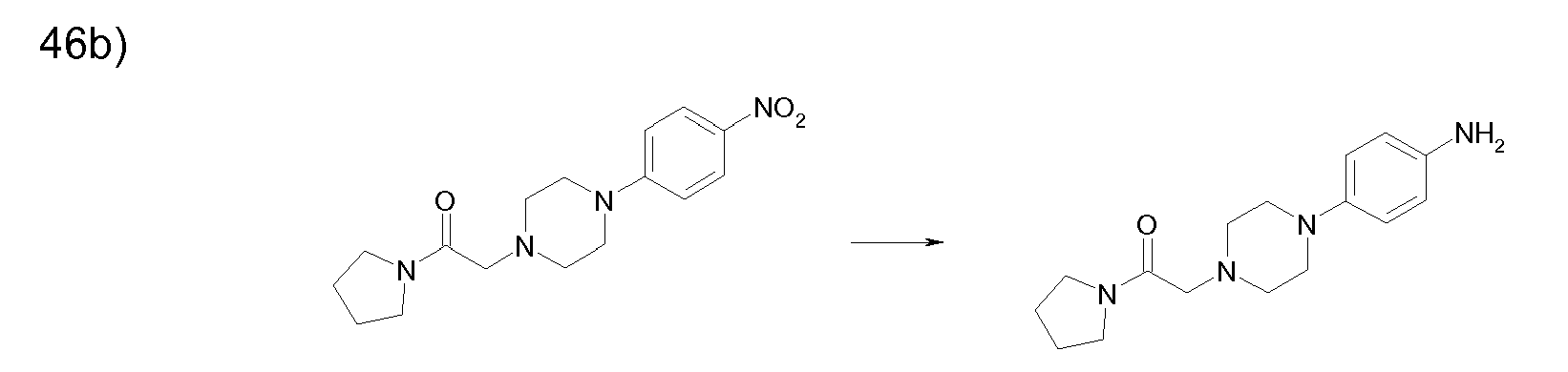
- Eine Mischung aus 3.00 g (9.42 mMol) Produkt aus 46a, 0.30 g Palladium auf Kohle (10%) und 200 ml Methanol wird bei Raumtemperatur im Autoklaven hydriert. Der Katalysator wird danach abfiltriert, das Filtrat im Vakuum bis zur Trockene eingeengt.
C16H24N4O (288.39)
DC: Kieselgel, Dichlormethan / Ethanol 9:1, Rf-Wert = 0.42

C16H26N4 (274.40)
- Beispiel 46 wird analog zu 1f aus 0.30 g (1.00 mMol) Produkt aus 22c, 0.27 g (1.00 mMol) Produkt aus 46c, 0.35 ml (2.50 mMol) Triethylamin und 0.32 g (1.00 mMol) TBTU in 7 ml THF und 1 ml DMF hergestellt.
C29H43N5O4S x HCI (594.21)
[M+H]+ = 558
HPLC (Methode 5): Retentionszeit = 1.43 min -


- Beispiel 47 wird analog zu 1f aus 0.20 g (0.66 mMol) Produkt aus 22c, 0.14 g (0.66 mMol) 4-(4-Methyl-piperazin-1-ylmethyl)-phenylamin (Med. Chem. Res. 9, 1999, 149-161), 0.28 ml (1.99 mMol) Triethylamin und 0.21 g (0.66 mMol) TBTU in 5 ml THF hergestellt. C25H36N4O4S (488.64)
[M+H]+ = 489
HPLC (Methode 5): Retentionszeit = 1.42 min -


C14H19N3O3 x C2HF3O2 (391.34)
[M+H]+ = 278
HPLC (Methode 2): Retentionszeit = 2.29 min
- Eine Mischung aus 0.36 g (0.92 mMol) Produkt aus 48a, 0.092 g Palladium auf Kohle (10%) und 5 ml Methanol wird bei Raumtemperatur im Autoklaven hydriert. Der Katalysator wird danach abfiltriert, das Filtrat im Vakuum bis zur Trockene eingeengt. C14H2,N3O × C2HF3O2 (361.36)
[M+H]+ = 248
HPLC (Methode 2): Retentionszeit = 0.66 min
- Beispiel 48 wird analog zu 1f aus 0.15 g (0.50 mMol) Produkt aus 22c, 0.18 g (0.50 mMol) Produkt aus 48b, 0.21 ml (1.49 mMol) Triethylamin und 0.16 g (0.50 mMol) TBTU in 3 ml THF hergestellt.
C27H38N4O5S x C2HF3O2 (644.70)
[M+H]+ = 531
HPLC (Methode 5): Retentionszeit = 1.48 min -


- Beispiel 49 wird analog zu 1f aus 0.15 g (0.50 mMol) Produkt aus 22c, 0.11 g (0.50 mMol) (4-Aminophenyl)-(4-methylpiperazin-1-yl)-methanon (J. Org. Chem. 24, 1959, 459-463), 0.21 ml (1.49 mMol) Triethylamin und 0.16 g (0.50 mMol) TBTU in 3 ml THF hergestellt. C25H34N4O5S x C2HF3O2 (616.65)
[M+H]+ = 503
HPLC (Methode 5): Retentionszeit = 1.47 min -
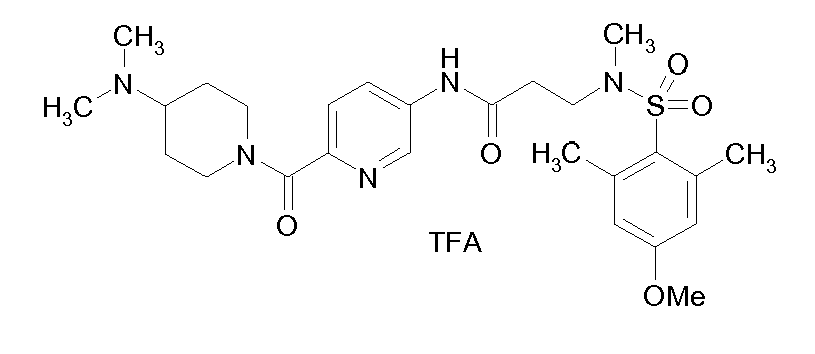

C13H20N4O × 2C2HF3O2 (476.37)
HPLC (Methode 2): Retentionszeit = 0.65 min
- Eine Mischung aus 0.64 g (1.99 mMol) Produkt aus 27c, 1.90 g (2.39 mMol) Produkt aus 50a, 0.08 g (0.33 mMol) DMAP und 16 ml Chlorbenzol wird 39 Stunden auf 15°C erhitzt. Die Reaktionsmischung wird danach im Vakuum bis zur Trockene eingeengt. Das Produkt wird durch präparative HPLC erhalten.
C26H37N5O5S x C2HF3O2 (645.69)
[M+H]+ = 532
HPLC (Methode 5): Retentionszeit = 1.44 min -


- Eine Mischung aus 0.26 g (1.11 mMol) Produkt aus 39d, 0.27 g (1.22 mMol) Boc-Anhydrid, 0.17 ml (1.22 mMol) Triethylamin und 15 ml Dichlormethan wird über Nacht bei Raumtemperatur gerührt. Danach wird die Reaktionsmischung mit Dichlormethan verdünnt, mit gesättigter Natriumhydrogencarbonat-Lösung und gesättigter Natriumchlorid-Lösung gewaschen, über Natriumsulfat getrocknet und im Vakuum bis zur Trockene eingeengt.
C19H31N3O2 (333.47)
[M+H]+ = 334
HPLC (Methode 1): Retentionszeit = 2.40 min
C15H25N3 (247.38)
DC: Kieselgel, Dichlormethan / Methanol / Ammoniak 4:1:0.2, Rf-Wert = 0.68
- Beispiel 51 wird analog zu 1f aus 0.15 g (0.50 mMol) Produkt aus 22c, 0.12 g (0.50 mMol) Produkt aus 51b, 0.21 ml (1.50 mMol) Triethylamin und 0.18 g (0.55 mMol) TBTU in 8 ml DMF hergestellt.
C28H42N4O4S x HCI (567.18)
[M+H]+ = 531
HPLC (Methode 1): Retentionszeit = 2.5 min -


C14H21N3O (247.34)
[M+H]+ = 248
HPLC (Methode 5): Retentionszeit = 0.50 min
C14H23N3 (233.35)
DC: Kieselgel, Dichlormethan / Methanol / Ammoniak 9:1:0.1, Rf-Wert = 0.5
- Beispiel 52 wird analog zu 1f aus 0.21 g (0.68 mMol) Produkt aus 22c, 0.24 g (0.68 mMol) Produkt aus 52b, 0.28 ml (2.04 mMol) Triethylamin und 0.22 g (0.68 mMol) TBTU in 4 ml THF hergestellt.
C27H40N4O4S × C2HF3O2 (630.72)
[M+H]+ = 517
HPLC (Methode 5): Retentionszeit = 1.50 min -


C12H19NO4S (273.35)
[M+H]+ = 274
DC: Kieselgel, Dichlormethan / Ethanol 19:1, Rf-Wert = 0.43
- Eine Mischung aus 5.15 g (18.84 mMol) Produkt aus 53a, 1.75 g (6.60 mMol) Tetrabutylammoniumchlorid (Fluka) und 80 ml Toluol wird bei 0°C erst mit 100 ml 35%iger Natronlauge, dann mit 4.18 ml (28.26 mMol) Bromessigsäure-tert-butylester in 20 ml Toluol versetzt. Die Reaktionsmischung wird anschließend 1.5 Stunden bei Raumtemperatur gerührt, dann mit Diethylether verdünnt. Nach der Phasentrennung wird die organische Phase viermal mit Wasser neutral gewaschen, über Natriumsulfat getrocknet und im Vakuum bis zur Trockene eingeengt. Das so erhaltene Rohprodukt wird durch Säulenchromatographie über Kieselgel (Elutionsmittel: Petrolether /Ethylacetat 4:1) gereinigt. C18H29NO6S (387.49)
[M+H]+ = 388
DC: Kieselgel, Petrolether / Ethylacetat 7:3, Rf-Wert = 0.59
- Eine Mischung aus 6.80 g (17.55 mMol) Produkt aus 53b, 8 ml TFA und 100 ml Dichlormethan wird 2.5 Stunden bei Raumtemperatur gerührt. Die Reaktionsmischung wird danach im Vakuum bis zur Trockene eingeengt. Man versetzt den Rückstand mit 1 M Natronlauge und extrahiert zweimal mit Ethylacetat (organische Extrakte verwerfen). Die wässrige Phase wird mit 2 M HCl angesäuert, dann nochmals mit Ethylacetat extrahiert. Die organischen Extrakte werden mit Wasser gewaschen, über Natriumsulfat getrocknet und im Vakuum bis zur Trockene eingeengt.
C14H21NO6S (331.29)
[M+H]+ = 332
HPLC (Methode 4): Retentionszeit = 3.4 min
DE 1100635 , Rhöne-Poulenc, 1961) hergestellt.
C15H23N3O (261.36)
[M+H]+ = 262
HPLC (Methode 4): Retentionszeit = 1.9 min

- Eine Mischung aus 1.37 g (5.24 mMol) Produkt aus 53d und 15 ml halbkonzentrierte HCl wird vier Tage unter Rückfluss erhitzt. Die Reaktionsmischung wird mit 20%iger Natronlauge alkalisch gestellt und mit Dichlormethan extrahiert. Die organischen Extrakte werden über Natriumsulfat getrocknet und im Vakuum bis zur Trockene eingeengt. C13H21N3 (219.33)
[M+H]+ = 220
DC: Kieselgel, Dichlormethan / Methanol / Ammoniak 8:2:0.2, Rf-Wert = 0.48
- Beispiel 53 wird analog zu 1f aus 0.099 g (0.30 mMol) Produkt aus 53c, 0.066 g (0.30 mMol) Produkt aus 53e, 0.10 ml (0.75 mMol) Triethylamin und 0.12 g (0.36 mMol) TBTU in 8 ml THF und 1 ml DMF hergestellt.
C27H40N4O5S x HCl (569.16)
[M+H]+ = 533
HPLC (Methode 4): Retentionszeit = 3.1 min -


C13H18N2O (218.29)
[M+H]+ = 219
DC: Kieselgel, Dichlormethan / Methanol 8:2, Rf-Wert = 0.14
C13H20N2 (204.31)
[M+H]+ = 205
DC: Kieselgel, Dichlormethan / Methanol 8:2, Rf-Wert = 0.07
- Beispiel 54 wird analog zu 1f aus 0.099 g (0.30 mMol) Produkt aus 53c, 0.088 g (0.30 mMol) Produkt aus 54b, 0.10 ml (0.75 mMol) Triethylamin und 0.12 g (0.36 mMol) TBTU in 7 ml THF und 1 ml DMF hergestellt.
C27H39N3O5S x HCl (554.14)
[M+H]+ = 518
HPLC (Methode 4): Retentionszeit = 3.1 min -


- Eine Mischung aus 3.20 g (34.00 mMol) 2-Aminopyridin (Aldrich), 2.75 g (11.31 mMol) 4-Bromacetylbenzoesäure (Fluorochem) und 100 ml Ethanol wird sechs Stunden unter Rückfluß erhitzt und über Nacht bei Raumtemperatur gerührt. Der entstandene Niederschlag wird abfiltriert und getrocknet.
C14H10N2O2 (238.24)
[M+H]+ = 239
C14H9CIN2O x HCl (293.15)
C15H13N3O (251.28)
[M+H]+ = 252
- Eine Mischung aus 0.70 g (2.79 mMol) Produkt aus 55c, 0.15 g Palladium auf Kohle (20%), 100 ml Methanol und 30 ml Dichlormethan wird bei Raumtemperatur im Autoklaven hydriert. Der Katalysator wird abfiltriert, das Filtrat im Vakuum bis zur Trockene eingeengt.
C15H17N3O (255.32)
[M+H]+ = 256
[M+H]+ = 242

- Beispiel 55 wird analog zu 1f aus 0.14 g (0.42 mMol) Produkt aus 53c, 0.10 g (0.41 mMol) Produkt aus 55e, 0.14 ml (0.99 mMol) Triethylamin und 0.15 g (0.46 mMol) TBTU in 30 ml THF und 5 ml DMF hergestellt.
C29H38N4O5S x HCl (591.16)
[M+H]+ = 555
DC: Kieselgel, Dichlormethan / Methanol 9:1, Rf-Wert = 0.26 -


C12H14CINO x HCl (260.16)
C13H18N2O (218.29)
[M+H]+ = 219
- Eine Mischung aus 1.10 g (5.04 mMol) Produkt aus 56b, 0.20 g Palladiumhydroxid und 40 ml Methanol wird bei 50°C im Autoklaven hydriert. Der Katalysator wird abfiltriert, das Filtrat im Vakuum bis zur Trockene eingeengt.
C6H12N2O (128.17)
[M+H]+ = 129
C11H15N3O (205.26)
[M+H]+ = 206
C11H17N3 (191.27)
[M+H]+ = 192

- Beispiel 56 wird analog zu 1f aus 0.14 g (0.42 mMol) Produkt aus 53c, 0.10 g (0.42 mMol) Produkt aus 56e, 0.18 ml (1.29 mMol) Triethylamin und 0.18 g (0.56 mMol) TBTU in 30 ml THF und 5 ml DMF hergestellt.
C25H36N4O5S x HCl (541.10)
[M+H]+ = 505
HPLC (Methode 5): Retentionszeit = 1.51 min -


- Beispiel 57 wird analog zu 1f aus 0.10 g (0.30 mMol) Produkt aus 53c, 0.066 g (0.30 mMol) Produkt aus 8b, 0.13 ml (0.91 mMol) Triethylamin und 0.097 g (0.30 mMol) TBTU in 5 ml DMF hergestellt.
C27H40N4O5S x C2HF3O2 (646.72)
[M+H]+ = 533
HPLC (Methode 5): Retentionszeit = 1.51 min -

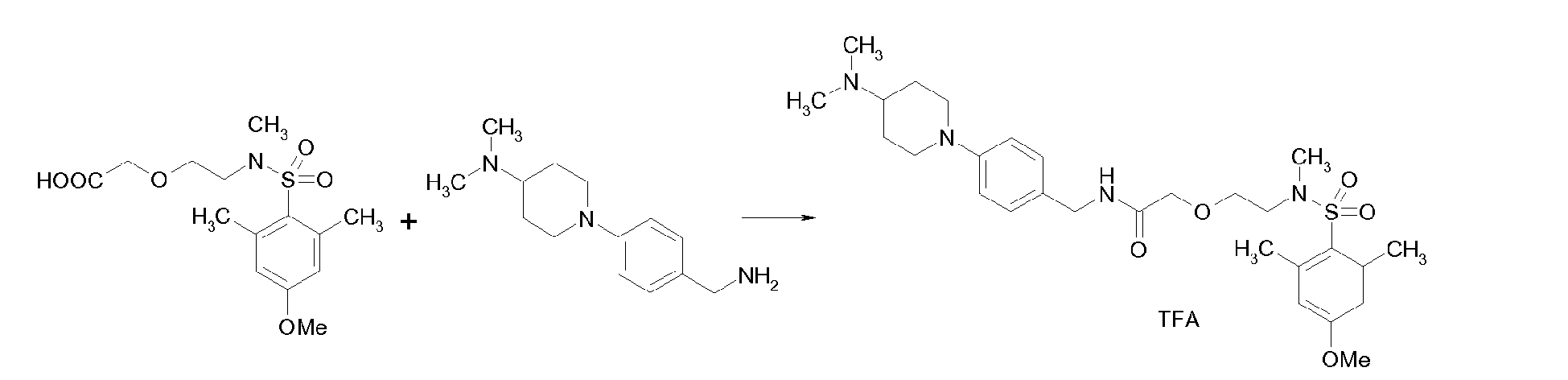
- Beispiel 58 wird analog zu 1f aus 0.10 g (0.30 mMol) Produkt aus 53c, 0.07 g (0.30 mMol) Produkt aus 33a, 0.13 ml (0.91 mMol) Triethylamin und 0.097 g (0.30 mMol) TBTU in 5 ml DMF hergestellt.
C28H42N4O5S x C2HF3O2 (660.75)
[M+H]+ = 547
HPLC (Methode 5): Retentionszeit = 1.48 min -


C12H16N2O2 (220.27)
[M+H]+ = 221
HPLC (Methode 4): Retentionszeit = 2.3 min
[M+H]+ = 193
DC: Kieselgel, Dichlormethan / Methanol / Ammoniak 9:1:0.1, Rf-Wert = 0.17
- Beispiel 59 wird analog zu 1f aus 0.099 g (0.30 mMol) Produkt aus 53c, 0.058 g (0.30 mMol) Produkt aus 59b, 0.10 ml (0.75 mMol) Triethylamin und 0.12 g (0.36 mMol) TBTU in 8 ml THF hergestellt.
C26H39N3O5S x HCl (542.13)
[M+H]+ = 506
HPLC (Methode 4): Retentionszeit = 3.1 min -


- Eine Mischung aus 3.00 g (13.91 mMol) 4-Aminoethylbenzoesäuremethylester (EMKA), 1.94 ml (13.91 mMol) Triethylamin und 50 ml THF wird 10 min bei Raumtemperatur gerührt und danach mit 1.13 ml (15.30 mMol) Aceton versetzt. Die Reaktionsmischung wird weitere 30 min bei Raumtemperatur gerührt, dann werden 3.24 g (15.30 mMol) Natriumtriacetoxyborhydrid und 1.19 ml (20.86 mMol) Essigsäure hinzugefügt. Man lässt 16 Stunden bei Raumtemperatur rühren. Die Reaktionsmischung wird im Vakuum bis zur Trockene eingeengt, der Rückstand wird in 1 M HCl aufgenommen und mit Ethylacetat extrahiert (organische Phase verwerfen). Die wässrige Phase wird mit gesättigter Kaliumcarbonat-Lösung alkalisch gestellt und mit Ethylacetat extrahiert. Die organischen Extrakte werden über Natriumsulfat getrocknet und im Vakuum bis zur Trockene eingeengt.
C13H19NO2 (221.30)
[M+H]+ = 222
HPLC (Methode 4): Retentionszeit = 2.2 min
- Eine Mischung aus 2.52 g (11.39 mMol) Produkt aus 60a, 11.40 ml (22.80 mMol) Methylamin 2 M in THF (Aldrich), 0.54 g (5.70 mMol) Magnesiumchlorid (Aldrich) und 100 ml THF wird 17 Stunden bei 120°C im Autoklaven gerührt. Die Reaktionsmischung wird filtriert, das Filtrat im Vakuum bis zur Trockene eingeengt. Das so erhaltene Rohprodukt wird durch Säulenchromatographie über Kieselgel (Elutionsmittel: Dichlormethan / Methanol / Ammoniak 9:1:0.1) gereinigt.
C13H20N2O (220.31)
[M+H]+ = 221
DC: Kieselgel, Dichlormethan / Methanol / Ammoniak 9:1:0.1, Rf-Wert = 0.21

[M+H]+ = 207
DC: Kieselgel, Dichlormethan / Methanol / Ammoniak 9:1:0.1, Rf-Wert = 0.10
- Beispiel 60 wird analog zu 1f aus 0.099 g (0.30 mMol) Produkt aus 53c, 0.062 g (0.30 mMol) Produkt aus 60c, 0.083 ml (0.60 mMol) Triethylamin und 0.12 g (0.36 mMol) TBTU in 8 ml THF hergestellt.
C27H41N3O5S (519.70)
[M+H]+ = 520
HPLC (Methode 4): Retentionszeit = 3.2 min -


DE 110635 , Rhöne-Poulenc, 1961) in 1 ml Wasser hergestellt.
C14H21N3O (247.34)
[M+H]+ = 248
- Eine Mischung aus 1.00 g (4.04 mMol) Produkt aus 61 a und 10 ml halbkonzentrierte HCl wird drei Tage unter Rückfluss erhitzt. Die Reaktionsmischung wird danach mit Wasser verdünnt, mit 20%iger Natronlauge alkalisch gestellt und mit Ethylacetat extrahiert. Die organischen Extrakte werden über Natriumsulfat getrocknet und im Vakuum bis zur Trockene eingeengt.
C12H19N3 (205.30)
DC: Kieselgel, Dichlormethan / Ethanol 9:1, Rf-Wert = 0.2
- Beispiel 61 wird analog zu 1f aus 0.099 g (0.30 mMol) Produkt aus 53c, 0.062 g (0.30 mMol) Produkt aus 61 b, 0.083 ml (0.60 mMol) Triethylamin und 0.12 g (0.36 mMol) TBTU in 8 ml THF und 1 ml DMF hergestellt.
C26H38N4O5S (518.67)
[M+H]+ = 519
HPLC (Methode 4): Retentionszeit = 3.2 min -

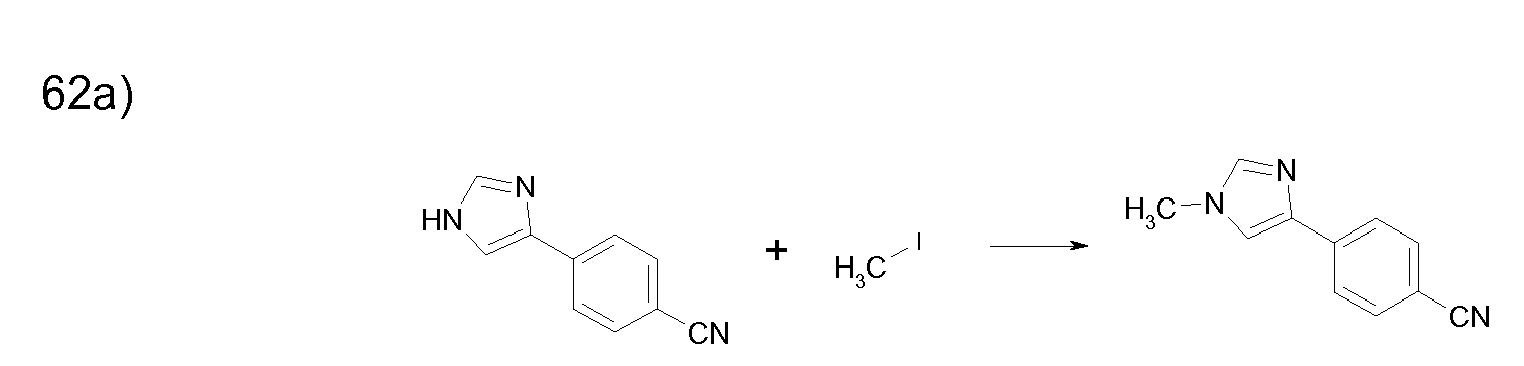
- Eine Mischung aus 1.69 g (10.00 mMol) 4-(1H-Imidazol-4-yl)-benzonitril (J. Am. Chem. Soc. 93, 1971, 4256-4263), 1.12 g (10.00 mMol) Kalium-tert-butylat und 25 ml DMSO wird erst 30 min bei Raumtemperatur gerührt, dann mit 0.62 ml (10.00 mMol) Methyliodid langsam versetzt und anschließend noch weitere 2.5 Stunden bei Raumtemperatur gerührt. Die Reaktionsmischung wird danach in Wasser gegeben, der entstandene Niederschlag wird abfiltriert und im Vakuum getrocknet. Das so erhaltene Rohprodukt wird durch Säulenchromatographie über Kieselgel (Elutionsmittel: Dichlormethan / Ethanol 19:1) gereinigt.
C11H9N3 (183.21)
[M+H]+ = 184
HPLC (Methode 4): Retentionszeit = 1.9 min
C11H13N3 (187.24)
DC: Kieselgel, Dichlormethan / Methanol / Ammoniak 9:1:0.1, Rf-Wert = 0.27

- Beispiel 62 wird analog zu 1f aus 0.099 g (0.30 mMol) Produkt aus 53c, 0.056 g (0.30 mMol) Produkt aus 62b, 0.083 ml (0.60 mMol) Triethylamin und 0.12 g (0.36 mMol) TBTU in 7 ml THF und 1 ml DMF hergestellt.
C25H32N4O5S x HCl (537.07)
[M+H]+ = 501
HPLC (Methode 4): Retentionszeit = 3.2 min -


C11H9N3 (183.21)
[M-H]- = 182
HPLC (Methode 4): Retentionszeit = 1.9 min
[M+H]+ = 198
HPLC (Methode 4): Retentionszeit = 1.9 min
C12H15N3 (201.27)
DC: Kieselgel, Dichlormethan / Methanol / Ammoniak 9:1:0.1, Rf-Wert = 0.19
- Beispiel 63 wird analog zu 1f aus 0.099 g (0.30 mMol) Produkt aus 53c, 0.060 g (0.30 mMol) Produkt aus 63c, 0.083 ml (0.60 mMol) Triethylamin und 0.12 g (0.36 mMol) TBTU in 7 ml THF und 1 ml DMF hergestellt.
C26H34N4O5S x HCl (551.10)
[M+H]+ = 515
HPLC (Methode 4): Retentionszeit = 3.2 min -


C13H17NO3 (235.28)
[M+H]+ = 236
HPLC (Methode 4): Retentionszeit = 3.3 min
- Eine Mischung aus 3.07 g (13.05 mMol) Produkt aus 64a, 9.75 ml (39.00 mMol) 4 M Natronlauge, 9.75 ml Wasser und 50 ml Ethanol wird über Nacht bei Raumtemperatur gerührt. Danach wird das Ethanol im Vakuum entfernt. Der wässrige Rückstand wird mit 4 M HCl sauer gestellt und mit Ethylacetat extrahiert. Die organischen Extrakte werden über Natriumsulfat getrocknet und im Vakuum bis zur Trockene eingeengt. Das so erhaltene Produkt wird mit Diethylether verrieben und getrocknet.
C11H13NO3 (207.23)
[M+H]+ = 208
HPLC (Methode 4): Retentionszeit = 2.3 min
C12H16N2O2 (220.27)
[M+H]+ = 221
DC: Kieselgel, Dichlormethan / Methanol / Ammoniak 9:1:0.1, Rf-Wert = 0.44
[M+H]+ = 193
DC: Kieselgel, Dichlormethan / Methanol / Ammoniak 9:1:0.1, Rf-Wert = 0.10
- Beispiel 64 wird analog zu 1f aus 0.099 g (0.30 mMol) Produkt aus 53c, 0.058 g (0.30 mMol) Produkt aus 64d, 0.083 ml (0.60 mMol) Triethylamin und 0.12 g (0.36 mMol) TBTU in 7 ml THF und 1 ml DMF hergestellt.
C26H39N3O5S (505.67)
[M+H]+ = 508
HPLC (Methode 4): Retentionszeit = 3.0 min -


C14H13N3 (223.27)
[M+H]+ = 224
DC: Kieselgel, Dichlormethan / Methanol 9:1, Rf-Wert = 0.06
- Eine Mischung aus 0.40 g (1.79 mMol) Produkt aus 65a, 0.05 g Platinoxid und 40 ml Methanol wird bei 50°C im Autoklaven hydriert. Der Katalysator wird abfiltriert, das Filtrat im Vakuum bis zur Trockene eingeengt.
C14H17N3 (227.30)
[M+H]+ = 228

- Beispiel 65 wird analog zu 1f aus 0.15 g (0.44 mMol) Produkt aus 53c, 0.10 g (0.44 mMol) Produkt aus 65b, 0.15 ml (1.09 mMol) Triethylamin und 0.16 g (0.48 mMol) TBTU in 30 ml THF und 10 ml DMF hergestellt.
C28H36N4O5S x HCl (577.14)
[M+H]+ = 541
HPLC (Methode 5): Retentionszeit = 1.57 min -


- Eine Mischung aus 0.50 g (2.06 mMol) 4-Bromacetylbenzoesäure (Fluorochem) und 5 ml Formamid wird eine Stunde bei 150°C in der Mikrowelle gerührt. Nach dem Abkühlen wird das ausgefallene Produkt abfiltriert, mit Diethylether gewaschen und getrocknet.
C10H8N2O2 (188.18)
[M+H]+ = 189
- Eine Mischung aus 1.60 g (8.50 mMol) Produkt aus 66a, 5.40 g (38.04 mMol) Methyliodid, 7.00 g (25.33 mMol) Kaliumcarbonat und 30 ml DMF wird über Nacht bei Raumtemperatur gerührt. Die Reaktionsmischung wird filtriert, das Filtrat wird im Vakuum bis zur Trockene eingeengt. Das so erhaltene Rohprodukt wird durch Säulenchromatographie über Kieselgel (Elutionsmittel: Dichlormethan / Methanol 100:1 bis 75:1) gereinigt.
C12H12N2O2 (216.24)
[M+H]+ = 217
- Eine Mischung aus 0.75 g (3.47 mMol) Produkt aus 66b und 20 ml Methylamin 33%ig in Ethanol (Fluka) über Nacht im Autoklaven auf 160°C erhitzt. Die Reaktionsmischung wird im Vakuum bis zur Trockene eingeengt. Das so erhaltene Rohprodukt wird durch Säulenchromatographie über Kieselgel (Elutionsmittel: Dichlormethan / Methanol 50:1 bis 25:1) gereinigt.
C12H13N3O (215.25)
[M+H]+ = 216
[M+H]+ = 202
DC: Kieselgel, Dichlormethan / Methanol / Ammoniak 8:2:0.01, Rf-Wert = 0.16

- Beispiel 66 wird analog zu 1f aus 0.15 g (0.45 mMol) Produkt aus 53c, 0.09g (0.45 mMol) Produkt aus 66d, 0.11 ml (1.09 mMol) Triethylamin und 0.16 g (0.50 mMol) TBTU in 30 ml THF und 5 ml DMF hergestellt.
C26H34N4O5S x HCl (551.10)
[M+H]+ = 515
DC: Kieselgel, Dichlormethan / Methanol 9:1, Rf-Wert = 0.52 -


- Eine Mischung aus 1.21 g (6.14 mMol) Produkt aus 63b, 20 ml 20%iger Natronlauge und 40 ml Ethanol wird über Nacht unter Rückfluss gerührt. Das Ethanol wird im Vakuum entfernt. Der Rückstand wird mit Wasser verdünnt und mit 4 M HCl sauer gestellt. Das ausgefallene Produkt wird abfiltriert und im Umlufttrockenschrank bei 50°C getrocknet. C12H12N2O2 (252.70)
[M+H]+ = 217
HPLC (Methode 4): Retentionszeit = 1.7 min

C13H15N3O (229.28)
[M+H]+ = 230
DC: Kieselgel, Dichlormethan / Methanol 9:1, Rf-Wert = 0.47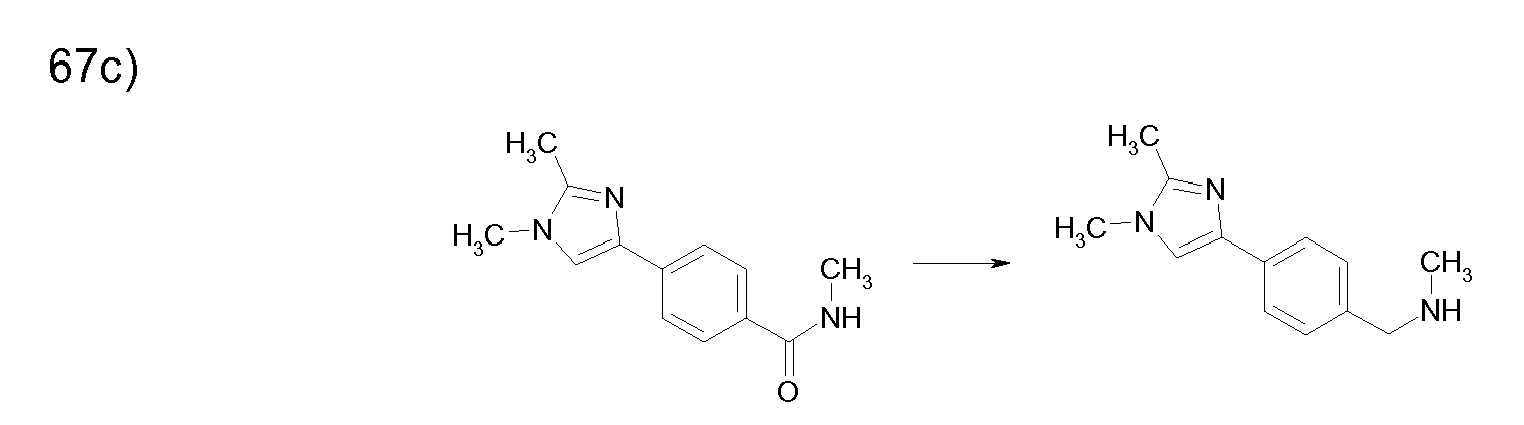
[M+H]+ = 216
DC: Kieselgel, Dichlormethan / Methanol / Ammoniak 9:1:0.1, Rf-Wert = 0.29
- Beispiel 67 wird analog zu 1f aus 0.099 g (0.30 mMol) Produkt aus 53c, 0.065 g (0.30 mMol) Produkt aus 67c, 0.083 ml (0.60 mMol) Triethylamin und 0.12 g (0.36 mMol) TBTU in 7 ml THF und 1 ml DMF hergestellt.
C27H36N4O5S x HCl (565.13)
[M+H]+ = 529
HPLC (Methode 4): Retentionszeit = 3.1 min -


C18H20N2O (280.36)
HPLC (Methode 4): Retentionszeit = 2.5 min
- Eine Mischung aus 5.32 g (18.98 mMol) Produkt aus 68a, 0.50 g Palladium auf Kohle (10%) und 100 ml Methanol wird 24 Stunden bei Raumtemperatur im Autoklaven hydriert. Der Katalysator wird abfiltriert, das Filtrat wird im Vakuum bis zur Trockene eingeengt. Das so erhaltene Rohprodukt wird durch Säulenchromatographie über Kieselgel (Elutionsmittel: Dichlormethan / Methanol / Ammoniak 70:30:3) gereinigt.
C5H10N2O (114.15)
DC: Kieselgel, Dichlormethan / Methanol / Ammoniak 7:3:0.3, Rf-Wert = 0.17
C10H13N3O (191.23)
[M+H]+ = 192
DC: Kieselgel, Dichlormethan / Methanol / Ammoniak 9:1:0.1, Rf-Wert = 0.25
C10H15N3 (177.25)
[M+H]+ = 178
DC: Kieselgel, Dichlormethan / Methanol / Ammoniak 8:2:0.2, Rf-Wert = 0.40
- Beispiel 68 wird analog zu 1f aus 0.083 g (0.25 mMol) Produkt aus 53c, 0.044 g (0.25 mMol) Produkt aus 68d, 0.070 ml (0.50 mMol) Triethylamin und 0.096 g (0.30 mMol) TBTU in 7 ml THF und 1 ml DMF hergestellt.
C24H34N4O5S (490.62)
[M+H]+ = 491
HPLC (Methode 4): Retentionszeit = 2.9 min -


- Beispiel 69 wird analog zu 1f aus 0.083 g (0.25 mMol) Produkt aus 53c, 0.041 g (0.25 mMol) 4-(2-Dimethylamino-ethyl)-phenylamin (JW Pharmlab), 0.070 ml (0.50 mMol) Triethylamin und 0.096 g (0.30 mMol) TBTU in 7 ml THF und 1 ml DMF hergestellt.
C24H35N3O5S x HCl (514.08)
[M+H]+ = 478
HPLC (Methode 4): Retentionszeit = 3.1 min -


- Beispiel 70 wird analog zu 1f aus 0.083 g (0.25 mMol) Produkt aus 53c, 0.048 g (0.25 mMol) 3-(2-Diethylamino-ethyl)-phenylamin (analog J. Med. Chem. 28, 1985, 1533-1536), 0.070 ml (0.50 mMol) Triethylamin und 0.096 g (0.30 mMol) TBTU in 7 ml THF und 1 ml DMF hergestellt.
C26H39N3O5S (505.67)
[M+H]+ = 506
HPLC (Methode 4): Retentionszeit = 3.4 min -


- Beispiel 71 wird analog zu 1f aus 0.083 g (0.25 mMol) Produkt aus 53c, 0.038 g (0.25 mMol) 4-Dimethylaminomethyl-phenylamin (J. Chem. Soc. 1935, 871), 0.070 ml (0.50 mMol) Triethylamin und 0.096 g (0.30 mMol) TBTU in 7 ml THF und 1 ml DMF hergestellt. C23H33N3O5S (463.59)
[M+H]+ = 464
HPLC (Methode 4): Retentionszeit = 3.1 min -


C14H20N2O (232.32)
DC: Kieselgel, Dichlormethan / Ethanol 9:1, Rf-Wert = 0.15
C14H22N2 (218.34)
[M+H]+ = 219
DC: Kieselgel, Dichlormethan / Ethanol 9:1, Rf-Wert = 0.2
- Beispiel 72 wird analog zu 1f aus 0.20 g (0.60 mMol) Produkt aus 53c, 0.13 g (0.60 mMol) Produkt aus 72b, 0.21 ml (1.50 mMol) Triethylamin und 0.23 g (0.72 mMol) TBTU in 10 ml THF hergestellt.
C28H41N305S x HCl (568.17)
[M+H]+ = 532
HPLC (Methode 5): Retentionszeit = 1.60 min -


- Eine Mischung aus 2.60 g (11.65 mMol) Produkt aus 65a, 2.55 g (11.68 mMol) Boc-Anhydrid und 100 ml DMF wird zwei Stunden bei Raumtemperatur gerührt. Danach gibt man langsam 100 ml Wasser hinzu. Das ausgefallene Produkt wird abfiltriert, mit Wasser und Petrolether gewaschen und getrocknet.
C19H21N3O2 (323.39)
[M+H]+ = 324
DC: Kieselgel, Dichlormethan / Methanol 9:1, Rf-Wert = 0.78
C17H17N3O2 (295.34)
[M+H]+ = 296
- Eine Mischung aus 0.59 g (1.75 mMol) Produkt aus 73b, 2 ml TFA und 30 ml Dichlormethan wird drei Stunden bei Raumtemperatur gerührt. Die Reaktionsmischung wird danach mit Wasser gewaschen, über Natriumsulfat getrocknet und im Vakuum bis zur Trockene eingeengt.
C15H15N3 (237.30)
[M+H]+ = 238
- Beispiel 73 wird analog zu 1f aus 0.14 g (0.42 mMol) Produkt aus 53c, 0.10 g (0.42 mMol) Produkt aus 73c, 0.10 ml (0.99 mMol) Triethylamin und 0.15 g (0.46 mMol) TBTU in 30 ml THF und 5 ml DMF hergestellt.
C29H34N4O5S x HCl (587.13)
[M+H]+ = 551
HPLC (Methode 5): Retentionszeit = 1.58 min -


C19H31NO6S (401.52)
[M+H]+ = 402
DC: Kieselgel, Petrolether / Ethylacetat 7:3, Rf-Wert = 0.69
C15H23NO6S (345.41)
[M+H]+ = 346
DC: Kieselgel, Dichlormethan / Ethanol 19:1, Rf-Wert = 0.25
- Beispiel 74 wird analog zu 1f aus 0.10 g (0.30 mMol) Produkt aus 74b, 0.058 g (0.30 mMol) Produkt aus 64d, 0.084 ml (0.60 mMol) Triethylamin und 0.12 g (0.36 mMol) TBTU in 7 ml THF und 1 ml DMF hergestellt.
C27H41N3O5S (519.70)
[M+H]+ = 520
HPLC (Methode 4): Retentionszeit = 3.1 min -


C16H24N2O (260.37)
DC: Kieselgel, Dichlormethan / Ethanol 9:1, Rf-Wert = 0.25
C16H26N2 (246.39)
DC: Kieselgel, Dichlormethan / Ethanol 9:1, Rf-Wert = 0.2
- Beispiel 75 wird analog zu 1f aus 0.20 g (0.60 mMol) Produkt aus 53c, 0.15 g (0.60 mMol) Produkt aus 75b, 0.21 ml (1.50 mMol) Triethylamin und 0.23 g (0.72 mMol) TBTU in 10 ml THF hergestellt.
C30H45N3O5S x HCl (596.22)
[M+H]+ = 560
HPLC (Methode 5): Retentionszeit = 1.65 min -


- Beispiel 76 wird analog zu 1f aus 0.10 g (0.30 mMol) Produkt aus 74b, 0.060 g (0.30 mMol) Produkt aus 63c, 0.084 ml (0.60 mMol) Triethylamin und 0.12 g (0.36 mMol) TBTU in 7 ml THF und 1 ml DMF hergestellt.
C27H36N4O5S (528.66)
[M+H]+ = 529
HPLC (Methode 4): Retentionszeit = 3.2 min -

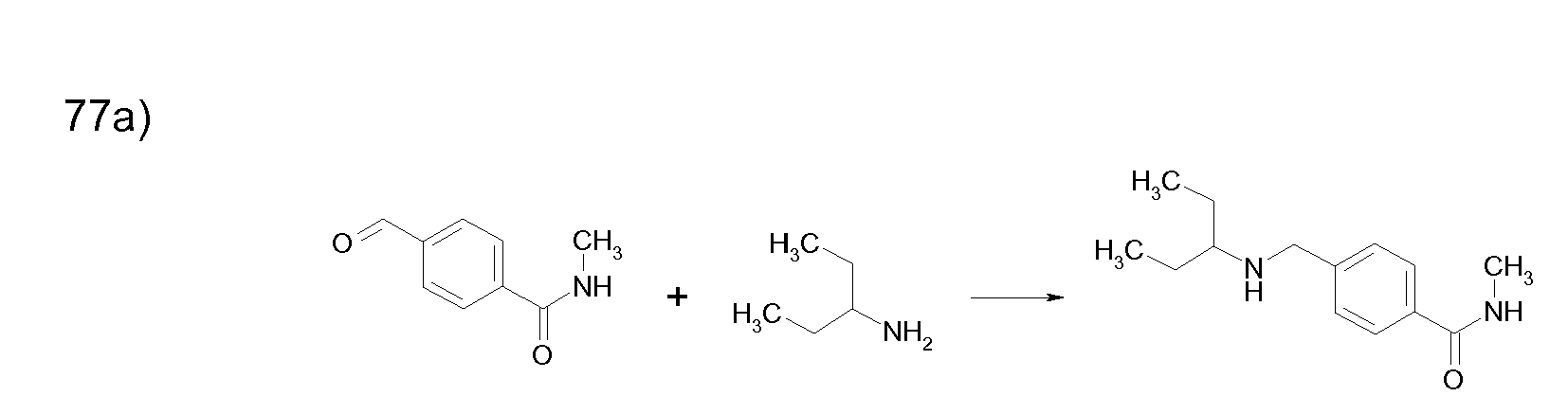
C14H22N2O (234.34)
[M+H]+ = 235
DC: Kieselgel, Dichlormethan / Ethanol 9:1, Rf-Wert = 0.4
C14H24N2 (220.35)
DC: Kieselgel, Dichlormethan / Ethanol 9:1, Rf-Wert = 0.1
- Beispiel 77 wird analog zu 1f aus 0.20 g (0.60 mMol) Produkt aus 53c, 0.13 g (0.60 mMol) Produkt aus 77b, 0.21 ml (1.50 mMol) Triethylamin und 0.23 g (0.72 mMol) TBTU in 10 ml THF hergestellt.
C28H43N3O5S x HCl (570.18)
[M+H]+ = 534
DC: Kieselgel, Dichlormethan / Ethanol 9:1, Rf-Wert = 0.45 -


C13H20N2O (220.31)
[M+H]+ = 221
DC: Kieselgel, Dichlormethan / Ethanol 9:1, Rf-Wert = 0.15
C13H22N2 (206.33)
- Beispiel 78 wird analog zu 1f aus 0.20 g (0.60 mMol) Produkt aus 53c, 0.12 g (0.60 mMol) Produkt aus 78b, 0.21 ml (1.50 mMol) Triethylamin und 0.23 g (0.72 mMol) TBTU in 10 ml THF hergestellt.
C27H41N3O5S (519.70)
[M+H]+ = 520
HPLC (Methode 5): Retentionszeit = 1.58 min -


- Eine Mischung aus 0.50 ml (4.70 mMol) 1-Fluor-3-nitrobenzol (Fluka), 1.34 g (9.39 mMol) 4-(N,N-Dimethylaminomethyl)-piperidin (Eur. J. Med.Chem. Chim. Ther. 37, 2002, 487-502), 0.65 g (4.70 mMol) Kaliumcarbonat und 6.6 ml DMSO wird fünf Tage bei 110°C gerührt. Die Reaktionsmischung wird danach auf Eis gegossen, der entstandene Niederschlag wird abfiltriert. Das so erhaltene Produkt wird über Nacht im Vakuum-Exsikkator getrocknet.
C14H21N3O2 (263.34)
[M+H]+ = 264
DC: Kieselgel, Dichlormethan / Methanol 9:1, Rf-Wert = 0.20
- Eine Mischung aus 0.95 ml (3.60 mMol) Produkt aus 79a, 0.095 g Palladium auf Kohle (5%) und 72 ml Ethanol wird bei Raumtemperatur im Autoklaven hydriert. Der Katalysator wird abfiltriert, das Filtrat wird im Vakuum bis zur Trockene eingeengt.
C14H23N3 (233.35)
[M+H]+ = 234
- Beispiel 79 wird analog zu 1f aus 0.15 g (0.46 mMol) Produkt aus 53c, 0.11 g (0.46 mMol) Produkt aus 79b, 0.084 ml (0.60 mMol) Triethylamin und 0.18 g (0.56 mMol) TBTU in 3 ml DMF hergestellt.
C28H42N4O5S (546.72)
[M+H]+ = 547
HPLC (Methode 5): Retentionszeit = 1.49 min -


C15H25N3 (247.38)
[M+H]+ = 248
DC: Kieselgel, Dichlormethan / Methanol / Ammoniak 9:1:0.1, Rf-Wert = 0.16
- Beispiel 80 wird analog zu 1f aus 0.15 g (0.45 mMol) Produkt aus 53c, 0.11 g (0.45 mMol) Produkt aus 80a, 0.13 ml (0.90 mMol) Triethylamin und 0.17 g (0.54 mMol) TBTU in 5 ml DMF hergestellt.
C29H44N4O5S x HCl (597.21)
[M+H]+ = 561
HPLC (Methode 1): Retentionszeit = 2.33 min -

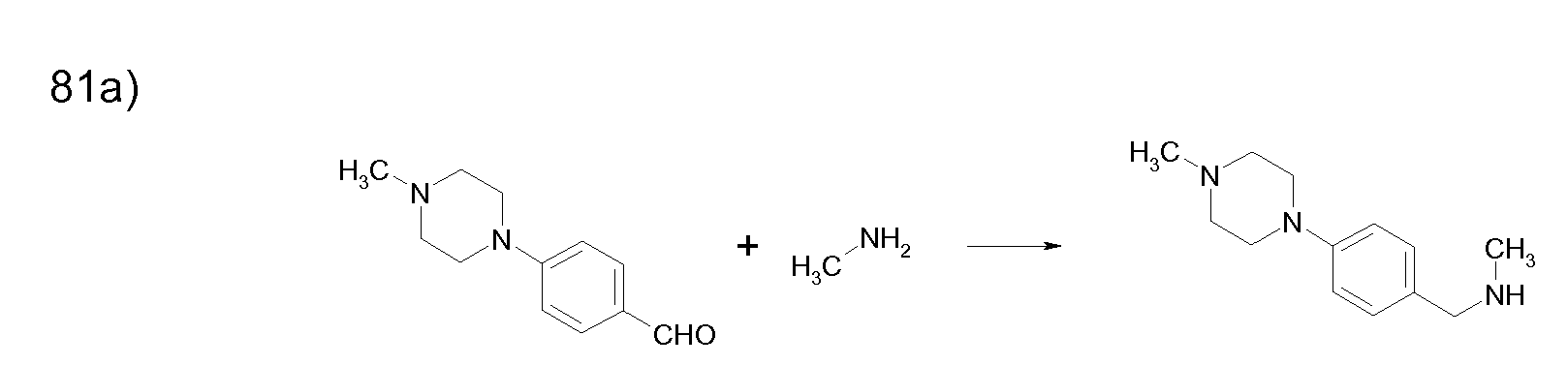
C13H21N3 (219.33)
[M+H]+ = 220
DC: Kieselgel, Dichlormethan / Methanol / Ammoniak 9:1:0.1, Rf-Wert = 0.15
- Beispiel 81 wird analog zu 1f aus 0.15 g (0.45 mMol) Produkt aus 53c, 0.099 g (0.45 mMol) Produkt aus 81a, 0.13 ml (0.90 mMol) Triethylamin und 0.17 g (0.54 mMol) TBTU in 5 ml DMF hergestellt.
C27H40N4O5S × HCl (569.16)
[M+H]+ = 533
HPLC (Methode 1): Retentionszeit = 2.28 min -


- Beispiel 82 wird analog zu 1f aus 0.15 g (0.45 mMol) Produkt aus 53c, 0.092 g (0.45 mMol) Produkt aus 19b, 0.13 ml (0.90 mMol) Triethylamin und 0.17 g (0.54 mMol) TBTU in 5 ml DMF hergestellt.
C26H38N4O5S x HCl (555.13)
[M+H]+ = 519
HPLC (Methode 1): Retentionszeit = 2.29 min -


C21H35N3O2 (361.52)
[M+H]+ = 362
DC: Kieselgel, Dichlormethan / Methanol / Ammoniak 9:1:0.1, Rf-Wert = 0.42
C17H29N3 (275.43)
[M+H]+ = 276
HPLC (Methode 1): Retentionszeit = 1.77 min
- Beispiel 83 wird analog zu 1f aus 0.14 g (0.50 mMol) Produkt aus 22c, 0.15 g (0.50 mMol) Produkt aus 83b, 0.14 ml (1.00 mMol) Triethylamin und 0.18 g (0.55 mMol) TBTU in 6 ml DMF hergestellt.
C30H46N4O4S x HCl (595.24)
[M+H]+ = 559
HPLC (Methode 1): Retentionszeit = 2.46 min -


- Beispiel 84 wird analog zu 1f aus 0.15 g (0.50 mMol) Produkt aus 22c, 0.10 g (0.50 mMol) 4-(1-Methylpiperidin-4-yloxy)-phenylamin (ART-CHEM), 0.14 ml (1.00 mMol) Triethylamin und 0.18 g (0.55 mMol) TBTU in 6 ml DMF hergestellt.
C25H35N3O5S x HCl (526.09)
[M+H]+ = 490
HPLC (Methode 1): Retentionszeit = 2.40 min -


- Beispiel 85 wird analog zu 1f aus 0.15 g (0.50 mMol) Produkt aus 22c, 0.09 g (0.50 mMol) 4-(2-Dimethylamino-ethoxy)-phenylamin (Collect. Czech. Chem. Commun. 55, 1990, 282-295), 0.14 ml (1.00 mMol) Triethylamin und 0.18 g (0.55 mMol) TBTU in 6 ml DMF hergestellt.
C23H33N3O5S x HCl (500.05)
[M+H]+ = 464
HPLC (Methode 1): Retentionszeit = 2.35 min -


- Beispiel 86 wird analog zu 1f aus 0.14 g (0.45 mMol) Produkt aus 22c, 0.099 g (0.45 mMol) Produkt aus 81a, 0.13 ml (0.90 mMol) Triethylamin und 0.17 g (0.54 mMol) TBTU in 5 ml DMF hergestellt.
C26H38N4O5S x HCl (539.13)
[M+H]+ = 503
HPLC (Methode 1): Retentionszeit = 2.43 min -


- Eine Mischung aus 0.11 g (0.33 mMol) Produkt aus 27c, 0.043 g (0.33 mMol) 3-Amino-6-chlorpyridazin (Acros), 0.12 ml (0.66 mMol) DIPEA und 10 ml Dichlormethan wird drei Tage unter Rückfluss gerührt. Der Niederschlag wird danach abfiltriert. Das Filtrat wird im Vakuum bis zur Trockene eingeengt und das Rohpodukt durch präparative HPLC gereinigt.
-C17H21CIN4O4S (412.89)
[M+H]+ = 413/415
- Eine Mischung aus 0.03 g (0.073 mMol) Produkt aus 87a und 0.013 g (0.073 mMol) Diethyl-piperidin-4-ylmethyl-amin (Chem. Pharm. Bull. 42, 1994, 74-84) wird bei 173°C geschmolzen. Das Produkt wird danach durch präparative HPLC aus der Reaktionsmischung gewonnen.
C27H42N6O4S (546.73)
[M+H]+ = 547
HPLC (Methode 6): Retentionszeit = 2.12 min -


C17H28N4O2 (320.43)
[M+H]+ = 321
DC: Kieselgel, Dichlormethan / Methanol / Ammoniak 4:1:0.2, Rf-Wert = 0.83
C13H22N4 (234.34)
[M+H]+ = 235
DC: Kieselgel, Dichlormethan / Methanol / Ammoniak 4:1:0.2, Rf-Wert = 0.62

- Beispiel 88 wird analog zu 27d aus 0.16 g (0.50 mMol) Produkt aus 27c, 0.12 g (0.50 mMol) Produkt aus 88b und 0.17 ml (1.00 mMol) DIPEA in 5 ml THF hergestellt.
C26H39N5O4S x HCl (554.15)
[M+H]+ = 518
DC: Kieselgel, Dichlormethan / Methanol / Ammoniak 9:1:0.1, Rf-Wert = 0.61 -


C16H23N3O2 (289.37)
[M+H]+ = 290
DC: Kieselgel, Dichlormethan / Methanol / Ammoniak 9:1:0.1, Rf-Wert = 0.3
C16H25N3 (259.39)
[M+H]+ = 260
DC: Kieselgel, Dichlormethan / Methanol / Ammoniak 9:1:0.1, Rf-Wert = 0.2
- Beispiel 89 wird analog zu 1f aus 0.10 g (0.33 mMol) Produkt aus 22c, 0.086 g (0.33 mMol) Produkt aus 89b, 0.14 ml (1.00 mMol) Triethylamin und 0.11 g (0.33 mMol) TBTU in 2 ml THF hergestellt.
C29H42N4O4S × C2HF3O2 (656.76)
[M+H]+ = 543
HPLC (Methode 5): Retentionszeit = 1.47 min -


C16H23N3O4 (321.37)
[M+H]+ = 322
C16H25N3O2 (291.39)
[M+H]+ = 292
C29H42N4O6S (574.73)
[M+H]+ = 575
HPLC (Methode 5): Retentionszeit = 1.62 min
- Beispiel 90 wird analog zu 18b aus 0.19 g (0.33 mMol) Produkt aus 90c und 0.33 ml TFA in 0.5 ml Dichlormethan hergestellt.
C24H34N4O4S x C2HF3O2 (588.64)
[M+H]+ = 475
HPLC (Methode 5): Retentionszeit = 1.41 min -


C17H25N3O4 (335.40)
[M+H]+ = 336
DC: Kieselgel, Dichlormethan / Methanol 30:1, Rf-Wert = 0.6
C17H27N3O2 (305.42)
[M+H]+ = 306
DC: Kieselgel, Dichlormethan / Methanol 30:1, Rf-Wert = 0.4

C30H44N4O6S (588.76)
[M+H]+ = 589
HPLC (Methode 5): Retentionszeit = 1.69 min
- Beispiel 91 wird analog zu 18b aus 0.21 g (0.36 mMol) Produkt aus 91 c und 0.36 ml TFA in 0.6 ml Dichlormethan hergestellt.
C25H36N4O4S × C2HF3O2 (602.67)
[M+H]+ = 489
HPLC (Methode 5): Retentionszeit = 1.42 min -


- Eine Mischung aus 0.66 g (5.16 mMol) 4-Dimethylamino-piperidin (Alfa Aesar), 1.00 g (4.69 mMol) (4-Oxocyclohexyl)-carbamatsäure-tert-butylester (Fluorochem), 1.19 g (5.16 mMol) Natriumtriacetoxyborhydrid und 20 ml Dichlormethan wird unter Stickstoff vier Stunden bei Raumtemperatur gerührt. Die Reaktionsmischung wird danach mit Dichlormethan verdünnt, mit gesättigter Natriumhydrogencarbonat-Lösung gewaschen, über Natriumsulfat getrocknet und im Vakuum bis zur Trockene eingeengt.
C18H35N3O2 (325.49)
- Eine Mischung aus 0.80 g (2.46 mMol) Produkt aus 92a, 4 ml 6 M HCl, 3 ml 37%ige HCl und 3 ml Methanol wird zwei Stunden bei 50°C gerührt. Die Reaktionsmischung wird danach im Vakuum bis zur Trockene eingeengt.
C13H27N3 × 3HCl (334.76)
- Beispiel 92 wird analog zu 1f aus 0.10 g (0.33 mMol) Produkt aus 22c, 0.13 g (0.40 mMol) Produkt aus 92b, 0.23 ml (1.66 mMol) Triethylamin und 0.13 g (0.40 mMol) TBTU in 8 ml DMF hergestellt.
C26H44N4O4S x 2HCl (581.64)
[M+H]+ = 509
HPLC (Methode 5): Retentionszeit = 1.36 min -


C21H41N3O2 (367.57)
C16H33N3 x 3HCl (376.84)
- Beispiel 93 wird analog zu 1f aus 0.10 g (0.33 mMol) Produkt aus 22c, 0.14 g (0.37 mMol) Produkt aus 93b, 0.23 ml (1.66 mMol) Triethylamin und 0.13 g (0.40 mMol) TBTU in 8 ml DMF hergestellt.
C29H50N4O4S x 2HCl (623.72)
[M+H]+ = 551
HPLC (Methode 5): Retentionszeit = 1.39 min -


- Eine Mischung aus 0.88 g (6.88 mMol) 4-Dimethylamino-piperidin (Alfa Aesar), 1.00 g (4.93 mMol) 3-Brom-6-nitropyriridin (Aldrich), 0.18 g (0.49 mMol) Tetrabutyl-ammoniumiodid, 0.74 g (5.33 mMol) Kaliumcarbonat und 5 ml DMSO wird zwei Stunden bei 80°C gerührt. Danach wird die Reaktionsmischung auf Wasser gegossen und mit Dichlormethan extrahiert. Die organischen Extrakte werden mit gesättigter Natriumhydrogencarbonat-Lösung und gesättigter Natriumchlorid-Lösung gewaschen, über Natriumsulfat getrocknet und im Vakuum bis zur Trockene eingeengt. Das so erhaltene Rohprodukt wird durch präparative HPLC gereinigt.
C12H18N4O2 × CH2O2 (296.32)
HPLC (Methode 1): Retentionszeit = 1.49 min
C12H20N4 (220.31)
- Eine Mischung aus 0.63 g (2.10 mMol) Produkt aus 22c, 0.91 g (9.00 mMol) N-Methylmorpholin, 0.45 g (2.04 mMol) Produkt aus 94b und 50 ml THF wird 10 Minuten bei Raumtemperatur gerührt und danach mit 5.22 ml (9.00 mMol) Propylphosphonsäureanhydrid 50% in Ethylacetat (Fluka) versetzt. Man lässt die Reaktionsmischung über Nacht bei Raumtemperatur rühren und engt sie anschließend im Vakuum bis zur Trockene ein. Der Rückstand wird mit 2 N Kaliumcarbonat-Lösung versetzt und mit Dichlormethan extrahiert. Die organischen Extrakte werden mit Wasser und gesättigter Natriumchlorid-Lösung gewaschen, über Natriumsulfat getrocknet und im Vakuum bis zur Trockene eingeengt. Das so erhaltene Rohprodukt wird durch präparative HPLC gereinigt. C25H37N5O4S × C2HF3O2 (617.68)
[M+H]+ = 504
HPLC (Methode 5): Retentionszeit = 1.38 min -


- Beispiel 95 wird analog zu 1f aus 0.08 g (0.27 mMol) Produkt aus 22c, 0.066 g (0.27 mMol) Produkt aus 80a, 0.11 ml (0.80 mMol) Triethylamin und 0.085 g (0.27 mMol) TBTU in 2 ml THF hergestellt.
C28H42N4O4S × C2HF3O2 (644.75)
[M+H]+ = 531
HPLC (Methode 5): Retentionszeit = 1.50 min -


- Beispiel 96 wird analog zu 1f aus 0.08 g (0.27 mMol) Produkt aus 22c, 0.054 g (0.27 mMol) Produkt aus 19b, 0.11 ml (0.80 mMol) Triethylamin und 0.085 g (0.27 mMol) TBTU in 2 ml THF hergestellt.
C25H36N4O4S × C2HF3O2 (602.67)
[M+H]+ = 489
HPLC (Methode 5): Retentionszeit = 1.49 min -


C17H27N3O2 (305.42)
[M+H]+ = 306
C17H29N3 (275.43)
- Beispiel 97 wird analog zu 1f aus 0.15 g (0.50 mMol) Produkt aus 22c, 0.14 g (0.50 mMol) Produkt aus 97b, 0.21 ml (1.50 mMol) Triethylamin und 0.16 g (0.50 mMol) TBTU in 7 ml THF und 1 ml DMF hergestellt.
C30H46N4O4S x HCl (595.24)
[M+H]+ = 559
HPLC (Methode 5): Retentionszeit = 1.44 min -


C14H21N3O2 (263.34)
C14H23N3 (233.35)
- Beispiel 98 wird analog zu 1f aus 0.32 g (1.07 mMol) Produkt aus 22c, 0.25 g (1.07 mMol) Produkt aus 98b, 0.42 ml (3.00 mMol) Triethylamin und 0.34 g (1.07 mMol) TBTU in 7 ml THF und 1 ml DMF hergestellt.
C27H40N4O4S x HCl (553.16)
[M+H]+ = 517
HPLC (Methode 5): Retentionszeit = 1.52 min -


C16H25N3O2 (291.39)
[M+H]+ = 292
C16H27N3 (261.41)
- Beispiel 99 wird analog zu 1f aus 0.15 g (0.50 mMol) Produkt aus 22c, 0.13 g (0.50 mMol) Produkt aus 99b, 0.21 ml (1.50 mMol) Triethylamin und 0.16 g (0.50 mMol) TBTU in 7 ml THF und 1 ml DMF hergestellt.
C29H44N4O4S x HCl (581.21)
[M+H]+ = 545
HPLC (Methode 5): Retentionszeit = 1.42 min -


C14H16N4O2 (272.30)
[M+H]+ = 273
- 100b-1:
- C15H18N4O2 (286.33) [M+H]+ = 287 DC: Kieselgel, Dichlormethan / Methanol 9:1, Rf-Wert = 0.50
- 100b-2:
- C15H18N4O2 (286.33) [M+H]+ = 287 DC: Kieselgel, Dichlormethan / Methanol 9:1, Rf-Wert = 0.38

- Beispiel 100 wird analog zu 1f aus 0.085 g (0.28 mMol) Produkt aus 22c, 0.070 g (0.27 mMol) Produkt aus 100c, 0.048 ml (0.35 mMol) Triethylamin und 0.095 g (0.30 mMol) TBTU in 20 ml THF und 3 ml DMF hergestellt.
C28H37N5O4S x HCl (576.15)
[M+H]+ = 540
HPLC (Methode 5): Retentionszeit = 1.41 min -


C15H20N4 (256.35)
DC: Kieselgel, Dichlormethan / Methanol 9:1, Rf-Wert = 0.14
- Beispiel 101 wird analog zu 1f aus 0.12 g (0.40 mMol) Produkt aus 22c, 0.10 g (0.39 mMol) Produkt aus 101 a, 0.05 ml (0.50 mMol) Triethylamin und 0.14 g (0.42 mMol) TBTU in 30 ml THF und 5 ml DMF hergestellt.
C28H37N5O4S (539.69)
[M+H]+ = 540
DC: Kieselgel, Dichlormethan / Methanol 9:1, Rf-Wert = 0.47 -


C15H24N2 (232.36)
- Beispiel 102 wird analog zu 1f aus 0.20 g (0.60 mMol) Produkt aus 53c, 0.14 g (0.60 mMol) Produkt aus 102b, 0.21 ml (1.50 mMol) Triethylamin und 0.23 g (0.72 mMol) TBTU in 10 ml THF hergestellt.
C29H43N3O5S x HCl (582.20)
[M+H]+ = 546
HPLC (Methode 5): Retentionszeit = 1.58 min -


- Eine Mischung aus 0.04 g (0.079 mMol) 70, 4.8 mg (0.12 mMol) Natriumhydrid 60%ig, 1 ml THF und 0.5 ml DMF wird 30 Minuten bei Raumtemperatur gerührt. Danach gibt man 4.9 µl (0.079 mMol) Methyliodid hinzu und lässt weitere zwei Stunden bei Raumtemperatur rühren. Die Reaktionsmischung wird anschließend im Vakuum bis zur Trockene eingeengt, der Rückstand mit Wasser versetzt und mit Ethylacetat extrahiert. Die organischen Extrakte werden über Natriumsulfat getrocknet und im Vakuum bis zur Trockene eingeengt. Das so erhaltene Rohprodukt wird durch Säulenchromatographie (Elutionsmittel: Dichlormethan / Methanol / Ammoniak 95:5:0.5) gereinigt.
C13H22N2 (206.33)
[M+H]+ = 207
- Beispiel 103 wird analog zu 1f aus 0.08 g (0.24 mMol) Produkt aus 53c, 0.05 g (0.24 mMol) Produkt aus 103a, 0.067 ml (0.48 mMol) Triethylamin und 0.093 g (0.29 mMol) TBTU in 7 ml THF und 1 ml DMF hergestellt.
C27H41N3O5S (519.70)
[M+H]+ = 520
HPLC (Methode 4): Retentionszeit = 3.2 min -


C12H14N2S (218.32)
[M+H]+ = 219
- Beispiel 104 wird analog zu 1f aus 0.16 g (0.47 mMol) Produkt aus 53c, 0.10 g (0.46 mMol) Produkt aus 104a, 0.11 ml (1.09 mMol) Triethylamin und 0.16 g (0.48 mMol) TBTU in 30 ml THF und 5 ml DMF hergestellt.
C26H33N3O5S2 (531.69)
[M+H]+ = 532
DC: Kieselgel, Dichlormethan / Methanol 9:1, Rf-Wert = 0.66 -


- Beispiel 105 wird analog zu 1f aus 0.14 g (0.41 mMol) Produkt aus 53c, 0.10 g (0.40 mMol) Methyl-[3-(2-morpholin-4-yl-ethoxy)-benzyl]-amin (Maybridge), 0.14 ml (0.99 mMol) Triethylamin und 0.14 g (0.44 mMol) TBTU in 30 ml THF und 5 ml DMF hergestellt. C28H41N3O7S x HCl (600.17)
[M+H]+ = 564
DC: Kieselgel, Dichlormethan / Methanol 9:1, Rf-Wert = 0.59 -


- Beispiel 106 wird analog zu 1f aus 0.17 g (0.51 mMol) Produkt aus 53c, 0.10 g (0.50 mMol) Methyl-(3-pyrimidin-5-yl-benzyl)-amin (Maybridge), 0.17 ml (1.19 mMol) Triethylamin und 0.17 g (0.53 mMol) TBTU in 30 ml THF und 5 ml DMF hergestellt.
C26H32N4O5S x HCl (549.08)
[M+H]+ = 513
HPLC (Methode 5): Retentionszeit = 1.78 min -


- Beispiel 107 wird analog zu 1f aus 0.18 g (0.54 mMol) Produkt aus 53c, 0.10 g (0.53 mMol) (4-Furan-2-yl-benzyl)-methyl-amin (Maybridge), 0.18 ml (1.29 mMol) Triethylamin und 0.18 g (0.56 mMol) TBTU in 30 ml THF und 5 ml DMF hergestellt.
C26H32N2O6S (500.61)
[M+H]+ = 501
HPLC (Methode 5): Retentionszeit = 2.09 min -


C13H19N3O2 (249.31)
[M+H]+ = 250
- Eine Mischung aus 1.74 g (6.98 mMol) Produkt aus 108a, 12.00 g (68.92 mMol) Natriumdithionit, 10.00 g (72.35 mMol) Kaliumcarbonat, 60 ml THF und 30 ml Wasser sechs Stunden auf 80°C erhitzt. Nach dem Abkühlen wird die organische Phase abgetrennt, mit gesättigter Natriumchlorid-Lösung gewaschen, über Natriumsulfat getrocknet und im Vakuum bis zur Trockene eingeengt.
C13H21N3 (219.33)
- Beispiel 108 wird analog zu 1f aus 0.13 g (0.40 mMol) Produkt aus 53c, 0.10 g (0.47 mMol) Produkt aus 108b, 0.067 ml (0.48 mMol) Triethylamin und 0.15 g (0.48 mMol) TBTU in 5 ml DMF hergestellt.
C27H40N4O5S (532.70)
[M+H]+ = 533
HPLC (Methode 5): Retentionszeit = 1.56 min -


- Eine Mischung aus 0.59 g (3.12 mMol) 4-Pyrrolidin-1-ylmethyl-benzylamin (Enamine-BB), 0.29 ml (3.75 mMol) Chlorameisensäuremethylester (Fluka), 0.52 ml (3.75 mMol) Triethylamin und 10 ml Dichlormethan wird zwei Stunden bei Raumtemperatur gerührt. Die Reaktionsmischung wird mit 10 ml Dichlormethan verdünnt, zweimal mit Wasser gewaschen, über Natriumsulfat getrocknet und im Vakuum bis zur Trockene eingeengt. C14H20N2O2 (248.32)

C13H20N2 (204.31)
- Beispiel 109 wird analog zu 1f aus 0.18 g (0.54 mMol) Produkt aus 53c, 0.17 g (0.81 mMol) Produkt aus 109b, 0.15 ml (1.07 mMol) Triethylamin und 0.21 g (0.65 mMol) TBTU in 4 ml DMF hergestellt.
C27H39N3O5S × CH2O2 (631.71)
[M+H]+ = 518
HPLC (Methode 5): Retentionszeit = 1.56 min -

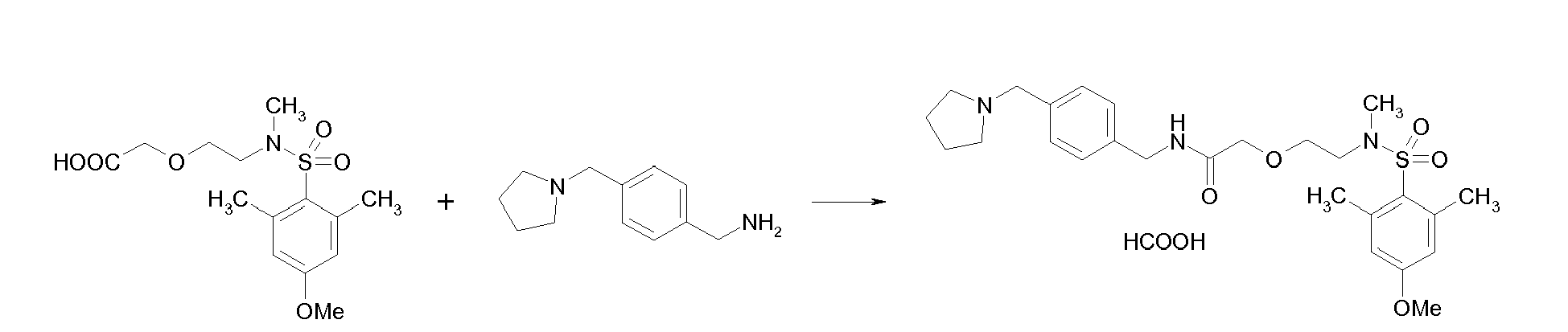
- Beispiel 110 wird analog zu 1f aus 0.12 g (0.36 mMol) Produkt aus 53c, 0.096 g (0.51 mMol) 4-Pyrrolidin-1-ylmethyl-benzylamin (Enamine-BB), 0.10 ml (0.72 mMol) Triethylamin und 0.14 g (0.44 mMol) TBTU in 4 ml DMF hergestellt.
C26H37N3O5S x CH2O2 (617.68)
[M+H]+ = 504
HPLC (Methode 5): Retentionszeit = 1.56 min -


- Eine Mischung aus 1.00 g (4.25 mMol) (4-Formylbenzyl)-carbamatsäure-tert-butylester (Acros) und 10 ml Dichlormethan wird unter Eisbadkühlung nacheinander mit 1.15 ml (8.50 mMol) cis-2,6-Dimethylpiperidin (Aldrich) und 1.80 g (8.50 mMol) Natriumtriacetoxyborhydrid versetzt. Die Reaktionsmischung wird drei Tage bei Raumtemperatur gerührt, danach langsam mit gesättigter Natriumhydrogencarbonat-Lösung gequencht und mit Dichlormethan extrahiert. Die organischen Extrakte werden mit Wasser und gesättigter Natriumchlorid-Lösung gewaschen, über Natriumsulfat getrocknet und im Vakuum bis zur Trockene eingeengt. Das so erhaltene Rohprodukt wird durch Säulenchromatographie (Elutionsmittel: Dichlormethan / Methanol 93:7) gereinigt. C20H32N2O2 (332.48)
[M+H]+ = 333
HPLC (Methode 5): Retentionszeit = 1.47 min
[M+H]+ = 247
HPLC (Methode 5): Retentionszeit = 1.03 min
- Beispiel 111 wird analog zu 1f aus 0.08 g (0.24 mMol) Produkt aus 53c, 0.059 g (0.24 mMol) Produkt aus 111 b, 0.10 ml (0.72 mMol) Triethylamin und 0.078 g (0.24 mMol) TBTU in 2 ml THF hergestellt.
C30H45N3O5S x C2HF3O2 (673.78)
[M+H]+ = 560
HPLC (Methode 5): Retentionszeit = 1.59 min -


C8H10N202 (166.18)
[M+H]+ = 167
- Eine Mischung aus 13.40 g (80.64 mMol) Produkt aus 112a und 25 ml Ethylacetat wird unter Eisbadkühlung langsam mit 17.68 g (81.00 mMol) Boc-Anhydrid versetzt. Die Reaktionsmischung wird drei Stunden bei Raumtemperatur gerührt, danach mit Wasser gewaschen, über Natriumsulfat getrocknet und im Vakuum bis zur Trockene eingeengt. C13H18N2O4 (266.29)
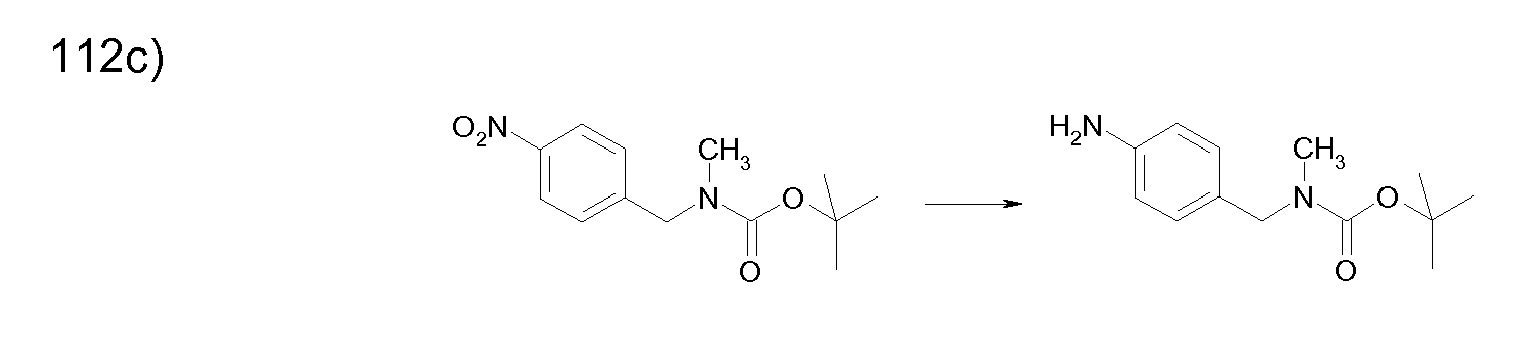
- Eine Mischung aus 23.00 g (86.37 mMol) Produkt aus 112b, 2.30 g Raney-Nickel, 230 ml Ethanol und 230 ml Ethylacetat wird im Autoklaven bei Raumtemperatur hydriert. Der Katalysator wird abfiltriert, das Filtrat im Vakuum bis zur Trockene eingeengt. Das so erhaltene Rohprodukt wird durch Säulenchromatographie (Elutionsmittel: Petrolether / Ethylacetat 1:1) gereinigt.
C13H20N2O2 (236.31)
[M+H]+ = 237
DC: Kieselgel, Petrolether / Ethylacetat 1:1, Rf-Wert = 0.55
- Eine Mischung aus 0.50 g (2.12 mMol) Produkt aus 112c, 0.48 g (3.56 mMol) Trimethylsilylisocyanat (Fluka) und 15 ml THF wird über das Wochenende unter Rückfluss gerührt. Anschließend wird die Reaktionsmischung im Vakuum bis zur Trockene eingeengt.
C14H21N3O3 (279.33)
[2M+H]+ = 559
- Eine Mischung aus 0.64 g (2.29 mMol) Produkt aus 112d und 10 ml methanolische HCl wird drei Stunden bei Raumtemperatur und zwei Stunden bei 50°C gerührt. Anschließend wird die Reaktionsmischung im Vakuum bis zur Trockene eingeengt. Der Rückstand wird im Vakuum über Nacht getrocknet.
C9H13N3 × HCl (215.68)
[M+H]+ = 180

- Beispiel 112 wird analog zu 1f aus 0.20 g (0.60 mMol) Produkt aus 53c, 0.13 g (0.60 mMol) Produkt aus 112e, 0.42 ml (3.02 mMol) Triethylamin und 0.22 g (0.66 mMol) TBTU in 4 ml DMF hergestellt.
C23H32N4O6S (492.59)
[M+H]+ = 493
HPLC (Methode 6): Retentionszeit = 2.93 min -


- Eine Mischung aus 2.00 g (9.92 mMol) 4-Methylaminomethyl-benzoesäure Hydrochlorid (J. Med. Chem. 26, 1983, 309-312) und 25 ml ethanolischer HCl wird 1.5 Stunden unter Rückfluß gerührt. Danach wird die Reaktionsmischung im Vakuum bis zur Trockene eingeengt.
C11H15NO2 × HCl (229.70)
[M+H]+ = 194
HPLC (Methode 6): Retentionszeit = 1.39 min

C25H34N2O7S (506.61)
[M+H]+ = 507
HPLC (Methode 6): Retentionszeit = 3.95 min
- Eine Mischung aus 1.06 g (2.09 mMol) Produkt aus 133b, 7.00 ml (7.00 mMol) 1 M Natronlauge, 15 ml THF und 1.5 ml Ethanol wird vier Stunden bei 50°C gerührt. Die Reaktionsmischung wird danach mit 7 ml 1 M HCl versetzt und im Vakuum bis zur Trockene eingeengt. Der Rückstand wird in Aceton aufgenommen, über Magnesiumsulfat getrocknet und im Vakuum bis zur Trockene eingeengt.
C23H3oN2O7S (478.56)
[M+H]+ = 479
HPLC (Methode 6): Retentionszeit = 3.21 min
- Beispiel 113 wird analog zu 1f aus 0.50 g (1.05 mMol) Produkt aus 113c, 4.00 ml (2.00 mMol) Ammoniak 0.5 M in Dioxan, 0.44 ml (3.14 mMol) Triethylamin und 0.38 g (1.15 mMol) TBTU in 4 ml DMF hergestellt.
C23H31N3O6S (477.57)
[M+H]+ = 478
HPLC (Methode 6): Retentionszeit = 2.92 min -
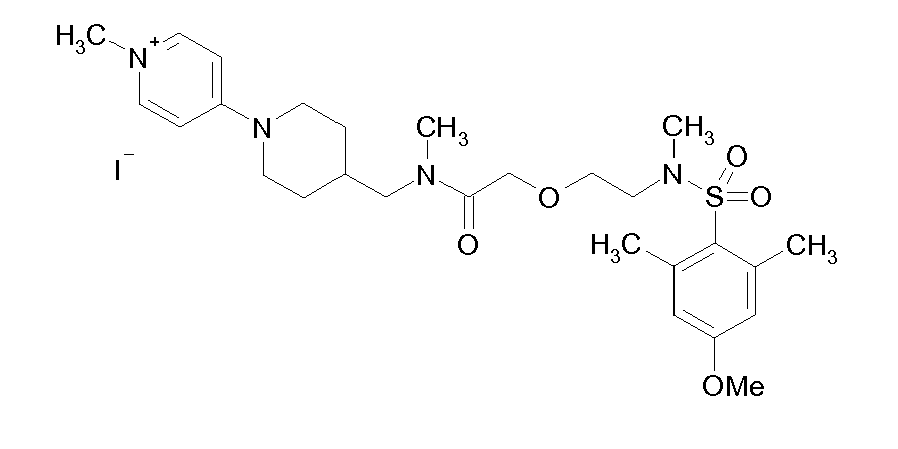

- Eine Mischung aus 0.075 g (0.15 mMol) 61, 0.1 g (0.71 mMol) Methyliodid und 5 ml Dichlormethan wird über Nacht bei Raumtemperatur gerührt. Die Reaktionsmischung wird danach im Vakuum bis zur Trockene eingeengt.
C27H41N4O5S × I (660.61)
[M+H]+ = 533
HPLC (Methode 5): Retentionszeit = 1.55 min -


- Beispiel 115 wird analog zu 114 aus 0.03 g (0.059 mMol) 64 und 0.05 g (0.35 mMol) Methyliodid in 5 ml Dichlormethan hergestellt.
C27H42N3O5S × I (647.61)
[M+H]+ = 520
HPLC (Methode 5): Retentionszeit = 1.55 min -


C28H40N4O8S (592.71)
[M+H]+ = 593
HPLC (Methode 6): Retentionszeit = 3.46 min

- Beispiel 116 wird analog zu 112e aus 0.68 g (1.15 mMol) Produkt aus 116a und 10 ml methanolischer HCl hergestellt.
C23H32N4O6S × C2HF3O2 (606.61)
[M+H]+ = 493
HPLC (Methode 6): Retentionszeit = 3.46 min -


- Eine Mischung aus 3.20 g (17.47 mMol) Produkt aus 63a, 50 ml 20%iger Natronlauge und 50 ml Ethanol wird über Nacht unter Rückfluss gerührt. Danach wird das Ethanol im Vakuum entfernt und der wässrige Rückstand mit konzentrierter HCl neutralisiert. Der entstandene Niederschlag wird abfiltriert und getrocknet.
C11H10N2O2 (202.21)
[M+H]+ = 203

- Eine Mischung aus 2.70 g (13.35 mMol) Produkt aus 117a, 8.00 g (57.89 mMol) Kaliumcarbonat und 100 ml DMF wird eine Stunde bei 60°C gerührt. Nach dem Abkühlen wird die Reaktionsmischung mit 3.50 g (27.65 mMol) Benzylchlorid (Aldrich) bei Raumtemperatur versetzt und anschließend über das Wochenende bei 60°C gerührt. Die Reaktionsmischung wird auf Wasser gegossen und eine Stunde bei Raumtemperatur gerührt. Der entstandene Niederschlag wird abfiltriert und getrocknet.
C25H22N2O2 (382.45)
[M+H]+ = 383
DC: Kieselgel, Dichlormethan / Methanol 9:1, Rf-Wert = 0.64
- Eine Mischung aus 1.80 g (4.71 mMol) Produkt aus 117b und 100 ml Methylamin 33% in Ethanol (Aldrich) wird sechs Stunden bei 180°C und über Nacht bei 160°C im Autoklaven gerührt. Die Reaktionsmischung wird danach im Vakuum bis zur Trockene eingeengt. Das so erhaltene Rohprodukt wird durch Säulen-chromatographie (Elutionsmittel: Dichlormethan / Methanol 19:1) gereinigt.
C19H19N3O (305.37)
[M+H]+ = 306
- Eine Mischung aus 1.20 g (3.93 mMol) Produkt aus 117c, 0.20 g Palladium auf Kohle (20%) und 50 ml Methanol wird bei 50°C im Autoklaven hydriert. Der Katalysator wird abfiltriert, das Filtrat im Vakuum bis zur Trockene eingeengt.
C12H13N3O (215.25)
[M+H]+ = 216
C12H15N3 (201.27)
[M+H]+ = 202
- Beispiel 117 wird analog zu 1f aus 0.17 g (0.51 mMol) Produkt aus 53c, 0.10 g (0.50 mMol) Produkt aus 117e, 0.17 ml (1.19 mMol) Triethylamin und 0.17 g (0.53 mMol) TBTU in 30 ml THF und 5 ml DMF hergestellt.
C26H34N4O5S (514.64)
[M+H]+ = 515
DC: Kieselgel, Dichlormethan / Methanol 9:1, Rf-Wert = 0.28 -


C8H8BrCIO2S (283.57)
HPLC (Methode 6): Retentionszeit = 4.76 min
C11H16BrNO3S (322.22)
HPLC (Methode 6): Retentionszeit = 3.38 min
C13H18BrNO5S (380.26)
HPLC (Methode 6): Retentionszeit = 3.48 min
- Beispiel 118 wird analog zu 1f aus 0.10 g (0.26 mMol) Produkt aus 118c, 0.054 g (0.26 mMol) Produkt aus 61 b, 0.11 ml (0.79 mMol) Triethylamin und 0.084 g (0.26 mMol) TBTU in 10 ml THF und 3 ml DMF hergestellt.
C25H35BrN4O4S (567.54)
[M+H]+ = 568/569/571
HPLC (Methode 6): Retentionszeit = 2.77 min -


- Eine Mischung aus 0.03 g (0.053 mMol) 118 und 0.03 g Palladium auf Kohle in 5 ml Methanol wird im Autoklaven bei Raumtemperatur hydriert. Der Katalysator wird abfiltriert, das Filtrat im Vakuum bis zur Trockene eingeengt. Das so erhaltene Rohprodukt wird durch präparative HPLC gereinigt.
C25H36N4O4S (488.64)
[M+H]+ = 489
HPLC (Methode 6): Retentionszeit = 2.45 min -
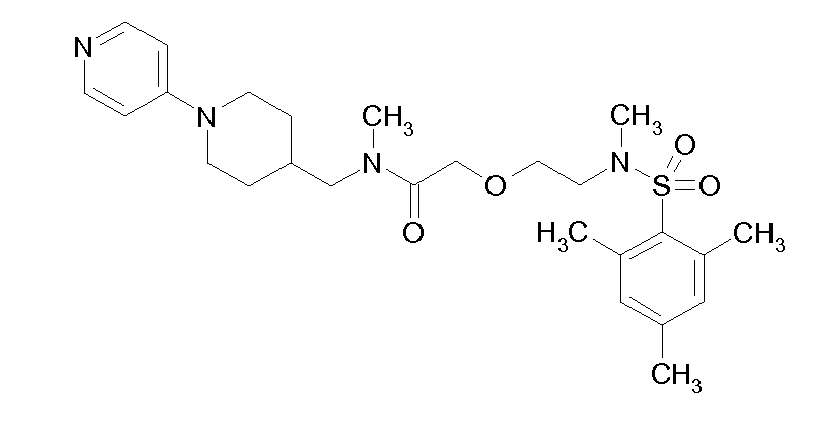

C12H19NO3S (257.35)
[M+H]+ = 258
C14H21NO5S (315.39)
- Beispiel 120 wird analog zu 1f aus 0.10 g (0.32 mMol) Produkt aus 120b, 0.065 g (0.32 mMol) Produkt aus 61 b, 0.13 ml (0.95 mMol) Triethylamin und 0.20 g (0.63 mMol) TBTU in 10 ml THF hergestellt.
C26H38N4O4S (502.67)
[M+H]+ = 503
HPLC (Methode 5): Retentionszeit = 1.57 min -


- Eine Mischung aus 0.98 g (7.05 mMol) Sarcosin Methylester Hydrochlorid (Fluka), 1.65 g (7.05 mMol) Produkt aus 13a und 50 ml Pyridin wird eine Stunde bei Raumtemperatur gerührt. Die Reaktionsmischung wird danach im Vakuum bis zur Trockene eingeengt. Der Rückstand wird danach in 1 M HCl aufgenommen und mit Ethylacetat extrahiert. Die organischen Extrakte werden über Natriumsulfat getrocknet und im Vakuum bis zur Trockene eingeengt.
C13H19NO5S (301.36)
[M+H]+ = 302
- Eine Mischung aus 1.90 g (6.29 mMol) Produkt aus 121a, 6.45 ml (12.90 mMol) 2 M Natronlauge und 9 ml Methanol wird drei Tage bei Raumtemperatur gerührt. Das Methanol wird im Vakuum entfernt, der wässrige Rückstand wird auf 1 M HCl gegossen. Der entstandene Niederschlag wird abfiltriert und im Vakuumexsikkator über Nacht getrocknet.
C12H17NO5S (287.33)
[M+H]+ = 288
C15H22N2O6S (358.41)
[M+H]+ = 359
HPLC (Methode 5): Retentionszeit = 1.72 min
C14H20N2O6S (344.38)
[M+H]+ = 345
C16H25N3O2 (291.39)
[M+H]+ = 292
HPLC (Methode 5): Retentionszeit = 1.40 min
C11H17N3 x 2C2HF3O2 (419.32)
[M+H]+ = 192
HPLC (Methode 5): Retentionszeit = 0.36 min
- Beispiel 121 wird analog zu 1f aus 0.09 g (0.26 mMol) Produkt aus 121d, 0.11 g (0.26 mMol) Produkt aus 121f, 0.15 ml (1.05 mMol) Triethylamin und 0.084 g (0.26 mMol) TBTU in 1.9 ml THF hergestellt.
C25H35N5O5S x C2HF3O2 (631.67)
[M+H]+ = 518
HPLC (Methode 5): Retentionszeit = 1.46 min -


- Beispiel 122 wird analog zu 1f aus 0.09 g (0.26 mMol) Produkt aus 121d, 0.054 g (0.26 mMol) Produkt aus 61 b, 0.11 ml (0.78 mMol) Triethylamin und 0.084 g (0.26 mMol) TBTU in 1.9 ml THF hergestellt.
C26H37N5O5S x C2HF3O2 (645.69)
[M+H]+ = 532
HPLC (Methode 5): Retentionszeit = 1.50 min -


C16H24N2O6S (372.44)
[M+H]+ = 373
HPLC (Methode 5): Retentionszeit = 1.78 min
C15H22N2O6S (258.41)
[M+H]+ = 359
- Beispiel 123 wird analog zu 1f aus 0.094 g (0.26 mMol) Produkt aus 123b, 0.11 g (0.26 mMol) Produkt aus 121f, 0.15 ml (1.05 mMol) Triethylamin und 0.084 g (0.26 mMol) TBTU in 1.9 ml THF hergestellt.
C26H37N5O5S x C2HF3O2 (645.69)
[M+H]+ = 532
HPLC (Methode 5): Retentionszeit = 1.47 min -


- Beispiel 124 wird analog zu 1f aus 0.094 g (0.26 mMol) Produkt aus 123b, 0.054 g (0.26 mMol) Produkt aus 61 b, 0.11 ml (0.78 mMol) Triethylamin und 0.084 g (0.26 mMol) TBTU in 1.9 ml THF hergestellt.
C27H39N5O5S × C2HF3O2 (659.72)
[M+H]+ = 548
HPLC (Methode 5): Retentionszeit = 1.49 min -


- Beispiel 125 wird analog zu 1f aus 0.09 g (0.26 mMol) Produkt aus 121d, 0.076 g (0.26 mMol) Produkt aus 54b, 0.11 ml (0.78 mMol) Triethylamin und 0.084 g (0.26 mMol) TBTU in 1.9 ml THF hergestellt.
C27H38N4O5S (530.68)
[M+H]+ = 531
HPLC (Methode 1): Retentionszeit = 2.43 min -


- Beispiel 126 wird analog zu 1f aus 0.09 g (0.26 mMol) Produkt aus 121d, 0.05 g (0.26 mMol) Produkt aus 59b, 0.11 ml (0.78 mMol) Triethylamin und 0.084 g (0.26 mMol) TBTU in 1.9 ml THF hergestellt.
C26H38N4O5S x HCl (555.13)
[M+H]+ = 519
HPLC (Methode 1): Retentionszeit = 2.42 min -


- Beispiel 127 wird analog zu 1f aus 0.09 g (0.26 mMol) Produkt aus 121d, 0.065 g (0.26 mMol) Produkt aus 80a, 0.11 ml (0.78 mMol) Triethylamin und 0.084 g (0.26 mMol) TBTU in 1.9 ml THF hergestellt.
C29H43N5O5S x HCl (610.21)
[M+H]+ = 574
HPLC (Methode 1): Retentionszeit = 2.38 min -


- Beispiel 128 wird analog zu 1f aus 0.09 g (0.26 mMol) Produkt aus 121d, 0.057 g (0.26 mMol) Produkt aus 81 a, 0.11 ml (0.78 mMol) Triethylamin und 0.084 g (0.26 mMol) TBTU in 1.9 ml THF hergestellt.
C27H39N5O5S × C2HF3O2 (610.21)
[M+H]+ = 546
HPLC (Methode 5): Retentionszeit = 1.51 min -


- Beispiel 129 wird analog zu 1f aus 0.09 g (0.26 mMol) Produkt aus 121d, 0.056 g (0.26 mMol) Produkt aus 67c, 0.11 ml (0.78 mMol) Triethylamin und 0.084 g (0.26 mMol) TBTU in 1.9 ml THF hergestellt.
C27H35N5O5S x C2HF3O2 (655.69)
[M+H]+ = 542
HPLC (Methode 5): Retentionszeit = 1.52 min -


C17H27NO5S (357.47)
[M+H]+ = 358
HPLC (Methode 6): Retentionszeit = 4.10 min
C15H23NO5S (329.41)
[M+H]+ = 330
HPLC (Methode 6): Retentionszeit = 3.24 min
- Beispiel 130 wird analog zu 1f aus 0.18 g (0.54 mMol) Produkt aus 130b, 0.10 g (0.49 mMol) Produkt aus 61 b, 0.14 ml (0.97 mMol) Triethylamin und 0.18 g (0.54 mMol) TBTU in 3 ml DMF hergestellt.
C27H40N4O4S (516.70)
[M+H]+ = 517
HPLC (Methode 6): Retentionszeit = 2.65 min -


- Beispiel 131 wird analog zu 1f aus 0.069 g (0.21 mMol) Produkt aus 130b, 0.088 g (0.21 mMol) Produkt aus 121f, 0.087 ml (0.63 mMol) Triethylamin und 0.077 g (0.23 mMol) TBTU in 1 ml DMF hergestellt.
C26H38N4O4S × CH2O2 (548.71)
[M+H]+ = 503
HPLC (Methode 6): Retentionszeit = 2.52 min -


- Eine Mischung aus 2.50 g (9.15 mMol) Produkt aus 53a, 1.39 ml (10.00 mMol) Triethylamin und 50 ml THF wird bei Raumtemperatur mit 0.77 ml (10.00 mMol) Methansulfonsäurechlorid (Aldrich) versetzt. Die Reaktionsmischung wird danach über Nacht bei Raumtemperatur gerührt. Der entstandene Niederschlag wird abfiltriert. Das Filtrat wird im Vakuum bis zur Trockene eingeengt. Der Rückstand wird in Ethylacetat aufgenommen und mit Wasser und gesättigter Natriumchlorid-Lösung gewaschen, über Natriumsulfat getrocknet und im Vakuum bis zur Trockene eingeengt.
C13H21NO6S2 (351.44)
[M+H]+ = 352
DC: Kieselgel, Dichlormethan / Methanol 9.5:0.5, Rf-Wert = 0.95
- Eine Mischung aus 0.50 g (1.42 mMol) Produkt aus 132a, 0.20 g (1.42 mMol) Sarcosin Methylester Hydrochlorid (Aldrich), 0.52 ml (3.00 mMol) DIPEA und 5 ml DMF wird 24 Stunden bei 80°C gerührt. Die Reaktionsmischung wird im Vakuum eingeengt. Der Rückstand wird in Dichlormethan aufgenommen und mit Wasser und gesättigter Natriumhydrogencarbonat-Lösung gewaschen, über Natriumsulfat getrocknet und im Vakuum bis zur Trockene eingeengt. Das so erhaltene Rohprodukt wird durch Säulenchromatographie (Elutionsmittel: Dichlormethan / 0-3 % Methanol) gereinigt.
C16H26N2O5S (358.45)
[M+H]+ = 359
C15H24N2O5S (344.43)
HPLC (Methode 1): Retentionszeit = 2.32 min
- Beispiel 132 wird analog zu 1f aus 0.10 g (0.29 mMol) Produkt aus 132c, 0.06 g (0.29 mMol) Produkt aus 61 b, 0.084 ml (0.60 mMol) Triethylamin und 0.096 g (0.30 mMol) TBTU in 10 ml DMF hergestellt.
C27H41N5O4S x 2HCl (604.63)
[M+H]+ = 532
HPLC (Methode 5): Retentionszeit = 1.39 min -


- Beispiel 133 wird analog zu 1f aus 0.10 g (0.29 mMol) Produkt aus 132c, 0.12 g (0.29 mMol) Produkt aus 121f, 0.17 ml (1.20 mMol) Triethylamin und 0.096 g (0.30 mMol) TBTU in 60 ml DMF hergestellt.
C26H39N5O4S x 2HCl (590.61)
[M+H]+ = 518
HPLC (Methode 5): Retentionszeit = 1.37 min -


- Eine Mischung aus 1.60 g (4.55 mMol) Produkt aus 132a, 2.10 g (14.00 mMol) Natriumiodid und 30 ml Aceton wird acht Stunden unter Rückfluß gerührt. Die Reaktionsmischung wird danach über Kieselgel filtriert. Das Filtrat wird im Vakuum bis zur Trockene eingeengt. Der Rückstand wird in Ethylacetat aufgenommen, mit Wasser gewaschen, über Natriumsulfat getrocknet und im Vakuum bis zur Trockene eingeengt.
C12H18INO3S (383.25)
[M+H]+ = 384
HPLC (Methode 1): Retentionszeit = 3.75 min
C15H24N2O5S (344.43)
[M+H]+ = 345
DC: Kieselgel, Dichlormethan / Methanol 9.5:0.5, Rf-Wert = 0.38

- Eine Mischung aus 0.46 g (1.34 mMol) Produkt aus 134b, 0.33 g (1.50 mMol) Boc-Anhydrid, 0.21 ml (1.50 mMol) Triethylamin und 30 ml Dichlormethan wird über Nacht bei Raumtemperatur gerührt. Die Reaktionsmischung wird anschließend mit Dichlormethan verdünnt und mit gesättigter Natriumhydrogencarbonat-Lösung und gesättigter Natriumchlorid-Lösung gewaschen, über Natriumsulfat getrocknet und im Vakuum bis zur Trockene eingeengt.
C20H32N2O7S (444.54)
[M+H]+ = 445
DC: Kieselgel, Dichlormethan / Methanol 9.5:0.5, Rf-Wert = 0.45
C19H30N2O7S (430.52)
[M+H]+ = 431
C31H47N5O6S (617.80)
[M+H]+ = 618
HPLC (Methode 1): Retentionszeit = 2.62 min
- Beispiel 134 wird analog zu 18b aus 0.16 g (0.26 mMol) Produkt aus 134e und 3 ml TFA in 3 ml Dichlormethan hergestellt.
C26H39N5O4S x 2HCl (590.61)
[M+H]+ = 518
HPLC (Methode 5): Retentionszeit = 1.40 min -


C30H45N5O6S (603.77)
[M+H]+ = 604
DC: Kieselgel, Dichlormethan / Methanol / Ammoniak 9:1:0.1, Rf-Wert = 0.48
- Beispiel 135 wird analog zu 18b aus 0.16 g (0.27 mMol) Produkt aus 135a und 5 ml TFA in 5 ml Dichlormethan hergestellt.
C25H37N5O4S x 2HCl (576.58)
[M+H]+ = 504
HPLC (Methode 1): Retentionszeit = 2.17 min -


- Eine Mischung aus 0.21 g (0.60 mMol) Produkt aus 132a, 0.065 ml (0.60 mMol) Mercaptoessigsäureethylester (Aldrich), 0.17 g (1.20 mMol) Kaliumcarbonat und 10 ml Acetonitril wird 24 Stunden bei Raumtemperatur gerührt. Der Niederschlag wird abfiltriert, das Filtrat wird im Vakuum eingeengt. Das so erhaltene Rohprodukt wird durch präparative HPLC gereinigt.
C16H25NO5S2 (375.51)
[M+H]+ = 376
C14H21NO5S2 (347.45)
[M+H]+ = 348
- Beispiel 136 wird analog zu 1f aus 0.064 g (0.18 mMol) Produkt aus 136b, 0.038 g (0.18 mMol) Produkt aus 61 b, 0.079 ml (0.46 mMol) DIPEA und 0.059 g (0.18 mMol) TBTU in 5 ml DMF hergestellt.
C26H38N4O4S2 (534.74)
[M+H]+ = 535
HPLC (Methode 6): Retentionszeit = 2.68 min -


- Beispiel 137 wird analog zu 1f aus 0.073 g (0.21 mMol) Produkt aus 136b, 0.088 g (0.21 mMol) Produkt aus 121f, 0.11 ml (0.63 mMol) DIPEA und 0.087 g (0.27 mMol) TBTU in 5 ml DMF hergestellt.
C25H36N4O4S2 x C2HF3O2 (634.73)
[M+H]+ = 521
HPLC (Methode 6): Retentionszeit = 2.57 min -


[M-H]- = 357
HPLC (Methode 6): Retentionszeit = 3.63 min

[M+H]+ = 373
HPLC (Methode 6): Retentionszeit = 3.89 min
C127H20N2O3S (272.36)
[M+H]+ = 273
HPLC (Methode 6): Retentionszeit = 1.95 min
- Eine Mischung aus 0.50 g (1.84 mMol) Produkt aus 138c, 0.56 ml (5.51 mMol) Triethylamin und 25 ml Dichlormethan wird unter Eisbadkühlung mit 0.38 ml (2.75 mMol) Oxalsäure-monoethylesterchlorid (Fluka) in 5 ml Dichlormethan versetzt und zwei Stunden bei Raumtemperatur gerührt. Die Reaktionsmischung wird anschließend mit Dichlormethan verdünnt, mit 10%iger wässriger Zitronensäure-Lösung, gesättigter Natriumsulfat-Lösung und mit Wasser gewaschen, über Natriumsulfat getrocknet und im Vakuum bis zur Trockene eingeengt.
C16H24N2O6S (372.44)
[M+H]+ = 373
- Eine Mischung aus 0.60 g (1.60 mMol) Produkt aus 138d, 5.6 ml 1 M Natronlauge und 6 ml Ethanol wird vier Stunden bei Raumtemperatur gerührt und danach im Vakuum bis zur Trockene eingeengt. Der Rückstand wird mit 8 ml 1 M Salzsäure versetzt und mit Ethylacetat extrahiert. Die vereinigten organischen Extrakte werden mit Wasser und gesättigter Natriumchlorid-Lösung gewaschen, über Natriumsulfat getrocknet und im Vakuum bis zur Trockene eingeengt.
C14H20N2O6S (344.38)
[M+H]+ = 345
- Beispiel 138 wird analog zu 1f aus 40.0 mg (0.12 mMol) Produkt aus 138e, 48.2 mg (0.12 mMol) N,N-Dimethyl-N'-(4-methylaminomethyl-phenyl)-ethan-1,2-diamin (analog J. Chem. Soc 1960, 3163-3165), 0.038 ml (0.29 mMol) DIPEA und 38.9 mg (0.12 mMol) TBTU in 1.5 ml DMF hergestellt.
C26H39N5O5S (533.68)
[M+H]+ = 534
HPLC (Methode 6): Retentionszeit = 1.61 min -


- Beispiel 139 wird analog zu 1f aus 40.0 mg (0.12 mMol) Produkt aus 138e, 22.5 mg (0.12 mMol) N-(4-Aminomethyl-phenyl)-N',N'-dimethylethan-1,2-diamin (analog J. Chem. Soc 1960, 3163-3165), 0.038 ml (0.29 mMol) DIPEA und 38.9 mg (0.12 mMol) TBTU in 1.5 ml DMF hergestellt.
C25H37N5O5S (519.66)
[M+H]+ = 520
HPLC (Methode 6): Retentionszeit = 1.53 min - Die folgenden Verbindungen wurden analog zu Beispiel 22 hergestellt:
-

[M+H]+ = 524
HPLC (Methode 6): Retentionszeit = 2.43 min -

[M+H]+ = 516
HPLC (Methode 6): Retentionszeit = 3.39 min -
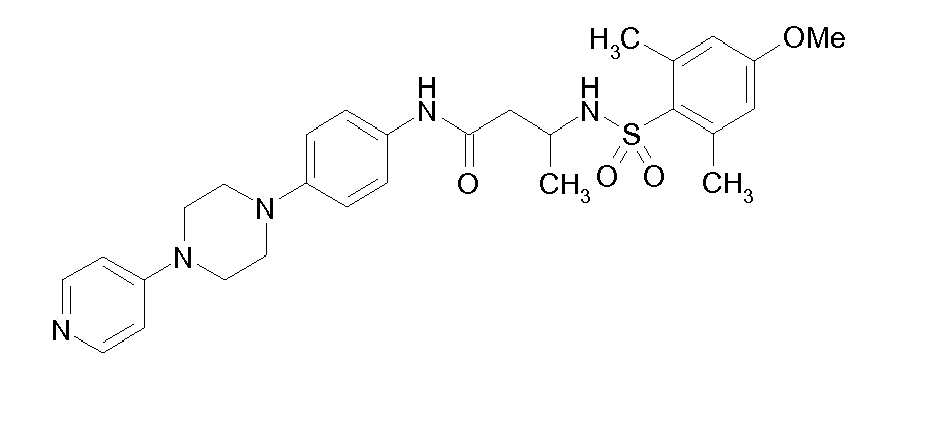
[M+H]+ = 538
HPLC (Methode 6): Retentionszeit = 2.45 min -

[M+H]+ = 597
HPLC (Methode 6): Retentionszeit = 2.30 min -

[M+H]+ = 486
HPLC (Methode 6): Retentionszeit = 2.46 min -

[M+H]+ = 490
HPLC (Methode 6): Retentionszeit = 2.66 min -

[M+H]+ = 614
HPLC (Methode 6): Retentionszeit = 3.07 min -

[M+H]+ = 490
HPLC (Methode 6): Retentionszeit = 2.60 min -

[M+H]+ = 491
HPLC (Methode 6): Retentionszeit = 2.29 min -

[M+H]+ = 505
HPLC (Methode 6): Retentionszeit = 2.32 min -

[M+H]+ = 505
HPLC (Methode 6): Retentionszeit = 2.31 min -

[M+H]+ = 519
HPLC (Methode 6): Retentionszeit = 2.34 min -

[M+H]+ = 532
HPLC (Methode 5): Retentionszeit = 1.40 min -

[M+H]+ = 575
HPLC (Methode 1): Retentionszeit = 2.12 min -

[M+H]+ = 561
HPLC (Methode 8): Retentionszeit = 3.12 min -

[M+H]+ = 533
HPLC (Methode 11): Retentionszeit = 1.67 min -

[M+H]+ = 474
HPLC (Methode 7): Retentionszeit = 1.90 min -
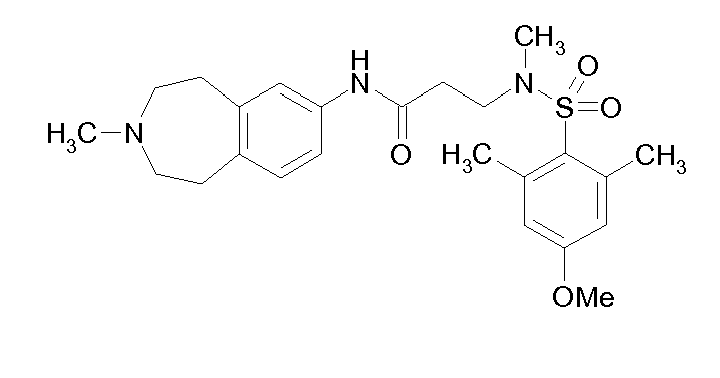
[M+H]+ = 460
HPLC (Methode 5): Retentionszeit = 1.52 min -

[M+H]+ = 486
HPLC (Methode 5): Retentionszeit = 1.55 min -

[M+H]+ = 488
HPLC (Methode 5): Retentionszeit = 1.54 min -

[M+H]+ = 490
HPLC (Methode 5): Retentionszeit = 1.54 min -

[M+H]+ = 505
HPLC (Methode 5): Retentionszeit = 1.59 min -

[M+H]+ = 491
HPLC (Methode 5): Retentionszeit = 1.55 min -

[M+H]+ = 476
HPLC (Methode 5): Retentionszeit = 1.56 min -

[M+H]+ = 488
HPLC (Methode 5): Retentionszeit = 1.54 min -

[M+H]+ = 477
HPLC (Methode 7): Retentionszeit = 1.88 min -

[M+H]+ = 491
HPLC (Methode 7): Retentionszeit = 1.92 min -

[M+H]+ = 463
HPLC (Methode 7): Retentionszeit = 1.79 min -

[M+H]+ = 477
HPLC (Methode 7): Retentionszeit = 1.86 min -

[M+H]+ = 475
HPLC (Methode 5): Retentionszeit = 1.39 min -

[M+H]+ = 560
DC: Kieselgel, Dichlormethan / Ethanol 9:1, Rf-Wert = 0.22 -

[M+H]+ = 518
DC: Kieselgel, Dichlormethan / Ethanol 4:1, Rf-Wert = 0.68 -

[M+H]+ = 546
HPLC (Methode 5): Retentionszeit = 1.26 min -

[M+H]+ = 543
HPLC (Methode 4): Retentionszeit = 2.8 min -

[M+H]+ = 532
HPLC (Methode 5): Retentionszeit = 1.39 min -

[M+H]+ = 521
DC: Kieselgel, Dichlormethan / Ethanol 9:1, Rf-Wert = 0.25 -

[M+H]+ = 563
DC: Kieselgel, Dichlormethan / Ethanol 9:1, Rf-Wert = 0.40 -

[M+H]+ = 549
DC: Kieselgel, Dichlormethan / Ethanol 9:1, Rf-Wert = 0.35 -

[M+H]+ = 517
DC: Kieselgel, Dichlormethan / Ethanol / Ammoniak 8:2:0.01, Rf-Wert = 0.41 -
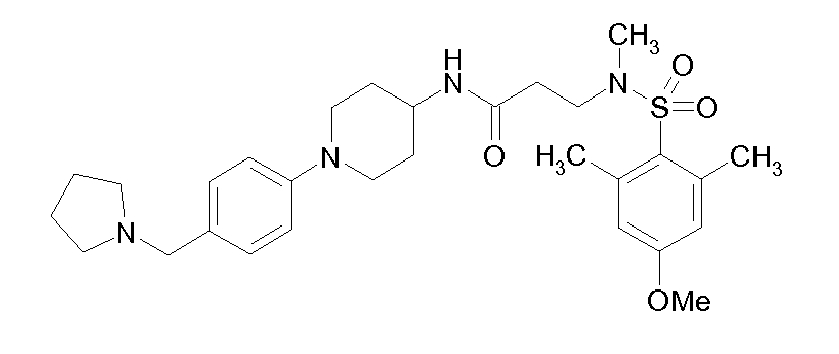
[M+H]+ = 543
DC: Kieselgel, Dichlormethan / Ethanol / Ammoniak 8:2:0.01, Rf-Wert = 0.47 -

[M+H]+ = 537/539
DC: Kieselgel, Dichlormethan / Ethanol 9:1, Rf-Wert = 0.26 -

[M+H]+ = 579/581
DC: Kieselgel, Dichlormethan / Ethanol 9:1, Rf-Wert = 0.45 -

[M+H]+ = 565/567
DC: Kieselgel, Dichlormethan / Ethanol 9:1, Rf-Wert = 0.30 -

[M+H]+ = 535
DC: Kieselgel, Dichlormethan / Ethanol / Ammoniak 8:2:0.01, Rf-Wert = 0.26 -

[M+H]+ = 595/597
DC: Kieselgel, Dichlormethan / Ethanol / Ammoniak 8:2:0.01, Rf-Wert = 0.51 -

[M+H]+ = 557
DC: Kieselgel, Dichlormethan / Ethanol / Ammoniak 8:2:0.01, Rf-Wert = 0.63 -

[M+H]+ = 551
DC: Kieselgel, Dichlormethan / Ethanol / Ammoniak 8:2:0.01, Rf-Wert = 0.58 -

[M+H]+ = 564
HPLC (Methode 4): Retentionszeit = 3.0 min -

[M+H]+ = 577/579
DC: Kieselgel, Dichlormethan / Methanol 9:1, Rf-Wert = 0.24 -

[M+H]+ = 544
HPLC (Methode 6): Retentionszeit = 3.11 min -

[M+H]+ = 519
HPLC (Methode 6): Retentionszeit = 2.44 min -

[M+H]+ = 392
HPLC (Methode 6): Retentionszeit = 2.04 min -

[M+H]+ = 542
HPLC (Methode 6): Retentionszeit = 2.51 min -

[M+H]+ = 505
HPLC (Methode 6): Retentionszeit = 2.43 min -

[M+H]+ = 537
HPLC (Methode 6): Retentionszeit = 2.19 min -

[M+H]+ = 555
HPLC (Methode 6): Retentionszeit = 2.37 min -

[M+H]+ = 503
HPLC (Methode 6): Retentionszeit = 2.35 min -

[M+H]+ = 503
HPLC (Methode 6): Retentionszeit = 2.00 min -

[M+H]+ = 531
HPLC (Methode 6): Retentionszeit = 2.45 min -

[M+H]+ = 531
HPLC (Methode 6): Retentionszeit = 2.53 min -

[M+H]+ = 502
HPLC (Methode 6): Retentionszeit = 2.05 min -

[M+H]+ = 486
HPLC (Methode 6): Retentionszeit = 2.41 min -

[M+H]+ = 495
HPLC (Methode 6): Retentionszeit = 2.50 min -

[M+H]+ = 531
HPLC (Methode 6): Retentionszeit = 2.36 min -

[M+H]+ = 531
HPLC (Methode 6): Retentionszeit = 2.60 min -

[M+H]+ = 545
HPLC (Methode 6): Retentionszeit = 2.21 min -

[M+H]+ = 551/553
HPLC (Methode 6): Retentionszeit = 2.65 min -

[M+H]+ = 517
HPLC (Methode 6): Retentionszeit = 2.51 min -

[M+H]+ = 531
HPLC (Methode 6): Retentionszeit = 2.33 min -

[M+H]+ = 561
HPLC (Methode 6): Retentionszeit = 2.14 min -

[M+H]+ = 561
HPLC (Methode 6): Retentionszeit = 2.43 min -

[M+H]+ = 519
HPLC (Methode 6): Retentionszeit = 2.11 min -

[M+H]+ = 542
HPLC (Methode 6): Retentionszeit = 2.75 min -

[M+H]+ = 519
HPLC (Methode 6): Retentionszeit = 2.30 min -
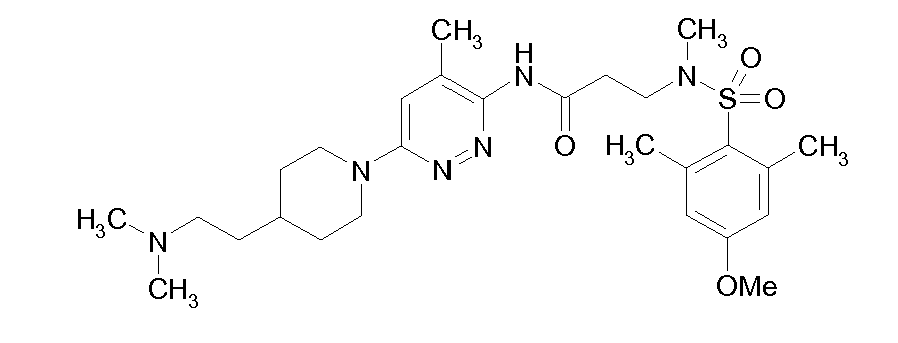
[M+H]+ = 547
HPLC (Methode 6): Retentionszeit = 2.08 min -

[M+H]+ = 547
HPLC (Methode 6): Retentionszeit = 2.34 min -

[M+H]+ = 578/580
HPLC (Methode 6): Retentionszeit = 2.64 min -

[M+H]+ = 544
HPLC (Methode 6): Retentionszeit = 2.09 min -

[M+H]+ = 543
HPLC (Methode 9): Retentionszeit = 1.67 min -

[M+H]+ = 557
HPLC (Methode 9): Retentionszeit = 1.71 min -

[M+H]+ = 529
HPLC (Methode 9): Retentionszeit = 1.61 min -

[M+H]+ = 509
HPLC (Methode 9): Retentionszeit = 1.23 min -

[M+H]+ = 523
HPLC (Methode 9): Retentionszeit = 1.30 min -

[M+H]+ = 537
HPLC (Methode 9): Retentionszeit = 1.31 min -

[M+H]+ = 494
HPLC (Methode 9): Retentionszeit = 1.72 min -

[M+H]+ = 468
HPLC (Methode 9): Retentionszeit = 1.69 min -

[M+H]+ = 489
HPLC (Methode 5): Retentionszeit = 1.39 min -

[M+H]+ = 552
HPLC (Methode 5): Retentionszeit = 1.55 min -

[M+H]+ = 551
HPLC (Methode 5): Retentionszeit = 1.38 min -
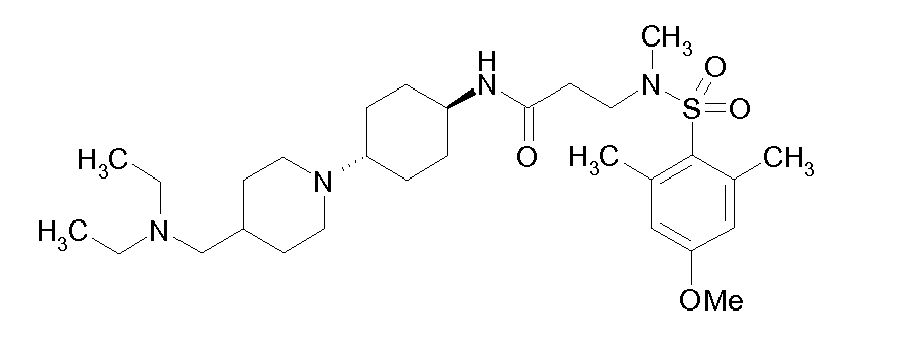
[M+H]+ = 551
HPLC (Methode 5): Retentionszeit = 1.40 min -

[M+H]+ = 529
HPLC (Methode 5): Retentionszeit = 1.41 min -

[M+H]+ = 558
HPLC (Methode 1): Retentionszeit = 1.90 min -

[M+H]+ = 564
HPLC (Methode 5): Retentionszeit = 1.33 min -

[M+H]+ = 538
HPLC (Methode 7): Retentionszeit = 1.74 min -

[M+H]+ = 515
HPLC (Methode 5): Retentionszeit = 1.41 min -

[M+H]+ = 558
HPLC (Methode 5): Retentionszeit = 1.43 min -

[M+H]+ = 529
HPLC (Methode 5): Retentionszeit = 1.42 min -

[M+H]+ = 537
HPLC (Methode 7): Retentionszeit = 1.70 min -
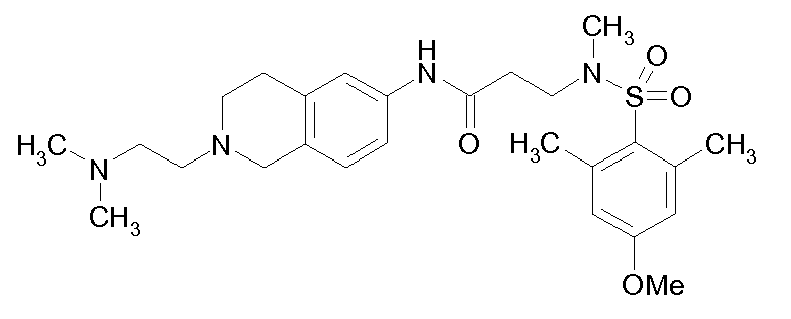
[M+H]+ = 503
HPLC (Methode 5): Retentionszeit = 1.40 min -

[M+H]+ = 509
HPLC (Methode 5): Retentionszeit = 1.38 min -

[M+H]+ = 509
HPLC (Methode 5): Retentionszeit = 1.40 min -

[M+H]+ = 523
DC: Kieselgel, Dichlormethan / Methanol / Ammoniak 9:1:0.1, Rf-Wert = 0.13 -

[M+H]+ = 523
DC: Kieselgel, Dichlormethan / Methanol / Ammoniak 9:1:0.1, Rf-Wert = 0.13 -

[M+H]+ = 535
HPLC (Methode 5): Retentionszeit = 1.10 min -

[M+H]+ = 523
DC: Kieselgel, Dichlormethan / Methanol / Ammoniak 9:1:0.1, Rf-Wert = 0.25 -
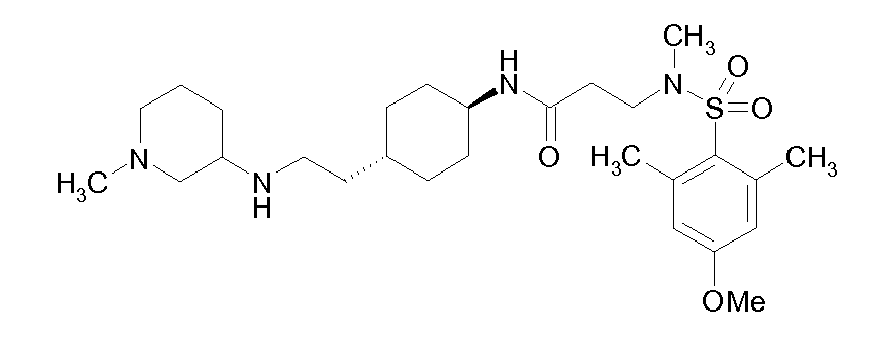
[M+H]+ = 523
DC: Kieselgel, Dichlormethan / Methanol / Ammoniak 9:1:0.1, Rf-Wert = 0.25 -

[M+H]+ = 523
HPLC (Methode 5): Retentionszeit = 1.38 min -
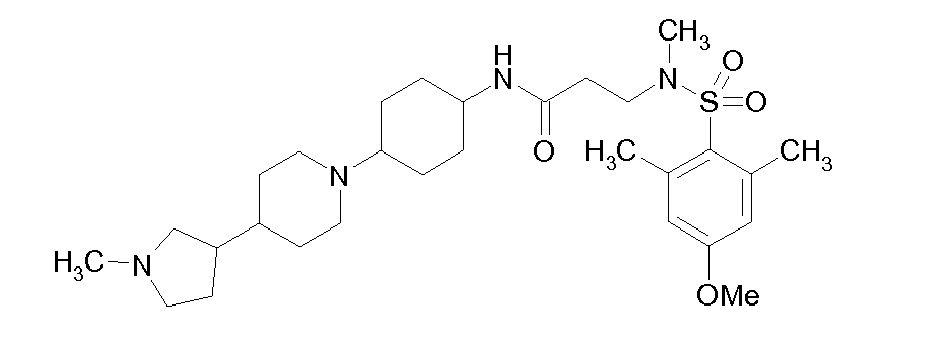
[M+H]+ = 549
HPLC (Methode 5): Retentionszeit = 1.39 min -

[M+H]+ = 549
HPLC (Methode 5): Retentionszeit = 1.39 min -

[M+H]+ = 537
HPLC (Methode 5): Retentionszeit = 1.38 min -

[M+H]+ = 537
HPLC (Methode 11): Retentionszeit = 1.60 min -
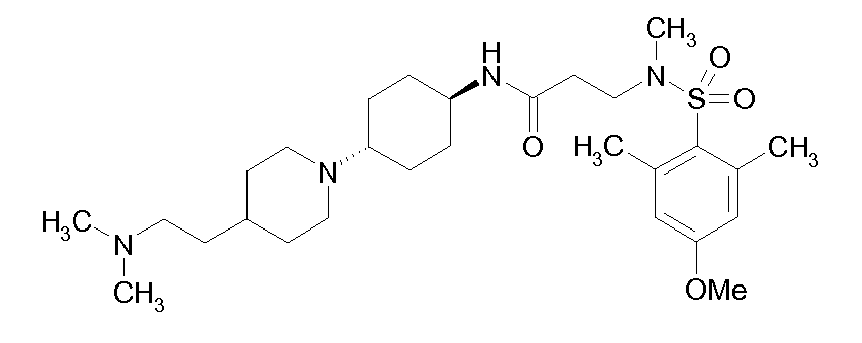
[M+H]+ = 537
HPLC (Methode 7): Retentionszeit = 1.71 min -
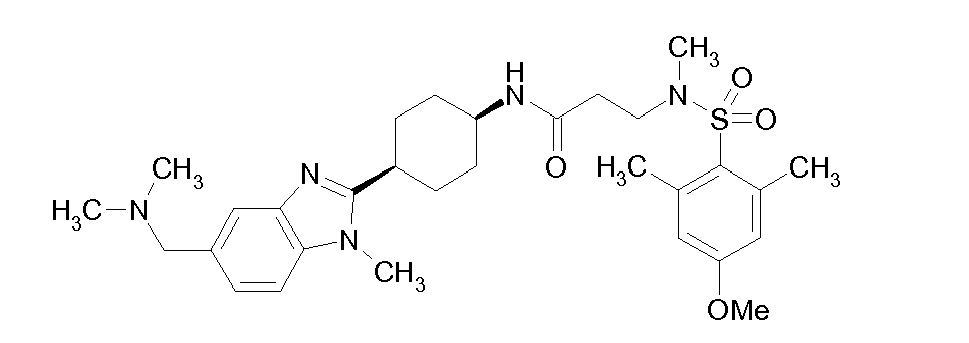
[M+H]+ = 570
DC: Kieselgel, Dichlormethan / Methanol / Ammoniak 9:1:0.1, Rf-Wert = 0.29 -

[M+H]+ = 563/565
HPLC (Methode 5): Retentionszeit = 1.59 min -

[M+H]+ = 565/567
DC: Kieselgel, Dichlormethan / Methanol / Ammoniak 9:1:0.1, Rf-Wert = 0.46 -

[M+H]+ = 593/595
DC: Kieselgel, Dichlormethan / Methanol 9:1, Rf-Wert = 0.42 -

[M+H]+ = 579/581
DC: Kieselgel, Dichlormethan / Methanol 9:1, Rf-Wert = 0.23 -

[M+H]+ = 564
DC: Kieselgel, Dichlormethan / Methanol / Ammoniak 8:2:0.1, Rf-Wert = 0.67 -

[M+H]+ = 570
DC: Kieselgel, Dichlormethan / Methanol / Ammoniak 8:2:0.2, Rf-Wert = 0.65 -

[M+H]+ = 591/593
DC: Kieselgel, Dichlormethan / Methanol 9:1, Rf-Wert = 0.20 -

[M+H]+ = 579/581
DC: Kieselgel, Dichlormethan / Methanol 9:1, Rf-Wert = 0.17 -

[M+H]+ = 535
DC: Kieselgel, Dichlormethan / Methanol / Ammoniak 8:2:0.2, Rf-Wert = 0.23 -

[M+H]+ = 577
DC: Kieselgel, Dichlormethan / Methanol / Ammoniak 8:2:0.2, Rf-Wert = 0.69 -

[M+H]+ = 535
DC: Kieselgel, Dichlormethan / Methanol / Ammoniak 8:2:0.2, Rf-Wert = 0.58 -

[M+H]+ = 577
DC: Kieselgel, Dichlormethan / Methanol / Ammoniak 8:2:0.2, Rf-Wert = 0.56 -

[M+H]+ = 535
DC: Kieselgel, Dichlormethan / Methanol / Ammoniak 8:2:0.2, Rf-Wert = 0.58 -

[M+H]+ = 523
HPLC (Methode 9): Retentionszeit = 1.30 min -

[M+H]+ = 523
HPLC (Methode 9): Retentionszeit = 1.28 min -

[M+H]+ = 549
HPLC (Methode 6): Retentionszeit = 1.96 min -

[M+H]+ = 557
HPLC (Methode 9): Retentionszeit = 1.71 min -

[M+H]+ = 483
HPLC (Methode 9): Retentionszeit = 1.23 min -
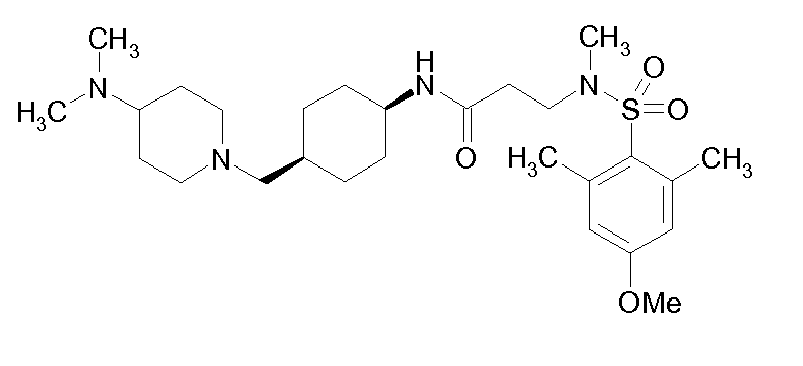
[M+H]+ = 523
HPLC (Methode 9): Retentionszeit = 1.23 min -

[M+H]+ = 497
HPLC (Methode 9): Retentionszeit = 1.25 min -

[M+H]+ = 552
HPLC (Methode 10): Retentionszeit = 1.06 min -

[M+H]+ = 551
HPLC (Methode 9): Retentionszeit = 1.31 min -

[M+H]+ = 552
HPLC (Methode 9): Retentionszeit = 1.20 min -

[M+H]+ = 537
HPLC (Methode 6): Retentionszeit = 1.32 min -

[M+H]+ = 552
HPLC (Methode 9): Retentionszeit = 1.18 min -

[M+H]+ = 523
HPLC (Methode 9): Retentionszeit = 1.29 min -

[M+H]+ = 524/526
HPLC (Methode 9): Retentionszeit = 1.60 min -

[M+H]+ = 467
HPLC (Methode 9): Retentionszeit = 1.16 min -

[M+H]+ = 552/554
HPLC (Methode 9): Retentionszeit = 1.68 min -

[M+H]+ = 509
HPLC (Methode 5): Retentionszeit = 1.36 min -

[M+H]+ = 549
HPLC (Methode 5): Retentionszeit = 1.38 min -

[M+H]+ = 549
HPLC (Methode 5): Retentionszeit = 1.38 min -

[M+H]+ = 549
HPLC (Methode 5): Retentionszeit = 1.36 min -

[M+H]+ = 585
HPLC (Methode 5): Retentionszeit = 1.38 min -

[M+H]+ = 567
HPLC (Methode 5): Retentionszeit = 1.38 min -

[M+H]+ = 567
HPLC (Methode 5): Retentionszeit = 1.36 min -

[M+H]+ = 565
HPLC (Methode 5): Retentionszeit = 1.37 min -

[M+H]+ = 563
HPLC (Methode 5): Retentionszeit = 1.39 min -

[M+H]+ = 551
HPLC (Methode 5): Retentionszeit = 1.36 min -

[M+H]+ = 563
HPLC (Methode 5): Retentionszeit = 1.28 min -

[M+H]+ = 538
HPLC (Methode 5): Retentionszeit = 1.33 min -

[M+H]+ = 563
HPLC (Methode 5): Retentionszeit = 1.37 min -

[M+H]+ = 585
HPLC (Methode 5): Retentionszeit = 1.38 min -

[M+H]+ = 567
HPLC (Methode 5): Retentionszeit = 1.35 min -

[M+H]+ = 567
HPLC (Methode 5): Retentionszeit = 1.36 min -

[M+H]+ = 565
HPLC (Methode 5): Retentionszeit = 1.36 min -

[M+H]+ = 563
HPLC (Methode 5): Retentionszeit = 1.37 min -

[M+H]+ = 551
HPLC (Methode 5): Retentionszeit = 1.37 min -

[M+H]+ = 563
HPLC (Methode 5): Retentionszeit = 1.37 min -

[M+H]+ = 536
HPLC (Methode 5): Retentionszeit = 1.34 min -
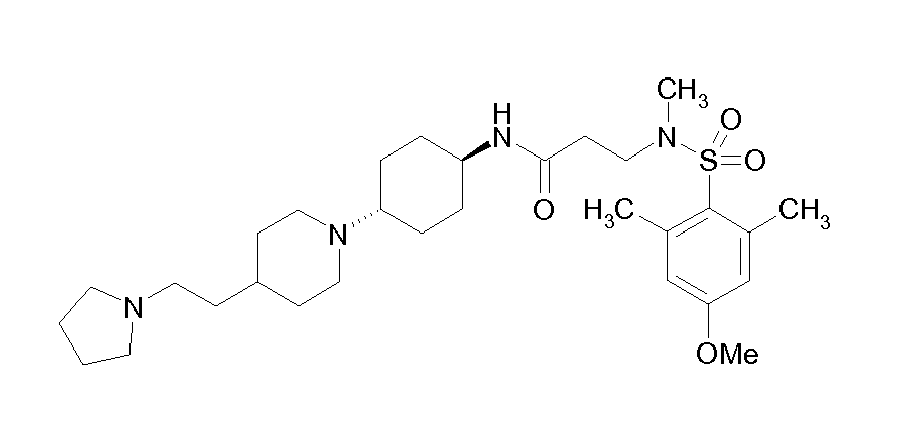
[M+H]+ = 563
HPLC (Methode 5): Retentionszeit = 1.37 min -

[M+H]+ = 564
HPLC (Methode 5): Retentionszeit = 1.08 min -

[M+H]+ = 535
DC: Kieselgel, Dichlormethan / Methanol / Ammoniak 8:2:0.2, Rf-Wert = 0.19 -

[M+H]+ = 517
HPLC (Methode 9): Retentionszeit = 1.40 min -

[M+H]+ = 549
HPLC (Methode 6): Retentionszeit = 1.24 min -

[M+H]+ = 523
HPLC (Methode 9): Retentionszeit = 1.29 min -

[M+H]+ = 509
HPLC (Methode 9): Retentionszeit = 1.30 min -

[M+H]+ = 509
HPLC (Methode 9): Retentionszeit = 1.23 min -

[M+H]+ = 509
HPLC (Methode 6): Retentionszeit = 1.20 min -

[M+H]+ = 490
HPLC (Methode 10): Retentionszeit = 1.16 min -

[M+H]+ = 504
HPLC (Methode 10): Retentionszeit = 1.22 min -

[M+H]+ = 495
HPLC (Methode 9): Retentionszeit = 1.47 min -

[M+H]+ = 481
HPLC (Methode 9): Retentionszeit = 1.21 min -

[M+H]+ = 481
HPLC (Methode 9): Retentionszeit = 1.19 min -

[M+H]+ = 518
HPLC (Methode 5): Retentionszeit = 1.36 min -

[M+H]+ = 503
HPLC (Methode 5): Retentionszeit = 1.29 min -
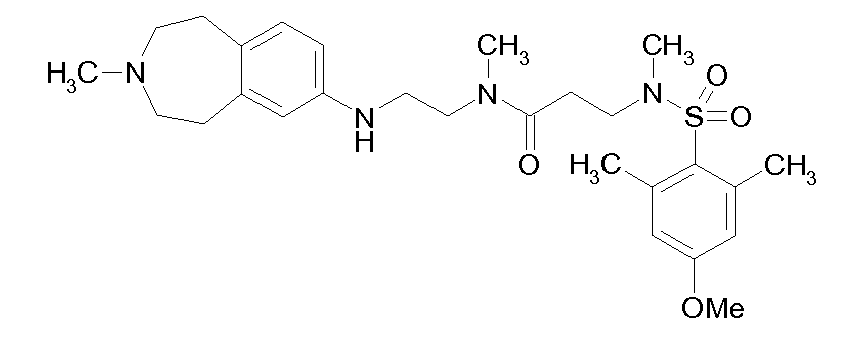
[M+H]+ = 517
HPLC (Methode 5): Retentionszeit = 1.35 min -
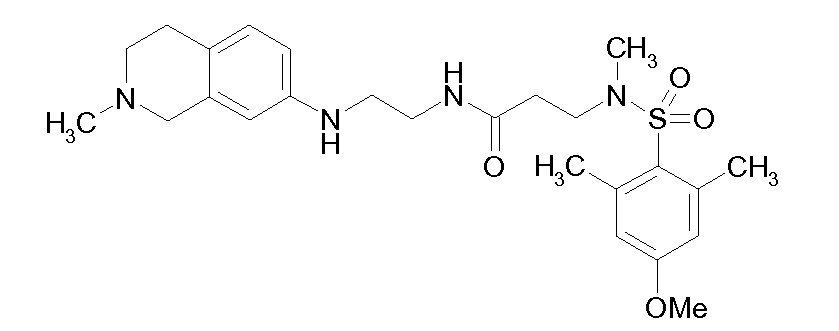
[M+H]+ = 489
HPLC (Methode 5): Retentionszeit = 1.31 min -

[M+H]+ = 503
HPLC (Methode 5): Retentionszeit = 1.35 min -

[M+H]+ = 504
HPLC (Methode 10): Retentionszeit = 1.18 min -

[M+H]+ = 549
HPLC (Methode 9): Retentionszeit = 1.27 min -

[M+H]+ = 536
HPLC (Methode 5): Retentionszeit = 1.14 min -

[M+H]+ = 549
HPLC (Methode 5): Retentionszeit = 1.16 min -

[M+H]+ = 549
HPLC (Methode 5): Retentionszeit = 1.16 min -
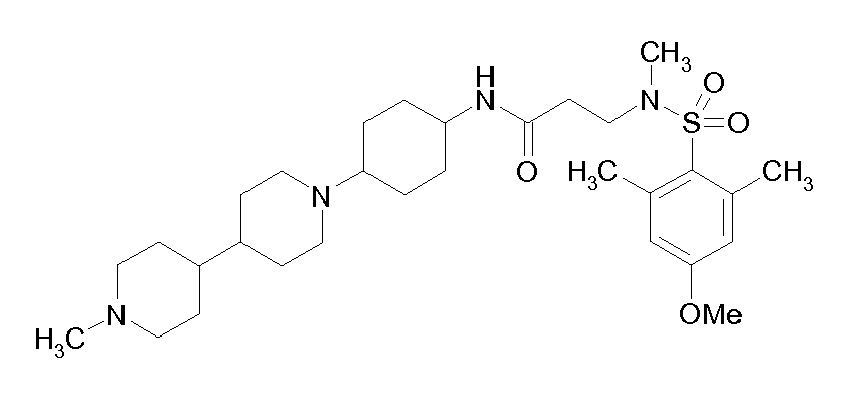
[M+H]+ = 563
HPLC (Methode 9): Retentionszeit = 1.14 min -

[M+H]+ = 549
HPLC (Methode 9): Retentionszeit = 1.30 min -

[M+H]+ = 563
HPLC (Methode 11): Retentionszeit = 1.70 min -

[M+H]+ = 537
HPLC (Methode 11): Retentionszeit = 1.67 min -

[M+H]+ = 521
HPLC (Methode 11): Retentionszeit = 1.61 min -

[M+H]+ = 549
HPLC (Methode 4): Retentionszeit = 2.39 min -

[M+H]+ = 549
HPLC (Methode 4): Retentionszeit = 2.34 min - Die folgenden Verbindungen wurden analog zu Beispiel 53 hergestellt:
-

[M+H]+ = 479
HPLC (Methode 6): Retentionszeit = 3.21 min -

[M+H]+ = 544
HPLC (Methode 6): Retentionszeit = 2.51 min -

[M+H]+ = 535
HPLC (Methode 6): Retentionszeit = 2.48 min -
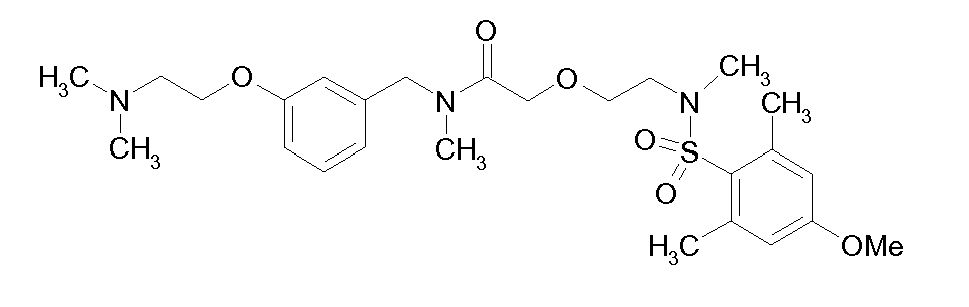
[M+H]+ = 522
HPLC (Methode 6): Retentionszeit = 2.60 min -

[M+H]+ = 520
HPLC (Methode 6): Retentionszeit = 2.61 min -

[M+H]+ = 535
HPLC (Methode 5): Retentionszeit = 1.57 min -

[M+H]+ = 551
HPLC (Methode 5): Retentionszeit = 1.60 min -

[M+H]+ = 521
HPLC (Methode 5): Retentionszeit = 1.53 min -

[M+H]+ = 532
HPLC (Methode 5): Retentionszeit = 1.54 min -

[M+H]+ = 492
HPLC (Methode 5): Retentionszeit = 1.53 min -

[M+H]+ = 522
HPLC (Methode 5): Retentionszeit = 1.53 min -

[M+H]+ = 504
HPLC (Methode 7): Retentionszeit = 1.93 min -

[M+H]+ = 506
HPLC (Methode 5): Retentionszeit = 1.54 min -

[M+H]+ = 532
DC: Kieselgel, Dichlormethan / Methanol / Ammoniak 9:1:0.1, Rf-Wert = 0.30 -

[M+H]+ = 504
HPLC (Methode 5): Retentionszeit = 1.51 min -

[M+H]+ = 547
HPLC (Methode 5): Retentionszeit = 1.54 min -

[M+H]+ = 547
HPLC (Methode 10): Retentionszeit = 1.24 min -

[M+H]+ = 561
HPLC (Methode 5): Retentionszeit = 1.55 min -

[M+H]+ = 524
DC: Kieselgel, Dichlormethan / Methanol / Ammoniak 8:2:0.01, Rf-Wert = 0.39 -

[M+H]+ = 518
HPLC (Methode 4): Retentionszeit = 3.4 min -
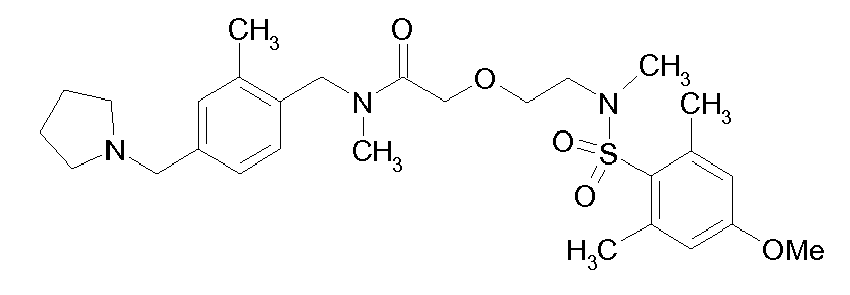
[M+H]+ = 532
DC: Kieselgel, Dichlormethan / Methanol 9:1, Rf-Wert = 0.14 -

[M+H]+ = 487
HPLC (Methode 6): Retentionszeit = 2.58 min -

[M+H]+ = 490
HPLC (Methode 6): Retentionszeit = 2.61 min -

[M+H]+ = 488
HPLC (Methode 6): Retentionszeit = 3.28 min -

[M+H]+ = 567
HPLC (Methode 6): Retentionszeit = 2.59 min -

[M+H]+ = 525
HPLC (Methode 6): Retentionszeit = 2.59 min -

[M+H]+ = 531
HPLC (Methode 6): Retentionszeit = 2.65 min -

[M+H]+ = 544
HPLC (Methode 6): Retentionszeit = 2.39 min -

[M+H]+ = 530
HPLC (Methode 6): Retentionszeit = 2.43 min -

[M+H]+ = 545
HPLC (Methode 6): Retentionszeit = 2.65 min -

[M+H]+ = 546
HPLC (Methode 6): Retentionszeit = 2.19 min -

[M+H]+ = 555/557
HPLC (Methode 6): Retentionszeit = 2.63 min -

[M+H]+ = 513
HPLC (Methode 6): Retentionszeit = 1.94 min -

[M+H]+ = 536
HPLC (Methode 6): Retentionszeit = 2.56 min -

[M+H]+ = 556/558
HPLC (Methode 6): Retentionszeit = 2.65 min -

[M+H]+ = 573
HPLC (Methode 6): Retentionszeit = 2.69 min -

[M+H]+ = 535
HPLC (Methode 6): Retentionszeit = 2.54 min -

[M+H]+ = 499
HPLC (Methode 6): Retentionszeit = 1.95 min -

[M+H]+ = 581/583
HPLC (Methode 6): Retentionszeit = 2.77 min -

[M+H]+ = 545
HPLC (Methode 6): Retentionszeit = 2.59 min -

[M+H]+ = 548
HPLC (Methode 6): Retentionszeit = 2.59 min -

[M+H]+ = 513
HPLC (Methode 6): Retentionszeit = 1.94 min -

[M+H]+ = 501
HPLC (Methode 6): Retentionszeit = 2.41 min -

[M+H]+ = 490
HPLC (Methode 6): Retentionszeit = 2.46 min -

[M+H]+ = 518
HPLC (Methode 6): Retentionszeit = 2.54 min -

[M+H]+ = 536
HPLC (Methode 6): Retentionszeit = 2.58 min -

[M+H]+ = 522
HPLC (Methode 6): Retentionszeit = 2.31 min -

[M+H]+ = 529
HPLC (Methode 6): Retentionszeit = 2.56 min -

[M+H]+ = 451
HPLC (Methode 6): Retentionszeit = 2.31 min -

[M+H]+ = 515
HPLC (Methode 6): Retentionszeit = 2.51 min -

[M+H]+ = 572
HPLC (Methode 6): Retentionszeit = 2.14 min -

[M+H]+ = 504
HPLC (Methode 9): Retentionszeit = 1.61 min -

[M+H]+ = 504
HPLC (Methode 9): Retentionszeit = 1.59 min -

[M+H]+ = 524
HPLC (Methode 9): Retentionszeit = 1.70 min -

[M+H]+ = 527
HPLC (Methode 5): Retentionszeit = 1.43 min -

[M+H]+ = 532
HPLC (Methode 5): Retentionszeit = 1.56 min -

[M+H]+ = 562
HPLC (Methode 5): Retentionszeit = 1.41 min -

[M+H]+ = 534
HPLC (Methode 5): Retentionszeit = 1.42 min -

[M+H]+ = 548
HPLC (Methode 5): Retentionszeit = 1.53 min -

[M+H]+ = 536
HPLC (Methode 5): Retentionszeit = 1.42 min -

[M+H]+ = 561
HPLC (Methode 7): Retentionszeit = 1.91 min -

[M+H]+ = 546
HPLC (Methode 5): Retentionszeit = 1.59 min -

[M+H]+ = 562
HPLC (Methode 5): Retentionszeit = 1.40 min -

[M+H]+ = 575
HPLC (Methode 5): Retentionszeit = 1.56 min -
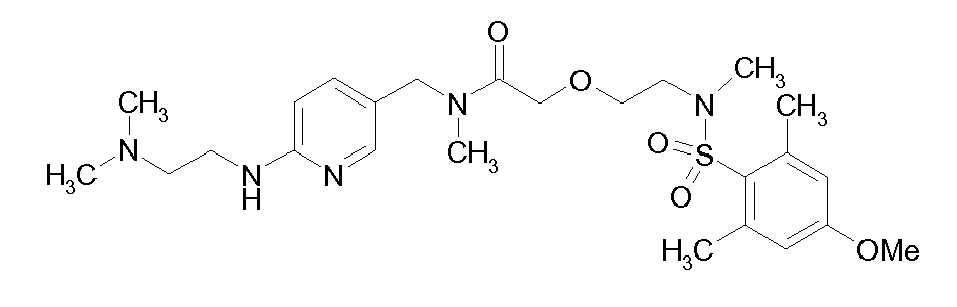
[M+H]+ = 522
HPLC (Methode 5): Retentionszeit = 1.40 min -

[M+H]+ = 527
HPLC (Methode 5): Retentionszeit = 1.41 min -

[M+H]+ = 539
DC: Kieselgel, Dichlormethan / Methanol / Ammoniak 8:2:0.01, Rf-Wert = 0.35 -

[M+H]+ = 547
DC: Kieselgel, Dichlormethan / Methanol / Ammoniak 9:1:0.1, Rf-Wert = 0.32 -

[M+H]+ = 532
DC: Kieselgel, Dichlormethan / Methanol / Ammoniak 9:1:0.1, Rf-Wert = 0.35 -

[M+H]+ = 525
DC: Kieselgel, Dichlormethan / Methanol / Ammoniak 8:2:0.01, Rf-Wert = 0.12 -

[M+H]+ = 561
DC: Kieselgel, Dichlormethan / Methanol 9:1, Rf-Wert = 0.30 -

[M+H]+ = 549
DC: Kieselgel, Dichlormethan / Methanol 9:1, Rf-Wert = 0.15 -

[M+H]+ = 538
DC: Kieselgel, Dichlormethan / Methanol 9:1, Rf-Wert = 0.05 -

[M+H]+ = 512
HPLC (Methode 5): Retentionszeit = 1.56 min -

[M+H]+ = 510
DC: Kieselgel, Dichlormethan / Methanol 9:1, Rf-Wert = 0.05 -

[M+H]+ = 511
DC: Kieselgel, Dichlormethan / Ethanol / Ammoniak 9:1:0.1, Rf-Wert = 0.22 -

[M+H]+ = 511
HPLC (Methode 5): Retentionszeit = 1.37 min -
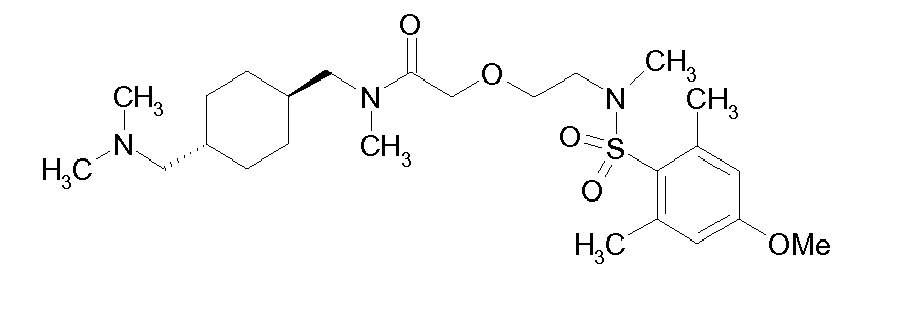
[M+H]+ = 498
DC: Kieselgel, Dichlormethan / Methanol / Ammoniak 8:2:0.01, Rf-Wert = 0.58 -

[M+H]+ = 498
DC: Kieselgel, Dichlormethan / Methanol / Ammoniak 8:2:0.01, Rf-Wert = 0.57 -

[M+H]+ = 525
DC: Kieselgel, Dichlormethan / Methanol / Ammoniak 8:2:0.2, Rf-Wert = 0.52 -
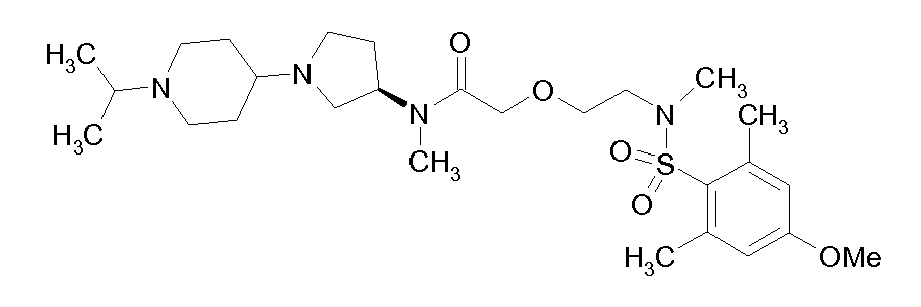
[M+H]+ = 539
HPLC (Methode 12): Retentionszeit = 2.45 min -

[M+H]+ = 539
HPLC (Methode 12): Retentionszeit = 2.35 min -

[M+H]+ = 525
HPLC (Methode 12): Retentionszeit = 2.3 min -
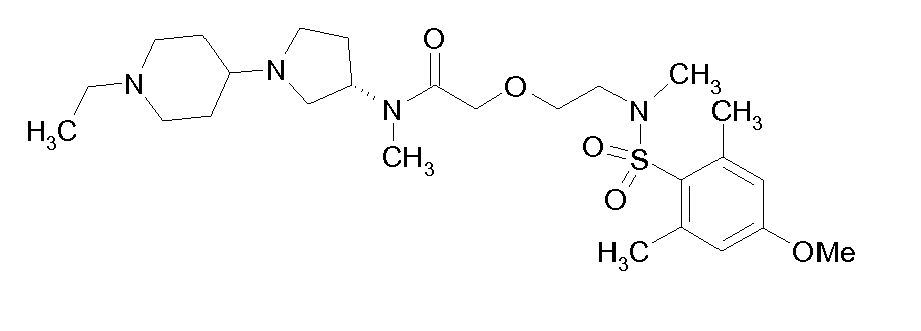
[M+H]+ = 525
HPLC (Methode 12): Retentionszeit = 2.3 min -

[M+H]+ = 548
HPLC (Methode 9): Retentionszeit = 1.7 min -

[M+H]+ = 545
HPLC (Methode 9): Retentionszeit = 1.69 min -

[M+H]+ = 532
HPLC (Methode 6): Retentionszeit = 1.56 min -

[M+H]+ = 539
HPLC (Methode 6): Retentionszeit = 2.60 min -

[M+H]+ = 527
HPLC (Methode 7): Retentionszeit = 1.78 min -

[M+H]+ = 527
HPLC (Methode 7): Retentionszeit = 1.77 min -

[M+H]+ = 517
HPLC (Methode 9): Retentionszeit = 1.65 min -

[M+H]+ = 527
HPLC (Methode 9): Retentionszeit = 1.55 min -

[M+H]+ = 553
HPLC (Methode 9): Retentionszeit = 1.57 min -

[M+H]+ = 541
HPLC (Methode 9): Retentionszeit = 1.57 min -

[M+H]+ = 524
HPLC (Methode 6): Retentionszeit = 1.71 min -

[M+H]+ = 475
HPLC (Methode 9): Retentionszeit = 1.53 min -

[M+H]+ = 442
HPLC (Methode 9): Retentionszeit = 1.48 min -
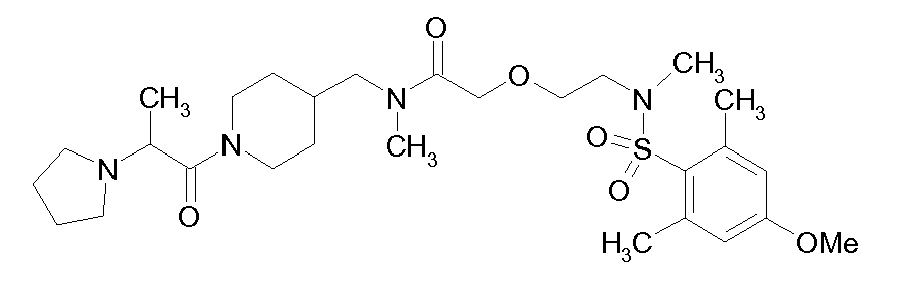
[M+H]+ = 567
HPLC (Methode 9): Retentionszeit = 1.60 min -

[M+H]+ = 553
HPLC (Methode 9): Retentionszeit = 1.57 min -

[M+H]+ = 513
HPLC (Methode 9): Retentionszeit = 1.53 min -

[M+H]+ = 574
HPLC (Methode 9): Retentionszeit = 1.73 min -

[M+H]+ = 593
HPLC (Methode 9): Retentionszeit = 1.34 min -

[M+H]+ = 539
HPLC (Methode 9): Retentionszeit = 1.43 min -

[M+H]+ = 525
HPLC (Methode 6): Retentionszeit = 1.53 min -

[M+H]+ = 525
HPLC (Methode 6): Retentionszeit = 1.41 min -

[M+H]+ = 552
HPLC (Methode 9): Retentionszeit = 1.74 min -

[M+H]+ = 544
HPLC (Methode 6): Retentionszeit = 1.73 min -

[M+H]+ = 510
HPLC (Methode 9): Retentionszeit = 1.63 min -

[M+H]+ = 456
HPLC (Methode 6): Retentionszeit = 1.55 min -

[M+H]+ = 541
HPLC (Methode 6): Retentionszeit = 1.59 min -

[M+H]+ = 541
HPLC (Methode 7): Retentionszeit = 1.65 min -

[M+H]+ = 541
HPLC (Methode 11): Retentionszeit = 1.64 min -

[M+H]+ = 527
HPLC (Methode 5): Retentionszeit = 1.16 min -

[M+H]+ = 527
HPLC (Methode 7): Retentionszeit = 1.82 min -

[M+H]+ = 527
HPLC (Methode 7): Retentionszeit = 1.82 min -

[M+H]+ = 525
HPLC (Methode 12): Retentionszeit = 2.3 min -

[M+H]+ = 539
DC: Kieselgel, Dichlormethan / Methanol / Ammoniak 8:2:0.2, Rf-Wert = 0.65 -

[M+H]+ = 524
HPLC (Methode 6): Retentionszeit = 1.29 min -

[M+H]+ = 497
HPLC (Methode 9): Retentionszeit = 1.25 min -

[M+H]+ = 525
HPLC (Methode 9): Retentionszeit = 1.31 min -

[M+H]+ = 511
HPLC (Methode 9): Retentionszeit = 1.31 min -

[M+H]+ = 524
HPLC (Methode 6): Retentionszeit = 1.67 min -

[M+H]+ = 513
HPLC (Methode 9): Retentionszeit = 1.29 min -

[M+H]+ = 553
HPLC (Methode 9): Retentionszeit = 1.35 min -

[M+H]+ = 553
HPLC (Methode 9): Retentionszeit = 1.32 min -

[M+H]+ = 553
HPLC (Methode 9): Retentionszeit = 1.37 min -

[M+H]+ = 553
HPLC (Methode 9): Retentionszeit = 1.35 min -

[M+H]+ = 608
HPLC (Methode 6): Retentionszeit = 1.80 min -

[M+H]+ = 525
HPLC (Methode 12): Retentionszeit = 2.4 min -

[M+H]+ = 525
HPLC (Methode 12): Retentionszeit = 2.4 min -

[M+H]+ = 565
HPLC (Methode 12): Retentionszeit = 2.3 min -

[M+H]+ = 565
HPLC (Methode 12): Retentionszeit = 2.92 min -

[M+H]+ = 525
DC: Kieselgel, Dichlormethan / Methanol / Ammoniak 8:2:0.2, Rf-Wert = 0.60 -

[M+H]+ = 539
DC: Kieselgel, Dichlormethan / Methanol / Ammoniak 8:2:0.2, Rf-Wert = 0.62 -

[M+H]+ = 524
HPLC (Methode 12): Retentionszeit = 3.01 min -

[M+H]+ = 553
HPLC (Methode 12): Retentionszeit = 2.45 min -

[M+H]+ = 511
HPLC (Methode 12): Retentionszeit = 2.33 min -

[M+H]+ = 499
HPLC (Methode 9): Retentionszeit = 1.32 min -

[M+H]+ = 511
HPLC (Methode 9): Retentionszeit = 1.24 min -

[M+H]+ = 511
HPLC (Methode 9): Retentionszeit = 1.27 min -

[M+H]+ = 551
HPLC (Methode 6): Retentionszeit = 1.31 min -

[M+H]+ = 510
HPLC (Methode 9): Retentionszeit = 1.62 min -
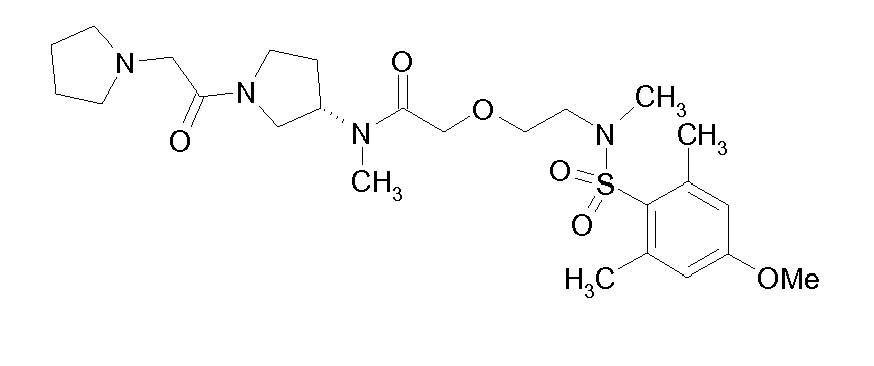
[M+H]+ = 525
HPLC (Methode 9): Retentionszeit = 1.49 min -

[M+H]+ = 539
HPLC (Methode 9): Retentionszeit = 1.51 min -

[M+H]+ = 539
HPLC (Methode 9): Retentionszeit = 1.52 min -
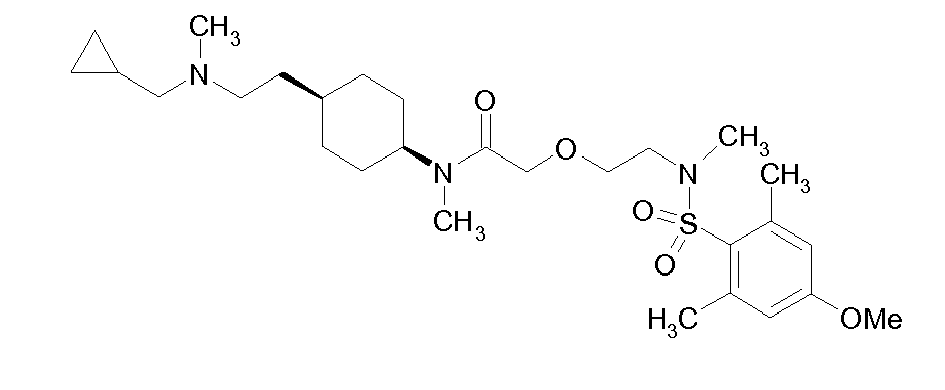
[M+H]+ = 538
HPLC (Methode 9): Retentionszeit = 1.71 min -

[M+H]+ = 553
HPLC (Methode 9): Retentionszeit = 1.39 min -

[M+H]+ = 551
HPLC (Methode 6): Retentionszeit = 1.32 min -

[M+H]+ = 527
HPLC (Methode 9): Retentionszeit = 1.27 min -

[M+H]+ = 484
HPLC (Methode 6): Retentionszeit = 1.60 min -

[M+H]+ = 579
HPLC (Methode 6): Retentionszeit = 1.31 min -

[M+H]+ = 551/553/555
HPLC (Methode 9): Retentionszeit = 1.30 min -

[M+H]+ = 510
HPLC (Methode 6): Retentionszeit = 1.67 min -

[M+H]+ = 579
HPLC (Methode 9): Retentionszeit = 1.39 min -

[M+H]+ = 579
HPLC (Methode 9): Retentionszeit = 1.39 min -

[M+H]+ = 567
HPLC (Methode 9): Retentionszeit = 1.40 min -

[M+H]+ = 552
HPLC (Methode 9): Retentionszeit = 1.72 min -

[M+H]+ = 567
HPLC (Methode 9): Retentionszeit = 1.60 min -

[M+H]+ = 567
HPLC (Methode 9): Retentionszeit = 1.41 min -

[M+H]+ = 524
HPLC (Methode 9): Retentionszeit = 1.69 min -

[M+H]+ = 565
HPLC (Methode 12): Retentionszeit = 2.4 min -

[M+H]+ = 553
HPLC (Methode 9): Retentionszeit = 1.61 min -

[M+H]+ = 539
HPLC (Methode 9): Retentionszeit = 1.60 min -

[M+H]+ = 539
HPLC (Methode 9): Retentionszeit = 1.47 min -

[M+H]+ = 525
HPLC (Methode 9): Retentionszeit = 1.48 min -

[M+H]+ = 525
HPLC (Methode 9): Retentionszeit = 1.30 min -

[M+H]+ = 539
HPLC (Methode 9): Retentionszeit = 1.34 min -

[M+H]+ = 551
DC: Kieselgel, Dichlormethan / Methanol / Ammoniak 8:2:0.2, Rf-Wert = 0.71 -

[M+H]+ = 553
HPLC (Methode 9): Retentionszeit = 1.62 min -

[M+H]+ = 525
HPLC (Methode 9): Retentionszeit = 1.33 min -

[M+H]+ = 539
HPLC (Methode 9): Retentionszeit = 1.50 min -

[M+H]+ = 513
HPLC (Methode 9): Retentionszeit = 1.27 min -

[M+H]+ = 538
HPLC (Methode 9): Retentionszeit = 1.71 min -

[M+H]+ = 539
HPLC (Methode 9): Retentionszeit = 1.37 min -

[M+H]+ = 539
HPLC (Methode 9): Retentionszeit = 1.44 min -

[M+H]+ = 514
HPLC (Methode 5): Retentionszeit = 1.34 min -

[M+H]+ = 567
HPLC (Methode 5): Retentionszeit = 1.21 min -
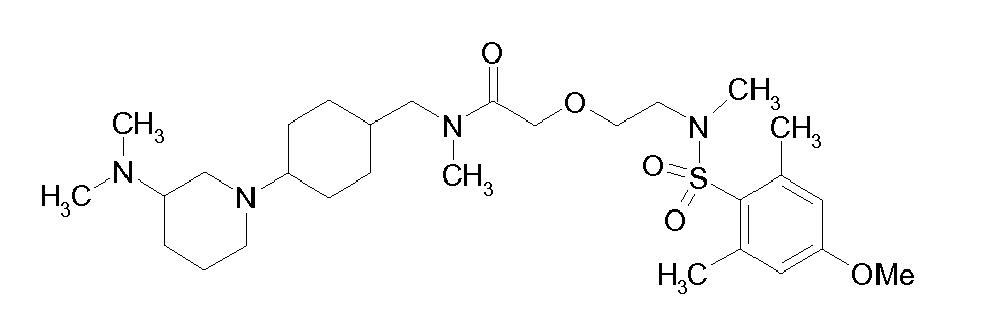
[M+H]+ = 567
HPLC (Methode 5): Retentionszeit = 1.20 min -

[M+H]+ = 607
HPLC (Methode 9): Retentionszeit = 1.37 min -

[M+H]+ = 525
HPLC (Methode 9): Retentionszeit = 1.41 min -

[M+H]+ = 513
HPLC (Methode 9): Retentionszeit = 1.35 min -

[M+H]+ = 553
HPLC (Methode 9): Retentionszeit = 1.40 min -

[M+H]+ = 510
HPLC (Methode 9): Retentionszeit = 1.70 min -

[M+H]+ = 540
HPLC (Methode 5): Retentionszeit = 1.37 min -

[M+H]+ = 514
HPLC (Methode 5): Retentionszeit = 1.36 min -

[M+H]+ = 540
HPLC (Methode 5): Retentionszeit = 1.38 min -

[M+H]+ = 526
HPLC (Methode 4): Retentionszeit = 3.0 min -

[M+H]+ = 538
HPLC (Methode 4): Retentionszeit = 3.1 min -

[M+H]+ = 525
HPLC (Methode 9): Retentionszeit = 1.32 min -

[M+H]+ = 539
HPLC (Methode 9): Retentionszeit = 1.57 min -

[M+H]+ = 540
HPLC (Methode 9): Retentionszeit = 1.65 min -

[M+H]+ = 498
HPLC (Methode 9): Retentionszeit = 1.65 min -

[M+H]+ = 538
HPLC (Methode 9): Retentionszeit = 1.68 min -

[M+H]+ = 496
HPLC (Methode 9): Retentionszeit = 1.62 min -

[M+H]+ = 553
HPLC (Methode 9): Retentionszeit = 1.57 min -

[M+H]+ = 541
HPLC (Methode 9): Retentionszeit = 1.56 min -

[M+H]+ = 554
HPLC (Methode 9): Retentionszeit = 1.00 min -

[M+H]+ = 568
HPLC (Methode 9): Retentionszeit = 1.03 min -

[M+H]+ = 513
HPLC (Methode 9): Retentionszeit = 1.50 min -

[M+H]+ = 539
HPLC (Methode 9): Retentionszeit = 1.55 min -

[M+H]+ = 527
HPLC (Methode 9): Retentionszeit = 1.63 min -

[M+H]+ = 553
HPLC (Methode 9): Retentionszeit = 1.65 min -

[M+H]+ = 554
HPLC (Methode 5): Retentionszeit = 1.44 min -

[M+H]+ = 553
HPLC (Methode 9): Retentionszeit = 1.59 min -

[M+H]+ = 553
HPLC (Methode 9): Retentionszeit = 1.61 min -

[M+H]+ = 541
HPLC (Methode 9): Retentionszeit = 1.56 min -

[M+H]+ = 553
HPLC (Methode 9): Retentionszeit = 1.55 min -

[M+H]+ = 539
HPLC (Methode 9): Retentionszeit = 1.55 min -

[M+H]+ = 534 -

[M+H]+ = 534 -

[M+H]+ = 535 -

[M+H]+ = 569 - Die folgenden Verbindungen wurden analog zu Beispiel 121 hergestellt:
-

[M+H]+ = 503
HPLC (Methode 6): Retentionszeit = 2.30 min -

[M+H]+ = 505
HPLC (Methode 5): Retentionszeit = 1.49 min -

[M+H]+ = 563
HPLC (Methode 5): Retentionszeit = 1.55 min -

[M+H]+ = 517
HPLC (Methode 11): Retentionszeit = 1.73 min -

[M+H]+ = 503
HPLC (Methode 5): Retentionszeit = 1.49 min -

[M+H]+ = 529
HPLC (Methode 5): Retentionszeit = 1.50 min -

[M+H]+ = 531
HPLC (Methode 5): Retentionszeit = 1.54 min -

[M+H]+ = 533
HPLC (Methode 5): Retentionszeit = 1.51 min -

[M+H]+ = 548
HPLC (Methode 5): Retentionszeit = 1.53 min -

[M+H]+ = 534
HPLC (Methode 5): Retentionszeit = 1.52 min -

[M+H]+ = 519
HPLC (Methode 5): Retentionszeit = 1.51 min -

[M+H]+ = 528
HPLC (Methode 4): Retentionszeit = 3.0 min -

[M+H]+ = 545
HPLC (Methode 4): Retentionszeit = 3.1 min -

[M+H]+ = 517
HPLC (Methode 5): Retentionszeit = 1.48 min -

[M+H]+ = 560
HPLC (Methode 5): Retentionszeit = 1.52 min -

[M+H]+ = 560
HPLC (Methode 5): Retentionszeit = 1.52 min -

[M+H]+ = 574
HPLC (Methode 5): Retentionszeit = 1.57 min -

[M+H]+ = 537
DC: Kieselgel, Dichlormethan / Methanol / Ammoniak 8:2:0.01, Rf-Wert = 0.66 -

[M+H]+ = 531
HPLC (Methode 4): Retentionszeit = 3.0 min -
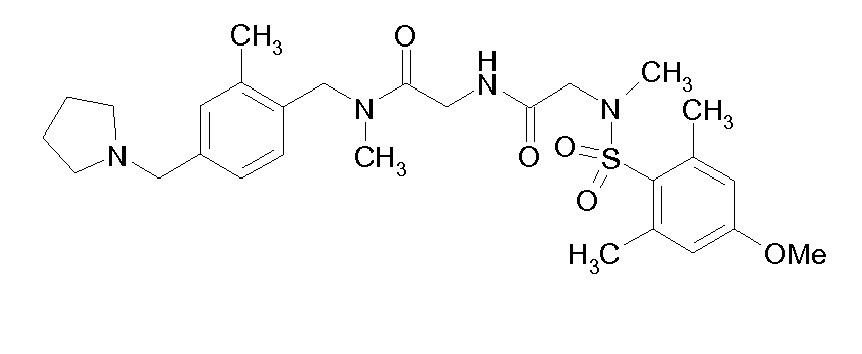
[M+H]+ = 545
DC: Kieselgel, Dichlormethan / Methanol 9:1, Rf-Wert = 0.18 -

[M+H]+ = 560
DC: Kieselgel, Ethylacetat / Methanol / Ammoniak 9:1:0.1, Rf-Wert = 0.42 -

[M+H]+ = 559
HPLC (Methode 6): Retentionszeit = 2.23 min -

[M+H]+ = 558
HPLC (Methode 6): Retentionszeit = 2.35 min -

[M+H]+ = 568/570
HPLC (Methode 6): Retentionszeit = 2.55 min -

[M+H]+ = 549
HPLC (Methode 6): Retentionszeit = 2.49 min -

[M+H]+ = 526
HPLC (Methode 6): Retentionszeit = 1.85 min -
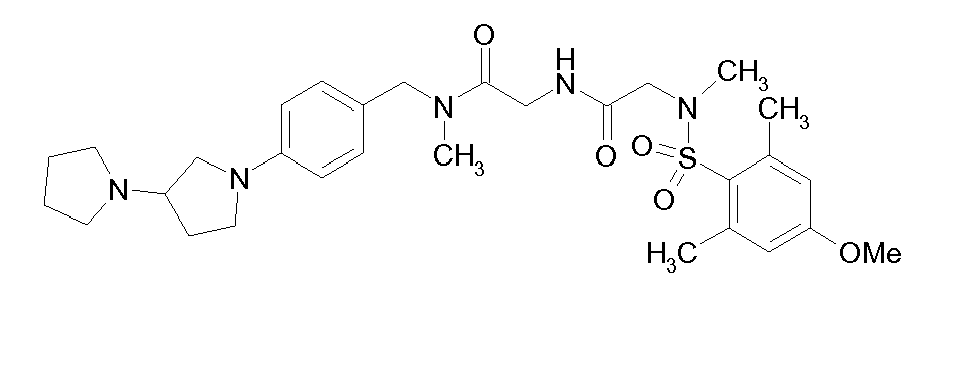
[M+H]+ = 586
HPLC (Methode 6): Retentionszeit = 2.66 min -

[M+H]+ = 531
HPLC (Methode 6): Retentionszeit = 2.52 min -

[M+H]+ = 548
HPLC (Methode 6): Retentionszeit = 2.44 min -

[M+H]+ = 570
HPLC (Methode 6): Retentionszeit = 2.56 min -
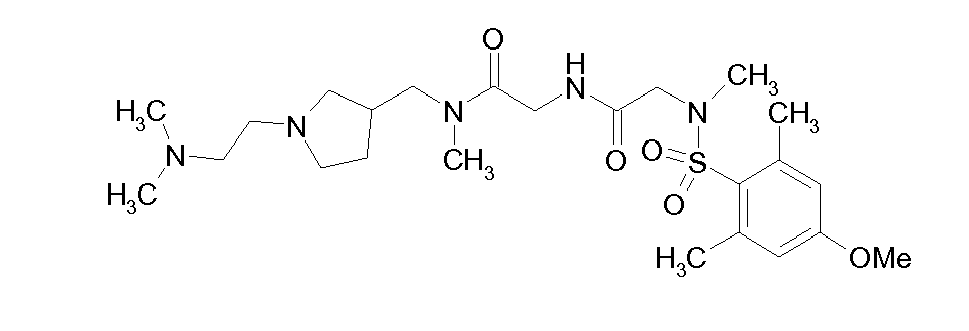
[M+H]+ = 512
HPLC (Methode 6): Retentionszeit = 1.80 min -

[M+H]+ = 594/596
HPLC (Methode 6): Retentionszeit = 2.68 min -

[M+H]+ = 558
HPLC (Methode 6): Retentionszeit = 2.51 min -

[M+H]+ = 561
HPLC (Methode 6): Retentionszeit = 2.51 min -

[M+H]+ = 514
HPLC (Methode 6): Retentionszeit = 2.35 min -

[M+H]+ = 546
HPLC (Methode 6): Retentionszeit = 2.44 min -

[M+H]+ = 503
HPLC (Methode 6): Retentionszeit = 2.37 min -

[M+H]+ = 546
HPLC (Methode 6): Retentionszeit = 2.52 min -

[M+H]+ = 560
HPLC (Methode 6): Retentionszeit = 2.58 min -
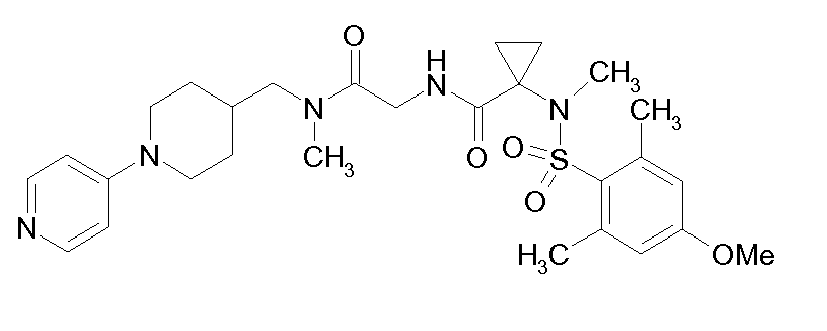
[M+H]+ = 558
HPLC (Methode 6): Retentionszeit = 2.57 min -

[M+H]+ = 531
HPLC (Methode 6): Retentionszeit = 2.45 min -

[M+H]+ = 549
HPLC (Methode 6): Retentionszeit = 2.52 min -

[M+H]+ = 574
HPLC (Methode 6): Retentionszeit = 2.72 min -

[M+H]+ = 586
HPLC (Methode 6): Retentionszeit = 2.70 min -
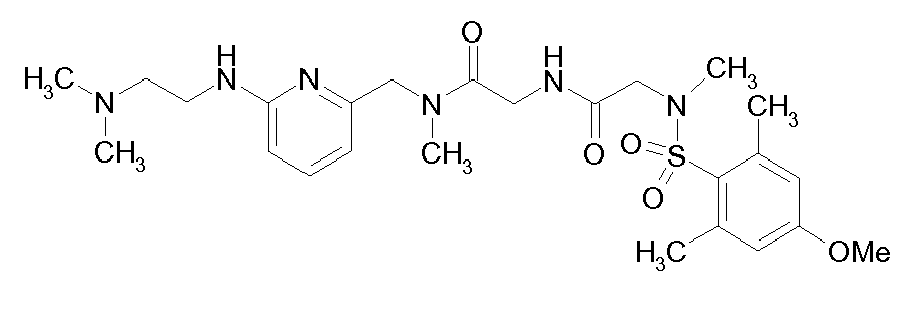
[M+H]+ = 535
HPLC (Methode 6): Retentionszeit = 2.16 min -

[M+H]+ = 542
HPLC (Methode 6): Retentionszeit = 2.48 min -

[M+H]+ = 560
HPLC (Methode 6): Retentionszeit = 2.61 min -

[M+H]+ = 464
HPLC (Methode 9): Retentionszeit = 1.47 min -

[M+H]+ = 528
HPLC (Methode 9): Retentionszeit = 1.60 min -

[M+H]+ = 585
HPLC (Methode 9): Retentionszeit = 1.37 min -

[M+H]+ = 517
HPLC (Methode 9): Retentionszeit = 1.58 min -

[M+H]+ = 517
HPLC (Methode 9): Retentionszeit = 1.57 min -

[M+H]+ = 537
HPLC (Methode 9): Retentionszeit = 1.68 min -

[M+H]+ = 540
HPLC (Methode 5): Retentionszeit = 1.39 min -

[M+H]+ = 545
HPLC (Methode 5): Retentionszeit = 1.53 min -

[M+H]+ = 535
HPLC (Methode 5): Retentionszeit = 1.43 min -
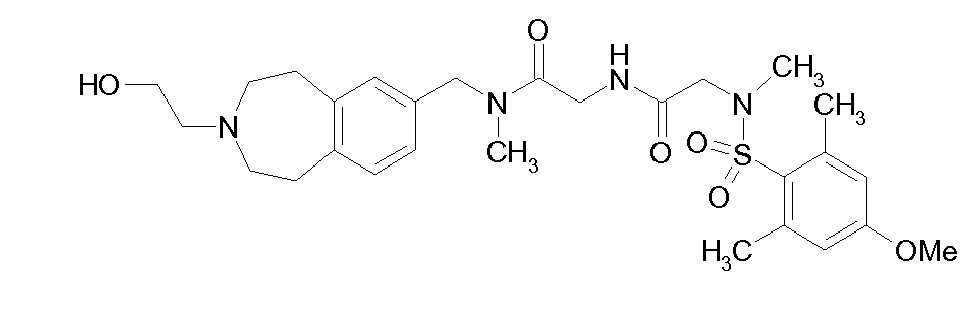
[M+H]+ = 561
HPLC (Methode 5): Retentionszeit = 1.50 min -

[M+H]+ = 549
HPLC (Methode 5): Retentionszeit = 1.39 min -

[M+H]+ = 574
HPLC (Methode 7): Retentionszeit = 1.88 min -
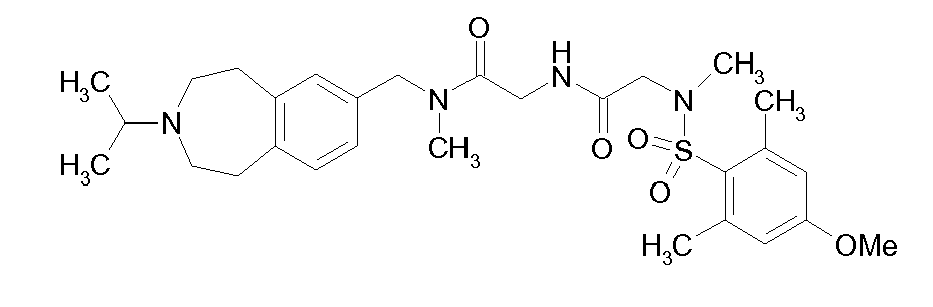
[M+H]+ = 559
HPLC (Methode 5): Retentionszeit = 1.55 min -

[M+H]+ = 535
HPLC (Methode 5): Retentionszeit = 1.39 min -

[M+H]+ = 588
HPLC (Methode 5): Retentionszeit = 1.55 min -

[M+H]+ = 545
HPLC (Methode 4): Retentionszeit = 3.3 min -

[M+H]+ = 552
DC: Kieselgel, Dichlormethan / Methanol / Ammoniak 8:2:0.01, Rf-Wert = 0.25 -

[M+H]+ = 538
DC: Kieselgel, Dichlormethan / Methanol / Ammoniak 8:2:0.01, Rf-Wert = 0.10 -

[M+H]+ = 574
DC: Kieselgel, Dichlormethan / Methanol 9:1, Rf-Wert = 0.25 -

[M+H]+ = 585
HPLC (Methode 12): Retentionszeit = 3.0 min -

[M+H]+ = 562
DC: Kieselgel, Dichlormethan / Methanol 9:1, Rf-Wert = 0.14 -
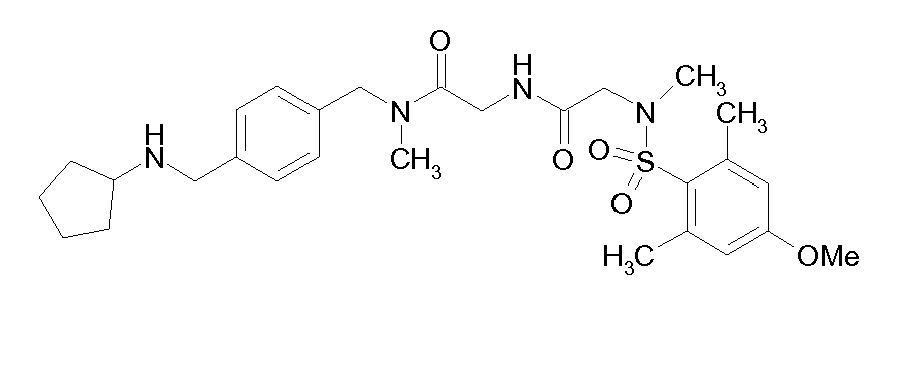
[M+H]+ = 559
DC: Kieselgel, Dichlormethan / Methanol / Ammoniak 9:1:0.1, Rf-Wert = 0.32 -

[M+H]+ = 561
HPLC (Methode 9): Retentionszeit = 1.66 min -

[M+H]+ = 558
HPLC (Methode 9): Retentionszeit = 1.64 min -

[M+H]+ = 552
HPLC (Methode 6): Retentionszeit = 2.30 min -

[M+H]+ = 545
HPLC (Methode 6): Retentionszeit = 1.48 min -

[M+H]+ = 530
HPLC (Methode 9): Retentionszeit = 1.61 min -

[M+H]+ = 488
HPLC (Methode 9): Retentionszeit = 1.53 min -

[M+H]+ = 554
HPLC (Methode 7): Retentionszeit = 1.61 min -

[M+H]+ = 554
HPLC (Methode 7): Retentionszeit = 1.61 min -

[M+H]+ = 566
HPLC (Methode 9): Retentionszeit = 1.33 min -

[M+H]+ = 524
HPLC (Methode 12): Retentionszeit = 2.3 min -

[M+H]+ = 538
DC: Kieselgel, Dichlormethan / Methanol / Ammoniak 8:2:0.2, Rf-Wert = 0.53 -

[M+H]+ = 559
HPLC (Methode 12): Retentionszeit = 2.8 min -

[M+H]+ = 519
HPLC (Methode 9): Retentionszeit = 1.61 min -

[M+H]+ = 557
HPLC (Methode 9): Retentionszeit = 1.69 min -

[M+H]+ = 587
HPLC (Methode 9): Retentionszeit = 1.74 min -

[M+H]+ = 580
HPLC (Methode 10): Retentionszeit = 1.11 min -

[M+H]+ = 594
HPLC (Methode 10): Retentionszeit = 1.11 min -

[M+H]+ = 559
HPLC (Methode 12): Retentionszeit = 3.1 min -

[M+H]+ = 559
DC: Kieselgel, Dichlormethan / Methanol / Ammoniak 8:2:0.01, Rf-Wert = 0.68 -

[M+H]+ = 553
HPLC (Methode 5): Retentionszeit = 1.35 min -

[M+H]+ = 527
HPLC (Methode 5): Retentionszeit = 1.38 min -

[M+H]+ = 553
HPLC (Methode 5): Retentionszeit = 1.35 min -

[M+H]+ = 527
HPLC (Methode 5): Retentionszeit = 1.32 min - Die folgenden Verbindungen wurden analog zu Beispiel 130 hergestellt:
-

[M+H]+ = 509
HPLC (Methode 6): Retentionszeit = 1.36 min -

[M+H]+ = 516
HPLC (Methode 6): Retentionszeit = 1.77 min - Die folgenden Verbindungen wurden analog zu Beispiel 136 hergestellt:
-

[M+H]+ = 527
HPLC (Methode 6): Retentionszeit = 1.35 min -

[M+H]+ = 534
HPLC (Methode 6): Retentionszeit = 1.74 min - Die folgende Verbindung wurde analog zu Beispiel 138 hergestellt:
-

[M+H]+ = 519
HPLC (Methode 6): Retentionszeit = 2.33 min -


- Eine Mischung aus 88.0 mg (0.167 mMol) 569, 0.15 g (0.61 mMol) 70 %ige m-Chlorperbenzoesäure (Fluka) und 3 ml Dichlormethan wird 30 Minuten bei Raumtemperatur gerührt und danach im Vakuum bis zur Trockene eingeengt. Der Rückstand wird in Methanol gelöst und membranfiltriert. Das Produkt wird anschließend durch präparative HPLC aus dem Filtrat gewonnen.
C25H42N4O8S2 (590.76)
[M+H]+ = 591
- Eine Mischung aus 90.0 mg (0.15 mMol) Produkt aus 572a, 20.0 mg Raney-Nickel und 10 ml THF wird im Autoklaven eine Stunde bei Raumtemperatur gerührt. Anschließend wird der Katalysator abfiltriert und das Filtrat im Vakuum bis zur Trockene eingeengt. Das so erhaltene Rohpodukt wird durch präparative HPLC gereinigt.
C25H42N4O6S2 X CH2O2 (604.78)
[M+H]+ = 559
HPLC (Methode 6): Retentionszeit = 1.33 min -


C19H3,N3O6S (429.53)
DC: Kieselgel, Dichlormethan / Ethanol 19:1, Rf-Wert = 0.35
C14H23N304S (329.42)
DC: Kieselgel, Dichlormethan / Ethanol 9:1, Rf-Wert = 0.15
- Beispiel 573 wird analog zu 1f aus 0.119 g (0.50 mMol) 4-(2-Diethylaminoethoxy)-benzoesäure (J. Med. Chem. 14, 1971, 836-842), 0.165 g (0.50 mMol) Produkt aus 573b, 0.21 ml (1.50 mMol) Triethylamin und 0.16 g (0.50 mMol) TBTU in 7 ml THF und 1 ml DMF hergestellt.
C27H4oN4O6S x HCl (585.16)
HPLC (Methode 5): Retentionszeit = 1.44 min - Die folgenden Verbindungen wurde analog zu Beispiel 573 hergestellt:
-

[M+H]+ = 517
HPLC (Methode 5): Retentionszeit = 1.40 min -

[M+H]+ = 545
HPLC (Methode 12): Retentionszeit = 3.51 min -


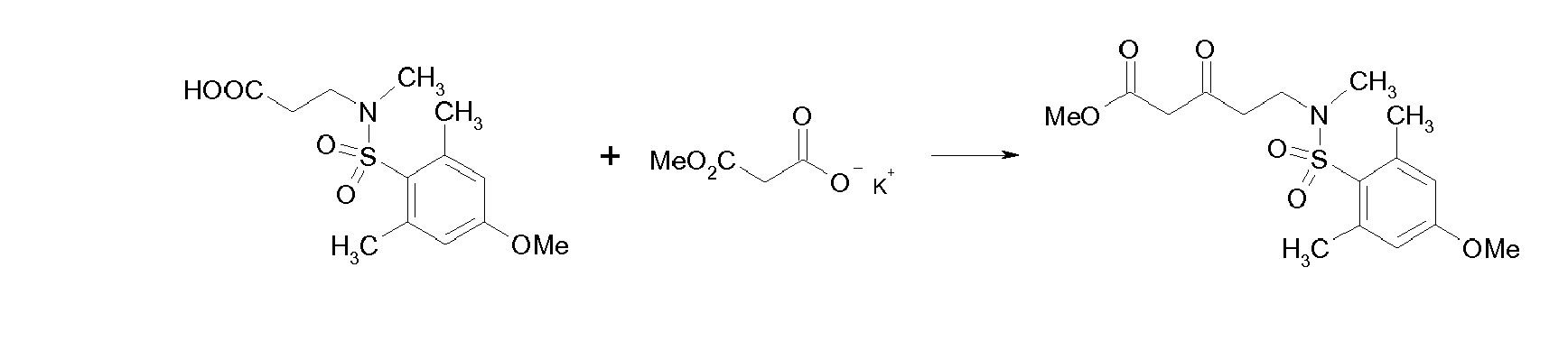
- Eine Mischung aus 0.78 g (4.98 mMol) Monomethylmalonat Kaliumsalz (Fluka), 0.52 g (5.47 mMol) Magnesiumchlorid und 30 ml THF wird vier Stunden bei 50°C gerührt. Eine zweite Mischung aus 1.00 g (3.32 mMol) Produkt aus 22c, 0.65 g (3.98 mMol) CDI und 20 ml THF wird zuerst eine Stunde bei RT gerührt und anschließend zur ersten Mischung hinzu gegeben. Man lässt über Nacht bei RT rühren und filtriert danach den entstandenen Niederschlag ab. Das Filtrat wird im Vakuum bis zur Trockene eingeengt. Das so erhaltene Rohprodukt wird mit Wasser verrieben, abfiltriert und im Vakuumtrockenschrank bei 45°C getrocknet.
C16H23N06S (357.42)
[M+H]+ = 358
HPLC (Methode 9): Retentionszeit = 2.19 min
C5H29N302 (283.41)
[M+H]+ = 284
C11H23N3 (197.32)
[M+H]+ = 198
- Eine Mischung aus 0.56 g (1.58 mMol) Produkt aus 635a, 0.54 g (2.73 mMol) Produkt aus 635c und 5 ml Toluol wird 24 Stunden auf 120°C erhitzt. Anschließend wird die Reaktionsmischung im Vakuum bis zur Trockene eingeengt. Das so erhaltene Rohprodukt wird durch präparative HPLC gereinigt.
C26H42N4O5S (522.70)
[M+H]+ = 523
HPLC (Methode 9): Retentionszeit = 1.33 min - Die nachfolgenden Beispiele beschreiben pharmazeutischer Darreichungsformen, die als Wirkstoff eine beliebige Verbindung der allgemeinen Formel enthalten:
-
Wirkstoff 75.0 mg Mannitol 500 mg Wasser für Injektionszwecke ad 10.0 ml - Wirkstoff und Mannitol werden in Wasser gelöst. Nach Abfüllung wird gefriergetrocknet. Die Auflösung zur gebrauchsfertigen Lösung erfolgt mit Wasser für Injektionszwecke.
-
(1) Wirkstoff 50.0 mg (2) Milchzucker 98.0 mg (3) Maisstärke 50.0 mg (4) Polyvinylpyrrolidon 15.0 mg (5) Magnesiumstearat 2.0 mg 215,0 mg - (1), (2) und (3) werden gemischt und mit einer wäßrigen Lösung von (4) granuliert. Dem getrockneten Granulat wird (5) zugemischt. Aus dieser Mischung werden Tabletten gepreßt, biplan mit beidseitiger Facette und einseitiger Teilkerbe.
Durchmesser der Tabletten: 9 mm. -
(1) Wirkstoff 350.0 mg (2) Milchzucker 136.0 mg (3) Maisstärke 80.0 mg (4) Polyvinylpyrrolidon 30.0 mg (5) Magnesiumstearat 4.0 mg 600.0 mg - (1), (2) und (3) werden gemischt und mit einer wäßrigen Lösung von (4) granuliert. Dem getrockneten Granulat wird (5) zugemischt. Aus dieser Mischung werden Tabletten gepreßt, biplan mit beidseitiger Facette und einseitiger Teilkerbe.
Durchmesser der Tabletten: 12 mm. -
(1) Wirkstoff 50.0 mg (2) Maisstärke getrocknet 58.0 mg (3) Milchzucker pulverisiert 50.0 mg (4) Magnesiumstearat 2.0 mg 160.0 mg - (1) wird mit (3) verrieben. Diese Verreibung wird der Mischung aus (2) und (4) unter intensiver Mischung zugegeben.
- Diese Pulvermischung wird auf einer Kapselabfüllmaschine in Hartgelatine-Steckkapseln Größe 3 abgefüllt.
-
(1) Wirkstoff 350.0 mg (2) Maisstärke getrocknet 46.0 mg (3) Milchzucker pulverisiert 30.0 mg (4) Magnesiumstearat 4.0 mg 430.0 mg - (1) wird mit (3) verrieben. Diese Verreibung wird der Mischung aus (2) und (4) unter intensiver Mischung zugegeben.
Diese Pulvermischung wird auf einer Kapselabfüllmaschine in Hartgelatine-Steckkapseln Gr6Be 0 abgefüllt. -
Wirkstoff 100.0 mg Polyethylenglykol (M.G. 1500) 600.0 mg Polyethylenglykol (M.G. 6000) 460.0 mg Polyethylensorbitanmonostearat 840.0 mg 2000.0 mg
deren Enantiomere, deren Diastereomere, deren Gemische und deren Salze, insbesondere deren physiologisch verträgliche Salze mit organischen oder anorganischen Säuren oder Basen.
deren Enantiomere, deren Diastereomere, deren Gemische und deren Salze, insbesondere deren physiologisch verträgliche Salze mit organischen oder anorganischen Säuren oder Basen.
deren Enantiomere, deren Diastereomere, deren Gemische und deren Salze, insbesondere deren physiologisch verträgliche Salze mit organischen oder anorganischen Säuren oder Basen.
deren Enantiomere, deren Diastereomere, deren Gemische und deren Salze, insbesondere deren physiologisch verträgliche Salze mit organischen oder anorganischen Säuren oder Basen.
C15H20N4 (256.35)
DC: Kieselgel, Dichlormethan / Methanol 9:1, Rf-Wert = 0.10

Claims (11)
- Verbindungen der allgemeinen Formel
 A eine Bindung, C1-4-Alkylen oder-CH2-C(O)-,B eine Bindung, C1-3-Alkylen, -O- oder-C(O)-,D eine Gruppe der allgemeinen Formeln II
 Y eine gegebenenfalls durch den Rest R 2 substituierte C1-6-Alkylen-Gruppe, wobei eine Methylengruppe zusätzlich durch Y 1 ersetzt sein kann undY 1 -O-, -S-, -S(O)-, -N(R 2)-, -N(R 2)-C(0)-, -C(0)-N(R 2)-, -C(0)-, -CH(Aryl)-, C3-6-Cycloalkylen oder -S(O)2- darstellt,R 1 C3-7-Cycloalkyl- oder Aryl-, Heteroaryl- oder Aryl-C1-3-alkyl-, die jeweils durch einen, zwei, drei oder vier Reste R 1.1 substituiert sein können, wobei die Reste R 1.1 gleich oder verschieden sein können undR 1.1 H, F, Cl, Br, 1, C1-3-Alkyl-, F3C-, HO-, C1-3-Alkyl-0- oder C1-3-Alkyl-O-C2-4-alkylen-0- darstellt,R 2 H oder C1-3-Alkyl-, wobei jede Methylengruppe mit bis zu zwei und jede Methylgruppe mit bis zu drei Fluoratomen substituiert sein kann, oder auch H3C-C(0)-,R 3a) C1-6-Alkylen,b) eine durchR 3.1 einfach, zweifach oder dreifach substituierte C3-6-Cycloalkylengruppe,c) eine durch R 3.1 einfach oder zweifach substituierte C5-7-Cycloalkenylengruppe, die über die ungesättigte Bindung mit einem Phenylring kondensiert ist,d) -N(R 2)-,e) eine durch R 3.1 einfach oder zweifach substituierte Arylengruppe,f) eine durch R 3.1 einfach oder zweifach substituierte Heteroarylengruppe,g) einen durch R 3.1 einfach oder zweifach substituierten gesättigten 4- bis 7-gliedrigen heterocyclischen Ring,h) einen durch R 3.1 einfach oder zweifach substituierten ungesättigten 5- bis 7-gliedrigen heterocyclischen Ring, der über die ungesättigten Bindungen mit einem oder zwei Phenylringen kondensiert ist, oderi) einen durch R 3.1 einfach oder zweifach substituierten gesättigten 8- bis 10-gliedrigen Aza-Heterobicyclus,wobei die Reste R 3.1 jeweils gleich oder verscheiden sein können undR 3 1 H, F, Cl, Br, 1, C1-3-Alkyl-, HO-, C1-3-Alkyl-0- oder C1-3-Alkyl-O-C2-4-alkylen-0- darstellt, oderR 3 auch -O-, wenn B nicht die Gruppe -O- darstellt,R4a) -O-,b) -C(O)O-,c) -C(0)NR 2-,d) -NR 2-,e) -NR 2-NR 2-,f) C3-7-Cycloalkylen,g) C1-6-Alkylen,h) eine durch R 4.1 einfach oder zweifach substituierte Arylengruppe,i) eine durch R 4.1 einfach oder zweifach substituierte Heteroarylengruppe,j) einen durch R 4.1 einfach oder zweifach substituierten 4- bis 7-gliedrigen gesättigten heterocyclischen Ring,k) einen durch R 4.1einfach oder zweifach substituierten gesättigten 8- bis 10-gliedrigen Diaza-Heterobicyclus,l) einen durch R 4.1 einfach oder zweifach substituierten 5- bis 7-gliedrigen ungesättigten heterocyclischen Ring, der über die ungesättigten Bindungen mit einem oder zwei Phenylringen kondensiert ist, oderm) einen gesättigten 9- bis 11-gliedrigen Diaza-Spirocyclus,wobei die Reste R 4.1 jeweils gleich oder verscheiden sein können undR 4.1 H, F, Cl, Br, 1, C1-3-Alkyl-, HO-, C1-3-Alkyl-O- oder C1-3-Alkyl-O-C2-4-alkylen-0- darstellt,R 5 H, HO-, C1-8-Alkyl-, eine gegebenenfalls durch C1-3-Alkyl- substituierte C3-7-Cycloalkylgruppe, H2N-, C1-4-Alkyl-NH-, (C3-6-Cycloalkyl)-NH-, (C1-4-Alkyl)2N-, (C1-4-Alkyl)(C3-6-CYCloalkyl)N-, (Cyclopropylmethyl)(methyl)N-, H2N-C(O)-, eine durch R 5.1 einfach oder zweifach substituierte Phenylgruppe, eine durch R 5.1 einfach oder zweifach substituierte Heteroarylgruppe oder einen durch R 5.1 einfach oder zweifach substituierten 4- bis 7-gliedrigen gesättigten heterocyclischen Ring, wobei die Reste R 5.1 jeweils gleich oder verscheiden sein können undbedeutetR 5.1 H, F, Cl, Br, 1, C1-3-Alkyl-, HO-, C1-3-Alkyl-0-, (C1-3-Alkyl)2N- oder C1-3-Alkyl-O-C2-4-alkylen-0- darstellt,
deren Enantiomere, deren Diastereomere, deren Gemische und deren Salze, insbesondere deren physiologisch verträgliche Salze mit organischen oder anorganischen Säuren oder Basen. - Verbindungen der allgemeinen Formel I gemäß Anspruch 1, in deneneine Bindung, C1-4-Alkylen oder-CH2-C(O)-,B eine Bindung, C1-2-Alkylen, -O- oder -C(O)-,D eine Gruppe der allgemeinen Formel II
 Y C1-4-Alkylen oder eine Gruppe ausgewählt aus



 R 1 Aryl- oder Heteroaryl-, die jeweils durch einen, zwei, drei oder vier Reste R 1.1 substituiert sein können, wobei die Reste R 1.1 gleich oder verschieden sein können undR 1.1 H, F, Cl, Br, I, C1-3-Alkyl-, F3C-, HO-, C1-3-Alkyl-0- oder C1-3-Alkyl-O-C2-4-alkylen-0- darstellt,R 2 H, H3C-, H5C2-, Isopropyl, F3C-CH2-, F2CH-CH2- oder FH2C-H2C-,3 C1-4-Alkylen, -N(R 2)- oder eine Gruppe ausgewählt aus


 R 3.1 H, F, Cl, Br, 1, C1-3-Alkyl-, HO-, C1-3-Alkyl-0- oder C1-3-Alkyl-O-C2-4-alkylen-0- darstellt, oderR 3 auch -O-, wenn B nicht die Gruppe -O- darstellt,R 4 C1-4-Alkylen, C3-7-Cycloalkylen, -O- oder eine Gruppe ausgewählt aus


 R 5 H, C1-8-Alkyl, C3-7-Cycloalkyl-, HO-, (C1-3-Alkyl)-0-, (C1-4-Alkyl)-NH-, (C3-6-Cycloalkyl)-NH-, (C1-4-Alkyl)2N-, (C1-4-Alkyl)(C3-6-CYCloalkyl)N-, (Cyclopropylmethyl)(methyl)N-, H2N-C(0)-, oderR 5 eine Gruppe ausgewählt ausbedeutet,


deren Enantiomere, deren Diastereomere, deren Gemische und deren Salze, insbesondere deren physiologisch verträgliche Salze mit organischen oder anorganischen Säuren oder Basen. - Verbindungen der allgemeinen Formel I gemäß Anspruch 1, in denenA eine Bindung, C1-3-Alkylen oder-CH2-C(O)-,B eine Bindung, C1-2-Alkylen, -O- oder -C(O)-,D eine Gruppe der allgemeinen Formel II
 Y eine Gruppe ausgewählt aus


 R 1 eine Gruppe ausgewählt aus


 R 2 H, H3C-, H5C2- oder FH2C-H2C-,R 3 C1-4-Alkylen, -NH-, -N(CH3)- oder eine Gruppe ausgewählt aus





 R 3 auch -O-, wenn B nicht die Gruppe -O- darstellt,R 4 C1-4-Alkylen, C3-7-Cycloalkylen, -O- oder eine Gruppe ausgewählt aus

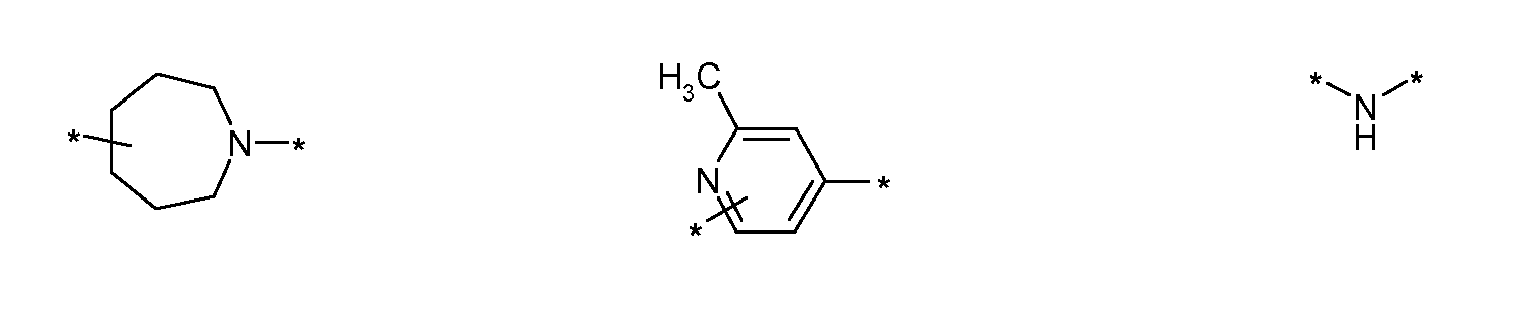






 R 5 H, HO-, C1-5-Alkyl, C3-5-Cycloalkyl-, H2N-, (C1-2-Alkyl)-NH-, (C3-6-Cycloalkyl)-NH-, (C1-2-Alkyl)2N-, (C1-4-Alkyl)(C3-6-CYCloalkyl)N-, (Cyclopropylmethyl)(methyl)N-, H2N-C(0)-, oderR 5 eine Gruppe ausgewählt ausbedeutet,


deren Enantiomere, deren Diastereomere, deren Gemische und deren Salze, insbesondere deren physiologisch verträgliche Salze mit organischen oder anorganischen Säuren oder Basen. - Verbindungen der allgemeinen Formel I gemäß Anspruch 1, in denen
A, B, D, Y, R 2, R 3, R 4 und R 5 wie in Anspruch 1 definiert sind undR1 die Gruppederen Enantiomere, deren Diastereomere, deren Gemische und deren Salze, insbesondere deren physiologisch verträgliche Salze mit organischen oder anorganischen Säuren oder Basen.
- Verbindungen der allgemeinen Formel I gemäß Anspruch 1, in denen
A, B, D, Y, R 2, R 3, R 4 und R 5 wie in Anspruch 1 definiert sind undR 1 die Gruppederen Enantiomere, deren Diastereomere, deren Gemische und deren Salze, insbesondere deren physiologisch verträgliche Salze mit organischen oder anorganischen Säuren oder Basen.
- Verbindungen der allgemeinen Formel I gemäß Anspruch 1, in denen
A, B, R 1, R 3, R 4 und R 5 wie in Anspruch 1 definiert sind und-D-Y - zusammen eine Gruppe ausgewählt aus R 2 H oder C1-3-Alkyl-,bedeutet,
deren Enantiomere, deren Diastereomere, deren Gemische und deren Salze, insbesondere deren physiologisch verträgliche Salze mit organischen oder anorganischen Säuren oder Basen. - Folgende Verbindungen der allgemeinen Formel I gemäß Anspruch 1:
Beispiel Struktur (1) 
(2) 
(3) 
(4) 
(5) 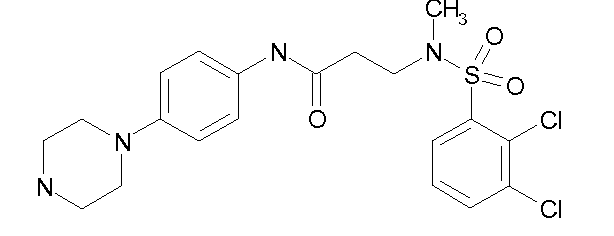
(6) 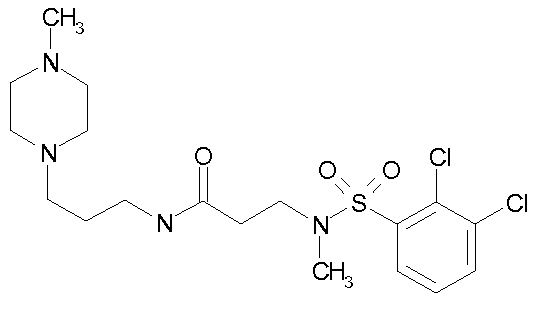
(7) 
(8) 
(9) 
(10) 
(11) 
(12) 
(13) 
(14) 
(15) 
(16) 
(17) 
(18) 
(19) 
(20) 
(21) 
(22) 
(23) 
(24) 
(25) 
(26) 
(27) 
(28) 
(29) 
(30) 
(31) 
(32) 
(33) 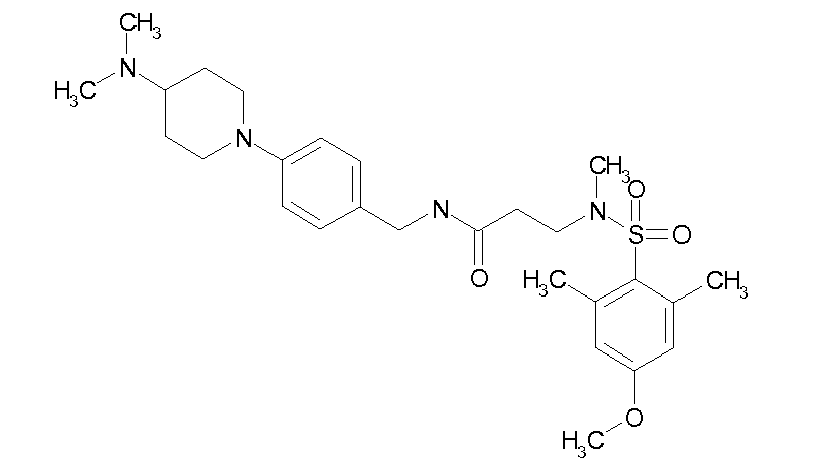
(34) 
(35) 
(36) 
(37) 
(38) 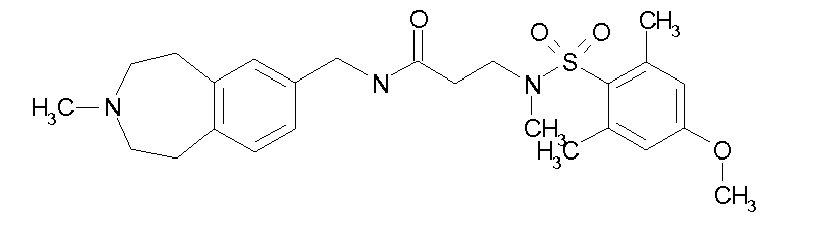
(39) 
(40) 
(41) 
(42) 
(43) 
(44) 
(45) 
(46) 
(47) 
(48) 
(49) 
(50) 
(51) 
(52) 
(53) 
(54) 
(55) 
(56) 
(57) 
(58) 
(59) 
(60) 
(61) 
(62) 
(63) 
(64) 
(65) 
(66) 
(67) 
(68) 
(69) 
(70) 
(71) 
(72) 
(73) 
(74) 
(75) 
(76) 
(77) 
(78) 
(79) 
(80) 
(81) 
(82) 
(83) 
(84) 
(85) 
(86) 
(87) 
(88) 
(89) 
(90) 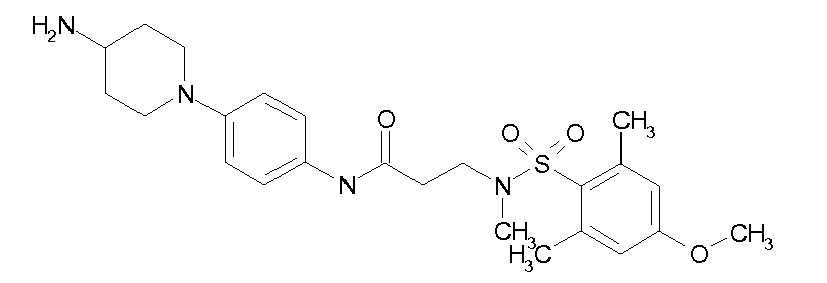
(91) 
(92) 
(93) 
(94) 
(95) 
(96) 
(97) 
(98) 
(99) 
(100) 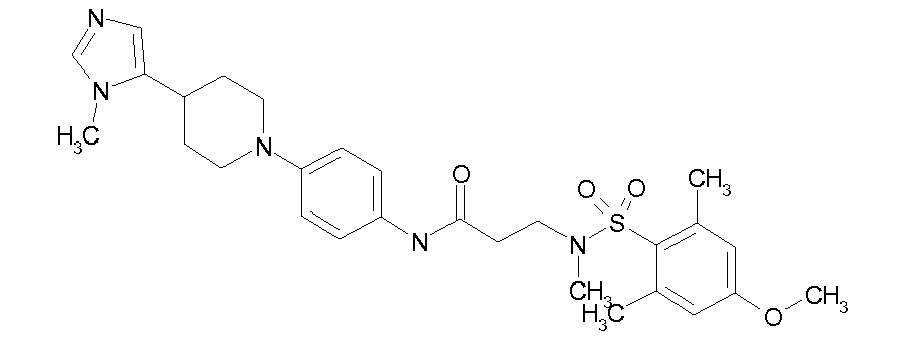
(101) 
(102) 
(103) 
(104) 
(105) 
(106) 
(107) 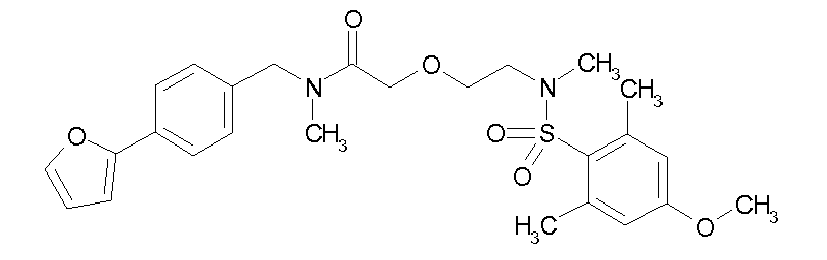
(108) 
(109) 
(110) 
(111) 
(112) 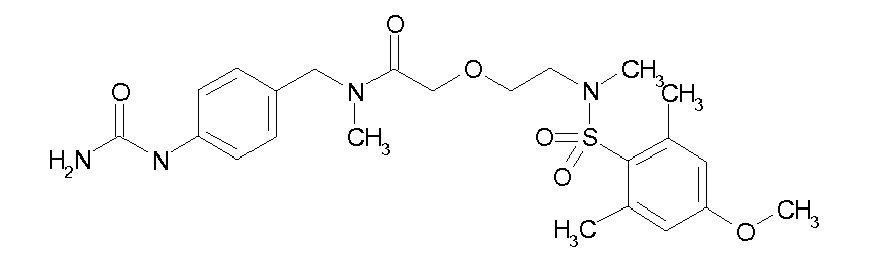
(113) 
(114) 
(115) 
(116) 
(117) 
(118) 
(119) 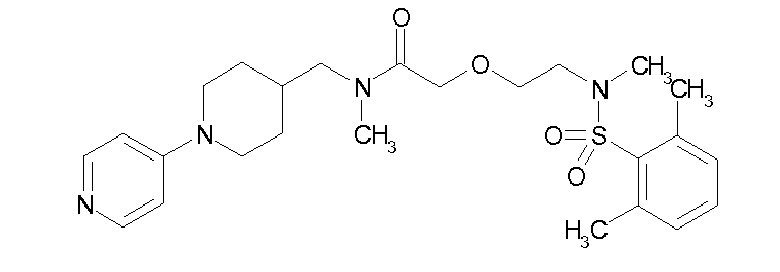
(120) 
(121) 
(122) 
(123) 
(124) 
(125) 
(126) 
(127) 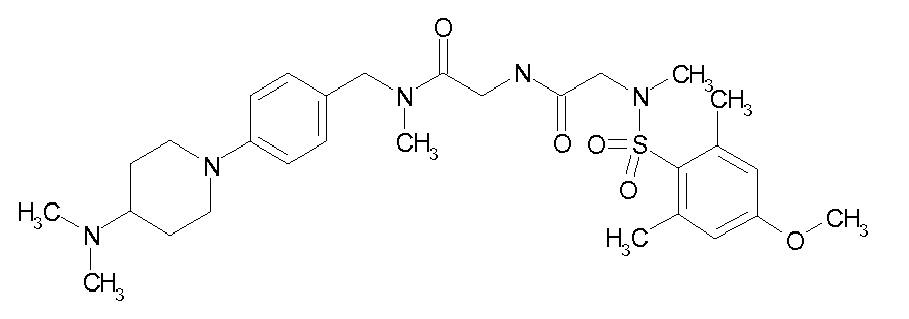
(128) 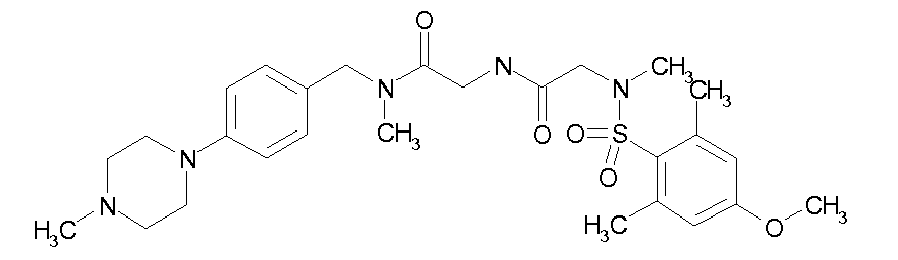
(129) 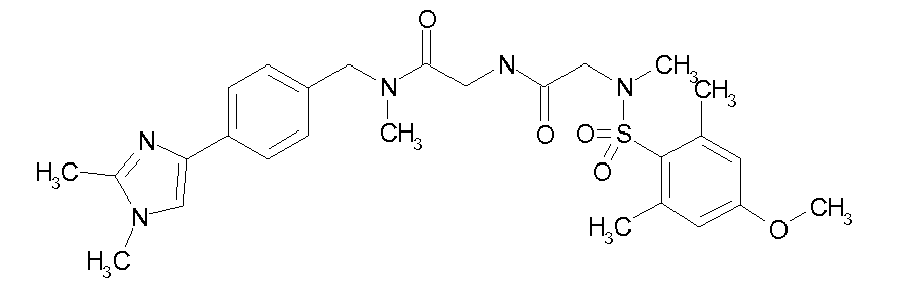
(130) 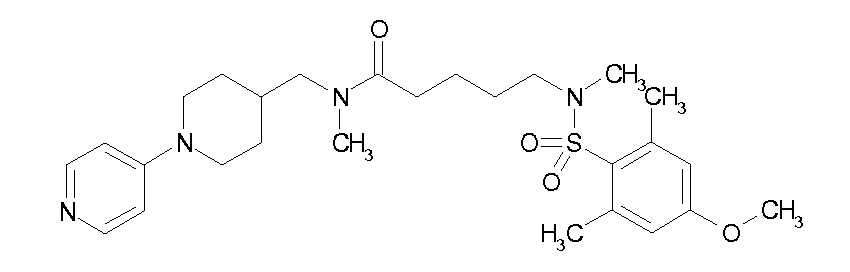
(131) 
(132) 
(133) 
(134) 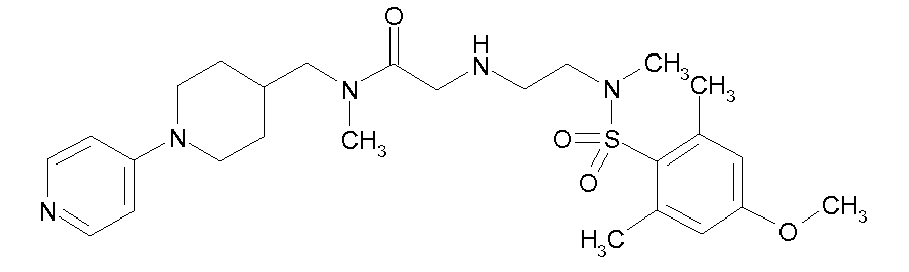
(135) 
(136) 
(137) 
(138) 
(139) 
(140) 
(141) 
(142) 
(143) 
(144) 
(145) 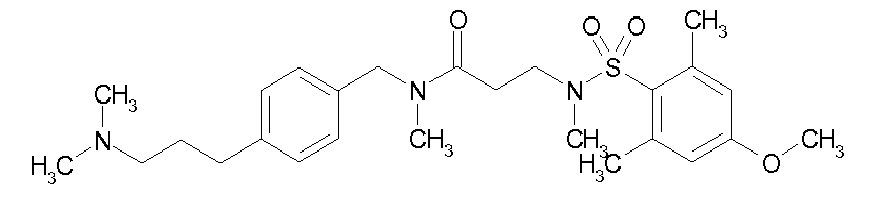
(146) 
(147) 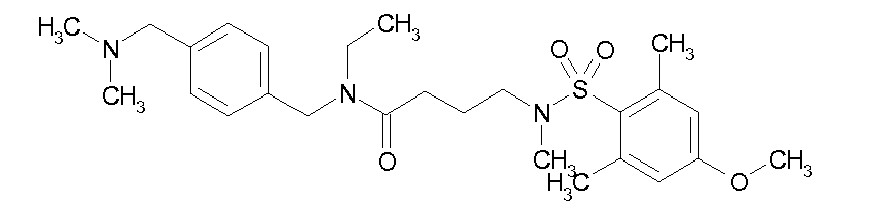
(148) 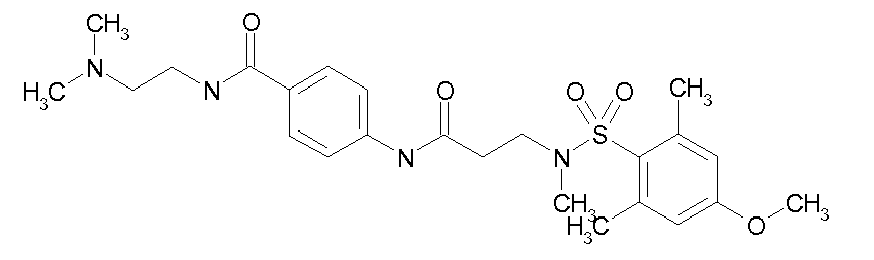
(149) 
(150) 
(151) 
(152) 
(153) 
(154) 
(155) 
(156) 
(157) 
(158) 
(159) 
(160) 
(161) 
(162) 
(163) 
(164) 
(165) 
(166) 
(167) 
(168) 
(169) 
(170) 
(171) 
(172) 
(173) 
(174) 
(175) 
(176) 
(177) 
(178) 
(179) 
(180) 
(181) 
(182) 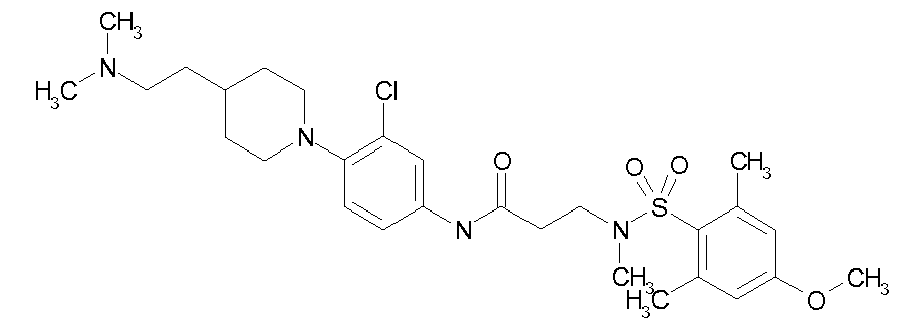
(183) 
(184) 
(185) 
(186) 
(187) 
(188) 
(189) 
(190) 
(191) 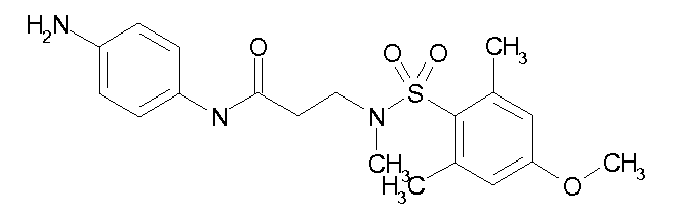
(192) 
(193) 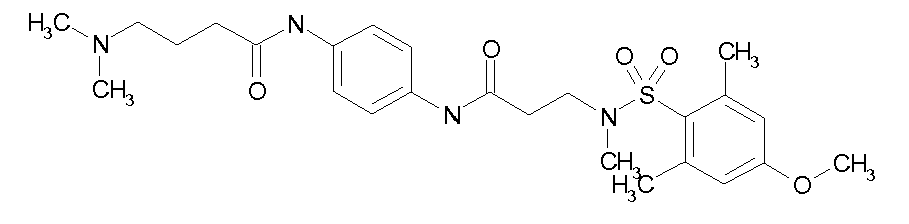
(194) 
(195) 
(196) 
(197) 
(198) 
(199) 
(200) 
(201) 
(202) 
(203) 
(204) 
(205) 
(206) 
(207) 
(208) 
(209) 
(210) 
(211) 
(212) 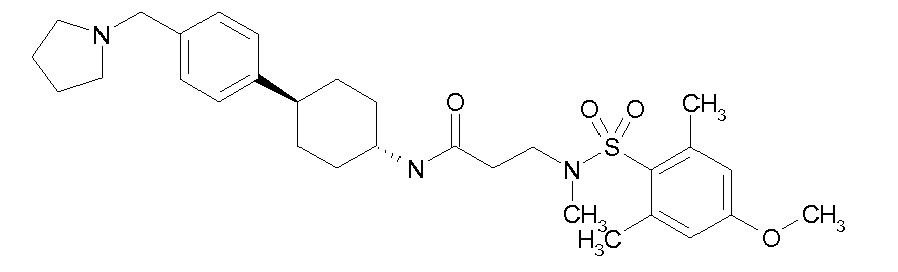
(213) 
(214) 
(215) 
(216) 
(217) 
(218) 
(219) 
(220) 
(221) 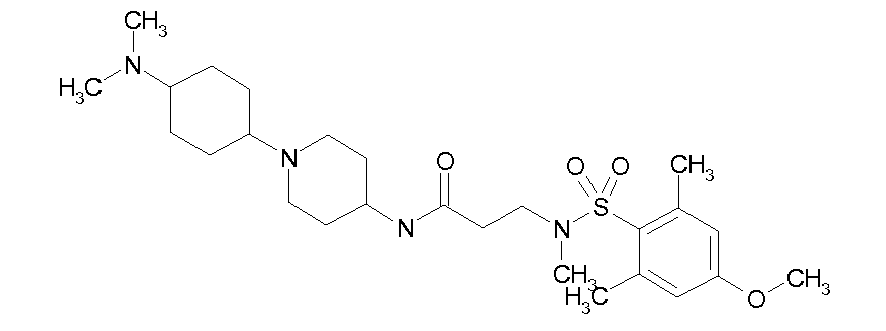
(222) 
(223) 
(224) 
(225) 
(226) 
(227) 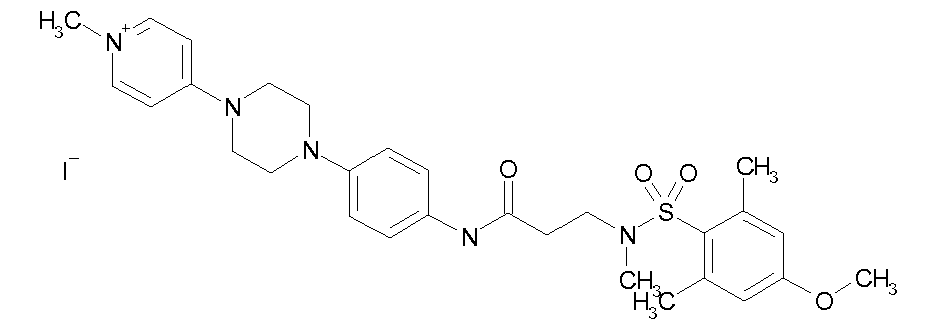
(228) 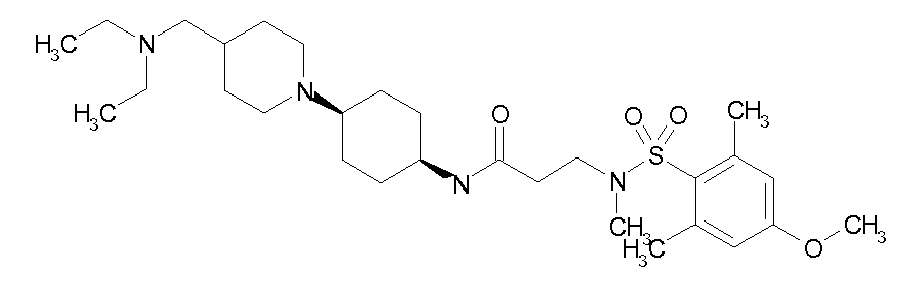
(229) 
(230) 
(231) 
(232) 
(233) 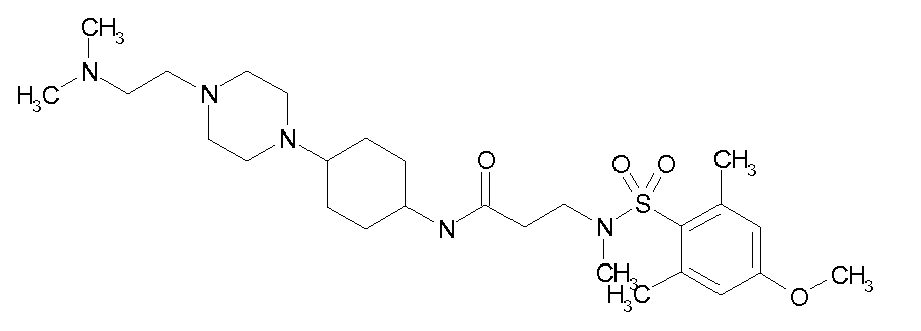
(234) 
(235) 
(236) 
(237) 
(238) 
(239) 
(240) 
(241) 
(242) 
(243) 
(244) 
(245) 
(246) 
(247) 
(248) 
(249) 
(250) 
(251) 
(252) 
(253) 
(254) 
(255) 
(256) 
(257) 
(258) 
(259) 
(260) 
(261) 
(262) 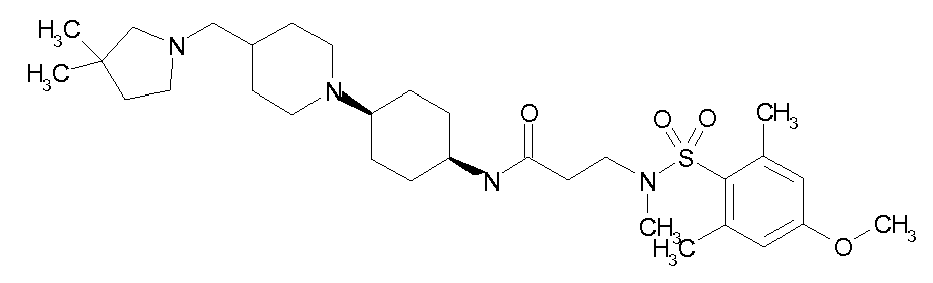
(263) 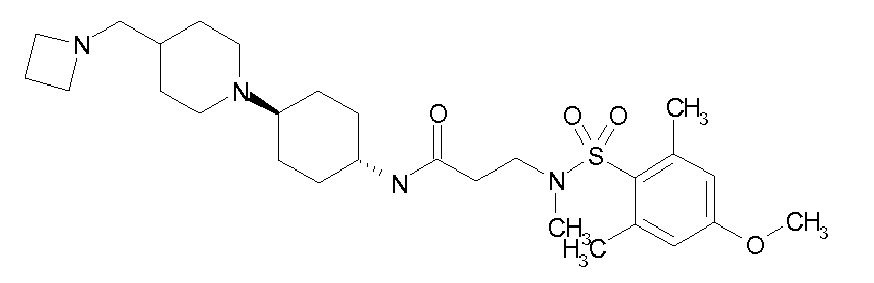
(264) 
(265) 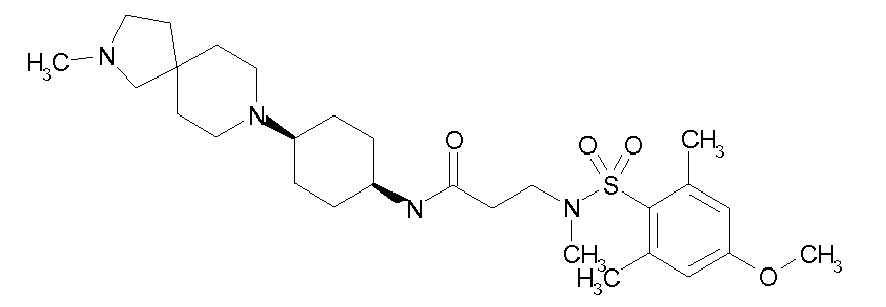
(266) 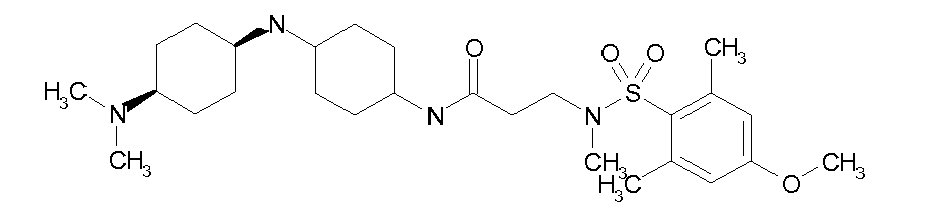
(267) 
(268) 
(269) 
(270) 
(271) 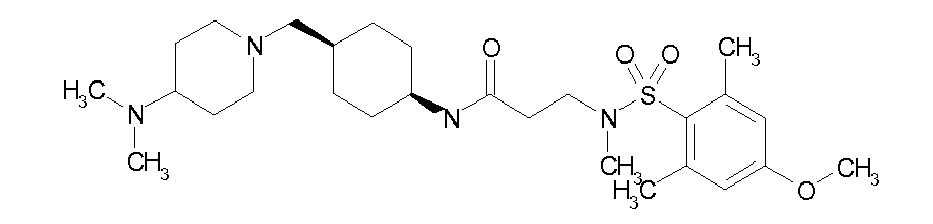
(272) 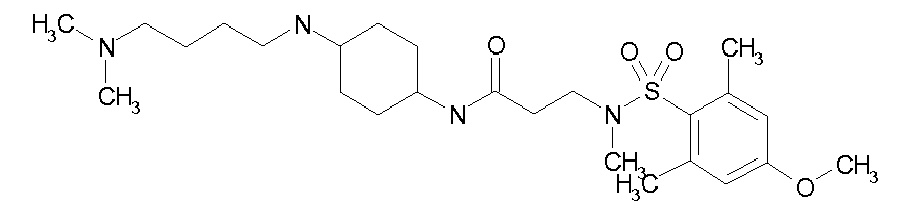
(273) 
(274) 
(275) 
(276) 
(277) 
(278) 
(279) 
(280) 
(281) 
(282) 
(283) 
(284) 
(285) 
(286) 
(287) 
(288) 
(289) 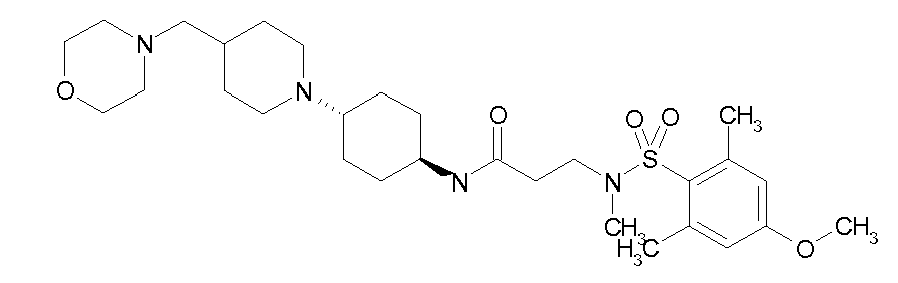
(290) 
(291) 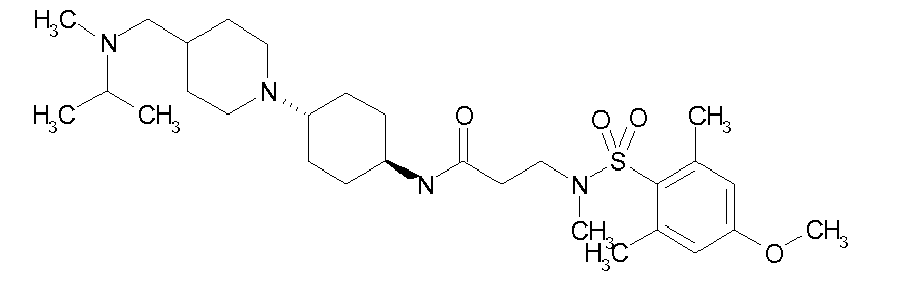
(292) 
(293) 
(294) 
(295) 
(296) 
(297) 
(298) 
(299) 
(300) 
(301) 
(302) 
(303) 
(304) 
(305) 
(306) 
(307) 
(308) 
(309) 
(310) 
(311) 
(312) 
(313) 
(314) 
(315) 
(316) 
(317) 
(318) 
(319) 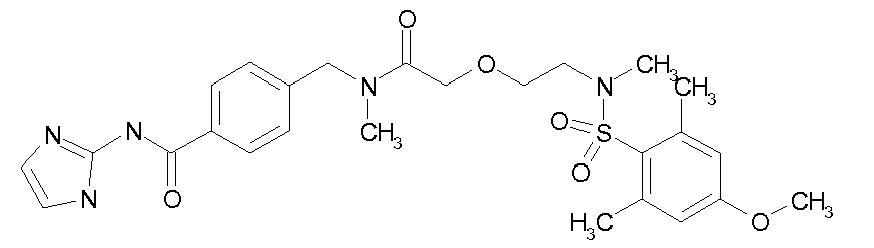
(320) 
(321) 
(322) 
(323) 
(324) 
(325) 
(326) 
(327) 
(328) 
(329) 
(330) 
(331) 
(332) 
(333) 
(334) 
(335) 
(336) 
(337) 
(338) 
(339) 
(340) 
(341) 
(342) 
(343) 
(344) 
(345) 
(346) 
(347) 
(348) 
(349) 
(350) 
(351) 
(352) 
(353) 
(354) 
(355) 
(356) 
(357) 
(358) 
(359) 
(360) 
(361) 
(362) 
(363) 
(364) 
(365) 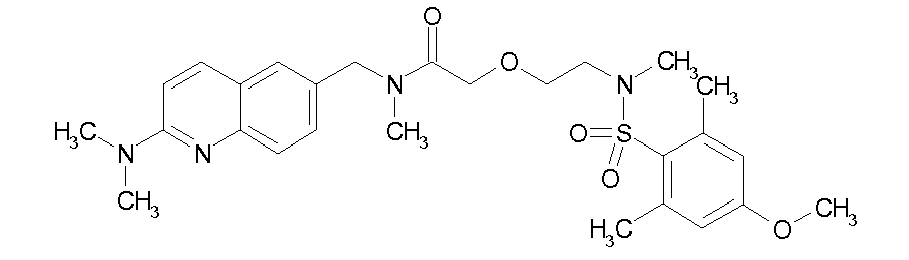
(366) 
(367) 
(368) 
(369) 
(370) 
(371) 
(372) 
(373) 
(374) 
(375) 
(376) 
(377) 
(378) 
(379) 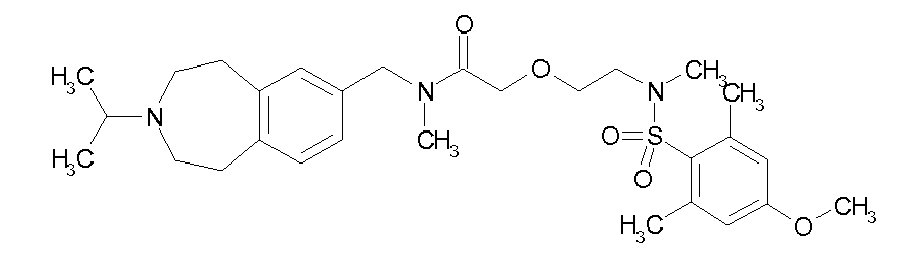
(380) 
(381) 
(382) 
(383) 
(384) 
(385) 
(386) 
(387) 
(388) 
(389) 
(390) 
(391) 
(392) 
(393) 
(394) 
(395) 
(396) 
(397) 
(398) 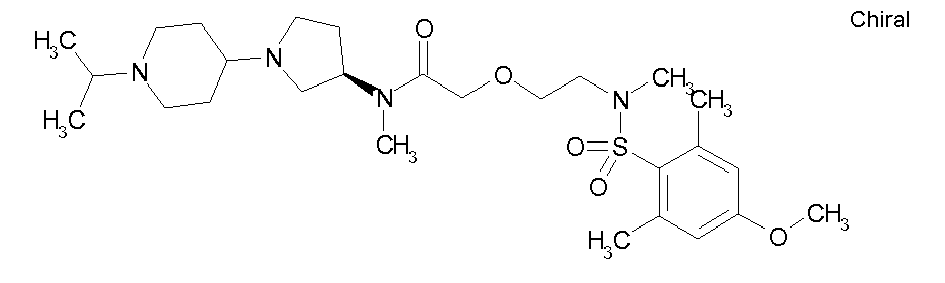
(399) 
(400) 
(401) 
(402) 
(403) 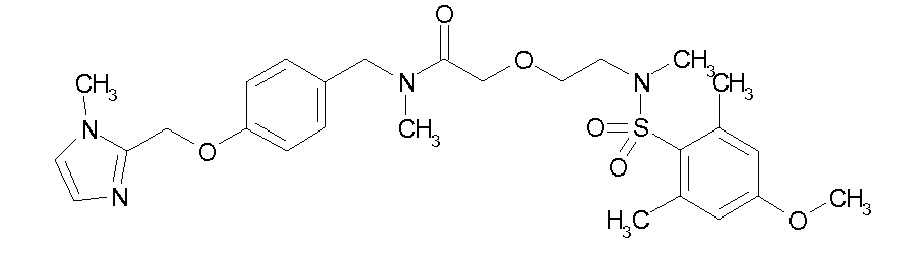
(404) 
(405) 
(406) 
(407) 
(408) 
(409) 
(410) 
(411) 
(412) 
(413) 
(414) 
(415) 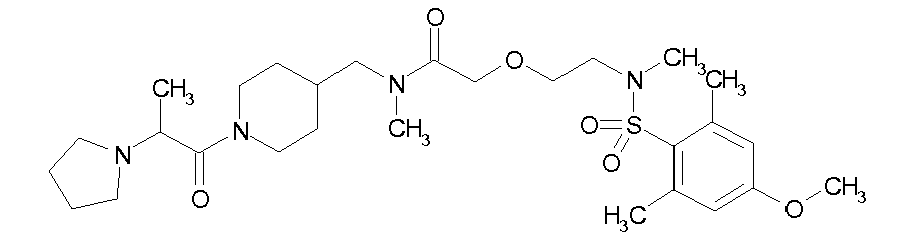
(416) 
(417) 
(418) 
(419) 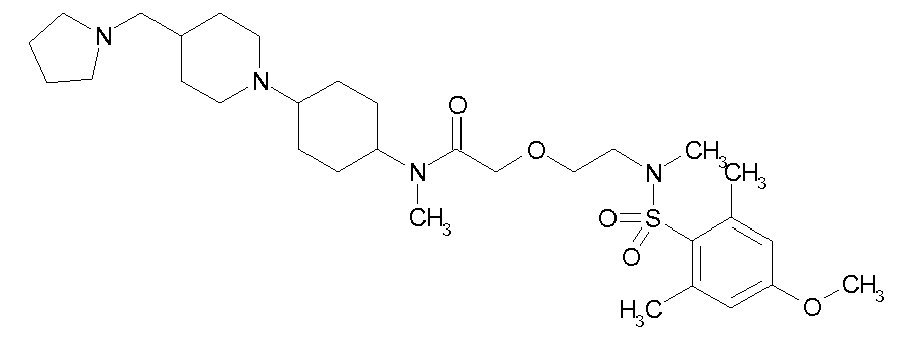
(420) 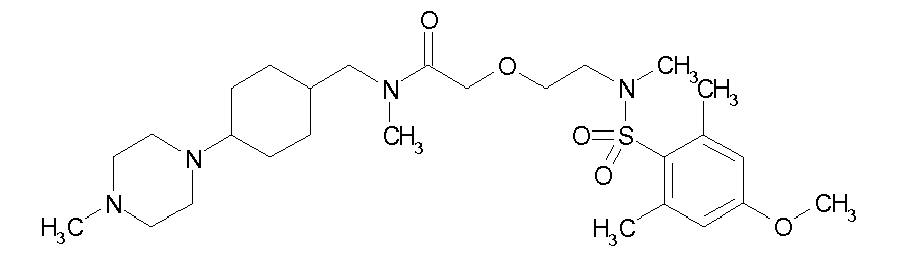
(421) 
(422) 
(423) 
(424) 
(425) 
(426) 
(427) 
(428) 
(429) 
(430) 
(431) 
(432) 
(433) 
(434) 
(435) 
(436) 
(437) 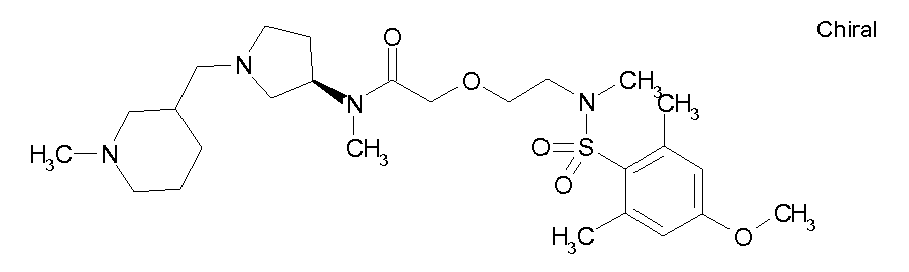
(438) 
(439) 
(440) 
(441) 
(442) 
(443) 
(444) 
(445) 
(446) 
(447) 
(448) 
(449) 
(450) 
(451) 
(452) 
(453) 
(454) 
(455) 
(456) 
(457) 
(458) 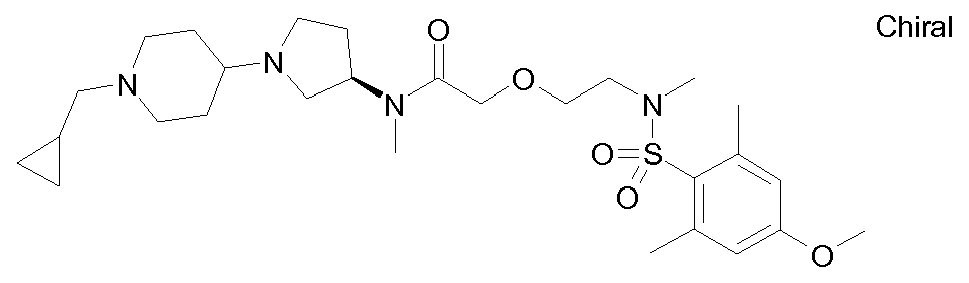
(459) 
(460) 
(461) 
(462) 
(463) 
(464) 
(465) 
(466) 
(467) 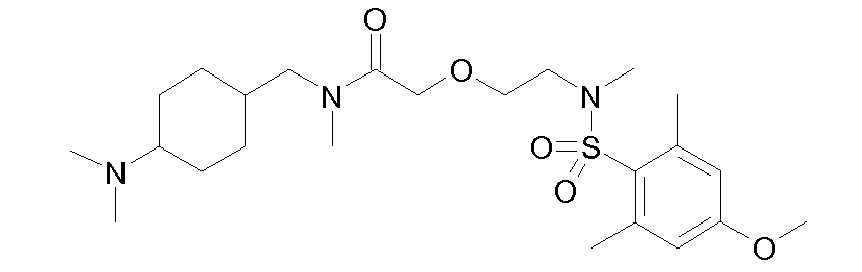
(468) 
(469) 
(470) 
(471) 
(472) 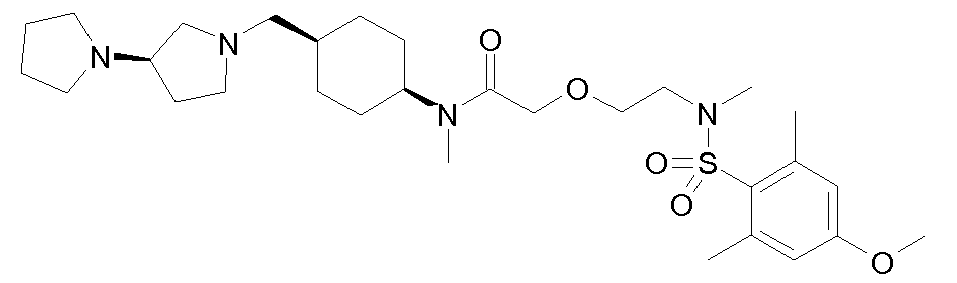
(473) 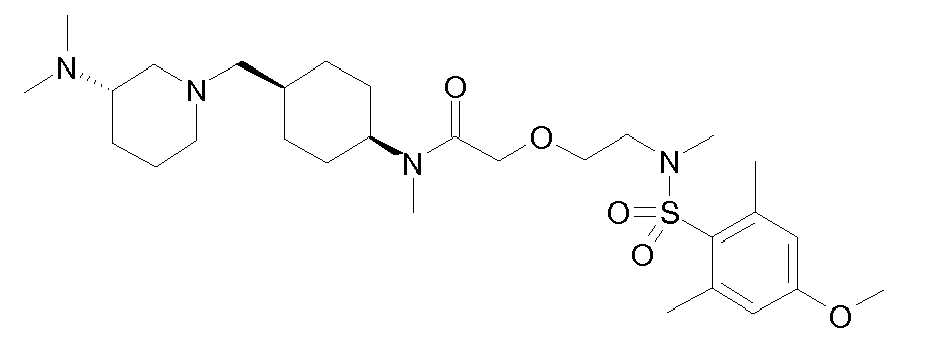
(474) 
(475) 
(476) 
(477) 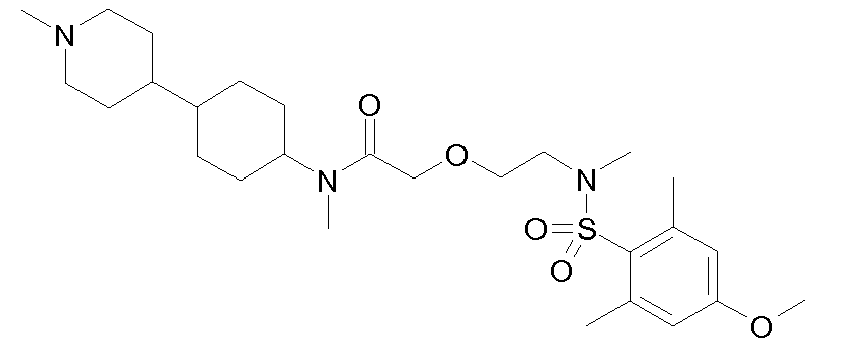
(478) 
(479) 
(480) 
(481) 
(482) 
(483) 
(484) 
(485) 
(486) 
(487) 
(488) 
(489) 
(490) 
(491) 
(492) 
(493) 
(494) 
(495) 
(496) 
(497) 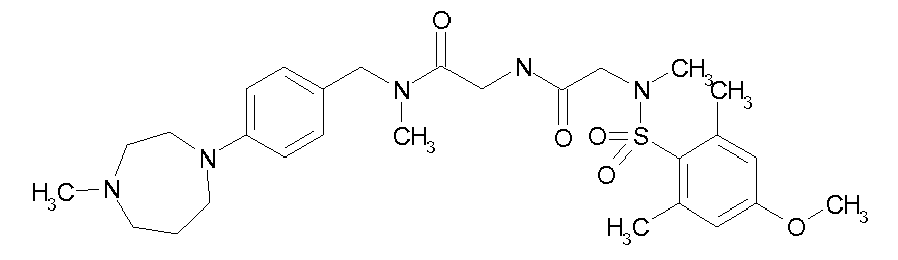
(498) 
(499) 
(500) 
(501) 
(502) 
(503) 
(504) 
(505) 
(506) 
(507) 
(508) 
(509) 
(510) 
(511) 
(512) 
(513) 
(514) 
(515) 
(516) 
(517) 
(518) 
(519) 
(520) 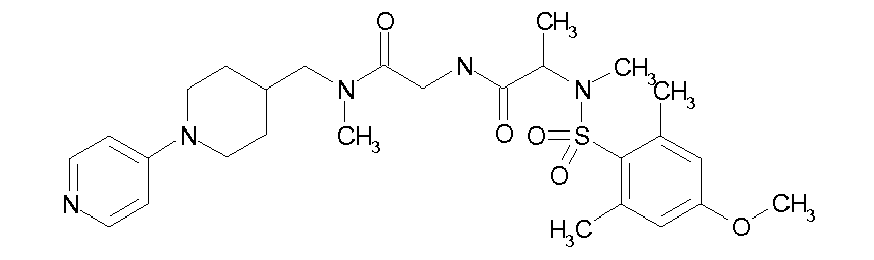
(521) 
(522) 
(523) 
(524) 
(525) 
(526) 
(527) 
(528) 
(529) 
(530) 
(531) 
(532) 
(533) 
(534) 
(535) 
(536) 
(537) 
(538) 
(539) 
(540) 
(541) 
(542) 
(543) 
(544) 
(545) 
(546) 
(547) 
(548) 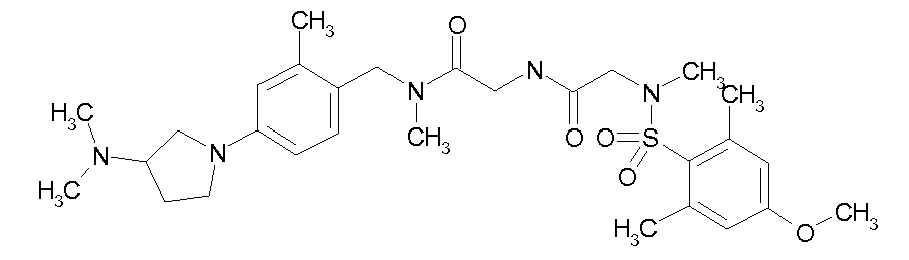
(549) 
(550) 
(551) 
(552) 
(553) 
(554) 
(555) 
(556) 
(557) 
(558) 
(559) 
(560) 
(561) 
(562) 
(563) 
(564) 
(565) 
(566) 
(567) 
(568) 
(569) 
(570) 
(571) 
(572) 
(573) 
(574) 
(575) 
(576) 
(577) 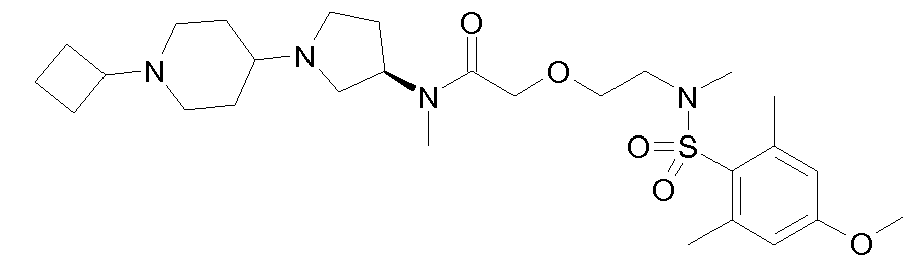
(578) 
(579) 
(580) 
(581) 
(582) 
(583) 
(584) 
(585) 
(586) 
(587) 
(588) 
(589) 
(590) 
(591) 
(592) 
(593) 
(594) 
(595) 
(596) 
(597) 
(598) 
(599) 
(600) 
(601) 
(602) 
(603) 
(604) 
(605) 
(606) 
(607) 
(608) 
(609) 
(610) 
(611) 
(612) 
(613) 
(614) 
(615) 
(616) 
(617) 
(618) 
(619) 
(620) 
(621) 
(622) 
(623) 
(624) 
(625) 
(626) 
(627) 
(628) 
(629) 
(630) 
(631) 
(632) 
(633) 
(634) 
(635) 
(636) 
(637) 
(638) 
(639) 
(640) 
(641) 
(642) 
(643) 
(644) 
(645) 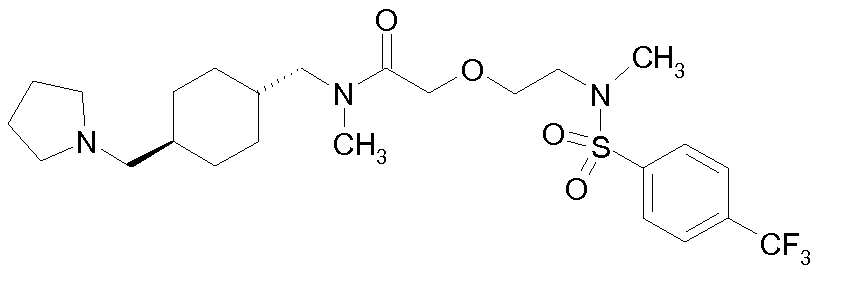
(646) 
(647) 
(648) 
(649) 
(650) 
- Physiologisch verträgliche Salze der Verbindungen nach einem der Ansprüche 1 bis 7 mit anorganischen oder organischen Säuren oder Basen.
- Arzneimittel, enthaltend eine Verbindung nach mindestens einem der Ansprüche 1 bis 7 oder ein physiologisch verträgliches Salz gemäß Anspruch 8 neben gegebenenfalls einem oder mehreren inerten Trägerstoffen und/oder Verdünnungsmitteln.
- Verwendung einer Verbindung nach mindestens einem der Ansprüche 1 bis 8 zur Herstellung eines Arzneimittels zur akuten und prophylaktischen Behandlung von akuten Schmerzen, Eingeweideschmerzen, neuropathischen Schmerzen, entzündlichen / Schmerzrezeptor-vermittelten Schmerzen, Tumorschmerzen und Kopfschmerz-Erkrankungen.
- Verfahren zur Herstellung eines Arzneimittels gemäß Anspruch 9, dadurch gekennzeichnet, dass auf nichtchemischem Weg eine Verbindung nach mindestens einem der Ansprüche 1 bis 8 in einen oder mehrere inerte Trägerstoffe und/oder Verdünnungsmittel eingearbeitet wird.
Applications Claiming Priority (2)
| Application Number | Priority Date | Filing Date | Title |
|---|---|---|---|
| DE102006039003A DE102006039003A1 (de) | 2006-08-19 | 2006-08-19 | Neue Verbindungen |
| EP07788420.3A EP2061779B1 (de) | 2006-08-19 | 2007-08-14 | Arylsulfonamide mit analgetischer wirkung |
Related Parent Applications (1)
| Application Number | Title | Priority Date | Filing Date |
|---|---|---|---|
| EP07788420.3 Division | 2007-08-14 |
Publications (2)
| Publication Number | Publication Date |
|---|---|
| EP2284166A1 true EP2284166A1 (de) | 2011-02-16 |
| EP2284166B1 EP2284166B1 (de) | 2013-10-16 |
Family
ID=38925625
Family Applications (3)
| Application Number | Title | Priority Date | Filing Date |
|---|---|---|---|
| EP11176839.6A Active EP2402329B1 (de) | 2006-08-19 | 2007-08-14 | Analgetische Phenylsulfonamide |
| EP07788420.3A Active EP2061779B1 (de) | 2006-08-19 | 2007-08-14 | Arylsulfonamide mit analgetischer wirkung |
| EP10178252.2A Active EP2284166B1 (de) | 2006-08-19 | 2007-08-14 | Arylsulfonamide mit analgetischer Wirkung |
Family Applications Before (2)
| Application Number | Title | Priority Date | Filing Date |
|---|---|---|---|
| EP11176839.6A Active EP2402329B1 (de) | 2006-08-19 | 2007-08-14 | Analgetische Phenylsulfonamide |
| EP07788420.3A Active EP2061779B1 (de) | 2006-08-19 | 2007-08-14 | Arylsulfonamide mit analgetischer wirkung |
Country Status (20)
| Country | Link |
|---|---|
| US (2) | US7858618B2 (de) |
| EP (3) | EP2402329B1 (de) |
| JP (3) | JP5291623B2 (de) |
| KR (1) | KR20090047535A (de) |
| CN (1) | CN101516867A (de) |
| AR (1) | AR062426A1 (de) |
| AU (1) | AU2007287652A1 (de) |
| BR (1) | BRPI0715645A2 (de) |
| CA (1) | CA2663598A1 (de) |
| CL (1) | CL2007002407A1 (de) |
| CO (1) | CO6160230A2 (de) |
| DE (1) | DE102006039003A1 (de) |
| EA (1) | EA200900279A1 (de) |
| IL (1) | IL197021A0 (de) |
| MX (1) | MX2009001791A (de) |
| NO (2) | NO20090079L (de) |
| SG (3) | SG169337A1 (de) |
| TW (1) | TW200815394A (de) |
| WO (1) | WO2008022945A1 (de) |
| ZA (1) | ZA200810782B (de) |
Families Citing this family (19)
| Publication number | Priority date | Publication date | Assignee | Title |
|---|---|---|---|---|
| DE102006039003A1 (de) | 2006-08-19 | 2008-02-21 | Boehringer Ingelheim Pharma Gmbh & Co. Kg | Neue Verbindungen |
| DE102007034620A1 (de) * | 2007-07-25 | 2009-01-29 | Boehringer Ingelheim Pharma Gmbh & Co. Kg | Neue B1-Antagonisten |
| EP2025675A1 (de) * | 2007-08-14 | 2009-02-18 | Boehringer Ingelheim International GmbH | Arylsulfonamide mit analgetischer Wirkung |
| CA2712582A1 (en) * | 2008-02-06 | 2009-08-13 | Norbert Hauel | Aryl sulfonamides as effective analgesics |
| AU2009235634B8 (en) | 2008-04-08 | 2013-05-23 | Grunenthal Gmbh | Substituted sulfonamide derivatives |
| CN102131805A (zh) | 2008-06-20 | 2011-07-20 | 百时美施贵宝公司 | 用作激酶抑制剂的咪唑并吡啶和咪唑并吡嗪化合物 |
| EP2326625A1 (de) * | 2008-07-18 | 2011-06-01 | Takeda Pharmaceutical Company Limited | Benzazepinderivate und deren verwendung als histamin-h3-antagonisten |
| KR20110053424A (ko) * | 2008-08-12 | 2011-05-23 | 베링거 인겔하임 인터내셔날 게엠베하 | 사이클로알킬-치환된 피페라진 화합물의 제조 방법 |
| US8207335B2 (en) * | 2009-02-13 | 2012-06-26 | Boehringer Ingelheim International Gmbh | Process for making certain compounds having B1 antagonistic activity |
| EP2616073A4 (de) | 2010-09-13 | 2015-02-18 | Microbiotix Inc | Hemmer des eindringens von viren in säugetier-wirtszellen |
| WO2014009319A1 (en) | 2012-07-11 | 2014-01-16 | Boehringer Ingelheim International Gmbh | Indolinone derivatives anticancer compounds |
| KR101735705B1 (ko) | 2015-09-22 | 2017-05-15 | 주식회사 에코시안 | 건물 에너지 효율화 평가 방법 및 장치 |
| CN105153168A (zh) * | 2015-09-29 | 2015-12-16 | 上海天慈国际药业有限公司 | N-[4-(2-甲基-4,5-二氢-3H-咪唑并[4,5-d][1]苯并氮杂卓-6-甲酰基)苯基]-2-苯基苯甲酰胺盐酸盐的制备方法 |
| KR101645157B1 (ko) | 2015-11-10 | 2016-08-02 | 주식회사 넥스미디어 | 통합 음식 제공 서비스 방법 및 장치 |
| RU2764243C2 (ru) | 2017-09-22 | 2022-01-14 | ДЖУБИЛАНТ ЭПИПЭД ЭлЭлСи | Гетероциклические соединения в качестве ингибиторов PAD |
| AU2018352142B2 (en) | 2017-10-18 | 2022-08-25 | Jubilant Epipad LLC | Imidazo-pyridine compounds as PAD inhibitors |
| US11629135B2 (en) | 2017-11-06 | 2023-04-18 | Jubilant Prodell Llc | Pyrimidine derivatives as inhibitors of PD1/PD-L1 activation |
| PT3704120T (pt) | 2017-11-24 | 2024-07-03 | Jubilant Episcribe Llc | Compostos heterocíclicos como inibidores de prmt5 |
| MX2020009517A (es) | 2018-03-13 | 2021-01-20 | Jubilant Prodel LLC | Compuestos biciclicos como inhibidores de la interaccion/activacio n de pdl/pd-l1. |
Citations (5)
| Publication number | Priority date | Publication date | Assignee | Title |
|---|---|---|---|---|
| DE1100635B (de) | 1958-04-22 | 1961-03-02 | Rhone Poulenc Sa | Verfahren zur Herstellung von Phenthiazinderivaten |
| WO2002053516A2 (fr) * | 2001-01-08 | 2002-07-11 | Laboratoires Fournier Sa | Derives de la n(phenylsulfonyl)glycine et leur utilisation en therapeutique |
| WO2003106428A1 (fr) * | 2002-06-14 | 2003-12-24 | Laboratoires Fournier Sa | Nouveaux derives d'arylsulfonamides et leur utilisation en therapeutique |
| WO2006036664A1 (en) * | 2004-09-23 | 2006-04-06 | Amgen Inc. | Substituted sulfonamidopropionamides and methods of use |
| WO2006048209A1 (de) * | 2004-11-05 | 2006-05-11 | Boehringer Ingelheim International Gmbh | Neue bradykinin-b1-antagonisten, verfahren zu deren herstellung sowie deren verwendung als arzneimittel |
Family Cites Families (15)
| Publication number | Priority date | Publication date | Assignee | Title |
|---|---|---|---|---|
| EP0173552B1 (de) | 1984-08-24 | 1991-10-09 | The Upjohn Company | Rekombinante DNA-Verbindungen und Expression von Polypeptiden wie tPA |
| IL115420A0 (en) | 1994-09-26 | 1995-12-31 | Zeneca Ltd | Aminoheterocyclic derivatives |
| SI1249233T1 (sl) | 1999-11-26 | 2009-02-28 | Shionogi & Co | Antagonisti NPYY5 |
| EP1572678A4 (de) | 2002-12-19 | 2008-05-07 | Elan Pharm Inc | Substituierte n-phenylsulfonamide alsbradykininantagonisten |
| BRPI0408689B8 (pt) | 2003-03-25 | 2021-05-25 | Laboratoires Fournier S A | derivados de benzenosulfonamida, método para preparação e utilização disso para o tratamento da dor |
| CA2553676A1 (en) | 2004-01-28 | 2005-08-11 | Research Development Foundation | Human soluble neuropilin-1 primary polyadenylation signal and uses thereof |
| US7521457B2 (en) | 2004-08-20 | 2009-04-21 | Boehringer Ingelheim International Gmbh | Pyrimidines as PLK inhibitors |
| WO2006035967A1 (en) | 2004-09-30 | 2006-04-06 | Taisho Pharmaceutical Co., Ltd. | Pyridine derivatives and their use as medicaments for treating diseases related to mch receptor |
| WO2006071775A2 (en) | 2004-12-29 | 2006-07-06 | Elan Pharmaceuticals, Inc. | Novel compounds useful for bradykinin b1 receptor antagonism |
| DE102006039003A1 (de) | 2006-08-19 | 2008-02-21 | Boehringer Ingelheim Pharma Gmbh & Co. Kg | Neue Verbindungen |
| JP5603770B2 (ja) | 2007-05-31 | 2014-10-08 | ベーリンガー インゲルハイム インターナショナル ゲゼルシャフト ミット ベシュレンクテル ハフツング | Ccr2受容体拮抗薬およびその使用 |
| DE102007034620A1 (de) | 2007-07-25 | 2009-01-29 | Boehringer Ingelheim Pharma Gmbh & Co. Kg | Neue B1-Antagonisten |
| EP2188269B1 (de) | 2007-08-14 | 2014-05-07 | Boehringer Ingelheim International GmbH | Arylsulfonamide mit analgetischer wirkung |
| JP2011505334A (ja) | 2007-08-14 | 2011-02-24 | ベーリンガー インゲルハイム インターナショナル ゲゼルシャフト ミット ベシュレンクテル ハフツング | 新規化合物 |
| DE102007046887A1 (de) | 2007-09-28 | 2009-04-09 | Boehringer Ingelheim Pharma Gmbh & Co. Kg | Verfahren zur Herstellung von (1R,5S)-Anhydroecgoninestersalzen |
-
2006
- 2006-08-19 DE DE102006039003A patent/DE102006039003A1/de not_active Withdrawn
-
2007
- 2007-08-14 EP EP11176839.6A patent/EP2402329B1/de active Active
- 2007-08-14 CN CNA2007800345486A patent/CN101516867A/zh active Pending
- 2007-08-14 EP EP07788420.3A patent/EP2061779B1/de active Active
- 2007-08-14 WO PCT/EP2007/058408 patent/WO2008022945A1/de not_active Ceased
- 2007-08-14 EA EA200900279A patent/EA200900279A1/ru unknown
- 2007-08-14 SG SG201100466-0A patent/SG169337A1/en unknown
- 2007-08-14 BR BRPI0715645-6A patent/BRPI0715645A2/pt not_active IP Right Cessation
- 2007-08-14 CA CA002663598A patent/CA2663598A1/en not_active Abandoned
- 2007-08-14 SG SG201100467-8A patent/SG169338A1/en unknown
- 2007-08-14 KR KR1020097005665A patent/KR20090047535A/ko not_active Withdrawn
- 2007-08-14 SG SG201100468-6A patent/SG169339A1/en unknown
- 2007-08-14 MX MX2009001791A patent/MX2009001791A/es not_active Application Discontinuation
- 2007-08-14 JP JP2009525021A patent/JP5291623B2/ja active Active
- 2007-08-14 EP EP10178252.2A patent/EP2284166B1/de active Active
- 2007-08-14 AU AU2007287652A patent/AU2007287652A1/en not_active Abandoned
- 2007-08-17 TW TW096130620A patent/TW200815394A/zh unknown
- 2007-08-17 AR ARP070103674A patent/AR062426A1/es not_active Application Discontinuation
- 2007-08-17 CL CL2007002407A patent/CL2007002407A1/es unknown
- 2007-08-17 US US11/840,395 patent/US7858618B2/en active Active
-
2008
- 2008-12-22 ZA ZA200810782A patent/ZA200810782B/xx unknown
-
2009
- 2009-01-07 NO NO20090079A patent/NO20090079L/no unknown
- 2009-02-12 IL IL197021A patent/IL197021A0/en unknown
- 2009-02-19 CO CO09016433A patent/CO6160230A2/es unknown
- 2009-03-09 NO NO20091025A patent/NO20091025L/no not_active Application Discontinuation
-
2010
- 2010-10-05 US US12/898,295 patent/US8252785B2/en active Active
-
2012
- 2012-04-10 JP JP2012089586A patent/JP5529202B2/ja active Active
-
2013
- 2013-04-03 JP JP2013078105A patent/JP5650781B2/ja active Active
Patent Citations (5)
| Publication number | Priority date | Publication date | Assignee | Title |
|---|---|---|---|---|
| DE1100635B (de) | 1958-04-22 | 1961-03-02 | Rhone Poulenc Sa | Verfahren zur Herstellung von Phenthiazinderivaten |
| WO2002053516A2 (fr) * | 2001-01-08 | 2002-07-11 | Laboratoires Fournier Sa | Derives de la n(phenylsulfonyl)glycine et leur utilisation en therapeutique |
| WO2003106428A1 (fr) * | 2002-06-14 | 2003-12-24 | Laboratoires Fournier Sa | Nouveaux derives d'arylsulfonamides et leur utilisation en therapeutique |
| WO2006036664A1 (en) * | 2004-09-23 | 2006-04-06 | Amgen Inc. | Substituted sulfonamidopropionamides and methods of use |
| WO2006048209A1 (de) * | 2004-11-05 | 2006-05-11 | Boehringer Ingelheim International Gmbh | Neue bradykinin-b1-antagonisten, verfahren zu deren herstellung sowie deren verwendung als arzneimittel |
Non-Patent Citations (57)
| Title |
|---|
| ACTA CHEM. SCAND. SER. B, vol. 42, 1988, pages 373 - 377 |
| ANALOG J. MED. CHEM., vol. 28, 1985, pages 1533 - 1536 |
| BIOORG. MED. CHEM. LETT., vol. 11, 2001, pages 2325 - 2330 |
| BIOORG. MED. CHEM. LETT., vol. 13, 2003, pages 2131 - 2136 |
| BRAICHENKO, V. T., PHARM. CHEM. J. (ENGL. TRANSL.), vol. 6, no. 8, 1972, pages 492 - 494 * |
| CHEM. PHARM BULL., vol. 45, 1997, pages 1458 - 1469 |
| CHEM. PHARM. BULL., vol. 42, 1994, pages 74 - 84 |
| CHEM. PHARM. BULL., vol. 45, 1997, pages 996 - 1007 |
| COLLECT. CZECH. CHEM. COMMUN., vol. 55, 1990, pages 282 - 295 |
| DATABASE CROSSFIRE BEILSTEIN Beilstein Institut zur Förderung der Wissenschaften, Frankfurt am Main, DE; XP002466545, Database accession no. BRN 6007541 * |
| DATABASE CROSSFIRE BEILSTEIN Beilstein Institut zur Förderung der Wissenschaften, Frankfurt am Main, DE; XP002466834, Database accession no. BRN 6009473 * |
| DATABASE CROSSFIRE BEILSTEIN Beilstein Institut zur Förderung der Wissenschaften, Frankfurt am Main, DE; XP002466835, Database accession no. BRN 2905397 * |
| DATABASE CROSSFIRE BEILSTEIN Beilstein Institut zur Förderung der Wissenschaften, Frankfurt am Main, DE; XP002466836, Database accession no. BRN 2400317 * |
| DATABASE CROSSFIRE BEILSTEIN Beilstein Institut zur Förderung der Wissenschaften, Frankfurt am Main, DE; XP002466837, Database accession no. BRN 9271162 * |
| DATABASE CROSSFIRE BEILSTEIN Beilstein Institut zur Förderung der Wissenschaften, Frankfurt am Main, DE; XP002466838, Database accession no. BRN 8906721 * |
| DATABASE CROSSFIRE BEILSTEIN Beilstein Institut zur Förderung der Wissenschaften, Frankfurt am Main, DE; XP002466839, Database accession no. BRN 2709200 * |
| DATABASE CROSSFIRE BEILSTEIN Beilstein Institut zur Förderung der Wissenschaften, Frankfurt am Main, DE; XP002466840, Database accession no. BRN 8789325 * |
| DATABASE CROSSFIRE BEILSTEIN Beilstein Institut zur Förderung der Wissenschaften, Frankfurt am Main, DE; XP002466841, Database accession no. BRN 2664221 * |
| DATABASE CROSSFIRE BEILSTEIN Beilstein Institut zur Förderung der Wissenschaften, Frankfurt am Main, DE; XP002466842, Database accession no. BRN 2674860 * |
| DATABASE CROSSFIRE BEILSTEIN Beilstein Institut zur Förderung der Wissenschaften, Frankfurt am Main, DE; XP002466843, Database accession no. BRN 2709563 * |
| DATABASE CROSSFIRE BEILSTEIN Beilstein Institut zur Förderung der Wissenschaften, Frankfurt am Main, DE; XP002466844, Database accession no. BRN 2709564 * |
| DATABASE CROSSFIRE BEILSTEIN Beilstein Institut zur Förderung der Wissenschaften, Frankfurt am Main, DE; XP002466845, Database accession no. BRN 2710222 * |
| DATABASE CROSSFIRE BEILSTEIN Beilstein Institut zur Förderung der Wissenschaften, Frankfurt am Main, DE; XP002466846, Database accession no. BRN 2956418 * |
| DATABASE CROSSFIRE BEILSTEIN Beilstein Institut zur Förderung der Wissenschaften, Frankfurt am Main, DE; XP002466847, Database accession no. BRN 2955989 * |
| EL-NAGGAR ET AL., POL. J. CHEM., vol. 56, no. 10-12, 1982, pages 1279 - 1285 * |
| EL-SHARIEF, A. M. SH., AMMAR, Y. A., ZAHRAN, M. A., ALI, A. H., EL-GABY, M. S. A., MOLECULES, vol. 6, no. 3, 2001, pages 267 - 278 * |
| EUR. J. MED.CHEM. CHIM. THER., vol. 37, 2002, pages 487 - 502 |
| H. FINKELSTEIN, BERICHTE DER DEUTSCHEN CHEMISCHEN GESELLSCHAFT, vol. 43, 1910, pages 1528 |
| J. AM. CHEM. SOC., vol. 55, 1933, pages 1233 - 1241 |
| J. AM. CHEM. SOC., vol. 93, 1971, pages 4256 - 4263 |
| J. CHEM. SOC., vol. 1935, pages 871 |
| J. MED. CHEM. SIR, vol. 48, no. 7, 2005, pages 2371 - 2387 |
| J. MED. CHEM., vol. 26, 1983, pages 309 - 312 |
| J. MED. CHEM., vol. 33, 1990, pages 1880 - 1887 |
| J. MED. CHEM., vol. 36, 1993, pages 162 - 165 |
| J. MED. CHEM., vol. 41, 1998, pages 4317 - 4328 |
| J. MED. CHEM., vol. 41, 1998, pages 5219 - 5246 |
| J. MED. CHEM., vol. 46, 2003, pages 5445 - 5457 |
| J. MED. CHEM., vol. 47, 2004, pages 4300 - 4315 |
| J. MED.CHEM., vol. 46, 2003, pages 4952 - 4964 |
| J. ORG. CHEM., vol. 24, 1959, pages 459 - 463 |
| J. ORG. CHEM., vol. 33, 1968, pages 3637 - 3639 |
| MED. CHEM. RES., vol. 9, 1999, pages 149 - 161 |
| MOLANDER G A ET AL: "Reduction of 2-Acylaziridines by Samarium(II) Iodide. An Efficient and Regioselective Route to beta-Amino Carbonyl Compounds", TETRAHEDRON, ELSEVIER SCIENCE PUBLISHERS, AMSTERDAM, NL, vol. 53, no. 26, 30 June 1997 (1997-06-30), pages 8887 - 8912, XP004106098, ISSN: 0040-4020 * |
| MUKHERJEE, G. N., CHAKRABORTY, P. K., J. INDIAN CHEM. SOC., vol. 79, no. 2, 2002, pages 137 - 141 * |
| PAUL, H. ET AL, ARCH. PHARM. BER. DTSCH. PHARM. GES., vol. 301, 1968, pages 512 - 519 * |
| PHARM. ACTA HELV., vol. 44, 1969, pages 637 - 643 |
| PHILIP J. KOCIENSKI: "Protecting Groups, 3rd Edition", 2005, GEORG THIEME VERLAG |
| RICHARD C. LAROCK, COMPREHENSIVE ORGANIC TRANSFORMATIONS, 1989 |
| SARTORI E ET AL: "SYNTHESIS AND ACTIVITIES OF NET ARYLSULFONAMIDO THROMBOXANE A2 RECEPTOR ANTAGONISTS", EUROPEAN JOURNAL OF MEDICINAL CHEMISTRY, EDITIONS SCIENTIFIQUE ELSEVIER, PARIS, FR, vol. 28, no. 7/8, 1993, pages 625 - 632, XP000396678, ISSN: 0223-5234 * |
| SELVAMURUGAN, V., AIDHEN, INDRAPAL SINGH, SYNTHESIS, vol. 15, 2001, pages 2239 - 2246 * |
| SEN, YAJNIK, J. INDIAN CHEM. SOC., vol. 42, 1965, pages 145 - 146 * |
| SHOEB ET AL., INDIAN J. CHEM., vol. 3, 1965, pages 507 * |
| TETRAHEDRON, vol. 47, 1991, pages 3969 - 3980 |
| TETRAHEDRON, vol. 55, 1999, pages 13285 - 13300 |
| TETRAHEDRON, vol. 57, 2001, pages 4781 - 4785 |
| THEODORA W. GREENE; G. M. WUTS: "Protective Groups in Organic Synthesis, Second Edition,", 1991, VERLAG JOHN WILEY AND SONS |
Also Published As
Similar Documents
| Publication | Publication Date | Title |
|---|---|---|
| EP2061779B1 (de) | Arylsulfonamide mit analgetischer wirkung | |
| EP2183218B1 (de) | Neue b1-antagonisten | |
| EP2188269B1 (de) | Arylsulfonamide mit analgetischer wirkung | |
| EP2188251B1 (de) | Arylsulfonamide mit analgetischer wirkung | |
| CN101035758B (zh) | 苯基衍生物及其应用方法 | |
| EP2188254B1 (de) | Neue bradykinin b1-antagonisten | |
| EP1742925B1 (de) | SUBSTITUIERTE 5, 6, 7, 8-TETRAHYDRO-PYRIDO[4, 3-d]PYRIMIDIN-2-YL- UND 5, 6, 7, 8-TETRAHYDRO-CHINAZOLIN-2-YL-VERBINDUNGEN | |
| EP2212281B1 (de) | Arylsulfonamide mit analgetischer wirkung | |
| EP2025673A1 (de) | Arylsulfonamide mit analgetischer Wirkung | |
| WO2009021758A1 (de) | Arylsulfonamide mit analgetischer wirkung | |
| EP2240458B1 (de) | Arylsulfonamide wirksam als schmerzmittel | |
| WO2010057899A1 (de) | Cykloalkylaminocarbonylderivate als bradykinin-b1-rezeptor antagonisten | |
| EP2025668A1 (de) | Arylsulfonamide mit analgetischer Wirkung | |
| EP0720987A1 (de) | Neue acylierte Pseudopeptide mit trifluoromethylsubstituiertem 2-Azabicyclooctan | |
| HK1133883A (en) | Aryl sulfonamides with an analgesic action | |
| HK1002257A1 (en) | Cyclic ureas and analogues useful as retroviral protease inhibitors | |
| HK1002257B (en) | Cyclic ureas and analogues useful as retroviral protease inhibitors |
Legal Events
| Date | Code | Title | Description |
|---|---|---|---|
| PUAI | Public reference made under article 153(3) epc to a published international application that has entered the european phase |
Free format text: ORIGINAL CODE: 0009012 |
|
| AC | Divisional application: reference to earlier application |
Ref document number: 2061779 Country of ref document: EP Kind code of ref document: P |
|
| AK | Designated contracting states |
Kind code of ref document: A1 Designated state(s): AT BE BG CH CY CZ DE DK EE ES FI FR GB GR HU IE IS IT LI LT LU LV MC MT NL PL PT RO SE SI SK TR |
|
| AX | Request for extension of the european patent |
Extension state: BA HR RS |
|
| RIN1 | Information on inventor provided before grant (corrected) |
Inventor name: CECI, ANGELO Inventor name: WALTER, RAINER Inventor name: KAUFFMANN-HEFNER, IRIS Inventor name: HAUEL, NORBERT Inventor name: SCHULER-METZ, ANNETTE Inventor name: KONETZKI, INGO Inventor name: DOODS, HENRI Inventor name: EBEL, HEINER |
|
| RIN1 | Information on inventor provided before grant (corrected) |
Inventor name: SCHULER-METZ, ANNETTE Inventor name: HAUEL, NORBERT Inventor name: KONETZKI, INGO Inventor name: CECI, ANGELO Inventor name: WALTER, RAINER Inventor name: KAUFFMANN-HEFNER, IRIS Inventor name: DOODS, HENRI Inventor name: EBEL, HEINER |
|
| 17P | Request for examination filed |
Effective date: 20110816 |
|
| 17Q | First examination report despatched |
Effective date: 20120730 |
|
| GRAP | Despatch of communication of intention to grant a patent |
Free format text: ORIGINAL CODE: EPIDOSNIGR1 |
|
| INTG | Intention to grant announced |
Effective date: 20130405 |
|
| GRAS | Grant fee paid |
Free format text: ORIGINAL CODE: EPIDOSNIGR3 |
|
| GRAA | (expected) grant |
Free format text: ORIGINAL CODE: 0009210 |
|
| AC | Divisional application: reference to earlier application |
Ref document number: 2061779 Country of ref document: EP Kind code of ref document: P |
|
| AK | Designated contracting states |
Kind code of ref document: B1 Designated state(s): AT BE BG CH CY CZ DE DK EE ES FI FR GB GR HU IE IS IT LI LT LU LV MC MT NL PL PT RO SE SI SK TR |
|
| AX | Request for extension of the european patent |
Extension state: BA HR RS |
|
| REG | Reference to a national code |
Ref country code: GB Ref legal event code: FG4D Free format text: NOT ENGLISH |
|
| REG | Reference to a national code |
Ref country code: CH Ref legal event code: EP |
|
| REG | Reference to a national code |
Ref country code: IE Ref legal event code: FG4D Free format text: LANGUAGE OF EP DOCUMENT: GERMAN |
|
| REG | Reference to a national code |
Ref country code: AT Ref legal event code: REF Ref document number: 636448 Country of ref document: AT Kind code of ref document: T Effective date: 20131115 |
|
| REG | Reference to a national code |
Ref country code: DE Ref legal event code: R096 Ref document number: 502007012402 Country of ref document: DE Effective date: 20131212 |
|
| REG | Reference to a national code |
Ref country code: NL Ref legal event code: VDEP Effective date: 20131016 |
|
| REG | Reference to a national code |
Ref country code: LT Ref legal event code: MG4D |
|
| PG25 | Lapsed in a contracting state [announced via postgrant information from national office to epo] |
Ref country code: IS Free format text: LAPSE BECAUSE OF FAILURE TO SUBMIT A TRANSLATION OF THE DESCRIPTION OR TO PAY THE FEE WITHIN THE PRESCRIBED TIME-LIMIT Effective date: 20140216 Ref country code: LT Free format text: LAPSE BECAUSE OF FAILURE TO SUBMIT A TRANSLATION OF THE DESCRIPTION OR TO PAY THE FEE WITHIN THE PRESCRIBED TIME-LIMIT Effective date: 20131016 Ref country code: FI Free format text: LAPSE BECAUSE OF FAILURE TO SUBMIT A TRANSLATION OF THE DESCRIPTION OR TO PAY THE FEE WITHIN THE PRESCRIBED TIME-LIMIT Effective date: 20131016 Ref country code: SE Free format text: LAPSE BECAUSE OF FAILURE TO SUBMIT A TRANSLATION OF THE DESCRIPTION OR TO PAY THE FEE WITHIN THE PRESCRIBED TIME-LIMIT Effective date: 20131016 Ref country code: NL Free format text: LAPSE BECAUSE OF FAILURE TO SUBMIT A TRANSLATION OF THE DESCRIPTION OR TO PAY THE FEE WITHIN THE PRESCRIBED TIME-LIMIT Effective date: 20131016 |
|
| PG25 | Lapsed in a contracting state [announced via postgrant information from national office to epo] |
Ref country code: CY Free format text: LAPSE BECAUSE OF FAILURE TO SUBMIT A TRANSLATION OF THE DESCRIPTION OR TO PAY THE FEE WITHIN THE PRESCRIBED TIME-LIMIT Effective date: 20131016 Ref country code: ES Free format text: LAPSE BECAUSE OF FAILURE TO SUBMIT A TRANSLATION OF THE DESCRIPTION OR TO PAY THE FEE WITHIN THE PRESCRIBED TIME-LIMIT Effective date: 20131016 Ref country code: LV Free format text: LAPSE BECAUSE OF FAILURE TO SUBMIT A TRANSLATION OF THE DESCRIPTION OR TO PAY THE FEE WITHIN THE PRESCRIBED TIME-LIMIT Effective date: 20131016 |
|
| PG25 | Lapsed in a contracting state [announced via postgrant information from national office to epo] |
Ref country code: PT Free format text: LAPSE BECAUSE OF FAILURE TO SUBMIT A TRANSLATION OF THE DESCRIPTION OR TO PAY THE FEE WITHIN THE PRESCRIBED TIME-LIMIT Effective date: 20140217 |
|
| REG | Reference to a national code |
Ref country code: DE Ref legal event code: R097 Ref document number: 502007012402 Country of ref document: DE |
|
| PG25 | Lapsed in a contracting state [announced via postgrant information from national office to epo] |
Ref country code: EE Free format text: LAPSE BECAUSE OF FAILURE TO SUBMIT A TRANSLATION OF THE DESCRIPTION OR TO PAY THE FEE WITHIN THE PRESCRIBED TIME-LIMIT Effective date: 20131016 |
|
| PLBE | No opposition filed within time limit |
Free format text: ORIGINAL CODE: 0009261 |
|
| STAA | Information on the status of an ep patent application or granted ep patent |
Free format text: STATUS: NO OPPOSITION FILED WITHIN TIME LIMIT |
|
| PG25 | Lapsed in a contracting state [announced via postgrant information from national office to epo] |
Ref country code: PL Free format text: LAPSE BECAUSE OF FAILURE TO SUBMIT A TRANSLATION OF THE DESCRIPTION OR TO PAY THE FEE WITHIN THE PRESCRIBED TIME-LIMIT Effective date: 20131016 Ref country code: IT Free format text: LAPSE BECAUSE OF FAILURE TO SUBMIT A TRANSLATION OF THE DESCRIPTION OR TO PAY THE FEE WITHIN THE PRESCRIBED TIME-LIMIT Effective date: 20131016 Ref country code: RO Free format text: LAPSE BECAUSE OF FAILURE TO SUBMIT A TRANSLATION OF THE DESCRIPTION OR TO PAY THE FEE WITHIN THE PRESCRIBED TIME-LIMIT Effective date: 20131016 Ref country code: SK Free format text: LAPSE BECAUSE OF FAILURE TO SUBMIT A TRANSLATION OF THE DESCRIPTION OR TO PAY THE FEE WITHIN THE PRESCRIBED TIME-LIMIT Effective date: 20131016 Ref country code: CZ Free format text: LAPSE BECAUSE OF FAILURE TO SUBMIT A TRANSLATION OF THE DESCRIPTION OR TO PAY THE FEE WITHIN THE PRESCRIBED TIME-LIMIT Effective date: 20131016 |
|
| 26N | No opposition filed |
Effective date: 20140717 |
|
| PG25 | Lapsed in a contracting state [announced via postgrant information from national office to epo] |
Ref country code: DK Free format text: LAPSE BECAUSE OF FAILURE TO SUBMIT A TRANSLATION OF THE DESCRIPTION OR TO PAY THE FEE WITHIN THE PRESCRIBED TIME-LIMIT Effective date: 20131016 |
|
| REG | Reference to a national code |
Ref country code: DE Ref legal event code: R097 Ref document number: 502007012402 Country of ref document: DE Effective date: 20140717 |
|
| PG25 | Lapsed in a contracting state [announced via postgrant information from national office to epo] |
Ref country code: SI Free format text: LAPSE BECAUSE OF FAILURE TO SUBMIT A TRANSLATION OF THE DESCRIPTION OR TO PAY THE FEE WITHIN THE PRESCRIBED TIME-LIMIT Effective date: 20131016 |
|
| PG25 | Lapsed in a contracting state [announced via postgrant information from national office to epo] |
Ref country code: MC Free format text: LAPSE BECAUSE OF FAILURE TO SUBMIT A TRANSLATION OF THE DESCRIPTION OR TO PAY THE FEE WITHIN THE PRESCRIBED TIME-LIMIT Effective date: 20131016 Ref country code: LU Free format text: LAPSE BECAUSE OF FAILURE TO SUBMIT A TRANSLATION OF THE DESCRIPTION OR TO PAY THE FEE WITHIN THE PRESCRIBED TIME-LIMIT Effective date: 20140814 |
|
| REG | Reference to a national code |
Ref country code: CH Ref legal event code: PL |
|
| PG25 | Lapsed in a contracting state [announced via postgrant information from national office to epo] |
Ref country code: BE Free format text: LAPSE BECAUSE OF NON-PAYMENT OF DUE FEES Effective date: 20140831 Ref country code: CH Free format text: LAPSE BECAUSE OF NON-PAYMENT OF DUE FEES Effective date: 20140831 Ref country code: LI Free format text: LAPSE BECAUSE OF NON-PAYMENT OF DUE FEES Effective date: 20140831 |
|
| REG | Reference to a national code |
Ref country code: IE Ref legal event code: MM4A |
|
| PG25 | Lapsed in a contracting state [announced via postgrant information from national office to epo] |
Ref country code: IE Free format text: LAPSE BECAUSE OF NON-PAYMENT OF DUE FEES Effective date: 20140814 |
|
| REG | Reference to a national code |
Ref country code: AT Ref legal event code: MM01 Ref document number: 636448 Country of ref document: AT Kind code of ref document: T Effective date: 20140814 |
|
| PG25 | Lapsed in a contracting state [announced via postgrant information from national office to epo] |
Ref country code: AT Free format text: LAPSE BECAUSE OF NON-PAYMENT OF DUE FEES Effective date: 20140814 |
|
| PG25 | Lapsed in a contracting state [announced via postgrant information from national office to epo] |
Ref country code: BG Free format text: LAPSE BECAUSE OF FAILURE TO SUBMIT A TRANSLATION OF THE DESCRIPTION OR TO PAY THE FEE WITHIN THE PRESCRIBED TIME-LIMIT Effective date: 20131016 |
|
| PG25 | Lapsed in a contracting state [announced via postgrant information from national office to epo] |
Ref country code: GR Free format text: LAPSE BECAUSE OF FAILURE TO SUBMIT A TRANSLATION OF THE DESCRIPTION OR TO PAY THE FEE WITHIN THE PRESCRIBED TIME-LIMIT Effective date: 20140117 Ref country code: MT Free format text: LAPSE BECAUSE OF FAILURE TO SUBMIT A TRANSLATION OF THE DESCRIPTION OR TO PAY THE FEE WITHIN THE PRESCRIBED TIME-LIMIT Effective date: 20131016 |
|
| PG25 | Lapsed in a contracting state [announced via postgrant information from national office to epo] |
Ref country code: TR Free format text: LAPSE BECAUSE OF FAILURE TO SUBMIT A TRANSLATION OF THE DESCRIPTION OR TO PAY THE FEE WITHIN THE PRESCRIBED TIME-LIMIT Effective date: 20131016 Ref country code: HU Free format text: LAPSE BECAUSE OF FAILURE TO SUBMIT A TRANSLATION OF THE DESCRIPTION OR TO PAY THE FEE WITHIN THE PRESCRIBED TIME-LIMIT; INVALID AB INITIO Effective date: 20070814 |
|
| REG | Reference to a national code |
Ref country code: FR Ref legal event code: PLFP Year of fee payment: 10 |
|
| REG | Reference to a national code |
Ref country code: FR Ref legal event code: PLFP Year of fee payment: 11 |
|
| REG | Reference to a national code |
Ref country code: FR Ref legal event code: PLFP Year of fee payment: 12 |
|
| PGFP | Annual fee paid to national office [announced via postgrant information from national office to epo] |
Ref country code: DE Payment date: 20250820 Year of fee payment: 19 |
|
| PGFP | Annual fee paid to national office [announced via postgrant information from national office to epo] |
Ref country code: GB Payment date: 20250820 Year of fee payment: 19 |
|
| PGFP | Annual fee paid to national office [announced via postgrant information from national office to epo] |
Ref country code: FR Payment date: 20250829 Year of fee payment: 19 |