EP2137141B1 - Biphenyl-4-yl-sulfonic acid arylamides and their use as therapeutic agents - Google Patents
Biphenyl-4-yl-sulfonic acid arylamides and their use as therapeutic agents Download PDFInfo
- Publication number
- EP2137141B1 EP2137141B1 EP08718826.4A EP08718826A EP2137141B1 EP 2137141 B1 EP2137141 B1 EP 2137141B1 EP 08718826 A EP08718826 A EP 08718826A EP 2137141 B1 EP2137141 B1 EP 2137141B1
- Authority
- EP
- European Patent Office
- Prior art keywords
- independently
- bone
- phenyl
- inflammation
- ring
- Prior art date
- Legal status (The legal status is an assumption and is not a legal conclusion. Google has not performed a legal analysis and makes no representation as to the accuracy of the status listed.)
- Active
Links
- 0 CC1(*)C=CC(c2ccc(C)cc2)=CC=C1 Chemical compound CC1(*)C=CC(c2ccc(C)cc2)=CC=C1 0.000 description 5
- UIWUPWODEIEEJS-UHFFFAOYSA-N CC(Nc(cc1)ccc1-c(cc1)ccc1S(Nc1cc(CO)ccc1)(=O)=O)=O Chemical compound CC(Nc(cc1)ccc1-c(cc1)ccc1S(Nc1cc(CO)ccc1)(=O)=O)=O UIWUPWODEIEEJS-UHFFFAOYSA-N 0.000 description 1
- XISYTZOJIFWEGV-UHFFFAOYSA-N CN(C)c(cc1)ccc1-c(cc1)ccc1S(Nc1cccc(CO)c1)(=O)=O Chemical compound CN(C)c(cc1)ccc1-c(cc1)ccc1S(Nc1cccc(CO)c1)(=O)=O XISYTZOJIFWEGV-UHFFFAOYSA-N 0.000 description 1
- BKJPYMPTXRVSFF-UHFFFAOYSA-N CS(c(cc1)ccc1C(C=C1)=CCC1S(Nc1cccc(C=O)c1)(=O)=O)(=O)=O Chemical compound CS(c(cc1)ccc1C(C=C1)=CCC1S(Nc1cccc(C=O)c1)(=O)=O)(=O)=O BKJPYMPTXRVSFF-UHFFFAOYSA-N 0.000 description 1
- JDFHTHCSCMMBDG-UHFFFAOYSA-N OCCc1cc(NS(c(cc2)ccc2-c(cc2)ccc2Br)(=O)=O)ccc1 Chemical compound OCCc1cc(NS(c(cc2)ccc2-c(cc2)ccc2Br)(=O)=O)ccc1 JDFHTHCSCMMBDG-UHFFFAOYSA-N 0.000 description 1
- IIQBZOLOBUFVDF-UHFFFAOYSA-N OCCc1cc(NS(c(cc2)ccc2-c(ccc(F)c2)c2F)(=O)=O)ccc1 Chemical compound OCCc1cc(NS(c(cc2)ccc2-c(ccc(F)c2)c2F)(=O)=O)ccc1 IIQBZOLOBUFVDF-UHFFFAOYSA-N 0.000 description 1
- TYUVTDPQVAYGMP-UHFFFAOYSA-N OCc(c(CO)c1)ccc1NS(c(cc1)ccc1-c(cc1)ccc1F)(=O)=O Chemical compound OCc(c(CO)c1)ccc1NS(c(cc1)ccc1-c(cc1)ccc1F)(=O)=O TYUVTDPQVAYGMP-UHFFFAOYSA-N 0.000 description 1
- YOGYLSSOGBIQMI-UHFFFAOYSA-N OCc(c(CO)c1)ccc1NS(c(cc1)ccc1-c(ccc(Cl)c1)c1Cl)(=O)=O Chemical compound OCc(c(CO)c1)ccc1NS(c(cc1)ccc1-c(ccc(Cl)c1)c1Cl)(=O)=O YOGYLSSOGBIQMI-UHFFFAOYSA-N 0.000 description 1
- KDWVEBHQXPHAHL-UHFFFAOYSA-N OCc(c(CO)c1)ccc1NS(c(cc1)ccc1Br)(=O)=O Chemical compound OCc(c(CO)c1)ccc1NS(c(cc1)ccc1Br)(=O)=O KDWVEBHQXPHAHL-UHFFFAOYSA-N 0.000 description 1
- BMVYLRSTLCWYDY-UHFFFAOYSA-N OCc(cc(cc1)NS(c(cc2)ccc2-c(cc2)ccc2Br)(=O)=O)c1Cl Chemical compound OCc(cc(cc1)NS(c(cc2)ccc2-c(cc2)ccc2Br)(=O)=O)c1Cl BMVYLRSTLCWYDY-UHFFFAOYSA-N 0.000 description 1
- CEMHKZWQEYWEQT-UHFFFAOYSA-N OCc(cc1)cc(NS(c(cc2)ccc2-c(cc2)ccc2Br)(=O)=O)c1O Chemical compound OCc(cc1)cc(NS(c(cc2)ccc2-c(cc2)ccc2Br)(=O)=O)c1O CEMHKZWQEYWEQT-UHFFFAOYSA-N 0.000 description 1
- LDSVXTYLAQHUTM-UHFFFAOYSA-N OCc(cc1)cc(NS(c(cc2)ccc2-c(ccc(F)c2)c2F)(=O)=O)c1O Chemical compound OCc(cc1)cc(NS(c(cc2)ccc2-c(ccc(F)c2)c2F)(=O)=O)c1O LDSVXTYLAQHUTM-UHFFFAOYSA-N 0.000 description 1
- MXMHOLDZMNAHIR-UHFFFAOYSA-N OCc1cccc(NS(C2C=CC(c(c(Cl)c3)ccc3Cl)=CC2)(=O)=O)c1 Chemical compound OCc1cccc(NS(C2C=CC(c(c(Cl)c3)ccc3Cl)=CC2)(=O)=O)c1 MXMHOLDZMNAHIR-UHFFFAOYSA-N 0.000 description 1
- YGXOEYQPJCYRSZ-UHFFFAOYSA-N OCc1cccc(NS(c(cc2)ccc2-c(cc2)ccc2Br)(=O)=O)c1 Chemical compound OCc1cccc(NS(c(cc2)ccc2-c(cc2)ccc2Br)(=O)=O)c1 YGXOEYQPJCYRSZ-UHFFFAOYSA-N 0.000 description 1
- JZCOZAXCBLPGHW-UHFFFAOYSA-N OCc1cccc(NS(c(cc2)ccc2-c(ccc(CCl)c2)c2Cl)(=O)=O)c1 Chemical compound OCc1cccc(NS(c(cc2)ccc2-c(ccc(CCl)c2)c2Cl)(=O)=O)c1 JZCOZAXCBLPGHW-UHFFFAOYSA-N 0.000 description 1
Images

Classifications
-
- C—CHEMISTRY; METALLURGY
- C07—ORGANIC CHEMISTRY
- C07C—ACYCLIC OR CARBOCYCLIC COMPOUNDS
- C07C311/00—Amides of sulfonic acids, i.e. compounds having singly-bound oxygen atoms of sulfo groups replaced by nitrogen atoms, not being part of nitro or nitroso groups
- C07C311/15—Sulfonamides having sulfur atoms of sulfonamide groups bound to carbon atoms of six-membered aromatic rings
- C07C311/21—Sulfonamides having sulfur atoms of sulfonamide groups bound to carbon atoms of six-membered aromatic rings having the nitrogen atom of at least one of the sulfonamide groups bound to a carbon atom of a six-membered aromatic ring
-
- A—HUMAN NECESSITIES
- A61—MEDICAL OR VETERINARY SCIENCE; HYGIENE
- A61P—SPECIFIC THERAPEUTIC ACTIVITY OF CHEMICAL COMPOUNDS OR MEDICINAL PREPARATIONS
- A61P1/00—Drugs for disorders of the alimentary tract or the digestive system
- A61P1/04—Drugs for disorders of the alimentary tract or the digestive system for ulcers, gastritis or reflux esophagitis, e.g. antacids, inhibitors of acid secretion, mucosal protectants
-
- A—HUMAN NECESSITIES
- A61—MEDICAL OR VETERINARY SCIENCE; HYGIENE
- A61P—SPECIFIC THERAPEUTIC ACTIVITY OF CHEMICAL COMPOUNDS OR MEDICINAL PREPARATIONS
- A61P11/00—Drugs for disorders of the respiratory system
-
- A—HUMAN NECESSITIES
- A61—MEDICAL OR VETERINARY SCIENCE; HYGIENE
- A61P—SPECIFIC THERAPEUTIC ACTIVITY OF CHEMICAL COMPOUNDS OR MEDICINAL PREPARATIONS
- A61P17/00—Drugs for dermatological disorders
-
- A—HUMAN NECESSITIES
- A61—MEDICAL OR VETERINARY SCIENCE; HYGIENE
- A61P—SPECIFIC THERAPEUTIC ACTIVITY OF CHEMICAL COMPOUNDS OR MEDICINAL PREPARATIONS
- A61P17/00—Drugs for dermatological disorders
- A61P17/06—Antipsoriatics
-
- A—HUMAN NECESSITIES
- A61—MEDICAL OR VETERINARY SCIENCE; HYGIENE
- A61P—SPECIFIC THERAPEUTIC ACTIVITY OF CHEMICAL COMPOUNDS OR MEDICINAL PREPARATIONS
- A61P19/00—Drugs for skeletal disorders
-
- A—HUMAN NECESSITIES
- A61—MEDICAL OR VETERINARY SCIENCE; HYGIENE
- A61P—SPECIFIC THERAPEUTIC ACTIVITY OF CHEMICAL COMPOUNDS OR MEDICINAL PREPARATIONS
- A61P19/00—Drugs for skeletal disorders
- A61P19/02—Drugs for skeletal disorders for joint disorders, e.g. arthritis, arthrosis
-
- A—HUMAN NECESSITIES
- A61—MEDICAL OR VETERINARY SCIENCE; HYGIENE
- A61P—SPECIFIC THERAPEUTIC ACTIVITY OF CHEMICAL COMPOUNDS OR MEDICINAL PREPARATIONS
- A61P19/00—Drugs for skeletal disorders
- A61P19/08—Drugs for skeletal disorders for bone diseases, e.g. rachitism, Paget's disease
-
- A—HUMAN NECESSITIES
- A61—MEDICAL OR VETERINARY SCIENCE; HYGIENE
- A61P—SPECIFIC THERAPEUTIC ACTIVITY OF CHEMICAL COMPOUNDS OR MEDICINAL PREPARATIONS
- A61P19/00—Drugs for skeletal disorders
- A61P19/08—Drugs for skeletal disorders for bone diseases, e.g. rachitism, Paget's disease
- A61P19/10—Drugs for skeletal disorders for bone diseases, e.g. rachitism, Paget's disease for osteoporosis
-
- A—HUMAN NECESSITIES
- A61—MEDICAL OR VETERINARY SCIENCE; HYGIENE
- A61P—SPECIFIC THERAPEUTIC ACTIVITY OF CHEMICAL COMPOUNDS OR MEDICINAL PREPARATIONS
- A61P29/00—Non-central analgesic, antipyretic or antiinflammatory agents, e.g. antirheumatic agents; Non-steroidal antiinflammatory drugs [NSAID]
-
- A—HUMAN NECESSITIES
- A61—MEDICAL OR VETERINARY SCIENCE; HYGIENE
- A61P—SPECIFIC THERAPEUTIC ACTIVITY OF CHEMICAL COMPOUNDS OR MEDICINAL PREPARATIONS
- A61P3/00—Drugs for disorders of the metabolism
- A61P3/12—Drugs for disorders of the metabolism for electrolyte homeostasis
- A61P3/14—Drugs for disorders of the metabolism for electrolyte homeostasis for calcium homeostasis
-
- A—HUMAN NECESSITIES
- A61—MEDICAL OR VETERINARY SCIENCE; HYGIENE
- A61P—SPECIFIC THERAPEUTIC ACTIVITY OF CHEMICAL COMPOUNDS OR MEDICINAL PREPARATIONS
- A61P35/00—Antineoplastic agents
-
- A—HUMAN NECESSITIES
- A61—MEDICAL OR VETERINARY SCIENCE; HYGIENE
- A61P—SPECIFIC THERAPEUTIC ACTIVITY OF CHEMICAL COMPOUNDS OR MEDICINAL PREPARATIONS
- A61P37/00—Drugs for immunological or allergic disorders
- A61P37/02—Immunomodulators
-
- A—HUMAN NECESSITIES
- A61—MEDICAL OR VETERINARY SCIENCE; HYGIENE
- A61P—SPECIFIC THERAPEUTIC ACTIVITY OF CHEMICAL COMPOUNDS OR MEDICINAL PREPARATIONS
- A61P37/00—Drugs for immunological or allergic disorders
- A61P37/02—Immunomodulators
- A61P37/06—Immunosuppressants, e.g. drugs for graft rejection
-
- A—HUMAN NECESSITIES
- A61—MEDICAL OR VETERINARY SCIENCE; HYGIENE
- A61P—SPECIFIC THERAPEUTIC ACTIVITY OF CHEMICAL COMPOUNDS OR MEDICINAL PREPARATIONS
- A61P9/00—Drugs for disorders of the cardiovascular system
- A61P9/10—Drugs for disorders of the cardiovascular system for treating ischaemic or atherosclerotic diseases, e.g. antianginal drugs, coronary vasodilators, drugs for myocardial infarction, retinopathy, cerebrovascula insufficiency, renal arteriosclerosis
-
- C—CHEMISTRY; METALLURGY
- C07—ORGANIC CHEMISTRY
- C07C—ACYCLIC OR CARBOCYCLIC COMPOUNDS
- C07C311/00—Amides of sulfonic acids, i.e. compounds having singly-bound oxygen atoms of sulfo groups replaced by nitrogen atoms, not being part of nitro or nitroso groups
- C07C311/30—Sulfonamides, the carbon skeleton of the acid part being further substituted by singly-bound nitrogen atoms, not being part of nitro or nitroso groups
- C07C311/37—Sulfonamides, the carbon skeleton of the acid part being further substituted by singly-bound nitrogen atoms, not being part of nitro or nitroso groups having the sulfur atom of at least one of the sulfonamide groups bound to a carbon atom of a six-membered aromatic ring
- C07C311/38—Sulfonamides, the carbon skeleton of the acid part being further substituted by singly-bound nitrogen atoms, not being part of nitro or nitroso groups having the sulfur atom of at least one of the sulfonamide groups bound to a carbon atom of a six-membered aromatic ring having sulfur atoms of sulfonamide groups and amino groups bound to carbon atoms of six-membered rings of the same carbon skeleton
- C07C311/44—Sulfonamides, the carbon skeleton of the acid part being further substituted by singly-bound nitrogen atoms, not being part of nitro or nitroso groups having the sulfur atom of at least one of the sulfonamide groups bound to a carbon atom of a six-membered aromatic ring having sulfur atoms of sulfonamide groups and amino groups bound to carbon atoms of six-membered rings of the same carbon skeleton having the nitrogen atom of at least one of the sulfonamide groups bound to a carbon atom of a six-membered aromatic ring
-
- C—CHEMISTRY; METALLURGY
- C07—ORGANIC CHEMISTRY
- C07C—ACYCLIC OR CARBOCYCLIC COMPOUNDS
- C07C311/00—Amides of sulfonic acids, i.e. compounds having singly-bound oxygen atoms of sulfo groups replaced by nitrogen atoms, not being part of nitro or nitroso groups
- C07C311/30—Sulfonamides, the carbon skeleton of the acid part being further substituted by singly-bound nitrogen atoms, not being part of nitro or nitroso groups
- C07C311/45—Sulfonamides, the carbon skeleton of the acid part being further substituted by singly-bound nitrogen atoms, not being part of nitro or nitroso groups at least one of the singly-bound nitrogen atoms being part of any of the groups, X being a hetero atom, Y being any atom, e.g. N-acylaminosulfonamides
- C07C311/46—Y being a hydrogen or a carbon atom
-
- C—CHEMISTRY; METALLURGY
- C07—ORGANIC CHEMISTRY
- C07C—ACYCLIC OR CARBOCYCLIC COMPOUNDS
- C07C317/00—Sulfones; Sulfoxides
- C07C317/14—Sulfones; Sulfoxides having sulfone or sulfoxide groups bound to carbon atoms of six-membered aromatic rings
Definitions
- the present invention pertains generally to the field of therapeutic compounds, and more specifically to certain aryl sulfonamides and related compounds (collectively referred to herein as "BPSAAA compounds”), including, for example, biphenyl-4-sulfonic acid (hydroxyalkyl-phenyl)-amides and related compounds.
- BPSAAA compounds aryl sulfonamides and related compounds
- the present invention also pertains to pharmaceutical compositions comprising such compounds, and the use of such compounds and compositions, both in vitro and in vivo, in treatment and/or prevention, for example, of inflammation and/or joint destruction and/or bone loss; of disorders mediated by excessive and/or inappropriate and/or prolonged activation of the immune system; of inflammatory and autoimmune disorders, for example, rheumatoid arthritis, psoriasis, psoriatic arthritis, chronic obstructive pulmonary disease (COPD), atherosclerosis, inflammatory bowel disease, ankylosing spondylitis, and the like; of disorders associated with bone loss, such as bone loss associated with excessive osteoclast activity in rheumatoid arthritis, osteoporosis, cancer associated bone disease, Paget's disease and the like, etc.
- inflammatory and autoimmune disorders for example, rheumatoid arthritis, psoriasis, psoriatic arthritis, chronic obstructive pulmonary disease (COPD), at
- Ranges are often expressed herein as from “about” one particular value, and/or to “about” another particular value. When such a range is expressed, another embodiment includes from the one particular value and/or to the other particular value. Similarly, when values are expressed as approximations, by the use of the antecedent "about,” it will be understood that the particular value forms another embodiment.
- RA Rheumatoid arthritis
- RA is a chronic inflammatory disease characterised by painful swelling, stiffness, loss of movement and the destruction of cartilage and bone.
- RA is characterised by an inflammation of the synovial lining of multiple joints and commonly affects the joints of the wrist and hands and may also affect the elbows, shoulders, hips, neck and knees; the ultimate hallmark of RA is joint destruction.
- RA is a common disease, estimated to affect up to 1% of adults in the developed world, with women more than twice as likely to be affected and over 30% of patients likely to become severely disabled within 20 years (see, e.g., Feldmann et al., 2006).
- RA is one of the most important causes of disability in the western world and is associated with a significant reduction in quality of life as well as increased mortality if left untreated. The disease can start at any age, with individuals aged between 40 and 70 most commonly affected.
- rheumatoid factor antibodies to the Fc fragment of IgG, known as rheumatoid factor, are present in 60-80% of adults with RA (see, e.g., Weissmann et al, 2006) but it is not known whether this factor is responsible for initiating the inflammatory cascade or is generated at a later stage and propagates the process (see, e.g., Weissmann et al, 2006); there is also a notable genetic predisposition to the disease, as shown by the presence of HLA-DR4 antibody in 70% of patients (see, e.g., Klareskog et al, 2006).
- pro-inflammatory cytokines are then instrumental in orchestrating several complex signal transduction cascades, including the NF ⁇ B, MAPK and Jak/STAT pathways (see, e.g., Firestein et al, 1999) which lead to the induction of genes coding for various products that propagate the inflammatory response and also promote tissue destruction.
- tissue-degrading enzymes such as collagenases, matrix metalloproteases, cathepsins, and other pro-inflammatory factors such as selectins, integrins, leukotrienes, prostaglandins, chemokines, and other cytokines.
- TNF ⁇ and IL-1 also induce RANKL expression.
- RANKL is an essential factor for the generation of osteoclasts (see, e.g., Tanaka et al, 2003; Roodman, 2006), and upregulated RANKL-production leads to increased osteoclasts differentiation and ultimately bone destruction (see, e.g., Tanaka et al, 2003; Roodman, 2006).
- the inflammatory response leads to the accumulation of many leukocytes and immune factor populations within the affected joint and also to hyperplasia of the Type-A and Type-B synovicytes (see, e.g., Firestein et al, 2005), leading to thickening and vascularisation of the synovium into a destructive and aggressive tissue known as a pannus.
- the pannus contains both osteoclasts which destroy bone, and metalloproteases which continue the destruction of cartilage.
- drugs include a number of older drugs, including gold salts; sulfasalazine; antimalarials such as hydroxychloroquine; D-penicillamine; immunosuppressants such as mycophenolic acid, azathioprine, cyclosporine A, tacrolimus and sirolimus; minocycline; leflunomide; and most importantly, methotrexate (see, e.g., Smolen et al, 2003).
- Methotrexate is now the gold-standard therapy for clinical trial comparisons, and is generally used in combination with newer therapies. It is effective in most patients but, in common with all of the above agents, has significant gastrointestinal side effects, which lead to roughly 50% of patients eventually having to cease treatment with methotrexate (see, e.g., Mount et al, 2005).
- a further drawback of these older DMARDs is the length of time taken for the drug to start acting, ranging from weeks with methoxtrexate, to months with gold salts. Whilst full remissions only occur in about a quarter of patients, for those showing no effect it is not generally possible to stop therapy without suffering the risk of a more violent disease rebound (see, e.g., Smolen et al, 2003).
- anti-TNF anti-tumour necrosis factor
- TNF ⁇ production within the joint may in fact play the pivotal role in orchestrating the production of other factors which leads to the persistence of inflammation and tissue damage (see, e.g., Feldmann et al, 2001; Brennan et al, 1999; Brennan, 1992).
- TNF is a cytokine that effects many different functions, including the alteration of tissue remodelling, changes to the permeability of the epithelial cell barrier, activation of macrophages, up-regulation of adhesion molecules, recruitment of other immune response effectors and, most importantly in RA, it instigates the signalling cascade which leads to the activation of the transcription factors NF ⁇ B and AP-1 (see, e.g., Liu, 2005; Baud et al, 1999). Binding of TNF and IL-1 to their respective receptors leads to the recruitment of downstream signal transducers called TRAFs.
- I ⁇ B is the inhibitor of NF ⁇ B, which acts by preventing translocation of NF ⁇ B to the nucleus. Phosphorylation of I ⁇ B by I ⁇ B kinase leads to degradation of I ⁇ B. Once I ⁇ B has been degraded, NF ⁇ B migrates to the nucleus, where it promotes transcription of anti-apoptotic genes, which promote survival of T and B-cells, thereby prolonging the immune response. This prolongation of the inflammatory response is central to the chronic nature of RA. The importance of NF ⁇ B activation is demonstrated by the fact that inhibition of NF ⁇ B activity by inhibitory peptides can prevent arthritis in animal models of RA (see, e.g., Jimi et al, 2004).
- Anti-TNF ⁇ therapy represents the market-leading therapies for RA, and is performed either with neutralising antibodies such as infliximab (Remicade® J&J and Schering Plough) and adalimumab (Humira®, Abbott) or decoy receptors such as etanercept (Enbrel® Amgen and Wyeth), both which represent validated and highly effective treatments for RA.
- Anti-TNF biologicals are already licensed for RA, Crohn's disease, and psoriasis. A number of other inflammatory and autoimmune disorders are also being investigated as potential targets.
- TNF tumor necrosis factor
- Cimzia® pegylated anti-TNF fragment certolizumab
- UCB pegylated anti-TNF fragment certolizumab
- proximal signalling intermediates such as MAP kinase
- TACE TNF ⁇ converting enzyme
- metalloproteases responsible for cleaving TNF from the cell surface see, e.g., Smolen et al, 2003; Mount et al, 2005.
- TNF ⁇ inflammatory bowel disease
- IBD inflammatory bowel disease
- psoriasis inflammatory bowel disease
- IBD ulcerative colitis
- UC ulcerative colitis
- CD Crohn's disease
- Psoriasis is an inflammatory response of the skin affecting 1-3% of the population in the western world.
- the disease is characterised by raised, red, scaly plaques on the skin, which may be itchy and also cause significant psychological distress by their unsightly nature.
- a further complication of psoriasis is the development of psoriatic arthritis, an inflammatory arthritis of the joints, in up to 40% of patients, which develops on average 10 years after the first symptoms of skin disease are seen (see, e.g., Gottling, 2005).
- IBD and psoriasis are unknown and may involve a complex combination of infectious agents, environmental, and genetic factors, generating an inappropriate and prolonged inflammatory response.
- IBD and psoriasis Treatment of IBD and psoriasis has followed a similar pattern to that of RA, with the past use of immunoregulatory agents such as NSAIDs, methotrexate, cyclosporine, steroids, and antimetabolites such as 6-mercaptopurine for IBD (see, e.g., Korzenik et al, 2006) and methotrexate and cyclosporine for psoriasis (see, e.g., Gottlieb, 2005).
- immunoregulatory agents such as NSAIDs, methotrexate, cyclosporine, steroids, and antimetabolites such as 6-mercaptopurine for IBD (see, e.g., Korzenik et al, 2006) and methotrexate and cyclosporine for psoriasis (see, e.g., Gottlieb, 2005).
- the treatment of both has been revolutionised by the advent of biological agents, in particular those which block TNF ⁇
- Etanercept is licensed for the treatment of psoriasis and psoriatic arthritis; both infliximab and adalimumab are licensed for psoriatic arthritis and IBD and are in late stage clinical trials for psoriasis.
- Osteoporosis is a common disease characterised by reduced bone density, deterioration of bone tissue, and an increased risk of fracture. Many factors contribute to the pathogenesis of osteoporosis including poor diet, lack of exercise, smoking, and excessive alcohol intake. Osteoporosis may also arise in association with inflammatory diseases such as rheumatoid arthritis, endocrine diseases such as thyrotoxicosis, and with certain drug treatments such as treatment with glucocorticoids. However one of the most important factors in the pathogenesis of osteoporosis is heredity.
- Paget's disease of bone is a common condition of unknown cause, characterised by increased bone turnover and disorganised bone remodelling, with areas of increased osteoclastic and osteoblast activity.
- Pagetic bone is often denser than normal, the abnormal architecture causes the bone to be mechanically weak, resulting in bone deformity and increased susceptibility to pathological fracture.
- Bone involvement is a feature of many types of cancer. Cancer-associated bone disease can be manifest by the occurrence of hypercalcaemia or the development of osteolytic and/or osteosclerotic metastases. Increased osteoclastic bone resorption plays a key role in the pathogenesis of both conditions. Whilst almost any cancer can be complicated by bone metastases, the most common causes are multiple myeloma, breast carcinoma, and prostate carcinoma. The most common tumours associated with hypercalcaemia are multiple myeloma, breast carcinoma, and lung carcinoma.
- RANKL signalling has been shown to play a major role in osteoclast over-activity and a consequent increase in bone loss (see, e.g., Tanaka et al, 2003; Roodman, 2006).
- the use of drugs which affect this pathway has been validated by the progression through to phase III/II clinical trials of the monoclonal antibody against RANKL AMG-162 (Denosumab® Amgen) for the treatment of osteoporosis / multiple myeloma.
- bone loss also plays a major role in the pathophysiology of rheumatoid arthritis and drugs which prevent activation of the signalling pathways described (e.g. TNF ⁇ blockers) are also able to prevent this bone loss.
- drugs which prevent activation of the signalling pathways described e.g. TNF ⁇ blockers
- the inventors have identified a new class of compounds which, for example, prevent inflammation and/or bone loss, and thus may be used in the treatment of diseases with an inflammatory or autoimmune component, including, for example, rheumatoid arthritis, inflammatory bowel disease, psoriasis, and psoriatic arthritis; as well as diseases which involve bone loss, including, for example, bone loss associated with rheumatoid arthritis, osteoporosis, Paget's disease of bone, and multiple myeloma.
- an inflammatory or autoimmune component including, for example, rheumatoid arthritis, inflammatory bowel disease, psoriasis, and psoriatic arthritis
- diseases which involve bone loss including, for example, bone loss associated with rheumatoid arthritis, osteoporosis, Paget's disease of bone, and multiple myeloma.
- this action may be via a mechanism that involves blocking TNF ⁇ and/or IL-1 and/or RANKL-signalling.
- Greig et al., 2004 and Greig et al., 2006 describe a class of biphenyl alkyl sulfonamides, represented, for example, by 2',4'-difluoro-2-methyl-biphenyl-4-sulfonic acid (4-hydroxy-butyl)-amide (ABD295) (shown below), as anti-resorptive agents for the treatment of bone diseases.
- ABS295 2',4'-difluoro-2-methyl-biphenyl-4-sulfonic acid (4-hydroxy-butyl)-amide
- the present inventors have identified a new a class of biphenyl-4-yl-sulfonic acid aryl amides, as defined herein, that have surprising and unexpected properties.
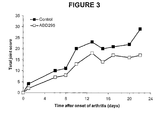
- the representative compounds are both orally active and prevent inflammation in the collagen-induced arthritis model.
- compounds within the new compound class have the potential to be orally active agents for the treatment of inflammatory diseases and/or for the treatment and/or prevention of bone loss.
- WO 2004/039784 A1 describes certain phenylethanolamine compounds of the following formula, which allegedly are beta-3-agonists:
- a first aspect of the invention is a compound selected from compounds of the following formula and pharmaceutically acceptable salts, hydrates, and solvates thereof: wherein:
- -Z is independently -OH.
- Ar 1 -Ar 2 - is independently a group of the following formula, wherein R P is independently a ring substituent:
- Ar 1 -Ar 2 - is independently a group of the following formula, wherein R P is independently a ring substituent:
- Ar 1 -Ar 2 - is independently a group of the following formula, wherein each R P is independently a ring substituent:
- Ar 1 -Ar 2 - is independently a group of the following formula, wherein each R P is independently a ring substituent:
- Ar 1 -Ar 2 - is independently a group of the following formula:
- -R N is independently -H.
- -R alk - is independently -CH 2 - or -(CH 2 ) 2 -.
- -R alk - is independently -CH 2 -.
- each -R D1 if present, is independently -R D8 , wherein each -R D8 is independently -R D2 , -R D3 , or -CH 2 -R D3 .
- each -R D1 if present, is independently -R D9 , wherein each -R D9 is independently saturated aliphatic C 1-3 alkyl.
- each ring substituent is independently: -F, -Cl, -Br, -I, -Me, -CF 3 , -OH, -OMe, -OCF 3 , -NO 2 , -NH 2 , -NHMe, or -NMe 2 .
- each ring substituent is independently -F, -Cl, or -Br.
- -Ar 3 - is independently unsubstituted.
- the compound is selected from the following compounds and pharmaceutically acceptable salts, hydrates, and solvates thereof:
- a second aspect of the invention is a pharmaceutical composition
- a pharmaceutical composition comprising a compound of the first aspect and a pharmaceutically acceptable carrier or diluent.
- a third aspect of the invention is a pharmaceutical composition for oral administration comprising a compound of the first aspect and a pharmaceutically acceptable carrier or diluent.
- a fourth aspect of the invention is a compound of the first aspect, for use in a method of treatment of the human or animal body by therapy.
- a fifth aspect of the invention is a compound of the first aspect for use in a method of treatment and/or prevention of:
- the treatment and/or prevention comprises oral administration of the compound.
- a sixth aspect of the invention is use of a compound of the first aspect in the manufacture of a medicament for the treatment and/or prevention of:
- the medicament is a medicament for oral administration.
- BPSAAA compounds aryl sulfonamides and related compounds
- composition comprising a BPSAAA compound as described herein and a pharmaceutically acceptable carrier or diluent.
- Also described herein is a method of inhibiting an inflammatory response, in vitro or in vivo, comprising contacting an immune system component with an effective amount of a BPSAAA compound, as described herein.
- Also described herein is a method of inhibiting cellular and/or molecular pathways leading to joint destruction, in vitro or in vivo, comprising contacting cells associated with an immune response with a therapeutically-effective amount of a BPSAAA compound, as described herein.
- Also described herein is a method of inhibiting osteoclast survival, formation, and/or activity, in vitro or in vivo, comprising contacting an osteoclast with an effective amount of a BPSAAA compound, as described herein.
- Also described herein is a method of inhibiting bone resorption, In vitro or in vivo, comprising contacting cells in the bone microenvironment with a therapeutically-effective amount of a BPSAAA compound, as described herein.
- BPSAAA compound as described herein for use in a method of treatment and/or prevention of the human or animal body by therapy.
- BPSAAA compound as described herein, in the manufacture of a medicament for use in treatment and/or prevention.
- Also described herein is a method of treatment and/or prevention comprising administering to a subject in need of treatment and/or prevention a therapeutically-effective amount of a BPSAAA compound, as described herein, preferably in the form of a pharmaceutical composition.
- the treatment and/or prevention is treatment and/or prevention of inflammation and/or joint destruction and/or bone loss.
- the treatment and/or prevention is treatment and/or prevention of disorders mediated by excessive and/or inappropriate and/or prolonged activation of the immune system.
- the treatment and/or prevention is treatment and/or prevention of inflammatory and autoimmune disorders, for example, rheumatoid arthritis, psoriasis, psoriatic arthritis, chronic obstructive pulmonary disease (COPD), atherosclerosis, inflammatory bowel disease, ankylosing spondylitis, and the like.
- inflammatory and autoimmune disorders for example, rheumatoid arthritis, psoriasis, psoriatic arthritis, chronic obstructive pulmonary disease (COPD), atherosclerosis, inflammatory bowel disease, ankylosing spondylitis, and the like.
- the treatment and/or prevention is treatment and/or prevention of disorders associated with bone loss, such as bone loss associated with excessive osteoclast activation in rheumatoid arthritis, osteoporosis, cancer associated bone disease, Paget's disease and the like.
- kits comprising (a) a BPSAAA compound, as described herein, preferably provided as a pharmaceutical composition and in a suitable container and/or with suitable packaging; and (b) instructions for use, for example, written instructions on how to administer the BPSAAA compound.
- BPSAAA compounds obtainable by a method of synthesis as described herein, or a method comprising a method of synthesis as described herein.
- BPSAAA compounds obtained by a method of synthesis as described herein, or a method comprising a method of synthesis as described herein.
- BPSAAA compounds Described herein are compounds of the following formula, and pharmaceutically acceptable salts, hydrates, and solvates thereof (collectively referred to herein as "BPSAAA compounds”): wherein:
- the compounds are optionally as defined herein, but with one or more optional provisos, as defined herein.
- the proviso is that the compound is not a compound selected from: compounds (PP-01) through (PP-05), and salts, hydrates, and solvates thereof.
- # Structure Name Registry No. PP-01 4-(4'-Acetylamino-biphenyl-4-sulfonylamino)-3-methyl-benzoic acid 950020-41-4 PP-02 4-(Biphenyl-4-sulfonylamino)-benzoic acid ethyl ester 928143-63-9 PP-03 4-(4'-Methoxy-biphenyl-4-sulfonylamino)-benzoic acid 885269-91-0 PP-04 4-(4'-Chloro-biphenyl-4-sulfonylamino)-benzoic acid 885269-88-5 PP-05 4-(4'-Methyl-biphenyl-4-sulfonylamino)-benzoic acid 885269-8
- the compounds are optionally as defined herein but without the proviso regarding compounds (PP-01) through (PP-05).
- a reference to a particular group of compounds "without the recited proviso regarding compounds (PP-01) through (PP-05)" is intended to be a reference to the compounds as defined, but wherein the definition no longer includes the indicated proviso.
- the definition no longer includes the indicated proviso.
- the compounds are optionally as defined herein, with the proviso regarding compounds (PP-01) through (PP-05).
- the Group Ar 1 -Ar 2 - Biphenyl-4-yl
- Ar 1 -Ar 2 - is independently biphenyl-4-yl, and is optionally substituted, for example, with one or more ring substituents.
- Ar 1 -Ar 2 - is independently a group of the following formula: wherein:
- q is independently 0, 1, or 2.
- q is independently 1 or 2.
- q is independently 0.
- q is independently 1.
- q is independently 2.
- r is independently 0, 1, or 2.
- r is independently 1 or 2.
- r is independently 0.
- r is independently 1.
- r is independently 2.
- Ar 1 -Ar 2 - is independently a group of the following formula:
- Ar 1 -Ar 2 - is independently a group of the following formula:
- Ar 1 -Ar 2 - is independently a group of the following formula: wherein:
- s is independently 0 or 1.
- s is independently 0.
- s is independently 1.
- Ar 1 -Ar 2 - is independently a group of the following formula:
- Ar 1 -Ar 2 - is independently a group of the following formula:
- Ar 1 -Ar 2 - is independently a group of the following formula:
- Ar 1 -Ar 2 - is independently a group of the following formula: wherein:
- Ar 1 -Ar 2 - is independently a group of the following formula:
- Ar 1 -Ar 2 - is independently a group of the following formula:
- Ar 1 -Ar 2 - is independently a group of the following formula:
- Ar 1 -Ar 2 - is independently a group of the following formula: wherein:
- t is independently 0 or 1.
- t is independently 0.
- t is independently 1.
- Ar 1 -Ar 2 - is independently a group of the following formula:
- Ar 1 -Ar 2 - is independently a group of the following formula:
- Ar 1 -Ar 2 - is independently a group of the following formula:
- Ar 1 -Ar 2 - is independently a group of the following formula: wherein:
- Ar 1 -Ar 2 - is independently a group of the following formula:
- Ar 1 -Ar 2 - is independently a group of the following formula:
- Ar 1 -Ar 2 - is independently a group of the following formula:
- Ar 1 -Ar 2 - is independently a group of the following formula: wherein:
- Ar 1 -Ar 2 - is independently a group of the following formula:
- Ar 1 -Ar 2 - is independently a group of the following formula:
- Ar 1 -Ar 2 - is independently a group of the following formula:
- Ar 1 -Ar 2 - is independently a group of the following formula: wherein:
- Ar 1 -Ar 2 - is independently a group of the following formula:
- Ar 1 -Ar 2 - is independently a group of the following formula:
- Ar 1 -Ar 2 - is independently a group of the following formula:
- Ar 1 -Ar 2 - is independently a group of the following formula:
- the sulfonamide nitrogen substituent, -R N is independently -H or -R NN .
- -R NN is independently C 1-6 alkyl, phenyl-C 1-6 alkyl, C 1-6 alkyl-acyl, phenyl-C 1-6 alkyl-acyl, wherein each phenyl is optionally substituted.
- -R N is independently -H or C 1-6 alkyl.
- -R N is independently -H, -Me, or -Et.
- -R N is independently -H.
- the group -Ar 3 - is independently 1,3-phenylene or 1,4-phenylene, and is optionally substituted, for example, with one or more ring substituents.
- -Ar 3 - is independently 1,3-phenylene, and is optionally substituted, for example, with one or more ring substituents.
- -Ar 3 - is independently 1,4-phenylene, and is optionally substituted, for example, with one or more ring substituents.
- the asterisk (*) denotes the connection to the -N(R N )- group and the pound sign (#) denotes the connection to the -J- group:
- -Ar 3 - is independently unsubstituted.
- -Ar 3 - is independently unsubstituted or substituted with one or more ring substituents, for example, unsubstituted or substituted with one or more substituents, -R AR3 , wherein each -R AR3 is independently a ring substituent.
- the group, -R alk - is independently saturated aliphatic C 1-5 alkylene, and is optionally substituted.
- -R alk - is independently saturated aliphatic C 1-4 alkylene, and is optionally substituted.
- -R alk - is independently saturated aliphatic C 1-3 alkylene, and is optionally substituted.
- -R alk - if present, is independently -(CH 2 ) z -, wherein z is independently 1, 2, 3, 4, or 5.
- -R alk - if present, is independently -(CH 2 ) z -, wherein z is independently 1, 2, 3, or 4.
- -R alk - is independently -CH 2 -, -(CH 2 ) 2 -, or -(CH 2 ) 3 -.
- -R alk - is independently -CH 2 - or -(CH 2 ) 2 -.
- -R alk - if present, is independently -CH 2 -.
- -R alk - if present, is independently -(CH 2 ) 2 -.
- -R alk - if present, is independently unsubstituted.
- -R alk - is independently unsubstituted or substituted with one or more substituents.
- -R alk - is independently unsubstituted or substituted with one or more substituents, -R AA .
- -R alk - includes a -CF 3 group
- the carbon atom of the -CF 3 group is part of the saturated aliphatic alkylene group
- each of the three fluorine groups is a substituent on it.
- the group -CH 2 CH(CF 3 )- is a C 1-3 alkylene group bearing three substituents, each of which is -F.
- each substituent -R AA is independently: -F, -Cl, -Br, -I, -OH, or -OMe.
- each substituent -R AA is independently: -F, -Cl, -CF 3 , or -OCF 3 .
- each substituent -R AA is independently: -F.
- the group W if present, is independently:
- each of R E1 , R E2 , R E3 , R E4 , R E5 , R E6 , R E7 , and R E8 is independently: -H, C 1-3 alkyl, phenyl, or -CH 2 -phenyl.
- each of R E1 , R E2 , R E3 , R E4 , R E5 , R E6 , R E7 , and R E8 if present, is independently -H or C 1-3 alkyl.
- each of R E1 , R E2 , R E3 , R E4 , R E5 , R E6 , R E7 , and R E8 if present, is independently -H, -Me, or -Et.
- Q if present, is independently:
- R G1 if present, is independently -H, C 1-3 alkyl, phenyl, or -CH 2 -phenyl.
- R G1 if present, is independently -H or C 1-3 alkyl.
- R G1 if present, is independently -H, -Me, or -Et.
- each ring substituent e.g., R P , if present, is independently:
- each group -NR N3 R N4 , R N3 and R N4 taken together with the nitrogen atom to which they are attached, form a 5-, 6-, or 7-membered non-aromatic ring having exactly 1 ring heteroatom or exactly 2 ring heteroatoms, wherein one of said exactly 2 ring heteroatoms is N, and the other of said exactly 2 ring heteratoms is independently N or O.
- each -R D1 if present, is indepedendently -R D2 , -R D3 , or -L 2 -R D3 .
- each -L 1 - is independently -CH 2 -.
- each -R D1 if present, is independently -R D8 .
- Each -R D8 is independently -R D2 , -R D3 , or -CH 2 -R D3 .
- each -R D1 if present, is independently -R D9 .
- Each -R D9 is independently saturated aliphatic C 1-3 alkyl.
- each -NR N1 R N2 if present, is independently -NR NA R NB .
- each -NR N3 R N4 is independently -NR NA R NB .
- Each -NR NA R NB is independently pyrrolidino, imidazolidino, N-(C 1-3 alkyl)-imidazolidino, pyrazolidino, N-(C 1-3 alkyl)-pyrazolidino, piperidino, N-(C 1-3 alkyl)-piperidino, piperizino, morpholino, azepino, diazepino, or N-(C 1-3 alkyl)-diazepino.
- each ring substituent is independently:
- each ring substituent is independently:
- each ring substituent is independently:
- each ring substituent is independently:
- each ring substituent is independently:
- each ring substituent is independently:
- each ring substituent is independently:
- each ring substituent is independently:
- each ring substituent is independently:
- each ring substituent is independently:
- each ring substituent is independently:
- each ring substituent is independently -F, -Cl, -Br, or -I.
- each ring substituent is independently -F, -Cl, or -Br.
- each ring substituent if present, is independently -F or -Cl.
- each ring substituent if present, is independently -F or -Br.
- each ring substituent if present, is independently -F.
- the compounds are selected from compounds of the following formulae and pharmaceutically acceptable salts, hydrates, and solvates thereof: ABD445 ABD446 ABD451 ABD455 ABD456 ABD465 ABD466 ABD499 ABD500 ABD510 ABD512 ABD514 ABD515 ABD520 ABD523 ABD525 ABD527 ABD528 ABD529 ABD530 ABD545 ABD547 ABD550 ABD551 ABD554 ABD559 ABD565 ABD568 ABD575 ABD576 ABD577 ABD578 ABD579 ABD585 ABD587 ABD588 ABD589 ABD600 ABD601 ABD625 ABD628 ABD630
- the compounds are selected from compounds of the following formulae and pharmaceutically acceptable salts, hydrates, and solvates thereof: ABD543 (reference) ABD544 (reference) ABD549 (reference) ABD553 (reference) ABD562 (reference) ABD566 (reference) ABD567 (reference) ABD583 (reference) ABD584 (reference) ABD586 (reference) ABD590 (reference) ABD612 (reference) ABD615 (reference) ABD617 (reference) ABD620 (reference) ABD623 (reference) ABD626 (reference)
- a corresponding salt of the compound for example, a pharmaceutically-acceptable salt.
- pharmaceutically acceptable salts are discussed in Berge et al., 1977, "Pharmaceutically Acceptable Salts," J. Pharm. Sci., Vol. 66, pp. 1-19 .
- a salt may be formed with a suitable cation.
- suitable inorganic cations include, but are not limited to, alkali metal ions such as Na + and K + , alkaline earth cations such as Ca 2+ and Mg 2+ , and other cations such as Al +3 .
- Suitable organic cations include, but are not limited to, ammonium ion (i.e., NH 4 + ) and substituted ammonium ions (e.g., NH 3 R + , NH 2 R 2 + , NHR 3 + , NR 4 + ).
- suitable substituted ammonium ions are those derived from: ethylamine, diethylamine, dicyclohexylamine, triethylamine, butylamine, ethylenediamine, ethanolamine, diethanolamine, piperazine, benzylamine, phenylbenzylamine, choline, meglumine, and tromethamine, as well as amino acids, such as lysine and arginine.
- An example of a common quaternary ammonium ion is N(CH 3 ) 4 + .
- a salt may be formed with a suitable anion.
- suitable inorganic anions include, but are not limited to, those derived from the following inorganic acids: hydrochloric, hydrobromic, hydroiodic, sulfuric, sulfurous, nitric, nitrous, phosphoric, and phosphorous.
- Suitable organic anions include, but are not limited to, those derived from the following organic acids: 2-acetyoxybenzoic, acetic, ascorbic, aspartic, benzoic, camphorsulfonic, cinnamic, citric, edetic, ethanedisulfonic, ethanesulfonic, fumaric, glucheptonic, gluconic, glutamic, glycolic, hydroxymaleic, hydroxynaphthalene carboxylic, isethionic, lactic, lactobionic, lauric, maleic, malic, methanesulfonic, mucic, oleic, oxalic, palmitic, pamoic, pantothenic, phenylacetic, phenylsulfonic, propionic, pyruvic, salicylic, stearic, succinic, sulfanilic, tartaric, toluenesulfonic, and valeric.
- a reference to a particular compound also includes salt forms thereof.
- solvate is used herein in the conventional sense to refer to a complex of solute (e.g., compound, salt of compound) and solvent. If the solvent is water, the solvate may be conveniently referred to as a hydrate, for example, a mono-hydrate, a di-hydrate, a tri-hydrate, etc.
- a reference to a particular compound also includes solvate and hydrate forms thereof.
- an appropriate aromatic compound is sulfonylated using chlorosulfonic acid to give the corresponding sulfonic acid.
- the acid is then reacted with thionyl chloride to give the corresponding aryl sulfonyl chloride.
- the sulfonyl chloride is coupled with an amine to give the corresponding sulfonamide.
- the biphenyl compound can be prepared following the formation of the sulfonamide by a Suzuki-type coupling using a suitable boronic acid and a suitable bromide, for example, as described by O'Brien et al., 2000.
- the hydroxyalkyl-amino-phenyl group is prepared by catalytic hydrogenation of the corresponding nitro derivative, for example, with 10% palladium on carbon under an atmosphere of hydrogen gas in a solvent such as ethanol.
- the hydroxyalkyl-amino-phenyl group is prepared by reduction of the corresponding benzoic acid or benzoyl ester derivative, for example, with a reducing agent such as lithium aluminium hydride in a solvent such as tetrahydrofuran.
- a reducing agent such as lithium aluminium hydride in a solvent such as tetrahydrofuran.
- the hydroxylalkyl-amino-phenyl group is prepared by both catalytic hydrogenation of the nitro group and reduction of a benzoic acid derivative, for example, with a catalyst such as 10% palladium on carbon under an atmosphere of hydrogen gas in a solvent such as ethanol followed by reduction with agent such as lithium aluminium hydride in a solvent such as tetrahydrofuran.
- the nitrogen atom of the sulfonamide may be further reacted, for example, with an alkylating agent.
- the alcohol group can be further reacted, for example, with an acylating agent.
- the products may be purified, for example, by column chromatography, trituration with ether, or by crystallisation.
- BPSAAA compounds described herein are believed to be anti-inflammatory agents which may act by blockade or modification of pro-inflammatory signalling pathways (for example those mediated by TNF ⁇ signalling and NF ⁇ B or AP-1 activation) and thus may prevent inflammation or suppress autoimmune responses or offer protection against joint destruction and other effects of chronic inflammatory disease.
- pro-inflammatory signalling pathways for example those mediated by TNF ⁇ signalling and NF ⁇ B or AP-1 activation
- BPSAAA compounds described herein are also believed to be anti-resorptive agents which may act by blockade or modification of pathways which lead to excessive osteoclast activity (for example those mediated by RANKL, TNF ⁇ , and IL-1 signalling and NF ⁇ B activation) and thereby protect against the bone loss seen in osteoporosis and many chronic inflammatory conditions.
- BPSAAA compounds described herein are believed to be useful in the treatment and/or prevention of inflammation and/or joint destruction and/or bone loss.
- BPSAAA compounds described herein are believed to be useful in the treatment and/or prevention of disorders mediated by excessive and/or inappropriate and/or prolonged activation of the immune system.
- the BPSAAA compounds described herein are believed to be useful in the treatment and/or prevention of, inflammatory and autoimmune disorders, for example, rheumatoid arthritis, psoriasis, psoriatic arthritis, chronic obstructive pulmonary disease (COPD), atherosclerosis, inflammatory bowel disease, ankylosing spondylitis, and the like.
- inflammatory and autoimmune disorders for example, rheumatoid arthritis, psoriasis, psoriatic arthritis, chronic obstructive pulmonary disease (COPD), atherosclerosis, inflammatory bowel disease, ankylosing spondylitis, and the like.
- COPD chronic obstructive pulmonary disease
- the BPSAAA compounds described herein are believed to be useful in the treatment and/or prevention of disorders associated with bone loss, such as bone loss associated with excessive osteoclast activation in rheumatoid arthritis, osteoporosis, cancer associated bone disease, Paget's disease and the
- Also described herein is a method of inhibiting an inflammatory response, in vitro or in vivo, comprising contacting an immune system component with an effective amount of a BPSAAA compound, as described herein.
- Also described herein is a method of inhibiting cellular and/or molecular pathways leading to joint destruction, in vitro or in vivo, comprising contacting cells associated with an immune response with a therapeutically-effective amount of a BPSAAA compound, as described herein.
- Also described herein is a method of inhibiting osteoclast survival, formation, and/or activity, in vitro or in vivo, comprising contacting an osteoclast with an effective amount of a BPSAAA compound, as described herein.
- Also described herein is a method of inhibiting bone resorption, in vitro or in vivo, comprising contacting cells in the bone microenvironment with a therapeutically-effective amount of a BPSAAA compound, as described herein.
- immune system component relates to, but is not restricted to, cells such as macrophages, T-cells, B-cells, NK-cells, monocytes, neutrophils, dendritic cells, lymphocytes, leukocytes, granulocytes, antigen-presenting cells, and other cells of the haematopoietic lineage including osteoclasts.
- cells in the bone microenvironment pertains to cells such as osteoblasts, osteoclasts, osteocytes, and bone marrow stromal cells, which are located in close proximity to bone (e.g., within one hundred micrometers of the bone surface).
- BPSAAA compound as described herein for use in a method of treatment of the human or animal body by therapy, for example, for use in a method of treatment and/or prevention.
- BPSAAA compound as described herein, in the manufacture of a medicament for use in treatment and/or prevention.
- the medicament comprises said BPSAAA compound.
- Also described herein is a method of treatment and/or prevention comprising administering to a patient in need of treatment and/or prevention a therapeutically effective amount of a BPSAAA compound as described herein, preferably in the form of a pharmaceutical composition.
- the treatment and/or prevention is treatment and/or prevention of an inflammatory disorder or an autoimmune disorder.
- the treatment and/or prevention is treatment and/or prevention of a disorder associated with inflammation and/or activation of the immune system.
- the treatment and/or prevention is treatment and/or prevention of a disorder mediated by excessive and/or inappropriate and/or prolonged activation of the immune system.
- the treatment and/or prevention is treatment and/or prevention of inflammation.
- the treatment and/or prevention is treatment and/or prevention of a disorder associated with inflammation or activation of the immune system.
- the treatment and/or prevention is treatment and/or prevention of rheumatoid arthritis.
- the treatment and/or prevention is treatment and/or prevention of psoriasis.
- the treatment and/or prevention is treatment and/or prevention of psoriatic arthritis.
- the treatment and/or prevention is treatment and/or prevention of chronic obstructive pulmonary disease (COPD).
- COPD chronic obstructive pulmonary disease
- the treatment and/or prevention is treatment and/or prevention of atherosclerosis.
- the treatment and/or prevention is treatment and/or prevention of ankylosing spondylitis.
- the treatment and/or prevention is treatment and/or prevention of inflammatory bowel disease.
- the treatment and/or prevention is prevention of an immune response leading to organ or graft rejection following transplant.
- the treatment and/or prevention is treatment of a tumour which over expresses TNF ⁇ , IL-1, or RANKL or in which inhibition of TNF ⁇ , IL-1, or RANKL facilitates or improves the action of cytotoxic tumouricidal agents.
- the treatment and/or prevention is treatment and/or prevention of a disease or disorder selected from: diseases having an inflammatory or autoimmune component, including asthma, allergic diseases, such as atopy, allergic rhinitis, atopic dermatitis, anaphylaxis, allergic bronchopulmonary aspergillosis, and hypersensitivity pneumonitis (pigeon breeders disease, farmer's lung disease, humidifier lung disease, malt workers' lung disease); allergies, including flea allergy dermatitis in mammals such as domestic animals, e.g., dogs and cats, contact allergens including mosquito bites or other insect sting allergies, poison ivy, poison oak, poison sumac, or other skin allergens; autoimmune disorders, including, but not limited to, type I diabetes, multiple sclerosis, arthritis, systemic lupus erythematosus, autoimmune (Hasimoto's) thyroiditis, autoimmune liver diseases such as hepatitis and primary biliary cirrhosis, hyperthyroid
- Pathol., Vol. 178, p. 201 skin diseases such as lichen planus, delayed type hypersensitivity, chronic pulmonary inflammation, e.g., pulmonary alveolitis and pulmonary granuloma, gingival inflammation or other periodontal disease, and osseous inflammation associated with lesions of endodontic origin ( Volejnikova et al., 1997, Am. J. Pathol., Vol. 150, p. 1711 ), hypersensitivity lung diseases such as hypersensitivity pneumonitis ( Sugiyama et al., 1995, Eur. Respir. J., Vol. 8, p. 1084 ), and inflammation related to histamine release from basophils ( Dvorak et al., 1996, J. Allergy Clin.
- skin diseases such as lichen planus, delayed type hypersensitivity, chronic pulmonary inflammation, e.g., pulmonary alveolitis and pulmonary granuloma, gingival inflammation or other periodontal disease, and osseous inflammation associated with lesions of endodonti
- Immunol., Vol. 98, p. 355 such as hay fever, histamine release from mast cells ( Galli et al., 1989, Ciba Foundation Symposium, Vol. 147, p. 53 ), or mast cell tumours, types of type 1 hypersensitivity reactions (anaphylaxis, skin allergy, hives, gout, allergic rhinitis, and allergic gastroenteritis); ulcerative colitis or Crohn's disease; or Muckle-Wells Syndrome.
- the treatment and/or prevention is treatment and/or prevention of a disorder mediated by osteoclasts.
- the treatment and/or prevention is treatment and/or prevention of a disorder characterised by excessive bone resorption.
- the treatment and/or prevention is treatment and/or prevention of bone loss.
- the treatment and/or prevention is treatment and/or prevention of bone loss associated with inflammation.
- the treatment and/or prevention is treatment and/or prevention of bone loss not associated with inflammation.
- the treatment and/or prevention is treatment and/or prevention of bone loss associated with excessive osteoclast activation.
- the treatment and/or prevention is treatment and/or prevention of joint destruction.
- the treatment and/or prevention is treatment and/or prevention of joint destruction associated with inflammation.
- the treatment and/or prevention is treatment and/or prevention of joint destruction associated with excessive osteoclast activation.
- the treatment and/or prevention is treatment and/or prevention of bone loss associated with rheumatoid arthritis, osteoporosis, cancer associated.bone disease, or Paget's disease of bone.
- the treatment and/or prevention is treatment and/or prevention of rheumatoid arthritis, osteoporosis, cancer associated bone disease, or Paget's disease of bone.
- the treatment and/or prevention is treatment and/or prevention of neoplasia of bones, whether as a primary tumour or as metastases, including but not limited to, osteosarcoma and osteoma ( Zheng et al., 1998, J. Cell Biochem., Vol. 70, p. 121 ) and cancer associated bone disease (e.g., hypercalcaemia of malignancy, bone metastases, osteolytic bone metastases, multiple myeloma, breast carcinoma).
- cancer associated bone disease e.g., hypercalcaemia of malignancy, bone metastases, osteolytic bone metastases, multiple myeloma, breast carcinoma.
- the treatment and/or prevention is treatment and/or prevention of hypercalcaemia caused by conditions associated with increased bone resorption, including, but not limited to: vitamin D intoxication, primary or tertiary hyperparathyroidism, immobilisation, and sarcoidosis.
- the treatment and/or prevention is treatment and/or prevention of aseptic loosening of prosthetic implants (e.g., artificial joints, e.g., knees, hips, etc., can loosen due to osteoclast activity driven by local inflammation) (see, e.g., Childs, L.M., et al., 2001, Journal of Bone and Mineral Research, Vol. 16, No. 2, pp. 338-347 ).
- prosthetic implants e.g., artificial joints, e.g., knees, hips, etc.
- the treatment and/or prevention is treatment and/or prevention of osteopetrosis, osteoarthritis, or ectopic bone formation.
- treatment refers generally to treatment and therapy, whether of a human or an animal (e.g., in veterinary applications), in which some desired therapeutic effect is achieved, for example, the inhibition of the progress of the condition, and includes a reduction in the rate of progress, a halt in the rate of progress, amelioration of the condition, and cure of the condition.
- Treatment as a prophylactic measure i.e., prophylaxis
- use with perimenopausal women who may not yet have osteoporosis, but who are at risk of osteoporosis is encompassed by the term "treatment.”
- terapéuticaally-effective amount refers to that amount of a BPSAAA compound, or a material, composition or dosage from comprising a BPSAAA compound, which is effective for producing some desired therapeutic effect, commensurate with a reasonable benefit/risk ratio, when administered in accordance with a desired treatment regimen.
- treatment includes combination treatments and therapies, in which two or more treatments or therapies are combined, for example, sequentially or simultaneously.
- treatments and therapies include, but are not limited to, chemotherapy (the administration of active agents, including, e.g., drugs, antibodies (e.g., as in immunotherapy), prodrugs (e.g., as in photodynamic therapy, GDEPT, ADEPT, etc.); surgery; radiation therapy; and gene therapy.
- active agents including, e.g., drugs, antibodies (e.g., as in immunotherapy), prodrugs (e.g., as in photodynamic therapy, GDEPT, ADEPT, etc.); surgery; radiation therapy; and gene therapy.
- BPSAAA compounds as described herein, may also be used as cell culture additives to inhibit immune cell function, for example, to inhibit the survival, formation, and/or activity of macrophages, T-cells, or other cells involved in the immune response.
- BPSAAA compounds as described herein, may also be used as cell culture additives, for example, to inhibit osteoclasts, for example, to inhibit the survival, formation, and/or activity of osteoclasts.
- BPSAAA compounds as described herein, may also be used as part of an in vitro assay, for example, in order to determine whether a candidate host is likely to benefit from treatment with the compound in question.
- BPSAAA compounds as described herein, may also be used as a standard, for example, in an assay, in order to identify other active compounds, other osteoclast inhibitors, etc.
- kits comprising (a) a BPSAAA compound as described herein, or a composition comprising a BPSAAA compound as described herein, e.g., preferably provided in a suitable container and/or with suitable packaging; and (b) instructions for use, e.g., written instructions on how to administer the BPSAAA compound or composition.
- the written instructions may also include a list of indications for which the BPSAAA compound is a suitable treatment
- the BPSAAA compound or pharmaceutical composition comprising the BPSAAA compound may be administered to a subject by any convenient route of administration, whether systemically/peripherally or topically (i.e., at the site of desired action).
- Routes of administration include, but are not limited to, oral (e.g., by ingestion); buccal; sublingual; transdermal (including, e.g., by a patch, plaster, etc.); transmucosal (including, e.g., by a patch, plaster, etc.); intranasal (e.g., by nasal spray); ocular (e.g., by eyedrops); pulmonary (e.g., by inhalation or insufflation therapy using, e.g., via an aerosol, e.g., through the mouth or nose); rectal (e.g., by suppository or enema); vaginal (e.g., by pessary); parenteral, for example, by injection, including subcutaneous, intradermal, intramuscular, intravenous, intraarterial, intracardiac, intrathecal, intraspinal, intracapsular, subcapsular, intraorbital, intraperitoneal, intratracheal, subcuticular
- the route of administration is oral (e.g., by ingestion).
- the subject/patient may be a chordate, a vertebrate, a mammal, a bird, a reptile (e.g., snakes, lizards, crocodiles), an amphibian (e.g., frogs, toads), a bony fish (e.g., salmon, plaice, eel, lungfish), a cartilaginous fish (e.g., sharks, rays), or a jawless fish (e.g., lampreys, hagfish).
- a reptile e.g., snakes, lizards, crocodiles
- an amphibian e.g., frogs, toads
- a bony fish e.g., salmon, plaice, eel, lungfish
- cartilaginous fish e.g., sharks, rays
- jawless fish e.g., lampreys, hagfish
- the subject/patient may be a mammal, a placental mammal, a marsupial (e.g., kangaroo, wombat), a monotreme (e.g., duckbilled platypus), a rodent (e.g., a guinea pig, a hamster, a rat, a mouse), murine (e.g., a mouse), a lagomorph (e.g., a rabbit), avian (e.g., a bird), canine (e.g., a dog), feline (e.g., a cat), equine (e.g., a horse), porcine (e.g., a pig), ovine (e.g., a sheep), bovine (e.g., a cow), a primate, simian (e.g., a monkey or ape), a monkey (e.g., marmoset, baboon), an
- the subject/patient may be any of its forms of development, for example, a foetus.
- the subject/patient is a human.
- BPSAAA compound While it is possible for the BPSAAA compound to be administered alone, it is preferable to present it as a pharmaceutical formulation (e.g., composition, preparation, medicament) comprising at least one BPSAAA compound, as defined above, together with one or more other pharmaceutically acceptable ingredients well known to those skilled in the art, including, but not limited to, pharmaceutically acceptable carriers, diluents, excipients, adjuvants, fillers, buffers, preservatives, anti-oxidants, lubricants, stabilisers, solubilisers, surfactants (e.g., wetting agents), masking agents, colouring agents, flavouring agents, and sweetening agents.
- the formulation may further comprise other active agents, for example, other therapeutic or prophylactic agents.
- compositions as defined above, and methods of making a pharmaceutical composition comprising admixing at least one BPSAAA compound, as defined above, together with one or more other pharmaceutically acceptable ingredients well known to those skilled in the art, e.g., carriers, diluents, excipients, etc. If formulated as discrete units (e.g., tablets, etc.), each unit contains a predetermined amount (dosage) of the BPSAAA compound.
- pharmaceutically acceptable refers to compounds, ingredients, materials, compositions, dosage forms, etc., which are, within the scope of sound medical judgment, suitable for use in contact with the tissues of the subject in question (e.g., human) without excessive toxicity, irritation, allergic response, or other problem or complication, commensurate with a reasonable benefit/risk ratio.
- Each carrier, diluent, excipient, etc. must also be “acceptable” in the sense of being compatible with the other ingredients of the formulation.
- Suitable carriers, diluents, excipients, etc. can be found in standard pharmaceutical texts, for example, Remington's Pharmaceutical Sciences, 18th edition, Mack Publishing Company, Easton, Pa., 1990 ; and Handbook of Pharmaceutical Excipients, 2nd edition, 1994 .
- the formulations may be prepared by any methods well known in the art of pharmacy. Such methods include the step of bringing into association the BPSAAA compound with a carrier which constitutes one or more accessory ingredients. In general, the formulations are prepared by uniformly and intimately bringing into association the BPSAAA compound with carriers (e.g., liquid carriers, finely divided solid carrier, etc.), and then shaping the product, if necessary.
- carriers e.g., liquid carriers, finely divided solid carrier, etc.
- the formulation may be prepared to provide for rapid or slow release; immediate, delayed, timed, or sustained release; or a combination thereof.
- Formulations may suitably be in the form of liquids, solutions (e.g., aqueous, non-aqueous), suspensions (e.g., aqueous, non-aqueous), emulsions (e.g., oil-in-water, water-in-oil), elixirs, syrups, electuaries, mouthwashes, drops, tablets (including, e.g., coated tablets), granules, powders, losenges, pastilles, capsules (including, e.g., hard and soft gelatin capsules), cachets, pills, ampoules, boluses, suppositories, pessaries, tinctures, gels, pastes, ointments, creams, lotions, oils, foams, sprays, mists, or aerosols.
- solutions e.g., aqueous, non-aqueous
- suspensions e.g., aqueous, non-aqueous
- Formulations may suitably be provided as a patch, adhesive plaster, bandage, dressing, or the like which is impregnated with one or more BPSAAA compounds and optionally one or more other pharmaceutically acceptable ingredients, including, for example, penetration, permeation, and absorption enhancers. Formulations may also suitably be provided in the form of a depot or reservoir.
- the BPSAAA compound may be dissolved in, suspended in, or admixed with one or more other pharmaceutically acceptable ingredients.
- the BPSAAA compound may be presented in a liposome or other microparticulate which is designed to target the BPSAAA compound, for example, to blood components or one or more organs.
- Formulations suitable for oral administration include liquids, solutions (e.g., aqueous, non-aqueous), suspensions (e.g., aqueous, non-aqueous), emulsions (e.g., oil-in-water, water-in-oil), elixirs, syrups, electuaries, tablets, granules, powders, capsules, cachets, pills, ampoules, boluses.
- Formulations suitable for buccal administration include mouthwashes, losenges, pastilles, as well as patches, adhesive plasters, depots, and reservoirs.
- Losenges typically comprise the BPSAAA compound in a flavored basis, usually sucrose and acacia or tragacanth.
- Pastilles typically comprise the BPSAAA compound in an inert matrix, such as gelatin and glycerin, or sucrose and acacia.
- Mouthwashes typically comprise the BPSAAA compound in a suitable liquid carrier.
- Formulations suitable for sublingual administration include tablets, losenges, pastilles, capsules, and pills.
- Formulations suitable for oral transmucosal administration include liquids, solutions (e.g., aqueous, non-aqueous), suspensions (e.g., aqueous, non-aqueous), emulsions (e.g., oil-in-water, water-in-oil), mouthwashes, losenges, pastilles, as well as patches, adhesive plasters, depots, and reservoirs.
- solutions e.g., aqueous, non-aqueous
- suspensions e.g., aqueous, non-aqueous
- emulsions e.g., oil-in-water, water-in-oil
- mouthwashes e.g., losenges, pastilles, as well as patches, adhesive plasters, depots, and reservoirs.
- Formulations suitable for non-oral transmucosal administration include liquids, solutions (e.g., aqueous, non-aqueous), suspensions (e.g., aqueous, non-aqueous), emulsions (e.g., oil-in-water, water-in-oil), suppositories, pessaries, gels, pastes, ointments, creams, lotions, oils, as well as patches, adhesive plasters, depots, and reservoirs.
- solutions e.g., aqueous, non-aqueous
- suspensions e.g., aqueous, non-aqueous
- emulsions e.g., oil-in-water, water-in-oil
- suppositories e.g., pessaries, gels, pastes, ointments, creams, lotions, oils, as well as patches, adhesive plasters, depots, and reservoirs.
- Formulations suitable for transdermal administration include gels, pastes, ointments, creams, lotions, and oils, as well as patches, adhesive plasters, bandages, dressings, depots, and reservoirs.
- Tablets may be made by conventional means, e.g., compression or moulding, optionally with one or more accessory ingredients.
- Compressed tablets may be prepared by compressing in a suitable machine the BPSAAA compound in a free-flowing form such as a powder or granules, optionally mixed with one or more binders (e.g., povidone, gelatin, acacia, sorbitol, tragacanth, hydroxypropylmethyl cellulose); fillers or diluents (e.g., lactose, microcrystalline cellulose, calcium hydrogen phosphate); lubricants (e.g., magnesium stearate, talc, silica); disintegrants (e.g., sodium starch glycolate, cross-linked povidone, cross-linked sodium carboxymethyl cellulose); surface-active or dispersing or wetting agents (e.g., sodium lauryl sulfate); preservatives (e.g., methyl p-hydroxybenzoate,
- Moulded tablets may be made by moulding in a suitable machine a mixture of the powdered compound moistened with an inert liquid diluent.
- the tablets may optionally be coated or scored and may be formulated so as to provide slow or controlled release of the BPSAAA compound therein using, for example, hydroxypropylmethyl cellulose in varying proportions to provide the desired release profile.
- Tablets may optionally be provided with a coating, for example, to affect release, for example an enteric coating, to provide release in parts of the gut other than the stomach.
- Ointments are typically prepared from the BPSAAA compound and a paraffinic or a water-miscible ointment base.
- Creams are typically prepared from the BPSAAA compound and an oil-in-water cream base.
- the aqueous phase of the cream base may include, for example, at least about 30% w/w of a polyhydric alcohol, i.e., an alcohol having two or more hydroxyl groups such as propylene glycol, butane-1,3-diol, mannitol, sorbitol, glycerol and polyethylene glycol and mixtures thereof.
- the topical formulations may desirably include a compound which enhances absorption or penetration of the BPSAAA compound through the skin or other affected areas. Examples of such dermal penetration enhancers include dimethylsulfoxide and related analogues.
- Emulsions are typically prepared from the BPSAAA compound and an oily phase, which may optionally comprise merely an emulsifier (otherwise known as an emulgent), or it may comprises a mixture of at least one emulsifier with a fat or an oil or with both a fat and an oil.
- an emulsifier also known as an emulgent
- a hydrophilic emulsifier is included together with a lipophilic emulsifier which acts as a stabiliser. It is also preferred to include both an oil and a fat.
- the emulsifier(s) with or without stabiliser(s) make up the so-called emulsifying wax
- the wax together with the oil and/or fat make up the so-called emulsifying ointment base which forms the oily dispersed phase of the cream formulations.
- Suitable emulgents and emulsion stabilisers include Tween 60, Span 80, cetostearyl alcohol, myristyl alcohol, glyceryl monostearate and sodium lauryl sulphate.
- the choice of suitable oils or fats for the formulation is based on achieving the desired cosmetic properties, since the solubility of the BPSAAA compound in most oils likely to be used in pharmaceutical emulsion formulations may be very low.
- the cream should preferably be a non-greasy, non-staining and washable product with suitable consistency to avoid leakage from tubes or other containers.
- Straight or branched chain, mono- or dibasic alkyl esters such as di-isoadipate, isocetyl stearate, propylene glycol diester of coconut fatty acids, isopropyl myristate, decyl oleate, isopropyl palmitate, butyl stearate, 2-ethylhexyl palmitate or a blend of branched chain esters known as Crodamol CAP may be used, the last three being preferred esters. These may be used alone or in combination depending on the properties required. Alternatively, high melting point lipids such as white soft paraffin and/or liquid paraffin or other mineral oils can be used.
- Formulations suitable for intranasal administration, where the carrier is a liquid include, for example, nasal spray, nasal drops, or by aerosol administration by nebuliser, include aqueous or oily solutions of the BPSAAA compound.
- Formulations suitable for intranasal administration, where the carrier is a solid include, for example, those presented as a coarse powder having a particle size, for example, in the range of about 20 to about 500 microns which is administered in the manner in which snuff is taken, i.e., by rapid inhalation through the nasal passage from a container of the powder held close up to the riose.
- Formulations suitable for pulmonary administration include those presented as an aerosol spray from a pressurised pack, with the use of a suitable propellant, such as dichlorodifluoromethane, trichlorofluoromethane, dichoro-tetrafluoroethane, carbon dioxide, or other suitable gases.
- a suitable propellant such as dichlorodifluoromethane, trichlorofluoromethane, dichoro-tetrafluoroethane, carbon dioxide, or other suitable gases.
- Formulations suitable for ocular administration include eye drops wherein the BPSAAA compound is dissolved or suspended in a suitable carrier, especially an aqueous solvent for the BPSAAA compound.
- Formulations suitable for rectal administration may be presented as a suppository with a suitable base comprising, for example, natural or hardened oils, waxes, fats, semi-liquid or liquid polyols, for example, cocoa butter or a salicylate; or as a solution or suspension for treatment by enema.
- a suitable base comprising, for example, natural or hardened oils, waxes, fats, semi-liquid or liquid polyols, for example, cocoa butter or a salicylate; or as a solution or suspension for treatment by enema.
- Formulations suitable for vaginal administration may be presented as pessaries, tampons, creams, gels, pastes, foams or spray formulations containing in addition to the BPSAAA compound, such carriers as are known in the art to be appropriate.
- Formulations suitable for parenteral administration include aqueous or non-aqueous, isotonic, pyrogen-free, sterile liquids (e.g., solutions, suspensions), in which the BPSAAA compound is dissolved, suspended, or otherwise provided (e.g., in a liposome or other microparticulate).
- sterile liquids e.g., solutions, suspensions
- Such liquids may additional contain other pharmaceutically acceptable ingredients, such as anti-oxidants, buffers, preservatives, stabilisers, bacteriostats, suspending agents, thickening agents, and solutes which render the formulation isotonic with the blood (or other relevant bodily fluid) of the intended recipient.
- excipients include, for example, water, alcohols, polyols, glycerol, vegetable oils, and the like.
- suitable isotonic carriers for use in such formulations include Sodium Chloride Injection, Ringer's Solution, or Lactated Ringer's Injection.
- concentration of the BPSAAA compound in the liquid is from about 1 ng/ml to about 10 ⁇ g/ml, for example from about 10 ng/ml to about 1 ⁇ g/ml.
- the formulations may be presented in unit-dose or multi-dose sealed containers, for example, ampoules and vials, and may be stored in a freeze-dried (lyophilised) condition requiring only the addition of the sterile liquid carrier, for example water for injections, immediately prior to use.
- sterile liquid carrier for example water for injections, immediately prior to use.
- Extemporaneous injection solutions and suspensions may be prepared from sterile powders, granules, and tablets.
- BPSAAA compounds can vary from patient to patient. Determining the optimal dosage will generally involve the balancing of the level of therapeutic benefit against any risk or deleterious side effects.
- the selected dosage level will depend on a variety of factors including, but not limited to, the activity of the particular compound, the route of administration, the time of administration, the rate of excretion of the compound, the duration of the treatment, other drugs, compounds, and/or materials used in combination, the severity of the condition, and the species, sex, age, weight, condition, general health, and prior medical history of the patient.
- the amount of compound and route of administration will ultimately be at the discretion of the physician, veterinarian, or clinician, although generally the dosage will be selected to achieve local concentrations at the site of action which achieve the desired effect without causing substantial harmful or deleterious side-effects.
- Administration can be effected in one dose, continuously or intermittently (e.g., in divided doses at appropriate intervals) throughout the course of treatment. Methods of determining the most effective means and dosage of administration are well known to those of skill in the art and will vary with the formulation used for therapy, the purpose of the therapy, the target cell(s) being treated, and the subject being treated. Single or multiple administrations can be carried out with the dose level and pattern being selected by the treating physician, veterinarian, or clinician.
- a suitable dose of the BPSAAA compound is in the range of about 100 ⁇ g to about 250 mg (more typically about 100 ⁇ g to about 25 mg) per kilogram body weight of the subject per day.
- the BPSAAA compound is a salt, a hydrate, or a solvate
- the amount administered is calculated on the basis of the parent compound and so the actual weight to be used is increased proportionately.
- Method B 3-Amino-4-methoxy-benzoic acid (5 g) was dissolved in THF (100 mL) and added dropwise to a suspension of LiAlH 4 (5 g) in THF (200 mL). The mixture was stirred at room temperature for 2 hours followed by 50°C for 2 hours. Further THF (100 mL) and water (100 mL) were added and the mixture was allowed to settle and the liquid decanted from the top level, leaving behind a thick residue.
- Method D 5-Aminoisophthalic acid (5 g) was suspended in ethanol (100 mL) and conc H 2 SO 4 (20 mL) added. The mixture was refluxed for 12 hours and the ethanol evaporated under vacuum. Water was added to the residue and the solution neutralised with NaHCO 3 solution. The precipitate was collected, washed with water and extracted with ethyl acetate. The organic was dried, partially evaporated and addition of petrol gave the title compound as pale yellow crystals.
- J774 cells were plated at 10 4 cells per well in 100 ⁇ L ⁇ MEM ( ⁇ Modified Eagle Medium) in 96-well plates and grown overnight. The next day, test compounds were added to the cultures, and cultures were continued for another 72 hours. At the end of the culture period, cell survival was determined using an Alamar Blue assay as previously described (see, e.g., Nociari et al., 1998).
- Alamar Blue is an oxidation-reduction sensitive indicator.
- the dye itself is in the oxidised state, which is blue and non-fluorescent.
- the dye can accept electrons from reducing species, such as NADPH and FADH, to form a reduced dye species, which is red and fluorescent.
- reducing species such as NADPH and FADH
- the transformation from oxidised form to reduced form can be measured by fluorimetric or colourimetric means.
- fluorescence measurements 530-560 nm excitation and 590 nm emission wavelengths are typically used.
- absorbance is measured at 570 nm (reduced form) and 600 nm (oxidised form) are typically used. A simple calculation is performed to determine the relative quantities of the two species.
- a high ratio of the reducing species, NADPH and FADH, to the corresponding oxidised species, NADP and FAD, is an indicator that cells are proliferating and viable.
- a low ratio indicates cells that are quiescent or non-viable.
- This assay offers numerous advantages over other assays, including MTT assays: it permits a higher throughput; it is more sensitive; it is non-damaging to the cells; it is faster; and it generally gives an identical result to MTT assays.
- Bone marrow cells were flushed out of the long bones of 3-5 month old mice, and cultured in 10 cm tissue culture dishes for three days in ⁇ -MEM supplemented with 10% FCS, antibiotics, and recombinant mouse M-CSF (100 ng/mL). The cells were then harvested by trypsinisation, and re-plated in 6 well-plates (3x10 5 cells per well) and cultured in medium as described above for 2 more days. Cells were then serum starved and pretreated with test compounds for 1 hour, followed by 5 minutes stimulation with TNF ⁇ .
- the cells were washed in PBS and homogenized in lysis buffer containing PBS, 0.1 % (w/v) sodium dodecyl sulphate (SDS), 0.5% (w/v) sodium deoxycholate, and 2% (v/v) protease inhibitor cocktail.
- the cell lysates were centrifuged as 12,000 g for 10 minutes at 4°C, and the supernatant was collected and protein concentration determined using a Bio-Rad protein assay kit. Aliquots of the cell lysate containing 50 ⁇ g protein per lane were run on a 10% denaturing acrylamide gel and blotted onto a nylon membrane.
- the membranes were washed in Tris buffered saline (TBS) and incubated overnight at 4°C with the relevant primary antibodies (phospho-I ⁇ B and phospho-p42/44 Erk, Cell Signalling Technology, 1:1000 dilution).
- TBS Tris buffered saline
- the membranes were washed in TBS, incubated with the appropriate secondary antibodies coupled to HRP, washed in TBS again, and the bands visualised using chemiluminescence substrate (Amersham, UK) on a gel imaging system.
- Collagen-induced arthritis was induced in 8-week old male DBA/1 mice, by intradermal injection of 100 ⁇ L of chicken collagen type II (2 mg/mL) suspended in complete Freund's adjuvant supplemented with 2 mg/mL devitalised M. Tuberculosis into the base of the tail. This will lead to joint inflammation in >80% of the animals within 4 weeks.
- Treatment with ABD455 (10 mg/kg/day, i.p., delivered in corn oil) was started when joint inflammation became apparent in the first animals (in this experiment 15 days after injection), and the experiment terminated 3 weeks later.
- mice Following overnight starvation, male Wistar rats (250 g) were given a bolus gavage of 500 ⁇ L of a solution of test compound in corn oil (5 mg/mL). Blood samples (1 mL, whole blood) were taken at various time intervals and the serum collected following centrifugation. Samples were frozen until required for analysis.
- Ethyl acetate (4 mL) was added to the defrosted serum and the samples mixed for 20 minutes. Following centrifugation, the ethyl acetate layer was collected and evaporated under a stream of nitrogen. The residue was reconstituted in mobile phase and 20 ⁇ L injected onto the chromatogram.
- Standard calibration curves were prepared for each of the test compounds and were linear in the range of 1 ng/mL to 250 ng/mL.
- the biological activity of the BPSAAA compounds can be compared for a range of related derivatives using the assays described previously. For example, IC 50 values were determined for several BPSAAA compounds using the Alamar Blue macrophage J774 viability assay described above. The results are summarised in the following table.
- BPSAAA compounds The biological activity of BPSAAA compounds can be compared wherein the position and chain length of the hydroxyalkyl group has been varied, using the assays described previously.
- IC 50 values were determined for several 4-bromo-biphenyl hydroxyalkyl-phenyl sulfonamides using the Alamar Blue macrophage J774 viability assay described above. The results are summarised in the following table.
- Table 2 Alamar Blue Macrophage J774 Viability Assay Data Compound Q IC 50 ( ⁇ M) ABD445 4-CH 2 OH 3.5 ⁇ 1 ABD446 3-CH 2 OH 2.5 ⁇ 1 ABD451 4-CH 2 CH 2 OH 4.5 ⁇ 1
- Figure 1 is a graph showing blood serum levels (ng/mL) of ABD200 ( ⁇ ), ABD295 ( ⁇ ), ABD385 ( ⁇ ), ABD455 ( ⁇ ) and ABD456 ( ⁇ ) as a function of time (minutes) after oral administration (10 mg/kg).
- ABD455 and ABD456 are well absorbed following oral administration and have a good degree of metabolic stability, and are therefore ideal as orally active drugs.
- the data also demonstrate that the known biphenyl hydroxyalkyl sulfonamides are not absorbed following oral administration, and therefore the biphenyl 3-hydroxymethylphenyl sulfonamides represent a significant advance on previously disclosed compounds.
- ABD455 as an anti-inflammatory agent was investigated in the mouse collagen-induced arthritis (CIA) model as described above.
- Compound ABD455 (dosage 10 mg/kg, i.p. ) was investigated in vivo using the collagen-induced arthritis model, assessed using joint inflammation severity scoring, as described above.
- the collagen-induced arthritis data are illustrated in Figure 2 .
- ABD455 is able to fully reverse the effects of collagen-induced arthritis, and show that ABD455 is very effective at preventing the inflammation seen in this model for arthritis.
- Compound ABD295 (dosage 10 mg/kg, i.p.) was investigated in vivo using the collagen-induced arthritis model, assessed using joint inflammation severity scoring, as described above.
- the collagen-induced arthritis data are illustrated in Figure 3 .
- ABD455 is much more effective in reversing the effects of collagen-induced arthritis than ABD295, and highlight the significant improvement in activity demonstrated by the BPSAAA compounds over the known biphenyl hydroxyalkyl sulfonamides.
- ABD455 and ABD456 as inhibitors of TNF-signalling was investigated in cultures of mouse macrophages as described above.
- Compounds ABD455 and ABD456 (at both 10 ⁇ M and 25 ⁇ M) were investigated in vitro using TNF ⁇ -stimulated mouse macrophages, assessing TNF-dependent activation of intra-cellular signalling by visualising phosphorylation of I ⁇ B and p42/44 Erk using Western blotting as described above.
- Figure 4 is a Western blot showing the effects of ABD455 and ABD456 on TNF-stimulated phosphorylation of I ⁇ B.
- Figure 5 is a Western blot showing the effects of ABD455 and ABD456 on TNF-stimulated phosphorylation of p42/44 Erk.
Landscapes
- Health & Medical Sciences (AREA)
- Chemical & Material Sciences (AREA)
- Organic Chemistry (AREA)
- Veterinary Medicine (AREA)
- Life Sciences & Earth Sciences (AREA)
- Engineering & Computer Science (AREA)
- Chemical Kinetics & Catalysis (AREA)
- General Chemical & Material Sciences (AREA)
- Medicinal Chemistry (AREA)
- Nuclear Medicine, Radiotherapy & Molecular Imaging (AREA)
- Bioinformatics & Cheminformatics (AREA)
- Pharmacology & Pharmacy (AREA)
- Public Health (AREA)
- Animal Behavior & Ethology (AREA)
- General Health & Medical Sciences (AREA)
- Physical Education & Sports Medicine (AREA)
- Rheumatology (AREA)
- Immunology (AREA)
- Orthopedic Medicine & Surgery (AREA)
- Dermatology (AREA)
- Cardiology (AREA)
- Vascular Medicine (AREA)
- Heart & Thoracic Surgery (AREA)
- Diabetes (AREA)
- Hematology (AREA)
- Obesity (AREA)
- Pain & Pain Management (AREA)
- Pulmonology (AREA)
- Endocrinology (AREA)
- Urology & Nephrology (AREA)
- Transplantation (AREA)
- Pharmaceuticals Containing Other Organic And Inorganic Compounds (AREA)
- Acyclic And Carbocyclic Compounds In Medicinal Compositions (AREA)
- Organic Low-Molecular-Weight Compounds And Preparation Thereof (AREA)
Priority Applications (2)
| Application Number | Priority Date | Filing Date | Title |
|---|---|---|---|
| SI200831582T SI2137141T1 (sl) | 2007-03-21 | 2008-03-20 | Arilamidi bifenil-4-il-sulfonske kisline in njihova uporaba kot terapevtska sredstva |
| HRP20160183T HRP20160183T1 (hr) | 2007-03-21 | 2008-03-20 | Arilamidi bifenil-4-il-sulfonske kiseline i njihova uporaba kao terapeutskih sredstava |
Applications Claiming Priority (2)
| Application Number | Priority Date | Filing Date | Title |
|---|---|---|---|
| GBGB0705400.0A GB0705400D0 (en) | 2007-03-21 | 2007-03-21 | Therapeutic compounds andm their use |
| PCT/GB2008/000989 WO2008114022A1 (en) | 2007-03-21 | 2008-03-20 | Biphenyl-4-yl-sulfonic acid arylamides and their use as therapeutic agents |
Publications (2)
| Publication Number | Publication Date |
|---|---|
| EP2137141A1 EP2137141A1 (en) | 2009-12-30 |
| EP2137141B1 true EP2137141B1 (en) | 2015-12-02 |
Family
ID=38024559
Family Applications (1)
| Application Number | Title | Priority Date | Filing Date |
|---|---|---|---|
| EP08718826.4A Active EP2137141B1 (en) | 2007-03-21 | 2008-03-20 | Biphenyl-4-yl-sulfonic acid arylamides and their use as therapeutic agents |
Country Status (11)
| Country | Link |
|---|---|
| US (1) | US8524778B2 (enExample) |
| EP (1) | EP2137141B1 (enExample) |
| JP (1) | JP5450105B2 (enExample) |
| CA (1) | CA2681320C (enExample) |
| DK (1) | DK2137141T3 (enExample) |
| ES (1) | ES2561163T3 (enExample) |
| GB (1) | GB0705400D0 (enExample) |
| HR (1) | HRP20160183T1 (enExample) |
| HU (1) | HUE028656T2 (enExample) |
| SI (1) | SI2137141T1 (enExample) |
| WO (1) | WO2008114022A1 (enExample) |
Families Citing this family (16)
| Publication number | Priority date | Publication date | Assignee | Title |
|---|---|---|---|---|
| GB0705400D0 (en) | 2007-03-21 | 2007-05-02 | Univ Aberdeen | Therapeutic compounds andm their use |
| GB0817208D0 (en) * | 2008-09-19 | 2008-10-29 | Pimco 2664 Ltd | Therapeutic apsap compounds and their use |
| GB0817207D0 (en) | 2008-09-19 | 2008-10-29 | Pimco 2664 Ltd | therapeutic apsac compounds and their use |
| WO2012035171A2 (en) * | 2010-09-17 | 2012-03-22 | Kancera Ab | New compounds |
| US9422224B2 (en) | 2011-06-13 | 2016-08-23 | Ergon Pharmaceuticals Llc | Methods of treatment using a BCAT1 inhibitor |
| US10941109B2 (en) | 2011-06-13 | 2021-03-09 | Ergon Pharmaceuticals Llc | Compositions and methods of treatment using a BCAT1 inhibitor |
| US9708276B2 (en) | 2011-10-12 | 2017-07-18 | University of Pittsburgh—of the Commonwealth System of Higher Education | Small molecules targeting androgen receptor nuclear localization and/or level in prostate cancer |
| ES2649116T3 (es) * | 2011-12-22 | 2018-01-10 | Kancera Ab | Bisarilsulfonamidas útiles en el tratamiento de inflamación y cáncer |
| BR112015007862A2 (pt) * | 2012-12-10 | 2017-07-04 | Hoffmann La Roche | derivados benzil sulfonamida como moduladores rorc |
| GB201311361D0 (en) | 2013-06-26 | 2013-08-14 | Pimco 2664 Ltd | Compounds and their therapeutic use |
| CA2924527C (en) | 2013-09-20 | 2022-07-12 | University Of Pittsburgh - Of The Commonwealth System Of Higher Education | Compounds for treating prostate cancer |
| US20160257657A1 (en) | 2013-09-20 | 2016-09-08 | University Of Pittsburgh - Of The Commonwealth System Of Higher Education | Small molecule inhibitors of the nuclear translocation of androgen receptor for the treatment of castration-resistant prostate cancer |
| HUE057569T2 (hu) | 2014-12-17 | 2022-05-28 | Pimco 2664 Ltd | N-(4-hidroxi-4-metil-ciklohexil)-4-fenil-benzolszulfonamid és N-(4-hidroxi-4-metil-ciklohexil)-4-(2-piridil)-benzolszulfonamid vegyületek és terápiás alkalmazásuk |
| US10980806B2 (en) | 2016-03-24 | 2021-04-20 | University of Pittsburgh—of the Commonwealth System of Higher Education | Small molecule inhibitors of the nuclear translocation of androgen receptor for the treatment of castration-resistant prostate cancer |
| EP3580571B1 (en) | 2017-02-07 | 2023-06-07 | Lyfstone B.V. | Biomarkers for diagnosing implant related risk of implant revision due to aseptic loosening |
| WO2020097408A1 (en) * | 2018-11-09 | 2020-05-14 | Nimbus Artemis, Inc. | Acly inhibitors and uses thereof |
Family Cites Families (51)
| Publication number | Priority date | Publication date | Assignee | Title |
|---|---|---|---|---|
| GB597810A (en) | 1943-04-12 | 1948-02-04 | Gen Printing Ink Corp | Improvements in or relating to derivatives of diphenyl |
| DE1046220B (de) | 1956-04-21 | 1958-12-11 | Bayer Ag | Verfahren zur Herstellung von Monoazofarbstoffen und deren Metallkomplexverbindungen |
| US4119784A (en) * | 1977-07-01 | 1978-10-10 | American Cyanamid Company | Anionic substituted sulfonamido biphenyls |
| GB2001307A (en) * | 1977-07-01 | 1979-01-31 | American Cyanamid Co | Sulphonamide blood complement inhibitors |
| DE3000519A1 (de) | 1979-02-01 | 1980-08-14 | Byk Gulden Lomberg Chem Fab | Sulfonamido-alkansaeuren, ihre verwendung und herstellung sowie sie enthaltende arzneimittel |
| DE3535167A1 (de) * | 1985-10-02 | 1987-04-09 | Boehringer Mannheim Gmbh | Neue sulfonyl-phenyl(alkyl)amine, verfahren zu ihrer herstellung sowie arzneimittel |
| IL118325A0 (en) | 1995-05-25 | 1996-10-31 | Pont Merck And Pharmaceutical | Integrin receptor antagonists and pharmaceutical compositions containing them |
| SK56798A3 (en) | 1995-10-30 | 1998-12-02 | Smithkline Beecham Corp | Protease inhibitors, pharmaceutical composition containing them and their use |
| US5760028A (en) * | 1995-12-22 | 1998-06-02 | The Dupont Merck Pharmaceutical Company | Integrin receptor antagonists |
| AU2421797A (en) | 1996-03-15 | 1997-10-01 | Du Pont Pharmaceuticals Company | Spirocycle integrin inhibitors |
| BR9710752A (pt) | 1996-07-22 | 1999-08-17 | Monsanto Co | Inbidores de metaloprotease de sulfonamida de tiol |
| DE69709160T2 (de) | 1996-10-16 | 2002-08-14 | American Cyanamid Co., Madison | Herstellung und anwendung von ortho-sulfonamido-aryl-hydroxamsäuren als matrix-metalloproteinase- und tace-inhibitoren |
| PT944619E (pt) | 1996-11-27 | 2007-01-31 | Bristol Myers Squibb Pharma Co | Novos antagonistas dos receptores da integrina |
| WO1998043962A1 (en) | 1997-03-28 | 1998-10-08 | Du Pont Pharmaceuticals Company | Heterocyclic integrin inhibitor prodrugs |
| EP0983228A4 (en) | 1997-05-08 | 2002-08-07 | Smithkline Beecham Corp | PROTEASE INHIBITORS |
| DE19719621A1 (de) | 1997-05-09 | 1998-11-12 | Hoechst Ag | Sulfonylaminocarbonsäuren |
| ATE210639T1 (de) | 1997-05-09 | 2001-12-15 | Hoechst Ag | Substituierte diaminocarbonsäuren |
| US6291425B1 (en) | 1999-09-01 | 2001-09-18 | Guilford Pharmaceuticals Inc. | Compounds, methods and pharmaceutical compositions for treating cellular damage, such as neural or cardiovascular tissue damage |
| BR9907735A (pt) | 1998-01-23 | 2000-10-17 | Aventis Pharma Gmbh | Derivados de sulfonamida como inibidores da reabsorção óssea e como inibidores da aderência celular |
| PL342009A1 (en) | 1998-02-04 | 2001-05-07 | Novartis Ag | Sulphonylamine derivatives capable to inhibit extracellular substance degrading metaloproteinases |
| JPH11246527A (ja) | 1998-03-02 | 1999-09-14 | Shionogi & Co Ltd | Mmp−8阻害剤 |
| EP0960882A1 (en) | 1998-05-19 | 1999-12-01 | Hoechst Marion Roussel Deutschland GmbH | Thienyl substituted acylguanidines as inhibitors of bone resorption and vitronectin receptor antagonists |
| KR20030005230A (ko) * | 2000-03-21 | 2003-01-17 | 더 프록터 앤드 갬블 캄파니 | N-치환된 메탈로프로테아제 저해제를 함유하는 탄소환식측쇄 |
| US6723733B2 (en) | 2000-05-19 | 2004-04-20 | Guilford Pharmaceuticals, Inc. | Sulfonamide and carbamide derivatives of 6(5H)phenanthridinones and their uses |
| AU2002228316A1 (en) | 2001-01-29 | 2002-08-12 | Insight Strategy And Marketing Ltd | Carbazole derivatives and their uses as heparanase inhibitors |
| WO2002074298A1 (en) | 2001-03-21 | 2002-09-26 | Ono Pharmaceutical Co., Ltd. | Il-6 production inhibitors |
| US6849635B2 (en) * | 2001-05-07 | 2005-02-01 | Smithkline Beecham Corporation | Sulfonamides |
| MXPA04001253A (es) | 2001-08-09 | 2004-06-03 | Ono Pharmaceutical Co | Derivados de acidos carboxilicos y agente farmaceutico que comprende los mismos como ingrediente activo. |
| GB0126157D0 (en) * | 2001-10-31 | 2002-01-02 | Univ Aberdeen | Therapeutic compounds |
| TW200305396A (en) | 2002-03-27 | 2003-11-01 | Shionogi & Co | Cartilage extracellular matrix degradation |
| JP4881558B2 (ja) | 2002-09-04 | 2012-02-22 | シェーリング コーポレイション | サイクリン依存性キナーゼインヒビターとしてのピラゾロピリミジン |
| DE10251170A1 (de) * | 2002-10-31 | 2004-05-13 | Boehringer Ingelheim Pharma Gmbh & Co. Kg | Neue Beta-Agonisten, Verfahren zu deren Herstellung und deren Verwendung als Arzneimittel |
| WO2004073619A2 (en) | 2003-02-14 | 2004-09-02 | Smithkline Beecham Corporation | Ccr8 antagonists |
| US7572825B2 (en) * | 2003-05-07 | 2009-08-11 | The University Court Of The University Of Aberdeen | Ketones and reduced ketones as therapeutic agents for the treatment of bone conditions |
| WO2004106290A1 (ja) | 2003-05-14 | 2004-12-09 | Kissei Pharmaceutical Co., Ltd. | アミノアルコール誘導体、それを含有する医薬組成物およびそれらの用途 |
| GB0324792D0 (en) * | 2003-10-23 | 2003-11-26 | Sterix Ltd | Compound |
| BRPI0417687A (pt) | 2003-12-19 | 2007-04-03 | Pfizer | derivados de benzenossulfonilamino-piridin-2-ila e compostos relacionados como inibidores de 11-beta-hidroxiesteróide desidrogenase tipo 1 (11-beta-hsd-1) para o tratamento de diabetes e obesidade |
| US7326732B2 (en) * | 2004-02-12 | 2008-02-05 | Pharmagene Laboratories Limited | EP2 receptor agonists |
| GB0405193D0 (en) * | 2004-03-08 | 2004-04-21 | Medical Res Council | Compounds |
| JP2007536348A (ja) | 2004-05-05 | 2007-12-13 | ノボ ノルディスク アクティーゼルスカブ | スルホンアミド誘導体 |
| GB0412553D0 (en) | 2004-06-04 | 2004-07-07 | Univ Aberdeen | Therapeutic agents for the treatment of bone conditions |
| US7470722B2 (en) * | 2004-06-10 | 2008-12-30 | Kalypsys, Inc. | Multicyclic sulfonamide compounds as inhibitors of histone deacetylase for the treatment of disease |
| EP1659113A1 (en) | 2004-11-08 | 2006-05-24 | Evotec AG | Inhibitors of 11beta-hydroxy steroid dehydrogenase type 1 (11beta-HSD1) |
| KR20080016649A (ko) | 2005-06-16 | 2008-02-21 | 화이자 인코포레이티드 | N-(피리딘-2-일)-술폰아미드 유도체 |
| WO2007008541A2 (en) | 2005-07-08 | 2007-01-18 | Kalypsys, Inc. | Cellular cholesterol absorption modifiers |
| TW200720261A (en) * | 2005-08-31 | 2007-06-01 | Sankyo Co | Phenylene derivatives |
| WO2007089335A2 (en) * | 2005-12-29 | 2007-08-09 | Lexicon Pharmaceutical Inc. | Multicyclic amino acid derivatives and methods of their use |
| US7560597B2 (en) * | 2007-03-08 | 2009-07-14 | The University Court Of The University Of Aberdeen | 2′,4′-dichloro-biphenyl-4-yl-hydroxy-ketones and related compounds and their use as therapeutic agents |
| GB0705400D0 (en) | 2007-03-21 | 2007-05-02 | Univ Aberdeen | Therapeutic compounds andm their use |
| GB0817207D0 (en) * | 2008-09-19 | 2008-10-29 | Pimco 2664 Ltd | therapeutic apsac compounds and their use |
| GB0817208D0 (en) | 2008-09-19 | 2008-10-29 | Pimco 2664 Ltd | Therapeutic apsap compounds and their use |
-
2007
- 2007-03-21 GB GBGB0705400.0A patent/GB0705400D0/en not_active Ceased
-
2008
- 2008-03-20 HU HUE08718826A patent/HUE028656T2/en unknown
- 2008-03-20 JP JP2009554083A patent/JP5450105B2/ja active Active
- 2008-03-20 WO PCT/GB2008/000989 patent/WO2008114022A1/en not_active Ceased
- 2008-03-20 SI SI200831582T patent/SI2137141T1/sl unknown
- 2008-03-20 HR HRP20160183T patent/HRP20160183T1/hr unknown
- 2008-03-20 CA CA2681320A patent/CA2681320C/en active Active
- 2008-03-20 EP EP08718826.4A patent/EP2137141B1/en active Active
- 2008-03-20 US US12/531,732 patent/US8524778B2/en active Active
- 2008-03-20 DK DK08718826.4T patent/DK2137141T3/en active
- 2008-03-20 ES ES08718826.4T patent/ES2561163T3/es active Active
Also Published As
| Publication number | Publication date |
|---|---|
| EP2137141A1 (en) | 2009-12-30 |
| US20100286266A1 (en) | 2010-11-11 |
| ES2561163T3 (es) | 2016-02-24 |
| DK2137141T3 (en) | 2016-02-29 |
| WO2008114022A1 (en) | 2008-09-25 |
| CA2681320A1 (en) | 2008-09-25 |
| CA2681320C (en) | 2015-05-19 |
| US8524778B2 (en) | 2013-09-03 |
| GB0705400D0 (en) | 2007-05-02 |
| HRP20160183T1 (hr) | 2016-03-25 |
| HUE028656T2 (en) | 2016-12-28 |
| JP5450105B2 (ja) | 2014-03-26 |
| SI2137141T1 (sl) | 2016-03-31 |
| JP2010522152A (ja) | 2010-07-01 |
Similar Documents
| Publication | Publication Date | Title |
|---|---|---|
| US8524778B2 (en) | Biphenyl-4-yl-sulfonic acid arylamides and their use as therapeutic agents | |
| EP2344449B1 (en) | Aryl-phenyl-sulfonamido-cycloalkyl compounds and their use | |
| EP2349990B1 (en) | Aryl-phenyl-sulfonamide-phenylene compounds and their use | |
| US7745424B2 (en) | Alkane diol derivatives as therapeutic agents for the treatment of bone conditions | |
| JP2000513360A (ja) | Il―8レセプターアンタゴニスト | |
| KR19990082622A (ko) | Il-8 수용체 길항제 | |
| ES2277424T3 (es) | Derivados de n- hidroxiformamida. | |
| US7560597B2 (en) | 2′,4′-dichloro-biphenyl-4-yl-hydroxy-ketones and related compounds and their use as therapeutic agents | |
| JP2003501459A (ja) | Il−8受容体アンタゴニスト | |
| US7964643B2 (en) | Aryl alkyl sulfonamides as therapeutic agents for the treatment of bone conditions | |
| PT1051395E (pt) | Derivados de n-hidroxiformamida |
Legal Events
| Date | Code | Title | Description |
|---|---|---|---|
| PUAI | Public reference made under article 153(3) epc to a published international application that has entered the european phase |
Free format text: ORIGINAL CODE: 0009012 |
|
| 17P | Request for examination filed |
Effective date: 20091009 |
|
| AK | Designated contracting states |
Kind code of ref document: A1 Designated state(s): AT BE BG CH CY CZ DE DK EE ES FI FR GB GR HR HU IE IS IT LI LT LU LV MC MT NL NO PL PT RO SE SI SK TR |
|
| DAX | Request for extension of the european patent (deleted) | ||
| 17Q | First examination report despatched |
Effective date: 20100917 |
|
| GRAP | Despatch of communication of intention to grant a patent |
Free format text: ORIGINAL CODE: EPIDOSNIGR1 |
|
| RIC1 | Information provided on ipc code assigned before grant |
Ipc: A61P 29/00 20060101ALI20150512BHEP Ipc: A61P 19/02 20060101ALI20150512BHEP Ipc: C07C 317/14 20060101ALI20150512BHEP Ipc: C07C 311/44 20060101ALI20150512BHEP Ipc: A61P 19/00 20060101ALI20150512BHEP Ipc: A61P 19/08 20060101ALI20150512BHEP Ipc: A61K 31/18 20060101ALI20150512BHEP Ipc: C07C 311/21 20060101AFI20150512BHEP Ipc: A61P 17/06 20060101ALI20150512BHEP Ipc: C07C 311/46 20060101ALI20150512BHEP |
|
| INTG | Intention to grant announced |
Effective date: 20150612 |
|
| GRAS | Grant fee paid |
Free format text: ORIGINAL CODE: EPIDOSNIGR3 |
|
| GRAA | (expected) grant |
Free format text: ORIGINAL CODE: 0009210 |
|
| AK | Designated contracting states |
Kind code of ref document: B1 Designated state(s): AT BE BG CH CY CZ DE DK EE ES FI FR GB GR HR HU IE IS IT LI LT LU LV MC MT NL NO PL PT RO SE SI SK TR |
|
| REG | Reference to a national code |
Ref country code: GB Ref legal event code: FG4D |
|
| REG | Reference to a national code |
Ref country code: AT Ref legal event code: REF Ref document number: 763547 Country of ref document: AT Kind code of ref document: T Effective date: 20151215 Ref country code: CH Ref legal event code: EP |
|
| REG | Reference to a national code |
Ref country code: IE Ref legal event code: FG4D |
|
| REG | Reference to a national code |
Ref country code: DE Ref legal event code: R096 Ref document number: 602008041389 Country of ref document: DE |
|
| REG | Reference to a national code |
Ref country code: HR Ref legal event code: TUEP Ref document number: P20160183 Country of ref document: HR |
|
| REG | Reference to a national code |
Ref country code: SE Ref legal event code: TRGR |
|
| REG | Reference to a national code |
Ref country code: ES Ref legal event code: FG2A Ref document number: 2561163 Country of ref document: ES Kind code of ref document: T3 Effective date: 20160224 |
|
| REG | Reference to a national code |
Ref country code: DK Ref legal event code: T3 Effective date: 20160225 |
|
| REG | Reference to a national code |
Ref country code: NL Ref legal event code: FP |
|
| REG | Reference to a national code |
Ref country code: FR Ref legal event code: PLFP Year of fee payment: 9 |
|
| REG | Reference to a national code |
Ref country code: HR Ref legal event code: T1PR Ref document number: P20160183 Country of ref document: HR |
|
| REG | Reference to a national code |
Ref country code: NO Ref legal event code: T2 Effective date: 20151202 |
|
| REG | Reference to a national code |
Ref country code: AT Ref legal event code: MK05 Ref document number: 763547 Country of ref document: AT Kind code of ref document: T Effective date: 20151202 |
|
| PG25 | Lapsed in a contracting state [announced via postgrant information from national office to epo] |
Ref country code: AT Free format text: LAPSE BECAUSE OF FAILURE TO SUBMIT A TRANSLATION OF THE DESCRIPTION OR TO PAY THE FEE WITHIN THE PRESCRIBED TIME-LIMIT Effective date: 20151202 Ref country code: PL Free format text: LAPSE BECAUSE OF FAILURE TO SUBMIT A TRANSLATION OF THE DESCRIPTION OR TO PAY THE FEE WITHIN THE PRESCRIBED TIME-LIMIT Effective date: 20151202 Ref country code: LV Free format text: LAPSE BECAUSE OF FAILURE TO SUBMIT A TRANSLATION OF THE DESCRIPTION OR TO PAY THE FEE WITHIN THE PRESCRIBED TIME-LIMIT Effective date: 20151202 Ref country code: GR Free format text: LAPSE BECAUSE OF FAILURE TO SUBMIT A TRANSLATION OF THE DESCRIPTION OR TO PAY THE FEE WITHIN THE PRESCRIBED TIME-LIMIT Effective date: 20160303 |
|
| PG25 | Lapsed in a contracting state [announced via postgrant information from national office to epo] |
Ref country code: CZ Free format text: LAPSE BECAUSE OF FAILURE TO SUBMIT A TRANSLATION OF THE DESCRIPTION OR TO PAY THE FEE WITHIN THE PRESCRIBED TIME-LIMIT Effective date: 20151202 |
|
| PG25 | Lapsed in a contracting state [announced via postgrant information from national office to epo] |
Ref country code: PT Free format text: LAPSE BECAUSE OF FAILURE TO SUBMIT A TRANSLATION OF THE DESCRIPTION OR TO PAY THE FEE WITHIN THE PRESCRIBED TIME-LIMIT Effective date: 20160404 Ref country code: BE Free format text: LAPSE BECAUSE OF NON-PAYMENT OF DUE FEES Effective date: 20160331 Ref country code: RO Free format text: LAPSE BECAUSE OF FAILURE TO SUBMIT A TRANSLATION OF THE DESCRIPTION OR TO PAY THE FEE WITHIN THE PRESCRIBED TIME-LIMIT Effective date: 20151202 Ref country code: SK Free format text: LAPSE BECAUSE OF FAILURE TO SUBMIT A TRANSLATION OF THE DESCRIPTION OR TO PAY THE FEE WITHIN THE PRESCRIBED TIME-LIMIT Effective date: 20151202 Ref country code: EE Free format text: LAPSE BECAUSE OF FAILURE TO SUBMIT A TRANSLATION OF THE DESCRIPTION OR TO PAY THE FEE WITHIN THE PRESCRIBED TIME-LIMIT Effective date: 20151202 |
|
| REG | Reference to a national code |
Ref country code: DE Ref legal event code: R097 Ref document number: 602008041389 Country of ref document: DE |
|
| PLBE | No opposition filed within time limit |
Free format text: ORIGINAL CODE: 0009261 |
|
| STAA | Information on the status of an ep patent application or granted ep patent |
Free format text: STATUS: NO OPPOSITION FILED WITHIN TIME LIMIT |
|
| 26N | No opposition filed |
Effective date: 20160905 |
|
| REG | Reference to a national code |
Ref country code: HU Ref legal event code: AG4A Ref document number: E028656 Country of ref document: HU |
|
| PG25 | Lapsed in a contracting state [announced via postgrant information from national office to epo] |
Ref country code: BE Free format text: LAPSE BECAUSE OF FAILURE TO SUBMIT A TRANSLATION OF THE DESCRIPTION OR TO PAY THE FEE WITHIN THE PRESCRIBED TIME-LIMIT Effective date: 20151202 |
|
| REG | Reference to a national code |
Ref country code: FR Ref legal event code: PLFP Year of fee payment: 10 |
|
| PG25 | Lapsed in a contracting state [announced via postgrant information from national office to epo] |
Ref country code: MT Free format text: LAPSE BECAUSE OF FAILURE TO SUBMIT A TRANSLATION OF THE DESCRIPTION OR TO PAY THE FEE WITHIN THE PRESCRIBED TIME-LIMIT Effective date: 20151202 |
|
| REG | Reference to a national code |
Ref country code: FR Ref legal event code: PLFP Year of fee payment: 11 |
|
| PG25 | Lapsed in a contracting state [announced via postgrant information from national office to epo] |
Ref country code: CY Free format text: LAPSE BECAUSE OF FAILURE TO SUBMIT A TRANSLATION OF THE DESCRIPTION OR TO PAY THE FEE WITHIN THE PRESCRIBED TIME-LIMIT Effective date: 20151202 |
|
| PG25 | Lapsed in a contracting state [announced via postgrant information from national office to epo] |
Ref country code: MT Free format text: LAPSE BECAUSE OF FAILURE TO SUBMIT A TRANSLATION OF THE DESCRIPTION OR TO PAY THE FEE WITHIN THE PRESCRIBED TIME-LIMIT Effective date: 20160331 Ref country code: TR Free format text: LAPSE BECAUSE OF FAILURE TO SUBMIT A TRANSLATION OF THE DESCRIPTION OR TO PAY THE FEE WITHIN THE PRESCRIBED TIME-LIMIT Effective date: 20151202 |
|
| PG25 | Lapsed in a contracting state [announced via postgrant information from national office to epo] |
Ref country code: BG Free format text: LAPSE BECAUSE OF FAILURE TO SUBMIT A TRANSLATION OF THE DESCRIPTION OR TO PAY THE FEE WITHIN THE PRESCRIBED TIME-LIMIT Effective date: 20151202 |
|
| REG | Reference to a national code |
Ref country code: HR Ref legal event code: ODRP Ref document number: P20160183 Country of ref document: HR Payment date: 20190109 Year of fee payment: 12 |
|
| REG | Reference to a national code |
Ref country code: HR Ref legal event code: ODRP Ref document number: P20160183 Country of ref document: HR Payment date: 20200303 Year of fee payment: 13 |
|
| REG | Reference to a national code |
Ref country code: HR Ref legal event code: ODRP Ref document number: P20160183 Country of ref document: HR Payment date: 20201216 Year of fee payment: 14 |
|
| REG | Reference to a national code |
Ref country code: HR Ref legal event code: ODRP Ref document number: P20160183 Country of ref document: HR Payment date: 20220315 Year of fee payment: 15 |
|
| REG | Reference to a national code |
Ref country code: HR Ref legal event code: ODRP Ref document number: P20160183 Country of ref document: HR Payment date: 20230223 Year of fee payment: 16 |
|
| REG | Reference to a national code |
Ref country code: HR Ref legal event code: ODRP Ref document number: P20160183 Country of ref document: HR Payment date: 20240301 Year of fee payment: 17 |
|
| REG | Reference to a national code |
Ref country code: HR Ref legal event code: ODRP Ref document number: P20160183 Country of ref document: HR Payment date: 20250224 Year of fee payment: 18 |
|
| PGFP | Annual fee paid to national office [announced via postgrant information from national office to epo] |
Ref country code: NL Payment date: 20260223 Year of fee payment: 19 |
|
| REG | Reference to a national code |
Ref country code: HR Ref legal event code: ODRP Ref document number: P20160183 Country of ref document: HR Payment date: 20260223 Year of fee payment: 19 |
|
| REG | Reference to a national code |
Ref country code: CH Ref legal event code: U11 Free format text: ST27 STATUS EVENT CODE: U-0-0-U10-U11 (AS PROVIDED BY THE NATIONAL OFFICE) Effective date: 20260401 |
|
| PGFP | Annual fee paid to national office [announced via postgrant information from national office to epo] |
Ref country code: SE Payment date: 20260319 Year of fee payment: 19 |
|
| PGFP | Annual fee paid to national office [announced via postgrant information from national office to epo] |
Ref country code: GB Payment date: 20260224 Year of fee payment: 19 Ref country code: LT Payment date: 20260223 Year of fee payment: 19 |
|
| PGFP | Annual fee paid to national office [announced via postgrant information from national office to epo] |
Ref country code: MC Payment date: 20260223 Year of fee payment: 19 |
|
| PGFP | Annual fee paid to national office [announced via postgrant information from national office to epo] |
Ref country code: NO Payment date: 20260226 Year of fee payment: 19 Ref country code: IE Payment date: 20260223 Year of fee payment: 19 Ref country code: DK Payment date: 20260224 Year of fee payment: 19 Ref country code: DE Payment date: 20260223 Year of fee payment: 19 |
|
| PGFP | Annual fee paid to national office [announced via postgrant information from national office to epo] |
Ref country code: HR Payment date: 20260223 Year of fee payment: 19 |
|
| PGFP | Annual fee paid to national office [announced via postgrant information from national office to epo] |
Ref country code: LU Payment date: 20260325 Year of fee payment: 19 Ref country code: FI Payment date: 20260223 Year of fee payment: 19 Ref country code: IT Payment date: 20260319 Year of fee payment: 19 |
|
| PGFP | Annual fee paid to national office [announced via postgrant information from national office to epo] |
Ref country code: HU Payment date: 20260325 Year of fee payment: 19 |
|
| PGFP | Annual fee paid to national office [announced via postgrant information from national office to epo] |
Ref country code: IS Payment date: 20260302 Year of fee payment: 19 Ref country code: FR Payment date: 20260223 Year of fee payment: 19 |
|
| PGFP | Annual fee paid to national office [announced via postgrant information from national office to epo] |
Ref country code: LV Payment date: 20260223 Year of fee payment: 19 |
|
| PGFP | Annual fee paid to national office [announced via postgrant information from national office to epo] |
Ref country code: SI Payment date: 20260224 Year of fee payment: 19 |
|
| PGFP | Annual fee paid to national office [announced via postgrant information from national office to epo] |
Ref country code: ES Payment date: 20260401 Year of fee payment: 19 |
|
| PGFP | Annual fee paid to national office [announced via postgrant information from national office to epo] |
Ref country code: CH Payment date: 20260401 Year of fee payment: 19 |