EP1592789B1 - Administration of transposon-based vectors to reproductive organs - Google Patents
Administration of transposon-based vectors to reproductive organs Download PDFInfo
- Publication number
- EP1592789B1 EP1592789B1 EP03800225A EP03800225A EP1592789B1 EP 1592789 B1 EP1592789 B1 EP 1592789B1 EP 03800225 A EP03800225 A EP 03800225A EP 03800225 A EP03800225 A EP 03800225A EP 1592789 B1 EP1592789 B1 EP 1592789B1
- Authority
- EP
- European Patent Office
- Prior art keywords
- promoter
- gene
- sequence
- transposon
- transposase
- Prior art date
- Legal status (The legal status is an assumption and is not a legal conclusion. Google has not performed a legal analysis and makes no representation as to the accuracy of the status listed.)
- Expired - Lifetime
Links
Images


Classifications
-
- C—CHEMISTRY; METALLURGY
- C12—BIOCHEMISTRY; BEER; SPIRITS; WINE; VINEGAR; MICROBIOLOGY; ENZYMOLOGY; MUTATION OR GENETIC ENGINEERING
- C12N—MICROORGANISMS OR ENZYMES; COMPOSITIONS THEREOF; PROPAGATING, PRESERVING, OR MAINTAINING MICROORGANISMS; MUTATION OR GENETIC ENGINEERING; CULTURE MEDIA
- C12N15/00—Mutation or genetic engineering; DNA or RNA concerning genetic engineering, vectors, e.g. plasmids, or their isolation, preparation or purification; Use of hosts therefor
- C12N15/09—Recombinant DNA-technology
- C12N15/63—Introduction of foreign genetic material using vectors; Vectors; Use of hosts therefor; Regulation of expression
- C12N15/79—Vectors or expression systems specially adapted for eukaryotic hosts
- C12N15/85—Vectors or expression systems specially adapted for eukaryotic hosts for animal cells
- C12N15/8509—Vectors or expression systems specially adapted for eukaryotic hosts for animal cells for producing genetically modified animals, e.g. transgenic
-
- A—HUMAN NECESSITIES
- A01—AGRICULTURE; FORESTRY; ANIMAL HUSBANDRY; HUNTING; TRAPPING; FISHING
- A01K—ANIMAL HUSBANDRY; AVICULTURE; APICULTURE; PISCICULTURE; FISHING; REARING OR BREEDING ANIMALS, NOT OTHERWISE PROVIDED FOR; NEW BREEDS OF ANIMALS
- A01K67/00—Rearing or breeding animals, not otherwise provided for; New or modified breeds of animals
- A01K67/027—New or modified breeds of vertebrates
- A01K67/0275—Genetically modified vertebrates, e.g. transgenic
-
- A—HUMAN NECESSITIES
- A23—FOODS OR FOODSTUFFS; TREATMENT THEREOF, NOT COVERED BY OTHER CLASSES
- A23L—FOODS, FOODSTUFFS OR NON-ALCOHOLIC BEVERAGES, NOT OTHERWISE PROVIDED FOR; PREPARATION OR TREATMENT THEREOF
- A23L15/00—Egg products; Preparation or treatment thereof
-
- C—CHEMISTRY; METALLURGY
- C07—ORGANIC CHEMISTRY
- C07K—PEPTIDES
- C07K14/00—Peptides having more than 20 amino acids; Gastrins; Somatostatins; Melanotropins; Derivatives thereof
- C07K14/435—Peptides having more than 20 amino acids; Gastrins; Somatostatins; Melanotropins; Derivatives thereof from animals; from humans
- C07K14/575—Hormones
- C07K14/62—Insulins
-
- C—CHEMISTRY; METALLURGY
- C07—ORGANIC CHEMISTRY
- C07K—PEPTIDES
- C07K16/00—Immunoglobulins [IGs], e.g. monoclonal or polyclonal antibodies
-
- C—CHEMISTRY; METALLURGY
- C07—ORGANIC CHEMISTRY
- C07K—PEPTIDES
- C07K16/00—Immunoglobulins [IGs], e.g. monoclonal or polyclonal antibodies
- C07K16/02—Immunoglobulins [IGs], e.g. monoclonal or polyclonal antibodies from eggs
-
- C—CHEMISTRY; METALLURGY
- C07—ORGANIC CHEMISTRY
- C07K—PEPTIDES
- C07K16/00—Immunoglobulins [IGs], e.g. monoclonal or polyclonal antibodies
- C07K16/08—Immunoglobulins [IGs], e.g. monoclonal or polyclonal antibodies against material from viruses
- C07K16/10—Immunoglobulins [IGs], e.g. monoclonal or polyclonal antibodies against material from viruses from RNA viruses
- C07K16/1036—Retroviridae, e.g. leukemia viruses
- C07K16/1045—Lentiviridae, e.g. HIV, FIV, SIV
- C07K16/1063—Lentiviridae, e.g. HIV, FIV, SIV env, e.g. gp41, gp110/120, gp160, V3, PND, CD4 binding site
-
- C—CHEMISTRY; METALLURGY
- C07—ORGANIC CHEMISTRY
- C07K—PEPTIDES
- C07K16/00—Immunoglobulins [IGs], e.g. monoclonal or polyclonal antibodies
- C07K16/18—Immunoglobulins [IGs], e.g. monoclonal or polyclonal antibodies against material from animals or humans
- C07K16/26—Immunoglobulins [IGs], e.g. monoclonal or polyclonal antibodies against material from animals or humans against hormones ; against hormone releasing or inhibiting factors
-
- C—CHEMISTRY; METALLURGY
- C12—BIOCHEMISTRY; BEER; SPIRITS; WINE; VINEGAR; MICROBIOLOGY; ENZYMOLOGY; MUTATION OR GENETIC ENGINEERING
- C12N—MICROORGANISMS OR ENZYMES; COMPOSITIONS THEREOF; PROPAGATING, PRESERVING, OR MAINTAINING MICROORGANISMS; MUTATION OR GENETIC ENGINEERING; CULTURE MEDIA
- C12N15/00—Mutation or genetic engineering; DNA or RNA concerning genetic engineering, vectors, e.g. plasmids, or their isolation, preparation or purification; Use of hosts therefor
- C12N15/09—Recombinant DNA-technology
- C12N15/63—Introduction of foreign genetic material using vectors; Vectors; Use of hosts therefor; Regulation of expression
- C12N15/79—Vectors or expression systems specially adapted for eukaryotic hosts
- C12N15/85—Vectors or expression systems specially adapted for eukaryotic hosts for animal cells
-
- A—HUMAN NECESSITIES
- A01—AGRICULTURE; FORESTRY; ANIMAL HUSBANDRY; HUNTING; TRAPPING; FISHING
- A01K—ANIMAL HUSBANDRY; AVICULTURE; APICULTURE; PISCICULTURE; FISHING; REARING OR BREEDING ANIMALS, NOT OTHERWISE PROVIDED FOR; NEW BREEDS OF ANIMALS
- A01K2217/00—Genetically modified animals
- A01K2217/05—Animals comprising random inserted nucleic acids (transgenic)
-
- A—HUMAN NECESSITIES
- A01—AGRICULTURE; FORESTRY; ANIMAL HUSBANDRY; HUNTING; TRAPPING; FISHING
- A01K—ANIMAL HUSBANDRY; AVICULTURE; APICULTURE; PISCICULTURE; FISHING; REARING OR BREEDING ANIMALS, NOT OTHERWISE PROVIDED FOR; NEW BREEDS OF ANIMALS
- A01K2227/00—Animals characterised by species
- A01K2227/10—Mammal
- A01K2227/105—Murine
-
- A—HUMAN NECESSITIES
- A01—AGRICULTURE; FORESTRY; ANIMAL HUSBANDRY; HUNTING; TRAPPING; FISHING
- A01K—ANIMAL HUSBANDRY; AVICULTURE; APICULTURE; PISCICULTURE; FISHING; REARING OR BREEDING ANIMALS, NOT OTHERWISE PROVIDED FOR; NEW BREEDS OF ANIMALS
- A01K2227/00—Animals characterised by species
- A01K2227/30—Bird
-
- A—HUMAN NECESSITIES
- A01—AGRICULTURE; FORESTRY; ANIMAL HUSBANDRY; HUNTING; TRAPPING; FISHING
- A01K—ANIMAL HUSBANDRY; AVICULTURE; APICULTURE; PISCICULTURE; FISHING; REARING OR BREEDING ANIMALS, NOT OTHERWISE PROVIDED FOR; NEW BREEDS OF ANIMALS
- A01K2267/00—Animals characterised by purpose
- A01K2267/01—Animal expressing industrially exogenous proteins
-
- A—HUMAN NECESSITIES
- A23—FOODS OR FOODSTUFFS; TREATMENT THEREOF, NOT COVERED BY OTHER CLASSES
- A23V—INDEXING SCHEME RELATING TO FOODS, FOODSTUFFS OR NON-ALCOHOLIC BEVERAGES AND LACTIC OR PROPIONIC ACID BACTERIA USED IN FOODSTUFFS OR FOOD PREPARATION
- A23V2002/00—Food compositions, function of food ingredients or processes for food or foodstuffs
-
- A—HUMAN NECESSITIES
- A61—MEDICAL OR VETERINARY SCIENCE; HYGIENE
- A61K—PREPARATIONS FOR MEDICAL, DENTAL OR TOILETRY PURPOSES
- A61K39/00—Medicinal preparations containing antigens or antibodies
- A61K2039/505—Medicinal preparations containing antigens or antibodies comprising antibodies
-
- A—HUMAN NECESSITIES
- A61—MEDICAL OR VETERINARY SCIENCE; HYGIENE
- A61K—PREPARATIONS FOR MEDICAL, DENTAL OR TOILETRY PURPOSES
- A61K39/00—Medicinal preparations containing antigens or antibodies
-
- A—HUMAN NECESSITIES
- A61—MEDICAL OR VETERINARY SCIENCE; HYGIENE
- A61K—PREPARATIONS FOR MEDICAL, DENTAL OR TOILETRY PURPOSES
- A61K48/00—Medicinal preparations containing genetic material which is inserted into cells of the living body to treat genetic diseases; Gene therapy
-
- C—CHEMISTRY; METALLURGY
- C07—ORGANIC CHEMISTRY
- C07K—PEPTIDES
- C07K2317/00—Immunoglobulins specific features
- C07K2317/20—Immunoglobulins specific features characterized by taxonomic origin
- C07K2317/23—Immunoglobulins specific features characterized by taxonomic origin from birds
-
- C—CHEMISTRY; METALLURGY
- C07—ORGANIC CHEMISTRY
- C07K—PEPTIDES
- C07K2317/00—Immunoglobulins specific features
- C07K2317/30—Immunoglobulins specific features characterized by aspects of specificity or valency
- C07K2317/34—Identification of a linear epitope shorter than 20 amino acid residues or of a conformational epitope defined by amino acid residues
-
- C—CHEMISTRY; METALLURGY
- C12—BIOCHEMISTRY; BEER; SPIRITS; WINE; VINEGAR; MICROBIOLOGY; ENZYMOLOGY; MUTATION OR GENETIC ENGINEERING
- C12N—MICROORGANISMS OR ENZYMES; COMPOSITIONS THEREOF; PROPAGATING, PRESERVING, OR MAINTAINING MICROORGANISMS; MUTATION OR GENETIC ENGINEERING; CULTURE MEDIA
- C12N2800/00—Nucleic acids vectors
- C12N2800/90—Vectors containing a transposable element
-
- C—CHEMISTRY; METALLURGY
- C12—BIOCHEMISTRY; BEER; SPIRITS; WINE; VINEGAR; MICROBIOLOGY; ENZYMOLOGY; MUTATION OR GENETIC ENGINEERING
- C12N—MICROORGANISMS OR ENZYMES; COMPOSITIONS THEREOF; PROPAGATING, PRESERVING, OR MAINTAINING MICROORGANISMS; MUTATION OR GENETIC ENGINEERING; CULTURE MEDIA
- C12N2830/00—Vector systems having a special element relevant for transcription
- C12N2830/001—Vector systems having a special element relevant for transcription controllable enhancer/promoter combination
- C12N2830/002—Vector systems having a special element relevant for transcription controllable enhancer/promoter combination inducible enhancer/promoter combination, e.g. hypoxia, iron, transcription factor
- C12N2830/003—Vector systems having a special element relevant for transcription controllable enhancer/promoter combination inducible enhancer/promoter combination, e.g. hypoxia, iron, transcription factor tet inducible
-
- C—CHEMISTRY; METALLURGY
- C12—BIOCHEMISTRY; BEER; SPIRITS; WINE; VINEGAR; MICROBIOLOGY; ENZYMOLOGY; MUTATION OR GENETIC ENGINEERING
- C12N—MICROORGANISMS OR ENZYMES; COMPOSITIONS THEREOF; PROPAGATING, PRESERVING, OR MAINTAINING MICROORGANISMS; MUTATION OR GENETIC ENGINEERING; CULTURE MEDIA
- C12N2830/00—Vector systems having a special element relevant for transcription
- C12N2830/008—Vector systems having a special element relevant for transcription cell type or tissue specific enhancer/promoter combination
-
- C—CHEMISTRY; METALLURGY
- C12—BIOCHEMISTRY; BEER; SPIRITS; WINE; VINEGAR; MICROBIOLOGY; ENZYMOLOGY; MUTATION OR GENETIC ENGINEERING
- C12N—MICROORGANISMS OR ENZYMES; COMPOSITIONS THEREOF; PROPAGATING, PRESERVING, OR MAINTAINING MICROORGANISMS; MUTATION OR GENETIC ENGINEERING; CULTURE MEDIA
- C12N2830/00—Vector systems having a special element relevant for transcription
- C12N2830/80—Vector systems having a special element relevant for transcription from vertebrates
- C12N2830/90—Vector systems having a special element relevant for transcription from vertebrates avian
-
- C—CHEMISTRY; METALLURGY
- C12—BIOCHEMISTRY; BEER; SPIRITS; WINE; VINEGAR; MICROBIOLOGY; ENZYMOLOGY; MUTATION OR GENETIC ENGINEERING
- C12N—MICROORGANISMS OR ENZYMES; COMPOSITIONS THEREOF; PROPAGATING, PRESERVING, OR MAINTAINING MICROORGANISMS; MUTATION OR GENETIC ENGINEERING; CULTURE MEDIA
- C12N2840/00—Vectors comprising a special translation-regulating system
- C12N2840/20—Vectors comprising a special translation-regulating system translation of more than one cistron
-
- Y—GENERAL TAGGING OF NEW TECHNOLOGICAL DEVELOPMENTS; GENERAL TAGGING OF CROSS-SECTIONAL TECHNOLOGIES SPANNING OVER SEVERAL SECTIONS OF THE IPC; TECHNICAL SUBJECTS COVERED BY FORMER USPC CROSS-REFERENCE ART COLLECTIONS [XRACs] AND DIGESTS
- Y02—TECHNOLOGIES OR APPLICATIONS FOR MITIGATION OR ADAPTATION AGAINST CLIMATE CHANGE
- Y02A—TECHNOLOGIES FOR ADAPTATION TO CLIMATE CHANGE
- Y02A50/00—TECHNOLOGIES FOR ADAPTATION TO CLIMATE CHANGE in human health protection, e.g. against extreme weather
- Y02A50/30—Against vector-borne diseases, e.g. mosquito-borne, fly-borne, tick-borne or waterborne diseases whose impact is exacerbated by climate change
Definitions
- the present invention relates to a method of producing proteins, polypeptides or peptides comprising administering a composition comprising a transposon-based vector to an oviduct or an ovary of an animal. Such administration results in incorporation of a gene of interest contained in the vector in the ovary, the oviduct or an ovum of the animal.
- the present invention further includes production of a protein encoded by the gene in an egg produced by the animal.
- Transgenic animals are desirable for a variety of reasons, including their potential as biological factories to produce desired molecules for pharmaceutical, diagnostic and industrial uses. This potential is attractive to the industry due to the inadequate capacity in facilities used for recombinant production of desired molecules and the increasing demand by the pharmaceutical industry for use of these facilities. Numerous attempts to produce transgenic animals have met several problems, including low rates of gene incorporation and unstable gene incorporation. Accordingly, improved gene technologies are needed for the development of transgenic animals for the production of desired molecules.
- Type 1 diabetes is an autoimmune disease that ultimately results in destruction of the insulin producing ⁇ -cells in the pancreas.
- patients with Type 1 diabetes may be treated adequately with insulin injections or insulin pumps, these therapies are only partially effective. Insulin replacement, such as via insulin injection or pump administration, cannot fully reverse the defect in the vascular endothelium found in the hyperglycemic state ( Pieper et al., 1996. Diabetes Res. Clin. Pract. Suppl. S157-S162 ).
- viral vectors There are multiple problems associated with the use of viral vectors. Firstly, they are not tissue-specific. In fact, a gene therapy trial using adenovirus was recently halted because the vector was present in the patient's sperm ( Gene trial to proceed despite fears that therapy could change child's genetic makeup. The New York Times, December 23, 2001 ). Secondly, viral vectors are likely to be transiently incorporated, which necessitates re-treating a patient at specified time intervals. ( Kay, M.A., et al. 2001. Nature Medicine 7:33-40 ). Thirdly, there is a concern that a viral-based vector could revert to its virulent form and cause disease. Fourthly, viral-based vectors require a dividing cell for stable integration.
- inducible promoters are regulated by substances either produced or recognized by the transcription control elements within the cell in which the gene is incorporated.
- control of gene expression is desired in transgenic animals or humans so that incorporated genes are selectively activated at desired times and/or under the influence of specific substances. Accordingly, what is needed is a means to selectively activate genes introduced into the genome of cells of a transgenic animal or human.
- the present invention addresses the problems described above by providing a method according to claim 1.
- Animals are made transgenic through administration of a composition comprising a transposon-based vector designed for incorporation of a gene of interest for production of a desired protein, together with an acceptable carrier.
- the compositions used according to the present invention are introduced into an oviduct or an ovary of a bird.
- the compositions used according to the present invention may be administered to a reproductive organ of an animal through the cloaca.
- the compositions used according to the present invention may be directly administered to an oviduct or an ovary or can be administered to an artery leading to an oviduct or an ovary.
- a transfection reagent is optionally added to the composition before administration.
- the transposon-based vector also includes the following characteristics: a) one or more modified Kozak sequences at the 3' end of the first promoter to enhance expression of the transposase; b) modifications of the codons for the first several N-terminal amino acids of the transposase, wherein the nucleotide at the third base position of each codon is changed to an A or a T without changing the corresponding amino acid; c) addition of one or more stop codons to enhance the termination of transposase synthesis; and/or, d) addition of an effective polyA sequence operably linked to the transposase to further enhance expression of the transposase gene.
- the effective polyA sequence is an avian optimized polyA sequence.
- the present invention also provides for tissue-specific incorporation and/or expression of a gene of interest.
- Tissue-specific incorporation of a gene of interest may be achieved by placing the transposase gene under the control of a tissue-specific promoter, whereas tissue-specific expression of a gene of interest may be achieved by placing the gene of interest under the control of a tissue-specific promoter.
- the gene of interest is transcribed under the influence of an ovalbumin, or other oviduct specific, promoter. Linking the gene of interest to an oviduct specific promoter in an egg-laying animal results in synthesis of a desired molecule and deposition of the desired molecule in a developing egg.
- the present invention advantageously produces a high number of transgenic animals having a gene of interest stably incorporated.
- these transgenic animals successfully pass the desired gene to their progeny.
- the present invention can be used to obtain transgenic animals having the gene of interest incorporated into the germline through transfection of the ovary or the present invention can be used to obtain transgenic animals having the gene of interest incorporated into the oviduct in a tissue-specific manner, Both types of transgenic animals of the present invention produce large amounts of a desired molecule encoded by the transgene.
- Transgenic egg-laying animals, particularly avians produce large amounts of a desired protein that is deposited in the egg for rapid harvest and purification.
- Any desired gene may be incorporated into the novel transposon-based vectors of the present invention in order to synthesize a desired molecule in the transgenic animals.
- Proteins, peptides and nucleic acids are the desired molecules to be produced by the transgenic animals of the present invention.
- Particularly preferred proteins are antibody proteins and other immunopharmaceutical proteins.
- This invention provides the use of a composition useful for the production of transgenic hens capable of producing substantially high amounts of a desired protein or peptide. Entire flocks of transgenic birds may be developed very, quickly in order to produce industrial amounts of desired molecules.
- the present invention solves the problems inherent in the inadequate capacity of fermentation facilities used for bacterial production of molecules and provides a more efficient and economical way to produce desired molecules. Accordingly, the present invention provides a means to produce large amounts of therapeutic, diagnostic and reagent molecules.
- the egg-laying transgenic animal is an avian.
- the methods of the present invention may be used in avians including Ratites, Psittaciformes, Falconiformes, Piciformes, Strigiformes, Passeriformes, Coraciformes, Ralliformes, Cuculiformes, Columbiformes, Galliformes, Anseriformes, and Herodiones.
- the egg-laying transgenic animal is a poultry bird. More preferably, the bird is a chicken, turkey, duck goose or quail.
- Another preferred bird is a ratite, such as, an emu, an ostrich, a rhea, or a cassowary.
- Other preferred birds are partridge, pheasant, kiwi, parrot, parakeet, macaw, falcon, eagle, hawk, pigeon, cockatoo, song birds, jay bird, blackbird, finch, warbler, canary, toucan, mynah, or sparrow.
- the present invention makes reference to novel transposon-based vectors.
- the present invention makes reference to novel transposon-based vectors that encode for the production of desired proteins or peptides in cells.
- the present invention makes reference to the production of transgenic animals through intraoviduct or intraovarian administration of a transposon-based vector.
- the present invention makes reference to the production of transgenic animals through intraoviduct or intraovarian administration of a transposon-based vector, wherein the transgenic animals produce desired proteins or peptides.
- the present invention makes reference to a method to produce transgenic animals through intraovarian administration of a transposon-based vector that are capable of producing transgenic progeny.
- An object of the present invention is to provide a method to produce transgenic animals through intraoviduct or intraovarian administration of a transposon-based vector that are capable of producing a desired molecule, such as a protein, peptide or nucleic acid.
- Another object of the present invention is to provide a method to produce transgenic animals through intraoviduct or intraovarian administration of a transposon-based vector, wherein such administration results in modulation of endogenous gene expression.
- Still another object of the present invention is to provide a method to produce transgenic avians through intraoviduct or intraovarian administration of a transposon-based vector that are capable of producing proteins or peptides and depositing these proteins or peptides in the egg.
- Still another object of the present invention is to provide eggs containing desired proteins or peptides encoded by a transgene incorporated into the transgenic avian that produces the egg.
- An advantage of the present invention is that transgenic animals are produced by the method of the present invention with higher efficiencies than observed in the prior art.
- Still another advantage of the present invention is that desired molecules are produced by the transgenic animals much more efficiently and economically than prior art methods, thereby providing a means for large scale production of desired molecules, particularly proteins and peptides.
- the term "egg-laying animal” includes all amniotes such as birds, turtles, lizards and monotremes. Monotremes are egg-laying mammals and include the platypus and echidna.
- the term "bird” or “fowl,” as used herein, is defined as a member of the Aves class of animals which are characterized as warm-blooded, egg-laying vertebrates primarily adapted for flying.
- Avians include, without limitation, Ratites, Psittaciformes, Falconiformes, Piciformes, Strigiformes, Passeriformes, Coraciformes, Ralliformes, Cuculiformes, Columbiformes, Galliformes, Anseriformes, and Herodiones.
- Ratite as used herein, is defined as a group of flightless, mostly large, running birds comprising several orders and including the emus, ostriches, kiwis, and cassowaries.
- egg is defined herein as including a large female sex cell enclosed in a porous, calcarous or leathery shell, produced by birds and reptiles.
- ovum is defined as a female gamete, and is also known as an egg. Therefore, egg production in all animals other than birds and reptiles, as used herein, is defined as the production and discharge of an ovum from an ovary, or "ovulation”. Accordingly, it is to be understood that the term “egg” as used herein is defined as a large female sex cell enclosed in a porous, calcarous or leathery shell, when a bird or reptile produces it, or it is an ovum when it is produced by all other animals.
- gene is defined herein to include a coding region for a protein, peptide or polypeptide.
- pTnMCS SEQ ID NO:2
- pTnMod SEQ ID NO:3
- the transposoa-based vector also includes one or more of the following characteristics: a) one or more modified Kozak sequences comprising ACCATG (SEQ ID NO:1) at the 3' end of the first promoter to enhance expression of the transposase; b) modifications of the codons for the first several N-terminal amino acids of the transposase, wherein the third base of each codon was changed to an A or a T without changing the corresponding amino acid; c) addition of one or more stop codons to enhance the termination of transposase synthesis; and/or, d) addition of an effective polyA sequence operably-linked to the transposase to further enhance expression of the transposase gene.
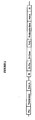
- Figure 1 shows a schematic representation of several components of the transposon-based vector.
- the present invention further includes vectors containing more than one gene of interest, wherein a second or subsequent gene of interest is operably-linked to the second promoter or to a different promoter.
- the transposon-based vectors shown in the Figures are representative of the present invention and that the order of the vector elements may be different than that shown in the Figures, that the elements may be present in various orientations, and that the vectors may contain additional elements not shown in the Figures.
- the transposase found in the transposase-based vector is an altered target site (ATS) transposase and the insertion sequences are those recognized by the ATS transposase.
- ATS target site
- the transposase located in the transposase-based vectors is not limited to a modified ATS transposase and can be derived from any transposase.
- the transposon-based vectors are optimized for expression in a particular host by changing the methylation patterns of the vector DNA. For example, prokaryotic methylation may be reduced by using a methylation deficient organism for production of the transposon-based vector.
- the transposon-based vectors may also be methylated to resemble eukaryotic DNA for expression in a eukaryotic host.
- Transposases and insertion sequences from other analogous eukaryotic transposon-based vectors that can also be modified and used are, for example, the Drosophila P element derived vectors disclosed in U.S. Patent No. 6,291,243 ; the Drosophila mariner element described in Sherman et al. (1998); or the sleeping beauty transposon. See also Hackett et al. (1999); D. Lampe et al., 1999. Proc. Natl. Acad. Sci. USA, 96:11428-11433 ; S. Fischer et al., 2001. Proc. Natl. Acad. Sci. USA, 98:6759-6764 ; L. Zagoraiou et al., 2001. Proc.
- An avian optimized polyA nucleotide string is defined herein as a polynucleotide containing an A polynucleotide string and a minimum of 40 base pairs, preferably between approximately 40 and several hundred base pairs, and more preferably approximately 60 base pairs that precede the A polynucleotide string.
- the present invention further provides transposon-based vectors containing a gene of interest or transposase gene operably linked to an avian optimized polyA sequence.
- the first promoter operably-linked to the transposase gene and the second promoter operably-linked to the gene of interest can be a constitutive promoter or an inducible promoter.
- Constitutive promoters include, but are not limited to, immediate early cytomegalovirus (CMV) promoter, herpes simplex virus 1 (HSV1) immediate early promoter, SV40 promoter, lysozyme promoter, early and late CMV promoters, early and late HSV promoters, ⁇ -actin promoter, tubulin promoter, Rous-Sarcoma virus (RSV) promoter, and heat-shock protein (HSP) promoter.
- CMV immediate early cytomegalovirus
- HSV40 promoter herpes simplex virus 1
- lysozyme promoter early and late CMV promoters
- early and late HSV promoters early and late HSV promoters
- ⁇ -actin promoter tubulin promoter
- Inducible promoters include tissue-specific promoters, developmentally-regulated promoters and chemically inducible promoters.
- tissue-specific promoters include the glucose 6 phosphate (G6P) promoter, vitellogenin promoter, ovalbumin promoter, ovomucoid promoter, conalbumin promoter, ovotransferrin promoter, prolactin promoter, kidney uromodulin promoter, and placental lactogen promoter.
- the vitellogenin promoter includes a polynucleotide sequence of SEQ ID NO: 14.
- the G6P promoter sequence may be deduced from a rat G6P gene untranslated upstream region provided in GenBank accession number U57552.1.
- inducible promoter systems include the Lac operator repressor system inducible by IPTG (isopropyl beta-D-thiogalactoside) ( Cronin, A. et aL 2001. Genes and Development, v. 15 ), ecdysone-based inducible systems ( Hoppe, U. C. et al. 2000. Mol. Ther. 1:159-164 ); estrogen-based inducible systems ( Braselmann, S. et al. 1993. Proc. Natl. Acad. Sci.
- cell or tissue-specific and constitutive promoters include but are not limited to smooth-muscle SM22 promoter, including chimeric SM22alpha/telokin promoters ( Hoggatt A.M. et al., 2002. Circ Res. 91(12):1151-9 ); ubiquitin C promoter ( Biochim Biophys Acta, 2003. Jan. 3;1625(1):52-63 ); Hsf2 promoter; murine COMP (cartilage oligomeric matrix protein) promoter, early B cell-specific mb-1 promoter ( Sigvardsson M., et al., 2002. Mol. Cell Biol.
- smooth-muscle SM22 promoter including chimeric SM22alpha/telokin promoters ( Hoggatt A.M. et al., 2002. Circ Res. 91(12):1151-9 ); ubiquitin C promoter ( Biochim Biophys Acta, 2003. Jan. 3;1625(1):52-63
- PSA prostate specific antigen
- vitellogenin promoter is that it is active during the egg-laying stage of an animal's life-cycle, which allows for the production of the protein of interest to be temporally connected to the import of the protein of interest, into the egg yolk when the protein of interest is equipped with an appropriate targeting sequence.
- the avian promoter is an oviduct-specific promoter.
- immune system-specific promoters When germline transformation occurs via intraovarian administration, immune system-specific promoters may be operably-linked to the gene of interest to achieve immune system-specific expression of the transgene. Accordingly, promoters associated with cells of the immune system may also be used. Acute phase promoters such as interleukin (IL)-1 and IL-2 may be employed. Promoters for heavy and light chain Ig may also be employed. The promoters of the T cell receptor components CD4 and CD8, B cell promoters and the promoters of CR2 (complement receptor type 2) may also be employed. Immune system promoters are preferably used when the desired protein is an antibody protein.
- modified promoters/enhancers wherein elements of a single promoter are duplicated, modified, or otherwise changed.
- steroid hormone-binding domains of the ovalbumin promoter are moved from about -6.5 kb to within approximately the first 1000 base pairs of the gene of interest Modifying an existing promoter with promoter/enhancer elements not found naturally in the promoter, as well as building an entirely synthetic promoter, or drawing promoter/enhancer elements from various genes together on a non-natural backbone, are all encompassed by the current invention.
- the promoters contained within the transposon-based vectors of the present invention may be entire promoter sequences or fragments of promoter sequences.
- the promoter operably linked to a gene of interest is an approximately 900 base pair fragment of a chicken ovalbumin promoter (SEQ ID NO:15).
- the constitutive and inducible promoters contained within the transposon-based vectors may also be modified by the addition of one or more modified Kozak sequences of ACCATG (SEQ ID NO:1).
- cap sites and fragments of cap sites are also included in some of the transposon-based vectors of the present invention.
- approximately 50 base pairs of a 5' untranslated region wherein the capsite resides are added on the 3' end of an enhanced promoter or promoter.
- An exemplary 5' untranslated region is provided in SEQ ID NO: 17.
- a putative cap-site residing in this 5' untranslated region preferably-comprises the polynucleotide sequence provided in SEQ ID NO:18.
- the first promoter operably-linked to the transposase gene is a constitutive promoter and the second promoter operably-linked to the gene of interest is a tissue-specific promoter.
- the first constitutive promoter allows for constitutive activation of the transposase gene and incorporation of the gene of interest, into virtually all cell types, including the germline of the recipient animal. Although the gene of interest is incorporated into the germline generally, the gene of interest may only be expressed in a tissue-specific manner.
- a transposon-based vector having a constitutive promoter operably-linked to the transposase gene can be administered by any route; and in one embodiment, the vector is administered to an ovary, to an artery leading to the ovary or to a lymphatic system or fluid proximal to the ovary.
- cell- or tissue-specific expression as described herein does not require a complete absence of expression in cells or tissues other than the preferred cell or tissue. Instead, “cell-specific” or “tissue-specific” expression refers to a majority of the expression of a particular gene of interest in the preferred cell or tissue, respectively.
- the first promoter operably-linked to the transposase gene can be a tissue-specific promoter.
- transfection of a transposon-based vector containing a transposase gene operably-linked to an oviduct specific promoter such as the ovalbumin promoter provides for activation of the transposase gene and incorporation of the gene of interest in the cells of the oviduct but not into the germline and other cells generally
- the second promoter operably-linked to the gene of interest can be a constitutive promoter or an inducible promoter.
- both the first promoter and the second promoter are an Ovalbumin promoter.
- the transposon-based vector is administered directly to the tissue of interest, to an artery leading to the tissue of interest or to fluids surrounding the tissue of interest.
- the tissue of interest is the oviduct and administration is achieved by direct injection into the oviduct or an artery leading to the oviduct.
- administration is achieved by direct injection into the lumen of the magnum or the infundibulum of the oviduct. Indirect administration to the oviduct may occur through the cloaca.
- cell specific promoters may be used to enhance transcription in selected tissues.
- promoters that are found in cells of the fallopian tube such as ovalbumin, conalbumin, ovomucoid and/or lysozyme, are used in the vectors to ensure transcription of the gene of interest in the epithelial cells and tubular gland cells of the fallopian tube, leading to synthesis of the desired protein encoded by the gene and deposition into the egg white.
- promoters specific for the epithelial cells of the alveoli of the mammary gland such as prolactin, insulin, beta lactoglobin, whey acidic protein, lactalbumin, casein, and/or placental lactogen, are used in the design of vectors used for transfection of these cells for the production of desired proteins for deposition into the milk.
- the G6P promoter may be employed to drive transcription of the gene of interest for protein production. Proteins made in the liver of birds may be delivered to the egg yolk.
- the promoter and other regulatory sequences operably-linked to the transposase gene may be those derived from the host.
- These host specific regulatory sequences can be tissue specific as described above or can be of a constitutive nature.
- an avian actin promoter and its associated polyA sequence can be operably-linked to a transposase in a transposase-based vector for transfection into an avian.
- Examples of other host specific promoters that could be operably-linked to the transposase include the myosin and DNA or RNA polymerase promoters.
- the gene of interest is operably-linked to a directing sequence or a sequence that provides proper conformation to the desired protein encoded by the gene of interest.
- directing sequence refers to both signal sequences and targeting sequences.
- An egg directing sequence includes, but is not limited to, an ovomucoid signal sequence, an ovalbumin signal sequence, a cecropin pre pro signal sequence, and a vitellogenin targeting sequence.
- signal sequence refers to an amino acid sequence, or the polynucleotide sequence that encodes the amino acid sequence, that directs the protein to which it is linked to the endoplasmic reticulum in a eukaryote, and more preferably the translocational pores in the endoplasmic reticulum, or the plasma membrane in a prokaryote, or mitochondria, such as for the purpose of gene therapy for mitochondrial diseases.
- Signal and targeting sequences can be used to direct a desired protein into, for example, the milk, when the transposon-based vectors are administered to a milk-producing animal.
- Signal sequences can also be used to direct a desired protein into, for example, a secretory pathway for incorporation into the egg yolk or the egg white, when the transposon-based vectors are administered to a bird or other egg-laying animal.
- a transposon-based vector is provided in Figure 3 wherein the gene of interest is operably linked to the ovomucoid signal sequence.
- the present invention also includes a gene of interest operably-linked to a second gene containing a signal sequence.
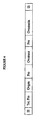
- Figure 2 An example of such an embodiment is shown in Figure 2 wherein the gene of interest is operably-linked to the ovalbumin gene that contains an ovalbumin signal sequence.
- targeting sequence refers to an amino acid sequence, or the polynucleotide sequence encoding the amino acid sequence, which amino acid sequence is recognized by a receptor located on the exterior of a cell. Binding of the receptor to the targeting sequence results in uptake of the protein or peptide operably-linked to the targeting sequence by the cell.
- a targeting sequence is a vitellogenin targeting sequence that is recognized by a vitellogenin receptor (or the low density lipoprotein receptor) on the exterior of an oocyte.
- the vitellogenin targeting sequence includes the polynucleotide sequence of SEQ ID NO:22.
- the vitellogenin targeting sequence includes all or part of the vitellogenin gene.
- VLDL and Apo E are also capable of binding the vitellogenin receptor. Since the ApoE protein is not endogenously expressed in birds, its presence may be used advantageously to identify birds carrying the transposon-based vectors of the present invention.
- a gene of interest selected for stable incorporation is designed to encode any desired protein or peptide or to regulate any cellular response.
- the desired proteins or peptides are deposited in an egg.
- the present invention encompasses transposon-based vectors containing multiple genes of interest
- the multiple genes of interest may each be operably-linked to a separate promoter and other regulatory sequence(s) or may all be operably-linked to the same promoter and other regulatory sequences(s).
- multiple gene of interest are linked to a single promoter and other regulatory sequence(s) and each gene of interest is separated by a cleavage site or a pro portion of a signal sequence.
- a gene of interest may contain modifications of the codons for the first several N-terminal amino acids of the gene of interest, wherein the third base of each codon is changed to an A or a T without changing the corresponding amino acid.
- Protein and peptide hormones are a preferred class of proteins in the present invention.
- Such protein and peptide hormones are synthesized throughout the endocrine system and include, but are not limited to, hypothalamic hormones and hypophysiotropic hormones, anterior, intermediate and posterior pituitary hormones, pancreatic islet hormones, hormones made in the gastrointestinal system, renal hormones, thymic hormones, parathyroid hormones, adrenal cortical and medullary hormones.
- hormones that can be produced using the present invention include, but are not limited to, chorionic gonadotropin, corticotropin, erythropoietin, glucagons, IGF-1, oxytocin, platelet-derived growth factor, calcitonin, follicle-stimulating hormone, luteinizing hormone, thyroid-stimulating hormone, insulin, gonadotropin-releasing hormone and its analogs, vasopressin, octreotide, somatostatin, prolactin, adrenocorticotropic hormone, antidiuretic hormone, thyrotropin-releasing hormone (TRH), growth hormone-releasing hormone (GHRH), dopamine, melatonin, thyroxin (T 4 ), parathyroid hormone (PTH), glucocorticoids such as cortisol, mineralocorticoids such as aldosterone, androgens such as testosterone, adrenaline (epinephrine), noradrenaline (
- the gene of interest is a proinsulin gene and the desired molecule is insulin.
- Proinsulin consists of three parts: a C-peptide and two strands of amino acids (the alpha and beta chains) that later become linked together tao form the insulin molecule.
- Figures 2 and 3 are schematics of transposon-based vector constructs containing a proinsulin gene operably-linked to an ovalbumin promoter and ovalbumin protein or an ovomucoid promoter and ovomucoid signal sequence, respectively.
- proinsulin is expressed in the oviduct tubular gland cells and then deposited in the egg white.
- SEQ ID NO:23 One example of a proinsulin polynucleotide sequence is shown in SEQ ID NO:23, wherein the C-peptide cleavage site spans from Arg at position 31 to Arg at position 65.
- Serum proteins including lipoproteins such as high density lipoprotein (HDL), HDL-Milano and low density lipoprotein, albumin, clotting cascade factors, factor VIII, factor IX. fibrinogen, and globulins are also included in the group of desired proteins of the present invention.
- Immunoglobulins are one class of desired globulin molecules and include but are not limited to IgG, IgM, IgA, IgD, IgE, IgY, lambda chains, kappa chains and fragments thereof; Fc fragments, and Fab fragments. Desired antibodies include, but are not limited to, naturally occurring antibodies, human antibodies, humanized antibodies, and hybrid antibodies.
- transposon-based vectors of the present invention may be incorporated into the transposon-based vectors of the present invention. Desired antibodies also include antibodies with the ability to bind specific ligands, for example, antibodies against proteins associated with cancer-related molecules, such as anti-her 2, or anti-CA125. Accordingly, the present invention encompasses a transposon-based vector containing one or more genes encoding a heavy immunoglobulin (Ig) chain and a light Ig chain. Further, more than one gene encoding for more than one antibody may be administered in one or more ttansposon-based vectors of the present invention. In this manner, an egg may contain more than one type of antibody in the egg white, the egg yolk or both. In one embodiment, a transposon-based vector contains a heavy Ig chain and a light Ig chain, both operably linked to a promoter.
- Ig immunoglobulin
- a transposon-based vector contains a heavy Ig chain and a light Ig chain, both operably linked to
- Antibodies used as therapeutic reagents include but are not limited to antibodies for use in cancer immunotherapy against specific antigens, or for providing passive immunity to an animal or a human against an infectious disease or a toxic agent.
- Antibodies used as diagnostic reagents include, but are not limited to antibodies that may be labeled and detected with a detector, for example antibodies with a fluorescent label attached that may be detected following exposure to specific wavelengths.
- labeled antibodies may be primary antibodies directed to a specific antigen, for example, rhodamine-labeled rabbit anti-growth hormone, or may be labeled secondary antibodies, such as fluorescein-labeled goat-anti chicken IgG.
- Such labeled Antibodies are known to one of ordinary skill in the art.
- Labels useful for attachment to antibodies are also known to one of ordinary skill in the art. Some of these labels are described in the " Handbook of Fluorescent Probes and Research Products", ninth edition, Richard P. Haugland (ed) Molecular Probes, Inc. Eugene , OR), which is incorporated herein in its entirety.
- Antibodies produced with using the present invention may be used as laboratory reagents for numerous applications including radioimmunoassay, western blots, dot blots, ELISA, immunoaffinity columns and other procedures requiring antibodies as known to one of ordinary skill in the art.
- Such antibodies include primary antibodies, secondary antibodies and tertiary antibodies, which may be labeled or unlabeled.
- Antibodies that may be made with the practice of the present invention include, but are not limited to primary antibodies, secondary antibodies, designer antibodies, anti-protein antibodies, anti-peptide antibodies, anti-DNA antibodies, anti-RNA antibodies, anti-hormone antibodies, anti-hypophysiotropic peptides, antibodies against non-natural antigens, anti-anterior pituitary hormone antibodies, anti-posterior pituitary hormone antibodies, anti-venom antibodies, anti-tumor marker antibodies, antibodies directed against epitopes associated with infectious disease, including, antiviral, anti-bacterial, anti-protozoal, anti-fungal, anti-parasitic, anti-receptor, anti-lipid, anti-phospholipid, anti-growth factor, anti-cytokine, anti-monokine, anti-idiotype, and anti-accessory (presentation) protein antibodies. Antibodies made with the present invention, as well as light chains or heavy chains, may also be used to inhibit enzyme activity.
- Antibodies that may be produced using the present invention include, but are not limited to, antibodies made against the following proteins: Bovine ⁇ -Globulin, Serum; Bovine IgG, Plasma; Chicken ⁇ -Globulin, Serum; Human ⁇ -Globulin, Serum; Human IgA, Plasma; Human IgA 1 , Myeloma; Human IgA 2 , Myeloma; Human IgA 2 , Plasma; Human IgD, Plasma; Human IgE, Myeloma; Human IgG, Plasma; Human IgG, Fab Fragment, Plasma; Human IgG, F(ab') 2 Fragment, Plasma; Human IgG, Fc Fragment, Plasma; Human IgG 1 , Myeloma; Human IgG 2 , Myeloma; Human IgG 3 , Myeloma; Human IgG 4 , Myeloma; Human IgM, Myeloma; Human
- the transposon-based vector comprises the coding sequence of light and heavy chains of a murine monoclonal antibody that shows specificity for human seminoprotein (GenBank Accession numbers AY129006 and AY129304 for the light and heavy chains, respectively).
- a further non-limiting list of antibodies that recognize other antibodies is as follows: Anti-Chicken IgG, heavy (H) & light (L) Chain Specific (Sheep); Anti-Goat ⁇ -Globulin (Donkey); Anti-Goat IgG, Fc Fragment Specific (Rabbit); Anti-Guinea Pig ⁇ -Globulin (Goat); Anti-Human Ig, Light Chain, Type k Specific; Anti-Human Ig, Light Chain, Type ⁇ Specific; Anti-Human IgA, ⁇ -Chain Specific (Goat); Anti-Human IgA, Fab Fragment Specific; Anti-Human IgA, Fc Fragment Specific; Anti-Human IgA, Secretory; Anti-Human IgE, ⁇ -Chain Specific (Goat); Anti-Human IgE, Fc Fragment Specific; Anti-Human IgG, Fc Fragment Specific (Goat); Anti-Human IgG, ⁇ -Chain Specific (Goat
- Antibodies made by the transgenic animals of the present invention include antibodies that may be used as therapeutic reagents, for example in cancer immunotherapy against specific antigens, as diagnostic reagents and as laboratory reagents for numerous applications including immunoneutralization, radioimmunoassay, western blots, dot blots, ELISA, immunoprecipitation and immunoaffinity columns.
- antibodies include, but are not limited to, antibodies which bind the following ligands: adrenomedulin, amylin, calcitonin, amyloid, calcitonin gene-related peptide, cholecystokinin, gastrin, gastric inhibitory peptide, gastrin releasing peptide, interleukin, interferon, cortistatin, somatostatin, endothelin, sarafotoxin, glucagon, glucagon-like peptide, insulin, atrial natriuretic peptide, BNP, CNP, neurokinin, substance P, leptin, neuropeptide Y, melanin concentrating hormone, melanocyte stimulating hormone, orphanin, endorphin, dynorphin, enkephalin, enkephalin, leumorphin, peptide F, PACAP, PACAP-related peptide, parathyroid hormone, urocortin, corticotrophin
- abciximab (ReoPro), abciximab antiplatelet aggregation monoclonal antibody, anti-CD11a (hu1124), anti-CD18 antibody, anti-CD20 antibody, anti-cytomegalovitus (CMV) antibody, anti-digoxin antibody, anti-hepatitis B antibody, anti-HER-2 antibody, anti-idiotype antibody to GD3 glycolipid, anti-IgE antibody, anti-IL-2R antibody, antimetastatic cancer antibody (mAb 17-1A), anti-rabies antibody, anti-respiratory syncytial virus (RSV) antibody, anti-Rh antibody, anti-TCR, anti-TNF antibody, anti-VEGF antibody and fab fragment thereof, rattlesnake venom antibody, black widow spider venom antibody, coral snake venom antibody, antibody against very late antigen-4 (VLA-4), C225 humanized antibody to EGF receptor, chimeric
- the antibodies prepared using the methods of the present invention may also be designed to possess specific labels that may be detected through means known to one of ordinary skill in the art.
- the antibodies may also be designed to possess specific sequences useful for purification through means known to one of ordinary skill in the art.
- Specialty antibodies designed for binding specific antigens may also be made in transgenic animals using the transposon-based vectors of the present invention.
- a monoclonal antibody using the transposon-based vectors of the present invention can be accomplished in a variety of ways.
- two vectors may be constructed: one that encodes the light chain, and a second vector that encodes the heavy chain of the monoclonal antibody. These vectors may then be incorporated into the genome of the target animal by methods disclosed herein.
- the sequences encoding light and heavy chains of a monoclonal antibody may be included on a single DNA construct.
- the coding sequence of light and heavy chains of a murine monoclonal antibody that show specificity for human seminoprotein can be expressed using transposon-based constructs of the present invention (GenBank Accession numbers AY129006 and AY129304 for the light and heavy chains, respectively).
- proteins and peptides synthesized by the immune system including those synthesized by the thymus, lymph nodes, spleen, and the gastrointestinal associated lymph tissues (GALT) system.
- the immune system proteins and peptides proteins that can be made in transgenic animals using the transposon-based vectors of the present invention include, but are not limited to, alpha-interferon, beta-interferon, gamma-interferon, alpha-interferon A, alpha-interferon 1, G-CSF, GM-CSF, interlukin-1 (IL-1), IL-2, IL-3, IL-4, IL-5, IL-6, IL-7, IL-8, IL-9, IL-10, IL-11, IL-12, IL-13, TNF- ⁇ , and TNF- ⁇ .
- cytokines included in the present invention include cardiotrophin, stromal cell derived factor, macrophage derived chemokine (MDC), melanoma growth stimulatory activity (MGSA), macrophage inflammatory proteins 1 alpha (MIP-1 alpha), 2, 3 alpha, 3 beta, 4 and 5.
- Lytic peptides such as p146 are also included in the desired molecules of the present invention.
- the p146 peptide comprises an amino acid sequence of SEQ ID NO:24.
- the present invention also encompasses a transposon-based vector comprising a p146 nucleic acid comprising a polynucleotide sequence of SEQ ID NO:25.
- additional amino acids and a protease cleavage site are added to the carboxy end of the enzyme of interest in order to prevent expression of a functional enzyme. Subsequent digestion of the enzyme with a protease results in activation of the enzyme.
- Extracellular matrix proteins are one class of desired proteins that may be made through the use of the present invention. Examples include but are not limited to collagen, fibrin, elastin, laminin, and fibronectin and subtypes thereof. Intracellular proteins and structural proteins are other classes of desired proteins in the present invention.
- Growth factors are another desired class of proteins that may be made through the use of the present invention and include, but are not limited to, transforming growth factor- ⁇ ("TGF- ⁇ ”), transforming growth factor- ⁇ (TGF- ⁇ ), platelet-derived growth factors (PDGF), fibroblast growth factors (FGF), including FGF acidic isoforms 1 and 2, FGF basic form 2 and FGF 4, 8, 9 and 10, nerve growth factors (NGF) including NGF 2.5s, NGF 7.0s and beta NGF and neurotrophins, brain derived neurotrophic factor, cartilage derived factor, growth factors for stimulation of the production of red blood cells, growth factors for stimulation of the production of white blood cells, bone growth factors (BGF), basic fibroblast growth factor, vascular endothelial growth factor (VEGF), granulocyte colony stimulating factor (G-CSF), insulin like growth factor (IGF) I and II, hepatocyte growth factor, glial neurotrophic growth factor (GDNF), stem cell factor (SCF), keratinocyte growth factor (KGF),
- Another desired class of proteins that may be made may be made through the use of the present invention include, but are not limited to, leptin, leukemia inhibitory factor (LIF), tumor necrosis factor alpha and beta, ENBREL, angiostatin, endostatin, thrombospondin, osteogenic protein-1, bone morphogenetic proteins 2 and 7, osteonectin, somatomedin-like peptide, and osteocalcin.
- LIF leukemia inhibitory factor
- ENBREL ENBREL
- angiostatin endostatin
- thrombospondin thrombospondin
- osteogenic protein-1 bone morphogenetic proteins 2 and 7, osteonectin, somatomedin-like peptide, and osteocalcin.
- Yet another desired class of proteins are blood proteins or clotting cascade protein including albumin, Prekallikrein, High molecular weight kininogen (HMWK) (contact activation cofactor, Fitzgerald, Flaujeac Williams factor), Factor I (Fibrinogen), Factor II (prothrombin), Factor III (Tissue Factor), Factor IV (calcium), Factor V (proaccelerin, labile factor, accelerator (Ac-) globulin), Factor VI (Va) (accelerin), Factor VII (proconvertin), serum prothrombin conversion accelerator (SPCA), cothromboplastin), Factor VIII (antihemophiliac factor A, antihemophilic globulin (AHG)), Factor IX (Christmas Factor, antihemophilic factor B,plasma thromboplastin component (PTC)), Factor X (Stuart-Prower Factor), Factor XI (Plasma thromboplastin antecedent (PTA)), Factor XI
- a non-limiting list of the peptides and proteins that may be made may be made through the use of the present invention is provided in product catalogs of companies such as Phoenix Pharmaceuticals, Inc. (www.phoenixpeptide.com; 530 Harbor Boulevard, Belmont, CA), Peninsula Labs (San Carlos CA), SIGMA, (St.Louis, MO www.sigma-aldrich.com), Cappel ICN (Irvine, California, www.icnbiomed.com), and Calbiochem (La Jolla, California, www.calbiochem.com).
- the polynucleotide sequences encoding these proteins and peptides of interest may be obtained from the scientific literature, from patents, and from databases such as GenBank. Alternatively, one of ordinary skill in the art may design the polynucleotide sequence to be incorporated into the genome by choosing the codons that encode for each amino acid in the desired protein or peptide.
- Other desired proteins that may be made by the method of the present invention include bacitracin, polymixin b, vancomycin, cyclosporine, anti-RSV antibody, alpha-1 antitrypsin (AAT), anti-cytomegalovirus antibody, anti-hepatitis antibody, anti-inhibitor coagulant complex, anti-rabies antibody, anti-Rh(D) antibody, adenosine deaminase, anti-digoxin antibody, antivenin crotalidae (rattlesnake venom antibody), antivenin latrodectus (black widow spider venom antibody), antivenin micrurus (coral snake venom antibody), aprotinin, corticotropin (ACTH), diphtheria antitoxin, lymphocyte immune globulin (anti-thymocyte antibody), protamine, thyrotropin, capreomycin; ⁇ -galactosidase, gramicidin, streptokinase,
- IR502 (In501), BI 1050/1272 mAb against very late antigen-4 (VLA-4), C225 humanized mAb to EGF receptor, anti-idiotype antibody to GD3 glycolipid, antibacterial peptide against H. pylori, MDX-447 bispecific humanized mAb to EGF receptor, anti-cytomegalovirus (CMV), Medi-491 B19 parvovirus vaccine, humanized recombinant mAb (IgGlk) against respiratory syncytial virus (RSV), urinary tract infection vaccine (against "pili” on Escherechia coli strains), proteins of lyme disease vaccine against B.
- VLA-4 very late antigen-4
- burgdorferi protein DbpA
- proteins of Medi-501 human papilloma virus-11 vaccine HPV
- Streptococcus pneumoniae vaccine Medi-507 mAb (humanized form of BTI-322) against CD2 receptor on T-cells
- MDX-33 mAb to Fc ⁇ R1 receptor MDX-RA immunotoxin (ricin A linked) mAb
- MDX-210 bi-specific mAb against HER-2 MDX-447 bi-specific mAb against EGF receptor
- MDX-22 MDX-220 bi-specific mAb against TAG-72 on tumors
- colony-stimulating factor (CSF) molgramostim
- humanized mAb to the IL-2 R ⁇ -chain basiciliximab
- mAb to IgE IGE 025A
- myelin basic protein-altered peptide MSP771A
- humanized mAb against the epidermal growth receptor-2 humanized mAb against the a subunit of the inter
- the peptides and proteins made using the present invention may be labeled using labels and techniques known to one of ordinary skill in the art. Some of these labels are described in the " Handbook of Fluorescent Probes and Research Products", ninth edition, Richard P. Haugland (ed) Molecular Probes, Inc. Eugene , OR), which is incorporated herein in its entirety. Some of these labels may be genetically engineered into the polynucleotide sequence for the expression of the selected protein or peptide. The peptides and proteins may also have label-incorporation "handles" incorporated to allow labeling of an otherwise difficult or impossible to label protein.
- a gene of interest encodes a nucleic acid molecule or a protein that directs production of the desired molecule.
- inhibitory molecules to inhibit endogenous (i.e., non-vector) protein production.
- inhibitory molecules include antisense nucleic acids, siRNA and inhibitory proteins.
- the endogenous protein whose expression is inhibited may be an egg white protein including, but not limited to ovalbumin, ovotransferrin, and ovomucin.
- a transposon -based vector containing an ovalbumin DNA sequence, that upon transcription forms a double stranded RNA molecule, may be transfected into an animal such as a bird and the bird's production of endogenous ovalbumin protein is reduced by the interference RNA mechanism (RNAi).
- RNAi interference RNA mechanism
- a transposon-based vector may encode an inhibitory RNA molecule that inhibits the expression of more than one egg white protein.
- One exemplary construct is provided in Figure 4 wherein "Ovgen” indicates approximately 60 base pairs of an ovalbumin gene, “Ovotrans” indicates approximately 60 base pairs of an ovotransferrin gene and “Ovomucin” indicates approximately 60 base pairs of an ovomucin gene.
- ovalbumin, ovotransferrin and ovomucin can be from any avian species, and in some cases, are from a chicken or quail.
- the term "pro" indicates the pro portion of a prepro sequence.
- One exemplary prepro sequence is that of cecropin and comprising base pairs 563-733 of the Cecropin cap site and Prepro provided in Genbank accession number X07404. Additional cecropin prepro and pro sequences are provided in SEQ ID NO:48, SEQ ID NO:49, SEQ ID NO:50, and SEQ ID NO:51.
- inducible knockouts or knockdowns of the endogenous protein may be created to achieve a reduction or inhibition of endogenous protein production. Endogenous egg white production can be inhibited in an avian at any time, but is preferably inhibited preceding, or immediately preceding, the harvest of eggs.
- Proteins are chains of amino acids (typically L-amino acids) whose alpha carbons are linked through peptide bonds formed by a condensation reaction between the carboxyl group of the alpha carbon of one amino acid and the amino group of the alpha carbon of another amino acid.
- the terminal amino acid at one end of the chain i.e., the amino terminal
- the terminal amino acid at the other end of the chain i.e., the carboxy terminal
- amino terminus refers to the free alpha-amino group on the amino acid at the amino terminal of the protein, or to the alpha-amino group (imino group when participating in a peptide bond) of an amino acid at any other location within the protein.
- carboxy terminus refers to the free carboxyl group on the amino acid at the carboxy terminus of a protein, or to the carboxyl group of an amino acid at any other location within the protein.
- amino acid is used herein to refer to an amino acid (D or L) or an amino acid mimetic that is incorporated into a protein by an amide bond.
- the amino acid may be a naturally occurring amino acid or, unless otherwise limited, may encompass known analogs of natural amino acids that function in a manner similar to the naturally occurring amino acids (i.e., amino acid mimetics).
- an amide bond mimetic includes peptide backbone modifications well known to those skilled in the art.
- a conservative substitution is a substitution in which the substituting amino acid (naturally occurring or modified) is structurally related to the amino acid being substituted, i.e., has about the same size and electronic properties as the amino acid being substituted. Thus, the substituting amino acid would have the same or a similar functional group in the side chain as the original amino acid.
- a “conservative substitution” also refers to utilizing a substituting amino acid which is identical to the amino acid being substituted except that a functional group in the side chain is protected with a suitable protecting group.
- Suitable hydroxyl protecting groups include ester, carbonate and carbamate protecting groups.
- Suitable amine protecting groups include acyl groups and alkoxy or aryloxy carbonyl groups, as described above for N-terminal protecting groups.
- suitable substitutions for amino acid residues include “severe” substitutions.
- a "severe substitution” is a substitution in which the substituting amino acid (naturally occurring or modified) has significantly different size and/or electronic properties compared with the amino acid being substituted.
- the side chain of the substituting amino acid can be significantly larger (or smaller) than the side chain of the amino acid being substituted and/or can have functional groups with significantly different electronic properties than the amino acid being substituted.
- the individual amino acids may be substituted according in the following manner.
- a transposon-based vector is directly administered to the oviduct or ovary.
- Direct administration encompasses injection into the organ, and in a preferred embodiment; a transposon-based vector is injected into the lumen of the oviduct, and more preferably, the lumen of the magnum or the infundibulum of the oviduct.
- the transposon-based vectors may additionally or alternatively be placed in an artery supplying the reproductive organ. Administering the vectors to the artery supplying the ovary results in transfection of follicles and oocytes in the ovary to create a germline transgenic animal.
- the bird is an avian.
- between approximately 1 and 150 ⁇ g, 1 and 100 ⁇ g, 1 and 50 ⁇ g, preferably between 1 and 20 ⁇ g, and more preferably between 5 and 10 ⁇ g of transposon-based vector DNA is administered to the oviduct of a bird.
- Optimal ranges depend upon the type of bird and the bird's stage of sexual maturity.
- In a chicken it is preferred that between approximately 1 and 100 ⁇ g, or 5 and 50 ⁇ g are administered. In a quail, it is preferred that between approximately 5 and 10 ⁇ g are administered.
- PRINS primed in situ hybridization technique
- the present invention is particularly advantageous for production of recombinant peptides and proteins of low solubility in the egg yolk.
- proteins include, but are not limited to, membrane-associated or membrane-bound proteins, lipophilic compounds; attachment factors, receptors, and components of second messenger transduction machinery.
- Low solubility peptides and proteins are particularly challenging to produce using conventional recombinant protein production techniques (cell and tissue cultures) because they aggregate in water-based, hydrophilic environments. Such aggregation necessitates denaturation and re-folding of the recombinantly-produced proteins, which may deleteriously affect their structure and function.
- the present invention provides an advantageous resolution of the problem of protein and peptide solubility during production of large amounts of recombinant proteins.
- an bird breeding stock that is homozygous for the transgene is preferred.
- Such homozygous individuals are obtained and identified through, for example, standard animal breeding procedures or PCR protocols.
- This vector employed a cytomegalovirus (CMV) promoter.
- CMV cytomegalovirus
- a modified Kozak sequence (ACCATG) (SEQ ID NO:1) was added to the promoter.
- the nucleotides in the wobble position in nucleotide triplet codons encoding the first 10 amino acids of transposase was changed to an adenine (A) or thymine (T), which did not alter the amino acid encoded by this codon.
- Two stop codons were added and a synthetic polyA was used to provide a strong termination sequence.
- This vector uses a promoter designed to be active soon after entering the cell (without any induction) to increase the likelihood of stable integration. The additional stop codons and synthetic polyA insures proper termination without read through to potential genes downstream
- the first step in constructing this vector was to modify the transposase to have the desired changes. Modifications to the transposase were accomplished with the primers High Efficiency forward primer (Hef) Altered transposase (ATS)-Hef 5' ATCTCGAGACCATGTG T GAACT T GATATTTTACATGA T TCTCTTTACC 3' (SEQ ID NO:36) and Altered transposase- High efficiency reverse primer (Her) 5' GATTGATCATTATCATAATTTCCCCAAAGCGTAACC 3' (SEQ ID NO:37, a reverse complement primer).
- the sequence CTCGAG (SEQ ID N0:38) is the recognition site for the restriction enzyme Xho I, which permits directional cloning of the amplified gene.
- the sequence ACCATG (SEQ ID NO:1) contains the Kozak sequence and start codon for the transposase and the underlined bases represent changes in the wobble position to an A or T of codons for the first 10 amino acids (without changing the amino acid coded by the codon).
- Primer ATS-Her (SEQ ID NO:37) contains an additional stop codon TAA in addition to native stop codon TGA and adds a Bcl I restriction site, TGATCA (SEQ ID NO:39), to allow directional cloning.
- pTnLac plasmid
- tn defines transposon
- lac defines the beta fragment of the lactose gene, which contains a multiple cloning site
- Amplified PCR product was electrophoresed on a 1% agarose gel, stained with ethidium bromide, and visualized on an ultraviolet transilluminator.
- a band corresponding to the expected size was excised from the gel and purified from the agarose using a Zymo Clean Gel Recovery Kit (Zymo Research, Orange, CA). Purified DNA was digested with restriction enzymes Xho I (5') and Bcl I (3') (New England Biolabs, Beverly, MA) according to the manufacturer's protocol. Digested DNA was purified from restriction enzymes using a Zymo DNA Clean and Concentrator kit (Zymo Research).
- Plasmid gWhiz (Gene Therapy Systems, San Diego, CA) was digested with restriction enzymes Sal I and BamH I (New England Biolabs), which are compatibly with Xho I and Bcl I, but destroy the restriction sites. Digested gWhiz was separated on an agarose gel, the desired band excised and purified as described above. Cutting the vector in this manner facilitated directional cloning of the modified transposase (mATS) between the CMV promoter and synthetic polyA.
- mATS modified transposase
- a Stratagene T4 Ligase Kit (Stratagene, Inc. La Jolla, CA) was used and the ligation set up according to the manufacturer's protocol.
- Ligated product was transformed into E. coli Top10 competent cells (Invitrogen Life Technologies, Carlsbad, CA) using chemical transformation according to Invitrogen's protocol.
- Transformed bacteria were incubated in 1 ml of SOC (GIBCO BRL, CAT# 15544-042) medium for 1 hour at 37° C before being spread to LB (Luria-Bertani media (broth or agar)) plates supplemented with 100 ⁇ g/ml ampicillin (LB/amp plates).
- primers CMVf-NgoM IV (5' TT GCCGGC ATCAGATTGGCTAT (SBQ ID NO:40); underlined bases denote a NgoM IV recognition site) and Syn-polyA-BstE II (5' AGA GGTCACC GGGTCAATTCTTCAGCACCTGGTA (SEQ ID NO:41); underlined bases denote a BstE II recognition site) were used to PCR amplify the entire CMV promoter, mATS, and synthetic polyA for cloning upstream of the transposon in pTnLac.
- PCR was conducted with FailSafe TM as described above, purified using the Zymo Clean and Concentrator kit, the ends digested with NgoM IV and BstE II (New England Biolabs), purified with the Zymo kit again and cloned upstream of the transposon in pTnLac as described below.
- Plasmid pTnLac was digested with NgoM IV and BstE II to remove the ptac promoter and transposase and the fragments separated on an agarose gel.
- the band corresponding to the vector and transposon was excised, purified from the agarose, and dephosphorylated with calf intestinal alkaline phosphatase (New England Biolabs) to prevent self-annealing.
- the enzyme was removed from the vector using a Zymo DNA Clean and Concentrator-5.
- the purified vector and CMVp/mATS/polyA were ligated together using a Stratagene T4 Ligase Kit and transformed into E . coli as described above.
- Completing pTnMod is a pBlueScript backbone that contains a colE I origin of replication and an antibiotic resistance marker (ampicillin).
- Plasmid DNA was isolated by standard procedures. Briefly, Escherichia coli containing the plasmid was grown in 500 mL aliquots of LB broth (supplemented with an appropriate antibiotic) at 37°C overnight with shaking. Plasmid DNA was recovered from the bacteria using a Qiagen Maxi-Prep kit (Qiagen, Inc., Chatsworth, CA) according to the manufacturer's protocol. Plasmid DNA was resuspended in 500 ⁇ L of PCR-grade water and stored at -20°C until used.
- transposon-based vector was designed for inserting a desired coding sequence into the genome of eukaryotic cells.
- This vector was termed pTnMCS and its constituents are provided below.
- the sequence of the pTnMCS vector is provided in SEQ ID NO:2.
- the pTnMCS vector contains an avian optimized polyA sequence operably-linked to the transposase gene.
- the avian optimized polyA sequence contains approximately 40 nucleotides that precede the A nucleotide string.
- a vector was designed to insert a humsan proinsulin coding sequence under the control of a chicken ovalbumin promoter, and a ovalbumin gene including an ovalbumin signal sequence, into the genome of a bird given below as SEQ ID NO:42.
- a vector was designed to insert a proinsulin coding sequence under the control of a quail ovalbumin promoter, and a ovalbumin gene including an ovalbumin signal sequence, into the genome of a bird given below as SEQ ID NO:43.
- the Oval promoter/Oval gene/GP41 Enterokinase TAG/Proinsulin/Poly A containing construct was injected into the lumen of the oviduct of sexually mature quail; three hens received 5 ⁇ g at a 1:3 SUPERFECT® ratio and three received 10 ⁇ g at a 1:3 SUPERFECT® ratio.
- at least one bird that received above-mentioned construct was producing human proinsulin in egg white (other birds remain to be tested).
- each quail egg contains approximately 1.4 ⁇ g/ml of the proinsulin protein. It is also estimated that each transgenic chicken egg contains 50-75 mg of protein encoded by the gene of interest
- the transposon-based vector containing CMV promoter/Oval gene/GP41 Enterokinase TAG/Proinsulin/Poly A was injected into the lumen of the oviduct of sexually immature Japanese quail. A total of 9 birds were injected. Of the 8 survivors, 3 produced human proinsulin in the white of their eggs for over 6 weeks.
- An ELISA assay described in detail below was developed to detect GP41 in the fusion peptide (Oval gene/GP41 Enterolanase TAG/Proinsulin) since the GP41 peptide sequence is unique and not found as part of normal egg white protein. In all ELISA assays, the same birds produced positive results and all controls worked as expected.
- This blocking solution was subsequently decanted and replaced with a solution of the primary antibody (Goat Anti-GP41 TAG) diluted in fresh PBS/BSA/Tween 20. After a two hour period of incubation with the primary antibody, each plate was washed with a solution of PBS and 0.05% Tween 20 in an automated plate washer to remove unbound antibody. Next, the secondary antibody, Rabbit anti-Goat Alkaline Phosphatase-conjugated, was diluted in PBS/BSA/Tween 20 and allowed to incubate 1 hour. The plates were then subjected to a second wash with PBS/Tween 20. Antigen was detected using a solution of p -Nitrophenyl Phosphate in Diethanolamine Substrate Buffer for Alkaline Phosphatase and measuring the absorbance at 30 minutes and 1 hour.
- the primary antibody Goat Anti-GP41 TAG
- a proinsulin fusion protein produced using a construct described above was isolated from egg white using ammonium sulfate precipitation and ion exchange, chromatography.
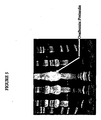
- a pooled fraction of the isolated fusion protein was run on an SDS-PAGE gel shown in Figure 5 , lanes 4 and 6.
- Lanes 1 and 10 of the gel contain molecular weight standards
- lanes 2 and 8 contain non-trangenic chicken egg white
- lanes 3, 5, 7 and 9 are blank.
- a HiTrap NHS-activated 1 mL column (Amersham) was charged with a 30 amino acid peptide that contained the gp-41 epitope containing gp-41's native disulfide bond that stabilizes the formation of the gp-41 hairpin loop.
- the 30 amino acid gp41 peptide is provided as SEQ ID NO:32.
- Approximately 10 mg of the peptide was dissolved in coupling buffer (0.2 M NaHCO3, 0.5 M NaCl, pH 8.3 and the ligand was circulated on the column for 2 hours at room temperature at 0.5 mL/minute.
- Antibodies to gp-41 were raised in goats by inoculation with the gp-41 peptide described above. More specifically, goats were inoculated, given a booster injection of the gp-41 peptide and blood samples were obtained by veinupuncture. Serum was harvested by centrifugation. Approximately 30 mL of goat serum was filtered to 0.45 uM and passed over a TAG column at a rate of 0.5 mL/min. The column was washed with 75 mM Tris, pH 8.0 until absorbance at 280 nm reached a baseline.
- the pooled fractions from the Anti-TAG affinity column were characterized by SDS-PAGE and western blot analysis.
- SDS-PAGE of the pooled fractions revealed a 60 kDal molecular weight band not present in control egg white fluid, consistent with the predicted molecular weight of the transgenic protein. Although some contaminating bands were observed, the 60 kDal species was greatly enriched compared to the other proteins.
- An aliquot of the pooled fractions was cleaved overnight at room temperature with the protease, enterokinase.
- SDS-PAGE analysis of the cleavage product revealed a band not present in the uncut material that co-migrated with a commercial human proinsulin positive control.
- An ELISA was employed for the initial screening of eggs and, thereby, identification of hens producing positive eggs. With further modifications this procedure was used for the initial quantification of recombinant protein amounts. These procedures were aided by the successful purification of an initial stock of the recombinant proinsulin (RPI). This stock of protein is used in the development of a double antibody assay that increases the sensitivity and reduces the background in the assay. Subsequent identification of hens producing positive eggs obviate the need to screen each egg collected. Only periodic checks are needed to determine if production levels are consistent
- Eggs from hens positively identified as producing RPI are pooled for RPI purification.
- the initial purification step involved diluting the pool 1:1 with 100 mM Tris-HCl, pH 8 for a final concentration of 50 mM Tris-HCl.
- the pH of this solution was then adjusted to 6 and ovomucin was allowed to precipitate at 4°C for a minimum of 3hrs (preferably overnight) with constant stirring.
- the precipitated ovomucin was then pelleted and removed by centrifugation at 2400 x g. After collection of the RPI containing supernatant, the pH of this solution was readjusted to 8.
- the egg white solution was filtered to at least 0.45 um.
- the ovomucin precipitated egg white solution was subjected to successive filtration steps with the pore size of the filtration membrane decreasing at each step. This procedure involved time and dilution of the egg white solution to reach 0.45 um filtration.
- Amersham's hollow-fiber ultrafiltration apparatus was used to produced a column-ready solution filtered down to ⁇ 0.2 um with an undiluted starting solution. This approach minimized the time and the solution dilution needed to prepare the egg white solution for column loading.
- initial purification schemes involved developing a one-step column purification procedure for the RPI.
- Goats immunized with the synthetic Ent peptide were employed to produce anti-Ent Tag antiserum which was used in the egg screening ELISAs followed by antibody purification.
- the purified goat Anti-Ent Tag antibodies were covalently bound to the matrix of HiTrap NHS-activated HIP columns (Amersham) and subsequently used to specifically bind and purify the RPI.
- the present purification scheme employed a combination of classical techniques such as ammonium sulfate precipitation, ion exchange, and gel filtration chromatography.
- the egg white solution was subjected to protein precipitation using a 40% ammonium sulfate fractionation.
- the precipitated protein was subsequently collected via centrifugation and resuspended in 50 mM Tris-HCl, pH 8.
- the resuspended protein solution was dialyzed to remove residual (NH 4 ) 2 SO 4 or subjected to gel filtration to remove the (NH 4 ) 2 SO 4 and partially isolate the RPI from the remaining egg white protein.
- the RPI was further isolated via anion exchange chromatography using a 0 to 0.5M NaCl gradient in 50 mM Tris-HCl, pH 8. Two possible elution profiles were observed.
- Cleavage of the RPI Enterokinase recognition site was accomplished using purified enterokinase from Sigma. Enterokinase, 0.004 Unit/ ⁇ l per reaction, was applied to the pooled and, if necessary, concentrated protein solution. The digestion reaction was incubated at room temperature (up to 30°C in a rolling hybridization oven) for a minimum of 16 h and in some cases up to 48 hrs of incubation. The digestion efficiency was followed using 16.5% Tris-Tricine SDS-PAGE peptide gels. All gel staining utilized Simply Blue Coomassie Staining Solutions. Free Proinsulin was observed on gels after digestion.
- oviduct development is synchronized as described below to ensure that a large and uniform proportion of oviduct secretory cells are transfected with the gene of interest.
- Hens are treated with estradiol to stimulate oviduct maturation as described in Oka and Schimke ( T. Oka and RT Schimke, J. Cell Biol., 41, 816 (1969 )), Palmiter, Christensen and Schimke (J Biol. Chem. 245(4):833-845, 1970 ).
- repeater daily injections of 1 mg estradiol benzoate are performed sometime before the onset of sexual maturation, a period ranging from 1 - 14 weeks of age. After a stimulation period sufficient to maximize development of the oviduct, hormone treatment is withdrawn thereby causing regression in oviduct secretory cell size but not cell number.
- the lumens of the oviducts of treated hens are injected with the transposon-based vector. Hens are subjected to additional estrogen stimulation after an optimized time during which the transposon-based vector is taken up into oviduct secretory cells. Re-stimulation by estrogen activates transposon expression, causing the integration of the gene of interest into the host genome. Estrogen stimulation is then withdrawn and hens continue normal sexual development.
- transposon-based vector initiates in the oviduct at the time of sexual maturation Intra-ovarian artery injection during this window allows for high and uniform transfection efficiencies of ovarian follicles to produce germ-line transfections and possibly oviduct expression.
- a vector is designed for inserting a proinsulin gene under the control of a quail ovalbumin promoter, and a ovalbumin gene including an ovalbumin signal sequence, into the genome of a bird given below as SEQ ID NO:44.
- a vector was designed for inserting a p146 gene under the control of a chicken ovalbumin promoter, and a ovalbumin gene including an ovalbumin signal sequence, into the genome of a bird.
- the vector sequence is provided below as SEQ ID NO:45.
- a vector was designed for inserting a p146 gene under the control of a quail ovalbumin promoter, and a ovalbumin gene including an Ovalbumin signal sequence, into the genome of a bird.
- the vector sequence is given below as SEQ ID NO:46.
- transposon-based vectors of the present invention provides a description of various transposon-based vectors of the present invention and several constructs that have been made for insertion into the transposon-based vectors of the present invention. These examples are not meant to be limiting in any way.
- the constructs for insertion into a transposon-based vector are provided in a cloning vector pTnMCS or pTuMod, both described above.
Landscapes
- Health & Medical Sciences (AREA)
- Chemical & Material Sciences (AREA)
- Life Sciences & Earth Sciences (AREA)
- Organic Chemistry (AREA)
- Genetics & Genomics (AREA)
- General Health & Medical Sciences (AREA)
- Engineering & Computer Science (AREA)
- Biophysics (AREA)
- Molecular Biology (AREA)
- Biochemistry (AREA)
- Zoology (AREA)
- Medicinal Chemistry (AREA)
- Proteomics, Peptides & Aminoacids (AREA)
- Immunology (AREA)
- Biotechnology (AREA)
- Biomedical Technology (AREA)
- Wood Science & Technology (AREA)
- General Engineering & Computer Science (AREA)
- Bioinformatics & Cheminformatics (AREA)
- Microbiology (AREA)
- Veterinary Medicine (AREA)
- Virology (AREA)
- Environmental Sciences (AREA)
- Physics & Mathematics (AREA)
- Endocrinology (AREA)
- Plant Pathology (AREA)
- Oncology (AREA)
- Nutrition Science (AREA)
- AIDS & HIV (AREA)
- Hematology (AREA)
- Animal Behavior & Ethology (AREA)
- Animal Husbandry (AREA)
- Diabetes (AREA)
- Toxicology (AREA)
- Gastroenterology & Hepatology (AREA)
- Biodiversity & Conservation Biology (AREA)
- Food Science & Technology (AREA)
- Polymers & Plastics (AREA)
- Micro-Organisms Or Cultivation Processes Thereof (AREA)
- Preparation Of Compounds By Using Micro-Organisms (AREA)
Applications Claiming Priority (15)
| Application Number | Priority Date | Filing Date | Title |
|---|---|---|---|
| US44139203P | 2003-01-21 | 2003-01-21 | |
| US44140503P | 2003-01-21 | 2003-01-21 | |
| US44144703P | 2003-01-21 | 2003-01-21 | |
| US44150203P | 2003-01-21 | 2003-01-21 | |
| US44138103P | 2003-01-21 | 2003-01-21 | |
| US44137703P | 2003-01-21 | 2003-01-21 | |
| US441377P | 2003-01-21 | ||
| US441447P | 2003-01-21 | ||
| US441405P | 2003-01-21 | ||
| US441381P | 2003-01-21 | ||
| US441392P | 2003-01-21 | ||
| US441502P | 2003-01-21 | ||
| US609019 | 2003-06-26 | ||
| US10/609,019 US7527966B2 (en) | 2002-06-26 | 2003-06-26 | Gene regulation in transgenic animals using a transposon-based vector |
| PCT/US2003/041335 WO2004067707A2 (en) | 2003-01-21 | 2003-12-24 | Administration of transposon-based vectors to reproductive organs |
Publications (3)
| Publication Number | Publication Date |
|---|---|
| EP1592789A2 EP1592789A2 (en) | 2005-11-09 |
| EP1592789A4 EP1592789A4 (en) | 2006-09-13 |
| EP1592789B1 true EP1592789B1 (en) | 2009-05-20 |
Family
ID=32831251
Family Applications (2)
| Application Number | Title | Priority Date | Filing Date |
|---|---|---|---|
| EP03800225A Expired - Lifetime EP1592789B1 (en) | 2003-01-21 | 2003-12-24 | Administration of transposon-based vectors to reproductive organs |
| EP03808563A Withdrawn EP1597378A4 (en) | 2003-01-21 | 2003-12-24 | MAKING MULTIMETER PROTEINS |
Family Applications After (1)
| Application Number | Title | Priority Date | Filing Date |
|---|---|---|---|
| EP03808563A Withdrawn EP1597378A4 (en) | 2003-01-21 | 2003-12-24 | MAKING MULTIMETER PROTEINS |
Country Status (7)
| Country | Link |
|---|---|
| US (2) | US7527966B2 (enExample) |
| EP (2) | EP1592789B1 (enExample) |
| JP (2) | JP2006512921A (enExample) |
| AT (1) | ATE431849T1 (enExample) |
| AU (3) | AU2003299959A1 (enExample) |
| DE (1) | DE60327717D1 (enExample) |
| WO (3) | WO2004067707A2 (enExample) |
Cited By (4)
| Publication number | Priority date | Publication date | Assignee | Title |
|---|---|---|---|---|
| US8071364B2 (en) | 2003-12-24 | 2011-12-06 | Transgenrx, Inc. | Gene therapy using transposon-based vectors |
| US9150881B2 (en) | 2009-04-09 | 2015-10-06 | Proteovec Holding, L.L.C. | Production of proteins using transposon-based vectors |
| US9150880B2 (en) | 2008-09-25 | 2015-10-06 | Proteovec Holding, L.L.C. | Vectors for production of antibodies |
| US9157097B2 (en) | 2008-09-25 | 2015-10-13 | Proteovec Holding, L.L.C. | Vectors for production of growth hormone |
Families Citing this family (60)
| Publication number | Priority date | Publication date | Assignee | Title |
|---|---|---|---|---|
| US20040172667A1 (en) * | 2002-06-26 | 2004-09-02 | Cooper Richard K. | Administration of transposon-based vectors to reproductive organs |
| US20040235011A1 (en) * | 2002-06-26 | 2004-11-25 | Cooper Richard K. | Production of multimeric proteins |
| US7527966B2 (en) | 2002-06-26 | 2009-05-05 | Transgenrx, Inc. | Gene regulation in transgenic animals using a transposon-based vector |
| US7718847B2 (en) * | 2004-05-27 | 2010-05-18 | Kyoto University | Method of gene introduction in in-vivo spermatogenic cell |
| EP1885856B1 (en) | 2005-05-17 | 2013-07-17 | Temasek Life Sciences Laboratory Limited | Transposition of maize ac/ds elements in vertebrates |
| KR100830826B1 (ko) | 2007-01-24 | 2008-05-19 | 씨제이제일제당 (주) | 코리네박테리아를 이용하여 글리세롤을 포함한탄소원으로부터 발효산물을 생산하는 방법 |
| AU2007345347B2 (en) * | 2007-01-26 | 2013-11-07 | Synageva Biopharma Corp | Transgene expression in avians |
| EP2527445A3 (en) * | 2007-05-16 | 2013-02-20 | MAT Malta Advanced Technologies Limited | Treatment and prevention of influenza |
| US8932861B2 (en) | 2008-04-10 | 2015-01-13 | Cj Cheiljedang Corporation | Transformation vector comprising transposon, microorganisms transformed with the vector, and method for producing L-lysine using the microorganism |
| KR101126041B1 (ko) * | 2008-04-10 | 2012-03-19 | 씨제이제일제당 (주) | 트랜스포존을 이용한 형질전환용 벡터, 상기 벡터로형질전환된 미생물 및 이를 이용한 l-라이신 생산방법 |
| WO2010008562A2 (en) * | 2008-07-16 | 2010-01-21 | Recombinetics | Methods and materials for producing transgenic animals |
| EP2342224A2 (en) * | 2008-09-25 | 2011-07-13 | TransGenRx, Inc. | Novel vectors for production of interferon |
| US9314005B2 (en) | 2009-07-01 | 2016-04-19 | Transposagen Biopharmaceuticals, Inc. | Genetically modified rat models for severe combined immunodeficiency (SCID) |
| EP2462230B1 (en) * | 2009-08-03 | 2015-07-15 | Recombinetics, Inc. | Methods and compositions for targeted gene modification |
| WO2012051615A1 (en) | 2010-10-15 | 2012-04-19 | Transgenrx, Inc. | Novel vectors for production of glycosylated interferon |
| AU2013204327B2 (en) * | 2012-04-20 | 2016-09-01 | Aviagen | Cell transfection method |
| US10323279B2 (en) | 2012-08-14 | 2019-06-18 | 10X Genomics, Inc. | Methods and systems for processing polynucleotides |
| US11591637B2 (en) | 2012-08-14 | 2023-02-28 | 10X Genomics, Inc. | Compositions and methods for sample processing |
| US9701998B2 (en) | 2012-12-14 | 2017-07-11 | 10X Genomics, Inc. | Methods and systems for processing polynucleotides |
| US10221442B2 (en) | 2012-08-14 | 2019-03-05 | 10X Genomics, Inc. | Compositions and methods for sample processing |
| US9951386B2 (en) | 2014-06-26 | 2018-04-24 | 10X Genomics, Inc. | Methods and systems for processing polynucleotides |
| US10273541B2 (en) | 2012-08-14 | 2019-04-30 | 10X Genomics, Inc. | Methods and systems for processing polynucleotides |
| US10752949B2 (en) | 2012-08-14 | 2020-08-25 | 10X Genomics, Inc. | Methods and systems for processing polynucleotides |
| US10400280B2 (en) | 2012-08-14 | 2019-09-03 | 10X Genomics, Inc. | Methods and systems for processing polynucleotides |
| CN111748607B (zh) | 2012-08-14 | 2024-04-30 | 10X基因组学有限公司 | 微胶囊组合物及方法 |
| CA2894694C (en) | 2012-12-14 | 2023-04-25 | 10X Genomics, Inc. | Methods and systems for processing polynucleotides |
| US10533221B2 (en) | 2012-12-14 | 2020-01-14 | 10X Genomics, Inc. | Methods and systems for processing polynucleotides |
| WO2014124338A1 (en) | 2013-02-08 | 2014-08-14 | 10X Technologies, Inc. | Polynucleotide barcode generation |
| WO2014145736A2 (en) * | 2013-03-15 | 2014-09-18 | Transposagen Biopharmaceuticals, Inc. | Reproducible method for testis-mediated genetic modification (tgm) and sperm-mediated genetic modification (sgm) |
| WO2014189957A2 (en) | 2013-05-23 | 2014-11-27 | The Board Of Trustees Of The Leland Stanford Junior University | Transposition into native chromatin for personal epigenomics |
| CN114534806B (zh) | 2014-04-10 | 2024-03-29 | 10X基因组学有限公司 | 用于封装和分割试剂的流体装置、系统和方法及其应用 |
| US12312640B2 (en) | 2014-06-26 | 2025-05-27 | 10X Genomics, Inc. | Analysis of nucleic acid sequences |
| CN113249435B (zh) | 2014-06-26 | 2024-09-03 | 10X基因组学有限公司 | 分析来自单个细胞或细胞群体的核酸的方法 |
| CN106536756A (zh) | 2014-06-26 | 2017-03-22 | 10X基因组学有限公司 | 核酸序列的分析 |
| PL3164130T3 (pl) | 2014-07-01 | 2020-02-28 | Millennium Pharmaceuticals, Inc. | Związki heteroarylowe użyteczne jako inhibitory enzymu aktywującego sumo |
| CN114807307A (zh) | 2014-10-29 | 2022-07-29 | 10X 基因组学有限公司 | 用于靶核酸测序的方法和组合物 |
| US9975122B2 (en) | 2014-11-05 | 2018-05-22 | 10X Genomics, Inc. | Instrument systems for integrated sample processing |
| SG11201705615UA (en) | 2015-01-12 | 2017-08-30 | 10X Genomics Inc | Processes and systems for preparing nucleic acid sequencing libraries and libraries prepared using same |
| WO2016137973A1 (en) | 2015-02-24 | 2016-09-01 | 10X Genomics Inc | Partition processing methods and systems |
| US11274343B2 (en) | 2015-02-24 | 2022-03-15 | 10X Genomics, Inc. | Methods and compositions for targeted nucleic acid sequence coverage |
| US10934636B2 (en) | 2015-08-12 | 2021-03-02 | CeMM—FORSCHUNGSZENTRUM FÜR MOLEKULARE MEDIZIN GmbH | Methods for studying nucleic acids |
| SG11201804086VA (en) | 2015-12-04 | 2018-06-28 | 10X Genomics Inc | Methods and compositions for nucleic acid analysis |
| WO2017197343A2 (en) | 2016-05-12 | 2017-11-16 | 10X Genomics, Inc. | Microfluidic on-chip filters |
| WO2017197338A1 (en) | 2016-05-13 | 2017-11-16 | 10X Genomics, Inc. | Microfluidic systems and methods of use |
| US10815525B2 (en) | 2016-12-22 | 2020-10-27 | 10X Genomics, Inc. | Methods and systems for processing polynucleotides |
| US10011872B1 (en) | 2016-12-22 | 2018-07-03 | 10X Genomics, Inc. | Methods and systems for processing polynucleotides |
| US10550429B2 (en) | 2016-12-22 | 2020-02-04 | 10X Genomics, Inc. | Methods and systems for processing polynucleotides |
| US12264411B2 (en) | 2017-01-30 | 2025-04-01 | 10X Genomics, Inc. | Methods and systems for analysis |
| EP3545089B1 (en) | 2017-01-30 | 2022-03-09 | 10X Genomics, Inc. | Methods and systems for droplet-based single cell barcoding |
| CN116064732A (zh) | 2017-05-26 | 2023-05-05 | 10X基因组学有限公司 | 转座酶可接近性染色质的单细胞分析 |
| US20180340169A1 (en) | 2017-05-26 | 2018-11-29 | 10X Genomics, Inc. | Single cell analysis of transposase accessible chromatin |
| US11733248B2 (en) | 2017-09-25 | 2023-08-22 | Fred Hutchinson Cancer Center | High efficiency targeted in situ genome-wide profiling |
| CN111051523B (zh) | 2017-11-15 | 2024-03-19 | 10X基因组学有限公司 | 功能化凝胶珠 |
| US10829815B2 (en) | 2017-11-17 | 2020-11-10 | 10X Genomics, Inc. | Methods and systems for associating physical and genetic properties of biological particles |
| CN119020348A (zh) | 2018-02-05 | 2024-11-26 | 斯坦福大学托管董事会 | 用于单细胞和集合细胞的多重测量的系统和方法 |
| SG11202009889VA (en) | 2018-04-06 | 2020-11-27 | 10X Genomics Inc | Systems and methods for quality control in single cell processing |
| KR20220080091A (ko) | 2019-09-06 | 2022-06-14 | 체엠엠 - 포르슝스첸트룸 퓨어 몰레쿨라레 메디친 게엠베하 | Rna 올리고뉴클레오티드를 시퀀싱하기 위한 방법 |
| CN114317600A (zh) * | 2020-10-12 | 2022-04-12 | 上海君赛生物科技有限公司 | 新型PiggyBac转座子系统及其用途 |
| CN118510910A (zh) * | 2022-01-10 | 2024-08-16 | 塞提斯生物技术有限公司 | 用于处理含核酸样品的方法 |
| WO2025183084A1 (ja) * | 2024-02-28 | 2025-09-04 | 国立研究開発法人産業技術総合研究所 | 蛋白質の分泌促進方法 |
Family Cites Families (166)
| Publication number | Priority date | Publication date | Assignee | Title |
|---|---|---|---|---|
| US4870009A (en) | 1982-11-22 | 1989-09-26 | The Salk Institute For Biological Studies | Method of obtaining gene product through the generation of transgenic animals |
| US4670388A (en) | 1982-12-30 | 1987-06-02 | Carnegie Institution Of Washington | Method of incorporating DNA into genome of drosophila |
| US4914025A (en) | 1985-12-05 | 1990-04-03 | Colin Manoil | Export of intra-cellular substances |
| EP0279582A3 (en) | 1987-02-17 | 1989-10-18 | Pharming B.V. | Dna sequences to target proteins to the mammary gland for efficient secretion |
| DE3854476T2 (de) | 1987-07-06 | 1996-04-04 | Univ Louisiana State | Inhibierung von eukaryotischen pathogenen und neoplasmen mit lytischen peptiden. |
| CA1327311C (en) | 1987-07-06 | 1994-03-01 | Jesse M. Jaynes | Therapeutic antimicrobial polypeptides, their use and methods for preparation |
| US5861478A (en) | 1987-07-06 | 1999-01-19 | Helix Biomedix, Inc. | Lytic peptides |
| US5212080A (en) | 1987-10-05 | 1993-05-18 | Washington University | Method of DNA sequencing using DNA transposon Tn5seql |
| US5137829A (en) | 1987-10-05 | 1992-08-11 | Washington University | DNA transposon TN5SEQ1 |
| US5162215A (en) | 1988-09-22 | 1992-11-10 | Amgen Inc. | Method of gene transfer into chickens and other avian species |
| US5703055A (en) | 1989-03-21 | 1997-12-30 | Wisconsin Alumni Research Foundation | Generation of antibodies through lipid mediated DNA delivery |
| US5102797A (en) | 1989-05-26 | 1992-04-07 | Dna Plant Technology Corporation | Introduction of heterologous genes into bacteria using transposon flanked expression cassette and a binary vector system |
| EP0584279B1 (en) | 1991-05-14 | 2001-03-14 | The University Of Connecticut | Targeted delivery of genes encoding immunogenic proteins |
| US5753502A (en) | 1993-08-05 | 1998-05-19 | Icos Corporation | Neuron-specific ICAM-4 promoter |
| WO1993015185A1 (en) | 1992-01-27 | 1993-08-05 | North Carolina State University | GENE TRANSFER IN POULTRY BY INTRODUCTION OF EMBRYO CELLS $i(IN OVO) |
| AU2146092A (en) | 1992-05-28 | 1993-12-30 | Scientific Dimensions Usa, Inc. | Transgenic animal production with biolistically transformed spermatozoa |
| EP0669986B1 (en) | 1992-11-13 | 2003-04-09 | Idec Pharmaceuticals Corporation | Fully impaired consensus kozac sequences for mammalian expression |
| EP0688358A4 (en) | 1993-03-12 | 1997-10-01 | Univ Creighton | IMPROVED VECTORS FOR GENTHERAPY |
| US6607884B1 (en) | 1993-03-19 | 2003-08-19 | The Johns Hopkins University School Of Medicine | Methods of detecting growth differentiation factor-8 |
| US20030074680A1 (en) | 1993-03-19 | 2003-04-17 | Johns Hopkins University School Of Medicine | Growth differentiation factor-8 |
| US5645991A (en) | 1993-05-04 | 1997-07-08 | Univ. Of Connecticut | Transposon-containing DNA cloning vector and uses thereof |
| US5512483A (en) | 1993-05-21 | 1996-04-30 | Mcgill University | Expression vectors responsive to steroid hormones |
| AU7321294A (en) * | 1993-06-30 | 1995-01-24 | Board Of Supervisors Of Louisiana State University And Agricultural And Mechanical College, The | Transformed eukaryotic cells, and transposon-based transformation vectors |
| US6156568A (en) | 1993-06-30 | 2000-12-05 | Board Of Supervisors Of Louisiana State University And Agricultural And Mechanical College | Transformed eukaryotic cells |
| WO1995001424A1 (en) | 1993-06-30 | 1995-01-12 | Board Of Supervisors Of Louisiana State University And Agricultural And Mechanical College | Transformed mammalian cells capable of expressing cecropin b |
| US5648244A (en) * | 1993-09-27 | 1997-07-15 | President And Fellows Of Harvard College | Production, purification, cleavage and use of fusion peptides |
| US5827690A (en) | 1993-12-20 | 1998-10-27 | Genzyme Transgenics Corporatiion | Transgenic production of antibodies in milk |
| EP0759087B1 (en) | 1994-05-13 | 2001-03-28 | Chiron Corporation | Compositions and methods for targeting gene delivery vehicles |
| US5914234A (en) | 1994-07-08 | 1999-06-22 | The Johns Hopkins University School Of Medicine | Methods of detecting growth differentiation factor-11 |
| US20030167492A1 (en) | 1994-07-08 | 2003-09-04 | Johns Hopkins University School Of Medicine | Transgenic non-human animals expressing a gdf-11 dominant negative polypeptide, and methods of making and using same |
| US5843705A (en) | 1995-02-21 | 1998-12-01 | Genzyme Transgenic Corporation | Transgenically produced antithrombin III |
| US5998698A (en) | 1995-06-07 | 1999-12-07 | Board Of Supervisors Of Louisiana State University And Agricultural And Mechanical College | Transgenic fish capable of expressing exogenous lytic peptides |
| NZ312332A (en) | 1995-06-07 | 2000-01-28 | Life Technologies Inc | Recombinational cloning using engineered recombination sites |
| WO1997005266A1 (en) | 1995-07-25 | 1997-02-13 | Introgene B.V. | Methods and means for targeted gene delivery |
| GB9518323D0 (en) * | 1995-09-07 | 1995-11-08 | Steidler Lothar | Materials and methods relating to the attachment and display of substances on cell surfaces |
| US6218185B1 (en) | 1996-04-19 | 2001-04-17 | The United States Of America As Represented By The Secretary Of Agriculture | Piggybac transposon-based genetic transformation system for insects |
| WO1997046589A2 (en) | 1996-06-07 | 1997-12-11 | Neorx Corporation | Humanized antibodies that bind to the same antigen as bound by antibody nr-lu-13, and their use in pretargeting methods |
| US6825396B2 (en) | 1996-06-12 | 2004-11-30 | Board Of Trustees Operating Michigan State University | Methods for tissue specific synthesis of protein in eggs of transgenic hens |
| CA2259908A1 (en) | 1996-07-08 | 1998-01-15 | Dnavec Research Inc. | In vivo electroporation method for early animal embryo |
| WO1998007830A2 (en) | 1996-08-22 | 1998-02-26 | The Institute For Genomic Research | COMPLETE GENOME SEQUENCE OF THE METHANOGENIC ARCHAEON, $i(METHANOCOCCUS JANNASCHII) |
| US5965443A (en) | 1996-09-09 | 1999-10-12 | Wisconsin Alumni Research Foundation | System for in vitro transposition |
| US5925545A (en) | 1996-09-09 | 1999-07-20 | Wisconsin Alumni Research Foundation | System for in vitro transposition |
| US6107477A (en) | 1996-09-26 | 2000-08-22 | Aurora Biosciences Corporation | Non-optimal Kozaks sequences |
| US6420524B1 (en) | 1997-02-20 | 2002-07-16 | Johns Hopkins University School Of Medicine | Gain of function mutations in ATP-dependent transposition proteins |
| AU6184298A (en) | 1997-02-25 | 1998-09-09 | Genzyme Transgenics Corporation | Transgenically produced non-secreted proteins |
| AU745049B2 (en) | 1997-03-11 | 2002-03-07 | Regents Of The University Of Minnesota | DNA-based transposon system for the introduction of nucleic acid into DNA of a cell |
| US6080912A (en) | 1997-03-20 | 2000-06-27 | Wisconsin Alumni Research Foundation | Methods for creating transgenic animals |
| CA2297375A1 (en) | 1997-07-24 | 1999-02-04 | Valentis, Inc. | Ghrh expression system and methods of use |
| WO1999005295A1 (en) | 1997-07-25 | 1999-02-04 | Thomas Jefferson University | Composition and method for targeted integration into cells |
| US20030115622A1 (en) | 1997-08-04 | 2003-06-19 | Ponce De Leon F. Abel | Production of avian embryonic germ (eg) cell lines by prolonged culturing of pgc's, use thereof for cloning and chimerization |
| US6716823B1 (en) | 1997-08-13 | 2004-04-06 | The Uab Research Foundation | Noninvasive genetic immunization, expression products therefrom, and uses thereof |
| EP1006790A1 (en) | 1997-08-22 | 2000-06-14 | Biotechnology and Biological Sciences Research Council | Use of mariner transposon in the production of transgenic animals |
| US6140129A (en) | 1997-09-17 | 2000-10-31 | Wisconsin Alumni Research Foundation | Chromosomal targeting in bacteria using FLP recombinase |
| US6897066B1 (en) | 1997-09-26 | 2005-05-24 | Athersys, Inc. | Compositions and methods for non-targeted activation of endogenous genes |
| US7129390B2 (en) | 1997-10-16 | 2006-10-31 | Avigenics, Inc | Poultry Derived Glycosylated Interferon Alpha 2b |
| IL135604A0 (en) | 1997-10-16 | 2001-05-20 | Univ Georgia | Vectors comprising a magnum-specific promoter for avian transgenesis |
| US20020053092A1 (en) | 1997-11-14 | 2002-05-02 | Readhead Carol W. | Nucleic acid constructs containing a cyclin A1 promoter, and kit |
| WO1999025863A1 (en) | 1997-11-14 | 1999-05-27 | Cedars-Sinai Medical Center | Transfection and transfer of male germ cells for generation of transgenic species |
| EP0935385A3 (en) * | 1998-02-04 | 2002-06-19 | Hitachi, Ltd. | Decoder device and receiver using the same |
| NZ506341A (en) | 1998-02-09 | 2003-02-28 | Tranxenogen Inc | Genetic manipulation of spermatogonia |
| IL123411A0 (en) | 1998-02-22 | 1998-09-24 | Kimron Veterinary Inst | High efficiency methods and compositions for integrating exogenous dna into genomic dna of sperm |
| US6022716A (en) | 1998-04-10 | 2000-02-08 | Genset Sa | High throughput DNA sequencing vector |
| US6291214B1 (en) | 1998-05-11 | 2001-09-18 | Glaxo Wellcome Inc. | System for generating recombinant viruses |
| US20020013955A1 (en) | 1998-06-10 | 2002-01-31 | Sharon Ogden | Production of recombinant protein in transgenic fish |
| EP1105469B1 (en) | 1998-08-11 | 2010-09-29 | University Of Hawaii | Mammalian transgenesis by intracytoplasmic sperm injection |
| AU5690799A (en) | 1998-08-25 | 2000-03-14 | Avigenics, Inc. | Direct oviduct transgenesis |
| US20030217375A1 (en) | 1998-08-31 | 2003-11-20 | Eyal Zcharia | Transgenic animals expressing heparanase and uses thereof |
| US6159736A (en) | 1998-09-23 | 2000-12-12 | Wisconsin Alumni Research Foundation | Method for making insertional mutations using a Tn5 synaptic complex |
| US20010036647A1 (en) | 1998-10-22 | 2001-11-01 | Prabhakara V. Choudary | Functionally assembled antigen-specific intact recombinant antibody and a method for production thereof |
| EP1375654A3 (en) | 1998-11-02 | 2008-01-16 | GTC Biotherapeutics, Inc. | Transgenic and cloned mammals |
| DE69933528T2 (de) | 1998-11-09 | 2007-08-09 | Nippon Biologicals, Inc. | Verfahren zur Cytokinproduktionn unter Verwendung eines Sendai Virus Expressionssystems |
| US7160682B2 (en) | 1998-11-13 | 2007-01-09 | Regents Of The University Of Minnesota | Nucleic acid transfer vector for the introduction of nucleic acid into the DNA of a cell |
| EP1130960A4 (en) | 1998-11-19 | 2003-07-30 | Wisconsin Alumni Res Found | TRANSGENIC ANIMALS |
| WO2000032039A1 (en) | 1998-12-04 | 2000-06-08 | Duke University | PURIFIED AND ISOLATED piwi FAMILY GENES AND GENE PRODUCTS AND METHODS EMPLOYING SAME |
| US20020148000A1 (en) | 1998-12-04 | 2002-10-10 | Shen Che-Kun James | HS-40 enhancer-containing vector in transgenic animals |
| WO2000056932A2 (en) | 1999-03-22 | 2000-09-28 | The University Of Georgia Research Foundation, Inc. | Germline-competent avian cells |
| JP2002542781A (ja) | 1999-04-28 | 2002-12-17 | ザ、ボード、オブ、トラスティーズ、オブ、ザ、リーランド、スタンフォード、ジュニア、ユニバーシティ | P因子由来ベクター及びその使用法 |
| US6518481B1 (en) | 1999-08-12 | 2003-02-11 | Exelixis, Inc. | Universal markers of transgenesis |
| US6773914B1 (en) | 1999-08-19 | 2004-08-10 | The United States Of America As Represented By The Secretary Of Agriculture | PiggyBac transformation system |
| CZ289464B6 (cs) | 1999-09-08 | 2002-01-16 | Biopharm Výzkumný Ústav Biofarmacie A Veterinárníc | Způsob konstrukce transgenní drůbeľe |
| KR20020073127A (ko) | 1999-09-17 | 2002-09-19 | 겐자임 트랜스제닉스 코포레이션 | 형질전환에 의하여 생성된 융합 단백질 |
| WO2001023525A2 (en) | 1999-09-30 | 2001-04-05 | Genzyme Transgenics Corporation | Methods of producing cloned and transgenic mammals |
| US20020055172A1 (en) | 1999-10-07 | 2002-05-09 | Harrington John J. | Multiple promoter expression constructs and methods of use |
| HUP0203537A2 (hu) | 1999-10-14 | 2003-02-28 | Genzyme Transgenics Corporation | Célmolekula transzgénikus állatban történő előállítására és tisztítására szolgáló eljárások |
| JP4609869B2 (ja) | 1999-12-03 | 2011-01-12 | 独立行政法人科学技術振興機構 | トランスポゾン転移酵素および遺伝子改変方法 |
| NZ519217A (en) | 1999-12-10 | 2004-03-26 | Invitrogen Corp | Use of multiple recombination sites with unique specificity in recombinational cloning |
| WO2001044459A2 (en) | 1999-12-15 | 2001-06-21 | Regents Of The University Of Minnesota | Method to enhance agrobacterium-mediated transformation of plants |
| AU2103601A (en) | 1999-12-17 | 2001-06-25 | Oregon Health And Science University | Methods for producing transgenic animals |
| BR0109269A (pt) | 2000-03-17 | 2002-12-17 | Benitec Australia Ltd | Construto genético e seu uso, célula de animal vertebrado, métodos de alteração do fenótipo de uma célula de animal vertebrado e de terapia genética em animal vertebrado, animal e animal murino geneticamente modificados |
| CA2402924A1 (en) | 2000-03-21 | 2001-09-27 | Charalambos Savakis | Method of generating transgenic organisms using transposons |
| US20030150007A1 (en) | 2000-03-21 | 2003-08-07 | Charalambos Savakis | Method of generating transgenic organisms using transposons |
| US7067308B1 (en) | 2000-03-28 | 2006-06-27 | Bioagri Corporation | Vector for genetically modifying non-human animals |
| US6589783B2 (en) | 2000-04-13 | 2003-07-08 | Novagen, Inc. | Multiple host expression vector |
| JP4510355B2 (ja) | 2000-05-01 | 2010-07-21 | ミッドウエスト リサーチ インスティチュート | 安定なチモモナスモビリスのキシロースおよびアラビノース醗酵株 |
| US7354755B2 (en) | 2000-05-01 | 2008-04-08 | Midwest Research Institute | Stable zymomonas mobilis xylose and arabinose fermenting strains |
| EP1156114A1 (en) | 2000-05-10 | 2001-11-21 | Europäisches Laboratorium für Molekularbiologie | Vectors for use in transponson-based DNA sequencing methods |
| JP2003535122A (ja) | 2000-06-02 | 2003-11-25 | ザイコス インク. | 生物活性物質のための送達システム |
| US20020028488A1 (en) | 2000-06-19 | 2002-03-07 | Sujay Singh | Transgenic avian species for making human and chimeric antibodies |
| JP2002078491A (ja) | 2000-06-22 | 2002-03-19 | National Institute Of Agrobiological Sciences | 青枯病菌由来の挿入配列因子 |
| US6852510B2 (en) | 2000-07-03 | 2005-02-08 | Gala Design Inc | Host cells containing multiple integrating vectors |
| US20020072097A1 (en) | 2000-07-07 | 2002-06-13 | Delcardayre Stephen | Molecular breeding of transposable elements |
| EA007958B1 (ru) | 2000-08-03 | 2007-02-27 | Терапеутик Хьюман Поликлоналз Инк. | ТРАНСГЕННЫЙ ВЕКТОР, СОДЕРЖАЩИЙ ГУМАНИЗИРОВАННЫЙ ЛОКУС Ig, И ЕГО ПРИМЕНЕНИЕ ДЛЯ ПОЛУЧЕНИЯ ТРАНСГЕННЫХ ЖИВОТНЫХ |
| GB2368064B (en) | 2000-09-30 | 2002-11-13 | Imp Cancer Res Tech | DNA Element and Associated Protein |
| US7105343B1 (en) | 2000-10-31 | 2006-09-12 | University Of Notre Dame Du Lac | Methods and compositions for transposition using minimal segments of the eukaryotic transformation vector Piggybac |
| US7067644B2 (en) | 2000-12-05 | 2006-06-27 | Wisconsin Alumni Research Foundation | Double transposition methods for manipulating nucleic acids |
| JP2002176880A (ja) | 2000-12-12 | 2002-06-25 | Kanegafuchi Chem Ind Co Ltd | 効率的な遺伝子導入鳥類の作製法及びそれによって得られる遺伝子導入鳥類 |
| US20020108132A1 (en) | 2001-02-02 | 2002-08-08 | Avigenics Inc. | Production of a monoclonal antibody by a transgenic chicken |
| JP2002238559A (ja) * | 2001-02-16 | 2002-08-27 | Nagoya Industrial Science Research Inst | 鳥類の卵内で外来遺伝子発現産物を生産する方法 |
| US20020119573A1 (en) | 2001-02-28 | 2002-08-29 | Shaw Karen J. | Footprinting plasmid |
| EP1478751A4 (en) | 2001-03-30 | 2005-10-19 | Avigenics Inc | LYSOZYM PROMOTER IN BIRDS |
| US7176300B2 (en) | 2001-03-30 | 2007-02-13 | Avigenics, Inc. | Avian lysozyme promoter |
| JP3723839B2 (ja) | 2001-06-07 | 2005-12-07 | 国立大学法人広島大学 | ニワトリの白血病阻止因子(lif)、及びそれをコードする遺伝子 |
| GB0119497D0 (en) | 2001-08-10 | 2001-10-03 | Viragen Inc | Expression of modified antibodies in avian cells |
| EP1451316B1 (en) | 2001-09-13 | 2014-08-06 | California Institute Of Technology | Method for producing transgenic birds |
| ATE513038T1 (de) | 2001-09-18 | 2011-07-15 | Synageva Biopharma Corp | Produktion eines transgenen vogels mittels cytoplasmainjektion |
| US20030061629A1 (en) | 2001-09-21 | 2003-03-27 | Pramod Sutrave | Production of transgenic birds using stage X primordial germ cells |
| AU2002341795A1 (en) | 2001-09-21 | 2003-04-01 | Avigenics, Inc. | Production of transgenic avians using sperm-mediated transfection |
| US20030143740A1 (en) * | 2001-10-15 | 2003-07-31 | Christine Wooddell | Processes for transposase mediated integration into mammalian cells |
| EP1446482A4 (en) | 2001-10-22 | 2006-03-01 | Athersys Inc | COMPOSITIONS AND METHODS FOR GENERATING MUTATIONS IN CELL LINES AND ANIMALS |
| US7972853B2 (en) | 2001-10-22 | 2011-07-05 | Abt Holding Company | Compositions and methods for making mutations in cell lines and animals |
| AU2002365184A1 (en) * | 2001-10-26 | 2003-07-30 | Id Biomedical Corporation Of Washington | Efficient protein expression system |
| US6875588B2 (en) | 2001-11-30 | 2005-04-05 | Avigenics, Inc. | Ovomucoid promoter and methods of use |
| US7294507B2 (en) | 2001-11-30 | 2007-11-13 | Avigenics, Inc. | Ovomucoid promoters and methods of use |
| US7335761B2 (en) | 2001-11-30 | 2008-02-26 | Avigenics, Inc. | Avian gene expression controlling regions |
| JP2005512598A (ja) | 2001-12-21 | 2005-05-12 | オックスフォード バイオメディカ (ユーケー) リミテッド | Eiavなどのレンチウイルス発現ベクターを使用するトランスジェニック生物の作製方法 |
| US20030121062A1 (en) | 2001-12-21 | 2003-06-26 | Oxford Biomedica (Uk) Limited | Transgenic organism |
| US7145057B2 (en) | 2002-02-01 | 2006-12-05 | Origen Therapeutics, Inc. | Chimeric bird from embryonic stem cells |
| US7323618B2 (en) | 2002-02-01 | 2008-01-29 | Origen Therapeutics, Inc. | Tissue specific expression of exogenous proteins in transgenic chickens |
| US7135562B2 (en) | 2002-03-14 | 2006-11-14 | University Of Cincinnati | Avian iFABP gene expression controlling region |
| US20030182675A1 (en) | 2002-03-22 | 2003-09-25 | Origen Therapeutics | Functional disruption of avian immunoglobulin genes |
| AU2003291614A1 (en) | 2002-05-17 | 2004-04-08 | New Horizons Diagnostics Corporation | Identification of a phage associated lytic enzyme to rapidly and specifically detect and kill bacillus anthracis |
| US20040172667A1 (en) | 2002-06-26 | 2004-09-02 | Cooper Richard K. | Administration of transposon-based vectors to reproductive organs |
| US20040235011A1 (en) | 2002-06-26 | 2004-11-25 | Cooper Richard K. | Production of multimeric proteins |
| US7527966B2 (en) | 2002-06-26 | 2009-05-05 | Transgenrx, Inc. | Gene regulation in transgenic animals using a transposon-based vector |
| WO2004009792A2 (en) | 2002-07-24 | 2004-01-29 | Vanderbilt University | Transposon-based vectors and methods of nucleic acid integration |
| US7700356B2 (en) | 2002-11-08 | 2010-04-20 | The United States Of America As Represented By The Secretary Of Agriculture | System for gene targeting and producing stable genomic transgene insertions |
| GB0227645D0 (en) | 2002-11-27 | 2003-01-08 | Viragen Inc | Protein production in transgenic avians |
| WO2004065581A2 (en) | 2003-01-15 | 2004-08-05 | Discovery Genomics, Inc. | Transposon-insulator element delivery systems |
| CN1980571A (zh) | 2003-01-24 | 2007-06-13 | 阿维季尼克斯股份有限公司 | 禽类及禽蛋中表达的外源蛋白质 |
| EP1594971B1 (en) | 2003-02-10 | 2011-02-02 | Max-Delbrück-Centrum für Molekulare Medizin (MDC) | Transposon-based targeting system |
| DK1594973T3 (da) | 2003-02-10 | 2012-02-13 | Max Delbrueck Centrum | Transposonbaseret målretningssystem |
| US20050198700A1 (en) | 2003-03-07 | 2005-09-08 | Avigenics, Inc. | Genomic modification |
| WO2004080162A2 (en) | 2003-03-07 | 2004-09-23 | Avigenics, Inc. | Integrase mediated avian transgenesis |
| US20040255345A1 (en) | 2003-03-07 | 2004-12-16 | Rapp Jeffrey C. | Production of transgenic avians |
| US20050034186A1 (en) | 2003-03-07 | 2005-02-10 | Harvey Alex J. | Site specific nucleic acid integration |
| US20050273873A1 (en) | 2003-03-07 | 2005-12-08 | Avigenics, Inc. | Genomic modification |
| WO2004092351A2 (en) | 2003-03-27 | 2004-10-28 | Avigenics, Inc. | Production of a transgenic avian by cytoplasmic injection |
| US7083980B2 (en) | 2003-04-17 | 2006-08-01 | Wisconsin Alumni Research Foundation | Tn5 transposase mutants and the use thereof |
| US7381712B2 (en) | 2003-05-09 | 2008-06-03 | Avigenics, Inc. | In vivo transfection in avians |
| US20050014932A1 (en) | 2003-05-15 | 2005-01-20 | Iogenetics, Llc | Targeted biocides |
| EP1633781A2 (en) | 2003-06-06 | 2006-03-15 | Avigenics, Inc. | Ovomucoid promoters and methods of use |
| AU2003252483A1 (en) | 2003-07-08 | 2005-01-21 | Japan Science And Technology Corporation | Method and system of constructing transgenic organism |
| US20060218852A1 (en) * | 2003-09-12 | 2006-10-05 | Graham David E | Controlling the formation of crystalline hydrates in fluid systems |
| US20080104723A1 (en) | 2003-11-21 | 2008-05-01 | Osaka Industrial Promojtion Organization C/O Mydom | Development of Mammalian Genome Modification Technique Using Retrotransposon |
| US8071364B2 (en) | 2003-12-24 | 2011-12-06 | Transgenrx, Inc. | Gene therapy using transposon-based vectors |
| US20060123504A1 (en) | 2004-12-07 | 2006-06-08 | Avigenics, Inc. | Methods of producing polyclonal antibodies |
| US7569223B2 (en) | 2004-03-22 | 2009-08-04 | The Rockefeller University | Phage-associated lytic enzymes for treatment of Streptococcus pneumoniae and related conditions |
| EP1812568A2 (en) | 2004-08-25 | 2007-08-01 | Avigenics, Inc. | Rna interference in avians |
| GB0419424D0 (en) | 2004-09-02 | 2004-10-06 | Viragen Scotland Ltd | Transgene optimisation |
| US20060160220A1 (en) | 2004-11-12 | 2006-07-20 | Iogenetics | Retroviral vectors with introns |
| WO2006055931A2 (en) | 2004-11-18 | 2006-05-26 | Stratatech Corporation | Vectors for stable gene expression |
| WO2006055040A2 (en) | 2004-11-19 | 2006-05-26 | Government Of The United States Of America, Department Of Health And Human Services | Identification of proteins in a genome |
| EP1819823A2 (en) | 2004-12-01 | 2007-08-22 | Bayer Schering Pharma Aktiengesellschaft | Generation of replication competent viruses for therapeutic use |
| US20060153800A1 (en) | 2004-12-14 | 2006-07-13 | Roland Buelow | DNA immunization with recombinase/transposase |
| WO2006093847A1 (en) | 2005-02-28 | 2006-09-08 | Avigenics, Inc. | Artificial chromosomes and transchromosomic avians |
| US7657816B2 (en) * | 2005-07-13 | 2010-02-02 | Leanics Corporation | Low-complexity hybrid LDPC code encoder |
-
2003
- 2003-06-26 US US10/609,019 patent/US7527966B2/en not_active Expired - Fee Related
- 2003-12-24 EP EP03800225A patent/EP1592789B1/en not_active Expired - Lifetime
- 2003-12-24 WO PCT/US2003/041335 patent/WO2004067707A2/en not_active Ceased
- 2003-12-24 JP JP2004567446A patent/JP2006512921A/ja not_active Withdrawn
- 2003-12-24 JP JP2004567449A patent/JP2006512922A/ja active Pending
- 2003-12-24 DE DE60327717T patent/DE60327717D1/de not_active Expired - Fee Related
- 2003-12-24 AU AU2003299959A patent/AU2003299959A1/en not_active Abandoned
- 2003-12-24 WO PCT/US2003/041269 patent/WO2004067743A1/en not_active Ceased
- 2003-12-24 AT AT03800225T patent/ATE431849T1/de not_active IP Right Cessation
- 2003-12-24 WO PCT/US2003/041261 patent/WO2004067706A2/en not_active Ceased
- 2003-12-24 EP EP03808563A patent/EP1597378A4/en not_active Withdrawn
- 2003-12-24 AU AU2003303831A patent/AU2003303831A1/en not_active Abandoned
- 2003-12-24 AU AU2003303830A patent/AU2003303830A1/en not_active Abandoned
-
2007
- 2007-10-31 US US11/981,574 patent/US7608451B2/en not_active Expired - Fee Related
Cited By (5)
| Publication number | Priority date | Publication date | Assignee | Title |
|---|---|---|---|---|
| US8071364B2 (en) | 2003-12-24 | 2011-12-06 | Transgenrx, Inc. | Gene therapy using transposon-based vectors |
| US8236294B2 (en) | 2003-12-24 | 2012-08-07 | The Board Of Supervisors Of Louisiana State University And Agricultural And Mechanical College | Gene therapy using transposon-based vectors |
| US9150880B2 (en) | 2008-09-25 | 2015-10-06 | Proteovec Holding, L.L.C. | Vectors for production of antibodies |
| US9157097B2 (en) | 2008-09-25 | 2015-10-13 | Proteovec Holding, L.L.C. | Vectors for production of growth hormone |
| US9150881B2 (en) | 2009-04-09 | 2015-10-06 | Proteovec Holding, L.L.C. | Production of proteins using transposon-based vectors |
Also Published As
| Publication number | Publication date |
|---|---|
| EP1597378A4 (en) | 2007-05-09 |
| EP1592789A4 (en) | 2006-09-13 |
| AU2003303831A1 (en) | 2004-08-23 |
| WO2004067707A3 (en) | 2005-01-27 |
| EP1592789A2 (en) | 2005-11-09 |
| JP2006512921A (ja) | 2006-04-20 |
| WO2004067706A2 (en) | 2004-08-12 |
| AU2003299959A1 (en) | 2004-08-23 |
| JP2006512922A (ja) | 2006-04-20 |
| ATE431849T1 (de) | 2009-06-15 |
| US20080235813A1 (en) | 2008-09-25 |
| AU2003303830A8 (en) | 2004-08-23 |
| WO2004067706A3 (en) | 2004-12-23 |
| DE60327717D1 (de) | 2009-07-02 |
| AU2003303830A1 (en) | 2004-08-23 |
| US20040197910A1 (en) | 2004-10-07 |
| US7608451B2 (en) | 2009-10-27 |
| AU2003303831A8 (en) | 2004-08-23 |
| AU2003299959A8 (en) | 2004-08-23 |
| US7527966B2 (en) | 2009-05-05 |
| EP1597378A2 (en) | 2005-11-23 |
| WO2004067743A1 (en) | 2004-08-12 |
| WO2004067707A2 (en) | 2004-08-12 |
Similar Documents
| Publication | Publication Date | Title |
|---|---|---|
| EP1592789B1 (en) | Administration of transposon-based vectors to reproductive organs | |
| US8071364B2 (en) | Gene therapy using transposon-based vectors | |
| US11230697B2 (en) | Enhanced expression of human or humanized immunoglobulin in non-human transgenic animals | |
| US8354568B2 (en) | Suppression of B-cell apoptosis in transgenic animals expressing humanized immunoglobulin | |
| US9150880B2 (en) | Vectors for production of antibodies | |
| EP1539785B1 (en) | Gene regulation in transgenic animals using a transposon-based vector | |
| US20040235011A1 (en) | Production of multimeric proteins | |
| US20170218336A1 (en) | Enhanced expression of human or humanized immunoglobulin in non-human transgenic animals | |
| WO2004016081A1 (ja) | レトロウイルスベクターによる遺伝子導入鳥類での遺伝子発現法およびそれによって得られる遺伝子導入鳥類 | |
| JP2002534077A (ja) | トランスジェニック動物における分泌型ヒトアルファ−フェト蛋白質の発現 | |
| JP5173218B2 (ja) | オボアルブミンプロモーターによる卵白特異的物質生産 |
Legal Events
| Date | Code | Title | Description |
|---|---|---|---|
| PUAI | Public reference made under article 153(3) epc to a published international application that has entered the european phase |
Free format text: ORIGINAL CODE: 0009012 |
|
| 17P | Request for examination filed |
Effective date: 20050822 |
|
| AK | Designated contracting states |
Kind code of ref document: A2 Designated state(s): AT BE BG CH CY CZ DE DK EE ES FI FR GB GR HU IE IT LI LU MC NL PT RO SE SI SK TR |
|
| AX | Request for extension of the european patent |
Extension state: AL LT LV MK |
|
| A4 | Supplementary search report drawn up and despatched |
Effective date: 20060810 |
|
| 17Q | First examination report despatched |
Effective date: 20070614 |
|
| GRAP | Despatch of communication of intention to grant a patent |
Free format text: ORIGINAL CODE: EPIDOSNIGR1 |
|
| GRAS | Grant fee paid |
Free format text: ORIGINAL CODE: EPIDOSNIGR3 |
|
| GRAA | (expected) grant |
Free format text: ORIGINAL CODE: 0009210 |
|
| RIN1 | Information on inventor provided before grant (corrected) |
Inventor name: FIORETTI, WILLIAM, C. Inventor name: CADD, GARY G. Inventor name: COOPER, RICHARD, K. |
|
| AK | Designated contracting states |
Kind code of ref document: B1 Designated state(s): AT BE BG CH CY CZ DE DK EE ES FI FR GB GR HU IE IT LI LU MC NL PT RO SE SI SK TR |
|
| AX | Request for extension of the european patent |
Extension state: AL LT LV MK |
|
| REG | Reference to a national code |
Ref country code: GB Ref legal event code: FG4D |
|
| REG | Reference to a national code |
Ref country code: CH Ref legal event code: EP |
|
| REG | Reference to a national code |
Ref country code: IE Ref legal event code: FG4D |
|
| REF | Corresponds to: |
Ref document number: 60327717 Country of ref document: DE Date of ref document: 20090702 Kind code of ref document: P |
|
| REG | Reference to a national code |
Ref country code: CH Ref legal event code: NV Representative=s name: BOHEST AG |
|
| LTIE | Lt: invalidation of european patent or patent extension |
Effective date: 20090520 |
|
| PG25 | Lapsed in a contracting state [announced via postgrant information from national office to epo] |
Ref country code: PT Free format text: LAPSE BECAUSE OF FAILURE TO SUBMIT A TRANSLATION OF THE DESCRIPTION OR TO PAY THE FEE WITHIN THE PRESCRIBED TIME-LIMIT Effective date: 20090920 Ref country code: ES Free format text: LAPSE BECAUSE OF FAILURE TO SUBMIT A TRANSLATION OF THE DESCRIPTION OR TO PAY THE FEE WITHIN THE PRESCRIBED TIME-LIMIT Effective date: 20090831 Ref country code: AT Free format text: LAPSE BECAUSE OF FAILURE TO SUBMIT A TRANSLATION OF THE DESCRIPTION OR TO PAY THE FEE WITHIN THE PRESCRIBED TIME-LIMIT Effective date: 20090520 Ref country code: FI Free format text: LAPSE BECAUSE OF FAILURE TO SUBMIT A TRANSLATION OF THE DESCRIPTION OR TO PAY THE FEE WITHIN THE PRESCRIBED TIME-LIMIT Effective date: 20090520 |
|
| PG25 | Lapsed in a contracting state [announced via postgrant information from national office to epo] |
Ref country code: SE Free format text: LAPSE BECAUSE OF FAILURE TO SUBMIT A TRANSLATION OF THE DESCRIPTION OR TO PAY THE FEE WITHIN THE PRESCRIBED TIME-LIMIT Effective date: 20090820 Ref country code: SI Free format text: LAPSE BECAUSE OF FAILURE TO SUBMIT A TRANSLATION OF THE DESCRIPTION OR TO PAY THE FEE WITHIN THE PRESCRIBED TIME-LIMIT Effective date: 20090520 |
|
| PG25 | Lapsed in a contracting state [announced via postgrant information from national office to epo] |
Ref country code: CZ Free format text: LAPSE BECAUSE OF FAILURE TO SUBMIT A TRANSLATION OF THE DESCRIPTION OR TO PAY THE FEE WITHIN THE PRESCRIBED TIME-LIMIT Effective date: 20090520 Ref country code: DK Free format text: LAPSE BECAUSE OF FAILURE TO SUBMIT A TRANSLATION OF THE DESCRIPTION OR TO PAY THE FEE WITHIN THE PRESCRIBED TIME-LIMIT Effective date: 20090520 Ref country code: EE Free format text: LAPSE BECAUSE OF FAILURE TO SUBMIT A TRANSLATION OF THE DESCRIPTION OR TO PAY THE FEE WITHIN THE PRESCRIBED TIME-LIMIT Effective date: 20090520 Ref country code: RO Free format text: LAPSE BECAUSE OF FAILURE TO SUBMIT A TRANSLATION OF THE DESCRIPTION OR TO PAY THE FEE WITHIN THE PRESCRIBED TIME-LIMIT Effective date: 20090520 |
|
| PG25 | Lapsed in a contracting state [announced via postgrant information from national office to epo] |
Ref country code: BE Free format text: LAPSE BECAUSE OF FAILURE TO SUBMIT A TRANSLATION OF THE DESCRIPTION OR TO PAY THE FEE WITHIN THE PRESCRIBED TIME-LIMIT Effective date: 20090520 Ref country code: SK Free format text: LAPSE BECAUSE OF FAILURE TO SUBMIT A TRANSLATION OF THE DESCRIPTION OR TO PAY THE FEE WITHIN THE PRESCRIBED TIME-LIMIT Effective date: 20090520 |
|
| PLBE | No opposition filed within time limit |
Free format text: ORIGINAL CODE: 0009261 |
|
| STAA | Information on the status of an ep patent application or granted ep patent |
Free format text: STATUS: NO OPPOSITION FILED WITHIN TIME LIMIT |
|
| PG25 | Lapsed in a contracting state [announced via postgrant information from national office to epo] |
Ref country code: BG Free format text: LAPSE BECAUSE OF FAILURE TO SUBMIT A TRANSLATION OF THE DESCRIPTION OR TO PAY THE FEE WITHIN THE PRESCRIBED TIME-LIMIT Effective date: 20090820 |
|
| 26N | No opposition filed |
Effective date: 20100223 |
|
| PG25 | Lapsed in a contracting state [announced via postgrant information from national office to epo] |
Ref country code: MC Free format text: LAPSE BECAUSE OF NON-PAYMENT OF DUE FEES Effective date: 20100701 |
|
| PG25 | Lapsed in a contracting state [announced via postgrant information from national office to epo] |
Ref country code: GR Free format text: LAPSE BECAUSE OF FAILURE TO SUBMIT A TRANSLATION OF THE DESCRIPTION OR TO PAY THE FEE WITHIN THE PRESCRIBED TIME-LIMIT Effective date: 20090821 |
|
| PG25 | Lapsed in a contracting state [announced via postgrant information from national office to epo] |
Ref country code: DE Free format text: LAPSE BECAUSE OF NON-PAYMENT OF DUE FEES Effective date: 20100701 |
|
| PG25 | Lapsed in a contracting state [announced via postgrant information from national office to epo] |
Ref country code: IT Free format text: LAPSE BECAUSE OF FAILURE TO SUBMIT A TRANSLATION OF THE DESCRIPTION OR TO PAY THE FEE WITHIN THE PRESCRIBED TIME-LIMIT Effective date: 20090520 |
|
| PG25 | Lapsed in a contracting state [announced via postgrant information from national office to epo] |
Ref country code: LU Free format text: LAPSE BECAUSE OF NON-PAYMENT OF DUE FEES Effective date: 20091224 |
|
| PG25 | Lapsed in a contracting state [announced via postgrant information from national office to epo] |
Ref country code: HU Free format text: LAPSE BECAUSE OF FAILURE TO SUBMIT A TRANSLATION OF THE DESCRIPTION OR TO PAY THE FEE WITHIN THE PRESCRIBED TIME-LIMIT Effective date: 20091121 |
|
| PG25 | Lapsed in a contracting state [announced via postgrant information from national office to epo] |
Ref country code: TR Free format text: LAPSE BECAUSE OF FAILURE TO SUBMIT A TRANSLATION OF THE DESCRIPTION OR TO PAY THE FEE WITHIN THE PRESCRIBED TIME-LIMIT Effective date: 20090520 |
|
| PG25 | Lapsed in a contracting state [announced via postgrant information from national office to epo] |
Ref country code: CY Free format text: LAPSE BECAUSE OF FAILURE TO SUBMIT A TRANSLATION OF THE DESCRIPTION OR TO PAY THE FEE WITHIN THE PRESCRIBED TIME-LIMIT Effective date: 20090520 |
|
| PGFP | Annual fee paid to national office [announced via postgrant information from national office to epo] |
Ref country code: GB Payment date: 20131218 Year of fee payment: 11 Ref country code: CH Payment date: 20131212 Year of fee payment: 11 Ref country code: IE Payment date: 20131210 Year of fee payment: 11 |
|
| PGFP | Annual fee paid to national office [announced via postgrant information from national office to epo] |
Ref country code: NL Payment date: 20131210 Year of fee payment: 11 Ref country code: FR Payment date: 20131209 Year of fee payment: 11 |
|
| REG | Reference to a national code |
Ref country code: CH Ref legal event code: PCAR Free format text: NEW ADDRESS: HOLBEINSTRASSE 36-38, 4051 BASEL (CH) |
|
| REG | Reference to a national code |
Ref country code: NL Ref legal event code: V1 Effective date: 20150701 |
|
| REG | Reference to a national code |
Ref country code: NL Ref legal event code: V1 Effective date: 20150701 |
|
| REG | Reference to a national code |
Ref country code: CH Ref legal event code: PL |
|
| GBPC | Gb: european patent ceased through non-payment of renewal fee |
Effective date: 20141224 |
|
| REG | Reference to a national code |
Ref country code: IE Ref legal event code: MM4A |
|
| REG | Reference to a national code |
Ref country code: FR Ref legal event code: ST Effective date: 20150831 |
|
| PG25 | Lapsed in a contracting state [announced via postgrant information from national office to epo] |
Ref country code: NL Free format text: LAPSE BECAUSE OF NON-PAYMENT OF DUE FEES Effective date: 20150701 |
|
| PG25 | Lapsed in a contracting state [announced via postgrant information from national office to epo] |
Ref country code: GB Free format text: LAPSE BECAUSE OF NON-PAYMENT OF DUE FEES Effective date: 20141224 Ref country code: LI Free format text: LAPSE BECAUSE OF NON-PAYMENT OF DUE FEES Effective date: 20141231 Ref country code: CH Free format text: LAPSE BECAUSE OF NON-PAYMENT OF DUE FEES Effective date: 20141231 Ref country code: IE Free format text: LAPSE BECAUSE OF NON-PAYMENT OF DUE FEES Effective date: 20141224 |
|
| PG25 | Lapsed in a contracting state [announced via postgrant information from national office to epo] |
Ref country code: FR Free format text: LAPSE BECAUSE OF NON-PAYMENT OF DUE FEES Effective date: 20141231 |